


-
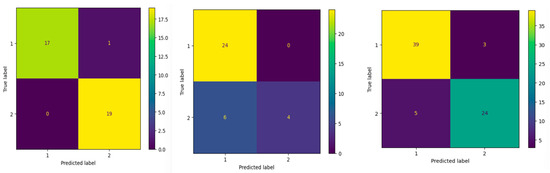
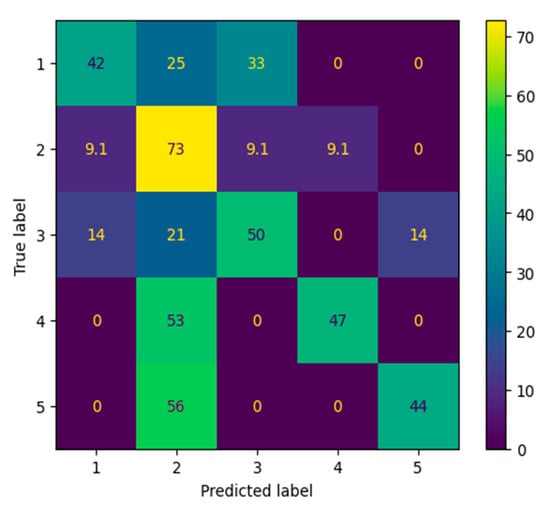
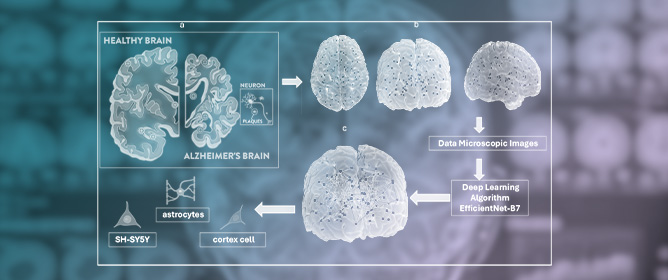
Hybrid Vision Transformer–CNN Framework for Alzheimer’s Disease Cell Type Classification: A Comparative Study with Vision–Language Models -
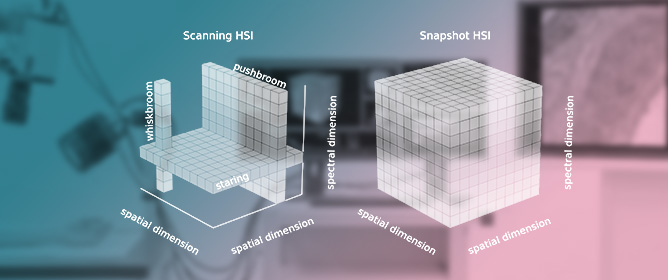
Design and Development of an Automated Pipeline for Medical Hyperspectral Image Acquisition, Processing, and Fusion -
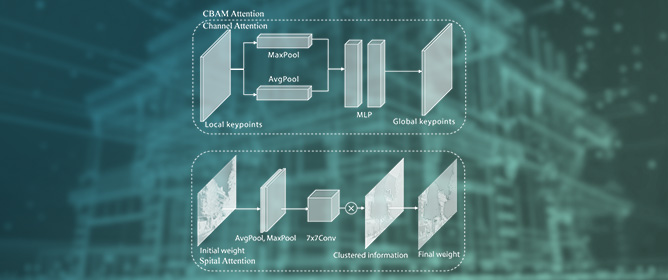
Semantics-Refined Feature Extraction for Long-Term Visual Localization -
The Retina as a Window to Neurodegeneration: OCT Insights -
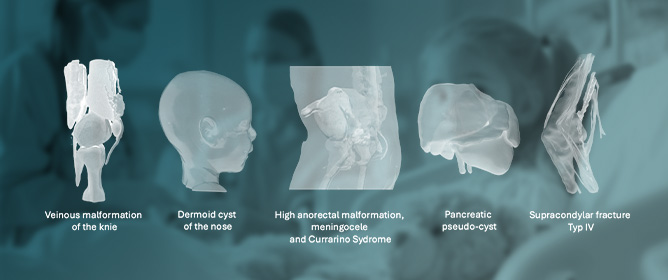
Use of Patient-Specific 3D Models in Paediatric Surgery: Effect on Communication and Surgical Management
Journal Description
Journal of Imaging
Journal of Imaging
is an international, multi/interdisciplinary, peer-reviewed, open access journal of imaging techniques, published online monthly by MDPI.
- Open Accessfree for readers, with article processing charges (APC) paid by authors or their institutions.
- High Visibility: indexed within Scopus, ESCI (Web of Science), PubMed, PMC, dblp, Inspec, Ei Compendex, and other databases.
- Journal Rank: JCR - Q2 (Imaging Science and Photographic Technology) / CiteScore - Q1 (Radiology, Nuclear Medicine and Imaging)
- Rapid Publication: manuscripts are peer-reviewed and a first decision is provided to authors approximately 18 days after submission; acceptance to publication is undertaken in 3.6 days (median values for papers published in this journal in the second half of 2025).
- Recognition of Reviewers: reviewers who provide timely, thorough peer-review reports receive vouchers entitling them to a discount on the APC of their next publication in any MDPI journal, in appreciation of the work done.
Impact Factor:
3.3 (2024);
5-Year Impact Factor:
3.3 (2024)
Latest Articles
Physically Guided Attention Mechanism for Underwater Motion Deblurring via Cep9613strum-Based Blur Estimation
J. Imaging 2026, 12(5), 186; https://doi.org/10.3390/jimaging12050186 (registering DOI) - 26 Apr 2026
Abstract
Underwater images often suffer from mixed degradations, including motion blur, which reduce structural clarity and adversely affect downstream vision tasks. To address this problem, we propose a physically guided Transformer framework for underwater motion deblurring. The proposed method combines two-stage cepstrum-based blur estimation
[...] Read more.
Underwater images often suffer from mixed degradations, including motion blur, which reduce structural clarity and adversely affect downstream vision tasks. To address this problem, we propose a physically guided Transformer framework for underwater motion deblurring. The proposed method combines two-stage cepstrum-based blur estimation with a point spread function (PSF)-guided self-attention mechanism. Specifically, blur parameters are first robustly estimated through cepstrum analysis, ellipse fitting, and negative-peak refinement, and the resulting PSF is then embedded into the Transformer attention module to guide feature aggregation. On the real underwater benchmark datasets UIEB Challenge-60 and EUVP330, the proposed method achieves UIQM/UCIQE scores of 4.09/0.56 and 3.40/0.58, respectively, significantly outperforming UFPNet and Phaseformer, thereby demonstrating superior perceptual restoration in terms of sharpness, contrast, and color consistency. On the synthetic test set, the proposed method attains 24.23 dB PSNR and 0.918 SSIM, outperforming both recent deep models and classical non-blind deconvolution methods, which confirms its strong restoration fidelity and structural consistency. In the controlled water-tank experiments, the proposed method consistently achieves the best performance under different camera motion speeds, demonstrating excellent robustness and practical applicability. Overall, the proposed framework provides an effective and physically interpretable solution for underwater motion deblurring.
Full article
(This article belongs to the Section Image and Video Processing)
Open AccessArticle
Influence of Intrapancreatic Fat Deposition on Regional and Total Pancreatic T1 Relaxation Times at 3.0 Tesla MRI
by
Xiatiguli Shamaitijiang, Beau Pontre, Loren Skudder-Hill, Yutong Liu and Maxim S. Petrov
J. Imaging 2026, 12(5), 185; https://doi.org/10.3390/jimaging12050185 - 24 Apr 2026
Abstract
Longitudinal relaxation time (T1) can be used to assess pancreatic pathology on magnetic resonance imaging (MRI). Although pancreatic T1 values may be influenced by intra-organ fat content, regional variation within the pancreas and the impact of potential confounders have not been comprehensively examined.
[...] Read more.
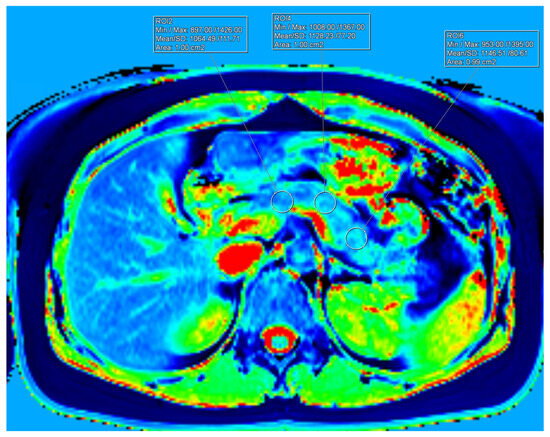
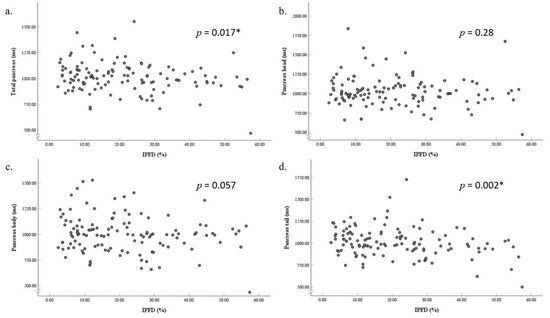
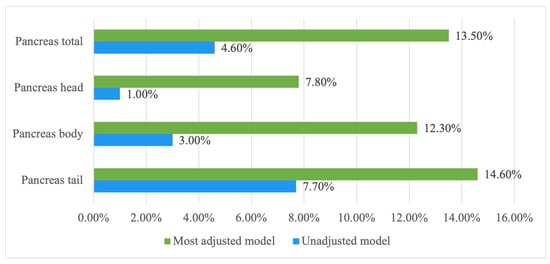
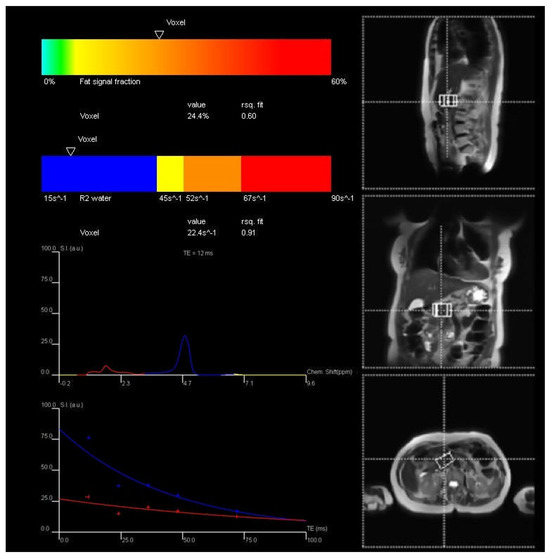
Longitudinal relaxation time (T1) can be used to assess pancreatic pathology on magnetic resonance imaging (MRI). Although pancreatic T1 values may be influenced by intra-organ fat content, regional variation within the pancreas and the impact of potential confounders have not been comprehensively examined. This study aimed to investigate the nuanced associations between intrapancreatic fat deposition (IPFD) and both regional and total pancreatic T1 relaxation times. Pancreatic T1 relaxation times were quantified with B1-corrected dual flip-angle 3D-VIBE imaging at 3.0 Tesla, whereas IPFD was measured with a high-speed, T2-corrected multi-echo sequence. Linear regression models were constructed to evaluate the association between IPFD and T1 values, with adjustment for relevant covariates. A total of 124 individuals were included in the analysis. IPFD explained 4.6% of the variance in total pancreatic T1 values, with notable regional differences: 1.0% in the head, 3.0% in the body, and 7.7% in the tail of the pancreas. In the fully adjusted model, IPFD was significantly associated with total pancreatic T1 values (p = 0.001), with consistent significant associations observed across all pancreatic regions: head (p = 0.03), body (p = 0.004), and tail (p = 0.002). These findings demonstrate that IPFD is a significant determinant of pancreatic T1 relaxation times. Accordingly, IPFD should be considered a potential confounder in pancreatic T1 assessments and accounted for when interpreting T1 relaxation times on pancreatic MRI in both research and clinical contexts.
Full article
(This article belongs to the Special Issue Advancing Magnetic Resonance Imaging: Emerging Technologies, Computation, and Clinical Applications)
►▼
Show Figures

Figure 1
Open AccessArticle
Infrared Small-Target Segmentation Framework Based on Morphological Attention and Energy Core Loss
by
Baoyu Zhu, Qunbo Lv, Yangyang Liu, Haoran Cao and Zheng Tan
J. Imaging 2026, 12(5), 184; https://doi.org/10.3390/jimaging12050184 - 24 Apr 2026
Abstract
Infrared small-target segmentation (IRSTS) is crucial for a wide range of applications, including maritime search-and-rescue operations and intelligent traffic surveillance. However, current deep learning methods struggle with dynamic scale variations in infrared small targets, resulting in false detections and missed detections, alongside inadequate
[...] Read more.
Infrared small-target segmentation (IRSTS) is crucial for a wide range of applications, including maritime search-and-rescue operations and intelligent traffic surveillance. However, current deep learning methods struggle with dynamic scale variations in infrared small targets, resulting in false detections and missed detections, alongside inadequate core localization accuracy. To address these challenges, we propose an infrared small-target segmentation framework founded on morphological attention and an energy core loss function, IRSTS_Unet. Specifically, we design a Dynamic Shape-adaptive Deformable Attention Module (DSDAM), which achieves parameterized feature extraction via “initial localization–offset deformation–precise sampling”. This approach enables the network to differentially focus on target cores and background cues to suppress clutter. To improve the efficiency of multi-scale feature aggregation, we embed the DSDAM within both the feature extraction and cross-layer fusion stages. Furthermore, we formulate a Core Energy-aware Core-Priority loss (CECP-Loss) function that incorporates the energy prior distribution of small targets, effectively counteracting the “core dilution” phenomenon endemic to conventional loss functions. Through extensive experiments on multiple public datasets, we demonstrate that IRSTS_U-Net outperforms state-of-the-art approaches in terms of both detection accuracy and robustness.
Full article
(This article belongs to the Topic Intelligent Image Processing Technology)
Open AccessArticle
DiGS: Depth-Initialized Gaussian Splatting for Single-Object Reconstruction
by
Jacopo Meglioraldi, Pasquale Cascarano and Gustavo Marfia
J. Imaging 2026, 12(5), 183; https://doi.org/10.3390/jimaging12050183 - 24 Apr 2026
Abstract
Gaussian Splatting is a state-of-the-art technique for 3D reconstruction. In this paper, we investigate how different initialization strategies influence the optimization process within the Gaussian Splatting framework, showing that more accurate initial point clouds can greatly influence the quality of object reconstruction. We
[...] Read more.
Gaussian Splatting is a state-of-the-art technique for 3D reconstruction. In this paper, we investigate how different initialization strategies influence the optimization process within the Gaussian Splatting framework, showing that more accurate initial point clouds can greatly influence the quality of object reconstruction. We introduce the Depth-initialized Gaussian Splatting (DiGS) approach, a pipeline that leverages depth-based initialization. By incorporating depth data from a calibrated stereo camera setup, the proposed method significantly enhances model performance, particularly during the early optimization stages. DiGS is particularly effective for reconstructing isolated single objects and improving the recovery of fine-grained details. Several tests on synthetic and real-world datasets confirm the effectiveness of the proposed pipeline. To evaluate our approach, we employ objective metrics and a user study involving 20 participants to assess with human perception the quality of the proposed approach.
Full article
(This article belongs to the Section Visualization and Computer Graphics)
Open AccessArticle
Phase-Domain Peak-Based Correspondence Extraction for Robust Structured-Light Imaging
by
Andrijana Ćurković, Milan Ćurković and Alen Grebo
J. Imaging 2026, 12(5), 182; https://doi.org/10.3390/jimaging12050182 - 23 Apr 2026
Abstract
Standard fringe-based structured-light processing estimates wrapped phase from phase-shifted sinusoidal images and commonly relies on phase unwrapping to obtain a globally consistent phase representation. In practical measurements, this approach may become unstable on reflective objects and under low or non-uniform illumination, where the
[...] Read more.
Standard fringe-based structured-light processing estimates wrapped phase from phase-shifted sinusoidal images and commonly relies on phase unwrapping to obtain a globally consistent phase representation. In practical measurements, this approach may become unstable on reflective objects and under low or non-uniform illumination, where the recorded fringe signal is distorted and the recovered phase becomes unreliable. To address these limitations, we propose a correspondence extraction method based on subpixel peak localization performed directly on phase-domain images. The wrapped phase is transformed into absolute value phase profiles, , whose local structure follows the projected fringe pattern and is less affected by object-dependent intensity variations. The proposed method reformulates correspondence extraction as a local signal-based estimation problem in the phase-domain, thereby reducing reliance on global phase-consistency constraints at the correspondence stage. A practical advantage observed in the evaluated examples is that the method remained usable in some regions where the phase became locally flat because of low modulation, saturation, or reflective surface effects. In such regions, conventional processing relies on sufficiently reliable phase gradients and subsequent unwrapping, whereas the proposed method uses local peak geometry in the transformed phase representation. In the implementation used here, Gray-code information is employed only for pixel-wise phase extension and reference indexing, not as a spatial phase-unwrapping mechanism. The method does not require machine learning models or training data and can be integrated as a correspondence analysis stage in practical structured-light systems.
Full article
(This article belongs to the Section Computer Vision and Pattern Recognition)
Open AccessReview
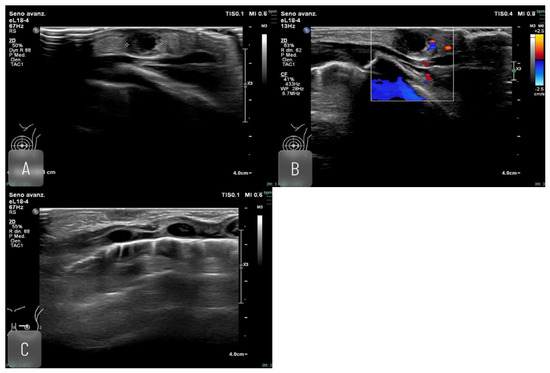
A Pictorial Review on Mastitis: Clinical Aspects, Imaging Features and Complications
by
Giovanna Romanucci, Claudia Rossati, Marco Conti, Delia Moretti, Gianluca Russo, Francesca Fornasa, Carlotta Rucci, Oscar Tommasini, Paolo Belli and Rossella Rella
J. Imaging 2026, 12(5), 181; https://doi.org/10.3390/jimaging12050181 - 23 Apr 2026
Abstract
Breast mastitis is a common condition that can be found during clinical practice, challenging the clinician, who must reach the correct diagnosis among the many differentials, to properly treat the underlying pathology. In this review, we aim to provide clinicians and radiologists with
[...] Read more.
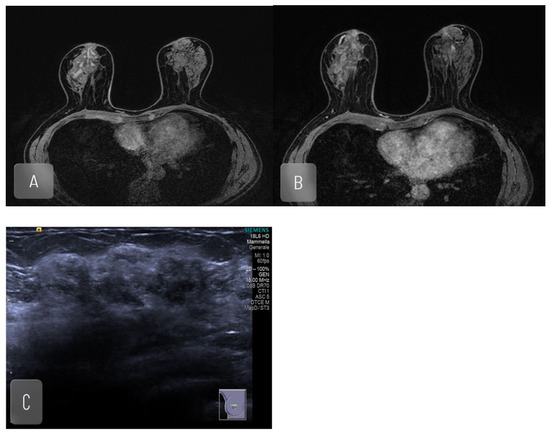
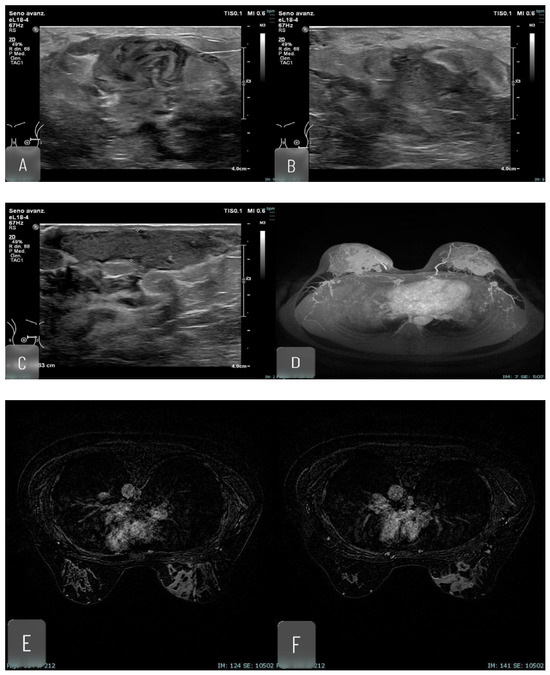
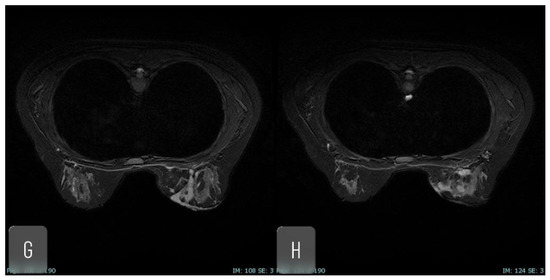
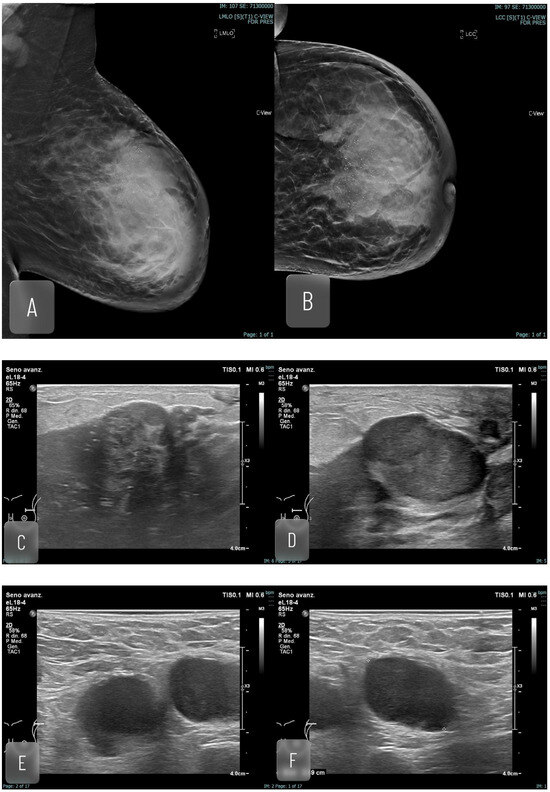
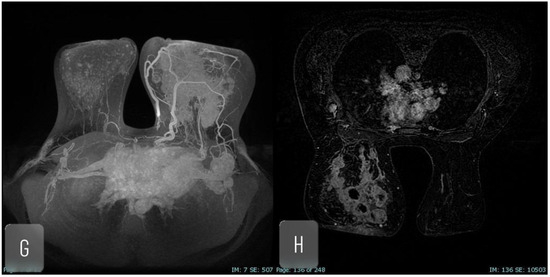
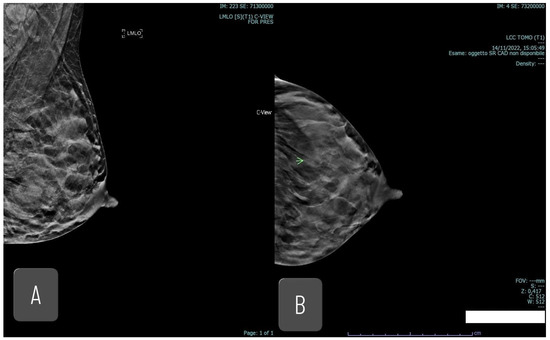
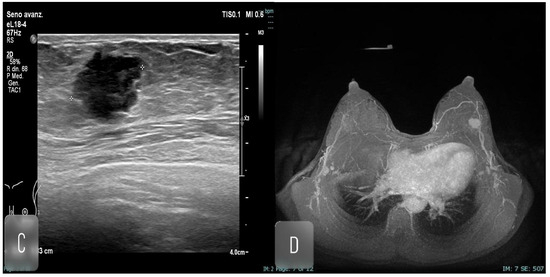
Breast mastitis is a common condition that can be found during clinical practice, challenging the clinician, who must reach the correct diagnosis among the many differentials, to properly treat the underlying pathology. In this review, we aim to provide clinicians and radiologists with an overview of the various forms of mastitis, focusing on clinical presentation, etiological subtypes, imaging appearances across modalities (e.g., ultrasound, mammography/tomosynthesis, contrast enhanced techniques, MRI), related complications, and the typical imaging takeaways. Our goal is also to provide tools for the correct differential diagnosis between various forms of mastitis, breast cancer and other inflammatory breast pathologies. A computerized literature search using PubMed and Google Scholar was performed by authors, entering various keywords (e.g., “mastitis”, “breast infections”, “breast abscess”, “breast cancer mimickers”, “lactational mastitis”, “non lactational mastitis”, “mastitis imaging”, “rare forms of mastitis”). Articles published between 2002 and 2025 were taken into consideration. The authors selected various eligible studies, scientific articles and extracted data to cover the whole spectrum of mastitis clinical presentation and underlying pathology. Authors divided the mastitis spectrum into “lactational” and “non-lactational” forms. Between the second group, periductal mastitis, idiopathic granulomatous mastitis, and rarer forms are taken into consideration. Our review has several limitations: it is a narrative and not systematic review and has limited generalizability of rare subtypes because of the case report driven evidence, heterogeneity of selected studies and potential selection bias. It supplies imaging from various clinical cases, which can be useful to familiarize with the pathology spectrum. In conclusion, breast mastitis is a challenge for breast radiologists and clinicians, familiarity with this condition is crucial to make a correct differential diagnosis. Further studies are needed on rarer subtypes.
Full article
(This article belongs to the Section Medical Imaging)
►▼
Show Figures

Figure 1
Open AccessReview
Neural Computing Advancements in Cardiac Imaging: A Review of Deep Learning Approaches for Heart Disease Diagnosis
by
Tarek Berghout
J. Imaging 2026, 12(5), 180; https://doi.org/10.3390/jimaging12050180 - 22 Apr 2026
Abstract
Heart disease remains a leading cause of mortality worldwide, and timely and accurate diagnosis is crucial for improving patient outcomes. Medical imaging plays a pivotal role in this process, yet traditional diagnostic methods often suffer from limitations, including dependency on manual interpretation, susceptibility
[...] Read more.
Heart disease remains a leading cause of mortality worldwide, and timely and accurate diagnosis is crucial for improving patient outcomes. Medical imaging plays a pivotal role in this process, yet traditional diagnostic methods often suffer from limitations, including dependency on manual interpretation, susceptibility to observer variability, and inefficiency in handling large-scale data. Deep learning has emerged as an innovative technology in medical imaging, providing unparalleled advancements in feature extraction, segmentation, classification, and prediction tasks. Despite its proven potential, comprehensive reviews of deep learning methods specifically targeted at cardiac imaging remain scarce. This review paper seeks to bridge this gap by analyzing the state-of-the-art deep learning applications for heart disease diagnosis, covering the period from 2015 to 2025. Employing a well-structured methodology, this review categorizes and examines studies based on imaging modalities: Ultrasound (US), Magnetic Resonance Imaging (MRI), X-ray, Computed Tomography (CT), and Electrocardiography (ECG). For each modality, the analysis focuses on utilized datasets, processing techniques (e.g., extraction, segmentation and classification), and paradigms (e.g., transfer learning, federated learning, explainability, interpretability, and uncertainty quantification). Additionally, the types of heart disease addressed and prediction accuracy metrics are also scrutinized. These findings point toward future opportunities, including the study of data quality, optimization, transfer learning, uncertainty quantification and model explainability or interpretability. Furthermore, exploring advanced techniques such as recurrent expansion, transformers, and other architectures may unlock new pathways in cardiac imaging research. This review is a critical synthesis offering a roadmap for researchers and practitioners to advance the application of deep learning in heart disease diagnosis.
Full article
(This article belongs to the Special Issue Advances and Challenges in Cardiovascular Imaging)
Open AccessArticle
Automated Morphological Profiling via Deep Learning-Based Segmentation for High-Throughput Phenotypic Screening
by
Bendegúz H. Zováthi and Philipp Kainz
J. Imaging 2026, 12(4), 179; https://doi.org/10.3390/jimaging12040179 - 21 Apr 2026
Abstract
Reproducible morphological profiling, particularly for drug discovery, has become an important tool for compound evaluation. Established workflows such as CellProfiler provide a widely adopted foundation for Cell Painting analysis. However, conventional pipelines often require substantial manual configuration and technical expertise, which can limit
[...] Read more.
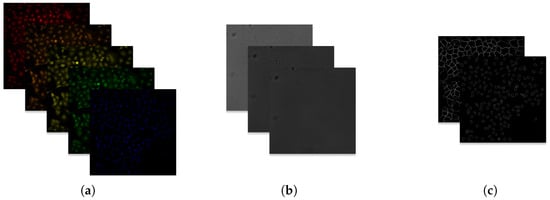
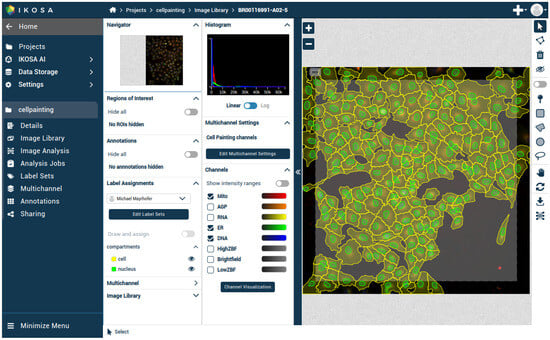
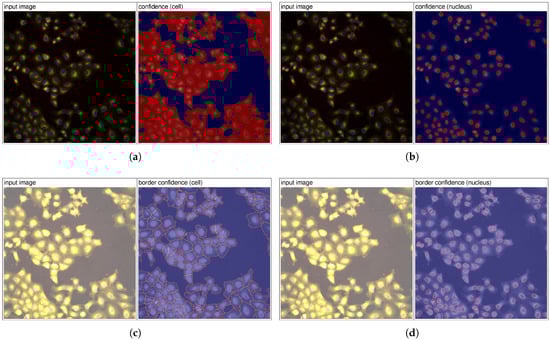
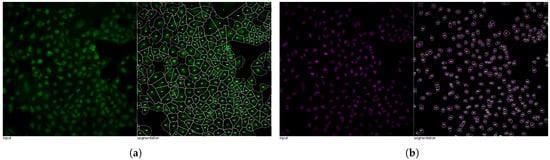
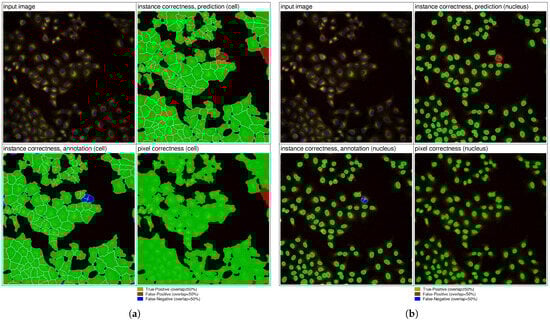
Reproducible morphological profiling, particularly for drug discovery, has become an important tool for compound evaluation. Established workflows such as CellProfiler provide a widely adopted foundation for Cell Painting analysis. However, conventional pipelines often require substantial manual configuration and technical expertise, which can limit scalability and accessibility. In this study, a fully automated deep learning-based workflow is presented for segmentation-driven morphological profiling from raw microscopy data. Using a curated subset of the JUMP Cell Painting pilot dataset, ground-truth masks were generated and used to train a U-net–based segmentation model in the IKOSA platform. Post-processing strategies were introduced to improve instance separation and reduce segmentation artifacts. The final model achieved strong segmentation performance (precision/recall/AP up to 0.98/0.94/0.92 for nuclei), with an average runtime of 2.2 s per 1080 × 1080 image. Segmentation outputs enabled large-scale feature extraction, yielding 3664 morphological descriptors that showed high correlation with CellProfiler-derived measurements (normalized MAE: 0.0298). Feature prioritization further reduced redundancy to 1145 informative descriptors. These results demonstrate that automated deep learning pipelines can complement established Cell Painting workflows by reducing configuration overhead while maintaining compatibility with validated morphological profiling standards. The proposed workflow may help improve resource efficiency in drug discovery and personalized medicine.
Full article
(This article belongs to the Special Issue Imaging in Healthcare: Progress and Challenges)
►▼
Show Figures

Figure 1
Open AccessArticle
A Method for Paired Comparisons of Glo Germ Quantity in Images of Hands Before and After Washing
by
Jordan Ali Rashid and Stuart Criley
J. Imaging 2026, 12(4), 178; https://doi.org/10.3390/jimaging12040178 - 21 Apr 2026
Abstract
We present a reproducible pipeline that converts color images into quantitative fluorescence maps by combining spectral measurement with a linear mixture model. The method is designed specifically for quantitative comparisons of Glo Germ™ on images of hands taken under different experimental conditions with
[...] Read more.
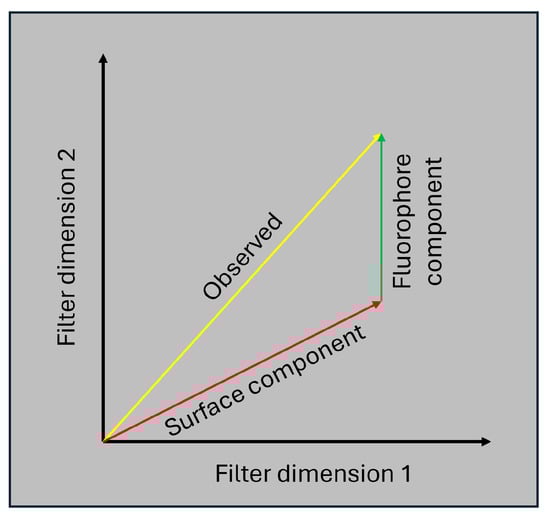
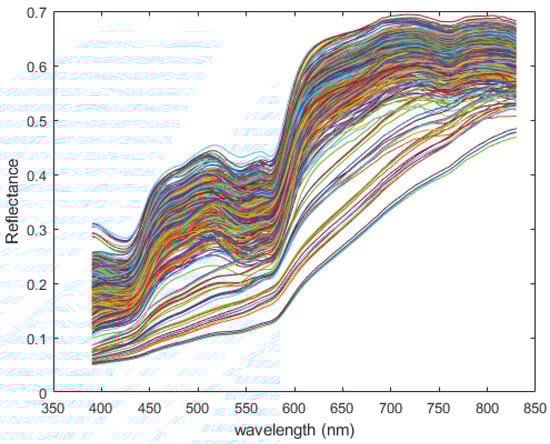
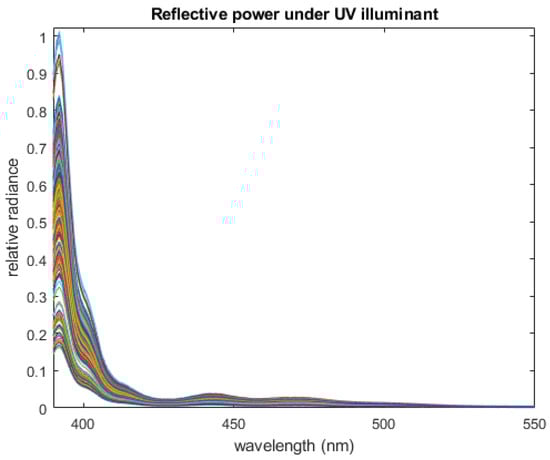
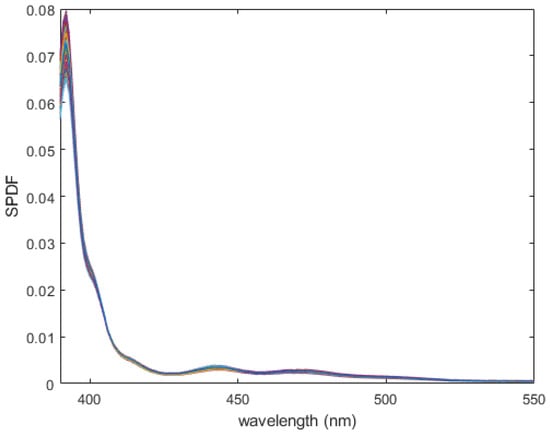
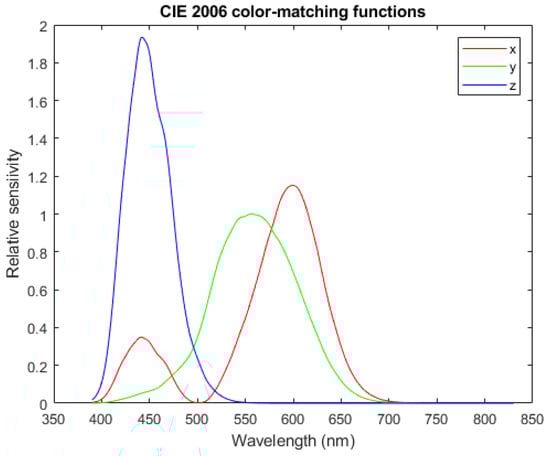
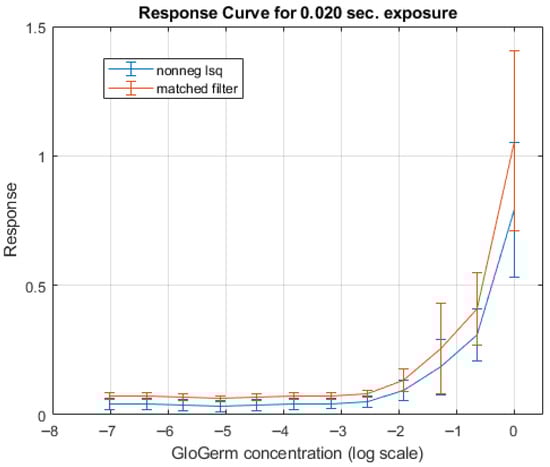
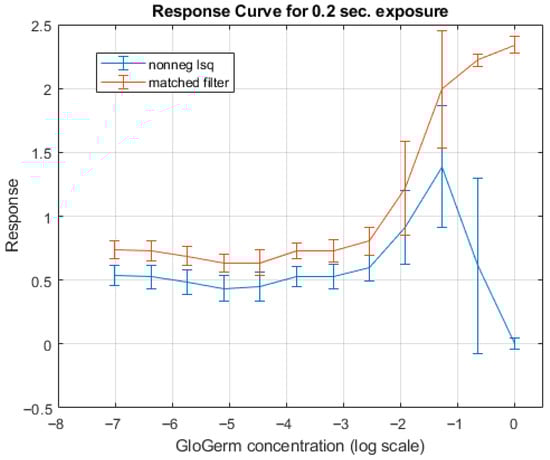
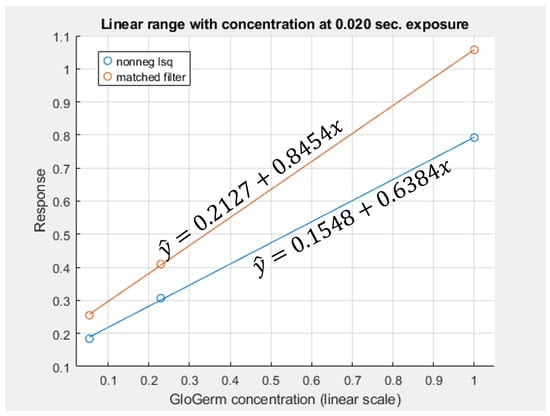
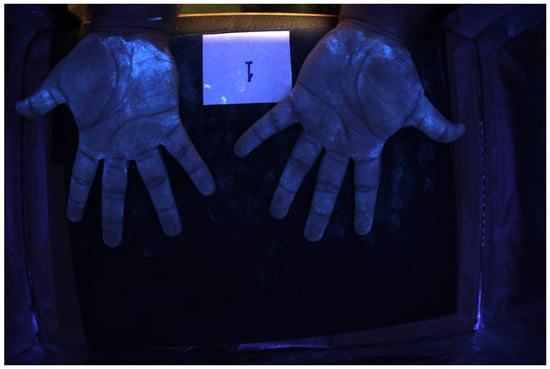
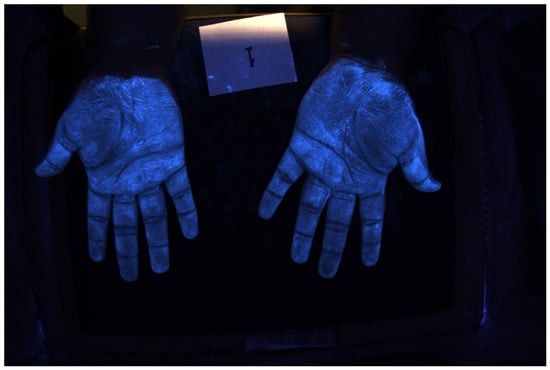
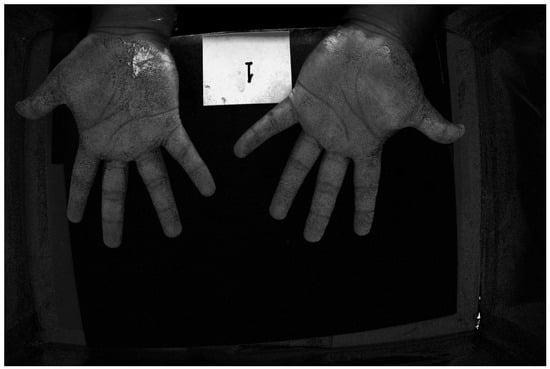
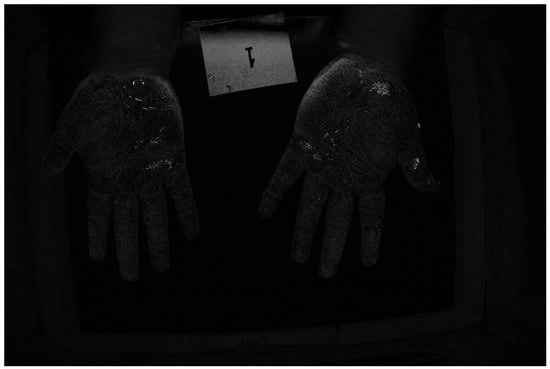
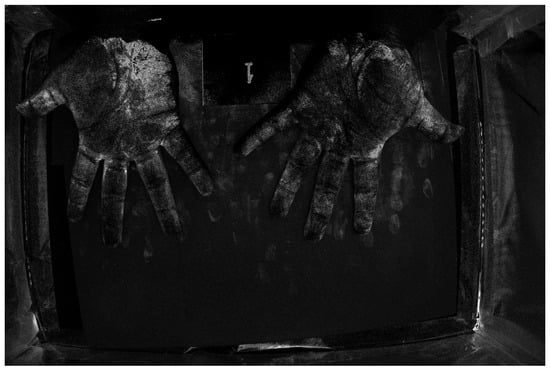
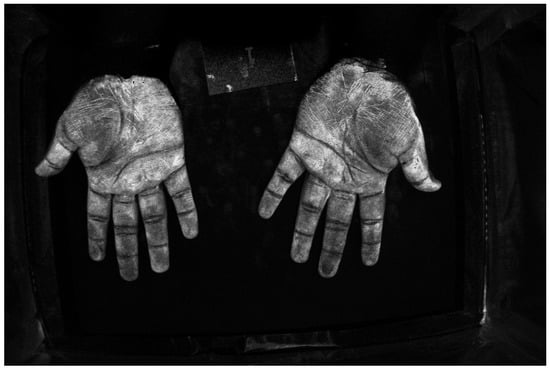
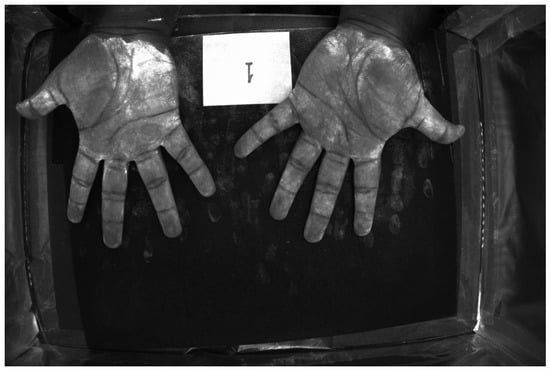
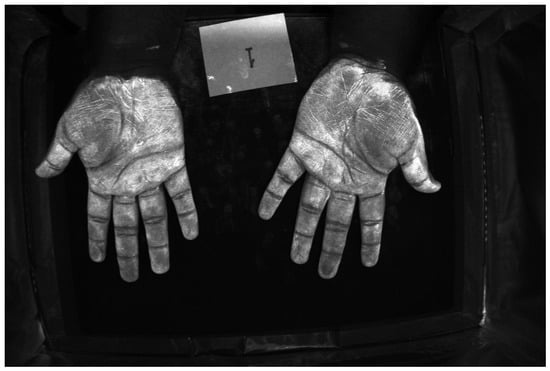
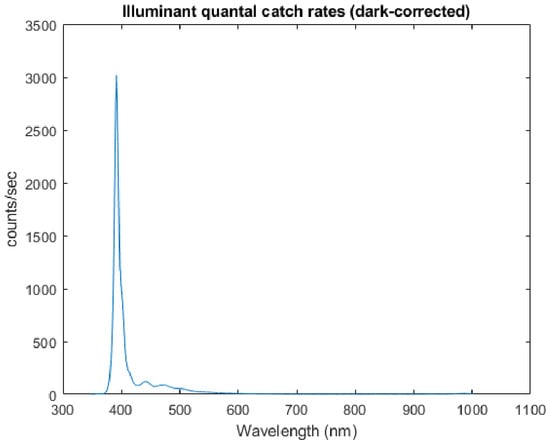
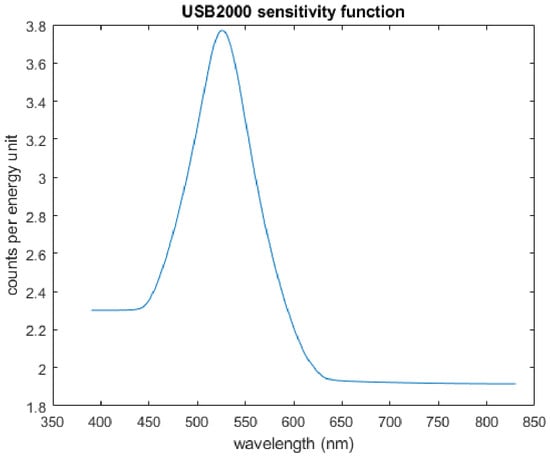
We present a reproducible pipeline that converts color images into quantitative fluorescence maps by combining spectral measurement with a linear mixture model. The method is designed specifically for quantitative comparisons of Glo Germ™ on images of hands taken under different experimental conditions with controlled illumination. The emission spectrum of Glo Germ is measured using a spectral photometer and normalized to obtain its spectral power density function. This spectrum is projected into CIE XYZ coordinates and incorporated into a linear mixture model in which each pixel contains contributions from white light, UV-illuminated skin reflectance, and fluorophore emission. Component magnitudes are estimated with non-negative least squares, yielding a grayscale image whose intensity is a monotonic proxy for local fluorophore density. Spatial integration provides an image-level summary proportional to total detected material. Compared with single-channel proxies, the observer suppresses background structure, improves contrast, and remains radiometrically interpretable. Because the method depends only on measurable spectra and linear transforms, it can be reproduced across cameras and extended to other fluorophores.
Full article
(This article belongs to the Section Color, Multi-spectral, and Hyperspectral Imaging)
►▼
Show Figures

Figure 1
Open AccessArticle
Video-Based Arabic Sign Language Recognition with Mediapipe and Deep Learning Techniques
by
Dana El-Rushaidat, Nour Almohammad, Raine Yeh and Kinda Fayyad
J. Imaging 2026, 12(4), 177; https://doi.org/10.3390/jimaging12040177 - 20 Apr 2026
Abstract
This paper addresses the critical communication barrier experienced by deaf and hearing-impaired individuals in the Arab world through the development of an affordable, video-based Arabic Sign Language (ArSL) recognition system. Designed for broad accessibility, the system eliminates specialized hardware by leveraging standard mobile
[...] Read more.
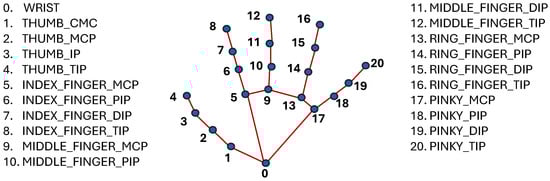
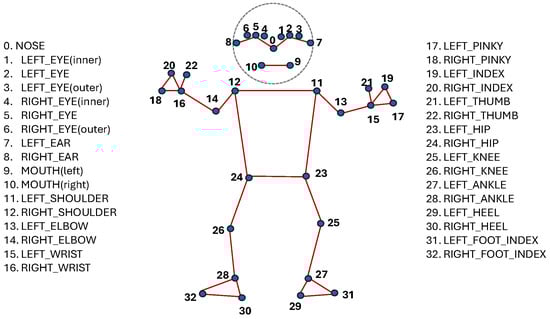
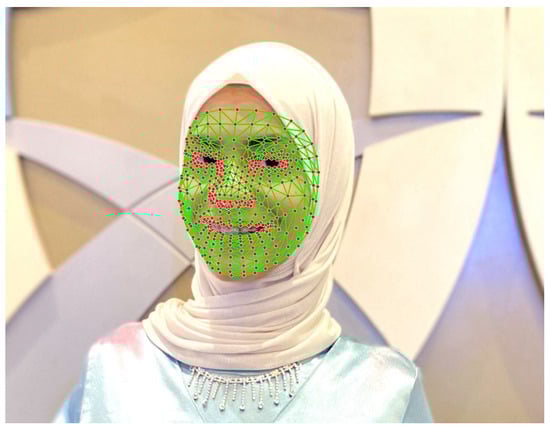
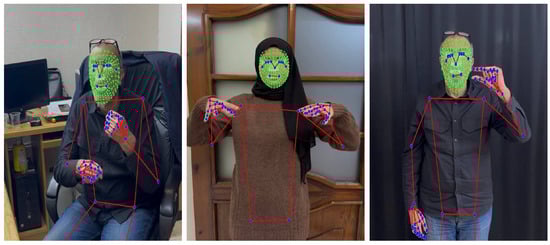
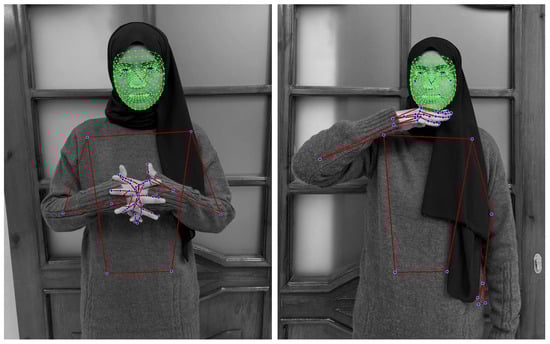
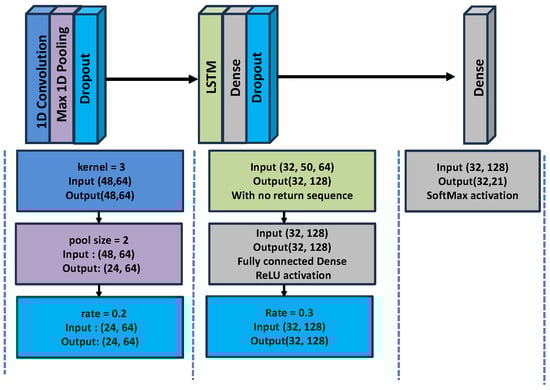
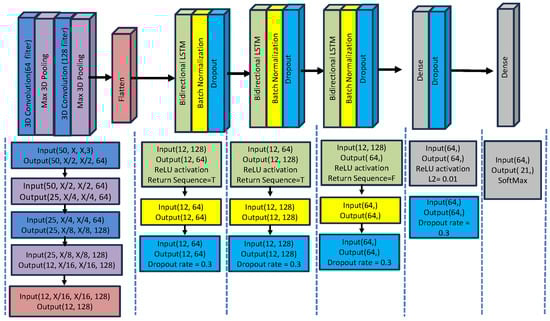
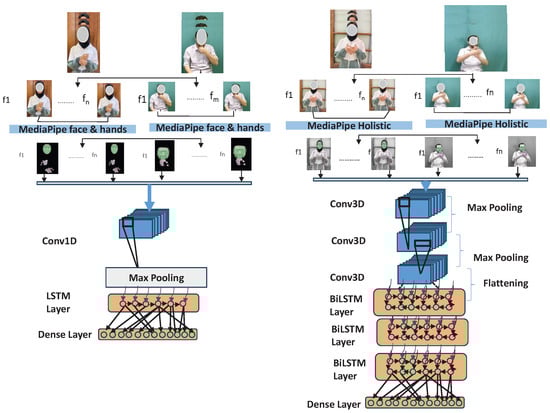
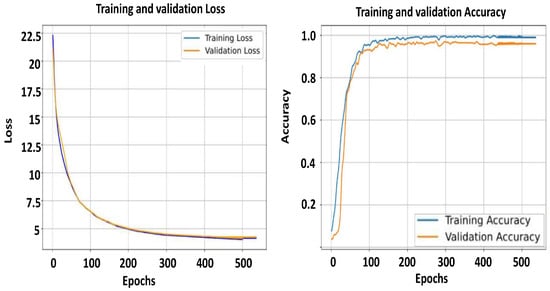
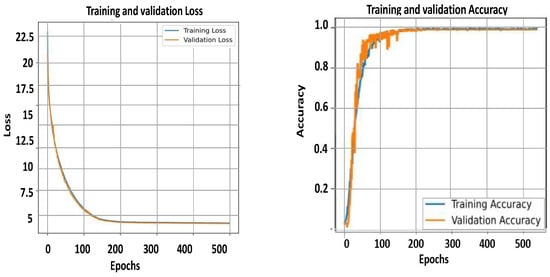
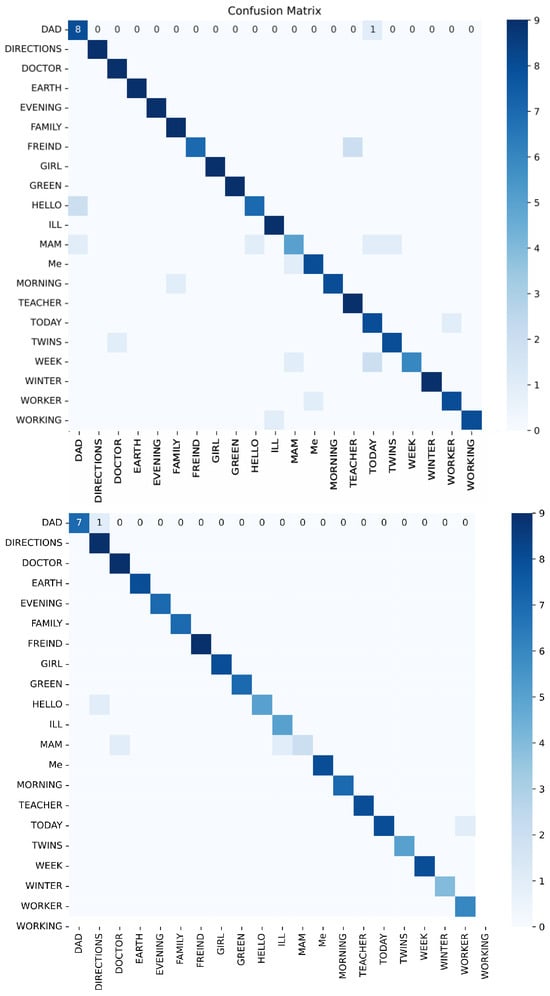
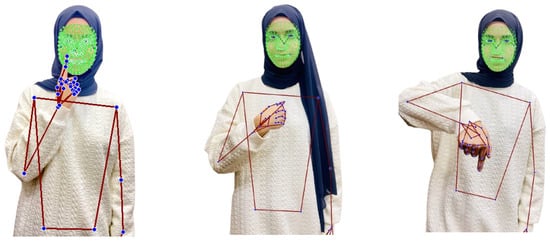
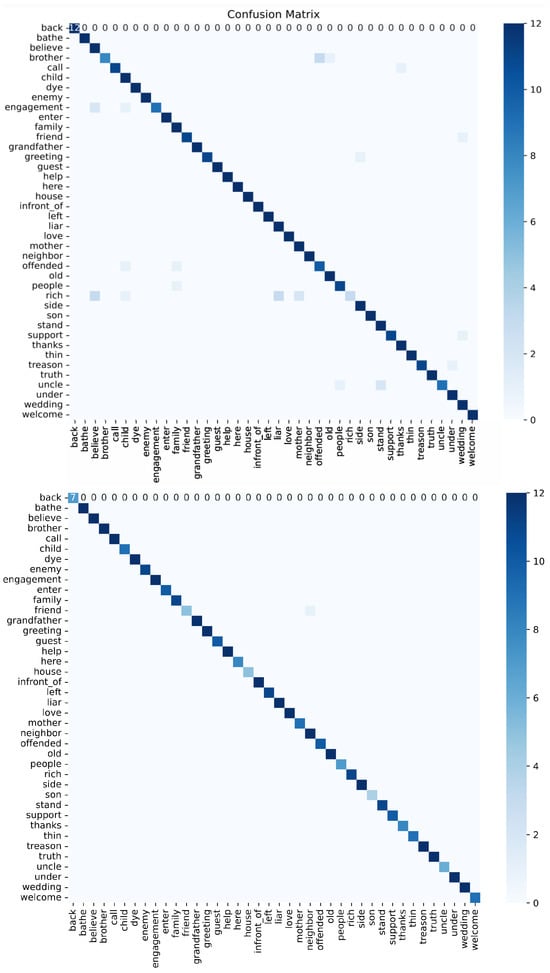
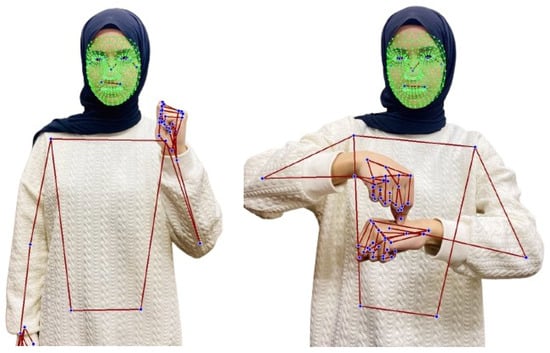
This paper addresses the critical communication barrier experienced by deaf and hearing-impaired individuals in the Arab world through the development of an affordable, video-based Arabic Sign Language (ArSL) recognition system. Designed for broad accessibility, the system eliminates specialized hardware by leveraging standard mobile or laptop cameras. Our methodology employs Mediapipe for real-time extraction of hand, face, and pose landmarks from video streams. These anatomical features are then processed by a hybrid deep learning model integrating Convolutional Neural Networks (CNNs) and Recurrent Neural Networks (RNNs), specifically Bidirectional Long Short-Term Memory (BiLSTM) layers. The CNN component captures spatial features, such as intricate hand shapes and body movements, within individual frames. Concurrently, BiLSTMs model long-term temporal dependencies and motion trajectories across consecutive frames. This integrated CNN-BiLSTM architecture is critical for generating a comprehensive spatiotemporal representation, enabling accurate differentiation of complex signs where meaning relies on both static gestures and dynamic transitions, thus preventing misclassification that CNN-only or RNN-only models would incur. Rigorously evaluated on the author-created JUST-SL dataset and the publicly available KArSL dataset, the system achieved 96% overall accuracy for JUST-SL and an impressive 99% for KArSL. These results demonstrate the system’s superior accuracy compared to previous research, particularly for recognizing full Arabic words, thereby significantly enhancing communication accessibility for the deaf and hearing-impaired community.
Full article
(This article belongs to the Section Computer Vision and Pattern Recognition)
►▼
Show Figures

Figure 1
Open AccessArticle
MSWA-ResNet: Multi-Scale Wavelet Attention for Patient-Level and Interpretable Breast Cancer Histopathology Classification
by
Ghadeer Al Sukkar, Ali Rodan and Azzam Sleit
J. Imaging 2026, 12(4), 176; https://doi.org/10.3390/jimaging12040176 - 19 Apr 2026
Abstract
Breast cancer histopathological classification is critical for diagnosis and treatment planning, yet manual assessment remains time-consuming and subject to inter-observer variability. Although deep learning approaches have advanced automated analysis, image-level data splitting may introduce data leakage, and spatial-domain architectures lack explicit multi-scale frequency
[...] Read more.
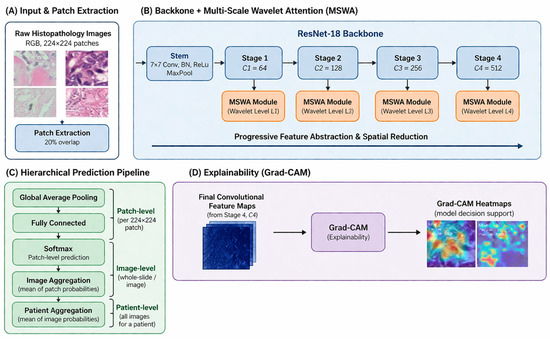
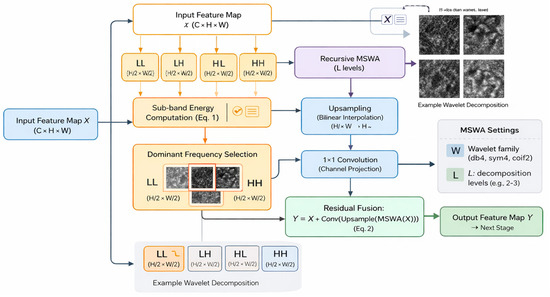
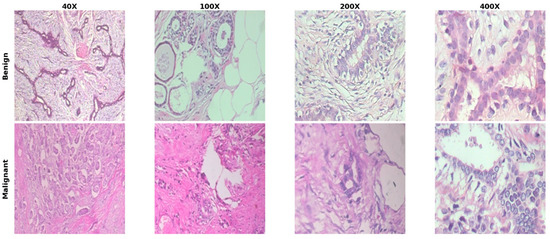
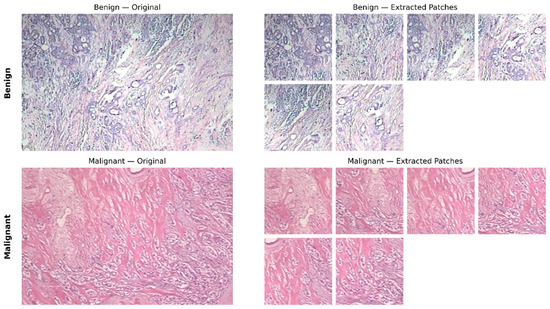
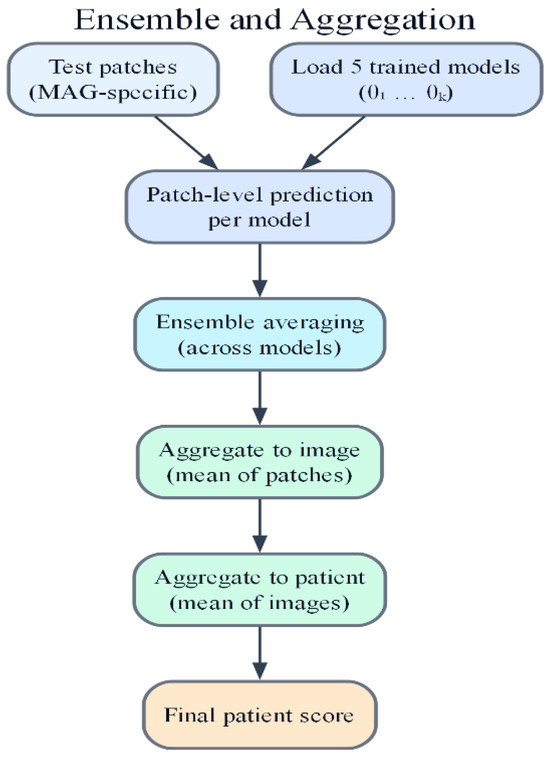
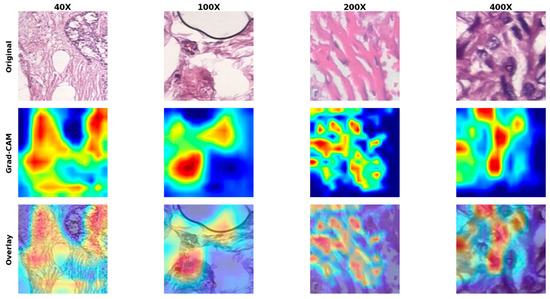
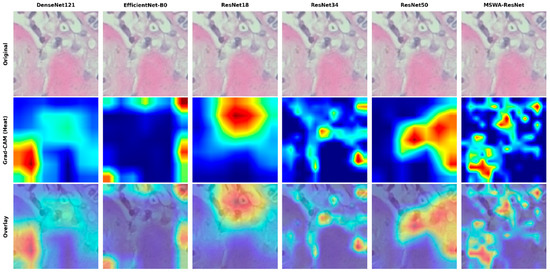
Breast cancer histopathological classification is critical for diagnosis and treatment planning, yet manual assessment remains time-consuming and subject to inter-observer variability. Although deep learning approaches have advanced automated analysis, image-level data splitting may introduce data leakage, and spatial-domain architectures lack explicit multi-scale frequency modeling. This study proposes MSWA-ResNet, a Multi-Scale Wavelet Attention Residual Network that embeds recursive discrete wavelet decomposition within residual blocks to enable frequency-aware and scale-aware feature learning. The model is evaluated on the BreakHis dataset using a strict patient-level protocol with 70/30 patient-wise splitting, five-fold stratified cross-validation, ensemble prediction, and hierarchical aggregation from patch to patient level. MSWA-ResNet achieves 96% patient-level accuracy at 100×, 200×, and 400× magnifications, and 92% at 40×, with F1-scores of 0.97 and 0.94, respectively. At 200× and 400×, accuracy improves from 0.92 to 0.96 and F1-score from 0.94 to 0.97 over baseline CNNs while maintaining 11.8–12.1 M parameters and 2.5–4.8 ms inference time. Grad-CAM demonstrates improved localization of diagnostically relevant regions, indicating that explicit multi-scale frequency modeling enhances accurate and interpretable patient-level classification.
Full article
(This article belongs to the Section Computer Vision and Pattern Recognition)
►▼
Show Figures

Figure 1
Open AccessArticle
SurveyNet: A Unified Deep Learning Framework for OCR and OMR-Based Survey Digitization
by
Rubi Quiñones, Sreeja Cheekireddy and Eren Gultepe
J. Imaging 2026, 12(4), 175; https://doi.org/10.3390/jimaging12040175 - 17 Apr 2026
Abstract
Manual survey data entry remains a bottleneck in large-scale research, marketing, and public policy, where survey sheets are still widely used due to accessibility and high response rates. Despite the progress in Optical Character Recognition (OCR) and Optical Mark Recognition (OMR), existing systems
[...] Read more.
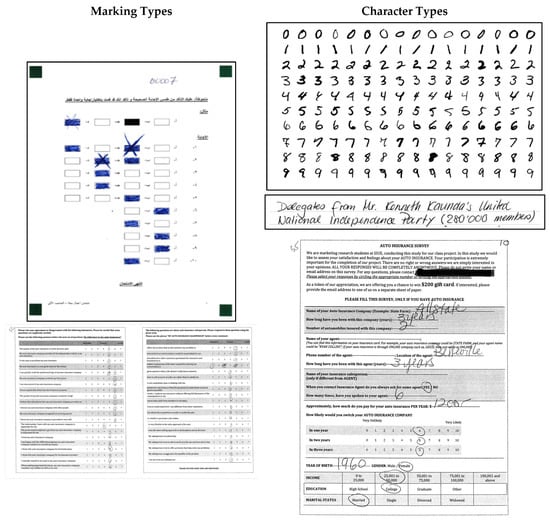
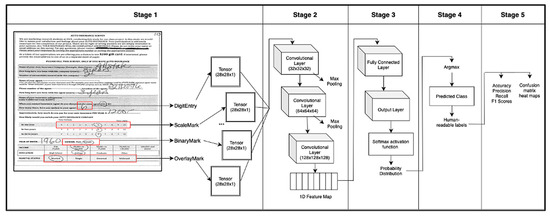
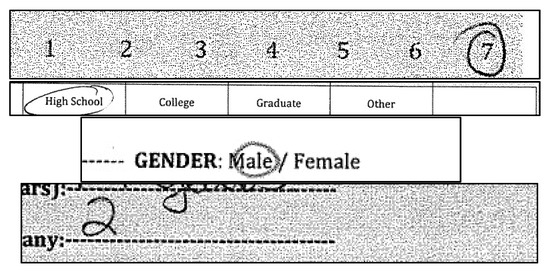
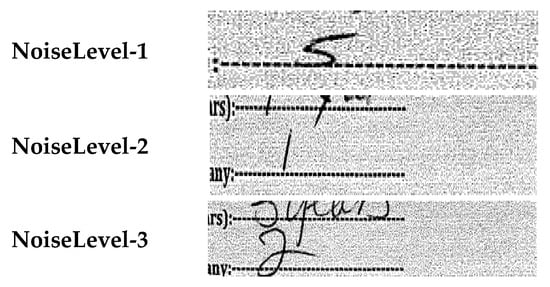
Manual survey data entry remains a bottleneck in large-scale research, marketing, and public policy, where survey sheets are still widely used due to accessibility and high response rates. Despite the progress in Optical Character Recognition (OCR) and Optical Mark Recognition (OMR), existing systems treat these tasks separately and are typically tailored to clean, standardized forms, making them unreliable for real-world survey sheets with diverse markings and handwritten inputs. These limitations hinder automation and introduce significant error rates in data transcription. To address this, we propose SurveyNet, a unified deep learning framework that combines OCR and OMR capabilities to automatically digitize complex survey responses within a single model. SurveyNet processes both handwritten digits and a wide variety of mark types including ticks, circles, and crosses across multiple question formats. We also introduce SurveySet, a novel dataset comprising 135 real-world survey forms annotated across four key response types. Experimental results demonstrate that SurveyNet achieves between 50% and 97% classification accuracy across tasks, with strong performance even on small and imbalanced datasets. This framework offers a scalable solution for streamlining survey digitization workflows, reducing manual errors, and enabling timely analysis in domains ranging from consumer research to public health and education.
Full article
(This article belongs to the Special Issue Celebrating the 10th Anniversary of the Journal of Imaging)
►▼
Show Figures

Figure 1
Open AccessArticle
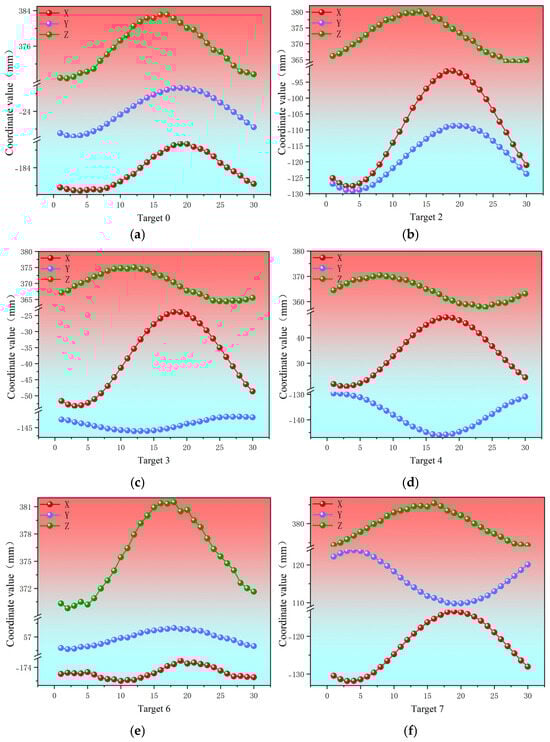
Vision-Based Measurement of Breathing Deformation in Wind Turbine Blade Fatigue Test
by
Xianlong Wei, Cailin Li, Zhiyong Wang, Zhao Hai, Jinghua Wang and Leian Zhang
J. Imaging 2026, 12(4), 174; https://doi.org/10.3390/jimaging12040174 - 17 Apr 2026
Abstract
Wind turbine blades are subjected to complex environmental conditions during long-term operation, which may lead to structural degradation and performance loss. To ensure structural integrity, fatigue testing prior to deployment is essential. This paper proposes a vision-based method for measuring the full-cycle breathing
[...] Read more.
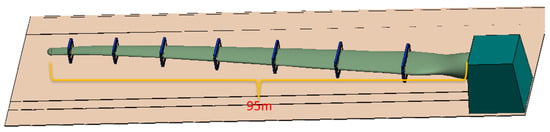
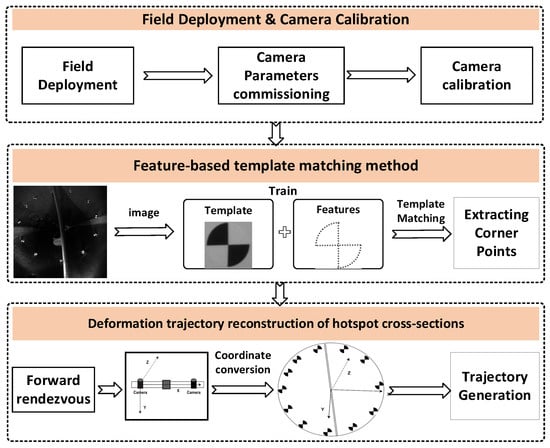
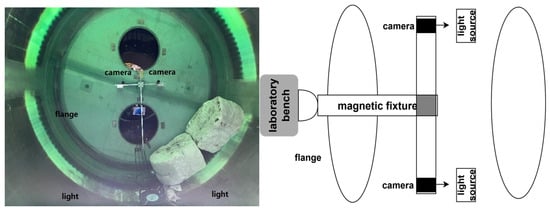
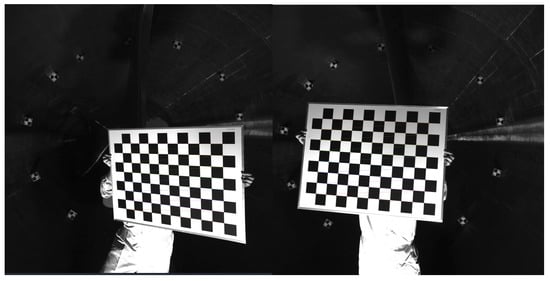
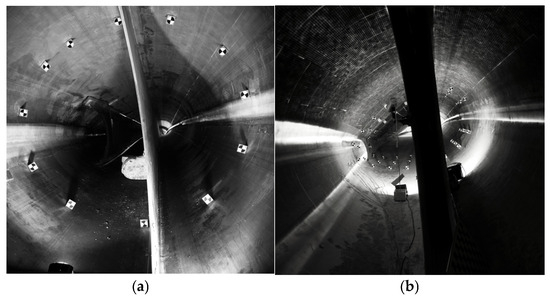
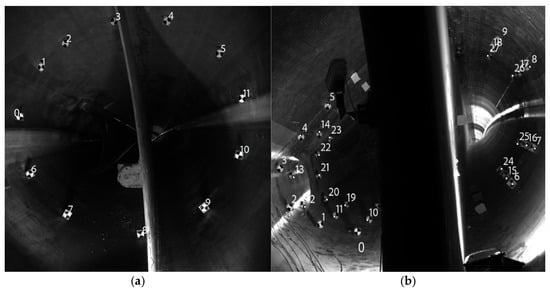
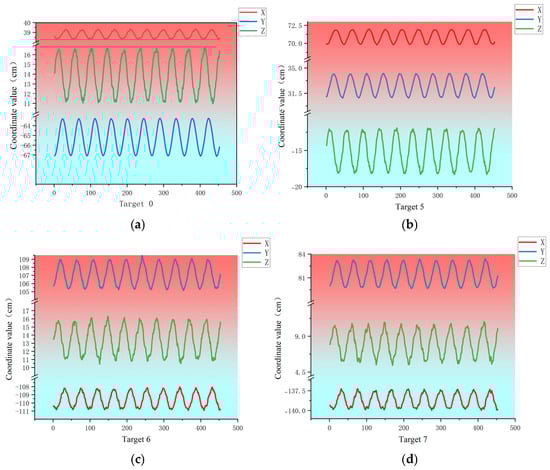
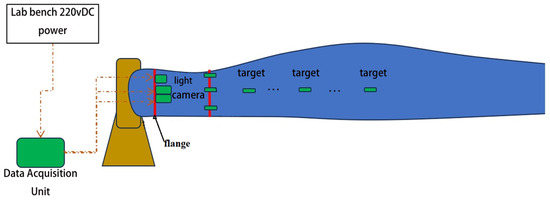
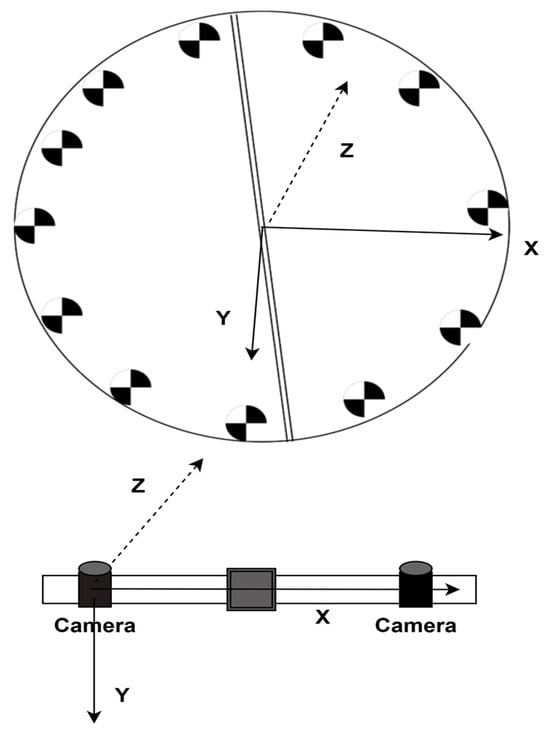
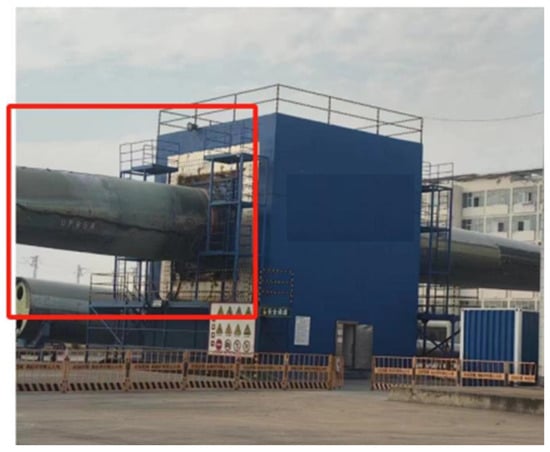
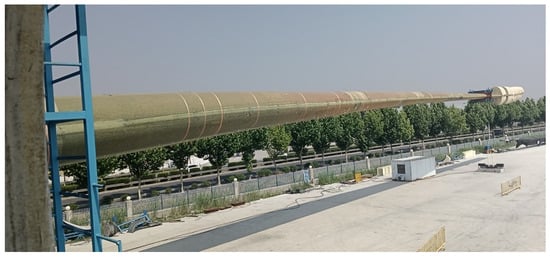
Wind turbine blades are subjected to complex environmental conditions during long-term operation, which may lead to structural degradation and performance loss. To ensure structural integrity, fatigue testing prior to deployment is essential. This paper proposes a vision-based method for measuring the full-cycle breathing deformation of wind turbine blades during fatigue testing. The method captures dynamic image sequences of the blade’s hotspot cross-section using industrial cameras and employs a feature-based template matching approach to reconstruct the three-dimensional coordinates of target points. Through coordinate transformation, the deformation trajectories are obtained, enabling quantitative analysis of the blade’s dynamic responses in both flapwise and edgewise directions. A dedicated hardware–software system was developed and validated through full-scale fatigue experiments. Quantitative comparison with strain gage measurements shows that the proposed method achieves mean absolute deviations of 0.84 mm and 0.93 mm in two independent experiments, respectively, with closely matched deformation trends under typical loading conditions. These results demonstrate that the proposed method can reliably capture the global deformation behavior of the blade with millimeter-level accuracy, while significantly reducing instrumentation complexity compared to conventional contact-based approaches. The proposed method provides an effective and practical solution for full-field dynamic deformation measurement in blade fatigue testing, offering strong potential for structural health monitoring and early damage detection in wind turbine systems.
Full article
(This article belongs to the Special Issue Emerging Domains in Computational Imaging and Computational Photography)
►▼
Show Figures

Figure 1
Open AccessReview
Cracking the Code: Computational Image Analysis Tools for Histopathological and Morphometric Insights
by
Ana Luisa Teixeira de Almeida, Ana Beatriz Gram dos Santos and Debora Ferreira Barreto-Vieira
J. Imaging 2026, 12(4), 173; https://doi.org/10.3390/jimaging12040173 - 17 Apr 2026
Abstract
The assessment of histopathological features has evolved considerably, transitioning from traditional manual measurements to more sophisticated, technology-assisted approaches. Classical histological evaluation, while foundational and highly reliable, is inherently labor-intensive and subject to inter-observer variability. With the advent of digital pathology, these practices have
[...] Read more.
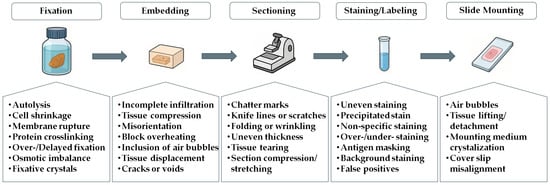
The assessment of histopathological features has evolved considerably, transitioning from traditional manual measurements to more sophisticated, technology-assisted approaches. Classical histological evaluation, while foundational and highly reliable, is inherently labor-intensive and subject to inter-observer variability. With the advent of digital pathology, these practices have been progressively enhanced by image processing software, which offers capabilities such as segmentation, feature extraction, and data visualization. However, despite their promise, the integration of machine learning into this branch of pathology faces notable challenges, such as the need for large, high-quality annotated datasets and the integration into existing workflows, which remain significant hurdles. Looking forward, the role of specialists in histological evaluation remains crucial in this evolving landscape. While automation streamlines routine tasks, the expertise of pathologists is indispensable in validating results and interpreting findings in scientific contexts. This comprehensive review explores the trajectory of histological evaluation methods, from manual and classical strategies to cutting-edge digital tools, highlighting the benefits, limitations, and implications of each approach in contemporary practice.
Full article
(This article belongs to the Special Issue AI-Driven Advances in Computational Pathology)
►▼
Show Figures

Figure 1
Open AccessArticle
Dual RANSAC with Rescue Midpoint Multi-Trend Vanishing Point Detection
by
Nada Said, Bilal Nakhal, Ali El-Zaart and Lama Affara
J. Imaging 2026, 12(4), 172; https://doi.org/10.3390/jimaging12040172 - 16 Apr 2026
Abstract
Vanishing point detection is a fundamental step in computer vision that allows 3D scene understanding and autonomous navigation. Classical techniques have significant challenges when trying to understand scenes that are heavily cluttered and images containing multiple perspective cues, leading to poor or unreliable
[...] Read more.
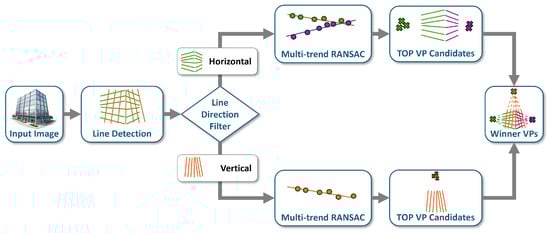
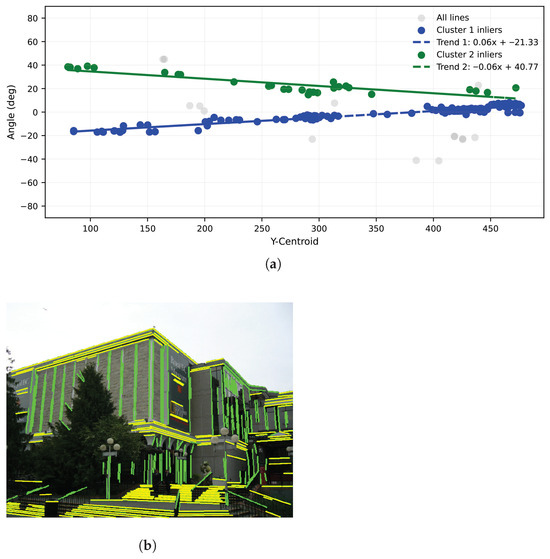
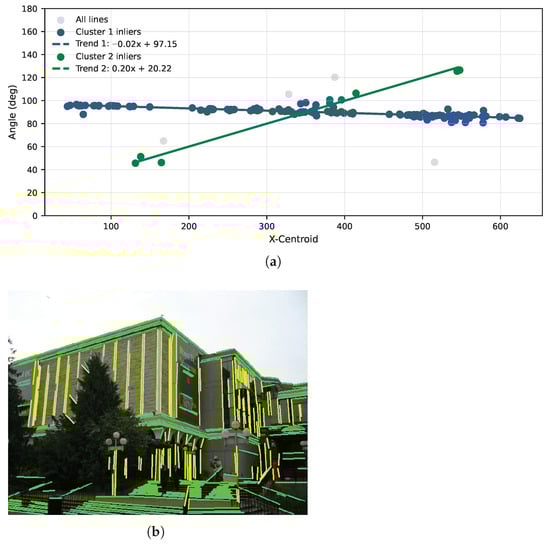
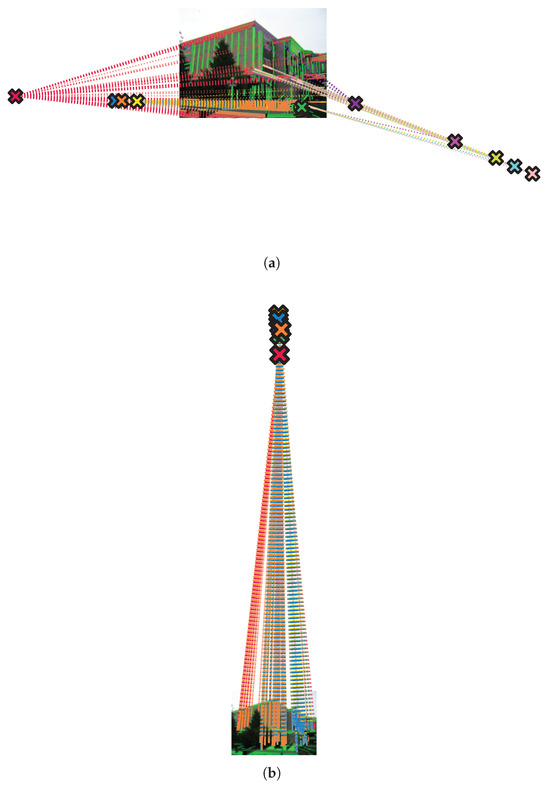
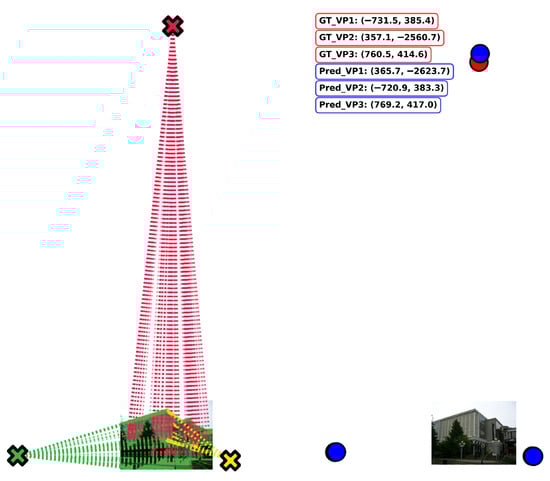
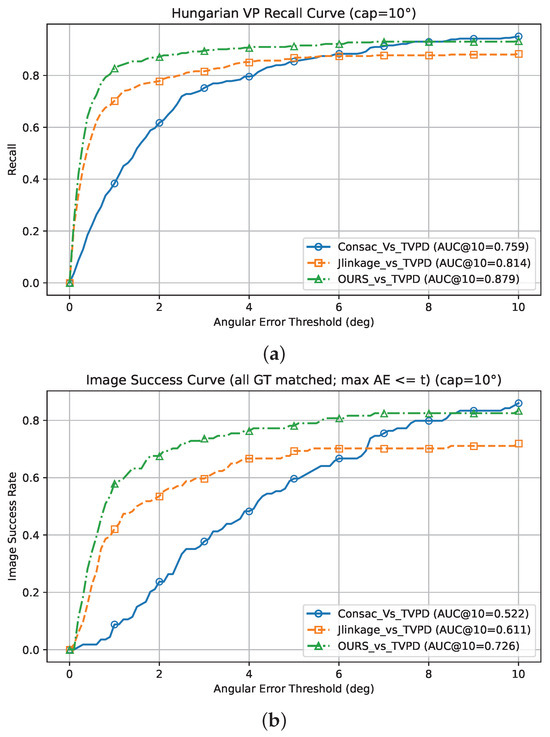
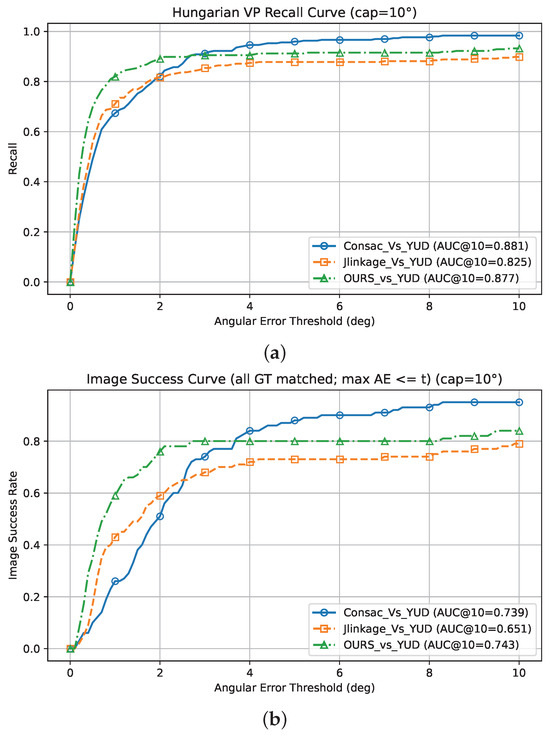
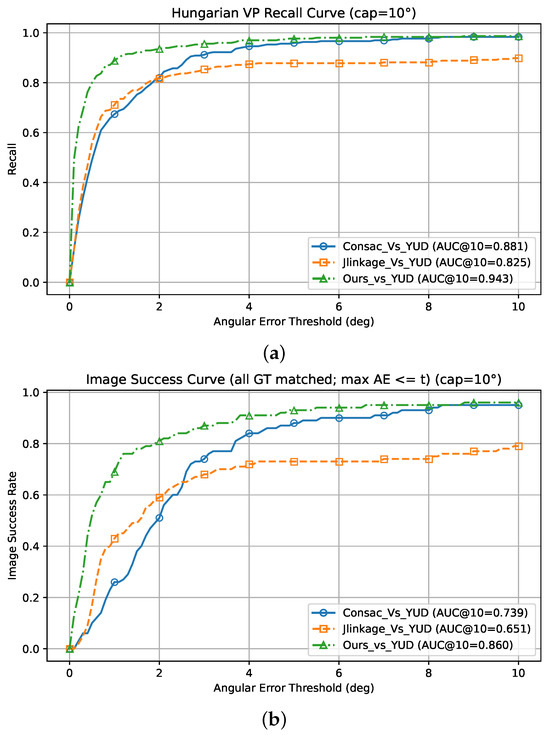
Vanishing point detection is a fundamental step in computer vision that allows 3D scene understanding and autonomous navigation. Classical techniques have significant challenges when trying to understand scenes that are heavily cluttered and images containing multiple perspective cues, leading to poor or unreliable vanishing point determination. We present a Dual RANSAC with Rescue Midpoint-based Multi-Trend Vanishing Point Detection framework, which targets the simultaneous detection and fine-tuning of multiple, globally consistent vanishing points. The proposed framework introduces a novel Midpoint-based Multi-Trend Random Sample Consensus formulation that operates on line segment midpoints to infer dominant directional groups, thereby eliminating noisy or unstable midpoints and stabilizing subsequent vanishing point inference. The main novelty lies in using line segment midpoints to model the orientation variation as a linear regression in the midpoint–orientation space, which helps reduce sensitivity to endpoint instability. Candidate vanishing points are prioritized through inlier-based confidence ranking and subsequently optimized via an MSAC-based arbiter to resolve hypothesis conflicts and minimize geometric error. We evaluate our work against state-of-the-art techniques such as J-Linkage and Conditional Sample Consensus, over two of the current challenging public datasets that comprise the York Urban Dataset and the Toulouse Vanishing Point Dataset. The results show that the proposed framework achieves a recall of up to 95% and an image success rate of almost 84%, outperforming both J-Linkage and Conditional Sample Consensus, especially under tighter angular thresholds. This demonstrates the ability of the proposed framework to provide enhanced stability and localization accuracy.
Full article
(This article belongs to the Section Computer Vision and Pattern Recognition)
►▼
Show Figures

Figure 1
Open AccessArticle
Morphological Convolutional Neural Network for Efficient Facial Expression Recognition
by
Robert, Sarifuddin Madenda, Suryadi Harmanto, Michel Paindavoine and Dina Indarti
J. Imaging 2026, 12(4), 171; https://doi.org/10.3390/jimaging12040171 - 15 Apr 2026
Abstract
This study proposes a morphological convolutional neural network (MCNN) architecture that integrates morphological operations with CNN layers for facial expression recognition (FER). Conventional CNN-based FER models primarily rely on appearance features and may be sensitive to illumination and demographic variations. This work investigates
[...] Read more.
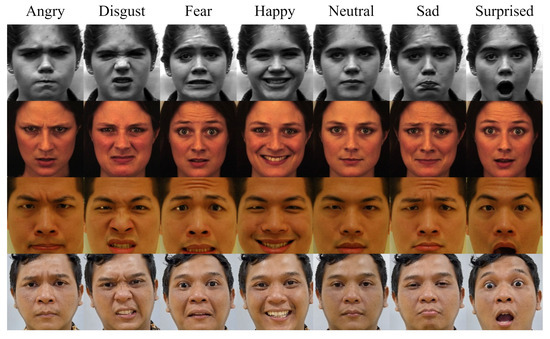
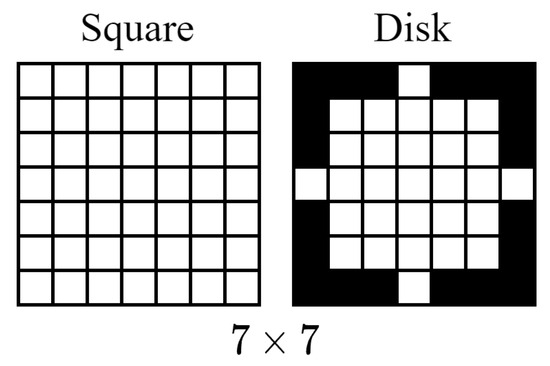
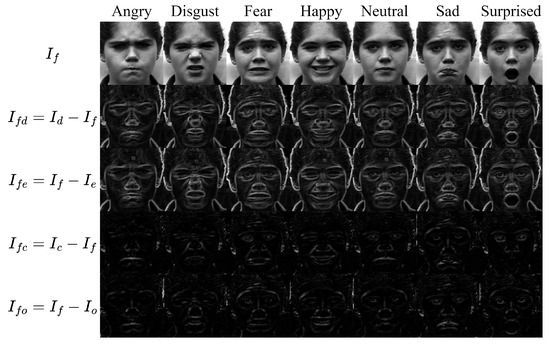
This study proposes a morphological convolutional neural network (MCNN) architecture that integrates morphological operations with CNN layers for facial expression recognition (FER). Conventional CNN-based FER models primarily rely on appearance features and may be sensitive to illumination and demographic variations. This work investigates whether morphological structural representations provide complementary information to convolutional features. A multi-source and multi-ethnic FER dataset was constructed by combining CK+, JAFFE, KDEF, TFEID, and a newly collected Indonesian Facial Expression dataset, resulting in 3684 images from 326 subjects across seven expression classes. Subject-independent data splitting with 10-fold cross-validation was applied to ensure reliable evaluation. Experimental results show that the proposed MCNN1 model achieves an average accuracy of 88.16%, while the best MCNN2 variant achieves 88.7%, demonstrating competitive performance compared to MobileNetV2 (88.27%), VGG19 (87.58%), and the morphological baseline MNN (50.73%). The proposed model also demonstrates improved computational efficiency, achieving lower inference latency (21%) and reduced GPU memory usage (64%) compared to baseline models. These results indicate that integrating morphological representations into convolutional architectures provides a modest but consistent improvement in FER performance while enhancing generalization and efficiency under heterogeneous data conditions.
Full article
(This article belongs to the Section AI in Imaging)
►▼
Show Figures

Figure 1
Open AccessArticle
ARS-GS: Anisotropic Reflective Spherical 3D Gaussian Splatting
by
Chenrui Wu, Xinyu Shi, Zhenzhong Chu and Yao Huang
J. Imaging 2026, 12(4), 170; https://doi.org/10.3390/jimaging12040170 - 15 Apr 2026
Abstract
3D scene reconstruction serves as a fundamental technology with widespread applications in virtual reality, structural inspection, and robotic systems. While recent advances in 3D Gaussian Splatting have significantly enhanced scene reconstruction capabilities, the performance of such methods remains suboptimal when applied to highly
[...] Read more.
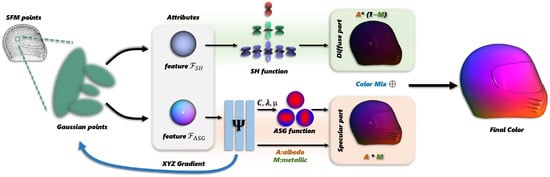
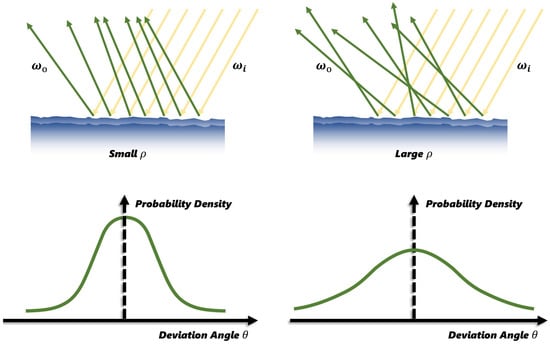
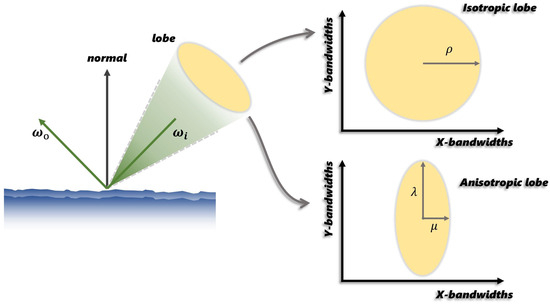
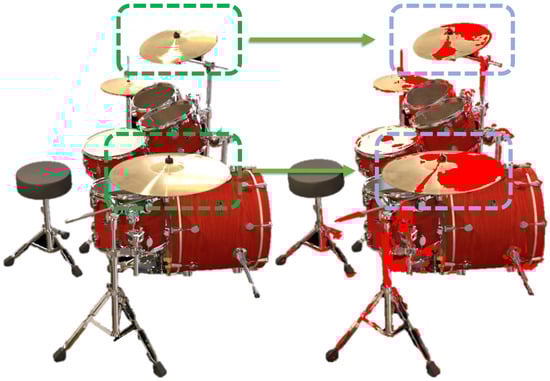
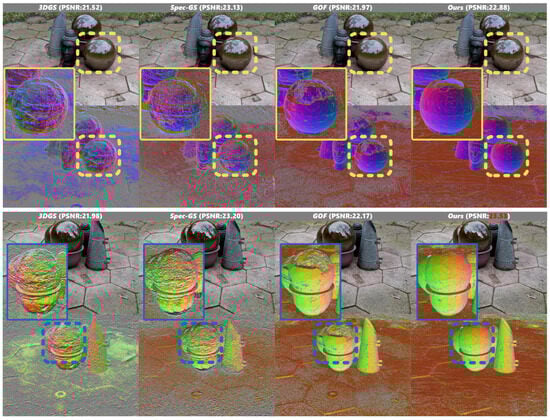
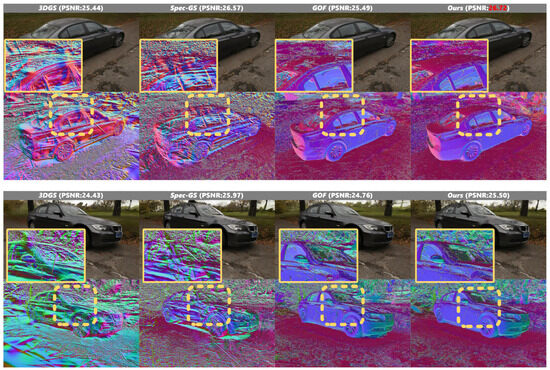
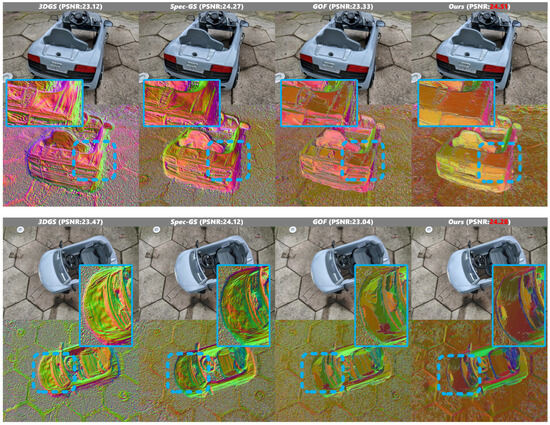
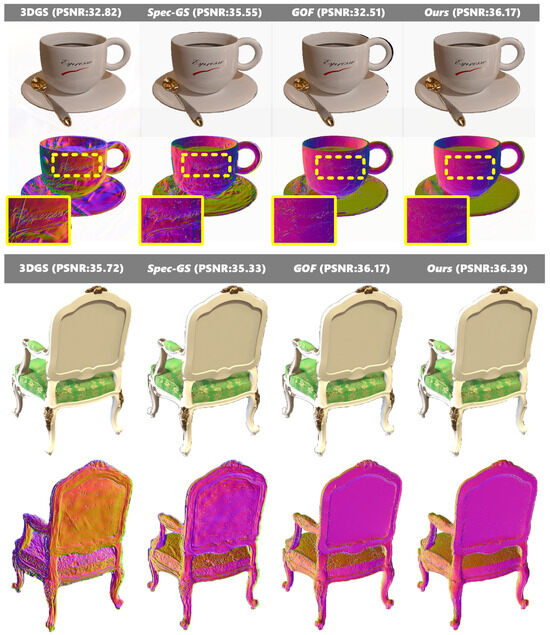
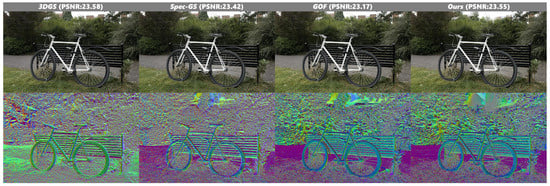
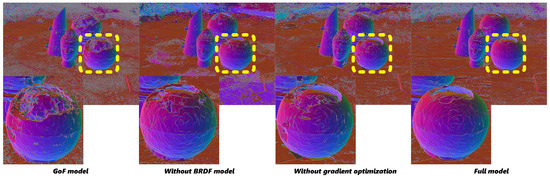
3D scene reconstruction serves as a fundamental technology with widespread applications in virtual reality, structural inspection, and robotic systems. While recent advances in 3D Gaussian Splatting have significantly enhanced scene reconstruction capabilities, the performance of such methods remains suboptimal when applied to highly reflective environments. To overcome this limitation, we introduce ARS-GS, a novel framework that integrates Anisotropic Spherical Gaussian reflection modeling and spherical harmonics diffuse approximation into a physically based rendering pipeline. This architecture incorporates a skip connection between the Anisotropic Spherical Gaussian module and the Gaussian primitives, effectively preserving surface details while maintaining computational efficiency. Comprehensive experimental evaluations validate the efficacy of ARS-GS across multiple datasets. Specifically, our method establishes new state-of-the-art quantitative benchmarks, achieving a peak signal-to-noise ratio of 38.30 and a structural similarity index measure of 0.997 on the neural radiance fields synthetic dataset, alongside a peak signal-to-noise ratio of 46.31 on the Gloss Blender dataset. Furthermore, on the challenging reflective neural radiance fields real-world dataset, our approach secures the highest peak signal-to-noise ratio scores, highlighted by a metric of 26.26 on the Sedan scene. The proposed method also substantially reduces perceptual errors, yielding a learned perceptual image patch similarity as low as 0.204, thereby consistently outperforming existing techniques in the reconstruction of highly specular surfaces with superior geometric fidelity.
Full article
(This article belongs to the Special Issue Intelligent 3D Vision: Reconstruction, Understanding, Generative Modeling, and Applications)
►▼
Show Figures

Figure 1
Open AccessArticle
Novel, Contrast Echocardiography-Based Trabeculation Quantification Method in the Diagnosis of Left Ventricular Excessive Trabeculation
by
Kristóf Attila Farkas-Sütő, Balázs Mester, Flóra Klára Gyulánczi, Krisztina Filipkó, Hajnalka Vágó, Béla Merkely and Andrea Szűcs
J. Imaging 2026, 12(4), 169; https://doi.org/10.3390/jimaging12040169 - 14 Apr 2026
Abstract
Cardiac MRI (CMR) is the gold standard for diagnosing left ventricular excessive trabeculation (LVET), whereas echocardiography (Echo) often does not yield a definitive diagnosis. The use of ultrasound contrast material offers the potential for more accurate imaging of the trabecular system; however, we
[...] Read more.
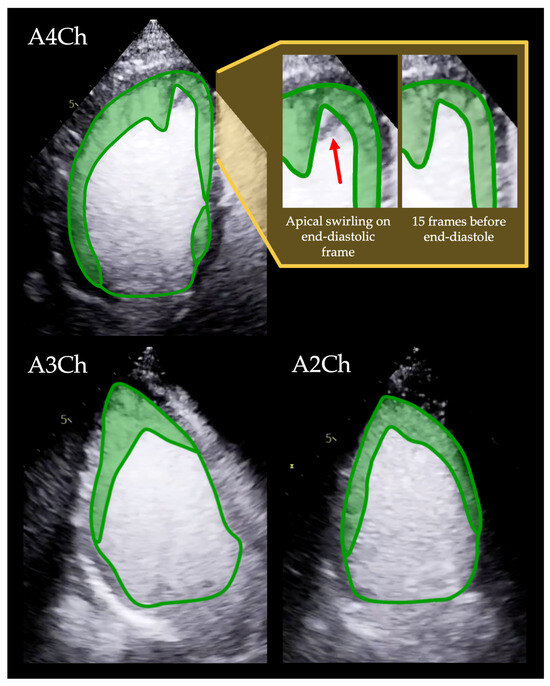
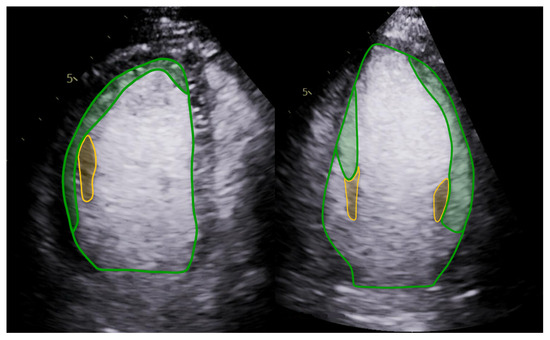
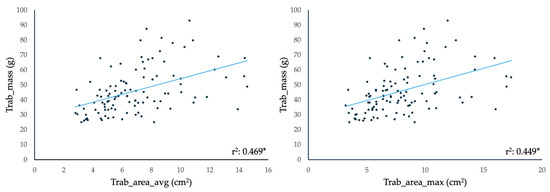
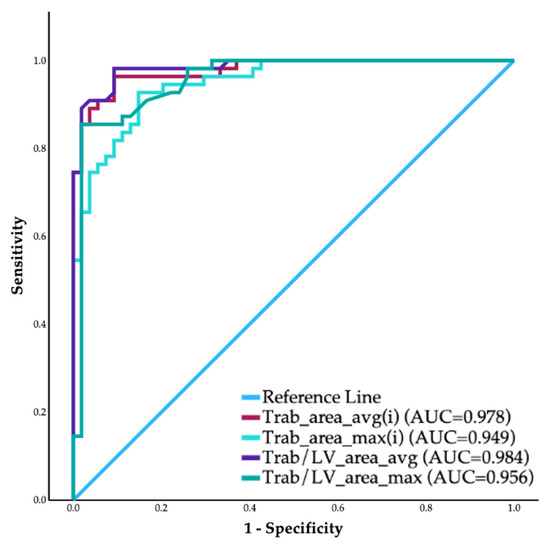
Cardiac MRI (CMR) is the gold standard for diagnosing left ventricular excessive trabeculation (LVET), whereas echocardiography (Echo) often does not yield a definitive diagnosis. The use of ultrasound contrast material offers the potential for more accurate imaging of the trabecular system; however, we do not yet have diagnostic criteria developed specifically for contrast Echo (CE-Echo). We aimed to determine the role of CE-Echo in the diagnosis of LVET and to propose a novel method for quantifying trabeculation. We included 55 LVET subjects and 54 age- and sex-matched healthy Control subjects. All subjects underwent non-contrast Echo, CE-Echo, and CMR examinations. In addition to volumetric parameters and ejection fraction (EF), we measured the area of the trabeculated layer and its ratio to the LV area (Trab/LV_area) on apical CE-Echo views. Based on the CMR-derived diagnosis, the Trab/LV_area ratio identified individuals with LVET with high specificity (98%) and sensitivity (95%) when the average of the apical views reached 17% (AUC = 0.98), or when it exceeded 20% in at least one view (AUC = 0.96). The use of CE-Echo may assist in the quantitative diagnosis of LVET in addition to its morphological assessment, and the Trab_area/LVarea may be a good additional criterion in the diagnosis of LVET.
Full article
(This article belongs to the Section Medical Imaging)
►▼
Show Figures

Figure 1
Open AccessArticle
Assessing CNNs and LoRA-Fine-Tuned Vision–Language Models for Breast Cancer Histopathology Image Classification
by
Tomiris M. Zhaksylyk, Beibit B. Abdikenov, Nurbek M. Saidnassim, Birzhan T. Ayanbayev, Aruzhan S. Imasheva and Temirlan S. Karibekov
J. Imaging 2026, 12(4), 168; https://doi.org/10.3390/jimaging12040168 - 14 Apr 2026
Abstract
Breast cancer histopathology classification remains a fundamental challenge in computational pathology due to variations in tissue morphology across magnification levels. Convolutional neural networks (CNNs) have long been the standard for image-based diagnosis, yet recent advances in vision-language models (VLMs) suggest they may provide
[...] Read more.
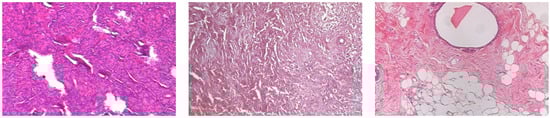
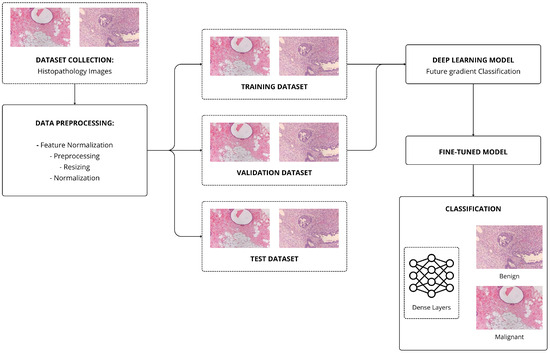
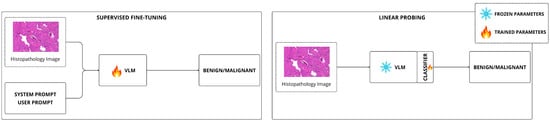
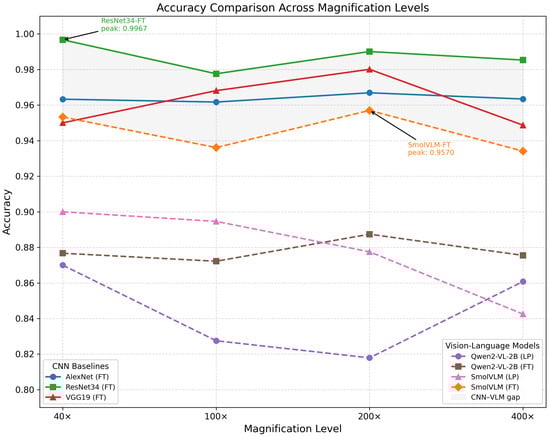
Breast cancer histopathology classification remains a fundamental challenge in computational pathology due to variations in tissue morphology across magnification levels. Convolutional neural networks (CNNs) have long been the standard for image-based diagnosis, yet recent advances in vision-language models (VLMs) suggest they may provide strong and transferable representations for complex medical images. In this study, we present a systematic comparison between CNN baselines and large VLMs—Qwen2 and SmolVLM—fine-tuned with Low-Rank Adaptation (LoRA; , , dropout = ) on the BreakHis dataset. Models were evaluated at , , , and magnifications using accuracy, precision, recall, F1-score, and area under the ROC curve (AUC). While Qwen2 achieved moderate performance across magnifications (e.g., 0.8736 accuracy and 0.9552 AUC at ), SmolVLM consistently outperformed Qwen2 and substantially reduced the gap with CNN baselines, reaching up to 0.9453 accuracy and 0.9572 F1-score at —approaching the performance of AlexNet (0.9543 accuracy) at the same magnification. CNN baselines, particularly ResNet34, remained the strongest models overall, achieving the highest performance across all magnifications (e.g., 0.9879 accuracy and 0.9984 AUC at ). These findings demonstrate that LoRA fine-tuned VLMs, despite requiring gradient accumulation and memory-efficient optimizers and operating with a significantly smaller number of trainable parameters, can achieve competitive performance relative to traditional CNNs. However, CNN-based architectures still provide the highest accuracy and robustness for histopathology classification. Our results highlight the potential of VLMs as parameter-efficient alternatives for digital pathology tasks, particularly in resource-constrained settings.
Full article
(This article belongs to the Section Medical Imaging)
►▼
Show Figures

Figure 1
Open AccessReview
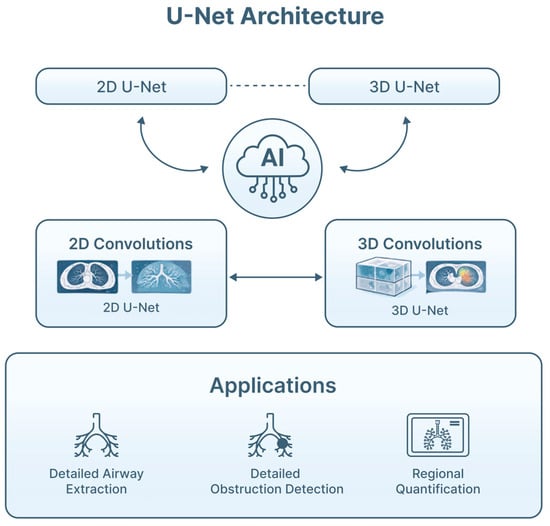
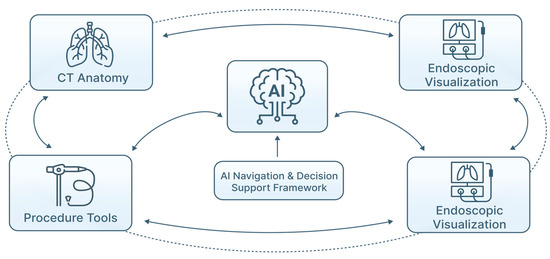
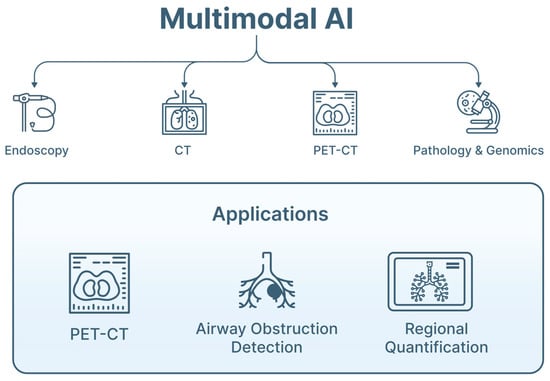
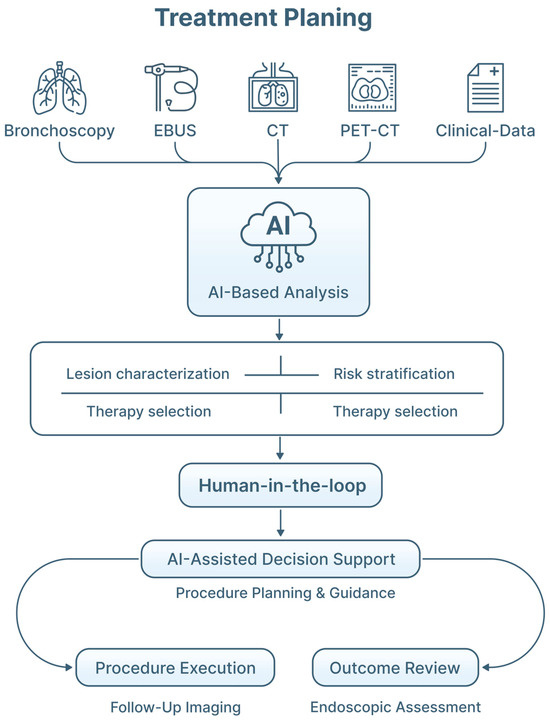
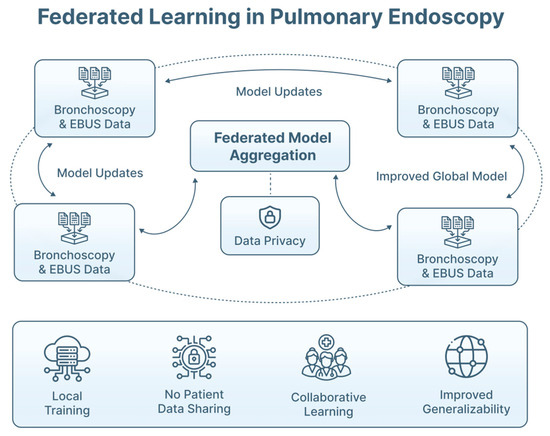
Artificial Intelligence in Pulmonary Endoscopy: Current Evidence, Limitations, and Future Directions
by
Sara Lopes, Miguel Mascarenhas, João Fonseca and Adelino F. Leite-Moreira
J. Imaging 2026, 12(4), 167; https://doi.org/10.3390/jimaging12040167 - 12 Apr 2026
Abstract
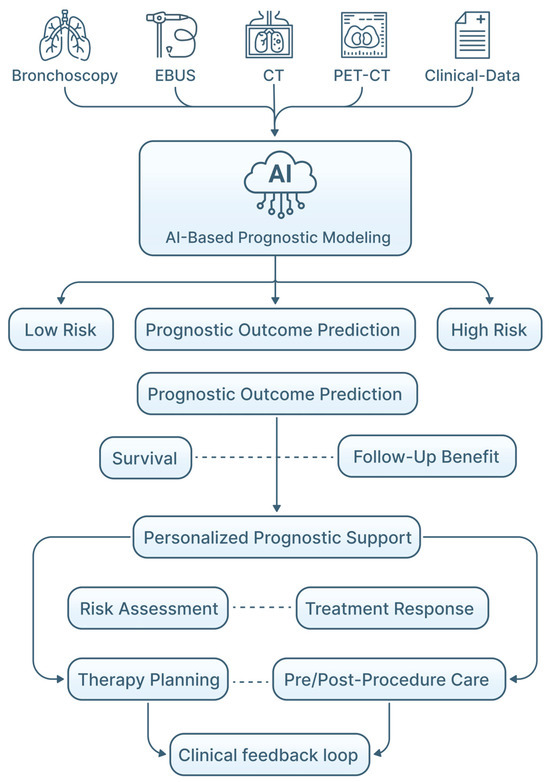
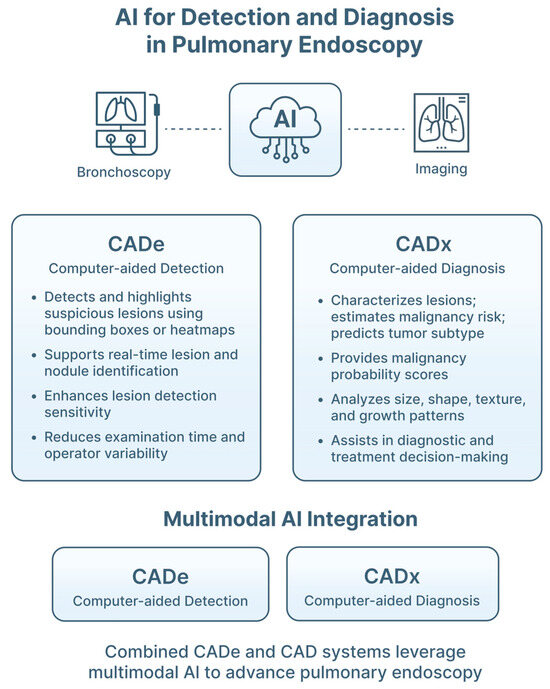
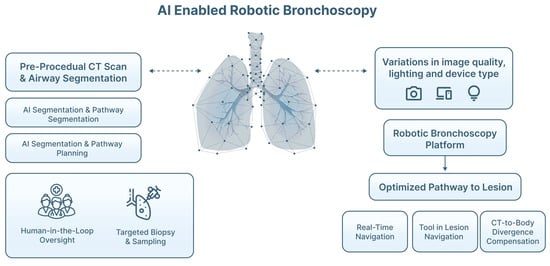
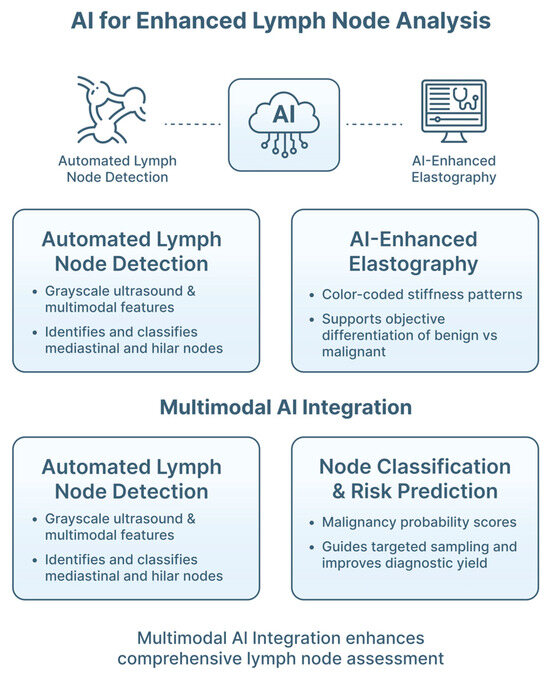
Background: Artificial intelligence (AI) is increasingly applied in pulmonary endoscopy, including diagnostic bronchoscopy, interventional pulmonology and endobronchial imaging. Advances in computer vision, machine learning and robotic systems have expanded the potential for automated lesion detection, navigation to peripheral pulmonary lesions, and real-time procedural
[...] Read more.
Background: Artificial intelligence (AI) is increasingly applied in pulmonary endoscopy, including diagnostic bronchoscopy, interventional pulmonology and endobronchial imaging. Advances in computer vision, machine learning and robotic systems have expanded the potential for automated lesion detection, navigation to peripheral pulmonary lesions, and real-time procedural support. However, the current evidence base remains heterogeneous, and translational challenges persist. Methods: This review summarizes current applications and developments of AI across white-light bronchoscopy (WLB), image-enhanced bronchoscopy (e.g., narrow-band imaging and autofluorescence imaging), endobronchial ultrasound (EBUS), virtual and robotic bronchoscopies, and workflow optimization and training. The authors also examine the methodological limitations, regulatory considerations, and implementation barriers that affect translation into routine practice. Results: Reported developments include deep learning-based models for mucosal abnormality detection, lymph-node characterization during EBUS-guided transbronchial needle aspiration (EBUS-TBNA), improved lesion localization, and reduction in operator-dependent variability. Additionally, AI-assisted simulation platforms and decision-support tools are reshaping training paradigms. Nevertheless, most studies remain retrospective or single-center, with limited external validation, dataset heterogeneity, unclear model explainability, and incomplete integration into clinical workflows. Conclusions: AI has the potential to support lesion detection, navigation, and training in pulmonary endoscopy. However, robust prospective validation, standardized datasets, transparent model reporting, robust data governance, multidisciplinary collaboration, and careful integration into clinical practice are required before widespread adoption.
Full article
(This article belongs to the Section AI in Imaging)
►▼
Show Figures

Figure 1
Highly Accessed Articles
Latest Books
E-Mail Alert
News
Topics
Topic in
Applied Sciences, Electronics, J. Imaging, MAKE, Information, BDCC, Signals
Applications of Image and Video Processing in Medical Imaging
Topic Editors: Jyh-Cheng Chen, Kuangyu ShiDeadline: 30 April 2026
Topic in
Diagnostics, Electronics, J. Imaging, Mathematics, Sensors
Transformer and Deep Learning Applications in Image Processing
Topic Editors: Fengping An, Haitao Xu, Chuyang YeDeadline: 31 May 2026
Topic in
AI, Applied Sciences, Electronics, J. Imaging, Sensors, IJGI
State-of-the-Art Object Detection, Tracking, and Recognition Techniques
Topic Editors: Mang Ye, Jingwen Ye, Cuiqun ChenDeadline: 30 June 2026
Topic in
Applied Sciences, Information, Remote Sensing, Signals, Symmetry, J. Imaging
Image Processing, Signal Processing and Their Applications
Topic Editors: Jun Xu, Lianbo MaDeadline: 16 July 2026
Conferences
Special Issues
Special Issue in
J. Imaging
Multispectral and Hyperspectral Imaging: Progress and Challenges
Guest Editors: Jacques Blanc-Talon, Patrice DelmasDeadline: 30 April 2026
Special Issue in
J. Imaging
Deep Learning in Biomedical Image Segmentation and Classification: Advancements, Challenges and Applications, 2nd Edition
Guest Editor: Ebrahim KaramiDeadline: 30 April 2026
Special Issue in
J. Imaging
Towards Deeper Understanding of Image and Video Processing and Analysis
Guest Editors: Zixiang Zhao, Haotong Qin, Tao FengDeadline: 31 May 2026
Special Issue in
J. Imaging
AI-Driven Image and Video Understanding
Guest Editors: Gongyang Li, Xiaofei Zhou, Yong WuDeadline: 31 May 2026