Hedgehog Signaling in Embryogenesis
Share This Topical Collection
Editors
 Prof. Dr. Henk Roelink
Prof. Dr. Henk Roelink
E-Mail
Website
Collection Editor
Department of Molecular and Cell Biology, University of California, 16 Barker Hall, 3204, Berkeley, CA 94720, USA
Interests: stem cells; sonic Hedgehog; Hedgehog proteins; Hedgehog signaling pathway
 Prof. Dr. Kay Grobe
Prof. Dr. Kay Grobe
E-Mail
Website
Collection Editor
Institut für Physiologische Chemie und Pathobiochemie, Waldeyerstrasse 15, 48149 Münster, Germany
Interests: heparan sulfate; proteoglycans; hedgehog signaling; proteases; fly development; mouse development; extracellular matrix
Topical Collection Information
Dear Colleagues,
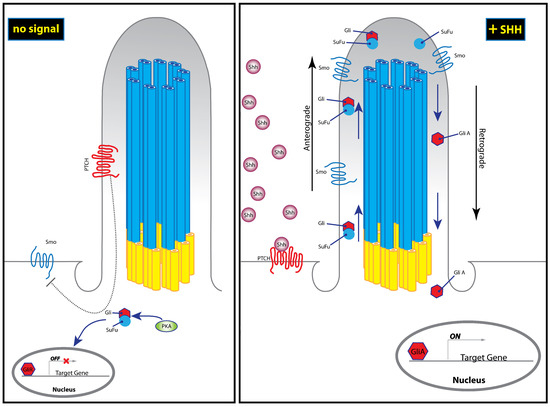
It has been 36 years since the Hedgehog gene was discovered to play a central role in Drosophila embryogenesis, and 23 years since vertebrate homologs of Hedgehog were found to play equally crucial roles in vertebrate embryos. Early findings demonstrated important roles in neural tube and limb development, and later in the development of all organ systems and left/right asymmetry. Despite intense studies, important questions remain as to how cells respond to the Hedgehog ligands. The underlying mechanisms as to whether the Hedgehog responses cause alteration of gene expression, growth come pathfinding, or cell migration, remain unresolved, as does the precise mechanism by which the proton antiporter Ptch, which binds the Hh ligands, affects the activity and localization of Smo, a GPCR required for most, if not all, responses to Hh ligands. Hh signaling has been studied in a wide variety of protostome and deuterostome embryos, and this Special Issue of the Journal of Developmental Biology will provide an overview of the current standing of this large research field. Contributions can be reviews, as well as research papers, covering topics of Hh signaling during embryonic development.
Prof. Henk Roelink
Prof. Dr. Kay Grobe
Collection Editors
Manuscript Submission Information
Manuscripts should be submitted online at www.mdpi.com by registering and logging in to this website. Once you are registered, click here to go to the submission form. All submissions that pass pre-check are peer-reviewed. Accepted papers will be published continuously in the journal (as soon as accepted) and will be listed together on the collection website. Research articles, review articles as well as short communications are invited. For planned papers, a title and short abstract (about 250 words) can be sent to the Editorial Office for assessment.
Submitted manuscripts should not have been published previously, nor be under consideration for publication elsewhere (except conference proceedings papers). All manuscripts are thoroughly refereed through a single-blind peer-review process. A guide for authors and other relevant information for submission of manuscripts is available on the Instructions for Authors page. Journal of Developmental Biology is an international peer-reviewed open access quarterly journal published by MDPI.
Please visit the Instructions for Authors page before submitting a manuscript.
The Article Processing Charge (APC) for publication in this open access journal is 1800 CHF (Swiss Francs).
Submitted papers should be well formatted and use good English. Authors may use MDPI's
English editing service prior to publication or during author revisions.
Keywords
- Hedgehog
- Patched
- Smoothened
- Embryonic Development
- Stem Cells
Published Papers (31 papers)
Open AccessReview
Signaling Pathways in Human Blastocyst Development: From Molecular Mechanisms to In Vitro Optimization
by
Yan Jiao, Jiapeng Liu, Congge Li, Yuexin Hu and Sanjun Zhao
Cited by 2 | Viewed by 4575
Abstract
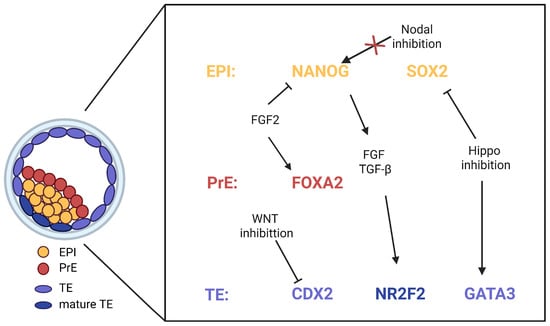
In recent years, assisted reproductive technology (ART) has developed rapidly with the delay in reproductive age and the rise in infertility rates. During ART, blastocyst quality is a key factor affecting the rate of implantation and clinical pregnancy, and blastocyst formation is dependent
[...] Read more.
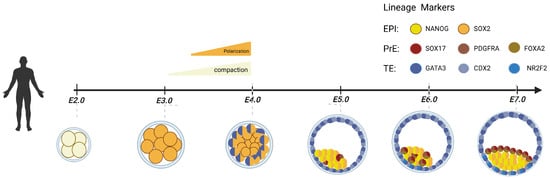
In recent years, assisted reproductive technology (ART) has developed rapidly with the delay in reproductive age and the rise in infertility rates. During ART, blastocyst quality is a key factor affecting the rate of implantation and clinical pregnancy, and blastocyst formation is dependent on the precise regulation of multiple signaling pathways in preimplantation embryo development. In this review, we systematically analyze the molecular mechanisms of the core pathways, including Hippo, Wnt/β-catenin, FGF, Nodal, and BMP, in blastocyst lineage differentiation and morphogenesis, and assess the feasibility of optimizing in vitro culture by targeting key signaling nodes, as well as provide theoretical support for constructing research models of preimplantation embryos.
Full article
►▼
Show Figures
Open AccessFeature PaperArticle
Mutation in the Ciliary Protein C2CD3 Reveals Organ-Specific Mechanisms of Hedgehog Signal Transduction in Avian Embryos
by
Evan C. Brooks, Christian Louis Bonatto Paese, Anne H. Carroll, Jaime N. Struve, Nandor Nagy and Samantha A. Brugmann
Cited by 6 | Viewed by 6041
Abstract
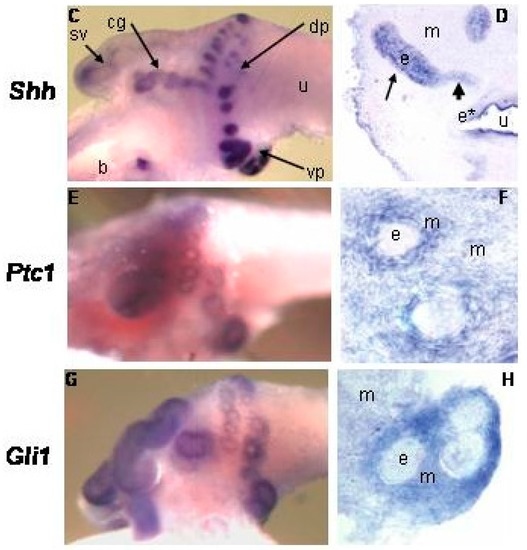
Primary cilia are ubiquitous microtubule-based organelles that serve as signaling hubs for numerous developmental pathways, most notably the Hedgehog (Hh) pathway. Defects in the structure or function of primary cilia result in a class of diseases called ciliopathies. It is well known that
[...] Read more.
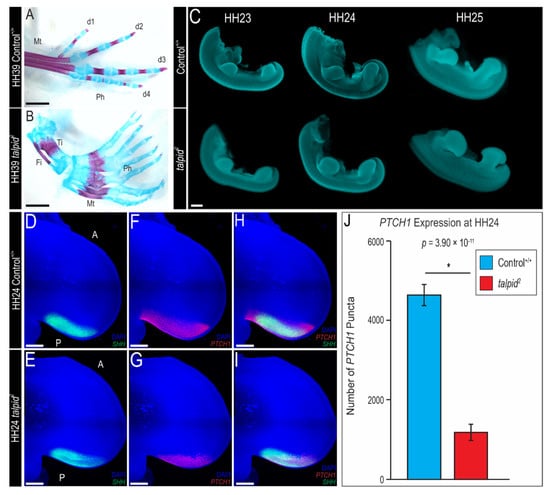
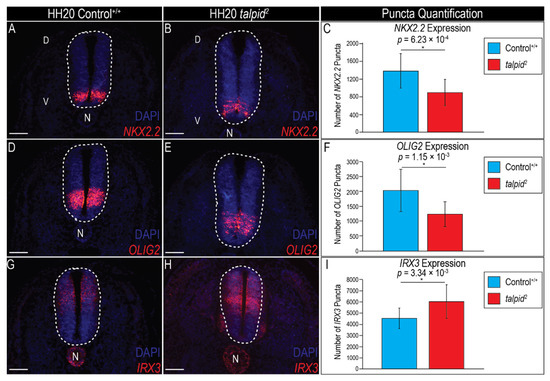
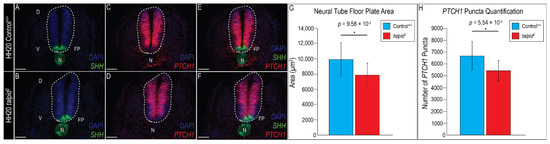
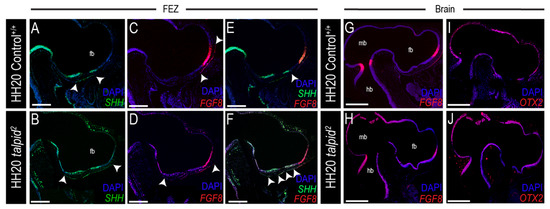
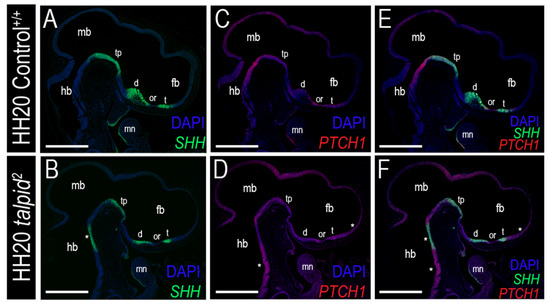
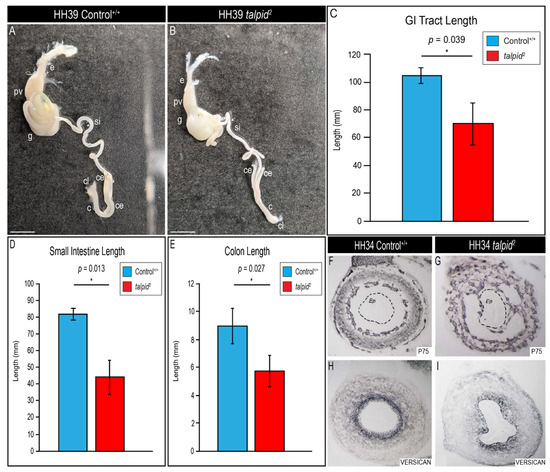
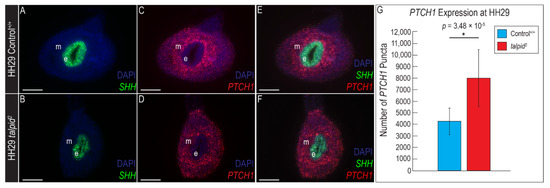
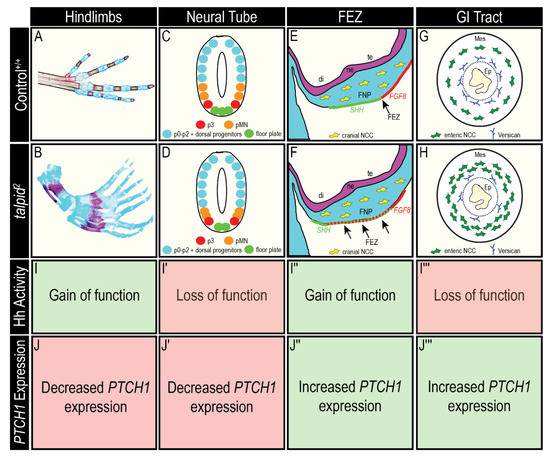
Primary cilia are ubiquitous microtubule-based organelles that serve as signaling hubs for numerous developmental pathways, most notably the Hedgehog (Hh) pathway. Defects in the structure or function of primary cilia result in a class of diseases called ciliopathies. It is well known that primary cilia participate in transducing a Hh signal, and as such ciliopathies frequently present with phenotypes indicative of aberrant Hh function. Interestingly, the exact mechanisms of cilia-dependent Hh signaling transduction are unclear as some ciliopathic animal models simultaneously present with gain-of-Hh phenotypes in one organ system and loss-of-Hh phenotypes in another. To better understand how Hh signaling is perturbed across different tissues in ciliopathic conditions, we examined four distinct Hh-dependent signaling centers in the naturally occurring avian ciliopathic mutant
talpid2 (
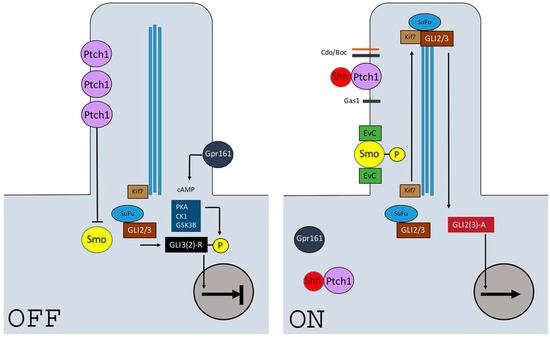
ta2). In addition to the well-known and previously reported limb and craniofacial malformations, we observed dorsal-ventral patterning defects in the neural tube, and a shortened gastrointestinal tract. Molecular analyses for elements of the Hh pathway revealed that the loss of cilia impact transduction of an Hh signal in a tissue-specific manner at variable levels of the pathway. These studies will provide increased knowledge into how impaired ciliogenesis differentially regulates Hh signaling across tissues and will provide potential avenues for future targeted therapeutic treatments.
Full article
►▼
Show Figures
Open AccessReview
The Role of Hedgehog Signaling in Adult Lung Regeneration and Maintenance
by
Chaoqun Wang, Monica Cassandras and Tien Peng
Cited by 29 | Viewed by 7064
Abstract
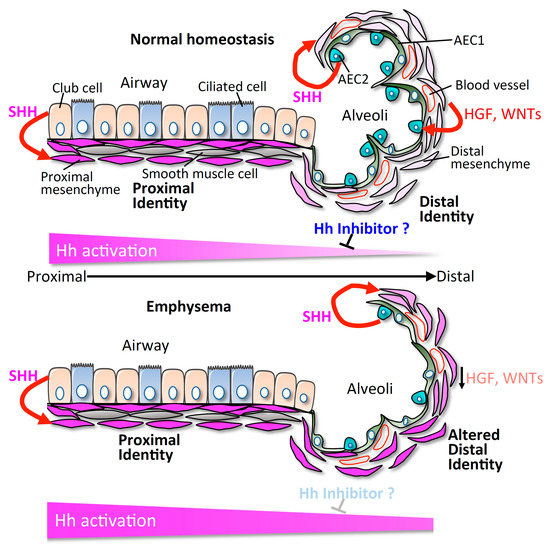
As a secreted morphogen, Sonic Hedgehog (SHH) determines differential cell fates, behaviors, and functions by forming a gradient of Hedgehog (Hh) activation along an axis of Hh-receptive cells during development. Despite clearly delineated roles for Hh during organ morphogenesis, whether Hh continues to
[...] Read more.
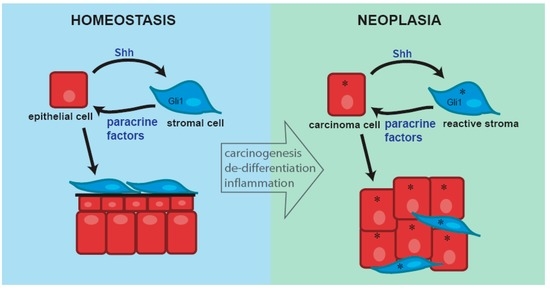
As a secreted morphogen, Sonic Hedgehog (SHH) determines differential cell fates, behaviors, and functions by forming a gradient of Hedgehog (Hh) activation along an axis of Hh-receptive cells during development. Despite clearly delineated roles for Hh during organ morphogenesis, whether Hh continues to regulate cell fate and behavior in the same fashion in adult organs is less understood. Adult organs, particularly barrier organs interfacing with the ambient environment, are exposed to insults that require renewal of cellular populations to maintain structural integrity. Understanding key aspects of Hh’s ability to generate an organ could translate into conceptual understanding of Hh’s ability to maintain organ homeostasis and stimulate regeneration. In this review, we will summarize the current knowledge about Hh signaling in regulating adult lung regeneration and maintenance, and discuss how alteration of Hh signaling contributes to adult lung diseases.
Full article
►▼
Show Figures
Open AccessReview
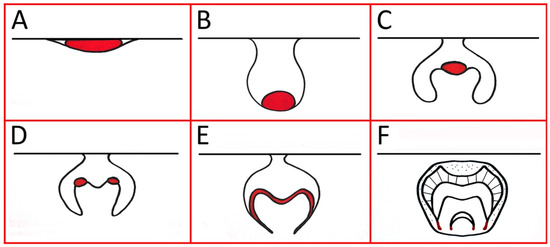
Hedgehog Signaling and Embryonic Craniofacial Disorders
by
John Abramyan
Cited by 84 | Viewed by 14427
Abstract
Since its initial discovery in a
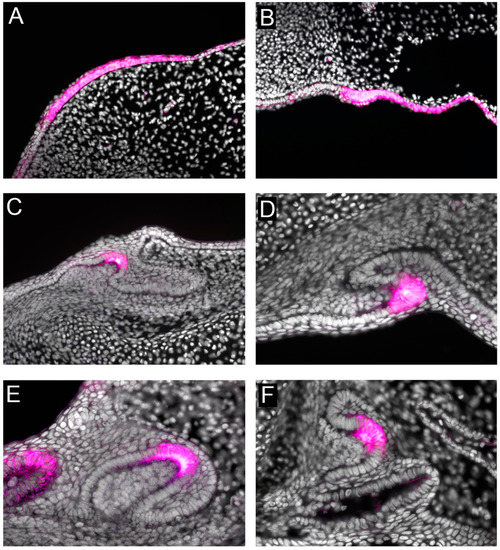
Drosophila mutagenesis screen, the Hedgehog pathway has been revealed to be instrumental in the proper development of the vertebrate face. Vertebrates possess three hedgehog paralogs: Sonic hedgehog (
Shh), Indian hedgehog (
Ihh), and Desert
[...] Read more.
Since its initial discovery in a
Drosophila mutagenesis screen, the Hedgehog pathway has been revealed to be instrumental in the proper development of the vertebrate face. Vertebrates possess three hedgehog paralogs: Sonic hedgehog (
Shh), Indian hedgehog (
Ihh), and Desert hedgehog (
Dhh). Of the three,
Shh has the broadest range of functions both in the face and elsewhere in the embryo, while
Ihh and
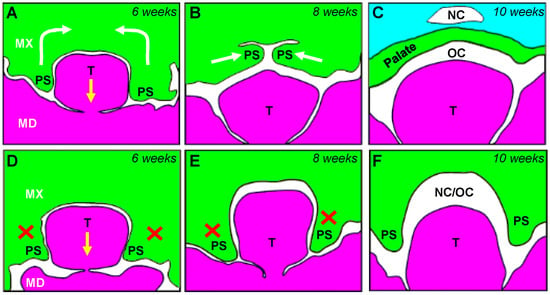
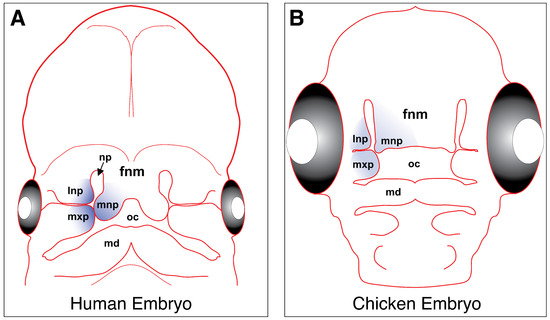
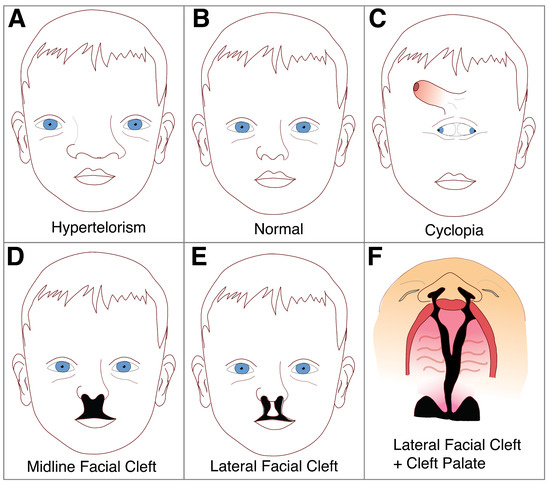
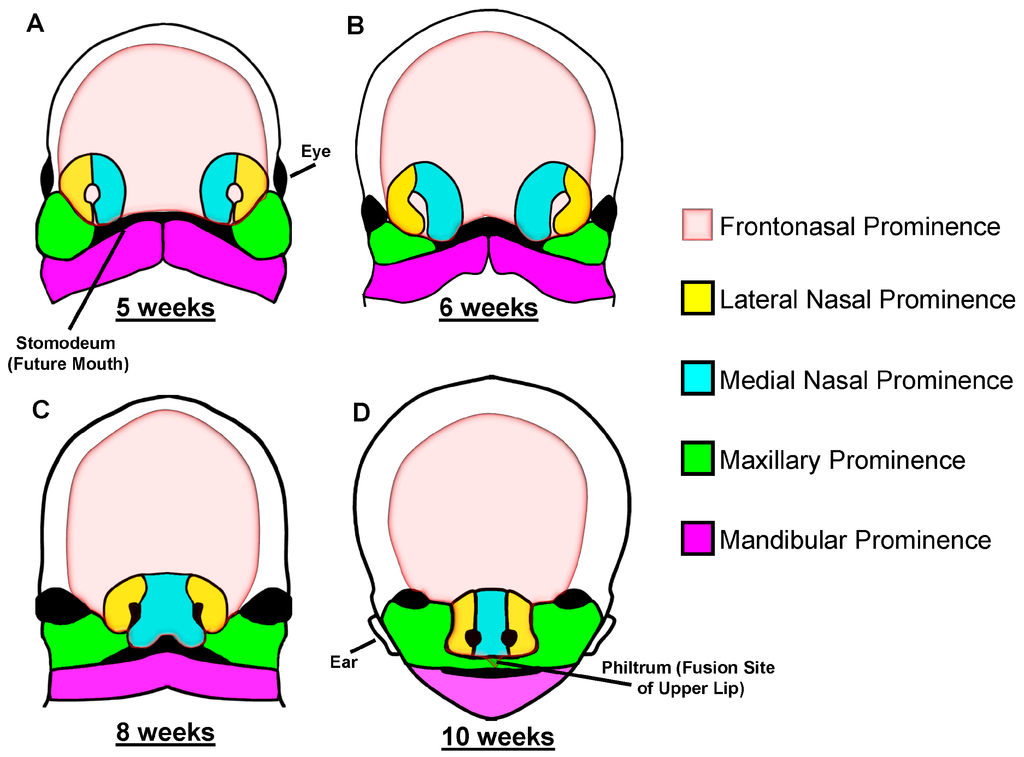
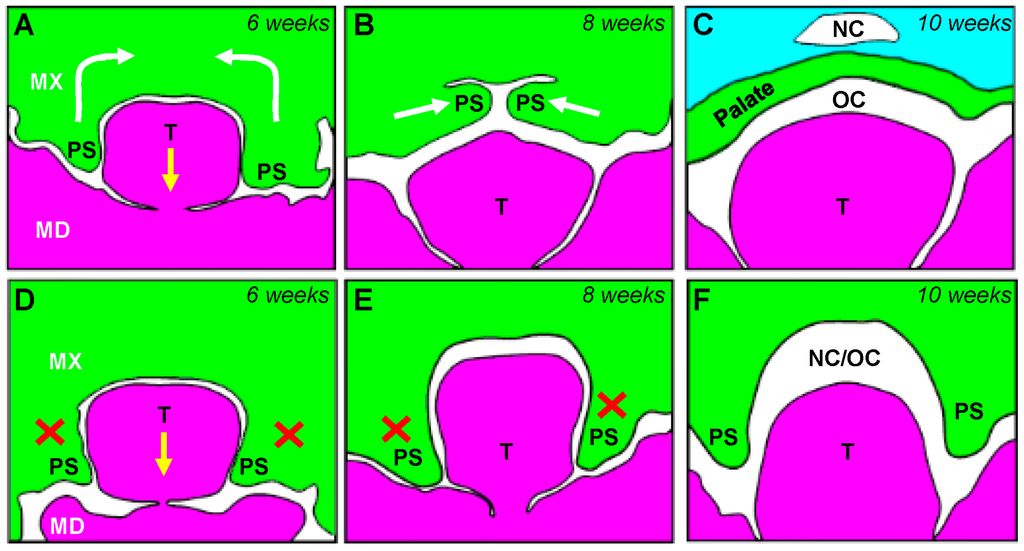
Dhh play more limited roles. The Hedgehog pathway is instrumental from the period of prechordal plate formation early in the embryo, until the fusion of the lip and secondary palate, which complete the major patterning events of the face. Disruption of Hedgehog signaling results in an array of developmental disorders in the face, ranging from minor alterations in the distance between the eyes to more serious conditions such as severe clefting of the lip and palate. Despite its critical role, Hedgehog signaling seems to be disrupted through a number of mechanisms that may either be direct, as in mutation of a downstream target of the Hedgehog ligand, or indirect, such as mutation in a ciliary protein that is otherwise seemingly unrelated to the Hedgehog pathway. A number of teratogens such as alcohol, statins and steroidal alkaloids also disrupt key aspects of Hedgehog signal transduction, leading to developmental defects that are similar, if not identical, to those of Hedgehog pathway mutations. The aim of this review is to highlight the variety of roles that Hedgehog signaling plays in developmental disorders of the vertebrate face.
Full article
►▼
Show Figures
Open AccessArticle
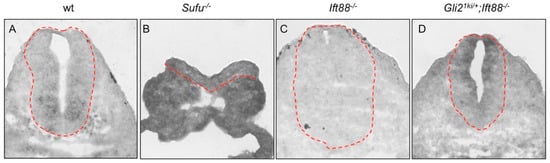
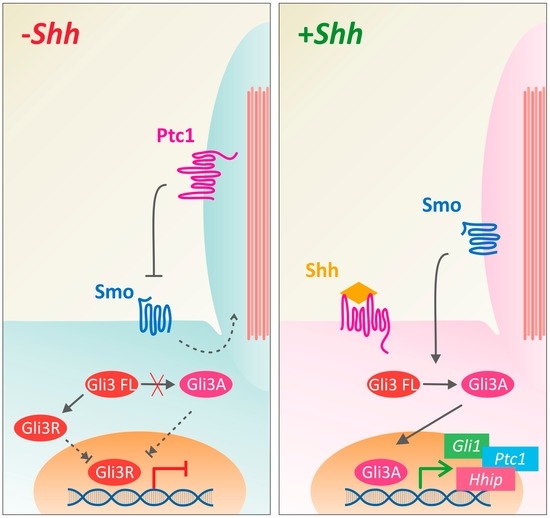
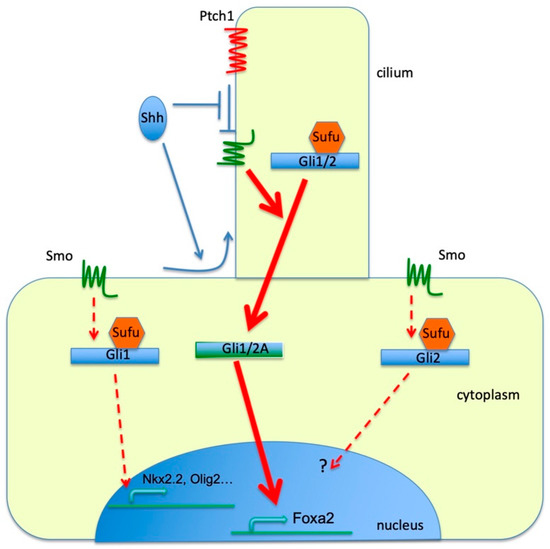
Distinct Activities of Gli1 and Gli2 in the Absence of Ift88 and the Primary Cilia
by
Yuan Wang, Huiqing Zeng and Aimin Liu
Cited by 4 | Viewed by 6146
Abstract
The primary cilia play essential roles in Hh-dependent Gli2 activation and Gli3 proteolytic processing in mammals. However, the roles of the cilia in Gli1 activation remain unresolved due to the loss of
Gli1 transcription in cilia mutant embryos, and the inability to address
[...] Read more.
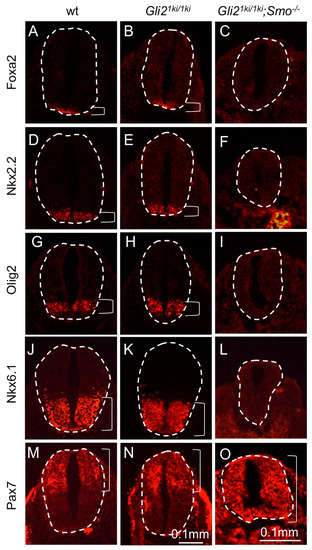
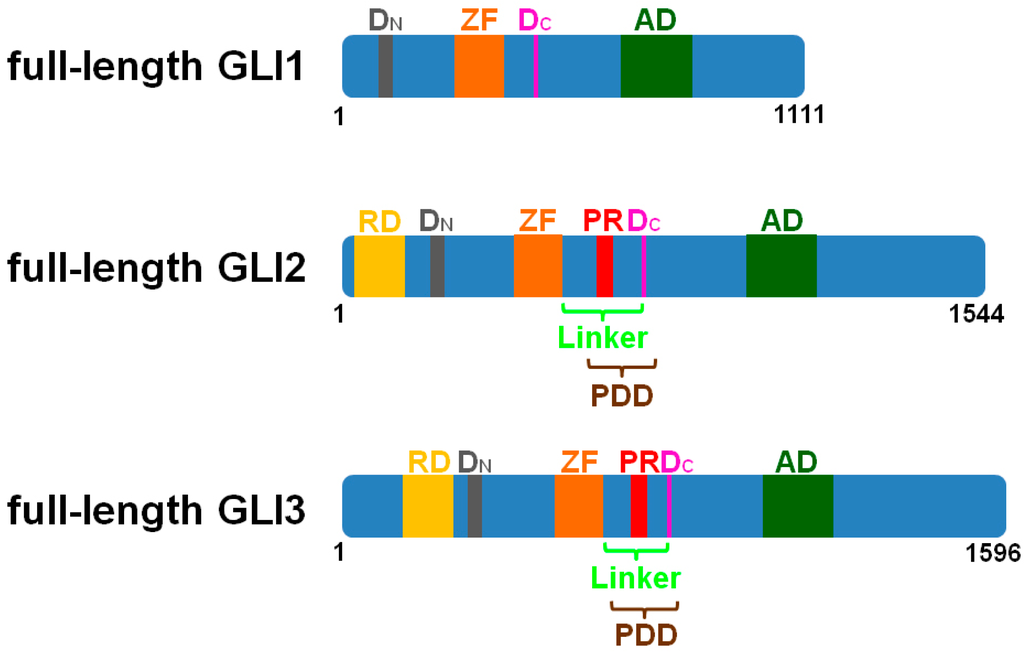
The primary cilia play essential roles in Hh-dependent Gli2 activation and Gli3 proteolytic processing in mammals. However, the roles of the cilia in Gli1 activation remain unresolved due to the loss of
Gli1 transcription in cilia mutant embryos, and the inability to address this question by overexpression in cultured cells. Here, we address the roles of the cilia in Gli1 activation by expressing
Gli1 from the
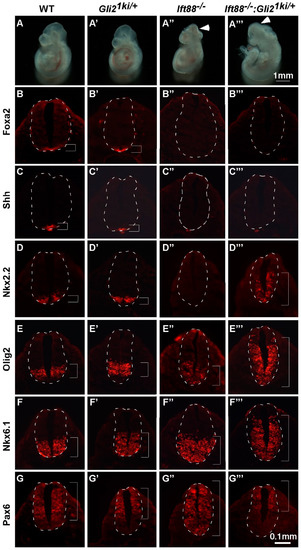
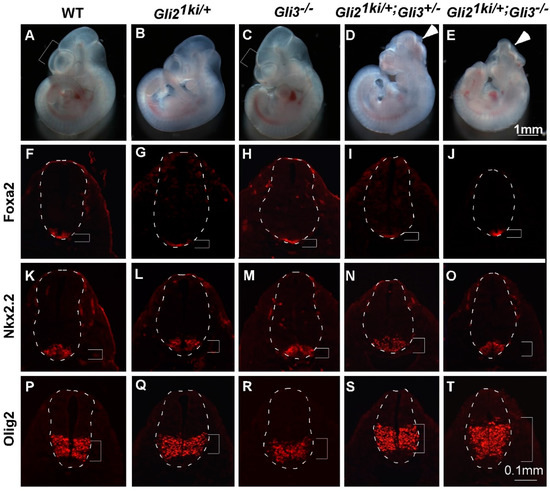
Gli2 locus in mouse embryos. We find that the maximal activation of Gli1 depends on the cilia, but partial activation of Gli1 by Smo-mediated Hh signaling exists in the absence of the cilia. Combined with reduced Gli3 repressors, this partial activation of Gli1 leads to dorsal expansion of V3 interneuron and motor neuron domains in the absence of the cilia. Moreover, expressing
Gli1 from the
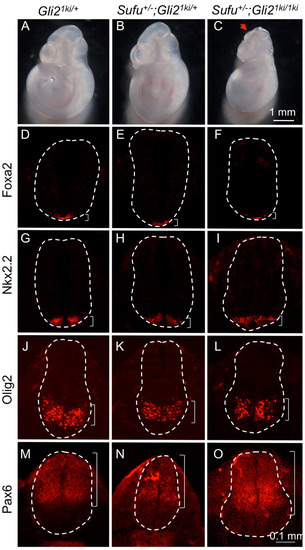
Gli2 locus in the presence of reduced Sufu has no recognizable impact on neural tube patterning, suggesting an imbalance between the dosages of Gli and Sufu does not explain the extra Gli1 activity. Finally, a non-ciliary Gli2 variant present at a higher level than Gli1 when expressed from the
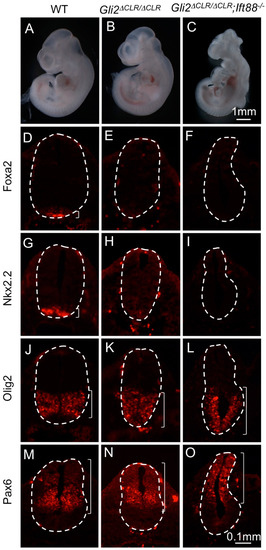
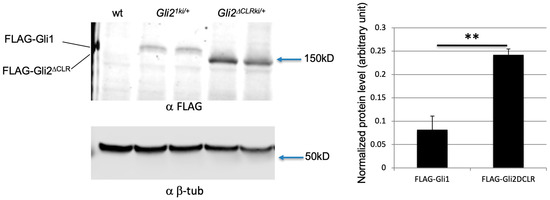
Gli2 locus fails to activate Hh pathway ectopically in the absence of the cilia, suggesting that increased protein level is unlikely the major factor underlying the ectopic activation of Hh signaling by Gli1 in the absence of the cilia.
Full article
►▼
Show Figures
Open AccessFeature PaperReview
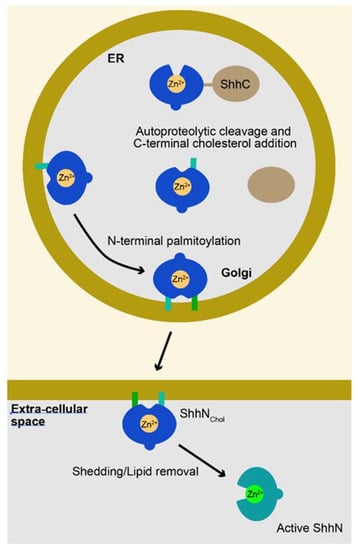
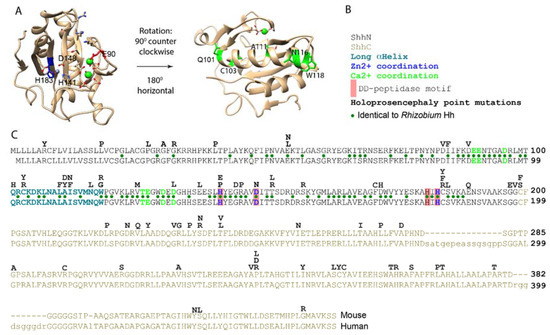
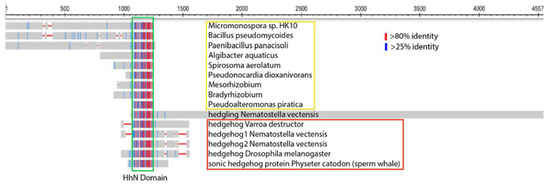
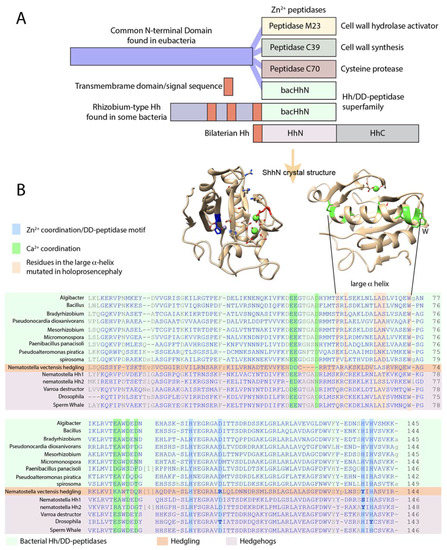
Sonic Hedgehog Is a Member of the Hh/DD-Peptidase Family That Spans the Eukaryotic and Bacterial Domains of Life
by
Henk Roelink
Cited by 9 | Viewed by 7113
Abstract
Sonic Hedgehog (Shh) coordinates Zn
2+ in a manner that resembles that of peptidases. The ability of Shh to undergo autoproteolytic processing is impaired in mutants that affect the Zn
2+ coordination, while mutating residues essential for catalytic activity results in more stable
[...] Read more.
Sonic Hedgehog (Shh) coordinates Zn
2+ in a manner that resembles that of peptidases. The ability of Shh to undergo autoproteolytic processing is impaired in mutants that affect the Zn
2+ coordination, while mutating residues essential for catalytic activity results in more stable forms of Shh. The residues involved in Zn
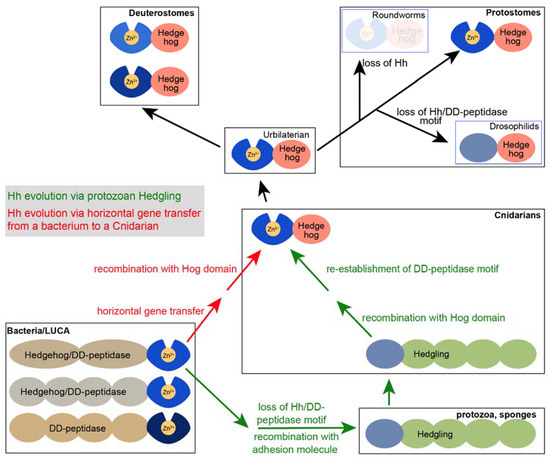
2+ coordination in Shh are found to be mutated in some individuals with the congenital birth defect holoprosencephaly, demonstrating their importance in development. Highly conserved Shh domains are found in parts of some bacterial proteins that are members of the larger family of DD-peptidases, supporting the notion that Shh acts as a peptidase. Whereas this Hh/DD-peptidase motif is present in Hedgehog (Hh) proteins of nearly all animals, it is not present in
Drosophila Hh, indicating that Hh signaling in fruit flies is derived, and perhaps not a good model for vertebrate Shh signaling. A sequence analysis of Hh proteins and their possible evolutionary precursors suggests that the evolution of modern Hh might have involved horizontal transfer of a bacterial gene coding of a Hh/DD-peptidase into a
Cnidarian ancestor, recombining to give rise to modern Hh.
Full article
►▼
Show Figures
Open AccessReview
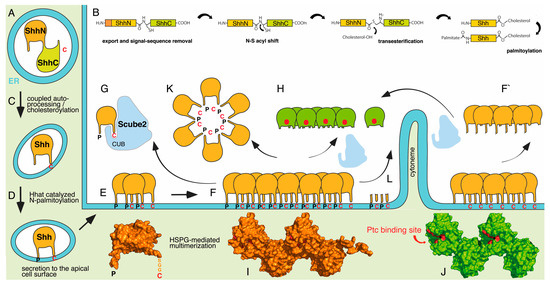
Taking the Occam’s Razor Approach to Hedgehog Lipidation and Its Role in Development
by
Dominique Manikowski, Philipp Kastl and Kay Grobe
Cited by 12 | Viewed by 7223
Abstract
All Hedgehog (Hh) proteins signal from producing cells to distant receiving cells despite being synthesized as N-and C-terminally lipidated, membrane-tethered molecules. To explain this paradoxical situation, over the past 15 years, several hypotheses have been postulated that tie directly into this property, such
[...] Read more.
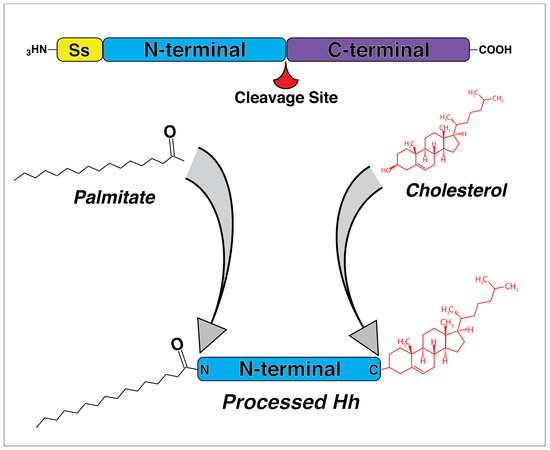
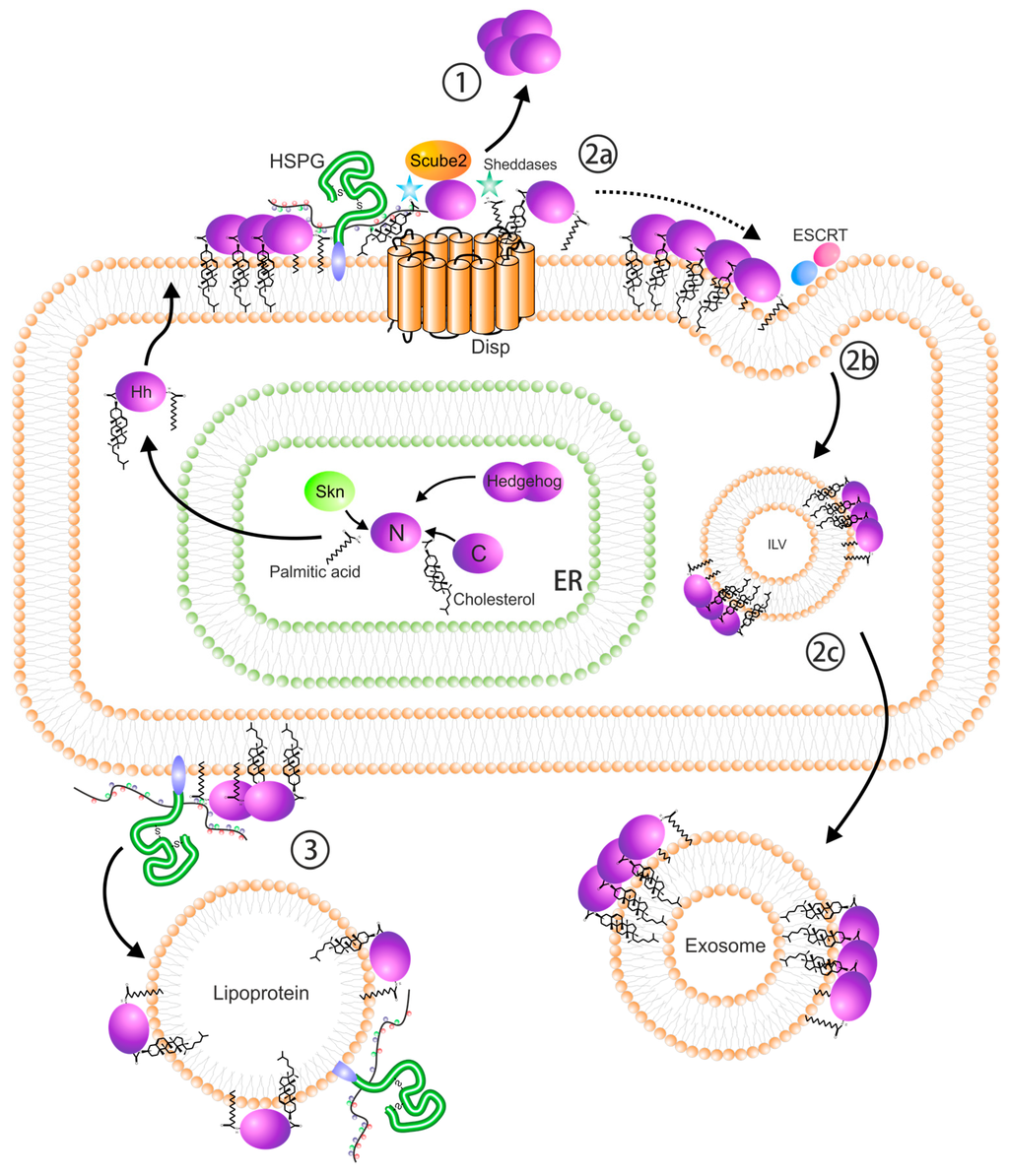
All Hedgehog (Hh) proteins signal from producing cells to distant receiving cells despite being synthesized as N-and C-terminally lipidated, membrane-tethered molecules. To explain this paradoxical situation, over the past 15 years, several hypotheses have been postulated that tie directly into this property, such as Hh transport on cellular extensions called cytonemes or on secreted vesicles called lipophorins and exosomes. The alternative situation that tight membrane association merely serves to prevent unregulated Hh solubilization has been addressed by biochemical and structural studies suggesting Hh extraction from the membrane or proteolytic Hh release. While some of these models may act in different organisms, tissues or developmental programs, others may act together to specify Hh short- and long-range signaling in the same tissues. To test and rank these possibilities, we here review major models of Hh release and transport and hypothesize that the (bio)chemical and physical properties of firmly established, homologous, and functionally essential biochemical Hh modifications are adapted to specify and determine interdependent steps of Hh release, transport and signaling, while ruling out other steps. This is also described by the term “congruence”, meaning that the logical combination of biochemical Hh modifications can reveal their true functional implications. This combined approach reveals potential links between models of Hh release and transport that were previously regarded as unrelated, thereby expanding our view of how Hhs can steer development in a simple, yet extremely versatile, manner.
Full article
►▼
Show Figures
Open AccessFeature PaperReview
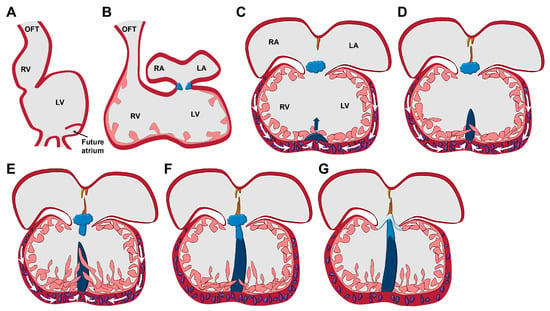
The Role of Hedgehog Signalling in the Formation of the Ventricular Septum
by
Antonia Wiegering, Ulrich Rüther and Christoph Gerhardt
Cited by 17 | Viewed by 13729
Abstract
An incomplete septation of the ventricles in the vertebrate heart that disturbes the strict separation between the contents of the two ventricles is termed a ventricular septal defect (VSD). Together with bicuspid aortic valves, it is the most frequent congenital heart disease in
[...] Read more.
An incomplete septation of the ventricles in the vertebrate heart that disturbes the strict separation between the contents of the two ventricles is termed a ventricular septal defect (VSD). Together with bicuspid aortic valves, it is the most frequent congenital heart disease in humans. Until now, life-threatening VSDs are usually treated surgically. To avoid surgery and to develop an alternative therapy (e.g., a small molecule therapy), it is necessary to understand the molecular mechanisms underlying ventricular septum (VS) development. Consequently, various studies focus on the investigation of signalling pathways, which play essential roles in the formation of the VS. In the past decade, several reports found evidence for an involvement of Hedgehog (HH) signalling in VS development. In this review article, we will summarise the current knowledge about the association between HH signalling and VS formation and discuss the use of such knowledge to design treatment strategies against the development of VSDs.
Full article
►▼
Show Figures
Open AccessFeature PaperReview
The Hedgehog Signaling Pathway Emerges as a Pathogenic Target
by
Margery G. Smelkinson
Cited by 42 | Viewed by 11785
Abstract
The Hedgehog (Hh) signaling pathway plays an essential role in the growth, development, and homeostatis of many tissues in vertebrates and invertebrates. Much of what is known about Hh signaling is in the context of embryonic development and tumor formation. However, a growing
[...] Read more.
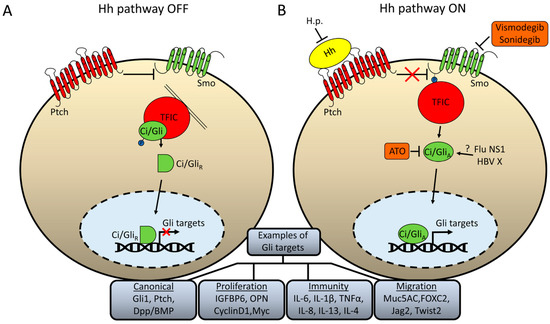
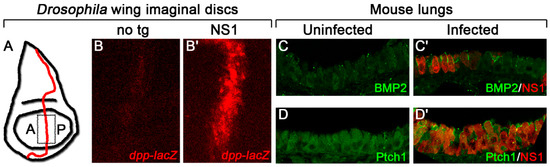
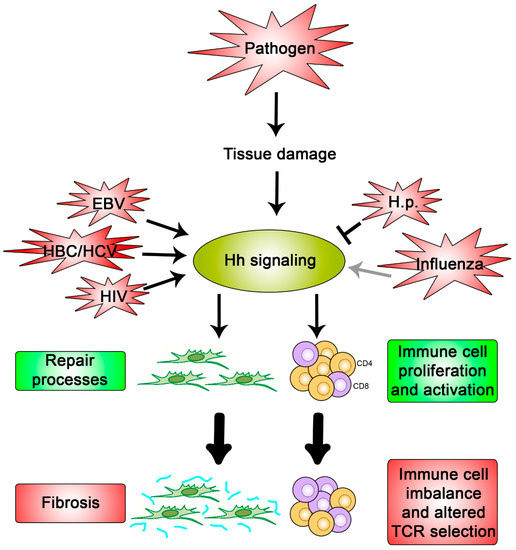
The Hedgehog (Hh) signaling pathway plays an essential role in the growth, development, and homeostatis of many tissues in vertebrates and invertebrates. Much of what is known about Hh signaling is in the context of embryonic development and tumor formation. However, a growing body of evidence is emerging indicating that Hh signaling is also involved in postnatal processes such as tissue repair and adult immune responses. To that extent, Hh signaling has also been shown to be a target for some pathogens that presumably utilize the pathway to control the local infected environment. In this review, we discuss what is currently known regarding pathogenic interactions with Hh signaling and speculate on the reasons for this pathway being a target. We also hope to shed light on the possibility of using small molecule modulators of Hh signaling as effective therapies for a wider range of human diseases beyond their current use in a limited number of cancers.
Full article
►▼
Show Figures
Open AccessFeature PaperReview
Emerging Roles of DYRK Kinases in Embryogenesis and Hedgehog Pathway Control
by
Rajeev Singh and Matthias Lauth
Cited by 32 | Viewed by 9132
Abstract
Hedgehog (Hh)/GLI signaling is an important instructive cue in various processes during embryonic development, such as tissue patterning, stem cell maintenance, and cell differentiation. It also plays crucial roles in the development of many pediatric and adult malignancies. Understanding the molecular mechanisms of
[...] Read more.
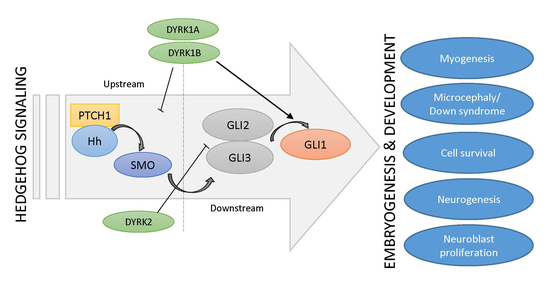
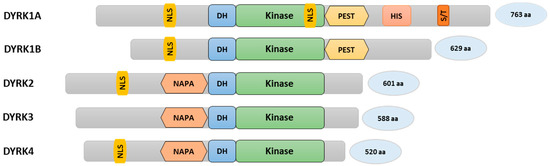
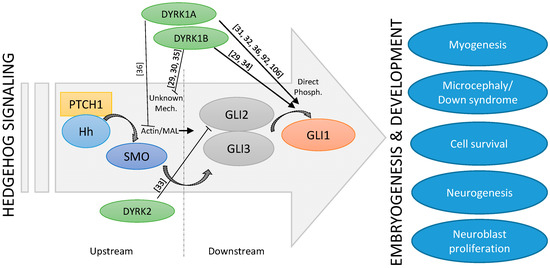
Hedgehog (Hh)/GLI signaling is an important instructive cue in various processes during embryonic development, such as tissue patterning, stem cell maintenance, and cell differentiation. It also plays crucial roles in the development of many pediatric and adult malignancies. Understanding the molecular mechanisms of pathway regulation is therefore of high interest. Dual-specificity tyrosine phosphorylation-regulated kinases (DYRKs) comprise a group of protein kinases which are emerging modulators of signal transduction, cell proliferation, survival, and cell differentiation. Work from the last years has identified a close regulatory connection between DYRKs and the Hh signaling system. In this manuscript, we outline the mechanistic influence of DYRK kinases on Hh signaling with a focus on the mammalian situation. We furthermore aim to bring together what is known about the functional consequences of a DYRK-Hh cross-talk and how this might affect cellular processes in development, physiology, and pathology.
Full article
►▼
Show Figures
Open AccessFeature PaperReview
Roles of the Hedgehog Signaling Pathway in Epidermal and Hair Follicle Development, Homeostasis, and Cancer
by
Yoshinori Abe and Nobuyuki Tanaka
Cited by 91 | Viewed by 22202
Abstract
The epidermis is the outermost layer of the skin and provides a protective barrier against environmental insults. It is a rapidly-renewing tissue undergoing constant regeneration, maintained by several types of stem cells. The Hedgehog (HH) signaling pathway is one of the fundamental signaling
[...] Read more.
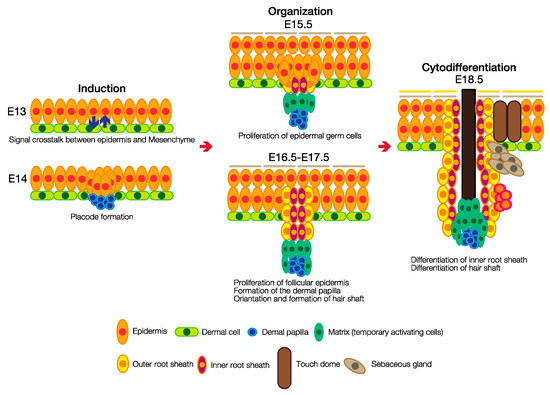
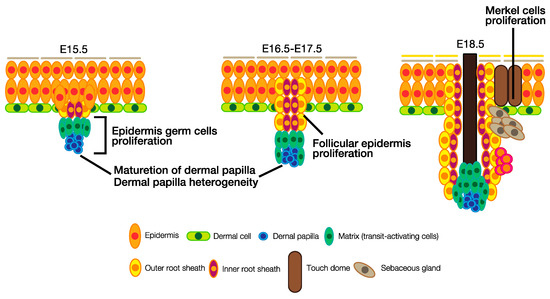
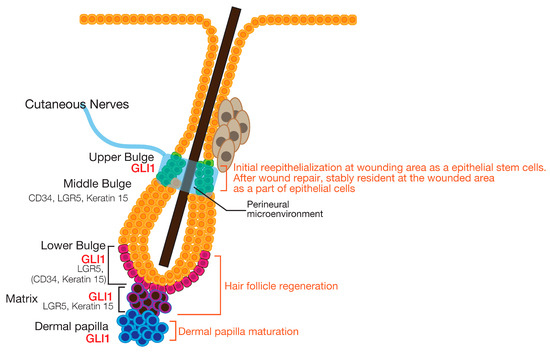
The epidermis is the outermost layer of the skin and provides a protective barrier against environmental insults. It is a rapidly-renewing tissue undergoing constant regeneration, maintained by several types of stem cells. The Hedgehog (HH) signaling pathway is one of the fundamental signaling pathways that contributes to epidermal development, homeostasis, and repair, as well as to hair follicle development and follicle bulge stem cell maintenance. The HH pathway interacts with other signal transduction pathways, including those activated by Wnt, bone morphogenetic protein, platelet-derived growth factor, Notch, and ectodysplasin. Furthermore, aberrant activation of HH signaling is associated with various tumors, including basal cell carcinoma. Therefore, an understanding of the regulatory mechanisms of the HH signaling pathway is important for elucidating fundamental mechanisms underlying both organogenesis and carcinogenesis. In this review, we discuss the role of the HH signaling pathway in the development and homeostasis epidermis and hair follicles, and in basal cell carcinoma formation, providing an update of current knowledge in this field.
Full article
►▼
Show Figures
Open AccessFeature PaperReview
Contributions of Noncanonical Smoothened Signaling During Embryonic Development
by
Tanushree Pandit and Stacey K. Ogden
Cited by 22 | Viewed by 6764
Abstract
The Sonic Hedgehog (Shh) signaling pathway is active during embryonic development in metazoans, and provides instructional cues necessary for proper tissue patterning. The pathway signal transducing component, Smoothened (Smo), is a G protein-coupled receptor (GPCR) that has been demonstrated to signal through at
[...] Read more.
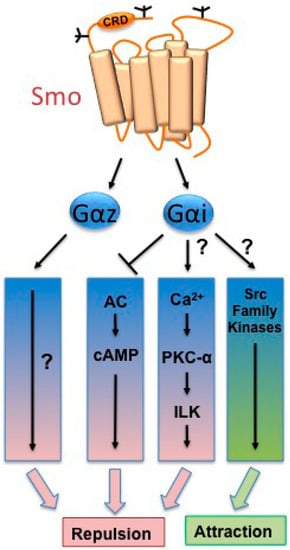
The Sonic Hedgehog (Shh) signaling pathway is active during embryonic development in metazoans, and provides instructional cues necessary for proper tissue patterning. The pathway signal transducing component, Smoothened (Smo), is a G protein-coupled receptor (GPCR) that has been demonstrated to signal through at least two effector routes. The first is a G protein–independent canonical route that signals to Gli transcriptional effectors to establish transcriptional programs specifying cell fate during early embryonic development. The second, commonly referred to as the noncanonical Smo signal, induces rapid, transcription-independent responses that are essential for establishing and maintaining distinct cell behaviors during development. Herein, we discuss contributions of this noncanonical route during embryonic development. We also highlight important open questions regarding noncanonical Smo signal route selection during development, and consider implications of noncanonical signal corruption in disease.
Full article
►▼
Show Figures
Open AccessFeature PaperReview
Sonic Hedgehog Signaling and Development of the Dentition
by
Maisa Seppala, Gareth J. Fraser, Anahid A. Birjandi, Guilherme M. Xavier and Martyn T. Cobourne
Cited by 57 | Viewed by 11668
Abstract
Sonic hedgehog (Shh) is an essential signaling peptide required for normal embryonic development. It represents a highly-conserved marker of odontogenesis amongst the toothed vertebrates. Signal transduction is involved in early specification of the tooth-forming epithelium in the oral cavity, and, ultimately, in defining
[...] Read more.
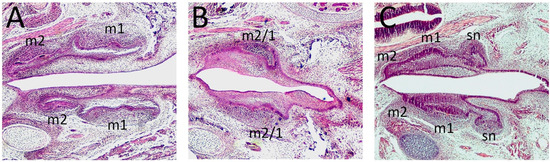
Sonic hedgehog (Shh) is an essential signaling peptide required for normal embryonic development. It represents a highly-conserved marker of odontogenesis amongst the toothed vertebrates. Signal transduction is involved in early specification of the tooth-forming epithelium in the oral cavity, and, ultimately, in defining tooth number within the established dentition. Shh also promotes the morphogenetic movement of epithelial cells in the early tooth bud, and influences cell cycle regulation, morphogenesis, and differentiation in the tooth germ. More recently, Shh has been identified as a stem cell regulator in the continuously erupting incisors of mice. Here, we review contemporary data relating to the role of Shh in odontogenesis, focusing on tooth development in mammals and cartilaginous fishes. We also describe the multiple actions of this signaling protein at the cellular level.
Full article
►▼
Show Figures
Open AccessReview
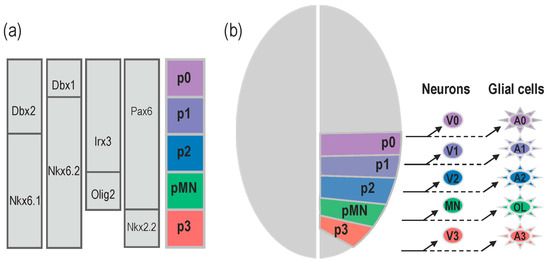
Moving the Shh Source over Time: What Impact on Neural Cell Diversification in the Developing Spinal Cord?
by
Cathy Danesin and Cathy Soula
Cited by 26 | Viewed by 10377
Abstract
A substantial amount of data has highlighted the crucial influence of Shh signalling on the generation of diverse classes of neurons and glial cells throughout the developing central nervous system. A critical step leading to this diversity is the establishment of distinct neural
[...] Read more.
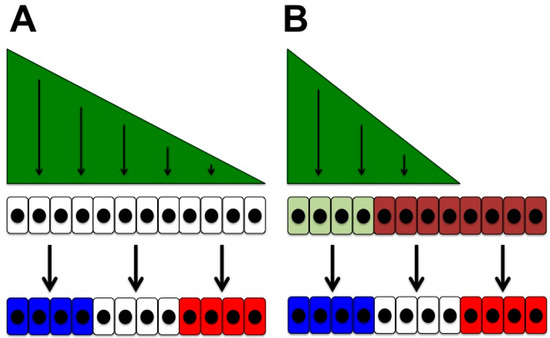
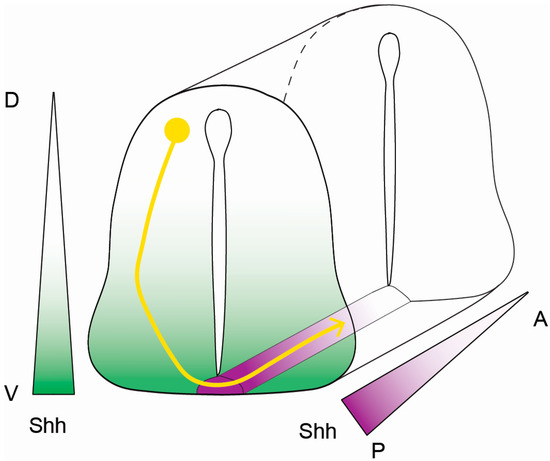
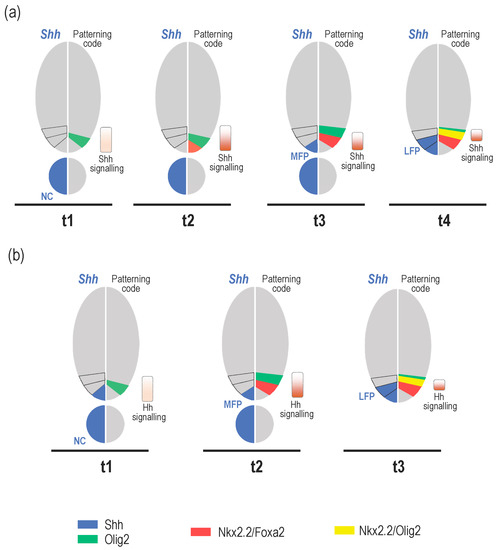
A substantial amount of data has highlighted the crucial influence of Shh signalling on the generation of diverse classes of neurons and glial cells throughout the developing central nervous system. A critical step leading to this diversity is the establishment of distinct neural progenitor cell domains during the process of pattern formation. The forming spinal cord, in particular, has served as an excellent model to unravel how progenitor cells respond to Shh to produce the appropriate pattern. In recent years, considerable advances have been made in our understanding of important parameters that control the temporal and spatial interpretation of the morphogen signal at the level of Shh-receiving progenitor cells. Although less studied, the identity and position of Shh source cells also undergo significant changes over time, raising the question of how moving the Shh source contributes to cell diversification in response to the morphogen. Here, we focus on the dynamics of Shh-producing cells and discuss specific roles for these time-variant Shh sources with regard to the temporal events occurring in the receiving field.
Full article
►▼
Show Figures
Open AccessReview
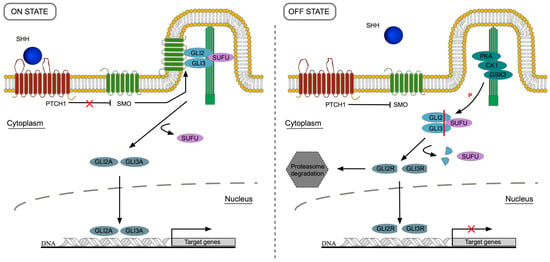
Canonical Sonic Hedgehog Signaling in Early Lung Development
by
Hugo Fernandes-Silva, Jorge Correia-Pinto and Rute Silva Moura
Cited by 66 | Viewed by 18475
Abstract
The canonical hedgehog (HH) signaling pathway is of major importance during embryonic development. HH is a key regulatory morphogen of numerous cellular processes, namely, cell growth and survival, differentiation, migration, and tissue polarity. Overall, it is able to trigger tissue-specific responses that, ultimately,
[...] Read more.
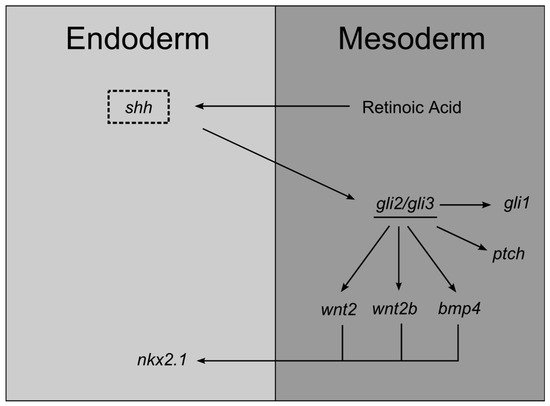
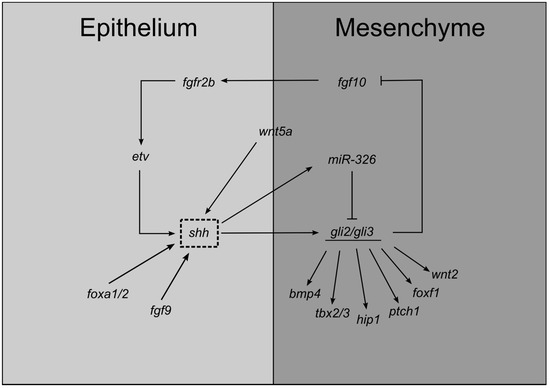
The canonical hedgehog (HH) signaling pathway is of major importance during embryonic development. HH is a key regulatory morphogen of numerous cellular processes, namely, cell growth and survival, differentiation, migration, and tissue polarity. Overall, it is able to trigger tissue-specific responses that, ultimately, contribute to the formation of a fully functional organism. Of all three HH proteins, Sonic Hedgehog (SHH) plays an essential role during lung development. In fact, abnormal levels of this secreted protein lead to severe foregut defects and lung hypoplasia. Canonical SHH signal transduction relies on the presence of transmembrane receptors, such as Patched1 and Smoothened, accessory proteins, as Hedgehog-interacting protein 1, and intracellular effector proteins, like GLI transcription factors. Altogether, this complex signaling machinery contributes to conveying SHH response. Pulmonary morphogenesis is deeply dependent on SHH and on its molecular interactions with other signaling pathways. In this review, the role of SHH in early stages of lung development, specifically in lung specification, primary bud formation, and branching morphogenesis is thoroughly reviewed.
Full article
►▼
Show Figures
Open AccessReview
Sonic Hedgehog—‘Jack-of-All-Trades’ in Neural Circuit Formation
by
Nikole R. Zuñiga and Esther T. Stoeckli
Cited by 7 | Viewed by 8300
Abstract
As reflected by the term morphogen, molecules such as Shh and Wnts were identified based on their role in early development when they instruct precursor cells to adopt a specific cell fate. Only much later were they implicated in neural circuit formation. Both
[...] Read more.
As reflected by the term morphogen, molecules such as Shh and Wnts were identified based on their role in early development when they instruct precursor cells to adopt a specific cell fate. Only much later were they implicated in neural circuit formation. Both in vitro and in vivo studies indicated that morphogens direct axons during their navigation through the developing nervous system. Today, the best understood role of Shh and Wnt in axon guidance is their effect on commissural axons in the spinal cord. Shh was shown to affect commissural axons both directly and indirectly via its effect on Wnt signaling. In fact, throughout neural circuit formation there is cross-talk and collaboration of Shh and Wnt signaling. Thus, although the focus of this review is on the role of Shh in neural circuit formation, a separation from Wnt signaling is not possible.
Full article
►▼
Show Figures
Open AccessReview
Differential Cellular Responses to Hedgehog Signalling in Vertebrates—What is the Role of Competence?
by
Clemens Kiecker, Anthony Graham and Malcolm Logan
Cited by 7 | Viewed by 8085
Abstract
A surprisingly small number of signalling pathways generate a plethora of cellular responses ranging from the acquisition of multiple cell fates to proliferation, differentiation, morphogenesis and cell death. These diverse responses may be due to the dose-dependent activities of signalling factors, or to
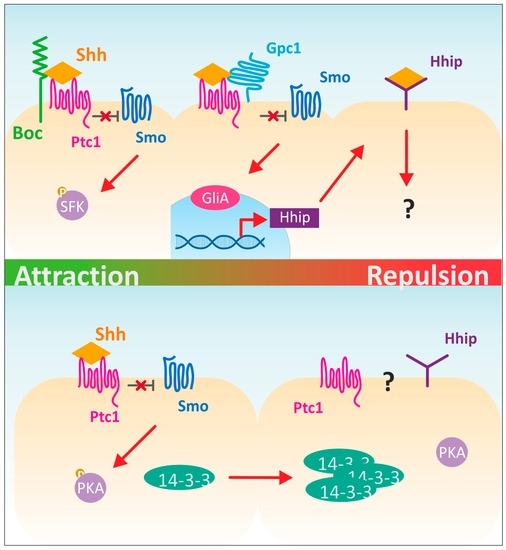
[...] Read more.
A surprisingly small number of signalling pathways generate a plethora of cellular responses ranging from the acquisition of multiple cell fates to proliferation, differentiation, morphogenesis and cell death. These diverse responses may be due to the dose-dependent activities of signalling factors, or to intrinsic differences in the response of cells to a given signal—a phenomenon called
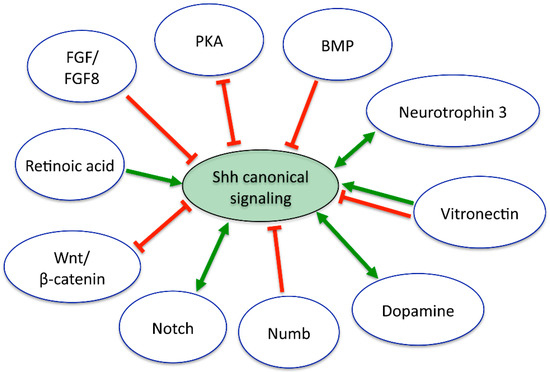
differential cellular competence. In this review, we focus on temporal and spatial differences in competence for Hedgehog (HH) signalling, a signalling pathway that is reiteratively employed in embryos and adult organisms. We discuss the upstream signals and mechanisms that may establish differential competence for HHs in a range of different tissues. We argue that the changing competence for HH signalling provides a four-dimensional framework for the interpretation of the signal that is essential for the emergence of functional anatomy. A number of diseases—including several types of cancer—are caused by malfunctions of the HH pathway. A better understanding of what provides differential competence for this signal may reveal HH-related disease mechanisms and equip us with more specific tools to manipulate HH signalling in the clinic.
Full article
►▼
Show Figures
Open AccessReview
The Many Hats of Sonic Hedgehog Signaling in Nervous System Development and Disease
by
Yesser H. Belgacem, Andrew M. Hamilton, Sangwoo Shim, Kira A. Spencer and Laura N. Borodinsky
Cited by 49 | Viewed by 14988
Abstract
Sonic hedgehog (Shh) signaling occurs concurrently with the many processes that constitute nervous system development. Although Shh is mostly known for its proliferative and morphogenic action through its effects on neural stem cells and progenitors, it also contributes to neuronal differentiation, axonal pathfinding
[...] Read more.
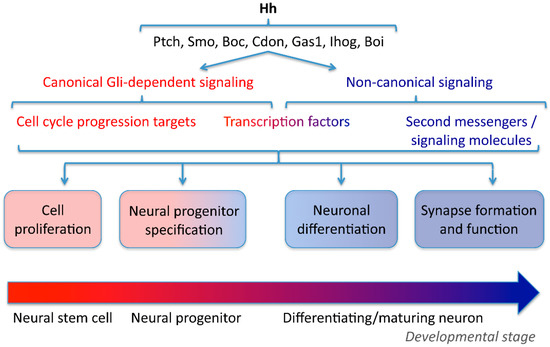
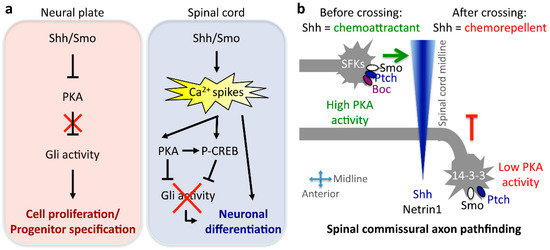
Sonic hedgehog (Shh) signaling occurs concurrently with the many processes that constitute nervous system development. Although Shh is mostly known for its proliferative and morphogenic action through its effects on neural stem cells and progenitors, it also contributes to neuronal differentiation, axonal pathfinding and synapse formation and function. To participate in these diverse events, Shh signaling manifests differently depending on the maturational state of the responsive cell, on the other signaling pathways regulating neural cell function and the environmental cues that surround target cells. Shh signaling is particularly dynamic in the nervous system, ranging from canonical transcription-dependent, to non-canonical and localized to axonal growth cones. Here, we review the variety of Shh functions in the developing nervous system and their consequences for neurodevelopmental diseases and neural regeneration, with particular emphasis on the signaling mechanisms underlying Shh action.
Full article
►▼
Show Figures
Open AccessReview
Perspectives on Intra- and Intercellular Trafficking of Hedgehog for Tissue Patterning
by
Eléanor Simon, Adrián Aguirre-Tamaral, Gustavo Aguilar and Isabel Guerrero
Cited by 12 | Viewed by 8192
Abstract
Intercellular communication is a fundamental process for correct tissue development. The mechanism of this process involves, among other things, the production and secretion of signaling molecules by specialized cell types and the capability of these signals to reach the target cells in order
[...] Read more.
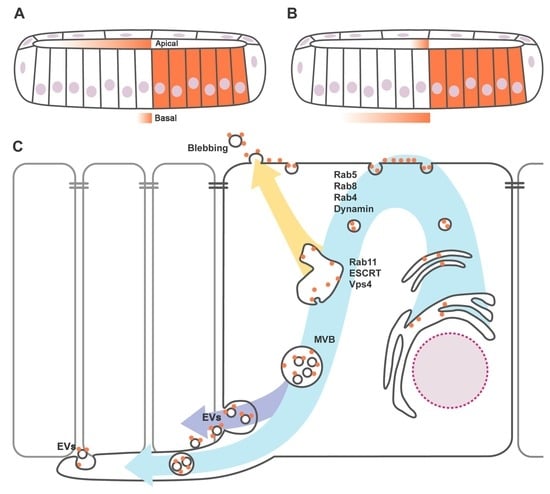
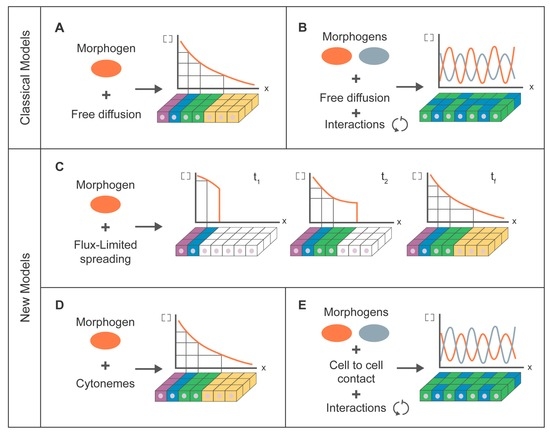
Intercellular communication is a fundamental process for correct tissue development. The mechanism of this process involves, among other things, the production and secretion of signaling molecules by specialized cell types and the capability of these signals to reach the target cells in order to trigger specific responses. Hedgehog (Hh) is one of the best-studied signaling pathways because of its importance during morphogenesis in many organisms. The Hh protein acts as a morphogen, activating its targets at a distance in a concentration-dependent manner. Post-translational modifications of Hh lead to a molecule covalently bond to two lipid moieties. These lipid modifications confer Hh high affinity to lipidic membranes, and intense studies have been carried out to explain its release into the extracellular matrix. This work reviews Hh molecule maturation, the intracellular recycling needed for its secretion and the proposed carriers to explain Hh transportation to the receiving cells. Special focus is placed on the role of specialized filopodia, also named cytonemes, in morphogen transport and gradient formation.
Full article
►▼
Show Figures
Open AccessReview
Yeast Gup1(2) Proteins Are Homologues of the Hedgehog Morphogens Acyltransferases HHAT(L): Facts and Implications
by
Cândida Lucas, Célia Ferreira, Giulia Cazzanelli, Ricardo Franco-Duarte and Joana Tulha
Cited by 8 | Viewed by 9795
Abstract
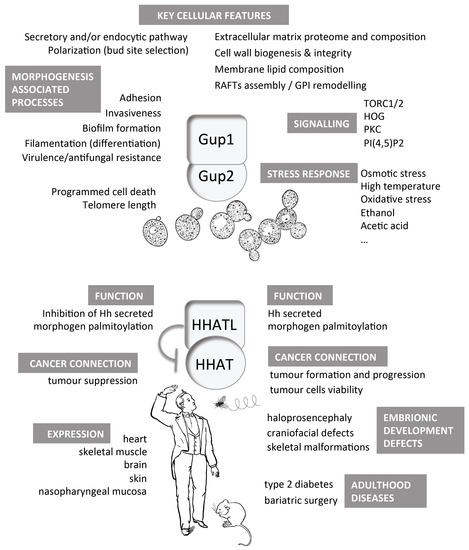
In multiple tissues, the Hedgehog secreted morphogen activates in the receiving cells a pathway involved in cell fate, proliferation and differentiation in the receiving cells. This pathway is particularly important during embryogenesis. The protein HHAT (Hedgehog
O-acyltransferase) modifies Hh morphogens prior to
[...] Read more.
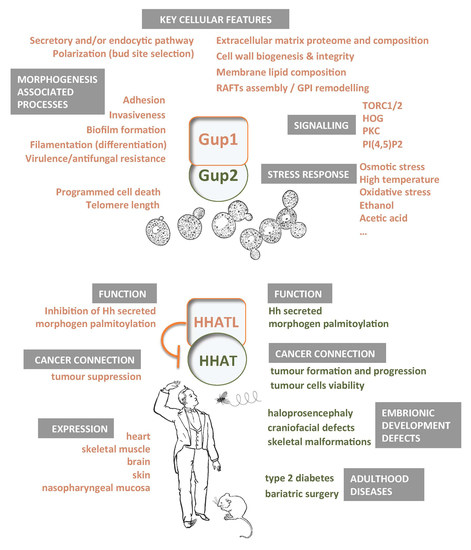
In multiple tissues, the Hedgehog secreted morphogen activates in the receiving cells a pathway involved in cell fate, proliferation and differentiation in the receiving cells. This pathway is particularly important during embryogenesis. The protein HHAT (Hedgehog
O-acyltransferase) modifies Hh morphogens prior to their secretion, while HHATL (Hh
O-acyltransferase-like) negatively regulates the pathway. HHAT and HHATL are homologous to
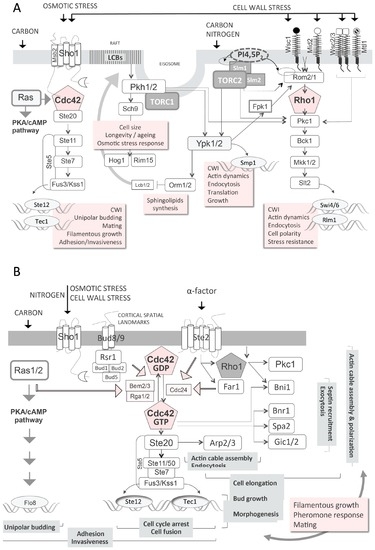
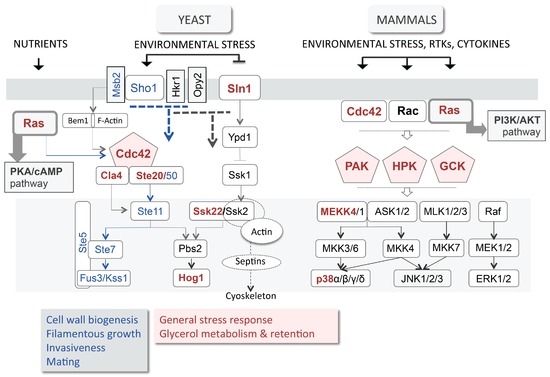
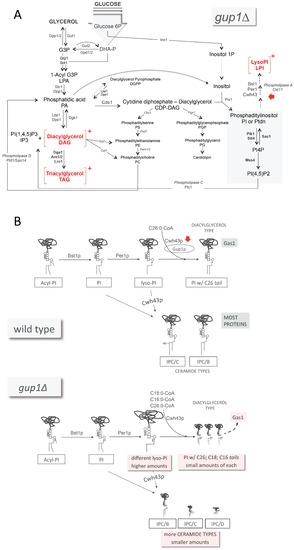
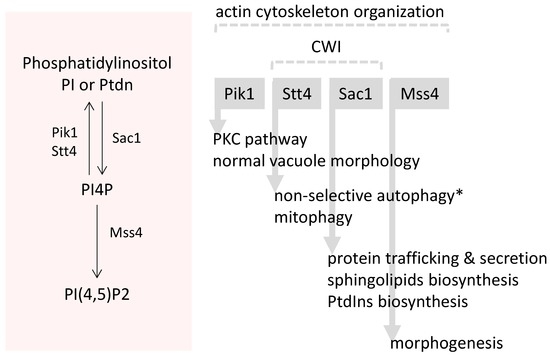
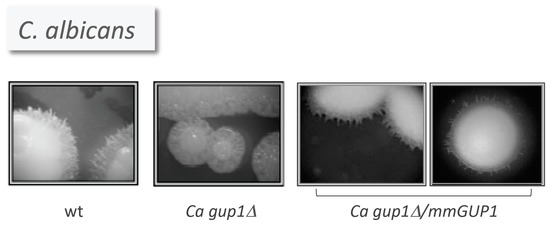
Saccharomyces cerevisiae Gup2 and Gup1, respectively. In yeast, Gup1 is associated with a high number and diversity of biological functions, namely polarity establishment, secretory/endocytic pathway functionality, vacuole morphology and wall and membrane composition, structure and maintenance. Phenotypes underlying death, morphogenesis and differentiation are also included. Paracrine signalling, like the one promoted by the Hh pathway, has not been shown to occur in microbial communities, despite the fact that large aggregates of cells like biofilms or colonies behave as proto-tissues. Instead, these have been suggested to sense the population density through the secretion of quorum-sensing chemicals. This review focuses on Gup1/HHATL and Gup2/HHAT proteins. We review the functions and physiology associated with these proteins in yeasts and higher eukaryotes. We suggest standardisation of the presently chaotic Gup-related nomenclature, which includes KIAA117, c3orf3, RASP, Skinny, Sightless and Central Missing, in order to avoid the disclosure of otherwise unnoticed information.
Full article
►▼
Show Figures
Open AccessReview
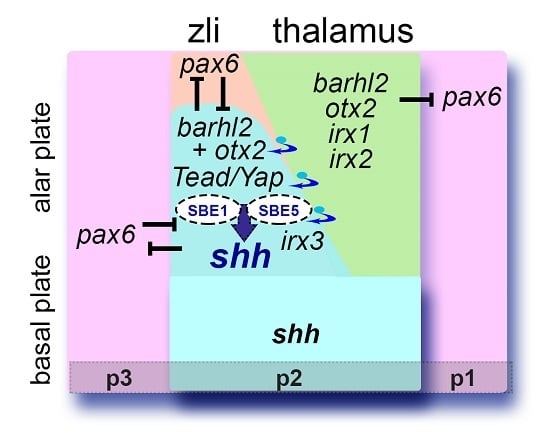
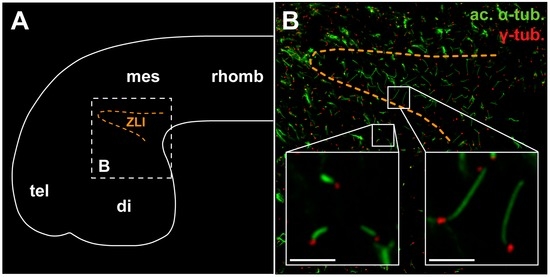
An Evolutionarily Conserved Network Mediates Development of the zona limitans intrathalamica, a Sonic Hedgehog-Secreting Caudal Forebrain Signaling Center
by
Elena Sena, Kerstin Feistel and Béatrice C. Durand
Cited by 9 | Viewed by 8455
Abstract
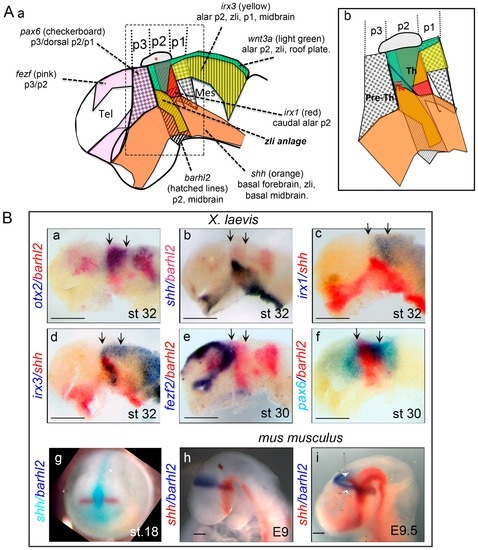
Recent studies revealed new insights into the development of a unique caudal forebrain-signaling center: the
zona limitans intrathalamica (
zli). The
zli is the last brain signaling center to form and the first forebrain compartment to be established. It is the only
[...] Read more.
Recent studies revealed new insights into the development of a unique caudal forebrain-signaling center: the
zona limitans intrathalamica (
zli). The
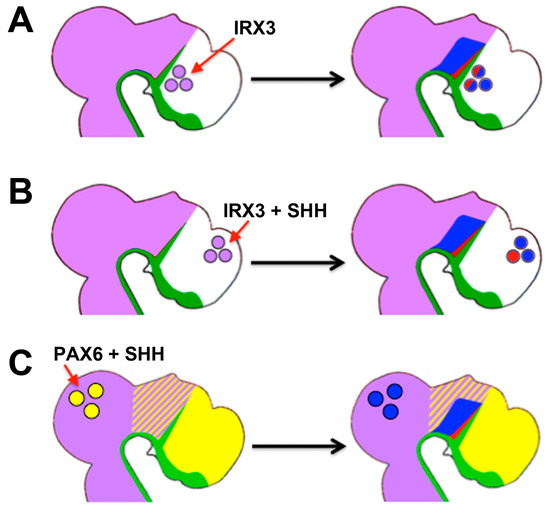
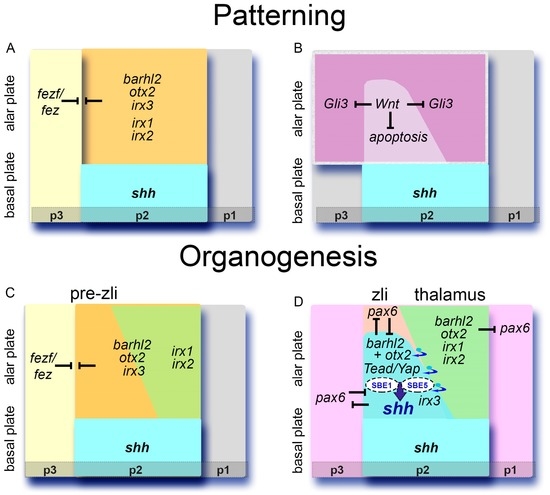
zli is the last brain signaling center to form and the first forebrain compartment to be established. It is the only part of the dorsal neural tube expressing the morphogen Sonic Hedgehog (Shh) whose activity participates in the survival, growth and patterning of neuronal progenitor subpopulations within the thalamic complex. Here, we review the gene regulatory network of transcription factors and
cis-regulatory elements that underlies formation of a
shh-expressing delimitated domain in the anterior brain. We discuss evidence that this network predates the origin of chordates. We highlight the contribution of Shh, Wnt and Notch signaling to
zli development and discuss implications for the fact that the morphogen Shh relies on primary cilia for signal transduction. The network that underlies
zli development also contributes to thalamus induction, and to its patterning once the
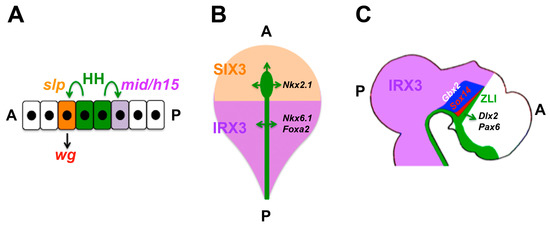
zli has been set up. We present an overview of the brain malformations possibly associated with developmental defects in this gene regulatory network (GRN).
Full article
►▼
Show Figures
Open AccessReview
Hedgehog Signaling in Prostate Development, Regeneration and Cancer
by
Wade Bushman
Cited by 21 | Viewed by 6678
Abstract
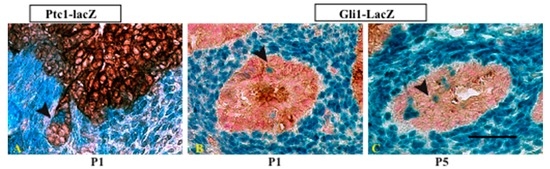
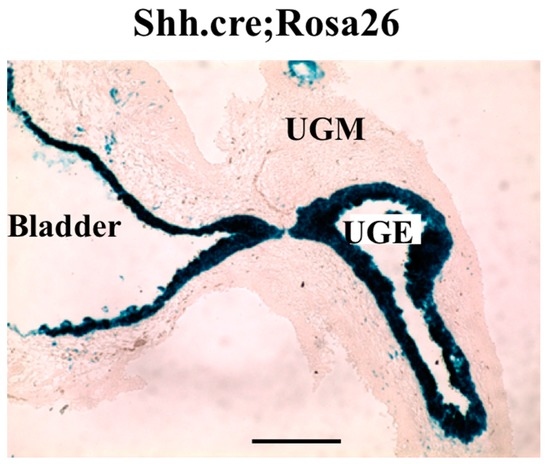
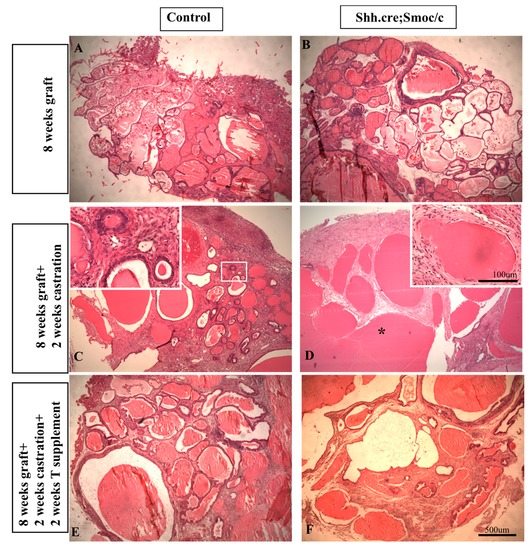
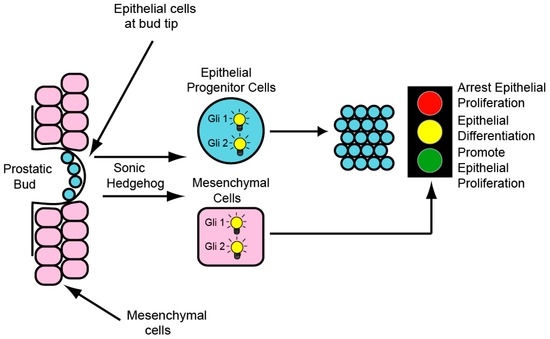
The prostate is a developmental model system study of prostate growth regulation. Historically the research focus was on androgen regulation of development and growth and instructive interactions between the mesenchyme and epithelium. The study of Hh signaling in prostate development revealed important roles
[...] Read more.
The prostate is a developmental model system study of prostate growth regulation. Historically the research focus was on androgen regulation of development and growth and instructive interactions between the mesenchyme and epithelium. The study of Hh signaling in prostate development revealed important roles in ductal morphogenesis and in epithelial growth regulation that appear to be recapitulated in prostate cancer. This overview of Hh signaling in the prostate will address the well-described role of paracrine signaling prostate development as well as new evidence suggesting a role for autocrine signaling, the role of Hh signaling in prostate regeneration and reiterative activities in prostate cancer.
Full article
►▼
Show Figures
Open AccessArticle
Loss of Suppressor of Fused in Mid-Corticogenesis Leads to the Expansion of Intermediate Progenitors
by
Odessa R. Yabut, Hui Xuan Ng, Gloria Fernandez, Keejung Yoon, Jeremy Kuhn and Samuel J. Pleasure
Cited by 6 | Viewed by 6870
Abstract
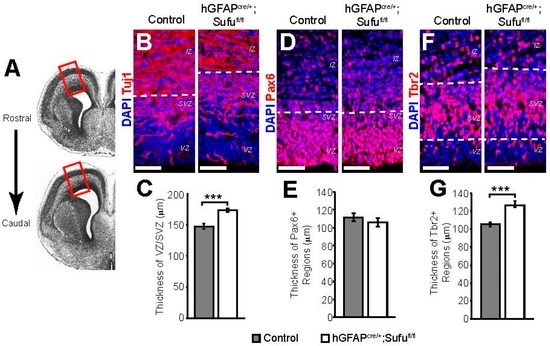
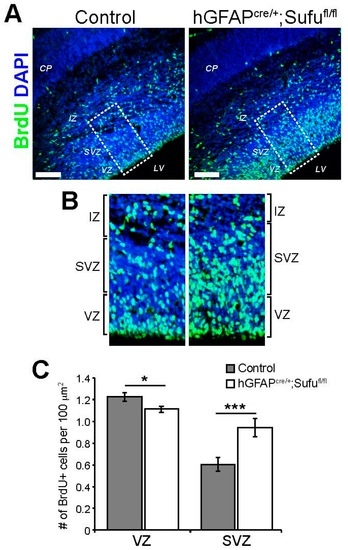
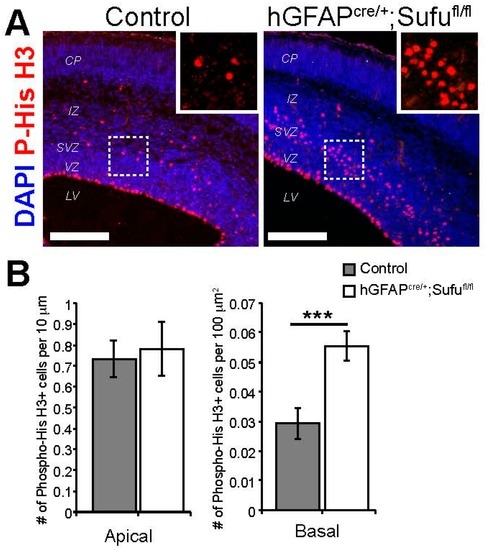
Neural progenitors in the embryonic neocortex must be tightly regulated in order to generate the correct number and projection neuron subtypes necessary for the formation of functional neocortical circuits. In this study, we show that the intracellular protein Suppressor of Fused (Sufu) regulates
[...] Read more.
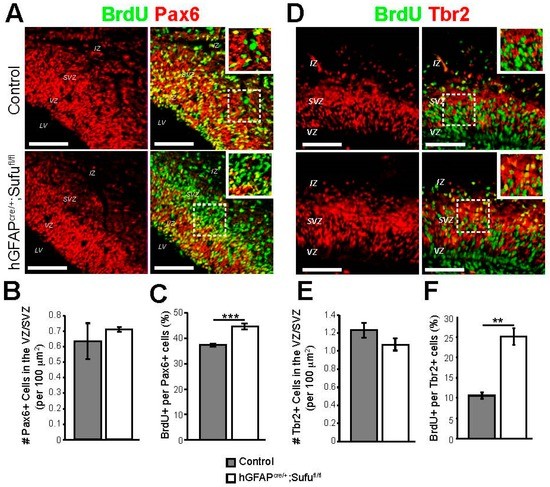
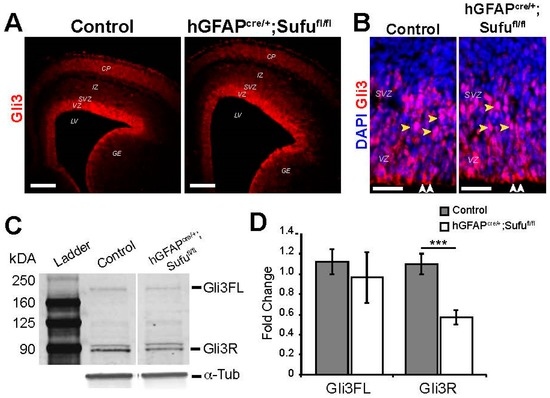
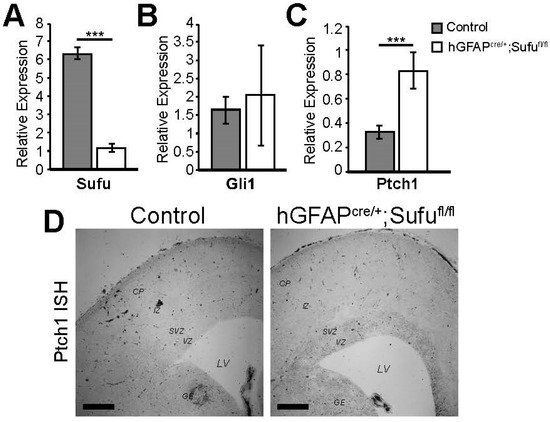
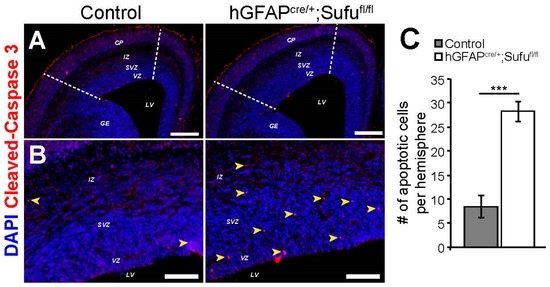
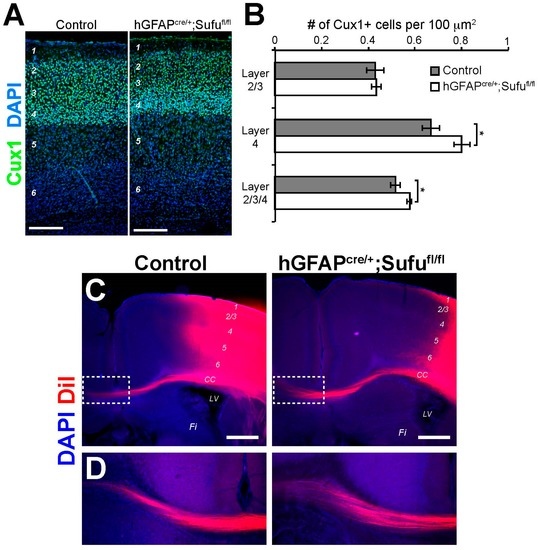
Neural progenitors in the embryonic neocortex must be tightly regulated in order to generate the correct number and projection neuron subtypes necessary for the formation of functional neocortical circuits. In this study, we show that the intracellular protein Suppressor of Fused (Sufu) regulates the proliferation of intermediate progenitor (IP) cells at later stages of corticogenesis to affect the number of Cux1+ upper layer neurons in the postnatal neocortex. This correlates with abnormal levels of the repressor form of Gli3 (Gli3R) and the ectopic expression of Patched 1 (Ptch1), a Sonic Hedgehog (Shh) target gene. These studies reveal that the canonical role of Sufu as an inhibitor of Shh signaling is conserved at later stages of corticogenesis and that Sufu plays a crucial role in regulating neuronal number by controlling the cell cycle dynamics of IP cells in the embryonic neocortex.
Full article
►▼
Show Figures
Open AccessReview
Hedgehog: A Key Signaling in the Development of the Oligodendrocyte Lineage
by
Elisabeth Traiffort, Mary Zakaria, Yousra Laouarem and Julien Ferent
Cited by 37 | Viewed by 20962
Abstract
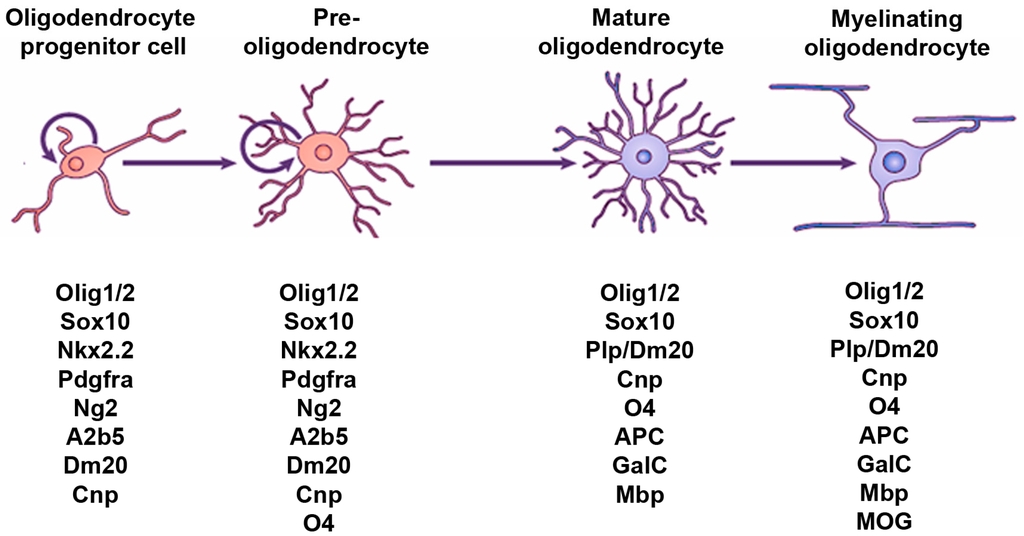
The Hedgehog morphogen aroused an enormous interest since it was characterized as an essential signal for ventral patterning of the spinal cord two decades ago. The pathway is notably implicated in the initial appearance of the progenitors of oligodendrocytes (OPCs), the glial cells
[...] Read more.
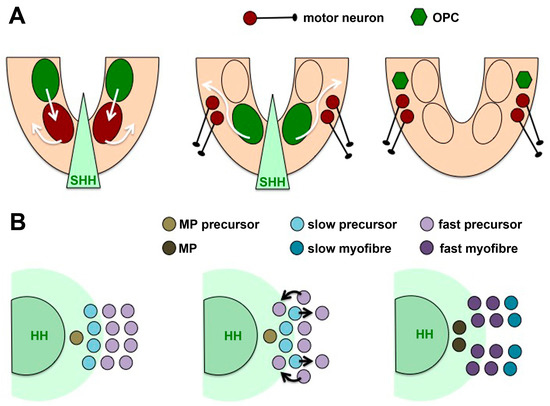
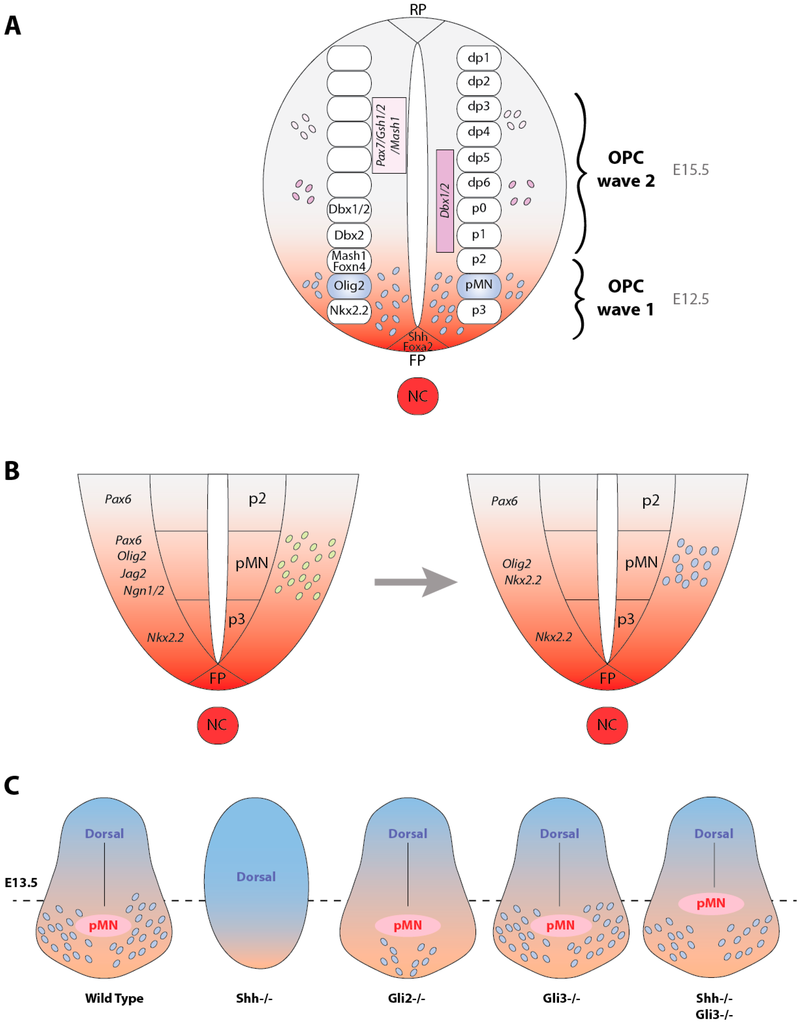
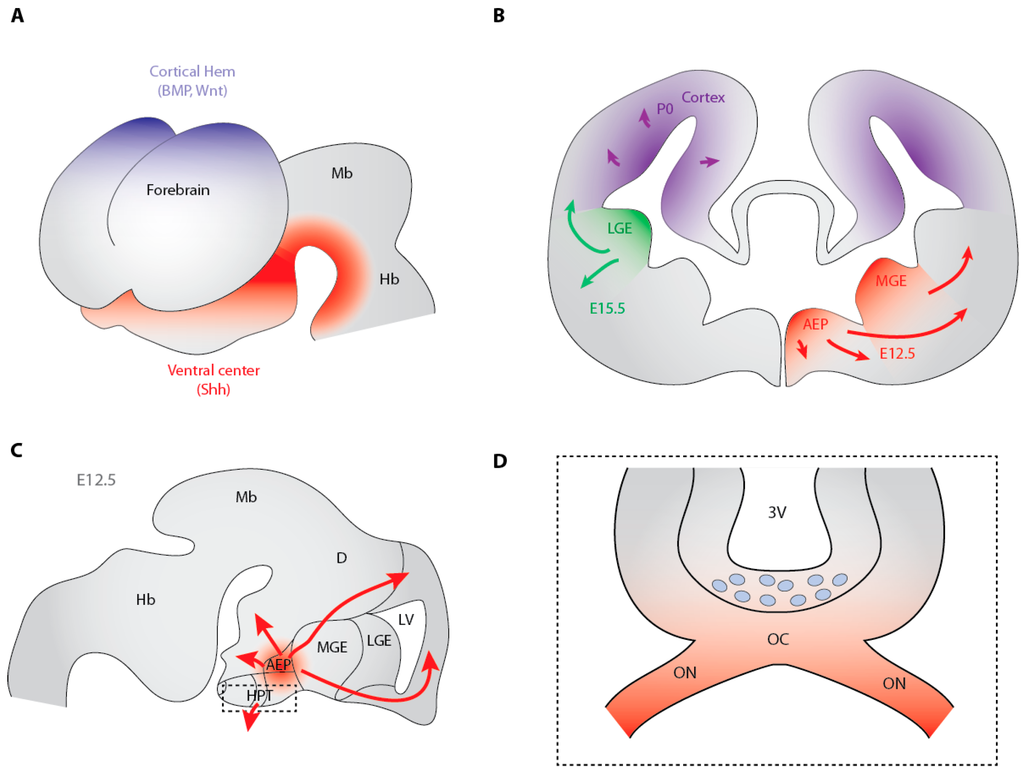
The Hedgehog morphogen aroused an enormous interest since it was characterized as an essential signal for ventral patterning of the spinal cord two decades ago. The pathway is notably implicated in the initial appearance of the progenitors of oligodendrocytes (OPCs), the glial cells of the central nervous system which after maturation are responsible for axon myelination. In accordance with the requirement for Hedgehog signaling in ventral patterning, the earliest identifiable cells in the oligodendrocyte lineage are derived from the ventral ventricular zone of the developing spinal cord and brain. Here, we present the current knowledge about the involvement of Hedgehog signaling in the strict spatial and temporal regulation which characterizes the initiation and progression of the oligodendrocyte lineage. We notably describe the ability of the Hedgehog signaling to tightly orchestrate the appearance of specific combinations of genes in concert with other pathways. We document the molecular mechanisms controlling Hedgehog temporal activity during OPC specification. The contribution of the pathway to aspects of OPC development different from their specification is also highlighted especially in the optic nerve. Finally, we report the data demonstrating that Hedgehog signaling-dependency is not a universal situation for oligodendrocyte generation as evidenced in the dorsal spinal cord in contrast to the dorsal forebrain.
Full article
►▼
Show Figures
Open AccessReview
Control of Hedgehog Signalling by the Cilia-Regulated Proteasome
by
Christoph Gerhardt, Antonia Wiegering, Tristan Leu and Ulrich Rüther
Cited by 24 | Viewed by 10081
Abstract
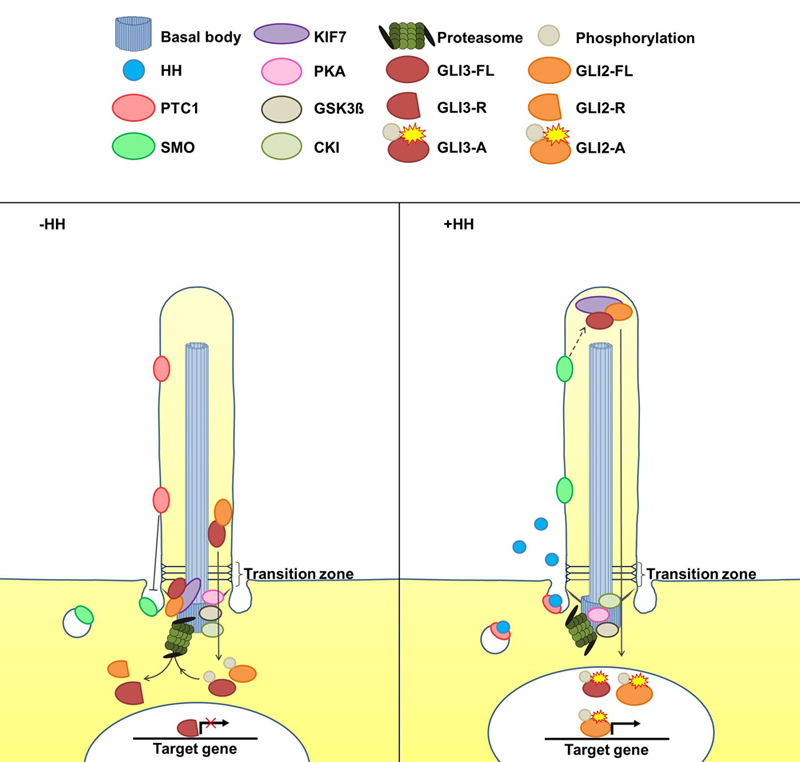
The Hedgehog signalling pathway is evolutionarily highly conserved and essential for embryonic development of invertebrates and vertebrates. Consequently, impaired Hedgehog signalling results in very severe human diseases, ranging from holoprosencephaly to Pallister-Hall syndrome. Due to this great importance for human health, the focus
[...] Read more.
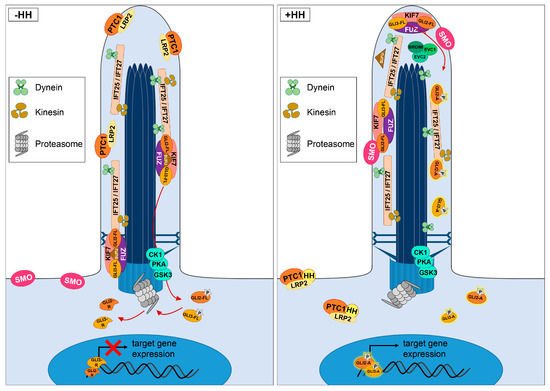
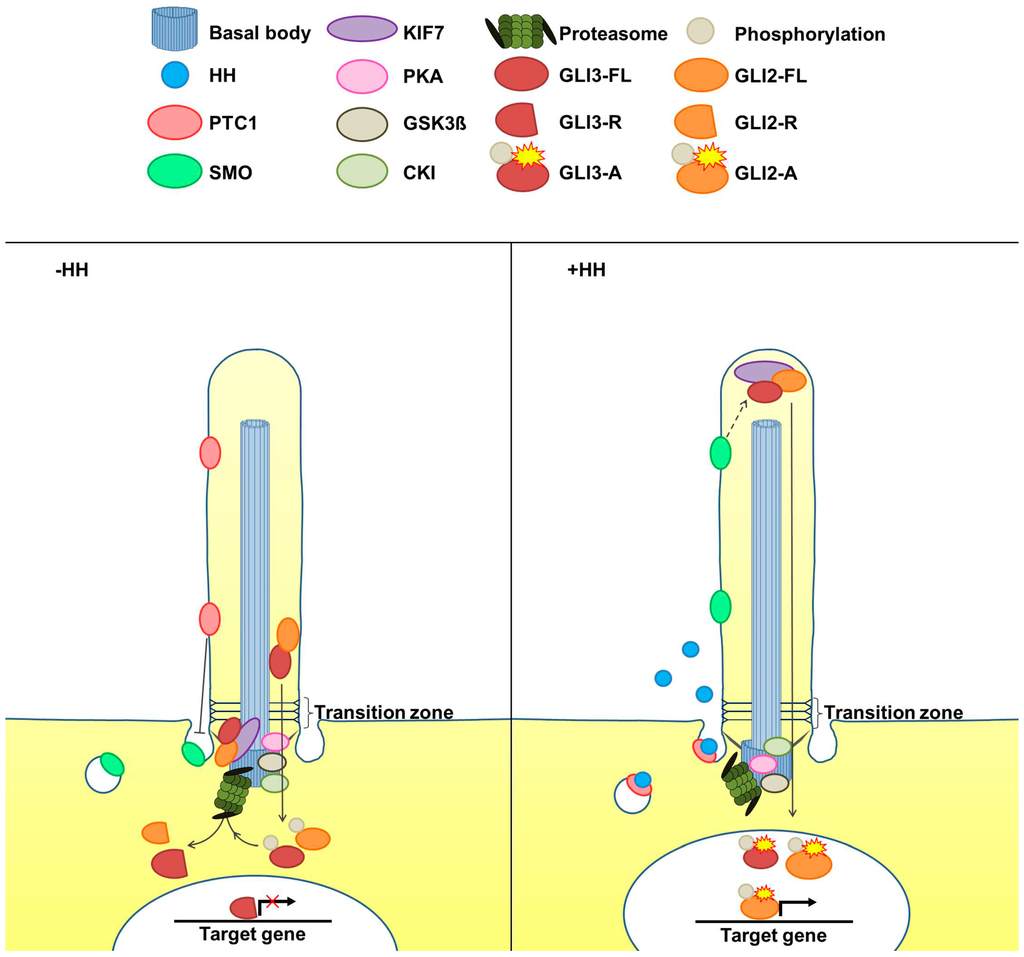
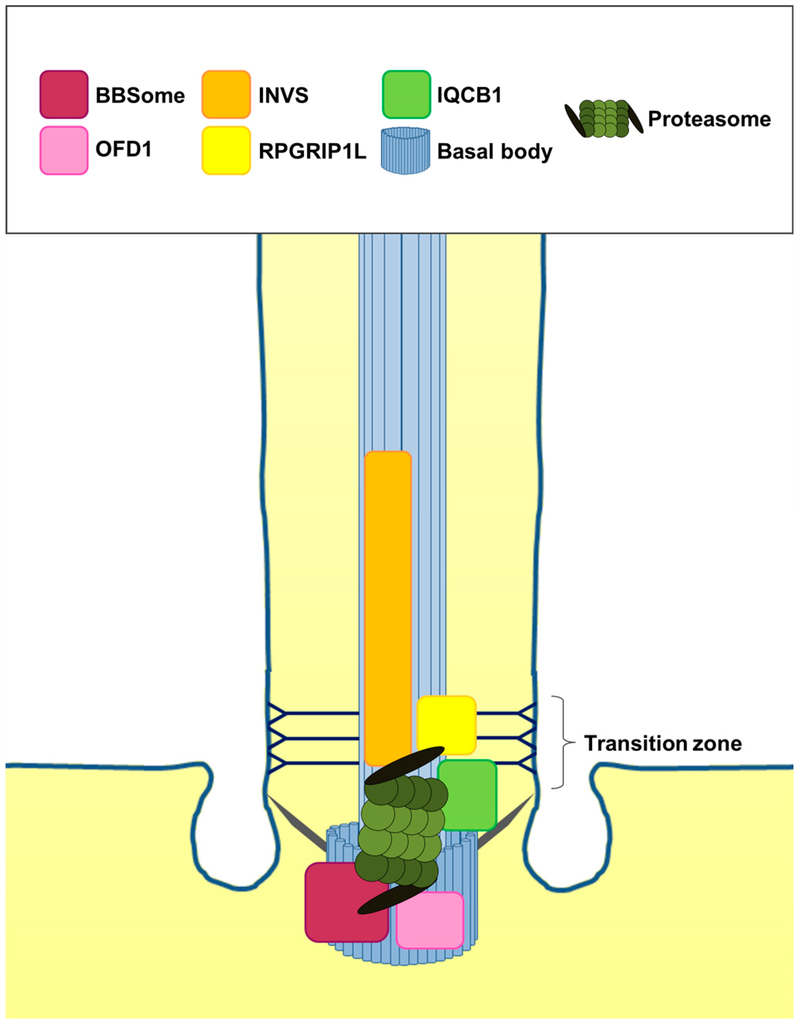
The Hedgehog signalling pathway is evolutionarily highly conserved and essential for embryonic development of invertebrates and vertebrates. Consequently, impaired Hedgehog signalling results in very severe human diseases, ranging from holoprosencephaly to Pallister-Hall syndrome. Due to this great importance for human health, the focus of numerous research groups is placed on the investigation of the detailed mechanisms underlying Hedgehog signalling. Today, it is known that tiny cell protrusions, known as primary cilia, are necessary to mediate Hedgehog signalling in vertebrates. Although the Hedgehog pathway is one of the best studied signalling pathways, many questions remain. One of these questions is: How do primary cilia control Hedgehog signalling in vertebrates? Recently, it was shown that primary cilia regulate a special kind of proteasome which is essential for proper Hedgehog signalling. This review article will cover this novel cilia-proteasome association in embryonic Hedgehog signalling and discuss the possibilities provided by future investigations on this topic.
Full article
►▼
Show Figures
Open AccessReview
Hedgehog Promotes Production of Inhibitory Interneurons in Vivo and in Vitro from Pluripotent Stem Cells
by
Nickesha C. Anderson, Christopher Y. Chen and Laura Grabel
Cited by 2 | Viewed by 8435
Abstract
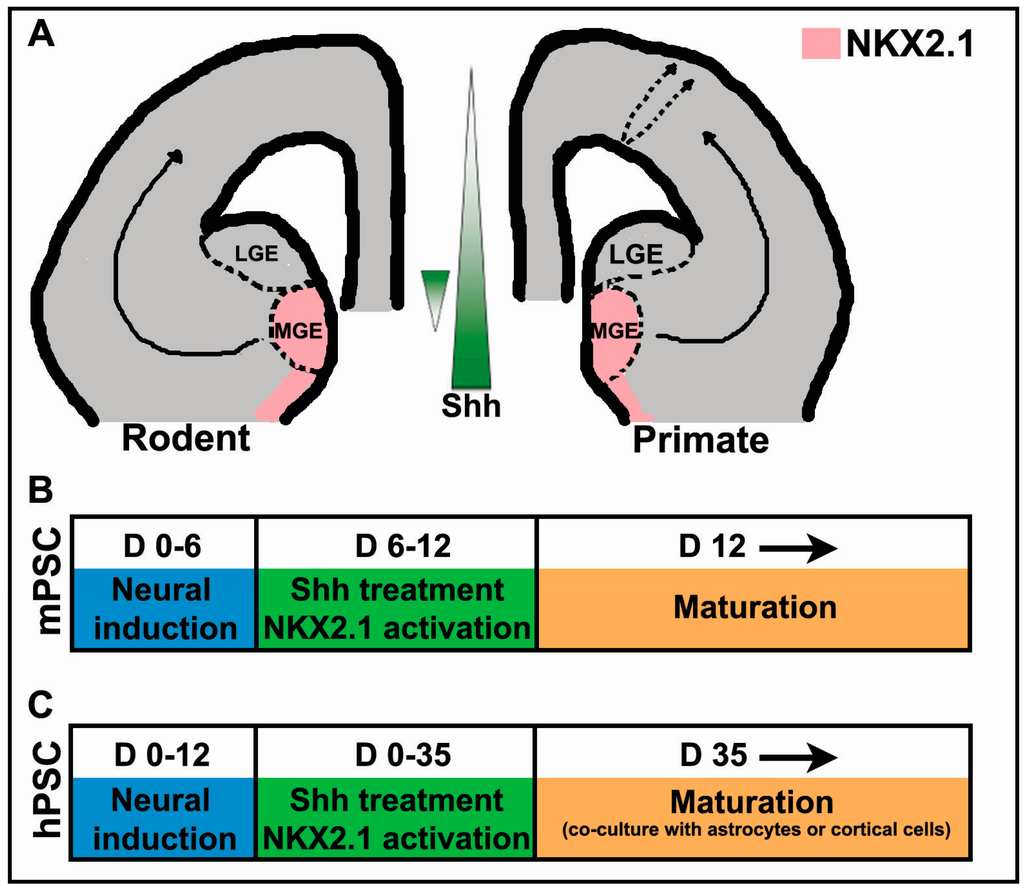
Loss or damage of cortical inhibitory interneurons characterizes a number of neurological disorders. There is therefore a great deal of interest in learning how to generate these neurons from a pluripotent stem cell source so they can be used for cell replacement therapies
[...] Read more.
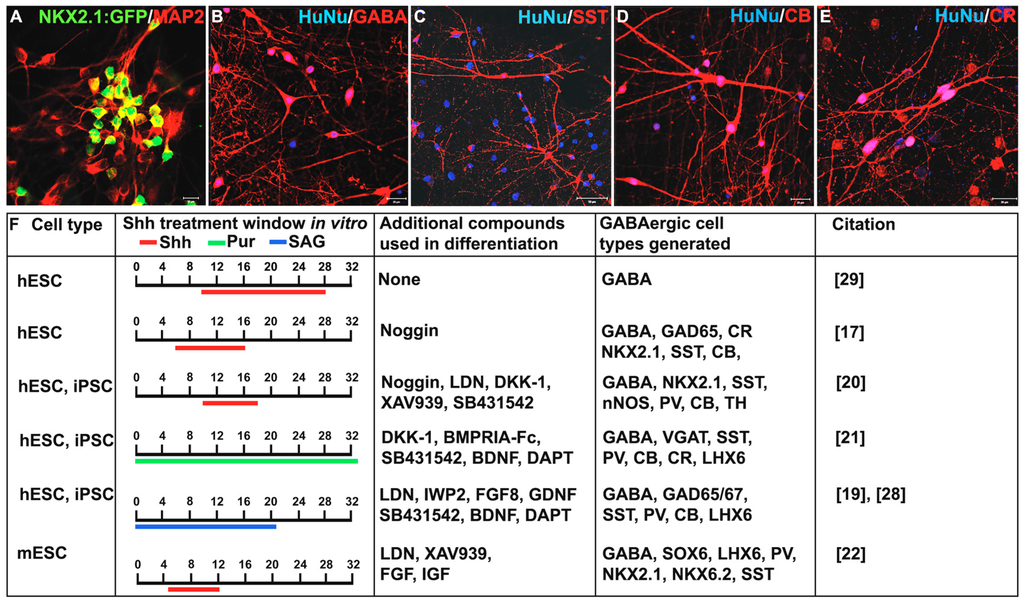
Loss or damage of cortical inhibitory interneurons characterizes a number of neurological disorders. There is therefore a great deal of interest in learning how to generate these neurons from a pluripotent stem cell source so they can be used for cell replacement therapies or for in vitro drug testing. To design a directed differentiation protocol, a number of groups have used the information gained in the last 15 years detailing the conditions that promote interneuron progenitor differentiation in the ventral telencephalon during embryogenesis. The use of Hedgehog peptides and agonists is featured prominently in these approaches. We review here the data documenting a role for Hedgehog in specifying interneurons in both the embryonic brain during development and in vitro during the directed differentiation of pluripotent stem cells.
Full article
►▼
Show Figures
Open AccessReview
A Joint Less Ordinary: Intriguing Roles for Hedgehog Signalling in the Development of the Temporomandibular Synovial Joint
by
Malgorzata Kubiak and Mark Ditzel
Cited by 13 | Viewed by 9618
Abstract
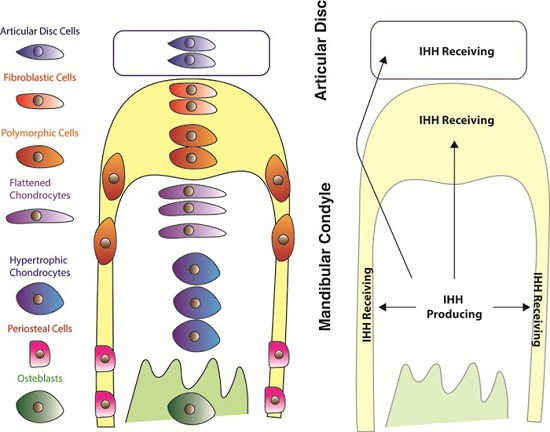
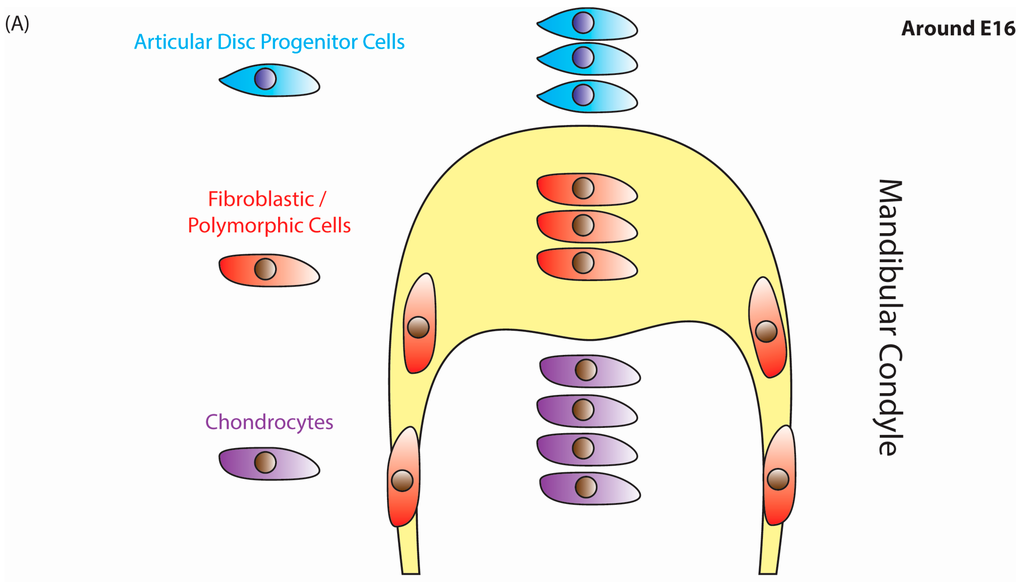
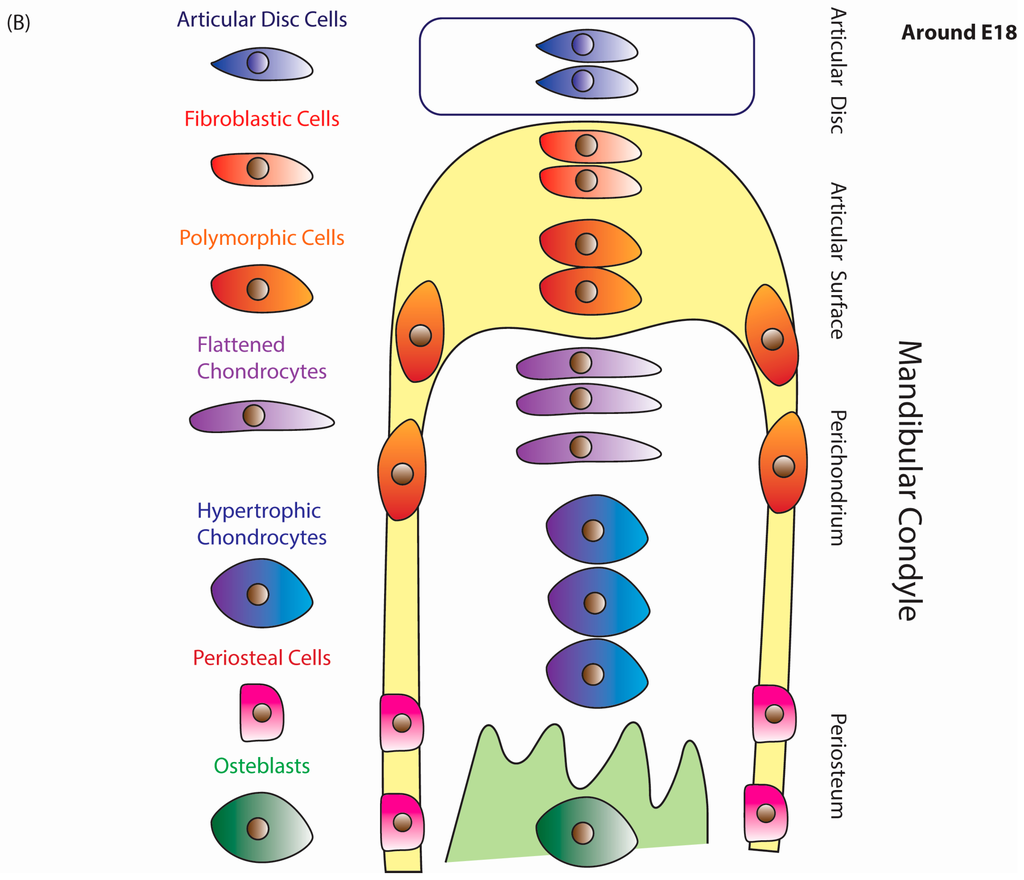
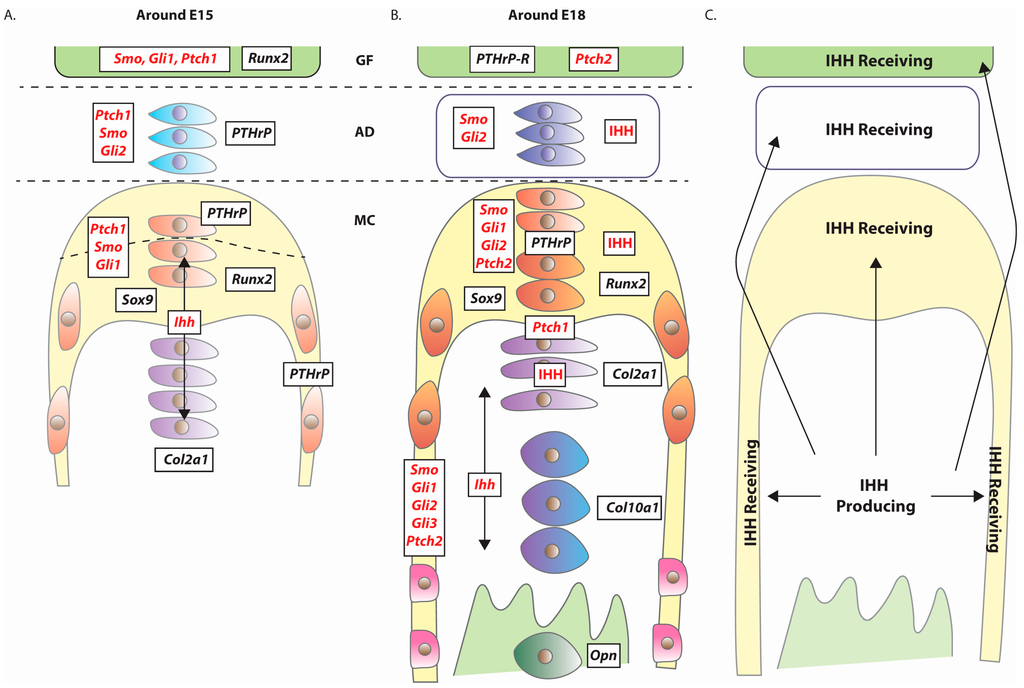
This review highlights the essential role of Hedgehog (Hh) signalling in the developmental steps of temporomandibular joint (TMJ) formation. We review evidence for intra- and potentially inter-tissue Hh signaling as well as Glioma-Associated Oncogene Homolog (GLI) dependent and independent functions. Morphogenesis and maturation
[...] Read more.
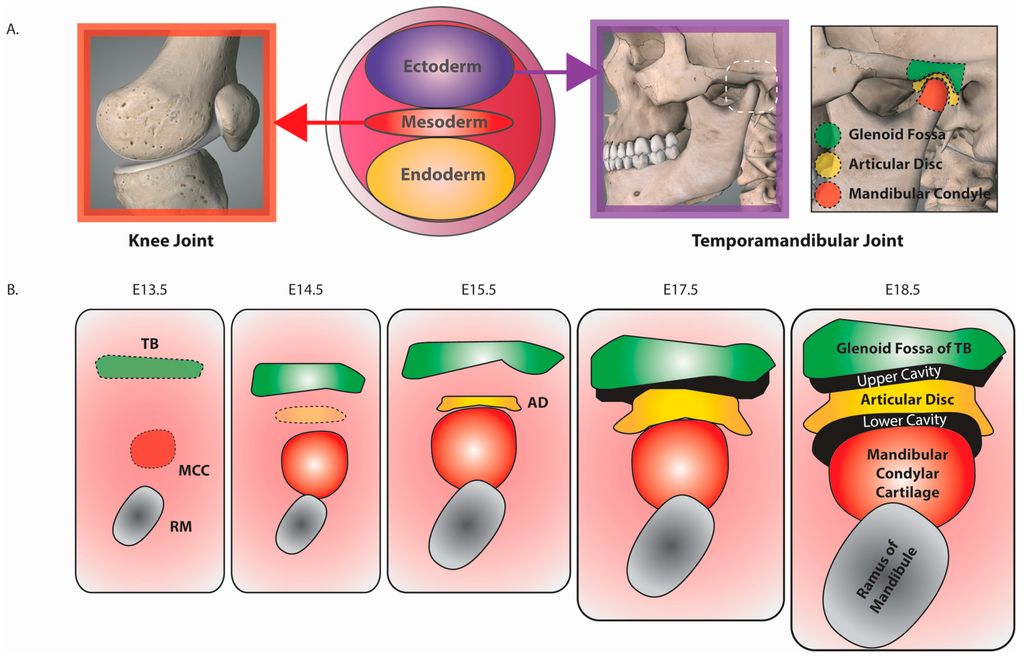
This review highlights the essential role of Hedgehog (Hh) signalling in the developmental steps of temporomandibular joint (TMJ) formation. We review evidence for intra- and potentially inter-tissue Hh signaling as well as Glioma-Associated Oncogene Homolog (GLI) dependent and independent functions. Morphogenesis and maturation of the TMJ’s individual components and the general landscape of Hh signalling is also covered. Comparison of the appendicular knee and axial TMJ also reveals interesting differences and similarities in their mechanisms of development, chondrogenesis and reliance on Hh signalling.
Full article
►▼
Show Figures
Open AccessReview
The Role of Sonic Hedgehog in Craniofacial Patterning, Morphogenesis and Cranial Neural Crest Survival
by
Sebastian Dworkin, Yeliz Boglev, Harley Owens and Stephen J. Goldie
Cited by 48 | Viewed by 14594
Abstract
Craniofacial defects (CFD) are a significant healthcare problem worldwide. Understanding both the morphogenetic movements which underpin normal facial development, as well as the molecular factors which regulate these processes, forms the cornerstone of future diagnostic, and ultimately, preventative therapies. The soluble morphogen
Sonic
[...] Read more.
Craniofacial defects (CFD) are a significant healthcare problem worldwide. Understanding both the morphogenetic movements which underpin normal facial development, as well as the molecular factors which regulate these processes, forms the cornerstone of future diagnostic, and ultimately, preventative therapies. The soluble morphogen
Sonic hedgehog (
Shh), a vertebrate orthologue of Drosophila
hedgehog, is a key signalling factor in the regulation of craniofacial skeleton development in vertebrates, operating within numerous tissue types in the craniofacial primordia to spatiotemporally regulate the formation of the face and jaws. This review will provide an overview of normal craniofacial skeleton development, and focus specifically on the known roles of
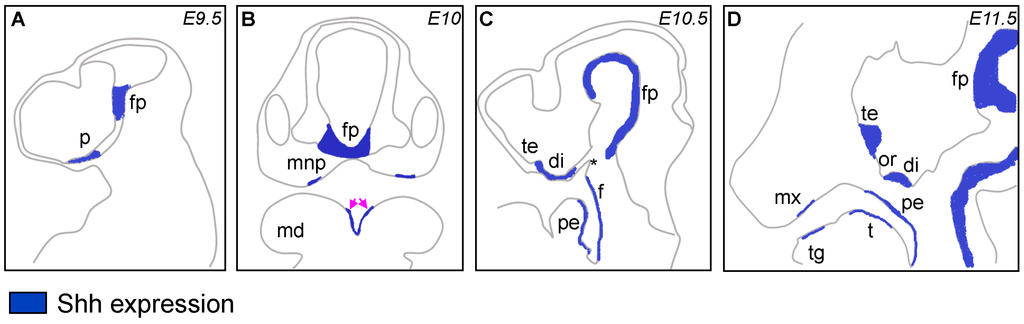
Shh in regulating the development and progression of the first pharyngeal arch, which in turn gives rise to both the upper jaw (maxilla) and lower jaw (mandible).
Full article
►▼
Show Figures
Open AccessReview
Regulation of Hedgehog Signalling Inside and Outside the Cell
by
Simon A. Ramsbottom and Mary E. Pownall
Cited by 55 | Viewed by 11517
Abstract
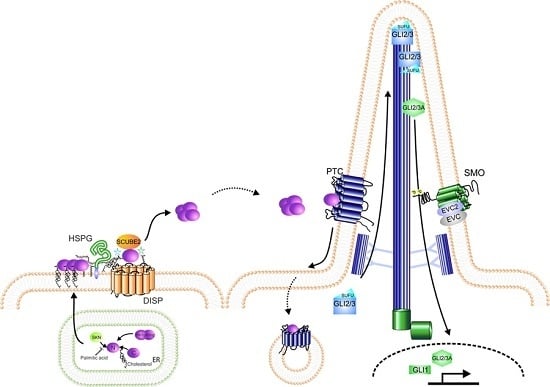
The hedgehog (Hh) signalling pathway is conserved throughout metazoans and plays an important regulatory role in both embryonic development and adult homeostasis. Many levels of regulation exist that control the release, reception, and interpretation of the hedgehog signal. The fatty nature of the
[...] Read more.
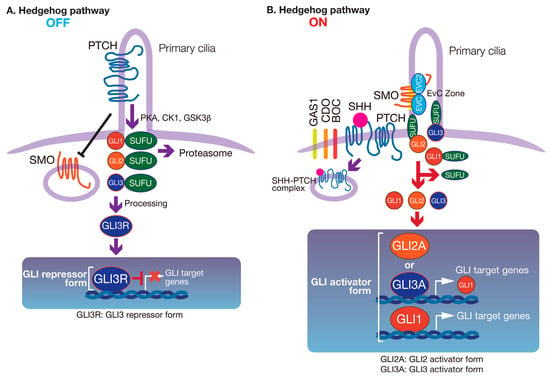
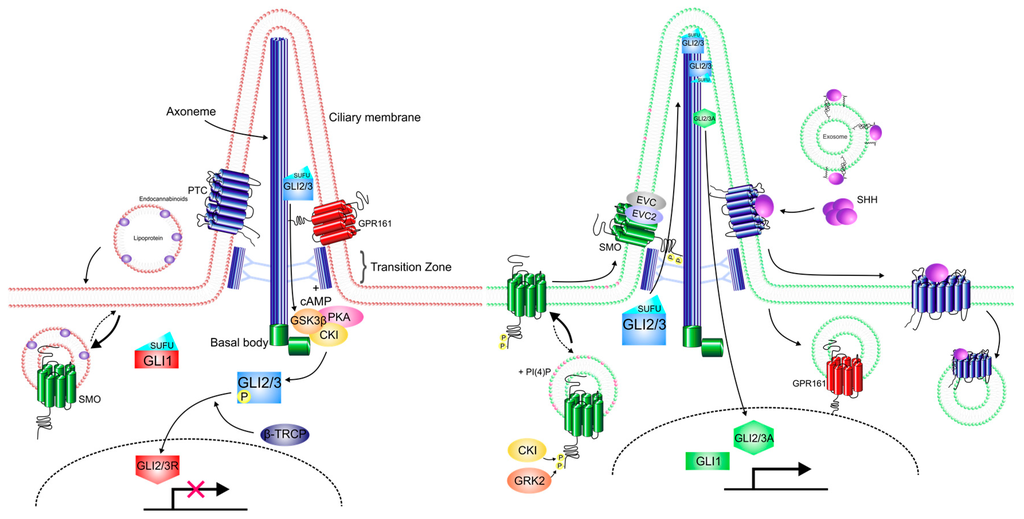
The hedgehog (Hh) signalling pathway is conserved throughout metazoans and plays an important regulatory role in both embryonic development and adult homeostasis. Many levels of regulation exist that control the release, reception, and interpretation of the hedgehog signal. The fatty nature of the Shh ligand means that it tends to associate tightly with the cell membrane, and yet it is known to act as a morphogen that diffuses to elicit pattern formation. Heparan sulfate proteoglycans (HSPGs) play a major role in the regulation of Hh distribution outside the cell. Inside the cell, the primary cilium provides an important hub for processing the Hh signal in vertebrates. This review will summarise the current understanding of how the Hh pathway is regulated from ligand production, release, and diffusion, through to signal reception and intracellular transduction.
Full article
►▼
Show Figures
Open AccessReview
Hedgehog Signalling in the Embryonic Mouse Thymus
by
Alessandro Barbarulo, Ching-In Lau, Konstantinos Mengrelis, Susan Ross, Anisha Solanki, José Ignacio Saldaña and Tessa Crompton
Cited by 14 | Viewed by 8104
Abstract
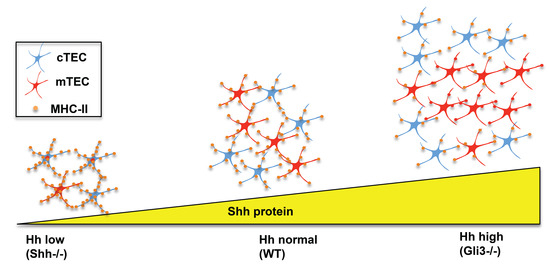
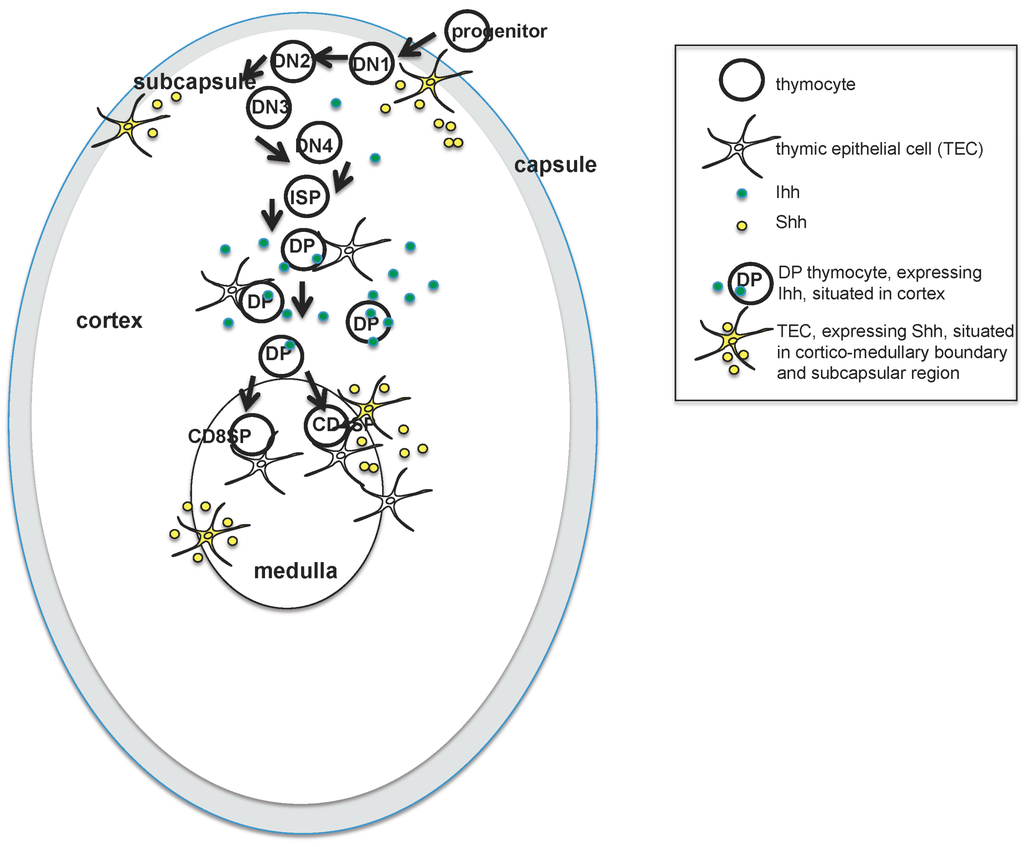
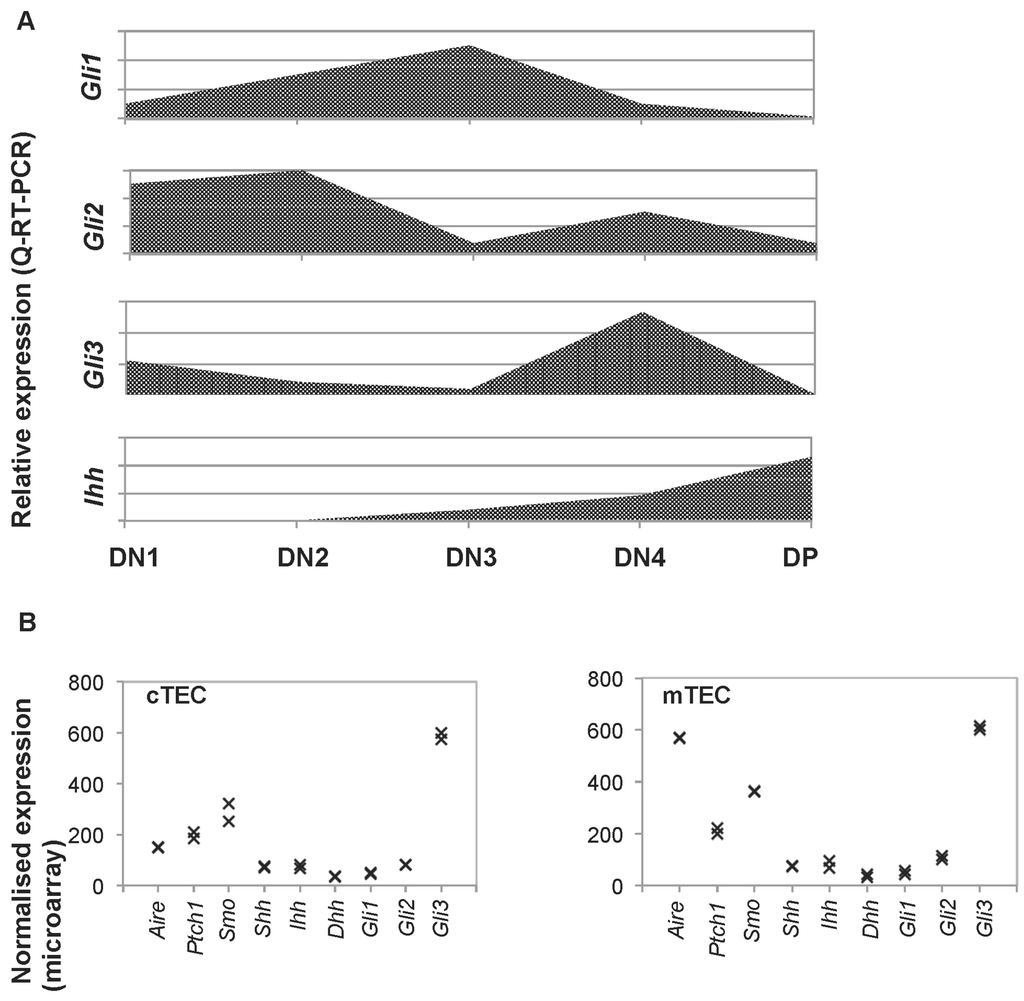
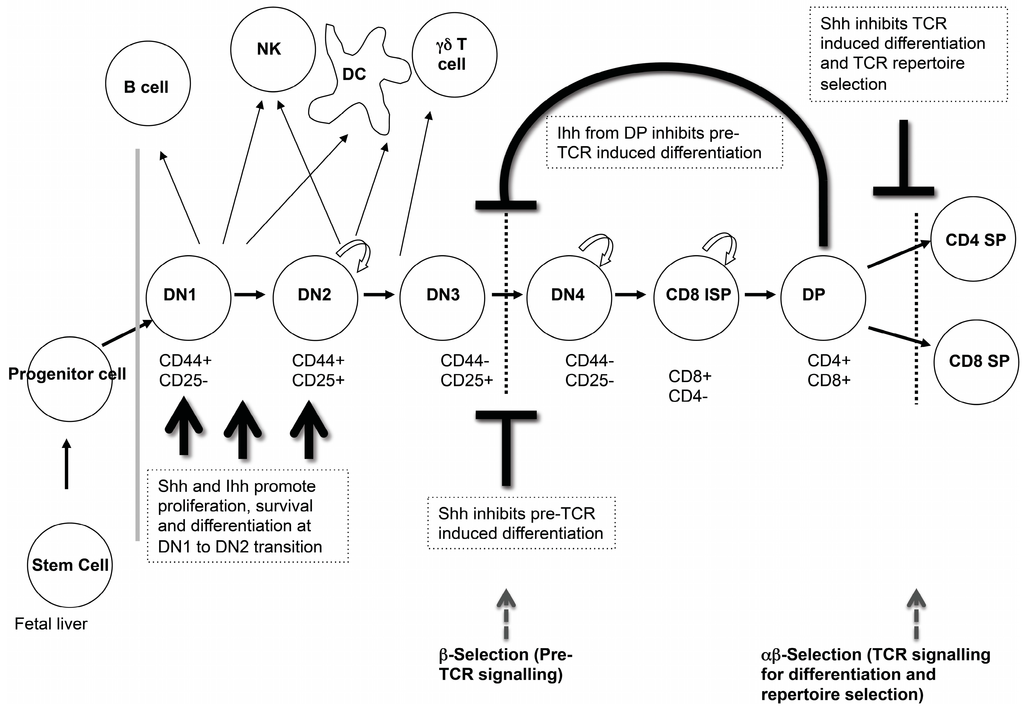
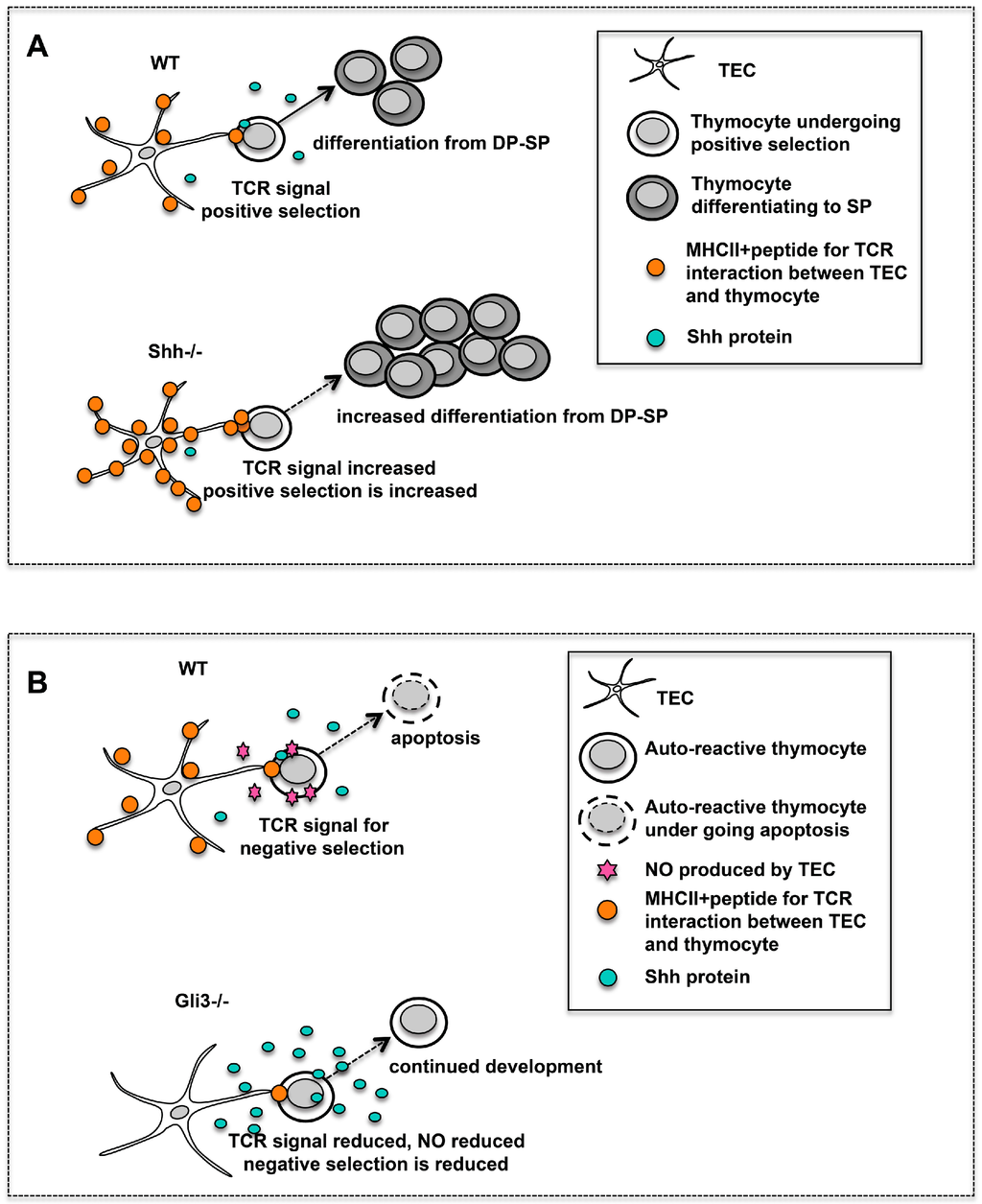
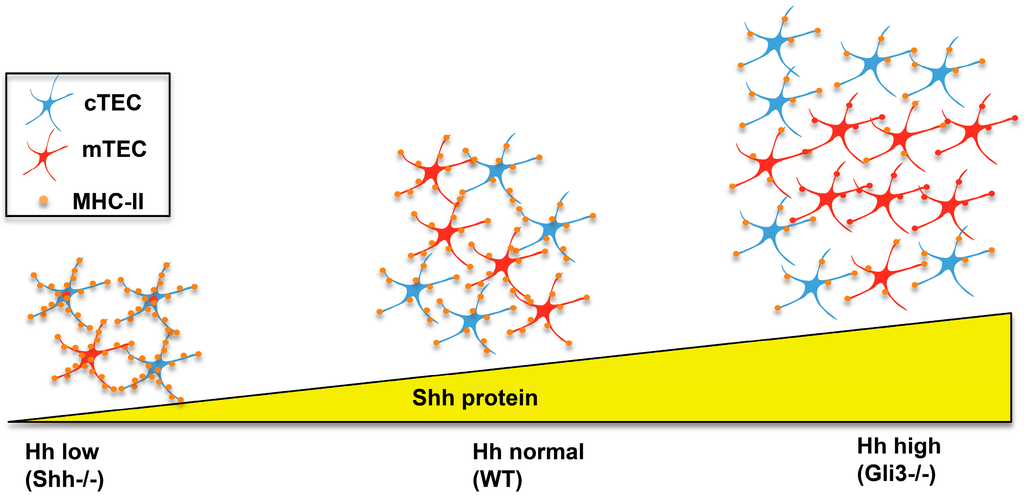
T cells develop in the thymus, which provides an essential environment for T cell fate specification, and for the differentiation of multipotent progenitor cells into major histocompatibility complex (MHC)-restricted, non-autoreactive T cells. Here we review the role of the Hedgehog signalling pathway in
[...] Read more.
T cells develop in the thymus, which provides an essential environment for T cell fate specification, and for the differentiation of multipotent progenitor cells into major histocompatibility complex (MHC)-restricted, non-autoreactive T cells. Here we review the role of the Hedgehog signalling pathway in T cell development, thymic epithelial cell (TEC) development, and thymocyte–TEC cross-talk in the embryonic mouse thymus during the last week of gestation.
Full article
►▼
Show Figures
Open AccessReview
Hedgehog Signaling in Endochondral Ossification
by
Shinsuke Ohba
Cited by 58 | Viewed by 11394
Abstract
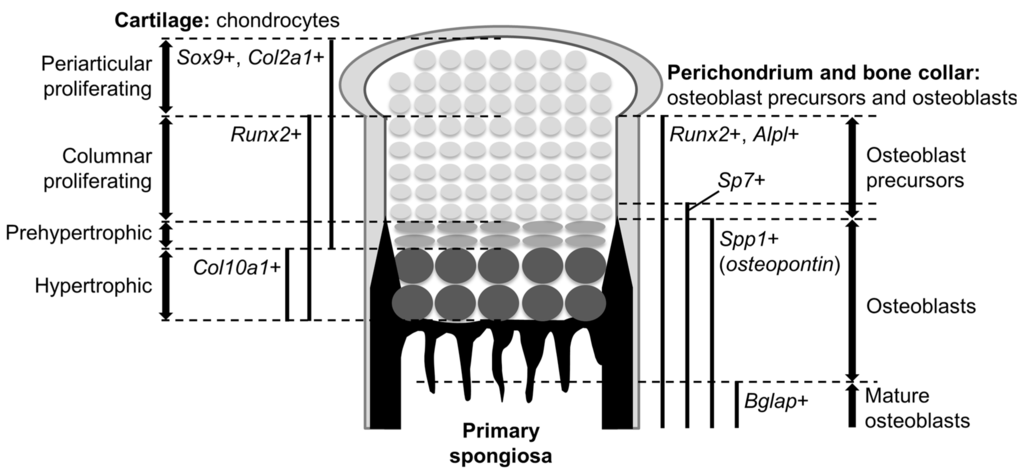
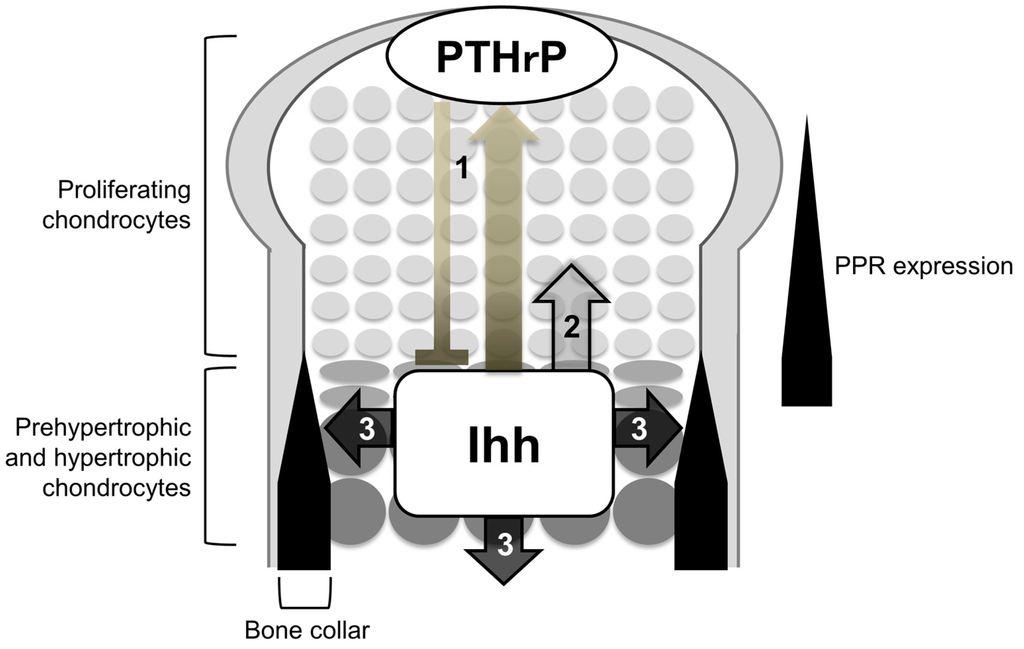
Hedgehog (Hh) signaling plays crucial roles in the patterning and morphogenesis of various organs within the bodies of vertebrates and insects. Endochondral ossification is one of the notable developmental events in which Hh signaling acts as a master regulator. Among three Hh proteins
[...] Read more.
Hedgehog (Hh) signaling plays crucial roles in the patterning and morphogenesis of various organs within the bodies of vertebrates and insects. Endochondral ossification is one of the notable developmental events in which Hh signaling acts as a master regulator. Among three Hh proteins in mammals, Indian hedgehog (Ihh) is known to work as a major Hh input that induces biological impact of Hh signaling on the endochondral ossification. Ihh is expressed in prehypertrophic and hypertrophic chondrocytes of developing endochondral bones. Genetic studies so far have demonstrated that the Ihh-mediated activation of Hh signaling synchronizes chondrogenesis and osteogenesis during endochondral ossification by regulating the following processes: (1) chondrocyte differentiation; (2) chondrocyte proliferation; and (3) specification of bone-forming osteoblasts. Ihh not only forms a negative feedback loop with parathyroid hormone-related protein (PTHrP) to maintain the growth plate length, but also directly promotes chondrocyte propagation. Ihh input is required for the specification of progenitors into osteoblast precursors. The combinatorial approaches of genome-wide analyses and mouse genetics will facilitate understanding of the regulatory mechanisms underlying the roles of Hh signaling in endochondral ossification, providing genome-level evidence of the potential of Hh signaling for the treatment of skeletal disorders.
Full article
►▼
Show Figures