




-
Between a Rock and a Hard Place: Balancing Embolic Stroke and Intracerebral Hemorrhage Risk in Left Atrial Appendage Occlusion -
A Novel Integrated Perioperative Cardiovascular Risk Score (PERFORM-CV) in Non-Cardiac Surgical Patients -
Obesity and Heart Failure: Introducing the Theme -
Inferior Left Atrial Diverticulum Communicating with the Right Atrium or Inferior Vena Cava: Prevalence and CT Features
Journal Description
Journal of Cardiovascular Development and Disease
(JCDD) is an international, peer-reviewed, open access journal on cardiovascular medicine, published monthly online by MDPI.
- Open Access— free for readers, with article processing charges (APC) paid by authors or their institutions.
- High Visibility: indexed within Scopus, SCIE (Web of Science), PubMed, PMC, Embase, CAPlus / SciFinder, and other databases.
- Journal Rank: JCR - Q2 (Cardiac and Cardiovascular Systems) / CiteScore - Q1 (General Pharmacology, Toxicology and Pharmaceutics )
- Rapid Publication: manuscripts are peer-reviewed and a first decision is provided to authors approximately 23.4 days after submission; acceptance to publication is undertaken in 3.6 days (median values for papers published in this journal in the first half of 2026).
- Recognition of Reviewers: reviewers who provide timely, thorough peer-review reports receive vouchers entitling them to a discount on the APC of their next publication in any MDPI journal, in appreciation of the work done.
Impact Factor:
2.6 (2025);
5-Year Impact Factor:
2.6 (2025)
Latest Articles
Combination of TAPSE/sPAP Ratio and Myocardial Work to Assess Prognosis in Patients with Pulmonary Arterial Hypertension
J. Cardiovasc. Dev. Dis. 2026, 13(7), 324; https://doi.org/10.3390/jcdd13070324 - 10 Jul 2026
Abstract
Objective: Pulmonary arterial hypertension (PAH) is a progressive disease leading to right ventricular (RV) hypertrophy and failure. This study aims to evaluate the prognostic value of combining the tricuspid annular plane systolic excursion/systolic pulmonary artery pressure (TAPSE/sPAP) ratio with right ventricular myocardial work
[...] Read more.
Objective: Pulmonary arterial hypertension (PAH) is a progressive disease leading to right ventricular (RV) hypertrophy and failure. This study aims to evaluate the prognostic value of combining the tricuspid annular plane systolic excursion/systolic pulmonary artery pressure (TAPSE/sPAP) ratio with right ventricular myocardial work (RVMW) parameters in patients with PAH, to improve early risk stratification. Methods: A total of 43 PAH patients diagnosed via right heart catheterization were enrolled. Echocardiography-derived TAPSE/sPAP ratio and RVMW parameters, including right ventricular global work efficiency (RVGWE), global work index (RVGWI), global constructive work (RVGCW), and global wasted work (RVGWW), were measured. Clinical worsening events were recorded during a median 515-day follow-up. Statistical analyses included correlation tests, Firth penalized logistic regression, receiver operating characteristic (ROC) curves, and Kaplan–Meier survival analysis. Results: The TAPSE/sPAP ratio correlated negatively with RVGCW (r = -0.346, p = 0.023) and RVGWW (r = -0.417, p = 0.005), but not with RVGWE or RVGWI. Clinical worsening events occurred in 25.6% of patients, with significantly lower TAPSE/sPAP ratio (0.16 vs. 0.24 mm/mmHg), RVGWE (72.0% vs. 88.5%), and RVGWI (431.0 vs. 641.0 mmHg%) in the Event group (all p < 0.05). Multivariate Firth penalized logistic regression was used for combining TAPSE/sPAP ratio with RVGWE. ROC analysis demonstrated that the combination of TAPSE/sPAP and RVGWE yielded superior predictive power (AUC = 0.949, p < 0.001) compared to individual parameters. Conclusion: Non-invasive assessment of TAPSE/sPAP ratio and RVGWE provides significant prognostic value in PAH. Their combination enhances early risk prediction, offering a practical tool for clinical management.
Full article
(This article belongs to the Special Issue The Past, Present, and Future of Pulmonary Hypertension: Pathophysiology and Treatment Prospects)
Open AccessSystematic Review
Sacubitril/Valsartan for Prevention of Cancer Therapy-Related Cardiac Dysfunction: A Systematic Review and Meta-Analysis of Randomized Controlled Trials
by
Hugo Lopez-Arevalo, Hans Mautong, Adrian Nubla, Marco Antonio Dispagna and Ninos Nissan
J. Cardiovasc. Dev. Dis. 2026, 13(7), 323; https://doi.org/10.3390/jcdd13070323 - 10 Jul 2026
Abstract
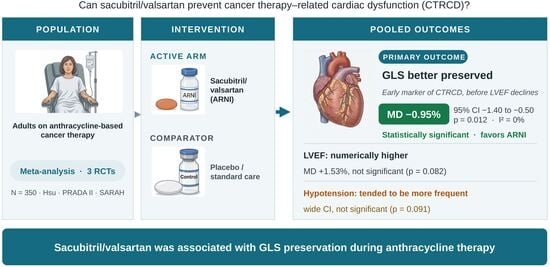
Cancer therapy-related cardiac dysfunction (CTRCD) is a significant complication of anthracycline-based regimens and anti-HER2 agents. Global longitudinal strain (GLS) detects subclinical dysfunction before ejection fraction decline and is recommended by the 2022 ESC guidelines for surveillance. Sacubitril/valsartan, an angiotensin receptor–neprilysin inhibitor, has shown
[...] Read more.
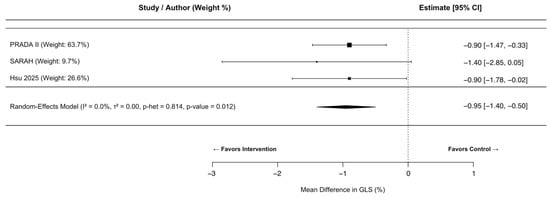
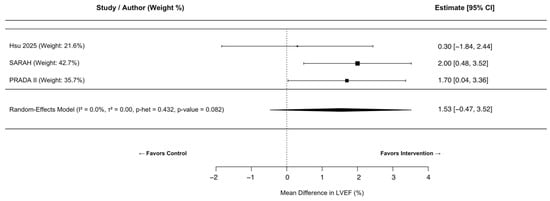
Cancer therapy-related cardiac dysfunction (CTRCD) is a significant complication of anthracycline-based regimens and anti-HER2 agents. Global longitudinal strain (GLS) detects subclinical dysfunction before ejection fraction decline and is recommended by the 2022 ESC guidelines for surveillance. Sacubitril/valsartan, an angiotensin receptor–neprilysin inhibitor, has shown cardioprotective potential in recent trials. Following PRISMA 2020 guidelines, we searched PubMed, EMBASE, and Cochrane CENTRAL through February 2026. Three RCTs met eligibility criteria (n= 350; PROSPERO: CRD420261383124): Hsu 2025 (n = 100, 12 months), PRADA II 2025 (n = 138, 18 months), and SARAH 2025 (n = 112, 6 months). Random-effects meta-analysis used REML with Hartung–Knapp–Sidik–Jonkman adjustment. The pooled mean difference in final GLS significantly favored sacubitril/valsartan (MD −0.95%; 95% CI −1.40 to −0.50; p = 0.012; I2 = 0%). Final LVEF showed a consistent trend (MD +1.53%; 95% CI −0.47 to 3.52; p = 0.082; I2 = 0%). Hypotension was numerically more frequent with sacubitril/valsartan (OR 5.10; 95% CI 0.52–49.50; p = 0.091). Sacubitril/valsartan initiated during anthracycline therapy was associated with significant GLS preservation. However, GLS is a surrogate imaging marker and hard clinical events were rare or absent, so the modest effect magnitude and limited number of trials warrant cautious interpretation; the clinical benefit remains uncertain and requires confirmation in adequately powered trials with hard clinical endpoints.
Full article
(This article belongs to the Section Cardiovascular Clinical Research)
►▼
Show Figures

Graphical abstract
Open AccessArticle
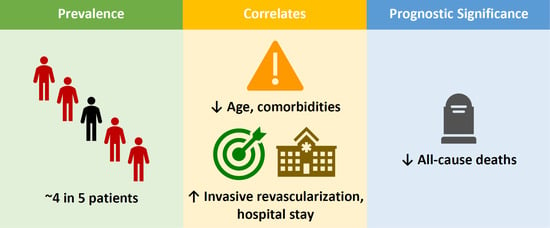
Prevalence, Correlates, and Prognostic Significance of In-Hospital Transthoracic Echocardiography Use in Stable Acute Myocardial Infarction
by
Alon Shechter, Arthur Shiyovich, Robert J. Siegel, Olga Morelli, Harel Gilutz and Ygal Plakht
J. Cardiovasc. Dev. Dis. 2026, 13(7), 322; https://doi.org/10.3390/jcdd13070322 - 10 Jul 2026
Abstract
Little is known regarding in-hospital transthoracic echocardiography (TTE) utilization and its prognostic implications among stable patients with acute myocardial infarction (AMI). We aimed to explore patient and disease characteristics, treatment strategies, and mid-term outcome following uncomplicated AMI according to TTE use during the
[...] Read more.
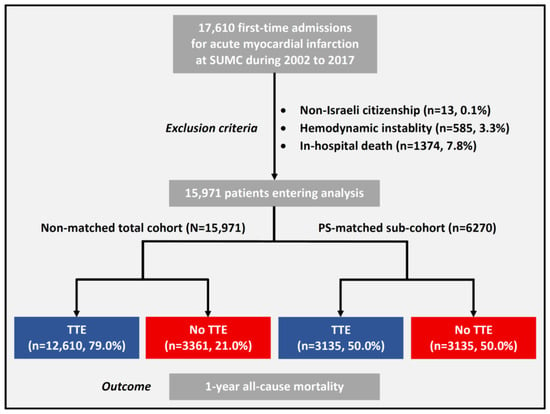
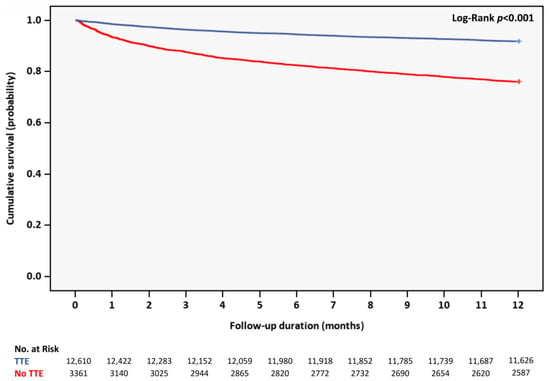
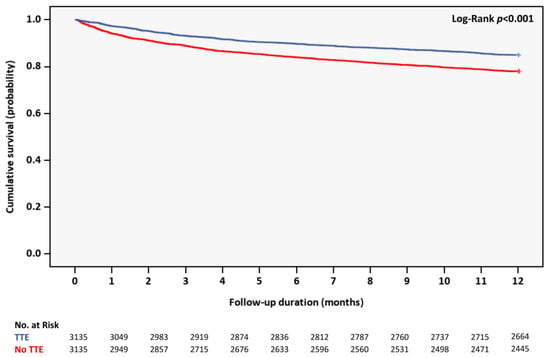
Little is known regarding in-hospital transthoracic echocardiography (TTE) utilization and its prognostic implications among stable patients with acute myocardial infarction (AMI). We aimed to explore patient and disease characteristics, treatment strategies, and mid-term outcome following uncomplicated AMI according to TTE use during the hospitalization phase. A single-center, retrospective analysis was conducted that included consecutive adult individuals admitted for AMI who did not develop cardiogenic shock and who survived the index hospitalization. Stratified by in-hospital TTE administration status, the cohort was evaluated for all-cause mortality at 1-year post-discharge. Overall, 15,971 subjects (mean age 66 ± 14 years, 69.8% males, 46.1% with ST-elevation myocardial infarction) were analyzed, of whom 12,610 (79.0%) underwent TTE. TTE use correlated with younger age, fewer comorbidities, greater odds of invasive revascularization and intensive coronary care unit management, and lengthier hospital stay. Ultimately, it was associated with a lower rate, cumulative incidence, and—independent of accompanying prognostic markers—risk of all-cause mortality (n = 1032/12,619, 8.2% vs. n = 804/3361, 23.9%, p < 0.001; Log-Rank p < 0.001; adjusted hazard ratio 0.75, 95% confidence interval 0.67–0.83, p < 0.001). Similar results were observed within a 6270-patient, 1-1 propensity score-matched sub-cohort. To conclude, in our experience, in-hospital TTE administered for stable AMI patients was associated with improved mid-term survival. Further research is needed to re-evaluate the present-day recommendation’s Level of Evidence C for its routine use.
Full article
(This article belongs to the Section Imaging)
►▼
Show Figures

Graphical abstract
Open AccessReview
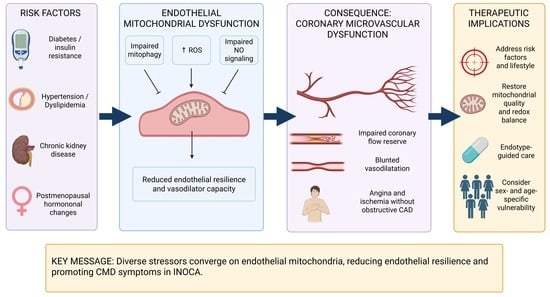
Endothelial Mitochondrial Dysfunction in INOCA and Coronary Microvascular Dysfunction: Mechanisms, Sex Differences, and Therapeutic Implications
by
Roko Santic, Lovre Martinovic, Marko Kumric, Nikola Pavlovic, Dinko Martinovic, Lovre Jukic, Zenon Pogorelic and Josko Bozic
J. Cardiovasc. Dev. Dis. 2026, 13(7), 321; https://doi.org/10.3390/jcdd13070321 - 10 Jul 2026
Abstract
Ischemia with non-obstructive coronary arteries (INOCA) and coronary microvascular dysfunction (CMD) are increasingly recognized causes of angina, reduced quality of life, and elevated cardiovascular risk, yet mechanistic heterogeneity complicates diagnosis and treatment. This narrative review synthesizes evidence from clinical guidelines, consensus documents, landmark
[...] Read more.
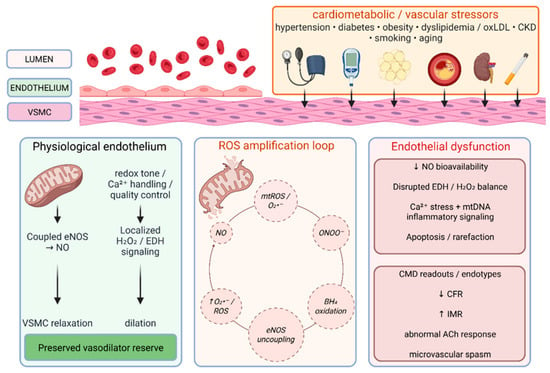
Ischemia with non-obstructive coronary arteries (INOCA) and coronary microvascular dysfunction (CMD) are increasingly recognized causes of angina, reduced quality of life, and elevated cardiovascular risk, yet mechanistic heterogeneity complicates diagnosis and treatment. This narrative review synthesizes evidence from clinical guidelines, consensus documents, landmark trials, cohorts, mechanistic studies, and high-quality reviews identified through structured, non-exhaustive searches of PubMed/MEDLINE, Google Scholar, and major cardiovascular society documents. Current evidence indicates that endothelial mitochondria function primarily as signaling organelles, regulating reactive oxygen species, nitric oxide bioavailability, endothelium-dependent hyperpolarization, calcium signaling, inflammatory activation, mitophagy, and endothelial survival. Cardiometabolic risk factors, aging, chronic kidney disease, and postmenopausal hormonal changes may converge on mitochondrial quality-control and redox pathways, contributing to CMD susceptibility and sex-specific vulnerability. However, direct human evidence linking endothelial mitochondrial dysfunction causally to CMD defined by invasive coronary function testing remains limited. Coronary physiological testing and acetylcholine provocation are validated tools for CMD endotyping, whereas mitochondrial biomarkers remain investigational. Endotype-guided diagnosis and management remain central, while mitochondria-targeted strategies require prospective CMD-specific validation.
Full article
(This article belongs to the Special Issue Mitochondrial Function in the Pathophysiology of Cardiovascular Diseases)
►▼
Show Figures

Graphical abstract
Open AccessArticle
Lipoprotein(a) and Adverse Outcomes After Successful Percutaneous Coronary Intervention for Chronic Total Occlusion: A Single-Center Retrospective Cohort Study
by
Jing Wang, Qiheng Wan, Zehan Huang, Yuqing Huang, Bin Zhang and Song Wen
J. Cardiovasc. Dev. Dis. 2026, 13(7), 320; https://doi.org/10.3390/jcdd13070320 - 9 Jul 2026
Abstract
Background: Lipoprotein(a) [Lp(a)] is a genetically determined, atherogenic, and prothrombotic lipoprotein. However, its prognostic value in patients who undergo successful chronic total occlusion (CTO) percutaneous coronary intervention (PCI) remains undefined. Methods: This single-center retrospective cohort study included 1509 patients who underwent
[...] Read more.
Background: Lipoprotein(a) [Lp(a)] is a genetically determined, atherogenic, and prothrombotic lipoprotein. However, its prognostic value in patients who undergo successful chronic total occlusion (CTO) percutaneous coronary intervention (PCI) remains undefined. Methods: This single-center retrospective cohort study included 1509 patients who underwent successful CTO PCI. The primary outcome was cardiovascular death; secondary outcome was major adverse cardiovascular events (MACEs, cardiovascular death or nonfatal myocardial infarction). Multivariable Cox regression and restricted cubic splines (RCS) assessed the association between Lp(a) and outcomes. Results: Over median follow-up of 810 days, 53 (3.5%) cardiovascular deaths and 62 (4.1%) MACEs occurred. Each 1-SD increase in log-transformed Lp(a) was associated with a 51% higher risk of cardiovascular death (aHR 1.51, 95% CI 1.11–2.05, p = 0.008) and a 44% higher risk of MACEs (aHR 1.44, 95% CI 1.09–1.91, p = 0.011). Compared with Lp(a) < 30 mg/dL, Lp(a) ≥ 50 mg/dL conferred a 2.07-fold higher risk of cardiovascular death (95% CI 1.07–4.00, p = 0.029) and a 1.94-fold higher risk of MACEs (95% CI 1.07–3.53, p = 0.030). RCS analysis demonstrated a linear dose–response relationship between log-transformed Lp(a) and both cardiovascular death (p for nonlinearity = 0.653) and MACEs (p for nonlinearity = 0.562). The association was modified by age, hypertension, and left ventricular ejection fraction and remained robust in sensitivity analyses. Conclusions: In patients undergoing successful CTO PCI, elevated Lp(a) was independently and linearly associated with higher risks of cardiovascular death and MACEs. These findings suggest that Lp(a) may serve as a useful prognostic marker to enhance risk stratification in this high-risk population. Large-scale prospective cohorts are needed to validate these findings before clinical translation can be considered.
Full article
(This article belongs to the Special Issue Risk Factors and Prevention of Cardiovascular Diseases—Second Edition)
Open AccessViewpoint
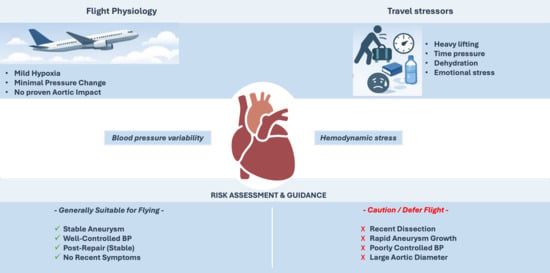
Is Commercial Air Travel Safe in Thoracic Aortic Disease? A Physiological and Clinical Perspective
by
Nimrat Grewal, John A. Elefteriades and Matthew M. Cooper
J. Cardiovasc. Dev. Dis. 2026, 13(7), 319; https://doi.org/10.3390/jcdd13070319 - 9 Jul 2026
Abstract
Patients with thoracic aortic disease (TAD) frequently seek advice on the safety of commercial air travel. Despite the clinical relevance of this question, robust evidence is virtually absent, and current recommendations rely largely on expert opinion. This Viewpoint discusses the physiological effects of
[...] Read more.
Patients with thoracic aortic disease (TAD) frequently seek advice on the safety of commercial air travel. Despite the clinical relevance of this question, robust evidence is virtually absent, and current recommendations rely largely on expert opinion. This Viewpoint discusses the physiological effects of flights, reviews the limited available evidence, and proposes a pragmatic, risk-based approach for clinicians counselling patients with TAD.
Full article
(This article belongs to the Special Issue Advances in Aortic Dissection: Pathophysiology, Diagnosis, and Treatment)
►▼
Show Figures

Graphical abstract
Open AccessArticle
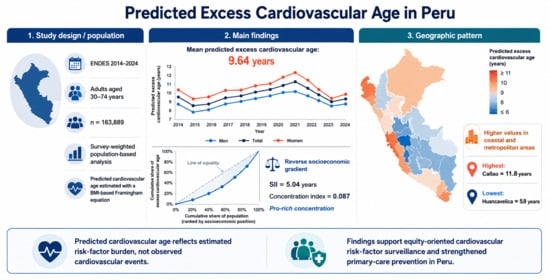
Predicted Excess Cardiovascular Age and a Reverse Socioeconomic Gradient in a Middle-Income Latin American Country: A Population-Based Analysis of 163,889 Peruvians
by
Víctor Juan Vera-Ponce, Jhosmer Ballena-Caicedo, Jhofree Einstein Briceño-Chavez, Kevin Cusma-Regalado, Fiorella E. Zuzunaga-Montoya, Julio César Bautista Zuta and Rossmery Leonor Poemape Mestanza
J. Cardiovasc. Dev. Dis. 2026, 13(7), 318; https://doi.org/10.3390/jcdd13070318 - 9 Jul 2026
Abstract
Predicted cardiovascular age (heart age) translates the risk-factor profile into an equivalent age, which may facilitate interpretation of estimated cardiovascular risk. Excess cardiovascular age describes, in years, the integrated burden of modifiable risk factors and its distribution in the population. This study aimed
[...] Read more.
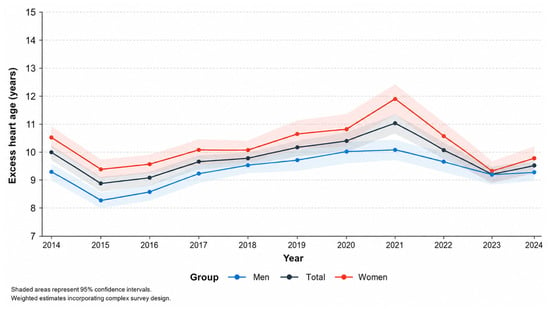
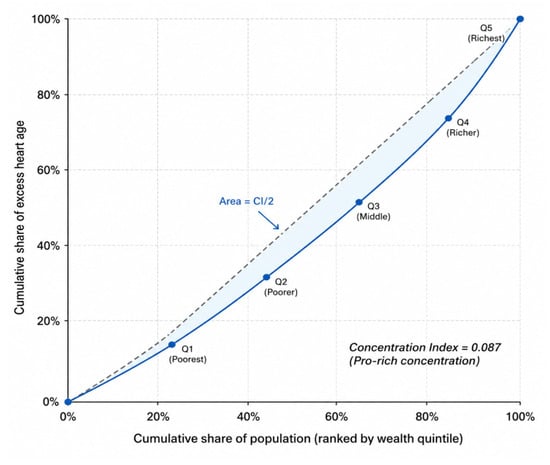
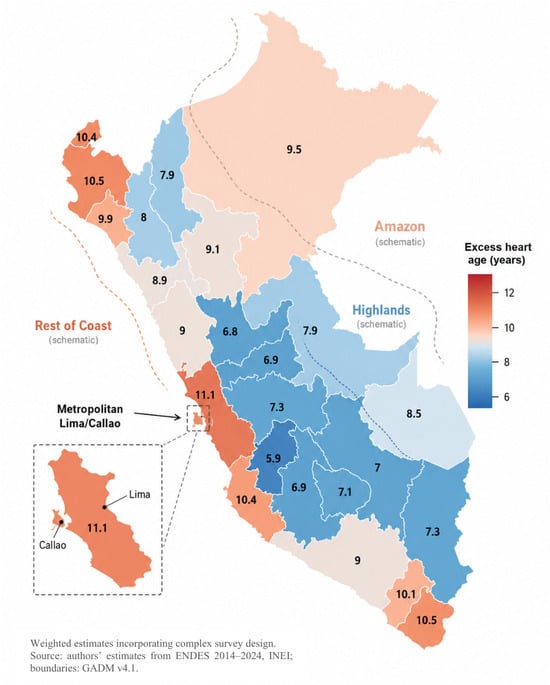
Predicted cardiovascular age (heart age) translates the risk-factor profile into an equivalent age, which may facilitate interpretation of estimated cardiovascular risk. Excess cardiovascular age describes, in years, the integrated burden of modifiable risk factors and its distribution in the population. This study aimed to quantify socioeconomic and geographic inequalities in predicted excess cardiovascular age among Peruvian adults using standardized inequality measures, and to describe its temporal variation from 2014 to 2024. We analyzed ENDES Peru 2014–2024 data for adults aged 30–74 years. Cardiovascular age was estimated using the body mass index (BMI)–based non-laboratory Framingham equation, and excess was defined as the difference between cardiovascular age and chronological age. Weighted means and 95% confidence intervals were estimated accounting for the complex survey design. Socioeconomic inequalities were assessed using absolute and relative gaps between extreme wealth quintiles (Q5–Q1), the Slope Index of Inequality (SII), the Relative Index of Inequality (RII), and the concentration index/curve. Among 163,889 participants, mean excess cardiovascular age was 9.64 years (95% CI: 9.48–9.80), with similar estimates in women (9.73; 95% CI: 9.52–9.94) and men (9.54; 95% CI: 9.33–9.75). Temporal variation was observed, peaking in 2021 (10.91; 95% CI: 10.57–11.25). Excess increased with wealth (Q1: 7.14 vs. Q5: 11.25 years), with an SII of 5.04 years (95% CI: 4.71–5.37) and a concentration index of 0.087. The gradient was steeper in men (SII 6.14) than in women (SII 3.90). Geographically, Metropolitan Lima had higher excess than the Highlands (11.17 vs. 7.45 years), and urban areas exceeded rural areas (10.28 vs. 7.25 years). In Peru, adults aged 30–74 years had a mean predicted excess cardiovascular age of about 10 years, with a consistent pro-rich and urban/coastal concentration pattern, more pronounced among men. Because this metric is derived from a risk prediction equation, these findings should be interpreted as surveillance-oriented evidence of inequalities in estimated risk-factor burden, not as evidence of observed cardiovascular disease, subclinical cardiovascular damage, causal mechanisms, or tested intervention effects.
Full article
(This article belongs to the Section Epidemiology, Lifestyle, and Cardiovascular Health)
►▼
Show Figures

Graphical abstract
Open AccessReview
Chronic Right Heart Failure: Pathogenesis, Haemodynamic Foundations, and a Pragmatic Diagnostic Algorithm
by
Frank Lloyd Dini, Alberto Palazzuoli, Erberto Carluccio, Gian Marco Rosa, Michele Ciccarelli, Valentina Mercurio, Gaetano Ruocco, Andrea Salzano, Michele Correale, Stefano Ghio, Stefania Paolillo, Savina Nodari and Gianfranco Sinagra
J. Cardiovasc. Dev. Dis. 2026, 13(7), 317; https://doi.org/10.3390/jcdd13070317 - 9 Jul 2026
Abstract
Chronic right heart failure (RHF) is a complex, progressive syndrome that remains underrecognized and inadequately defined in current clinical guidelines, where it is often relegated to a secondary complication of left-sided heart disease. Because the thin-walled right ventricle (RV) is well adapted to
[...] Read more.
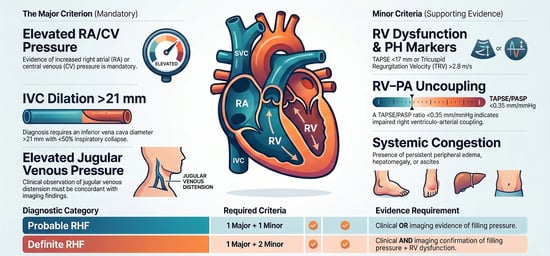
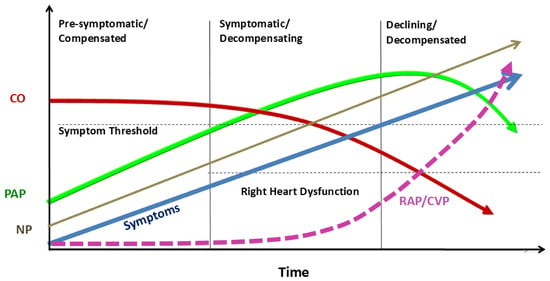
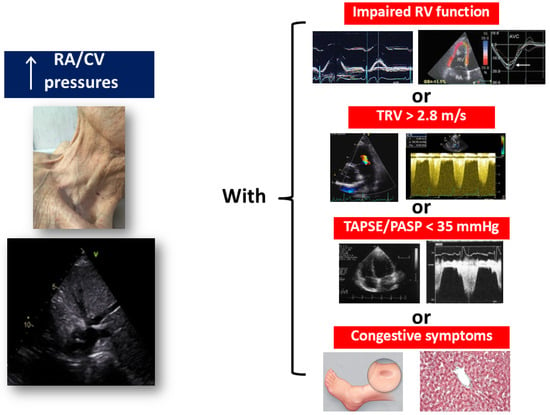
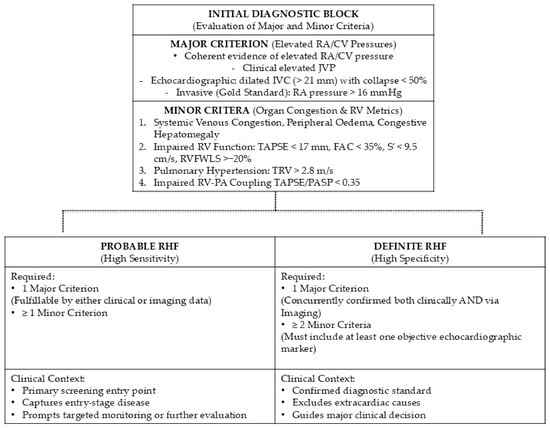
Chronic right heart failure (RHF) is a complex, progressive syndrome that remains underrecognized and inadequately defined in current clinical guidelines, where it is often relegated to a secondary complication of left-sided heart disease. Because the thin-walled right ventricle (RV) is well adapted to maintain pressures within the highly distensible venous system well below plasma oncotic pressure but poorly equipped to sustain pressure overload, when myocardial failure supervenes, conventional RV systolic indices frequently fail to capture the very essence of the syndrome. This review clarifies the distinct pathophysiological and haemodynamic foundations of chronic RHF, framing it fundamentally as the heart’s inability to decongest the systemic venous circulation. We highlight how backward failure, rather than isolated RV systolic dysfunction, drives systemic and multi-organ congestion. To bridge existing diagnostic gaps, we propose a pragmatic, diagnostic algorithm. Under this framework, a Definite Diagnosis of chronic RHF requires evidence of elevated right atrial/central venous pressures—defined as clinically raised jugular venous pressure plus an echocardiographic dilated inferior vena cava (>21 mm with <50% collapse)—alongside at least one of four minor criteria: (1) systemic or visceral congestion (e.g., persistent oedema, congestive hepatomegaly); (2) echocardiographic RV systolic dysfunction (TAPSE < 17 mm, FAC < 35%, S′ < 9.5 m/s; RVFWLS > −20%); (3) non-invasive signs of pulmonary hypertension (TRV > 2.8 m/s); or (4) impaired RV-pulmonary arterial coupling (TAPSE/PASP ratio < 0.35). By centering diagnosis on systemic venous hypertension as a result of right heart backward failure rather than isolated RV metrics, this framework offers a coherent, readily applicable tool for diagnosing chronic RHF in routine clinical practice.
Full article
(This article belongs to the Section Cardiovascular Clinical Research)
►▼
Show Figures

Graphical abstract
Open AccessEditorial
Women and Cardiovascular Disease: The Gender Gap—A Life-Course and Sex-Specific Perspective
by
Sandra Eifert
J. Cardiovasc. Dev. Dis. 2026, 13(7), 316; https://doi.org/10.3390/jcdd13070316 - 8 Jul 2026
Abstract
Cardiovascular disease (CVD) remains the leading cause of death among women worldwide and accounts for a substantial proportion of global morbidity, mortality, and disability, as well as healthcare expenditure [...]
Full article
(This article belongs to the Special Issue Women and Cardiovascular Disease: The Gender Gap)
Open AccessReview
Beyond Surgical Access: Evidence Supporting a Multidimensional Concept of Surgical Invasiveness in Contemporary Cardiac Surgery
by
Salvatore Poddi and Alessio Rungatscher
J. Cardiovasc. Dev. Dis. 2026, 13(7), 315; https://doi.org/10.3390/jcdd13070315 - 8 Jul 2026
Abstract
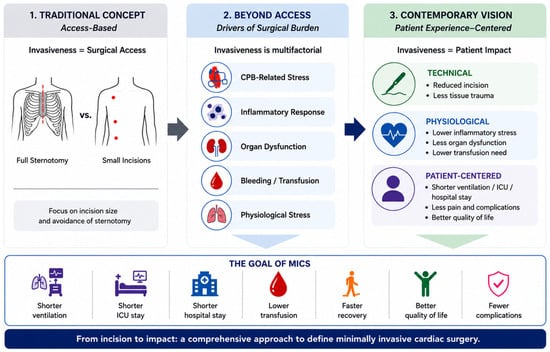
Minimally Invasive Cardiac Surgery (MICS) has traditionally been defined according to the extent of surgical access, primarily focusing on the avoidance of full sternotomy and the reduction in incision size. However, the rapid evolution of cardiac surgery, including technological innovation, robotic platforms, hybrid
[...] Read more.
Minimally Invasive Cardiac Surgery (MICS) has traditionally been defined according to the extent of surgical access, primarily focusing on the avoidance of full sternotomy and the reduction in incision size. However, the rapid evolution of cardiac surgery, including technological innovation, robotic platforms, hybrid procedures, and enhanced perioperative management, has progressively challenged the adequacy of purely anatomical definitions of invasiveness. Contemporary surgical practice suggests that the overall impact of a procedure on the patient extends beyond the surgical incision itself and includes several physiological and patient-centered dimensions. This narrative review discusses the contemporary meaning of invasiveness in cardiac surgery and examines the limitations of conventional definitions of MICS based exclusively on surgical exposure. This narrative review is based on a non-systematic literature search of PubMed, Scopus, and Web of Science, and uses a thematic synthesis approach to explore the multidimensional concept of surgical invasiveness in cardiac surgery. Particular attention is given to the growing role of patient-centered outcomes and perioperative burden in defining procedural invasiveness. Building upon emerging conceptual perspectives in the literature, this review highlights a multidimensional interpretation of MICS, in which technical, physiological, and recovery-related factors collectively contribute to the assessment of surgical invasiveness.
Full article
(This article belongs to the Special Issue Minimal Access Cardiac Surgery: State of the Art and Future Perspectives, 2nd Edition)
►▼
Show Figures

Figure 1
Open AccessArticle
Nutritional Status and Obesity Paradox in Acute Coronary Syndrome Patients
by
Alberto Cordero, Vicente Arrarte, Miriam Sandín, Óscar Moreno-Pérez and Emilio Flores
J. Cardiovasc. Dev. Dis. 2026, 13(7), 314; https://doi.org/10.3390/jcdd13070314 - 8 Jul 2026
Abstract
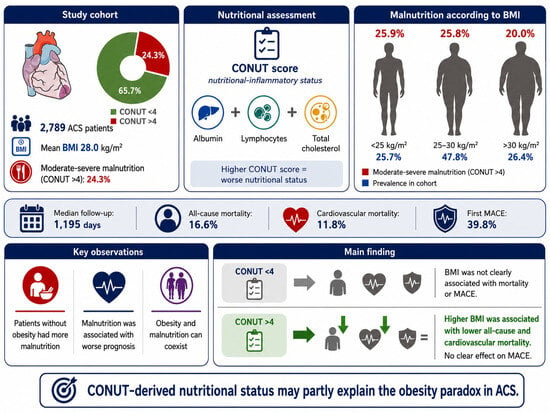
The worse nutritional status of patients without obesity after an acute coronary syndrome (ACS) could explain their worse prognosis and the so-called obesity paradox. We performed a retrospective study of all consecutive patients admitted to a hospital for ACS between 2009 and 2020.
[...] Read more.
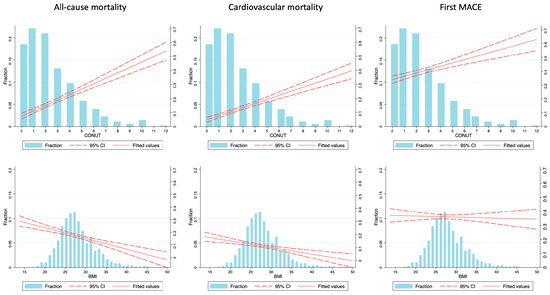
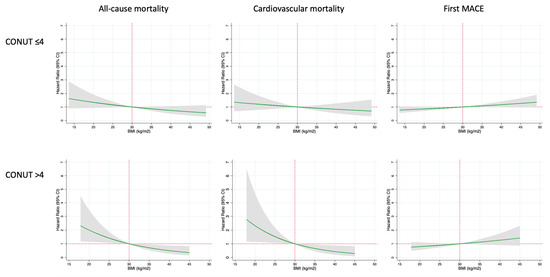
The worse nutritional status of patients without obesity after an acute coronary syndrome (ACS) could explain their worse prognosis and the so-called obesity paradox. We performed a retrospective study of all consecutive patients admitted to a hospital for ACS between 2009 and 2020. Nutritional status was analyzed using the CONUT scale, and values > 4 were categorized as moderate-severe malnutrition. We included 2789 patients with a mean BMI of 28.0 (4.6) kg/m2 and 26.4% with obesity. The mean CONUT index was 2.4 (2.2), and 24.3% had moderate-severe malnutrition. Obese patients had a lower prevalence of moderate-severe malnutrition: 20.0% vs. 25.9% (p = 0.003). The median follow-up was 3 years. A significant interaction between BMI and the CONUT for mortality was verified, and both variables behaved in the opposite way in relation to risk. BMI was associated with lower all-cause (HR: 0.93, 95% CI 0.89–0.98) and cardiovascular (HR: 0.93, 95% CI 0.87–0.98) mortality risk only in patients with CONUT > 4; however, in patients without malnutrition, BMI obesity was not associated with increased mortality or major cardiovascular events. In conclusion, CONUT-defined nutritional-inflammatory status may partly contribute to the observed obesity paradox in ACS patients.
Full article
(This article belongs to the Special Issue Lifestyle Modifications and Their Impact on Coronary Artery Disease)
►▼
Show Figures

Graphical abstract
Open AccessArticle
Incremental Predictive Value of the Non-HDL-C/HDL-C Ratio for Cryptogenic Stroke in Patients with Patent Foramen Ovale
by
Tarik Yildirim, Mehmet Tolga Hekim and Tuncay Kiris
J. Cardiovasc. Dev. Dis. 2026, 13(7), 313; https://doi.org/10.3390/jcdd13070313 - 8 Jul 2026
Abstract
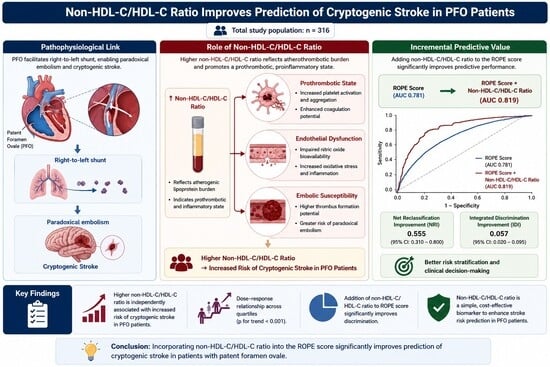
Background: The non-high-density lipoprotein cholesterol (non-HDL-C) / high-density lipoprotein cholesterol (HDL-C) ratio has emerged as a marker of residual vascular risk; however, its role in patent foramen ovale (PFO)-associated cryptogenic stroke (CS) remains unclear. We investigated the association between the non-HDL-C/HDL-C ratio
[...] Read more.
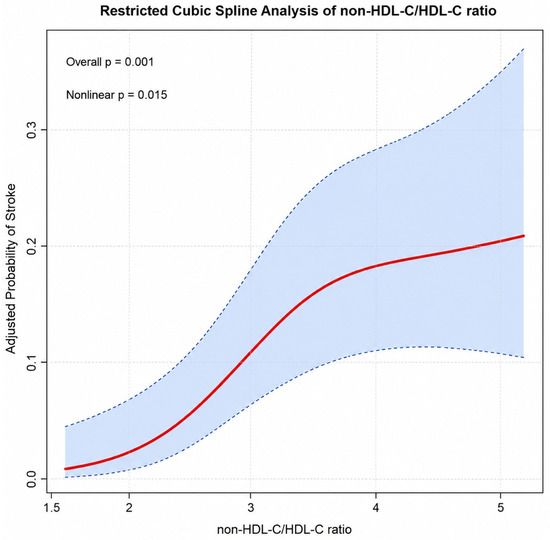
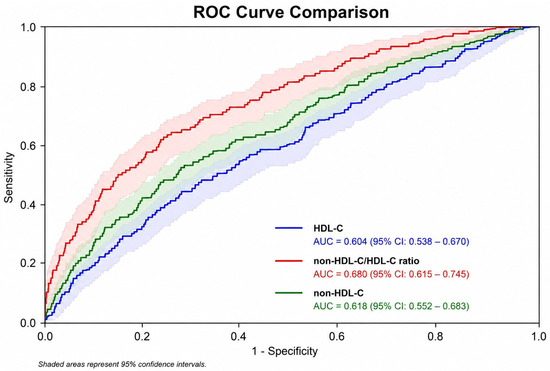
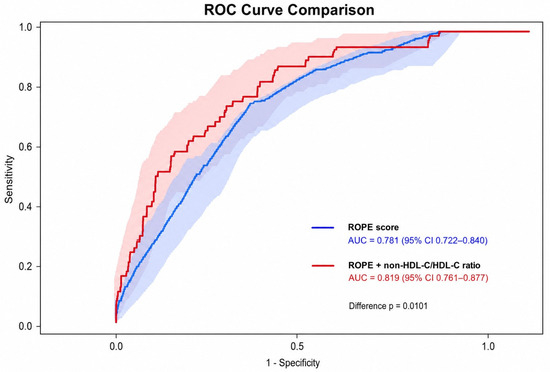
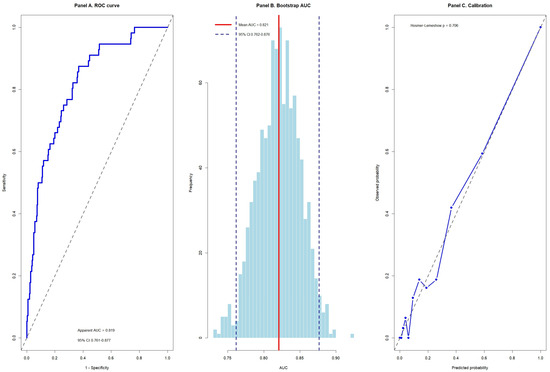
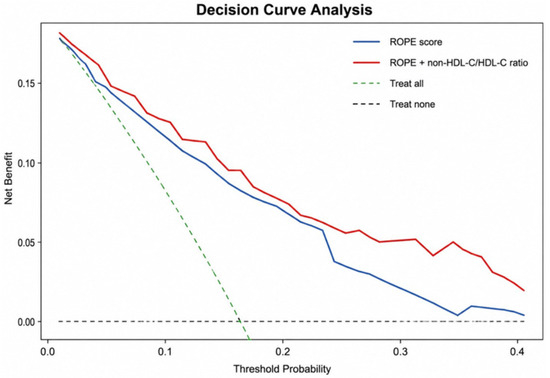
Background: The non-high-density lipoprotein cholesterol (non-HDL-C) / high-density lipoprotein cholesterol (HDL-C) ratio has emerged as a marker of residual vascular risk; however, its role in patent foramen ovale (PFO)-associated cryptogenic stroke (CS) remains unclear. We investigated the association between the non-HDL-C/HDL-C ratio and CS in patients with PFO and evaluated its incremental predictive value beyond the Risk of Paradoxical Embolism (ROPE) score. Methods: This retrospective study included 316 patients with confirmed PFO, including 56 patients with CS. Multivariable logistic regression, restricted cubic spline analysis, ROC analysis, net reclassification improvement (NRI), integrated discrimination improvement (IDI), decision curve analysis, and bootstrap internal validation were performed. Results: Patients with CS had significantly higher non-HDL-C/HDL-C ratio levels than those without CS (p < 0.001). In multivariable analysis, the non-HDL-C/HDL-C ratio remained independently associated with CS (OR: 1.881, 95% CI: 1.310–2.700, p < 0.001). Restricted cubic spline analysis demonstrated a significant nonlinear association between the non-HDL-C/HDL-C ratio and CS risk (overall p = 0.001; nonlinear p = 0.015). Addition of the non-HDL-C/HDL-C ratio to the ROPE score improved discrimination, increasing the AUC from 0.781 to 0.819 (DeLong p = 0.010), and significantly improved risk reclassification (continuous NRI: 0.555, p = 0.002; IDI: 0.057, p = 0.002). Internal validation demonstrated stable model performance with minimal optimism. Conclusions: The non-HDL-C/HDL-C ratio was independently associated with CS and demonstrated potential incremental predictive value beyond the ROPE score in patients with PFO. These findings suggest that metabolic lipid burden may contribute to thromboembolic susceptibility and may improve individualized risk stratification in PFO-related stroke.
Full article
(This article belongs to the Section Stroke and Cerebrovascular Disease)
►▼
Show Figures

Graphical abstract
Open AccessReview
Right Atrial Cardiac Calcified Amorphous Tumors in Young Women: Two Case Reports and a Narrative Review of the Literature
by
Antonino M. Grande, Alessia Alloni, Davide Imò, Stefano Ghio, Eloisa Arbustini, Paolo Aseni and Andrea M. D’Armini
J. Cardiovasc. Dev. Dis. 2026, 13(7), 312; https://doi.org/10.3390/jcdd13070312 - 7 Jul 2026
Abstract
Background: Cardiac calcified amorphous tumours (CATs) are rare non-neoplastic intracardiac masses characterized by calcified nodules within an amorphous fibrinous matrix and may clinically mimic thrombi or cardiac neoplasms. We report two uncommon cases of right atrial CAT occurring in young women and provide
[...] Read more.
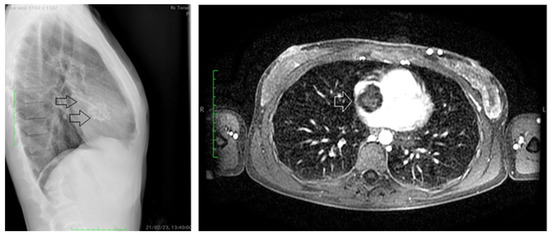
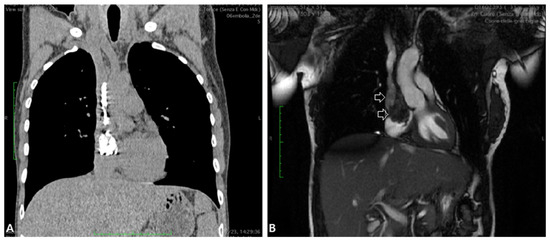
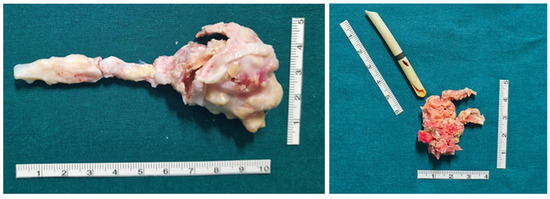
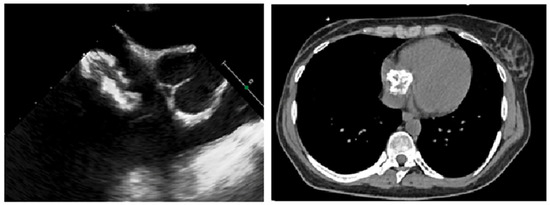
Background: Cardiac calcified amorphous tumours (CATs) are rare non-neoplastic intracardiac masses characterized by calcified nodules within an amorphous fibrinous matrix and may clinically mimic thrombi or cardiac neoplasms. We report two uncommon cases of right atrial CAT occurring in young women and provide a narrative review of the literature. Methods: Two patients with right atrial CAT underwent multimodality imaging evaluation, including echocardiography, computed tomography, and cardiac magnetic resonance, followed by surgical excision and histopathological examination. A narrative review of published cases identified through PubMed and Embase between 1972 and 2025 was also performed. Results: The first patient presented with a calcified right atrial mass extending into the superior vena cava, associated with superior vena cava syndrome and autoimmune disease. The second patient, affected by end-stage renal disease on hemodialysis and thrombophilia, presented with a large calcified right atrial mass associated with a retained dialysis catheter fragment. Histopathological examination confirmed CAT in both cases. The literature review identified 112 published reports comprising 143 patients, including the two cases presented herein, highlighting frequent associations with end-stage renal disease, mitral annular calcification, and embolic complications. Conclusions: Cardiac CAT remains a rare and likely underrecognized entity with heterogeneous clinical presentation and significant embolic potential. Multimodality imaging is essential for diagnosis and surgical planning, while early surgical excision should be considered in symptomatic or high-risk patients.
Full article
(This article belongs to the Section Acquired Cardiovascular Disease)
►▼
Show Figures

Figure 1
Open AccessArticle
Three-Year Outcome of VBX Stent Graft Used as a Bridging Stent in Endovascular Repair of Post-Dissection Thorachoabdominal Aortic Aneurysm
by
Frida Jonsdottir, Luca Bertoglio and Timothy Resch
J. Cardiovasc. Dev. Dis. 2026, 13(7), 311; https://doi.org/10.3390/jcdd13070311 - 6 Jul 2026
Abstract
►▼
Show Figures
Post-dissection thoracoabdominal aortic aneurysm (PD-TAAA) is a late sequela of chronic aortic dissection. Complex endovascular aneurysm repair (EVAR), including fenestrated and branched techniques (F/B-EVAR), enables aneurysm exclusion while preserving visceral perfusion; however, bridging stents are not specifically designed for PD-TAAA and are frequently
[...] Read more.
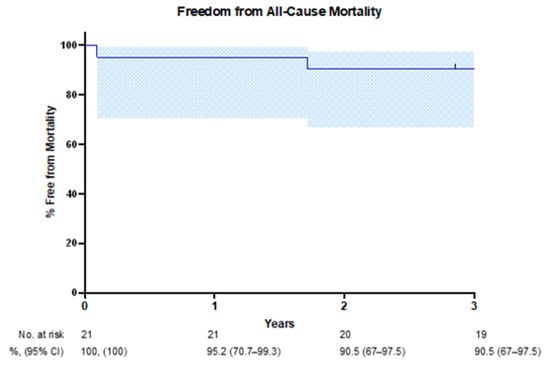
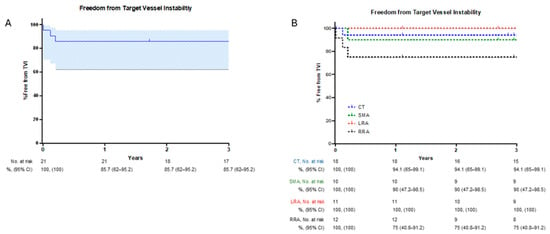
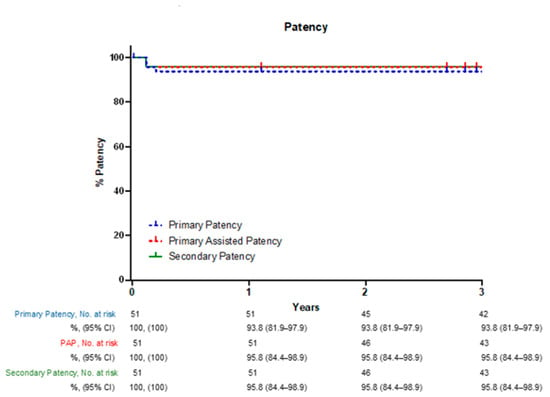
Post-dissection thoracoabdominal aortic aneurysm (PD-TAAA) is a late sequela of chronic aortic dissection. Complex endovascular aneurysm repair (EVAR), including fenestrated and branched techniques (F/B-EVAR), enables aneurysm exclusion while preserving visceral perfusion; however, bridging stents are not specifically designed for PD-TAAA and are frequently used off-label. Evidence on bridging stent performance is largely derived from degenerative aneurysm cohorts, and PD-TAAA-specific data remain limited. This study evaluated outcomes of the VBX Stent Graft when used as a bridging stent during F/B-EVAR for PD-TAAA. This retrospective analysis included patients with PD-TAAA from the EMBRACE registry (ClinicalTrials.gov: NCT05143138), a multicenter, single-arm registry with retrospective and prospective components, with all outcomes core-laboratory-adjudicated. Procedural, early (thirty-day), and midterm outcomes at one and three years were assessed. The primary endpoints were all-cause mortality and freedom from target vessel instability, defined as loss of durable target vessel reconstruction. Twenty-one patients (mean age 61.5 years; range, 28–77 years) underwent F/B-EVAR with at least one VBX Stent Graft. In total, 82 visceral arteries were treated, of which 51 were bridged with a VBX Stent Graft. Technical success was 100%. Two serious adverse events occurred perioperatively, one requiring reintervention, with no thirty-day mortality or major adverse events. Freedom from all-cause mortality was 95.2% at one year and 90.5% at three years, with two deaths during follow-up. Freedom from target vessel instability at the patient level was 85.7% at both one and three years (95% CI, 62.0–95.2%). VBX Stent Grafts used as bridging stents during F/B-EVAR for PD-TAAA demonstrated high technical success, low early morbidity and mortality, and acceptable mid-term survival and target vessel stability, supporting their use in this challenging anatomical setting within the limitations of a small PD-TAAA cohort.
Full article

Figure 1
Open AccessArticle
Prognostic Factors of Acute Heart Failure: A Regional Population Registry
by
Juan Asensio Nogueira, Miguel Rodriguez-Santamarta, Javier Tobar Ruíz, Pedro Daniel Perdiguero Martín, Inés Toranzo Nieto, Clea González Maniega, Adrián Lozano Ibáñez, Lucía Moreno de Redrojo Cortes, Manuel Carrasco Moraleja, Álvaro Margalejo Franco, Andrea Moreno González, Luis Eduardo Enríquez Rodríguez, Sebastián Isaza Arana, Álvaro Roldán Sevilla, Williams Enrique Hinojosa Camargo, Cristina Álvarez Martínez, Sara Martín Paniagua, María José Ruiz Olgado and Jose-Angel Perez-Rivera
J. Cardiovasc. Dev. Dis. 2026, 13(7), 310; https://doi.org/10.3390/jcdd13070310 - 6 Jul 2026
Abstract
Introduction and objectives: Acute heart failure (AHF) is the leading cardiovascular cause of hospitalization and remains associated with high mortality and rehospitalization rates. Contemporary real-world data from cardiology departments are scarce. We aimed to identify admission characteristics associated with one-year outcomes in patients
[...] Read more.
Introduction and objectives: Acute heart failure (AHF) is the leading cardiovascular cause of hospitalization and remains associated with high mortality and rehospitalization rates. Contemporary real-world data from cardiology departments are scarce. We aimed to identify admission characteristics associated with one-year outcomes in patients hospitalized with AHF. Methods: RECYLICA is a prospective, multicentre, regional registry including consecutive patients admitted with AHF to cardiology departments across 10 hospitals over a one-year period. Patients were followed for 12 months. The primary endpoint was the composite of all-cause mortality or heart failure (HF) rehospitalization. Results: A total of 602 patients were included (37.0% women; mean age 72.6 ± 12.0 years), of whom 47.4% had heart failure with reduced left ventricular ejection fraction (HFrEF). During follow-up, 83 patients (13.8%) died and 105 (17.4%) were rehospitalized because of HF. Independent predictors of the primary endpoint were elevated admission N-terminal pro-B-type natriuretic peptide (NT-proBNP), atrial fibrillation (AF), chronic kidney disease (CKD), chronic obstructive pulmonary disease (COPD), previous HF, prior implantable cardioverter-defibrillator (ICD) implantation, and higher left ventricular ejection fraction (LVEF). Among patients with HFrEF, less comprehensive implementation of guideline-directed medical therapy (GDMT) at discharge was associated with significantly worse outcomes. Conclusions: In patients hospitalized with AHF, prognosis is primarily determined by comorbidity burden, admission NT-proBNP levels, previous HF, and LVEF. Among patients with HFrEF, more comprehensive implementation of GDMT at discharge was associated with improved clinical outcomes, supporting early optimization of evidence-based therapy during hospitalization.
Full article
(This article belongs to the Section Epidemiology, Lifestyle, and Cardiovascular Health)
Open AccessReview
Update in Perioperative Ischemic Workup: Integrating 2024 AHA/ACC Guidelines and Contemporary Evidence
by
Nicholas Mangano, Vanathi Ganesan, Yusef Shibly, Ashley Yu, Meng Wang and Sergio D. Bergese
J. Cardiovasc. Dev. Dis. 2026, 13(7), 309; https://doi.org/10.3390/jcdd13070309 (registering DOI) - 6 Jul 2026
Abstract
Perioperative myocardial ischemia and myocardial injury after noncardiac surgery (MINS) remain prevalent contributors to postoperative morbidity and mortality. Recent advances, including high-sensitivity biomarkers and updated 2024 American Heart Association/American College of Cardiology (AHA/ACC) guidelines, have modified the clinical approach to preoperative ischemic evaluation.
[...] Read more.
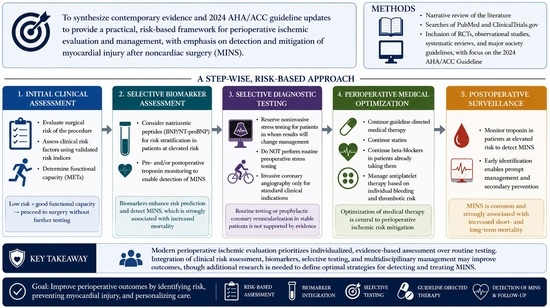
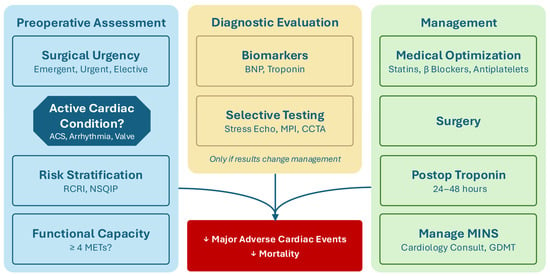
Perioperative myocardial ischemia and myocardial injury after noncardiac surgery (MINS) remain prevalent contributors to postoperative morbidity and mortality. Recent advances, including high-sensitivity biomarkers and updated 2024 American Heart Association/American College of Cardiology (AHA/ACC) guidelines, have modified the clinical approach to preoperative ischemic evaluation. This review intends to synthesize contemporary evidence and provide a framework for perioperative ischemic workup. A narrative review of the current literature and major society guidelines was conducted, focusing on perioperative risk stratification, functional capacity assessment, biomarker utilization, noninvasive and invasive diagnostic modalities, and perioperative medical optimization strategies. Contemporary perioperative evaluation favors a stepwise, risk-based approach that uses clinical risk indices, functional capacity, and selective diagnostic testing. Biomarkers such as natriuretic peptides and cardiac troponins enhance risk prediction and enable the detection of MINS, which is strongly associated with increased mortality. Evidence does not support routine preoperative stress testing or prophylactic coronary revascularization in stable patients. Guideline-directed medical therapy, including sustained statin use and attentive management of antiplatelet and beta-blocker therapy, remains central to risk mitigation. Modern perioperative ischemic workup prioritizes individualized, evidence-based evaluation over routine testing. Integration of biomarkers, structured risk assessment, and multidisciplinary management may improve outcomes, though additional research is needed to define optimal strategies for detecting and treating MINS.
Full article
(This article belongs to the Special Issue Role of Biochemical Markers of Cardiovascular Disease in Clinical Practice)
►▼
Show Figures

Graphical abstract
Open AccessBrief Report
Feasibility of On-Site CT-FFR Analysis in Ruling Out In-Stent Restenosis on Cardiac PCCT
by
Isabelle Ayx, Felix Waßmer, Lena Lichti, Matthias F. Froelich, Sylvia Buettner, Theano Papavassiliu, Stefan O. Schoenberg and Thomas Germann
J. Cardiovasc. Dev. Dis. 2026, 13(7), 308; https://doi.org/10.3390/jcdd13070308 (registering DOI) - 5 Jul 2026
Abstract
The evaluation of stents in coronary computed tomography angiography (CCTA) is still a major topic in cardiovascular imaging. Using Photon-Counting Detector CT (PCCT) may improve the assessment of coronary stents and make on-site CT-FFR analysis feasible for ruling out in-stent restenosis (ISR). In
[...] Read more.
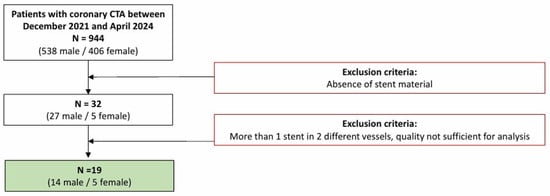
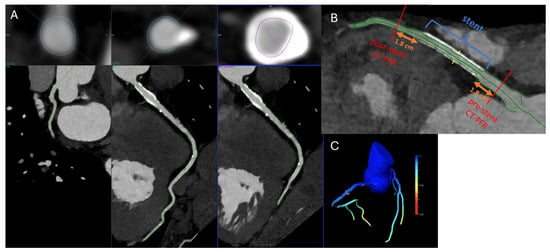
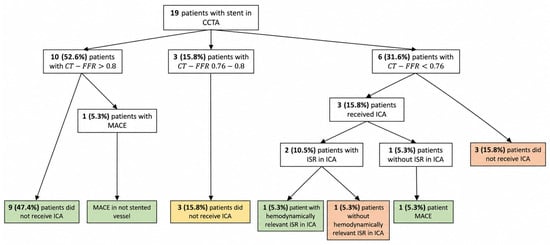
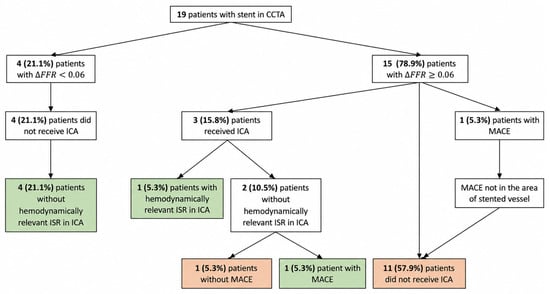
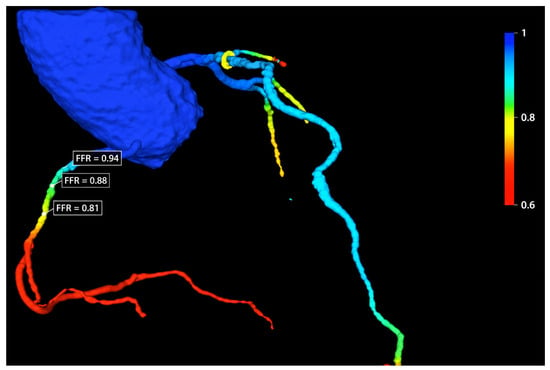
The evaluation of stents in coronary computed tomography angiography (CCTA) is still a major topic in cardiovascular imaging. Using Photon-Counting Detector CT (PCCT) may improve the assessment of coronary stents and make on-site CT-FFR analysis feasible for ruling out in-stent restenosis (ISR). In this study, patients with previous coronary stent implantation who underwent CCTA using PCCT and subsequent invasive catheter angiography (ICA) were included. Stent characteristics such as location and length were reported. CT-FFR measurements were taken 1.8 cm before and after the stent, with a value of ≤0.80 defined as hemodynamically significant under respecting the diagnostic accuracy drop in the gray zone between 0.76 and 0.80. Delta CT-FFR with a cut-off value of ≥0.06, indicating hemodynamic significance, was determined. Any ISR and interventional treatment during the following ICA was recorded. Diagnostic performance metrics, including sensitivity, specificity, positive predictive value (PPV), and negative predictive value (NPV), were calculated for post-stent CT-FFR and Delta CT-FFR in detecting ISR. Patients were followed up to evaluate the rate of major adverse cardiovascular events (MACE) 6 months after CCTA. A total of 19 patients (5 female, 14 male, median age 69 years) were enrolled in this study. In most cases, coronary stents were located in the proximal LAD with a median stent length of 70.2 mm. Pathological CT-FFR < 0.76 distal to the stent was detected in 6 cases (31.6%), while pathological Delta CT-FFR ≥ 0.06 occurred in 14 cases (73.7%). ICA was performed in three of these patients, with ISR confirmed in two cases. These findings yield sensitivity and NPV of 100% for both post-stent CT-FFR and Delta CT-FFR for excluding ISR with a superior specificity (76.5% vs. 29.4%) and overall diagnostic accuracy (78.9% vs. 36.8%) for post-stent CT-FFR. Two patients reported a myocardial infarction in follow-up; however, neither of them was located in the territory of the stented coronary artery. This study outlines the feasibility of on-site CT-FFR analysis using PCCT in excluding ISR in coronary stents with a high diagnostic accuracy. These findings highlight the need to extend the benefits of CT-FFR analysis for non-invasive assessment of possible ISR regarding personalized risk stratification and therapy planning.
Full article
(This article belongs to the Special Issue Advances in Cardiovascular Computed Tomography (CT))
►▼
Show Figures

Figure 1
Open AccessSystematic Review
Aerobic Exercise Response Variation and Cardiorespiratory Fitness in Adults with Coronary Heart Disease: An SDir Meta-Analysis of Randomized Controlled Trials
by
George A. Kelley, Kristi S. Kelley and Brian L. Stauffer
J. Cardiovasc. Dev. Dis. 2026, 13(7), 307; https://doi.org/10.3390/jcdd13070307 - 3 Jul 2026
Abstract
Background: Given that true exercise response variation on cardiorespiratory fitness in adults with coronary heart disease (CHD) is not known, this study addressed this gap. Methods: Randomized controlled trials (RCTs) comparing continuous aerobic exercise (CAE) to controls in adults ≥18 years of age
[...] Read more.
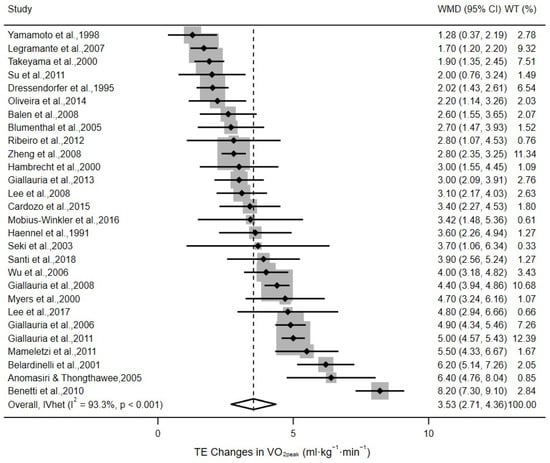
Background: Given that true exercise response variation on cardiorespiratory fitness in adults with coronary heart disease (CHD) is not known, this study addressed this gap. Methods: Randomized controlled trials (RCTs) comparing continuous aerobic exercise (CAE) to controls in adults ≥18 years of age with CHD were included. The primary outcome was exercise-associated inter-individual response differences (IIRDs) in cardiorespiratory fitness (VO2peak in ml·kg−1·min−1). Using the inverse variance heterogeneity (IVhet) model, a standard deviation of individual response difference (SDir) meta-analysis was conducted. Ninety-five percent confidence intervals (CIs) and prediction intervals (PIs) were calculated. Results: Twenty-eight RCTs representing 1383 participants (725 CAE, 658 control) were included. Statistically significant and clinically important improvements (≥1.0 mL·kg−1·min−1) were observed for VO2peak as a result of CAE ( , 3.6, 95% CI, 2.8 to 4.4 mL·kg−1·min−1, p < 0.001), but no statistically significant or clinically important IIRD based on the SDir were found ( , 0.9, 95% CI, −1.5 to 2.0 mL·kg−1·min−1; 95% PI, −2.4 to 2.7). Based on GRADE, the strength of evidence was of low certainty. Conclusions: There is low certainty evidence that CAE results in statistically significant and clinically important improvements in VO2peak in adults with CHD, but no exercise-associated IIRD was observed once properly accounted for.
Full article
(This article belongs to the Special Issue Recent Advances in Sports Cardiology, 2nd Edition)
►▼
Show Figures

Figure 1
Open AccessArticle
Time-Cumulative Residual Cardiovascular Risk in Patients with Coronary Heart Disease and Diabetes: A 10-Year Follow-Up Study from a Large-Scale Population Cohort and an Independent Clinical Validation Cohort
by
Zeping Li, Guangling Li, Yanan Wang, Jialin Zang, Luyun Wang and Jiangang Jiang
J. Cardiovasc. Dev. Dis. 2026, 13(7), 306; https://doi.org/10.3390/jcdd13070306 - 3 Jul 2026
Abstract
Background: Patients with coronary heart disease (CHD) complicated by diabetes mellitus (DM) remain at substantial residual cardiovascular risk despite contemporary guideline-directed medical therapy. However, the long-term trajectory of this excess risk and its temporal pattern have not been fully clarified. Methods: This is
[...] Read more.
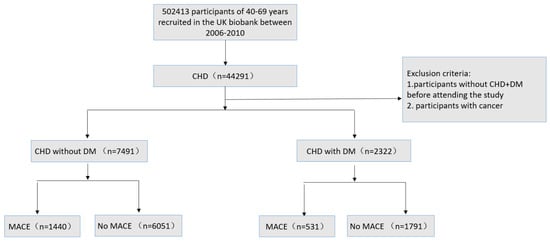
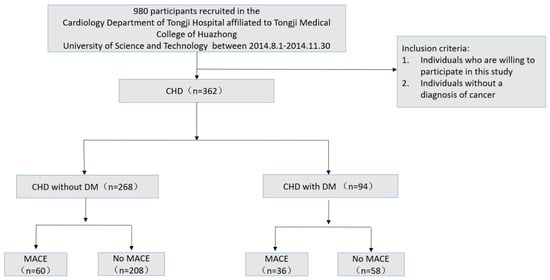
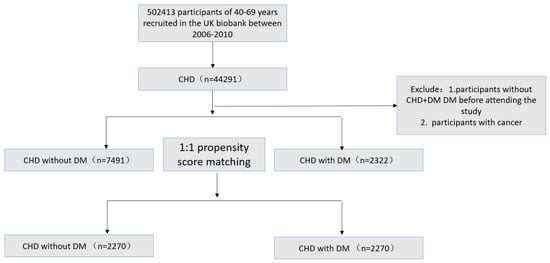
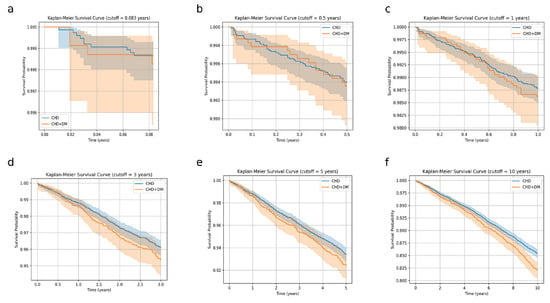
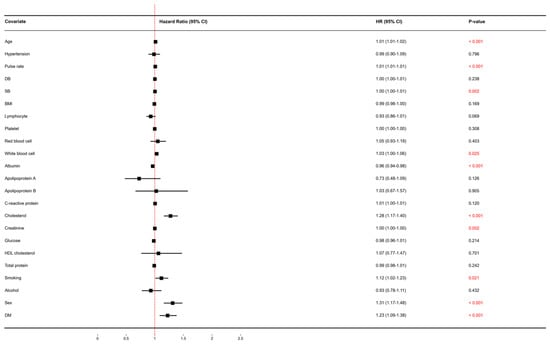
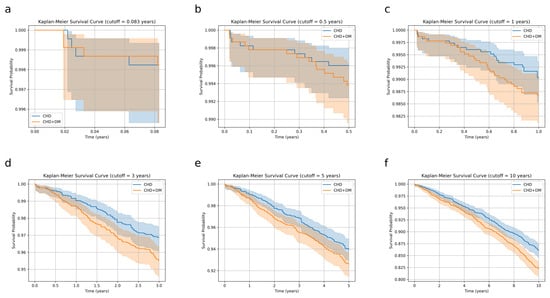
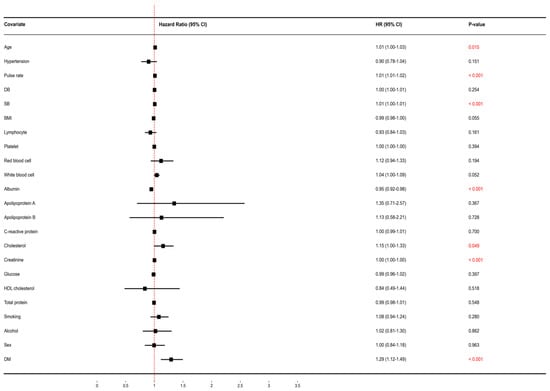
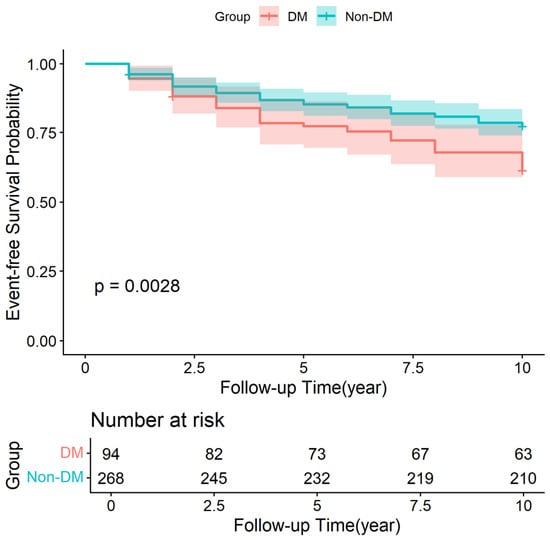
Background: Patients with coronary heart disease (CHD) complicated by diabetes mellitus (DM) remain at substantial residual cardiovascular risk despite contemporary guideline-directed medical therapy. However, the long-term trajectory of this excess risk and its temporal pattern have not been fully clarified. Methods: This is a retrospective cohort study based on a large-scale public database and real-world clinical data. The primary cohort was derived from the UK Biobank (UKB), including 7491 CHD patients and 2322 CHD with DM patients; the validation cohort included 362 CHD patients from Tongji Hospital. Both cohorts were followed for up to 10 years, with major adverse cardiovascular events (MACE) as the primary endpoint. Propensity score matching (PSM) was employed to balance baseline confounders. Kaplan–Meier analysis combined with piecewise log-rank tests were used to assess cumulative risk differences at various follow-up time points. Multivariable Cox proportional hazards models were constructed to evaluate the independent impact of diabetes. Results: In the UKB cohort, CHD with DM patients exhibited significantly higher risks of MACE and cardiovascular death before matching. After 1:1 PSM, no significant difference in MACE risk was observed during the early follow-up period (1 year, p > 0.05). However, survival curves showed progressive divergence over time, with the risk difference reaching statistical significance at 10 years (p = 0.0004), demonstrating a pronounced time-cumulative effect. The Tongji validation cohort similarly confirmed that event-free survival was significantly lower in the CHD with DM group (p = 0.0028). Independent risk factor analysis using multivariable Cox regression showed that after adjusting for age, sex, smoking, and lipid parameters, diabetes remained an independent risk factor for long-term MACE (UKB cohort HR > 1; Tongji cohort HR = 1.86, 95% CI: 1.20–2.86, p = 0.005). Conclusions: Diabetes significantly increases the long-term residual cardiovascular risk in CHD patients. This excess risk is characterized by a clear time-cumulative effect: under modern guideline-directed medical therapy, early risk may be effectively buffered, but long-term adverse events remain markedly elevated. More proactive and intensified long-term intervention strategies are urgently needed for CHD patients with comorbid diabetes.
Full article
(This article belongs to the Section Cardiovascular Clinical Research)
►▼
Show Figures

Figure 1
Open AccessReview
GLP-1 Receptor Agonists in Cardiac Surgery: From Metabolic Drug to Potential Perioperative Cardioprotective Agent
by
Vasiliki Androutsopoulou, Vanesa Brecher, Andrew Xanthopoulos, Dimitrios V. Avgerinos, Thanos Athanasiou and Dimitrios E. Magouliotis
J. Cardiovasc. Dev. Dis. 2026, 13(7), 305; https://doi.org/10.3390/jcdd13070305 - 3 Jul 2026
Abstract
Glucagon-like peptide-1 receptor agonists (GLP-1 RAs) have rapidly evolved from glucose-lowering agents to central players in cardiovascular risk reduction. Evidence from landmark randomized controlled trials has established their capacity to reduce major adverse cardiovascular events, promote anti-inflammatory signaling, attenuate ischemia–reperfusion injury, and improve
[...] Read more.
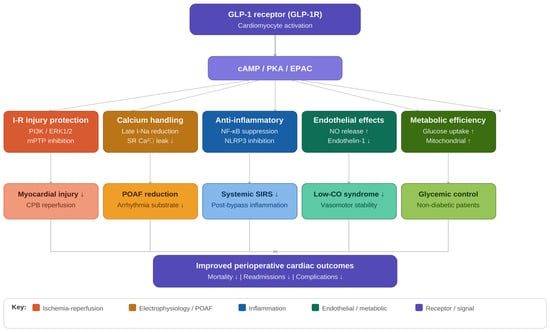
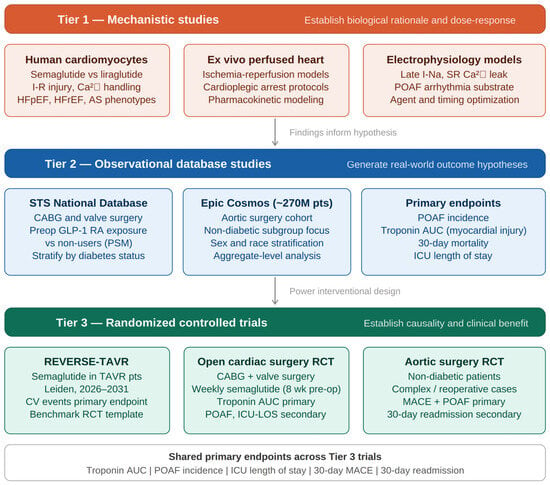
Glucagon-like peptide-1 receptor agonists (GLP-1 RAs) have rapidly evolved from glucose-lowering agents to central players in cardiovascular risk reduction. Evidence from landmark randomized controlled trials has established their capacity to reduce major adverse cardiovascular events, promote anti-inflammatory signaling, attenuate ischemia–reperfusion injury, and improve myocardial metabolic efficiency. As the prevalence of obesity, type 2 diabetes mellitus, and heart failure in the cardiac surgical population grows, GLP-1 RAs are increasingly encountered in the perioperative setting. Yet the cardiac surgery literature has yet to synthesize their emergent role coherently. This is a narrative review; no systematic review or meta-analysis was performed. This narrative review integrates mechanistic, clinical, and translational evidence to reframe GLP-1 RAs as potential perioperative cardioprotective agents in patients undergoing cardiac surgery. We examine receptor-level biology, evidence from the GLOBE randomized trial, observational data linking GLP-1 RA use to reduced postoperative atrial fibrillation after coronary artery bypass grafting, the rationale for the forthcoming REVERSE-TAVR trial, and evolving perioperative management guidelines. Key evidence gaps are identified, including the absence of prospective data in open cardiac surgery, aortic surgery, and high-acuity populations. We propose a research agenda and conceptual framework to guide future investigation into GLP-1 RAs as a new dimension of perioperative cardioprotection. The current evidence is hypothesis-generating; a definitive perioperative cardioprotective benefit has not yet been demonstrated in cardiac surgery populations, and these agents are presented here as potential rather than proven cardioprotective tools.
Full article
(This article belongs to the Special Issue Risk Factors and Outcomes in Cardiac Surgery: 2nd Edition)
►▼
Show Figures

Figure 1
Journal Menu
► ▼ Journal Menu-
- JCDD Home
- Aims & Scope
- Editorial Board
- Reviewer Board
- Topical Advisory Panel
- Early Career Editorial Board
- Instructions for Authors
- Special Issues
- Topics
- Sections & Collections
- Article Processing Charge
- Indexing & Archiving
- Editor’s Choice Articles
- Most Cited & Viewed
- Journal Statistics
- Journal History
- Journal Awards
- Conferences
- Editorial Office
Journal Browser
► ▼ Journal BrowserHighly Accessed Articles
Latest Books
E-Mail Alert
News
Topics
Topic in
CIMB, IJMS, JCDD, Organoids, Biomedicines
Molecular and Cellular Mechanisms of Heart Disease
Topic Editors: Pasi Tavi, Ebru Arioglu-InanDeadline: 31 December 2026
Topic in
Antioxidants, Biomedicines, Disabilities, JCDD, Hearts, JCRM
Cardiovascular Disease in Special Populations: From Basic Science to Clinical Practice
Topic Editors: Song-Young Park, Gwenael LayecDeadline: 31 January 2027
Topic in
Biomedicines, CIMB, IJMS, IJTM, JCDD
Future Directions in Cardiology: How the Clinic Will Change in the Coming Years, the Laboratory Always Standing
Topic Editors: Cristina Vassalle, Melania GagginiDeadline: 28 February 2027
Topic in
Diagnostics, Geriatrics, JCDD, Medicina, JPM, Medicines
New Research on Atrial Fibrillation
Topic Editors: Michele Magnocavallo, Domenico G. Della Rocca, Stefano Bianchi, Pietro Rossi, Antonio BisignaniDeadline: 30 April 2027
Conferences
Special Issues
Special Issue in
JCDD
Management and Challenges in Peripheral Arterial Disease
Guest Editors: Christos Rammos, Grigorios KorosoglouDeadline: 15 July 2026
Special Issue in
JCDD
Advances in Surgical Treatment of Heart Valve Disease
Guest Editor: Chun Woo ChoiDeadline: 25 July 2026
Special Issue in
JCDD
Coronary Arterial Anomalies and Coronary Arterial Interventions in Patients with Congenital Heart Disease
Guest Editor: Sameh SaidDeadline: 31 July 2026
Special Issue in
JCDD
Risk Factors and Outcomes in Cardiac Surgery: 2nd Edition
Guest Editor: Jae Hwan ChoiDeadline: 31 July 2026
Topical Collections
Topical Collection in
JCDD
Current Challenges in Heart Failure and Cardiac Transplantation
Collection Editors: Rasmus Rivinius, Daniel Oehler, Andreas J. Rieth, Andreas Doesch