


Pest and Disease Management in Horticultural Crops: Challenges, Strategies, and Solutions
A special issue of Horticulturae (ISSN 2311-7524). This special issue belongs to the section "Insect Pest Management".
Deadline for manuscript submissions: closed (20 April 2026) | Viewed by 1409
Special Issue Editors

Interests: insect-borne plant pathogen; olive and citrus pest; microbiome insect, insect/plant interaction; environmental IPM; vector pest damage; insect bionomics
Special Issues, Collections and Topics in MDPI journals

Interests: postharvest pathology; alternative control means; plant extracts; polyphenolic compounds; pomegranates; seaweeds; disease control; fungi; postharvest diseases; ozone; electrolyzed water; chitosan; latent infections; wound infection; identification; coniella; alternaria; penicillium; botrytis; colletotrichum; cytospora; aspergillus; beneficial microrganisms; aureobasidium; bacillus
Special Issues, Collections and Topics in MDPI journals

Interests: postharvest diseases; biological control; mycotoxins; table grapes; pomegranate
Special Issues, Collections and Topics in MDPI journals
Special Issue Information
Dear Colleagues,
The international open access journal Horticulturae (SCIE-indexed, Q1-ranked in Horticulture, and 3.0 IF in 2024) is pleased to announce a new Special Issue titled “Pest and Disease Management in Horticultural Crops: Challenges, Strategies, and Solutions”. We would like to invite you to join this Special Issue by submitting a paper.
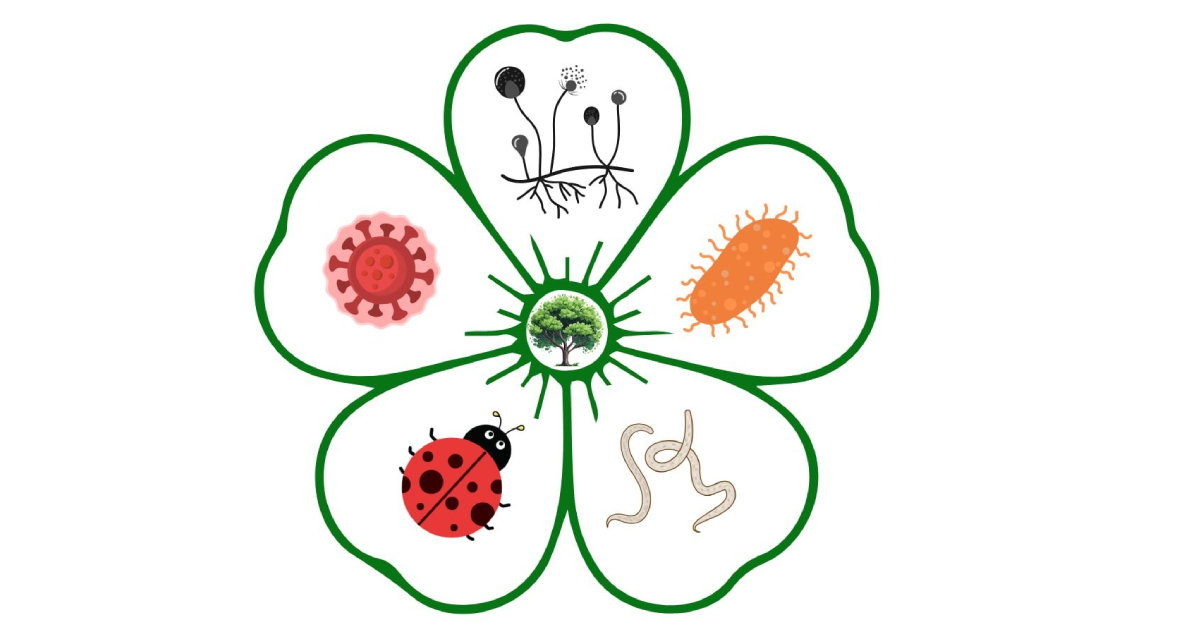
Numerous crops represent relevant sources of food, feed, and raw substances for manufacturing (food, pharmaceutical, nutraceutical, cosmeceutical, green building, chemical industries, etc.). Yield and quality of several fruits and horticultural crops are threatened by a huge number of pathogens (viruses, phytoplasma, bacteria, and fungi) and pests (insects, mites, and nematodes) along the whole production chain from the field to the sale. Yield losses and quality reductions directly match economic losses and increased waste, thereby enhancing the environmental footprint. These issues are strengthened by reduced biodiversity, hygrothermal balance, and selection of resistant strains. Mitigation of disease severity and/or incidence, such as pest outbreaks and invasions, may represent a key strategy in their management, above all by applying integrated disease and pest control. Furthermore, according to the One Health approach, European rules encourage the development of eco-friendly innovative substances, tools, and management protocols that reduce disease and pest spread and impact.
This Special Issue includes papers concerning conventional (chemicals) and alternative (biocontrol, physical means, natural products) control means and management strategies relevant in traditional and organic agriculture and along the supply chain; in addition, studies of the modes of action involved in host/pathogen/pest/control mean interactions and predictive models for their development and distribution may make up part of the collection.
The proposed Special Issue welcomes both original and explorative articles, as well as reviews focusing on the management of pests and plant diseases. All original articles and reviews covering any aspect of the effectiveness of new technologies, IPM measures, or any other multidisciplinary sustainable approach to pest and disease control of crops are welcome.
We hope that this invitation receives your consideration, and we look forward to the possibility of future collaboration.
Dr. Francesca Garganese
Dr. Annamaria Mincuzzi
Prof. Dr. Antonio Ippolito
Guest Editors
Manuscript Submission Information
Manuscripts should be submitted online at www.mdpi.com by registering and logging in to this website. Once you are registered, click here to go to the submission form. Manuscripts can be submitted until the deadline. All submissions that pass pre-check are peer-reviewed. Accepted papers will be published continuously in the journal (as soon as accepted) and will be listed together on the special issue website. Research articles, review articles as well as short communications are invited. For planned papers, a title and short abstract (about 250 words) can be sent to the Editorial Office for assessment.
Submitted manuscripts should not have been published previously, nor be under consideration for publication elsewhere (except conference proceedings papers). All manuscripts are thoroughly refereed through a single-blind peer-review process. A guide for authors and other relevant information for submission of manuscripts is available on the Instructions for Authors page. Horticulturae is an international peer-reviewed open access monthly journal published by MDPI.
Please visit the Instructions for Authors page before submitting a manuscript. The Article Processing Charge (APC) for publication in this open access journal is 2200 CHF (Swiss Francs). Submitted papers should be well formatted and use good English. Authors may use MDPI's English editing service prior to publication or during author revisions.
Keywords
- horticultural products
- fruit and vegetables
- host–pathogen interaction
- plant diseases
- sustainable crop
- epidemy
- bioactive compounds
- biostimulants
- vector biocontrol
- IPM
- alien invasive or quarantine pest
- biotic stresses
- losses/damage
- environmental conditions
- climate change
Benefits of Publishing in a Special Issue
- Ease of navigation: Grouping papers by topic helps scholars navigate broad scope journals more efficiently.
- Greater discoverability: Special Issues support the reach and impact of scientific research. Articles in Special Issues are more discoverable and cited more frequently.
- Expansion of research network: Special Issues facilitate connections among authors, fostering scientific collaborations.
- External promotion: Articles in Special Issues are often promoted through the journal's social media, increasing their visibility.
- Reprint: MDPI Books provides the opportunity to republish successful Special Issues in book format, both online and in print.
Further information on MDPI's Special Issue policies can be found here.
