Journal Description
Gels
Gels
is an international, peer-reviewed, open access journal on physical and chemical gels, published monthly online by MDPI.
- Open Access— free for readers, with article processing charges (APC) paid by authors or their institutions.
- High visibility: indexed within Scopus, SCIE (Web of Science), PubMed, PMC, CAPlus / SciFinder, and other databases.
- Journal Rank: JCR - Q1 (Polymer Science) / CiteScore - Q1 (Organic Chemistry)
- Rapid Publication: manuscripts are peer-reviewed and a first decision is provided to authors approximately 13 days after submission; acceptance to publication is undertaken in 2.8 days (median values for papers published in this journal in the first half of 2026).
- Recognition of Reviewers: Reviewers whose reports are timely and of high quality receive an APC discount voucher for a future publication in an MDPI journal. Become a reviewer.
- Journal Cluster of Polymer and Macromolecular Science: Polymers, Membranes, Gels, Polysaccharides, Textiles, Macromol, Microplastics and Adhesives.
Impact Factor:
6.4 (2025);
5-Year Impact Factor:
6.5 (2025)
Latest Articles
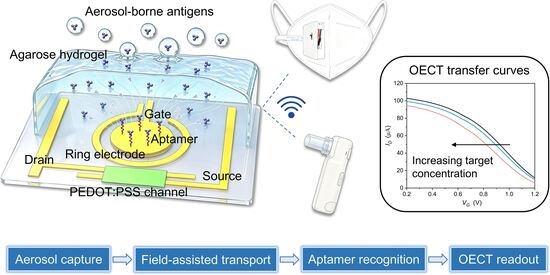
Hydrogel-Gated Organic Electrochemical Transistors for Wearable and Portable Direct Detection of Aerosol-Borne Viral Antigens
Gels 2026, 12(10), 916; https://doi.org/10.3390/gels12100916 - 12 Oct 2026
Abstract
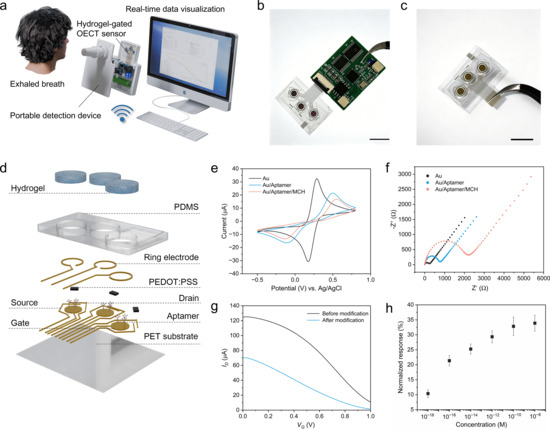
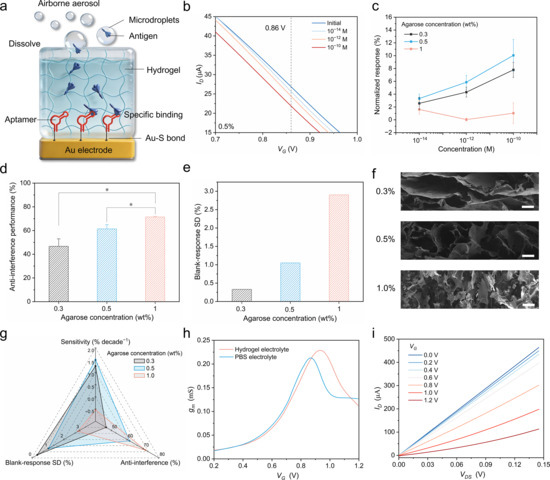
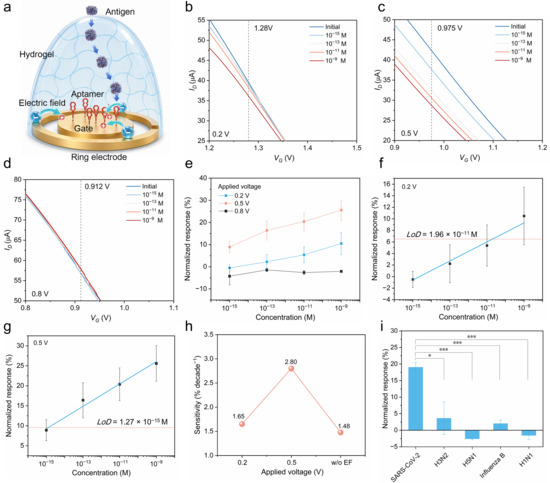
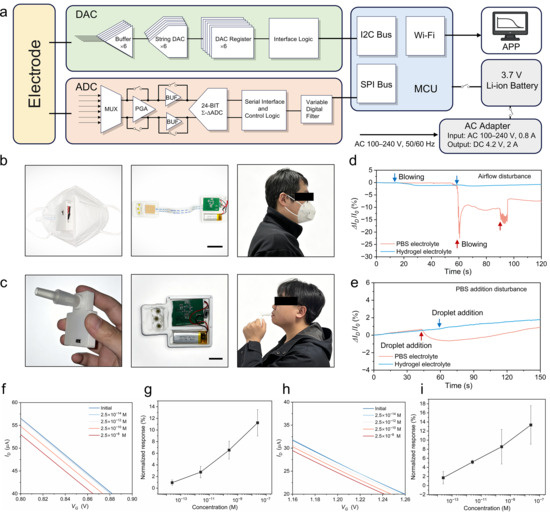
Direct detection of viral antigens in respiratory aerosols is challenging because affinity-based organic electrochemical transistors (OECTs) typically rely on liquid samples. Here, a non-flowing agarose hydrogel replaced the liquid electrolyte to capture aerosols, conduct ions, and support target transport. Before OECT readout, a
[...] Read more.
Direct detection of viral antigens in respiratory aerosols is challenging because affinity-based organic electrochemical transistors (OECTs) typically rely on liquid samples. Here, a non-flowing agarose hydrogel replaced the liquid electrolyte to capture aerosols, conduct ions, and support target transport. Before OECT readout, a separate 1-min ring-electrode field-assistance step was applied to facilitate target delivery to the aptamer-functionalized gate. Under the optimized conditions, the device achieved a solution-phase concentration-based limit of detection (LoD) of 1.27 fM and a sample-to-result time of 17 min. The approach was implemented in face-mask and handheld formats with a portable wireless readout system. In nebulization-based tests using SARS-CoV-2 spike protein, the LoDs expressed in terms of the concentrations of the nebulizer source solutions were 6.89 pM and 1.19 pM for the face-mask and handheld configurations, respectively. These results demonstrate that hydrogel-mediated aerosol capture and ionic coupling, ring-electrode field assistance, and OECT transduction can be integrated to enable direct electrical detection of aerosol-borne viral antigens, supporting further development of wearable and portable respiratory screening systems.
Full article
(This article belongs to the Special Issue New Gels for Medical Applications)
►
Show Figures
Open AccessArticle
Xanthan Gum/Lignin Double-Interpenetrating Network Cryogels: Preparation, Characterization, and Water Purification Performance
by
Maria Marinela Lazar, Doina Humelnicu, Irina Elena Raschip, Raluca-Elena Avram and Maria Valentina Dinu
Gels 2026, 12(10), 915; https://doi.org/10.3390/gels12100915 - 11 Oct 2026
Abstract
The development of multifunctional, bio-based materials capable of simultaneously addressing microbial contamination and inorganic pollutants is of increasing interest for sustainable water purification. In this study, xanthan gum (XG)/lignin(LN) double-interpenetrating network (DN) cryogels were prepared and investigated as porous, multifunctional materials for antimicrobial
[...] Read more.
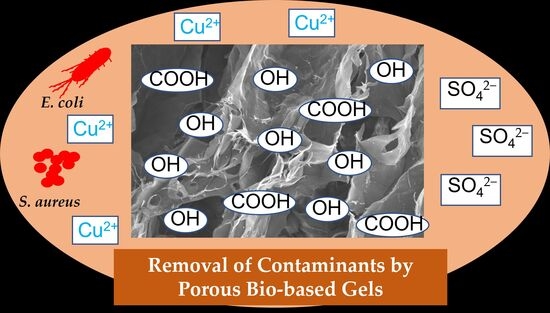
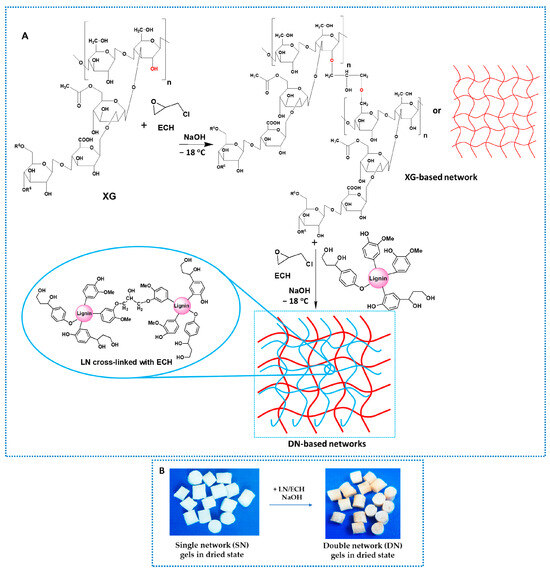
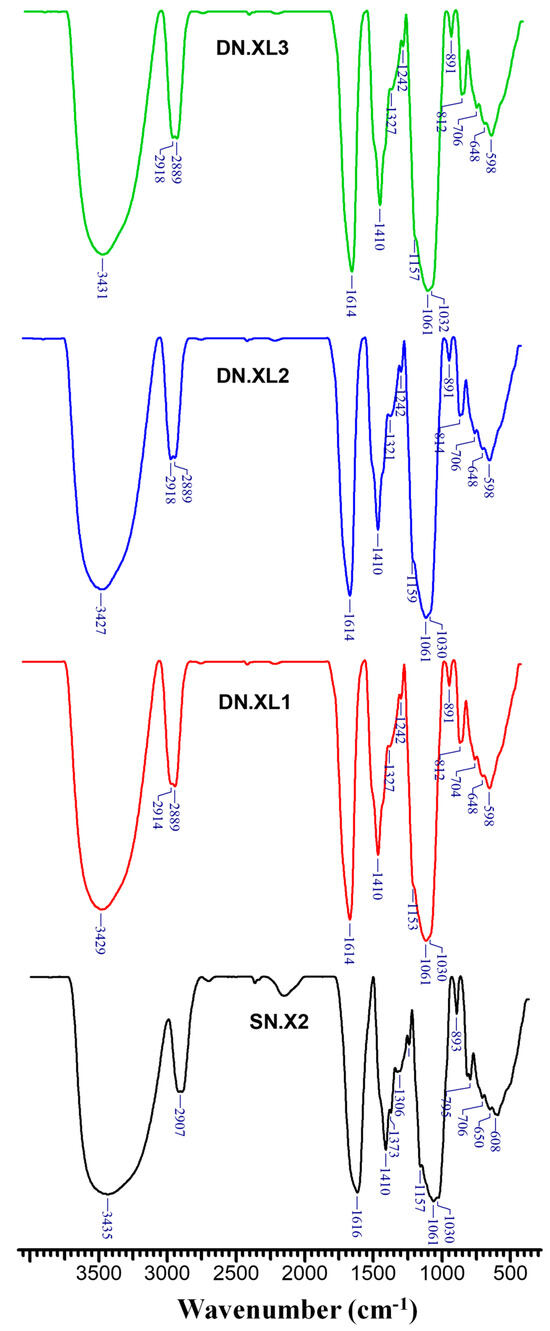
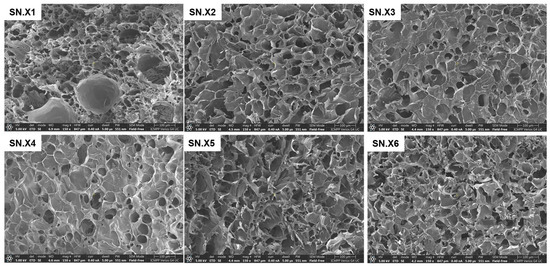
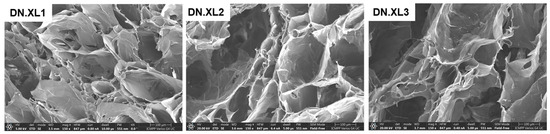
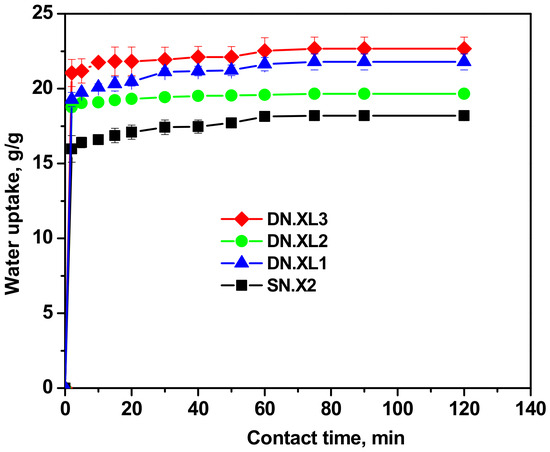
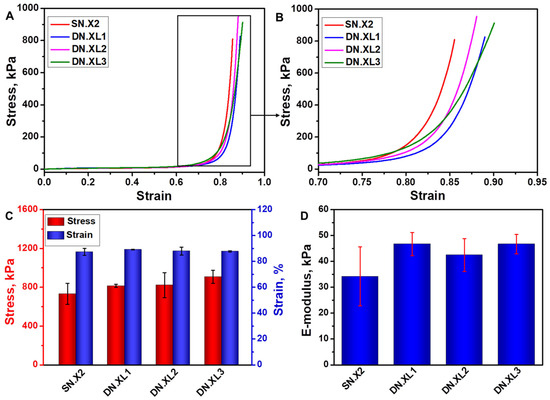
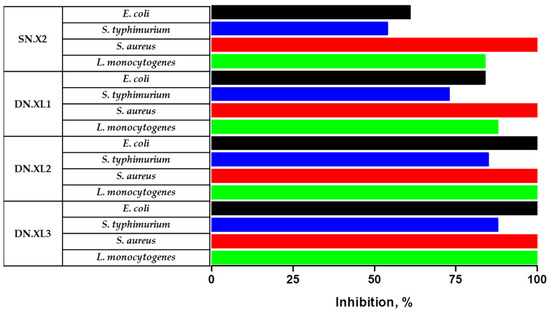
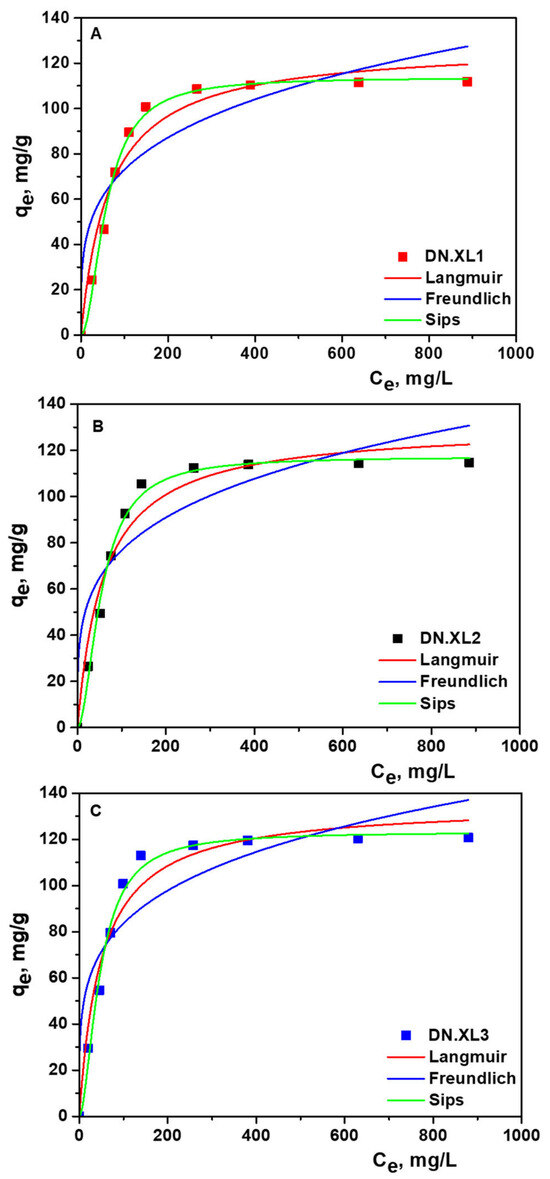
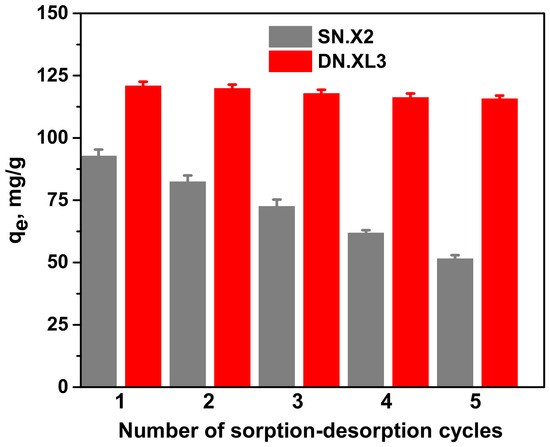
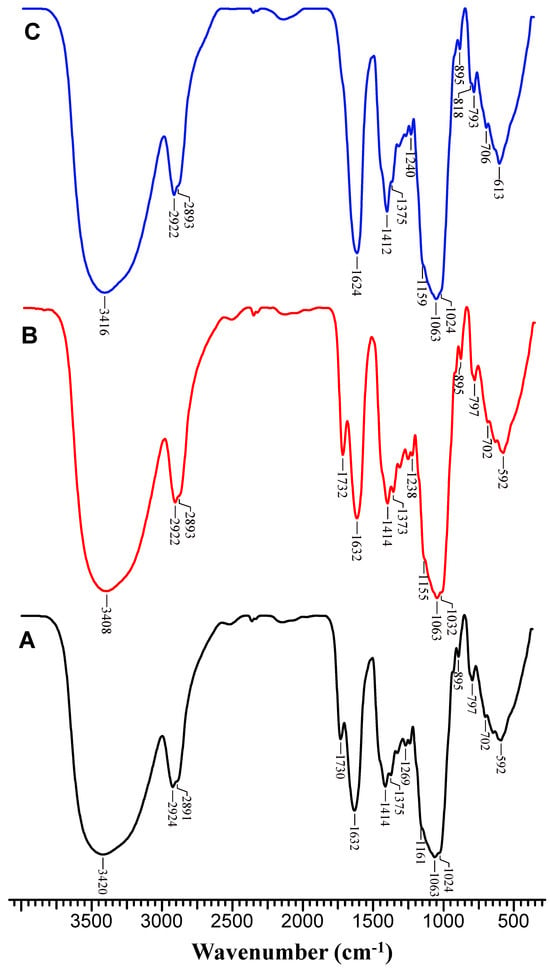
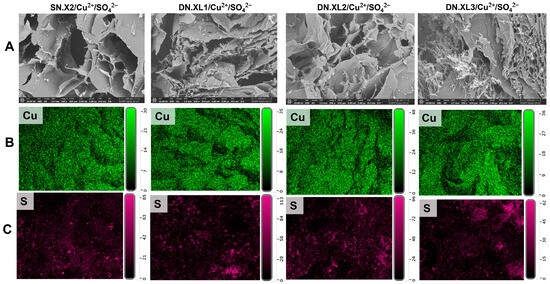
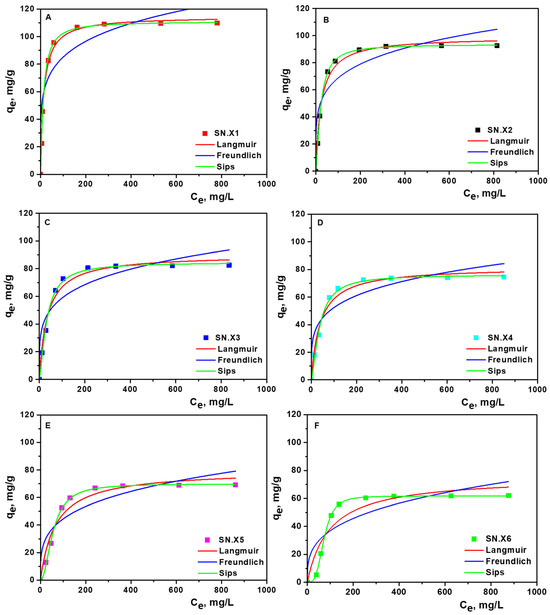
The development of multifunctional, bio-based materials capable of simultaneously addressing microbial contamination and inorganic pollutants is of increasing interest for sustainable water purification. In this study, xanthan gum (XG)/lignin(LN) double-interpenetrating network (DN) cryogels were prepared and investigated as porous, multifunctional materials for antimicrobial applications and water purification. The cryogel architecture combines the abundant oxygen-containing functional groups of XG and LN with an interconnected porous network generated under cryogenic conditions. The prepared networks were comprehensively characterized using Fourier-transform infrared spectroscopy (FTIR), scanning electron microscopy (SEM), energy-dispersive X-ray spectroscopy (EDX), dynamic vapor sorption (DVS), swelling analysis, and uniaxial mechanical testing to evaluate their structural, morphological, physicochemical, and mechanical properties. Their Cu2+ sorption performance was subsequently assessed by atomic absorption spectroscopy (AAS), and the experimental equilibrium data were analyzed using the Langmuir, Freundlich, and Sips isotherm models. The single-network (SN) XG-based materials exhibited Cu2+ sorption capacities of 62.13–109.81 mg/g, whereas the DN cryogels showed higher capacities of 111.87–120.84 mg/g. The Sips model provided the best description of the equilibrium data, with (R2) values of 0.991–0.994 and substantially lower (χ2) values than the Langmuir and Freundlich models, indicating heterogeneous sorption sites with finite saturation capacity. Importantly, the Cu2+-loaded SN and DNs exhibited sorption efficiency toward sulfate ions, demonstrating their potential for sequential contaminant removal. Sulfate sorption capacities reached 694.53 mg/g for the SN.X2/Cu2+ composite and up to 812.53 mg/g for the DN.XL3/Cu2+ composite. In addition, the prepared materials demonstrated antimicrobial activity against two Gram-negative (Escherichia coli, Salmonella Typhimurium) and two Gram-positive (Staphylococcus aureus, Listeria monocytogenes) bacterial strains. The results demonstrate that XG/LN DN cryogels combine effective metal-ion and sulfate sorption with antimicrobial activity, providing promising bio-based platforms for water purification and potentially extending the functional lifetime of the material through sequential contaminant removal.
Full article
(This article belongs to the Special Issue State-of-the-Art Gel Research in Romania)
►▼
Show Figures

Graphical abstract
Open AccessReview
Hydrogel-Based Delivery Systems for Targeted Probiotic Release and Colonization: From Design Principles to Health Outcomes
by
Wenjia Yan, Haichuan Shi, Hao Wang, Shanshan Xu and Zhuochen Wang
Gels 2026, 12(10), 914; https://doi.org/10.3390/gels12100914 - 10 Oct 2026
Abstract
Probiotics exert profound health benefits via the modulation of the intestinal microbiota. However, the efficacy of orally administered probiotics is severely constrained by a cascade of physiological barriers, including gastric acid inactivation, suboptimal intestinal release, and inadequate mucosal colonization. In response to these
[...] Read more.
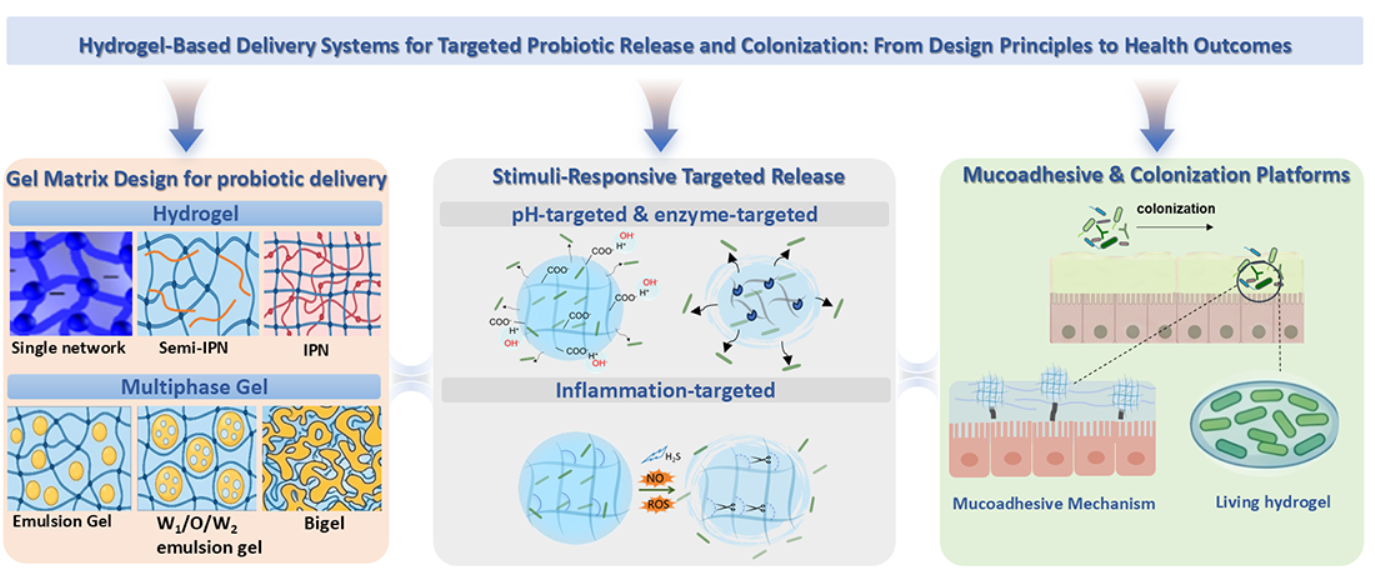
Probiotics exert profound health benefits via the modulation of the intestinal microbiota. However, the efficacy of orally administered probiotics is severely constrained by a cascade of physiological barriers, including gastric acid inactivation, suboptimal intestinal release, and inadequate mucosal colonization. In response to these challenges, hydrogel-based delivery platforms have garnered considerable interest as versatile carriers capable of providing protective encapsulation, enabling spatiotemporally controlled release, and augmenting intestinal retention. This narrative review presents recent progress in the design and application of hydrogel-based oral delivery systems tailored for targeted probiotic release and effective colonization. First, the key gastrointestinal obstacles to successful probiotic delivery are delineated. Hydrogel design parameters are then critically appraised, with particular emphasis on material selection and network design. The underlying release mechanisms are subsequently examined. These encompass pH-responsive, enzyme-triggered, and inflammation-responsive modalities. Emerging colonization-enhancing strategies are discussed in detail. These include mucoadhesive hydrogel architectures and the nascent paradigm of “living hydrogels” functioning as dynamic bioreactors. The translational potential of these systems for health management is illustrated through applications in inflammatory bowel disease, colorectal cancer, and gut–brain axis modulation. Finally, key challenges in manufacturing, viability, and translational feasibility are evaluated. These include regulatory, safety, and encapsulation-related constraints. To address these, multi-responsive platforms, machine learning-assisted design, and synbiotic hydrogels are proposed. These hydrogels synergize with probiotics to target dysbiosis and repair mucosal damage for improved gastrointestinal health management.
Full article
(This article belongs to the Section Gel Analysis and Characterization)
►▼
Show Figures

Graphical abstract
Open AccessArticle
Graphene Oxide-Regulated Calcium Alginate Molecularly Imprinted Hydrogel Films with Enhanced Physico-Mechanical Properties and Selective Protein Recognition
by
Siyu Wang, Haojie Li, Ying Zhang, Zhengchun Yang and Kongyin Zhao
Gels 2026, 12(10), 913; https://doi.org/10.3390/gels12100913 - 10 Oct 2026
Abstract
Calcium alginate (CaAlg) hydrogels are attractive matrices for molecular imprinting because of their biocompatibility and functionalizability, but their limited mechanical stability and excessive swelling can compromise the integrity and accessibility of molecular recognition sites. In this study, graphene oxide (GO) was incorporated into
[...] Read more.
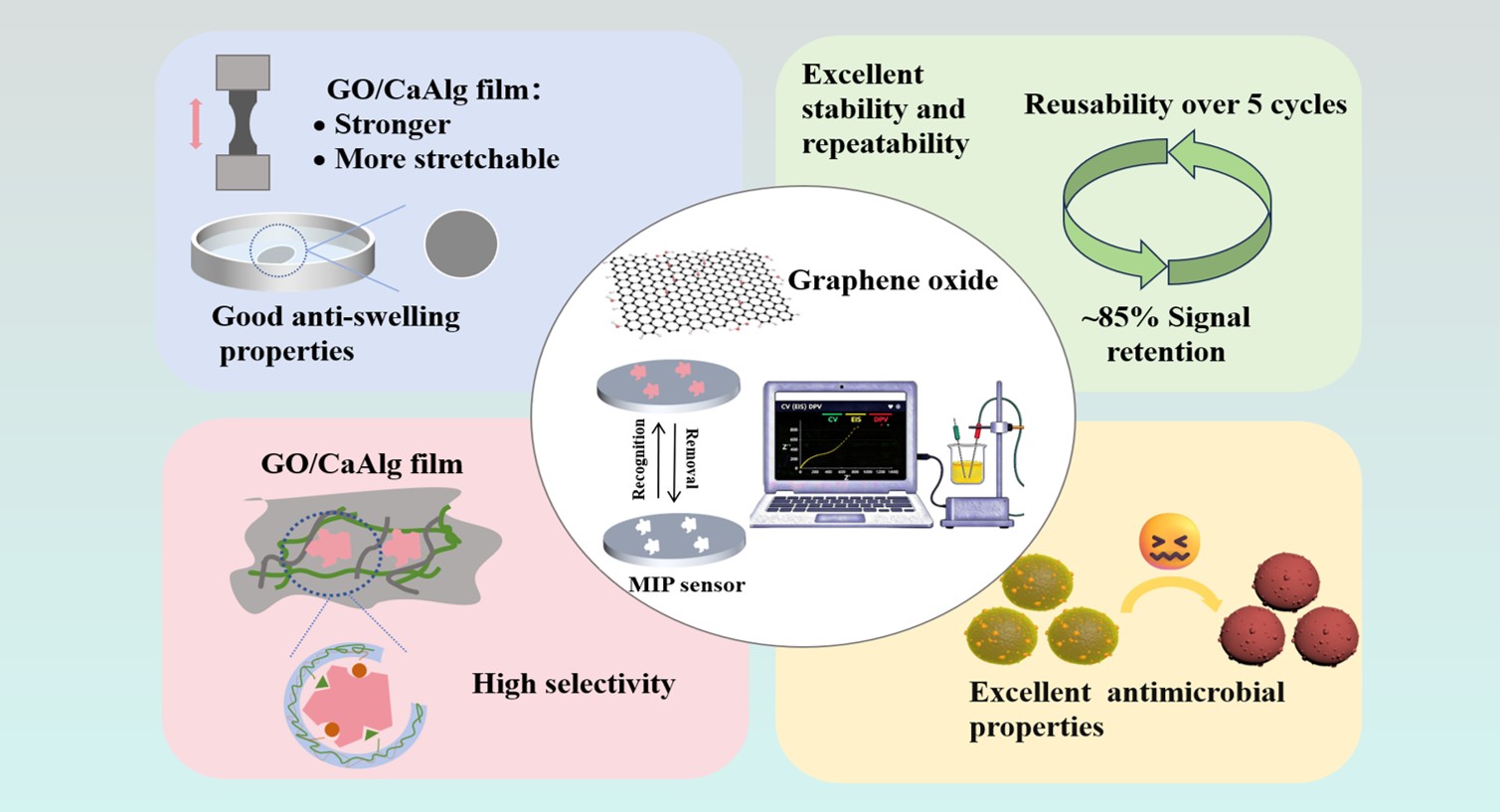
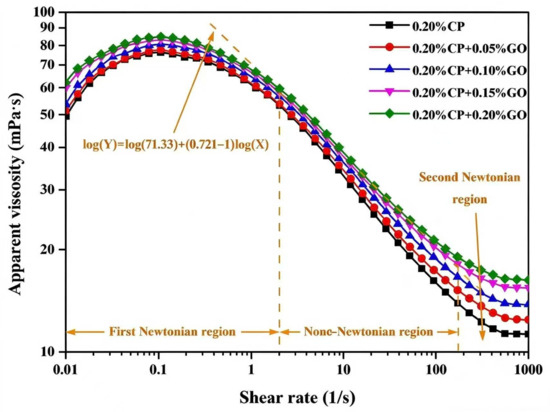
Calcium alginate (CaAlg) hydrogels are attractive matrices for molecular imprinting because of their biocompatibility and functionalizability, but their limited mechanical stability and excessive swelling can compromise the integrity and accessibility of molecular recognition sites. In this study, graphene oxide (GO) was incorporated into CaAlg to regulate the physicochemical properties of the hydrogel and construct a bovine serum albumin (BSA)-imprinted hydrogel interface for selective protein recognition and electrochemical sensing. The incorporation of GO effectively reduced swelling and enhanced the mechanical stability of the hydrogel, with the 1 wt.% GO-containing film exhibiting a tensile strength of 1921.15 kPa and the highest fracture energy. The resulting molecularly imprinted hydrogel showed a BSA adsorption capacity of 55.21 mg g−1 and an imprinting efficiency of 3.68, while preferential recognition of BSA over other proteins was observed. After integration with a carbon electrode, template removal and BSA rebinding produced distinguishable electrochemical responses, with an electrochemical imprinting ratio of approximately 6.5. These results demonstrate that GO can simultaneously regulate the structural stability and molecular recognition behavior of CaAlg-based imprinted hydrogels. The proposed hydrogel interface provides a promising material platform for selective protein recognition and electrochemical sensing, with potential applications in biomolecular detection and functional biointerfaces.
Full article
(This article belongs to the Special Issue Alginate-Based Gels: Preparation, Characterization and Application (4th Edition))
►▼
Show Figures

Graphical abstract
Open AccessArticle
Insights into the Protonation State and Counterion Interactions of Linear Polyethyleneimine Materials
by
Agustín J. Byrne, Daniel Vladimir, Yamila Garro-Linck, Guillermo J. Copello, Ayelén F. Crespi, Daniel Vega, Mariela Bollini, Paula G. Franco and Juan M. Lázaro-Martínez
Gels 2026, 12(10), 912; https://doi.org/10.3390/gels12100912 - 10 Oct 2026
Abstract
Polyethyleneimine (PEI) polymers are widely used in the synthesis of nanoparticles, hydrogels and composite materials for biotechnological and environmental applications. However, the solid-state structural organization of linear PEI (L-PEI) materials, and how it is influenced by molecular weight, protonation state and counterion type,
[...] Read more.
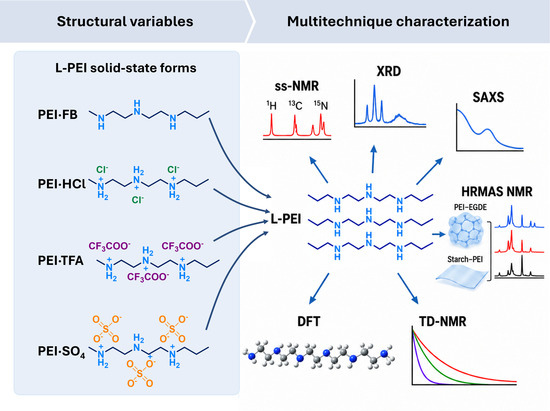
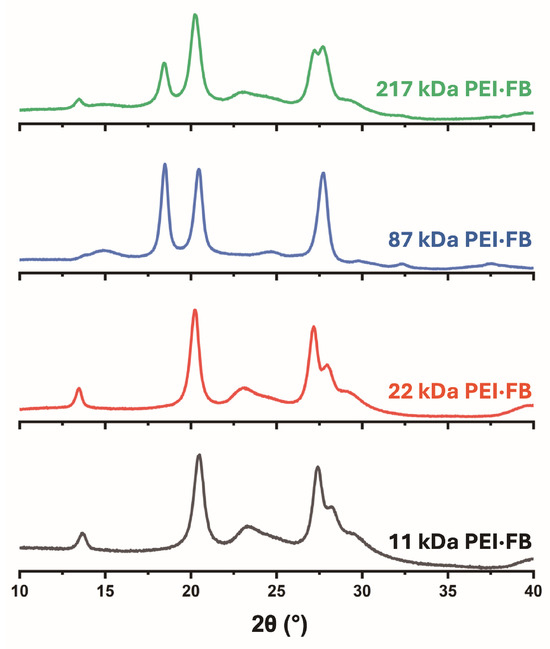
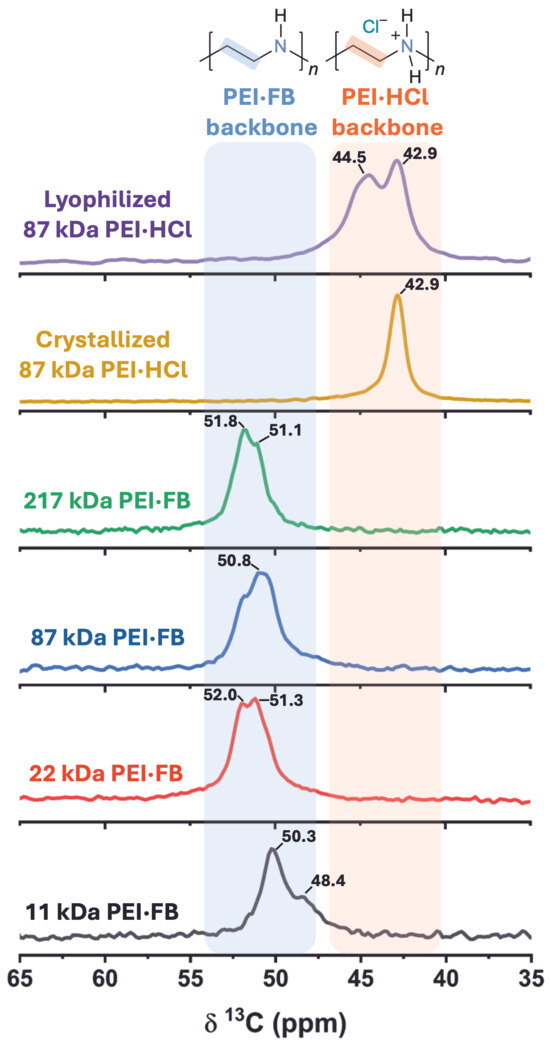
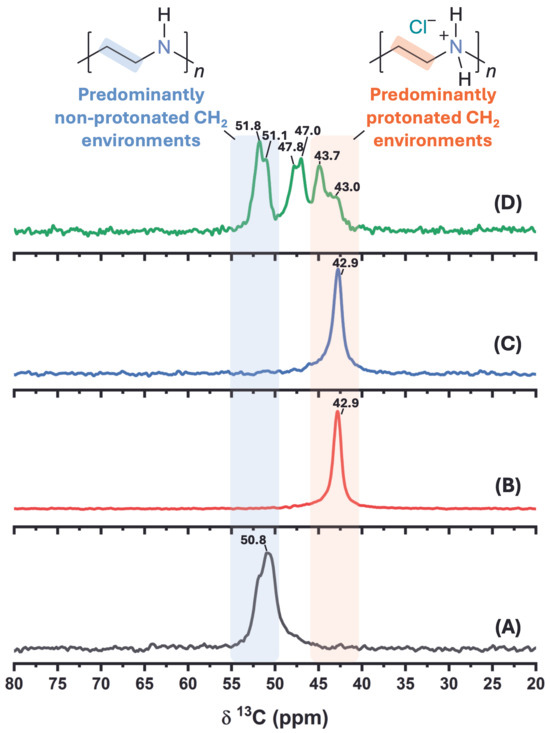
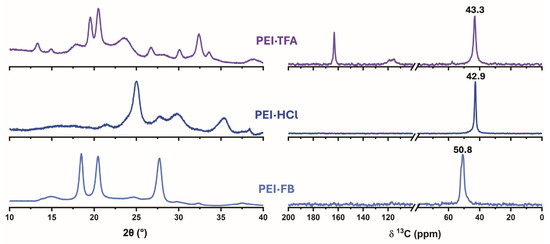
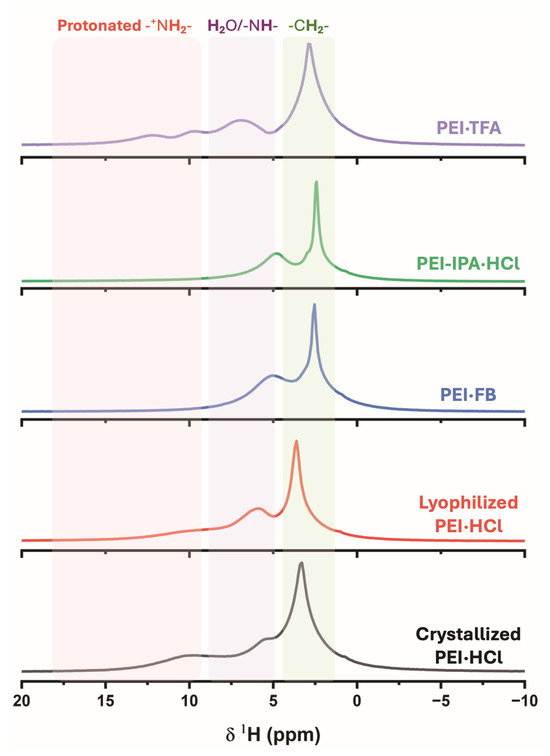
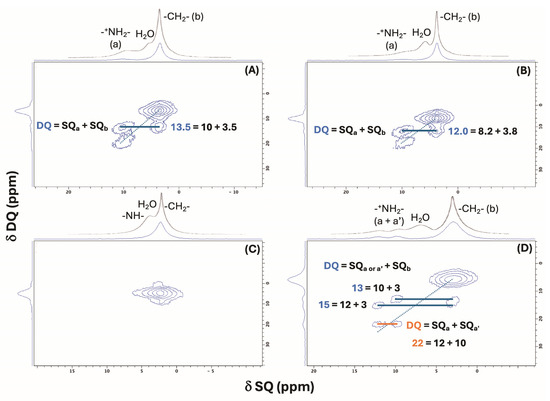
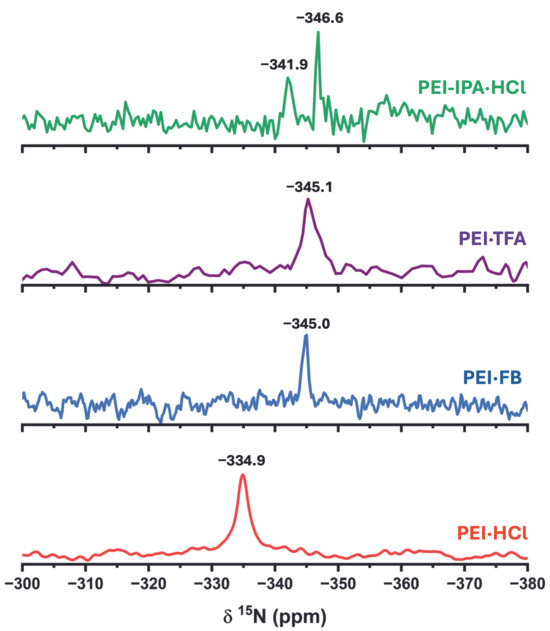
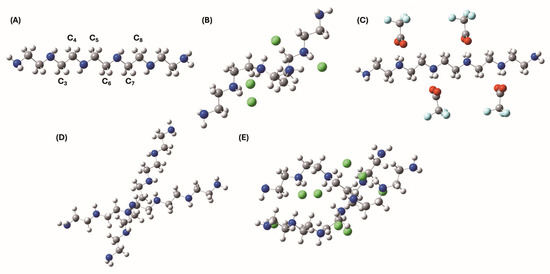
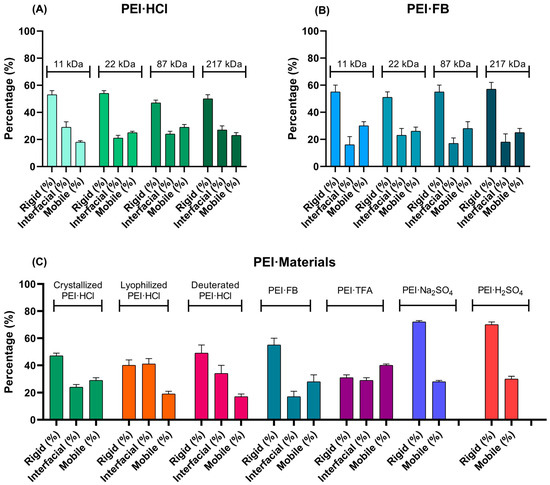
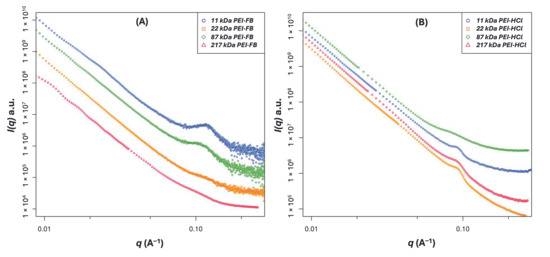
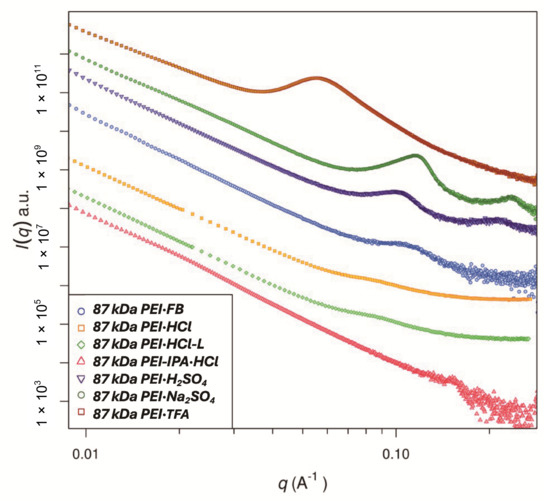
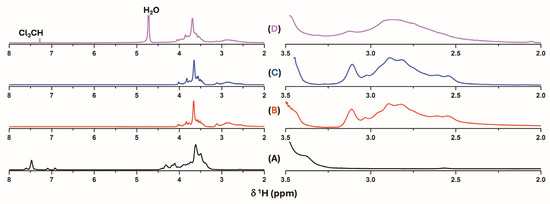
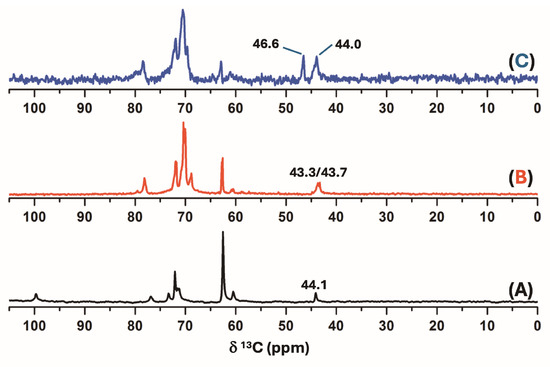
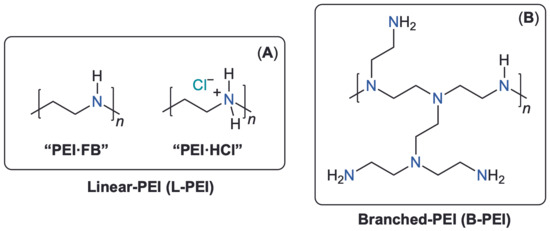
Polyethyleneimine (PEI) polymers are widely used in the synthesis of nanoparticles, hydrogels and composite materials for biotechnological and environmental applications. However, the solid-state structural organization of linear PEI (L-PEI) materials, and how it is influenced by molecular weight, protonation state and counterion type, have not yet been comprehensively studied. In this work, solid-state nuclear magnetic resonance (ss-NMR), X-ray powder diffraction (XRD), small-angle X-ray scattering (SAXS) and time-domain NMR (TD-NMR) experiments were combined with theoretical calculations to analyze the local chemical environments, crystalline and nanoscale organization, and molecular mobility of L-PEI materials with different molecular weights. The analyzed materials were the free base (PEI·FB), the hydrochloride (PEI·HCl), the trifluoroacetate (PEI·TFA), and the sulfate-containing forms of L-PEI (PEI·Na2SO4 and PEI·H2SO4), as well as an intermediate protonation state obtained by the heterogeneous treatment with HCl-saturated isopropanol. Proton, 13C or 15N ss-NMR studies evidenced different chemical environments associated with changes in protonation state and counterion identity. Furthermore, XRD and SAXS showed that these variables, together with molecular weight and sample preparation conditions, influenced the crystalline arrangement and characteristic nanoscale organization of the polymer chains. Moreover, TD-NMR revealed the presence of three dynamically distinct proton populations, assigned to rigid, interfacial, and mobile domains, whose relative contributions and relaxation behavior varied among the PEI materials. Finally, high-resolution magic-angle spinning (HRMAS) NMR experiments were used to study different PEI-gel materials and films as well as the crosslinking of protonated PEI and sulfate ions.
Full article
(This article belongs to the Special Issue Characterization Techniques for Hydrogels and Their Applications)
►▼
Show Figures

Graphical abstract
Open AccessReview
Hydration-Mediated Multiscale Structural Evolution in Polyurethane Hydrogels: From Water States to Microphase Reconstruction and Dynamic Networks
by
Li Zhang, Rongrong Zhang, Xinliang Wang, Honghong Zhang and Zhaosheng Hou
Gels 2026, 12(10), 911; https://doi.org/10.3390/gels12100911 - 10 Oct 2026
Abstract
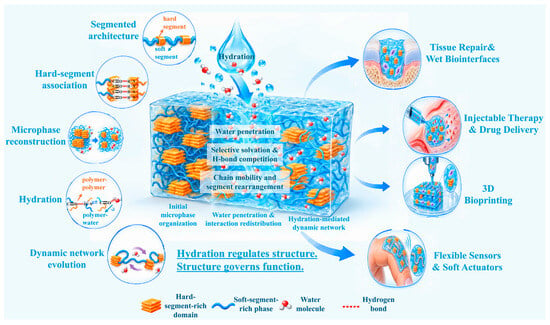
Polyurethane (PU) hydrogels combine high water content with the intrinsic structural heterogeneity of segmented polyurethane, giving rise to strong coupling among hydration, intermolecular interactions, microphase organization, and network dynamics. This review treats hydration as an active structural variable rather than solely as a
[...] Read more.
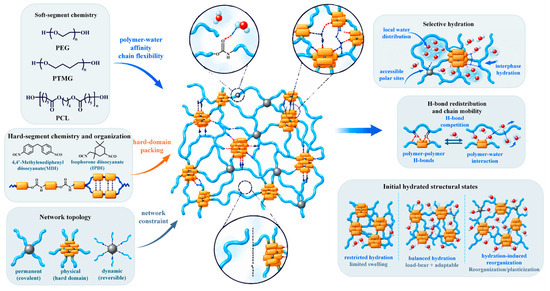
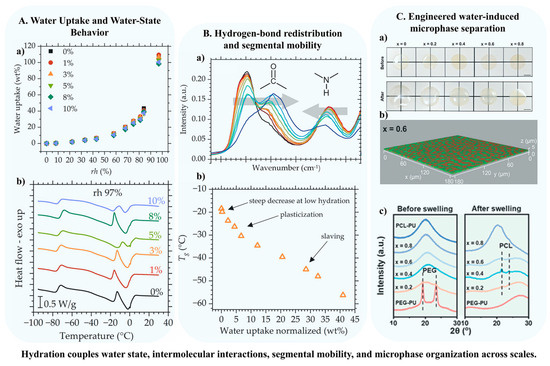
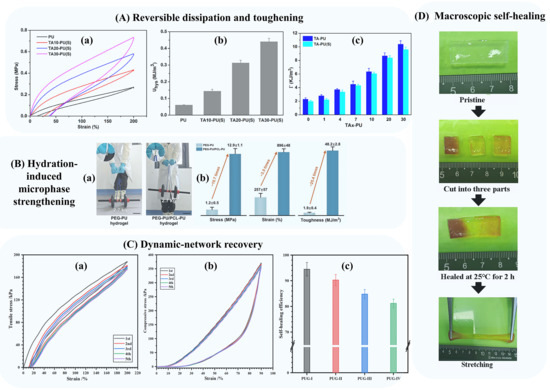
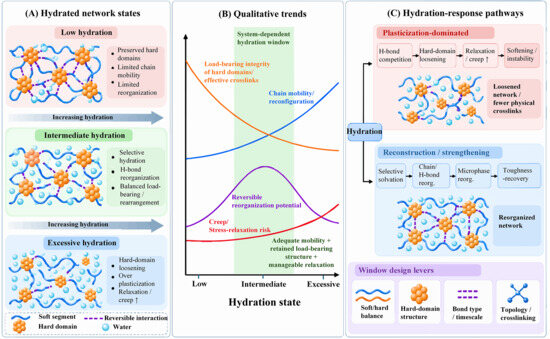
Polyurethane (PU) hydrogels combine high water content with the intrinsic structural heterogeneity of segmented polyurethane, giving rise to strong coupling among hydration, intermolecular interactions, microphase organization, and network dynamics. This review treats hydration as an active structural variable rather than solely as a swelling medium. The effects of soft- and hard-segment chemistry and network topology on the pre-hydration state are first summarized, followed by analysis of the multiscale sequence from water uptake and water state to competitive hydrogen bonding, segmental mobility, microphase reconstruction, and dynamic-network evolution. Particular attention is paid to distinguishing hydration-induced reconstruction of pre-existing domains from water-induced microphase separation, in which hydration generates new compositional segregation or phase connectivity. Direct evidence from PU hydrogels is also distinguished from mechanistic evidence derived from related hydrated PU, polyurethane–urea, and thermoplastic PU systems. The consequences of these processes for strengthening, toughening, cyclic recovery, stimuli responsiveness, wet interfaces, and representative applications are discussed. A system-dependent hydration window is further introduced to define the conditions under which sufficient molecular mobility for reversible reorganization coexists with persistent load-bearing structures. Remaining challenges include synchronized wet-state characterization, long-term fatigue and aging, and the establishment of predictive composition–hydration–structure–property relationships.
Full article
(This article belongs to the Special Issue Recent Advances in Multi-Functional Hydrogels (2nd Edition))
►▼
Show Figures

Figure 1
Open AccessArticle
Smartphone-Assisted Aerogel Colorimetric Sensor Array Coupled with Lightweight Deep Learning for Multi-Meat Freshness Monitoring
by
Hanzhi Chen, Xiao Zhou, Caoyuan Zhang, Zengrui Wu, Bo Peng and Yingli Wang
Gels 2026, 12(10), 910; https://doi.org/10.3390/gels12100910 - 9 Oct 2026
Abstract
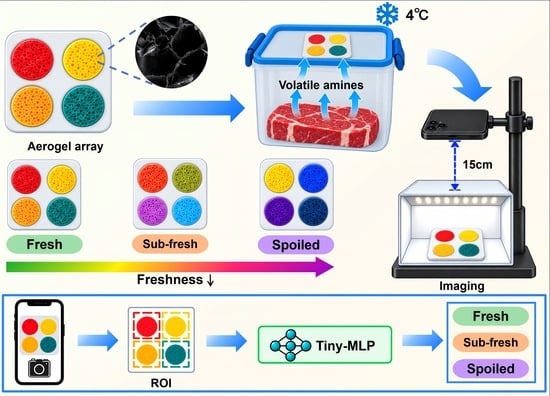
Rapid assessment of chilled-meat freshness is constrained by conventional laboratory-based measurements. Although food-detection studies emphasize predictive performance, computational cost is reported less consistently. Here, we developed a 2 × 2 colorimetric sensor array based on a porous konjac glucomannan (KGM)/gelatin/starch/SiO2 aerogel substrate
[...] Read more.
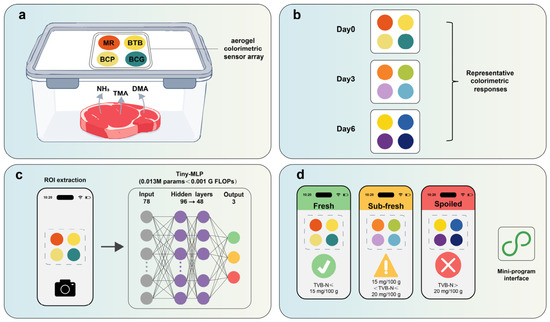
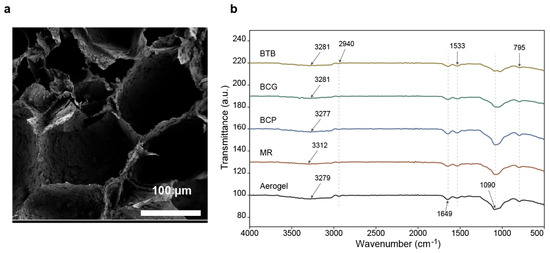
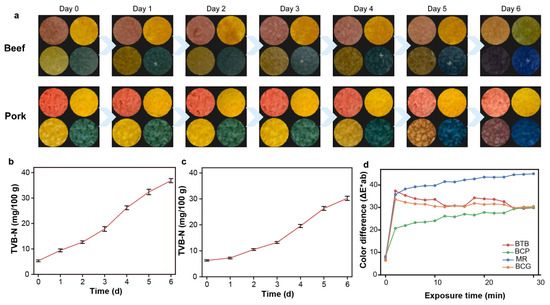
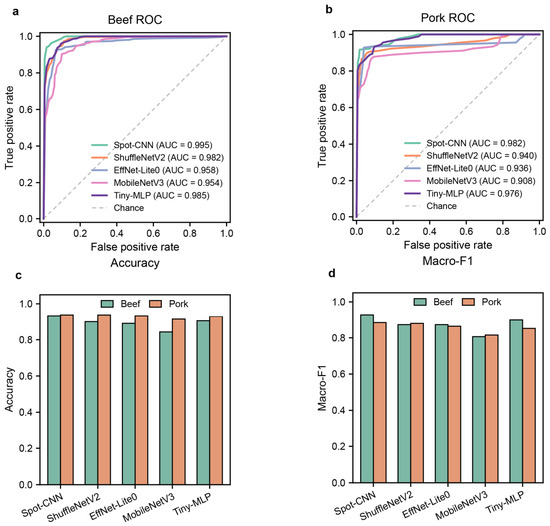
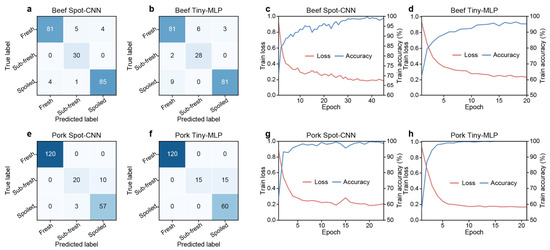
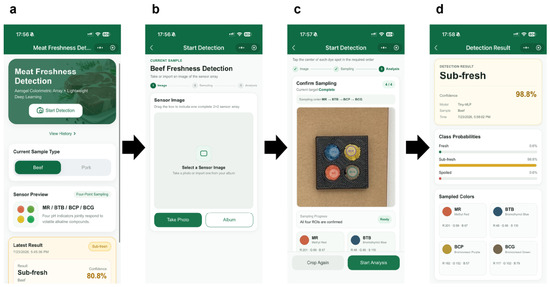
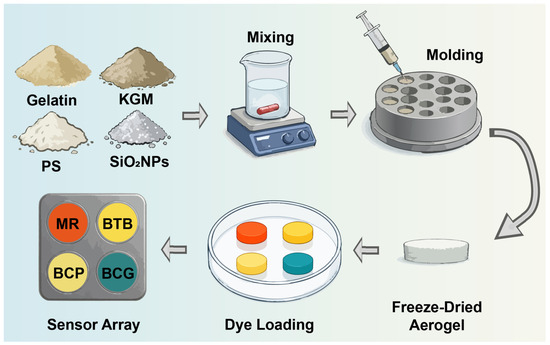
Rapid assessment of chilled-meat freshness is constrained by conventional laboratory-based measurements. Although food-detection studies emphasize predictive performance, computational cost is reported less consistently. Here, we developed a 2 × 2 colorimetric sensor array based on a porous konjac glucomannan (KGM)/gelatin/starch/SiO2 aerogel substrate loaded with four pH-sensitive dyes. Sensor images were acquired with a smartphone under standardized conditions, and four dye-responsive regions of interest (ROIs) were manually extracted and assembled into 2 × 2 dye-grid images. Five lightweight models—Spot-CNN, ShuffleNetV2-0.5x, EfficientNet-Lite0, MobileNetV3-Small and Tiny-MLP—were evaluated for classifying beef and pork freshness as Fresh, Sub-fresh or Spoiled. During chilled storage, the sensor color responses showed broadly consistent temporal trends with total volatile basic nitrogen (TVB-N). Under the fixed group-level split, Spot-CNN achieved image-unit-level accuracies of 0.933 and 0.938 and macro-AUC values of 0.995 and 0.982 on the beef and pork test sets, respectively. Tiny-MLP contained 0.013 M parameters and required less than 0.001 G floating-point operations, demonstrating lower computational cost. These results establish a controlled-laboratory prototype integrating an aerogel colorimetric sensor array, standardized smartphone image processing and lightweight-model comparison for multi-meat freshness screening. Further validation across meat batches, smartphone devices, lighting conditions and deployment environments is required.
Full article
(This article belongs to the Special Issue Hydrogels for Food Safety and Sensing Applications)
►▼
Show Figures

Graphical abstract
Open AccessArticle
Development and Characterization of Phlomis brachyodon Extract-Loaded Thermoresponsive In Situ Gels: Antioxidant Activity, Wound-Healing Evaluation in a Rat Excision Model, and Potential Anticancer Activity
by
Nour Aboalhaija, Fatimah AL-Dulaimi, Osama H. Abusara, Fatma Afifi, Heba Syaj, Baraa Hajjaj, Wasan Al-Farhan and Rania Hamed
Gels 2026, 12(10), 909; https://doi.org/10.3390/gels12100909 - 9 Oct 2026
Abstract
This study aimed to characterize butanol and methanol extracts of Phlomis brachyodon (P. brachyodon) and incorporate them into thermoresponsive in situ gels (F1 and F2, respectively) to evaluate their wound-healing activity. Total phenolic content (TPC), total flavonoid content (TFC), and antioxidant
[...] Read more.
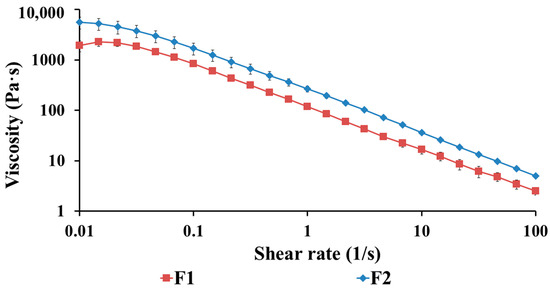
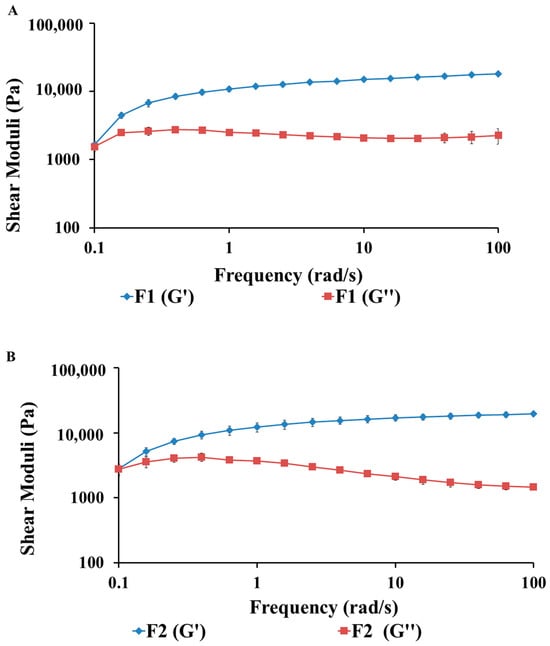
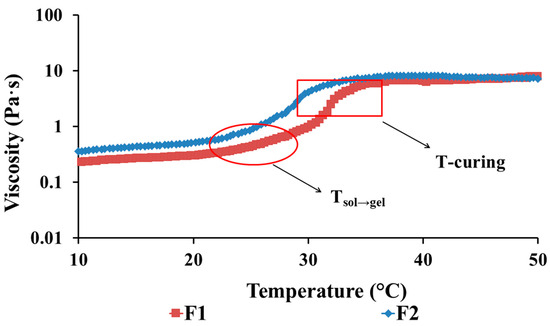
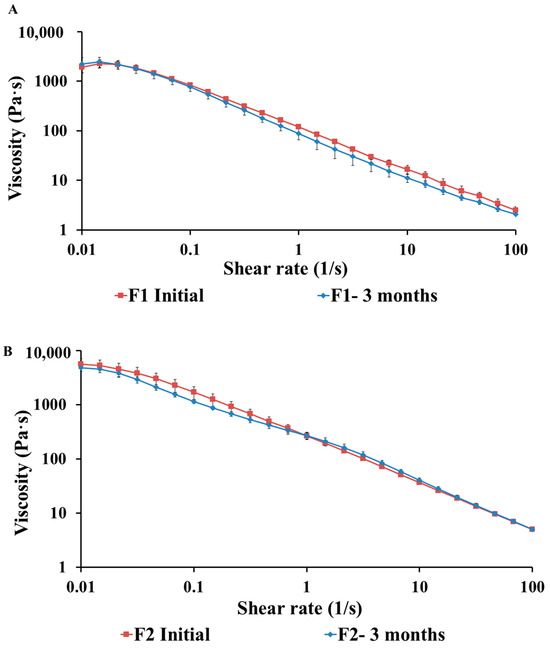
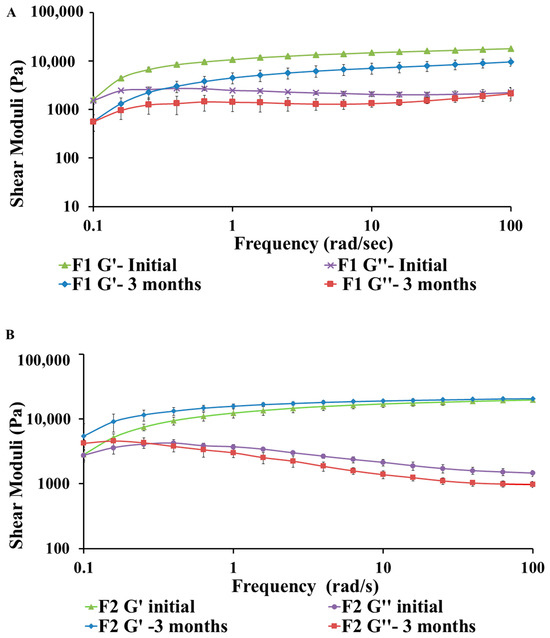
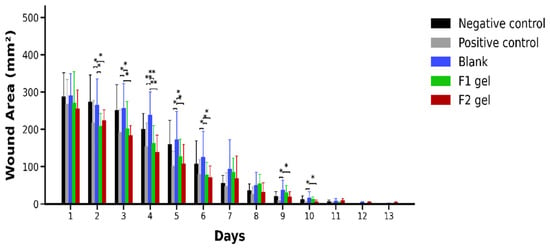
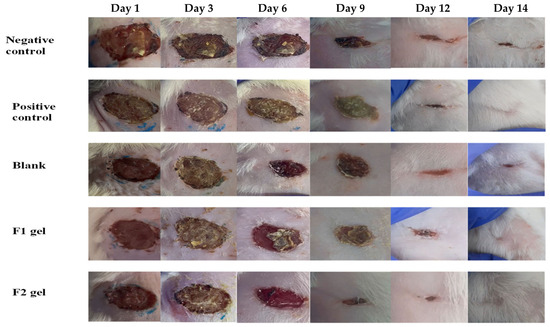
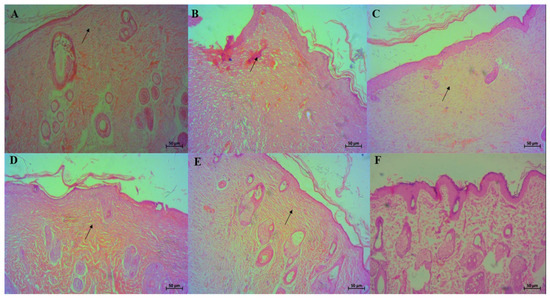
This study aimed to characterize butanol and methanol extracts of Phlomis brachyodon (P. brachyodon) and incorporate them into thermoresponsive in situ gels (F1 and F2, respectively) to evaluate their wound-healing activity. Total phenolic content (TPC), total flavonoid content (TFC), and antioxidant activity of the extracts were determined. Extracts were profiled by LC–MS. The rheological properties of the gels, using a controlled-stress rheometer, and their wound-healing activity and histological examinations were evaluated. Cell viability assays of the extracts were conducted against human gingival fibroblasts (HGF) and a small-cell lung cancer cell line (H69). The methanol extract showed higher TPC and TFC values and stronger antioxidant activity than the butanol extract (IC50, 55.82 ± 8.94 versus 144.11 ± 10.95 µg/mL). F1 and F2 underwent a sol–gel transition at temperatures suitable for topical application and exhibited shear-thinning behavior with predominantly elastic behavior. Both extract-loaded gels promoted wound contraction, with F2 producing the greatest reduction in wound area and near-complete closure by day 15. F1 and F2 gels showed complete re-epithelialization. LC–MS profiling detected 37 constituents and showed greater chemical diversity in the methanol extract. Both extracts had selectivity indices greater than 30 against H69 cancer cells, with IC50 values of 3.16 and 2.24 µg/mL for the butanol and methanol extracts, respectively. P. brachyodon extract-loaded thermoresponsive gels, particularly the methanol extract formulation, showed promising antioxidant and wound-healing activity. In conclusion, these findings support the development of P. brachyodon topical formulations and demonstrate anticancer activity, particularly against H69 lung cancer cells, for P. brachyodon extracts.
Full article
(This article belongs to the Special Issue Biobased Gels for Drugs and Cells (2nd Edition))
►▼
Show Figures

Figure 1
Open AccessEditorial
Engineering Next-Generation Wound Gels for Advanced Healing
by
Kannan Badri Narayanan
Gels 2026, 12(10), 908; https://doi.org/10.3390/gels12100908 - 9 Oct 2026
Abstract
Wound healing is frequently perceived as a straightforward biological process; in practice, however, it remains a major challenge in clinical medicine due to the intricate, overlapping phases of hemostasis, inflammation, proliferation, and tissue remodeling [...]
Full article
(This article belongs to the Special Issue Designing Gels for Wound Dressing (2nd Edition))
Open AccessArticle
Surimi Gel Quality Enhanced by κ-Carrageenan/Konjac Glucomannan and Sodium Caseinate-Stabilized Emulsion
by
Tianzhen Xiong, Lala Li, Guanchen Wu, Lihua Zhang and Wei Xu
Gels 2026, 12(10), 907; https://doi.org/10.3390/gels12100907 - 8 Oct 2026
Abstract
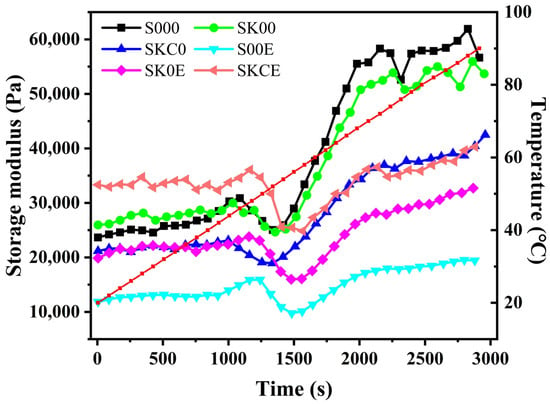
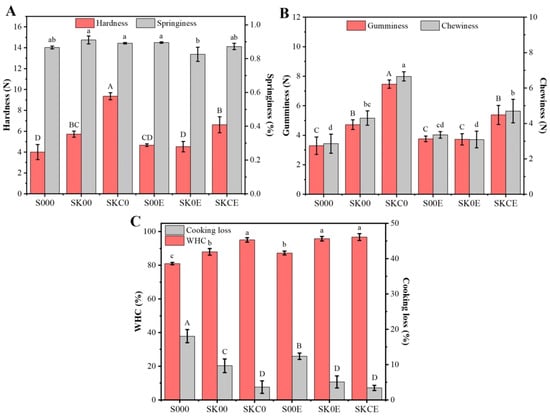
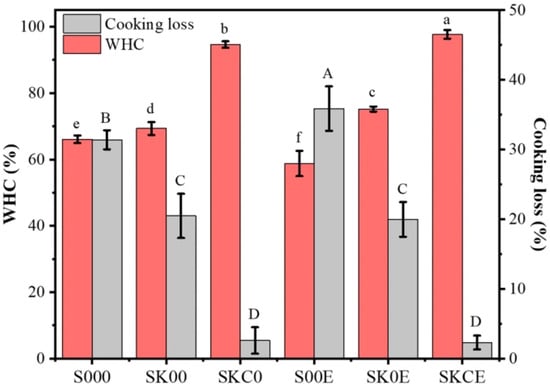
This study investigated the effects of a combination of κ-carrageenan (CRG), konjac glucomannan (KGM) and a sodium caseinate-stabilized camellia oil emulsion on the quality attributes of surimi. The results demonstrated that adding the emulsion alone enhanced the textural properties but failed to increase
[...] Read more.
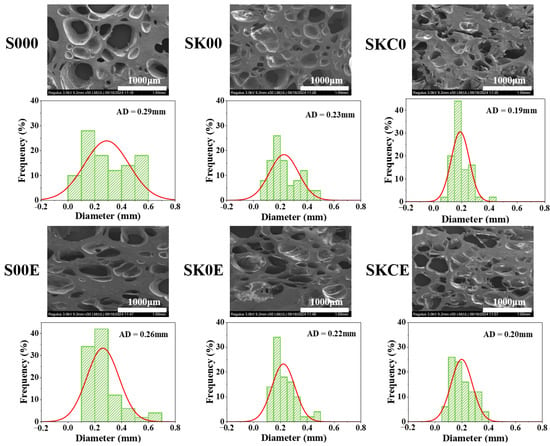
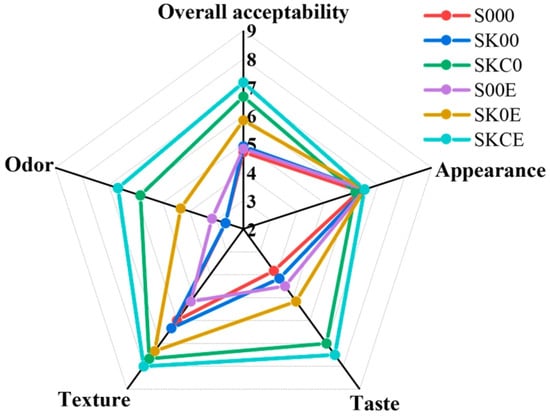
This study investigated the effects of a combination of κ-carrageenan (CRG), konjac glucomannan (KGM) and a sodium caseinate-stabilized camellia oil emulsion on the quality attributes of surimi. The results demonstrated that adding the emulsion alone enhanced the textural properties but failed to increase the water-holding capacity (WHC) or reduce cooking loss. In contrast, incorporating both polysaccharides with the emulsion reduced cooking loss to 7.3% of that of the control (2.3 ± 1.0% vs. 31.4 ± 1.4%) and increased the WHC to 97.7 ± 1.3%, representing a 47.8% improvement over the control (66.1 ± 1.2%). Furthermore, this ternary composite system yielded substantial enhancements in the textural profile of the gels. These improvements were attributed primarily to the formation of hydrogen bonds between the polysaccharides and surimi proteins, which strengthened intermolecular interactions. Microstructural observations corroborated this mechanism, revealing that the composite system promoted the formation of a denser and more uniform network, which improved the freeze–thaw stability of the surimi. Sensory evaluation indicated that the combined treatment enhanced the flavor profile and acceptability of surimi gels. Thus, KGM and CRG can be combined with sodium caseinate-stabilized camellia oil emulsion to improve the quality of surimi gels. These results offer valuable theoretical guidance for advancing surimi-based foods.
Full article
(This article belongs to the Special Issue Preparation, Structure–Property Relationships, and Applications of Emulsion Gels)
►▼
Show Figures

Figure 1
Open AccessReview
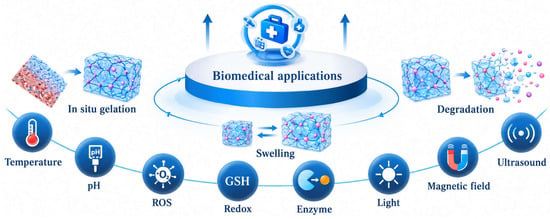
Multi-Stimuli-Responsive Hydrogels: From Strategic Design to Biomedical Applications
by
Sijing Yi, Hao-Ying Li and Ru Chang
Gels 2026, 12(10), 906; https://doi.org/10.3390/gels12100906 - 8 Oct 2026
Abstract
Multi-stimuli-responsive hydrogels have emerged as versatile biomaterial platforms for biomedical applications owing to their capacity to recognize and respond to multiple environmental signals. Such integration can provide responsiveness to signals that vary spatially and temporally. However, the effectiveness of such integrated systems requires
[...] Read more.
Multi-stimuli-responsive hydrogels have emerged as versatile biomaterial platforms for biomedical applications owing to their capacity to recognize and respond to multiple environmental signals. Such integration can provide responsiveness to signals that vary spatially and temporally. However, the effectiveness of such integrated systems requires more than simply incorporating signal-recognition components: the response characteristics of individual components must be preserved after integration and translated into measurable network-level changes rather than inferred from component-level sensitivity alone. This review develops a structure–response–application framework for multi-stimuli-responsive biomedical hydrogels. Strategies based on responsive polymer segments, dynamic covalent bonds, and functional nanocomposites are examined according to how responsive components are structurally integrated and coordinated to achieve application-specific functions. By connecting component integration with biomedical function, this cross-scale framework provides criteria for selecting integration strategies and assessing whether multiple responses are functionally coordinated rather than merely coincident.
Full article
(This article belongs to the Topic Advanced Biomaterials for Drug Delivery)
►▼
Show Figures

Figure 1
Open AccessArticle
Salt-Tolerant Non-Crosslinked Polymer Networks for High-Temperature Weighted Fracturing Fluids in Deep Hydrocarbon Reservoirs
by
Jv Liu, Xin Qiao, Jianxin Peng, Lili Yan, Qingsong Cheng, Fei Peng, Bowen Zhong, Shulong Chen, Lingfeng Wu and Yang Bai
Gels 2026, 12(10), 905; https://doi.org/10.3390/gels12100905 - 8 Oct 2026
Abstract
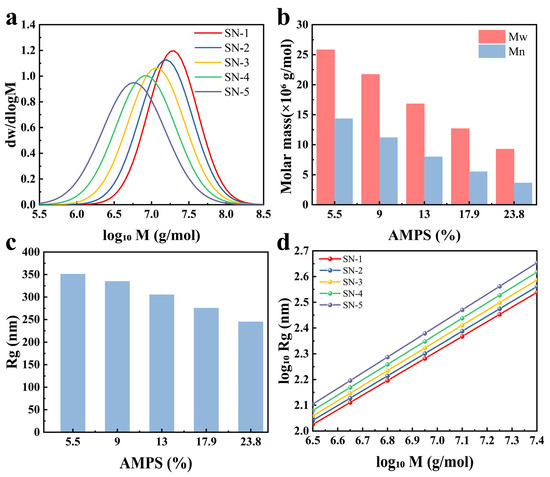
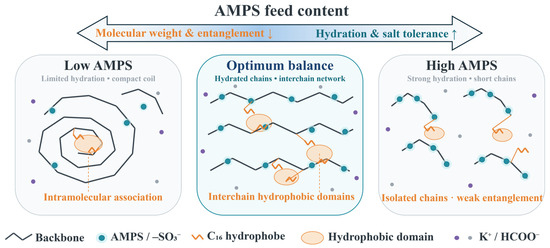
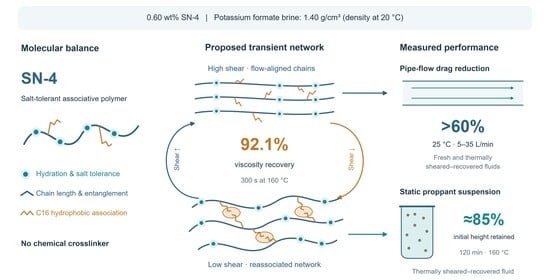
High-density potassium formate fracturing fluids require polymers that hydrate in concentrated brine while providing low friction and proppant suspension at high temperature. We hypothesized that the 2-acrylamido-2-methylpropanesulfonic acid (AMPS) content balances salt-tolerant hydration against molar-mass-dependent chain entanglement, enabling a reversible non-crosslinked network. Five
[...] Read more.
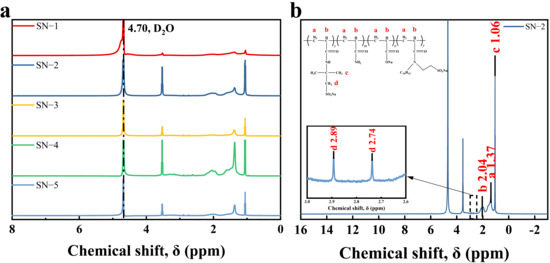
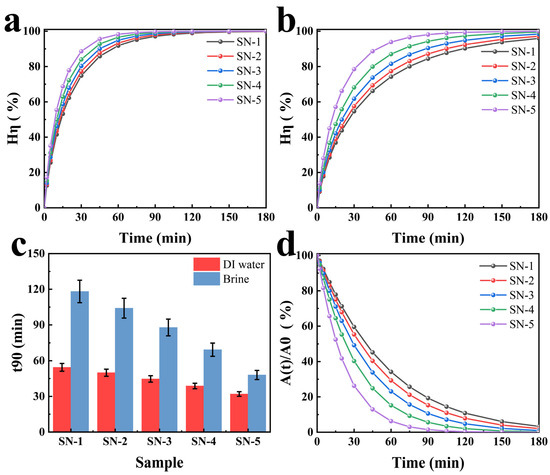
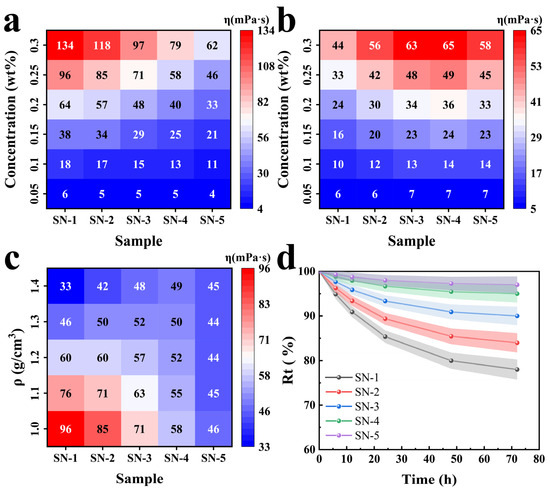
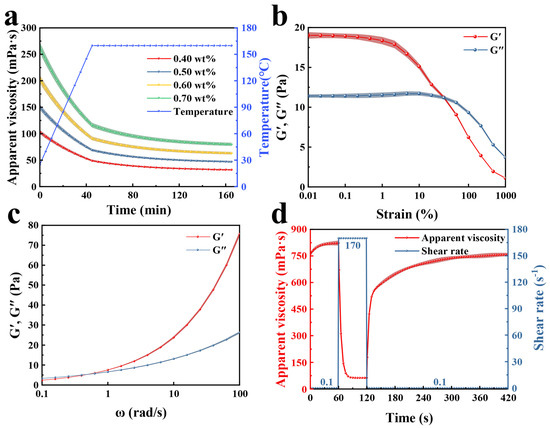
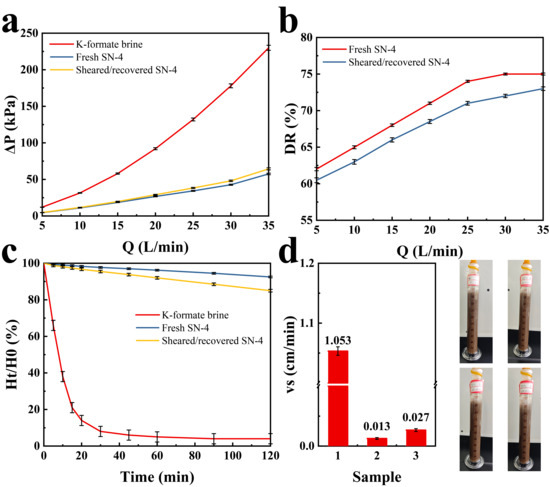
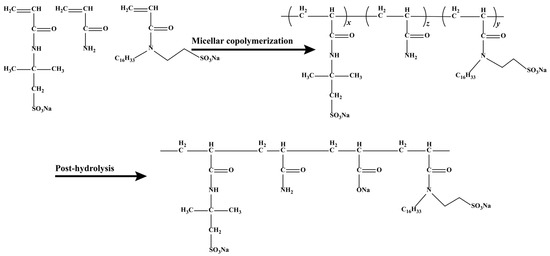
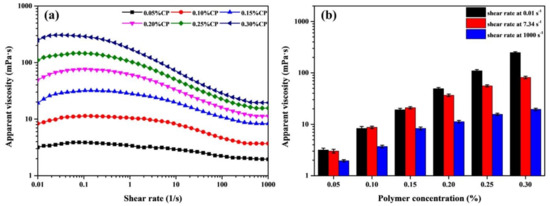
High-density potassium formate fracturing fluids require polymers that hydrate in concentrated brine while providing low friction and proppant suspension at high temperature. We hypothesized that the 2-acrylamido-2-methylpropanesulfonic acid (AMPS) content balances salt-tolerant hydration against molar-mass-dependent chain entanglement, enabling a reversible non-crosslinked network. Five hydrophobically associating copolymers based on acrylamide (AM) and AMPS, with AMPS feed contents of 5.5–23.8 wt%, were synthesized by low-temperature micellar copolymerization followed by post-hydrolysis. Polymer structure, molar mass, and solution conformation were determined by proton nuclear magnetic resonance spectroscopy and size-exclusion chromatography coupled with multi-angle light scattering. Hydration and thickening were evaluated in 1.40 g/cm3 potassium formate brine, followed by rheological testing at 160 °C, pipe-flow drag-reduction testing, and static proppant-suspension testing. Increasing the AMPS feed content decreased the weight-average molar mass from 25.83 × 10⁶ to 9.26 × 10⁶ g/mol, increased the chain-conformation exponent from 0.570 to 0.610, and shortened the time required to reach 90% hydration (t90) from approximately 118 to 48 min. SN-4, containing 17.9 wt% AMPS, provided the best overall balance. A 0.60 wt% SN-4 fluid retained approximately 63 mPa·s after shearing at 160 °C and 170 s−1 and recovered 92.1% of its viscosity after 300 s. Fresh and thermally sheared–recovered fluids maintained drag-reduction rates above 60%, and the recovered fluid reduced proppant settling velocity by 97.4%. These results support the proposed balance and demonstrate the potential of this reversible network for high-temperature weighted fracturing fluids in deep hydrocarbon reservoirs.
Full article
(This article belongs to the Topic Enhanced Oil Recovery Technologies, 4th Edition)
►▼
Show Figures

Graphical abstract
Open AccessArticle
Development and Evaluation of a Novel Zwitterionic Surfactant-Based Foaming Formulation for Gas Well Deliquification
by
Sanbao Dong, Yao Yan, Haifeng Liu, Jiakui Chen, Jinhua Li, Weiwei Han and Chao Ma
Gels 2026, 12(10), 904; https://doi.org/10.3390/gels12100904 - 8 Oct 2026
Abstract
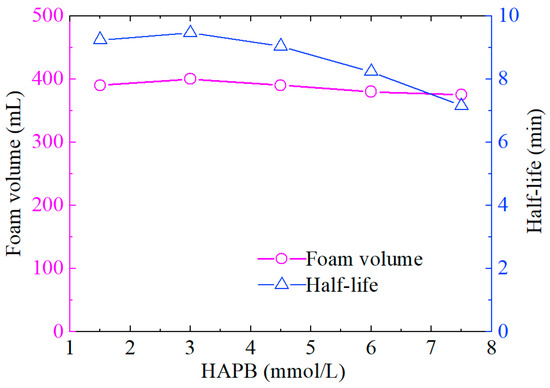
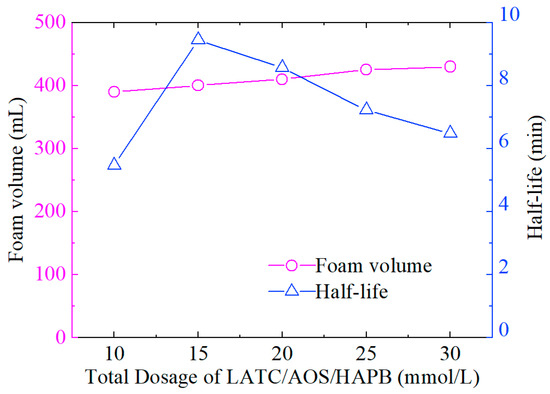
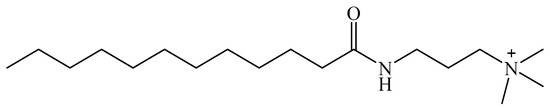
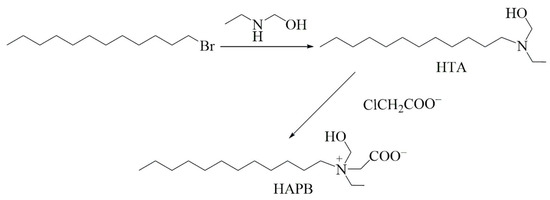
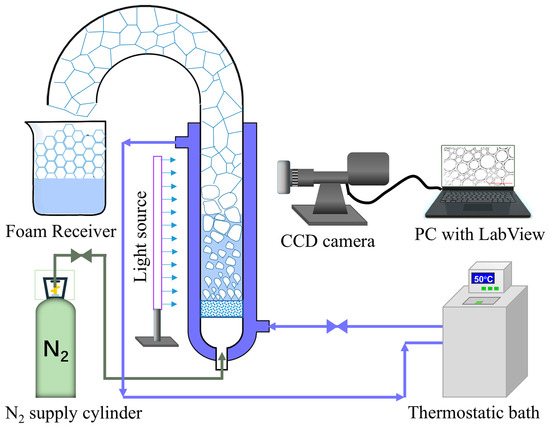
A novel zwitterionic surfactant (HAPB) was synthesized and combined with lauramidopropyl trimethylammonium chloride (LATC) and alpha olefin sulfonate (AOS) to form a high-performance foaming formulation for gas well deliquification. The optimized LATC/AOS/HAPB formulation (15 mmol/L, molar ratio of 16/4/5) achieved a foaming volume
[...] Read more.
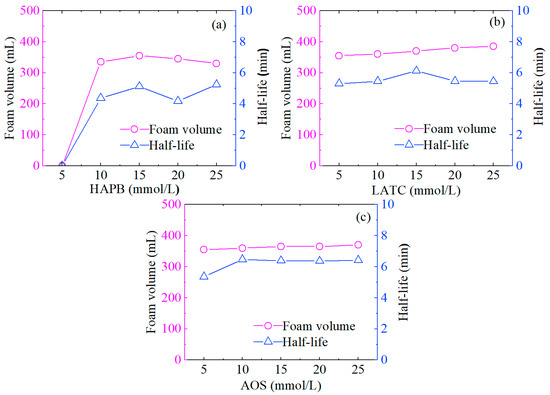
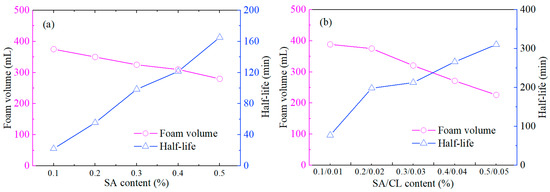
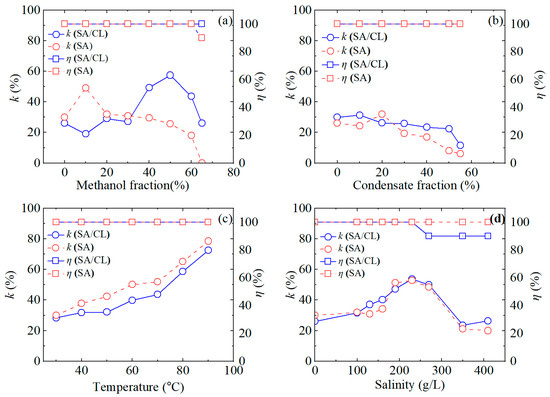
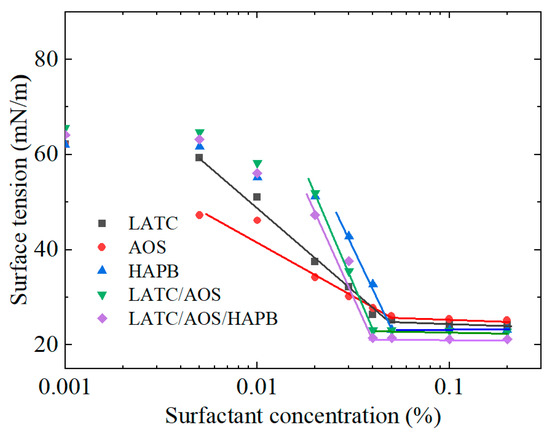
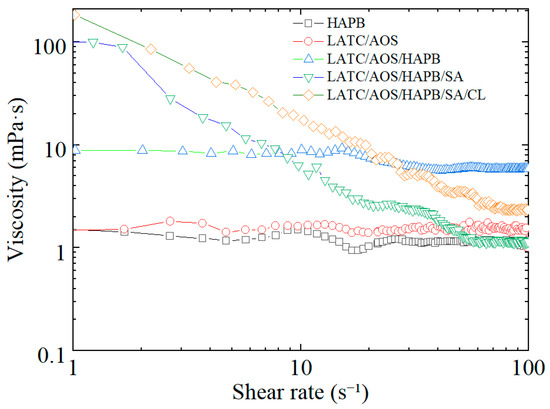
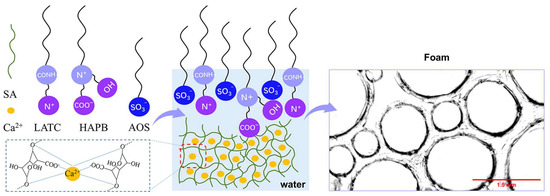
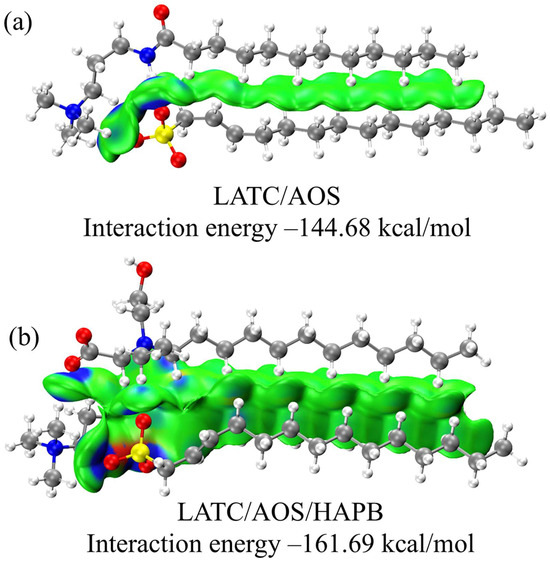
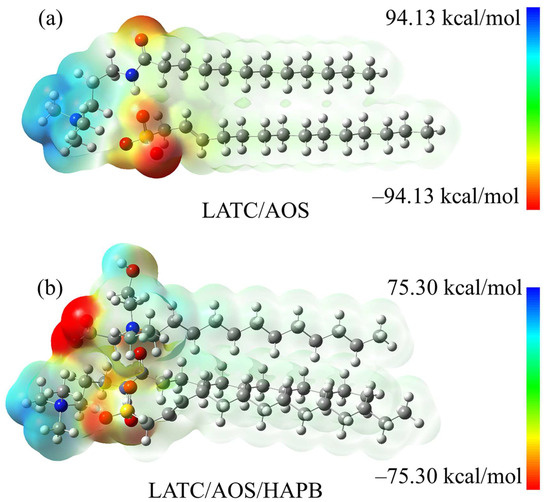
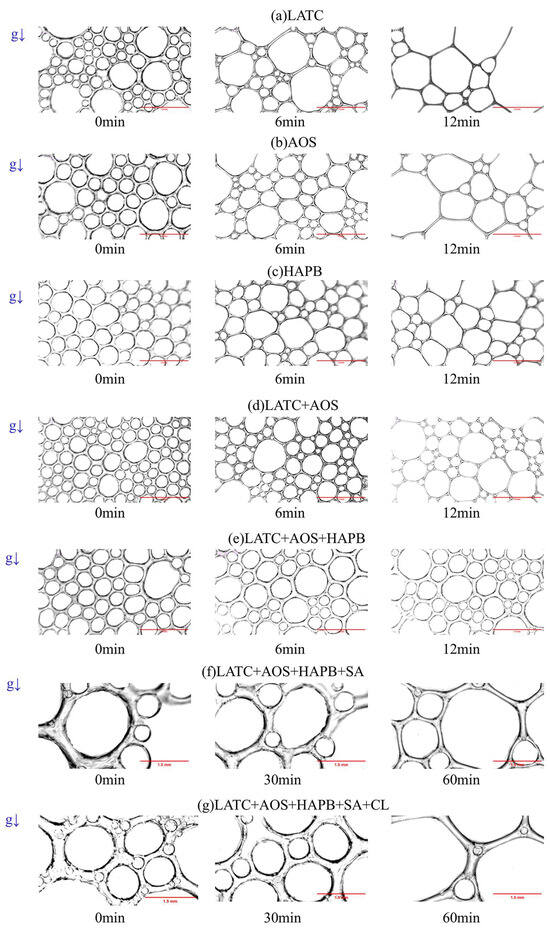
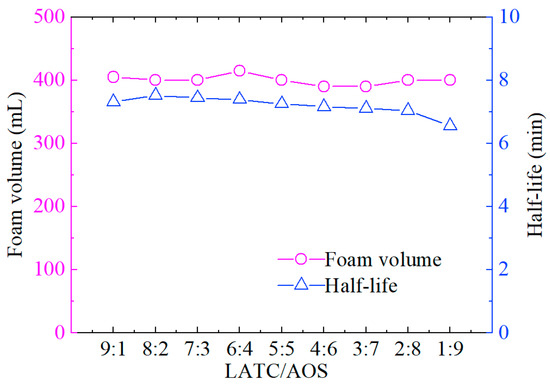
A novel zwitterionic surfactant (HAPB) was synthesized and combined with lauramidopropyl trimethylammonium chloride (LATC) and alpha olefin sulfonate (AOS) to form a high-performance foaming formulation for gas well deliquification. The optimized LATC/AOS/HAPB formulation (15 mmol/L, molar ratio of 16/4/5) achieved a foaming volume and half-life of 400 mL and 9.46 min, respectively. Adding 0.2% sodium alginate (SA), a green polymer, the LATC/AOS/HAPB/SA foam’s volume dropped to 350 mL; however, its half-life ramped to 55.47 min. With 0.1 SA and 0.01% calcium lactate (CL), the LATC/AOS/HAPB/SA/CL system exhibited excellent foaming and liquid-carrying performance. At 50% methanol, its liquid-carrying rate reached its maximum (57.44%), while the foaming rate remained 100%. Condensate oil slightly reduced the LATC/AOS/HAPB/SA/CL mixture’s liquid-carrying performance, but did not affect its foaming ability, which was maintained at 100% below 50% condensate oil content. The foaming formulation demonstrated outstanding salt resistance, producing a liquid-carrying rate of 26.40% and a foaming rate of 90% at an extremely high salinity of 410 g/L, which was the highest level reported in the literature to date. Furthermore, surface tension tests and the foam’s morphological analysis verified the presence of synergy among the LATC/AOS/HAPB/SA/CL system, which effectively enhanced its foaming capability, foam stability, and liquid-carrying ability.
Full article
(This article belongs to the Section Gel Applications)
►▼
Show Figures

Figure 1
Open AccessReview
Research Progress of Polyacrylamide Gels for Oilfield Applications: A Systematic Review
by
Ruiqiang Dong, Guanyu Chen, Daoyong Li, Xinyue Cui, Qianbing Lin, Xingyao Gao, Shiyu Zhang, Lianghui Guo and Fei He
Gels 2026, 12(10), 903; https://doi.org/10.3390/gels12100903 - 7 Oct 2026
Abstract
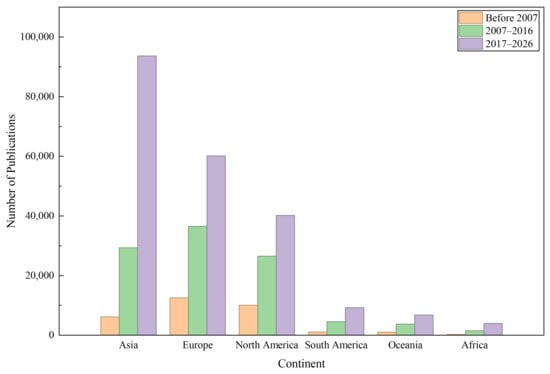
In the middle-to-late stage of reservoir development, widespread high-permeability channeling exacerbates ineffective water circulation and impairs crude oil recovery. This work explores polyacrylamide (PAM) gels intended for oilfield profile control and water shut-off. It comprehensively compares gelation behaviors and performance metrics of diverse
[...] Read more.
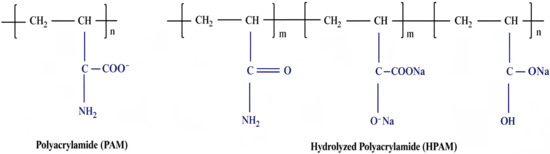
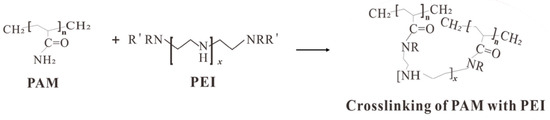
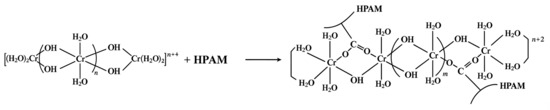
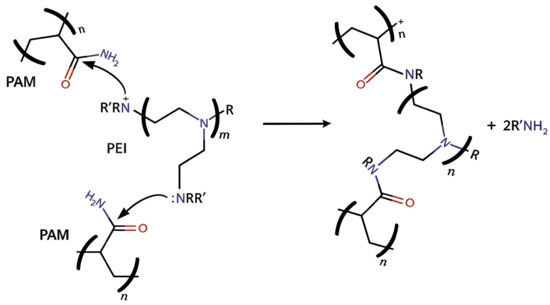
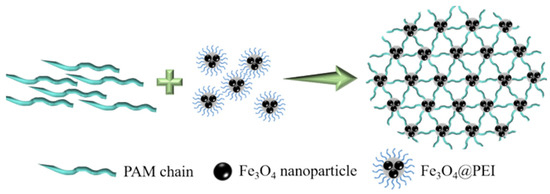
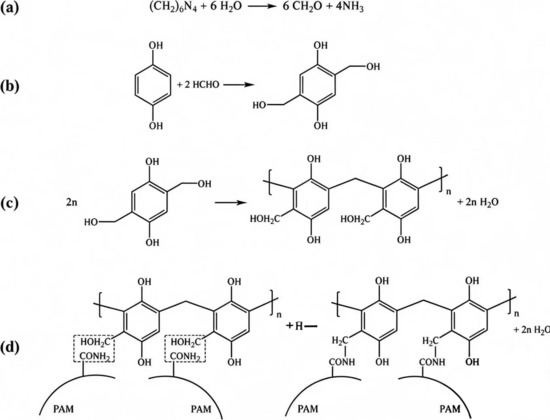
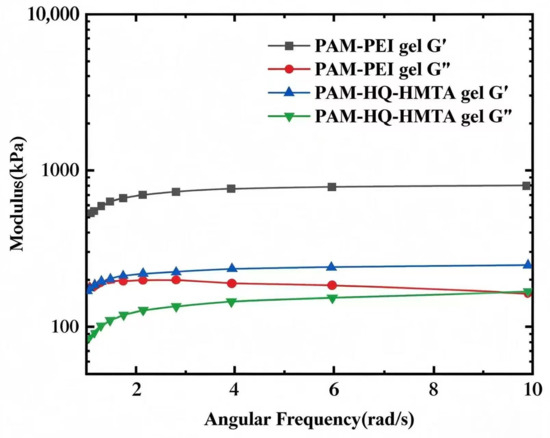
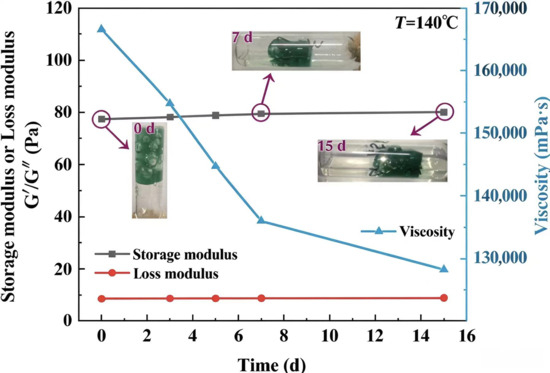
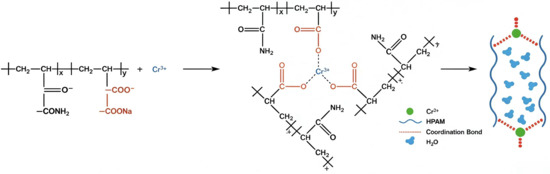
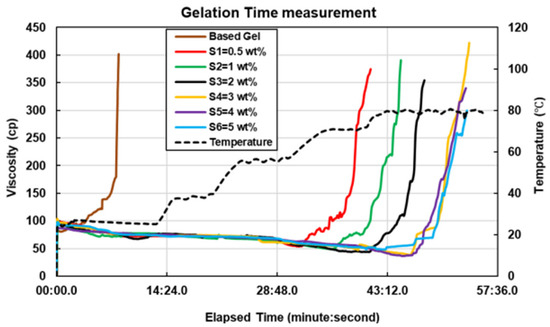
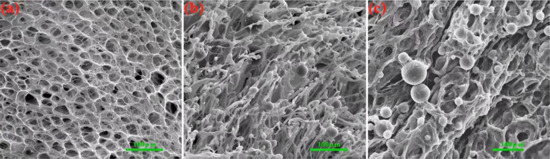
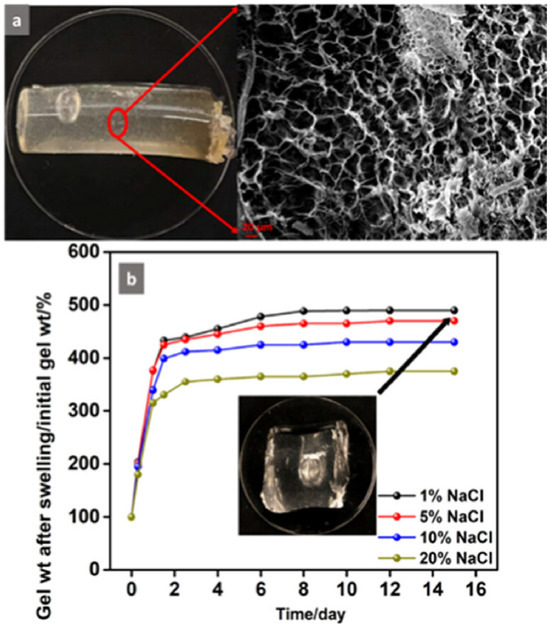
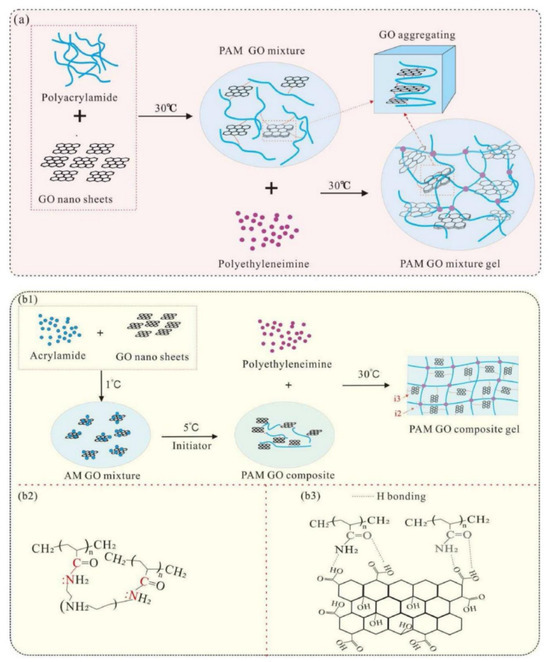
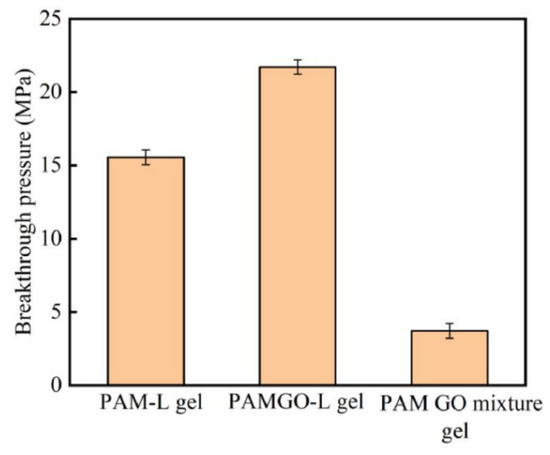
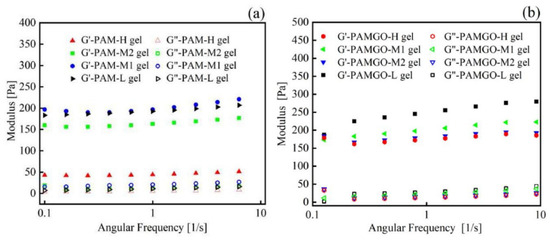
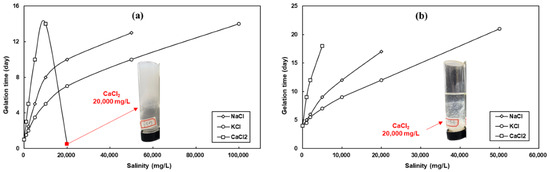
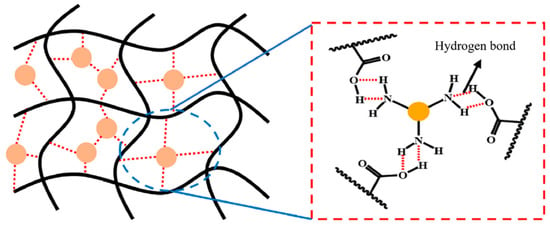
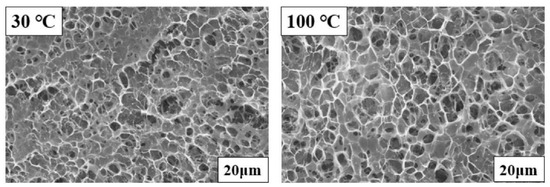
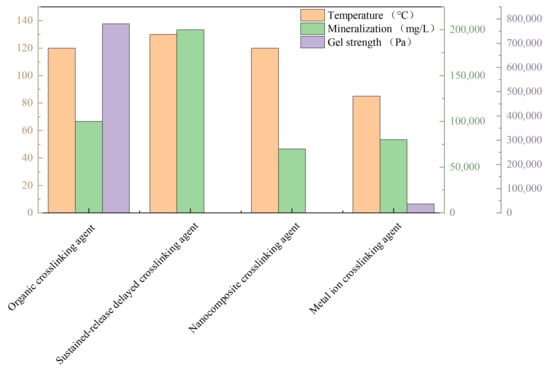
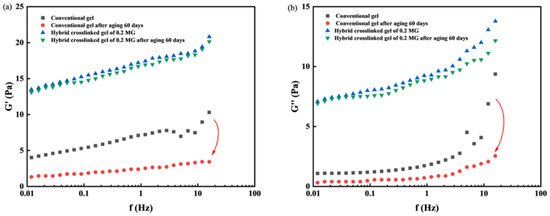
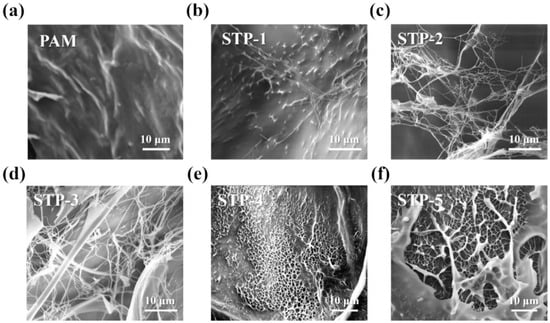
In the middle-to-late stage of reservoir development, widespread high-permeability channeling exacerbates ineffective water circulation and impairs crude oil recovery. This work explores polyacrylamide (PAM) gels intended for oilfield profile control and water shut-off. It comprehensively compares gelation behaviors and performance metrics of diverse cross-linking and modification strategies, and pinpoints critical unresolved research gaps. Four representative PAM-gel systems are analyzed in detail, including organic-crosslinked, metal-crosslinked, nano-composite-modified, and delayed-crosslinker formulations. The results show that polyethyleneimine (PEI) cross-linked gels achieve a storage modulus of 780 kPa at 110 °C, which is superior to the conventional hydroquinone-hexamethylenetetramine (HQ-HMTA) system. Metal-crosslinked gels are prone to syneresis and structural instability above 70 °C. Nanocomposite modification significantly enhances gel comprehensive properties: nano-silica improves thermal resistance to 155.5 °C; modified nano-graphite doubles storage modulus (G′), shortens gelation time by half, and maintains 76.5% of initial modulus after 60-day aging at 130 °C; TOCN-reinforced gels preserve structural integrity under high-salinity environments at 140 °C for 108 h. Delayed-release cross-linkers can extend gelation time up to 17 days to meet the demands of deep in situ profile control. Furthermore, the emerging data-driven paradigm of artificial-intelligence-assisted gel optimization is also reviewed, together with its current limitations. Future research priorities cover intelligent responsive gel materials, environmentally benign cross-linkers, and unified evaluation specifications for heterogeneous reservoirs. This paper reviews over 100 core publications from 2000 to 2026 based on the Web of Science and Engineering Village databases. Different from existing studies, this work emphasizes the molecular crosslinker mechanisms, nanomodification reinforcement, and field performance variations of PAM gel systems, and concludes the major technical bottlenecks for their application in harsh reservoirs. Meanwhile, it quantitatively compares the performance of modified PAM gel formulations and clarifies the applicable temperature ranges of different crosslinker schemes, providing technical references for the development of PAM plugging agents for complex oil reservoirs.
Full article
(This article belongs to the Section Gel Applications)
►▼
Show Figures

Figure 1
Open AccessArticle
Confined Mg2+-Directed Interfacial Evolution of Primary Structural Units of Mg-MOF-74 on Platelet Clinoptilolite for CO2/CH4, CH4/N2, and CO2/N2 Separations
by
Nan Sun, Tiejun Ma, Shengquan Liu, Tallat Munir, Bang Xu and Jihong Sun
Gels 2026, 12(10), 902; https://doi.org/10.3390/gels12100902 - 7 Oct 2026
Abstract
Controlling MOF nucleation on zeolite surfaces remains challenging when metal ions are freely supplied in solution, often resulting in poorly regulated interfaces. Herein, Mg2+-exchanged platelet clinoptilolite (Mg-PCP) was used as a confined metal source to direct the in situ growth of
[...] Read more.
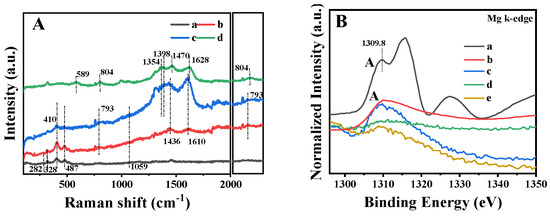
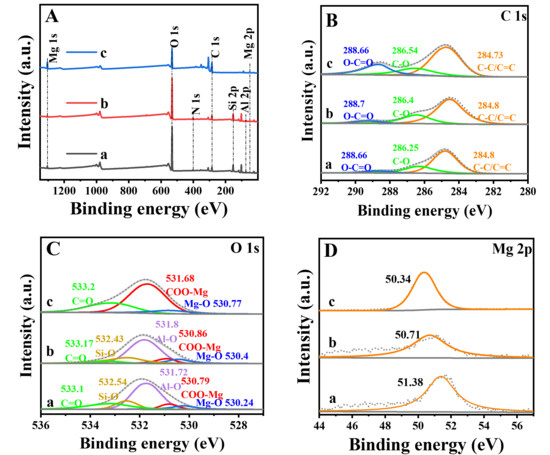
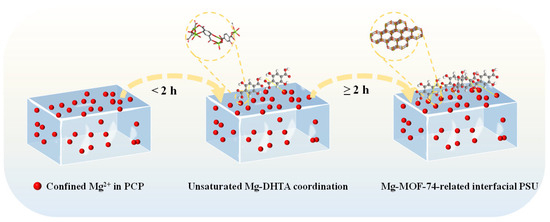
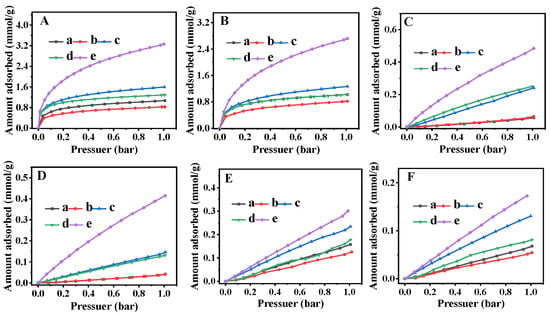
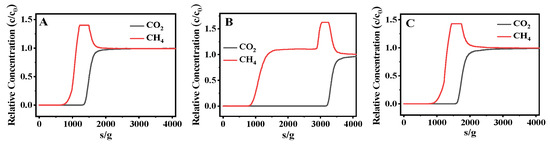
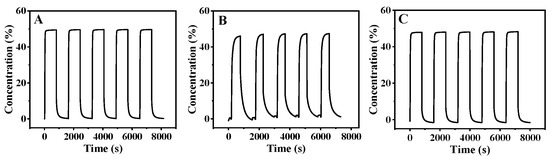
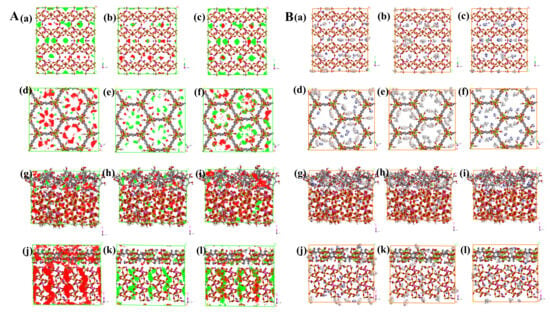
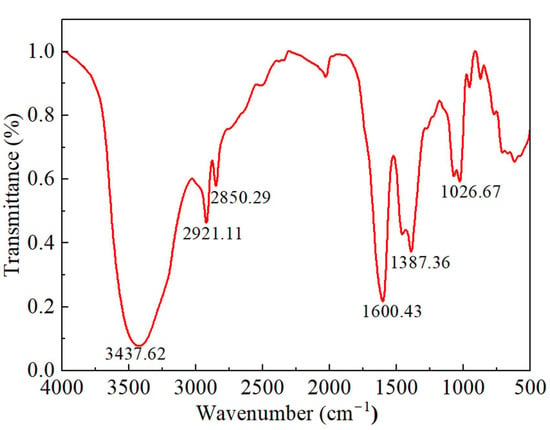
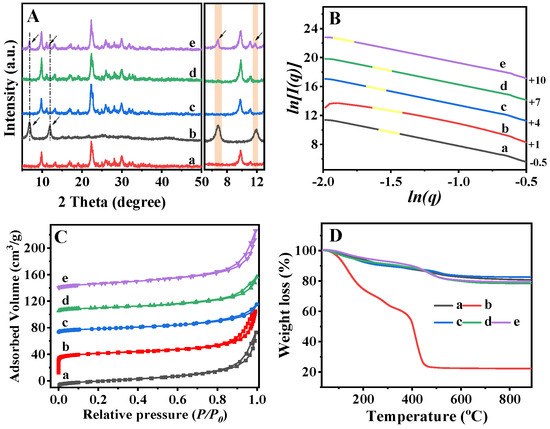
Controlling MOF nucleation on zeolite surfaces remains challenging when metal ions are freely supplied in solution, often resulting in poorly regulated interfaces. Herein, Mg2+-exchanged platelet clinoptilolite (Mg-PCP) was used as a confined metal source to direct the in situ growth of Mg-MOF-74-related sol–gel species (primary structural units, abbreviated as PSUs) without adding external Mg2+ salts. Using 2,5-dihydroxyterephthalic acid (DHTA) as a ligand, the structure features of the prepared PSU@Mg-PCPs revealed the progressive evolution of the disordered Mg-DHTA coordination species into locally ordered, unsaturated Mg-MOF-74-related interfacial subunits, accompanied by gradual interfacial roughening and coordination ordering. The evolving interfaces regulated the adsorption and separation behaviors of CO2, CH4, and N2. At 298 K, PSU@Mg-PCP-10 exhibited apparent CO2/CH4 and CO2/N2 separation factors of 24.23 and 15.01, respectively, higher than those of Mg-PCP (7.83 and 9.01). Meanwhile, PSU@Mg-PCP-180 achieved the highest CO2 uptake of 1.60 mmol g−1 at 273 K. Grand canonical Monte Carlo simulations indicated that the separation behaviors originated from the combined effects of micropore blockage and preferential CO2 adsorption at Mg2+ sites and newly formed interfacial regions. This confined-metal-source strategy provides a metal-efficient route for tailoring zeolite–MOF interfaces and tuning gas-separation performance.
Full article
(This article belongs to the Section Gel Applications)
►▼
Show Figures

Figure 1
Open AccessArticle
DNN Surrogate-Assisted Multi-Objective Optimization for Inverse Process Design of SBS-Modified Asphalt Gels
by
Zongyuan Wu, Xiaoyu Ma, Jiaming Yang, Mengxin Qiu, Yang Sun and Decai Wang
Gels 2026, 12(10), 901; https://doi.org/10.3390/gels12100901 - 7 Oct 2026
Abstract
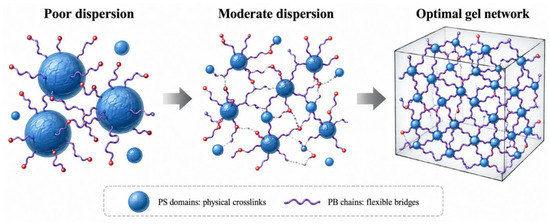
Styrene–butadiene–styrene (SBS)-modified asphalt is a typical physical polymer gel whose macroscopic performance is governed by the coupled effects of processing parameters, material composition, and microstructural characteristics. While machine learning has enabled accurate forward prediction of gel properties, a systematic method to inversely determine
[...] Read more.
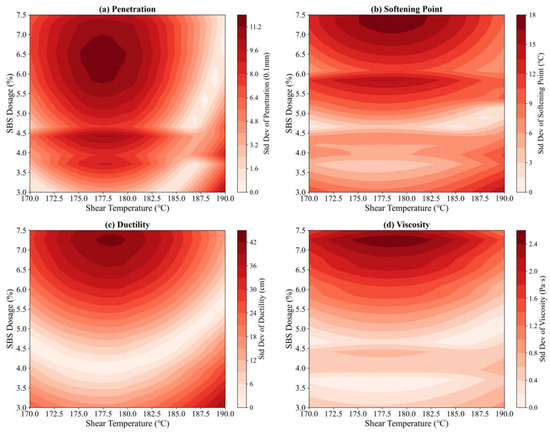
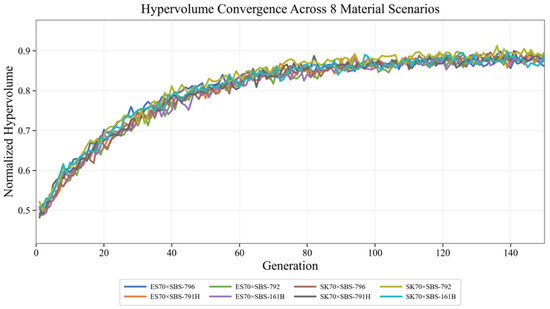
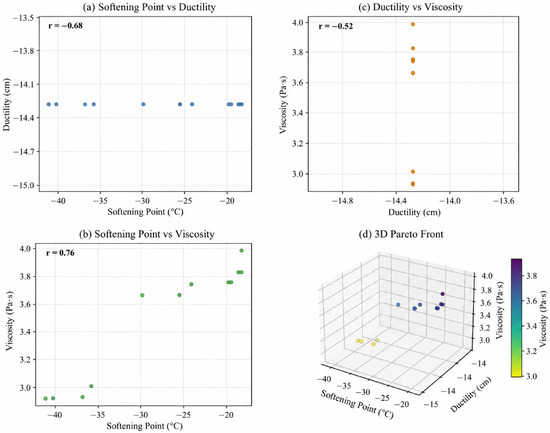
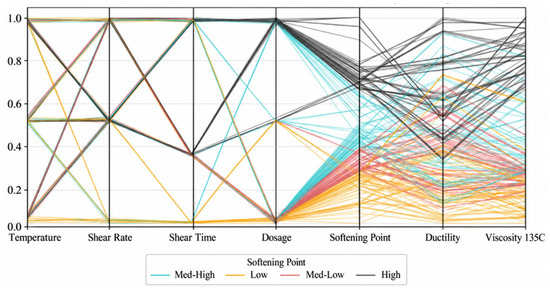
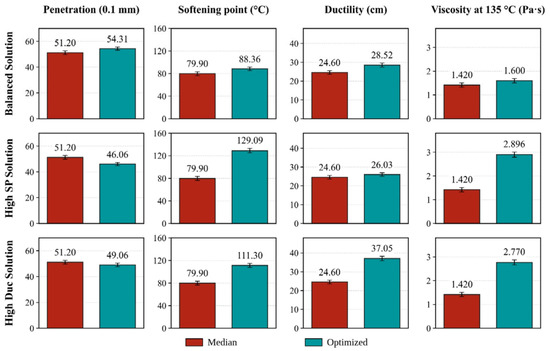
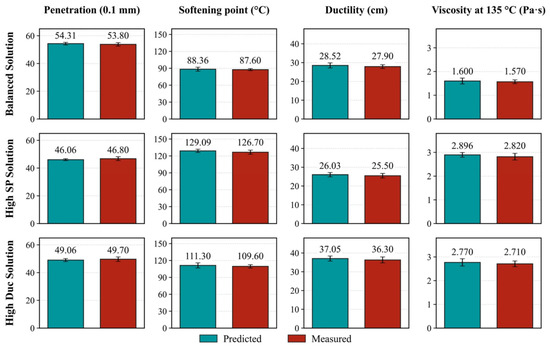
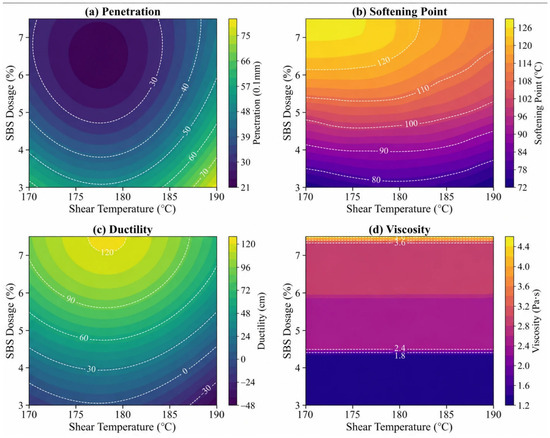
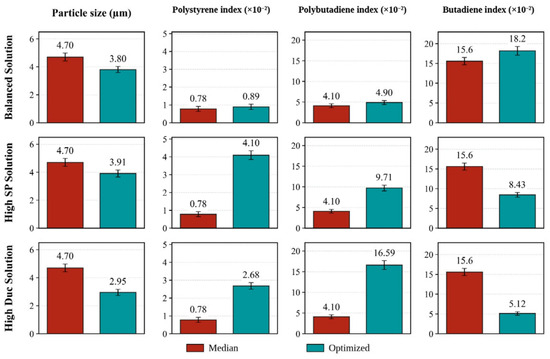
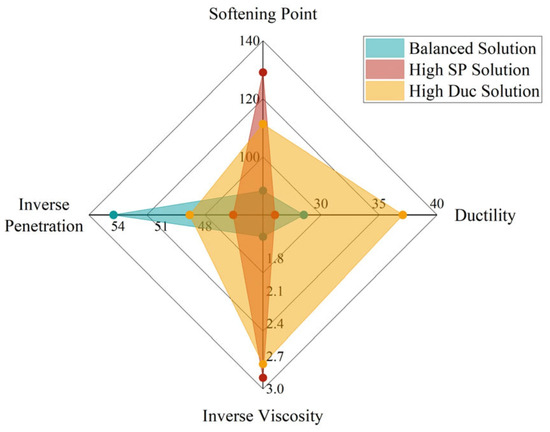
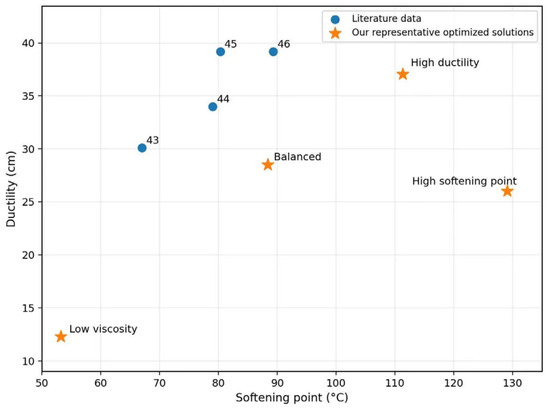
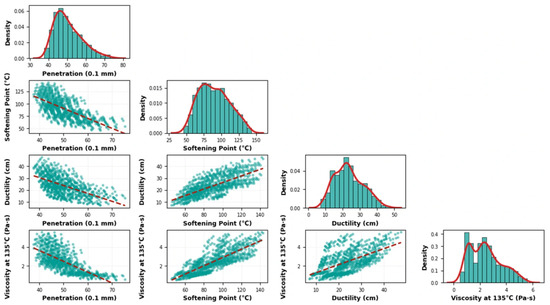
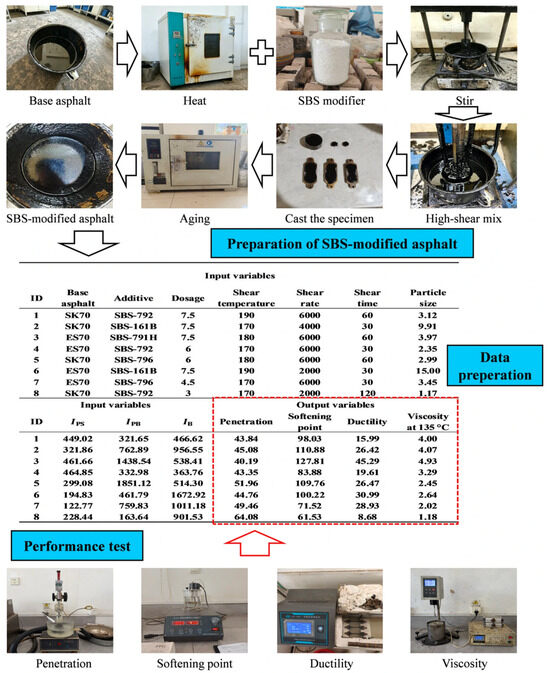
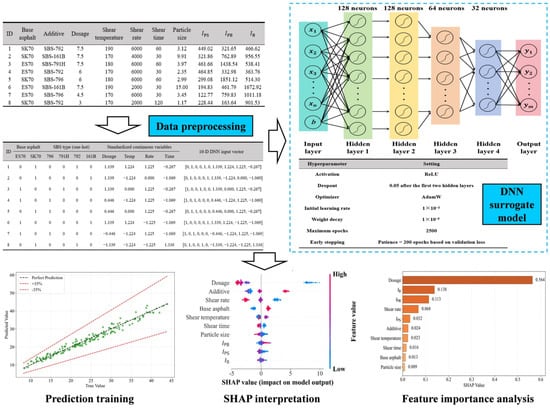
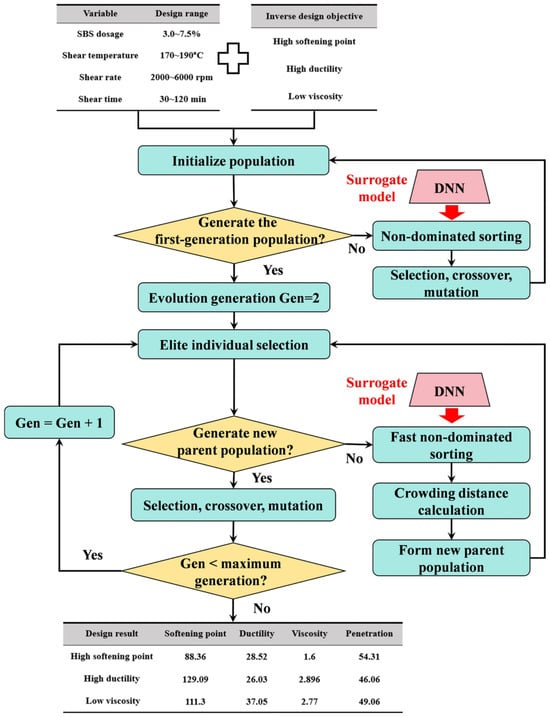
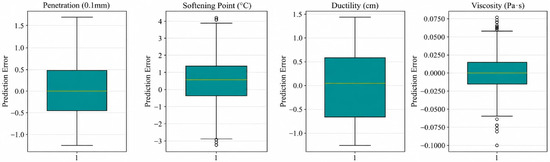
Styrene–butadiene–styrene (SBS)-modified asphalt is a typical physical polymer gel whose macroscopic performance is governed by the coupled effects of processing parameters, material composition, and microstructural characteristics. While machine learning has enabled accurate forward prediction of gel properties, a systematic method to inversely determine optimal processing conditions from desired performance targets remains lacking. This study proposes a surrogate-assisted multi-objective optimization framework that bridges forward prediction and inverse design for SBS-modified asphalt gels. A single multi-output deep neural network (DNN) surrogate was trained to predict penetration, softening point, ductility, and viscosity at 135 °C. After correcting the data-splitting procedure, the independent test-set R2 values ranged from approximately 0.981 to 0.994 across the four outputs. NSGA-II was then used to identify scenario-specific Pareto-optimal processing conditions. Three representative Pareto solutions, including the balanced, high-softening-point, and high-ductility solutions, were experimentally validated. Across the 12 prediction–measurement comparisons, the relative deviations ranged from approximately 0.86% to 2.62%. The framework provides a bounded-domain approach for converting forward property prediction into experimentally testable processing recommendations for SBS-modified asphalt gels.
Full article
(This article belongs to the Section Gel Chemistry and Physics)
►▼
Show Figures

Figure 1
Open AccessArticle
Potential and Safety Assessment of a Hydrogel as a Vitreous Substitute Following Vitrectomy in an Ex Vivo Porcine Model
by
Soheil Sojdeh, Zahra Bibak Bejandi, Miranda Castillo, Gregory Tsougranis, Anwar N. Khandaker, R. V. Paul Chan, Zohreh Arabpour and Ali R. Djalilian
Gels 2026, 12(10), 900; https://doi.org/10.3390/gels12100900 - 7 Oct 2026
Abstract
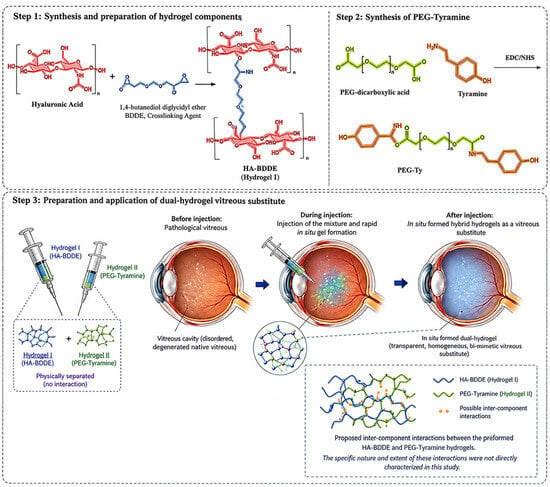
Purpose: To develop and preliminarily evaluate a hyaluronic acid–1,4-butanediol diglycidyl ether (HA-BDDE)/polyethylene glycol–tyramine (PEG-Tyramine) dual-hydrogel designed as a transparent and injectable vitreous substitute with suitable optical, rheological, and cytocompatibility characteristics for potential application following vitrectomy. Methods: HA-BDDE and PEG-Tyramine were prepared separately and
[...] Read more.
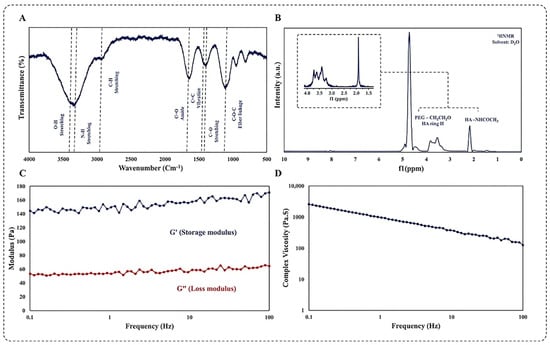
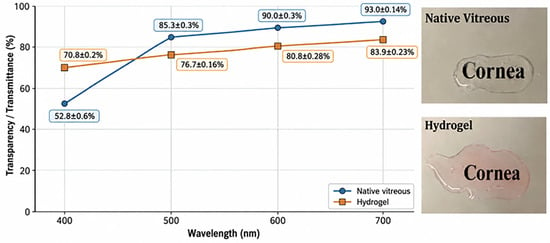
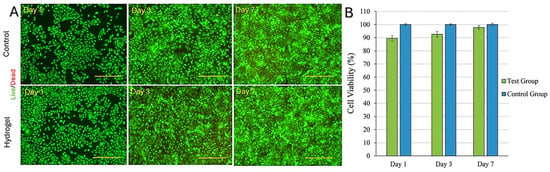
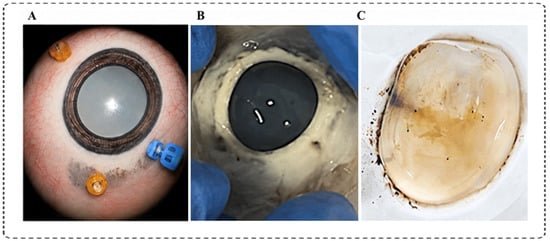
Purpose: To develop and preliminarily evaluate a hyaluronic acid–1,4-butanediol diglycidyl ether (HA-BDDE)/polyethylene glycol–tyramine (PEG-Tyramine) dual-hydrogel designed as a transparent and injectable vitreous substitute with suitable optical, rheological, and cytocompatibility characteristics for potential application following vitrectomy. Methods: HA-BDDE and PEG-Tyramine were prepared separately and combined to form a dual-hydrogel formulation. The resulting hydrogel was characterized using attenuated total reflectance Fourier-transform infrared (ATR-FTIR) spectroscopy, proton nuclear magnetic resonance (1H NMR) spectroscopy, oscillatory rheometry, and spectrophotometry to evaluate its chemical, rheological, and optical properties. Cytocompatibility was assessed using retinal pigment epithelial (RPE) cells through the methyl thiazolyl tetrazolium (MTT) assay and Live/Dead fluorescence staining. Ex vivo performance was evaluated following hydrogel injection into porcine eyes after vitrectomy, with assessment of macroscopic transparency, structural integrity, and retention within the vitreous cavity. Results: The HA-BDDE/PEG-Tyramine formulation formed a transparent and macroscopically homogeneous hydrogel phase. Spectroscopic analyses demonstrated the characteristic chemical functionalities and molecular environments associated with the HA- and PEG-containing components. Rheological analysis showed predominantly elastic, gel-like behavior, with the storage modules exceeding the loss modulus across the investigated frequency range. The hydrogel exhibited measurable and relatively stable visible-light transmission across the evaluated wavelength range. RPE cells maintained high metabolic activity during the culture period, while Live/Dead imaging demonstrated predominantly viable cells with limited dead-cell staining. In the ex vivo porcine model, the hydrogel remained within the vitreous cavity and maintained its macroscopic transparency and structural integrity during the observation period. Conclusions: The HA-BDDE/PEG-Tyramine dual-hydrogel exhibited favorable optical, rheological, cytocompatibility, and short-term ex vivo retention characteristics. These findings support further investigation of this dual-hydrogel system as a potential injectable vitreous substitute following vitrectomy.
Full article
(This article belongs to the Special Issue Biofunctional Hydrogels for Biofabrication in Tissue Engineering)
►▼
Show Figures

Figure 1
Open AccessArticle
Spunlace Cotton Nonwoven-Reinforced Sodium Alginate/Bamboo Charcoal Photothermal Hydrogel Evaporator for Solar-Driven Water Purification
by
Haifeng Zhang, Guangfu Chen, Hao He, Xia Zhu and Tonggang Liu
Gels 2026, 12(10), 899; https://doi.org/10.3390/gels12100899 - 4 Oct 2026
Abstract
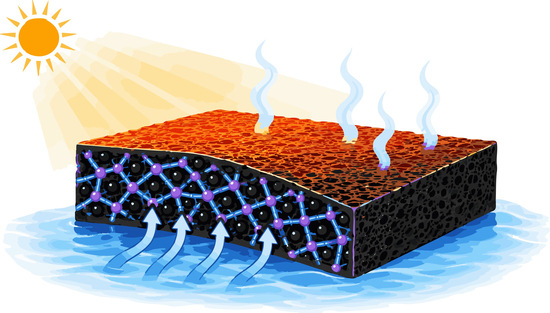
Solar-driven interfacial evaporation offers a low-energy and sustainable route for seawater desalination and the purification of complex water matrices. However, freestanding hydrogel evaporators often suffer from insufficient mechanical robustness and interfacial salt accumulation under high-salinity conditions. Herein, a spunlace cotton nonwoven/sodium alginate/bamboo charcoal
[...] Read more.
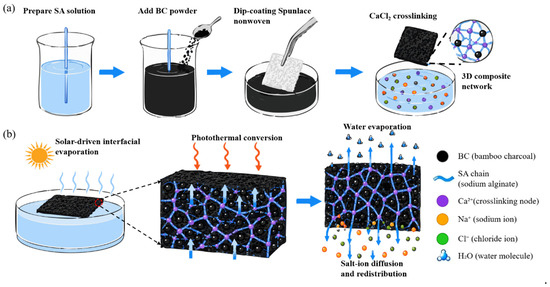
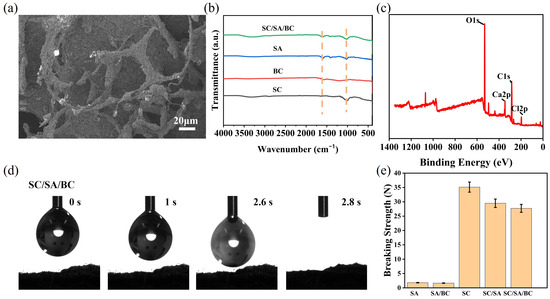
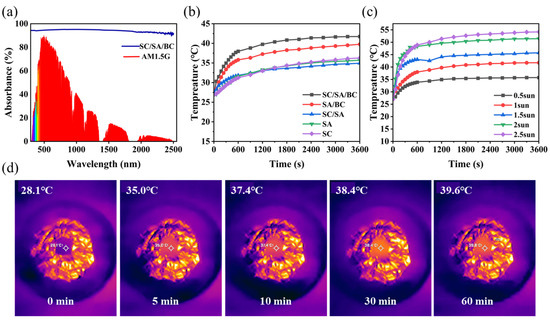
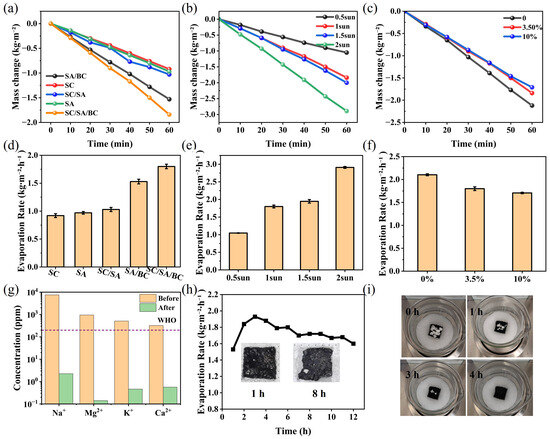
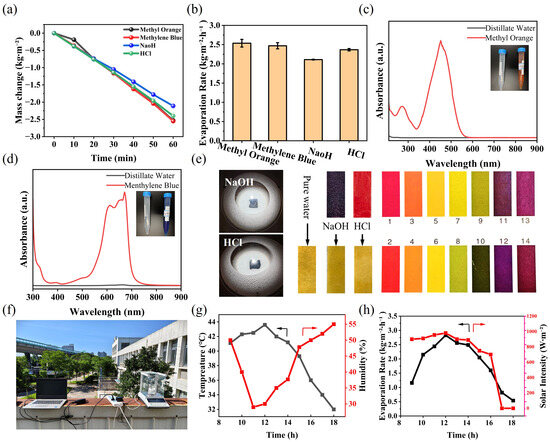
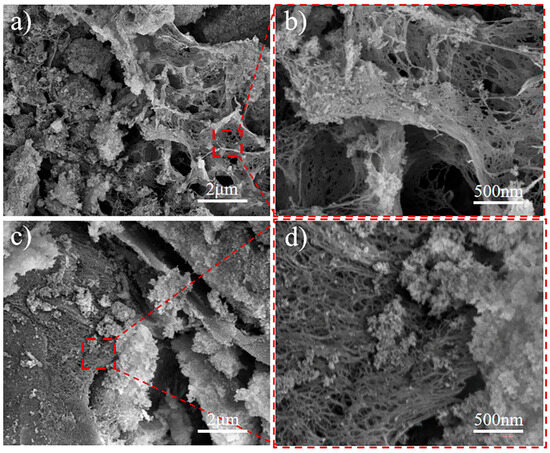
Solar-driven interfacial evaporation offers a low-energy and sustainable route for seawater desalination and the purification of complex water matrices. However, freestanding hydrogel evaporators often suffer from insufficient mechanical robustness and interfacial salt accumulation under high-salinity conditions. Herein, a spunlace cotton nonwoven/sodium alginate/bamboo charcoal (SC/SA/BC) composite interfacial evaporator was fabricated through a facile impregnation–ionic crosslinking strategy, using a spunlace cotton nonwoven (SC) as the reinforcing scaffold, sodium alginate (SA) as the hydrophilic hydrogel matrix, and bamboo charcoal powder (BC) as the photothermal component. The Ca2+-crosslinked SA network immobilized the bamboo charcoal particles and formed continuous hydrated mass-transport pathways, while the spunlace fibrous network provided capillary water-supply channels and robust mechanical support. Consequently, SC/SA/BC exhibited substantially improved mechanical performance compared with the freestanding SA/BC hydrogel. Under 1 sun irradiation using a 3.5 wt% NaCl solution, SC/SA/BC achieved an evaporation rate of approximately 1.80 kg m−2 h−1 and maintained stable performance during 8 h of continuous operation. The evaporation–condensation process markedly reduced the concentrations of major ions in natural seawater and effectively retained nonvolatile dyes. Through the synergistic integration of a spunlace fibrous scaffold, a hydrated hydrogel network, and a bamboo-charcoal-based photothermal component, the proposed evaporator simultaneously achieved mechanical reinforcement, sustained water supply, efficient photothermal conversion, and salt-tolerant operation. This work provides a promising strategy for constructing structurally stable and readily fabricated solar interfacial evaporation materials.
Full article
(This article belongs to the Special Issue Gels for Advanced Energy Conversion: From Fundamentals to Multifunctional Applications)
►▼
Show Figures

Graphical abstract
Open AccessArticle
In Situ Polyimide Modified Polymethylsilsesquioxane Aerogels for Thermal Insulation
by
Ziqi Zhu, Junyong Chen, Defang Pan and Guanghui Wu
Gels 2026, 12(10), 898; https://doi.org/10.3390/gels12100898 - 4 Oct 2026
Abstract
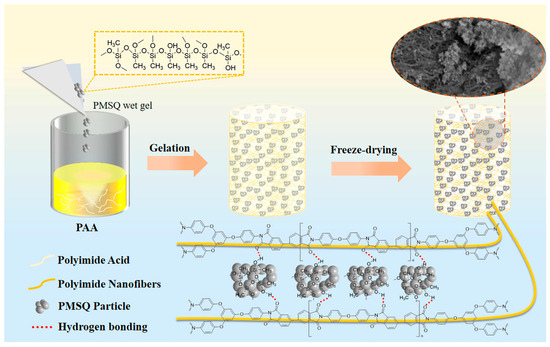
The inherent brittleness of silica aerogels severely limits their practical application in thermal protection. To address this issue, polymethylsilsesquioxane (PMSQ) wet gels were fabricated via an aqueous sol–gel method, and polyimide (PI) was introduced through in situ polymerization to construct an inorganic–organic continuous
[...] Read more.
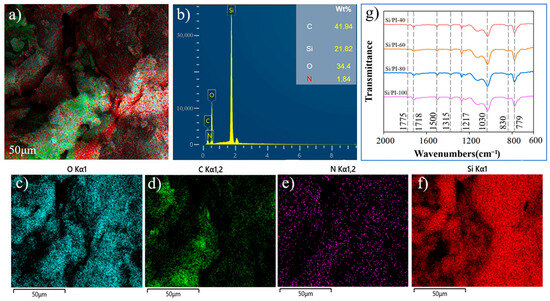
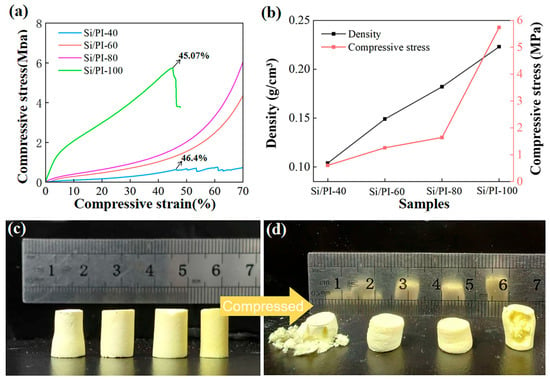
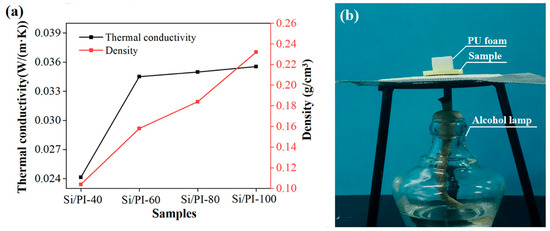
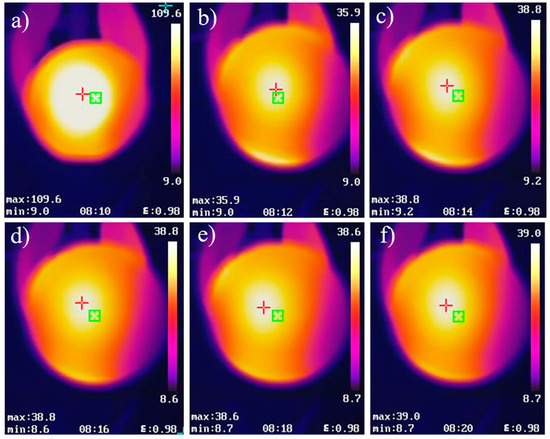
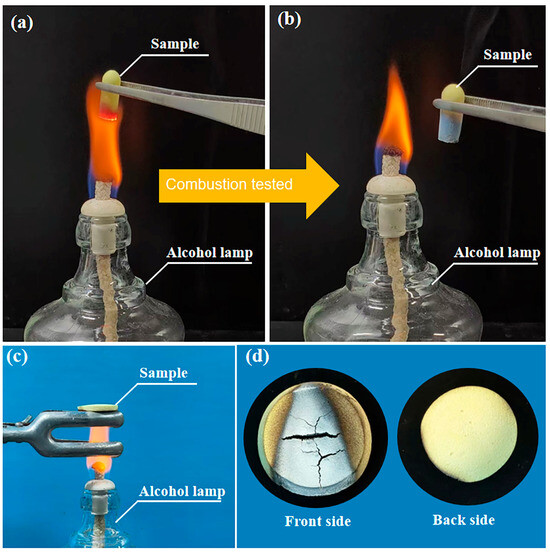
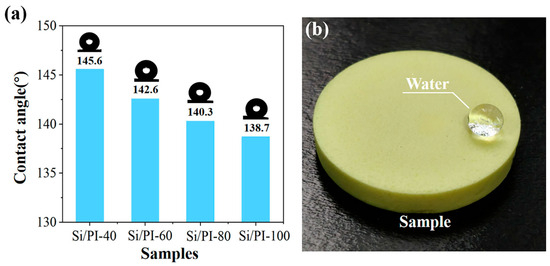
The inherent brittleness of silica aerogels severely limits their practical application in thermal protection. To address this issue, polymethylsilsesquioxane (PMSQ) wet gels were fabricated via an aqueous sol–gel method, and polyimide (PI) was introduced through in situ polymerization to construct an inorganic–organic continuous framework with PI in situ bridging and interfacial coating, thus successfully preparing the Si/PI composite aerogel. This composite achieves synergistic enhancements in mechanical, thermal insulation, hydrophobic and flame-retardant properties. The flexible PI network effectively alleviates stress concentration, and the compressive modulus of the composite aerogels increased with the PI content, reaching 7.52 MPa for Si/PI-80 and 23.78 MPa for Si/PI-100. The thermal conductivity stays below 0.036 W·m−1·K−1 with favorable low thermal conduction stability. The Si–CH3 groups in PMSQ provide excellent hydrophobicity with a maximum water contact angle of 145.6°. Meanwhile, the char-forming effect of PI at high temperatures counteracts the negative impact of methyl groups on flame retardancy, endowing the aerogel with self-extinguishing behavior and high thermal stability. This work offers a novel strategy for designing high-strength multifunctional silica-based aerogels, which exhibit promising application prospects in aerospace, building energy conservation and high-end thermal protection.
Full article
(This article belongs to the Special Issue Aerogels: From Nanostructure to Novel Applications)
►▼
Show Figures

Figure 1
Open AccessReview
From Biomarker to Trigger: Biological Calibration of Stimuli-Responsive Gels Toward Precision Periodontal Therapy
by
Lovre Martinović, Roko Šantić, Ena Kuliš, Dinko Martinović, Laura Jurina Kumrić, Marko Kumrić and Joško Božić
Gels 2026, 12(10), 897; https://doi.org/10.3390/gels12100897 - 3 Oct 2026
Abstract
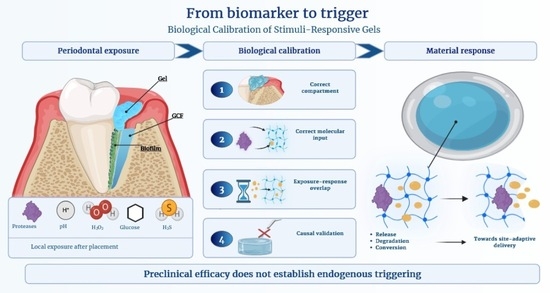
Endogenous stimuli-responsive gels are designed to alter drug release or matrix behavior in periodontal sites, but their responsiveness is often demonstrated under conditions that may not represent the biological compartment encountered after placement. This comprehensive review examined whether proposed periodontal triggers have been
[...] Read more.
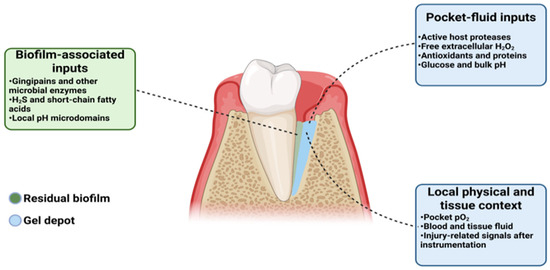
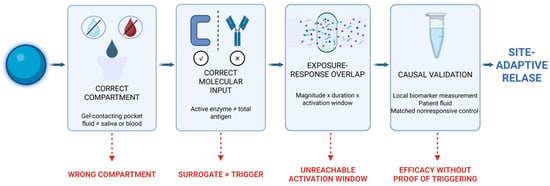
Endogenous stimuli-responsive gels are designed to alter drug release or matrix behavior in periodontal sites, but their responsiveness is often demonstrated under conditions that may not represent the biological compartment encountered after placement. This comprehensive review examined whether proposed periodontal triggers have been biologically calibrated. Targeted searches of PubMed/MEDLINE, publisher websites, and backward and forward citations identified human studies measuring periodontal pH, proteases, redox conditions, oxygen tension, microbial metabolites, and glucose, together with gel studies using the same cues. Human pH measurements ranged from mildly acidic to alkaline and did not support a universal activation window. Protease-responsive systems had the strongest mechanistic rationale, although recombinant-enzyme testing was not equivalent to native-fluid cleavage. Hydrogen peroxide-responsive gels were generally evaluated under challenge conditions above the limited direct gingival crevicular fluid evidence and without physiological antioxidant buffering. Oxygen-generating systems did not directly sense local oxygen tension. Some glucose challenges overlapped reported human GCF measurements, but calibration to defined periodontal sites and treatment conditions remained unverified. Across trigger classes, preclinical efficacy seldom isolated responsiveness from payload and carrier effects. Future studies should use compartment- and treatment-matched measurements, realistic input–output testing under flow and buffering, patient-derived fluids, and controls that isolate cue-dependent material behavior.
Full article
(This article belongs to the Special Issue Functional Gels for Dental Applications (2nd Edition))
►▼
Show Figures

Graphical abstract
Journal Menu
► ▼ Journal Menu-
- Gels Home
- Aims & Scope
- Editorial Board
- Reviewer Board
- Topical Advisory Panel
- Early Career Editorial Board
- Instructions for Authors
- Special Issues
- Topics
- Sections & Collections
- Article Processing Charge
- Indexing & Archiving
- Editor’s Choice Articles
- Most Cited & Viewed
- Journal Statistics
- Journal History
- Journal Awards
- Conferences
- Editorial Office
Journal Browser
► ▼ Journal BrowserHighly Accessed Articles
Latest Books
E-Mail Alert
News
19 August 2026
The 2nd International Conference on Bioengineering: Bioengineering in an Era of AI (BIOENG 2026) Announces Distinguished Speakers Lineup and Late-Breaking Poster Submission Opportunity
Topics
Topic in
Applied Sciences, Chemistry, Gels, Nanomaterials, Polymers, Environments, Materials
Functionalized Materials for Environmental Applications
Topic Editors: Luca Burratti, Iole Venditti, Paolo ProspositoDeadline: 30 October 2026
Topic in
Applied Sciences, Energies, Fluids, Gels, Processes
Enhanced Oil Recovery Technologies, 4th Edition
Topic Editors: Jan Vinogradov, Xiang ZhouDeadline: 30 November 2026
Topic in
Actuators, Gels, JFB, Polymers, MCA, Materials
Recent Advances in Smart Soft Materials: From Theory to Practice
Topic Editors: Lorenzo Bonetti, Giulia Scalet, Silvia Farè, Nicola FerroDeadline: 31 December 2026
Topic in
Applied Nano, Macromol, Nanomaterials, Polymers, Gels
Future Trends in Polymer Science: Materials, Design, and Advanced Applications
Topic Editors: Emi Haladjova, Olya StoilovaDeadline: 30 January 2027
Conferences
Special Issues
Special Issue in
Gels
Environmentally Friendly Gels
Guest Editors: Hang Zhang, Guiying Tian, Jinhui WangDeadline: 15 October 2026
Special Issue in
Gels
Edible Gel Platforms for Cell-Based Food Systems
Guest Editor: Sohyeon ParkDeadline: 15 October 2026
Special Issue in
Gels
Biobased Gels: Antimicrobial Design, Characterization, and Biomedical Applications
Guest Editors: Danica Zmejkoski, Ksenija RadotićDeadline: 20 October 2026
Special Issue in
Gels
Gel-Based Drug Delivery Systems for Cancer Treatment (2nd Edition)
Guest Editors: Haoan Wu, Xingchun GaoDeadline: 20 October 2026
Topical Collections
Topical Collection in
Gels
Hydrogel in Tissue Engineering and Regenerative Medicine
Collection Editor: Esmaiel Jabbari
Topical Collection in
Gels
Recent Advances and Future Perspectives in Organogels and Organogelators Research
Collection Editor: Jean-Michel Guenet