



Responses and Adaptations of Marine Species to Global Change

A Special Issue of Diversity (ISSN 1424-2818) belonging to the section "Marine Diversity".

Deadline for manuscript submissions: 30 September 2026 | Viewed by 4612
Editors


E-Mail Website
Guest Editor
HUB AMBIENTAL, Universidad de Playa Ancha, Subida Leopoldo Carvallo 207, Valparaíso 2360004, Chile
Interests: oxidative stress; biomarkers; ecotoxicology; climate change

E-Mail Website
Guest Editor
Department of Biology, The College of New Jersey, Ewing, NJ 08628, USA
Interests: ocean acidification; biomineralization; marine biofouling; biomechanics; adhesion; physiological ecology; crustaceans

Special Issue Information

Dear Colleagues,

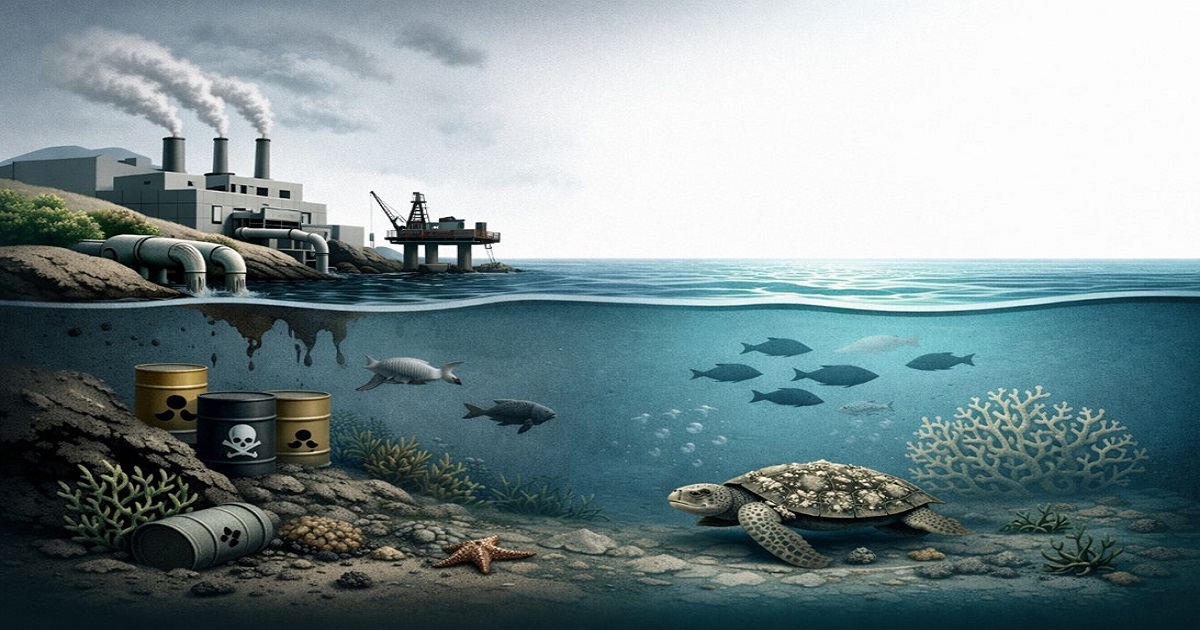
Global change is profoundly reshaping marine ecosystems, imposing unprecedented pressures on species across multiple spatial and temporal scales. In the context of the Anthropocene and climate change, marine organisms are increasingly exposed to interacting stressors such as ocean warming and acidification, chronic contamination by heavy metals, hydrocarbons, plastics, and other persistent pollutants, emerging contaminants, and the rapid expansion of coastal industrial activities, including seawater desalination. Together, these drivers are altering environmental conditions and challenging the resilience of marine biodiversity worldwide.

Understanding how marine species respond and adapt to these anthropogenic disturbances is a central challenge for contemporary marine science. Responses may manifest across different levels of biological organization, from molecular and physiological adjustments to population-level dynamics, community restructuring, and ecosystem functioning. Integrating field-based observations with experimental approaches is essential to diagnose current impacts and to predict adaptive trajectories under future global change scenarios.

This Special Issue aims to bring together original research that advances our understanding of the responses and adaptive mechanisms of marine species to global change, providing insights relevant for biodiversity conservation, ecosystem management, and sustainable ocean governance.

Dr. Fernanda Rodríguez-Rojas
Dr. Gary H. Dickinson
Guest Editors

Manuscript Submission Information

Manuscripts should be submitted online at www.mdpi.com by registering and logging in to this website. Once you are registered, click here to go to the submission form. Manuscripts can be submitted until the deadline. All submissions that pass pre-check are peer-reviewed. Accepted papers will be published continuously in the journal (as soon as accepted) and will be listed together on the special issue website. Research articles, review articles as well as short communications are invited. For planned papers, a title and short abstract (about 250 words) can be sent to the Editorial Office for assessment.

Submitted manuscripts should not have been published previously, nor be under consideration for publication elsewhere (except conference proceedings papers). All manuscripts are thoroughly refereed through a single-anonymized peer-review process. A guide for authors and other relevant information for submission of manuscripts is available on the Instructions for Authors page. Diversity is an international peer-reviewed open access monthly journal published by MDPI.

Please visit the Instructions for Authors page before submitting a manuscript. The Article Processing Charge (APC) for publication in this open access journal is 2100 CHF (Swiss Francs). Submitted papers should be well formatted and use good English. Authors may use MDPI's English editing service prior to publication or during author revisions.

Keywords

  • global change
  • climate change
  • anthropocene
  • marine species adaptations
  • pollution

Benefits of Publishing in a Special Issue

  • Ease of navigation: Grouping papers by topic helps scholars navigate broad scope journals more efficiently.
  • Greater discoverability: Special Issues support the reach and impact of scientific research. Articles in Special Issues are more discoverable and cited more frequently.
  • Expansion of research network: Special Issues facilitate connections among authors, fostering scientific collaborations.
  • External promotion: Articles in Special Issues are often promoted through the journal's social media, increasing their visibility.
  • Reprint: MDPI Books provides the opportunity to republish successful Special Issues in book format, both online and in print.

Further information on MDPI's Special Issue policies can be found here.

Published Papers (2 papers)

Order results
Result details
Select all
Export citation of selected articles as:

Research

15 pages, 8572 KB  
Article
Physiological Responses of Cystoseira compressa in Relation to the Presence of the Invasive Macroalga Batophora occidentalis Under Differing Habitat Conditions in a Mediterranean Coastal Lagoon
by Antoni Sureda, Jessica Lombardo, Maria del Mar Ribas-Taberner, Maria Magdalena Quetglas-Llabrés, Llorenç Gil, Silvia Tejada, Samuel Pinya and Montserrat Compa
Diversity 2026, 18(5), 285; https://doi.org/10.3390/d18050285 - 10 May 2026
Viewed by 1338
Abstract
The spread of the green macroalga Batophora occidentalis into shallow, sheltered Mediterranean systems may alter habitat structure and impose sublethal stress on resident habitat-forming species. We assessed whether the presence of B. occidentalis in the s’Estany des Peix lagoon (Formentera, Balearic Islands) is [...] Read more.
The spread of the green macroalga Batophora occidentalis into shallow, sheltered Mediterranean systems may alter habitat structure and impose sublethal stress on resident habitat-forming species. We assessed whether the presence of B. occidentalis in the s’Estany des Peix lagoon (Formentera, Balearic Islands) is associated with physiological alterations in the perennial brown alga Cystoseira compressa. Samples of C. compressa were collected from areas with high (n = 8) and low (n = 8) abundance of B. occidentalis, and benthic cover was surveyed using 40 × 40 cm quadrats (n = 8 per area). Thermal monitoring indicated greater short-term variability inside the lagoon compared to the outer mouth. Biochemical assays showed that individuals from invaded patches exhibited significantly elevated antioxidant enzyme activities (superoxide dismutase and catalase), higher glutathione S-transferase activity and increased total polyphenol content, together with greater reactive oxygen species production. In contrast, malondialdehyde levels did not differ between areas, suggesting that enhanced antioxidant and detoxification responses may prevent detectable lipid peroxidation under the conditions studied. Habitat characteristics, notably higher availability of rocky substrate in invaded sectors, likely facilitate B. occidentalis establishment and modulate the interaction outcome. In conclusion, the coexistence with B. occidentalis was associated with a moderate oxidative challenge in C. compressa, within the environmental context of the invaded areas, and we recommend long-term studies to determine whether these sublethal responses translate into demographic effects. Full article
(This article belongs to the Special Issue Responses and Adaptations of Marine Species to Global Change)
Show Figures

Figure 1

28 pages, 7398 KB  
Article
An Investigation into How Marine Mammal Distribution Is Being Affected by Climate Change, with a Focus on Out of Habitat Marine Mammals, Based on Expert Opinion
by Maia Killian, Laetitia Nunny, Dan Jarvis, Lewis Griffin, Carlos Yaipen-Llanos, Anna Pili and Mark Simmonds
Diversity 2026, 18(5), 270; https://doi.org/10.3390/d18050270 - 30 Apr 2026
Viewed by 2778
Abstract
Climate change is altering the marine environment in many ways, including increasing sea surface temperatures and decreasing sea ice. Species distributions are changing and ‘out of habitat’ marine mammals are being recorded. ‘Out of habitat’ (OOH) refers to individuals recorded outside of their [...] Read more.
Climate change is altering the marine environment in many ways, including increasing sea surface temperatures and decreasing sea ice. Species distributions are changing and ‘out of habitat’ marine mammals are being recorded. ‘Out of habitat’ (OOH) refers to individuals recorded outside of their natural range or within environments unsuitable for their survival. This phenomenon is currently understudied. This study aimed to identify the scale of the issue, identify consensus opinions on trends and possible causes of these OOH events, as well as assessing the preparedness of local authorities and rescue networks in responding to OOH marine mammals. This study is the first to assess and quantify this issue through a formal consultation process, conducted through an online questionnaire and a detailed examination of two case studies, from the UK and Peru. Sixty-three questionnaire responses were received from six different continents and the majority (60%) reported OOH events in their region. Through the questionnaire and case studies, 42 different marine mammal species were reported to be affected. This clearly indicates this is a global phenomenon, affecting at least 32% of all known pinniped and cetacean species. Most participants (77%) also believed these OOH events are increasing, and 55% believe these events are forerunners to distribution changes. Data from Peru showed an endangered species, the Galápagos fur seal (Arctocephalus galapagoensis), had made a range shift. Of the reported OOH species, four are classified as either endangered or critically endangered. The consensus opinion was that climate change is the leading driver of these OOH events, with sea surface temperatures and changes in prey distribution reported as the most important factors. The success of OOH responses was reported as highly inconsistent and, in many cases, requires specialist training, e.g., in human–wildlife conflict. The information derived from this study can be used to advise conservation plans, as well as provide a foundational step for future research into the possible trends in these OOH movements. Full article
(This article belongs to the Special Issue Responses and Adaptations of Marine Species to Global Change)
Show Figures

Figure 1

Back to TopTop