Feature Papers Collection in Molecular Microbiology
Share This Topical Collection
Editor
 Dr. Bruce S. Seal
Dr. Bruce S. Seal
E-Mail
Website
Collection Editor
Biology Program and Honors College, Oregon State University—Cascades, 1500 SW Chandler Avenue, Bend, OR 97702, USA
Interests: microbial derived products; antimicrobial; bovine herpesviruses; swine and feline caliciviruses; avian paramyxoviruses; metapneumoviruses; orthomyxovirusesprobiotics; genomics-proteomics analyses
Special Issues, Collections and Topics in MDPI journals
Topical Collection Information
Dear Colleagues,
This Topical Collection, entitled “Feature Papers in Molecular Microbiology”, aims to collect high-quality research articles, communications, and review articles on the cutting-edge fields of molecular microbiology. Since the aim of this Topical Collection is to illustrate, through selected works, frontier research in Molecular Microbiology, we encourage the Editorial Board Members of Current Issues in Molecular Biology to contribute Feature Papers reflecting the latest progress in their research field or to invite relevant experts and colleagues to do so.
Topics include, but are not limited to, the following:
- Virology;
- Bacteriology;
- Microbiomes;
- Veterinary microbiology;
- Food microbiology;
- Agricultural microbiology;
- Infectious diseases;
- Fungal diseases;
- Antibacterials and antimicrobials.
Dr. Bruce S. Seal
Collection Editor
Manuscript Submission Information
Manuscripts should be submitted online at www.mdpi.com by registering and logging in to this website. Once you are registered, click here to go to the submission form. All submissions that pass pre-check are peer-reviewed. Accepted papers will be published continuously in the journal (as soon as accepted) and will be listed together on the collection website. Research articles, review articles as well as short communications are invited. For planned papers, a title and short abstract (about 250 words) can be sent to the Editorial Office for assessment.
Submitted manuscripts should not have been published previously, nor be under consideration for publication elsewhere (except conference proceedings papers). All manuscripts are thoroughly refereed through a single-blind peer-review process. A guide for authors and other relevant information for submission of manuscripts is available on the Instructions for Authors page. Current Issues in Molecular Biology is an international peer-reviewed open access monthly journal published by MDPI.
Please visit the Instructions for Authors page before submitting a manuscript.
The Article Processing Charge (APC) for publication in this open access journal is 2200 CHF (Swiss Francs).
Submitted papers should be well formatted and use good English. Authors may use MDPI's
English editing service prior to publication or during author revisions.
Keywords
- virology
- bacteriology
- microbiomes
- veterinary microbiology
- food microbiology
- agricultural microbiology
- infectious diseases
- fungal diseases
- antibacterials and antimicrobials
Published Papers (6 papers)
Open AccessReview
Host Factors Potentially Contributing to Increased Susceptibility in Certain Layer Chicken Lines
by
Yiqun Chen, Junlong Xiong, Yicheng Wang, Siyue Huang, Mingyu Fan, Heng Yang, Zhiqiang Hu, Jingang Zhao, Chaoyun Yang, Jun Li, Jing Wang and Zengwen Huang
Viewed by 364
Abstract
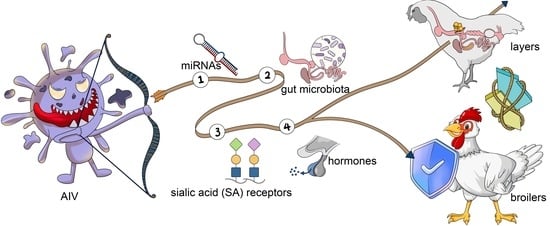
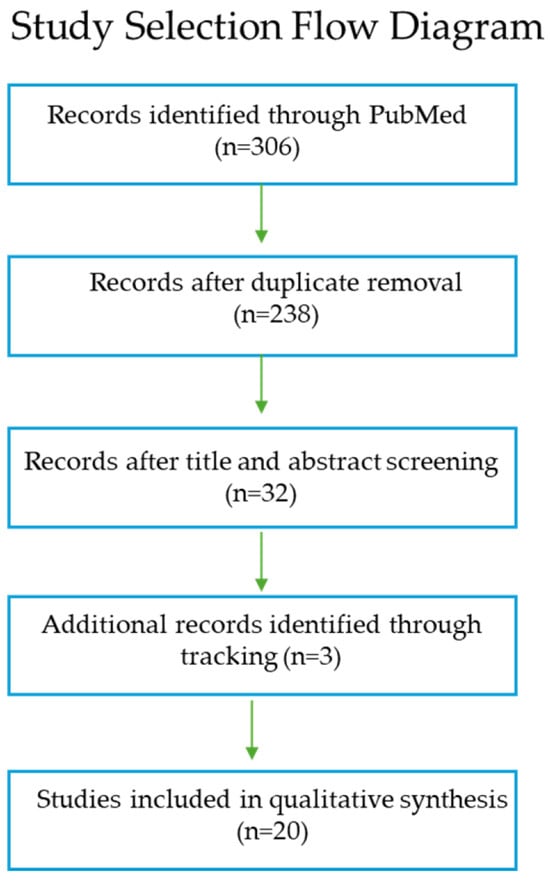
Avian influenza (AI) continues to threaten global poultry production, with accumulating evidence suggesting that certain commercial layer lines may exhibit increased susceptibility under specific experimental conditions compared with broiler chickens. This narrative review synthesizes published experimental infection studies identified through a comprehensive PubMed
[...] Read more.
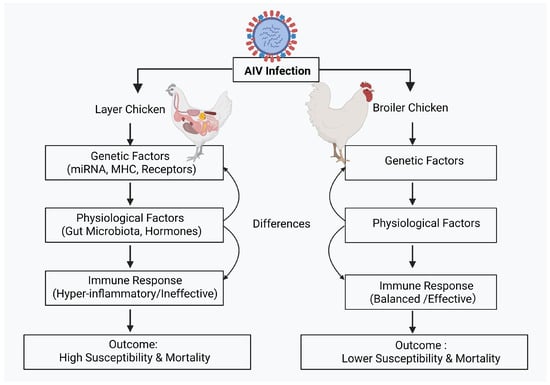
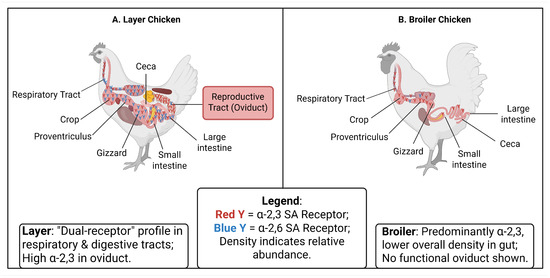
Avian influenza (AI) continues to threaten global poultry production, with accumulating evidence suggesting that certain commercial layer lines may exhibit increased susceptibility under specific experimental conditions compared with broiler chickens. This narrative review synthesizes published experimental infection studies identified through a comprehensive PubMed search, focusing on low pathogenic H9N2 and highly pathogenic H5N1, H5N2, H7N7, and H7N9 viruses. Although bird age and production stage varied across studies, consistent disparities in immune regulation and viral replication dynamics have been reported. We critically evaluate host determinants underlying these differences—including microRNAs, major histocompatibility complex polymorphisms, sialic acid receptor distribution, gut microbiota, and hormonal influences—and integrate findings across viral subtypes and pathogenicity classes to inform breed-tailored vaccination, nutritional, and therapeutic strategies.
Full article
►▼
Show Figures
Open AccessReview
The Role of the SOS Response in the Adaptation of Pseudomonas aeruginosa
by
Emilia Zarembska, Anna Pietruczuk-Padzik and Małgorzata Wrzosek
Viewed by 425
Abstract
Pseudomonas aeruginosa is a major opportunistic pathogen whose adaptive capacity limits the long-term efficacy of antibiotic therapy. Beyond classical resistance mechanisms, antibiotics may also act as stress signals that alter bacterial physiology and evolutionary trajectories. A central element of this response is the
[...] Read more.
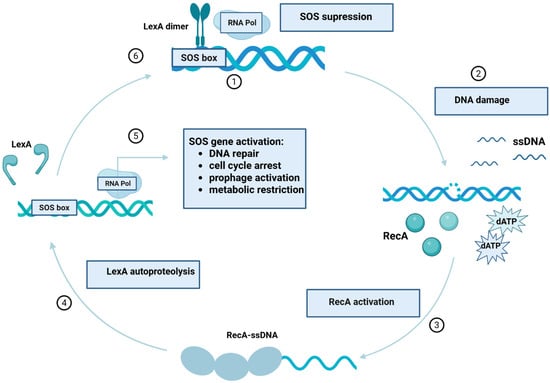
Pseudomonas aeruginosa is a major opportunistic pathogen whose adaptive capacity limits the long-term efficacy of antibiotic therapy. Beyond classical resistance mechanisms, antibiotics may also act as stress signals that alter bacterial physiology and evolutionary trajectories. A central element of this response is the SOS regulatory network, controlled by the RecA–LexA system. Although well studied in
Escherichia coli, SOS signaling in
P. aeruginosa shows distinct regulatory features that remain incompletely understood. This review summarizes experimental and clinical evidence on antibiotic-induced SOS responses in
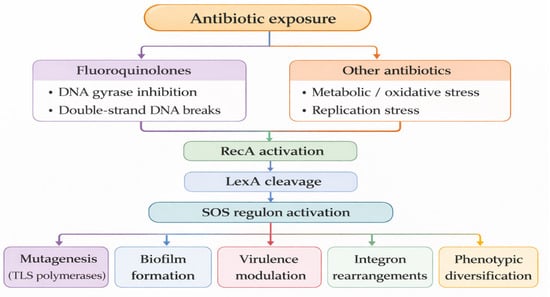
P. aeruginosa, focusing on fluoroquinolones and other genotoxic agents. Fluoroquinolone exposure consistently induces SOS activation and RecA-dependent signaling, affecting short-term antibiotic susceptibility. However, the available evidence does not support a universal role for SOS activation as a major driver of long-term resistance evolution under most tested conditions. Its relationship with antibiotic-induced mutagenesis remains variable: some studies implicate low-fidelity DNA polymerases, whereas others report mutagenesis independent of canonical RecA–LexA control. Beyond mutagenesis, SOS activation may affect integron dynamics, virulence, and biofilm-associated phenotypes. Overall, in
P. aeruginosa, the SOS response appears to be a context-dependent modulator of stress adaptation rather than a universal determinant of resistance evolution.
Full article
►▼
Show Figures
Open AccessArticle
Expression of Endonuclease RsaI Induces Chromosomal Rearrangement in the Yeast Kluyveromyces marxianus
by
Babiker M. A. Abdel-Banat, Muhammad Munir, Hisashi Hoshida and Rinji Akada
Viewed by 452
Abstract
DNA double-strand breaks (DSBs) are primarily repaired in eukaryotic cells through two pathways: homologous recombination (HR) and non-homologous end joining (NHEJ). The thermotolerant yeast
Kluyveromyces marxianus is recognized for its highly active NHEJ pathway, making it a suitable model organism for studying the
[...] Read more.
DNA double-strand breaks (DSBs) are primarily repaired in eukaryotic cells through two pathways: homologous recombination (HR) and non-homologous end joining (NHEJ). The thermotolerant yeast
Kluyveromyces marxianus is recognized for its highly active NHEJ pathway, making it a suitable model organism for studying the role of NHEJ in DSB repair. To induce DSBs in
K. marxianus DMKU3-1042, an expression cassette containing the gene encoding the endonuclease
RsaI was integrated into the
LYS1 locus of both the wild-type and NHEJ-deficient
KU70 mutant strains. This cassette is regulated by the galactose-inducible promoter
GAL10. Cells expressing
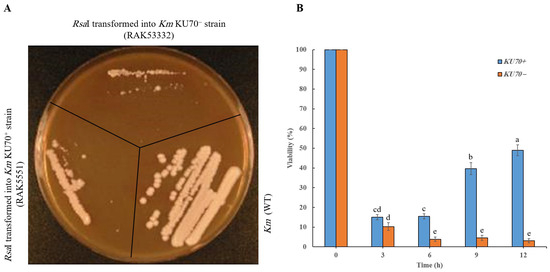
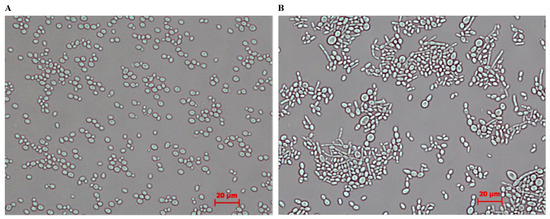
RsaI and grown in galactose medium exhibited an elongated, rod-shaped morphology under a microscope. Following
RsaI expression, the viability of transformed
KU70 cells decreased during the first three hours of culture in liquid medium and then partially recovered after six hours of incubation. In contrast, the
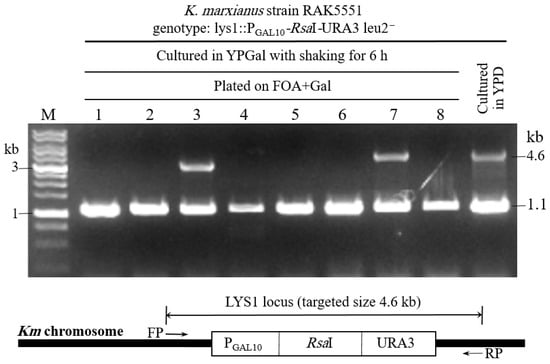
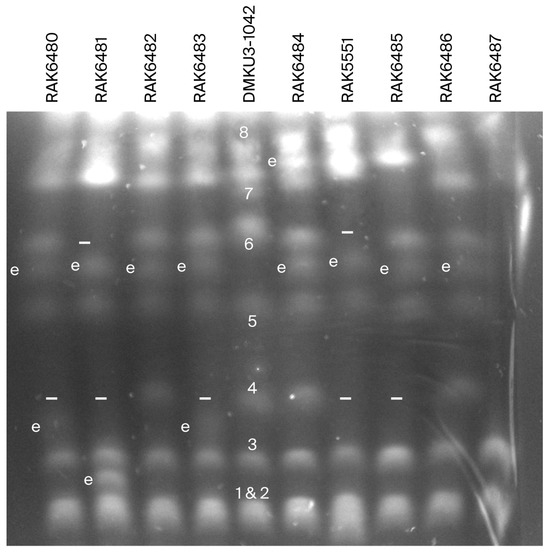
KU70 mutant cells failed to produce viable survivors. Pulsed-field gel electrophoresis analysis revealed distinct chromosomal separation patterns among various
RsaI-transformed
KU70 cells. These findings demonstrate that the repair of
RsaI-induced DSBs in
K. marxianus DMKU3-1042 results in new strains with several forms of rearranged chromosomes.
Full article
►▼
Show Figures
Open AccessArticle
The Disruption of the HIV-1 Gag Start Codon via Editing Using MmCas12m-Dual Base Editor-Loaded Virus-like Particles
by
Timur Aliev, Almaz Imatdinov, Elena Prudnikova, Oleg Taranov, Ksenia Emtsova, Ilnaz Imatdinov and Alexander Agafonov
Viewed by 577
Abstract
Approaches to delivering gene editing tools in the form of ribonucleoproteins may provide a safety advantage over the delivery of nucleic acids encoding ribonucleoproteins. Virus-based vectors are widely used as a delivery platform. However, the persistence of viral exogenous nucleic acids can cause
[...] Read more.
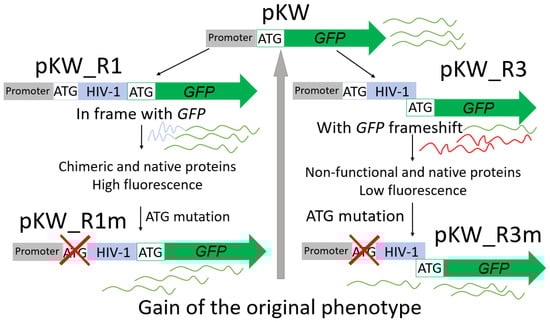
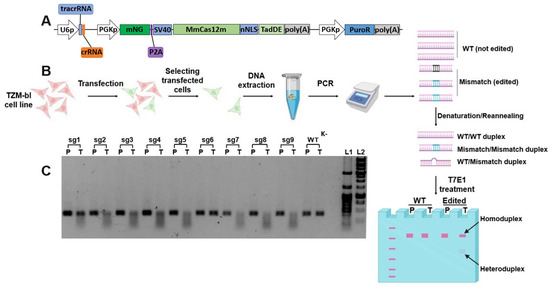
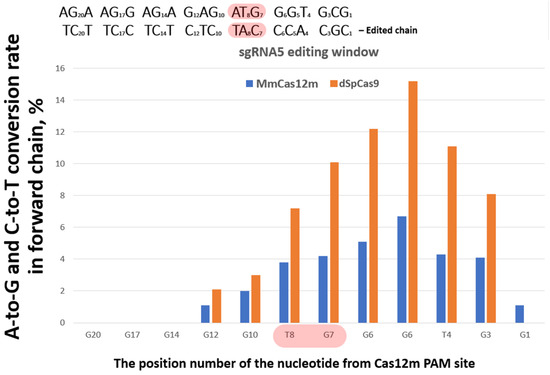
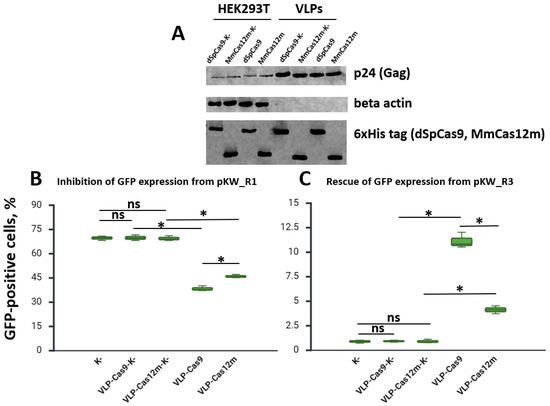
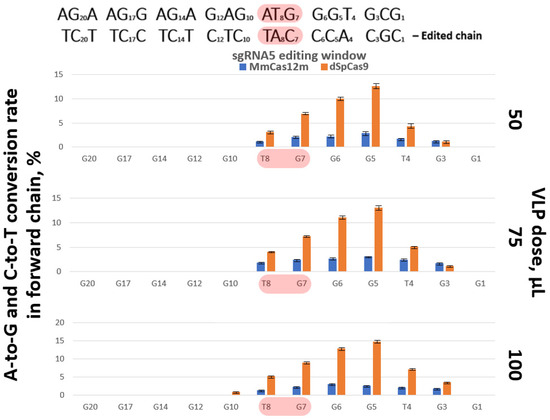
Approaches to delivering gene editing tools in the form of ribonucleoproteins may provide a safety advantage over the delivery of nucleic acids encoding ribonucleoproteins. Virus-based vectors are widely used as a delivery platform. However, the persistence of viral exogenous nucleic acids can cause increased genotoxicity. Virus-like particles (VLPs) do not contain an expression cassette and can act as a platform for the delivery of ready-made ribonucleoprotein complexes. The absence of nucleic acids in VLPs eliminates the risk of insertional mutagenesis compared to widely used lentiviruses or adeno-associated viruses. Therefore, we used VLPs to deliver the ribonucleoprotein complex MmCas12m–TadDE to disrupt the HIV-1
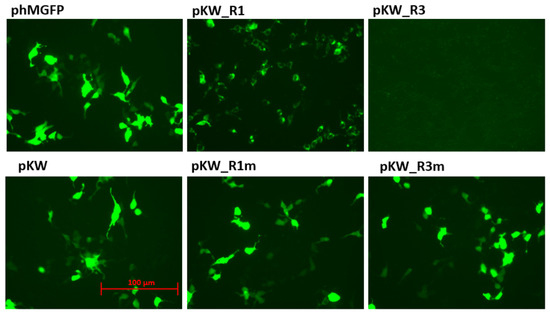
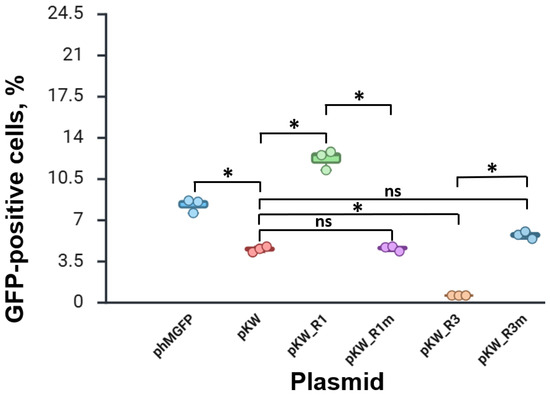
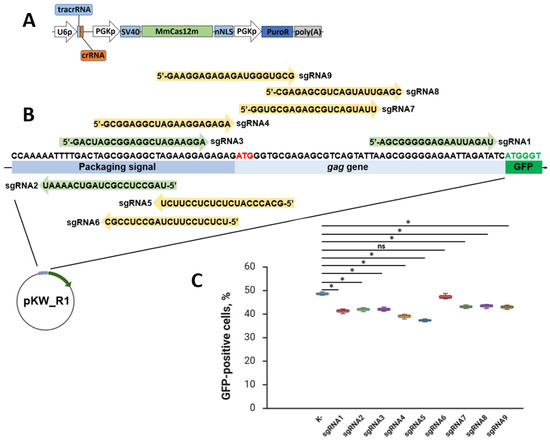
gag gene start codon. We detected VLP morphogenesis using electron microscopy. We confirmed the incorporation of MmCas12m–TadDE into VLPs. We achieved an editing efficiency of about 9% in some cases with minimal off-target effects, which confirms the prospect of using VLPs as a platform for delivering genomic editing tools.
Full article
►▼
Show Figures
Open AccessArticle
Isolation of a Virulent Clostridium perfringens Strain from Elaphurus davidianus and Characterization by Whole-Genome Sequence Analysis
by
Zhao Zhang, Xiao Wang, Siyuan Li, Yuhang Fu, Yan Li, Shah Nawaz, Jing Chen, Guoxiang Yang, Jiakui Li and Daoliang Shi
Cited by 3 | Viewed by 2136
Abstract
Clostridium perfringens (
C. perfringens) is an important veterinary pathogen and a noteworthy threat to human and animal health. Recently, there has been a significant rise in the number of moose fatalities caused by this rare, endemic species in China. Currently, there
[...] Read more.
Clostridium perfringens (
C. perfringens) is an important veterinary pathogen and a noteworthy threat to human and animal health. Recently, there has been a significant rise in the number of moose fatalities caused by this rare, endemic species in China. Currently, there is an increasing trend in conducting whole-genome analysis of
C. perfringens strains originating from pigs and chickens, whereas fewer studies have been undertaken on
Elaphurus davidianus-originating strains at the whole-genome level. Our laboratory has identified and isolated five
C. perfringens type A from affected
Elaphurus davidianus. The current study identified the most potent strain of
C. perfringens, which originated from
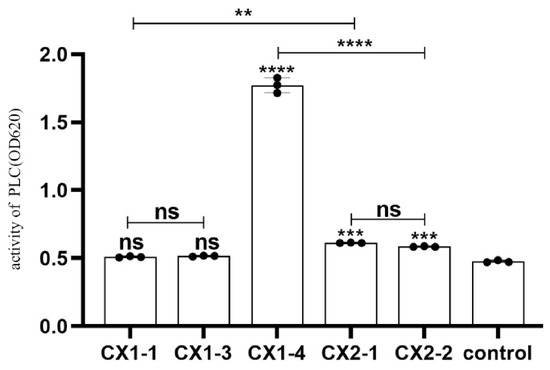
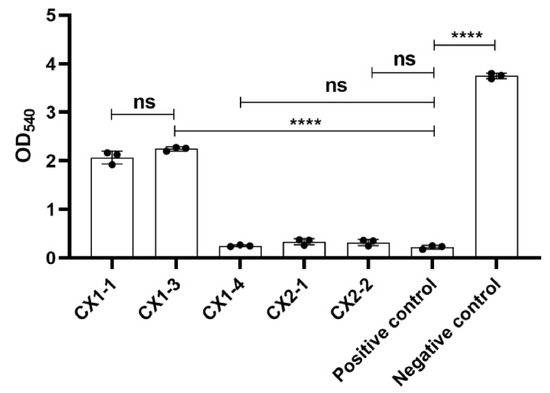
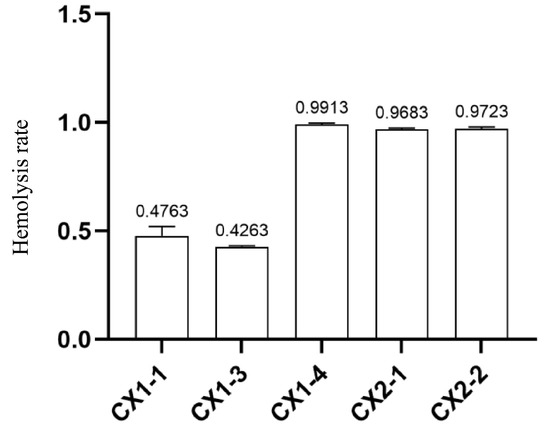
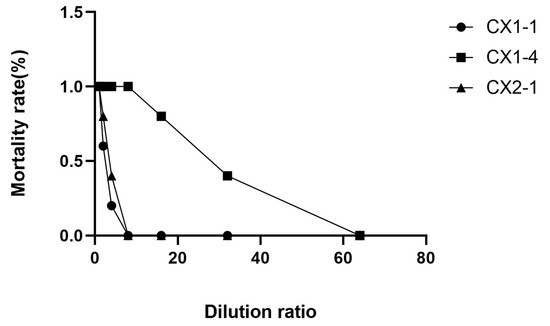
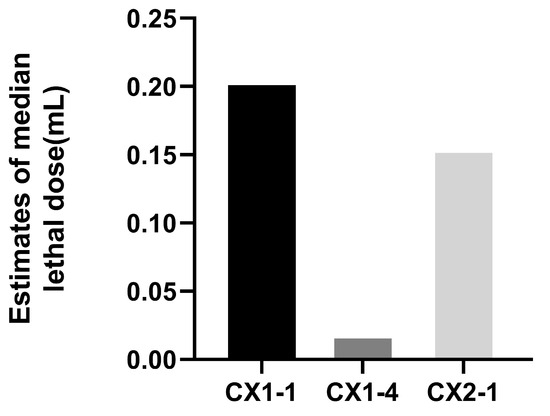
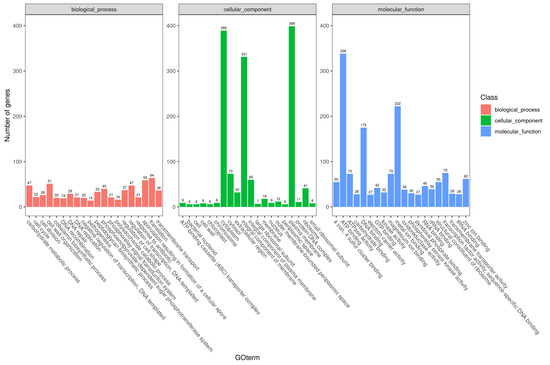
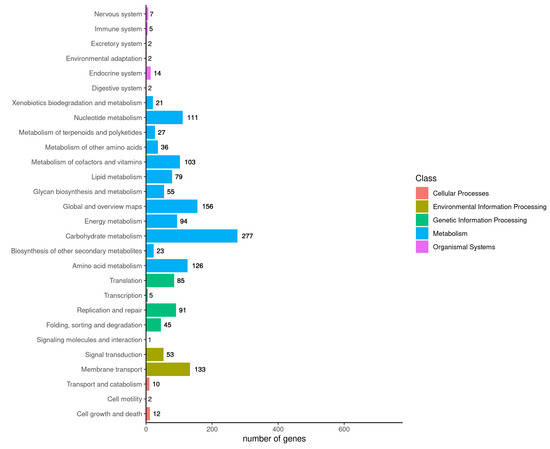
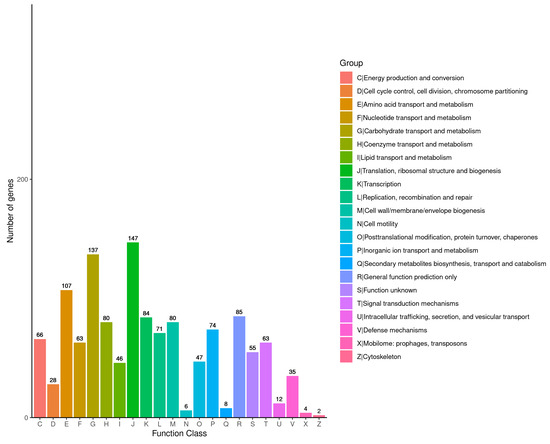
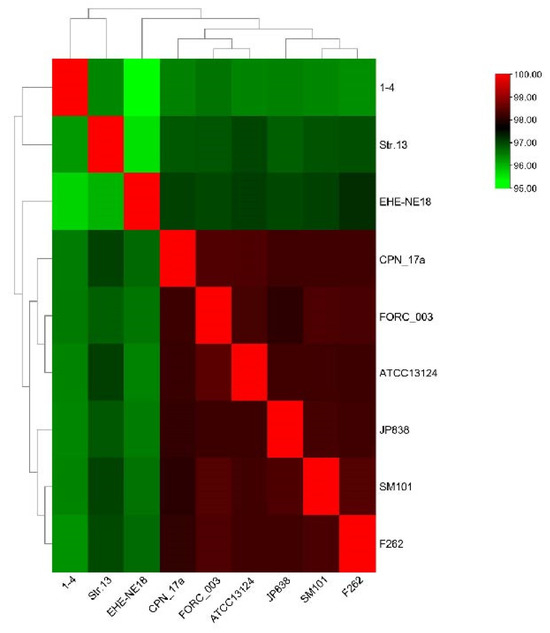
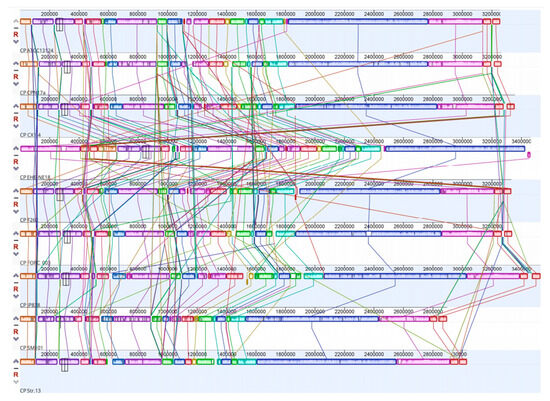
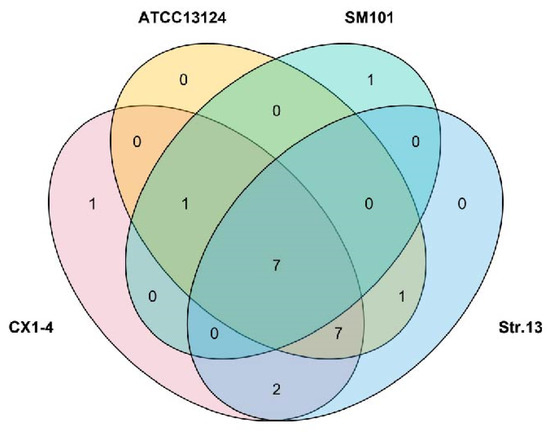
Elaphurus davidianus, and sequenced its genome to reveal virulence genes and pathogenicity. Our findings show that strain CX1-4 exhibits the highest levels of phospholipase activity, hemolytic activity, and mouse toxicity compared to the other four isolated
C. perfringens type A strains. The chromosome sequence length of the CX1-4 strain was found to be 3,355,389 bp by complete genome sequencing. The current study unveils the genomic characteristics of
C. perfringens type A originating from
Elaphurus davidianus. It provides a core foundation for further investigation regarding the prevention and treatment of such infectious diseases in
Elaphurus davidianus.
Full article
►▼
Show Figures
Open AccessReview
Gene Regulatory Mechanism of Mycobacterium Tuberculosis during Dormancy
by
Yiduo Liu, Han Li, Dejia Dai, Jiakang He and Zhengmin Liang
Cited by 18 | Viewed by 7474
Abstract
Tuberculosis (TB), caused by
Mycobacterium tuberculosis (Mtb) complex, is a zoonotic disease that remains one of the leading causes of death worldwide. Latent tuberculosis infection reactivation is a challenging obstacle to eradicating TB globally. Understanding the gene regulatory network of Mtb during dormancy
[...] Read more.
Tuberculosis (TB), caused by
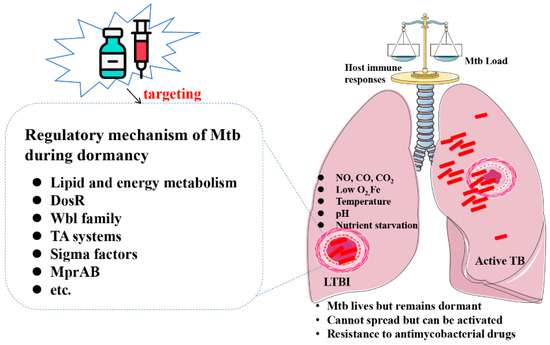
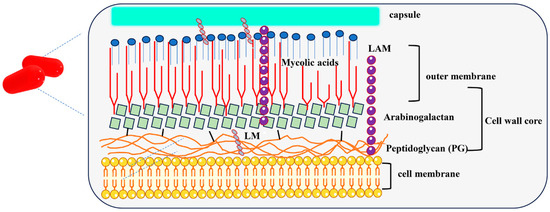
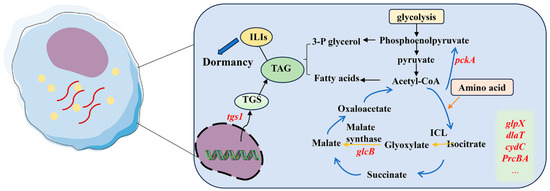
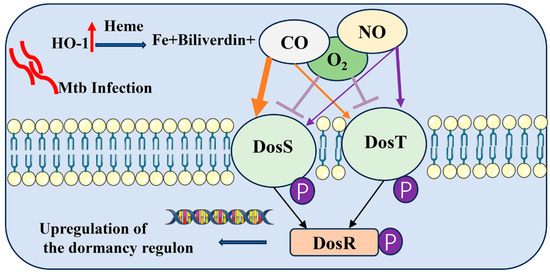
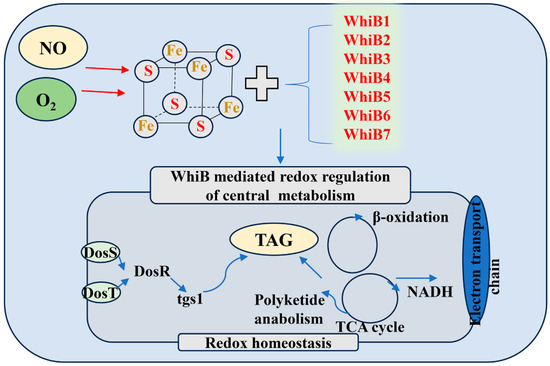
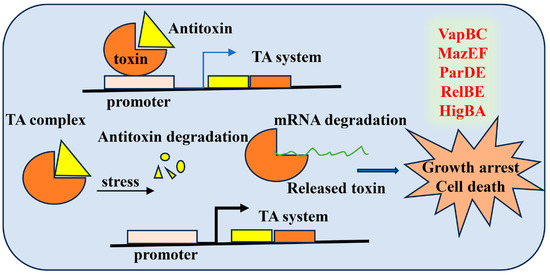
Mycobacterium tuberculosis (Mtb) complex, is a zoonotic disease that remains one of the leading causes of death worldwide. Latent tuberculosis infection reactivation is a challenging obstacle to eradicating TB globally. Understanding the gene regulatory network of Mtb during dormancy is important. This review discusses up-to-date information about TB gene regulatory networks during dormancy, focusing on the regulation of lipid and energy metabolism, dormancy survival regulator (DosR), White B-like (Wbl) family, Toxin-Antitoxin (TA) systems, sigma factors, and MprAB. We outline the progress in vaccine and drug development associated with Mtb dormancy.
Full article
►▼
Show Figures