


Abstract
Wellness tourism represents a significant growth sector within the global tourism industry; however, empirical research examining development determinants in resource-constrained, emerging African destinations remains limited. This study investigates the structural relationships among infrastructure development, community involvement, marketing and promotion, and visitor expectations/service quality in advancing wellness tourism at Allelobad Hot Spring in Ethiopia’s Afar Region. Using a quantitative methodology, structured questionnaires were administered to 210 respondents (visitors, local community members, and tourism stakeholders), resulting in 186 valid responses. Data were analyzed through Confirmatory Factor Analysis (CFA) and Partial Least Squares Structural Equation Modeling (PLS-SEM). Results demonstrate that all four determinants exert statistically significant positive effects on wellness tourism development (p < 0.001), with visitor expectations and service quality emerging as the strongest predictor (β = 0.35), followed by infrastructure development (β = 0.32), marketing and promotion (β = 0.30), and community involvement (β = 0.27). The structural model explains 68% of the variance in wellness tourism development, indicating substantial explanatory power. These findings underscore that sustainable wellness tourism growth in emerging destinations necessitates integrated, multidimensional strategies that simultaneously address physical infrastructure, stakeholder engagement, strategic positioning, and experiential excellence, rather than isolated sector-specific interventions.
1. Introduction
Tourism is a dynamic industry that evolves in response to changing consumer preferences, regulations, and global trends (Andreu et al., 2021). Growing to $6.3 trillion in 2023 and expected to reach over $9.0 trillion by 2028, the global wellness sector has hit an unparalleled milestone, indicating a fundamental shift in how tourists prioritize health and well-being in their travel decisions (Putrevu & Mertzanis, 2025). Wellness tourism has emerged as one of the fastest-growing segments of the tourism industry, distinguished by the holistic integration of physical, mental, and emotional health enhancement into travel experiences (Patil et al., 2025). Unlike conventional leisure tourism, which primarily emphasizes recreation and sightseeing, wellness tourism represents a paradigm shift toward purposeful travel that actively contributes to personal well-being through therapeutic activities, sustainable natural resource utilization, and transformative experiences (Balcioglu, 2025). This transformation reflects broader societal changes in consumer motivations and health consciousness. Modern travelers increasingly seek destinations that offer more than passive entertainment; they demand active engagement in wellness-enhancing activities that provide lasting health benefits beyond the vacation period (Wangzhou & Picken, 2022). The wellness tourism sector encompasses diverse experiences, ranging from thermal spring therapies and spa treatments to mindfulness retreats and preventive health programs, all unified by their focus on holistic wellness restoration (Putrevu & Mertzanis, 2025). Recent evidence shows that developing wellness tourism needs to combine local resources, teamwork among stakeholders, and effective marketing to meet changing tourist needs while also benefiting the community sustainably (Dini & Pencarelli, 2022; Majeed & Gon Kim, 2023).
Hot springs represent a particularly significant resource in the wellness tourism ecosystem (Joson et al., 2024; Phakdeephirot, 2021). These natural geothermal features have served as healing destinations since ancient civilizations, offering therapeutic benefits through mineral-rich waters that address various health conditions while providing relaxation and rejuvenation opportunities (Altman, 2000; Erfurt, 2021a). Hot springs are great places to build wellness destinations because they have therapeutic benefits, are naturally beautiful, and have cultural significance (Erfurt & Cooper, 2009). However, transforming natural hot spring resources into competitive wellness destinations demands more than geological advantages; it requires the systematic development of infrastructure, community engagement, effective marketing strategies, and service quality excellence (Joson et al., 2024).
Ethiopia’s Afar region exemplifies this untapped potential. The region’s unique geological features, which include a wealth of geothermal resources like the Allelobad Hot Spring and volcanic activity, offer ideal bases for wellness tourism endeavors (Kebadie & Ullah, 2026). Despite these inherent advantages, the region faces critical developmental challenges. The absence of comprehensive assessments examining the current development status, identification of inhibiting and enabling factors, and strategic planning frameworks has impeded progress toward establishing Allelobad as a recognized wellness destination (Mesafint, 2025). This research gap is particularly significant given that existing wellness tourism studies predominantly focus on upper-middle or high-income Asian and Middle Eastern contexts, lacking explicit analyses of resource constraints, infrastructure limitations, and developmental challenges parallel to sub-Saharan African settings (Tang & Suksonghong, 2025; Telfer & Sharpley, 2015).
The critical determinants influencing wellness tourism development at emerging destinations encompass multiple interconnected dimensions (Phuthong et al., 2023). Infrastructure development creates the fundamental physical underpinning that permits service delivery and visitor access (Bhuyan et al., 2025). Community involvement ensures local support, benefit sharing, and preservation of cultural authenticity (Li et al., 2025). Marketing and promotional efforts create destination awareness and attract target markets (Anannukul & Yoopetch, 2022). Visitor expectations and service quality determine satisfaction levels and repeat visitation intentions (Lim et al., 2016; Xia et al., 2024).
These factors operate synergistically, suggesting that isolated improvements in single dimensions may prove insufficient without holistic developmental approaches that address all the critical determinants simultaneously. This study addresses these gaps by systematically investigating the determinants of wellness tourism development at the Allelobad Hot Spring, employing both theoretical frameworks and empirical analysis.
The study systematically investigates the determinants of wellness tourism development at Allelobad Hot Spring, Afar Region, Ethiopia. Specifically, the objectives are as follows:
- To identify and evaluate the critical factors influencing the development of wellness tourism at Allelobad Hot Spring.
- To analyze the structural relationships among these factors using Partial Least Squares Structural Equation Modeling (PLS-SEM).
2. Literature Review
2.1. Conceptualizing Wellness Tourism in a Contemporary Context
Beyond its historical connection to spa services and medical treatments, the idea of wellness tourism has undergone substantial change (Zhong et al., 2021). According to recent research, wellness tourism is travel done voluntarily to maintain or improve one’s physical, mental, and spiritual well-being (Buzinde, 2020). This definition distinguishes wellness tourism from medical tourism through its preventive rather than curative focus, emphasizing lifestyle enhancement and disease prevention rather than the treatment of existing conditions (Zhong et al., 2021). The differentiation is important for destination development because, in contrast to medical tourists or traditional leisure travelers, wellness tourists seek alternative experiences, amenities, and service combinations (M. Smith & Puczkó, 2015).
The wellness tourism experience encompasses multiple dimensions that collectively contribute to visitor satisfaction and perceived value (Xie et al., 2022). Outdoor recreation in natural environments, exercise regimens, and therapeutic baths are examples of physical well-being activities. Stress reduction, mindfulness exercises, and cognitive repair through environmental immersion are all components of mental wellness (Fachrudin & Yasmin, 2025). The cultural experiences, deep social connections, and chances for personal development are all part of the emotional and spiritual well-being elements. Instead of considering these aspects as separate service components, successful wellness destinations incorporate them into seamless experiential offers (Dini & Pencarelli, 2022). This integration challenge is particularly acute for emerging destinations that must simultaneously develop multiple service categories while maintaining authenticity and quality standards.
According to a recent study, traditional tourism drivers and wellness tourism motives are very different (J. Lee & Kim, 2023). Wellness travelers actively look for life-changing experiences that result in long-lasting health and personal growth, whereas traditional tourists could be content with passive sightseeing and amusement (Huang et al., 2024).
This motivational distinction influences destination choice criteria, with wellness tourists prioritizing factors such as natural resource quality, service professionalism, program effectiveness, and holistic environment characteristics over conventional tourism attributes such as nightlife or shopping opportunities (Yoo et al., 2018). Destinations attempting to attract wellness tourists must therefore align their development strategies with these distinctive motivational profiles and expectation patterns (Kim et al., 2017). The sustainability imperative in wellness tourism development has gained prominence as stakeholders recognize the inherent contradiction between mass tourism’s impacts and wellness objectives (Bhuyan et al., 2025). Authentic wellness experiences require preserved natural environments, intact cultural traditions, and community well-being, precisely the elements that can be degraded by poorly managed tourism growth (Pande, 2024).
This paradox necessitates the development of approaches that balance commercial viability, environmental protection, and social equity. Community-based tourism models have emerged as particularly relevant for wellness destinations, enabling local participation in decision-making, equitable benefit distribution, and cultural authenticity preservation while maintaining service quality standards (Hubner et al., 2025).
2.2. Hot Springs as Wellness Tourism Resources
Hot springs occupy a unique position within wellness tourism because of their dual character as both natural attractions and therapeutic resources (Phakdeephirot, 2021). These geothermal features contain mineral-rich waters heated by underground volcanic or geothermal activity, offering demonstrable health benefits for various conditions, including musculoskeletal disorders, skin conditions, and stress-related ailments. The therapeutic efficacy of hot spring bathing has been documented across medical, physiological, and psychological dimensions, providing scientific legitimacy for wellness tourism claims that distinguish hot springs from purely recreational water attractions (Erfurt & Cooper, 2009). This evidence base enables hot spring destinations to target health-conscious travelers seeking empirically supported wellness interventions rather than merely aesthetic experiences (Handler, 2022).
The transformation of hot springs from local therapeutic resources to tourism destinations represents a complex developmental process requiring multiple infrastructure and service components (Mostafazadeh et al., 2025). Unlike fabricated attractions, which can be constructed according to predetermined specifications, hot spring development must adapt to existing geological conditions, water characteristics, and environmental constraints (Goswami & Rai, 2025).
This adaptation challenge includes managing water temperature variations, ensuring sustainable extraction rates, maintaining mineral composition, and preventing environmental degradation through overuse. Technical solutions must be integrated with cultural sensitivities, particularly in regions where hot springs hold traditional or spiritual significance for local communities (Hugues Gregoire Joson, 2024). A comparative analysis of successful hot spring wellness destinations reveals several common developmental patterns. Japanese onsen culture exemplifies how cultural traditions can be leveraged to create distinctive destination identities that differentiate hot springs from generic spa facilities (Mai, 2025). The integration of bathing rituals, architectural aesthetics, and hospitality traditions transforms hot spring visits into culturally immersive experiences that command premium prices and generate strong visitor loyalty (Liu et al., 2022). Similarly, Icelandic geothermal tourism demonstrates how environmental sustainability narratives can enhance destination appeal among environmentally conscious wellness tourists (Tverijonaite & Sæþórsdóttir, 2024). These international examples suggest that successful hot spring wellness tourism requires more than physical facility development; it demands cultural storytelling, experiential design, and environmental stewardship, which collectively create memorable and meaningful visitor experiences (Phakdeephirot, 2021). However, hot spring wellness destinations in developing regions face challenges that are not fully addressed by models derived from developed-nation contexts. Infrastructure limitations, capital constraints, human resource capacity gaps, and institutional weaknesses create developmental barriers that require adapted approaches rather than direct model transfers. The tension between rapid commercialization pressures and sustainable development imperatives is particularly acute in resource-constrained settings, where short-term revenue generation often takes precedence over long-term sustainability planning. These contextual factors underscore the need for research examining hot spring wellness tourism development within emerging economies that explicitly addresses resource limitations and institutional challenges (Mostafazadeh et al., 2025).
2.3. Destination Development Theory and Wellness Tourism
The development of wellness tourism destinations can be understood through established destination development frameworks, particularly Butler’s Tourism Area Life Cycle (TALC) model, which describes predictable evolutionary stages from exploration to consolidation and potential decline or rejuvenation (Butler, 2025). For hot spring wellness destinations, understanding the current life cycle stage provides critical insights for strategic planning, infrastructure investment prioritization, and marketing (Kozak & Martin, 2012). Destinations in the early development stages face distinct challenges compared to mature destinations, requiring different approaches to infrastructure development, stakeholder engagement, and market positioning (d’Angella et al., 2025).
Destination competitiveness theory further illuminates the factors determining wellness tourism success, emphasizing the interplay between resource endowments, destination management quality, and market positioning effectiveness (Phuthong et al., 2023). Competitive wellness destinations leverage their unique natural and cultural assets through strategic investments in infrastructure, human capital development, and marketing sophistication (Parma et al., 2020). They also establish governance structures that facilitate multi-stakeholder collaboration, ensuring that tourism development benefits local communities while maintaining environmental sustainability (Nuraini et al., 2025). The transformation from potential to competitive performance requires systematic attention to both supply-side factors, such as infrastructure and service quality, and demand-side factors, including visitor expectations, satisfaction determinants, and behavioral intentions (Wu et al., 2025).
2.4. Critical Determinants of Wellness Tourism Development
2.4.1. Infrastructure Development
One of the key factors that makes wellness tourism activities and guest experiences possible is infrastructure development (Dini & Pencarelli, 2022). Road networks, transit services, and directional signage are examples of access infrastructure that define destination reachability and influence first impressions of visitors (Dahanayake et al., 2025). Infrastructure for lodging must strike a balance between environmental integration, capacity requirements, and service quality standards suitable for wellness tourism markets (Dini & Pencarelli, 2022). Treatment facilities, including bathing facilities, spa structures, and therapy spaces, require specialized designs that address hygiene standards, accessibility requirements, and experiential quality expectations. Supporting infrastructure, such as water supply systems, waste management facilities, and energy sources, must operate reliably while minimizing environmental impacts. Recent research demonstrates that infrastructure quality significantly influences visitor satisfaction, behavioral intentions, and destination competitiveness within wellness tourism contexts (Zeng et al., 2021). However, infrastructure development presents particular challenges for emerging destinations with limited capital and technical expertise. The infrastructure requirements for wellness tourism often exceed those of conventional tourism because of higher quality standards, specialized facility needs, and sustainability imperatives (Ge & Chen, 2024). This resource intensity creates developmental dilemmas, where destinations must balance investment in physical infrastructure against other critical needs, such as human resource development and marketing initiatives (Al-Ansi et al., 2025).
The relationship between infrastructure investment and wellness tourism development is neither linear nor automatically positive (Li & Chen, 2022). Infrastructure that fails to align with destination character, environmental conditions, or market expectations can reduce rather than enhance destination competitiveness (Mikulić et al., 2024). The very qualities that first drew wellness tourists might be undermined by overbuilt infrastructure, which can deteriorate natural beauty and environmental quality (Breiby et al., 2021). Conversely, insufficient infrastructure constrains service delivery, limits visitor numbers, and prevents quality improvement. Therefore, strategic infrastructure planning must balance adequacy with appropriateness, ensuring that physical facilities support rather than dominate the wellness tourism experience (Mandić et al., 2018).
H1.
Infrastructure development has a significant positive effect on wellness tourism development at the Allelobad Hot Spring.
2.4.2. Community Involvement and Local Participation
Community involvement has emerged as a critical success factor for sustainable wellness tourism development, particularly in destinations where tourism represents new economic activity with potential social and cultural impacts (Brooks et al., 2023). Local communities provide cultural authenticity, environmental stewardship, and human resources that collectively shape destination character and service delivery quality (Elshaer et al., 2024). Community support for tourism development influences operational feasibility, social harmony, and long-term sustainability. Conversely, community opposition or ambivalence can generate conflicts, service quality problems, and reputational damage that undermine destination competitiveness (Arora et al., 2023). The mechanisms through which community involvement influences wellness tourism development operate across multiple dimensions (He et al., 2023). Economic participation through employment, entrepreneurship, and supply chain integration enables direct benefit flows that build support for tourism activities while diversifying local income sources (Dini & Pencarelli, 2022).
Decision-making participation through planning processes, governance structures, and policy formulation ensures that local priorities and concerns shape development trajectories rather than being overridden by external commercial interests (Jittamai et al., 2025). Cultural participation through tourism interpretation, hospitality practices, and experiential design preserves authentic traditions while generating pride in the local heritage (Perry, 2023). However, effective community involvement requires more than rhetorical commitment; it demands institutional mechanisms, capacity building, and benefit-sharing arrangements that translate participation principles into operational realities (Taneja, 2025). Many destinations exhibit participation gaps, where community consultation occurs nominally without meaningful influence on decisions. Power imbalances among external investors, government agencies, and local communities can marginalize local voices despite ostensible participation frameworks (Romão, 2025). Addressing these challenges requires explicit attention to the quality of participation rather than mere participation presence, with clear indicators of influence, benefit distribution, and accountability (Coghlan, 2015).
H2.
Community involvement positively influences wellness tourism development at the Allelobad Hot Spring.
2.4.3. Marketing and Promotion Strategies
Marketing and promotion are critical determinants that transform physical resources and service capabilities into market awareness, destination image, and visitor flows (Coghlan, 2015). Wellness tourism markets are characterized by specific information needs, decision criteria, and communication channel preferences that differ from mass tourism markets (J. Lee & Kim, 2023). Effective marketing must identify target segments, articulate distinctive value propositions, and communicate through channels that reach wellness-oriented travelers (Dubey & Pattanayak, 2025). Wellness tourism markets are characterized by specific information needs, decision criteria, and communication channel preferences that differ from those of mass tourism markets (Dini & Pencarelli, 2022). Effective marketing must identify target segments, articulate distinctive value propositions, and communicate through channels that reach wellness-oriented travelers (Puczkó, 2010). Digital marketing through websites, social media, and online review platforms has become essential for destination visibility, while traditional channels, including travel media, tour operators, and word-of-mouth referrals, retain importance (Goyal & Taneja, 2023). Destination branding for wellness tourism requires particular attention to authenticity, credibility, and differentiation. Wellness tourists exhibit heightened skepticism toward promotional claims given the sector’s history of pseudoscientific assertions and exaggerated benefit claims.
H3.
Marketing and promotion efforts have a positive and significant impact on wellness tourism development at Allelobad Hot Spring.
2.4.4. Visitor Expectation and Service Quality
Customer satisfaction, behavioral intentions, and destination success are all directly impacted by visitor expectations and service quality (Ghorbanzadeh et al., 2021). Wellness tourists arrive with specific expectations shaped by marketing communications, previous experiences, word-of-mouth information, and general wellness tourism familiarity (Seow et al., 2024). These expectations encompass multiple dimensions, including therapeutic benefits, service professionalism, environmental quality, and experiential authenticity (Han et al., 2025).
The perceived performance of destination offerings in relation to these expectations is represented by service quality, with dissatisfaction arising from negative disparities and pleasure occurring when performance meets or surpasses expectations (Amissah et al., 2021). The wellness trend has increased the popularity of hot springs, necessitating upgrades and developments to meet visitor needs (Erfurt, 2021c).
For emerging destinations establishing market positions, initial service quality determines whether they successfully build positive reputations or struggle with negative perceptions, limiting their growth potential.
H4.
Visitor expectations and service quality significantly affect wellness tourism development at Allelobad Hot Spring.
2.5. Conceptual Framework
The synthesis of theoretical perspectives and empirical evidence presented in the preceding sections converges on an integrated conceptual framework explaining wellness tourism development at hot spring destinations. This framework, illustrated in Figure 1, conceptualizes wellness tourism development as a dependent variable influenced by four primary determinants: infrastructure development, community involvement, marketing and promotion, and visitor expectations/service quality. Each determinant exerts direct influence on development outcomes while also interacting with other determinants in complex ways that amplify or constrain overall development effectiveness.
Figure 1.
Conceptual Model of the Study. Source: Author’s own compilation.
3. Research Methodology
3.1. Study Area
Allelobad Hot Spring is located in Debeliena Halibayri Kebele in Dubti District, approximately 20 km from Semera, the capital of the Afar National Regional State, and about 30 km from Dubti town. The site is situated within a geologically active area characterized by geothermal features and arid lowland landscapes typical of the Afar Depression (Menelek, 2021). The location of the study area is presented in Figure 2. Currently, tourism development at Allelobad Hot Spring remains at an early stage. The site primarily attracts domestic visitors from Semera, Dubti, and surrounding districts, particularly during weekends and public holidays. Based on local administrative estimates and field observations during the data collection period, the hot spring receives several hundred visitors per year, with seasonal fluctuations influenced by climatic conditions and accessibility. International tourist arrivals remain minimal, largely due to limited promotion, infrastructure constraints, and low destination visibility in global wellness tourism markets.
Figure 2.
Map of the study area. Source: (Menelek, 2021), used with permission.
The tourism offer at Allelobad is predominantly nature-based and informal. The primary attraction is the natural geothermal spring, where visitors engage in bathing and relaxation activities for perceived therapeutic benefits. The site is traditionally used by local communities for medicinal bathing and cooking purposes, reflecting its cultural and practical significance.
In terms of tourism infrastructure, accommodation options in close proximity to the hot spring are minimal, with most visitors staying in lodges or hotels in Semera town. On-site facilities include informal bathing areas and basic utilities, but structured spa facilities, organized wellness programs, professional service delivery systems, and visitor information centers are largely absent.
Despite these limitations, Allelobad possesses significant potential for structured wellness tourism development due to its geothermal resource base, proximity to the regional capital, and growing domestic interest in health-related travel.
3.2. Research Design and Approach
This study employs a quantitative research approach with descriptive and explanatory research designs to examine the determinants of wellness tourism development at the Allelobad Hot Spring.
The descriptive component assesses the current state of wellness tourism development, infrastructure provision, community involvement, marketing effectiveness, and service quality perceptions. The explanatory design examines the causal relationships between these determinants and wellness tourism development outcomes, testing the hypothesized relationships derived from theoretical frameworks and empirical literature. This dual design approach enables a comprehensive understanding encompassing both current conditions and the causal mechanisms underlying development processes.
Many academic fields, including business studies, natural sciences, mathematical sciences, and social sciences, have recently embraced quantitative research (Mohajan, 2020).
The overall research process followed in this study is presented in Figure 3.
Figure 3.
Research Process Steps.
3.3. Sample Size, Sampling Technique, and Data Collection Instrument
The sample size for this study was determined based on the widely accepted guideline that each measurement item in a structured questionnaire should be supported by at least five to ten respondents to ensure statistical adequacy, particularly when advanced multivariate techniques are employed (Manhas et al., 2025). Given that the questionnaire for this study consisted of 24 measurement items covering five constructs (infrastructure development, community involvement, marketing and promotion, visitor expectations and service quality, and wellness tourism development), a minimum sample size of 175 respondents was necessary.
To enhance statistical power, improve model stability, and ensure suitability for Partial Least Squares Structural Equation Modeling (PLS-SEM) and multiple regression analysis, the final sample size was set at 186 respondents. This sample size is in line with earlier travel and hospitality studies using comparable approaches, and both meets and surpasses the suggested thresholds for SEM-based analysis (Michael et al., 2004; Weston & Gore, 2006). Before questionnaire administration, respondents were provided with a brief and clear explanation of wellness tourism to ensure a common understanding. In line with the Global Wellness Institute’s definition, wellness tourism is travel undertaken to maintain or enhance personal health and well-being, emphasizing healthy lifestyles, stress reduction, disease prevention, and holistic wellness through voluntary, non-medical activities.
A non-probability convenience sampling technique, complemented by purposive sampling, was employed in this study. This approach was considered appropriate because of the absence of a comprehensive sampling frame of wellness tourists and stakeholders visiting the Allelobad Hot Spring, as well as the exploratory and applied nature of the research.
Respondents were purposively selected from three groups: (i) visitors to the hot spring site, who provided insights into service quality and visitor expectations; (ii) local community members engaged in tourism-related activities, whose perspectives informed constructs related to community involvement; and (iii) tourism stakeholders such as local administrators and wellness practitioners, who contributed knowledge on infrastructure and marketing. While this mixed sample allowed for a multidimensional understanding of wellness tourism development, we acknowledge that different respondent groups may emphasize different constructs.
Convenience sampling was adopted to facilitate access to respondents at the study site and to ensure an adequate response rate within the available timeframe.
The use of convenience and purposive sampling is consistent with previous tourism and hospitality studies conducted in destination-based settings, where respondents were selected based on accessibility and relevance to the research objectives (Harrington et al., 2011).
The sample size was determined using the formula proposed by (Cochran, 1977), which is widely applied in tourism, social science, and SEM-based research when the population is large or unknown.
where p = estimated population proportion (0.5, standard default assumption maximizing variance when true proportion is unknown); z = standard normal deviate (1.96 for 95% confidence level); e = desired precision level (0.05 margin of error).
The sample size for this study was determined using the formula proposed by (Cochran, 1977), which is appropriate for large or unknown populations. Using a 95% confidence level (Z = 1.96), an assumed population proportion of 0.50, and a margin of error of 6.7%, the calculated sample size was approximately 214 respondents.
During data collection, 214 questionnaires were distributed, but 24 were excluded due to incomplete responses or inconsistencies. Consequently, 186 valid responses were retained for the final analysis. This adjustment is consistent with best practices in quantitative research, where incomplete or invalid data are excluded to preserve the reliability and validity of statistical results. The final sample size of 186 exceeds the minimum requirement of 175 respondents based on the measurement-item guideline, and while slightly below the Cochran-calculated figure, it remains within acceptable limits for SEM analysis, ensuring adequate statistical power and explanatory robustness.
Primary data were collected using a structured questionnaire developed based on validated measurement scales from previous studies in wellness tourism, destination development, and service quality literature.
All measurement items were assessed using a five-point Likert scale from 1 = strongly disagree to 5 = strongly agree. The use of a five-point Likert scale was justified because of its reliability, simplicity, and effectiveness in reducing respondent fatigue while maintaining sufficient variability for statistical analysis.
Data were collected using a dual-mode approach to enhance response rates and respondent convenience. First, on-site self-administered paper questionnaires were distributed to respondents at Allelobad Hot Spring and collected immediately after completion. Second, an online version of the questionnaire was created using Google Forms and made accessible through QR codes, allowing respondents to complete the survey digitally using mobile devices. This combined approach ensured flexibility in data collection, minimized non-response bias, and facilitated the inclusion of respondents with different preferences for completing the survey.
Content Validity and Instrument Validation
Prior to full-scale data collection, the questionnaire underwent content validation using the Index of Item Objective Congruence (IOC) method. Three experts in tourism and hospitality management with research experience in wellness tourism and destination development were invited to evaluate the relevance, clarity, and representativeness of each item in relation to the study constructs. Each expert rated the congruence of the items with the intended objectives using a three-point scale (+1 = clearly congruent, 0 = uncertain, −1 = incongruent). IOC values were calculated for each item by averaging the expert ratings. All items achieved IOC values greater than 0.80, exceeding the commonly recommended threshold of 0.50, indicating satisfactory content validity. Minor wording revisions were made based on expert feedback to enhance clarity and contextual relevance before administering the final survey.
3.4. Measurement of Variables
Four factors were examined in this study. Based on the research premise, 30 items were included in the survey. A 5-point Likert scale ranging from 1 (totally disagree) to 5 (absolutely agree) was used to report all items.
Primary data were collected using a structured questionnaire adapted from previously validated measurement scales in tourism development, destination competitiveness, and service quality literature. Each construct was operationalized based on established theoretical foundations and empirical instruments to ensure content validity and comparability with prior studies.
Infrastructure development items were adapted from prior studies on wellness tourism infrastructure (Dini & Pencarelli, 2022; Zeng et al., 2021). Community involvement items reflected cultural authenticity and benefit-sharing dimensions (Brooks et al., 2023; Elshaer et al., 2024). Marketing and promotion items drew on destination branding and digital visibility frameworks (Dini & Pencarelli, 2022; Goyal & Taneja, 2023; Puczkó, 2010). Visitor expectation and service quality items were adapted from established scales in tourism service quality literature (Chua et al., 2025; Sthapit et al., 2025).
All items were contextually adapted to reflect the characteristics of Allelobad Hot Spring while preserving the conceptual integrity of the original scales. Minor wording adjustments were made to ensure clarity and local relevance.
It is important to note that all constructs in this study were operationalized as perceptual variables measured through respondents’ self-reported evaluations using Likert-scale items. Therefore, the structural relationships examined in this research reflect participants’ perceptions of infrastructure adequacy, community involvement, marketing effectiveness, service quality, and wellness tourism development, rather than objective or externally verified development indicators.
3.5. Data Analysis Technique
The author employed multiple linear regression to examine the extent to which the independent variables (infrastructure, community involvement, marketing and promotion, and visitor expectations and service quality) influence the dependent variable of wellness tourism development in Allelobad. Multiple regression is an appropriate technique for assessing the relationship between one continuous dependent variable and multiple independent variables (Plonsky & Ghanbar, 2018). This allows us to quantify the impact of each predictor, test for significance, and determine how well the model explains the variance in the dependent variable. It is widely used in tourism development research (Chen et al., 2013; Esfandyari et al., 2023) to model the influence of multiple interrelated development factors.
3.5.1. Confirmatory Factor Analysis (CFA)
Confirmatory factor analysis using AMOS version 16 validated the measurement model and assessed construct validity and internal consistency. CFA was used to evaluate whether the observed indicators adequately measured their intended latent constructs by examining standardized factor loadings, composite reliability, average variance extracted (AVE), and discriminant validity. Model fit was assessed using multiple indices, including chi-square (χ2), degrees of freedom (df), chi-square to degrees of freedom ratio (χ2/df), root mean square residual (RMR), goodness-of-fit index (GFI), adjusted goodness-of-fit index (AGFI), comparative fit index (CFI), and root mean square error of approximation (RMSEA). Construct reliability was assessed using Cronbach’s alpha and composite reliability (CR), with a threshold of 0.70 indicating acceptable internal consistency. Convergent validity requires standardized factor loadings exceeding 0.70 and AVE values above 0.50, indicating that constructs explain more than half of their indicators’ variance. Discriminant validity was evaluated by comparing the square root of each construct’s AVE with the inter-construct correlations. Adequate discriminant validity requires the square root of the AVE to exceed all inter-construct correlations.
3.5.2. Structural Equation Modeling (SEM)
Following measurement model validation, structural equation modeling was used to assess the hypothesized relationships between the independent variables and wellness tourism development. PLS-SEM was selected as the primary analytical technique because of its suitability for exploratory research, capability to handle complex models with multiple relationships, and robustness to non-normality. The structural model estimated path coefficients (β) representing the strength and direction of the relationships between determinants and wellness tourism development, testing whether these relationships achieved statistical significance (p < 0.05). Model fit evaluation used criteria including χ2/df, GFI, AGFI, NFI (Normed Fit Index), CFI, RMR, and RMSEA, with threshold values consistent with those used for CFA. Hypothesis testing examined whether the path coefficients significantly differed from zero, with significant positive relationships supporting the hypothesized determinant effects on wellness tourism development. The analysis also assessed the proportion of variance explained (R2) in the dependent variable, which indicates the model’s overall explanatory power. SEM is widely used in tourism research to test complex models that involve multiple factors (Usakli & Kucukergin, 2018).
4. Results
4.1. Response Rate and Data Screening
A total of 210 questionnaires were distributed to respondents at Allalobed Hot Spring, Afar Region, using both on-site (paper-based) and online (Google Forms) survey methods. Out of these, 186 questionnaires were correctly completed and returned, resulting in a response rate of 88.6%. This response rate exceeds the typical threshold of 60–70% recommended for tourism studies and is comparable to recent wellness tourism research (Lu et al., 2015). Prior to data analysis, the collected data were screened for missing values, normality, multicollinearity, and outliers. Incomplete questionnaires and responses with substantial missing data were excluded. After the data cleaning process, 186 valid responses were retained for final analysis. This sample size was considered sufficient for conducting descriptive statistics and advanced multivariate analyses related to wellness tourism development.
4.2. Demographic Profile of Respondents
The demographic characteristics reveal a relatively diverse respondent profile. Male respondents dominated (61.3%), while females accounted for 38.7%. Most respondents fell within the 21–30 years age group (42.5%), followed by those aged 31–40 years (27.4%). This demographic pattern aligns with recent findings that wellness tourism particularly attracts young and economically active age groups. consistent with observations by (Backman et al., 2023) that younger tourists increasingly seek transformative wellness experiences. A sizable percentage of respondents had either a postgraduate degree (29.6%) or a first degree (38.2%), indicating a reasonably educated visitor profile. This educational profile mirrors patterns documented in Asian wellness destinations and supports earlier research indicating that wellness tourists tend to be more educated than conventional tourists.
Regarding wellness tourism experiences, the most commonly reported activities were hot spring bathing and relaxation (31.7%), followed by stress relief and mental relaxation (26.3%) and nature-based wellness experiences (22.6%). This distribution reflects the fundamental motivational differences between wellness tourists and conventional tourists, supporting research by (Karagianni et al., 2025), who found that wellness tourists prioritize physical and mental restoration over passive entertainment. The majority indicated natural hot spring environments (41.4%) as their primary wellness setting, underscoring the dominance of nature-based wellness tourism at the destination, a pattern consistent with successful geothermal wellness destinations globally. These respondent characteristics and wellness tourism preferences are summarized in Table 1.
Table 1.
Demographic profile and wellness tourism characteristics of respondents.
4.3. Descriptive Statistics
Table 2 presents the descriptive statistics of the study constructs. Mean values for all variables ranged from 4.12 to 4.33, indicating generally positive perceptions of infrastructure development, community involvement, marketing and promotion, visitor expectations and service quality, and wellness tourism development. Skewness and kurtosis values were within acceptable ranges, confirming the suitability of the data for multivariate analysis.
Table 2.
Statistical summary: mean, standard deviation, skewness, and kurtosis.
4.4. Measurement Model Evaluation
The measurement model results for infrastructure development, community involvement, marketing and promotion, and visitor expectations/service quality are summarized in Table 3. The table presents the mean, standard deviation, standardized loadings, and squared multiple correlations for each construct, which are used to assess reliability and validity of the measurement model.
Table 3.
Measurement model results.
4.4.1. Reliability and Convergent Validity
Confirmatory Factor Analysis (CFA) using AMOS Version 16 validated the measurement model. All constructs demonstrated strong internal consistency, with Cronbach’s alpha values ranging from 0.846 to 0.915, exceeding the recommended threshold of 0.70. Composite reliability (CR) values for all constructs exceeded 0.70, confirming measurement scale reliability. These reliability indicators are comparable to or exceed those reported in recent wellness tourism studies and destination competitiveness research. To assess the potential issue of multicollinearity, squared multiple correlations (SMCs) were examined. According to (Kline, 2023), multicollinearity becomes problematic when SMC values approach or equal 1.0. The results indicated that all SMC values were well below this critical threshold, with the highest SMC value recorded at 0.71 (VIS4). This confirms that multicollinearity was not a concern in the measurement model. Detailed reliability and validity statistics are presented in Table 4.
Table 4.
Reliability and validity results.
Following the establishment of content validity through IOC assessment, internal consistency reliability and construct validity were evaluated using Confirmatory Factor Analysis (CFA). The results in Table 4 indicate that all constructs demonstrate strong internal consistency. Cronbach’s alpha values range from 0.846 to 0.915, exceeding the minimum recommended threshold of 0.70 (Kline, 2023). Similarly, composite reliability (CR) values for all constructs surpass the recommended cutoff of 0.70, confirming the reliability of the measurement scales (Fornell & Larcker, 1981).
Standardized factor loadings and the AVE value were used to evaluate convergent validity. All retained items exhibited standardized factor loadings greater than 0.70 and were statistically significant (p < 0.001). In addition, AVE values for all constructs exceeded the recommended threshold of 0.50, indicating that each construct explains more than half of the variance of its indicators. These findings confirm adequate convergent validity for the measurement model.
Discriminant validity was evaluated by comparing the square root of the AVE for each construct with its inter-construct correlations. The square root of the AVE for each construct was greater than the corresponding inter-construct correlations, thereby establishing satisfactory discriminant validity in line with the criteria proposed by (Fornell & Larcker, 1981).
As presented in Table 5, the square root of AVE values (diagonal elements) is greater than the corresponding inter-construct correlations (off-diagonal elements) for all constructs. This indicates that each construct shares more variance with its own indicators than with other constructs, thereby confirming adequate discriminant validity of the measurement model.
Table 5.
Discriminant Validity (Fornell–Larcker Criterion).
4.4.2. CFA Model Fit Assessment
Prior to assessing the structural relationships, the measurement model was assessed using the two-step analytical process recommended by (Anderson & Gerbing, 1988). CFA results indicated an acceptable to good model fit. Specifically, the goodness-of-fit indices were as follows: χ2 = 412.36; df = 265; χ2/df = 1.56; GFI = 0.902; AGFI = 0.871; CFI = 0.955; RMR = 0.031; RMSEA = 0.054.
These values fall within the acceptable thresholds recommended in the SEM literature (Sahoo, 2019), confirming that the measurement model adequately fits the observed data. Therefore, the first step of SEM analysis validation of the measurement model was successfully achieved.
4.5. Exploratory Factor Analysis (EFA)
The Exploratory Factor Analysis (EFA) results presented in Table 6 confirm the factorial validity and internal consistency of the measurement scale used in this study. Five distinct factors emerged: infrastructure development, community involvement, marketing and promotion, visitor expectations & service quality, and wellness tourism development, which aligns well with the theoretical framework of the study.
Table 6.
Results of exploratory factor analysis (EFA).
All measurement items loaded strongly on their respective constructs, with factor loadings ranging from 0.71 to 0.87, exceeding the recommended minimum threshold of 0.50 (Hair et al., 2019b). This indicates that each item contributes meaningfully to its underlying construct. Additionally, communality values ranged from 0.58 to 0.83, suggesting that a substantial proportion of variance in each item is explained by the extracted factors, consistent with best practices in factor analysis (Watkins, 2018).
The infrastructure development construct demonstrated strong internal reliability (Cronbach’s α = 0.873), with all items (INF1–INF5) loading highly on a single factor. This supports prior studies that emphasize the critical role of infrastructure, such as accessibility, accommodation, and basic facilities, in enhancing tourism development and visitor satisfaction (Nunkoo et al., 2020; Telfer & Sharpley, 2015).
Similarly, community involvement exhibited robust reliability (α = 0.861), with factor loadings above 0.75 for all items. This result is consistent with past studies showing that strong local community involvement improves tourism sustainability, service quality, and visitor experience (Tabatabaei et al., 2025; Tosun, 2006).
The marketing and promotion construct also showed acceptable reliability (α = 0.846) and strong factor loadings, confirming the importance of effective destination promotion in shaping tourist awareness and expectations. This outcome is in line with other research on tourism that highlights marketing communication as a major factor influencing location competitiveness and traveler choices (Pike & Page, 2014).
Furthermore, visitor expectations & service quality emerged as a highly reliable construct (α = 0.902), indicating that tourists’ perceptions of service performance and expectation fulfillment are central to tourism evaluation. This validates well-established expectancy-disconfirmation and service quality theories in tourist research (Oliver, 2001; Ray & Rahman, 2016). Finally, wellness tourism development recorded the highest internal consistency (α = 0.915), with all items demonstrating strong loadings. This result supports previous research on wellness tourism that views well-being development as a multifaceted notion impacted by amenities, services, and experiential value (M. Smith & Puczkó, 2014).
Overall, the EFA results confirm that the measurement model is reliable, valid, and theoretically grounded, providing a strong foundation for subsequent confirmatory factor analysis (CFA) and structural equation modeling (SEM).
HTMT values below 0.90 (Henseler et al., 2015) confirm adequate discriminant validity among all latent constructs. All values also remain largely below the conservative threshold of 0.85, indicating robust construct distinctiveness. The discriminant validity of the measurement model was assessed using the Heterotrait–Monotrait (HTMT) ratio of correlations. As presented in Table 7, all HTMT values range from 0.764 to 0.867, which are below the recommended threshold of 0.90 (Ringle et al., 2015). Moreover, most of the values remain below the more conservative cutoff of 0.85, indicating strong construct distinctiveness.
Table 7.
HTMT analysis.
4.6. Confirmatory Factor Analysis
The confirmatory factor analysis (CFA) results presented in Table 8 demonstrate that all measurement items loaded strongly and significantly on their respective latent constructs, confirming the adequacy of the measurement model. All standardized factor loadings exceeded the recommended threshold of 0.70, indicating good indicator reliability (Hair et al., 2019a). Moreover, all loadings were statistically significant at p < 0.001, supporting the convergent validity of the constructs.
Table 8.
Confirmatory factor analysis load.
For infrastructure development, standardized loadings ranged from 0.72 to 0.81, with composite reliability (CR = 0.879) and average variance extracted (AVE = 0.593) exceeding the minimum acceptable values of 0.70 and 0.50, respectively. This suggests that access roads, accommodation quality, hygienic spa facilities, basic utilities, and visitor information are reliable indicators of tourism infrastructure, consistent with prior tourism development studies (Pan et al., 2024; Rogerson & Rogerson, 2018).
Similarly, community involvement showed satisfactory factor loadings (0.73–0.82), with strong reliability (CR = 0.868) and acceptable convergent validity (AVE = 0.568). These results align with earlier findings that emphasize local community support, participation, cultural respect, and benefit-sharing as core dimensions of sustainable tourism development (Nunkoo & Ramkissoon, 2011; Tosun, 2006).
The construct of marketing and promotion also demonstrated robust measurement properties, with factor loadings ranging from 0.70 to 0.80, a CR of 0.852, and an AVE of 0.542. This confirms that digital marketing effectiveness, destination branding, targeted promotion, and visitor awareness are key elements in destination marketing, supporting previous tourism marketing research (Buhalis & Foerste, 2015; Pike & Page, 2014).
For visitor expectations and service quality, all items exhibited high loadings (0.77–0.84), along with strong reliability (CR = 0.908) and convergent validity (AVE = 0.621). These findings are consistent with service quality and expectancy-disconfirmation theory, which posit that satisfaction arises when health benefits, service performance, cultural experiences, and environmental quality meet or exceed visitor expectations (W.-I. Lee et al., 2010; Voss et al., 1998).
Finally, wellness tourism development recorded high factor loadings (0.78–0.85), with excellent composite reliability (CR = 0.921) and AVE (0.639), indicating that growth trends, investment, visitor numbers, and long-term potential are reliable indicators of destination-level wellness tourism development. This supports earlier empirical studies linking infrastructure, services, and investment to sustained tourism growth (Küçükergin et al., 2021; M. K. Smith & Puczkó, 2016).
Overall, the CFA results demonstrate the validity and reliability of the measurement model, offering a strong basis for further structural equation modeling and hypothesis testing. The findings are consistent with prior tourism and wellness literature and validate the use of the proposed constructs in the context of wellness tourism development at Allelobad Hot Spring.
These results confirm that infrastructure development, community involvement, marketing and promotion, visitor expectations and service quality, and wellness tourism development are empirically distinct constructs. This suggests that each construct captures a unique conceptual domain and does not excessively overlap with others, thereby supporting the adequacy of the measurement model for further structural analysis. The findings are consistent with prior tourism and hospitality studies that employed HTMT to establish discriminant validity in multidimensional tourism development models (Darvishmotevali et al., 2024; Sarstedt et al., 2020). Similar results have been reported in wellness and destination development research, where closely related constructs such as service quality, destination marketing, and community participation were found to be conceptually distinct yet complementary (Seow et al., 2024; Su et al., 2020).
Overall, the HTMT results provide strong evidence of discriminant validity, confirming that the latent variables used in this study are sufficiently different from one another and suitable for testing the hypothesized relationships in the structural model.
4.7. Structural Equation Modelling and Hypotheses Testing Results
Following measurement model validation, structural equation modeling assessed hypothesized relationships between determinants and wellness tourism development. As illustrated in Figure 4, tthe structural model demonstrated an acceptable to good fit (χ2 = 338.21; df = 104; χ2/df = 3.25; GFI = 0.919; AGFI = 0.889; NFI = 0.917; CFI = 0.942; RMR = 0.029; RMSEA = 0.071). These fit indices align with recommended SEM thresholds and are consistent with recent tourism development studies employing similar methodologies.
Figure 4.
SEM Results, *** p < 0.001.
Following the successful validation of the measurement model, Structural Equation Modelling (SEM) was employed to test the hypothesized relationships among infrastructure development, community involvement, marketing and promotion, visitor expectations and service quality, and wellness tourism development at Allelobad Hot Spring.
The structural model demonstrated an acceptable to good fit with the observed data. The model fit indices satisfied commonly accepted threshold values recommended in the SEM literature. Specifically, the chi-square to degrees of freedom ratio was within the acceptable range, and incremental as well as absolute fit indices exceeded minimum criteria, confirming the robustness of the structural model.
Structural Model Fit Indices
χ2 = 338.21; df = 104; χ2/df = 3.25; GFI = 0.919; AGFI = 0.889; NFI = 0.917; CFI = 0.942; RMR = 0.029; RMSEA = 0.071.
These results indicate that the proposed structural model adequately explains the relationships among the latent constructs and is appropriate for hypothesis testing in the context of wellness tourism development.
The standardized path coefficients, t-values, and significance levels for the hypothesized relationships are presented in Table 9. All four hypothesized paths were positive and statistically significant at p < 0.01, providing strong empirical support for the proposed research framework.
Table 9.
Structural path estimates and hypotheses testing results.
The coefficient of determination (R2) for wellness tourism development was 0.68, indicating that 68% of the variance in perceived wellness tourism development is explained by infrastructure development, community involvement, marketing and promotion, and visitor expectations and service quality. This level of explanatory power is considered substantial for tourism and hospitality research using SEM.
Perceived infrastructure development exhibited a strong and significant positive effect on perceived wellness tourism development (β = 0.32, p < 0.001). This finding highlights the critical role of access roads, accommodation facilities, hygienic spa infrastructure, and visitor information systems in supporting the growth of wellness tourism at Allelobad Hot Spring.
Community involvement also showed a significant positive influence on wellness tourism development (β = 0.27, p < 0.001). This result underscores the importance of local participation, economic benefits, cultural respect, and effective communication between authorities and communities in fostering sustainable wellness tourism development.
Marketing and promotion emerged as another significant predictor of wellness tourism development (β = 0.30, p < 0.001). Effective digital marketing, destination branding, and promotion of wellness and health benefits enhance destination visibility and attract wellness-oriented tourists.
Visitor expectations and service quality exerted the strongest influence on wellness tourism development (β = 0.35, p < 0.001). This indicates that delivering expected health benefits, ensuring professional service delivery, maintaining a clean and safe environment, and providing culturally enriched experiences are central to the success and competitiveness of Allelobad Hot Spring as a wellness tourism destination. Overall, the SEM results confirm that wellness tourism development at Allelobad Hot Spring is driven by a combination of physical infrastructure, stakeholder engagement, strategic marketing, and high-quality visitor experiences. All of the hypotheses’ empirical backing supports the validity of the suggested conceptual framework and offers a solid basis for strategic planning and policy recommendations meant to establish Allelobad Hot Spring as a sustainable wellness tourism destination in the Afar Region.
5. Discussion
It is important to emphasize that the findings of this study reflect respondents’ perceptions of wellness tourism development and its determinants rather than objective destination performance indicators. The structural relationships identified through SEM, therefore, indicate how stakeholders evaluate and interpret development conditions at Allelobad Hot Spring, which may not necessarily correspond to externally measured economic, infrastructural, or institutional metrics.
5.1. Infrastructure Development and Wellness Tourism Development
The findings demonstrate that infrastructure development has a significant positive effect on wellness tourism development at Allelobad Hot Spring (β = 0.32, p < 0.001). This result confirms that physical accessibility, accommodation facilities, hygienic bathing infrastructure, and basic utilities constitute foundational enablers of wellness tourism growth. The results indicate that infrastructure development significantly influences wellness tourism development, confirming that accessibility, accommodation quality, and basic utilities are critical enablers of wellness destinations.
This result is in line with earlier research that highlighted infrastructure as a requirement for wellness destination competitiveness (Bhuyan et al., 2025; Dini & Pencarelli, 2022; Zeng et al., 2021). Similar evidence from geothermal destinations in Asia and Europe indicates that inadequate access roads, poor utilities, and substandard spa facilities significantly constrain visitor satisfaction and destination growth (Mostafazadeh et al., 2025; Phakdeephirot, 2021).
In the context of Allelobad Hot Spring, the acceptability of this result is particularly high due to the region’s peripheral location and limited tourism infrastructure. For emerging destinations in resource-constrained regions, infrastructure development functions not merely as a quality enhancer but as a threshold condition for market participation. This finding supports TALC theory by indicating that Allelobad remains in an early development stage, where infrastructure investments yield disproportionately strong impacts on destination performance (Butler, 2025).
5.2. Community Involvement and Wellness Tourism Development
Community involvement was found to exert a significant positive influence on wellness tourism development (β = 0.27, p < 0.001), underscoring the role of local participation, cultural respect, and benefit sharing in destination development. Community involvement was found to have a positive and significant effect on wellness tourism development, reinforcing the importance of local participation, cultural preservation, and shared benefits.
This result aligns with extensive literature asserting that community engagement enhances sustainability, legitimacy, and experiential authenticity in wellness tourism (Brooks et al., 2023; Hubner et al., 2025; Li et al., 2025). Previous studies indicate that ethical destination practices and culturally grounded experiences are valued by wellness tourists, making community involvement a competitive benefit rather than a limitation (Dini & Pencarelli, 2022).
The result is highly acceptable within the Afar socio-cultural context, where tourism intersects with traditional land use, cultural norms, and communal governance structures. Without community support, wellness tourism development risks social resistance and cultural dilution. Therefore, the positive relationship confirms that inclusive governance and local economic participation are not optional but essential for sustainable wellness tourism development in emerging destinations.
5.3. Marketing and Promotion and Wellness Tourism Development
Marketing and promotion were found to have a significant and positive effect on wellness tourism development (β = 0.30, p < 0.001), highlighting the importance of destination visibility, branding, and communication of wellness value propositions. The findings reveal that marketing and promotion significantly contribute to wellness tourism development, underscoring the importance of destination visibility and brand communication. Visitor expectations and service quality emerged as the strongest predictors of wellness tourism development, highlighting the central role of experiential performance.
This finding is consistent with prior research indicating that wellness tourism demand is information-intensive and image-driven (Anannukul & Yoopetch, 2022; J. Lee & Kim, 2023). It has been demonstrated that destination awareness, perceived authenticity, and travel intentions are influenced by effective digital promotion, wellness branding, and reliable health-related messaging (Goyal & Taneja, 2023; Puczkó, 2010).
In the case of Allelobad Hot Spring, the acceptability of this result reflects the destination’s low market visibility and weak brand identity. Unlike established wellness destinations, Allelobad lacks international recognition, making marketing a development catalyst rather than a complementary function. According to this research, wellness tourism development in early-stage destinations can be significantly accelerated by even little enhancements in focused promotion and digital presence.
5.4. Visitor Expectations, Service Quality, and Wellness Tourism Development
Visitor expectations and service quality emerged as the strongest determinant of wellness tourism development (β = 0.35, p < 0.001), indicating that perceived performance relative to expectations is central to destination success. Visitor expectations and service quality emerged as the strongest predictors of wellness tourism development, highlighting the central role of experiential performance.
This result strongly supports expectation confirmation theory and aligns with previous wellness tourism studies emphasizing service quality as a primary driver of satisfaction, loyalty, and destination reputation (Han et al., 2025; Lim et al., 2016; Xia et al., 2024). Cleanliness, safety, professional service delivery, and fulfillment of perceived health benefits are repeatedly identified as critical success factors in hot spring destinations (Erfurt, 2021b; Mikulić et al., 2024).
The dominance of this factor is particularly acceptable in emerging wellness destinations, where initial visitor experiences shape long-term destination image. For Allelobad Hot Spring, inconsistent service quality or unmet expectations could generate negative word-of-mouth that disproportionately harms growth prospects. Thus, this finding underscores that service excellence is not a secondary outcome of development but its primary engine.
5.5. Integrated Interpretation of the Structural Model
Collectively, the four determinants explain 68% of the variance in wellness tourism development, indicating substantial explanatory power for tourism research using SEM. This result is comparable to or exceeds explanatory levels reported in similar wellness tourism studies (Esfandyari et al., 2023; Phuthong et al., 2023). The findings confirm that wellness tourism development at Allelobad Hot Spring is multidimensional, requiring the simultaneous alignment of infrastructure provision, community engagement, strategic marketing, and service quality delivery. The dominance of service quality, followed by infrastructure and marketing, reflects the transition from resource-based potential toward experience-based competitiveness, consistent with destination development theory.
6. Conclusions
This study provides a comprehensive empirical examination of the structural relationships among key determinants of tourism development and visitor outcomes within the study context. By employing structural equation modeling (SEM), the research offers robust evidence on how core constructs such as infrastructure development, community involvement, marketing and promotion, tourist experience, and overall satisfaction interact to shape tourism performance at the destination level. The findings confirm that tourism development is not driven by isolated factors; rather, it emerges from the synergistic interaction of physical, social, and experiential dimensions.
From a theoretical perspective, the study reinforces the experiential paradigm in tourism research by demonstrating that visitor satisfaction is significantly influenced not only by tangible development elements but also by intangible and socially embedded factors such as community participation and destination promotion. The empirical support for both direct and indirect relationships highlight the central role of tourist experience as a mechanism through which development initiatives translate into positive visitor evaluations. This contributes to the growing body of literature that conceptualizes tourist experience as a process-oriented construct rather than a mere outcome.
Contextually, the study extends tourism development theory to under-researched destinations by offering evidence from a unique tourism setting characterized by natural, cultural, and community-based attractions. The results emphasize that destination competitiveness depends on balanced development strategies that integrate infrastructure investment with inclusive community engagement and effective marketing efforts. Overall, this study provides a nuanced understanding of tourism development dynamics and offers a strong empirical foundation for designing experience-driven, inclusive, and sustainable tourism strategies.
7. Implication
7.1. Theoretical Implications
This research contributes substantially to wellness tourism and destination development scholarship through several critical theoretical advancements. First, it extends destination lifecycle and competitiveness theories to underexplored Sub-Saharan African contexts by demonstrating that emerging wellness destinations operate under different developmental constraints than mature markets. The study validates that infrastructure development significantly influences wellness tourism development, confirming that accessibility, accommodation quality, and basic utilities are critical enablers of wellness destinations. This finding aligns with earlier research highlighting infrastructure as a requirement for wellness destination competitiveness, while extending this understanding to peripheral, resource-limited regions where infrastructure functions as a threshold condition rather than a differentiator.
Second, the research advances service quality and expectancy-disconfirmation theories within wellness tourism contexts. The dominance of visitor expectations and service quality as the strongest predictor (β = 0.35) supports expectation confirmation theory and aligns with previous wellness tourism studies emphasizing service quality as a primary driver of satisfaction, loyalty, and destination reputation. This finding demonstrates that delivering expected health benefits, professional service delivery, environmental cleanliness and safety, and culturally enriched experiences are central to destination competitiveness in wellness tourism, validating established theoretical frameworks while highlighting their particular salience in emerging African destinations.
Third, the study contributes to stakeholder engagement and sustainable tourism development literature by empirically validating community involvement as a significant determinant of wellness tourism success. Community involvement was found to have a positive and significant effect on wellness tourism development, reinforcing the importance of local participation, cultural preservation, and shared benefits. This aligns with extensive literature asserting that community engagement enhances sustainability, legitimacy, and experiential authenticity in wellness tourism, while providing evidence that inclusive governance and local economic participation are essential rather than supplementary to development in culturally sensitive contexts.
Finally, the research advances destination marketing theory within wellness tourism by demonstrating that promotion effectiveness significantly influences development outcomes, even in nascent destinations. The findings reveal that marketing and promotion significantly contribute to wellness tourism development, underscoring the importance of destination visibility and brand communication. This extends marketing literature by showing that for emerging destinations with low market visibility and weak brand identity, marketing functions as a development catalyst rather than a complementary function, suggesting that theoretical models of tourism marketing require contextual modification for peripheral destinations.
7.2. Practical Implications
The research provides actionable guidance for policymakers, destination managers, and tourism stakeholders in emerging wellness destinations. First, policymakers should recognize that improving stakeholders’ perceptions of service quality and experiential performance may strengthen the perceived competitiveness of the destination. Visitor expectations and service quality exerted the strongest influence on wellness tourism development (β = 0.35, p < 0.001), indicating that delivering expected health benefits, ensuring professional service delivery, maintaining a clean and safe environment, and providing culturally enriched experiences are central to the success and competitiveness of wellness destinations. This implies that infrastructure investments must be coupled with rigorous operational management systems, staff training programs, and quality assurance mechanisms to translate facility development into competitive advantage.
Second, practitioners should adopt integrated investment strategies rather than sectoral silos. For policymakers and destination managers, the results highlight the need for balanced investment strategies that prioritize service quality alongside infrastructure development, community engagement, and destination promotion. The finding that the model explains 68% of the variance suggests that no single determinant dominates development, requiring coordinated action across multiple dimensions. Destination managers should develop master plans that explicitly address infrastructure gaps, establish community benefit-sharing mechanisms, execute targeted marketing campaigns, and implement visitor experience management protocols simultaneously.
Third, community engagement must shift from cosmetic consultation to substantive participation in governance and economic benefit distribution. Community involvement was found to have a positive and significant effect on wellness tourism development, reinforcing the importance of local participation, cultural preservation, and shared benefits. This requires establishing local employment standards, creating community equity in tourism enterprises, incorporating traditional knowledge into service offerings, and ensuring transparent decision-making processes that give residents genuine influence over development trajectories.
Fourth, marketing investment should be prioritized as a development catalyst for low-visibility destinations. According to research, wellness tourism development in early-stage destinations can be significantly accelerated by even little enhancements in focused promotion and digital presence. Destination managers should allocate resources to digital marketing, wellness-focused brand positioning, and authentic health-benefit messaging that differentiates the destination in information-intensive wellness tourism markets. This is particularly critical for peripheral African destinations competing against established Asian and European wellness brands.
Finally, hospitality stakeholders should recognize that wellness tourists represent a distinct market segment with elevated expectations regarding service professionalism and environmental quality. The distribution of wellness tourism experiences reflects the fundamental motivational differences between wellness tourists and conventional tourists, supporting research that wellness tourists prioritize physical and mental restoration over passive entertainment. Service providers should develop specialized training programs, upgrade facility standards, and design experiences that address wellness motivations rather than generic tourism preferences.
8. Limitations and Future Research Directions
Despite its contributions, this study has several limitations. First, the research is context-specific, focusing on a single emerging hot spring destination. While this enhances contextual depth, it limits the generalizability of the findings to destinations with different socio-cultural, economic, or institutional environments. Future studies should replicate the model across diverse wellness destinations to strengthen external validity.
Second, the study relies on cross-sectional, self-reported data, which may be subject to common method bias and social desirability effects. Although SEM techniques were employed to enhance measurement robustness, future research should incorporate longitudinal designs, objective performance indicators, or mixed-method approaches to improve causal inference and methodological rigor.
Third, visitors, local residents, and stakeholders were surveyed collectively, which may have introduced variations in construct relevance across respondent groups. Future research should apply stratified sampling or multi-group analysis to better capture stakeholder-specific perspectives.
Finally, although the model explains a substantial proportion of variance in wellness tourism development, additional constructs such as destination image, perceived value, emotional attachment, and perceived health benefits were not included. Future studies may examine these variables as mediators or moderators to develop a more comprehensive and nuanced explanatory framework.
Author Contributions
W.M.K., Conceptualization, Methodology, Data Collection, Data Analysis, Writing—Original Draft Preparation, Writing—Review & Editing, Visualization, and Final Approval of the manuscript. I.U., Methodological Guidance, Validation, Supervision, Writing—Review & Editing, Critical Revision for Intellectual Content, and Final Approval of the manuscript. All authors have read and agreed to the published version of the manuscript.
Funding
The research received no external funding.
Institutional Review Board Statement
The study was conducted in accordance with the Declaration of Helsinki, and approved by the Ethics Committee of Samara University, School of Tourism and Hos (protocol code SU/STHM/REC/12/2026, approved on 12 January 2026).
Informed Consent Statement
Informed consent was obtained from all subjects involved in the study.
Data Availability Statement
The original contributions presented in this study are included in the article. Further inquiries can be directed to the corresponding author.
Acknowledgments
The authors gratefully acknowledge the study participants for their voluntary participation and thoughtful responses. Their contributions were essential to the successful completion of this research.
Conflicts of Interest
The authors declare no conflicts of interest.
References
- Al-Ansi, A., Kim, S., Xu, Y., Chen, C., Chua, B.-L., & Han, H. (2025). Wellness tourism attributes and tourist outcomes: An analysis of configurational effects. Journal of Travel Research, 64(5), 1244–1261. [Google Scholar] [CrossRef] [Scilit]
- Altman, N. (2000). Healing springs: The ultimate guide to taking the waters. Inner Traditions/Bear & Co. [Google Scholar]
- Amissah, E. F., Addison-Akotoye, E., & Blankson-Stiles-Ocran, S. (2021). Service quality, tourist satisfaction, and destination loyalty in emerging economies. In Marketing tourist destinations in emerging economies: Towards competitive and sustainable emerging tourist destinations (pp. 121–147). Springer. [Google Scholar] [CrossRef] [Scilit]
- Anannukul, N., & Yoopetch, C. (2022). The determinants of intention to visit wellness tourism destination of young tourists. Kasetsart Journal of Social Sciences, 43(2), 417–424. [Google Scholar] [CrossRef] [Scilit]
- Anderson, J. C., & Gerbing, D. W. (1988). Structural equation modeling in practice: A review and recommended two-step approach. Psychological Bulletin, 103(3), 411. [Google Scholar] [CrossRef]
- Andreu, M. G. N.-L., Font-Barnet, A., & Roca, M. E. (2021). Wellness tourism—New challenges and opportunities for tourism in Salou. Sustainability, 13(15), 8246. [Google Scholar] [CrossRef] [Scilit]
- Arora, M., Dhiman, V., & Sharma, R. L. (2023). Exploring the dimensions of spirituality, wellness and value creation amidst Himalayan regions promoting entrepreneurship and sustainability. Journal of Tourismology, 9(2), 86–96. [Google Scholar] [CrossRef] [Scilit]
- Backman, S. J., Huang, Y.-C., Chen, C.-C., Lee, H.-Y., & Cheng, J.-S. (2023). Engaging with restorative environments in wellness tourism. Current Issues in Tourism, 26(5), 789–806. [Google Scholar] [CrossRef] [Scilit]
- Balcioglu, Y. S. (2025). Exploring consumer engagement and satisfaction in health and wellness tourism through text-mining. Kybernetes, 54(11), 6886–6910. [Google Scholar] [CrossRef] [Scilit]
- Bhuyan, K. N., Naik, R., & Khangarot, G. (2025). Wellness tourism: Nurturing nature and achieving sustainable development goals (SDGs) while travelling. Environment, Development and Sustainability, 1–32. [Google Scholar] [CrossRef] [Scilit]
- Breiby, M. A., Øian, H., & Aas, Ø. (2021). Good, bad or ugly tourism? Sustainability discourses in nature-based tourism. In Nordic perspectives on nature-based tourism (pp. 130–142). Edward Elgar Publishing. [Google Scholar] [CrossRef] [Scilit]
- Brooks, C., Waterton, E., Saul, H., & Renzaho, A. (2023). Exploring the relationships between heritage tourism, sustainable community development and host communities’ health and wellbeing: A systematic review. PLoS ONE, 18(3), e0282319. [Google Scholar] [CrossRef] [Scilit]
- Buhalis, D., & Foerste, M. (2015). SoCoMo marketing for travel and tourism: Empowering co-creation of value. Journal of Destination Marketing & Management, 4(3), 151–161. [Google Scholar] [CrossRef] [Scilit]
- Butler, R. (2025). Tourism destination development: The tourism area life cycle model. Tourism Geographies, 27(3–4), 599–607. [Google Scholar] [CrossRef] [Scilit]
- Buzinde, C. N. (2020). Theoretical linkages between well-being and tourism: The case of self-determination theory and spiritual tourism. Annals of Tourism Research, 83, 102920. [Google Scholar] [CrossRef] [Scilit]
- Chen, K.-H., Chang, F.-H., & Wu, C. (2013). Investigating the wellness tourism factors in hot spring hotel customer service. International Journal of Contemporary Hospitality Management, 25(7), 1092–1114. [Google Scholar] [CrossRef] [Scilit]
- Chua, B.-L., Kim, S., Ling, E. S. W., Xu, Y., Ryu, H. B., & Han, H. (2025). Wellness tourism destination loyalty formation: The role of mental health and eudaimonic well-being. Journal of Hospitality and Tourism Insights, 8(3), 1049–1072. [Google Scholar] [CrossRef] [Scilit]
- Cochran, W. G. (1977). Sampling techniques. John Wiley & Sons. [Google Scholar]
- Coghlan, A. (2015). Tourism and health: Using positive psychology principles to maximise participants’ wellbeing outcomes—A design concept for charity challenge tourism. Journal of Sustainable Tourism, 23(3), 382–400. [Google Scholar] [CrossRef] [Scilit]
- Dahanayake, S., Wanninayake, B., & Ranasinghe, R. (2025). Unveiling the essence: Constructs of memorable wellness tourism experiences. Tourism and Hospitality Research, 25(3), 432–446. [Google Scholar] [CrossRef] [Scilit]
- d’Angella, F., Maccioni, S., & De Carlo, M. (2025). Exploring destination sustainable development strategies: Triggers and levels of maturity. Sustainable Futures, 9, 100515. [Google Scholar] [CrossRef] [Scilit]
- Darvishmotevali, M., Rasoolimanesh, S. M., & Dorbeiki, M. (2024). Community-based model of tourism development in a biosphere reserve context. Tourism Review, 79(3), 525–540. [Google Scholar] [CrossRef] [Scilit]
- Dini, M., & Pencarelli, T. (2022). Wellness tourism and the components of its offer system: A holistic perspective. Tourism Review, 77(2), 394–412. [Google Scholar] [CrossRef] [Scilit]
- Dubey, P., & Pattanayak, S. K. (2025). Policy gaps in promoting wellness tourism in India: An economic perspective. Sanatanodaya, 2(1), 596–612. [Google Scholar]
- Elshaer, I. A., Azazz, A. M., & Fayyad, S. (2024). Residents’ environmentally responsible behavior and tourists’ sustainable use of cultural heritage: Mediation of destination identification and self-congruity as a moderator. Heritage, 7(3), 1174–1187. [Google Scholar] [CrossRef] [Scilit]
- Erfurt, P. (2021a). Hot springs throughout history. In The geoheritage of hot springs (pp. 119–182). Springer. [Google Scholar] [CrossRef] [Scilit]
- Erfurt, P. (2021b). The geoheritage of hot springs. Springer Nature. [Google Scholar]
- Erfurt, P. (2021c). Visitor expectations and risk management at hot spring destinations. In The geoheritage of hot springs (pp. 283–314). Springer. [Google Scholar] [CrossRef] [Scilit]
- Erfurt, P., & Cooper, M. (2009). Health and wellness tourism: Spas and hot springs (Vol. 40). Channel View Publications. [Google Scholar]
- Esfandyari, H., Choobchian, S., Momenpour, Y., & Azadi, H. (2023). Sustainable rural development in Northwest Iran: Proposing a wellness-based tourism pattern using a structural equation modeling approach. Humanities and Social Sciences Communications, 10(1), 499. [Google Scholar] [CrossRef] [Scilit]
- Fachrudin, H. T., & Yasmin, D. A. (2025). Healing environment approach on wellness center design toward sustainable development. IOP Conference Series: Earth and Environmental Science, 1452, 012024. [Google Scholar] [CrossRef] [Scilit]
- Fornell, C., & Larcker, D. F. (1981). Evaluating structural equation models with unobservable variables and measurement error. Journal of Marketing Research, 18(1), 39–50. [Google Scholar] [CrossRef] [Scilit]
- Ge, H., & Chen, X. (2024). Research on tourist satisfaction and behavioral intention in ecological health tourism activities in bama, guangxi based on structural equation model. GeoJournal of Tourism and Geosites, 52(1), 221–230. [Google Scholar] [CrossRef] [Scilit]
- Ghorbanzadeh, D., Shabbir, M. S., Mahmood, A., & Kazemi, E. (2021). Investigating the role of experience quality in predicting destination image, perceived value, satisfaction, and behavioural intentions: A case of war tourism. Current Issues in Tourism, 24(21), 3090–3106. [Google Scholar] [CrossRef] [Scilit]
- Goswami, S., & Rai, A. K. (2025). Assessment of hot-springs and geothermal prospects for sustainable energy goals. Journal of Cleaner Production, 512, 145637. [Google Scholar] [CrossRef] [Scilit]
- Goyal, C., & Taneja, U. (2023). Electronic word of mouth for the choice of wellness tourism destination image and the moderating role of COVID-19 pandemic. Journal of Tourism Futures, 11(3), 349–368. [Google Scholar] [CrossRef] [Scilit]
- Hair, J. F., Black, W. C., Babin, B. J., Anderson, R. E., & Tatham, R. (2019a). Multivariate data analysis. Cengage Learning. [Google Scholar]
- Hair, J. F., Risher, J. J., Sarstedt, M., & Ringle, C. M. (2019b). When to use and how to report the results of PLS-SEM. European Business Review, 31(1), 2–24. [Google Scholar] [CrossRef] [Scilit]
- Han, H., Kim, S., Xu, Y., Jung, I., Quan, W., Al-Ansi, A., & Lho, L. H. (2025). Determinants of wellness tourists’ destination choice and word-of-mouth behaviors. Journal of China Tourism Research, 21, 1261–1285. [Google Scholar] [CrossRef] [Scilit]
- Handler, I. (2022). Can senior travelers save Japanese hot springs? A psychographic segmentation of visitors and their intention to visit onsen establishments during COVID-19. Sustainability, 14(4), 2306. [Google Scholar] [CrossRef] [Scilit]
- Harrington, R. J., Ottenbacher, M. C., & Kendall, K. (2011). Fine-dining restaurant selection: Direct and moderating effects of customer attributes. Journal of Foodservice Business Research, 14(3), 272–289. [Google Scholar] [CrossRef] [Scilit]
- He, M., Liu, B., & Li, Y. (2023). Tourist inspiration: How the wellness tourism experience inspires tourist engagement. Journal of Hospitality & Tourism Research, 47(7), 1115–1135. [Google Scholar] [CrossRef] [Scilit]
- Henseler, J., Ringle, C. M., & Sarstedt, M. (2015). A new criterion for assessing discriminant validity in variance-based structural equation modeling. Journal of the Academy of Marketing Science, 43(1), 115–135. [Google Scholar] [CrossRef] [Scilit]
- Huang, X., Wang, P., & Wu, L. (2024). Well-being through transformation: An integrative framework of transformative tourism experiences and hedonic versus eudaimonic well-being. Journal of Travel Research, 63(4), 974–994. [Google Scholar] [CrossRef] [Scilit]
- Hubner, I. B., Juliana, J., Lemy, D. M., Pramezwary, A., & Djakasaputra, A. (2025). Balancing growth and tradition: The potential of community-based wellness tourism in Ubud, Bali. Tourism and Hospitality, 6(4), 205. [Google Scholar] [CrossRef] [Scilit]
- Hugues Gregoire Joson, M. G. G. (2024). Measuring and assessing the socio-cultural, environmental and economic impacts of hot springs: Case study hot springs in regional Australia. Victoria University. [Google Scholar]
- Jittamai, P., Toek, S., Phengarree, K., Kongkanjana, K., & Chanlawong, N. (2025). Multi-criteria decision-making for assessing and evaluating health and wellness tourism destination potential using the 6AsTD framework: A case study of nakhon ratchasima province, Thailand. Sustainability, 17(11), 4995. [Google Scholar] [CrossRef] [Scilit]
- Joson, G. H. G., Pyke, J., Delacy, T., & Davidson, C. (2024). Wellness in the spa industry: An investigation of hot spring tourism in Australia. In Sustainable development and resilience of tourism: Wellbeing and quality of life perspectives (pp. 63–79). Springer. [Google Scholar] [CrossRef] [Scilit]
- Karagianni, V., Kalantonis, P., Tsartas, P., & Sdrali, D. (2025). Wellness tourism experiences and tourists’ satisfaction: A multicriteria analysis approach. Tourism and Hospitality, 6(4), 179. [Google Scholar] [CrossRef] [Scilit]
- Kebadie, W. M., & Ullah, I. (2026). Strategic planning for sustainable tourism and destination competitiveness in the Afar region of Ethiopia using an integrated SWOT-QSPM framework. Preprint. [Google Scholar] [CrossRef] [Scilit]
- Kim, E., Chiang, L., & Tang, L. (2017). Investigating wellness tourists’ motivation, engagement, and loyalty: In search of the missing link. Journal of Travel & Tourism Marketing, 34(7), 867–879. [Google Scholar] [CrossRef] [Scilit]
- Kline, R. B. (2023). Principles and practice of structural equation modeling. Guilford Publications. [Google Scholar]
- Kozak, M., & Martin, D. (2012). Tourism life cycle and sustainability analysis: Profit-focused strategies for mature destinations. Tourism Management, 33(1), 188–194. [Google Scholar] [CrossRef] [Scilit]
- Küçükergin, K. G., Çalışkan, C., Dedeoglu, B. B., & Birinci, M. C. (2021). Analyzing the role of constraints and motivations behind traveling in the prediction of destination choice: Evidence from PLS-SEM and fsQCA. International Journal of Tourism Research, 23(6), 1191–1209. [Google Scholar] [CrossRef] [Scilit]
- Lee, J., & Kim, J.-J. (2023). A study on market segmentation according to wellness tourism motivation and differences in behavior between the groups—focusing on satisfaction, behavioral intention, and flow. International Journal of Environmental Research and Public Health, 20(2), 1063. [Google Scholar] [CrossRef] [Scilit] [PubMed]
- Lee, W.-I., Chen, C.-W., Chen, T.-H., & Chen, C.-Y. (2010). The relationship between consumer orientation, service value, medical care service quality and patient satisfaction: The case of a medical center in Southern Taiwan. African Journal of Business Management, 4(4), 448. [Google Scholar]
- Li, L., & Chen, X. (2022). Empirical research into the development mechanism of industry innovation of health and wellness tourism in the context of the sharing economy. International Journal of Environmental Research and Public Health, 19(19), 12479. [Google Scholar] [CrossRef] [Scilit]
- Li, L., Wang, D., & Li, Q. (2025). Research on influencing factors of tourism support behavior of residents in health and wellness tourism destination: The moderating role of active health. Sustainability, 17(10), 4507. [Google Scholar] [CrossRef] [Scilit]
- Lim, Y.-J., Kim, H.-K., & Lee, T. J. (2016). Visitor motivational factors and level of satisfaction in wellness tourism: Comparison between first-time visitors and repeat visitors. Asia Pacific Journal of Tourism Research, 21(2), 137–156. [Google Scholar] [CrossRef] [Scilit]
- Liu, Q., Browne, A. L., & Iossifova, D. (2022). Creating water demand: Bathing practice performances in a Chinese hot spring tourist town. Journal of Sustainable Tourism, 30(4), 685–703. [Google Scholar] [CrossRef] [Scilit]
- Lu, C., Berchoux, C., Marek, M. W., & Chen, B. (2015). Service quality and customer satisfaction: Qualitative research implications for luxury hotels. International Journal of Culture, Tourism and Hospitality Research, 9(2), 168–182. [Google Scholar] [CrossRef] [Scilit]
- Mai, X. T. (2025). An investigation of wellness retreat tourism experiences: A mixed-methods study from perceived value perspective. The University of Waikato. [Google Scholar]
- Majeed, S., & Gon Kim, W. (2023). Emerging trends in wellness tourism: A scoping review. Journal of Hospitality and Tourism Insights, 6(2), 853–873. [Google Scholar] [CrossRef] [Scilit]
- Mandić, A., Mrnjavac, Ž., & Kordić, L. (2018). Tourism infrastructure, recreational facilities and tourism development. Tourism and Hospitality Management, 24(1), 41–62. [Google Scholar] [CrossRef] [Scilit]
- Manhas, P. S., Sharma, P., & Quintela, J. A. (2025). Wellness tourism in the himalayas: A structural analysis of motivation, experience, and satisfaction in spa resorts. Tourism and Hospitality, 6(2), 118. [Google Scholar] [CrossRef] [Scilit]
- Menelek, D. (2021). Households willingness to pay for the development of community based tourism around Alelo Bad hot spring water: The Ethiopian case study. Journal of Hospitality Management and Tourism, 12(2), 18–28. [Google Scholar] [CrossRef] [Scilit]
- Mesafint, W. (2025). Hospitality investment in the afar region, Ethiopia: Trends, challenges, and opportunities. Journal of Tourismology, 11(1), 94–121. [Google Scholar] [CrossRef] [Scilit]
- Michael, I., Armstrong, A., & King, B. (2004). The travel behaviour of international students: The relationship between studying abroad and their choice of tourist destinations. Journal of Vacation Marketing, 10(1), 57–66. [Google Scholar] [CrossRef] [Scilit]
- Mikulić, J., Šerić, M., & Krešić, D. (2024). Asymmetric effects of wellness destination and wellness facility attributes on tourist satisfaction. Tourism Review, 79(4), 969–980. [Google Scholar] [CrossRef] [Scilit]
- Mohajan, H. K. (2020). Quantitative research: A successful investigation in natural and social sciences. Journal of Economic Development, Environment and People, 9(4), 50–79. [Google Scholar] [CrossRef] [Scilit]
- Mostafazadeh, R., Madani, J., Nemati, V., & Aghvami Moghadam, P. (2025). Factors influencing geothermal-based health tourism development: A thematic analysis in natural hot spring destinations of northwest Iran. Tourism and Hospitality, 6(4), 189. [Google Scholar] [CrossRef] [Scilit]
- Nunkoo, R., & Ramkissoon, H. (2011). Residents’ satisfaction with community attributes and support for tourism. Journal of Hospitality & Tourism Research, 35(2), 171–190. [Google Scholar] [CrossRef] [Scilit]
- Nunkoo, R., Teeroovengadum, V., Seetanah, B., Sannasee, R., & Pooloo, A. (2020). Determinants of tourism small and medium enterprises financial performance. Development Southern Africa, 37(5), 809–824. [Google Scholar] [CrossRef] [Scilit]
- Nuraini, H., Gunarto, G., & Satyawan, D. S. (2025). Leveraging local potential through multi-stakeholder collaboration for sustainable tourism village development. Pakistan Journal of Life & Social Sciences, 23(1), 181–197. [Google Scholar] [CrossRef] [Scilit]
- Oliver, T. (2001). The consumption of tour routes in cultural. Consumer Psychology of Tourism, Hospitality, and Leisure, 2, 273. [Google Scholar] [CrossRef] [Scilit]
- Pan, H., Mi, H., Chen, Y., Chen, Z., & Zhou, W. (2024). Measurement and evaluation of the development level of health and wellness tourism from the perspective of high-quality development. Sustainability, 16(18), 8082. [Google Scholar] [CrossRef] [Scilit]
- Pande, K. (2024). Nepal: Exploring the synergy between wellness and tourism. In Special interest trends for sustainable tourism (pp. 55–93). IGI Global. [Google Scholar] [CrossRef] [Scilit]
- Parma, I. P. G., Mahardika, A. Y. M., & Irwansyah, M. R. (2020, November 3–4). Tourism development strategy and efforts to improve local genius commodification of health as a wellness tourism attraction. 5th International Conference on Tourism, Economics, Accounting, Management and Social Science (TEAMS 2020), Online. [Google Scholar] [CrossRef] [Scilit]
- Patil, A., Raj, M. P., Shankar, R. G., & Lakshmi, R. (2025). Cultivating wellness: Synergy of emerging technologies in spiritual and wellness tourism. Meaningful Tourism, 145–162. [Google Scholar] [CrossRef] [Scilit]
- Perry, M. (2023). Role of cultural heritage preservation in destination branding and tourist experience enhancement. Hospitality and Tourism Journal, 1(1), 36–47. [Google Scholar]
- Phakdeephirot, N. (2021). Tourists’ satisfaction with products, services and quality development of hot spring wellness tourism. RICE Journal of Creative Entrepreneurship and Management, 2(3), 1–22. [Google Scholar]
- Phuthong, T., Anuntavoranich, P., Chandrachai, A., & Piromsopa, K. (2023). A framework for assessing wellness tourism destination competitiveness: A perspective from the wellness tourism clusters in Thailand. GeoJournal of Tourism & Geosites, 49(3), 973–987. [Google Scholar] [CrossRef] [Scilit]
- Pike, S., & Page, S. J. (2014). Destination marketing organizations and destination marketing: A narrative analysis of the literature. Tourism Management, 41, 202–227. [Google Scholar] [CrossRef] [Scilit]
- Plonsky, L., & Ghanbar, H. (2018). Multiple regression in L2 research: A methodological synthesis and guide to interpreting R2 values. The Modern Language Journal, 102(4), 713–731. [Google Scholar] [CrossRef] [Scilit]
- Puczkó, L. (2010, September 1–3). Health, wellness and tourism: Healthy tourists, healthy business. Travel and Tourism Research Association Europe 2010 Annual Conference, Budapest, Hungary. [Google Scholar]
- Putrevu, J., & Mertzanis, C. (2025). Wellness sector transformation: A systematic review of trends, challenges, and future research directions. Journal of Economic Surveys, 40, 1000–1026. [Google Scholar] [CrossRef] [Scilit]
- Ray, R., & Rahman, M. B. (2016). Measuring students’ satisfaction towards different tourism destinations in Rajshahi: An application of expectancy disconfirmation theory. Bangladesh Journal of Tourism Volume, 1(1), 1–13. [Google Scholar]
- Ringle, C. M., Wende, S., & Becker, J.-M. (2015). SmartPLS 3. SmartPLS GmbH, Boenningstedt. Journal of Service Science and Management, 10(3), 32–49. [Google Scholar]
- Rogerson, C. M., & Rogerson, J. M. (2018). Africa’s tourism economy: Uneven progress and challenges. In Handbook of African development (pp. 545–560). Routledge. [Google Scholar] [CrossRef] [Scilit]
- Romão, J. (2025). Tourism impacts on common resources: The quest for participatory governance. In Economic geography of tourism (pp. 187–206). Springer. [Google Scholar] [CrossRef] [Scilit]
- Sahoo, M. (2019). Structural equation modeling: Threshold criteria for assessing model fit. In Methodological issues in management research: Advances, challenges, and the way ahead (pp. 269–276). Emerald Publishing Limited. [Google Scholar] [CrossRef] [Scilit]
- Sarstedt, M., Ringle, C. M., Cheah, J.-H., Ting, H., Moisescu, O. I., & Radomir, L. (2020). Structural model robustness checks in PLS-SEM. Tourism Economics, 26(4), 531–554. [Google Scholar] [CrossRef] [Scilit]
- Seow, A. N., Foroughi, B., & Choong, Y. O. (2024). Tourists’ satisfaction, experience, and revisit intention for wellness tourism: E word-of-mouth as the mediator. Sage Open, 14(3), 21582440241274049. [Google Scholar] [CrossRef] [Scilit]
- Smith, M., & Puczkó, L. (2014). Health, tourism and hospitality: Spas, wellness and medical travel. Routledge. [Google Scholar] [CrossRef] [Scilit]
- Smith, M., & Puczkó, L. (2015). More than a special interest: Defining and determining the demand for health tourism. Tourism Recreation Research, 40(2), 205–219. [Google Scholar] [CrossRef] [Scilit]
- Smith, M. K., & Puczkó, L. (2016). The Routledge handbook of health tourism. Taylor & Francis. [Google Scholar] [CrossRef] [Scilit]
- Sthapit, E., Ji, C., Li, M., Garrod, B., Ibrahim, B., & Björk, P. (2025). Memorable wellness tourism experiences: Antecedents that lead to enjoyable outcomes. International Journal of Spa and Wellness, 8(2), 155–181. [Google Scholar] [CrossRef] [Scilit]
- Su, L., Lian, Q., & Huang, Y. (2020). How do tourists’ attribution of destination social responsibility motives impact trust and intention to visit? The moderating role of destination reputation. Tourism Management, 77, 103970. [Google Scholar] [CrossRef] [Scilit]
- Tabatabaei, F., Oshriyeh, O., & Beldona, S. (2025). Towards sustainability: Exploring community involvement in tourism development. Tourism Planning & Development, 22(4), 498–528. [Google Scholar] [CrossRef] [Scilit]
- Taneja, S. (2025). A framework to understand the role of operative sustainable tourism policy for achieving sustainable tourism development. In Empowering sustainable performance and competitive advantage in tourism (pp. 1–26). IGI Global Scientific Publishing. [Google Scholar] [CrossRef] [Scilit]
- Tang, C.-F., & Suksonghong, K. (2025). The asymmetric effects of medical tourism and information technology on economic growth: Evidence from panel quantile regression. The Journal of Economic Asymmetries, 32, e00433. [Google Scholar] [CrossRef] [Scilit]
- Telfer, D. J., & Sharpley, R. (2015). Tourism and development in the developing world. Routledge. [Google Scholar] [CrossRef] [Scilit]
- Tosun, C. (2006). Expected nature of community participation in tourism development. Tourism Management, 27(3), 493–504. [Google Scholar] [CrossRef] [Scilit]
- Tverijonaite, E., & Sæþórsdóttir, A. D. (2024). Hydro, wind, and geothermal: Navigating the compatibility of renewable energy infrastructure with tourism. Tourism and Hospitality, 5(1), 16–31. [Google Scholar] [CrossRef] [Scilit]
- Usakli, A., & Kucukergin, K. G. (2018). Using partial least squares structural equation modeling in hospitality and tourism: Do researchers follow practical guidelines? International Journal of Contemporary Hospitality Management, 30(11), 3462–3512. [Google Scholar] [CrossRef] [Scilit]
- Voss, G. B., Parasuraman, A., & Grewal, D. (1998). The roles of price, performance, and expectations in determining satisfaction in service exchanges. Journal of Marketing, 62(4), 46–61. [Google Scholar] [CrossRef] [Scilit]
- Wangzhou, K., & Picken, F. (2022). Consumers’ behavioural intentions in wellness tourism: Insights from Hainan, China. Western Sydney University ResearchDirect Library. [Google Scholar]
- Watkins, M. W. (2018). Exploratory factor analysis: A guide to best practice. Journal of Black Psychology, 44(3), 219–246. [Google Scholar] [CrossRef] [Scilit]
- Weston, R., & Gore, P. A. (2006). A brief guide to structural equation modeling. The Counseling Psychologist, 34(5), 719–751. [Google Scholar] [CrossRef] [Scilit]
- Wu, S., Jin, X., & Bao, J. (2025). A demand-side destination competitiveness scale for asia–pacific destinations. Journal of China Tourism Research, 21, 1137–1163. [Google Scholar] [CrossRef] [Scilit]
- Xia, L., Lee, T. J., & Kim, D. K. (2024). Relationships between motivation, service quality, tourist satisfaction, quality of life, and spa and wellness tourism. International Journal of Tourism Research, 26(1), e2624. [Google Scholar] [CrossRef] [Scilit]
- Xie, L., Guan, X., He, Y., & Huan, T.-C. (2022). Wellness tourism: Customer-perceived value on customer engagement. Tourism Review, 77(3), 859–876. [Google Scholar] [CrossRef] [Scilit]
- Yoo, C.-K., Yoon, D., & Park, E. (2018). Tourist motivation: An integral approach to destination choices. Tourism Review, 73(2), 169–185. [Google Scholar] [CrossRef] [Scilit]
- Zeng, L., Li, R. Y. M., & Huang, X. (2021). Sustainable mountain-based health and wellness tourist destinations: The interrelationships between tourists’ satisfaction, behavioral intentions, and competitiveness. Sustainability, 13(23), 13314. [Google Scholar] [CrossRef] [Scilit]
- Zhong, L., Deng, B., Morrison, A. M., Coca-Stefaniak, J. A., & Yang, L. (2021). Medical, health and wellness tourism research—A review of the literature (1970–2020) and research agenda. International Journal of Environmental Research and Public Health, 18(20), 10875. [Google Scholar] [CrossRef] [Scilit] [PubMed]
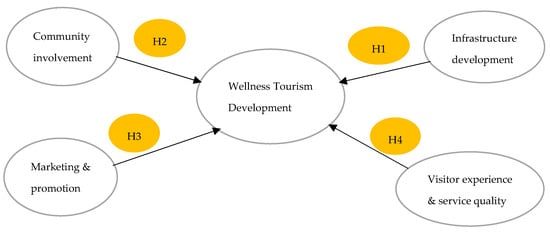
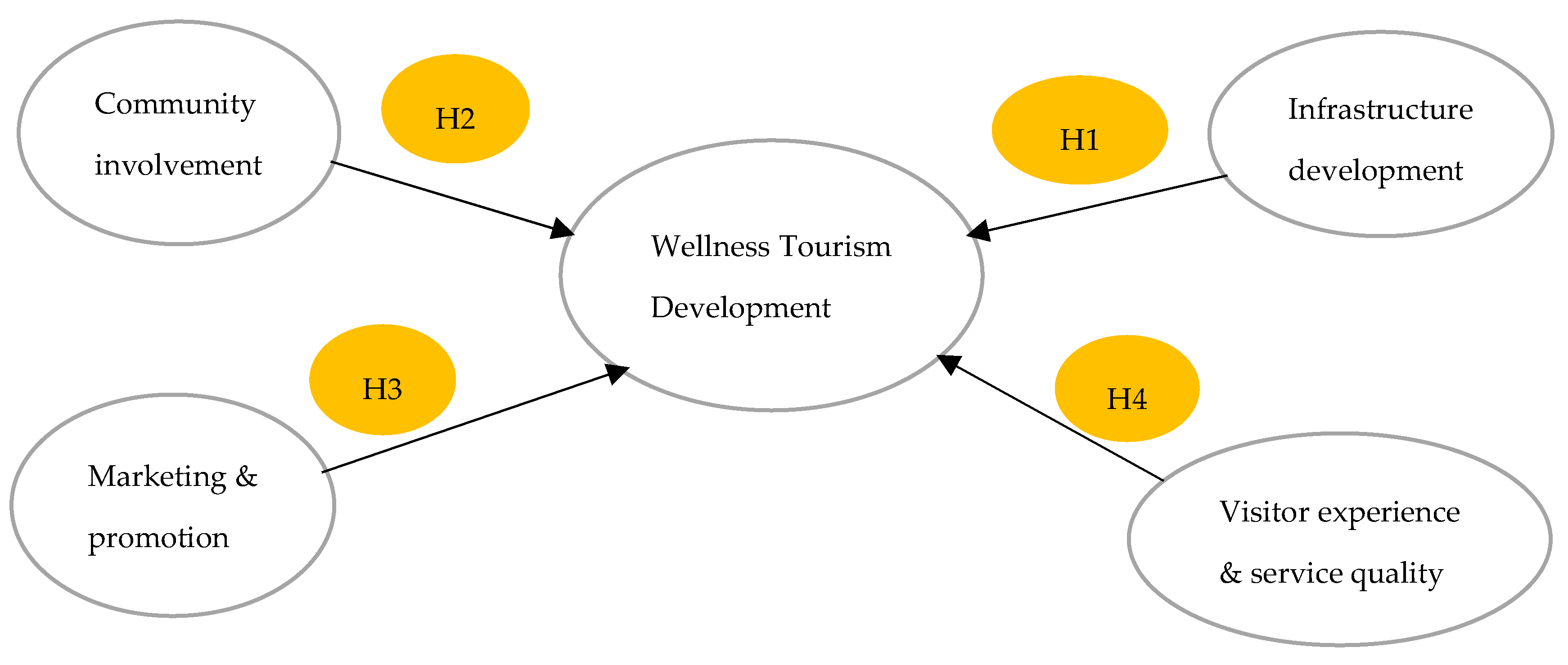
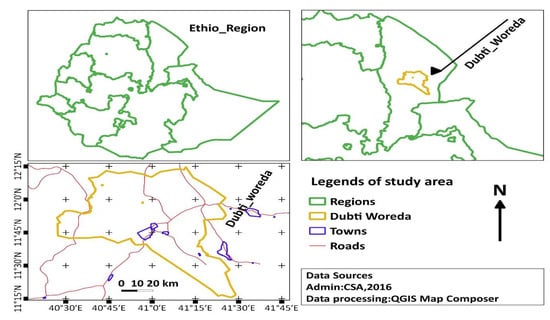
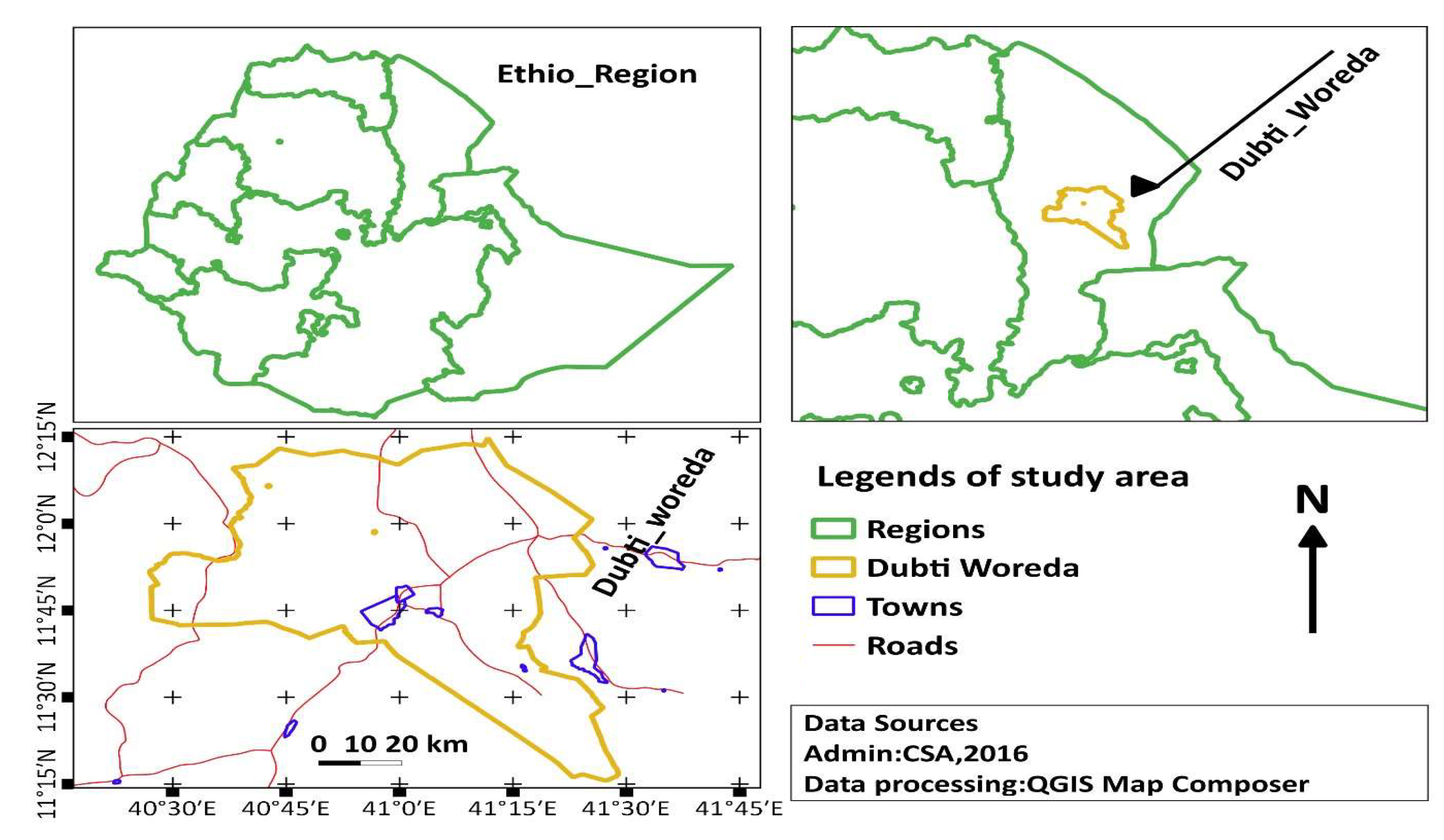
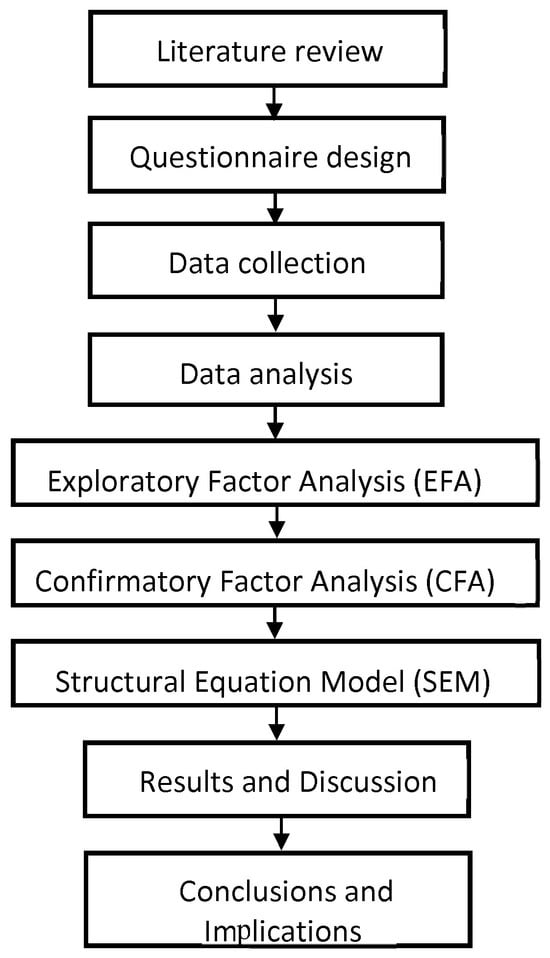
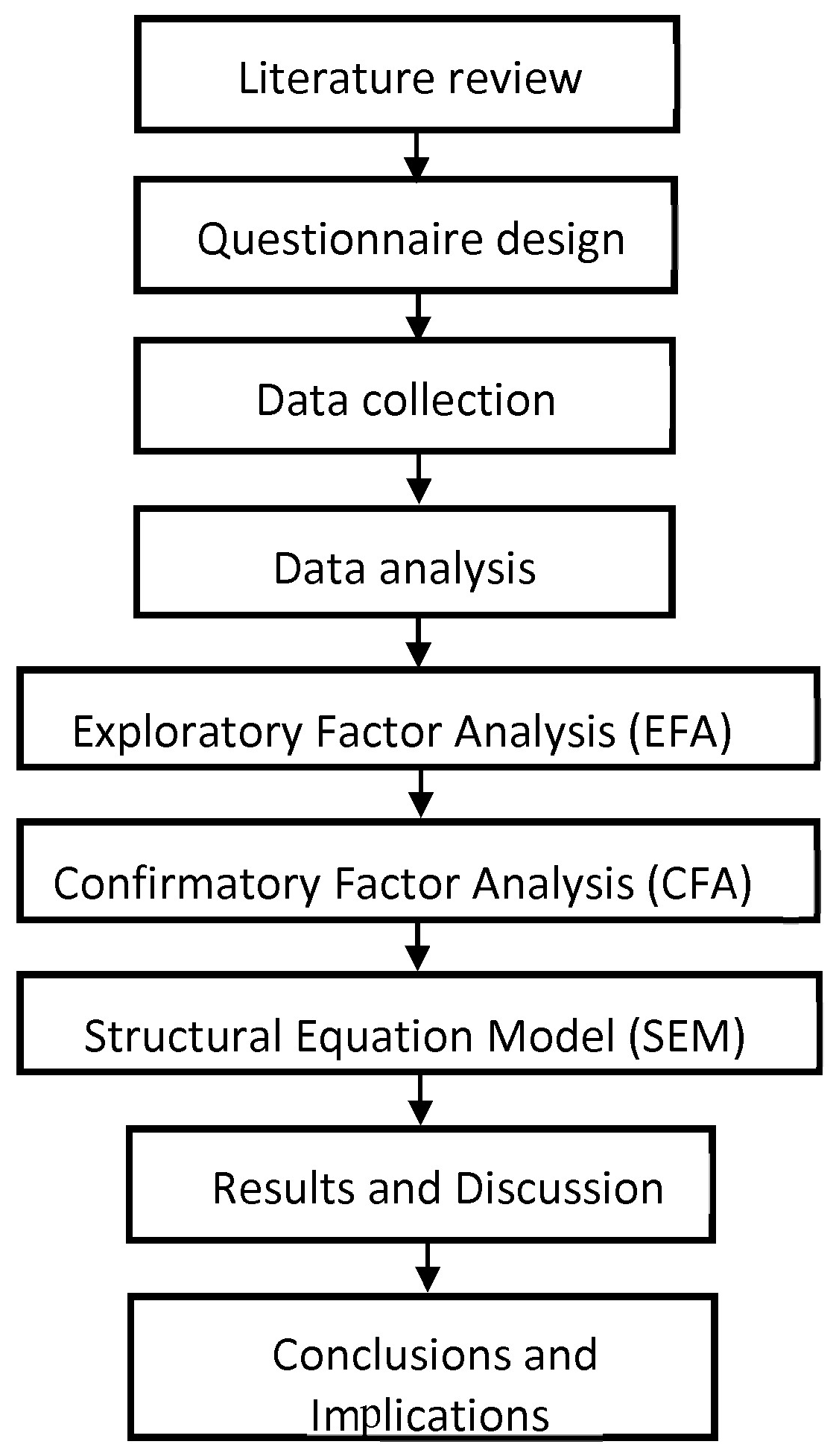
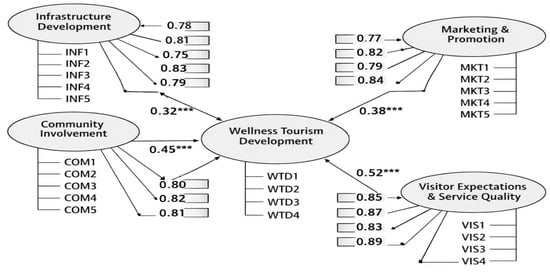
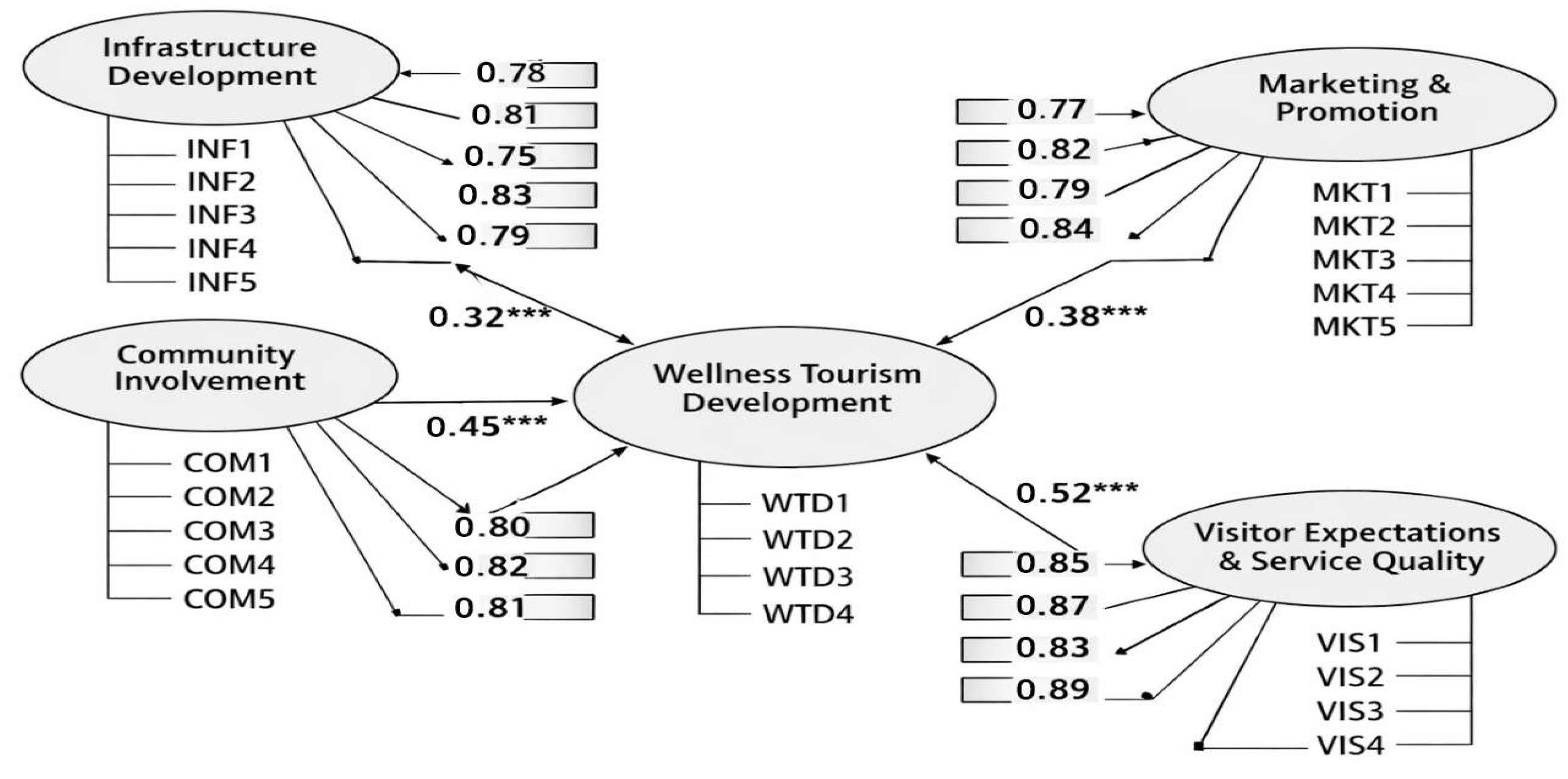

Disclaimer/Publisher’s Note: The statements, opinions and data contained in all publications are solely those of the individual author(s) and contributor(s) and not of MDPI and/or the editor(s). MDPI and/or the editor(s) disclaim responsibility for any injury to people or property resulting from any ideas, methods, instructions or products referred to in the content. |
© 2026 by the authors. Licensee MDPI, Basel, Switzerland. This article is an open access article distributed under the terms and conditions of the Creative Commons Attribution (CC BY) license.