


Abstract
This study provides a comprehensive review of the engineering challenges of formwork in concrete construction. The paper investigates different formwork systems, their design based on form pressure, and the difficulties of form stripping. Alternative binders are gaining more and more interest by opening new opportunities for sustainable concrete materials and their impact on form pressure and concrete setting is also investigated in this paper. The discussion involves several engineering challenges such as sustainability, safety, and economy, while it also explores previous case studies, and discusses future trends in formwork design. The findings pinpoint that choosing an appropriate formwork system depends significantly on project-specific constraints and that the development of innovative materials and technologies presents significant benefits but also new challenges, including the need for training and regulation. Current trends in formwork design and use show promising possibilities for the integration of digital technologies and the development of sustainable and ‘smart’ formwork systems. Continued research within the field has the possibility to explore new formwork materials and technologies, which will contribute to the implementation of more effective and sustainable practices in concrete construction.
1. Introduction
Formwork is a temporary or permanent mold which can be contained and shaped while wet until it hardens, and can support itself and all additional loads during construction [1]. The temporary formwork is removed when the concrete has gained sufficient strength, while the permanent types are integrated as permanent parts of the structure [2]. Formwork is a crucial aspect of concrete construction, representing a significant proportion of the total cost and is required for a major part of the time during cast-in-place projects [3]. According to Kreiger et al., the material and labor costs for formwork can be as high as 35–60% of the total costs [4]. The choice and execution of formwork can greatly influence the surface quality and finish, as well as the strength development and durability of the concrete structures being built [5]. Understanding the wide range of engineering aspects of formwork is therefore essential for construction professionals seeking to optimize their work in terms of cost effectiveness and quality. This paper aims to provide a comprehensive review of these aspects, including types and materials used for formwork, design of formwork based on form pressure, form stripping considerations, and the impact of alternative binders on the setting of concrete.
Formwork has been used for concrete construction for centuries, and the technological aspects and understanding has also developed over time to meet the changing demands of the construction industry [5]. The Romans used wooden formwork to shape their concrete structures [6], and some of these structures, for example Pantheon, remain after almost 2000 years, demonstrating the incredible durability of concrete as a construction material. The roman concrete mix contained natural pozzolans from volcanic ash, burnt lime, pumice aggregates, and water, demonstrating the sustainability and potential to produce concrete without additional CO2 emissions [7]. As construction methodologies and formwork systems advanced, new materials and designs were incorporated to improve the efficiency, safety, and quality of concrete construction. A variety of formwork types are used today, including different materials such as timber, steel, plywood, aluminum, and plastic, each with its unique advantages and disadvantages [8]. The form systems can also be distinguished as temporary forms, which are removed after the concrete has hardened, or permanent forms which remain after the concrete has hardened, forming a composite structure [9].
Form stripping, or the process of removing the formwork after the concrete has hardened, is another essential aspect for constructors as they usually prefer to remove it as early as possible for increased productivity and reduced costs [10]. The timing and method of form stripping can have a significant impact on the quality of the finished concrete surface, as well as the structural integrity [5]. Form stripping too early can lead to unsafe situations, and cause damage or deformation to the structure. Leaving the formwork in place too long, on the other hand, can make the form removal difficult and increase construction time and costs considerably [11]. Formwork design is a complex engineering task that requires a deep understanding of several factors such as concrete hydration, strength development, and form pressure [12,13]. The pressure exerted by the fresh concrete on the formwork can significantly affect the stability and safety of the formwork system. The form pressure is influenced by several factors such as the rate of concrete placement, the internal and ambient temperatures, the characteristics of the concrete mix, and the use of chemical admixtures [14,15]. Designing formwork to withstand the pressure, as well as additional construction loads, without compromising the quality of the finished concrete is an important concern for engineers, especially for high structures like walls and columns, which are naturally exposed to higher pressures [15].
The use of alternative binders in concrete mixtures is becoming more common as the construction industry seeks to reduce its environmental footprint and improve the properties of concrete [16,17,18,19,20,21]. The cement industry accounts for about 7–8% of the global CO2 emissions and there is an urgent need to find more sustainable alternatives for material production as well as construction procedures [22]. Alternative binders may offer opportunities to reduce the environmental impacts considerably, but they can also affect the material processes of concrete, such as setting and hardening [23,24]. This, in turn, influences the early material properties such as the concrete strength, and leads to engineering concerns regarding form pressure, form stripping, and the overall design and use of formwork [25]. A comprehensive understanding of how these binders interact with concrete and formwork is therefore crucial for effective formwork design and use.
This paper investigates the current knowledge regarding these concerns and other critical aspects of formwork for concrete construction. Despite the extensive use of formwork in concrete construction, there is a lack of comprehensive review papers addressing its engineering aspects. Most existing literature focuses on specific aspects, such as a particular type of formwork, or a single aspect of formwork design or use. This paper aims to fill the gap by providing a comprehensive overview of different engineering aspects of formwork for concrete construction. In the following sections, the paper will explore the types of formworks, investigate different approaches for formwork design, and discuss the process and requirements for form stripping. It will also examine how the use of alternative binders affects the setting of concrete and thereby the form pressure. Finally, it will discuss different issues related to sustainability, cost, and safety, and explore future trends and technologies in formwork design and use.
2. Formwork Types
The choice of formwork is an important aspect of concrete construction as it can greatly influence the quality, finish, and durability of the final structure [8]. Several types of formwork have been developed over the years, each having unique properties and thereby providing opportunities for the engineers to match their choice of formwork for different project requirements. This section will review different formwork materials and types, including temporary, permanent, and insulated concrete forms (ICF), and explore how they affect the concrete.
Timber is one of the traditional materials for formwork and is still widely used in construction projects all over the world [26]. It is typically made from a combination of timber and plywood, making it cost effective, lightweight, highly flexible, and easy to produce and handle on site [5]. Timber formwork is suitable for complex designs due to its adaptability and can be reused multiple times if properly maintained [27]. The timber material is, however, susceptible to water damage and decay, and requires skilled labor for assembly and disassembly [28]. The rough texture of timber can imprint on the concrete surface, affecting the finish, and is therefore often used in combination with plywood. Timber forms can, however, be used to design and create architecturally appealing patterns on the surface of a concrete structure. The advantage of plywood is that it can easily be bent to create curved forms and it leaves a smoother finish on the concrete compared to timber. The disadvantage is that it is also prone to water damage and fast decay, limiting the reusability of plywood forms [29]. The quality and cost of different plywood materials varies, and high-quality, water-resistant types are available, but more expensive [5].
Formwork made of steel is robust and durable, which is highly advantageous as it offers the potential to reuse the form many times [5]. The material properties and characteristics of steel forms ensure that they do not adhere to concrete very easily, thereby enabling easy form stripping and providing a smooth finish on the concrete surface [30]. The strength of steel allows it to withstand high pressures, making it suitable for large construction projects [31]. However, steel formwork can be expensive to buy, prone to corrode, and heavy to handle on site, requiring machinery for movement and placement. It also requires specialized labor and is less adaptable to complex designs compared to timber formwork [32]. Aluminum formwork is gaining popularity due to its lightweight, high strength-to-weight ratio, and resistance to corrosion and decay. Like steel, it leaves a smooth finish on the concrete surface and can be reused many times [33]. Aluminum formwork is typically prefabricated and modular, making it easy to handle and quick to assemble and disassemble [34]. However, it can be more expensive and less adaptable to complex designs compared to timber formwork.
Plastic formwork is a relatively new type that offers advantages such as lightweight, corrosion resistance, and easy handling [35]. It also leaves a smooth finish on the concrete surface, like steel and aluminum forms [5]. Plastic formwork is typically modular and can be reused multiple times, making it cost effective over time [36]. However, it may not be suitable for heavy, high-pressure concrete applications. Recent studies have focused much attention on developing economical and environmentally friendly materials and systems for formwork. For example, Gericke et al. proposed a formwork system based on frozen and CNC-milled sand [37,38], and a 3D-printed, resin-bonded sand formwork was developed by Meibodi et al. [39,40]. Ice is another material that has recently been investigated by Sitnikov for formwork applications [41,42,43]. Ice formwork can for example be CNC-milled into a variety of shapes, or 3D printed, and does not require any demolding as it melts as the temperature increases [44,45,46]. However, a frost-resistant concrete may be required due to the low temperatures and for this reason Sitnikov developed a special high-performance concrete for his studies [47]. Figure 1 shows the application of frozen sand formwork, ice formwork and timber formwork, while a comparison between different formwork materials and systems is presented in Table 1.
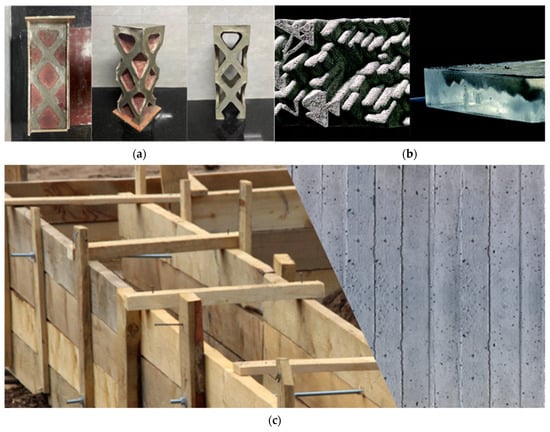
Figure 1.
Different types of formwork materials. (a) Frozen sand formwork [48]; (b) ice formwork [47]; (c) timber formwork.

Table 1.
Comparison of various formwork systems. Adapted from [5].
Formwork can also be categorized as a temporary or permanent structure, based on whether it is removed after the concrete has hardened [49]. Temporary forms are removed once the concrete gains sufficient strength, leaving the concrete structure exposed. They are typically used where the aesthetics of the concrete is important or when the formwork material needs to be reused [50]. Permanent formwork, on the other hand, remains in place after the concrete hardens. It provides additional structural stability and can serve as insulation or fire protection [51,52]. Permanent formwork, also known as stay-in-place (SIP) formwork, is often used in the construction of slabs and walls, and durable materials such as steel, plastic, or composites are commonly used [53].
Insulating concrete forms (ICFs) are a type of SIP formwork that not only mold the concrete but also provide thermal insulation for the finished structure [54]. ICFs are typically made from expanded polystyrene (EPS) or other insulating materials, sandwiching a core where the concrete is poured [55]. ICFs offer a high degree of thermal and noise insulation, which can significantly improve the energy efficiency and acoustic properties of buildings [56,57]. The insulating properties of walls with ICF remains throughout the lifespan of the structure, leading to long-term energy savings and improved sustainability [58]. ICFs can provide a smooth surface that requires minimal additional finishing, and they are typically resistant to moisture, reducing the risk of mold and mildew. ICF construction can be more expensive than traditional formwork methods due to the cost of the insulating forms, but the high initial costs may be regained by the long-term energy savings [59]. ICFs also require careful installation to prevent misalignment or displacement during concrete pouring. Despite the challenges, the benefits of energy efficiency, noise reduction, durability, and speed of construction have led to an increasing use of ICFs in residential and commercial buildings [60]. Other categories of formwork systems and technologies include, for example, dissolvable materials [61,62], 3D-printed forms [59], sliding forms [63], self-climbing formwork [64], and self-supporting formwork [65].
The selection of suitable formwork materials is a critical decision in construction projects, as it significantly impacts the cost, timeline, and quality of the project. Factors to consider when selecting formwork materials are summarized in Table 2. A comprehensive understanding of the properties and implications of each formwork type can help engineers and construction professionals to choose the best solution for their project, leading to safer, more efficient, and cost-effective construction [4,5,8].
Table 2.
Factors to consider when choosing type and material for formwork in concrete construction.
3. Formwork Design
The structural design of formwork is another critical aspect of concrete construction, requiring a balance between different considerations such as safety, cost, and performance. One of the central aspects of formwork design is managing the form pressure exerted by the fresh concrete [66,67,68,69,70]. Form pressure is the pressure generated by fresh concrete as it is poured inside the formwork system during construction, and it is the decisive factor in formwork design, as the formwork must have the capacity to withstand the concrete’s pressure without deformation or failure. The design process begins with the calculation of form pressure, which depends on several material parameters of the concrete, the rate of placement, and the ambient conditions [71], as discussed in Table 3.
Table 3.
Factors to consider when calculating the form pressure generated by fresh concrete.
The hydrostatic pressure theory has traditionally been used to calculate form pressure, especially for self-consolidating concrete, assuming that the pressure distribution is the same as that of a fluid at rest [81]. Pascal’s principle states that the hydrostatic pressure (Ph) of a fluid at rest is the product of the material density (ρ), the gravity (g), and the height of the concrete (h), as calculated in Equation (1). The pressure is considered equal in all directions and can therefore represent the pressure a self-consolidating concrete exerts on the formwork before its initial setting [82].
Ph = ρgh
Concrete is however not a fluid, and the pressure distribution is influenced by its thixotropic nature, meaning that the pressure reduces as the chemical reactions within the concrete proceed and generates a material that can carry more and more of its own weight [83]. At some point, the concrete will be able to carry its own weight without generating any pressure to the formwork, and further on the concrete structure will be able to carry large additional loads [84]. More accurate models have been developed over the years to better estimate the form pressure generated by self-consolidating concrete and account for the rate of concrete hardening, but many countries have not implemented design guidelines and still rely on hydrostatic models for SCC [85,86,87,88,89,90,91].
Once the form pressure has been estimated, the formwork components can be designed to withstand the maximum pressure. Formwork design involves selecting the appropriate material and thickness for the formwork panels, determining the size, and spacing of supporting members, and designing the connections and bracing to ensure stability [92]. Several other factors in addition to the form pressure also affect the formwork design, as discussed in Table 4, and it is important to understand their contribution to create safe and efficient form systems for concrete construction.
Table 4.
Factors to consider when designing formwork for concrete construction.
4. Engineering Considerations in Formwork Design and Use
4.1. Form Stripping
Form stripping, or striking, is a critical step in the construction process of concrete structures. It involves removing the formwork after the concrete has gained sufficient stability and strength to carry its own weight and any additional loads during construction [97]. Stripping must be carried out very carefully to ensure the quality of the concrete structure and the safety of workers [98]. The process of form stripping typically begins with assessing the strength and stability of the concrete. This is usually assessed by testing the compressive strength on cube or cylinder samples, but there are a variety of experience-based methods that have been historically used in concrete construction. The concrete strength can also be evaluated using several other non-destructive testing methods, such as the maturity method, rebound hammer tests, penetration resistance tests, pullout tests, or ultrasonic pulse velocity tests [99]. As soon as the concrete strength is sufficient, the formwork must be removed carefully to reduce the construction costs and prevent damage to the concrete surface [61]. This often involves removing fasteners and supports, starting from the top of vertical forms or the bottom of horizontal forms, and working downwards or upwards, respectively [1].
Form stripping can have a significant impact on the surface quality of the finished concrete structure. Properly timed and executed stripping can result in a smooth, uniform surface with minimal aesthetic or structural defects. Premature form stripping can lead to surface damage, such as chipping or spalling, and structural defects, such as cracking or deformation [100]. Thermal shocking and early freezing are two additional phenomena that can occur if the form is stripped prematurely in cold weather [19,101]. A compressive strength of 5 MPa is usually recommended to avoid severe problems due to the early freezing of concrete [102]. Late stripping can cause surface damage due to adhesion of concrete to the formwork and may also hinder the curing process [103]. The ideal stripping time depends on several factors, including the concrete mix, curing conditions, and additional construction loads [104]. Another important consideration is the project time and cost, as previous studies have shown, is that formwork operations may take 50–75% of the total time spent in concrete construction [105] and account for 35–60% of the costs [4].
The process of form stripping can differ between vertical and horizontal structures. For vertical structures such as walls and columns, stripping typically starts from the top and works downwards. This allows the lower portions of the formwork to continue supporting the concrete as the upper portions are removed. The strength requirement for the form stripping of vertical members is that they should be able to carry their self-weight and only small additional loads, which typically implies a compressive strength of 2–10 MPa [97,106]. There are, however, studies demonstrating that a compressive strength of 1.5 MPa is sufficient for the form stripping of vertical columns without risking damage or deformations [76].
For horizontal structures such as beams and slabs, stripping usually starts from the bottom (the sides of the slab) and continues upwards. The supports under the slab are removed last, considering it is not a ground slab. The general strength requirement for removing the supporting formwork under horizontal members is a compressive strength of a minimum of 70% of the concrete’s final (28 d) strength for members spanning up to 6 m, and 85% for spans over 6 m [107]. Shores are typically installed under horizontal forms to carry and transfer the loads from the slab downwards through the structure until sufficient strength has been achieved [108], as shown in Figure 2. For projects requiring early form stripping, reshoring may be applied to continue supporting the horizontal concrete members during construction [109].
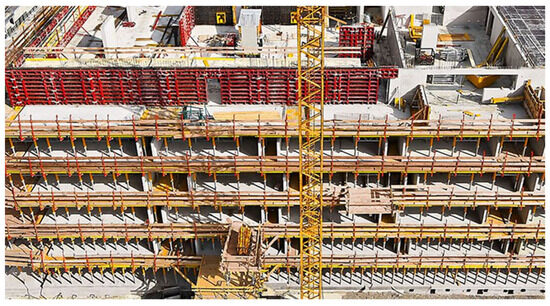
Figure 2.
Cast-in-place construction of a multi-story concrete structure with horizontal and vertical formwork and supporting shores.
4.2. Alternative Binders and Their Impact
As the construction industry seeks more sustainable and efficient practices, the use of alternative binders in concrete has gained more and more interest over the last years [18,110,111,112,113,114]. These new types of binders can improve the environmental footprint of concrete and offer unique material properties that can ultimately influence the formwork design and requirements for form stripping [15,115]. Alternative binders, including supplementary cementitious materials (SCMs), are materials that can partially replace Portland cement in the concrete mix [116].
Common SCMs include fly ash, slag, and silica fume, but more recently, binders including geopolymers and limestone calcined clay cement (LC3) have also been introduced as alternatives to cement [117,118,119,120]. A short description of common alternative binders and their impact on the concrete properties is given in Table 5. Fly ash and slag typically slows down the setting and hardening, resulting in a prolonged need of formwork and ultimately a slower construction rate, which may be negative for projects with tight time schedules. Other alternative binders, such as silica fume, may have the impact of accelerating the setting and hardening of concrete, and can therefore be used to reduce the form stripping time.
Table 5.
Alternative binders and their impact on concrete and formwork.
4.3. Sustainability of Formwork
Sustainability has become a crucial concern in civil engineering and construction industries due to the increasing pressure on the world’s resources and the effects of climate change [126,127,128,129]. As an important component of concrete construction, formwork affects the overall sustainability of the construction process [130]. Formwork materials vary in their environmental footprint. Traditional timber formwork, while renewable, often involves significant energy use and carbon emissions in harvesting and transportation [131]. Furthermore, the use of certain types of timber, such as tropical hardwoods, can contribute to deforestation and loss of biodiversity [132]. However, timber formwork can be sustainably sourced from managed forests, which mitigates these environmental impacts [133]. Metal formwork, such as steel or aluminium, requires high energy for extraction and production, contributing to large carbon emissions [134]. However, these materials are durable and can be reused many times, reducing their environmental impact over their lifetime. Plastic formwork, particularly that made from recycled plastics, has the potential to reduce waste and carbon emissions [135]. However, the production process of plastic can also be energy intensive, and the disposal of plastic formwork at the end of its life can contribute to plastic waste if not properly managed [136].
Construction activities are known to generate a significant amount of waste, and formwork is no exception [137]. Damaged formwork components, offcuts from formwork installation, and residue from concrete casting all contribute to construction waste. Reducing formwork waste can be achieved through careful planning and design to minimize offcuts, using adjustable formwork systems, and implementing quality control measures to prevent damage [138]. The sustainability of formwork is significantly improved by reusing and recycling formwork materials [139]. Steel and aluminium formwork can be reused many times due to their durability, and can be recycled at the end of their life [140]. Timber formwork may also be reused if properly cared for and can also be repurposed or recycled at the end of its life as shown in Figure 3 [29]. Plastic formwork can be recycled, although the feasibility of this depends on the type of plastic used and local recycling facilities [141].
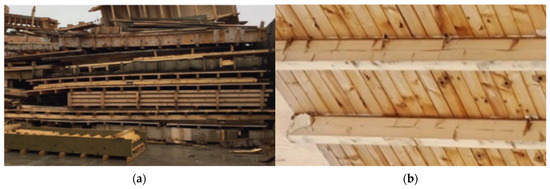
Figure 3.
(a) Depot of timber formwork for reuse. (b) Reused formwork [29].
The application of digital technology in formwork design and management can also help to improve the overall sustainability of concrete construction. For example, Building Information Modeling (BIM) can be used to enhance formwork design by optimizing the material use and reducing waste [142]. BIM can also improve formwork planning, allowing for better coordination and reducing the risk of damage or errors that could result in waste [50,140]. The sustainability of formwork in concrete construction is a complex issue that involves the consideration of material choices, waste management, and the implementation of technology. While significant progress has been made over the last years, there is still substantial potential for further improvement in formwork practices.
4.4. Safety Considerations
Formwork construction and operations, like all construction activities, comes with certain risks and hazards [143]. Ensuring the safety of construction workers and maintaining the structural integrity of formwork systems are paramount to the successful execution of concrete construction projects [144]. This section will discuss critical safety considerations in formwork design, construction, and stripping, and outline best practices to mitigate potential risks. The formwork design phase sets the foundation for the safe execution of the construction project [145]. Design considerations include load calculations, anticipated concrete pressures, lateral stability, and the use of appropriate safety measures such as guardrails, braces, and ties [146]. Accurate load calculations account for the concrete’s weight, any additional loads (e.g., equipment, workers), and potential dynamic loads caused by concrete pouring and vibrations [71]. During the construction phase, it is critical to ensure that the formwork is installed according to the design specifications. Deviations can compromise the structure’s integrity and lead to catastrophic failures [1]. Workers should be trained to recognize and manage risks associated with working at heights, handling heavy materials, and working around concrete pours. Proper personal protective equipment (PPE) should be worn at all times, including helmets, safety shoes, gloves, and high-visibility clothing.
Formwork stripping poses a unique set of risks as workers may be injured by falling components, concrete residues, or sudden collapses [93,98]. To mitigate these risks, stripping should be planned and executed under the supervision of a competent person. Workers should be properly trained and use appropriate PPE. Furthermore, stripping should be performed in a sequence that maintains the stability of the structure at all times. Several best practices can enhance safety in formwork operations as discussed in Table 6.
Table 6.
Practices to enhance safety in formwork operations.
Safety is an integral aspect of formwork operations that should be addressed at every stage of the process. By incorporating robust safety measures into formwork design, construction, and stripping, construction sites can minimize risks, protect workers, and ensure the successful execution of concrete construction projects. The development and adoption of new technologies and best practices should continue to enhance formwork safety in the future.
4.5. Cost Considerations
Formwork constitutes a significant portion (35–60%) of the total cost in concrete construction projects [4]. Hence, understanding and managing the costs associated with formwork is essential for project success. This section will reflect on various aspects of formwork cost analysis, including formwork material costs, labor costs, reuse and recycling considerations, and the impact of technology on formwork costs. The cost of formwork materials can vary widely depending on the type of formwork system used. Traditional timber formwork is generally the cheapest material option, but it has a limited lifespan and can only be reused a few times before its quality degrades [5,29]. On the other hand, metal formwork systems, such as steel or aluminium, have a higher upfront cost but offer a longer lifespan and higher reusability, leading to lower costs in the long run [31,36]. Plastic formwork can also be a cost-effective solution, especially when recycled materials are used [5,32,35]. Labor costs are a major component of formwork costs [150,151]. These include the costs of assembling and disassembling the formwork, inspecting the formwork for safety, and repairing and maintaining the formwork. Factors that can impact labor costs include the complexity of the formwork system, the skill level of the workers, and local wage rates. Labor costs can be reduced through efficient formwork design, worker training, and the use of formwork systems that are easy to assemble and disassemble [95,152].
The ability to reuse and recycle formwork materials can significantly impact the overall formwork cost [5,29,153]. Reusable formwork systems, such as modular or system formwork, may have a higher initial cost but can result in lower costs per use if reused many times [26,95]. Additionally, the salvage value of formwork materials that can be recycled, such as steel or aluminium, can help offset the overall cost [31]. Technological advancements can have a significant impact on formwork costs. Digital technology, such as Building Information Modeling (BIM), can improve formwork design efficiency, reduce material waste, and streamline the construction process, leading to cost savings [50,126,145]. Additionally, technologies like 3D printing offer the potential to create custom formwork components at lower costs [2,40,59]. However, these technologies also require investment in software, equipment, and training. Strategies for optimizing formwork costs are discussed in Table 7.
Table 7.
Strategies to optimize formwork costs.
Formwork cost analysis is a multifaceted issue that involves considering material costs, labor costs, the impacts of reuse and recycling, and the role of technology. By understanding these factors and applying cost-optimization strategies, it is possible to control and reduce the costs associated with formwork in concrete construction.
5. Case Studies
Case studies provide valuable insights into real-world applications and outcomes of formwork in concrete construction. This section will briefly examine eight diverse case studies, which have been previously reported, and discuss their main findings. The cases are presented in Table 8.
Table 8.
Previously reported case studies and their main findings.
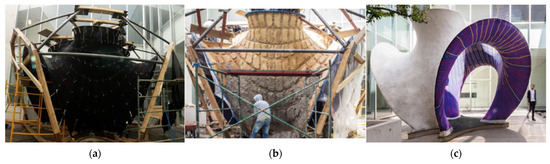
Figure 4.
The KnitCandela concrete shell [156]. (a) Knitted textile formwork (photo: Maria Verhulst); (b) first layer of concrete (photo: Mariana Popescu); (c) finished concrete shell with textile interior (photo: Angelica Ibarra).
These first three case studies demonstrate the diverse applications and benefits of different formwork systems in concrete construction projects. They also illustrate how the selection of formwork can impact project outcomes in terms of cost, quality, and sustainability. Cases 4–6 provide further insights into the versatile applications of formwork in concrete construction and highlight the crucial role formwork plays in achieving project objectives such as energy efficiency, architectural precision, and process efficiency. The final two cases show how formwork systems can be selected and adapted to meet specific project needs and constraints. All cases demonstrate that the type of formwork chosen plays a crucial role in the project’s success, from large complex shell structures to low-cost housing.
6. Future Trends
The field of formwork design and use is evolving rapidly, driven by technological innovations, increasing environmental concerns, and the ongoing quest for efficiency and cost effectiveness in the construction industry. This section explores several emerging trends in the scope of formwork design and use, which could potentially revolutionize how concrete construction will be approached in the future.
Digital technologies are predicted to have a significant impact on formwork design and use over the upcoming years. These technologies, including Building Information Modeling (BIM) [162], Augmented Reality (AR) [163], 3D printing [164], and Artificial Intelligence (AI) [165], offer promising solutions to enhance efficiency, accuracy, and safety in formwork processes [166]. Building Information Modeling (BIM) involves the digital representation of physical and functional characteristics of a facility and is being increasingly used in matters of formwork design and optimization. It allows for more precise planning, leading to optimized formwork solutions, reduced material use and waste, and improved coordination among different construction teams. As BIM technology continues to advance, its wide range of application in formwork design is likely to become more widespread. Augmented Reality (AR) superimposes a computer-generated image on a user’s view of the real world and can therefore provide valuable assistance in terms of formwork assembly and inspection processes. By visualizing the correct assembly of formwork components and identifying potential issues before they occur, AR can contribute to enhanced safety, accuracy, and efficiency on construction sites. The fast advancements in the field of 3D-printing technologies have highlighted exciting possibilities for a wide range of specialized and complex applications in formwork design and production. 3D printing offers the potential to produce complex formwork shapes that would be difficult and time consuming to create using traditional methods. This can lead to more architectural freedom, reduced labor costs, and quicker construction times. Moreover, 3D-printed formwork can be made from a variety of novel or recycled materials, contributing to important sustainability improvements in the field of concrete construction.
Sustainability is becoming a key concern in the construction industry, which is constantly exploring the opportunities of reduced environmental impact through the development of new materials [130], technologies [167], and circular concepts [168]. This has led to the development of more sustainable formwork systems, including the use of recycled or recyclable materials, reusable formwork, and permanent formwork that becomes an integral part of the final structure. The use of recycled materials in formwork production can significantly reduce the environmental impact of construction activities. Examples include recycled plastic formwork and formwork including waste products such as fly ash or rubber. Reusable formwork systems offer the advantage of reducing material consumption and waste over a period of several construction projects. They can also be more cost effective over the lifespan of only one single project, as the formwork can be used multiple times even within the same project. Permanent formwork systems, such as Insulating Concrete Forms (ICFs) or Permanent Insulated Formworks (PIFs), can enhance the energy efficiency, as well as the acoustic properties of buildings, but it also offers the advantage of reducing waste from formwork removal and disposal.
Safety is always a key concern in the construction industry and is also important to consider during formwork design and operation. Innovations in formwork safety include the development of safer formwork systems [169] and the use of safety enhancing technologies [170]. Safer formwork systems focus on improving the stability and robustness of formwork structures, reducing the risk of failures that can affect both the safety and the quality of the concrete structure. They also aim to enhance worker safety during formwork assembly and disassembly, for instance, through safer connecting mechanisms and protection systems against falls. Technological innovations can also enhance safety in formwork operations. For example, sensors can be used to monitor formwork loads and environmental conditions, providing early warnings of potential safety issues. Advanced sensors and intelligent systems can be embedded into the formwork to continuously monitor and predict the form pressure, but they can also improve safety by detecting early signs of failure. Real-time data from sensors can provide valuable insights for adjusting the construction processes, enhancing the overall safety, productivity, and quality of concrete operations. Robotic technology is another promising trend in enhancing safety [171]. Robots can be utilized for heavy lifting, precise placement of formwork panels, and performing repetitive tasks, reducing human exposure to hazardous situations. While the initial implementation of robotic technology could be expensive, the long-term benefits in terms of safety, efficiency, and cost savings have the potential of becoming substantial. Prefabricated and modular formwork systems are gaining popularity due to their potential to reduce construction times, improve the quality of concrete structures, and decrease labor requirements [172]. These systems typically involve the production of formwork components off site, which are then transported to the construction site for assembly. The advantages include increased control over formwork quality, reduced need for skilled labor on site, and faster construction times due to the ability to assemble large formwork sections simultaneously.
The future will most likely witness the development of ‘smart’ formwork systems that integrate a combination of the above trends. These systems could for example include digitally designed and prefabricated formwork systems, utilizing recycled and sustainable materials, while being equipped with integrated sensors for the real-time monitoring and utilizing of Artificial Intelligence to predict the outcome. Such systems will offer unparalleled benefits in terms of cost effectiveness, quality control, safety, and sustainability. The future of formwork design and use offers many emerging possibilities as the understanding and technologies continue to develop. Emerging technologies, combined with a drive towards more sustainable and safer construction practices, offer several opportunities to transform formwork practices in the construction industry.
7. Conclusions
The engineering aspects of formwork for concrete construction include several complex but critical considerations in the construction process. This paper provided a comprehensive examination of these aspects, including the application of different formwork types, their design based on form pressure, the requirements of formwork stripping, the impact of alternative binders, and their part in improving the sustainability of concrete construction. Different types of formwork systems present unique benefits and drawbacks in terms of cost, durability, flexibility, and environmental impact. The choice of a suitable system depends on the specifics of the project in consideration, from its scope to its allocated budget. For example, the emerging use of Insulated Concrete Forms (ICFs) presents promising possibilities for energy-efficient and cost-effective houses. In terms of formwork design, accurate form pressure calculation, influenced by factors like the mix design of concrete, the rate of placement, and ambient temperature, is crucial for the overall safety and can therefore be used as a type of quality assurance. The form stripping process is another important aspect, with its timing and methodology impacting the integrity and appearance of the final structure.
The paper also discussed the significance of sustainability in formwork systems. This can be achieved by choosing sustainable materials to promote recycling and reuse, as the industry moves rapidly towards more environmentally friendly practices. Safety considerations are also important aspects of formwork use in construction, with proper design, assembly and dismantling practices, worker training, and technological systems contributing to improved safety. A comprehensive understanding of formwork costs must consider material expenses, as well as labor costs, assembly and dismantling times, and maintenance requirements. The case studies of the paper illustrated the diverse applications and versatility of formwork systems in various projects, demonstrating the need to adapt formwork solutions to specific project requirements and constraints.
Promising future trends such as digital technologies, modular formwork, and ‘smart’ systems provide excellent opportunities to enhance efficiency, safety, and sustainability in formwork operations. The adoption of innovative technologies and materials offers significant benefits compared to traditional options, but this also presents new challenges such as the need for training, uncertainty of new materials, and the requirement for regulatory frameworks. Future research could further investigate the real-world application and performance of the new formwork materials and technologies discussed in this paper. Further exploration in these areas will support the journey towards more effective and sustainable practices in concrete construction.
Author Contributions
J.N.: conceptualization, methodology, writing—original draft; Y.G.: conceptualization, writing—reviewing and editing. V.Z.: conceptualization, writing—reviewing and editing. All authors have read and agreed to the published version of the manuscript.
Funding
This research was supported by Formas, SBUF, and LTU.
Data Availability Statement
All data are available upon request.
Conflicts of Interest
The authors declare no conflict of interest.
References
- Hurd, M.K. Formwork for Concrete, 7th ed.; American Concrete Institute: Farmington Hills, MI, USA, 2005. [Google Scholar]
- Wang, L.; Yang, Y.; Yao, L.; Ma, G. Interfacial bonding properties of 3D printed permanent formwork with the post-casted concrete. Cem. Concr. Compos. 2022, 128, 104457. [Google Scholar] [CrossRef]
- Devi, K.; Yadav, T. Cost Comparison of Different Types of Formworks. J. Build. Mater. Sci. 2023, 5, 32–38. [Google Scholar] [CrossRef]
- Kreiger, E.L.; Kreiger, M.A.; Case, M.P. Development of the construction processes for reinforced additively constructed concrete. Add. Manuf. 2019, 28, 39–49. [Google Scholar] [CrossRef]
- Li, W.; Lin, X.; Bao, D.W.; Xie, Y.M. A review of formwork systems for modern concrete construction. Structures 2022, 38, 52–63. [Google Scholar] [CrossRef]
- Duarte, G.; Brown, N.; Memari, A.; Duarte, J.P. Learning from historical structures under compression for concrete 3D printing construction. J. Build. Eng. 2021, 43, 103009. [Google Scholar] [CrossRef]
- Vitti, P. Mortars and masonry—Structural lime and gypsum mortars in antiquity and Middle Ages. Archae. Anthrop. Sci. 2021, 13, 164. [Google Scholar] [CrossRef]
- Das, R.; Bhattacharya, I.; Saha, R. Comparative study between different types of formwork. Int. Res. J. Adv. Eng. Sci. 2016, 1, 173–175. [Google Scholar]
- Wang, Z.; Liang, X.; Wang, Y.; Zhai, T. Experimental and theoretical investigations on the flexural behavior of RC slabs with steel-PVA hybrid fiber reinforced cementitious composite (HFRCC) permanent formwork. Case Stud. Constr. Mater. 2022, 17, e01432. [Google Scholar] [CrossRef]
- Liu, Y.; Zhang, J.; Chang, J.; Xie, S.; Zhao, Y. Effect of the Thermal Insulation Cover Curing on Temperature Rise and Early-Age Strength of Concrete. Materials 2022, 15, 2781. [Google Scholar] [CrossRef]
- Mishra, M.; Lourenço, P.B.; Ramana, G.V. Structural health monitoring of civil engineering structures by using the internet of things: A review. J. Build. Eng. 2022, 48, 103954. [Google Scholar] [CrossRef]
- Gamil, Y.; Nilimaa, J.; Emborg, M.; Cwirzen, A. Lateral Formwork Pressure for Self-Compacting Concrete—A Review of Prediction Models and Monitoring Technologies. Materials 2021, 14, 4767. [Google Scholar] [CrossRef] [PubMed]
- Nilimaa, J. Lateral Form Pressure Induced by SCC. In Proceedings of the Nordic Concrete Research XXIV NCR Symposium 2022, Stockholm, Sweden, 17–19 August 2022. [Google Scholar]
- Gamil, Y.; Cwirzen, A.; Nilimaa, J.; Emborg, M. The Impact of Different Parameters on the Formwork Pressure Exerted by Self-Compacting Concrete. Materials 2023, 16, 759. [Google Scholar] [CrossRef] [PubMed]
- Gamil, Y.; Nilimaa, J.; Cwirzen, A.; Emborg, M. Experimental based assessment of formwork pressure theoretical design models for self-compacting concrete. J. Build. Eng. 2023, 68, 106085. [Google Scholar] [CrossRef]
- Collivignarelli, M.C.; Abba, A.; Miino, M.C.; Cillari, G.; Ricciardi, P. A review on alternative binders, admixtures and water for the production of sustainable concrete. J. Clean. Prod. 2021, 295, 126408. [Google Scholar] [CrossRef]
- Hossain, M.U.; Liu, J.C.; Xuan, D.; Ng, S.T.; Ye, H.; Abdulla, S.J. Designing sustainable concrete mixes with potentially alternative binder systems: Multicriteria decision making process. J. Build. Eng. 2022, 45, 103587. [Google Scholar] [CrossRef]
- Nilimaa, J. Smart materials and technologies for sustainable concrete construction. Devel. Built Env. 2023, 15, 100177. [Google Scholar] [CrossRef]
- Nilimaa, J.; Zhaka, V. An Overview of Smart Materials and Technologies for Concrete Construction in Cold Weather. Eng 2023, 4, 1550–1580. [Google Scholar] [CrossRef]
- Busch, P.; Kendall, A.; Murphy, C.W.; Miller, S.A. Literature review on policies to mitigate GHG emissions for cement and concrete. Reso. Conserv. Recycl. 2022, 182, 106278. [Google Scholar] [CrossRef]
- Sithole, N.T.; Tsotetsi, N.T.; Mashifana, T.; Sillanpää, M. Alternative cleaner production of sustainable concrete from waste foundry sand and slag. J. Clean. Prod. 2022, 336, 130399. [Google Scholar] [CrossRef]
- Lehne, J.; Preston, F. Making Concrete Change: Innovation in Low-carbon Cement and Concrete, Chatham House. United Kingdom. Available online: https://policycommons.net/artifacts/1423241/making-concrete-change/2037504/ (accessed on 14 July 2023).
- Tayeh, B.A.; Hamada, H.M.; Almeshal, I.; Bakar, B.A. Durability and mechanical properties of cement concrete comprising pozzolanic materials with alkali-activated binder: A comprehensive review. Case Stud. Constr. Mater. 2022, 17, e01429. [Google Scholar] [CrossRef]
- Mehsas, B.; Siline, M.; Zeghichi, L. The effect of using low reactive metakaolin on performances of geopolymer binder. Innov. Infra. Sol. 2022, 7, 233. [Google Scholar] [CrossRef]
- Gowripalan, N.; Shakor, P.; Rocker, P. Pressure exerted on formwork by self-compacting concrete at early ages: A review. Case Stud. Constr. Mater. 2021, 15, e00642. [Google Scholar] [CrossRef]
- Fakhratov, M.A.; Akbari, M.S.; Hosaini, A.; Dayoub, N. Comparison of the tunnel formwork system and traditional formwork system. AIP Conf. Proc. 2022, 2559, 060009. [Google Scholar] [CrossRef]
- Ling, Y.Y.; Leo, K.C. Reusing timber formwork: Importance of workmen’s efficiency and attitude. Build. Env. 2000, 3, 135–143. [Google Scholar] [CrossRef]
- Tierney, L.; Safiuddin, M. Insights into Concrete Forming, Reinforcing, and Pouring in Building Construction. Buildings 2022, 12, 1303. [Google Scholar] [CrossRef]
- Pronk, A.; Brancart, S.; Sanders, F. Reusing Timber Formwork in Building Construction: Testing, Redesign, and Socio-Economic Reflection. Urb. Plan. 2022, 7, 81–96. [Google Scholar] [CrossRef]
- Czarnecki, S.; Sadowski, Ł. Morphological properties of the cement skin: Understanding the effect of contact with formwork. Case Stud. Constr. Mater. 2022, 16, e01007. [Google Scholar] [CrossRef]
- Li, S.; Wang, J.; Yu, Z.; Li, Y.; Guo, H. Study on the Bearing Capacity of Steel Formwork Concrete Columns. Buildings 2023, 13, 820. [Google Scholar] [CrossRef]
- Luo, D.; Zou, X. Analysis of GMT Composite Material-based Building Formwork. J. Phys. Conf. Ser. 2023, 2510, 012014. [Google Scholar] [CrossRef]
- Sun, H.; Liu, Q.; Li, Y.; Liu, M. The Factors Influencing the Saving of Energy and the Reduction of Emissions in the Construction Companies of Prefabricated Buildings. J. Civ. Eng. Urb. Plan. 2023, 5, 70–75. [Google Scholar] [CrossRef]
- Gao, K.; Xu, J.; Zhu, Y.; Zhang, Z.; Zeng, Q. Study on the Technology and Mechanism of Cleaning Architectural Aluminum Formwork for Concrete Pouring by High Energy and High Repetition Frequency Pulsed Laser. Photonics 2023, 10, 242. [Google Scholar] [CrossRef]
- Din, I.M.U.; Kumar, C. Impact of Plastic Formwork over Conventional Formwork. Int. J. Sci. Eng. Rese. 2015, 5, 478–483. [Google Scholar]
- Mukhopadhyay, B.; Bose, R.; Roy, S. A Strategical Method of Proper Resizing and Reusing of Construction Formwork Materials. In Proceedings of the Smart and Sustainable Technologies: Rural and Tribal Development Using IoT and Cloud Computing: Proceedings of ICSST 2021, Odisha, India, 16–18 December 2021. [Google Scholar] [CrossRef]
- Gericke, O.; Kovaleva, D.; Haase, W.; Sobek, W. Fabrication of Concrete Parts Using a Frozen Sand Formwork. In Proceedings of the IASS Annual Symposia, Tokyo, Japan, 26–30 September 2016. [Google Scholar]
- Gericke, O.; Kovaleva, D.; Haase, W.; Sobek, W. Production of Curved Concrete Sandwich Panels Using a Frozen Sand Formwork. In Proceedings of the IASS Annual Symposia, Hamburg, Germany, 25–28 September 2017. [Google Scholar]
- Aghaei Meibodi, M.; Jipa, A.; Giesecke, R.; Shammas, D.; Bernhard, M.; Leschok, M.; Graser, K.; Dillenburger, B. Smart Slab: Computational Design and Digital Fabrication of a Lightweight Concrete Slab. In Proceedings of the Acadia 2018 Recalibration: On Imprecision and Infidelity: Proceedings of the 38th Annual Conference of the Association for Computer Aided Design in Architecture, Mexico City, Mexico, 18–20 October 2018. [Google Scholar]
- Jipa, M.A.; Aghaei Meibodi, M.; Giesecke, R.; Shammas, D.; Leschok, M.; Bernhard, M.; Dillenburger, B. 3D-Printed Formwork for Prefabricated Concrete slabs. In Proceedings of the 1st International Conference on 3D Construction Printing (3DcP), Melbourne, Australia, 26–28 November 2018. [Google Scholar]
- Sitnikov, V. Ice formwork for high-performance concrete: A model of lean production for prefabricated concrete industry. Structures 2019, 18, 109–116. [Google Scholar] [CrossRef]
- Sitnikov, V. Ice Formwork for Ultra-High Performance Concrete: Simulation of Ice Melting Deformations. In Proceedings of the Design Modelling Symposium, Paris, France, 16–20 September 2017. [Google Scholar] [CrossRef]
- Sitnikov, V. Ice Formwork for High-Performance Concrete: A Model of Lean Production for Prefabricated Concrete Industry. In Proceedings of the IASS Annual Symposia, Boston, MA, USA, 16–20 July 2018. [Google Scholar]
- Barnett, E. The Design of an Integrated System for Rapid Prototyping with Ice. Ph.D. Thesis, McGill University, Montreal, QC, Canada, May 2012. [Google Scholar]
- Pronk, A.; Moonen, Y.; Ao, C.; Luo, P.; Wu, Y. 3D Printing of Ice. In Proceedings of the IASS Annual Symposia, Hamburg, Germany, 25–28 September 2017. [Google Scholar]
- Pronk, A.; Jansen, D.; Kara, K.; Laar, J.V.; Willems, H. Structural Behavior of Ice Composite for 3D Printing. In Proceedings of the IASS Annual Symposia, Barcelona, Spain, 7–10 October 2019. [Google Scholar]
- Sitnikov, V. Ice Formwork: The Rationale and Potential of Ice-Based Moulding Systems for the Production of Complex-Geometry Precast Concrete. Ph.D. Thesis, KTH Royal Institute of Technology, Stockholm, Sweden, 3 December 2020. [Google Scholar]
- Wei, L. An Innovative Formwork System Based on Ice and Sand for Casting Optimised Concrete Components. Ph.D. Thesis, RMIT University, Melbourne, Australia, 7 December 2022. [Google Scholar]
- Zhang, R.; Hu, P.; Zheng, X.; Cai, L.; Guo, R.; Wei, D. Shear behavior of RC slender beams without stirrups by using precast U-shaped ECC permanent formwork. Constr. Build. Mater. 2020, 260, 120430. [Google Scholar] [CrossRef]
- Jin, Z.; Gambatese, J. BIM for Temporary Structures: Development of a Revit API Plug-in for Concrete Formwork. In Proceedings of the CSCE Annual Conference, Laval, QC, Canada, 12–15 June 2019. [Google Scholar]
- Jiang, X.; Zhang, S.; Gu, Z.; Wang, L.; Zhao, Y. Study on Permanent Thermal Insulation Formwork of Mass Concrete Prepared by Different Types of Nano-modified Lightweight Aggregate. J. Phys. Conf. Ser. 2021, 2011, 012070. [Google Scholar] [CrossRef]
- Murillo, M.; Tutikian, B.F.; Ortolan, V.; Oliveira, M.L.; Sampaio, C.H.; Gómez, L. Fire resistance performance of concrete-PVC panels with polyvinyl chloride (PVC) stay in place (SIP) formwork. J. Mater. Rese. Tech. 2019, 8, 4094–4107. [Google Scholar] [CrossRef]
- Leung, C.K.; Cao, Q. of pseudo-ductile permanent formwork for durable concrete structures. Mater. Struct. 2010, 43, 993–1007. [Google Scholar] [CrossRef]
- Bruno, R.; Carpino, C.; Bevilacqua, P.; Settino, J.; Arcuri, N. A novel Stay–In–Place formwork for vertical walls in residential nZEB developed for the Mediterranean climate: Hygrothermal, energy, comfort and economic analyses. J. Build. Eng. 2022, 45, 103593. [Google Scholar] [CrossRef]
- Mantesi, E.; Hopfe, C.J.; Mourkos, K.; Glass, J.; Cook, M. Empirical and computational evidence for thermal mass assessment: The example of insulating concrete formwork. Ener. Build. 2019, 188, 314–332. [Google Scholar] [CrossRef]
- Kanagaraj, B.; Kiran, T.; Gunasekaran, J.; Nammalvar, A.; Arulraj, P.; Gurupatham, B.G.A.; Roy, K. Performance of Sustainable Insulated Wall Panels with Geopolymer Concrete. Materials 2022, 15, 8801. [Google Scholar] [CrossRef]
- Kashan, M.E.; Fung, A.S.; Eisapour, A.H. Insulated concrete form foundation wall as solar thermal energy storage for Cold-Climate building heating system. Ener. Conv. Mana. X 2023, 19, 100391. [Google Scholar] [CrossRef]
- Sharma, A.; Mishra, I.; Anurag. Review of Modern Techniques and Automation in the Construction Industry. Sust. Infrastr. Dev. 2022, 199, 21–30. [Google Scholar] [CrossRef]
- Jipa, A.; Dillenburger, B. 3D printed formwork for concrete: State-of-the-art, opportunities, challenges, and applications. 3D Print. Add. Manuf. 2022, 9, 84–107. [Google Scholar] [CrossRef] [PubMed]
- Cruz, A.S.; Cunha, E.G.D. The impact of climate change on the thermal-energy performance of the SCIP and ICF wall systems for social housing in Brazil. Indoor Built Env. 2022, 31, 838–852. [Google Scholar] [CrossRef]
- Leschok, M.; Dillenburger, B. Dissolvable 3DP Formwork. In Proceedings of the Association for Computer Aided Design in Architecture, Austin, TX, USA, 24–26 October 2019. [Google Scholar]
- Farahbakhsh, M.; Borhani, A.; Kalantar, N.; Rybkowski, Z. PRINT in PRINT: A Nested Robotic Fabrication Strategy for 3D Printing Dissolvable Formwork of a Stackable Column. In Proceedings of the CAAD Futures, Los Angeles, CA, USA, 16–18 July 2021. [Google Scholar] [CrossRef]
- Travush, V.; Erofeev, V.; Bulgakov, A.; Buzalo, N. Mechatronic complex based on sliding formwork for the construction of monolithic high-rise buildings and tower-type structures made of reinforced concrete. IOP Conf. Ser. Mater. Sci. Eng. 2022, 913, 022009. [Google Scholar] [CrossRef]
- Hong, G.H.; Jung, S.W. Development of auto-climbing formwork system for composite core walls. J. Asian Arch. Build. Eng. 2022, 21, 511–520. [Google Scholar] [CrossRef]
- Henriksen, T.; Lo, S.; Knaack, U.; Kirkegaard, P.H. Developing and testing a novel manufacturing method for complex geometry thin-walled GFRC panels by fabricating a 10 m high, self-supporting GFRC hyperbolic shell. Arch. Eng. Des. Mana. 2022, 19, 480–510. [Google Scholar] [CrossRef]
- Gamil, Y.; Nilimaa, J.; Najeh, T.; Cwirzen, A. Formwork pressure prediction in cast-in-place self-compacting concrete using deep learning. Auto. Constr. 2023, 151, 104869. [Google Scholar] [CrossRef]
- Gregori, A.; Ferron, R.P.; Sun, Z.; Shah, S.P. Experimental simulation of self-consolidating concrete formwork pressure. ACI Mater. J. 2008, 105, 97. [Google Scholar]
- Glinicki, M.A.; Gołaszewski, J.; Cygan, G. Formwork Pressure of a Heavyweight Self-Compacting Concrete Mix. Materials 2021, 14, 1549. [Google Scholar] [CrossRef]
- Billberg, P. Form Pressure Generated by Self-Compacting Concrete: Influence of Thixotropy and Structural Behaviour at Rest. Ph.D. Thesis, KTH Royal Institute of Technology, Stockholm, Sweden, 27 October 2006. [Google Scholar]
- Perrot, A.; Pierre, A.; Vitaloni, S.; Picandet, V. Prediction of lateral form pressure exerted by concrete at low casting rates. Mater. Struct. 2015, 48, 2315–2322. [Google Scholar] [CrossRef]
- Proske, T.; Khayat, K.H.; Omran, A.; Leitzbach, O. Form pressure generated by fresh concrete: A review about practice in formwork design. Mater. Struct. 2014, 47, 1099–1113. [Google Scholar] [CrossRef]
- Kim, J.H.; Noemi, N.; Shah, S.P. Effect of powder materials on the rheology and formwork pressure of self-consolidating concrete. Cem. Concr. Comp. 2012, 34, 746–753. [Google Scholar] [CrossRef]
- Talesnick, M.; Katz, A. Measuring lateral pressure of concrete: From casting through hardening. Constr. Build. Mater. 2012, 34, 211–217. [Google Scholar] [CrossRef]
- Assaad, J.; Khayat, K.H.; Mesbah, H. Variation of formwork pressure with thixotropy of self-consolidating concrete. Mater. J. 2003, 100, 29–37. [Google Scholar]
- Jiao, D.; De Schryver, R.; Shi, C.; De Schutter, G. Thixotropic structural build-up of cement-based materials: A state-of-the-art review. Cem. Concr. Comp. 2021, 122, 104152. [Google Scholar] [CrossRef]
- Santilli, A.; Teixeira, S.; Puente, I. Influence of temperature and concrete reinforcement on vertical formwork design. Constr. Build. Mater. 2015, 88, 188–195. [Google Scholar] [CrossRef]
- Nilimaa, J.; Hösthagen, A.; Emborg, M. Thermal Crack Risk of Concrete Structures: Evaluation of Theoretical Models for Tunnels and Bridges. Nordic Concr. Rese. 2017, 56, 55–69. [Google Scholar]
- Nilimaa, J.; Zhaka, V. Material and Environmental Aspects of Concrete Flooring in Cold Climate. Constr. Mater. 2023, 3, 180–201. [Google Scholar] [CrossRef]
- Surahyo, A. Hot and cold weather concreting. In Concrete Construction: Practical Problems and Solutions; Springer: Berlin/Heidelberg, Germany, 2019; pp. 257–272. [Google Scholar] [CrossRef]
- Ghoddousi, P.; Shirzadi Javid, A.A.; Ghodrati Amiri, G.; Donyadideh, K. Predicting the formwork lateral pressure of self-consolidating concrete based on experimental thixotropy values. Int. J. Civ. Eng. 2019, 17, 1131–1144. [Google Scholar] [CrossRef]
- Cygan, G.; Golaszewski, J.; Drewniok, M.P. Influence on Type of Cement on the SCC Formwork Pressure during and after Casting. IOP Conf. Ser. Mater. Sci. Eng. 2019, 471, 112025. [Google Scholar] [CrossRef]
- De Schutter, G.; Bartos, P.J.; Domone, P.; Gibbs, J. Self-Compacting Concrete; Whittles Publishing: Dunbeath, Scotland, 2008. [Google Scholar]
- Khayat, K.H.; Assaad, J.J. Use of thixotropy-enhancing agent to reduce formwork pressure exerted by self-consolidating concrete. ACI Mater. J. 2008, 105, 88–96. [Google Scholar]
- Assaad, J.; Khayat, K.H. Kinetics of formwork pressure drop of self-consolidating concrete containing various types and contents of binder. Cem. Concr. Rese. 2005, 35, 1522–1530. [Google Scholar] [CrossRef]
- Roby, H.G. Pressure of concrete on forms. Civ. Eng. 1935, 5, 162–166. [Google Scholar]
- Gardner, N.J. Pressure of concrete against formwork. J. Proc. 1980, 77, 279–286. [Google Scholar] [CrossRef]
- Billberg, P.H.; Roussel, N.; Amziane, S.; Beitzel, M.; Charitou, G.; Freund, B.; Gardner, N.J.; Grampeix, G.; Graubner, C.-A.; Keller, L.; et al. Field validation of models for predicting lateral form pressure exerted by SCC. Cem. Concr. Comp. 2014, 54, 70–79. [Google Scholar] [CrossRef]
- Ovarlez, G.; Roussel, N. A physical model for the prediction of lateral stress exerted by self-compacting concrete on formwork. Mater. Struct. 2006, 39, 269–279. [Google Scholar] [CrossRef]
- Henschen, J.D.; Castaneda, D.I.; Lange, D.A. Formwork pressure model for self-consolidating concrete using pressure decay signature. ACI Mater. J. 2018, 115, 339–348. [Google Scholar] [CrossRef]
- Kwon, S.H.; Phung, Q.T.; Park, H.Y.; Kim, J.H.; Shah, S.P. Effect of wall friction on variation of formwork pressure over time in self-consolidating concrete. Cem. Concr. Rese. 2011, 41, 90–101. [Google Scholar] [CrossRef]
- DIN 18218:2010-01; Pressure of Fresh Concrete on Vertical Formwork. Beuth Verlag: Berlin/Heidelberg, Germany, 2010. [CrossRef]
- Lu, Z.; Zhang, M.; Guo, C. Dynamic performance of high supporting formwork under horizontal impact load. Int. J. Sim. Proc. Mod. 2019, 14, 407–419. [Google Scholar] [CrossRef]
- Moon, S.; Yang, B.; Choi, E. Safety guideline for safe concrete placement utilizing the information on the structural behavior of formwork. J. Constr. Eng. Mana. 2018, 144, 04018108. [Google Scholar] [CrossRef]
- Rajeshkumar, V.; Anandaraj, S.; Kavinkumar, V.; Elango, K.S. Analysis of factors influencing formwork material selection in construction buildings. Mater. Today Proc. 2021, 37, 880–885. [Google Scholar] [CrossRef]
- Terzioglu, T.; Polat, G.; Turkoglu, H. Analysis of Formwork System Selection Criteria for Building Construction Projects: A Comparative Study. Buildings 2021, 11, 618. [Google Scholar] [CrossRef]
- Hyun, C.; Jin, C.; Shen, Z.; Kim, H. Automated optimization of formwork design through spatial analysis in building information modeling. Auto. Constr. 2018, 95, 193–205. [Google Scholar] [CrossRef]
- John, S.T.; Mohan, A.; Philip, M.S.; Sarkar, P.; Davis, R. An IoT device for striking of vertical concrete formwork. Eng. Constr. Arch. Mana. 2022, 29, 1991–2010. [Google Scholar] [CrossRef]
- Chellappa, V.; Salve, U.R. Understanding the fall-related safety issues in concrete formwork. E3S Web Conf. 2021, 263, 02007. [Google Scholar] [CrossRef]
- Long, A.E.; Henderson, G.D.; Montgomery, F.R. Why assess the properties of near-surface concrete? Constr. Build. Mater. 2001, 15, 65–79. [Google Scholar] [CrossRef]
- Evans, S. Architectural concrete: Case study of a high quality off-form concrete finish. Aus. J. Civ. Eng. 2003, 1, 77–84. [Google Scholar] [CrossRef]
- Richardson, M. Degradation of concrete in cold weather conditions. In Durability of Concrete and Cement Composites; Page, C.L., Page, M.M., Eds.; Woodhead Publishing Limited: Cambridge, UK, 2007; pp. 282–315. [Google Scholar]
- Cui, J.; Duc Van, N.; Zhang, F.; Hama, Y. Evaluation of Applicability of Minimum Required Compressive Strength for Cold Weather Concreting Based on Winter Meteorological Factors. Materials 2022, 15, 8490. [Google Scholar] [CrossRef]
- Meeks, K.W.; Carino, N.J. Curing of High-Performance Concrete: Report of the State-of-the-Art, NSTIR 6295; US Department of Commerce, Technology Administration, National Institute of Standards and Technology: Gaithersburg, MD, USA, 1999.
- Muller, J.R. Monitoring concrete temperature to determine formwork stripping time. Civ. Eng. 1984, 10, 501–506. Available online: https://hdl.handle.net/10520/AJA10212019_13653 (accessed on 17 July 2023).
- Hajibabaee, A.; Behravan, A.; O’Quinn, K.; Robertson, B.; Ley, M.T. Impact of Early Formwork Removal on Concrete Drying and Chloride Ion Diffusion. J. Mater. Civ. Eng. 2023, 35, 04023171. [Google Scholar] [CrossRef]
- Rudeli, N.; Santilli, A.; Arrambide, F. Striking of vertical concrete elements: An analysis using the maturity method. Eng. Struct. 2015, 95, 40–48. [Google Scholar] [CrossRef]
- Skibicki, S. Optimization of Cost of Building with Concrete Slabs Based on the Maturity Method. IOP Conf. Ser. Mater. Sci. Eng. 2017, 245, 022061. [Google Scholar] [CrossRef]
- Azkune, M.; Puente, I.; Santilli, A. Shore overloads during shoring removal. Eng. Struct. 2010, 32, 3629–3638. [Google Scholar] [CrossRef]
- Mosallam, K.; Chen, W.F. Design considerations for formwork in multistorey concrete buildings. Eng. Struct. 1990, 12, 163–172. [Google Scholar] [CrossRef]
- Srividya, T.; Kannan Rajkumar, P.R.; Sivasakthi, M.; Sujitha, A.; Jeyalakshmi, R. A state-of-the-art on development of geopolymer concrete and its field applications. Case Stud. Constr. Mater. 2022, 16, e00812. [Google Scholar] [CrossRef]
- Song, Q.; Guo, M.Z.; Ling, T.C. A review of elevated-temperature properties of alternative binders: Supplementary cementitious materials and alkali-activated materials. Constr. Build. Mater. 2022, 341, 127894. [Google Scholar] [CrossRef]
- Revilla-Cuesta, V.; Evangelista, L.; de Brito, J.; Skaf, M.; Manso, J.M. Shrinkage prediction of recycled aggregate structural concrete with alternative binders through partial correction coefficients. Cem. Concr. Compos. 2022, 129, 104506. [Google Scholar] [CrossRef]
- Adesina, A. Recent advances in the concrete industry to reduce its carbon dioxide emissions. Env. Chall. 2020, 1, 100004. [Google Scholar] [CrossRef]
- Bhattacherjee, S.; Basavaraj, A.S.; Rahul, A.V.; Santhanam, M.; Gettu, R.; Panda, B.; Schlangen, E.; Chen, Y.; Copuroglu, O.; Ma, G.; et al. Sustainable materials for 3D concrete printing. Cem. Concr. Compos. 2021, 122, 104156. [Google Scholar] [CrossRef]
- Miller, S.A.; Myers, R.J. Environmental impacts of alternative cement binders. Env. Sci. Tech. 2019, 54, 677–686. [Google Scholar] [CrossRef] [PubMed]
- Naqi, A.; Jang, J.G. Recent Progress in Green Cement Technology Utilizing Low-Carbon Emission Fuels and Raw Materials: A Review. Sustainability 2019, 11, 537. [Google Scholar] [CrossRef]
- Singh, N.B.; Middendorf, B. Geopolymers as an alternative to Portland cement: An overview. Constr. Build. Mater. 2020, 237, 117455. [Google Scholar] [CrossRef]
- Peng, Y.; Unluer, C. Development of alternative cementitious binders for 3D printing applications: A critical review of progress, advantages and challenges. Compos. B Eng. 2022, 252, 110492. [Google Scholar] [CrossRef]
- Bhavani, S.; Prasad, M.L.V. Strength and durability properties of SCC developed using limestone calcined clay cement (LC3). Mater. Today Proc. 2023. In Press. [Google Scholar] [CrossRef]
- Redondo-Soto, C.; Morales-Cantero, A.; Cuesta, A.; Santacruz, I.; Gastaldi, D.; Canonico, F.; Aranda, M.A. Limestone calcined clay binders based on a Belite-rich cement. Cem. Concr. Rese. 2023, 163, 107018. [Google Scholar] [CrossRef]
- Aldawsari, S.; Kampmann, R.; Harnisch, J.; Rohde, C. Setting Time, Microstructure, and Durability Properties of Low Calcium Fly Ash/Slag Geopolymer: A Review. Materials 2022, 15, 876. [Google Scholar] [CrossRef]
- Li, L.; Xie, J.; Zhang, B.; Feng, Y.; Yang, J. A state-of-the-art review on the setting behaviours of ground granulated blast furnace slag-and metakaolin-based alkali-activated materials. Constr. Build. Mater. 2023, 368, 130389. [Google Scholar] [CrossRef]
- Kim, B.-J.; Lee, G.-W.; Choi, Y.-C. Hydration and Mechanical Properties of High-Volume Fly Ash Concrete with Nano-Silica and Silica Fume. Materials 2022, 15, 6599. [Google Scholar] [CrossRef]
- Zhang, P.; Sun, X.; Wang, F.; Wang, J. Mechanical Properties and Durability of Geopolymer Recycled Aggregate Concrete: A Review. Polymers 2023, 15, 615. [Google Scholar] [CrossRef]
- Zhao, Y.; Zhang, Y. A Review on Hydration Process and Setting Time of Limestone Calcined Clay Cement (LC3). Solids 2023, 4, 24–38. [Google Scholar] [CrossRef]
- Grebenkov, D.S. Depletion of resources by a population of diffusing species. Phys. Rev. E 2022, 105, 054402. [Google Scholar] [CrossRef] [PubMed]
- Wada, Y.; Van Beek, L.P.; Van Kempen, C.M.; Reckman, J.W.; Vasak, S.; Bierkens, M.F. Global depletion of groundwater resources. Geophys. Res. Lett. 2010, 37, L20402. [Google Scholar] [CrossRef]
- de Andrade Salgado, F.; de Andrade Silva, F. Recycled aggregates from construction and demolition waste towards an application on structural concrete: A review. J. Build. Eng. 2022, 52, 104452. [Google Scholar] [CrossRef]
- Eštoková, A.; Wolfová Fabiánová, M.; Ondová, M. Concrete structures and their impacts on climate change and water and raw material resource depletion. Int. J. Civ. Eng. 2022, 20, 735–747. [Google Scholar] [CrossRef]
- Li, W.; Lin, X.; Xie, Y.M. A sustainable formwork system based on ice pattern and sand mould for fabricating customised concrete components. Rapid Prototyping J. 2023, 29, 639–654. [Google Scholar] [CrossRef]
- Mandala, R.S.K.; Nayaka, R.R. A state of art review on time, cost and sustainable benefits of modern construction techniques for affordable housing. Constr. Innov. 2023. In press. [Google Scholar] [CrossRef]
- Bamwesigye, D.; Chipfakacha, R.; Yeboah, E. Forest and Land Rights at a Time of Deforestation and Climate Change: Land and Resource Use Crisis in Uganda. Land 2022, 11, 2092. [Google Scholar] [CrossRef]
- Sheppard, J.P.; Chamberlain, J.; Agúndez, D.; Bhattacharya, P.; Chirwa, P.W.; Gontcharov, A.; Sagona, W.C.J.; Shen, H.L.; Tadesse, W.; Mutke, S. Sustainable forest management beyond the timber-oriented status quo: Transitioning to co-production of timber and non-wood forest products—A global perspective. Curr. Forest. Rep. 2020, 6, 26–40. [Google Scholar] [CrossRef]
- Nidheesh, P.V.; Kumar, M.S. An overview of environmental sustainability in cement and steel production. J. Clean. Prod. 2019, 231, 856–871. [Google Scholar] [CrossRef]
- Nam, K.-Y.; Lim, M.-K. Life Cycle Environmental Impact Assessment and Applicability of Synthetic Resin Formwork. Materials 2023, 16, 696. [Google Scholar] [CrossRef] [PubMed]
- Ferreira-Filipe, D.A.; Paço, A.; Duarte, A.C.; Rocha-Santos, T.; Patrício Silva, A.L. Are Biobased Plastics Green Alternatives?—A Critical Review. Int. J. Environ. Res. Public Health 2021, 18, 7729. [Google Scholar] [CrossRef] [PubMed]
- Yuan, R.; Guo, F.; Qian, Y.; Cheng, B.; Li, J.; Tang, X.; Peng, X. A system dynamic model for simulating the potential of prefabrication on construction waste reduction. Env. Sci. Pollut. Res. 2022, 29, 12589–12600. [Google Scholar] [CrossRef] [PubMed]
- Cheng, B.; Huang, J.; Lu, K.; Li, J.; Gao, G.; Wang, T.; Chen, H. BIM-enabled life cycle assessment of concrete formwork waste reduction through prefabrication. Sust. Ener. Tech. Ass. 2022, 53, 102449. [Google Scholar] [CrossRef]
- Mei, Z.; Xu, M.; Luo, S.; Tan, Y.; Li, H. Concrete formwork reuse in a supply chain with dynamic changes using ABMS and discrete events. J. Clean. Prod. 2022, 332, 130038. [Google Scholar] [CrossRef]
- Lee, B.; Choi, H.; Min, B.; Lee, D.-E. Applicability of Formwork Automation Design Software for Aluminum Formwork. Appl. Sci. 2020, 10, 9029. [Google Scholar] [CrossRef]
- Kareem, W.B.; Okwori, R.O.; Abubakar, H.O.; Nuhu, A.; Dickson, E.I. Evaluation of wood and plastic formworks in building construction industry for sustainable development. J. Phy. Conf. Ser. 2019, 1378, 032007. [Google Scholar] [CrossRef]
- Mei, Z.; Xu, M.; Wu, P.; Luo, S.; Wang, J.; Tan, Y. BIM-based framework for formwork planning considering potential reuse. J. Mana. Eng. 2022, 38, 04021090. [Google Scholar] [CrossRef]
- López-Arquillos, A.; Rubio-Romero, J.C.; Gibb, A.G.; Gambatese, J.A. Safety risk assessment for vertical concrete formwork activities in civil engineering construction. Work 2014, 49, 183–192. [Google Scholar] [CrossRef]
- Haduong, A.; Kim, J.J.; Balali, V. Statistical Results on Incidents for Formwork Safety in Concrete Structures. In Proceedings of the Construction Research Congress 2018, New Orleans, LA, USA, 2–4 April 2018; Available online: https://ascelibrary.org/doi/abs/10.1061/9780784481288.063 (accessed on 17 July 2023).
- Jin, Z.; Gambatese, J. BIM-Based Timber Formwork Design and Modeling. Pract. Per. Struct. Des. Constr. 2023, 28, 04022057. [Google Scholar] [CrossRef]
- Amede, E.A.; Hailemariam, E.K.; Hailemariam, L.M.; Nuramo, D.A. Identification of factors on the possibility of bamboo as a scaffolding and a formwork material in Ethiopia. Cogent Eng. 2022, 9, 2051692. [Google Scholar] [CrossRef]
- Park, C.S.; Kim, H.J. A framework for construction safety management and visualization system. Autom. Constr. 2013, 33, 95–103. [Google Scholar] [CrossRef]
- Kazar, G.; Semra, Ç.O.M.U. Developing a virtual safety training tool for scaffolding and formwork activities. Teknik Dergi 2023, 33, 11729–11748. [Google Scholar] [CrossRef]
- Zhou, Y.C.; Yang, J.; Luo, X.; Yang, S.Y. Research upon Safety Management of steel tubular scaffold with couplers Formwork Support. Appl. Mech. Mater. 2012, 174, 3253–3257. [Google Scholar] [CrossRef]
- Hayashi, S.; Gondo, T. Analysis of the construction of a reinforced-concrete free-form roof formwork and the development of a unit-construction method. J. Build. Eng. 2021, 34, 101924. [Google Scholar] [CrossRef]
- Kim, J.H.; Beacraft, M.W.; Kwon, S.H.; Shah, S.P. Simple analytical model for formwork design of self-consolidating concrete. ACI Mater. J. 2011, 108, 38–45. [Google Scholar] [CrossRef]
- Ko, C.H.; Wang, W.C.; Kuo, J.D. Improving formwork engineering using the Toyota Way. J. Eng. Proj. Prod. Mana. 2011, 1, 13–27. [Google Scholar] [CrossRef]
- Wang, L.; Chen, S.S.; Tsang, D.C.; Poon, C.S.; Shih, K. Value-added recycling of construction waste wood into noise and thermal insulating cement-bonded particleboards. Constr. Build. Mater. 2016, 125, 316–325. [Google Scholar] [CrossRef]
- Abreu, M.M.D.; Lordsleem, A.C., Jr. Aluminum formwork system: Loss and productivity. Built Env. Proj. Asset Mana. 2019, 9, 616–627. [Google Scholar] [CrossRef]
- Rahim, M.S.M.; Haron, N.A. Construction cost comparison between conventional and formwork system for condominium project. Int. J. Adv. Stud. Comp. Sci. Eng. 2013, 2, 19–25. [Google Scholar]
- Popescu, M.; Rippmann, M.; Liew, A.; Reiter, L.; Flatt, R.J.; Van Mele, T.; Block, P. Structural design, digital fabrication and construction of the cable-net and knitted formwork of the KnitCandela concrete shell. Structures 2021, 31, 1287–1299. [Google Scholar] [CrossRef]
- Lo, C.L. Environmental benefits of renewable building materials: A case study in Taiwan. Ener. Build. 2017, 140, 236–244. [Google Scholar] [CrossRef]
- Oloke, D. A conceptual framework for integrated Designers Risk Assessments—A case study of an Insulated Concrete Formwork framed project. IOP Conf. Ser. Earth Env. Sci. 2022, 1101, 032021. [Google Scholar] [CrossRef]
- Miranda, J.; Valenca, J.; Costa, H.; Julio, E. Methodology for the restoration of heritage built in exposed concrete. The case study of ‘Piscina das Marés’, Portugal. Constr. Build. Mater. 2022, 328, 127040. [Google Scholar] [CrossRef]
- Liu, X.; Hu, Y.; Chen, D.; Wang, L. Safety control of hydraulic self-climbing formwork in south tower construction of Taizhou Bridge. Proc. Eng. 2012, 45, 248–252. [Google Scholar] [CrossRef]
- Huber, T.; Burger, J.; Mata-Falcón, J.; Kaufmann, W. Structural design and testing of material optimized ribbed RC slabs with 3D printed formwork. Struct. Concr. 2023, 24, 1932–1955. [Google Scholar] [CrossRef]
- Arenas, N.F.; Shafique, M. Recent progress on BIM-based sustainable buildings: State of the art review. Dev. Built Env. 2023, 15, 100176. [Google Scholar] [CrossRef]
- El Kassis, R.; Ayer, S.K.; El Asmar, M. Augmented Reality Applications for Synchronized Communication in Construction: A Review of Challenges and Opportunities. Appl. Sci. 2023, 13, 7614. [Google Scholar] [CrossRef]
- Jindal, B.B.; Jangra, P. 3D Printed Concrete: A comprehensive review of raw material’s properties, synthesis, performance, and potential field applications. Constr. Build. Mater. 2023, 387, 131614. [Google Scholar] [CrossRef]
- Zandifaez, P.; Shamsabadi, E.A.; Nezhad, A.A.; Zhou, H.; Dias-da-Costa, D. AI-Assisted optimisation of green concrete mixes incorporating recycled concrete aggregates. Constr. Build. Mater. 2023, 391, 131851. [Google Scholar] [CrossRef]
- Kim, I.; Kim, Y.; Chin, S. Deep-Learning-Based Sound Classification Model for Concrete Pouring Work Monitoring at a Construction Site. Appl. Sci. 2023, 13, 4789. [Google Scholar] [CrossRef]
- Singh, N.; Colangelo, F.; Farina, I. Sustainable Non-Conventional Concrete 3D Printing—A Review. Sustainability 2023, 15, 10121. [Google Scholar] [CrossRef]
- Venkatesan, S.; Afroz, M.; Navaratnam, S.; Gravina, R. Circular-Economy-Based Approach to Utilizing Cardboard in Sustainable Building Construction. Buildings 2023, 13, 181. [Google Scholar] [CrossRef]
- Rane, N.L.; Achari, A.; Kadam, D. Evaluating the Selection Criteria of Formwork System (FS) for RCC Building Construction. Int. J. Eng. Trends Tech. 2023, 71, 197–205. [Google Scholar] [CrossRef]
- Wang, Y. Construction of intelligent multi-construction management platform for bridges based on BIM technology. Intell. Build. Int. 2023, In press, 1–14. [Google Scholar] [CrossRef]
- Gappmaier, P.; Reichenbach, S.; Kromoser, B. Automated Production Process for Structure-Optimised Concrete Elements. In Proceedings of the Fib Symposium 2023, Istanbul, Turkey, 5–7 June 2023. [Google Scholar] [CrossRef]
- Yang, Y.; Chen, B.; Chen, Y.; Zhou, H.; Liu, F.; Xie, X.; Chen, J.; Guo, W.; Wang, H. Performances of Concrete Columns with Modular UHPC Permanent Formworks Under Axial Load. Int. J. Concr. Struct. Mater. 2023, 17, 38. [Google Scholar] [CrossRef]
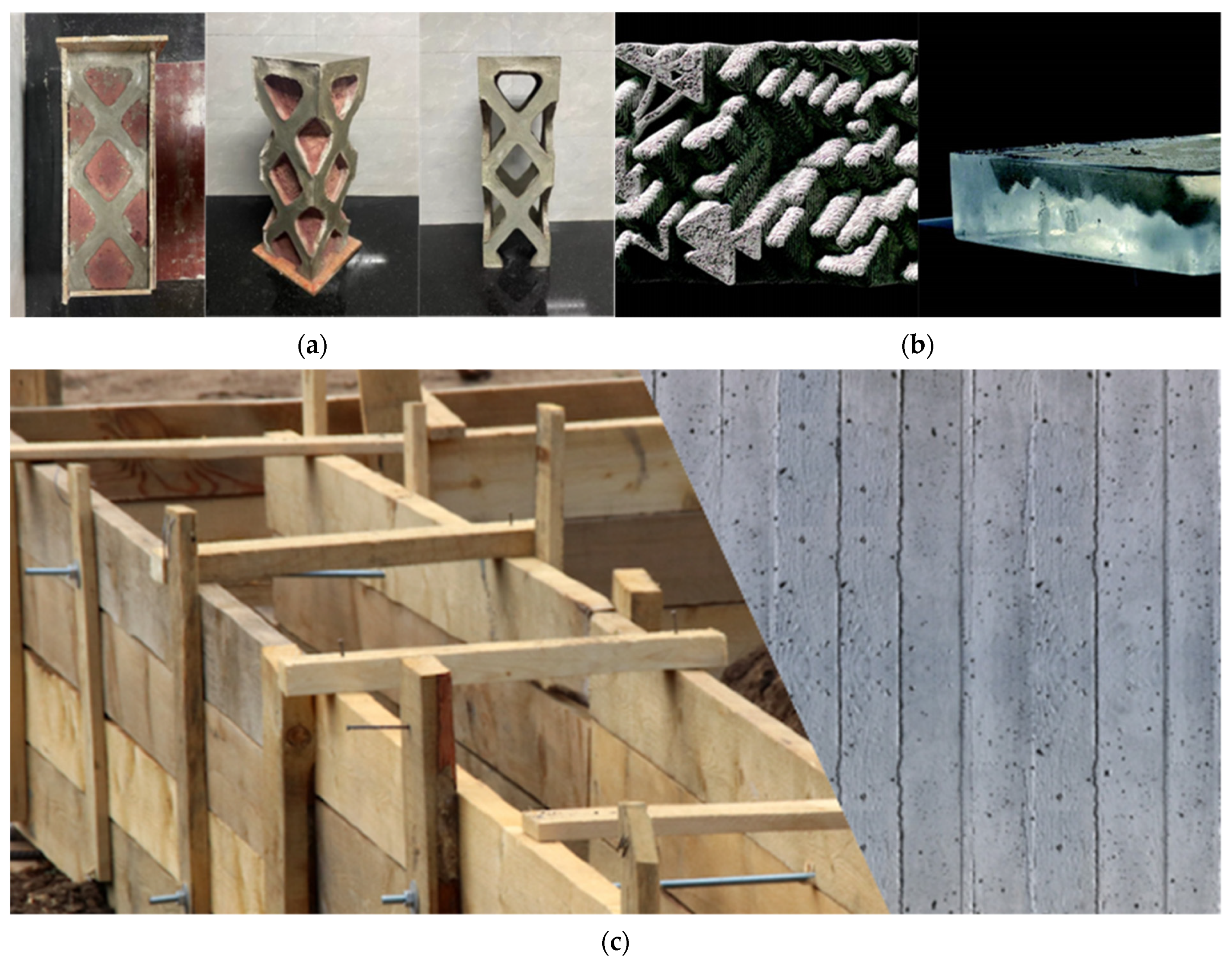
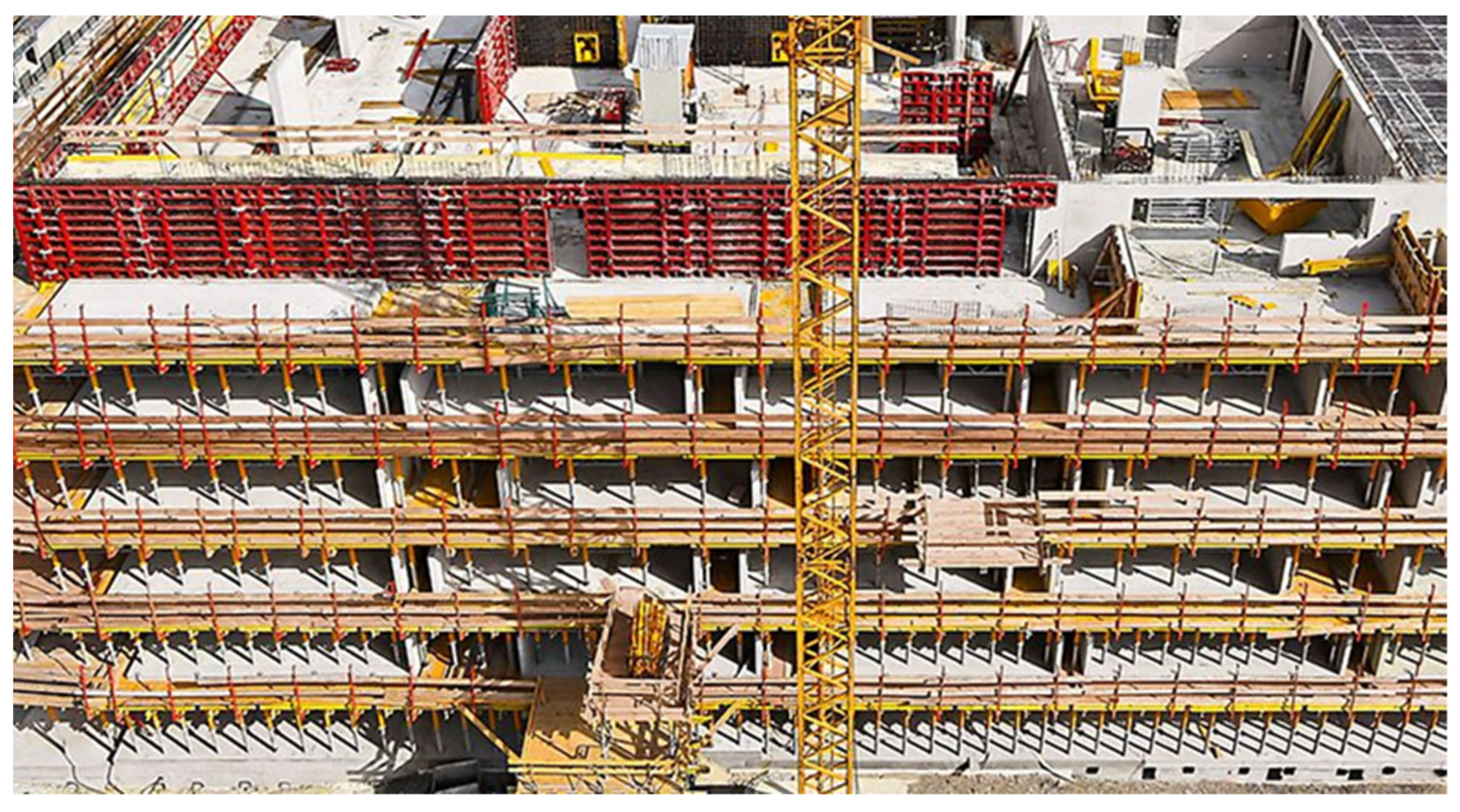
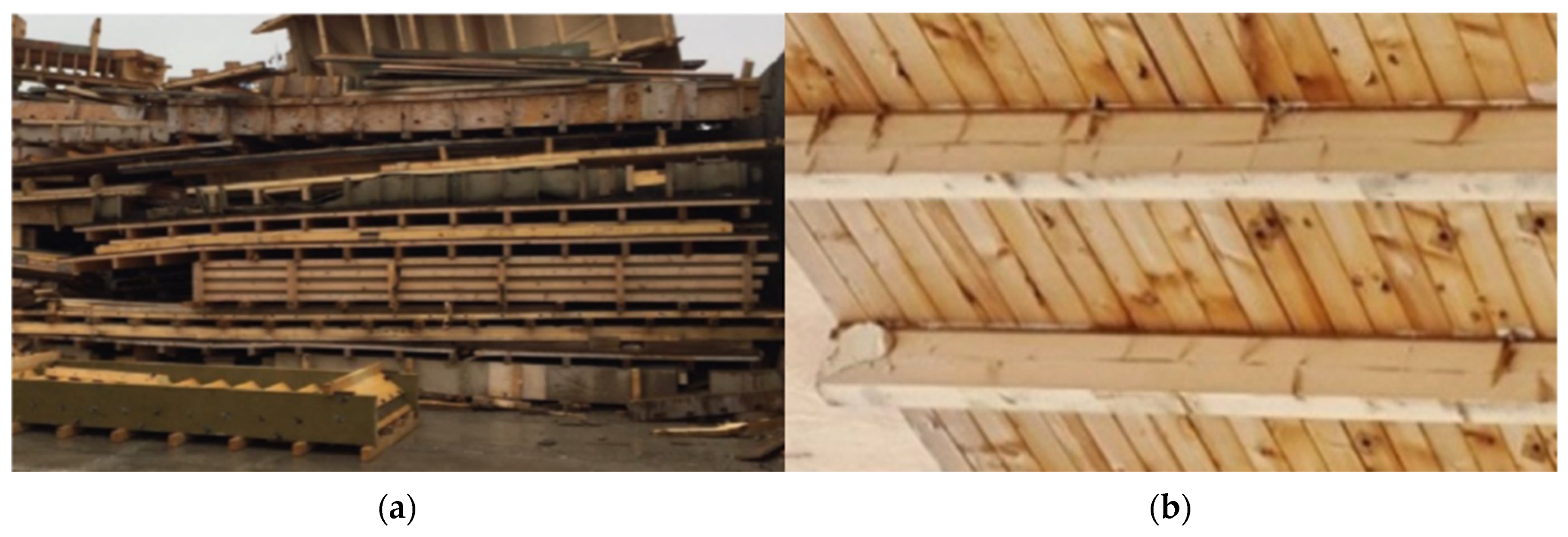
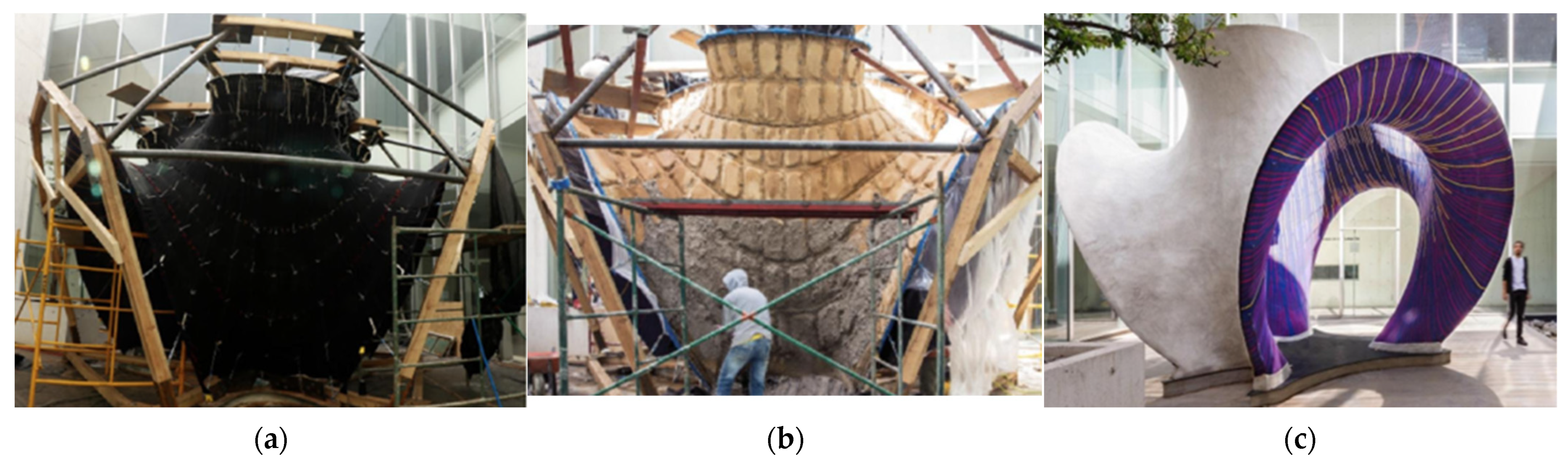
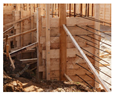
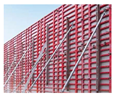
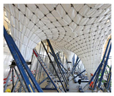
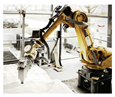

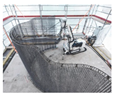
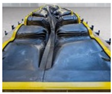
Disclaimer/Publisher’s Note: The statements, opinions and data contained in all publications are solely those of the individual author(s) and contributor(s) and not of MDPI and/or the editor(s). MDPI and/or the editor(s) disclaim responsibility for any injury to people or property resulting from any ideas, methods, instructions or products referred to in the content. |
© 2023 by the authors. Licensee MDPI, Basel, Switzerland. This article is an open access article distributed under the terms and conditions of the Creative Commons Attribution (CC BY) license (https://creativecommons.org/licenses/by/4.0/).