


Abstract
This review aims to evaluate the existing literature on Vaccine Supply Chain Management (VSCM). All relevant articles between 2002 and 2022 were systematically collected. The retrieved articles were further analyzed using bibliometric data analysis techniques. The unit of analysis is research papers published from 2002 to 2022. Vaccine Supply Chain Management (VSCM) literature has gained prominence since early 2000 and has now become voluminous. A review is the first endeavor to provide a unified body of literature. This study contributes to the existing research through insights from the bibliometric analysis and critical measurement of the literature. The results show 4288 papers on VSCM in the last 20 years. The top five countries contributing to VSCM literature are the USA, France, China, the United Kingdom, and Switzerland. Supply chain, vaccine, immunization, and Vaccine Supply Chain Management are the high-frequency keywords in the area of VSCM. The research hotspots mainly focus on healthcare, drugs, and manufacturers. In light of the COVID-19 era, this review paper indicates the area of VSCM is diversified. This study is useful for policymakers and other stakeholders to understand the existing issues in VSCM. The research trends and patterns from the literature review of VSCM will help in designing AAA (agile, adaptive, and aligned) VSCM in the future from the viewpoint of public health. This study attempts to analyze existing works, trends, developments, and potential research directions.
1. Introduction
Vaccination is a medical intervention. The successful availability of the vaccine to the needed community is only possible with an effective logistics and supply chain system. In academic literature, the concept of Vaccine Supply Chain Management (VSCM) gained attention during the period of late the 1990s and early 2000s. However, the relative importance of vaccine logistic emergencies came back in the late 2010s when extreme cases of viral and bacterial (Ebola, etc.) infections came into the picture. In the past years, the research community in the logistics and supply chain management domain has increasingly developed an interest in vaccination from a design, production, and distribution perspective. The publication trends exhibit the growing focus on the logistical aspect of the subject. The increasing complexity in firm strategies, supplier networks, and regulatory dimensions have fostered a variety of trends that emphasize the emergence of VSCM as an upcoming research domain. For two decades, the area of vaccination has received serious attention from academic researchers. The term VSCM is defined as “the network of the supply system to ensure the availability of vaccine at the right time”. The essentiality of having a strong Vaccine Supply Chain (VSC) system becomes a societal need, especially when a disaster situation arises. An effective VSCM can help government and non-government agencies to fight unusual situations such as COVID-19 the pandemic.
With the global outbreak raised by COVID-19, the scientific literature has witnessed an abundance of multidisciplinary academic contributions such as clinical trials of vaccines, quality, production, testing, and distribution, thus attracting the attention of the authors. The current study uncovers many concerns related to global health emergencies and the role of responsive VSCM. To ensure the availability of vaccine stock in the global markets, pharmaceutical firms are engaging Supply Chain (SC) partners for procurement contracts [1]. In particular, a sufficient supply of vaccines can enable the rapid establishment of recovery mechanisms among a vulnerable section of society. There is a need to provide vaccination inexpensively where the cost of access is high and there exists a lack of the right information. This is only possible through robust collaborative VSC networks [2,3]. This paper has systematically reviewed the contemporary body of literature on Vaccine Supply Chains. The area has garnered the attention of various researchers in the past [4,5]. Although in recent past much research has been carried out on various perspectives of COVID-19 [6,7,8,9,10,11,12,13,14,15], it is further expected these research findings will contribute to other supply chain issues and challenges faced by VSC actors amidst a COVID-19-like situation.
Thus, the relevance of this review is to give insights through a systematic review of the relevant literature on VLSCM published in journals indexed in academic databases, including Scopus and Web of Science. The methodology is adopted from highly cited reviews in the Vaccine Supply Chain area [16]. The research review aims to address (a) identification of significant past research contributions in the field of VLSCM from the journals indexed in WoS and Scopus; (b) clustering of revenant articles on various criteria; and (c) research plan for future studies, based on gaps in the existing body of literature. Systematization of the existing literature becomes appropriate so that identified research gaps can be addressed to further strengthen and contribute to the sustainable performance of VSCM. Therefore, a review study is required to address the general questions related to the design, development, and distribution of vaccines for outbreak situations. Moreover, the study aims to provide valuable vaccine value-chain-related information to different stakeholders (i.e., patients, health organizations, government, humanitarian organizations, and society). A review article aims to showcase the research progress and development on various aspects of a theme, subject, and a topic including the evolvement of the subject and research gap, if any. Based on the above issue, the Research Questions (RQ) for the study are as follows:
RQ1: What are the recent developments in VSCM? What are the key functions that contribute significantly to the overall development of VSCM?
RQ2: Which research streams exist in VSCM? What are commonly used methods and methodologies in the VSCM? How has the field developed over the years? What are the influential concepts they came up in the last two decades?
RQ3: How have main themes of VSCM evolved?
RQ4: What are the potential avenues in the research area of VSCM?
Out of various literature review techniques, the current study has chosen to use bibliometric analysis. A variety of tools for bibliometric analysis in this study include Cytoscape, VOSviewer, Tableau, and CitNetExplore for a comprehensive search of advanced articles in the existing literature. The bibliometric analysis approach aims to provide more objective and comprehensive results about VSCM as compared with the traditional review approach used in earlier studies. The organization of the paper is: Section 2 elaborates a literature review related to VSCM that aims to discuss various developments of documents published and predominant methodologies to find answers to our research questions. In Section 3, we demonstrate the discussion about the literature review. Towards the end of the paper, Section 4 concludes the study with specified research limitations and incorporates further research. The extended scholarly works inspired by this study aim to ultimately add value to the existing literature and pave the way for future researchers. The next section discusses the entire literature and focuses on VSCM particularly.
2. Methods
2.1. Secondary Data Collection
A literature review aims to demonstrate the central themes of a subject area or a topic. This research study has extracted two main databases from ‘Web of Science’ and ‘Scopus’. The results of past and recent studies in the area of VSCM across the timeline were analyzed. In the past, researchers have successfully used bibliometric analyses in the area of SCM [17,18,19]. Based on the research directive for research review by [20], a research protocol presentation is shown in Table 1.

Table 1.
Research Protocol.
In our study, the first step broadly includes determining the relevant articles on ‘Vaccine Supply Chain Management’ identified from Web of Science (WoS) and Scopus. The period for data collection was December 2021 till January 2022. The search contained a combination of keywords including ‘vaccine supply chain management, ‘vaccine design’, vaccine allocation’, ‘vaccine distribution’, and ‘vaccine logistics’. The initial search was inclusive of various sources, including conference proceedings, authored and edited books, and trade magazines and periodicals published in the English language in a period of 20 years (2002–2022). The initial research results into 4288 documents that in turn were classified based on four sets of keywords, as exhibited in Table 1, between a period of 20 years (2002–2022). Table 2 exhibits the initial research results.
Table 2.
Research search results.
The number of articles excluding conference papers, books, book chapters, trade journals, etc., is demonstrated in Table 2. The Scopus- and WoS-enabled files in Bibtex format are imported to Mendeley bibliometric manager. Consequently, our final database comprised 4288 articles. The search outcomes are depicted in Table 3.
Table 3.
Initial results with reference to COVID-19 search.
2.2. Research Methods
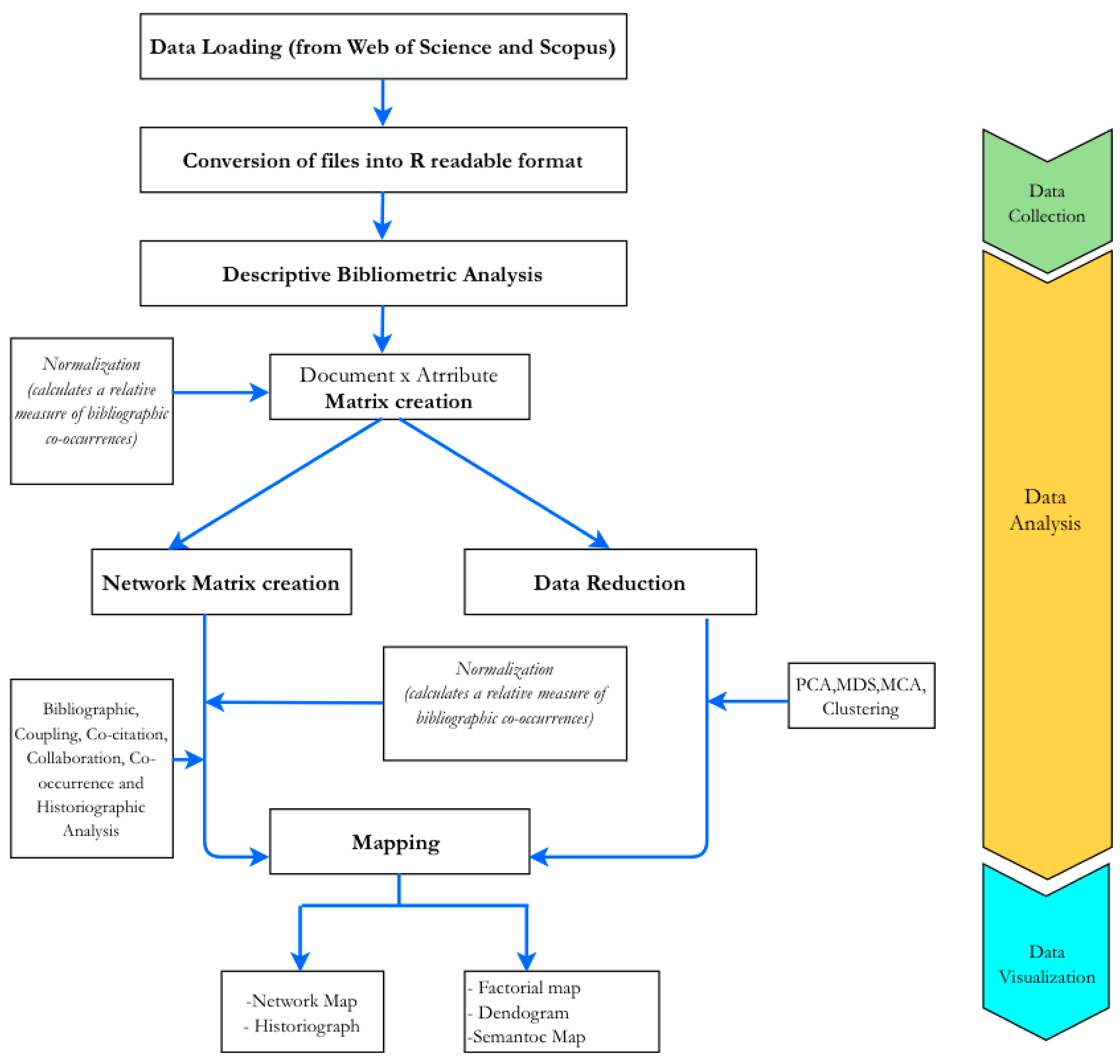
The current study includes five major steps in the bibliometric analysis: research, design, data collection and its analysis, and data interpretation using visualization tools. The pictorial representation of the data is exhibited in Figure 1. Currently, programing languages such as R have tools that measure information of documents such as CITAN (for cleaning data from the Scopus database). However, it lacks functions for co-word analysis, co-citation analyses, etc. This software performs a complete set of literature information analyses and visualizations of results. The other software, biblioshiny, is based on the R language and is also used in the current paper. The operating mode of bibliometrix differentiates between both packages. Bibliometrix include code commands, whereas biblioshiny encapsulates bibliometrics and develops a framework based on online data analysis. This review article deals with analyzing bibliometric coupling, co-citation, word co-occurrence, and countries’ citations.
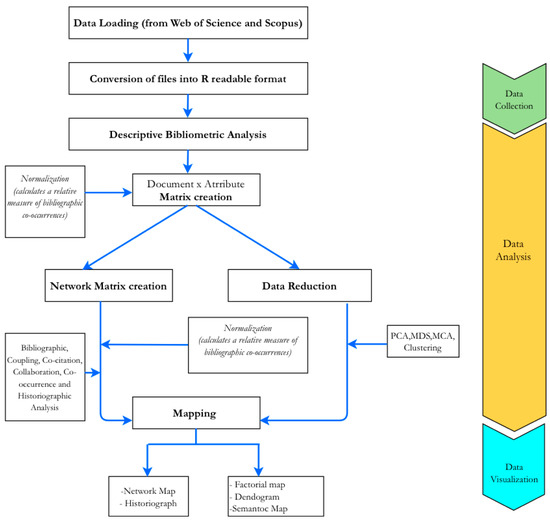
Figure 1.
Research design.
This paper used both the bibliometrix and the biblioshiny software packages to analyze data and visualize research trends in VSCM. This review paper elaborates on VSCM from the aspects of yearly documents published, research strength, research hotspots, and themes. Multiple perspectives on VSCM were undertaken to analyze the current situation and explore future research directions [21,22,23,24].
3. Results
3.1. Annual Document Distribution
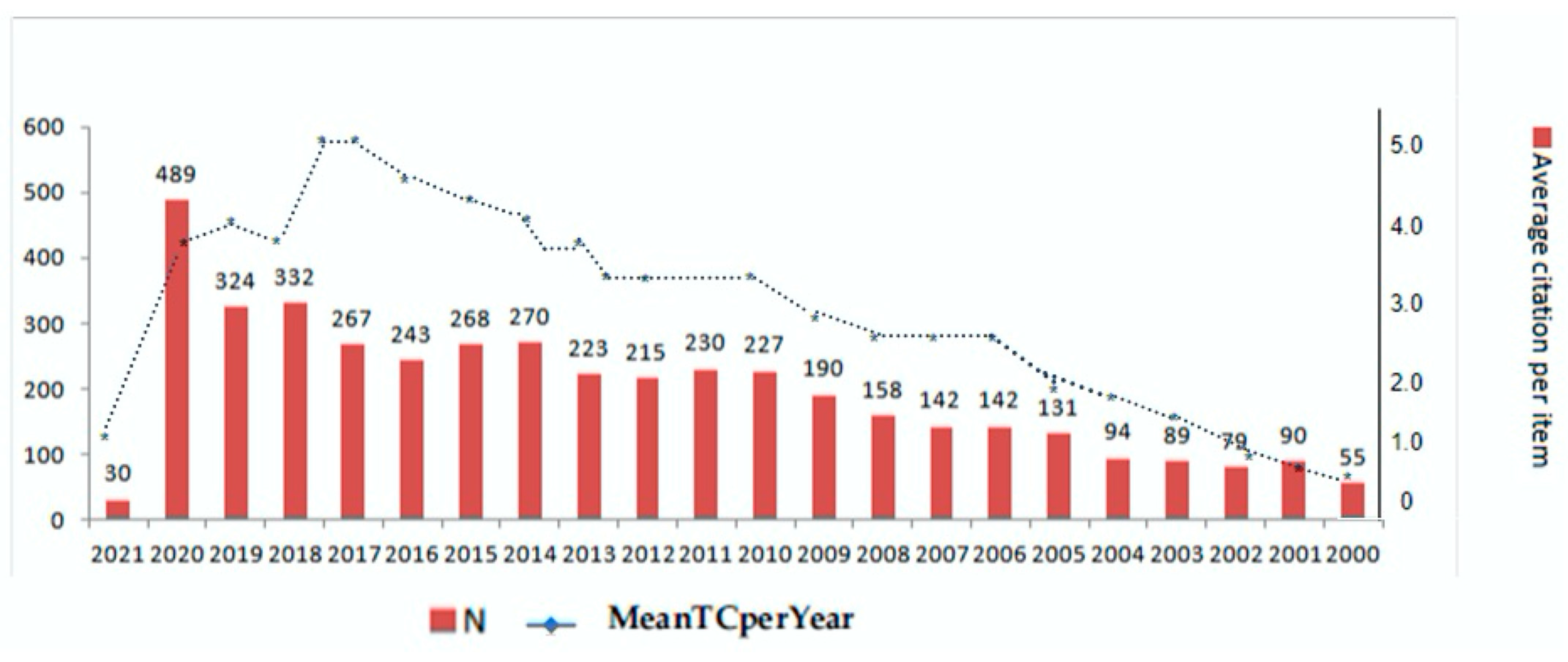
The annual documents reflect the whole picture and research trends. They also show the overall trend attributes through the development stages. In the last 20 years, despite a few fluctuations, the overall trend in the area of VSCM has continued to increase. The graph is shown in Figure 2. A VSC is a complex system of steps, processes, equipment, vehicles, and locations engaged in vaccine management from source to delivery. In the initial years, there was less focus on VSCM, and it received less attention. Thus, from the year 2000–2008, there was a very small number of publications. Several SC issues restricted the delivery of vaccines to the people who needed them. The challenges were faced in developed and developing countries. In the year 2009, the H1N1 influenza pandemic exposed several limitations in VSCM in the United States. The studies have shown that the demand and supply of vaccines were poorly managed during the H1N1 influenza pandemic. A number of studies took place in 2009 after the exposure of SC issues in 2009, such as the H1N1 influenza pandemic. The Director General of the WHO declared the world to be under the H1N1 pandemic in 2009. With the continuous effort from the government, and the pharmaceutical SCs and scientists’ hard work, the WHO announced an end to the H1N1 pandemic. The years from 2010-2013 saw a stable trend in VSCM. This span of three years was more focused on developing a robust and effective plan for immunizations.
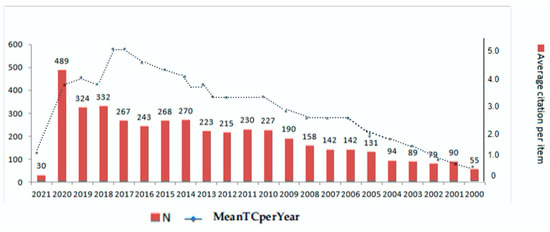
Figure 2.
Published documents on VSCM from 2002–2022.
In the year 2014, the WHO Director General declared the international spread of wild poliovirus a public health emergency. Thus, the graph shows more studies in the year 2014. During the 2015–2017 period, there was a slight decrease in the publication of documents on VSCM. The highest growth rate in VSCM was seen in the years 2018–2020. In January 2020, public health emergencies were declared due to the spread of the novel coronavirus. This area has attracted authors worldwide and has the highest number of published documents on VSCM. The COVID-19 pandemic has highlighted the lack of preparedness, integration, and resiliency in VSCs. Thus, recently, authors have explored the weaknesses in VSCM across multiple fields from different perspectives. Moreover, Vaccine Supply Chain resilience is lessened, and thus more studies have been conducted for scaling-up production and distribution in an emergency situation such as the COVID-19 pandemic. The comprehensive literature review based on sub-research areas, methodology, techniques and keywords are depicted in Table 4.
Table 4.
Comprehensive Literature review: Sub-research areas, methodology, techniques, and keywords covered.
3.2. Cited Papers in Vaccine Supply Chain Management
3.2.1. Annual Citations Trends
In the years 2009, 2014, and 2020, average citations were at their peak. Figure 2 shows that despite the overall growth in the area of VSCM, there exist few fluctuations in this field. Although the average citations per item and growth rate have been maintained, the citation trend has increased drastically since 2020 due to the COVID-19 pandemic, thus indicating a positive direction for research opportunities in the area of VSCM. The years 2014–2018 show the highest amount of cited papers. The highest citation per item reached 5.0 in the year 2018. The research during these years shows the significance of integration, collaborations, and issues in VSCM [76,77].
3.2.2. Historical Analysis of Cited Papers in Vaccine Supply Chain Management
The current review study used the Network and PLOT functions of the bibliometrix software to create a historical direct citation network and visualization of it. LCS (local citation score) and GCS (global citation score) indicators were used in the study. LCS is the citations per paper and GCS indicates the number of citations in WoS and Scopus, but it is not essential the cited papers belong to VSCM based on the scores of LCS and GCS.
3.3. Analysis of the Main Researcher
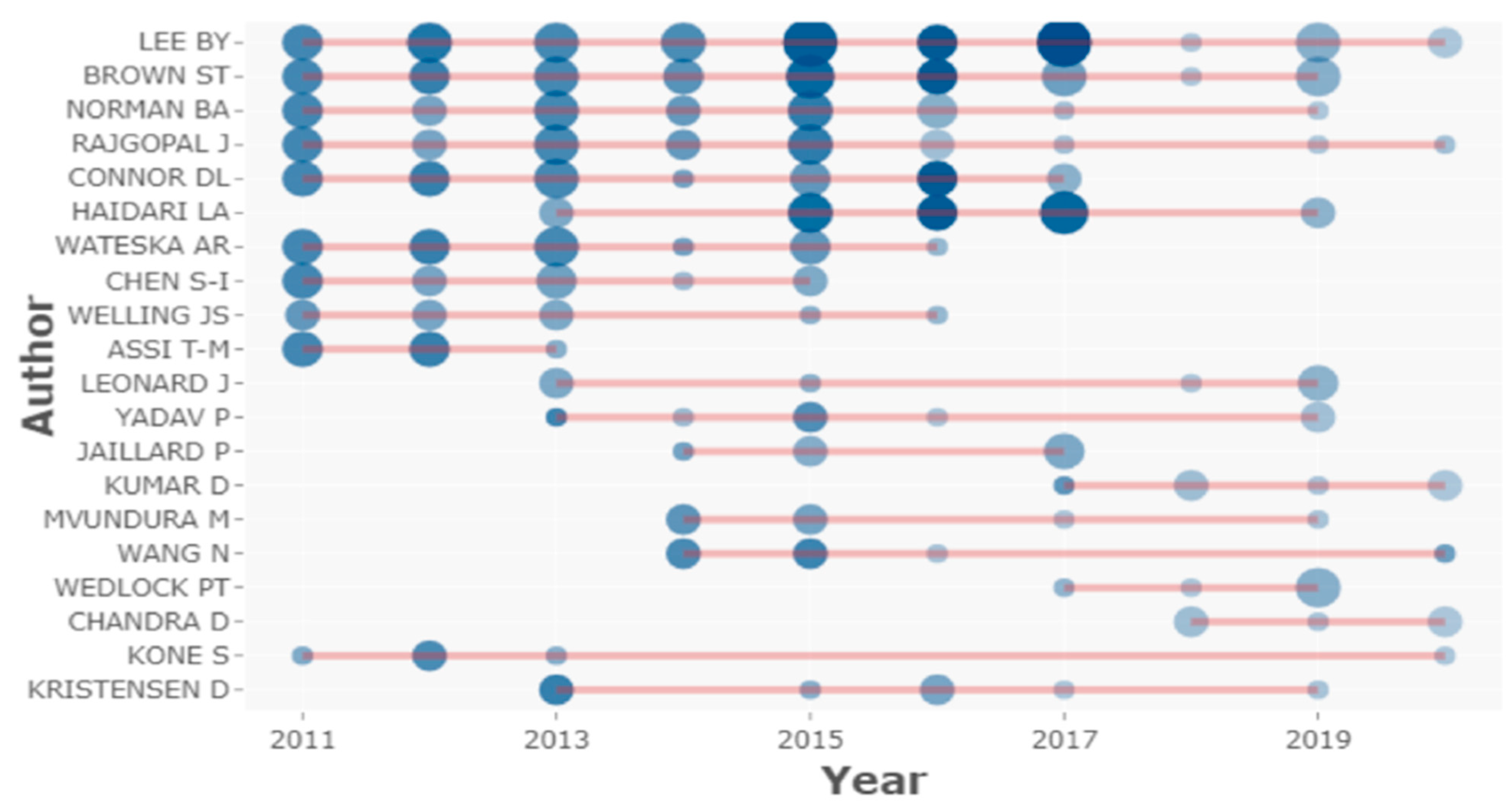
From the bibliometric analysis, the study shows a total of 19,897 authors. Based on the number of authors, single-authored documents constitute 204, whle multi-authored documents 17,693. The top 10 authors are Lee By [74], Brown ST [75], Norman BA [76], Rajgopal J and Connor DL [77], Haidri LA [78], Wateska AR [79], Chen S-I [80], Welling JS [81], and Assi T-M [82]. Figure 3 exhibits the author’s contribution over time in the field of VSCM. In the figure, the circle size denotes the documents, and the color shadow reflects the volume of citations. Lee By [64] is influential in the field of VSCM. Lee By has documents published starting in 2011, with the highest average citations per item in the year 2017. Figure 3 depicts the top 10 authors and their contributions over time in the field of VSCM. The blue dot shows the density of contribution in terms of citations made, the darker once shows the prominence. In addition, red line shows the connecting timeline of publication.
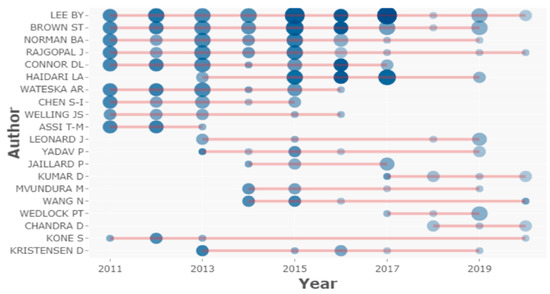
Figure 3.
Top 10 Authors and their contribution over the time in the field of VSCM.
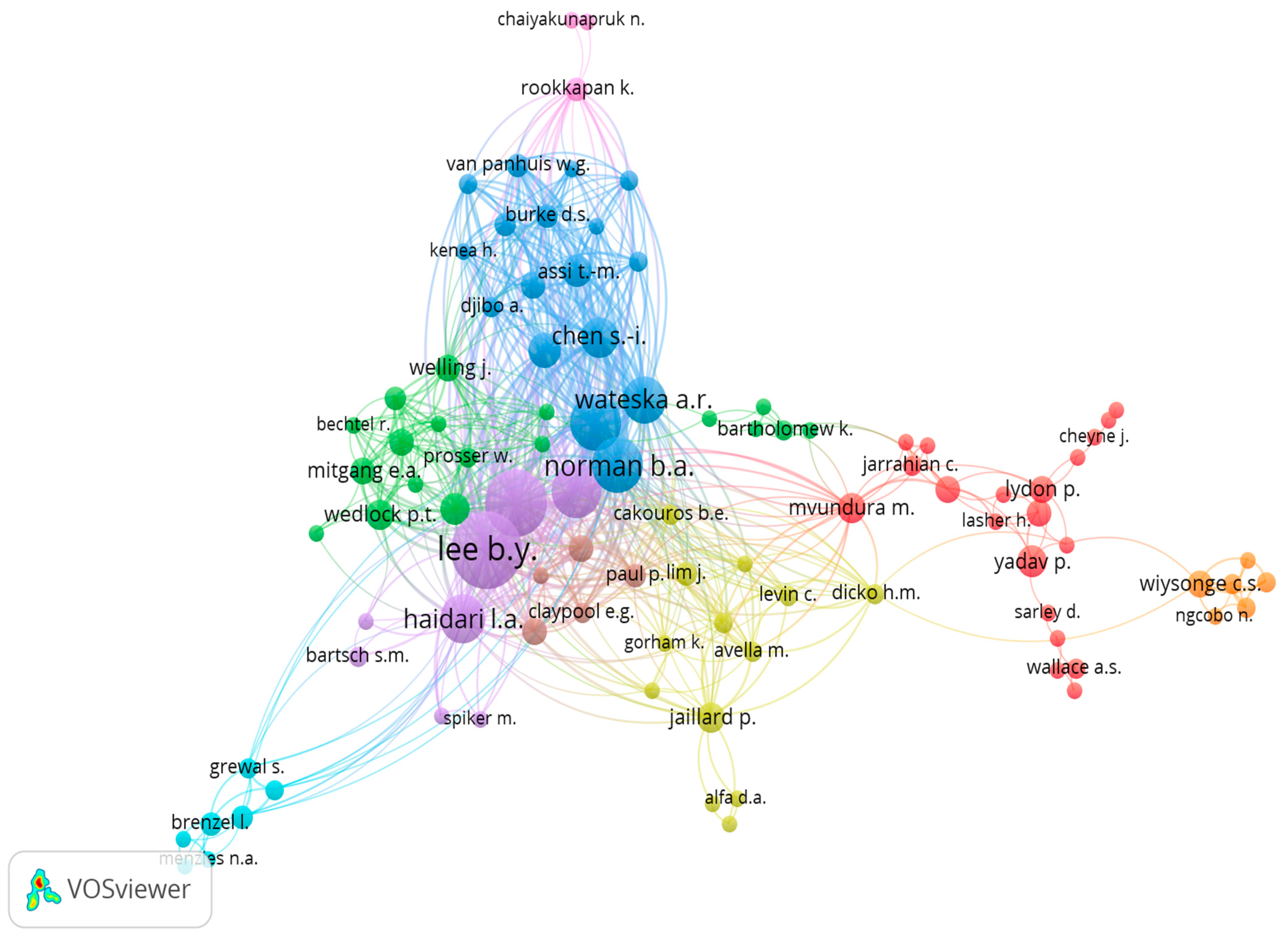
With the help of the VOSviewer, a collaboration diagram of authors is created to show the research collaboration among them. The networks and sub-networks are developed in the research map. The academic pattern was formed by the author’s network exhibiting close association, shown in Figure 4. In this paper, nine sub-networks are formed, represented in different colors. These sub-networks increase the complexity of the network. The different nodes also form the sub-networks and may form a new network. Lee By [64] has high clustering density, and the authors have great influence in the area of VSCM.
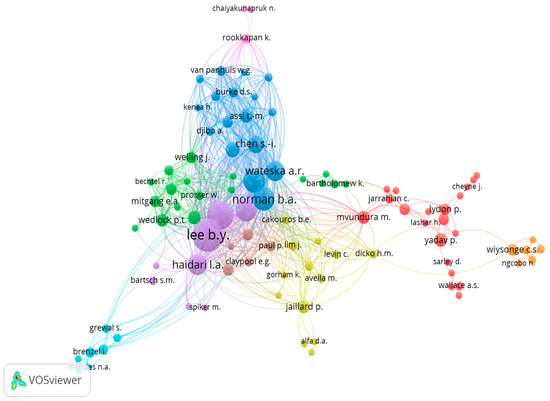
Figure 4.
Collaboration map of the authors.
3.4. Major Research Countries/Regions
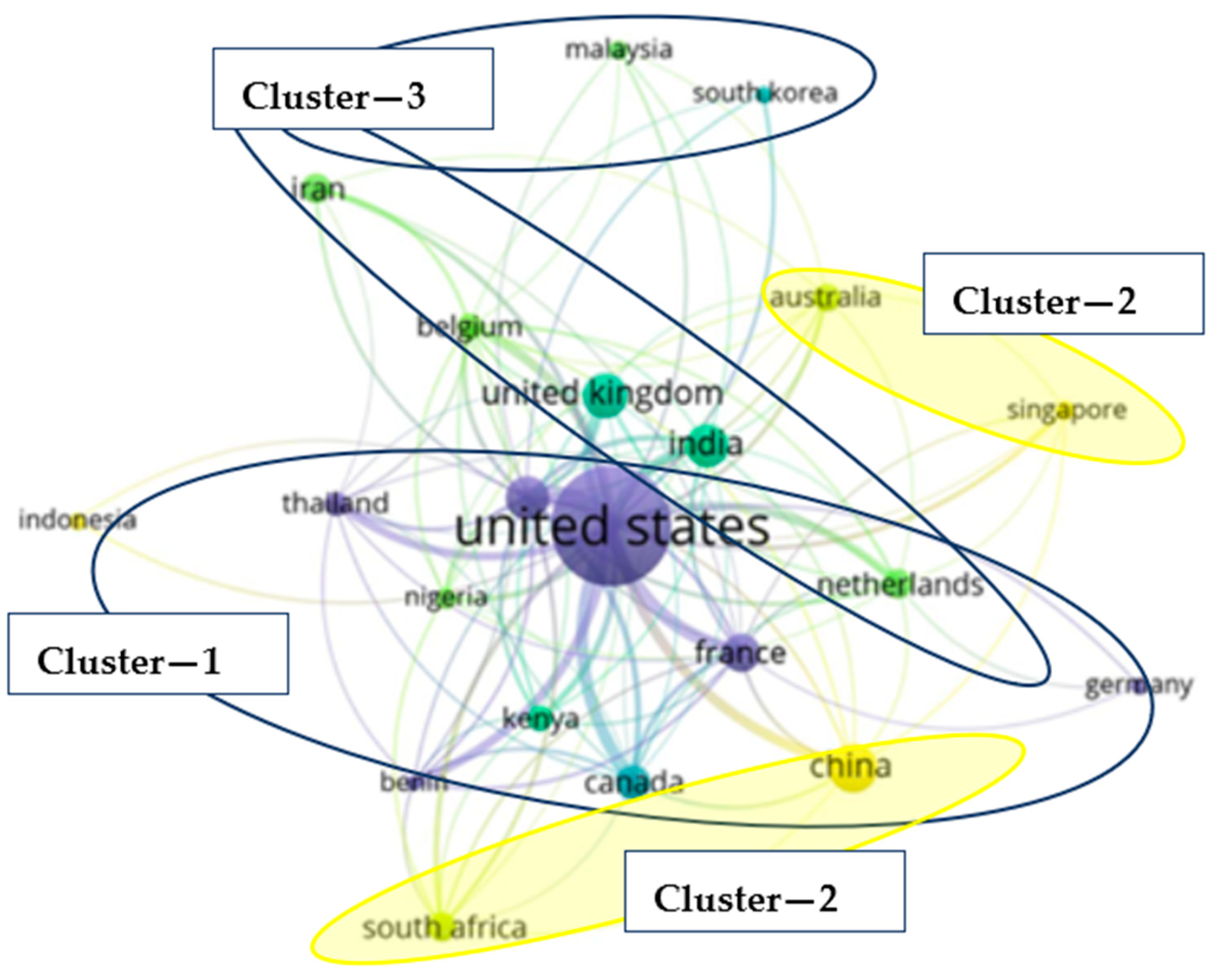
The contribution in documents exhibits the importance and influence of the country in the area of VSCM. Several countries have published documents on VSCM during the 2000–2020 period. Figure 5 presents the top 20 countries’ contributions in the area of VSCM. Of the 20 countries, there are five countries from Asia (India, China, Iran, Thailand, and Korea), four American countries (USA, Canada, Argentina, and Mexico), and six European countries (France, UK, Switzerland, Netherlands, Greece, and Belgium), one Oceania country (Australia), and four African countries (South Africa, Kenya, Benin, and Nigeria). Figure 5 shows that the USA is the topmost country in contributions to VSCM, followed by France, China, the UK, and Switzerland.
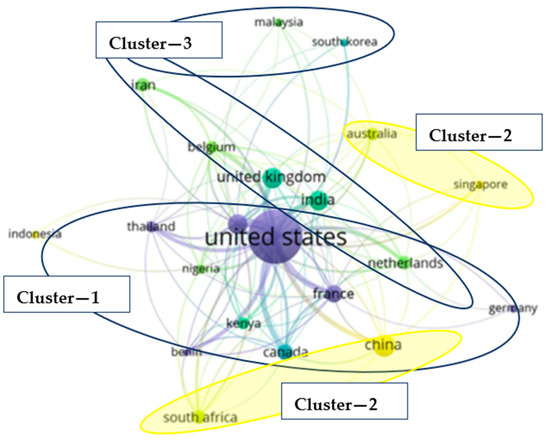
Figure 5.
Top 20 countries’ contribution to VSCM.
Figure 5 shows that the developed nations have more influence in publishing documents in the area of VSCM compared with developing countries. The color intensiveness exhibits the prominent countries conducting research in VSCM. The most productive countries for publications have four clusters. In the first cluster (blue color), the most prominent country in terms of publication is the United States, followed by France and Germany. In Cluster 2, China stood out as the most productive, followed by South Africa, Australia, and Singapore. Under Cluster 3, key countries include the United Kingdom, India, and the Netherlands. Of the top countries, China is the only developing country and is far away from the other developing nations. The number of citations and documents is high in the United States. Figure 5 shows that there exists a cooperative relationship among the countries.
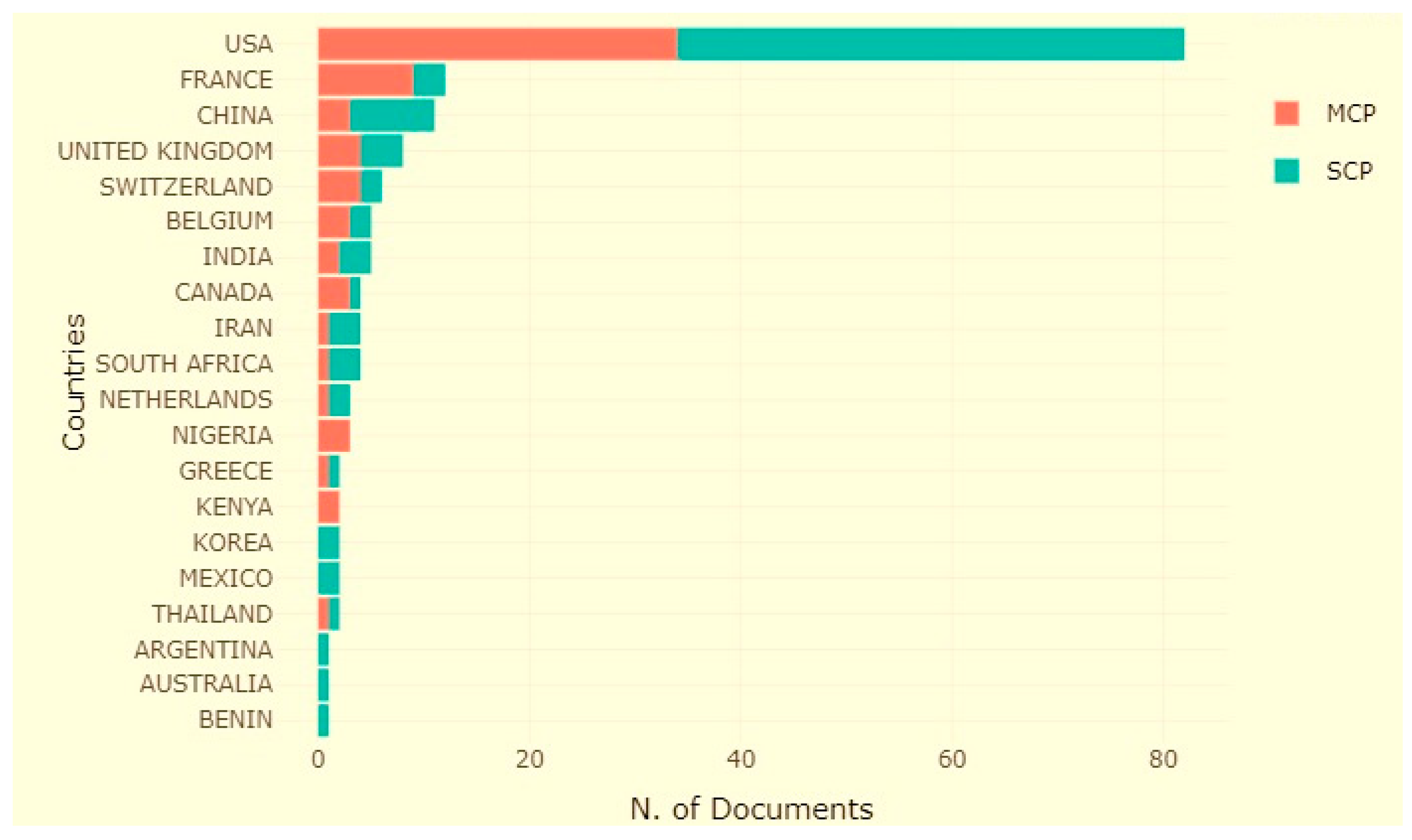
From Figure 6, the countries’ intra and inter-collaboration may be explored based on the MCP and SCP. MCP refers to the intercountry collaboration index and SCP refers to intra-country collaboration. It is clear from Figure 6 that the USA has the highest MCP and SCP, which indicates the highest influence over inter- and intra-country collaboration. France, Switzerland, the United Kingdom, and Canada have a higher percentage of MCP as compared with SCP. In contrast, China, India, Iran, and South Africa have a higher percentage of SCP. Furthermore, few countries, such as Nigeria, Korea, Mexico, Argentina, Australia, and Benin, are either SCP or MCP collaboration-indexed.
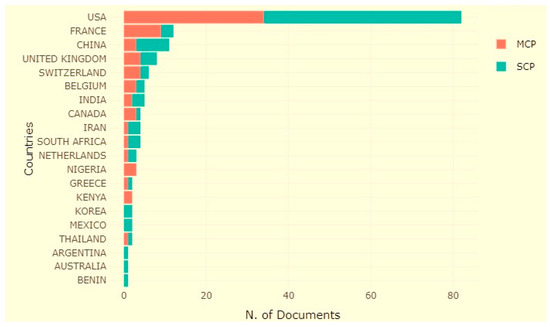
Figure 6.
Corresponding author’s country affiliation; (MCP = inter-country collaboration index; SCP = intra-country collaboration).
3.5. Keywords Analysis
3.5.1. High-Frequency Keywords
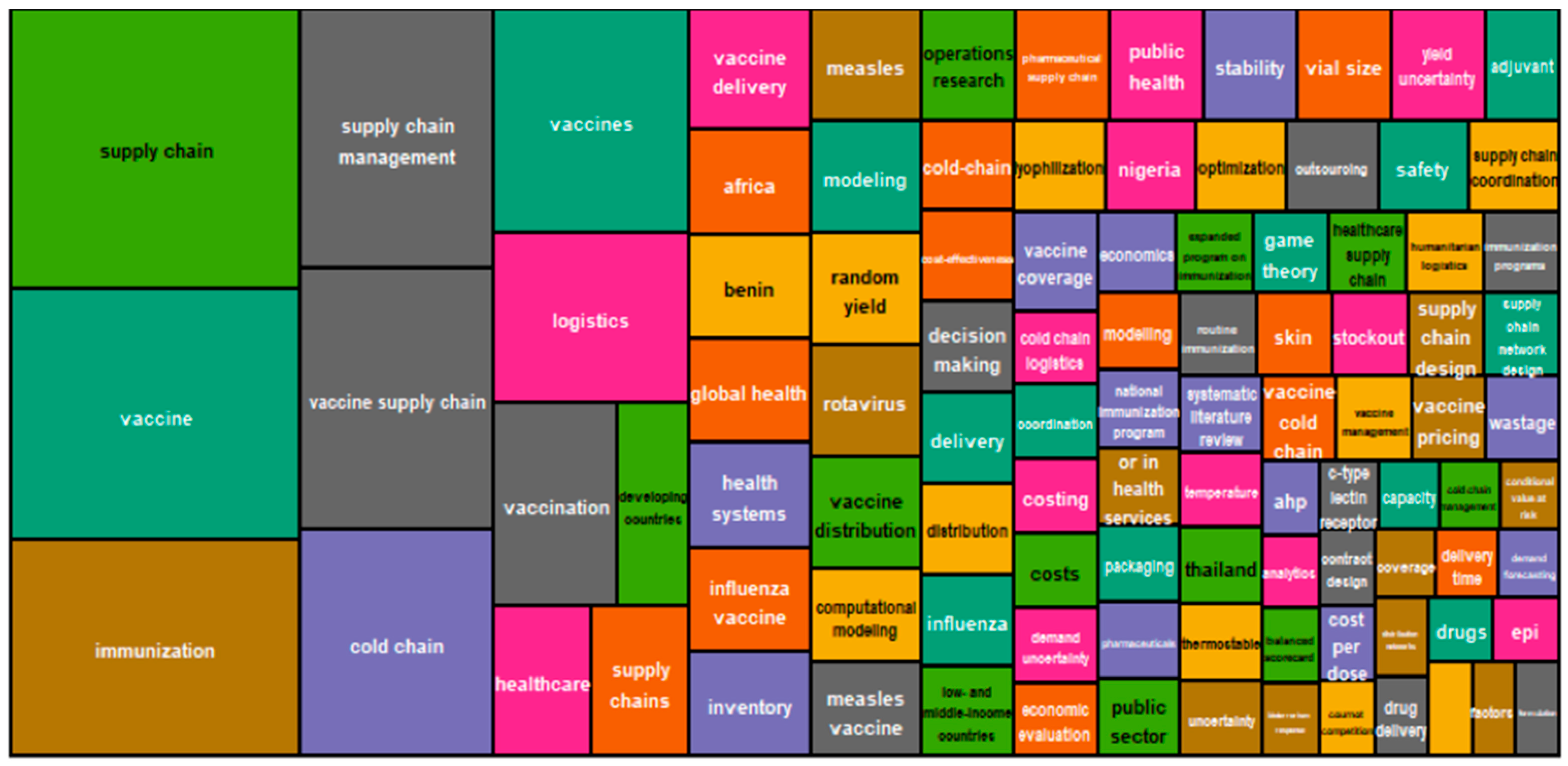
The biblioshiny software is used for data analysis of the highly occurring keywords of the research documents. A word frequency of 10 or more is selected to draw the word tree map, shown in Figure 7.
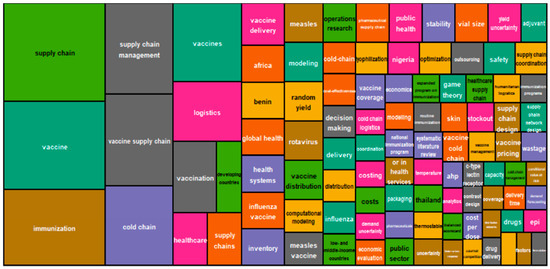
Figure 7.
Word tree map.
Figure 7 shows that the most frequent keywords in the area of VSCM are supply chain, vaccines, immunization, supply chain management, Vaccine Supply Chain, cold chain, vaccine, logistics, vaccination, and healthcare. It is visible that VSCM is studied extensively in the supply chain and healthcare area. Due to the continuous attack of viruses, VSC is quite a frequently used term. The past pandemic situations have shown that SC has always been the most affected area and needs to be strengthened by governments and other regulatory bodies.
3.5.2. Cluster Analysis and MCA of Frequently Occurring Words
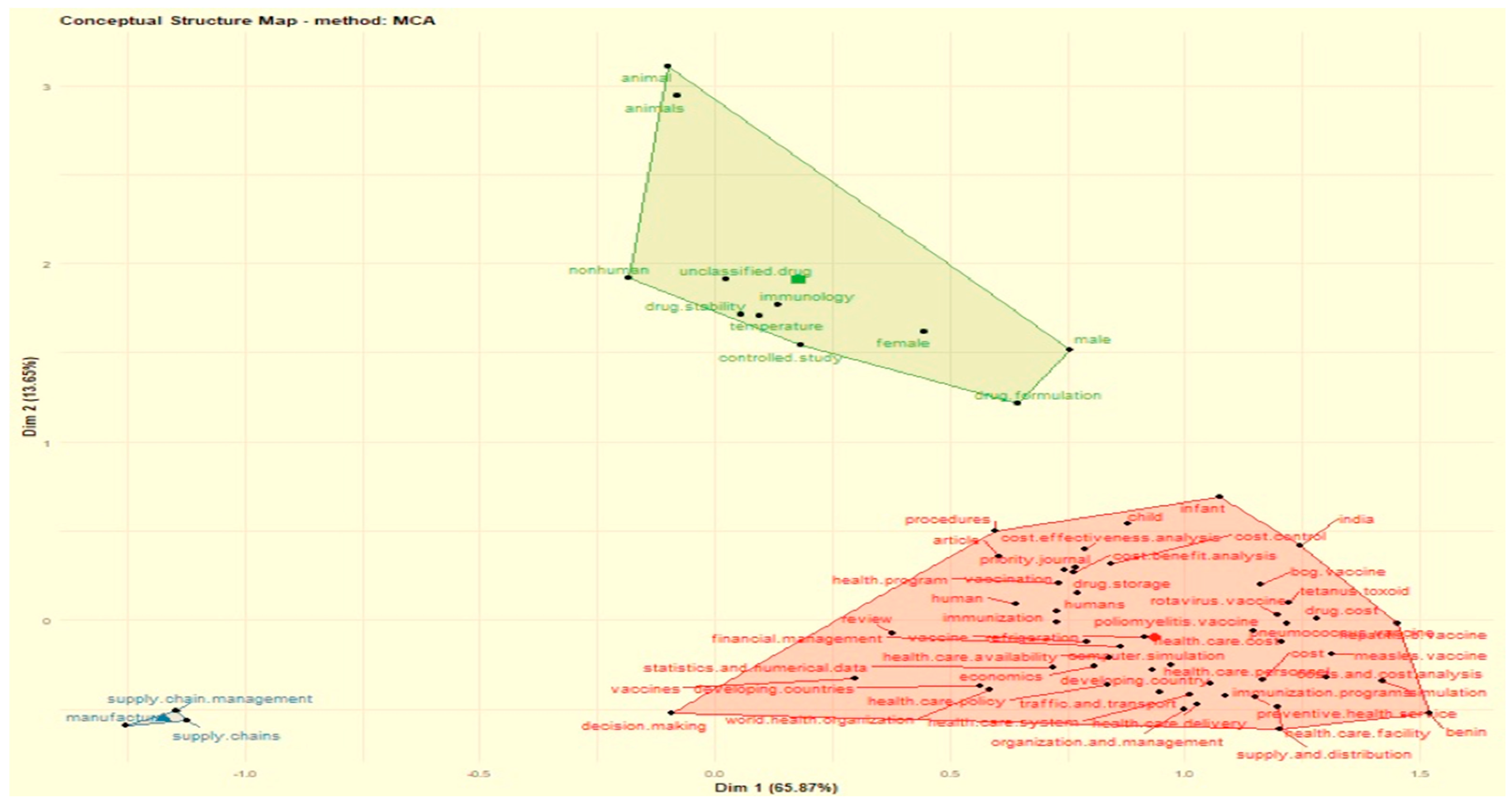
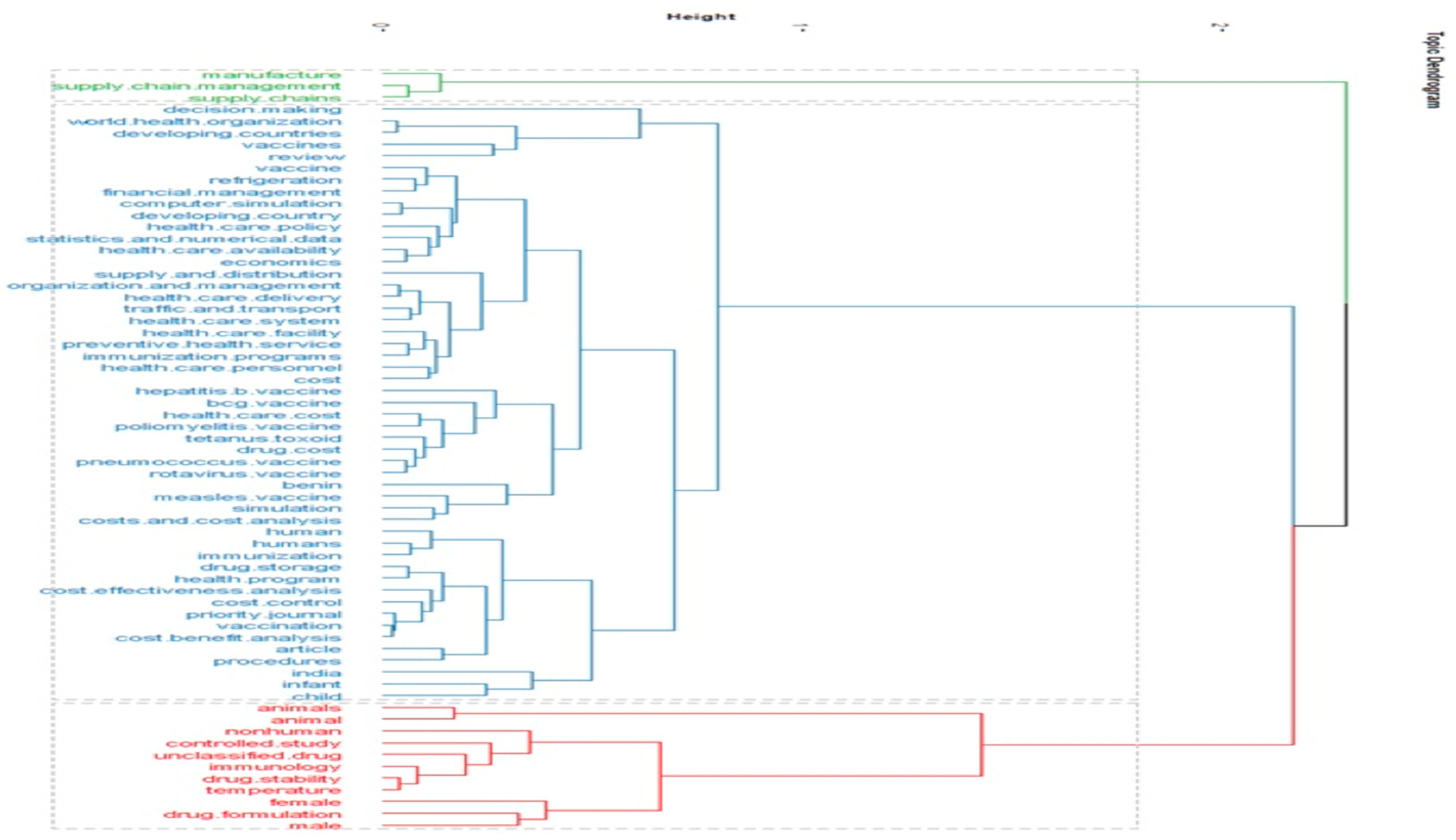
A cluster analysis is evaluated based on the simultaneous occurrence of more than two keywords. This review paper used the hierarchical clustering method. The large data are compressed with multiple variables into a low-dimensional space to form a two-dimensional or three-dimensional graph that uses a plane distance to reflect the similarity between the keywords. Keywords towards the center point are an indication of receiving high attention in recent years. The nearer to the edge, the narrower the study theme or the transition to the other themes. Figure 8 and Figure 9 show the three major clusters in the area of VSCM.
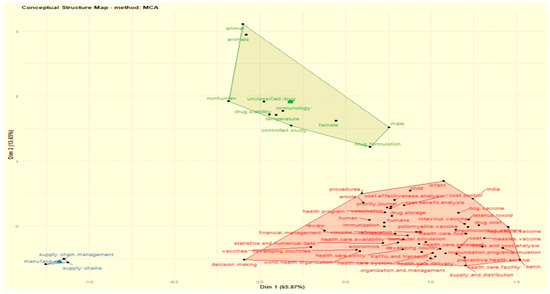
Figure 8.
Multiple correspondence analysis of high-frequency keywords in the field of VSCM.
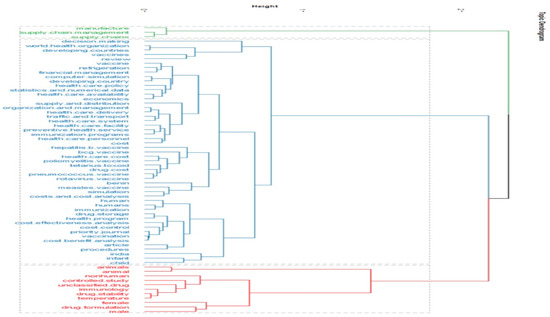
Figure 9.
Dendrogram of hierarchical cluster analysis of keywords in the area of VSCM.
Clusters in Figure 8 can be further explained as following:
- The first cluster in the analysis is engaged in healthcare. The healthcare sector is the main cluster for managing vaccines. This industry is growing at a brisk pace due to its coverage, services, and increasing expenditure by public and private players. The healthcare sector is diversifying and, with global competition, healthcare organizations are exploring new care models to stay ahead. The healthcare sector is putting its best efforts toward providing quality services to society [83]. The health industry is in a transition phase and adapting dynamic business models to change the landscape of healthcare. Technological advancement helps in enhancing transparency, interoperability, and real-time data sharing in healthcare [84]. The information-based system in healthcare that is patient-centric needs to be digitally connected but less prone to privacy, quality, compliance, and governance issues. Information management is very crucial in this industry and influences the lives of people. VSC needs to be strengthened with technological support to enhance information sharing and real-time monitoring for effective decision making [85,86,87]. Currently, the healthcare industry needs a system of collaborative stakeholders consisting of digitized data. The alternatives that the healthcare sector has are blockchain, IOTA, Augmented Reality (AR), and Robotics, which may transform the existing VSCs. With the help of these technologies, the healthcare industry may reshape [88]. The main focus of the industry is to ensure the availability of vaccines to people at the right time. Thus, there is a need to conduct more research on developing robust and efficient VSCs. These VSCs will be able to provide better and cost-efficient healthcare services such as distribution, delivery, effective immunization programs, drug storage, etc.
- The second category of cluster analysis is mainly concerned with drug development and its management. The healthcare industry consistently works on developing generic drugs or vaccines. The process of drug development includes sequential steps, discovery and development, animal trials, clinical trials, and Food and Drug Administration (FDA) review and post-market safety monitoring. It takes a long time to bring a new drug to the market. Clinical trials constitute approximately half of the development process cost. Clinical trials are conducted in four phases. As the rate of clinical trials is increasing worldwide, more emphasis has been placed on quick and better decision making regarding treatments [89]. Drug supply planning must ensure efficient and effective SC, and thus requires more studies for better planning and implementation. Drug supply planning poses challenges for multi-center trials in clinical studies that need to be discovered in future studies.
- The third category of cluster analysis in VSCM is the manufacturers in VSCs. Manufacturers have an important stake in VSCs as their credibility depends on the effectiveness of their vaccines once the vaccination initiates. The risk related to low SC performance is harmful to vaccine effectiveness, with potential consequences in the future. The manufacturers of vaccines from emerging countries have created a network DCVMN (Developing Countries Vaccine Manufacturers Network) to protect people from infections through the supply of quality and affordable vaccines. This network has established goals for promoting stable and sustainable high-quality vaccines for developing countries and enhancing the efficiency and effectiveness of VSCs [90]. Thus, there is a need for studies to identify the opportunities faced by vaccine manufacturers in developing countries. This may help in managing demand forecasting, erratic ordering schedules, dependence on material and supplier relationships, and the configuration of SCs. However, it is seen that vaccine manufacturers lack resources for adopting changes in their operations [91,92]. Future studies should focus on identifying ways for capacity building for manufacturers, with scientific knowledge supporting the technology transfer process [93]. There are few constraints for vaccine manufacturing in emerging countries, such as diverse vaccine manufacturers in their locations across all the developing regions and extreme price pressure [94,95]. Thus, more focus should be on improving the current VSCs.
Currently, VSCs are highly disturbed due to the COVID-19 pandemic. The VSCs need to be strengthened with effective planning for facilitating vaccine development and distribution worldwide [96,97]. Therefore, supply chain integration, digitization, and collaboration are very much required in VSCM.
4. Discussion
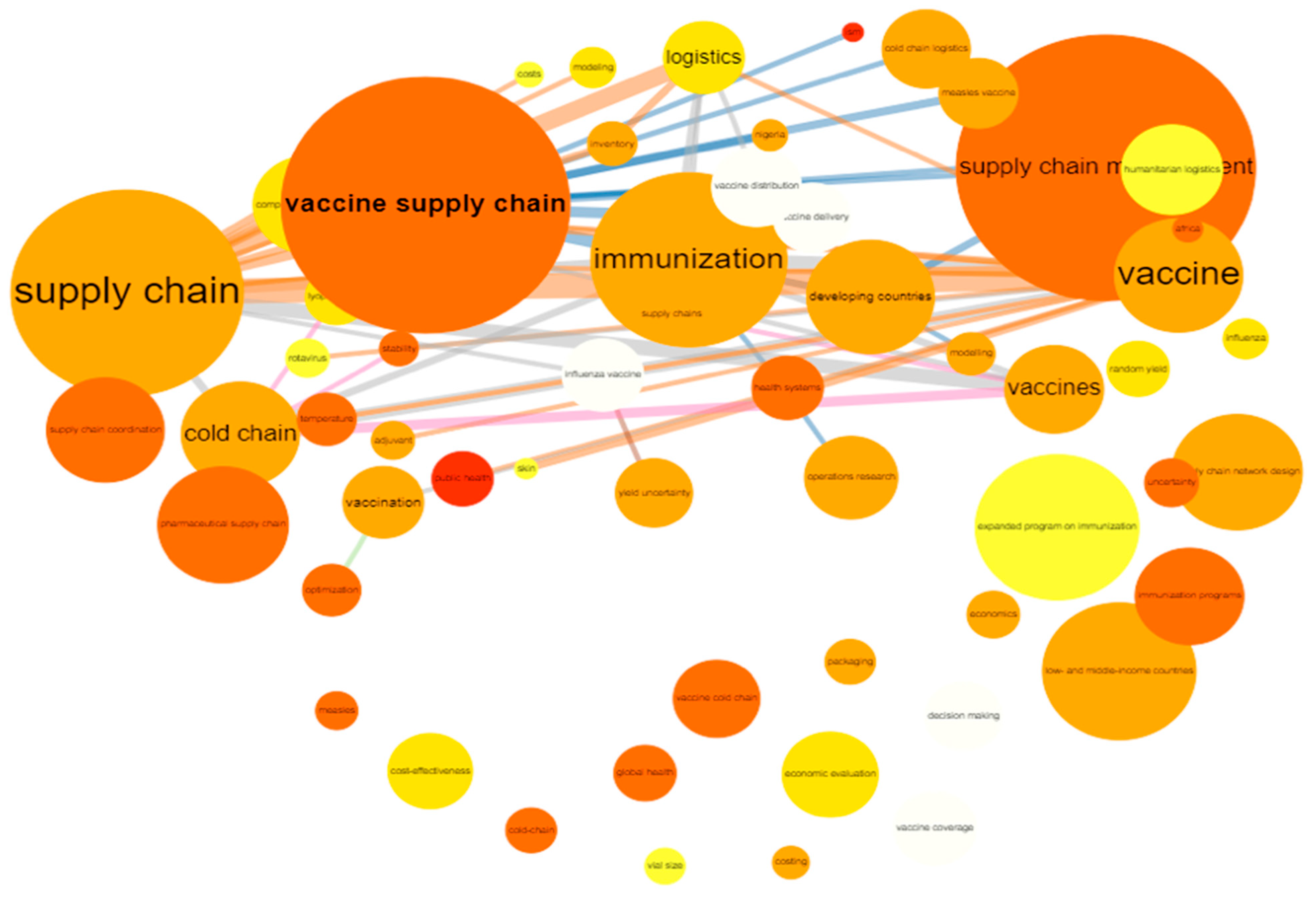
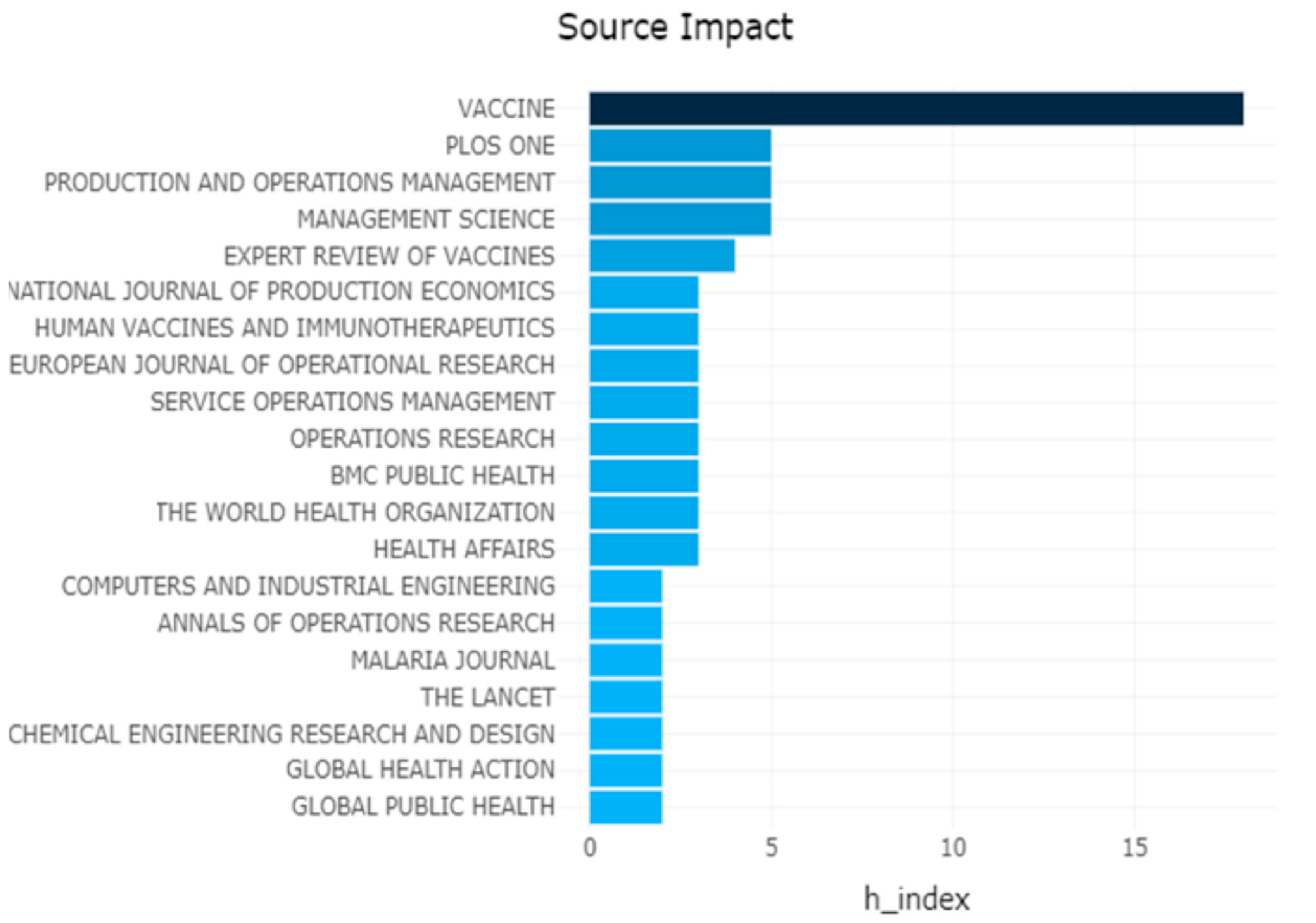
Based on the literature review conducted in the paper, it is visible that VSCM is one of the emerging areas for future research. The review article aims to showcase the research progress and development on various aspects of a theme, subject, and a topic, including the evolvement of the subject and research gap. This comprehensive review discussed current research trends, thematic development, and future research directions. The methodology used in the study has been used in recent studies [98,99,100]. The coverage of research in the review work can help pharmaceutical and Vaccine Supply Chains to cater to the challenges of sustainable VSCM and to build a cost-effective, resilient, and long-term coordination under uncertainty such as the COVID-19 pandemic [99,100,101,102,103]. The review work aims to cater to four important research questions. For RQ1, various parameters including authors, countries, and co-authors’ citations were evaluated. The key functions that contribute significantly to the overall development of VSCM are identified using hierarchical cluster analysis as shown in Figure 8 and Figure 9. Based on the literature review, the first cluster is vaccine manufacturing and supply chain management, the second cluster includes decision making related to facility selection and storage capacity planning, and in the third cluster, drug formulation and trials were identified. For RQ2 and RQ2, based on past research, the research findings can help develop a conceptual framework for data-driven sustainable Vaccine Supply Chains [104,105,106]. Figure 10 exhibits that VSCM has been discussed in several disciplines, and its output has been transformed over time [107,108]. Each circle in Figure 10 signifies a discipline. The circle size represents the publications in the specific discipline. The interconnecting lines between the disciplines signify their co-occurrence. Maximum publications on VSCM were published in the supply chain management discipline, followed by Vaccine Supply Chain. The majority of publications are in Vaccine, PLoS ONE, and Production and Operations Management, the famous journals for publicizing results. The studies show the trend topics, including vaccine production, drug delivery systems, and Vaccine Supplies, have been the most common for several years. To answer RQ4, Figure 11 and Figure 12 project the future research avenues in the area. Evolving areas such as cold chains and supply chain optimization and innovation using digital technologies for vaccine delivery are among the few.
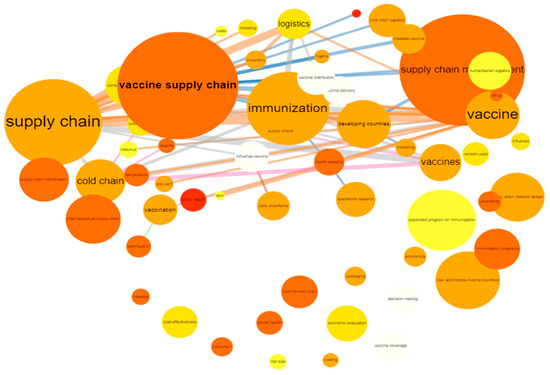
Figure 10.
Disciplines involved in VSCM.
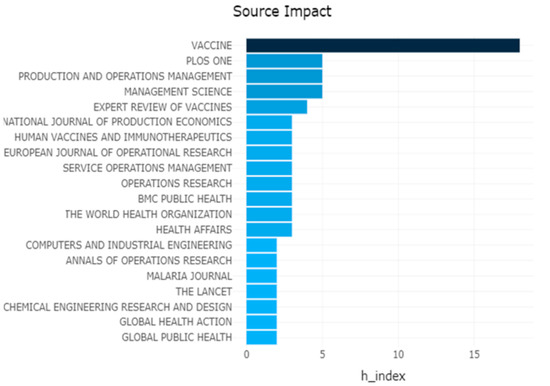
Figure 11.
Journal contributions in VSCM.
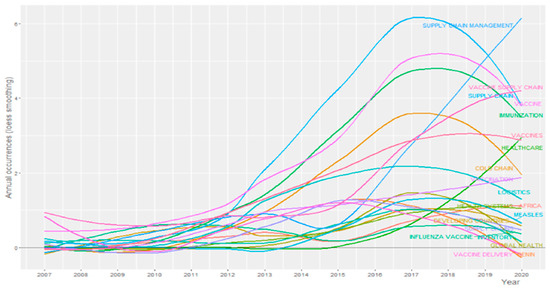
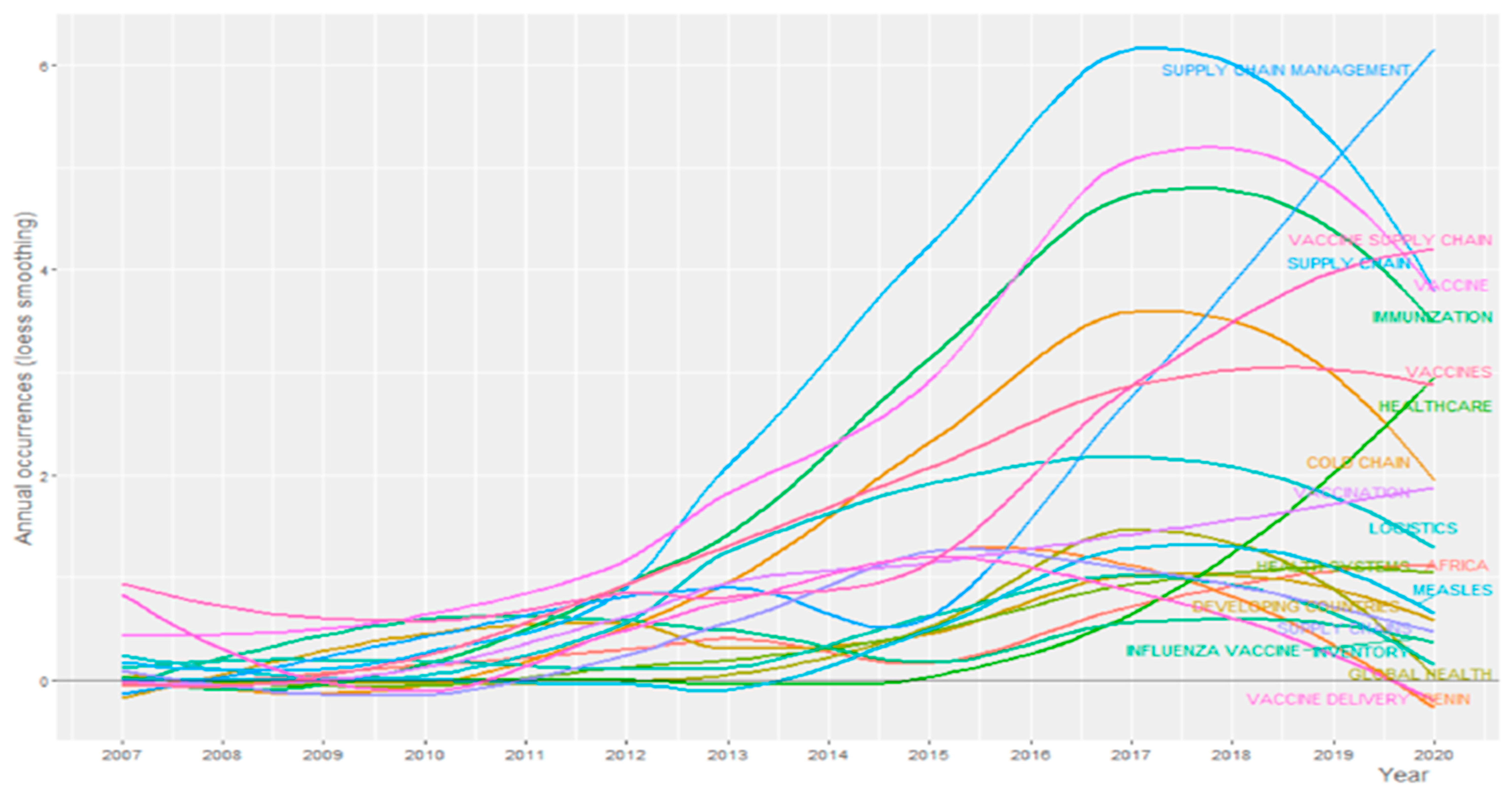
Figure 12.
Word growth.
Figure 12 depicts the word growth; it indicates the usage of keywords based on the past contributions during the assessment period. Moreover, Figure 12 also shows the existing trends and future research potential in the area of VSCM.
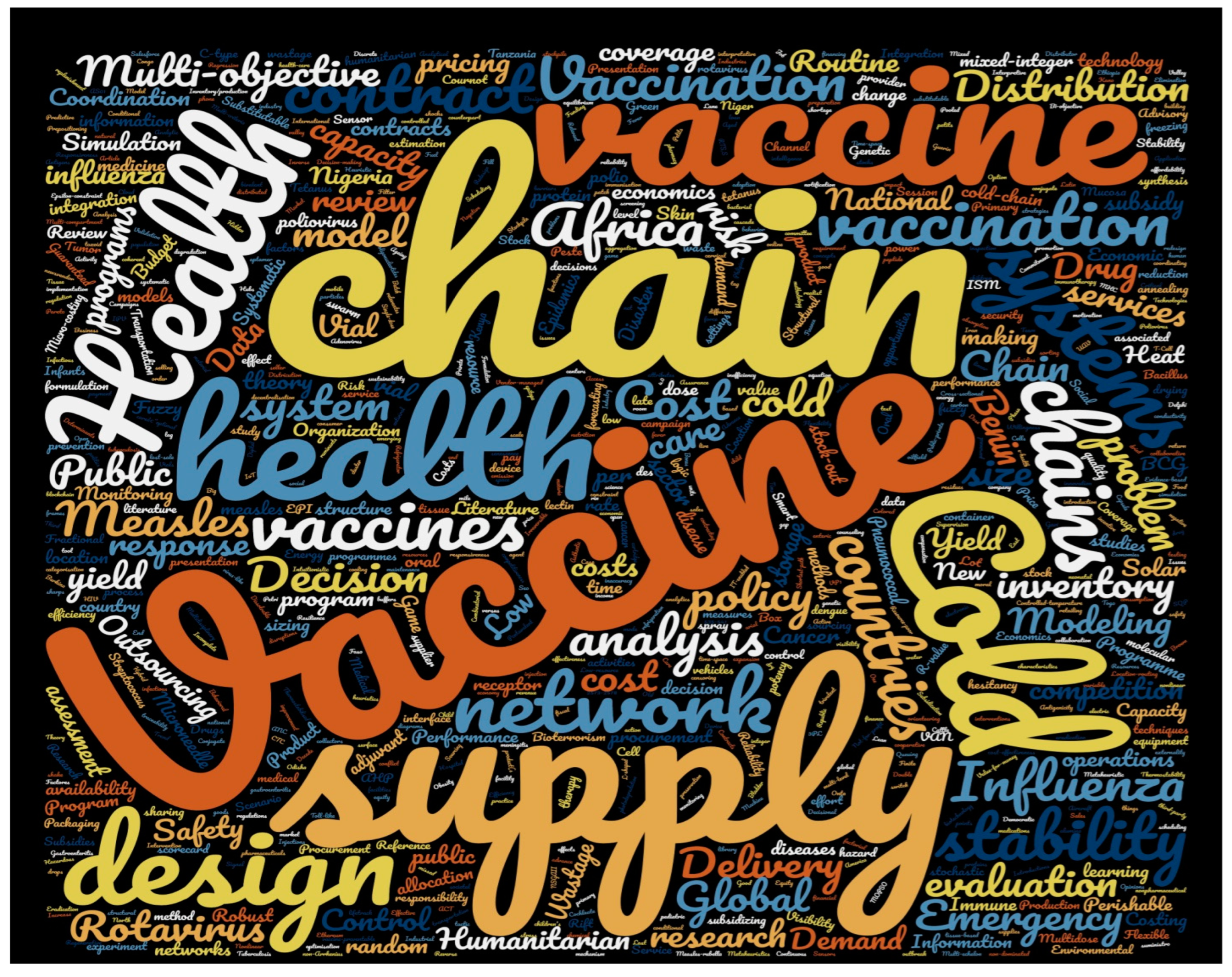
From Figure 12, it is visible that words such as supply chain management, Vaccine Supply Chain, and healthcare have been constantly increasing since 1990. From the year 1990–2010, the growth rate was very slow, but it gained pace from the year 2010. Based on the prominence of words, a word cloud is drawn showing the strength of the words. Figure 13 exhibits that vaccine, health, supply chain, design, cold chains, and developing countries are the most commonly used words by the authors in the documents.
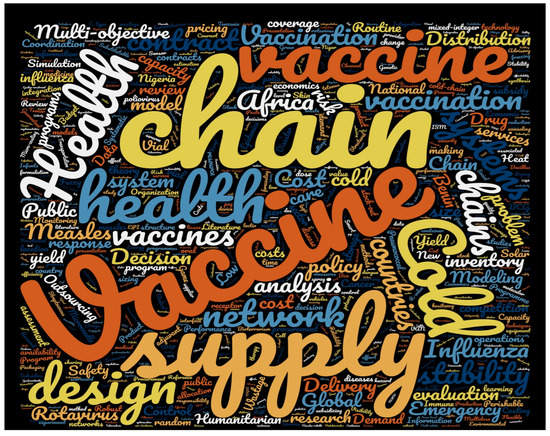
Figure 13.
Word cloud.
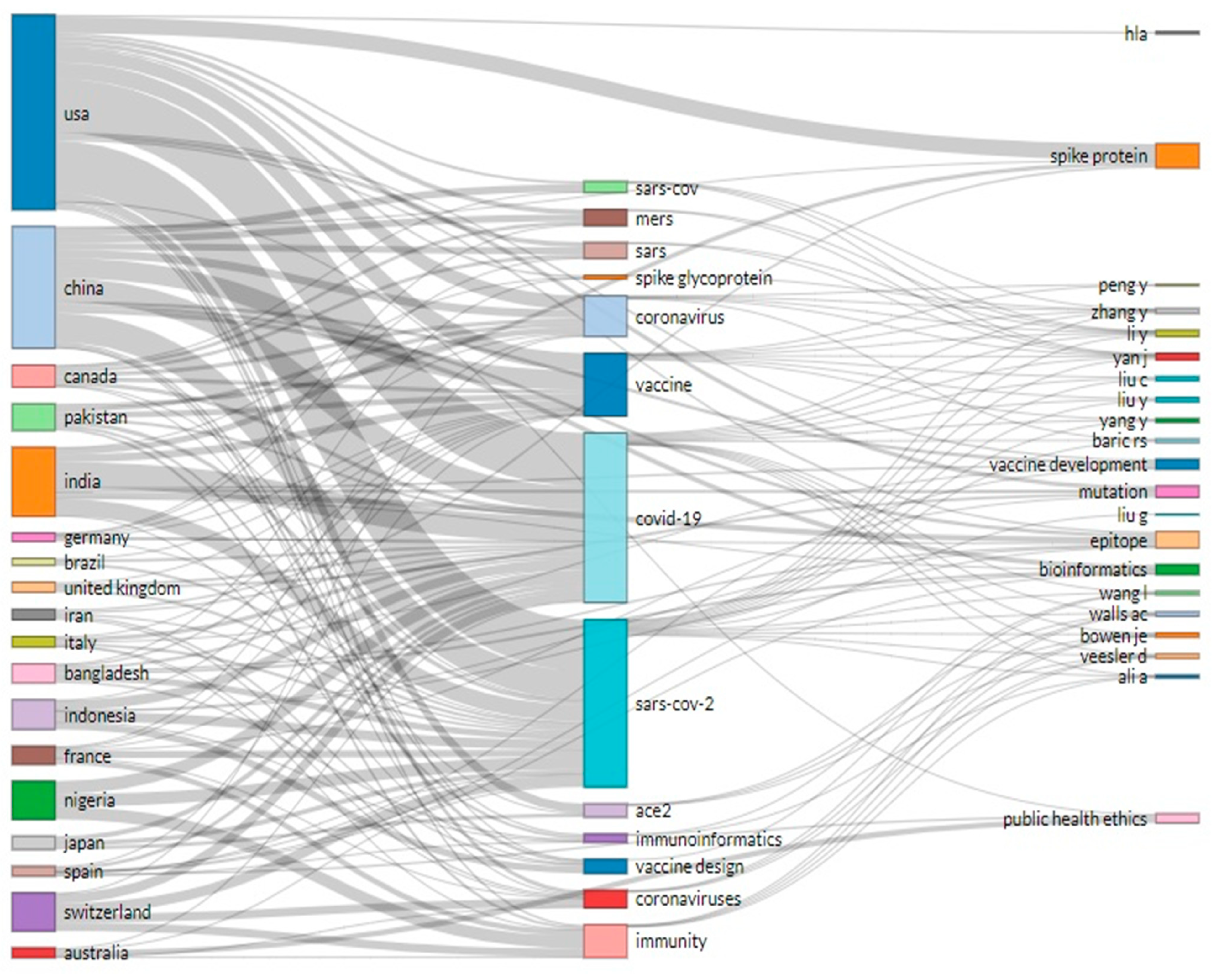
Figure 13 demonstrates the word cloud consisting of 537 frequently occurring keywords on Vaccine Supply Chain Management (VSCM). The majorly occurring keywords include health, Vaccine Supply Chain, supply design, cold chains, and inventory management. The word cloud also confirmed that there exists a direct link between the pandemic and the number of publications. Hence, the year 2020 gained a substantial hike in the number of documents published due to the COVID-19 effect. The bibliometric analysis demonstrates the importance of vaccine distribution in developing countries to eradicate the spread of COVID-19 (Figure 14). During the outbreak situation, firms, governments, and countries were investing in various stages of vaccine development, i.e., clinical trials, production, and distribution. Consider the complexity of cost drivers, development of low-cost vaccines, distribution, and also as support for WHO policy recommendations [107,108]. The pharmaceutical firms also showed commitment to facilitating affordable vaccines for low-resource markets. As a cause of fatal respiratory illnesses, COVID-19 has brought global health concerns. To prevent or lower inter-personal transmission, there is a pressing demand for vaccination as an effective strategy to counter the outbreak situations due to infectious diseases. The research findings have provided insightful information about the ongoing research trends in VSCs. During the last year, a number of studies have been conducted in the context of COVID-19. The major contribution to the COVID-19 pandemic time is from the USA, followed by China, Canada, Pakistan, and India. Figure 11 shows that developing countries have contributed more to publishing documents on the COVID-19 pandemic. The Sankey diagram (Figure 13) reflects the association between the countries, themes, and authors. Each node in the diagram signifies the topic, and the size of the node is proportional to the number of keywords. This diagram is useful in analyzing development and evolution in the area of VSCM.
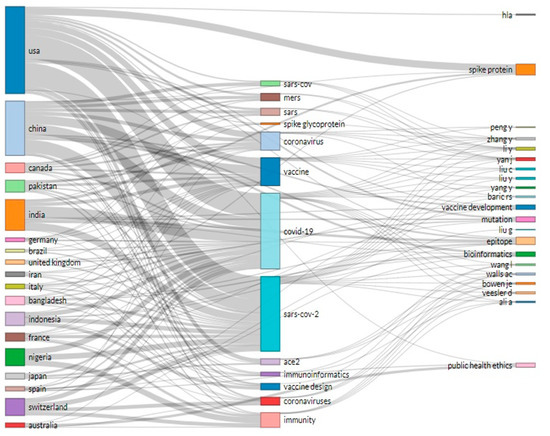
Figure 14.
Countries’ contribution in VSCM during COVID-19.
5. Conclusions
The present study on Vaccine Supply Chain Management is a comprehensive mapping of research developments and trends based on the research articles published in the SCOPUS database. The research is an attempt to provide a comprehensive landscape of vaccine development planning and its physical distribution in developing and developed countries.
Considering the spread of COVID-19, policymakers have a role in understanding the bottleneck in vaccine delivery due to infrastructure limitations. The research findings suggest improving delivery performance and real-time tracking of vaccine distribution amidst a pandemic or similar situations in the future. Thus, an effective and sustainable VSCM requires constant monitoring by supply chain partners and policy support from the government and supply chain partners to be enhanced for constant improvement. The reconfiguration of existing VSC with hybrid logistics systems is needed to improve performance. The existing research on VSCM is emerging but has faced a variety of limitations—limited discussion on the design, development, and distribution of vaccine and its supply chain. Country-specific VSC and its management are complex; therefore, future research on VSC can be focused on country or type. A variety of internal processes and functional areas including finance, cold chain, risk management, reverse logistics and its management can be a further attempt in future research, as these issues and concerns play vital roles in decision making and the development of a sustainable Vaccine Supply Chain network. Although this is among a few bibliometric analyses on Vaccine Supply Chain Management, during the spread of COVID-19, the number of contributions has increased gradually. The USA is evaluated as the most active country, whereas China is the second most contributing country. The most frequently occurring keyword was vaccine. The research findings are very much useful for stakeholders, including researchers, strategists, and policymakers. The research findings shall be useful for ongoing and future research works in the area of vaccine operations and supply chain management. The work can be helpful to improve the efficacy of vaccine production operations and distribution to the masses. The study proposes the need for building a sustainable Vaccine Supply Chain system for poor countries, including African countries and a few south Asian countries, including Afghanistan, Bangladesh, and Nepal.
However, the study has various limitations. A few of them include (a) the data source being limited to only one database, that is, SCOPUS; (b) only a few limited search terms were used in the study, i.e., Vaccine Supply Chain Management and Vaccine Management; (c) the documents searched based on the criteria include year, document types, and English language, while other criteria including author keywords and non-English articles were not included in the study; and (d) the study did not exclude self-citations, as they can have an impact on overall citations and h-indexing of the authors and publication sources. Moreover, the review includes past studies on Vaccine Supply Chain, storage and distribution, although studies on other operations including research and development and vaccine trails were not included.
Author Contributions
Conceptualization, S.J. and M.S.; methodology, S.J. and M.S.; software, M.S.; formal analysis, S.J.; investigation, S.J. and M.S.; resources, S.J.; data curation, S.J. and M.S.; writing—original draft preparation, S.J. and M.S.; writing—review and editing, S.J.; supervision, M.S. All authors have read and agreed to the published version of the manuscript.
Funding
The research received no external funding.
Institutional Review Board Statement
Not applicable.
Informed Consent Statement
Not applicable.
Data Availability Statement
Data will be made available on request.
Conflicts of Interest
The authors declare no conflict of interest.
References
- Martin, J.; Hofmann, E. Towards a framework for supply chain finance for the supply side. J. Purch. Supply Manag. 2019, 25, 157–171. [Google Scholar] [CrossRef]
- Baghalian, A.; Rezapour, S.; Farahani, R.Z. Robust supply chain network design with service level against disruptions and demand uncertainties: A real-life case. Eur. J. Oper. Res. 2013, 227, 199–215. [Google Scholar] [CrossRef]
- Haynes, B.F. Prospects for a safe COVID-19 vaccine. Sci. Transl. Med. 2020, 12, eabe0948. [Google Scholar] [CrossRef] [PubMed]
- Ahmadi-Javid, A.; Jalali, Z.; Klassen, K.J. Outpatient appointment systems in healthcare: A review of optimization studiies. Eur. J. Oper. Res. 2017, 258, 3–34. [Google Scholar] [CrossRef]
- Bergman, M.M. The world after COVID. World 2020, 1, 45–48. [Google Scholar] [CrossRef]
- Sharma, M.; Luthra, S.; Joshi, S.; Kumar, A. Developing a framework for enhancing survivability of sustainable supply chains during and post-COVID-19 pandemic. Int. J. Logist. Res. Appl. 2022, 25, 433–453. [Google Scholar] [CrossRef]
- Sharma, M.; Luthra, S.; Joshi, S.; Joshi, H. Challenges to Agile Project Management during COVID-19 pandemic: An emerging economy perspective. Oper. Manag. Res. 2022, 15, 461–474. [Google Scholar] [CrossRef]
- Joshi, S.; Sharma, M.; Das, R.P.; Muduli, K.; Raut, R.; Narkhede, B.E.; Shee, H.; Misra, A. Assessing effectiveness of humanitarian activities against COVID-19 disruption: The role of blockchain-enabled digital humanitarian network (BT-DHN). Sustainability 2022, 14, 1904. [Google Scholar] [CrossRef]
- Joshi, S.; Sharma, M. Impact of sustainable supply chain management on performance of SMEs amidst COVID-19 pandemic: An Indian perspective. Int. J. Logist. Econ. Glob. 2022, 9, 248–276. [Google Scholar] [CrossRef]
- Joshi, S.; Sharma, M. Digital technologies (DT) adoption in agri-food supply chains amidst COVID-19: An approach towards food security concerns in developing countries. J. Glob. Oper. Strat. Sourc. 2021, 15, 262–282. [Google Scholar] [CrossRef]
- Sharma, M.; Joshi, S.; Luthra, S.; Kumar, A. Managing disruptions and risks amidst COVID-19 outbreaks: Role of blockchain technology in developing resilient food supply chains. Oper. Manag. Res. 2022, 15, 268–281. [Google Scholar] [CrossRef]
- Shanker, S.; Barve, A.; Muduli, K.; Kumar, A.; Garza-Reyes, J.A.; Joshi, S. Enhancing resiliency of perishable product supply chains in the context of the COVID-19 outbreak. Int. J. Logist. Res. Appl. 2022, 25, 1219–1243. [Google Scholar] [CrossRef]
- Joshi, S.; Sharma, M. Prolonging retailer-supplier relationship: A study of retail firms during pandemic COVID-19. Int. J. Logist. Econ. Glob. 2022, 9, 223–247. [Google Scholar] [CrossRef]
- Gupta, P.K.; Kumar, A.; Joshi, S. A review of knowledge, attitude, and practice towards COVID-19 with future directions and open challenges. J. Public Aff. 2021, 21, e2555. [Google Scholar] [CrossRef]
- Sallam, M. COVID-19 vaccine hesitancy worldwide: A concise systematic review of vaccine acceptance rates. Vaccines 2021, 9, 160. [Google Scholar] [CrossRef] [PubMed]
- Carter, C.R.; Easton, P.L. Sustainable supply chain management: Evolution and future directions. Int. J. Phys. Distrib. Logist. Manag. 2011, 41, 46–62. [Google Scholar] [CrossRef]
- Ben-Daya, M.; Hassini, E.; Bahroun, Z. Internet of things and supply chain management: A literature review. Int. J. Prod. Res. 2019, 57, 4719–4742. [Google Scholar] [CrossRef]
- Maditati, D.R.; Munim, Z.H.; Schramm, H.-J.; Kummer, S. A review of green supply chain management: From bibliometric analysis to a conceptual framework and future research directions. Resour. Conserv. Recycl. 2018, 139, 150–162. [Google Scholar] [CrossRef]
- de Oliveira, U.R.; Espindola, L.S.; da Silva, I.R.; da Silva, I.N.; Rocha, H.M. A systematic literature review on green supply chain management: Research implications and future perspectives. J. Clean. Prod. 2018, 187, 537–561. [Google Scholar] [CrossRef]
- Tranfield, D.; Denyer, D.; Smart, P. Towards a methodology for developing evidence-informed management knowledge by means of systematic review. Br. J. Manag. 2003, 14, 207–222. [Google Scholar] [CrossRef]
- Cao, J.; Li, S.; Noland, R.B.; Ge, Y.E. The first 25 years of Transportation Research Part D: Transport and Environment. Transp. Res. Part D Transp. Environ. 2021, 100, 103078. [Google Scholar] [CrossRef]
- Cancino, C.A.; Amirbagheri, K.; Merigó, J.M.; Dessouky, Y. A bibliometric analysis of supply chain analytical techniques published in Computers & Industrial Engineering. Comput. Ind. Eng. 2019, 137, 106015. [Google Scholar]
- Chen, S.; Meng, Q.; Choi, T.M. Transportation research Part E-logistics and transportation review: 25 years in retrospect. Transp. Res. Part E Logist. Transp. Rev. 2022, 161, 102709. [Google Scholar] [CrossRef]
- Zhu, Q.; Bai, C.; Sarkis, J. Blockchain technology and supply chains: The paradox of the atheoretical research discourse. Transp. Res. Part E Logist. Transp. Rev. 2022, 164, 102824. [Google Scholar] [CrossRef]
- Chandra, D.; Vipin, B. Investigating the vaccine supply chain: A review. In Emerging Frontiers in Operations and Supply Chain Management; Springer: Singapore, 2021; pp. 251–268. [Google Scholar]
- Pujawan, I.N.; Bah, A.U. Supply chains under COVID-19 disruptions: Literature review and research agenda. Supply Chain. Forum: Int. J. 2022, 23, 81–95. [Google Scholar] [CrossRef]
- Kis, Z. Stability modelling of mRNA vaccine quality based on temperature monitoring throughout the distribution chain. Pharmaceutics 2022, 14, 430. [Google Scholar] [CrossRef] [PubMed]
- Izikki, K.; el Alami, J.; Hlyal, M. The use of the internet of things in the cold chain logistics for a better vaccine transportation: A state of the art. In Proceedings of the 4th International Conference on Innovative Research in Science Engineering and Technology, Milan, Italy, 7–9 May 2021; pp. 7–9. [Google Scholar]
- Syahrir, I.; Suparno; Vanany, I. Healthcare and disaster supply chain: Literature review and future research. Procedia Manuf. 2015, 4, 2–9. [Google Scholar] [CrossRef]
- Bulula, N.; Mwiru, D.P.; Swalehe, O.; Mori, A.T. Vaccine storage and distribution between expanded program on immunization and medical store department in Tanzania: A cost-minimization analysis. Vaccine 2020, 38, 8130–8135. [Google Scholar] [CrossRef] [PubMed]
- Gianfredi, V.; Pennisi, F.; Lume, A.; Ricciardi, G.; Minerva, M.; Riccò, M.; Odone, A.; Signorelli, C. Challenges and opportunities of mass vaccination centers in COVID-19 times: A rapid review of literature. Vaccines 2021, 9, 574. [Google Scholar] [CrossRef]
- Morea, J.P. Post COVID-19 pandemic scenarios in an unequal world challenges for sustainable development in Latin America. World 2020, 2, 1–14. [Google Scholar] [CrossRef]
- Iwu, C.J.; Jaca, A.; Abdullahi, L.H.; Ngcobo, N.J.; Wiysonge, C.S. A scoping review of interventions for vaccine stock management in primary health-care facilities. Hum. Vaccines Immunother. 2019, 15, 2666–2672. [Google Scholar] [CrossRef] [PubMed]
- Montoya-Torres, J.R.; Muñoz-Villamizar, A.; Mejia-Argueta, C. Mapping research in logistics and supply chain management during COVID-19 pandemic. Int. J. Logist. Res. Appl. 2021. [Google Scholar] [CrossRef]
- Cordeiro, M.C.; Santos, L.; Angelo, A.C.M.; Marujo, L.G. Research directions for supply chain management in facing pandemics: An assessment based on bibliometric analysis and systematic literature review. Int. J. Logist. Res. Appl. 2022, 25, 1313–1333. [Google Scholar] [CrossRef]
- Olutuase, V.O.; Iwu-Jaja, C.J.; Akuoko, C.P.; Adewuyi, E.O.; Khanal, V. Medicines and vaccines supply chains challenges in Nigeria: A scoping review. BMC Public Health 2022, 22, 1–15. [Google Scholar]
- Chandra, D.; Kumar, D. Prioritizing the vaccine supply chain issues of developing countries using an integrated ISM-fuzzy ANP framework. J. Model. Manag. 2019, 15, 112–165. [Google Scholar] [CrossRef]
- Chandra, D.; Kumar, D. Two-way assessment of key performance indicators to vaccine supply chain system in India. Int. J. Prod. Perform. Manag. 2019, 68, 194–230. [Google Scholar] [CrossRef]
- Farooq, M.U.; Hussain, A.; Masood, T.; Habib, M.S. Supply chain operations management in pandemics: A state-of-the-art review inspired by COVID-19. Sustainability 2021, 13, 2504. [Google Scholar] [CrossRef]
- Chandra, D.; Kumar, D. Evaluating the effect of key performance indicators of vaccine supply chain on sustainable development of mission indradhanush: A structural equation modeling approach. Omega 2021, 101, 102258. [Google Scholar] [CrossRef]
- Alam, S.T.; Ahmed, S.; Ali, S.M.; Sarker, S.; Kabir, G.; Ul-Islam, A. Challenges to COVID-19 vaccine supply chain: Implications for sustainable development goals. Int. J. Prod. Econ. 2021, 239, 108193. [Google Scholar] [CrossRef]
- Iwu, C.J.; Jaca, A.; Abdullahi, L.H.; Ngcobo, N.J.; Wiysonge, C.S. Protocol for a systematic review of the effects of interventions for vaccine stock management. Syst. Rev. 2019, 8, 14. [Google Scholar] [CrossRef]
- Ziari, M.; Ghomi-Avili, M.; Pishvaee, M.S.; Jahani, H. A review on competitive pricing in supply chain management problems: Models, classification, and applications. Int. Trans. Oper. Res. 2022, 29, 2082–2115. [Google Scholar] [CrossRef]
- Kartoglu, U.; Ames, H. Ensuring quality and integrity of vaccines throughout the cold chain: The role of temperature monitoring. Expert Rev. Vaccines 2022, 21, 799–810. [Google Scholar] [CrossRef] [PubMed]
- Haji, M.; Kerbache, L.; Al-Ansari, T. Food Quality, Drug Safety, and Increasing Public Health Measures in Supply Chain Management. Processes 2022, 10, 1715. [Google Scholar] [CrossRef]
- Matthias, D.M.; Robertson, J.; Garrison, M.M.; Newland, S.; Nelson, C. Freezing temperatures in the vaccine cold chain: A systematic literature review. Vaccine 2007, 25, 3980–3986. [Google Scholar] [CrossRef]
- Jacobson, S.H.; Sewell, E.C.; Jokela, J.A. Survey of vaccine distribution and delivery issues in the USA: From pediatrics to pandemics. Expert Rev. Vaccines 2007, 6, 981–990. [Google Scholar] [CrossRef]
- Bamakan, S.M.H.; Malekinejad, P.; Ziaeian, M.; Motavali, A. Bullwhip effect reduction map for COVID-19 vaccine supply chain. Sustain. Oper. Comput. 2021, 2, 139–148. [Google Scholar] [CrossRef]
- Forman, R.; Shah, S.; Jeurissen, P.; Jit, M.; Mossialos, E. COVID-19 vaccine challenges: What have we learned so far and what remains to be done? Health Policy 2021, 125, 553–567. [Google Scholar] [CrossRef]
- Gianfredi, V.; Filia, A.; Rota, M.C.; Croci, R.; Bellini, L.; Odone, A.; Signorelli, C. Vaccine procurement: A conceptual framework based on literature review. Vaccines 2021, 9, 1434. [Google Scholar] [CrossRef]
- Kaufmann, R.; Miller, R.; Cheyne, J. Vaccine supply chains need to be better funded and strengthened, or lives will be at risk. Health Aff. 2011, 30, 1113–1121. [Google Scholar] [CrossRef]
- Linnander, E.; Ineza, L.; Bobo, P.M.; Bechtold, K. Improving management of vaccine supply chains: A multi-methods evaluation of vSTEP in Zambia. Vaccine 2022, 40, 5579–5584. [Google Scholar] [CrossRef]
- Zaffran, M.; Vandelaer, J.; Kristensen, D.; Melgaard, B.; Yadav, P.; Antwi-Agyei, K.; Lasher, H. The imperative for stronger vaccine supply and logistics systems. Vaccine 2013, 31, B73–B80. [Google Scholar] [CrossRef] [PubMed]
- Yadav, P.; Lydon, P.; Oswald, J.; Dicko, M.; Zaffran, M. Integration of vaccine supply chains with other health commodity supply chains: A framework for decision making. Vaccine 2014, 32, 6725–6732. [Google Scholar] [CrossRef] [PubMed]
- Robertson, J.; Franzel, L.; Maire, D. Innovations in cold chain equipment for immunization supply chains. Vaccine 2017, 35, 2252–2259. [Google Scholar] [CrossRef] [PubMed]
- Swanson, D.; Santamaria, L. Pandemic Supply Chain Research: A Structured Literature Review and Bibliometric Network Analysis. Logistics 2021, 5, 7. [Google Scholar] [CrossRef]
- CDC COVID-19 Vaccine Breakthrough Case Investigations Team. COVID-19 vaccine breakthrough infections reported to CDC—United States, January 1--April 30, 2021. Morb. Mortal. Wkly. Rep. 2021, 70, 792. [Google Scholar] [CrossRef]
- Kim, J.H.; Marks, F.; Clemens, J.D. Looking beyond COVID-19 vaccine phase 3 trials. Nat Med 2021, 27, 205–211. [Google Scholar] [CrossRef] [PubMed]
- Kasonde, M.; Steele, P. The people factor: An analysis of the human resources landscape for immunization supply chain management. Vaccine 2017, 35, 2134–2140. [Google Scholar] [CrossRef]
- Fahrni, M.L.; Ismail, I.A.-N.; Refi, D.M.; Almeman, A.; Yaakob, N.C.; Saman, K.; Mansor, N.F.; Noordin, N.; Babar, Z.-U. Management of COVID-19 vaccines cold chain logistics: A scoping review. J. Pharm. Policy Pract. 2022, 15, 1–14. [Google Scholar] [CrossRef]
- Kish, K.; Zywert, K.; Hensher, M.; Davy, B.J.; Quilley, S. Socioecological system transformation: Lessons from COVID-19. World 2021, 2, 15–31. [Google Scholar] [CrossRef]
- Seifert, L.; Kunz, N.; Gold, S. Humanitarian supply chain management responding to refugees: A literature review. J. Humanit. Logist. Supply Chain Manag. 2018. [Google Scholar] [CrossRef]
- Dai, T.; Song, J.-S. Transforming COVID-19 vaccines into vaccination. Health Care Manag. Sci. 2021, 24, 455–459. [Google Scholar] [CrossRef] [PubMed]
- Klemeš, J.J.; Jiang, P.; van Fan, Y.; Bokhari, A.; Wang, X.-C. COVID-19 pandemics Stage II—Energy and environmental impacts of vaccination. Renew. Sustain. Energy Rev. 2021, 150, 111400. [Google Scholar] [CrossRef] [PubMed]
- Sudarmin, A.C.; Ardi, R. A proposed framework of vaccine supply chain risk management in Indonesia. In Proceedings of the 3rd Asia Pacific Conference on Research in Industrial and Systems Engineering, Online, 16 June 2020; pp. 374–379. [Google Scholar]
- Vouking, M.Z.; Mengue, C.M.A.; Yauba, S.; Edengue, J.M.; Dicko, M.; Dicko, H.M.; Wiysonge, C.S. Interventions to increase the distribution of vaccines in Sub-Saharan Africa: A scoping review. Pan Afr. Med. J. 2019, 32, 14. [Google Scholar] [CrossRef]
- Muggy, L.; Stamm, J.L.H. Game theory applications in humanitarian operations: A review. J. Humanit. Logist. Supply Chain Manag. 2014, 4, 4–23. [Google Scholar] [CrossRef]
- Natarajarathinam, M.; Capar, I.; Narayanan, A. Managing supply chains in times of crisis: A review of literature and insights. Int. J. Phys. Distrib. Logist. Manag. 2009, 39, 535–573. [Google Scholar] [CrossRef]
- Bown, C.P.; Bollyky, T.J. How COVID-19 vaccine supply chains emerged in the midst of a pandemic. World Econ. 2022, 45, 468–522. [Google Scholar] [CrossRef] [PubMed]
- Demir, S.; Aktas, E.; Paksoy, T. Cold chain logistics: The case of Turkish Airlines vaccine distribution. In Adapting to the Future: How Digitalization Shapes Sustainable Logistics and Resilient Supply Chain Management; epubli GmbH: Berlin, Germany, 2021; pp. 771–798. [Google Scholar]
- Golan, M.S.; Trump, B.D.; Cegan, J.C.; Linkov, I. The Vaccine Supply Chain: A Call for Resilience Analytics to Support COVID-19 Vaccine Production and Distribution. In COVID-19: Systemic Risk and Resilience. Risk, Systems and Decisions; Linkov, I., Keenan, J.M., Trump, B.D., Eds.; Springer: Cham, Switzerland, 2021; pp. 389–437. [Google Scholar] [CrossRef]
- Kochhar, S.; Rath, B.; Seeber, L.D.; Rundblad, G.; Khamesipour, A.; Ali, M.; The Vienna Vaccine Safety Initiative. Introducing new vaccines in developing countries. Expert Rev. Vaccines 2013, 12, 1465–1478. [Google Scholar] [CrossRef]
- Leach-Kemon, K.; Graves, C.M.; Johnson, E.K.; Lavado, R.F.; Hanlon, M.; Haakenstad, A. Vaccine resource tracking systems. BMC Health Serv. Res. 2014, 14, 421. [Google Scholar] [CrossRef]
- Shahriari, A.G.; Habibi-Pirkoohi, M. Plant-based recombinant vaccine: Fact or fiction? Galen Med. J. 2017, 6, 268–280. [Google Scholar] [CrossRef]
- Sombultawee, K.; Lenuwat, P.; Aleenajitpong, N.; Boon-Itt, S. COVID-19 and Supply Chain Management: A Review with Bibliometric. Sustainability 2022, 14, 3538. [Google Scholar] [CrossRef]
- Hyde, T.B.; Dentz, H.; Wang, S.A.; Burchett, H.E.; Mounier-Jack, S.; Mantel, C.F. The impact of new vaccine introduction on immunization and health systems: A review of the published literature. Vaccine 2012, 30, 6347–6358. [Google Scholar] [CrossRef] [PubMed]
- Hill, A.B.; Kilgore, C.; McGlynn, M.; Jones, C.H. Improving global vaccine accessibility. Curr. Opin. Biotechnol. 2016, 42, 67–73. [Google Scholar] [CrossRef] [PubMed]
- Lee, B.Y.; Assi, T.M.; Rookkapan, K.; Wateska, A.R.; Rajgopal, J.; Sornsrivichai, V.; Chen, S.I.; Brown, S.T.; Welling, J.; Norman, B.A.; et al. Maintaining vaccine delivery following the introduction of the rotavirus and pneumococcal vaccines in Thailand. PLoS ONE 2011, 6, e24673. [Google Scholar] [CrossRef] [PubMed]
- Brown, S.T.; Schreiber, B.; Cakouros, B.E.; Wateska, A.R.; Dicko, H.M.; Connor, D.L.; Jaillard, P.; Mvundura, M.; Norman, B.A.; Levin, C.; et al. The benefits of redesigning Benin’s vaccine supply chain. Vaccine 2014, 32, 4097–4103. [Google Scholar] [CrossRef] [PubMed]
- Portnoy, A.; Ozawa, S.; Grewal, S.; Norman, B.A.; Rajgopal, J.; Gorham, K.M.; Haidari, L.A.; Brown, S.T.; Lee, B.Y. Costs of vaccine programs across 94 low-and middle-income countries. Vaccine 2015, 33, A99–A108. [Google Scholar] [CrossRef]
- Lee, B.Y.; Norman, B.; Assi, T.-M.; Chen, S.-I.; Bailey, R.R.; Rajgopal, J.; Brown, S.; Wiringa, A.; Burke, D.S. Single versus multi-dose vaccine vials: An economic computational model. Vaccine 2010, 28, 5292–5300. [Google Scholar] [CrossRef]
- Sreenu, M.; Gupta, N.; Jatoth, C.; Saad, A.; Alharbi, A.; Nkenyereye, L. Blockchain based secure and reliable Cyber Physical ecosystem for vaccine supply chain. Comput. Commun. 2022, 191, 173–183. [Google Scholar] [CrossRef]
- Goodarzian, F.; Navaei, A.; Ehsani, B.; Ghasemi, P.; Muñuzuri, J. Designing an integrated responsive-green-cold vaccine supply chain network using Internet-of-Things: Artificial intelligence-based solutions. Ann. Oper. Res. 2022. [Google Scholar] [CrossRef]
- Arifoglu, K.; Tang, C.S. A two-sided incentive program for coordinating the influenza vaccine supply chain. Manuf. Serv. Oper. Manag. 2022, 24, 235–255. [Google Scholar] [CrossRef]
- Kazancoglu, Y.; Sezer, M.D.; Ozbiltekin-Pala, M.; Kucukvar, M. Investigating the role of stakeholder engagement for more resilient vaccine supply chains during COVID-19. Oper. Manag. Res. 2022, 15, 428–439. [Google Scholar] [CrossRef]
- Guo, H.; Peng, S. Impacts of production, transportation and demand uncertainties in the vaccine supply chain considering different government subsidies. Comput. Ind. Eng. 2022, 169, 108169. [Google Scholar]
- Ciasullo, M.V.; Orciuoli, F.; Douglas, A.; Palumbo, R. Putting Health 4.0 at the service of Society 5.0: Exploratory insights from a pilot study. Socioecon. Plann. Sci. 2022, 80, 101163. [Google Scholar] [CrossRef]
- Palas, M.J.U.; Bunduchi, R. Exploring interpretations of blockchain’s value in healthcare: A multi-stakeholder approach. Inf. Technol. People 2021, 34, 453–495. [Google Scholar] [CrossRef]
- Hughes, L.; Dwivedi, Y.K.; Misra, S.K.; Rana, N.P.; Raghavan, V.; Akella, V. Blockchain research, practice and policy: Applications, benefits, limitations, emerging research themes and research agenda. Int. J. Inf. Manage. 2019, 49, 114–129. [Google Scholar] [CrossRef]
- Vial, G. Understanding digital transformation: A review and a research agenda. J. Strateg. Inf. Syst. 2019, 28, 118–144. [Google Scholar] [CrossRef]
- Moriarty, P.; Honnery, D. New approaches for ecological and social sustainability in a post-pandemic world. World 2020, 1, 191–204. [Google Scholar] [CrossRef]
- Chen, G.; Xu, B.; Lu, M.; Chen, N.-S. Exploring blockchain technology and its potential applications for education. Smart Learn. Environ. 2018, 5, 1–10. [Google Scholar] [CrossRef]
- Durr, N.J.; Larson, T.; Smith, D.K.; Korgel, B.A.; Sokolov, K.; Ben-Yakar, A. Two-photon luminescence imaging of cancer cells using molecularly targeted gold nanorods. Nano Lett. 2007, 7, 941–945. [Google Scholar] [CrossRef] [PubMed]
- Jarrett, B.A.; Peitzmeier, S.M.; Restar, A.; Adamson, T.; Howell, S.; Baral, S.; Beckham, S.W. Gender-affirming care, mental health, and economic stability in the time of COVID-19: A global cross-sectional study of transgender and non-binary people. MedRxiv 2020. [Google Scholar] [CrossRef]
- Stevenson, M. Assessing risk assessment in action. Minn. L. Rev. 2018, 103, 303. [Google Scholar] [CrossRef]
- Kuzior, A.; Sira, M. A Bibliometric Analysis of Blockchain Technology Research Using VOSviewer. Sustainability 2022, 14, 8206. [Google Scholar] [CrossRef]
- Rai, P.; Bera, S.; Ray, P. Assessing technological impact on vaccine supply chain performance. Ind. Manag. Data Syst. 2022. [Google Scholar] [CrossRef]
- Staquicini, D.I. Design and proof of concept for targeted phage-based COVID-19 vaccination strategies with a streamlined cold-free supply chain. Proc. Natl. Acad. Sci. USA 2021, 118, e2105739118. [Google Scholar] [CrossRef]
- Yadav, A.K.; Kumar, D. A LAG-based framework to overcome the challenges of the sustainable vaccine supply chain: An integrated BWM—MARCOS approach. J. Humanit. Logist. Supply Chain Manag. 2022. [Google Scholar] [CrossRef]
- Lin, Q.; Zhao, Q.; Lev, B. Influenza vaccine supply chain coordination under uncertain supply and demand. Eur. J. Oper. Res. 2022, 297, 930–948. [Google Scholar] [CrossRef]
- Rab, S.; Hayat, A.; Haleem, A.; Javaid, M.; Hasija, M.K. Supply chain and logistics for COVID-19 vaccines: Challenges and opportunities. Apollo Medicine 2022, 19, 24. [Google Scholar] [CrossRef]
- Trump, B.D.; Golan, M.S.; Keisler, J.M.; Cegan, J.C.; Linkov, I. Vaccine supply chain: Resilience-by-design and resilience-by-intervention. Vaccine 2022, 40, 1695. [Google Scholar] [CrossRef] [PubMed]
- Kumar, S.; Raut, R.D.; Priyadarshinee, P.; Mangla, S.K.; Awan, U.; Narkhede, B.E. The Impact of IoT on the Performance of Vaccine Supply Chain Distribution in the COVID-19 Context. IEEE Trans. Eng. Manag. 2022. [Google Scholar] [CrossRef]
- Mukherjee, S.; Baral, M.M.; Chittipaka, V.; Pal, S.K.; Nagariya, R. Investigating sustainable development for the COVID-19 vaccine supply chain: A structural equation modelling approach. J. Humanit. Logist. Supply Chain Manag. 2022. [Google Scholar] [CrossRef]
- Gilani, H.; Sahebi, H. A data-driven robust optimization model by cutting hyperplanes on vaccine access uncertainty in COVID-19 vaccine supply chain. Omega 2022, 110, 102637. [Google Scholar] [CrossRef]
- Pan, Y.; Ng, C.T.; Dong, C.; Cheng, T.C.E. Information sharing and coordination in a vaccine supply chain. Ann. Oper. Res. 2022, 1–24. [Google Scholar] [CrossRef] [PubMed]
- Lopes, J.M.; Morales, C.C.; Alvarado, M.; Melo, V.A.Z.C.; Paiva, L.B.; Dias, E.M.; Pardalos, P.M. Optimization methods for large-scale vaccine supply chains: A rapid review. Ann. Oper. Res. 2022, 1–23. [Google Scholar] [CrossRef] [PubMed]
- Dai, T.; Tang, C. Frontiers in Service Science: Integrating ESG Measures and Supply Chain Management: Research Opportunities in the Postpandemic Era. Serv. Sci. 2022, 14, 1–12. [Google Scholar] [CrossRef]
Publisher’s Note: MDPI stays neutral with regard to jurisdictional claims in published maps and institutional affiliations. |
© 2022 by the authors. Licensee MDPI, Basel, Switzerland. This article is an open access article distributed under the terms and conditions of the Creative Commons Attribution (CC BY) license (https://creativecommons.org/licenses/by/4.0/).