


Abstract
Wildfires are one of the main natural hazards around the world, and are becoming increasingly important in the current context of climate change. To limit the impacts of fires, policies are implemented following various phases of risk management. These concern prevention (risk communication and information, forest monitoring, fuel management, the installation of firewalls, etc.) and suppression (firefighting interventions) measures. This article presents a systematic literature review analyzed through the prism of climate change and policy. It is carried out using a textometric approach. The corpus is composed of 720 articles published from 1997. A marked increase is evident from 2021. The analysis enables the clustering of the main issues. Six main themes were revealed by Reinert Clustering: Health issues, Disaster risk management, Natural environment, Management of the natural environment, Fire characteristics, and Fire modeling. These themes are composed of 36 sub-themes. In addition, the article shows that some issues (anthropogenic health and management/governance issues, and natural environment issues around fire and natural environment characterization) remain constant over time while others increase/decrease in importance (air quality, carbon storage and CO2 emissions, ecosystems and biodiversity, and the effects of fires on the natural environment at the expense of anthropogenic issues).
1. Introduction
Wildfires have become increasingly common in the context of climate change [1,2] and due to an increasingly populated wildland urban interface [3,4]. Record-breaking fire seasons are becoming increasingly common worldwide [5]. In the recent period, megafires and large wildfires have burned many assets, ecosystems, and flammable areas, including wildland–urban interfaces. For example, a catastrophic bushfire event in the Australian summer of 2019–2020 burned over 18 million hectares [6], and 13.7 million hectares burned in 2023 in Canada, resulting in an area two-fold larger than in the record year of 1989 (7.3 million hectares, according to national figures from the Canadian Interagency Forest Fire Center). Indeed, the number of megafires is increasing due to climate change, linking a large number of problems (CO2 emissions, areas burned, impacts). Climate projections suggest that megafires will destroy many assets and ecosystems.
To limit the impacts of fires, policies are implemented across various phases of risk management [1,7]. They try to adapt to fire regimes (i.e., the number, size, and intensity of wildfires in different regions) as wildfire risk management is becoming more important and more complex due to the increasing size and intensity of wildfires [8]. Policies concern prevention (risk communication and information, forest monitoring, fuel management, installation of firewalls, etc.) and suppression (firefighting interventions) measures [9]. Wildfires develop due to climate, land-use, human activities, and policies. As forest fires have an impact on air quality, human health, biodiversity, landscapes, etc., specific policies have been developed [10]: for instance, firefighters are now equipped with sensors able to monitor the quantity of smoke they have been exposed to during their intervention; some natural areas are particularly protected against the impacts caused by fires (prioritization of interventions); and homeowners are encouraged to use fire-resistant building materials and to create defensible spaces around their homes [11].
There is currently a strong need to study wildfire literature across the globe, as fires evolve rapidly and increase burned areas, flame intensity, impacts on people, assets, and ecosystems, and resources devoted to suppression. In order to better address global wildfire issues, we chose to address one main question in this article: what are the main research themes and sub-themes related to wildfire activity and wildfire policies in the context of climate change? To this end, we selected 83 literature reviews using queries on SCOPUS and Web of Science from over the last three decades (the list of journals that published these reviews can be found in Supplementary Table S1). We found these articles to be linked to five main themes:
- Management/Adaptation (26 references) [3,12,13,14,15,16,17,18,19,20,21,22,23,24,25,26,27,28,29,30,31,32,33,34,35,36];
- Health (21 references) [37,38,39,40,41,42,43,44,45,46,47,48,49,50,51,52,53,54,55,56,57];
- Fire Behavior (16 references) [4,9,58,59,60,61,62,63,64,65,66,67,68,69,70,71];
- Biodiversity Conservation (9 references) [70,72,73,74,75,76,77,78,79];
- Sustainable forests and carbon storage (6 references) [80,81,82,83,84,85];
- Five references dealing with two main themes: 2 references dealing with Health and Biodiversity [86,87], 2 dealing with Health and Fire Behavior [88,89], and 1 dealing with Biodiversity Conservation and Fire Behavior [90].
However, there is no overall picture of the current academic literature on wildfires and their related policies in the context of climate change for this period. First, none of them provide temporal analyses that would allow us to identify how research priorities have shifted over time, revealing both emerging research priorities and declining concerns. This is essential for anticipating future research needs and policy adaptations. Second, the absence of systematic text-mining approaches limits our ability to objectively capture the full spectrum of research themes and their interconnections across disciplines. Third, without a comprehensive mapping of the research landscape, it is difficult to identify gaps between scientific knowledge production and policy needs. This systematic review is particularly timely, given the accelerating impacts of climate change on fire regimes and the urgent need for integrated policy responses.
The aim of this article is to bridge these gaps. Thus, we investigated the scientific discourse related to wildfires from 1990 onwards. To accomplish this, we present a systematic literature review carried out using a textometric approach. This approach has recently been used in the field of risk [91,92,93], although it remains rare. We carry out an in-depth review of the literature and use the Iramuteq tool (Section 2) to emphasize the main issues forecasted for the coming decades based on the three previous decades of literature (1990–2020). More precisely, the four questions addressed in the article are as follows:
- Q1: What are the main research themes related to wildfire and related policies in the context of climate change? (Section 3.1)
- Q2: What is the distribution between the different research themes? (Section 3.1)
- Q3: What are the sub-themes and their distribution? (Section 3.2)
- Q4: What are the changes that have occurred in the different periods? (Section 3.3)
Some topics are discussed in Section 4
2. Materials and Methods
2.1. Selection of References
To present the breadth of coverage of the literature review on wildfire risk and identify the relevant papers, we first analyzed the literature provided by https://www.webofknowledge.com (accessed on 31 July 2023) and https://www.elsevier.com/solutions/scopus (accessed on 31 July 2023). These two comprehensive multidisciplinary content search platforms are useful for academic researchers. The following keywords were used (search in Topic/Web of Science and Title-Abstract-Keywords/SCOPUS): “(wildfire OR wildland fire) AND (climate change AND polic*-In the bibliographic databases, the asterisk * is used as a truncation symbol. The search term “polic” was used to retrieve all words sharing the same root, such as policy, policies, policing, etc. This allowed for a more comprehensive and inclusive search)”. We did not apply any limitation on publication years in order to obtain a long-term view on wildfire issues. Only English journal articles and review articles were included in the corpus analyzed. In total, 662 articles were obtained from the Web of Science and 301 from the SCOPUS database. Duplicates were removed, thus reducing the number to 720 references consisting of abstract and title. Additionally, 113 literature reviews were extracted from the complete corpus. The first articles were published in 1997.
2.2. Textual Analysis
Textometry allows the analysis of a large volume of literature, enhancing the knowledge of a scientific field (i.e., wildfire policies). Several biases were also avoided [93]. In this article, we use the Iramuteq software version 0.7 alpha 2 (Interface de R pour les Analyses Multidimensionnelles de Textes et de Questionnaires) [94]. This software provides a series of literature analyses, useful to dig into the profuse wildfire literature, applied here to the 720 references retained. The results range from simple analyses such as basic lexicography (word frequency) to multivariate analysis (descending hierarchical classification).
The Iramuteq software treats each of these references as a text. The main themes present in these texts were searched. To do this, the software makes distinctions between “full words” such as verbs, nouns, adjectives, adverbs, and “tool words” such as pronouns, determinants, etc. With this distinction, only full words named active forms are included in the main analysis. The text corpus was lemmatized. This process consists of replacing a word by its root term (e.g., ‘risks’ by ‘risk’). This process decreases complexity in textual analysis. It also allows for the identification of the shared parts and specificities according to the descriptive variables identified in the analysis.
A cluster analysis using the Reinert method was also carried out. This method is a type of Descending Hierarchical Classification, based on a correspondence analysis. It groups texts based on the statistical co-occurrence of active forms (lemmatized words) within the corpus. Unlike predefined thematic categorizations, the classification emerges objectively from the algorithm’s analysis of lexical patterns, using Chi-square tests to identify significant associations between words. First, a binary matrix (references in rows, full words in columns) is built. Then a hierarchical divisive clustering is performed, using bipartition: at each step of the process, the largest remaining cluster is divided into 2 parts. The texts are grouped into a cluster according to the co-occurrence of forms with a homogeneity property and a heterogeneity property between clusters. The results are presented as a dendrogram that represents the quantity and lexical composition of the clusters. The software searches for patterns of co-occurrence of words through successive Chi-square tests and organizes themes/clusters based on them. Forms overrepresented in a cluster appear with a larger character size. To determine the number of forms to be kept, we sought to optimize the number of references classified into clusters. The number of classes obtained results from an iterative optimization process. The analysis was performed for different values of occurrences. For instance, for the complete corpus, words with at least 90, 100, 110, 120, 130, and 140 occurrences were kept to maximize the percentage of classified texts while ensuring thematic coherence within clusters. The best result was obtained using the 150 words presenting at least 120 occurrences in the corpus: 100% of the texts are clustered following 6 classes named A–F, each characterized by a unique lexical profile (see Supplementary Figure S1 for the full dendrogram and significant terms). In summary, the method is data-driven: clusters are formed based on lexical proximity, not a priori assumptions, which ensures objectivity in capturing the corpus’s structure. The six-category division was retained because it provided the most balanced and interpretable partition, with each cluster containing a sufficient number of references (ranging from 94 to 134) to allow for meaningful analysis. The same methodology was applied to the thematic (Section 4) and temporal (Section 5) analyses.
Correspondence factorial analysis (CFA) creates graphs that allow the visualization of classes and their proximity. This analysis identifies a small number of independent factors representing the main deviations from independence. Factor 1 represents the largest amount of explained inertia from independence; Factor 2, the second largest, and so on. This analysis aims to represent the clusters in a low-dimensional space. Clusters with similar distributions are close in space, contrary to clusters with dissimilar distributions.
Analysis of similarity is a technique based on graph theory that shows co-occurrences of, and connections between, words and helps to identify the representation structure. Font size is proportional to the term’s frequency of occurrence, and line thickness reflects the strength of the relationship between two forms. We performed this analysis with the same words as the cluster analysis.
2.3. Iterative Process
The analyses were performed on 3 corpora (Figure 1) following an iterative process that allows for a more detailed analysis of the research themes in the literature. First, the analysis process was performed on the complete corpus comprising 720 references: Distribution (year, journal, keyword), Similarity, Reinert, and Factorial Correspondence Analyses were carried out. Secondly, Distribution (year) and Reinert Analysis were applied to the 6 thematic clusters A-F obtained using the Reinert dendrogram from the complete corpus. We kept only two analyses on the thematic clusters because of their considerable explanatory value for our study. Thirdly, 3 corpora related to 3 periods (1997–2015; 2016–2020; 2021–2023—these periods correspond to various slopes of the distribution curve (Figure 2)) were used. Similarly, Reinert and Factorial Correspondence Analyses were carried out on each of these corpora.
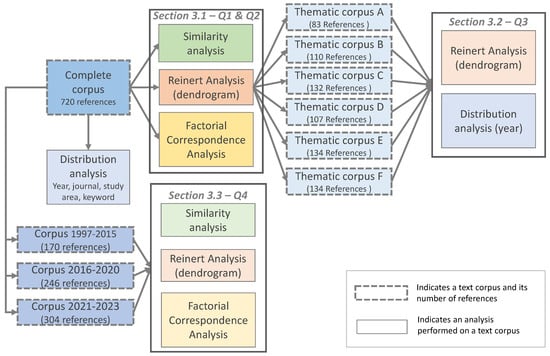
Figure 1.
Methodological steps—corresponding sections and scientific questions (Qi) are indicated. Letters A–F correspond to the corpus numbers.
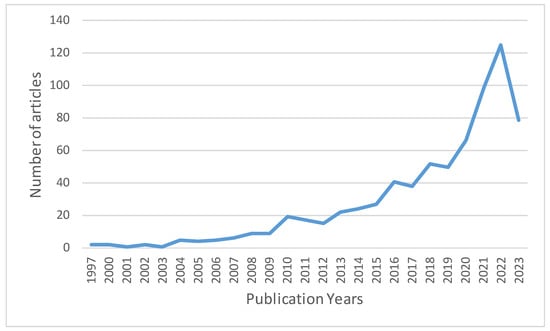
Figure 2.
Distribution of papers by year of publication (as of July 2023—Corpus = 720 references).
3. Results
3.1. Analysis of the Complete Corpus
3.1.1. Distribution Analyses
The dynamics of academic research on wildfires in the context of climate change, considering policies, were analyzed through their distribution over time. The first two articles were published in 1997. The distribution of the references shows an increasing interest in the topic over time curve (Figure 2); the increase is particularly noticeable from 2020 onwards, in comparison to the previous years, as they represent more than 50% of the total number of articles for the period (1997–July 2023) and more than 17% (125 references out of 720) for 2022 alone.
Two hundred and ninety-six different journals from various disciplines were included in this literature review. Fourteen journals contributed at least ten of the articles examined in this literature review (Supplementary Table S2), and less than 4% of the journals published more than 31% of the articles. Conversely, 65% of the journals published only one article. This shows a wide dispersion of the publication media. Among these, Journal of Environmental Management (28 references—14.3%) was the most significant source, followed by Science of the Total Environment (23 references—11.7%), Forest Ecology and Management (22 references—11.2%), and Environmental Research Letters (20 references—10.2%). The results are presented in Supplementary Table S1.
Figure 3 gives the distribution of the 720 articles by study area grouped by continent. These study areas are various: cities, possibly international regions, natural parks, forests, mountain massifs, islands, etc. “Worldwide” indicates that studies were carried out at the global scale and “Multiple” that they were carried out in several areas located on at least two continents but not at the global scale. Nearly half of the articles (48%) focus on the American continent, with a strong preponderance of articles in the USA, and mainly in the West, particularly in California. The second group is constituted by works performed on the European continent (18%), mostly in the Mediterranean Basin (France, Italy, Portugal, Spain). Global studies (Multiple) represent 16% of the corpus. Other continents (Australia, Africa, Asia, and Asia–Europe/Russia) count for 16.25%.
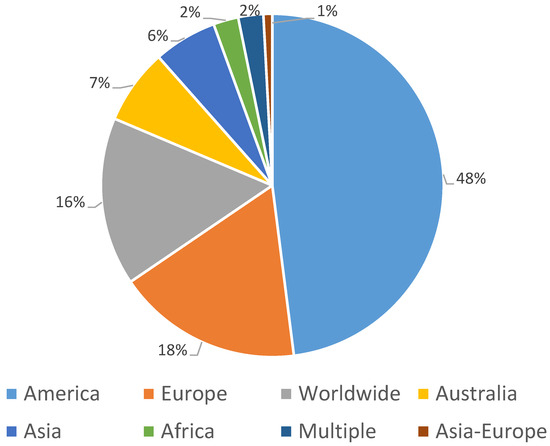
Figure 3.
Distribution of articles by continent (study areas).
The corpus contains 6996 active forms, including 2602 hapaxes (i.e., forms that appear only once in the corpus). The 150 most frequently used active forms, with their type (verb, noun, adjective, and non-recognized forms-nr), are identified in Supplementary Table S3. Unsurprisingly, the keywords used for the search are the top seven most active frequent forms: “fire” and “wildfire” appear 5149 times, representing around 5% of the occurrence of active forms (the total of active forms is equal to 103,780), “climate” appears 1751 times (1.73%), “change” 1327 times (1.28%) and policy 1088 times (1.05%). These five forms that represent 0.07% of the active forms count for 8.97% of the total occurrences of active forms.
3.1.2. Similarity Analysis
The Similarity Analysis represents the connections between forms, therefore, the proximity of concepts used in the corpus components. Results are shown in Figure 4 for forms whose occurrence was higher than or equal to 120, corresponding to 150 forms. Figure 4a shows five main clusters (fire, wildfire, policy, forest, climate change, and management) that comprise more than two forms. Unsurprisingly, the keywords used for the request (fire, wildfire, policy, climate change) are forms that structure the analysis. It can be seen that policy refers to fire management.
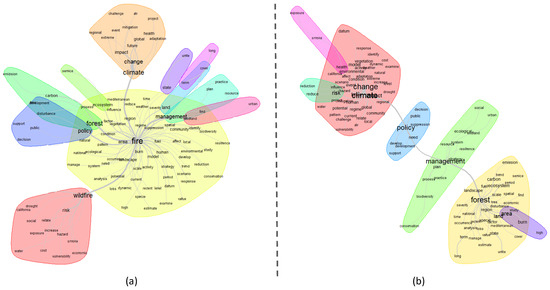
Figure 4.
Graphs of similarities—(a) all forms whose occurrence was higher than or equal to 120 were considered; (b) only forms whose occurrence was higher than or equal to 120 were considered, except “fire” and “wildfire”.
In Figure 4b, “Fire” and “Wildfire” were removed. We did not include these two forms because they masked certain connections. In this case, seven clusters are found. Four of them (Climate Change, Policy, Management, Forest) are central. They are completed by three minor clusters: Risk Reduction and Exposure to smoke linked to Climate Change, and Burnt Area linked to Forest. There is a clear gradient throughout the word cloud that crosses and unites climate change, the management of forests by humans, and forest ecosystems. Forest policies are closely integrated with the management of natural resources. The Climate Change cluster deals with territorial themes (global, regional, local, community, etc.), modeling issues (model, datum), fire regimes (regime, scenario), risk management (minor Cluster Risk Reduction, mitigation, adaptation, response, etc.), and health issues (minor cluster Exposure to smoke, health). The Policy cluster relates to public decision, notably linked to the development of decision-support. This cluster is linked to the Management cluster through the need for strategies and plans; management concerns ecological and social issues, resources, wildland, and conservation of biodiversity. A major concern for landscape management is Forest, which forms a cluster. The latter is fueled by issues related to fire behavior analysis (severity, occurrence, long-term), geographic scale (region, national, scale, spatial), carbon emissions, ecosystems, and trees. Finally, the minor cluster related to the high area of forest burnt overlaps the forest cluster. This can refer to megafires that do not appear here as such because they only appear 23 times in the corpus and were consequently not retained in the similarity analysis.
Moreover, three regions are highlighted in Figure 4b: California in the Climate change cluster, and the Mediterranean area and the United States of America in the Forest cluster.
3.1.3. Reinert Clustering
Reinert analysis retains all the texts (Figure 5) using the 150 words that have at least 120 occurrences in the corpus. Six classes were generated that were analyzed based on their characteristics (only the 20 most significant forms are shown—the figure presenting all the significant terms is in Supplementary Figure S1). They show the main research themes in the literature (100% corpus classed):
- Class A = 14.9%, i.e., 107 articles;
- Class B = 18.3%, i.e., 132 articles;
- Class C = 18.6%, i.e., 134 articles;
- Class D = 18.6%, i.e., 134 articles;
- Class E = 16.5%, i.e., 119 articles;
- Class F = 13.1%, i.e., 94 articles.
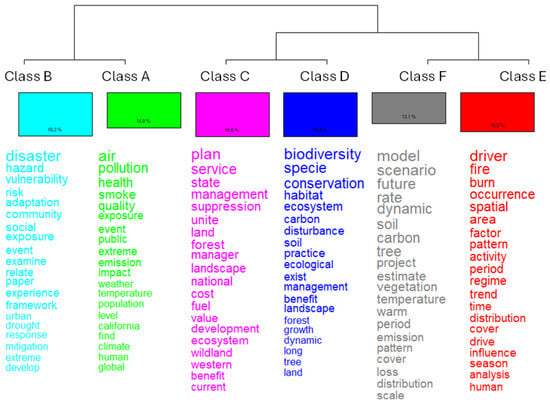
Figure 5.
Dendrogram for the global corpus (only the first 20 significant forms are shown for each class: p < 0.05)—Forms overrepresented in a cluster appear with a larger character size.
Figure 5.
Dendrogram for the global corpus (only the first 20 significant forms are shown for each class: p < 0.05)—Forms overrepresented in a cluster appear with a larger character size.
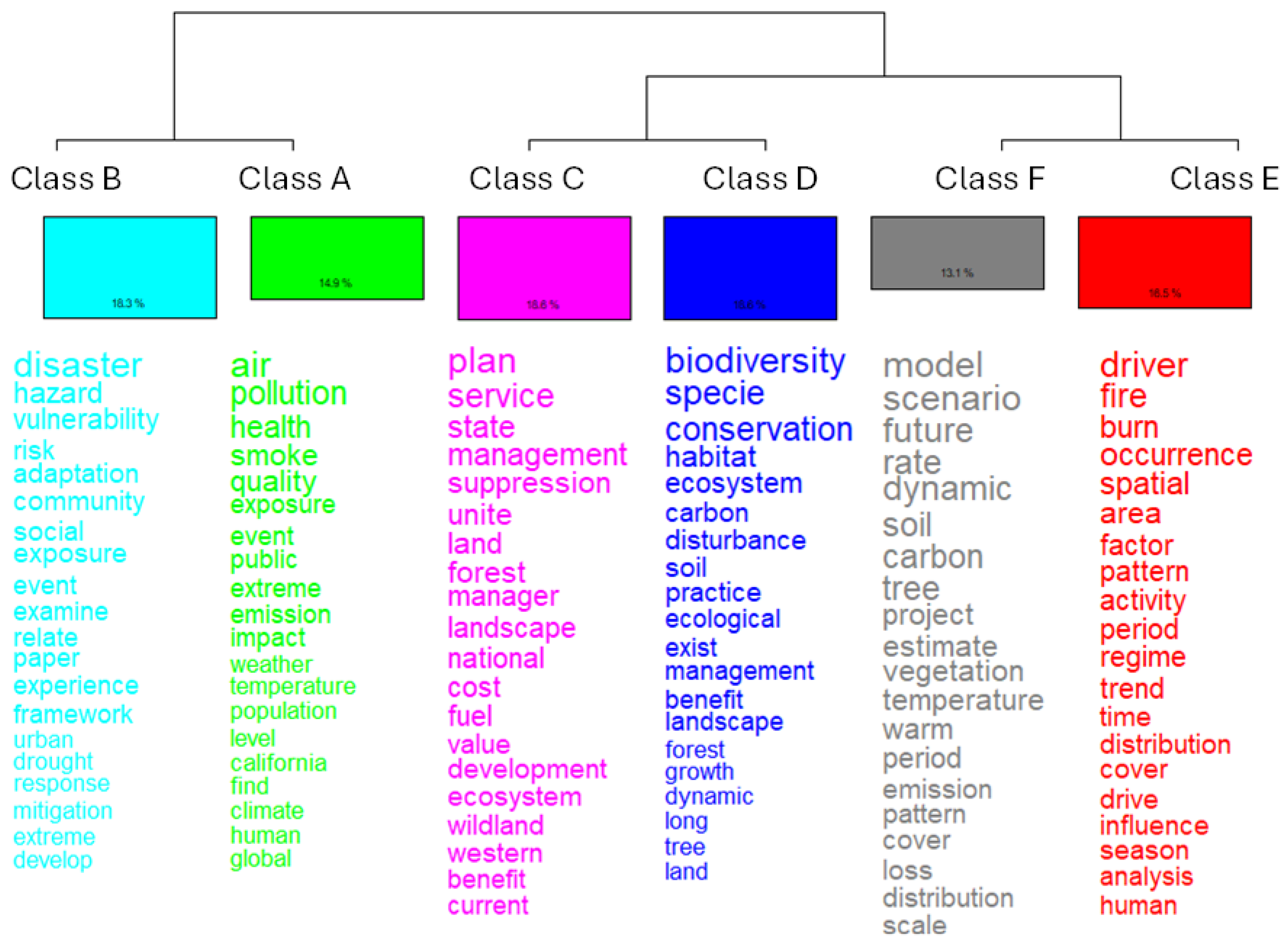
At the higher level, the clustering separates two meta-categories (Classes A and B vs. Classes C–F). Classes A (health issues) and B (disaster risk management) relate to anthropic issues (health, population, vulnerability, community, exposure, urban, etc.) while Classes C–F deal with subjects related to the natural environment (Classes C and D) and wildfires (Classes E and F). Class D represents references dealing with the natural environment (biodiversity, specie, habitat, ecosystem, etc.), Class C with the management of the natural environment (plan, management, value, etc.), Class E with fire characteristics (driver, occurrence, pattern, regime, etc.) and Class F, fire modeling (model, scenario, estimate, etc.).
Anthropic issues (Classes A and B) represent 33.2% of the references, natural environment issues (Classes C and D), 37.2%, and fire issues (Classes E and F), 29.6%. Considered individually, the largest classes are Classes C (management of the natural environment) and D (biodiversity conservation), closely followed by Class B, dealing with disaster risk management. The smallest one is Class F, which comprises references to the modeling of scenarios.
A more detailed analysis of each cluster is provided in Section 3.2.
3.1.4. CFA
Figure 6 (Axes 1 and 2) and Figure 7 (Axes 3 and 4) show a correspondence analysis of the six categories. In Figure 6, the horizontal axis (38.17%) divides the corpus from Human activities to Nature/environment, while the vertical axis (25.39%) divides it from Risk Management to Fire features and impact. This classification confirms that the management concerns human (Class B) and environmental (Classes C and D) issues. Figure 6 shows a particular interest concerning fire impacts on human health through air quality, pollution due to smoke, and human health.
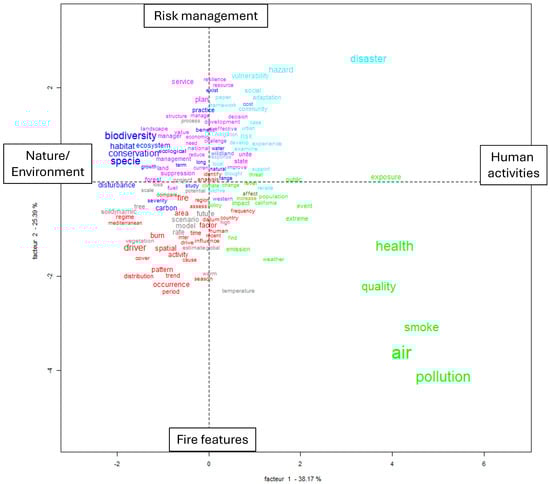
Figure 6.
Projection of the first two factors of the FCA (clusters are indicated by colors: Light blue: Class A; Neon green: Class B; Pink: Class C; Dark blue: Class D; Gray: Class E; Red: Class F)—forms with an occurrence higher than or equal to 120 are analyzed.
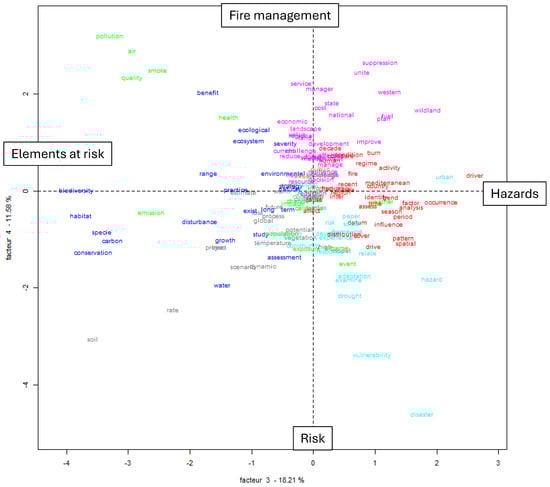
Figure 7.
Projection of the third and fourth factors of the FCA (clusters are indicated by colors: Light blue: Class A; Neon green: Class B; Pink: Class C; Dark blue: Class D; Gray: Class E; Red: Class F)—forms with an occurrence higher than or equal to 120 are analyzed.
The horizontal axis of Figure 7 divides the corpus from Hazard to Elements at risk, comprising various components (soil, biodiversity, species, air), and grouping human and environmental issues (health, ecosystem). The vertical axis goes from Fire management to Risk (hazard, vulnerability, disaster).
3.2. Analysis of the Thematic Corpus
3.2.1. Distribution by Year
Figure 8 presents the distribution by year for the six Reinert classes (A–F). Classes A (health issues), B (disaster risk management), and C (management of the natural environment) are more recent (first articles published from 2003 to 2004) than Classes D (natural environment), E (fire characteristics), and F (fire modeling) (first articles published before 2000). There is an increase in the papers published over time for the six classes: this means that all the themes are still relevant, even if the number of articles per year in recent years is higher for classes A–C than for classes D–F. The six classes follow a similar process, with an increase from 2018 to 2023.
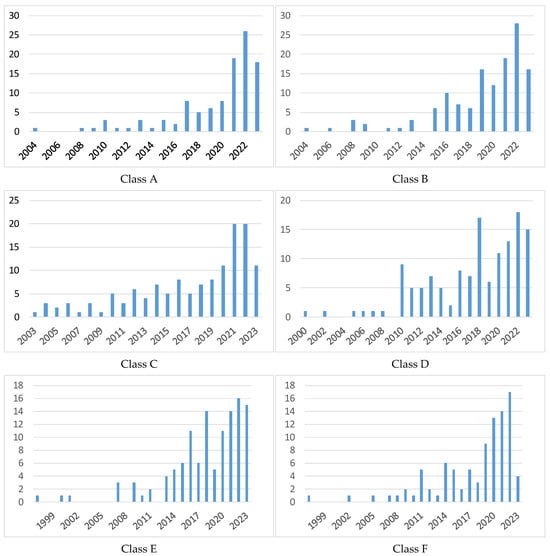
Figure 8.
Distribution of papers by Reinert clustering and year of publication (as of July 2023—Corpus = 720 references).
Fire characteristics are studied the least, while management issues for natural and disaster risk are studied the most. This can be explained by the fact that we filtered the results to consider policies: management issues that are linked to policies are therefore logically more represented in the corpus.
3.2.2. Reinert Clustering
A total of 96 references out of 107 were classed (94%) in Cluster A (Health issues) and dispatched into six classes (Figure 9). Articles from Classes 3 and 4 are devoted to anticipating and managing the threats linked to fire. Class 6 deals with global heat and disasters, while Class 2 informs on climate change and heat-induced wildfires. Classes 1 and 5 concern particulate matter, carbon emissions, pollution, and air quality due to wildfire. Classes 1, 2, and 4 are overrepresented (>16.6% of Corpus A).
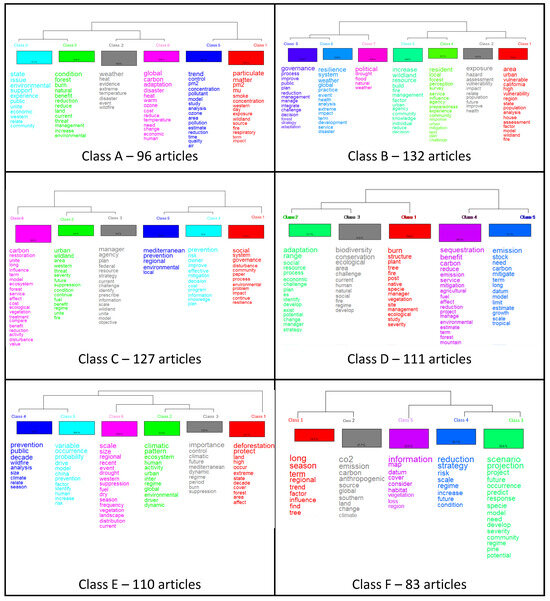
Figure 9.
Dendrogram for Clusters A–F (only significant forms are shown for each class: p < 0.05)—Forms overrepresented in a cluster appear with a larger character size.
The Reinert clustering for corpus B (Disaster risk management) displays seven classes, with 132 items classed (100%) (Figure 9). Classes 1 and 2 deal with hazard, exposure, and vulnerability to wildfires. Classes 3 and 4 deal with residents and population communities (often associated with wildland-urban interfaces in territories), which are important for managing hazards. The last three classes (5, 6, and 7) are linked to fire governance and policy, and management plans to adapt to risk-prone environments. Class 7 introduces the issue of multiple hazards, including drought and flood. Four classes (1, 2, 4, and 6) comprise less than 14% of Corpus B and are therefore underrepresented, while classes 3, 5, and 7 are overrepresented (15.9% of Corpus B).
A total of 127 references out of 134 were classed (95%) for Cluster C (Management of the natural environment) (Figure 9). The clustering indicates that classes 5 and 4 deal with prevention and mitigation by owners, especially in the Mediterranean environment. This mode of management is preponderant in Mediterranean environments. Class 1 deals with the social system and its governance by the community. Class 3 refers to federal management plans for wildfires, while Class 2 provides information on the wildfires at wildland–urban interfaces (WUI). Indeed, wildfires in WUI are an important issue due to the mix of people and vegetation. Class 6 refers to the management and the benefits in ecosystems in the long term. Classes 2, 3, 4, and 5 are underrepresented (<16.6% of Corpus C) while Classes 1 and 6 are overrepresented (resp. 17.3% and 22.8% of Corpus C).
A total of 111 references out of 134 were classed (83%) for Cluster D (Natural environment) (Figure 9). Class 3 of the dendrogram pushed biodiversity forward, while Class 2 focused on adaptation issues, Class 1 on impacts on infrastructures, Class 5 on carbon emissions, and Class 4 on the sequestration, reduction, and mitigation of carbon, which is typical of mature forests. Classes 1, 2, and 5 are underrepresented (<20% of Corpus D), while Classes 3 and 4 are overrepresented (resp. 21.6% and 24.3% of Corpus D).
The Reinert clustering for corpus E (Fire characteristics) displays six balanced classes, with 110 references out of 119 classed (92%) (Figure 9). Class 1 deals with deforestation, the protection of forest and land cover, while Class 5 deals with the probability and variability of wildfire occurrence. Class 4 deals with wildfire prevention for the public. Class 3 stresses the importance of climate control on fire regimes for the future in Mediterranean environments. Class 2 also focuses on the climate-induced patterns of fire regimes. Class 6 indicates that the fire regime is tied to drought and dry fuels in the current regime. Classes 3–5 comprise the smallest number of articles (<16.6% of Corpus E).
The Reinert clustering for corpus F (Fire modeling) resulted in 83 references out of 94 classed (88%) (Figure 9). The clustering displays five balanced classes organized into two main groups (Classes 1 and 2 vs. Classes 3–5). Class 1 (12 articles—the smallest group) is related to long-term trends and fire regime in wildfire activity, while Class 2 (18 articles) relates to global CO2 and carbon emissions from anthropogenic sources, increasing with climate change. Class 3 corresponds to the scenarios and the future occurrences of fires (including megafires), and their impacts on tree species and current regimes. Class 5 estimates the cover and mapping of vegetation and loss of habitats, while Class 4 considers strategies for wildfire risk reduction in the future and new fire regimes. Classes 2, 3, and 5 comprise the largest number of articles (>20% of Corpus F) and are consequently overrepresented. Clusters 1 and 2 together comprise fewer articles than Clusters 3–5.
To summarize, the six main classes identified (Health issues, Disaster risk management, Natural environment, Management of the natural environment, Fire characteristics, and Fire modeling) are composed of 36 sub-themes. The distribution of sub-themes into issues is presented in Supplementary Table S4. A total of 639 out of 720 were classified.
3.3. Change over Time
The Reinert analysis results are as follows:
- For the period of 1997–2015, 97.06% of abstracts were classified (165 abstracts);
- For the period of 2016–2020, 100% of abstracts were classified (246 abstracts);
- For the period of 2021–2023, 100% of abstracts were classified (304 abstracts).
For the first two periods (1997–2015 and 2016–2020), four clusters are found. The abstracts from the 2021–2023 period are clustered according to five classes (Figure 10).
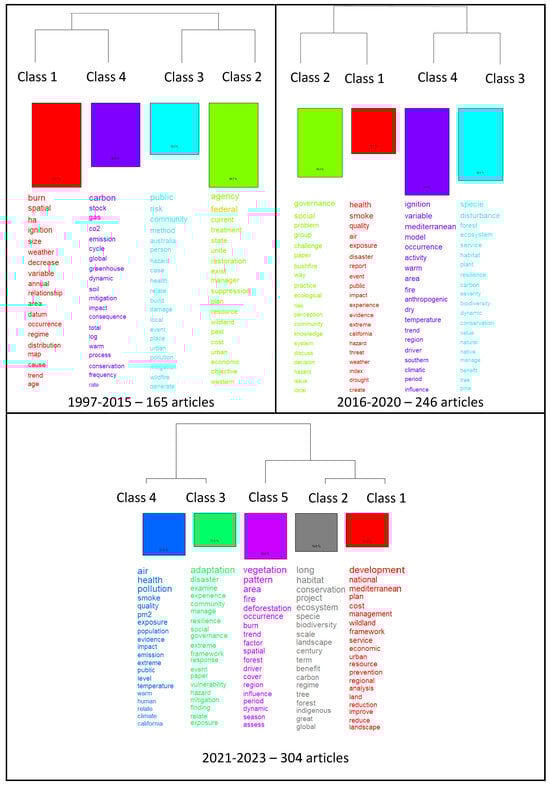
Figure 10.
Dendrogram for three periods 1997–2015, 2016–2020, 2021–2023 (only the first 20 significant forms are shown for each class: p < 0.05)—Forms overrepresented in a cluster appear with a larger character size.
For the 1997–2015 period, two clusters deal with knowledge of and the effects of fires on the natural environment (Class 1/fire characteristics and Class 4/CO2 emissions, greenhouse gases), representing 52.1% of the articles, and two clusters deal with anthropogenic aspects (Class 3/human risks and Class 2/management), representing 47.9% of the articles. The ranking in terms of decreasing number of references is as follows: Classes 1 and 2 (27.9%), Class 4 (22.4%), and Class 3 (18.2%). Classes 1 and 2 are overrepresented (fire characteristics and management), whereas classes 3 and 4 are underrepresented (human hazards and CO2 emissions).
For the 2016–2020 period, two clusters concern knowledge of and the effects of fires on the natural environment (Class 4/fire characteristics and Class 3/ecosystem effect), representing 58.1% of the summaries, and two clusters concern anthropogenic issues (Class 1/health and air quality and Class 2/governance), representing 41.9% of the summaries. The ranking in terms of decreasing number of references is as follows: Class 4 (31.7%), Class 3 (26.4%), Class 2 (25.2%), and Class 1 (16.7%). Class 4 is largely overrepresented, while Class 1 is largely underrepresented.
Finally, for the 2021–2023 period, two clusters are identified on knowledge of and the effects of fires on the natural environment (Class 2/effects on ecosystems and Class 5/fire characteristics) which account for 43.6% of the summaries, two clusters are dedicated to anthropogenic aspects (Class 3/community adaptation and Class 4/health and air quality) and one cluster on the development of natural spaces (Class 1) which accounts for 17.5% of the summaries. The ranking in terms of decreasing number of references is as follows: Class 5 (23.8%), Class 4 (21.8%), Class 2 (19.8%), Class 1 (17.5%), and Class 3 (17.2%). Classes 4 and 5 are overrepresented, while Classes 1 and 3 are underrepresented.
In brief, two main elements can be highlighted. First, several issues are addressed at all times: anthropogenic health and management/governance issues, and natural environment issues around fire and natural environment characterization. Second, some trends can be highlighted:
- A focus on air quality issues from 2015;
- A decrease in questions on carbon storage and CO2 emissions from 2016;
- An interest in ecosystems and biodiversity has been on the rise since 2016;
- An increase in knowledge and questions on the effects of fires on the natural environment, at the expense of anthropogenic issues: 52.1% in 1997–2015, then 58.1% in 2016–2020, then 61.1% in 2021–2023.
4. Discussion
Wildfires are in the spotlight in the context of climate change. The present study completed a systematic review of wildfire research analyzed through the lens of climate change and policy. The first articles were published in the late 1990s (1997), with a marked increase from 2021. We showed that it is possible to analyze the literature in order to cluster its main issues, completed with a temporal analysis. Six main themes were revealed by Reinert Clustering: Health issues, Disaster risk management, Natural environment, Management of the natural environment, Fire characteristics, and Fire modeling. These themes are composed of 36 sub-themes. In addition, the article shows that some issues remain constant over time while others increase/decrease. In addition to this overall summary, we discuss five topics in more detail and conclude the article by outlining future research directions and policy integration.
4.1. Public Health Policies Are Essential for Addressing Wildfires in the Context of Climate Change
As climate change intensifies, the frequency, size, and severity of wildfires are expected to increase. Moreover, compound events such as wildfires during heatwaves exacerbate air pollution [95,96,97]. Consequently, one can expect that the health impact of wildfire smoke will intensify [49,98]. Wildfire smoke contains numerous pollutants that pose significant risks to human health [99]. These include CO2, CO, NOx, particulate matter, hydrocarbons, and irritant gases, many of which are carcinogenic and similar to cigarette smoke [88]. Among these, fine particulate matter (PM2.5) is particularly harmful, especially for firefighters. Even at similar exposure levels, PM2.5 from wildfires has been found to be much more dangerous for respiratory health compared to other sources of air pollution.
Wildfire smoke exposure is linked to a variety of health problems, including the exacerbation of existing respiratory diseases like asthma and chronic obstructive pulmonary disease, as well as cardiovascular events [100], mental illness, and reproductive difficulties. Vulnerable populations—particularly older adults, those with low socioeconomic status, and ethnic minorities—are disproportionately affected by these risks [39].
Wildfire smoke has substantial health impacts, with respiratory and cardiovascular diseases being the most commonly reported effects [49]. For instance, wildfires in California in 2003 led to 778 hospitalizations and 69 premature deaths (inferred from hospitalization counts) [96], while the 2019–2020 Australian bushfires caused 171 deaths due to short-term exposure to wildfire smoke [101]. Pregnant women exposed to wildfire smoke are also at higher risk, with studies linking such exposure to preterm births, lower birth weights, and other adverse pregnancy outcomes [102]. The mental health impacts are also significant, with anxiety, post-traumatic stress disorder, and insomnia commonly reported following exposure to wildfires. These mental health conditions further complicate pregnancy outcomes, increasing the risk of gestational complications, pregnancy loss, and low birth weight [44]. The global literature increasingly highlights the importance of addressing child and adolescent mental health within climate change health policies [55]. Children, especially those from low-income or developing regions, face a range of risks, including physical injury, malnutrition due to disrupted food supply, loss of access to medical care, and significant psychological distress caused by trauma, displacement, or the destruction of their homes. These factors can also disrupt their education and overall well-being [103,104]. There is also growing attention to the mental health of workers, including conservation biologists and ecologists [105] working on wildfires, as well as outdoor workers such as farmers and construction workers [106,107]. In particular, there is an expanding body of literature on the exposure to and health effects of wildfire smoke in wildland firefighters [107,108,109].
The growing frequency and severity of wildfires, driven by climate change, highlight the urgent need for action to reduce exposure, especially for vulnerable populations. Effective responses include resilient community planning, stronger public health strategies, and more robust climate change policies. There is an urgent need to adopt public health policies to address climate change and its impacts, particularly concerning wildfires. These measures are crucial to mitigating the escalating health risks posed by wildfires and ensuring public safety.
4.2. Integrated Land and Forest Management Is a Sustainable Long-Term Opportunity
To prevent disastrous fires in the future, several studies highlight the importance of introducing fundamental changes in forest management. These changes concern tree species composition, forest structure, wood–pasture systems, natural ecosystem regeneration, and the development of regionalized seed banks and nurseries to support native genetic resources [110,111]. Land management also plays a crucial role by fostering vegetation mosaics of groves and multi-use open spaces [111]. Finally, indigenous and traditional practices (for instance, reversing farmland abandonment through the creation of High Nature Value Farmlands, or HNVF) and nature-based solutions (NBS) are cited as beneficial for managing wildfires. These practices significantly contribute to maintaining carbon stocks, enhancing biodiversity [25,110,111,112,113,114], and providing social co-benefits [115].
Campos, Bernhardt, Aquilué, Brotons, Domínguez, Lomba, Marcos, Martínez-Freiría, Moreira, Pais, Honrado, and Regos [112] showed through simulations that HNVF represents a long-term opportunity for both fire suppression and species conservation. Agroforestry is one of the sustainable practices mentioned in studies that leads to improved fire management. Wolpert et al. [116] concluded that integrated landscape management, tailored to local contexts, such as agroforestry systems, can be a well-received approach to reducing wildfire risk. The study led by Spadoni et al. [117] supports current European strategies for “fire-resistant and resilient landscapes” by promoting integrated policies for agroforestry, rural development, and nature conservation. Their results “confirm that territories with more active land governance show lower wildfire impacts, even under severe flammability and climatic conditions.” Agroforestry policies could benefit biodiversity while providing additional opportunities for fire suppression [118].
The International Union for Conservation of Nature (IUCN) defines NBS as follows: “Actions to protect, sustainably manage, and restore natural or modified ecosystems that address societal challenges effectively and adaptively, while simultaneously providing human well-being and biodiversity benefits.” Rewilding, supported by low fire suppression management, may provide an effective NBS [112].
The studies collectively highlight the benefits of integrating fire hazard control, ecosystem service supply, and biodiversity conservation to improve decision-making. They support European strategies under the Green Deal, which seeks to tackle the interconnected crises of climate change, biodiversity loss, and pollution, while promoting economic growth, job creation, and social fairness. The Green Deal represents a long-term vision for a sustainable future for Europe.
4.3. Research on Compound Events Involving Wildfires Is Needed
Numerous regions around the world are exposed to multiple climate hazards, which are expected to be exacerbated by climate change [92]. For example, in Europe, projections indicate an increase in the frequency of heatwaves, droughts, and wildfires, particularly in southern and coastal regions [119]. Ref. [120] calculated the expected annual intensity index for multiple climate hazards globally based on nine climatic hazards, including tropical cyclones, floods, landslides, storm surges, sand-dust storms, droughts, heatwaves, cold waves, and wildfires.
These regions, often densely populated, are expected to face compounded risks from multiple hazards. These hazards can occur concurrently or consecutively, leading to “compound events” [121]. Wildfires can influence the behavior and spread of other environmental hazards, such as droughts, flooding, and air pollution [119]. For instance, the potential future impacts of co-occurring extreme fire and rainfall events on soil loss in forestlands in Catalonia (SE Spain) have been studied, considering six scenarios (two climate scenarios combined with three fire management policies) [122]. Conversely, wildfires can be influenced by drought; for example, in Hawaii, droughts have increased wildfire risk since 1996, especially during El Niño years [123].
Interactions between insect outbreaks and wildfires have been a subject of scientific debate due to their complexity and the contradictory effects observed in different regions. Several studies have explored how insect infestations, particularly bark beetles and defoliators, influence the severity of forest fires [124,125,126]. Additionally, exotic pathogens and the dynamics of insect-modified fuels remain critical factors in fire management and forest protection, particularly as the effects of climate change intensify [127].
4.4. A Change in Paradigm Is Necessary in the Face of Megafires
Very large, high-impact fires are called megafires. Indeed, in recent decades, megafires have increased rapidly, and the conflagration of fires now threatens many people, ecosystems, and assets. Megafires rage all around the globe, and they do not just burn a forest area; they are capable of transforming it in the long term. Their action is so violent on the soil and biodiversity that these gigantic fires can literally create a new ecosystem, completely different from the one originally present, and they can increase extinction risks [128]. In this context, changes in paradigm and mentality are being called for by several researchers, “towards a novel and integrated fire management framework, flexible, adaptive, and responsive to the changing environmental and societal conditions” [129]. They also recommend that “policy and expenditures be rebalanced between suppression and mitigation of the negative impacts of fire” [26]. In the complete corpus considered here, only 18 articles dealt with megafires, the first one published in 2009, but we are convinced that the number of papers will dramatically increase in the following years, with the development of these catastrophic events around the globe. Thus, policies should deal with this unfortunate challenge.
4.5. Addressing Knowledge Gaps in Emerging Technological Approaches and Paleofire Research Is Necessary
Emerging approaches such as drone-based fire monitoring, remote sensing technologies, and real-time spatial fire spread modeling are rapidly developing fields likely to become increasingly important for fire management policies. A limited number of studies within our corpus highlight the value of satellite imagery and advanced sensing technologies for mapping burned areas [130], assessing burn severity and post-fire vegetation recovery [131], monitoring the distribution of fire foci and associated risk [132,133], and estimating forest biomass and carbon storage [134]. The integration of LiDAR, imaging spectroscopy, and high-resolution digital camera data from platforms offers unprecedented opportunities to analyze complex socio-environmental systems affected by wildfires [135]. Furthermore, new technologies such as drones and satellites are critically needed for rapid fire detection and suppression, particularly in landscapes dominated by highly flammable vegetation [136]. The development of cost-effective passive sampling methods coupled with remote sensing also enables improved monitoring of fire-related air pollution at global scales [137], which is essential for informing policy decisions on climate forcing and public health impacts. However, our analysis indicates that these approaches remain underrepresented in the reviewed corpus.
Moreover, paleo-ecological research—particularly pollen and charcoal records from peatlands and lake sediments—provides critical long-term perspectives on fire regimes that extend far beyond instrumental records. Lacustrine charcoal records have been widely used to reconstruct fire regimes throughout the Holocene, thereby contextualizing contemporary fire activity within long-term natural variability [138]. These paleoenvironmental archives elucidate past fire–climate–vegetation relationships and improve understanding of the range of fire regimes under different climatic conditions, which is essential for interpreting ongoing and future changes [139,140,141]. The limited representation of such approaches in our policy-related corpus suggests that long-term ecological perspectives remain insufficiently connected to research explicitly addressing wildfire governance and management.
5. Conclusions
In summary, the challenges posed by wildfires in the context of climate change—including public health, land management, compound events, megafires, and technological innovation—require not only targeted responses but also an integrated vision for future research, policy action, and technical implementation. Building on the preceding analyses, which highlight both emerging priorities and persistent gaps, this section outlines pathways to address these needs, emphasizing the urgency of systemic, anticipatory, and transdisciplinary approaches.
First, the marked increase in health-related publications since 2020 indicates growing, yet relatively recent, recognition of wildfire smoke as a public health crisis. This lag suggests that policy frameworks may still be catching up to scientific understanding, highlighting the need for accelerated translation of health research into protective measures.
Second, the shift from carbon storage concerns (declining since 2016) toward ecosystem and biodiversity impacts (rising since 2016) reflects an evolving understanding of fire impacts beyond climate mitigation. This transition suggests that future research should prioritize integrated ecosystem approaches that consider multiple services simultaneously rather than single-focus perspectives.
Third, the persistent underrepresentation of compound event research, despite its critical importance, indicates a crucial gap between recognized needs and research outputs. Future work must develop methodologies for studying cascading and concurrent hazards, as these represent the reality of fire in a changing climate.
Fourth, our finding that natural environment issues now dominate the literature while anthropogenic concerns have relatively declined suggests a potential imbalance. Given that human communities remain at the fire interface, maintaining research focus on social adaptation, governance, and community resilience alongside environmental studies is essential.
Finally, the emergence of megafires as a research topic, along with their devastating impacts, signals a critical research frontier. The paradigm shifts called for by researchers require not just more research but fundamentally different research approaches—moving from fire suppression to coexistence, from single-hazard to multi-hazard frameworks, and from reactive to anticipatory policies.
These findings underscore that future research must be simultaneously more integrated (across disciplines and hazards), more anticipatory (using paleoenvironmental and modeling approaches), more technologically sophisticated (leveraging emerging monitoring capabilities), and more rapidly translatable into policy action. The accelerating pace of climate change and fire regime shifts leaves little time for traditional research-to-policy timelines; new mechanisms for rapid synthesis and implementation—such as policy–lab collaborations and open-access data platforms—are urgently needed.
Key technical advancements to support this shift include the following:
- -
- Drone, LiDAR, and satellite surveillance systems for rapid detection and mapping of fire perimeters, biodiversity hotspots, and post-fire recovery;
- -
- Sensors and real-time monitoring tools to provide early warnings and exposure assessment;
- -
- Paleoenvironmental archives to improve the understanding of fire regimes under different climatic conditions;
- -
- Simulation software to design fire-resistant landscapes;
- -
- Development of frameworks and integrated models for extreme events (megafires and multi-hazard risks);
- -
- Spatial maps to improve and promote dialogue among policy-makers and stakeholders;
- -
- Engagement of local communities in adaptive land management planning.
Future iterations of such systematic reviews will be crucial for tracking whether research is keeping pace with the evolving fire landscape and adequately serving policy needs in a rapidly changing world.
Supplementary Materials
The following supporting information can be downloaded at: https://www.mdpi.com/article/10.3390/fire9020052/s1, Figure S1: Dendrogram for the global corpus (only significant forms are shown for each class: p < 0.05)-Forms overrepresented in a cluster appeared with a larger character size; Table S1: Article sources and corresponding number of literature reviews published (Corpus = 83 references); Table S2: Top article sources and corresponding number of papers published (Corpus = 720 references); Table S3: The 150 most frequently used active words (nr: not recognized form); Table S4: Distribution of Reinert sub-themes into meta sub-themes.
Author Contributions
Conceptualization, C.C. and T.C.; Methodology, C.C. and T.C.; Software, C.C.; Formal Analysis, C.C. and T.C.; Data Curation, C.C. and T.C.; Writing—Original Draft Preparation, C.C. and T.C. All authors have read and agreed to the published version of the manuscript.
Funding
This work was supported by the French Government through the France 2030 program, under the Initiative of Excellence of Aix-Marseille University (A*Midex), grant reference AMX-21-RID-010 (MIRIADE Project).
Data Availability Statement
The original contributions presented in this study are included in the article/Supplementary Material. Further inquiries can be directed to the corresponding author.
Conflicts of Interest
The authors declare no conflict of interest.
References
- Bartowitz, K.J.; Walsh, E.S.; Stenzel, J.E.; Kolden, C.A.; Hudiburg, T.W. Forest Carbon Emission Sources Are Not Equal: Putting Fire, Harvest, and Fossil Fuel Emissions in Context. Front. For. Glob. Change 2022, 5, 867112. [Google Scholar] [CrossRef]
- Craig, C.A.; Allen, M.W.; Feng, S.; Spialek, M.L. Exploring the impact of resident proximity to wildfires in the northern Rocky Mountains: Perceptions of climate change risks, drought, and policy. Int. J. Disaster Risk Reduct. 2020, 44, 101420. [Google Scholar] [CrossRef]
- Dunn, C.J.; Thompson, M.P.; Calkin, D.E. A framework for developing safe and effective large-fire response in a new fire management paradigm. For. Ecol. Manage. 2017, 404, 184–196. [Google Scholar] [CrossRef]
- Elhami-Khorasani, N.; Ebrahimian, H.; Buja, L.; Cutter, S.L.; Kosovic, B.; Lareau, N.; Meacham, B.J.; Rowell, E.; Taciroglu, E.; Thompson, M.P.; et al. Conceptualizing a probabilistic risk and loss assessment framework for wildfires. Nat. Hazards 2022, 114, 1153–1169. [Google Scholar] [CrossRef]
- McWethy, D.B.; Schoennagel, T.; Higuera, P.E.; Krawchuk, M.; Harvey, B.J.; Metcalf, E.C.; Schultz, C.; Miller, C.; Metcalf, A.L.; Buma, B.; et al. Rethinking resilience to wildfire. Nat. Sustain. 2019, 2, 797–804. [Google Scholar] [CrossRef]
- Lange, J.; Gillespie, J. Bushfire, prescribed burning, and non-human protection. Geogr. Res. 2023, 61, 169–192. [Google Scholar] [CrossRef]
- Curt, T.; Borgniet, L.; Ibanez, T.; Moron, V.; Hély, C. Understanding fire patterns and fire drivers for setting a sustainable management policy of the New-Caledonian biodiversity hotspot. For. Ecol. Manage. 2015, 337, 48–60. [Google Scholar] [CrossRef]
- Campbell, T.; Bradshaw, S.D.; Dixon, K.W.; Zylstra, P. Wildfire risk management across diverse bioregions in a changing climate. Geomat. Nat. Hazards Risk 2022, 13, 2405–2424. [Google Scholar] [CrossRef]
- Costafreda-Aumedes, S.; Comas, C.; Vega-Garcia, C. Human-caused fire occurrence modelling in perspective: A review. Int. J. Wildland Fire 2017, 26, 983–998. [Google Scholar] [CrossRef]
- Vigier, E.; Curt, C.; Curt, T.; Arnaud, A.; Dubois, J. Joint analysis of environmental and risk policies: Methodology and application to the French case. Environ. Sci. Policy 2019, 101, 63–71. [Google Scholar] [CrossRef]
- Butry, D.; Donovan, G. Protect thy neighbor: Investigating the spatial externalities of community wildfire hazard mitigation. For. Sci. 2008, 54, 417–428. [Google Scholar] [CrossRef]
- Allen, I.; Chhin, S.; Zhang, J. Fire and Forest Management in Montane Forests of the Northwestern States and California, USA. Fire 2019, 2, 17. [Google Scholar] [CrossRef]
- Calkin, D.E.; Thompson, M.P.; Finney, M.A. Negative consequences of positive feedbacks in US wildfire management. For. Ecosyst. 2015, 2, 9. [Google Scholar] [CrossRef]
- Canosa, I.V.; Biesbroek, R.; Ford, J.; McCarty, J.L.; Orttung, R.W.; Paavola, J.; Burnasheva, D. Wildfire adaptation in the Russian Arctic: A systematic policy review. Clim. Risk Manag. 2023, 39, 100481. [Google Scholar] [CrossRef]
- Creighton, J.H.; Berger, C.; Johnson, J.E. Key Issues Affecting Oregon Family Forest Owners: A Scoping Review of the Literature and Survey Analysis of Educational Service Providers. Small-Scale For. 2019, 18, 411–427. [Google Scholar] [CrossRef]
- Depietri, Y.; Orenstein, D.E. Fire-Regulating Services and Disservices With an Application to the Haifa-Carmel Region in Israel. Front. Environ. Sci. 2019, 7, 107. [Google Scholar] [CrossRef]
- Eufemia, L.; Dias Turetta, A.P.; Bonatti, M.; Da Ponte, E.; Sieber, S. Fires in the Amazon Region: Quick Policy Review. Dev. Policy Rev. 2022, 40, e12620. [Google Scholar] [CrossRef]
- Hunter, M.E.; Colavito, M.M.; Wright, V. The Use of Science in Wildland Fire Management: A Review of Barriers and Facilitators. Curr. For. Rep. 2020, 6, 354–367. [Google Scholar] [CrossRef]
- Javeline, D.; Orttung, R.; Robertson, G.; Arnold, R.; Barnes, A.; Henry, L.; Holland, E.; Omelicheva, M.; Rutland, P.; Schatz, E.; et al. Russia in a changing climate. WIREs Clim. Change 2024, 15, e872. [Google Scholar] [CrossRef]
- Lashof, D.; Neuberger, J. Climate-smart infrastructure in the United States—What does it look like and how do we get it built? Environ. Res. Infrastruct. Sustain. 2023, 3, 012003. [Google Scholar] [CrossRef]
- Lucas, C.H.; Booth, K.I.; Garcia, C. Insuring homes against extreme weather events: A systematic review of the research. Clim. Change 2021, 165, 61. [Google Scholar] [CrossRef]
- Mattioli, W.; Ferrara, C.; Lombardo, E.; Barbati, A.; Salvati, L.; Tomao, A. Estimating Wildfire Suppression Costs: A Systematic Review. Int. For. Rev. 2022, 24, 15–29. [Google Scholar] [CrossRef]
- McKelvey, K.S.; Block, W.M.; Jain, T.B.; Luce, C.H.; Page-Dumroese, D.S.; Richardson, B.A.; Saab, V.A.; Schoettle, A.W.; Sieg, C.H.; Williams, D.R. Adapting Research, Management, and Governance to Confront Socioecological Uncertainties in Novel Ecosystems. Front. For. Glob. Change 2021, 4, 644696. [Google Scholar] [CrossRef]
- Mirabelli-Montan, Y.A.; Marangon, M.; Graça, A.; Mayr Marangon, C.M.; Wilkinson, K.L. Techniques for Mitigating the Effects of Smoke Taint While Maintaining Quality in Wine Production: A Review. Molecules 2021, 26, 1672. [Google Scholar] [CrossRef]
- Mistry, J.; Bilbao, B.A.; Berardi, A. Community owned solutions for fire management in tropical ecosystems: Case studies from Indigenous communities of South America. Philos. Trans. R. Soc. B Biol. Sci. 2016, 371, 20150174. [Google Scholar] [CrossRef]
- Moreira, F.; Ascoli, D.; Safford, H.; Adams, M.A.; Moreno, J.M.; Pereira, J.M.C.; Catry, F.X.; Armesto, J.; Bond, W.; González, M.E.; et al. Wildfire management in Mediterranean-type regions: Paradigm change needed. Environ. Res. Lett. 2020, 15, 011001. [Google Scholar] [CrossRef]
- Moritz, M.A.; Batllori, E.; Bradstock, R.A.; Gill, A.M.; Handmer, J.; Hessburg, P.F.; Leonard, J.; McCaffrey, S.; Odion, D.C.; Schoennagel, T.; et al. Learning to coexist with wildfire. Nature 2014, 515, 58–66. [Google Scholar] [CrossRef]
- North, M.P.; Stephens, S.L.; Collins, B.M.; Agee, J.K.; Aplet, G.; Franklin, J.F.; Fulé, P.Z. Reform forest fire management. Science 2015, 349, 1280–1281. [Google Scholar] [CrossRef]
- Paveglio, T.B.; Brenkert-Smith, H.; Hall, T.; Smith, A.M.S. Understanding social impact from wildfires: Advancing means for assessment. Int. J. Wildland Fire 2015, 24, 212–224. [Google Scholar] [CrossRef]
- Paveglio, T.B.; Carroll, M.S.; Stasiewicz, A.M.; Williams, D.R.; Becker, D.R. Incorporating Social Diversity into Wildfire Management: Proposing “Pathways” for Fire Adaptation. For. Sci. 2018, 64, 515–532. [Google Scholar] [CrossRef]
- Schoennagel, T.; Balch, J.K.; Brenkert-Smith, H.; Dennison, P.E.; Harvey, B.J.; Krawchuk, M.A.; Mietkiewicz, N.; Morgan, P.; Moritz, M.A.; Rasker, R.; et al. Adapt to more wildfire in western North American forests as climate changes. Proc. Natl. Acad. Sci. USA 2017, 114, 4582–4590. [Google Scholar] [CrossRef]
- Strahan, K.W.; Gilbert, J. Protective Decision-Making in Bushfire Part 2: A Rapid Systematic Review of the ‘Leave Early’ Literature. Fire 2021, 4, 42. [Google Scholar] [CrossRef]
- Tymstra, C.; Stocks, B.J.; Cai, X.; Flannigan, M.D. Wildfire management in Canada: Review, challenges and opportunities. Prog. Disaster Sci. 2020, 5, 100045. [Google Scholar] [CrossRef]
- Ulibarri, N.; Han, D. NEPA and climate change: Consideration of climate mitigation and adaptation in infrastructure review processes. Environ. Res. Infrastruct. Sustain. 2022, 2, 015004. [Google Scholar] [CrossRef]
- Vacek, Z.; Vacek, S.; Cukor, J. European forests under global climate change: Review of tree growth processes, crises and management strategies. J. Environ. Manag. 2023, 332, 117353. [Google Scholar] [CrossRef]
- Whitman, M.; Holmgren, S. Representations of wildfires in academia. J. Environ. Plan. Manag. 2022, 67, 1952–1976. [Google Scholar] [CrossRef]
- Baykara Mat, S. The roles of nurses in addressing health effects of climate change and wildfires. Health Probl. Civiliz. 2022, 16, 31–36. [Google Scholar] [CrossRef]
- Burke, M.; Driscoll, A.; Heft-Neal, S.; Xue, J.; Burney, J.; Wara, M. The changing risk and burden of wildfire in the United States. Proc. Natl. Acad. Sci. USA 2021, 118, e2011048118. [Google Scholar] [CrossRef]
- Chang, A.Y.; Tan, A.X.; Nadeau, K.C.; Odden, M.C. Aging Hearts in a Hotter, More Turbulent World: The Impacts of Climate Change on the Cardiovascular Health of Older Adults. Curr. Cardiol. Rep. 2022, 24, 749–760. [Google Scholar] [CrossRef]
- Covert, H.H.; Wahid, F.A.; Wenzel, S.E.; Lichtveld, M.Y. Climate change impacts on respiratory health: Exposure, vulnerability, and risk. Physiol. Rev. 2023, 103, 2507–2522. [Google Scholar] [CrossRef]
- Hochrainer-Stigler, S.; Šakić Trogrlić, R.; Reiter, K.; Ward, P.J.; de Ruiter, M.C.; Duncan, M.J.; Torresan, S.; Ciurean, R.; Mysiak, J.; Stuparu, D.; et al. Toward a framework for systemic multi-hazard and multi-risk assessment and management. iScience 2023, 26, 106736. [Google Scholar] [CrossRef]
- Fiore, A.M.; Naik, V.; Leibensperger, E.M. Air Quality and Climate Connections. J. Air Waste Manage. Assoc. 2015, 65, 645–685. [Google Scholar] [CrossRef] [PubMed]
- Freer-Smith, P.; Bailey-Bale, J.H.; Donnison, C.L.; Taylor, G. The good, the bad, and the future: Systematic review identifies best use of biomass to meet air quality and climate policies in California. GCB Bioenergy 2023, 15, 1312–1328. [Google Scholar] [CrossRef]
- Ha, S. The Changing Climate and Pregnancy Health. Curr. Environ. Health Rep. 2022, 9, 263–275. [Google Scholar] [CrossRef] [PubMed]
- Hyde, J.C.; Yedinak, K.M.; Talhelm, A.F.; Smith, A.M.S.; Bowman, D.M.J.S.; Johnston, F.H.; Lahm, P.; Fitch, M.; Tinkham, W.T. Air quality policy and fire management responses addressing smoke from wildland fires in the United States and Australia. Int. J. Wildland Fire 2017, 26, 347–363. [Google Scholar] [CrossRef][Green Version]
- Im, U.; Geels, C.; Hanninen, R.; Kukkonen, J.; Rao, S.; Ruuhela, R.; Sofiev, M.; Schaller, N.; Hodnebrog, Ø.; Sillmann, J.; et al. Reviewing the links and feedbacks between climate change and air pollution in Europe. Front. Environ. Sci. 2022, 10, 954045. [Google Scholar] [CrossRef]
- Khraishah, H.; Alahmad, B.; Ostergard, R.J.; Alshqar, A.; Abaghdadi, M.; Vellanki, N.; Chowdhury, M.M.; Al-Kindi, S.G.; Zanobetti, A.; Gasparrini, A.; et al. Climate change and cardiovascular disease: Implications for global health. Nat. Rev. Cardiol. 2022, 19, 798–812. [Google Scholar] [CrossRef]
- Kinney, P.L. Interactions of Climate Change, Air Pollution, and Human Health. Curr. Environ. Health Rep. 2018, 5, 179–186. [Google Scholar] [CrossRef]
- Liu, J.C.; Pereira, G.; Uhl, S.A.; Bravo, M.A.; Bell, M.L. A systematic review of the physical health impacts from non-occupational exposure to wildfire smoke. Environ. Res. 2015, 136, 120–132. [Google Scholar] [CrossRef]
- Mahmood, R.; Said, A.; Kanagala, S.G.; Gupta, V.; Jain, R. Unraveling the link: Exploring the effects of environmental change on the cardiovascular system. Future Cardiol. 2023, 19, 649–659. [Google Scholar] [CrossRef]
- Nassikas, N.J.; Gold, D.R. Climate change is a health crisis with opportunities for health care action: A focus on health care providers, patients with asthma and allergic immune diseases, and their families and neighbors. J. Allergy Clin. Immunol. 2023, 152, 1047–1052. [Google Scholar] [CrossRef] [PubMed]
- Nicholls, S. Impacts of environmental disturbances on housing prices: A review of the hedonic pricing literature. J. Environ. Manage. 2019, 246, 1–10. [Google Scholar] [CrossRef]
- Palinkas, L.A.; O’Donnell, M.L.; Lau, W.; Wong, M. Strategies for Delivering Mental Health Services in Response to Global Climate Change: A Narrative Review. Int. J. Environ. Res. Public Health 2020, 17, 8562. [Google Scholar] [CrossRef] [PubMed]
- Ratter-Rieck, J.M.; Roden, M.; Herder, C. Diabetes and climate change: Current evidence and implications for people with diabetes, clinicians and policy stakeholders. Diabetologia 2023, 66, 1003–1015. [Google Scholar] [CrossRef] [PubMed]
- Rother, H.-A.; Etzel, R.A.; Shelton, M.; Paulson, J.A.; Hayward, R.A.; Theron, L.C. Impact of Extreme Weather Events on Sub-Saharan African Child and Adolescent Mental Health: A Protocol for a Systematic Review. Atmosphere 2020, 11, 493. [Google Scholar] [CrossRef]
- Sheehan, M.C. 2021 Climate and Health Review—Uncharted Territory: Extreme Weather Events and Morbidity. Int. J. Health Serv. 2022, 52, 189–200. [Google Scholar] [CrossRef]
- van Daalen, K.R.; Kallesøe, S.S.; Davey, F.; Dada, S.; Jung, L.; Singh, L.; Issa, R.; Emilian, C.A.; Kuhn, I.; Keygnaert, I.; et al. Extreme events and gender-based violence: A mixed-methods systematic review. Lancet Planet. Health 2022, 6, e504–e523. [Google Scholar] [CrossRef]
- Castro-Díez, P.; Alonso, Á.; Saldaña-López, A.; Granda, E. Effects of widespread non-native trees on regulating ecosystem services. Sci. Total Environ. 2021, 778, 146141. [Google Scholar] [CrossRef]
- Croker, A.R.; Woods, J.; Kountouris, Y. Changing fire regimes in East and Southern Africa’s savanna-protected areas: Opportunities and challenges for indigenous-led savanna burning emissions abatement schemes. Fire Ecol. 2023, 19, 63. [Google Scholar] [CrossRef]
- Eburn, M. Bushfires and Australian Emergency Management Law and Policy: Adapting To Climate Change and the New Fire and Emergency Management Environment. In Special Issue Cassandra’s Curse: The Law and Foreseeable Future Disasters; Studies in Law, Politics, and Society; Emerald Group Publishing Limited: Leeds, UK, 2015; Volume 68, pp. 155–188. [Google Scholar]
- Ford, A.E.S.; Harrison, S.P.; Kountouris, Y.; Millington, J.D.A.; Mistry, J.; Perkins, O.; Rabin, S.S.; Rein, G.; Schreckenberg, K.; Smith, C.; et al. Modelling Human-Fire Interactions: Combining Alternative Perspectives and Approaches. Front. Environ. Sci. 2021, 9, 649835. [Google Scholar] [CrossRef]
- Hai, J.; Zhang, L.; Gao, C.; Wang, H.; Wu, J. How Does Fire Suppression Alter the Wildfire Regime? A Systematic Review. Fire 2023, 6, 424. [Google Scholar] [CrossRef]
- Herawati, H.; Santoso, H. Tropical forest susceptibility to and risk of fire under changing climate: A review of fire nature, policy and institutions in Indonesia. For. Policy Econ. 2011, 13, 227–233. [Google Scholar] [CrossRef]
- Hessburg, P.F.; Charnley, S.; Gray, A.N.; Spies, T.A.; Peterson, D.W.; Flitcroft, R.L.; Wendel, K.L.; Halofsky, J.E.; White, E.M.; Marshall, J. Climate and wildfire adaptation of inland Northwest US forests. Front. Ecol. Environ. 2022, 20, 40–48. [Google Scholar] [CrossRef]
- Keeley, J.E.; Syphard, A.D. Climate Change and Future Fire Regimes: Examples from California. Geosciences 2016, 6, 37. [Google Scholar] [CrossRef]
- Kim, Y.-S.; Rodrigues, M.; Robinne, F.-N. Economic drivers of global fire activity: A critical review using the DPSIR framework. For. Policy Econ. 2021, 131, 102563. [Google Scholar] [CrossRef]
- Koulelis, P.P.; Proutsos, N.; Solomou, A.D.; Avramidou, E.V.; Malliarou, E.; Athanasiou, M.; Xanthopoulos, G.; Petrakis, P.V. Effects of Climate Change on Greek Forests: A Review. Atmosphere 2023, 14, 1155. [Google Scholar] [CrossRef]
- McCarty, J.L.; Aalto, J.; Paunu, V.V.; Arnold, S.R.; Eckhardt, S.; Klimont, Z.; Fain, J.J.; Evangeliou, N.; Venäläinen, A.; Tchebakova, N.M.; et al. Reviews and syntheses: Arctic fire regimes and emissions in the 21st century. Biogeosciences 2021, 18, 5053–5083. [Google Scholar] [CrossRef]
- Neale, T.; Weir, J.K. Navigating scientific uncertainty in wildfire and flood risk mitigation: A qualitative review. Int. J. Disaster Risk Reduct. 2015, 13, 255–265. [Google Scholar] [CrossRef]
- Nolan, R.H.; Drew, D.M.; O’Grady, A.P.; Pinkard, E.A.; Paul, K.; Roxburgh, S.H.; Mitchell, P.J.; Bruce, J.; Battaglia, M.; Ramp, D. Safeguarding reforestation efforts against changes in climate and disturbance regimes. For. Ecol. Manage. 2018, 424, 458–467. [Google Scholar] [CrossRef]
- Schultz, C.A.; Abrams, J.B.; Davis, E.J.; Cheng, A.S.; Huber-Stearns, H.R.; Moseley, C. Disturbance shapes the US forest governance frontier: A review and conceptual framework for understanding governance change. Ambio 2021, 50, 2168–2182. [Google Scholar] [CrossRef]
- Dickman, C.R.; Hutchings, P.; Law, B.; Lunney, D. Raking over the ashes: Assessing the impact of fire on native fauna in the aftermath of Australia’s 2019–2020 fires. Aust. Zool. 2022, 42, 643–653. [Google Scholar] [CrossRef]
- Golladay, S.W.; Martin, K.L.; Vose, J.M.; Wear, D.N.; Covich, A.P.; Hobbs, R.J.; Klepzig, K.D.; Likens, G.E.; Naiman, R.J.; Shearer, A.W. Achievable future conditions as a framework for guiding forest conservation and management. For. Ecol. Manage. 2016, 360, 80–96. [Google Scholar] [CrossRef]
- Heinemeyer, A.; Ashby, M.A. Prescribed Fire in UK Heather-Dominated Blanket Bog Peatlands: A Critical Review of “Carbon Storage and Sequestration by Habitat: A Review of the Evidence (Second Edition)” by Gregg et al., 2021. Fire 2023, 6, 204. [Google Scholar] [CrossRef]
- Kreider, M.R.; Jaffe, M.R.; Berkey, J.K.; Parks, S.A.; Larson, A.J. The scientific value of fire in wilderness. Fire Ecol. 2023, 19, 36. [Google Scholar] [CrossRef]
- Legge, S.; Rumpff, L.; Garnett, S.T.; Woinarski, J.C.Z. Loss of terrestrial biodiversity in Australia: Magnitude, causation, and response. Science 2023, 381, 622–631. [Google Scholar] [CrossRef]
- Lindenmayer, D. Fire, forests and fauna (The 2020 Krebs Lecture). Pac. Conserv. Biol. 2021, 27, 118–125. [Google Scholar] [CrossRef]
- Moskwa, E.C.; Ahonen, I.; Santala, V.; Weber, D.; Robinson, G.M.; Bardsley, D.K. Perceptions of bushfire risk mitigation and biodiversity conservation: A systematic review of fifteen years of research. Environ. Rev. 2016, 24, 219–232. [Google Scholar] [CrossRef]
- Xifré-Salvadó, M.À.; Prat-Guitart, N.; Francos, M.; Úbeda, X.; Castellnou, M. Re-ignitions and soil importance on wildfire risk and management research proposals in a Mediterranean ecosystem. Eur. J. For. Res. 2022, 141, 753–767. [Google Scholar] [CrossRef]
- Harris, L.I.; Richardson, K.; Bona, K.A.; Davidson, S.J.; Finkelstein, S.A.; Garneau, M.; McLaughlin, J.; Nwaishi, F.; Olefeldt, D.; Packalen, M.; et al. The essential carbon service provided by northern peatlands. Front. Ecol. Environ. 2022, 20, 222–230. [Google Scholar] [CrossRef]
- Imbrenda, V.; Coluzzi, R.; Mariani, F.; Nosova, B.; Cudlinova, E.; Salvia, R.; Quaranta, G.; Salvati, L.; Lanfredi, M. Working in (Slow) Progress: Socio-Environmental and Economic Dynamics in the Forestry Sector and the Contribution to Sustainable Development in Europe. Sustainability 2023, 15, 10271. [Google Scholar] [CrossRef]
- Lanfredi, M.; Coluzzi, R.; Imbrenda, V.; Nosova, B.; Giacalone, M.; Turco, R.; Prokopovà, M.; Salvati, L. In-between Environmental Sustainability and Economic Viability: An Analysis of the State, Regulations, and Future of Italian Forestry Sector. Land 2023, 12, 1001. [Google Scholar] [CrossRef]
- Ozkan, M.; Nayak, S.P.; Ruiz, A.D.; Jiang, W. Current status and pillars of direct air capture technologies. iScience 2022, 25, 103990. [Google Scholar] [CrossRef] [PubMed]
- Vance, E.D. Conclusions and caveats from studies of managed forest carbon budgets. For. Ecol. Manage. 2018, 427, 350–354. [Google Scholar] [CrossRef]
- Zald, H.S.J.; Spies, T.A.; Harmon, M.E.; Twery, M.J. Forest Carbon Calculators: A Review for Managers, Policymakers, and Educators. J. For. 2015, 114, 134–143. [Google Scholar] [CrossRef]
- Jakhar, R.; Samek, L.; Styszko, K. A Comprehensive Study of the Impact of Waste Fires on the Environment and Health. Sustainability 2023, 15, 14241. [Google Scholar] [CrossRef]
- Segal, T.R.; Giudice, L.C. Systematic review of climate change effects on reproductive health. Fertil. Steril. 2022, 118, 215–223. [Google Scholar] [CrossRef]
- Balmes, J.R. The Changing Nature of Wildfires: Impacts on the Health of the Public. Clin. Chest Med. 2020, 41, 771–776. [Google Scholar] [CrossRef]
- D’Evelyn, S.M.; Jung, J.; Alvarado, E.; Baumgartner, J.; Caligiuri, P.; Hagmann, R.K.; Henderson, S.B.; Hessburg, P.F.; Hopkins, S.; Kasner, E.J.; et al. Wildfire, Smoke Exposure, Human Health, and Environmental Justice Need to be Integrated into Forest Restoration and Management. Curr. Environ. Health Rep. 2022, 9, 366–385. [Google Scholar] [CrossRef]
- Hamilton, M.; Fischer, A.P.; Guikema, S.D.; Keppel-Aleks, G. Behavioral adaptation to climate change in wildfire-prone forests. WIREs Clim. Change 2018, 9, e553. [Google Scholar] [CrossRef]
- Bueno, S.; Banuls, V.A.; Gallego, M.D. Is urban resilience a phenomenon on the rise? A systematic literature review for the years 2019 and 2020 using textometry. Int. J. Disaster Risk Reduct. 2021, 66, 102588. [Google Scholar] [CrossRef]
- Curt, C. Multirisk: What trends in recent works?—A bibliometric analysis. Sci. Total Environ. 2021, 763, 142951. [Google Scholar] [CrossRef]
- Lavissiere, A.; Sohier, R.; Lavissiere, M.C. Transportation systems in the Arctic: A systematic literature review using textometry. Transp. Res. Part A-Policy Pract. 2020, 141, 130–146. [Google Scholar] [CrossRef]
- Ratinaud, P. IRaMuTeQ: Interface de R pour les Analyses Multidimensionnelles de Textes et de Questionnaires, Version 0.7 alpha 2; R Interface for Multidimensional Analyzes of Texts and Questionnaires. Free Software Built with Free Software. Available online: http://www.iramuteq.org/2014 (accessed on 1 August 2023).
- Cowie, C.T.; Wheeler, A.J.; Tripovich, J.S.; Porta-Cubas, A.; Dennekamp, M.; Vardoulakis, S.; Goldman, M.; Sweet, M.; Howard, P.; Johnston, F. Policy Implications for Protecting Health from the Hazards of Fire Smoke. A Panel Discussion Report from the Workshop Landscape Fire Smoke: Protecting Health in an Era of Escalating Fire Risk. Int. J. Environ. Res. Public Health 2021, 18, 5702. [Google Scholar] [PubMed]
- Knowlton, K.; Rotkin-Ellman, M.; Geballe, L.; Max, W.; Solomon, G.M. Six Climate Change–Related Events In The United States Accounted For About $14 Billion In Lost Lives And Health Costs. Health Aff. 2011, 30, 2167–2176. [Google Scholar] [CrossRef]
- Masri, S.; Jin, Y.; Wu, J. Compound Risk of Air Pollution and Heat Days and the Influence of Wildfire by SES across California, 2018–2020: Implications for Environmental Justice in the Context of Climate Change. Climate 2022, 10, 145. [Google Scholar] [CrossRef]
- De Sario, M.; Katsouyanni, K.; Michelozzi, P. Climate change, extreme weather events, air pollution and respiratory health in Europe. Eur. Respir. J. 2013, 42, 826–843. [Google Scholar] [CrossRef]
- Liu, J.C.; Mickley, L.J.; Sulprizio, M.P.; Yue, X.; Peng, R.D.; Dominici, F.; Bell, M.L. Future respiratory hospital admissions from wildfire smoke under climate change in the Western US. Environ. Res. Lett. 2016, 11, 124018. [Google Scholar] [CrossRef]
- Rappold, A.G.; Cascio, W.E.; Kilaru, V.J.; Stone, S.L.; Neas, L.M.; Devlin, R.B.; Diaz-Sanchez, D. Cardio-respiratory outcomes associated with exposure to wildfire smoke are modified by measures of community health. Environ. Health 2012, 11, 71. [Google Scholar] [CrossRef]
- Graham, A.M.; Pringle, K.J.; Pope, R.J.; Arnold, S.R.; Conibear, L.A.; Burns, H.; Rigby, R.; Borchers-Arriagada, N.; Butt, E.W.; Kiely, L.; et al. Impact of the 2019/2020 Australian Megafires on Air Quality and Health. GeoHealth 2021, 5, e2021GH000454. [Google Scholar] [CrossRef]
- Giudice, L.C.; Llamas-Clark, E.F.; DeNicola, N.; Pandipati, S.; Zlatnik, M.G.; Decena, D.C.D.; Woodruff, T.J.; Conry, J.A. The FIGO Committee on Climate Change and Toxic Environmental Exposures. Climate change, women’s health, and the role of obstetricians and gynecologists in leadership. Int. J. Gynecol. Obstet. 2021, 155, 345–356. [Google Scholar] [CrossRef]
- Ahdoot, S.; Pacheco, S.E.; HEALTH, T.C.O.E.; Paulson, J.A.; Ahdoot, S.; Baum, C.R.; Bole, A.; Brumberg, H.L.; Campbell, C.C.; Lanphear, B.P.; et al. Global Climate Change and Children’s Health. Pediatrics 2015, 136, e1468–e1484. [Google Scholar] [CrossRef] [PubMed]
- Kousky, C. Impacts of Natural Disasters on Children. Future Child. 2016, 26, 73–92. [Google Scholar] [CrossRef]
- Boon, P.I. Is poor mental health an unrecognised occupational health and safety hazard for conservation biologists and ecologists? Reported incidences, likely causes and possible solutions. Pac. Conserv. Biol. 2023, 29, 273–291. [Google Scholar] [CrossRef]
- Marlier, M.E.; Brenner, K.I.; Liu, J.C.; Mickley, L.J.; Raby, S.; James, E.; Ahmadov, R.; Riden, H. Exposure of agricultural workers in California to wildfire smoke under past and future climate conditions. Environ. Res. Lett. 2022, 17, 094045. [Google Scholar] [CrossRef]
- Zuidema, C.; Austin, E.; Cohen, M.A.; Kasner, E.; Liu, L.; Busch Isaksen, T.; Lin, K.-Y.; Spector, J.; Seto, E. Potential impacts of Washington State’s wildfire worker protection rule on construction workers. Ann. Work Expo. Health 2021, 66, 419–432. [Google Scholar] [CrossRef]
- Desservettaz, M.; Padamsey, K.; Milkman, A.; Mott, B.; Ehrlich, F.; Burgess, J.; Paton-Walsh, C. Addressing firefighter concerns: Unraveling the complexities of bushfire smoke composition and toxicity. Int. J. Wildland Fire 2025, 34, WF25138. [Google Scholar] [CrossRef]
- Wagner, S.L.; White, N.; Krutop, E. Mental health risk for wildland firefighters: A review and future directions. Int. J. Wildland Fire 2025, 34, WF24159. [Google Scholar] [CrossRef]
- Pais, S.; Aquilué, N.; Campos, J.; Sil, Â.; Marcos, B.; Martínez-Freiría, F.; Domínguez, J.; Brotons, L.; Honrado, J.P.; Regos, A. Mountain farmland protection and fire-smart management jointly reduce fire hazard and enhance biodiversity and carbon sequestration. Ecosyst. Serv. 2020, 44, 101143. [Google Scholar] [CrossRef]
- Bergmeier, E.; Capelo, J.; Di Pietro, R.; Guarino, R.; Kavgacı, A.; Loidi, J.; Tsiripidis, I.; Xystrakis, F. ‘Back to the Future’—Oak wood-pasture for wildfire prevention in the Mediterranean. Plant Sociol. 2021, 58, 41–48. [Google Scholar] [CrossRef]
- Campos, J.C.; Bernhardt, J.; Aquilué, N.; Brotons, L.; Domínguez, J.; Lomba, Â.; Marcos, B.; Martínez-Freiría, F.; Moreira, F.; Pais, S.; et al. Using fire to enhance rewilding when agricultural policies fail. Sci. Total Environ. 2021, 755, 142897. [Google Scholar] [CrossRef]
- Bernués, A.; Tenza-Peral, A.; Gómez-Baggethun, E.; Clemetsen, M.; Eik, L.O.; Martín-Collado, D. Targeting best agricultural practices to enhance ecosystem services in European mountains. J. Environ. Manage. 2022, 316, 115255. [Google Scholar] [CrossRef] [PubMed]
- Lecina-Diaz, J.; Chas-Amil, M.-L.; Aquilué, N.; Sil, Â.; Brotons, L.; Regos, A.; Touza, J. Incorporating fire-smartness into agricultural policies reduces suppression costs and ecosystem services damages from wildfires. J. Environ. Manage. 2023, 337, 117707. [Google Scholar] [CrossRef] [PubMed]
- Curt, C.; Di Maiolo, P.; Schleyer-Lindenmann, A.; Tricot, A.; Arnaud, A.; Curt, T.; Parès, N.; Taillandier, F. Assessing the environmental and social co-benefits and disbenefits of natural risk management measures. Heliyon 2022, 8, e12465. [Google Scholar] [CrossRef] [PubMed]
- Wolpert, F.; Quintas-Soriano, C.; Pulido, F.; Huntsinger, L.; Plieninger, T. Collaborative agroforestry to mitigate wildfires in Extremadura, Spain: Land manager motivations and perceptions of outcomes, benefits, and policy needs. Agrofor. Syst. 2022, 96, 1135–1149. [Google Scholar] [CrossRef]
- Spadoni, G.L.; Moris, J.V.; Vacchiano, G.; Elia, M.; Garbarino, M.; Sibona, E.; Tomao, A.; Barbati, A.; Sallustio, L.; Salvati, L.; et al. Active governance of agro-pastoral, forest and protected areas mitigates wildfire impacts in Italy. Sci. Total Environ. 2023, 890, 164281. [Google Scholar] [CrossRef]
- Regos, A.; Pais, S.; Campos, J.C.; Lecina-Diaz, J. Nature-based solutions to wildfires in rural landscapes of Southern Europe: Let’s be fire-smart! Int. J. Wildland Fire 2023, 32, 942–950. [Google Scholar] [CrossRef]
- Forzieri, G.; Feyen, L.; Russo, S.; Vousdoukas, M.; Alfieri, L.; Outten, S.; Migliavacca, M.; Bianchi, A.; Rojas, R.; Cid, A. Multi-hazard assessment in Europe under climate change. Clim. Change 2016, 137, 105–119. [Google Scholar] [CrossRef]
- Shi, P.; Yang, X.; Fang, J.; Wang, J.a.; Xu, W.; Han, G. Mapping and ranking global mortality, affected population and GDP loss risks for multiple climatic hazards. J. Geogr. Sci. 2016, 26, 878–888. [Google Scholar] [CrossRef]
- Hao, Z.; Singh, V.P. Compound Events under Global Warming: A Dependence Perspective. J. Hydrol. Eng. 2020, 25, 03120001. [Google Scholar] [CrossRef]
- Morán-Ordóñez, A.; Duane, A.; Gil-Tena, A.; De Cáceres, M.; Aquilué, N.; Guerra, C.A.; Geijzendorffer, I.R.; Fortin, M.-J.; Brotons, L. Future impact of climate extremes in the Mediterranean: Soil erosion projections when fire and extreme rainfall meet. Land Degrad. Dev. 2020, 31, 3040–3054. [Google Scholar] [CrossRef]
- Frazier, A.G.; Giardina, C.P.; Giambelluca, T.W.; Brewington, L.; Chen, Y.-L.; Chu, P.-S.; Berio Fortini, L.; Hall, D.; Helweg, D.A.; Keener, V.W.; et al. A Century of Drought in Hawai’i: Geospatial Analysis and Synthesis across Hydrological, Ecological, and Socioeconomic Scales. Sustainability 2022, 14, 12023. [Google Scholar] [CrossRef]
- Jenkins, M.J.; Page, W.G.; Hebertson, E.G.; Alexander, M.E. Fuels and fire behavior dynamics in bark beetle-attacked forests in Western North America and implications for fire management. For. Ecol. Manage. 2012, 275, 23–34. [Google Scholar] [CrossRef]
- Hart, S.J.; Schoennagel, T.; Veblen, T.T.; Chapman, T.B. Area burned in the western United States is unaffected by recent mountain pine beetle outbreaks. Proc. Natl. Acad. Sci. USA 2015, 112, 4375–4380. [Google Scholar] [CrossRef] [PubMed]
- Meigs, G.W.; Zald, H.S.J.; Campbell, J.L.; Keeton, W.S.; Kennedy, R.E. Do insect outbreaks reduce the severity of subsequent forest fires? Environ. Res. Lett. 2016, 11, 045008. [Google Scholar] [CrossRef]
- Davis, F.W. More Trees Are Dying Due to Drought and Wildfire but Do Not Lose Sight of Forest Pathogens. Earth’s Future 2020, 8, e2020EF001792. [Google Scholar] [CrossRef]
- Ensbey, M.; Legge, S.; Jolly, C.J.; Garnett, S.T.; Gallagher, R.V.; Lintermans, M.; Nimmo, D.G.; Rumpff, L.; Scheele, B.C.; Whiterod, N.S.; et al. Animal population decline and recovery after severe fire: Relating ecological and life history traits with expert estimates of population impacts from the Australian 2019-20 megafires. Biol. Conserv. 2023, 283, 110021. [Google Scholar] [CrossRef]
- Bacciu, V.; Sirca, C.; Spano, D. Towards a systemic approach to fire risk management. Environ. Sci. Policy 2022, 129, 37–44. [Google Scholar] [CrossRef]
- Arruda, V.L.S.; Piontekowski, V.J.; Alencar, A.; Pereira, R.S.; Matricardi, E.A.T. An alternative approach for mapping burn scars using Landsat imagery, Google Earth Engine, and Deep Learning in the Brazilian Savanna. Remote Sens. Appl. Soc. Environ. 2021, 22, 100472. [Google Scholar] [CrossRef]
- Dindaroglu, T.; Babur, E.; Yakupoglu, T.; Rodrigo-Comino, J.; Cerdà, A. Evaluation of geomorphometric characteristics and soil properties after a wildfire using Sentinel-2 MSI imagery for future fire-safe forest. Fire Saf. J. 2021, 122, 103318. [Google Scholar] [CrossRef]
- Bedair, H.; Alghariani, M.S.; Omar, E.; Anibaba, Q.A.; Remon, M.; Bornman, C.; Kiboi, S.K.; Rady, H.A.; Salifu, A.-M.A.; Ghosh, S.; et al. Global Warming Status in the African Continent: Sources, Challenges, Policies, and Future Direction. Int. J. Environ. Res. 2023, 17, 45. [Google Scholar] [CrossRef]
- Marinho, A.A.R.; Gois, G.d.; Oliveira-Júnior, J.F.d.; Correia Filho, W.L.F.; Santiago, D.d.B.; Silva Junior, C.A.d.; Teodoro, P.E.; de Souza, A.; Capristo-Silva, G.F.; Freitas, W.K.d.; et al. Temporal record and spatial distribution of fire foci in State of Minas Gerais, Brazil. J. Environ. Manage. 2021, 280, 111707. [Google Scholar] [CrossRef] [PubMed]
- Mickler, R.A.; Earnhardt, T.S.; Moore, J.A. Regional estimation of current and future forest biomass. Environ. Pollut. 2002, 116, S7–S16. [Google Scholar] [CrossRef] [PubMed]
- Ordway, E.M.; Elmore, A.J.; Kolstoe, S.; Quinn, J.E.; Swanwick, R.; Cattau, M.; Taillie, D.; Guinn, S.M.; Chadwick, K.D.; Atkins, J.W.; et al. Leveraging the NEON Airborne Observation Platform for socio-environmental systems research. Ecosphere 2021, 12, e03640. [Google Scholar] [CrossRef]
- Lindenmayer, D.; Bowd, E. Critical Ecological Roles, Structural Attributes and Conservation of Old Growth Forest: Lessons From a Case Study of Australian Mountain Ash Forests. Front. For. Glob. Change 2022, 5, 878570. [Google Scholar] [CrossRef]
- Zhang, Z.W.; Shahpoury, P.; Zhang, W.; Harner, T.; Huang, L. A new method for measuring airborne elemental carbon using PUF disk passive samplers. Chemosphere 2022, 299, 134323. [Google Scholar] [CrossRef]
- Hawthorne, D.; Mitchell, F.J.G. Identifying past fire regimes throughout the Holocene in Ireland using new and established methods of charcoal analysis. Quat. Sci. Rev. 2016, 137, 45–53. [Google Scholar] [CrossRef]
- Knight, C.A.; Anderson, L.; Bunting, M.J.; Champagne, M.; Clayburn, R.M.; Crawford, J.N.; Klimaszewski-Patterson, A.; Knapp, E.E.; Lake, F.K.; Mensing, S.A.; et al. Land management explains major trends in forest structure and composition over the last millennium in California’s Klamath Mountains. Proc. Natl. Acad. Sci. USA 2022, 119, e2116264119. [Google Scholar] [CrossRef]
- Vachula, R.S.; Russell, J.M.; Huang, Y. Climate exceeded human management as the dominant control of fire at the regional scale in California’s Sierra Nevada. Environ. Res. Lett. 2019, 14, 104011. [Google Scholar] [CrossRef]
- Ribeiro, M.M.; Roque, N.; Ribeiro, S.; Gavinhos, C.; Castanheira, I.; Quinta-Nova, L.; Albuquerque, T.; Gerassis, S. Bioclimatic modeling in the Last Glacial Maximum, Mid-Holocene and facing future climatic changes in the strawberry tree (Arbutus unedo L.). PLoS ONE 2019, 14, e0210062. [Google Scholar] [CrossRef]
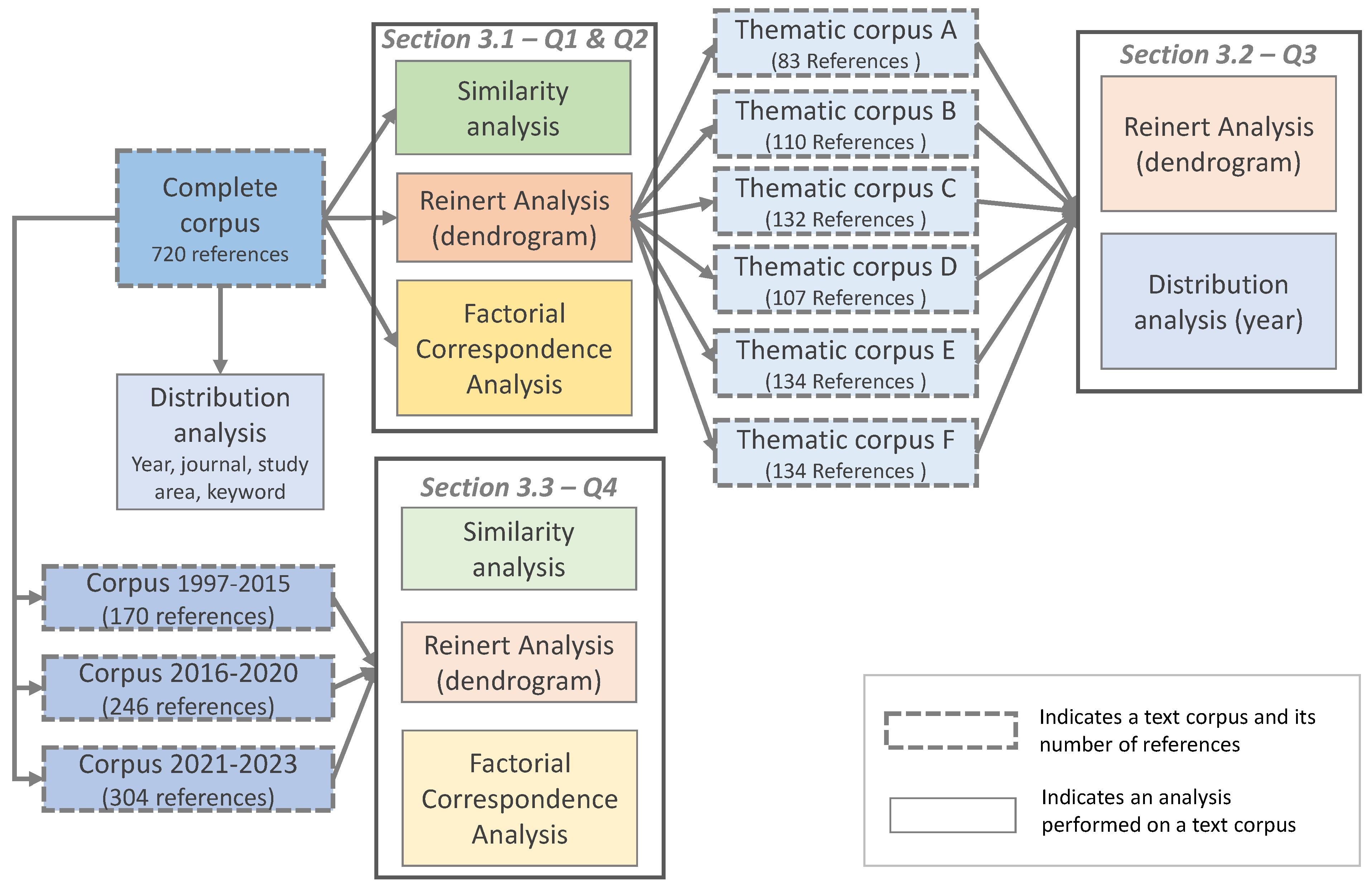
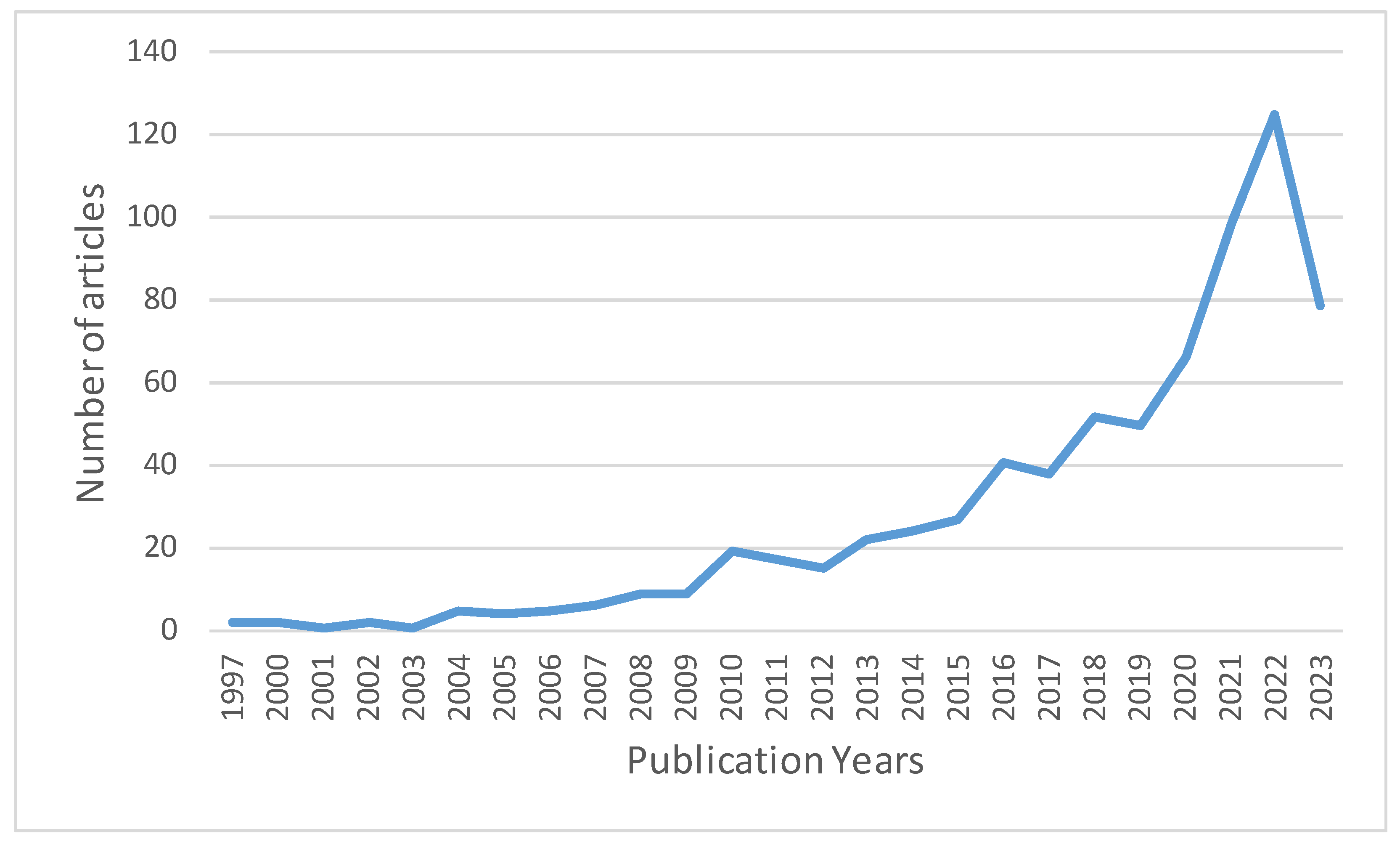
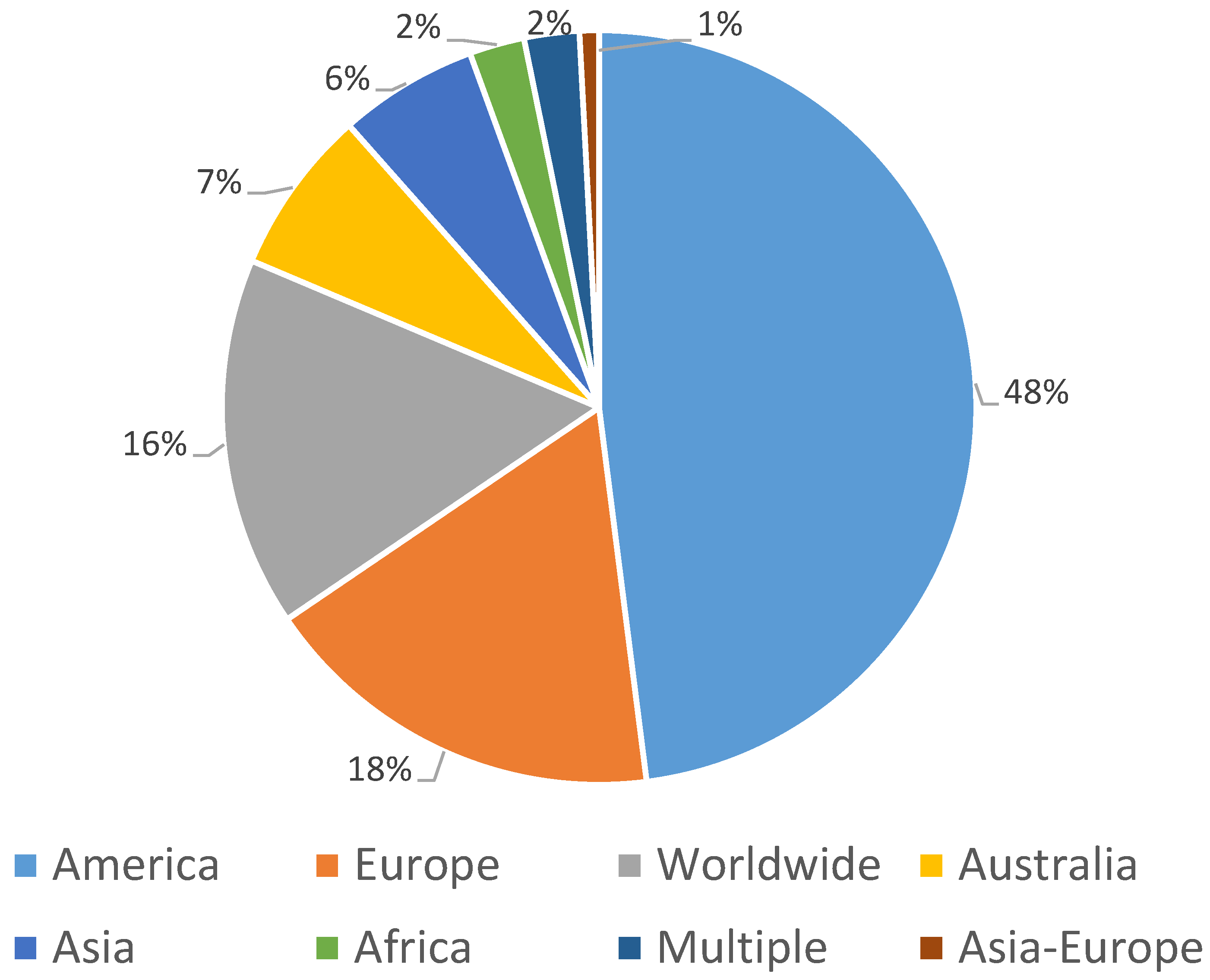
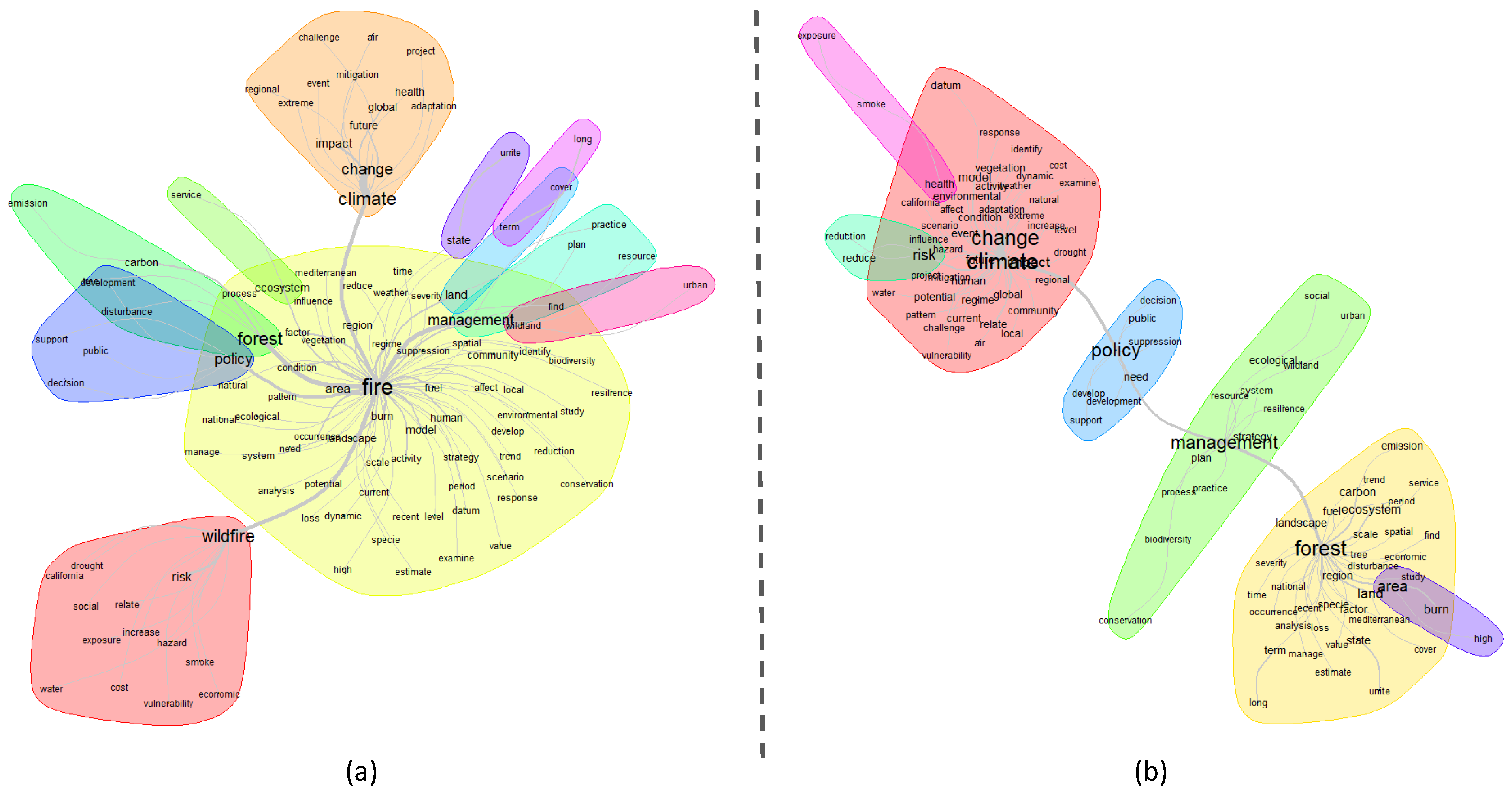
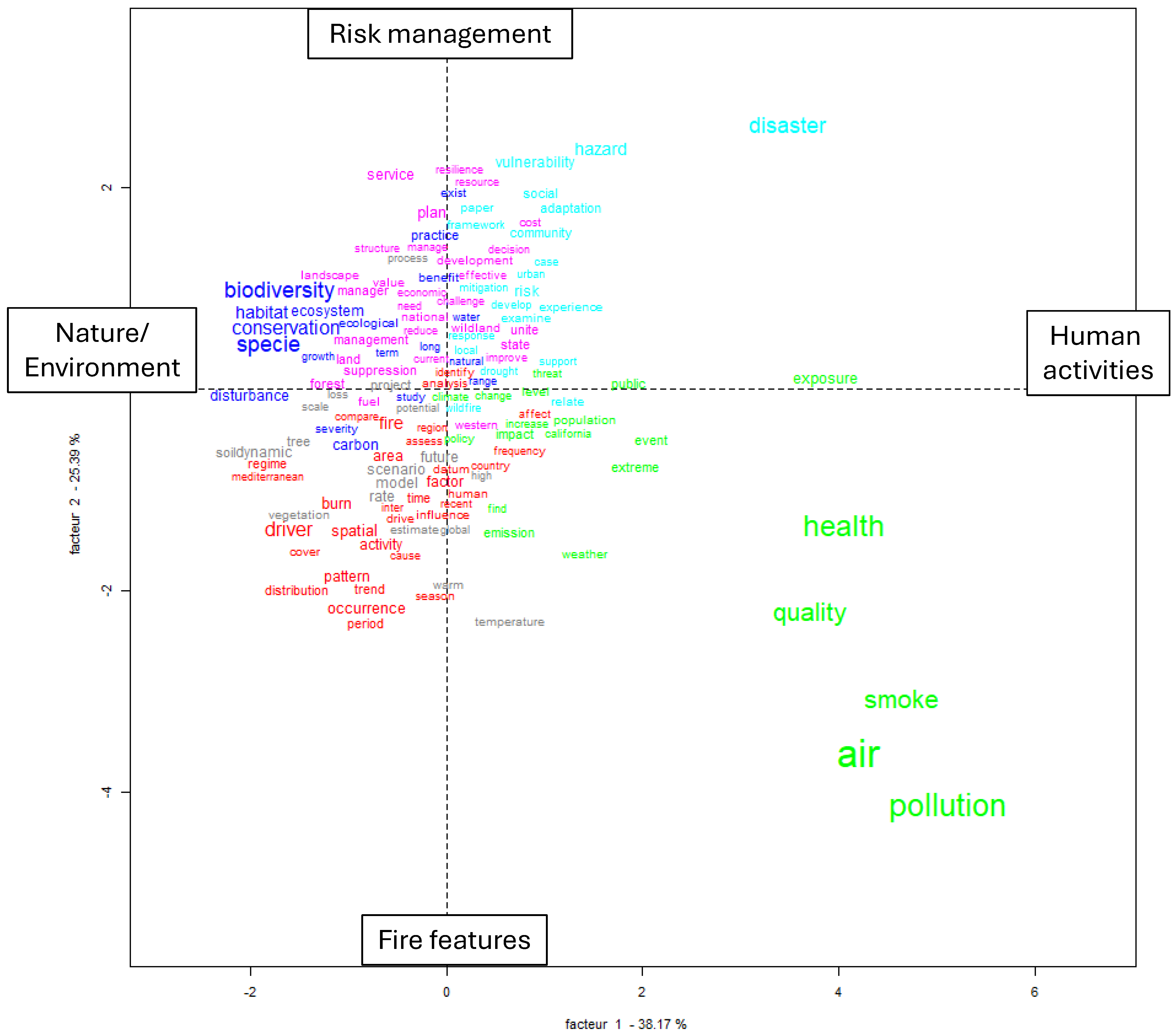
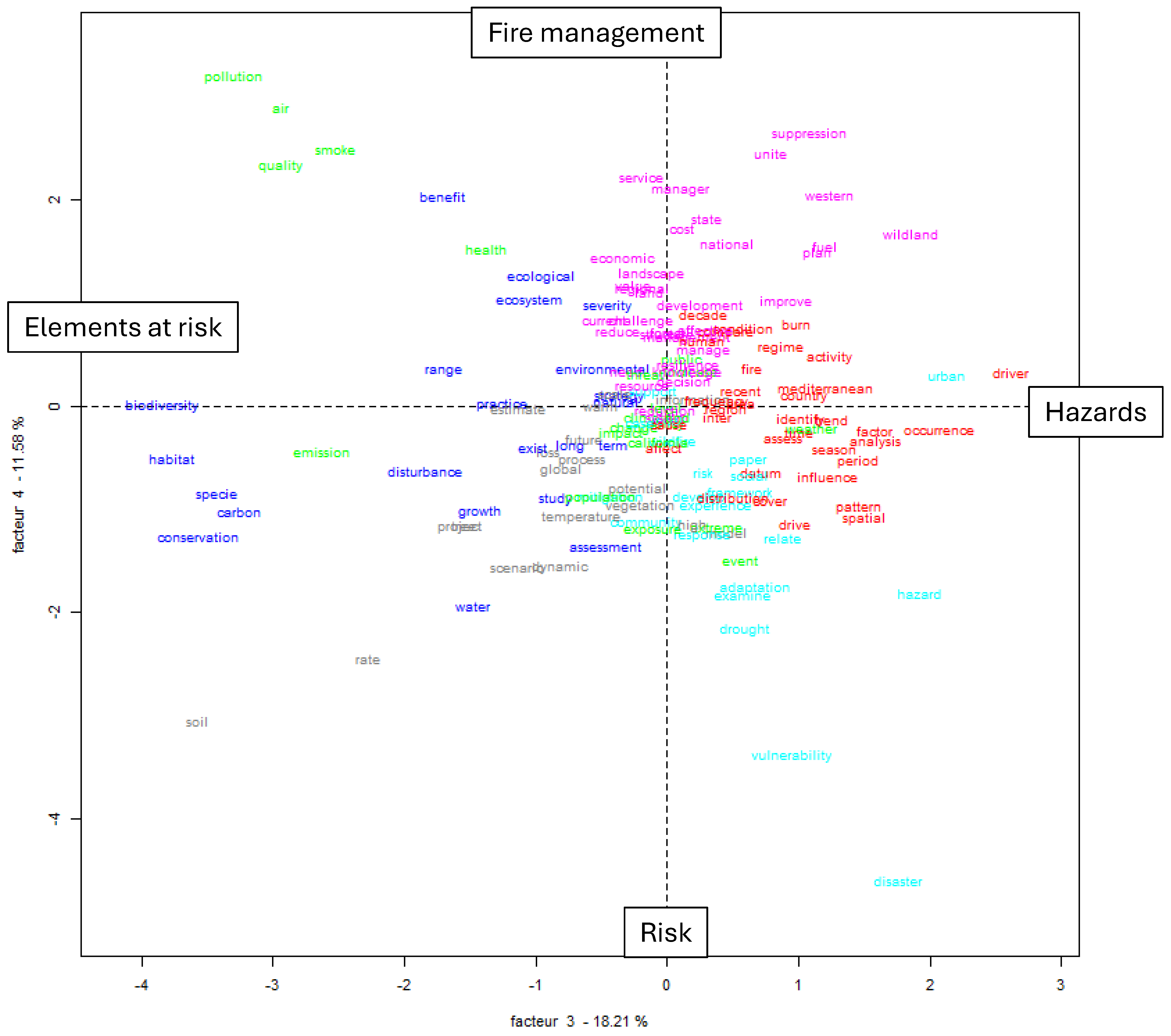
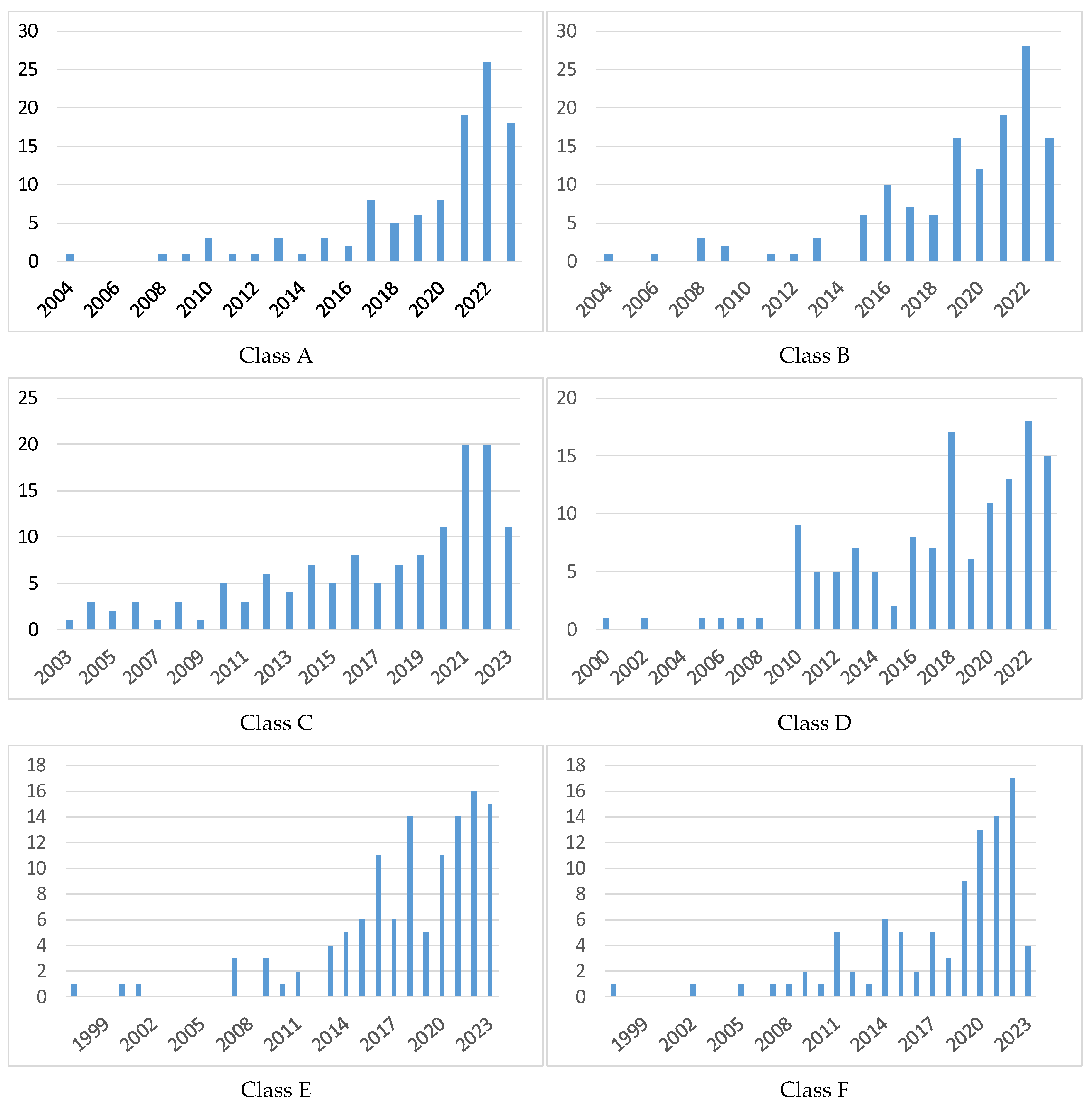
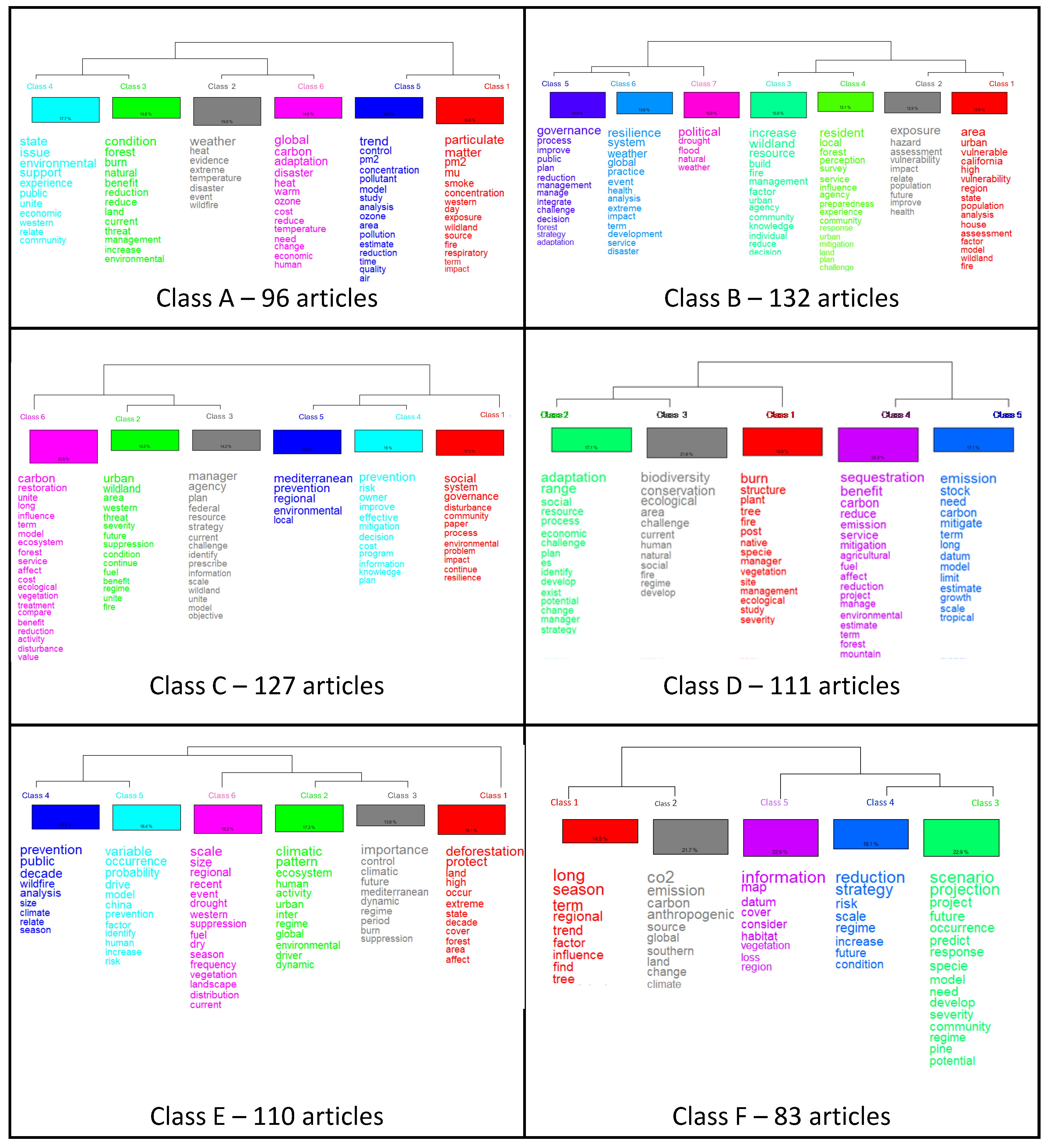
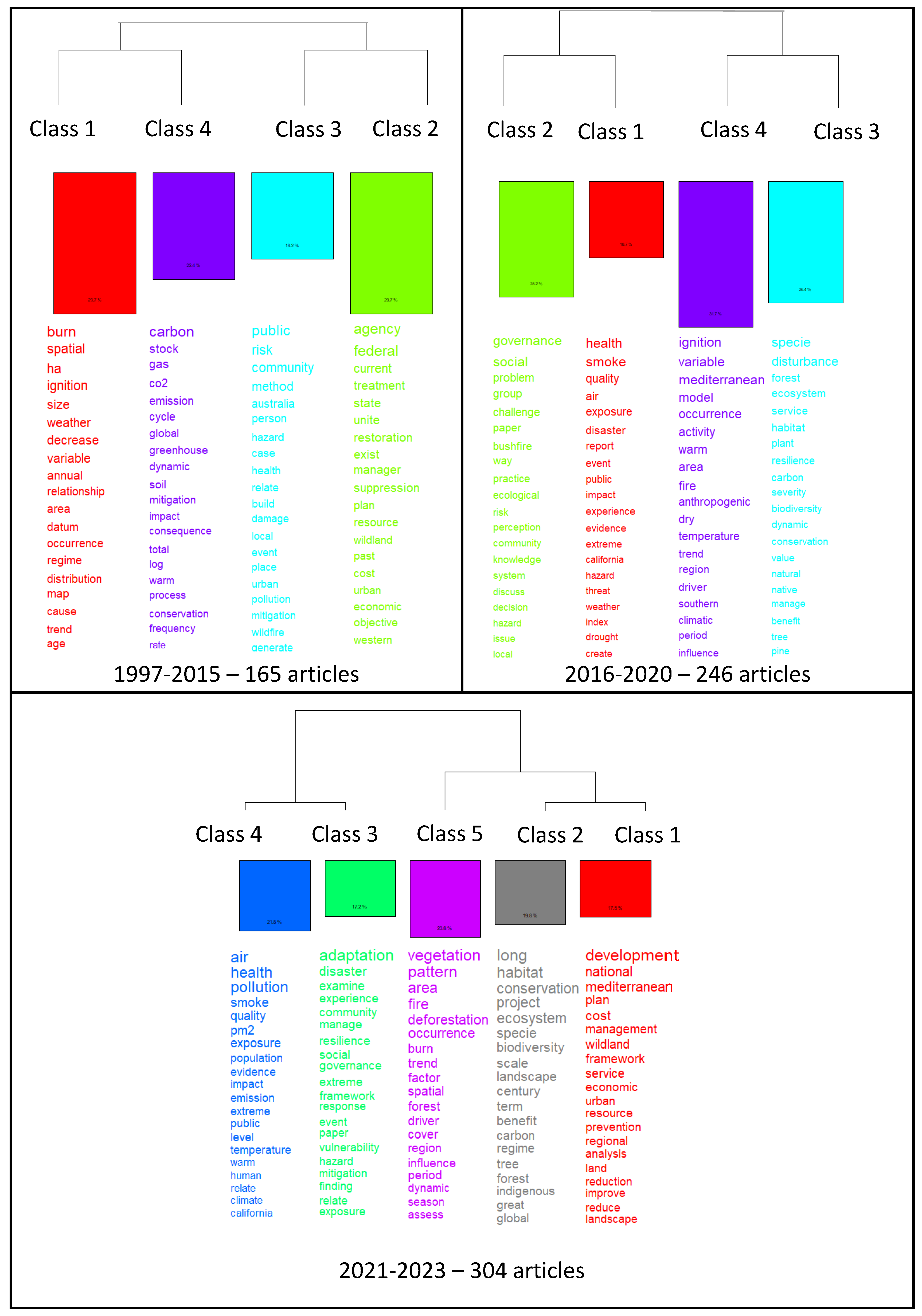
Disclaimer/Publisher’s Note: The statements, opinions and data contained in all publications are solely those of the individual author(s) and contributor(s) and not of MDPI and/or the editor(s). MDPI and/or the editor(s) disclaim responsibility for any injury to people or property resulting from any ideas, methods, instructions or products referred to in the content. |
© 2026 by the authors. Licensee MDPI, Basel, Switzerland. This article is an open access article distributed under the terms and conditions of the Creative Commons Attribution (CC BY) license.