1. Introduction
Carbon fibres (CFs) have become indispensable materials in high-performance applications due to their outstanding mechanical properties and low weight [
1]. They are widely used in aerospace, automotive engineering, wind energy, and sports equipment industries [
2]. The conventional production of CF predominantly relies on polyacrylonitrile (PAN) as a precursor [
3]. However, approximately 50% of the total production costs of CFs are attributed to the manufacture of the PAN precursor fibre. This is primarily due to the energy- and time-intensive wet-spinning process, as well as the necessary recovery of solvents, which limits the application of CF in cost-sensitive industries [
3,
4,
5].
The use of new precursors offers the greatest opportunity for cost savings. Polyethylene (PE) is an ideal, cost-effective precursor due to its high carbon content, low raw material costs, high availability, and melt-processability. Using PE facilitates a more efficient and environmentally friendly fibre production through melt-spinning. While the stabilisation of PAN fibres is achieved via heat treatment in an air atmosphere, this is not feasible for PE due to its thermoplastic properties. Instead, stabilisation of PE is achieved through sulfonation, where the fibre is passed through sulfuric acid heated to 120 °C. The incorporation of sulfo groups into the polymer structure renders the fibre infusible, allowing it to be carbonised subsequently [
2,
6,
7,
8].
One of the primary challenges in producing PE precursors is the comparatively low filament count in contrast to PAN-based processes. While PAN precursor fibres, with filament counts ranging from 6000 to 50,000, are directly produced via wet-spinning [
3], melt-spinning research for PE precursor fibres typically yields only about 32–100 filaments [
4,
5,
6,
8,
9]. Consequently, achieving higher filament counts requires an additional consolidation step, which complicates the process and introduces potential quality issues. Moreover, conventional melt-spinning facilities are not designed for such large filament numbers, as there is currently no industrial application for melt-spun filament yarns with such high filament counts. This study represents the first attempt to bridge the gap between laboratory-scale research and industrial-scale production of polyethylene-based carbon fibres. Specifically, it focuses on upscaling the first stage of the process chain—the melt-spinning of the precursor—to produce a continuous 10,000-filament yarn. In contrast to previous studies that relied on small-scale production, this work adapts and modifies existing standard melt-spinning equipment originally designed for staple fibre production. This approach not only demonstrates the technical feasibility of large-scale PE precursor manufacturing but also provides crucial insights into process limitations, equipment requirements, and potential pathways for future industrial implementation. The findings therefore contribute an essential step towards establishing polyethylene as cost-efficient precursor material for next-generation carbon fibre production.
1.1. State of the Art of PAN-Based Carbon Fibre Production
Approximately 96% of all CFs are produced from PAN-based precursors [
10]. In 2024, global demand for CF was approximately 126,500 tonnes, primarily supplied by a few companies [
11]. Worldwide production capacity in 2023 was around 190,000 tonnes [
12].
PAN-based carbon fibre production involves four steps [
13,
14,
15,
16]:
Wet-Spinning of the Precursor Fibre: PAN polymer is dissolved in a suitable solvent (e.g., Dimethylsulfoxide (DMSO) or Dimethylformamide (DMF)) and spun into fibres using wet-spinning technology. The fibres are then stretched to align the polymer molecules preferentially.
Stabilisation: The stretched PAN fibres undergo thermal treatment at temperatures between 200 and 300 °C in an oxidising atmosphere (air). This process induces cyclisation and oxidation of the nitrile groups, forming a highly crosslinked, infusible structure that prevents melting during subsequent carbonisation.
Carbonisation: The stabilised fibres are carbonised under an inert atmosphere (e.g., nitrogen) at temperatures ranging from 1000 to 1500 °C. Non-carbon elements are removed, and a graphitic structure is formed.
Post-Treatment: After carbonisation, surface treatment is carried out and sizing applied to enhance adhesion in composite materials, and to protect the fibres.
Carbon fibre costs exhibit variability based on the application domain, with values ranging from 13 EUR/kg in the automotive sector to 96 EUR/kg in the aerospace sector [
4]. The high production costs are mainly due to the energy- and time-intensive wetsspinning process and the necessary solvent recovery and recycling. The precursor accounts for about 50% of the total cost of carbon fibre production [
17], limiting the use of CF in cost-sensitive industries such as automotive manufacturing.
1.2. PE-Based Carbon Fibre Production—Advantages, Process Chain, and Current Developments
Polyethylene (PE) is a promising alternative precursor for carbon fibre production. PE offers several advantages over PAN [
9,
18]:
High Carbon Content: PE has a carbon content of about 85.7%, higher than PAN’s 67.9%, leading to higher carbon yields after carbonisation.
Low Raw Material Costs and High Availability: PE is a mass-produced commodity polymer, making it cost-effective and widely available.
Melt-Processability: Unlike PAN, PE can be processed using melt-spinning, a faster, more efficient, and environmentally friendly method that eliminates the need for solvents.
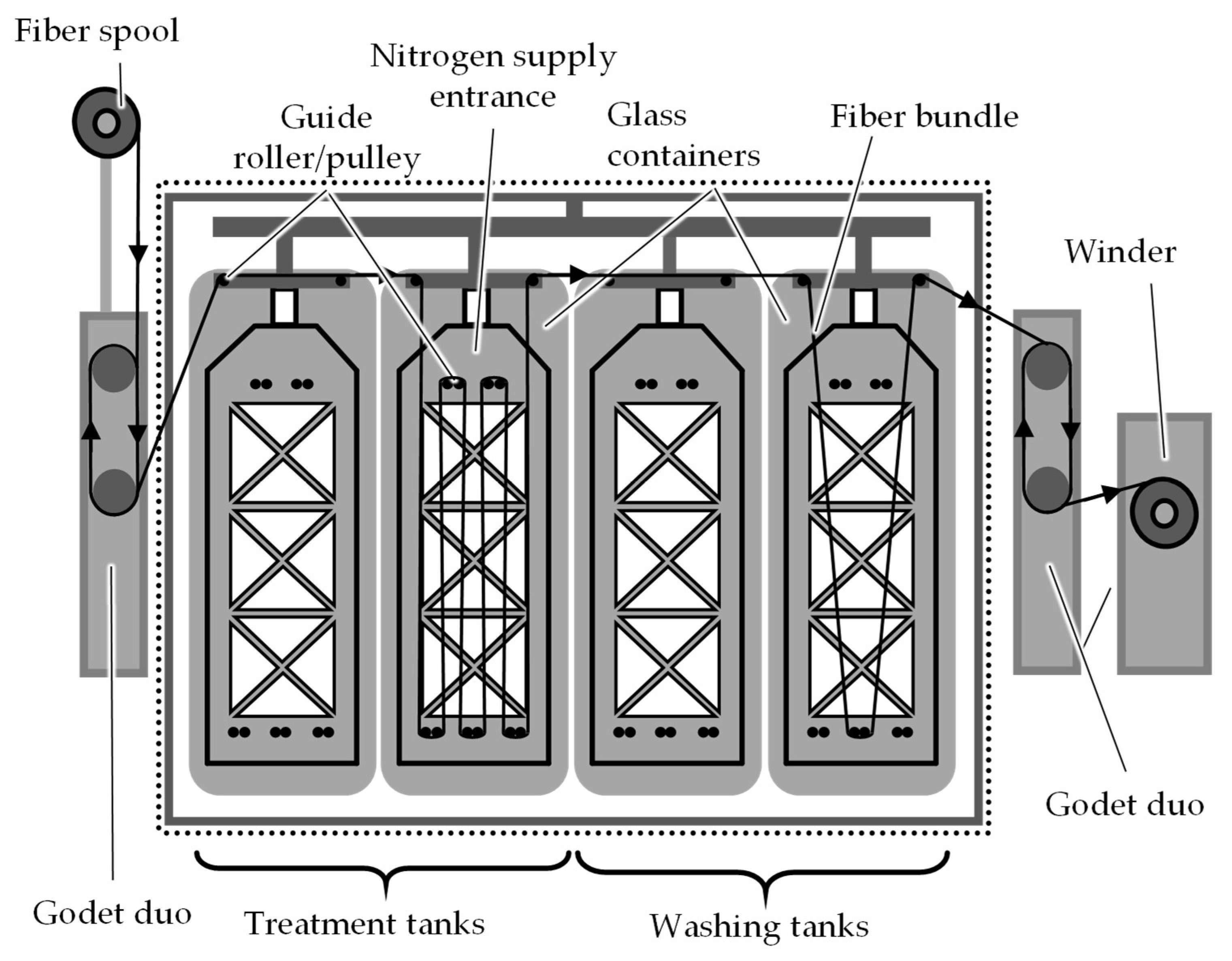
PE-based carbon fibre production involves:
A comparison of PAN- and PE-based CF production highlighting its main differences is shown in
Table 1.
In 1990, Postema et al. laid the groundwork for the development of PE-based carbon fibres (CFs) with their pioneering work on amorphous carbon fibres derived from LLDPE [
21]. Since then, most research has focused on improving the stabilisation process of PE-based precursors through various methods, primarily using sulfonation techniques under atmospheric conditions [
4,
22,
23,
24,
25], under increased hydrostatic pressure [
26], or by combining sulphur-based treatments with irradiation techniques such as electron-beam [
27,
28,
29] or UV irradiation [
30,
31]. Additional research approaches looked into the use of additives such as diphenylamine [
32] or Boron-doping and graphitisation [
33]. The overarching goal of the research on the field is to enhance the mechanical properties of PE-based CFs while making the production process safer, more sustainable, and more efficient [
5,
29].
In parallel, extensive research has been conducted on the melt-spinning of PE precursor fibres, which represents the first step of the process chain. Current investigations primarily focus on optimising spinning and drawing parameters to control molecular orientation and crystallinity, as these structural features strongly influence the subsequent stabilisation and carbonisation behaviour [
5]. Building on the early work of Ward and Wilding, who established the fundamental relationship between draw ratio and chain orientation in melt-spun polyethylene fibres [
34], subsequent studies by Penning et al. demonstrated that heated-air spinning environments delay crystallisation and thus enable higher draw ratios before solidification [
35]. Recent industrial developments by Dow Global Technologies [
36,
37,
38] have further advanced this understanding, introducing multi-stage drawing concepts—up to 500× in the melt-state followed by solid-state drawing—to achieve filament diameters below 10 µm and enhanced molecular alignment.
Wortberg adapted an IDY process to produce HDPE-based precursors with high orientation and mechanical integrity. These studies aim to identify processing windows that maximise drawability and chain alignment while maintaining sufficient amorphous regions to enable uniform sulfonation. Further investigations address polymer type selection—particularly HDPE versus LLDPE—to balance spinnability, crystallinity, and stabilisation kinetics [
35,
39,
40]. Across all studies, research has primarily focused on understanding how spinning parameters and polymer structure influence the orientation, crystallinity, and subsequent chemical stabilisation behaviour of PE precursor fibres. The existing work has provided valuable insights into the molecular mechanisms of drawing, diffusion, and cross-linking during stabilisation. However, no study to date has reported an attempt to directly produce a PE precursor with an industrially relevant filament count using melt-spinning.
1.3. Challenges in PE-Based CF Production
Despite its potential, PE-based carbon fibre production faces several challenges:
Low Precursor Filament Count: Current melt-spinning technology for PE typically produces yarns with 32–100 filaments. Industrial applications require higher filament counts to facilitate processing and optimise the properties of the resulting CF [
9].
Stabilisation via Sulfonation: Controlling the sulfonation process is critical to ensure uniform stabilisation and to avoid defects in the fibre [
23].
Mechanical Properties: Further research is needed to enhance the mechanical properties of PE-based CF to match those of PAN-based fibres [
19,
41].
PE-based carbon fibre (CF) production holds considerable potential to reduce manufacturing costs by up to 50%, thereby enabling wider adoption of CF in mass-market applications [
4,
5]. The primary distinctions compared to PAN-based CF production involve differences in spinning and stabilisation methodologies. Specifically, PE precursor fibres are produced through melt-spinning and chemically stabilised via sulfonation, whereas PAN precursor fibres require wet-spinning and thermal stabilisation [
3,
5]. Achieving higher filament counts in PE precursor production represents a critical step toward industrial applicability [
4,
5,
9].
The primary objective of this study is to address the limitations inherent to the conventional two-step PE precursor spinning and combining process by developing a single-step production method through substantial upscaling of the filament count. This research utilises standard industrial equipment commonly employed in other textile processes, adapting and combining them to suit this novel application. Specifically, modifications were made to an existing melt-spinning plant designed for staple fibres. By circumventing conventional processing steps such as crimping, cutting, and can deposition, and instead integrating a winder for direct precursor fibre collection, high-filament-count precursors can be produced in a single step.
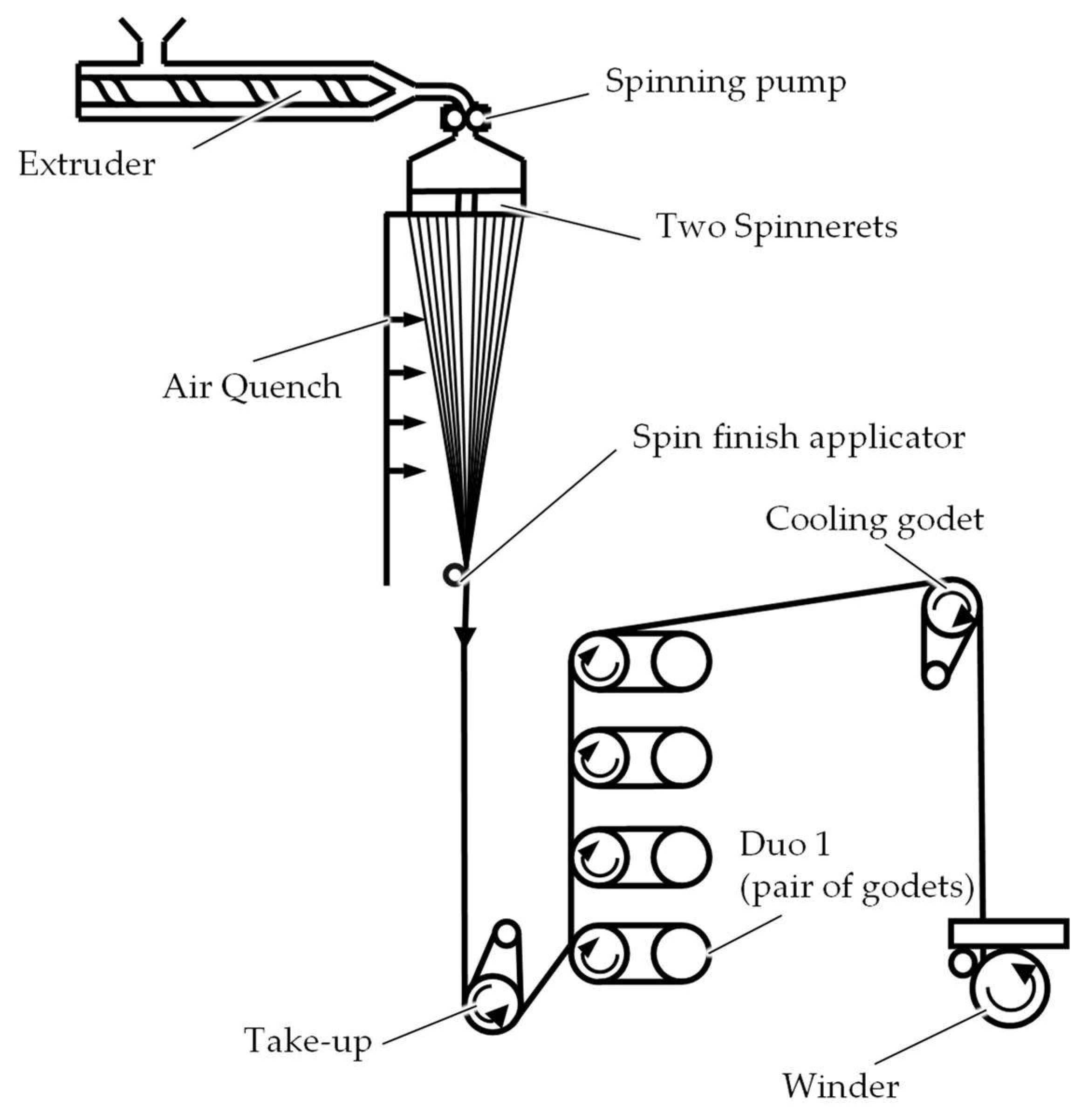
This study further examines the technical challenges and limitations associated with this upscaling approach. It evaluates the properties of the resulting precursor fibres and the derived CF, comparing them with PE precursors produced via the two-step process involving spinning industrial yarn at lower filament counts, followed by filament combination. To further increase the filament count in this experimental approach, extruded filaments from two spinnerets are combined inline into a single yarn, effectively doubling the filament count within the yarn. Particular attention is given to understanding how the precursor manufacturing method influences the mechanical properties of both precursors and resulting CF.
In the context of upscaling, it remains imperative to ensure that previously established mechanical requirements for PE precursor fibres continue to be met, as detailed in the subsequent section.
1.4. Mechanical Requirements for PE Precursor Fibres
The mechanical properties of PE precursor fibres are critical for their successful conversion into CF and significantly influence the properties of the resulting carbon fibres [
4,
8,
21]. A precursor tensile strength of 25.7 ± 2.7 cN/tex enables the production of carbon fibres with tensile strength values of up to 2.22 GPa and an elastic modulus of up to 170 GPa. The projected market price of these carbon fibres is approximately 11.14 EUR/kg [
4].
The mechanical properties detailed below focus specifically on ensuring convertibility—effective stabilisation and carbonisation of the fibres [
9,
19]. The targeted mechanical requirements for PE precursor fibres include the following:
Single-filament diameter: Approximately 10 µm. This filament diameter facilitates efficient and uniform sulfonation during the stabilisation process by minimising the diffusion path of sulfonating agents. A precursor filament diameter of about 10 µm yields a carbon fibre filament diameter around 7 µm, consistent with the dimensions typically observed for PAN-based CF [
23].
Tensile strength: Greater than 20 cN/tex. Adequate tensile strength is crucial for maintaining fibre integrity during the mechanical stresses encountered during sulfonation and carbonisation. This ensures that the fibres remain intact under the necessary processing tensions [
9].
Elongation at break: Less than 100%. Controlled elongation at break prevents excessive fibre stretching under tension, reducing the risk of defects or breakage. Maintaining molecular orientation is essential for effective stabilisation and carbonisation processes [
9].
Shrinkage at 120 °C: Less than 30%. Minimising shrinkage at elevated temperatures is vital to avoid undesired fibre contraction during thermal treatments, which could introduce stresses and deformations, thereby compromising fibre integrity and hindering conversion efficiency [
21]. The shrinkage is determined at 120 °C to allow insight into the entropic shrinkage during sulfonation, with the sulfonation process being carried out at that temperature.
The mechanical requirements for PE precursor fibres are summarised again in
Table 2, representing the target parameters for the experiments.
3. Results
3.1. Results from 10 k Precursor Upscaling
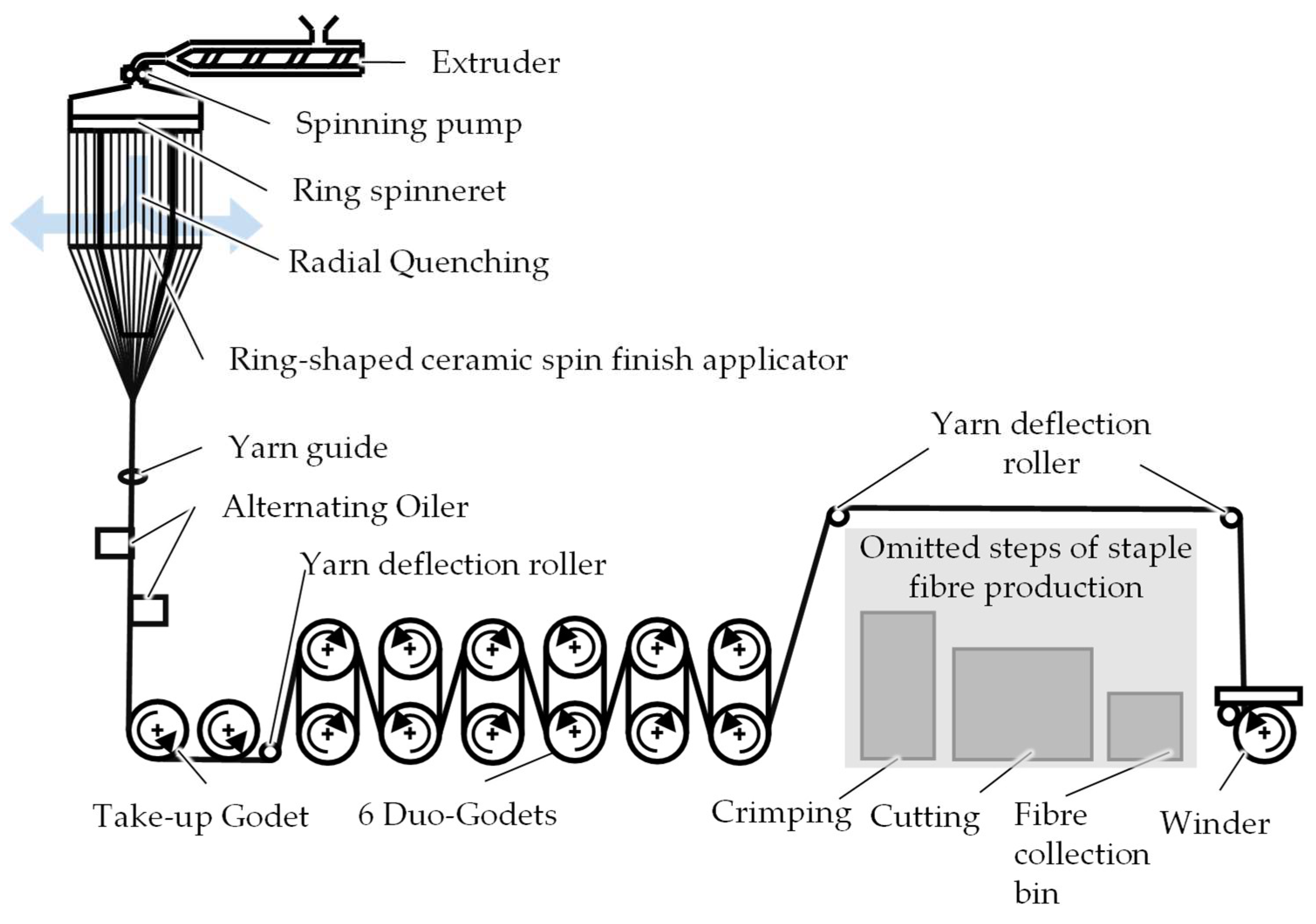
By modifying a staple fibre plant (see
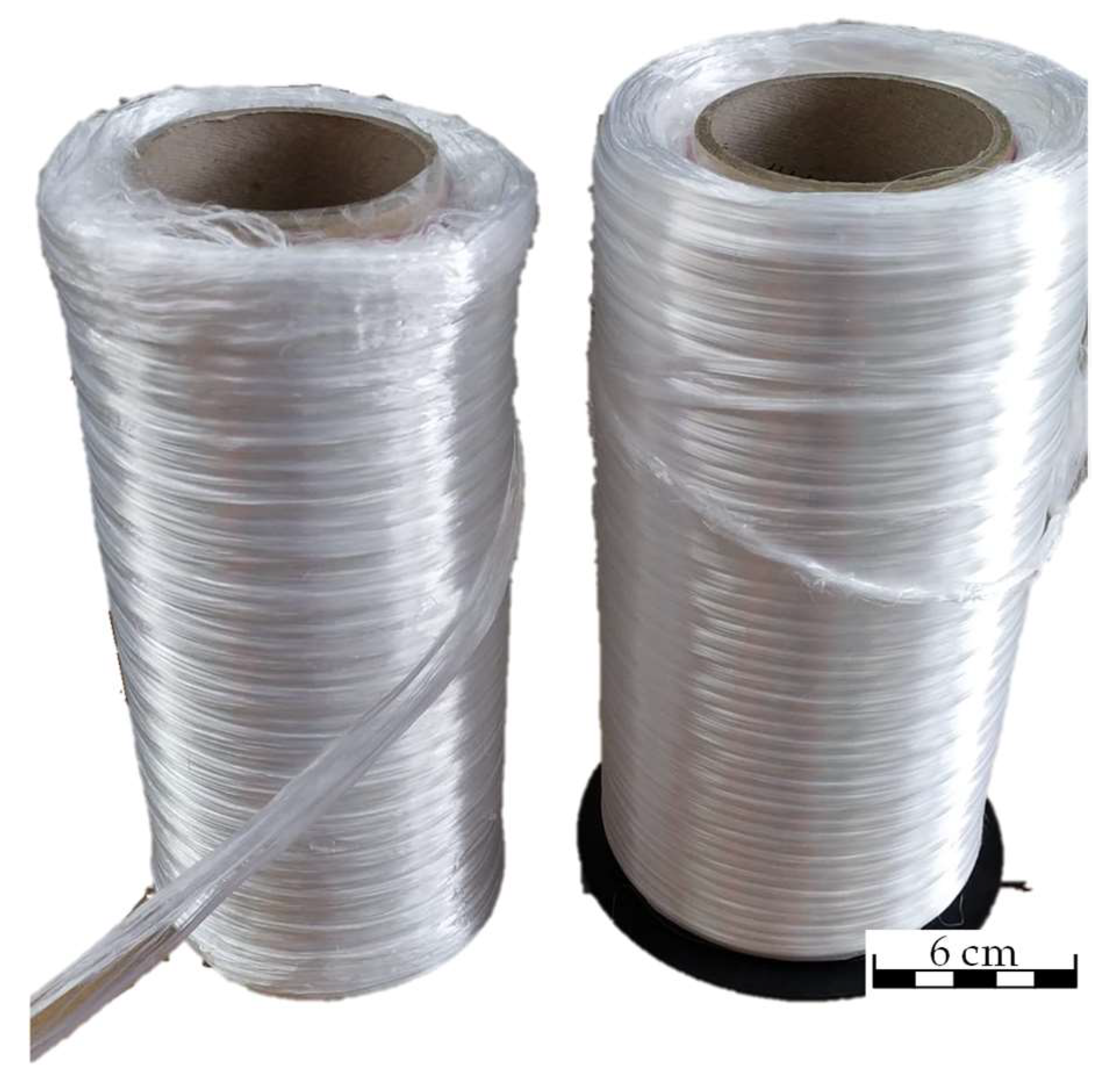
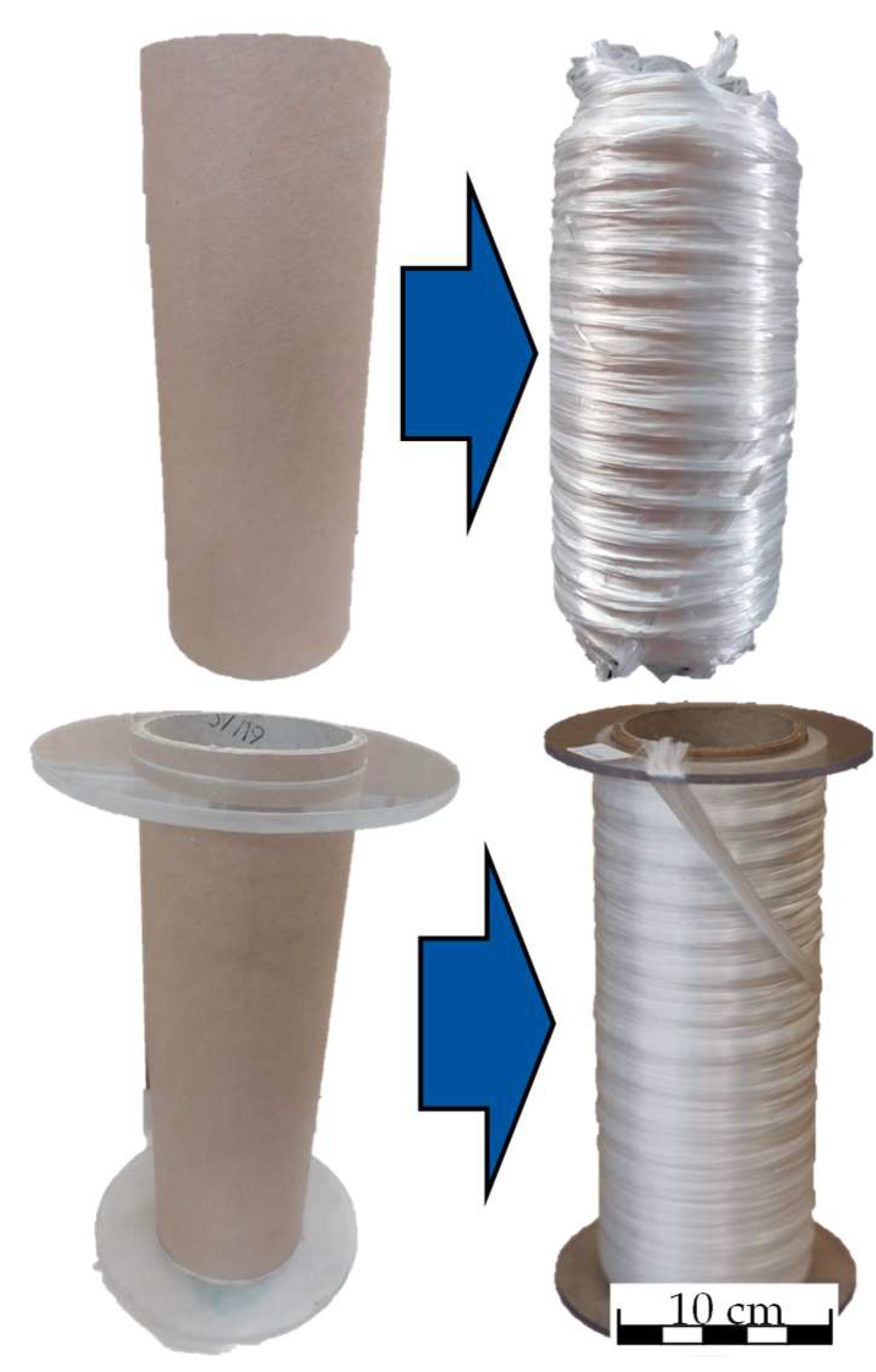
Figure 1), it was possible to successfully produce a 10,000-filament PE precursor yarn in a single step. Samples were produced for an initial evaluation of the spinning technology and subsequent conversion into carbon fibres. The produced fibres are shown in
Figure 7.
The winding duration was limited to a few minutes due to rapid bobbin growth, which quickly exceeded the winder’s capacity, and instability in the spinning process. Several challenges arose during the experimental trials:
3.2. Challenges During Upscaling
Achieving small filament diameter: The targeted filament diameter of approximately 10 µm could not be reached. Low throughput rates resulted in filament breaks at the spinneret due to excessive melt-drawing between the spinneret and the take-up. Melt breaks consistently occurred clustered at specific points on the spinneret, suggesting inhomogeneous pressure distribution within the spinneret pack, particularly at lower pressures caused by reduced throughput. Higher throughput rates required increased winding speeds to maintain the filament diameter, but speeds exceeding 150 m/min at the last godet were not achievable due to filament and yarn breaks during solid-state drawing. The maximum solid-state draw ratio achieved was 2.02.
Technical difficulties with winding high filament counts: The long path between Duo 6 and the winder, resulting from bypassing the crimp and cut unit typical of staple fibre production, complicated yarn guidance during winding. Due to the thick tow, the bobbin diameter grew rapidly, complicating the maintenance of uniform yarn tension. Yarn slipping occurred laterally off the bobbin even after achieving a stable winding process. To counteract slipping, fibre guide bars were positioned between Duo 6 and the winder, and discs were installed on the bobbin sides (see
Figure 8). Additionally, winding speed was set 50 m/min lower than the last godet speed, significantly reducing yarn tension and enabling effective traversing during the winding period.
Melt-breaks and cooling challenges: Effective cooling of PE yarns with high filament counts proved challenging as gentle, homogeneous cooling had to be ensured. At low cooling airflow rates, central filaments were inadequately cooled, while higher airflow rates resulted in filament breakage near the airflow-exposed areas. Cooling air was applied at a pressure of 12.5 bar and a temperature of 32 °C. Covering one-third of the radial quench area with adhesive tape improved cooling and significantly reduced filament breakage.
Additional parameters varied to optimise spinning stability included extrusion and spinneret temperatures, ranging stepwise from 200 °C to 245 °C. Optimal extrusion was achieved at 245 °C, and this temperature was maintained at the spinneret for sample production.
The mechanical properties of the produced fibres were measured and compared with the requirements (see
Table 15). A series of 25 single-filament tests was carried out to determine the mechanical data. On average, the sample exceeded the target tenacity of 20 cN/tex; however, due to the large standard deviation, not all individual filaments achieved this value. The high variability in tenacity and elongation confirms the previously described irregular extrusion behaviour, resulting in pronounced filament-to-filament inhomogeneity. The elongation at break also exceeded the limit of 100% on average, disqualifying the precursor as a suitable candidate for conversion into carbon fibre. However, the specified limits do not represent absolute exclusion criteria that would prevent conversion, but rather indicate thresholds beyond which the carbon fibre properties and conversion performance deteriorate significantly.
The targeted single-filament diameter of approximately 10 µm was not achieved. The considerably higher filament diameters are detrimental to subsequent conversion steps, as they hinder uniform processing and stabilisation. In addition, the large diameter variations lead to differing diffusion paths into the fibre core, resulting in inhomogeneous sulphonation during the stabilisation stage.
Shrinkage tests could not be performed, as the available test equipment was unsuitable for thick yarns. The precursor from the modified staple fibre plant (MSFP) that was selected for conversion trials, characterised by minimal filament breakage, is listed in
Table 15 and is designated as MSFP precursor.
3.3. Summary of Upscaling Spinning Results
The trials demonstrated that spinning a 10,000-filament PE precursor yarn is fundamentally feasible. Despite significant technical challenges, valuable insights were obtained for designing a new plant concept, and precursor yarns were successfully wound. However, key mechanical properties such as filament diameter were not achieved, highlighting the need for further optimisation in future trials.
3.4. Trial Results—ITA IDY Plant
The mechanical properties of the IDY precursor fibres were determined from a series of 25 single-filament tensile tests, as summarised in
Table 16. Compared with the MSFP precursor, the IDY material exhibits a markedly higher tenacity of 38.42 ± 0.43 cN/tex, corresponding to an improvement of approximately 75% relative to the MSFP value (21.87 ± 3.81 cN/tex). The standard deviation amounts to only about 1.1% of the mean, indicating a highly uniform filament quality. This improvement is primarily attributed to the higher draw ratio achievable in the ITA melt-spinning process, which promotes enhanced molecular orientation and crystallite alignment.
The elongation at break was significantly reduced to 15.9 ± 0.8%, well below the specified upper limit of 100%, confirming the suitability of the IDY precursor for conversion into carbon fibre. The filament diameter of 9.43 ± 0.02 µm fully meets the target criterion of 10 µm, as a smaller diameter is advantageous. This fineness enables the formation of carbon fibres with diameters of approximately 7 µm, comparable to commercial PAN-based carbon fibres in dimension.
The shrinkage of 15.3 ± 1.2% is roughly 27% lower than that of the earlier Wortberg precursor (≈21%), confirming that the modified process conditions yield thermally more stable fibres. Compared with the PE precursor reported by Wortberg, which exhibited a tenacity of ≈22 cN/tex, a diameter of ≈9.8 µm, and an elongation of ≈49% [
8], the IDY precursor demonstrates superior mechanical performance across all key indicators, including significantly higher tenacity, lower elongation, reduced shrinkage, and excellent filament uniformity.
Collectively, these results show that the IDY precursor meets or exceeds all established criteria for successful conversion into carbon fibre. A small-scale upscaling trial, involving inline yarn doubling from two spinnerets, was also successfully conducted, confirming the technical feasibility of merging filaments within the existing pilot-scale equipment. However, a further increase in filament count within a single yarn cannot yet be implemented with the current system configuration. In total, eight spools were wound, each with a 10 min winding period. Precursor fibres were plied to create a 6144 (6 k) filament precursor yarn, as opposed to direct spinning of a 10,000 (10 k) filament precursor yarn. This precursor is designated as IDY precursor.
3.5. Conversion to PE-Based Carbon Fibres
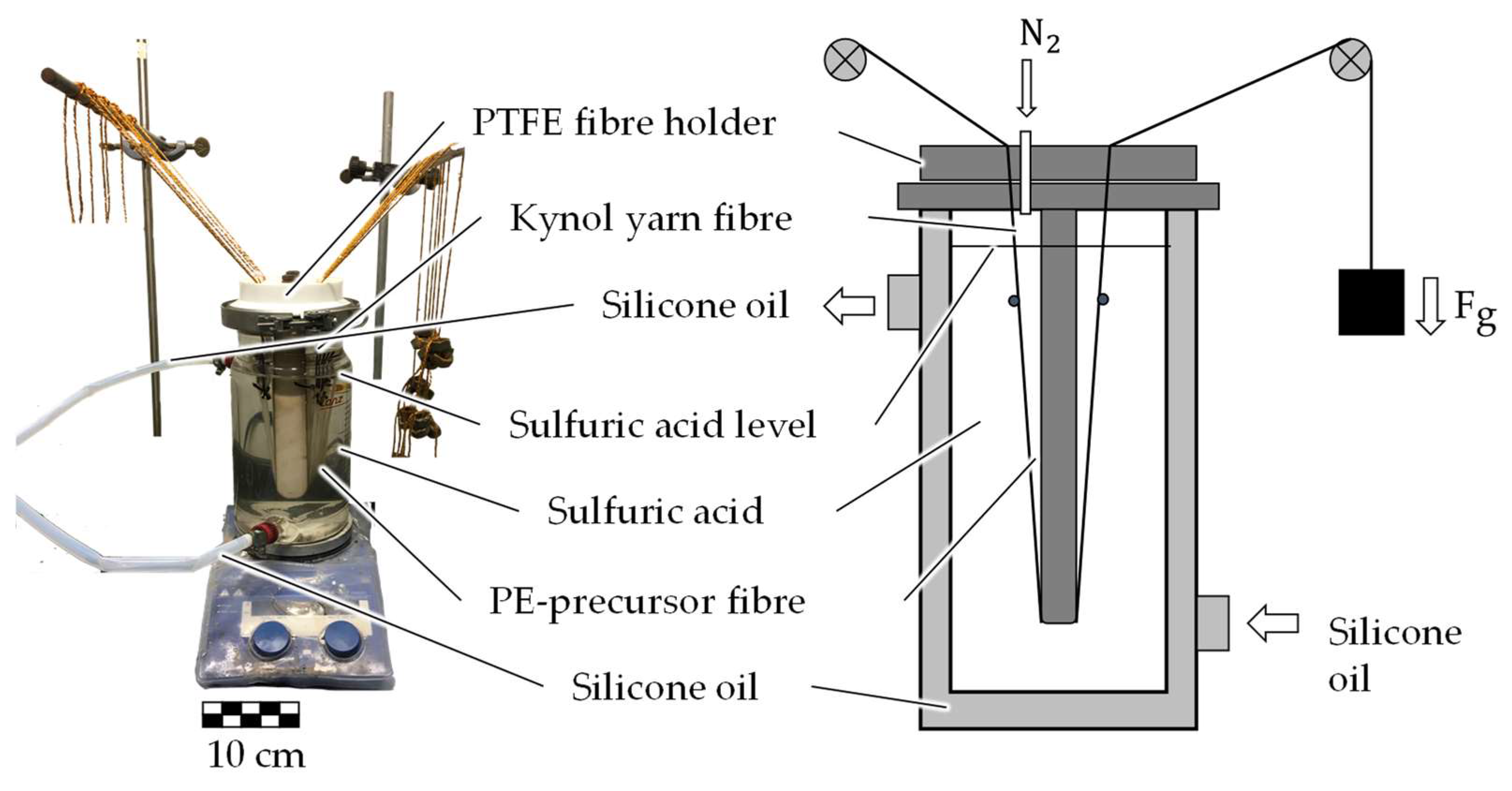
Both PE precursors (MSFP and IDY) are investigated first in discontinuous sulfonation trials to investigate their sulfonation ability, the achievable sulfonation degree, to verify the previously determined criteria, especially regarding the filament diameter of the precursor, and to compare the resulting thermal properties of the sulfonated fibres. These are essential for ensuring effectiveness of the subsequent process step of carbonisation, as the highest possible thermal stability is targeted and a possibly low mass loss in the non-cross-linked PE decomposition temperature range (400–600 °C) is targeted. This guarantees the essential carbon yields in the produced PE-based carbon fibre [
2].
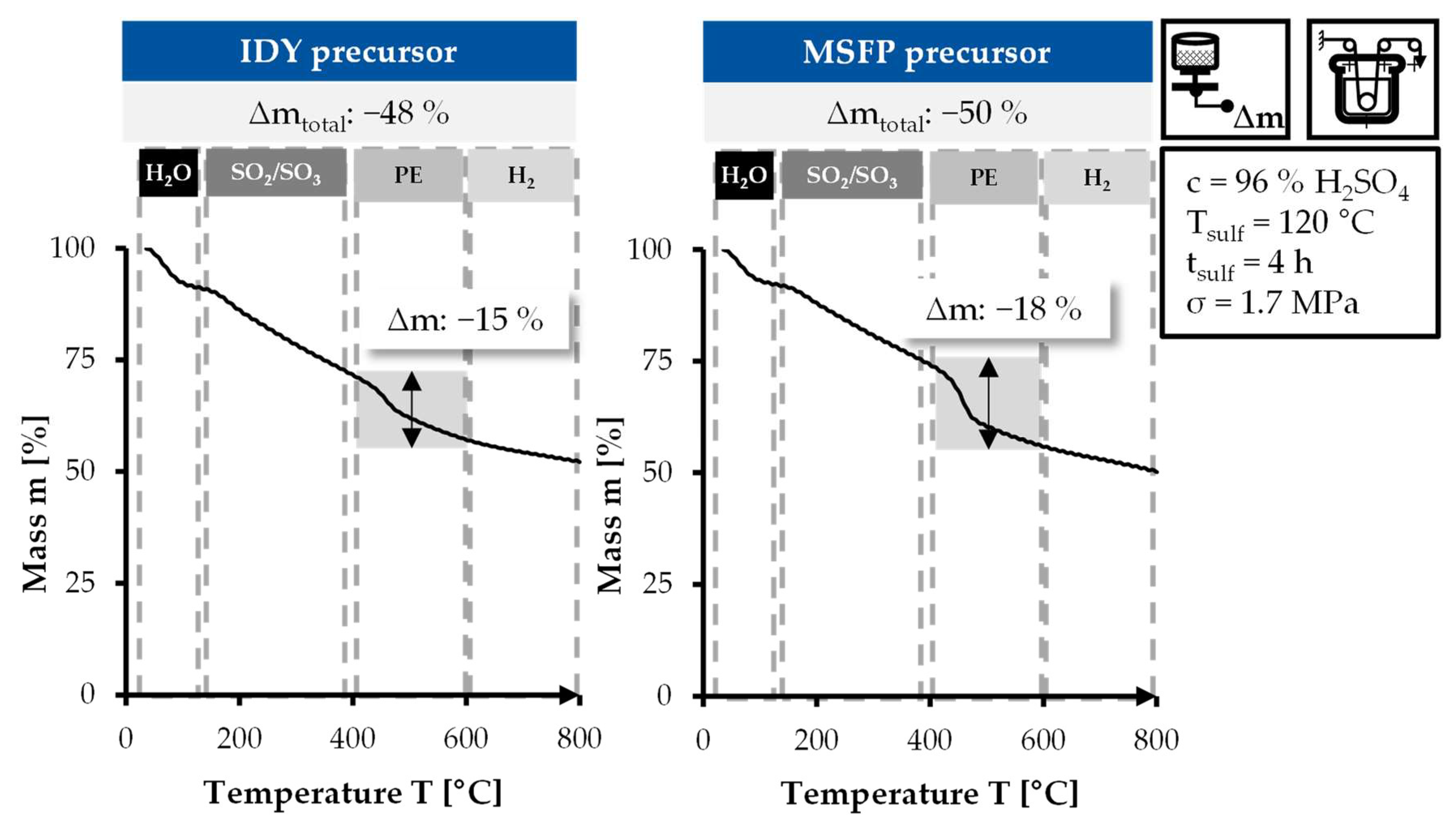
The TGA results shown in
Figure 9 show the dependency of the sample mass loss from the temperature. In the case of the sulfonated IDY precursor, there is a total mass loss of 48%, and a lower 15% mass loss in the relevant 400–600 °C region. Importantly, a steep drop in the TGA curve in that temperature region is mostly avoided. When comparing the TGA curves of both sulfonated precursors, the IDY precursor achieves a higher sulfonation and cross-linking degree, which is one of the main factors for establishing suitability of PE precursors for carbon fibre production. In the case of the sulfonated MSFP precursor, there is a total mass loss of 50%, an 18% mass loss in the critical range of 400–600 °C, which is accompanied by a significant steep drop in the TGA curve in that region. This indicates insufficient sulfonation and cross-linking degree, which can lead to hollow or porous carbon fibres after carbonisation.
Comparison of the two curves should consider not only the relative mass loss but also the TGA curve profile in the region between 400 and 600 °C where non-cross-linked PE decomposes into volatile aliphatic and olefinic compounds. The IDY precursor exhibits a more favourable profile, with no pronounced drop in this range, whereas the MSFP precursor shows a steeper drop, indicative of incomplete sulfonation across the filament cross-section. This is likely attributed to the approximately 90% larger filament diameter of the MSFP precursor, which requires extended sulfonation due to the diffusion-limited nature of the sulfonation process.
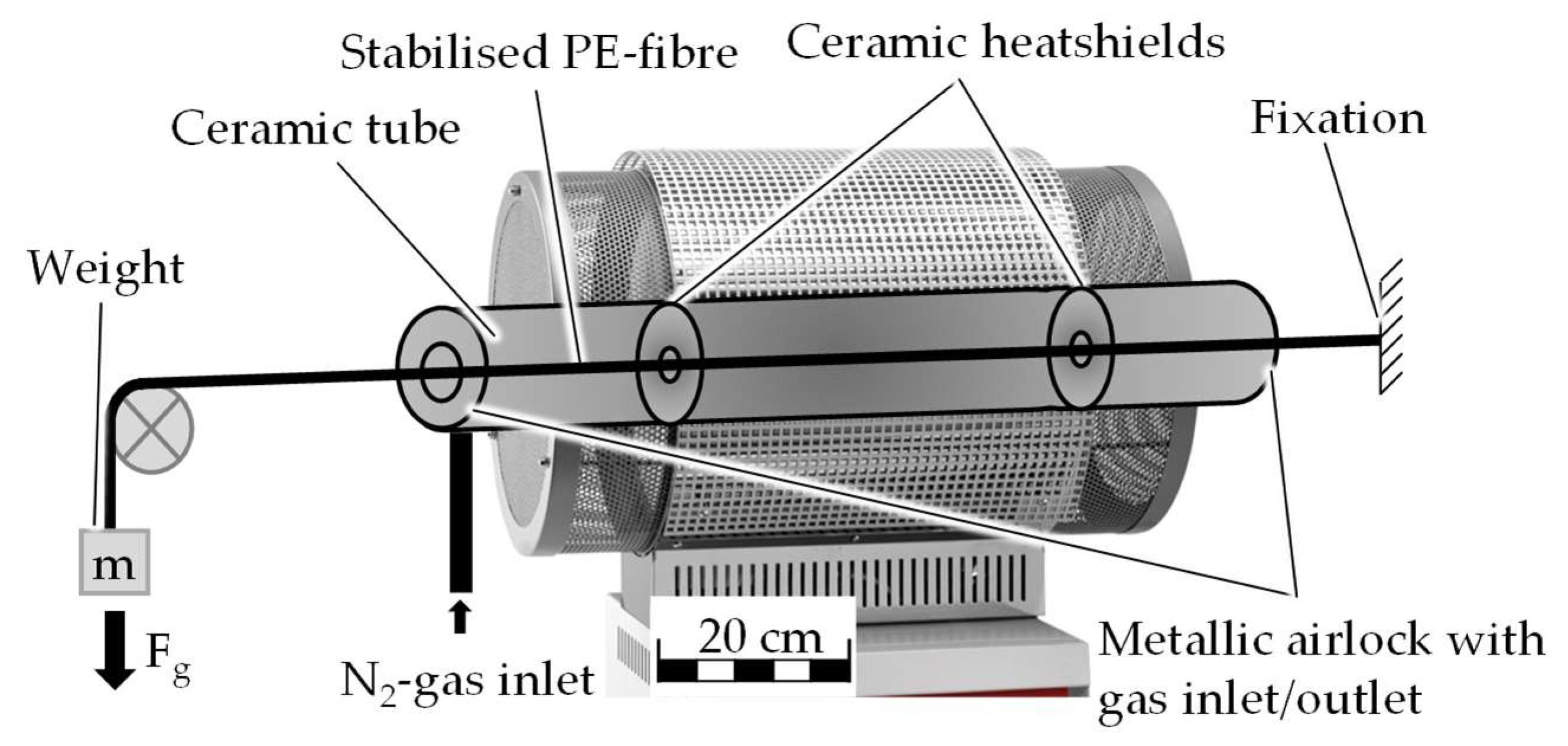
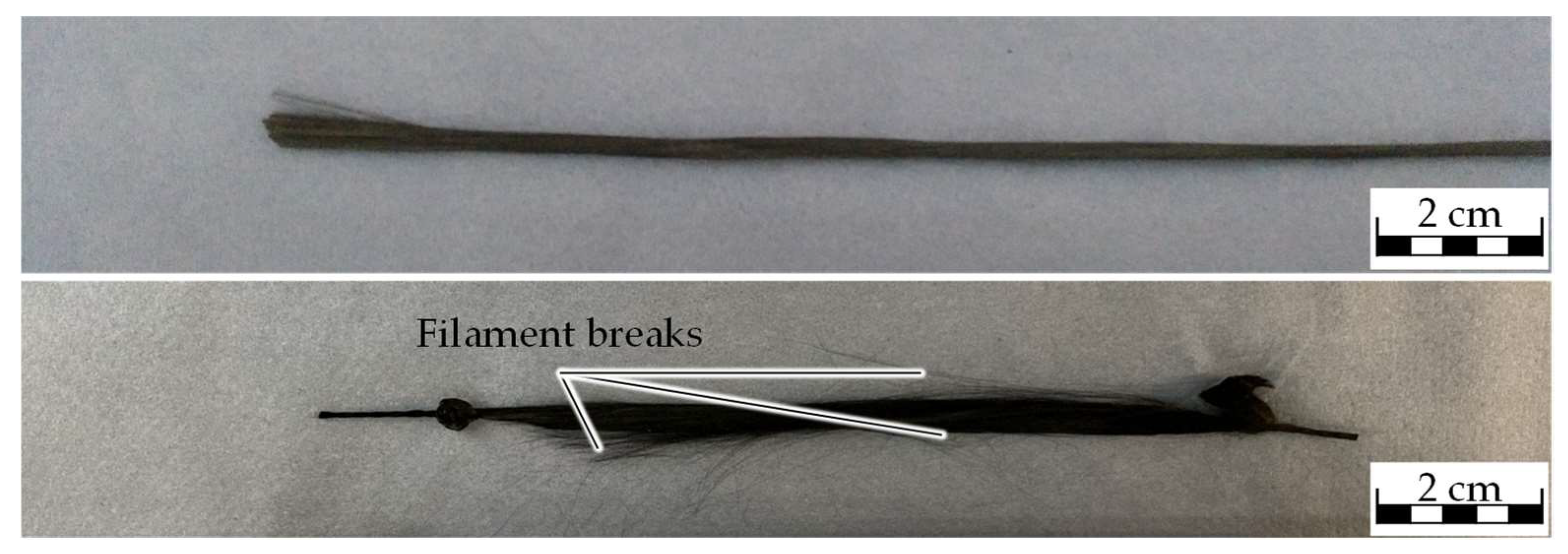
Discontinuous carbonisation in a tube furnace is carried out to verify the influence of the sulfonation and cross-linking degree on the carbonisation step. Both sulfonated precursors are put through discontinuous carbonisation at 1300 °C with an applied tensile stress of 1 MPa. The resulting PE-based carbon fibres are shown in
Figure 10. The CF from the 10 k MSFP precursor shows clear filament breaks and a significant brittleness, which is a result of the lower sulfonation and cross-linking degree achieved during sulfonation. In contrast the CF produced out of the IDY precursor shows no apparent filament breaks and better handling and fibre characteristics.
Considering the results from the discontinuous sulfonation and carbonisation trials, the IDY precursor fibre shows the greatest potential for continuous sulfonation and carbonisation into a PE-based CF. The MSFP precursor seems to be limited in its convertibility to CF by failing to meet the requirement regarding filament diameter of the precursor. The excessive filament diameter of 18.1 ± 2.0 µm for the MSFP precursor, compared to 9.43 ± 0.02 µm for the IDY precursor, strongly limits the diffusion-limited process of sulfonation and therefore results in filament breaks and worse handling properties after carbonisation.
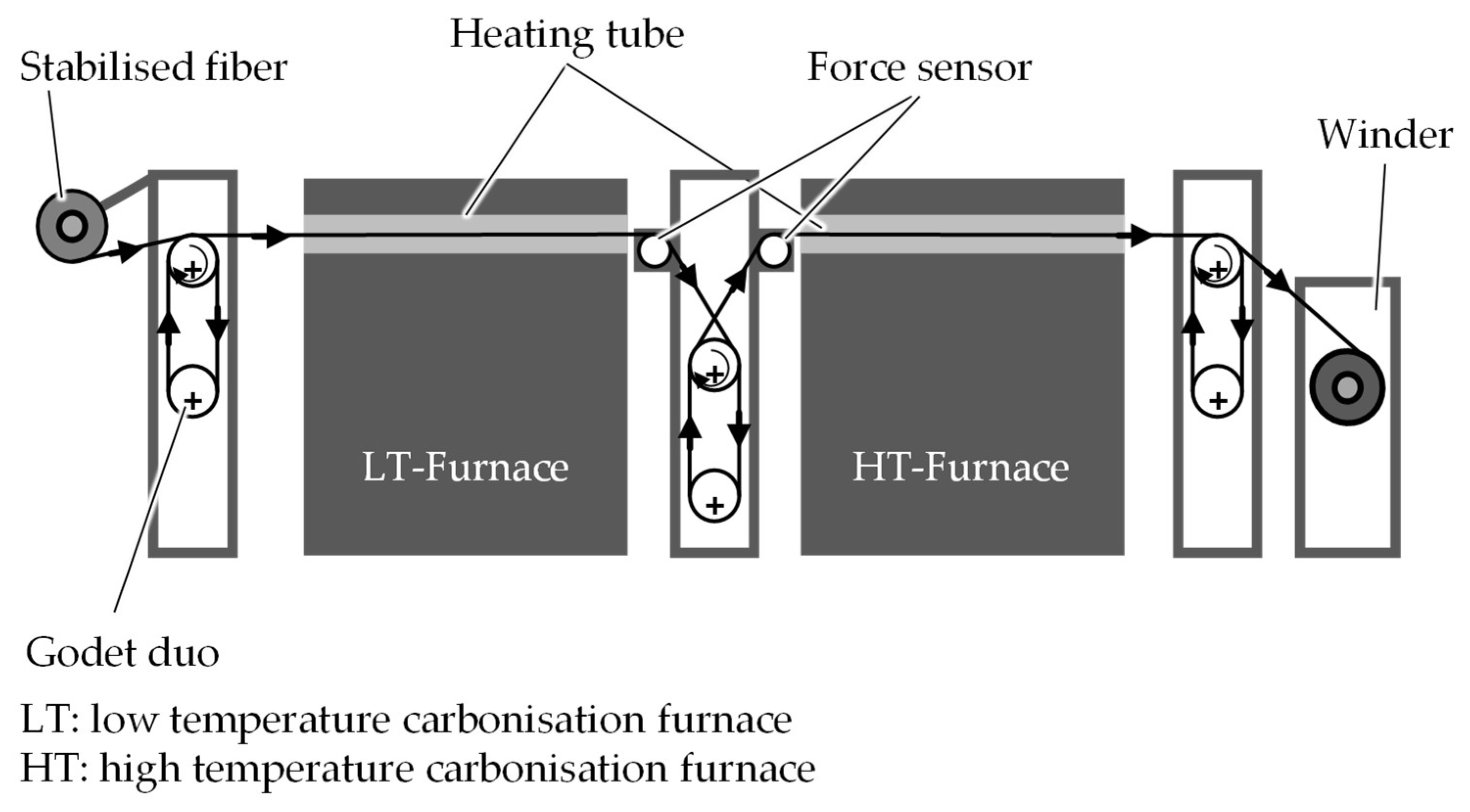
The first trials, transferring the gained insight from discontinuous sulfonation and carbonisation trials to the continuous technical scale, demonstrate the potential of PE-based CF production from the developed IDY precursor via the demonstrated route. After continuous sulfonation in four tension zones and continuous carbonisation divided into LT and HT carbonisation, PE-based CFs are produced with a filament diameter under 8.5 µm, tensile strength of up to 2.0 GPa, tensile modulus of up to 170 GPa with an elongation at break of up to 1.75%, when avoiding the creation of fibre surface defects.
4. Discussion
This study explored the upscaling of PE-based precursor fibres for carbon fibre production and presented a practical route to higher filament counts by (i) directly spinning a 10,000-filament yarn on a modified staple-fibre line and (ii) demonstrating inline merging on an industrial drawn yarn line. The results highlight both the potential and the current limitations of PE precursor upscaling. Most PE-CF studies have reported precursor filament counts ≤ 100 and relied on post-spinning consolidation. In contrast, the MSFP route in this work directly produced a 10 k tow, and the IDY route doubled the filament count inline.
Regarding precursor quality, the IDY precursor achieved a filament diameter of 9.43 ± 0.02 µm and a tenacity of 38.4 ± 0.4 cN/tex, with 15.9 ± 0.8% elongation and 15.3 ± 1.2% shrinkage (120 °C). These values (i) meet the convertibility targets established in the PE-CF literature (≈10 µm, >20 cN/tex, <100%, <30%) [
5] and (ii) exceed those of previous precursors (≈22 cN/tex, ≈9.8 µm, ≈49% elongation) [
8]. By contrast, the MSFP 10 k precursor (18.1 ± 2.0 µm; 21.9 ± 3.8 cN/tex; 130.8 ± 40.8% elongation) did not meet convertibility requirements and produced brittle CF with filament breaks after discontinuous carbonisation.
Technical interpretation and process implications: The MSFP spinneret pack, designed for staple fibres, produced inhomogeneous extrusion at the low throughputs required for fine filaments, leading to clustered melt breaks and broad filament-to-filament variability. Cooling a high-filament-count PE bundle proved highly sensitivity-limited: increasing quench air promoted edge breaks, while insufficient quench produced under-cooled core filaments. TGA of discontinuously sulfonated precursors corroborated these effects: the IDY precursor showed a lower mass loss (15%) and no steep drop in 400–600 °C indicative of higher cross-linking, whereas the MSFP precursor exhibited an 18% loss with a pronounced drop, signalling incomplete cross-linking through the filament cross-section.
Although direct spinning of a 10,000-filament yarn was technically feasible, the resulting yarn lacked the uniformity and mechanical strength required for efficient sulfonation and carbonisation. The current plant configuration, therefore, remains unsuitable for producing high-quality precursors. Nevertheless, upscaling remains a crucial step towards industrial relevance—particularly since approximately 50% of CF production costs originate from precursor manufacturing. Transitioning from laboratory-scale filament counts to scalable melt-spinning processes is essential if PE-based CF is to achieve economic viability.
A promising intermediate solution was demonstrated by the IDY spinning trials conducted at ITA, in which the filament count was doubled inline by merging filaments from two spinnerets. This method achieved the mechanical requirements for precursor fibres—including a filament diameter of around 9–10 µm and tenacity exceeding 20 cN/tex—while also exhibiting superior sulfonation and carbonisation behaviour. The achieved tensile strength of up to 2.0 GPa, tensile modulus of up to 170 GPa with an elongation at break of up to 1.75%, is one of the highest reported in literature from continuous sulfonation and carbonisation. Those results are only surpassed through research experiments at more expensive higher carbonisation temperatures of 1800–2400 °C [
33,
39,
40,
41] or using considerably more expensive gel-spun UHMWPE precursors [
20,
22,
46].
Optimisation Priorities: A variety of subsystems influence the quality of PE-based precursor fibres. The results of this study clearly show, however, that the foremost priority is to achieve homogeneous extrusion of fine filaments at low throughputs. Only under these conditions can filament diameters comparable to those of commercial PAN-based carbon fibres be obtained—an essential prerequisite for establishing PE-based CF in cost-sensitive applications.
The first step towards this goal requires a fundamental redesign of the spinneret and pack assembly to ensure uniform pressure distribution and stable melt flow. Instead of immediately attempting to extrude 10,000 filaments, smaller spinneret configurations producing approximately 1000–2000 fine filaments should be employed initially. These yarns can then—as demonstrated in this study—be combined inline to form larger bundles. This stepwise approach substantially reduces the complexity of subsequent process stages such as cooling, drawing, and winding, while providing a stable basis for future scale-up. This inline merging approach aligns with early conceptual work described in [
8] and should be further pursued as a practical strategy for increasing filament counts without compromising quality. In the medium term, the direct production of a 6 k precursor should be pursued as an industrially relevant milestone, since this filament range corresponds to the entry level of commercial CF tows.
The second priority is the development of a controlled and homogeneous quenching system that is carefully matched to the spinneret layout and filament arrangement. Cooling exerts a decisive influence on molecular orientation and filament diameter uniformity. Uneven quenching conditions were identified as a root cause of melt breaks and cross-sectional inhomogeneities. Consequently, spinneret development and cooling concept design must proceed in parallel.
The third priority concerns high-speed drawing with uniform thermal input. Although the current godets, operating at up to 2500 m/min, provide sufficient drawing potential, a homogeneous temperature distribution across the entire yarn bundle is essential to obtain consistent molecular orientation. Future developments should therefore focus on optimised wrap angles, zoned temperature control, and improved heat transfer, ensuring uniform energy input at high titres without compromising filament diameter uniformity.
Finally, winding technology must be adapted to accommodate the large linear densities of high-filament-count yarns. Winders capable of handling up to 8500 dtex at 2500 m/min, with active tension control, edge guidance, and automatic doffing, are required for stable continuous operation.
This study underscores the challenge of increasing filament count without compromising fibre quality but also defines a clear route forward. The industrial realisation of PE-based CF depends on developing a melt-spinning process capable of producing fine, homogeneous filaments at low throughputs, supported by precise cooling, controlled drawing, and stable winding. A stepwise scaling strategy—starting with 1–2 k filaments and progressing through inline merging—offers a realistic and scalable approach that reduces complexity while leveraging existing high-speed infrastructure. Economically, inline filament merging eliminates slow post-spinning plying operations and enhances productivity. Together, these measures form a clear roadmap towards a scalable, cost-effective, and high-performance production process for polyethylene-based carbon fibres.