1. Introduction
The loss of agricultural biodiversity is a major global concern, with profound implications for food security, nutrition, and the resilience of agroecosystems. Dulloo et al. [
1] emphasised that local and traditional crop varieties—products of long-term adaptation to specific environments and cultivation practices—are essential genetic reservoirs. These varieties often present distinctive nutritional and sensory attributes and increased tolerance to biotic and abiotic stresses [
2,
3]. Preserving and thoroughly characterising such resources is crucial to strengthen sustainable agriculture and protect cultural identity.
Apples
(Malus domestica Borkh.) are the second most cultivated fruit worldwide, with a global production exceeding 85 million tonnes annually [
4]. They are valued not only as an accessible and widely consumed fruit but also as an important source of dietary fibre, vitamin C, and a wide spectrum of phytochemicals [
5,
6]. Among these, phenolic compounds—such as flavanols, phenolic acids, dihydrochalcones, flavonols, and anthocyanins—are particularly relevant due to their antioxidant activity and potential health benefits, including cardioprotective, anti-inflammatory, and neuroprotective effects [
5,
7,
8,
9].
The composition of apples is highly variable across cultivars. Commercial varieties such as ‘Golden Delicious’ or ‘Red Delicious’ have been bred primarily for appearance, yield, and storage capacity, often at the expense of nutritional quality [
10]. In contrast, traditional cultivars tend to exhibit higher concentrations of bioactive compounds and a more complex sugar–acid balance, which contribute both to consumer preference and to enhanced nutritional value [
11,
12]. Several studies on heritage germplasm, including Norwegian and Brazilian apple collections, have shown that local varieties frequently surpass commercial ones in antioxidant capacity and flavour complexity [
13,
14].
Beyond nutritional and bioactive composition, sensory quality is decisive in consumer acceptance. Aroma, juiciness, texture, and colour are determined by a combination of sugars, organic acids (especially malic acid), and phenolics, which interact to create diverse flavour profiles [
15,
16,
17]. Traditional and regionally adapted cultivars often provide distinctive and complex sensory experiences, adding value for niche markets that prioritise authenticity and flavour diversity.
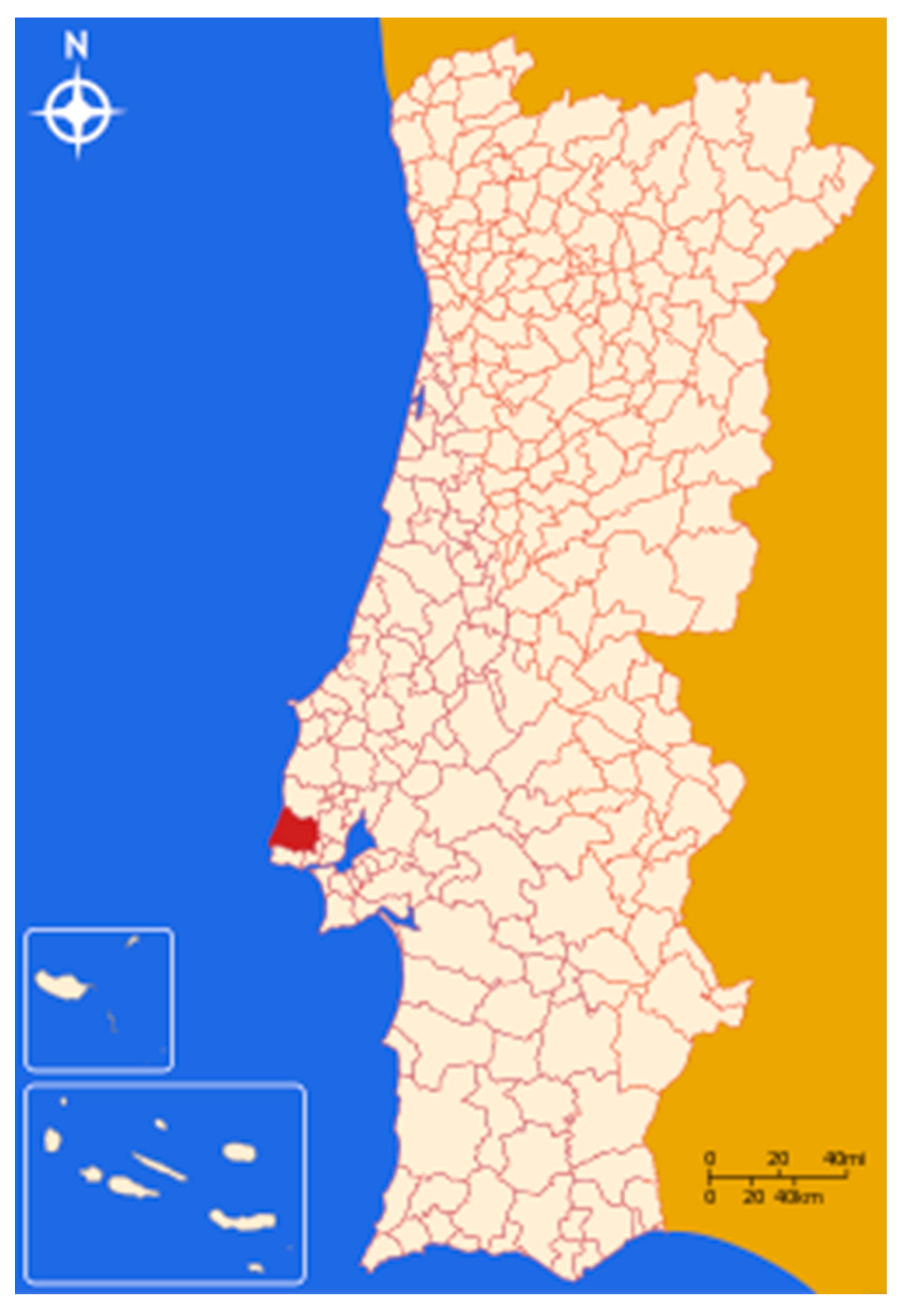
The Reineta de Fontanelas apple is a traditional cultivar from the Saloia region of Sintra, Portugal, renowned for its characteristic flavour, juiciness, and cultural significance. Despite its longstanding role in local agriculture and gastronomy, it faces the risk of being displaced by more commercially dominant cultivars. To date, scientific characterisation of its nutritional, bioactive, and sensory attributes remains limited.
Although several studies have evaluated the nutritional and bioactive characteristics of traditional apple cultivars, most have focused on Central or Northern European varieties, with limited attention to those from Mediterranean regions. Recent works from Italy, Spain, and Greece have reported that local apples often display higher phenolic content, stronger antioxidant activity, and more complex flavour profiles than commercial types [
18]. However, comprehensive assessments that integrate physicochemical, nutritional, bioactive, and sensory dimensions remain scarce, particularly for Portuguese cultivars. In Portugal, studies have mainly addressed physicochemical traits or postharvest behaviour of traditional varieties such as ‘Bravo de Esmolfe’ and ‘Reineta de Alcobaça’ [
19], but no detailed compositional and sensory characterisation has yet been published for the
Reineta de Fontanelas apple. Therefore, the present work provides novel insights by offering the first integrated and multivariate characterisation of this cultivar, contributing to the scientific basis for its valorization and conservation.
This study aims to fill this gap by providing a comprehensive characterisation of Reineta de Fontanelas apples sourced from six local producers, enabling the assessment of intra-cultivar qualitative variability across different environments and traditional management conditions. Biometric, physicochemical, nutritional, and bioactive parameters were evaluated, together with colour, texture, and sensory attributes, to determine the extent to which these characteristics remain stable or vary within this traditional cultivar. A commercial Reineta sample was included solely as a contextual benchmark representative of retail market fruit, acknowledging that differences in origin, cultivation practices, and storage conditions do not permit a strict cultivar-to-cultivar comparison. Accordingly, the central objective of this work is not to compare genotypes but to characterise the qualitative expression of Reineta de Fontanelas under real production conditions and to document its compositional and sensory profile. The underlying premise is that, despite environmental heterogeneity, Reineta de Fontanelas maintains distinctive nutritional, bioactive, and sensory attributes that support its scientific valorisation and reinforce its relevance for the conservation of local agrobiodiversity.
3. Results
3.1. Biometric and Physicochemical Characterisation
The biometric parameters of the
Reineta de Fontanelas cultivar, obtained from six local producers, together with the commercial
Reineta sample (MA), are presented in
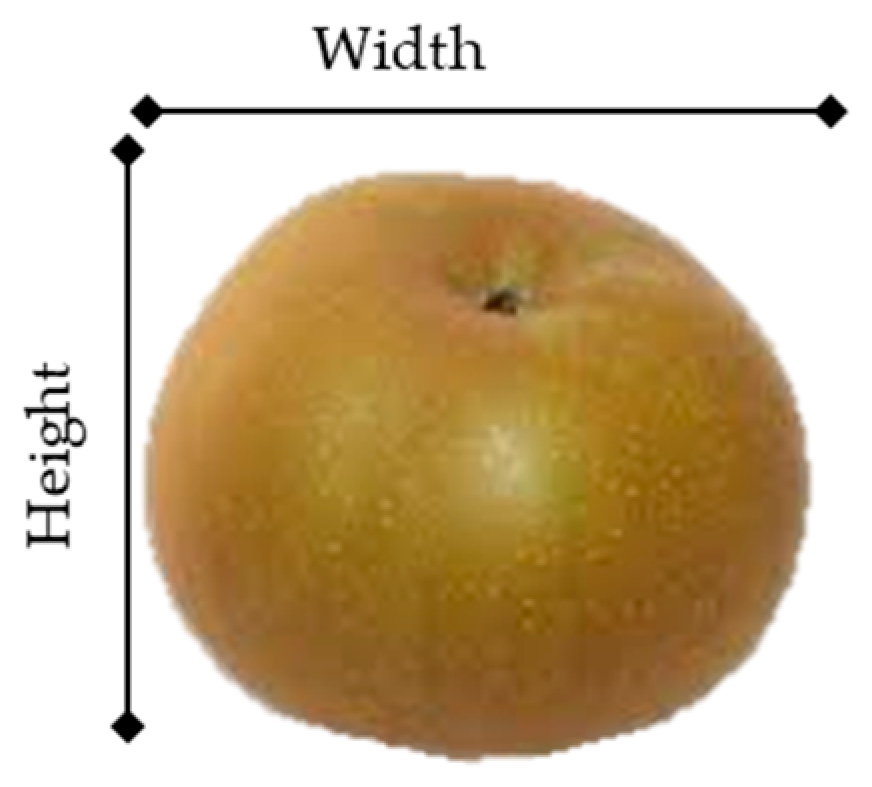
Table 1. Mean fruit weight among local samples ranged from 81.3 g (AS) to 111.9 g (HV), with most samples falling in the 90–100 g range. Fruit height varied between 40.3 mm (AS) and 46.1 mm (HV), while width ranged from 60.1 mm (AS) to 68.6 mm (HV). The commercial
Reineta apples (MA) exhibited the largest biometric values overall, with a mean weight of 130.3 g, height of 51.0 mm, and width of 71.4 mm, all significantly higher (
p ≤ 0.05) than most local samples.
These results indicate clear variability among the local Reineta de Fontanelas samples, reflecting differences between producers and orchard conditions. In contrast, the commercial sample was significantly larger and more uniform in size, suggesting stronger selection for standardised fruit traits.
Physicochemical parameters are presented in
Table 2. Total soluble solids (TSS) were consistently higher in the
Reineta de Fontanelas cultivar, ranging from 12.6 to 16.1 °Brix, while the commercial sample (MA) showed a lower value of 11.9 °Brix. Among the local samples, JS exhibited the highest TSS (16.1 °Brix). The pH of the
Reineta de Fontanelas apples varied between 3.42 (JS) and 3.77 (AS), with values generally exceeding that of the commercial fruit (3.41). Titratable acidity (TA), expressed as percentage of malic acid (ma.), ranged from 0.38% (AS, FC) to 0.53% (JS), whereas the commercial sample displayed the highest acidity (0.67%).
Overall, these results indicate that the Reineta de Fontanelas cultivar is characterised by a higher sugar content and lower acidity compared to the supermarket apples, leading to a more favourable sugar–acid balance. The combination of elevated TSS and reduced TA suggests that the local apples provide a sweeter and less acidic flavour profile. Although some variability was observed among producers, the general trend was consistent across samples, highlighting the influence of orchard-specific conditions and traditional cultivation practices.
Qualitative inspection of the data across the six local producers indicated that some parameters, such as soluble solids and total phenolic content, showed relatively consistent values among the Reineta de Fontanelas samples, whereas traits such as colour coordinates, firmness, and organic acids displayed greater dispersion. This variability is consistent with the influence of orchard-level factors, including microclimate, soil type, and management practices, and reflects the natural heterogeneity expected in fruit obtained from traditional low-input production systems.
3.2. Nutritional Evaluation of Reineta Apples
The nutritional composition of apples is a key factor in their dietary value, contributing to energy intake, fibre supply, and overall health benefits. Parameters such as moisture, ash, protein, fat, carbohydrates, and dietary fibre provide insight into the quality of the fruit and allow comparisons between traditional and commercial cultivars. The proximate composition of the
Reineta de Fontanelas cultivar and the commercial sample (MA) is presented in
Table 3.
Moisture content in local samples ranged from 81.2% (AS, JS) to 83.2% (FC), while the commercial sample showed the highest value (86.0%). Ash content varied between 2.1% (AS, JS) and 3.0% (HV), whereas the commercial apple again presented the highest value (3.9%). Fat and protein contents were uniformly low across all samples (<1%), with minor but statistically significant variation among producers.
Dietary fibre levels in the Reineta de Fontanelas cultivar were generally higher than in the commercial sample, ranging from 2.6% (JC, JS, HV) to 3.2% (AS), compared with 2.1% in MA. Carbohydrate content varied between 13.2% (DC) and 16.0% (JS), while the commercial fruit contained substantially less (9.4%). Energy values reflected these differences, ranging from 275.5 to 318.9 kJ/100 g in local samples, whereas the commercial apples showed markedly lower values (197.5 kJ/100 g).
Overall, the
Reineta de Fontanelas cultivar was characterised by slightly lower moisture but higher carbohydrate and fibre levels than the commercial control. This composition resulted in greater energy density for the local apples, particularly in samples AS and JS, suggesting that traditional cultivation and shorter storage times may help preserve macronutrient quality. Importantly, the nutritional composition of the
Reineta de Fontanelas cultivar falls within the typical ranges reported in the literature for apples, but local samples tended to surpass average values reported for commercial cultivars, especially with respect to dietary fibre and carbohydrates [
32].
3.3. Colour and Texture Evaluation
Colour and firmness are key quality attributes of apples, influencing both consumer acceptance and market value. The colour of the peel reflects ripening stage and cultivar-specific traits, while firmness is an important indicator of texture and freshness. Colour parameters and firmness of the different samples are presented in
Table 4.
Lightness (L*) values of the local apples ranged from 81.2 (AS) to 83.2 (HV), whereas the commercial sample exhibited a slightly lower value (79.4). The a* coordinate, which reflects the green–red axis, was negative in most local samples, with JS (−6.2) and FC (−5.7) showing the most intense green tones. By contrast, DC presented a less negative value (−2.7), indicating a shift towards yellowish-green hues. The commercial sample also exhibited a negative a* value (−4.7), comparable to those of the local samples. For the b* coordinate (yellow–blue axis), values varied between 19.9 (FC) and 25.8 (AS), with AS showing the most intense yellow coloration. The commercial sample displayed the lowest b* value (18.0), consistent with its lower degree of ripening coloration. Calculated hue angle (h°) values ranged from 96.4° (DC) to 106.0° (FC), while chroma (C*), which represents colour saturation, varied between 20.7 (FC) and 26.4 (AS). These results reflect a high degree of heterogeneity in peel coloration among the local samples, compared to the more uniform appearance of the supermarket apples.
Firmness values in the Reineta de Fontanelas samples ranged from 7.8 N (JC) to 12.0 N (AS). Among the local producers, AS exhibited the highest mean firmness, followed by FC (10.7 N) and HV (10.1 N). The commercial sample displayed an intermediate firmness of 9.0 N, within the range observed for the local cultivar.
Taken together, the results indicate that the Reineta de Fontanelas samples exhibited greater variability in peel colour and firmness than the commercial apples. Several local samples displayed more pronounced green tones (lower a* values) and higher firmness, whereas others showed softer texture and more advanced colour development, reflecting orchard- and producer-related differences. In contrast, the commercial apples presented a more uniform colour profile and an intermediate firmness, falling within the range observed for the local samples.
3.4. Total Phenolic Content and Antioxidant Capacity of Reineta Apples
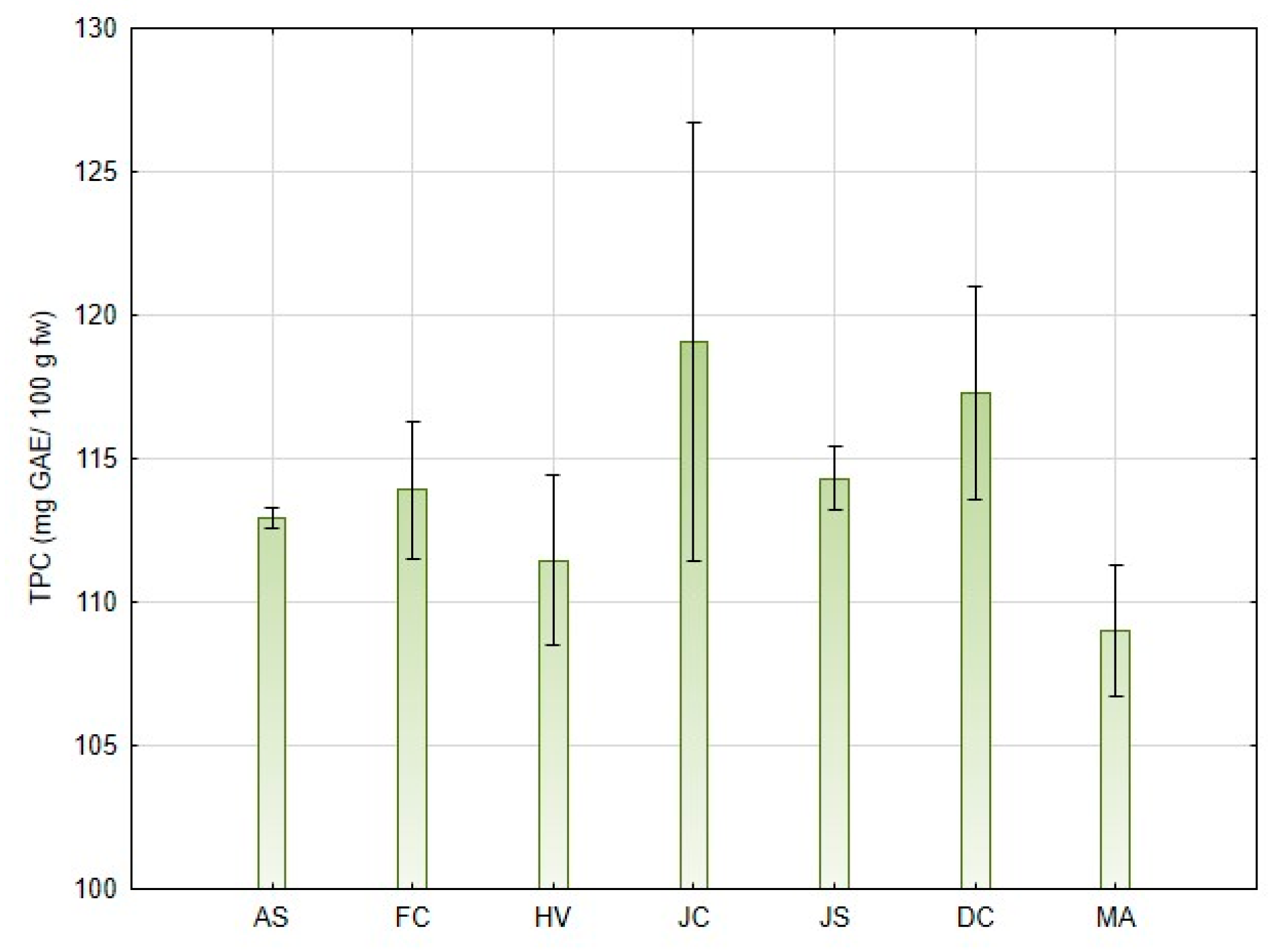
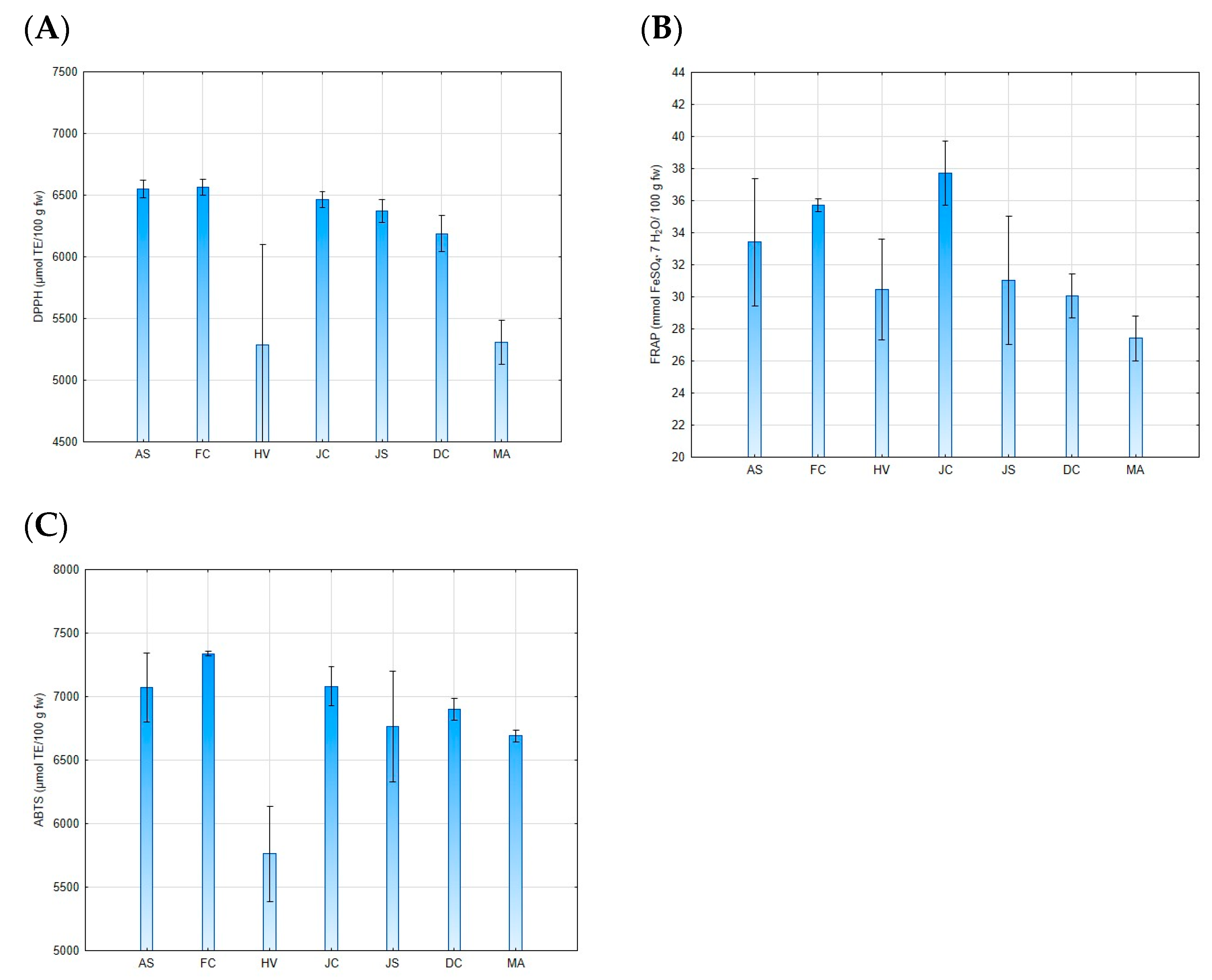
Phenolic compounds are among the most important bioactive molecules in apples, contributing to both antioxidant activity and sensory characteristics. To evaluate these properties, total phenolic content (TPC) and antioxidant capacity were determined in all samples using three complementary assays (DPPH, ABTS, FRAP). The results are summarised in
Figure 3 and
Figure 4A,
Figure 4B,
Figure 4C, respectively.
The TPC of the Reineta de Fontanelas cultivar ranged from 111.3 mg GAE/100 g fw (HV) to 119.1 mg GAE/100 g fw (JC), corresponding to increases of approximately 2% and 9% compared to the commercial sample (MA, 109.0 mg GAE/100 g fw). On average, local samples contained about 6% more phenolics than the commercial apples. Although these differences were not statistically significant, the trend indicates that the Reineta de Fontanelas cultivar generally exhibits a richer phenolic profile than the supermarket fruit.
Antioxidant activity was evaluated using three complementary methods, each providing a different perspective on the radical-scavenging capacity of apple extracts. The DPPH assay estimates the ability of compounds to neutralise free radicals, a process closely related to the presence of phenolic acids and anthocyanins. The ABTS assay similarly measures radical scavenging but is considered more versatile, as it can be applied in both hydrophilic and lipophilic systems. In contrast, the FRAP assay reflects the reducing power of the sample by quantifying its capacity to reduce Fe3+ to Fe2+, thereby capturing a different dimension of antioxidant potential. Among these methods, the DPPH assay is often the most indicative of free radical neutralisation in vitro, whereas ABTS and FRAP provide complementary insights into antioxidant mechanisms. In the DPPH assay, Reineta de Fontanelas samples ranged from 5287 µmol TE/100 g fw (HV) to 6607 µmol TE/100 g fw (FC), compared with 5306 µmol TE/100 g fw in MA. These values represented relative increases of +17% to +25% for most local samples, while HV showed similar activity to the commercial fruit. In the ABTS assay, values in the Reineta de Fontanelas cultivar varied between 30.1 µmol TE/100 g fw (DC) and 37.7 µmol TE/100 g fw (JC), whereas the commercial sample showed 27.4 µmol TE/100 g fw. This corresponds to increases of +10% to +38%, with JC showing the strongest antioxidant response. The FRAP assay revealed more modest differences. Local samples presented values ranging from 5762 µmol Fe2+/100 g fw (HV) to 7340 µmol Fe2+/100 g fw (FC), compared with 6693 µmol Fe2+/100 g fw in MA. Most samples showed increases of +3% to +10%, while HV exhibited a lower value (−14%) relative to the commercial control.
Variability among replicates was generally low, as indicated by narrow standard deviation bars in
Figure 3 and
Figure 4, suggesting high reproducibility; only in a few cases did broader deviations indicate some heterogeneity. Overall, the
Reineta de Fontanelas cultivar exhibited a consistently higher phenolic content and antioxidant capacity than the commercial apples. The most pronounced differences were observed in the DPPH and ABTS assays, where local samples outperformed the commercial fruit by up to 25% and 38%, respectively. These results highlight the superior bioactive profile of the
Reineta de Fontanelas cultivar, although variability among producers was evident.
3.5. Quantification of Phenolic Compounds in Reineta Apples
The individual phenolic profile of the
Reineta de Fontanelas cultivar and the commercial sample (MA) was determined by HPLC, and results are summarised in
Table 5. A broad spectrum of compounds was detected, including phenolic acids (gallic, protocatechuic, chlorogenic, caffeic, vanillic, syringic), flavan-3-ols (catechin, epicatechin, procyanidin), flavonols (rutin, myricetin), and flavones (apigenin).
The total phenolic content (sum of the identified compounds) ranged from 236.6 mg/100 g fw (HV) to 271.9 mg/100 g fw (FC), whereas the commercial sample (MA) showed a lower value of 223.4 mg/100 g fw. This represents an overall increase of approximately +6% to +22% in the local samples relative to MA. Marked differences were observed in several key phenolics. Protocatechuic acid reached 46.7 mg/100 g fw in FC, nearly double the concentration measured in MA (23.6 mg/100 g fw). Catechin ranged from 7.9 to 11.7 mg/100 g fw in Reineta de Fontanelas, compared with 6.0 mg/100 g fw in MA, corresponding to increases of +30% to +95%. Similarly, epicatechin was markedly higher in local apples, peaking at 27.3 mg/100 g fw in FC, more than twice the value observed in MA (12.5 mg/100 g fw). Chlorogenic acid, by contrast, showed smaller variation, with values between 37.5 and 54.1 mg/100 g fw in the local cultivar, close to the level of MA (53.8 mg/100 g fw).
The chromatographic profiles (
Figure S1) confirmed these differences visually, with several peaks corresponding to flavan-3-ols and phenolic acids appearing more intense in the
Reineta de Fontanelas samples than in MA. In particular, catechin, epicatechin, and protocatechuic acid were readily distinguishable, highlighting both the diversity and relative abundance of phenolics in the local cultivar.
Flavonols further contributed to this distinctive profile. Rutin, myricetin, and apigenin were consistently more abundant in the Reineta de Fontanelas cultivar, with concentrations approximately 10–25% higher than in the commercial apples. In contrast, minor phenolics such as syringic and vanillic acids showed variable levels across producer samples, but their concentrations remained within the ranges typically reported for heritage apple cultivars.
The concentration of ascorbic acid (vitamin C) varied among samples, with values falling within the expected low range for apples. The local Reineta de Fontanelas apples generally exhibited higher vitamin C levels than the commercial sample (MA), which showed the lowest concentration. When expressed relative to MA, ascorbic acid contents in the local samples were approximately 8–38% higher, with one sample (AS) displaying nearly double the concentration of the commercial fruit. Although quantified in the same HPLC-PDA run and expressed in mg/100 g fw using the same units as the phenolic constituents, ascorbic acid is not classified as a phenolic compound and was therefore excluded from the calculation of total phenolic content. It is reported alongside the phenolic compounds solely for completeness of the chromatographic profile and due to its recognised relevance as an antioxidant molecule.
Overall, the phenolic profile of the Reineta de Fontanelas apples was characterised by consistently higher concentrations of multiple phenolic classes, including phenolic acids, flavan-3-ols, and flavonols, compared with the commercial sample. Together with the higher ascorbic acid levels observed in several local samples, this compositional pattern supports the enhanced antioxidant potential and contributes to the distinctive sensory quality of this traditional cultivar.
3.6. Quantification of Free Sugars in Reineta Apples
The sugar composition of apples is a major determinant of sweetness and overall flavour balance. The main free sugars identified in the
Reineta de Fontanelas cultivar and the commercial sample (MA) were sucrose, glucose, fructose, and the polyol sorbitol. Results are summarised in
Table 6, and the corresponding chromatographic profiles are provided in
Supplementary Material (Figure S2).
Fructose was the predominant sugar in all samples, ranging from 2.6 g/100 g fw (JS) to 3.7 g/100 g fw (JC), compared with 2.5 g/100 g fw in the commercial apples. This corresponds to relative increases of +4% to +48% in local samples. Glucose concentrations varied more widely, between 0.8 g/100 g fw (JS) and 1.8 g/100 g fw (DC), while MA contained 0.6 g/100 g fw, making the local cultivar up to three times richer in glucose. Sucrose levels ranged from 0.7 g/100 g fw (DC) to 2.3 g/100 g fw (JC), compared with 2.1 g/100 g fw in MA. Thus, while some producer samples had slightly lower sucrose than the commercial fruit, others (JC, HV) showed comparable or higher concentrations. Sorbitol was detected at relatively low levels across all samples, with values between 0.2 and 0.4 g/100 g fw, while MA contained 0.1 g/100 g fw, making sorbitol content up to 300% higher in certain Reineta de Fontanelas samples.
The chromatographic profiles (
Figure S2) corroborated these quantitative differences, showing more pronounced peaks for fructose and glucose in the
Reineta de Fontanelas samples than in the commercial apples. This observation highlights both the higher overall sugar content and the variability among producer lots within the local cultivar.
Overall, the higher concentrations of glucose, fructose, and sorbitol observed in the Reineta de Fontanelas samples, together with broadly comparable sucrose levels, are consistent with a sweeter taste perception and align with the higher sensory sweetness scores reported for the local apples.
3.7. Quantification of Organic Acids in Reineta Apples
Organic acids are key contributors to apple flavour, influencing the balance between sweetness and acidity. In the
Reineta de Fontanelas cultivar and the commercial sample (MA), the main organic acids detected were oxalic, citric, tartaric, malic, lactic, and acetic acids. Results are presented in
Table 7, and the corresponding chromatographic profiles are provided in
Supplementary Material (Figure S3).
Malic acid was the predominant acid in all samples, ranging from 865 mg/100 g fw (FC) to 1086 mg/100 g fw (JS), while the commercial sample contained 1029 mg/100 g fw. These values indicate that some local samples (e.g., JS, AS) contained +6% to +6% higher malic acid than MA, while others (e.g., DC, HV) were slightly lower (−12% to −16%). Citric acid varied widely, from 194 mg/100 g fw (HV) to 780 mg/100 g fw (JS), compared with 154 mg/100 g fw in MA, representing relative increases of +26% to +406% in local apples. Tartaric acid was also more abundant in the Reineta de Fontanelas cultivar, reaching 302 mg/100 g fw (JS) versus 134 mg/100 g fw in MA, corresponding to an increase of more than +120%.
Minor acids exhibited additional differences. Lactic acid ranged from 268 mg/100 g fw (FC) to 518 mg/100 g fw (DC) in the local cultivar, compared with 200 mg/100 g fw in MA, corresponding to increases of +34% to +159%. Acetic acid was detected in some local samples (up to 219 mg/100 g fw in FC), but remained below the detection limit in MA. Oxalic acid values were similar across samples, ranging from 31 mg/100 g fw (JC) to 59 mg/100 g fw (DC), compared with 41 mg/100 g fw in MA.
The chromatograms (
Figure S3) confirmed these patterns, with more complex and intense peaks in the
Reineta de Fontanelas samples compared to the commercial apples, particularly for citric, tartaric, and lactic acids. The
Reineta de Fontanelas cultivar displayed a richer and more diverse organic acid profile than the commercial apples. While malic acid remained the dominant component, higher levels of citric, tartaric, lactic, and acetic acids in the local cultivar contributed to a more complex acidity profile, potentially influencing the fresher and more balanced flavour perceived during sensory evaluation.
3.8. Sensory Evaluation
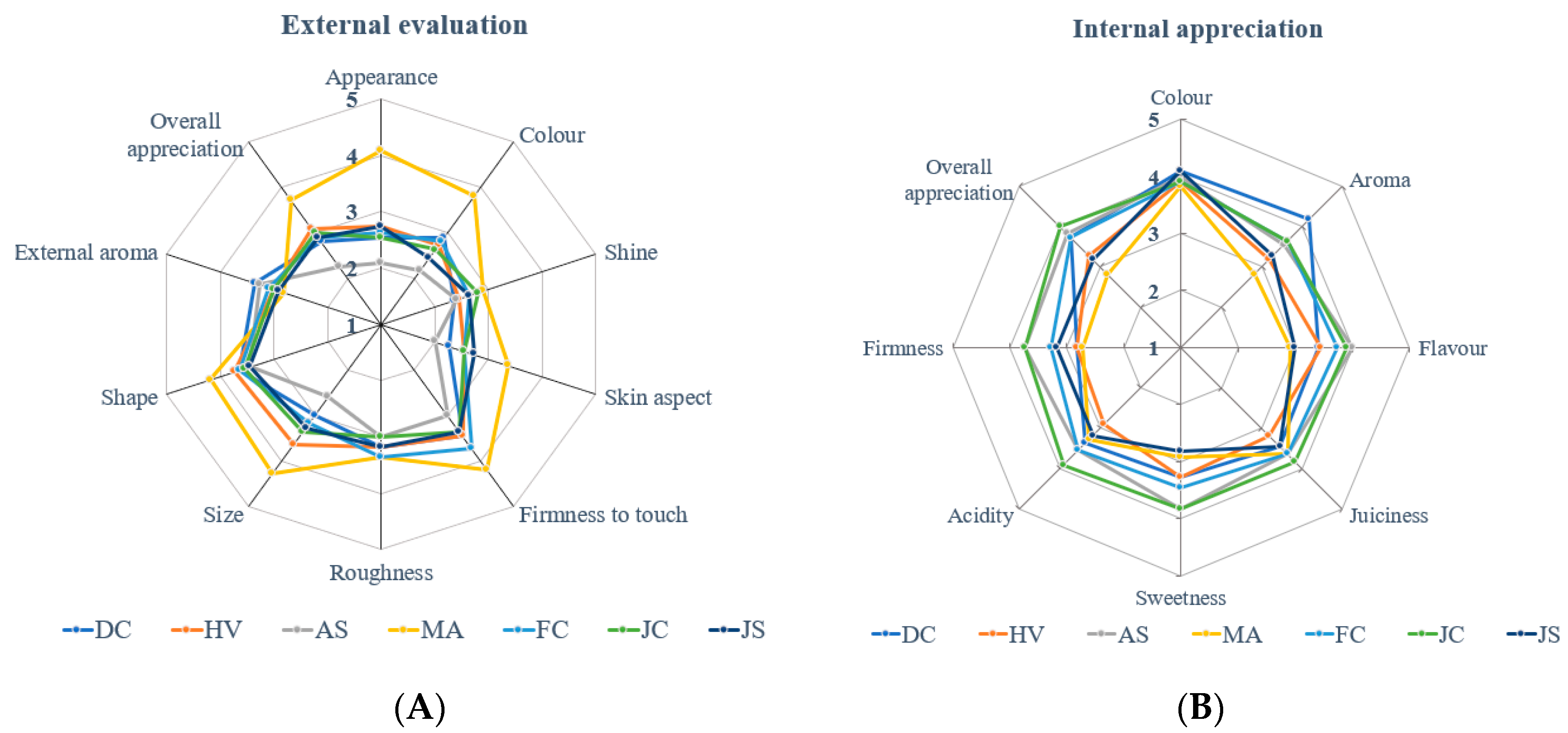
Sensory analysis provides direct insight into consumer perception of apple quality, complementing instrumental measurements. A trained panel evaluated external (
Figure 5A) and internal (
Figure 5B) attributes of the
Reineta de Fontanelas cultivar and the commercial sample (MA) using a 5-point hedonic scale (1 = “dislike very much,” 5 = “like very much”).
For external traits, the Reineta de Fontanelas apples received positive evaluations for appearance, colour, and firmness to the touch, with mean scores ranging from 3.2 to 4.1 across producer samples. In contrast, the commercial sample scored lower for colour and brightness, with average values around 2.7–3.0.
In terms of internal attributes, local samples generally achieved higher scores for aroma and sweetness. Apples from JS and DC, for example, were rated at 3.4–3.6 for sweetness compared with 2.5 for the commercial sample. Aroma intensity followed a similar pattern, with local samples reaching up to 3.5 versus 2.4 in MA. Acidity perception was stronger in the commercial apples (score 3.4) than in most Reineta de Fontanelas samples (2.4–3.0), in agreement with the higher titratable acidity measured instrumentally. Juiciness and texture were well appreciated across all samples, with AS and HV receiving the highest firmness and juiciness scores (3.5–3.7). Overall acceptance was higher for the Reineta de Fontanelas cultivar, with average scores between 3.4 and 3.8, compared with 2.8 for the commercial apples.
In general, the Reineta de Fontanelas cultivar was preferred over the commercial sample in terms of sweetness, aroma, and overall flavour balance, while the supermarket apples were perceived as more acidic and less aromatic. These findings are consistent with the higher sugar content and lower acidity measured in the local samples, reinforcing the superior sensory quality of this traditional cultivar.
Pearson correlation analysis revealed strong associations between selected instrumental and sensory parameters. Total soluble solids showed a strong positive correlation with perceived sweetness (r ≈ 0.82), while titratable acidity was positively correlated with perceived acidity (r ≈ 0.76). Total phenolic content also exhibited strong positive correlations with antioxidant capacity, particularly as measured by DPPH (r ≈ 0.88) and ABTS (r ≈ 0.84), supporting the consistency between chromatographic quantification and functional antioxidant assays. Instrumentally measured firmness displayed a moderate positive correlation with sensory texture firmness (r ≈ 0.69), reflecting the combined contribution of mechanical resistance and structural properties to texture perception. These relationships support the internal coherence of the physicochemical, bioactive, and sensory datasets.
3.9. Multivariate Analysis
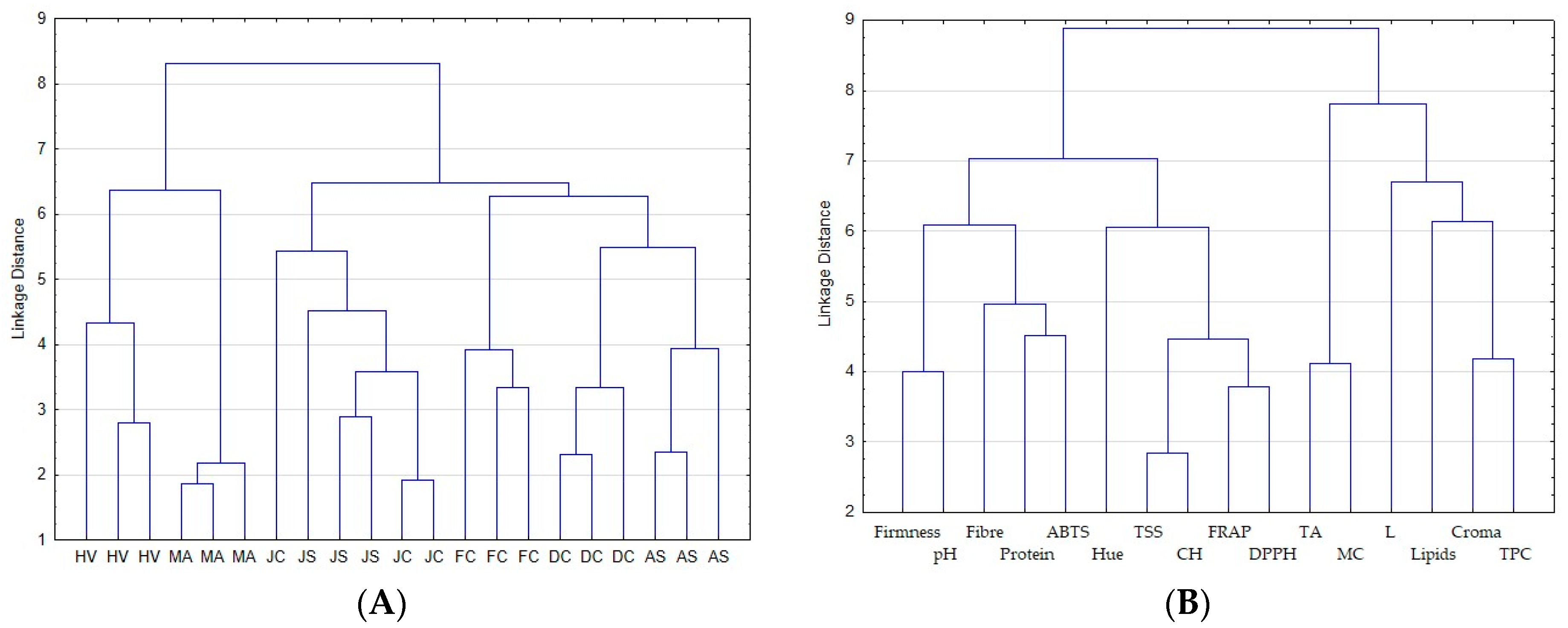
Due to the complexity of the dataset and the wide range of quality parameters assessed, a comprehensive multivariate evaluation was conducted. The analyses included physicochemical traits (total soluble solids, pH, titratable acidity), nutritional composition (moisture, protein, fat, fibre, and carbohydrates), colour attributes (L*, C*, and hue angle), texture (firmness), and bioactive indicators (total phenolic content and antioxidant capacity measured by DPPH, ABTS, and FRAP). Hierarchical cluster analysis (HCA) and principal component analysis (PCA) were applied to explore relationships among samples and to reduce data dimensionality into interpretable patterns.
The HCA dendrogram of samples (
Figure 6A) revealed five well-defined clusters. Most
Reineta de Fontanelas samples grouped separately from the commercial apples (MA), indicating a distinct overall compositional profile for the local cultivar. One sample (HV) showed partial proximity to MA, suggesting some overlap in attributes such as acidity and firmness. The HCA dendrogram of variables (
Figure 6B) supported this separation, with soluble solids, pH, carbohydrate content, and phenolic-related parameters clustering together and showing stronger associations with the
Reineta de Fontanelas samples, whereas titratable acidity and firmness were more closely associated with the commercial apples. This pattern highlights compositional differences between traditional and commercial fruit and reflects the combined contribution of biochemical and textural attributes to sample differentiation.
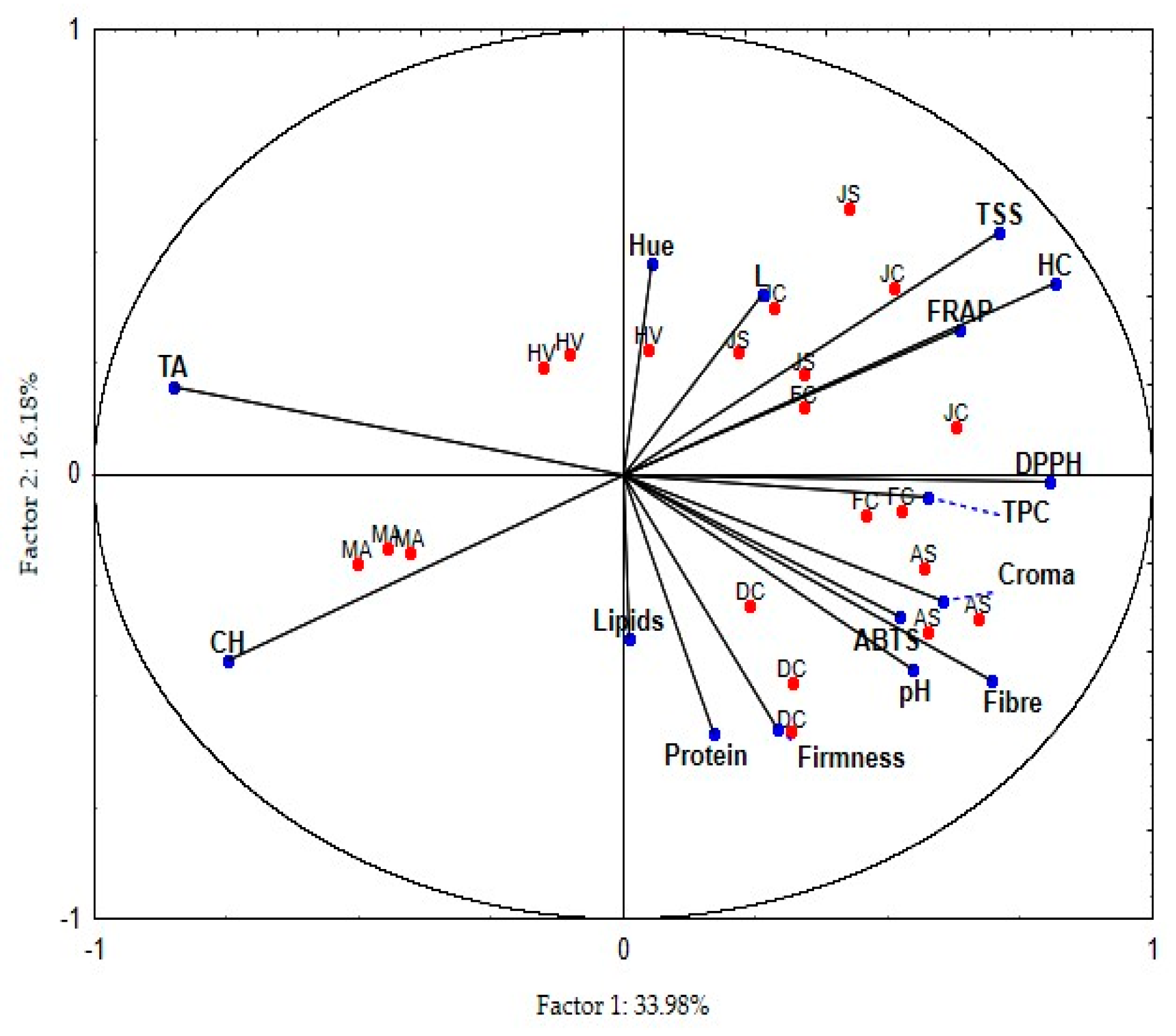
The PCA biplot (
Figure 7) further reinforced the distinctions observed among samples. The first two principal components explained 50.2% of the total variance, which is typical for multivariate biological datasets. PC1 (33.98%) was mainly associated with soluble solids, carbohydrate content, pH, phenolic compounds, and antioxidant capacity. Several
Reineta de Fontanelas samples (notably DC, AS, and JS) were positioned positively along PC1, reflecting higher values for these variables, whereas the commercial apples (MA) were located on the negative side of the axis due to comparatively lower sugar and phenolic levels.
PC2 (16.18%) was primarily influenced by biometric traits, titratable acidity, and firmness. The commercial apples and sample HV scored positively along PC2, consistent with their higher acidity and firmer texture, while samples such as AS and JS scored negatively, corresponding to smaller fruit size and lower acidity. Inspection of the eigenvalue distribution showed a clear decline after PC2, indicating that subsequent components explained only minor and unstructured variation and were not retained for interpretation.
Overall, the PCA and HCA provided consistent and complementary insights that reinforced the univariate analyses. The Reineta de Fontanelas samples were generally associated with higher sugar content, richer phenolic composition, and greater antioxidant capacity, whereas the commercial apples were more closely linked to acidity, firmness, and larger biometric traits. Together, these multivariate patterns support the presence of a coherent compositional fingerprint for the Reineta de Fontanelas cultivar across different local production sites, while also reflecting the influence of orchard-level variability and post-harvest factors on specific quality attributes.
4. Discussion
The present study demonstrated clear differences between Reineta de Fontanelas apples and the commercial Reineta sample, indicating that local production systems and short supply chains contribute to distinct fruit quality attributes. This discussion integrates biometric, physicochemical, nutritional, bioactive, and sensory results, placing them within the context of previous research on traditional and commercial apple cultivars.
Reineta de Fontanelas apples were generally smaller and lighter than the commercial fruit, although considerable variability was observed among producers. Such heterogeneity is typical of traditional cultivars grown under low-input systems, where orchard management is less standardised than in intensive commercial production [
33,
34]. Despite their smaller size, the local apples consistently exhibited higher soluble solids and lower titratable acidity, resulting in a more favourable sugar–acid balance. Similar trends have been reported for heritage apple cultivars from Norway, Brazil, and Mediterranean regions, which often accumulate more sugars at harvest and display a sweeter sensory profile than commercial types [
11,
18,
35]. The lower acidity observed in the
Reineta de Fontanelas apples may also reflect shorter storage periods and differences in harvest maturity, both of which are known to influence organic acid content [
36,
37].
From a nutritional perspective, the
Reineta de Fontanelas cultivar showed lower moisture but higher carbohydrate and dietary fibre contents than the commercial sample, translating into greater energy density in several producer lots. Comparable patterns have been reported for other traditional cultivars, where higher dry matter content and fibre levels are frequently preserved relative to commercial apples optimised for yield and storage [
38,
39]. Dietary fibre is a particularly valuable attribute due to its role in satiety and digestive health, while the slightly higher ash content observed in some local samples suggests a potentially richer mineral profile that merits further investigation.
The
Reineta de Fontanelas apples also displayed a consistent tendency towards higher total phenolic content and antioxidant capacity compared with the commercial fruit. Although absolute differences in total phenolics were moderate, relative increases were more pronounced in antioxidant assays, particularly ABTS and DPPH. Similar patterns have been described for traditional European and South American apple cultivars, which frequently outperform commercial varieties in terms of phenolic richness and antioxidant potential [
9,
12,
13,
18]. HPLC-PDA analysis confirmed the higher abundance of several key phenolic compounds in the
Reineta de Fontanelas samples, notably catechin, epicatechin, and protocatechuic acid. These flavan-3-ols and phenolic acids are well recognised contributors to antioxidant activity and are also known to influence sensory attributes such as bitterness and astringency [
40,
41]. In contrast, chlorogenic acid levels were comparable between local and commercial samples, indicating that not all phenolic classes discriminate between production systems or cultivar expressions. It should be noted that phenolic identification in this study was based on HPLC-PDA analysis supported by authentic standards, a robust and widely used approach for profiling major phenolic classes [
5,
9,
13,
14,
30]. Nevertheless, this technique does not allow full structural elucidation of minor or co-eluting compounds. Future studies employing LC–MS or LC–MS/MS methodologies would enable more comprehensive metabolomic characterisation and deeper insight into the phenolic complexity of
Reineta de Fontanelas apples.
Ascorbic acid (vitamin C) concentrations varied among samples but remained within the low range typically reported for apples [
42,
43]. The commercial fruit showed the lowest levels, while the local
Reineta de Fontanelas samples generally contained higher concentrations. Comparable variability has been reported for other traditional cultivars and has been linked to orchard environment, fruit maturity, and storage duration [
13,
19]. Although ascorbic acid is not classified as a phenolic compound and was excluded from total phenolic calculations, its presence contributes to the overall antioxidant profile of apples and complements the activity of phenolic constituents [
9].
The sugar profile of the
Reineta de Fontanelas cultivar was characterised by higher concentrations of glucose, fructose, and sorbitol than the commercial apples, while sucrose levels were broadly comparable. This profile is consistent with previous findings for heritage cultivars, where fructose is typically the dominant sugar and sorbitol levels vary with genotype and ripening stage [
29,
30]. The higher levels of reducing sugars contribute directly to the sweeter sensory perception of the local apples. Organic acid analysis confirmed malic acid as the predominant acid in all samples, in agreement with the known biochemical profile of
Malus domestica. However,
Reineta de Fontanelas apples contained higher concentrations of citric, tartaric, and lactic acids, as well as detectable acetic acid, which was absent in the commercial sample. Greater diversity of organic acids has been reported for Mediterranean apple landraces and is associated with enhanced flavour complexity [
18,
44]. The presence of lactic and acetic acids at low levels is attributed to early postharvest metabolic activity, minor microbial contributions, and the high analytical sensitivity of the method, rather than to fermentative processes.
Variability among producer samples reflects the heterogeneous environmental and management conditions characteristic of the Sintra region. Differences in soil type (sandy versus clay-rich soils), microclimate (fog incidence, humidity, Atlantic wind exposure), and traditional low-input practices such as irrigation, pruning, and fertilisation likely contributed to the observed variation in sugar accumulation, acidity, firmness, colour, and bioactive composition. Such variability is typical of landrace cultivation systems and reflects the interaction between genotype and local growing environment.
Sensory evaluation corroborated the instrumental findings, with
Reineta de Fontanelas apples perceived as sweeter and more aromatic, while the commercial apples were consistently described as more acidic. Samples JS and DC received the highest scores for sweetness and aroma, whereas firmness and juiciness were particularly well rated in AS and HV. These results are consistent with previous studies on traditional apple cultivars, which report that higher soluble solids and lower acidity are key drivers of consumer liking [
45]. Aroma complexity further contributes to preference, and traditional cultivars are often reported to retain richer volatile profiles than commercial apples subjected to prolonged storage [
46,
47]. Consumer studies also indicate a higher willingness to pay for traditional fruits with distinctive sensory profiles, particularly in local or niche markets [
48,
49].
The differences observed among local producers should be interpreted as the combined outcome of environmental conditions and orchard management practices rather than as strict indicators of intra-cultivar genetic variation. Because the samples represent distinct production environments rather than replicated biological units, the observed variability reflects the qualitative expression of the cultivar under heterogeneous field conditions. This does not preclude the identification of a coherent compositional fingerprint, but it does highlight the need to interpret contrasts with the commercial sample in light of differences in production intensity, harvest timing, storage duration, and supply-chain length, which can substantially influence acidity, texture, aroma, and phenolic composition.
Multivariate analyses (HCA and PCA) provided an integrated perspective that consolidated the univariate results. PC1 was primarily associated with soluble solids, carbohydrate content, phenolic composition, and antioxidant capacity, clearly separating most
Reineta de Fontanelas samples from the commercial apples. PC2 was driven mainly by biometric traits, titratable acidity, and firmness, distinguishing the larger and more acidic commercial fruit from the smaller and sweeter local apples. The partial overlap observed for sample HV likely reflects orchard-specific conditions or differences in harvest maturity. Similar patterns of intra-cultivar variability have been reported for other traditional apple cultivars and underline the importance of combining biochemical, physical, and sensory data to achieve robust characterisation [
13,
50,
51].
When compared with other Portuguese and Mediterranean heritage cultivars, the phenolic content and antioxidant capacity observed in
Reineta de Fontanelas apples fall within the upper range typically reported for traditional germplasm. Portuguese landraces such as ‘
Bravo de Esmolfe’ and Mediterranean cultivars such as ‘
Annurca’ have been repeatedly described as phenolic-rich apples exhibiting strong antioxidant activity relative to modern commercial varieties [
13,
50]. Although some studies on
Bravo de Esmolfe focus on the production of antioxidant-rich extracts, they nevertheless underline the intrinsically high phenolic potential of the fresh fruit. Comparable phenolic ranges (approximately 90–150 mg GAE/100 g fw) have also been reported for other Mediterranean landraces, including Italian cultivars such as
Annurca and traditional Portuguese
Reinetas, a pattern that closely mirrors the values obtained for
Reineta de Fontanelas in the present study.
These observations are further supported by multivariate analyses reported in the literature, which consistently discriminate traditional from commercial apple cultivars based on compositional traits. Previous studies have shown that principal component analysis effectively separates heritage and commercial apples according to sugar–acid balance and phenolic composition [
13,
51]. Similar clustering patterns have been described for Chinese apple landraces, where phenolics and soluble solids emerged as key discriminating factors [
52]. More recently, Morariu et al. [
9,
10] confirmed that antioxidant capacity and carbohydrate content are among the main drivers differentiating heritage apples from commercial controls. In agreement with these reports, the present multivariate analyses indicate that
Reineta de Fontanelas apples possess a distinctive compositional fingerprint supported across multiple analytical dimensions.
From a conservation perspective, the observed variability is consistent with the inherent heterogeneity of traditional cultivars maintained in small-scale orchards. Nevertheless, the recurrent expression of key traits—particularly a balanced sugar–acid ratio and enriched phenolic composition—suggests that Reineta de Fontanelas maintains a stable core quality profile across environments. These findings provide a scientific basis for future conservation, valorisation, and potential quality-label initiatives aimed at preserving both the agronomic adaptability and cultural relevance of this traditional Portuguese apple cultivar.
Limitations and perspectives. Despite the consistency of the results, some methodological limitations must be acknowledged. The commercial
Reineta apples were purchased from a national supermarket chain and, although produced and marketed in the same season, detailed information regarding orchard of origin, cultivation practices, and storage duration was not available. Furthermore, while local
Reineta de Fontanelas apples were harvested at commercial maturity, the supermarket fruit may have been harvested slightly earlier and subjected to longer cold-chain storage—factors known to influence acidity, phenolic content, and sensory properties [
36,
37].
In the present study, we have clarified that the commercial apples, certified as Protected Geographical Indication (Indicação Geográfica Protegida—IGP), originating from the Alcobaça region in central Portugal. This production area shares similar Atlantic climatic conditions with Sintra and has a long-established tradition in Reineta apple cultivation, providing a relevant comparative benchmark. However, as IGP-certified fruit distributed through a standardised cold-chain system, these apples are subject to post-harvest handling and storage practices distinct from those of the locally marketed Reineta de Fontanelas apples, which are typically consumed within a short period after harvest.
Cold-chain management, while essential for maintaining product availability and safety in large-scale distribution, can alter compositional parameters such as the sugar–acid balance, antioxidant activity, and volatile profile of apples, as previously reported [
39,
46]. Conversely, the short local supply chain characteristic of
Reineta de Fontanelas production likely contributes to the preservation of its natural sweetness, aromatic intensity, and bioactive potential. These contrasting systems—IGP commercial distribution versus local, low-input, short-chain production—illustrate the combined influence of post-harvest handling, cultivation practices, and environment on fruit quality. They further highlight the importance of regional products that maintain authenticity, freshness, and distinctive sensory identity.
Moreover, whereas Reineta de Fontanelas apples are produced under extensive, low-input conditions, the commercial apples likely originate from more intensive orchards managed for yield, uniformity, and storability. Such agronomic and post-harvest differences cannot be separated from inherent cultivar traits and therefore limit direct comparative interpretation. For these reasons, the commercial apples should be viewed not as a strict comparator, but as a consumer-relevant benchmark representing the type of Reineta fruit commonly available in retail setting.
Despite these constraints, the multivariate analyses consistently distinguished the two groups, indicating that Reineta de Fontanelas apples express a distinctive compositional and sensory profile across different local environments. Future studies should aim to validate these findings under controlled conditions by sourcing traditional and commercial cultivars directly from orchards of known provenance and ensuring aligned harvest maturity and comparable agronomic management, ideally supported by genetic marker analysis to confirm clonal identity.
Taken together, the present work provides robust baseline evidence that the Reineta de Fontanelas cultivar exhibits characteristic nutritional, bioactive, and sensory qualities that support its valorisation and conservation. While the aforementioned limitations must be considered, the study contributes valuable information for the preservation, promotion, and potential market differentiation of this traditional Portuguese apple as a premium local product.
Practical Implications. The results of this study offer several practical insights for producers and regional stakeholders interested in the valorisation and conservation of the Reineta de Fontanelas apple. The consistent expression of key attributes—such as elevated soluble solids, a balanced sugar–acid profile, and enriched phenolic composition—suggests that this cultivar maintains stable qualitative features across diverse local production systems. These traits may serve as useful reference points for defining harvest maturity, with TSS values above 14–15 °Brix, moderate acidity, and firmness above 9–10 N providing good indicators of optimal eating quality. The strong phenolic and antioxidant profile observed in this study underscores the importance of minimising storage duration and handling fruit gently to preserve peel integrity, as these factors help retain the cultivar’s natural bioactive richness. Producers may also benefit from harmonising certain cultural practices—such as pruning, irrigation timing, and thinning intensity—to reduce avoidable variability while maintaining the traditional low-input character of these orchards.
From a policy perspective, the identification of stable and distinctive attributes across producers provides a scientific foundation for future geographical indication (GI) or local quality mark initiatives. Parameters such as characteristic TSS ranges, typical pH and acidity levels, phenolic richness, distinctive aromatic profile, and traditional production methods could contribute to the definition of a product specification that reflects both the cultural and agronomic heritage of the Saloia region. Such initiatives could support market differentiation, reinforce consumer trust, and promote the long-term conservation of this genetic resource.




 ,
,