




Next Issue
Volume 13, September
Previous Issue
Volume 13, July


J. Cardiovasc. Dev. Dis., Volume 13, Issue 8 (August 2026) – 59 articles
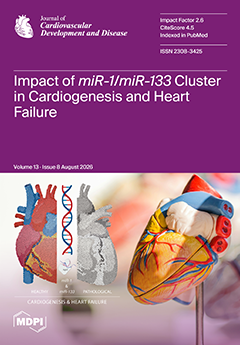
Cover Story (view full-size image): The miR-1/miR-133 cluster forms a pivotal molecular bridge between heart development and heart failure. These muscle-enriched microRNAs coordinate cardiac progenitor specification, cardiomyocyte proliferation, differentiation, maturation, and electrical stability. When their finely balanced expression is disrupted, they contribute to hypertrophy, fibrosis, abnormal angiogenesis, inflammation, and arrhythmias. Acting within an integrated and context-dependent network, miR-1 and miR-133 exert complementary and occasionally opposing effects that fine-tune cardiac homeostasis and disease progression. Current evidence highlights their genomic regulation, synergistic and antagonistic actions, emerging non-canonical functions, biomarker potential, and prospects for regenerative and targeted therapies. View this paper
  • Issues are regarded as officially published after their release is announced to the table of contents alert mailing list.
  • You may sign up for e-mail alerts to receive table of contents of newly released issues.
  • PDF is the official format for papers published in both, html and pdf forms. To view the papers in pdf format, click on the "PDF Full-text" link, and use the free Adobe Reader to open them.
Order results
Result details
Section
Select all
Export citation of selected articles as:
18 pages, 947 KB  
Article
Association Between Pittsburgh Sleep Quality Index Scores and TIMI Frame Count-Defined Coronary Slow Flow Phenomenon in Patients with Nonobstructive Coronary Arteries: A Cross-Sectional Study
by Mehmet Kamil Teber, Zülfiye Kuzu and Mehmet Zafer Aydın
J. Cardiovasc. Dev. Dis. 2026, 13(8), 403; https://doi.org/10.3390/jcdd13080403 - 21 Aug 2026
Viewed by 254
Abstract
Coronary slow flow (CSF) is delayed distal contrast transit on angiography without flow-limiting stenosis; disturbed sleep may impair vascular control through autonomic, endothelial, inflammatory, and metabolic pathways. We evaluated Pittsburgh Sleep Quality Index (PSQI)-based sleep quality in relation to TIMI frame count (TFC)-defined [...] Read more.
Coronary slow flow (CSF) is delayed distal contrast transit on angiography without flow-limiting stenosis; disturbed sleep may impair vascular control through autonomic, endothelial, inflammatory, and metabolic pathways. We evaluated Pittsburgh Sleep Quality Index (PSQI)-based sleep quality in relation to TIMI frame count (TFC)-defined CSF. This cross-sectional study enrolled 307 adults with nonobstructive coronary arteries undergoing angiography for chest pain; PSQI referenced the preceding month, and CSF was defined by corrected TFC > 27 frames in any major vessel; 132 participants had CSF and 175 normal flow. Global PSQI score was higher in CSF (median 7.0 vs. 5.0) and poor sleep quality (score > 5) was more frequent (75.8% vs. 49.7%; both p < 0.001). The global score correlated with mean TFC overall but not within flow groups. Each PSQI point independently raised CSF odds, including after STOP-Bang adjustment, although discrimination was modest. Sleep latency and short duration raised CSF odds; poor efficiency did not. Poorer sleep quality was independently linked to this angiographic slow-flow phenotype, mainly differentiating flow categories rather than tracking frame-count burden. Because coronary microvascular function was not measured directly, these hypothesis-generating findings should prompt systematic sleep assessment and prospective studies integrating objective sleep measures with invasive coronary physiology. Full article
(This article belongs to the Section Cardiovascular Clinical Research)
Show Figures

Figure 1

15 pages, 2429 KB  
Review
Evolution of Sac Filling Techniques and Concepts in Endovascular Treatment of Abdominal Aortic Aneurysm: A Narrative Review
by Linyao Zhu, Yuhang Zhou, Jichun Zhao, Ding Yuan, Tiehao Wang, Jiarong Wang and Chengxin Weng
J. Cardiovasc. Dev. Dis. 2026, 13(8), 402; https://doi.org/10.3390/jcdd13080402 - 21 Aug 2026
Viewed by 254
Abstract
Endovascular aortic aneurysm repair (EVAR) has become the first-line treatment for abdominal aortic aneurysms (AAA); however, its long-term durability is affected by Type II endoleak. This narrative review describes the evolution of sac filling techniques and concepts developed to address this complication. In [...] Read more.
Endovascular aortic aneurysm repair (EVAR) has become the first-line treatment for abdominal aortic aneurysms (AAA); however, its long-term durability is affected by Type II endoleak. This narrative review describes the evolution of sac filling techniques and concepts developed to address this complication. In selected cases of diagnosed Type II endoleaks, early therapeutic sac filling, while clinically indicated, is frequently constrained by difficult access, variable success rates, and recurrence. Consequently, prophylactic sac filling during primary EVAR has been adopted as an alternative approach, with reported high technical success and reduced endoleak incidence. The subsequent Nellix Endovascular Aneurysm Sealing (EVAS) system, although early results showed technical feasibility, was associated with graft migration, endobag separation, and reintervention at long-term follow-up, leading to its withdrawal from the market. Currently, devices based on shape memory polymer (SMP) provide early observations of decreased endoleaks and sac regression. This review outlines the transition from reactive management to preventive strategies, and, more recently, to patient-specific, material-based approaches, while showcasing emerging strategies that may influence long-term EVAR outcomes. However, these novel approaches remain under investigation, and larger controlled studies with extended follow-up are required to establish their clinical utility. Full article
Show Figures

Figure 1

19 pages, 7134 KB  
Review
Imaging Cardiac Amyloidosis: From Early Diagnosis to Risk Stratification and Evaluation of Treatment Efficacy
by Matteo Sclafani, Domitilla Russo, Georgios Oikonomou, Giovanni Camastra, Emanuela Belmonte, Giacomo Tini, Rossella Rotunno, Cristina Chimenti, Chiara Lanzillo, Beatrice Musumeci, Teresa Castiello, Stefano Regondi, Roberto Ricci, Luca Cacciotti and Luca Arcari
J. Cardiovasc. Dev. Dis. 2026, 13(8), 401; https://doi.org/10.3390/jcdd13080401 - 21 Aug 2026
Viewed by 898
Abstract
Cardiac amyloidosis (CA) is an infiltrative cardiomyopathy caused by extracellular deposition of misfolded proteins, most commonly immunoglobulin light chains (AL) or transthyretin (ATTR). Once considered a rare disease, CA is increasingly recognised due to improved diagnostic strategies and the availability of disease-modifying therapies. [...] Read more.
Cardiac amyloidosis (CA) is an infiltrative cardiomyopathy caused by extracellular deposition of misfolded proteins, most commonly immunoglobulin light chains (AL) or transthyretin (ATTR). Once considered a rare disease, CA is increasingly recognised due to improved diagnostic strategies and the availability of disease-modifying therapies. Early diagnosis is crucial, as treatment efficacy and clinical outcomes are strongly influenced by the stage of cardiac involvement. Multimodality cardiac imaging plays a central role in the diagnostic pathway, risk stratification, and evaluation of therapeutic response in CA. Echocardiography represents the first-line imaging modality and is essential for raising clinical suspicion through the identification of characteristic structural and functional abnormalities, including ventricular wall thickening, diastolic dysfunction, and distinctive strain patterns. Bone scintigraphy has revolutionised the non-invasive diagnosis of ATTR-CA, allowing accurate identification of transthyretin-related disease in the absence of monoclonal gammopathy, which needs to be excluded via serum and urinary immunofixation. Cardiovascular magnetic resonance provides advanced tissue characterisation through late gadolinium enhancement and quantitative mapping techniques, enabling detection of early myocardial involvement and robust prognostic stratification. Emerging imaging modalities, including dual-energy (spectral) computed tomography and positron emission tomography tracers, show promise in myocardial amyloid quantification and subtype differentiation, although their role is still evolving. Integration of imaging findings with clinical and laboratory parameters allows comprehensive disease assessment, facilitating early diagnosis, guiding therapeutic decisions, and improving risk stratification. This review summarises the current role of multimodality imaging in CA, highlighting its contribution from early detection to prognostic evaluation and monitoring of treatment efficacy, with particular emphasis on the emerging role of quantitative imaging in monitoring treatment response. Full article
(This article belongs to the Special Issue Advanced Cardiovascular Imaging in Cardiomyopathy)
Show Figures

Figure 1

13 pages, 1478 KB  
Article
Discharge AI-ECG-Derived Age and Incidence of Cardiac Allograft Vasculopathy at 3 Years: A Pilot Study
by Andrea Muniz, Yugant Khand, Vidit Yadav, Aarti Desai, Laxmi Raj Bangari, Surbhi Dadwal, Jose Ruiz, Devora Leventhal and Rohan Goswami
J. Cardiovasc. Dev. Dis. 2026, 13(8), 400; https://doi.org/10.3390/jcdd13080400 - 20 Aug 2026
Viewed by 285
Abstract
Cardiac allograft vasculopathy (CAV) remains a leading cause of graft failure after heart transplantation, yet an early, non-invasive risk stratification tool is not available. Artificial intelligence electrocardiography (AI-ECG) can estimate biological heart age, and it has been associated with cardiovascular risk. Its deviation [...] Read more.
Cardiac allograft vasculopathy (CAV) remains a leading cause of graft failure after heart transplantation, yet an early, non-invasive risk stratification tool is not available. Artificial intelligence electrocardiography (AI-ECG) can estimate biological heart age, and it has been associated with cardiovascular risk. Its deviation with chronological age, called delta age, and its utility in the prediction of CAV has never been explored. We conducted a retrospective single-center study for heart transplant recipients bridged with Impella 5.5 (Abiomed, Danvers, MA, USA) at Mayo Clinic Florida (2020–2023). ΔAge was calculated at discharge and 1-year post-transplant. The primary outcome was confirmed CAV at 1 year. Univariate and multivariable logistic regression models were used to assess the independent association between the ΔAge and the development of CAV, with discrimination evaluated by AUC and internally validated via bootstrap resampling (2000 iterations). Fifty patients were reviewed. CAV developed in 13 (26%) patients in 3 years. CAV+ patients had a significantly higher ΔAge at discharge compared to CAV- patients (median −1.0 vs. −11.0 years, p = 0.0023) and at 1 year (median +7.0 vs. −4.0 years, p = 0.0080). On univariate analysis, ΔAge at discharge was a significant predictor of the development of CAV (OR 1.084 per year, AUC 0.788). On multivariable adjustment, ΔAge at discharge remained an independent predictor (adjusted OR 1.138, 95% CI 1.023–1.265, p = 0.018, and model AUC 0.859). ΔAge at discharge is a novel and potential predictor of the development of CAV within 3 years. These findings support the integration of AI-ECG into post-transplant surveillance as a scalable, low-cost tool. Full article
Show Figures

Figure 1

12 pages, 1755 KB  
Article
Vegfr3 and Tbx1 Interact in Cardiac Morphogenesis
by Stefania Martucciello, Marchesa Bilio, Sara Cioffi, Ilaria Aurigemma, Mariangela Cavallaro, Antonio Baldini and Elizabeth Illingworth
J. Cardiovasc. Dev. Dis. 2026, 13(8), 399; https://doi.org/10.3390/jcdd13080399 - 20 Aug 2026
Viewed by 275
Abstract
Gene inactivation in model organisms has identified numerous genes and signaling pathways involved in mammalian cardiac outflow tract (OFT) development. Human genetics data have implicated the VEGFR3 gene in OFT development, but when and where it is required is unknown. In this study [...] Read more.
Gene inactivation in model organisms has identified numerous genes and signaling pathways involved in mammalian cardiac outflow tract (OFT) development. Human genetics data have implicated the VEGFR3 gene in OFT development, but when and where it is required is unknown. In this study we determined the sensitivity of the developing murine heart to reduced Vegfr3 gene dosage, and we tested whether its requirement is dependent upon TBX1, a known regulator of Vegfr3 expression in cardiac and lymphatic endothelial cells. We found that in the mouse, a single copy of the Vegfr3 gene was sufficient for normal heart development in most cases. Mutation of a single copy of the Tbx1 gene greatly enhanced the sensitivity of heart development to Vegfr3 dosage reduction and led to the formation of cardiac defects. In addition, deletion of Vegfr3 in the Tbx1 expression domain also led to severe cardiac OFT abnormalities. We used RNAscope to reveal the location of Vegfr3 and Tbx1 transcripts in midterm mouse embryos. This revealed co-localization of these transcripts in the endothelium of the aortic sac, caudal pharyngeal arch arteries and proximal OFT, suggesting that these are potential sites of genetic interaction between Vegfr3 and Tbx1 that are critical for murine heart development. Full article
Show Figures

Graphical abstract

17 pages, 1799 KB  
Systematic Review
Enlicitide, a Novel Oral Macrocyclic Peptide PCSK9 Inhibitor for Lipid Lowering: A Systematic Review and Meta-Analysis
by Burcu Yagmur and Elif Ijlal Cekirdekci
J. Cardiovasc. Dev. Dis. 2026, 13(8), 398; https://doi.org/10.3390/jcdd13080398 - 20 Aug 2026
Viewed by 1519
Abstract
Enlicitide (MK-0616) is an oral proprotein convertase subtilisin/kexin type 9 (PCSK9) inhibitor for the treatment of hypercholesterolemia. We conducted the first systematic review and meta-analysis evaluating the efficacy and safety of enlicitide across randomized controlled trials enrolling adults with hypercholesterolemia or heterozygous familial [...] Read more.
Enlicitide (MK-0616) is an oral proprotein convertase subtilisin/kexin type 9 (PCSK9) inhibitor for the treatment of hypercholesterolemia. We conducted the first systematic review and meta-analysis evaluating the efficacy and safety of enlicitide across randomized controlled trials enrolling adults with hypercholesterolemia or heterozygous familial hypercholesterolemia (HeFH). The primary outcome was the baseline-to-endpoint percentage change in low-density lipoprotein cholesterol (LDL-C); secondary outcomes included apolipoprotein B (ApoB), non-high-density lipoprotein cholesterol (non-HDL-C), lipoprotein(a) [Lp(a)], and safety. Four randomized controlled trials involving 3894 participants were included. Enlicitide achieved a substantial reduction in LDL-C (mean difference [MD]: −55.78 percentage points; 95% confidence interval [CI]: −61.15 to −50.42; p < 0.0001; I2 = 99.58%), with sustained efficacy demonstrated in the newly available 52-week Phase 3 CORALreef data. Significant reductions were also observed in ApoB (MD: −47.95 pp; 95% CI: −51.22 to −44.67), non-HDL-C (MD: −49.42 pp; 95% CI: −54.23 to −44.60), and Lp(a) (MD: −22.70 pp; 95% CI: −28.62 to −16.78). The pooled incidence of any adverse event was not statistically significant (event rate: 0.21; p = 0.087), and treatment discontinuation due to adverse events was uncommon (event rate: 0.007). Enlicitide demonstrated substantial lipid-lowering efficacy with an acceptable safety profile. The ongoing CORALreef Outcomes trial will determine whether these lipid improvements translate into reductions in major adverse cardiovascular events. Full article
(This article belongs to the Special Issue Lipid and Lipoprotein Metabolism in Cardiovascular Disease)
Show Figures

Graphical abstract

32 pages, 766 KB  
Review
Forward Dynamics: Modern Insights into Mitral Systolic Anterior Motion
by Fatima Zahra Samet Bouhaik, Ilenia Monaco, Mounia Sedrati, Alix Bouvet, Benedicte Gervais, Valeria Trivelloni, Yassine Bencharef, Fouad Mohammed Sekkal and Dario Bottigliero
J. Cardiovasc. Dev. Dis. 2026, 13(8), 397; https://doi.org/10.3390/jcdd13080397 - 19 Aug 2026
Viewed by 1054
Abstract
Systolic anterior motion (SAM) of the mitral valve can occur either in association with or in the absence of hypertrophic obstructive cardiomyopathy (HOCM). SAM induces dynamic left ventricular outflow tract obstruction (LVOTO) and, in the majority of cases, is associated with a substantial [...] Read more.
Systolic anterior motion (SAM) of the mitral valve can occur either in association with or in the absence of hypertrophic obstructive cardiomyopathy (HOCM). SAM induces dynamic left ventricular outflow tract obstruction (LVOTO) and, in the majority of cases, is associated with a substantial degree of mitral regurgitation (MR) that significantly impacts patient morbidity and mortality. This narrative review explores the contemporary understanding of the pathophysiology, diagnosis, and management of SAM, focusing particularly on surgical strategies and the novel therapeutic class of cardiac myosin inhibitors. Extended septal myectomy remains the gold-standard treatment for HOCM-related SAM, yielding superior long-term outcomes compared to alcohol septal ablation (ASA). Advanced imaging modalities, including three-dimensional transesophageal echocardiography (3D-TEE), enable precise pre-operative characterization of the mitral valve apparatus. Some patients may benefit from septal reduction strategies while concomitant mitral valve interventions are generally reserved for highly selected cases with intrinsic valve pathology or persistent residual SAM, thereby avoiding unnecessary valvular manipulation and its potential hemodynamic risks. Mavacamten, a selective cardiac myosin inhibitor, represents an important advance in pharmacological management, achieving a mean LVOT gradient reduction of 37.2 mmHg in symptomatic patients. Furthermore, data from the MARVEL registry confirm the real-world clinical efficacy of mavacamten in obstructive hypertrophic cardiomyopathy, with 86% of patients successfully down-staged to NYHA functional class I–II. Although ASA serves as a viable alternative to surgery, it entails a higher risk of conduction abnormalities requiring permanent pacemaker implantation and subsequent re-intervention. Beyond classical hypertrophic SAM, this review addresses the diagnosis and management of post-mitral repair complications and non-hypertrophic variants. Optimal management and risk stratification remain an evolving field requiring a multidisciplinary Heart Team approach, leverage of advanced imaging, and adoption of novel medical therapies. Interventional strategies must be carefully tailored to maximize the efficacy-to-safety profile on an individualized patient basis. Full article
(This article belongs to the Section Cardiovascular Clinical Research)
Show Figures

Figure 1

17 pages, 993 KB  
Article
Comparative Evaluation of Clinical Outcomes Following Endovascular and Hybrid Repair of Aortic Arch Aneurysms
by Yulia Panteleeva, Almaz Vanyurkin, Ekaterina Verkhovskaya, Sergey Kogay, Natalya Maystrenko, Mikhail Chernyavskiy, Dmitry Kudlay and Anna Starshinova
J. Cardiovasc. Dev. Dis. 2026, 13(8), 396; https://doi.org/10.3390/jcdd13080396 - 18 Aug 2026
Viewed by 240
Abstract
Objective: The aim of this study was to evaluate the efficacy and safety of endovascular and hybrid treatment approaches in patients with aortic arch aneurysms. Materials and Methods. This retrospective study included 68 male and female patients with a confirmed diagnosis of either [...] Read more.
Objective: The aim of this study was to evaluate the efficacy and safety of endovascular and hybrid treatment approaches in patients with aortic arch aneurysms. Materials and Methods. This retrospective study included 68 male and female patients with a confirmed diagnosis of either an aortic arch aneurysm or a descending thoracic aortic aneurysm with a short proximal landing zone (<1.5 cm) who underwent either hybrid or endovascular treatment at the Department of Vascular Surgery between January 2017 and December 2024. Study outcomes included a composite measure of technical success, a composite measure of in-hospital clinical success, and a composite measure of long-term treatment outcomes, including stroke, myocardial infarction, and aortic-related mortality. Results. All 68 patients were divided into two groups: Group I comprised patients who underwent endovascular treatment, whereas Group II included patients who underwent hybrid surgical treatment. The groups were comparable with regard to demographic and anatomical characteristics, clinical presentation, and comorbidities. The composite technical success rate (defined as successful target stent-graft deployment without conversion to open surgery and absence of type I or type III endoleaks) was comparable between the groups at the intraoperative stage (p = 1.000). The composite measure of in-hospital clinical success was achieved in 33 patients (94%) in Group I and 22 patients (67%) in Group II and was significantly higher in the endovascular group (adjusted p = 0.005). This difference was primarily attributable to a higher incidence of complications in the hybrid treatment group, including stroke (9%) and peripheral nerve injury (9%), associated with the open surgical component of the procedure. The mean follow-up duration was shorter in Group I (19.3 ± 10.4 months) than in Group II (63.9 ± 29.5 months), reflecting the fact that most patients in Group I underwent treatment during the later years of the study period. Although a difference in the composite long-term outcome measure was observed before adjustment (p = 0.031), this finding did not remain statistically significant after correction for multiple testing (adjusted p = 1.000). Conclusions. In this preliminary single-centre study, endovascular and hybrid approaches showed comparable technical efficacy in the early postoperative period. However, hybrid surgical treatment was associated with a less favourable safety profile during the early postoperative period, as reflected by the significantly lower in-hospital composite clinical success rate and longer hospital stay than in the endovascular group. These findings remained robust after correction for multiple testing. Long-term results should be interpreted with caution and require confirmation in larger prospective studies with longer and balanced follow-up periods. Full article
Show Figures

Figure 1

19 pages, 1138 KB  
Review
Diuretics in Cardiovascular Disease: For How Long and at What Dose?
by Ioannis Paraskevaidis, Elias Tsougos and Christos Kourek
J. Cardiovasc. Dev. Dis. 2026, 13(8), 395; https://doi.org/10.3390/jcdd13080395 - 17 Aug 2026
Viewed by 306
Abstract
Diuretics remain indispensable for the treatment of congestion in cardiovascular disease, particularly in acute and chronic heart failure. Their principal clinical value is rapid symptom relief, reduction in filling pressures and facilitation of decongestion; however, a mortality benefit has not been consistently demonstrated. [...] Read more.
Diuretics remain indispensable for the treatment of congestion in cardiovascular disease, particularly in acute and chronic heart failure. Their principal clinical value is rapid symptom relief, reduction in filling pressures and facilitation of decongestion; however, a mortality benefit has not been consistently demonstrated. This distinction is clinically important because long-term diuretic exposure in patients without objective congestion may promote hypotension, renal dysfunction, electrolyte instability, neurohormonal activation, falls, cognitive impairment and avoidable polypharmacy. The challenge is therefore not whether diuretics should be used, but how intensively, for how long and under which monitoring strategy. In this narrative review, we summarize the pharmacology of major diuretic classes, the mechanisms of diuretic resistance, and the clinical consequences of potassium, sodium and magnesium disorders. We also discuss drug interactions, frailty, chronic kidney disease, pregnancy, heart failure with preserved ejection fraction and the emerging role of sodium–glucose cotransporter 2 inhibitors and adjunctive proximal-tubule strategies. A practical approach is proposed: use loop diuretics promptly when congestion is present, reassess response with symptoms, weight, urine output, renal function, electrolytes and congestion markers, and reduce or discontinue therapy once euvolemia is achieved and maintained. Deprescribing should be individualized, gradual and reversible, with explicit thresholds for restarting treatment. Optimized diuretic care requires the same discipline applied to disease-modifying heart failure therapy: phenotype recognition, dose minimization, close follow-up and avoidance of treatment inertia. Full article
Show Figures

Graphical abstract

17 pages, 4162 KB  
Article
Clinical Outcomes and Factors Associated with MACCE in Chinese Patients Undergoing Single-Hospitalization PCI and Transfemoral TAVR
by Tong Tan, Alimujiang Awakeri, Hao Cui, Enjun Zhu and Yongqiang Lai
J. Cardiovasc. Dev. Dis. 2026, 13(8), 394; https://doi.org/10.3390/jcdd13080394 - 17 Aug 2026
Viewed by 266
Abstract
Background: The incidence and predictors of major adverse cardiovascular and cerebrovascular events (MACCE) in patients undergoing percutaneous coronary intervention (PCI) and transcatheter aortic valve replacement (TAVR) during the same hospitalization remain poorly characterized, particularly in Asian populations. Methods: This single-center retrospective study included [...] Read more.
Background: The incidence and predictors of major adverse cardiovascular and cerebrovascular events (MACCE) in patients undergoing percutaneous coronary intervention (PCI) and transcatheter aortic valve replacement (TAVR) during the same hospitalization remain poorly characterized, particularly in Asian populations. Methods: This single-center retrospective study included 164 consecutive patients who underwent PCI and transfemoral TAVR during the same hospitalization at Beijing Anzhen Hospital between June 2018 and October 2023. The primary objective was to evaluate the incidence of MACCE, and logistic regression analyses were used to identify its predictors. Results: Among 164 patients, the mean age was 73.9 ± 7.2 years, and 57.9% were male. Device success was 97.6% and procedural success was 89.6%. MACCE occurred in 28 patients (17.1%) within the index hospitalization or 30 days after discharge. Independent predictors of MACCE were lower baseline left ventricular ejection fraction (LVEF; OR = 0.955, 95% CI 0.920–0.992; p = 0.017) and mixed aortic stenosis and regurgitation (AS + AR; OR = 6.360, 95% CI 1.035–38.993; p = 0.038). Conclusions: A single-hospitalization PCI and TAVR strategy appeared feasible and was associated with acceptable short-term clinical outcomes in carefully selected Chinese candidates, with lower baseline LVEF and mixed AS and AR as independent predictors of MACCE. The observed clinical outcomes should be interpreted descriptively because of the lack of a contemporaneous comparator group; large-scale prospective studies are needed to further evaluate the safety and clinical benefit of this “one-stop” paradigm. Full article
Show Figures

Figure 1

24 pages, 1749 KB  
Review
Contemporary Management of Acute Coronary Syndromes in the Cardiac Intensive Care Unit: From Rapid Diagnosis to Early Secondary Prevention
by Domenico Mario Giamundo, Giuseppe Andò, Mamas A. Mamas, Atul Pathak, Salvatore De Rosa, Marco Bernardi, Stefano Figliozzi, Mirvat Alasnag, Dan Atar, Elad Asher and Pierre Sabouret
J. Cardiovasc. Dev. Dis. 2026, 13(8), 393; https://doi.org/10.3390/jcdd13080393 - 14 Aug 2026
Viewed by 519
Abstract
Management of acute coronary syndromes (ACS) in the cardiac intensive care unit (CICU) requires rapid diagnosis, timely reperfusion or invasive assessment, appropriate antithrombotic therapy, and early recognition of haemodynamic, electrical, and mechanical complications. This narrative review examines contemporary evidence across ST-segment elevation and [...] Read more.
Management of acute coronary syndromes (ACS) in the cardiac intensive care unit (CICU) requires rapid diagnosis, timely reperfusion or invasive assessment, appropriate antithrombotic therapy, and early recognition of haemodynamic, electrical, and mechanical complications. This narrative review examines contemporary evidence across ST-segment elevation and non-ST-segment elevation presentations, with emphasis on decisions during hospitalisation and early secondary prevention. High-sensitivity cardiac troponin algorithms support accelerated assessment of suspected non-ST-segment elevation ACS, whereas next-generation assays require further implementation validation. Twelve-month dual antiplatelet therapy remains the default after ACS in patients without high bleeding risk; abbreviated regimens, de-escalation, cangrelor, and combined antiplatelet–anticoagulant treatment are selective strategies. Contemporary care also includes risk-based invasive timing, complete revascularisation in suitable haemodynamically stable patients, culprit-lesion-only initial PCI in cardiogenic shock, and individualised management of frailty and renal impairment. High-intensity statin therapy, with early ezetimibe when needed, is guideline-supported. Early PCSK9 inhibition and low-dose colchicine are selective strategies, whereas SGLT2 inhibitors and GLP-1RAs are established for specific comorbid indications. hs-cTnT Gen 6 and AI-assisted tools remain evidence-evolving, while multiomics and targeted anti-inflammatory therapies remain investigational. Clear separation of guideline-supported, selective, evidence-evolving, and investigational approaches is essential for clinically appropriate ACS care. Full article
Show Figures

Graphical abstract

7 pages, 16538 KB  
Case Report
Acute ST-Segment Elevation Myocardial Infarction Following Multimodality Cancer Therapy in a HER2-Positive Breast Cancer Patient: A Case Report
by Jiani Dai, Guohui Chen, Yabin Liu, Yongli Ji and Liangliang Jia
J. Cardiovasc. Dev. Dis. 2026, 13(8), 392; https://doi.org/10.3390/jcdd13080392 - 14 Aug 2026
Viewed by 300
Abstract
Cardiovascular toxicity associated with anti-tumor therapies is garnering increased attention. Anti-tumor therapies may elevate the risk of acute coronary syndrome, particularly in patients with underlying subclinical atherosclerosis. In this context, a 58-year-old female patient with HER2-positive breast cancer experienced an acute ST-segment elevation [...] Read more.
Cardiovascular toxicity associated with anti-tumor therapies is garnering increased attention. Anti-tumor therapies may elevate the risk of acute coronary syndrome, particularly in patients with underlying subclinical atherosclerosis. In this context, a 58-year-old female patient with HER2-positive breast cancer experienced an acute ST-segment elevation myocardial infarction following chemotherapy, dual HER2-targeted therapy, and radiotherapy to the left breast. Prior to the initiation of anti-tumor treatment, chest-computed tomography had identified coronary artery calcification. Angiographic evaluation revealed subtotal occlusion of the middle segment of the left circumflex artery extending to the first obtuse marginal branch, accompanied by multivessel coronary atherosclerotic lesions. Coronary blood flow was restored following emergency interventional treatment. This case indicates that multimodal anti-tumor therapy may facilitate the progression of coronary atherosclerosis, thereby elevating the risk of acute coronary events. Full article
Show Figures

Figure 1

16 pages, 291 KB  
Article
Association of Baseline and Dynamic Changes in Growth Differentiation Factor-15 Changes with Longitudinal Myocardial Function in Sepsis
by Ivana Lukić, Damir Mihić, Kristina Selthofer-Relatić, Ivana Arambašić, Jerko Barbić, Sanja Mandić, Silvija Canecki-Varžić and Lana Maričić
J. Cardiovasc. Dev. Dis. 2026, 13(8), 391; https://doi.org/10.3390/jcdd13080391 - 14 Aug 2026
Viewed by 270
Abstract
Septic cardiomyopathy is a common complication of sepsis that significantly contributes to hemodynamic instability and adverse clinical outcomes. Despite increasing understanding of its pathophysiology, there is still no specific biomarker that reliably reflects myocardial function during sepsis. Growth differentiation factor-15 (GDF-15) is a [...] Read more.
Septic cardiomyopathy is a common complication of sepsis that significantly contributes to hemodynamic instability and adverse clinical outcomes. Despite increasing understanding of its pathophysiology, there is still no specific biomarker that reliably reflects myocardial function during sepsis. Growth differentiation factor-15 (GDF-15) is a cytokine induced by cellular stress associated with inflammation, oxidative stress, and cardiovascular damage. However, the relationship between GDF-15 and echocardiographic markers of septic myocardial dysfunction remains poorly understood. The aim of this study was to examine the association of serum concentrations of GDF-15 and high-sensitivity troponin I (hs-TnI) with echocardiographic parameters of systolic and diastolic myocardial function in patients with sepsis. This prospective observational study included 50 patients with sepsis treated in the Intensive Care Unit of the Osijek Clinical Hospital Center between 2023 and 2025. GDF-15 and hs-TnI concentrations were measured at admission and during follow-up, while transthoracic echocardiography was performed at the same time points to assess myocardial function. Single concentrations of GDF-15 were not significantly associated with most conventional echocardiographic parameters, but showed a positive association with the E/A ratio. In multivariable analysis adjusted for illness severity (SOFA score), admission GDF-15 was independently associated with left ventricular longitudinal systolic function (MAPSE). Changes in GDF-15 during hospitalization were associated with echocardiographic measurements of longitudinal myocardial function obtained at admission and follow-up, including mitral annular plane systolic excursion (MAPSE), tricuspid annular plane systolic excursion (TAPSE), tissue Doppler systolic velocity (S′), and isovolumetric relaxation time (IVRT). In contrast, hs-TnI did not show a consistent association with echocardiographic parameters. These findings suggest that serial GDF-15 assessment may provide additional insight into myocardial functional changes during sepsis and complement the echocardiographic evaluation of septic cardiomyopathy. Full article
13 pages, 1799 KB  
Article
The Limits of Comorbidity Indices in TAVI: How Aggregation Dilutes the Prognostic Power of Individual Biomarkers
by Nazile Bilgin Doğan and Özdemir Kuzucu
J. Cardiovasc. Dev. Dis. 2026, 13(8), 390; https://doi.org/10.3390/jcdd13080390 - 14 Aug 2026
Viewed by 347
Abstract
Objective. Heart-team decisions in transcatheter aortic valve implantation (TAVI) lean on EuroSCORE II, yet the comorbidity burden that often drives the final choice is rarely scored. We tested a specific two-part hypothesis: whether formally quantifying comorbidity burden (via the Charlson Comorbidity Index [CCI] [...] Read more.
Objective. Heart-team decisions in transcatheter aortic valve implantation (TAVI) lean on EuroSCORE II, yet the comorbidity burden that often drives the final choice is rarely scored. We tested a specific two-part hypothesis: whether formally quantifying comorbidity burden (via the Charlson Comorbidity Index [CCI] and a modified CCI [mCCI]) recovers prognostic value beyond EuroSCORE II for Valve Academic Research Consortium-3 (VARC-3) outcomes, and whether aggregating comorbidities preserves or dilutes the prognostic signal of individually informative predictors. Methods. In 234 consecutive patients (mean age 76.6 ± 6.1 years) undergoing TAVI for severe aortic stenosis, EuroSCORE II, CCI, and mCCI were computed before the procedure. The primary endpoint was the 30-day VARC-3 composite; secondary endpoints were individual VARC-3 outcomes and one-year mortality. We compared discrimination (AUC, DeLong test) and incremental value with bootstrapping, and analyzed survival by Kaplan–Meier/Cox regression. Results. All three scores discriminated the 30-day composite (63 patients, 26.9%) poorly (AUCs 0.50–0.54), collapsing to chance after correction; neither comorbidity index improved on EuroSCORE II (all p > 0.40). EuroSCORE II’s only meaningful signal was stage 3 acute kidney injury (AKI; AUC 0.676), where it significantly exceeded mCCI (p = 0.048). Serum albumin and chronic kidney disease (HR 2.97 for one-year mortality) were informative individually but not within an aggregate score. Conclusions. In elderly TAVI, the actionable prognostic information resided in individual markers of organ reserve—serum albumin and chronic kidney disease—that count-based comorbidity aggregation dissipated rather than concentrated. EuroSCORE II retained a focused, mechanistically coherent association with stage 3 AKI, reflecting its renal components. These findings support a shift from disease-counting toward direct measurement of organ reserve and frailty in TAVI risk assessment, and the development of TAVI-specific tools that preserve dominant individual predictors rather than averaging them into a single score. Full article
(This article belongs to the Section Cardiovascular Clinical Research)
Show Figures

Graphical abstract

9 pages, 1781 KB  
Review
Inflammation, Statin Pleiotropy, and Cardiovascular Prevention in Women: Established Evidence, Biological Plausibility, and Knowledge Gaps
by Rogerio Castellan de Moraes, Paulo Magno Dourado, Viviane Zorzanelli Rocha, Heno Ferreira Lopes and Fernanda Marciano Consolim-Colombo
J. Cardiovasc. Dev. Dis. 2026, 13(8), 389; https://doi.org/10.3390/jcdd13080389 - 14 Aug 2026
Viewed by 331
Abstract
Cardiovascular disease remains the leading cause of death among women, yet female cardiovascular risk continues to be underrecognized, and women remain underrepresented in many cardiovascular trials. Sex-related differences in hormonal exposure, immune regulation, vascular function, pregnancy-related conditions, and clinical presentation contribute to heterogeneity [...] Read more.
Cardiovascular disease remains the leading cause of death among women, yet female cardiovascular risk continues to be underrecognized, and women remain underrepresented in many cardiovascular trials. Sex-related differences in hormonal exposure, immune regulation, vascular function, pregnancy-related conditions, and clinical presentation contribute to heterogeneity in cardiovascular disease across the life course. Statins reduce atherosclerotic cardiovascular events in women and men, with no consistent evidence of treatment-effect heterogeneity by sex. In addition to lowering low-density lipoprotein cholesterol, statins influence inflammatory signaling, endothelial nitric oxide bioavailability, oxidative stress, thrombosis, and plaque biology. These effects are biologically relevant to atherosclerosis; however, current clinical evidence does not establish that LDL-independent statin effects confer a uniquely greater benefit in women. Historical pathological studies suggested that plaque erosion may contribute relatively more often to acute coronary thrombosis in selected younger women, whereas contemporary optical coherence tomography studies show similar overall frequencies of plaque rupture and erosion between sexes and important age-related variation. Evidence for a female-specific effect of statins on post-myocardial infarction remodeling, cognition, or pharmacogenomic susceptibility is also insufficient. This narrative review distinguishes established clinical evidence from mechanistic plausibility and unresolved sex-specific hypotheses. It emphasizes equitable implementation of guideline-directed lipid-lowering therapy, careful evaluation of statin-associated symptoms, and the need for adequately powered studies reporting sex-stratified estimates and formal treatment-by-sex interactions. Full article
(This article belongs to the Special Issue Women and Cardiovascular Disease: The Gender Gap—2nd Edition)
Show Figures

Figure 1

11 pages, 222 KB  
Article
On-Table Versus Deferred Extubation After Paediatric Cardiac Catheterisation Under General Anaesthesia: A Retrospective Cohort Study
by Gözde Gürsoy Çirkinoğlu, Halide Hande Şahinkaya, Canan Salman Önemli, Mehmet Ali Efe, Makbule Gürlek, Murat Kaykaç, Mustafa Orhan Bulut and Engin Gerçeker
J. Cardiovasc. Dev. Dis. 2026, 13(8), 388; https://doi.org/10.3390/jcdd13080388 - 13 Aug 2026
Viewed by 220
Abstract
Purpose: Extubation timing after paediatric cardiac catheterisation under general anaesthesia remains a challenging clinical decision, particularly in children with cyanotic or haemodynamically significant congenital heart disease. This study aimed to evaluate factors associated with non-on-table extubation and to assess early postoperative respiratory outcomes [...] Read more.
Purpose: Extubation timing after paediatric cardiac catheterisation under general anaesthesia remains a challenging clinical decision, particularly in children with cyanotic or haemodynamically significant congenital heart disease. This study aimed to evaluate factors associated with non-on-table extubation and to assess early postoperative respiratory outcomes in this high-risk population. Design: This was a single-centre retrospective cohort study conducted in a paediatric cardiac catheterisation laboratory. Methods: Paediatric patients with cyanotic or haemodynamically significant/complex congenital heart disease who underwent cardiac catheterisation under general anaesthesia with endotracheal intubation were included. Patients were grouped according to whether they were extubated on-table in the catheterisation laboratory or transferred to the intensive care unit with ongoing invasive mechanical ventilation. The primary outcome was non-on-table extubation. Secondary outcomes included extubation timing, reintubation within 48 h, major respiratory complications within 48 h, intensive care unit length of stay, hospital length of stay, and 7-day and 30-day mortality. Logistic regression analysis was used to identify factors associated with non-on-table extubation. Findings: Seventy-two patients were included. On-table extubation was performed in 52 patients (72.2%), whereas 20 patients (27.8%) were not extubated on-table. Patients not extubated on-table were younger, had lower body weight, higher American Society of Anesthesiologists physical status IV (ASA IV) frequency, higher Catheterization Risk Score for Pediatrics (CRISP) scores, lower baseline SpO2, and were more frequently undergoing emergency procedures. Reintubation within 48 h occurred only in the non-on-table extubation group (15.0% vs. 0.0%; p = 0.019). Major respiratory complications within 48 h were more frequent in patients not extubated on-table (20.0% vs. 3.8%; p = 0.047). Intensive care unit and hospital length of stay were also longer in this group. In multivariable analysis, higher CRISP score (adjusted odds ratio 1.22; 95% confidence interval 1.009–1.476; p = 0.040) and emergency procedure (adjusted odds ratio 8.74; 95% confidence interval 1.365–55.927; p = 0.022) were independently associated with non-on-table extubation. No 7-day mortality occurred in either group. Conclusions: On-table extubation after paediatric cardiac catheterisation under general anaesthesia was feasible in most selected patients with cyanotic or haemodynamically significant/complex congenital heart disease. Higher CRISP score and emergency procedures were independently associated with non-on-table extubation. These findings suggest that catheterisation-specific risk assessment may help anticipate postoperative ventilatory requirements in high-risk paediatric cardiac catheterisation patients. Full article
Show Figures

Graphical abstract

12 pages, 740 KB  
Review
Autophagy-Targeted Vascular Remodeling in Pulmonary Arterial Hypertension: Molecular Mechanisms and Therapeutic Perspectives
by Miao Li and Limei Piao
J. Cardiovasc. Dev. Dis. 2026, 13(8), 387; https://doi.org/10.3390/jcdd13080387 - 13 Aug 2026
Viewed by 330
Abstract
Pulmonary arterial hypertension (PAH) is a severe cardiovascular disease characterized by progressively increased pulmonary vascular resistance and right heart failure. Its pathogenesis involves multiple factors, including genetic predisposition, inflammation, oxidative stress, and imbalances between cell proliferation and apoptosis. Recent studies indicate that autophagy [...] Read more.
Pulmonary arterial hypertension (PAH) is a severe cardiovascular disease characterized by progressively increased pulmonary vascular resistance and right heart failure. Its pathogenesis involves multiple factors, including genetic predisposition, inflammation, oxidative stress, and imbalances between cell proliferation and apoptosis. Recent studies indicate that autophagy has a context-dependent dual role in PAH. Flux-competent autophagy may be protective by clearing damaged mitochondria, limiting excessive inflammation, and maintaining metabolic homeostasis, whereas excessive autophagy initiation or impaired autophagosome-lysosome degradation may promote metabolic dysfunction, inflammatory signaling, abnormal vascular cell phenotypes, and pulmonary vascular remodeling. This focused narrative review summarizes the molecular mechanisms and key signaling pathways linking autophagy to PAH, with emphasis on PTEN-induced kinase 1 (PINK1)/Parkin-mediated mitophagy and the AMP-activated protein kinase (AMPK)/mechanistic target of rapamycin (mTOR) energy-sensing axis. It also evaluates potential therapeutic strategies targeting key nodes of autophagy, such as AMPK activators and mTOR inhibitors, along with their clinical research progress. Finally, this review provides an outlook on future research directions, emphasizing the need to further elucidate the dynamic regulatory mechanisms and cell-type specificity of autophagy in order to advance the clinical translation of autophagy-targeted precision therapies for PAH. Full article
(This article belongs to the Topic Molecular and Cellular Mechanisms of Heart Disease)
Show Figures

Figure 1

4 pages, 166 KB  
Editorial
Aortic Arch Surgery: Progress, Perspectives and Future Challenges
by Jose Motta, Ravi De Silva and Jason Ali
J. Cardiovasc. Dev. Dis. 2026, 13(8), 386; https://doi.org/10.3390/jcdd13080386 - 13 Aug 2026
Viewed by 271
Abstract
The aortic arch remains one of the most challenging areas in cardiac surgery, requiring a unique combination of surgical accuracy, physiological insight, multidisciplinary collaboration, and intraoperative decision-making [...] Full article
(This article belongs to the Special Issue Current Status and Future Challenges of Aortic Arch Surgery)
19 pages, 802 KB  
Review
Cardiotoxicity of Immune Checkpoint Inhibitors and Chimeric Antigen Receptor T-Cell Therapy
by Ahmad Naser, Ahmed Ashraf Morgan and Lili Zhang
J. Cardiovasc. Dev. Dis. 2026, 13(8), 385; https://doi.org/10.3390/jcdd13080385 - 12 Aug 2026
Viewed by 305
Abstract
Over the last decade, immunotherapy has transformed oncology, with an ever-expanding list of indications. As with any therapeutic class, these agents are accompanied by adverse events that are increasingly recognized and pose new challenges for patient care expanding the scope of cardio-oncology. Using [...] Read more.
Over the last decade, immunotherapy has transformed oncology, with an ever-expanding list of indications. As with any therapeutic class, these agents are accompanied by adverse events that are increasingly recognized and pose new challenges for patient care expanding the scope of cardio-oncology. Using the PubMed database, this narrative review summarizes the cardiovascular adverse events associated with the most commonly used immunotherapies, immune checkpoint inhibitors (ICIs), with a focus on the mechanisms, epidemiology, diagnosis, treatment, and monitoring of ICI-associated myocarditis. We also review accelerated atherosclerotic disease, heart failure, cardiomyopathy (including stress-induced cardiomyopathy), arrhythmias, and pericardial disease related to ICI therapy. Finally, we outline CAR T-cell therapy associated cardiotoxicity, including cytokine release syndrome. Full article
(This article belongs to the Section Cardiovascular Clinical Research)
17 pages, 1599 KB  
Article
Genetic Spectrum of Familial Hypercholesterolemia in Russian North-West Registry: Focus on Correlation Between Clinical and Genetic Diagnosis
by Maria I. Krivosheina, Viktoria V. Bakaleiko, Olga V. Reutova, Polina S. Sokolnikova, Anna A. Kostareva and Asiiat S. Alieva
J. Cardiovasc. Dev. Dis. 2026, 13(8), 384; https://doi.org/10.3390/jcdd13080384 - 12 Aug 2026
Viewed by 348
Abstract
Genetic analysis of patients with lipid metabolism disorders is becoming increasingly prevalent in clinical practice. In particular, researchers are directing considerable attention toward studying familial hypercholesterolemia (FH). Despite its high population frequency (heterozygous FH occurs in approximately 1 in 250–300 individuals, with even [...] Read more.
Genetic analysis of patients with lipid metabolism disorders is becoming increasingly prevalent in clinical practice. In particular, researchers are directing considerable attention toward studying familial hypercholesterolemia (FH). Despite its high population frequency (heterozygous FH occurs in approximately 1 in 250–300 individuals, with even higher prevalence reported in some regions of the world), the heterogeneity of this condition presents major obstacles to its diagnosis. Owing to the advancement of molecular methods and laboratory technologies, it has become possible to establish the genetic basis of metabolic disorders. In the present study, using next-generation sequencing (NGS), a cohort of 261 patients with a confirmed clinical diagnosis of familial hypercholesterolemia was investigated. Among the 82 variants identified in FH-associated genes (LDLR, APOB, PCSK9, LDLRAP1), the most prevalent was the LDLR NP_000518.3:p.Leu401His variant, which was detected in 21 patients. The second most frequent variant in our cohort (19 patients) was APOB NP_000433.2:p.Arg3527Gln. Overall, 56.1% of patients with a DLCN score of 3–5 (possible FH) carried pathogenic variants, demonstrating the insufficient sensitivity of clinical criteria alone. The presence of early coronary heart disease in 22.73% of genotype-negative patients, together with the considerable number of individuals displaying a pronounced clinical FH phenotype despite negative genetic testing, underscores the importance of further exploring the genetic architecture of FH across different populations. Full article
(This article belongs to the Section Genetics)
Show Figures

Graphical abstract

16 pages, 938 KB  
Article
Cardiopulmonary Exercise Testing and Exercise Stress Echocardiography in Degenerative Mitral Regurgitation: An Exploratory Analysis of Functional and Left Ventricular Outcomes After Surgery
by Laura Besola, Giulia Bacci, Cinzia Anna Maria Papappicco, Dario Gregori, Giosuè Salvatore Falcetta, Federico Giorgi, Nicola Riccardo Pugliese and Andrea Colli
J. Cardiovasc. Dev. Dis. 2026, 13(8), 383; https://doi.org/10.3390/jcdd13080383 - 12 Aug 2026
Viewed by 288
Abstract
Background: Surgical correction of severe degenerative Mitral Regurgitation (DMR) is indicated in the presence of symptoms and signs of left ventricular (LV) dysfunction. However, conventional clinical and resting echocardiographic parameters may underestimate myocardial impairment. Cardiopulmonary exercise testing (CPET) and exercise stress echocardiography (ESE) [...] Read more.
Background: Surgical correction of severe degenerative Mitral Regurgitation (DMR) is indicated in the presence of symptoms and signs of left ventricular (LV) dysfunction. However, conventional clinical and resting echocardiographic parameters may underestimate myocardial impairment. Cardiopulmonary exercise testing (CPET) and exercise stress echocardiography (ESE) may provide a more complete functional and haemodynamic assessment. Objectives: To characterize preoperative CPET and ESE findings in patients with severe DMR and to explore, in a hypothesis-generating analysis, their association with early functional and left ventricular outcomes after surgery. Methods: We included patients with severe DMR who underwent CPET and ESE before surgery. Functional improvement was defined as an improvement of at least one NYHA class from the preoperative baseline to early follow-up. LV function was evaluated as the continuous change in LVEF from discharge to early follow-up (Delta LVEF = follow-up LVEF − discharge LVEF). Baseline parameters were compared between patients who did and did not improve functionally. Random forest analyses were used only as an exploratory secondary analysis to assess whether baseline variables showed any non-linear signal of association with the outcomes and to document the instability of variable-importance rankings. Results and Conclusions: We included 60 patients, of whom 72% were in NYHA class II and all had preserved LV function. At CPET, rest and peak oxygen uptake were 6 +/− 1.5 and 17.2 +/− 5 mL/kg/min, respectively; the VE/VCO2 slope was 33 +/− 8.9 and the Oxygen Uptake Efficiency Slope was 1.6 (1.3–1.9). At ESE, LVOT-VTI increased from 18.3 +/− 3.9 cm at rest to 24.5 +/− 4.9 cm at peak; stroke volume from 51.0 (43.0–60.0) mL to 72.5 +/− 21.6 mL; and cardiac output from 3.8 (3.2–5.1) L/min to 9.0 +/− 3.2 L/min. No baseline clinical, CPET or ESE parameter significantly distinguished patients who improved functionally from those who did not, and early Delta LVEF was negligible. Random forest analyses did not discriminate above chance and variable-importance rankings were unstable. Patients with severe DMR and preserved LVEF showed objectively abnormal exercise responses despite mild symptoms, supporting the use of CPET and ESE for preoperative functional and haemodynamic characterization; larger prospective studies are required before any predictive or decision-support use can be proposed. Full article
(This article belongs to the Special Issue State of the Art in Mitral Valve Disease, 2nd Edition)
Show Figures

Figure 1

14 pages, 1744 KB  
Review
Paravalvular Leak After Transcatheter Aortic Valve Implantation: Haemodynamic Consequences, Clinical Impact, and Contemporary Assessment
by Mohamed Ali, Omran Abukhalaf and Mohammad Alkhalil
J. Cardiovasc. Dev. Dis. 2026, 13(8), 382; https://doi.org/10.3390/jcdd13080382 - 11 Aug 2026
Viewed by 516
Abstract
Paravalvular leak (PVL) remains an important limitation of transcatheter aortic valve implantation (TAVI), despite major advances in prosthesis design, imaging guidance, and implantation technique. Although the incidence of moderate and severe PVL has substantially declined with newer-generation valves, mild PVL continues to be [...] Read more.
Paravalvular leak (PVL) remains an important limitation of transcatheter aortic valve implantation (TAVI), despite major advances in prosthesis design, imaging guidance, and implantation technique. Although the incidence of moderate and severe PVL has substantially declined with newer-generation valves, mild PVL continues to be frequently observed in contemporary practice and is increasingly recognised as clinically relevant. Multiple studies have demonstrated an association between even mild PVL and adverse outcomes, particularly heart failure (HF) hospitalisation, suggesting that conventional grading systems may underestimate its true haemodynamic burden. Beyond simple regurgitant volume, PVL is characterised by eccentric high-velocity flow, turbulence, impaired pressure recovery, and reduced haemodynamic efficiency. These effects may be particularly important in vulnerable phenotypes such as patients with heart failure with preserved ejection fraction (HFpEF), concentric left ventricular hypertrophy, or low-flow states, in whom small regurgitant volumes can result in disproportionate increases in filling pressures and symptomatic deterioration. This review summarises contemporary evidence regarding the prevalence, diagnosis, haemodynamic impact, and clinical consequences of PVL after TAVI. Differences across valve platforms, predictors of PVL, and current management strategies are also discussed. Particular emphasis is placed on the limitations of pressure-based assessment and the need for a patient-specific, flow-oriented approach aligned with contemporary endpoint definitions such as those proposed by VARC-3. Full article
Show Figures

Figure 1

14 pages, 2742 KB  
Article
Mid-Term Outcomes and Echocardiographic Predictors of TTVR: Insights from the TRAVEL Study
by Xing Zhao, Hao Shi, Ying Peng, Xin Meng, Jian Yang, Yutong Jiang, Fanglin Lu, Xiaopeng Hu and Kunjing Pang
J. Cardiovasc. Dev. Dis. 2026, 13(8), 381; https://doi.org/10.3390/jcdd13080381 - 11 Aug 2026
Viewed by 306
Abstract
Background: The mid-term prognosis after transcatheter tricuspid valve replacement (TTVR) is poorly defined, and echocardiographic predictors remain uncertain. Objectives: To describe mid-term all-cause mortality, 30-day major adverse events (MAEs), and echocardiographic risk markers of TTVR. Methods: Consecutive patients undergoing TRAVEL (Transcatheter right atrial-ventricular [...] Read more.
Background: The mid-term prognosis after transcatheter tricuspid valve replacement (TTVR) is poorly defined, and echocardiographic predictors remain uncertain. Objectives: To describe mid-term all-cause mortality, 30-day major adverse events (MAEs), and echocardiographic risk markers of TTVR. Methods: Consecutive patients undergoing TRAVEL (Transcatheter right atrial-ventricular valve replacement With LuX-Valve) at three centers were retrospectively analyzed. Firth Cox regression was applied for mortality, and Firth logistic regression was used for exploratory MAE analyses. Results: A total of 62 patients (median age 66.5 years [61.0–72.8], 83.8% female) were included. Over a mean follow-up of 46.2 months, seven deaths (11.2%) occurred, corresponding to mid-term survival of 88.8%. Within 30 days, 14 patients (22.6%) experienced MAEs, including three deaths (4.8%), major bleeding in eight (12.9%), surgical re-exploration in seven (11.3%), repeat open-heart tricuspid valve replacement in one (1.6%), and permanent pacemaker implantation in six (9.7%). TR was reduced to mild or less in 95.2% at 1 year. Conclusions: In this LuX-Valve TTVR cohort, 30-day MAEs mainly reflected perioperative or device-related complications rather than a direct signal of baseline RV dysfunction or remodeling. LuX-Valve implantation showed favorable mid-term survival and clinically meaningful procedural effectiveness; RV-centered echocardiographic markers should be considered hypothesis-generating and require validation in larger cohorts. Full article
Show Figures

Figure 1

13 pages, 281 KB  
Article
A Lifestyle Behavior Score Predicting Cardiovascular and Other Causes of Death in a Cohort of Middle-Aged Men Followed up Until Extinction
by Alessandro Menotti and Paolo Emilio Puddu
J. Cardiovasc. Dev. Dis. 2026, 13(8), 380; https://doi.org/10.3390/jcdd13080380 - 11 Aug 2026
Viewed by 290
Abstract
Objective: To create and test in a population study a behavior score, using as far as possible, procedures based on the a posteriori approach. Material and Methods: Data from the Italian Rural Areas (IRAs) of the Seven Countries Study of Cardiovascular Diseases (SCS), [...] Read more.
Objective: To create and test in a population study a behavior score, using as far as possible, procedures based on the a posteriori approach. Material and Methods: Data from the Italian Rural Areas (IRAs) of the Seven Countries Study of Cardiovascular Diseases (SCS), comprising 1712 middle-aged men enrolled in 1960 and their entry levels of smoking habits, physical fitness and dietary habits, were entered into a Principal Components Analysis, producing an individual overall behavior (factor) score. The end-points were the 62-year follow-up, approaching cohort extinction, mortality for all-cause death and five cause-specific conditions, which formed the dependent variables of a series of Cox models, whose outcome was expressed by hazard ratios for one class increase in the score, and comparing tertile 1 versus tertile 3 of the score, without and with the addition of age, systolic blood pressure, serum cholesterol and high socio-economic status as possible confounders. Results: Fatal coronary heart disease (CHD), heart diseases of uncertain etiology (HDUE), stroke, cancer (CAN), chronic bronchitis (CB) and all-cause mortality (ALL) were predicted in a significant way in the four approaches, with a relevant reduction in death rates expressed by hazard ratios ranging from 0.42 to 0.83. Moreover, the influence of the three basic behavior scores showed that CHD was the most strongly associated with them. Age at death for all-cause mortality, on the other hand, was directly related with the full and the three types of behavior score. Conclusions. A behavior score based on three common lifestyle habits created by an a posteriori approach proved to be significantly associated with various causes of death in a male population group followed-up until extinction. Full article
10 pages, 7889 KB  
Article
Mapping Efficiency of an Octaspline Versus Pentaspline Multielectrode Catheter for High-Density Mapping of Regular Atrial Tachyarrhythmias: A Multicenter Randomized Cross-Over Trial
by Bakhtawar K. Mahmoodi, Jippe C. Balt, Muchtiar Khan, Maurits C. E. F. Wijffels, Gijsbert S. de Ruiter, Tamas Szili-Torok and Sing-Chien Yap
J. Cardiovasc. Dev. Dis. 2026, 13(8), 379; https://doi.org/10.3390/jcdd13080379 - 10 Aug 2026
Viewed by 424
Abstract
Background: Catheter ablation of regular atrial tachyarrhythmias (ATs) relies on high-density electroanatomical mapping and can be technically challenging. We compared the mapping efficiency of the Octaray and Pentaray catheters in patients undergoing AT mapping. Methods: Patients with either left or right [...] Read more.
Background: Catheter ablation of regular atrial tachyarrhythmias (ATs) relies on high-density electroanatomical mapping and can be technically challenging. We compared the mapping efficiency of the Octaray and Pentaray catheters in patients undergoing AT mapping. Methods: Patients with either left or right AT underwent three-dimensional Coherent mapping using both the Octaray and Pentaray catheters in a randomized cross-over design. The primary endpoint was the total number of electrograms acquired per map at a predefined filling threshold of 5 mm. Results: A total of 46 patients with left or right AT were enrolled across three ablation centers. Successful mapping with both catheters was achieved in 39 patients (20 left ATs and 19 right ATs). The median number of electrograms acquired per map (7437 vs. 4679; p < 0.001) and median electrogram density (50.2 vs. 29.8 electrograms/cm2; p < 0.001) was significantly higher with Octaray than with Pentaray. Furthermore, median mapping times were significantly shorter with Octaray (5.4 vs. 8.1 min; p < 0.001), resulting in an approximately 2.5-fold higher acquisition rate (1489 vs. 602 electrograms/minute; p < 0.001). In addition, Octaray demonstrated a significantly lower proportion of internal points compared with Pentaray, particularly in low-voltage regions (bipolar voltage < 0.5 mV; 22% vs. 44%; p = 0.01). Conclusions: Compared with Pentaray, use of the Octaray catheter facilitated faster high-density electroanatomical mapping of complex ATs, thereby improving mapping efficiency. Full article
(This article belongs to the Section Electrophysiology and Cardiovascular Physiology)
Show Figures

Graphical abstract

27 pages, 1222 KB  
Review
Vasoplegia in Cardiac Surgery and Mechanical Circulatory Support: From Cardiopulmonary Bypass to Advanced Circulatory Support Devices
by Debora Emanuela Torre and Carmelo Pirri
J. Cardiovasc. Dev. Dis. 2026, 13(8), 378; https://doi.org/10.3390/jcdd13080378 - 10 Aug 2026
Viewed by 429
Abstract
Vasoplegia remains one of the most challenging and incompletely understood complications across the spectrum of mechanical circulatory support (MCS). Initially described following cardiopulmonary bypass, it is increasingly recognized in patients supported with veno-arterial extracorporeal membrane oxygenation (V-A ECMO) and combined unloading strategies such [...] Read more.
Vasoplegia remains one of the most challenging and incompletely understood complications across the spectrum of mechanical circulatory support (MCS). Initially described following cardiopulmonary bypass, it is increasingly recognized in patients supported with veno-arterial extracorporeal membrane oxygenation (V-A ECMO) and combined unloading strategies such as ECPELLA (ECMO and Impella support) as well as in patients bridged to heart transplantation with temporary or durable mechanical circulatory support (MCS). Despite occurring in different clinical settings, these syndromes share common pathophysiological features, including systemic inflammation, endothelial dysfunction, glycocalyx degradation, dysregulated nitric oxide signaling, neurohormonal imbalance, microcirculatory impairment and severe vasomotor dysregulation. Although vasoplegia is commonly considered a technology-specific complication, growing evidence suggests that CPB-associated vasoplegia, postcardiotomy vasoplegic syndrome, ECMO-related vasodilatory shock and distributive shock during ECPELLA may represent distinct manifestations of a common pathobiological process driven by blood–artificial surface interactions, ischemia–reperfusion injury, hemolysis and immune activation. This narrative review proposes a unified framework of vasoplegia across the continuum of MCS. Key mechanistic pathways and current therapeutic strategies, including catecholamines, vasopressin, angiotensin II, methylene blue and hydroxocobalamin, are discussed. By integrating evidence from cardiac surgery, critical care and mechanical circulatory support, vasoplegia is presented as a unifying syndrome of extracorporeal circulation. This perspective may support earlier recognition, phenotype-based management and the development of more targeted therapeutic strategies in a clinically significant yet underexplored area of cardiovascular critical care. Full article
Show Figures

Figure 1

17 pages, 4548 KB  
Review
Recent Advances in Comprehending Endothelial Dysfunction and Diabetic Cardiomyopathy: From Molecular Mechanisms to Clinical Applications
by Shengying Jia, Li Wang and Zuowei Pei
J. Cardiovasc. Dev. Dis. 2026, 13(8), 377; https://doi.org/10.3390/jcdd13080377 - 10 Aug 2026
Viewed by 345
Abstract
Diabetic cardiomyopathy (DCM) is a cardiac condition characterized by various structural and functional abnormalities that are associated with diabetes mellitus. Its development involves multiple factors, among which endothelial dysfunction plays a significant role. To fully describe the relationship between DCM and endothelial dysfunction, [...] Read more.
Diabetic cardiomyopathy (DCM) is a cardiac condition characterized by various structural and functional abnormalities that are associated with diabetes mellitus. Its development involves multiple factors, among which endothelial dysfunction plays a significant role. To fully describe the relationship between DCM and endothelial dysfunction, we conducted a literature search across several databases, including PubMed, Web of Science, and EMBASE. Our review of DCM research focused on understanding its mechanisms, exploring the methods used to diagnose it, and potential treatment options. Although researchers have made significant progress in DCM diagnosis and treatment in recent years, considerable challenges persist as well. Artificial intelligence (AI)-based multimodal approaches may provide new opportunities for cardiovascular risk stratification and early DCM screening, but DCM-specific models still require external validation before clinical implementation. Regarding treatment options, emerging evidence suggests potential benefits of medications that enhance mitochondrial function and antioxidant properties, as well as anti-inflammatory therapies and lifestyle modifications. Future research should focus on combining different relevant data types, such as genetic and molecular information, to improve the AI tools utilized in medical environments. This study aims to identify novel markers for diagnosing DCM and to devise tailored treatment approaches. These advancements have the potential to improve the prognosis of DCM patients and enhance the identification and management of this condition. Full article
(This article belongs to the Section Basic and Translational Cardiovascular Research)
Show Figures

Figure 1

24 pages, 11824 KB  
Review
Impact of miR-1/miR-133 Cluster in Cardiogenesis and Heart Failure
by Carlos García-Padilla, Estefanía Lozano-Velasco, Virginio García-López, Amelia Aránega, Diego Franco, Virginio García-Martínez and Carmen López-Sánchez
J. Cardiovasc. Dev. Dis. 2026, 13(8), 376; https://doi.org/10.3390/jcdd13080376 - 7 Aug 2026
Viewed by 324
Abstract
Cardiogenesis begins during gastrulation with the bilateral specification of precardiac mesoderm on either side of the embryo. These fields fuse at the embryonic midline to form the linear heart tube, which subsequently undergoes rightward looping and chamber formation. Expansion and septation of the [...] Read more.
Cardiogenesis begins during gastrulation with the bilateral specification of precardiac mesoderm on either side of the embryo. These fields fuse at the embryonic midline to form the linear heart tube, which subsequently undergoes rightward looping and chamber formation. Expansion and septation of the primitive atrial and ventricular chambers establish separate systemic and pulmonary circuits with correctly aligned inflow and outflow tracts. These morphogenetic events depend on the coordinated activation and repression of cell type-specific cardiac gene programmes controlled at transcriptional and post-transcriptional levels by cardiac transcription factors and paracrine/autocrine signals. Non-coding RNAs, particularly microRNAs and long non-coding RNAs, add an essential regulatory layer. MicroRNAs are endogenous ≈22-nt RNAs that modulate gene expression predominantly at the post-transcriptional level. The muscle-enriched miR-1/miR-133 cluster is essential for normal cardiogenesis, whereas dysregulation of miR-1 and miR-133 contributes to heart failure and its associated pathological processes. Here, we provide a state-of-the-art review of the genomic regulation, developmental functions, context-dependent interactions, and translational potential of the miR-1/miR-133 cluster in cardiogenesis and heart failure. Full article
(This article belongs to the Section Cardiac Development and Regeneration)
Show Figures

Graphical abstract

14 pages, 879 KB  
Article
Drug-Coated Balloon Treatment After Lesion Preparation in Selected Acute Coronary Syndrome Lesions: A Dual-Center Real-World Registry
by Ivana Jurin, Hrvoje Jurin, Joško Bulum, Zoya Jelovečki Đokić, Irzal Hadžibegović, Šime Manola, Tomislav Krčmar, Denis Došen and Kristina Marić Bešić
J. Cardiovasc. Dev. Dis. 2026, 13(8), 375; https://doi.org/10.3390/jcdd13080375 - 7 Aug 2026
Viewed by 366
Abstract
Drug-coated balloon (DCB) PCI can avoid permanent metallic scaffolding in selected acute coronary syndrome (ACS) lesions, but interpretation depends on lesion preparation, procedural selection, and follow-up ascertainment. We analyzed a retrospective dual-center registry of 276 unique patients who underwent one index DCB-treated ACS [...] Read more.
Drug-coated balloon (DCB) PCI can avoid permanent metallic scaffolding in selected acute coronary syndrome (ACS) lesions, but interpretation depends on lesion preparation, procedural selection, and follow-up ascertainment. We analyzed a retrospective dual-center registry of 276 unique patients who underwent one index DCB-treated ACS procedure after operator-judged adequate lesion preparation. Presentations were NSTEMI in 174 patients (63.0%), STEMI in 90 (32.6%), and unstable angina in 12 (4.3%). Paclitaxel-coated DCBs were used in 262 patients (94.9%) and sirolimus/non-paclitaxel DCBs in 14 (5.1%). Thrombus aspiration and GP IIb/IIIa inhibitors were used selectively in 17 (6.2%) and 28 (10.1%) patients, respectively. Bail-out stenting was required in 13 patients (4.7%). Predominantly benign/non-flow-limiting angiographic dissection was recorded in 18 patients (6.5%). A follow-up of at least 365 days or death within 365 days was available for 274 patients (99.3%). Clinically driven TLR occurred in 18 patients (crude 18/274, 6.6%; Kaplan–Meier 365-day estimate, 6.8%; 95% CI, 4.3–10.5), all occurring between 3 and 9 months. All-cause death occurred in 12 patients (Kaplan–Meier estimate, 4.4%; 95% CI, 2.5–7.5). In selected ACS lesions that passed a preparation gate, DCB treatment was associated with feasible procedural results and acceptable 12-month clinically recorded outcomes. The findings do not estimate all-comer DCB eligibility and should not be interpreted in terms of the efficacy of DCBs compared with DESs. Full article
(This article belongs to the Special Issue Interventional Diagnostics and Treatment of Coronary Artery Disease)
Show Figures

Figure 1

11 pages, 566 KB  
Article
Heart Rate Influences the Relationship Between Heart Rate Variability and Ventricular Repolarization in Children: A 24-h Holter Study
by Seyma Kayali
J. Cardiovasc. Dev. Dis. 2026, 13(8), 374; https://doi.org/10.3390/jcdd13080374 - 7 Aug 2026
Viewed by 286
Abstract
Background/Objectives: Heart rate variability (HRV) and ventricular repolarization are key noninvasive markers of cardiac autonomic regulation and electrical stability. Their physiological relationship in healthy pediatric populations remains incompletely understood. This study evaluated the association between HRV parameters and ventricular repolarization indices and established [...] Read more.
Background/Objectives: Heart rate variability (HRV) and ventricular repolarization are key noninvasive markers of cardiac autonomic regulation and electrical stability. Their physiological relationship in healthy pediatric populations remains incompletely understood. This study evaluated the association between HRV parameters and ventricular repolarization indices and established age-specific reference values for HRV. Methods: This cross-sectional study included 254 healthy children (5–18 years) who underwent 24 h Holter monitoring. HRV parameters (SDNN, SDANN, RMSSD, pNN50, LF, HF, LF/HF ratio) and repolarization indices (QT, QTc, QTd, QTcd) were analyzed. Age-stratified percentile distributions were generated, and multivariable analyses were performed, adjusting for age, sex, and heart rate. Results: All HRV parameters increased significantly with age (p < 0.001), accompanied by a decrease in heart rate. In unadjusted analyses, the QT interval showed positive correlations with HRV indices, particularly SDNN (r = 0.434, p < 0.001). However, these associations were no longer significant after adjustment. QTd remained modestly associated with SDNN, whereas QTc showed no association with HRV; sex was the only independent predictor of QTc. Conclusion: In healthy children, the apparent association between HRV and the QT interval appears to be largely explained by heart rate rather than by an independent physiological relationship. These findings highlight the importance of considering heart rate when interpreting associations between autonomic and ventricular repolarization parameters in pediatric studies. Age-specific HRV reference values may support the clinical interpretation of pediatric autonomic and electrophysiological assessments. Full article
(This article belongs to the Section Pediatric Cardiology and Congenital Heart Disease)
Show Figures

Figure 1

Previous Issue
Back to TopTop
