



A Perspective on Missing Aspects in Ongoing Purification Research towards Melissa officinalis




Abstract
1. Introduction
2. An overview on the Phytochemicals Contained in Melissa officinalis L. and Their Related Biological Activities
3. Recent Research on the Extraction and Purification of Phytochemicals from M. officinalis

| Compound | Solvents Used | Extraction Conditions | Remarks regarding the Study | Ref. |
|---|---|---|---|---|
| Rosmarinic acid | EtOH solutions * (50%) Aqueous solutions | Room temperature | Remarkable cytotoxicity activity of rosmarinic acid (1000 μg/mL) extract | [17] |
| Total phenolics | EtOH solutions (70%) | Room temperature, sonication (30 min) | Remarkable cytotoxicity activity and exceptional antioxidant properties | [47] |
| Rosmarinic acid (caffeic acid dimer) | EtOH solutions (80%) | 25 °C, stirring (150 rpm) | Notable tumor inhibition activity of phenolic extract (5 mg/mL) | [46] |
| Total phenolics | EtOH and methanolic solutions | - | Acceptable antioxidant activity and good activity towards lipid peroxidation | [48] |
| Citronellal, thymol, citral, β-caryophyllene | Aqueous extracts | 100 °C | Notable antioxidant properties | [49] |
| Rosmarinic acid, caftaric acid, gentisic acid, chlorogenic acid, caffeic acid, p-coumaric acid, ferulic acid, sinapic acid, hyperoside, isoquercitrin, rutin, myricetin, fisetin, quercitrin, quercetol, luteolin, kaempferol, apigenin | EtOH solutions (70%) | Room temperature | The resultant phenolic-enriched extract displayed potential chemo-preventive activity | [18] |
| Cinnamic acid | EtOH solutions (96%) | Room temperature | The extract exhibited cardioprotective effects due to antioxidant properties | [25] |
| Rosmarinic acid | EtOH solutions (70%) | Room temperature | Resultant extract exhibited anxiolytic and antidepressant activity | [21] |
| Rosmarinic acid, triterpenoids, ursolic acid, oleanolic acid | Ethyl acetate, methanol, hexane, water | Room temperature, 24–48 h | Methanolic extract displayed the best anxiolytic activity | [24] |
| Total phenolics and flavonoids | EtOH solutions (99.9%) | Room temperature, 72 h | Remarkable anti-leishmania and anti-trypanosoma activities were observed in the resultant extract | [50] |
| Phenolic compounds | EtOH solutions (75%) | Room temperature, 48 h | The resultant compounds revealed analgesic effect in rat models | [51] |
| Phenolic compounds | EtOH solutions | - | Anti-insomnia effect was observed in the enriched phenolic extracts | [52] |
| Phenolic compounds | EtOH solutions | Room temperature | The ethanolic extract displayed a reduction effect on glucose levels in rats | [53] |
| Rosmarinic acid and salvianolic acids | Methanolic solutions (70%) | 37 °C | The resultant extracts exhibited visible GSK-3β-inhibitory activity | [23] |
| Rosmarinic acid | EtOH solutions (70%) | - | The resultant extract exhibited symptomatic benefits in the gastrointestinal tract | [54] |
| Caffeic acid, p-coumaric acid, rosmarinic acid | Aqueous extracts | 100 °C | An antiviral effect was observed in the extract. | [55] |
| Phenolic compounds, alkaloids | EtOH solutions (70%) | - | Positive antifungal activities were observed in the obtained extract | [56] |
4. Perspectives and Research Gaps: Potential of New Strategies, Emerging Separation Technologies and Green Solvents for Sustainable Extraction
- Solvent extraction: If the research community still applies solvent extraction as the primary method of recovering extracted compounds from this plant, calculating the partition coefficient (logP) of the solvents is a must since the solute is distributed between two immiscible solvents. Furthermore, determining the solubility (logS) of target compounds in the solvents is also suggested to obtain high recovery yields.
- Membrane separation techniques: These processes, such as ultra- and nanofiltration, use a perm-selective barrier based on the molecular sieving mechanism for the separation of compounds [59,60]. These latter physical separation technologies have been used for the fractionation and purification of various biological active compounds, such as phenolic compounds, low-molecular-weight carbohydrates, proteins, flavonoids, glycosides and anthocyanins, among others, from several sources, including natural extracts, agro-food by-products and wastes, and fermentation systems [61,62,63,64,65]. Thus far, there are no reports documenting the application of such technologies in the purification of phytochemicals of M. officinalis. Eventually, considering the molecular weight of rosmarinic acid (ca. 360 g/mol), a nanofiltration membrane with a molecular weight cut-off ranging from 150 to 300 kDa would be enough to concentrate this compound once contained in aqueous and alcoholic extracts [66]. Herein, preliminary filtration steps based on microfiltration and ultrafiltration would be needed to remove other undesired molecules from the raw extract, as reported in the literature [67,68,69].
- Emerging extraction techniques: To date, distinct emerging extraction techniques have been developed, such as microwave, ultrasound, pulsed electric-assisted extraction, supercritical/subcritical fluids and pressurized liquids, among others, which have emerged as advanced pathways for extracting different types of biomolecules from plant-based sources [6,13,70]. The application of such processes enables the handling of different operating conditions, such as solvent-to-solid ratio, irradiation time, pH, temperature, agitation speed, microwave power, pressure and ultrasound intensity, for optimization of the overall extraction process. Thus far, there are no reports documenting experimentation using any of these techniques for the extraction of phytochemicals from this plant. Importantly, before applying any of aforementioned techniques, the application of any pre-treatment of the plant source, such as enzyme-assisted extraction [71] or hydrodynamic cavitation (HC) [72,73], could be beneficial to obtain higher extraction yields, e.g., enzyme treatment is used to break lignocellulosic matter, making more phytochemicals available for extraction. While HC based on the cavitation phenomenon boosts extraction efficiency due to the increased mass transfer rate between the substrate and solvent, while the disintegration of solids/lowering of particle size occurs following cell wall rupture thanks to the intense implosion of cavitation bubbles. On the other hand, special attention should be paid to aspects of uncontrolled oxidation reactions that can take place during cavitation-assisted processes that cause qualitative changes in as-obtained extracts [74].
- Ionic liquids: Given the content of volatile and nonvolatile compounds, in addition to the phenolic compounds identified in M. officinalis, a selective solid/fluid extraction method could be designed using a neoteric solvent such as supercritical CO2 (SCO2) or ionic liquids, in order to separate triterpenoids, essential oils and target acids from leaves and stems. Ionic liquids are recognized for their solvent power, polarity and hydrophobic/hydrophilic behavior using hydrophilic-based imidazolium ionic liquids. For instance, Claudio and coworkers [75] improved their extraction yields of oleanolic acid extracted from olive tree leaves by up to 2.5 wt%. Yang and coworkers [76] used the same group of ionic liquids to extract chlorogenic acid from ramie (Boehmeria nivea L.) leaves, with a maximum extraction efficiency of 96.18%. Rosmarinic acid, which is also present in M. officinalis, has been successfully extracted from Rosmarinus officinalis [77] from perilla seeds using hydrophilic ionic liquid due to the interaction with the cellulose of the cell wall [78]. Therefore, similar hydrophilic ionic liquids should be explored to extract such bioactive compounds from M. officinalis.
- Deep eutectic solvents: As chemistry evolves, new extraction techniques and solvents are developed that provide eco-friendly alternatives to conventional extraction procedures. For instance, most of the conventional solvents (methanol, hexane, cyclohexane, etc.) tend to display related toxicity to human beings and the environment. Very recently, new green solvents, such as deep eutectic solvents (DESs), have emerged as an eco-friendly alternative for targeted extractions. DESs are a combination of two or three inexpensive and safe chemicals (e.g., choline chloride, urea glucose, proline, xylitol among many others), which can be self-assembled by hydrogen bonds [85,86]. To date, antioxidants [87], phenolic compounds [88], capsaicins [89], terpenoids [90], heavy metals (Ni, Zn, Pb) [91,92,93] and pharmaceuticals [94], among many other components, have been successfully extracted via DESs from different source systems. Thus far, there are no reports documenting the experimentation of any eutectic solvent for the extraction of phytochemicals from M. officinalis. Researchers need to carefully select the type of DES system based on its nature (hydrophilic or hydrophobic—hDESs) [95] and the polarity of the target phytochemical. Uncommon selectivity, compared to organic solvents, can be obtained through the “tuning” of extracts’ properties using DESs tailored to specific applications [96]. The latest development in this field relates to the ifcastron-situ formation of DESs, assisted by mechanical mixing (a mechano-chemical approach) [97]. In this process, only one of the pre-defined DES components in solid state is mixed with powdered plant material. The DES is formed with the target antioxidant (rosmarinic acid) that is primarily present in the plant material.
5. Conclusions and Research Gaps
Author Contributions
Funding
Institutional Review Board Statement
Informed Consent Statement
Data Availability Statement
Acknowledgments
Conflicts of Interest
References
- Geck, M.S.; Cristians, S.; Berger-González, M.; Casu, L.; Heinrich, M.; Leonti, M. Traditional Herbal Medicine in Mesoamerica: Toward Its Evidence Base for Improving Universal Health Coverage. Front. Pharmacol. 2020, 11, 1160. [Google Scholar] [CrossRef] [Scilit]
- Ángeles-López, G.E.; González-Trujano, M.E.; Rodríguez, R.; Déciga-Campos, M.; Brindis, F.; Ventura-Martínez, R. Gastrointestinal activity of Justicia spicigera Schltdl. in experimental models. Nat. Prod. Res. 2021, 35, 1847–1851. [Google Scholar] [CrossRef] [Scilit]
- Jacobo-Salcedo, M.d.R.; Alonso-Castro, A.J.; Salazar-Olivo, L.A.; Carranza-Alvarez, C.; González-Espíndola, L.Á.; Domínguez, F.; Maciel-Torres, S.P.; García-Lujan, C.; González-Martínez, M.d.R.; Gómez-Sánchez, M.; et al. Antimicrobial and cytotoxic effects of Mexican medicinal plants. Nat. Prod. Commun. 2011, 6, 1925–1928. [Google Scholar] [CrossRef] [Scilit] [PubMed]
- Castro-Muñoz, R.; Correa-Delgado, M.; Córdova-Almeida, R.; Lara-Nava, D.; Chávez-Muñoz, M.; Velásquez-Chávez, V.F.; Hernández-Torres, C.E.; Gontarek-Castro, E.; Ahmad, M.Z. Natural sweeteners: Sources, extraction and current uses in foods and food industries. Food Chem. 2022, 370, 130991. [Google Scholar] [CrossRef] [Scilit] [PubMed]
- Lama-Muñoz, A.; del Mar Contreras, M.; Espínola, F.; Moya, M.; de Torres, A.; Romero, I.; Castro, E. Extraction of oleuropein and luteolin-7-O-glucoside from olive leaves: Optimization of technique and operating conditions. Food Chem. 2019, 293, 161–168. [Google Scholar] [CrossRef] [Scilit] [PubMed]
- Castro-Muñoz, R.; Gontarek-Castro, E.; Jafari, S.M. Up-to-date strategies and future trends towards the extraction and purification of Capsaicin: A comprehensive review. Trends Food Sci. Technol. 2022, 123, 161–171. [Google Scholar] [CrossRef] [Scilit]
- Garza-Cadena, C.; Ortega-Rivera, D.M.; Machorro-García, G.; Gonzalez-Zermeño, E.M.; Homma-Dueñas, D.; Plata-Gryl, M.; Castro-Muñoz, R. A comprehensive review on Ginger (Zingiber officinale) as a potential source of nutraceuticals for food formulations: Towards the polishing of gingerol and other present biomolecules. Food Chem. 2023, 413, 135629. [Google Scholar] [CrossRef] [Scilit] [PubMed]
- Castro-Muñoz, R.; León-Becerril, E.; García-Depraect, O. Beyond the Exploration of Muicle (Justicia spicigera): Reviewing Its Biological Properties, Bioactive Molecules and Materials Chemistry. Processes 2022, 10, 1035. [Google Scholar] [CrossRef] [Scilit]
- Miraj, S.; Rafieian-Kopaei; Kiani, S. Melissa officinalis L: A Review Study With an Antioxidant Prospective. J. Evid.-Based Complement. Altern. Med. 2017, 22, 385–394. [Google Scholar] [CrossRef] [Scilit] [PubMed]
- Petrisor, G.; Motelica, L.; Craciun, L.N.; Oprea, O.C.; Ficai, D.; Ficai, A. Melissa officinalis: Composition, Pharmacological Effects and Derived Release Systems—A Review. Int. J. Mol. Sci. 2022, 23, 3591. [Google Scholar] [CrossRef] [Scilit]
- Shakeri, A.; Sahebkar, A.; Javadi, B. Melissa officinalis L.—A review of its traditional uses, phytochemistry and pharmacology. J. Ethnopharmacol. 2016, 188, 204–228. [Google Scholar] [CrossRef] [Scilit] [PubMed]
- Colombo, E.; Biocotino, M.; Frapporti, G.; Randazzo, P.; Christodoulou, M.S.; Piccoli, G.; Polito, L.; Seneci, P.; Passarella, D. Nanolipid-trehalose conjugates and nano-assemblies as putative autophagy inducers. Pharmaceutics 2019, 11, 422. [Google Scholar] [CrossRef] [Scilit] [PubMed]
- Kil, H.W.; Rho, T.; Yoon, K.D. Phytochemical Study of Aerial Parts of Leea asiatica. Molecules 2019, 24, 1733. [Google Scholar] [CrossRef] [Scilit] [PubMed]
- Carocho, M.; Barros, L.; Calhelha, R.C.; Ćirić, A.; Soković, M.; Santos-Buelga, C.; Morales, P.; Ferreira, I.C.F.R. Melissa officinalis L. decoctions as functional beverages: A bioactive approach and chemical characterization. Food Funct. 2015, 6, 2240–2248. [Google Scholar] [CrossRef] [Scilit]
- Kumar, M.; Dahuja, A.; Tiwari, S.; Punia, S.; Tak, Y.; Amarowicz, R.; Bhoite, A.G.; Singh, S.; Joshi, S.; Panesar, P.S.; et al. Recent trends in extraction of plant bioactives using green technologies: A review. Food Chem. 2021, 353, 129431. [Google Scholar] [CrossRef] [Scilit] [PubMed]
- Valencia-Arredondo, J.A.; Hernández-Bolio, G.I.; Cerón-Montes, G.I.; Castro-Muñoz, R.; Yáñez-Fernández, J. Enhanced process integration for the extraction, concentration and purification of di-acylated cyanidin from red cabbage. Sep. Purif. Technol. 2020, 238, 116492. [Google Scholar] [CrossRef] [Scilit]
- Castro-Muñoz, R.; Conidi, C.; Cassano, A. Membrane-based technologies for meeting the recovery of biologically active compounds from foods and their by-products. Crit. Rev. Food Sci. Nutr. 2019, 59, 2927–2948. [Google Scholar] [CrossRef] [Scilit] [PubMed]
- Cassano, A.; Conidi, C.; Ruby Figueroa, R.; Castro Muñoz, R. A Two-Step Nanofiltration Process for the Production of Phenolic-Rich Fractions from Artichoke Aqueous Extracts. Int. J. Mol. Sci. 2015, 16, 8968–8987. [Google Scholar] [CrossRef] [Scilit]
- Encalada, M.A.; Hoyos, K.M.; Rehecho, S.; Berasategi, I.; de Ciriano, M.G.-Í.; Ansorena, D.; Astiasarán, I.; Navarro-Blasco, Í.; Cavero, R.Y.; Calvo, M.I. Anti-proliferative Effect of Melissa officinalis on Human Colon Cancer Cell Line. Plant Foods Hum. Nutr. 2011, 66, 328–334. [Google Scholar] [CrossRef] [Scilit] [PubMed]
- Ghiulai, R.; Avram, S.; Stoian, D.; Pavel, I.Z.; Coricovac, D.; Oprean, C.; Vlase, L.; Farcas, C.; Mioc, M.; Minda, D.; et al. Lemon Balm Extracts Prevent Breast Cancer Progression In Vitro and In Ovo on Chorioallantoic Membrane Assay. Evid.-Based Complement. Altern. Med. 2020, 2020, 6489159. [Google Scholar] [CrossRef] [Scilit]
- El Ouadi, Y.; Manssouri, M.; Bouyanzer, A.; Majidi, L.; Bendaif, H.; Elmsellem, H.; Shariati, M.; Melhaoui, A.; Hammouti, B. Essential oil composition and antifungal activity of Melissa officinalis originating from north-Est Morocco, against postharvest phytopathogenic fungi in apples. Microb. Pathog. 2017, 107, 321–326. [Google Scholar] [CrossRef] [Scilit]
- Astani, A.; Navid, M.H.; Schnitzler, P. Attachment and penetration of acyclovir-resistant herpes simplex virus are inhibited by Melissa officinalis extract. Phytother. Res. 2014, 28, 1547–1552. [Google Scholar] [CrossRef] [Scilit]
- Ghazizadeh, J.; Hamedeyazdan, S.; Torbati, M.; Farajdokht, F.; Fakhari, A.; Mahmoudi, J.; Araj-khodaei, M.; Sadigh-Eteghad, S. Melissa officinalis L. hydro-alcoholic extract inhibits anxiety and depression through prevention of central oxidative stress and apoptosis. Exp. Physiol. 2020, 105, 707–720. [Google Scholar] [CrossRef] [Scilit]
- Lin, S.-H.; Chou, M.-L.; Chen, W.-C.; Lai, Y.-S.; Lu, K.-H.; Hao, C.-W.; Sheen, L.-Y. A medicinal herb, Melissa officinalis L. ameliorates depressive-like behavior of rats in the forced swimming test via regulating the serotonergic neurotransmitter. J. Ethnopharmacol. 2015, 175, 266–272. [Google Scholar] [CrossRef] [Scilit] [PubMed]
- Gürbüz, P.; Martinez, A.; Pérez, C.; Martínez-González, L.; Göger, F.; Ayran, İ. Potential anti-Alzheimer effects of selected Lamiaceae plants through polypharmacology on glycogen synthase kinase-3β, β-secretase, and casein kinase 1δ. Ind. Crops Prod. 2019, 138, 111431. [Google Scholar] [CrossRef] [Scilit]
- Bayat, M.; Tameh, A.A.; Ghahremani, M.H.; Akbari, M.; Mehr, S.E.; Khanavi, M.; Hassanzadeh, G. Neuroprotective properties of Melissa officinalis after hypoxic-ischemic injury both in vitro and in vivo. DARU J. Pharm. Sci. 2012, 20, 42. [Google Scholar] [CrossRef] [Scilit] [PubMed]
- Sedighi, M.; Faghihi, M.; Rafieian-Kopaei, M.; Rasoulian, B.; Nazari, A. Cardioprotective effect of ethanolic leaf extract of Melissa officinalis L against regional ischemia-induced arrhythmia and heart injury after five days of reperfusion in rats. Iran. J. Pharm. Res. 2019, 18, 1530–1542. [Google Scholar] [CrossRef] [Scilit] [PubMed]
- Southwell, I. Backhousia citriodora F. Muell. (Lemon Myrtle), an Unrivalled Source of Citral. Foods 2021, 10, 1596. [Google Scholar] [CrossRef] [Scilit] [PubMed]
- Motelica, L.; Ficai, D.; Ficai, A.; Truşcă, R.-D.; Ilie, C.-I.; Oprea, O.-C.; Andronescu, E. Innovative Antimicrobial Chitosan/ZnO/Ag NPs/Citronella Essential Oil Nanocomposite—Potential Coating for Grapes. Foods 2020, 9, 1801. [Google Scholar] [CrossRef] [Scilit]
- Zheng, Y.; Shang, Y.; Li, M.; Li, Y.; Ouyang, W. Antifungal Activities of cis-trans Citral Isomers against Trichophyton rubrum with ERG6 as a Potential Target. Molecules 2021, 26, 4263. [Google Scholar] [CrossRef] [Scilit] [PubMed]
- Zheljazkov, V.D.; Sikora, V.; Semerdjieva, I.B.; Kačániová, M.; Astatkie, T.; Dincheva, I. Grinding and Fractionation during Distillation Alter Hemp Essential Oil Profile and Its Antimicrobial Activity. Molecules 2020, 25, 3943. [Google Scholar] [CrossRef] [Scilit] [PubMed]
- Hsouna, A.B.; Dhibi, S.; Dhifi, W.; Saad, R.B.; Brini, F.; Hfaidh, N.; Mnif, W. Essential oil from halophyte Lobularia maritima: Protective effects against CCl4-induced hepatic oxidative damage in rats and inhibition of the production of proinflammatory gene expression by lipopolysaccharide-stimulated RAW 264.7 macrophages. RSC Adv. 2019, 9, 36758–36770. [Google Scholar] [CrossRef] [Scilit] [PubMed]
- Motelica, L.; Ficai, D.; Oprea, O.; Ficai, A.; Trusca, R.-D.; Andronescu, E.; Holban, A.M. Biodegradable Alginate Films with ZnO Nanoparticles and Citronella Essential Oil—A Novel Antimicrobial Structure. Pharmaceutics 2021, 13, 1020. [Google Scholar] [CrossRef] [Scilit] [PubMed]
- Perestrelo, R.; Silva, C.; Fernandes, M.X.; Câmara, J.S. Prediction of Terpenoid Toxicity Based on a Quantitative Structure–Activity Relationship Model. Foods 2019, 8, 628. [Google Scholar] [CrossRef] [Scilit]
- Kim, D.; Maharjan, P.; Jin, M.; Park, T.; Maharjan, A.; Amatya, R.; Yang, J.; Min, K.A.; Shin, M.C. Potential Albumin-Based Antioxidant Nanoformulations for Ocular Protection against Oxidative Stress. Pharmaceutics 2019, 11, 297. [Google Scholar] [CrossRef] [Scilit]
- Mota, A.H.; Duarte, N.; Serra, A.T.; Ferreira, A.; Bronze, M.R.; Custódio, L.; Gaspar, M.M.; Simões, S.; Rijo, P.; Ascensão, L.; et al. Further evidence of possible therapeutic uses of sambucus nigra l. Extracts by the assessment of the in vitro and in vivo anti-inflammatory properties of its plga and pcl-based nanoformulations. Pharmaceutics 2020, 12, 1181. [Google Scholar] [CrossRef] [Scilit]
- López-Yerena, A.; Perez, M.; Vallverdú-Queralt, A.; Escribano-Ferrer, E. Insights into the binding of dietary phenolic compounds to human serum albumin and food-drug interactions. Pharmaceutics 2020, 12, 1123. [Google Scholar] [CrossRef] [Scilit]
- Zarei, A.; Ashtiyani, S.C.; Taheri, S.; Rasekh, F. Comparison between effects of different doses of Melissa officinalis and atorvastatin on the activity of liver enzymes in hypercholesterolemia rats. Avicenna J. Phytomed. 2014, 4, 15–23. [Google Scholar]
- Mencherini, T.; Picerno, P.; Scesa, C.; Aquino, R. Triterpene, antioxidant, and antimicrobial compounds from Melissa officinalis. J. Nat. Prod. 2007, 70, 1889–1894. [Google Scholar] [CrossRef] [Scilit]
- Mencherini, T.; Picerno, P.; Russo, P.; Meloni, M.; Aquino, R. Composition of the fresh leaves and stems of Melissa officinalis and evaluation of skin irritation in a reconstituted human epidermis model. J. Nat. Prod. 2009, 72, 1512–1515. [Google Scholar] [CrossRef] [Scilit]
- Abdel-Naime, W.; Fahim, J.; Abdelmohsen, U.; Fouad, M.; Al-Footy, K.; Abdel-Lateff, A.; Kamel, M. New antimicrobial triterpene glycosides from lemon balm (Melissa officinalis). South Afr. J. Bot. 2019, 125, 161–167. [Google Scholar] [CrossRef] [Scilit]
- Barros, L.; Dueñas, M.; Dias, M.I.; Sousa, M.J.; Santos-Buelga, C.; Ferreira, I.C.F.R. Phenolic profiles of cultivated, in vitro cultured and commercial samples of Melissa officinalis L. infusions. Food Chem. 2013, 136, 1–8. [Google Scholar] [CrossRef] [Scilit]
- Duda, S.C.; Mărghitaş, L.A.; Dezmirean, D.; Duda, M.; Mărgăoan, R.; Bobiş, O. Changes in major bioactive compounds with antioxidant activity of Agastache foeniculum, Lavandula angustifolia, Melissa officinalis and Nepeta cataria: Effect of harvest time and plant species. Ind. Crops Prod. 2015, 77, 499–507. [Google Scholar] [CrossRef] [Scilit]
- Sun, C.; Wu, Z.; Wang, Z.; Zhang, H. Effect of ethanol/water solvents on phenolic profiles and antioxidant properties of Beijing propolis extracts. Evid.-Based Complement. Altern. Med. 2015, 2015, 595393. [Google Scholar] [CrossRef] [Scilit]
- Mohammed, E.A.; Abdalla, I.G.; Alfawaz, M.A.; Mohammed, M.A.; Al Maiman, S.A.; Osman, M.A.; Yagoub, A.E.A.; Hassan, A.B. Effects of Extraction Solvents on the Total Phenolic Content, Total Flavonoid Content, and Antioxidant Activity in the Aerial Part of Root Vegetables. Agriculture 2022, 12, 1820. [Google Scholar] [CrossRef] [Scilit]
- Magalhães, D.B.; Castro, I.; Lopes-Rodrigues, V.; Pereira, J.M.; Barros, L.; Ferreira, I.C.F.R.; Xavier, C.P.R.; Vasconcelos, M.H. Melissa officinalis L. ethanolic extract inhibits the growth of a lung cancer cell line by interfering with the cell cycle and inducing apoptosis. Food Funct. 2018, 9, 3134–3142. [Google Scholar] [CrossRef] [Scilit] [PubMed]
- Moac, E.-A.; Farcaş, C.; Ghiţu, A.; Coricovac, D.; Popovici, R.; Cǎrǎba-Meiţǎ, N.-L.; Ardelean, F.; Antal, D.S.; Dehelean, C.; Avram, Ş. A Comparative Study of Melissa officinalis Leaves and Stems Ethanolic Extracts in terms of Antioxidant, Cytotoxic, and Antiproliferative Potential. Evid.-Based Complement. Altern. Med. 2018, 2018, 7860456. [Google Scholar] [CrossRef] [Scilit]
- Pereira, R.P.; Fachinetto, R.; de Souza Prestes, A.; Puntel, R.L.; da Silva, G.N.S.; Heinzmann, B.M.; Boschetti, T.K.; Athayde, M.L.; Bürger, M.E.; Morel, A.F.; et al. Antioxidant effects of different extracts from Melissa officinalis, matricaria recutita and cymbopogon citratus. Neurochem. Res. 2009, 34, 973–983. [Google Scholar] [CrossRef] [Scilit] [PubMed]
- Ehsani, A.; Alizadeh, O.; Hashemi, M.; Afshari, A.; Aminzare, M. Phytochemical, antioxidant and antibacterial properties of Melissa officinalis and Dracocephalum moldavica essential oils. Vet. Res. Forum 2017, 8, 223–229. Available online: https://www.researchgate.net/publication/320741375 (accessed on 9 March 2023). [PubMed]
- Cunha, F.; Tintino, S.R.; Figueredo, F.; Barros, L.; Duarte, A.E.; Gomez, M.C.V.; Coronel, C.C.; Rolón, M.; Leite, N.; Sobral-Souza, C.E.; et al. HPLC-DAD phenolic profile, cytotoxic and anti-kinetoplastidae activity of Melissa officinalis. Pharm. Biol. 2016, 54, 1664–1670. [Google Scholar] [CrossRef] [Scilit]
- Rastegarian, A.; Abedi, H.; Jahromi, H.K.; Zarei, S.; Nematollahi, A.; Mansouri, E.; Sameni, H. Analgesic Effect of Intrathecal Melissa officinalis in the Rat Model of Hot-Water and Formalin-Induced Pain. JAMS J. Acupunct. Meridian Stud. 2020, 13, 19–24. [Google Scholar] [CrossRef] [Scilit] [PubMed]
- Hajhashemi, V.; Safaei, A. Hypnotic effect of Coriandrum sativum, Ziziphus jujuba, Lavandula angustifolia and Melissa officinalis extracts in mice. Res. Pharm. Sci. 2015, 10, 477–484. Available online: http://journals.lww.com/rips (accessed on 9 March 2023).
- Shin, Y.; Lee, D.; Ahn, J.; Lee, M.; Shin, S.S.; Yoon, M. The herbal extract ALS-L1023 from Melissa officinalis reduces weight gain, elevated glucose levels and β-cell loss in Otsuka Long-Evans Tokushima fatty rats. J. Ethnopharmacol. 2021, 264, 113360. [Google Scholar] [CrossRef] [Scilit]
- Aubert, P.; Guinobert, I.; Blondeau, C.; Bardot, V.; Ripoche, I.; Chalard, P.; Neunlist, M. Basal and spasmolytic effects of a hydroethanolic leaf extract of Melissa officinalis L. on intestinal motility: An ex vivo study. J. Med. Food 2019, 22, 653–662. [Google Scholar] [CrossRef] [Scilit]
- Astani, A.; Reichling, J.; Schnitzler, P. Melissa officinalis extract inhibits attachment of herpes simplex virus in vitro. Chemotherapy 2012, 58, 70–77. [Google Scholar] [CrossRef] [Scilit]
- Araújo, S.G.; Lima, W.G.; Pinto, M.E.A.; Morais, M.Í.; de Sá, N.P.; Johann, S.; Rosa, C.A.; dos Santos Lima, L.A.R. Pharmacological prospection in-vitro of Lamiaceae species against human pathogenic fungi associated to invasive infections. Biocatal. Agric. Biotechnol. 2019, 21, 101345. [Google Scholar] [CrossRef] [Scilit]
- Awad, N.E.; Abdelkawy, M.A.; Hamed, M.A.; Souleman, A.M.A.; Abdelrahman, E.H.; Ramadan, N.S. Antioxidant and hepatoprotective effects of Justicia spicigera ethyl acetate fraction and characterization of its anthocyanin content. Int. J. Pharm. Pharm. Sci. 2015, 7, 91–96. [Google Scholar]
- Chung, M.J.; Cho, S.-Y.; Bhuiyan, M.J.H.; Kim, K.H.; Lee, S.-J. Anti-diabetic effects of lemon balm (Melissa officinalis) essential oil on glucose- and lipid-regulating enzymes in type 2 diabetic mice. Br. J. Nutr. 2010, 104, 180–188. [Google Scholar] [CrossRef] [Scilit] [PubMed]
- Castro-Muñoz, R.; Yáñez-Fernández, J.; Fíla, V. Phenolic compounds recovered from agro-food by-products using membrane technologies: An overview. Food Chem. 2016, 213, 753–762. [Google Scholar] [CrossRef] [Scilit]
- Castro-Muñoz, R.; Boczkaj, G.; Gontarek, E.; Cassano, A.; Fíla, V. Membrane technologies assisting plant-based and agro-food by-products processing: A comprehensive review. Trends Food Sci. Technol. 2020, 95, 219–232. [Google Scholar] [CrossRef] [Scilit]
- Castro-Muñoz, R.; Díaz-Montes, E.; Cassano, A.; Gontarek, E. Membrane separation processes for the extraction and purification of steviol glycosides: An overview. Crit. Rev. Food Sci. Nutr. 2020, 61, 2152–2174. [Google Scholar] [CrossRef] [Scilit]
- Castro-Muñoz, R. Retention profile on the physicochemical properties of maize cooking by-product using a tight ultrafiltration membrane. Chem. Eng. Commun. 2020, 7, 887–895. [Google Scholar] [CrossRef] [Scilit]
- Castro-Muñoz, R.; Fíla, V. Membrane-based technologies as an emerging tool for separating high- added-value compounds from natural products. Trends Food Sci. Technol. 2018, 82, 8–20. [Google Scholar] [CrossRef] [Scilit]
- Díaz-Montes, E.; Castro-Muñoz, R. Metabolites recovery from fermentation broths via pressure-driven membrane processes. Asia-Pac. J. Chem. Eng. 2019, 14, e2332. [Google Scholar] [CrossRef] [Scilit]
- Castro-Muñoz, R. Membranes– future for sustainable gas and liquid separation? Curr. Res. Green Sustain. Chem. 2022, 5, 100326. [Google Scholar] [CrossRef] [Scilit]
- Cassano, A.; Conidi, C.; Ruby-Figueroa, R.; Castro-Muñoz, R. Nanofiltration and Tight Ultrafiltration Membranes for the Recovery of Polyphenols from Agro-Food By-Products. Int. J. Mol. Sci. 2018, 19, 351. [Google Scholar] [CrossRef] [Scilit] [PubMed]
- Castro-Muñoz, R.; Yáñez-Fernández, J. Valorization of Nixtamalization wastewaters (Nejayote) by integrated membrane process. Food Bioprod. Process. 2015, 95, 7–18. [Google Scholar] [CrossRef] [Scilit]
- Díaz-Montes, E.; Yáñez-Fernández, J.; Castro-Muñoz, R. Microfiltration-mediated extraction of dextran produced by Leuconostoc mesenteroides SF3. Food Bioprod. Process. 2020, 119, 317–328. [Google Scholar] [CrossRef] [Scilit]
- Castro-Muñoz, R.; Barragán-Huerta, B.E.; Yáñez-Fernández, J. The Use of Nixtamalization Waste Waters Clarified by Ultrafiltration for Production of a Fraction Rich in Phenolic Compounds. Waste Biomass Valorization 2016, 7, 1167–1176. [Google Scholar] [CrossRef] [Scilit]
- Castro-Muñoz, R.; Díaz-Montes, E.; Gontarek-Castro, E.; Boczkaj, G.; Galanakis, C.M. A comprehensive review on current and emerging technologies toward the valorization of bio-based wastes and by products from foods. Compr. Rev. Food Sci. Food Saf. 2022, 21, 46–105. [Google Scholar] [CrossRef] [Scilit]
- Galiano, F.; Mecchia, A.; Castro-Muñoz, R.; Tagarelli, A.; Lavecchia, R.; Cassano, A.; Figoli, A. Enzyme-mediated extraction of limonene, linalool and linalyl acetate from bergamot peel oil by pervaporation. J. Membr. Sci. Res. 2019, 5, 187–193. [Google Scholar] [CrossRef] [Scilit]
- Castro-Muñoz, R.; Boczkaj, G.; Jafari, S.M. The role of hydrodynamic cavitation in tuning physicochemical properties of food items: A comprehensive review. Trends Food Sci. Technol. 2023, 134, 192–206. [Google Scholar] [CrossRef] [Scilit]
- Cako, E.; Wang, Z.; Castro-Muñoz, R.; Rayaroth, M.P.; Boczkaj, G. Cavitation based cleaner technologies for biodiesel production and processing of hydrocarbon streams: A perspective on key fundamentals, missing process data and economic feasibility—A review. Ultrason. Sonochemistry 2022, 88, 106081. [Google Scholar] [CrossRef] [Scilit] [PubMed]
- Panda, D.; Manickam, S. Cavitation Technology—The Future of Greener Extraction Method: A Review on the Extraction of Natural Products and Process Intensification Mechanism and Perspectives. Appl. Sci. 2019, 9, 766. [Google Scholar] [CrossRef] [Scilit]
- Cláudio, A.F.M.; Cognigni, A.; de Faria, E.L.; Silvestre, A.J.; Zirbs, R.; Freire, M.G.; Bica, K. Valorization of olive tree leaves: Extraction of oleanolic acid using aqueous solutions of surface-active ionic liquids. Sep. Purif. Technol. 2018, 204, 30–37. [Google Scholar] [CrossRef] [Scilit] [PubMed]
- Yang, Z.; Tan, Z.; Li, F.; Li, X. An effective method for the extraction and purification of chlorogenic acid from ramie (Boehmeria nivea L.) leaves using acidic ionic liquids. Ind. Crops Prod. 2016, 89, 78–86. [Google Scholar] [CrossRef] [Scilit]
- Liu, T.; Sui, X.; Zhang, R.; Yang, L.; Zu, Y.; Zhang, L.; Zhang, Y.; Zhang, Z. Application of ionic liquids based microwave-assisted simultaneous extraction of carnosic acid, rosmarinic acid and essential oil from Rosmarinus officinalis. J. Chromatogr. A 2011, 1218, 8480–8489. [Google Scholar] [CrossRef] [Scilit] [PubMed]
- Zurob, E.; Cabezas, R.; Villarroel, E.; Rosas, N.; Merlet, G.; Quijada-Maldonado, E.; Romero, J.; Plaza, A. Design of natural deep eutectic solvents for the ultrasound-assisted extraction of hydroxytyrosol from olive leaves supported by COSMO-RS. Sep. Purif. Technol. 2020, 248, 117054. [Google Scholar] [CrossRef] [Scilit]
- De Marco, I.; Riemma, S.; Iannone, R. Life cycle assessment of supercritical CO2 extraction of caffeine from coffee beans. J. Supercrit. Fluids 2018, 133, 393–400. [Google Scholar] [CrossRef] [Scilit]
- Plaza, A.; Tapia, X.; Yañez, C.; Vilches, F.; Candia, O.; Cabezas, R.; Romero, J. Obtaining Hydroxytyrosol from Olive Mill Waste Using Deep Eutectic Solvents and Then Supercritical CO2. Waste Biomass Valorization 2020, 11, 6273–6284. [Google Scholar] [CrossRef] [Scilit]
- Cabezas, R.; Prieto, V.; Plaza, A.; Merlet, G.; Quijada-Maldonado, E.; Torres, A.; Yáñez-S, M.; Romero, J. Extraction of Vanillin from Aqueous Matrices by Membrane-Based Supercritical Fluid Extraction: Effect of Operational Conditions on Its Performance. Ind. Eng. Chem. Res. 2020, 59, 14064–14074. [Google Scholar] [CrossRef] [Scilit]
- Lefebvre, T.; Destandau, E.; Lesellier, E. Sequential extraction of carnosic acid, rosmarinic acid and pigments (carotenoids and chlorophylls) from Rosemary by online supercritical fluid extraction-supercritical fluid chromatography. J. Chromatogr. A 2021, 1639, 461709. [Google Scholar] [CrossRef] [Scilit]
- Araya-López, C.; Contreras, J.; Merlet, G.; Cabezas, R.; Olea, F.; Villarroel, E.; Salazar, R.; Romero, J.; Quijada-Maldonado, E. [Tf2N]-based ionic liquids for the selective liquid-liquid extraction of levulinic acid/formic acid: COSMO-RS screening and ternary LLE experimental data. Fluid Phase Equilibria 2022, 561, 113518. [Google Scholar] [CrossRef] [Scilit]
- Yu, Y.-Y.; Zhang, W.; Cao, S.-W. Extraction of Ferulic Acid and Caffeic Acid with Ionic Liquids. Chin. J. Anal. Chem. 2007, 35, 1726–1730. [Google Scholar]
- Smith, E.L.; Abbott, A.P.; Ryder, K.S. Deep Eutectic Solvents (DESs) and Their Applications. Chem. Rev. 2014, 114, 11060–11082. [Google Scholar] [CrossRef] [Scilit]
- Castro-Muñoz, R.; Msahel, A.; Galiano, F.; Serocki, M.; Ryl, J.; Hamouda, S.B.; Hafiane, A.; Boczkaj, G.; Figoli, A. Towards azeotropic MeOH-MTBE separation using pervaporation chitosan-based deep eutectic solvent membranes. Sep. Purif. Technol. 2022, 281, 119979. [Google Scholar] [CrossRef] [Scilit]
- Wu, L.; Chen, Z.; Li, S.; Wang, L.; Zhang, J. Eco-friendly and high-efficient extraction of natural antioxidants from Polygonum aviculare leaves using tailor-made deep eutectic solvents as extractants. Sep. Purif. Technol. 2021, 262, 118339. [Google Scholar] [CrossRef] [Scilit]
- Serna-Vázquez, J.; Ahmad, M.Z.; Boczkaj, G.; Castro-Muñoz, R. Latest Insights on Novel Deep Eutectic Solvents (DES) for Sustainable Extraction of Phenolic Compounds from Natural Sources. Molecules 2021, 26, 5037. [Google Scholar] [CrossRef] [Scilit] [PubMed]
- Hussain, M.; Qamar, M.T.; Ahmed, D. Microwave- and ultrasound-assisted extraction of capsaicin from Capsicum annuum using deep eutectic solvents. Int. J. Veg. Sci. 2022, 28, 312–319. [Google Scholar] [CrossRef] [Scilit]
- Qin, Z.; Cheng, H.; Song, Z.; Ji, L.; Chen, L.; Qi, Z. Selection of deep eutectic solvents for extractive deterpenation of lemon essential oil. J. Mol. Liq. 2022, 350, 118524. [Google Scholar] [CrossRef] [Scilit]
- Elahi, F.; Arain, M.B.; Khan, W.A.; Haq, H.U.; Khan, A.; Jan, F.; Castro-Muñoz, R.; Boczkaj, G. Ultrasound-assisted deep eutectic solvent-based liquid–liquid microextraction for simultaneous determination of Ni (II) and Zn (II) in food samples. Food Chem. 2022, 393, 133384. [Google Scholar] [CrossRef] [Scilit] [PubMed]
- Haq, H.U.; Balal, M.; Castro-Muñoz, R.; Hussain, Z.; Safi, F.; Ullah, S.; Boczkaj, G. Deep eutectic solvents based assay for extraction and determination of zinc in fish and eel samples using FAAS. J. Mol. Liq. 2021, 333, 115930. [Google Scholar] [CrossRef] [Scilit]
- Haq, H.U.; Bibi, R.; Arain, M.B.; Safi, F.; Ullah, S.; Castro-Muñoz, R.; Boczkaj, G. Deep eutectic solvent (DES) with silver nanoparticles (Ag-NPs) based assay for analysis of lead (II) in edible oils. Food Chem. 2022, 379, 132085. [Google Scholar] [CrossRef] [Scilit] [PubMed]
- Faraz, N.; Haq, H.U.; Balal Arain, M.; Castro-Muñoz, R.; Boczkaj, G.; Khan, A. Deep eutectic solvent based method for analysis of Niclosamide in pharmaceutical and wastewater samples—A green analytical chemistry approach. J. Mol. Liq. 2021, 335, 116142. [Google Scholar] [CrossRef] [Scilit]
- Pandey, A.; Rai, R.; Pal, M.; Pandey, S. How polar are choline chloride-based deep eutectic solvents? Phys. Chem. Chem. Phys. 2014, 16, 1559–1568. [Google Scholar] [CrossRef] [Scilit] [PubMed]
- Castro-Muñoz, R.; Cichocki, Ł.; Plata-Gryl, M.; Boczkaj, G.; Galiano, F. Performance tuning of chitosan-based membranes by protonated 2-Pyrrolidone-5-carboxylic acid-sulfolane DES for effective water/ethanol separation by pervaporation. Chem. Eng. Res. Des. 2023, 191, 401–413. [Google Scholar] [CrossRef] [Scilit]
- Qader, I.B.; Laguerre, M.; Lavaud, A.; Tenon, M.; Prasad, K.; Abbott, A.P. Selective Extraction of Antioxidants by Formation of a Deep Eutectic Mixture through Mechanical Mixing. ACS Sustain. Chem. Eng. 2022, 11, 4168–4176. [Google Scholar] [CrossRef] [Scilit]
| Country | Part of the Plant | Dosage Form | Medicinal Uses/Illness Treated |
|---|---|---|---|
| Austria | Leaves | Tea, essential oil (external application) | Curing gastrointestinal, nervous, hepatic and biliary ailments |
| Bolivia | Aerial part | Infusion | Curing heart ailments |
| Bosnia and Herzegovina | Leaves | Oral preparations | Curing insomnia, restlessness, arrhythmia, increased lactation, flatulence, depressions, morning sickness, diarrhea, migraine and rheumatism; strengthening the body; internal purification; blood purification |
| Brazil | Leaves | Infusion tea | Sedative for children; curing stomach disturbances, bad cold, cough, infection and fever |
| Leaves | Bath | Wound healing (external use) | |
| Roots | Decoction | Curing bad cold and cough | |
| Bulgaria | Leaves | Infusion | Sedative, hypotensive and spasmolytic |
| Croatia | Leaves | Infusion | Curing sore throat and cough |
| Denmark | Aerial parts | Infusion | Curing sleeplessness caused by heart break, melancholy and sadness |
| Ecuador | Stems, leaves | Infusion | Relaxant, curing insomnia |
| Greece | Aerial parts | Infusion, decoction | Blood circulation and heart stimulant; curing hypertension, earaches, bloating, dyspepsia, spasm, headache, depression, dizziness, migraine and common cold; decreasing cholesterol and uric acid; brain stimulant; calmative |
| India | Leaves | Infusion, decoction | Promoting memory; |
| Iran | Leaves | Infusion (oral) | curing depression, anxiety, psychosis, palpitation, obsession, dementia, epilepsy, stroke, tremor, paralysis, migraine and vertigo, syncope asthma, diabetes fevers, hiccups, joint inflammation and pain, cancer, halitosis, aphtha, rabies, gastrointestinal problems and piles; menorrhagia exhilarant; cardiac and gastric tonic; mild sedative; memory enhancer; antidote; disinfectant |
| Leaves | Oil (inhalation) | Treatment of nightmares | |
| Leaves | Infusion (external use) | Curing conjunctivitis and lack of eyesight | |
| Iraq | Leaves | Tea | Diuretic; analgesic; treats headache and toothache; galactogenic |
| Italy | Leaves | Poultice infusion | Wound healing Curing abdominal pains |
| Leaves | Compress of crushed fresh leaves | Healing insect bites | |
| Jordan | Aerial parts | Infusion | Sedative; carminative; antispasmodic; curing abdominal pain, digestive and gynecological disorders and arthritis |
| Kosovo | Aerial parts | Infusion | Curing abdominal pains during pregnancy; |
| Lebanon | Aerial parts | Decoction | neuro-relaxant; strengthening the heart; curing migraine and stomach disorders; enhancing memory |
| Morocco | Aerial parts | Infusion | Spasmolytic, depurative and tranquilizing; heart tonic; cholagogue |
| Palestine | Aerial parts | Infusion | Antimicrobial |
| Patagonia | Aerial parts | Infusion | Sedative |
| Peru | Leaves | Infusion | Sedative and hypotensive |
| Poland | Leaves | Infusion | Nervous excitability; curing vegetative neurosis, tension, anxiety, motor agitation and menopause |
| Portugal | Aerial part, stems and flowers (fresh or dried) | Infusion | Relaxation (insomnia, nervousness and spasms) |
| Republic of Macedonia | Leaves | Tea, oil | Curing heart problems and headache |
| Spain | Leaves | Tea, oil | Exhilarant; antidote; emmenagogue pain killer; curing intestinal ulcers, gripes, heart palpitations caused by consumption of toxic mushrooms, and orthopnea |
| Turkey | Aerial part | Infusion Decoction | Curing cancer, asthma, cardiovascular diseases, nephritis, forgetfulness, diabetes, cold, bronchitis and enteritis; antiseptic; antispasmodic; memory-enhancing |
| Activity | Compounds Related to Such Activity: | References |
|---|---|---|
| Antibacterial and antifungal | Geranial, neral, citronellal, β-caryophyllene, α-cadinol, geranyl acetate, ursolic acid | [26,27,28,29,30,31,32] |
| Insecticidal | Citronellal, geranyl acetate | [29,31,32,33] |
| Anti-inflammatory | β-caryophyllene, betulinic acid, caffeic acid, rosmarinic acid, chlorogenic acid, p-coumaric acid, cymaroside, rutin | [29,34,35] |
| Antioxidative | β-caryophyllene, ursolic acid, caffeic acid, caftaric acid, rosmarinic acid, ferulic acid, chlorogenic acid, p-coumaric acid, cymaroside, rutin | [29,33,35] |
| Hepatoprotective | α-cadinol, oleanolic acid | [30,36] |
| Antiviral | Betulinic acid, oleanolic acid | [34,36] |
| Anticancer | Betulinic acid | [34] |
| Antidiabetic | Chlorogenic acid | [37] |
| Major Compound | Chemical Structure | Minor Compounds 1 | Chemical Structure |
|---|---|---|---|
| (E)-Caryophyllene |  | (2E)-Nonen-1-al |  |
| Caryophyllene oxide |  | (E)-Nerolidol | 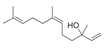 |
| Citronellal |  | (E)-α-Bergamotene |  |
| Geranial (citral A) |  | (E)-β-Ionone | 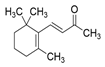 |
| Geranyl acetate |  | (E)-β-Ocimene |  |
| Neral (citral B) | 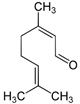 | (E-E)-Geranyl linalool | 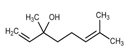 |
| α-Cadinol |  | (Z)-β-Ocimene |  |
| α-Copaene |  | 1,2-Benzenedicarboxilic acid, butyl 2-methylopropyl ester | 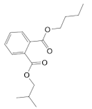 |
| β-Caryophyllene | 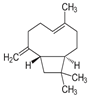 | 1,8-Dehydro-cineol | 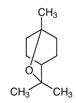 |
| 14-Hydroxy-9-epi-(E)-caryophyllene | 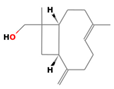 | ||
| 1-Octen-3-ol | 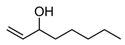 |
| Triterpene | Part of Plant |
|---|---|
| Ursolic acid * | Aerial part |
| Oleanolic acid ** | Aerial part |
| Betulinic acid *** | Aerial part |
| 3β,16β,23-Trihydroxy-13,28-epoxyurs-11-ene-3-O-β-D-glucopyranoside | Leaves and stems |
| 3,23-Disulfate ester of 2α,3β,19α,23-tetrahydroxyurs-12-en-28-oicacid | Leaves and stems |
| 3,23-Disulfate ester of 2α,3β,19α,23-tetrahydroxyurs-12-en-28-oicacid 28-O-β-D-glucopyranoside | Leaves and stems |
| 3,23-Disulfate ester of2α,3β,23,29-tetrahydroxyolean-12-en-28-oicacid | Leaves and stems |
| 3,23-disulfate ester of 3β-23,29-trihydroxyolean-12-en-28-oic acid | Leaves and stems |
| 3,23-Disulfate ester of 2α,3β-23,29-tetrahydroxyolean-12-ene-28-oicacid | Leaves and stems |
| 23-sulfate ester of 2α,3β,19 α,23-tetrahydroxyurs-12-en-28-oic acid | Leaves and stems |
| 23-sulfate ester of 2α,3β,19 α,23-tetrahydroxyurs-12-en-28-oic acid 28-O-β- D-glucopyranoside | Leaves and stems |
| Melissioside A, B and C | Leaves and stems |
Disclaimer/Publisher’s Note: The statements, opinions and data contained in all publications are solely those of the individual author(s) and contributor(s) and not of MDPI and/or the editor(s). MDPI and/or the editor(s) disclaim responsibility for any injury to people or property resulting from any ideas, methods, instructions or products referred to in the content. |
© 2023 by the authors. Licensee MDPI, Basel, Switzerland. This article is an open access article distributed under the terms and conditions of the Creative Commons Attribution (CC BY) license (https://creativecommons.org/licenses/by/4.0/).
Share and Cite
Castro-Muñoz, R.; Boczkaj, G.; Cabezas, R. A Perspective on Missing Aspects in Ongoing Purification Research towards Melissa officinalis. Foods 2023, 12, 1916. https://doi.org/10.3390/foods12091916
Castro-Muñoz R, Boczkaj G, Cabezas R. A Perspective on Missing Aspects in Ongoing Purification Research towards Melissa officinalis. Foods. 2023; 12(9):1916. https://doi.org/10.3390/foods12091916
Chicago/Turabian StyleCastro-Muñoz, Roberto, Grzegorz Boczkaj, and René Cabezas. 2023. "A Perspective on Missing Aspects in Ongoing Purification Research towards Melissa officinalis" Foods 12, no. 9: 1916. https://doi.org/10.3390/foods12091916
APA StyleCastro-Muñoz, R., Boczkaj, G., & Cabezas, R. (2023). A Perspective on Missing Aspects in Ongoing Purification Research towards Melissa officinalis. Foods, 12(9), 1916. https://doi.org/10.3390/foods12091916

