


Abstract
In higher education, maintaining student engagement in voluntary activities remains a challenge. While serious games are recognized for enhancing motivation, evidence regarding their long-term effectiveness in non-graded contexts is limited. This study evaluates the impact of “The Time Machine”, an interactive branching-narrative serious game, on academic motivation and participation. A quasi-experimental study was conducted across 14 undergraduate courses. The Motivated Strategies for Learning Questionnaire-Short Form (MSLQ-SF) was administered in three surveys (Survey 1, Survey 2, Survey 3). In total, 404 students completed at least one survey (635 questionnaire records). Longitudinal analyses (Friedman test) were conducted on the complete-case sample (n = 65) comprising students who responded to all three surveys and revealed no statistically significant changes in motivational dimensions. Completion rates (defined as responding to all three surveys) were significantly dependent on the implementation context (Fisher’s test, p < 0.001), being higher in groups with direct instructional support. Additionally, female students reported significantly higher test anxiety than males, while prior affinity for video games showed no influence on motivational outcomes. Narrative-driven serious games can sustain motivation over time effectively. However, their success relies critically on pedagogical scaffolding and teacher involvement rather than solely on game mechanics or students’ gamer profiles.
1. Introduction
The use of gamification and serious games in education is a technique with a consolidated track record in the classroom, having been progressively integrated as a fundamental pedagogical strategy in higher education (Arias-Calderón et al., 2022; Krath et al., 2021; Rivera & Garden, 2021). Additionally, in the current higher education context, which is characterized by digital transformation, the increasing diversity of student profiles, and the demand to promote meaningful and transferable learning, fostering student motivation has emerged as a crucial challenge for institutions (Prieto Andreu, 2020; Ratinho & Martins, 2023).
Substantial evidence indicates that a lack of motivation negatively impacts student participation, academic engagement, and performance, even leading to university dropout in extreme cases (Campillo-Ferrer et al., 2020; Jaramillo-Mediavilla et al., 2024; Pérez García et al., 2024). Within this framework, active methodologies—and specifically game-based strategies—have emerged as promising alternatives for revitalizing teaching and learning processes, fostering student involvement and facilitating more meaningful learning experiences (Lluch Molins et al., 2022).
This pedagogical shift is further reinforced by contemporary regulatory frameworks, such as Spain’s Royal Decree 822/2021 (Ministerio de Universidades, 2021), which establishes the organization and quality assurance of university education. Specifically, Article 21 encourages the implementation of teaching innovations such as flipped classrooms, project-based learning, and the intensive use of digital technologies, while explicitly endorsing the use of gamification and serious games. This institutional support underscores that such actions are not merely forms of entertainment but are fundamentally grounded in rigorous educational and pedagogical purposes.
Beyond mere engagement, scholarly literature highlights that these techniques are strategically utilized by educators to ensure the assimilation and long-term retention of complex conceptual knowledge (Suárez-López et al., 2023). Furthermore, these strategies prove essential for the acquisition of transversal soft skills, such as critical decision-making (Grijalvo et al., 2022) and collaborative synergy (Lluch Molins et al., 2022), while simultaneously driving higher rates of classroom attendance and proactive student participation (Pérez García et al., 2024).
On the one hand, gamification is defined as the strategic application of game-design elements and mechanics within non-ludic contexts, specifically aimed at fostering motivation, commitment, and behavioral engagement among participants (Deterding et al., 2011; Werbach & Hunter, 2012). On the other hand, serious games are conceptualized as immersive experiences designed with a primary and explicit pedagogical intentionality, where the acquisition of learning outcomes constitutes the fundamental objective rather than a secondary byproduct of entertainment (Al Habsi et al., 2025; Krath et al., 2021). Although ‘serious games’ are sometimes used in literature as a synonym for game-based learning (GBL), these terms should not be confused. The primary distinction lies in the origin of the game: while GBL typically employs games or game-like components originally created for non-educational purposes (e.g., entertainment) to motivate students, serious games are specifically designed to achieve educational objectives (Yaman et al., 2025).
While gamification and serious games both utilize play as a central didactic resource, academic literature clearly delineates the distinctions between these two approaches regarding their design architecture, the depth of curricular integration, and their overall educational scope (Krath et al., 2021). Recent systematic reviews indicate that gamification has seen more extensive implementation within higher education settings than serious games, yet both methodologies demonstrate significant positive impacts on student motivation, active participation, and the perceived quality of the learning experience (Baldrich et al., 2024).
Self-Determination Theory (SDT) posits that motivation operates along a continuum, ranging from amotivation to intrinsic motivation and progressing through various stages of extrinsic regulation (Deci & Ryan, 1985). Within this theoretical framework, the present research aims to enhance university students’ motivation by engaging them with academic content through an interactive narrative that dynamically adapts to their responses. This study focuses on identifying how educational experiences centered on serious games can cultivate more self-determined forms of motivation, which are fundamentally associated with higher levels of commitment, academic persistence, and psychological well-being (Hernanz et al., 2024; López-Martínez et al., 2022). In the university setting, motivation is not regarded as a monolithic entity but rather as a multidimensional and dynamic phenomenon, encompassing emotional states, prior interests, perceived utility, and cognitive factors, all of which remain highly sensitive to the specific teaching and learning environment (Sánchez-Bolívar & Martínez-Martínez, 2022).
The pedagogical intervention, titled “The Time Machine”, was developed as a branching interactive narrative that immersed students in various historical periods. Within this digital environment, participants were required to resolve challenges and questions specifically contextualized to the syllabus of each academic module, allowing the narrative to progress based on their autonomous decisions. This methodology was implemented across fourteen courses within eight distinct undergraduate degree programs at Rey Juan Carlos University, with the overarching objective of fostering active learning, enhancing motivation, and facilitating the acquisition of transversal competencies. Although 669 students were enrolled in the courses where the experience was implemented, 404 unique students completed at least one of the questionnaires and were therefore included in the analyses. Of these, 388 participated in the first survey, while a small number of students joined the study at later measurement points. Details regarding participant flow and attrition across survey waves are provided in the Methodology section.
This experience is based on four research hypotheses:
Hypothesis 1 (H1).
There are no significant differences in motivational dimension scores across the three measurement moments (pre-test, intermediate control, and post-test).
Hypothesis 2 (H2).
Completion of the educational experience is independent of the implementation context; that is, completion rates are equivalent across groups.
Hypothesis 3 (H3).
There are no significant differences in motivational dimension scores based on gender (female vs. male).
Hypothesis 4 (H4).
Motivational dimension scores do not differ significantly based on students’ self-reported affinity for video games.
The remainder of this paper is organized as follows: Section 2 provides a literature review focused on motivation theory and serious games. Section 3, Methodology, details the design of the educational experience, the characteristics of the participants, and the instruments employed for data collection. Finally, the results are presented and discussed, followed by the main conclusions drawn from the study.
2. Theoretical Framework
2.1. Self-Determination Theory
Motivation plays a central role in explaining student engagement, persistence, and academic performance in higher education. Early conceptual approaches distinguished between intrinsic motivation, which refers to the enjoyment and interest inherent in a given task, and extrinsic motivation, which is driven by external incentives such as grades or rewards (Deci & Ryan, 1985). Over time, however, this dichotomous perspective gave way to more integrative models. In particular, Self-Determination Theory (SDT) conceptualizes motivation as a continuum ranging from amotivation to different forms of extrinsic motivation and, ultimately, intrinsic motivation (Deci & Ryan, 1985).
SDT posits that the quality of motivation depends on the satisfaction of three basic psychological needs: autonomy, competence, and relatedness. When these needs are fulfilled, more autonomous forms of motivation are fostered, which support deeper and more sustainable learning. In higher education, this framework is complemented by the Hierarchical Model of Motivation (Vallerand, 1997), which explains how situational experiences—such as gamified activities or serious games—can generate short-term motivational changes that, when maintained over time, may evolve into more enduring contextual motivation.
Recent studies suggest that demotivation in universities remains a persistent concern, increasing the demand for active methodologies that enhance student engagement and foster autonomy (Prieto Andreu, 2020). In this context, gamification and serious games emerge as promising strategies for energizing the teaching–learning process and promoting more autonomous forms of motivation.
2.2. Gamification and Serious Games in Higher Education
2.2.1. Fundamentals, Evidence, and the Role of Storytelling
Gamification involves the use of game design elements—such as points, badges, or levels—in non-game contexts to make activities more game-like and to influence learners’ behaviors and attitudes (Fortuna et al., 2023). This perspective emphasizes not only individual mechanics but also the intentional design of meaningful and engaging experiences, as highlighted by Deterding et al. (Deterding et al., 2011) and Werbach and Hunter (Werbach & Hunter, 2012). In educational settings (Al Habsi et al., 2025; Rivera & Garden, 2021), these elements have been shown to enhance the learning experience and promote active student participation.
Serious games, in contrast, are complete games designed with explicit educational purposes. Their effectiveness lies in their ability to integrate narratives, rules, and interactive dynamics that simulate real-world situations, thereby facilitating both cognitive and attitudinal learning (Moradi & Noor, 2022). In higher education, these games have been employed to support the development of professional skills, cross-cutting competencies, and experiential learning.
Recent systematic reviews confirm that gamification and serious games have a positive impact on motivation, engagement, and academic performance in university settings (Prieto Andreu, 2020; Ratinho & Martins, 2023). Among the most influential components is storytelling, which enhances immersion, provides meaning to tasks, and supports meaningful learning. When narrative is coherently integrated—through missions, characters, dilemmas, or fictional worlds—student engagement and autonomous motivation tend to increase (Flores-Aguilar et al., 2023; González-Yubero et al., 2023).
The literature suggests that narrative experiences help activate positive emotions that, in turn, promote both retention and sustained participation (Lafrenière et al., 2012). In activities such as educational escape rooms or gamified simulations, narrative has been found to increase levels of immersion, collaborative work, and the sense of progression (Borrás-Gené et al., 2024; Sánchez-Martín et al., 2020).
2.2.2. Heterogeneous Effects of Gamification and Serious Games on Student Motivation and Learning Outcomes
Most of the studies reviewed indicate that gamified strategies—by offering an interactive experience, immediate feedback, rewards, visible progression, and, in some cases, narrative or a playful context—can increase student motivation. A recent meta-analysis concludes that gamification enhances intrinsic motivation, perceived autonomy, and social relatedness, although its impact on perceived competence remains limited (Li et al., 2024).
However, the effects are not uniform. For example, a comparative study with psychology students found that, following an intervention involving gamified quizzes, extrinsic motivation increased significantly, whereas no improvement in intrinsic motivation was observed (Emilio López-Navarro et al., 2023). This suggests that gamification, when limited to superficial elements such as points, badges, or leaderboards, may strengthen only incentive—or reward-oriented forms of motivation—that is, extrinsic motivation.
Recent systematic reviews, however, indicate that many implementations in higher education continue to rely on reward-based mechanics, and that gamification does not always sustain motivation over the long term, as the effects tend to diminish once external incentives are removed (Ratinho & Martins, 2023). Design is therefore critical: serious games that incorporate narrative, decision-making, interactivity, meaningful contexts, rich feedback, and, where possible, collaborative elements are more likely to foster autonomous forms of motivation (autonomy, competence, and a sense of belonging) and promote deeper learning (Krath et al., 2021).
An especially relevant aspect is that serious games not only support the acquisition of specific content but also foster the development of cross-cutting competencies such as teamwork, decision-making, problem-solving, communication, self-management, and critical thinking. A recent study with postgraduate students reported significant improvements in several soft skills following the implementation of a serious game in a university context (Emilio López-Navarro et al., 2023). This approach extends the value of serious games beyond the mere transmission of knowledge, contributing to students’ holistic development and preparing them for professional or workplace environments, which provides an additional justification for their integration into academic programs.
2.3. Motivation Levels and Their Variation When Applying Gamification or Serious Games
SDT allows us to identify different levels of motivation, whose evolution can be examined in the context of gamified interventions.
2.3.1. Amotivation
Amotivation, characterized by a lack of intention to act, can be reduced through experiences that strengthen a sense of purpose, clarify objectives, and provide frequent feedback. Recent studies report decreases in amotivation when serious games are implemented in courses with a heavy theoretical load (Moradi & Noor, 2022).
2.3.2. Extrinsic Motivation
Most gamified implementations initially generate an increase in extrinsic motivation derived from rewards, points, leaderboards, or bonuses (Sánchez-Martín et al., 2020). This type of motivation encourages task completion and participation, particularly when the game elements are directly linked to assessment.
2.3.3. Autonomous Motivation (Intrinsic and Integrated)
The most valuable effects arise when gamification and serious games support the basic psychological needs of autonomy, competence, and relatedness. Activities involving narrative, graduated challenges, or cooperation have been shown to enhance intrinsic motivation and enjoyment (Emilio López-Navarro et al., 2023). Well-designed gamified experiences can also promote deep and sustained learning, particularly when the design avoids an excessive emphasis on external rewards (Montenegro-Rueda et al., 2023).
2.4. Relationship Between Gamification, Serious Games, and Course Grades
2.4.1. Impact on Graded Activities
When gamified elements are incorporated into the assessment system—for example, points converted into a percentage of the final grade, assessable missions, or achievements that provide bonus credit—students tend to show significant increases in extrinsic motivation, participation, and immediate performance (Sánchez-Martín et al., 2020; Suárez-López et al., 2023). This effect can be explained by the fact that gamification functions simultaneously as both a recreational and an academic stimulus.
However, several authors caution that when extrinsic motivation outweighs intrinsic motivation, side effects such as superficial learning or dependence on rewards may emerge (Prieto Andreu, 2020). Consequently, the literature recommends balancing evaluative elements with narrative and collaborative dynamics that foster autonomous motivation.
2.4.2. Impact on Non-Graded Activities
Conversely, teaching strategies can be implemented with the sole objective of maximizing students’ knowledge acquisition by enhancing motivation, self-efficacy, and commitment, without their participation directly influencing course grades.
The fact that games do not influence grades underscores that their real impact lies in motivation, autonomy, and perceived learning rather than in immediate assessment results. In other words, serious games function as a pedagogical reinforcement that enhances students’ experience and well-being, even if this does not directly translate into higher grades (Arias-Calderón et al., 2022).
A recent meta-analysis reviewed 118 theories used in research on gamification, serious games, and game-based learning. Among the most recurrent frameworks are SDT, flow theory, experiential learning theory, and constructivism (Krath et al., 2021). This highlights the importance of ensuring that the design of gamified or serious-game experiences does not focus solely on superficial rewards or incentives, but instead prioritizes meaningful, autonomous, and student-centered learning.
2.5. Experiences with Branched Interactive Narratives: Evidence of Implementation in Higher Education
Branched interactive narratives, structures based on the format of “Choose Your Own Adventure” books, in which student decisions generate consequences and divergent paths, have emerged as pedagogical strategies that integrate student agency with meaningful learning (Fenici & Mosca, 2024). A seminal study involving university biology students evaluated branching videos with decision-making points against linear formats (Lacey et al., 2024). The results revealed that, although the interactive videos did not yield significantly higher learning gains, 62% of students reported greater engagement due to this format. Crucially, when branching narratives were implemented as structurally scaffolded problem-solving activities following linear instruction, student acceptance increased markedly: 93% rated them as significantly more useful. This underscores that their effectiveness critically depends on context and pedagogical alignment.
In clinical education, interactive narratives using branching scenarios have demonstrated potential for developing technical and transversal skills, such as critical decision-making and empathy (Bagley et al., 2025). Implementations range from patient simulations to immersive virtual settings known as Cave Automatic Virtual Environments (CAVEs). Notably, these studies have reported significant improvements in neuroanatomy, especially for students with lower initial spatial abilities.
Recent advancements in generative artificial intelligence have accelerated the development of interactive multimodal narratives (Bland, 2025). A study in medical education developed a “cinematic clinical narrative” (CCN) utilizing GPT-4, Leonardo.ai, and Eleven Labs. Results indicated that a significant proportion of students preferred this format over traditional case studies and achieved an academic performance of 88% on assessments covering the narrative content.
In summary, emerging evidence regarding the implementation of branching interactive narratives in higher education suggests that their effectiveness relies on five critical factors (Irvani et al., 2025; Lluch Molins et al., 2022; López-Martínez et al., 2022): explicit alignment with learning objectives, structural scaffolding to mitigate disorientation, cooperative integration to foster social belonging, multimodal design to enhance retention, and reflective debriefing to consolidate learning upon completion of the activity.
3. Materials and Methods
3.1. Research Design
This study was conducted during the second semester of the 2024/2025 academic year (February–June) at Rey Juan Carlos University (URJC), using a quantitative, experimental, longitudinal design to analyze the relationships among different motivational variables in university students. This approach enabled the collection of data from a large sample in a real academic context and was appropriate for statistically examining the associations among the psychological constructs assessed.
For nine weeks, an activity entitled “The Time Machine” was implemented following a serious-game strategy, within the framework of the active teaching methodologies established in Royal Decree 822/2021 of 28 September (Ministerio de Universidades, 2021). This storytelling activity—specifically a non-linear narrative—immerses students in the adventures of Tom, a scientist developing a time machine to travel to different eras. At the end of each chapter, students must choose how they want the story to continue by selecting between two possible options. The specific outcome is determined by the successful completion of a practical exercise or the correct answering of questions based on the course content covered to date. If the student completes the activity correctly, the story proceeds according to their selected choice; conversely, if they fail the task, the narrative follows the alternative path. Since the activity is performed individually, students may navigate different narrative storylines simultaneously.
This educational activity was designed to facilitate the acquisition and consolidation of theoretical and practical skills, adapting to the specific syllabus of each course in which the experience was implemented. It integrated game mechanics intended to promote autonomous learning and motivation.
In Applied Computer Science, the activities focused on basic digital competencies. Specifically, students worked with Microsoft Word—addressing fundamental concepts, text and paragraph formatting, and table of contents creation—and Microsoft Excel, covering spreadsheet management, basic formulas, and functions for information organization and analysis, such as filtering and sorting. In Business Sociology, the content covered Auguste Comte’s Law of the Three Stages, paradigms of modern sociology, SWOT analysis, and organizational symbols and rituals. Finally, in the Political Systems courses, the game addressed fundamental concepts of political organization, comparative analysis of international systems, and the characteristics of multiparty systems.
This activity builds on a series of preliminary demo experiences carried out over the two previous academic years with small groups of students (no more than 15 per group). These pilot implementations made it possible to refine the design and develop an improved version, which resulted in the current format.
For the purposes of the research, a dedicated instance of the Moodle platform was installed on a virtual server within the Rey Juan Carlos University domain, using the IP address maquinatiempo.etsii.urjc.es. A separate course space was created for each group, bringing together the participating students according to the theoretical content of the course in which the experiment was implemented.
Within the platform, the six chapters of the non-linear story were structured and scheduled to be released weekly (using the platform’s built-in restriction settings). Each section of each chapter includes:
- Cover image for the section (Figure 1, top).
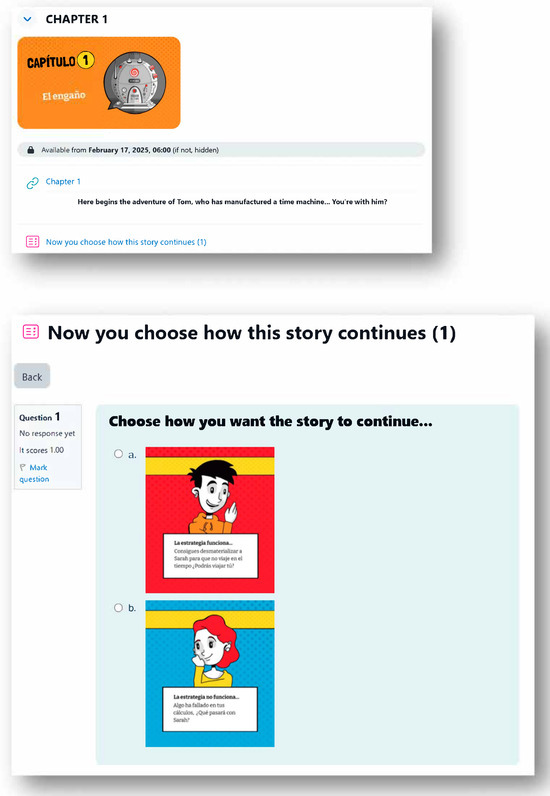 Figure 1. Chapter cover image (top) and Moodle decision-making activity for selecting the narrative path (bottom). Note: The text corresponds to the narrative outcomes displayed to students in Spanish. Option (a) translates to: “The strategy works… You manage to dematerialize Sarah so she doesn’t travel in time. Will you be able to travel?”. Option (b) translates to: “The strategy doesn’t work… Something went wrong in your calculations. What will happen to Sarah?”. Source: Created by the authors.
 - Video containing the chapter corresponding to the week in question. All chapter videos are hosted on a private YouTube channel (see Supplementary Materials), and participants receive a link to the corresponding video, which opens in a new window.
- Moodle quiz activity presenting the two options from which students can choose to continue the story.
- Moodle quiz activity (one for each of the options above) presenting the task to be completed, either a theoretical question or a practical exercise (Figure 1, bottom). In both cases, answer options are provided to enable automatic grading.
- Preview video of the next chapter (one for each of the previous options, depending on whether the activity was completed correctly). As with the chapter videos, these previews are hosted on the same private YouTube channel (see Supplementary Materials), and participants access only the link to the corresponding video.
All content on the platform was configured using conditional release settings so that each element became visible only as the preceding activities were completed. After choosing how they wished the story to continue, students were shown only the activity corresponding to their selected narrative path. Although the same task was generally used for both paths, duplicating it facilitated the configuration of restrictions for subsequent activities. Completing this task unlocked the content block for the following week, which corresponded to the chosen storyline, although these materials became visible only once the scheduled date restriction was met. Likewise, the preview video for the next chapter appeared only after the task had been completed: if the student solved it correctly, the preview linked to their chosen option was displayed; otherwise, the alternative preview was shown.
As illustrated in Figure 2, each participant followed the same weekly sequence: first, they watched the short video (under three minutes) presenting that week’s chapter; then, through a Moodle task, they selected one of the two options for continuing the story. After making their choice, they answered a syllabus-related question covering content taught up to that point. If answered correctly, the narrative progressed along the selected storyline; if answered incorrectly, it advanced along the alternative path. Finally, students viewed a brief preview video (under 30 s) of the following chapter, designed to maintain engagement and anticipation for the next week.
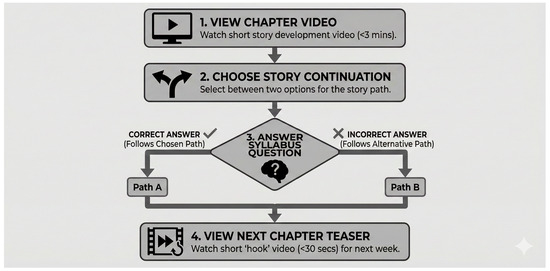
Figure 2.
Weekly participant process flow. Source: Generated via Google Gemini (Model: Gemini 3 Pro Image/Nano Banana Pro).
The teachers involved were asked to enable, within the course’s Virtual Classroom—the Learning Management System (LMS) used at Rey Juan Carlos University, also based on Moodle—a dedicated tab for disseminating information about the research, as well as links and resources, so that all related content was centralized and easily accessible to participating students.
Each chapter was designed in Genially, taking advantage of the licenses provided by URJC. Genially is a free and dynamic tool for creating animated presentations that can be exported as videos or images. A template from the application was used and adapted with Genially’s built-in resources, along with additional materials edited in Photopea and others obtained from free image banks such as Freepik. AI-generated assets were also incorporated to create new characters, objects, or backgrounds illustrating the narrative.
The schedule for the experience, and consequently for student participation, is summarized in Figure 3. During the experience, students were asked to complete a validated academic motivation questionnaire on three occasions: at the beginning, midway through, and at the end of the study.
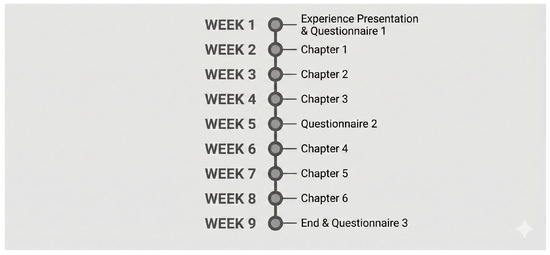
Figure 3.
Nine-week experience schedule. Source: Generated via Google Gemini (Model: Gemini 3 Pro Image/Nano Banana Pro).
It is important to note that participation in the experiment was entirely voluntary and had no effect on students’ final course grades. In agreement with the teachers who facilitated the implementation, the first 10 to 15 min of one weekly session were devoted to the activity. In some groups, the principal investigator attended these sessions to encourage participation (Groups 1 and 3); in others, the course instructor was responsible for motivating students; and in some cases, students participated independently so as not to interfere with instructional time (Group 2). In all groups, a weekly text message encouraging or reminding students to participate was provided to the instructor, who then distributed it through the course’s Virtual Classroom, as participation did not have to occur on a specific day.
3.2. Participants
The study targeted a population of 669 students enrolled in 14 different undergraduate courses at Rey Juan Carlos University during the second semester of the 2024/2025 academic year. All students enrolled in these courses were invited to participate voluntarily in the serious-game activity and the associated questionnaires.
A total of 404 unique students completed at least one of the three surveys and were therefore included in the analyses. Of these, 388 participated in Survey 1, while a small number of students joined the study at later measurement points. Participation was anonymous and confidential.
For analytical purposes, courses were grouped according to the instructional context in which the activity was implemented, reflecting differences in classroom integration, access to computers, and level of instructor support:
- GROUP 1 [9 courses]: Attended class in a computer lab, with students using their own computers. All courses belonged to Applied Computer Science, with different instructors, degrees, academic years and campuses.
- GROUP 2 [2 courses]: Worked independently and did not attend class sessions. Students did not have access to university computers and instead used their own laptops, tablets, or smartphones. Both courses belonged to Political Science and were from the same academic year, but had different instructors and campuses.
- GROUP 3 [3 courses]: The principal investigator attended the class sessions. Students did not have access to university computers and instead used their own laptops, tablets, or smartphones. All participants were enrolled in the same Accounting and Finance courses with the same instructor and academic year but were located on different campuses.
3.3. Instruments
Academic motivation and learning strategies were assessed using the Motivated Strategies for Learning Questionnaire-Short Form (MSLQ-SF) (Masso Viatela & Fonseca Gómez, 2024) (see Appendix A). This instrument is an abbreviated version of the original MSLQ (Pintrich & De Groot, 2012) and was adapted to consist of 37 items aligned with the motivational and self-regulated learning dimensions relevant to the present study. The questionnaire was administered at three points during the experiment: as a pre-test (before), an intermediate control test (during), and a post-test (after). This study incorporated from this version of the questionnaire only the items corresponding to the dimensions relevant to the research objectives and aligned with motivation theory:
- Test anxiety: items 3, 12, 21, and 29.
- Self-efficacy for learning: item 16.
- Intrinsic goal orientation: items 10, 19, and 34.
- Task value: items 11, 28, and 35.
All items were answered on a 5-point Likert scale (1 = “strongly disagree,” 5 = “strongly agree”). The questionnaire was designed using Microsoft Forms and administered to students via a link provided in each course’s Virtual Classroom, on the platform where the serious-game experience was hosted, or by scanning a QR code.
The estimated completion time was 8–10 min. No personally identifiable information was collected, and anonymity was ensured through the anonymous username assigned to each participant at the beginning of the experience. To reinforce anonymity, and enable recovery of forgotten usernames, students also responded to general prompts that only they would know (favorite color, number, food, and vacation destination).
3.4. Data Analysis
Descriptive analyses were conducted to characterize students’ motivational profiles across the stages of the experimental intervention. All analyses were performed in the R statistical environment using a custom-developed Shiny application, which supports dynamic case filtering and facilitates transparent and reproducible reporting of descriptive results.
The full analytical dataset comprised 404 unique participants and 635 completed questionnaire records across the three measurement points (Survey 1: n = 388; Survey 2: n = 169; Survey 3: n = 78). It should be noted that a small number of students did not respond to Survey 1 but joined the study at later waves, which explains why the number of unique participants exceeds the number of respondents in the baseline survey. Sample characteristics of the analytical sample are summarized in Table 1.

Table 1.
Sample characteristics (analytical sample, unique participants).
Overall, the analytical sample is predominantly composed of participants from Group 1, with a higher proportion of female students and a majority of respondents classified as players, providing a sufficiently heterogeneous basis for subsequent subgroup comparisons.
Given the substantial attrition across survey waves, different analytical strategies were applied depending on the research question. Longitudinal analyses of motivational change (Hypothesis 1) were conducted using a complete-case approach, including only students who responded to all three surveys (n = 65), in order to preserve the repeated-measures structure of the data. In contrast, analyses addressing contextual and individual differences (Hypotheses 2–4) were based on all available responses at the participant level, using appropriate non-parametric tests for independent samples.
To provide a concise representation of the motivational constructs aligned with the research objectives, composite scores were computed for each dimension as the mean of the corresponding item responses, retaining the original 1–5 Likert scale. The dimensions analyzed were self-efficacy, test anxiety, intrinsic goal orientation, and task value.
These composite scores were subsequently used for both descriptive and inferential analyses. Descriptive summaries and graphical representations were generated to visualize motivational patterns across survey waves and participant subgroups, while inferential analyses were conducted to test the study hypotheses. The corresponding figures and statistical results are presented in Section 4 (Results).
3.5. Ethical Considerations
The Research Ethics Committee of Rey Juan Carlos University approved this project as no ethical conflicts were identified given the nature of the study. Participation was voluntary and anonymous, and all students were informed of the purpose of the research and the implications of their involvement. Data were collected and analyzed anonymously, and no personal information was stored at any point.
To maintain student anonymity in the questionnaire responses—since neither institutional usernames nor any other personal data were used—each participant was assigned an anonymized username composed of the term User, a letter identifying the participant’s group (degree program, courses, campus, and instructor) to facilitate subsequent analysis, and a random number (e.g., UserF25). To access the platform, participants also required a password, which was provided together with the anonymized username and was to be changed upon their first login.
4. Results
This section presents the results of the analyses conducted to examine students’ motivational responses to the interactive branching-narrative serious game. Results are organized to first provide a general descriptive overview of motivational item responses across the full dataset, followed by hypothesis-driven analyses addressing longitudinal changes, contextual factors influencing participation, and individual differences.
As an initial descriptive step, Figure 4 presents the distribution of responses for all motivational items across the complete set of questionnaire records, independently of survey wave. The purpose of this figure is to provide an overall descriptive overview of endorsement patterns across items, rather than to examine change over time, which is analyzed separately using only participants who completed all three surveys (see Figure 5). This approach allows a broad characterization of item endorsement while avoiding the confounding of longitudinal analyses by participant attrition.
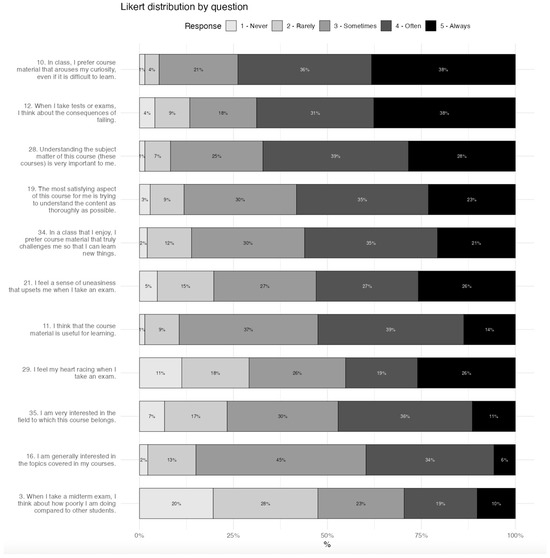
Figure 4.
Item-level response distributions (Likert).
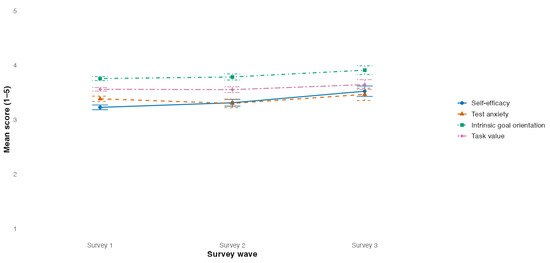
Figure 5.
Evolution of motivational dimension scores across survey waves: The figure presents mean scores (with error bars) for each motivational dimension measured on a 1–5 Likert scale, where higher values indicate higher levels of the corresponding construct. The three survey waves correspond to measurements taken before, during, and after the serious-game experience.
Items in Figure 4 are ordered by the accumulated percentage of responses in categories 4 and 5 (Often + Always), so that items with stronger endorsement appear first.
The highest top-box items are:
- 10. In class, I prefer course material that arouses my curiosity, even if it is difficult to learn. (73.8%);
- 12. When I take tests or exams, I think about the consequences of failing. (68.8%);
- 28. Understanding the subject matter of this course (these courses) is very important to me. (67.1%).
Conversely, items with comparatively lower top-box endorsement include:
- 3. When I take a midterm exam, I think about how poorly I am doing compared to other students. (29.6%);
- 16. I am generally interested in the topics covered in my courses. (39.7%);
- 29. I feel my heart racing when I take an exam. (45.2%).
Taking together, these item-level patterns suggest that while interest- and value-related statements tend to receive stronger endorsement, items reflecting anxiety-related experiences show greater dispersion and lower overall agreement.
4.1. Evolution of Students’ Motivation Throughout the Experience
This section examines the evolution of students’ motivational profiles throughout the serious-game experience. Motivation was operationalized using four dimensions derived from the MSLQ-SF questionnaire: self-efficacy, test anxiety, intrinsic goal orientation, and task value. These dimensions were measured at three time points: before the intervention (Survey 1), midway through the experience (Survey 2), and after completion (Survey 3).
To analyze longitudinal changes in motivation, only students who completed all three surveys were included. Given the ordinal nature of the Likert-type items and the repeated-measures design, non-parametric statistical procedures were applied.
To test Hypothesis 1 (H1), longitudinal changes in motivational dimensions across the three survey waves were analyzed using repeated-measures non-parametric tests. Descriptive statistics for the four motivational dimensions across survey waves are reported in Table 2, while their longitudinal evolution is illustrated in Figure 5. Mean self-efficacy increased from 3.22 (SD = 0.85) in Survey 1 to 3.52 (SD = 0.84) in Survey 3, and intrinsic goal orientation showed a smaller increase from 3.75 (SD = 0.72) to 3.91 (SD = 0.71). In contrast, test anxiety remained relatively stable (3.38, 3.30, and 3.46 across surveys), as did task value (3.56, 3.55, and 3.64). Overall, dimension means remain relatively stable, with only modest variations across time.
Table 2.
Dimension scores across survey waves (mean (sd)).
To formally test these observations, Friedman tests were conducted separately for each motivational dimension. The analyses confirmed the absence of statistically significant differences across survey waves for self-efficacy (χ2 = 3.453, p = 0.178, Kendall’s W = 0.027), test anxiety (χ2 = 1.063, p = 0.588, W = 0.008), intrinsic goal orientation (χ2 = 2.398, p = 0.302, W = 0.018), and task value (χ2 = 1.105, p = 0.576, W = 0.008). In all cases, effect sizes were small, indicating limited variability over time.
Accordingly, Hypothesis 1 was supported, indicating that students’ motivational levels did not change significantly throughout the experience.
Complementary descriptive analyses at the item level indicate that items related to self-efficacy tend to maintain or slightly increase the proportion of high-end responses (Often and Always) over time, whereas items associated with test anxiety show modest fluctuations. Intrinsic goal orientation exhibits a slight upward tendency, and task value remains largely stable or shows minor increases across the three surveys. These descriptive trends are consistent with the dimension-level results reported in Table 2 and Figure 5.
Overall, although the results do not provide evidence of a statistically significant increase in motivation attributable to the intervention, they indicate that participation in the serious game did not lead to motivational decline. Maintaining stable levels of self-efficacy, interest, and perceived task value over an extended, non-assessable activity constitutes a meaningful outcome, particularly in educational contexts where motivational decreases over time are frequently observed.
4.2. Completion of the Experience Across Implementation Contexts
This section analyses whether students’ completion of the serious-game experience differed across implementation contexts. Completion was operationalized as participation in all three survey waves (Surveys 1, 2, and 3) and was computed at the student (User) level. Implementation context was defined according to the instructional grouping in which the activity was deployed (Group 1: computer laboratory; Group 2: independent work using personal devices; and Group 3: principal investigator support using personal devices), reflecting differences in classroom integration, access to computers, and level of instructional support. Specifically, Group 1 completed the activity during regular class sessions with direct instructor support and access to computers, Group 2 combined in-class introduction with mostly autonomous completion, and Group 3 relied almost entirely on voluntary out-of-class participation.
To test Hypothesis 2 (H2), differences in completion rates across the three implementation contexts were examined using contingency analyses. Given the presence of small expected cell counts in some groups, Fisher’s exact test was applied instead of Pearson’s chi-square test. Effect size was quantified using Cramér’s V.
It should be noted that this analysis is descriptive and focuses on participation patterns rather than learning or motivational outcomes, which are analyzed separately using appropriate subsamples. As illustrated in Figure 6, completion rates differed markedly across groups. Group 1 exhibited the highest proportion of students completing all three surveys, followed by Group 2, whereas Group 3 showed very low completion. The inferential analysis revealed a statistically significant association between implementation context and completion of the experience (Fisher’s exact test, p = 0.0005). The observed effect size was small to moderate (Cramér’s V = 0.191), indicating a meaningful relationship between instructional context and sustained student participation.
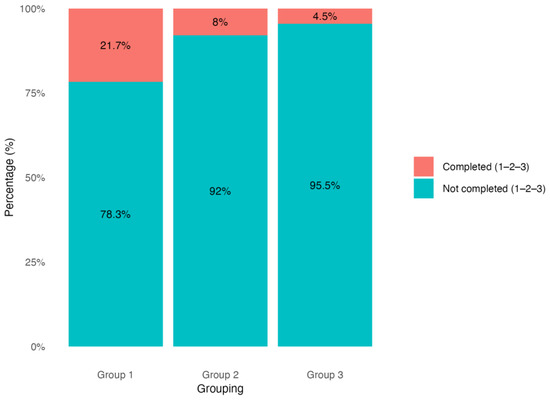
Figure 6.
Completion of the serious-game experience across implementation contexts: Bars show the percentage of students within each implementation context who completed or did not complete all three survey waves (Surveys 1–3).
Given the high overall attrition, we additionally examined whether completion of the experience was associated with students’ prior interest in video games, as this could potentially bias subsequent comparisons between players and non-players. Completion rates were slightly higher among students who reported liking video games (12.3%) than among those who did not (7.4%). However, Fisher’s exact test indicated that this difference was not statistically significant (p = 0.136), and the effect size was very small (Cramér’s V = 0.073). This suggests that prior gaming affinity does not appear to meaningfully account for the observed dropout, and that completion is more strongly related to instructional implementation context than to individual gaming preferences.
Taken together, these results support Hypothesis H2, demonstrating that completion of the serious-game experience differed significantly across implementation contexts. Higher completion rates were observed in contexts where the activity was more strongly embedded within structured classroom settings and supported by direct instructional integration. Conversely, contexts relying more heavily on autonomous participation outside the classroom were associated with substantially lower completion rates.
Overall, these findings suggest that the way a serious game is implemented within the teaching–learning process plays a critical role in sustaining student engagement over time. Beyond the design of the game itself, institutional and instructional conditions appear to be key determinants of whether students persist throughout a longitudinal, voluntary learning experience.
4.3. Gender Differences in Motivational Dimensions
This section examines whether students’ motivational outcomes differed by gender across the four dimensions assessed in the study. Although all dimensions were included in the analysis, particular attention was given to test anxiety due to the magnitude of the observed differences. The distribution of test anxiety scores by gender, aggregated across survey waves, is presented in Figure 7. Test anxiety refers to students’ general reactions to academic tests and examinations, as measured by the MSLQ-SF, and is not specific to the subject matter addressed by the serious game.
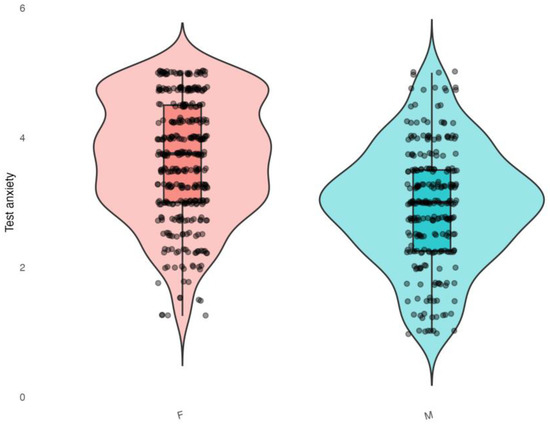
Figure 7.
Distribution of test anxiety scores by gender. Scores are shown on a 1–5 Likert scale, where higher values reflect higher test anxiety (1 = low anxiety; 5 = high anxiety).
To test Hypothesis 3 (H3), motivational dimensions were compared between female and male students using non-parametric tests. Gender-based differences were examined across four motivational dimensions: self-efficacy, test anxiety, intrinsic goal orientation, and task value. Given the ordinal nature of the Likert-derived dimension scores and the presence of two independent groups, non-parametric Mann–Whitney U tests were used for all comparisons. All available responses were included in the analysis.
The results revealed statistically significant gender differences across all four motivational dimensions. For self-efficacy, a small but significant difference was observed between female and male students (U = 52,528.5, p = 0.027, r = 0.088). A substantially larger difference emerged for test anxiety, with female students reporting higher anxiety levels than male students (U = 67,783.5, p < 0.001, r = 0.349), corresponding to a medium effect size. This pattern is clearly illustrated in Figure 7, which shows higher central tendency and greater dispersion of anxiety scores among female participants.
Significant differences were also found for intrinsic goal orientation (U = 54,636.0, p = 0.0046, r = 0.113) and task value (U = 53,737.5, p = 0.0117, r = 0.100). In both cases, female students reported slightly higher levels than their male counterparts, although the associated effect sizes were small.
Overall, these findings support Hypothesis H3, indicating that motivational responses to the serious-game experience varied by gender. However, the magnitude of these differences was generally limited, with the notable exception of test anxiety. While male and female students showed broadly comparable levels of perceived competence, interest, and task value, their emotional responses—particularly anxiety-related reactions—differed more markedly.
These results underscore the importance of considering gender-related differences in affective dimensions when designing and implementing serious games in educational contexts. Even in non-evaluative learning activities, emotional responses such as anxiety may not be uniformly distributed across student groups and may influence how different learners experience and engage with the intervention.
4.4. Influence of Prior Interest in Gaming on Motivational Outcomes
As reported in Section 4.2, completion of the experience was not significantly associated with students’ prior interest in video games. While overall attrition remains a limitation of the study, this result suggests that dropout is not systematically related to gaming affinity. Accordingly, the following analyses examine motivational differences between players and non-players among respondents, with appropriate caution in interpretation.
This section examines whether students’ prior interest in gaming influenced their motivational responses to the interactive branching-narrative serious game. Given that serious games are often assumed to be more appealing to students with a pre-existing affinity for video games, it is important to assess whether motivational outcomes differed between students who reported liking video games and those who did not.
To test Hypothesis 4 (H4), motivational outcomes were compared between students who indicated that they like playing video games and those who did not. Gender-independent non-parametric comparisons were conducted using the Mann–Whitney U test, given the ordinal nature of the Likert-derived dimension scores. Analyses were performed separately for each motivational dimension: self-efficacy, test anxiety, intrinsic goal orientation, and task value. All available responses were included.
The results revealed no statistically significant differences between players and non-players for any of the analyzed dimensions: self-efficacy (U = 38,672.5, p = 0.353, r = 0.037), test anxiety (U = 40,808.5, p = 0.985, r = 0.001), intrinsic goal orientation (U = 38,578.5, p = 0.267, r = 0.044), and task value (U = 38,572.0, p = 0.284, r = 0.043). In all cases, effect sizes were negligible, indicating minimal practical differences between the two groups.
Accordingly, Hypothesis H4 is supported. These findings indicate that students’ motivational responses to the serious-game experience did not depend on their prior interest in gaming. Both players and non-players reported comparable levels of perceived competence, interest, task value, and emotional response to the activity.
It should be noted that these comparisons are based on participants who provided valid responses to the motivational questionnaire and therefore may not fully represent students who discontinued participation earlier in the experience. Although prior interest in gaming was not associated with motivational outcomes among respondents, differential dropout patterns could still have influenced the composition of the final samples. This issue is addressed in the Limitations section and should be considered when interpreting the absence of differences between players and non-players.
Overall, these results suggest that the proposed serious game is perceived as equally motivating by students regardless of their previous inclination towards video games. This finding highlights the accessibility and inclusiveness of the intervention, demonstrating its potential to engage a broad range of learners beyond those with an existing affinity for gaming.
5. Discussion
This study examined students’ motivational responses to an interactive branching-narrative serious game implemented as a voluntary, non-graded activity in higher education. The results provide a nuanced picture in which motivation did not significantly increase over time but remained stable across the duration of the experience, while participation and certain affective responses varied as a function of contextual and individual factors. These findings can be interpreted considering Self-Determination Theory and previous research on gamification and serious games.
5.1. Stability of Motivation in a Non-Graded Serious Game
The existing literature confirms that gamification and serious games enhance student motivation in higher education (Flores-Aguilar et al., 2023; Santos-Villalba et al., 2020). However, in most instances, these dynamics are directly linked to an impact on academic grades.
Analogous to its role in creating unique consumer experiences in marketing, gamification has transformed various facets of education by rendering the user experience more engaging and enjoyable. Furthermore, it facilitates openness to student interaction, even when the application of rules and regulations imposes constraints—such as the requirements to advance through the narrative in the present study. Ultimately, despite these structural limitations, the activity retains its fundamental nature as a game (Lorente San Juan & Torreblanca Díaz, 2024).
Gamification and serious games foster a sense of individual agency and uniqueness, as players engage in a distinctive experience where they act as the protagonists, setting them apart from the collective. In the context of the ‘Time Machine’ experience, although descriptive analysis showed a trend of improvement in high-end responses for self-efficacy, inferential tests confirmed that motivation remained statistically stable, effectively avoiding the decline often observed in such interventions. Self-efficacy is defined as an individual’s belief in their capacity to organize and execute the actions necessary to achieve specific goals, thereby influencing the commitment to challenging tasks, the level of effort, persistence, and self-regulation (Schunk & DiBenedetto, 2021). Consequently, the achievement of personal learning objectives (Prieto Andreu, 2020) further reinforces motivation.
Contrary to expectations that serious games may lead to measurable increases in motivation (Flores-Aguilar et al., 2023; Santos-Villalba et al., 2020), the longitudinal analyses revealed no statistically significant changes in self-efficacy, intrinsic goal orientation, task value, or test anxiety, constructs derived from the MSLQ framework (Pintrich & De Groot, 2012), across the three survey waves. However, rather than indicating ineffectiveness, this result should be interpreted as a meaningful outcome given the characteristics of the intervention. The activity was voluntary, extended over nine weeks, and had no impact on course grades, conditions under which motivational decline is frequently observed in higher education (Deci & Ryan, 1985; Emilio López-Navarro et al., 2023).
In this context, the absence of decline may indicate that the narrative structure, weekly progression, and decision-based mechanics provided sufficient support for autonomy and competence to sustain engagement over time. The slight descriptive upward trends observed for self-efficacy and intrinsic goal orientation further reinforce this interpretation, even though they did not reach statistical significance.
Thus, the results contribute to the literature by highlighting motivational stability as a relevant and underreported outcome in longitudinal, non-graded interventions.
5.2. The Role of Implementation Context in Sustained Participation
When an activity is not assessable, meaning it does not translate into a grade contributing to the final course mark, student consistency and interest tend to diminish. This is evidenced by the attrition observed in this study, where only 65 out of the 388 students who responded to Survey 1 completed all three surveys. This decline occurred despite the fact that, in contrast to theoretical courses where students often function as passive recipients of knowledge, serious games enable students to play a significantly more active role in their learning (Moradi & Noor, 2022).
In contrast to the stability observed in motivational dimensions, participation patterns differed markedly across implementation contexts. The instructional setting in which the activity was embedded strongly influenced the completion of the experience; specifically, completion rates were significantly higher in contexts where the game was integrated into scheduled class time and supported by direct instructional presence. This finding highlights the critical role of contextual variables (López-Martínez et al., 2022) and teacher involvement (Flores-Aguilar et al., 2023) in the success of gamified interventions.
Consequently, fostering intrinsic motivation is essential, as emphasized by Self-Determination Theory (Deci & Ryan, 1985). This form of motivation refers to behaviors performed for their own sake, driven by inherent interest and the enjoyment derived from the activity itself. For this reason, a motivated student who finds a task engaging is more likely to persevere in the learning process, demonstrating a willingness to voluntarily undertake different challenges (Li et al., 2024) and to engage with the theoretical content associated with the activities (Arias-Calderón et al., 2022).
Furthermore, the use of interactive branching narratives has been shown to increase engagement and encourage participation, provided that the instructional design is intentionally tailored to the learning objectives (Lacey et al., 2024). In the case of the serious game focused on in this research, this was achieved by adapting the questions that condition the character’s narrative progression to the specific syllabus of the course in which the experience was implemented. However, it is equally critical to secure the active support and involvement of the course teacher (Flores-Aguilar et al., 2023).
This finding underscores the critical importance of contextual scaffolding in the implementation of serious games. While the intrinsic design of the game is essential, the surrounding pedagogical conditions—such as time allocation, visibility within the course structure, and active instructor involvement—play a decisive role in sustaining student participation over time (Flores-Aguilar et al., 2023; López-Martínez et al., 2022). In contrast, contexts relying primarily on autonomous, out-of-class engagement showed substantially lower completion rates, even when weekly reminders were provided.
These results align with prior research emphasizing that gamified or game-based activities are significantly more effective when meaningfully integrated into the teaching–learning process rather than positioned as peripheral or optional add-ons—a condition under which only 1% of students completed the experience (Montenegro-Rueda et al., 2023; Rivera & Garden, 2021). Consequently, the findings suggest that institutional and instructional factors are as critical as specific game mechanics in determining the long-term viability and success of serious-game interventions (Grijalvo et al., 2022).
5.3. Gender Differences in Motivational Dimensions
The analysis revealed statistically significant gender differences across all motivational dimensions, with the most pronounced effect observed for test anxiety. Female students reported higher anxiety levels than male students, with a medium effect size, while differences in self-efficacy, intrinsic goal orientation, and task value were statistically significant but small.
While gamification is known to reduce test anxiety (López-Martínez et al., 2022), a benefit observed among the students who completed this branching narrative experience, the tool was also employed to reinforce curricular content. This was achieved by integrating module-matter questions that students were required to answer in order to advance the story. Notably, the persistence of anxiety-related differences in a non-graded, narrative-based activity suggests that affective responses may be shaped by broader educational experiences rather than by assessment conditions alone.
At the same time, the relatively small differences observed for other dimensions indicate that male and female students experienced the serious game in broadly similar ways with respect to perceived competence, interest, and value. This combination of general motivational similarity and differentiated emotional response highlights the importance of considering affective dimensions—particularly anxiety—when designing and implementing serious games intended to support inclusive learning experiences.
5.4. Prior Interest in Gaming and Inclusiveness of the Intervention
No significant differences were observed across any motivational dimension between students who reported a preference for video games and those who did not. This finding challenges the prevailing assumption that serious games primarily benefit students with prior gaming experience or high affinity for the medium.
The absence of such disparities suggests that the narrative-driven, decision-based design of the intervention rendered it accessible and engaging for a broad spectrum of learners, irrespective of their gaming background, reinforcing the potential of branching narratives to foster inclusive learning environments (Fenici & Mosca, 2024).
This inclusivity is particularly salient in higher education, where student populations are heterogeneous and where a reliance on specific ‘gaming literacy’ could inadvertently exclude certain groups. By demonstrating comparable motivational responses among self-identified players and non-players, this study supports the proposition that well-designed serious games can function as universal pedagogical tools rather than niche interventions restricted to specific student profiles (Campillo-Ferrer et al., 2020).
5.5. Limitations and Future Research Directions
Several limitations should be acknowledged. The study employed a quasi-experimental design without a control group, which limits causal inference. Attrition across survey waves was substantial and uneven across implementation contexts, particularly in groups relying on voluntary out-of-class participation, which reduced the sample size for repeated-measures analyses and may introduce self-selection bias. Students who completed all three surveys may differ systematically in motivation or engagement from those who discontinued participation. For this reason, longitudinal analyses were conducted exclusively with participants who completed all three survey waves, whereas cross-sectional comparisons were based on all available responses at each measurement point. Although this strategy balances internal validity and statistical power, the results should be interpreted with caution, especially with regard to generalizability.
In addition, the research was conducted within a single institution and focused on one specific serious-game design, which may constrain generalizability.
Beyond methodological constraints, logistical and technical impediments also affected the implementation. Occasional server instability and configuration errors regarding platform restrictions may have discouraged student participation at specific intervals. Furthermore, unforeseen class cancelations disrupted the strict data collection timeline required for the research protocol—though in a standard non-research pedagogical context, the schedule could be flexibly adapted to the academic calendar. Finally, the use of pre-assigned anonymous credentials presented a challenge for longitudinal data linkage. Students were required to consistently use the same identifier; when credentials were lost, researchers relied on security questions (e.g., favorite color, food, or vacation spot) to recover them, a method limited by students’ variable recall of their initial answers.
Future research could address these limitations by incorporating control or comparison conditions, extending the analysis to multiple institutions, or combining quantitative measures with qualitative data to capture students’ subjective experiences in greater depth. To resolve tracking issues, future iterations should allow students to generate their own aliases or utilize institutional (corporate) credentials to ensure consistent identification. Further work could also explore longer-term effects on contextual or domain-specific motivation and examine how different forms of instructional integration interact with game design features.
6. Conclusions
This study contributes to the growing body of research on serious games in higher education by examining motivational outcomes, participation patterns, and individual differences in a longitudinal, non-graded context. The findings indicate that the interactive branching-narrative serious game successfully maintained students’ motivational levels over time, avoiding the decline commonly observed in extended voluntary activities.
At the same time, the results highlight the critical role of implementation context in sustaining participation, demonstrating that instructional integration and structured classroom support are key determinants of completion. Gender-related differences emerged primarily in affective responses, particularly test anxiety, while prior interest in gaming did not influence motivational outcomes, underscoring the inclusiveness of the intervention.
Overall, the study suggests that the effectiveness of serious games depends not only on their design but also on the pedagogical and institutional conditions under which they are implemented. When thoughtfully integrated into the teaching–learning process, narrative-driven serious games can serve as sustainable and inclusive tools for supporting student motivation in higher education.
Finally, observational analysis of the technical implementation demonstrates that this interactive branching narrative model is highly replicable across any academic discipline. As the hosting platform has been fully configured, debugged, and validated, adaptation to new courses requires only the updating of the specific conditional questions embedded in the story. Consequently, the next phase of this research aims to deploy this model in diverse educational contexts to assess its versatility, while empowering interested faculty to directly manage and customize the game for their specific curricula.
Supplementary Materials
Video supplements regarding the “Time Machine” experience are available online. The full playlist of Chapters can be accessed at https://www.youtube.com/watch?v=8ZwbizYdbIE&list=PLXRG4uA6VjQIRlPuu9TlGwsdHuCFdvACJ&pp=gAQ (accessed on 13 September 2025), and the corresponding Teaser videos can be viewed at https://www.youtube.com/watch?v=d62Ky88DrbU&list=PLXRG4uA6VjQLePlmCVToHmcdUcJASSwcK (accessed on 13 September 2025).
Author Contributions
Conceptualization, R.C.-M.; methodology, R.C.-M. and O.B.-G.; software, R.C.-M.; validation, R.C.-M., R.M.D. and O.B.-G.; formal analysis, R.M.D.; investigation, R.C.-M.; resources, O.B.-G.; data curation, R.M.D.; writing—original draft preparation, R.C.-M.; writing—review and editing, R.C.-M., O.B.-G. and R.M.D.; supervision, O.B.-G. All authors have read and agreed to the published version of the manuscript.
Funding
This research was funded by MICIU/AEI/10.13039/501100011033 and by ERDF, EU, grant number PID2022-137849OB-I00; and by the Madrid Regional Government, through the project e-Madrid-CM, under Grant P2018/TCS-4307, and in part by the Structural Funds (FSE and FEDER).
Institutional Review Board Statement
The study was conducted in accordance with the Declaration of Helsinki and approved by the Research Ethics Committee of Rey Juan Carlos University approved this project (registration number: 110920244552024; approval date: 28 March 2025).
Informed Consent Statement
Informed consent was obtained from all subjects involved in the study.
Data Availability Statement
The data presented in this study are currently being processed for deposition in an open science repository and will be publicly available shortly. In the interim, data are available on request from the corresponding author.
Acknowledgments
The authors explicitly thank the Laboratorio de Computación y Visualización Avanzada (LABCOVI) for providing the necessary technical support and server infrastructure to host the Moodle platform used in this educational experience. During the preparation of this manuscript, the authors used Gemini 3.0 and ChatGPT 5.1 for the purposes of reviewing English translations and grammatical refinement. Additionally, Gemini 3.0 was employed to generate specific illustrative images, as indicated in the respective figure captions. The authors also utilized Perplexity and Consensus to conduct preliminary bibliographic searches; however, the resulting references underwent manual review, filtering, and in-depth analysis by the researchers. The authors have reviewed and edited the output and take full responsibility for the content of this publication.
Conflicts of Interest
The authors declare no conflicts of interest.
Abbreviations
The following abbreviations are used in this manuscript:
| MSLQ-SF | Motivated Strategies for Learning Questionnaire-Short Form |
| GBL | Game-based Learning |
| STD | Self-Determination Theory |
| URJC | Rey Juan Carlos University |
Appendix A
The complete list of items used in this study, derived from the Motivated Strategies for Learning Questionnaire-Short Form (MSLQ-SF) (Masso Viatela & Fonseca Gómez, 2024), is presented below. Respondents were asked to evaluate each statement using a five-point Likert scale, according to the following instructions: Rate the following statements on a scale of 1 to 5 as follows: 1. Never 2. Rarely 3. Sometimes 4. Often 5. Always.
- I try to change the way I study in order to fit the course requirements and the instructor’s teaching style.
- I make sure that I keep up with the weekly readings and assignments for this course.
- When I take a test I think about how poorly I am doing compared with other students.
- When reading for this class, I try to relate the material to what I already know.
- When I study the readings for this course, I outline the material to help me organize my thoughts.
- When a theory, interpretation, or conclusion is presented in class or in the readings, I try to decide if there is good supporting evidence.
- When I am confused about something I’m reading for this class, I go back and try to figure it out.
- I usually study in a place where I can concentrate on my course work.
- I work hard to do well in this class even if I don’t like what we are doing.
- In a class like this, I prefer course material that arouses my curiosity, even if it is difficult to learn.
- I think the course material in this class is useful for me to learn.
- When I take a test I think about the consequences of failing.
- When I study for this class, I write brief summaries of the main ideas from the readings and my class notes.
- When I study for this course, I go through the readings and my class notes and try to locate the most important ideas.
- I try to think through a topic and decide what I am supposed to learn from it rather than just reading it over when studying.
- I generally perform well in the subjects of this course.
- Before I study new course material thoroughly, I often skim it to see how it is organized.
- When I study for this class, I set goals for myself in order to direct my activities in each study period.
- The most satisfying thing for me in this course is trying to understand the content as thoroughly as possible.
- I feel an uneasy, upset feeling when I take an exam.
- I try to understand the material in this class by making connections between the readings and the concepts from the lectures.
- I try to relate my ideas in this course to those in other courses whenever possible.
- When studying for this course I try to determine which concepts I don’t understand well.
- I find it hard to stick to a study schedule.
- Even when course materials are dull and uninteresting, I manage to keep working until I finish.
- Understanding the subject matter of this course is very important to me.
- I feel my heart beating fast when I take an exam.
- I try to apply ideas from course readings in other class activities such as lecture and discussion.
- I ask myself questions to make sure I understand the material I have been studying in this class.
- I have a regular place to study.
- In a class like this, I prefer course material that really challenges me so I can learn new things.
- I am very interested in the content area of this course.
- If course materials are difficult to understand, I change the way I read the material.
- I make good use of my study time for this course.
- When the work is difficult, I either give up or only study the easy parts.
- If I get confused taking notes in class, I make sure I sort it out afterwards.
- When I study for this course, I make simple charts, diagrams, or tables to help me organize course material.
References
- Al Habsi, T., Alibrahim, H., Al Zaabi, A., Mogali, S. R., Wen, T. J., Joseph, M., Al-Ajmi, E., & Sirasanagandla, S. R. (2025). Are serious games an effective teaching tool in anatomy education? A systematic review. Applied Sciences, 15(5), 2474. [Google Scholar] [CrossRef]
- Arias-Calderón, M., Castro, J., & Gayol, S. (2022). Serious games as a method for enhancing learning engagement: Student perception on online higher education during COVID-19. Frontiers in Psychology, 13, 889975. [Google Scholar] [CrossRef]
- Bagley, L., Wilson, J., & Kime, A. (2025). The story so far………- current opinion in the use and applications of interactive storytelling in physiology and clinical education. Current Research in Physiology, 8, 100142. [Google Scholar] [CrossRef]
- Baldrich, K., Pérez-García, C., Domínguez-Oller, J. C., & Sánchez-Fortún, J. M. D. A. (2024). Experiencias gamificadas en contextos académicos educativos: Un estudio sistemático. Qualitative Research in Education, 13(3), 221–242. [Google Scholar] [CrossRef]
- Bland, T. (2025). Enhancing medical student engagement through cinematic clinical narratives: Multimodal generative AI–based mixed methods study. JMIR Medical Education, 11, e63865. [Google Scholar] [CrossRef]
- Borrás-Gené, O., Hijón-Neira, R., Paredes-Barragán, P., & Serrano-Luján, L. (2024). A hybrid escape room to foster motivation and programming education for pre-service teachers. International Journal of Game-Based Learning, 14(1), 1–17. [Google Scholar] [CrossRef]
- Campillo-Ferrer, J.-M., Miralles-Martínez, P., & Sánchez-Ibáñez, R. (2020). Gamification in higher education: Impact on student Motivation and the acquisition of social and civic key competencies. Sustainability, 12(12), 4822. [Google Scholar] [CrossRef]
- Deci, E. L., & Ryan, R. M. (1985). Intrinsic motivation and self-determination in human behavior. Springer US. [Google Scholar] [CrossRef]
- Deterding, S., Dixon, D., Khaled, R., & Nacke, L. (2011). From game design elements to gamefulness: Defining «gamification». In Proceedings of the 15th international academic MindTrek conference: Envisioning future media environments (pp. 9–15). Association for Computing Machinery. [Google Scholar] [CrossRef]
- Emilio López-Navarro, E., Giorgetti, D., Isern-Mas, C., & Barone, P. (2023). La gamificación mejora la motivación extrínseca pero no la intrínseca hacia el aprendizaje en estudiantes universitarios: Un estudio reequilibrado. European Journal of Education and Psychology, 16(1), 1–18. [Google Scholar] [CrossRef]
- Fenici, M., & Mosca, I. (2024). Gamebooks and branching narratives in education: Fostering sustainability competences to promote positive social change. Frontiers in Education, 8, 1335605. [Google Scholar] [CrossRef]
- Flores-Aguilar, G., Prat-Grau, M., Fernández-Gavira, J., & Muñoz-Llerena, A. (2023). “I learned more because I became more involved”: Teacher’s and students’ voice on gamification in physical education teacher education. International Journal of Environmental Research and Public Health, 20(4), 3038. [Google Scholar] [CrossRef] [PubMed]
- Fortuna, J. M., De La Fuente, G., & Velasco, P. (2023). Does gamification mediate the relationship between digital social capital and student Performance? A survey-based study in Spain. The International Journal of Management Education, 21(3), 100846. [Google Scholar] [CrossRef]
- González-Yubero, S., Mauri, M., Cardoso, M. J., & Palomera, R. (2023). Learning through challenges and enigmas: Educational escape room as a predictive experience of motivation in university students. Sustainability, 15(17), 13001. [Google Scholar] [CrossRef]
- Grijalvo, M., Segura, A., & Núñez, Y. (2022). Computer-based business games in higher education: A proposal of a gamified learning framework. Technological Forecasting and Social Change, 178, 121597. [Google Scholar] [CrossRef]
- Hernanz, V., Latorre-Cosculluela, C., Suárez, C., & Lanchares-Sancho, E. (2024). Revitalising learning in three university contexts: Unleashing the power of the Quizizz app to increase self-efficacy, intrinsic motivation, satisfaction and performance. Education and Information Technologies, 29(17), 23917–23935. [Google Scholar] [CrossRef]
- Irvani, A. I., Dewi, A. P., Gunawan, A. G., & Rahmaniar, A. (2025). Gamification and student engagement: Evidence, challenges, and future directions. Eduscape: Journal of Education Insight, 3(3), 150–163. [Google Scholar] [CrossRef]
- Jaramillo-Mediavilla, L., Basantes-Andrade, A., Cabezas-González, M., & Casillas-Martín, S. (2024). Impact of gamification on motivation and academic performance: A systematic review. Education Sciences, 14(6), 639. [Google Scholar] [CrossRef]
- Krath, J., Schürmann, L., & Von Korflesch, H. F. O. (2021). Revealing the theoretical basis of gamification: A systematic review and analysis of theory in research on gamification, serious games and game-based learning. Computers in Human Behavior, 125, 106963. [Google Scholar] [CrossRef]
- Lacey, M. M., Francis, N. J., & Smith, D. P. (2024). Redefining online biology education: A study on interactive branched video utilisation and student learning experiences. FEBS Open Bio, 14(2), 230–240. [Google Scholar] [CrossRef]
- Lafrenière, M.-A. K., Verner-Filion, J., & Vallerand, R. J. (2012). Development and validation of the Gaming Motivation Scale (GAMS). Personality and Individual Differences, 53(7), 827–831. [Google Scholar] [CrossRef]
- Li, L., Hew, K. F., & Du, J. (2024). Gamification enhances student intrinsic motivation, perceptions of autonomy and relatedness, but minimal impact on competency: A meta-analysis and systematic review. Educational Technology Research and Development, 72(2), 765–796. [Google Scholar] [CrossRef]
- Lluch Molins, L., Balbotin Escorza, F. Y., & Sullivan Campillay, N. (2022). Enhancing cooperative learning and student motivation with gamification strategies: A case study in industrial engineering. Journal of Technology and Science Education, 12(3), 611. [Google Scholar] [CrossRef]
- Lorente San Juan, P., & Torreblanca Díaz, F. (2024). Egology: 73 estrategias para atraer al consumidor. ESIC. [Google Scholar]
- López-Martínez, A., Meroño, L., Cánovas-López, M., García-de-Alcaraz, A., & Martínez-Aranda, L. M. (2022). Using gamified strategies in higher education: Relationship between intrinsic motivation and contextual variables. Sustainability, 14(17), 11014. [Google Scholar] [CrossRef]
- Masso Viatela, J., & Fonseca Gómez, L. R. (2024). Cuestionario de motivación y estrategias de aprendizaje forma corta—MSLQ SF en estudiantes universitarios: Análisis de la estructura interna. Comunicaciones en Estadística, 1(17), 81–97. [Google Scholar] [CrossRef]
- Ministerio de Universidades. (2021). Real Decreto 822/2021, de 28 de septiembre, por el que se establece la organización de las enseñanzas universitarias y del procedimiento de aseguramiento de su calidad [Royal Decree 822/2021, of September 28, establishing the organization of university education and the quality assurance procedure] (pp. 120062–120094). Legislation No. Boletín Oficial del Estado, 233. Ministerio de Universidades. Available online: https://www.boe.es/buscar/act.php?id=BOE-A-2021-15781 (accessed on 10 December 2025).
- Montenegro-Rueda, M., Fernández-Cerero, J., Mena-Guacas, A. F., & Reyes-Rebollo, M. M. (2023). Impact of gamified teaching on university student learning. Education Sciences, 13(5), 470. [Google Scholar] [CrossRef]
- Moradi, M., & Noor, N. F. B. M. (2022). The impact of problem-based serious games on learning motivation. IEEE Access, 10, 8339–8349. [Google Scholar] [CrossRef]
- Pérez García, Á., Fernández García, L. C., & Sacaluga Rodríguez, I. (2024). Gamificar en el ámbito universitario online para favorecer la motivación del alumnado: Una experiencia en el grado de pedagogía. Edutec, Revista Electrónica de Tecnología Educativa, (88), 93–106. [Google Scholar] [CrossRef]
- Pintrich, P. R., & De Groot, E. V. (2012). Motivated strategies for learning questionnaire [Dataset]. APA PsycTests. [Google Scholar] [CrossRef]
- Prieto Andreu, J. M. (2020). Una revisión sistemática sobre gamificación, motivación y aprendizaje en universitarios. Teoría de la Educación. Revista Interuniversitaria, 32(1), 73–99. [Google Scholar] [CrossRef]
- Ratinho, E., & Martins, C. (2023). The role of gamified learning strategies in student’s motivation in high school and higher education: A systematic review. Heliyon, 9(8), e19033. [Google Scholar] [CrossRef] [PubMed]
- Rivera, E. S., & Garden, C. L. P. (2021). Gamification for student engagement: A framework. Journal of Further and Higher Education, 45(7), 999–1012. [Google Scholar] [CrossRef]
- Santos-Villalba, M. J., Leiva Olivencia, J. J., Navas-Parejo, M. R., & Benítez-Márquez, M. D. (2020). Higher education students’ assessments towards gamification and sustainability: A case study. Sustainability, 12(20), 8513. [Google Scholar] [CrossRef]
- Sánchez-Bolívar, L., & Martínez-Martínez, A. (2022). Factores relacionados con la motivación del alumnado universitario e instrumentos para su evaluación: Una revisión sistemática. Revista Electrónica Educare, 26(2), 1–22. [Google Scholar] [CrossRef]
- Sánchez-Martín, J., Corrales-Serrano, M., Luque-Sendra, A., & Zamora-Polo, F. (2020). Exit for success. Gamifying science and technology for university students using escape-room. A preliminary approach. Heliyon, 6(7), e04340. [Google Scholar] [CrossRef] [PubMed]
- Schunk, D. H., & DiBenedetto, M. K. (2021). Self-efficacy and human motivation. In Advances in motivation science (Vol. 8, pp. 153–179). Elsevier. [Google Scholar] [CrossRef]
- Suárez-López, M. J., Blanco-Marigorta, A. M., & Gutiérrez-Trashorras, A. J. (2023). Gamification in thermal engineering: Does it encourage motivation and learning? Education for Chemical Engineers, 45, 41–51. [Google Scholar] [CrossRef]
- Vallerand, R. J. (1997). Toward a hierarchical model of intrinsic and extrinsic motivation. In Advances in experimental social psychology (Vol. 29, pp. 271–360). Elsevier. [Google Scholar] [CrossRef]
- Werbach, K., & Hunter, D. (2012). For the win: How game thinking can revolutionize your business. Wharton School Press. [Google Scholar]
- Yaman, H., Sousa, C., Neves, P. P., & Luz, F. (2025). Implementation of game-based learning in educational contexts: Challenges and intervention strategies. Electronic Journal of e-Learning, 22(10), 19–36. [Google Scholar] [CrossRef]
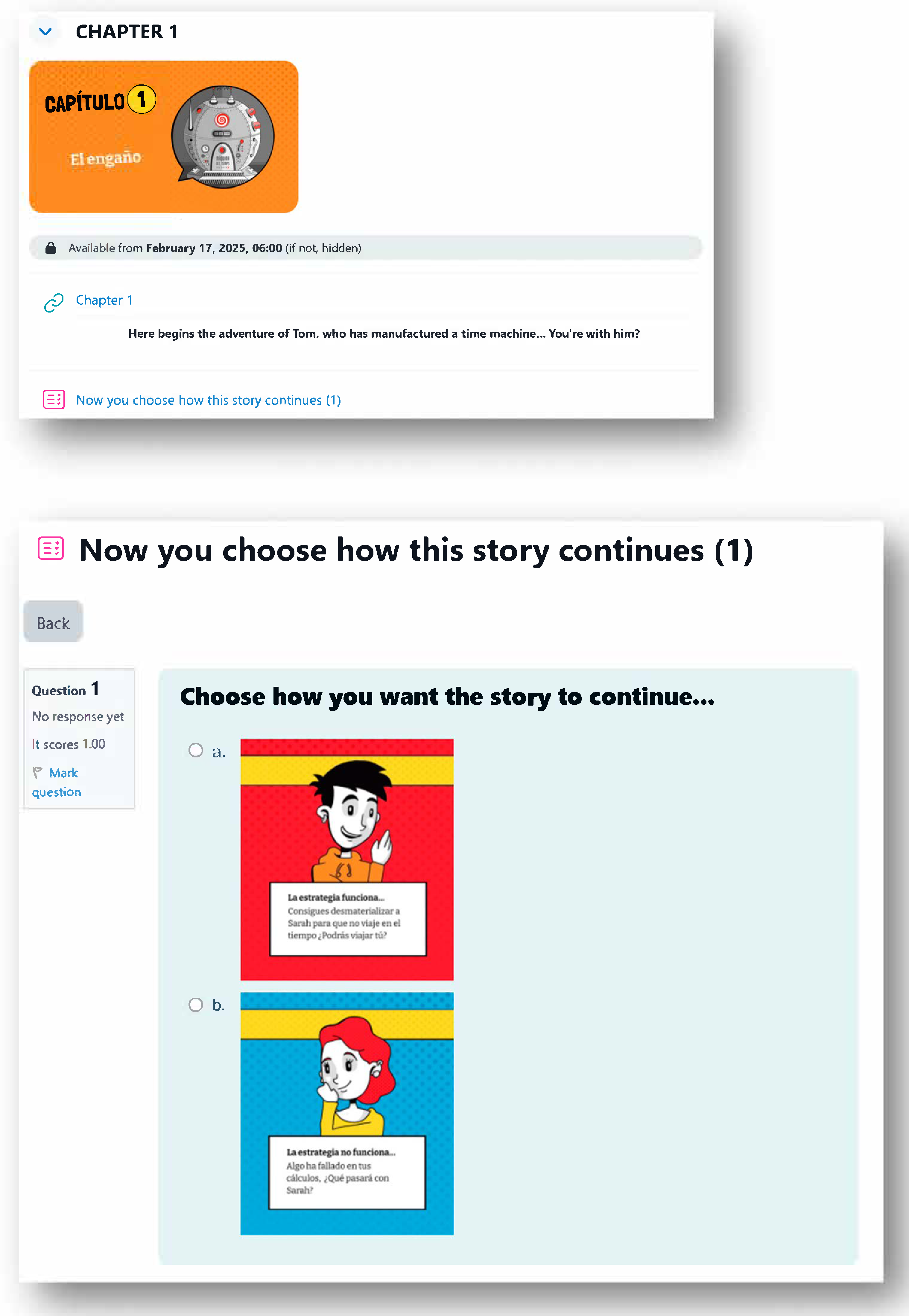
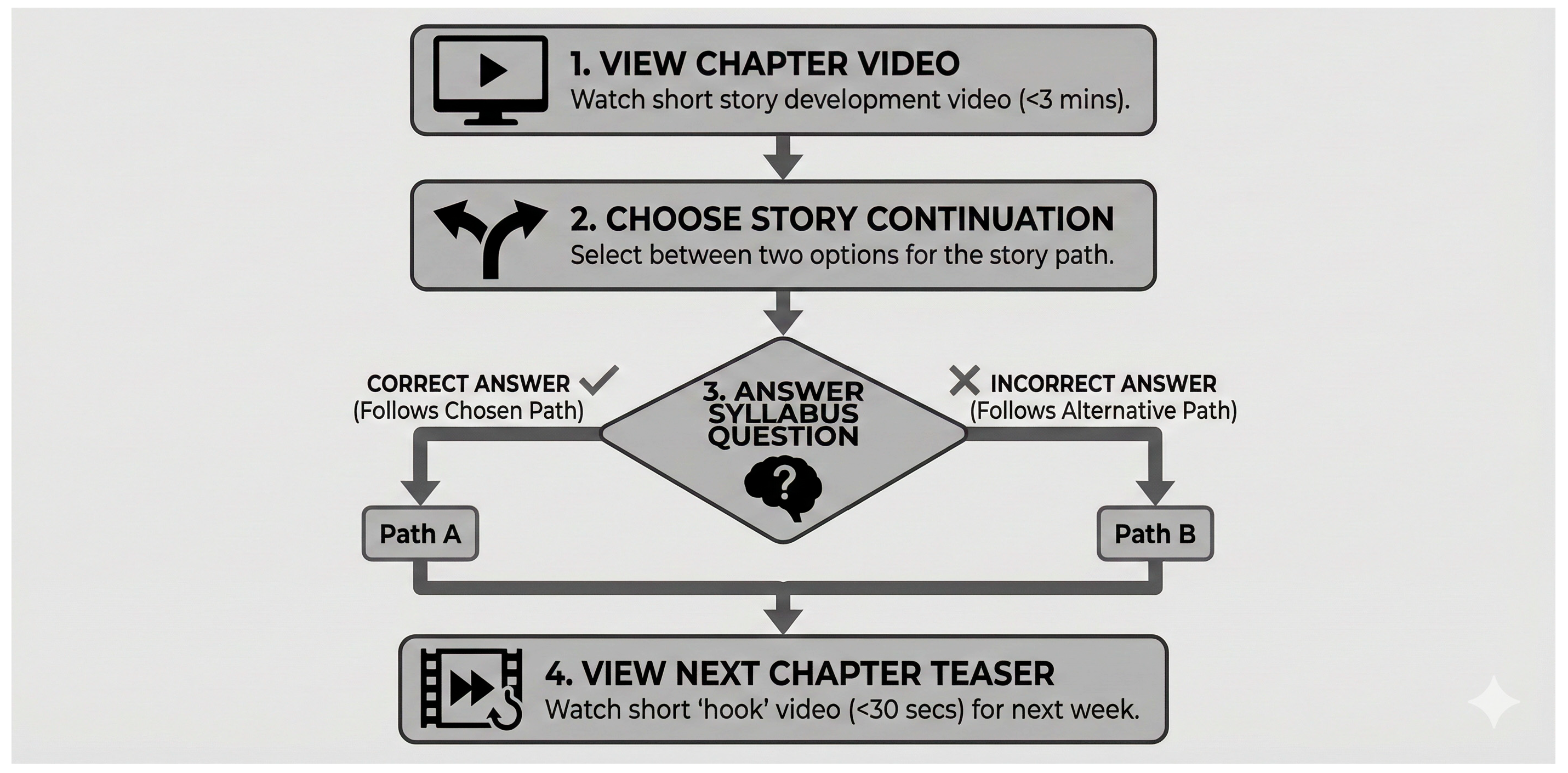
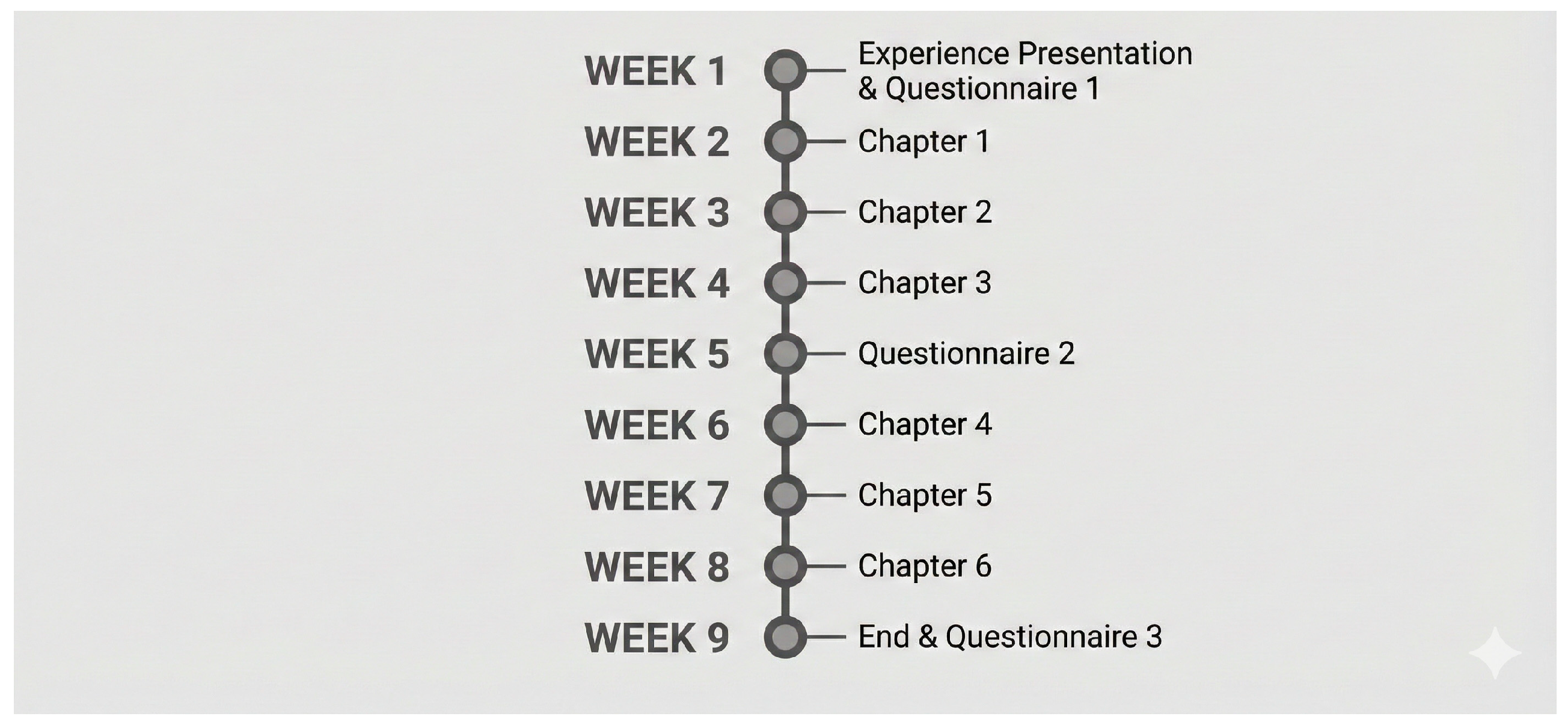
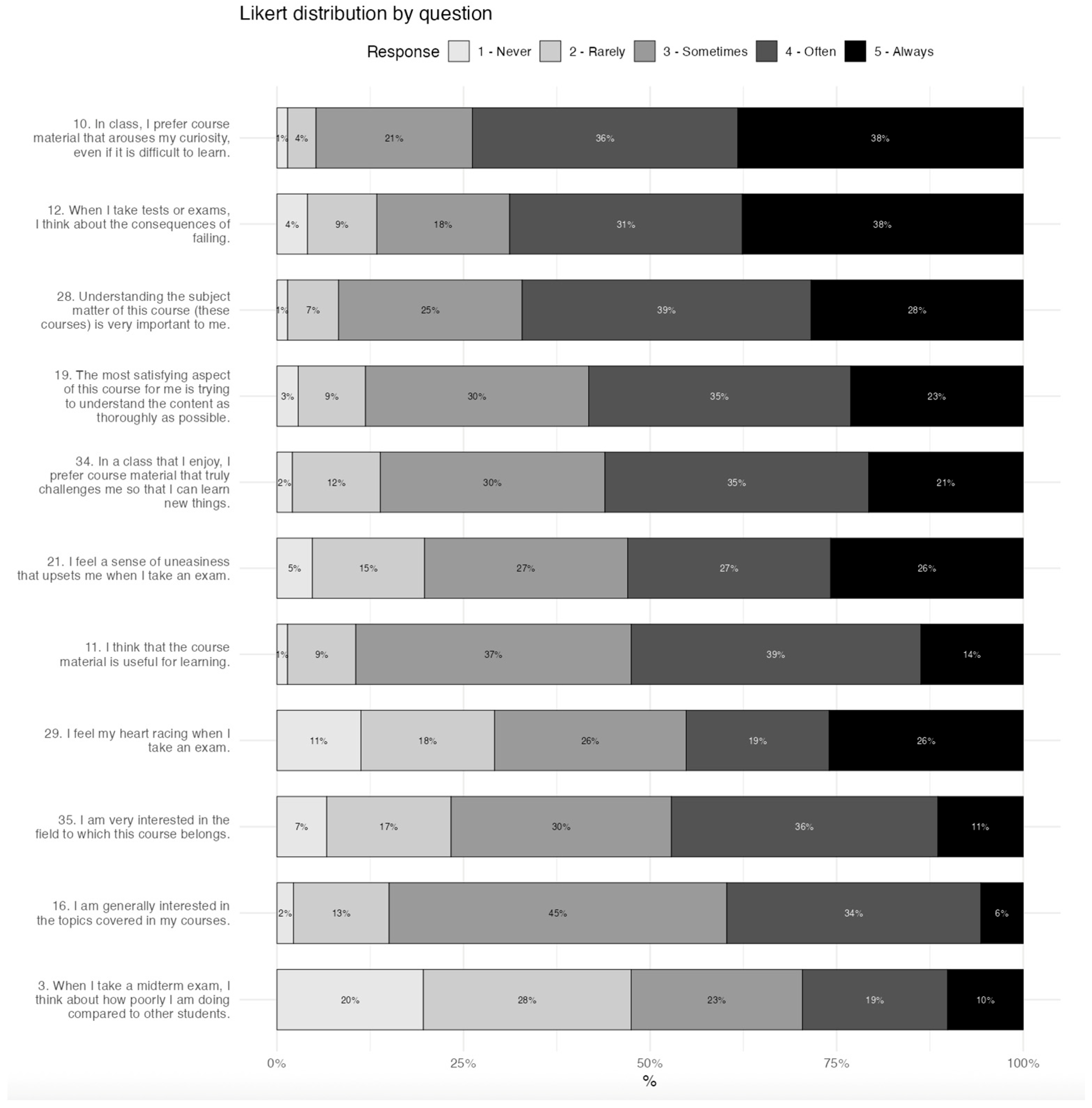
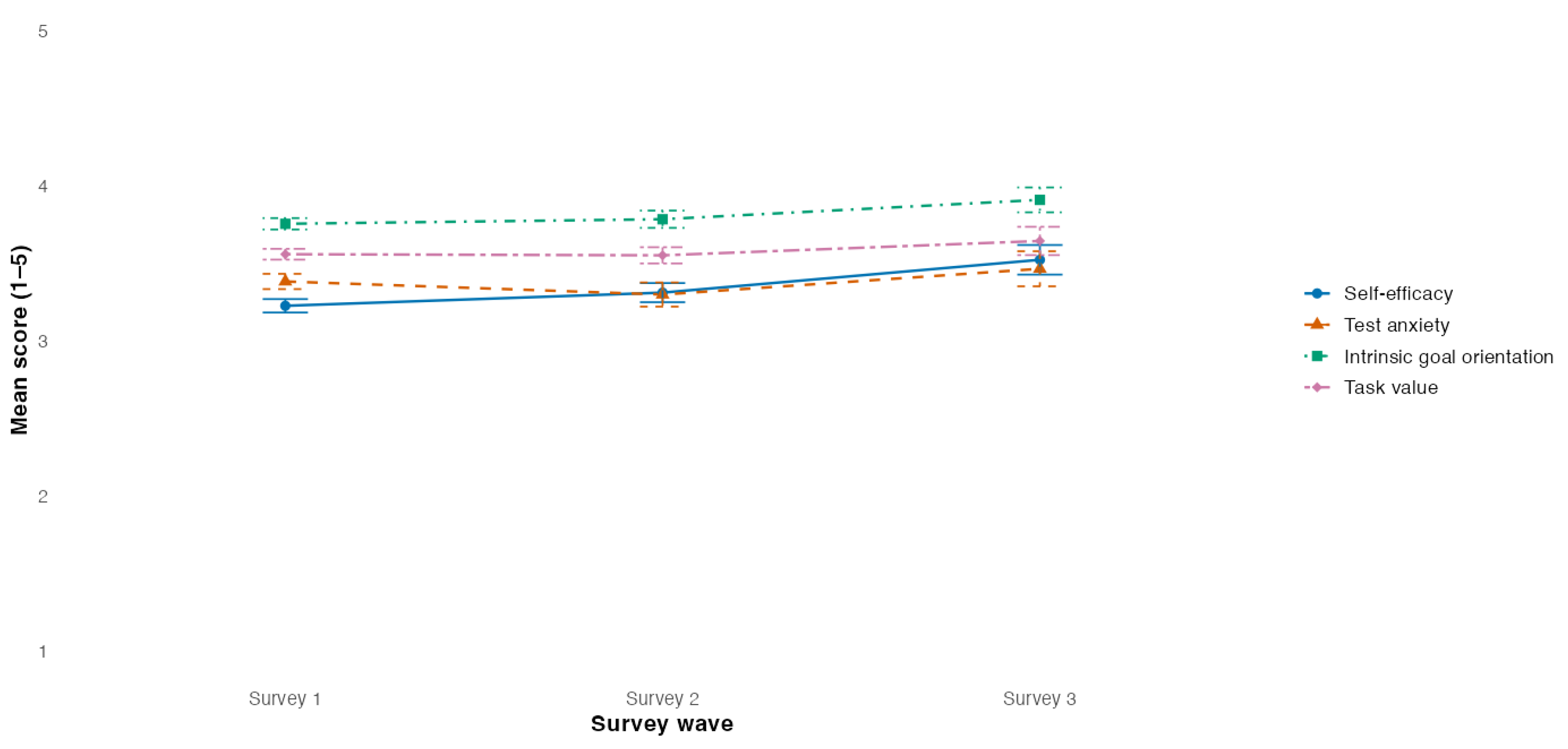
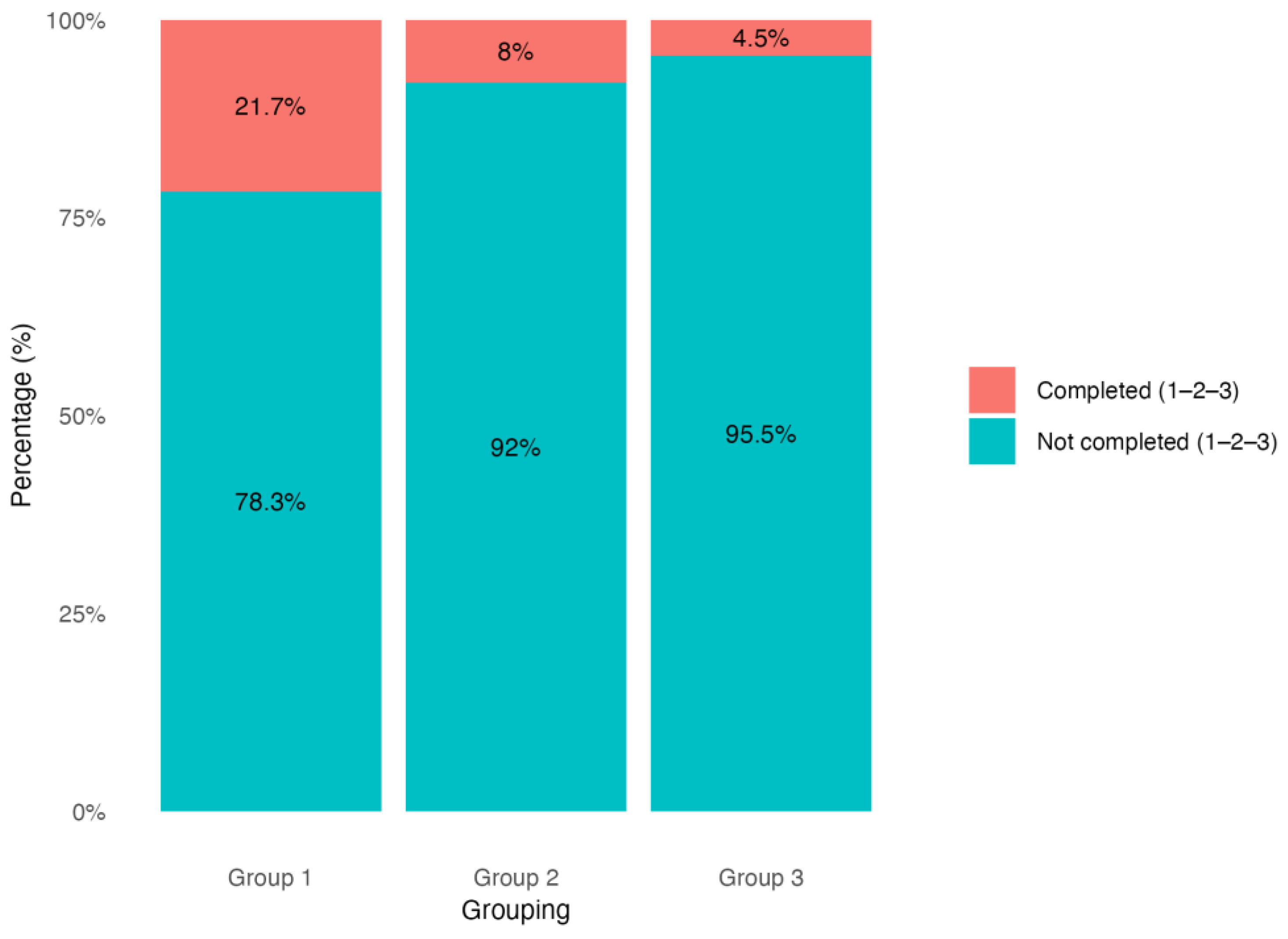
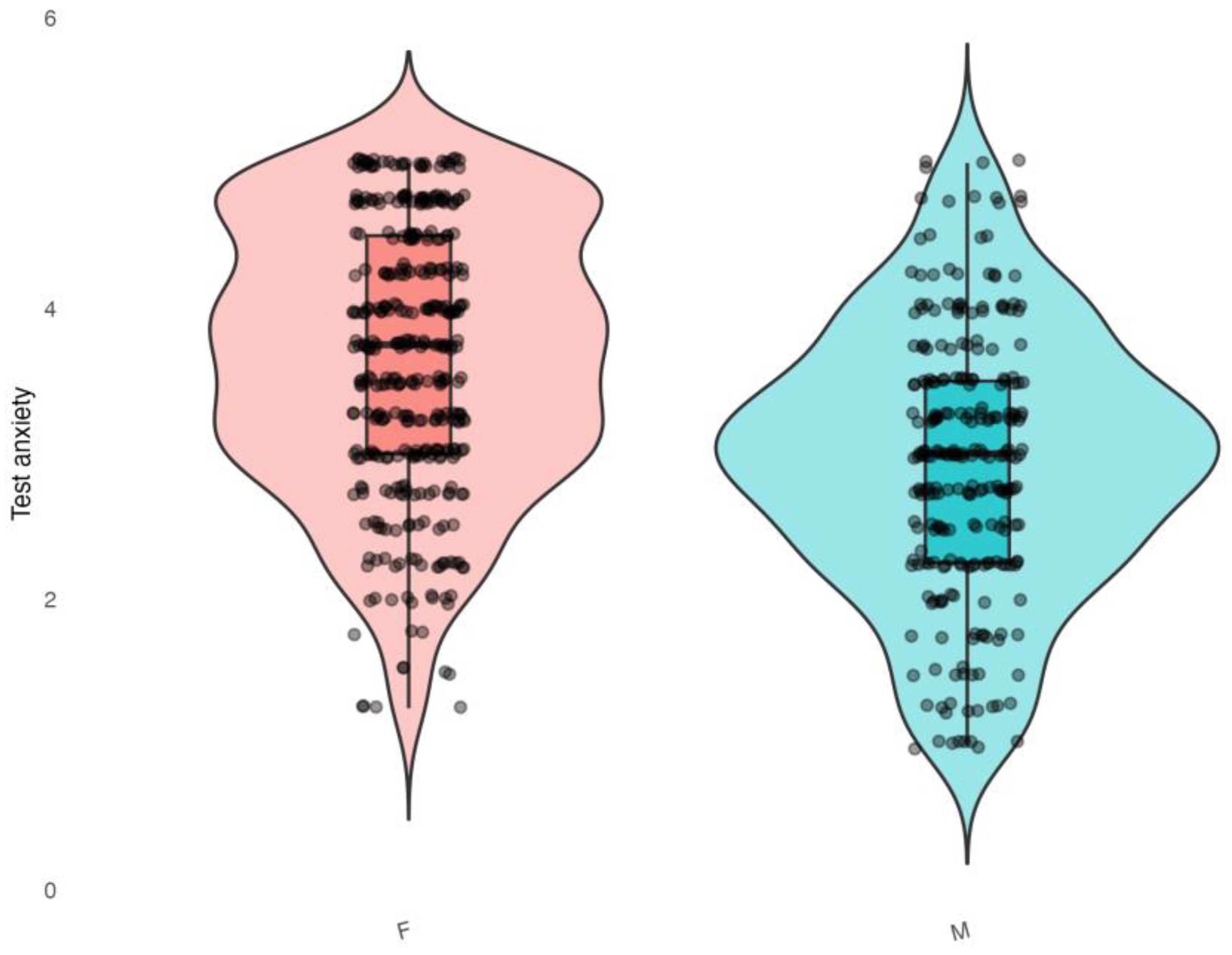
Disclaimer/Publisher’s Note: The statements, opinions and data contained in all publications are solely those of the individual author(s) and contributor(s) and not of MDPI and/or the editor(s). MDPI and/or the editor(s) disclaim responsibility for any injury to people or property resulting from any ideas, methods, instructions or products referred to in the content. |
© 2026 by the authors. Licensee MDPI, Basel, Switzerland. This article is an open access article distributed under the terms and conditions of the Creative Commons Attribution (CC BY) license.