


Abstract
This study examines changes in medicinal and wild food plant knowledge in the Alpine Southern Occitan area, focusing on temporal and cultural shifts. Drawing from ethnobotanical data from the Maira Valley (1970, 2022), Stura Valley (2004), and Grana Valley (2011), we explore dynamics in plant use and how they may have been generated by ecological, socio-economic, and cultural changes. A total of 308 plant taxa were recorded, with notable declines in Asteraceae and Lamiaceae utilizations by 2022, suggesting a remarkable erosion of traditional ecological knowledge (TEK). Conversely, the use of families like Brassicaceae and Amaranthaceae increased, possibly due to socio-economic factors. This study also found in recent years a decrease in medicinal plant uses and a greater reliance on food system-related plants. Logistic regression models highlighted altitude (600–1600 masl) as a key factor in plant diversity use, with older participants showing more diverse ethnobotanical knowledge. This study underscores the resilience and transformation of plant knowledge in response to socio-economic and environmental changes in the Alpine area.
1. Introduction
Traditional ecological knowledge (TEK) is vital for local communities and their well-being. TEK has been a focal point of research within the ethnobiological field, and recent developments have witnessed a shift towards a diachronic approach that emphasizes the historical evolution of these corpora of knowledge [1]. The Alpine Southern Occitan area, nestled between the Western Alps and the borderlands of Italy and France, represents a unique convergence of cultural and ecological characteristics [2]. Known for its breathtaking alpine landscapes, this region is defined by a rich history of small-scale agricultural practices, traditional ecological knowledge (TEK), the survival of the local Occitan language, and close-knit communities that have adapted to the region’s challenging environment [3,4,5]. At altitudes ranging from 600 to 3000 m, the area is characterized by a distinct climate marked by moderate to cold temperatures and a significant seasonal variation in precipitation [2,6]. This ecological diversity has shaped a wealth of botanical knowledge passed down through generations, contributing to the local identity of the region’s inhabitants. Over the years, however, this knowledge has been increasingly threatened by various factors, including socio-economic shifts, migration, changing environmental conditions, and land use alterations that especially started in the Sixties and Seventies of the past Century with the move of many locals to urban centers for labour. These influences collectively contribute to the erosion or transformation of TEK, making it essential to examine the broader context of these changes in understanding the region’s ecological knowledge dynamics [7,8].
Traditional ecological knowledge (TEK) refers to the body of knowledge, practices, and beliefs about the relationship of living beings (humans, animals, and plants) with their environment [9]. This knowledge system was once integral to daily life in the Alpine Southern Occitan area, influencing everything from agricultural practices to health, spirituality, and social organization [10]. However, the erosion of TEK has become a critical issue as the region faces a phenomenon known as the “Hysteresis Effect”, the idea that, once knowledge systems are lost, they may be difficult or impossible to recover, even when conditions for its re-establishment return [11]. This effect is compounded by the social and economic transformations that the region has experienced in recent decades, which have led to the displacement or disappearance of key cultural practices and the disintegration of long-standing knowledge systems [12,13].
Several factors influence the persistence and decline of TEK in this region, and these factors are often interconnected [2]. Climate change, particularly shifts in temperature and precipitation patterns, plays a pivotal role in altering plant ecosystems, which in turn influences the knowledge that local communities maintain about these plants [9,14]. Increases in average temperatures, changing precipitation patterns, and the unpredictability of seasonal weather can directly affect the availability of plant species that were once integral to the region’s agricultural and medicinal practices [7,15]. This, in combination with altitude, may further exacerbate the decline or transformation of plant-based knowledge. Higher altitudes experience more pronounced changes in climate, with species adapted to specific temperature and moisture conditions potentially becoming rarer or migrating, altering the local flora and the knowledge tied to it [6,16,17].
In addition to environmental factors, land use changes and the reduction in agricultural activity have contributed significantly to the erosion of traditional knowledge [18]. Over the decades, farming practices have been reduced or altered due to economic pressures, population decline due to urbanization, leading to a shift in how people interact with the land. This shift also has implications for the cultivated or harvested plants, which are no longer as deeply integrated into daily life. As land abandonment increases, particularly in high-altitude areas once used for traditional agro-pastoralism, the continuity of TEK is disrupted [19]. A recent study documented that temporal shifts in plant usage have occurred in neighboring Alpine Ubaye and Bellino Valleys [20]. The study suggests that this shift reflects broader cultural, ecological, and socio-economic changes, underscoring the importance of preserving biodiversity and traditional knowledge amidst ongoing environmental and societal shifts.
Cultural factors such as modernization, changes in economic levels, and the effects of migration also shape the way knowledge is passed down. As younger generations leave for urban centers in search of better education and job opportunities, the transmission of traditional knowledge becomes less consistent [21]. The influx of new residents, including migrants, seasonal workers, and tourists, further complicates the local knowledge landscape, introducing new plant knowledge, practices, and cultural exchanges but also contributing to the dilution of TEK held by long-established inhabitants.
Notably, few studies have addressed the risk factors influencing the decline or transformation of ethnobotanical knowledge over extended periods. While some global studies are tracking these changes, very few have examined the long-term effects (over 50 years) on ethnobotanical taxa in such detail [1,3,7,12].
These studies are critical, as they provide insight into the possible resilience of traditional plant knowledge systems and the broader ecological and cultural shifts that affect them. These rare longitudinal studies highlight how risk factors such as climate change, land use modifications, migration, and socio-economic transitions can significantly alter the presence, utilization, and transmission of local plant knowledge across generations [1,12].
This study aims to explore the interrelation between the loss of traditional ecological knowledge (TEK) and the emergence of new forms of ecological and cultural knowledge over time in the Alpine Southern Occitan area. By examining historical and contemporary data on local plant knowledge, this research seeks to better understand the mechanisms through which knowledge is lost, adapted, or revitalized. Through a multi-generational lens, this study will assess how changing economic, social, and environmental conditions influence knowledge systems and how communities negotiate their relationship with their natural environment.
2. Results
2.1. Plant Diversity Across the Southern Occitan Alps
In the studies analyzed, a total of 308 botanical taxa were identified in the study area (Maira, Grana, and Stura valleys), 112 in the Rovera (1982) study [22], 90 in Musset and Dore (2004) [23], 86 and 20 in our collected data in 2011 and 2022, respectively. These recent collected data reveal different trends in plant family usage, with 50 families identified in Rovera et al. 1982 [22] 38 in Musset and Dore, 2004 [23], and 43 and 15 in our collected data in 2011 and 2022, respectively.
Table 1 presents the usage of plant parts across four studies: Rovera et al. [22], Musset and Dore [23], and the unpublished data of our research group collected in 2011 and 2022 highlighting the temporal shifts in botanical taxa and family utilization. The most prominent families identified in Rovera et al. [22] include Asteraceae, Lamiaceae, Rosaceae, Apiaceae, Violaceae, Amaryllidaceae, Fabaceae, Malvaceae, Oleaceae, Ranunculaceae, and Urticaceae. Musset and Dore [23] follow a similar pattern with the frequent appearance of Asteraceae, Lamiaceae, Rosaceae, Apiaceae, Pinaceae, Fabaceae, and Polygonaceae. Our collected data in 2011 highlight families such as Asteraceae, Lamiaceae, Brassicaceae, Liliaceae, Apiaceae, Campanulaceae, and Rosaceae. On the other hand, our collected data in 2022 narrow significantly, with only Asteraceae and Lamiaceae remaining as the most prominent families.

Table 1.
Plant species used for food and medicinal purposes in the Maira, Grana, and Stura Valleys ((F): food; (FM): food and medicinal; and (M): medicinal) and (p: present; a: absent).
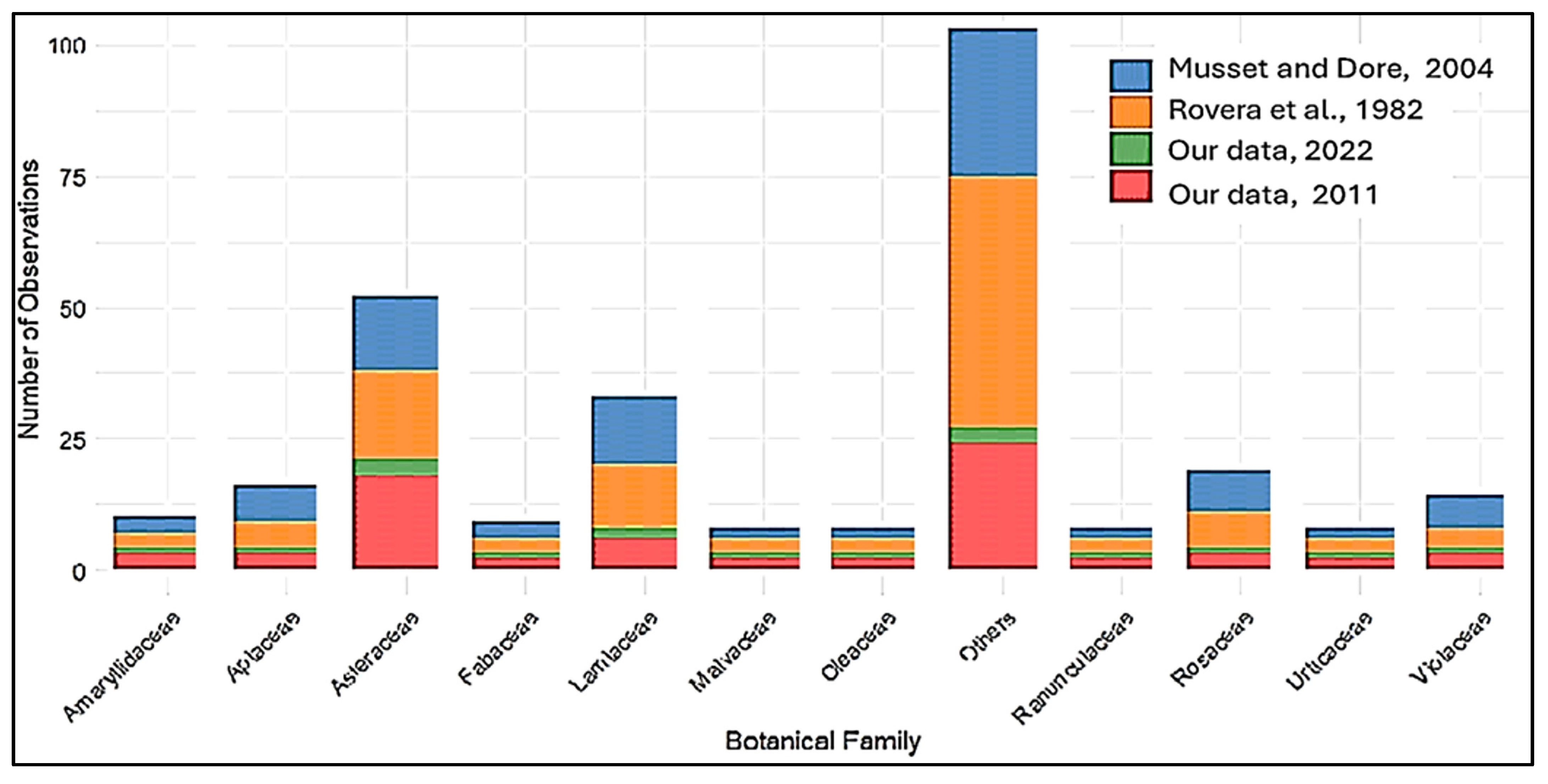
The analysis of plant families reveals notable shifts over time, reflecting changing ecological and cultural roles. Families such as Asteraceae and Lamiaceae have maintained a continuous presence across all studies, though with a marked decline in the more recent data. For example, Asteraceae was cited in 1982 and 2004, but only in 2022 was its presence notably reduced. Similarly, Lamiaceae decreased significantly from 1982 to 2022 (Figure 1).
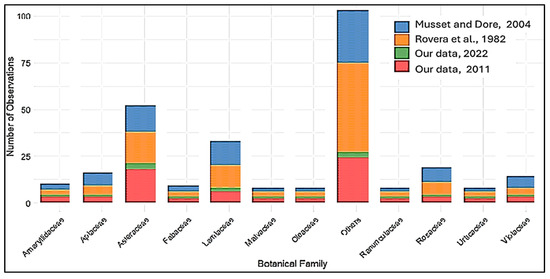
Figure 1.
Number of reported botanical plants in the past and present studies in the data area [22,23].
Certain families, such as Amaranthaceae, emerge with increasing frequency in later studies, indicating a shift in plant use, possibly influenced by socio-economic factors like migration and urbanization. However, these families were not consistently present across all datasets, and their inclusion in Figure 1 is limited to the years where they were observed.
The “Others” category, which includes less frequently cited families, has also sharply declined from 1982 to 2022, reflecting a narrowing of plant diversity within local knowledge systems (Figure 1).
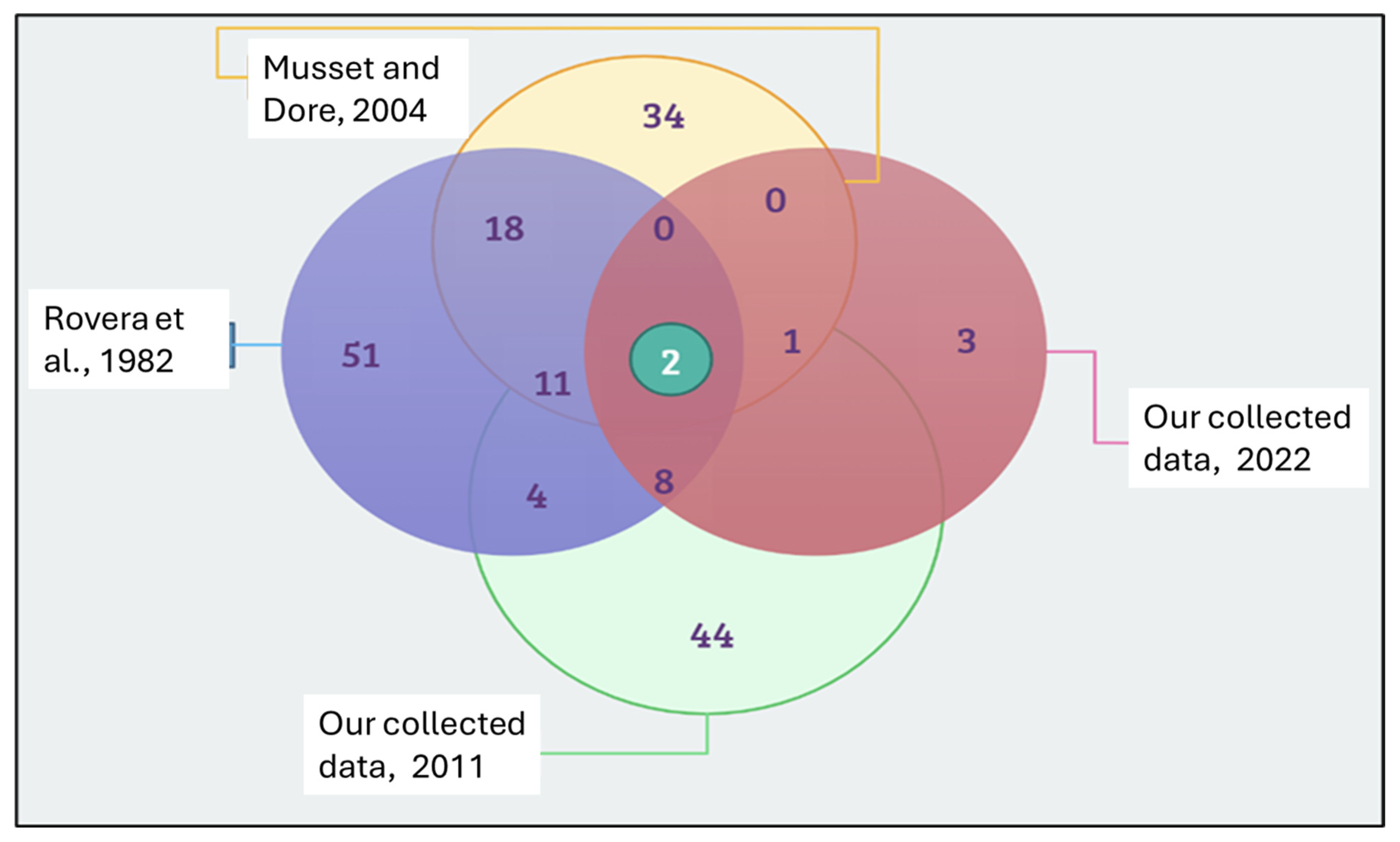
The results presented in Figure 2 demonstrate significant variation in the documented plant genera across different temporal contexts, reflecting changes in both the number and frequency of ethnobotanical knowledge over time. Earlier studies, such as Rovera et al. [22] and Musset and Dore [23], record a wide range of genera, with Rovera et al. [22] alone documenting 51 genera and Musset and Dore contributing 34. These studies highlight frequently cited plants such as Achillea millefolium, Artemisia absinthium., and Calendula officinalis, which represent long-standing staples of traditional practices.
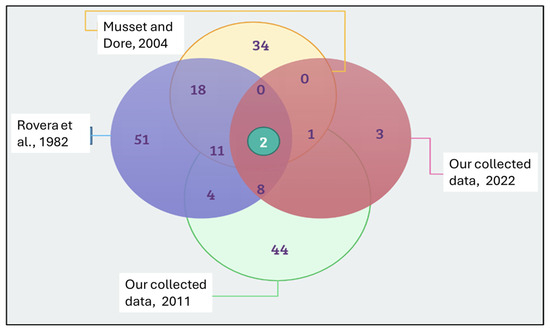
Figure 2.
Genera overlapping within the present data and previous studies conducted in the region from 1970 to 2022 [22,23].
In contrast, more recently collected data, such as (2022) and (2011), report fewer genera, with 2022 data listing only 3 genera and data (2011) documenting 44. Notable among the recent additions are Allium ursinum and Silybum marianum, which appear with increasing frequency, suggesting their growing prominence due to changing ecological or cultural factors. However, despite this overall reduction in diversity, some botanical plants, such as Pimpinella anisum and Sambucus nigra, persist across all four studies, reflecting their sustained importance in ethnobotanical traditions.
Frequency analysis reveals that some botanical plants, like Pimpinella anisum., appear in up to 11 combinations of studies, demonstrating their widespread and enduring utility. Others, like Melissa officinalis, are mentioned in only one combination, highlighting their more specialized or localized relevance. This fluctuation in frequency underscores the dynamic nature of ethnobotanical knowledge, where cultural preferences, environmental changes, and practical needs shape the prominence of certain genera over time.
2.2. Shifts in Traditional Plant Knowledge, Usage, and Biodiversity Across Study Sites in the Southern Occitan Alps
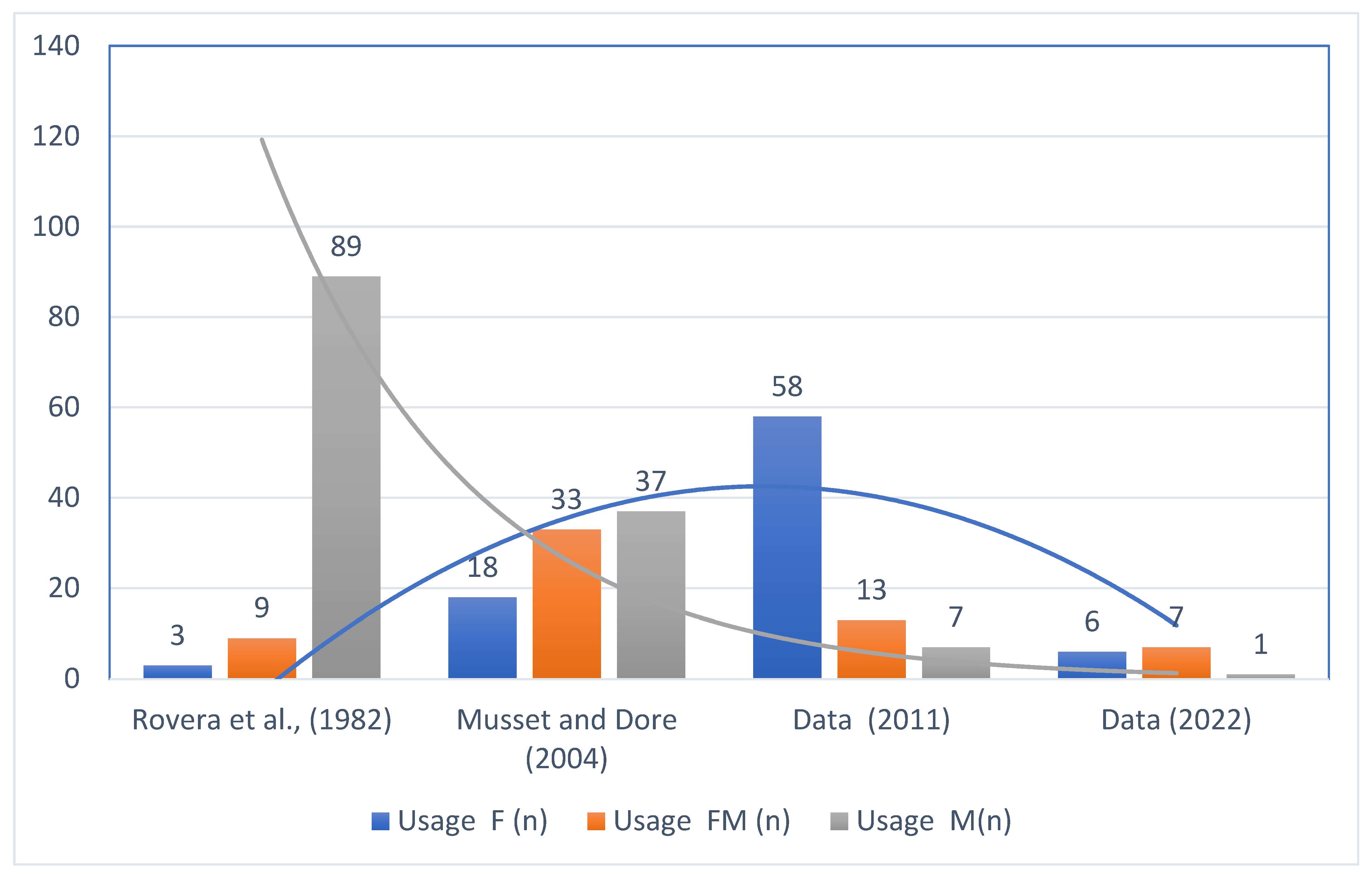
The results of this study revealed notable shifts in plant utilization over time, which can be compared to the patterns observed in Rovera’s study [22], the majority of plant parts used were medicinal (88.1%), food and medicinal (8.9%), and food (3.0%) utilized less frequently (Figure 3). This indicates a primary focus on medicinal applications during this period. By contrast, Musset and Dore (2004) showed a more balanced distribution, with 42.0% of plant parts used for medicinal purposes, 37.5% for food and medicinal, and 20.5% for food. This shift suggests a growing emphasis on fruits and flowers alongside medicinal uses. Our collected data (2011) indicate a shift towards a food-centric approach, with 74.4% of plant parts used for food purposes, while smaller proportions were used for both food and medicinal purposes or solely for medicinal purposes (16.7% and 9.0%, respectively) (Figure 3). Finally, our data (2022) highlight a significant increase in the use of food, which accounted for 50.0% of the plant parts, followed by food and medicinal use (42.9%) and medicinal use (7.1%). This recent trend points to a shift towards greater food utilization, likely reflecting changes in cultural practices or available plant resources. These temporal shifts in plant part usage underscore the evolving roles of plant species, influenced by ecological, cultural, and socio-economic factors over the decades.
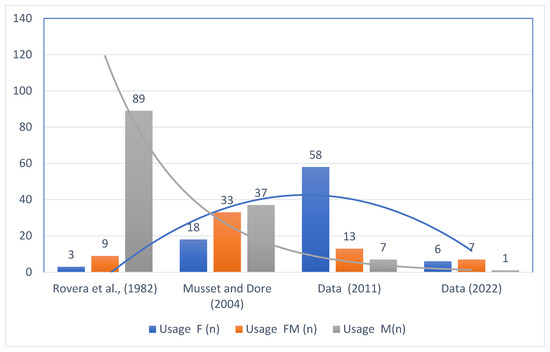
Figure 3.
The distribution of plant part usage ((F) food, (FM) both food and medicinal, and (M) medicinal) across the studies ([22,23]), and our collected data in 2011, and 2022.
Overall, these findings indicate a notable shift in plant part usage over time. While past studies, particularly from Rovera (1982), focused heavily on medicinal species, more recent data, especially the data (2011) and collected data (2022), show an increasing trend in the use of plants for fodder and food purposes. This shift may reflect changing agricultural practices, environmental conditions, and evolving cultural preferences in the use of plant species. The overall trend suggests that, while medicinal uses remain important, there has been a marked increase in the functional diversity of plants, particularly in terms of their role in animal husbandry and food resources. This shift indicates broader changes in socio-economic and ecological contexts over the years.
The reason for the medicinal plant decrease may be twofold: (a) medicinal plants were especially needed and used when public health care was less widespread and accessible (see the high number of medicinal taxa in a study published in 1982); and (b) medicinal species were collected in ecological areas insisting on the spread and robust forestry and shepherding activities; these activities have basically disappeared nowadays.
The opposite trend of food plant foraging could be instead explicable with the huge interest that, in the past two decades, foraging has (re-)gained in the data area and in all throughout Northern Italy, possibly bringing also new food plant-centered practices.
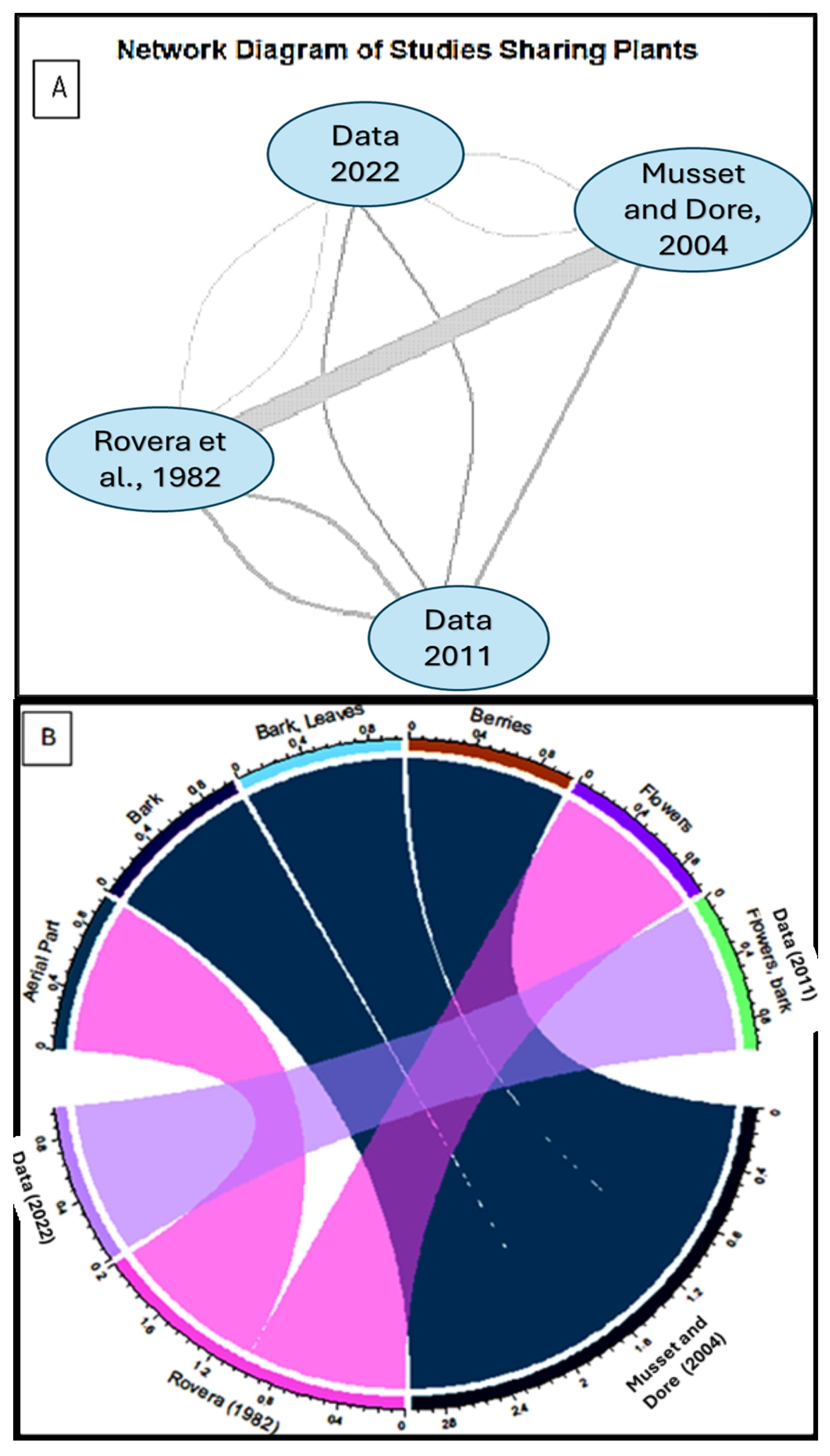
The network diagram (Figure 4A) reveals that the collected data in 2022 shares plant parts with Musset and Dore 2004, Rovera 1982, and data in 2011. Similarly, Musset and Dore 2004 and Rovera 1982 also share plant parts with our collected data in 2011. This interconnectedness suggests potential connection based on the same region area and mountain community among these studies, especially the same ecosystems and per consequence that will confirm their variation based on risk factors. The chord diagram (Figure 4B) confirms the dynamic interplay between the studies over time, despite their focus on the same region and valleys.
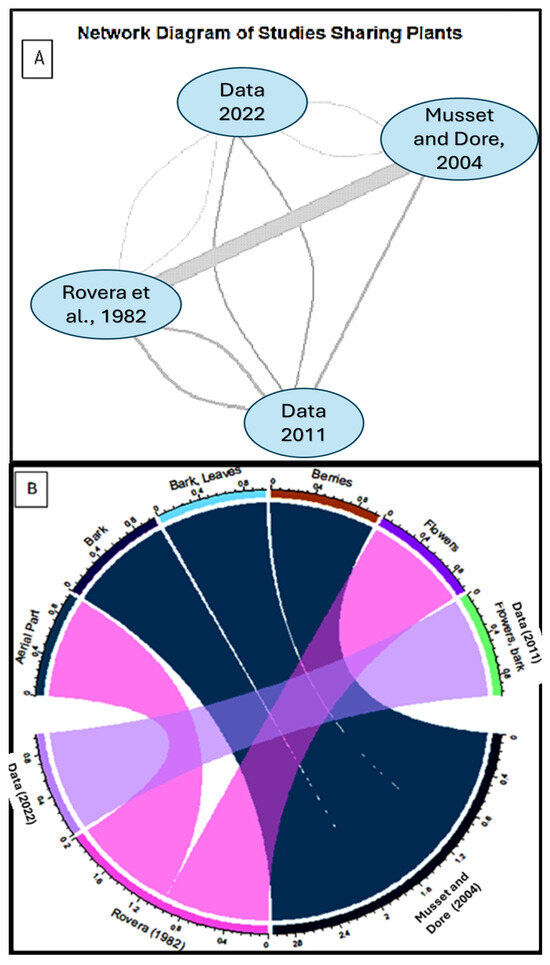
Figure 4.
(A) The interconnectedness of plant studies and the overlap in plant parts examined across different studies [22,23]. (B) The chord diagram confirms the dynamic interplay between all the studies over time.
Earlier studies, such as Rovera et al. (1982), may have prioritized more traditional plant uses, focusing on parts like aerial parts and flowers. In contrast, more recent studies, like our collected data in 2022 and 2011, seem to explore a broader range of plant parts, potentially reflecting evolving research interests and methodologies (Figure 4B).
Understanding these shifts and overlaps is crucial for a comprehensive understanding of plant use and ecology in the region.
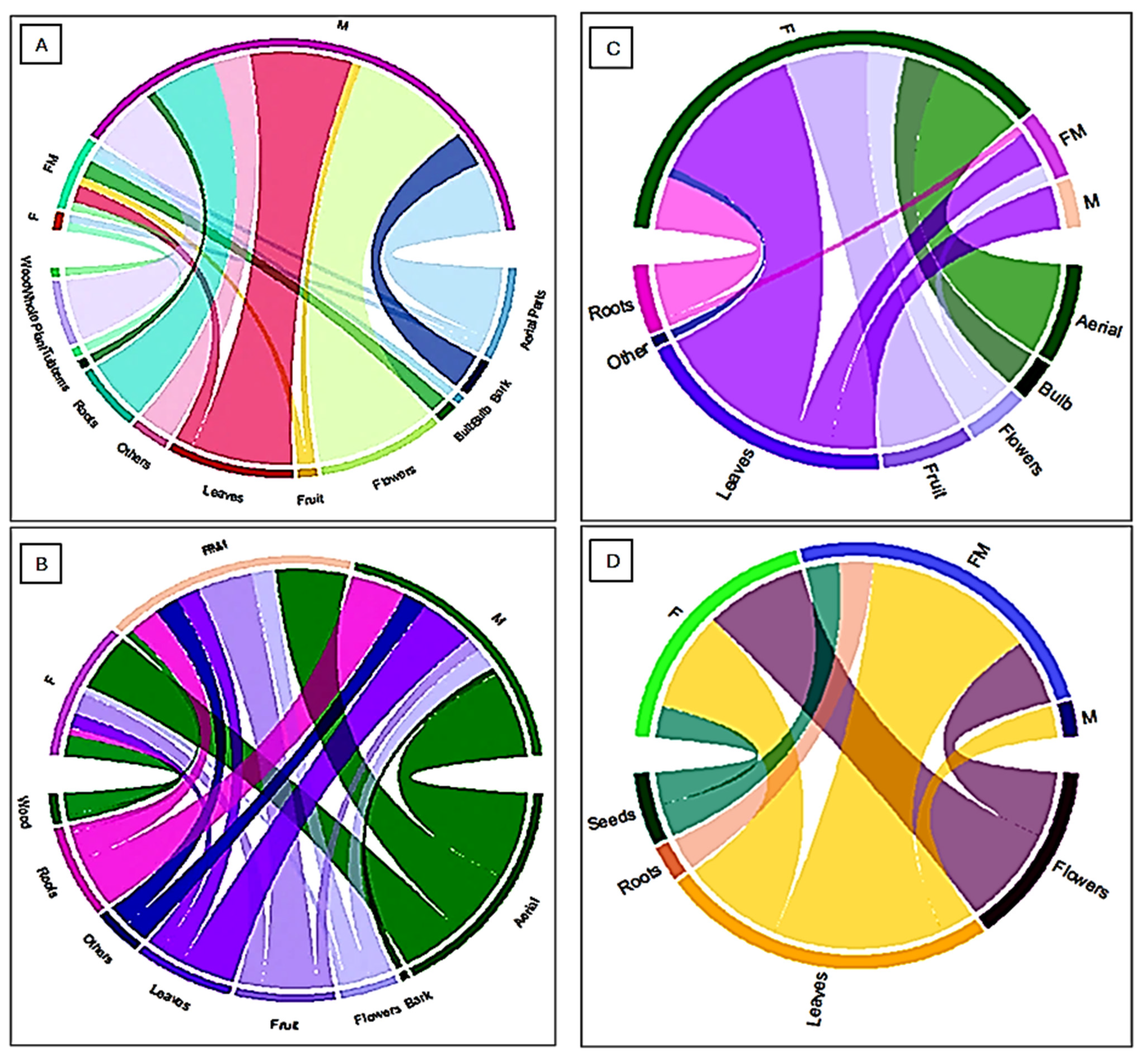
The chord diagrams (Figure 5) provide a visual representation of the overlap in plant parts used for medicinal and food purposes across different studies. The thickness of the ribbons connecting the plant parts indicates the extent of overlap. For instance, the significant overlap between “Bark” and “Leaves” in both diagrams suggests that these plant parts are commonly used for both medicinal and food purposes. This finding aligns with traditional knowledge systems where various plant parts are utilized for diverse applications. Similarly, the overlap between “Flowers” and “Fruit” indicates that these reproductive plant parts are often used in both culinary and medicinal practices. This overlap could be attributed to their potential medicinal properties, such as anti-inflammatory or antioxidant effects.
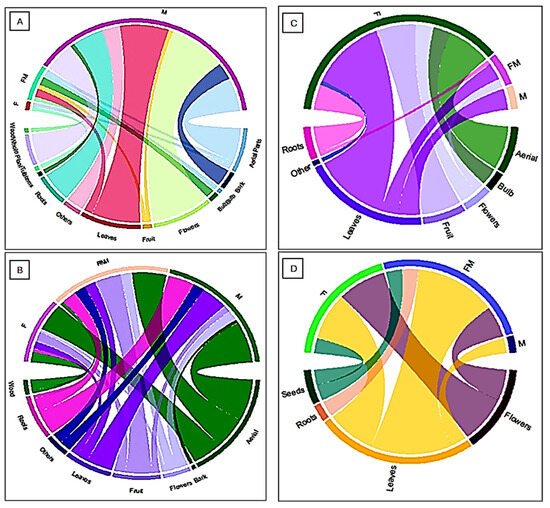
Figure 5.
The chord diagram between all the usage and used parts in each data over time: (A) Rovera et al. [22], (B) Musset and Dore [23], (C) our collected data (2011), and (D) data (2022).
On the other hand, plant parts like “Wood” and “Roots” show less overlap with other categories, suggesting a more specialized use in either medicine or food. This could be due to the structural properties and specific chemical compounds, like tannins, alkaloids, and flavonoids, found in wood and roots. These compounds, with antimicrobial, anti-inflammatory, or antioxidant properties, make these plant parts more suitable for targeted therapeutic uses. Additionally, their dense nature and secondary metabolites limit their versatility, confining them to specific roles in traditional medicine or food.
When analyzing the data separately and connecting it with the tier conditions, the different aspects of the interconnection between the plant parts and their uses become more apparent.
Diagram A (Figure 5), representing Rovera et al. [22], reveals a more pronounced overlap between “Bark” and “Leaves,” indicating a strong association of these plant parts with both medicinal and food applications. Additionally, the overlap between “Flowers” and “Fruit” is significant, suggesting their versatile use in various cultural practices.
Diagram B, which corresponds to Musset and Dore [23] shows a more balanced distribution of overlap across different plant parts. While “Flowers” and “Bark” still exhibit a notable overlap, other plant parts like “Leaves” and “Fruit” show a more moderate level of overlap. This implies a potentially wider range of plant parts used for both medicinal and food purposes in the context represented by this study. Chord diagram C, based on our collected data (2011), further highlights the overlap between medicinal and food uses of different plant parts. It illustrates a diverse range of plant parts utilized for various purposes, showing how cultural practices have expanded the number of plant parts used for different applications.
Finally, chord diagram D, representing our collected data (2022), offers insights into the continued use and overlap of plant parts, with some newer trends emerging in the overlap patterns. Like diagram C, it reflects a broad utilization of plant parts but with some shift in preferences based on more recent ecological or cultural influences. Each diagram illustrates the evolving relationship between plant parts and their medicinal and food uses, emphasizing the dynamic and interconnected nature of ethnobotanical knowledge across different time periods (Figure 5).
2.3. Patterns, Similarities, and Knowledge Dynamics: A Comparative Analysis Through Heatmaps, Dendrograms, and Principal Component Analysis (PCA)
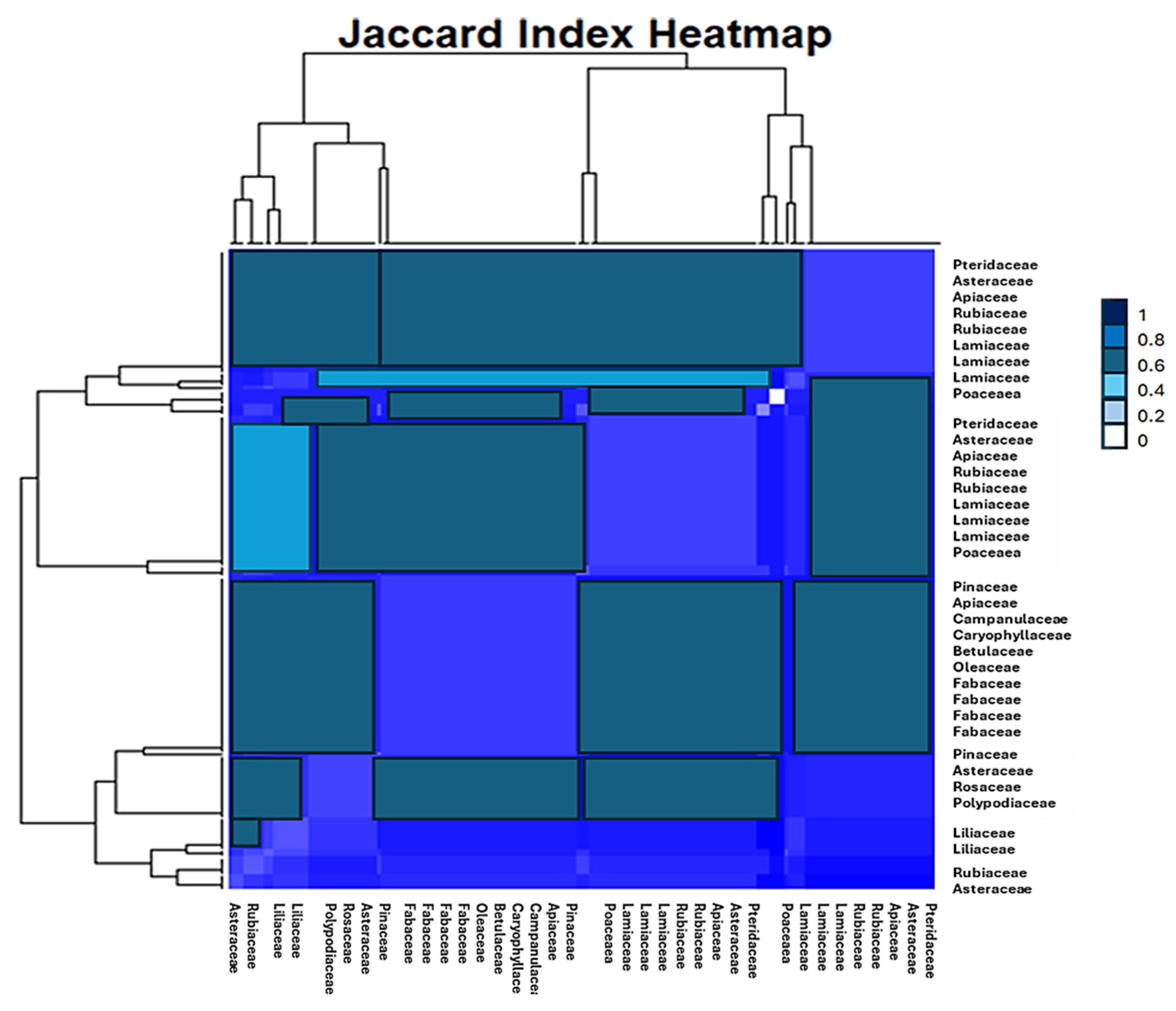
Notable clusters include families such as Apiaceae and Asteraceae, which exhibit significant overlap, while families like Liliaceae and Rubiaceae appear more distinct with lower similarity, as indicated by darker hues (Figure 6). Figure 6 emphasizes compositional relationships and biodiversity patterns, providing insights into ecological associations and the distinctiveness of certain plant families. The diagonal symmetry confirms the consistency of the Jaccard Index in reflecting these relationships.
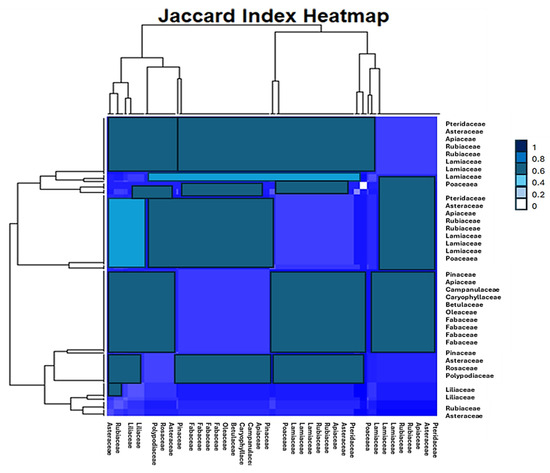
Figure 6.
The heatmap illustrates the Jaccard Index, measuring the similarity between plant species compositions across various families. Values range from 0 (no overlap) to 1 (complete similarity), represented by a gradient from dark blue (low similarity) to cyan (high similarity). The hierarchical clustering on both axes highlights groups of plant families with shared characteristics, as shown by closely aligned branches in the dendrogram.
The dendrograms on the sides of the heatmap represent the hierarchical clustering of the data sets. Similar data sets are grouped, forming clusters. The height of the branches in the dendrogram reflects the similarity between the clusters.
Overall, the heatmap provides a visual representation of the relationships between the data sets, allowing you to identify groups of similar data sets and understand the patterns of similarity and dissimilarity.
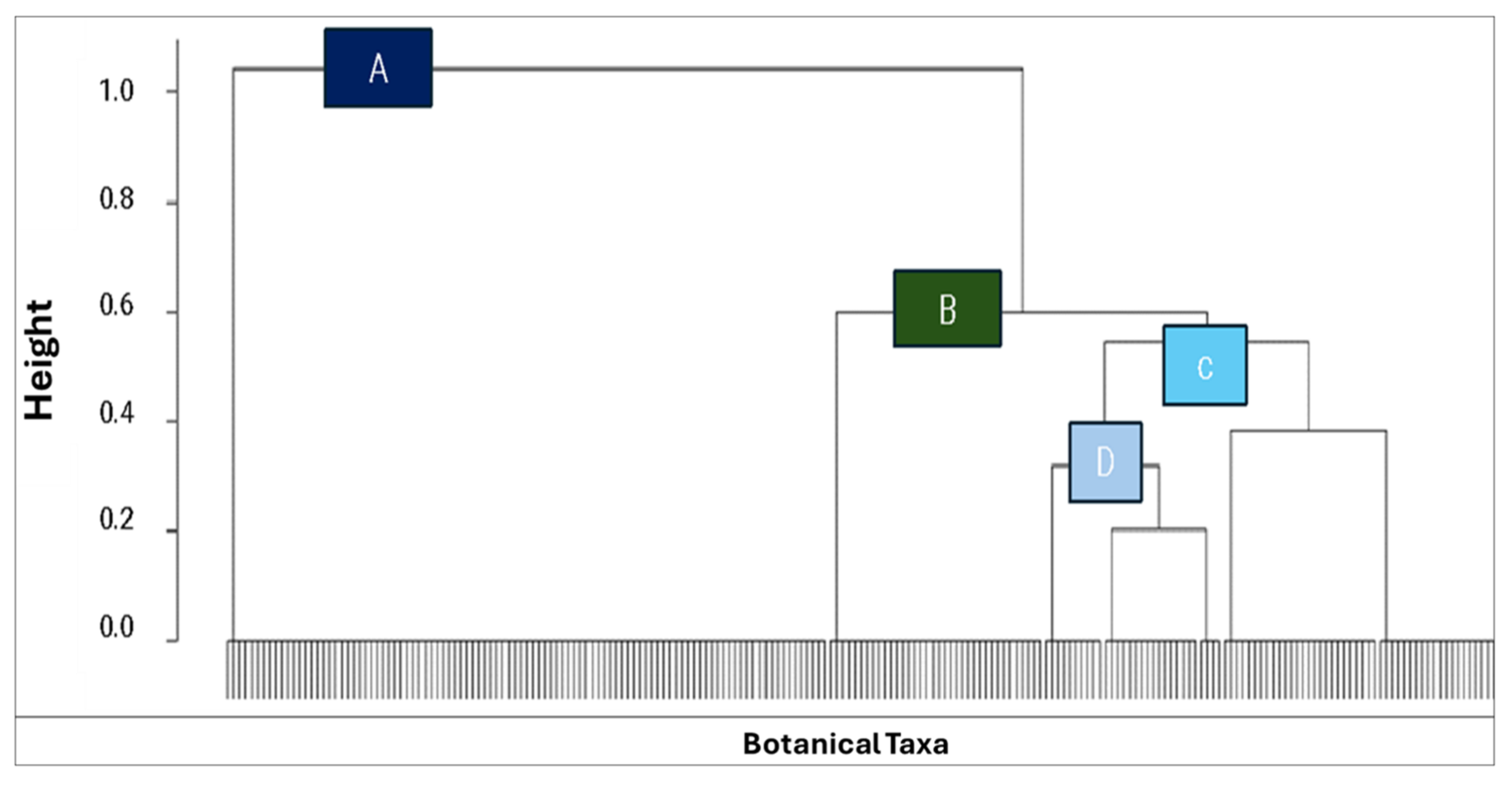
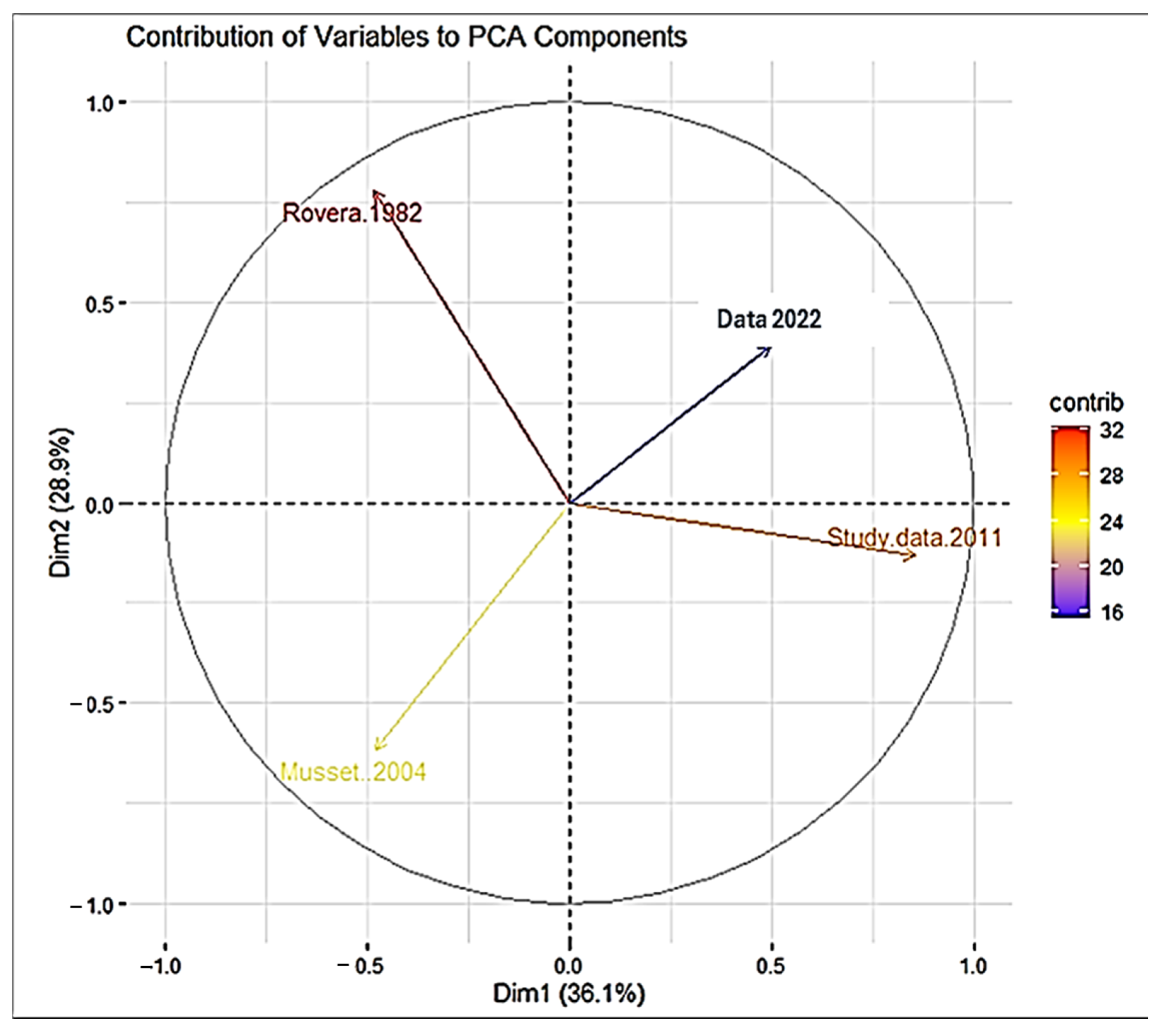
The dendrogram (Figure 7) illustrates the hierarchical clustering of four studies, revealing distinct patterns of similarity and dissimilarity. Data A (Rovera et al. [22]) emerges as the most unique, forming an independent cluster. Data B (Musset and Dore [23]) shares some similarities with A but also exhibits distinct characteristics, placing it in a separate cluster. In contrast, Studies C (Data 2011) and D (Data 2022) demonstrate a high degree of similarity, forming a closely related cluster. This suggests that the latter two studies’ data may share common botanical taxa focus or families and ecosystem factors, differentiating them from the earlier studies, and this was confirmed by the PCA (Figure 8).
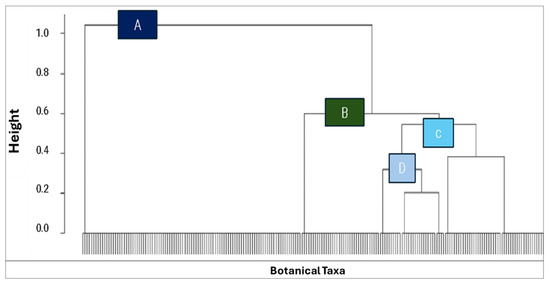
Figure 7.
A dendrogram is a tree-like diagram used to visualize hierarchical relationships between data studies labeled (A) Rovera et al. [22], (B) Musset and Dore [23], (C) our data (2011), and (D) our data (2022).
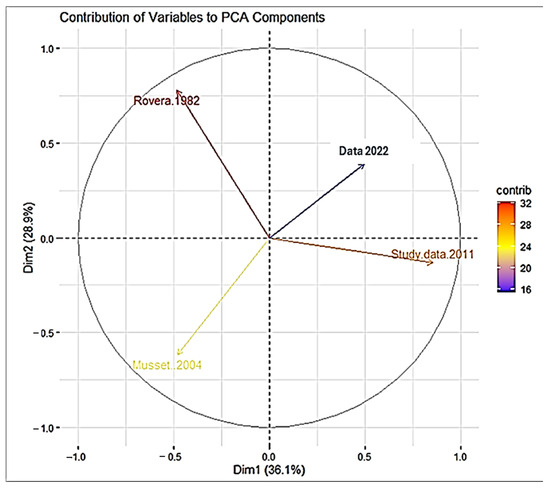
Figure 8.
The biplot visualizes the relationships between the four studies based on their contribution to the principal components. The studies can be clustered into two groups: Cluster 1 comprising Rovera et al. [22] and Musset and Dore [23], and Cluster 2 including Data 2011 and Data 2022.
The first principal component (PC1) separates these clusters, indicating that it captures the primary source of variation between the studies. Rovera et al. [22] and Musset and Dore [23] exhibit similar patterns of variation, In contrast, our collected Data 2011 and 2022 demonstrate distinct patterns (Figure 8).
The length of the arrows in the biplot illustrates the impact of each study on the principal components to the principal components. Rovera et al. [22] have a greater influence on the overall variation in the data. By analyzing the biplot, we can gain insights into the similarities and differences between the studies and identify potential trends or patterns in their research.
2.4. Factors Influencing Botanical Diversity: Insights from Logistic Regression Analysis
To understand and complete our version of the results a logistic model was developed.
The results (Table 2) revealed that altitude was a significant predictor, with the 600–1600 m range showing the strongest effect (odds ratio = 2.22, p = 0.002). This supports the findings of Rovera et al. [22] where the highest number of taxa (112) was observed under similar altitude conditions. The temperature categories (5 to 12 °C and 7 to 13 °C) did not show a significant influence on botanical diversity, with a p-value above 0.05, suggesting that temperature may have a weaker effect than altitude in shaping plant diversity. Precipitation was also not a significant factor, with p-values of 0.511 and 0.151 for the 1400–1600 mm and 1200–1400 mm categories, respectively. The age range of participants showed a significant effect, with individuals in the 71–75 years category reporting a higher number of botanical taxa (odds ratio = 2.34, p = 0.004), indicating that older participants may possess more knowledge about the local flora. Finally, data sources showed a marginal effect, with interviews slightly more informative (odds ratio = 1.82, p = 0.090) compared to herbarium data, although this result was not statistically significant at the 0.05 level (Table 2). These findings underscore the importance of altitude and age in understanding the diversity of botanical taxa while also highlighting the relative influence of direct interviews over other data sources in capturing plant diversity.
Table 2.
The logistic regression model was used to analyze the influence of various explanatory variables on the number of botanical taxa observed in different conditions.
3. Discussion
3.1. Resilience and Change in Plant Use in the Southern Occitan Alps
The analysis of ethnobotanical data from the Alpine Southern Occitan area reveals a notable reduction in plant species diversity over the past few decades. When comparing the four studies spanning from 1982 to 2022, it is evident that the number of documented taxa has decreased significantly. While the Rovera et al. [22] and Musset and Dore [23] studies cataloged a wide variety of species, including many medicinal plants such as Achillea millefolium and Artemisia absinthium, the later studies (particularly our collected data in 2022) show a marked decline in the number of species reported.
As noted, there has been a dramatic decrease in the number of herbs actively used in the region. Herbs such as Achillea, Artemisia, Veronica, and Viola genera, which were once key components of local diets and medicinal practices, have seen their usage diminish significantly. These genera are now considered uncommon, and, in many cases, are no longer present in the local herbal market. This decline can be linked to the diminishing number of people who still engage with the natural environment daily [24,25]. The role of these herbs, which once had medicinal and culinary applications, is now largely forgotten or relegated to anecdotal references in older generations. The shift away from traditional ecological practices has led to the loss of a deep knowledge base surrounding these plants, which had once been part of the fabric of daily life [10,16].
Another significant trend revealed by the results is the changing emphasis on different plant parts over time. The earlier studies [22] and [23], show a strong emphasis on the medicinal uses of plants, with flowers, leaves, and roots as the most commonly used parts. However, in more recently collected data, such as Data 2011 and (2022), the focus has shifted towards food-related uses, particularly fruits. This shift reflects changing dietary patterns in the region, where food sources have become more central to local consumption [26,27]. The increased use of fruits, such as those from Rubus and Malus species, mirrors broader trends in the local food culture, likely influenced by shifts in agriculture, food security concerns, and a growing preference for locally sourced, seasonal foods [28,29]. This change is especially notable in our collected data in (2022), where fruits comprise 50% of plant part usage. This suggests that, while medicinal plant use declines, plant species that contribute to food security and nutritional needs are becoming more significant in the cultural practices of the region.
3.2. Ecological and Socio-Economic Drivers of Plant Knowledge and Diversity
The role of ecological factors in shaping plant knowledge and diversity was also explored. One key finding is the strong relationship between altitude and plant diversity. The studies consistently show that higher altitudes are associated with greater plant diversity, particularly for medicinal and food-related species. This result aligns with Rovera’s findings [22], which reported the highest diversity of plants at altitudes between 600 and 1600 masl. The environmental conditions of these higher altitudes likely foster a wider range of plant species, providing diverse resources for the local population [30]. Interestingly, the analysis revealed no significant correlation between plant diversity and temperature or precipitation categories, suggesting that altitude is a more significant factor in shaping plant diversity than climate alone [31]. This finding emphasizes the unique ecological conditions of the Alpine Southern Occitan region, where altitude appears to be a key determinant of both plant diversity and the extent of traditional plant knowledge.
The socio-economic changes in the region have played a major role in altering plant use patterns. The decrease in medicinal plant knowledge can be seen as part of a broader trend toward modernization and the decline of traditional farming and foraging practices [32]. The younger generations in the region are less likely to engage in traditional agricultural practices and are more reliant on commercial food systems, which has contributed to the shift away from plant usage [18,30]. The increased use of certain plant families, such as Brassicaceae and Amaranthaceae, suggests that external factors, including changes in food security and agricultural practices, have influenced plant selection. These shifts could also reflect the resurgence of foraging in privalently anthropogenic environments, while the pastoralist landscape has been dramatically abandoned and the introduction of new (wild) food plant uses may have displaced older, more traditional species [33]. The reduction in the use of some plant families, such as Asteraceae, further points to the impact of changes in land management and also urbanization [34].
Despite this decline, there remains an opportunity to revitalize the use of these herbs, particularly in innovative food and beverage sectors. The use of herbs such as Achillea, Artemisia, Veronica, and Viola could play a significant role in the development of novel food products. These herbs, which are not yet widely available on the herbal market, hold untapped potential for sustainable, innovative food and beverage applications [35,36]. They could be incorporated into health-conscious, eco-friendly products that align with current trends towards natural and local ingredients. Exploring the culinary and medicinal potential of these plants could reinvigorate interest in traditional plant knowledge, offering both ecological and economic benefits by reintroducing these species into contemporary markets [37].
The revival of interest in these plants could also help bridge the knowledge gap created by the loss of TEK. By integrating these herbs into modern products, there is an opportunity to reconnect people with their environmental heritage, fostering a renewed relationship with local plants [24,38]. This process could help counteract the so-called Hysteresis Effect by reintegrating forgotten knowledge into the cultural landscape, even in the absence of daily farming-related engagement with nature that was the pillar of rural communities in the Alps until the 1970s. These plants, once critical to rural livelihoods, could once again play a role in the ecological and cultural revitalization of the region.
The findings from this data provide valuable insights into the changing relationship between local communities and their plant resources. Efforts are urgently needed to preserve traditional ecological knowledge, primarily through community-based initiatives. Future research should focus on revitalising plant knowledge by engaging local communities in documentation and education programs that emphasise the importance of plants for both cultural and ecological sustainability. Longitudinal studies that explore the relationship between socio-economic shifts, environmental changes, and plant knowledge would be valuable in further understanding the factors contributing to the erosion of TEK. Furthermore, research that includes a broader range of ecological zones and socio-economic contexts could provide a more comprehensive view of the forces driving these shifts across the region.
3.3. Limitations of This Study
Several factors may have limited this study. First, as in every historical-ethnobotanical comparison, the exact field methods adopted by diverse researchers at different times could have been slightly different, posing an accent more or less pronounced on the keywords “herbs” (vs “non-herbal” taxa) or on “food” vs “medicine”-centred plant utilisations. Additionally, the study focused on three specific portions of valleys within a broad Italian Western Alpine region in the Southern Occitan linguistic area, which may not represent the entire diversity of plant knowledge of other Occitan or Western Alpine regions. The historical context of plant use is also challenging, as the decline of traditional practices over decades may have led to gaps in knowledge: participant memory and subjective interpretations of plant usage could have influenced the accuracy of the data. Moreover, the data do not extensively explore other factors, such as environmental changes or dynamics in agricultural practices, that might affect plant use. Future research should address these limitations by broadening the scope, including younger generations, and exploring additional ecological and socio-economic factors.
4. Materials and Methods
4.1. Study Area
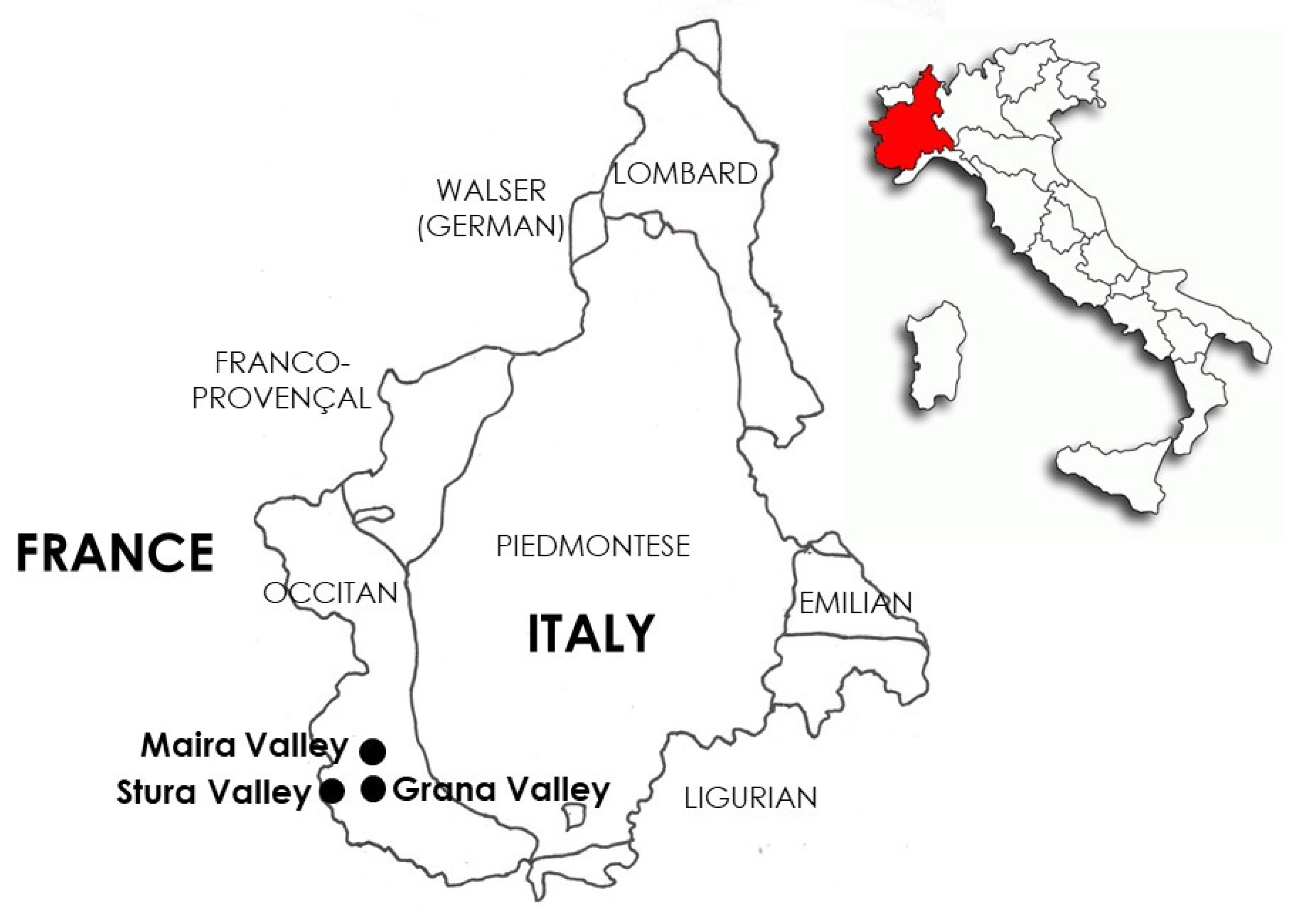
The Alpine Southern Occitan area (Maira, Stura, and Grana valleys), nestled between the Western Alps and the borderlands of Italy and France (Figure 9), is a region steeped in a rich history of both ecological and cultural significance [39]. This area has long been home to communities that have developed unique agricultural and medicinal practices suited to the challenging alpine environment. At altitudes ranging from 600 to 3000 m, the region is defined by a distinct climate, marked by moderate to cold temperatures and significant seasonal variations in precipitation, creating a diverse range of ecological zones [10]. These varying altitudes have resulted in an exceptional variety of plant species, many of which are deeply embedded in the traditional practices of the local communities. The history of the region is characterized by a longstanding reliance on farming, pastoralism, and local plant knowledge, which has shaped both the cultural and ecological landscapes. Over time, these communities have developed intricate systems of ecological knowledge that integrate plant use with the broader cultural and spiritual practices of the region.
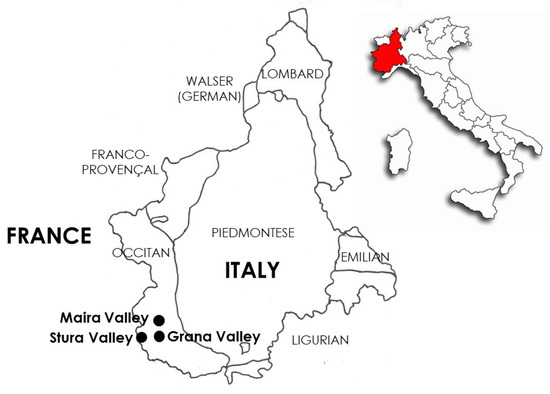
Figure 9.
Linguistic map of Piedmont (NW Italy) and the three considered Alpine Southern Occitan valleys (Maira, Stura, and Grana), nestled in the borderlands of Italy and France.
The region’s people, traditionally organized in small, close-knit communities, have a strong sense of identity rooted in the land they cultivate and the ecological resources they manage. This connection to the land is reflected in the way traditional knowledge has been passed down through generations, often through familial lines and communal teachings. The transmission of knowledge was primarily oral, with elders passing down plant-based wisdom related to medicinal, culinary, and agricultural practices. This knowledge was not only practical but deeply tied to local cosmologies and worldviews, which held a spiritual and ethical connection to nature [10,40]. For instance, certain plants were considered sacred, and their use was governed by strict cultural protocols that ensured sustainable harvesting and respect for the natural world. However, the interplay between ecological conditions, such as the region’s altitude and climate, and cultural practices has been increasingly disrupted by socio-economic shifts. The pressures of modernization, economic changes, and out-migration have altered the way younger generations relate to traditional practices, with many abandoning them in favor of urban life and more standardized agricultural techniques.
4.2. Fieldwork and Data Collection
For this comparative data, the fieldwork spans several decades, from 1982 to 2022, and includes both historical and contemporary data on local plant knowledge. The data collection process involved interviewing individuals from a range of professions, including farmers, restaurateurs, and workers in the tourism industry (Table 3). These interviews captured the changing dynamics of plant use and ecological knowledge, shedding light on how the local plant knowledge system has evolved in response to broader socio-economic and environmental shifts.
Table 3.
Ethnobotanical data overview: socio-ecological contexts and methodological approaches across studies and our collected data.
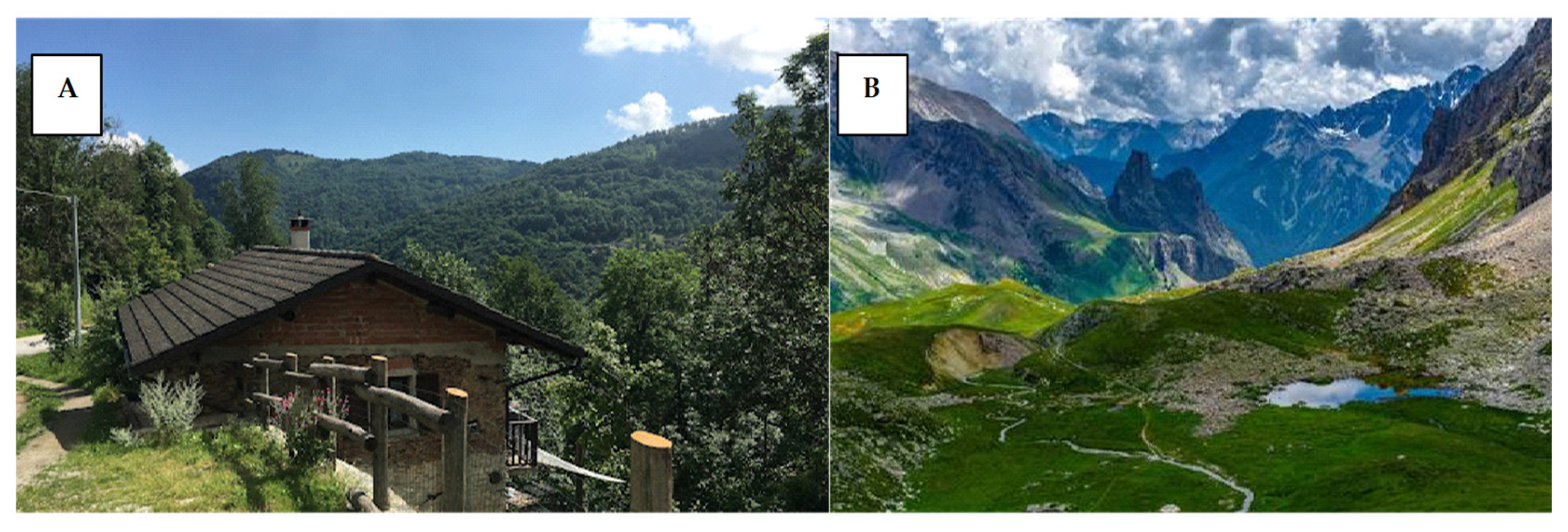
In addition to interviews, field observations were conducted to record plant species used, with an emphasis on how climate change and land use alterations that have impacted plant distribution and abundance at different altitudes (Figure 10) will give a view on this altitude and the natural landscape. These observations allow for an in-depth understanding of how ecological changes, such as shifts in temperature or precipitation patterns, influence local plant knowledge and practices. Moreover, the influx of migrants into the region has brought new plant knowledge and altered traditional practices, further complicating the region’s ethnobotanical landscape. Plant specimens were collected, identified, and deposited in a recognized herbarium during previous ethnobotanical fieldwork conducted by some of the authors in the contiguous areas of the Western Alps [10,40]. Verbal consent was always obtained from the data participants, following the Code of Ethics of the International Society of Ethnobiology [41].
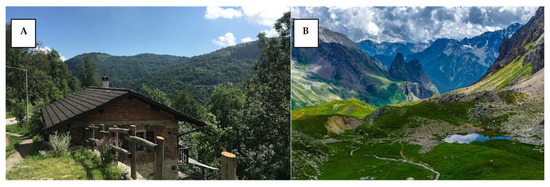
Figure 10.
Natural landscape in the Valle Grana (A) and Maria (B) (Photo: Site Maira Valley, Italy).
4.3. Data Analysis
The analysis of the collected data will be conducted using both SAS 9.4 and R v4.4.2 to explore the relationships between ecological and cultural factors influencing plant knowledge and its transmission. Statistical techniques such as PCA (Principal Component Analysis) will be used to reduce the complexity of the data and identify key ecological and cultural variables that explain variations in plant knowledge across the region. Cluster analysis will also be employed to group plant species based on their cultural and ecological significance, revealing patterns in how these species are used and shared among different communities. In addition, Redundancy Analysis (RDA) will be utilized to examine the relationship between ecological factors such as temperature, precipitation, altitude, and plant species distribution. This will allow the data to assess how environmental conditions influence the preservation or loss of traditional plant knowledge.
Furthermore, a logistic regression model [42] was applied to assess the relationship between the botanical taxa presence and various ecological and socio-economic factors. The explanatory variables included altitude, temperature, precipitation, age range, and data source. The botanical taxa data were treated as a binary outcome, indicating the presence or absence of species in different environmental conditions. The model results suggest that age range and altitude are significant predictors of botanical taxa presence.
The general form of the logistic regression model is as follows:
where
- p is the probability of the event occurring (e.g., the presence of a botanical taxa).
- β0 is the intercept (constant term).
- βi are the coefficients for each explanatory variable.
- Xi are the explanatory variables (altitude, temperature, precipitation, age range, and data source).
Based on our variables, the model equation can be written as follows:
where
Logit(p) = β0 + β1×Altitude1 + β2 × Altitude2 + β3 × Altitude3 + β4 × Temperature1 + β5 × Temperature2 + β6 × Precipitation1 + β7 × Precipitation2 + β8 × Age1 + β9 × Age2 + β10 × Data Source1 + β11 × Data Source2
- Altitude1, Altitude2, and Altitude are the dummy variables for the three levels of Altitude (600–1600 m, 1600–2400 m, and 2400–3031 m).
- Temperatures 1 and 2 represent the dummy variables for the two levels of temperature average (5 to 12 °C and 7 to 13 °C).
- Precipitations 1 and 2 represent the dummy variables for the two levels of Precipitation average (1400–1600 mm and 1200–1400 mm).
- Age1 and Age2 are the dummy variables for the two levels of Age Range (71–75 years and 30–80 years).
- Data Source has two levels: Interviews and Herbarium, with coefficients substituted accordingly.
These analyses will help reveal how both ecological changes and cultural transformations contribute to the erosion or revitalization of TEK in the region.
The collected data will also be examined through frequency analysis to track patterns in plant species use across different altitudinal zones and over time, highlighting how knowledge is retained, lost, or adapted in response to changing circumstances. Additionally, Venn diagrams will be used to represent the overlap between plant species used in various cultural contexts and ecological zones, offering a visual representation of shared or distinct knowledge systems.
5. Conclusions
In conclusion, the significant decline in the use of herbs in the Alpine Southern Occitan region reflects a broader erosion of traditional ecological knowledge, primarily due to diminished daily interactions with nature. The application of the Hysteresis Effect theory emphasizes the challenges of reversing this decline. Yet, it also offers hope for recovery by revitalizing uses of plants such as Achillea, Artemisia, Veronica, and Viola spp. Although these plants remain in the landscape, their cultural and practical significance has diminished; to reintroduce them into contemporary food and beverage markets could revamp both interest in and knowledge of these plants, paving the way for a more sustainable and bioculturally informed future.
Author Contributions
M.A.: conceptualization, methodology, data curation, visualization, formal analysis, and writing—original draft preparation. N.S.: conceptualization, methodology, funding, review, and editing. A.P.: supervision, conceptualization, methodology, review, and editing. All authors have read and agreed to the published version of the manuscript.
Funding
This publication is part of the project NODES, which has received funding from the MUR-M4C2 1.5 of PNRR funded by the European Union-Next Generation EU (Grant agreement no. ECS00000036).
Data Availability Statement
The data supporting this study’s findings are presented in this article.
Acknowledgments
We thank the local communities for sharing their LEK and some former UNISG students who collected in the field some of the data presented in this analysis: Eva Fachino, Andrea Masino, Giulia Mattalia, Federico Mina, Martina Spreafico, and Irene Stellato.
Conflicts of Interest
The authors declare no conflicts of interest.
References
- Sulaiman, N.; Zocchi, D.M.; Borrello, M.T.; Mattalia, G.; Antoniazzi, L.; Berlinghof, S.E.; Bewick, A.; Häfliger, I.; Schembs, M.; Torri, L.; et al. Traditional Knowledge Evolution over Half of a Century: Local Herbal Resources and Their Changes in the Upper Susa Valley of Northwest Italy. Plants 2024, 13, 43. [Google Scholar] [CrossRef]
- Re, A.; Avanza, G. Empowering Communities Through Youth Education on Nature and Cultural Practices. In ICH in the South-Western Alps; ICHCAP: Eonju, Republic of Korea, 2020. [Google Scholar]
- Burns, R.K. The Circum-Alpine Culture Area: A Preliminary View. Anthropol. Q. 1963, 36, 130. [Google Scholar] [CrossRef]
- Abdullah, A.; Khan, S.M. Traditional Ecological Knowledge Sustains Due to Poverty and Lack of Choices Rather than Thinking about the Environment. J. Ethnobiol. Ethnomed. 2023, 19, 65. [Google Scholar] [CrossRef] [PubMed]
- Albuquerque, U.P.; Cantalice, A.S.; Oliveira, D.V.; Oliveira, E.S.; dos Santos, E.B.; dos Santos, F.I.R.; Soldati, G.T.; da Silva Lima, I.; Silva, J.V.M.; Abreu, M.B.; et al. Why Is Traditional Ecological Knowledge (TEK) Maintained? An Answer to Hartel et al. (2023). Biodivers. Conserv. 2024, 33, 859–866. [Google Scholar] [CrossRef]
- Abildtrup, J.; Audsley, E.; Fekete-Farkas, M.; Giupponi, C.; Gylling, M.; Rosato, P.; Rounsevell, M. Socio-Economic Scenario Development for the Assessment of Climate Change Impacts on Agricultural Land Use: A Pairwise Comparison Approach. Environ. Sci. Policy 2006, 9, 101–115. [Google Scholar] [CrossRef]
- Al Hatmi, S.; Lupton, D.A. Documenting the Most Widely Utilized Plants and the Potential Threats Facing Ethnobotanical Practices in the Western Hajar Mountains, Sultanate of Oman. J. Arid. Environ. 2021, 189, 104484. [Google Scholar] [CrossRef]
- Greenfield, D.E. Traditional Ecological Knowledge (TEK): A Comprehensive Guide. Available online: https://sigmaearth.com/traditional-ecological-knowledge-tek-a-comprehensive-guide/ (accessed on 12 June 2024).
- Casi, C.; Guttorm, H.; Virtanen, P. Traditional Ecological Knowledge. In Situating Sustainability: A Handbook of Contexts and Concepts; Helsinki University Press: Helsinki, Finland, 2021. [Google Scholar]
- Pieroni, A.; Giusti, M.E. Alpine Ethnobotany in Italy: Traditional Knowledge of Gastronomic and Medicinal Plants among the Occitans of the Upper Varaita Valley, Piedmont. J. Ethnobiol. Ethnomed. 2009, 5, 32. [Google Scholar] [CrossRef]
- Lyver, P.O.; Timoti, P.; Davis, T.; Tylianakis, J.M. Biocultural Hysteresis Inhibits Adaptation to Environmental Change. Trends Ecol. Evol. 2019, 34, 771–780. [Google Scholar] [CrossRef] [PubMed]
- Pieroni, A. Traditional Uses of Wild Food Plants, Medicinal Plants, and Domestic Remedies in Albanian, Aromanian and Macedonian Villages in South-Eastern Albania. J. Herb. Med. 2017, 9, 81–90. [Google Scholar] [CrossRef]
- Pearson, J.; Jackson, G.; McNamara, K.E. Climate-Driven Losses to Knowledge Systems and Cultural Heritage: A Literature Review Exploring the Impacts on Indigenous and Local Cultures. Anthr. Rev. 2023, 10, 343–366. [Google Scholar] [CrossRef]
- Oteros-Rozas, E.; Ontillera-Sánchez, R.; Sanosa, P.; Gómez-Baggethun, E.; Reyes-García, V.; González, J.A. Traditional Ecological Knowledge among Transhumant Pastoralists in Mediterranean Spain. Ecol. Soc. 2013, 18, art33. [Google Scholar] [CrossRef]
- Albuquerque, U.P.; Maroyi, A.; Ladio, A.H.; Pieroni, A.; Abbasi, A.M.; Toledo, B.A.; Dahdouh-Guebas, F.; Hallwass, G.; Soldati, G.T.; Odonne, G.; et al. Advancing Ethnobiology for the Ecological Transition and a More Inclusive and Just World: A Comprehensive Framework for the next 20 Years. J. Ethnobiol. Ethnomed. 2024, 20, 18. [Google Scholar] [CrossRef]
- Harisha, R.P. Traditional ecological knowledge (tek) and its importance in south india: Perspecive from local communities. Appl. Ecol. Environ. Res. 2016, 14, 311–326. [Google Scholar] [CrossRef]
- Abbass, K.; Qasim, M.Z.; Song, H.; Murshed, M.; Mahmood, H.; Younis, I. A Review of the Global Climate Change Impacts, Adaptation, and Sustainable Mitigation Measures. Environ. Sci. Pollut. Res. 2022, 29, 42539–42559. [Google Scholar] [CrossRef] [PubMed]
- Tattoni, C.; Ianni, E.; Geneletti, D.; Zatelli, P.; Ciolli, M. Landscape Changes, Traditional Ecological Knowledge and Future Scenarios in the Alps: A Holistic Ecological Approach. Sci. Total Environ. 2016, 579, 27–36. [Google Scholar] [CrossRef] [PubMed]
- Singh, R.; Sharma, R.K.; Babu, S.; Bhatnagar, Y.V. Traditional Ecological Knowledge and Contemporary Changes in the Agro-Pastoral System of Upper Spiti Landscape, Indian Trans-Himalayas. Pastoralism 2020, 10, 15. [Google Scholar] [CrossRef]
- Alrhmoun, M.; Romano, A.; Sulaiman, N.; Pieroni, A. Old Plants for New Food Products? The Diachronic Human Ecology of Wild Herbs in the Western Alps. Plants 2024, 14, 122. [Google Scholar] [CrossRef] [PubMed]
- Furusawa, T. Changing Ethnobotanical Knowledge; Springer: Singapore, 2016; pp. 111–126. [Google Scholar]
- Rovera, L.; Caramello, L.; Lomagno, P.A.; Piervtton, R. La Fitoterapia Popolare Nella Valle Maira. Corso di Laurea in Scienze Naturali; Università degli studi di Torino, Facoltà di Scienze MFN: Turin, Italy, 1982. [Google Scholar]
- Musset, D.; Dore, D. La Mauve et l’erba Bianca. Une Introduction Aux Enquêtes Ethnobotaniques Suivie de l’inventaire Des Plantes Utiles Dans La Vallée de La Stura. Un’introduzione Alle Indagini Etnobotaniche Seguita Dall’inventario Delle Piante Utili Nella Valle Della Stura; Musée Départemental Ethnologique; The Alpes-de-Haute-Provence Department of France: Paris, France, 2004. [Google Scholar]
- Turner, K.L. “Where Our Women Used to Get the Food”: Cumulative Effects and Loss of Ethnobotanical Knowledge and Practice; Case Data from Coastal British ColumbiaThis Paper Was Submitted for the Special Issue on Ethnobotany, Inspired by the Ethnobotany Symposium Organized by Alain Cuerrier, Montreal Botanical Garden, and Held in Montreal at the 2006 Annual Meeting of the Canadian Botanical Association. Botany 2008, 86, 103–115. [Google Scholar]
- Sulaiman, N.; Aziz, M.A.; Stryamets, N.; Mattalia, G.; Zocchi, D.M.; Ahmed, H.M.; Manduzai, A.K.; Shah, A.A.; Faiz, A.; Sõukand, R.; et al. The Importance of Becoming Tamed: Wild Food Plants as Possible Novel Crops in Selected Food-Insecure Regions. Horticulturae 2023, 9, 171. [Google Scholar] [CrossRef]
- Soon, J.M. Changing Trends in Dietary Pattern and Implications to Food and Nutrition Security in Association of Southeast Asian Nations (ASEAN). Int. J. Nutr. Food Sci. 2014, 3, 259. [Google Scholar] [CrossRef]
- Pieroni, A.; Sulaiman, N.; Sõukand, R. Chorta (Wild Greens) in Central Crete: The Bio-Cultural Heritage of a Hidden and Resilient Ingredient of the Mediterranean Diet. Biology 2022, 11, 673. [Google Scholar] [CrossRef] [PubMed]
- Menendez-Baceta, G.; Pardo-de-Santayana, M.; Aceituno-Mata, L.; Tardío, J.; Reyes-García, V. Trends in Wild Food Plants Uses in Gorbeialdea (Basque Country). Appetite 2017, 112, 9–16. [Google Scholar] [CrossRef] [PubMed]
- Zarbà, C.; Allegra, V.; Silvio Zarbà, A.; Zocco, G. Wild Leafy Plants Market Survey in Sicily: From Local Culture to Food Sustainability. AIMS Agric. Food 2019, 4, 534–546. [Google Scholar] [CrossRef]
- Ohsawa, T.; Ide, Y. Global Patterns of Genetic Variation in Plant Species along Vertical and Horizontal Gradients on Mountains. Glob. Ecol. Biogeogr. 2008, 17, 152–163. [Google Scholar] [CrossRef]
- Li, T.; Xiong, Q.; Luo, P.; Zhang, Y.; Gu, X.; Lin, B. Direct and Indirect Effects of Environmental Factors, Spatial Constraints, and Functional Traits on Shaping the Plant Diversity of Montane Forests. Ecol. Evol. 2020, 10, 557–568. [Google Scholar] [CrossRef] [PubMed]
- Xiaobo, Z.; Huang, F.; Hao, L.; Zhao, J.; Mao, H.; Zhang, J.; Ren, S. The Socio-Economic Importance of Wild Vegetable Resources and Their Conservation: A Case Data from China. Kew Bull. 2010, 65, 577–582. [Google Scholar] [CrossRef]
- Martin, A.R.; Cadotte, M.W.; Isaac, M.E.; Milla, R.; Vile, D.; Violle, C. Regional and Global Shifts in Crop Diversity through the Anthropocene. PLoS ONE 2019, 14, e0209788. [Google Scholar] [CrossRef] [PubMed]
- Hurrell, J.A.; Puentes, J.P. Medicinal and Aromatic Species of Asteraceae Commercialized in the Conurbation Buenos Aires-La Plata (Argentina). Ethnobiol. Conserv. 2013, 2, 2–7. [Google Scholar] [CrossRef]
- Jaeger, S.; Giacalone, D. Barriers to Consumption of Plant-Based Beverages: A Comparison of Product Users and Non-Users on Emotional, Conceptual, Situational, Conative and Psychographic Variables. Food Res. Int. 2021, 144, 110363. [Google Scholar] [CrossRef]
- Maleš, I.; Pedisić, S.; Zorić, Z.; Elez-Garofulić, I.; Repajić, M.; You, L.; Vladimir-Knežević, S.; Butorac, D.; Dragović-Uzelac, V. The Medicinal and Aromatic Plants as Ingredients in Functional Beverage Production. J. Funct. Foods 2022, 96, 105210. [Google Scholar] [CrossRef]
- Ahad, L.; Hassan, M.; Amjad, M.S.; Mir, R.A.; Vitasović-Kosić, I.; Bussmann, R.W.; Binish, Z. Ethnobotanical Insights into Medicinal and Culinary Plant Use: The Dwindling Traditional Heritage of the Dard Ethnic Group in the Gurez Region of the Kashmir Valley, India. Plants 2023, 12, 3599. [Google Scholar] [CrossRef]
- Friday, C.; Scasta, J.D. Eastern Shoshone and Northern Arapaho Traditional Ecological Knowledge (TEK) and Ethnobotany for Wind River Reservation Rangelands. Ethnobiol. Lett. 2020, 11, 14–24. [Google Scholar] [CrossRef]
- De Rossi, A.; Mascino, L. Valades Ousitanes, Architettura e Rigenerazione. ARCHALP 2020, 4, 70–77. [Google Scholar]
- Mattalia, G.; Quave, C.L.; Pieroni, A. Traditional Uses of Wild Food and Medicinal Plants among Brigasc, Kyé, and Provençal Communities on the Western Italian Alps. Genet. Resour. Crop Evol. 2013, 60, 587–603. [Google Scholar] [CrossRef]
- ISE (International Society of Ethnobiology). The ISE Code of Ethics. Available online: https://www.ethnobiology.net/what-we-do/core-programs/ise-ethics-program/code-of-ethics/ (accessed on 15 November 2024).
- Hosmer, D.W.; Lemeshow, S. Applied Logistic Regression; Wiley: Hoboken, NJ, USA, 2004; ISBN 978-0-471-65402-5. [Google Scholar]
Disclaimer/Publisher’s Note: The statements, opinions and data contained in all publications are solely those of the individual author(s) and contributor(s) and not of MDPI and/or the editor(s). MDPI and/or the editor(s) disclaim responsibility for any injury to people or property resulting from any ideas, methods, instructions or products referred to in the content. |
© 2025 by the authors. Licensee MDPI, Basel, Switzerland. This article is an open access article distributed under the terms and conditions of the Creative Commons Attribution (CC BY) license (https://creativecommons.org/licenses/by/4.0/).