


Abstract
Occupational gender stereotypes are widely embedded in social cognition and increasingly reproduced through generative artificial intelligence (AI). Two mainstream Chinese generative AI models (DeepSeek V3 and Qwen 2.5) were audited by eliciting occupation–gender pronoun associations for 72 census-anchored occupations using a standardized questionnaire and an automated testing pipeline. Each occupation was queried in 1000 independent rounds, yielding 2,880,000 item-level observations. The results show that, for both models, the fitted relationship between census female shares and model-implied female pronoun associations follows an S-shaped pattern. This pattern is consistent with a dominance-amplifying mapping that pushes male-dominated occupations toward lower female attribution and female-dominated occupations toward higher female attribution. Meanwhile, women’s overall visibility is consistently shifted downward: when the census benchmark is 50% female, the predicted female proportion remains below parity at 48% in DeepSeek and 43% in Qwen. Cross-model comparisons reveal substantial heterogeneity in bias profiles: DeepSeek primarily compresses female attribution in male-dominated occupations, whereas Qwen amplifies female dominance in occupations where women already predominate. Overall, these findings characterize a multi-layered output-level bias pattern combining structural amplification with a system-wide downward shift in women’s aggregate visibility.
1. Introduction
People often associate gender with occupations in which a particular gender is numerically dominant, thereby forming gendered occupational stereotypes. Such stereotypes not only permeate media coverage and public information dissemination but are also further reinforced through the information-generation processes of generative artificial intelligence (AI) [1]. Generative AI is increasingly used across domains, including career counseling. As a result, implicit gender bias in its occupational representations has drawn growing attention from both academia and industry [1,2,3,4]. Within the complex interactions among users, training data, and AI models, preexisting social beliefs may continuously infiltrate model architectures through multiple pathways, including corpus construction and human–AI interaction. As a result, these systems may generate biased responses when interacting with users [5]. Such outputs not only shape skewed cognitive frameworks for users but may also subtly constrain individuals’ occupational aspirations and choices, thereby narrowing their future developmental opportunities [6,7,8,9].
Algorithmic auditing research suggests that gender biases rooted in real-world social structures are frequently reproduced, and sometimes amplified, in systems for information retrieval and image recognition [10,11]. However, regarding occupational gender bias in generative AI, the current literature has largely focused on Western models such as ChatGPT. Meanwhile, empirical examinations of the magnitude and specific manifestations of bias in domestically developed Chinese models remain scarce.
Distinct socio-cultural contexts give rise to differentiated logics of gendered occupational division, and these logics may enter and shape AI systems through mechanisms such as training data composition and user interactions. Consequently, existing findings on occupational gender bias derived from Western contexts cannot be directly generalized to generative AI models developed in China. These findings also cannot adequately explain whether Chinese models reproduce occupational gender stereotypes specific to the Chinese socio-cultural context, or how such stereotypes are manifested. For this reason, context-specific bias measurement grounded in the Chinese socio-cultural context is necessary to address this gap.
This study focuses on generative AI models independently developed in China. By constructing a standardized bias measurement questionnaire, it conducts a comparative analysis between official Chinese census statistics and the output generated by leading generative AI models. The study seeks to address the following research questions:
- Do mainstream generative AI models in China exhibit occupational gender bias?
- If so, what are its specific patterns and magnitude?
- How do such biases vary across different models?
Through systematic empirical analysis, this study documents and benchmarks occupational gender bias in two mainstream Chinese generative AI models against census-based institutional baselines. By providing standardized, reproducible indicators at both the occupational and system levels, the study provides an evidence base for evaluation, monitoring, and accountability in responsible AI governance. In organizational AI governance settings, the proposed protocol can be treated as a lightweight assurance control that produces auditable evidence for baseline validation and ongoing monitoring.
This paper is structured as follows. Section 2 reviews the literature on occupational gender stereotypes and generative AI. The sockpuppet audit approach is presented in Section 3. Section 4 reports the audit results. In Section 5, the main contributions are discussed, and Section 6 outlines the conclusions, limitations, and directions for future research.
2. Literature Review
2.1. Occupational Gender Stereotypes
Lippmann [12] argues that stereotypes originate from the human tendency to pursue cognitive efficiency. Individuals extract salient and stable features of objects through categorization, developing a habit of “defining first and then understanding”. In social perception, this means categorizing others using group labels and preexisting schemas to fill informational gaps, and such simplified labels can crystallize into collective consensus and form the cognitive foundation of social prejudice [13]. As a pervasive form of stereotyping, gender stereotypes presuppose essential attributes that fundamentally distinguish men from women [14]. Building on this perspective, Deaux and Lewis [15] conceptualize gender stereotypes as comprising four dimensions: physical characteristics, personality traits, role behaviors, and occupational status, each of which may exhibit a classificatory tendency along a masculine–feminine continuum. Within the occupational dimension, professions are pre-categorized into male or female domains based on social constructs rather than actual demographics. In this study, occupational gender stereotypes are defined as a belief system that binds a specific gender to particular occupations and treats this association as natural or essential.
Occupational gender stereotypes shape societal evaluations and career trajectories, for example, by constraining women’s advancement in male-dominated fields through “glass ceiling” effects and by imposing role incongruity costs on gender-atypical workers [16,17,18]. These dynamics reflect and reinforce existing structures of gendered labor division, forming a self-reproducing cycle of occupational segregation [19]. Against this backdrop, emerging AI systems do more than describe occupations and gendered roles. Their representations may either challenge or further entrench long-standing patterns of inequality, underscoring the need for systematic audits of occupational gender bias.
2.2. Generative AI and Occupational Gender Stereotypes
As AI models are increasingly applied in career-related contexts, occupation–gender associations in model outputs have become a salient instance of algorithmic bias. Accordingly, it is important to examine whether models reproduce the occupational gender binary in their outputs and how these tendencies manifest under standardized evaluation protocols. Numerous studies show that generative AI reproduces gender stereotypes in occupation-related tasks. It more readily associates men with technical and leadership roles, such as engineers and scientists; meanwhile, it more frequently assigns women to care and support occupations, such as nurses and teachers [4,6,20]. Generative AI can thus be conceptualized as a novel form of “technological actor”, one that is deeply embedded in the social reproduction of occupational gender stereotypes [21,22].
The occupational gender stereotypes in generative AI stem from three interrelated mechanistic pathways [23,24]. First, the corpus inheritance pathway: historical biases embedded in training data can be absorbed and internalized by models. As a result, large-scale generative AI may repeat, cite, and enforce the gender norms encoded in these data, thereby reinforcing gender stereotypes [25]. Second, the interaction-driven consolidation pathway: through iterative user–AI interaction, systematic patterns in user prompts and feedback may contribute to reinforcing occupational gender stereotypes in observed outputs. Third, the developers’ choices: Design, curation, and alignment decisions can systematically shape occupational portrayals and shift the distribution of gendered role assignments. Such decisions include corpus filtering, instruction-tuning preferences, safety policies, and decoding settings. As a result, particular groups can be inadvertently excluded, disadvantaged, or systematically misrepresented [26]. Through these interaction mechanisms, gender stereotypes in AI outputs grow more concealed, persistent, and resistant to intervention, underscoring the need for standardized behavioral audits that quantify output-level deviations.
2.3. Auditing Occupational Gender Stereotypes in Generative AI
Previous research has revealed occupational gender stereotypes embedded in earlier algorithmic systems, including search systems, hiring/screening, and job advertising [27,28,29,30,31]. Empirically, these systems can amplify occupational gender disparities through skewed exposure, ranking, and selection outcomes. Taken together, this line of work establishes early auditing templates by specifying task structures (such as search, ranking, and screening), human benchmarks (labor statistics, experimental ratings, or legal standards), and disparity metrics (differences in exposure, selection, or recommendation rates) [28,30]. Subsequent audits of generative models can build on these templates.
Recent work has extended these auditing ideas to generative AI systems by developing systematic benchmarks to quantify occupation–gender bias [32,33,34,35,36,37,38,39]. Methodologically, existing work falls into three main approaches. The first uses representation and explainability-based analyses. The second applies association-based measures, such as stereotype or implicit-association probes. The third conducts standardized behavioral audits that elicit comparable outputs under controlled prompts and decoding settings [32,33]. Within the behavioral-audit paradigm, studies operationalize occupation–gender bias by comparing model outputs against human or institutional baselines, such as labor-market statistics or benchmark labels. They then report disparities across occupations in selection, scoring, attribution, or representation [34,35,36]. Beyond text-only outputs, related designs have been adapted to image-generation systems. These studies infer the gender of depicted persons in occupation-specific generations and quantify representation gaps relative to real-world occupational proportions [37].
While these studies establish an emerging toolkit for auditing occupation–gender bias in AI models, they are largely grounded in English-language corpora and Western models, as well as benchmarks derived from Western labor markets. Very few audits systematically align model outputs with Chinese census-based occupational statistics, or adapt auditing protocols to the regulatory, linguistic, and sociohistorical specificities of China’s generative AI ecosystem. This gap motivates the present study’s focus on mainstream Chinese generative AI systems and on standardized, occupation-level comparisons between model-implied gender shares and official census benchmarks. The proposed framework anchors evaluation in official Chinese statistical benchmarks and standardizes the task structure and measurement criteria. Collectively, these choices aim to produce evidence with stronger contextual validity and explanatory power for China’s linguistic and technological ecosystem.
On this basis, the present study adopts the following research strategy. First, it employs an explicit behavioral auditing paradigm with a standardized prompt-and-response protocol. Using occupational titles as the sole independent variable, the model is placed under a uniform prompt context and forced to make a binary pronoun choice, thereby minimizing extraneous interference to the greatest extent possible. Second, the study takes occupational gender proportions reported in the Chinese population census as the empirical benchmark and focuses on testing two core patterns of bias:
- Bias Pattern A (Segregation Exaggeration): Does the model output overstate the proportion of the dominant gender in a given occupation—that is, exhibit a positive deviation relative to census-based proportions?
- Bias Pattern B (Overall Underestimation): Does the model output systematically underestimate women’s overall representation across occupations?
Given that differences in training data composition, alignment strategies, and safety mechanisms across models may lead to divergent observable behaviors, this study conducts a comparative analysis of two mainstream generative AI models independently developed in China—DeepSeek V3 and Qwen 2.5. Against this backdrop, the study seeks to address the following three research questions:
- Q1 (Existence and Direction): Do generative AI models exhibit significant gender stereotypes in occupational pronoun associations? If so, does the direction of bias manifest as an exaggeration of existing occupational gender segregation in reality (corresponding to Bias Pattern A)?
- Q2 (Model Differences): Are there significant differences in the specific patterns and severity of bias across different models?
- Q3 (Overall Underestimation): Is the aggregate proportion of women across all occupations in model outputs significantly lower than census-based benchmarks (corresponding to Bias Pattern B)?
3. Methodology
This study adopts an algorithmic auditing approach to examine whether generative AI systems exhibit gender stereotypes in occupational descriptions. Algorithmic auditing refers to a research strategy in which scholars intervene in socio-technical systems suspected of bias and, through naturalistic experimental designs, identify and diagnose potential forms of algorithmic discrimination or unfairness [38]. Depending on the relationship among researchers, algorithmic systems, and users, algorithmic auditing is commonly classified into five categories: code audits, non-intrusive user audits, scraping audits, sockpuppet audits, and crowdsourced or collaborative audits [32,38,40].
This study adopts a sockpuppet audit approach, in which researchers construct simulated user identities and directly submit standardized prompts (e.g., questionnaire-style simulated queries) to the algorithmic system in order to collect its generated outputs and conduct quantitative analyses based on those responses. This method has been widely applied in the identification of algorithmic bias and discriminatory mechanisms [3,23,41]. Specifically, the study constructs a questionnaire in which occupational titles serve as the sole independent variable and initiates structured interactions with generative AI models. The models’ responses are then collected to identify implicit or explicit gender attributions associated with each occupation, and the proportions of gender assignments across occupations are statistically calculated. Finally, these results are compared with occupational gender distributions derived from Chinese population census data, thereby revealing potential gender bias in occupational representations.
3.1. Research Objects
This study examines two widely deployed generative AI models independently developed in China: DeepSeek V3 and Qwen 2.5. These models were selected because they are both representative of China’s current generative AI development landscape and enjoy substantial real-world application coverage, allowing them to effectively reflect the prevailing characteristics of domestically developed systems. Key information about the two models is as follows:
- DeepSeek V3: Developed by Hangzhou DeepSeek Artificial Intelligence Fundamental Technology Research Co., Ltd., this model supports text generation and comprehension with a 128K context window [42].
- Qwen 2.5: Developed by the Alibaba Cloud team under the Alibaba Group, this model belongs to the Tongyi Qianwen (Qwen) series and supports a 128K context window [43].
By selecting models that combine technical advancement with market representativeness, this study aims to enhance the applicability and explanatory power of its findings within the contemporary Chinese generative AI context. For ease of exposition, the two models are hereafter referred to as DeepSeek and Qwen, respectively.
3.2. Occupation Selection Based on Census Data
This study draws on statistical data from the Sixth National Population Census of China, specifically the dataset on the employed population by gender, detailed occupational categories [44]. Based on these data, the gender distribution within each occupation is calculated. The census adopts the Occupational Classification of the People’s Republic of China as its official classification framework, in which occupational titles are expressed in a relatively formal and standardized manner.
To enhance the reliability and comparability of interaction testing across generative AI models, we implement a systematic screening and standardization procedure for occupational titles. The selection criteria are as follows.
- (1)
- Occupational Title Alignment: Selected occupational titles were required to align closely with the detailed subcategories defined in the Occupational Classification of the People’s Republic of China, thereby ensuring conceptual clarity and empirical relevance.
- (2)
- Minimum Employment Threshold: Because the classification includes more than 450 subcategories, many of which correspond to relatively small workforces, only occupations with at least 50,000 employed individuals nationwide were retained to improve feasibility and statistical reliability.
- (3)
- Minimum Female Employment Threshold: To ensure adequate female representation for gender-focused analyses, and conditional on meeting the overall employment threshold, occupations were further required to include at least 25,000 employed women nationwide. This criterion increases analytical sensitivity to potential underrepresentation.
- (4)
- Category Consolidation: When occupational titles were highly overlapping or excessively granular, categories were consolidated to reduce redundancy. For example, “Poultry Breeder” and “Livestock Breeder” were merged into a single category labeled “Livestock Breeder.”
Following the screening procedure, 72 occupations were retained for the generative AI audit. Because the sample was constructed strictly according to the criteria specified above, it exhibits consistent classification alignment, sufficient social prevalence, and adequate female representation, thereby providing a robust real-world benchmark for model testing. The Chinese titles and English translations for all 72 occupations are provided in Appendix A.
3.3. Questionnaire Design
To effectively extract implicit bias related to occupation–gender associations embedded in generative AI models and translate it into quantifiable, comparable indicators, this study designs a structured questionnaire instrument guided by the following principles.
- (1)
- Standardization of occupational titles: The questionnaire uses the Chinese occupational title as the sole input variable. Occupational titles are entered exactly as listed in the first column of Appendix A, with no modification, abbreviation, or paraphrasing. This strict standardization minimizes confounding that could arise from lexical variation across synonymous or alternative title forms.
- (2)
- Fixed Prompt Structure: The wording and structure of all questionnaire items are kept constant. For each item, the Chinese occupational title appears in a pre-specified syntactic position within the prompt. An illustrative item is: “A senior [Occupation] is mentoring a new employee. ____ shares key work points. (A) he (B) she.”
- (3)
- Forced binary choice: A sentence-completion task with a binary pronoun choice is employed, requiring the model to choose the more natural option between the Chinese pronouns “他” (he) and “她” (she). This design enables the direct capture of the model’s default gender association for a given occupation.
- (4)
- Semantic neutrality and non-leading phrasing: All prompts deliberately avoid terms that implicitly encode gendered traits or stereotypes (e.g., “assertive,” “meticulous,” “rational,” “gentle”). Instead, they rely on neutral action-oriented descriptions (e.g., “proposes a plan,” “completes a report,” “communicates an issue”) to minimize bias introduced by linguistic cues.
The questionnaire comprises 20 generic multiple-choice items. The full instrument is reported in Appendix B, which presents the original Chinese items used in the audit and their English translations. The 20 items are designed around a typical work-task cycle, covering proposal, execution, communication, and summarization, and they encompass commonly encountered workplace scenarios. Throughout the instrument, wording is intentionally neutral and non-evaluative. As a result, observed differences in pronoun selection can be more reliably attributed to the models’ implicit associations between occupation and gender, rather than to cues embedded in the prompt content itself.
By analyzing the probability distribution of pronoun choices, the study indirectly measures the strength of association between the concepts of “occupation” and “gender” within the model’s semantic space. Through repeated sampling and statistical aggregation, it is possible to estimate the model’s gender-preference probability for each occupation. These estimated probabilities are then compared with empirical gender distributions derived from population census data, enabling the identification of both the direction and the magnitude of gender bias in generative AI models.
3.4. Test Procedure
To ensure the replicability and statistical validity of measuring occupation–gender associative bias in generative AI models, this study employs an automated testing pipeline to administer the questionnaire. It applies standardized coding and statistical analysis procedures to all model outputs. The testing procedures are outlined as follows.
Step 1: Session control. For each questionnaire administration, the program initiated a new session to construct an independent virtual user–model interaction unit. This design isolates contextual memory and eliminates traces of prior conversations, thereby preventing interference from historical dialogue on model responses.
Step 2: Instruction setting. The system instruction was issued in Chinese to match the instrument language: “请根据问题在A或B中选择一个选项。无需解释。” (English translation: “Please select one option from A or B according to the question. No explanation is required.”) Each prompt presented only the item text and response options, without any information about the research background or objectives, to reduce exposure to demand characteristics and minimize potential priming or inducement bias. For each occupation, 1000 testing rounds were conducted, with each round comprising the full set of 20 questionnaire items.
Step 3: Randomization procedures. Within each testing round, the presentation order of the 20 items is randomly permuted. In addition, the mapping between response options (A/B) and pronouns (he/she) is randomly alternated across items and rounds to control for systematic option-order bias. Both item-order and option-order randomization are implemented using random permutation and random assignment.
Step 4: Unified parameter control. All tests were executed through the models’ official APIs, with identical decoding parameters applied across all occupations, items, and rounds to ensure comparability. As shown in Table 1, strict session isolation was enforced for both models, and deterministic decoding settings were used to minimize sampling variability (temperature = 0, top_p = 1.0, max_tokens = 5). These settings were held constant across all test conditions to produce fully comparable outputs. The max_tokens was set to 5 to constrain outputs to the required single-choice format and prevent extraneous text generation.
Table 1.
The parameters of AI models.
Step 5: Response parsing and data cleaning. Model responses are standardized prior to analysis. Equivalent expressions such as “A/B,” “a/b,” or “choose A” are accepted and uniformly converted into uppercase letter identifiers. If a response includes additional text (e.g., “A. he”), the initial letter is extracted as the valid choice. Model calls that fail or responses that do not clearly indicate either A or B are treated as missing values and excluded from statistical analysis.
Step 6: Outcome coding and dataset construction. Each response is coded as a binary variable: selection of ‘she’ is coded as 0, and selection of ‘he’ is coded as 1; invalid or missing responses are marked separately. This study evaluates 72 occupations across two mainstream Chinese generative AI models (DeepSeek and Qwen), with 1000 rounds per occupation, yielding a total of 2,880,000 item-level observations. All model outputs were successfully parsed into valid binary responses; no observations were excluded due to missing or invalid responses. Coding follows the convention of using male as the reference category and does not imply normative ranking.
Assumptions on repeated sampling and independence. Each API call is treated as an independent draw from a stable underlying generative process. Potential dependence is mitigated through strict session isolation and randomized administration across items and rounds. We acknowledge that, as a black-box service, a generative AI system may still exhibit unobserved sources of correlation, such as server-side caching, routing, or load-related effects. However, by enforcing a fully standardized protocol and collecting a large number of repeated trials under identical decoding settings, we reduce the likelihood that such artifacts systematically account for the observed patterns. Importantly, repeated sampling in our design is used to estimate, for each occupation, the model’s pronoun-preference probability, defined as the expected propensity to output female versus male pronouns under the fixed prompt, rather than to treat any single response as determinative.
In summary, by using a fixed questionnaire, controlled prompts, strict session isolation, and a uniform parsing-and-coding protocol, the automated pipeline minimizes subjective judgment and enhances cross-model comparability and replicability. The outputs form a standardized item-level dataset of binary gender–pronoun associations across occupations, benchmarked against census-based gender shares. This evidence base supports subsequent analyses of both the direction and structural form of occupational gender stereotyping and enables direct comparison of bias profiles under an identical evaluation protocol.
4. Results
This section reports the results of the standardized audit and addresses the three research questions through a structured, multi-level analysis. The evidence is organized to move from occupation-level benchmarking against census female shares, to model-level characterization of the fitted occupation–gender mapping, and then to an aggregate system-level assessment of underestimation relative to the census benchmark. We also conduct a robustness check that varies the decoding temperature to evaluate whether the main patterns persist under stochastic decoding. For clarity, the research questions are evaluated using the following directional hypotheses.
H1 (Q1, directional exaggeration):
For occupations below parity in the census, meaning female shares below 50% and thus male-dominated, the model-implied female pronoun proportion is lower than the census female share. For occupations above parity in the census, meaning female shares above 50% and thus female-dominated, the model-implied female pronoun proportion is higher than the census female share.
H2 (Q2, cross-model comparison):
Bias profiles differ across models, with bias concentrating differently in male-dominated versus female-dominated occupational contexts.
H3 (Q3, overall underestimation):
The aggregate female proportion across all occupations in model outputs is lower than the census-based benchmark.
Because these hypotheses specify the expected direction of stereotype-consistent deviations, one-tailed occupation-level tests are used to assess directional departures from the census benchmark.
4.1. Baseline Distributions of Occupational Gender Proportions and Difference Tests
Given space constraints, Table 2 presents only the ten occupations with the highest and lowest female proportions based on population census data. The complete set of computed results is provided in Appendix C. The p-values reported in the table are derived from one-tailed significance tests comparing the female proportions generated by the AI models with those observed in the Chinese population census. The significance level is set at 0.05, and significant departures are indicated in the table. The direction of each one-tailed test follows the directional hypothesis H1 stated at the beginning of Section 4, such that deviations are assessed conditional on whether an occupation falls below or above parity in the census benchmark.
Table 2.
Comparison of Female Proportions by Occupation Between Census Data and Generative AI Models.
Appendix C reports the gender proportions for all 72 occupations, along with the results of difference tests comparing generative AI model outputs with empirical census benchmarks. According to the Chinese population census, the proportion of women across the 72 occupations ranges from 5.95% (Transport Machinery Operators) to 93.33% (Early Childhood Teachers), with a mean of 46.59% and a standard deviation of 19.65%. Among these occupations, 43 exhibit female proportions below 50%, accounting for 59.72% of the total. For DeepSeek, the estimated female proportions range from 6.68% (Transport Machinery Operators) to 98.18% (Cutting and Sewing Workers), with a mean of 40.56% and a standard deviation of 19.83%. In this model, 53 occupations show female proportions below 50%, representing 73.61% of the sample. For Qwen, female proportions range from 3.14% (Security Guards and Transport Machinery Operators) to 94.27% (Early Childhood Teachers), with a mean of 44.28% and a standard deviation of 22.25%; 40 occupations fall below the 50% threshold, accounting for 55.56% of all occupations. A comparison of mean values indicates that both generative AI models tend to underestimate women’s occupational representation to varying degrees, relative to census-based distributions.
Based on one-tailed difference tests for male-dominated and female-dominated occupations, DeepSeek and Qwen exhibit statistically significant discrepancies in female representation in 36 and 45 occupations, respectively, accounting for 50.0% and 62.5% of all occupations. These findings indicate that both models either exaggerate or underestimate gender proportions in certain occupational categories. More specifically, census data indicate that Environmental Sanitation Workers have a relatively high female proportion (71.59%). The proportions estimated by DeepSeek and Qwen are 75.49% and 81.37%, respectively, and both are significantly higher than the census benchmark (p < 0.01). In occupations with relatively low female representation, such as Wood Product Manufacturing Workers, the census reports a female proportion of 16.64%. In comparison, DeepSeek and Qwen estimate proportions of 11% and 10%, respectively, both significantly lower than the census value (p < 0.01). Even in occupations with relatively balanced gender distributions, notable discrepancies persist. For instance, Banking Service Staff exhibit a female proportion of 49.52% in census data. In contrast, the corresponding proportions generated by DeepSeek and Qwen are 35.40% and 44.27%, respectively, again showing statistically significant differences (p < 0.01).
Figure 1 summarizes occupation-level benchmarking results for all 72 occupations. Deviations are not randomly centered around zero; instead, they vary systematically with the census composition. In male-dominated occupations, negative deviations are common, indicating that both models tend to assign women lower visibility than the census benchmark. In female-dominated occupations, the pattern becomes model-specific: Qwen more frequently exhibits positive deviations, thereby overestimating women relative to the census in a manner consistent with amplifying the numerically dominant gender. The distribution of departures also differs across models. DeepSeek shows broader underestimation in male-dominated contexts, whereas Qwen more often departs upward where women already predominate. Together, these occupation-level patterns provide a descriptive foundation for the subsequent analyses that formally assess cross-model heterogeneity.
Figure 1.
Occupation-level deviations from the census benchmark: DeepSeek vs. Qwen. Note: Each point corresponds to one occupation and plots the census female share on the x-axis and the model deviation on the y-axis, defined as the model-implied female share minus the census female share (percentage points). Solid curves summarize the distributional tendency of deviations using robust LOESS smoothing. The horizontal reference line at zero denotes perfect correspondence with the census benchmark, and the vertical reference line at 50% marks the parity threshold separating male-dominated from female-dominated occupations.
Appendix D provides the complete occupation-level evidence underlying Figure 1 by reporting, for each occupation and model, the deviation from the census benchmark together with its 95% confidence interval. The entries corroborate the directional patterns described above. For instance, in male-dominated occupations, both models show sizable negative deviations, such as Warehouse Keepers (census 46.62%; DeepSeek 30.91%; Qwen 35.60%) and Food-Delivery Workers (census 41.05%; DeepSeek 29.19%; Qwen 32.26%). In female-dominated occupations, Qwen more often departs upward, for example, among Accountants (census 73.06%; Qwen 91.67%) and Knitting Workers (census 72.28%; Qwen 84.31%), consistent with amplifying female dominance where women already predominate.
4.2. Proportional Exaggeration of Occupational Gender Stereotypes and Model Comparison
Because different tests conducted for individual occupations alone cannot fully capture variation in the extent to which the dominant gender is exaggerated across occupations with different gender compositions, this study adopts a more integrative analytical approach to examine the relationship between occupational gender proportions and the degree of gender exaggeration in model outputs. Drawing on established methods in the literature [45,46], we construct generalized linear models with a logistic link function, estimating separate models for stereotypical and non-stereotypical occupational contexts. The Vuong closeness test is then employed to compare model fit, thereby assessing whether generative AI systems exhibit systematic bias in their occupational gender representations. It should be emphasized that logistic regression models distinguishing between stereotypical and non-stereotypical cases have been widely used to reveal stereotype patterns in prior research, including studies of search engine image retrieval and psychological cognition [45,46,47,48], providing a solid methodological foundation for the present analysis.
The stereotypical model uses the female proportion of each occupation in the census data as the independent variable to predict the log-odds (logit) of the female proportion estimated by the generative AI model for that occupation. The generalized linear model can be specified as: logit(yi) = β0 + β1xi + εi, where yi denotes the female proportion for occupation i as estimated from the generative AI model outputs, xi represents the corresponding female proportion in the census data, β0 is the intercept, β1 is the slope coefficient, and εi is the error term. In this model, yi is assumed to follow a quasi-binomial distribution. It should be noted that the quasi-binomial family in logistic regression is appropriate when the response variable is proportional in nature and allows for overdispersion, while assuming an S-shaped relationship between the predictor and the response. The core function of the stereotypical model is to reveal a mechanism of stereotypical amplification. When the observed data more closely follow the fitted stereotype-model curve, this indicates that generative AI systems exhibit a stereotype-driven proportional amplification effect at the output stage: occupations with relatively high female representation in reality tend to be represented with an even higher female proportion by the model, whereas in male-dominated occupations, the probability of female representation is further reduced, thereby amplifying existing gender disparities relative to real-world distributions.
The non-stereotypical model likewise adopts a generalized linear modeling framework based on logistic regression. Unlike the stereotypical model, this specification uses the logit-transformed female proportion from census data to predict the logit-transformed female proportion observed in the outputs of generative AI models. Formally, the model can be expressed as: logit(yi) = β0 + β1 logit(xi) + εi. By applying a logit transformation to the independent variable, the non-stereotypical model renders the relationship between occupational gender composition and AI-generated outcomes closer to linear, thereby approximating an idealized scenario in which generative AI systems reproduce gender distributions in a relatively neutral manner, unmediated by stereotypical amplification. In this sense, the non-stereotypical model serves as a benchmark for stereotype-free gender representation. Importantly, the Vuong closeness test can be employed to compare the goodness-of-fit between the stereotypical and non-stereotypical models. This comparison enables a systematic assessment of whether the occupational gender distributions produced by generative AI are more consistent with a stereotype-amplifying mechanism or with a neutral, non-stereotypical pattern of gender representation, thereby clarifying the role of gender stereotypes in AI-mediated gender reproduction.
Figure 2 illustrates the fitted relationships between census data and the occupational gender distributions generated by DeepSeek and Qwen under both the stereotypical and non-stereotypical models. Figure 3 presents the corresponding residuals for each model specification. As shown in Figure 3, the smoothed residual curves across all four models are tightly clustered and lie close to the y = 0 axis. The maximum absolute value of the smoothed residuals does not exceed 0.1, indicating that the models adequately capture the overall relationship between the variables and exhibit satisfactory goodness-of-fit.
Figure 2.
Stereotypical vs. Non-stereotypical Models: Fitted Relationships Between Census-Based Female Proportions and Generative AI Outputs for DeepSeek and Qwen. Note: The solid blue line represents the estimated relationship between census-based female proportions and the gender proportions generated by the AI models. The points in the figure represent, for each occupation, the female proportion derived from the census data and the corresponding female proportion generated by the AI models. The auxiliary dashed reference lines indicate x = 0.5, y = 0.5, and y = x, serving as benchmarks for gender balance and perfect correspondence.
Figure 3.
Stereotypical vs. Non-stereotypical Models: Residuals from Fitted Relationships for DeepSeek and Qwen. Note: The figure presents scatter plots of the predicted log-odds values against the corresponding residuals for each model specification. The dark green solid line depicts the fitted curve between predicted values and residuals. When this line lies close to y = 0, and the scatter shows no systematic pattern, it indicates that the model adequately captures the underlying relationship between the variables.
The overall pattern shown in Figure 2 indicates that the stereotypical models for both DeepSeek and Qwen exhibit a pronounced S-shaped curve, suggesting a nonlinear relationship in reproducing gender proportions across occupations. By contrast, the non-stereotypical models fail to display a clear linear trend for either system. The deviation from linearity is particularly pronounced in the case of Qwen, while DeepSeek also shows a noticeable, albeit less substantial, departure. These patterns suggest that generative AI does not reproduce real-world gender distributions in a neutral manner; rather, it systematically amplifies existing disparities in occupational gender representation along stereotypical lines.
According to the Vuong closeness test (which assumes the AI-generated distributions are equally close to the census data under both models, implying the absence of a stereotyping effect), the p-values for DeepSeek and Qwen are 0.023 and 0.012, respectively. Both values are well below the 0.05 significance threshold, leading to a rejection of the null hypothesis. This finding indicates that the outputs of both generative AI models align more closely with the stereotypical model than with the non-stereotypical alternative.
Specifically, the models exhibit a characteristic asymmetric amplification pattern, whereby occupations with a high female share in reality are further inflated in the AI-generated outputs. Meanwhile, those with a low female share are further suppressed. In other words, generative AI systems do not reproduce real-world occupational gender distributions in a neutral manner; instead, they systematically amplify the representation of the dominant gender within each occupation. Concretely, in female-dominated occupations, both DeepSeek and Qwen tend to increase the probability of female representation. In contrast, in male-dominated occupations, they are more likely to compress the proportion of female appearances. These findings support Hypothesis H1 and provide a strong answer to the first research question, demonstrating that both DeepSeek and Qwen exhibit occupational gender stereotypes and systematically exaggerate the proportion of the dominant gender in occupations where gender imbalance already exists.
A closer inspection of the fitted curves under the stereotypical model shows that the lower-left segment of the curve is slightly more curved for DeepSeek than for Qwen, suggesting that DeepSeek exhibits a relatively stronger degree of stereotyping in male-dominated occupations. The statistical results corroborate this pattern: among the 43 male-dominated occupations, 32 occupations in DeepSeek reach statistical significance in the one-tailed tests (p < 0.05), accounting for 74.42%, whereas Qwen shows significant deviations in 29 occupations (67.44%). By contrast, in the upper-right segment of the curve (i.e., occupations with relatively high female representation), the fitted curve for Qwen is substantially more curved than that for DeepSeek, indicating a more pronounced amplification of female representation in female-dominated occupations. Specifically, among the 29 female-dominated occupations, only 4 occupations in DeepSeek yield significant one-tailed test results (p < 0.05; 13.79%), whereas Qwen exhibits significance in 16 occupations (55.17%).
In summary, DeepSeek exhibits a stronger tendency to underestimate female representation in male-dominated occupations, whereas Qwen shows a more pronounced amplification bias in female-dominated occupations. This comparative analysis supports Hypothesis H2 and directly addresses the second research question of this study. The results indicate that different generative AI models differ significantly in the extent of occupational gender stereotyping and display structurally distinct directional biases. Specifically, DeepSeek tends toward the systematic underrepresentation of women, while Qwen is more inclined to reinforce female dominance where women already prevail. Taken together, these patterns reveal that generative AI systems exhibit directional distortions in gender representation rather than neutral reproductions of real-world occupational gender distributions.
4.3. Systematic Bias in Gender Proportions and Model Comparison
The aggregate gender distribution produced by generative AI may also be biased at the macro level. As shown in Table 3, the overall female proportions estimated by both DeepSeek and Qwen are significantly lower than the census benchmark (p < 0.01). It should be noted that the “overall female proportion in the census data” refers to the share of women among the total employed population, whereas the “overall female proportion in the generative AI outputs” is defined as the proportion of model-generated samples that are labeled as female across all occupations. These results indicate a systematic shift in generative AI’s aggregate occupational gender representations, characterized by a general tendency to underestimate female representation.
Table 3.
Aggregate Female Representation: A Comparison Between Census Benchmarks and Generative AI Outputs.
Table 4 reports the intercept tests from the stereotypical model, which assess whether generative AI models exhibit an overall shift, even in gender-balanced occupations. To facilitate interpretation, we re-centered the stereotypical model by constructing a stereotypical shift model, specified as: logit(yi) = β0 + β1(xi0.5) + εi. After this re-centering, the intercept β0 has a more intuitive meaning: when the census-based female proportion for an occupation equals 50% (i.e., a gender-balanced occupation), the inverse-logit of β0 represents the model-predicted female proportion. Accordingly, testing the significance of the intercept is equivalent to examining whether, for gender-balanced occupations, generative AI outputs still deviate significantly from 50%.
Table 4.
Intercept Tests at the Midpoint of Gender Proportions in the Stereotypical Model.
As shown in Table 4, DeepSeek yields a predicted female proportion of 0.48 (95% Confidence Interval: [0.44, 0.53]), with an intercept test result of p < 0.001, indicating that its predicted value is significantly below 0.50 and thus reflects a systematic tendency to underestimate female representation. By comparison, Qwen produces a predicted value of 0.43 (95% Confidence Interval: [0.41, 0.48]), with a more pronounced deviation, suggesting a stronger downward bias in gender-balanced occupations. When considered alongside the aggregate distributional comparison reported in Table 3, these findings indicate that both generative AI models exhibit a generalized underestimation of female representation. Together, this analysis supports Hypothesis H3 and addresses the third research question, demonstrating that DeepSeek and Qwen both underestimate women’s occupational representation at the overall level, albeit to differing degrees.
4.4. Sensitivity Analysis on Decoding Temperature
To assess the sensitivity of our main conclusions to decoding stochasticity, we conduct an additional robustness analysis that varies the temperature parameter while holding the audit protocol, prompts, and all other decoding settings constant (All other decoding parameters (top_p = 1.0 and max_tokens = 5) were held constant as in Table 1. For each AI model, we re-estimate the occupation–gender mapping and the system-level underestimation metric under temperature values of 0.5 and 1.0. Because this exercise is intended as a sensitivity check rather than a full replication, each occupation is queried 200 times per model at each temperature setting. This robustness check is designed to evaluate whether the key conclusions remain substantively stable across alternative temperature parameters.
Figure 4 assesses the sensitivity of the fitted occupation–gender mappings to decoding temperature. As temperature increases from 0 to 0.5 and 1.0, the fitted curves under both the stereotypical and non-stereotypical specifications exhibit modest changes in smoothness and local curvature, suggesting that stochastic decoding can affect the fine-grained shape of the estimated mapping. Nonetheless, for both DeepSeek and Qwen, the overall relationship remains distinctly S-shaped across temperature settings, rather than approaching an approximately linear mapping consistent with parity.
Figure 4.
Stereotypical vs. Non-stereotypical Models at Different Temperature Values: Fitted Relationships Between Census-Based Female Proportions and Generative AI Outputs for DeepSeek and Qwen. Note: The solid line shows the fitted curve when temperature = 0. The dashed lines show fitted curves when temperature = 0.5 and temperature = 1.0, respectively.
This persistence reinforces the central inference that both models display occupational gender stereotyping and structurally amplify gender dominance in occupations where gender imbalance already exists. The cross-model contrast is also qualitatively stable under temperature variation. Despite minor shifts in the curve, DeepSeek continues to exhibit a stronger tendency toward women’s underrepresentation across the occupational distribution. In contrast, Qwen remains more inclined to amplify female dominance in occupations where women already predominate. Taken together, these results indicate that the main findings are robust to reasonable increases in decoding stochasticity: temperature affects the details of the curves. However, it does not alter the substantive conclusions regarding stereotyping and cross-model heterogeneity.
Table 5 reports intercept tests at the 50% census midpoint under alternative temperature settings within the stereotypical specification. For both models at both non-zero temperatures, the estimated female proportion at the 50% census reference point remains below parity. This differs significantly from 0.50, indicating that the aggregate downward shift in women’s visibility persists under stochastic decoding. Specifically, DeepSeek yields midpoint estimates of 0.45 at temperature = 0.5 (95% CI: [0.41, 0.47], p < 0.01) and 0.47 at temperature = 1.0 (95% CI: [0.43, 0.52], p < 0.01). Qwen shows consistently lower midpoint estimates of 0.42 at temperature = 0.5 (95% CI: [0.38, 0.46], p < 0.001) and 0.45 at temperature = 1.0 (95% CI: [0.41, 0.49], p < 0.001). Overall, this intercept-based evidence confirms that system-level underestimation of women remains robust to temperature variation.
Table 5.
Intercept Tests at the 50% Census Midpoint in the Stereotypical Model Across Temperature Settings.
5. Discussion
This study applies a standardized behavioral audit to benchmark model-implied occupational gender representations against Chinese census statistics in two mainstream Chinese generative AI models (DeepSeek and Qwen). Across both models, we observe three robust patterns. First, occupation-level stereotype-consistent deviations exaggerate gender dominance. Second, the models differ systematically in where these deviations concentrate. Third, women’s aggregate visibility is shifted downward relative to census benchmarks at the system level.
With respect to occupation-level patterns, the outputs of both models conform more closely to a stereotype-amplifying mechanism than to a neutral reproduction of census-based distributions. Importantly, these distortions are not uniform across models. DeepSeek exhibits a stronger tendency to underestimate women in male-dominated occupations. In contrast, Qwen more strongly amplifies female dominance where women already prevail, revealing structurally distinct and model-specific bias profiles. Beyond occupation-specific effects, the analysis also identifies a stable system-wide bias. When aggregated across occupations, both models significantly underestimate women’s overall representation relative to census benchmarks, including in gender-balanced occupational contexts. Taken together, these results indicate that occupational gender bias in generative AI operates through multiple layers. It combines occupation-level stereotypical amplification with a persistent aggregate-level downward shift in women’s visibility.
Under the fixed prompt-and-decoding protocol, the occupation-level deviations we observe are unlikely to be purely random noise; rather, they form a systematic output-level regularity that persists across repeated trials. Importantly, the bias profile is scale-dependent: at the occupation level, both models exhibit stereotype-consistent distortions that accentuate the numerically dominant gender, whereas when outcomes are aggregated across occupations, both models show a persistent downward shift in women’s overall visibility relative to census benchmarks. This coexistence of “local amplification” and “global underrepresentation” suggests that generative systems do not necessarily reproduce institutional distributions neutrally and may instead produce distributional shifts that vary across analytical scales. Accordingly, no single metric is sufficient to characterize these representational consequences, and multi-level evaluation is needed for comprehensive assessment [24]. Our audit framework contributes to this goal by providing standardized, replicable indicators at both the occupation and system levels.
From a generative-process perspective, occupational gender stereotypes are plausibly influenced by highly imbalanced gender–occupation co-occurrence patterns in training corpora [26]. Persistent statistical associations in real-world labor markets are repeatedly encoded in large-scale text. Through training, models can internalize these patterns as strongly weighted associations, which can then shape generation dynamics. In this setting, the decoding objective is not designed to optimize normative fairness; under standard decoding, the model may favor higher-probability continuations conditional on the prompt [49,50]. Consequently, occupational gender stereotypes may become embedded in model parameters and expressed as reproducible preferences in language generation, rather than appearing only as residual social beliefs reflected in outputs.
At the same time, our audit design does not allow us to isolate a single causal mechanism behind the observed output patterns. Multiple technical factors may jointly contribute to the bias profiles we document, including token frequency distributions in the training data, asymmetric linguistic priors in gendered pronoun usage, and prompt framing and contextual scaffolding. In addition, post-training alignment or safety constraints may steer the model away from certain formulations, especially under forced binary pronoun elicitation [32]. Our results, therefore, speak to the existence and structure of occupational gender bias at the output level, but they do not by themselves adjudicate between these competing mechanisms. Accordingly, we interpret the observed deviations as an empirical characterization of output distributions rather than a definitive diagnosis of underlying causes. Disentangling their relative contributions will require targeted follow-up experiments. For example, future work could systematically vary prompts, decoding settings, and lexical choices; compare alternative gender markers beyond pronouns; and test counterfactual prompt framings that neutralize occupational context cues. Where feasible, it will also require access to more detailed information about model training pipelines.
From a societal perspective, such multilevel biases could plausibly accumulate with repeated exposure. Our study does not measure user behavior, attitudes, or occupational choices, and it cannot establish downstream social or cognitive effects. However, the combination of local stereotype amplification and global underrepresentation suggests a plausible pathway. Repeated exposure to biased occupational portrayals could plausibly influence how some users infer which jobs are typical or salient for women and men.
This concern is particularly salient in real-world deployment contexts such as career counseling, educational guidance, and recruitment-related decision support, where occupational information may influence how individuals evaluate their own opportunities. Our results show that, even in the absence of explicit exclusionary language, model outputs can systematically attenuate women’s visibility in occupational representations. Rather than claiming that such patterns already change occupational aspirations or trajectories, we treat them as a risk scenario that warrants careful monitoring and targeted empirical investigation [8,10,51]. Accordingly, we treat these societal implications as hypotheses rather than outcomes established by the present audit.
Cross-model comparisons further suggest that gender bias in generative AI is not uniform across systems and may vary with model design and post-training choices. This observation has potential implications for governance and engineering practice. It is plausible that developers may retain some discretion in shaping bias profiles, which can operate through training-data curation, alignment strategies, and the design and enforcement of safety or value constraints. However, its extent remains an open empirical question and cannot be established by the present black-box audit.
From an operational governance standpoint, the proposed audit can be used as a repeatable assurance workflow for responsible deployment. Pre-deployment, it supports standardized checks against institutional baselines; post-deployment, it enables version-to-version monitoring by tracking deviation distributions and their confidence intervals over time. Occupation-level deviations can be used to prioritize review for the largest benchmark departures, while system-level indicators summarize aggregate shifts for oversight and reporting. Applying the same protocol across models and iterations, therefore, provides comparable evidence base for monitoring, documentation, and accountability.
Accordingly, algorithmic bias should not be treated as a purely technical side effect. Instead, it arises from the interaction between technical design choices and preexisting social structures and can manifest as systematic shifts in output distributions. Recognizing this socio-technical co-production motivates further work to identify which levers (e.g., data curation, prompt design, and alignment objectives) measurably reduce representational distortions under standardized evaluation protocols.
6. Conclusions
This study makes three main contributions. Empirically, it provides a large-scale, census-anchored characterization of occupational gender representations in two mainstream Chinese generative AI models (DeepSeek and Qwen). The results document a multi-level bias structure, combining occupation-level stereotype-consistent amplification with a persistent system-level downward shift in women’s aggregate visibility, and reveal systematic cross-model heterogeneity in where such deviations concentrate. Methodologically, we introduce a reproducible behavioral auditing pipeline that standardizes the questionnaire, prompting, and decoding controls and benchmarks model outputs against institutional baselines. This enables comparable occupation-level and system-level indicators across models and iterations for evaluation, documentation, and ongoing monitoring. Contextually, the study expands evidence on Chinese-language generative AI by aligning evaluation with China’s occupational classifications and official census statistics, complementing prior work that has largely focused on English-language models and Western labor-market benchmarks.
Several limitations should be noted. First, the analysis covers only two models and a specific occupation list and questionnaire design, so the findings should not be generalized to other systems, languages, or tasks without further testing. Second, our evidence is restricted to output distributions under controlled prompts and decoding settings; we do not measure user behavior or downstream outcomes, and thus cannot establish social or cognitive effects. Third, results may be sensitive to prompt framing and decoding choices. Because the models are audited as black-box services, we cannot attribute observed patterns to specific training data, architectural mechanisms, or post-training alignment mechanisms.
Future research can extend the framework in three directions. First, the audit can be broadened to additional Chinese and multilingual models, new occupational domains, and alternative gender markers beyond binary pronouns to test robustness across instruments. Second, systematic protocol variations, such as prompt framing, decoding settings, and counterfactual contextual cues, can help identify which design choices reliably reduce benchmark departures under standardized evaluation. Third, user-centered studies (e.g., controlled experiments or longitudinal exposure designs) are needed to assess whether and how repeated interactions with biased occupational portrayals translate into measurable changes in perceptions, judgments, or decision-making.
Author Contributions
Conceptualization, Y.L. and A.L.; methodology, Y.L. and S.P.; validation, Y.L., A.L., and S.P.; formal analysis, Y.L. and Z.C.; investigation, Y.L. and Z.C.; resources, Y.L. and A.L.; data curation, Y.L., A.L., and S.P.; writing—original draft preparation, Y.L., A.L., and S.P.; visualization, Y.L., A.L., S.P., and Z.C.; supervision, A.L.; project administration, A.L.; funding acquisition, A.L. All authors have read and agreed to the published version of the manuscript.
Funding
This research was supported by the Major Project of the National Social Science Fund of China, titled “Journalism Ethics and Regulation in the Age of Artificial Intelligence” (Grant No. 18ZDA308).
Data Availability Statement
This study was conducted in strict compliance with applicable laws and regulations in China and with the API providers’ terms of service. The census benchmark data are publicly available via the National Bureau of Statistics of China. Due to contractual and security constraints, raw conversation logs and executable pipeline code cannot be publicly released. To support reproducibility and auditing, we provide the complete occupation list, questionnaire, and system instruction (Appendix A and Appendix B), the full occupation-level outcome tables (Appendix C), and occupation-level deviations with 95% confidence intervals (Appendix D). The analysis scripts used to generate all reported tables and figures are available from the corresponding author upon reasonable request.
Conflicts of Interest
The authors declare no conflicts of interest.
Abbreviations
The following abbreviation is used in this manuscript:
| AI | Artificial Intelligence |
Appendix A
Appendix A lists the 72 selected occupations, including the Chinese titles and English translations for each.
Table A1.
Chinese Occupational Titles and the English Translation.
Appendix B
Appendix B documents the standardized questionnaire and the system instruction used in the algorithmic audit. The system prompt was held constant across all trials: “请根据问题在A或B中选择一个选项。无需解释。” The corresponding English translation is: “Please choose either A or B according to the question. No explanation is required.”
The item list in Table A2 was used in the model testing, with only the Chinese items administered to the models. The English items reported in Table A3 are provided solely as reader-facing translations for reference. Across all prompts, [OCCUPATION] is the only manipulated variable; scenario structure, linguistic framing, and task demands are held constant to minimize confounding effects. Response options were binary pronouns, and the A/B mapping was randomized across items and rounds.
Table A2.
The Standardized Questionnaire.
Table A3.
The English Translation of the Standardized Questionnaire.
Appendix C
Appendix C reports the full set of occupation-level results for all 72 occupations included in the audit. For each occupation, the table lists the census-based female proportion, the corresponding female proportion estimated from DeepSeek and Qwen outputs, and the p-values from one-tailed difference tests comparing model-generated proportions with the census benchmarks. One-tailed tests are used because the hypotheses are direction-specific (i.e., testing stereotype-consistent exaggeration relative to the census baseline). For ease of interpretation, p-values are reported only when statistically significant at the 0.05 level; non-significant results are left blank.
Table A4.
The full set of occupation-level results.
Appendix D
Appendix D reports occupation-level effect sizes and uncertainty estimates for both models. For each occupation, we report the deviation from the census benchmark, defined as the model-implied female share minus the census female share in percentage points, together with the corresponding 95% confidence interval. Model-implied proportions are computed from repeated standardized trials, and confidence intervals are constructed using the Wilson score method under a binomial sampling model. Positive deviations indicate that the model overestimates women’s representation relative to the census, whereas negative deviations indicate underestimation.
Table A5.
Occupation-level effect sizes and uncertainty estimates.
References
- Bartl, M.; Mandal, A.; Leavy, S.; Little, S. Gender bias in natural language processing and computer vision: A comparative survey. ACM Comput. Surv. 2025, 57, 1–36. [Google Scholar] [CrossRef] [Scilit]
- Ray, P.P. ChatGPT: A comprehensive review on background, applications, key challenges, bias, ethics, limitations and future scope. Internet Things Cyber-Phys. Syst. 2023, 3, 121–154. [Google Scholar] [CrossRef] [Scilit]
- Abid, A.; Farooqi, M.; Zou, J. Persistent anti-Muslim bias in large language models. In Proceedings of the AAAI/ACM Conference on AI, Ethics, and Society (AIES’21), Virtual, 19–21 May 2021; pp. 298–306. [Google Scholar]
- Lucy, L.; Bamman, D. Gender and representation bias in GPT-3 generated stories. In Proceedings of the Third Workshop on Narrative Understanding, Virtual, 11 June 2021; pp. 48–55. [Google Scholar]
- Gross, N. What ChatGPT tells us about gender: A cautionary tale about performativity and gender biases in AI. Soc. Sci. 2023, 12, 435. [Google Scholar] [CrossRef] [Scilit]
- Peters, U. Algorithmic political bias in artificial intelligence systems. Philos. Technol. 2022, 35, 25. [Google Scholar] [CrossRef] [Scilit]
- Smith, E.M.; Hall, M.; Kambadur, M.; Presani, E.; Williams, A. “I’m sorry to hear that”: Finding new biases in language models with a holistic descriptor dataset. In Proceedings of the 2022 Conference on Empirical Methods in Natural Language Processing, Abu Dhabi, United Arab Emirates, 7–11 December 2022; pp. 9180–9211. [Google Scholar]
- Shrestha, S.; Das, S. Exploring gender biases in ML and AI academic research through systematic literature review. Front. Artif. Intell. 2022, 5, 976838. [Google Scholar] [CrossRef] [Scilit]
- Fernández Martínez, M.C.; Fernández, A. AI in recruiting: Multi-agent systems architecture for ethical and legal auditing. In Proceedings of the Twenty-Eighth International Joint Conference on Artificial Intelligence (IJCAI-19), Macao, China, 10–16 August 2019; pp. 6428–6429. [Google Scholar]
- Koreff, J.; Baudot, L.; Sutton, S.G. Exploring the impact of technology dominance on audit professionalism through data analytic-driven healthcare audits. J. Inf. Syst. 2023, 37, 59–80. [Google Scholar] [CrossRef] [Scilit]
- Matthews, A. Sociotechnical imaginaries in the present and future university: A corpus-assisted discourse analysis of UK higher education texts. Learn. Media Technol. 2021, 46, 204–217. [Google Scholar] [CrossRef] [Scilit]
- Lippmann, W. Public Opinion; Chang, J.; Xiao, H., Translators; Peking University Press: Beijing, China, 2018; p. 67. [Google Scholar]
- Fiske, S.T. Social Beings: Core Motives in Social Psychology, 4th ed.; John Wiley & Sons: Hoboken, NJ, USA, 2018; p. 24. [Google Scholar]
- Ashmore, R.D.; Del Boca, F.K. Conceptual approaches to stereotypes and stereotyping. In Cognitive Processes in Stereotyping and Intergroup Behavior; Hamilton, D.L., Ed.; Lawrence Erlbaum Associates: Hillsdale, NJ, USA, 1981; pp. 1–36. [Google Scholar]
- Deaux, K.; Lewis, L.L. Structure of gender stereotypes: Interrelationships among components and gender label. J. Pers. Soc. Psychol. 1984, 46, 991–1004. [Google Scholar] [CrossRef]
- Reskin, B.F.; Hartmann, H.I. Women’s Work, Men’s Work: Sex Segregation on the Job; National Academy Press: Washington, DC, USA, 1986; p. 30. [Google Scholar]
- Cejka, M.A.; Eagly, A.H. Gender-stereotypic images of occupations correspond to the sex segregation of employment. Pers. Soc. Psychol. Bull. 1999, 25, 413–423. [Google Scholar] [CrossRef] [Scilit]
- Williams, C.L. The glass escalator: Hidden advantages for men in the “female” professions. Soc. Probl. 1992, 39, 253–267. [Google Scholar] [CrossRef] [Scilit]
- Oswald, D.L. Gender stereotypes and women’s reports of liking and ability in traditionally masculine and feminine occupations. Psychol. Women Q. 2008, 32, 196–203. [Google Scholar] [CrossRef] [Scilit]
- Bai, X.; Wang, A.; Sucholutsky, I.; Griffiths, T.L. Explicitly unbiased large language models still form biased associations. In Proceedings of the National Academy of Sciences, Washington, DC, USA, 20 February 2025; p. 122. [Google Scholar]
- Butler, J. Performative acts and gender constitution. Theatre J. 1988, 40, 519–531. [Google Scholar] [CrossRef] [Scilit]
- Zhang, Z.; Zhang, J.; Zhang, X.; Mai, W. A comprehensive overview of generative AI (GAI): Technologies, applications, and challenges. Neurocomputing 2025, 632, 129645. [Google Scholar] [CrossRef] [Scilit]
- Chen, Y.; Raghuram, V.C.; Mattern, J.; Mihalcea, R.; Jin, Z. Causally testing gender bias in LLMs: A case study on occupational bias. In Findings of the Association for Computational Linguistics: NAACL 2025, Proceedings of the NAACL 2025 Annual Conference, Albuquerque, NM, USA, 29 April–4 May 2025; Association for Computational Linguistics (ACL): Stroudsburg, PA, USA, 2025; pp. 4999–5019. [Google Scholar]
- Glickman, M.; Sharot, T. How human-AI feedback loops alter human perceptual, emotional and social judgments. Nat. Hum. Behav. 2025, 9, 345–359. [Google Scholar] [CrossRef] [Scilit] [PubMed]
- Garg, N.; Schiebinger, L.; Jurafsky, D.; Zou, J. Word embeddings quantify 100 years of gender and ethnic stereotypes. In Proceedings of the National Academy of Sciences, Washington, DC, USA, 17 April 2018; pp. 3635–3644. [Google Scholar]
- Bender, E.M.; Gebru, T.; McMillan-Major, A.; Shmitchell, S. On the dangers of stochastic parrots: Can language models be too big? In Proceedings of the 2021 ACM Conference on Fairness, Accountability, and Transparency (FAccT 21), Virtual, 3–10 March 2021; pp. 610–623. [Google Scholar]
- Zhou, B.; Luo, P. Gender stereotypes in search engine images: A cross-platform algorithmic audit study. J. Res. 2024, 6, 1–17+118. [Google Scholar]
- Chen, L.; Ma, R.; Hannák, A.; Wilson, C. Investigating the impact of gender on rank in resume search engines. In Proceedings of the 2018 CHI Conference on Human Factors in Computing Systems (CHI 2018), Montréal, QC, Canada, 21–26 April 2018; pp. 1–14. [Google Scholar]
- Gaucher, D.; Friesen, J.; Kay, A.C. Evidence that gendered wording in job advertisements exists and sustains gender inequality. J. Pers. Soc. Psychol. 2011, 101, 109–128. [Google Scholar] [CrossRef] [Scilit]
- Böhm, S.; Linnyk, O.; Kohl, J.; Weber, T.; Teetz, I.; Bandurka, K.; Kersting, M. Analysing gender bias in IT job postings: A pre-study based on samples from the German job market. In Proceedings of the 2020 Computers and People Research Conference (SIGMIS-CPR ’20), Nuremberg, Germany, 19–21 June 2020; pp. 72–80. [Google Scholar]
- Tyagi, S.; Qian, W.; Xie, J.; Andrews, R. Enhancing gender equity in resume job matching via debiasing-assisted deep generative model and gender-weighted sampling. Int. J. Inf. Manag. Data Insights 2024, 4, 100283. [Google Scholar] [CrossRef] [Scilit]
- Jia, K.; Liu, Z.; Zhang, D.; Chen, H.; Luo, F.; Qi, J. Exploring Occupational Gender Bias in Large Language Models of High-Resource Language. In Proceedings of the Third International Conference on Cyberspace Simulation and Evaluation (CSE 2024), Shenzhen, China, 26–28 November 2024; pp. 246–264. [Google Scholar]
- Templin, T.; Fort, S.; Padmanabham, P.; Seshadri, P.; Rimal, R.; Oliva, J.; Hassmiller Lich, K.; Sylvia, S.; Sinnott-Armstrong, N. Framework for bias evaluation in large language models in healthcare settings. npj Digit. Med. 2025, 8, 414. [Google Scholar] [CrossRef] [Scilit]
- Zekun, W.; Bulathwela, S.; Koshiyama, A.S. Towards auditing large language models: Improving text-based stereotype detection. In Proceedings of the 37th Conference on Neural Information Processing Systems (NeurIPS 2023), New Orleans, LA, USA, 10–16 December 2023; pp. 1–15. [Google Scholar]
- Armstrong, L.; Liu, A.; MacNeil, S.; Metaxa, D. The Silicon Ceiling: Auditing GPT’s Race and Gender Biases in Hiring. In Proceedings of the 4th ACM Conference on Equity and Access in Algorithms, Mechanisms, and Optimization (EAAMO’24), San Luis Potosí, Mexico, 29–31 October 2024; pp. 1–18. [Google Scholar]
- Jeoung, S.; Ge, Y.; Diesner, J. StereoMap: Quantifying the awareness of human-like stereotypes in large language models. In Proceedings of the 2023 Conference on Empirical Methods in Natural Language Processing (EMNLP 2023), Singapore, 6–10 December 2023; pp. 12236–12256. [Google Scholar]
- Locke, L.G.; Hodgdon, G. Gender bias in visual generative artificial intelligence systems and the socialization of AI. AI Soc. 2025, 40, 2229–2236. [Google Scholar] [CrossRef] [Scilit]
- You, Z.; Lee, H.J.; Mishra, S.; Jeoung, S.; Mishra, A.; Kim, J.; Diesner, J. Beyond binary gender labels: Revealing gender bias in LLMs through gender-neutral name predictions. In Proceedings of the 5th Workshop on Gender Bias in Natural Language Processing (GeBNLP 2024), Bangkok, Thailand, 16 August 2024; pp. 255–268. [Google Scholar]
- Gao, B.; Kreiss, E. Measuring Bias or Measuring the Task: Understanding the Brittle Nature of LLM Gender Biases. In Proceedings of the 2025 Conference on Empirical Methods in Natural Language Processing (EMNLP 2025), Suzhou, China, 4–9 November 2025; pp. 6734–6750. [Google Scholar]
- Sandvig, C.; Hamilton, K.; Karahalios, K.; Langbort, C. Auditing algorithms: Research methods for detecting discrimination on internet platforms. In Data and Discrimination: Converting Critical Concerns into Productive Inquiry, Proceedings of the 64th Annual Meeting of the International Communication Association, Seattle, WA, USA, 22–26 May 2014; New America: Washington, DC, USA, 2014; pp. 1–23. [Google Scholar]
- Fischer, S.; Jaidka, K.; Lelkes, Y. Auditing local news presence on Google News. Nat. Hum. Behav. 2020, 4, 1236–1244. [Google Scholar] [CrossRef] [Scilit]
- DeepSeek. 2025. Available online: https://www.deepseek.com/en (accessed on 12 August 2025).
- Qwen. 2025. Available online: https://qwen.ai/ (accessed on 12 August 2025).
- National Bureau of Statistics of China. Sixth National Population Census Data. 2024. Available online: https://www.stats.gov.cn/sj/pcsj/rkpc/6rp/indexch.htm (accessed on 10 September 2024).
- Kay, M.; Matuszek, C.; Munson, S.A. Unequal representation and gender stereotypes in image search results for occupations. In Proceedings of the 33rd Annual ACM Conference on Human Factors in Computing Systems (CHI ’15), Seoul, Republic of Korea, 18–23 April 2015; pp. 3819–3828. [Google Scholar]
- Metaxa, D.; Gan, M.A.; Goh, S.; Hancock, J.; Landay, J.A. An image of society: Gender and racial representation and impact in image search results for occupations. Comput. Interact. 2021, 5, 1–23. [Google Scholar] [CrossRef] [Scilit]
- Luna Cortes, G. A systematic literature review of the stereotype content model in the fields of psychology and marketing: Main themes examined in the literature and an agenda for future research in marketing. Front. Psychol. 2024, 15, 1392629. [Google Scholar] [CrossRef] [Scilit] [PubMed]
- Fiske, S.T. Stereotype content: Warmth and competence endure. Curr. Dir. Psychol. Sci. 2018, 27, 67–73. [Google Scholar] [CrossRef] [Scilit] [PubMed]
- Raji, I.D.; Buolamwini, J. Actionable auditing: Investigating the impact of publicly naming biased performance results of commercial AI products. In Proceedings of the AAAI/ACM Conference on AI, Ethics, and Society (AIES’19), Honolulu, HI, USA, 27–28 January 2019; pp. 429–439. [Google Scholar]
- Huang, Y.; Liu, W.; Gao, W.; Lu, X.; Liang, X.; Yang, Z.; Li, H.; Ma, L.; Tang, S. Algorithmic fairness in social context. Bench-Counc. Trans. Benchmarks Stand. Eval. 2023, 3, 100137. [Google Scholar] [CrossRef] [Scilit]
- Raji, I.D.; Smart, A.; White, R.N.; Mitchell, M.; Gebru, T.; Hutchinson, B.; Smith-Loud, J.; Theron, D.; Barnes, P. Closing the AI accountability gap: Defining an end-to-end framework for internal algorithmic auditing. In Proceedings of the 2020 Conference on Fairness, Accountability, and Transparency, Barcelona, Spain, 27–30 January 2020; pp. 33–44. [Google Scholar]
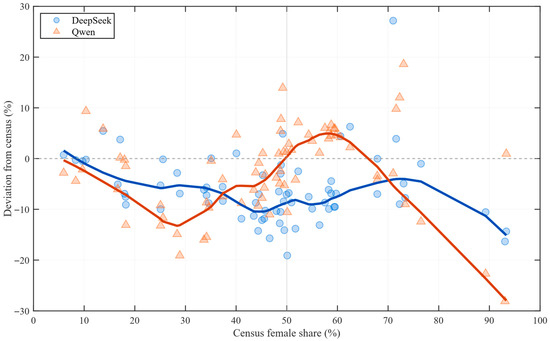
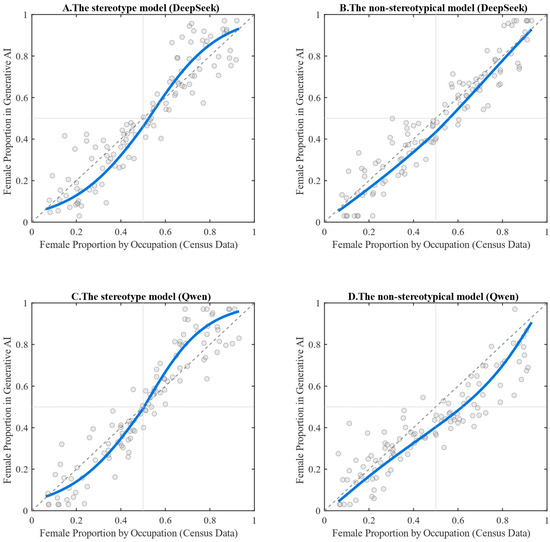
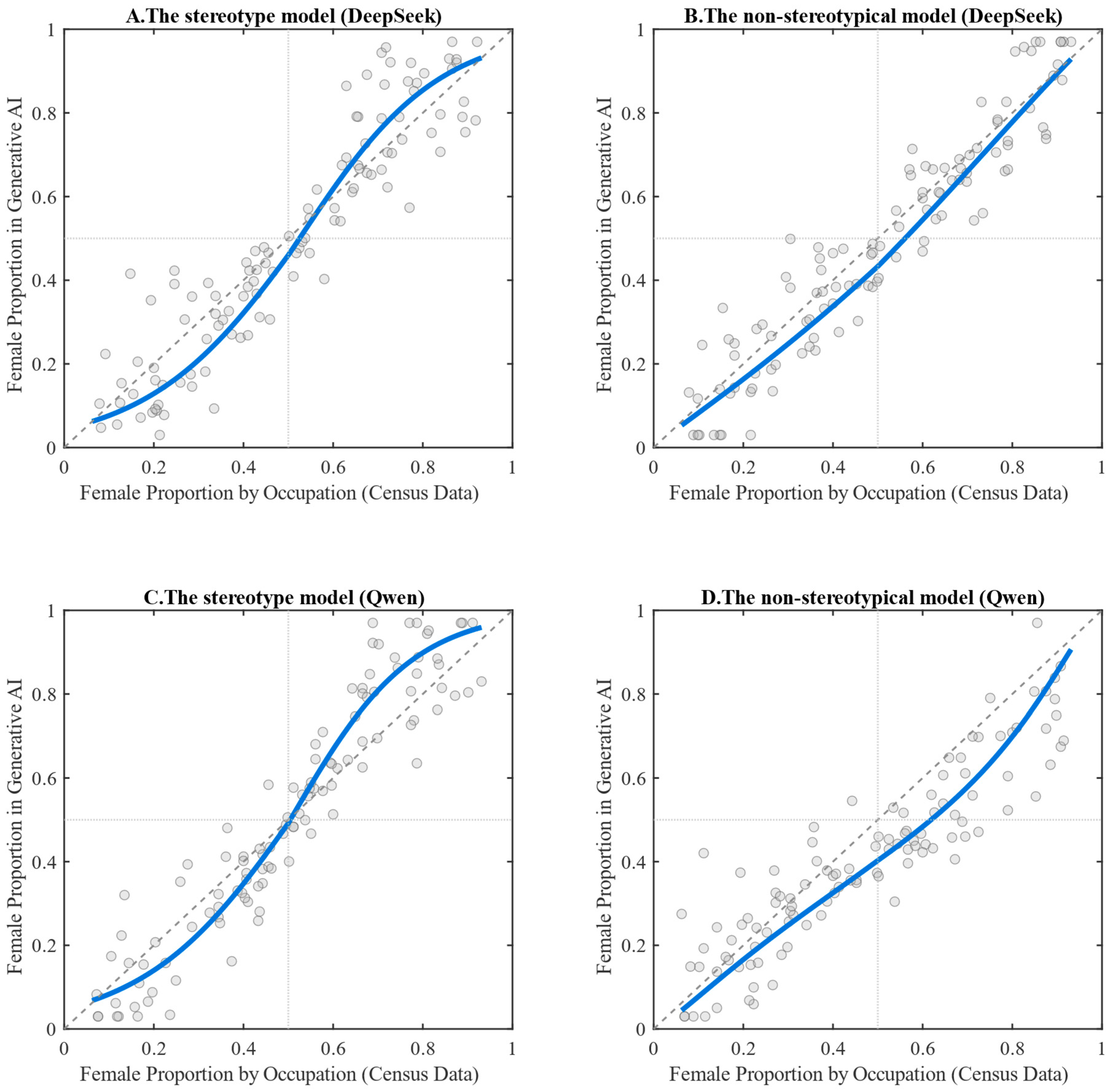
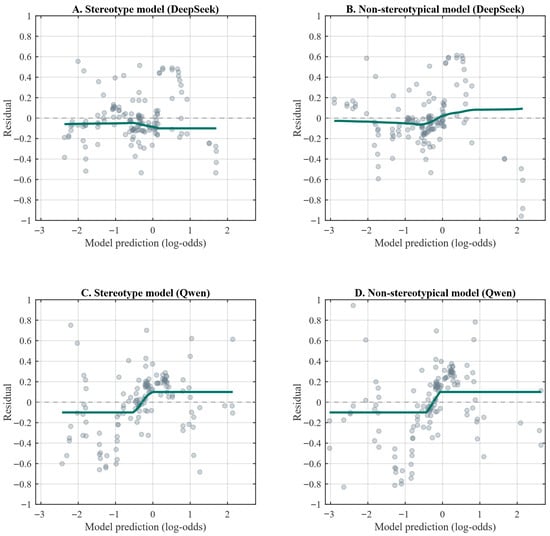
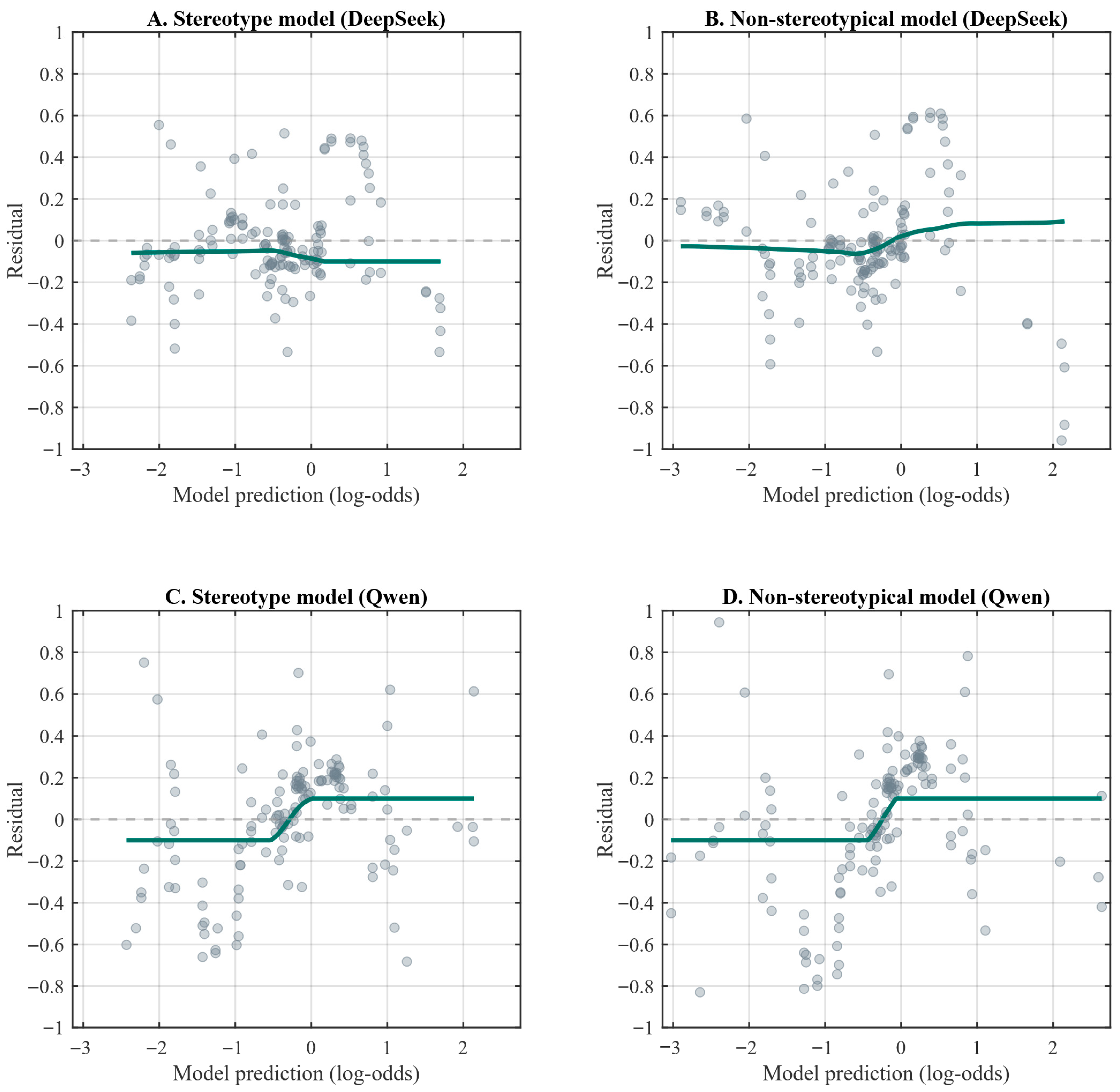
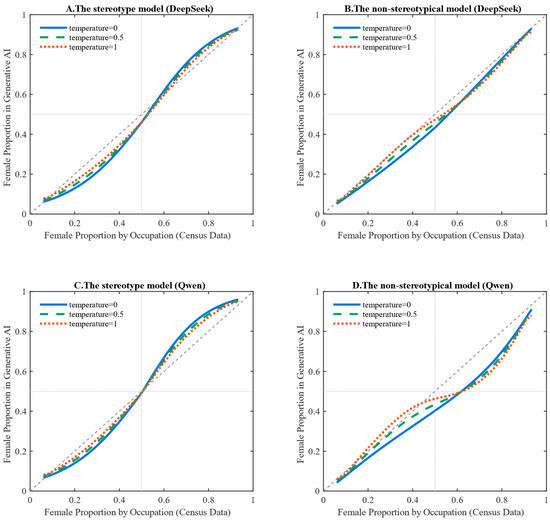
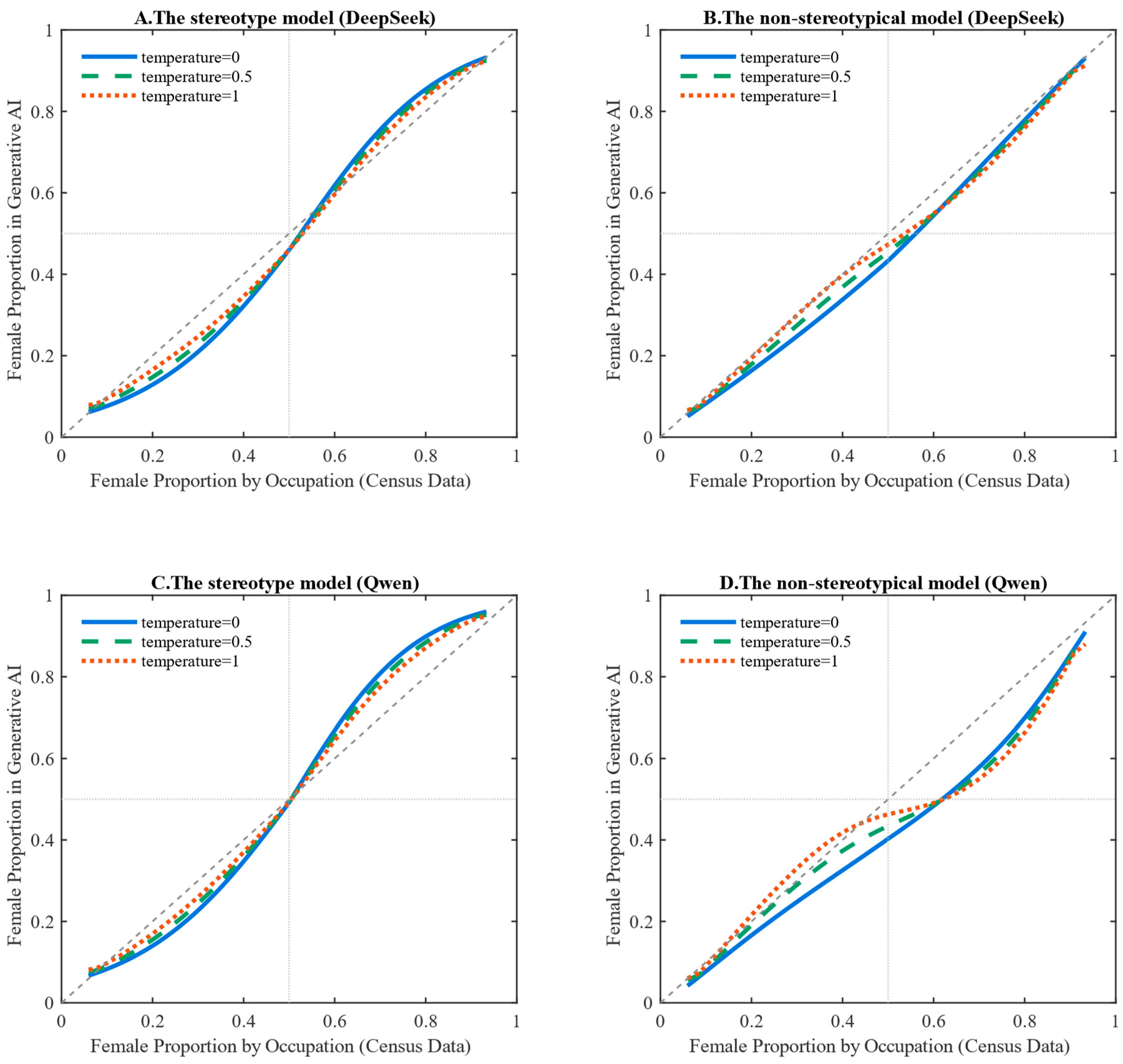

Disclaimer/Publisher’s Note: The statements, opinions and data contained in all publications are solely those of the individual author(s) and contributor(s) and not of MDPI and/or the editor(s). MDPI and/or the editor(s) disclaim responsibility for any injury to people or property resulting from any ideas, methods, instructions or products referred to in the content. |
© 2026 by the authors. Licensee MDPI, Basel, Switzerland. This article is an open access article distributed under the terms and conditions of the Creative Commons Attribution (CC BY) license.