
You are currently viewing a new version of our website. To view the old version click .

Fibers, Volume 5, Issue 3

September 2017 - 12 articles

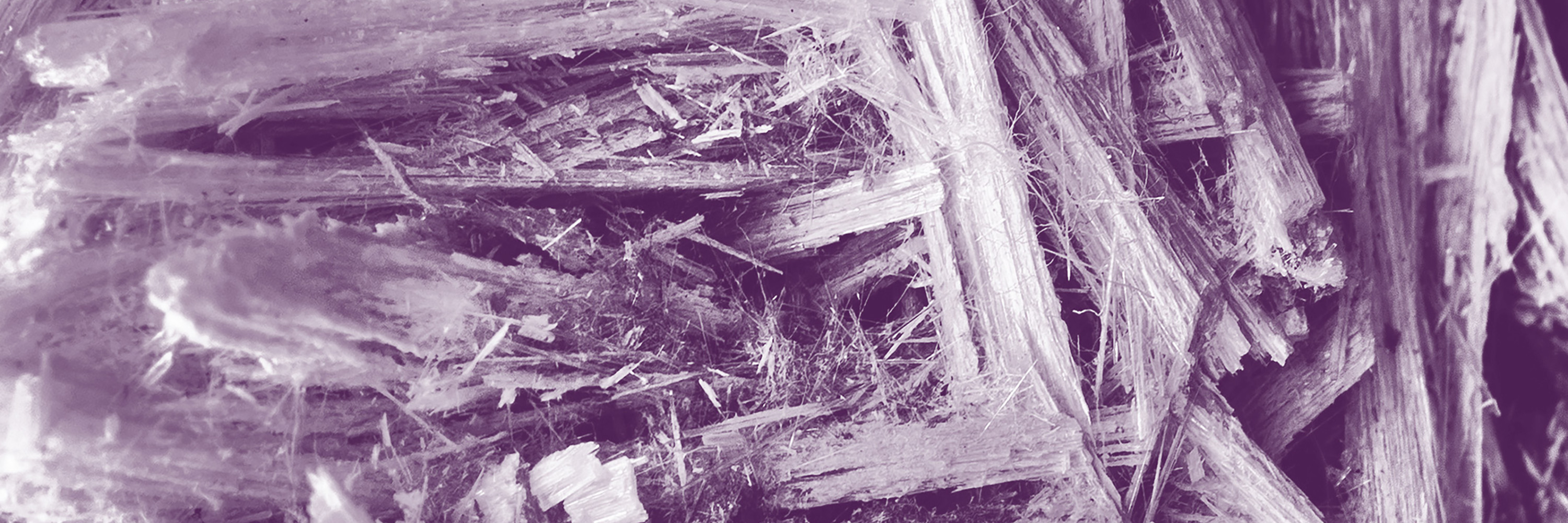
Cover Story: The self-assembly of bacterial cellulose (BC) nanofibers onto the surface of sisal fibers—when placed in the culture medium, during the fermentation process—was investigated. Freely moving bacteria are able to self-assemble around the fibers to form a BC–sisal hybrid structure. Increased surface roughness, BC–sisal fiber hydrogen bonds and embedding of BC nanofibers in the resin result in a strong fiber–resin interfacial interaction. This led to higher tensile properties of the BC–soy protein composites. Such hybrid structures can be obtained using any other fibers or fibrils. View this paper
  • Issues are regarded as officially published after their release is announced to the table of contents alert mailing list .
  • You may sign up for email alerts to receive table of contents of newly released issues.
  • PDF is the official format for papers published in both, html and pdf forms. To view the papers in pdf format, click on the "PDF Full-text" link, and use the free Adobe Reader to open them.

Articles (12)

  • Review
  • Open Access
12 Citations
13,686 Views
19 Pages

Granulated Silica Method for the Fiber Preform Production

  • Sönke Pilz,
  • Hossein Najafi,
  • Manuel Ryser and
  • Valerio Romano

11 July 2017

During the past few years, we have studied the granulated silica method as a versatile and cost effective way of fiber preform production and the sol-gel method. Until now, we have used the sol-gel technology together with an iterative re-melting and...

  • Article
  • Open Access
9 Citations
6,672 Views
15 Pages

7 July 2017

Fibers by themselves have a limited use in engineering applications since they cannot transmit loads from one to another; therefore, the matrix material plays an important role in the overall function of the fiber reinforced polymer (FRP) composites....

of 2

Get Alerted

Add your email address to receive forthcoming issues of this journal.

XFacebookLinkedIn
Fibers - ISSN 2079-6439