


Abstract
The rapid expansion of artificial intelligence (AI) in digital education has transformed gamification from a motivational strategy into a data-driven, adaptive learning paradigm. This systematic review conceptualizes AI-supported gamification as an information-centered ecosystem integrating learning analytics, behavioral modeling, adaptive algorithms, and intelligent feedback mechanisms to enhance cognitive development and critical thinking. Following PRISMA 2020 guidelines, a systematic search was conducted across Scopus, Web of Science, ScienceDirect, Google Scholar, and ResearchGate. Peer-reviewed empirical studies published between 2020 and 2025 were considered. Studies were included if they examined gamification in educational contexts with AI-driven or adaptive system components, while non-educational contexts, duplicates, and non-English publications were excluded. After screening and eligibility assessment, 100 studies were included in the final synthesis. The review examines how AI-driven personalization, neurotechnology, predictive modeling, and generative systems reshape the design and effectiveness of gamified e-learning environments. Architectural patterns identified include recommender systems, real-time behavioral adaptation, affect-aware feedback loops, and algorithmic content generation. Across the reviewed studies, AI-supported gamified systems were frequently associated with increased engagement and moderate improvements in executive functions, higher-order reasoning, and adaptive learning pathways. However, challenges related to system transparency, data governance, algorithmic bias, cognitive load management, and equitable access remain significant. The review was not registered. By framing gamification as an adaptive information system rather than solely a pedagogical intervention, this study proposes a structured taxonomy of AI-driven gamified architectures—including data acquisition, user modeling, predictive analytics, and adaptive feedback layers—and outlines research priorities for scalable, ethically grounded, and data-informed e-learning ecosystems.
1. Introduction
The rapid digital transformation of education has accelerated the integration of artificial intelligence (AI), data analytics, and adaptive system design into contemporary e-learning environments. Within this transformation, gamification has evolved from a motivational design technique into a component of increasingly intelligent, data-driven learning ecosystems. Rather than functioning solely as a set of engagement mechanics, gamified environments now operate within AI-supported architectures that continuously collect behavioral data, model learner states, and dynamically adjust instructional pathways.
To contextualize this evolution within broader AI-enabled educational research, publication trends were examined across five system-oriented themes: AI-Supported E-Learning, Adaptive Learning Architectures, Learning Analytics and Personalization, Intelligent Tutoring Systems, and Educational Data Science. Publication counts were obtained through consistent keyword-based queries in the ScienceDirect database (data retrieved in February 2026) and plotted on a logarithmic scale to compare relative growth trajectories across themes.
Figure 1 illustrates sustained expansion across all five domains, reflecting a systemic shift from static digital content delivery toward adaptive, data-informed, and algorithmically mediated learning systems. The observed growth patterns highlight the increasing centrality of AI modeling, personalization engines, and learning analytics pipelines in shaping the technical backbone of modern e-learning platforms.
Figure 1.
Log-scaled publication trends across five AI-driven educational research themes based on ScienceDirect keyword queries.
Beyond formal educational platforms, the technological maturation of gamified systems is evident in interdisciplinary applications. For example, gamified brain–computer interface (BCI) protocols demonstrate measurable improvements in motor learning and neuroplasticity through the integration of cognitive monitoring into adaptive training environments [1]. Similarly, gamified biomedical rehabilitation systems incorporate sensor-driven feedback loops to enhance behavioral recovery and user engagement [2]. In technical education, systematic analyses emphasize the structured integration of motivational mechanics with competency-based learning design in software engineering curricula [3]. Immersive virtual reality (IVR) environments further illustrate how gamified interaction can be embedded within spatial computing systems to enhance experiential learning and safety training [4]. Cross-domain classifications of serious games also reveal increasing alignment between game mechanics and real-world task complexity, reinforcing the systemic and design-oriented foundations of gamified learning environments [5].
Despite this technological diversification, the existing body of research remains fragmented across pedagogical, psychological, and technical perspectives. Many studies emphasize learner engagement and motivation without systematically analyzing the underlying AI architectures, algorithmic foundations, and data governance mechanisms that enable adaptive gamified systems. As AI-supported e-learning platforms increasingly rely on behavioral analytics, predictive modeling, and real-time personalization, a system-level synthesis of gamification as an adaptive information architecture becomes necessary. Consequently, the architectural logic of AI-supported gamification—how data collection, learner modeling, predictive analytics, and adaptive feedback mechanisms interact within integrated systems—remains insufficiently synthesized in the existing literature.
These developments also intersect with several established theoretical perspectives in the learning sciences. Motivational engagement in gamified environments is frequently interpreted through Self-Determination Theory, which emphasizes autonomy, competence, and relatedness as drivers of sustained participation. Cognitive Load Theory provides a framework for understanding how adaptive feedback and task calibration influence information processing efficiency, while Flow Theory highlights the importance of maintaining a balance between challenge and learner skill to sustain immersion and engagement. However, existing reviews rarely connect these theoretical perspectives with the underlying AI architectures that operationalize adaptive gamified learning environments.
To address this gap, this review reconceptualizes AI-supported gamification not merely as a pedagogical intervention but as a multi-layer information system integrating data acquisition, machine learning models, adaptive decision engines, and interactive feedback loops. In contrast to previous reviews that primarily emphasize motivational mechanics or pedagogical outcomes, this study adopts an information-architecture perspective that examines how AI-driven data infrastructures shape the design and effectiveness of gamified learning systems. Specifically, the study aims to:
- identify architectural patterns of AI-supported gamified learning systems;
- classify algorithmic mechanisms enabling personalization and adaptation;
- examine cognitive and motivational outcomes within intelligent environments; and
- outline governance and design considerations for scalable, ethically grounded AI-driven e-learning ecosystems.
By reframing gamification within an AI-supported information systems perspective, this work contributes to the growing discourse on intelligent digital education and adaptive computational learning design.
To operationalize these objectives and structure the systematic review, the following research questions were formulated:
- RQ1. What are the dominant research trends in gamification within education, particularly regarding cognitive, motivational, emotional, and behavioral outcomes?
- RQ2. How have artificial intelligence, adaptive systems, and neurotechnologies reshaped the architectural design, personalization mechanisms, and effectiveness of gamified learning environments?
- RQ3. What are the structural patterns of AI-supported gamified systems, and how can they be conceptualized as layered information architectures?
- RQ4. What geographical and educational-level distributions define the current research landscape in gamification studies?
- RQ5. What implementation challenges, governance considerations, and infrastructural limitations constrain the scalability and equity of AI-driven gamification?
- RQ6. Based on the synthesized evidence, what conceptual and methodological gaps remain, and which directions should future research pursue to enhance the sustainability and impact of intelligent gamified learning systems?
These research questions follow a progressive analytical logic. RQ1 examines the broader research landscape and thematic evolution of AI-supported gamified learning. Understanding these developments provides the contextual foundation for RQ2, which investigates how gamification is being reconceptualized as a data-driven and adaptive educational ecosystem. Building on these insights, RQ3 focuses on identifying the structural patterns of such systems and conceptualizing them as layered information architectures.
Complementing this analytical progression, RQ4 examines the geographical and educational-level distribution of research activity, while RQ5 explores implementation challenges and governance constraints affecting the scalability of AI-supported gamification. Finally, RQ6 synthesizes the findings to identify conceptual gaps and outline future research directions for sustainable and inclusive development of intelligent gamified learning systems.
These research questions define the analytical scope of the review and guide the subsequent methodological design and synthesis process. The following section describes the systematic review methodology applied in this study.
2. Research Methodology
2.1. Research Design
This study adopts a systematic literature review (SLR) design to synthesize recent empirical and theoretical research on gamification in education. The review was conducted and reported in accordance with the PRISMA 2020 (Preferred Reporting Items for Systematic Reviews and Meta-Analyses) guidelines to ensure methodological rigor, transparency, and reproducibility [6].
A systematic review approach was selected to enable structured identification, screening, and synthesis of interdisciplinary studies examining cognitive, motivational, emotional, and technological dimensions of gamified learning environments.
The methodological framework combines qualitative thematic synthesis with descriptive bibliometric analysis. This mixed approach allows for the identification of conceptual patterns, research trends, and methodological characteristics across the selected studies, while also supporting a comprehensive interpretation of recent developments in AI-enhanced and adaptive gamification systems. Data processing, statistical aggregation, and visualization of publication trends were performed using Python (https://www.python.org/, Python Software Foundation, Wilmington, DE, USA) with the libraries Pandas (https://pandas.pydata.org/, PyData Development Team, USA) and Matplotlib (https://matplotlib.org/, Matplotlib Development Team, USA). Additional text preprocessing operations were conducted using the Python standard library modules string and re.
2.2. Search Strategy and Data Sources
To identify relevant literature on gamification in education, an integrative search strategy was employed. The selection process combined structured database querying with manual screening to identify empirical and theoretical studies published between January 2020 and August 2025.
The selected timeframe reflects the period during which AI-driven personalization, generative models, learning analytics, and adaptive systems became increasingly integrated into educational platforms. While foundational work on artificial intelligence in education predates 2020, earlier contributions primarily focused on conceptual frameworks and theoretical discussions rather than large-scale empirical implementations. For example, Holmes et al. [7] discussed the transformative potential of AI in education while emphasizing ethical and pedagogical considerations.
The post-2020 period, however, is characterized by rapid technological maturation, including scalable generative AI systems, advanced adaptive learning infrastructures, and data-intensive personalization mechanisms [8,9,10]. Limiting the review to this timeframe enables a focused examination of AI-enhanced gamification in its contemporary, implementation-oriented phase.
The following academic databases were systematically searched:
- Scopus
- Web of Science (Core Collection)
- ScienceDirect (Elsevier)
- Google Scholar
- ResearchGate
The final database search was conducted in February 2026.
Scopus, Web of Science, and ScienceDirect served as primary peer-reviewed sources. Google Scholar and ResearchGate were included to broaden coverage and incorporate conference proceedings, preprints, and open-access institutional publications that may not yet be indexed but reflect emerging academic trends in rapidly evolving educational technologies.
2.3. Search Terms and Query Formulation
Search queries were formulated using combinations of key thematic terms and Boolean operators to maximize relevance. Core keywords included:
- “gamification” AND “education”
- “game-based learning” OR “serious games”
- “cognitive outcomes” OR “critical thinking”
- “AI in education” OR “artificial intelligence”
- “motivation” OR “student engagement”
- “adaptive learning” AND “gamified environments”
- “gamification” AND (“neurotechnology” OR “EEG” OR “affective computing”)
Where available, advanced filters were applied to titles, abstracts, and keywords. Searches were restricted to publications within education, computer science, psychology, and engineering education to ensure topical relevance. Bibliographic data were managed using Zotero and Mendeley, and duplicate records were identified and removed through a combination of automated and manual procedures.
2.4. Study Selection and Screening Process
The study selection process followed the PRISMA 2020 guidelines and is summarized in Figure 2. A multi-stage screening procedure was applied.
Figure 2.
PRISMA 2020 flow diagram illustrating the study selection process.
- Records identified: 827 from Scopus, Web of Science, and ScienceDirect, plus 283 from Google Scholar and ResearchGate ().
- Duplicate records removed: 129.
- Records marked as ineligible by automation tools: 35.
- Records removed for other reasons: 324.
- Records screened (after removal): 622.
- Records excluded at title/abstract level: 243.
- Reports sought for retrieval: 379.
- Reports not retrieved: 37.
- Reports assessed for eligibility: 342.
- Full-text reports excluded ():
- –
- not empirical or of low methodological quality ()
- –
- outside educational scope ()
- –
- published in non-indexed or low-authority journals ()
- Studies included in the review: 100.
Screening decisions were independently reviewed by the authors, and any disagreements were resolved through discussion until consensus was reached.
In accordance with PRISMA 2020 recommendations, illustrative examples of excluded studies are provided to clarify the eligibility decisions. For instance, the position paper [11] was excluded because it did not present empirical data or measurable cognitive outcomes.
Similarly, the study [12] was excluded at the full-text stage because it proposed a conceptual framework validated by experts but did not report empirical implementation with learners.
These exclusions ensured alignment with the predefined inclusion criteria requiring peer-reviewed empirical studies evaluating learning outcomes.
The review was conducted and reported in accordance with the PRISMA 2020 guidelines to ensure methodological rigor, transparency, and reproducibility; the completed PRISMA 2020 checklist is provided in the Supplementary Materials.
2.5. Inclusion and Exclusion Criteria
Clear inclusion and exclusion criteria were applied during the screening process to ensure methodological quality, topical relevance, and consistency across the selected studies. These criteria guided all inclusion decisions following the title–abstract and full-text screening stages and are summarized in Table 1.
Table 1.
Summary of the Inclusion and Exclusion Criteria.
For synthesis purposes, the included studies were grouped according to (1) educational level (primary, secondary, higher, professional), (2) AI integration type (predictive analytics, recommender systems, generative AI, neuroadaptive systems), and (3) reported outcome domains (cognitive, motivational, emotional, behavioral). This categorization guided the thematic and bibliometric analyses.
2.6. Data Extraction and Analysis
Data extraction was conducted using a structured extraction template to ensure consistency across studies. For each included article, the following information was recorded: author(s) and year of publication, country and educational context, research design, technological characteristics of the gamified system (including AI-based or adaptive features), reported cognitive, motivational, and learning outcomes, and system-level architectural components where applicable (e.g., data acquisition mechanisms, user modeling strategies, AI techniques, and feedback structures).
The extracted data were analyzed using a thematic synthesis approach to identify recurring patterns, conceptual themes, methodological trends, and architectural configurations. Thematic synthesis was conducted through iterative coding and categorization of study characteristics and reported outcomes to identify recurring architectural patterns and research themes.
In parallel, a descriptive bibliometric analysis was conducted to examine publication trends over time, disciplinary distribution, and educational levels addressed. Additionally, architectural elements described in the selected studies were systematically compared and grouped to construct a layered information architecture framework.
This dual analysis strategy enabled triangulation between qualitative insights, quantitative trends, and structural system patterns, thereby strengthening the robustness and conceptual coherence of the review findings.
2.7. Transparency and Reproducibility
To ensure transparency and reproducibility, all supporting materials associated with the systematic review—including the PRISMA checklist, full search strategies, screening logs, inclusion and exclusion criteria, and data extraction tables—have been made publicly available via an online repository. This enables independent verification, methodological transparency, and reproducibility of the review process in alignment with open science principles.
3. Results
3.1. Bibliometric Analysis
To complement the findings of the systematic review and address RQ1–RQ4, a bibliometric analysis was performed on the final dataset of 100 peer-reviewed articles. This analysis provides quantitative insights into publication growth patterns, thematic concentration, disciplinary distribution, and the evolving integration of artificial intelligence within gamified educational systems.
The complete dataset has been made openly available via the following repository: https://github.com/ArayKassenkhan/Gamification_as_an_IT_Tool (accessed on 8 March 2026).
Beyond descriptive statistics, the bibliometric examination enables identification of structural research patterns, including the increasing convergence of gamification with adaptive learning architectures, generative AI, and neurotechnology-based systems discussed in Section 2.5.
Table 2 presents a representative sample of included studies, summarizing their key technological features, reported educational benefits, and associated implementation challenges. The full set of 100 records is available in the repository.
Table 2.
Sample of Included Studies and Their Characteristics.
The sampled studies illustrate the technological diversification of gamified learning systems, ranging from AI-driven adaptive engines and ontology-based recommender frameworks to neuroadaptive EEG monitoring and generative AI integration. A recurring pattern across the dataset is the shift from static reward-based designs toward data-intensive architectures incorporating predictive analytics, personalization engines, and automated content generation. These trends further reinforce the architectural synthesis presented in Section 2.5 and highlight the growing centrality of AI-supported information infrastructures in contemporary gamified education.
3.1.1. Keyword and Content Analysis
To explore thematic patterns across the reviewed studies and address RQ1 and RQ2, two types of textual frequency analysis were conducted:
Figure 3.
Word Cloud of Author Keywords.
Figure 4.
Word Cloud of Article Titles and Abstracts.
The keyword-based visualization (Figure 3) highlights the prominence of concepts such as education, learning, gamification, motivation, engagement, and artificial intelligence. This confirms that the research field is primarily centered on learner-centered educational applications and cognitive–motivational enhancement. The appearance of secondary clusters such as adaptive learning, neurotechnology, serious games, critical thinking, and personalization reflects the increasing technological sophistication of gamified systems.
The title and abstract-based analysis (Figure 4) provides additional depth. Frequently occurring terms such as students, skills, performance, online, cognitive, and design indicate a strong emphasis on empirical validation and measurable learning outcomes. Meanwhile, the presence of terms such as effectiveness, implementation, and challenges suggests that contemporary research not only emphasizes the benefits of gamification but also critically examines its scalability, equity, and institutional feasibility.
Importantly, the increasing visibility of AI-related terms aligns with the architectural shift discussed in Section 2.5, where gamified environments are conceptualized as layered information systems integrating data acquisition, adaptive modeling, and AI-driven orchestration. Thus, the keyword patterns corroborate the transition from reward-based gamification toward data-intensive, AI-supported learning infrastructures.
3.1.2. Publication Trends over Time
The temporal distribution of publications provides insight into the evolving research intensity at the intersection of gamification, artificial intelligence, and education. As illustrated in Figure 5, the annual number of publications between 2020 and 2025 demonstrates a consistent upward trajectory, with accelerated growth observed after 2023.
Figure 5.
Annual Publication Trend in AI-Supported Gamification Research (2020–2025).
During the early phase of the review period (2020–2021), research output remained relatively limited, reflecting the transitional stage in which gamification research increasingly began incorporating AI-based personalization and adaptive learning mechanisms. A gradual increase became evident in 2022, followed by a short stabilization phase. The most substantial growth occurred from 2024 onward, indicating a consolidation of gamification as a technologically enhanced research domain.
This acceleration corresponds with the broader diffusion of generative AI tools, scalable learning analytics, and adaptive system architectures into educational platforms. Rather than focusing solely on reward-based mechanics, recent publications increasingly conceptualize gamified learning environments as data-driven systems integrating predictive modeling, dynamic personalization, and multimodal feedback mechanisms, as discussed in Section 2.5.
Two major developments emerge from the temporal analysis:
- Technological convergence: A shift toward AI-supported, data-intensive gamification architectures replacing static design approaches.
- Research consolidation: An expansion of empirical validation across disciplines and educational levels, suggesting maturation of the field beyond exploratory implementations.
3.1.3. Geographical Distribution of Publications
The geographical distribution of publications provides insight into the global diffusion of gamification research and addresses RQ3 concerning regional patterns in the field. As illustrated in Figure 6, the reviewed studies originate from institutions across Asia, Europe, the Americas, the Middle East, and parts of Africa. For consistency, country classification was determined based on the institutional affiliation of the first author.
Figure 6.
Distribution of Articles by Country (based on first author’s affiliation).
The dataset reveals that gamification research is geographically diverse rather than regionally concentrated. A significant share of publications originates from technologically advanced research ecosystems (e.g., China, the United States, Germany, Spain, Italy, and Japan). At the same time, a growing body of work emerges from developing and transitional economies, including Indonesia, Pakistan, Brazil, and several Middle Eastern and African countries.
This distribution suggests that gamification is being explored across heterogeneous educational systems, technological infrastructures, and socio-economic contexts. In advanced educational environments, research frequently emphasizes AI-supported personalization, adaptive architectures, and higher-order cognitive skill development. In contrast, studies from resource-constrained contexts often focus on scalability, accessibility, and motivational enhancement through cost-effective digital platforms.
Such geographical diversity indicates that gamification functions both as a technologically sophisticated research domain and as a pragmatic pedagogical strategy adaptable to varying infrastructural conditions. The global spread further reinforces the notion that AI-supported gamified systems are embedded within broader digital transformation processes affecting education worldwide.
3.1.4. Educational Levels Addressed
The reviewed studies span multiple educational contexts, including early childhood education, primary and secondary schooling, higher education, and corporate or professional training environments. As illustrated in Figure 7, the largest proportion of publications is concentrated in higher education, indicating strong institutional interest in gamification as a strategy to enhance motivation, engagement, and higher-order cognitive skills. School-level research represents the second most frequent category, followed by corporate and professional training contexts.
Figure 7.
Distribution of Articles by Educational Level.
In contrast, early childhood education appears comparatively less represented within the dataset. Although foundational cognitive and socio-emotional development during early years is widely recognized as critical, relatively fewer empirical studies have investigated AI-supported or data-intensive gamification approaches in this context.
This distribution may reflect differences in technological infrastructure, research accessibility, and experimental feasibility across educational levels. Universities often provide greater flexibility for deploying AI-driven adaptive systems, collecting learner data, and implementing experimental instructional designs. Consequently, gamification research may be more readily conducted and evaluated within higher education settings.
The observed imbalance suggests an opportunity for future research to explore how adaptive, AI-supported gamification frameworks can be responsibly and developmentally adapted to school and early childhood contexts. Expanding investigations across educational stages would contribute to a more comprehensive understanding of gamification’s long-term cognitive and motivational impact.
3.1.5. Conclusion of the Bibliometric Analysis
The bibliometric analysis provides a structured overview of the contemporary research landscape on gamification in education. Keyword and content mapping demonstrated thematic convergence around learning processes, motivation, engagement, critical thinking, and artificial intelligence, confirming the central role of these constructs in recent scholarly discourse.
Temporal analysis indicates sustained growth in publications after 2023, suggesting an intensification of research activity coinciding with the broader integration of adaptive systems, generative AI, and data-driven personalization mechanisms into educational environments. Rather than representing isolated pedagogical experiments, gamification research increasingly reflects a technologically embedded domain intersecting educational technology, computer science, and cognitive sciences.
Geographical mapping highlights the global diffusion of gamification research across heterogeneous institutional and socio-economic contexts. While contributions originate from both technologically advanced and developing regions, the distribution across educational levels remains uneven. Higher education dominates the dataset, whereas school and early childhood contexts are comparatively less represented. This pattern may reflect infrastructural, methodological, and ethical complexities associated with deploying AI-supported adaptive systems at earlier developmental stages.
Overall, the bibliometric evidence characterizes gamification as a rapidly consolidating research domain marked by technological convergence and expanding empirical validation. At the same time, it reveals structural gaps related to educational level coverage and longitudinal evaluation. These findings provide a quantitative foundation for the subsequent qualitative synthesis, which further examines how AI-supported gamified systems influence cognitive development, motivation, and critical thinking within layered information architectures.
3.2. Technological Foundations of Gamification
The technological foundations of gamification lie at the intersection of learning theory, software engineering, multimedia design, and emerging IT infrastructure. Although gamification is often explored through a pedagogical lens, recent literature increasingly focuses on its technological underpinnings, ranging from system architectures and feedback mechanisms to immersive environments and sensor-based data collection systems.
A comprehensive theoretical mapping by Krath et al. [23] identified more than 118 theoretical models used in the research on gamification, serious games, and game-based learning (GBL) research. Commonly recurring principles include goal setting, guided progression, immediate feedback, performance reinforcement, and content simplification. Their findings highlight the importance of adaptability, autonomy, and social interaction, concepts that provide the psychological and conceptual foundation for the technological design of gamified systems.
This foundation is further developed in the framework proposed by Astashova, Bondyreva, and Popova [24], which integrates core pedagogical values with technical components such as feedback systems, level progression and creative autonomy. Their focus on activity-based and learner-centered design strengthens the rationale for developing technologically rich learning environments that prioritize emotional engagement and sustained motivation.
Based on these theoretical insights, Kharbouch et al. [25] conducted a review of 74 publications on serious games in the education of software engineering. Their findings indicate that most systems focus on fostering Bloom’s higher-order cognitive skills, analysis, application, and evaluation, through mechanisms such as team collaboration and real-world task realism. However, the study also identified limitations, particularly a lack of diversity in player profile modeling and minimal integration of artificial intelligence, highlighting critical opportunities for future research and system enhancement.
To address these challenges, Wang and Yi [26] proposed the Preparation-Process-Settlement model as a structured framework for digital game-based learning design. By aligning the gameplay stages with the phases of learning engagement, this model provides a blueprint for creating systems that sustain motivation and promote cognitive growth. Its potential integration with AI technologies enhances its applicability to personalized educational systems.
Adding to this technological perspective, Bucchiarone [27] conceptualized gamified learning within digital twin environments. Their framework emphasizes the synergy between virtual reality (VR) and real-time feedback to create immersive training experiences. This illustrates how advanced infrastructures such as virtual reality can be effectively coupled with gamified design to optimize the acquisition of technical skills.
Expanding further, Laghari et al. [28] explored the role of the Internet of Things (IoT) in gamified systems. Their review highlights how wearable devices, sensors, and real-time data feedback enhance interactivity and enable adaptive responses, creating highly dynamic and personalized learning environments. However, the authors also identified key challenges, including concerns about data privacy, high hardware costs, and integration complexities.
Das et al. [29] addressed another dimension that had not been explored: spatial gamification. Their review of immersive VR and virtual lab environments found that spatial mechanics are often underutilized, limiting the full potential of 3D interactivity. To address this gap, they proposed a model aligning gamification elements with spatial affordances, laying a conceptual foundation for future developments in immersive learning design.
Although much of the literature focuses on formal education, Zhang et al. [30] demonstrated the applicability of gamification principles to behavior change domains. Although their study centered on environmental sustainability, their insights on motivation, flow, and engagement are directly transferable to educational systems aiming to foster social responsibility and civic awareness.
In the context of agile project management, gamification, and artificial intelligence have been explored as technological enablers. However, recent findings suggest that the effectiveness of gamification is highly context-dependent and may be less impactful in remote or distributed work settings [31].
Gamification also intersects with mobile learning. Yuan, Ab Jalil, and Omar [32] conducted a mixed methods study on multimodal mobile learning apps and found that visual and auditory modalities significantly improved learning outcomes, while content based purely on text was less engaging. Although game-based applications were not universally preferred, rich media integration emerged as a critical success factor, suggesting that gamification should be grounded in the principles of sound multimedia design.
In a similar context, Lai, Saab, and Admiraal [33] examined behavioral predictors of mobile learning adoption using the Integrative Model of Behavior Prediction (IMBP). Their findings revealed that user attitudes and perceived social norms significantly influenced adoption, while self-efficacy played a more limited role. These insights emphasize the importance of aligning gamified systems with motivational drivers and regulatory capacity, the core components of effective learning design.
Finally, Thornhill-Miller et al. articulated the broader strategic role of gamification in developing 21st-century competencies as [34]. Their conceptual analysis of the “4Cs” creativity, critical thinking, communication, and collaboration positions gamification as a viable tool for both formal certification and informal skill development. Their dual framework model for “labelization” provides a structure for evaluating gamified learning outcomes across institutional and experiential contexts, while also considering how AI and VR may support the evolution of competency-based education.
Taken together, the reviewed studies indicate a clear technological shift in gamified learning systems from static game mechanics toward intelligent, data-driven infrastructures. Across the analyzed research, several common architectural elements repeatedly emerge, including adaptive feedback mechanisms, learner modeling components, and data-driven personalization engines. These systems increasingly rely on machine learning techniques to dynamically adjust task difficulty, provide real-time feedback, and support individualized learning trajectories.
At the same time, the literature reveals important variations in implementation strategies and system complexity. While some platforms integrate sophisticated AI-based predictive models and behavioral analytics, others rely on simpler rule-based adaptive mechanisms. This diversity highlights the evolving nature of AI-supported gamification and suggests that technological maturity and infrastructure availability strongly influence system design and educational impact.
3.3. Adaptive and Personalized Gamification Systems
Adaptive and personalized gamification represents a critical evolution in the design of educational technologies, offering customized learning experiences that respond dynamically to learners’ preferences, behaviors, and performance. Central to this evolution is the integration of artificial intelligence (AI), behavioral analytics, recommendation systems, and user typologies, which allow fine-grained customization of content, difficulty, and motivational strategies.
Xu [13] developed an AI-powered game-based learning system for teaching probability, employing dynamic programming and decision tree regressors to adjust the complexity of the game in real time. The system significantly improved the participation of learners and conceptual understanding, demonstrating the potential of adaptive AI models to personalize difficulty and support strategic reasoning in mathematically intensive subjects.
Expanding on this perspective, Ristianto et al. [35] conducted a systematic review that synthesized 59 studies, confirming the increasing role of adaptive technologies in gamified education. They identified AI, augmented reality, mobile platforms, and the HEXAD user type model as key foundations for individualized gamification. However, the review also highlighted the absence of standardized frameworks and real-time personalization tools, underscoring the need for structured design strategies.
The role of user modeling is further emphasized in the empirical study by Kirchner-Krath et al. [36], who compared four major typology models: Bartle, HEXAD, Yee, and BrainHex. Their findings revealed five core motivational dimensions. Socialization, Escapism, Achievement, Reward Pursuit, and Independence. Importantly, they advocate for a dynamic rather than static conceptualization of learner motivation, offering a theoretical basis for systems that continuously adapt to the evolving motivational states of users.
Using data to support educators, Gomaa et al. [37] proposed an ontology-driven recommender system that helps teachers select the appropriate elements of the game that are aligned with the pedagogical objectives. Using a layered recommendation flow, their system tailors gamification strategies to instructional contexts, bridging the gap between adaptive technology and classroom practice, especially for educators lacking expertise in game design.
Sawarkar et al. [38], who developed a predictive analytics framework that combines logistic regression, decision trees, and random forest classifiers to identify at-risk students in gamified environments. Using real-time behavioral data, their system enabled early intervention, illustrating how adaptive gamification can serve diagnostic and support functions in addition to improving engagement.
Yuan and Zheng [39] advanced technical sophistication by applying deformable convolutional neural networks to improve behavior recognition in gamified online courses. Their system, grounded in interactive feedback theory, achieved high recognition accuracy and rapid convergence, demonstrating the power of AI to enable responsive learning design.
At the platform level, Achour et al. [18] introduced EduXgame, a mobile learning platform that automatically converts teacher-uploaded content into dynamic gamified activities. Through quizzes and flashcards, the platform provides real-time personalization, thus enhancing engagement and supporting individualized learning paths. Similarly, Ma and Li [40] focused on vocational education by designing a gamified system with an intelligent help mechanism based on a genetic algorithm. The system offers adaptive guidance through reverse learning strategies and Metropolis criteria, providing personalized support to improve both accuracy and convergence in professional learning contexts.
Personalization has also been extended to multimodal and project-based learning. Riwayatiningsih et al. [17] combined gamification with project-based and multimodal learning to improve academic writing skills. Their mixed methods study reported substantial gains in motivation, engagement, and higher-order thinking, suggesting that adaptive gamification can be applied effectively beyond STEM fields into the humanities.
On a theoretical level, Hao and Tasir [16] analyzed gamification in MOOCs that target higher-order thinking skills. Their framework integrates Bloom’s taxonomy, connectivism, and collaborative learning, emphasizing cognitive alignment in adaptive gamification design. Although conceptual, this model provides a foundation for scaling adaptive strategies in massive online learning environments.
Empirical evidence of personalization benefits is provided by Ingkavara et al. [41], who conducted a quasi-experimental study in a secondary school physics course. Their findings showed that adaptive content delivery improved learning outcomes, while predictors such as perceived usefulness and goal setting were critical to maintaining engagement, highlighting the role of personalization in supporting learner autonomy.
At the frontier of adaptive interaction, Geng [42] explored voice-based AI in gamified English learning environments. By integrating conversational robots with gamified virtual spaces, the system delivered customized content and real-time feedback, leading to improved motivation and effectiveness. This hybrid of conversational AI and gamification presents a promising direction for language education.
Daghestani et al. [43] further demonstrated the value of educational data mining (EDM) in adaptive gamification. Their Adaptive Gamified Learning System (AGLS), designed for a university-level data structure course, dynamically adjusted content based on navigation patterns and learning behaviors. Compared to non-adaptive gamified systems, AGLS yielded greater gains in both motivation and academic performance, affirming the benefits of behavior-based personalization.
Finally, at a macro level, Bhutoria [44] conducted a cross-national review of AI in personalized education in the United States, China, and India. Using analysis based on natural language processing (NLP), the study identified AI as a driver of dynamic learning paths, intelligent content delivery, and difficulty prediction. However, challenges such as data privacy, access inequality, and scalability persist, issues that are equally relevant to adaptive gamification worldwide.
Across the reviewed studies, adaptive and personalized gamification systems consistently demonstrate positive effects on learner engagement and motivation. AI-driven recommendation mechanisms, dynamic difficulty adjustment, and personalized feedback loops allow learning environments to respond to individual learner behavior and performance in real time. These mechanisms contribute to improved persistence, task completion, and perceived usefulness of digital learning environments.
However, the literature also highlights several emerging challenges. Increased reliance on behavioral data and predictive analytics raises concerns regarding algorithmic transparency, data privacy, and potential bias in personalization models. Moreover, some studies indicate that excessive automation or poorly calibrated adaptive feedback may increase cognitive load or reduce learners’ sense of control. These findings suggest that the design of AI-supported gamified systems must carefully balance personalization benefits with pedagogical transparency and ethical considerations.
3.4. AI-Driven Information Architectures in Gamified E-Learning
While previous sections addressed adaptive mechanisms and cognitive effects, the structural backbone of AI-enhanced gamified systems lies in their underlying information architectures. AI-driven gamification is no longer limited to static game mechanics layered onto instructional content; instead, it operates through multi-layered architectures integrating data acquisition, user modeling, decision engines, and feedback loops.
Recent literature emphasizes that effective gamified systems require structured architectural design that connects pedagogical objectives, behavioral data streams, and adaptive logic [35,36]. Ristianto et al. [35] identified artificial intelligence, augmented reality, and dynamic user-type modeling as foundational components for individualized gamification, yet highlighted the absence of standardized architectural frameworks. Similarly, Kirchner-Krath et al. [36] demonstrated that motivational profiles evolve dynamically, reinforcing the necessity of real-time adaptive system layers rather than fixed personalization rules.
As illustrated in Figure 8, AI-supported gamified systems can be conceptualized as layered information architectures comprising interaction capture, data acquisition, user modeling, AI-based decision engines, and adaptive feedback mechanisms operating within closed-loop cycles.
Figure 8.
Conceptual framework of AI-driven gamified e-learning architectures illustrating the interaction, data acquisition, user modeling, AI modeling, and adaptive feedback layers within a closed-loop personalization cycle.
The proposed layered architecture can be theoretically grounded in established perspectives from learning sciences and information systems. The data acquisition layer aligns with learning analytics frameworks that emphasize continuous collection of learner interaction data for educational insights. The user modeling layer corresponds to learner modeling and adaptive learning theories, where individual learner profiles guide personalized instruction and system responses. The predictive analytics layer reflects the application of machine learning and recommender system principles to anticipate learner needs and optimize instructional pathways. The content generation layer relates to emerging generative AI approaches that enable automated creation of adaptive learning materials and tasks. Finally, the feedback and adaptation layer corresponds to feedback-based learning theories emphasizing iterative learning cycles, formative assessment, and continuous performance adjustment within adaptive educational systems.
From a systems perspective, these architectural layers do not operate independently but interact through a continuous data–adaptation cycle. Behavioral and contextual data generated through learner interactions are first captured within the interaction and data acquisition layers. These data are subsequently processed within analytics and user modeling components, where machine learning algorithms identify engagement patterns, performance trajectories, and learner profiles. The outputs of these analytical processes inform adaptive decision engines that determine appropriate pedagogical interventions, such as difficulty calibration, content sequencing, or feedback timing. The resulting adaptations are delivered through the gamified interface, generating new interaction data and thereby closing the feedback loop that enables ongoing system adaptation.
At the data layer, AI-driven architectures rely on continuous behavioral monitoring and analytics. Predictive models such as those proposed by Sawarkar et al. [38] combine machine learning classifiers (logistic regression, decision trees, random forests) to detect at-risk learners in gamified environments. This illustrates how analytics engines function as diagnostic subsystems within broader gamification platforms. Yuan and Zheng [39] further advanced this perspective by integrating deep learning techniques (deformable convolutional neural networks) for behavior recognition, enabling responsive adaptation at the interaction level.
At the orchestration layer, ontology-driven recommendation frameworks play a central role in aligning game mechanics with instructional goals. Gomaa et al. [37] proposed a layered recommender system that assists educators in selecting appropriate gamification elements based on pedagogical objectives, demonstrating how AI architectures mediate between instructional design and user engagement. Platform-level implementations such as EduXgame [18] show how content transformation pipelines automatically convert static materials into adaptive gamified activities, operationalizing AI-supported workflow automation.
Generative AI introduces an additional architectural dimension by embedding large language models into gamified environments. Ahmed et al. [45] demonstrated the viability of AI-generated assessment items comparable to human-designed questions, while Kwan et al. [46] conceptualized AI-supported flipped learning architectures integrating generative models across pre-class, in-class, and post-class stages. These systems exemplify modular architectures where content generation, personalization engines, and feedback subsystems operate in coordinated cycles.
Finally, neuroadaptive extensions suggest the emergence of cognitively responsive architectures. EEG-based monitoring studies [45] illustrate how brain–computer interface data may be incorporated into feedback loops, expanding system architecture beyond behavioral analytics toward multimodal cognitive monitoring.
Taken together, these studies indicate a transition from gamification as a surface-level motivational tool to AI-driven, data-centric information ecosystems. Effective gamified e-learning architectures increasingly exhibit five structural characteristics:
- 1.
- Continuous multimodal data acquisition
- 2.
- Dynamic user modeling
- 3.
- AI-based decision and prediction engines
- 4.
- Adaptive content and mechanics orchestration
- 5.
- Closed-loop feedback and assessment systems
From a design perspective, the separation of these architectural layers enables modular development and scalability of gamified learning systems. By decoupling data acquisition, learner modeling, predictive analytics, and adaptive orchestration, system designers can update AI models, analytics pipelines, or interaction mechanisms without restructuring the entire platform. Such modular architectures improve transparency of adaptive decision processes and support responsible AI governance by clarifying how learner data are collected, processed, and translated into instructional adaptations.
These structural layers and their corresponding AI mechanisms are summarized in Table 3.
Table 3.
Taxonomy of AI-supported gamification architectures in e-learning systems. The layers represent functional components within a closed-loop adaptive learning architecture integrating data acquisition, analytics, decision engines, and feedback mechanisms.
Such architectures position gamification within broader educational data science infrastructures, enabling scalable personalization while raising new challenges related to transparency, fairness, and ethical governance.
The layered architecture summarized in Table 3 can also be interpreted through established theoretical perspectives in the learning sciences. In particular, several architectural layers support motivational mechanisms described in Self-Determination Theory. Personalization mechanisms implemented in the user modeling and predictive analytics layers enhance learner autonomy by adapting learning pathways to individual progress. Adaptive feedback and progress tracking mechanisms strengthen perceptions of competence, while collaborative and socially mediated platform features may support relatedness within digital learning environments.
From a cognitive perspective, the proposed architecture also interacts with principles of Cognitive Load Theory. Data-driven calibration of task difficulty and adaptive feedback loops help regulate intrinsic and extraneous cognitive load, maintaining an appropriate balance between challenge and learner capability. In this sense, the architectural taxonomy does not only describe technical system components but also provides a conceptual bridge between AI-driven system design and established theories of learning and motivation.
3.5. Cognitive and Motivational Effects of Gamification
Gamification’s dual impact on cognitive development and learner motivation has been widely recognized at all levels and educational disciplines. Although its ability to improve engagement is well documented, a growing body of research explores its broader influence on executive functions, critical thinking, knowledge retention, and emotional involvement.
3.5.1. Cognitive Outcomes and Executive Function Development
Several studies confirm the cognitive benefits of gamification. Parong, Wells, and Mayer [47] provided experimental evidence of improved executive functioning, specifically task switching, through short, targeted game-based training. These gains were domain-specific, supporting the theory of near-transfer and underscoring the importance of purpose-built serious games.
In mathematics education, Bullock et al. [48] demonstrated that the students’ understanding of both game design and learning objectives (MCLG) significantly influenced learning gains, highlighting the synergy between game mechanics and instructional clarity. Similarly, Cattoni et al. [14] showed that in early education, gamified reading and writing tools did not significantly outperform traditional methods in quantitative outcomes but increased enthusiasm and participation in tasks, suggesting that cognitive-affective interplay is critical for foundational learning.
Boussaha et al. [49] extended this perspective through Piagetian theory, showing that cognitively aligned gamified tasks (e.g., Sabstracto for concrete operational learners) improved arithmetic speed and accuracy. These findings highlight the importance of age-appropriate cognitive alignment in the design of gamification.
In higher education, De Vero and Barr [50] demonstrated that narrative-driven games can foster historical reasoning and metacognition, while Jodoi et al. [51] showed that structured multiple choice reasoning games enhance engagement even when cognitive gains remain comparable to traditional feedback. Similarly, Ghasemi et al. [52] reported that strategic video games developed cognitive traits such as planning, attention, and reflective thinking among entrepreneurial students. Fang et al. [53] further demonstrated the value of personalization: Their adaptive entrepreneurial game, powered by Bayesian deep learning models, improved the knowledge structures of learners while maintaining engagement.
3.5.2. Motivational Dynamics: Intrinsic and Extrinsic Pathways
A foundational meta-analysis by Ren et al. [54] revealed that gamification primarily enhances extrinsic motivation and learning outcomes, while serious games support intrinsic motivation more effectively. These insights suggest differentiated design strategies depending on motivation goals.
Luarn et al. [55] identified collaboration, competition, self-expression, and user control as key drivers of intrinsic engagement, emphasizing the importance of balancing cooperative and competitive features. This principle was exemplified by Wang et al. [56], whose Software Project Management Game sustained game flow while fostering the acquisition of technical and soft skills.
In the computational domain, Israel-Fishelson and Hershkovitz [57] analyzed more than 52,000 game-based programming solutions, showing that creativity and computational thinking can co-exist under gamified conditions despite the constraints of scoring systems. Their findings illustrate how well-calibrated gamification can encourage both motivation and creative exploration.
3.5.3. Affective and Emotional Engagement
Beyond cognition and motivation, gamification significantly influences emotional involvement. Huber et al. [58] demonstrated that while cognitive outcomes may remain stable, motivational and emotional responses increase in gamified settings, suggesting that motivation mediates the link between affect and learning.
Al Ghawail and Ben Yahia [59], in their study using Kahoot! in a university chemistry course, reported greater enthusiasm, engagement, and classroom participation among pharmacy students. Although primarily qualitative, these results reinforce the motivational potential of even simple gamification tools.
Schöbel, Janson, and Leimeister [60] highlighted the importance of emotional connection to the learning process itself, showing that emotional design—not just mechanics—was the key to improving problem solving outcomes. Physiological studies by Holm et al. [61] further confirmed that player preferences modulate arousal and engagement, stressing the importance of tailoring gamification to learner profiles.
3.5.4. Engagement, Retention, and Long-Term Learning
Evidence also points to the long-term benefits of gamification. Putz et al. [62] and Lampropoulos and Sidiropoulos [21] reported that gamified systems outperform traditional and online learning formats in knowledge retention and academic performance. The study by Lampropoulos, in particular, found a 130% increase in excellence rates in laboratory components compared to online learning alone.
Craig and Karabas [63] added that gamified courses grounded in Bloom’s taxonomy and the notion of the female level enhance comprehension and emotional involvement in abstract domains such as sustainability science. Similarly, Zainuddin et al. [64], in a systematic review, confirmed consistent cognitive and emotional benefits, although they noted the lack of a unified theoretical framework to explain variance across contexts.
At the same time, several studies caution against overreliance on extrinsic motivators. Le et al. [65] and Ratinho & Martins [66] emphasized that points and badges are effective initially but can decrease in impact without deeper emotional or cognitive scaffolding. Lavoué et al. [67] similarly showed that motivational trajectories differ across learner profiles, underscoring the need for dynamic personalization.
Concerns about cognitive load have also emerged. Li et al. [68] found that excessive layers of gamification, such as in Duolingo, risk overburdening learners, an issue framed through Self-Determination Theory and Cognitive Load Theory. Aubert et al. [69] added that, while social learning increased in gamified environments, features that require consistency checks reduced perceived clarity, illustrating the delicate balance between engagement and cognitive load.
3.5.5. Summary and Thematic Classification
To guide readers through this diverse body of research, Table 4 presents a thematic classification of the studies reviewed. This categorization complements the in-depth discussion and highlights how gamification influences interconnected dimensions of learning.
Table 4.
Thematic Classification of Studies on the Cognitive and Motivational Effects of Gamification.
3.6. Integration of AI and Neurotechnology
The integration of artificial intelligence (AI) and neurotechnology into gamified educational environments represents a significant step toward adaptive, personalized, and cognitively responsive learning. These technologies create opportunities to measure and enhance educational processes by aligning instructional strategies with the dynamics of learners’ cognitive states, behavioral patterns, and motivation.
3.6.1. Neurotechnology and Cognitive Monitoring
Neurotechnology provides novel insights into how gamification influences brain activity. Juárez-Varón et al. [15] employed EEG-based tracking to compare gamified and traditional instruction in a university master’s course. Their findings revealed that gamified environments elicited higher activation in cognitive domains associated with attention, engagement, and stress regulation. This neuroeducational evidence supports the integration of brain–computer interface (BCI) systems into real-time feedback loops for education.
3.6.2. AI for Behavior-Adaptive and Emotion-Aware Learning
AI increasingly enables gamified platforms to adapt to learners’ behaviors and emotional states. Rapaka et al. [70] introduced a framework that combined AI with VR, AR, and intelligent agents, dynamically adjusting the complexity of the game and narrative flow using the Stochastic Swing Golf Optimization Algorithm (SSGOA). This design created emotionally responsive learning environments.
Dever et al. [71], using the Crystal Island game, modeled the transitions of the learner between the “learning” and “assessment” phases, identifying behavioral patterns that predict stronger results. Their work illustrates how AI can scaffold reasoning through real-time behavior analysis. Similarly, Yang et al. [72] combined Computerized Adaptive Testing (CAT) with memory cycle modeling, taking into account curves that are lost. During a 7-week programming course, the system improved both performance and engagement, demonstrating the value of AI in adaptive assessment design.
3.6.3. AI in Content Generation and Pedagogical Design
AI also contributes to instructional content and pedagogy. Ahmed et al. [45] compared multiple choice questions generated by AI and humans in clinical pharmacy education and found that the items generated by ChatGPT when carefully prompted matched the ones designed by humans in quality and student satisfaction. Students often could not distinguish between the authorship of human and AI, indicating the potential of AI in scalable formative assessment.
Kwan et al. [46] proposed a conceptual model for AI-supported flipped learning, grounded in Bloom’s taxonomy. Their framework leverages generative AI (e.g., ChatGPT-4o) to support pre-class content creation, in-class collaboration, and post-class reflection. Similarly, Benvenuti et al. [73], drawing on the DigComp framework, emphasized the role of AI, robot tutors, and ITS in competence-based education, particularly in fostering creativity, critical thinking, and computational thinking among young learners.
3.6.4. Generative and Predictive AI for Personalization and Orientation
Generative AI also supports personalized guidance. Marengo et al. [74] developed a framework that used behavioral data from serious games to assess soft skills and recommend degree programs via logistic regression and DEA analysis. Their system captured non-cognitive attributes often overlooked in traditional assessments, offering actionable orientation support.
In language learning, Xu and Liu [75] compared Duolingo and ChatGPT as AI-powered platforms for the acquisition of a second language. Both improved motivation, autonomy, and critical thinking, with no significant differences between platforms, suggesting the robustness of AI in scalable instruction.
3.6.5. AI-Enhanced Motivation and Engagement Through Emerging Technologies
AI also improves motivation when integrated with immersive technologies. Alé and Arancibia [76], in a meta-analysis based on the ARCS model, reported strong positive effects on motivation and moderate effects on achievement, particularly when gamification was combined with project-based learning.
Lee and Yu [77] investigated an AI-supported business simulation for MBA students, showing that immersive experience mediated the relationship between motivation and learning satisfaction, in line with flow theory. Shahzadi et al. [78] provided an applied example in cybersecurity, categorizing threats, and proposing AI-power adaptive gamification strategies. Their framework improved both awareness and retention, demonstrating the dual educational and professional benefits of gamified AI systems.
3.6.6. Overall Synthesis
Collectively, these studies highlight how AI and neurotechnology are transforming gamified education. From EEG-based monitoring and behavior-adaptive systems to generative content and predictive analytics, these technologies enable highly personalized, responsive, and effective learning ecosystems. Their convergence not only enhances teaching and participations, but also redefines how learning itself can be measured, optimized, and sustained.
3.7. Implementation Challenges and Limitations
Despite its promising potential, the real-world implementation of gamification is constrained by institutional, pedagogical, ethical, and technological challenges. This section synthesizes recent findings on these limitations and discusses strategies proposed to address them.
3.7.1. Institutional and Organizational Barriers
At the organizational level, Alhasan et al. [79] applied the Unified Theory of Acceptance and Use of Technology (UTAUT) to examine institutional attitudes toward gamification at the American University of Bahrain. Their qualitative study identified performance expectancy, effort expectancy, social influence, and facilitation conditions as key adoption factors. However, the limited scope of the study, the unique nature of the institution, and the small sample size underscore the need for broader cross-institutional investigations.
Yaman et al. [80], in a systematic review, categorized barriers into four domains: behavioral resistance, policy constraints, technological limitations, and low knowledge of the game. They advocated participatory co-creation, stakeholder inclusion, hybrid modality design, and structured training as actionable strategies for sustainable adoption, offering a roadmap for organizational change.
3.7.2. Pedagogical Gaps and Curriculum Integration
Persistent gaps exist between gamification theory and classroom practice. Al-Kamzari and Alias [81] examined project-based learning (PjBL) in secondary physics education and found that while engagement and critical thinking were frequently cited, few studies implemented complete PjBL frameworks or anchored them in robust theoretical models. They call for a stronger integration of gamification with active learning strategies, particularly in STEM contexts.
Silva et al. [82] similarly observed the under-utilization of microlearning approaches in Brazilian basic education. Despite the recognition of potential motivational gamification, evidence of long-term feasibility and platform sustainability remains scarce.
Stoltz et al. [83] highlighted a generational challenge. However, Classcraft-based gamification increased motivation among Gen Z learners in Computer Applications Technology (CAT) courses, many students’ dependence on instant gratification and weak self-regulation hindered deeper learning. These findings stress the importance of aligning gamified interventions with the cognitive and behavioral profiles of learners.
3.7.3. Design and Ethical Considerations
Implementation is further complicated by design flaws and ethical concerns. Oliveira et al. [84] identified stress, unhealthy competition, data privacy issues, and user fatigue as risks associated with poorly designed gamification in mobile applications. They argue for ethical and user-centered approaches that sustain motivation without compromising well-being.
Musi et al. [85] evaluated 22 HCI tools aimed at combating misinformation and promoting data literacy. Their classification framework revealed wide design diversity, but also underscored the lack of standardized definitions and outcome measures, which hinders scalability and systematic evaluation.
In informal learning contexts, Tempestini et al. [86] presented a microlearning-based cybersecurity game focused on cookie attacks. Although the intervention improved engagement, limited outcome data prevented conclusions on effectiveness, reflecting a larger challenge in evaluating gamification beyond user satisfaction.
3.7.4. Technical and Infrastructural Constraints
Emerging technologies such as the metaverse present additional hurdles. Enamorado-Díaz et al. [87] identified scalability, user interface design, and software complexity as significant barriers to metaverse-based educational environments. They recommend model-driven engineering approaches to address these issues, although practical adoption remains limited.
Fabian et al. [88], examining digital inequities during the COVID-19 pandemic, found that the “e-learning capital” of students defined as access and familiarity with digital tools strongly predicted participation and participation. Applying Moore’s transactional distance theory, they revealed persistent gaps in digital infrastructure and instructor–student interaction, raising concerns about equitable access to gamified learning in remote and hybrid contexts.
3.7.5. Synthesis
Collectively, these studies demonstrate that while gamification offers significant educational opportunities, its implementation is hindered by institutional inertia, pedagogical misalignment, design flaws, ethical risks, and infrastructural inequalities. Overcoming these barriers requires interdisciplinary collaboration, inclusive and ethical design, and robust empirical validation. Future research should prioritize scalable models that are not only adaptive and engaging, but also context-aware, equitable, and sustainable.
3.8. Use Cases and Educational Applications
The practical application of gamification in education spans diverse disciplines, learner demographics, and technological frameworks. This section synthesizes case studies and empirical findings that illustrate how gamified tools and environments are deployed to support learning objectives, engagement, and cognitive development across educational levels and contexts.
3.8.1. Higher Education and Technical Disciplines
Wijaya et al. [89] applied the Team Games Tournament (TGT) model in a university-level digital games course. Using decision trees and regression analysis, they demonstrated that collaborative participation and platform usage time significantly predicted motivation across the dimensions of the ARCS model. This study underscores the motivational value of structured cooperative competition in higher education.
Chen et al. [90] evaluated the Git Education Game (GEG) in programming courses, finding significant improvements in both post-test performance and learner motivation. Zubair et al. [19] implemented a simulation-based game for civil engineering, reporting greater satisfaction and comprehension in experimental groups, particularly in visualizing complex technical concepts.
In medical education, Roncal-Belzunce et al. [91] developed Optipharm, a SCORM-based gamified tool on Moodle for the treatment of polypharmacy. With positive feedback from more than 300 medical students, the platform demonstrated how gamification can address curricular gaps through experiential learning. Priante and Tsekouras [92] further showed that game-based student response systems (GSRSs) improved motivation and inclusivity in Dutch secondary schools, narrowing the achievement gap between high and low-performing students.
3.8.2. STEM and Science Education
Diab et al. [93] integrated PhET simulations into elementary science instruction, improving comprehension of solubility concepts and higher-order reasoning skills. Wang et al. [94] combined two-tier diagnostic testing with gamified science learning, allowing sixth-grade students to correct misconceptions in real time and improving both performance and engagement.
At the university level, Arce et al. [95] used the STEAM Design Sprint methodology education in the first year. Using tools such as Moodle, Microsoft Teams, and Autodesk, students developed real-world prototypes, strengthening collaborative and creative skills in blended learning settings.
3.8.3. Early Childhood and Inclusive Learning
Annuar et al. [96] tested a mobile game-based learning app in preschool education. The results showed statistically significant improvements in memory, problem solving, and critical thinking, with positive validation from both teachers and parents, highlighting its scalability and equity potential.
Martins et al. [97] conducted a review of the introduction of computational thinking (CT) in early childhood education. Their findings revealed a gap between implementation, often led by CS professionals, and teacher training, pointing to the need to empower educators for sustainable integration.
In the field of inclusive education, López-Bouzas et al. [20] designed an Augmented Gamified Environment (AGE) for children with Autism Spectrum Disorder (ASD). The platform significantly improved emotion recognition at various severity levels, illustrating the potential of gamification to support socio-emotional development.
3.8.4. Language and Humanities Education
Gamification has also been effective in language learning. Govender and Arnedo-Moreno [98] proposed a comprehensive visual novel-based reading tool for adult learners, which, while maintaining stable learning outcomes, improved motivation and autonomy. Pituxcoosuvarn et al. [99] combined the Taboo game format with speech recognition and large language models (LLMs) to support ESL speaking practice, reduce anxiety and promote spontaneous fluency.
3.8.5. Creativity, Cultural Learning, and Digital Agency
Hu [100] implemented an interdisciplinary design course in Taiwan using wearable technology and fieldwork. The intervention promoted cultural awareness, creativity, and technological proficiency through immersive project-based learning.
Weixelbraun et al. [101] advanced this participatory approach by engaging students in co-creating games that address the Sustainable Development Goals (SDGs). Their study showed gains in creativity, digital agency, and ownership - skills aligned with future-ready learning models.
3.8.6. Digital and Remote Learning Contexts
Padilla-Zea et al. [102] launched the “Gallifantes and Motivation” project at UNIR University, where a point-based reward system increased participation in forums and synchronous sessions. Feedback from 114 students confirmed the motivational benefits of competitive gamification in online education.
Balalle [103], in a systematic review, identified tools such as Kahoot! and Microsoft Teams as frequent facilitators of participation in technology-enhanced environments, stressing the need for context-sensitive strategies and longitudinal evidence. Similarly, Viza et al. [104] studied the ABCCI serious game for pre-service science teachers, finding strong correlations between usability, immersion, and emotional engagement.
3.8.7. Gamification Beyond Formal Education
Beyond formal education, gamification also supports diagnostic and lifelong learning. Kundu Maji et al. [105] presented a deep learning–enhanced game for early dementia screening, offering noninvasive, engaging diagnostics. Hwang and Chen [106] conducted a large-scale bibliometric analysis of global game-based learning research from 1990 to 2019, mapping hot topics, leading countries, and contributors - providing a roadmap for future exploration.
3.8.8. Synthesis
These diverse use cases collectively demonstrate the adaptability of gamification across disciplines, age groups, and delivery formats. From preschool classrooms to university laboratories and from neurodiverse learners to adult professionals, gamified interventions are reshaping engagement, cognition, and equity in education. When aligned with pedagogical objectives and learner needs, gamification holds substantial promise as a foundation for personalized, inclusive, and experiential learning ecosystems.
Beyond these domain-specific implementations, the reviewed studies indicate a broader technological transformation. Contemporary gamified learning environments increasingly operate as complex AI-supported information systems rather than isolated instructional tools. The architectural layers summarized in Table 3 illustrate how data acquisition, learner modeling, predictive analytics, adaptive orchestration, and content generation interact to create dynamic and personalized learning ecosystems.
This layered perspective provides a unifying conceptual framework for understanding the technological foundations of AI-supported gamification. It highlights how intelligent infrastructures enable scalable personalization, adaptive feedback, and data-informed educational decision-making in modern digital learning environments.
4. Discussion
Building on the bibliometric findings and qualitative synthesis, this section interprets the implications of the reviewed evidence in relation to the research questions. The discussion integrates cognitive, motivational, technological, and contextual dimensions to clarify how AI-supported gamified systems function as structured educational infrastructures rather than isolated motivational tools. In particular, the layered information architecture identified in the Results section illustrates how data acquisition, learner modeling, predictive analytics, and adaptive feedback mechanisms operate as interconnected components within AI-supported gamified learning ecosystems.
The analysis suggests that gamified systems influence cognitive and motivational outcomes through interdependent mechanisms. Across the reviewed studies, improvements in critical thinking, problem-solving, and conceptual reasoning frequently co-occur with enhanced engagement and sustained participation. This pattern supports the interpretation that cognitive gains are mediated by motivational activation, particularly when adaptive feedback and personalized challenge levels are incorporated.
Beyond the studies included in the systematic sample, the findings align with broader theoretical and empirical discussions on gamification and technology-enhanced learning. Prior syntheses have emphasized that the educational value of gamification depends less on isolated game elements and more on pedagogical integration, adaptive structure, and alignment with cognitive–motivational theories. Foundational work on flow, challenge–skill balance, and meaningful feedback [107,108] established these principles well before the widespread adoption of AI-driven personalization. From this perspective, contemporary AI-enhanced gamification systems can be interpreted not as disruptive innovations, but as architectural extensions of established learning principles operationalized through data-driven personalization.
From a systems perspective, the architectural layers identified in this review (see Table 3) can be interpreted as technological mechanisms that operationalize these theoretical principles. Data acquisition and learner modeling support personalized representations of learner states, enabling adaptive orchestration mechanisms that regulate task difficulty and feedback timing. Such adaptive calibration contributes to maintaining optimal challenge levels consistent with Flow Theory, while personalized feedback and progress tracking reinforce learner autonomy and competence as described in Self-Determination Theory. Additionally, adaptive task sequencing and feedback mechanisms may help regulate intrinsic cognitive load, aligning system design with principles of Cognitive Load Theory.
4.1. Cognitive and Motivational Synergies
Consistent with findings by Parong et al. [47], Bullock et al. [48], and Fang et al. [53], gamified environments demonstrate measurable contributions to executive functions, including planning, abstraction, and metacognitive regulation. Importantly, these cognitive improvements are rarely isolated from motivational dynamics. Across multiple studies, enhanced executive performance appears closely associated with increased engagement, goal orientation, and sustained participation, suggesting that motivational activation operates as a mediating mechanism for cognitive development.
From the perspective of Self-Determination Theory (SDT) [109], the effectiveness of AI-supported gamification can be interpreted through the satisfaction of the psychological needs of autonomy, competence, and relatedness. AI-driven personalization can enhance perceived competence by dynamically adjusting task difficulty and providing mastery-oriented feedback that maintains an optimal challenge–skill balance. It may support autonomy by offering learners adaptive learning paths, meaningful choices among tasks, or flexible pacing within gamified environments. Finally, relatedness can be fostered through collaborative challenges, team-based activities, or socially mediated comparison mechanisms that allow learners to interact with peers. Interpreting adaptive gamified systems through SDT therefore clarifies how AI-based personalization mechanisms translate into sustained motivation and improved cognitive engagement.
The integrated nature of cognitive and affective engagement aligns with dual-process perspectives in contemporary learning sciences, where reflective reasoning and motivational drive interact within adaptive learning environments. From a Cognitive Load Theory perspective, gamified scaffolding may facilitate complex reasoning when challenge–skill balance is maintained and extraneous cognitive load is minimized. In such contexts, serious games function not merely as engagement tools but as structured cognitive scaffolds embedded within feedback-rich environments.
Recent work by Duran et al. [110] further reinforces this synergy. Their findings indicate that gamified active learning methodologies embedded in STEM courses contribute not only to improved academic performance but also to enhanced self-regulation and collaborative interaction. The constructivist design principles underlying their approach illustrate how pedagogical alignment strengthens the cognitive effectiveness of gamification.
Similarly, Naatonis et al. [22] demonstrate the potential of AI-enhanced gamification models to foster critical thinking in technical education. Their Problem-Based Gamification Learning (PBGL) framework, integrated with generative AI support, enabled iterative feedback cycles and adaptive task refinement. Rather than representing technological novelty alone, such implementations illustrate how AI components can operationalize established pedagogical mechanisms—personalized scaffolding, timely feedback, and adaptive challenge calibration—within layered information architectures.
4.2. Role of AI and Neurotechnology in Personalization
The increasing integration of artificial intelligence (AI) and neurotechnology into gamified learning environments has expanded the possibilities for personalization and adaptive instruction. Studies such as Juárez-Varón et al. [15] and Rapaka et al. [70] illustrate how EEG signals, behavioral traces, and affective indicators can be incorporated into adaptive control mechanisms, enabling real-time adjustments to task difficulty, feedback timing, and instructional sequencing. These approaches demonstrate how multimodal data streams can inform dynamic personalization within structured learning architectures.
The inclusion of AI-driven feedback systems further enhances this adaptive capability. Naatonis et al. [22], for example, implemented generative AI to provide context-sensitive feedback within a problem-based gamified programming framework. Rather than functioning solely as automated tutors, such systems operate as iterative feedback engines embedded within layered information architectures, supporting calibrated challenge levels and reflective engagement.
From a theoretical standpoint, these developments can be interpreted through Flow Theory and self-regulated learning frameworks. Adaptive feedback and personalization mechanisms contribute to maintaining a balance between task complexity and learner competence, thereby sustaining engagement while promoting cognitive effort. However, the deployment of AI and neuroadaptive systems also introduces important considerations related to data governance, learner autonomy, privacy protection, and algorithmic transparency. The integration of continuous monitoring and automated decision-making necessitates careful ethical oversight and developmentally appropriate implementation strategies.
From a generative AI perspective, large language models add a distinct architectural layer to gamified systems. Unlike earlier rule-based personalization models, generative AI enables dynamic task generation, adaptive narrative construction, and conversational feedback loops. Nevertheless, this shift should be understood as an extension of established pedagogical mechanisms rather than a replacement of them. Generative systems operationalize personalization at scale, but their effectiveness remains contingent upon instructional alignment, transparency of use, and responsible system design.
Nevertheless, the reported effectiveness of AI-driven personalization should be interpreted with caution. As noted in cross-national analyses of AI adoption in education [44], much of the empirical evidence originates from well-resourced educational environments with advanced technological infrastructure. Consequently, the effectiveness and long-term sustainability of highly personalized learning systems in resource-constrained contexts remain important open questions for future research. Importantly, personalization alone does not automatically guarantee equity, as disparities in access to digital infrastructure, data resources, and institutional capacity may influence the benefits that learners ultimately receive.
4.3. Design Considerations and Equity Implications
Although gamification demonstrates measurable cognitive and motivational benefits, the review also identifies structural and contextual challenges affecting implementation. Technical constraints, infrastructural limitations, user diversity, and contextual barriers—such as those reported by Alhasan et al. [79] and Oliveira et al. [84]—underscore the importance of intentional, inclusive, and context-aware system design.
From an architectural perspective, equitable gamification requires careful consideration of data collection practices, adaptive logic, and feedback mechanisms. Systems that rely on continuous behavioral monitoring or AI-driven personalization must ensure that algorithmic decisions do not inadvertently reinforce existing educational inequalities. Issues of digital literacy, accessibility, and infrastructural availability can significantly influence how learners experience adaptive systems, particularly in resource-constrained environments.
Empirical findings from López-Bouzas et al. [20] and Martins et al. [97] highlight the need to move beyond one-size-fits-all gamification models. Personalized and neuroadaptive approaches offer opportunities to support learners with diverse cognitive profiles and special educational needs. However, personalization is not inherently equitable; its effectiveness depends on transparent data governance, culturally responsive design, and pedagogically grounded adaptation strategies.
Adopting a sociotechnical systems perspective clarifies that learning outcomes emerge from the interaction among learners, technological infrastructures, institutional norms, and policy environments. Consequently, the design of AI-supported gamified systems should integrate ethical safeguards, accessibility principles, and long-term sustainability considerations alongside cognitive and motivational objectives.
4.4. Sustainability and Long-Term Impact
Although many studies report short-term improvements in motivation and learning outcomes, the long-term sustainability of gamified interventions remains an open empirical question. Li et al. [68] caution against the risk of cognitive overload in overly layered systems, where excessive gamification mechanics may increase extraneous load rather than support deep learning. Similarly, Le et al. [65] highlight the diminishing impact of purely extrinsic motivators, such as points, badges, and leaderboards, when not embedded within meaningful instructional structures.
Longitudinal investigations, including those by Putz et al. [62] and Lampropoulos and Sidiropoulos [21], suggest that sustained academic benefits are achievable when gamification is structurally integrated with adaptive feedback, calibrated challenge progression, and pedagogical alignment. In such cases, long-term impact appears to depend less on surface-level game elements and more on the coherence of the underlying instructional architecture.
From a systems perspective, sustainability is closely linked to adaptive capacity. Gamified platforms that incorporate ongoing data-driven personalization, reflective feedback loops, and transparent evaluation mechanisms are better positioned to maintain engagement without inducing fatigue or cognitive overload. Conversely, static reward-based implementations may produce initial motivational gains but struggle to sustain deeper cognitive engagement over time.
These findings indicate that the long-term effectiveness of AI-supported gamification is contingent upon responsible design, continuous adaptation, and alignment with developmental and curricular objectives. Sustainable impact therefore requires not only technological sophistication but also instructional coherence and ethical system governance.
4.5. Toward a Research Agenda
Drawing on the systematic review and bibliometric synthesis, several strategic research directions emerge that can guide the continued development of gamification as an AI-supported educational ecosystem. These directions emphasize theoretical coherence, empirical robustness, architectural maturity, and ethical responsibility:
- Theory-Driven System Design. Develop gamified learning architectures explicitly grounded in established cognitive, motivational, and affective theories (e.g., Self-Determination Theory, Cognitive Load Theory, Flow Theory). Move beyond ad hoc implementation of isolated game mechanics toward theoretically aligned system-level designs that support measurable cognitive and motivational outcomes.
- Cross-Context and Cross-Population Validation. Conduct comparative and multi-site studies across disciplines (STEM, humanities, professional training) and learner populations (neurotypical, neurodiverse, early childhood, adult learners). Assess scalability, transferability, and contextual adaptation of AI-supported gamification strategies.
- Ethical and Responsible AI Integration. Establish transparent frameworks for explainability, accountability, and responsible data governance in adaptive gamified systems. Address algorithmic bias, learner autonomy, and privacy considerations to ensure equitable deployment.
- Convergence of Neuroscience and Educational Data Science. Investigate how behavioral analytics, machine learning, and neurophysiological signals can be responsibly integrated to refine adaptive mechanisms. Emphasize methodological rigor and ethical safeguards when incorporating neurotechnology into learning environments.
- Equity, Inclusion, and Accessibility. Design adaptive gamified systems that account for diverse cognitive profiles, cultural contexts, and levels of digital literacy. Prioritize accessibility principles and inclusive system architectures to mitigate structural inequalities.
- Longitudinal and Lifecycle Perspectives. Extend research beyond short-term performance metrics toward longitudinal analyses of sustained cognitive development, motivation trajectories, and skill acquisition across educational stages, particularly in underrepresented contexts such as early childhood and school education.
Collectively, these directions position gamification not merely as a motivational technique, but as an evolving educational information system whose effectiveness depends on architectural coherence, empirical validation, and responsible governance. Advancing research along these priorities will support the maturation of AI-supported gamification into a sustainable and inclusive instructional approach.
To synthesize these priorities, a conceptual research roadmap was developed (Figure 9). The roadmap illustrates how the identified research directions interact within a unified framework, positioning ethical governance as an overarching principle that informs the development of AI-supported gamified learning systems.
Figure 9.
Conceptual research roadmap for AI-supported gamified learning systems. Ethical governance and responsible AI principles function as an overarching framework guiding six key research domains: theory-driven design, AI integration and data science, equity and accessibility, neuroscience-informed analytics, longitudinal evaluation, and cross-context validation.
5. Conclusions
This review synthesized contemporary evidence on the convergence of gamification, artificial intelligence, and adaptive educational technologies across diverse learning contexts. The findings indicate that gamification, when embedded within theoretically grounded and architecturally coherent instructional systems, can support cognitive engagement, sustained motivation, and higher-order skill development. Across the analyzed studies, improvements were most consistently reported in learner engagement, motivational activation, executive functions, and critical thinking outcomes within adaptive and feedback-rich environments.
From a technological perspective, the literature increasingly demonstrates the integration of learning analytics pipelines, recommender systems, predictive modeling, and generative content mechanisms that enable dynamic personalization of learning pathways. These developments illustrate a broader transition from static gamified interventions toward AI-supported adaptive learning ecosystems.
Importantly, the effectiveness of gamification depends not on isolated game mechanics, but on their alignment with pedagogical objectives, learner characteristics, and contextual conditions. AI-driven personalization, adaptive feedback mechanisms, and, in selected cases, neurotechnological monitoring expand the capacity of gamified systems to dynamically calibrate challenge, support self-regulation, and enhance reflective learning processes.
The bibliometric analysis complements these findings by documenting intensified research activity in recent years and broad international engagement. At the same time, it reveals structural imbalances in educational level representation, with comparatively limited attention to early childhood and primary education. Addressing this gap may contribute to a more comprehensive understanding of gamification’s developmental implications across the educational lifecycle.
However, the integration of AI-supported gamification introduces significant ethical, technical, and pedagogical considerations. Issues related to data governance, algorithmic transparency, accessibility, and cognitive load management must be addressed to ensure responsible and equitable implementation. Sustainable impact depends on the coherence of system design, empirical validation over time, and alignment with inclusive educational principles.
Overall, gamification can be conceptualized not merely as a motivational technique, but as an evolving educational information architecture. Its long-term contribution to learning ecosystems will depend on theory-driven design, adaptive capacity, and responsible governance frameworks that balance technological innovation with human-centered educational values. From a practical perspective, the architectural perspective proposed in this review may support educational system designers, policymakers, and teachers in implementing AI-supported gamified learning environments responsibly and effectively.
In addition to the challenges identified within the reviewed literature, this study is subject to certain methodological limitations. Although multiple major international databases were systematically searched, grey literature and non-indexed publications were not comprehensively included, which may limit the breadth of evidence. The review was restricted to studies published between 2020 and 2025, potentially excluding earlier foundational contributions. Another limitation concerns potential language bias, as the review primarily included English-language publications indexed in major international databases.
Furthermore, the reviewed studies employed heterogeneous outcome measures, including diverse indicators of motivation, engagement, and cognitive development, which limited the possibility of conducting a formal quantitative meta-analysis. The synthesis was therefore conducted narratively and relied on reported findings rather than raw experimental datasets, which constrains deeper statistical comparison across studies. Future research may address these limitations by incorporating multilingual databases, conducting meta-analyses for specific outcome domains, and leveraging shared datasets from AI-supported educational platforms.
Supplementary Materials
The following supporting information can be downloaded at: https://www.mdpi.com/article/10.3390/info17030282/s1, PRISMA Checklist.
Author Contributions
Conceptualization, A.K.; methodology, A.K.; formal analysis, A.K.; investigation, A.K.; data curation, A.K.; writing—original draft preparation, A.K.; writing—review and editing, A.K., V.S., R.B., A.A. and B.M.; visualization, A.K.; supervision, V.S.; project administration, A.K.; funding acquisition, A.K. All authors have read and agreed to the published version of the manuscript.
Funding
This research was funded by the Committee of Science of the Ministry of Science and Higher Education of the Republic of Kazakhstan (Grant No. BR24993072).
Institutional Review Board Statement
Not applicable.
Informed Consent Statement
Not applicable.
Data Availability Statement
The dataset generated and analyzed during the current study, including the full list of included articles, bibliometric records, screening logs, and data extraction tables, is publicly available in the GitHub repository: https://github.com/ArayKassenkhan/Gamification_as_an_IT_Tool (accessed on 5 February 2026). All data were derived from publicly accessible peer-reviewed publications.
Acknowledgments
During the preparation of this manuscript, the authors used ChatGPT (OpenAI, GPT-5.2 version) exclusively for language translation and linguistic refinement. All scientific ideas, methodology, analysis, system design, and conclusions were developed independently by the authors. The authors have carefully reviewed and edited all generated text and take full responsibility for the content of this publication.
Conflicts of Interest
The authors declare no conflicts of interest. The funders had no role in the design of the study; in the collection, analyses, or interpretation of data; in the writing of the manuscript; or in the decision to publish the results.
Abbreviations
The following abbreviations are used in this manuscript:
| AI | Artificial Intelligence |
| BCI | Brain–Computer Interface |
| CLT | Cognitive Load Theory |
| EEG | Electroencephalography |
| GenAI | Generative Artificial Intelligence |
| ITS | Intelligent Tutoring Systems |
| LLM | Large Language Model |
| PBGL | Problem-Based Gamification Learning |
| PRISMA | Preferred Reporting Items for Systematic Reviews and Meta-Analyses |
| SDT | Self-Determination Theory |
| STEM | Science, Technology, Engineering, and Mathematics |
References
- Atilla, F.; Postma, M.; Alimardani, M. Gamification of motor imagery brain-computer interface training protocols: A systematic review. Comput. Hum. Behav. Rep. 2024, 16, 100508. [Google Scholar] [CrossRef] [Scilit]
- Sánchez-Gil, J.J.; Sáez-Manzano, A.; López-Luque, R.; Ochoa-Sepúlveda, J.J.; Cañete-Carmona, E. Gamified devices for stroke rehabilitation: A systematic review. Comput. Methods Programs Biomed. 2025, 258, 108476. [Google Scholar] [CrossRef] [Scilit]
- Giardini Borges, G.; Gratão de Souza, R.C. Skills development for software engineers: Systematic literature review. Inf. Softw. Technol. 2024, 168, 107395. [Google Scholar] [CrossRef] [Scilit]
- Santiago, A.; Matthews, B.; Chen, W.S.; Keane, T.; Kaufman, J. Immersive virtual reality for unintentional injury prevention training with children: A systematic review. Comput. Educ. X Real. 2024, 5, 100072. [Google Scholar] [CrossRef] [Scilit]
- Nasution, N.K.G.; Jin, X.; Singgih, I.K. Classifying games in container terminal logistics field: A systematic review. Entertain. Comput. 2022, 40, 100465. [Google Scholar] [CrossRef] [Scilit]
- Page, M.J.; McKenzie, J.E.; Bossuyt, P.M.; Boutron, I.; Hoffmann, T.C.; Mulrow, C.D.; Shamseer, L.; Tetzlaff, J.M.; Akl, E.A.; Brennan, S.E.; et al. The PRISMA 2020 statement: An updated guideline for reporting systematic reviews. BMJ 2021, 372, n71. [Google Scholar] [CrossRef] [Scilit]
- Holmes, W.; Bialik, M.; Fadel, C. Artificial Intelligence in Education: Promise and Implications for Teaching and Learning; Center for Curriculum Redesign: Boston, MA, USA, 2019. [Google Scholar]
- Kasneci, E.; Sessler, K.; Küchemann, S.; Bannert, M.; Dementieva, D.; Fischer, F.; Gasser, U.; Groh, G.; Günnemann, S.; Hüllermeier, E.; et al. ChatGPT for good? On opportunities and challenges of large language models for education. Learn. Individ. Differ. 2023, 103, 102274. [Google Scholar] [CrossRef] [Scilit]
- OECD. Education at a Glance 2021: OECD Indicators; OECD Publishing: Paris, France, 2021. [Google Scholar] [CrossRef] [Scilit]
- UNESCO. Guidance for Generative AI in Education and Research; Technical report; UNESCO: Paris, France, 2023. [Google Scholar]
- Limonova, V.; Santos, A.; Mamede, H.S.; Filipe, V.M. The research context of artificial intelligence and gamification to improve student engagement and attendance in higher education. Res. Educ. Digit. Learn. 2023, 6, e202309. [Google Scholar] [CrossRef]
- Rudto, N.; Jantakoon, T.; Laoha, R. AI-driven gamification in virtual worlds: A conceptual framework for digital entrepreneurship competency development. World J. Educ. 2025, 15, 108. [Google Scholar] [CrossRef] [Scilit]
- Xu, X. Game-based adaptive learning in probability education. Int. J. Inf. Educ. Technol. 2025, 15, 1–7. [Google Scholar] [CrossRef] [Scilit]
- Cattoni, A.; Anderle, F.; Venuti, P.; Pasqualotto, A. How to improve reading and writing skills in primary schools: A comparison between gamification and pen-and-paper training. Int. J. Child-Comput. Interact. 2024, 39, 100633. [Google Scholar] [CrossRef] [Scilit]
- Juárez-Varón, D.; Juárez-Varón, M.Á.; Mengual-Recuerda, A.; Andres, B. A Neurotechnological Study to Quantify Differences in Brain Activity Using Game-Based Learning. Int. J. Game-Based Learn. 2024, 14, 1. [Google Scholar] [CrossRef] [Scilit]
- Hao, W.J.; Tasir, Z. Development of a theoretical framework of MOOCs with gamification elements to enhance students’ higher-order thinking skills: A critical review of the literature. J. Inf. Technol. Educ. Res. 2024, 23, 1–20. [Google Scholar] [CrossRef] [Scilit]
- Riwayatiningsih, R.; Prastikawati, E.F.; Muchson, M.; Kartiko, D.A. Empowering higher-order thinking skills in writing through gamification and multimodal learning within PBL. Forum Linguist. Stud. 2025, 7, 2. [Google Scholar] [CrossRef] [Scilit]
- Achour, K.; Lachgar, M.; Elloubab, A.; Ait Ouahda, Y.; Laanaoui, M.D.; Ourahay, M. EduXgame: Gamified learning for secondary education. Softw. Impacts 2025, 24, 100761. [Google Scholar] [CrossRef] [Scilit]
- Zubair, M.U.; Khan, M.A.; Hassan, M.U.; Ahmed, K.; Aziz, T. Enhancing student active engagement in class through game-based learning: A case of civil engineering education. Sustainability 2024, 16, 6010. [Google Scholar] [CrossRef] [Scilit]
- López-Bouzas, N.; del Moral-Pérez, M.E.; Castañeda Fernández, J. Improved socio-emotional skills in students with autism spectrum disorder (ASD) following an intervention supported by an augmented gamified environment. Int. J. Child-Comput. Interact. 2024, 42, 100683. [Google Scholar] [CrossRef] [Scilit]
- Lampropoulos, G.; Sidiropoulos, A. Impact of Gamification on Students’ Learning Outcomes and Academic Performance: A Longitudinal Study Comparing Online, Traditional, and Gamified Learning. Educ. Sci. 2024, 14, 367. [Google Scholar] [CrossRef] [Scilit]
- Naatonis, R.N.; Rusijono, R.; Jannah, M.; Malahina, E.A.U. Evaluation of problem-based gamification learning (PBGL) model on critical thinking ability with artificial intelligence approach integrated with ChatGPT API: An experimental study. Qubahan Acad. J. 2024, 4, 485–520. [Google Scholar] [CrossRef] [Scilit]
- Krath, J.; Schürmann, L.; von Korflesch, H.F.O. Revealing the theoretical basis of gamification: A systematic review and analysis of theory in research on gamification, serious games and game-based learning. Comput. Hum. Behav. 2021, 125, 106963. [Google Scholar] [CrossRef] [Scilit]
- Astashova, N.A.; Bondyreva, S.K.; Popova, O.S. Gamification resources in education: A theoretical approach. Educ. Sci. J. 2023, 25, 11–45. [Google Scholar] [CrossRef] [Scilit]
- Kharbouch, M.; Vizcaino, A.; García-Berná, J.A.; García, F.; Toval, A.; Pedreira, O.; Idri, A.; Fernández-Alemán, J.L. Uncharted dimensions, gaps, and future trends of serious games in software engineering. Comput. Stand. Interfaces 2025, 92, 103915. [Google Scholar] [CrossRef] [Scilit]
- Wang, P.; Yi, H. A bibliometric analysis of digital game-based learning in educational contexts. Res. Pract. Technol. Enhanc. Learn. 2025, 20, 37. [Google Scholar] [CrossRef] [Scilit]
- Bucchiarone, A. Gamification and virtual reality for digital twin learning and training: Architecture and challenges. Virtual Real. Intell. Hardw. 2022, 4, 471–486. [Google Scholar] [CrossRef] [Scilit]
- Laghari, A.A.; Li, H.; Shoulin, Y.; Jumani, A.K.; Khan, A.A.; Dahri, F.H. Internet of Things for gaming: A review. Entertain. Comput. 2025, 52, 100910. [Google Scholar] [CrossRef] [Scilit]
- Das, S.; Nakshatram, S.V.; Söbke, H.; Hauge, J.B.; Springer, C. Towards gamification for spatial digital learning environments. Entertain. Comput. 2025, 52, 100893. [Google Scholar] [CrossRef] [Scilit]
- Zhang, Z.; Niu, P.; Li, C.; Feng, Y. Does using a green gaming system make people more environmentally friendly? Comput. Hum. Behav. 2024, 161, 108392. [Google Scholar] [CrossRef] [Scilit]
- Koudriachov, C.; Tam, C.; Aparicio, M. Success with agile project management: Looking back and into the future. J. Syst. Softw. 2025, 226, 112428. [Google Scholar] [CrossRef] [Scilit]
- Yuan, R.; Ab Jalil, H.; Omar, M.K. Multi-modalities in mobile technology for assisted learning performance in higher education in China. Appl. Sci. 2025, 15, 2987. [Google Scholar] [CrossRef] [Scilit]
- Lai, Y.; Saab, N.; Admiraal, W. University students’ use of mobile technology in self-directed language learning: Using the integrative model of behavior prediction. Comput. Educ. 2022, 179, 104413. [Google Scholar] [CrossRef] [Scilit]
- Thornhill-Miller, B.; Camarda, A.; Mercier, M.; Burkhardt, J.-M.; Morisseau, T.; Bourgeois-Bougrine, S.; Vinchon, F.; El Hayek, S.; Augereau-Landais, M.; Mourey, F.; et al. Creativity, critical thinking, communication, and collaboration: Assessment, certification, and promotion of 21st century skills for the future of work and education. J. Intell. 2023, 11, 54. [Google Scholar] [CrossRef] [Scilit] [PubMed]
- Ristianto, S.D.; Putri, A.; Rosmansyah, Y. Personalized gamification: A technological approach for student education: A systematic literature review. IEEE Access 2025, 13, 55712–55726. [Google Scholar] [CrossRef] [Scilit]
- Kirchner-Krath, J.; Altmeyer, M.; Schürmann, L.; Kordyaka, B.; Morschheuser, B.; Klock, A.C.T.; Nacke, L.; Hamari, J.; von Korflesch, H.F.O. Uncovering the theoretical basis of user types: An empirical analysis and critical discussion of user typologies in research on tailored gameful design. Int. J. Hum.-Comput. Stud. 2024, 190, 103314. [Google Scholar] [CrossRef] [Scilit]
- Gomaa, Y.; Moussa, S.; Lahoud, C.; Abel, M.H. Exploring recommender systems for assisting teachers in e-learning gamification. Procedia Comput. Sci. 2024, 246, 2312–2321. [Google Scholar] [CrossRef] [Scilit]
- Sawarkar, D.; Pinjarkar, L.; Agrawal, P.; Motghare, D. Predictive analytics in gamified education: A hybrid model for identifying at-risk students. MethodsX 2025, 15, 103486. [Google Scholar] [CrossRef] [Scilit]
- Yuan, X.; Zheng, Q. Analysis of interactive impact and student behavior of teaching online courses based on gamified learning. Entertain. Comput. 2024, 50, 100672. [Google Scholar] [CrossRef] [Scilit]
- Ma, Z.; Li, W. Design of online teaching interaction mode for vocational education based on gamified-learning. Entertain. Comput. 2024, 50, 100647. [Google Scholar] [CrossRef] [Scilit]
- Ingkavara, T.; Panjaburee, P.; Srisawasdi, N.; Sajjapanroj, S. The use of a personalized learning approach to implementing self-regulated online learning. Comput. Educ. Artif. Intell. 2022, 3, 100086. [Google Scholar] [CrossRef] [Scilit]
- Geng, Y. Research on the promotion of intelligent entertainment voice robots in personalized English learning based on data mining and gamified teaching experience. Entertain. Comput. 2025, 52, 100816. [Google Scholar] [CrossRef] [Scilit]
- Daghestani, L.F.; Ibrahim, L.F.; Al-Towirgi, R.S.; Salman, H.A. Adapting gamified learning systems using educational data mining techniques. Comput. Appl. Eng. Educ. 2020, 28, 568–589. [Google Scholar] [CrossRef] [Scilit]
- Bhutoria, A. Personalized education and Artificial Intelligence in the United States, China, and India: A systematic review using a Human-In-The-Loop model. Comput. Educ. Artif. Intell. 2022, 3, 100068. [Google Scholar] [CrossRef] [Scilit]
- Ahmed, A.; Jamil, E.; Abubakar, M.; Batool, A.; Akhtar, M.M.; Nasiri, M.I.; Ullah, M. Harnessing the power of ChatGPT to develop effective MCQ-based clinical pharmacy exams. J. Res. Technol. Educ. 2024, 1–11. [Google Scholar] [CrossRef] [Scilit]
- Kwan, P.; Kadel, R.; Hashmi, T.D.; Memon, S.S. Reimagining flipped learning via Bloom’s taxonomy and student–teacher–GenAI interactions. Educ. Sci. 2025, 15, 465. [Google Scholar] [CrossRef] [Scilit]
- Parong, J.; Wells, A.; Mayer, R.E. Replicated evidence towards a cognitive theory of game-based training. J. Educ. Psychol. 2020, 112, 922–937. [Google Scholar] [CrossRef] [Scilit]
- Bullock, E.P.; Roxburgh, A.L.; Moyer-Packenham, P.S.; Bektas, E.; Webster, J.S.; Bullock, K.A. Connecting the dots: Understanding the interrelated impacts of type, quality and children’s awareness of design features and the mathematics content learning goals in digital math games and related learning outcomes. J. Comput. Assist. Learn. 2020, 37, 557–586. [Google Scholar] [CrossRef] [Scilit]
- Boussaha, K.; Drissi, S.; Rahab, A.; Touhami, K.K.; Boudraa, C.E.A.T. Towards a new generation of digital games designed with the basics of psychological theories to improve primary school pupils’ psychological and technical skills in learning arithmetic. Entertain. Comput. 2025, 53, 100927. [Google Scholar] [CrossRef] [Scilit]
- de Vero, I.; Barr, M. A historical text-based game designed to develop critical thinking skills. Int. J. Game-Based Learn. 2023, 13, 1–14. [Google Scholar] [CrossRef] [Scilit]
- Jodoi, K.; Takenaka, N.; Uchida, S.; Nakagawa, S.; Inoue, N. Developing an active-learning app to improve critical thinking: Item selection and gamification effects. Heliyon 2021, 7, e08256. [Google Scholar] [CrossRef] [Scilit]
- Ghasemi, O.; Abooyee, M.; Labafi, S.; Shirzad, M. The role of video games in enhancing managers’ strategic thinking and cognitive abilities: An experiential survey. Entertain. Comput. 2024, 50, 100694. [Google Scholar] [CrossRef] [Scilit]
- Fang, M.; Liu, Y.; Hu, C.; Huang, J.; Wu, L. An entrepreneurial education game for effectively tracing the knowledge structure of college students based on adaptive algorithms. Entertain. Comput. 2024, 49, 100632. [Google Scholar] [CrossRef] [Scilit]
- Ren, J.; Xu, W.; Liu, Z. The impact of educational games on learning outcomes: Evidence from a meta-analysis. Int. J. Game-Based Learn. 2024, 14, 1–25. [Google Scholar] [CrossRef] [Scilit]
- Luarn, P.; Chen, C.C.; Chiu, Y.P. The influence of gamification elements in educational environments. Int. J. Game-Based Learn. 2023, 13, 1–14. [Google Scholar] [CrossRef] [Scilit]
- Wang, A.I.; Knutsen, V.A.; Askestad, E. Balancing enjoyment and learning in teaching software project management with game-based learning. Comput. Educ. Open 2024, 7, 100226. [Google Scholar] [CrossRef] [Scilit]
- Israel-Fishelson, R.; Hershkovitz, A. Log-based analysis of creativity in the context of computational thinking. Educ. Sci. 2025, 15, 3. [Google Scholar] [CrossRef] [Scilit]
- Huber, S.E.; Edlinger, M.; Lindstedt, A.; Kiili, K. Game elements improve affect and motivation in a learning task. Int. J. Serious Games 2024, 11, 103–126. [Google Scholar] [CrossRef] [Scilit]
- Al Ghawail, E.A.A.; Ben Yahia, S. Using the e-learning gamification tool Kahoot! to learn chemistry principles in the classroom. Procedia Comput. Sci. 2022, 207, 2667–2676. [Google Scholar] [CrossRef] [Scilit]
- Schöbel, S.; Janson, A.; Leimeister, J.M. Gamifying online training in management education to support emotional engagement and problem-solving skills. Organ. Behav. Teach. Rev. 2022, 47, 2. [Google Scholar] [CrossRef] [Scilit]
- Holm, S.K.; Kaakinen, J.K.; Forsström, S.; Surakka, V. Self-reported playing preferences resonate with emotion-related physiological reactions during playing and watching of first-person shooter videogames. Int. J. Hum.-Comput. Stud. 2021, 155, 102690. [Google Scholar] [CrossRef] [Scilit]
- Putz, L.M.; Hofbauer, F.; Treiblmaier, H. Can gamification help to improve education? Findings from a longitudinal study. Comput. Hum. Behav. 2020, 110, 106392. [Google Scholar] [CrossRef] [Scilit]
- Craig, C.A.; Karabas, I. Sustainability science in management education: Cognitive and affective sustainability learning in an MBA course. Int. J. Manag. Educ. 2025, 23, 101153. [Google Scholar] [CrossRef] [Scilit]
- Zainuddin, Z.; Chu, S.K.W.; Shujahat, M.; Perera, C.J. The impact of gamification on learning and instruction: A systematic review of empirical evidence. Educ. Res. Rev. 2020, 30, 100326. [Google Scholar] [CrossRef] [Scilit]
- Le, H.N.; Cuenen, A.; Trinh, T.A.; Janssens, D.; Wets, G.; Khattak, M.W.; Brijs, K. Investigating the predictors of adolescent learners’ continuance intention to engage with a gamified e-learning platform about traffic safety in Vietnam. Transp. Res. Part F Traffic Psychol. Behav. 2025, 109, 1229–1245. [Google Scholar] [CrossRef] [Scilit]
- Ratinho, E.; Martins, C. The role of gamified learning strategies in student’s motivation in high school and higher education: A systematic review. Heliyon 2023, 9, e19033. [Google Scholar] [CrossRef] [Scilit]
- Lavoué, É.; Ju, Q.; Hallifax, S.; Serna, A. Analyzing the relationships between learners’ motivation and observable engaged behaviors in a gamified learning environment. Int. J. Hum.-Comput. Stud. 2021, 154, 102670. [Google Scholar] [CrossRef] [Scilit]
- Li, H.; Luo, X.R.; Lowry, P.B.; Zhang, J. Understanding the postadoption use of gamified learning systems against the conflicting role of the game layer. Inf. Manag. 2025, 62, 104133. [Google Scholar] [CrossRef] [Scilit]
- Aubert, A.H.; Schmid, S.; Lienert, J. Can online interfaces enhance learning for public decision-making? Eliciting citizens’ preferences for multicriteria decision analysis. Eur. J. Oper. Res. 2024, 314, 760–775. [Google Scholar] [CrossRef] [Scilit]
- Rapaka, A.; Dharmadhikari, S.C.; Kasat, K.; Mohan, C.R.; Chouhan, K.; Gupta, M. Revolutionizing learning—A journey into educational games with immersive and AI technologies. Entertain. Comput. 2025, 52, 100809. [Google Scholar] [CrossRef] [Scilit]
- Dever, D.; Wiedbusch, M.; Marano, C.; Brosnihan, A.; Smith, K.; Patel, M.; Delgado, T.; Lester, J.; Azevedo, R. From product to process data: Game mechanics for science learning. Int. J. Serious Games 2024, 11, 127–153. [Google Scholar] [CrossRef] [Scilit]
- Yang, A.C.M.; Flanagan, B.; Ogata, H. Adaptive formative assessment system based on computerized adaptive testing and the learning memory cycle for personalized learning. Comput. Educ. Artif. Intell. 2022, 3, 100104. [Google Scholar] [CrossRef] [Scilit]
- Benvenuti, M.; Cangelosi, A.; Weinberger, A.; Mazzoni, E.; Benassi, M.; Barbaresi, M.; Orsoni, M. Artificial intelligence and human behavioral development: A perspective on new skills and competences acquisition for the educational context. Comput. Hum. Behav. 2023, 148, 107903. [Google Scholar] [CrossRef] [Scilit]
- Marengo, A.; Pagano, A.; Santamato, V. A machine learning framework for soft skills assessment: Leveraging serious games in higher education. Comput. Educ. Artif. Intell. 2025, 9, 100469. [Google Scholar] [CrossRef] [Scilit]
- Xu, J.; Liu, Q. Uncurtaining windows of motivation, enjoyment, critical thinking, and autonomy in AI-integrated education: Duolingo vs. ChatGPT. Learn. Motiv. 2025, 89, 102100. [Google Scholar] [CrossRef] [Scilit]
- Alé, J.; Arancibia, M.L. Emerging technology-based motivational strategies: A systematic review with meta-analysis. Educ. Sci. 2025, 15, 197. [Google Scholar] [CrossRef] [Scilit]
- Lee, Y.I.; Yu, T.K. Game-based learning enhances business decision-making learning for on-the-job MBA students: A case study of dynamic systems-thinking course. Int. J. Manag. Educ. 2025, 23, 101140. [Google Scholar] [CrossRef] [Scilit]
- Shahzadi, A.; Ishaq, K.; Nawaz, N.A.; Rosdi, F.; Khan, F.A. Unveiling personalized and gamification-based cybersecurity risks within financial institutions. PeerJ Comput. Sci. 2025, 11, e2598. [Google Scholar] [CrossRef] [Scilit] [PubMed]
- Alhasan, K.; Alhasan, K.; Alhashimi, S. Optimizing gamification adoption in higher education: An in-depth qualitative case study applying the UTAUT framework. Int. J. Game-Based Learn. 2025, 15, 372068. [Google Scholar] [CrossRef] [Scilit]
- Yaman, H.; Sousa, C.; Neves, P.P.; Luz, F. Implementation of game-based learning in educational contexts: Challenges and intervention strategies. Electron. J. E-Learn. 2024, 22, 19–36. [Google Scholar] [CrossRef] [Scilit]
- Al-Kamzari, F.; Alias, N. A systematic literature review of project-based learning in secondary school physics: Theoretical foundations, design principles, and implementation strategies. Humanit. Soc. Sci. Commun. 2025, 12, 286. [Google Scholar] [CrossRef] [Scilit]
- Silva, E.S.; Costa, W.P.D.; Lima, J.C.D.; Ferreira, J.C. Contribution of microlearning in basic education: A systematic review. Educ. Sci. 2025, 15, 302. [Google Scholar] [CrossRef] [Scilit]
- Stoltz, J.H.; Bunt, B.; van Zyl, S. Leveling up learning: Enhancing self-directed learning in computer applications technology with Classcraft. Educ. Sci. 2025, 15, 180. [Google Scholar] [CrossRef] [Scilit]
- Oliveira, M.; Abelha, A.; Sousa, R.; Peixoto, H. Gamification in mobile applications: Techniques, benefits and challenges. Procedia Comput. Sci. 2024, 251, 678–683. [Google Scholar] [CrossRef] [Scilit]
- Musi, E.; Federico, L.; Riotta, G. Human–computer interaction tools with gameful design for critical thinking in the media ecosystem: A classification framework. AI Soc. 2024, 39, 1317–1329. [Google Scholar] [CrossRef] [Scilit]
- Tempestini, G.; Merà, S.; Palange, M.P.; Bucciarelli, A.; Di Nocera, F. Improving the cybersecurity awareness of young adults through a game-based informal learning strategy. Information 2024, 15, 607. [Google Scholar] [CrossRef] [Scilit]
- Enamorado-Díaz, E.; García-García, J.A.; Escalona-Cuaresma, M.J.; Lizcano-Casas, D. Metaverse Applications: Challenges, Limitations and Opportunities—A Systematic Literature Review. Inf. Softw. Technol. 2025, 182, 107701. [Google Scholar] [CrossRef] [Scilit]
- Fabian, K.; Smith, S.; Taylor-Smith, E.; Meharg, D. Identifying factors influencing study skills engagement and participation for online learners in higher education during COVID-19. Br. J. Educ. Technol. 2022, 53, 1915–1934. [Google Scholar] [CrossRef] [Scilit] [PubMed]
- Wijaya, A.B.; Nida, F.; Zettira, S.B.Z.; Suliswaningsih, S.; Afiana, F.N.; Rifai, Z. Gamification effect of team games tournament in game-based learning on student motivation. J. Appl. Data Sci. 2025, 6, 201–212. [Google Scholar] [CrossRef] [Scilit]
- Chen, H.M.; Nguyen, B.A.; Chang, Y.W.; Dow, C.R. A gamified method for teaching version control concepts in programming courses using the Git Education Game. Electronics 2024, 13, 4956. [Google Scholar] [CrossRef] [Scilit]
- Roncal-Belzunce, V.; Gutiérrez-Valencia, M.; Echeverría-Beistegui, I.; Martínez-Velilla, N. Optipharm: Enhancing pharmacological management skills in healthcare students for geriatric care through gamified e-learning. Int. J. Med. Inform. 2024, 190, 105535. [Google Scholar] [CrossRef] [Scilit] [PubMed]
- Priante, A.; Tsekouras, D. Integrating technology in physical classrooms: The impact of game-based response systems on student learning experience. Inf. Manag. 2025, 62, 104105. [Google Scholar] [CrossRef] [Scilit]
- Diab, H.; Daher, W.; Rayan, B.; Issa, N.; Rayan, A. Transforming science education in elementary schools: The power of PhET simulations in enhancing student learning. Multimodal Technol. Interact. 2024, 8, 105. [Google Scholar] [CrossRef] [Scilit]
- Wang, M.; Zhu, J.; Gu, H.; Zhang, J.; Wu, D.; Wang, P. Optimizing experiential learning in science education: The role of two-tier testing in digital game-based learning. Entertain. Comput. 2025, 54, 100960. [Google Scholar] [CrossRef] [Scilit]
- Arce, E.; Suárez-García, A.; López-Vázquez, J.A.; Fernández-Ibáñez, M.I. Design Sprint: Enhancing STEAM and engineering education through agile prototyping and testing ideas. Think. Skills Creat. 2022, 44, 101039. [Google Scholar] [CrossRef] [Scilit]
- Annuar, H.; Solihatin, E.; Khaerudin. Enhancing early childhood cognitive development via mobile game-based learning applications: Insights and practical experiences. Int. J. Interact. Mob. Technol. 2025, 19, 208–229. [Google Scholar] [CrossRef] [Scilit]
- Martins, E.C.; da Silva, L.G.Z.; Neris, V.P.A. Systematic mapping of computational thinking in preschool children. Int. J. Child-Comput. Interact. 2023, 36, 100566. [Google Scholar] [CrossRef] [Scilit]
- Govender, T.; Arnedo-Moreno, J. Narrative alchemy: Co-creating a game-based extensive reading framework for adult language learners. Entertain. Comput. 2025, 52, 100870. [Google Scholar] [CrossRef] [Scilit]
- Pituxcoosuvarn, M.; Radhapuram, S.C.T.; Murakami, Y. Taboo Talks: Enhancing ESL Speaking Skills through Language Model Integration in Interactive Games. Procedia Comput. Sci. 2024, 246, 3674–3683. [Google Scholar] [CrossRef] [Scilit]
- Hu, H.J. The Design and Implementation of an Innovative Course on the Creation of Cultural Landscape Images: A Case Study of Dalin Township in Taiwan. Educ. Sci. 2023, 13, 36. [Google Scholar] [CrossRef] [Scilit]
- Weixelbraun, P.F.; Göbl, B.; Steinböck, M.; Duvivié, M.; Kayali, F. Discussing the protagonist role of students in game-based learning. Proc. ACM Hum.-Comput. Interact. 2024, 8, 300. [Google Scholar] [CrossRef] [Scilit]
- Padilla-Zea, N.; Verdú, E.; Baena-Galle, R. Gamification in technology and design areas: A teaching innovation project in a fully online environment. Entertain. Comput. 2024, 51, 100728. [Google Scholar] [CrossRef] [Scilit]
- Balalle, H. Exploring student engagement in technology-based education in relation to gamification, online/distance learning, and other factors: A systematic literature review. Soc. Sci. Humanit. Open 2024, 9, 100870. [Google Scholar] [CrossRef] [Scilit]
- Viza, R.M.; Paucar, F.H.R.; Talavera-Mendoza, F. Impact of serious games on teacher training: An analysis of competence, immersion, and positive emotions. IEEE Access 2025, 13, 17150–17160. [Google Scholar] [CrossRef] [Scilit]
- Kundu Maji, P.; Acharya, S.; Paul, P.; Chakraborty, S.; Basu, S. Deep learning inspired game-based cognitive assessment for early dementia detection. Eng. Appl. Artif. Intell. 2025, 142, 109901. [Google Scholar] [CrossRef] [Scilit]
- Hwang, G.J.; Chen, P.Y. Interweaving gaming and educational technologies: Clustering and forecasting the trends of game-based learning research by bibliometric and visual analysis. Entertain. Comput. 2022, 40, 100459. [Google Scholar] [CrossRef] [Scilit]
- Hamari, J.; Shernoff, D.J.; Rowe, E.; Coller, B.; Asbell-Clarke, J.; Edwards, T. Challenging games help students learn: An empirical study on engagement, flow and immersion in game-based learning. Comput. Hum. Behav. 2016, 54, 170–179. [Google Scholar] [CrossRef] [Scilit]
- Dicheva, D.; Dichev, C.; Agre, G.; Angelova, G. Gamification in Education: A Systematic Mapping Study. Educ. Technol. Soc. 2015, 18, 75–88. [Google Scholar]
- Ryan, R.M.; Deci, E.L. Self-Determination Theory: Basic Psychological Needs in Motivation, Development, and Wellness; Guilford Press: New York, NY, USA, 2017. [Google Scholar]
- Duran, M.J.; Aciego, J.J.; Gonzalez-Prieto, I.; Carrillo-Rios, J.; Gonzalez-Prieto, A.; Claros-Colome, A. A gamified active-learning proposal for higher-education heterogeneous STEM courses. Educ. Sci. 2025, 15, 10. [Google Scholar] [CrossRef] [Scilit]
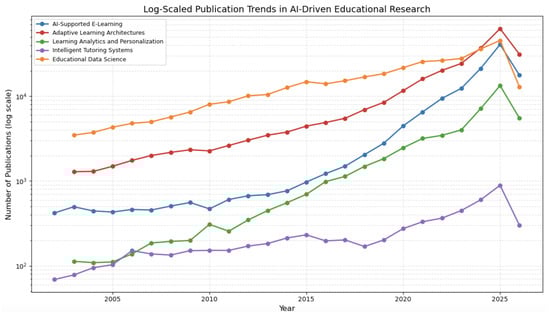
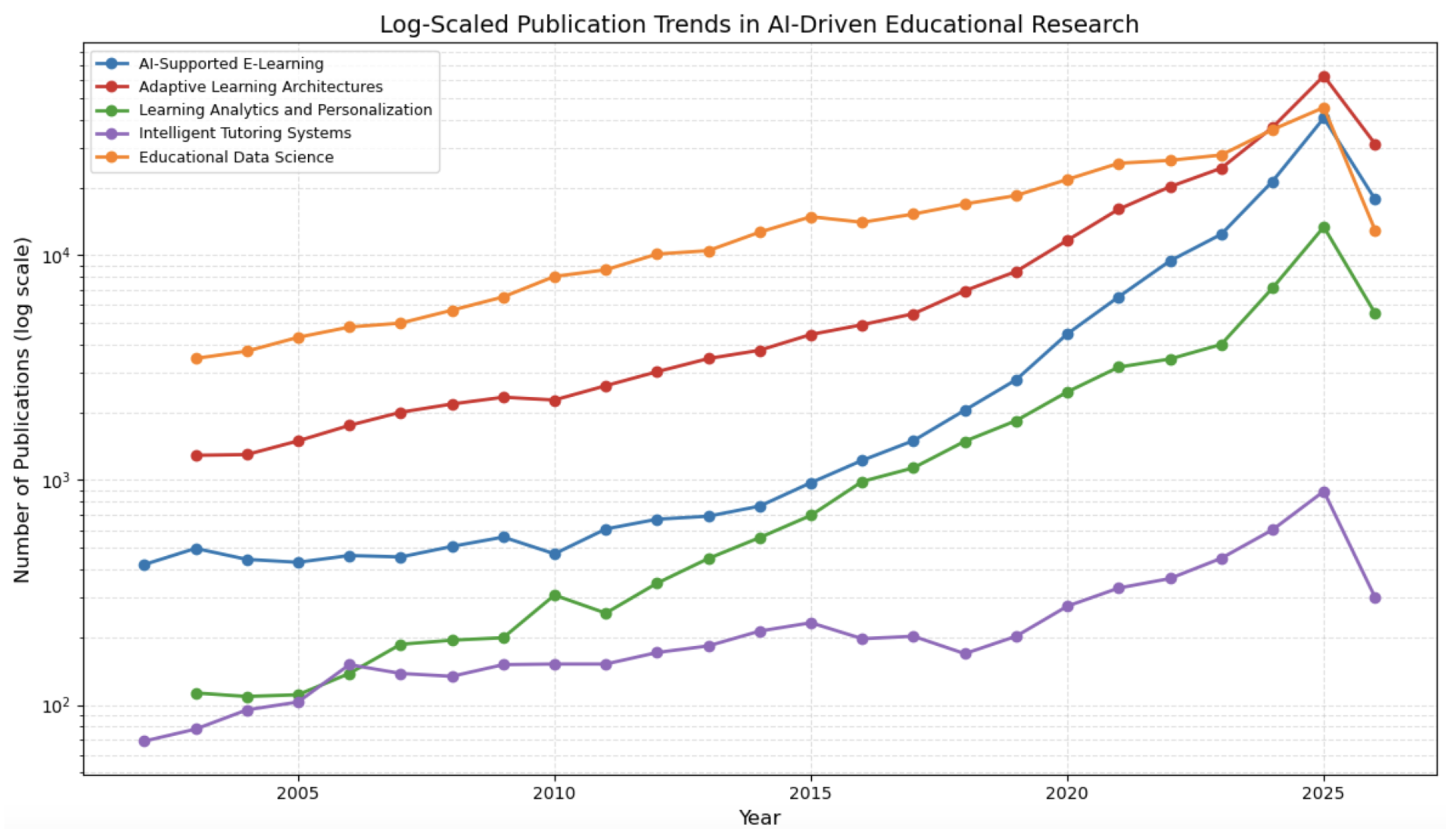
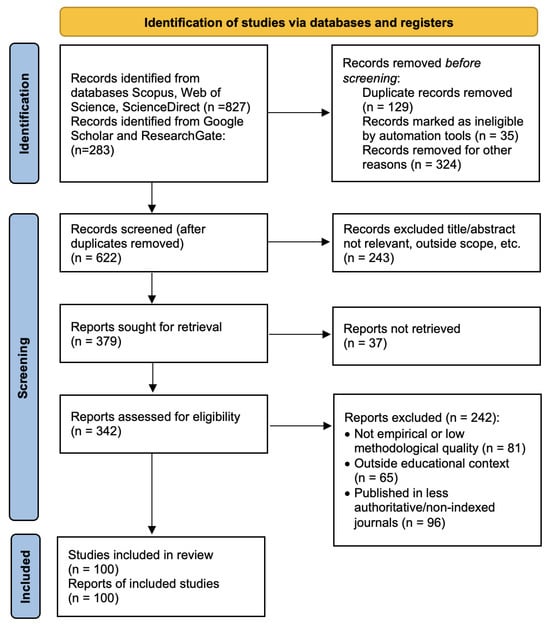
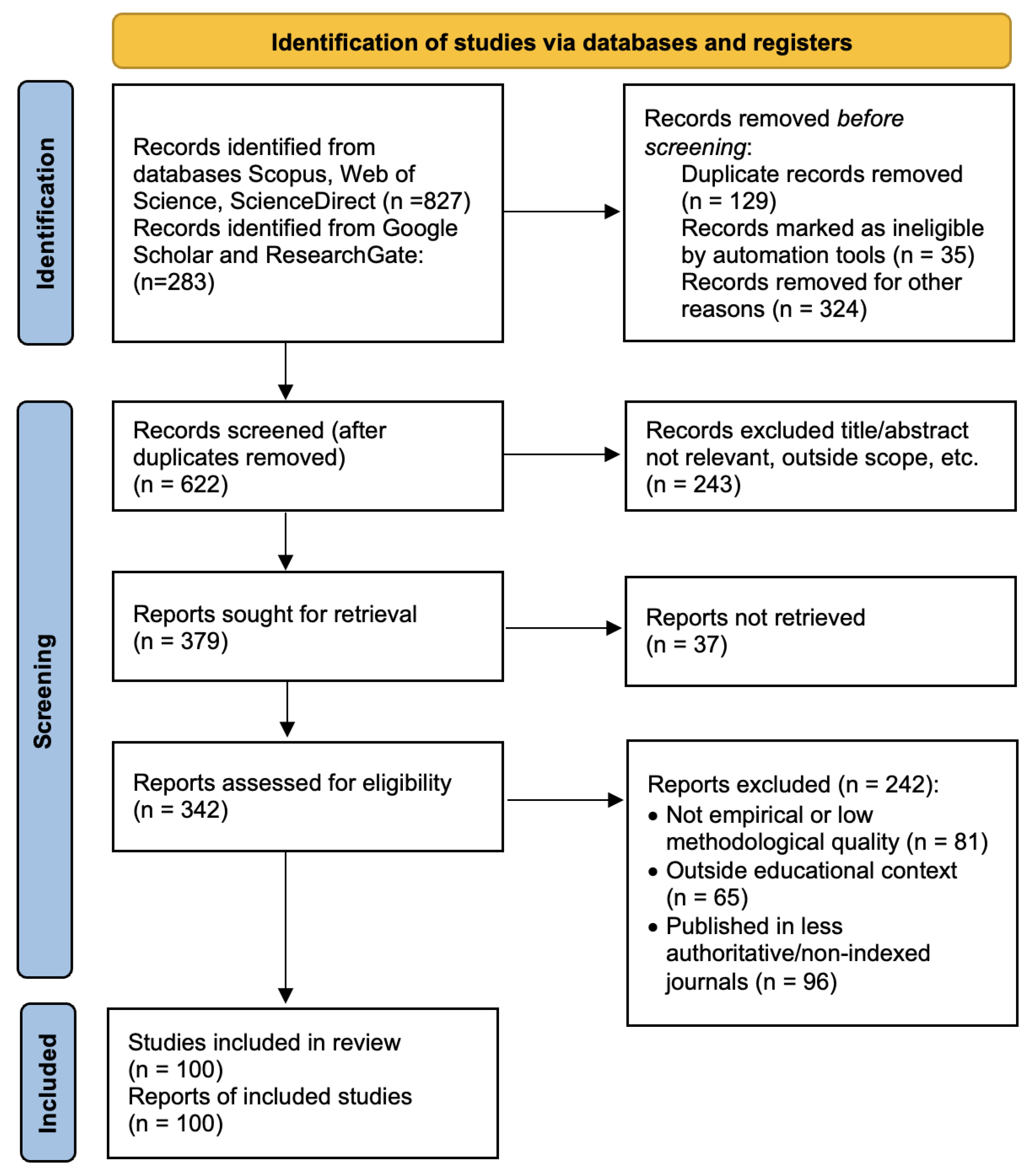
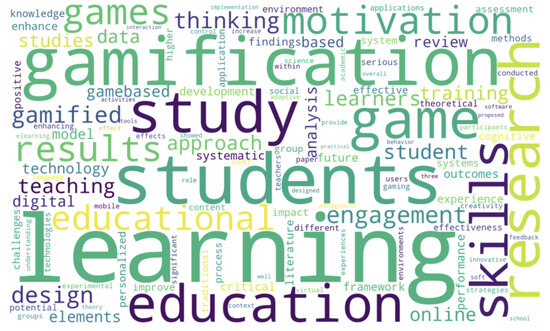
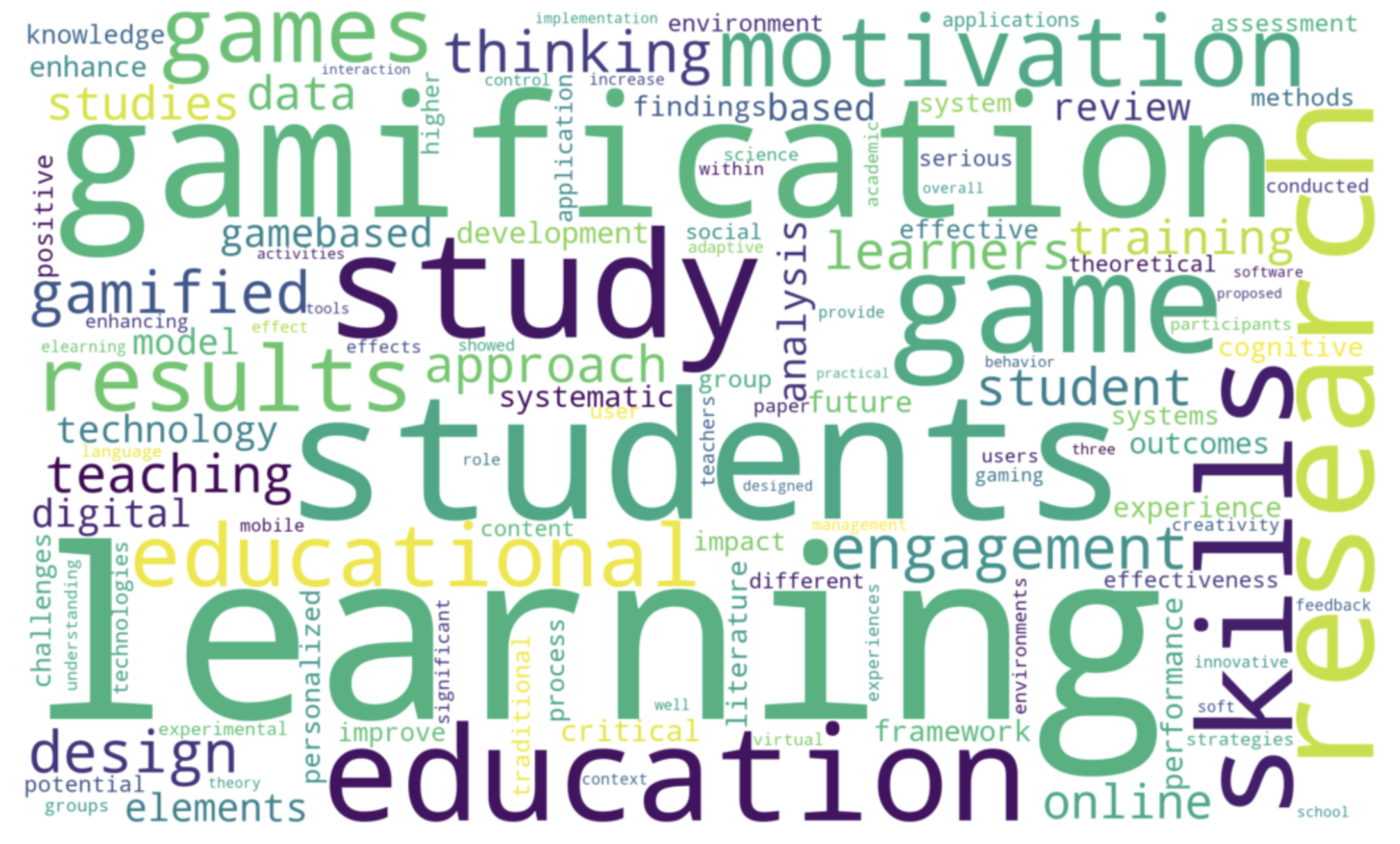
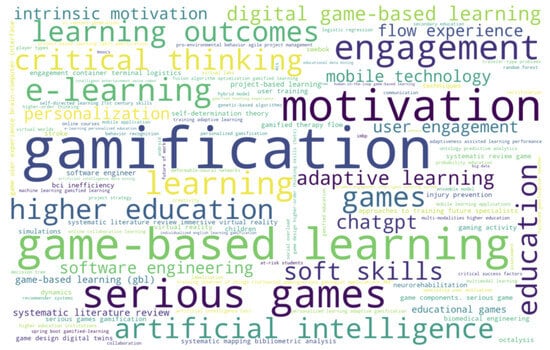
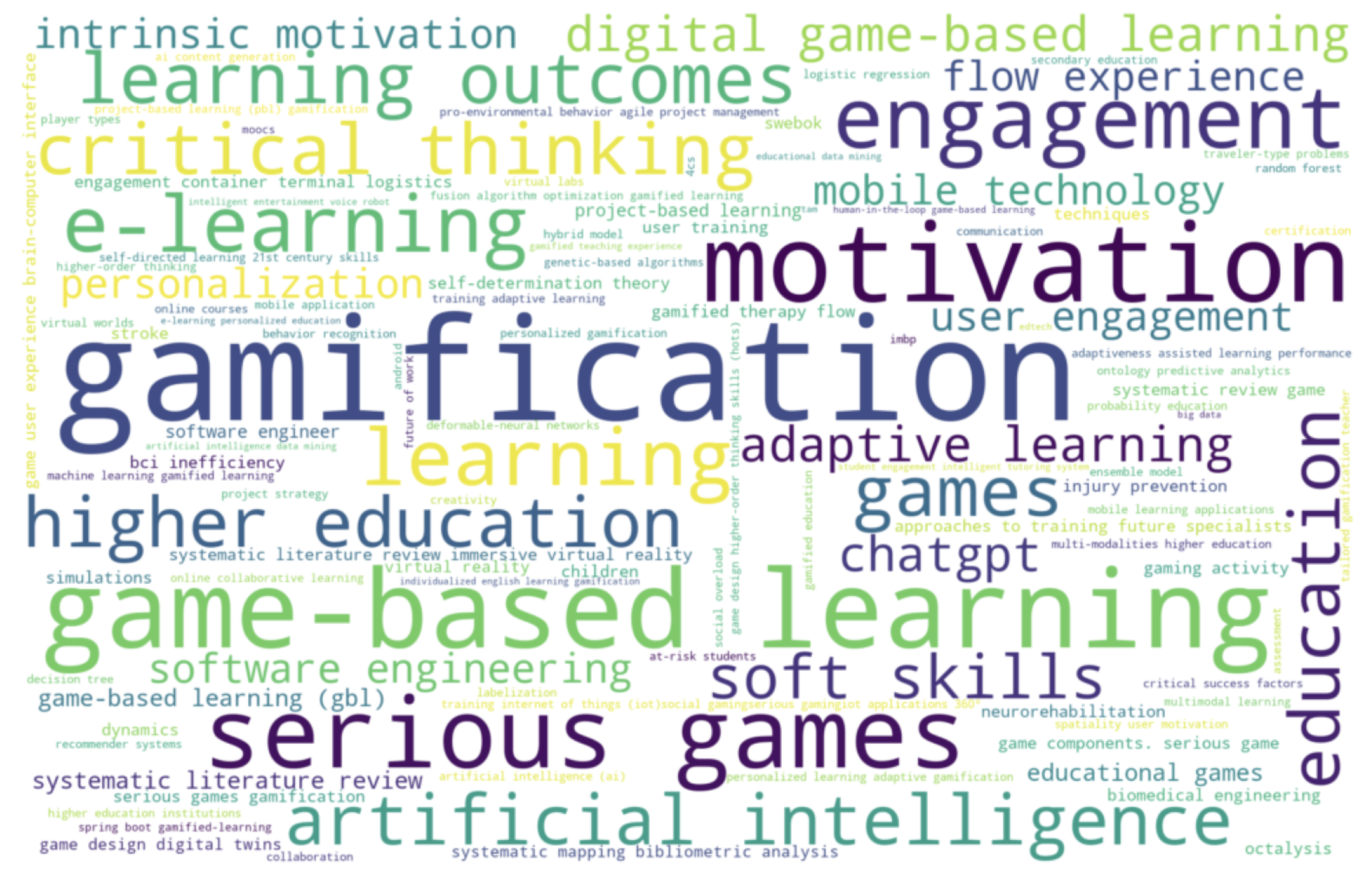
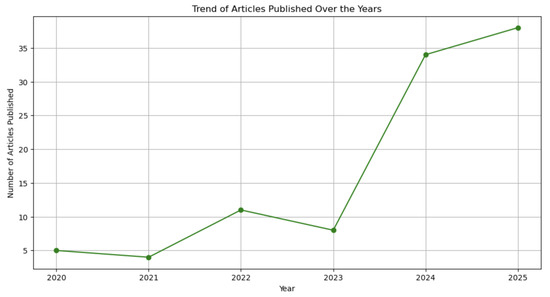
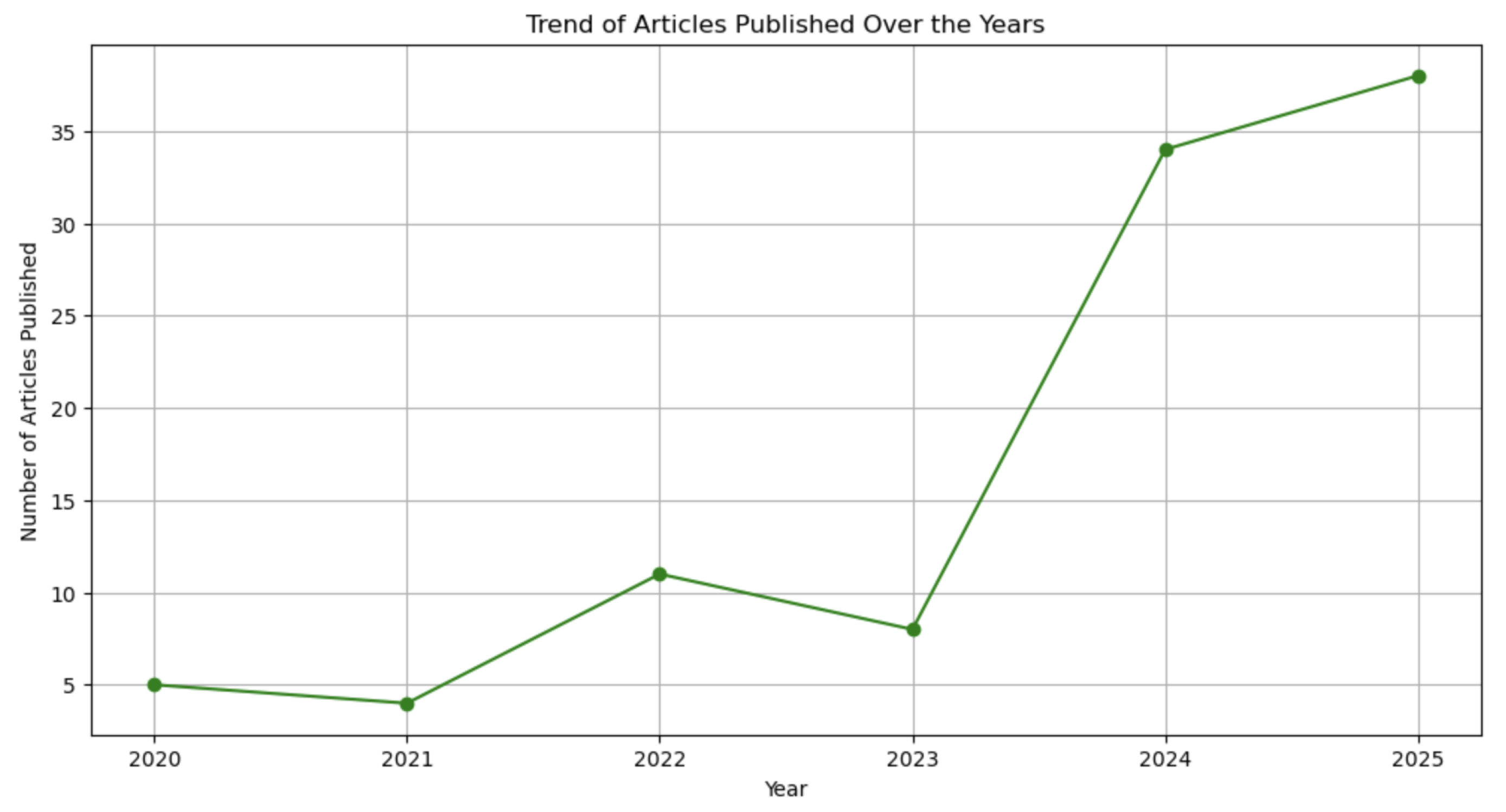
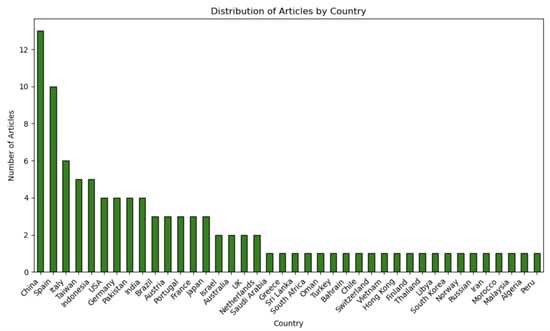
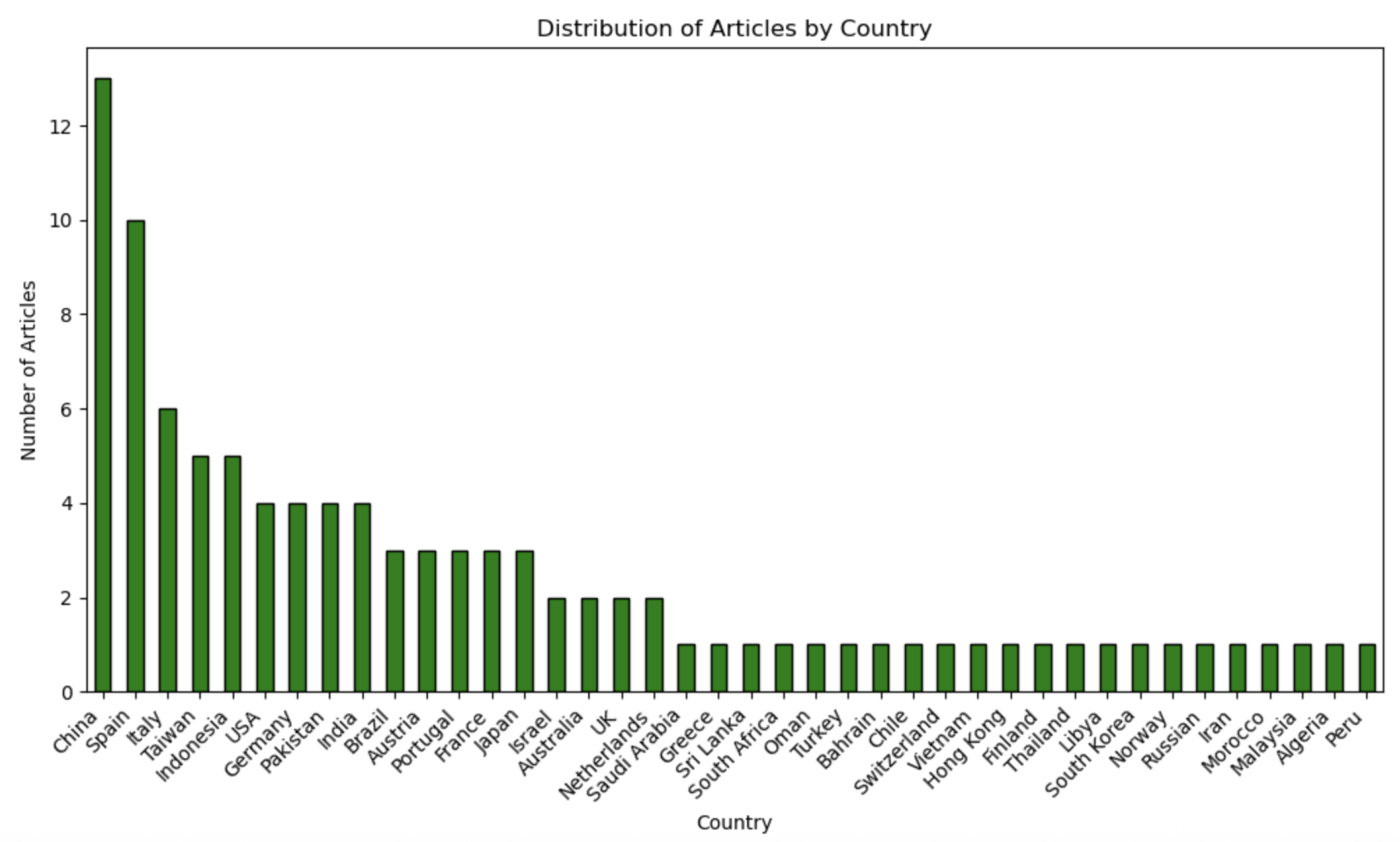
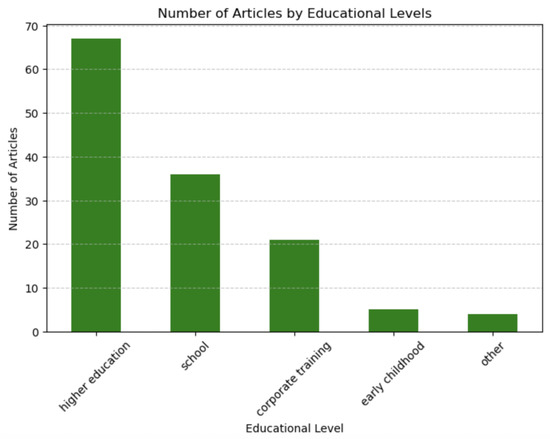
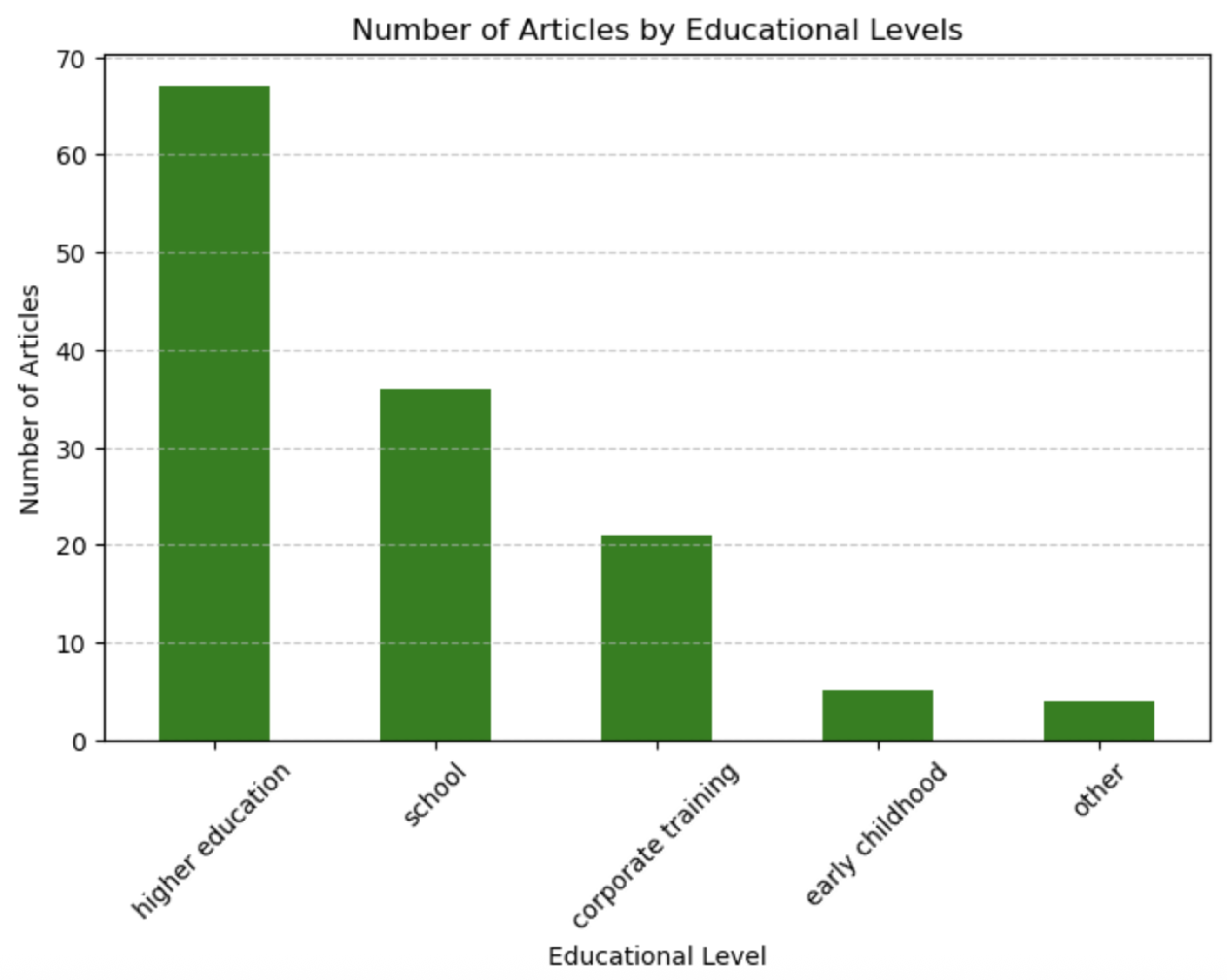
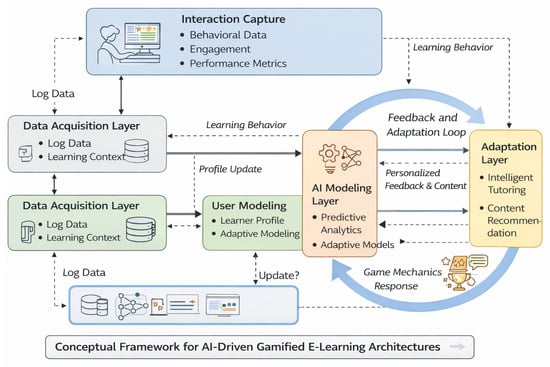
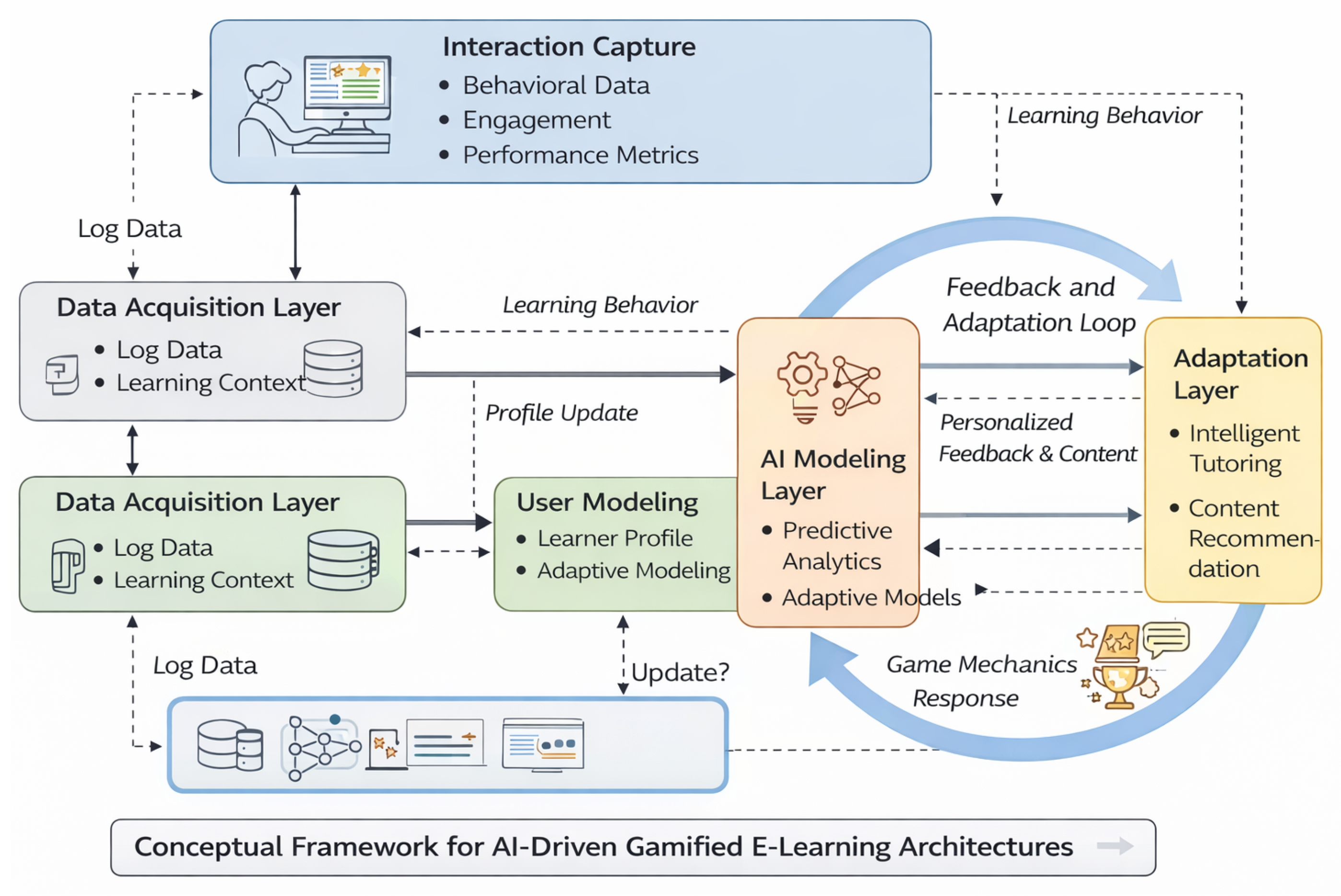
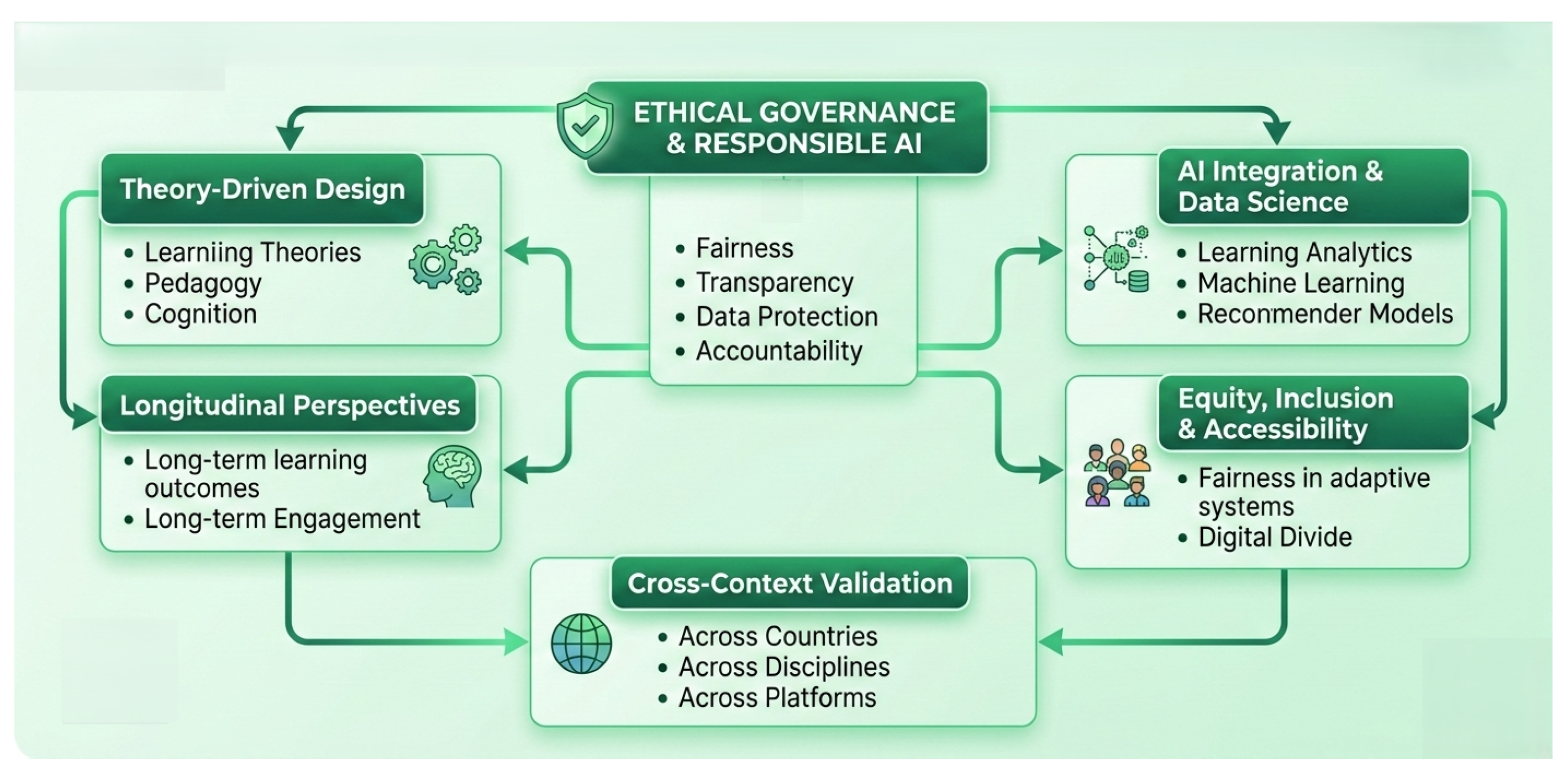

Disclaimer/Publisher’s Note: The statements, opinions and data contained in all publications are solely those of the individual author(s) and contributor(s) and not of MDPI and/or the editor(s). MDPI and/or the editor(s) disclaim responsibility for any injury to people or property resulting from any ideas, methods, instructions or products referred to in the content. |
© 2026 by the authors. Licensee MDPI, Basel, Switzerland. This article is an open access article distributed under the terms and conditions of the Creative Commons Attribution (CC BY) license.