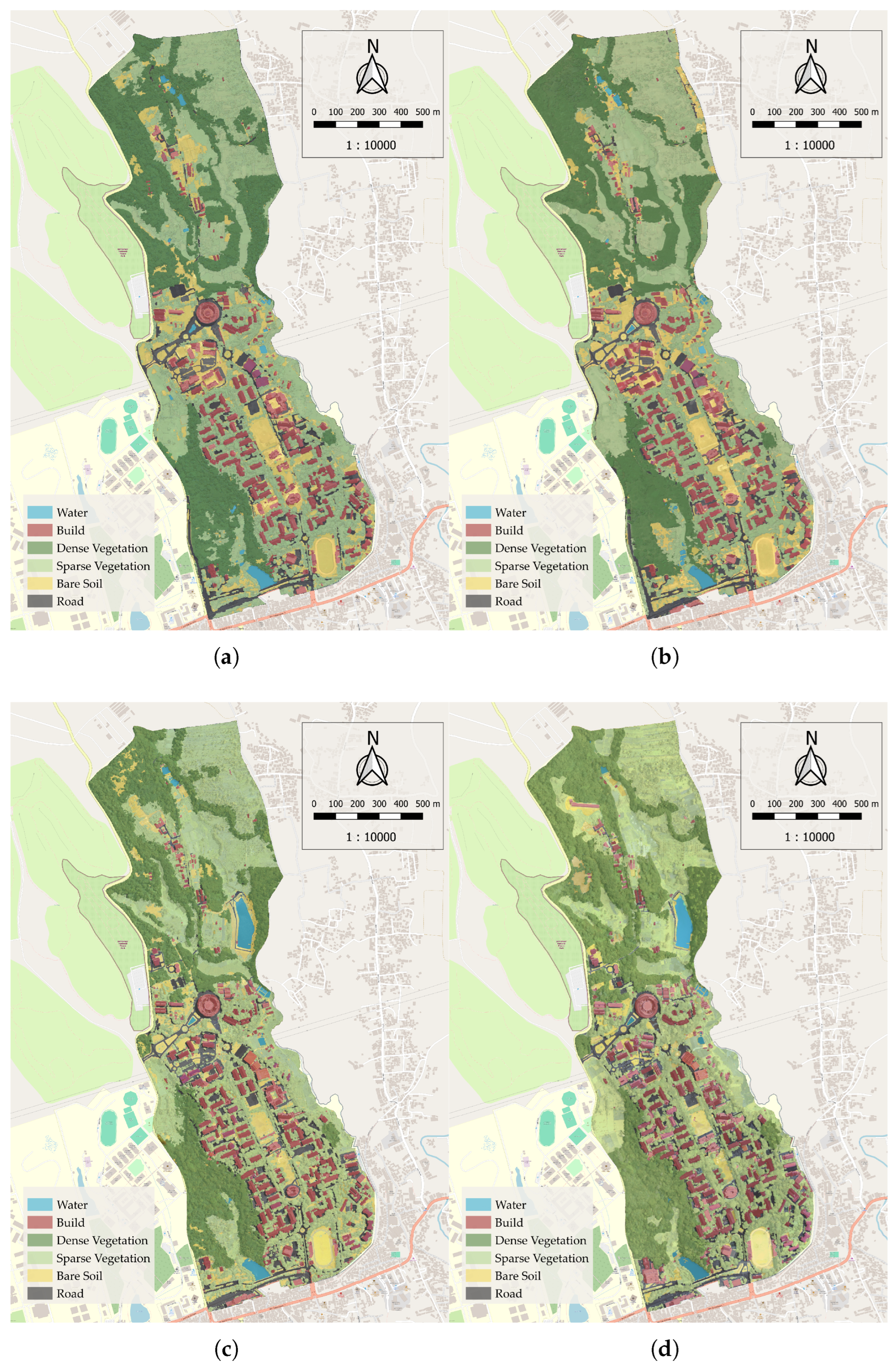
4.1. UGS Transformation and Spatial Dynamics
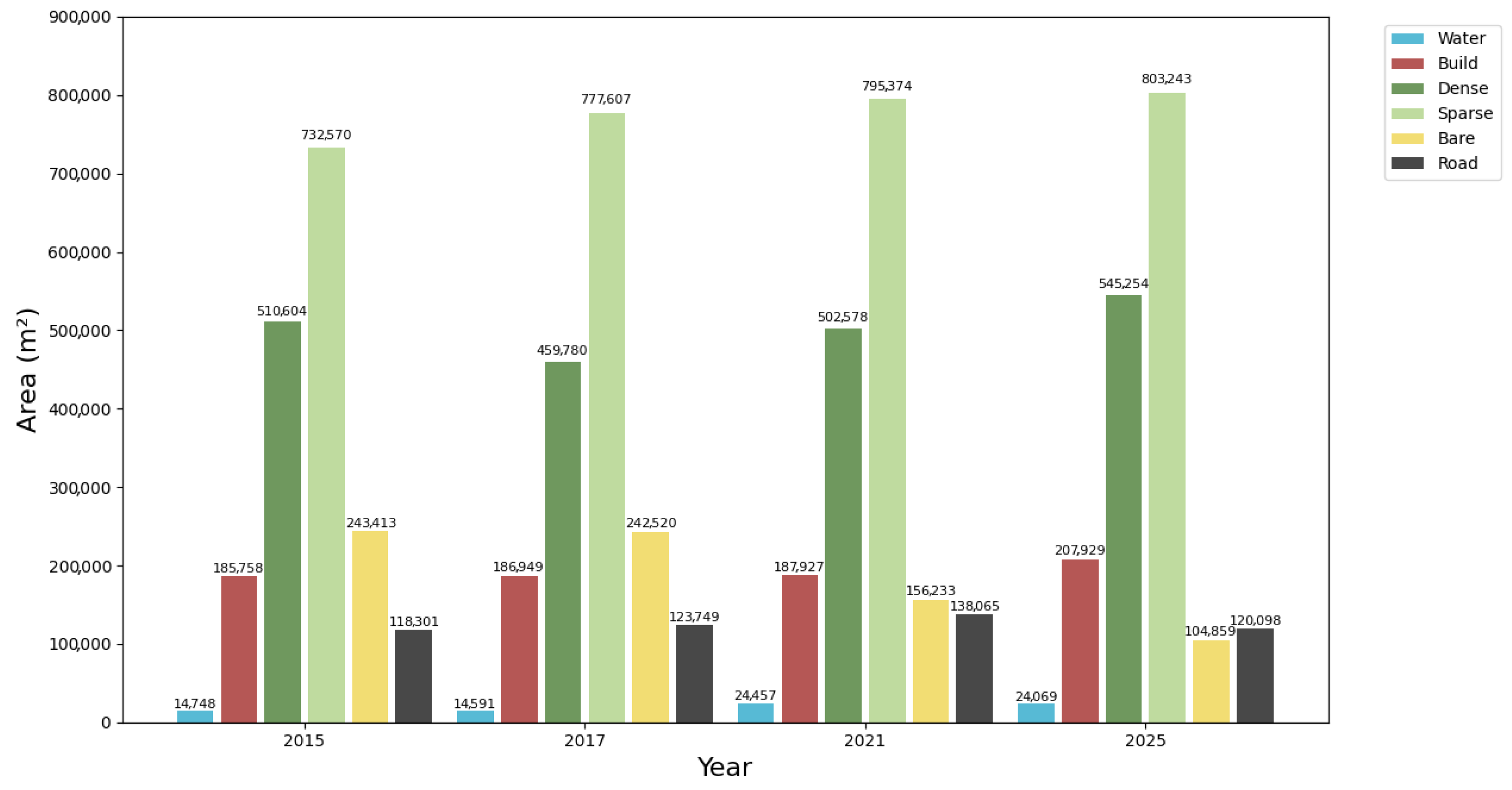
UGS transformation within Unpad’s Jatinangor campus from 2015 to 2025 shows a gradual yet consistent ecological improvement accompanied by controlled infrastructure expansion. Between 2015 and 2017, the total UGS slightly decreased from 68.89% (1,243,174 m
2) to 68.57% (1,237,387 m
2), mainly due to an increase in bare land and minor construction activities, while dense vegetation decreased from 28.29% (510,604 m
2) to 25.48% (459,780 m
2) (
Figure 7). This early phase likely represents the initial stage of development that temporarily reduced vegetated areas before reestablishment. From 2017 to 2021, UGS began to recover, rising from 68.57% (1,237,387 m
2) to 71.92% (1,297,952 m
2), with dense vegetation notably increasing by over 2% from 459,780 m
2 to 502,578 m
2, indicating early signs of regreening across several parts of the campus (
Figure 7). During this period, bare land decreased significantly from 13.44% (242,520 m
2) to 8.66% (156,233 m
2), suggesting successful land cover restoration efforts. Building areas remained relatively stable, increasing only slightly from 10.36% (186,949 m
2) to 10.41% (187,927 m
2), showing that campus infrastructure growth was managed without major spatial expansion. The most substantial improvement occurred between 2021 and 2025, when UGS coverage reached 74.69% (1,348,497 m
2), with both dense and sparse vegetation increasing while bare surfaces continued to shrink to only 5.81% (104,859 m
2) (
Figure 6 and
Figure 7). Building areas grew moderately from 10.41% (187,927 m
2) to 11.52% (207,929 m
2), but the increase was proportionally small compared to vegetation gains.
Overall, UGS expanded by nearly 6% from 1,243,174 m
2 in 2015 to 1,348,497 m
2 in 2025, whereas bare land declined by more than half, from 13.49% (243,413 m
2) to 5.81% (104,859 m
2) (
Figure 6 and
Figure 7). This inverse trend between vegetated and bare surfaces highlights a decade-long shift toward more sustainable land management. Meanwhile, the overall BCR decreased from 31.15% (562,220.6 m
2) to 25.31% (456,955.3 m
2), indicating that despite new infrastructure, green spaces continued to dominate the campus area (
Figure 7). These results suggest that Unpad has successfully balanced academic development with environmental preservation, strengthening both ecological resilience and spatial sustainability within the Jatinangor campus.
From a policy perspective, the dominance of vegetated areas across the Unpad campus, which consistently exceeded 70% throughout this period, demonstrates strong alignment with Indonesia’s national spatial planning regulation, which mandates at least 30% of urban areas to function as UGS according to Law No. 26 of 2007 on Spatial Planning. This compliance indicates a firm institutional commitment to sustainable spatial governance and provides an exemplary case of localized implementation of the UGS policy within an academic environment. Maintaining such a high proportion of green coverage enhances ecological resilience against urban heat and surface runoff, while reinforcing the university’s role as a living laboratory for sustainable development. To ensure that this performance is preserved amid future campus expansion, spatial planning strategies should continue to emphasize UGS protection through vertical greening initiatives, the preservation of riparian buffer zones, and the optimization of existing vegetated areas in accordance with both national and regional spatial frameworks.
A comparison with previous studies further reinforces the significance of Unpad’s UGS performance. Earlier internal assessments using NDVI thresholding [
9] produced UGS proportions of 69.84% in 2015 and 69.31% in 2017, which closely align with the OBIA–RF results of this study (68.89% and 68.57%). The high level of agreement indicates that despite differences in methodological approaches, the overall trajectory of UGS change remains consistent, strengthening the reliability of the observed long-term greening trend. Broader comparisons with other university campuses also highlight the uniqueness of this pattern. At Banaras Hindu University in India, dense vegetation experienced a dramatic decline between 2008 and 2018, falling from 11.14% to only 2.68%. More importantly, total vegetated land (dense vegetation + thorny bushes) dropped from 70.56% to 38.43%, a reduction of approximately 32% over a single decade due to rapid land conversion [
37]. A similar trend was reported at the University of Baghdad, where combined low, medium, and dense vegetation decreased from 64% in 1988 to 61% in 2022 [
38]. These findings contrast with the Jatinangor campus, where UGS increased from 68.89% in 2015 to 74.69% in 2025 despite ongoing infrastructure development. This comparison underscores that, unlike many universities experiencing long-term vegetation decline under development pressure, Unpad demonstrates a rare and successful model of sustained ecological restoration and green-space governance.
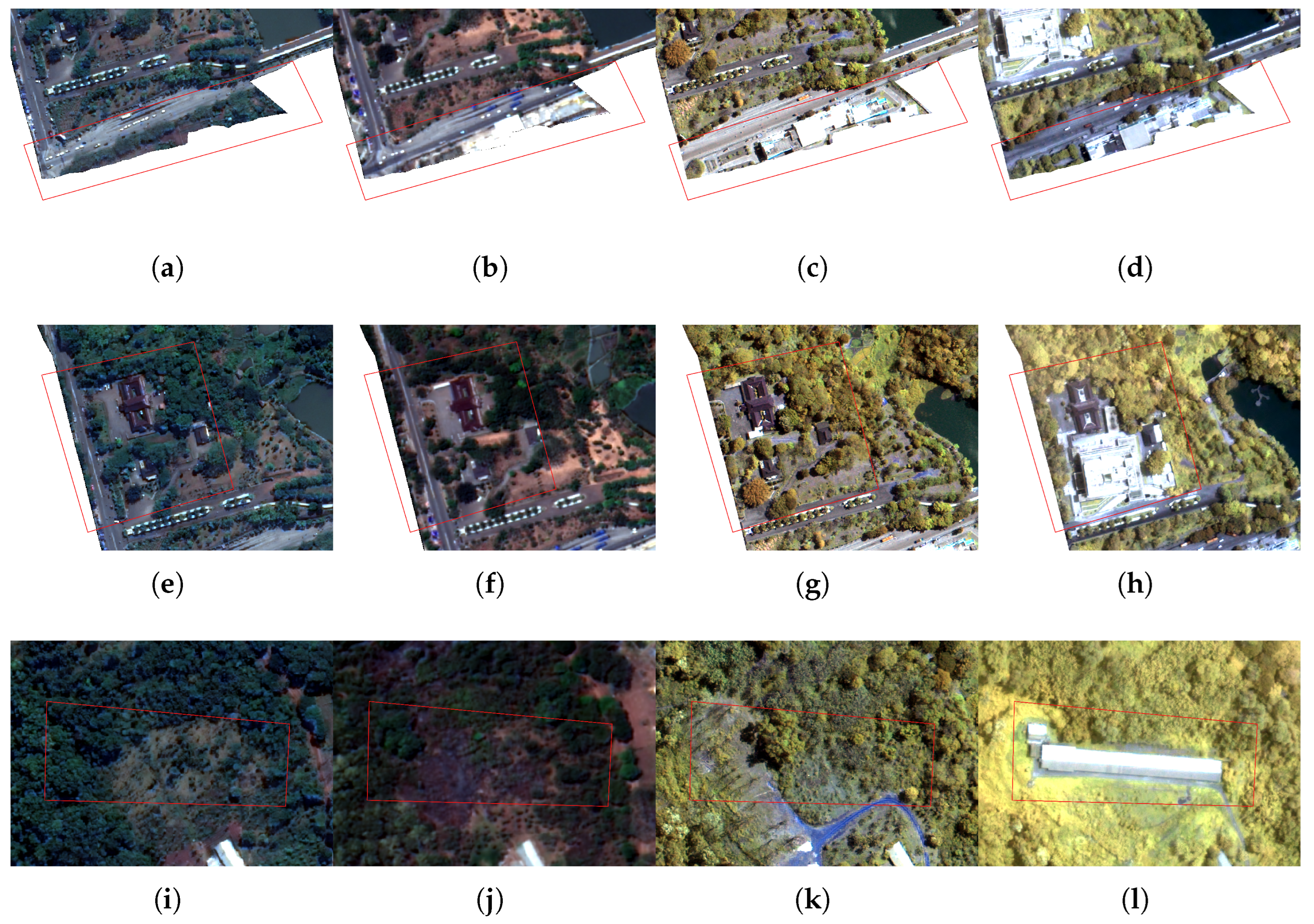
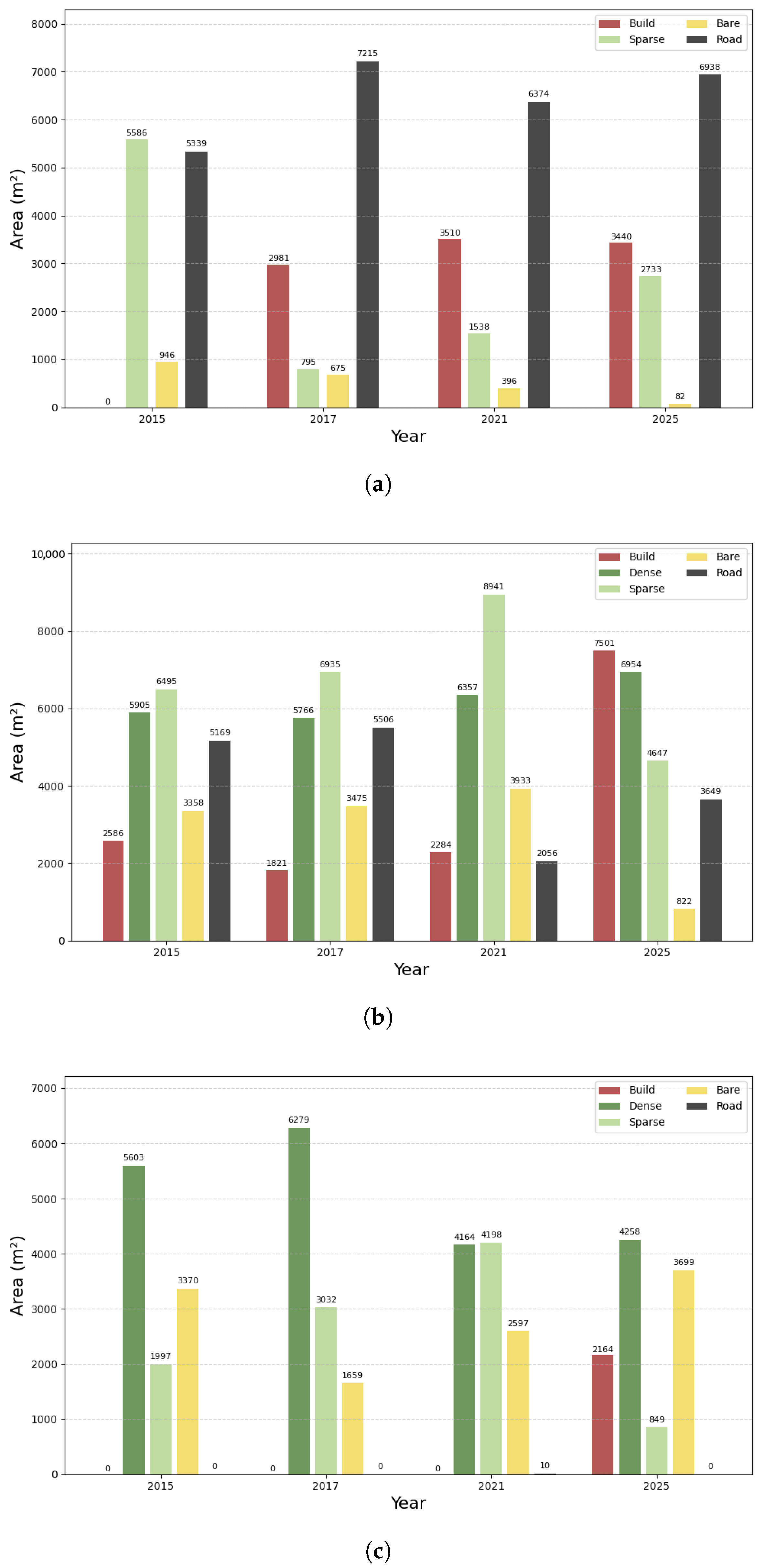
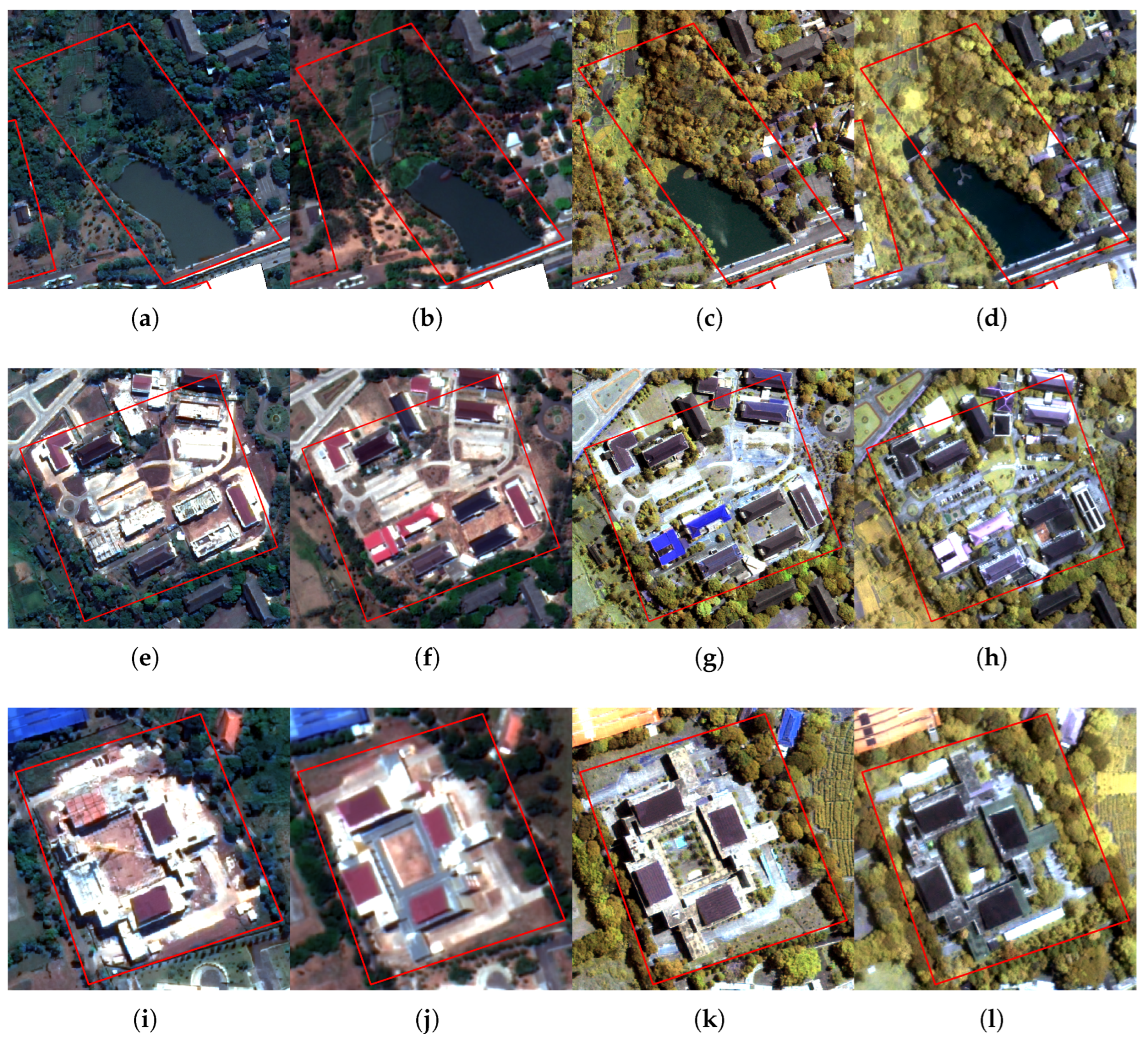
Although several new infrastructures were developed during the study period, the increase in building areas remained relatively small compared to the significant expansion of vegetated zones (
Figure 8 and
Figure 9). This balance reflects how development at Unpad was directed toward optimizing existing spaces rather than uncontrolled land conversion. Spatially, six primary areas of interest (AOIs) consisting of the bank, hospital, chicken house, Ecoriparian, Faculty of Fisheries and Marine Sciences, and Faculty of Economics and Business areas illustrate contrasting patterns between building and vegetated changes. The bank, hospital, and chicken house regions represent focal points of infrastructure growth. The establishment of the bank in 2017 contributed to an increase of approximately 3000–3500 m
2 in building area, with a corresponding decline in sparse vegetation (
Figure 8a–d and
Figure 9a). The hospital zone recorded the largest expansion, exceeding 7500 m
2 of new construction by 2025 (
Figure 8e–h and
Figure 9b), reflecting the major enhancement of healthcare facilities within the campus. Similarly, the chicken house area, which was initially dominated by vegetation, transitioned to include more than 2000 m
2 of new buildings by 2025 (
Figure 8i–l and
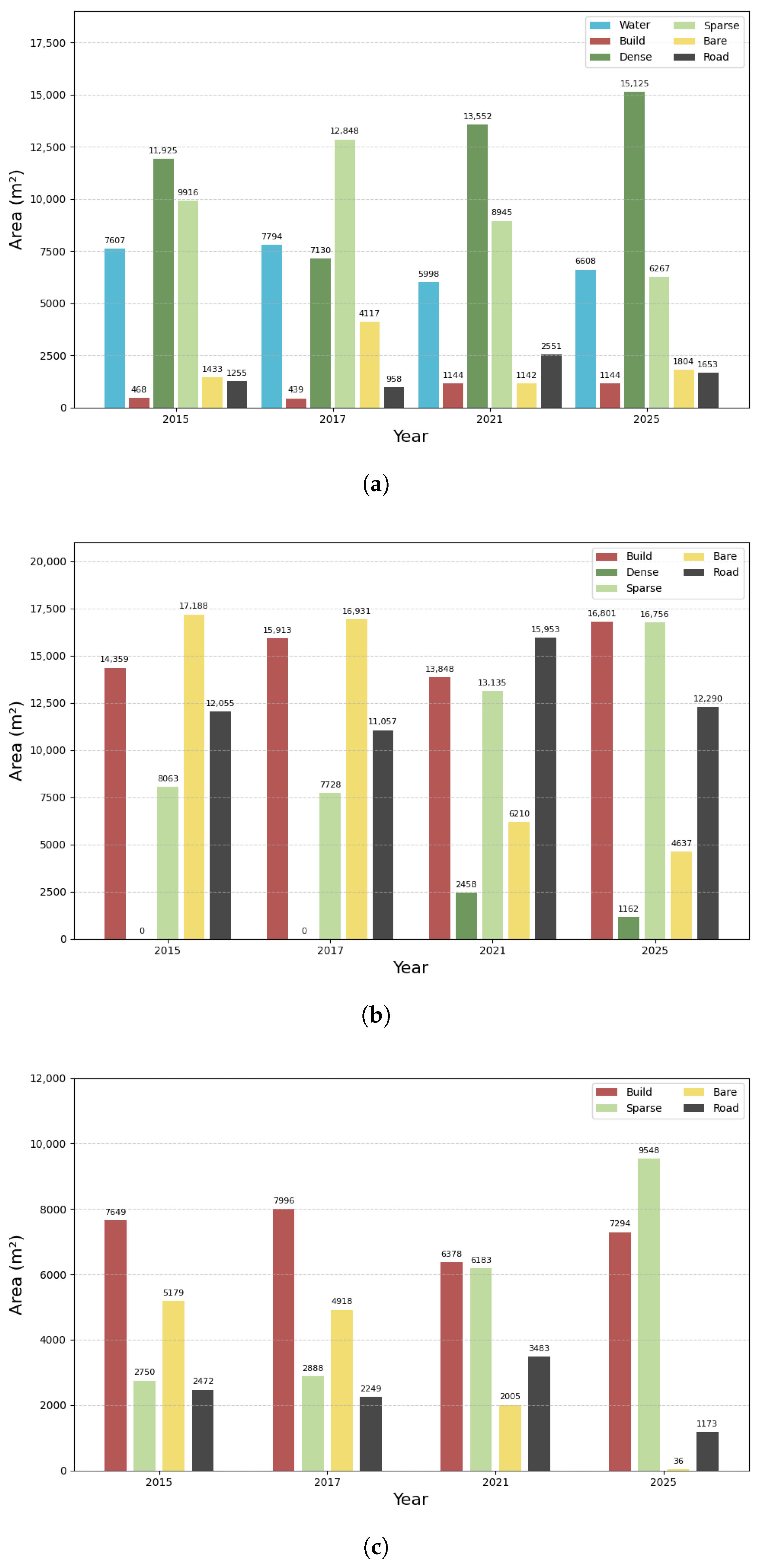
Figure 9c), indicating the establishment of new academic or operational infrastructures. In contrast, the other three AOIs, namely Ecoriparian, Faculty of Fisheries and Marine Sciences, and Faculty of Economics and Business, exhibited notable vegetation recovery. The Ecoriparian zone recorded dense vegetation growth exceeding 15,000 m
2 by 2025 (
Figure 10a–d and
Figure 11a), replacing previously open or bare surfaces and demonstrating the success of riparian rehabilitation efforts. The Faculty of Fisheries and Marine Sciences showed a steady increase in sparse vegetation (
Figure 10e–h and
Figure 11b), largely resulting from the restoration of previously compacted or paved areas, while the Faculty of Economics and Business transformed its bare grounds into green cover, reducing bare land to nearly zero by 2025 (
Figure 10i–l and
Figure 11c).
In addition to natural regeneration or landscape changes that may influence vegetation dynamics, the consistent increase in green cover observed in this study is strongly associated with the long-term, planned greening initiatives implemented by Unpad since 2016. These initiatives were carried out in multiple phases over nearly a decade, including the planting of 32,956 seedlings during 2016–2017, continued planting with 900 seedlings in 2018–2019, further large-scale greening activities involving 7937 seedlings between 2020–2022, and collaborative tree-planting programs around key ecological areas with 301 seedlings in 2023–2024 and 200 additional seedlings in 2025. This sustained and progressive annual intervention demonstrates that the improvement in vegetation is not solely the result of passive ecological processes, but is predominantly driven by structured restoration programs, strategic landscape management, and stakeholder-supported environmental initiatives. Consequently, the positive vegetation trend identified in the classification results reflects UNPAD’s active and continuous commitment to ecological enhancement and long-term campus sustainability.
Overall, these localized changes reflect a dual approach in campus spatial planning: targeted infrastructure expansion in specific functional areas accompanied by consistent ecological restoration in environmentally sensitive and academic zones. Despite localized construction, the overall campus transformation remained dominated by UGS expansion, maintaining a green ratio well above the national minimum standard of 30% (
Figure 7,
Figure 8 and
Figure 10). This outcome underscores Unpad’s success in integrating development needs with sustainable land management, ensuring both spatial functionality and ecological resilience.
4.2. Accuracy and Sustainability Implications
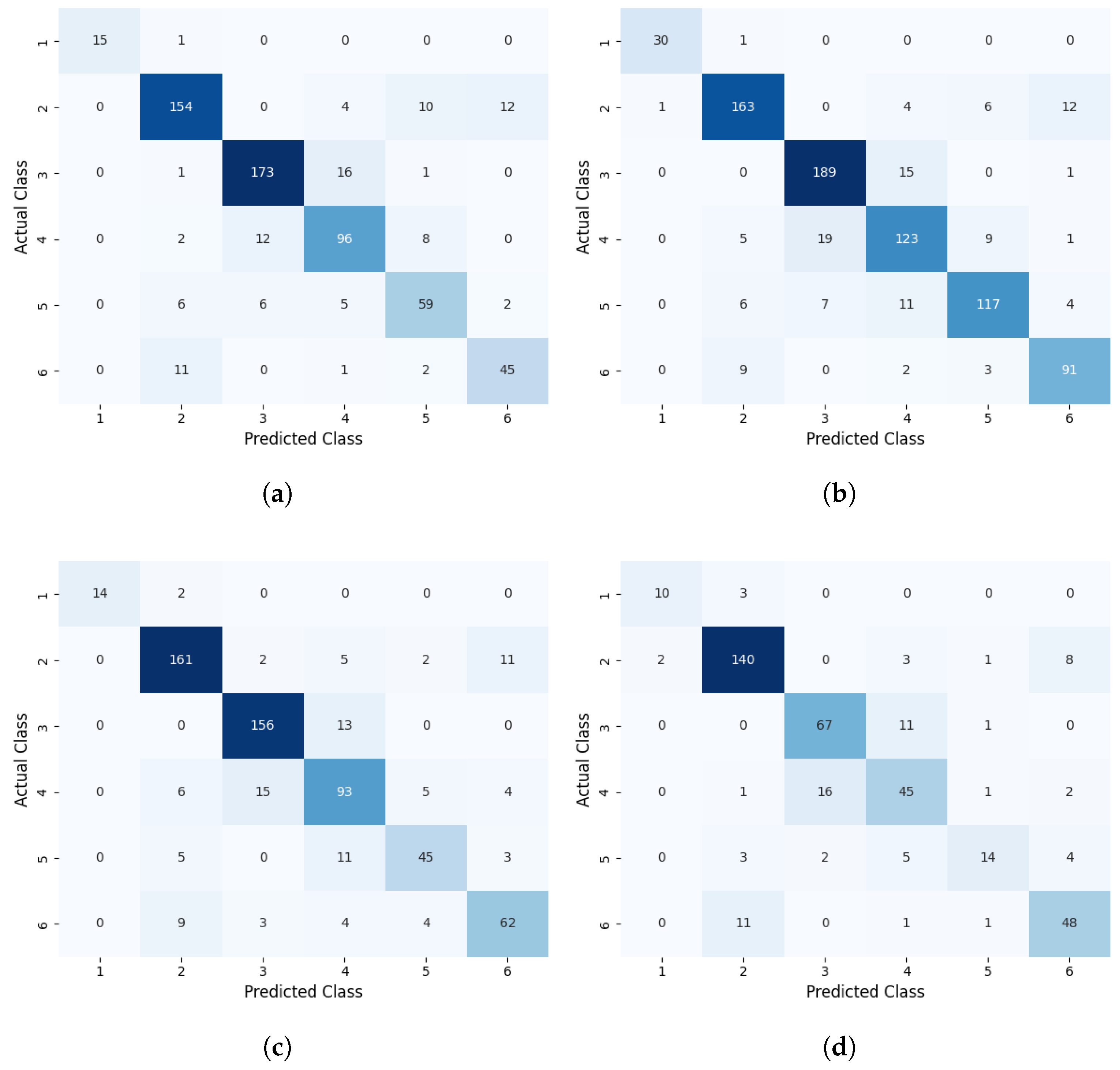
The accuracy assessment conducted for the LULC classification in Unpad Jatinangor campus demonstrates a high level of reliability across all reference years (2015, 2017, 2021, and 2025), as presented in
Figure 12 and
Table 7. The OA ranged from 0.810 in 2025 to 0.860 in 2017, which is considered good according to standard remote sensing classification guidelines [
39]. The Kappa coefficient varied between 0.747 and 0.826, indicating substantial agreement beyond chance [
40]. Similarly, the weighted F1 score, which combines precision and recall for each class, closely mirrors the OA values, reflecting reliable per-class performance and a well-balanced classifier [
31]. Analysis of the confusion matrices reveals that certain classes achieved particularly high accuracy. Dense vegetation and building areas consistently showed the highest classification reliability, with minimal misclassification to other categories (
Figure 12). Sparse vegetation and bare land, while slightly more prone to confusion, still maintained high per-class accuracy, demonstrating the reliability of the RF classifier employed in the study. The results indicate that the model effectively captured both highly vegetated and developed regions, which are critical for monitoring UGS expansion and building encroachment.
To further contextualize the performance, a comparative baseline was established using a pixel-based Random Forest classifier applied to the same years (
Table 8). The pixel-based approach consistently underperformed relative to OBIA–RF, with OA ranging from 0.685 in 2025 to 0.773 in 2017, Weighted F1 scores from 0.680 to 0.770, and Kappa coefficients from 0.579 to 0.717. This corresponds to an improvement of approximately 12–13% in OA, 12–13% in Weighted F1, and 13–17% in Kappa when employing OBIA–RF compared to the pixel-based approach across the four years. The advantage of object-based segmentation is particularly pronounced for classes exhibiting high textural heterogeneity, such as sparse vegetation and bare land, which were frequently misclassified under the pixel-based approach due to overlapping spectral signatures. Built-up areas also exhibited clearer and more spatially coherent boundaries under the OBIA–RF framework. These findings confirm that OBIA–RF is better suited for detailed, campus-scale LULC monitoring using high-resolution imagery, offering superior classification accuracy and enhanced thematic consistency for long-term UGS assessment.
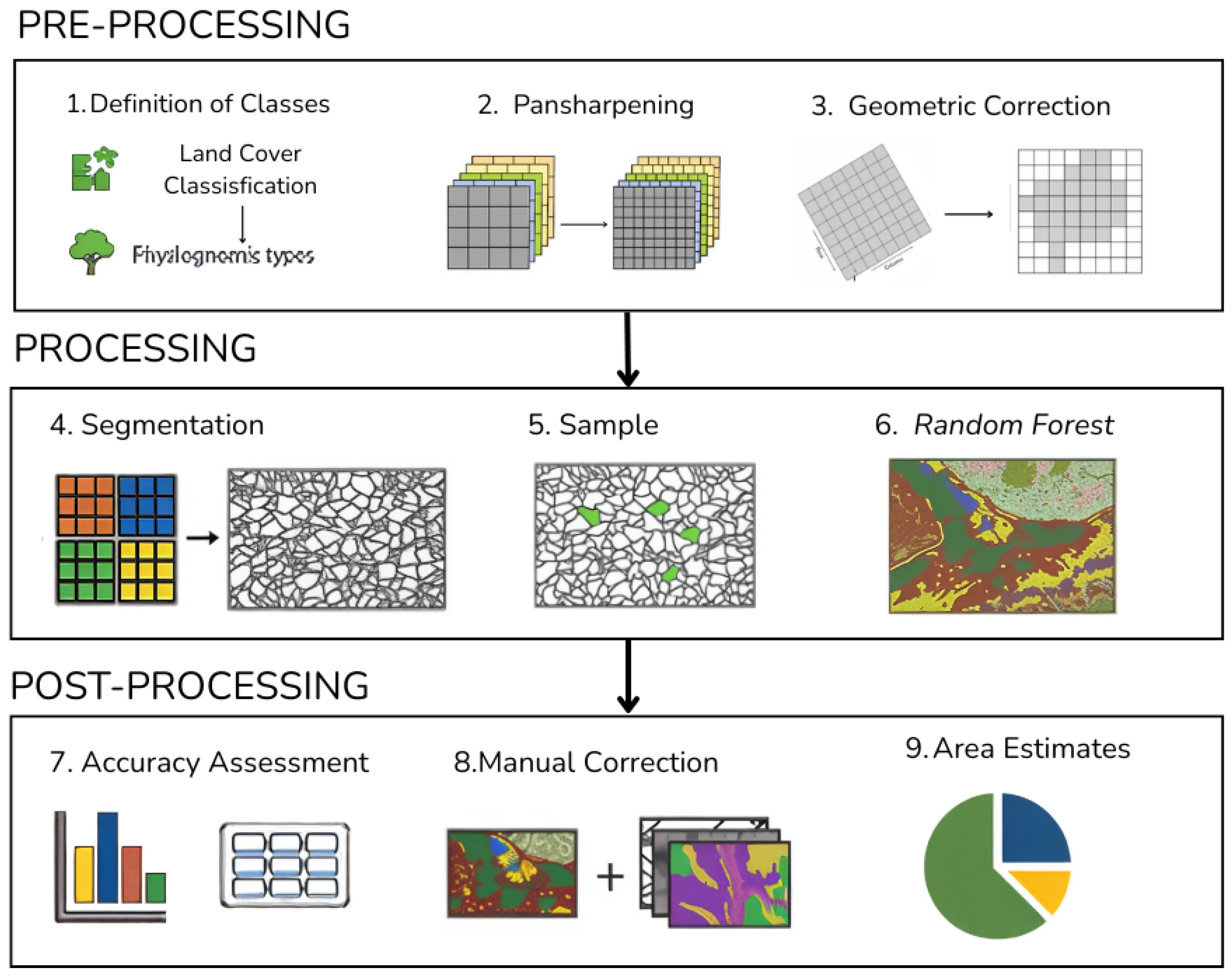
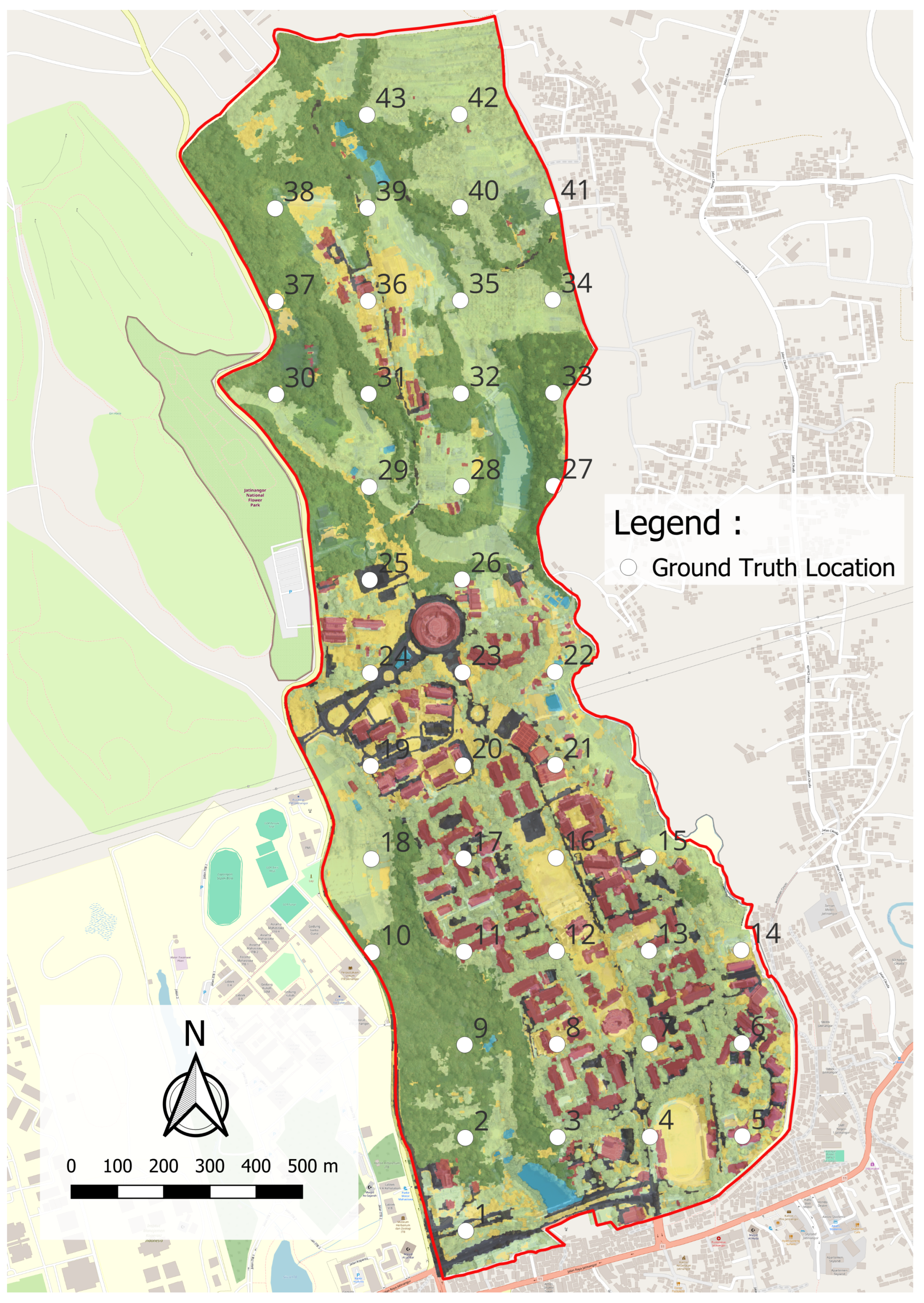
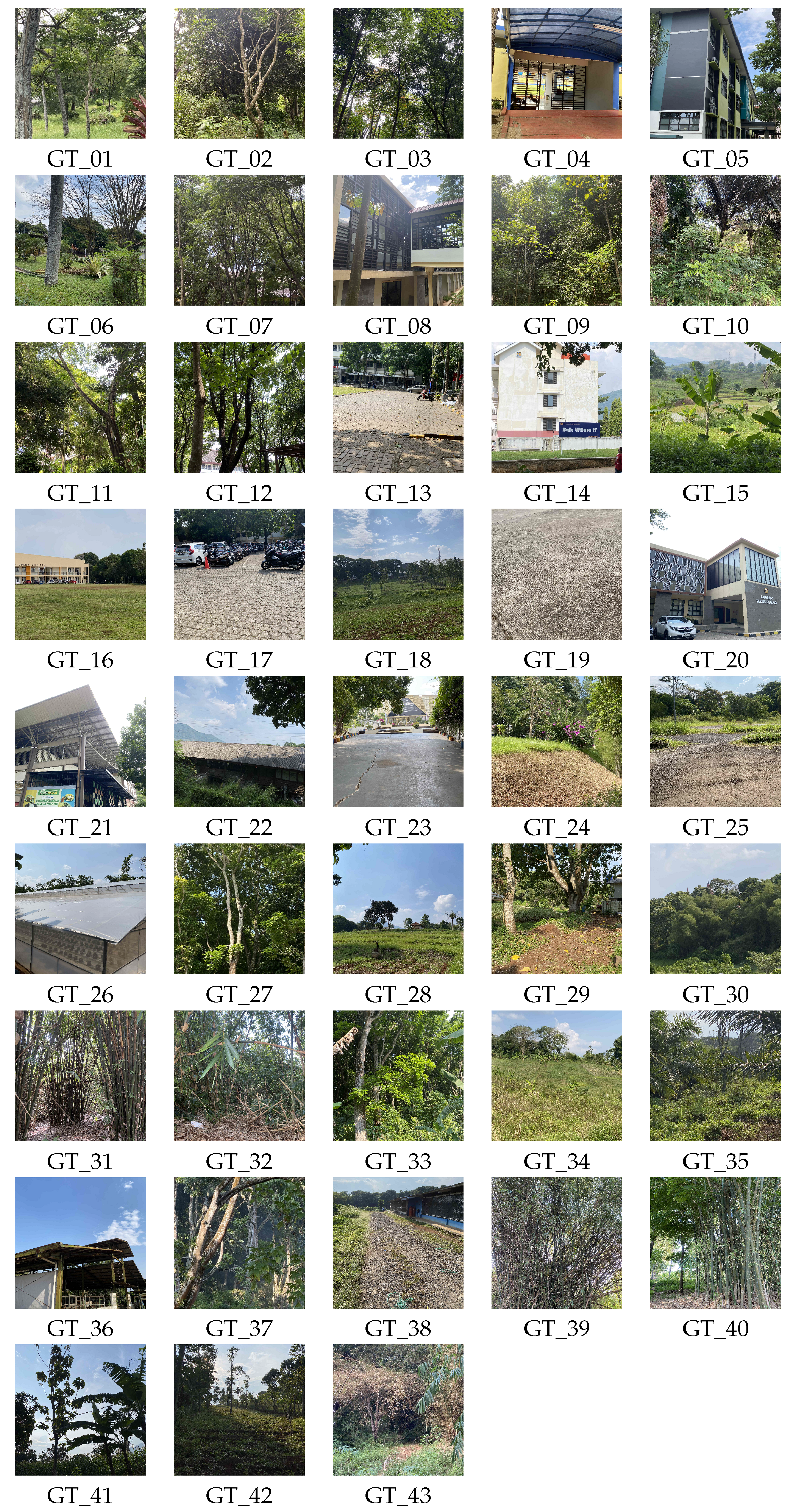
Following the automated classification, a manual correction was applied to ensure spatial consistency, particularly in ambiguous boundary areas between classes. This step was crucial to align the LULC map with visual interpretation from high-resolution imagery. Ground truth validation was then conducted using 43 sampling points collected in 2025 (
Figure 13 and
Table 9), which were kept fully independent and were not affected by the manual correction process.Although the classified map showed a high degree of agreement with the ground-observed points, it cannot be regarded as a perfect match due to the limited number of validation samples relative to the total campus area. Validation was performed by visually comparing each sampling location against very high-resolution imagery and on-site observations, ensuring that the assessment reflected the classifier’s performance rather than the effects of manual editing. Despite the small sample size, the results indicate a strong correspondence between classification outputs and field data, suggesting that the final LULC map provides a reliable representation of on-ground conditions. The validated maps therefore serve as a dependable basis for monitoring UGS dynamics and assessing spatial development on campus. The reliable detection of vegetation and built-up expansion supports informed decision-making for conservation and infrastructure planning, contributing to the university’s long-term sustainability strategy.
Overall, the integration of quantitative accuracy metrics, confusion matrix analysis, and an independent ground truth validation performed prior to manual correction ensures that the LULC dataset is scientifically reliable. The subsequent manual correction further enhances thematic consistency without influencing the validation results. Such high confidence in classification outcomes supports evidence-based decision-making, aligning spatial monitoring with the university’s objectives for maintaining a green and sustainable campus environment.
4.3. Limitations and Future Improvements
Despite the strong performance of the OBIA–RF classification and the overall consistency of long-term UGS trends, several limitations should be acknowledged to appropriately contextualize the findings of this study. First, the analysis depends heavily on the quality and temporal consistency of high-resolution satellite imagery. Variability in illumination, seasonal conditions, and shadowing, particularly under dense canopy cover, may reduce the classifier’s ability to differentiate sparse vegetation, bare land, and built-up features with precision. Some narrow structures, small rooftops, and pedestrian pathways were also partially obscured by tree crowns, resulting in occasional misclassifications even after manual refinement. Additionally, the LULC scheme employed in this study includes only four major categories. Although these categories are adequate for campus-scale UGS monitoring, they do not capture finer ecological distinctions such as grasslands, shrublands, water bodies, or mixed vegetation. This simplification may underrepresent the campus’s ecological heterogeneity, indicating the need for future studies to adopt a more detailed class hierarchy or incorporate multi-temporal phenological metrics to improve vegetation subtype discrimination.
Beyond classification considerations, this study does not integrate landscape ecology metrics such as fragmentation, patch connectivity, edge density, or core-area analysis. These indicators are essential for evaluating the ecological functionality of UGS beyond its spatial extent, particularly in relation to habitat continuity, microclimatic regulation, and long-term ecosystem resilience. Incorporating landscape metrics in future research would therefore provide deeper insight into the spatial quality and ecological stability of the campus green infrastructure. Finally, ground truth data were collected only for 2025, and the number of validation samples was limited relative to the total study area. Although the resulting accuracy metrics were sufficiently high, a more robust sampling strategy that includes stratified sampling and multi-year field observations would enhance the reliability of temporal comparisons. Addressing these limitations in future work will strengthen the reliability of UGS monitoring and support a more comprehensive understanding of ecological dynamics across the Unpad campus.