You are currently viewing a new version of our website. To view the old version click .
Applied Sciences
  • Article
  • Open Access

11 December 2025

Enabling BIM Innovation Through Knowledge-Driven Legal–Contractual Risk Management: A Novel Strategic Risk Breakdown Structure


and
School of Design and Architecture, University of Lincoln, Lincoln LN6 7TS, UK
*
Author to whom correspondence should be addressed.
This article belongs to the Special Issue The Integration of BIM and Emerging Technologies: Present Status and Future Trends

Abstract

Building Information Modelling (BIM) represents a technological and organisational innovation transforming the architecture, engineering, and construction (AEC) industry by embedding data-rich collaboration into project delivery. However, the diffusion of this innovation is constrained by unresolved legal–contractual complexities, where conventional frameworks often fail to manage BIM-specific risks, such as unclear responsibilities, intellectual property, and dispute resolution. This study advances knowledge by conceptualising a novel legal–contractual analytical dimension that systematically links risk factors to tailored management strategies, enabling BIM innovation to be more effectively embedded into organisational and contractual processes. A mixed-methods design was adopted. An integrative review of Scopus- and Google Scholar-indexed studies, supported by thematic analysis in NVivo, generated a comprehensive legal–contractual Risk Breakdown Structure (RBS) that organises fragmented knowledge of legal–contractual risks. Qualitative content analysis, combined with survey and expert interview data, enabled triangulated validation and the development of the BIM-RBS Matrix and BIM-RBS–MS Nexus. These tools operationalise risk knowledge by quantifying risk severity (SPSS Version 29.0.1.0 (171)) and systematically aligning management strategies with specific risk categories. The results highlight actionable innovations, such as enhanced cybersecurity protocols (e.g., QR-based traceability) to strengthen cyber/data security and collaborative risk–reward mechanisms to address contractual design ambiguities. The study makes three primary contributions: (1) conceptualising a structured legal–contractual knowledge spectrum for BIM innovation, (2) advancing mixed-methods integration for legal–contractual risk knowledge creation and validation, and (3) providing actionable frameworks that support industry, policymakers, and researchers in embedding BIM innovation more reliably. This study frames legal–contractual risk knowledge as a critical enabler of innovation that extends theoretical understanding and offers globally relevant pathways for the knowledge-based transformation of the AEC sector.

1. Introduction

The architecture, engineering, and construction (AEC) industry is undergoing rapid transformation driven by the adoption of digital technologies such as Building Information Modelling (BIM) [1]. BIM has evolved beyond a visual 3D tool into an integrated, data-driven innovation that enhances coordination, reduces rework, and strengthens decision-making across the project lifecycle [2,3,4,5,6,7]. By enabling a shared data environment and collaborative workflows, BIM improves communication between multidisciplinary stakeholders who traditionally operate in fragmented silos [8,9,10,11,12].
Despite these advantages, the full realisation of BIM’s benefits remains hindered by persistent legal and contractual complexities. As BIM reshapes communication, modelling processes, and role distributions, it simultaneously produces new risks associated with unclear responsibilities, intellectual property rights, liability, and model ownership [2,3,8,13,14]. Unlike traditional delivery methods, where roles are clearly defined, BIM-enabled collaboration blurs professional boundaries, complicating the allocation of risk and accountability during contracting [5,6,10,14]. These uncertainties are amplified when model modifications are undertaken by multiple contributors, making liability for design errors difficult to establish [2,8].
Existing contract forms—such as NEC, JCT, CIOB, FIDIC, AIA protocols, and the CIC BIM Protocol—provide useful foundations for BIM-enabled projects but remain insufficient for addressing emerging complexities. Studies highlight mismatches between contractual requirements and BIM-based work practices [15,16,17,18], variations in governmental regulations across jurisdictions [13,19], and the absence of comprehensive provisions covering cybersecurity, data governance, clash detection, or model integrity [3,4,6,10,11,14,20]. Furthermore, the lack of clarity around IPR, version control, data security, and liability continue to generate disputes and slow BIM adoption [6,21,22,23].
Although scholars have identified numerous risks associated with BIM, most studies remain descriptive, listing legal and contractual challenges without providing integrated frameworks that translate such risks into actionable management strategies. Many studies list risks descriptively without providing an integrated view of how these risks interact or how they can be operationalised into practical management strategies. This fragmentation limits the industry’s ability to operationalise risk knowledge and constrains BIM’s role as a technological and organisational innovation [24,25].
Accordingly, a clear research gap persists. Existing studies identify legal and contractual risks, yet they do not offer a structured system for categorising these risks, nor do they link risk severity with tailored mitigation strategies. Current contractual addenda and BIM protocols offer partial solutions [10,13,14,19], but they do not provide a cohesive, empirically supported framework that integrates legal, contractual, technological, and organisational dimensions.
To address this deficit, the scientific significance of this study lies in developing an evidence-based, knowledge-driven structure that connects fragmented legal–contractual risk factors into a coherent analytical system. By integrating thematic analysis, content analysis, and mixed-methods validation, the study produces a structured representation of BIM risks and strategies that has not previously existed in the literature.
This originality is further reinforced by reframing legal–contractual risks not merely as barriers but as actionable knowledge components capable of enabling innovation, collaboration, and improved governance in BIM-enabled projects.
This study, therefore, conceptualises a legal–contractual knowledge framework that classifies BIM risks using a Risk Breakdown Structure (BIM-RBS) and links them to targeted management strategies through the BIM-RBS–MS Nexus. Guided by the Leavitt Socio-technical Model (LSTM), the study explores how legal–contractual risks destabilise BIM-enabled systems and identifies response mechanisms capable of restoring equilibrium [26,27,28,29].
The contributions and originality of this study are threefold:
  • It conceptualises a structured legal–contractual knowledge spectrum—an original contribution that systematises legal and contractual BIM risks into a coherent framework not previously developed in research.
  • It integrates mixed-method evidence into a validated risk knowledge system (BIM-RBS and BIM-RBS–MS), providing a novel methodological contribution that enhances the scientific robustness of existing BIM risk studies.
  • It generates actionable, empirically grounded strategies that address persistent gaps in contractual instruments (NEC, JCT, CIC, AIA), offering new insights for industry, policymakers, and researchers.
To guide the reader, Section 1.1 presents a structured literature review, categorised into BIM adoption challenges, legal–contractual risks, existing frameworks, and gaps. Section 1.6 outlines the theoretical framework and Section 1.7 research objectives, followed by Section 2 describing the methodological design. Section 3 presents the results, Section 3.5 discusses the implications, and Section 4 concludes with contributions and recommendations for future research.

1.1. Literature Review

The literature on BIM adoption and implementation is extensive, reflecting its central role in driving digital transformation across the AEC industry. However, existing research often treats legal, contractual, organisational, and technological issues separately, creating fragmented perspectives that hinder unified understanding. This literature review, therefore, organises current knowledge into four thematic domains: (1) BIM adoption and collaborative practices; (2) legal-contractual risks associated with BIM; (3) existing contractual frameworks; and (4) identified research gaps.

1.2. BIM Adoption and Collaborative Practices

BIM adoption continues to accelerate globally, driven by its ability to improve coordination, enhance data quality, reduce design errors, and support lifecycle management [2,3,4,5,6]. Collaborative environments enabled through BIM allow for multiple stakeholders to integrate and share data in real time, reducing fragmentation and improving information flow across project stages [8,9,10,11]. This shift represents a significant departure from traditional siloed workflows, where limited interoperability and poor communication have frequently led to disputes, delays, and cost escalation [4,6].
Despite these advantages, BIM implementation is influenced by numerous factors, including organisational readiness, stakeholder competencies, digital literacy, and change-management processes [3,5,8,15,30]. Studies indicate that BIM adoption is not purely a technological shift, but a socio-technical transition requiring alignment between tools, processes, and human behaviours [26,28,29]. Previous research mainly listed these factors descriptively without exploring how they interact with contractual obligations. However, existing studies tend to downplay how organisational and technological changes alter contractual duties, risk ownership, and stakeholder accountability—issues that become more pronounced as collaboration intensifies.
BIM’s requirement for integrated workflows also raises questions around trust, transparency, and responsibility-sharing, which directly intersect with contract management [9,10]. Therefore, while technological drivers of BIM adoption are well documented, the contractual and legal implications of collaborative BIM practices remain underexplored, reinforcing the need for structured investigation.

1.3. Legal–Contractual Risks in BIM Projects

Legal and contractual risks represent some of the most persistent barriers to effective BIM implementation [31,32]. Scholars consistently highlight uncertainties relating to intellectual property rights, liability, data ownership, and model responsibility [2,3,8,13,14,16,17,18,33,34]. When multiple stakeholders modify, update, or federate models, the distribution of liability becomes ambiguous, particularly in cases of design errors or conflicting information [5,8,10,20,35]. This ambiguity creates vulnerabilities in procurement and contract administration, increasing the potential for disputes [15,16,17,18].
Issues related to model authorship, licensing, version control, and the legal status of BIM models also complicate project governance. Existing research emphasises that BIM models often lack formal definition as either “contractually binding” or “for information only,” leading to inconsistent interpretation across jurisdictions [3,4,6,13].
Furthermore, cybersecurity and data-protection obligations remain insufficiently integrated into BIM-related contracts, despite increasing reliance on shared digital platforms [10,14].
Another critical dimension concerns the allocation of roles and responsibilities within collaborative BIM workflows. Traditional role demarcations (e.g., designer vs. contractor) are blurred when stakeholders jointly contribute to a shared model [5,6]. This challenges existing risk-sharing mechanisms and necessitates clearer contractual provisions.
Overall, the literature recognises legal and contractual risks as significant yet lacking in integrated frameworks capable of categorising these risks or linking them to targeted mitigation strategies, resulting in fragmented and inconsistent approaches across projects. The fragmented nature of these discussions prevents the formation of a holistic understanding of how legal–contractual risks interact with technological and organisational systems within BIM workflows.

1.4. Existing Contractual Frameworks and Their Limitations

Several contractual instruments and protocols have been developed to support BIM-enabled collaboration, including the NEC suite, JCT contracts, CIOB and AIA documents, FIDIC conditions, and the CIC BIM Protocol. These frameworks provide clauses that address model sharing, responsibilities, and data management [3,15,16,17,18,36]. However, the literature has identified several critical limitations.
First, many frameworks lack comprehensive provisions addressing cybersecurity, clash detection processes, data integrity, or digital data governance [4,6,10,35,37,38,39]. Second, differences in contractual terminology, definitions, and model status create inconsistencies across jurisdictions, exacerbated by variations in national legislation [13,19].
Studies further observe that while protocols, such as the CIC BIM Protocol, offer guidance on information management, they do not sufficiently clarify ownership, liability, or the legal precedence of BIM models in dispute scenarios [21,22,23]. Similarly, NEC and JCT documents provide collaboration-oriented clauses, yet remain limited in addressing multi-authorship conflicts, intellectual property challenges, or responsibility for model errors [6,14,20].
More importantly, none of these contractual tools provides a structured risk breakdown system, nor do they integrate risk severity with evidence-based management strategies. Researchers also highlight significant jurisdictional variation in how BIM protocols are enforced, further complicating adoption across global supply chains [13,19]. As a result, current frameworks, while useful, are not comprehensive enough to manage the full spectrum of BIM-enabled risk scenarios. This absence highlights the need for innovation-driven frameworks that link legal risk knowledge with practical guidance for contract administration.

1.5. Gaps in Current Research and Limitations of Existing Models

Across the BIM legal–contractual literature, several gaps remain evident:
  • Fragmented risk identification: Existing studies list numerous risks but fail to integrate them into structured knowledge systems or risk breakdown frameworks [24,25].
  • Limited empirical validation: A majority of legal–contractual discussions rely on theoretical assumptions rather than empirical evidence from practitioners, reducing applicability and generalisability [3,5,6,10].
  • Weak links between risk factors and mitigation strategies: Few studies provide direct, validated connections between identified risks and practical contractual strategies or governance mechanisms.
  • Insufficient integration with socio-technical systems thinking: While BIM involves technological, organisational, and human interactions, existing research rarely embeds legal–contractual risk within system-theoretic models such as the Leavitt Socio-technical Model (LSTM) [26,27,28,29].
  • Lack of comprehensive frameworks addressing contractual misalignment: Current contract forms (NEC, JCT, CIC, AIA, FIDIC) only partially address the complexities of collaborative BIM practice, leaving practitioners exposed to ambiguity [10,13,14,15,19].
These gaps reveal the need for an integrated, empirically validated legal–contractual knowledge framework—one capable of classifying BIM-related risks and linking them to tailored, system-aligned mitigation strategies. This study’s development of the BIM-RBS Matrix and BIM-RBS–MS Nexus directly addresses these deficiencies by presenting a structured, multi-dimensional approach grounded in socio-technical theory and supported by mixed-methods evidence.

1.6. Theoretical Framework

The theoretical framework provides the structure foundation that integrates key concepts, disciplinary theories and assumptions underpinning this research enquiry. The literature indicates that although BIM adoption has been studied extensively, there remains no descriptive legal theory that clarifies how contract law should interpret BIM-enabled practices, nor a normative theory that addresses how legal frameworks ought to evolve to manage BIM’s collaborative environment [25]. This gap confirms the need for a robust theoretical grounding capable of supporting the interpretation, allocation, and management of BIM-related risks within contractual environments.
First, the conceptual framework draws from tort theory, which focuses on legal consequences, such as professional mishap and the pertinent forms of strict liability and negligence. As indicated by [40], liability challenges arising from shared-design practices in BIM tend to intensify under traditional tort interpretations, thereby requiring frameworks that reflect the realities of multi-author digital models.
Secondly, the research is informed by contractual relationship management theory, which emphasises the role of collaboration, trust, and structured agreements in shaping project relationships [24,41]. BIM’s collaborative environment requires contractual mechanisms that support interdependence, transparency, and shared responsibilities. Third, the research incorporates insights from contract theory, which examines how legal agreements allocate rights, responsibilities, and risk among parties. As [40] argues, contractual approaches are particularly important where issues of economic loss, intellectual property, and professional liability arise—issues that are central to BIM-enabled workflows. This perspective aligns with the reality that BIM is not simply a digital tool but a socio-technical innovation that restructures how organisations collaborate, exchange data, and manage risk.
To integrate these perspectives, this study adopts the theoretical framework developed in [26], which conceptualises BIM implementation within a multi-dimensional eco-system that connects legal–contractual risk factors with the broader domains of organisational, technological, and human behaviour. This framework links key components of the study, including:
  • BIM-RBS (Risk Breakdown Structure)
  • BIM-RBS–MS (Risk Management Strategies)
  • BIM-RBS Triangle, which conceptualises the interaction of risks, strategies, and BIM dimensions within BIM-based construction networks (BbCNs)
The study further applies the extended Leavitt Socio-Technical Model (LSTM) as its core analytical lens [27,42]. The LSTM consists of four interdependent components—technology, actors, tasks, and structure—that collectively determine systemic equilibrium within BIM-enabled environments. Disruptions to any of these components—such as ambiguous responsibilities, inadequate data governance, or contractual inconsistencies—constitute risk factors that shift the system from equilibrium to disequilibrium.
According to [26,28,29], equilibrium is restored when an appropriate management strategy is applied, aligning with risk management principles. This provides a strong theoretical justification for linking specific legal–contractual risks to actionable mitigation strategies within the BIM-RBS–MS Nexus, transforming risk identification into usable knowledge for industry practitioners and policymakers.
Overall, this integrated theoretical foundation:
  • Bridges legal theories and socio-technical systems thinking
  • Explains how legal–contractual risks emerge within BIM-enabled collaboration
  • Justifies the systematic classification of BIM-related risks
  • Supports the development of an evidence-based knowledge framework for BIM innovation.

1.7. Research Objectives

The overall aim of this study is to develop a structured legal–contractual knowledge framework that identifies, categorises, and operationalises BIM-related risks and links them to targeted management strategies.
To achieve this aim, the study pursues the following objectives:
  • To critically identify and classify legal–contractual risk factors associated with BIM implementation using a structured Risk Breakdown Structure (BIM-RBS).
  • To examine how legal–contractual risks influence the equilibrium of BIM-enabled socio-technical systems using the Leavitt Socio-Technical Model (LSTM).
  • To develop and validate a set of empirically grounded risk management strategies (BIM-RBS–MS) that correspond to the identified risk factors.
  • To construct an integrated BIM-RBS–MS Nexus that links risk categories with appropriate strategies, providing an actionable framework for practitioners.
  • To contribute an innovation-oriented legal–contractual knowledge spectrum that supports improved governance, collaboration, and risk allocation in BIM-enabled projects.
These objectives collectively ensure that the study produces both theoretical insights and practical tools, addressing a major gap in the current BIM and legal–contractual literature.

2. Methodology

This section outlines the research design, data collection procedures, and analytical techniques used to examine legal–contractual risks associated with BIM implementation. The methodological plan was constructed to align with the study’s objectives and the theoretical foundations discussed earlier, particularly the Leavitt Socio-Technical Model (LSTM) and the Risk Breakdown Structure (RBS). The approach combines integrative review methods with mixed-methods data collection to systematically identify risks, evaluate their magnitude, and link them to suitable management strategies within the BIM-RBS–MS framework.
The study began with an integrative review, enabling the synthesis of legal–contractual BIM risks across multidisciplinary literature. This approach was chosen because legal–contractual issues in BIM cut across technical, organisational, and behavioural domains, requiring a method that accommodates conceptually diverse evidence types. The integrative review produced a structured foundation of BIM-RBS risk factors and preliminary management strategies, which were further validated and refined through quantitative survey data and qualitative interviews. This combined methodological strategy ensures triangulation, enhances validity, and aligns risk identification with management strategy development.

2.1. Research Design and Paper Retrieval Process

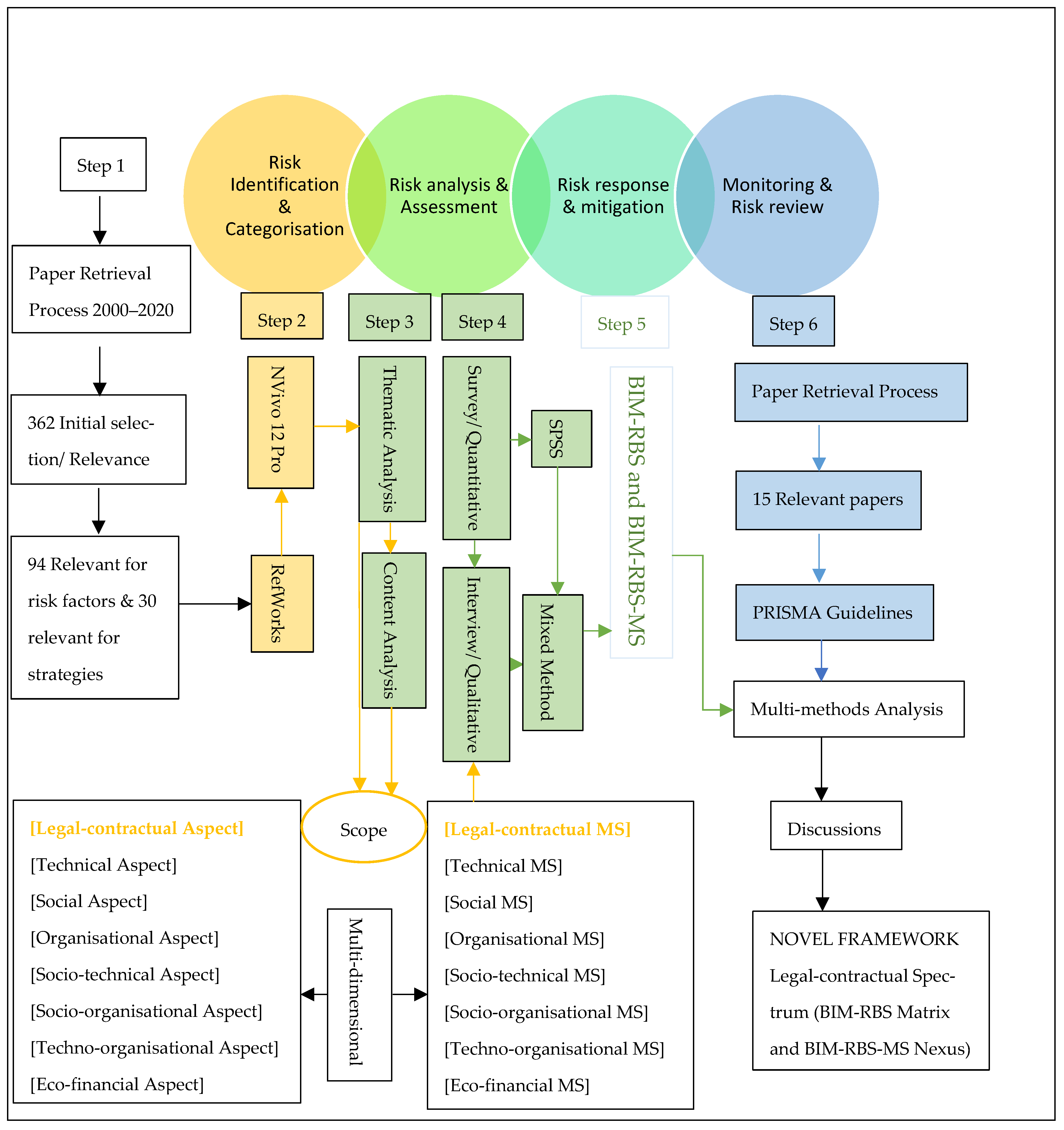
The research design follows a multi-stage process (Figure 1), guided by the principles of risk management and the LSTM equilibrium–disequilibrium logic. Figure 1 illustrates the flow of analytical activities, linking the literature review, coding, strategy extraction, survey assessment, and interview triangulation into a coherent methodological trajectory. The initial paper retrieval process involved collecting Journal articles and conference papers retrieved from the Scopus database because it provided extensive coverage of multidisciplinary scientific literature [29,43,44]. Three keyword sets were used for risk identification (“Building information modelling” and “risk” and “management”), and for management strategies, the terms (“Risk management” and “management strategies” and “BIM” or “Building Information Modelling”) were used. Effectively, the initial search covered publications from 2000 to 2020 (Step 1). Publications published in the period between 2000 and 2020 were screened, producing 326 initial records. After removing non-English articles, duplicates, and irrelevant items, 94 papers were retained for risk identification and 30 papers for management strategies, resulting in 124 relevant papers. These were imported into RefWorks for organisation and then into NVivo 12 Pro for coding. Open thematic coding was applied to classify risk factors, enabling the identification of recurring legal–contractual issues, such as intellectual property, liability, authorship, data governance, and contract misalignment [45,46]. Coding outputs directly informed the construction of the BIM-RBS.
Figure 1. Flowchart diagram of the research design aligned with risk management process (Author’s own).
Thematic analysis enabled the extraction of risk factors from these relevant papers by recognising that different fields describe risks using various terms such as “barriers,” “threat,” “hazard,” and “challenges,” etc. [47] (Step 3). These identified risks were classified and modified using the risk breakdown structure (RBS) technique based on the LSTM theoretical perspective as presented in Section 1.2.
Management strategies were extracted using content analysis, based on established principles such as knowledge reuse, learning from previous projects, and documented mitigation approaches [48,49,50]. This enabled the development of BIM-RBS (risk factors) and BIM-RBS-MS (management strategies), delineating variables utilised for the quantitative approach (online survey) and subsequently the qualitative approach (online interviews). However, the exposed gap in management strategies within the legal–contract spectrum of BIM-RBS-MS was the criterion for developing the survey and interview questionnaires for the next step.
A second retrieval process (2021–2025) was later conducted to update findings, adding an additional 15 articles and ensuring the framework reflects current industry developments.

2.2. Survey and Interviews

The survey was designed to quantitatively assess the magnitude of legal–contractual risk factors and evaluate the relevance of management strategies developed during the integrative review. A 5-point Likert scale measured respondents’ perceptions of risk severity in alignment with LSTM principles (equilibrium ↔ disequilibrium).
Sampling and Respondent Selection
A purposive sampling strategy was used because the research required participants with demonstrable BIM experience and knowledge of legal–contractual issues. Recruitment occurred primarily through professional BIM groups on LinkedIn, where practitioners such as BIM managers, project managers, architects, designers, and contract administrators were invited to participate.
A total of 60 survey responses were collected (2024–2025). Although the sample size is modest, the population targeted represents a highly specialised professional cohort, and similar sample sizes are frequently used in BIM-related risk studies where expert knowledge is required.
To enhance generalisability, participant diversity was maintained across:
  • Sector (consultants, contractors, clients)
  • Geographic region
  • Years of BIM experience
  • Professional role
A Respondent Composition Table is presented in (Appendix C).
Data Collection Tools
Surveys were administered via Microsoft Forms, with results exported into SPSS for statistical analysis. The analysis utilised:
  • Cronbach’s Alpha to test internal reliability of BIM-RBS items
  • Simple Linear Regression (SLR) to explore relationships between BIM experience and perceived risk magnitude.
Interview Sampling and Data Collection
To complement the survey, eight semi-structured interviews were conducted with BIM professionals via Microsoft Teams. The interviews were selected through purposive and snowball sampling, ensuring participation from individuals with substantial BIM and contractual experience. Interview protocols followed an interpretivist epistemology [30], allowing for nuanced exploration of legal–contractual challenges.
Interviews were recorded, transcribed, coded in NVivo, and analysed thematically. Themes were triangulated with findings from the literature review and survey to strengthen internal validity.
Validity and Reliability Measures
  • Reliability: Cronbach’s Alpha = 0.947 (Very High Reliability) confirms strong internal consistency.
  • Construct validity: Achieved through alignment of survey items with the BIM-RBS derived from the literature.
  • Triangulation: Combining secondary data, survey data, and interview data ensures methodological robustness.
  • Data saturation: Achieved after the eighth interview, with no new themes emerging.

2.3. Mixed Methods

Implementing the mixed-methods approach integrates quantitative and qualitative insights to refine different perspectives and paradigms in framing BIM-RBS and BIM-RBS-MS. It comprises analysing both the qualitative (i.e., interview) and quantitative (i.e., online survey) data based on LSTM principles (Step 5). This method assisted in acquiring a holistic understanding of risk factors and management strategies, implementing BIM from a legal–contractual perspective.
This integration was essential because legal–contractual risks manifest differently across perspectives—contract managers emphasise liability allocation, BIM managers highlight model governance, and project managers focus on workflow clarity.
The triangulation process included:
  • Cross-checking risk factors across the literature, survey, and interviews
  • Comparing perceived risk magnitude with LSTM-equilibrium interpretations
  • Aligning management strategies (MS) with specific risk categories
  • Constructing the BIM-RBS–MS Nexus, linking each risk to a validated mitigation strategy
This multi-method analytical approach ensures that both the BIM-RBS Matrix (risk severity model) and the BIM-RBS-MS Nexus (strategy model) are empirically grounded and reflect real-world practice.

3. Results and Analysis

The results of this study integrate evidence from the literature review, expert interviews, and survey analysis, providing a comprehensive multi-layered understanding of the legal–contractual risks associated with BIM-enabled project delivery. By combining secondary and primary data sources, the findings illuminate the systemic nature of these risks and demonstrate how they contribute to organisational disequilibrium within BIM-based socio-technical systems, as conceptualised in the Leavitt Socio-Technical Model (LSTM). The integrated approach enables the classification of risks through the BIM-RBS Matrix and the identification of relevant mitigation actions via the BIM-RBS–MS Nexus, which collectively form the study’s core contribution.
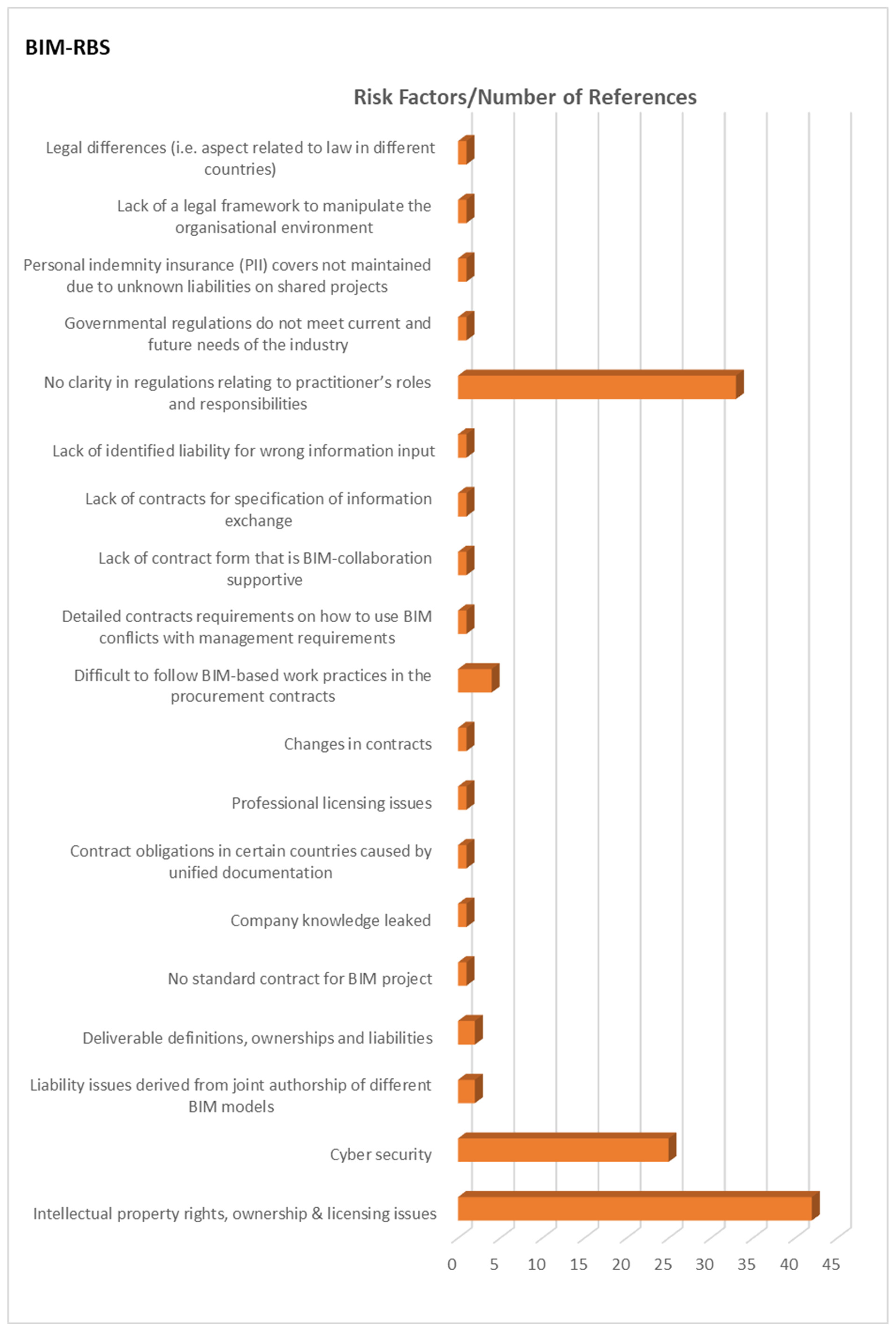
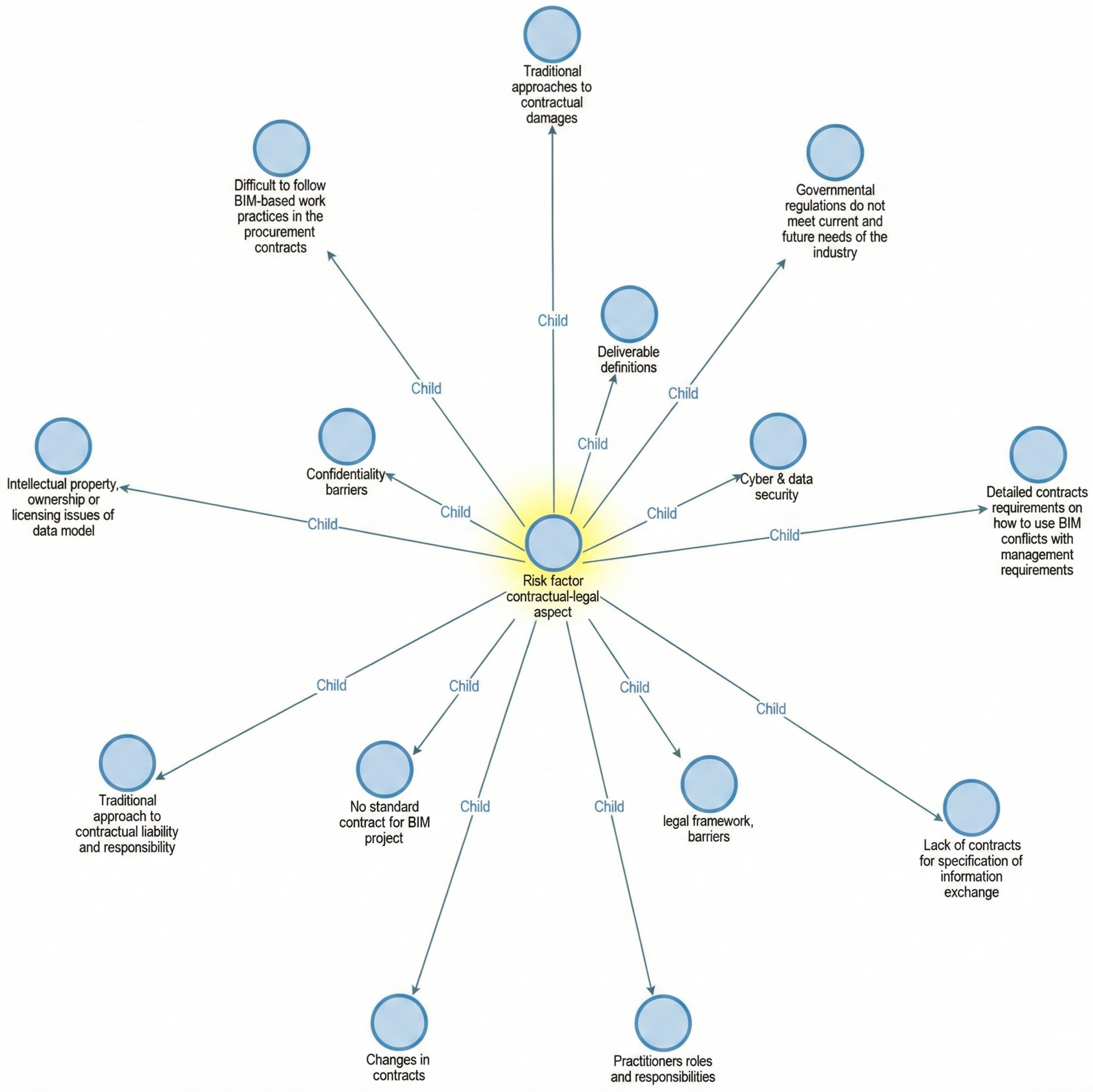
Figure 2 presents the Legal–Contractual Risk Breakdown Structure (BIM-RBS) derived from the integrative review (2000–2020). This figure provides the empirical foundation for the subsequent analysis by illustrating how legal–contractual risks cluster across thematic domains, such as liability, authorship, procurement misalignment, data governance, and regulatory inconsistency. These clusters serve as the analytical scaffolding for triangulating interview and survey findings and for constructing the BIM-RBS-MS knowledge system.
Figure 2. Legal–contract Aspect BIM-RBS 2000–2020 (Author’s own).

3.1. Secondary Data Analysis (Literature Review)

The secondary data analysis synthesised insights from four decades of BIM-related research, offering a consolidated understanding of the legal and contractual challenges that continue to undermine BIM-enabled collaboration. While BIM has been widely promoted for enhancing coordination and information management, the literature consistently reveals persistent risk categories that remain insufficiently addressed in practice, particularly in relation to contractual responsibility, liability, intellectual property, and interoperability.
These risk categories were systematically coded into the BIM-RBS Matrix (Figure 2), forming a structured taxonomy of legal–contractual risk domains.
Several studies have emphasised that BIM’s collaborative workflows intensify legal uncertainties, particularly surrounding:
  • unclear ownership and authorship of federated models;
  • undefined roles and responsibilities across project actors;
  • inconsistent or outdated government regulations;
  • misalignment between BIM-enabled collaboration and traditional procurement systems; and
  • cybersecurity vulnerabilities associated with shared digital platforms [4,11,16,17].
Earlier work by [51] highlighted the legal implications of increased reliance on digital models, yet this review confirms an escalating complexity, as BIM is now embedded in multi-organisational networks and cloud-based ecosystems. These persistent challenges underscore a fundamental misalignment between BIM’s socio-technical nature and the legal–contractual instruments intended to govern it [52]. In LSTM terms, the legal risks observed in the literature often reflect disruptions to the structure and task dimensions—such as inadequate workflows, poor information governance, and contract ambiguity—which subsequently destabilise the actor and technology components.
Scientific Insights Derived from the Literature
The review also uncovered several recurring strategic themes that informed the design of the BIM-RBS-MS framework. Numerous scholars propose strategies aimed at mitigating legal risks, including:
  • Clear articulation of model authorship, ownership, and liability at the outset of BIM adoption [4,16,17];
  • Enhancing cybersecurity protocols through secure servers, encryption, QR coding, and blockchain technologies [6,19,38,53];
  • Developing BIM-specific contract addenda and protocol forms (e.g., CIC BIM Protocol, PAS/ISO 19650 [54]) to clarify responsibilities and processes [14,15,16,17,18,19,55,56];
  • Implementing version control and approval workflows to ensure traceability and minimise legal disputes over model revisions [21].
These strategic recommendations informed the conceptual development of the BIM-RBS–MS Nexus, providing a coherent link between risk identification and mitigation strategy design. However, the literature also reveals fragmentation—while individual risks and solutions are well-documented, few studies offer an integrated, empirically validated framework for understanding how these risks interact or how strategies should be prioritised. This underscores the novelty and scientific value of the BIM-RBS and BIM-RBS–MS models developed in this study.
Advancing the Literature Through Structured Risk Classification
The integrative review, therefore, not only synthesised existing scholarship but also progressed it by transforming a scattered body of knowledge into a structured, multi-level hierarchy of risks. The BIM-RBS Matrix enables researchers and practitioners to visualise relationships among contractual risks, trace their origins, and understand how they propagate across a BIM-enabled socio-technical system. This systematic organisation represents a significant contribution to the field, addressing a gap repeatedly identified in scholarly critiques: the lack of a unified legal–contractual risk breakdown structure for BIM.

3.2. Primary Data Analysis (Interviews)

The interview findings provide critical empirical insight into how legal–contractual risks manifest within real, BIM-enabled project environments. The qualitative evidence collected from eight BIM professionals enables a deeper understanding of how theoretical risk categories identified in the literature (Section 3.1) operationalise in practice, particularly across procurement, regulatory compliance, liability allocation, and organisational coordination. The interviews not only validated the BIM-RBS risk classifications but also revealed additional nuances related to insurance, contractual interoperability, and digital information management that are less emphasised in prior studies.
Procurement Misalignment and Structural Disequilibrium
A dominant theme across interviews was the persistent misalignment between BIM workflows and traditional procurement frameworks. Participants repeatedly highlighted that existing procurement pathways, especially design–bid–build, lack the structural flexibility required to support integrated digital collaboration, thereby increasing contractual ambiguity and risk exposure.
For example:
  • Participant A noted that “traditional procurement methods cannot handle BIM,” emphasising that collaborative procurement systems remain underutilised despite being more suitable for BIM-enabled projects.
  • Participant G described the “garbage in, garbage out” dynamic, illustrating how errors in early model inputs propagate contractual risks downstream.
These insights reflect structural disequilibrium within the LSTM, where misaligned procurement systems (structure) distort task execution (information exchange, design coordination), directly impacting actor responsibilities and technological workflows. The result is a cascade of contractual vulnerabilities and increased dispute potential.
Regulatory Fragmentation and Cross-Jurisdictional Legal Conflicts
Participants also highlighted inconsistencies in governmental regulations as a major source of legal uncertainty. Outdated frameworks, limited BIM mandates, and inconsistent requirements across jurisdictions were cited frequently:
  • Participant E stressed that existing regulations “do not move with the pace of technology.”
  • Participant G highlighted the challenge of working across regions with differing BIM regulations (e.g., Canadian provinces), describing it as a significant legal and operational barrier.
These findings reinforce the literature, noting that fragmented regulatory environments increase contractual ambiguity and hinder BIM adoption [11]. From a socio-technical perspective, such inconsistencies disrupt the “structure” component of LSTM by imposing incompatible obligations on multi-organisational project teams, leading to systemic disequilibrium.
Absence of a Unified Legal Framework Across Organisations
Another key theme was the lack of a unified legal–contractual framework to guide BIM-enabled collaboration across firms and sectors. Participants B, D, E, F, G, and H expressed concerns regarding differing interpretations of BIM responsibilities, incompatible contract clauses, and inconsistent risk-sharing practices:
  • Participant A emphasised the absence of “intermediaries who understand both BIM and the contract,” highlighting a gap in BIM-legal expertise.
  • Participant G noted that organisations are increasingly looking for “technologies downstream to mitigate risks before they escalate,” indicating a growing recognition that the legal landscape is not keeping pace with technological advancement.
This reinforces the literature’s call for BIM-specific legal instruments and for clearer contractual alignment between stakeholders operating within diverse legal ecosystems [15,18,19,55].
Liability and Professional Indemnity Insurance (PII) Uncertainty
Insurance emerged as one of the most contentious and practically significant issues. Interviews revealed that insurance frameworks frequently fail to account for BIM-enabled co-authorship and shared responsibility:
  • Participant D emphasised that “liability should not be shared” unless responsibilities are contractually defined with clarity.
  • Participant E highlighted significant variability in insurance coverage between firms.
  • Participants F and G recommended proactive approaches such as subtrade bonding, early clarification of coverage, and alignment of contractual definitions with insurer requirements.
While the literature discusses liability in general terms, the interviews provide richer detail on the operational and financial consequences of PII ambiguity—a dimension underrepresented in existing research.
Validation and Refinement of Management Strategies
Interview findings strongly corroborated the strategies identified during the literature review, including:
  • the adoption of BIM protocols (e.g., CIC BIM Protocol, ISO 19650 suite);
  • rigorous definition of roles, workflows, and model responsibilities;
  • enhanced cybersecurity and access control procedures;
  • version control mechanisms and model approval workflows;
  • clear legal definitions of BIM processes and data-sharing rules.
Participants stressed that applying such strategies is not only beneficial but essential for mitigating legal risk. This confirms the practical relevance of the BIM-RBS–MS Nexus, which systematically links risk categories to targeted strategies.
Scientific Contribution of the Interview Analysis
The interview data contribute significantly to the scientific originality of this research by:
  • Offering empirical evidence explaining how and why legal risks emerge during BIM-enabled collaboration;
  • Validating and enriching the risk categories identified through the literature review;
  • Demonstrating the real-world interplay between contractual frameworks, human actors, digital technologies, and organisational structures;
  • Providing practitioner-informed insight into the socio-technical pathways through which risks propagate, thereby strengthening the theoretical integration of LSTM within BIM legal studies.
Collectively, the interviews reveal that legal–contractual risks are not isolated technical or legal issues but systemic socio-technical phenomena—highlighting the necessity of integrated risk governance frameworks such as the BIM-RBS Matrix and BIM-RBS–MS Nexus.

3.3. Primary Data Analysis (Survey)

The survey results provide quantitative validation of the legal–contractual risk factors identified in the literature review and interviews. The quantitative analysis strengthens the empirical foundation of the BIM-RBS Matrix by assessing the internal consistency of risk items, examining whether BIM experience influences risk perception, and comparing the relative magnitude of each legal–contractual risk category. In line with the LSTM, the survey results reflect the extent to which these risks contribute to socio-technical disequilibrium within BIM-enabled project environments.

3.3.1. Reliability of Legal–Contractual Risk Constructs

Reliability analysis was conducted using Cronbach’s Alpha to evaluate the internal consistency of the survey instrument. Cronbach’s Alpha yielded a high value. The analysis produced an Alpha coefficient of α = 0.947 (Figure 3), indicating exceptionally high internal reliability of the risk constructs. According to standard thresholds ([57] p. 744), values above 0.9 indicate excellent internal consistency, confirming that the legal–contractual risk items identified in the BIM-RBS Matrix are conceptually coherent and measure the same underlying construct.
Figure 3. The Cronbach’s Alpha test results (SPSS).
This reliability evidence is crucial, as it validates the structural integrity of the BIM-RBS risk categories and supports their use in further quantitative and qualitative analysis.

3.3.2. Regression Analysis: The Influence of BIM Experience on Risk Perception

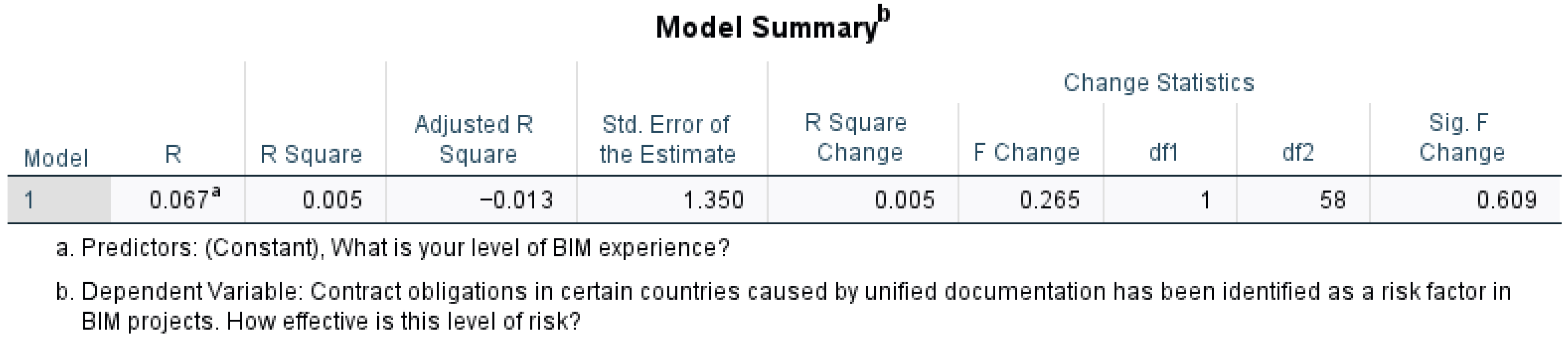
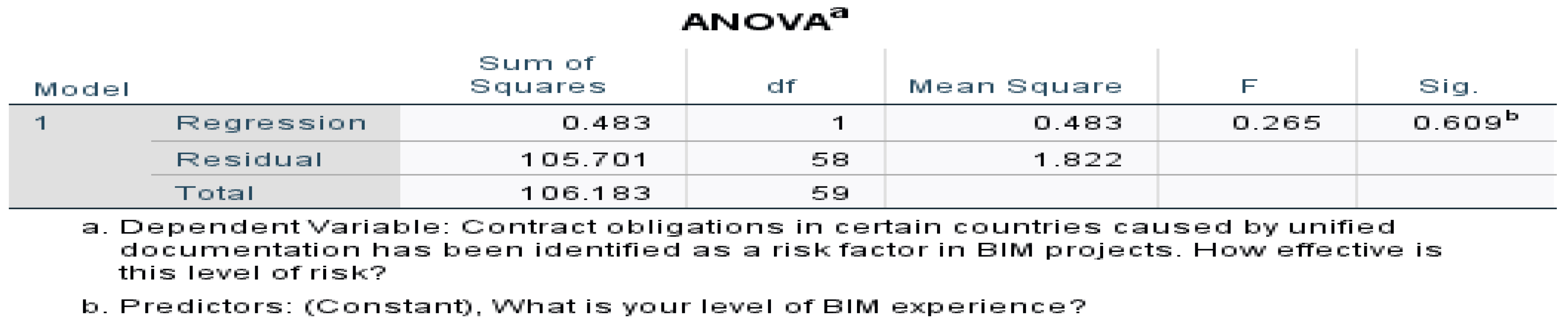
To determine whether years of BIM experience influence practitioners’ perception of legal–contractual risk severity, a Simple Linear Regression (SLR) was conducted. Figure 4, Figure 5 and Figure 6 collectively present the SPSS outputs—Model Summary, ANOVA, and Coefficients, forming the statistical basis for interpreting the regression relationship.
Figure 4. Model summary (SLR) (SPSS).
Figure 5. ANOVA (SLR) (SPSS).
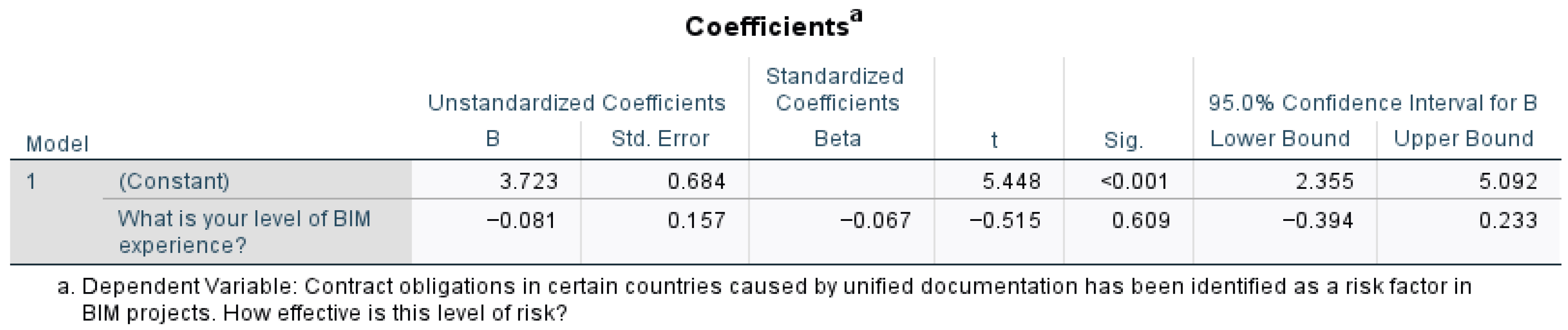
Figure 6. Coefficients (SLR) (SPSS).
The results indicate that while the regression model is statistically significant (p < 0.001), the explanatory power is negligible:
  • R2 = 0.005 (Model Summary, Figure 4)
  • F = 0.265, p < 0.001 (ANOVA, Figure 5)
  • B = −0.081, 95% CI [–0.394, 0.233] (Coefficients, Figure 6)
These results confirm that:
  • legal–contractual risks are perceived consistently across experience levels;
  • BIM experience alone does not meaningfully alter risk perception;
  • The risks identified in the BIM-RBS are systemic, not dependent on individual expertise.
This finding aligns with LSTM-derived expectations that legal risks originate from structural and procedural misalignments, not from individual competence.
The simple linear regression results are:
Model Summary: Figure 4 displays the descriptive statistics regarding the model/regression overall: the R-value (R), the R-Squared Statistic (R Square), the F statistic measuring change (F Change), and the p-value linked to the F stat change (Sig. F Change)
ANOVA: Figure 5 further illustrates the descriptive statistics with regard to the model/regression overall: two different Degrees of Freedom (df), the F statistic measuring change (F Change), and the p-value related to the F stat change (Sig. F Change).
Coefficients: Figure 6 indicates the exact values of the constant and of the predictors, it also expresses if the variables are significant (Sig.) and the 95% Confidence intervals (95.0% Confidence Interval for B).
To predict the magnitude of the BIM-RBS legal–contract aspect (LCA) based on the level of BIM experience, a simple linear regression was implemented. The results indicate that experience had a momentous impact on the LCA, though it only accounted for less than 1% of the variance seen in the LCA (F = 0.265, p = <0.001, R square = 0.005, R square adjusted = −0.013). The regression coefficient (B = −0.081, 95% CI [−0.394, 0.233]) showed that a rise in score of one point level of BIM experience would correspond averagely to a reduction in BIM-RBS (LCA) score by −0.081 points.
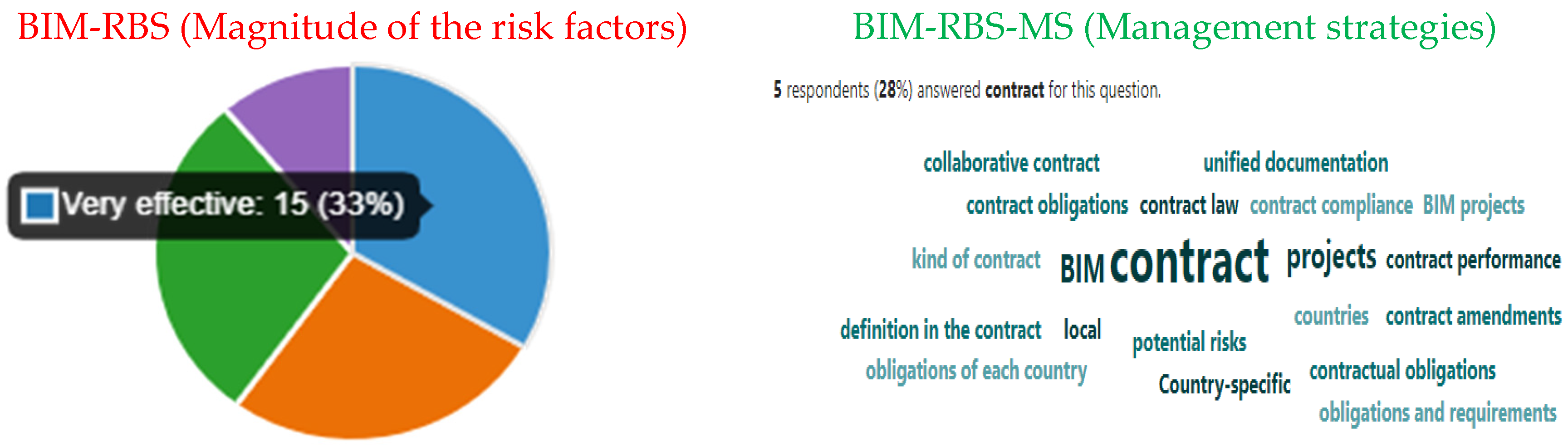
Further research was vital to establish equilibrium-seeking strategies based on the online survey. Analysing the magnitude of the risk factor regarding contract obligations in certain countries caused by unified documentation in BIM projects is associated with misaligned definitions in the contract between different parties. In total, 33% of participants selected very effective, 27% somewhat effective, 29% neither effective nor ineffective, 0% somewhat ineffective, and 11% very ineffective, indicating a stable system based on the results.

3.3.3. Magnitude of Legal–Contractual Risks

Survey respondents evaluated the severity of each legal–contractual risk identified in the BIM-RBS Matrix. Across the instrument, 63% of the responses indicated a shift toward socio-technical disequilibrium, reinforcing the multi-domain disruption highlighted throughout this study.
Contract Obligations Misalignment
Figure 7 presents the risk magnitude relating to contract obligations caused by unified documentation. Respondents demonstrated moderate-to-high concern, indicating that unified documentation, without BIM-specific contractual adjustments, creates misalignment between digital workflows and legal responsibilities.
Figure 7. Risk magnitude regarding contract obligations caused by unified documentation (MF).
This confirms interview evidence and supports claims in the literature that traditional contract forms do not adequately reflect BIM-enabled processes [15,16,19].
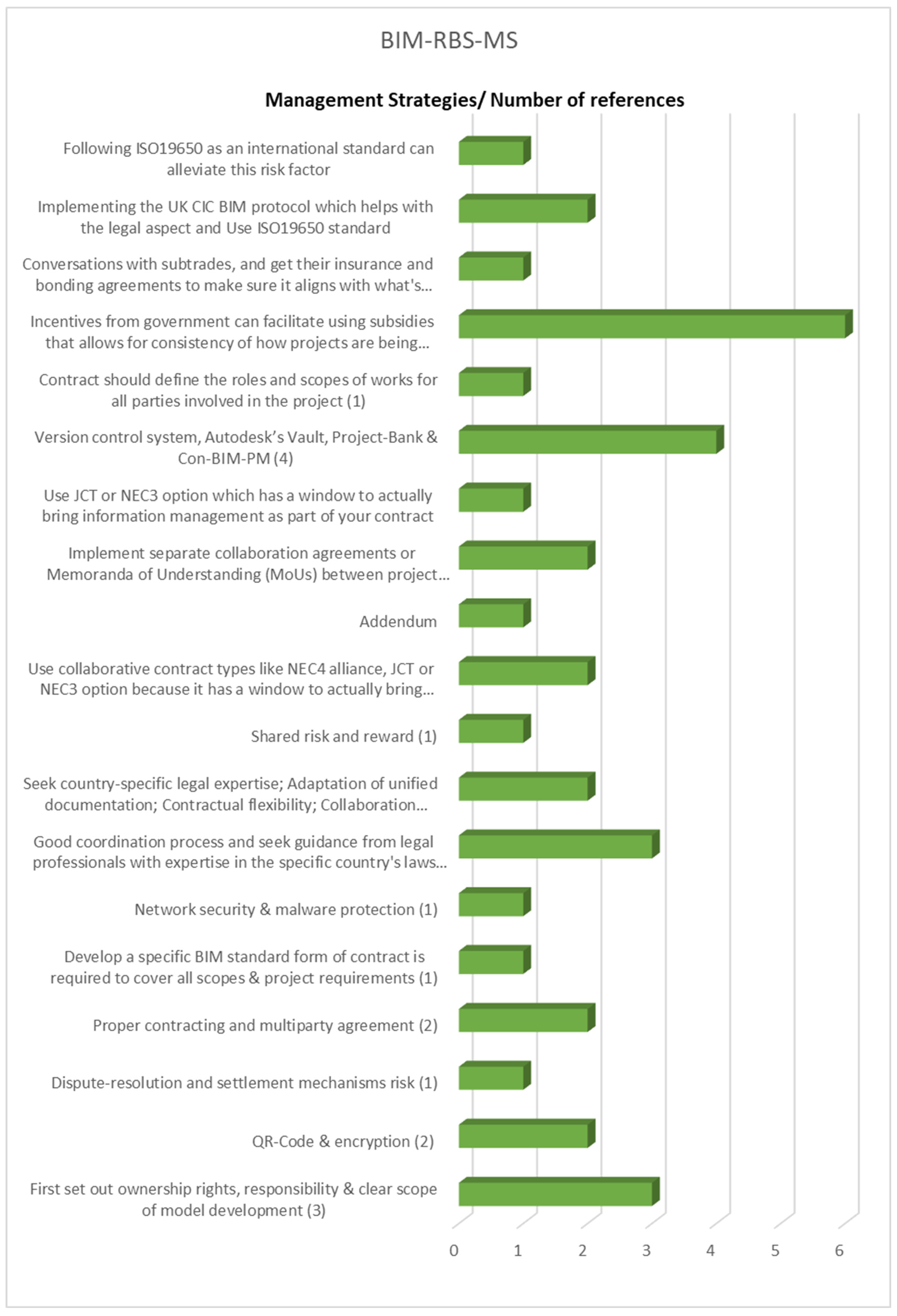
Strategies to keep a balanced system involve country-specific legal expertise, by seeking guidance from legal professionals with expertise in the specific country’s laws and regulations. They can help identify and understand the contractual obligations and requirements relevant to BIM projects in that jurisdiction. Reviewing and adapting a unified documentation, such as contracts, agreements, and terms and conditions, to ensure compliance with the specific contractual obligations of each country involved in the project. This may involve incorporating country-specific clauses or provisions into the unified documentation. Contractual flexibility, by considering managing and building flexibility into the contractual framework to accommodate variations in contract obligations across different countries, ensuring they are cognisant of the changes required. This can include mechanisms for contract amendments or addenda to address specific requirements or obligations unique to each jurisdiction. Collaboration with local partners, by engaging with them or consultants who have knowledge of the local legal and contractual landscape. Effective communication with local experts can help ensure that the unified documentation aligns with local requirements and that the project adheres to all necessary contractual obligations. Conducting a regular contract compliance review throughout the project lifecycle to ensure ongoing adherence to contractual obligations in each country involved. This can involve monitoring changes in local regulations, evaluating contract performance, and addressing any deviations or potential risks proactively.
Professional Licensing Issues
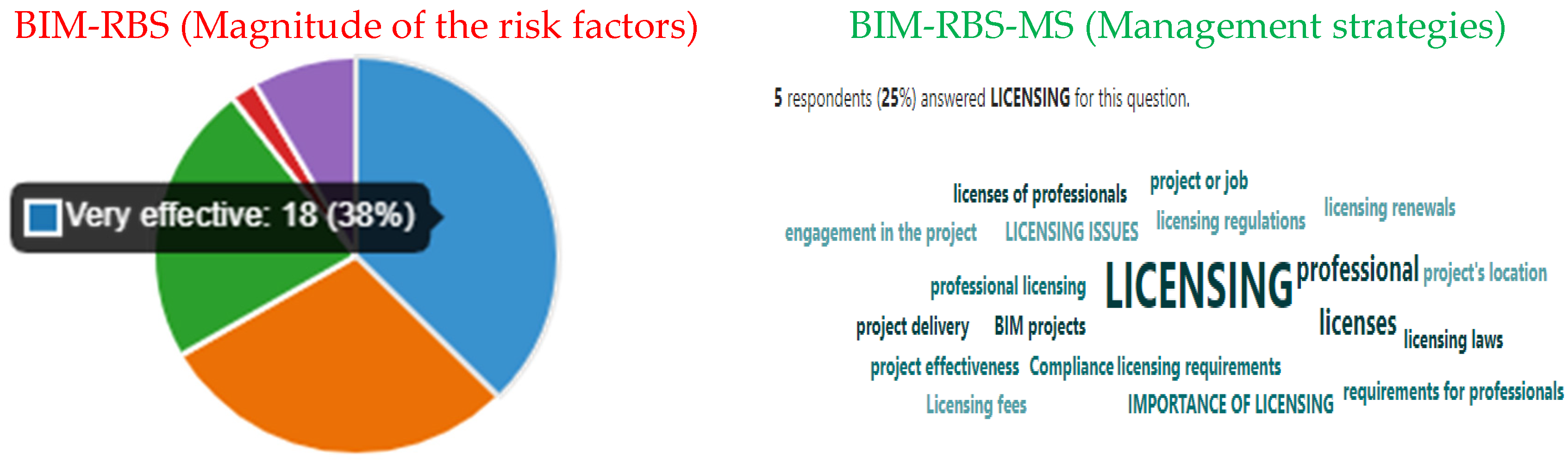
The risk of professional licensing issues in BIM projects can significantly impact project effectiveness and success, particularly when there are regulatory requirements related to professional licensing that must be met. These requirements vary across countries and regions, and failure to comply with these requirements can lead to legal consequences, delays in project delivery, and compromised quality of work. Additionally, licensing fees are expensive for software, such as Revit (Version 2023) and CDEs. This can elevate the cost for BIM and, as a result, be a barrier to adoption. Analysing the magnitude of the risk, 38% of participants indicated very effective, 29% somewhat effective, 23% neither effective nor ineffective, 2% somewhat ineffective, and 8% very ineffective, indicating a shift to a disequilibrium state by 67%. However, it is important to note that the level of risk can vary depending on the specific regulatory environment and the complexity of licensing requirements in different jurisdictions.
Figure 8 illustrates respondents’ perceptions of risks associated with professional licensing within BIM projects. Elevated risk levels suggest concerns regarding:
Figure 8. Risk magnitude of professional licensing issues in BIM projects (MF).
  • unclear definitions of professional responsibility in federated models;
  • cross-disciplinary overlaps in design authorship;
  • liability attribution across multi-author workflows.
This aligns with interview findings on liability ambiguities and PII challenges.
The effectiveness of managing this level of risk to equilibrium status involves taking several steps by ensuring a thorough understanding and familiarity with professional licensing regulations applicable to the project’s location: (1) identify the specific licensing requirements for professionals involved in the project, such as architects, engineers, or other specialised roles; (2) require certifications to verify the qualifications, and licenses of professionals before their engagement in the project by adhering to licensing regulations, and maintaining compliance throughout the project duration; (3) establish effective collaboration and communication channels with professionals overseeing compliance planning that include maintaining a register of licensed professionals, monitoring licensing renewals, and keeping up-to-date records of compliance; (4) stay informed about any changes or additional requirements that may affect the project, thereby adjusting plans and practices accordingly to mitigate potential risks.
Lack of Supportive BIM-Collaboration Contract Forms
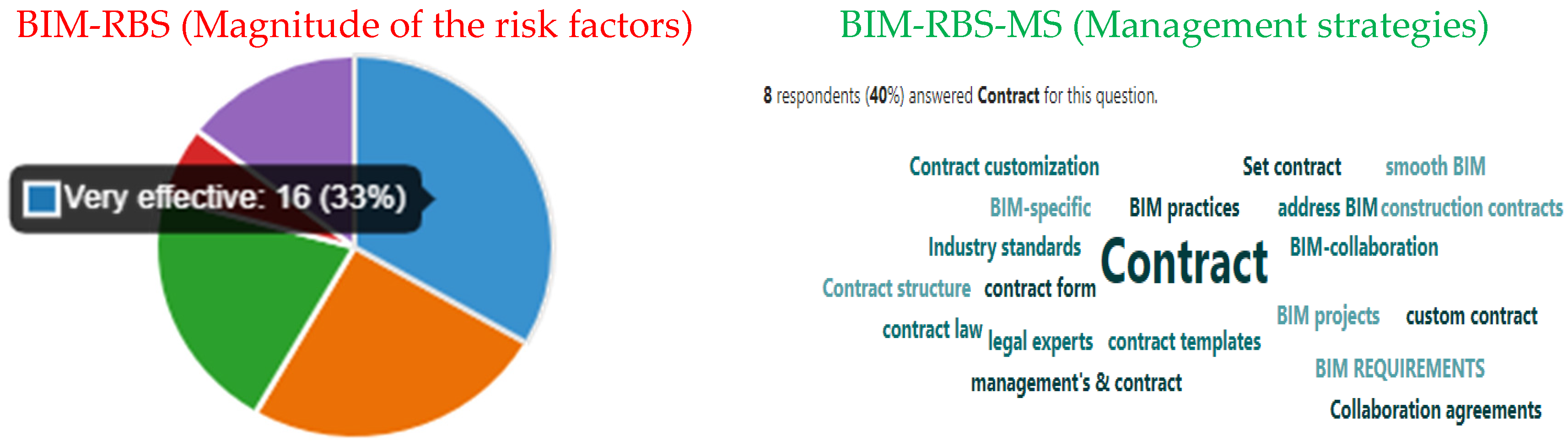
Figure 9 shows that respondents perceive a high level of risk stemming from the absence of supportive BIM-collaboration contract forms. Traditional forms (e.g., JCT, NEC without BIM addenda) fail to address:
Figure 9. Risk magnitude due to lack of supportive BIM-collaboration contract form (MF).
  • shared digital authorship;
  • model management responsibilities;
  • multi-disciplinary collaboration obligations.
This reinforces the need for updated protocols (e.g., CIC BIM Protocol, ISO 19650).
The risk associated with the lack of a supportive BIM-collaboration contract form due to contract structure misalignment also stems from a real estate dynamic. Analysing for the magnitude of risk factor, 33% of participants responded as very effective, 25% somewhat effective, 21% neither effective nor ineffective, 6% somewhat ineffective, and 15% very ineffective, indicating a slight shift to a disequilibrium state by 58%.
To effectively manage this risk for equilibrium status, the following steps can be beneficial: (1) Organisations should consider customising existing contracts or contract templates to incorporate BIM-specific provisions. This may involve adding clauses related to information exchange protocols, data ownership, liability allocation, intellectual property rights, and collaborative processes. (2) Seek legal expertise from professionals experienced in BIM projects and contract law. They can provide guidance on adapting contracts to address BIM collaboration requirements and help identify potential risks and liabilities associated with the absence of a dedicated contract form. (3) Refer to industry standards and guidelines that address BIM collaboration and contractual arrangements, such as those provided by professional organisations or industry consortia. These resources can offer insights into best practices and contractual considerations specific to BIM projects. (4) Consider implementing separate collaboration agreements or Memoranda of Understanding (MoUs) between project participants to address specific aspects of BIM collaboration. These agreements can outline the roles and responsibilities of each party, data sharing protocols, and the overall framework for collaboration. (5) Continuous review and improvement by regularly updating the contract form and associated agreements as BIM practices evolve and project requirements change. This ensures that contractual arrangements align with the evolving needs of BIM collaboration and mitigate potential risks associated with outdated contract forms. However, it is important to note that the effectiveness of these risk management efforts can vary based on the specific contractual provisions and the legal frameworks of different jurisdictions.
Cross-Jurisdictional Legal Differences
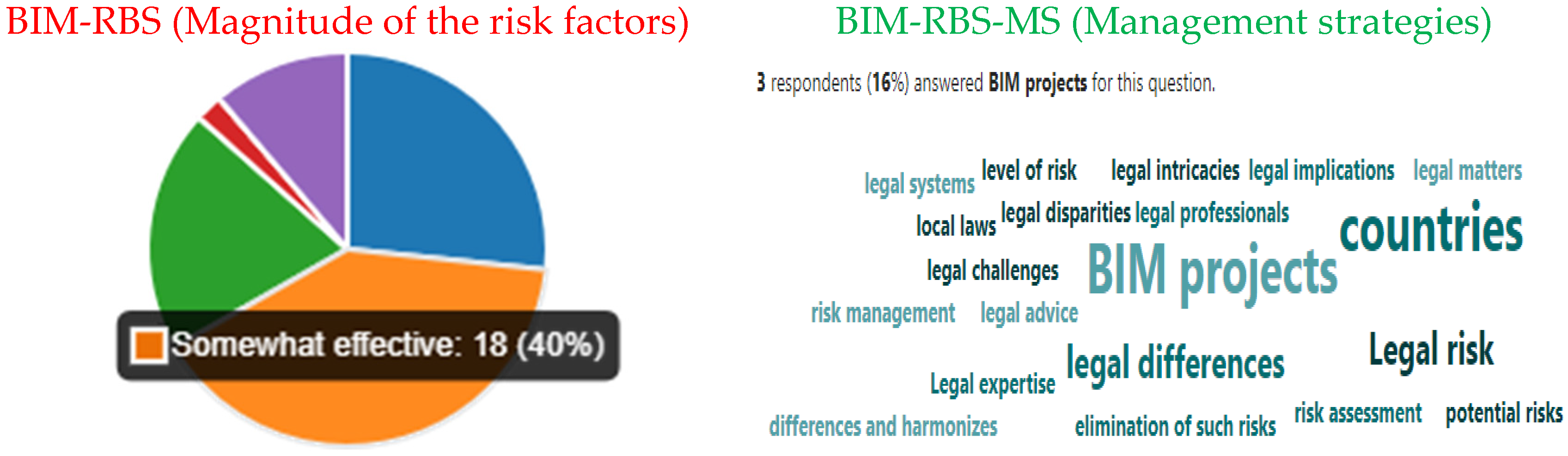
Figure 10 captures the highest magnitude of risk in the survey: legal differences across national and regional jurisdictions. Respondents noted that inconsistent BIM regulations, contract standards, and liability frameworks significantly increase the likelihood of disputes, especially on international projects.
Figure 10. Risk magnitude relating to issues with legal differences in various countries’ laws (MF).
This risk aligns strongly with LSTM’s structural disruptions, where incompatible external regulations destabilise internal project processes.
Analysing the magnitude of the risk factor, as it relates to the issue of legal differences (i.e., the aspect related to law in different countries) when different organisations are engaged in the BIM project, 27% of participants respond very effective, 40% somewhat effective, 20% neither effective nor ineffective, 2% somewhat ineffective, and 11% very ineffective, indicating a shift to a disequilibrium state by 67%.

3.3.4. Interpretation and Scientific Significance

To effectively manage the risk for equilibrium status, the following steps can be crucial: (1) Engage legal professionals with expertise in international law or the legal systems of the countries involved in the project. They can provide guidance on legal disparities, assist in contract drafting and negotiation, and help ensure compliance with relevant laws and regulations. (2) Develop a contract that addresses legal differences and harmonises contractual provisions to the extent possible. Consider using dispute resolution mechanisms that are internationally recognised, such as arbitration, to provide a neutral and enforceable means of resolving conflicts. (3) Conduct a thorough legal risk assessment to identify potential legal disparities and their impact on the project, which can help anticipate challenges and develop strategies to mitigate or manage legal risks effectively. (4) Establish protocols and discuss legal matters to ensure that all parties are aware of their rights, obligations, and any legal implications by fostering an open, transparent communication and collaboration among project stakeholders to address legal differences proactively. (5) Seek advice from local legal professionals familiar with local laws, regulations, and customs to navigate the legal intricacies of specific jurisdictions, ensuring compliance to mitigate potential risks associated with legal differences. However, it is important to note that complete elimination of such risks may not be possible. As legal systems can be complex and subject to change, unforeseen legal challenges may arise during the project lifecycle. Therefore, following ISO19650 as an international standard can alleviate this risk.
Collectively, the survey results achieve the following:
  • Confirm the internal validity of the BIM-RBS risk categories through high reliability scores.
  • Demonstrate that legal risks are systemic, not user-driven, reinforcing socio-technical interpretations of BIM risk.
  • Identify the most severe risks, including cross-jurisdictional legal differences and contract misalignment.
  • Provide quantitative grounding for the BIM-RBS–MS Nexus, linking risk magnitude to targeted strategic responses.
This empirical evidence solidifies the scientific contribution of the study, establishing a robust bridge between theoretical insights, practitioner experience and quantitative assessments.

3.4. Findings

The findings from the analysis present an up-to-date understanding of the aspects and capabilities of “BIM-RBS Matrix and BIM-RBS-MS Nexus”, providing an innovative knowledge framework of risk magnitude and management strategy in the legal–contractual spectrum.
The findings in Table 1 present the average magnitude of the risk factors assessed in this spectrum as a 63% shift to disequilibrium status. The dominant risk factor in this category is associated with intellectual property rights, ownership, and licensing issues, as shown in Table 2 and Figure 11. To minimise or eradicate this risk, as these requirements vary across countries and regions, would involve an understanding of the professional licensing regulations applicable to the project’s location. Early contractual agreement establishing intellectual property rights, copyright ownership, and licenses for the usage of the model, including verifying the qualifications and licenses of professionals. Issues with contract obligations in certain countries caused by unified documentation in BIM projects had a 60% shift to disequilibrium state and can be mitigated by seeking country-specific legal expertise, the adaptation to unified documentation, and contractual flexibility with negotiation points. The lack of a supportive BIM-collaboration contract form had a 58% shift to disequilibrium status. To minimise this risk, it would be necessary to customise existing contracts to incorporate BIM-specific provisions, such as separate collaboration agreements or Memoranda of Understanding between project participants to address specific aspects of BIM collaboration. The issues with legal differences in various countries’ laws had a 67% shift to a disequilibrium state. To mitigate this risk, it would be useful to engage legal professionals with expertise in international law and develop a contract that addresses legal differences and harmonises contractual provisions with dispute resolution mechanisms, such as arbitration. These strategies are innovation in practice, not only from a legal–contractual perspective but also from a technological, organisational, and social aspect. Therefore, the application of BIM-RBS Matrix and BIM-RBS-MS Nexus will improve contractual management and collaboration mechanisms in BIM projects.
Table 1. Risk magnitude summary (BIM-RBS Matrix). (Author’s own).
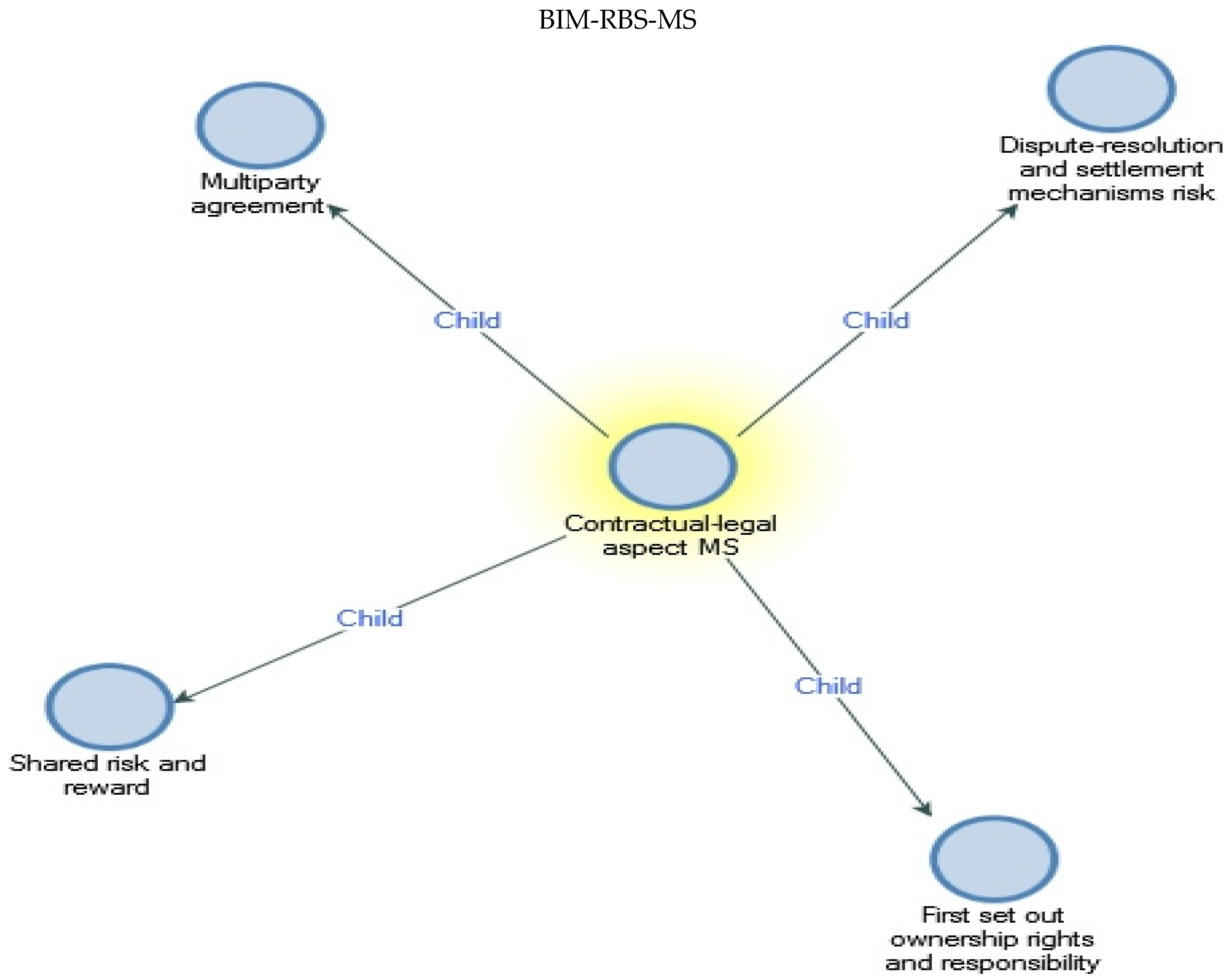
Table 2. Legal–contract Aspect BIM-RBS and BIM-RBS-MS Nexus 2021–2025 (Author’s own).
Figure 11. Legal–contract Aspect BIM-RBS-MS Nexus 2000–2020 (Author’s own).

3.5. Discussion

The body of literature exploring legal and contractual issues, as assessed by various scholars [3,4,5,6,10,11,20,56], has significantly advanced our understanding of BIM issues in these key interrelated domains. BIM is a technological and organisational innovation, and this research demonstrates how the legal–contract framework aligned with risk strategies can enable its adoption. The integrative analysis of these findings highlights key areas within BIM studies, presenting previously unexplored areas and identifying notable research gaps at the intersection of legal and risk-management knowledge domains. The above-mentioned scholars have independently identified singular dimensions of risk factors focused on legal and contractual issues, but these fragmented insights have not yet been organised into a unified, theoretically grounded structure. This study addresses that gap by developing the BIM-RBS Matrix, which consolidates these dispersed risk factors into a coherent, hierarchical classification.
A novel methodological contribution of this research is the design of a risk-management-aligned analytical process, extending from risk identification through to risk response and treatment. This approach enabled the discovery of BIM-RBS-MS, a structured set of management strategies aligned with the BIM-RBS risk categories, offering a multi-dimensional but legally focused mitigation framework.
To achieve this, an integrative approach was employed, allowing systematic analysis of retrieved papers on BIM integrated with risk management. Subsequently, NVivo-based thematic and content analysis enabled the development of the BIM-RBS Matrix and the identification of the BIM-RBS-MS. This approach ensured that risks and strategies were examined from an integrated legal–contractual perspective rather than as isolated variables.
The subsequent statistical analysis using SPSS (Cronbach’s Alpha and regression) validated the internal consistency of legal–contractual risks and assessed the extent to which BIM experience influenced risk perception, grounded in the socio-technical theoretical framework of [26]. These methods confirmed that the risk constructs are highly reliable and structurally coherent, and that legal–contractual risks are systemic rather than dependent on practitioner experience. This combined methodological approach enabled the clarification of risk constructs and associated strategies, generating new terminology and structured frameworks not previously explored in BIM legal–contractual studies.
Henceforth, this study contributes to a profound understanding of the root cause of risk severity and provides deeper insights into the establishment of efficacious strategies. By situating legal risks within a socio-technical and contractual knowledge intersection, this research addresses root-cause misalignments that traditional contract-only or technology-only approaches overlook. This confirms the theoretical assumption that socio-technical legal issues can be meaningfully mitigated through contractually aligned strategies.
The construction industry is fragmented (and so is BIM); therefore, ref. [24] suggests it is better to understand the processes behind the use of BIM rather than just BIM technology itself, because contracts cannot realistically detail every technological component, even as BIM maturity advances. The rapid evolution of BIM technologies heightens risk factors and makes traditional static legal agreements insufficient, in that technologies evolve too rapidly for conventional contract clauses to capture fully, which reinforces the value of the BIM-RBS and BIM-RBS-MS frameworks in identifying and mitigating risks at their structural origin.
This study not only augments existing knowledge but also prepares AEC professionals with information that surpasses traditional disciplinary boundaries, enabling more integrated and informed approaches to risk mitigation not previously provided in the existing literature or contract documents, such as NEC or CIOB guidelines.
Furthermore, the mixed-method approach—NVivo-based coding, survey analysis, and triangulation—proved highly effective in developing and validating the BIM-RBS Matrix and BIM-RBS-MS Nexus as robust knowledge frameworks for BIM-enabled projects. These frameworks offer comprehensive decision-support and contract-drafting guidance that can inform future updates to protocols such as NEC and the CIC BIM Protocol. Remarkably, a key theoretical breakthrough of this study is the creation of a structured legal–contractual risk and strategy system that methodically categorises risks across project stages and aligns them with targeted mitigation strategies, strengthening both academic understanding and industry practice.
Limitations:
It is essential to acknowledge certain limitations. Although the literature review, survey, and interviews provide rich insights, they may not fully capture the dynamic complexity of real-world construction environments. The absence of direct case-based validation limits the application of some findings. The small sample size of 60 survey responses is another potential limitation that limits generalisation, including a potential response bias due to age or experience differences. Future studies should incorporate larger samples and case-study validation to address these limitations.
Practical Implications:
The practical implications of this study are significant as the “BIM-RBS Matrix and BIM-RBS-MS Nexus” provides a structured methodology to assist industry professionals in identifying, assessing, and mitigating legal–contractual risks effectively. The potential for generalisation and implementation is strong, as the frameworks’ versatility increases their value across stakeholders such as contract managers, risk managers, project managers, and policymakers. This research deepens academic understanding of legal–contractual BIM issues and offers practical tools for improving BIM governance.
With the tendency to sway government regulations and guidelines regarding BIM and risk management, the frameworks have the potential to influence regulatory development and future contract reforms. Although rooted in construction, the frameworks offer transferable legal–contractual innovation that is applicable across jurisdictions and sectors. Thus, the study provides a unique contribution by addressing critical knowledge gaps and offering globally relevant, innovative legal–contractual solutions for BIM.

4. Conclusions and Knowledge Contributions

This research positions BIM not only as a digital construction tool but as a technological and organisational innovation whose diffusion is constrained by unresolved legal and contractual complexities. By examining the intersection of legal governance, contractual design, and socio-technical risk behaviour, the study provides a scientifically grounded explanation of why BIM adoption continues to face systemic barriers and how these barriers can be mitigated through structured knowledge frameworks.
The BIM-RBS Matrix and BIM-RBS–MS Nexus represent original, empirically validated knowledge-based frameworks that transform fragmented and tacit understandings of BIM legal–contractual risks into structured, actionable insights. These frameworks operationalise risk identification and mitigation by linking legal–contractual issues with socio-technical mechanisms of disruption. In doing so, they extend existing BIM literature by offering the first integrated, multi-level risk taxonomy and strategy mapping system specifically aligned with BIM-enabled collaboration.
Practically, the framework provides a foundation for more consistent BIM governance, supporting clearer contract drafting, improved risk allocation, and enhanced dispute avoidance. They enable both industry and policymakers to embed innovation more effectively into project delivery, strengthening collaboration, reducing adversarial practices, and contributing to the sector’s transition toward Construction 5.0.
The global relevance of this work lies in its adaptability. The proposed frameworks can act as knowledge transfer mechanisms across diverse jurisdictions, legal systems, and organisational contexts. They provide practical tools for contract drafting, risk allocation, and dispute resolution, while also advancing theoretical knowledge on the role of legal–contractual arrangements in enabling innovation, extending and refining earlier studies and contractual documents that have treated BIM legal risks in a fragmented manner. Importantly, both frameworks are dynamic and capable of evolving in response to emerging technologies, collaborative models, and regulatory changes, offering longevity and future scalability.
This study makes several key scientific contributions: (1) conceptualising a novel legal–contractual knowledge spectrum for BIM innovation by structuring risk domains into an empirically validated Risk Breakdown Structure; (2) integrating mixed-method approaches to create, validate, and operationalise risk knowledge, providing methodological originality in BIM legal risk studies; (3) developing actionable frameworks (BIM-RBS and BIM-RBS–MS) that bridge theory and practice in supporting knowledge-based innovation adoption in the AEC sector; (4) establishing a socio-technical theoretical grounding for BIM legal risk, extending the Leavitt Socio-Technical Model into the construction legal–contractual domain for the first time; and (5) providing evidence-based insights for policymakers and standard-setting bodies, demonstrating how structured knowledge frameworks can inform future BIM mandates, contractual protocols, and procurement reforms. Together, these contributions advance academic understanding, enrich theoretical foundations, and provide practical pathways for strengthening BIM-enabled collaboration globally.
Future research should refine and test these frameworks across varied jurisdictions and project scales, ensuring their robustness and wider applicability.

Future Research Direction, and Recommendations for Innovation and Knowledge Impact

This study highlights a significant gap in existing research, particularly at the intersection of legal and contractual domains in BIM-enabled projects. By developing and validating the BIM-RBS Matrix and BIM-RBS–MS Nexus, the study proposes both theoretical advances and actionable tools that address persistent socio-technical and legal–contractual tensions in BIM adoption. Building on these contributions, the study offers the following recommendations to support knowledge-driven innovation adoption in the AEC sector and beyond (Table 3).
Table 3. Recommendations for BIM-RBS adoption and knowledge impact. (Author’s own).
For the Construction Industry:
  • Adopt the BIM-RBS Matrix as a proactive tool during contract preparation and project planning phases to clarify risk allocation, reduce disputes, and improve collaboration.
  • Use the BIM-RBS–MS Nexus to guide the selection of tailored management strategies, ensuring that digital, legal, and organisational risks are jointly addressed rather than managed in isolation.
  • Invest in training and capacity building to equip project managers, legal advisors, and BIM coordinators with the skills required to operationalise these frameworks.
For Policymakers and Standard-Setting Bodies:
  • Integrate the BIM-RBS framework into national and international BIM guidelines (e.g., ISO 19650, NEC, JCT, CIC) to provide standardised guidance on risk allocation and contractual provisions.
  • Encourage the development of dispute resolution protocols specific to BIM by recognising the unique challenges of shared digital environments.
  • Promote incentives for collaborative risk-sharing models, such as shared risk–reward mechanisms, to align stakeholder interests and reduce adversarial practices.
For Research and Academia:
  • Extend investigations into socio-organisational, eco-financial, and techno-organisational perspectives to build a richer understanding of BIM legal–contractual governance.
  • Empirically test the BIM-RBS Matrix across jurisdictions, contract types, and project scales to validate knowledge transferability and ensure global applicability.
  • Advance theoretical development on the legal–contractual dimension within BIM adoption models, strengthening innovation governance theory in construction and allied industries.

Author Contributions

Conceptualisation: I.D. and A.E.; Methodology: I.D. and A.E.; Formal analysis: I.D. and A.E.; Investigation: I.D.; Visualisation: I.D.; Writing—original draft: I.D. and A.E.; Writing—review and editing: I.D. and A.E.; Supervision: A.E. All authors have read and agreed to the published version of the manuscript.

Funding

This research received no external funding.

Institutional Review Board Statement

This study was conducted in accordance with the guidelines of the Declaration of Helsinki and was approved by the University of Lincoln Ethics Committee. The research project titled “A Framework for Identifying the Link between BIM-RBS Management Strategies and BIM-RBS Risk Factors” (Review ref. 2021_7067) received a favourable ethical opinion on 17 September 2021.

Data Availability Statement

The authors confirm that the data supporting the findings of this study are available on demand, within the article.

Acknowledgments

This article and the research behind it were possible due to the exceptional support of my supervisors. Their enthusiasm, knowledge, and exacting attention to detail have been an inspiration, especially in how they looked over my transcripts. I am grateful for the perceptive comments they offered. Their expertise has improved this study in innumerable ways.

Conflicts of Interest

The authors declare no conflicts of interest.

Abbreviations

ACAAssociation of Consultant Architects
AECArchitecture, engineering, construction
AIAAmerican Institute of Architects
BbCNsBIM-based construction networks
BEPBIM execution plan
BIMBuilding Information Modelling
CACronbach’s Alpha (α) test
CDBBCentre for Digital Built Britain
CDECommon data environment
CIOBChartered Institute of Building
CICConstruction Industry Council
DBBDesign-bid-build
FIDICFédération Internationale des Ingénieurs-Conseils (International Federation of Consulting Engineers)
GCGeneral Contractor
IFCIndustry foundation classes
IPDIntegrated project delivery
IPRIntellectual property rights
ISOInternational Organisation for Standardisation
JCTJoint Contracts Tribunal
LCALegal–contract aspect
LODLevel of development
LSTMLeavitt Socio-technical Model
MFMicrosoft Form
MoUMemorandum of Understanding
MSManagement strategies
NBSNational Building Specification
NECNew engineering contracts
PASPublicly available specification
PIIPersonal indemnity insurance
PPCProject partnering contract
PRISMAPreferred Reporting Items for Systematic Reviews and Meta-Analyses
RBSRisk Breakdown Structure
SBCCScottish Building Contracts Committee
SLRSimple linear regression
SPSSStatistical Package for Social Sciences
UKUnited Kingdom
VCVersion control

Appendix A

Figure A1. NVivo 12 Pro Data (Legal–contract Aspect).

Appendix B

Table A1. Survey Questions.
Contract obligations in certain countries caused by unified documentation have been identified as a risk factor in BIM projects. Agree or Disagree
Question 20A: How does it affect the implementation process and what is the level of that risk? Question 20B: What management strategy was used to resolve or navigate through this issue?
Answer:Answer:


Level of riskVery LowLowMediumHighVery High
Professional licensing issues has been identified as a risk factor in BIM projects relating to this category. Agree or Disagree
Question 21A: How does it affect the project? Please indicate the level of risk.Question 21B: What strategy was used to resolve this issue?
Answer:Answer:


Level of riskVery LowLowMediumHighVery High
The lack of contract form that is BIM-collaboration supportive is identified as a risk factor in this category. Agree or Disagree
Question 22A: How does it affect the implementation process and what is the level of that risk? Question 22B: What management strategy was used in support of collaboration without the form of contract?
Answer:Answer:


Level of riskVery LowLowMediumHighVery High
The issue with legal differences (i.e., aspect related to law in different countries) when different organisations come together to work on a BIM project, has been identified as a risk factor in this category. Agree or Disagree
Question 23A: How does it affect the project? Please indicate the level of risk.Question 23B: How did they navigate through these differences?
Answer:Answer:


Level of riskVery LowLowMediumHighVery High
Table A2. Interviews Questions.
Various studies have recognised that it is difficult to follow BIM-based work practices in the procurement contracts. Agree or Disagree
Question 15A: What part of the work practice made it difficult to follow the contract? Indicate the level of risk? Question 15B: What strategy did you follow to minimise the risk of deviating from the procurement contract?
Answer:


Answer:


The lack of contracts for specification of information exchange has been identified as a risk factor in BIM projects. Agree or Disagree
Question 16A: How does it affect the implementation process with regards to information exchange and what are the legal implications? Indicate the level of risk? Question 16B: What management strategy was used without the contract for specification of information exchange?
Answer:


Answer:


Governmental regulations do not meet with current and future needs of the industry relating to BIM implementation and is identified as a risk factor in this category. Agree or Disagree
Question 17A: What are the requirements of the industry that governmental regulations are lacking and what are the legal implications? Please indicate the level of risk. Question 17B: What type of strategy did your organisation adopt to manage these irregularities?
Answer:


Answer:


Issues with Personal Indemnity Insurance (PII) covers not maintained due to unknown liabilities on shared projects like organisations working together on a BIM project, has been identified as a risk factor within the contractual/legal aspect. Agree or Disagree
Question 18A: What liability issue did you encounter during the project that PII doesn’t cover? Indicate the level of risk? Question 18B: What strategy was implemented to guide members working together to avoid legal implications?
Answer:


Answer:


The issue with the lack of a legal framework to manipulate the organisational environment when different organisations are working together on a BIM project, has been identified as a risk factor in this category. Agree or Disagree
Question 19A: What sort of problem evolved relating to this issue? Please indicate the level of risk. Question 19B: How did you manage to control the risk without legal implications?
Answer:


Answer:


Appendix C

Table A3. Interview schedule and classification.
ParticipantsProfessionBIM ExperienceClassificationTime
AProgramme leaderMore than 5 yearsXXX stars15.00
BSenior project managerMore than 5 yearsXXX stars20.57
CBIM EngineerLess than 5 yearsXX stars13.00
DStructural EngineerLess than 5 yearsXX stars12:00
ESite EngineerMore than 5 yearsXXX stars14.30
FSite EngineerMore than 5 yearsXXX stars15.00
GBIM and VDC manager18 yearsXXX stars18.00
HDirector General9 yearsXXX stars13.00
IConstruction managerLess than 1 yearX star13.00
JSite EngineerLess than 1 yearX star14.30
KStructural EngineerLess than 1 yearX star14.00
LManagerLess than 1 yearX star13.00
MMarketing EngineerLess than 1 yearX star15.30
NConstructionLess than 1 yearX star12.00
OSite EngineerLess than 1 yearX star13.30
PSite ArchitectLess than 1 yearX star15.30
QSite EngineerLess than 1 yearX star16.00

References

  1. Ahmadian, E.; Bingham, C.; Elnokaly, A.; Sodagar, B.; Verhaert, I. Impact of Climate Change and Technological Innovation on the Energy Performance and Built form of Future Cities. Energies 2022, 15, 8592. [Google Scholar] [CrossRef]
  2. Alotaibi, B.S.; Waqar, A.; Radu, D.; Khan, A.M.; Dodo, Y.; Althoey, F.; Almujibah, H. Building information modelling (BIM) adoption for enhanced legal and contractual management in construction projects. Ain Shams Eng. J. 2024, 15, 102822. [Google Scholar] [CrossRef]
  3. Dao, T.N.; Chen, P.H.; Nguyen, T.Q. Critical success factors and a contractual framework for construction projects adopting building information modelling in Vietnam. Int. J. Civ. Eng. 2021, 19, 85–102. [Google Scholar]
  4. El Hajj, C.; Montes, G.M.; Sleiman, S. Investigation of BIM Contractual Perspective in the MENA Construction Industry. In Proceedings of the 2023 Fifth International Conference on Advances in Computational Tools for Engineering Applications (ACTEA), Zouk Mosbeh, Lebanon, 5–7 July 2023; IEEE: New York, NY, USA, 2023; pp. 104–108. [Google Scholar]
  5. Mahdian, A.; Jalal, M.P.; Roushan, T.Y. Contractual risks of BIM implementation and the proposed contract form for DBB and DB projects. J. Leg. Aff. Disput. Resolut. Eng. Constr. 2023, 15, 06522003. [Google Scholar] [CrossRef]
  6. Mohammadi, S.; Aibinu, A.A.; Oraee, M. Risk Allocation and Mitigation Practices for Building Information Modeling: Addressing Legal and Contractual Risks Associated with Contract Documentation. J. Leg. Aff. Disput. Resolut. Eng. Constr. 2024, 16, 04524005. [Google Scholar] [CrossRef]
  7. Dogonyaro, I.; Elnokaly, A. Strategies to Mitigate Risks in Building Information Modelling Implementation: A Techno-Organizational Perspective. Intell. Infrastruct. Constr. 2025, 1, 5. [Google Scholar] [CrossRef]
  8. Baharom, M.H.; Habib, S.N.H.A.; Ismail, S. Building information modelling (BIM): Contractual issues of intellectual property rights (IPR) in construction projects. Int. J. Sustain. Constr. Eng. Technol. 2021, 12, 170–178. [Google Scholar] [CrossRef]
  9. Berema, R.K.R.; Ismail, Z.; Brahim, J. Comparative analysis of existing contracts for building information modelling (BIM) projects in Malaysia and selected common law countries. Int. J. Sustain. Constr. Eng. Technol. 2021, 12, 9–18. [Google Scholar] [CrossRef]
  10. Erpay, M.Y.; Sertyesilisik, B. Preliminary checklist proposal for enhancing BIM-based construction project contracts. J. Inf. Technol. Constr. 2021, 26, 341–365. [Google Scholar] [CrossRef]
  11. Muhammad, R.; Nasir, A.R. Integrating BIM in construction dispute resolution: Development of a contractual framework. Buildings 2022, 12, 1828. [Google Scholar] [CrossRef]
  12. Duran, O.; Elnokaly, A. Collaborative approach to design: Case-study of future-proofing a Paragraph 80 house. Build. Simul. 2023 2023, 18, 1491–1498. [Google Scholar]
  13. Nilchian, S.; Sardrood, J.M.; DarabPour, M.; Tafreshi, S.T. The Study of the Contracts of Building Information Model (BIM) and the Approach to its Contractual Framework Codification. Amirkabir J. Civ. Eng. 2021, 53, 3239–3260. [Google Scholar]
  14. Taghizadeh, K.; Roushan, T.Y.; Alizadeh, M. Liability in BIM projects—Preliminary review results. Int. J. Archit. Comput. 2022, 20, 476–490. [Google Scholar] [CrossRef]
  15. Bensalah, M.; Elouadi, A.; Mharzi, H. Overview: The opportunity of BIM in railway. Smart Sustain. Built Environ. 2019, 8, 103–116. [Google Scholar] [CrossRef]
  16. Ganbat, T.; Chong, H.Y.; Liao, P.C.; Lee, C.Y. A cross-systematic review of addressing risks in building information modelling-enabled international construction projects. Arch. Comput. Methods Eng. 2019, 26, 899–931. [Google Scholar] [CrossRef]
  17. Georgiadou, M. An overview of benefits and challenges of building information modelling (BIM) adoption in UK residential projects. Constr. Innov. 2019, 19, 298–320. [Google Scholar] [CrossRef]
  18. Lindblad, H. Black boxing BIM: The public client’s strategy in BIM implementation. Constr. Manag. Econ. 2019, 37, 1–12. [Google Scholar] [CrossRef]
  19. Chong, H.Y.; Fan, S.L.; Sutrisna, M.; Hsieh, S.H.; Tsai, C.M. Preliminary contractual framework for BIM-enabled projects. J. Constr. Eng. Manag. 2017, 143, 04017025. [Google Scholar] [CrossRef]
  20. Weber, B.; Achenbach, M. Legal governance for BIM–Rights management and lawful data Use. In Life-Cycle of Structures and Infrastructure Systems; CRC Press: Boca Raton, FI, USA, 2023; pp. 3292–3299. [Google Scholar]
  21. Feist, S.; Ferreira, B.; Leitão, A. Collaborative algorithmic-based building information modelling. In Protocols, Flows and Glitches: 22nd International Conference of the Association for Computer-Aided Architectural Design Research in Asia (CAADRIA); The Association for Computer-Aided Architectural Design Research in Asia (CAADRIA): Hong Kong, China, 2017; pp. 613–623. [Google Scholar]
  22. Lin, Y.C.; Chen, Y.P.; Huang, W.T.; Hong, C.C. Development of BIM execution plan for BIM model management during the pre-operation phase: A case study. Buildings 2016, 6, 8. [Google Scholar] [CrossRef]
  23. Lu, W.; Peng, Y.; Shen, Q.; Li, H. Generic model for measuring benefits of BIM as a learning tool in construction tasks. J. Constr. Eng. Manag. 2013, 139, 195–203. [Google Scholar] [CrossRef]
  24. Hartmann, T.; Fischer, M. Applications of BIM and Hurdles for Widespread Adoption of BIM 2007 AISC-ACCL e-Construction Roundtable Event Report; Center for Integrated Facility Engineering: Stanford, CA, USA, 2008; pp. 1–18. [Google Scholar]
  25. Schwartz, A.; Scott, R.E. Contract Theory and the Limits of Contract Law. Yale Law J. 2003, 113, 541–619. [Google Scholar] [CrossRef]
  26. Elnokaly, A.; Dogonyaro, I. Framework to assess connection of risk factors and management strategies in Building Information Modelling. Acad. Eng. 2024, 1, 1–20. [Google Scholar] [CrossRef]
  27. Leavitt, H.J. Applied organization change in industry: Structural, technical and human approaches. In New Perspectives in Organizational Research; Cooper, W.W., Leavitt, H.J., Shelly, M.W., Eds.; John Wiley: New York, NY, USA, 1964; pp. 55–71. [Google Scholar]
  28. Merschbrock, C.; Hosseini, M.; Martek, I.; Arashpour, M.; Mignone, G. Collaborative Role of Sociotechnical Components in BIM-Based Construction Networks in Two Hospitals. Am. Soc. Civ. Eng. 2018, 34, 05018006. [Google Scholar] [CrossRef]
  29. Oraee, M.; Hosseini, M.R.; Papadonikolaki, E.; Palliyaguru, R.; Arashpour, M. Collaboration in BIM-based construction networks: A bibliometric-qualitative literature review. Int. J. Proj. Manag. 2017, 35, 1288–1301. [Google Scholar] [CrossRef]
  30. Creswell, J.W.; Creswell, J.D. Research Design: Qualitative, Quantitative, and Mixed Methods Approach, 5th ed.; Sage Publishing: Thousand Oaks, CA, USA, 2020. [Google Scholar]
  31. Górecki, J. Big Data as a Project Risk Management Tool. Risk Manag. Treatise Eng. Pract. 2018, 787, 788. [Google Scholar]
  32. Ya’acob, I.A.M.M.; Rahim, F.A.M.; Zainon, N. Risk in implementing building information modelling (BIM) in Malaysia construction industry: A review. In E3S Web of Conferences; EDP Sciences: Les Ulis, France, 2018; Volume 65, p. 03002. [Google Scholar]
  33. Azhar, S. Building information modelling (BIM): Trends, benefits, risks, and challenges for the AEC industry. Leadersh. Manag. Eng. 2011, 11, 241–252. [Google Scholar] [CrossRef]
  34. Chang, C.Y. Risk-bearing capacity as a new dimension to the analysis of project governance. Int. J. Proj. Manag. 2015, 33, 1195–1205. [Google Scholar] [CrossRef]
  35. Kivits, R.A.; Furneaux, C. BIM: Enabling sustainability and asset management through knowledge management. Sci. World J. 2013, 2013, 983721. [Google Scholar] [CrossRef]
  36. Jamil, A.H.; Fathi, M.S. Contractual challenges for BIM-based construction projects: A systematic review. Built Environ. Proj. Asset Manag. 2018, 8, 372–385. [Google Scholar] [CrossRef]
  37. Beach, T.; Petri, I.; Rezgui, Y.; Rana, O. Management of collaborative BIM data by federating distributed BIM models. J. Comput. Civ. Eng. 2017, 31, 04017009. [Google Scholar] [CrossRef]
  38. Building Information Modelling (BIM) PROTOCOL. In Standard Protocol for Use in Projects Using Building Information Models, 2nd ed.; Construction Industry Council: London, UK, 2018.
  39. Chien, K.F.; Wu, Z.H.; Huang, S.C. Identifying and assessing critical risk factors for BIM projects: Empirical study. Autom. Constr. 2014, 45, 1–15. [Google Scholar] [CrossRef]
  40. Circo, C.J. Contract theory and contract practice: Allocating design responsibility in the construction industry. Fla. Law Rev. 2006, 58, 561–638. [Google Scholar]
  41. Butler, H.N. The contractual theory of the corporation. Geo. Mason UL Rev. 1989, 11, 99–123. [Google Scholar]
  42. Sackey, E.; Tuuli, M.; Dainty, A. Sociotechnical Systems Approach to BIM Implementation in a Multidisciplinary Construction Context. Am. Soc. Civ. Eng. 2014, 31, 1–11. [Google Scholar] [CrossRef]
  43. Akhtar, D.M.I. Research Design. Research in Social Science: Interdisciplinary Perspectives. 2016, pp. 68–84. Available online: https://scholar.google.com/scholar?hl=en&as_sdt=0%2C5&q=Research+Design+Md.+Inaam+Akhtar+Deptt.+of+Political+Science%2C+Faculty+of+Social+Sciences%2C+Jamia+Millia+Islamia%2C+New+Delhi&btnG= (accessed on 28 August 2022).
  44. Zhao, X.; Feng, Y.; Pienaar, J.; O’Brien, D. Modelling paths of risks associated with BIM implementation in architectural, engineering and construction projects. Archit. Sci. Rev. 2017, 60, 472–482. [Google Scholar] [CrossRef]
  45. Aksenova, G.; Kiviniemi, A.; Kocaturk, T.; Lejeune, A. From Finnish AEC knowledge ecosystem to business ecosystem: Lessons learned from the national deployment of BIM. Constr. Manag. Econ. 2019, 37, 317–335. [Google Scholar] [CrossRef]
  46. Dhakal, K. NVivo. J. Med. Libr. Assoc. 2022, 110, 270–272. [Google Scholar] [CrossRef]
  47. Zou, Y.; Kiviniemi, A.; Jones, S.W. A review of risk management through BIM and BIM-related technologies. Saf. Sci. 2017, 97, 88–98. [Google Scholar] [CrossRef]
  48. Ding, L.Y.; Zhong, B.T.; Wu, S.; Luo, H.B. Construction risk knowledge management in BIM using ontology and semantic web technology. Saf. Sci. 2016, 87, 202–213. [Google Scholar] [CrossRef]
  49. Enegbuma, W.I.; Aliagha, U.G.; Ali, K.N. Preliminary building information modelling adoption model in Malaysia: A strategic information technology perspective. Constr. Innov. 2014, 14, 408–432. [Google Scholar] [CrossRef]
  50. Oyedele, L.O.; Regan, M.; von Meding, J.; Ahmed, A.; Ebohon, O.J.; Elnokaly, A. Reducing waste to landfill in the UK: Identifying impediments and critical solutions. World J. Sci. Technol. Sustain. Dev. 2013, 10, 131–142. [Google Scholar] [CrossRef]
  51. Sabo, W.; Zahn, J.K. Building information modelling and legal issues. Constr. Specif. 2005, 58, 18–19. [Google Scholar]
  52. Winfield, M. UK Standard form Contracts: Are They ‘BIM-Enabled’. 2015. Available online: https://constructionmanagement.co.uk/uk-standard-form-contracts-are-they-bim-enabled/#:~:text=In%20recognition%20of%20BIM’s%20need,supporters%20of%20the%20CIC%20Protocol (accessed on 29 May 2020).
  53. Darabseh, M.; Joo, M. Protecting BIM design intellectual property with blockchain: Review and framework. In Proceedings of the Conference CIB W78, Luxembourg, 11–15 October 2021; Volume 2021, pp. 11–15. [Google Scholar]
  54. ISO 19650-1; Organization and Digitization of Information About Buildings and Civil Engineering Works, Including Building Information Modelling (BIM). Information Management Using Building Information Modelling. International Organization for Standardization: Geneva, Switzerland, 2018.
  55. Almarri, K.; Aljarman, M.; Boussabaine, H. Emerging contractual and legal risks from the application of building information modelling. Eng. Constr. Archit. Manag. 2019, 26, 2307–2325. [Google Scholar] [CrossRef]
  56. Nilchian, S.; Sardroud, J.M.; Darabpour, M.; Tafreshi, S.T. Features and conditions of building information modelling contracts. Buildings 2022, 12, 1839. [Google Scholar] [CrossRef]
  57. Cohen, L.; Manion, L.; Morrison, K. Research Methods in Education; Routledge: Oxfordshire, UK, 2018. [Google Scholar]
  58. BS 1192:2007+A2:2016; Collaborative Production of Architectural, Engineering and Construction Information. British Standards Institution: London, UK, 2016.
  59. PAS 1192-2:2013; Specification for Information Management for the Capital/Delivery Phase of Construction Projects Using Building Information Modelling. British Standards Institution (BSI): London, UK, 2013.
Disclaimer/Publisher’s Note: The statements, opinions and data contained in all publications are solely those of the individual author(s) and contributor(s) and not of MDPI and/or the editor(s). MDPI and/or the editor(s) disclaim responsibility for any injury to people or property resulting from any ideas, methods, instructions or products referred to in the content.

Article Metrics

Citations

Article Access Statistics

Multiple requests from the same IP address are counted as one view.