2. Related Works
In this part, we will deal with all the papers and resources related to our paper that will help us know more data about a study that revolves around the threat of hackers and how to protect and secure devices. However, our focus will mainly revolve around social networking sites and how we can protect applications from breaching privacy. In this regard, we studied several articles and presented their studies in the following paragraphs.
A study focused on researching the increase in the use of smartphones has widely spread in South Africa and has become a part of users’ lives [
3]. The authors claimed that the percentage of smartphone users in 2018 reached 51%. However, many users do not know how to secure their devices. A small percentage among them are those who know about cyber security, and most of them are from the male category. However, females are more vulnerable to electronic attacks compared to the male category. Similarly, the research urges young people in schools to be taught how to protect themselves and integrate a curriculum on the internet and its dangers as the attacks on it increase yearly. Further, the authors explained in detail how the hackers target small companies with home computers and Internet of Things (IoT) devices [
3].
The risks of security increase for institutions and individuals, and the greater focus is on individuals. Especially social media users, are mostly unaware of the importance of information security. In addition, it negatively affects the companies where users with limited cybersecurity knowledge mainly operate the workstations. Therefore, training workshops and hands-on practices related to information and cyber security are required to reduce the number of attacks on social media platform [
4]. In similar research to [
4], the authors of [
5] show that the number of social media users may rise to 5 billion by 2020. Further, they explained that mobile phones are becoming integral to people’s lives. Similarly, many users, specifically children, download applications and games without checking their level of security. This application increases the risk of data theft, and the ads running in the applications often lead to suspicious websites and malicious programs. The authors performed a survey by asking many affected users about information security, and many of them were unaware of it. Even after explaining the security concerns related to malicious programs and their dangers to the data, around 27% of the users still became victims of the same attacks [
5].
Research led by authors from Israel Aerospace Industries shows how important cyber security risks are and how to prevent them. The authors suggested that it is recommended to focus first on users from the beginning of primary school, as they are vulnerable to these dangers in playing interactive video games. Further, it is essential to make technology serve us in preserving our privacy, and monitor any attacks on institutions or individuals. According to the authors, around 31% want to communicate with new people, but the user is unaware of the security risks of the means intruders have of stealing information or fraud. As people may unintentionally share information about themselves, they are unaware of the long-term severity and spear, phishing, and social engineering types of the cyber-attack [
6].
Advanced technology such as the cloud, artificial intelligence, and many others have become revolutionary in the last decade. However, these technologies may pose a danger and be more harmful than their benefits. Therefore, the users of these technologies must be aware of the most important skills that protect them from risks and attacks. Similarly, digital competency is increasing every day between technological giants. However, many of these technological giants consider the users to already be aware of information security. However, it is not true that every user knows the importance of information and cyber security. According to the study in this research, most virus attacks affect users aged 18 to 24 years old [
7].
Due to the lack of knowledge regarding securing the electronic world, recently, a huge increase in the problems and crimes is noted. Therefore, the countries of the world must devise the most appropriate solutions before escalating crimes in the future. In recent research, the authors Ahmad et al. presented a questionnaire for the country of Bangladesh to analyze the problems stemming from the digital world, and it was discovered that 77% of people were exposed to crimes and became victims of Internet fraud, and 62% have been blackmailed [
8]. In similar research presented in [
9], a chart-based system is designed to counter cybercrimes. The proposed method illustrates the tricks used by fraudsters. Similarly, the system contains many advantages, such as a list of famous names for fraud that has been drawn up, and malware has been identified for people to avoid. Further, different mechanisms have been put in place that detect cyber security threats, and others that determine whether the sites on the internet are valid or not. Finally, this research aims to raise awareness among people to avoid being victims.
Social engineering is a technique to divert people’s minds, deceive them, and manipulate their data. Similarly, phishing is one of the types of social engineering that targets a particular group to control their information, i.e., deceive people through communication by phone [
10]. The research used a questionnaire to analyze people’s awareness levels. It was found that people have experience and a high level to confront the attacks used by fraudsters and information thieves [
11]. Similar research was conducted in [
12], where the authors presented the severity of a cyber threat. The authors explained that cyber threats are one of the biggest problems countries and individuals have suffered recently. In addition, they affect many areas, making them more vulnerable to danger and differ in their methods. They may be theft or extortion, or bank breaches that affect the world as a whole and not only the individual, which compels us to protect networks from intrusions. Finally, the paper’s author aims to create a game to analyze the level of interconnection between fraudsters and gamers.
The internet has become important worldwide from an economic, social, and commercial standpoint. However, several social media platforms have emerged, which can lead to significant losses through security breaches and the infiltration of personal information. Secret threats are unauthorized access to the network. There are many attacks, privacy and security problems in social media, and easy access to a person’s information by attackers [
13]. Similarly, we cannot underestimate the importance of social networking sites in social development. Still, an understanding is needed regarding privacy and creating protection for the user’s data, because most people do not have sufficient information on the issue of privacy and threats to security and bank accounts through social media. Privacy can be protected by increasing confidence in social network developers, as stated in [
14]. There are some factors affecting users’ capability to identify and mitigate threats, which have been described as business environmental, societal, political, legislative or constitutional, organizational, economic, and personal. In addition, various challenges involving both traditional and digital tools have been evaluated to indicate the need to profile high-risk workers and to establish preparation systems for all levels of an organization to ensure the failure of hackers [
15].
Employees’ inability to comply with information systems security protocols is a severe threat to IT security administrators. Workers have been justifying the activity of IT security policy breaches through the neutralization concept, which offers them a logical explanation and provides a new perspective on how they can explain such actions [
16]. Similarly, information security is becoming more important, as organizations are increasingly exposed to risk because the executives can evaluate the organization using a holistic approach and can ensure that new systems and procedures are implemented in a timely manner. However, there is a gap in the relationship between the managers and the information security strategy. The gap may be closed by exploring how managers perceive the security of their organizations and the factors that influence their decisions about developing an information security strategy [
17].
Many children and adolescents use social media networks and are not aware of the security risks present in these networks. For instance, identity theft, intrusion of personal information, or cyberbullying may lead to suicide and similar problems. The social networking platform Facebook has 1.23 billion active users. Facebook provides several solutions to protect their users’ privacy, such as phishing protectors, etc. Similarly, the McAfee social protection platform has an advantage in protecting users from downloading other people’s photos from social networking platforms [
18]. In addition, Facebook is popular with billions of users, but with its spread, there is a lack of awareness of the dangers around it. For example, many users share their personal data without being aware that many misuse the internet and cause harm to people. Similarly, most users do not read Facebook’s terms that give them a certain degree of control over their data. Finally, using a social networking platform, a user should be fully aware of all the risks associated with it [
19]. Many Facebook users are adolescents between the ages of 16–19 years. However, most believe the application will not abuse their data. However, third-party malicious software and spyware exploit their information [
20].
Most social media programs, including Twitter, are preparing to counter cyber-attacks through a particular organization. This organization determines security-related information [
21]. In the research presented in [
22], the authors aim to anticipate possible attacks on Twitter in the future due to the lack of required security solutions. These solutions work in a sophisticated way to avoid attacks in the future. Since the internet’s advent and the world’s development, social media programs have evolved significantly. For example, the Twitter social network accounts work on exchanging tweets, making electronic friendships, and others. Because of the ease of re-tweeting, it makes it easier for criminals to seize information. Research work to discover harmful information and thus alerts users about any malicious tweet, cyber security problems, or attacks targeting personal accounts is presented in [
23]. According to this research, online network invasion has been an ongoing sinister act that brought inconvenience worldwide. Culprits involved are untraceable unless with the use of social network protocol tools. State measures put in place also regulate network violations. The existence of the node and the edges has regulated the theft of online private data. Similarly, the monopartite analysis captures vital hackers and their tools more than the bipartite analysis. Further, eliminating hackers will involve establishing active network customized measures, which will hasten malicious detection and network invulnerability [
24].
Computer hacking entails changing systems content without the developer’s permission to break through computer security and access documents. Generally, breaking into a computer requires two hundred and six key codes to pass the information using permutation and combination. Similarly, the password-hacking algorithm uses twenty-six alphabetic letters in a small or large case and ten digits followed by a unique character. To prevent hacking, an operator must present an ID and a PIN to use the account when accessing the system [
25], resulting in increasing the security of a computer system. In this regard, malevolent cyphers are written and kept secretly in android applications within personal computers and phones. These cyphers help the users in enhancing the security of the smart phone devices.
Similarly, jurisdiction laws are enacted to protect personal data from being breached. The android is made up of four operations, which the Trojan horse compromises. It is written in Java programming language and made to run by customizing the software development kit. Also, avoiding installing content from unsecured sites, and downloading and updating newer antivirus applications is the best protection method. Applications that do not request ‘allow’ should not be installed before verifying their security [
26]. In addition, Java house three-dimensional coding tools were launched for protrusion tests among users. Specific post-clarification measures are set to manage diversity from network users and sites, enhancing the extent of network vulnerability amongst active users while setting and giving guidelines on network accessibility. Identifying users and their roles on different sites and their activities helps monitor their contribution to cyber security [
27].
3. Problem Statement
One of the main problems of social networks is that their users are always exposed to various types of security threats such as phishing, malware, security breaches, and other internet risks. Also, social networks have facilitated access to all information and data from different forms and locations. Therein lies the risk that this network information can come with. They result in making us vulnerable to the risks, threats, and attacks in cyberspace. In recent decades, the security threats and attacks on various Gulf countries have increased exponentially. For example, during a cyber-attack in Saudi Arabia, a virus crippled tens of thousands of computers at Saudi Aramco, the kingdom’s oil giant, by wiping their disks. There was also a cyber-attack on the Kuwaiti Ministry of Interior website about one year ago, where the hacker entered the site as a regular user, and then spread irrelevant information such as advertisements of various websites, displaying dance and singing videos, etc. In order to secure multiple government and non-government organization in the State of Kuwait, we present a solution for securing social media from fraud, extortion, kidnapping, and abuse of information. There are tricks by which third parties, like hackers, can obtain private information and use it for illegal purposes, which endangers the personal security of individuals. This paper aims to educate users because people are not fully aware of the importance of the information they disclose on social networks. Similarly, social network users often disclose more information than they should due to the need to communicate with others. Therefore, we need a security solution that protects them from hackers because the media applications for smartphones do not have the necessary measures to protect the user’s private information.
5. Results and Discussion
In order to validate the proposed system, a survey was conducted with 21 participants of different ages and educational levels. In addition, in the survey, each user is asked a number of questions related to their experience while using the social networking platforms. For example, they are asked about the types of violations users were subjected to, where they were subjected, and whether or not they had sufficient experience.
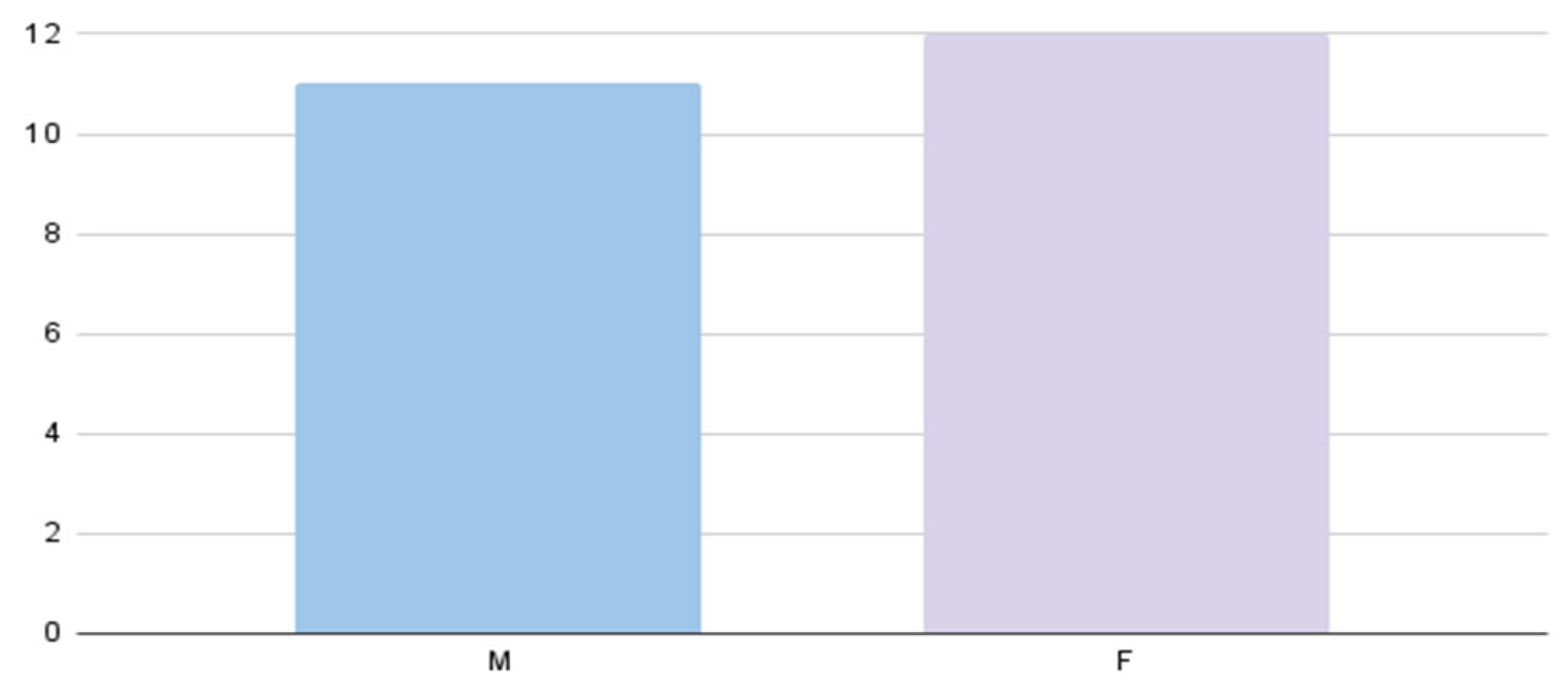
Table 2 and
Figure 10 show the distribution of the participant’s gender percentage as male and female, i.e., 42.90% are female, and 57.10% are male.
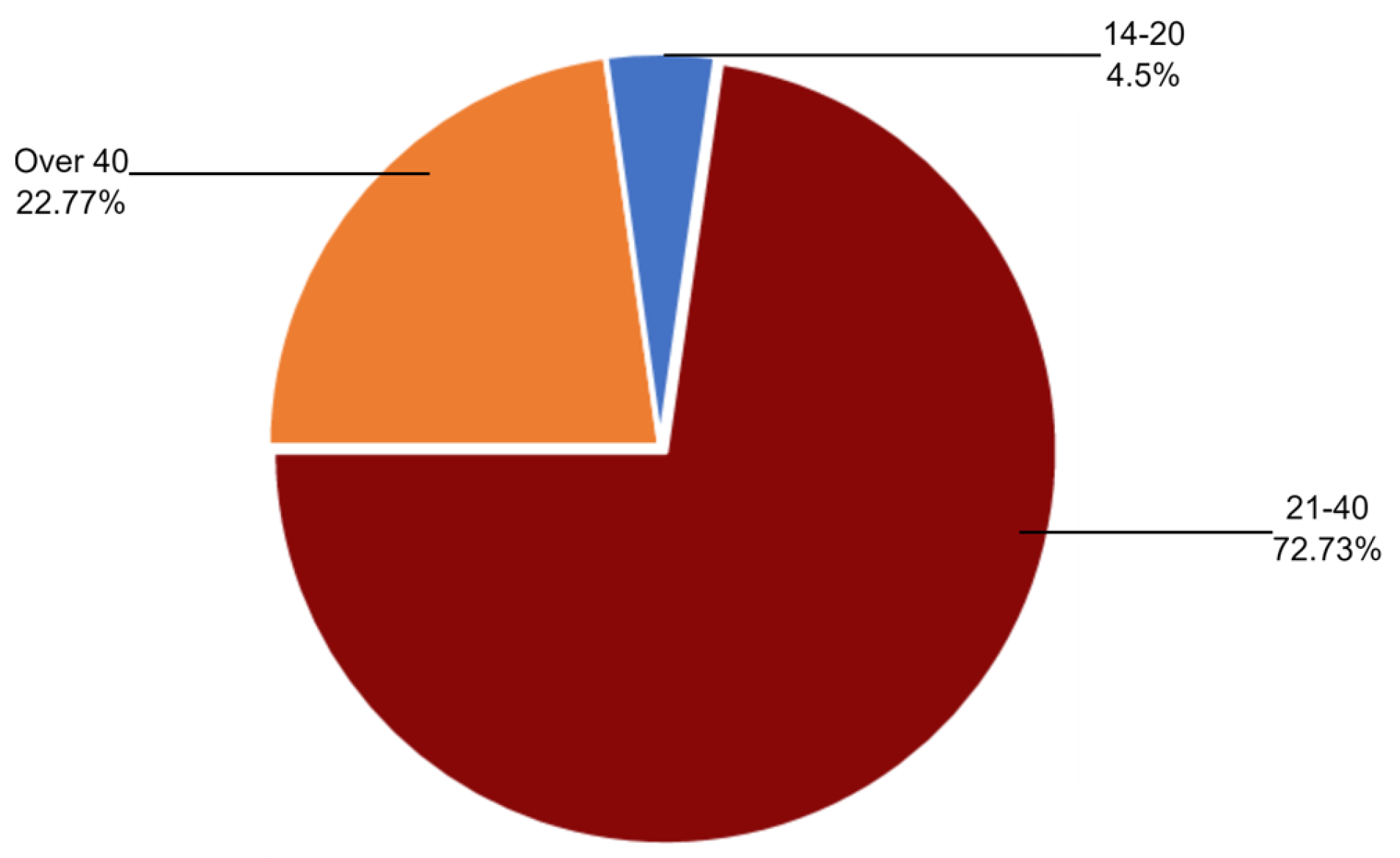
Table 3 and
Figure 11 show the age group participating in the questionnaire, where 76.20% of participants’ ages range from 21 to 40. Similarly,
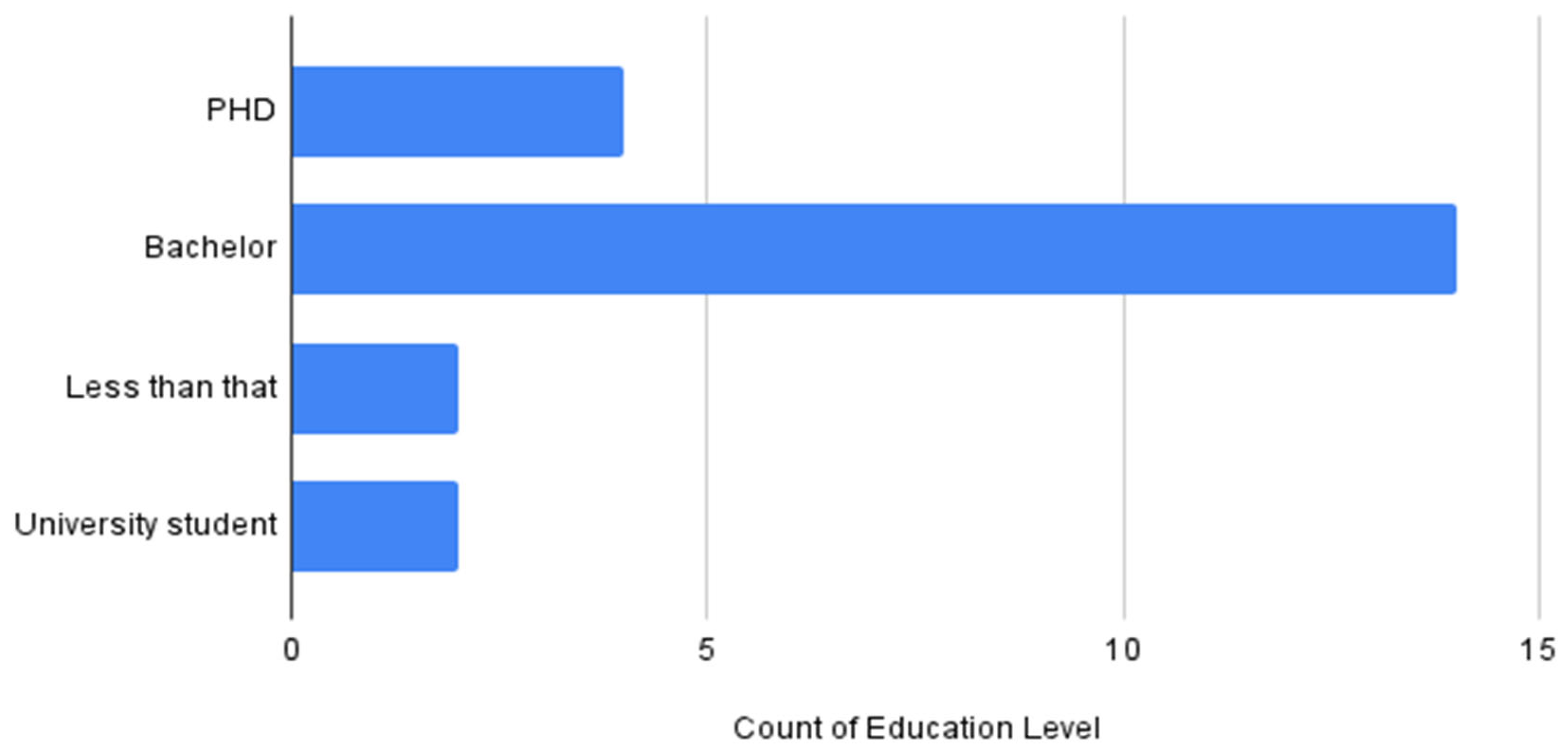
Figure 12 shows the level of education among the participants, where the highest percentage are bachelor’s degree holders.
Table 4 and
Figure 13 show that 61.9% of participants do not read and understand the security policies related to social media.
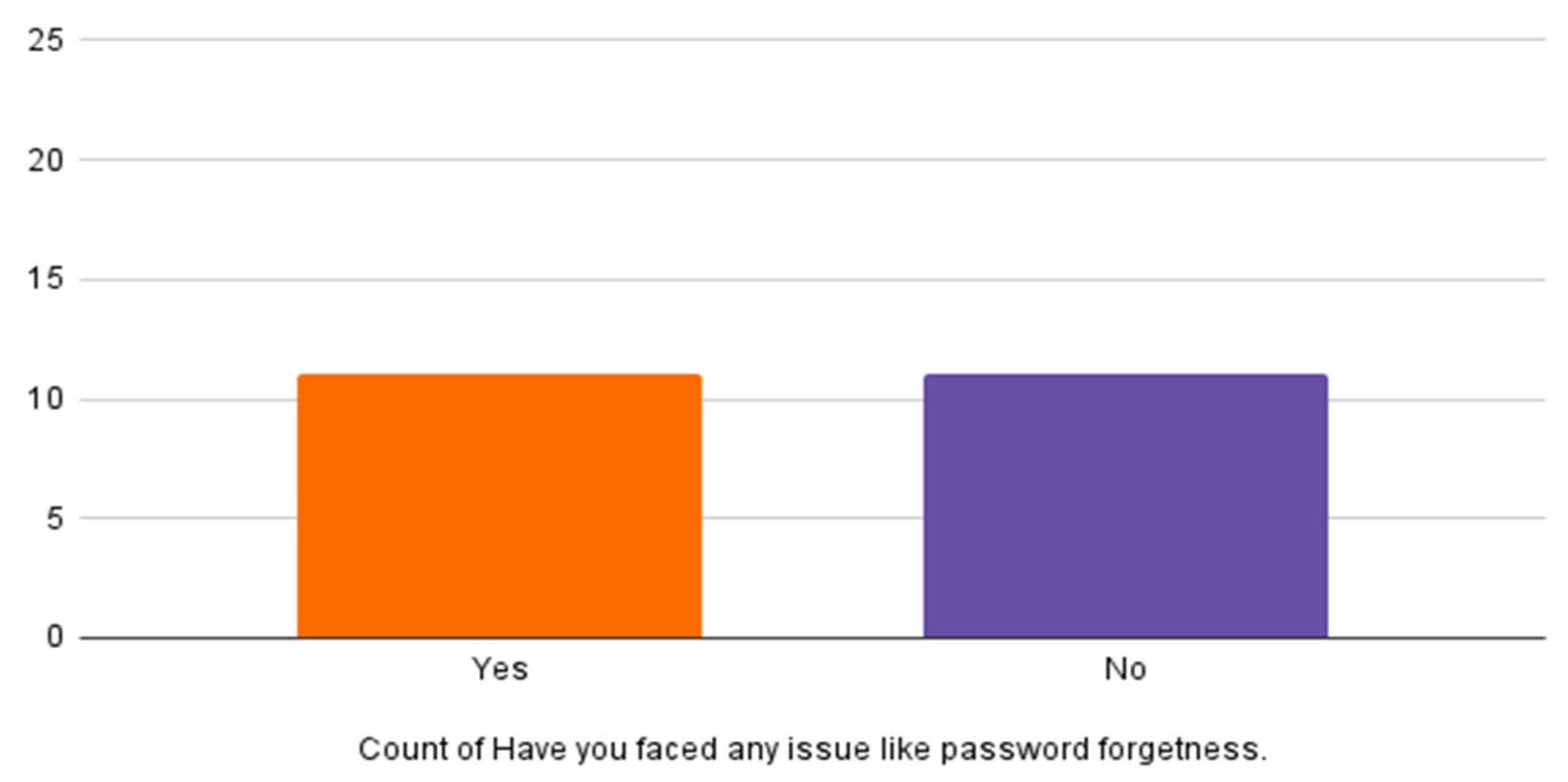
Table 5 and
Figure 14 show participants’ responses about who encounter a problem of forgetting their password, which is 52.40%.
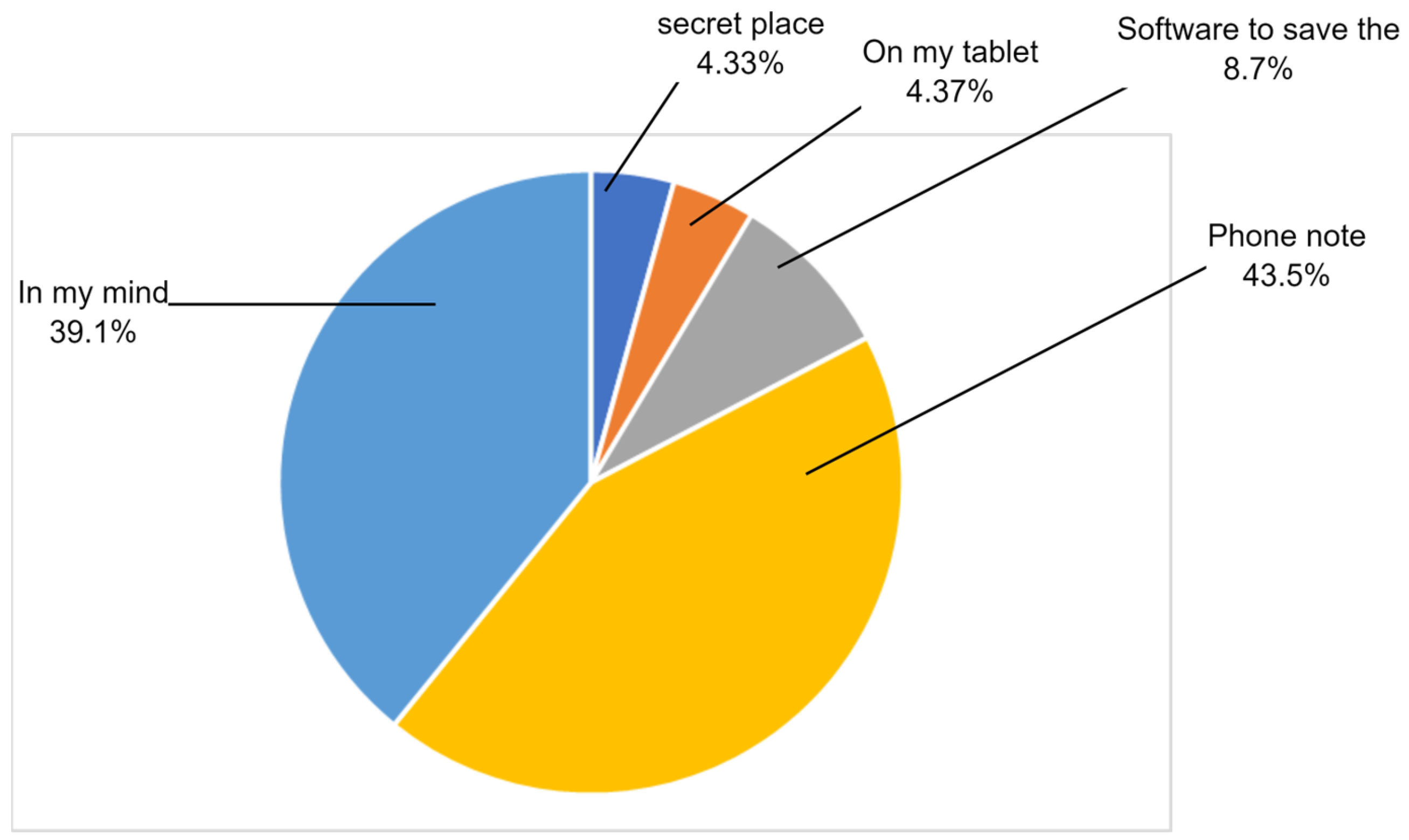
Table 6 and
Figure 15 show how participants save their passwords: tablet, phone note, secret place, personal memory, or software. The majority of participants rely on phone notes and personal memory, 43.50% and 39.10%, respectively.
Table 7 and
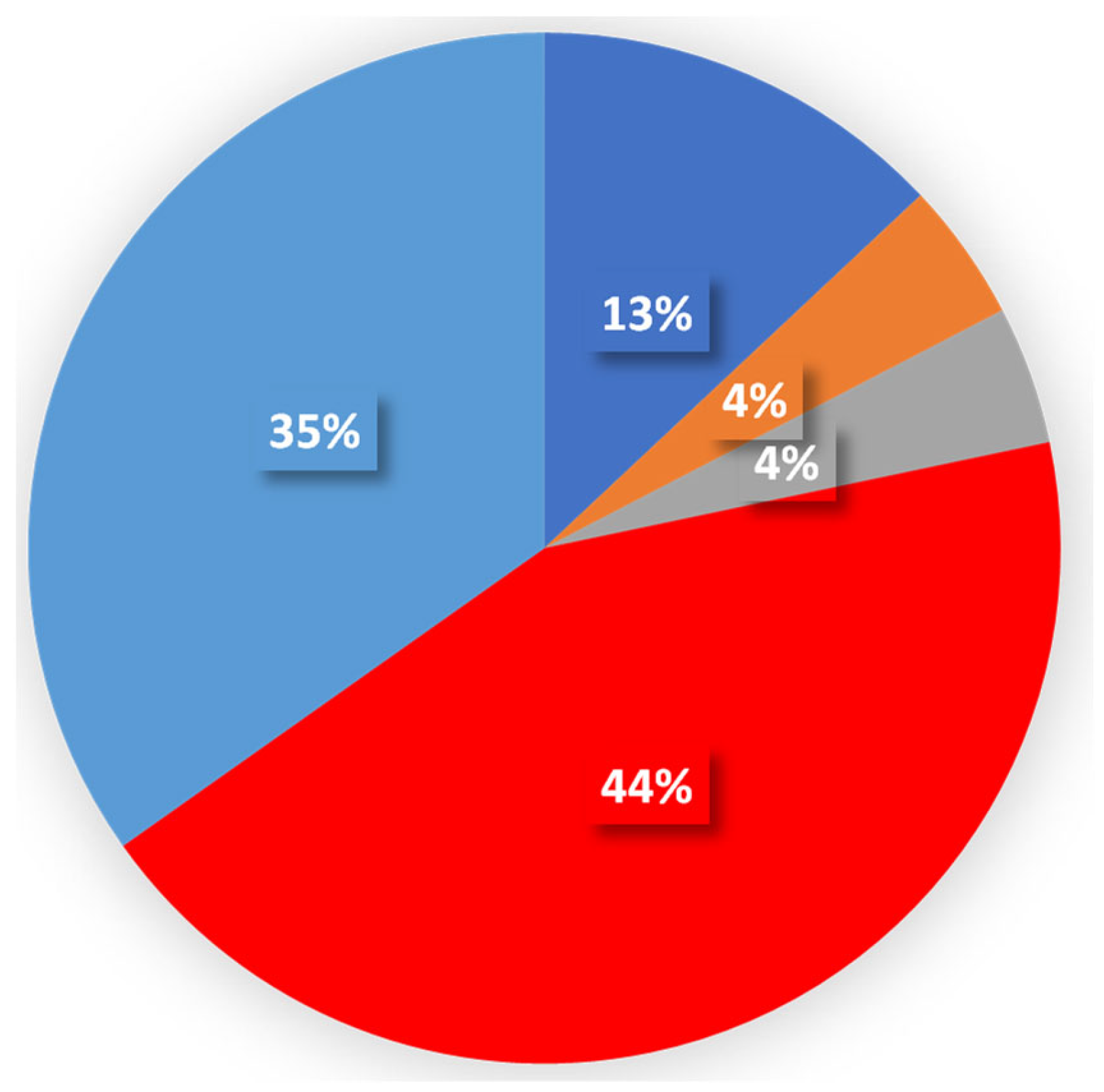
Figure 16 show how participants’ accounts are hacked: 43.5% do not know how they are hacked and 34.8% are hacked with a link, and 13% via SMS.
Table 8 and
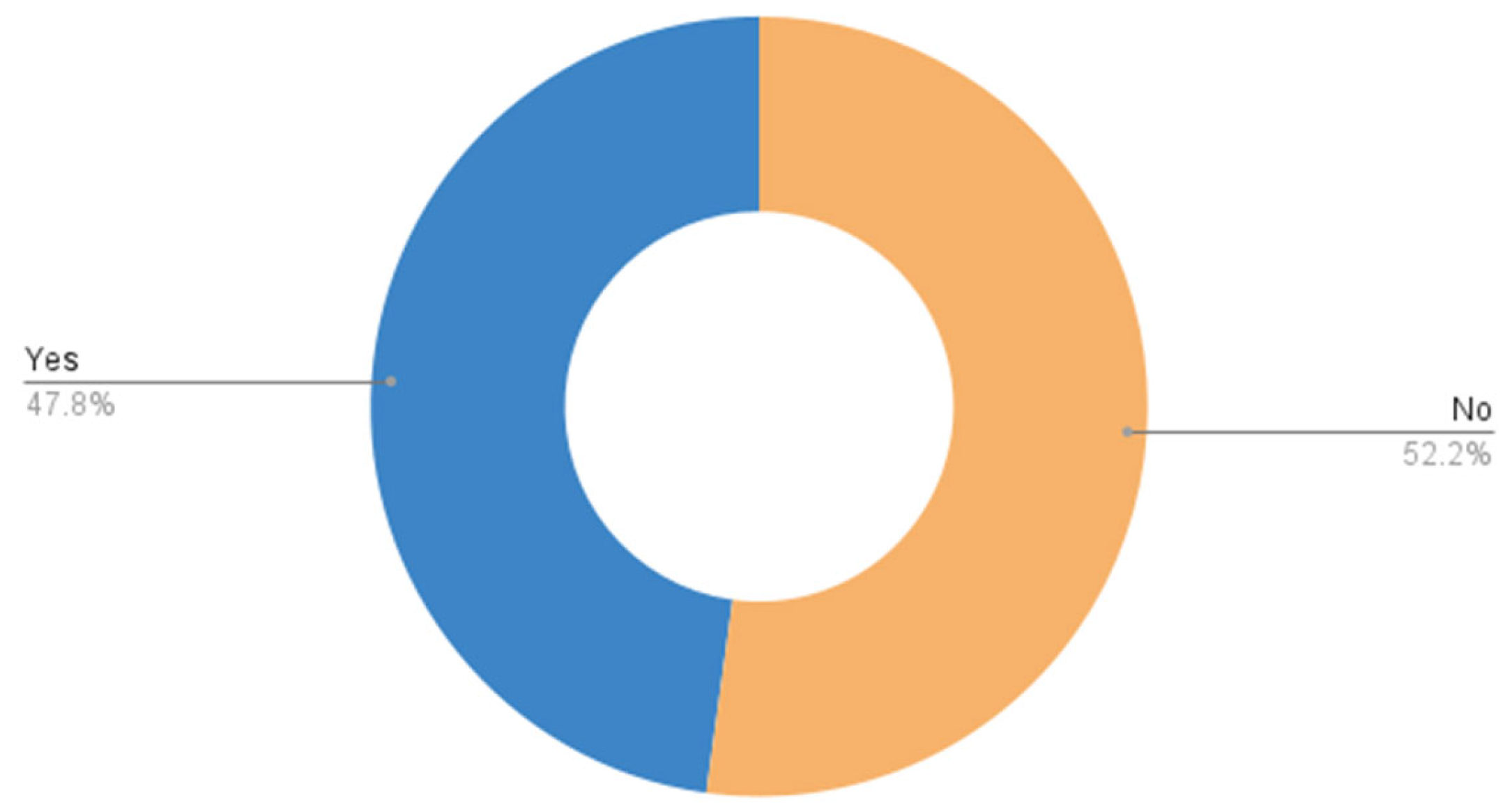
Figure 17 show whether participants use public networks such as those in cafes or airports, which is 47.8%.
Table 9 and
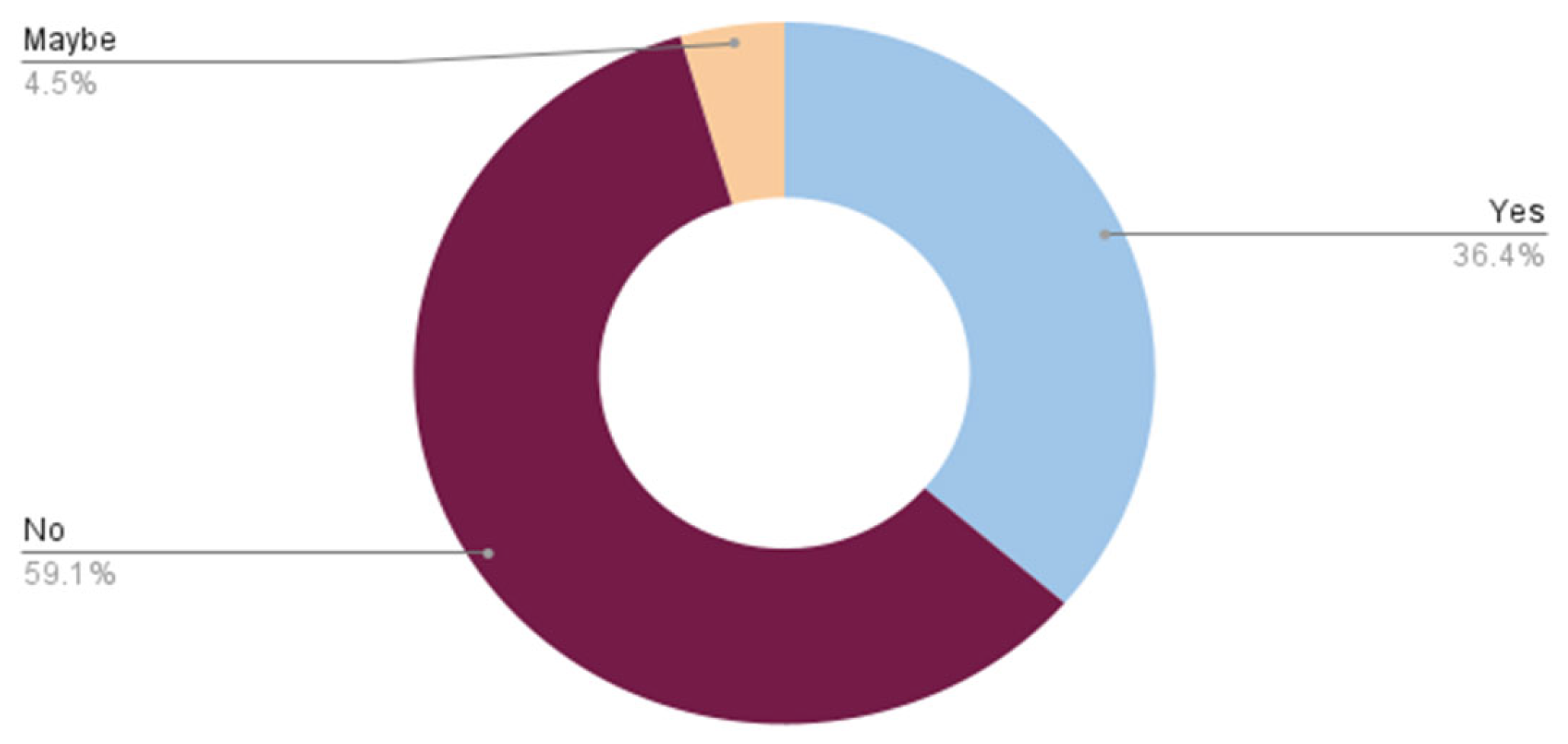
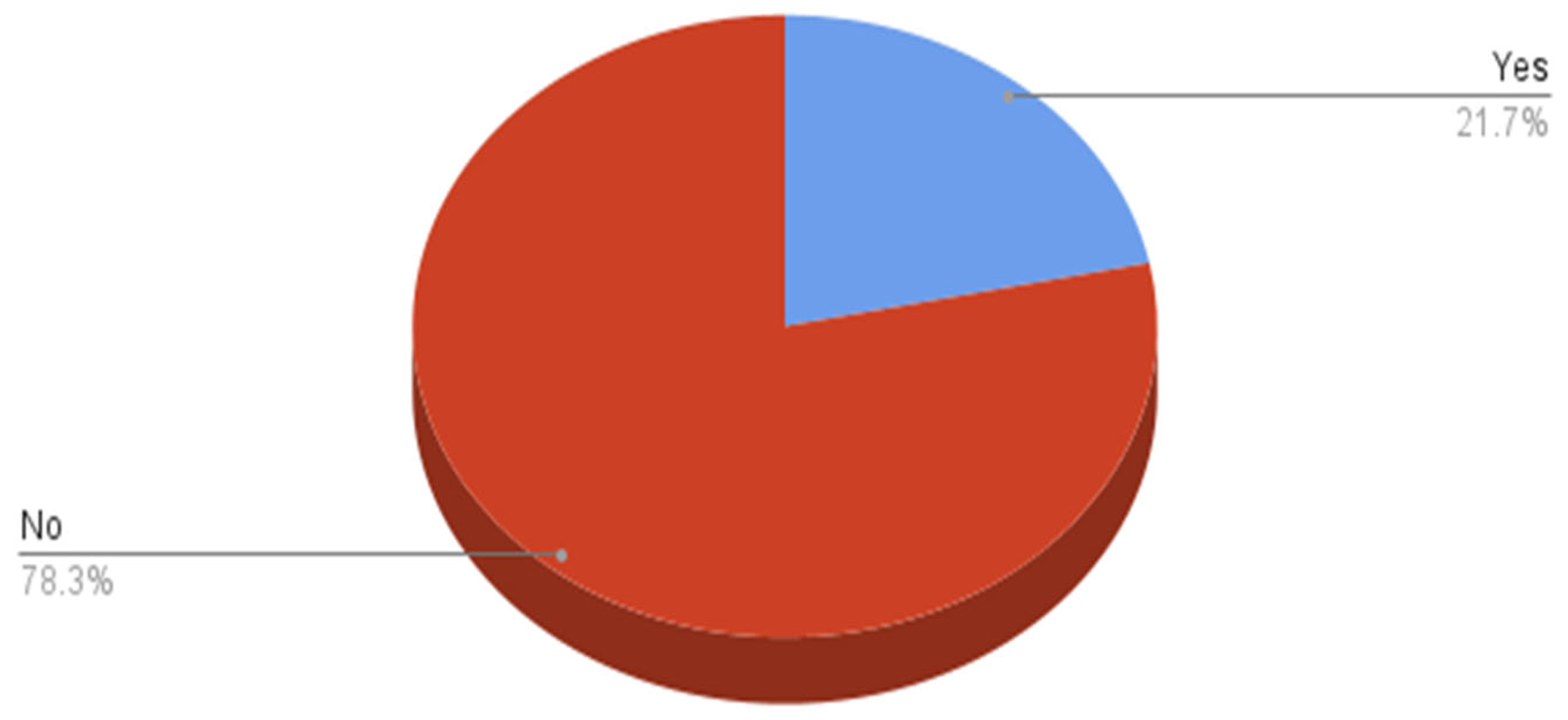
Figure 18 show whether participants deal with a program to achieve the level of protection through social media where the majority of them (78.30%) do not use it.
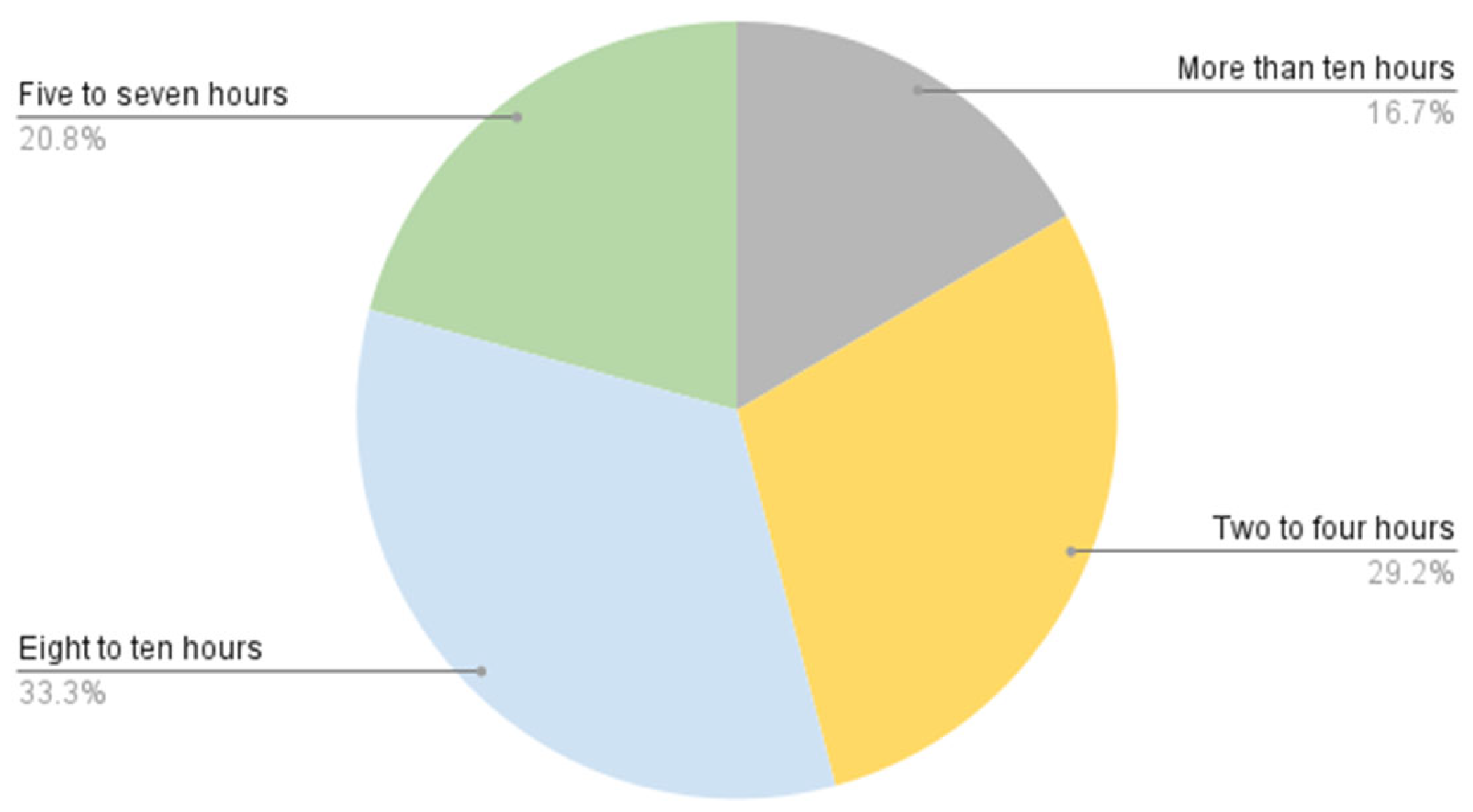
Table 11 and
Figure 20 show how long per day participants use social media, where the majority of them spend 8–10 h.
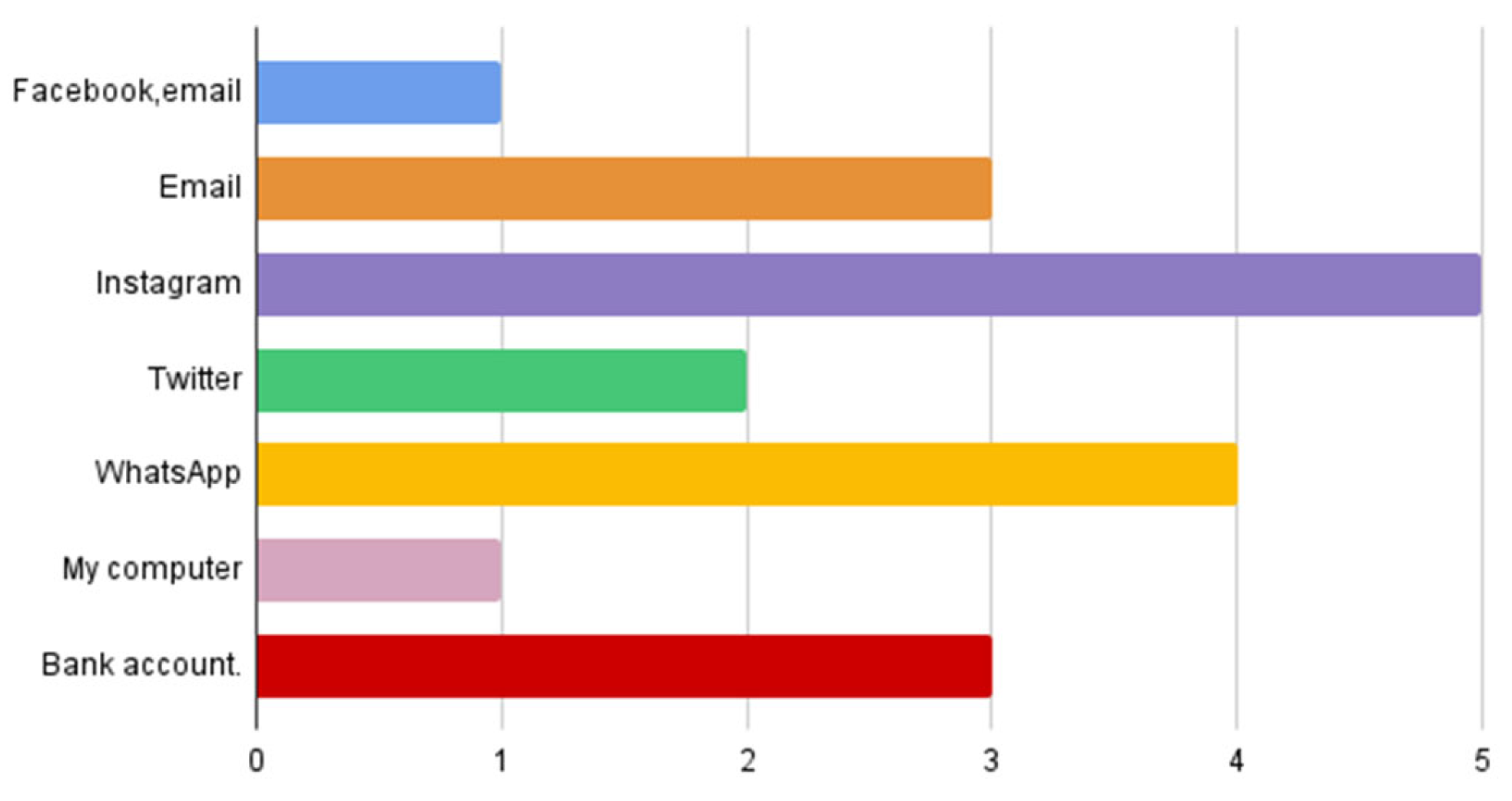
Figure 21 shows the social media accounts that are hacked: Instagram comes first, followed by WhatsApp and email.
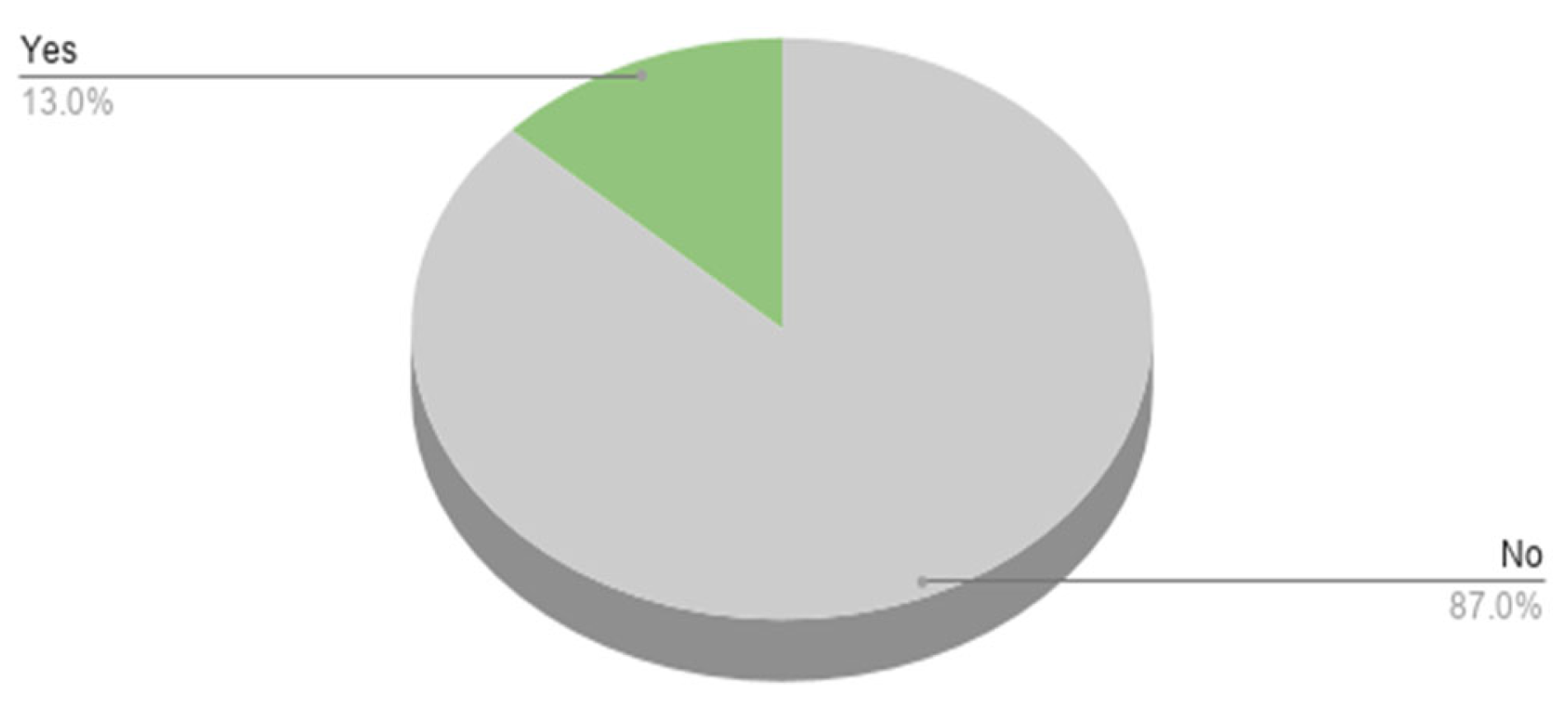
Figure 22 shows that only 13% of the respondents report their cases to the Anti-Cyber Crime Department at the Ministry of the Interior in Kuwait.
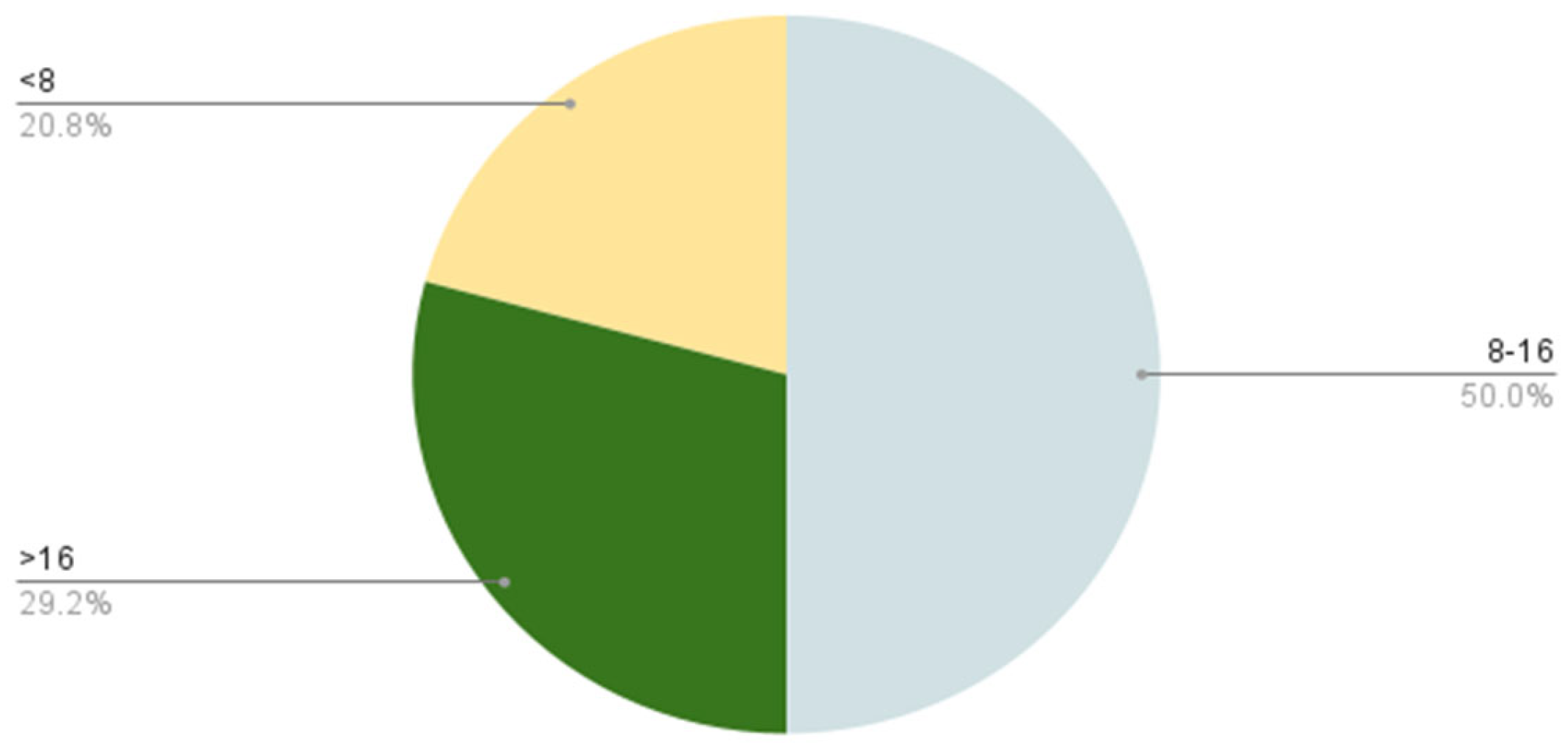
Figure 23 shows whether the participants use a complex password in terms of letters, numbers, and special characters. It is shown that the majority (50%) use the password of 8–16 character length.
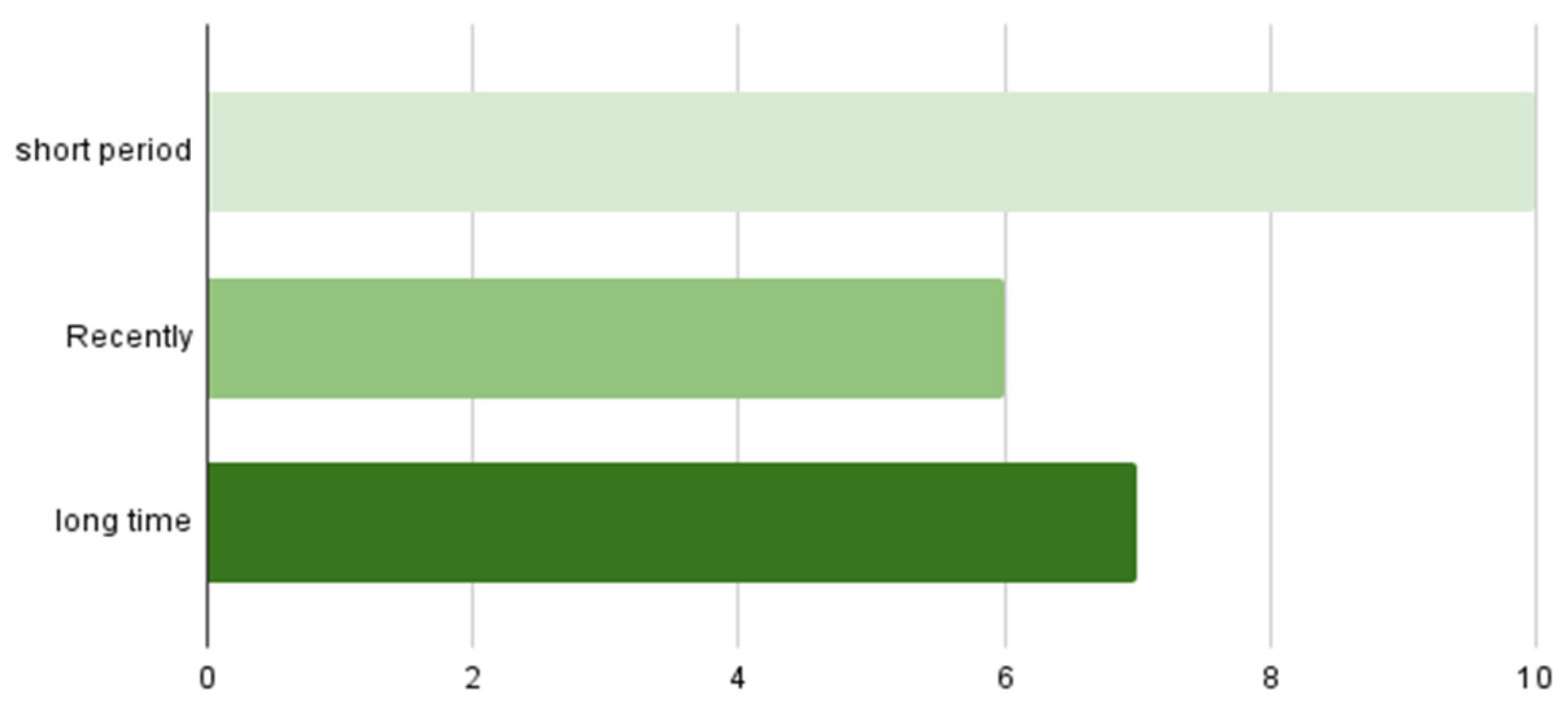
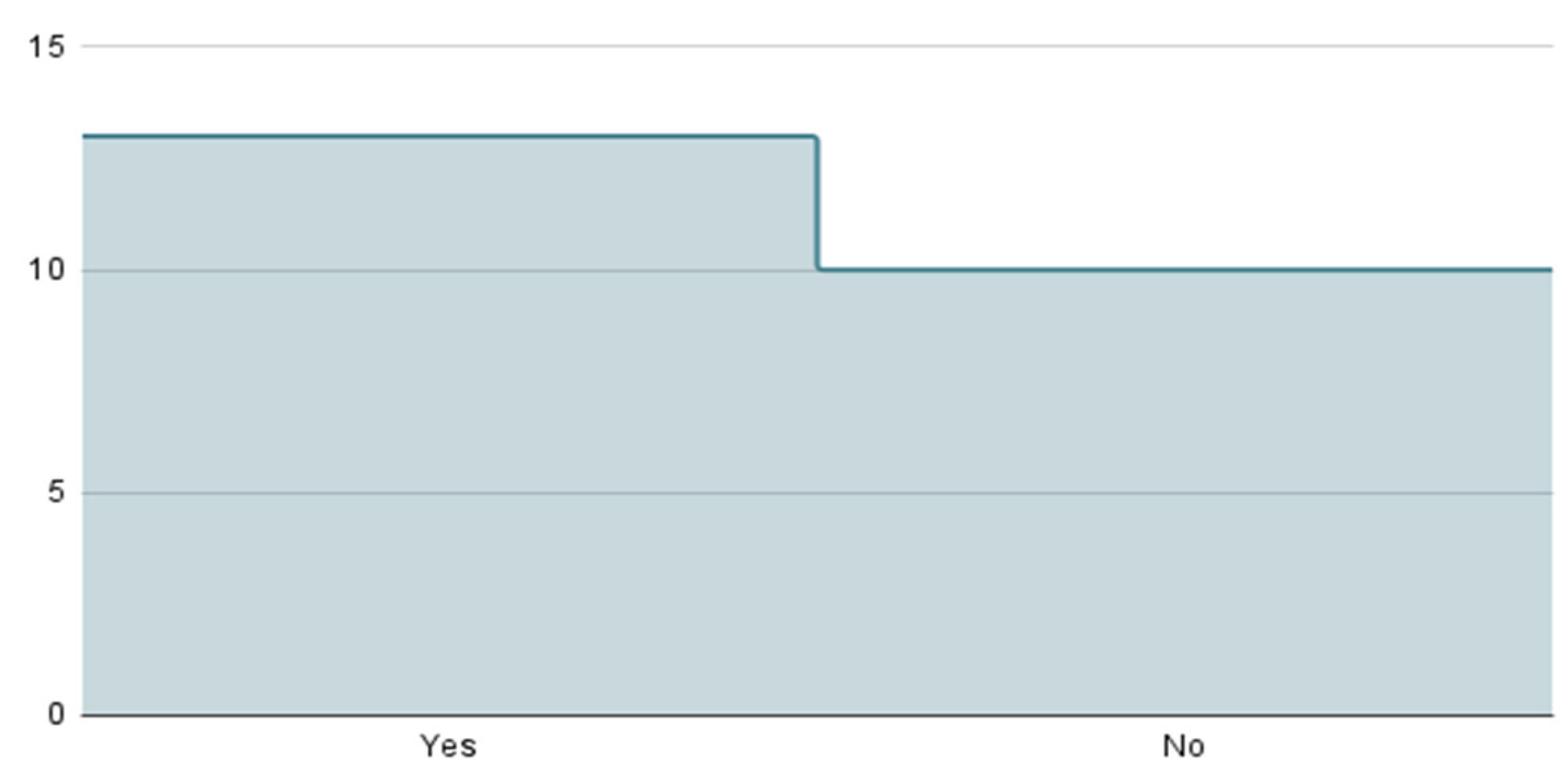
Figure 24 shows whether the participants are aware of recovering their accounts. The under curve area shown in green color depicted that the 43.5% do not know how to regain their accounts.
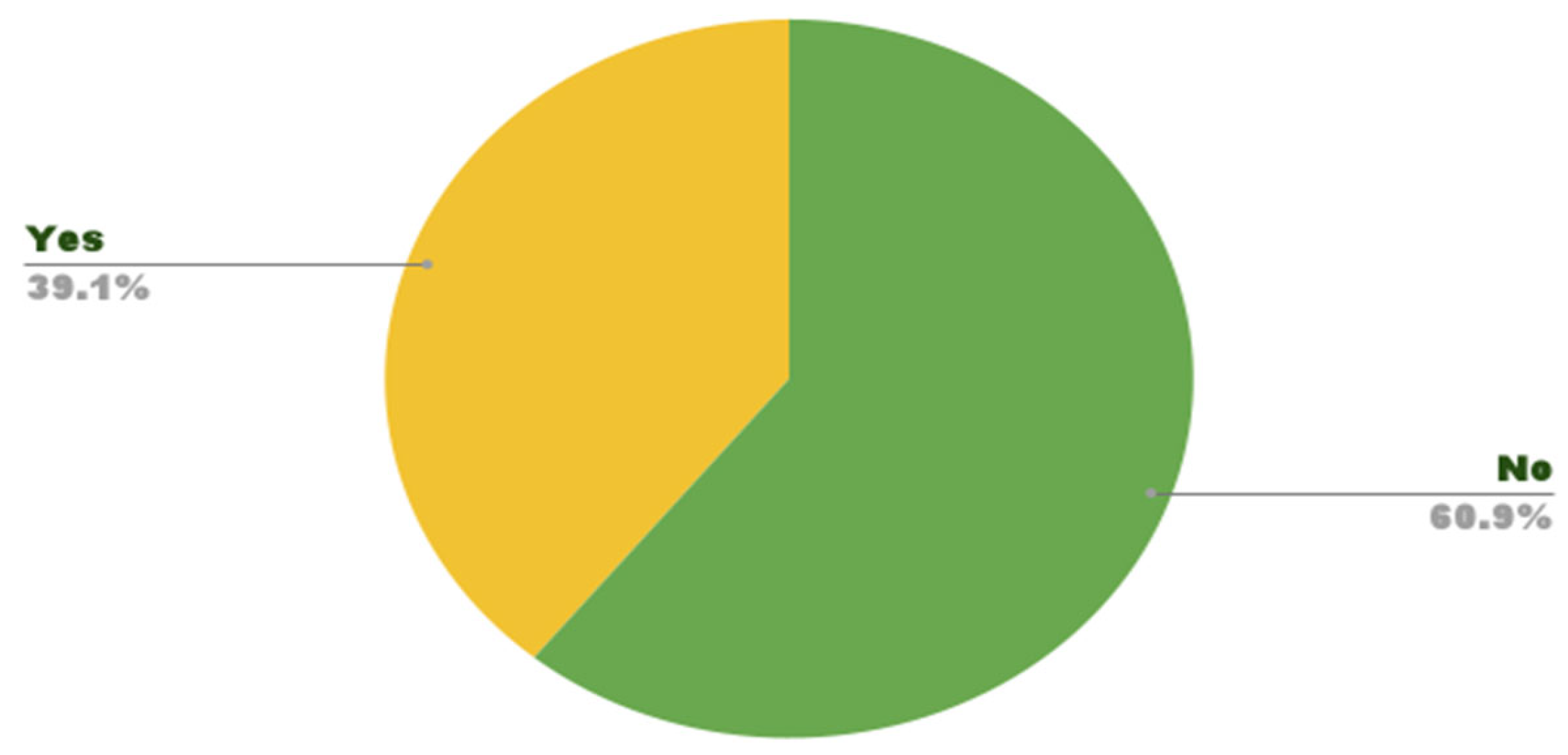
Due to concerns about violations, 39.1% of participants cancelled their accounts to find a quick solution without searching for one that would protect them, as shown in
Figure 25.
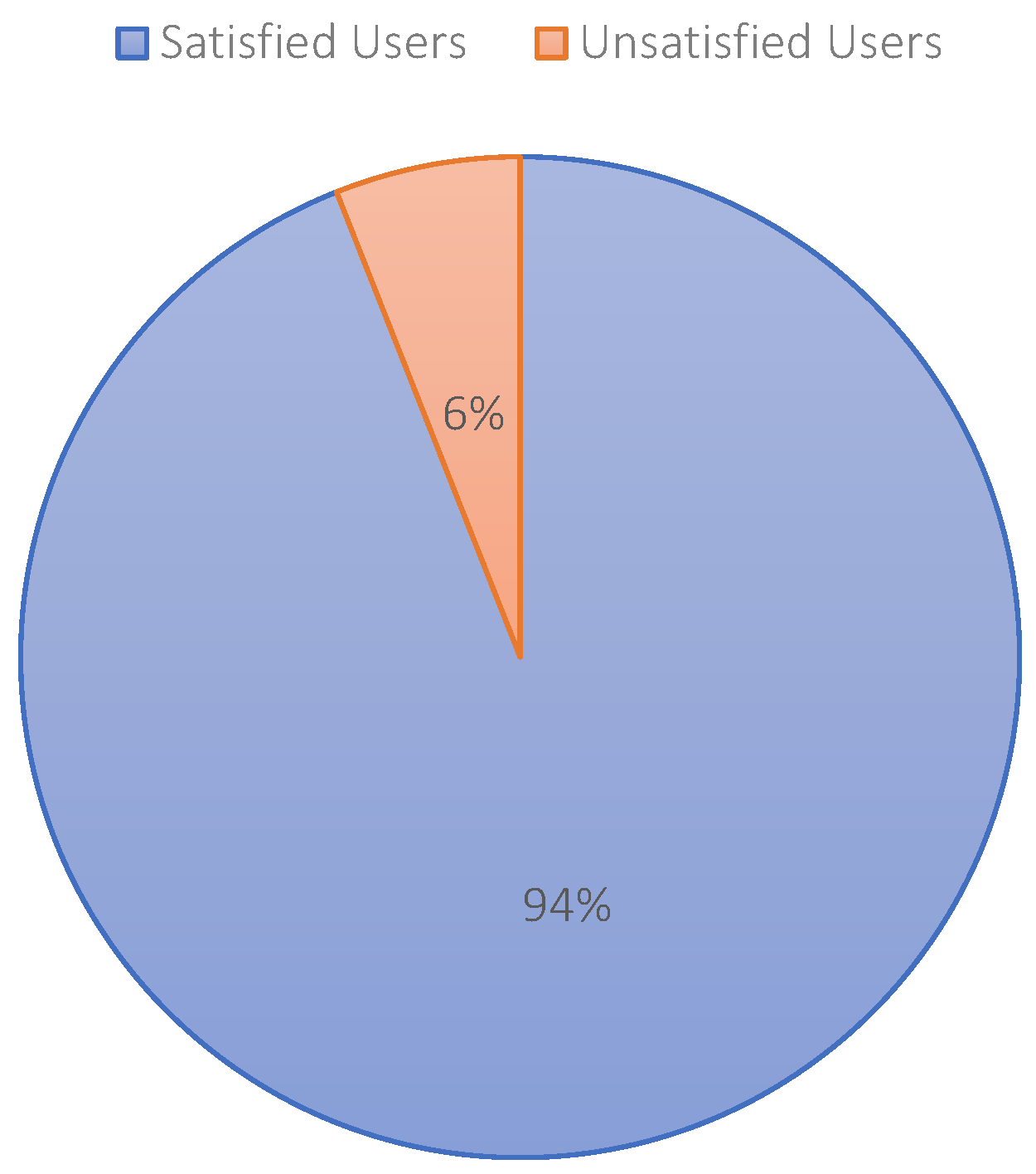
After getting various types of information from the surveyed data, we offer the same participants use of the proposed system to protect their social media platforms. After a span of 6 months, we interviewed the same participants for the same questions. The results of the survey after implementing the system are shown in
Figure 26. We can see that most of the participants are now satisfied, and they can use their social media platforms without any security concerns.






 ,
,