1. Introduction
Industrial Internet is a significant breakthrough to accelerate the commercial deployment of 5G [
1]. However, the unprecedented increase of spectrum occupancy makes the improvement of spectrum efficiency become a research hotspot in academia and industry. As one of the key technologies to implement 5G wireless communication, non-orthogonal multiple access (NOMA) has received much attention due to the characteristics of high spectrum utilization, low latency, and large-scale connectivity [
2,
3,
4]. Cognitive radio networks (CRNs) can effectively alleviate the problem of spectrum shortage and spectrum underutilization by dynamically reusing the frequency assigned to the primary user [
5]. Combined with the above advantages, cognitive radio networks based on non-orthogonal multiple access (CR-NOMA) are expected to further improve spectrum utilization efficiency and communication reliability.
Power-domain NOMA transmits multiple information streams with different powers over the overlapping channel in time/frequency/code domain. Classical cooperative NOMA systems are generally divided into two categories: one uses the dedicated relay to assist communication between the source and the user, and the other uses the user as a relay [
6]. The cooperative NOMA scheme was proposed in [
7] for the first time. Authors in [
8] investigated a downlink cooperative NOMA scenario with two users, in which the near user acted as a full-duplex (FD) relay for the far user. NOMA systems with dedicated relay have achieved a large number of research achievements [
9,
10,
11,
12,
13]. In multi-relay networks, relay selection is a low-complexity approach that can achieve the desired full diversity gain [
14,
15]. In [
9], a two-stage max-min relay selection strategy based on the cooperative NOMA system was proposed to ensure the quality of service (QoS) requirements of users. However, the outage performance obtained by using the fixed power allocation scheme is not optimal. Authors in [
10] developed a two-stage relay selection strategy based on decode-and-forward (DF) and amplify-and-forward (AF) relays with adaptive power allocation. This scheme not only obtained full diversity gain, but also reduced the outage probability of the cooperative NOMA system. Two relay selection strategies named two-stage weighted-max-min (WMM) with fixed power allocation and max-weighted-harmonic-mean (MWHM) with adaptive power allocation were proposed in [
11], and research results confirmed that the reasonable power allocation coefficient has an important effect on system performance. To extend the work of [
10,
11], researchers in [
16] established an optimization model by taking rate fairness and imperfect channel into consideration.
However, the above cooperative NOMA systems considered user cooperation and relay cooperation separately. It is obvious that if both user cooperation and dedicated relay cooperation are adopted, diversity gain and overall system performance will be improved. Coordinated direct and relay transmission into NOMA systems was introduced by [
17], where the far user obtained the side information from the relay or near user. Compared with non-coordinated direct and relay transmission, the scheme in [
17] achieved greater capacity gain. An AF relay selection strategy was proposed for a two-user downlink NOMA system in [
18], where the near user was likely to be the optimal relay if it could decode the superimposed signal successfully; otherwise, an optimal relay was selected to serve both users. However, power adaptation was not considered in [
17,
18]. Therefore, the authors in [
6] extended the model of [
18] and proposed a two-stage relay selection scheme with power adaptation to obtain
N + 1 full diversity gain for users, where
N is the number of relays.
In addition, dynamic spectrum or bandwidth allocation effectively improves the utilization of network resources by rationalizing their allocation [
19]. For example, cognitive radio is a classical technology to solve the problem of spectrum scarcity. The integration of CRNs and NOMA could further improve spectrum efficiency, and the core idea of CR-NOMA is to provide opportunistic services for secondary users while ensuring the QoS of primary users. Recently, many works have been carried out to evaluate and analyze the performance of cooperative CR-NOMA networks, in which relay selection and power allocation are the focus. Overlay CR-NOMA networks with user cooperation were considered in [
20,
21]. In [
20], the signals of primary users and secondary users were relayed by secondary transmitters; while in [
21], the optimal decoded secondary user was selected to relay the signals of undecoded users. A different overlay relay cooperation was proposed in [
22] in which a dedicated NOMA-based relay was used to forward assistant signals to primary users and secondary users. However, the above research do not consider the cooperative coexistence of user cooperation and dedicated relay cooperation, nor do they consider the power adaption.
Unlike the overlay mode, the underlay mode of CRNs pays more attention to ensuring the performance of secondary networks under interference constraints. In an underlay CR-NOMA system [
23], signals of two secondary users were forwarded using the dedicated NOMA-based relay. In [
24], authors investigated the performance of two-hop underlay CR-NOMA networks under interference constraints, but using a single relay could not ensure reliable communication at the user side. Thus, extending the model to multi-relay cooperation is necessary. In [
25], authors analyzed the outage performance of CR-NOMA networks with AF relays by using the partial relay selection method, and results indicated that the adoption of adaptive power allocation strategy helps to improve system performance. In [
26], authors studied the impact of multiple antennas and cooperative NOMA users on the performance of CR-NOMA, in which the multi-antenna base station selected the user with strong channel gain as a relay to help another user with poor channel gain. Results showed that the cell edge user with poor channel gain can benefit from cooperative NOMA and opportunistic relay transmission [
26]. Different from the above research, authors in [
27,
28] considered the coexistence of direct link and relay-cooperative links between the far user and base station, in which relays existed to compensate for the reduction of reliability and coverage of cognitive networks due to power constraints. However, user cooperation is not considered in [
23,
24,
25,
27,
28]. The scenario developed in [
29] considered the link from near user to far user in addition to links from relays to far user, but the transmit power constraints were not fully taken into account.
However, cooperative CR-NOMA in underlay spectrum sharing mode still has the following problems: (i) most CR-NOMA systems only consider partial interference links; (ii) partial relay selection strategy based on the first hop may not result in the optimal outage performance; (iii) fixed power allocation coefficient cannot guarantee optimal system performance; (iv) the links between near user and relays, near user and far user should be considered, as this can effectively improve communication efficiency.
Inspired by [
6,
28], this paper investigates adaptive relay selection and power allocation in cooperative underlay CR-NOMA networks by considering mutual interference and constraints between primary network and secondary network. In order to guarantee the reliable transmission of the primary network, transmit powers of secondary source and the selected relay are restricted. The main contributions are summarized as follows:
A novel cooperation scheme is established for underlay CR-NOMA networks, where dedicated relay cooperation and user cooperation are used in secondary network to achieve communication between the base station and the far (and near) user.
A two-stage adaptive relay selection and power allocation strategy is proposed to maximize the achievable data rate of the far user and to obtain the optimal power allocation coefficient on the premise of guaranteeing the QoS of near user. Through the proposed strategy, the challenging issue of whether only the far user needs assistance or both the near and the far users need assistance is addressed.
A novel decoding order for successive interference cancellation (SIC) is introduced to the secondary users. Both secondary users can adaptively adjust their decoding order in the second time slot according to the decoding status of the near user in the first time slot, which is different from the existing works that mostly depend on the channel quality.
The closed-form expressions of outage probabilities of secondary users are obtained by deriving the corresponding distribution functions, and the impact of transmit power, number of relays, interference threshold and target data rate on the system outage probability is revealed.
Numerical results and simulations validate the advantages of the established cooperation, and the proposed adaptive relay selection and power allocation strategy shows better outage performance compared to the existing schemes.
This paper is organized as follows. In
Section 2, we describe the system model and transmission process. Then, a two-stage adaptive relay selection and power allocation strategy is introduced in
Section 3.
Section 4 investigates the outage probabilities of two secondary users and the numerical results are presented in
Section 5. Finally,
Section 6 concludes this paper.
2. System Model and Transmission Process
Firstly, we develop a cooperative underlay CR-NOMA network model. Then, by describing the signal model, we propose the transmission process and analyze the achievable data rate at the receiver. Four possible decoding results at U1 are given, and the transmit powers of the secondary and the candidate relay sets are expressed, respectively.
2.1. System Model
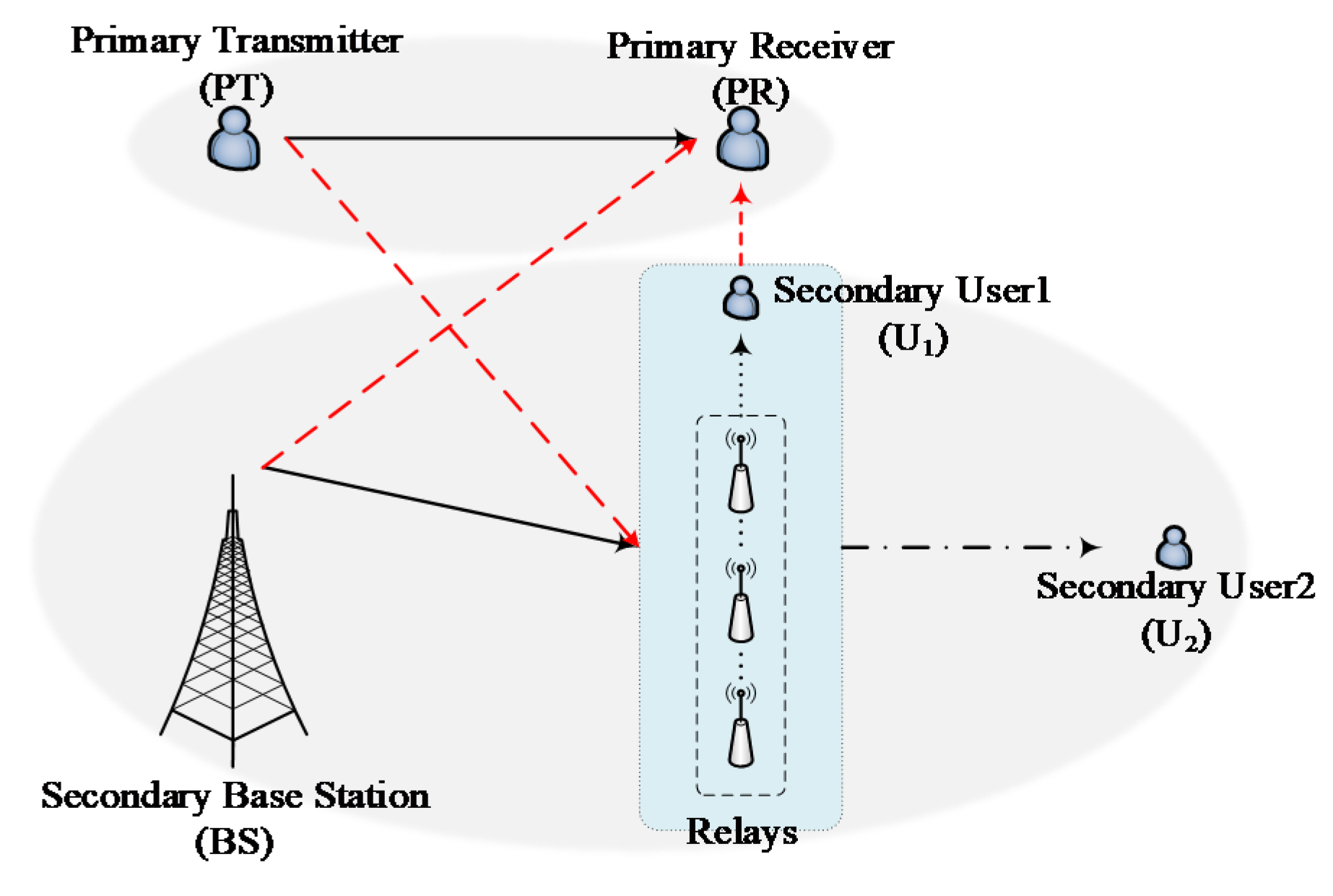
As shown in
Figure 1, we consider a communication scenario working in underlay mode. The primary network consists of a pair of primary users, the primary transmitter (PT) and the primary receiver (PR). The secondary network is a downlink NOMA system, consisting of a base station (BS), multiple relays (
), a near user (U
1) and a far user (U
2). While PT sends a message to PR, BS broadcasts a superimposed signal composed of U
1 and U
2 messages. U
1 can receive the signal via the direct link BS→U
1. However, due to serious shadow or path loss, U
2 obtains the signal via relay nodes. The characteristic of the system model is that if U
1 fails to decode the signal from the direct link, relays are first sought for help. Otherwise, U
1 has a chance to become a candidate to assist U
2. The system model is also based on the following assumptions:
All communication links and interference links are quasi-static Rayleigh fading channels, i.e., where denotes the link between the transmitting node and the receiving node ;
Each channel is affected by additive white Gaussian noise (AWGN) with the mean of 0 and the variance of ;
All nodes (including transmitters, receivers and DF-based relays) with single antenna work in half-duplex (HD) mode and can perfectly receive channel state information (CSI);
BS uses fixed power allocation while relays can adaptively adjust their power allocation coefficient;
The transmit power of BS, and U1 is adaptive constrained in underlay mode.
2.2. Transmission Process
In underlay CR-NOMA networks, the primary and secondary networks transmit messages simultaneously within the same spectrum. In the primary network, PT sends a signal, to PR with the transmit power, , where . In the secondary network, the transmission process consists of direct transmission stage and cooperative transmission stage, which are completed in two time slots as follows.
2.2.1. Direct Transmission Stage of the First Time Slot
In the first time slot, BS broadcasts the superimposed signals of U1 and U2 via the superimposed coding (SC). After receiving the signal, decoding result from U1 will be sent to all relays, and the decodable relays will be divided into two candidate sets. The details are as follows.
BS broadcasts a superimposed signal,
which can be received by U
1 and the potential relays with the transmit power,
PS. Here,
and
are the signals for U
1 and U
2 with
, and
and
denote the power allocation coefficients at BS for messages
and
with
and
, respectively. Therefore, the received signal at the
n-th relay can be expressed as
where
is AWGN at the
n-th relay
.
Then, SIC technique is used to try to decode the received superimposed signal. The signal with high power (or poor channel quality) is first decoded, i.e., at the
n-th relay,
is first decoded and
is treated as interference, and then
can be decoded only after
successfully decodes and cancels. Therefore, the achievable rates of
and
at the relay
are given by
respectively, where
and
are the transmit signal-to-noise ratio (SNR). Relays that can successfully decode
and
are divided into two candidate sets,
and
, respectively, where
and
denote the target data rates of
and
at the receiving nodes, respectively.
The received signal at U
1 can be expressed as
where
is AWGN at U
1. After using SIC, the achievable rates of
and
at U
1 are given, respectively, as
Note that the prerequisite for a receiving node to decode is that has been successfully detected and cancelled, i.e., and are achievable under the conditions that and in Equation (2) and Equation (4), respectively.
At the end of the first time slot, the decoding result is sent to relays as a signaling. There are two possible cases: (1) U
1 fails to get the desired message in the first time slot. Then, it will send a signaling to relays and an optimal relay from the candidate set will be selected to forward the superimposed signal to U
1 and U
2 in the next time slot; (2) U
1 successfully decodes the desired message. Then, a signaling will be sent by U
1 and an optimal relay from the candidate set or U
1 will be selected to forward the signal that U
2 expects. Note that U
1 sends the signaling to relays instead of BS [
30,
31,
32].
Then, we can obtain the signaling sent by U
1 at the end of the first slot. Let
(
) denote the signaling sent by U
1. As shown in
Table 1,
indicates that U
1 successfully decodes
and
and does not need the help of relays;
means U
1 correctly decodes
but cannot detect
, so it needs the help of relays;
indicates that U
1 fails to decode
but successfully detects
, so if U
1 can receive
in the next time slot, it can successfully extract
from the superimposed signal obtained in the first slot;
is that U
1 fails to decode
and
even if
is obtained in the next slot.
2.2.2. Cooperative Transmission Stage of the Second Time Slot
In the second time slot, the cooperative links are activated. An optimal relay is selected to forward the signal from BS by using adaptive power allocation coefficients. There are two possible scenarios:
- (1)
Relay
is selected as the optimal relay.
will re-encode the decoded signal and generate a new superimposed signal,
, according to SC. Here
and
denote the power allocation coefficients at the optimal relay for messages
and
with
,
and
, respectively. U
2 is not affected by PT because it is far from PT. Therefore, the received signal at U
2 and U
1 can be expressed as
and
respectively, where
is the transmit power of relays and U
1.
- (2)
U
1 is selected as the optimal relay. Then, U
1 will forward
with full power because it has successfully decoded both
and
. The received signal at U
2 is
and the achievable rate of
at U
2 is given by
where
is the transmit SNR for relays and U
1.
2.3. Transmit Power Constraints in Secondary Networks
In underlay mode, primary and secondary users in CRNs can work within the same spectrum simultaneously. However, if the secondary network has no transmit power constraint, it will cause serious signal interference to the primary network. Therefore, in order to ensure the performance of the primary network, in this paper, BS and the selected relay adaptively adjust their transmit powers.
Next,
is defined as a threshold and represents the maximum tolerable interference level of primary network, at which reliable communication can be guaranteed. Assuming that the maximum permissible transmit powers of BS and relays are
and
, respectively, the transmit powers of BS and relays are constrained as [
33].
Especially, when U1 is used as an optimal relay, in (9) will be replaced by .
3. Two-Stage Adaptive Relay Selection and Power Allocation Strategy
In this section, a two-stage adaptive relay selection and power allocation strategy is proposed to maximize the achievable data rate of at U2 while guaranteeing the QoS of U1. The selection criteria of the optimal relay change adaptively according to the signal sent by U1 at the end of the first time slot (i.e., the decoding result of U1). After all relays receive the signal, the candidate sets will be determined, and the optimal relay will be selected from the candidate sets or U1 to transmit the user’s desired signal. There are two stages:
In the first stage, the relays are selected from the candidate sets to ensure that the achievable rate of the transmitted signal is not lower than the target data rate of U1;
In the second stage, a relay that maximizes the achievable rate of at U2 is selected from the relays determined in the first stage.
Power allocation of the optimal relay is adaptive. That means the power allocation needs to ensure the QoS of U1 first, then the remaining power is allocated to U2. After sending the signaling, U1 will adjust its decoding order in the second time slot according to decoding result. In particular, if U1 fails to decode its own signal in the first time slot, it will be considered as a “weak user” in the second time slot. Therefore, according to the signaling sent by U1, four relay selection criteria with power allocation are designed as follows.
In this case, U1 successfully decodes and in the first time slot and does not need the assistance from relays in the second time slot. The optimal relay from or U1 is selected to transmit to U2.
If
,
is selected, the power allocation coefficient will be set as
. It means that
will send
with full power to U
2. Based on Equation (5), the achievable rate of
at U
2 is given by
If all the relays cannot meet the target data rate requirements of U
2, U
1 is used as the optimal relay. The criterion for determining the optimal relay
is given by
where
suggests that U
1 is selected as the optimal relay. Different from the selection strategy in [
29], relay participation is preferred in this paper.
In this case, both U
1 and U
2 need the assistance from relays in the second time slot. The optimal relay is selected from
. Assuming that
,
is selected, it will generate a new superimposed signal
based on SC to serve U
1 and U
2. Note that U
1 is considered as the weak user in the second slot because it fails to decode its own signal in the first slot. Based on SIC,
is decoded first after U
2 receives the superimposed signal. Based on Equation (5), the achievable rates of
and
at U
2 can be expressed as
Since U
1 has successfully decoded
in the first time slot, it can remove
from the superimposed signal received in the second time slot. Thus, U
1 can decode
without interference from
. Therefore, based on Equation (6), the achievable rate of
at U
1 is given by
The prerequisite for U
2 to decode
is that
is successfully decoded and canceled, i.e., U
2 must satisfy the condition of
. In addition, in order to ensure the QoS of U
1, the signal
at U
1 should satisfy the decoding requirements of
. Therefore, in this case, the criterion for determining the optimal relay
is given by
From Equations (12)–(14), the optimal power allocation coefficient can be obtained by
where
,
, and
.
In this case, U
1 fails to decode
but successfully detects
in the first time slot. Thus, if U
1 obtains
in the next slot, it can successfully extract
from the superimposed signal obtained in the first slot. The optimal relay is selected from
. Suppose that
,
is selected, the power allocation coefficient is set as
. This means that
will send
with full power to serve U
1 and U
2. Based on Equations (5) and (6), the achievable rate of
at U
2 and U
1 can be given as
Then, the criterion for determining the optimal relay
is given by
In this case, both U
1 and U
2 need the assistance from relays in the second slot. The optimal relay is selected from
. Assuming that
,
is selected, it will generate a new superimposed signal
based on SC to serve U
1 and U
2. U
1 is also considered as the weak user in this case. Based on SIC,
is decoded firstly after U
1 and U
2 receive the superimposed signal. Based on Equation (5), the achievable rates of
and
at U
2 are given as
Unlike case 2, U
1 does not get any signal in the first time slot. The achievable rate of
at U
1 in the second time slot is given by
Similarly, the criterion for determining the optimal relay
is given by
Then, the optimal power allocation coefficient can be obtained by
The above four cases correspond to four decoding results of U1 at the end of the first time slot. The adaptability of relay selection is reflected in that each decoding result of U1 has its own relay selection criteria. Based on the proposed two-stage adaptive relay selection and power allocation strategy, we evaluate the performance of the cooperative underlay CR-NOMA network.
4. Outage Performance
Outage probability reflects the ability of the user in the system to receive and decode data correctly. The outage probabilities of U1 and U2 are obtained based on the cumulative distribution functions (CDFs) and probability density function (PDF).
A characteristics function is defined, i.e., for the event occurs and for otherwise, which will be used in the following. In order to facilitate the derivation of outage probability expressions, the following propositions are presented.
Proposition 1. Defining a random variable where , , , and , , are constants, the CDF of is given by
Proof. Noting that
, since
, the random variable
can be written as
Therefore, for a given
, the CDF of the random variable
can be given by
where
Substituting Equations (25) and (26) into (24), and after some algebraic manipulations, we can obtain Equation (22), which completes the proof for Proposition 1. □
Proposition 2. Defining a random variable where , and , are constants, the CDF and PDF of are given, respectively, asProof obviously.
The following two theorems provide the closed-form expressions for the outage probabilities achieved by the two-stage adaptive relay selection and power allocation of two users in the proposed cooperative underlay CR-NOMA network.
Theorem 1. The outage probability for U2 in cooperative underlay CR-NOMA networks with the proposed two-stage adaptive relay selection and power allocation strategy is given by
where
,
and
can be found in
Appendix A.
Theorem 2. The outage probability for U1 in cooperative underlay CR-NOMA networks with the proposed two-stage adaptive relay selection and power allocation strategy is given by
5. Numerical Simulations
This section provides computer simulations to evaluate the outage performance for the proposed cooperative underlay CR-NOMA networks. Monte Carlo simulations over are also provided to validate the correctness of the mathematical derivations. Suppose that , where denotes the distance between the transmitting node and the receiving node , and is the path loss exponent. Without loss of generality, we set , , , , , and , where it is assumed that for simplicity and all relays have the same average channel gain.
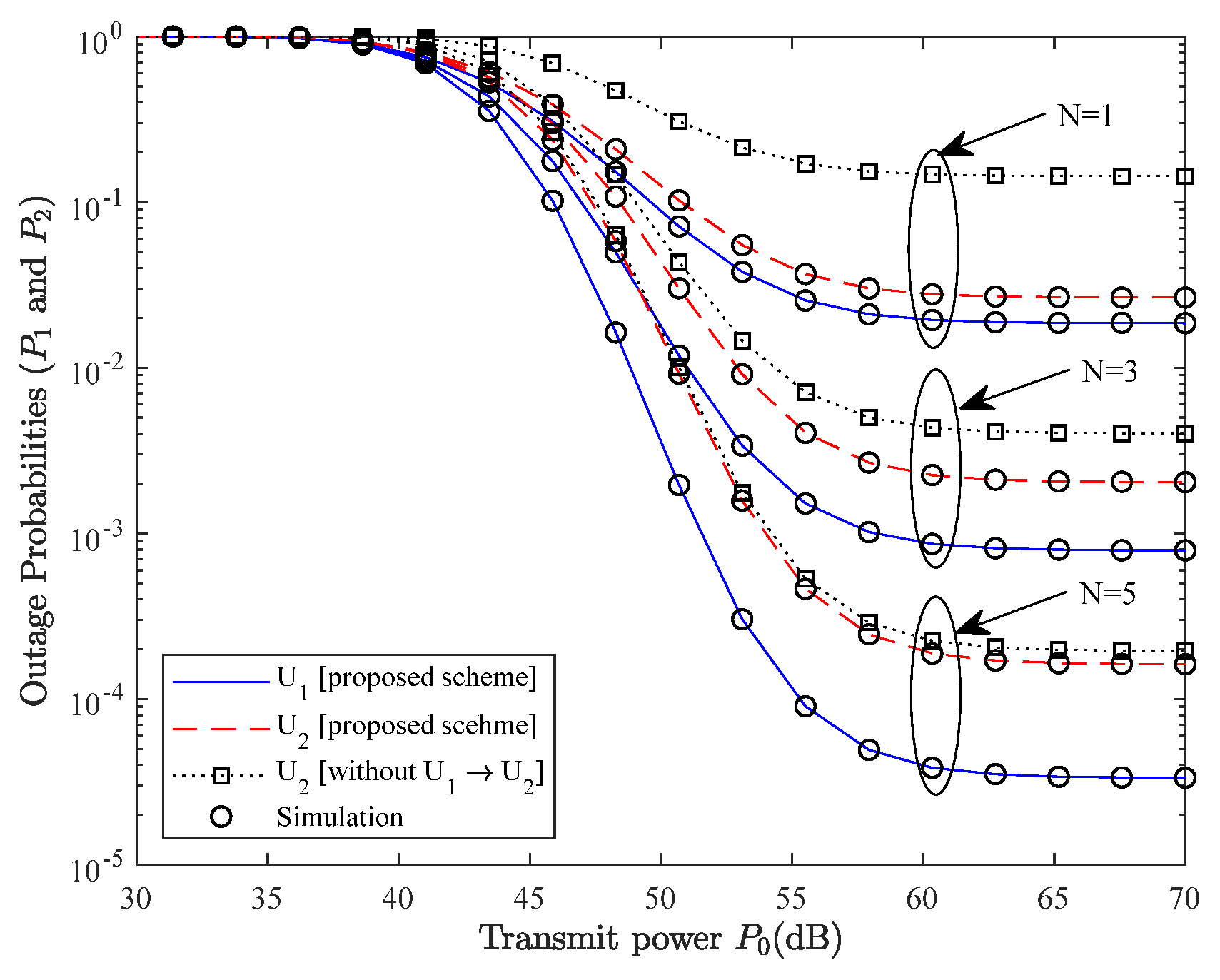
Figure 2 illustrates the outage probability of the secondary users (U
1 and U
2) versus the maximum transmit power
of the secondary for different number of relays. Firstly, it can be seen that both U
1 and U
2 have better outage performance as the increase of
in secondary. Secondly, one can see that the proposed two-stage adaptive relay selection strategy can achieve better outage performance as the number of relays increases, since the more relays there are, the more decodable relays will be included in the candidate set. Furthermore, it can be observed that the outage probability of U
1 is always lower than that of U
2, mainly because U
1 has both a direct link from the BS and a cooperative link from the optimal relay, while U
2 has only a link from the optimal relay. In addition, we compare the proposed cooperative scheme with the one without the link U
1→U
2, and the results show that the former has better outage performance. With the increase of the number of relays, the gap between the outage probability of U
2 caused by these two schemes gradually becomes smaller, because the existence of the link U
1→U
2 is harmonized by the excessive number of relays.
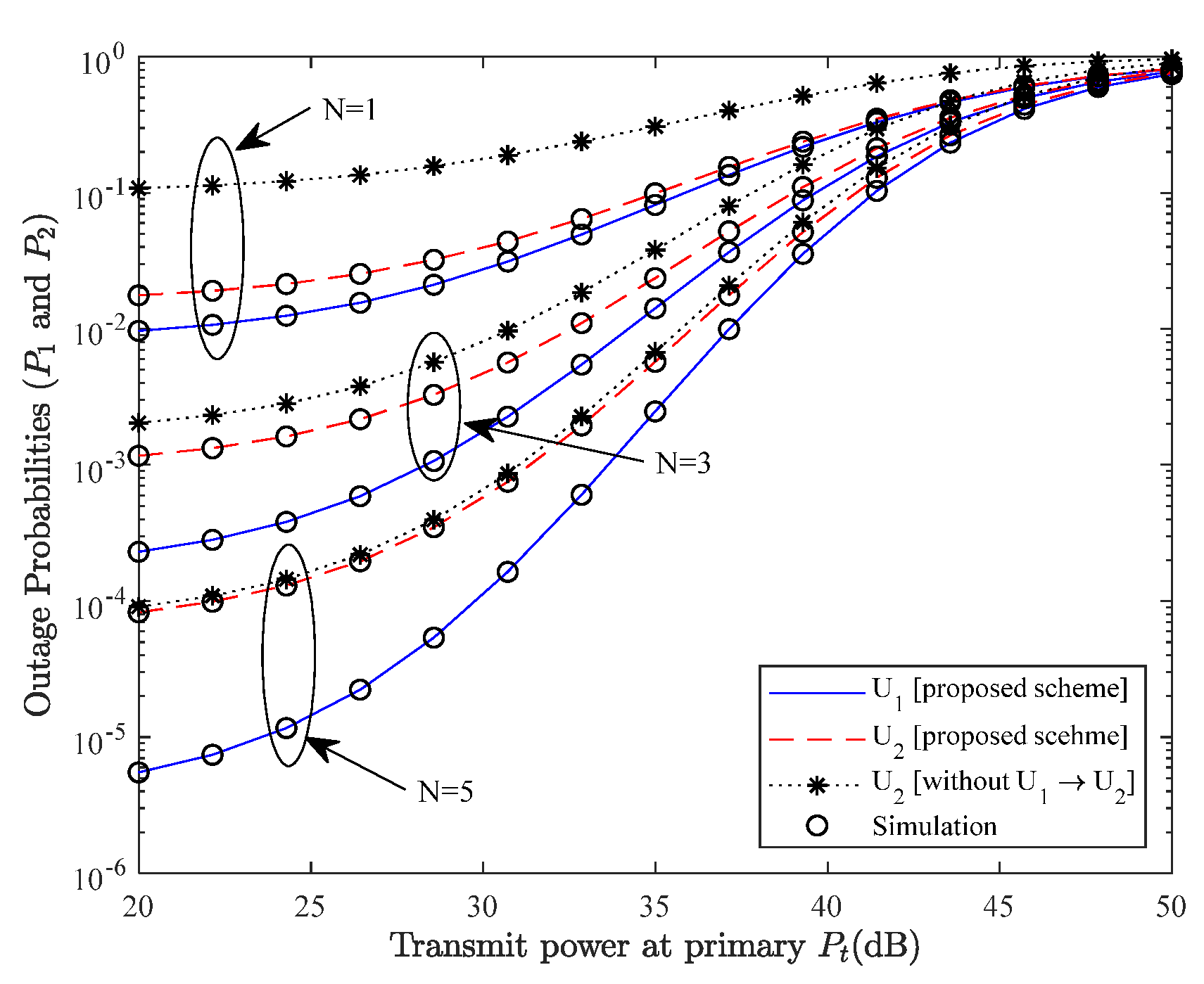
Figure 3 and
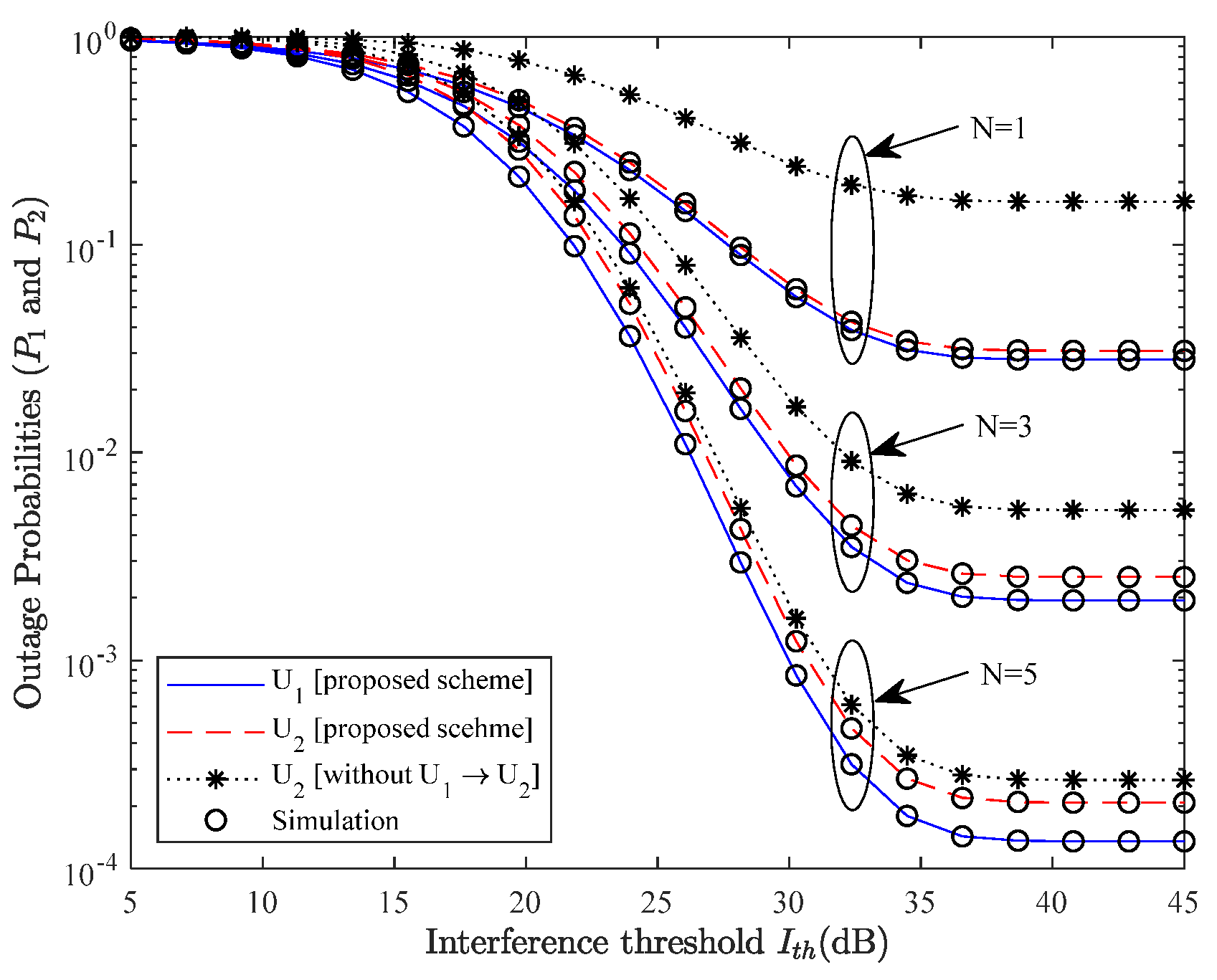
Figure 4 show the impact of the transmit power of the primary and the interference threshold on the secondary outage performance for the different number of relays, respectively. Obviously, the impact of the transmit power constraint and interference constraint imposed by the primary on the secondary cannot be ignored. On the one hand, too high transmit power of the primary can significantly degrade the signal quality of the secondary network; on the other hand, a lower interference threshold, while ensuring QoS in the primary, may cause the secondary to adjust to a suitable (lower) transmit power. However, if the interference threshold constraint is relaxed, the outage probability of U
1 and U
2 will stabilize when
. This result shows that the outage performance improves until a certain lower limit of the outage probability determined by the interference constraint of the primary network.
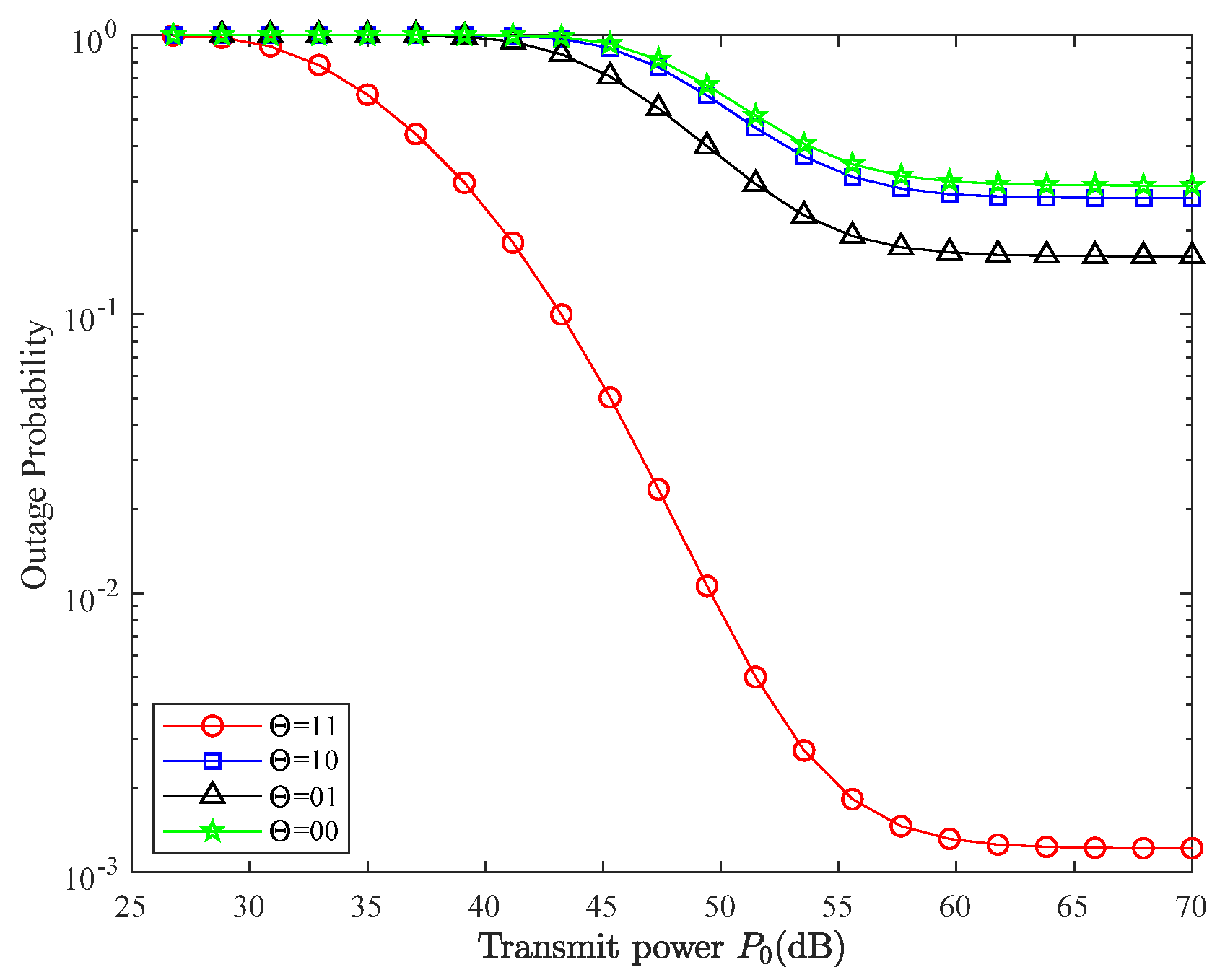
Figure 5 plots the outage probability of U
2 versus the maximum transmit power
for different signaling. At the end of the first slot, U
1 sends four kinds of signaling to the relays according to its decoding results. When
, the optimal relay assists U
2 with full power. In particular, when
, U
1 will give aid to U
2 as much as possible if there is no relay that satisfies the condition. However, when
, the optimal relay allocates power to U
1 and U
2 with adaptive power allocation strategy, and opportunistically serves U
2 while satisfying the QoS of U
1. Therefore, the outage performance of
is better than that of
, and U
2 has the best outage performance when
. As shown in
Figure 3, The outage probability is the lowest when
, followed by
, and similar when
and
, which just verifies the correctness of the above analysis.
In
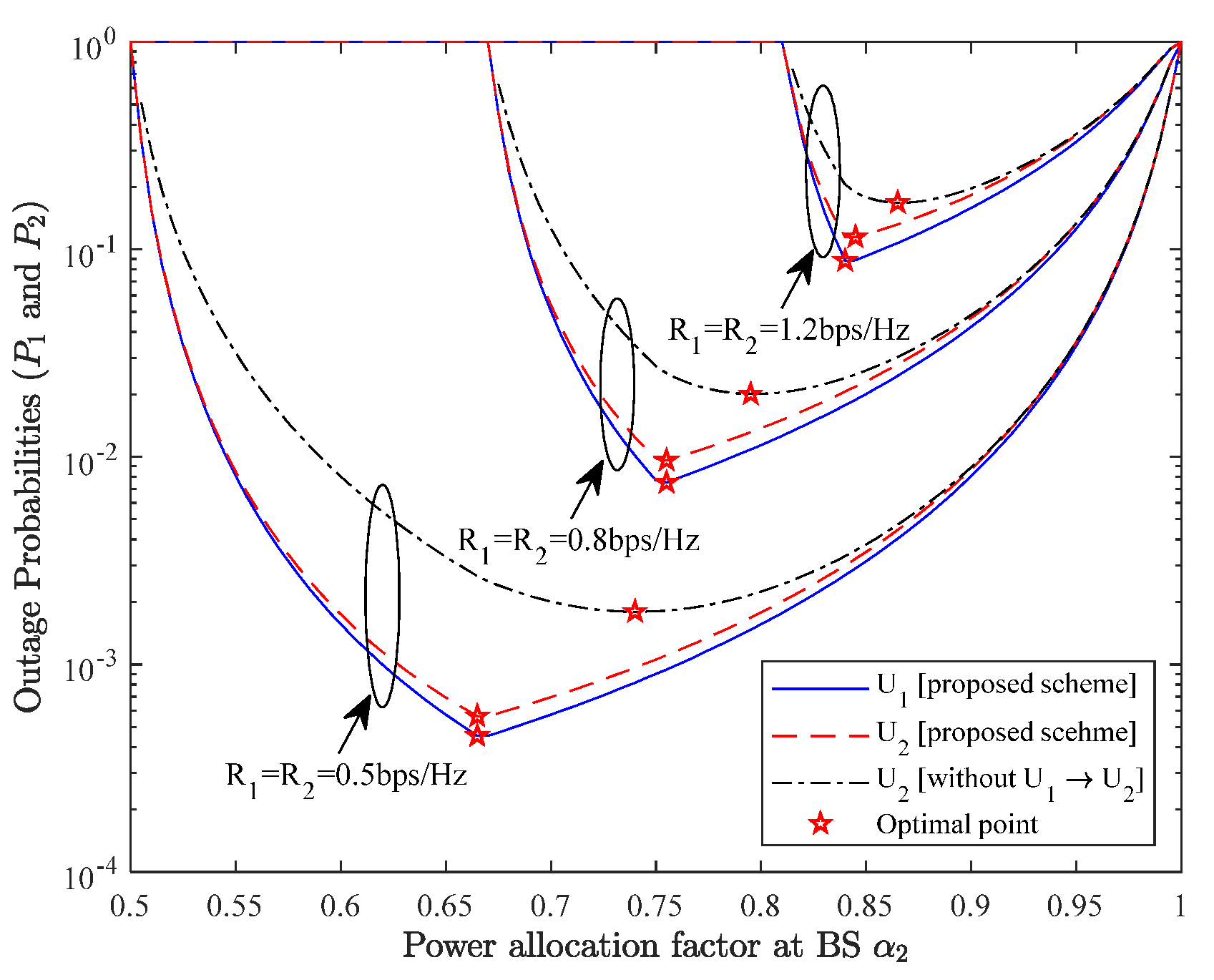
Figure 6, we investigate how the power allocation factor
at BS affects the outage probability of the secondary users for different target rates. As
increases, the outage probability decreases and then increases for both U
1 and U
2, which implies that an optimal
can be found to optimize the outage performance of the secondary. Compared to the cooperative scheme without the link U
1→U
2, the proposed cooperation achieves optimal outage performance by allocating less power to U
2 since the presence of the link U
1→U
2 improves the diversity gain. It can also be observed that the outage performance is enhanced significantly with low target rates, indicating that the high target data rate of the user side will adversely affect the system outage performance. When decreasing the target rate, the gap between the outage probability of two users gradually decreases, because the achievable rate at the far user is maximized through adaptive power allocation.
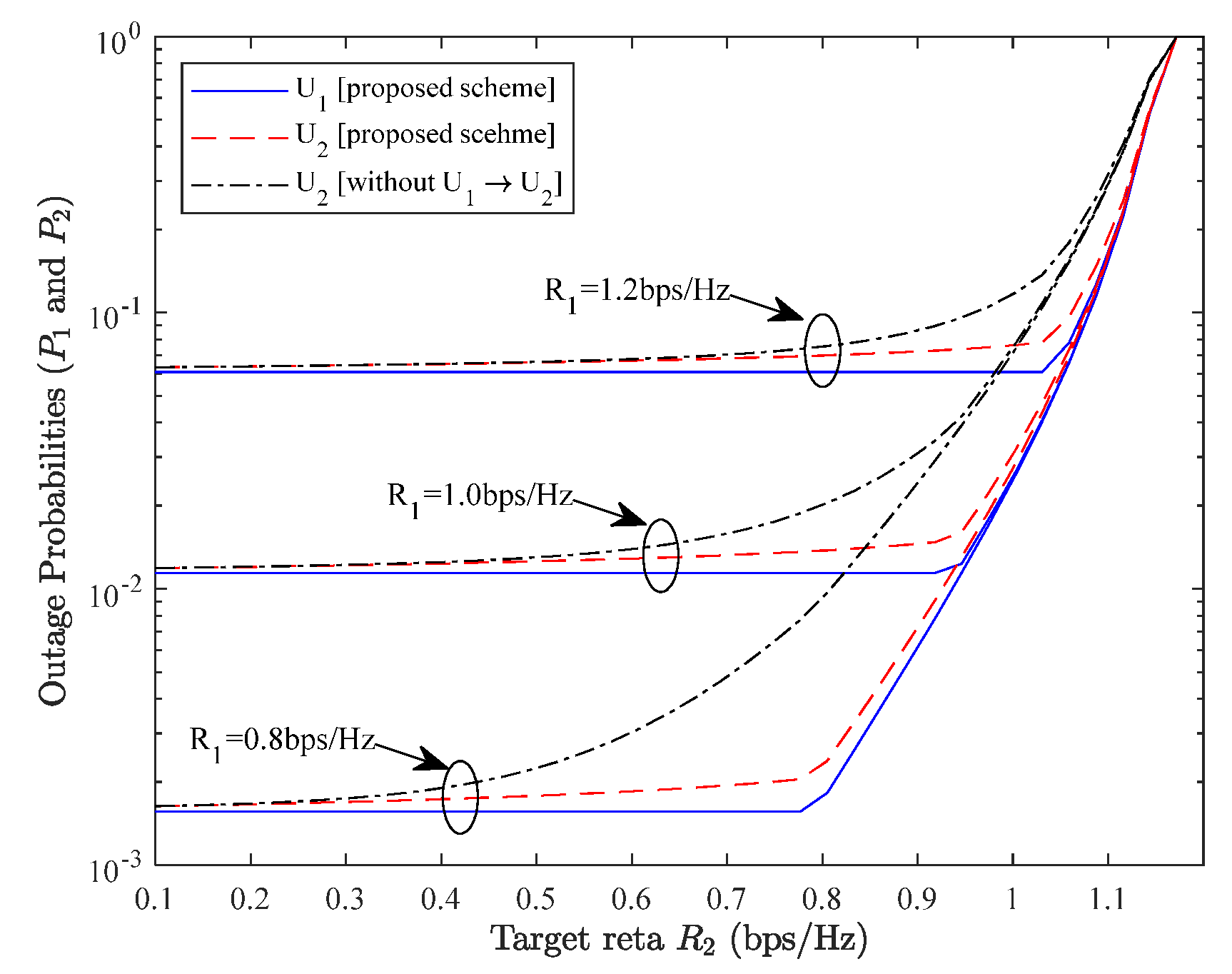
Figure 7 shows the impact of target rate
on the secondary outage performance for different
. With the increase of
, the outage probability of two users first remains stable and then increases rapidly in the higher
range. For a given
, a higher
leads to a higher outage probability. This result further confirms that it is not advisable to set too high a data rate at the user side, especially for the far user. Because the QoS of the near user is guaranteed first, and then the far user is opportunistically assisted, it is difficult to achieve a high data rate at the far user.
6. Conclusions
In this paper, we analyzed the outage performance of cooperative underlay CR-NOMA networks with a novel cooperation involving dedicated relay cooperation and user cooperation. At the end of the first time slot, four possible decoding results were derived at the near user. Accordingly, a two-stage adaptive relay selection and power allocation strategy in the secondary time slot was presented. By discussing the decoding results, four relay selection criteria and the corresponding power allocation coefficients were obtained. Finally, we derived the closed-form expressions of the outage probability for the two secondary users, and revealed the impacts of essential parameters on outage performance of the secondary network, such as transmit power, number of relays, interference threshold, and target data rate. The Monte Carlo simulations verified the correctness of the theoretical analysis.
Compared to the existing cooperative scheme without the link U
1→U
2, the proposed cooperation with a two-stage adaptive relay selection and power allocation strategy can significantly improve the system outage performance when the number of relays is small. Moreover, the proposed strategy improves the rate fairness of users and achieves the optimal value of outage performance for all users by allocating less power to the far user. Furthermore, we also verify that a low target data rate at the receiver side is more conducive to achieving a lower outage probability, which is consistent with the results for the NOMA system presented in [
34].