1. Introduction
Wireless sensor networks (WSN) are useful in today’s world, and their main benefit is the ability to monitor different scenarios remotely. There are several purposes to do it, such as making decisions based on the behavior of specific variables to avoid an event with a tragic consequence. Another purpose is to control objects remotely for different actions. WSN allows us, for example, to monitor hostile environments without the need to have a person present on site.
A common use of WSN can be found in the area of agriculture for irrigation systems. In healthcare, WSN has had a high impact because it provides immediate access to reading different critical variables in a patient. Early detection of some indicators in the patient’s health can mean the difference between life and death [
1].
Another area in which WSNs have been applied is geology, and it is often necessary to monitor areas of difficult access such as volcanoes, rivers, and forests. However, despite the significant benefits WSN offer, various risks and obstacles remain. The biggest obstacle can be found in the low power of data processing, leading us to another, and it is the battery level. If a sensor raises its processing, it consumes more energy. This situation happens because sensors are designed to capture data and send them to a receiver responsible for performing the necessary processing, storing it, forwarding it, discarding it, and launching and alerting.
The low-cost sensor hardware and basic design with low processing lead to the lack of a security implementation that strengthens the system. Any network must be protected because it handles crucial data for its owners. Captured data are sent without incidents to a secure receiver. It is required for this information not to be altered by unauthorized people.
It is essential to mention that a system is never 100% safe, as there is always a type of vulnerability. Researchers work every day in order to mitigate these vulnerabilities and make the systems safer. Traditional computer networks have a strong advantage when compared with sensor networks [
2], especially concerning a higher processing power. Resources in WSN are scarce, limiting the implementation of any security mechanisms to only those that can that operate with limited resources.
WSN allows us to implement monitoring systems in real time. Therefore the security of sensed data that will be transmitted must be guaranteed. However, due to their low processing level, they cannot support many processor-intensive security protocols, becoming the target of various security attacks [
3]. Data protection in WSN links four aspects: authenticity, integrity, confidentiality, and availability of messages or data [
4].
Confidentiality: Refers to the mechanisms that ensure that only authorized persons can access the available data.
Integrity: States the fact that the data transmitted is the same throughout its transmission.
Authenticity: Denotes the verification that must be done before sending data, the issuer must be known and belong to the network.
Availability: Refers to data being available at any time.
Each layer of the OSI (Open Systems Interconnection) model has its security considerations. In a network composed of sensors, there are mainly two layers involved, physical and link layers. Advanced sensors with higher processing capacity present a third layer, routing. Attacks against security are divided into two groups, passive and active. Passive attacks only access the system to gather data, and this group of attacks compromises the confidentiality of the system. On the other hand, active attacks cause damage to the system, alter data, or disable node members, allowing access to unauthorized members, among other things [
5].
In recent times, a new concept has been emerging, the Internet of things (IoT), which refers to all things or objects connected to the Internet that can be accessed them remotely [
6]. The basis of this paradigm is the wireless sensor network because, to control a "thing" remotely, it is necessary to do it through a sensor. Therefore, all the advantages and disadvantages of sensor networks are inherited by the Internet of things.
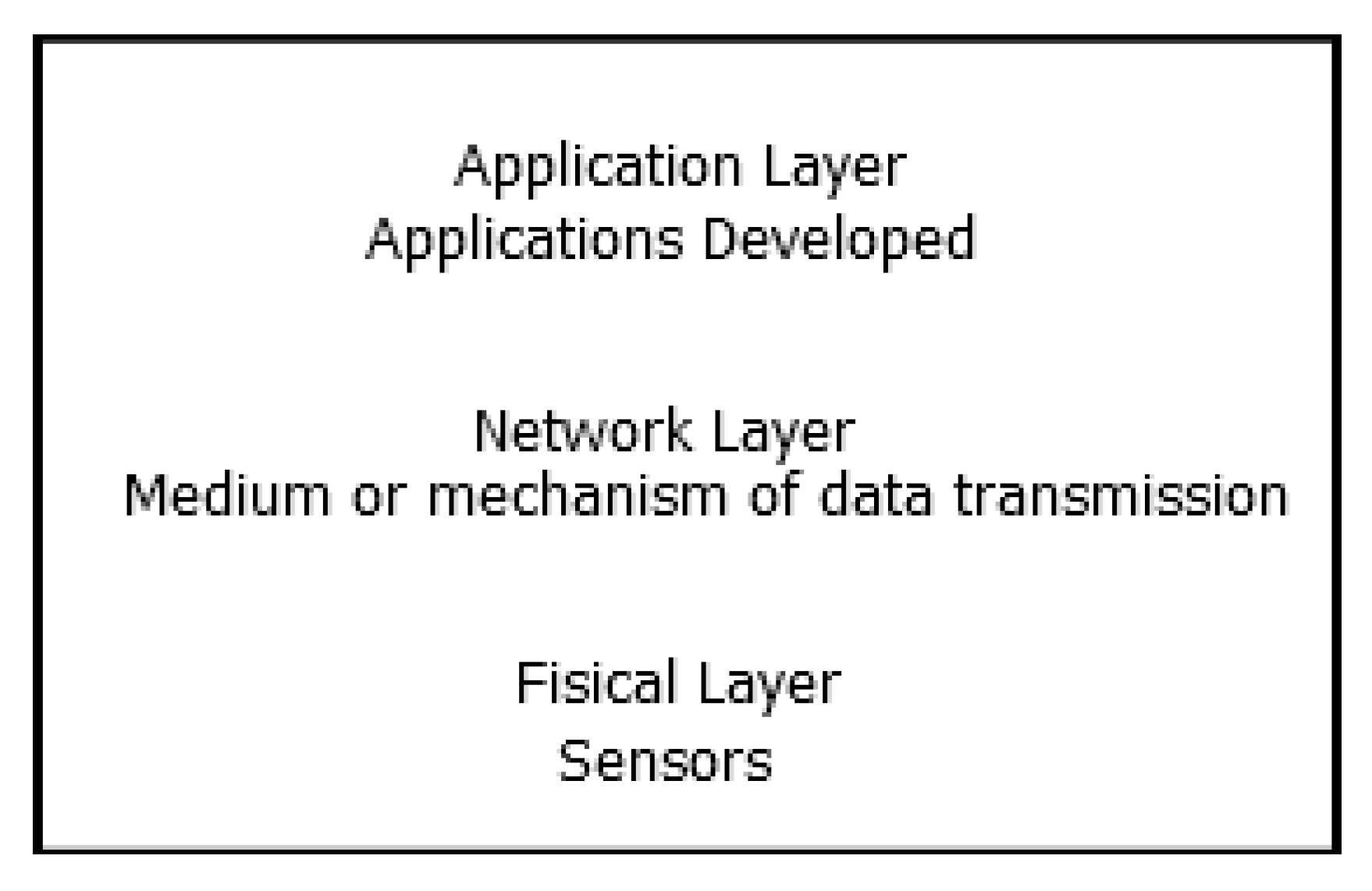
Architectures based on IoT are usually divided into three layers: perception, network, and application layer, as shown in
Figure 1 and mentioned in [
1,
7,
8,
9].
Perception layer: dispositive like sensors, gateways, RFID (Radio Frequency Identification) tags, and barcode belong to this category. Its main task is to gather information.
Network layer: this layer is composed of various networks such as wired, wireless, private, and public. Its main task is to propagate and process information collected in the perception layer.
Application layer: the related user interfaces and services are always based on the characteristics of the applications such as an intelligent transport system, monitoring system environment, and remote medical system.
One of the fundamental bases of the Internet of things is sensor networks, which is one of the reasons IoT systems inherit the security risks present in WSN. The security of the system must consider each network component. It is always better to include security mechanisms parallel with the design of the architecture, which should be the correct approach. The wrong approach is to design an architecture and, in the end, try to add security to a system already developed. Through these lessons, to achieve a system with the minimum security requirements, it is fundamental that security must be integrated into all components of the network [
11]. Unfortunately, as is the case with many internet protocols, security is only added in a later-final stage, with the result that the added security becomes a patch to the original protocol that is not the best nor the adequate solution. Sadly, the RPL (Routing Protocol for Low-Power and Lossy Networks) protocol follows this path, although there is still time security taken into consideration before RPL becomes more widely used by both academia and industry.
RPL [
12] is a distance vector routing protocol based on the construction of a directed acyclic graph (DAG). A design based on distance vector is considered suitable for low power and loss networks (LLN) such as RPL. In [
12,
13], RPL is designed for restricted and IP-based environments because it is recognized as the Internet of Things (IoT) routing protocol. The construction of the RPL topology is developed through the creation of a tree. For this cause, the root starts the process, and this tree is built through the sending of control messages. Within the tree construction process, each node is assigned a rank, the rank tells the node how many jumps it is from the root, and the root node will have rank 0. In other words, the node’s rank corresponds to the level in the one inside the DAG. Within the terminology of this protocol, the term DODAG (destination-oriented DAG) is also known; it is a DAG rooted in a single destination, that is, in a single-root DAG (the root DODAG) which has no outgoing links. A DODAG is built using an objective function (FO) configured by the programmer, and this FO is used by the nodes to select its parent. Regarding control messages, RPL handles three types, and these are DIS (DODAG information solicitation), DIO (DODAG information object), and DAO (destination advertisement object). DIS is a control message used to request information from a DODAG, DIO is a down control message that allows a node to discover an instance of RPL, learn its configuration parameters, select a parent set, and maintain the DODAG. DAO is a control message that is used to propagate destination information up through the DODAG.
In [
14], a work related to the classification of attacks in the RPL protocol is presented. However, the work has 23 references in total, and the most updated reference corresponds to the year 2016.
The literature shows us different types of attacks that can appear while using the RPL protocol, and these attacks and their consequences or impact are summarized in
Table 1.
This paper presents an investigation about the attacks present in RPL and the mitigation mechanisms used in the literature. This research is exposed through a structured literature review (SLR) according to Massaro protocol presented in [
23], and following these reviews [
24,
25,
26]. The contribution of this research is to establish a starting point for new investigations regarding the attacks mitigated in the RPL protocol and the strategies used, that is: What attacks have been presented? How many contributions exist? If it exists or not, is there persistence in the authors’ research line, and what is the future trend? To date, there is no review of state of the art using the SLR methodology that can guide researchers regarding the development and contributions of existing publications. This situation becomes the contribution of this manuscript, to contribute to the literature an SLR review covering the proposals that mitigate attacks in RPL and their mitigation strategies. The main object of this paper is to show the progress of security aspects in RPL-protocol, and answer the following research questions. RQ1: What are the development issues in IoT in RPL-security? RQ2: What are the trends to solve the security problems of the RPL-protocol? RQ3: What is the trend of future research?
2. Research Selection Method
The selection process was divided into three steps: the first step was identifying the different search terms related to security in RPL. In the second step, for each database, we identified the advanced search system and entered the combination of the selected keywords. Then, once the papers were selected in the second step, a new filter was applied after reading their titles and abstracts.
In this SLR, the following search terms were used: RPL Secure, RPL Based Secure, Authentication Protocol and Security Routing Based RPL. Terms were selected after a brief study of the keywords used in the papers related to the line of research addressed in this SLR. As a first step, the most relevant keywords that could yield the desired search results were identified, that is, proposals for secure protocols based on RPL that would mitigate the attacks that are detailed in
Table 1. Subsequently, the keywords that threw up a large number of papers and made it impossible to analyze each of them. Finally, the keywords removed in the previous step were combined to refine the search results. The terms finally selected were those that yielded quantitatively valid results for the analysis of this review.
The databases explored were IEEE, Science Direct, and Springer. These databases were selected because they host proposals for conferences and journals related to the area of computer science and electrical and electronic engineering. Results about the number of papers selected to the second and third steps are presented in
Table 2.
The proposals selected for the analysis totaled 53. Review papers, or proposals implemented using a routing protocol other than RPL, were discarded (only proposals that concretely ensured the protocol’s security were taken into account). Among the proposals reviewed in this section, we found different mechanisms that improve the security of the RPL protocol, and these proposals will be discussed below.
Table 3 presents the coding for journals and conferences where papers were published, and
Table 4 shows the type of paper coding. These codes are established in order to make reference to conferences, journals, and types of paper during the development of the manuscript in a simpler way.
The theme and approach coding is described in
Table 5. Due to their operation, some attacks shown in
Table 1 are related to each other. Therefore it has been decided to unite these attacks and analyze them as a group within this manuscript. Both the RA (rank attack) and the SIA (sinkhole attack) aim to attract network traffic to a specific node, so these two attacks make up an analysis group. SFA (selective forwarding) and BA (blackhole attack) work in the same way with the difference that all received packets are discarded in the BA attack, and in the SFA attack, the malicious node decides which packets to forward and which not. Finally, the DAA and DIA attacks have been united into a single group since they are related to modifying protocol control messages. These groups formed are detailed in
Table 5 and are selected as the analysis topics following the SLR review structure.
3 mitigation strategies used by the authors have been identified, these are specified in
Table 6, including the "others" category, in order to assign a category to those proposals that do not adapt to the 3 identified strategies.
Table 7 summarizes relevant data from 53 papers selected for this SLR according to
Table 3,
Table 4,
Table 5 and
Table 6. The first column gives the author name and year of publications of the proposal. Column 2 refers to the number of citations the proposal has at the time of submission of this review. Column 3 shows type code according to
Table 4. Column 4 refers to the journal or conference code, according to
Table 3. Columns 5–10 specifies the theme code according to
Table 5. Columns 11–14 detail the approach code according to the table. Finally, the last column shows the proposal’s reference.
3. General Conclusions
For bibliographic analysis and citations, the bibliometrix package in RStudio [
75] was used. It was possible to determine the most cited authors or the most productive countries. The analyzed papers were papers displayed in
Table 7.
Table 8 shows the primary information about data.
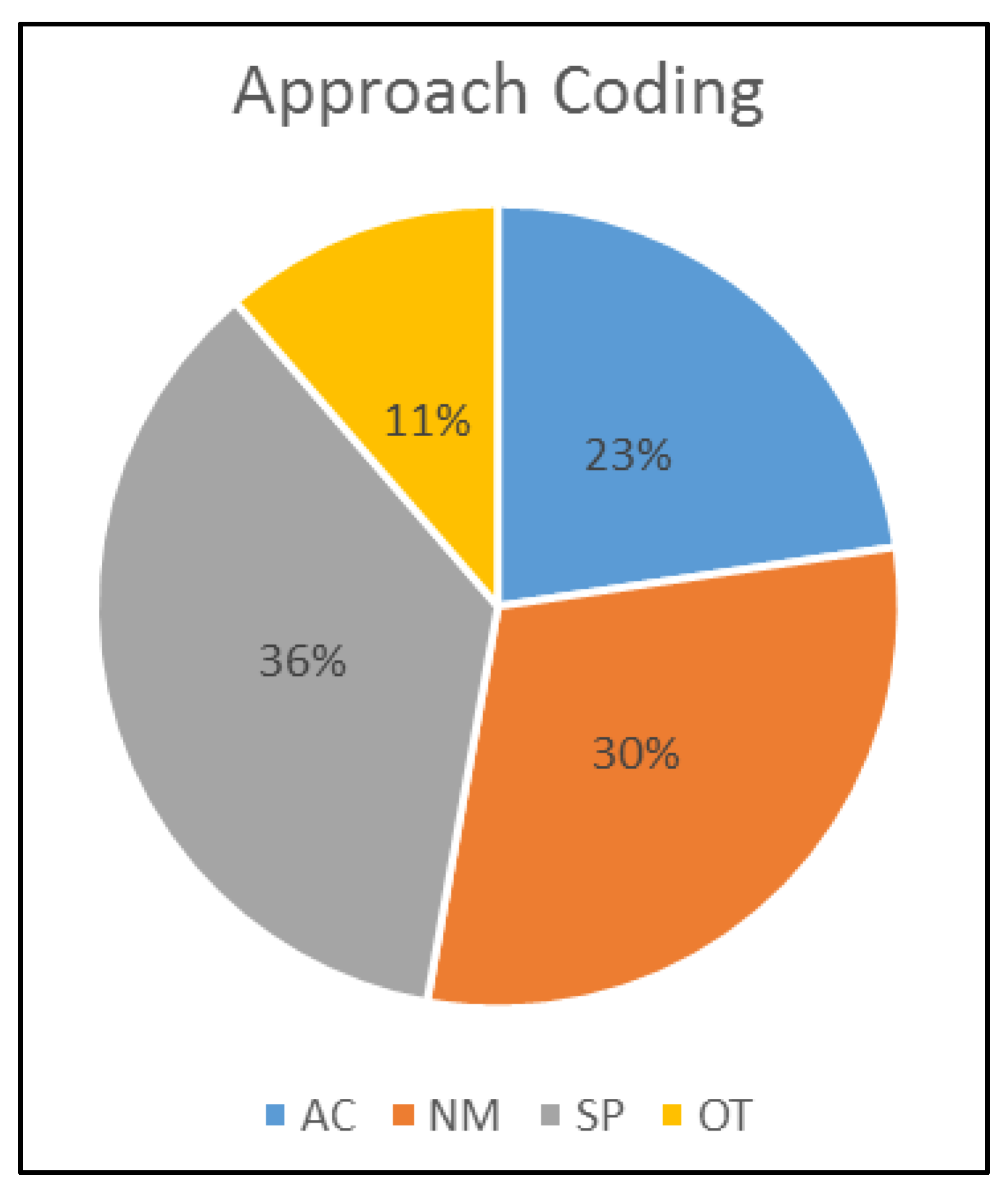
Percentages of paper approaches presented in
Table 9 and
Figure 2 are based on the papers analyzed, and the selected categories. According to the results, there are more significant proposals at the SP (Based on secure parent node selection) and NM (based on network monitoring) approach, followed by AC (based on authentication or cryptography) and OT (Other).
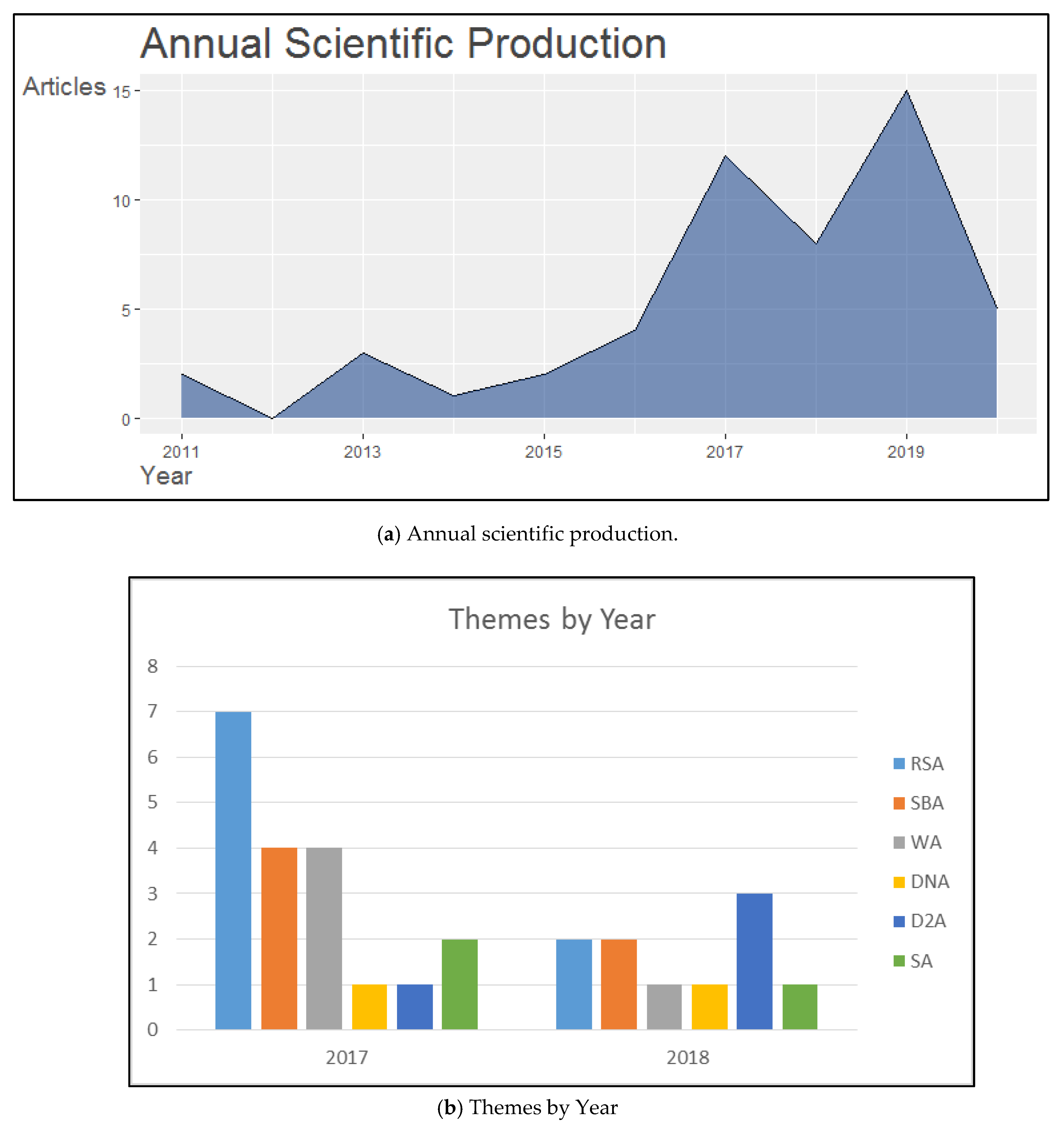
Annual scientific productions are shown in
Figure 3a. Publications correspond to the years between 2011 and 2020. From this figure, it is concluded that the number of papers has increased over the years. However, throughout this period of time, the trend did not always increase, and there are some years in which production in the area decreased. Between the years 2011–2012, 2013–2014, and 2017–2019 there was a decrease of two, two, and six proposals, respectively.
The most relevant decrease occurs between the years 2017 and 2018. Details of the subjects studied in this period are shown in
Figure 3b, it is observed that this decrease is mainly associated with the line of research associated with the subject RSA (Rank attack/Sinkhole attack) but there was an increase in research related to the D2A (DAO/DIS message inconsistency attack) issue. D2A is a group of two attacks that arise from the nature of RPL, affecting the DIO and DAO control messages. Therefore it can be concluded that, in 2018, researchers worked more to strengthen the security of the nature of the protocol compared to the previous year. For the rest of the subjects, the study remains almost constant.
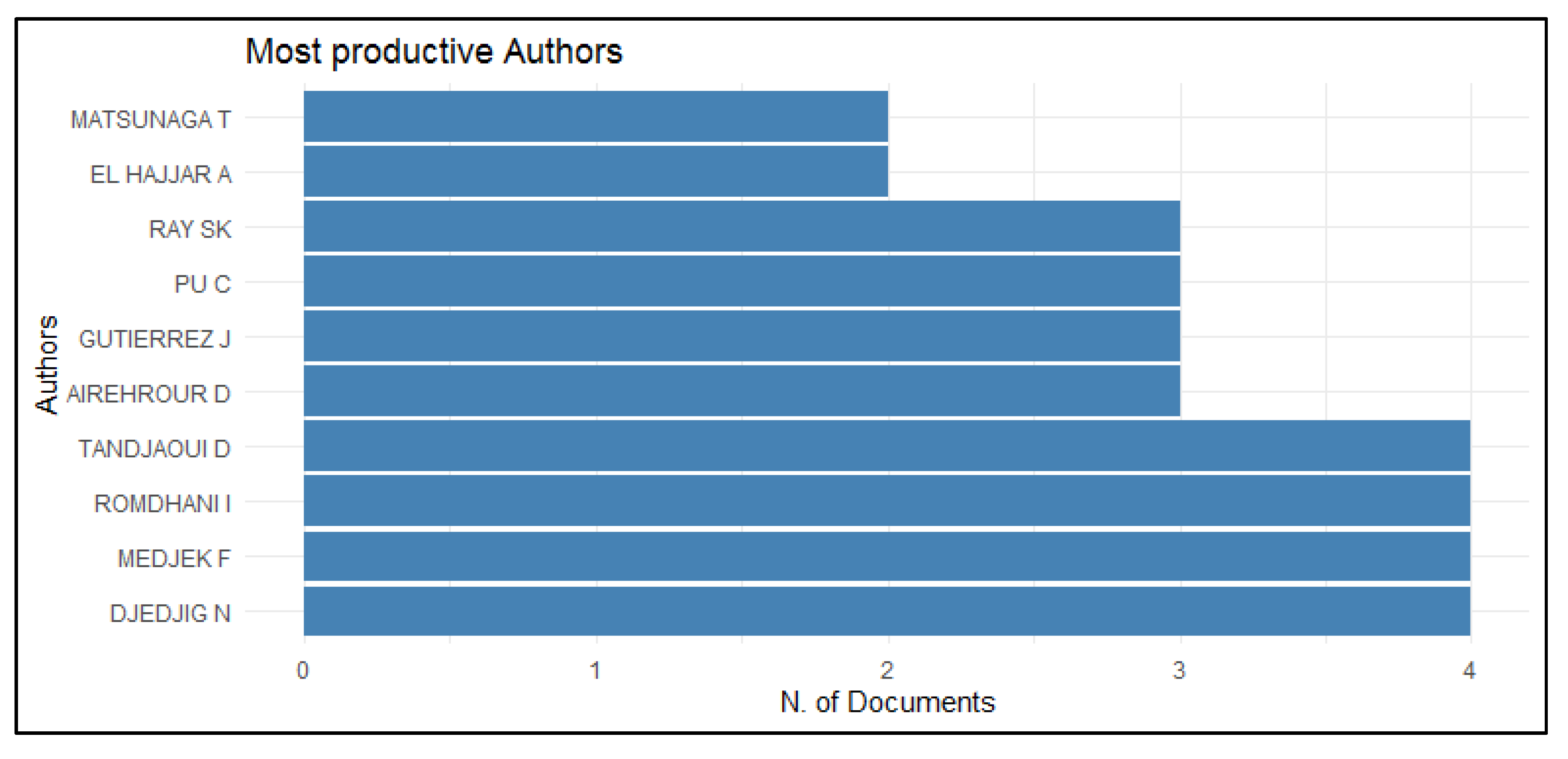
The most productive authors are shown in
Figure 4. There are two authors with two papers, four authors with three papers, and four authors with four papers. The above shows that these authors show continuity in the research topic.
Table 10 lists the contributions of the authors mentioned in
Figure 4. From this table, we can obtain information that
Figure 4 by itself does not provide. The authors S.K. Ray and J. Gutierrez are listed in
Figure 4 with three contributions each, although these contributions are the same for both authors. The same happens with the authors D. Tandjaoui, F. Medjek, and N. Djedjig, for whom
Figure 4 shows four contributions. Other information that can be inferred from
Table 10 is the period of publication, and it is considered that these authors maintain their current research line, with 2019 or 2020 being the last year of publication, except for the authors T. Matsunaga and A. El Hajjar.
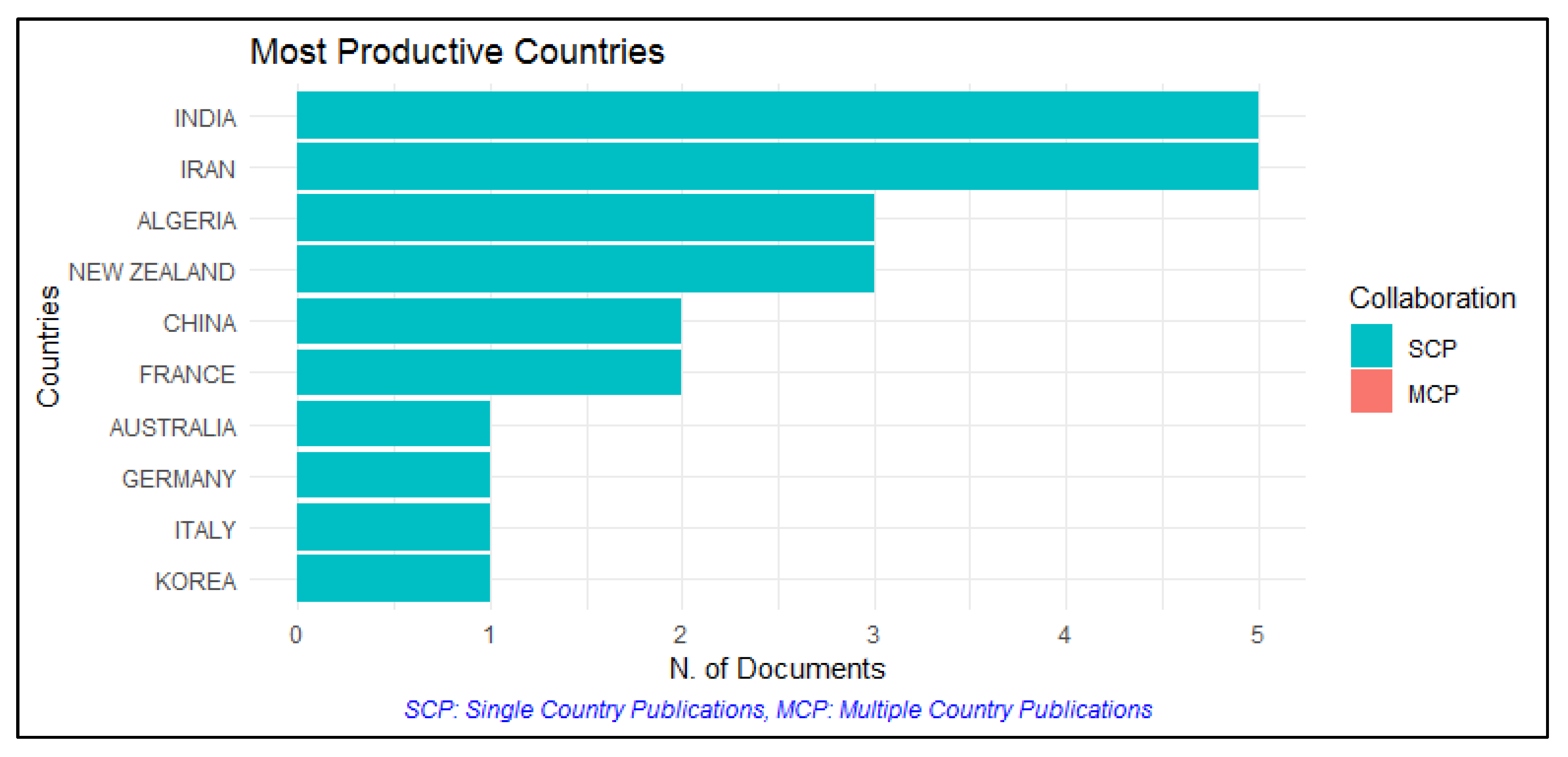
Figure 5 shows the most productive countries; a high concentration of publications are in Algeria, India, Iran, and New Zealand with three productions each.
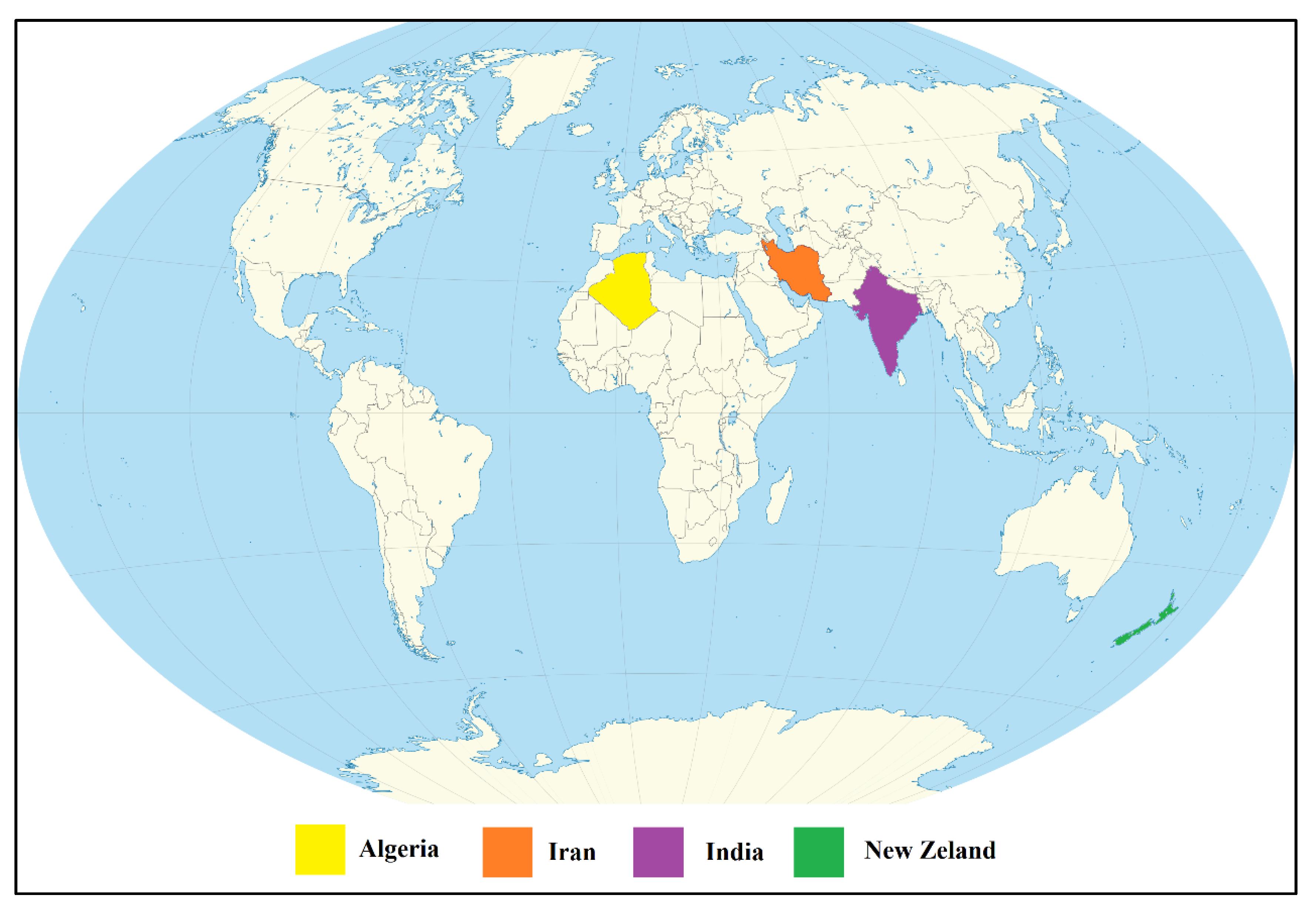
Figure 6 locates on the world map of the four most productive countries in the line of research associated with this SLR. It can be seen that the productions come from the continents of Asia, Africa, and Oceania, with Africa being the continent that groups the largest countries. It can also be observed that Europe and America do not have publications on the subject.
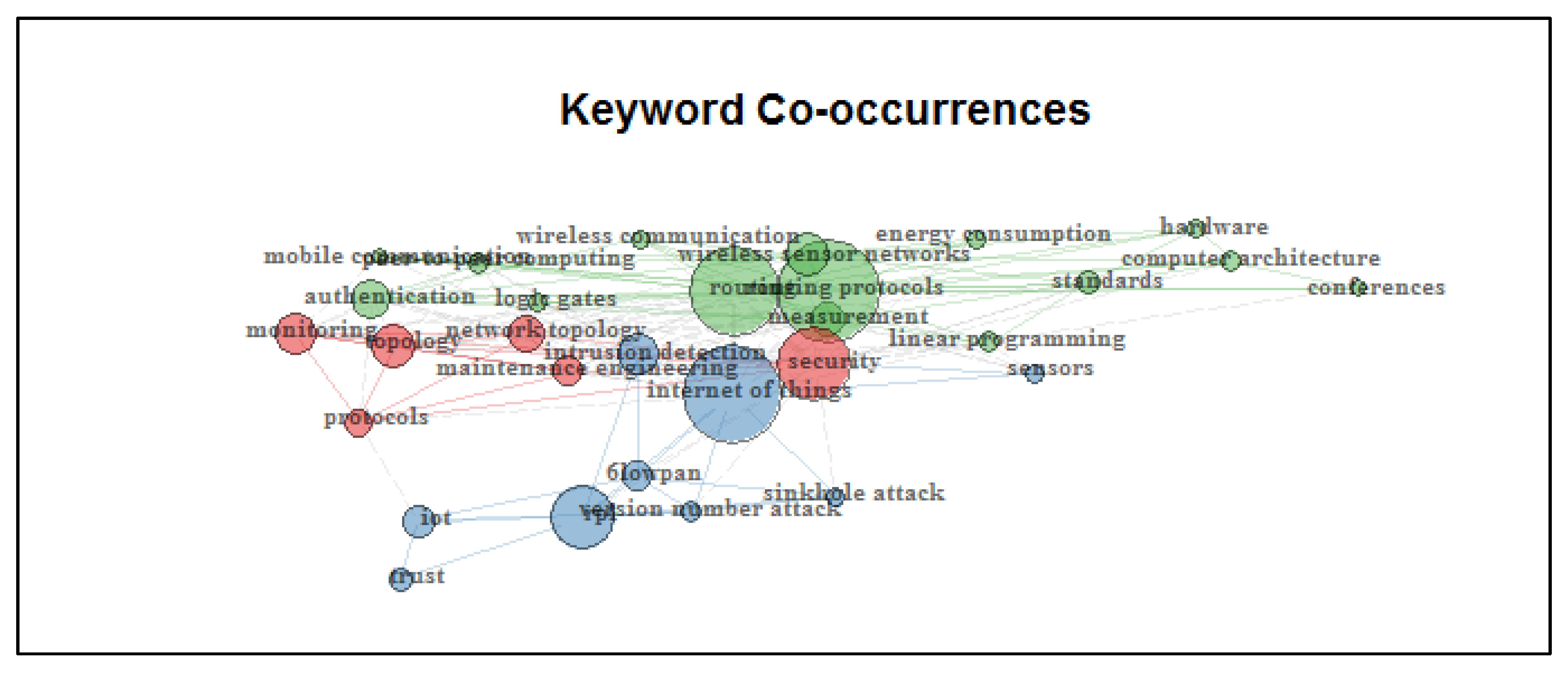
Figure 7 shows the keyword co-occurrences. The network resulting from the analysis of keywords co-occurrences shows three significant groups. The green group shows the relationship of words such as wireless communications, energy consumption, hardware, authentication between others. Red group evidences the association between protocols, monitoring, topology, maintenance, and security. The blue group shows the relationship between words such as the internet of things, 6lowpan, IoT, trust, sinkhole attack, version number attack, sensors, and intrusion detection. The image shows us the closeness of these three groups, indicating their close relationship. The spheres’ size representing each of the keywords indicates their level of importance within the group. The larger the sphere, the more significant its relevance. Links indicate the relationship between keywords in the same group.
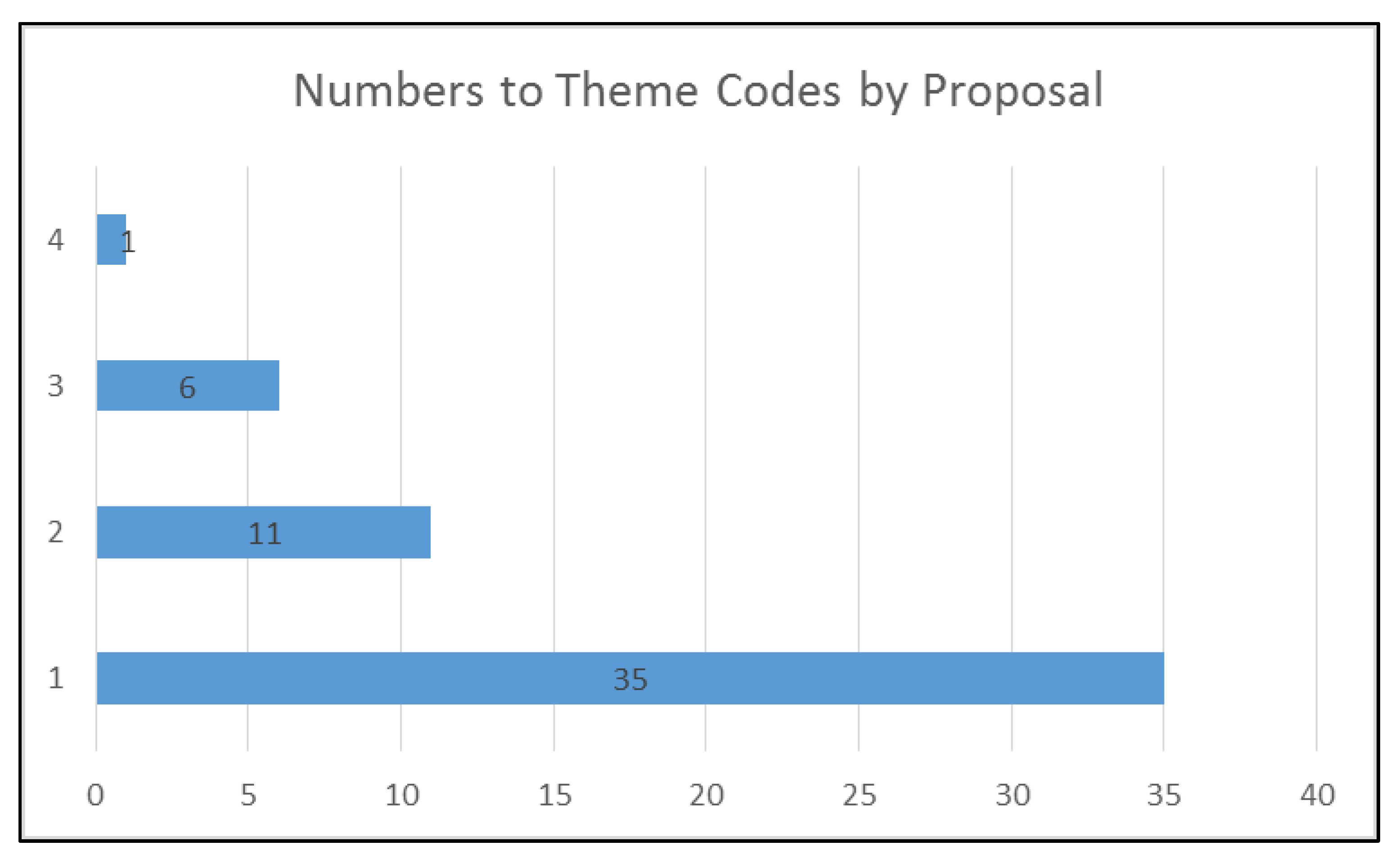
Figure 8 shows the number of theme code by the proposal. It means that 35 proposals were classified with one theme code, 11 proposals were classified with two theme codes, six proposals were classified with three theme codes, and one proposal was classified with four theme codes.
Figure 8 also shows the inverse relationship between the number of attacks mitigated in a proposal and the number of proposals that mitigate that number of attacks. In other words, the higher the number of attacks mitigated in a single proposal there is, the lower the number of proposals found in the literature.
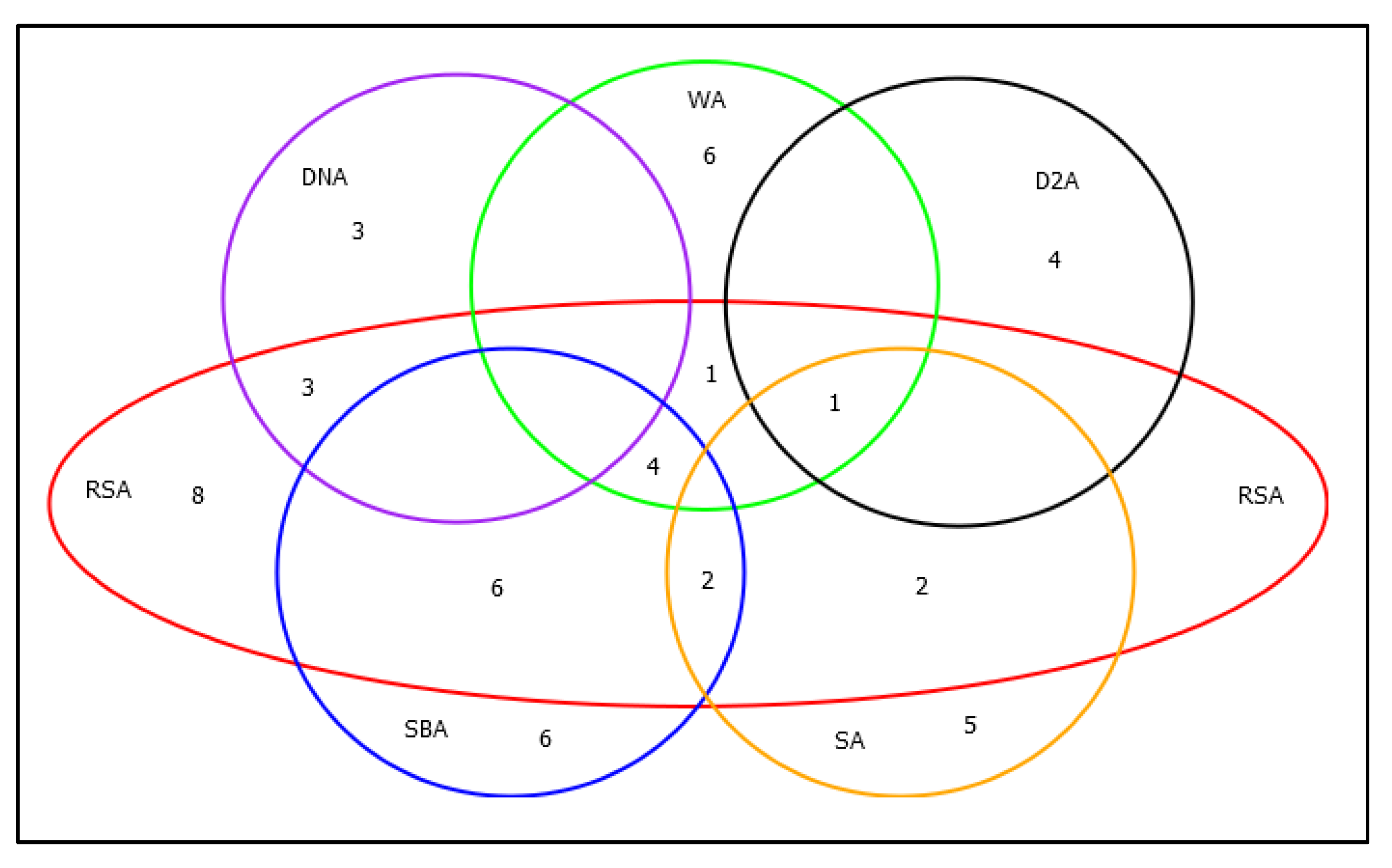
Figure 9 shows a Veen diagram detailing the number of proposals that mitigate one or a set of attacks. Seven proposals mitigate only the RSA attack. In this diagram, we can see that the attack with the most significant presence in the line of research reviewed is the attack encoded with the RSA theme code (See
Table 5). Likewise, this is the attack that the authors mitigate in conjunction with other attacks in the same proposal. According to
Figure 9, three proposals mitigate RSA and DNA, five proposals mitigate RSA and SBA (Selective forwarding/Blackhole attack), four proposals mitigate RSA, WA(Wormhole attack), and SBA, one proposal mitigates RSA, SBA, and SA (Sybil attack), one proposal mitigates RSA, D2A, and SA, and one proposal mitigates RSA, WA, D2A, and SA. It can also be concluded that this issue is mitigated in conjunction with all the attacks summarized in
Table 5.
It can also be seen in
Figure 9 that no attack is mitigated independently. There is at least one proposal in each category, mitigating a set of attacks, and that is why there is no isolated set in the view diagram. In the case of the D2A theme, this attack is mitigated in five proposals, four of them mitigate only this attack, but, in one proposal, it is mitigated together with the WA, SA, and RSA themes. Finally, it can be noted that no proposal mitigates all the attacks detailed here, as seen in
Figure 8.
Tables and figures allow us to detail the following implications:
Implication 1: RPL security is a topic highly associated with the industry since the highest percentage of publications are in proceedings of international conferences (see
Table 8).
Implication 2: The investigation takes strength in the field of security in RPL. Since its inception, its authors stated that this protocol did not manage security at the network layer. Therefore this has been a starting point for the investigation and implementation of mechanisms to mitigate attacks in this protocol (see
Figure 3).
Implication 3: 10 authors have more than one publication in this SLR. This shows a trend of the persistence of researchers in the area. On the other hand, according to
Table 8, the collaboration index is 2.65, which shows temporary work among the authors.
Implication 4: New Zealand is evidenced as a strong country at the level of technological research, according to
Figure 5.
Implication 5: Of the five proposals for 2020, only one of them belongs to a conference, and the rest are part of journals. This is deduced given the global crisis experienced due to the Covid-19 pandemic, for which mass gatherings of people have been restricted, including academic or research conferences.
The statistics and taxonomy generated allow us to answer the research questions detailed in the introduction.
RQ1: What are the development issues in IoT in RPL attacks. Development issues in the RPL attacks are presented in
Table 5, where themes are detailed. Each one of these attacks is described in section II.
Table 5 shows attacks on the RPL protocols in layer 3. Some attacks are inherited from the WSN, like SA or WA. Attacks like DNA or D2A are attacks that arise from the logic of the protocol.
RQ2: What are the trends to solve the security problems of the RPL-protocol.
Table 6 summarizes three principal groups into which this SLR divides the mechanisms to mitigate attacks on the RPL protocol. To mitigate attacks, the authors have designed strategies related to selecting a reliable parent in the design of the protocol topology, cryptography or authentication to change messages, and monitor the network for unusual behavior.
RQ3: What is the trend of future research. There is a tendency to improve the metrics of the RPL protocol. One of these metrics is energy consumption, given the nature of WSN, and it is necessary to maximize the lifetime to the sensors. In the protocol proposal [
12], the authors affirm that they do not have security mechanisms implemented for the routing layer, leaving the line of investigation open to those who wish to improve the said protocol. In the first instance in the investigations, it was evidenced not to take into account the energy consumption, although, as a future trend, it is a metric that is intended to improve even so by implementing the security mechanisms.
4. Conclusions
This research presents an SLR for mitigating frequent attacks at the network layer in wireless sensor networks using the RPL protocol. It is essential to mention that the IoT security analysis must also be seen from the WSN perspective because the problems that are present in WSN are also inherited to IoT. As a general trend, this work emphasized how the provision of security related to IoT is gaining more attention in recent years, even though there is a decrease in literary production between 2017 and 2019, as shown in
Figure 3a. In 2020 the publications of the year 2019 were already matched, and it is expected that, by the end of 2020, this production will increase in number.
According to the bibliographic review, nine attacks have been found: rank, blackhole, selective forwarding, wormhole, DODAG version number, DAO inconsistency, DIO suppression, Sybil, and sinkhole. Each of the 53 proposals analyzed in this review has an associated mitigation strategy, these strategies have been categorized into four groups: based on authentication or cryptography, based on network monitoring, based on secure parent node selection and other. According to the results, the primary mitigation strategy used by the authors is based on parent selection or trust model, with 36% (See
Figure 2).
Figure 4 shows that some authors have been constant in the investigation of the subject, and this is concluded because these authors have more than one proposal included in this review. An important conclusion is that there is a tendency to mitigate a single attack within a unique paper. This is evidenced in
Figure 8, which shows that 35 proposals were classified with a thematic code. Only one research was classified with four thematic codes. This figure shows that the number of publications is inversely proportional to the number of mitigated attacks.
The implications made in this review were as follows: (1) RPL security is a topic highly associated with the industry since the highest percentage of publications are in proceedings of international conferences (see
Table 8). (2) The investigation takes strength in the field of security in RPL. Since its inception, its authors stated that this protocol did not manage security at the network layer. Therefore this has been a starting point for the investigation and implementation of mechanisms to mitigate attacks in this protocol (see
Figure 3). (3) 10 authors have more than one publication in this SLR. This situation shows a trend of the persistence of researchers in the area. On the other hand, according to
Table 8, the collaboration index is 2.71, which shows temporary work among the authors. (4) New Zealand, India, Iran and Algeria are evidenced as strong countries at the level of technological research, according to
Figure 5.
There is a tendency to improve the metrics of the RPL protocol. One of these metrics is energy consumption, given the nature of WSN, and it is necessary to maximize the lifetime to the sensors. In the protocol proposal [
12], the authors affirm that they do not have security mechanisms implemented for the routing layer, leaving the line of investigation open to those who wish to improve the said protocol. In the first instance in the research, it was evidenced not to take into account the energy consumption. However, as a future trend, it is a metric that is intended to improve even by implementing the security mechanisms.
The biggest obstacle to developing security mechanisms for IoT is the nature of the network. The reason is that things or sensors are small devices with little processing capacity, which makes it challenging to execute robust algorithms that strengthen the security of the system. RPL does not have a defined implementation for its security operations, as the standard only advises on how to improve the security of the protocol. It is vital to continue working on strengthening the security aspects of RPL since even a small security flaw can be exploited and misused by third parties.