


Abstract
To address the “silo effect” in construction waste management and the inefficiency of resource allocation in large-scale, multi-section engineering projects, this study developed a cloud-based regional collaborative platform for construction waste management. The platform adopts a technical framework based on Java 1.8.0, Spring Boot 2.4.4, and MySQL 8.0.16, and integrates a visual interactive interface. It supports dynamic access, data entry, quality review, and scheduling of construction waste information across multiple sections and projects. Validated through a case study on the Changhu section of the Guangdong Guanshen–Changhu Expressway expansion project, the platform successfully achieved spatial–temporal optimization of 740 thousand cubic meters of diversified construction waste across seven sections. The comprehensive utilization rate of construction waste increased by more than 25%. Practice has shown that the platform effectively promotes carbon emission reduction in earthworks, enhances resource circularity, and provides digital support for construction quality control. This platform presents an innovative informatics-driven approach to construction waste management, serving as a replicable model.
1. Introduction
The “silo effect” in construction waste management across different project sections has long hindered resource circularity in large-scale engineering projects [1,2]. Under traditional management practices, each segment operates independently to process its own waste [3]. This fragmented approach often leads to excessive transportation costs and redundant carbon emissions due to repeated procurement of new materials [4]. Even when cross-section waste redistribution is attempted, systemic inefficiencies remain. Insufficient data sharing and coordination limit the transfer of construction waste between sections to less than 20%. Approximately 60% of recyclable materials are consequently disposed of through off-site transportation or inefficient landfill methods [5,6]. To meet the requirements of “zero-waste construction sites” and green building standards, establishing integrated resource flows across project sections has transitioned from an optional strategy to an urgent necessity [7,8].
While research has advanced construction waste recycling technologies, direct landfilling remains the most common method in practice [9]. Key challenges persist in regional collaborative information management: (1) Data fragmentation among administrative entities slows resource reallocation [7,8]; (2) Conventional oversight systems lack responsiveness to spatiotemporal dynamics across waste generation, transport, and reuse [10]; and (3) Multi-stage recycling processes and static record-keeping methods hinder real-time monitoring of waste utilization and quality control during construction [11].
In the field of construction waste management, management practices for direct landfill disposal primarily focus on two core aspects. The first is information coordination related to the cross-regional movement of construction waste [12], and the second is full-process supervision and review following landfill disposal. Under traditional management models, information exchange largely relies on informal means such as telephone communication, resulting in low interaction frequency and incomplete information transfer [13]. During landfill operations, on-site personnel are typically required to issue manual approval or verification forms. However, the completeness of the recorded information, the standardization of documentation formats, and the methods of data storage are often inconsistent and difficult to unify.
Existing studies have mainly concentrated on real-time monitoring during the transportation phase, such as installing intelligent terminals on transport vehicles [14] or using unmanned aerial vehicles [15,16] to inspect illegal dumping activities. Although these approaches enhance process-level supervision, they are generally associated with high implementation costs and remain limited to real-time monitoring. As a result, they provide insufficient support for retrospective analysis and comprehensive auditing of landfill disposal activities throughout the entire construction period. Therefore, developing a Construction Waste Management Platform is necessary [12].
The Guanshen–Changhu Expressways, vital components of China’s national and provincial highway networks, serve as critical transportation links within the Guangdong–Hong Kong–Macao Greater Bay Area. A large amount of earthwork, including excavation and filling, is involved in the reconstruction and expansion of these two expressways. Relying on the referenced project, this study develops a regional collaborative management platform for construction waste based on the principles of informatization construction, aiming to achieve dynamic allocation and utilization of construction waste resources.
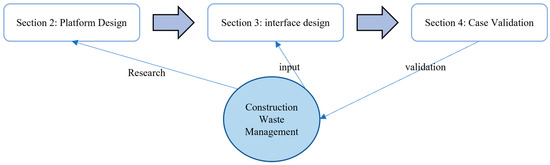
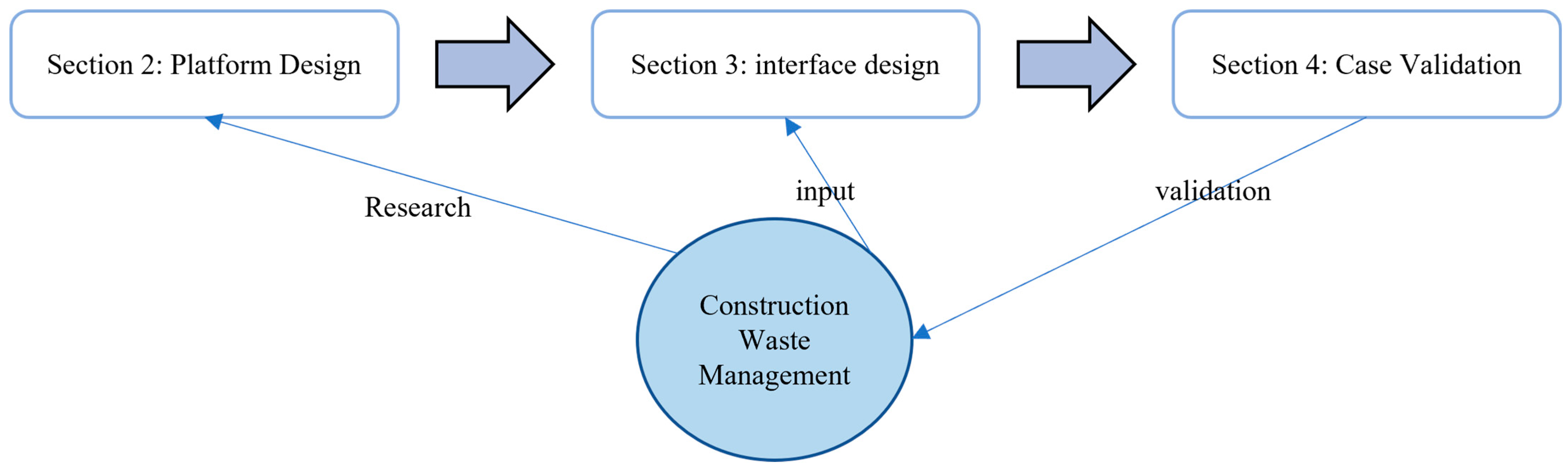
The remainder of this paper is structured as follows. Section 2 introduces the ontology modeling and architectural design. Section 3 details the user interface design. Section 4 demonstrates the platform’s usability through a case study, followed by a comprehensive discussion and conclusion (Figure 1).
Figure 1.
Research Framework.
2. Platform Design
2.1. Ontology Modeling
Ontology, a core branch of philosophy, examines the nature of existence, the relationship between substance and attributes, and related concepts [17,18]. With the advancement of computer science and information technology, ontology has been widely adopted to represent knowledge frameworks [17,19]. This concept can also be introduced into construction waste management [19]. Clarifying the knowledge framework of construction waste management helps reveal the collaboration mechanisms and information flow among various stakeholders. It further promotes the shift in construction waste allocation from traditional experience-based practices to systematic management grounded in scientific principles.
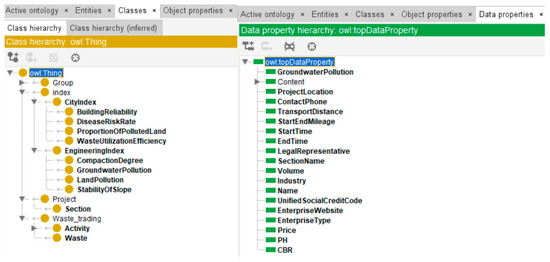
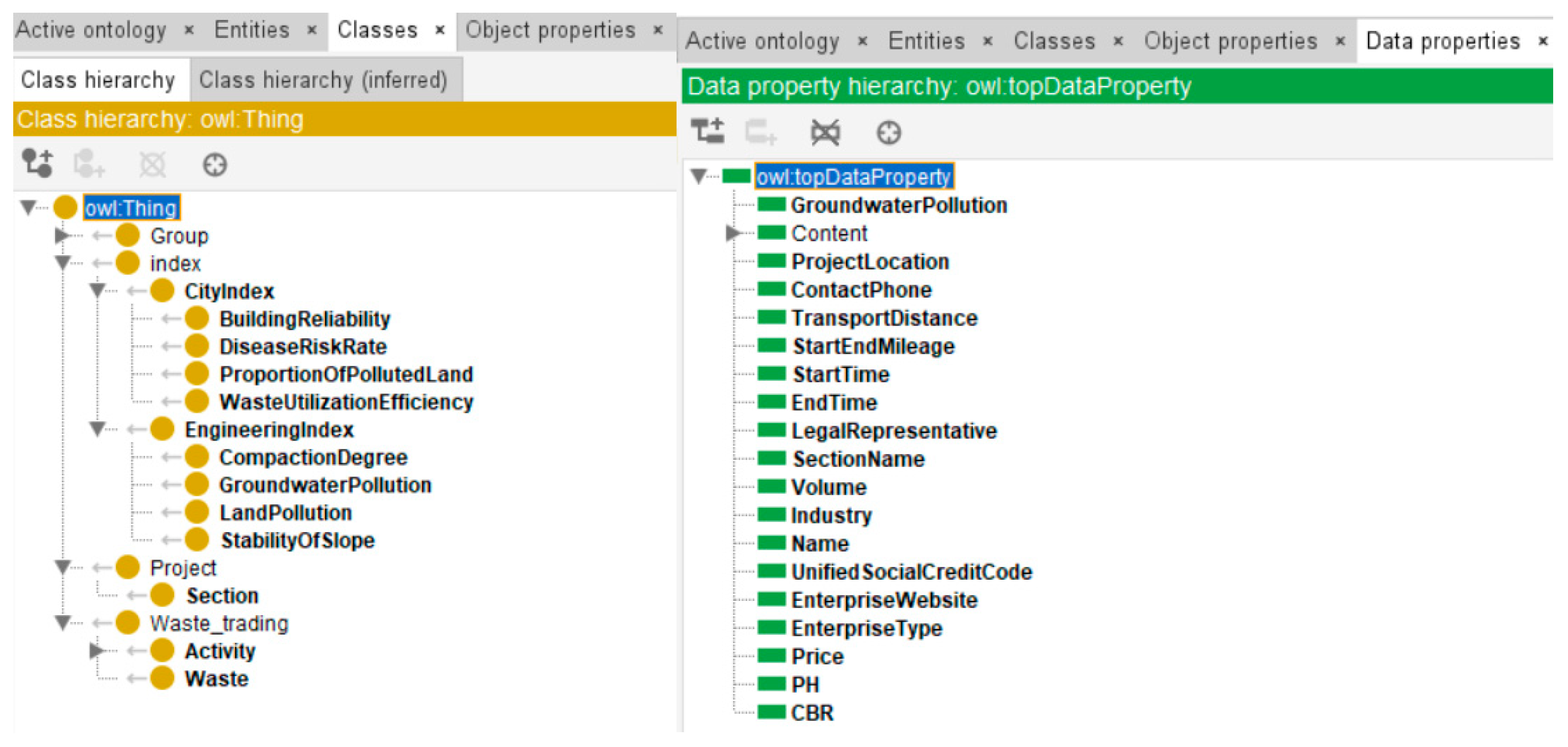
The ontological knowledge acquisition was conducted through methods such as expert interviews, field research, and analysis of existing cases. Based on this research, an ontology for construction waste allocation was developed. This ontology comprises four main categories and their associated attributes (Figure 2): (1) Stakeholder groups involved in waste allocation, including clients, contractors, and supervisors; (2) Construction projects that generate the waste; (3) Waste allocation transactions; and (4) Operational details of waste allocation, involving specific construction activities and the waste materials themselves. The ontology was subsequently modeled using Protégé 5.6.3 software.
Figure 2.
Ontology Modeling in Protege.
2.2. Platform Architecture Design
The platform was designed with an emphasis on scalability, interoperability, and data transparency. Its modular, layered architecture allows functional expansion in response to project stages and management needs. A collaborative Web and mini-program framework enables interoperable information sharing, review, and backend administration. Through full-process data handling, the platform enhances the transparency and traceability of construction solid waste information. This architecture is well-suited for linear infrastructure projects, such as expressways, and effectively supports cross-regional data collaboration and resource allocation under multi-segment parallel construction conditions.
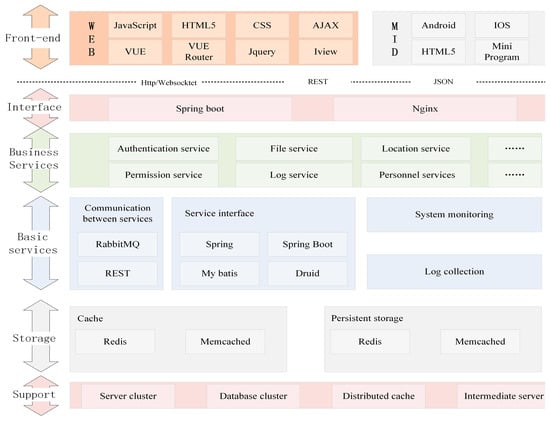
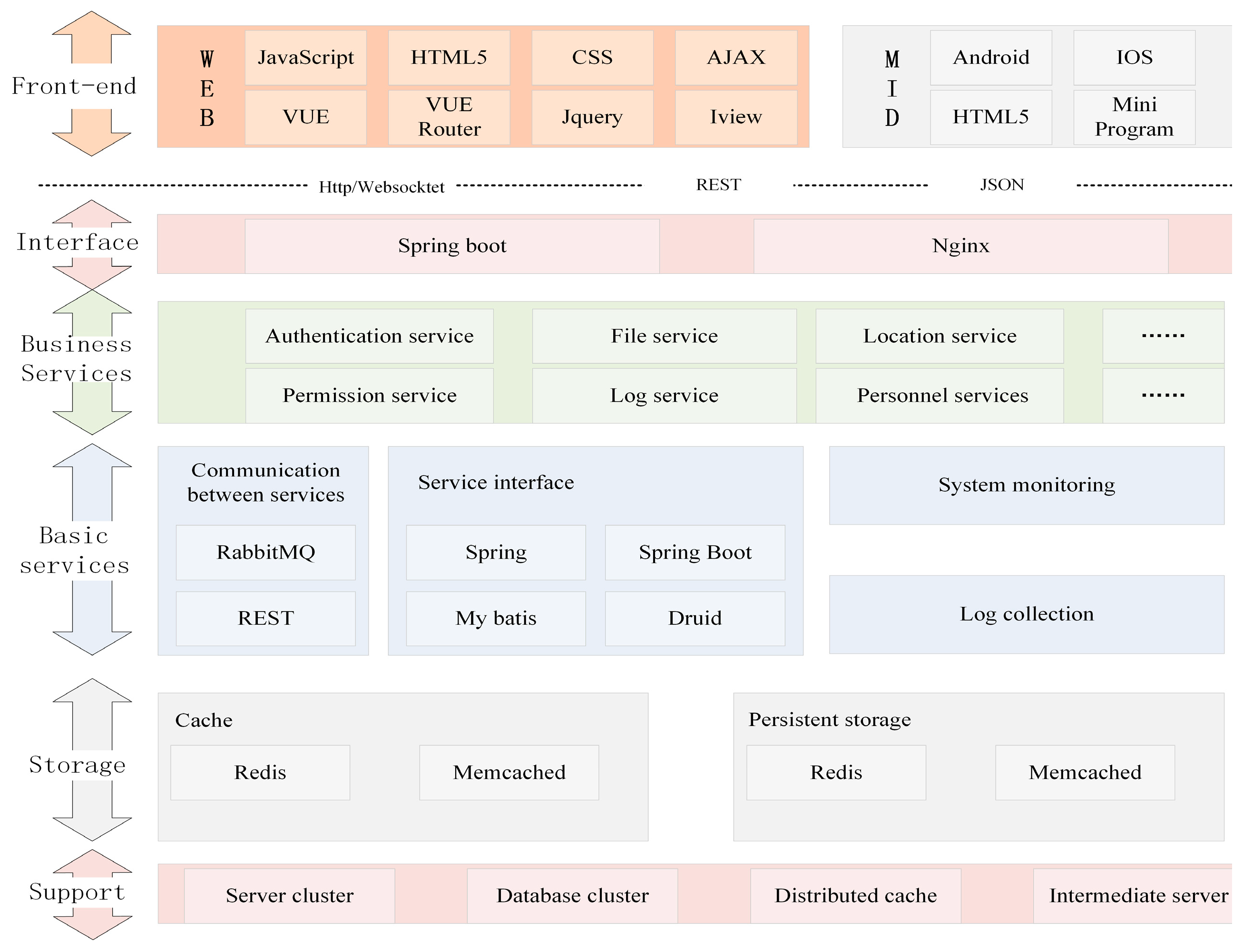
Based on the research requirements, the backend of technical architecture (Figure 3) was developed using Java 1.8.0 with the Spring Boot 2.4.4 framework, while the frontend was implemented with Vue 3.4.15.js.
Figure 3.
Technical Architecture Diagram.
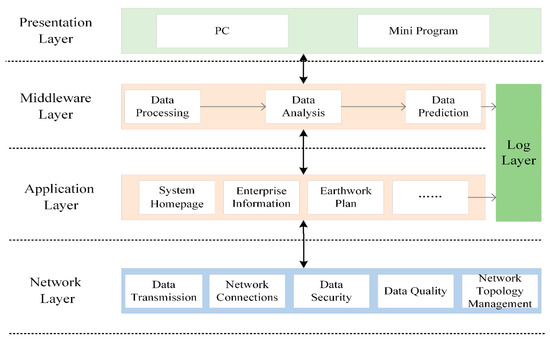
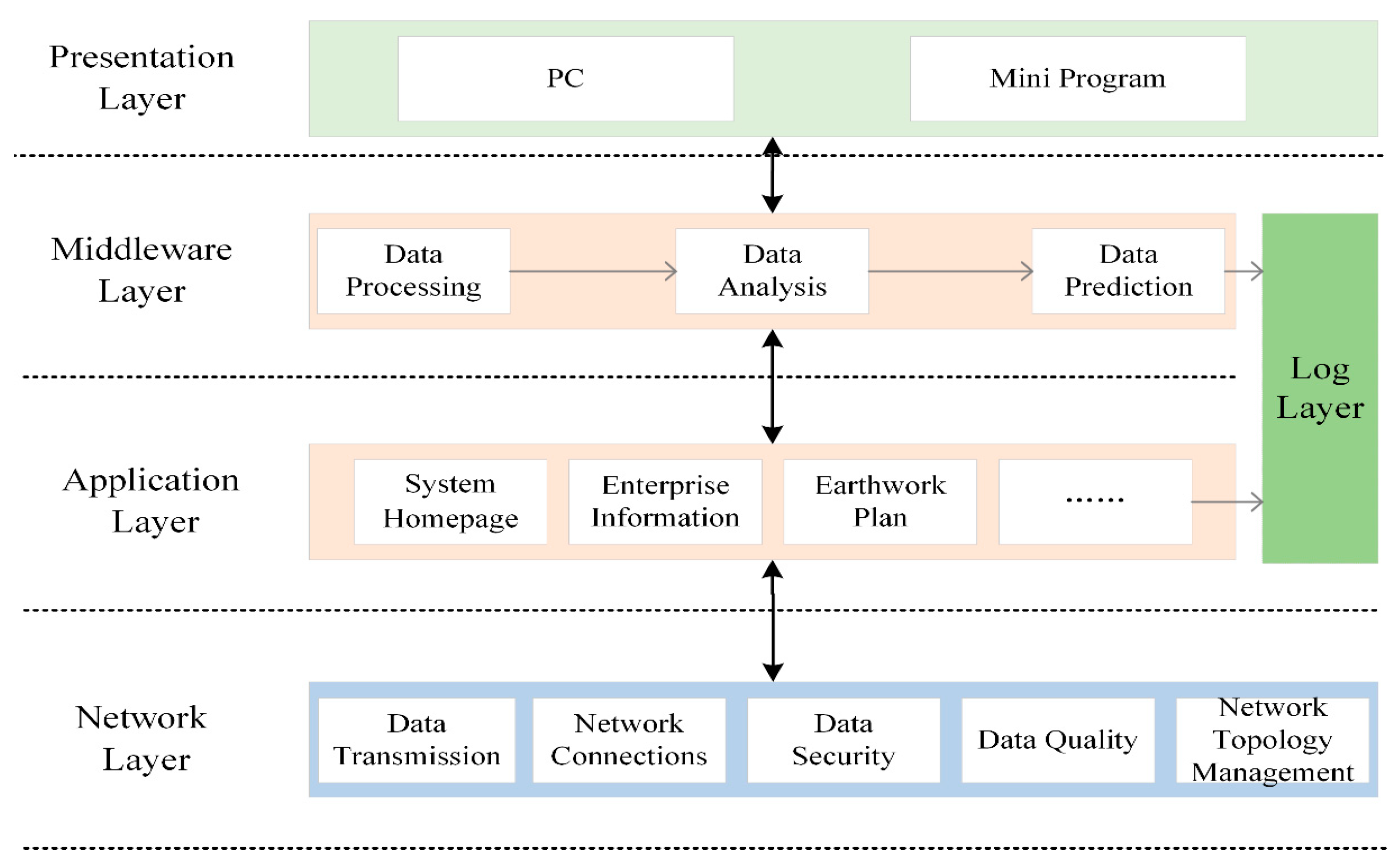
The platform’s functional architecture integrates five layers (Figure 4). These layers enable end-to-end resource coordination while meeting stringent security and quality control requirements.
Figure 4.
Function Architecture Diagram.
The technical architecture provides the platform’s deployment mechanisms and supports functional implementation. The functional architecture abstracts system operations into layered modules to realize the designed features. Together, these two structures form a coherent overall design.
3. Interface Design and Implementation
3.1. Construction Waste Data Access
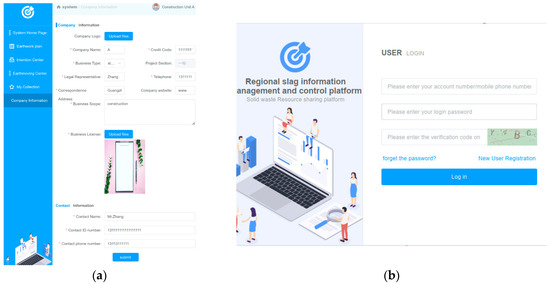
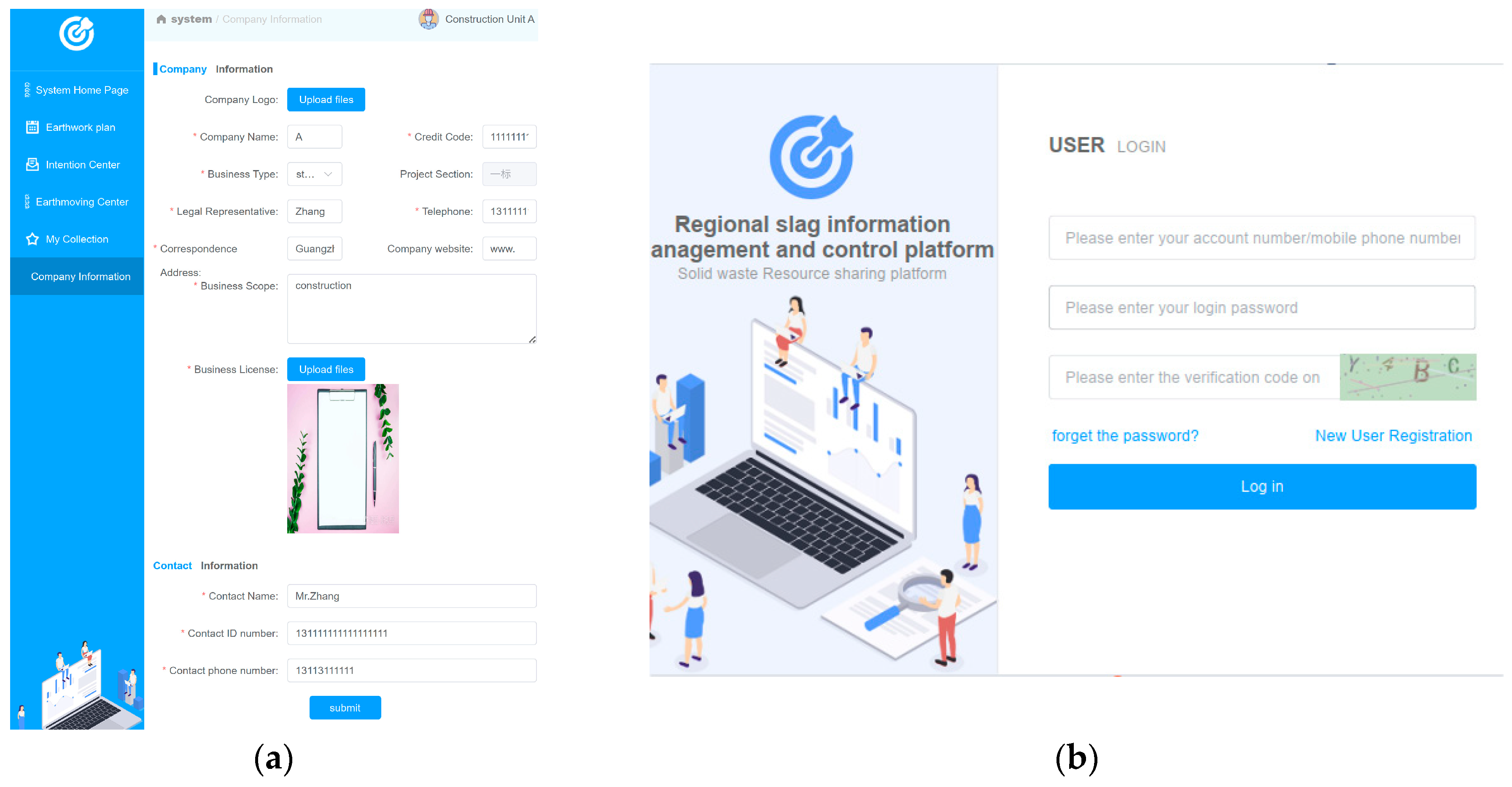
Platform administrators first pre-enter basic project information, including project names, section identifiers, section boundaries, and unit details. When registering, contractors select their designated project sections and provide relevant information such as credit codes, business licenses, and contact addresses. Approved entities gain system access after verification by the owner’s administrator. Users authenticate via mobile number or registered account credentials (Figure 5).
Figure 5.
Data Access Interfaces: (a) Registration Form; (b) Login Interface. The “*” denotes mandatory information for enterprise identity verification by the owner’s administrator.
3.2. Data Input
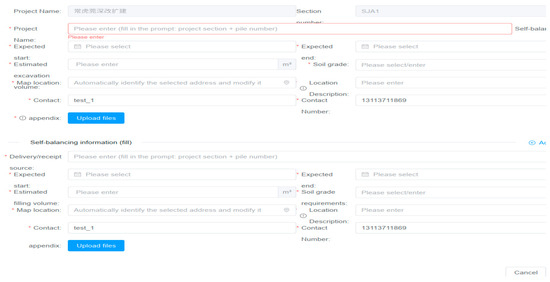
Upon login, users navigate to the planning module to input excavation/fill details, including quantities, timelines, geolocation markers, and geotechnical reports. Batch uploads are enabled through standardized templates. All submissions undergo administrator review—discrepancies trigger revision requests, with audit trails preserved for traceability. The implementation of earthwork planning ensures effective platform utilization. By reviewing these plans in advance, the system helps prevent omissions, false reporting, or completely off-platform transactions during actual operations.
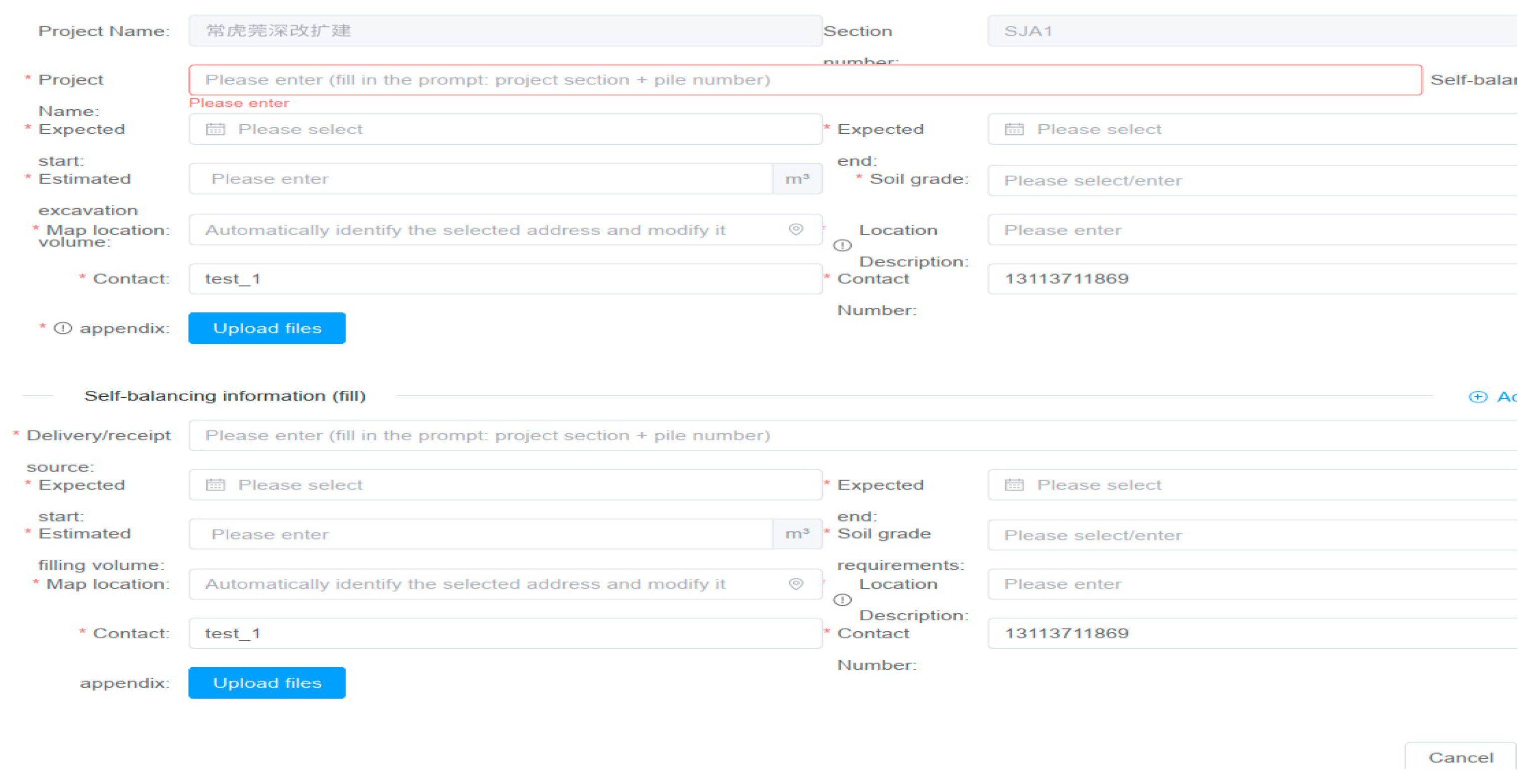
For entities managing internal excavation disposal or external fill procurement independently, the platform provides a “Self-Balancing” option. While these entries remain hidden from external stakeholders, they are archived and submitted to administrators for quality compliance checks (Figure 6).
Figure 6.
Data Input Interfaces. The “*” denotes mandatory construction waste information entered by contractors to ensure data completeness and validity.
3.3. System Homepage
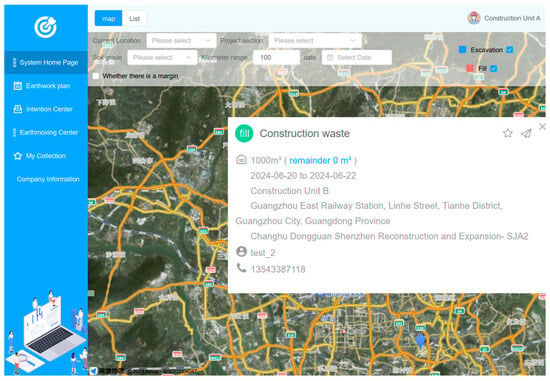
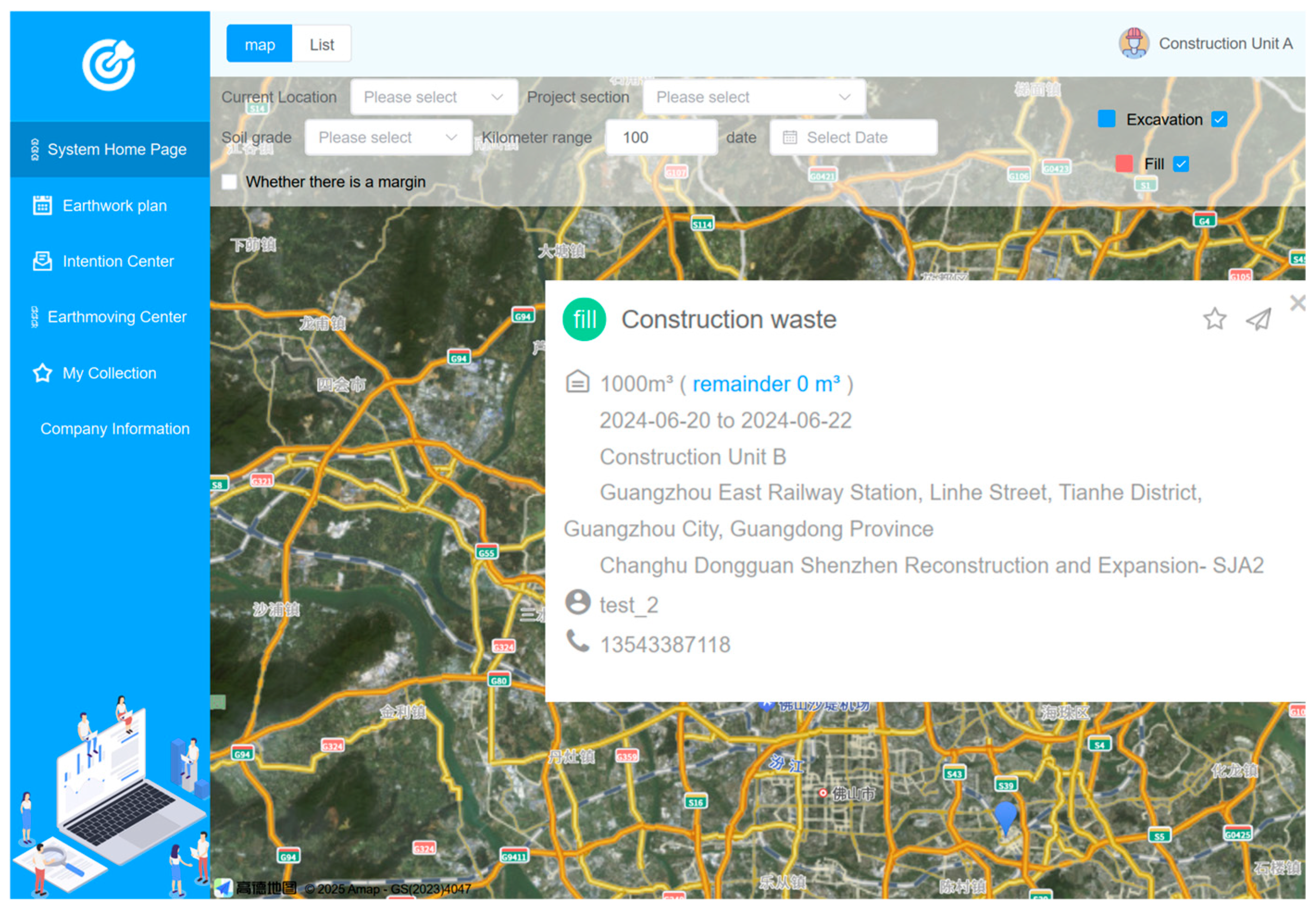
The homepage serves as a centralized dashboard for verified construction waste supply and demand listings, displayed via an interactive map and sortable table. Users can:
(1) Browse real-time availability of materials;
(2) Filter entries by location, volume, or geotechnical specifications;
(3) Submit partnership requests directly to suppliers/requesters;
(4) Utilize geolocation tools to pinpoint project-specific needs.
Upon mutual agreement, parties finalize partnerships through the platform’s integrated contract module (Figure 7).
Figure 7.
System Homepage Interface. The non-English terms appear on the map because the platform accesses regional maps of the project location, where map labels are displayed in Chinese.
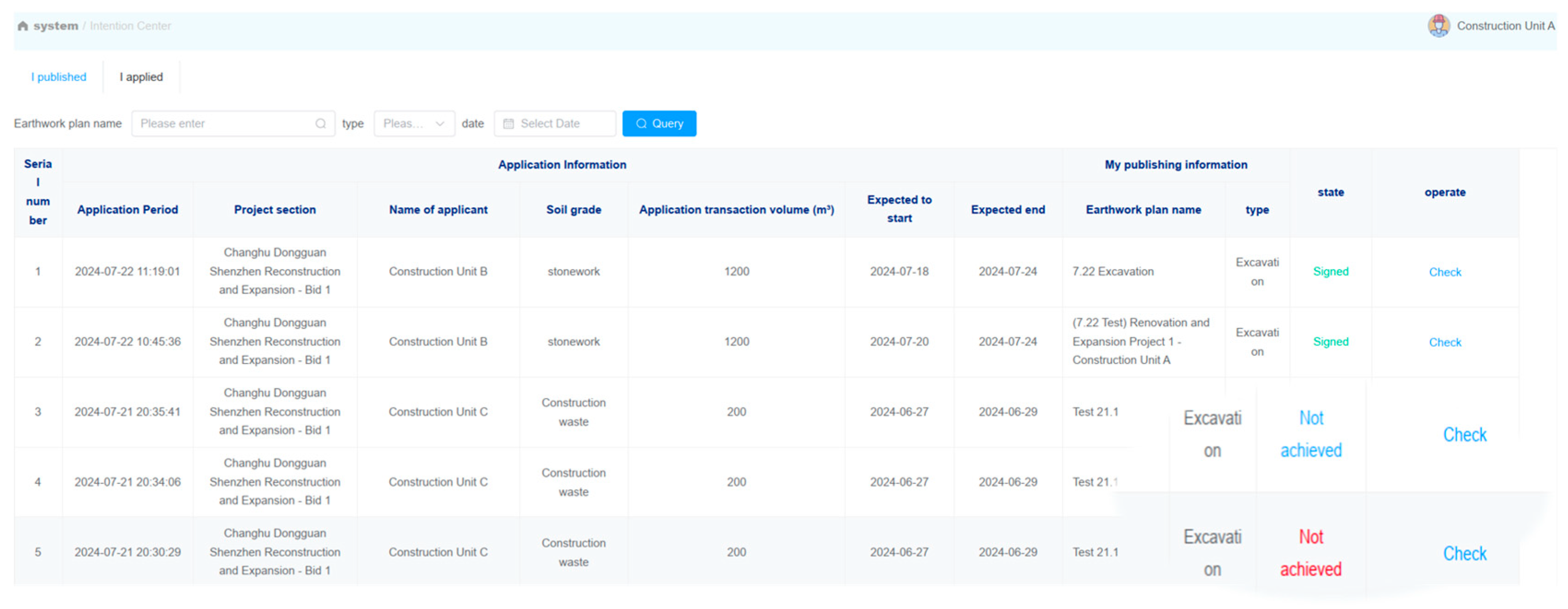
3.4. Intention Center
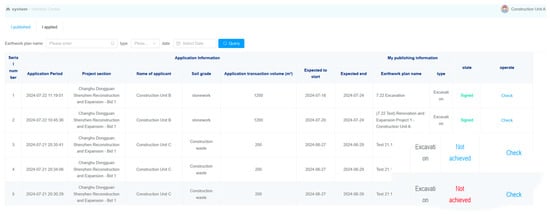
This module aggregates inbound and outbound material exchange requests. Key features include:
(1) Advanced filters (project name, section ID, soil classification, status);
(2) Actionable workflows: approve, reject, or confirm transactions;
(3) Audit trails for tracking negotiation histories.
Designed to minimize administrative overhead, it standardizes the intentional response process, streamlining collaboration in the earthwork marketplace (Figure 8).
Figure 8.
Bid Management Interface.
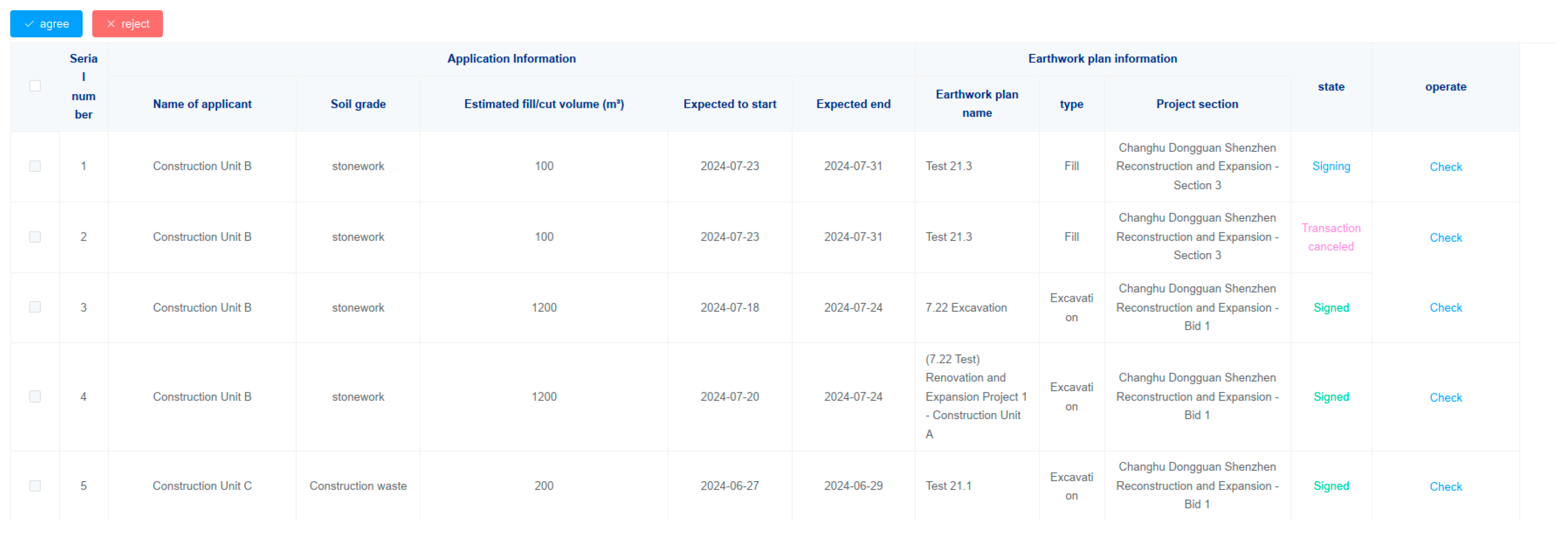
3.5. Quality Verification
Post-agreement, transaction details are routed to project owners for secondary review. Owners verify pricing, delivery range, and geotechnical reports before approving or rejecting via an “Intent Approval” interface. Comments are logged, and validated transactions are forwarded to the central database (Figure 9).
Figure 9.
Quality Review Interface.
3.6. Archival and Traceability
The platform maintains audit trails for all transaction actions and annotations. Key features include:
(1) Approval History: Tracks revisions, comments, and authorization steps.
(2) Material Utilization Dashboard: Lists received materials with metadata (user, application area, volume, date).
(3) Editable Records: Permits post-delivery adjustments to usage data.
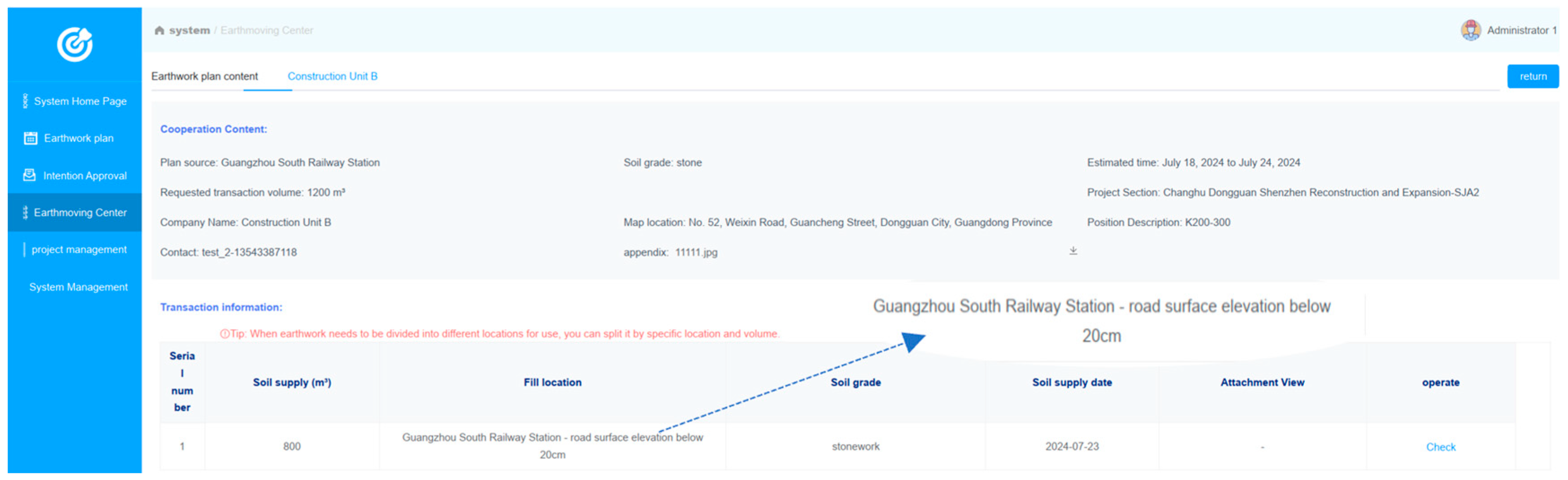
Administrators access centralized archives to monitor compliance and resource allocation (Figure 10).
Figure 10.
Archival and Traceability Interface.
4. Case Validation
The feasibility and practicality of the platform were validated through the Guanshen–Changhu Expressway expansion project in Guangdong Province. The project poses considerable logistical challenges due to the extensive distribution of excavation waste along the route, its wide regional impact.
As a widening project involving extensive slope excavation, the primary waste generated was soil-based, while other sections concurrently required substantial backfill. Traditionally, this imbalance led to costly external purchase and disposal [20].
Although this case study centered on soil waste, the platform’s design is not limited to this single material type. Its core framework supports the customizable input, classification, and matching of multiple waste categories. According to the common classification in China, construction waste encompasses various types such as excavation soil (as in this case), construction slurry, demolition debris, and renovation waste. Therefore, the coordination mechanisms and functional logic demonstrated in this soil-dominated project are readily extendable to broader construction waste management scenarios involving more diverse material streams.
Focused on the Changhu Expressway, the platform coordinates the redistribution of approximately 740 thousand cubic meters of construction waste across seven sections, establishing an integrated approach to balance excavation and filling needs.
The seven project sections were managed by distinct contractors. During slope excavation activities inherent to this expansion project, each section generated significant quantities of soil-based construction waste. Under the traditional earthwork management model, individual construction segments typically operate independently. Material allocation relies primarily on telephone communication and manual coordination, with transportation handled by dump trucks and quantity verification conducted via on-site paper tickets at project entry/exit points. The absence of a unified information platform and a real-time data-sharing mechanism hinders the timely exchange of supply and demand information between segments. This often results in separate external procurement or off-site disposal of soil materials, failing to achieve effective cross-segment circulation and collaborative utilization of earthwork resources. To support on-site resource reutilization, this excavated material needed to be repurposed as backfill in areas with corresponding demand. A comprehensive analysis of construction schedules and actual operation conditions across all sections indicated that Section 2 and Section 3 (project sections; see Figure 11) had surplus fill demand and a high capacity for waste absorption. Accordingly, from a system-wide perspective on material flow and redistribution, priority was given to directing soil-based construction waste from other sections to Section 2 and Section 3. To quantitatively evaluate the platform’s resource coordination efficacy relative to the traditional management model, this paper introduces two evaluation metrics: the Soil Utilization Improvement Rate (), which reflects the enhancement in resource absorption, and the Cost Reduction Rate (), which aligns with the core enterprise concern of minimizing operational expenses. These metrics are defined by the following formulas:
where
: Soil Utilization Improvement Rate, indicating the improvement in the reuse of construction soil achieved through platform coordination.
: Volume of construction soil waste generated within the project (excluding externally purchased material).
: Volume of soil used for direct backfilling before platform coordination.
: Volume of soil disposed of off-project before platform coordination.
: Volume of soil externally purchased to meet backfilling demand before platform coordination.
: Volume of soil used for direct backfilling after platform coordination.
: Volume of soil disposed of off-project after platform coordination.
: Change in the volume of soil waste sent for external disposal.
Figure 11.
Sankey Diag ram of Soil Waste Resource Flow.
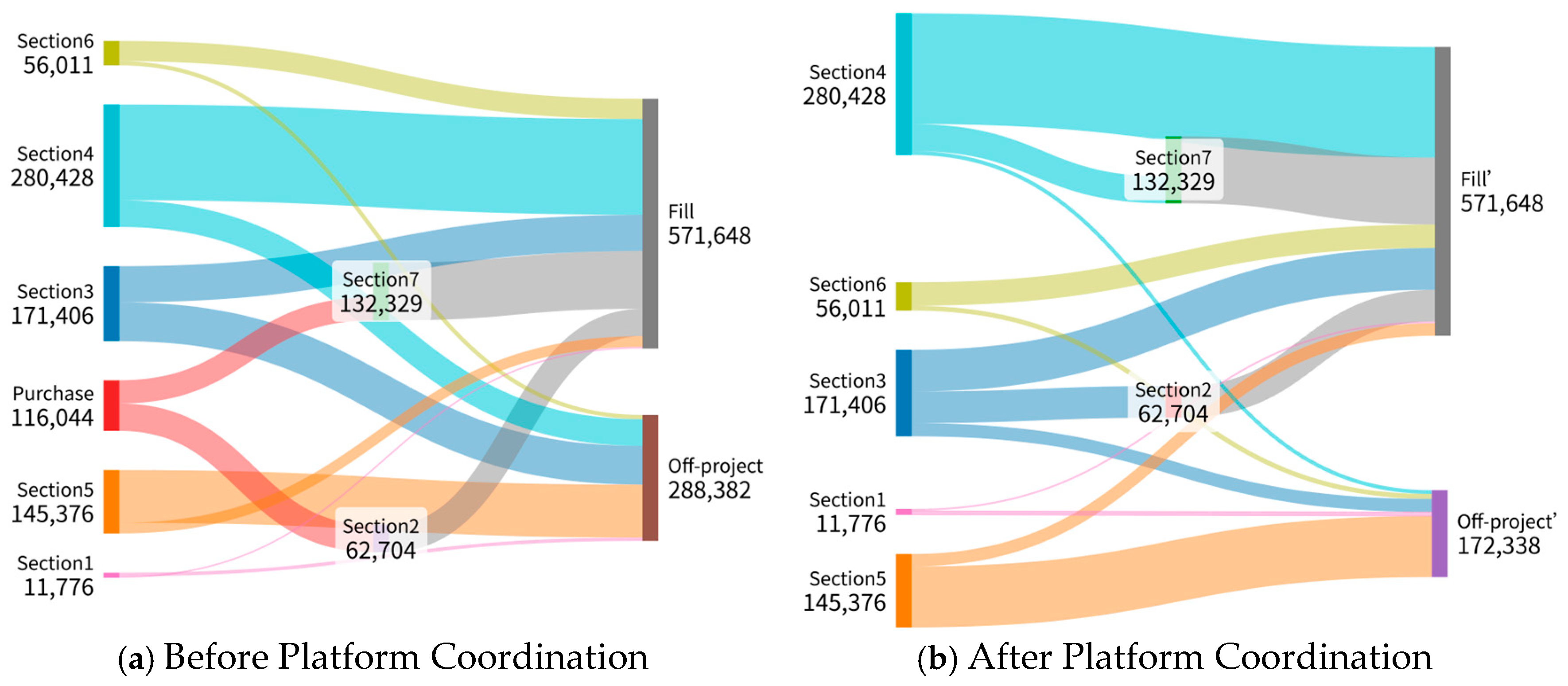
Since the total waste volume does not involve external purchases, it equals the sum of the soil used for backfilling and the soil disposed of externally after optimization. Therefore, Equation (1) can be transformed into Equation (2). Through platform-mediated coordination, soil that originally required external procurement was directly supplemented via inter-segment allocation. To further elucidate these material exchanges, a Sankey diagram (Figure 11) is employed. This visualization effectively maps the origins and destinations of construction waste, where node width represents volume and flow width quantifies the amount transferred along each pathway. It clearly illustrates how surplus soil from excavation sections was redirected to fulfill backfill demand in other segments, thereby reducing both external disposal and procurement.
This redistribution resulted in = , Calculations show that the Soil Utilization Rate increased by 15.6%. Furthermore, while the original plan utilized 455,604 m3 of soil for backfilling, the platform successfully enabled the reuse of an additional 116,044 m3, raising the total volume of soil used for backfilling to 571,648 m3.
where:
: Cost Reduction Rate, indicating the reduction in overall soil-related costs achieved through platform coordination.
: Cost of soil disposal after optimization (CNY).
: Cost of externally purchased fill material (CNY).
: Original cost of soil waste disposal (CNY).
Given the unit cost for soil disposal (63 CNY/m3) and the procurement cost for external fill material (26 CNY/m3), the calculated overall cost reduction is 48.8%.
The results indicate that the platform not only improved material utilization efficiency but also generated significant economic benefits by simultaneously avoiding disposal costs and reducing external material procurement.
The following text will illustrate the case through a specific implementation process involving Section 2 and Section 3:
(1) Supplier (Section 3): Contractor A generated 1200 cubic meters of Class I soil during foundation excavation in Guangzhou Area A (15–18 May 2024). After geotechnical certification confirmed compliance with load-bearing and contamination standards, was listed on the platform for distribution.
(2) Demand-Side (Section 2): Contractor B required 1000 cubic meters of Class I soil for landfill operations in adjacent Guangzhou Area B during the same period.
(3) Project Owner: Verified supplier/demand-side credentials, monitored soil quality and volumes during transactions, and ensured comprehensive data archiving.
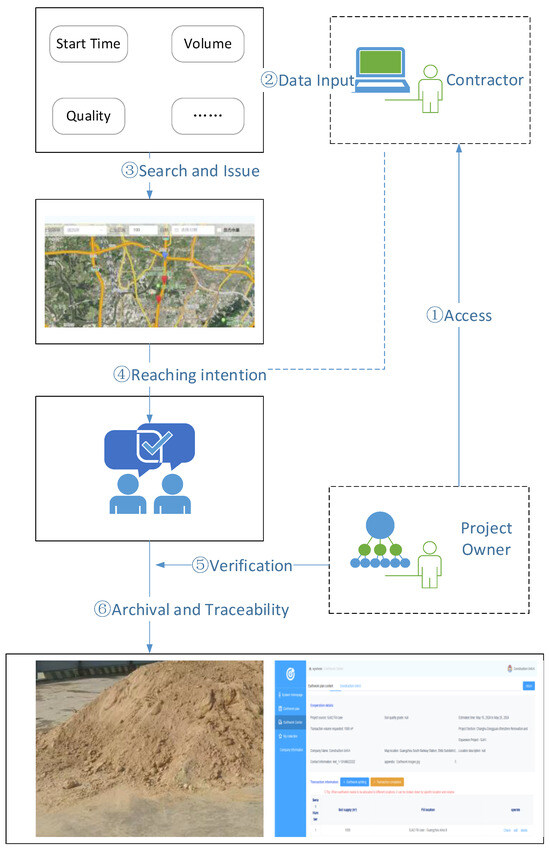
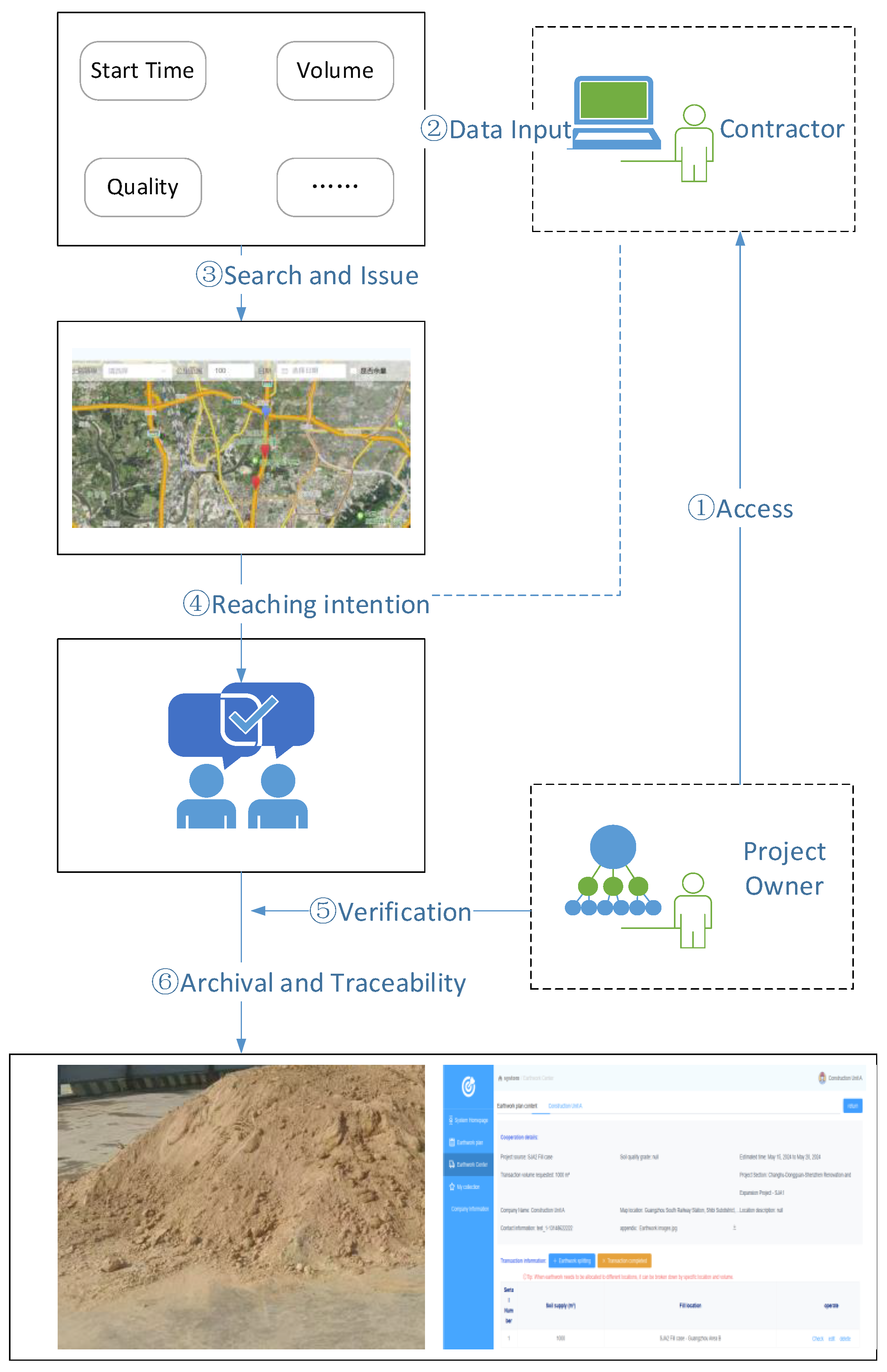
The case validation followed the six-step workflow outlined in Section 2 (Figure 12). Step 1: Contractors A and B registered accounts, linked to their respective Section 2 and Section 3, and submitted credentials for owner verification. Step 2: Both parties input excavation/fill plans, which the owner reviewed and approved for publication. Step 3: Contractor B accesses the platform homepage, uses construction waste filters and map-based positioning to locate Contractor A, and sends an intention request. Step 4: Contractor A receives the request in the “Intention List” module, reviews the demand and volume compatibility, and confirms the agreement, completing the transaction between both parties. Step 5: The owner validated compliance with safety standards, verified transport distances and quantities, and authorized the transaction. Step 6: Contractor A delivered 1000 m3 of soil, while Contractor B documented receipt through real-time uploads of photos, signed certificates, and usage logs via the archival interface.
Figure 12.
Platform Workflow Diagram.
5. Conclusions
To address the siloed management of construction waste and inefficiencies in cross-section resource allocation, this study proposes a cloud-based regional collaborative platform.
5.1. Implications
Collectively, the platform exemplifies a paradigm shift from fragmented, reactive waste handling to proactive, systemic resource orchestration. Validated through the Guangdong Guanshen–Changhu Expressway expansion project, the platform demonstrates three critical advances:
(1) Transferable Framework: The platform was developed based on investigations of multiple real-world construction projects. Its modular system architecture and map-based functions support functional extensibility and facilitate integration with other projects across different regions in China. By explicitly presenting the platform’s design logic and implementation framework, this study aims to provide a transferable reference that enables other researchers and practitioners to develop context-adaptive waste management platforms, thereby promoting more scientific and information-driven construction waste management.
(2) Quality Assurance: Integrated verification and archival modules established traceable closed-loop management from waste generation to final utilization.
(3) Resource Efficiency Enhancement: Through platform-based coordination, a significant improvement in construction waste reuse was achieved. The soil utilization improvement rate reached 15.6%, corresponding to an additional 116,000 m3 of soil reused for backfilling. Meanwhile, by simultaneously reducing off-project disposal and external material procurement, the overall cost reduction rate reached 48.8%. In addition, the platform effectively reduced redundant material procurement and unnecessary waste transportation, indicating clear potential for lowering project-level carbon emissions.
5.2. Future
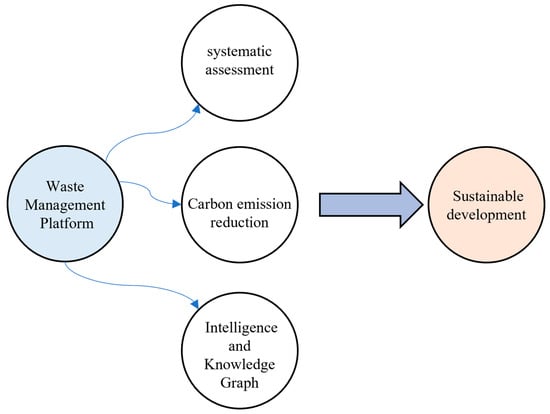
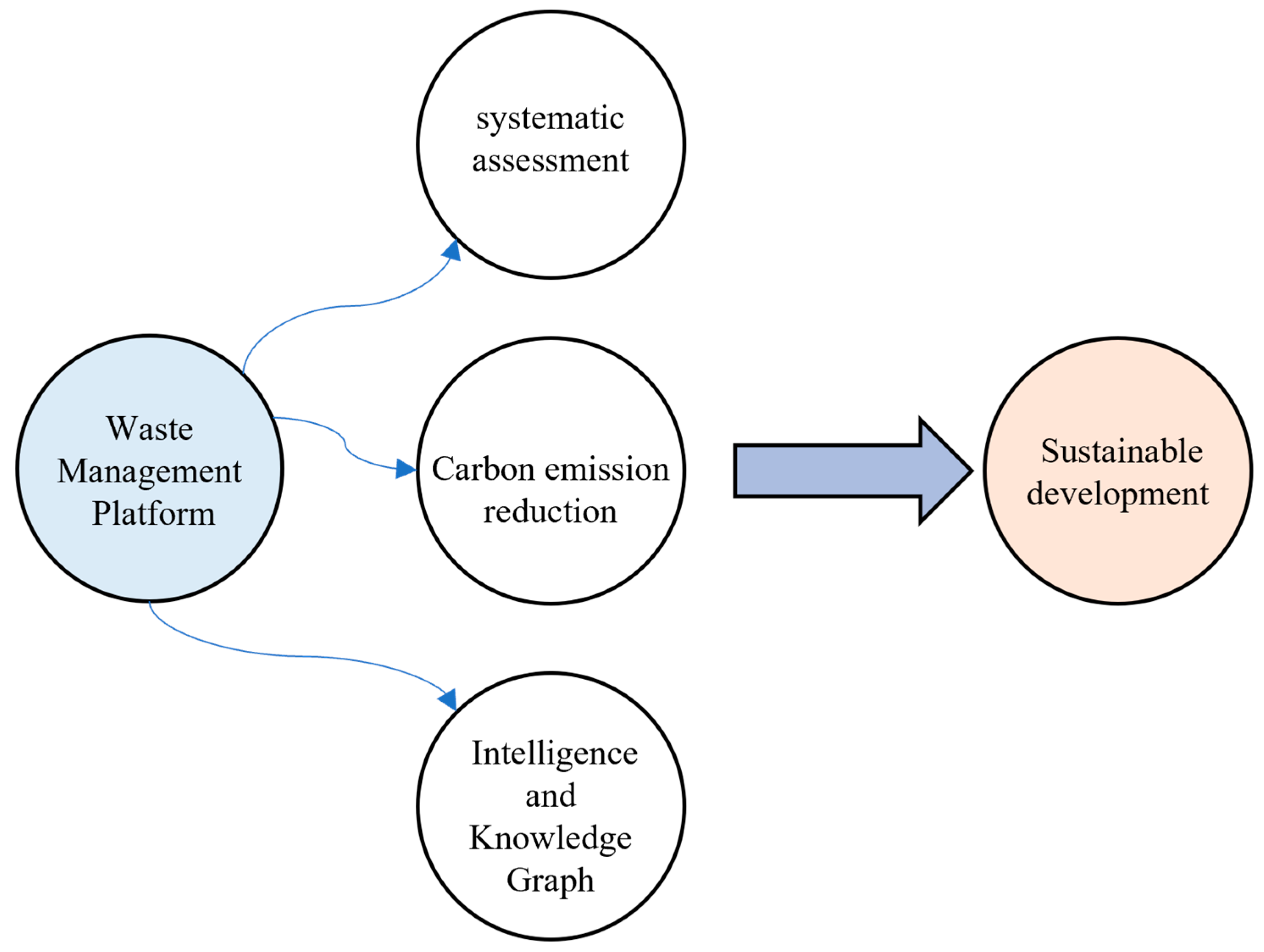
To further refine the platform and enhance its contribution to sustainable development—particularly toward efficient resource utilization and environmental protection—continuous efforts and improvements will be required in the future (Figure 13).
Figure 13.
Conceptual diagram of future development.
(1) As the current evaluation is based on a single case study, the reported performance improvements may be influenced by project-specific conditions and managerial decisions. To address this, future efforts will prioritize collaboration with government agencies to jointly carry out multi-project validation under a structured regulatory framework. This collaborative approach will enable a systematic assessment in three key directions: firstly, conducting sensitivity and stability analyses to verify the credibility and robustness of the platform’s performance calculations; secondly, incorporating additional technical indicators to comprehensively evaluate the platform’s impact on construction waste management across environmental, economic, and operational dimensions; and thirdly, further validating its generalizability and adaptability across diverse project types, scales, and regional contexts.
(2) Future research will focus on quantitatively evaluating the platform’s carbon emission reduction effects by incorporating detailed energy- and environment-oriented analyses, including vehicle types, load conditions, and relevant emission factors.
(3) Currently, user access, data reliability, and user compliance on the platform primarily rely on centralized review by supervision units and project owners, with no independent, comprehensive third-party review system yet established. In the future, AI-based recognition and verification technologies should be introduced to conduct automated preliminary reviews of key platform data, thereby improving verification efficiency and objectivity. Simultaneously, knowledge graphs should be integrated to construct a semantic network linking geotechnical properties, project specifications, and regulatory standards, enabling data-informed decision-making through a large model framework. This will progressively establish a closed-loop workflow of “identification–assessment–matching–deployment”.
Author Contributions
H.-P.W. contributed to the conception of the study and oversaw planning, X.Q. performed the case study validation and data analysis, H.L. and X.C. developed the platform and conducted experiments, H.-Y.H. wrote the manuscript and coordinated the research. All authors have read and agreed to the published version of the manuscript.
Funding
This research was funded by the Guangdong Transport Department Science and Technology Project (2023-G-001).
Data Availability Statement
The original contributions presented in this study are included in the article. Further inquiries can be directed to the corresponding author.
Conflicts of Interest
Author Hong-Ping Wang was employed by the company Dongguan Road-Bridge Investment & Construction Co., Ltd., Dongguan 523000, China. Author Xin Qu was employed by the company Guangdong Communication Planning & Design Institute Group Co., Ltd., Guangzhou 510000, China. The remaining authors declare that the research was conducted in the absence of any commercial or financial relationships that could be construed as a potential conflict of interest.
References
- Khalil, M.; Ruggieri, S.; Uva, G. Assessment of structural behavior, vulnerability, and risk of industrial silos: State-of-the-art and recent research trends. Appl. Sci. 2022, 12, 3006. [Google Scholar] [CrossRef] [Scilit]
- Vatanpour, H.; Khorramnia, A.; Forutan, N. Silo effect a prominence factor to decrease efficiency of pharmaceutical industry. Iran. J. Pharm. Res. IJPR 2013, 12, 207. [Google Scholar] [PubMed]
- He, L.; Yuan, H.; Wu, H. Collaborative mechanism for promoting the cross-regional management of construction and demolition waste. J. Clean. Prod. 2022, 372, 133706. [Google Scholar] [CrossRef] [Scilit]
- Luciano, A.; Cutaia, L.; Cioffi, F.; Sinibaldi, C. Demolition and construction recycling unified management: The DECORUM platform for improvement of resource efficiency in the construction sector. Environ. Sci. Pollut. Res. 2021, 28, 24558–24569. [Google Scholar] [CrossRef] [Scilit] [PubMed]
- Schützenhofer, S.; Kovacic, I.; Rechberger, H.; Mack, S. Improvement of environmental sustainability and circular economy through construction waste management for material reuse. Sustainability 2022, 14, 11087. [Google Scholar] [CrossRef] [Scilit]
- Zhao, L.; Liu, Y.; Tian, J. Spatiotemporal evolution law and output prediction of construction waste in the People’s Republic of China. Waste Manag. Res. 2022, 40, 174–184. [Google Scholar] [CrossRef] [Scilit] [PubMed]
- Kim, J. Construction and demolition waste management in Korea: Recycled aggregate and its application. Clean Technol. Environ. Policy 2021, 23, 2223–2234. [Google Scholar] [CrossRef] [Scilit]
- Khiyana, A.i.; Suharyanto, A.; Devia, Y.P. Implementation of Circular Economy Principles in Building Construction Waste. Astonjadro 2024, 13, 146–154. [Google Scholar] [CrossRef] [Scilit]
- Mhretu, A.; Abadi, H.T.; Gebrehiwot, W.; Asresie, T. Challenges and opportunities in construction waste management in Shire Town, Northern Ethiopia. Discov. Sustain. 2025, 6, 599. [Google Scholar] [CrossRef] [Scilit]
- Musarat, M.A.; Alaloul, W.S.; Hameed, N.; Qureshi, A.H.; Wahab, M.M.A. Efficient construction waste management: A solution through Industrial Revolution (IR) 4.0 evaluated by AHP. Sustainability 2022, 15, 274. [Google Scholar] [CrossRef] [Scilit]
- Tam, V.W.-Y.; Lu, W. Construction waste management profiles, practices, and performance: A cross-jurisdictional analysis in four countries. Sustainability 2016, 8, 190. [Google Scholar] [CrossRef] [Scilit]
- Yu, B.; Wang, J.; Wu, H.; Wong, A.B.; Liao, Y.; Zuo, J. Self-fulfillment degree of construction and demolition waste management capability based on the Triple-balance theory: A case study of Guangdong-Hong Kong-Macao Greater Bay Area. Waste Manag. 2021, 133, 99–109. [Google Scholar] [CrossRef] [Scilit] [PubMed]
- Ajayi, S.O.; Oyedele, L.O.; Akinade, O.O.; Bilal, M.; Owolabi, H.O.; Alaka, H.A. Ineffectiveness of construction waste management strategies: Knowledge gap analysis. In Smart, Sustainable and Healthy City, Proceedings of the First International Conference of the CIB Middle East and North Africa Research Network (CIB-MENA 2014), Abu Dhabi, United Arab Emirates, 14–16 December 2014; Okeil, M., Ed.; CIB: Giza, Egypt, 2014; pp. 261–280. [Google Scholar]
- Guangzhou Municipal Transportation Commission. Administrative Measures for the Guangzhou City Loose Material Transportation Vehicle Supervision Platform; Guangzhou Municipal Transportation Commission: Guangzhou, China, 2008. [Google Scholar]
- Sánchez-Fernández, M.; Arenas-García, L.; Gutiérrez Gallego, J.A. Detection of Construction and Demolition Illegal Waste Using Photointerpretation of DEM Models of LiDAR Data. Land 2023, 12, 2119. [Google Scholar] [CrossRef] [Scilit]
- Mager, A.; Gorun, A.; Tsur, Y.; Shahar, M.; Blass, V. Identifying materials in spatial unauthorized waste sites for local circular economy enhancement. Resour. Conserv. Recycl. 2025, 215, 108163. [Google Scholar] [CrossRef] [Scilit]
- Sattar, A.; Ahmad, M.N.; Salwana, E.; Mahmood, A.K. An Improved Methodology for Collaborative Construction of Reusable, Localized, and Shareable Ontology. IEEE Access 2021, 9, 17463–17484. [Google Scholar] [CrossRef] [Scilit]
- Tarek, A.; Laviano, F.; Fino, D.; Rubertelli, F.; Toscano, C. A sustainable approach tackling WEEE management using ontology-based DSS. Front. Sustain. 2025, 6, 1523114. [Google Scholar] [CrossRef] [Scilit]
- Kultsova, M.; Rudnev, R.; Anikin, A.; Zhukova, I. An ontology-based approach to intelligent support of decision making in waste management. In Proceedings of the 2016 7th International Conference on Information, Intelligence, Systems & Applications (IISA), Chalkidiki, Greece, 13–15 July 2016; IEEE: New York, NY, USA, 2016. [Google Scholar] [CrossRef] [Scilit]
- Lu, W.; Lou, J.; Webster, C.; Xue, F.; Bao, Z.; Chi, B. Estimating construction waste generation in the Greater Bay Area, China using machine learning. Waste Manag. 2021, 134, 78–88. [Google Scholar] [CrossRef] [Scilit] [PubMed]
Disclaimer/Publisher’s Note: The statements, opinions and data contained in all publications are solely those of the individual author(s) and contributor(s) and not of MDPI and/or the editor(s). MDPI and/or the editor(s) disclaim responsibility for any injury to people or property resulting from any ideas, methods, instructions or products referred to in the content. |
© 2026 by the authors. Licensee MDPI, Basel, Switzerland. This article is an open access article distributed under the terms and conditions of the Creative Commons Attribution (CC BY) license.