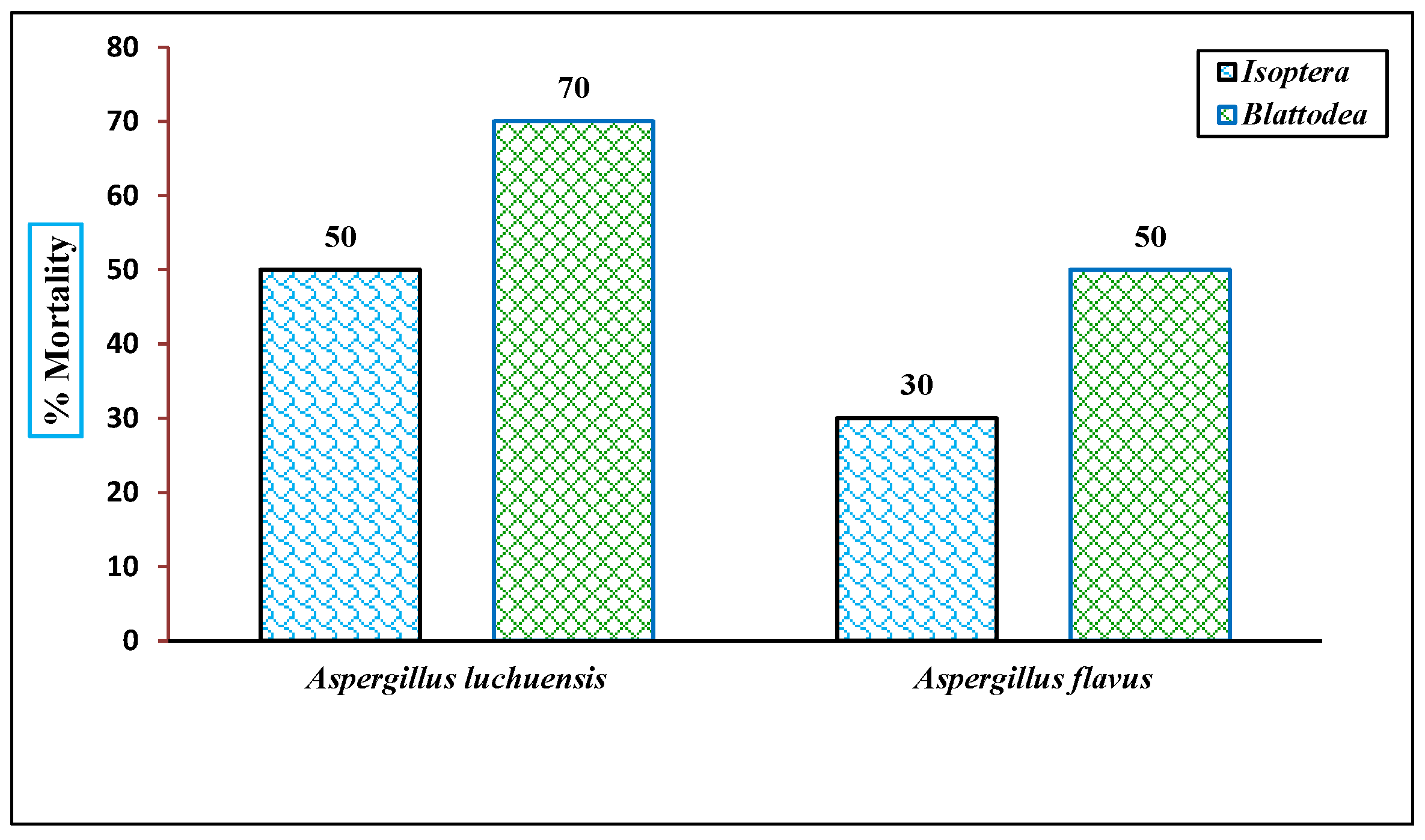
Medicinal Plant Rhizospheres as Reservoirs of Aspergillus-Derived Phytochemicals with Antimicrobial and Insecticidal Potential



Abstract
1. Introduction
2. Materials and Methods
2.1. Soil Sampling and Processing
2.2. Physicochemical Profiling of Soil
2.3. Fungal Isolation and Purification
2.4. Microscopic Characterization
2.5. Molecular Phylogenetic Analysis
2.6. Metabolite Extraction and GC–MS Profiling
2.7. Detection of Multidrug-Resistant [MDR] Bacterial Species
2.8. Antimicrobial Bioassays
2.9. Phytotoxicity Assessment
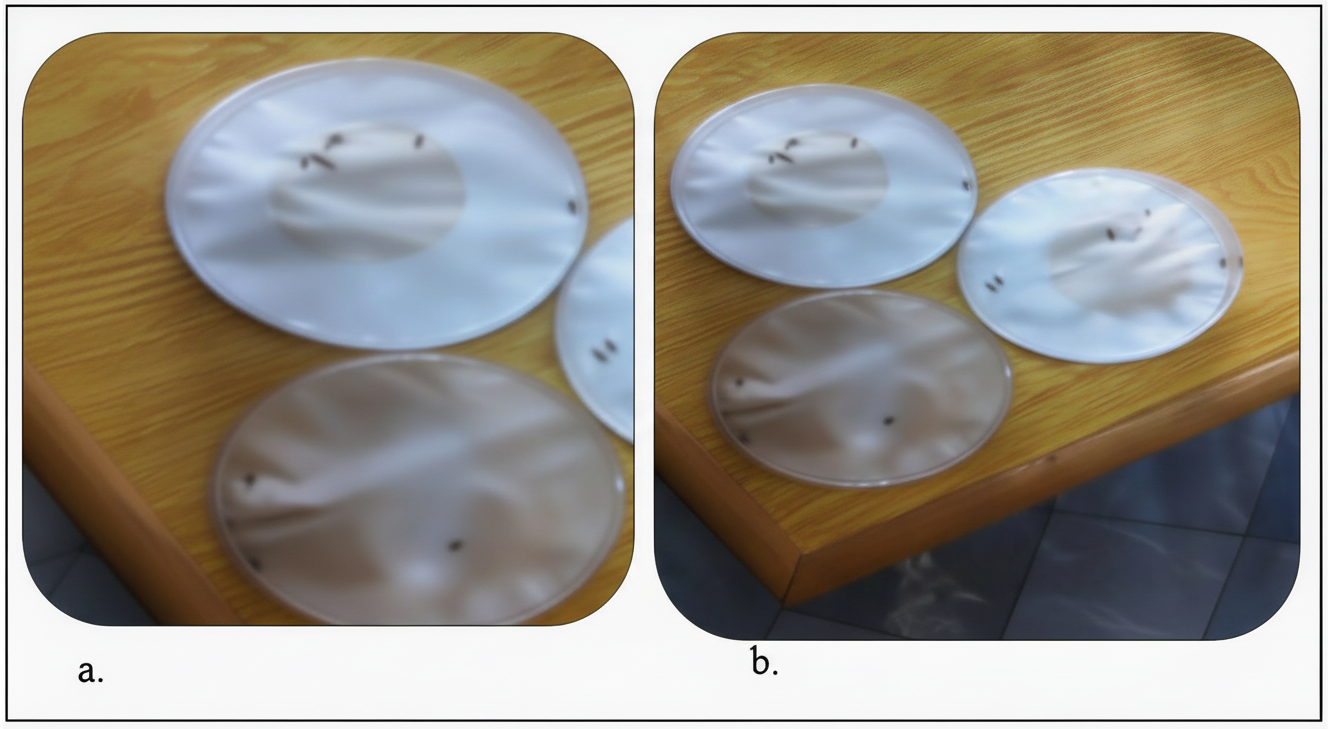
2.10. Insecticidal Bioactivity
2.11. Statistical Evaluation
3. Results
3.1. Physicochemical Properties of Rhizosphere Soils
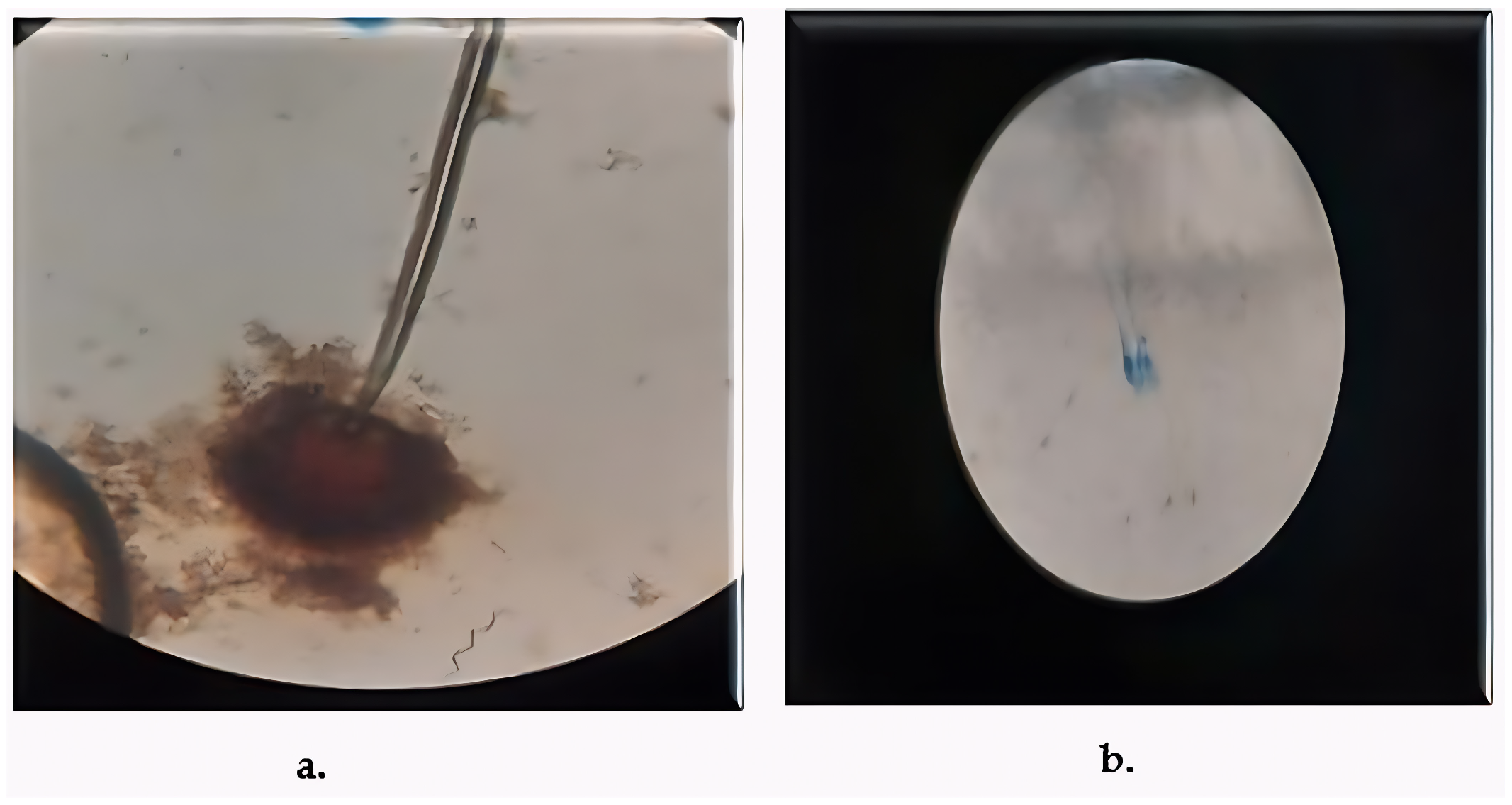
3.2. Isolation and Morphological Characterization of Rhizospheric Fungi
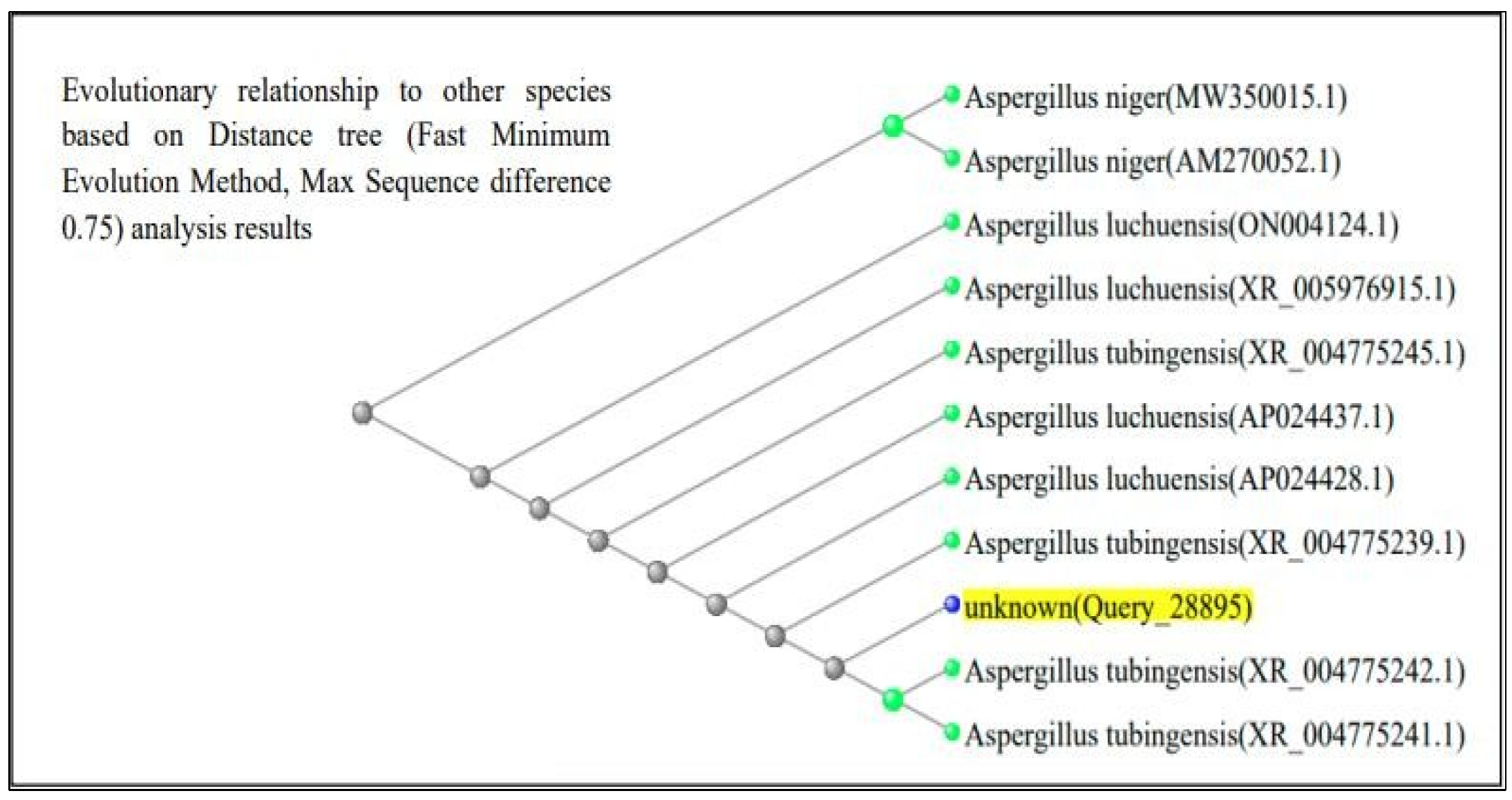
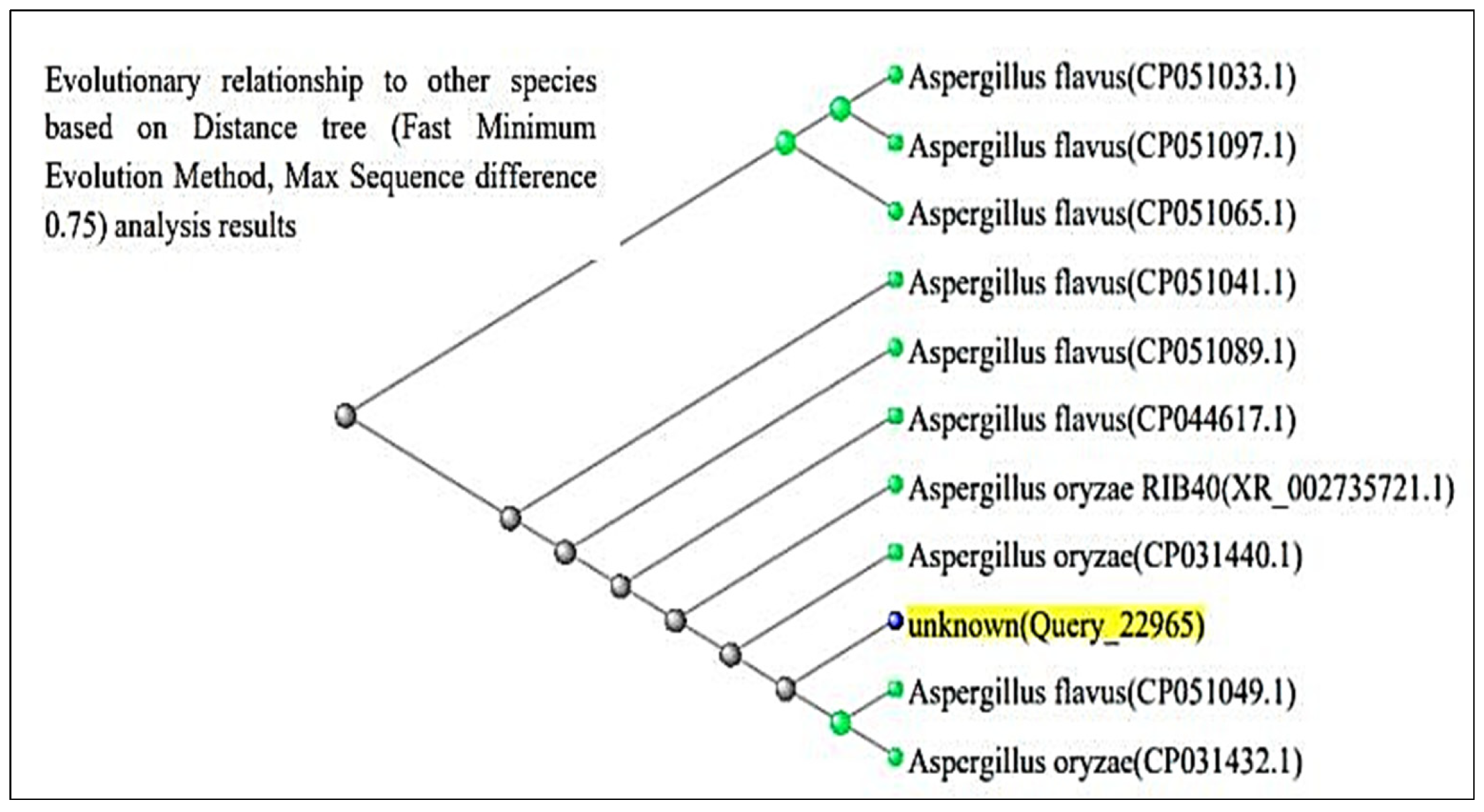
3.3. Molecular Identification via 18S rRNA Sequencing
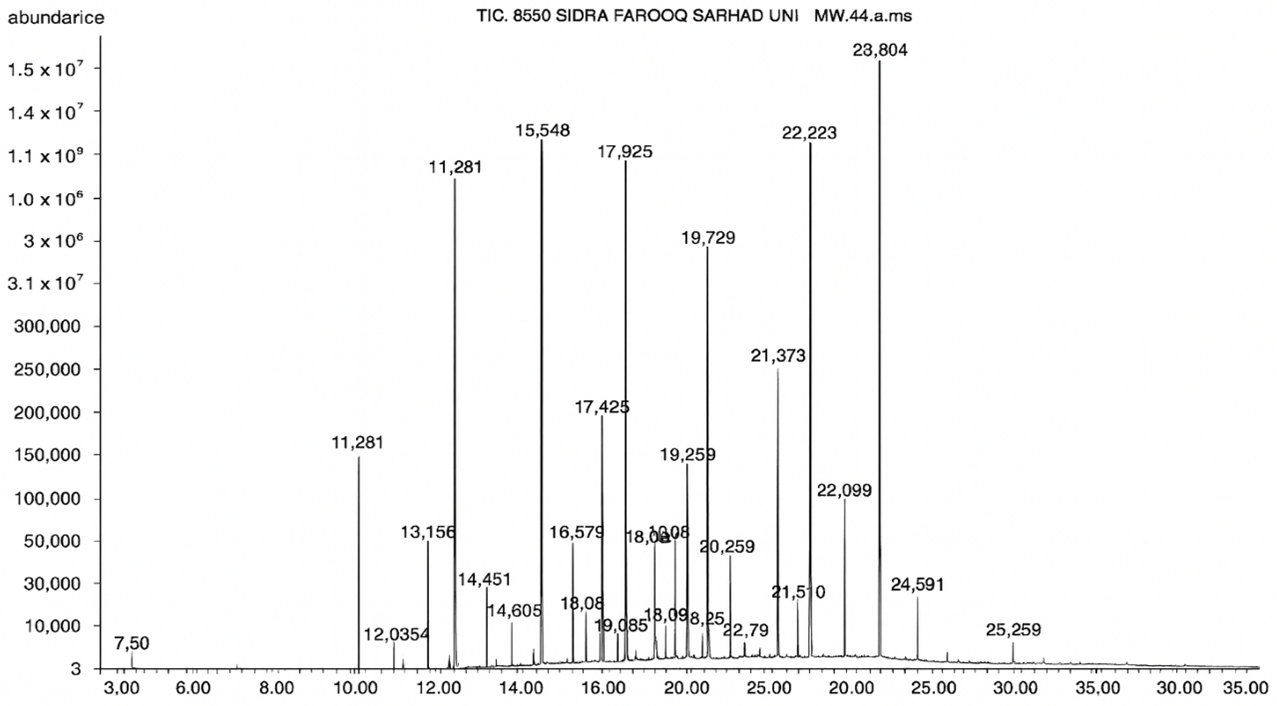
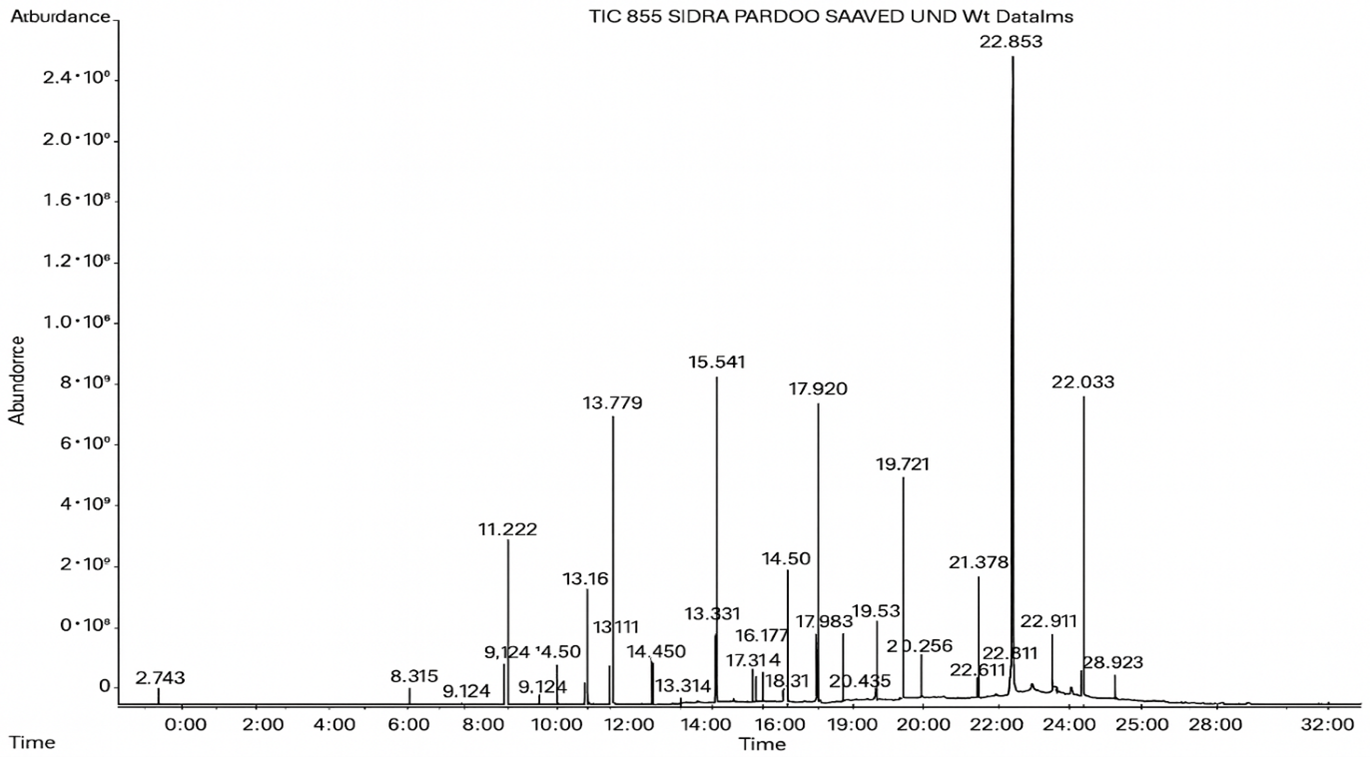
3.4. GC–MS Profiling of Fungal Culture Filtrates



| S. No | Peak No. | Retention Time (Mins) | Peak Areas | Reference Peaks | Quality | Structures | Functions | References |
|---|---|---|---|---|---|---|---|---|
| 1. | 1 | 2.750 | 10,288,308 | 5721 | 95 | 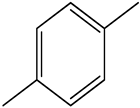 p-Xylene | Solvent in printing and painting industries | [18] |
| 2. | 2 | 11.281 | 78,790,005 | 74,004 | 98 |  Tetradecane | Antibacterial and antifungal agent | [19] |
| 3. | 3 | 12.098 | 16,323,498 | 90,197 | 96 |  Tetradecane, 2-methyl- | Function unknown till now | |
| 4. | 4 | 12.542 | 17,945,463 | 90,192 | 97 |  Pentadecane | Antifungal agent | [20] |
| 5. | 5 | 13.158 | 56,062,405 | 101,093 | 98 |  Diethyl Phthalate | Antibacterial agent | [21] |
| 6. | 6 | 13.612 | 28,625,634 | 104,590 | 99 |  Cetene | Function unknown till now | |
| 7. | 7 | 13.754 | 240,438,495 | 107,219 | 99 |  Hexadecane | Function unknown till now | |
| 8. | 8 | 14.461 | 36,352,485 | 123,967 | 98 |  Hexadecane, 2-methyl | Function unknown till now | |
| 9. | 9 | 14.856 | 26,610,402 | 123,958 | 98 |  Heptadecane | Improves oxidative stress-related diseases | [22] |
| 10. | 10 | 15.318 | 17,507,832 | 109,284 | 98 |  Tetradecanoic acid | Antifungal, antioxidant, anticancer, nematocidal and also functions as lubricant | [23] |
| 12. | 12 | 15.948 | 293,848,711 | 141,057 | 97 |  Octadecane | Function unknown till now | |
| 13. | 17 | 17.639 | 7,140,310 | 141,058 | 96 | |||
| 14. | 32 | 20.556 | 11,375,318 | 141,058 | 96 | |||
| 15. | 14 | 16.579 | 52,483,248 | 158,611 | 98 |  Octadecane, 2-methyl- | Antimicrobial and antitumor potential | [24] |
| 16. | 15 | 15.501 | 24,273,045 | 158,597 | 98 |  Nonadecane | Activity against plant fungal pathogens | [25] |
| 17. | 16 | 17.428 | 233,542,838 | 143,511 | 99 | 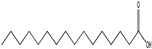 n-Hexadecanoic acid | Antioxidant, nematicide and pesticide | [26] |
| 18. | 18 | 17.690 | 13,409,546 | 179,135 | 98 | 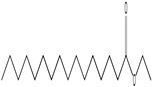 Hexadecanoic acid, ethyl ester | Antioxidant, hemolytic, hypo-cholesterolemic, nematicide and anti-androgenic | [27] |
| 19. | 19 | 17.816 | 15,840,959 | 138,521 | 99 |  1-Octadecene | Medicines and cosmetics | [28] |
| 20. | 20 | 17.925 | 258,633,377 | 176,384 | 98 |  Eicosane | Antimicrobial activities | [29] |
| 21. | 31 | 20.259 | 42,778,282 | 176,387 | 93 | |||
| 22. | 45 | 26.989 | 17,988,115 | 176,384 | 98 | |||
| 23. | 22 | 18.503 | 53,705,129 | 194,594 | 99 |  Eicosane, 2-methyl- | Bioactive compound | [30] |
| 24. | 23 | 18.824 | 17,867,516 | 194,588 | 98 |  Heneicosane | Pheromonic and fumigating properties | [29] |
| 25. | 24 | 18.935 | 98,703,795 | 173,581 | 99 |  9,12-Octadecadienoic acid (Z,Z)- | Antimicrobial properties | [26] |
| 26. | 28 | 19.520 | 8,277,967 | 214,945 | 98 | 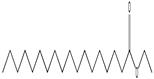 Octadecanoic acid, ethyl ester | Antimicrobial agent | [31] |
| 27. | 34 | 21.304 | 9,835,708 | 209,740 | 99 |  1-Docosene | Antibacterial compound | [32] |
| 28. | 35 | 21.379 | 117,296,495 | 246,483 | 99 |  Tetracosane | Antagonistic potential against toxigenic and phytopathogenic fungi | [33] |
| 29. | 43 | 24.591 | 33,753,194 | 246,483 | 99 | |||
| 30. | 36 | 21.876 | 35,975,300 | 262,016 | 99 |  2-Methyltetracosane | Function unknown till now | |
| 31. | 37 | 22.160 | 7,134,674 | 262,011 | 98 |  Pentacosane | Function unknown till now | |
| 32. | 38 | 22.229 | 282,707,118 | 295,611 | 91 |  Bis(2-ethylhexyl) phthalate | Antibacterial and larvicidal activity | [34] |
| 33. | 40 | 22.908 | 69,037,303 | 275,538 | 98 |  Hexacosene | Function unknown till now | |
| 34. | 41 | 23.390 | 20,703,676 | 246,483 | 98 |  Tetracosane | Antagonistic potential against toxigenic and phytopathogenic fungi | [33] |
| 35. | 42 | 23.904 | 445,455,491 | 295,785 | 94 |  1,4-Benzenedicarboxylic acid, bis(2-ethylhexyl) ester | Function unknown till now | |
| 36. | 44 | 25.259 | 12,351,665 | 307,034 | 99 | 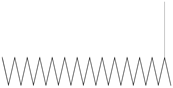 Octacosane, 2-methyl- | Antimicrobial agent | [31] |
| S. No | Peak No. | Retention Time (Mins) | Peak Areas | Reference Peaks | Quality | Structures | Functions | References |
|---|---|---|---|---|---|---|---|---|
| 1. | 25 | 19.009 | 77,699,002 | 176,208 | 99 |  Oleic Acid | Function unknown till now | |
| 2. | 26 | 19.182 | 19,343,950 | 209,617 | 99 |  Linoleic acid ethyl ester | Function unknown till now | |
| 3. | 27 | 19.257 | 133,934,985 | 179,093 | 99 |  Octadecanoic acid | Function unknown till now | |
| 4. | 29 | 19.635 | 15,910,485 | 155,961 | 98 |  1-Nonadecene | Antifungal and anticancer agent | [26] |
| 5. | 30 | 19.726 | 181,536,736 | 212,282 | 99 |  Docosane | Function unknown till now | |
| 6. | 39 | 22.846 | 7,637,629 | 273,800 | 99 |  1-Hexacosene | Function unknown till now | |
| S. No | Peak No. | Retention Time (Mins) | Peak Areas | Reference Peaks | Quality | Structures | Functions | References |
|---|---|---|---|---|---|---|---|---|
| 1. | 1 | 2.749 | 9,481,682 | 5720 | 97 |  p-Xylene | Solvent in printing and painting industries | [18] |
| 2. | 2 | 8.895 | 48,805,295 | 18,696 | 94 |  Benzene acetic acid | Broad-spectrum antifungal agent | [35] |
| 3. | 3 | 9.912 | 6,729,875 | 59,028 | 95 |  Tridecane | Antioxidant activity | [36] |
| 4. | 5 | 11.131 | 34,797,276 | 71,738 | 99 |  2-Tetradecene, (E)- | Anticancer, antimicrobial and antioxidant | [37] |
| 5. | 6 | 11.282 | 104,087,172 | 74,004 | 98 |  Tetradecane | Antibacterial and antifungal agent | [19,38] |
| 6. | 7 | 11.869 | 10,474,783 | 99,032 | 98 |  2,5-Cyclohexadiene-1,4-dione, 2,6-bis (1,1- dimethylethyl)- | Antibacterial and antifungal agent | [19,38] |
| 7. | 8 | 12.099 | 18,795,488 | 74,012 | 90 |  3,5-Dimethyldodecane | Function unknown till now | |
| 8. | 9 | 12.425 | 32,616,847 | 82,737 | 97 |  2,4-Di-tert-butylphenol | Exhibits strong toxicity against significant ratio of tested organisms as well as the producing species | [39] |
| 9. | 10 | 12.541 | 17,844,280 | 90,192 | 97 |  Pentadecane | Antifungal agent | [20] |
| 10. | 11 | 13.161 | 80,026,380 | 101,097 | 98 |  Diethyl Phthalate | Active against Gram-positive and Gram-negative bacterial species | [21] |
| 11. | 12 | 13.614 | 56,298,031 | 104,590 | 99 |  Cetene | Function unknown till now | |
| 12. | 16 | 15.317 | 15,633,869 | 109,281 | 96 | 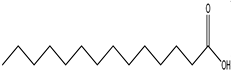 Tetradecanoic acid | Antifungal, antioxidant, anticancer, nematocidal, hypercholesterolemic and can be used as lubricant | [23] |
| 13. | 19 | 16.194 | 13,005,006 | 241,696 | 90 |  Phthalic acid, isobutyl octyl ester | Anti-microbial activity | [40] |
| 14. | 22 | 16.709 | 19,568,824 | 168,692 | 99 | 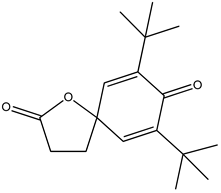 7,9-Di-tert-butyl-1-oxaspiro (4,5) deca-6,9-diene-2,8- dione | Prevention and treatment of periodontitis | [41] |
| 15. | 23 | 16.933 | 22,968,819 | 158,600 | 98 |  Nonadecane | Active against plant fungal pathogens | [25] |
| 16. | 24 | 17.106 | 22,346,257 | 170,787 | 95 |  1,4-Dibutyl benzene-1,4-dicarboxylate | Function unknown till now | |
| 17. | 30 | 18.824 | 13,405,806 | 194,587 | 98 |  Heneicosane | Antifungal compound | [42] |
| 18. | 33 | 19.635 | 46,586,432 | 209,741 | 99 | 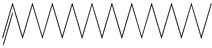 Docosene | Function unknown till now | |
| 19. | 34 | 19.721 | 150,288,747 | 212,282 | 98 | Function unknown till now | ||
| 20. | 37 | 21.304 | 25,049,939 | 244,233 | 99 |  Cyclotetracosane | Antibacterial as well as α-amylase inhibitory activity | [43] |
| 21. | 38 | 21.376 | 95,053,436 | 246,483 | 99 |  Tetracosane | Antagonistic potential against toxigenic and phytopathogenic fungi | [33] |
| 22. | 39 | 21.872 | 49,711,235 | 262,016 | 99 |  2-Methyltetracosane | Function unknown till now | |
| 23. | 40 | 22.293 | 1,231,442,386 | 295,608 | 91 |  Bis(2-ethylhexyl) phthalate | Antibacterial and larvicidal activity | [34] |
| 24. | 41 | 22.850 | 16,685,206 | 259,983 | 99 |  Z-12-Pentacosene | Function unknown till now | |
| 25. | 44 | 25.259 | 12,351,665 | 295,779 | 95 | 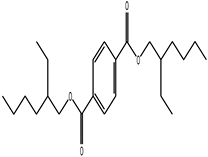 1,4-Benzenedicarboxylic acid, bis(2-ethylhexyl) ester | Function unknown till now | |
| 26. | 45 | 23.979 | 13,522,101 | 245,085 | 97 |  13-Docosenamide, (Z)- | Function unknown till now | |
| S. No | Peak No. | Retention Time (Mins) | Peak Areas | Reference Peaks | Quality | Structures | Functions | References |
|---|---|---|---|---|---|---|---|---|
| 1. | 4 | 11.068 | 22,425,688 | 22,402 | 94 |  4H-Pyran-4-one, 5-hydroxy-2-(hydroxymethyl) | Natural kojic acid | [44] |
| 2. | 13 | 13.749 | 202,662,852 | 107,219 | 99 |  Hexadecane | Function unknown till now | |
| 3. | 14 | 14.460 | 30,280,445 | 123,967 | 99 |  Hexadecane, 2-methyl | Function unknown till now | |
| 4. | 15 | 14.854 | 22,603,766 | 123,960 | 98 |  Heptadecane | Improves oxidative stress-related diseases | [22] |
| 5. | 17 | 15.821 | 54,267,257 | 138,490 | 99 |  E-15-Heptadecenal | Antifungal, anti-cancerous, anti-inflammatory and antioxidant properties | [45] |
| 6. | 18 | 15.941 | 239,852,366 | 141,058 | 98 |  Octadecane | Function unknown till now | |
| 8. | 36 | 20.555 | 6,645,236 | 141,056 | 95 | |||
| 9. | 46 | 24.593 | 22,146,253 | 141,056 | 96 | |||
| 10. | 20 | 16.521 | 21,799,447 | 87,012 | 97 | 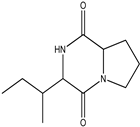 Pyrrolo[1,2-a]pyrazine-1,4-dione, hexahydro-3-(2- methylpropyl)- | Function unknown till now | |
| 11. | 21 | 16.577 | 50,622,981 | 158,611 | 97 | 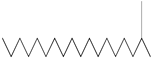 Octadecane, 2-methyl | Function unknown till now | |
| 12. | 25 | 17.420 | 208,755,615 | 143,511 | 99 |  n-Hexadecanoic acid | Antioxidant, nematicide and pesticide | [26] |
| 14. | 28 | 17.920 | 209,202,265 | 176,384 | 99 |  Eicosane | Pheromonic, antimicrobial activities and fumigating properties | [29] |
| 15. | 29 | 18.505 | 76,888,883 | 194,594 | 97 |  Eicosane, 2-methyl | Bioactive compound | [30] |
| 16. | 31 | 18.970 | 15,114,772 | 176,208 | 99 |  Oleic Acid | Function unknown till now | |
| 17. | 32 | 19.236 | 88,525,166 | 179,093 | 99 | 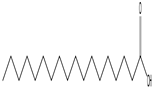 Octadecanoic acid | Function unknown till now | |
| 18. | 35 | 20.256 | 37,411,957 | 212,282 | 97 |  Docosane | Function unknown till now | |
| 19. | 42 | 22.911 | 49,585,222 | 275,538 | 97 |  Hexacosane | Function unknown till now | |
| 20. | 43 | 23.392 | 16,166,875 | 246,483 | 97 |  Tetracosane | Antagonistic potential against toxigenic and phytopathogenic fungi | [33] |
3.5. Antibiotic Resistance Profiling of Diabetic Foot Ulcer Bacteria
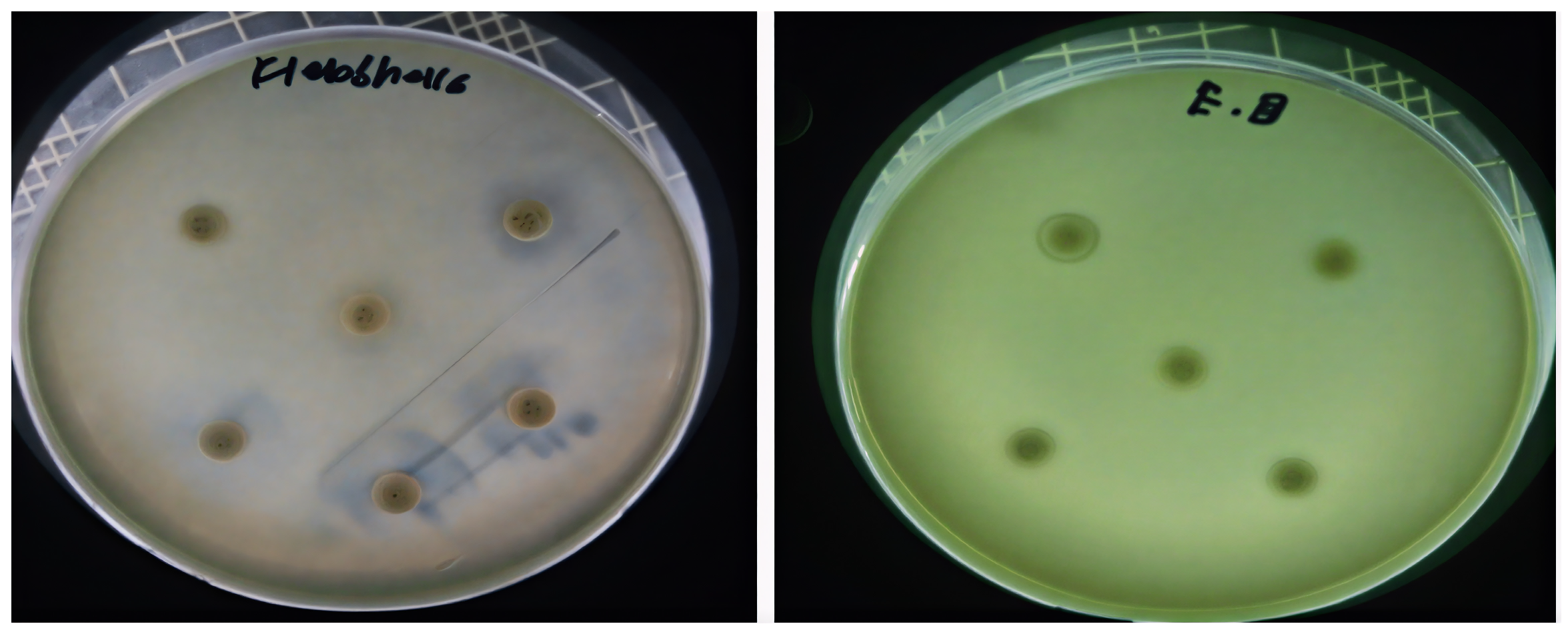
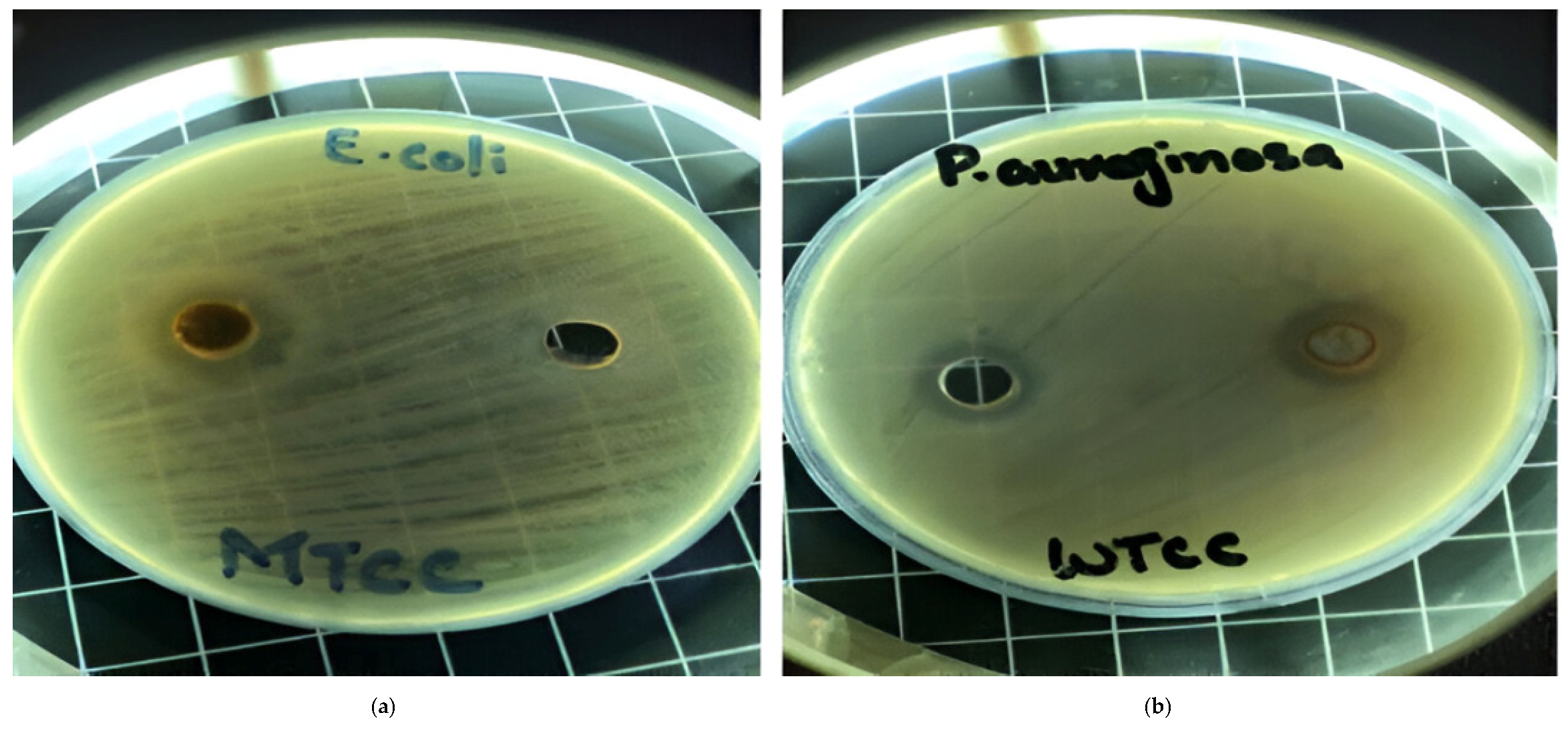
3.6. Antibacterial Activity of Fungal Extracts
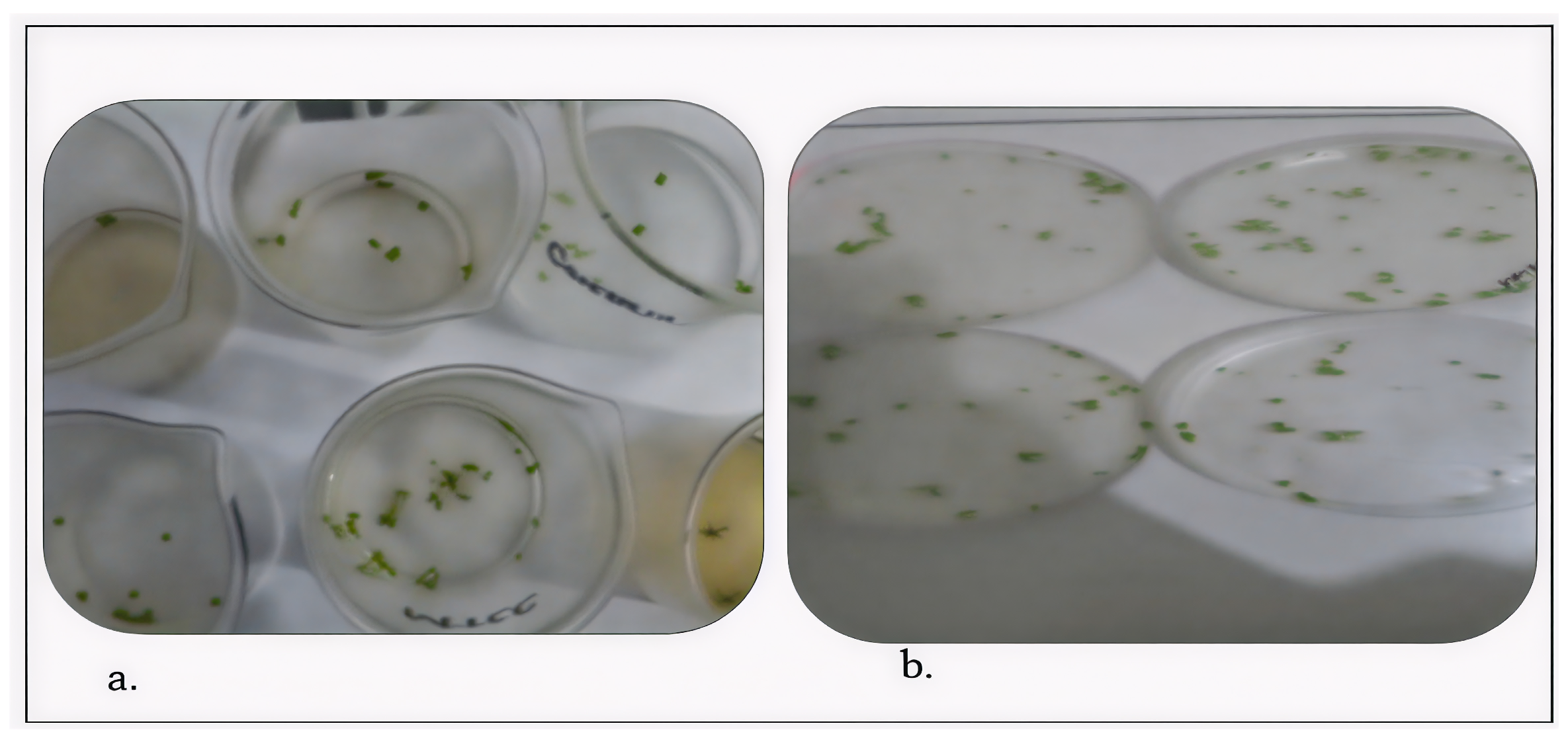
3.7. Antifungal and Phytotoxic Effects
| Test | Method/Medium Used | Observation/Result |
|---|---|---|
| Gram staining | Smear stained with crystal violet–iodine–safranin sequence | Purple oval budding yeast cells |
| Cell morphology (microscopy) | Wet mount (40×) | Oval to spherical budding cells, pseudohyphae observed |
| Sugar fermentation | Glucose, maltose, sucrose, lactose broths with Durham tubes | Glucose and maltose fermented with gas; sucrose/lactose not fermented |
| Urease test | Christensen’s urea agar | No color change (-ive) |
| Catalase test | 3% hydrogen peroxide | Immediate effervescence (+ive) |
3.8. Insecticidal Potential
4. Discussion
5. Conclusions
Author Contributions
Funding
Institutional Review Board Statement
Informed Consent Statement
Data Availability Statement
Conflicts of Interest
Abbreviations
| GC-MS | Gas chromatography-mass spectrometry |
| A. luchuensis | Aspergillus luchuensis |
| A. flavus | Aspergillus flavus |
| PDA | Potato Dextrose Agar |
| DNA | Dioxyribonucleic acid |
| RNA | Ribonucleic acid |
| MDR | Multi Drug Resistance |
References
- Philippot, L.; Raaijmakers, J.M.; Lemanceau, P.; van der Putten, W.H. Going back to the roots: The microbial ecology of the rhizosphere. Nat. Rev. Microbiol. 2013, 11, 789–799. [Google Scholar] [CrossRef]
- Kuzyakov, Y.; Blagodatskaya, E. Microbial hotspots and hot moments in soil: Concept & review. Soil Biol. Biochem. 2015, 83, 184–199. [Google Scholar] [CrossRef]
- Fierer, N.; Jackson, R.B. The diversity and biogeography of soil bacterial communities. Proc. Natl. Acad. Sci. USA 2006, 103, 626–631. [Google Scholar] [CrossRef]
- Baldrian, P.; Valášková, V. Degradation of cellulose by basidiomycetous fungi. FEMS Microbiol. Rev. 2008, 32, 501–521. [Google Scholar] [CrossRef]
- Martínez, Á.T.; Speranza, M.; del Río, J.C.; Gutiérrez, A.; Ferreira, P. Biodegradation of lignocellulosics: Microbial, chemical, and enzymatic aspects of the fungal attack of lignin. Int. Microbiol. 2005, 8, 195–204. [Google Scholar]
- Brakhage, A.A.; Schroeckh, V. Fungal secondary metabolites: Strategies to activate silent gene clusters. Fungal Genet. Biol. 2011, 48, 15–22. [Google Scholar] [CrossRef] [PubMed]
- Berestetskiy, A.; Hu, Q. The chemical ecology approach to reveal fungal metabolites for arthropod pest management. Microorganisms 2021, 9, 1379. [Google Scholar] [CrossRef] [PubMed]
- Yamada, O.; Machida, M.; Hosoyama, A.; Goto, M.; Takahashi, T.; Futagami, T.; Takeuchi, M.; Gomi, K. Genome sequence of Aspergillus luchuensis NBRC 4314. DNA Res. 2016, 23, 507–515. [Google Scholar] [CrossRef][Green Version]
- Amare, M.G.; Keller, N.P. Molecular mechanisms of Aspergillus flavus secondary metabolism and development. Fungal Genet. Biol. 2014, 66, 11–18. [Google Scholar] [CrossRef] [PubMed]
- Chamekh, R.; Deniel, F.; Donot, C.; Jany, J.L.; Nodet, P.; Belabid, L. Isolation, identification and enzymatic activity of halotolerant and halophilic fungi from the Great Sebkha of Oran in Northwestern of Algeria. Mycobiology 2019, 47, 230–241. [Google Scholar] [CrossRef]
- Karthikeyan, V.; Patharajan, S.; Palani, P.; Spadaro, D. Modified simple protocol for efficient fungal DNA extraction highly. Glob. J. Mol. Sci. 2010, 5, 37–42. [Google Scholar]
- Baazeem, A.; Almanea, A.; Manikandan, P.; Alorabi, M.; Vijayaraghavan, P.; Abdel- Hadi, A. In vitro antibacterial, antifungal, nematocidal and growth promoting activities of Trichoderma hamatum FB10 and its secondary metabolites. J. Fungi 2021, 7, 331–351. [Google Scholar] [CrossRef] [PubMed]
- Wamala, S.P.; Mugimba, K.K.; Mutoloki, S.; Evensen, Ø.; Mdegela, R.; Byarugaba, D.K.; Sørum, H. Occurrence and antibiotic susceptibility of fish bacteria isolated from Oreochromis niloticus [Nile tilapia] and Clarias gariepinus [African catfish] in Uganda. Fish. Aquat. Sci. 2018, 21, 6. [Google Scholar] [CrossRef]
- Khan, N. Exploring plant resilience through secondary metabolite profiling: Advances in stress response and crop improvement. Plant Cell Environ. 2025, 48, 4823–4837. [Google Scholar] [CrossRef] [PubMed]
- Cimmino, A.; Masi, M.; Evidente, M.; Superchi, S.; Evidente, A. Fungal phytotoxins with potential herbicidal activity: Chemical and biological characterization. Nat. Prod. Rep. 2015, 32, 1629–1653. [Google Scholar]
- Woo, R.M.; Park, M.G.; Choi, J.Y.; Park, D.H.; Kim, J.Y.; Wang, M.; Je, Y.H. Insecticidal and insect growth regulatory activities of secondary metabolites from entomopathogenic fungi, Lecanicillium attenuatum. J. Appl. Entomol. 2020, 144, 655–663. [Google Scholar] [CrossRef]
- Farooq, S.; Mehmood, A.; Ali, N.; Irshad, M.; Hussain, A.; Khan, N. Isolation and characterization of Aspergillus oryzae from Withania coagulans rhizosphere: Metabolite profiling and bioactivity assessment. J. Plant Biochem. Biotechnol. 2025, 34, 254–270. [Google Scholar] [CrossRef]
- Du, Q.; Zhong, Z.; Zhang, T.; Xu, Y.; Zhang, G.; Wu, S.; Xu, J. Synergistic degradation performance of UV/TiO2 photocatalysis and bio trickling filtration inoculated with Aspergillus sp. S1 for gaseous m-xylene. J. Chem. Technol. Biotechnol. 2023, 98, 498–505. [Google Scholar] [CrossRef]
- Mubraiz, N.; Bano, A.; Mahmood, T.; Khan, N. Microbial and plant assisted synthesis of cobalt oxide nanoparticles and their antimicrobial activities. Agronomy 2021, 11, 1607. [Google Scholar] [CrossRef]
- Shehata, M.G.; Badr, A.N.; El Sohaimy, S.A.; Asker, D.; Awad, T.S. Characterization of antifungal metabolites produced by novel lactic acid bacterium and their potential application as food bio preservatives. Ann. Agric. Sci. 2019, 64, 71–78. [Google Scholar] [CrossRef]
- Roy, R.N. Bioactive natural derivatives of phthalate ester. Crit. Rev. Biotechnol. 2020, 40, 913–929. [Google Scholar] [CrossRef]
- Finamore, A.; Palmery, M.; Bensehaila, S.; Peluso, I. Antioxidant, immunomodulating, and microbial-modulating activities of the sustainable and ecofriendly spirulina. Oxidative Med. Cell. Longev. 2017, 8, e59316. [Google Scholar] [CrossRef]
- Sahu, A.K.; Kar, B.R.; Deepthi, K.; Pallath, S.K.; Dakni, S.J.; Samal, P.; Sneha, T. Gas chromatography and mass spectroscopy analysis and phytochemical characterization of Aegle marmelos (Bael) leaf, Stem and its screening of antimicrobial activity. GSC Biol. Pharm. Sci. 2019, 8, 122–130. [Google Scholar] [CrossRef]
- Niazi, S.K.; Basavarajappa, D.S.; Kumaraswamy, S.H.; Bepari, A.; Hiremath, H.; Nagaraja, S.K.; Nayaka, S. GC-MS Based Characterization, Antibacterial, Antifungal and Anti-Oncogenic Activity of Ethyl Acetate Extract of Aspergillus niger Strain AK-6 Isolated from Rhizospheric Soil. Curr. Issues Mol. Biol. 2023, 45, 3733–3756. [Google Scholar] [CrossRef]
- Sholkamy, E.N.; Palsamy, S.; Raja, S.S.S.; Alarjani, K.M.; Alharbi, R.M.; Abdel- Raouf, N.; Habila, M.A. GC-MS Analysis and Bioactivity of Streptomyces sp. nkm1 Volatile Metabolites against some Phytopathogenic Fungi. Braz. Arch. Biol. Technol. 2023, 66, e23220626. [Google Scholar] [CrossRef]
- Khan, I.H.; Javaid, A. In vitro screening of Aspergillus spp. for their biocontrol potential against Macrophomina phaseolina. J. Plant Pathol. 2021, 103, 1195–1205. [Google Scholar] [CrossRef]
- Ragunath, C.; Kumar, Y.A.S.; Kanivalan, I.; Radhakrishnan, S. Phytochemical screening and GC-MS analysis of bioactive constituents in the methanolic extract of Caulerpa racemosa (Forssk.) j. agardh and Padina boergesenii allender & kraft. Curr. Appl. Sci. Technol. 2020, 20, 380–393. [Google Scholar]
- Ikram, M.; Ali, N.; Jan, G.; Jan, F.G.; Pervez, R.; Romman, M.; Zainab, R.; Yasmin, H.; Khan, N. Isolation of endophytic fungi from halophytic plants and their identification and screening for auxin production and other plant growth promoting traits. J. Plant Growth Regul. 2023, 42, 4707–4723. [Google Scholar] [CrossRef]
- Mehmood, A.; Hussain, A.; Irshad, M.; Khan, N.; Hamayun, M.; Gul Afridi, S.I.; Lee, I.J. IAA and flavonoids modulates the association between maize roots and phytostimulant endophytic Aspergillus fumigatus greenish. J. Plant Interact. 2018, 13, 532–542. [Google Scholar] [CrossRef]
- Octarya, Z.; Novianty, R.; Suraya, N.; Saryono, S. Antimicrobial activity and GC-MS analysis of bioactive constituents of Aspergillus fumigatus 269 isolated from Sungai Pinang Hot Spring, Riau, Indonesia. Biodiversitas J. Biol. Divers. 2021, 22, 1839–1845. [Google Scholar] [CrossRef]
- Rhetso, T.; Shubharani, R.; Roopa, M.S.; Sivaram, V. Chemical constituents, antioxidant, and antimicrobial activity of Allium chinense G. Don. Future J. Pharm. Sci. 2020, 6, 102. [Google Scholar] [CrossRef]
- Albratty, M.; Alhazmi, H.A.; Meraya, A.M.; Najmi, A.; Alam, M.S.; Rehman, Z.; Moni, S.S. Spectral analysis and Antibacterial activity of the bioactive principles of Sargassum tenerrimum J. Agardh collected from the Red sea, Jazan, Kingdom of Saudi Arabia. Braz. J. Biol. 2021, 83, e249536. [Google Scholar] [CrossRef]
- Saleh, A.E.; Ul-Hassan, Z.; Zeidan, R.; Al-Shamary, N.; Al-Yafei, T.; Alnaimi, H.; Jaoua, S. Biocontrol activity of Bacillus megaterium BM344-1 against toxigenic fungi. ACS Omega 2021, 6, 10984–10990. [Google Scholar] [CrossRef]
- Javed, M.R.; Salman, M.; Tariq, A.; Tawab, A.; Zahoor, M.K.; Naheed, S.; Ali, H. The Antibacterial and Larvicidal Potential of Bis-(2-Ethylhexyl) Phthalate from Lactiplantibacillus plantarum. Molecules 2022, 27, 7220. [Google Scholar] [CrossRef]
- Bukhari, S.A.; Salman, M.; Numan, M.; Javed, M.R.; Zubair, M.; Mustafa, G. Characterization of antifungal metabolites produced by Lactobacillus plantarum and Lactobacillus coryniformis isolated from rice rinsed water. Mol. Biol. Rep. 2020, 47, 1871–1881. [Google Scholar] [CrossRef]
- Ikram, M.; Ali, N.; Jan, G.; Jan, F.G.; Romman, M.; Ishaq, M.; Islam, Y.; Khan, N. Antimicrobial and antioxidant activities of methanolic extract and fractions of Epilobium roseum (Schreb.) against bacterial strains. Am. J. Plant Sci. 2021, 12, 275–284. [Google Scholar] [CrossRef]
- Tonisi, S.; Okaiyeto, K.; Hoppe, H.; Mabinya, L.V.; Nwodo, U.U.; Okoh, A.I. Chemical constituents, antioxidant and cytotoxicity properties of Leonotis leonurus used in the folklore management of neurological disorders in the Eastern Cape, South Africa. 3 Biotech 2020, 10, 141. [Google Scholar] [CrossRef] [PubMed]
- Almustafa, H.I.; Yehia, R.S. Antioxidant, cytotoxic, and DNA damage protection activities of endophytic fungus Pestalotiopsis neglecta isolated from Ziziphus spina-christi medicinal plant. Microorganisms 2023, 11, 117. [Google Scholar] [CrossRef] [PubMed]
- Zhao, F.; Wang, P.; Lucardi, R.D.; Su, Z.; Li, S. Natural sources and bioactivities of 2, 4-di-tert-butylphenol and its analogs. Toxins 2020, 12, 35. [Google Scholar] [CrossRef]
- Piechowicz, B.; Kwiatek, A.; Sadło, S.; Zaręba, L.; Koziorowska, A.; Kloc, D.; Balawejder, M. Use of Gas Chromatography and SPME Extraction for the Differentiation between Healthy and Paenibacillus larvae Infected Colonies of Bee Brood—Preliminary Research. Agriculture 2023, 13, 487. [Google Scholar] [CrossRef]
- El-Sayed, M.T.; Rabie, G.H.; Hamed, E.A. Biodegradation of low-density polyethylene (LDPE) using the mixed culture of Aspergillus carbonarius and A. fumigates. Environ. Dev. Sustain. 2021, 23, 14556–14584. [Google Scholar] [CrossRef]
- Rashad, Y.M.; Abdalla, S.A.; Shehata, A.S. Aspergillus flavus YRB2 from Thymelaea hirsuta (L.) Endl., a non-aflatoxigenic endophyte with ability to overexpress defense-related genes against Fusarium root rot of maize. BMC Microbiol. 2022, 22, 229. [Google Scholar] [CrossRef] [PubMed]
- Wash, P.; Yasmin, H.; Ullah, H.; Haider, W.; Khan, N.; Ahmad, A.; Mumtaz, S.; Hassan, M.N. Deciphering the genetics of antagonism and antimicrobial resistance in Bacillus velezensis HU-91 by whole genome analysis. J. King Saud Univ.-Sci. 2023, 35, 102954. [Google Scholar] [CrossRef]
- Borah, B.; Dwivedi, K.D.; Chowhan, L.R. Review on synthesis and medicinal application of dihydropyrano [3, 2-b] pyrans and spiro-pyrano [3, 2- b] pyrans by employing the reactivity of 5-hydroxy-2-(hydroxymethyl)-4 H- pyran-4-one. Polycycl. Aromat. Compd. 2022, 42, 5893–5937. [Google Scholar] [CrossRef]
- Wibowo, R.H.; Darwis, W.; Yudha, S.; Purnaningsih, I.; Siboro, R. Potential Antimicrobe Producer of Endophytic Bacteria from Yellow Root Plant (Arcangelisia flava (L.)) Originated from Enggano Island. Int. J. Microbiol. 2022, 2022, 6435202. [Google Scholar] [CrossRef] [PubMed]
- Brück, S.A.; Contato, A.G.; Gamboa-Trujillo, P.; de Oliveira, T.B.; Cereia, M.; de Moraes Polizeli, M.D.L.T. Prospection of Psychrotrophic Filamentous Fungi Isolated from the High Andean Paramo Region of Northern Ecuador: Enzymatic Activity and Molecular Identification. Microorganisms 2022, 10, 282–290. [Google Scholar] [CrossRef]




| S. No | Antibiotics | Family |
|---|---|---|
| 1 | Imipenem | Carbapenem |
| 2 | Vancomycin | Glycopeptide |
| 3 | Toxobactam | Penicillin |
| 4 | Ceftriaxone | Cephalosporin |
| 5 | Clarithromycin | Macrolide |
| 6 | Ciprofloxacin | Fluoroquinolones |
| 7 | Azithromycin | Macrolide |
| 8 | Erythromycin | Macrolide |
| 9 | Amoxicillin | Penicillin |
| 10 | Gentamicin | Aminoglycoside |
| S. No | Physicochemical Characteristics | Withania coagulans | Justicia adhatoda |
|---|---|---|---|
| 1 | Clay | 12% | 10% |
| 2 | Slit | 26% | 26% |
| 3 | Sand | 54% | 64% |
| 4 | Organic Matter | 1.03% | 1.06% |
| 5 | Nitrogen | 0.052 mg/kg | 0.053 mg/kg |
| 6 | Phosphorus | 25.7 mg/kg | 71.5 mg/kg |
| 7 | Potassium | 108 mg/kg | 78 mg/kg |
| S. No | Gram Staining | Microscopy | Culture Characteristics on Nutrient Agar | ||
|---|---|---|---|---|---|
| Color | Shape | Arrangement | |||
| 1 | - | Pink | Rods | Pairs, Singles | Large, greyish white, smooth, opaque or translucent colonies |
| 2 | - | Pink | Rods | Single or pairs | Irregular, greenish blue, smooth, opaque-translucent colonies |
| 3 | - | Pink | Rods | Single, pairs or short chains | Circular, Greyish white, mucoid, opaque-translucent colonies |
| 4 | - | Pink | Rods | Pairs, singles | Circular, Greyish white, smooth, opaque-translucent colonies |
| 5 | - | Pink | Rods | Pairs, singles | Circular, Greyish white, smooth, translucent colonies |
| 6 | - | Pink | Rods | Pairs, singles | Smooth, Greyish white, cauliflower like colonies |
| 7 | + | Purple | Spherical/cocci | Clusters, single | Round, convex, smooth, golden yellow, opaque colonies |
| 8 | + | Purple | Spherical/cocci | Grape-like clusters | Circular, cream-colored, smooth with transparent borders colonies |
| S. No | Biochemical Tests | Bacteria | ||||||||
|---|---|---|---|---|---|---|---|---|---|---|
| Enzyme Based | Media Based | |||||||||
| Oxidase | Catalase | Coagulase | TSI | Citrate | Indole | Urease | ||||
| Slant/Butt | Gas | H2S | ||||||||
| 1 | - | + | - | Acid/Acid | + | - | - | + | - | E. coli |
| 2 | + | + | - | Alkaline/Alkaline | + | - | + | - | - | P. aeruginosa |
| 3 | - | + | Nil | Acid/Acid | + | - | + | - | + | K. pneumoniae |
| 4 | - | + | Nil | Alkaline/Acid | + | - | - | - | - | Shigella |
| 5 | - | + | Nil | Alkaline/Acid | - | + | - | - | - | S. typhi |
| 6 | - | + | Nil | Acid/Acid | + | - | + | - | - | E. aerogenes |
| 7 | - | + | + | Acid/Acid | - | - | + | - | + | S. aureus |
| 8 | - | + | - | Alkaline/Acid | + | + | - | - | + | S. epidermidis |
| Bacteria | Total Antibiotics Tested | No. Resistant | % Resistance |
|---|---|---|---|
| E. coli | 11 | 5 | 45% |
| P. aeruginosa | 11 | 10 | 91% |
| K. pneumoniae | 11 | 6 | 55% |
| Shigella | 11 | 7 | 64% |
| S. typhi | 11 | 5 | 45% |
| E. aerogenes | 11 | 8 | 73% |
| S. aureus | 11 | 2 | 18% |
| S. epidermidis | 11 | 2 | 18% |
Disclaimer/Publisher’s Note: The statements, opinions and data contained in all publications are solely those of the individual author(s) and contributor(s) and not of MDPI and/or the editor(s). MDPI and/or the editor(s) disclaim responsibility for any injury to people or property resulting from any ideas, methods, instructions or products referred to in the content. |
© 2025 by the authors. Licensee MDPI, Basel, Switzerland. This article is an open access article distributed under the terms and conditions of the Creative Commons Attribution (CC BY) license (https://creativecommons.org/licenses/by/4.0/).
Share and Cite
Farooq, S.; Mehmood, A.; Ali, N.; Khan, A.; Khan, N. Medicinal Plant Rhizospheres as Reservoirs of Aspergillus-Derived Phytochemicals with Antimicrobial and Insecticidal Potential. Life 2025, 15, 1886. https://doi.org/10.3390/life15121886
Farooq S, Mehmood A, Ali N, Khan A, Khan N. Medicinal Plant Rhizospheres as Reservoirs of Aspergillus-Derived Phytochemicals with Antimicrobial and Insecticidal Potential. Life. 2025; 15(12):1886. https://doi.org/10.3390/life15121886
Chicago/Turabian StyleFarooq, Sidra, Asif Mehmood, Nasir Ali, Amjad Khan, and Naeem Khan. 2025. "Medicinal Plant Rhizospheres as Reservoirs of Aspergillus-Derived Phytochemicals with Antimicrobial and Insecticidal Potential" Life 15, no. 12: 1886. https://doi.org/10.3390/life15121886
APA StyleFarooq, S., Mehmood, A., Ali, N., Khan, A., & Khan, N. (2025). Medicinal Plant Rhizospheres as Reservoirs of Aspergillus-Derived Phytochemicals with Antimicrobial and Insecticidal Potential. Life, 15(12), 1886. https://doi.org/10.3390/life15121886