You are currently on the new version of our website. Access the old version .
MachinesMachines
  • This is an early access version, the complete PDF, HTML, and XML versions will be available soon.
  • Article
  • Open Access

13 January 2026

Aero-Engine Fault Diagnosis Method Based on DANN and Feature Interaction
,
and
1
Computer Science College, Xi’an Polytechnic University, No. 19, Jinhuan South Road, Xi’an 710048, China
2
Air and Missile Defense College, Air Force Engineering University, No. 1, Changle East Road, Xi’an 710038, China
*
Author to whom correspondence should be addressed.
This article belongs to the Topic Predictive Analytics and Fault Diagnosis of Machines with Machine Learning Techniques, 2nd Edition

Abstract

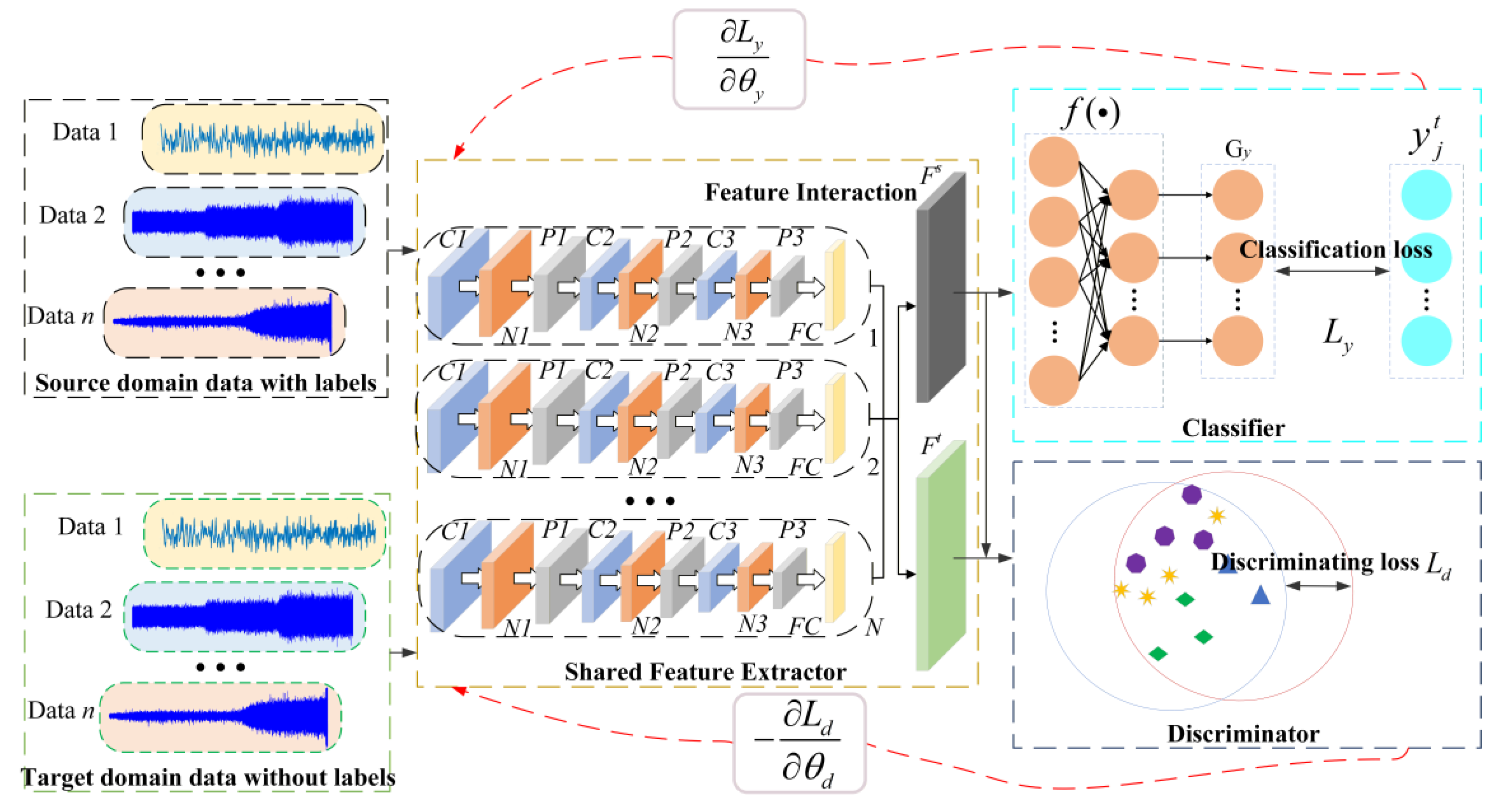
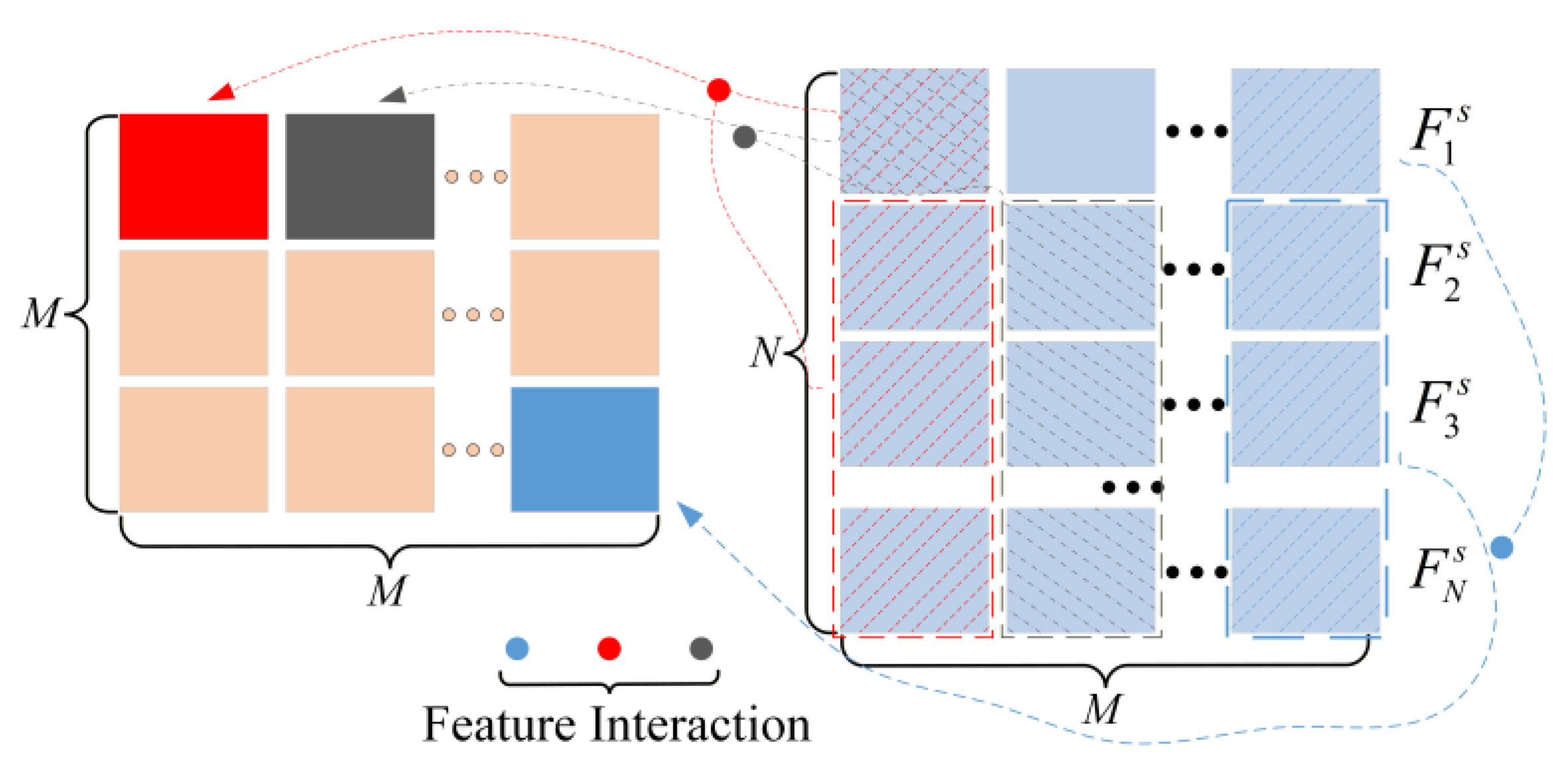
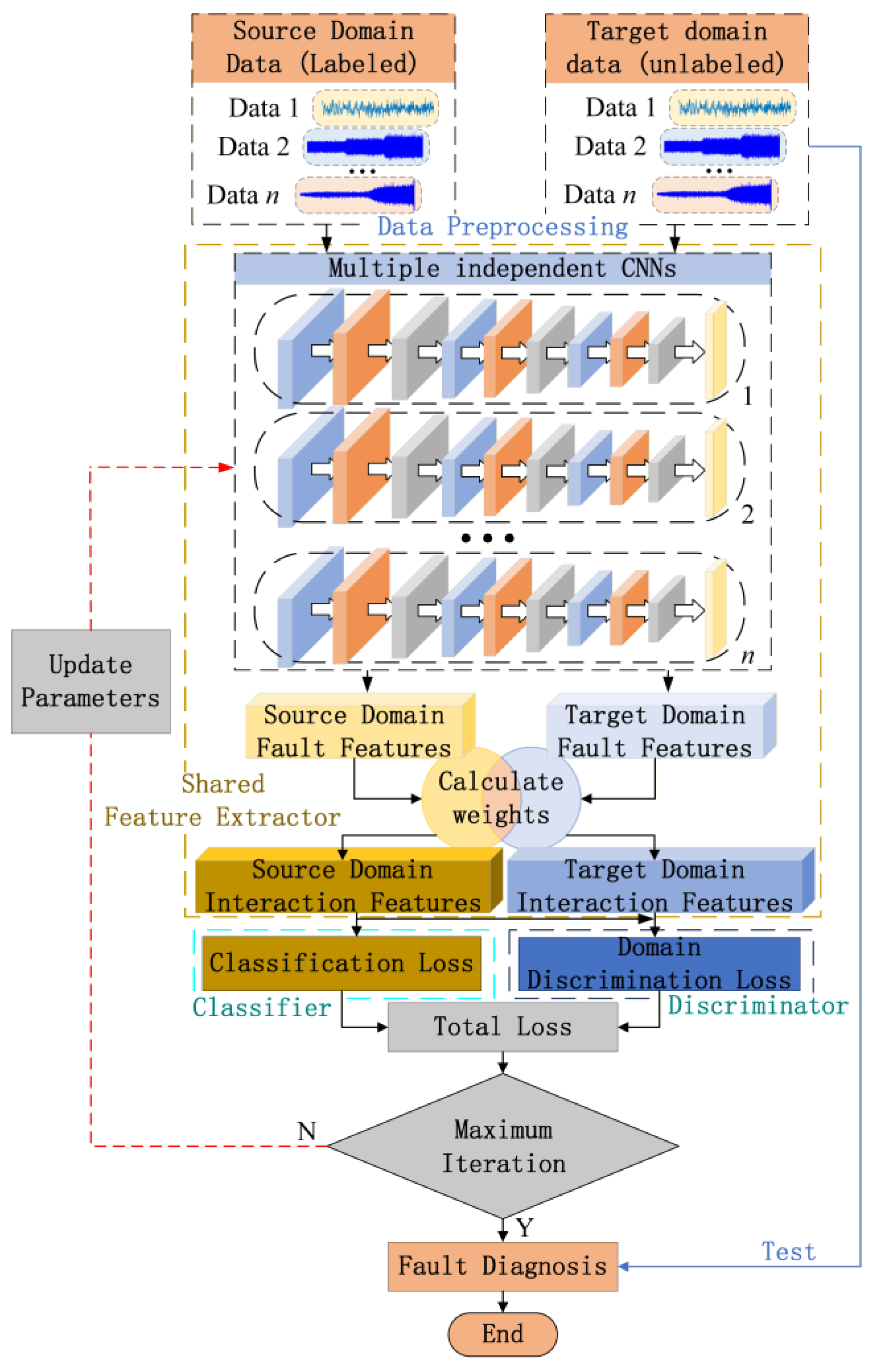
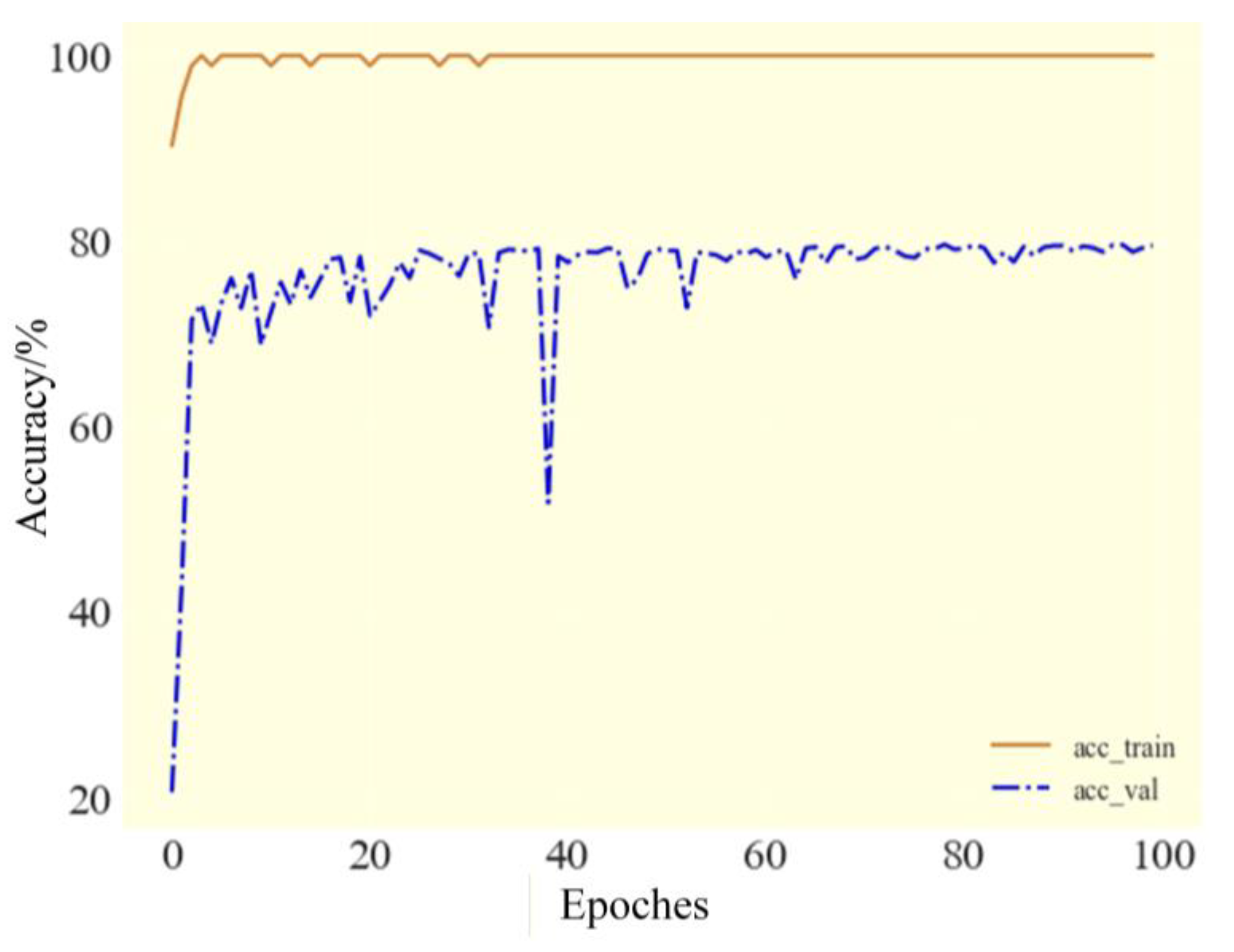
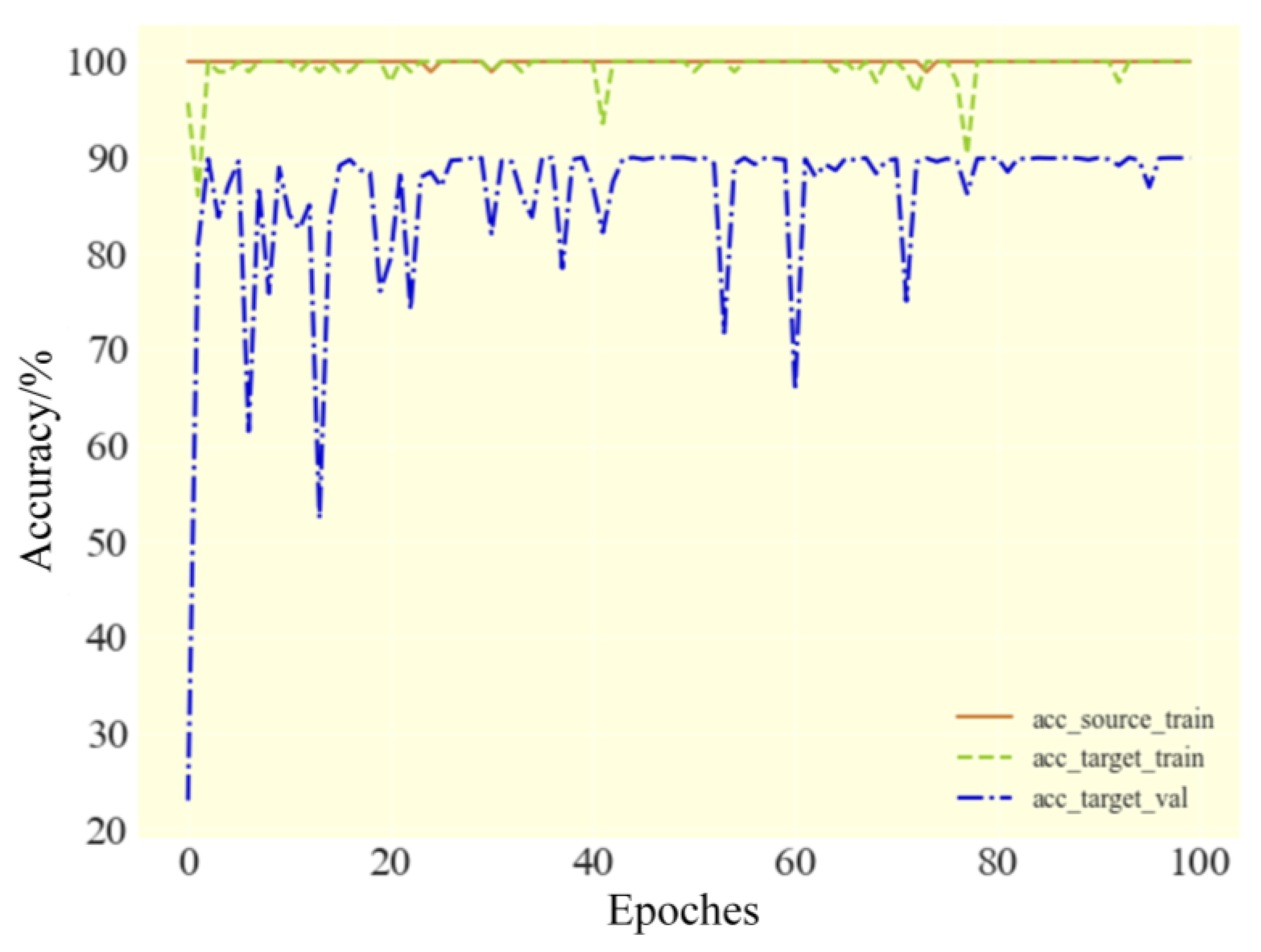
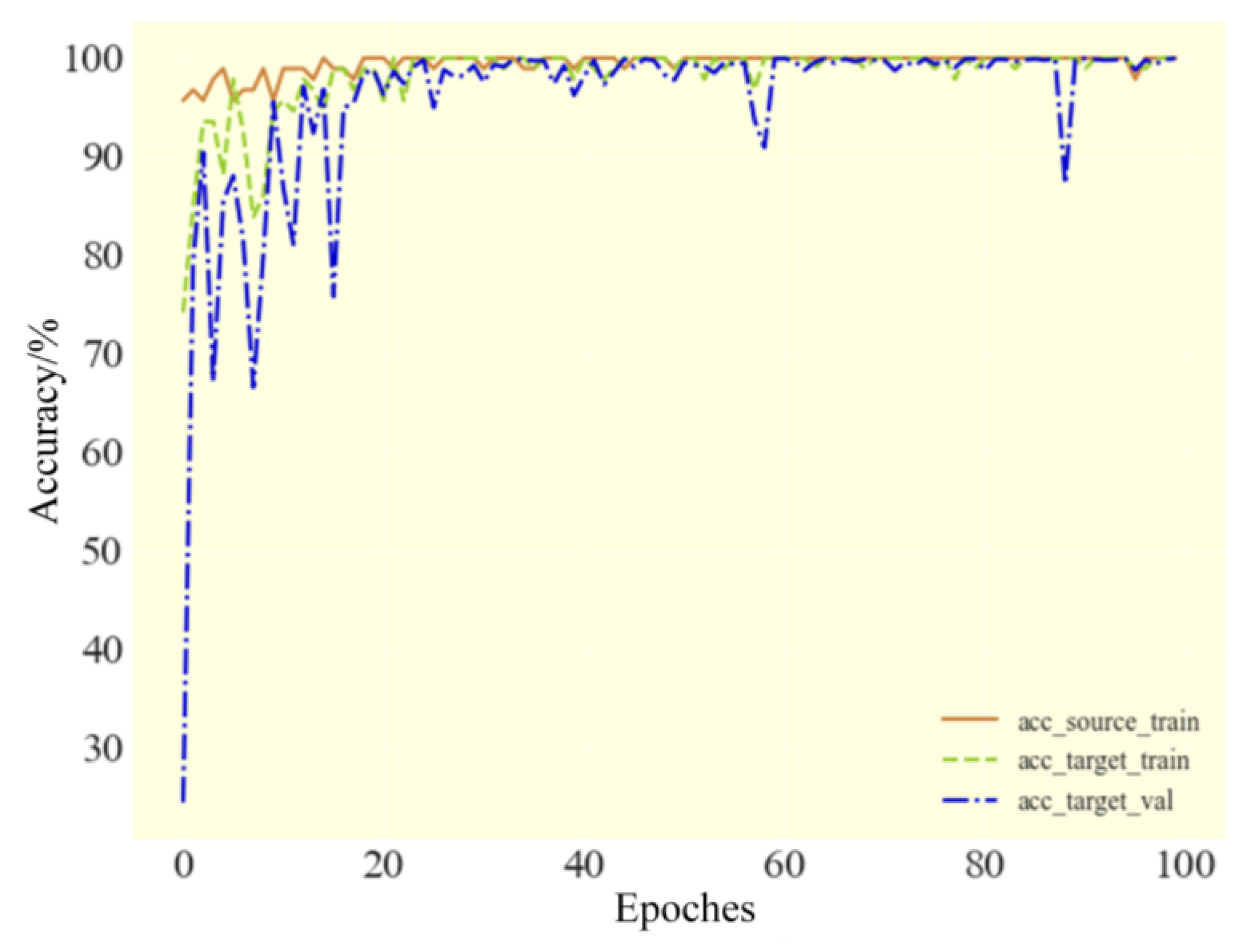
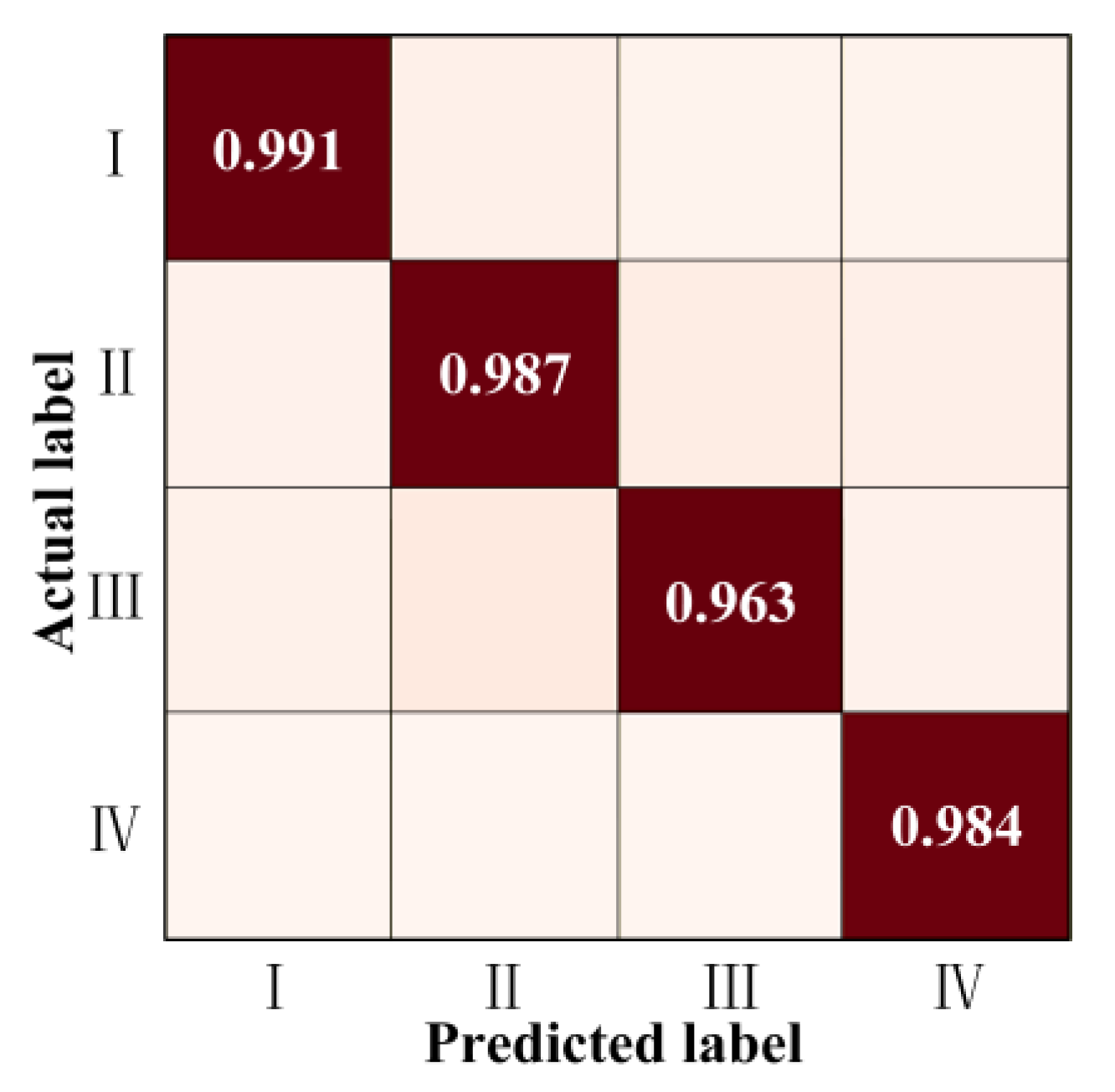
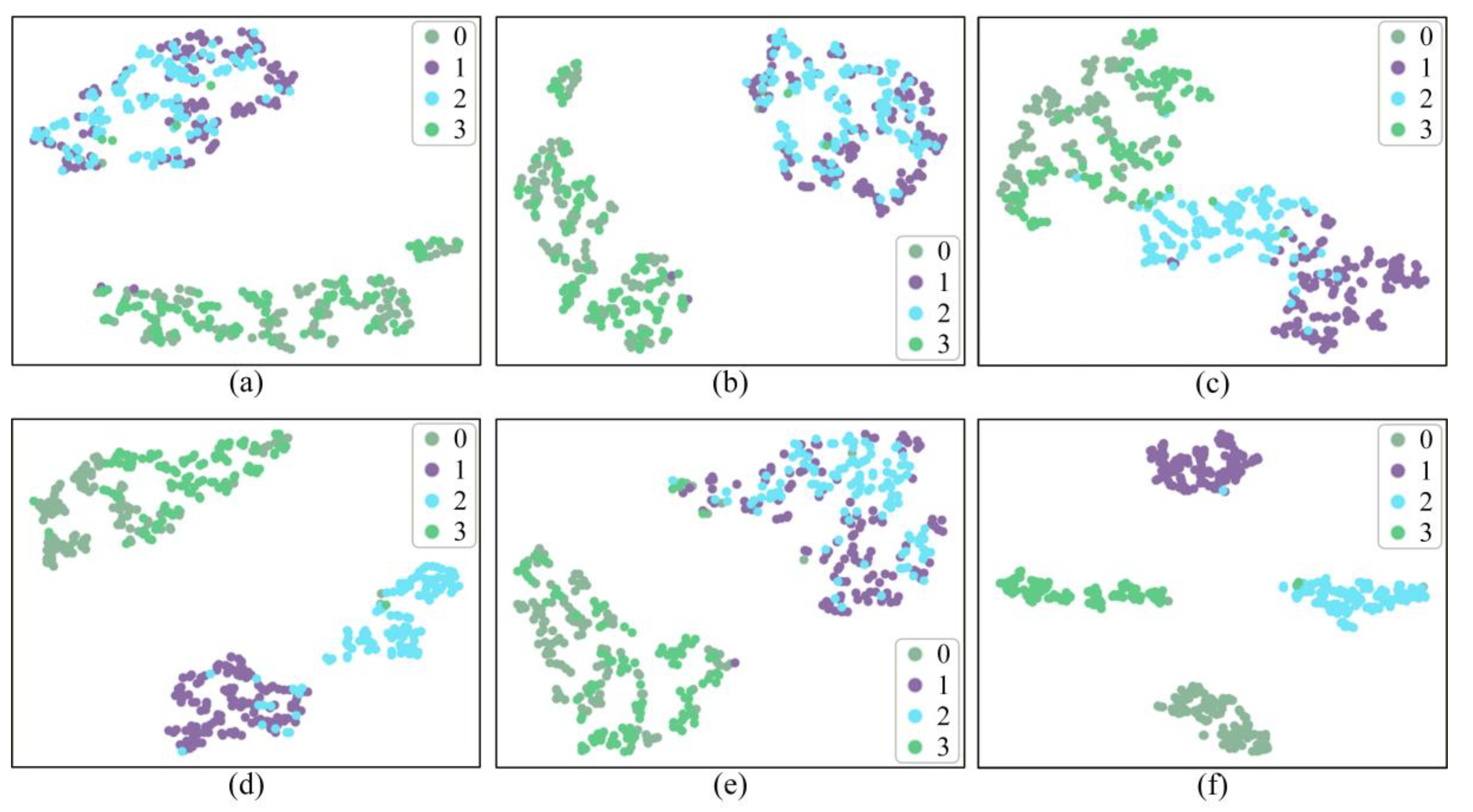
The fault data of the aero-engine source domain are constrained by factors such as variable operating conditions, structural coupling, fault correlations, and information attenuation. Consequently, the obtained fault features often exhibit localities. This leads to significant discrepancies in fault feature distributions between the source and target domains, resulting in poor generalization capabilities and insufficient stability in aero-engine fault diagnosis. To address these issues, an aero-engine fault diagnosis method based on Domain-Adversarial Neural Network (DANN) and Feature Interaction (FI-DANN) is proposed. Firstly, a fault diagnosis network architecture is designed based on traditional DANN by incorporating a feature interaction module into its feature extractor. Secondly, the Kronecker product is employed to fully excavate nonlinear relationships between the features, thereby increasing the number of fault features to obtain higher-dimensional and more accurate fault features. Finally, based on information entropy theory, the number of interacted features is controlled through a weighted combination, ensuring that the retained features possess greater fault information content. This guarantees the strong generalization capability and high stability of the model. The experimental results show that the best fault diagnosis accuracies of Convolutional Neural Network (CNN), traditional DANN, and FI-DANN are 79.64%, 90.00%, and 99.03%, respectively, indicating that the proposed FI-DANN can effectively integrate multi-source fault information and enhance the accuracy, stability, and generalization capability of fault diagnosis models.

Article Metrics

Citations

Article Access Statistics

Multiple requests from the same IP address are counted as one view.