1. Introduction
The human body’s center of mass (CoM) plays an essential role in the biomechanics of human gait; its position and displacement during walking influence energy expenditure, stability, and efficiency of movement. Thus, the CoM follows a sinusoidal trajectory in the vertical and transversal planes, as described in [
1], and excessively large vertical oscillations lead to increased energy consumption due to the body’s upward and downward movement with each step.
To ensure the stability of the human body while walking, the CoM must remain above the base of support. The base of support is given by the foot of the lower limb in contact with the ground. When the CoM shifts too far away, the body needs to adjust to avoid losing balance (through arm swinging, movement of the thoracic cage, or step modification).
Excessive transversal oscillations of the CoM can reduce stability by increasing the risk of imbalance. Oscillations are frequently observed in individuals with locomotion impairments, especially in the case of children diagnosed with Duchenne Muscular Dystrophy (DMD). Consequently, numerous studies have been carried out on the behavior and progression of DMD and its impact on the CoM.
In children, DMD particularly affects the proximal musculature (thighs, hips, and shoulders), as presented in [
2]. Thus, muscle weakness alters the way a child maintains their posture and gait, which, in turn, impacts the CoM through the following aspects:
The gluteal and hip muscles are weakened (lumbar hyperlordosis), which causes the child to push the abdomen forward and arch the back to avoid falling; simultaneously, the CoM shifts forward and slightly upward [
3,
4].
To compensate for instability, the child walks with their legs apart, and this adaptation allows them to maintain their CoM better between the lower limbs [
5,
6].
The hip abductor muscles (gluteus medius) are weakened, which leads to the appearance of the Trendelenburg sign, forcing the CoM to shift considerably in the transversal direction to maintain balance, resulting in a swaying gait [
7].
As the disease progresses, the CoM becomes increasingly difficult to control, leading to loss of balance and a high risk of falls. To prevent such incidents, the child will increasingly use their arms to maintain balance [
7].
Based on the above arguments,
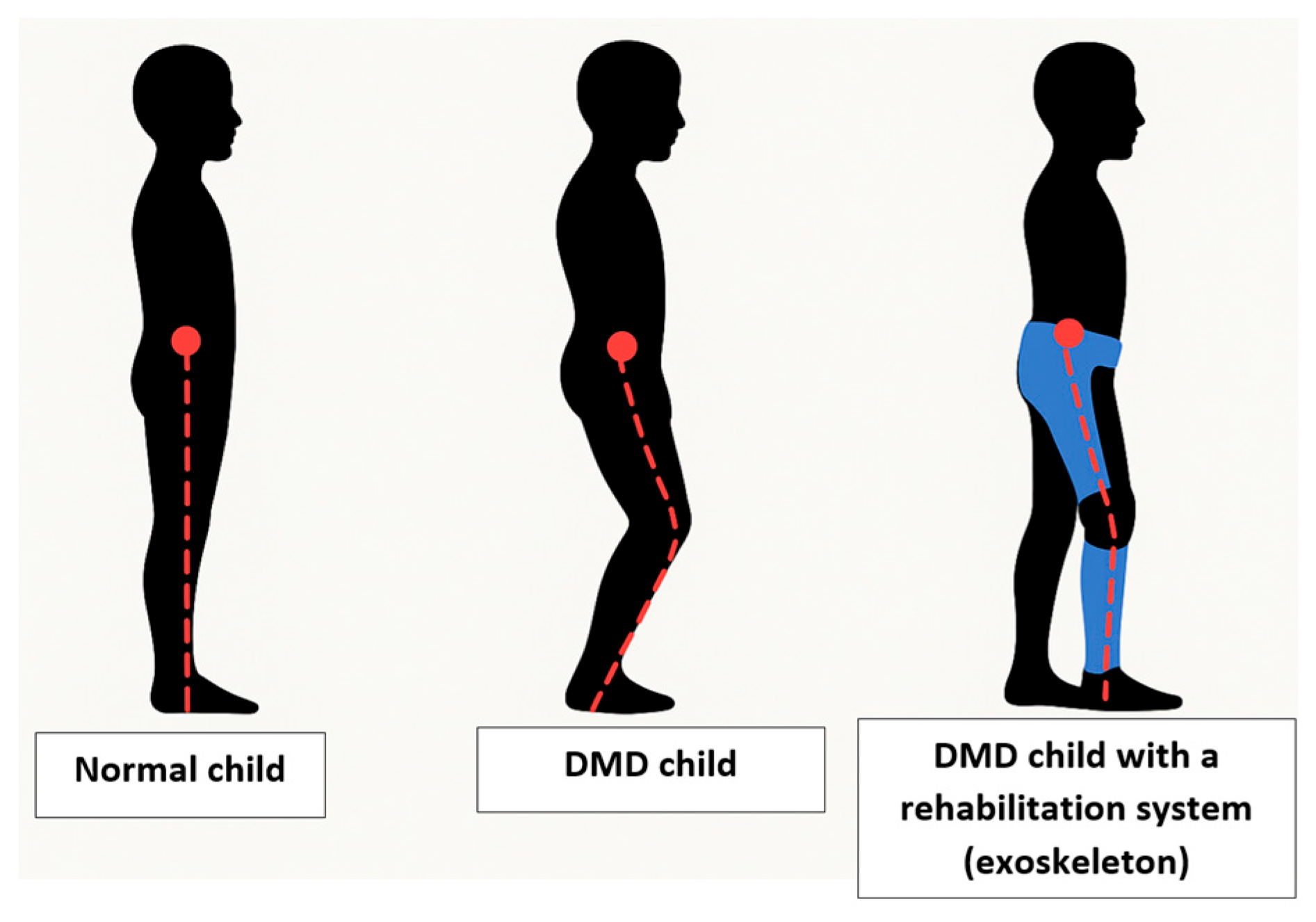
Figure 1 schematically illustrates the differences in gait caused by DMD and the possibility of correcting them.
At present, biomechanical solutions for DMD focus on stabilizing joints, reducing CoM transversal and anterior oscillations, widening the base of support, and using assistive technologies such as rehabilitation and exoskeleton systems. Numerous studies aimed at stabilizing DMD have been carried out, as reported in [
8,
9,
10,
11,
12].
Exoskeleton-type devices control step mechanics and reposition the subject’s thoracic cage so that the CoM remains more stable [
8,
9]. Based on these functions, significant results have been obtained with the ReWalk exoskeleton [
10], which includes an actuator that adds additional torque to prevent a crouching gait in children aged 5–7 years.
Significant improvements in gait have also been achieved with the Atlas 2030 rehabilitation system, presented in [
11,
12], which is a robotic platform characterized by a complex actuation system. Eight actuators are integrated into a wearable pediatric gait exoskeleton for overground walking and training.
In [
13], the design of an active mechatronic system for gait assistance in a child diagnosed with DMD is presented. This system is intended to enhance the child’s physical performance by correcting and compensating for CoM behavior during gait rehabilitation. A related system is also described in [
14], detailing successful results in the field of pediatric locomotion rehabilitation.
Considering the research topic, it is inferred that the CoM plays an important role in correcting the successive phases of human gait.
However, in the context of designing assistive systems for human locomotion, cases of children diagnosed with DMD are not extensively debated. Thus, the main objective of this research is to design and implement a mechanical system that assists the behavior of the CoM during specific gait phases in the context of human locomotion rehabilitation, as presented in [
14]. One key focus is the kinematic modeling of CoM behavior and the transfer of the results as reference elements in the development of a mechanical system intended to correct and compensate for CoM behavior during gait rehabilitation in a child diagnosed with DMD.
Considering the current state of rehabilitation systems [
15,
16,
17,
18] available for patients diagnosed with DMD, and taking into account the challenges posed by the disease, this research experimentally analyzes the behavior of CoM in a child with anthropometric data close to that of a DMD patient. Based on the experimental results and collected anthropometric data, a mathematical model is developed to analyze the kinematics of the CoM.
In parallel, a conceptual solution for the mechanical system is proposed, modeling CoM behavior while taking into account both the experimental analyses and the kinematic analysis of CoM behavior.
Based on this conceptual solution, a system is proposed that provides support for the exoskeleton and the patient during the recovery/rehabilitation process of human gait.
The proposed mechanical system is validated through comparative analyses aimed at highlighting the effectiveness of the proposed implementation.
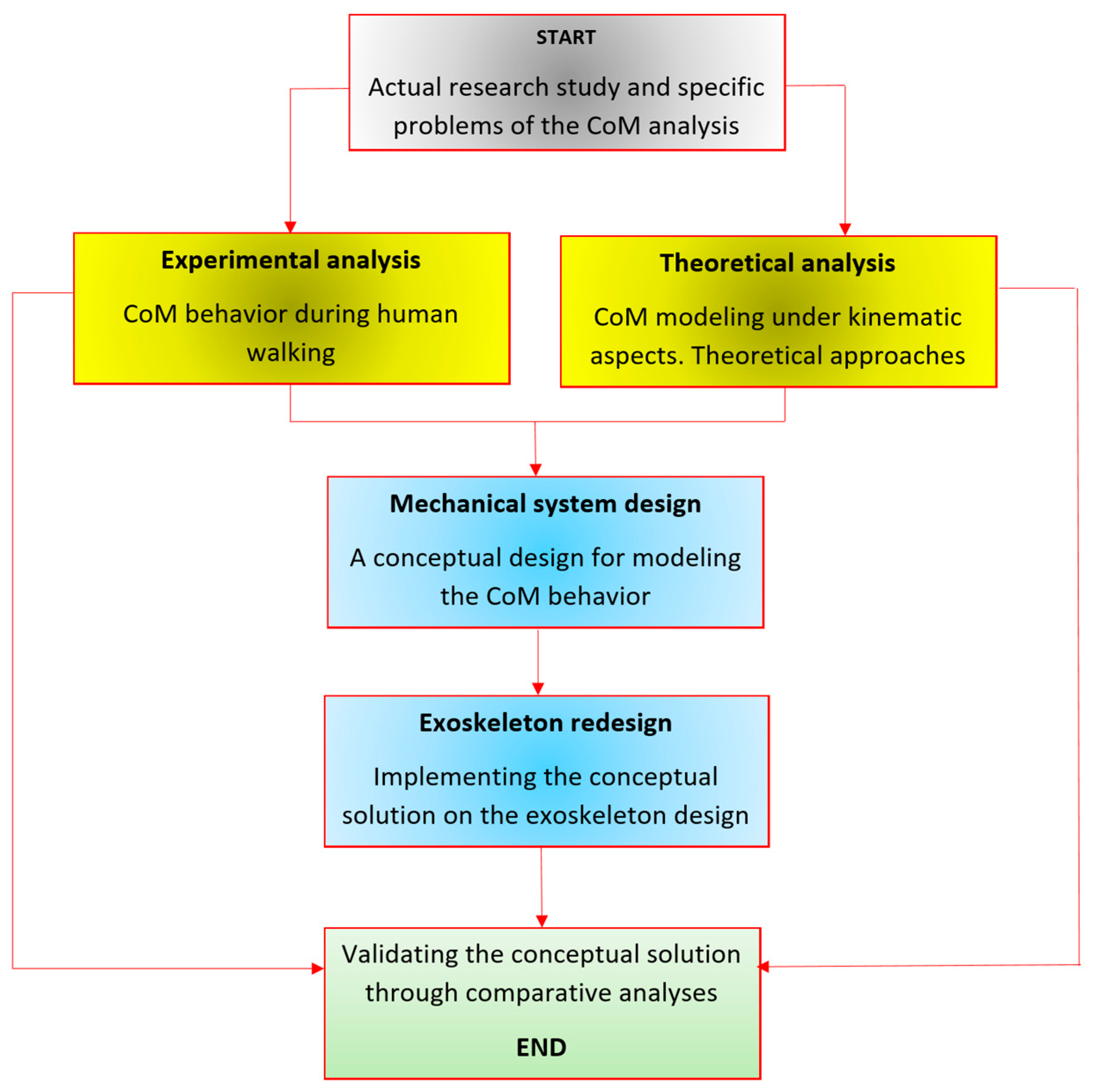
Figure 2 presents a workflow summarizing the main research phases.
2. Human CoM Behavior During Walking
Human CoM behavior is experimentally evaluated for two cases: a child with a normal gait and a child with DMD. Both cases were evaluated during walking activity for one complete gait, using motion analysis equipment called CONTEMPLAS [
19]. The method used for evaluating CoM behavior is a common one, namely the Motion Capture-based method. The anthropometric data of the human subjects included are presented in
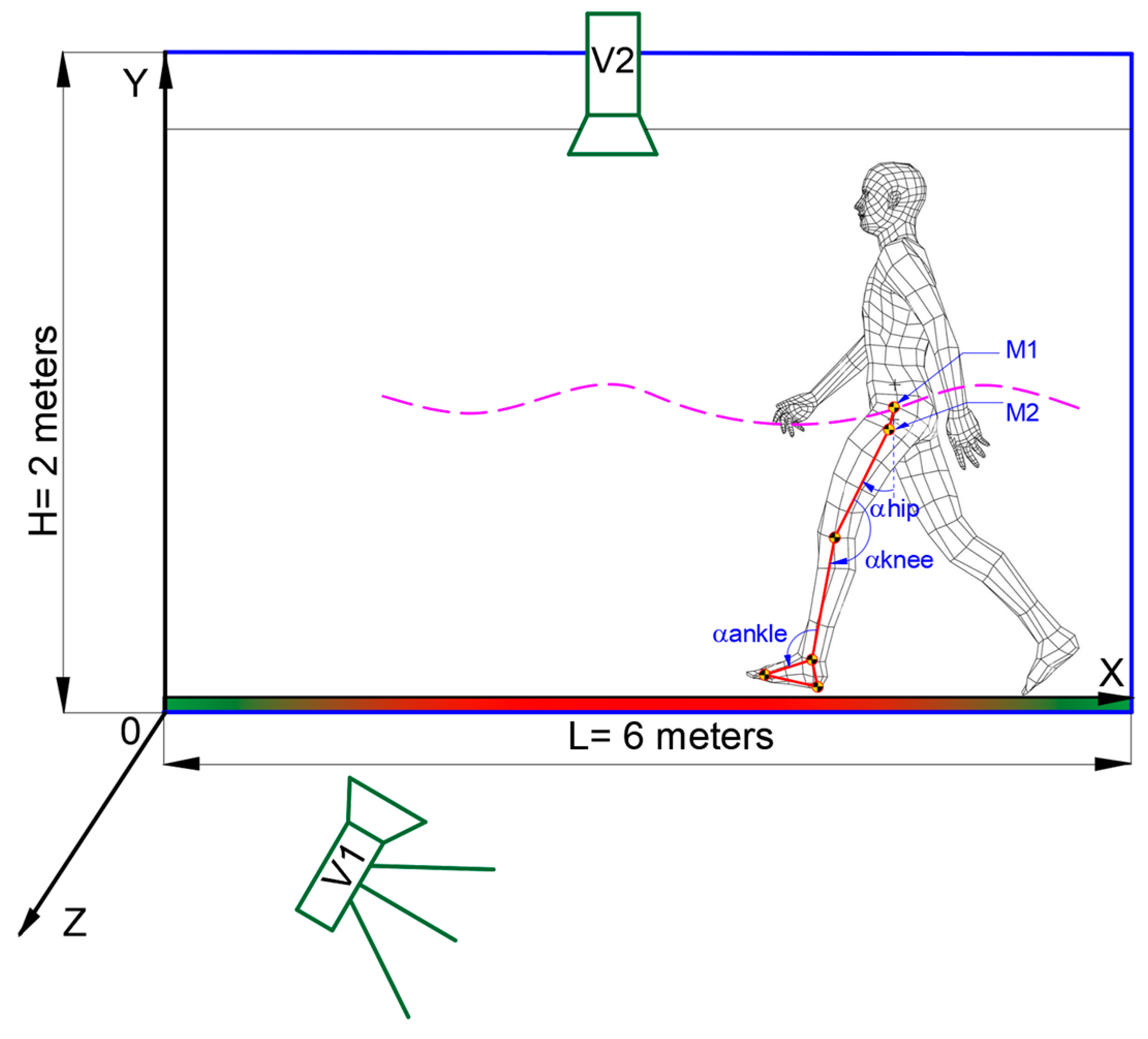
Table 1. To perform the experimental analyses, it was necessary to setup equipment for the participants. Firstly, we calibrated the two motion analyses with high-speed video cameras, labeled V1 and V2, respectively, before placing special markers on both children equivalent to their CoM position, as shown in
Figure 3. Then, a physician evaluated the anthropometric data of each child and identified the center positions of the main joints using the palpation method. After this, the global reference system was defined according to the experimental workspace and TemploMotion V2010 software environment. At the beginning of each experimental test, the CoM position was experimentally measured by the specialists and correlated with the digital measurements in the TemploMotion software environment.
Two high-speed cameras were used for the analysis. One was placed in the Z-axis direction to capture frames on the human subjects’ lateral side, including vertical CoM movements, and the second camera was placed in the Y-axis direction to record frames from above the human subjects and capture transversal CoM movements.
The attached markers had reflective properties recognized only by the TemploMotion software virtual instruments. These markers are shown in
Figure 3, where M1 represents the human subject’s CoM for the whole body, and M2 is a reference marker situated in the hip joint. The experimental evaluations were performed in a specific environment, six meters long, with a height of two meters. This was essential for placing the vertical camera V2. The experimental analysis allowed us to obtain additional data, such as angular variations that occur during a complete gait, as well as marker trajectories. The aim of this analysis was to obtain trajectories for M1 and M2 markers, which represent the CoM behavior of the entire human body.
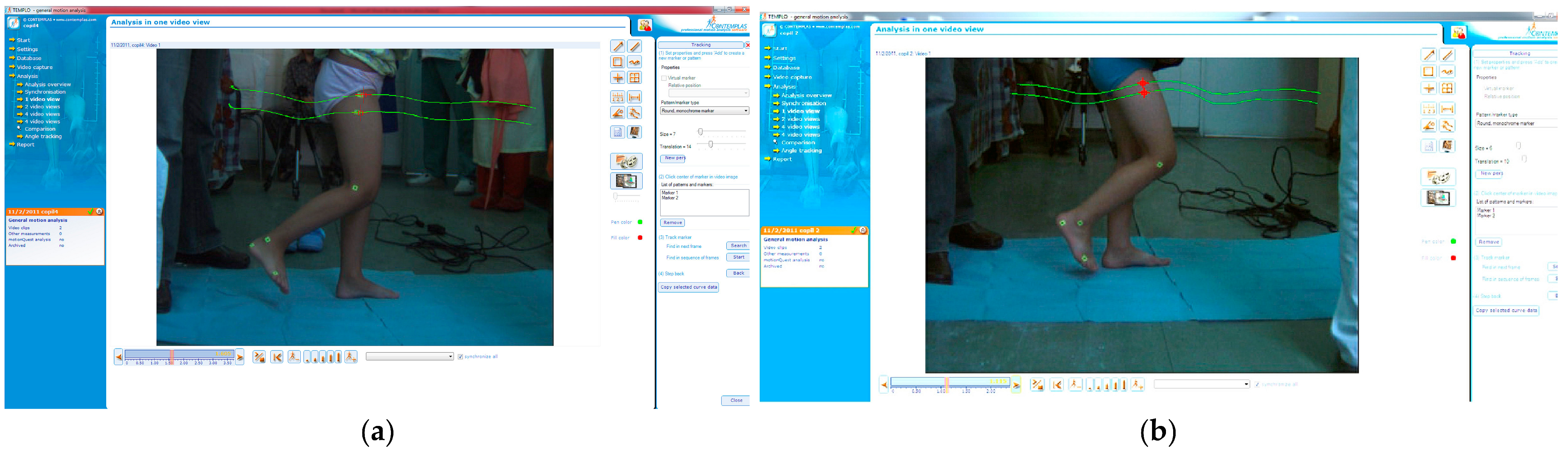
The targeted points for both analyzed cases were identified by a physician, and this was achieved during experimental tests. Some snapshots acquired from the TemploMotion V2010 software are presented in
Figure 4. For each child, three experimental tests were performed. From these, one test was chosen which gave the best results for a complete gait cycle with closely acquired data.
The targeted results for marker M1 are represented by the CoM transversal and vertical displacements, according to the schematic diagram in
Figure 3.
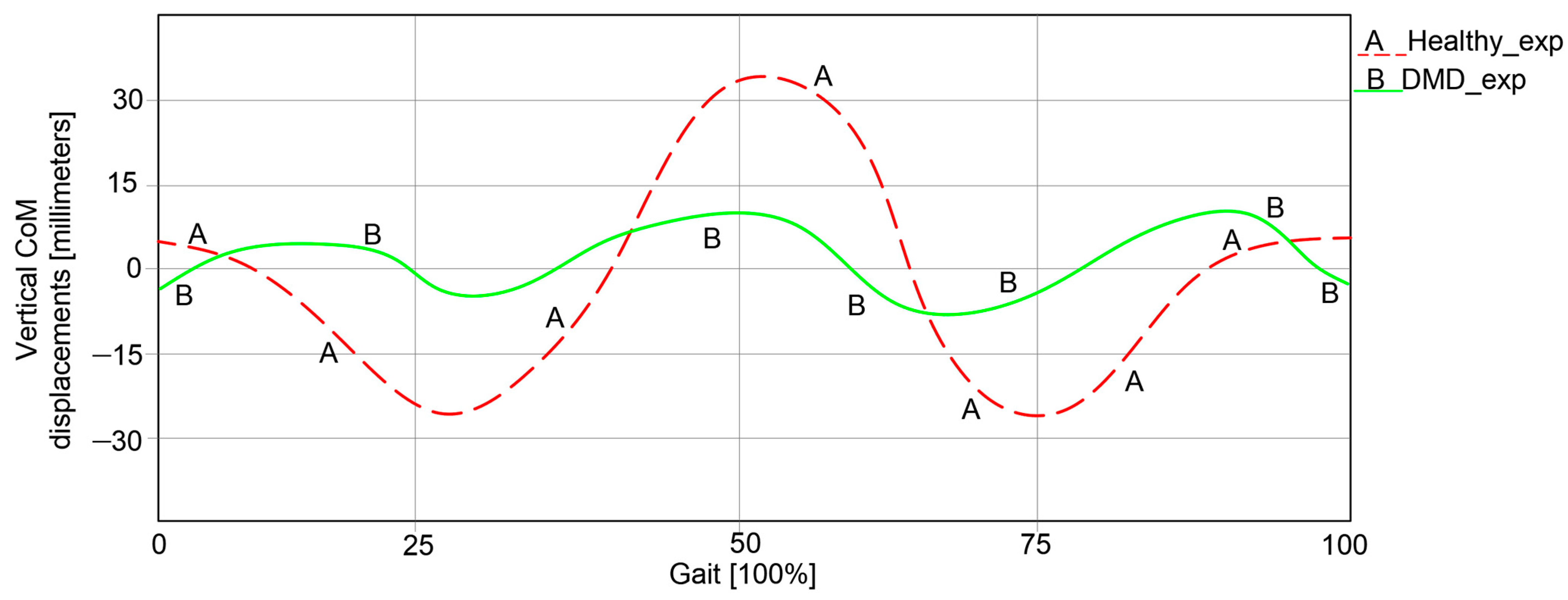
The variations shown in
Figure 4a correspond to a complete gait 100 [%], with a time interval of 1.23 s. The obtained results were used in a comparative analysis represented through the graphs reported in
Figure 5 and
Figure 6, where CoM oscillations are presented. Results corresponding to the first case were compared with data from the literature according to [
1]. The software enabled us to normalize vertical oscillations for the children’s height. For a detailed view and a better comparison, the results were placed on zero trajectories. The results were obtained as *.txt files with numerical values of six decimal digits. Thus, these were suitable to import into an LS-Dyna R11 software environment for filtering to two decimal places.
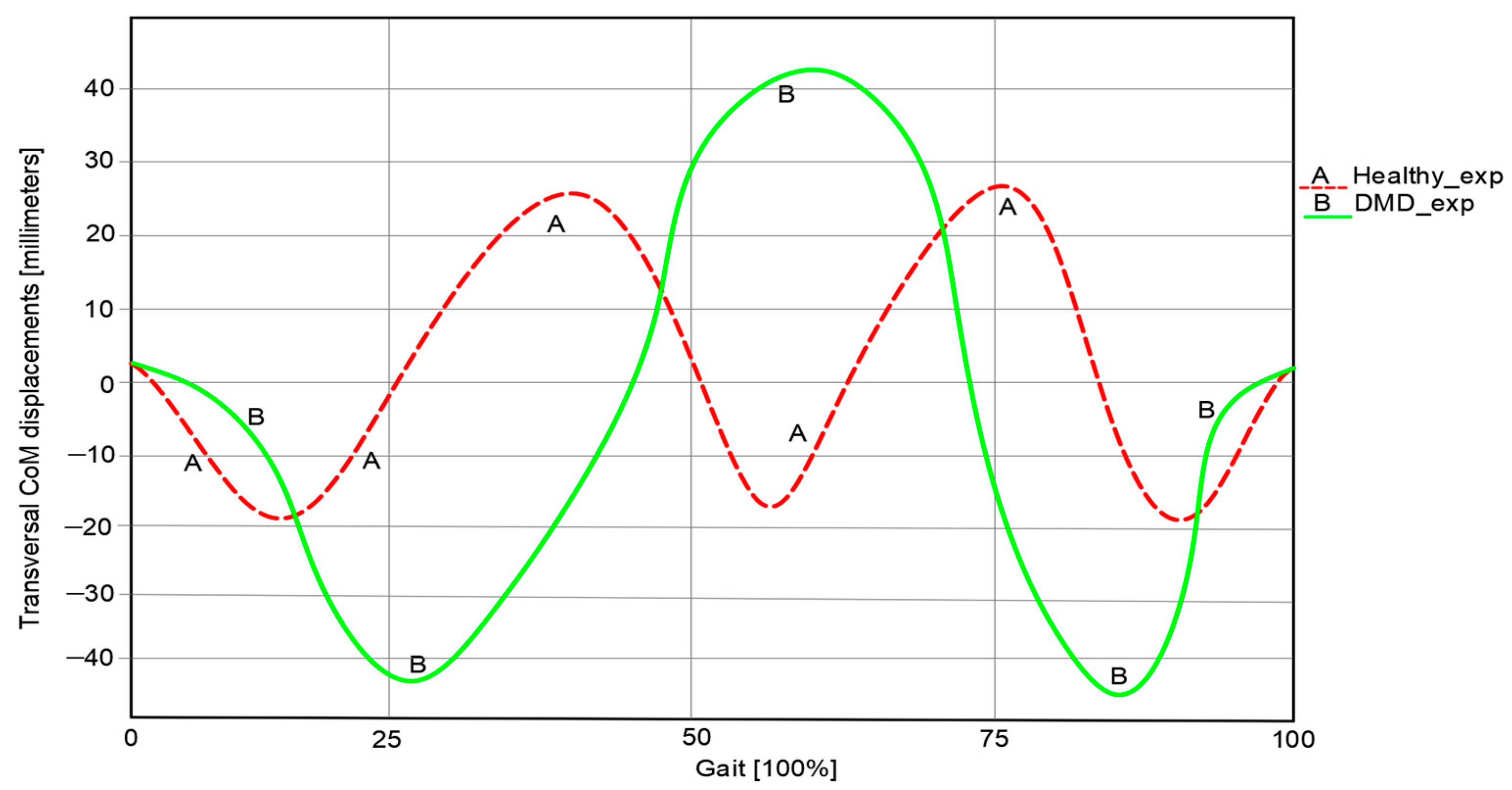
From the results presented in
Figure 5 and
Figure 6, there are significant differences between the trajectories of each analyzed curve. It is clear that the child with DMD has a different CoM behavior during walking, which needs to be corrected through assistive devices, such as an exoskeleton.
Through a numerical interpretation of the diagram reported in
Figure 5, we observed that transversal CoM displacement during a complete gait for the control child reached values between −17.83 and 25.08 mm, and an amplitude of 42.92 mm. For the child with DMD, smaller values were obtained between the interval of −44.39 and 43.33 mm, resulting in an amplitude of 87.73 mm. Thus, the resulting values for the control child show that the CoM moves to the leg that is in the stance phase during walking for a complete gait. For the child with DMD, an atypical amplitude was observed due to unbalanced walking characterized by the heavy transfer of the CoM between the legs. For the child with DMD, this will lead to instability, resulting in frequent falls.
Considering the diagram reported in
Figure 6, which refers to the experimental results obtained in the vertical plane, in the case of the control child, CoM oscillations occur between −28.34 and 32.22 mm with a corresponding amplitude of 60.57 mm. Maximum values were recorded for the middle of the stance phase. In the second case, CoM oscillations were quite small, with values recorded between −5.22 and 9.68 mm, respectively, with an amplitude of 14.91 mm. This means that the child with DMD walks with rigid motion and a lower amplitude.
3. Human CoM Modeling for Kinematic Aspects
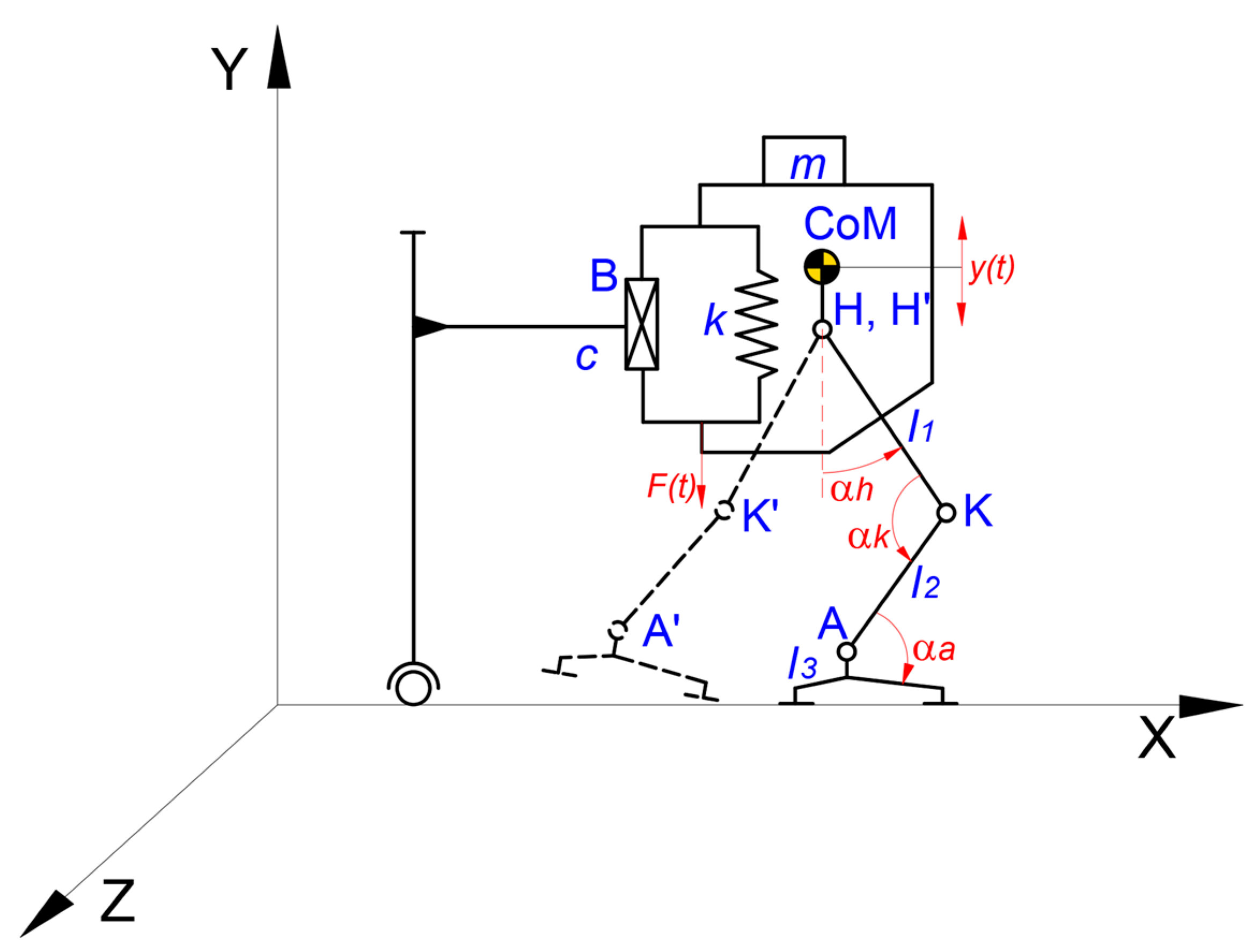
Human CoM kinematic analysis during a complete gait uses a simplified mathematical model of the human locomotion system, which includes the vertical translational joint spring–mass–damper shown in
Figure 7. Appropriate research involving CoM modeling was analyzed from kinematic and dynamic viewpoints [
20,
21,
22].
Thus, the multi-segmental planar configuration (2D) in which the kinematic linkage, comprising hip–knee–ankle vertical oscillations of the CoM, is integrated, is named the human locomotion system yCoM(t).
In
Figure 7, l
1 is the distance between the hip and knee (femur segment); l
2 is the distance between the knee and ankle (tibia segment); and l
3 represents the distance between the ankle and ground (foot segment). The main joints of the kinematic linkage have known angle variations during one gait, where α
h is the hip joint angle variation, α
k is the knee joint angle variation, and α
a is the ankle joint angle variation. These values were experimentally obtained in the previous section and are also presented in [
21].
The human body is modeled as an “m” concentrated mass situated in the CoM, and the locomotion system is connected by a frame with a single DOF through a mechanical device, which consists of a spring characterized by an elastic constant “k” and a damper with a damper coefficient denoted as “c”. Thus, the vertical motion of the entire system on the OY axis is assured through a translational joint, namely B.
Thus, the developed mathematical model only applies to vertical oscillation analysis; it neglects other motions, including possible rotations in space or transversal oscillations, which is another topic of research to be developed.
The kinematic equivalent of the lower limbs acts as a dampened elastic system.
Additionally, ground contact is continuous during walking when one of the lower limbs is in contact with the ground at all times (tandem mode).
Considering the kinematic model represented in
Figure 6, the following can be written:
where y
0 is the CoM vertical equilibrium position reported at the global reference system; y(t) is the CoM vertical position depending on time;
is the vertical speed of CoM depending on time, respectively;
is the CoM acceleration; k is the spring stiffness, which, in our case, models the muscles and tendons involved in the walking activity process; c is the damping coefficient correlated with energy loss; and F(t) is the external force given by the sums of both internal and external forces in order to solve the equilibrium of an average human subject during walking.
In principle, the value of F(t) in this research is given by the following:
where m is the human body mass and a
g is the gravitational acceleration.
Thus, CoM deviations of the equilibrium position can be written as follows:
By replacing Equation (1) with Equation (3), the differential equation of a harmonic-dampened oscillator can be obtained as follows:
Due to the damping effect, the real model for walking activity represents CoM oscillations which decrease over time, and the model is under-damped:
This means that the natural frequency is given by the following:
The damping coefficient can be calculated as follows:
or as
where δ is a designed logarithmic parameter from successive peak amplitudes, respectively, and x
1, x
1+n is represented by the following:
In addition, the dampened frequency is below:
By replacing Equations (6) and (7) in Equation (8), the following is obtained:
The values of k and c parameters can be evaluated using several methods, including the classic closed-form method (free/decaying oscillation) or time-domain regression method, or more accurately through practical measurement setups for walking/human experiments. In this case, we chose the first method and developed an internal numerical algorithm under the MAPLE 2018 software environment. This consists of the evaluation of the damping oscillation frequency given by the following:
where T represents the period of decaying oscillation, which influences the parameter from Equation (10).
Thus, the undamped natural frequency is as follows:
Then, the parameters k and c can be calculated as follows:
A direct kinematic analysis is performed for the proposed mathematical model in accordance with
Figure 7; the CoM motion equation has the following form:
Equation (17) is used for numerical processing of CoM behavior under kinematic conditions and is validated using the numerical results from the presented experimental analysis for the case of a four-year-old control child. Additionally, by differentiating Equation (17), CoM speeds and accelerations are obtained, represented through the following relations:
The numerical processing of the mathematical model is represented by an algorithm under the MAPLE software environment, drawing on insights from the following input data: m = 17 kg; k = 15,000 N/m; c = 500 Ns/m; y
o = 750 mm; l
1 = 315 mm; l
2 = 292 mm; l
3 = 122 mm; α
h, α
k, α
a are the already known variation angles of the hip, knee and ankle joints from [
23]. The time interval for a complete gait is also known from the experimental analysis at t = 0.1, 23 s.
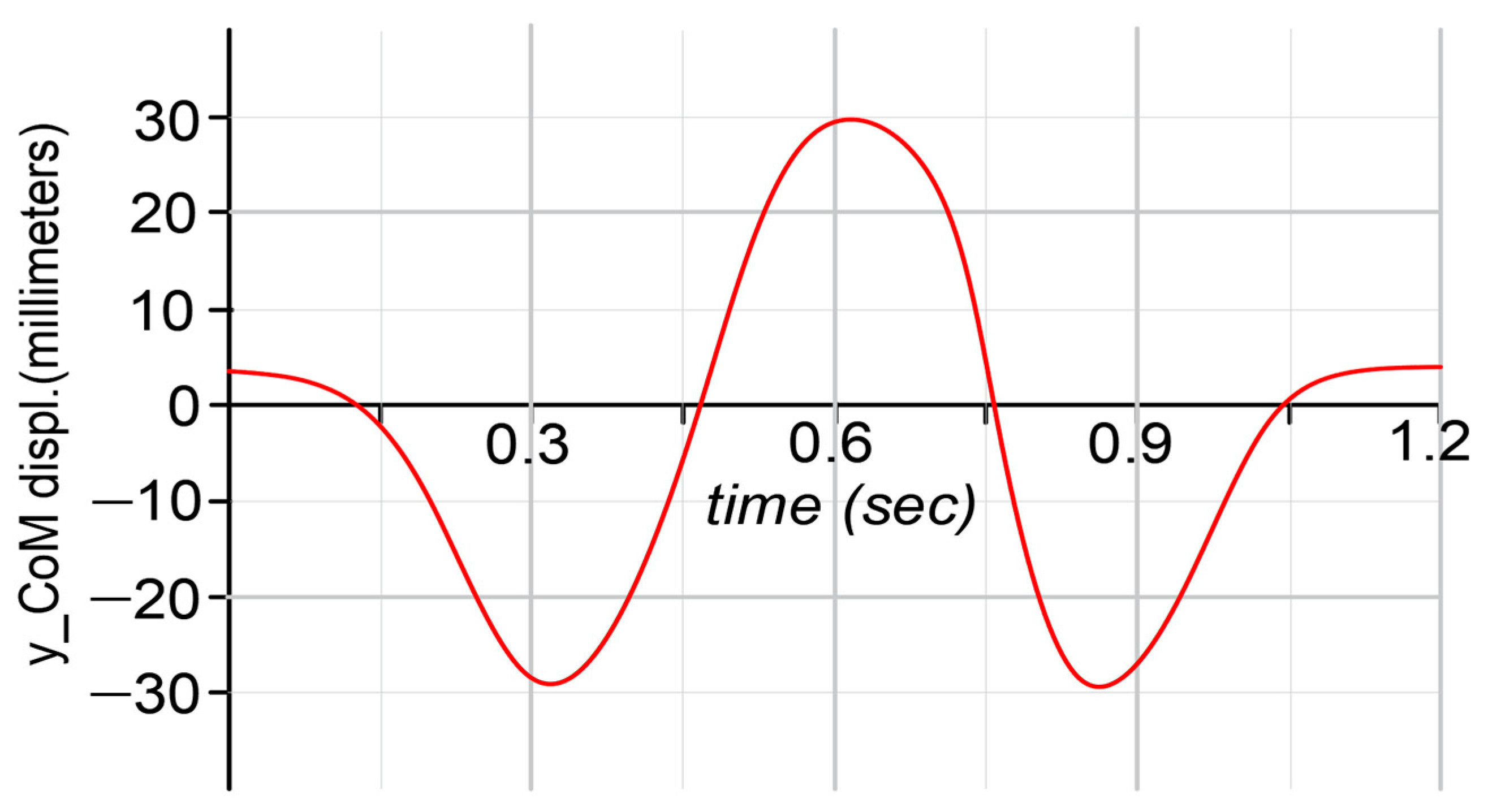
The output data is represented by the variation in y
CoM over time. This is represented in
Figure 8 as vertical oscillations during a complete gait.
Thus, considering the diagram reported in
Figure 8, it can be remarked that the variation in y
CoM was appropriate compared to the experimentally obtained results represented by the graph in
Figure 6 for the control child. Variations ranged between −29.8 mm and 29.9 mm, with a recorded amplitude equal to 59.7 mm. This means that the processed mathematical model was correct, and the obtained results can be used as a reference in comparative analyses. Other results were obtained, including the linear speed and acceleration of the y
CoM.
4. A Conceptual Design Solution for Modeling CoM Behavior
Based on the mathematical model developed in the CoM kinematic analysis procedure, it is noted that vertical CoM displacements can be modeled through a translational joint parallel to that of a spring, which can absorb shocks during walking activity.
Another aspect is explored by appropriate studies in this field, presented in [
23,
24]. Reference [
23] presents a physical exoskeleton architecture that consists of a waist module, adjustable thigh and shank links, and an exo-shoe. This is an anthropomorphic-designed system, aligned with human joints, and accommodates multiple users through particular mechanical adjustable link lengths. It is actuated by hydraulic cylinders connected to the lower leg via piston-rod joints. It has the ability to measure the exo-shoe’s ground reaction force during a complete gait. Reference [
24] builds on the same mechanical platform but focuses on active load support. The researchers enhance the exoskeleton’s capability by introducing PI-based force-feedback control using straight ground reaction sensors (from the exo-shoe), actuator force sensors (at cylinder rod ends), and a hydraulic servo-valve that regulates the cylinder force to counteract external loads during walking. The main improvement to this is made by enabling the exoskeleton to dynamically carry the load on behalf of the user during gait.
Both prototypes add mass mainly around the waist and legs, which shifts the combined system CoM slightly downward (due to the exoskeleton mass, which is typically lower than the human torso mass). It can also carry external loads, which shifts the combined CoM upward. The user still bears the load’s weight if the exoskeleton is unpowered or passive, which can cause the human CoM to remain elevated due to the load. The mentioned mechanical systems with their particular characteristics respond to CoM behavior under static and dynamic conditions; this is mostly neglected in the first design stages of other conceived prototypes.
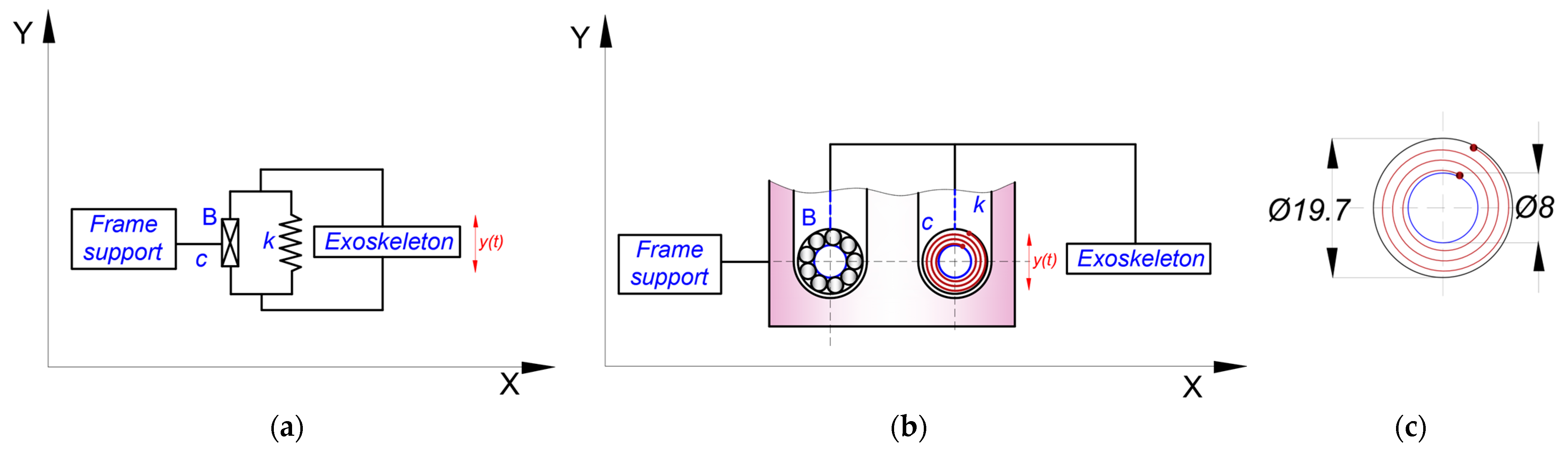
Thus, the proposed exoskeleton system has a mechanical device in its support structure based on a translational joint and a spring. The proposed model is shown as a working principle in the structural scheme in
Figure 9.
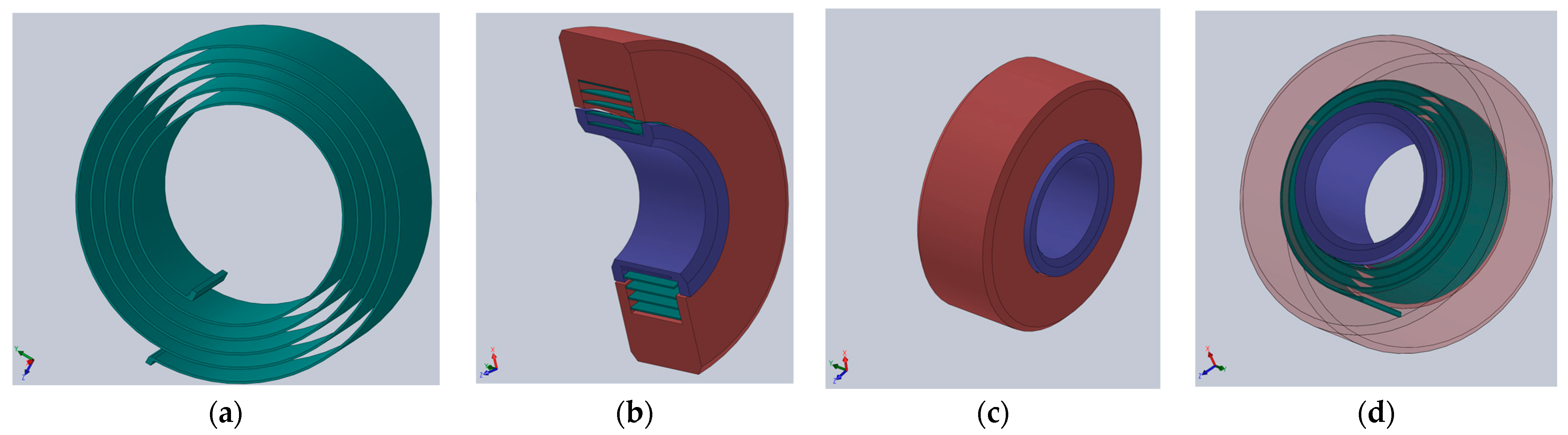
In
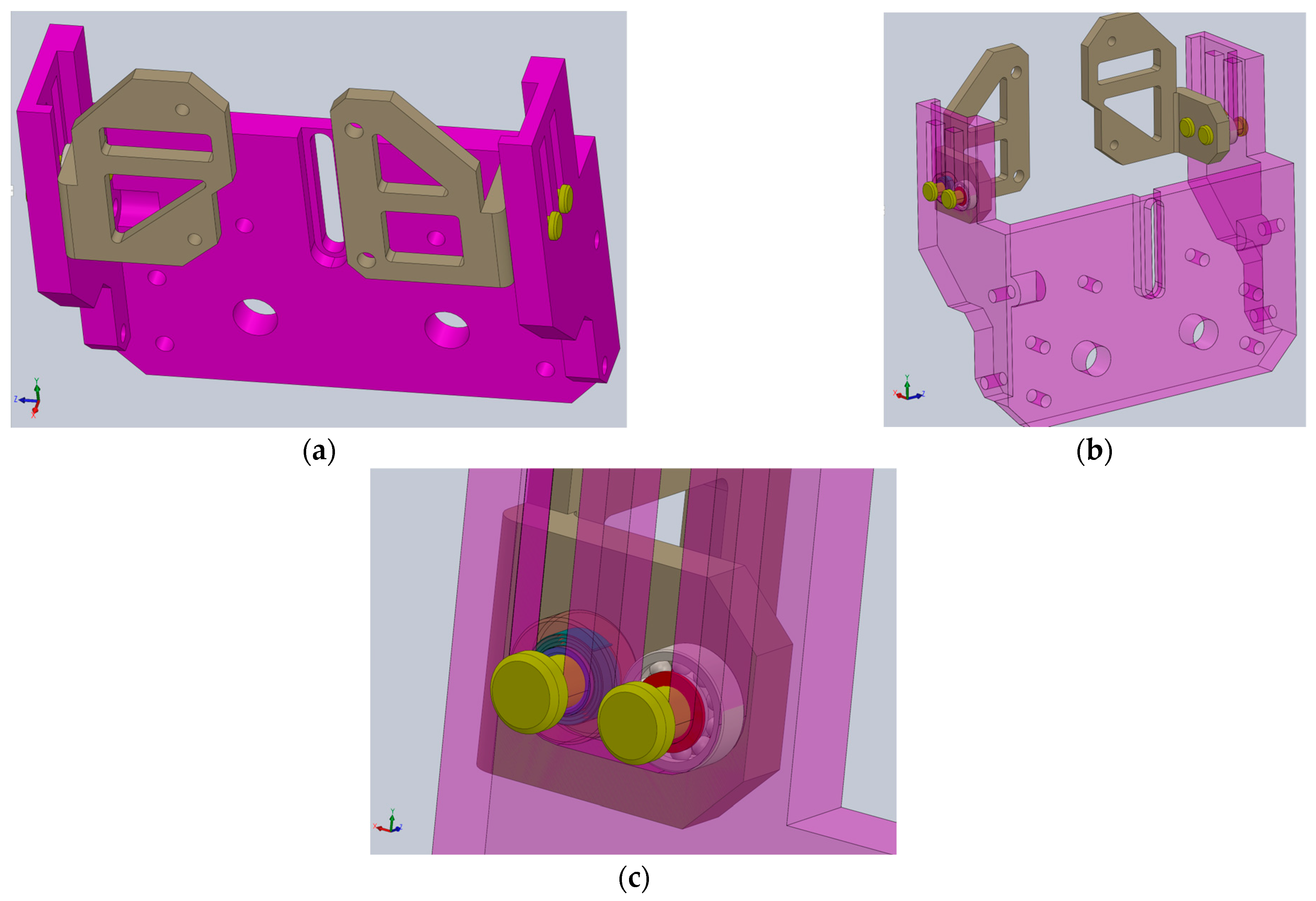
Figure 10, a virtual model of the mechanical device component is shown, which performs an elastic role and absorbs shocks during the gait cycle. It has a balance spring specially designed within it with proper stiffness and damping coefficients; the outer diameter of the roller is equivalent to 19.7 mm, and the inner diameter equals 8 mm. The thickness was equal to 7.5 mm. These numerical values were chosen by taking into account the minimum design calculated for the balance spring and the appropriate dimensional parameters of a roller bearing, which model the translational joint according to
Figure 9.
According to
Figure 9, the inner diameter of the elastic component is fixed by an 8 mm bolt to the exoskeleton body. The outer roller rolls under a guided profile of the exoskeleton carrier according to
Figure 11 and
Figure 12. Between these rollers, the elastic component, represented by a balance spring, is inserted with one end fixed to the inner roller and the other fixed to the outer roller through fixed guided channels. During motion, the inner roller rotates and moves in a vertical plane. In this mode, the balance spring achieves torsional compression or expansion. The entire modeling process was performed with the aid of SolidWorks 2016 software, and the ball bearing was chosen from its own library. The conditions imposed for choosing this were given by the mounting volume of the designed mechanical device and the inner ball bearing diameter, which was assumed according to other bolt joints from the exoskeleton structure. The chosen ball bearing type was ISO 15RBB–198, with an outer diameter equal to 19 mm, an inner diameter of 8 mm, and a thickness of 8 mm.
Figure 9 and
Figure 10 show that the spring was replaced with a balance spring (hair spring) and the translational joint was modeled through a ball bearing, which moves upwards and downwards through a guided channel. The virtual model applied to the exoskeleton’s support is shown in detail in
Figure 11. The balance spring was chosen based on the coefficients
k and
c according to Equations (15) and (16). The mechanical device prototype was applied inside the exoskeleton structure, as shown in
Figure 12.
The proposed and elaborated mechanical device of the prototype only allows CoM vertical oscillations that are equivalent to natural ones. The use of the designed dummy plays two important roles: it is appropriate as weight and height with the healthy child studied experimentally. This has all human locomotion system joints passive and will be actuated by the exoskeleton mechanisms which these are active ones.
5. Implementing the Conceptual Solution in an Exoskeleton Prototype
The virtual exoskeleton model presented in the previous section has already been manufactured, and related research is presented in detail in [
14,
25]. The prototype was especially designed for a child with a DMD diagnosis. Thus, in its preliminary testing phase, the prototype was not designed with a CoM behavior mechanical device. This was a problem for the entire system during experimental tests. Practically, the CoM demonstrated improper behavior and oscillations did not occur because of its fixed position to the mobile frame support. During walking, the primary aim of the prototype is to lift the mobile frame support off the ground, which caused inconvenience, loss of direction, space orientation, and grip between the foot and the ground during contact. As a result, several experimental tests were performed to understand this behavior, identify the problem, and find the cause of the issues. In the first phase, the exoskeleton prototype was tested without the mobile frame support, and its behavior was satisfactory rather than improper.
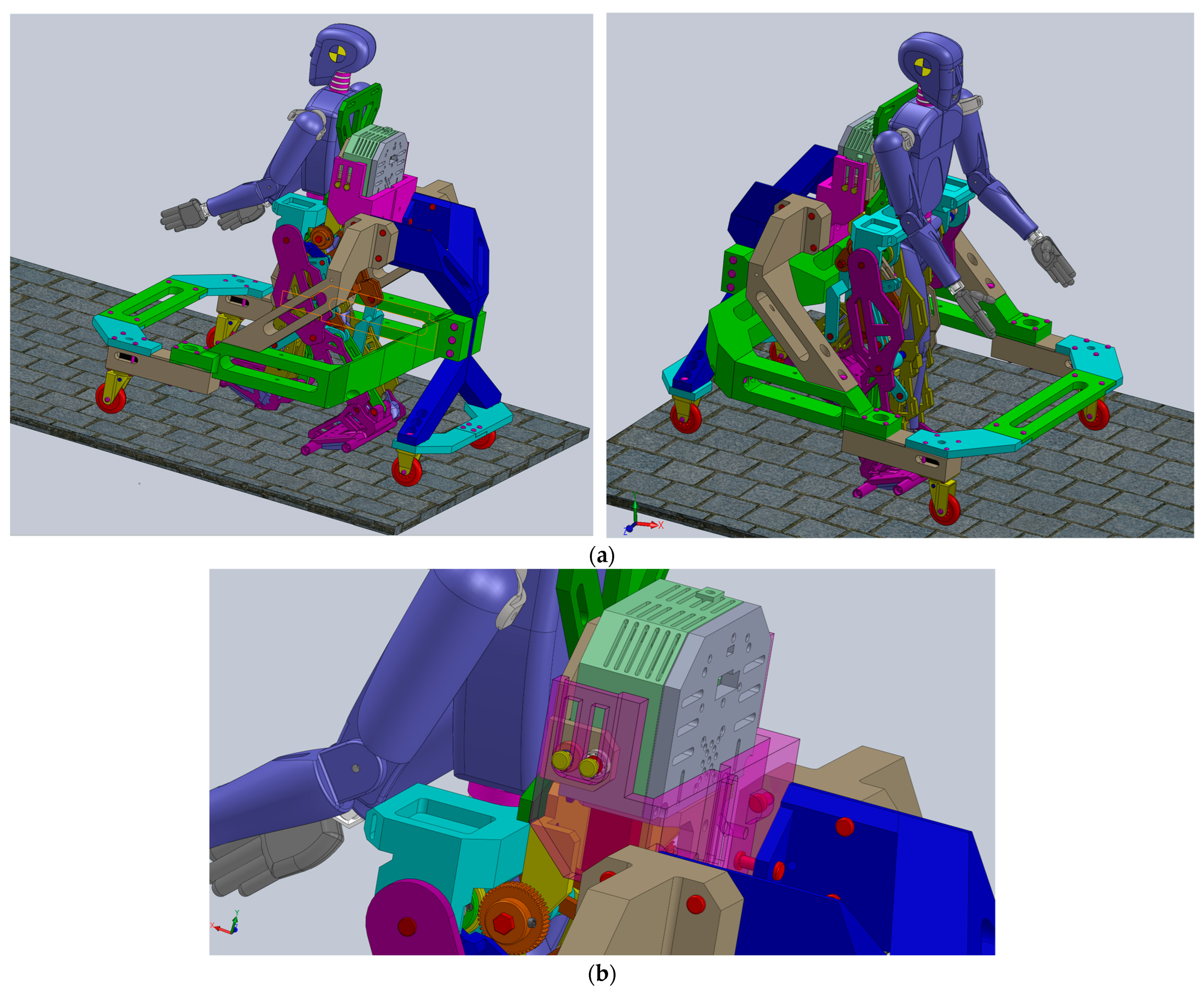
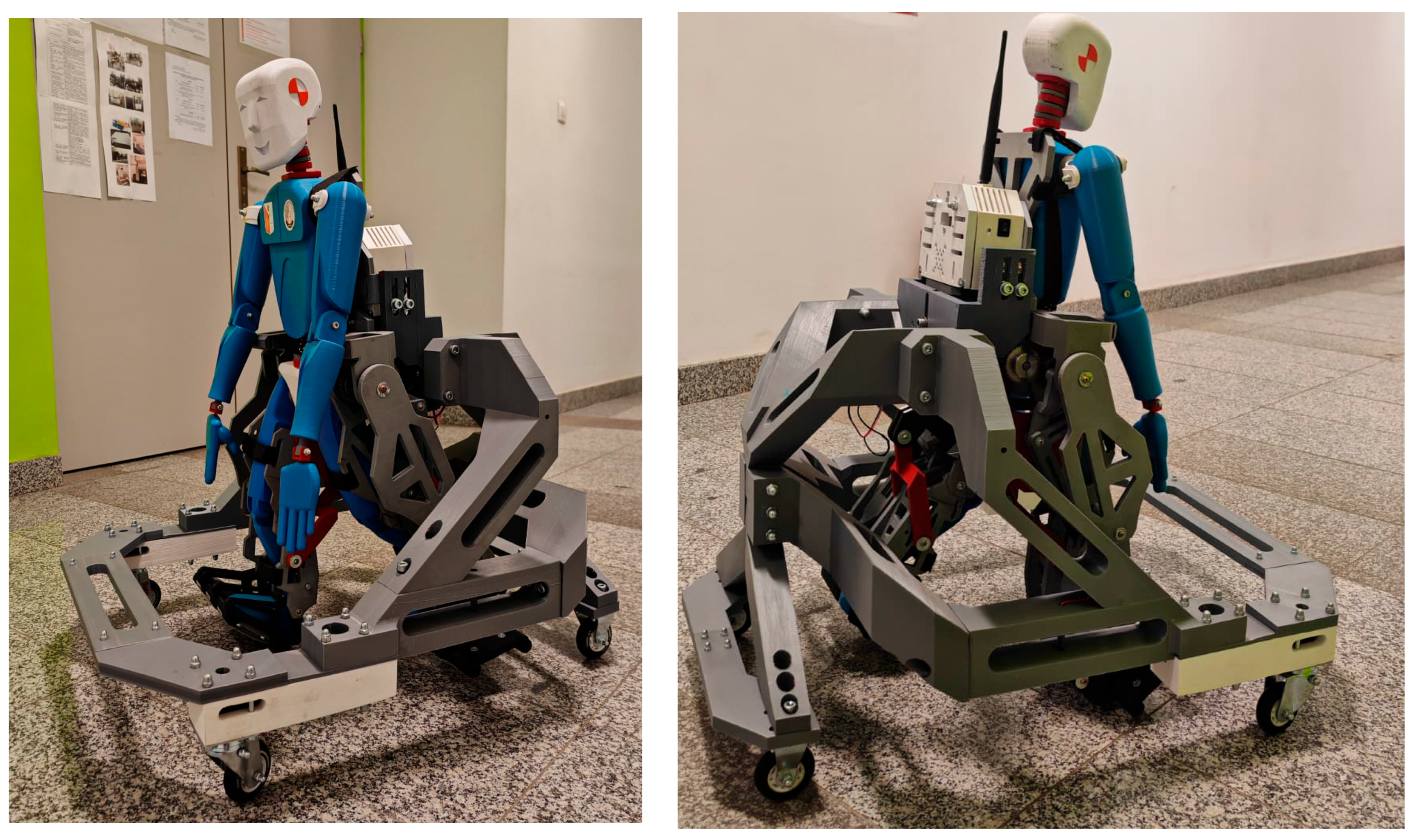
The research team regarded the CoM behavior that affected the prototype as a simple problem. They understood that human walking activity is based on the body’s CoM behavior. Keeping this in mind, the proposed concept of the mechanical device and its virtual model was modified for the entire prototype with a new mechanical device inserted as a subassembly component. The modified prototype is shown in
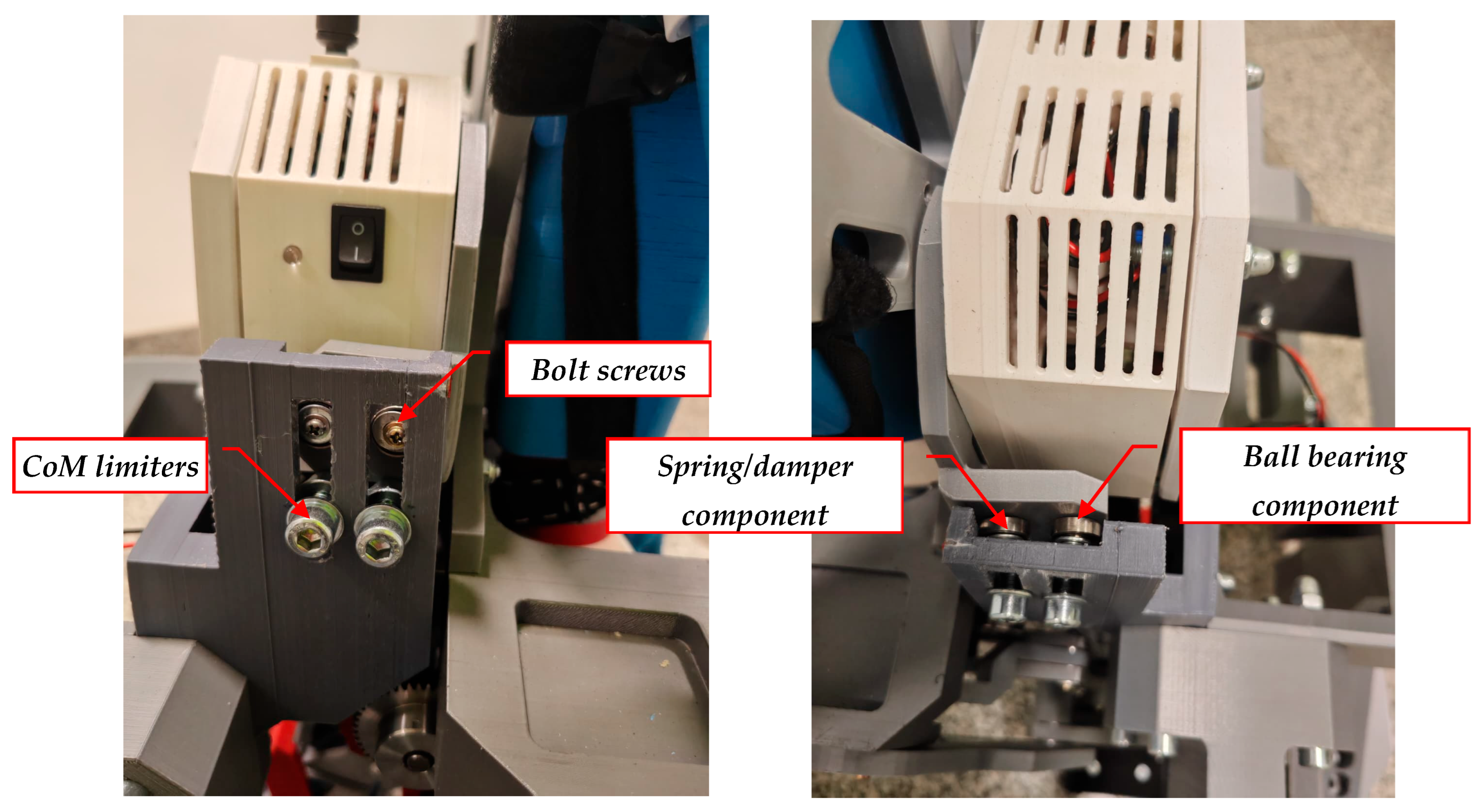
Figure 13. The inserted mechanical device for optimizing CoM behavior is shown in
Figure 14 in detail.
The difference between the virtual model and the prototype can be observed in
Figure 13 and
Figure 14, with the presence of two screws on each side of the mechanical device. These act as a limiter during foot and ground contact and also mark a proper displacement limit for CoM vertical oscillations. In addition, the two main components of the mechanical device are shown in
Figure 14, namely the spring/damper component and the ball bearing component.
The mobile frame support was especially designed to provide the child with support during walking and prevent falls; thus, it has a protective role against any sharp edges or obstacles that could harm the child during walking. Moreover, the front wheels have a steering system, which means the entire structure can be guided by an adult during walking. This special mobile frame support will be presented in detail in future research articles. The entire prototype is radio-controlled by a human operator/adult, who can assist the child with walking activity using the designed exoskeleton prototype at a range of 30 m.
As shown in
Figure 13, the prototype is ready for experimental tests. For the experimental tests, the only controlled variable is the CoM vertical displacement during gait analysis (y-axis). The prototype presented in
Figure 13 has all the main joints active (for each leg, there is actuation for hip, knee, and ankle joints), and the inserted dummy, which has the same anthropometrical data as the case of the four-year-old child, has passive joints for the hips, knees, and ankles. Thus, in this configuration, the only active joints are from the main exoskeleton; the dummy has passive joints with the objective of evaluating CoM behavior during walking. Experimental analyses were performed under similar conditions to those of the control child experiment.
6. Comparative Analysis for Validating the Conceptual Solution
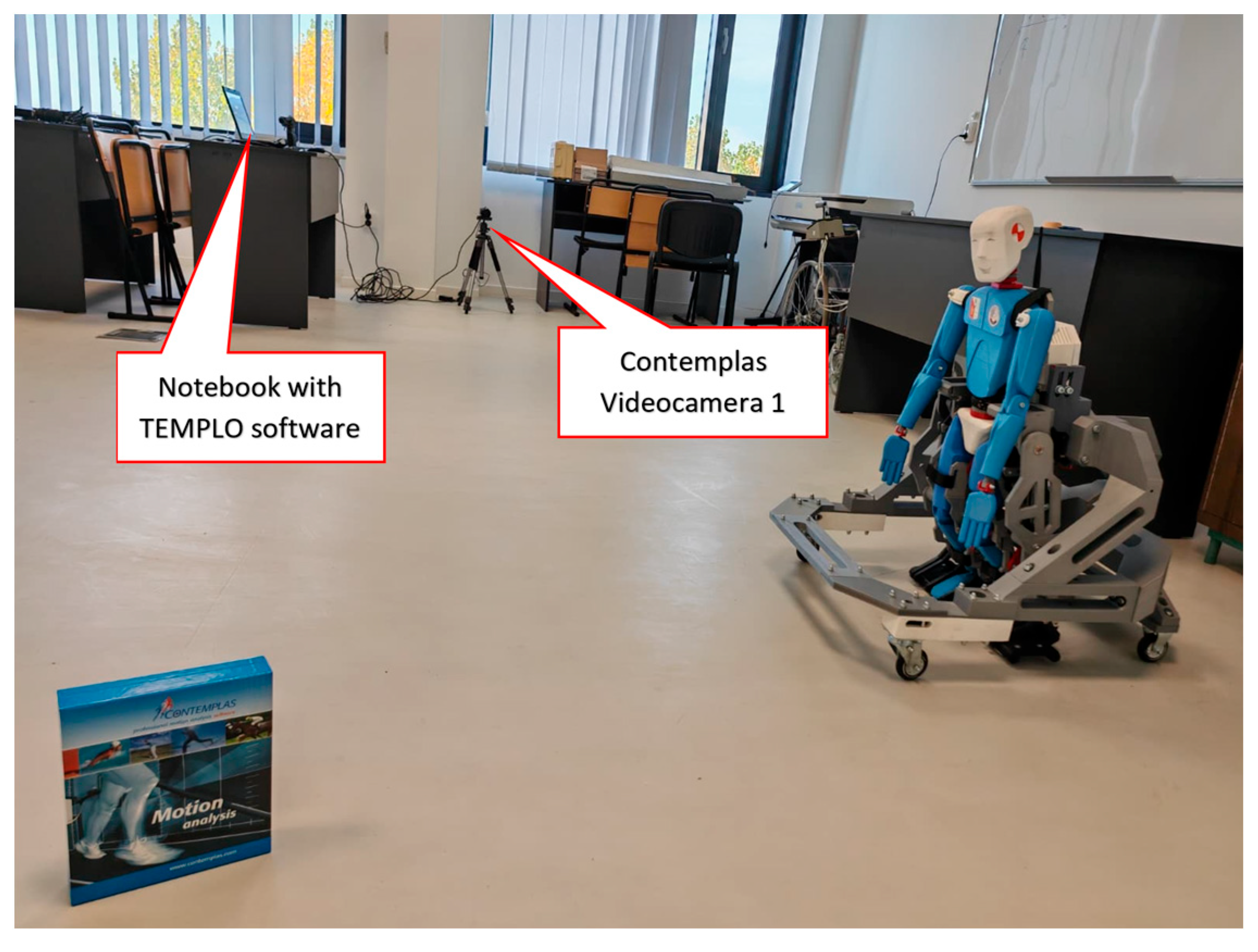
To perform the comparative analysis, we needed to prepare the entire exoskeleton using similar conditions to the ones previously used to assess the four-year-old child. The aim of this analysis was to understand the exoskeleton CoM behavior during a complete gait with the mechanical device inserted, as presented in
Figure 14. The entire exoskeleton, together with CONTEMPLAS Motion Analysis equipment, was used for experimental analysis, as shown in
Figure 15.
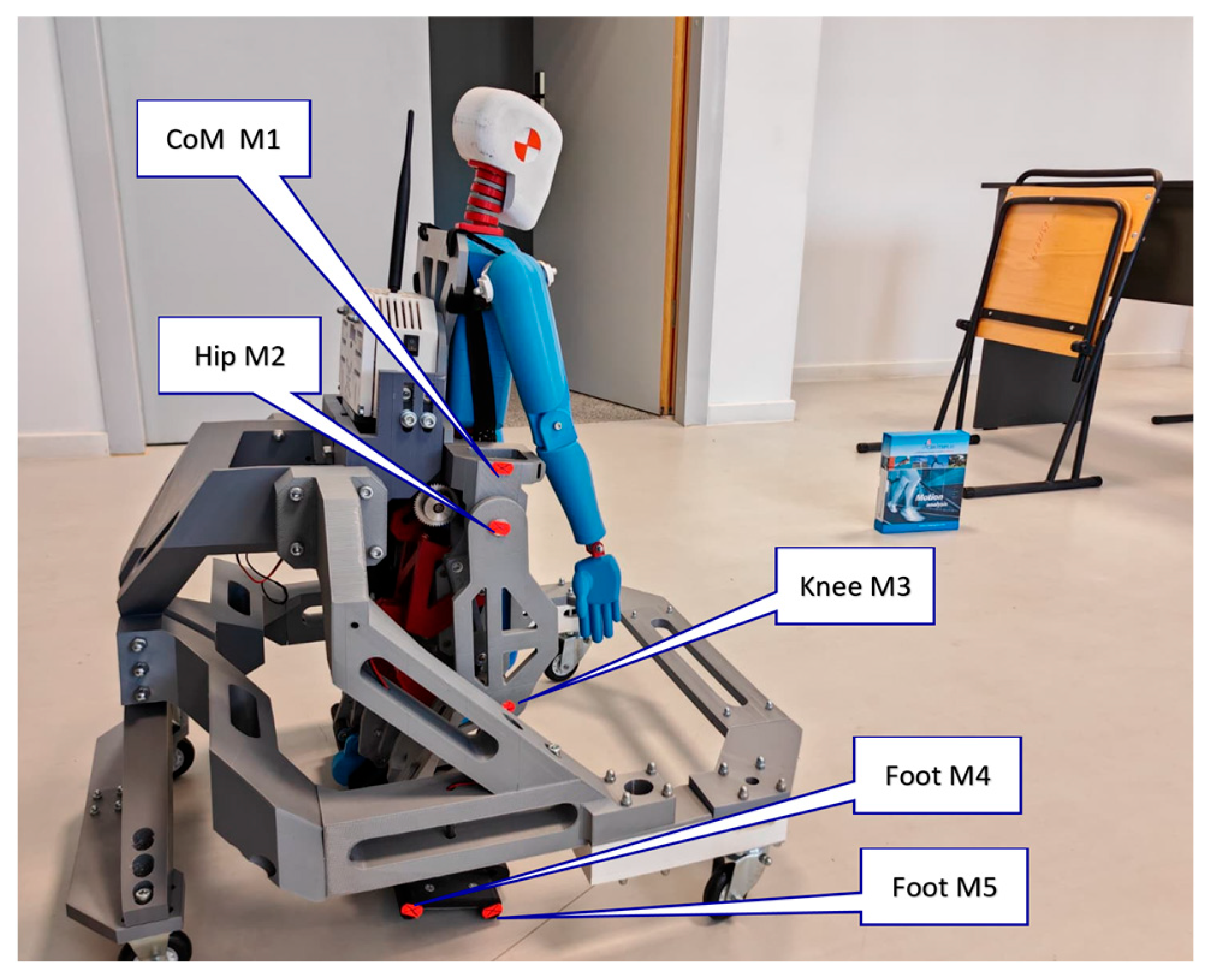
Reflective markers were added to each main joint center, especially for the equivalent CoM location according to
Figure 16.
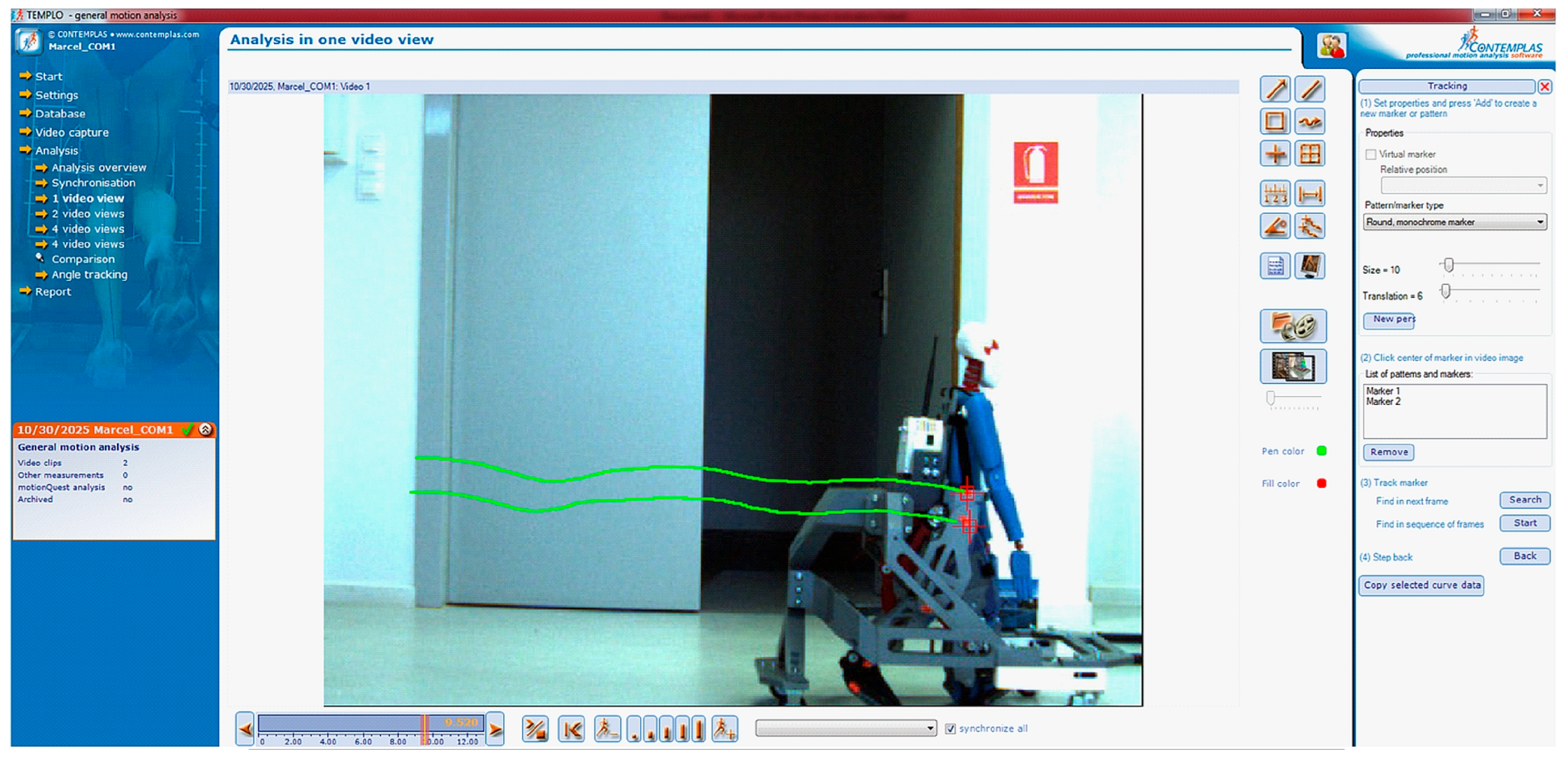
In this experiment, the markers M1 and Hip were followed along the M2 trajectory generated in the TemploMotion analysis software environment. The trajectories obtained in real time by processing the video sequences are shown in
Figure 17.
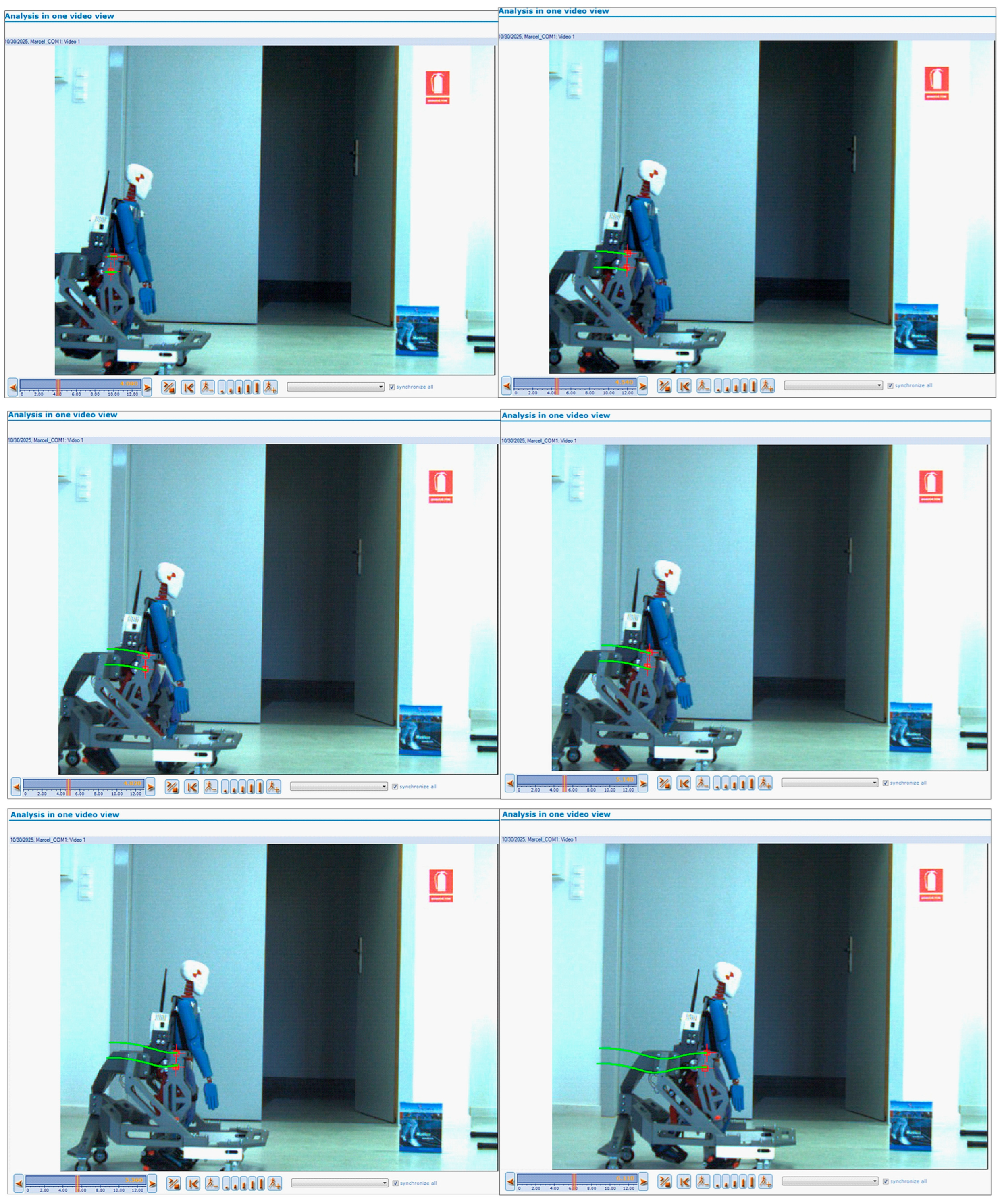
Snapshots during complete gait are shown in
Figure 18. After post-processing the experimental analysis results, they were imported into Ls-Dyna software to perform a comparative analysis between the obtained CoM results in three cases: the first case was that of a control child (
Figure 6, vertical plane); the second case represented the y
CoM of the mathematical model reported in
Figure 8; and the third case represented experimental results obtained with the modified exoskeleton from
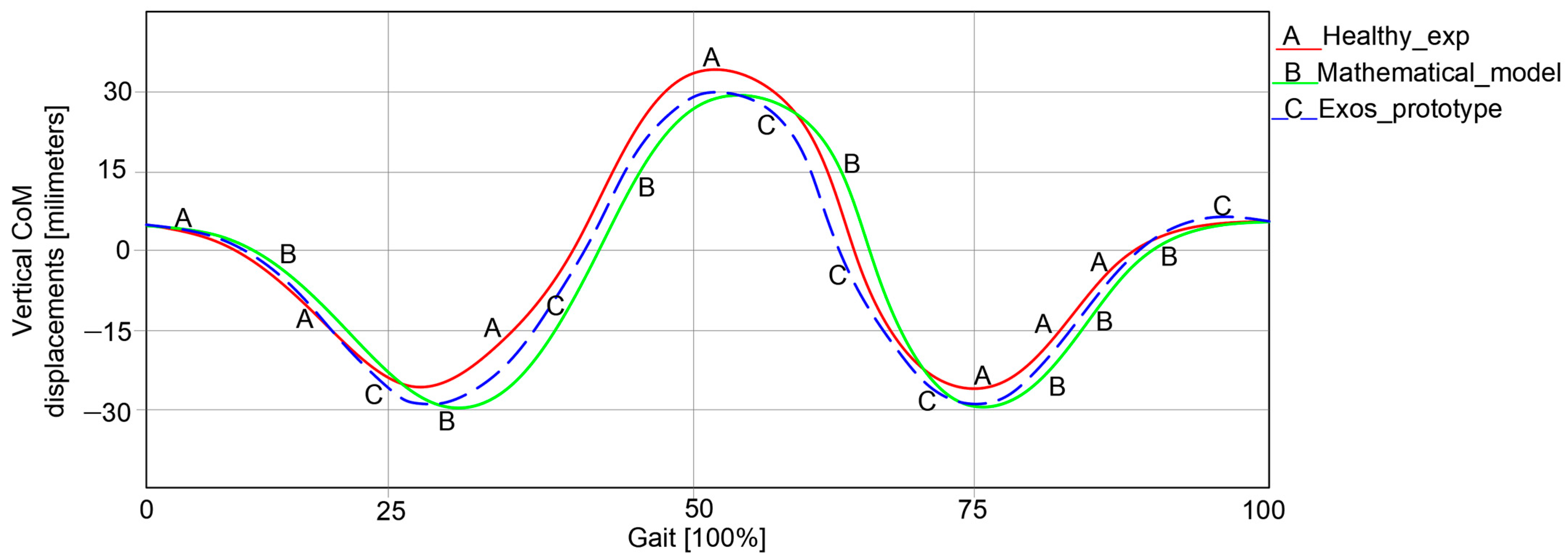
Figure 17. The obtained diagram representing the comparative analysis is presented in
Figure 19.
Referring to the graph in
Figure 19, it is clear that the curves obtained have similar trajectories and the results are closely matched. The diagram consists of three curves: curve A corresponds to the experimental analysis of the children presented in section two,
Figure 6; curve B corresponds to the results obtained through numerical processing of the developed mathematical model from section three,
Figure 8; and curve C was obtained through the experimental analysis with the exoskeleton prototype equipped with the CoM mechanical device.
The exoskeleton prototype obtained the lowest CoM value, equal to −29.74 mm, and a high value, equal to 30.01 mm. This equates to an amplitude of 59.76 mm. For a more detailed view of the obtained results, a summary is provided in
Table 2.
Another important argument is the fact that an interface was created for importing these results into LS—Dyna software, which allowed us to calculate the accuracy between values. Thus, the accuracy was calculated based on the absolute error ε
a and relative error ε
r according to the experimental results of the control child, which are considered reference data. These errors were calculated based on the following relations:
In Equations (20)–(22), the following terms are used: am represents the minimum and maximum measured values, which correspond to the numerical processing of the mathematical model and the exoskeleton prototype analysis, respectively; bref represents the minimum and maximum values considered as reference data from the experimental analysis of a control child. Equations (20)–(22) were computed separately for minimum and maximum values, respectively.
7. Conclusions
This research validates a new CoM mechanical device implemented in an exoskeleton prototype structure, which was especially designed for a child with DMD. The main objective was accomplished through a method comprising the following steps: experimental analysis of the existing problems, developing a mathematical model suitable for numerically processing an experimental reference case, designing and implementing a conceptual mechanical solution based on theoretical viewpoints, and validating the conceptual mechanical solution through experimental analysis.
The CoM mechanical device has a simple and fair construction and meets the criteria of low-cost and easy operation features for modeling CoM behavior during the complete gait of an exoskeleton prototype. Moreover, this research extends the previous design developed for children with locomotion problems. The obtained results, based on comparative analysis, provide improved exoskeleton functionality, designed especially for a DMD child. Thus, this redesigned prototype aims to assist a child during walking through improved rehabilitation procedures that are more stable, considering the new CoM mechanical device.
The experimental analysis of the prototype allowed us to obtain angular variations in the exoskeleton’s main joints (the hip, knee, and ankle joints for each leg) under the influence of CoM behavior during walking.
Future work will consider new approaches regarding CoM virtual prototyping in dynamic conditions. MSC Adams 2017 software will be used, taking into account the modifiable design of the spring from the CoM mechanical device.