


You are currently viewing a new version of our website. To view the old version click .
Land
  • Article
  • Open Access

29 October 2021

Beyond Agriculture: Alternative Geographies of Rural Land Investment and Place Effects across the United Kingdom

,
,
,
and
1
Bartlett School of Planning, University College London, London WC1E 6BT, UK
2
School of Law, Middlesex University London, London NW4 4BT, UK
*
Author to whom correspondence should be addressed.
This article belongs to the Section Land Planning and Landscape Architecture

Abstract

Global land ownership patterns have been shifting in recent decades, as institutional and non-traditional investors redirect capital into rural areas. Such investment is a stimulating alternative for innovative profit-driven land uses that move beyond agriculture. This paper explores how ‘new money’ economies have created place effects in three rural case studies across the United Kingdom, through concepts of built, natural, social, and economic capital. The case studies are informed by secondary research, site visits, and interviews, providing snapshots of investment impact. They represent diverse transformations in rural land use via new forms of direct investment, active investment, and processes of financing rather than financialisation, with distinct spatial and temporal characteristics. The case studies include new wine production in Kent, England; transforming the Menie Estate into Trump International Golf Links Scotland (TIGLS); and farm diversification in Northern Ireland. The conclusions tell three investment stories, where place effects reflect the dichotomies, contestation, and symbiosis between investors and local contexts. New land uses create place effects where economic potential often conflicts with natural capital impacts, although they foster knowledge creation and exchange. The underlying values of the investors and their navigation of local politics also have key roles to play in shaping the built, natural, social, and economic place effects.

1. Moving beyond Agriculture: Introducing Current Market Contexts

The rural landscape in the UK is experiencing an ongoing process of restructuring, driven by myriad factors including significant flows of capital into ‘new’ and emerging arenas for investment. The flow of investment capital into rural land has many sources—from institutional investors seeking sustained returns from farming and farmland to private individuals initiating new ventures, often in innovative sectors that help diversify rural economies in what is an uncertain political and economic climate.
The impacts of current policy responses to Brexit on rural continuity [1] include the approval of the new Agriculture Bill in 2020 [2] and the impact of the 25-year Environment Plan moving forward [3]. Other ongoing policy-related influences have been embedded in agricultural governance throughout the UK’s time in the EU, and include the Common Agricultural Policy (CAP), dealing with subsidies and rural development. In addition to policy influences, rural land uses and place effects today have potential vulnerabilities, which relate to the growing importance of environmental sustainability, natural and built capital, local economic resilience, and social impacts. To counter such vulnerabilities, land use is becoming more diversified and concomitantly, financial capital is being divested into rural areas. These flows of capital are creating alternative investment and development processes; processes that we seek to understand better through this paper. This influx of financial capital may contribute towards increasing rural resilience and the environmental future proofing of land values [4] (p. 1). Investments may also stimulate local economies, through job creation, improved infrastructure, and physical environments, as well as wider positive community impacts. For the institutional or non-traditional investor, rural land may also provide consistent income streams and attractive financial returns for a mediated, acceptable level of risk. By moving into ‘alternative’ geographies of investments and moving beyond agriculture, this paper considers the following questions:
  • What are the processes at play in supporting and encouraging ‘new money’ into alternative rural investments?
  • Should this influx of capital be regarded as a form of alternative finance or evidence of financialisation?
  • What can our three case studies tell us about the specific place effects of active, transformative investments in the UK?
By addressing these questions, this paper contributes to a deeper understanding of alternative, emerging geographies of active and direct investment across the UK, delivered through a mix of financing and financialisation. A distinction is drawn between large-scale investments by more passive actors, and the transformative impacts of actively financed investments through UK case studies. The research reflects on the place effects that transformative land uses have had on aspects of rural land use. To evaluate the ways in which non-traditional financing and investors are finding expression in transformative land uses, three case studies are presented, which reflect the diverse valorisation of rural assets. The case studies, of diverse scale and scope, are located in England, Scotland, and Northern Ireland and respectively assess place effects in relation to wine production (through burgeoning viticulture), new leisure development (via a golf links), and renewable biomass energy (through anaerobic digesters). In analysing case studies, the work applies the innovative capitals approach to frame and further our understanding of alternative rural investments. Much existing literature on financing and financialisation (see Section 2), focusses on developing agricultural economies rather than processes of financing and diversification that move beyond agriculture. This paper contributes original qualitative research on the new investment geographies in the UK, addressing the existing research lacuna on the active financing and direct transformation of agricultural land.
The next section on patterns and perspectives of rural investment trends (Section 2) informs the development of an analytical framework (Section 3), which aims to assess place effects through the varied concepts of capitals (built, natural, social, and economic). The emerging results and findings (Section 4) reflect the dichotomies, contestation, and symbiosis between investors and local economic contexts, with impacts on ‘capitals’ examined for each case study (Section 4.1, Section 4.2 and Section 4.3). Section 5 discusses the key findings across the three case studies. The conclusions (Section 6) examine how financial investment in transformative land uses might seek to maximise benefits and mitigate externalities. The paper ends by noting how complex, nuanced, and unique local contexts can be mediated and accounted for in pursuit of longer-term resilience and diversity across the rural landscape of the UK. We also present opportunities for future research.

3. Data and Methods

As explored in the theoretical framework, investment processes are inherently impacted by the contemporary triad of neoliberalism, globalisation, and financialisation, which have each contributed to increasing flows of capital into rural areas, resulting in significant restructuring and agricultural diversification. The capacity for new investments to impact and embed themselves within local economies, environments, and communities will depend on a myriad of subjective factors, from investment strategies to local community engagement. Following Sippel et al. [65], we seek to unpack the impacts of new activities and patterns of investment across the UK, informed by a ‘capitals’ approach.
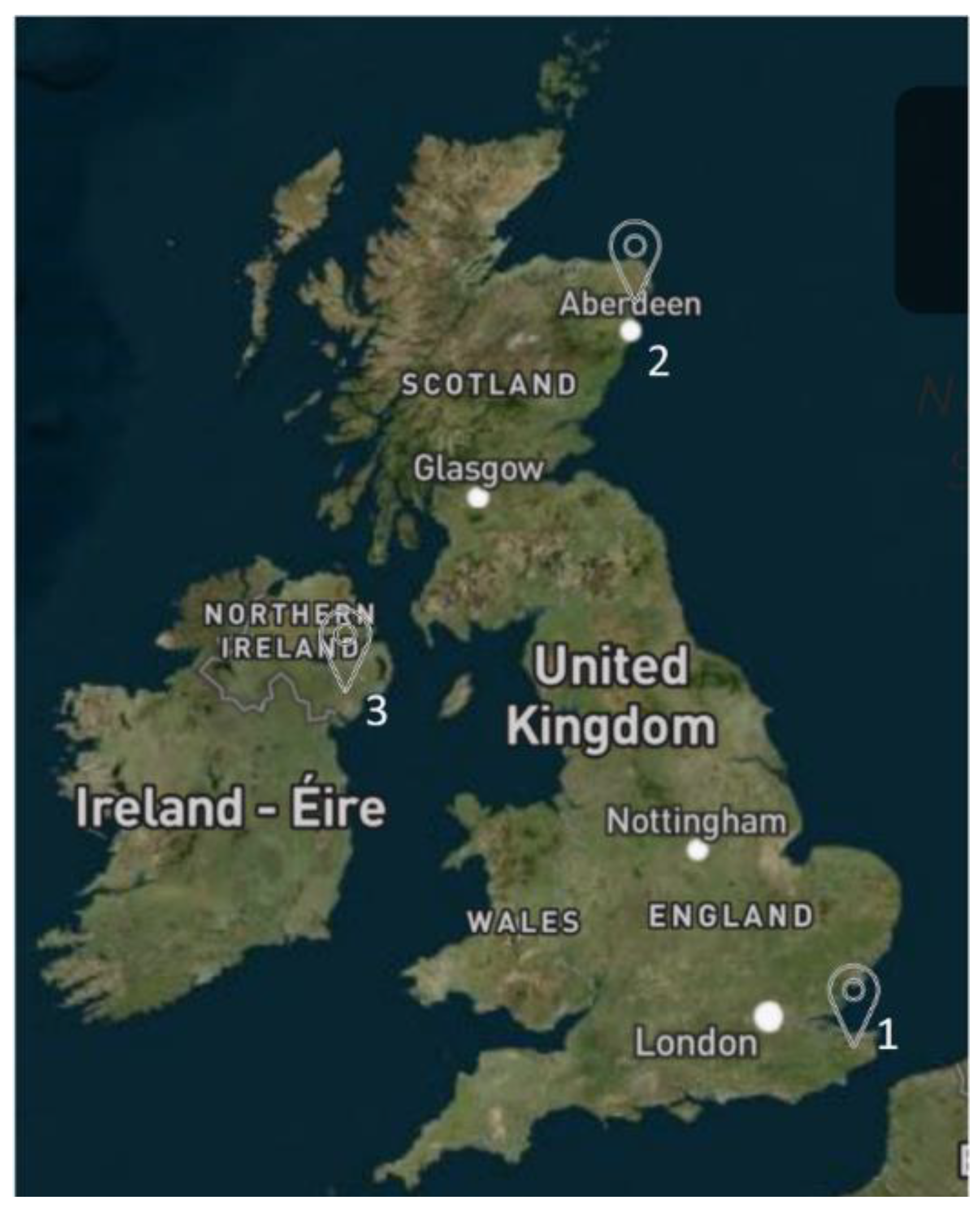
In order to investigate the specific place effects of ‘new money’ in rural areas across Europe, our RICS Research Trust funded project adopted a qualitative case study approach. This paper specifically explores the impact and embeddedness of 3 of our 10 empirical case studies, focusing on those located within the UK, which reflect transformation rather than continuity in rural land uses. The case studies are not comparative, but represent snapshots of financing processes in action and the resultant impacts of the rural spatial fix within the UK market. A long list of case studies was compiled, and following an iterative process of decision making with the research funder, the European case studies were confirmed, with three diverse alternative rural land uses chosen in the UK. The case studies in England, Scotland, and Northern Ireland are of variegated size, scale, and scope, and include a range of alternative land uses (see Figure 1 for their location). This offered us the opportunity to assess key influences on these developments from various perspectives, and to account for the magnitude of such influences on different land uses—what influences are consistent across each snapshot, and which are unique to the development and its particular local context? The case studies examined here comprise a mix of new investment projects that are actively transforming the rural asset from its previous use, in support of diversification through alternative land uses.
Figure 1. Map of case study locations: Domaine Evremond (1), Trump International Golf Links (2), and AgriAD (3) (Author’s own, sourced from Open Street Map, 2021).
Considering the focus on socio-spatial place effects experienced by communities, the research required a broad approach to analysing the impacts of investment-driven changes. Rather than adopting more standardised approaches (sustainability appraisals, social impact assessments, etc.), which require substantial technical skills and are often problematic in their application [66], the research followed a qualitative evaluation process. This approach broadly followed Vanclay [67], with perceived impact and embeddedness arising from the transformative new land uses explored from the perspective of people’s way of life, culture, community, political systems, environment, health and well-being, personal and property rights, and fears and aspirations. There is substantial value in expressing impacts through changes in a way that is meaningful to communities, and we sought to build on, and make sense of, these perspectives by integrating the idea of ‘capitals’ into our analysis. The concepts of capitals are grounded in environmental and rural restructuring, and they offer insight into the multifunctional nature of rural spaces today, which represent alternative economic production beyond agriculture. Garrod et al. [68] provide a useful classification of the natural, built, and social capitals, which stresses the inherent links between a broader range of rural assets and increased economic welfare, as investors strategically preserve or enhance land and asset values. Table 1 outlines the parameters of our data collection and the diverse impact indicators adopted for the research, after Vanclay [67] and Garrod et al. [68].
Table 1. Capitals, change variables, and their interpretation.
Our three UK case studies reflect how investment in farmland and rural land is a substantial, time-consuming process that usually results in medium-to-long-term holding periods due to the nature of direct investment. There is significant initial capital outlay, transaction times for assets are long, and direct assets are generally more illiquid. Therefore, investors are likely to have longer-term interests in the rural asset, with varying levels of embeddedness, and the opportunity to produce profound and varied impacts and place effects for local economies, in line with Table 1.
Each case study began with a narrative drawn from publicly available documents, secondary data, and grey literature, to create an informed investment timeline. These narrative contexts informed site visits and targeted semi-structured interviews undertaken with a variety of key local stakeholders (including land agents, community councils, landowners, local planners, farmers, and investors). The work was undertaken in line with UCL’s ethical guidelines, and interviewee responses are not identified to preserve anonymity. The subsequent analysis of qualitative data collected and collated interview material delivers a clear view of the impacts and embeddedness of each investment, as a snapshot that focuses on the general direction rather than granularity of change. Through these qualitative case studies of active direct investments, we identified broad trajectories of change associated with different investment practices, with varied temporal and spatial characteristics. However, the research is not without its limitations. The snapshots provide insight into the impacts of the case studies at a specific temporal moment and should be revisited in the future to account for any further adjustments to the land use, and the extent to which embeddedness in local communities may have also changed. Although our work applies the capitals framing in a qualitative way, a more applied empirical approach could be adopted where possible in the future, which would assess the investment cash flows and company reports in more depth and define the magnitude of international investment in terms of financial capital. The relationships may also change to more a relationship of financialisation, and again, this offers an opportunity to revisit the case studies and provide longitudinal reflections. The impact of policy and its role in moving beyond agriculture in the UK is something that could be explored in more depth, but which did not emerge as a defining influence throughout this work.

4. Case Studies: Transformative ‘New Money’ Investments across the UK

The case studies presented here present us with an opportunity to analyse international financing processes and their impacts in local contexts, through the initial stages of wine production in England, leisure use by way of golf course development in Scotland, and diversification into renewable energy in Northern Ireland. The case studies unpack the financial elements of the investments and consider their place effects in line with the natural, built, and social capitals discussed in Section 3.

4.1. Domaine Evremond in Kent, England

Selling Court Farm, close to Faversham in Kent, is the site of a joint venture (JV) initiative financed by UK the wine merchants Hatch Mansfield and the French champagne producer Taittinger to produce English sparkling wine. The collective enterprise, which received considerable media attention when announced in 2016, reflects a significant commitment by a renowned champagne house, demonstrating the power of global connectivity and the positive connotations that come with introducing a recognised brand into a burgeoning viticulture market. The investment is still in its early stages, with Taittinger reportedly contributing 55% of the investment, and Hatch Mansfield contributing the remaining 45% of the GBP4 million project, derived from corporate capital and employee shareholdings. In the longer term, the ‘Domaine Evremond’ site will incorporate the vineyard, a production hub (subject to planning permission), and visitor facilities (offering sales, tastings, and wine education). As well as offering a complete experience from growing to tasting, these longer-term prospects help to spread investment risk. Although the vineyard and wine production are both in their infancy, the first harvest is expected in 2020 and the first sparkling wine by 2023 [69], so it is possible to examine potential impacts from the story so far.
Selling Court Farm was previously owned by the Gaskain family and was used for arable crops and growing fruit (apples, pears, and plums), so the production of wine is a clear example of farmland diversification: so far, 40 of the 69 ha purchased have been planted with chardonnay, pinot noir, and pinot meunier vines. The Gaskain family continue to manage the farm, which was sold through a sale and leaseback arrangement, and it is anticipated that the family’s own personal connection with the land will continue: an investor interviewed discussed a new lease agreement with the family for the next 15 years on land unsuitable for vines. From an investment perspective, this ownership structure appears mutually beneficial to both parties, as the family continue to farm the land and the JV receives an income stream through rent. The security of income of the latter is likely to be important, as the costs of entering the wine business are initially substantial. However, the conversion of land from arable/fruit farming to viticulture has the potential to increase capital value, farm income, and economic productivity, especially when the longer-term value-add opportunities such as the visitors centre are considered. In terms of upfront costs, it is cheaper to purchase land to convert to vine stock, rather than buying mature vines: according to an interviewee, established viticulture is typically worth GBP37,000 per ha compared to GBP25,000 per ha for arable land in Kent. However, both these figures pale in comparison with the cost of mature vines in the Champagne region of France, valued at over GBP1 million per ha [70]. In converting the land to vines, there is a lengthy fallow period of up to five years between planting and harvesting the first crop for wine production, bringing a degree of financial uncertainty and risk in the first years of the investment; an interviewee commented that when you are ‘starting from scratch there’s a period of nil return, it’s a long lead in, so a big investment for no immediate return’, even though the cost of land ‘[is] peanuts […] compared to France’. The interviewee went on to draw comparisons between farming and wine production: they both involve substantial specialist knowledge and are long-term considerations that, when successful, become embedded in local productive industry.
Political and economic market forces have also played a central role in influencing this JV. Suitable land for wine production is finite: it requires a particular typography, aspect (preferably south facing), slope, and climate. The land must have particular natural characteristics to be suitable, and therefore the wine industry in Kent is ‘a very competitive market, it’s entrepreneurial […] you don’t get many [mature vineyards] for sale; very few have ever sold—people are looking to establish from scratch, like Taittinger’. In terms of competition in the local area moving forward, the land agent anticipates that other ‘little centres of production’ will develop and, although wine production is vulnerable in its initial stages, it can contribute to longer-term rural resilience. Taittinger were keen to be involved in the JV as a ‘special Franco/British project, built on the values of friendship’ [69]. The current political purgatory surrounding Brexit, however, is the cause of increasing uncertainty—thought that uncertainty can also be harnessed for positive outcomes. From an investment perspective timing is key, and the 55% of capital coming into England has been bolstered by the weak pound, providing additional value to Taittinger. However, there are concerns regarding the local labour force and employment base. The existing permanent workforce at Selling Court Farm have been retained, but there will be a reliance on seasonal labour at key points in the growing cycle, and many seasonal workers come from Europe. One interviewee referenced a ‘huge problem now with Brexit [that] will spill into the vineyard jobs; it’s going to be critical. Maybe Taittinger have got resources they can bring over […] they are very positive about it; they’re embracing the Union Jack’. However, on the flip side, these circumstances may prove opportunistic for the local community, with both harvesting/seasonal work and employment created by the visitor facilities.
Domaine Evremond’s investment is unlikely to have a negative impact on the local community and cultural networks. According to one interviewee, ‘everybody’s been extremely helpful, and definitely pulling in the right direction’, and as a new venture, existing relationships within the community can be galvanised, with benefits to local social hubs such as pubs and shops. As neither Taittinger nor Hatch Mansfield have a local office, they adopted the local pub as their headquarters—an arrangement that is celebrated by the JV and the pub as good news for the village. Employment levels are likely to be positively impacted in the longer term, although tensions may emerge when the visitor facilities and bottling centre is proposed, as the farm lies in the Kent Downs Area of Outstanding Natural Beauty (AONB). These developments in built capital may also require infrastructure investment and adjustments to land uses; so far, a public right of way has been diverted without controversy. However, the region is well connected, and is already ‘used to intensive production’, so these changes, it was thought, would be absorbed with minimal disruption. From a natural capital perspective, according to the investor, ‘we’re trying to minimise all impacts…the raison d’être of the project is to have as little disruption as possible’. Although the conversion of productive land from arable/fruit to vines involves considerable disturbance of the soil, habitat, and biodiversity in the short term, in the longer term, the vineyards represent an enhancement over arable farmland. However, there are clear risks associated with the impact of the British weather on grape harvests and therefore on consistent, sustainable wine production.
Currently, the full extent of the Domaine Evremond JV is uncertain; the overall impact across built, natural, social, and economic capitals is one of positive forward motion (see Table 2 for a summary). As it stands, the investment transformation is being actively managed, with impacts on natural resources being well considered and minimised through landscape practices appropriate to its size, scale, and scope. The apparent vulnerabilities of this investment as it grows are more financial in the short term, although considering the embedded knowledge of the investors, risks are being effectively mediated.
Table 2. Capitals, change variables, and their interpretation: Domaine Evremond.

4.2. Trump International Golf Links Scotland (TIGLS) in Aberdeen, Scotland

In 2006, Donald Trump purchased the historic Menie estate in Aberdeenshire, which is now home to Trump International Golf Links Scotland (TIGLS), and set about consolidating his investment, envisaged as a world-class destination for tourists, locals, and golfers alike. The 452-hectare rural estate, located approximately 14 kilometres north of Aberdeen city, dates to the early 17th century and has been described as a ‘magical, wild place’ [71] (p. 33), extending to a dune system that has been designated as a site of special scientific interest (SSSI). The purchase was presented by Trump as a labour of love, celebrating his Scottish ancestry. However, it was also a hugely divisive and controversial development. The TIGLS championship course opened its doors to golfers in 2012 after a protracted planning process and represents rural diversification into leisure and tourism [72], introducing the Trump global brand, and accompanying corporate finance (estimated at GBP1bn), into northeast Scotland. The proposed TIGLS development ‘[…] accentuates polarized views of the site and the region. Where some imagined a tourism-based route ensuring regional prosperity, others saw the destruction of the countryside and the perversion of the planning processes supposed to govern it’ [73] (p. 560). The investment is widely considered to be an economic and environmental trade-off, sacrificing natural capital in exchange for benefits to the local economy and built and social capitals.
The planning and development process for the TIGLS investment began in 2006 and has been fraught with inconsistencies and change. The most recent planning application in 2018 attracted almost 3000 comments throughout the public consultation—with only 3 in support of the development, and 2993 against. These responses demonstrate the strength of feeling towards the development throughout its evolution. In 2006, although ‘it was just a planning application—the reaction to it was quite extraordinary’ [71] (p. 33), due to the Trump association. A member of the Aberdeenshire Council commented that ‘we keep saying the name on the application is of no consequence, but in actual fact it is probably the biggest impact, because anything that happens is reported worldwide. But Aberdeenshire is now on the world map.’ Local councillors were appearing in the English versions of the Beijing Times, and the world’s media were consistently reporting on progress. In the media, and irrespective of resistance to the development, Trump appeared to demonstrate that there is ‘no such thing as bad publicity’, even when accused of playing political power games to push for planning approval [74]. Opposing and often antagonistic opinions on the TIGLS development were portrayed in the media from local, regional, and global perspectives [75,76].
Differing perspectives on the development were found to be spatially as well as contextually differentiated, with interviewees noting that many of those against the development—engaged in a ‘David and Goliath battle’—were not, except for a small minority, local. Indeed, the initial planning application was approved by the local Fortmarine Area Committee in November 2007, but then refused by Aberdeenshire Council’s Infrastructure Services Committee due to concerns over housing provision and the environmental impact on the SSSI. Following this rejection, and some political manoeuvring by Trump, the Scottish Executive took the atypical decision to ‘call in’ the application for a final decision at the governmental level. This led to the planning application being approved due to the economic and social benefits it would bring, and broader advantages at local, regional, and national levels. The development was seen to be inherently positive for social and built capitals, as well as the Scottish economy, due to the scale of the approved proposal. The initial planning permission included a ‘72 par’ ‘Championship course’, a second 18-hole course, a clubhouse, new road access and parking, a 450-room hotel with conference centre and spa, 950 holiday apartments, 36 ‘golf villas’, 500 houses for sale, and accommodation for 400 members of staff.
However, the development has been slow to materialise. The championship course opened to players in 2012, and the clubhouse in 2015, with MacLeod house opening in the same year (the conversion of the historic hunting lodge into a boutique 5-star hotel). Turnover at TIGLS in 2016 reached GBP3 million, with their annual loss slightly less than 2015, at GBP1.1 million [77]. Although turnover is increasing, these figures indicate that the investment is not currently meeting its overall target rate of return, in part because that target was dependent on the sale of homes [78], which are yet to be built. In 2019, TIGLS was granted permission to build 550 homes and holiday villas, with no affordable housing included, but planning gain captured for redistribution across Aberdeenshire [79]. Such development falls short of the initial proposals, and overall, the impacts on built capital have been highly limited in terms of real estate development, combined with minimal adjustments to local infrastructure. Although the impact on built capital is clear cut, other impacts are harder to quantify.
The original proposals suggested 1237 full-time or equivalent jobs, with additional local employment emerging through the supply chain, bringing a contribution of GBP64 million to the local economy [78]. Comparatively, by 2015, TIGLS had generated just 95 jobs [80], with the majority of construction-related jobs outsourced to Irish companies. One impact of the constructions jobs was the direct benefit to local accommodation providers, such as bed and breakfasts and pubs. Interviewees recognised that this has been positive for local businesses, and that they had to ‘raise their game’ due to the increased competition from the TIGLS clubhouse, which has brought a new expectation of quality to the area. TIGLS also supports local businesses by sourcing fresh food and produce from them. The clubhouse facilities at TIGLS were highly regarded by interviewees, although due to the views of the incumbent US President, not everyone is happy to support the enterprise: he ‘is an abrasive character, polarises people, he didn’t read some of the locality here well,’ with some locals actively avoiding visiting the clubhouse or playing the course. An interviewee from the local community council comments that, although it is economically ‘disappointing [that Trump] hasn’t fulfilled his plan […] the local community has absorbed and coped with the development quite easily: it has slipped in much more imperceptibly than the world’s media would have us believe’. Apart from anecdotal evidence, it is difficult to estimate the negative impact of the Trump brand locally, but in addition to the vociferous objectors, there are quiet protestors within the community. When or if the development is fully realised it is likely to have more impact, potentially causing more complex issues with absorption in the community, but also, on the flip side, directly providing more economic benefits. Although the employment and community impacts have been relatively muted locally, the Aberdeenshire region is seen to be benefitting from increased golf tourism, shifting perceptions away from associations with oil and gas. The high-end golfing experience offered at TIGLS is popular with American, Asian, and Scandinavian visitors, and their patronage is having positive spill-over effects on other courses locally such as Royal Aberdeen and Cruden Bay Golf Clubs. TIGLS is seen as ‘an anchor of golf knowledge’, which complements the regional moves by Aberdeenshire towards ‘diversifying tourism, as an industry that is working on innovation and internationalisation, so in a lot of ways despite all the things not being built the Trump course is still a plank of our tourism offering’. Again, such positive trickle-down effects on local culture and tourism are likely to grow in the future.
Reflecting on natural capital, the loss of part of the SSSI was one of the most controversial dimensions to the TIGLS development. The dune system, Foveran Links, was designated an SSSI in 1984, hosting important botanicals (marram and lyme grasses) and birdlife (sea ducks and terns), forming the fifth largest area of wind-blown sand in Britain [81]. The dynamic dune system provides a rare form of natural capital, which has been stabilised and integrated into the development of the championship golf course. Stabilisation for the golf course is likely to disrupt and negatively impact the continuing movement of the dune ecosystem, and recently NatureScot (previously Scottish National Heritage) partially revoked their SSSI status due to their destruction [82]. In several decades’ time, the restrictions placed on the dune systems’ capacity to renew and refresh may diminish the investment’s economic as well as natural capital, especially with the construction of the second golf course. Interviewees tended to see the ‘trade-off’ between the economic and natural capitals as unfortunate but acceptable considering the potential longer-term benefits to the community and economy. In relation to the loss of the dunes, a local member of the community council commented that they are a ‘fractional part of an immense coastline […] the environmental impact has been overstated to say it’s had a major impact’. Interviewees from Aberdeenshire Council also comment that the environmental impact has been minimised where possible, and that TIGLS were well informed on their approach as they were ‘informed, responsible, and toed the line on ecological matters’. However, the diversification of the site into a golf course has clearly brought more immediate negative impacts on some of the natural capital, but this has been seen as an opportunity cost, which may introduce future vulnerabilities.
The TIGLS story continues to unfold: summative impacts are therefore difficult to gauge due to an excess of anecdotes and little hard evidence (see Table 3 for a summary). What is clear is that investors supported by substantial company funds can patiently deploy their capital in line with changing strategies and personal circumstances. Although attempts are being made to actively balance out the pros and cons of the development, varied impacts of differing magnitudes are emerging across each type of capital. Presently, these reflect a trade-off with limited success, which prioritises economic and social potential (from local to international perspectives) over environmental risks.
Table 3. Capitals, change variables, and their interpretation: TIGLS.

4.3. AgriAD in Banbridge, Northern Ireland

The Bridge Energy AD plant in County Down was built in 2014 by AgriAD on family-owned farmland, and originally funded through the Green Investment Bank (GIB). The GIB was created as part of the UK government’s drive towards a green financing strategy in the wake of the GFC, combined with the need to deliver against EU directives for renewable energy production. The bank was formed in 2012 under the UK Coalition Government and furnished with GBP2 billion of government equity finance, to be distributed across higher-risk renewable energy projects in the UK. The 1960s saw new relationships emerge between financial institutions and developers, as the former began to lend capital to the latter [83]: in this case, the GIB sought to provide financing that could add value—not just through capital returns, but by supporting a sector that attracts limited private capital and by offering opportunities to those with embedded knowledge to establish projects (in wind, energy solutions, waste, and bioenergy). Interestingly, due to the success of the GIB, the Conservative government decided to privatise it in 2015, in pursuit of increasing green investment impact at a global scale [84]. The GIB was purchased by Australia’s Macquarie Group in a deal worth GBP2.3 billion, and the Green Investment Group (GIG) was established. Therefore, this investment reflects a number of different investment dynamics: the more traditional financing of borrowing from a lender by AgriAD from a local commercial entity, Williams Industrial Services, and the GIB. The latter borrowing relationship then becomes subsumed into an investment approach more akin to financialisation and global in its nature. However, the timing of the initial investment and the motivations of the GIB rather than the GIG were central to establishing the AD plant and their relationship with Williams Industrial Services, which maintains the traditional borrower–lender dynamic.
AgriAD is a small-to-medium-sized enterprise (SME) and the bioenergy constituent of a family business, which also includes animal housing, slurry handling, and dairy farming. The integration of the AD plant onto the family farm was driven by the intensification of farming practices, squeezed milk prices, and the capital-heavy ongoing dairy herd operations. It prompted the SME to consider how to adapt its asset base by diversifying into alternative methods of income production. With KPMG, AgriAD began to build a knowledge base for the AD sector for Northern Ireland in 2002 as the potential for harnessing biogas for energy production in such an agricultural regional economy was not yet recognised. With the arrival of Renewable Obligation Certificates (ROCs) in 2005, AgriAD secured four and were therefore obliged to produce a particular amount of renewable energy annually, which is then distributed and sold on with AgriAD compensated for their contributions. Planning permission was granted in 2010 and attracted no objections. Funding was secured through the GIB in 2013, and once the plant started running in 2015, the business became much more ‘robust’ (partner). The importance of the GIB to this investment is highlighted by the partner interviewed, which benefited from local connections (GIB was then headed up by a Northern Irish man), and the lack of London bias due to the ‘mandate by the government to invest in green infrastructure projects across the UK, of different scope and size’. The partner continues to describe the financing experience with the GIB as ‘definitely a positive one’, with the cost of finance set at market levels: 10% for mezzanine financing to cover the construction period prior to refinancing after three years. Technically, the GIB as a lender is seen to be ‘buying income’ and was a ‘game changer’ for AgriAD. At the time of interview, following the creation of the GIB, AgriAD were considering refinancing options, but recognised that without the GIB it is questionable whether their project would have attracted affordable funding at the outset. The GIB provided GBP1.7 million to the AgriAD project, which was matched by Williams Industrial Services [85], which unlike the GIB, has an embedded commercial interest in the project as they supply and maintain the plant technology.
The AgriAD plant in Banbridge is an anaerobic agricultural digester with a combined heat and power converter, offering a consistent and continual income stream to the SME. Motivations for developing biogas and drivers of ‘on-farm’ renewables include product diversification, public incentives, and lessening reliance on the commodity market [83], thereby building resilience. Since establishing the plant, the family have been able to halve the size of their dairy herd, moving from ‘an intensive, high impact high output system, to a grass based lower impact system that is a lot easier to manage’. The trade-off between losing agricultural land and creating the AD plant also works in favour of the plant, with only 2.6 hectares devoted to it, replacing what was once home to obsolete farm buildings. In terms of economic benefits, this investment has been a boom to the family business and has manifested day to day as a positive feedback loop between biogas creation and the land. Annually, the AD plant absorbs feedstock amounting to 7–7500 tonnes of grass silage, 5000 tonnes of cattle slurry, and 3–3500 tonnes of poultry litter. With the exception of the poultry litter, much of the feedstock comes from the farm, with the digestate produced by the AD plant used on the farmland as fertiliser. The processes are environmentally sustainable, and do not change the nature of land use or detract from the natural capital of the site in any way; the visual impact of the plant is minimal, and the drainage is self-contained and water efficient. The poultry litter comes from local farmers and processing plants in the area, providing a more effective and cheaper way for them to dispose of waste without having to export it. Supply chains are shortened, and overall operational costs are diminished. To comply with their ROCs obligations, the plant must be running at a minimum level of 91% capacity; however, it usually runs at 94%, providing 8000 h of energy annually, the equivalent of renewable energy for 1100 homes locally. In this way, the plant indirectly supports employment (through the NIE, industrial services, farmers, and processing factories) and has one full-time employee in addition to the family partners. The introduction of the AD plant has proved to have predominantly positive impacts across natural, built, and economic capital in the local community.
There are now over 70 AD plants in Northern Ireland alone [86], and AgriAD is actively contributing social capital through knowledge transfer processes across Northern Ireland and the UK as an industrial expert. A member of the AgriAD business sits on the steering group for the Centre of Advanced Sustainable Energy (CASE), which brings together academic and industry knowledge as a ‘competence centre’ for innovation, established in 2013 by Invest NI [87]. Invest NI is actively supporting growth industries, such as biomass, in an evolving knowledge-based economy to create a global presence in specialised areas like sustainable energy. CASE brings together 60–70 SMEs from across Northern Ireland and reflects proactive collaboration and knowledge transfer activities. AgriAD are instrumental in the industry-led vanguard for developing growth in innovative, green, alternative energy, contributing vital social capital to export knowledge internationally, as ‘the economic growth potential is huge’ (partner).
AgriAD are enthusiastic and positive about further harnessing the potential of biogas, and see continuing positive impacts in the future environmentally, economically, and through productive social capital. The plant itself can develop by beginning to produce biomethane, nutrient-rich ash for export, and organic fertilisers. Although small scale, the wider impacts of the plant are substantial and are actively contributing to the promotion of a circular rural economy (see Table 4 for a summary of impacts). The bottom-up embedded knowledge combined with the positive experience of funding from the GIB has established a progressive renewable energy provider.
Table 4. Capitals, change variables, and their interpretation: AgriAD.

5. Findings and Discussion

Each of the three case studies explored in this paper reflects a particular story; one which is rooted in local context but influenced by wider globalised processes of neoliberalism and financing as investors pursue alternative investments through a rural spatial fix [10]. This section primarily responds to the initial research questions posed:
  • What are the processes at play in supporting and encouraging ‘new money’ into alternative rural investments?
  • What can our three case studies tell us about the specific place effects of active, transformative investments in the UK?
The paper considered the various processes at play that are stimulating investment into rural locations: the dynamics of the international financial markets [5,7,19]; the pursuit of alternative, diversifying, profit-generating real estate assets [6,8,14]; mediating risk and return [5]; uncertain neoliberal political and economic circumstances [12,22]; the drive towards restructuring, innovation, and entrepreneurialism in farming; and tourism and leisure opportunities [63,72,73]. Although each case study is unique, and of diverse scale and scope, they are also inherently similar: each reflects a direct investment that has had a transformative impact on land use, and has emerged through processes of financing rather than financialisation. Financialisation, although a helpful construct when considering indirect investment activities, does not fully capture the more traditional lending relationships involved in our case studies, which are adding value and producing tradable commodities see [50]. Although the capital invested, whether coming from innovative sources (like the GIB), or through corporate joint venture partnerships (Domaine Evremond), seeks to maximise gains, it is not purely extractive. Therefore, our case studies reflect new novel findings, which bridge the research gap between investment processes and impacts. The case studies chosen represent direct investment, with an active influence on strategies, impacts, and capitals. In terms of impact and embeddedness [11], as explored through a capitals approach [65,67,68], the case studies represent territorially diverse and temporally and culturally specific investments, with variegated place effects.
The importance of interaction between local contexts, communities, and investor rationales to navigating successful investment impacts cannot be underestimated, as responses embedded in social capital are often predicated on, and mediated by, perceptions linked to built, natural, social, and economic capital. For the Hatch Mansfield viticulture JV with Taittinger, social capital perspectives, combined with economic, natural, and built capital impacts, were generally perceived as positive all round, with the international investment welcomed into the local community and seen to be contributing to future growth and community development [23,57]. The underlying values of the investors themselves, and their integration into communities and local politics, also have an important role to play in shaping place effects as well as local attitudes and moral perspectives [25].
The approaches adopted by Domaine Evremond and AgriAD can be seen as explicit exemplars of investments, which seek to mediate risk, become embedded in local communities, and foster positive impacts. However, by contrast, the TIGLS case study presents a more complex response. Although the ‘Trump effect’ was not widely welcomed by some members of the local community, our interviews revealed that the investment was seen in a positive light by many, with detractors and protestors predominantly (and ironically) coming from outside the local community. The international influence at TIGLS is much more divisive when considered in line with Hatch Mansfield, although this can also be attributed to the more protracted and problematic investment process for TIGLS, including the ‘calling-in’ of the planning application, over a much longer timeframe. From the perspective of the AgriAD case study, the social capital impacts are also positive, but are more discrete and indirectly benefit communities through electricity production and wider social infrastructures. Both AgriAD and Domaine Evremond sought to minimise their natural capital impacts, while maximising their potential for economic returns, to the benefit of the investment and the local community [58]. Each involved repurposing agricultural land, but with very little impact on either natural or built capital. However, the TIGLS case study represents the sacrifice of natural capital, in the form of the SSSI dune system, in favour of economic benefits, a decision made by the national government for Scotland’s future interest. Although this may result in environmental vulnerabilities in the future, the investment was seen to contribute positively to social capital, through the provision of (so far limited) jobs, as a boon for golf tourism and tourism in the region more broadly.
There is the potential for longer-term positive place effects across each case study, but economic potential and environmental responsibility can cause tension. Place effects can foster and encourage knowledge creation and exchange, as demonstrated by the AgriAD investment, which acts as a vanguard for renewable biogas production [45]. Such contributions can stimulate bottom-up action in relation to policies and knowledge transfer to a regional and national perspective and also contribute to ensuring policies are appropriate for progressing rural diversification and restructuring. The key takeaways relating to the specific place effects of our three UK case studies represent dichotomies, contestations, and symbiosis between investors and local contexts. How these responses can be balanced in the initial stages of investments to minimise negative impact and effect positive changes, while becoming increasingly embedded in local communities to promote future growth, should be key to an investment strategist’s approach to moving beyond agriculture

6. Conclusions

This paper presents neoliberalism, globalisation, and financialisation as insightful theoretical framings, which when combined with an innovative capitals-based approach, providing original findings on an under researched topic in relation to land studies, considering how (often international) investment financing processes create and mediate local impacts. The capitals approach adopted allowed for empirical qualitative investigation across our three UK case studies, which illustrate variegated levels of embeddedness and impact, from the local to global scale. In their own unique way, each case study seeks to maximise benefit and mitigate negative externalities; however, these are subjectively perceived. Differences of impact are also qualified by the size, purpose, and the magnitude of the bottom-up influence of the local communities on the success of projects diversifying by moving beyond agriculture. There is a balance to be struck between stakeholders, investors, and local communities to ensure conflicts are resolved, and the balance also reflects processes of financing which are profit orientated and not extractive, with a wider social and local community conscience.
The case studies are currently snapshots of experience (see Section 3 for limitations), and future research should endeavour to revisit them and further analyse the longer-term implications of the investments. Future research may also seek to combine qualitative and quantitative approaches to broaden the exploration of rural investment impacts, by incorporating more detailed reflections on sustainability, environmental impact assessments, and political and policy influences. Considering the ongoing, pervasive challenges being faced through climate change, impacts on natural and environmental capitals should become increasingly important when considering research on rural investment processes. Finally, as the UK agricultural sector enters a pivotal, potentially redefining period of transition to a post-Brexit future, new land subsidy systems across the UK nations, new trade deals, and greater exposure to global market forces are all likely to force landowners into the choice between being primarily custodians of the natural environment or producers of goods and services [88]. This period of restructuring is likely to intensify the flow of external capital into rural investments, producing further effects on rural communities and places. We believe that this paper has set out and demonstrated a framework for capturing and assessing the changes that will inevitably come.

Author Contributions

Conceptualisation, N.L.; methodology, N.G. and M.J.; formal analysis, N.L., N.G., I.H., M.J., and P.S.; investigation, N.G., I.H., M.J., N.L., and P.S.; data curation, N.L., N.G., I.H., M.J., and P.S.; writing—original draft preparation, N.L.; writing—review and editing, N.L. and M.J.; funding acquisition, N.G. All authors have read and agreed to the published version of the manuscript.

Funding

This research emerged from a project entitled ‘New Money in Rural Areas’, and was funded by the RICS Research Trust, London.

Institutional Review Board Statement

The study was conducted in line with UCL’s ethical guidelines and those of the Social Research Association (www.the-sra.org.uk, accessed on 20 October 2021). The research approach adopted was also approved by the Royal Institution of Chartered Surveyors (RICS) as funder.

Data Availability Statement

The data collected are not publicly available, as the interviews were carried out to fulfil the requirements of the research funded by the RICS Research Trust, and due to ethical considerations are not in an accessible repository.

Conflicts of Interest

The authors declare no conflict of interest.

References

  1. DEFRA. Health and Harmony: The Future for Food, Farming and the Environment in a Green Brexit–Policy Statement. 2020. Available online: https://www.gov.uk/government/publications/the-future-for-food-farming-and-the-environment-policy-statement-2020 (accessed on 17 August 2021).
  2. HM Government. Landmark Agriculture Bill Becomes Law. 2020. Available online: https://www.gov.uk/government/news/landmark-agriculture-bill-becomes-law (accessed on 7 September 2021).
  3. HM Government. A Green Future: Our 25 Year Plan to Improve the Environment. Crown Copyright. 2018. Available online: https://www.gov.uk/government/publications/25-year-environment-plan (accessed on 17 August 2021).
  4. Carter Jonas. Rural Marketplace Spring/Summer 2018. Available online: https://www.carterjonas.co.uk/property-publications/ (accessed on 3 June 2021).
  5. Baum, A.; Hartzell, D. Global Property Investment: Strategies, Structures, Decisions; Wiley-Blackwell: Chichester, UK, 2012. [Google Scholar]
  6. Gunnoe, A. The political economy of institutional landownership: Neo-rentier society and the financialisation of land. Rural Sociol. 2014, 79, 478–504. [Google Scholar] [CrossRef]
  7. Newell, G.; Lincoln, C. The role of US farmland in real estate portfolios. J. Real Estate Portf. Manag. 2007, 13, 317–328. [Google Scholar] [CrossRef]
  8. Magnan, A. The financialization of agri-food in Canada and Australia: Corporate farmland and farm ownership in the grains and oilseed sector. J. Rural Stud. 2015, 41, 1–12. [Google Scholar] [CrossRef]
  9. Cotula, L. The Great African Land Grab? Agricultural Investments and the Global Food System; Zed Books Ltd.: London, UK, 2013. [Google Scholar]
  10. Harvey, D. The Condition of Postmodernity; Blackwell: Oxford, UK, 1989. [Google Scholar]
  11. Granovetter, M. Economic action and social structure: The Problem of Embeddedness. Am. J. Sociol. 1985, 91, 481–510. [Google Scholar] [CrossRef]
  12. Richards, C.; Lyons, K. The New Corporate Enclosures: Plantation forestry, carbon markets and the limits of financialised solutions to the climate crisis. Land Use Policy 2016, 56, 209–216. [Google Scholar] [CrossRef]
  13. Akram-Lodhi, A.H. Land, market and neoliberal enclosures: An agrarian political economy perspective. Third World Q. 2007, 28, 1437–1456. [Google Scholar] [CrossRef]
  14. Cotula, L. The international political economy of the global land rush: A critical appraisal of trends, scale, geography and drivers. J. Peasant Stud. 2012, 39, 649–680. [Google Scholar] [CrossRef]
  15. Scoones, I.; Hall, R.; Borras, S.M., Jr.; White, B.; Wolford, W. The politics of evidence: Methodologies for understanding the global land rush. J. Peasant Stud. 2013, 40, 469–483. [Google Scholar] [CrossRef] [Green Version]
  16. Arezki, R.; Deininger, K.; Selod, H. What drives the global “Land Rush”? World Bank Econ. Rev. 2013, 29, 207–233. [Google Scholar] [CrossRef] [Green Version]
  17. White, B.; Dasgupta, A. Agrofuels capitalism: A view from political economy. J. Peasant Stud. 2010, 37, 593–607. [Google Scholar] [CrossRef] [PubMed]
  18. McMichael, P. Land Grabbing as Security Mercantilism in International Relations. Globalizations 2013, 10, 47–64. [Google Scholar] [CrossRef]
  19. Ioris, A.A.R. The politico-ecological economy of neoliberal agribusiness: Displacement, financialisation and mystification. Area 2016, 48, 84–91. [Google Scholar] [CrossRef]
  20. Hall, R.; Scoones, I.; Tsikata, D. Africa’s Land Rush: Rural Livelihoods and Agrarian Change; James Currey, Boydell & Brewer: Woodbridge, UK, 2015. [Google Scholar]
  21. Marsden, T. Exploring the Rural Eco-Economy: Beyond Neoliberalism. Sociol. Rural. 2016, 56, 597–615. [Google Scholar] [CrossRef]
  22. Ouma, S. This can(’t) be an asset class: The world of money management, “society”, and the contested morality of farmland investments. EPA Econ. Space 2020, 52, 66–87. [Google Scholar] [CrossRef]
  23. Douglas, D.J.A. Power and Politics in the Changing Structures of Rural Local Government. In The Routledge International Handbook of Rural Studies; Routledge: Abingdon, UK, 2016; pp. 601–614. [Google Scholar]
  24. Woods, M.; McDonagh, J. Editorial: Rural Europe and the world: Globalization and rural development. Eur. Countrys. 2011, 3, 153–163. [Google Scholar] [CrossRef] [Green Version]
  25. Coppock, S. The everyday geographies of financialisation: Impacts, subjects and alternatives. Camb. J. Reg. Econ. Soc. 2013, 6, 479–500. [Google Scholar] [CrossRef]
  26. Sippel, S.R. Financialising farming as a moral imperative? Renegotiating the legitimacy of land investments in Australia. Environ. Plan. A Econ. Space 2018, 50, 549–568. [Google Scholar] [CrossRef]
  27. Baum, A. Commercial Real Estate Investment–A Strategic Approach, 2nd ed.; EG Books: London, UK, 2009. [Google Scholar]
  28. Knight Frank. The Rural Report, A Unique Guide to the Issues that Matter to Landowners. 2018. Available online: https://www.knightfrank.co.uk/research/the-rural-report-2018-5593.aspx (accessed on 3 June 2021).
  29. Ducastel, A.; Anseeuw, W. Agriculture as an asset class: Reshaping the South African farming sector. Agric. Hum. Values 2016, 34, 199–209. [Google Scholar] [CrossRef] [Green Version]
  30. Hoesli, M.; Lekander, J.; Witkiewicz, W. International evidence on real estate as a portfolio diversifier. J. Real Estate Res. 2004, 26, 161–206. [Google Scholar] [CrossRef]
  31. Wilson, P.J.; Zurbruegg, R. International diversification of real estate assets: Is it worth it? Evidence from the literature. J. Real Estate Lit. 2003, 11, 259–277. [Google Scholar]
  32. Mansley, N.; Lizieri, C. What Constitutes Property for Investment Purposes: A Review of Alternative Real Estate Assets; IPF Research Programme; IPF: London, UK, 2015; pp. 2011–2015. [Google Scholar]
  33. Scholtens, B.; Spierdijk, L. Does Money Grow on Trees? The Diversification Properties of US Timberland Investments. Land Econ. 2010, 86, 514–529. [Google Scholar] [CrossRef]
  34. Newell, G.; Eves, C. The Role of US Timberland in Real Estate Portfolios. J. Real Estate Portf. Manag. 2009, 15, 95–106. [Google Scholar] [CrossRef]
  35. Carter Jonas. Rural Research Bulletin Q2 2018. Available online: https://www.carterjonas.co.uk/property-publications/ (accessed on 3 June 2021).
  36. Christophers, B. The New Enclosure. In The Appropriation of Public Land in Neoliberal Britain; Verso: London, UK, 2018. [Google Scholar]
  37. RICS. RICS/RAU Rural Land Market Survey H1 2016; Royal Institution of Chartered Surveyors: London, UK, 2016. [Google Scholar]
  38. Lapavitsas, C.; Powell, J. Financialisation varied: A comparative analysis of advanced economies. Camb. J. Reg. Econ. Soc. 2013, 6, 359–379. [Google Scholar] [CrossRef]
  39. Bond, P. The Uneven and Combined Geographical Development of Financialised Capitalism. Transform. Crit. Perspect. S. Afr. 2013, 81–82, 179–207. [Google Scholar] [CrossRef]
  40. McNally, D. From Financial Crisis to World-Slump: Accumulation, Financialisation, and the Global Slow Down. Hist. Mater. 2009, 17, 35–84. [Google Scholar] [CrossRef] [Green Version]
  41. Aalbers, M.B. The Variegated Financialization of Housing. Int. J. Urban Reg. Res. 2017, 41, 542–554. [Google Scholar] [CrossRef]
  42. Froud, J.; Haslam, C.; Johal, S.; Williams, K. Shareholder value and Financialization: Consultancy promises, management moves. Econ. Soc. 2000, 29, 80–110. [Google Scholar] [CrossRef]
  43. Epstein, G. Financialization and the World Economy; Edward Elgar: Northampton, UK, 2005. [Google Scholar]
  44. Clapp, J.; Helleiner, E. Troubled futures? The global food crisis and the politics of agricultural derivatives regulation. Rev. Int. Political Econ. 2012, 19, 181–207. [Google Scholar] [CrossRef]
  45. Sullivan, S. Banking Nature? The Spectacular Financialisation of Environmental Conservation. Antipode 2013, 45, 198–217. [Google Scholar] [CrossRef] [Green Version]
  46. Shepard, D. Situating private equity capital in the global land grab debate. J. Peasant Stud. 2012, 39, 703–729. [Google Scholar]
  47. Van der Zwan, N. Making sense of financialization. Socio-Econ. Rev. 2014, 12, 99–129. [Google Scholar] [CrossRef]
  48. Luyt, I.; Santos, N.; Carita, A. Emerging Investment Trends in Primary Agriculture. A Review of Equity Funds and Other Foreign-Led Investments in the CEE and CIS Region; Food and Agriculture Organization of the United Nations: Rome, Italy, 2013. [Google Scholar]
  49. Fairbairn, M. ‘Like gold with yield’: Evolving intersections between farmland and finance. J. Peasant Stud. 2014, 45, 777–795. [Google Scholar] [CrossRef] [Green Version]
  50. Krippner, G.R. The financialization of the American economy. Socio-Econ. Rev. 2005, 3, 173–208. [Google Scholar] [CrossRef]
  51. Clapp, J.; Isakson, S.R.; Visser, O. The complex dynamics of agriculture as a financial asset: Introduction to symposium. Agric. Hum. Values 2017, 34, 179–183. [Google Scholar] [CrossRef] [Green Version]
  52. Carter Jonas. Rural View Spring/Summer 2018. Available online: https://www.carterjonas.co.uk/property-publications/ (accessed on 3 August 2021).
  53. Morris, W.; Henley, A.; Dowell, D. Farm diversification, entrepreneurship and technology adoption: Analysis of upland farmers in Wales. J. Rural Stud. 2017, 53, 132–146. [Google Scholar] [CrossRef] [Green Version]
  54. Pato, M.L.; Teixeira, A.A.C. Twenty Years of Rural Entrepreneurship: A Bibliometric Survey. Sociol. Rural. 2016, 56, 3–28. [Google Scholar] [CrossRef]
  55. Alsos, G.A.; Ljunggren, E.; Toril Pettersen, L. Farm-based entrepreneurs: What triggers the start-up of new business activities? J. Small Bus. Enterp. Dev. 2003, 10, 435–443. [Google Scholar] [CrossRef]
  56. Hansson, H.; Ferguson, R.; Olofsson, C.; Rantamäki-Lahtinen, L. Farmer’s motives for diversifying their farm business–The influence of family. J. Rural Stud. 2013, 32, 240–250. [Google Scholar] [CrossRef]
  57. Vik, J.; McElwee, G. Diversification and the Entrepreneurial Motivations of Farmers in Norway. J. Small Bus. Manag. 2011, 49, 390–410. [Google Scholar] [CrossRef] [Green Version]
  58. Ashkenazy, A.; Calvão Chebach, T.; Knickel, K.; Peter, S.; Horowitz, B.; Offenbach, R. Operationalising resilience in farms and rural regions-Findings from fourteen case studies. J. Rural Stud. 2018, 59, 211–221. [Google Scholar] [CrossRef]
  59. Rivera, M.; Knickel, K.; des Ios Rios, I.; Ashkenazy, A.; Qvist Pears, D.; Chebach, T.; Šūmane, S. Rethinking the connections between agricultural changes and rural prosperity: A discussion of insights derived from case studies in seven countries. J. Rural Stud. 2018, 59, 242–251. [Google Scholar] [CrossRef]
  60. Šūmane, S.; Kunda, I.; Knickel, K.; Strauss, A.; Tisenkopfs, T.; des Ios Rios, I.; Rivera, M.; Chebach, T.; Ashkenazy, A. Local farmers’ knowledge matters! How integrating informal and formal knowledge enhances sustainable and resilient agriculture. J. Rural Stud. 2018, 59, 232–241. [Google Scholar] [CrossRef]
  61. Woods, M. Regions engaging globalization: A typology of regional responses in rural Europe. J. Rural Community Dev. 2013, 8, 113–126. [Google Scholar]
  62. Arroyo, C.G.; Barbieri, C.; Rozier Rich, S. Defining Agritourism: A comparative study of stakeholder perceptions in Missouri and North Carolina. Tour. Manag. 2013, 37, 39–47. [Google Scholar] [CrossRef]
  63. Postma, A.; Cavagnaro, E.; Spruyt, E. Sustainable Tourism 2040. J. Tour. Futures 2017, 3, 13–22. [Google Scholar] [CrossRef]
  64. Pellis, A. Reality effects of conflict avoidance in rewilding and ecotourism practices–The case of Wester Iberia. J. Ecotourism 2019, 18, 316–331. [Google Scholar] [CrossRef] [Green Version]
  65. Sippel, R.; Larder, N.; Lawrence, G. Grounding the financialisation of farmland: Perspectives on financial actors as new land owners in rural Australia. Agric. Hum. Values 2017, 34, 251–265. [Google Scholar] [CrossRef]
  66. Glasson, J.; Wood, G. Urban regeneration and impact assessment for social sustainability. Ecosyst. Environ. 2009, 142, 111–128. [Google Scholar] [CrossRef]
  67. Vanclay, F. Principles for social impact assessment: A critical comparison between the international and US documents. Environ. Impact Assess. Rev. 2006, 26, 3–14. [Google Scholar] [CrossRef]
  68. Garrod, B.; Wornell, R.; Youell, R. Re-conceptualising rural resources as countryside capital: The case of rural tourism. J. Rural Stud. 2006, 22, 117–128. [Google Scholar] [CrossRef]
  69. Domaine Evremond. 2021. Available online: www.domaineevremond.com (accessed on 5 September 2021).
  70. BTF Partnership. Champagne Taittinger Deal Puts the ‘Fizz’ Back into the South East Land Market. 2015. Available online: https://www.btfpartnership.co.uk/customise/upload/files/283_a.pdf (accessed on 3 June 2021).
  71. Ford, M. Deciding the Fate of a Magical, Wild Place. J. Ir. Scott. Stud. 2011, 4, 33–74. [Google Scholar]
  72. Lopez-Bonilla, L.M.; Reyes-Rodriguez, M.; Lopez-Bonilla, J.M. Golf Tourism and Sustainability: Content Analysis and Directions for Future Research. Sustainability 2020, 12, 3616. [Google Scholar] [CrossRef]
  73. Jönsson, E. Trump in Scotland: A Study of Power-Topologies and Golf Topographies. Int. J. Urban Reg. Res. 2017, 40, 559–577. [Google Scholar] [CrossRef]
  74. Sadek, J. Greed Trumps Decency in Aberdeenshire. Estates Gazette. 23 October 2012. Available online: http://www.estatesgazette.com/blogs/jackie-sadek/2012/10/greed-trumps-decency-in-aberdeenshire/ (accessed on 3 June 2021).
  75. NBC News. Trump Faces Critics of $2 Billion Golf Resort. NBC News. 10 June 2008. Available online: http://www.nbcnews.com/id/25073589/ns/world_news-world_environment/t/trump-faces-critics-billion-golf-resort/ (accessed on 7 August 2021).
  76. Carrell, S. Donald Trump’s £1bn Golf Course Faces Mass Protest. The Guardian. 26 May 2010. Available online: https://www.theguardian.com/uk/2010/may/26/donald-trump-scotland-golf-protest (accessed on 5 August 2021).
  77. Bergin, T. Donald Trump’s Golf Courses in Scotland Are Taking a Beating’. Reuters. 13 October 2016. Available online: http://uk.businessinsider.com/donald-trumps-scotland-golf-courses-poor-performance-2016-10 (accessed on 7 August 2021).
  78. The Scottish Government. Summary of Report of Inquiry into Called-in Application for Outline Planning Permission: Proposed Golf Course and Resort Development on Land at Menie House, Balmedie, Aberdeenshire, 10th October 2008; Directorate for Planning and Environmental Appeals, Scottish Government: Edinburgh, Scotland, 2008.
  79. Carrell, S. Trump’s Firm Wins Permission for Luxury Homes Development in Scotland. The Guardian. 26 September 2019. Available online: https://www.theguardian.com/uk-news/2019/sep/26/trumps-firm-wins-permission-for-luxury-homes-development-in-scotland (accessed on 12 September 2021).
  80. Carrell, S. Donald Trump Has Lost Tens of Millions on Scottish Golf Courses, Accounts Show’ The Guardian. 12 October 2016. Available online: https://www.theguardian.com/us-news/2016/oct/12/donald-trump-scotland-golf-course-resort-losses (accessed on 23 August 2021).
  81. Scottish Natural Heritage. Foveran Links, Site of Special Scientific Interest-Management Statement; Scottish Natural Heritage: Edinburgh, Scotland, 2002. [Google Scholar]
  82. NatureScot. Partial Denotification of Foveran Links SSSI Confirmed. 9 December 2020. Available online: https://www.nature.scot/partial-denotification-foveran-links-sssi-confirmed (accessed on 12 September 2021).
  83. Isaac, D.; O’Leary, J. Property Investment, 2nd ed.; Palgrave Macmillan: London, UK, 2011. [Google Scholar]
  84. Butler, N. Green Investment Bank—The Case for Global Energy. Financial Times. 27 March 2017. Available online: https://www.ft.com/content/81c50c2c-83d5-32a1-bd27-bb97cd46a691 (accessed on 3 August 2021).
  85. Business Green. Green Investment Bank Delivers Northern Ireland Biogas Funding Push. 3 July 2014. Available online: https://www.businessgreen.com/bg/news/2353326/green-investment-bank-delivers-northern-ireland-biogas-funding-push (accessed on 5 August 2021).
  86. The Official Information Portal on Anaerobic Digestion. Biogas Map. 2021. Available online: http://www.biogas-info.co.uk/resources/biogas-map/ (accessed on 3 August 2021).
  87. Invest NI. Invest NI Website. Available online: www.investni.com (accessed on 14 August 2021).
  88. Evans, J. The End of the Family Farm? Financial Times: London, UK, 2021. [Google Scholar]
Publisher’s Note: MDPI stays neutral with regard to jurisdictional claims in published maps and institutional affiliations.

Article Metrics

Citations

Article Access Statistics

Multiple requests from the same IP address are counted as one view.

