Article

Triggering Rainfall of Large-Scale Landslides in Taiwan: Statistical Analysis of Satellite Imagery for Early Warning Systems


Department of Hydraulic and Ocean Engineering, National Cheng Kung University, Tainan 701, Taiwan
*
Author to whom correspondence should be addressed.
Water 2022, 14(21), 3358; https://doi.org/10.3390/w14213358
Submission received: 14 September 2022 / Revised: 3 October 2022 / Accepted: 20 October 2022 / Published: 23 October 2022

Abstract

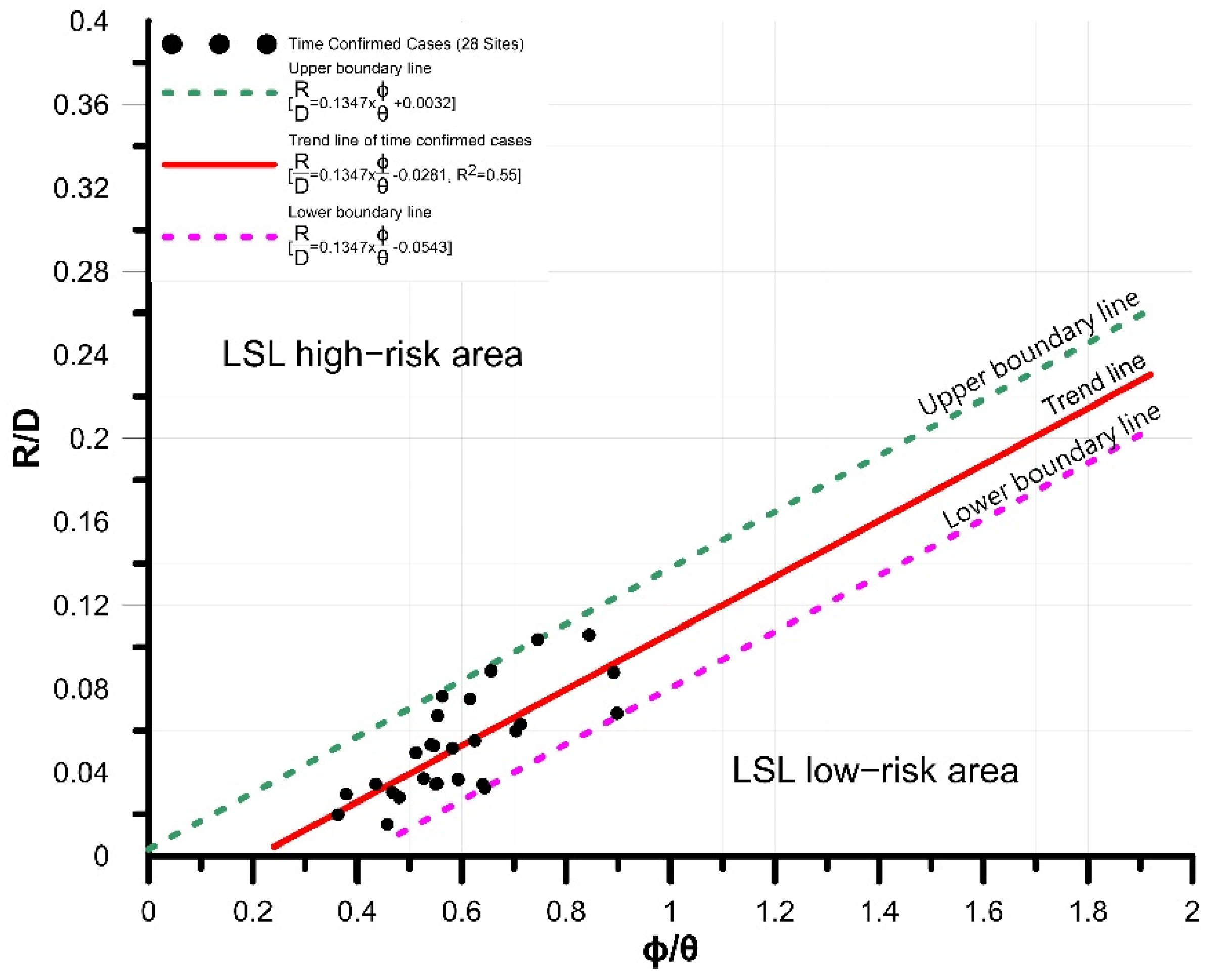
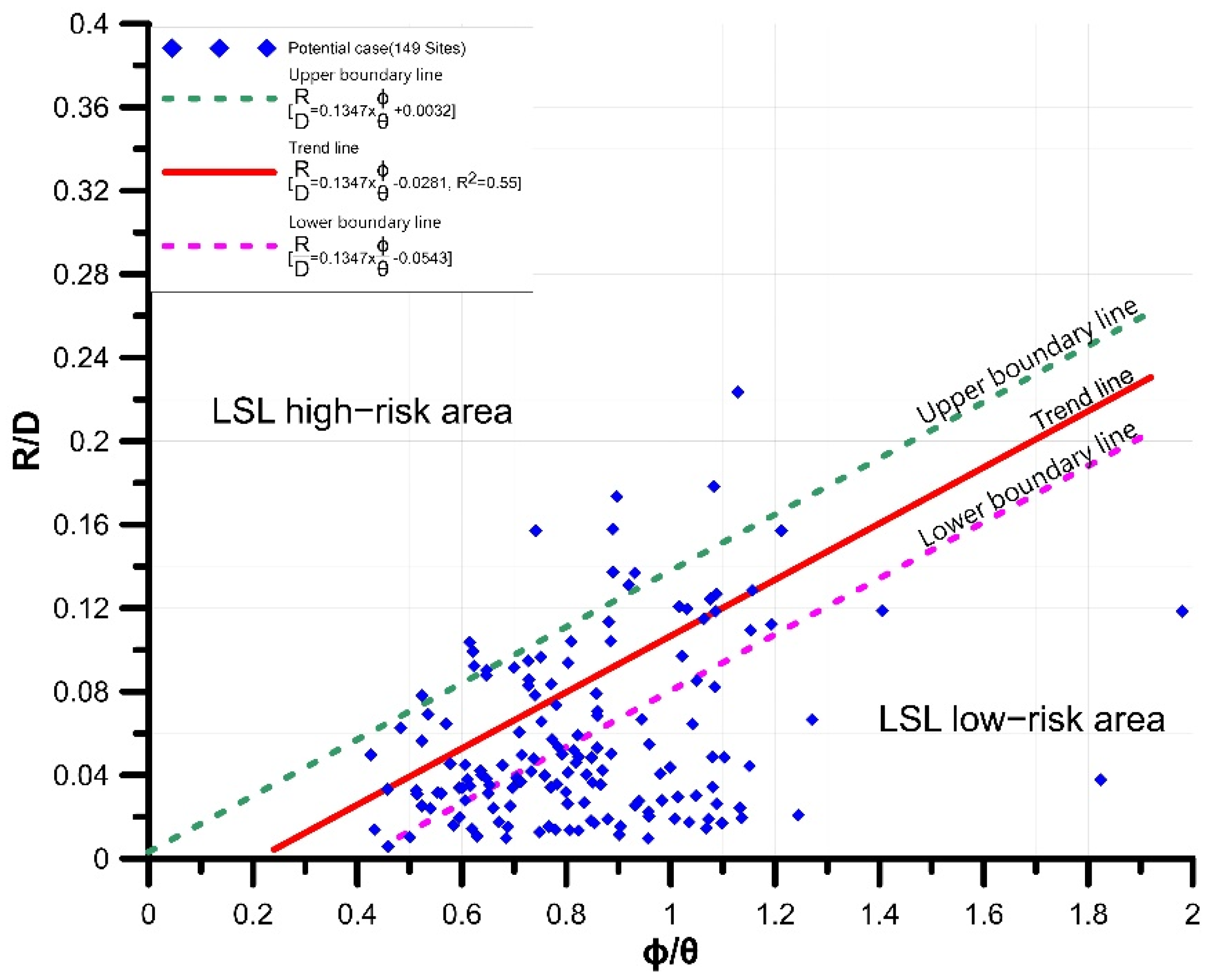
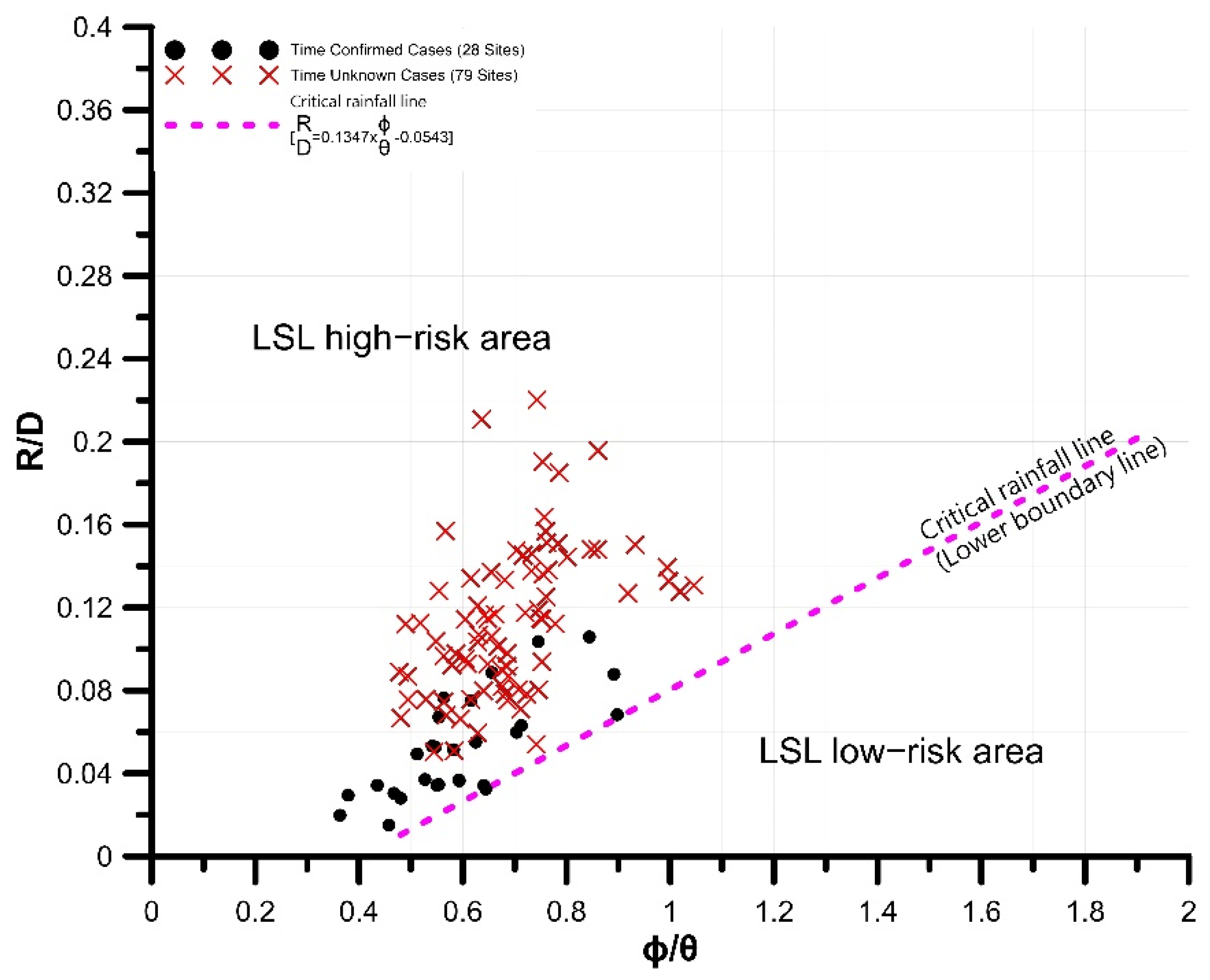
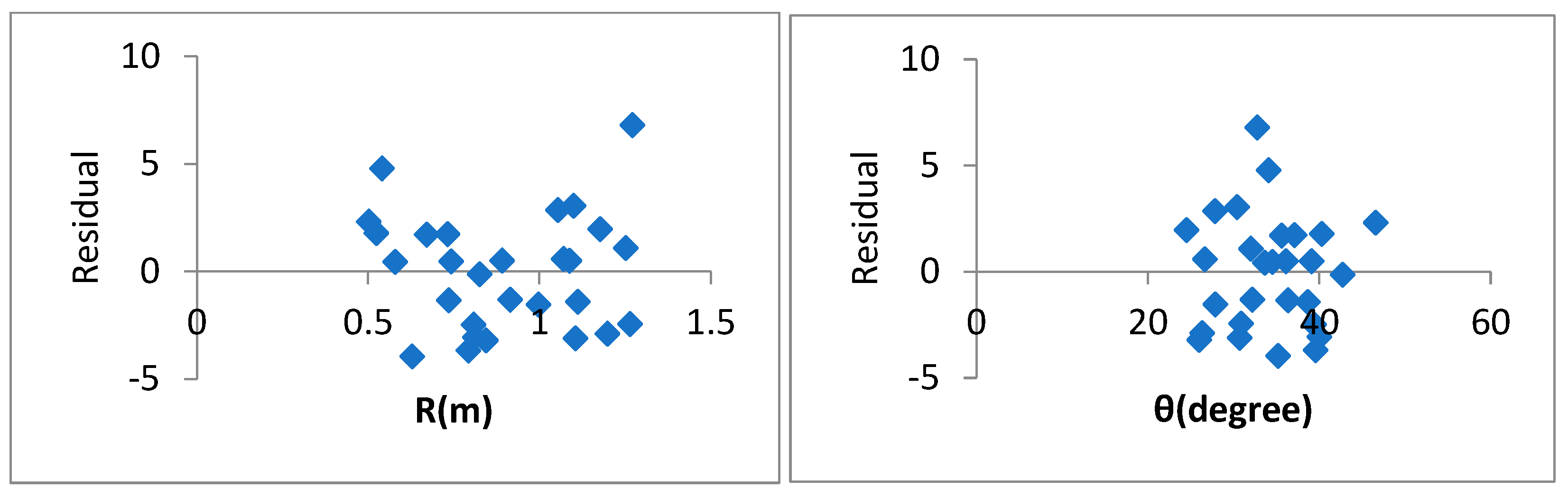
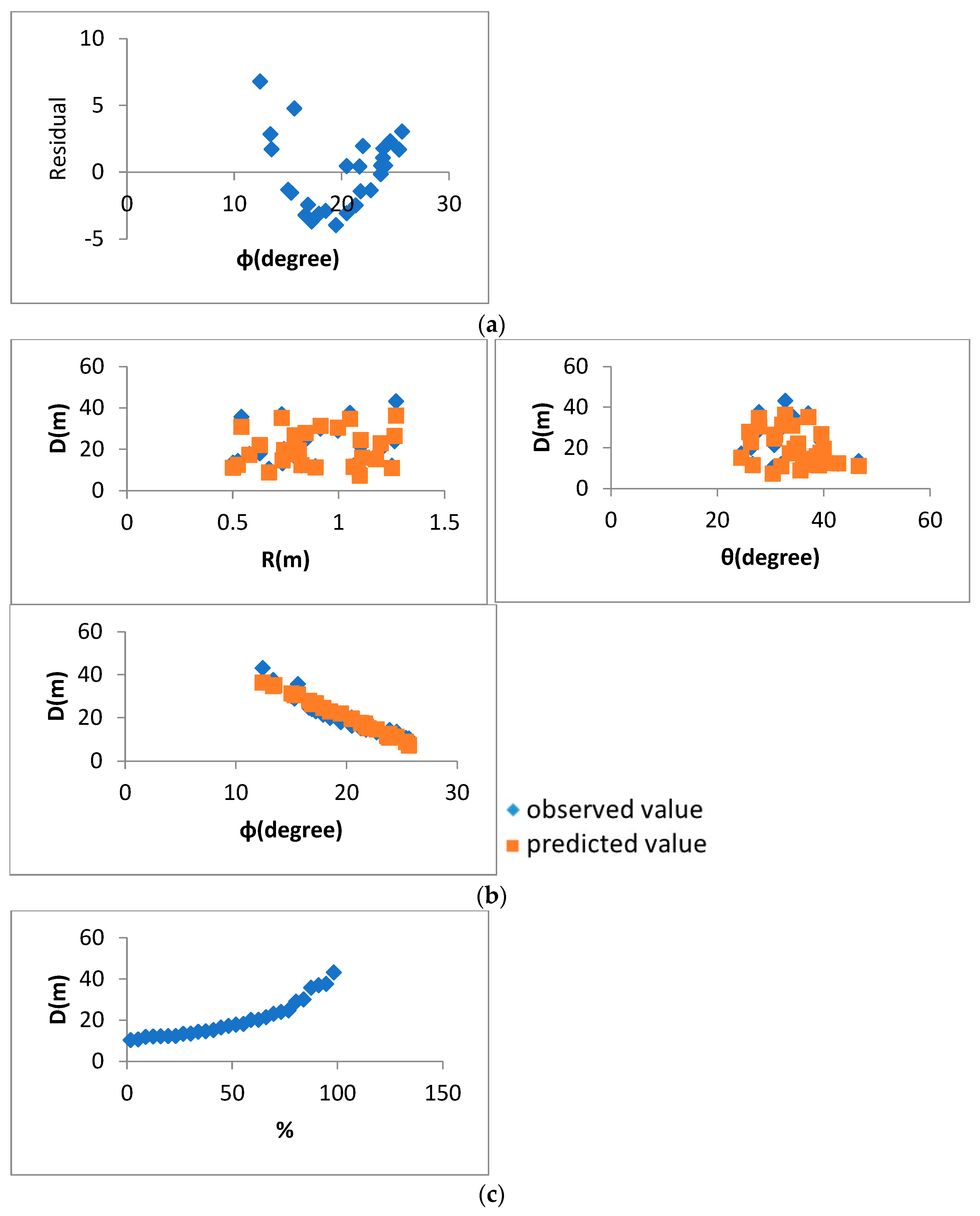
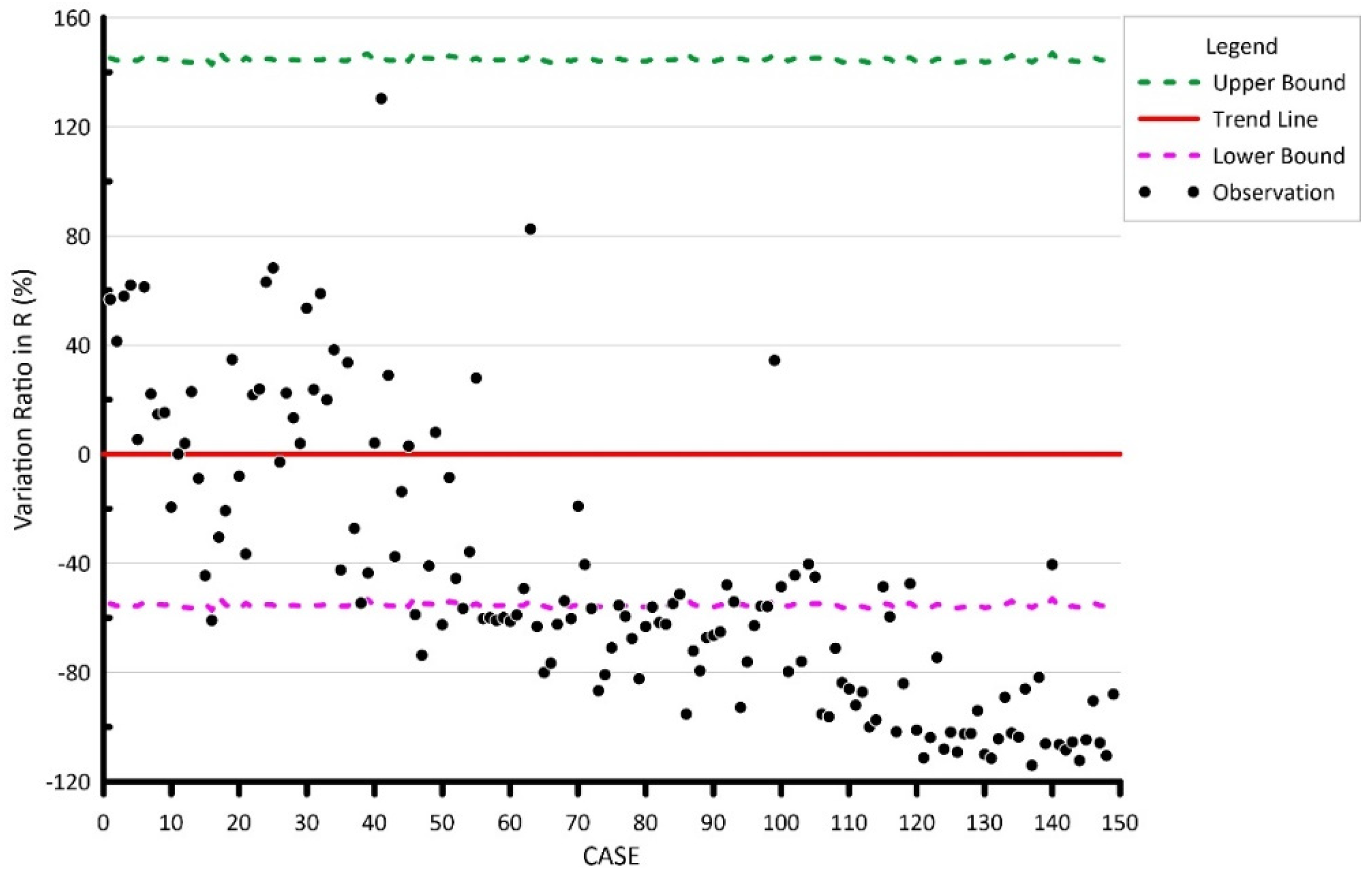
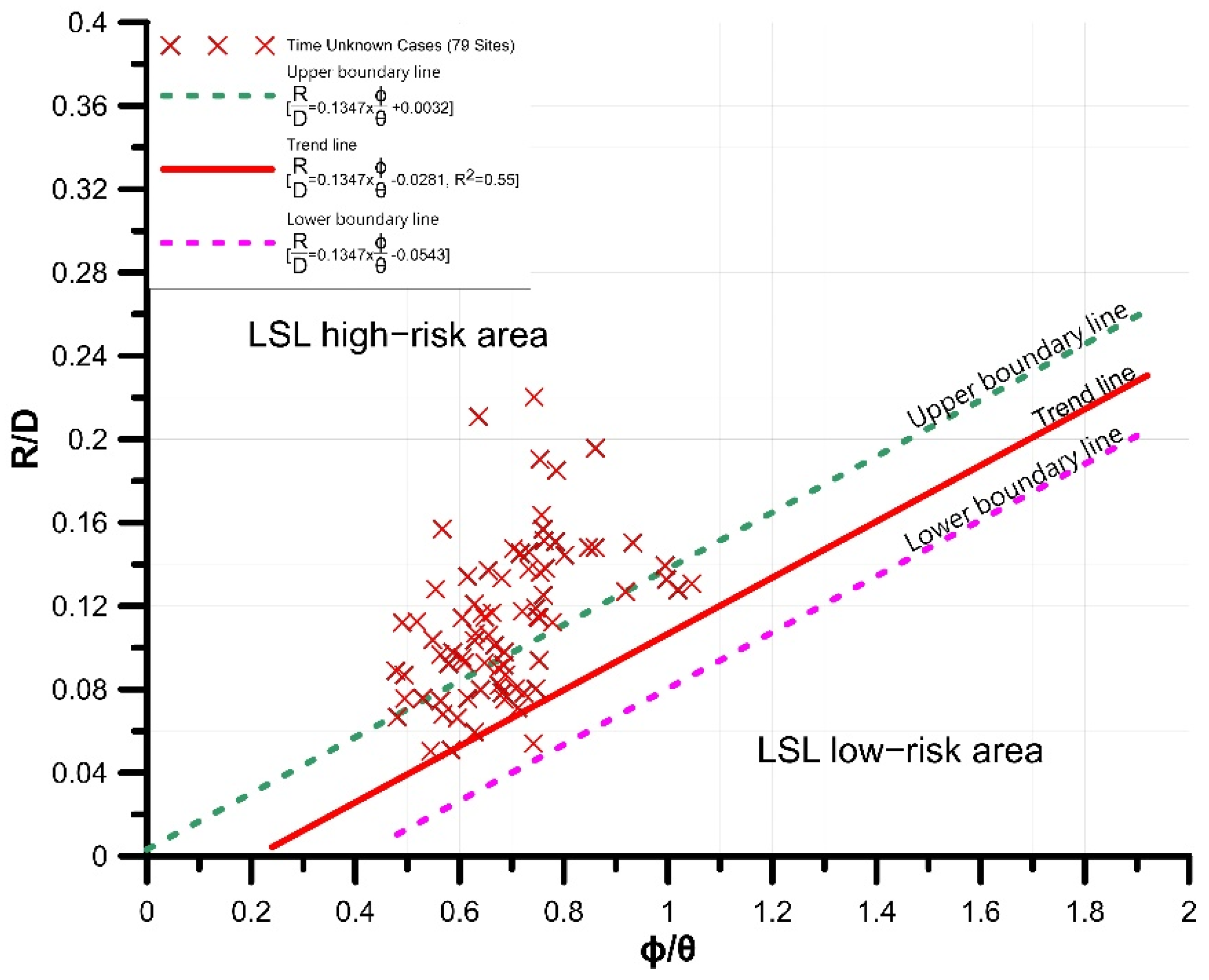
Typhoon Morakot had a serious impact on Taiwan, especially the uncommon type of landslide called large-scale landslide (LSL), not many in number but serious in effect, the origin of which the study induced. To establish a specific relationship between LSL and triggering rainfall for future applications of LSL early warning predictions, relevant cases from satellite imagery, along with field investigation data, major event reports, and seismic data from 2004 to 2016, were collected. All collected cases are distributed around the mountainous area in Taiwan, and a total of 107 cases which were mainly distributed in the southern part of the mountainous area were finally selected, including 28 occurrence-time-known cases and 79 occurrence-time-unknown cases. In addition, 149 potential areas identified by the Soil and Water Conservation Bureau (SWCB) were used for improving bounding estimates. Based on the concept of safety factor, two dimensionless quantities, rainfall/landslide depth (R/D) and friction angle/slope (ϕ/θ), were analyzed by linear regression. In addition, D was assumed to be nonlinearly dependent on R, θ, and ϕ, and the parameter uncertainties were evaluated by the resampling with bootstrap method. Based on the currently obtained data, there were 8% Type-I errors in the results of the linear regression analysis, and 1% Type-II errors in the results of the nonlinear regression analysis. Through the comparison of statistical indicators, the results of nonlinear regression analysis have a better correlation trend. Based on the needs of early warning operations, more conservative indicators can reduce the risks faced by management operations. Therefore, according to the results of this study, the lower boundary values from nonlinear analysis could be used as the LSL early warning management settings. Incorporated with real-time rainfall forecasts, the variation of statistical indicators will provide the trend information dynamically, and will help to increase the response time for relevant evacuation operations, that will be welcome for the further extended applications to guide the evacuation operations of early warning systems.
Keywords: landslide; large-scale landslide; triggering rainfall; early warning system; linear regression; nonlinear regression; uncertainty landslide; large-scale landslide; triggering rainfall; early warning system; linear regression; nonlinear regression; uncertainty