The main objective of this study was to examine the relationship between body composition, diet, physical activity, stress, sleep quality, testosterone, and cortisol levels in young men. To date, most studies have focused on the analysis of a single variable and its effect on selected hormones. Analysis of the collected data revealed several interesting relationships; however, some of the results did not reach statistical significance, which may be due to sample size limitations or weak correlations.
4.1. Testosterone
In our study, total protein intake was positively correlated with free testosterone levels in men aged 26–33. Only few studies have analyzed this relationship in healthy young men. To date, protein intake has been studied mainly in the context of obesity or sports nutrition [
19,
20,
21]. One study evaluated whether a high-protein reduction diet would be more effective than a high-carbohydrate diet in terms of, among other things, improving free testosterone levels. However, it was found that weight loss in obese individuals resulted in an increase in testosterone levels regardless of the diet analyzed, which suggests that more important indicators related to this hormone may be adipose tissue or BMI [
19]. However, it was not possible to recruit a sufficiently large number of obese participants for our study, and as a result, it was not possible to form two groups (with normal and abnormal body weights) whose hormone concentrations could be compared. This is probably why body weight, waist circumference, and BMI showed no correlation with free testosterone concentration [
22]. Our study showed that body fat percentage was negatively correlated with testosterone levels in men aged 26–33. Similar results were obtained in the NHANES III study, which involved 1265 American men aged > 20 years. However, the study group was characterized by a significantly older age of participants and a much greater diversity of ethnic origin. As in our study, the free testosterone concentration decreased with an increase in the percentage of body fat. The study also observed a decrease in this hormone with an increase in waist circumference and BMI, which was not observed in our study [
23].
The study showed a positive correlation between the percentage of energy and fat requirements met and free testosterone concentration. Most participants had energy deficiencies. This positive correlation may, therefore, be related to significant deficiencies in the group consuming too few kilocalories compared to the group that met nearly 100% of their requirements, thus providing the body with more nutrients. To the best of our knowledge, there are no studies in the literature that can be directly compared. A study by Vidić et al. assessed the effect of dietary fat intake on testosterone levels in middle-aged men who regularly practiced strength sports. One group was fed a ketogenic diet (fat intake at 75% of energy intake), whereas the other group was fed a high-fat diet (fat intake at 65% of energy intake) with a slightly higher carbohydrate intake. Protein intake was the same in both groups. A statistically significant increase in the free testosterone concentration in the blood was observed in both groups. This could potentially indicate a beneficial effect of fat on blood testosterone levels [
24]. A study by Fantus et al. also assessed the effect of fat intake on testosterone levels in men. A low-fat diet caused a decrease in total testosterone among the men studied [
25].
Our study showed that free testosterone concentration was positively correlated with sodium intake. No scientific articles have addressed this relationship. Furthermore, this premise has not been confirmed in studies conducted using animal models. Mice fed a high-salt diet (4% NaCl) for six weeks showed reduced total testosterone levels and decreased expression of enzymes responsible for testosterone synthesis, thus obtaining the opposite result. The amount of sodium used in this experiment would be impossible to obtain in the human diet; therefore, these reports should be interpreted with caution [
26].
Our study showed a statistically significant positive relationship between dietary folic acid intake and free testosterone concentration in the blood of men aged > 26 years. No articles in the scientific literature discuss this relationship. The relationship between folic acid and testosterone was studied in the context of supplementation of this vitamin on the total testosterone concentration in the blood. One intervention study evaluated the effect of folic acid and zinc supplementation on semen parameters and, among other things, total testosterone in fertile and infertile men. The study observed a statistically significant increase in sperm concentration, but the intervention had no effect on testosterone concentration [
27]. A meta-analysis evaluating the effects of folic acid supplementation or a combination of folic acid and zinc on semen parameters and hormone concentrations showed that folic acid and zinc supplementation had no statistically significant effect on total testosterone concentration [
28]. Similarly to the above-mentioned studies, our study did not show a statistically significant effect between dietary zinc intake and free testosterone concentration.
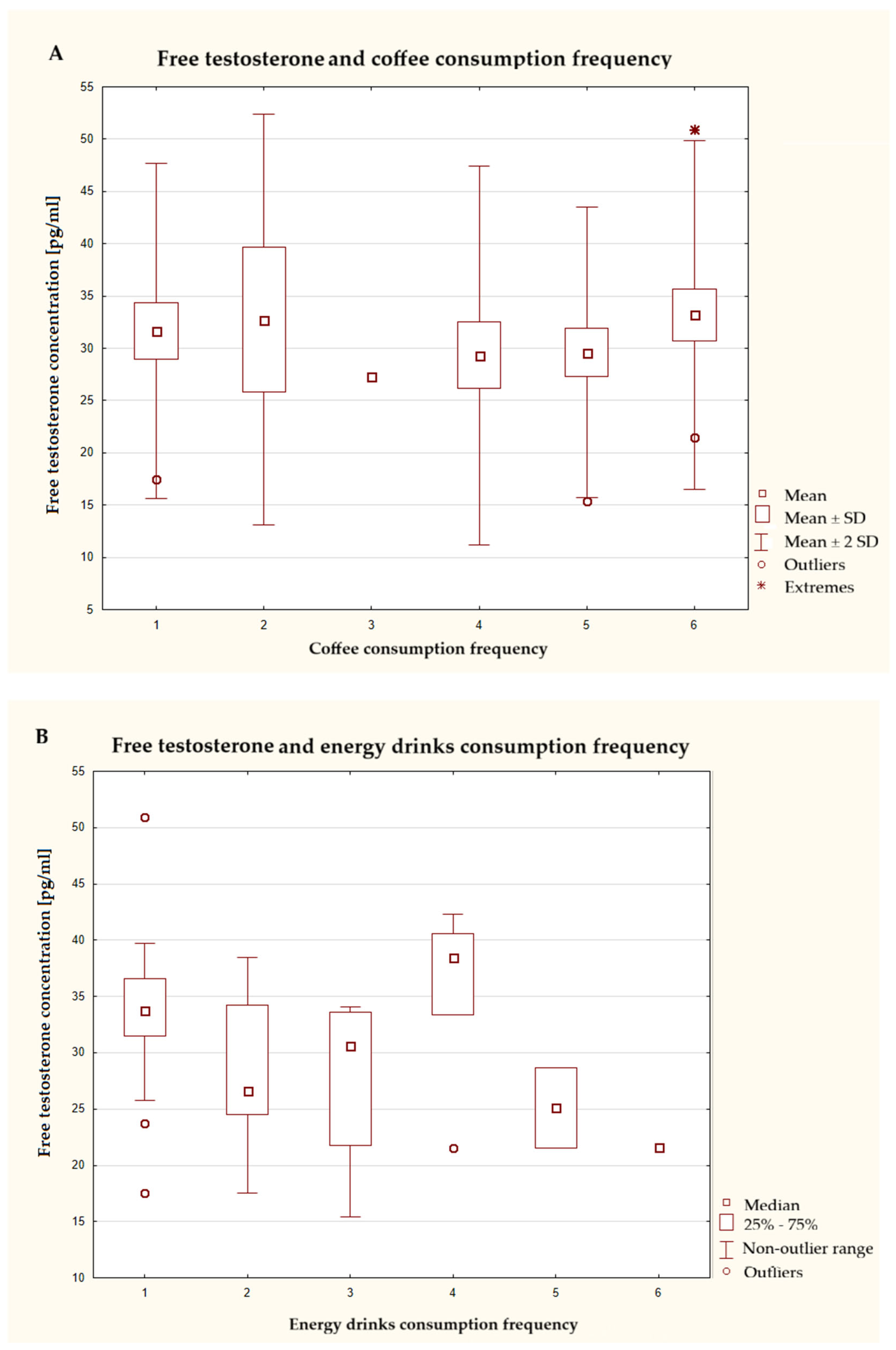
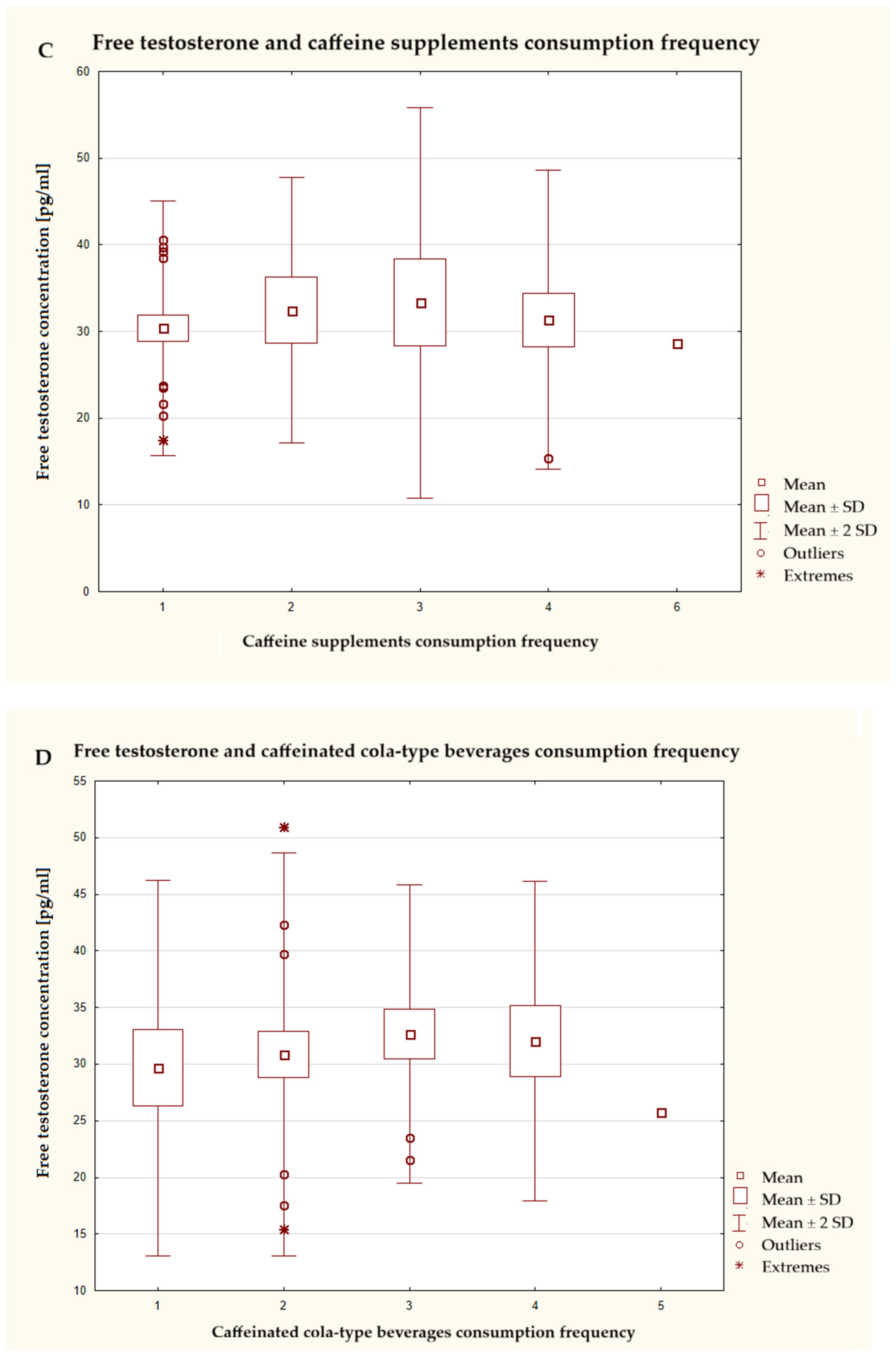
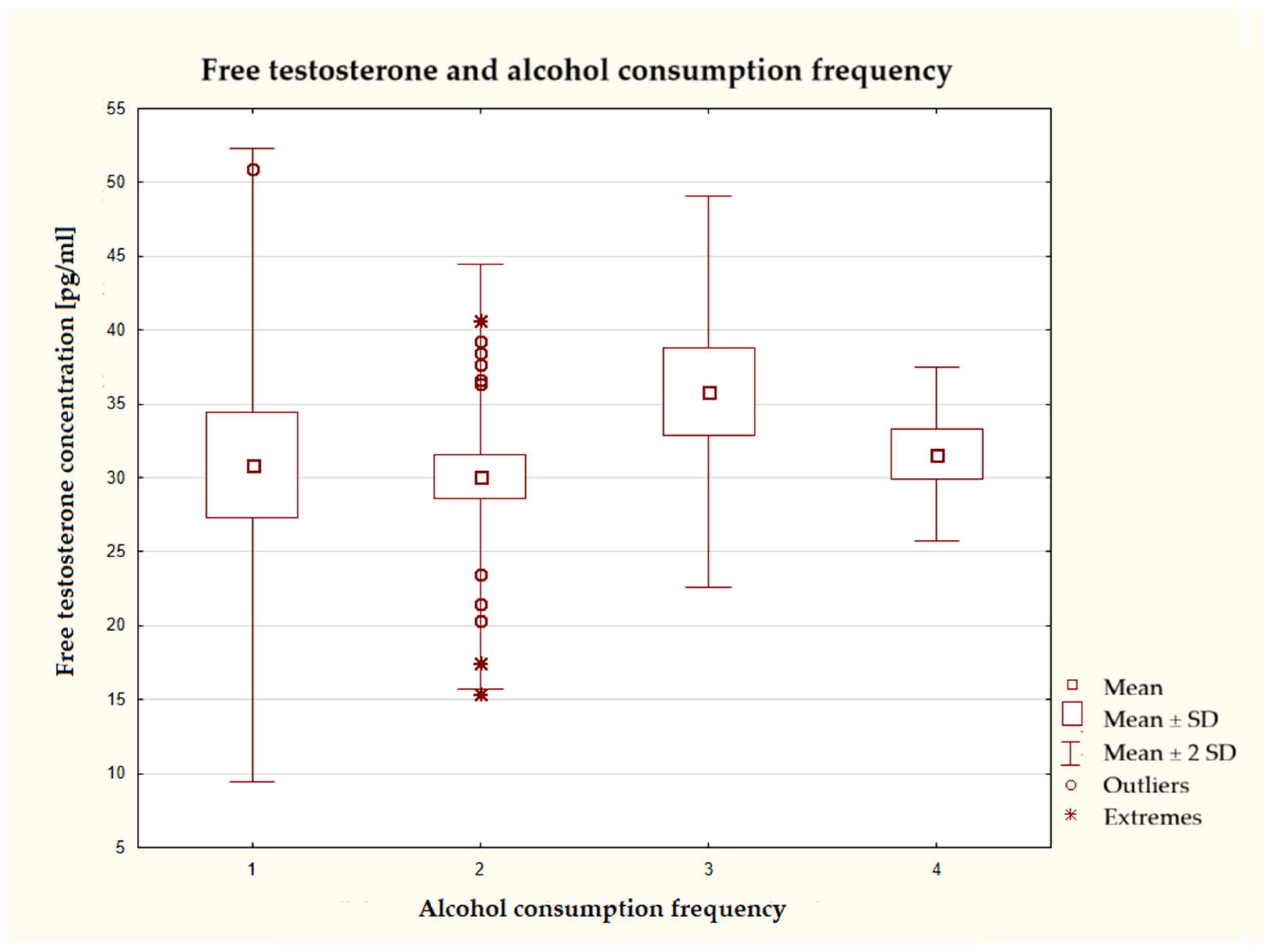
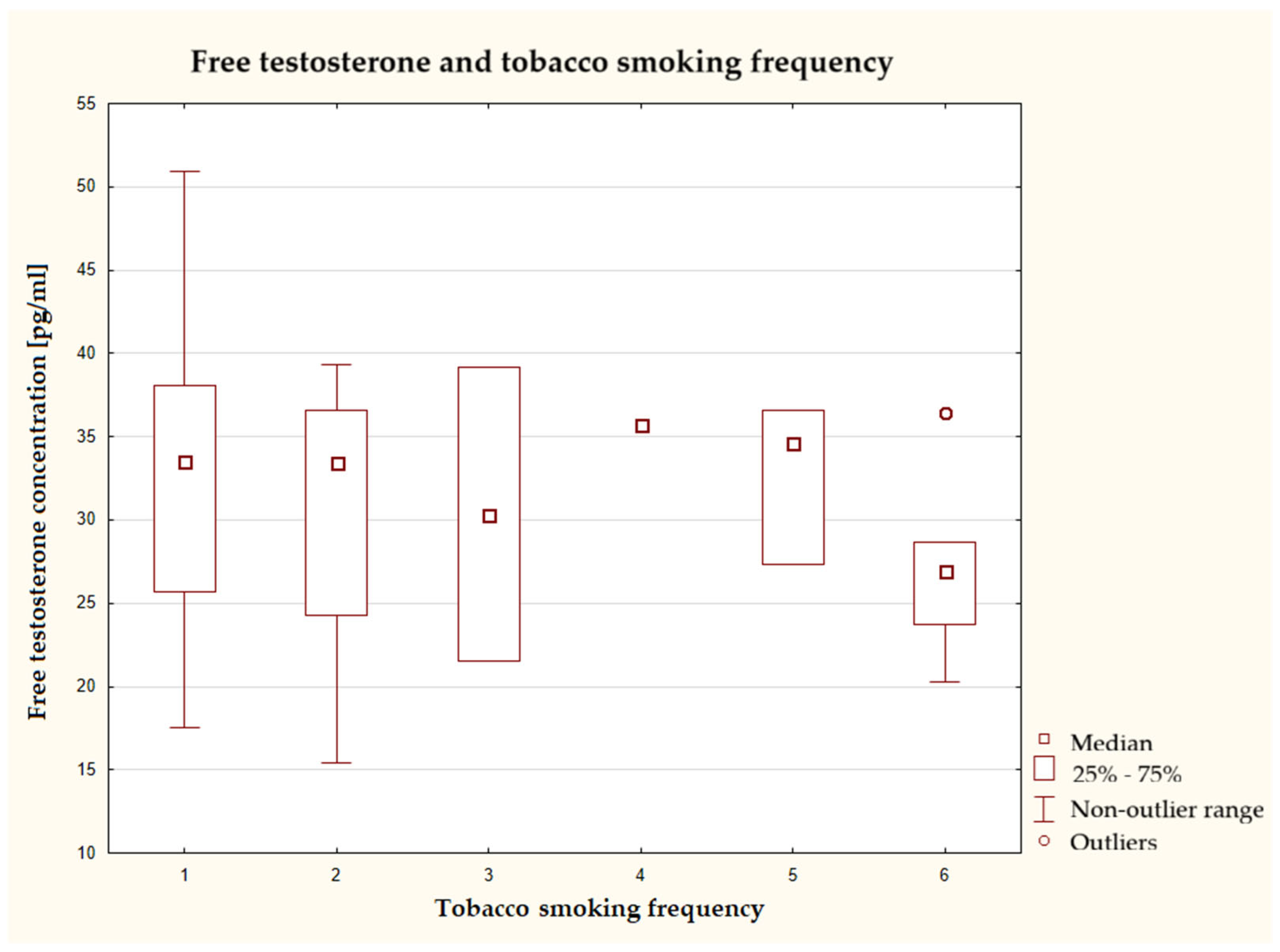
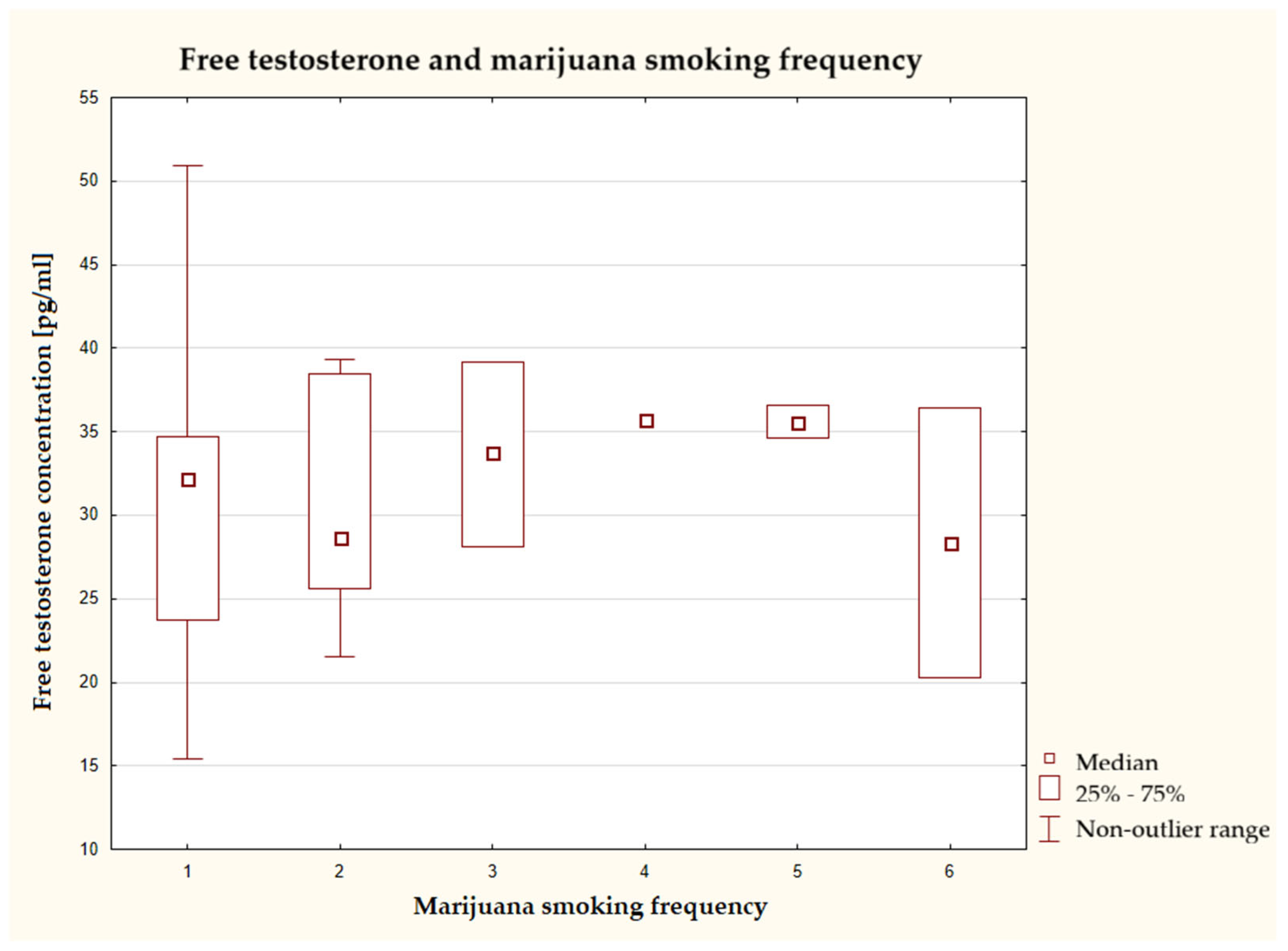
Our study did not show a significant relationship between the frequency of caffeine, alcohol, tobacco, and marijuana use and the concentration of free testosterone in the blood serum. A meta-analysis from 2024 showed that chronic alcohol consumption significantly reduces the concentration of free testosterone in the blood of healthy men. This effect was not observed in patients with alcoholism [
29]. The authors did not clearly define chronic alcohol consumption, which makes it difficult to directly compare their results with those of our study. The lack of significant correlations in our study may be due to the fact that only a small proportion of the study group reported frequent consumption of alcoholic beverages. Similar results to those of our study were found in a study on smoking conducted on European men aged 40–79. Although total testosterone was significantly elevated among smokers, free testosterone concentrations did not change significantly [
30]. The data obtained on marijuana use did not correspond to scientific reports. A cohort study of 1215 healthy men of reproductive age showed that free testosterone and total serum testosterone concentrations were 7% higher in men who used marijuana [
31]. Other studies in this area focused on total testosterone, but showed a similar trend. A study of 5146 men found that those who had ever used THC had higher serum testosterone concentrations, with the largest increase observed in men who used THC 2–3 times a month [
25]. Similar results were obtained in another study, which found that subjects who smoked marijuana more frequently had 8% higher serum testosterone concentrations; however, the authors pointed to a potential link between higher testosterone levels and a greater propensity for risky behavior, such as drug use [
32].
In men over 26 years of age, this correlation was stronger, and a positive correlation with professional activity was demonstrated. The results suggest that higher physical activity, both at work and during leisure time, is associated with higher testosterone levels, which is confirmed by previous studies showing that physical exercise stimulates testosterone secretion. Meta-analyses show that testosterone levels increase immediately after moderate and intense exercise, but not after light exercise [
33]. Similarly, Hayes et al. showed that appropriately selected sports activities promote an increase in both total and free testosterone levels [
34].
Our study found no association between testosterone concentration and subjectively perceived stress or stress assessed based on objective life events. Ilkevič’s results indicate that higher levels of free testosterone are associated with lower stress perception only in individuals with low cortisol levels, which is consistent with the dual-hormonal hypothesis that the relationship between testosterone and cortisol determines the effects of psychosocial stress [
35]. A study involving 718 men treated for infertility showed that higher levels of subjective stress reduced sperm count and quality but were not significantly associated with sex hormone concentrations (including testosterone). Stress negatively affects semen parameters, mainly through oxidative and inflammatory mechanisms rather than hormonal mechanisms [
36]. In Marceau’s study on adolescents, an increase in pandemic stress was associated with a parallel increase in cortisol, testosterone, and DHEA concentrations, especially in boys with higher exposure to stress [
37]. The links between stress and testosterone are complex and depend on the type of stress, population, and biological mechanisms, as confirmed by the differing results of various studies.
Our study did not find a relationship between testosterone levels and PSQI scores. No studies in the literature have directly analyzed the correlation between testosterone and sleep quality, as assessed by the PSQI questionnaire. However, experiments have shown that total sleep deprivation leads to a decrease in testosterone levels in healthy men, whereas short-term sleep restriction does not always cause significant changes, emphasizing the importance of the first hours of sleep for hormone production. In addition, sleep disorders, such as apnea or fragmentation of nighttime rest, can lower testosterone levels. An optimal sleep architecture and adequate sleep duration are crucial for testosterone production and androgenic health. Although no studies have directly analyzed the relationship between testosterone levels and PSQI scores, establishing this relationship is important for understanding the impact of sleep quality on hormonal balance in men.
4.2. Cortisol
Our study showed a statistically significant negative correlation between body weight, height, and serum cortisol concentration in male participants. Based on an analysis of a sample of 1354 individuals, the researchers showed that height decreased with increasing blood cortisol concentration and that this relationship was continuous across the full range of concentrations assessed in both women and men. The authors of this study suggested that the HPA axis may mediate developmental mechanisms by limiting physical growth in favor of other competing processes [
38].
The relationship between cortisol and obesity, often in the context of metabolic syndrome, has been studied in scientific literature. In our study, no significant correlations were found between cortisol levels and BMI, waist circumference, or adipose tissue, which may have been due to the small number of obese participants. A study by Garbellotto et al. also found no significant correlation between BMI and waist circumference and salivary cortisol concentration but found a significant reduction in cortisol concentration in men after weight loss [
39]. Another study found a weak positive correlation between waist circumference and salivary cortisol concentration in men, and an increase in cortisol concentration with increasing BMI [
40]. A 2016 meta-analysis did not confirm a relationship between BMI and morning cortisol levels, indicating the diversity of studies and the influence of other factors, such as sleep quality. However, high cortisol levels may exacerbate the complications of obesity [
41]. In a study by Sofer et al., both serum and salivary cortisol concentrations were significantly lower in obese subjects than in those with a normal body weight. In addition, obese individuals show a weaker adrenal cortex response in the form of cortisol secretion in response to a low dose of ACTH [
42]. In a study conducted among women by Schorr et al., the relationship between BMI and cortisol concentration was not linear but rather U-shaped on a graph. The highest serum cortisol concentrations were found at the lowest BMI values (approximately 15 kg/m
2), and decreased up to a BMI of 30 kg/m
2. Subsequently, as BMI increased, cortisol concentration increased but was significantly lower than that in the case of emaciation [
43].
Our study did not show that the supply of macronutrients to the diet had a statistically significant effect on cortisol concentration. Martens et al. assessed the effect of the consumption of individual macronutrients on cortisol concentrations after a meal. Each participant first consumed an identical breakfast tailored to their individual energy requirements and then, under laboratory conditions, was given another meal consisting of pure protein, fat, or carbohydrates in the form of a shake with water and calorie-free flavoring. In the control group, the second meal consisted of flavored water only. The consumption of a protein or fat meal did not cause significant differences in cortisol concentrations compared with the control group. A significant difference was observed only after the consumption of a carbohydrate meal [
44]. The intervention cited differed from our study, but the participants in our study had high protein and fat intake and low carbohydrate intake in their diet, which may suggest some consistency with the results of the above study.
A statistically significant relationship was observed between dietary cholesterol intake and blood cortisol concentration. A higher cholesterol intake is associated with a decrease in the concentration of this hormone. Cortisol is a steroid hormone; therefore, cholesterol is the substrate for its synthesis. In a study by Anderson et al., the effect of consuming meals rich or poor in cholesterol on changes in salivary cortisol concentrations was compared. An increase in the concentration of this hormone was observed after consuming a cholesterol-rich meal [
45].
Our study showed that serum cortisol levels decreased with increased dietary folic acid intake. The relationship between B vitamins and cortisol levels is of particular interest because of their role in proper functioning of the nervous system and mood regulation. Administration of exogenous cortisol to subjects has been shown to result in a statistically significant reduction in serum folate and cobalamin concentrations [
46]. This result aroused interest in the context of the inverse relationship that was investigated in a randomized study evaluating the effect of 16 weeks of vitamin B supplementation on salivary cortisol concentration. The preparation contained folic acid, vitamins B6, B12, C, D, and E, calcium, magnesium, potassium, and iron. The intervention did not show any changes in subjectively perceived stress levels, but cortisol concentrations upon waking up were higher in the group taking multivitamin preparations. Serum vitamin B6 and red blood cell folate concentrations were positively correlated with cortisol concentrations upon waking. Only the relationship between cortisol and folate levels was statistically significant, while the other two showed a clear trend [
47]. These results did not correspond with the results of our study, in which a higher supply of folic acid, vitamins B6, B12, C, D, E, calcium, potassium, iron, and magnesium showed a negative trend in relation to serum cortisol concentration in male subjects.
Although our study showed a negative correlation between serum cortisol concentration and dietary vitamin A intake, no studies in the scientific literature have analyzed the significance of intake or supplementation of this vitamin or its precursor in the form of β-carotene on cortisol concentration in humans. An article examined the potential use of retinoic acid as a drug in the treatment of Cushing’s disease. This study showed that therapeutic doses (10–80 mg/day) of retinoic acid contributed to the normalization of hypercortisolemia in some patients [
48].
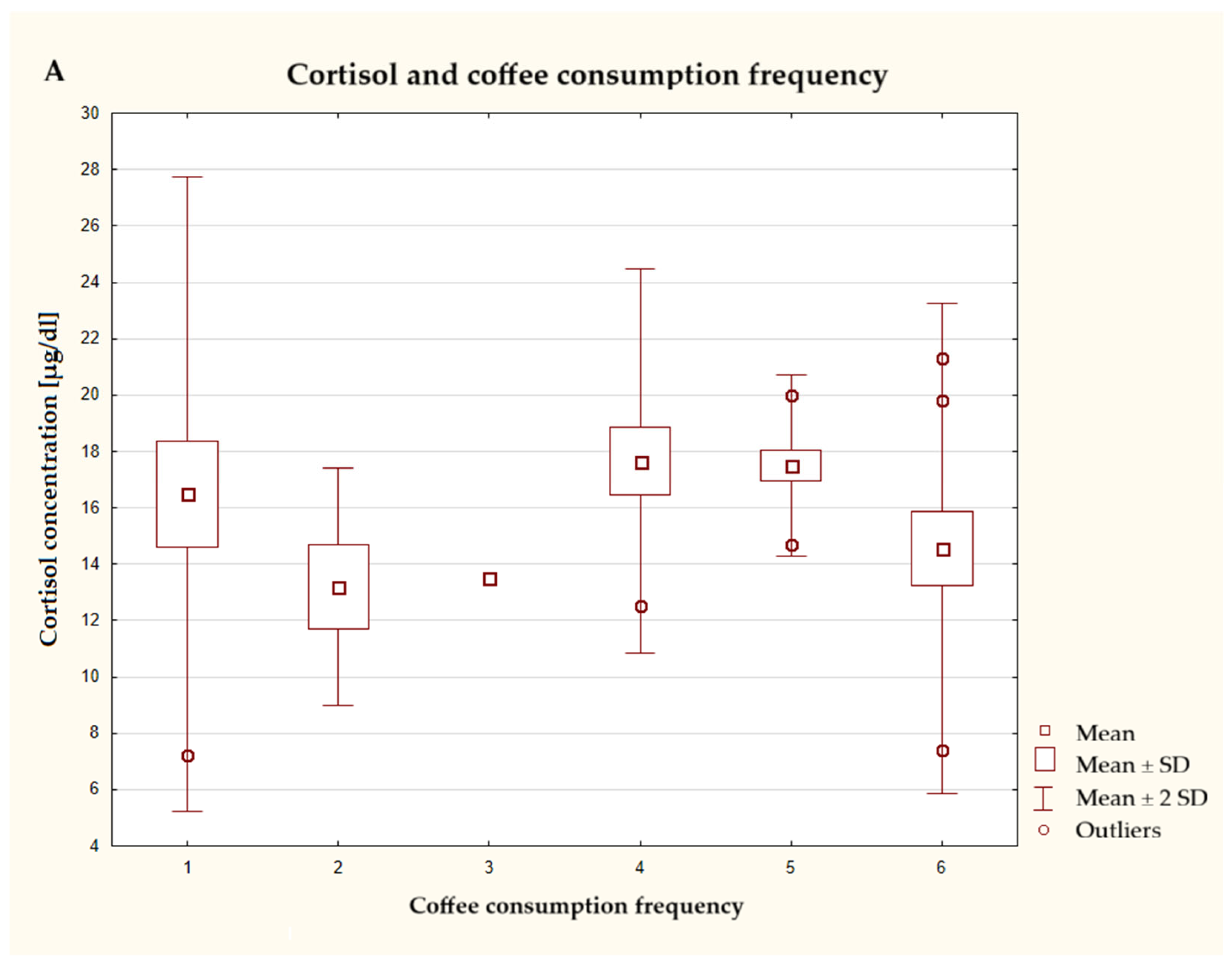
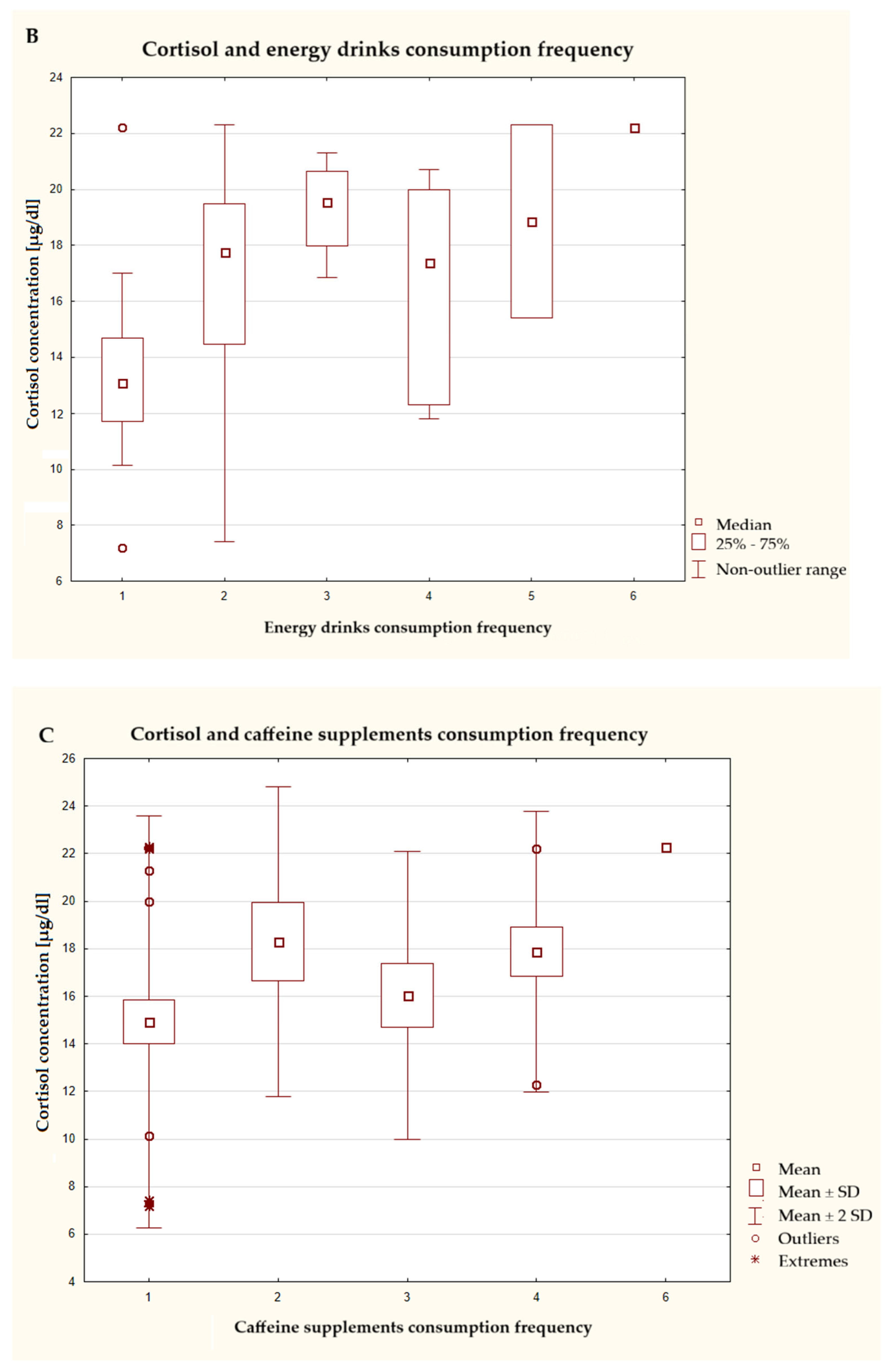
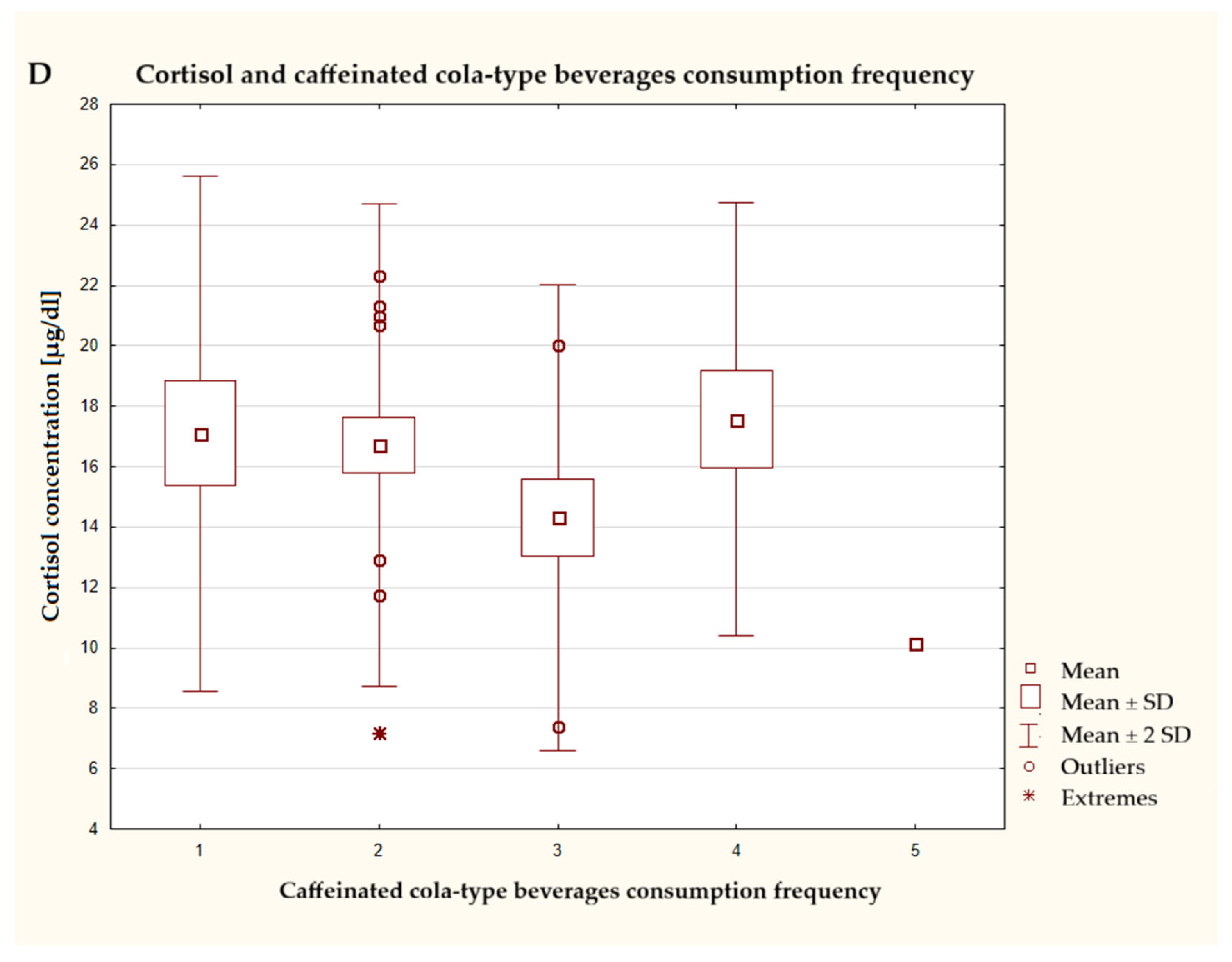
Among the stimulants evaluated in our study, the consumption of caffeine in the form of energy drinks and supplements was statistically significant. More frequent use of these products was associated with an increase in the morning cortisol concentration in the blood plasma of men. A study by Gür et al. conducted on a group of footballers showed that caffeine intake has a significant impact on the body’s hormonal response and physical performance. Caffeinated coffee, decaffeinated coffee, pure caffeine in capsule form, and placebo capsules were considered. In the case of cortisol, the increase in cortisol concentration did not differ significantly between the coffee, decaffeinated coffee, and capsule groups, but was the lowest in the placebo capsule group. Caffeinated coffee results in greater exercise efficiency and higher testosterone concentrations [
49]. Energy drinks may be of interest because of their characteristic combination of ingredients, such as caffeine and simple sugars, often also with taurine. A study by Sünram-Lea et al. assessed the effect of energy drinks on cortisol levels in firefighters [
50]. Another study attempted to determine whether different combinations of caffeine (200 mg), taurine (2000 mg), and glucose (50 g), in doses similar to those found in popular energy drinks, would affect cortisol, among other things [
51]. The cited studies did not show a significant effect of energy drinks on cortisol levels. Therefore, these reports do not correspond with our results. Another study emphasized that in addition to caffeine intake, tolerance developed among people who regularly use caffeine is also important. In such people, after caffeine was supplied to the body, a cortisol surge was observed, but it was significantly lower than that in people who had not used caffeine for five days [
52]. Another study showed that with regular caffeine use, cortisol release was significantly higher in stressful situations [
53].
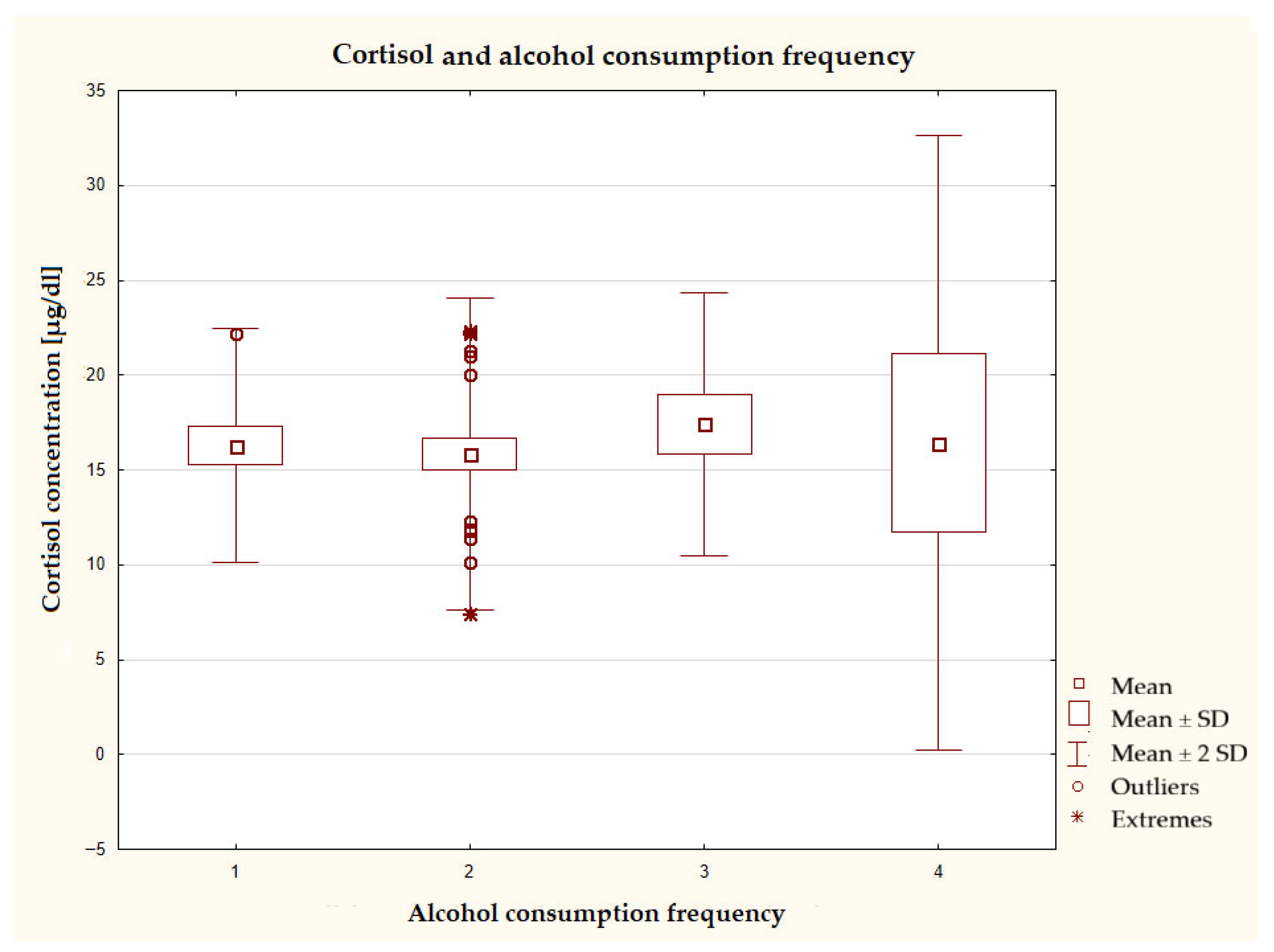
This study also assessed the impact of alcohol consumption on cortisol levels. In a study by Badrick et al., salivary cortisol levels increased significantly in relation to weekly alcohol consumption in men. Furthermore, among people who abused alcohol, cortisol levels were observed to decrease more slowly than those who drank moderate amounts [
54]. In our study, no statistically significant correlation was found between alcohol consumption and cortisol concentration; the correlation coefficient had positive values, and in the group that consumed alcohol most frequently, cortisol concentrations had the highest values, which may suggest a trend consistent with the aforementioned reports.
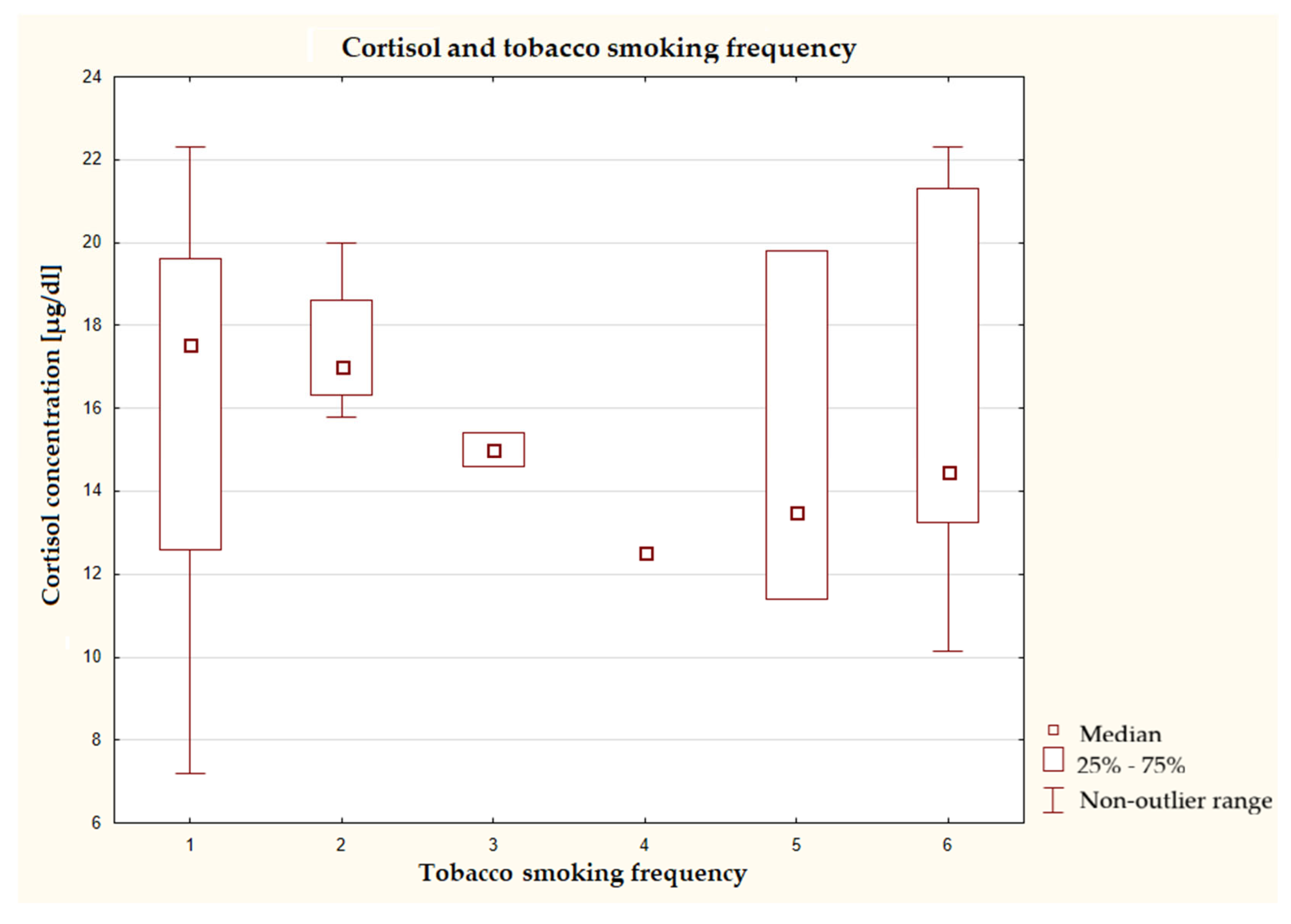
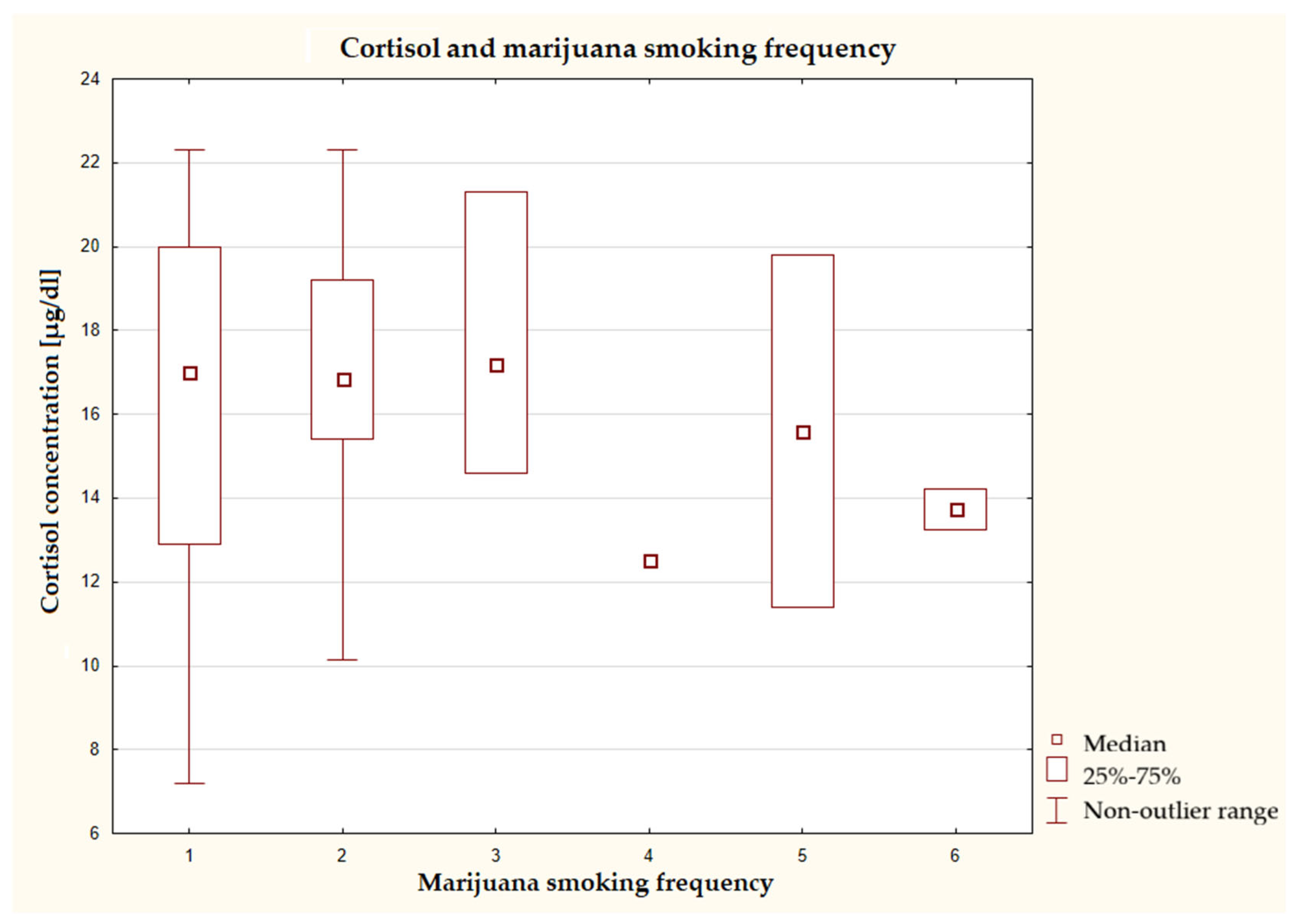
Our study also did not observe any statistically significant correlations or clear trends in smoking, marijuana use, or fasting blood cortisol levels. However, the literature indicates that the HPA axis may play an important role in nicotine addiction. In one study, in which a group of 20 men compared the effects of smoking cigarettes with high/low nicotine content, the researchers demonstrated that nicotine dose had a statistically significant effect on the hormonal response of the HPA axis. After smoking a cigarette with high nicotine content, the increase in ACTH concentration was significantly higher after just 12 min, and the increase in cortisol concentration increased significantly 20 min after smoking and reached its maximum value after 60 min. The authors pointed out that stimulation of the HPA axis by smoking may be an important mechanism associated with the development of addiction [
55]. There are also scientific reports showing that smokers have chronically elevated cortisol levels (by approximately 35%) compared with non-smokers [
56]. Another study showed the opposite effect associated with smoking cessation. It has been shown that 24 h abstinence causes a significant decrease in salivary cortisol levels and a reduction in HPA axis activity compared to a group that did not stop smoking [
57]. Marijuana is often used to reduce stress; however, its effect on the HPA axis is unclear. There are reports that chronic use of cannabinoids results in a statistically significant reduction in cortisol levels and subjectively perceived stress compared to people who do not use this substance [
58]. Another study found no significant changes in cortisol levels among marijuana users [
59]. Despite the lack of statistical significance in the results obtained in our study, cortisol levels were relatively low in the group of most frequent marijuana users.
In the analyzed group, a negative correlation was observed between cortisol levels and the level of physical activity during leisure time. This may suggest that people who are more active during their free time have lower cortisol concentrations. This result is consistent with previous studies indicating that moderate physical activity may contribute to a reduction in perceived stress levels, which, in turn, leads to lower cortisol concentrations [
60,
61].
Spearman’s correlation analysis between cortisol concentration and the results of the Holmes and Rahe scale and PSS-10 did not show any significant relationships, which was also observed in other studies. In a study of women, higher PSS scores did not correlate with cortisol concentrations in hair, suggesting that subjective stress assessments are not always reflected in biochemical markers [
62]. Similarly, the PRISME cohort study (n ≈ 4500) using PSS-4 found no association between stress and salivary cortisol concentrations, either in the morning or in the evening. The correlations were close to zero, and the mixed models did not confirm the influence of stress levels or changes in stress on cortisol secretion [
63]. The authors emphasize that PSS should be treated primarily as an assessment of stress perception rather than as a direct indicator of HPA axis activation.
A weak negative correlation was found between cortisol concentration and sleep quality, suggesting that poor sleep is associated with lower hormone levels. The association was stronger in men under the age of 26 years, whereas no significant effects were observed in the older group. This result differs from previous studies indicating elevated cortisol concentrations in individuals with sleep disorders such as insomnia or depression [
64,
65]. The discrepancy may be due to the fact that healthy men without serious sleep disorders were studied and a single measurement of total serum cortisol was used, which did not capture the circadian rhythm and free fraction. The literature emphasizes the greater sensitivity of salivary cortisol measurements and CAR profile analysis. Chronic sleep disorders can lead to both weakening and an increase in the HPA axis activity. The relationship between sleep and the HPA axis is complex and depends on the nature and duration of the disorder. Furthermore, PSQI scores do not always correlate with endocrine markers; sometimes, no differences in CAR or diurnal cortisol profile are found between individuals with good and poor sleep quality [
66].
The study measured total cortisol in the blood serum. It should be noted that only approximately 3–10% of circulating cortisol is free and biologically active, with the rest mainly bound to corticosteroid-binding globulin (CBG) and albumin. CBG concentration is affected by inflammation, medication, or estrogens, which can influence total cortisol levels independently of the HPA axis activity. Therefore, salivary cortisol measurements, which reflect free hormone concentrations, are more reliable for assessing the biological activity of glucocorticoids in many situations. In studies of sleep, stress, and circadian rhythm, measuring free cortisol, especially in a morning sample, is a more sensitive method and less susceptible to confounding factors [
67,
68,
69]. However, in Poland, measurement of free cortisol in saliva is not yet routine.
This study has several limitations, including a relatively small sample size, which reduces the likelihood of detecting other significant correlations and may introduce potential subjectivity into the results. Nevertheless, the findings provide a valuable basis for designing and expanding future research and for selecting the appropriate research direction. Another limitation is the lack of consideration of food digestibility, which was not assessed due to the absence of this function in commonly available popular dietary software used to estimate nutrient intake in the male study group.



 ,
,