Impact of Acute Lymphoblastic Leukaemia Treatment on the Nutritional Status of Paediatric Patients: A Systematic Review

 , , and
Highlights
- Treatment of Acute Lymphoblastic Leukaemia (ALL) in paediatric patients has detrimental effects on nutritional status and lifestyles.
- Treatment of ALL in paediatric patients with associated to macro and micronutrients alterations, as well as growth retardation, especially in the first year of treatment, and obesity.
- The nutritional status at diagnosis and during therapy in paediatric patients with ALL is a prognosis factor not only for survival but also adulthood sequelae.
- Standardized clinical practice guidelines are needed for personalized nutritional intervention, based on the type of treatment, and the patient's nutritional status and characteristics.
- Homogeneous and well-designed longitudinal studies are needed to evaluate the effect of nutritional intervention in the treatment of paediatric patients with ALL on prognosis and long-term effects.
Abstract
1. Introduction
2. Materials and Methods
2.1. Search Strategy
2.2. Inclusion and Exclusion Criteria
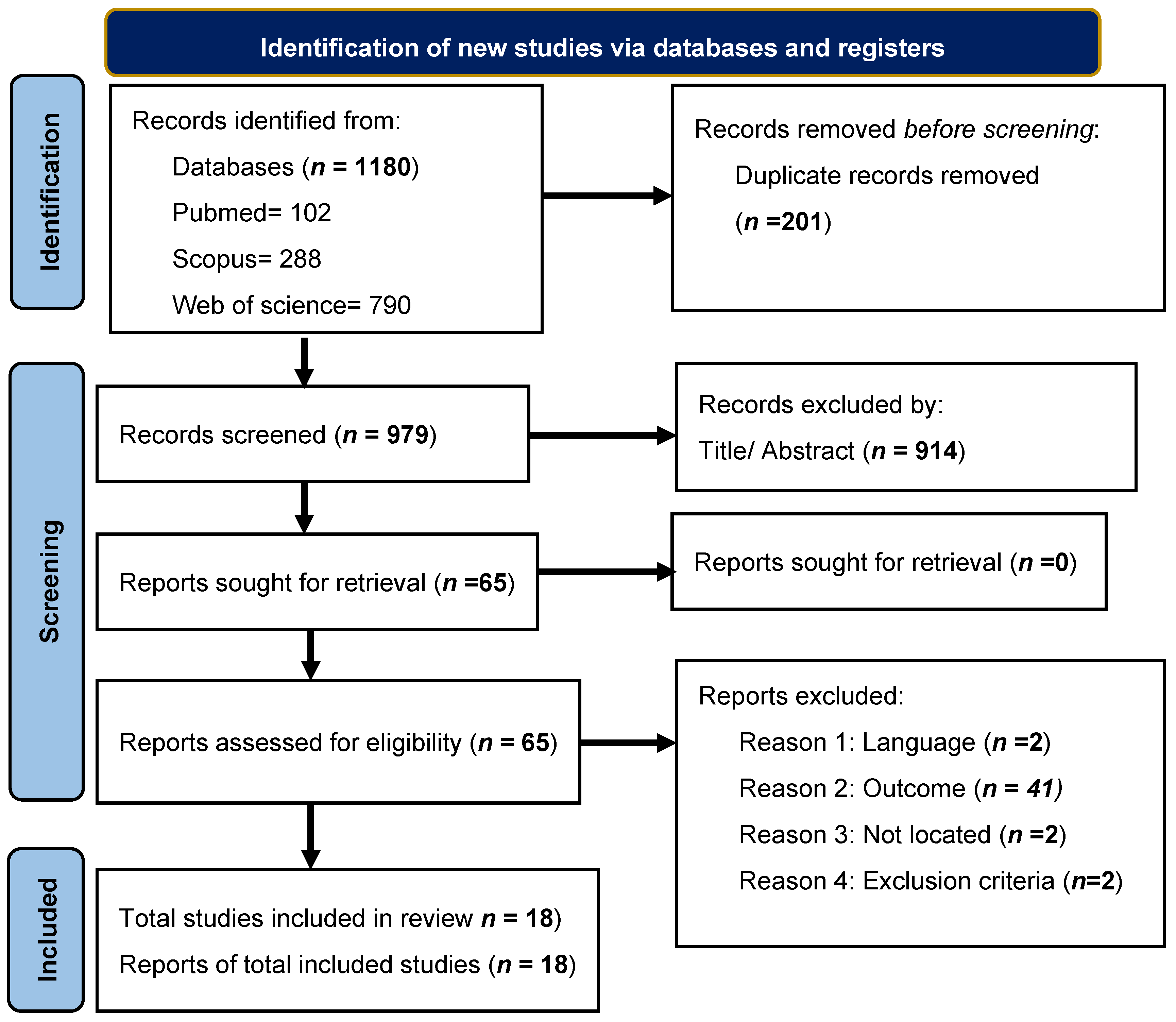
2.3. Selection of Studies
2.4. Data Extraction
2.5. Quality Assessment and Bias Analysis
2.6. Data Synthesis

| Reference | Sample (n, Age) | Population | Type of Study | Objective | Outcomes | Treatment | Comparation | Results | Conclusion |
|---|---|---|---|---|---|---|---|---|---|
| Tamminga et. al (1992) [22] | n1 = 7 n2 = 13 n3 = 13 n4 = 8 nT (complete remission): 41 (2.4–13.4 years 1) 5.9 2 | The Netherlands | Longitudinal | To explore potential variations in growth impairment among patients undergoing chemotherapy, both with and without cranial irradiation. | Weight, height, weight for height, upper arm circumference, sitting height, arm span, and head circumference | Group 1: HR protocol Group 2: SR protocol + CI Group 3: SR protocol + CI substituted with regimens of high-dose methotrexate and more intensive intrathecal chemotherapy. Group 4: SR protocol + CI HR protocol: consolidation with cytarabine and cyclophosphamide SR protocol DCSG | Anthropometric variables investigated at diagnosis and every 3 months until 2 years after diagnosis (G1-3) or until 2 years after completion of therapy (G4). |
| Average height delay occurred during the 2 years of treatment, with the most significant retardation observed in the first six months after diagnosis. Height catch-up was anticipated at the end of therapy, aligning with catch-up growth in sitting height and arm span. Cytostatics, corticosteroids, and cranial irradiation (CI) might be linked to this reduction. The weight gain could be associated with supplementary tube feeding in some patients, the use of corticosteroids, and psychological factors. |
| Halton et al. (1998) [23] | Study 1 A: n: 55 B: n: 42 C: n: 19 nT: 116 Study 2 n: 16 Study 3 n = 19 nT = 116 | Canada | Longitudinal | To analyse the effects of the disease and its treatment on growth and body composition in children with ALL from population-based referral regions in Canada. | Height, weight, faecal fat, D-xylose, and lactose absorption and dietary intake by questionnaire. Serum albumin. Fat-free mass and bone density (DEXA) | DFCI protocol Study 1: A: HR. 87-001 protocol + CI B: SR. 87-001 protocol C: SR. 91-001 protocol (8 males with CI and 11 females without CI) Study 2: Protocol 87-001 Study 3 Protocol 91-0001 | Study 1: altered growth in children treated Height and weight: Diagnosis, every 12 months during treatment, and 12 months following the end of therapy. Study 2: impact of chemotherapeutic agents on intestinal functional integrity Nutrient intake, faecal fat, and D-xylose absorption and lactose absorption Measurements at diagnosis and every 6 months during therapy. Study 3: nutritional status and body composition during treatment. Anthropometric measurements. Serum albumin and total protein. Alterations in body composition, including changes in lean mass, fat mass, and bone mineral content. | Study I
| The majority of children treated for ALL experienced significant changes in nutritional status, including decreased growth, alterations in body composition (decreased lean mass and increased fat mass), and lower serum protein levels during intensive therapy. It may have been caused as a response to growth hormone and the use of corticosteroids. Reduced physical activity during treatment, secondary to musculoskeletal morbidity, which reduced energy expenditure and led to weight gain. Malabsorption implicated in contributing to growth impairment as cytotoxic agents cause changes in the intestinal mucosa and malabsorption of D-xylose and lactose. Decreased albumin levels probably due to depletion of visceral proteins at diagnosis and to the combination of chemotherapy with L-asparaginase during treatment. |
| Sgarbieri et al. (2006) [24] | n = 45 16 girls and 29 boys (1–11 years 1) 5 ± 2.6 2 | Brazil | Longitudinal | To assess the nutritional status, growth patterns, and serum zinc and copper concentrations at the time of diagnosis and throughout the treatment of children with ALL. | Weight, height, W/H, and main daily intakes (translated to calories, protein, zinc, and copper) | Chemotherapy GBTLI-ALL protocol CI HR patients during reinduction | Group HR Group SR Anthropometric measurements, daily intake, and serum trace elements were assessed four times during the study period: at diagnosis, and during induction, reinduction, and maintenance phases. Mean follow-up was 18 months | DIAGNOSIS
| The increased energy intake and weight gain may be attributed to the high-dose steroids administered over several weeks. Additionally, water retention could be linked to the increase in fat. Nutritional status changes were observed, including reduced growth, weight fluctuations, and alterations in copper and zinc levels. |
| Higashiyama et al. (2014) [25] | n = 23 (9 SR, 14 HR) 19 boys and 4 girls (1.3–14.6 years 1) 4.5 2 | Japan | Longitudinal | To assess changes in anthropometric measurements and serum albumin levels during chemotherapy for ALL. | Weight, height, BMI z-score, Waterlow score, serum albumin, and CRP levels. | Chemotherapy Treatment used: JCLSG | Measurements were taken at the beginning and end of each chemotherapy phase. |
| Hypoalbuminemia may have been induced by L-asparaginase (used during induction and re-induction), as it acted as an inhibitor of protein synthesis. A decline in nutritional status was observed across different phases of chemotherapy, as indicated by the changes in BMI z-score, Waterlow score, and albumin levels. |
| González et al. (2004) [26] | n = 49 23 girls and 26 boys (1–15 years 1) 6 years 2 | Cuba | Longitudinal | To assess the nutritional status of children receiving treatment for ALL. | Height, weight, BMI, and skin folds at the suprailiac, subscapular, and tricipital sites. | Chemotherapy Protocol I-LLA-90 of GLATHEM | Time points for evaluation were at diagnosis, after the intensive phase, and at the end of treatment. |
| No significant effect of chemotherapy on nutritional status was observed in this Cuban paediatric population. |
| Morrison et al. (2011) [27] | n = 11 39–171 months 1 | USA | Longitudinal | To evaluate the correlation between creatinine and lean body mass in patients with ALL. | Weight, height, BMI, biochemical markers, fat-free mass, and fat mass. | Chemotherapy Protocol DFCI protocol 20-01 Treatment for 25 months | Measurements were taken at diagnosis, 6 months, 12 months, 18 months, 24 months, 30 months, and 36 months. |
| BMI decreased by −0.6 SD during the most intensive therapy but was followed by progressive recovery. In the first 6 months of treatment, there was a weight gain, with LBM loss and fat mass increasing. A statistically significant correlation was found between 24 h urine creatinine levels and lean body mass in ALL patients. |
| Gokhale et al. (2007) [28] | n ALL: 105 n C: 108 nt = 213 (3–17 years 1) 5.25 ± 3.45 2 | India | Longitudinal | To determine serum levels of cholesterol, retinol, zinc, albumin, and haemoglobin in children who had completed treatment for ALL. | Weight, height, and biochemical parameters (albumin, cholesterol T, retinol, zinc, and haemoglobin) | Chemotherapy Protocol NCI Treatment: MCP-841 CI during Induction | Comparison of parameters by stage of inclusion and by type of treatment, as well as the patient and control group. |
| There were no long-lasting effects of treatment on serum albumin, total cholesterol, retinol, zinc, or haemoglobin levels. The majority of subjects with low serum retinol levels indicated depleted liver reserves. Low serum retinol levels in at least 75% of both patients and controls likely reflected poor dietary intake. Additionally, the higher percentage of patients with low retinol levels may have been attributed to urinary losses of retinol during infection and the use of immunosuppressive drugs. |
| Delbecque et al. (1997) [29] | nALL: 15 nC: 15 nT: 30 1.3–14.6 years 1 | France | Longitudinal | To assess the impact of ALL treatment on the nutritional status of patients. | Skin folds (biceps, triceps, subscapular, and suprailiac) and bioimpedance | Chemotherapy Protocol 58881 EORTC | Measurements at diagnosis, 22 days, 36 days, and 71 days. |
| Reduced energy intake was observed in ALL patients compared with controls. However, dietary intake increased during treatment, particularly in terms of energy and carbohydrates, with all patients consuming protein levels above the normal range. Only 5 patients had intakes below 80% of the French RDA. Energy expenditure was lower in sick patients, stabilising by the end of treatment. No changes in body composition were noted throughout the treatment period. |
| Bond et al. (1992) [30] | nc = 26 nALL = 16 5–16 years 1 | UK | Cross-sectional | To assess basal energy expenditure during treatment | Basal metabolic rate, weight, height, and weight for height | Chemotherapy MRCUK | Measurements of energy intake and basal metabolic rate were taken during the week prior to the chemotherapy session. |
| No significant differences were observed between the control group and ALL patients in terms of basal energy expenditure or energy intake. There were no signs of inadequate nutritional status. |
| Ladas et al. (2019) [31] | nt = 794 (1–18 years 1) | USA | Longitudinal | To understand the influence of paediatric ALL treatment on patient’s dietary intake | Weight, height, and BMI. Food Frequency Questionnaire (HSFFQ) and Portions Questionnaire (YAFFQ). | Chemotherapy | They compared dietary intake at diagnosis and throughout treatment, with RDI and normative values. |
| The study suggests that dietary intake varies during treatment for ALL when compared with age- and gender-specific recommended and normative values. Enhancing our understanding of nutrient fluctuations and dietary quality will support future analyses exploring the relationships between dietary intake, toxicity, and survival outcomes. |
| Sala et al. (2005) [32] | n = 37 (SR + 14 HR) | Canada | Longitudinal | To assess the relationship between serum creatinine levels and lean body mass. | BMI, serum creatinine, urine creatinine, and lean body mass by dual-energy X-ray absorptiometry. | Chemotherapy DFCI HR: 3× cumulative dose of corticosteroid of SR | Two cohorts of patients were analysed. The study included 37 children with ALL and 20 children with primary muscular disorders (PMD), with the latter group serving as a comparison cohort. |
| Further research involving a broader range of diseases is needed, as this would enable the consideration of serum creatinine as a general surrogate marker for lean body mass and, by extension, nutritional status. |
| Andria et al. (2020) [33] | n = 36 ALL patients 1–18 years 1 | Indonesia | Longitudinal | To observe the occurrence of abnormal blood glucose levels in children with ALL treated with prednisone and L-asparaginase and its effect on the state of remission. | Fasting glycemia and 2 h postprandial glycemia | Chemotherapy | From the time of established diagnosis to the end of the induction phase of chemotherapy (8 weeks). |
| From 36 patients: 6 hyperglycemia,9 hypoglycaemia, 7 hypoglycaemia and hyperglycaemia and 14 euglycemia. 5/7 children who did not reach remission had abnormal BG. Abnormal BG levels were related to poor nutritional status, but did not affect disease remission. |
| Aisyi et al. (2019) [34] | n = 57 0–18 years 1 | Indonesia | Analytic prospective study | To determine the incidence of hyperglycemia during the induction phase of chemotherapy in children with ALL, specifically comparing the effects of prednisone and dexamethasone (in combination with L-asparaginase) on the development of hyperglycemia. | BMI and blood glucose level | The induction phase of chemotherapy was conducted following the Indonesian Protocol for Acute Lymphoblastic Leukemia 2013 | The third week of treatment and once every week up to the sixth week of the protocol. |
| No correlation was found between overweight patients and the incidence of hyperglycemia. The incidence of hyperglycemia was 5.2%. Dexamethasone, in combination with L-asparaginase, was associated with a higher risk of altering blood glucose levels compared with prednisone. |
| Santoso et al. (2010) [35] | n = 40 N Group A = 20 N Group B= 20 5–18 years 1 | Indonesia | Cross-sectional comparative | To obtain the proportion of BMD, calcium, and vitamin D levels in children after 6 and 12 months of chemotherapy for ALL | Bone mineral density. Vitamin D3 and calcium levels, measured in group A at 6 months and in group B at 12 months | Chemotherapy maintenance phase in accordance with the National Protocol (Jakarta) for high risk ALL. | Group A: children who had been treated for 6 months chemotherapy maintenance phase. Group B: children who had been treated for 12 months of chemotherapy maintenance phase |
| Hypocalcaemia (33 of 40), vitamin D deficiency (40 of 40), have been observed during chemotherapy in patients with ALL. BMD in L1 and L4 is correlated with corticosteroid treatment and BMI. 23 of them maintained a normal bone mineral density until the end of the treatment, while 15 of them were diagnosed with osteopenia and 1 with osteoporosis. |
| Roy et al. (2017) [36] | nt = 52 7 ± 3.3 years 1 | India | Longitudinal | To determine the prevalence and clinical implications of folate deficiency in children with ALL during the maintenance phase of treatment. | Folate and dietary pattern albumin. | Chemotherapy with antifolate treatment | The study investigated the prevalence and clinical implications of folate deficiency during the maintenance phase of treatment, considering the prolonged use of antifolate medications and the high prevalence of folate deficiency in the population. |
| Folate deficiency was linked to treatment-related complications and poor outcomes in our patients. The risks and benefits of folate supplementation for deficient children during maintenance chemotherapy should be further investigated through well-designed randomised studies in similar settings. |
| Pais et al. (1990) [37] | Cohort 1 n ALL = 11 n C = 11 nt = 22 (3–16 years 1) Cohort 2 n ALL = 26 nC = 26 nt = 52 (2–18 years 1) | USA | Cross-sectional | To identify differences in vitamin B6 levels in the control group and patients with ALL due to its role in the immune system and cellular control. | Weigh, height, and diet history to measure B6 intake. | Chemotherapy | The comparison was performed with a control group consisting of healthy siblings (n = 26) of cancer clinic patients, matched by age. |
| The suboptimal vitamin B6 status cannot be attributed to antineoplastic therapy, as all samples were taken at the time of initial diagnosis, prior to chemotherapy. Control siblings had PLP levels similar to normal values reported elsewhere, indicating that most subjects likely did not have an undetected genetic or environmental predisposition to vitamin B6 deficiency before developing leukaemia. Low plasma PLP levels are considered more likely to result from leukaemia itself rather than being a cause. This could be explained by reduced vitamin B6 intake during the illness or impaired hepatic conversion of pyridoxine to PLP. |
| De Carvalho et al. (2020) [38] | n = 14 (<19 years) 7 years 2 | Brazil | Longitudinal | To evaluate changes in nutritional status, food intake, and appetite-regulating hormones in children and adolescents with acute lymphoblastic leukaemia during the first phase of chemotherapy. | Weight, height, arm circumference, and arm skin fold. Dietary intake. Ghrelin, insulin, leptin, and serum cortisol. | Induction chemotherapy | Anthropometric measurements, 24 h dietary intake records, and appetite-regulating hormone levels were evaluated at three time points: prior to, midway through, and at the conclusion of the induction phase. |
| Food consumption improves during the initial phase of treatment, without significant changes in anthropometric measures of nutritional status. |
| Moschovi et al. (2008) [39] | n ALL = 9 n C: 9 nt: 18 (2–7 years 1) 4.3 2 | Greece | Longitudinal | To determine variations in the PYY and ghrelin levels during treatment. | BMI, serum samples, PPY, serum ghrelin | Chemotherapy treated with HOPDA 97 protocol | BMI, leukemic load, and levels of PYY and ghrelin were measured at diagnosis, following the induction-consolidation phase, and at standard intervals prior to each treatment cycle in 9 patients with ALL. These measurements were compared to those of 9 healthy, age- and sex-matched control children. |
| PYY and ghrelin are key contributors to the development of anorexia–cachexia syndrome in paediatric patients with ALL. |
3. Results
3.1. Study Characteristics
3.2. Influence of ALL Treatment in Anthropometric Parameters and Metabolic Biomarkers
3.3. Influence of ALL Treatment in Digestive Health, Biochemical Parameters and Dietary Intake
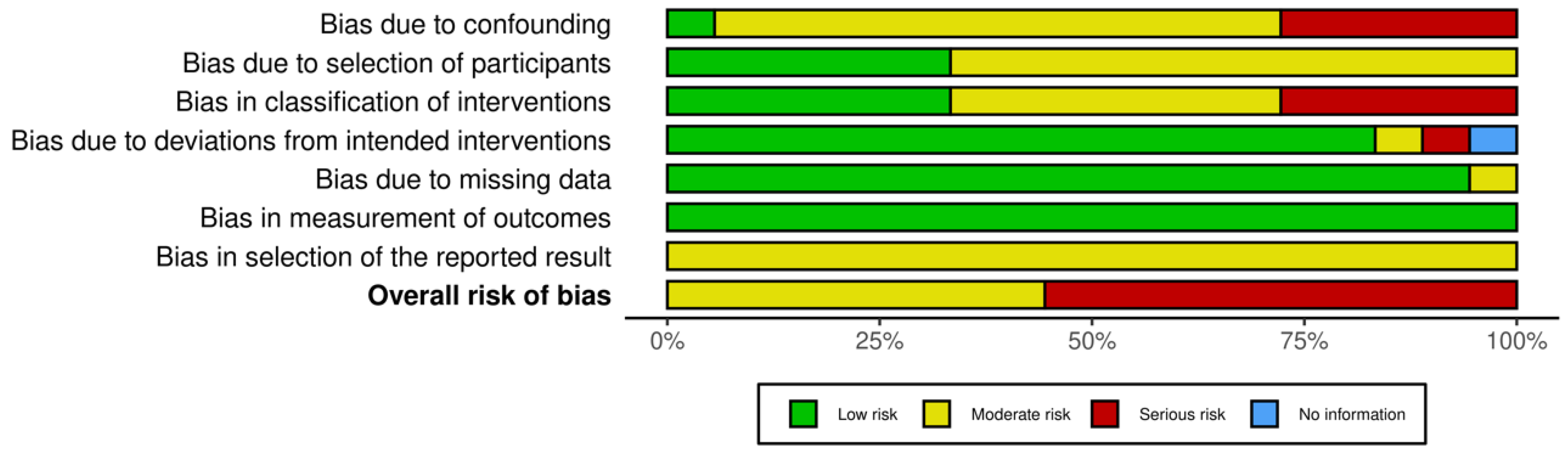
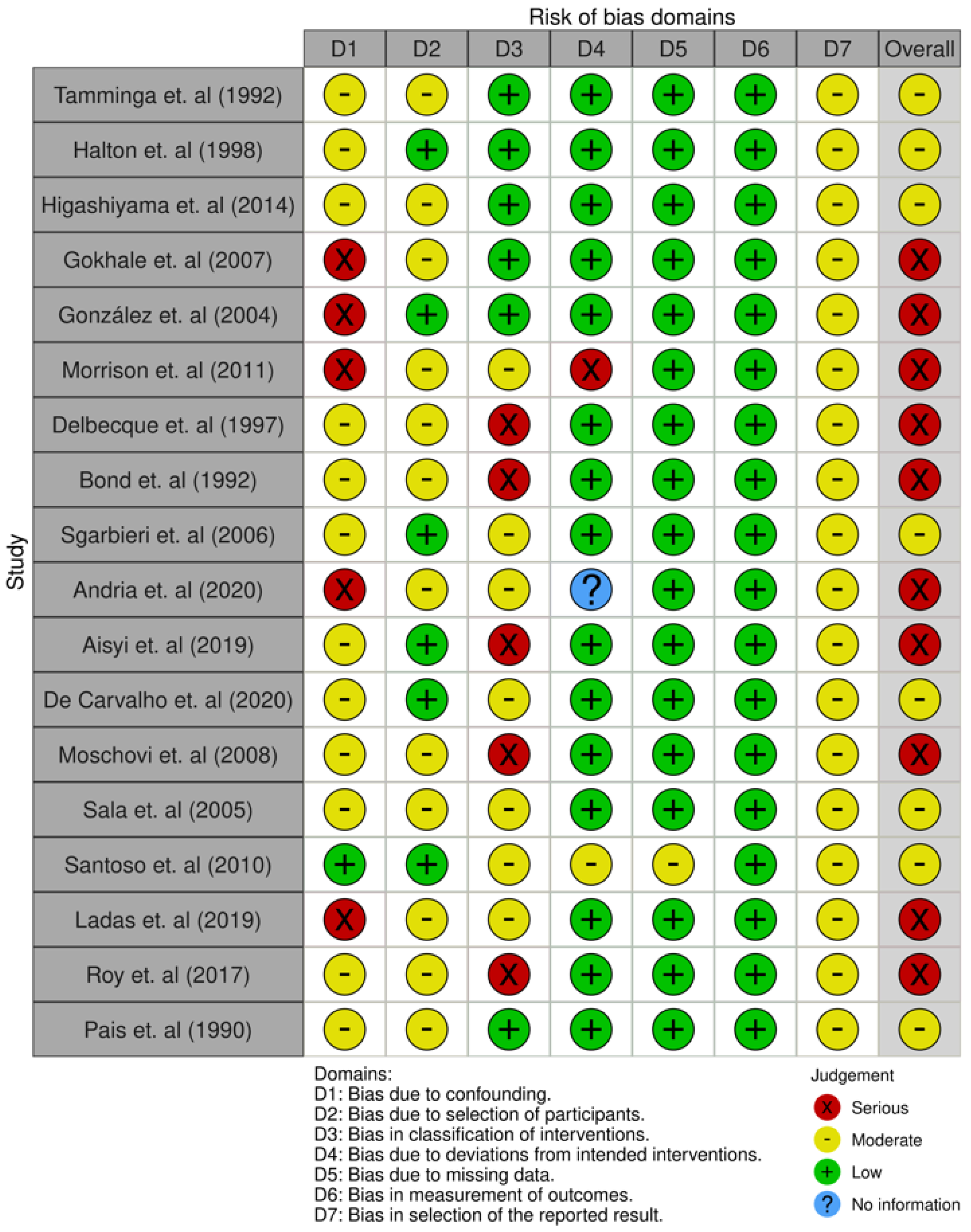
3.4. Analysis of Bias in the Systematic Review Studies
4. Discussion
5. Conclusions
Author Contributions
Funding
Conflicts of Interest
References
- Iniesta, R.R.; Paciarotti, I.; Brougham, M.F.H.; McKenzie, J.M.; Wilson, D.C. Effects of pediatric cancer and its treatment on nutritional status: A systematic review. Nutr. Rev. 2015, 73, 276–295. [Google Scholar] [CrossRef] [PubMed]
- Pui, C.H. Acute leukemia in children. Curr. Opin. Hematol. 1996, 3, 249–258. [Google Scholar] [CrossRef] [PubMed]
- Brown, P.; Inaba, H.; Annesley, C.; Beck, J.; Colace, S.; Dallas, M.; DeSantes, K.; Kelly, K.; Kitko, C.; Lacayo, N.; et al. Pediatric Acute Lymphoblastic Leukemia, Version 2.2020, NCCN Clinical Practice Guidelines in Oncology. J. Natl. Compr. Cancer Netw. 2020, 18, 81–112. [Google Scholar] [CrossRef] [PubMed]
- Fernández-López, M.T.; Saenz-Fernández, C.A.; De Sás Prada, M.T.; Alonso-Urrutia, S.; Bardasco-Alonso, M.L.; Alvés-Pérez, M.T.; Rivero Luis, M.T.; Álvarez Vázquez, P.; Mato Mato, J.A. Malnutrition in patients with cancer; four yearsexperience. Nutr. Hosp. 2013, 28, 372–381. [Google Scholar] [CrossRef] [PubMed]
- Pui, C.-H.; Campana, D.; Pei, D.; Bowman, W.P.; Sandlund, J.T.; Kaste, S.C.; Ribeiro, R.C.; Rubnitz, J.E.; Raimondi, S.C.; Onciu, M.; et al. Treating childhood acute lymphoblastic leukemia without cranial irradiation. N. Engl. J. Med. 2009, 360, 2730–2741. [Google Scholar] [CrossRef]
- Instituto Nacional del Cáncer. Tratamiento de la Leucemia Linfoblástica Aguda Infantil. 2024. Available online: https://www.cancer.gov/espanol/tipos/leucemia/paciente/tratamiento-lla-infantil-pdq (accessed on 26 March 2024).
- Soltani, M.; Zhao, Y.; Xia, Z.; Ganjalikhani Hakemi, M.; Bazhin, A.V. The Importance of Cellular Metabolic Pathways in Pathogenesis and Selective Treatments of Hematological Malignancies. Front. Oncol. 2021, 11, 767026. [Google Scholar] [CrossRef] [PubMed]
- Hernández, M.; Pedrón, C. Consideraciones especiales en el paciente pediátrico. In En el Paciente Oncológico Soporte Nutricional; BMC: Madrid, Spain, 2002; Volume 17, pp. 224–233. [Google Scholar]
- Barr, R.D. Nutrition, cancer, and children. Nutrition 2002, 18, 434–435. [Google Scholar] [CrossRef]
- Zhang, F.F.; Parsons, S.K. Obesity in Childhood Cancer Survivors: Call for Early Weight Management. Adv. Nutr. 2015, 6, 611–619. [Google Scholar] [CrossRef]
- Coombs, A.; Schilperoort, H.; Sargent, B. The effect of exercise and motor interventions on physical activity and motor outcomes during and after medical intervention for children and adolescents with acute lymphoblastic leukemia: A systematic review. Crit. Rev. Oncol. Hematol. 2020, 152, 103004. [Google Scholar] [CrossRef]
- Foster, K.L.; Kern, K.D.; Chambers, T.M.; Lupo, P.J.; Kamdar, K.Y.; Scheurer, M.E.; Brown, A.L. Weight trends in a multiethnic cohort of pediatric acute lymphoblastic leukemia survivors: A longitudinal analysis. PLoS ONE 2019, 14, e0217932. [Google Scholar] [CrossRef] [PubMed]
- Moreno, J.M.; Collado, M.C.; Larqué, E.; Leis, R.; Saenz, M.; Moreno, L.A. The first 1000 days: An opportunity to reduce the burden of noncommunicable diseases. Nutr. Hosp. 2019, 36, 218–232. [Google Scholar]
- Madrigal, C.; Soto-Méndez, M.J.; Hernández-Ruiz, Á.; Ruiz, E.; Valero, T.; Ávila, J.M.; Lara-Villoslada, F.; Leis, R.; de Victoria, E.M.; Moreno, J.M.; et al. Dietary and lifestyle patterns in the Spanish pediatric population (one to <10 years old): Design, Protocol, and Methodology of the EsNuPI Study, Protocol. Nutrients 2019, 11, 3050. [Google Scholar] [CrossRef]
- Leis, R.; Jurado-Castro, J.M.; Llorente-Cantarero, F.J.; Anguita-Ruiz, A.; Rupérez, A.I.; Bedoya-Carpente, J.J.; Vázquez-Cobela, R.; Aguilera, C.M.; Bueno, G.; Gil-Campos, M. Cluster Analysis of Physical Activity Patterns, and Relationship with Sedentary Behavior and Healthy Lifestyles in Prepuberal Children: Genobox Cohort. Nutrients 2020, 12, 1288. [Google Scholar] [CrossRef] [PubMed]
- de Lamas, C.; Kalén, A.; Anguita-Ruiz, A.; Pérez-Ferreirós, A.; Picáns-Leis, R.; Flores, K.; Moreno, L.A.; Bueno, G.; Gil, Á.; Gil-Campos, M.; et al. Progression of metabolic syndrome and associated cardiometabolic risk factors from prepuberty to puberty in children: The PUBMEP study. Front. Endocrinol. 2022, 13, 1082684. [Google Scholar] [CrossRef] [PubMed]
- Page, M.J.; McKenzie, J.E.; Bossuyt, P.M.; Boutron, I.; Hoffmann, T.C.; Mulrow, C.D.; Shamseer, L.; Tetzlaff, J.M.; Akl, E.A.; Brennan, S.E.; et al. The PRISMA 2020 statement: An updated guideline for reporting systematic reviews. BMJ 2021, 372, 71. [Google Scholar] [CrossRef]
- Brown, D. A review of the PubMed PICO tool: Using evidence-based practice in health education. Health Promot. Pract. 2020, 21, 496–498. [Google Scholar] [CrossRef]
- Shanaa, A. Rayyan—Intelligent Systematic Review. Rayyan. Rayyan Systems. 2021. Available online: https://www.rayyan.ai/ (accessed on 8 January 2024).
- Sterne, J.A.C.; Hernán, M.A.; Reeves, B.C.; Savović, J.; Berkman, N.D.; Viswanathan, M.; Henry, D.; Altman, D.G.; Ansari, M.T.; Boutron, I.; et al. ROBINS-I: A tool for assessing risk of bias in non-randomised studies of interventions. BMJ 2016, 355, i4919. [Google Scholar] [CrossRef] [PubMed]
- Robvis (Visualization Tool). Riskofbias.info. Available online: https://www.riskofbias.info/welcome/robvis-visualization-tool (accessed on 8 January 2024).
- Tamminga, R.; Kamps, W.; Drayer, N.; Humphrey, G. Longitudinal anthropometric study in children with acute lymphoblastic leukaemia. Acta Paediatr. 1992, 81, 61–65. [Google Scholar] [CrossRef]
- Halton, J.M.; Atkinson, S.A.; Barr, R.D. Growth and body composition in response to chemotherapy in children with acute lymphoblastic leukemia. Int. J. Cancer Suppl. 1998, 11, 81–84. [Google Scholar] [CrossRef]
- Sgarbieri, U.R.; Fisberg, M.; Tone, L.G.; Latorre, M.D.R.D. Nutritional assessment and serum zinc and copper concentration among children with acute lymphocytic leukemia: A longitudinal study. Sao Paulo Med. J. 2006, 124, 316–320. [Google Scholar] [CrossRef]
- Higashiyama, Y.; Kojima, C.; Kubota, M.; Nagai, A.; Watanabe, K.; Adachi, S.; Usami, I. Longitudinal nutritional assessment in acute lymphoblastic leukemia during treatment. Pediatr. Int. 2014, 56, 541–546. [Google Scholar] [CrossRef] [PubMed]
- González, A.; Cortina, L.; González, P.; González, C.; García, T.; de Svarch, E. Longitudinal assessment of nutritional status in children treated for acute lymphoblastic leukaemia in Cuba. Eur. J. Cancer 2004, 40, 1031–1034. [Google Scholar] [CrossRef] [PubMed]
- Morrison, J.R.; Nayiager, T.B.; Webber, C.E.; Sala, A.; Barr, R.M. Creatinine as a measure of lean body mass during treatment of acute lymphoblastic leukemia in childhood. J. Pediatr. Hematol. Oncol. 2011, 33, e13–e16. [Google Scholar] [CrossRef]
- Gokhale, C.D.; Udipi, S.A.; Ambaye, R.Y.; Pai, S.K.; Advani, S.H. Post-therapy profile of serum total cholesterol, retinol and zinc in pediatric acute lymphoblastic leukemia and non-Hodgkin’s lymphoma. J. Am. Coll. Nutr. 2007, 26, 49–56. [Google Scholar] [CrossRef]
- Delbecque-Boussard, L.; Gottrand, F.; Ategbo, S.; Nelken, B.; Mazingue, F.; Vic, P.; Farriaux, J.P.; Turck, D. Nutritional status of children with acute lymphoblastic leukemia: A longitudinal study. Am. J. Clin. Nutr. 1997, 65, 95–100. [Google Scholar] [CrossRef] [PubMed][Green Version]
- Bond, S.A.; Han, A.M.; Wootton, S.A.; Kohler, J.A. Energy intake and basal metabolic rate during maintenance chemotherapy. Arch. Dis. Child. 1992, 67, 229–232. [Google Scholar] [CrossRef] [PubMed]
- Ladas, E.J.; Orjuela, M.; Stevenson, K.; Cole, P.D.; Lin, M.; Athale, U.H.; Clavell, L.A.; Leclerc, J.-M.; Laverdiere, C.; Michon, B.; et al. Fluctuations in dietary intake during treatment for childhood leukemia: A report from the DALLT cohort. Clin. Nutr. 2019, 38, 2866–2874. [Google Scholar] [CrossRef]
- Sala, A.; Tarnopolsky, M.; Webber, C.; Norman, G.; Barr, R. Serum creatinine: A surrogate measurement of lean body mass in children with acute lymphoblastic leukemia. Pediatr. Blood Cancer 2005, 45, 16–19. [Google Scholar] [CrossRef]
- Andria, N.; Moelyo, A.G.; Reza, M. Blood glucose level during induction phase chemotherapy in childhood acute lymphoblastic leukemia. Paediatr. Indones. 2020, 60, 192–197. [Google Scholar] [CrossRef]
- Aisyi, M.; Andriastuti, M.; Kurniati, N. The effect of combination of steroid and L-asparaginase on hyperglycemia in children with acute lymphoblastic leukemia (ALL). Asian Pac. J. Cancer Prev. 2019, 20, 2619–2624. [Google Scholar] [CrossRef]
- Santoso, M.C.; Windiastuti, E.; Tumbelaka, A.R. The proportion of bone mineral density in children with high risk acute lymphoblastic leukemia after 6- and 12-month chemotherapy maintenance phase. Paediatr. Indones. 2010, 50, 365–370. [Google Scholar] [CrossRef][Green Version]
- Moulik, N.R.; Kumar, A.; Agrawal, S.; Mahdi, A.A. Folate deficiency in north Indian children undergoing maintenance chemotherapy for acute lymphoblastic leukemia—Implications and outcome. Pediatr. Blood Cancer 2018, 65, e26730. [Google Scholar] [CrossRef] [PubMed]
- Pais, R.C.; Vanous, E.; Hollins, B.; Faraj, B.A.; Davis, R.; Camp, V.M.; Ragab, A.H. Abnormal vitamin B6 status in childhood leukemia. Cancer 1990, 66, 2421–2428. [Google Scholar] [CrossRef] [PubMed]
- Gomes, C.d.C.; da Silva, C.C.G.; Nascimento, P.R.P.D.; Lemos, T.M.d.A.M.; Marcadenti, A.; Markoski, M.M.; Fayh, A.P.T. Nutritional status and appetite-regulating hormones in early treatment of acute lymphoblastic leukemia among children and adolescents: A cohort study. Sao Paulo Med. J. 2020, 138, 118–125. [Google Scholar] [CrossRef]
- Moschovi, M.; Trimis, G.; Vounatsou, M.; Katsibardi, K.; Margeli, A.; Dimitriadi, F.; Papassotiriou, I.; Chrousos, G.M.; Tzortzatou-Stathopoulou, F. Serial plasma concentrations of PYY and ghrelin during chemotherapy in children with acute lymphoblastic leukemia. J. Pediatr. Hematol. Oncol. 2008, 30, 733–773. [Google Scholar] [CrossRef] [PubMed]
- Paredes, J.G. Análisis de composición corporal y su uso en la práctica clínica en personas que viven con obesidad. Rev. Medica Clin. Las Condes 2022, 33, 615–622. [Google Scholar] [CrossRef]
- Kumar, P.; Trehan, A.; Bhalla, A.K.; Marwaha, R.K.; Bansal, D. Growth in Children Treated for Acute Lymphoblastic Leukemia: Single Institution Report from North India. Indian J. Hematol. Blood Transfus. 2016, 32, 39–45. [Google Scholar] [CrossRef]
- Lovell, A.L.; Gardiner, B.; Henry, L.; Bate, J.M.; Brougham, M.F.H.; Iniesta, R.R. The evolution of nutritional care in children and young people with acute lymphoblastic leukaemia: A narrative review. J. Hum. Nutr. Diet. 2025, 38, e13273. [Google Scholar] [CrossRef]
- Reilly, J.J.; Brougham, M.; Montgomery, C.; Richardson, F.; Kelly, A.; Gibson, B.E.S. Effect of glucocorticoid therapy on energy intake in children treated for acute lymphoblastic leukemia. J. Clin. Endocrinol. Metab. 2001, 86, 3742–3745. [Google Scholar] [CrossRef]
- Simioni, C.; Zauli, G.; Martelli, A.M.; Vitale, M.; Ultimo, S.; Milani, D.; Neri, L.M. Physical training interventions for children and teenagers affected by acute lymphoblastic leukemia and related treatment impairments. Oncotarget 2018, 9, 17199–17209. [Google Scholar] [CrossRef]
- Dávila-Rodríguez, M.I.; Novelo-Huerta, H.I.; Márquez-Solís, R.; Cortés-Gutiérrez, E.; Pérez-Cortés, P.; Cerda-Flores, R.M. Indicadores nutricionales en niños con leucemia linfoblástica aguda. Rev. Med. Inst. Mex. Seguro Soc. 2010, 48, 639–644. [Google Scholar] [PubMed]
- Mouroge, A.A. Nutritional status of acute childhood lymphoblast leukemia (ALL) pre &post induction chemotherapy. Iraqi J. Community Med. 2008, 21, 198–203. [Google Scholar]
- Antillon, F.; de Maselli, T.; Garcia, T.; Rossi, E.; Sala, A. Nutritional status of children during treatment for acute lymphoblastic leukemia in the Central American Pediatric Hematology Oncology Association (AHOPCA): Preliminary data from Guatemala. Pediatr. Blood Cancer 2008, 50 (Suppl. S2), 502–505, discussion 517. [Google Scholar] [CrossRef] [PubMed]
- Antillon, F.; Rossi, E.; Molina, A.L.; Sala, A.; Pencharz, P.; Valsecchi, M.G.; Barr, R. Nutritional status of children during treatment for acute lymphoblastic leukemia in Guatemala. Pediatr. Blood Cancer 2013, 60, 911–915. [Google Scholar] [CrossRef] [PubMed]
- Hoed, M.A.H.D.; Pluijm, S.M.F.; de Groot-Kruseman, H.A.; Winkel, M.L.T.; Fiocco, M.; van den Akker, E.L.T.; Hoogerbrugge, P.; Berg, H.v.D.; Leeuw, J.A.; Bruin, M.C.A.; et al. The negative impact of being underweight and weight loss on survival of children with acute lymphoblastic leukemia. Haematologica 2015, 100, 62–69. [Google Scholar] [CrossRef] [PubMed]
- Zhang, F.F.; Kelly, M.J.; Saltzman, E.; Must, A.; Roberts, S.B.; Parsons, S.K. Obesity in pediatric ALL survivors: A meta-analysis. Pediatrics 2014, 133, e704–e715. [Google Scholar] [CrossRef] [PubMed]
- Galati, P.C.; Ribeiro, C.M.; Pereira, L.T.G.; Amato, A.A. The association between excess body weight at diagnosis and pediatric leukaemia prognosis: A systematic review and meta-analysis. Blood Rev. 2022, 51, 100870. [Google Scholar] [CrossRef] [PubMed]
- Walters, M.; Mowbray, C.; Jubelirer, T.; Jacobs, S.; Kelly, K.M.; Smith, K.; Yao, Y.; Jin, Z.; Ladas, E.J. A bilingual dietary intervention early in treatment is feasible and prevents weight gain in childhood acute lymphoblastic leukemia. Pediatr. Blood Cancer 2021, 68, e28910. [Google Scholar] [CrossRef]
- Guzmán-León, A.E.; Avila-Prado, J.; Bracamontes-Picos, L.R.; Haby, M.M.; Stein, K.; Astiazaran-Garcia, H.; Lopez-Teros, V. Nutritional interventions in children with acute lymphoblastic leukemia undergoing antineoplastic treatment: A systematic review. BMC Nutr. 2024, 10, 89. [Google Scholar] [CrossRef] [PubMed]

| Inclusion Criteria | |
|---|---|
| Population | Paediatric patients with ALL diagnosis under 18 years. |
| Intervention | Different types and protocols of treatment for ALL |
| Comparison | Groups of children and adolescents under different protocols and/or phases of treatment for ALL |
| Outcome | Nutritional status based on the analysis of anthropometric and biochemical and metabolic biomarkers |
| Database | Search Formula |
|---|---|
| PubMed | “Leukemia”[Mesh] OR “Acute Lymphoblastic Leukemia”[Mesh] AND (“Child”[Mesh] OR “Infant”[Mesh] OR “Adolescent”[Mesh] OR “Child, Preschool”[Mesh]) AND (“Nutritional Status”[Mesh] OR “Nutrition Assessment”[Mesh])) |
| Scopus | TITLE-ABS-KEY (“acute lymphoblastic leukemia” OR “leukemia”) AND (“children *” AND NOT “adult *”) AND (“nutritional status *” OR “nutritional assessment”) |
| Web of Science | Leukemia OR Acute lymphoblastic leukemia AND (child * OR adolescent * OR infant *) AND (“nutritional status” OR “nutritional assessment”) |
Disclaimer/Publisher’s Note: The statements, opinions and data contained in all publications are solely those of the individual author(s) and contributor(s) and not of MDPI and/or the editor(s). MDPI and/or the editor(s) disclaim responsibility for any injury to people or property resulting from any ideas, methods, instructions or products referred to in the content. |
© 2024 by the authors. Licensee MDPI, Basel, Switzerland. This article is an open access article distributed under the terms and conditions of the Creative Commons Attribution (CC BY) license (https://creativecommons.org/licenses/by/4.0/).
Share and Cite
Picáns-Leis, R.; Nieto, F.; Romero-Agrelo, A.; Izquierdo-López, I.; Rivas-Rodríguez, L.; Vázquez-Cobela, R.; Leis, R. Impact of Acute Lymphoblastic Leukaemia Treatment on the Nutritional Status of Paediatric Patients: A Systematic Review. Nutrients 2024, 16, 4119. https://doi.org/10.3390/nu16234119
Picáns-Leis R, Nieto F, Romero-Agrelo A, Izquierdo-López I, Rivas-Rodríguez L, Vázquez-Cobela R, Leis R. Impact of Acute Lymphoblastic Leukaemia Treatment on the Nutritional Status of Paediatric Patients: A Systematic Review. Nutrients. 2024; 16(23):4119. https://doi.org/10.3390/nu16234119
Chicago/Turabian StylePicáns-Leis, Rosaura, Fátima Nieto, Anabel Romero-Agrelo, Isabel Izquierdo-López, Lucía Rivas-Rodríguez, Rocío Vázquez-Cobela, and Rosaura Leis. 2024. "Impact of Acute Lymphoblastic Leukaemia Treatment on the Nutritional Status of Paediatric Patients: A Systematic Review" Nutrients 16, no. 23: 4119. https://doi.org/10.3390/nu16234119
APA StylePicáns-Leis, R., Nieto, F., Romero-Agrelo, A., Izquierdo-López, I., Rivas-Rodríguez, L., Vázquez-Cobela, R., & Leis, R. (2024). Impact of Acute Lymphoblastic Leukaemia Treatment on the Nutritional Status of Paediatric Patients: A Systematic Review. Nutrients, 16(23), 4119. https://doi.org/10.3390/nu16234119