


Abstract
The construction industry remains a cornerstone of the global economy; however, it continues to face persistent challenges, including low productivity, frequent workplace accidents, and environmental degradation. This study employs a systematic literature review to explore how digital technologies can enhance these three areas in construction project management, focusing on their benefits and challenges. The study adheres to the Preferred Reporting Items for Systematic Reviews and Meta-Analyses (PRISMA) guidelines. A total of 18 articles were retrieved from Scopus and Web of Science databases. The findings highlight Building Information Modeling (BIM) as the most influential digital innovation supporting productivity gains, improved safety standards, and progress towards sustainable practices. Among the three focus areas, productivity remains the most extensively investigated, while sustainability is relatively underexplored. The identified benefits include increased productivity, enhanced safety, improved risk management, data-driven decision-making, improved sustainability, real-time monitoring, and stronger collaboration. Conversely, significant barriers include high implementation and training costs, data privacy concerns, a limited number of skilled workers, and resistance to change among construction stakeholders. The review emphasizes the need for further empirical studies that investigate underrepresented technologies and regional contexts. It further suggests that industry practitioners and policymakers should prioritize digital capacity building, policy incentives, and regulatory frameworks to strengthen the sustainable digital transformation of construction project management. This review presents a unique, integrated perspective by synthesizing outcomes related to productivity, safety, and sustainability. It not only delineates critical research gaps but also provides actionable guidance for industry practitioners and policymakers by prioritizing strategic areas such as digital capacity building, policy incentives, and regulatory frameworks.
1. Introduction
The global construction industry continues to experience significant challenges that threaten its overall performance and competitiveness. Despite being a key economic driver, the sector consistently records low productivity, safety incidents, and environmental concerns that slow sustainable development efforts. Recurrent project delays, cost overruns, and inefficiencies have been widely documented as systemic issues within the industry [1,2,3]. In recent years, however, the sector has begun transitioning from traditional practices to data-driven and automated solutions that improve coordination, resource utilization, and safety outcomes [4,5].
The rapid advancement of digital technologies has facilitated transformation in various sectors, including construction [5]. Digital transformation presents a promising opportunity to effectively empower the construction sector to address the climate and sustainability challenges. Embracing these technologies can significantly enhance construction productivity, driving progress toward a more sustainable future [6]. Furthermore, the benefits of integrating digital technologies include streamlined project delivery, greater productivity, a quicker pace of work, improved document quality, faster response times, and more straightforward working methods. Embracing these advancements makes managing a construction project more efficient and proactive [7].
Construction project management involves managing and supervising all aspects of a building project, from the start to the finish, and delivering it on budget, on schedule, and to a high-quality standard. Given the complexity of construction projects, which often involve numerous tasks and phases, effective project management requires a comprehensive understanding of the construction process and the ability to solve problems creatively, ensuring each project progresses smoothly and achieves its goals [8,9]. The adoption of technologies, including Artificial Intelligence (AI), Automation and Robotics, Building Information Modeling (BIM), Digital Twins (DT), Drones, the Internet of Things (IoT), and wearable safety devices, has fundamentally reshaped construction project management. These advancements have driven improvements in the industry’s productivity, safety, and sustainability (PSS) [10,11,12,13,14].
Many studies have examined these three outcomes independently, focusing on productivity, safety, or sustainability as isolated variables. However, what remains underexplored is the interconnected nature of these outcomes and the collective influence that digital technologies exert on them. Understanding their combined implications is crucial for achieving realistic improvements in project performance. Despite growing interest in digitalization, three significant gaps remain insufficiently addressed in existing literature: (i) fragmentation across studies that examine productivity, safety, and sustainability in isolation; (ii) limited empirical research on sustainability-focused digital technologies; and (iii) strong regional imbalances, with minimal contributions from Africa, Oceania, and North America. This review addresses these gaps by providing an integrated analysis of how digital technologies simultaneously impact productivity, safety, and sustainability in construction project management. The following research question guided the systematic review:
- RQ1. What key digital technologies are leveraged to improve construction project management productivity, safety, and sustainability?
- RQ2. What are the benefits of integrating digital technologies into project productivity, worker safety, and environmental sustainability in construction projects?
- RQ3. What challenges hinder digital technology adoption and effective implementation in construction project management?
1.1. Digital Technologies and Enhanced Productivity
Digitalization has become a transformative solution for the construction sector, driving improvements in productivity and reshaping how projects are designed, scheduled, and managed. Several studies have confirmed that digital technologies, including BIM, cloud computing, Artificial Intelligence, Geographic Information Systems (GIS), mobile computing, and data-driven tools, streamline tasks, making work faster, reducing errors, and improving coordination among project teams [15,16]. According to [17], these technologies deliver cost savings, shorten project duration, and reduce rework. However, although the productivity benefits are widely acknowledged, the empirical evidence supporting these claims is not always consistent across studies, revealing important debates within the field.
For example, while several authors highlighted automation and real-time data exchange as key enablers of productivity gain, others argued that improvements remain marginal in organizations lacking digital maturity or strong change management strategies [18]. Furthermore, although BIM is frequently cited as a productivity-enhancing tool, some researchers question whether the productivity gains are attributable to BIM itself or to broader process reforms introduced alongside BIM implementation, creating ambiguity regarding causality. The literature also reflects a tension between technological optimism and the realities of on-the-ground implementation, notably resistance to change, a lack of digital skills, fragmented legal frameworks, and cultural barriers to digital adoption.
Overall, although digital technologies offer considerable productivity potential, the literature reveals that productivity gains are highly context-dependent and contingent upon organization readiness, policy supports, and the integration of digital tools within existing project management systems [19].
1.2. Digital Technologies and Workers’ Safety
Construction remains a high-risk industry, with persistent challenges related to accidents, injuries, and fatalities reported globally [20,21]. Digital technologies have been increasingly adopted to mitigate these risks by enhancing safety awareness, real-time monitoring, and predictive hazard identification. Studies highlighted the roles of VR, BIM, IoT, artificial intelligence (AI), and machine learning (ML), and wearable sensing devices in supporting safe work environments, more coherent communication, and early risk detection [20,22]. For instance, immersive VR integrated with BIM improves spatial-temporal hazard recognition and supports proactive safety planning [23], while IoT enables environmental monitoring, equipment tracking, and predictive analytics [24].
The construction industry globally remains inherently risky due to its hazardous and unpredictable nature, leading to its critical safety challenges caused by high rates of accidents, injuries, and fatalities worldwide [20,21]. Digital technologies have answered the quest to enhance safety awareness, create safer site conditions, and promote decent work for all. These technologies significantly improve worker training, enhance risk prediction, enable real-time monitoring, facilitate effective communication, and support proactive safety management strategies [20,22]. According to [20], virtual reality (VR), BIM, artificial intelligence (AI), and machine learning (ML) are the most frequently used digital technologies to enhance workers’ safety.
Despite these benefits, scholars diverge in their assessments of effectiveness, revealing an important debate in the field of construction safety research. Some authors present strong evidence that digital tools reduce incident rates and enhance training realism. In contrast, others note limited empirical validation, particularly in active construction sites where real-world conditions complicate the adoption of technology. Additionally, privacy concerns, data security challenges, and limited worker understanding of digital tools continue to hinder widespread implementation [25]. Thus, while literature converges on the potential of digital technologies to reshape construction safety practices, it simultaneously reveals unresolved questions regarding the scalability, cost-effectiveness, and behavioral acceptance of the tools across different project environments.
1.3. Digital Technologies and Environmental Sustainability
Sustainability remains a central concern in the construction industry, and digital technologies have emerged as important tools to support environmentally responsible project delivery. Digitalization enables simulation of sustainability scenarios, design optimization, material tracing, and waste minimization through tools such as VR/AR, UAVs, cloud-based platforms, and DT-enabled environmental monitoring [26,27,28]. Drones, for example, contribute to material reduction and improved surveying accuracy, while cloud computing supports efficient information sharing and decision-making across the project lifecycle [28].
However, compared with productivity and safety, sustainability-oriented digital applications are significantly underrepresented in empirical research, a gap noted by several scholars [29]. Even within the small subset of sustainability-focused studies, the literature reveals substantial variation in methodological approaches, making it challenging to draw clear conclusions about the environmental impact of digital tools. Some studies emphasize the potential of BIM and DT to optimize materials and reduce carbon footprints. In contrast, others argue that the sustainability outcomes of digital technologies are often overstated due to a lack of long-term or field-based evidence.
A key contradiction in the literature is that although digitalization is widely promoted as a sustainability enabler, few empirical studies rigorously measure environmental performance outcomes, suggesting a misalignment between theoretical claims and actual implementation. Technical, economic, and leadership-related barriers further constrain sustainable digital adoption, emphasizing the need for more rigorous and context-aware empirical investigations [29].
1.4. Theoretical Framework: Diffusion of Innovation
Roger Diffusion’s Theory describes diffusion as the process through which an innovation is communicated over time among members of a social system. Communication is unique because the information exchanged focuses on new concepts, which bring the transformation needed to advance the field. The theory proposes five key attributes of innovation that influence adoption: relative advantage, compatibility, complexity, trialability, and observability [30]. In the context of construction, the DOI theory helps illustrate how digitalization advances from research to adoption [31]. It categorizes adopters into innovators, early adopters, early majority, late majority, and laggards, reflecting the varying rates at which construction stakeholders adopt changes. This review uses the DOI theory as a guiding lens to explore the diffusion process of digital technologies in construction project management. It provides a solid theoretical foundation for examining how innovations such as BIM, DT, IoT, AR, and 3D printing improve project productivity, safety, and sustainability outcomes.
2. Materials and Methods
The study adheres to the Preferred Reporting Items for Systematic Reviews and Meta-Analyses (PRISMA) guidelines. PRISMA is a valuable tool that empowers researchers to conduct systematic and transparent research and effectively appraise, create, and clearly report on the rationale, process, and findings of their reviews [32]. Adopting the PRISMA 2020 guideline improves the transparency, uniformity, and comprehensiveness of reporting systematic reviews [33]. For this study, a comprehensive literature search was conducted to identify empirical studies on the impact of digital technology in construction project management.
2.1. Search and Strategy
A comprehensive literature search was conducted to identify articles that examine the impact of digital technologies on construction project management. The search was performed on 23 August 2025, using two major research databases: Scopus and Web of Science, because they jointly provide broad coverage of high-quality scientific publications and often index complementary sets of research outputs. The search strategy focused on articles containing the terms “digital technologies” and “construction project management” within their titles, abstracts, and keywords. To strengthen the search strategy, additional related keywords and synonyms, such as “productivity,” “safety,” and “sustainability,” were incorporated. This review also recommends that future studies adopt more technology-specific terminology (e.g., “AI”, “drone, “wearable devices”) to capture emerging digital innovations more precisely. The decision to combine Scopus and Web of Science was based on their complementary indexing strengths, as each database emphasizes different journals and subject areas, potentially leading to variations in coverage [34].
2.2. Inclusion and Exclusion Criteria
Systematic reviews rely on clearly defined eligibility criteria to select the studies. These guidelines outline the specific characteristics for inclusion or exclusion, ensuring a thorough and organized literature assessment [35]. The initial search identified papers on digital technologies and construction project management between 2016 and 2025. The period from 2016 to 2025 was chosen to track the growing trend in digital technology publications and a shift towards integrating BIM, IoT, and DT in the construction industry [36].
Studies were included to determine whether they addressed productivity, safety, and sustainability outcomes, focused on construction project management, were peer-reviewed journal articles published between 2016 and 2025, empirically examined digital technologies linked to the three outcomes, and were published in English. However, the exclusion criteria including non-empirical (editorials, theoretical papers, conceptual works, or reviews), articles not related to digital technologies and construction project management, conference papers or thesis, out of scope (no construction management, no project management, no safety, no productivity, no sustainability), duplicated studies already included in the dataset, and non-English publications. These criteria guaranteed only relevant, high-quality empirical evidence to answer the research questions.
2.3. Data Collection and Process
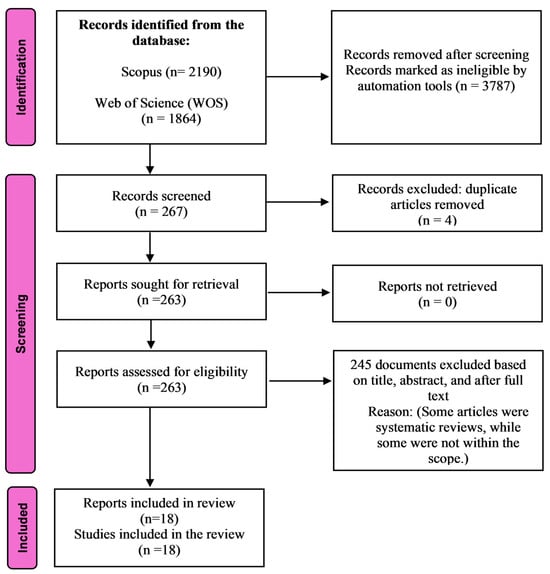
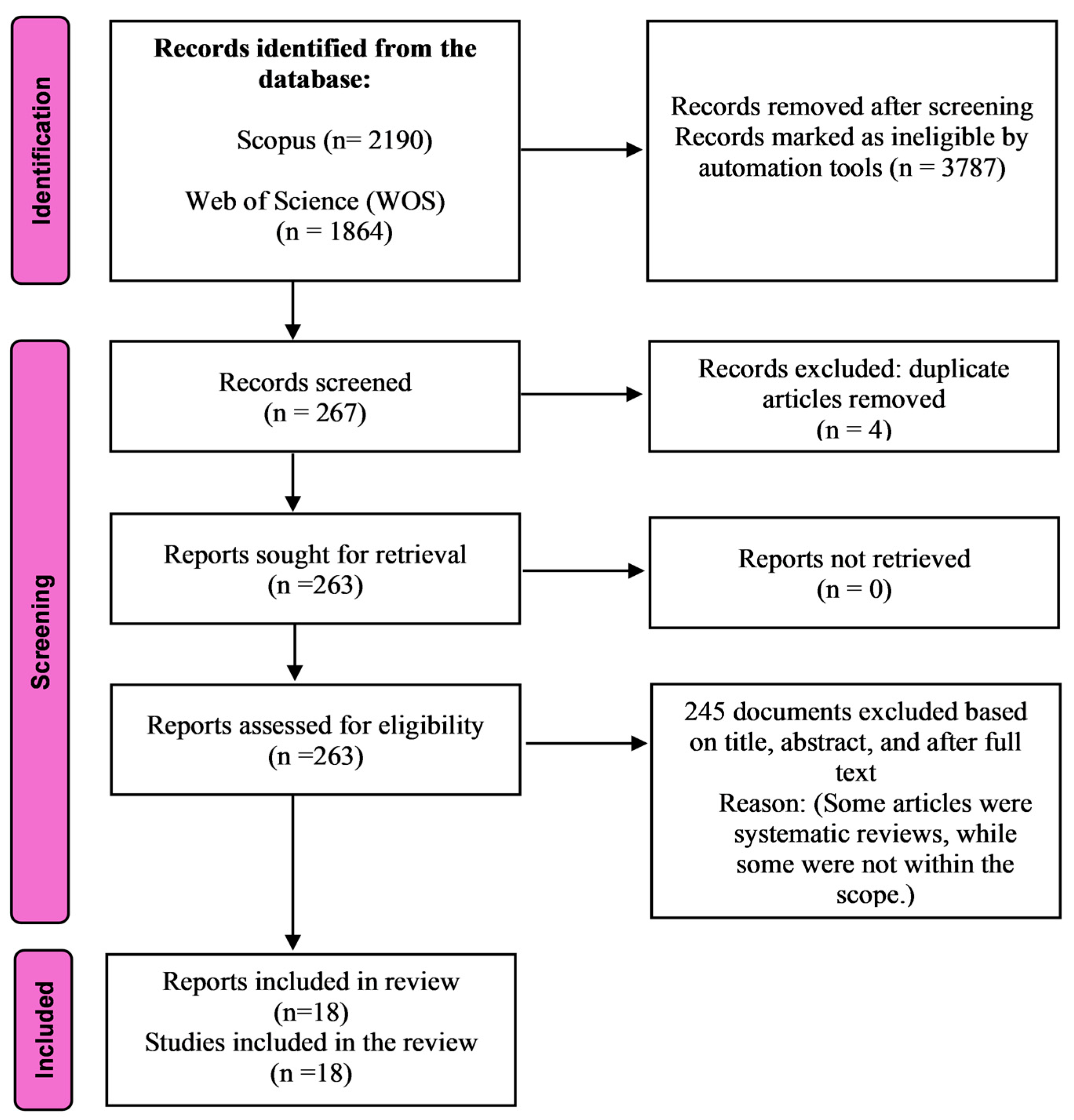
From Figure 1, initially, 4054 documents were identified and screened using the built-in refinement filters on academic databases. After screening, 3787 ineligible documents were removed, leaving 267 papers extracted as RIS files from both databases (Scopus: 148; Web of Science: 119). These 267 documents were uploaded to the Rayyan software (Rayyan 2.0) for detailed screening. This process involved removing four duplicates, screening 263 documents for inclusion and exclusion criteria, and conducting full-text reviews of the remaining documents. Two independent reviewers carefully examined the abstracts and full texts of the papers to ensure thorough assessment. Of these, 245 articles were excluded because they were reviews, fell outside the study’s scope, or were conference proceedings. This process resulted in a final sample selection of 18 documents for index analysis. The 18 eligible articles were extracted from the Rayyan software as CSV files. By using the PRISMA 2020 protocol [37] (Supplementary Materials) and the Rayyan software for a dual, independent, and blinded screening of abstracts and full texts, the review ensures transparency and justifiable inclusion/exclusion decisions. Furthermore, this meticulous process underscores our commitment to upholding high research standards and ensuring the relevance of our findings. The relatively small final sample is acknowledged as a limitation, resulting from the strict inclusion criteria and the scarcity of empirical studies focused on sustainability. Nevertheless, the selected studies provide high-quality empirical evidence that aligns with the review objectives.
Figure 1.
Systematic review flow chart.
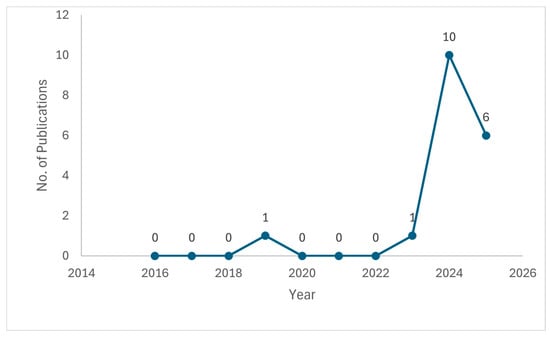
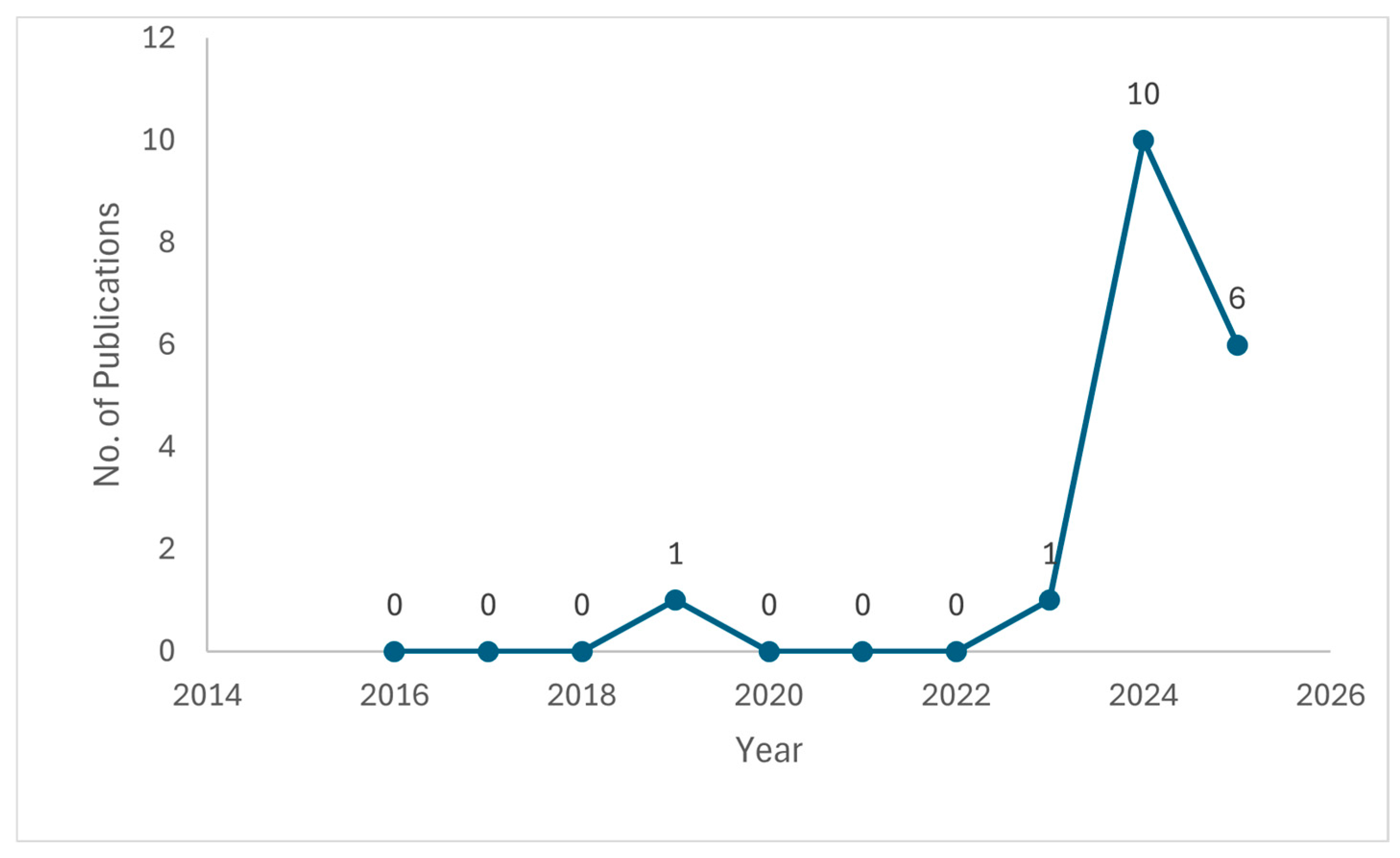
Figure 2 provides an overview of publication output related to the empirical study of digital technologies in construction project management from 2016 to mid-2015. The analysis reveals 2024 as the most significant year, with the highest number of publications (10 documents). This indicates an increased interest among researchers in the challenges faced in productivity, safety, and sustainability in construction project management. This is followed by 2025, which includes four documents. The decline may be due to the time spent gathering these data. 2023 and 2019 had one document each, showing the gradual transition of digital innovation from theoretical to case study. Of the 18 articles reviewed and retrieved from the Scopus and WOB databases, empirical research relevant to the context of this study was absent for the years 2016–2018 and 2020–2022. This may be due to the early stage of theoretical studies integrating digital technologies in construction, as well as the COVID-19 pandemic in 2020.
Figure 2.
Publication outputs per year (2016–mid-2025).
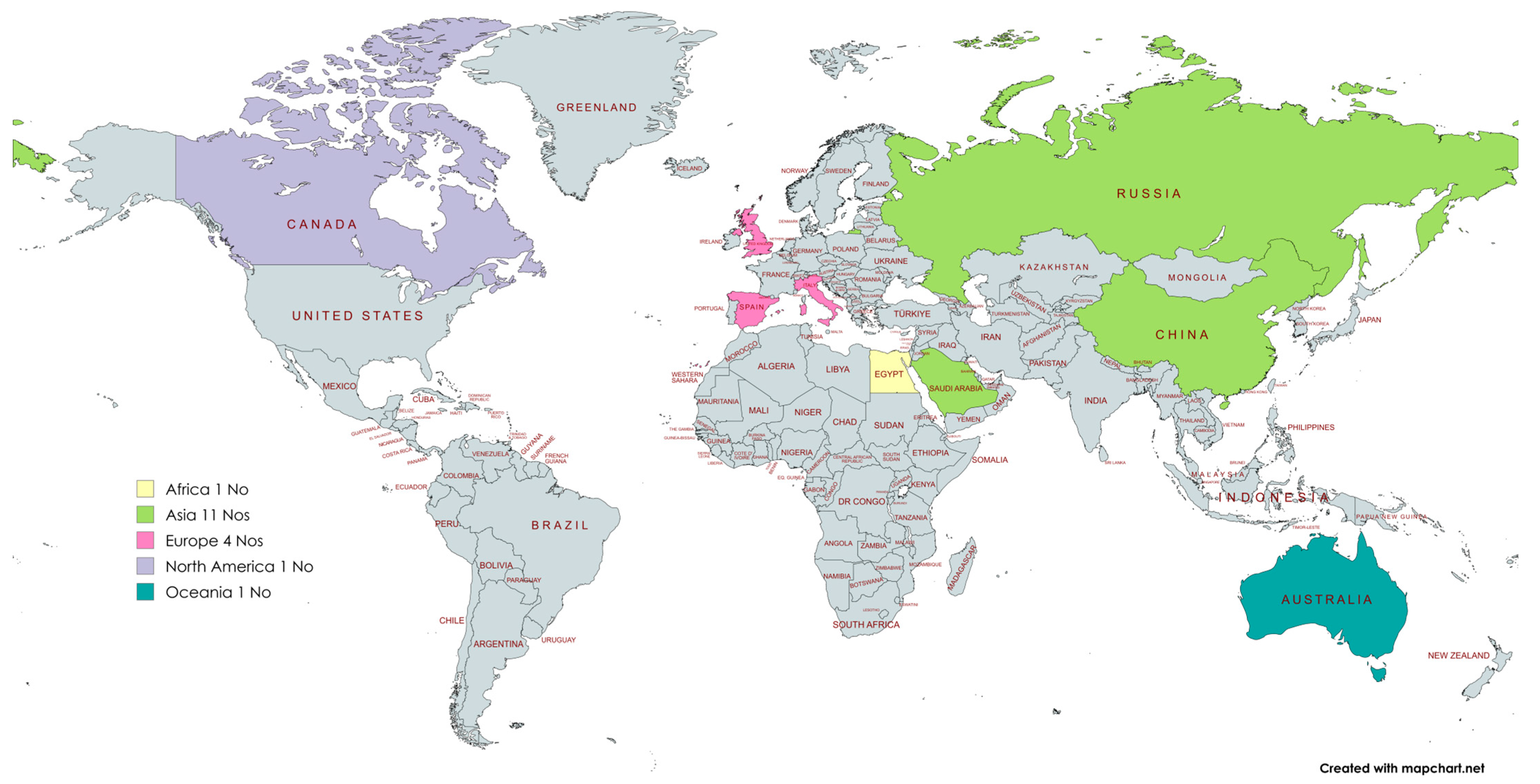
Figure 3 shows the global distribution of research articles on digital technologies in construction project management, highlighting diverse distribution across different continents. Asia leads with nine publications (China, Palestine, Russia, Saudi Arabia, Taiwan, and the United Arab Emirates). Europe is followed by four papers (Italy, the United Kingdom, and Spain), North America (Canada), Africa (Egypt), and Oceania (Australia), each of which contributed only one paper. This uneven distribution indicates an opportunity for collaboration and further research in underrepresented regions, paving the way for a more balanced global study on digital technologies.
Figure 3.
Geographical distribution of articles by continent. Source(s): Authors’ own creation.
3. Results
3.1. Key Digital Technologies Being Leveraged to Improve Productivity, Safety, and Sustainability in Construction Project Management
The review studies identify a range of digital technologies that significantly enhance construction project management performance across the three major dimensions: productivity, safety, and sustainability. These technologies include Agent-Based Modeling, Augmented Reality, Building Information Modeling (BIM), Bluetooth Low Energy (BLE), DT, GIS, Immersive Technologies (IMTs), the Internet of Things (IoT), Virtual Design and Construction (VDC), and 3D printing.
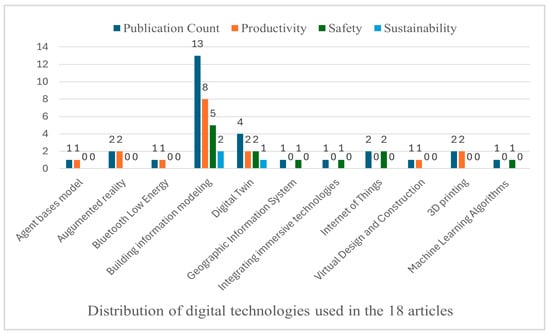
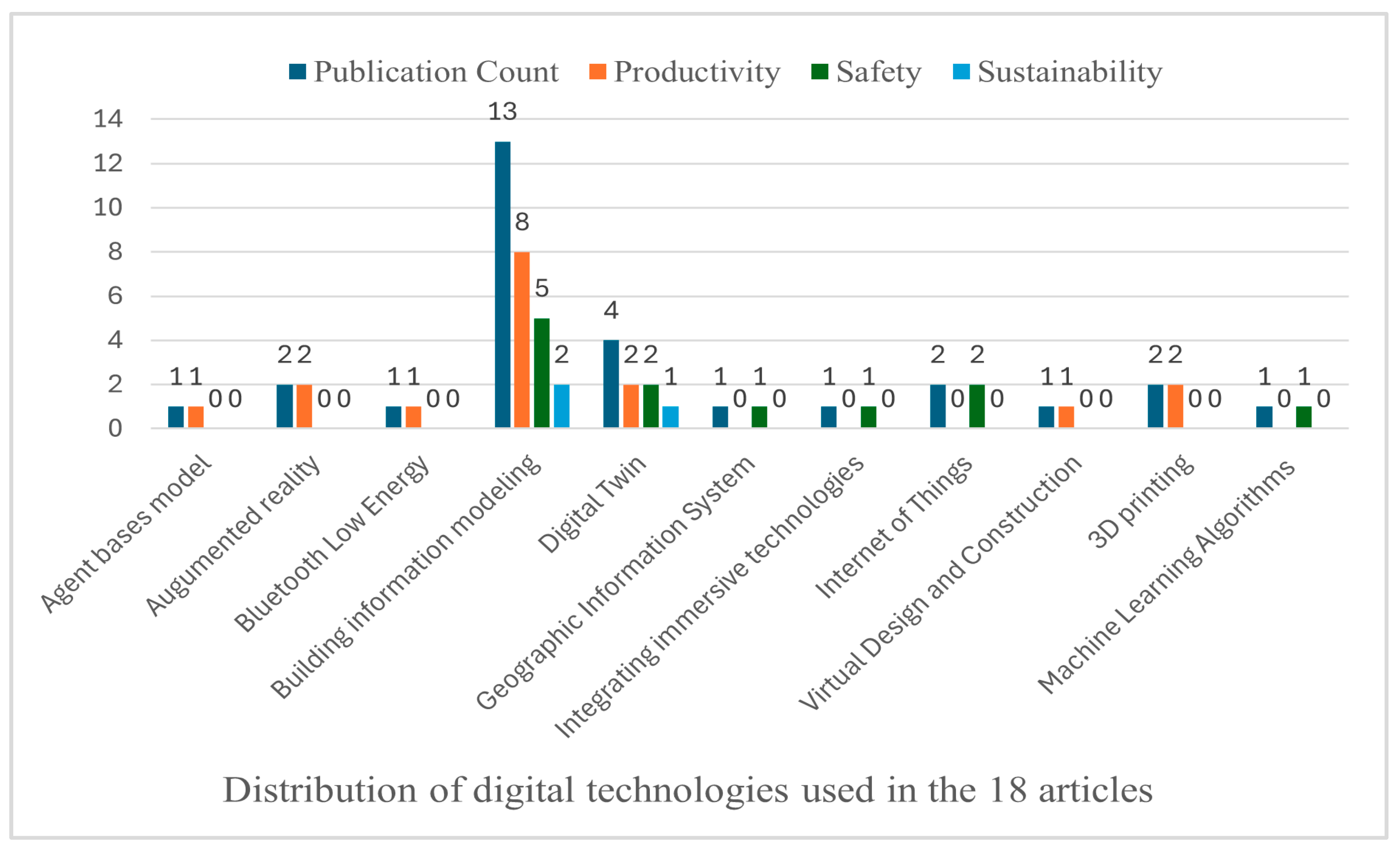
Figure 4 shows that BIM remains the most extensively applied tool, cited in thirteen (72%) of the reviewed studies. DT technology was the next to follow, appearing in four articles (22%), while AR, IoT, and 3D printing were each mentioned in two articles (11%). ABM, BLE, IMTs, GIS, and VDC appear less frequently but still demonstrate emerging relevance in niche areas of project management.
Figure 4.
Digital technologies outlined in the reviewed articles.
- Productivity
BIM, mentioned in eight papers, was found to be the most consistent association with productivity improvement. It facilitates automation, reduces design errors, and supports better coordination. AR, DT, and 3D printing were identified in two studies each, while ABM, BLE, and VDC appeared once each, primarily contributing to workflow optimization and time reduction.
- Safety
BIM again dominated the safety category, appearing in five studies. IoT and DT followed with two mentions each, enabling real-time safety monitoring and predictive risk assessment. GIS, IMTs, and ML algorithms were also referenced once each for their role in improving spatial awareness and hazard communication.
- Sustainability
Although sustainability remains underrepresented, two studies linked BRM to sustainable design and project delivery, while one connected DT to resource optimization and environmental monitoring.
Overall, these findings show that while BIM currently leads the digital transformation of the construction industry, complementary technologies such as DT, IoT, and AR are steadily gaining traction for integrated sustainability and safety management.
Methodological Limitations and Regional Variations of Studies
Methodological limitations were identified in the studies reviewed, as they primarily focused on empirical research. This focus restricts the generalizability and robustness of the findings. Additionally, there is a noticeable geographical imbalance, as most studies originate from Asia and Europe, while Africa, North America, and Oceania are underrepresented. These regional gaps indicate that the existing evidence predominantly reflects contexts with higher levels of digital maturity, highlighting the need for more diverse empirical research.
3.2. Benefit of Integrating Digital Technologies on Project Productivity, Workers’ Safety, and Environmental Sustainability in Construction Projects
The benefits of digital technologies related to productivity, safety, and sustainability (PSS) are summarized in Table 1 as follows:
Table 1.
Benefits of digital technologies on PSS outcomes.
3.3. Challenges Hindering Digital Technology Adoption and Effective Implementation in Construction Project Management
The primary obstacles hindering the integration of digital technologies, as discussed in the reviewed papers, are listed below and in Table 2.
Table 2.
The benefits and challenges of digital technologies were identified from the reviewed literature.
- High implementation cost
- Data privacy and security issues
- Inadequate training and skills expertise
- Resistance to change by professionals, workers, and stakeholders
- Absence of standardized practices
- Data quality issues
- Complexity of integrating different systems
- Change management hurdles
- Signal interference
- Lack of an innovation culture
- Differences between the as-built and the initial design
- Poor data interoperability
- Unstable prediction algorithms
- Complex multipath interference
- Lack of engagement from senior-level management
- Challenges in synchronizing large datasets
4. Discussion
This systematic review examined the role of digital technologies in enhancing productivity, safety, and sustainability within the construction project management sector. By examining 18 empirical studies published between 2016 and 2025, the review provides evidence of how various tools, particularly BIM, DT, AR, and IoT, are reshaping industry practices.
Across the reviewed literature, BIM emerged as the most dominant technology due to its broad applicability in planning, design, and operational stages of construction projects. Its extensive use in project visualization, real-time coordination, and documentation aligns with earlier findings by [52], who argued that BIM can significantly enhance both cost and time performance. The analysis also confirmed that complementary technologies, such as DT, AR, and IoT, amplify project outcomes when integrated with BIM, supporting greater automation and accuracy across all project phases.
4.1. Implications for Productivity
Digital tools were found to drive substantial productivity improvements by minimizing delays, reducing rework, and enabling better coordination among stakeholders. Studies reviewed have indicated that technologies such as BIM, AR, and 3D printing streamline workflows, improve data sharing, and foster collaboration [19,53,54]. These findings suggest that productivity gains stem not only from automation but also from the cultural and organizational shifts that accompany the adoption of digital technologies.
However, the effectiveness of these tools depends on how well firms manage the change process; inadequate leadership commitment and fragmented implementation strategies often hinder long-term productivity benefits. Therefore, capacity-building programs and project-level digital frameworks are needed to translate technological investments into consistent performance outcomes.
4.2. Implications for Safety
Digitalization has also demonstrated strong potential in improving construction safety. By embedding technologies such as BIM, IoT, DT, Machine Learning, and GIS into safety management systems, organizations can predict and mitigate hazards before incidents occur [20]. For example, BIM integrated with immersive visualization has been shown to enhance hazard recognition and safety planning [23]. IoT-based monitoring systems further enhance site safety by tracking worker movement, monitoring environmental parameters, and facilitating faster emergency responses.
Despite these benefits, safety-focused technologies still face barriers related to security, user acceptance, and limited digital literacy. The success of these systems depends not only on technical functionality but also on organizational culture, notably how management prioritizes safety and adopts technology.
4.3. Implications for Sustainability
The review also highlights that sustainability-related applications of digital technologies remain underexplored compared with productivity and safety. Only a few studies examine how tools like BIM and DT can promote sustainable design, waste reduction, and efficient resource utilization. However, the limited evidence available suggests promising outcomes, including enhanced material management, reduced emissions, and improved environmental monitoring [26,27,28,29].
The finding reveals a critical research and practice gap: While sustainability is central to the global construction agenda, its integration with digital innovation still lags. To advance sustainability dimensions, future studies should explore cross-disciplinary collaborations linking environmental engineering, data analytics, and construction management.
4.4. Barriers to Adoption
Despite their demonstrated potential, digital technologies continue to face several challenges to adoption. These include high initial setup costs, insufficient training, interoperability issues, and limited standardization across platforms. Resistance to change, both at the individual and organizational levels, remains one of the most persistent barriers [55]. This confirmed that digital transformations are not solely a technical endeavor but also a behavioral and cultural shift that requires leadership support and workforce engagement. Additionally, a decrease in construction project productivity is primarily due to poor activity scheduling and communication gaps between project teams [56].
Overcoming these barriers will require systematic reforms, including the establishment of standardized protocols, policy incentives, and a collaborative industry framework that promotes data sharing and skill development. Integrating digital readiness assessments and incentives into public-sector procurement policies could also accelerate adoption, particularly among small and medium-sized enterprises.
4.5. Proposed PSS Digital Integration Framework
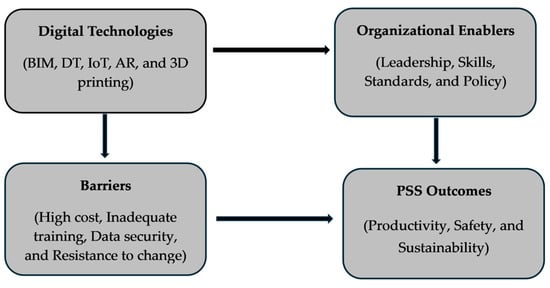
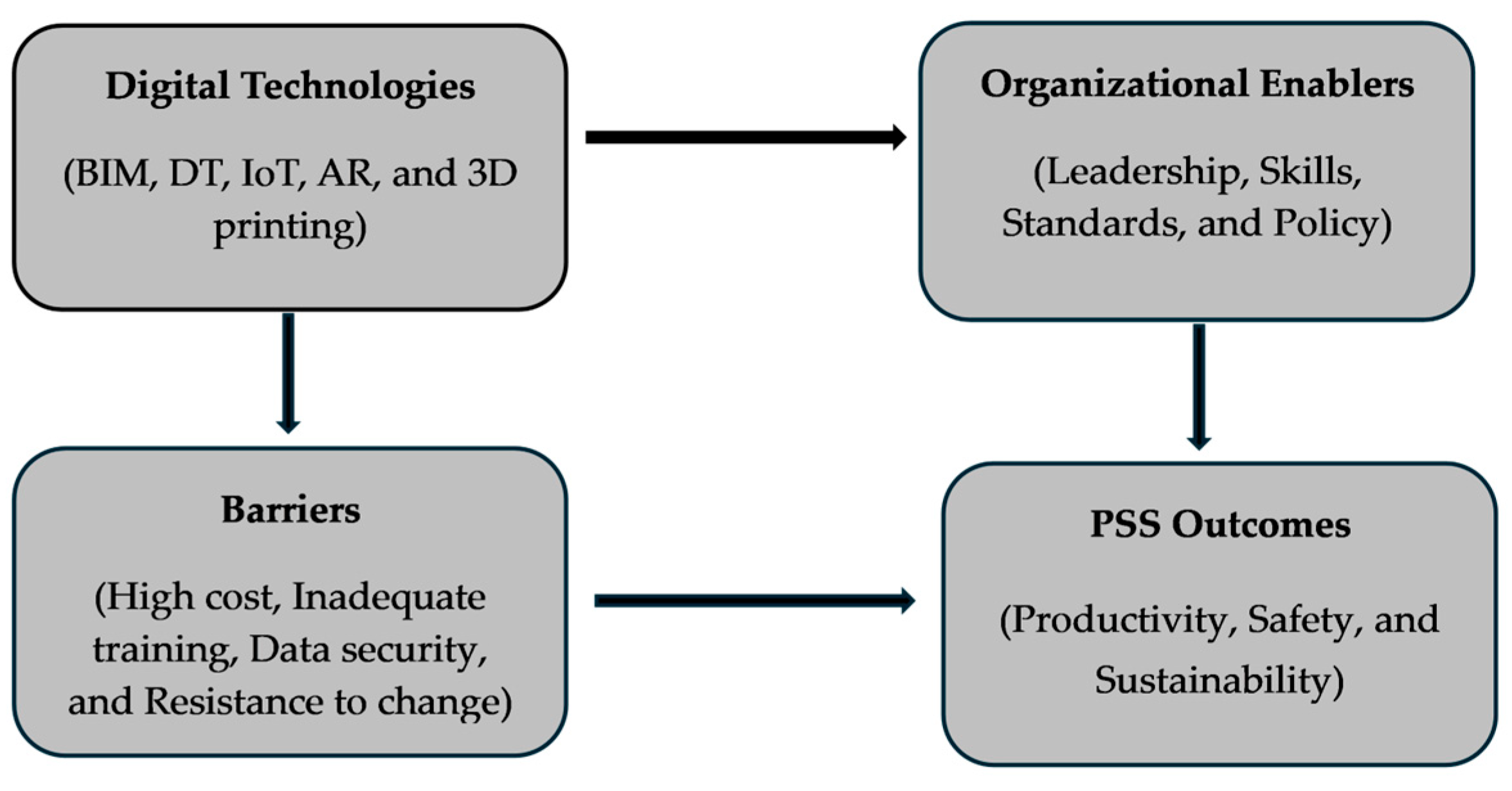
Based on the synthesized findings, a conceptual framework (Figure 5) has been developed to illustrate how digital technologies (like BIM, DT, IoT, AR, VR, and 3D printing) influence construction project outcomes such as productivity, safety, and sustainability (PSS) by acting as primary drivers for improved coordination, risk management, real-time monitoring, and resource optimization. This influence is strengthened by organizational enablers (leadership, digital literacy, interoperability, regulations) but weakened by key barriers (costs, resistance, inadequate training, security, poor system interoperability). Overcoming these barriers is essential to maximizing the positive impact of technology and achieving sustainable digital transformations.
Figure 5.
Proposed PSS conceptual framework.
4.6. Contributions to Knowledge
This review contributes new knowledge by providing the first holistic analysis of how digital technologies simultaneously enhance productivity, safety, and sustainability, an approach rarely addressed by researchers in existing literature. The study reveals a significant imbalance that has resulted in the underexploitation of sustainability-focused digital applications, highlighting a critical research gap. It establishes BIM as a dominant tool for productivity and safety. Additionally, it maps other emerging technologies, such as Digital twins, AR, IoT, and 3D printing, to specific project functions, offering a clear framework for future research and practice.
Ultimately, the evident regional imbalance necessitates a collaborative research agenda to gather context-specific data from underrepresented regions, particularly Africa and Oceania, thereby creating a more globally robust framework for sustainable digital transformation.
4.7. Implications for Practice and Policy
This review highlights several key implications for industry practitioners, including the importance of initiating digital adoption with low-cost pilot projects, investing in targeted digital competency training, and establishing cross-functional digital leadership teams. For policymakers, recommended actions include integrating BIM/DT requirements into public procurement, establishing a national digital readiness assessment, and incentivizing SMEs through tax credits to adopt digital tools.
5. Conclusions
Digital technologies are steadily redefining construction project management by enhancing efficiency, safety, and environmental performance. This systematic review provides a consolidated understanding of how emerging tools, particularly BIM, DT, AR, IoT, and 3D printing, contribute to improving project outcomes. The analysis confirmed that productivity has received the most excellent attention, while sustainability remains comparatively underexplored.
The study provides a comprehensive and integrated perspective on PSS, filling a critical gap left by previous fragmented research. Moving forward, future investigations should focus on enhancing sustainability metrics, broadening the scope of empirical studies to include underrepresented geographical regions, and constructing a robust framework to effectively address common adoption challenges such as resistance to change, interoperability issues, and the high initial cost of implementation.
Successful digitalization depends on alignment of technical integration, organizational learning, and policy alignment. Although the benefits are clear, including improved collaboration, reduced rework, and enhanced safety, their adoption continues to be constrained by cost burdens, skill shortages, and resistance to change.
Addressing these issues requires collaborative strategies among academia, industry, and government to develop robust training programs, support the diffusion of low-cost technology, and establish internationally recognized standards for data interoperability in cybersecurity. Strengthening these foundations will not only enhance project performance but also accelerate the global construction sector’s journey towards sustainable digital transformation.
Key Gaps Recommended for Future Studies
The review identified several areas requiring deeper exploration:
- Sustainability-driven digital solutions are still underrepresented and require more empirical evaluation.
- Regional imbalances persist, with limited research from Africa, North America, and Oceania.
- Underutilized technologies such as AR, IoT, and 3D printing should be studied more extensively across various project phases.
- A primary challenge to progress is resistance to change, which necessitates further investigation into its specific barriers and the development of a comprehensive framework for change management. This framework should focus on cultivating a digital and innovative culture within the construction firm to overcome adoption hurdles.
- The lack of standardization across data formats and systems calls for international harmonization efforts.
- Research should explore cost-effective and inclusive digital tools that make innovation accessible to smaller firms.
By addressing these gaps, researchers and practitioners can more effectively leverage digital technologies to enhance productivity, ensure worker safety, and promote environmental sustainability in the construction industry.
Supplementary Materials
The following supporting information can be downloaded at: https://www.mdpi.com/article/10.3390/su172411247/s1: PRISMA checklist, Table S1, data analysis, and included articles downloaded from the Rayyan software. Reference [37] is cited in Supplementary Materials.
Author Contributions
Conceptualization, E.N.N.-A.; methodology, F.O.A.; software, F.O.A. and E.N.N.-A.; validation, F.O.A. and E.N.N.-A.; formal analysis, F.O.A.; investigation, F.O.A. and E.N.N.-A.; resources, F.O.A.; data curation, F.O.A.; writing—original draft preparation, F.O.A.; writing—review and editing, E.N.N.-A.; visualization, F.O.A.; supervision, E.N.N.-A.; project administration, E.N.N.-A.; funding acquisition, E.N.N.-A. All authors have read and agreed to the published version of the manuscript.
Funding
This research received no external funding.
Institutional Review Board Statement
Not applicable.
Informed Consent Statement
Not applicable.
Data Availability Statement
The review adhered to the PRISMA Guidelines and followed the search and review protocol detailed in Section 2 of the article. No data was used for the research described in the article.
Acknowledgments
The authors express their gratitude to the staff of the Department of Quality and Operations Management, University of Johannesburg, and Africa Sustainable Infrastructure Mobility (ASIM), under the guidance of David Olukani and Innocent Musonda, for their administrative and technical support, which contributed significantly to the success of this study. During the preparation of this manuscript, the author(s) used Grammarly Edu for proofreading. The authors have reviewed and edited the output and take full responsibility for the content of this publication.
Conflicts of Interest
The authors declare that the research was conducted in the absence of any commercial or financial relationships that could be construed as a potential conflict of interest.
Abbreviations
The following abbreviations are used in this manuscript:
| PSS | Productivity, Safety, Sustainability |
| BIM | Building Information Modeling |
| DT | Digital Twins |
| AR | Augmented reality |
| VR | Virtual Reality |
| IoT | Internet of Things |
| GIS | Geographic Information System |
References
- Abdelalim, A.M.; Said, S.O.; Alnaser, A.A.; Sharaf, A.; ElSamadony, A.; Kontoni, D.-P.N.; Tantawy, M. Agent-Based Modeling for Construction Resource Positioning using Digital Twin and BLE Technologies. Buildings 2024, 14, 1788. [Google Scholar] [CrossRef] [Scilit]
- Tanne, Y.A.; Rivana, D.; Ramadan, R.; Farhani, S. BIM for Efficiency and Sustainability in Construction: A Case Study in Indonesia. Discov. Civ. Eng. 2025, 2, 79. [Google Scholar] [CrossRef] [Scilit]
- Trask, C.; Linderoth, H.C.J. Digital Technologies in Construction: A Systematic Mapping Review of Evidence for Improved Occupational Health and Safety. J. Build. Eng. 2023, 80, 108082. [Google Scholar] [CrossRef] [Scilit]
- Adejola, F.O.; Amusan, L.M.; Aigbavboa, C. Bibliometric Analysis of Literature on Smart Technology Integration in the Construction Industry. In IOP Conference Series: Earth and Environmental Science; IOP Publishing: Bristol, UK, 2025; Volume 1492, p. 012036. [Google Scholar] [CrossRef] [Scilit]
- Naji, K.K.; Gunduz, M.; Alhenzab, F.; Al-Hababi, H.; Al-Qahtani, A. Assessing the Digital Transformation Readiness of the Construction Industry Utilizing the Delphi Method. Buildings 2024, 14, 601. [Google Scholar] [CrossRef] [Scilit]
- Samuelson, O.; Stehn, L. Digital Transformation in Construction—A Review. J. Inf. Technol. Constr. 2023, 28, 385–404. [Google Scholar] [CrossRef] [Scilit]
- Aghimien, D.; Aigbavboa, C.; Oke, A.; Koloko, N. Digitalization in Construction Industry: Construction Professionals’ Perspective. In Proceedings of the Fourth Australasia and South-East Asia Structural Engineering and Construction Conference, Brisbane, Australia, 3–5 December 2018; ISEC Press: Fargo, ND, USA, 2018; Volume 5. [Google Scholar] [CrossRef] [Scilit]
- Atlassian. Construction Project Management Guide [+Top Tools]; Atlassian: San Francisco, CA, USA, 2025; Available online: https://www.atlassian.com/work-management/project-management/construction (accessed on 22 September 2025).
- Rodriguez, D. The 5 Phases of Construction Project Management Processes. Invensis Learning Blog. Available online: https://www.invensislearning.com/blog/phases-of-construction-project-management-processes/ (accessed on 5 August 2025).
- Alaa, M. Augmented Reality and Virtual Reality in Construction Industry. In Proceedings of the 5th IUGRC International Undergraduate Research Conference, Military Technical College, Cairo, Egypt, 9–12 August 2021; pp. 624–633. [Google Scholar]
- Cai, S.; Ma, Z.; Skibniewski, M.J.; Bao, S. Construction Automation and Robotics for High-Rise Buildings over the Past Decades: A Comprehensive Review. Adv. Eng. Inform. 2019, 42, 100989. [Google Scholar] [CrossRef] [Scilit]
- Dagou, H.H.; Gurgun, A.P.; Koc, K.; Budayan, C. The Future of Construction: Integrating Innovative Technologies for Smarter Project Management. Sustainability 2025, 17, 4537. [Google Scholar] [CrossRef] [Scilit]
- Nnaji, C.; Awolusi, I.; Park, J.; Albert, A. Wearable Sensing Devices: Towards the Development of a Personalized System for Construction Safety and Health Risk Mitigation. Sensors 2021, 21, 682. [Google Scholar] [CrossRef] [Scilit]
- Oke, A.E.; Aliu, J.; Singh, P.; Onajite, S.A.; Kineber, A.F.; Samsurijan, M.S. Application of Digital Technologies Tools for Social and Sustainable Construction in a Developing Economy. Sustainability 2023, 15, 16378. [Google Scholar] [CrossRef] [Scilit]
- Chowdhury, T.; Adafin, J.; Wilkinson, S. Review of Digital Technologies to Improve Productivity of New Zealand Construction Industry. J. Inf. Technol. Constr. 2019, 24, 569–587. [Google Scholar] [CrossRef] [Scilit]
- Saputri, C.W.H.; Mardalis, A. The Influence of Competency, Digital Transformation, Skills Updating, and Artificial Intelligence on Employee Performance at the Ministry of Transportation Terminal Type A Tirtonadi Surakarta. Int. Conf. Digit. Adv. Tour. Manag. Technol. 2023, 1, 467–477. [Google Scholar] [CrossRef] [Scilit]
- Alblooshi, S.A.; Ochieng, E. Digital Transformation in Construction Sector; Assessing the Impact on Project Performance & Productivity. In Proceedings of the BUiD Doctoral Research Conference 2024, Dubai, United Arab Emirates, 29 June 2024; Springer: Cham, Switzerland, 2025; pp. 133–149. [Google Scholar] [CrossRef] [Scilit]
- Philbin, S.; Viswanathan, R.; Telukdarie, A. Understanding how Digital Transformation can Enable SMEs to Achieve Sustainable Development: A Systematic Literature Review. Small Bus. Int. Rev. 2022, 6, 473. [Google Scholar] [CrossRef] [Scilit]
- Syamsuddin, S.; Marsudi, S.; Hasanuddin, B.; Umar, A.; Suprayitno, D. Adapting to Digital Transformation: Challenges and Strategies for Traditional Businesses. Glob. Int. J. Innov. Res. 2024, 2, 704–711. [Google Scholar] [CrossRef] [Scilit]
- Daniel, E.I.; Oshodi, O.S.; Nwankwo, N.I.; Emuze, F.A.; Chinyio, E. The Use of Digital Technologies in Construction Safety: A Systematic Review. Buildings 2025, 15, 1386. [Google Scholar] [CrossRef] [Scilit]
- Ghodrati, N.; Yiu, T.W.; Wilkinson, S.; Shahbazpour, M. A New Approach to Predict Safety Outcomes in the Construction Industry. Saf. Sci. 2018, 109, 86–94. [Google Scholar] [CrossRef] [Scilit]
- Dodoo, J.E.; Al-Samarraie, H.; Alzahrani, A.I.; Lonsdale, M.; Alalwan, N. Digital Innovations for Occupational Safety: Empowering Workers in Hazardous Environments. Workplace Health Saf. 2024, 72, 84–95. [Google Scholar] [CrossRef] [Scilit] [PubMed]
- Getuli, V.; Capone, P.; Bruttini, A.; Isaac, S. BIM-based immersive Virtual Reality for Construction Workspace Planning: A safety-oriented approach. Autom. Constr. 2020, 114, 103160. [Google Scholar] [CrossRef] [Scilit]
- Khan, A.M.; Alrasheed, K.A.; Waqar, A.; Almujibah, H.; Benjeddou, O. Internet of Things (IoT) for Safety and Efficiency in Construction Building Site Operations. Sci. Rep. 2024, 14, 28914. [Google Scholar] [CrossRef] [Scilit]
- Wang, Y.; Lu, H.; Wang, Y.; Yang, Z.; Wang, Q.; Zhang, H. A Hybrid Building Information Modeling and Collaboration Platform for Automation Systems in Smart Construction. Alex. Eng. J. 2024, 88, 80–90. [Google Scholar] [CrossRef] [Scilit]
- Li, Y.; Zhao, X.; Liu, C.; Zhang, Z. Applications of Digital Technologies in Promoting Sustainable Construction Practices: A Literature Review. Sustainability 2025, 17, 487. [Google Scholar] [CrossRef] [Scilit]
- Prasadinee, W.; Hadiwattage, C.; Ilangakoon, I. Navigating Sustainability and Digitalization in the Construction Industry: A Literature Review. Lib.uom.lk. Available online: https://dl.lib.uom.lk/items/014e0331-f97f-4bb6-bf28-de4cfb4e0066 (accessed on 28 October 2025).
- Lu, W.; Lou, J.; Ababio, B.K.; Zhong, R.Y.; Bao, Z.; Li, X.; Xue, F. Digital technologies for construction sustainability: Status quo, challenges, and future prospects. Npj Mater. Sustain. 2024, 2, 10. [Google Scholar] [CrossRef] [Scilit]
- Taha, O.S.; Alshibani, A.; AlTuraik, A.S.; Mahmoud, M.A.; Mohammed, A.; Hassanain, M.A. Digital Technologies and Sustainability Barriers in Heavy Construction: A Structural Equation Modeling Study on Triple-Bottom-Line Outcomes. Results Eng. 2025, 28, 107808. [Google Scholar] [CrossRef] [Scilit]
- Rogers, E.M. Diffusion of Innovations, 5th ed.; Free Press: New York, NY, USA, 2003. [Google Scholar]
- Yacob, A.; Hj Ali, N.; Roslim, A.D.; Sulaiman, N.S.; Aziz, N.S.; Ramli, A. Adoption Insights: Exploring Constructs in Technology Acceptance Theories. Int. J. Educ. Psychol. Couns. 2025, 10, 918–932. [Google Scholar] [CrossRef] [Scilit]
- Habibi, S.; Valladares, O.P.; Peña, D.M. Sustainability Performance by Ten Representative Intelligent Façade Technologies: A Systematic Review. Sustain. Energy Technol. Assess. 2022, 52, 102001. [Google Scholar] [CrossRef] [Scilit]
- Sohrabi, C.; Franchi, T.; Mathew, G.; Kerwan, A.; Nicola, M.; Griffin, M.; Agha, M.; Agha, R. PRISMA 2020 Statement: What is New and the Importance of Reporting Guidelines. Int. J. Surg. 2021, 88, 105918. [Google Scholar] [CrossRef] [Scilit] [PubMed]
- Lim, W.M.; Kumar, S.; Donthu, N. How to Combine and Clean Bibliometric Data and Use Bibliometric Tools Synergistically: Guidelines Using Metaverse Research. J. Bus. Res. 2024, 182, 114760. [Google Scholar] [CrossRef] [Scilit]
- Sharif, P.S.; Mura, P.; Wijesinghe, S.N.R. Systematic Reviews in Asia: Introducing the ‘PRISMA’ Protocol to Tourism and Hospitality Scholars. In Quantitative Tourism Research in Asia. Perspectives on Asian Tourism; Springer: Singapore, 2019; pp. 13–33. [Google Scholar] [CrossRef] [Scilit]
- Shishehgarkhaneh, M.B.; Keivani, A.; Moehler, R.C.; Jelodari, N.; Roshdi Laleh, S. Internet of Things (IoT), Building Information Modeling (BIM), and Digital Twin (DT) in Construction Industry: A Review, Bibliometric, and Network Analysis. Buildings 2022, 12, 1503. [Google Scholar] [CrossRef] [Scilit]
- Page, M.J.; McKenzie, J.E.; Bossuyt, P.M.; Boutron, I.; Hoffmann, T.C.; Mulrow, C.D.; Shamseer, L.; Tetzlaff, J.M.; Akl, E.A.; Brennan, S.E.; et al. The PRISMA 2020 statement: An updated guideline for reporting systematic reviews. BMJ 2021, 372, n71. [Google Scholar] [CrossRef] [Scilit]
- Pan, N.H.; Isnaeni, N.N. Integration of Augmented Reality and Building Information Modeling for Enhanced Construction Inspection—A Case Study. Buildings 2024, 14, 612. [Google Scholar] [CrossRef] [Scilit]
- Ratajczak, J.; Riedl, M.; Matt, D.T. BIM-based and AR Application Combined with Location-Based Management System for the Improvement of the Construction Performance. Buildings 2019, 9, 118. [Google Scholar] [CrossRef] [Scilit]
- De Cet, G.; Miazzi, N.; Paparella, R.; Boso, D.P. How Building Information Modeling Technology Supports Safety on Construction Sites: The Case Study of a Water Reservoir in Italy. Buildings 2025, 15, 403. [Google Scholar] [CrossRef] [Scilit]
- Zhang, C.; Dong, W.; Shen, W.; Du, Y. Influencing Factors of BIM Application Benefits in Construction Projects Based on SEM. Buildings 2025, 15, 1875. [Google Scholar] [CrossRef] [Scilit]
- She, Y.; Udawatta, N.; Liu, C.; Tokede, O. Circular Economy-Related Strategies to Minimize Construction- and Demolition- Waste Generation in Australian Construction Projects. Buildings 2024, 14, 2487. [Google Scholar] [CrossRef] [Scilit]
- Fonseca, S.S.; Benito, P.A.; Piña Ramírez, C. Digital Horizons in Construction: A Comprehensive System for Excellence in Project Management. Buildings 2024, 14, 2228. [Google Scholar] [CrossRef] [Scilit]
- Cheng, Q.; Tayeh, B.A.; Abu, I.; Alaloul, W.S.; Aldahdooh, Z.A. Leveraging BIM for Sustainable Construction: Benefits, Barriers, and Best Practices. Sustainability 2024, 16, 7654. [Google Scholar] [CrossRef] [Scilit]
- Rada, A.O.; Kuznetsov, A.D.; Akulov, A.O.; Kon’kov, N.Y. Managing the Accuracy and Speed of Processes for Automated Monitoring of Construction Works in the Context of New Technologies. Nanotechnol. Constr. A Sci. Internet-J. 2023, 15, 583–591. [Google Scholar] [CrossRef] [Scilit]
- Zhang, L.; Zhang, H.; Li, Y. A Digital Twin Cockpit Framework for Safety Risk Prediction and Optimization in Tunnel Construction. Smart Sustain. Built Environ. 2025, 1–36. [Google Scholar] [CrossRef]
- Alnaser, A.A.; Elmousalami, H. Benefits and Challenges of AI-Based Digital Twin Integration in the Saudi Arabian Construction Industry: A Correspondence Analysis (CA) Approach. Appl. Sci. 2025, 15, 4675. [Google Scholar] [CrossRef] [Scilit]
- Valinejadshoubi, M.; Sacks, R.; Valdivieso, F.; Corneau-Gauvin, C.; Kaptué, A. Digital Twin Construction in Practice: A Case Study of Closed-Loop Production Control Integrating BIM, GIS, and IoT Sensors. J. Constr. Eng. Manag. 2025, 151, 05025014. [Google Scholar] [CrossRef] [Scilit]
- Yu, C.; Liu, Z.; Wang, H.; Shi, G.; Song, T. Intelligent Analysis of Construction Safety of Large Underground Space Based on Digital Twin. Buildings 2024, 14, 1551. [Google Scholar] [CrossRef] [Scilit]
- Swallow, M.; Zulu, S.L. Investigating the Implementation of Immersive Technologies within On-Site Construction Safety Processes. J. Eng. Des. Technol. 2023, 23, 323–343. [Google Scholar] [CrossRef] [Scilit]
- Alhaidary, H. Three-Dimensional Concrete Printing as a Construction Automation Strategy and Assessments from a Case Study Building. J. Archit. Eng. 2024, 30, 05024003. [Google Scholar] [CrossRef] [Scilit]
- Das, K.; Khursheed, S.; Paul, V.K. The Impact of BIM on Project Time and Cost: Insights from Case Studies. Discov. Mater. 2025, 5, 25. [Google Scholar] [CrossRef] [Scilit]
- Ekubo, W.A.; Aigbavboa, C.O. Assessment of the Impact of Digital Technologies on Emerging Contractors in the South African Construction Industry. In Building the Future: Innovation, Sustainability, and Collaboration in Construction; Springer: Cham, Switzerland, 2025; pp. 180–189. [Google Scholar] [CrossRef] [Scilit]
- Nwobodo-Anyadiegwu, E.; Nkutha, A.P.; Lumbwe, A.K. The Effects of Industry 4.0 Integration for Improvement in Project Communication. In Proceedings of the 5th European International Conference on Industrial Engineering and Operations Management, Rome, Italy, 26–28 July 2022. [Google Scholar] [CrossRef] [Scilit]
- Onyia, U.; Ani, I.S.; Nwankwo, U.F. Addressing the Challenges Towards the Adoption of Digital Technologies in Construction Supply Chain Management. Discov. Civ. Eng. 2024, 1, 118. [Google Scholar] [CrossRef] [Scilit]
- Ojelabi, A.; Omuh, R.; Tunji-Olayeni, I.; Adeyemi, P. Critical Success Factors influencing Productivity of Construction artisans in the Building Industry. Int. J. Mech. Eng. Technol. 2018, 9, 858–867. [Google Scholar]

Disclaimer/Publisher’s Note: The statements, opinions and data contained in all publications are solely those of the individual author(s) and contributor(s) and not of MDPI and/or the editor(s). MDPI and/or the editor(s) disclaim responsibility for any injury to people or property resulting from any ideas, methods, instructions or products referred to in the content. |
© 2025 by the authors. Licensee MDPI, Basel, Switzerland. This article is an open access article distributed under the terms and conditions of the Creative Commons Attribution (CC BY) license (https://creativecommons.org/licenses/by/4.0/).