


Abstract
In this paper, the case of the Coastal Strip in Gdańsk is presented. Gdańsk has natural and cultural heritage of great value and is included on Tentative list of UNESCO World Heritage List as “Gdansk—Town of Memory and Freedom”. The Coastal Strip is a rare example of landscape with natural dunes located within walking distance from densely populated residential districts. Therefore, the economic pressure for urban development is extremely strong. At the same time, the rise of social awareness about potential consequences of urbanization brought numerous efforts by local activists and researchers to prevent further development of the Coastal Strip. This study consisted of assessment of therapeutic qualities of The Coastal Strip using a conceptual framework—a universal standard for health promoting places. The results demonstrated that The Coastal Strip is a health-promoting place, thus adding new research-based evidence against plans for urban development of that area.
1. Introduction
In this study, the case of The Coastal Strip in Gdańsk, Northern Poland is presented [1,2]. The Coastal Strip is a rare example of coastal landscape with natural dunes within walking distance from densely populated residential districts. It is a favorite recreational destination for not only local inhabitants but also tourists. Therefore, the economic pressure for urban development is extremely strong, as the market prices of apartments in this area are among the highest in the country. At the same time, people are increasingly aware of health promoting values of natural landscape and cultural heritage of the city. Thus, the plans for urban development of the Coastal Strip are raising social disapproval. Numerous studies concerning ecological and social values of that space were published. The Civic Project Development of the Coastal Strip in Gdansk was proposed in 2010 [1,2].
This case report investigates the therapeutic qualities of Gdańsk Coastal Strip. The assessment of therapeutic qualities was conducted with the conceptual framework of the universal standard of health-promoting places created by author. This case report can be used to justify the demand to protect the Coastal Strip from further development.
Literature Review
There is a plenty of evidence that environment affects human health [3,4]. Environment could be health- promoting and even therapeutic [5,6,7,8,9]. Gesler defined therapeutic landscapes as places where “physical and built environments, social conditions and human perceptions combine to produce an atmosphere which is conducive to healing” [6]. Researchers provided examples of places that have potential to promote healing, for examples Lourdes in France, Epidaurus in Greece, or Bama in China [5,6,7,9]. At the same time, Gesler and Conradson draw attention to the fact that the perception of therapeutic properties of the landscape is highly subjective and depends on the social context of the place [7,10].
Numerous researchers from various fields, e.g., environmental psychology, medicine, sociology, architecture, and urban planning, have described the main qualities of therapeutic landscapes [3,4,6,8]. However, a need for implementation science was determined. The universal standard for health-promoting places, developed by the author, could be used to evaluate the therapeutic qualities of any open green space [11].
Carlson recalls the “four-level structure of theory” proposed by Moore, Tuttle, and Howell (1982) which involved theoretical orientations, organizational frameworks, conceptual models, and explanatory hypotheses [12]. Referring to the “four-level structure of theory”, the universal standard is the conceptual model, based on theoretical orientations, organizational frameworks, and explanatory hypotheses captured during the literature review and field research.
As people are becoming aware of the benefits of everyday contact with nature, researchers from various countries are pointing to the uneven distribution of access to green spaces. [13,14]. Urban green space can provide multiple health, environmental, social, and economic benefits, but people with lower socio-economic status are often deprived of possibilities of every day contact with nature within walking distance [15]. Many researchers revealed the disparities regarding urban greenery and socio-economic status and called for access to natural landscapes for everyone [16]. People are increasingly demanding the right to the city and environmental justice [17].
The study reported in this paper was influenced by efforts to stop the urban development. The risk of deterioration of large scale open green space of the Coastal Strip Gdańsk should become important factor in decision making.
The therapeutic qualities are difficult to evidence. Therefore the universal standard for health-promoting places may serve as justification tool according to Lincoln and Guba evaluative criteria of credibility, generalizability, reliability, and confirmability [18]. Local community could use it to justify the call for protection of health promoting places endangered by urban sprawl.
2. Materials and Methods
2.1. Case Study. The Coastal Strip in Gdańsk
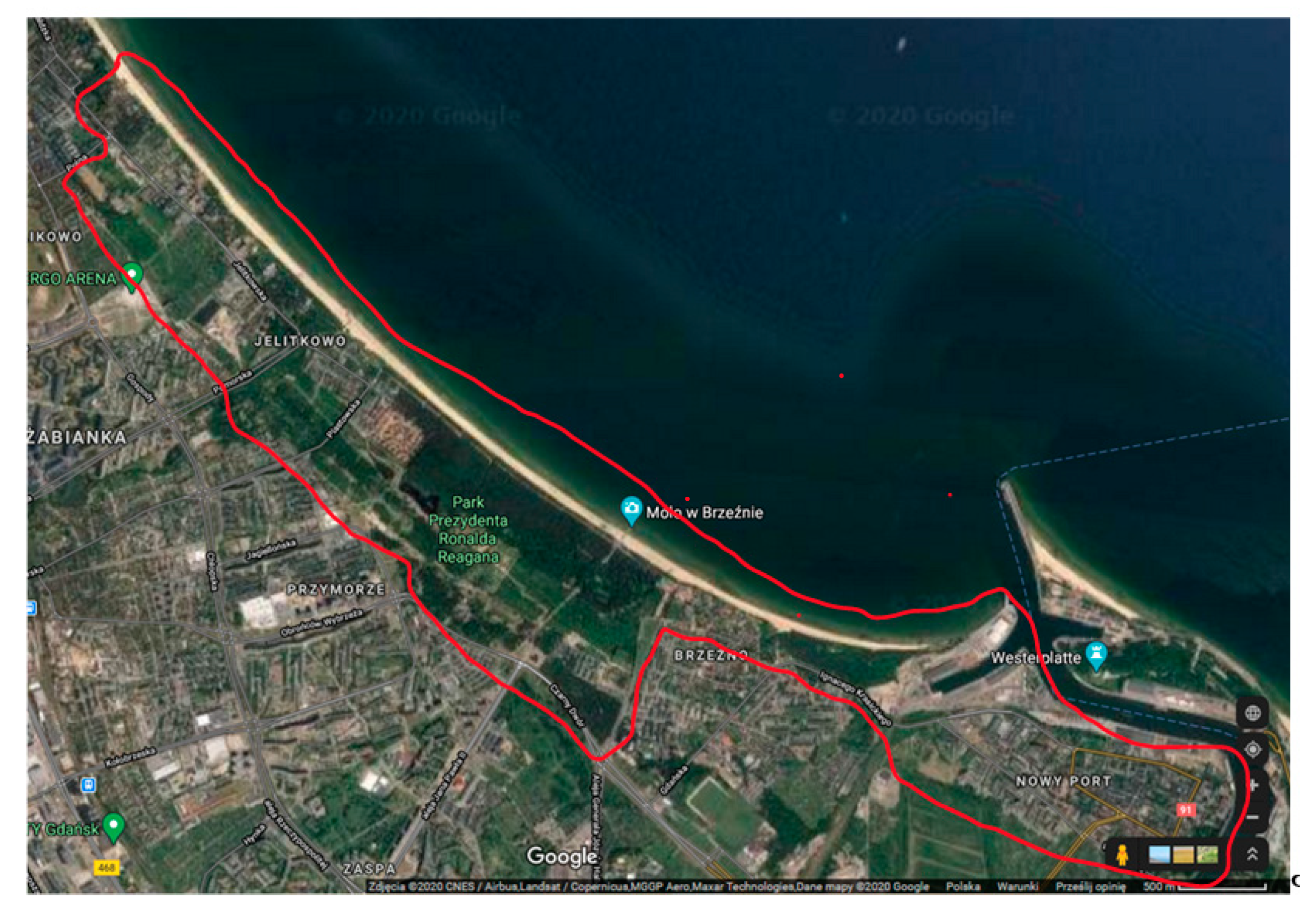
The coastline of Gdańsk (The Coastal Strip) is selected as the case study (Figure 1) for the following reasons. Gdańsk is a historic city and its coastline is perceived as cultural and natural heritage. Gdansk—Town of Memory and Freedom is included on Tentative list of UNESCO World Heritage List. [19] The Coastal Strip has important natural, cultural, and social qualities. Sandy beaches and natural dunes—younger ‘yellow’ coastal dunes and older ‘grey’ dunes overgrown by seaside forest are located next to densely inhabited popular districts. (Figure 1) The dunes are populated by surprising richness of species. Many of them are rare and endangered (e.g., Arhenia Spathulata and Epipactis Atrorubens (Dark Red Helleborine) [1,2]. Moreover, small patches of well-preserved natural habitats mentioned in the Annexes of the European Union Habitats Directive, e.g., psammophilic vegetation with Koeleria Glauca, can be found there [1,2].
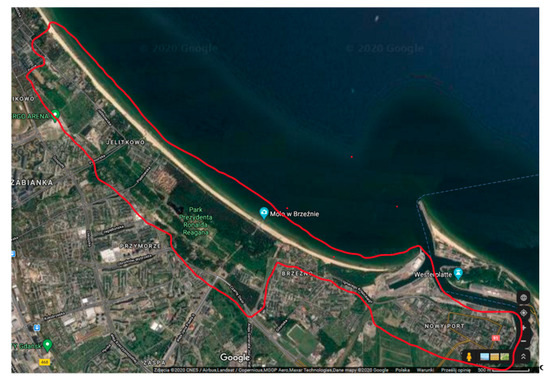
Figure 1.
Outlines of Gdańsk Coastal zone. Source: Google maps, 2020.
There are numerous places of cultural heritage—historic seaside parks: Brzeźno Park and Jelitkowo Park, relicts of fisherman villages, cemeteries, historical buildings, as well as remains of coastal artillery.
The coastline is a favorite place for recreational activities and is highly popular among holiday seekers during summer season. The pedestrian and bicycle promenade along the beach stretches from Gdańsk to Sopot and even further to Gdynia. It is a favorite path for family walks.
It is a place for physical activity, mental regeneration, and organizing social events. Sadly, today this place is endangered by sprawling urban development.
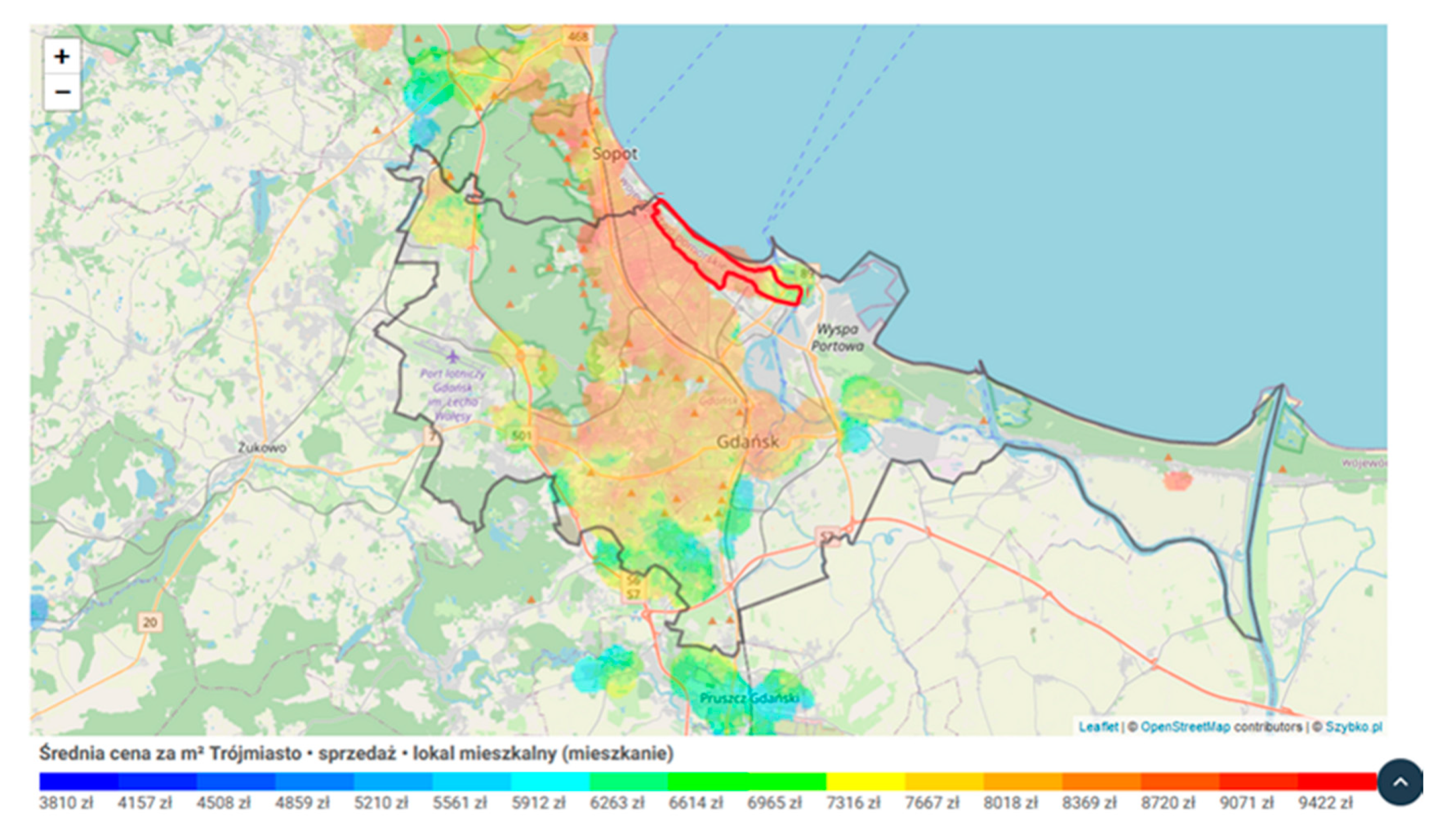
The coastal zone is a subject of strong economic pressure for further development [1,2,20,21,22]. As it is one of the most demanded locations (Figure 2), plans for new development, upscale apartments, or hotels are created. On the other side, numerous efforts to prevent urban development of the Coastal Strip were undertaken by local activists and researchers from Gdańsk universities and institutions [1,2,21]. The Civic Project Development of the Coastal Strip in Gdansk presented sustainable proposals for development [2]. The social movement is very active, with social media presence (e.g., www page, Facebook, etc.) The local spatial development plans are being constantly monitored [2].
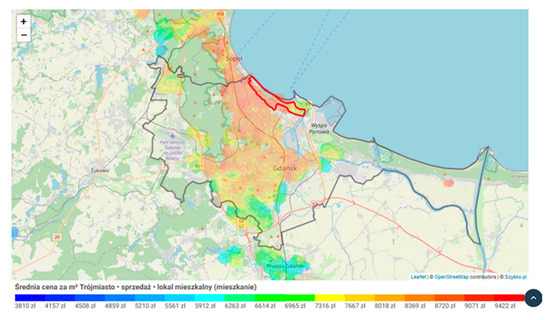
Figure 2.
Spatial distribution of market retail value in Gdańsk. Average price per square m of apartments in Gdańsk [zł = polish zloty, pln]. The Coastal Strip, marked in red, is among the most expensive zones. Source: [22].
2.2. Method and Data Collection
The main objective of this study was to find additional evidence to justify the social demand to protect the open green areas of The Coastal Strip from further urban development. The research question was whether The Coastal Strip is a health-promoting place? To answer this question, a conceptual framework for a universal standard of health-promoting places (Table 1) was used. It was created to consolidate the therapeutic attributes described by researchers and unify evidence into a ready-to-use tool. The tool organizes therapeutic attributes and allows for assessment and comparison.

Table 1.
A universal standard for health-promoting urban places. Source: Author.
The health-promoting qualities were divided into five categories: Sustainability, accessibility, amenities, design, and placemaking [11].
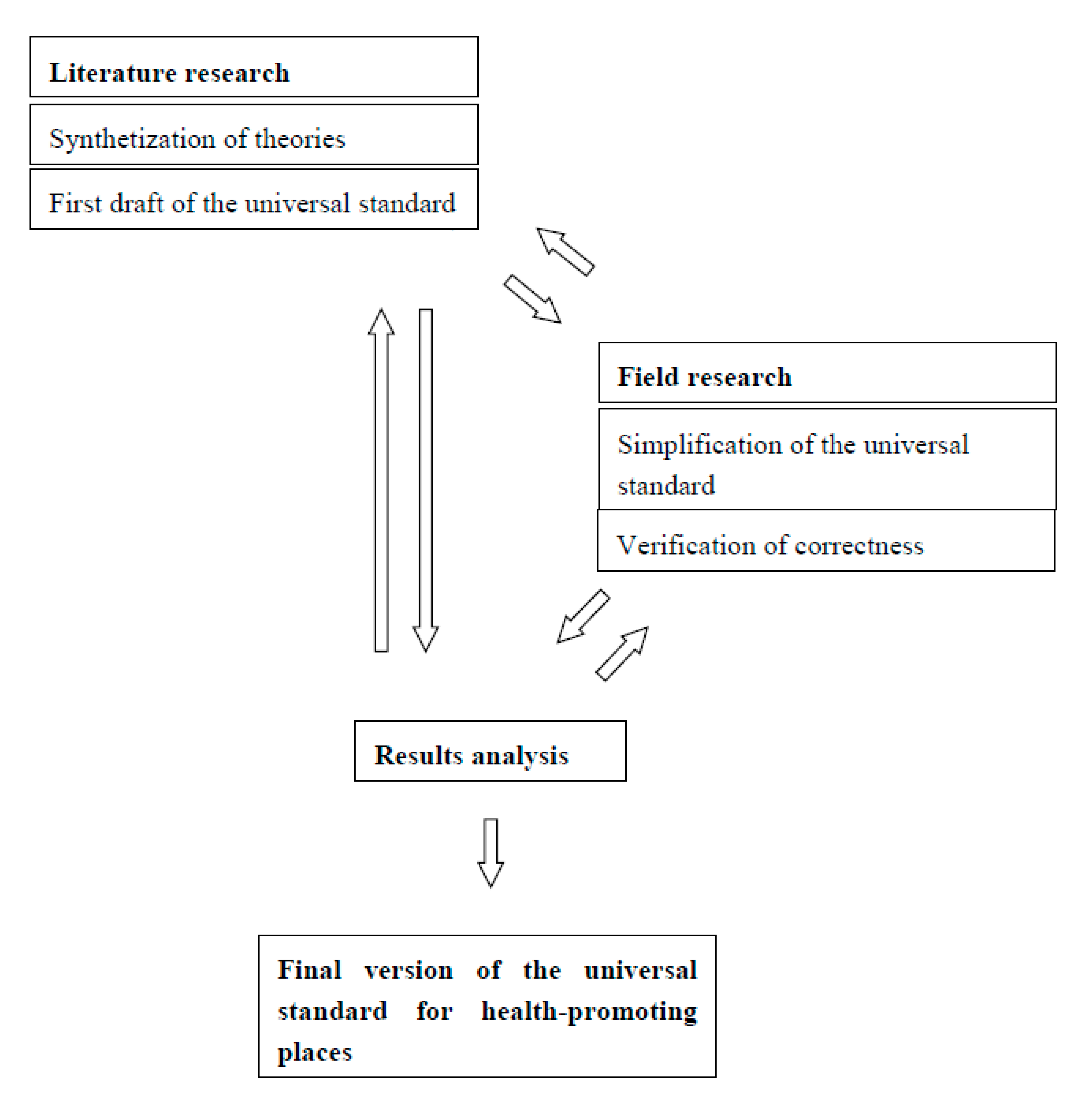
Three methods of research were used to develop the conceptual framework of the universal standard (Figure 3). The first method was a literature review in search of space characteristics linked to therapeutic qualities. Based on this research the draft for the universal standard was developed. The second method was on-site field observation in selected parks in Europe and USA. Over 100 parks were studied. The third method—theory triangulation—was used to integrate the synthesized results of the literature review and field research in order to develop the final ready-to-use version of the universal standard.
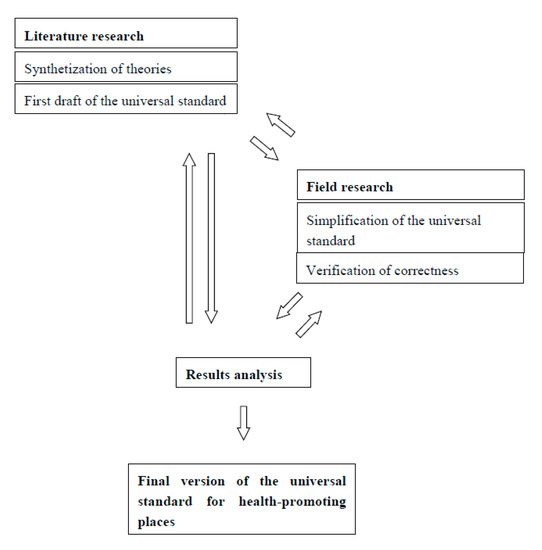
Figure 3.
Scheme of the theory triangulation. Source: Author.
The universal standard was used to assess The Coastal Strip in Gdańsk therapeutic qualities. The evaluation was performed by the author—professional researcher—with a degree in architecture and urban design. The review of existing literature about the Coastal Strip was the first step, followed by numerous site visits, conducted over a couple of years (2013–2019). During those visits, observation, mapping the presence of visitors, and unstructured interviews were conducted.
In this study, The Coastal Strip in Gdańsk was treated as a large-scale urban park of new generation, encompassing smaller public parks and gardens in seaside districts of Gdańsk: Jelitkowo, Brzeźno, and Nowy Port. The park was evaluated using the universal standard (Table 1). Both a thick binary and a detailed assessment were performed.
The thick binary assessment has 2 categories (0, 1):
No, not observed-0
Yes, satisfactory-1
3. Results
The detailed assessment required a written explanation of why the researcher thought that the attribute was present. For better clarity, the results of the assessment are grouped into five tables representing five sections of the universal standard.
3.1. Sustainability
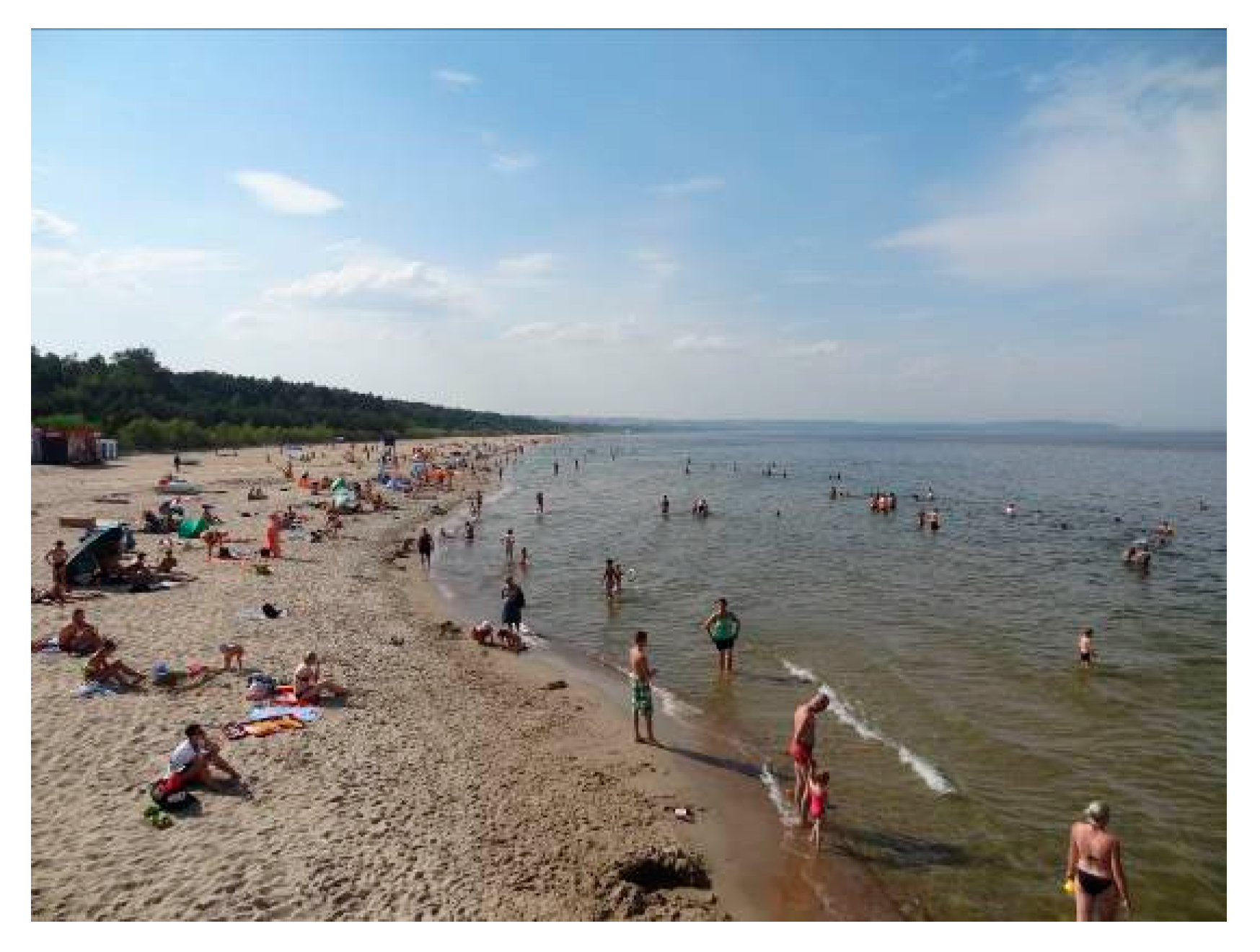
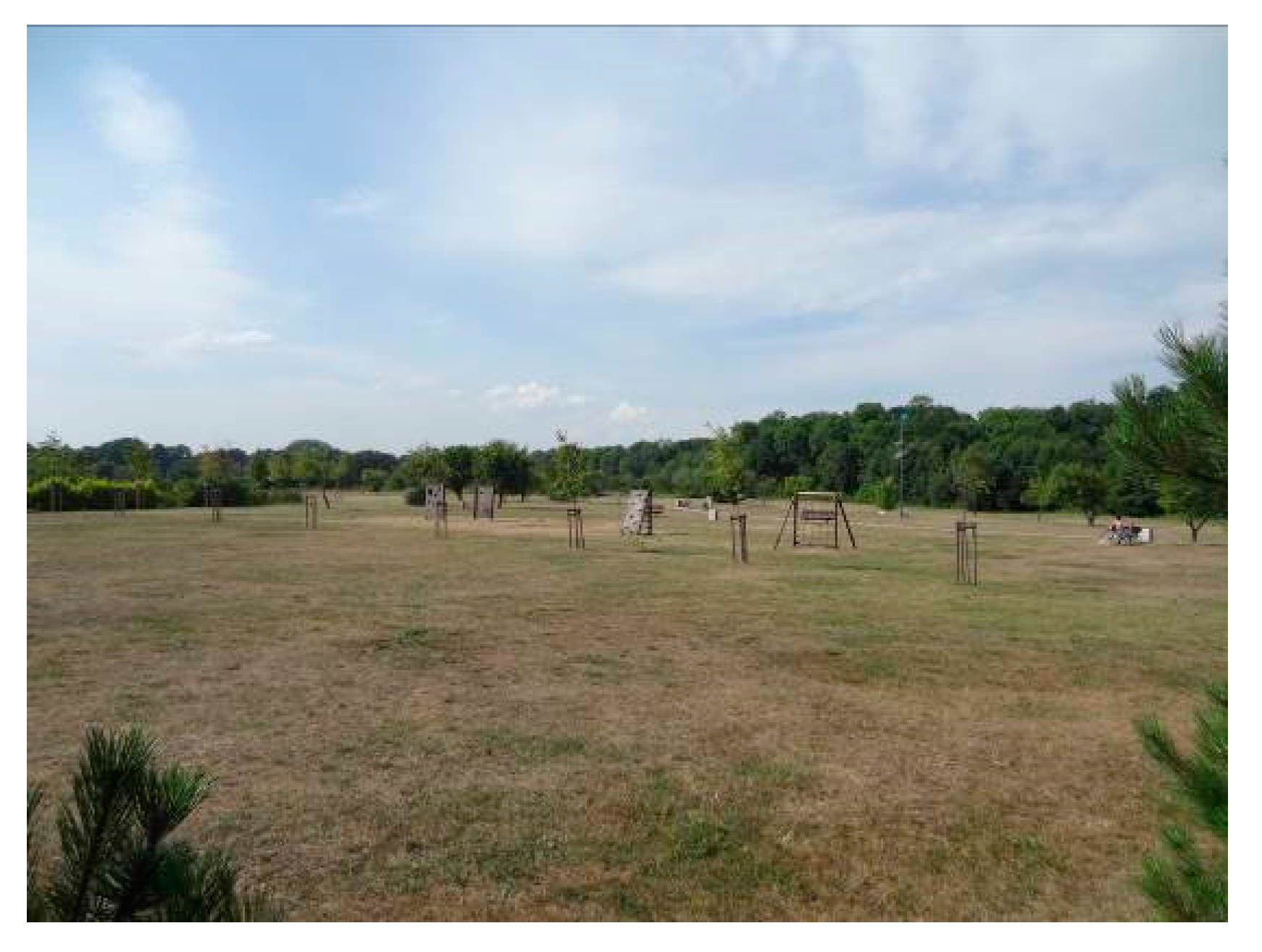
The assessment of sustainability (Table 2) demonstrated that The Coastal Strip can be treated as a modern park of new generation. Those parks are places where the sustainable development goes hand in hand with new forms of biodiversity protection. Moreover, the park is an important place for the local community. (Figure 4 and Figure 5) It has no boundaries and spreads to transform the entire neighborhood into the grid of blue and green infrastructure [23,24,25].
Table 2.
Assessment of Coastal Zone, Gdańsk—part 1, source: Author.
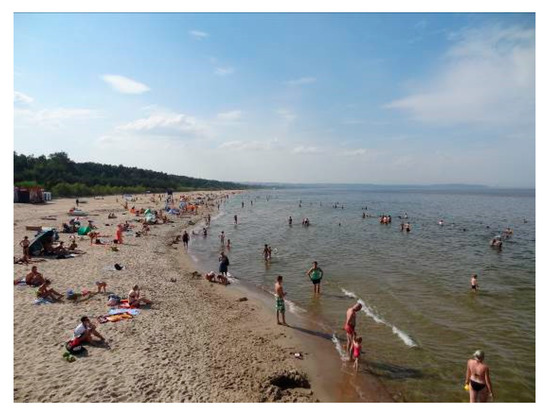
Figure 4.
Coastal Zone, Gdańsk, Poland. Sandy beaches are full of holiday makers during summer. Source: Author.
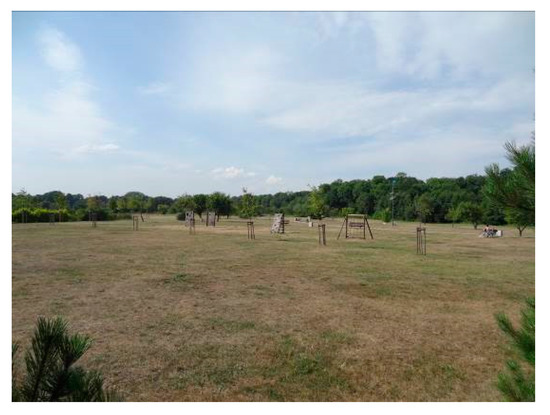
Figure 5.
Coastal Zone, Gdańsk, Poland. Open green space with play areas. Source: Author.
The park was evaluated as sustainable open green and blue area. The result was 12 out of 15 points, because there was no evidence about natural maintenance methods, irrigation with non-potable water and ecological energy sources. However, those issues can be resolved by local authorities and park management.
3.2. Accessibility
The park was assessed as universally accessible to people of every age and special needs.
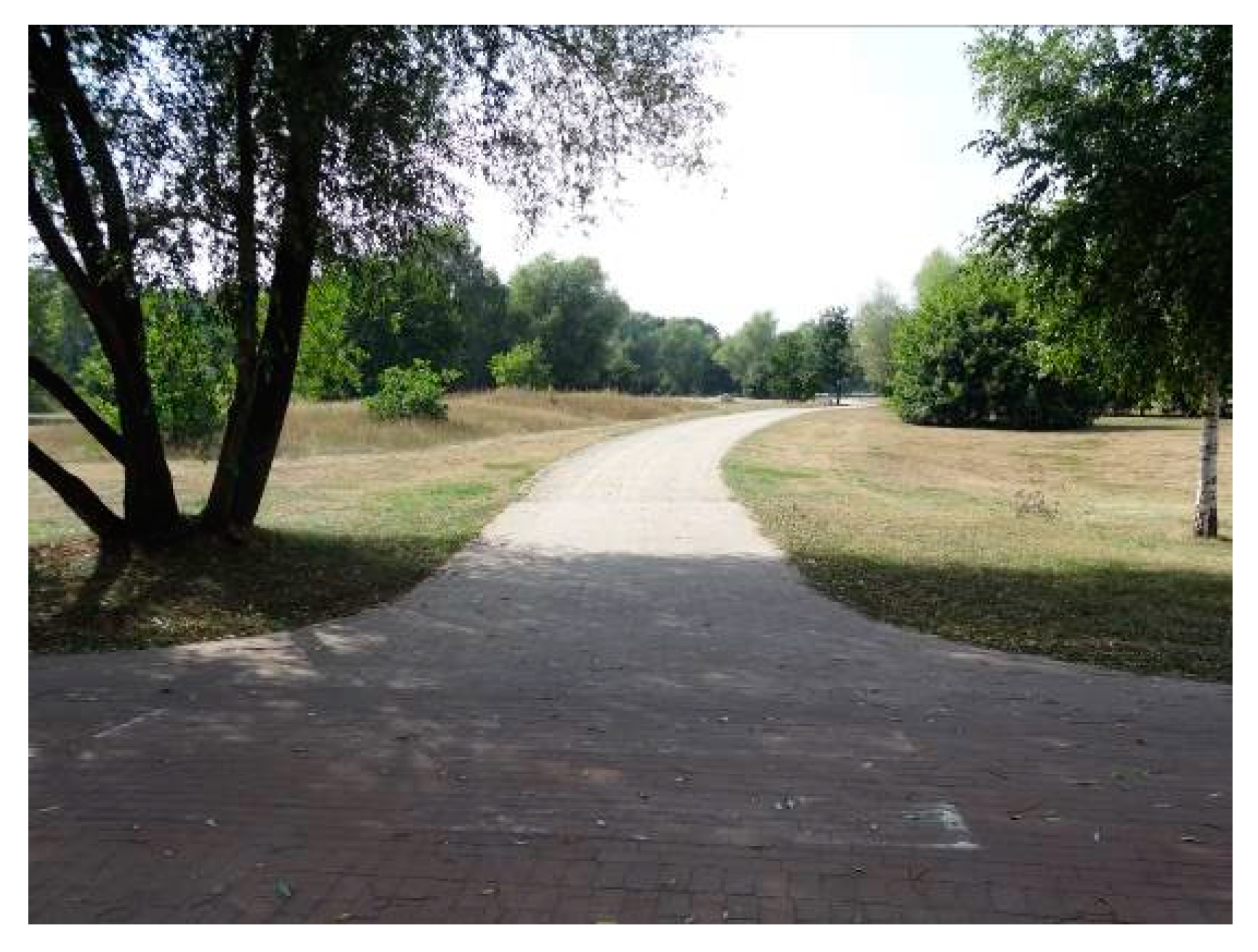
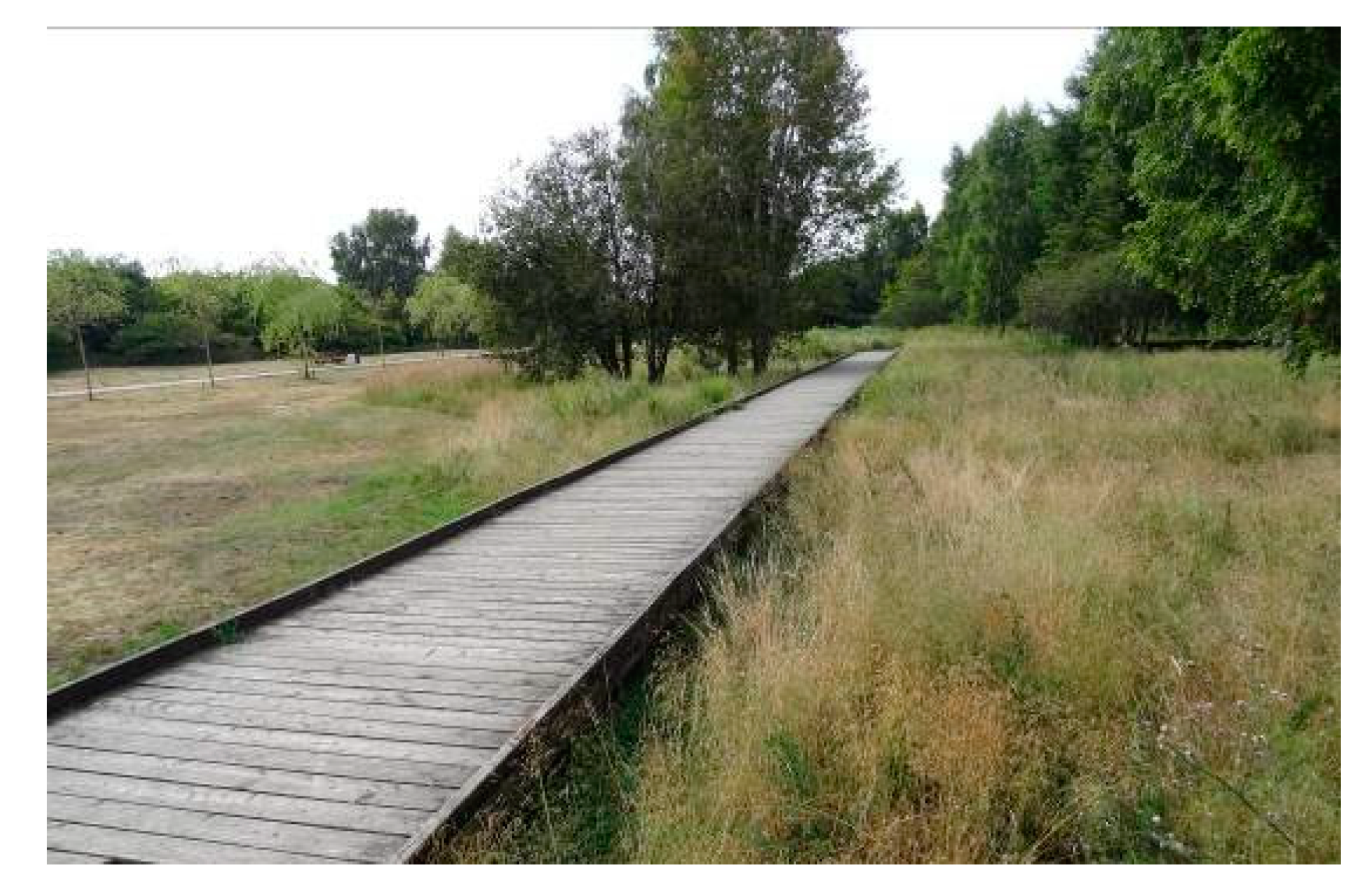
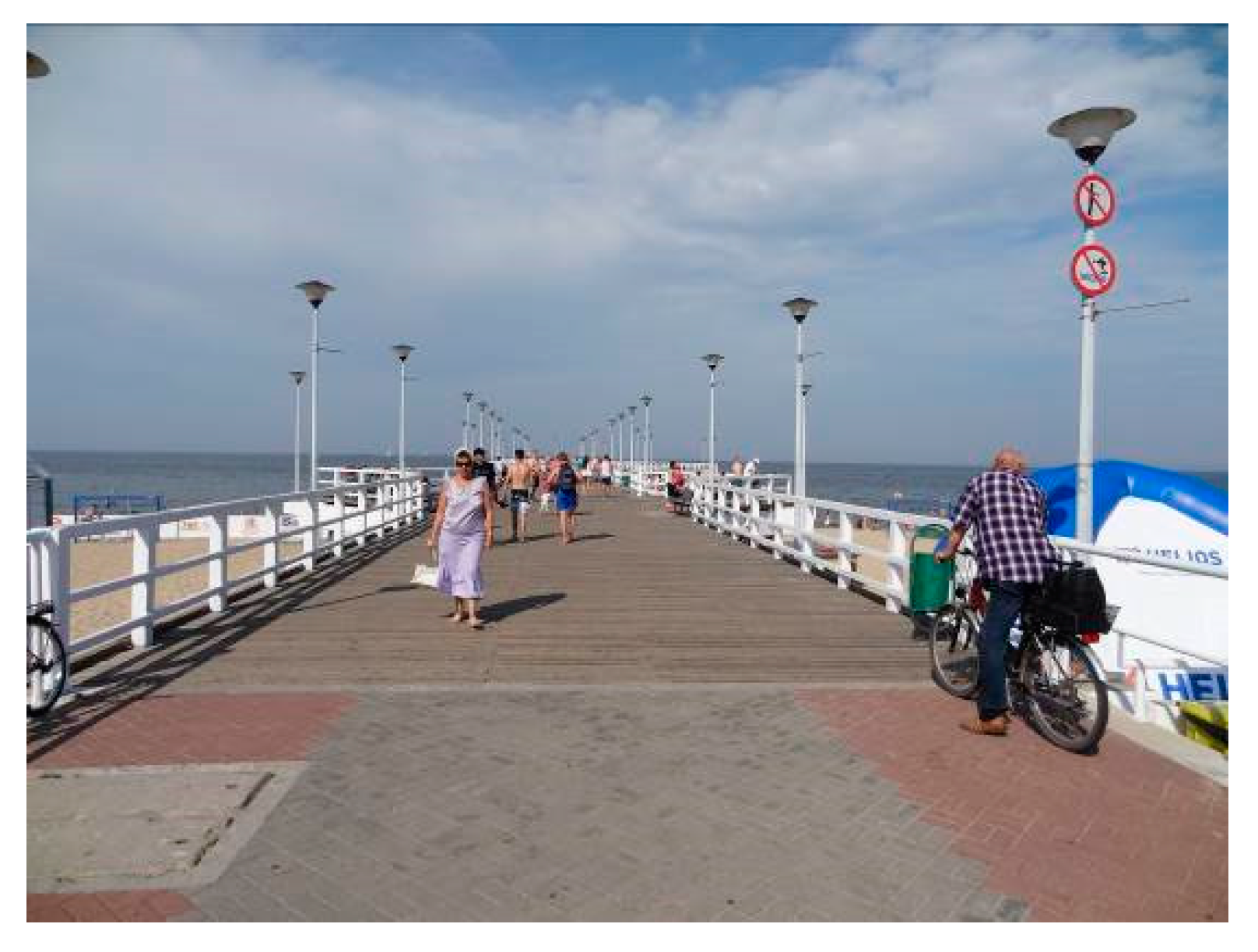
Maximum of available points 26/26 were awarded. (Table 3) One of the major advantages of The Coastal Strip are attractive sandy beaches and open green space surrounded by forest. (Figure 4 and Figure 5). The paths are comfortable, have even surfaces, and provide interesting views with long vistas (Figure 6, Figure 7 and Figure 8).
Table 3.
Assessment of Coastal Zone, Gdańsk, Poland—part 2, source: author.
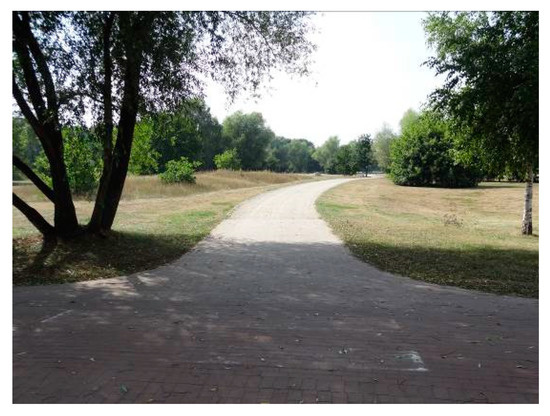
Figure 6.
Coastal Zone, Gdańsk, Poland. Vista engaging the imagination. Source: Author.
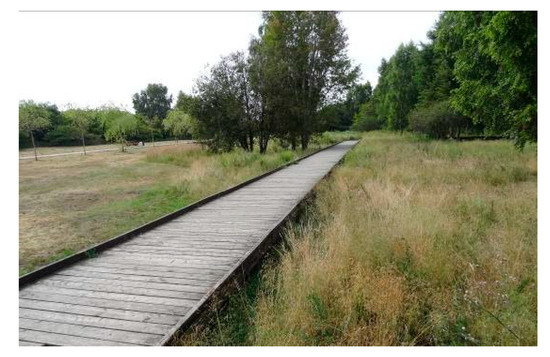
Figure 7.
Coastal Zone, Gdańsk, Poland. Wooden pier over wetlands. Source: Author.
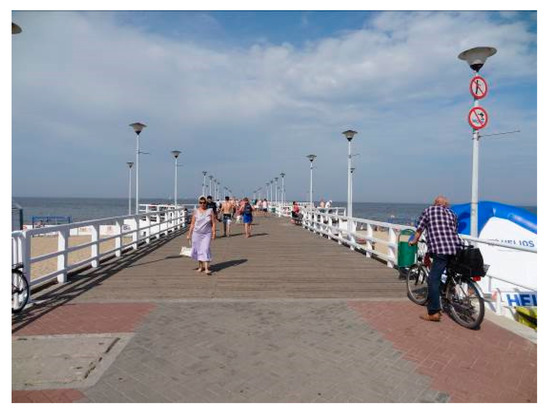
Figure 8.
Coastal Zone, Gdańsk, Poland. Wooden pier in Brzeźno. Source: Author.
3.3. Amenities
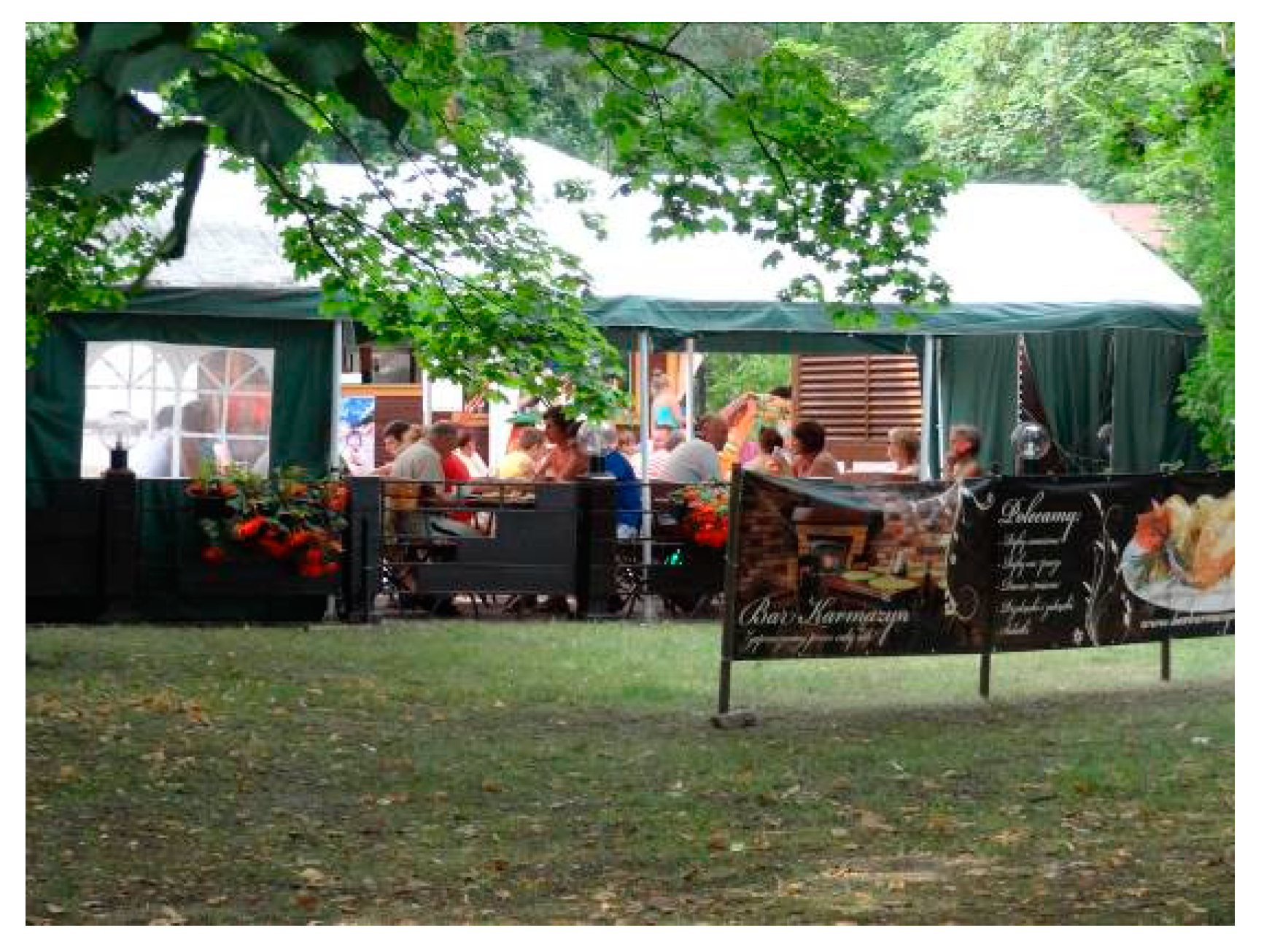
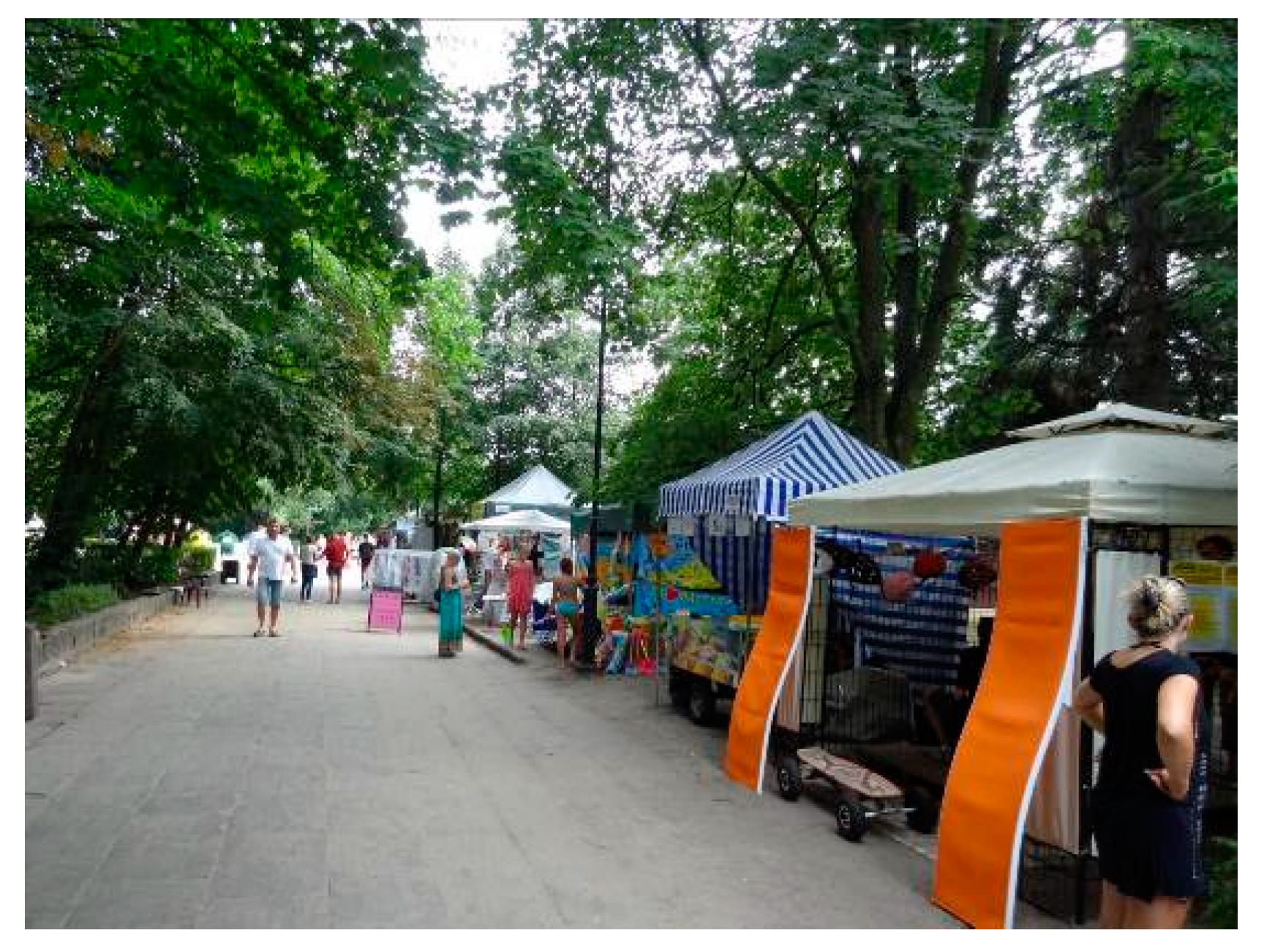
The recreational infrastructure was assessed as satisfactory. (Table 4) The basic needs of users are satisfied by park infrastructure (drinking fountains, cafes, restaurants, food stands, etc.)—(Figure 9 and Figure 10) Therefore 14 out of 15 points were awarded. One point which was missing were community gardens. However, it is debatable whether they should be introduced.
Table 4.
Assessment of Coastal Zone, Gdańsk, Poland – part 3, source: author.
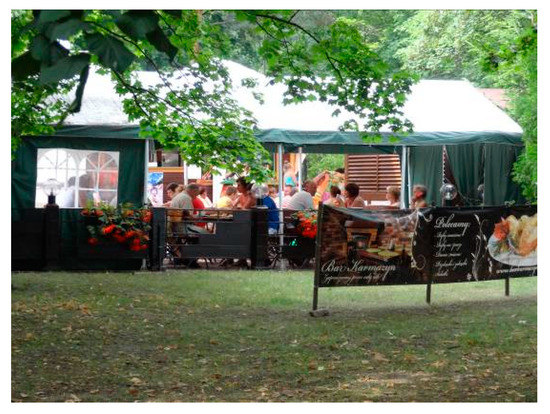
Figure 9.
Coastal Zone, Gdańsk, Poland. Summer restaurants. Source: Author.
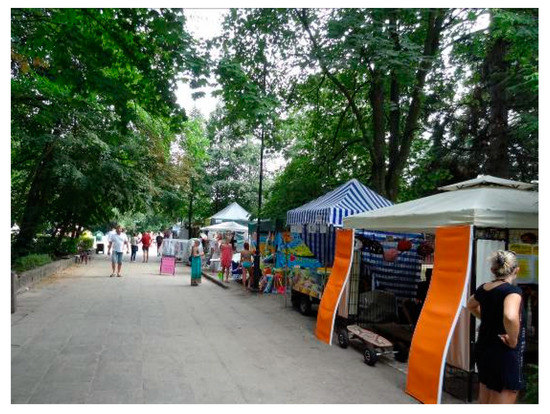
Figure 10.
Coastal Zone, Gdańsk, Poland. Summer stands with food and souvenirs. Source: Author.
3.4. Design
The results of the DESIGN section clearly indicate that any type of urban development would hinder the health-promoting qualities of The Coastal Strip (e.g., long vistas, framed views, sensory stimuli, engaging features, etc. (Table 5) (Figure 4, Figure 5, Figure 6, Figure 7, Figure 8, Figure 9, Figure 10 and Figure 11). Therefore, 19 out of 20 points were awarded. One point was missing-sensory path, which could enhance the sensory experience.
Table 5.
Assessment of Coastal Zone, Gdańsk, Poland—part 4, source: Author.
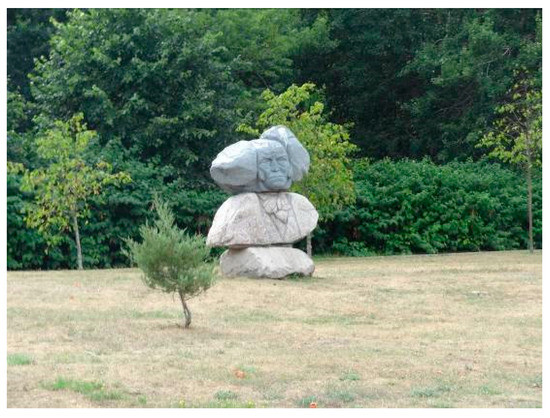
Figure 11.
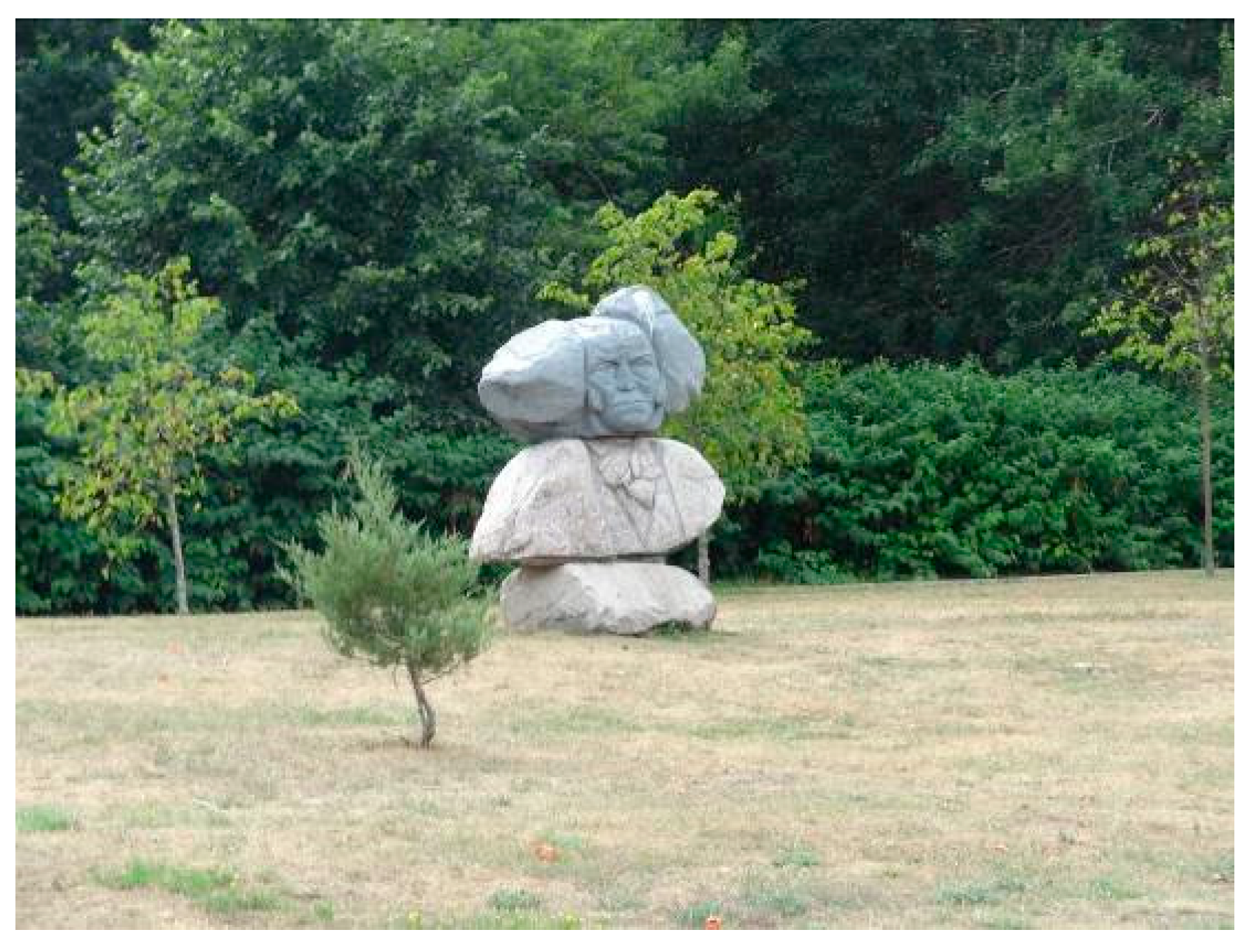
Coastal Zone, Gdańsk, Poland. Monument of Arthur Schopenhauer in the Ronald Reagan park. Source: Author.
3.5. Placemaking
The aspect of placemaking is very important. The Coastal Strip has a long tradition of being a favorite holiday destination. The historic parks, hotels, restaurants and wooden pier served visitors for decades, if not centuries. Today, that tradition is being reinvigorated with organization of cultural and sport events, e.g., Festival of Arts, Park Runs, etc. Therefore, 7 out of 8 points were awarded, as only thematic gardens could be added to reinforce the place identity. (Table 6) There are numerous points of interest to facilitate the creation of mental maps and wayfinding (Figure 8, Figure 9, Figure 10 and Figure 11).
Table 6.
Assessment of Coastal Zone, Gdańsk, Poland—part 5, source: Author.
4. Discussion
4.1. The Main Findings of the Research
The binary assessment demonstrated that the coastal zone scored 90%—76 out of maximum 84 points, which is a very good result. This result confirmed that The Coastal Strip is a health-promoting place, important for public health. The loss of such a place would be difficult to compensate in a densely populated area. The scores are high in all five categories. The missing points are limited and could be easily amended. The result indicates that any development of The Coastal Strip should be carefully analyzed. Any fragmentation may hinder the health-promoting qualities.
The results of assessment of therapeutic qualities are confirmed by existing research on coastal landscapes. Coastal communities may attain better physical health due to leisure time spent near the sea, as blue settings offer numerous therapeutic qualities [25,26,27,28,29].
4.2. Future Research Directions
The limitation of the universal standard comes from the subjectivity of individual perception. While the majority of therapeutic attributes can be assessed objectively, some are subjective. The precise methods of comparison cannot be used, as it is impossible to evaluate and compare some therapeutic attributes: i.e., Sensory stimuli, Mystery, Fascination, Risk/Peril, etc. Moreover, the therapeutic experience of green area can vary among individuals. The subjectivisms of assessment could be mitigated only with a more detailed description. Detailed studies, conducted by a team of researchers who discuss and compare the results, would be recommended. It would also be important to repeat the assessment to monitor the health-promoting potential of The Coastal Strip. The results could indicate areas for potential improvement.
The universal standard for health-promoting places could be used to assess the therapeutic qualities of urban open green space in any city.
5. Conclusions
A universal standard for health-promoting places is a conceptual framework to evaluate open green space. It was developed by the author after many years of research. In this study, it was used to evaluate The Coastal Strip in Gdańsk. The results, 76 out of maximum 84 points (90%), demonstrated that The Coastal Strip is a health-promoting place, invaluable for health promotion of local inhabitants and occasional visitors.
The therapeutic qualities are perceived as subjective phenomena and therefore any claims funded on lost therapeutic values are often rebutted as ungrounded or unimportant. The assessment of therapeutic qualities could be used to justify the social demand for limiting plans of further urban development of The Coastal Strip. The protection of natural heritage and public health promotion is a good reason to turn down the prospective short-term economic gains resulting from urban development. The therapeutic qualities could be lost and are difficult, if not impossible, to compensate.
The recognized limitation of this study is evaluation by only one researcher. Although the majority of awarded points are invariable and would not change if the evaluation was performed by a team of researchers, there are still some subjective points. Therefore, further, more detailed studies may require evaluation by a team of researchers and comparison of results. It would be also recommended to repeat the assessment to monitor the health-promoting features.
In this study, The Coastal Strip was chosen, but the conceptual framework of the universal standard for health-promoting urban places could be used to evaluate the qualities of any open public green space.
Funding
This research received no external funding.
Conflicts of Interest
The authors declare no conflict of interest.
References
- Rembeza, M.; Rozwadowski, T. Public Participation practice versus economic pressure: Transformation of the Gdansk Coastal Strip. Studia Komitetu Przestrzennego Zagospodarowania Kraju PAN 2016, 264, 147–168. [Google Scholar]
- Pas Nadmorski. Available online: http://gdanskpasnadmorski.vgh.pl/viewpage.php?page_id=6 (accessed on 9 October 2020).
- Largo-Wight, E. Cultivating healthy places and communities: Evidenced-based nature contact recommendations. Int. J. Environ. Health Res. 2011, 21, 41–61. [Google Scholar] [CrossRef] [PubMed]
- Frumkin, H. Beyond toxicity: Human health and the natural environment. Am. J. Prev. Med. 2001, 20, 234–240. [Google Scholar] [CrossRef]
- Huang, L.; Xu, H. Therapeutic landscapes and longevity: Wellness tourism in Bama. Soc. Sci. Med. 2018, 197, 24–32. [Google Scholar] [CrossRef]
- Gesler, W. Lourdes: Healing in a place of pilgrimage. Health Place 1996, 2, 95–105. [Google Scholar] [CrossRef]
- Gesler, W. Therapeutic Landscapes: An evolving theme. Health Place 2005, 11, 295–297. [Google Scholar] [CrossRef] [PubMed]
- Cooper-Marcus, C.; Sachs, N. Therapeutic Landscapes. An Evidence-Based Approach to Designing Healing Gardens and Restorative Outdoor Spaces; John Wiley & Sons, Inc.: Hoboken, NJ, USA, 2014; pp. 14–35. [Google Scholar]
- Williams, A. Spiritual therapeutic landscapes and healing: A case study of St. Anne de Beaupre, Quebec, Canada. Soc. Sci. Med. 2010, 70, 1633–1640. [Google Scholar] [CrossRef] [PubMed]
- Conradson, D. Landscape, care and the relational self: Therapeutic encounters in rural England. Health Place 2005, 11, 337–348. [Google Scholar] [CrossRef] [PubMed]
- Trojanowska, M. Parki i Ogrody Terapeutyczne; Wydawnictwo Naukowe PWN: Warszawa, Poland, 2017. [Google Scholar]
- Carlson, A. On the Theoretical Vacuum in Landscape Assessment. Landsc. J. 1993, 12, 51–56. [Google Scholar] [CrossRef]
- Maas, J.; Verheij, R.; De Vries, S.; Spreeuwenberg, P.; Schellevis, F.G.; Groenewegen, P.P. Morbidity is related to a green living environment. J. Epidemiol. Community Health 2009, 63, 967–973. [Google Scholar] [CrossRef] [PubMed]
- De Vries, S.; Buijs, A.E.; Snep, R.P.H. Environmental Justice in The Netherlands: Presence and Quality of Greenspace Differ by Socioeconomic Status of Neighbourhoods. Sustainability 2020, 12, 5889. [Google Scholar] [CrossRef]
- Choi, D.-A.; Park, K.; Rigolon, A. From XS to XL Urban Nature: Examining Access to Different Types of Green Space Using a ‘Just Sustainabilities’ Framework. Sustainability 2020, 12, 6998. [Google Scholar] [CrossRef]
- Kuo, F.E. Coping with poverty: Impacts of environment and attention in the inner city. Environ. Behav. 2001, 33, 5–34. [Google Scholar] [CrossRef]
- Lefebvre, H. Le droit à la ville. L’Homme et la société 1967, 6, 29–35. [Google Scholar] [CrossRef]
- Lincoln, Y.S.; Guba, E.G.; Pilotta, J.J. Naturalistic inquiry. Int. J. Intercult. Relat. 1985, 9, 438–439. [Google Scholar] [CrossRef]
- Gdansk—Town of Memory and Freedom. Available online: https://whc.unesco.org/en/tentativelists/530/ (accessed on 27 October 2020).
- Trojanowska, M. The Health impact of parks along waterways. In Proceedings of the 50th ISOCARP Congress, Gdynia, Poland, 23–26 September 2014; pp. 716–725. [Google Scholar]
- Sas-Bojarska, A. The green waterfront of a city—Where are the limits of good planning? In Proceedings of the Gdansk case 49th ISOCARP Congress, Brisbane, Australia, 1–4 October 2013. [Google Scholar]
- Ceny.szybko.pl. Available online: www.ceny.szybko.pl; https://ceny.szybko.pl/Gda%C5%84sk-ceny-mieszkan.html (accessed on 8 October 2020).
- Völker, S.; Kistemann, T. “I’m always entirely happy when I’m here!” Urban blue enhancing human health and well-being in Cologne and Düsseldorf, Germany. Soc. Sci. Med. 2013, 78, 113–124. [Google Scholar] [CrossRef] [PubMed]
- White, M.; Smith, A.; Humphryes, K.; Pahl, S.; Snelling, D.; Depledge, M. Blue space: The importance of water for preference, affect, and restorativeness ratings of natural and built scenes. J. Environ. Psychol. 2010, 30, 482–493. [Google Scholar] [CrossRef]
- Foley, R.; Kistemann, T. Blue space geographies: Enabling health in place. Health Place 2015, 35, 157–165. [Google Scholar] [CrossRef] [PubMed]
- Fundacja ARMAAG. Available online: https://www.armaag.gda.pl/indeks_jakosci_powietrza.htm (accessed on 8 October 2020).
- Portal Stałego Monitoring Hałasu Miasta Gdańska. Available online: https://mag.bmt.com.pl/VisMap/apps/gdansk/public/index.html (accessed on 8 October 2020).
- Wheeler, B.W.; White, M.; Stahl-Timmins, W.; Depledge, M.H. Does living by the coast improve health and wellbeing? Health Place 2012, 18, 1198–1201. [Google Scholar] [CrossRef] [PubMed]
- White, M.P.; Alcock, I.; Wheeler, B.W.; Depledge, M.H. Coastal proximity and health: A fixed effects analysis of longitudinal panel data. Health Place 2013, 23, 97–103. [Google Scholar] [CrossRef]
Publisher’s Note: MDPI stays neutral with regard to jurisdictional claims in published maps and institutional affiliations. |
© 2020 by the author. Licensee MDPI, Basel, Switzerland. This article is an open access article distributed under the terms and conditions of the Creative Commons Attribution (CC BY) license (http://creativecommons.org/licenses/by/4.0/).