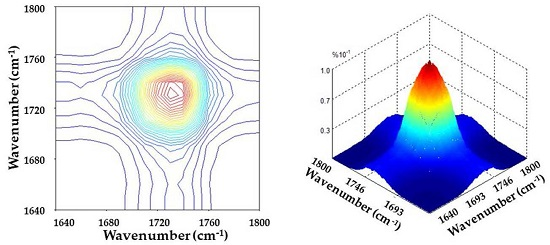
Enhancing the Compatibility of Poly (1,4-butylene adipate) and Phenoxy Resin in Blends



Abstract
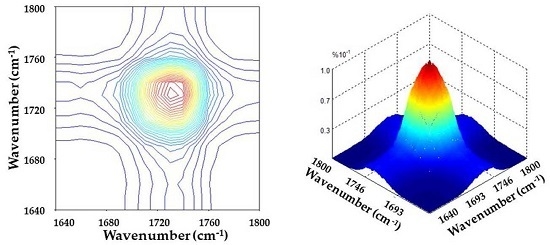
1. Introduction
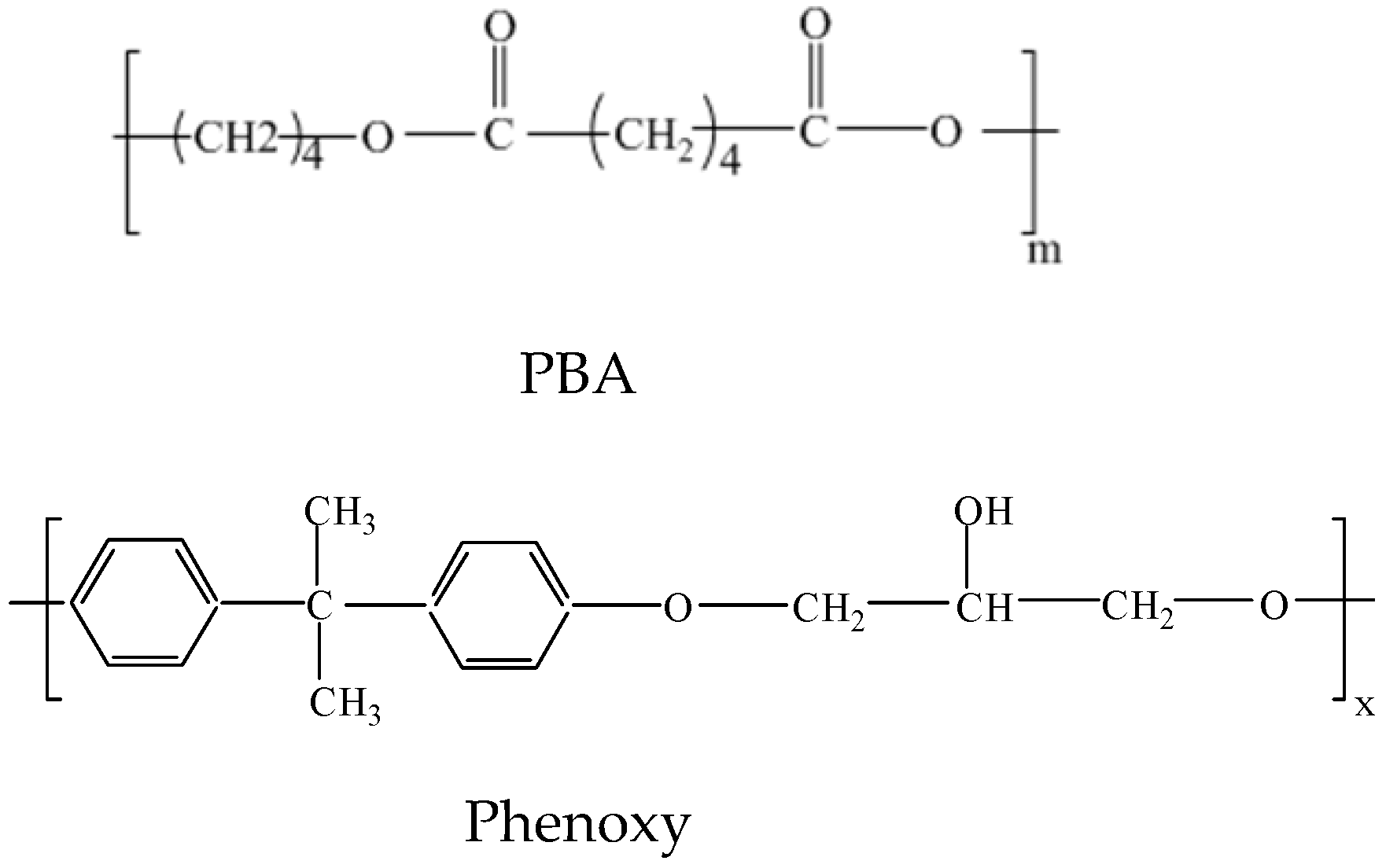
2. Experimental
2.1. Materials
2.2. Preparation of Blends
2.3. Characterization
3. Results and Discussion
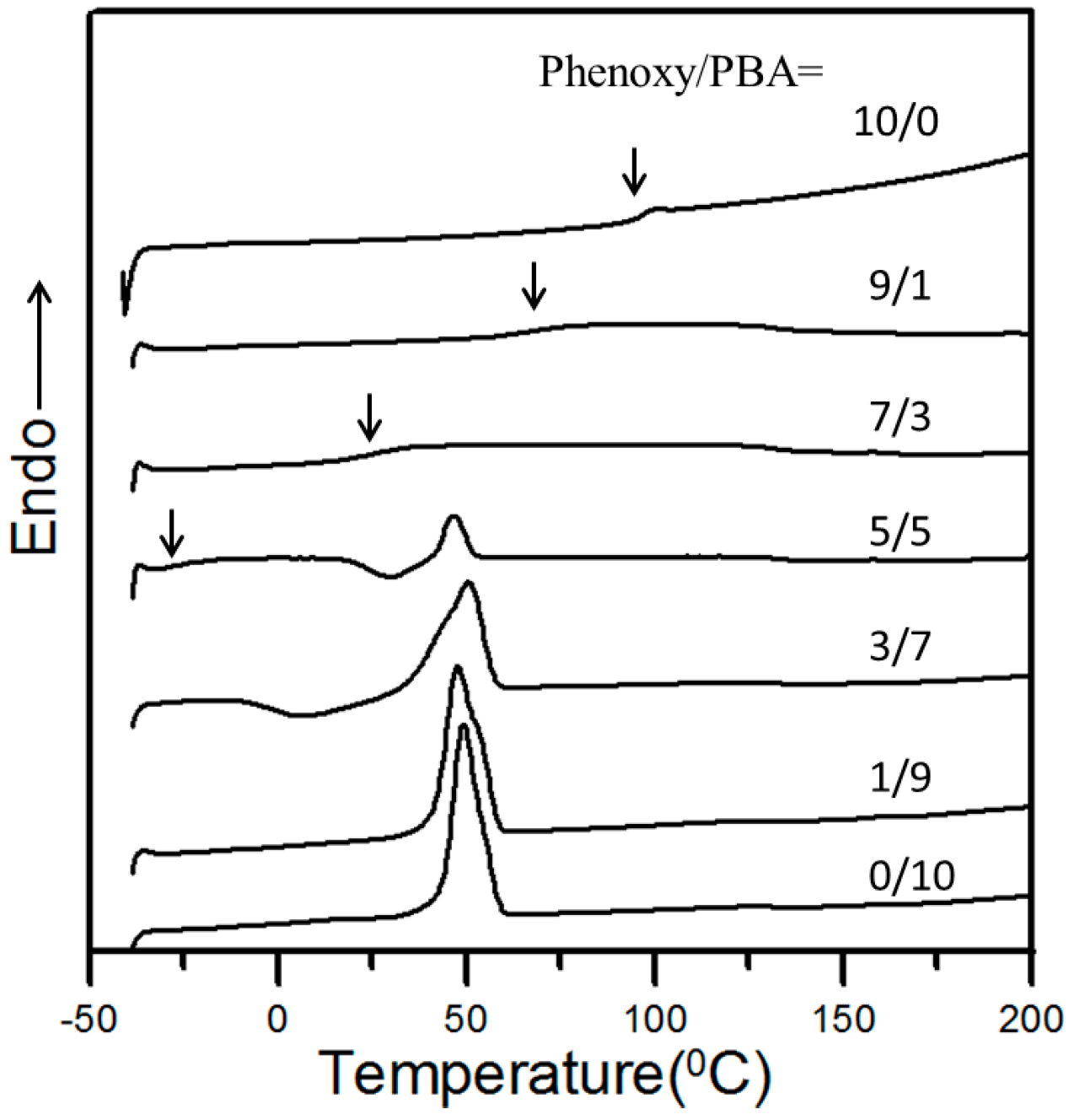
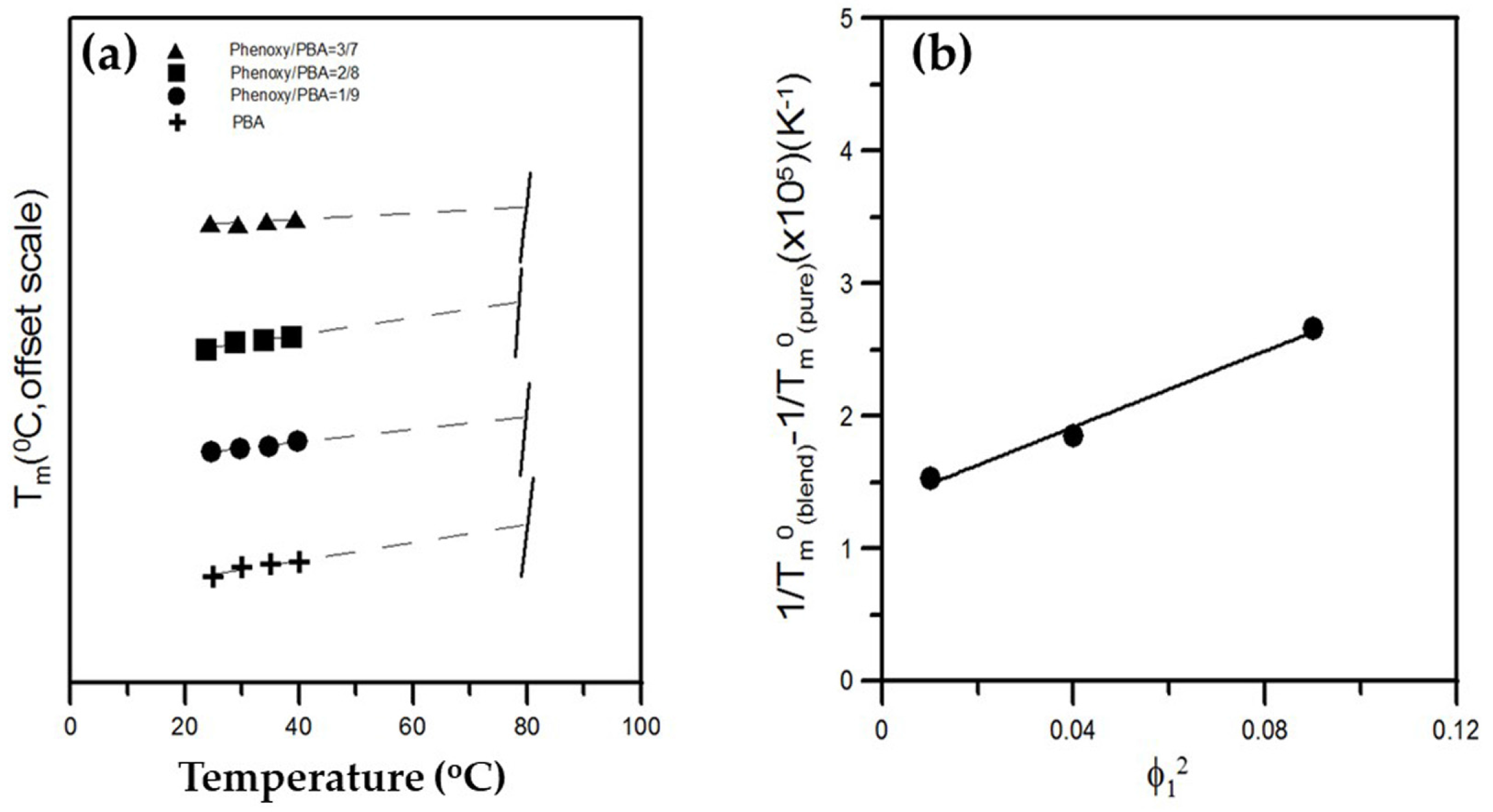
3.1. Thermal Analysis
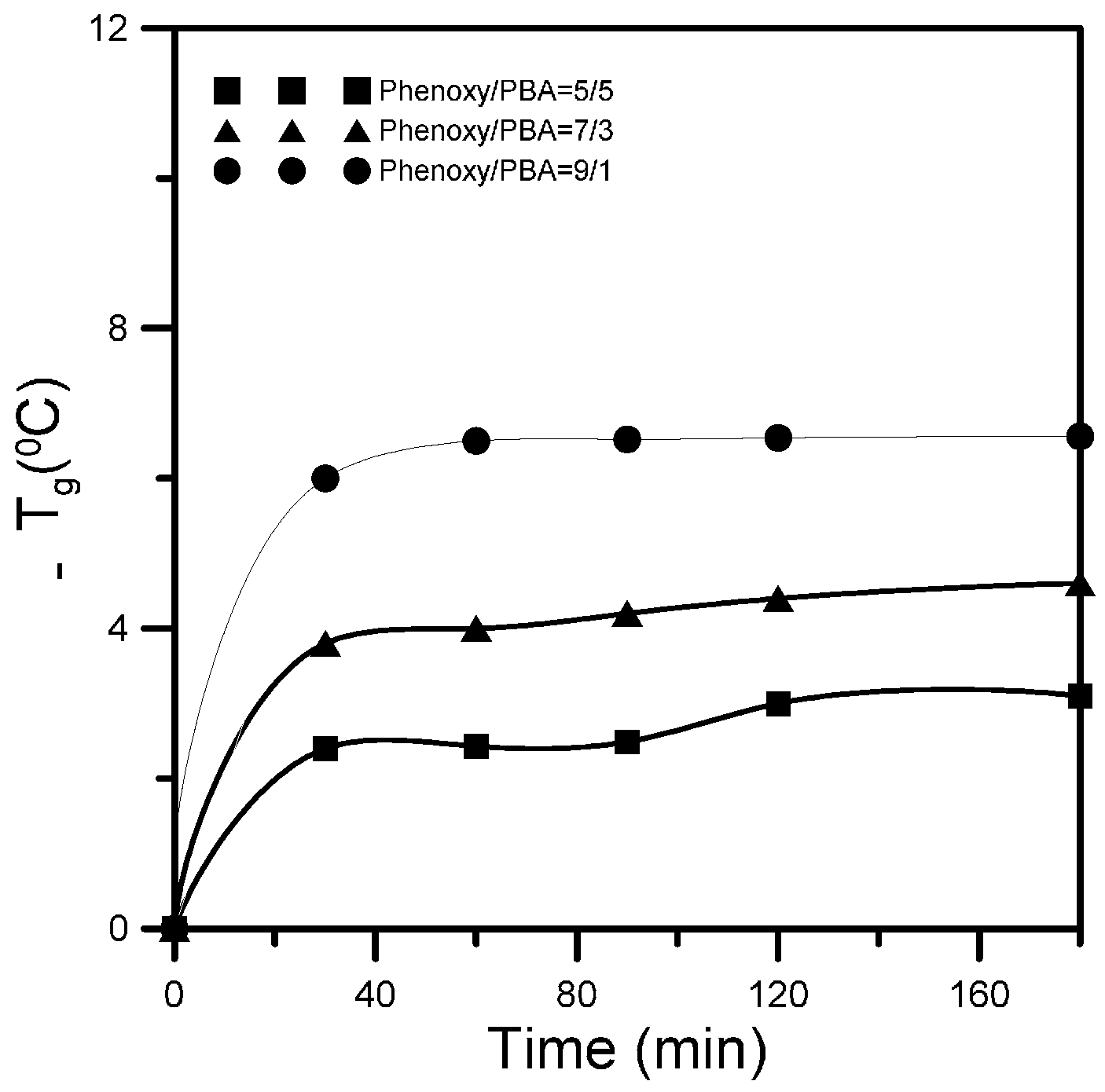
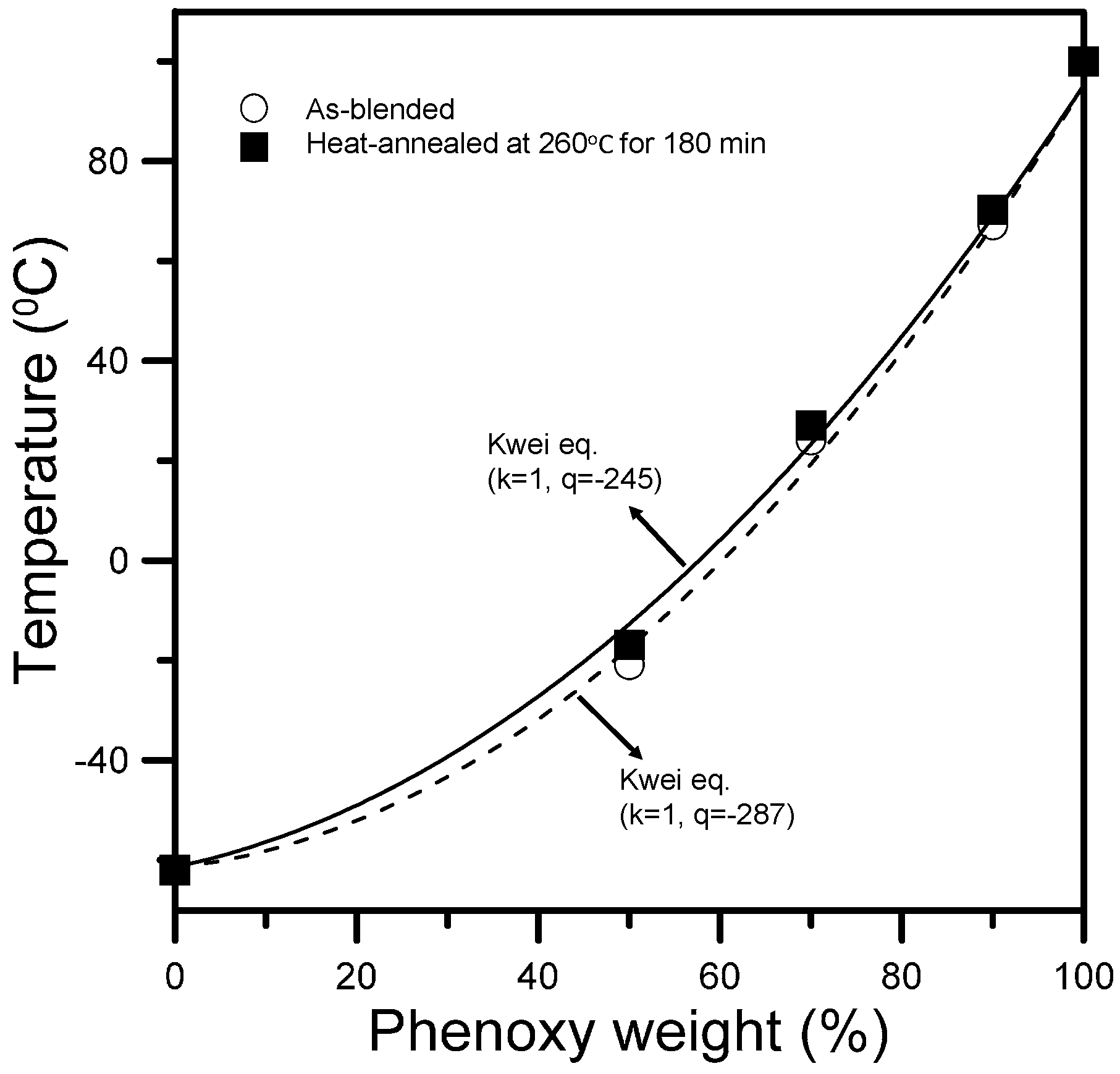
3.2. Specific Interactions upon Annealing
3.3. Chemical Interaction in PBA/Phenoxy Blends upon Annealing
3.4. Chemical Exchange Reactions in PBA/Phenoxy Blends
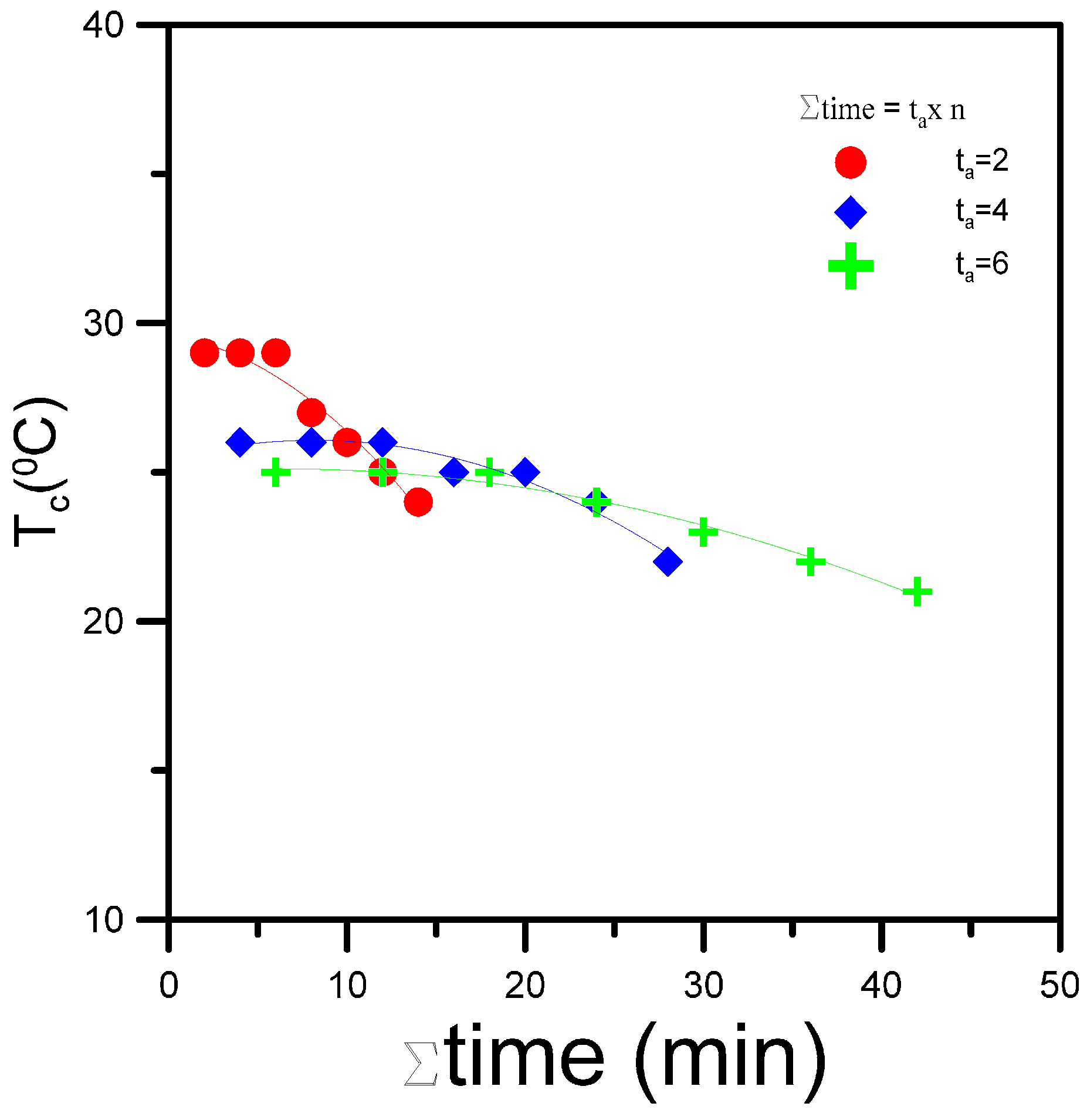
3.5. Effect of Heat-Annealed Samples on Crystallization Behavior
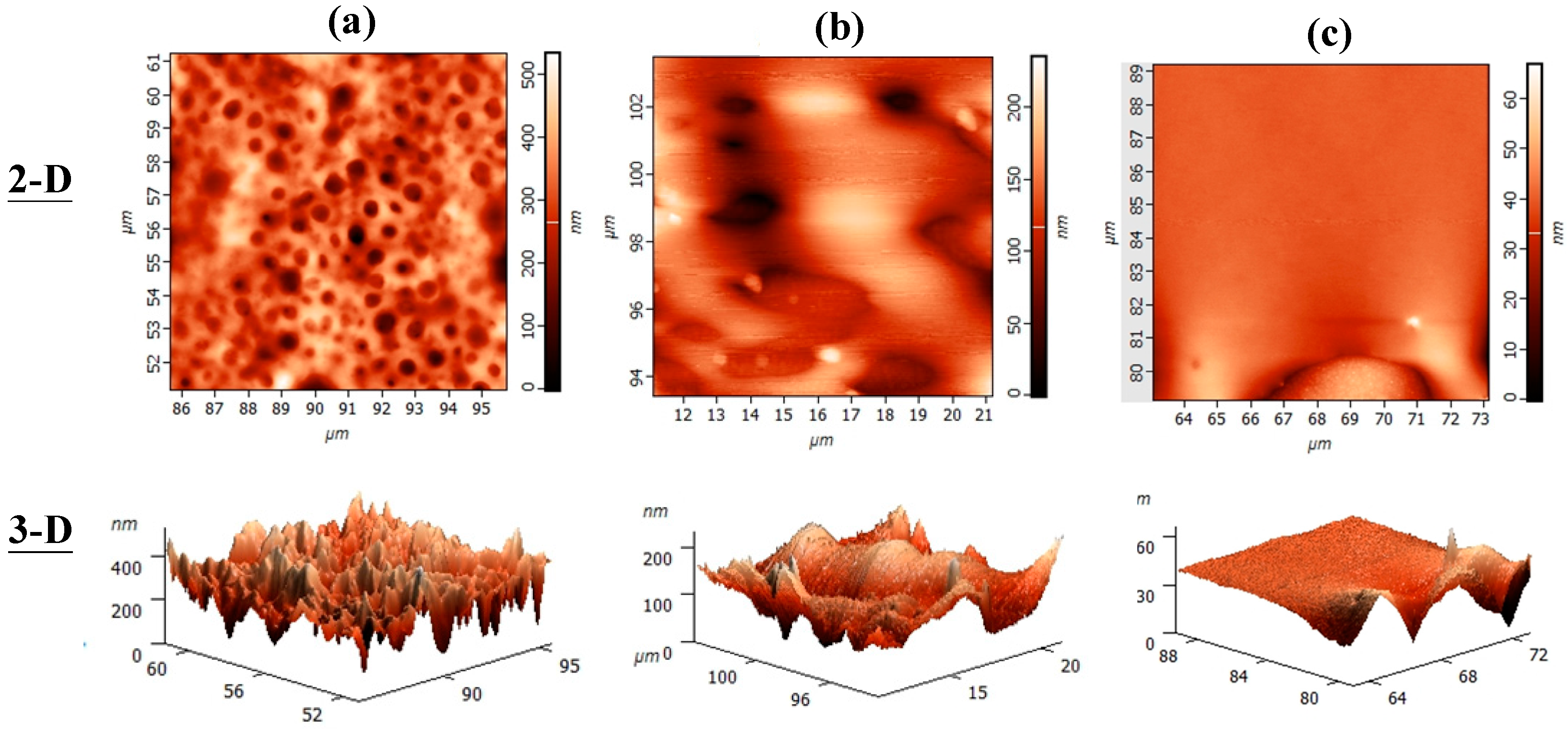
3.6. Surface Topography of Heat-Annealed Blends
4. Conclusions
Acknowledgments
Author Contributions
Conflicts of Interest
References
- Su, C.C.; Shieh, C.K. Determination of interactions between aryl polyesters and poly (ether imide) via glass transition temperatures of separated phases in immiscible blends. Colloid Polym. Sci. 2005, 284, 66–73. [Google Scholar] [CrossRef] [Scilit]
- Su, C.C.; Wang, S.C.; Chen, W.J.; Lee, L.T. Phase compatibilization through chemical exchange reactions in blends of copolyesters with poly (hydroxyether of bisphenol-A) upon Annealing. Ind. Eng. Chem. Res. 2013, 52, 12587–12595. [Google Scholar] [CrossRef] [Scilit]
- Su, C.C.; Cheng, C.H. Miscibility windows in ternary polymer bles of a polyester, polymethacrylate and poly (styrene-co-acry). Polym. Int. 2003, 52, 1209–1216. [Google Scholar] [CrossRef] [Scilit]
- Lee, L.T.; Woo, E.M.; Chen, W.T.; Chang, L.; Yen, K.C. Phase behavior and interactions in blends of poly [(butylene adipate)-co-poly (butylene terephthalate)] copolyester with poly (4-vinyl phenol). Colloid Polym. Sci. 2010, 288, 439–448. [Google Scholar] [CrossRef] [Scilit]
- Paul, D.R.; Bucknall, C.B. Polymer Blends; John Wiley & Sons: New York, NY, USA, 2000; Volume 1, pp. 1–10. [Google Scholar]
- Su, C.C.; Shieh, C.K. Effect of ENPT Copolymers on Miscibility of Multiblend Blends of Poly (ethylene naphthalate)/Aryl Polyesters/Poly (ether imide). Polym. Eng. Sci. 2006, 46, 337–343. [Google Scholar] [CrossRef] [Scilit]
- Rana, D.; Mandal, B.M.; Bhattacharyya, S.N. Analogue calorimetric studies of blends of poly (vinyl ester)s and polyacrylates. Macromolecules 1996, 29, 1579–1583. [Google Scholar] [CrossRef] [Scilit]
- Rana, D.; Mandal, B.M.; Bhattacharyya, S.N. Analogue calorimetry of polymer blends: Poly (styrene-co-acrylonitrile) and poly (phenyl acrylate) or poly (vinyl benzoate). Polymer 1996, 37, 2439–2443. [Google Scholar] [CrossRef] [Scilit]
- Rana, D.; Mandal, B.M.; Bhattacharyya, S.N. Miscibility and phase diagrams of poly (phenyl acrylate) and poly (styrene-coacrylonitrile) blends. Polymer 1993, 34, 1454–1459. [Google Scholar] [CrossRef] [Scilit]
- Rana, D.; Kim, H.L.; Kwag, H.; Choe, S. Hybrid blends of similar ethylene 1-octene copolymers. Polymer 2000, 41, 7067–7082. [Google Scholar] [CrossRef] [Scilit]
- Rana, D.; Kim, H.L.; Kwag, H.; Rhee, J.; Cho, K.; Woo, T.; Lee, B.H.; Choe, S. Blends of ethylene 1-Octene copolymer synthesized by Ziegler–Natta and metallocene catalysts. II. Rheology and morphological behaviors. J. Appl. Polym. Sci. 2000, 76, 1950–1964. [Google Scholar] [CrossRef] [Scilit]
- Rana, D.; Cho, K.; Woo, T.; Lee, B.H.; Choe, S. Blends of ethylene 1-Octene copolymer synthesized by Ziegler–Natta and metallocene catalysts. I. thermal and mechanical properties. J. Appl. Polym. Sci. 1999, 74, 1169–1177. [Google Scholar] [CrossRef] [Scilit]
- Rana, D.; Lee, C.H.; Cho, K.; Lee, B.H.; Choe, S. Thermal and mechanical properties for binary blends of metallocene polyethylene with conventional polyolefins. J. Appl. Polym. Sci. 1998, 69, 2441–2450. [Google Scholar] [CrossRef]
- Baker, W.E.; Scott, C.E.; Hu, G.H. Reactive Polymer Blending; Hanser: Munchen, Germany, 2001. [Google Scholar]
- Bank, M.; Leffingwell, J.; Thies, C. The Influence of Solvent upon the Compatibility of Polystyrene and Poly (vinyl methyl ether). Macromolecules 1971, 4, 43–46. [Google Scholar] [CrossRef] [Scilit]
- Coleman, M.M.; Moskala, E.J. FTi.r. Studies of polymer blends containing the poly (hydroxy ether of bisphenol A) and poly (ε-caprolactone). Polymer 1983, 24, 251–257. [Google Scholar] [CrossRef] [Scilit]
- Su, C.C.; Lin, J.H. Ringed spherulites in ternary polymer blends of poly (ε-caprolactone), poly (styrene-co-acrylonitrile) and polymethacrylate. Colloid Polym. Sci. 2004, 283, 182–193. [Google Scholar] [CrossRef] [Scilit]
- Su, C.C.; Chen, C.H.; Shih, N.L.; Li, Y.S. Chemical Exchange Reactions in Blends of the Biodegradable Polyester with poly (hydroxy ether of bisphenol-A). Adv. Mater. Res. 2014, 953, 1246–1249. [Google Scholar] [CrossRef] [Scilit]
- Kalogeras, I.M. Glass-transition phenomena in polymer blends. In Encyclopedia of Polymer Blends, Volume 3: Structure; Isayev, A.I., Ed.; Wiley-VCH: Weinheim, Germany, 2016; Chapter 1; pp. 1–134. ISBN 978-3-527-31931-2. [Google Scholar]
- Su, C.C.; Woo, E. M. Chemical interactions in blends of bisphenol A polycarbonate with tetraglycidyl-4,4′-diaminodiphenylmethane epoxy. Macromolecules 1995, 28, 6779–6786. [Google Scholar] [CrossRef] [Scilit]
- Seyfia, J.; Jafari, S.H.; Khonakdarb, H.A.; Sahac, P.; Goodarzia, V. Investigating the role of transreactions on degradation behavior of phenoxy/poly (trimethylene terephthalate)/clay nanocomposites using thermal analysis techniques. Thermochim. Acta 2010, 511, 59–66. [Google Scholar] [CrossRef] [Scilit]
- Farmahini-Farahani, M.; Jafari, S.H.; Khonakdar, H.A.; Bo¨hme, F.; Komber, H.; Yavari1, A. Tarameshlou1 M. Investigation of exchange reactions and rheological response of reactive blends of poly (trimethylene terephthalate) and phenoxy resin. Polym. Int. 2008, 57, 612–617. [Google Scholar] [CrossRef] [Scilit]
- Yang, F.; Qiu, Z.A. Comparative study of crystallization kinetics of a miscible biodegradable poly (butylene succinate-co-butylene adipate) blend with poly (hydroxyl ether biphenyl A) and its neat component. Thermochim. Acta 2011, 523, 200–206. [Google Scholar] [CrossRef] [Scilit]
- Woo, E.M.; Mao, Y.J.; Wu, P.; Su, C.C. Ternary miscibility in blends of three polymers with balanced binary interactions. Polym. Eng. Sci. 2003, 43, 543–557. [Google Scholar] [CrossRef] [Scilit]
- Harris, J.E.; Goh, S.H.; Paul, D.R.; Barlow, J.W. Miscible binary blends containing the polyhydroxy ether of bisphenol-A and various aliphatic polyesters. J. Appl. Polym. Sci. 1982, 27, 839–855. [Google Scholar] [CrossRef] [Scilit]
- Nurkhamidah, S.; Eamor, M.W.; Huang, I.H.; Su, C.C. Phase behavior and crystal morphology in poly (ethylene succinate) biodegradably modified with tannin. Colloid Polym. Sci. 2011, 289, 1563–1578. [Google Scholar] [CrossRef] [Scilit]
- Stuart, W. Chemistry of the Carbonyl Group, 99th ed.; John Wiley & Sons, Ltd.: New York, NY, USA, 1991; Volume 1, pp. 89–121. [Google Scholar]
- Vollhardt, K.; Peter, C. The Carbonyl Group-Organic Chemistry Structure and Function, 5th ed.; Freeman: New York, NY, USA, 2007; Volume 1, pp. 14–35. [Google Scholar]
- Vollhardt, P.; Schore, N. Organic Chemistry: Structure and Function, 6th ed.; Freeman: New York, NY, USA, 2013; pp. 886–898. [Google Scholar]
- Robeson, L.M.; Hale, W.F.; Merriam, C.N. Misciblity of the poly (hydroxy ether) of bisphenol A with water-soluble polyethers. Macromolecules 1981, 14, 1644–1650. [Google Scholar] [CrossRef] [Scilit]
- Chiou, J.S.; Paul, D.R. Phase behavior of PMMA-phenoxy blends. J. Appl. Polym. Sci. 1991, 42, 279–280. [Google Scholar] [CrossRef] [Scilit]
- Zheng, S.Q.; Guo, Y.M. Examination of miscibility at molecular level of poly (hydroxy ether of bisphenol A)/poly (N-vinylpyrrolidone) blends by cross-polarization/magic angle spinning 13C nuclear magnetic resonance spectroscopy. J. Polym. Sci. Part B Polym. Phys. Ed. 1998, 36, 2291–2300. [Google Scholar] [CrossRef]
- Dai, J.; Goh, S.H.; Lee, S.Y.; Siow, K.S. Complexation between poly (hydroxyether of bisphenol A) and three tertiary amide polymers. Polymer 1996, 37, 3259–3264. [Google Scholar] [CrossRef] [Scilit]
- Yuan, Y.; Ruckenstein, E. Miscibility and transesterification of phenoxy with biodegradable poly (3-hydroxybutyrate). Polymer 1998, 39, 1893–1897. [Google Scholar] [CrossRef] [Scilit]
- Eguiazabal, J.I.; Iruin, J.J. Miscibility and thermal decomposition in phenoxy/poly (ethylene terephthalate) and phenoxy/poly (butylene terephthalate) blends. Mater. Chem. Phys. 1987, 18, 147–154. [Google Scholar] [CrossRef] [Scilit]
- Sperling, L.H. Introduction to Physical Polymer Science, 4th ed.; Willey: New York, NY, USA, 2006; pp. 395–406. [Google Scholar]
- Fried, J.R. Polymer Science and Technology, 2nd ed.; Pearson Education Taiwan Ltd.: Taipei, Taiwan, 2004; pp. 172–183. [Google Scholar]
- Coleman, M.M.; Graf, J.F.; Painter, P.C. Specific Interactions and the Miscibility of Polymer Blends; Technomic Publishing Company Inc.: Lancaster, PA, USA, 1991; pp. 65–76. [Google Scholar]
- Chang, L.L.; Woo, E.M. Thermal, morphology, and NMR characterizations on phase behavior and miscibility in blends of isotactic polystyrene with poly (cyclohexyl methacrylate). J. Polym. Sci. Part B Polym. Phys. Ed. 2003, 41, 772–784. [Google Scholar] [CrossRef] [Scilit]
- Su, C.C.; Shieh, C.K. Miscibility and transesterification in ternary blends of poly (ethylene naphthalate)/poly (pentamethylene terephthalate)/poly (ether imide). Colloid Polym. Sci. 2005, 283, 1278–1288. [Google Scholar] [CrossRef] [Scilit]
- Hoffman, J.D.; Weeks, J.J. Rate of Spherulitic Crystallization with Chain Folds in Polychlorotrifluoroethylene. J. Chem. Phys. 1962, 37, 1723–1741. [Google Scholar] [CrossRef] [Scilit]
- Brandrup, J.; Immergut, E.H.; Grulke, E.A.; Abe, A.; Bloch, D.R. Polymer Handbook, 4th ed.; John Wiley & Sons: New York, NY, USA, 1999. [Google Scholar]
- Fernandez-Barridi, M.J.; Valero, M.; Martinez de Ilarduya, A.; Espi, E.; Iruin, J.J. Phenoxy blends: An approach to the miscibility by FTi.r. and chemical modification of the interacting sites. Polymer 1993, 34, 38–42. [Google Scholar] [CrossRef] [Scilit]
- Kwei, T.K. The effect of hydrogen bonding on the glass transition temperatures of polymer mixtures. J. Polym. Sci. Polym. Lett. 1984, 22, 307–313. [Google Scholar] [CrossRef] [Scilit]
- Painter, P.C.; Graf, J.F.; Coleman, M.M. Effect of hydrogen bonding on the enthalpy of mixing and the composition dependence of the glass transition temperature in polymer blends. Macromolecules 1991, 24, 5630–5638. [Google Scholar] [CrossRef] [Scilit]
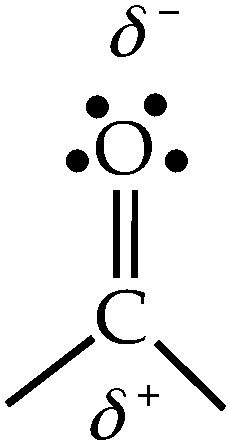
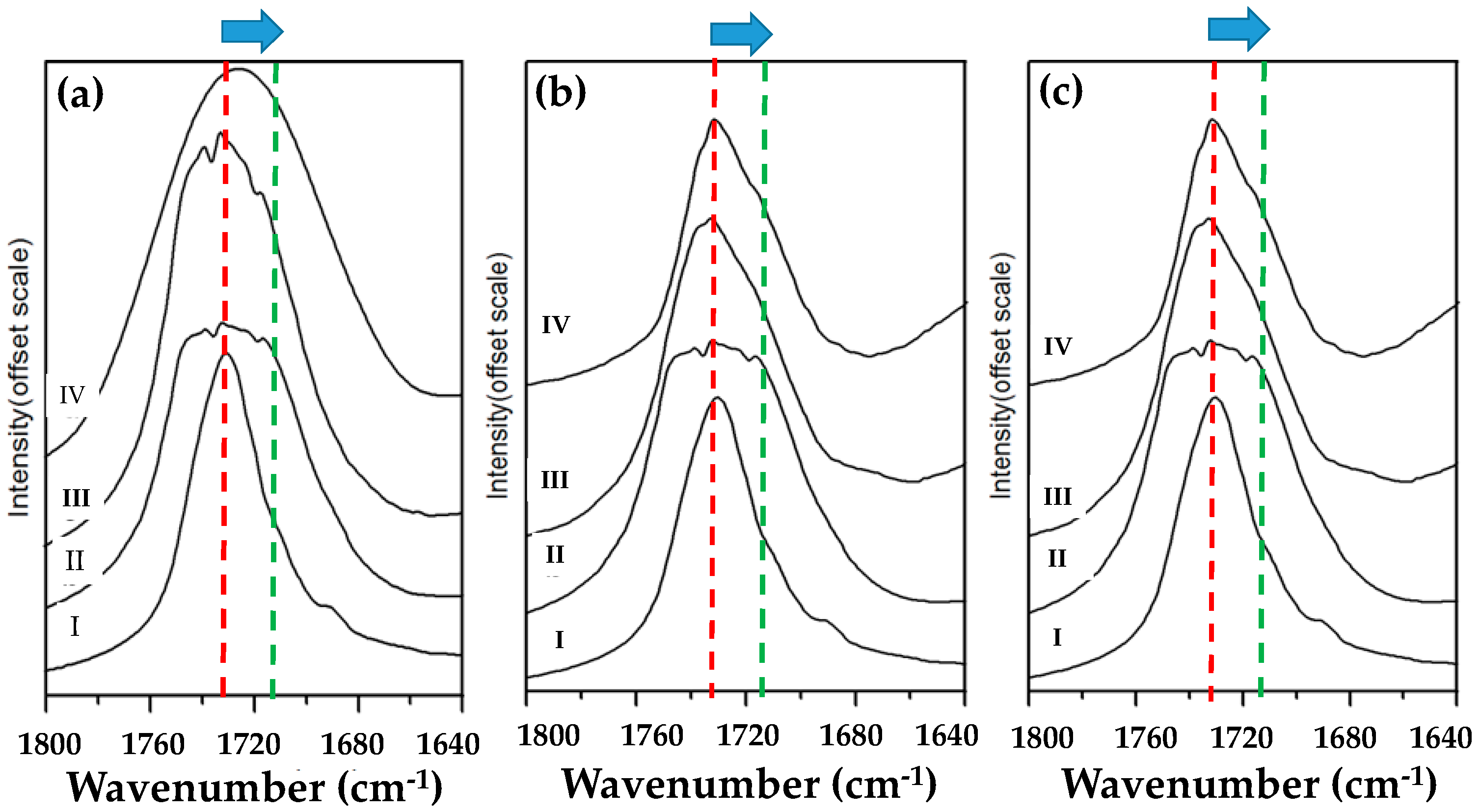
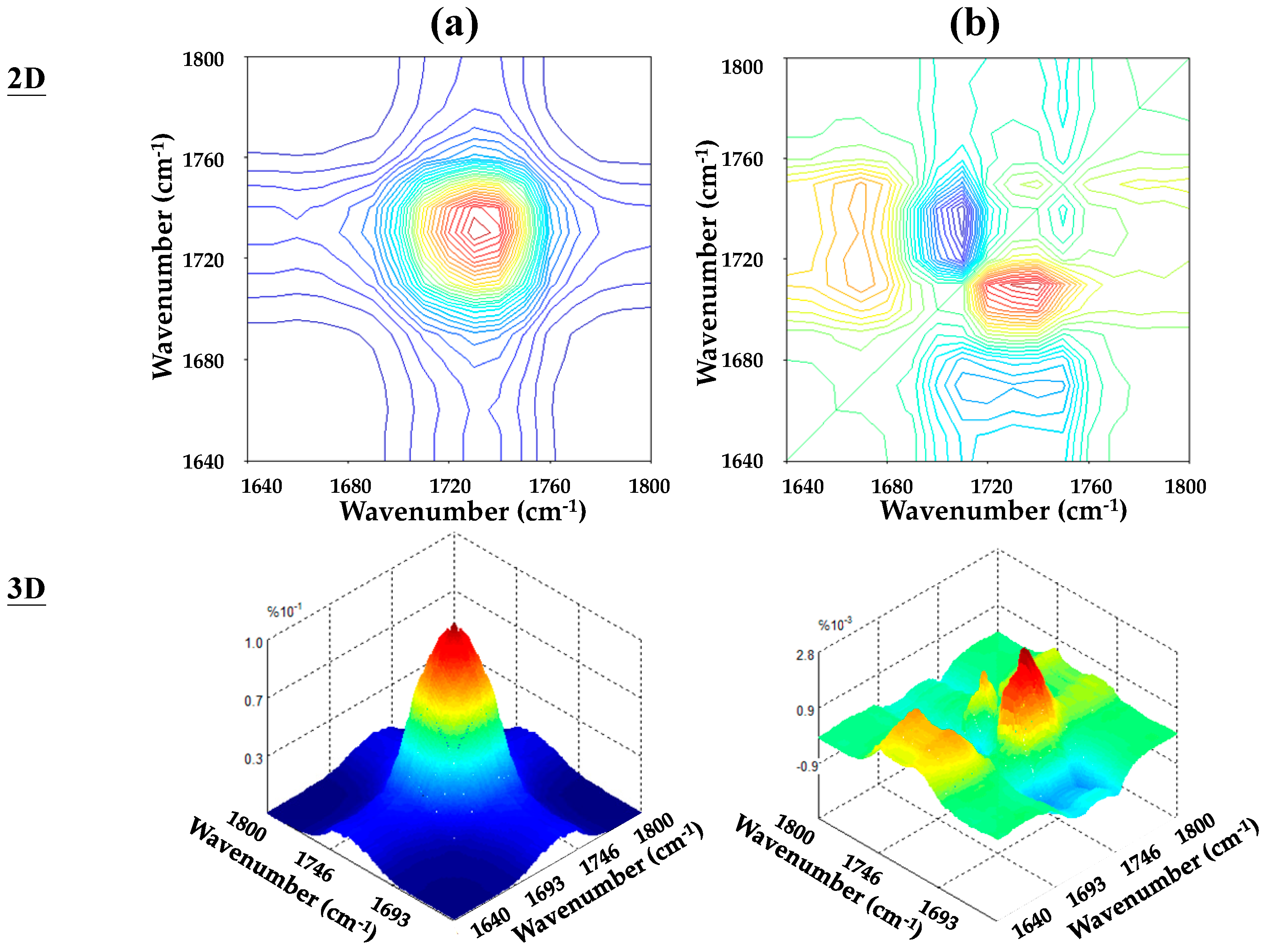
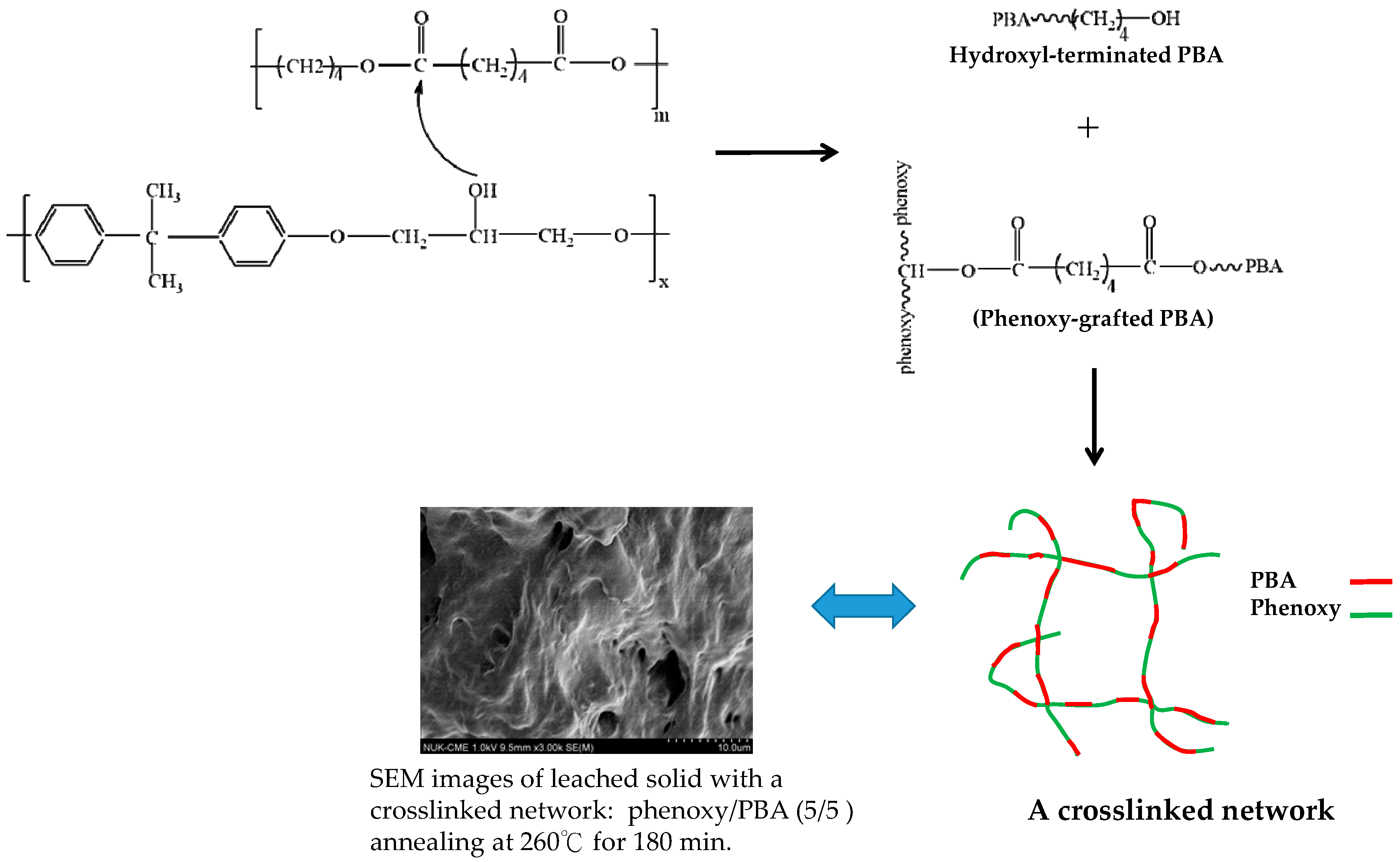
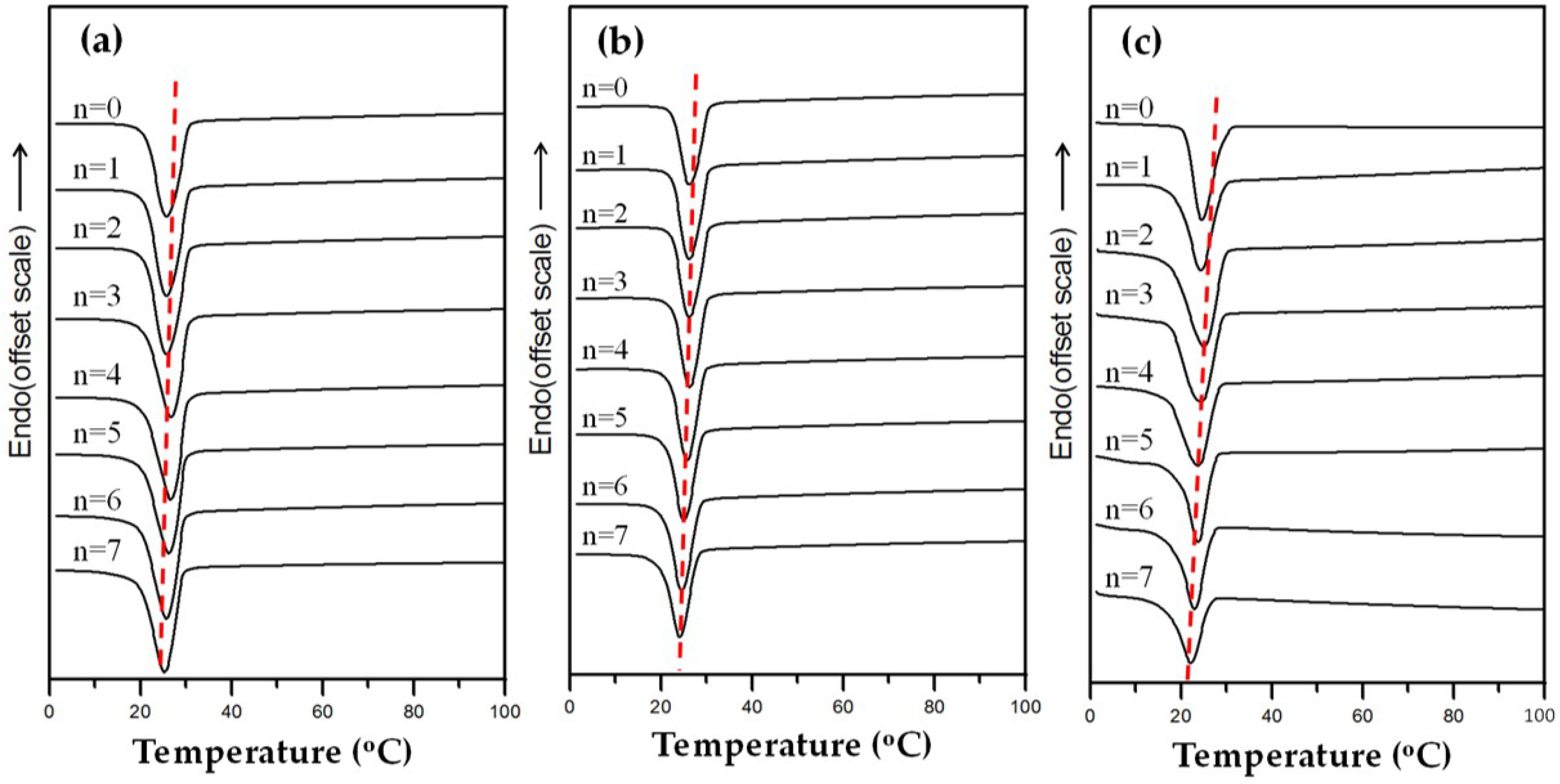

| Ester groups | Wavenumber (cm−1) |
|---|---|
 | 1730 cm−1 |
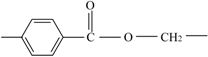 | 1716 cm−1 |
 | 1750 cm−1 |
 | 1735 cm−1 |
| Exothermic Heat of Crystallization ΔHn (J/g) | Annealing Times Per Cycle | ||
|---|---|---|---|
| 2 min | 4 min | 6 min | |
| ΔHn=0 | 70.9 | 61.2 | 39.6 |
| ΔHn=1 | 65.8 | 57.3 | 34.3 |
| ΔHn=2 | 60.8 | 52.2 | 30.2 |
| ΔHn=3 | 55.7 | 49.3 | 15.4 |
| ΔHn=4 | 51.6 | 46.2 | 14.8 |
| ΔHn=5 | 49.6 | 43.0 | 14.6 |
| ΔHn=6 | 45.4 | 42.4 | 14.4 |
| ΔHn=7 | 44.6 | 40.2 | 12.4 |
© 2017 by the authors. Licensee MDPI, Basel, Switzerland. This article is an open access article distributed under the terms and conditions of the Creative Commons Attribution (CC BY) license (http://creativecommons.org/licenses/by/4.0/).
Share and Cite
Yang, C.-F.; Wang, H.-C.; Su, C.-C. Enhancing the Compatibility of Poly (1,4-butylene adipate) and Phenoxy Resin in Blends. Materials 2017, 10, 692. https://doi.org/10.3390/ma10070692
Yang C-F, Wang H-C, Su C-C. Enhancing the Compatibility of Poly (1,4-butylene adipate) and Phenoxy Resin in Blends. Materials. 2017; 10(7):692. https://doi.org/10.3390/ma10070692
Chicago/Turabian StyleYang, Cheng-Fu, Hsiang-Ching Wang, and Chean-Cheng Su. 2017. "Enhancing the Compatibility of Poly (1,4-butylene adipate) and Phenoxy Resin in Blends" Materials 10, no. 7: 692. https://doi.org/10.3390/ma10070692
APA StyleYang, C.-F., Wang, H.-C., & Su, C.-C. (2017). Enhancing the Compatibility of Poly (1,4-butylene adipate) and Phenoxy Resin in Blends. Materials, 10(7), 692. https://doi.org/10.3390/ma10070692