
The Impact of the Common Rail Fuel Injection System on Performance and Emissions of Modern and Future Compression Ignition Engines

Abstract
1. Introduction
2. Fuel Injection Technologies and Conventional Diesel Combustion
2.1. Comparison Between Solenoid and Piezoelectric CR Engines
2.2. Comparison Between Indirect-Acting and Direct-Acting CR Engines
2.2.1. Analysis of the Boot Injection Performance
2.3. Basic Double-Injection Schemes
2.3.1. Pilot–Main Injection Mode
2.3.2. Main-After Injection Mode
2.4. Injection Pressure
2.4.1. Injection Pressures Beyond 2000 Bar
2.4.2. Effects of the Nozzle Design of the CR Injector
2.5. Multiple Injections
2.5.1. Pilot–Pilot–Main Strategies
2.5.2. Split Main Injection Strategies
2.5.3. Pilot–Main–After Strategies
2.5.4. Discrete (Digital) and Continuous Rate Shaping Strategies
2.5.5. New Combustion Noise Mechanism in Multiple Injections
2.5.6. Comparison Between Statistically Optimized Multiple Injections
2.5.7. Evolution of Multiple-Injection Patterns and Current Implementations
3. Low-Temperature Combustion and CR Engines
3.1. Classification of the Low-Temperature Combustion Modes Based on SOI
3.2. Effect of Some Relevant Single-Injection Parameters on LTC
3.2.1. Effect of Injection Pressure
3.2.2. Effect of Injection Timing
- Zone A: slightly more mass can be injected before cylinder wall wetting when the piston is closer to the nozzle because the spray is more likely to be confined in the piston bowl without being able to reach the cylinder walls (impingement on the bowl is much less critical than impingement on the cylinder walls);
- Zone B: Qinj max early is almost constant with the variation in SOI. This is consistent since the available distance between the nozzle and cylinder walls (cf. the schematics included in Figure 88) as well as the thermodynamic conditions (p = 1.08 kg/m3, T = 323 K) remain almost constant in the considered SOI range;
- Zone C: this zone corresponds to the beginning of the compression phase. When the SOI is delayed, Qinj max early also grows, due to the increase in ambient temperature and density inside the combustion chamber, while the available distance between the nozzle and the chamber walls does not change significantly;
- Zone D: no cylinder wall wetting was detected in the range of tested ETs (Minj ≤ 3 mg).
3.2.3. Management of the Transition Mode
3.3. Effect of Multiple Injections on LTC
3.3.1. Pilot Injections
3.3.2. After Injections
3.3.3. Split Main Injection
3.3.4. Pilot–Main–After Injections
3.4. LTC Approach Exploitation in Modern Diesel Engines
4. CR Engines Fueled with Biodiesel and Green Diesel
4.1. Biofuels and E-Fuels
4.2. Biodiesel: Performance and Comparison with Petrodiesel in CR Engines
4.2.1. Injection Characteristics
4.2.2. Atomization and Spray Macroscopic Characteristics
4.2.3. Ignition Delay
4.2.4. Lift-Off Length
4.2.5. Combustion Characteristics
4.2.6. Engine Performance
4.2.7. NOx Engine-Out Emissions
- (1a)
- for pump–line–nozzle, distributor–pump and unit injector systems, the higher bulk modulus of compressibility and sound speeds of biodiesel induce an advance in injection timing, which increases the duration of the premixed phase, leading to higher temperatures during the diffusive phase and a larger total residence time of the species at high temperatures [8,9,10,11,12,13,14,15,16]. All this favors the production of thermal NOx. The earlier SOI has been identified as an important factor in the differences in NOx between petrodiesel and biodiesel [286,336];
- (1b)
- the fact that fuel injectors operate on a volumetric basis means that a larger mass of fuel is injected under a fixed command for biodiesel (the density is higher for biodiesel), which is expected to lower the air–fuel ratio of the CI engine and increase the local temperature, thus promoting NOx;
- (1c)
- the reduced fuel leakage, due to the higher kinematic viscosity of biodiesel, leads to higher injection pressures [307] and, hence, to higher injected mass for the pump–line–nozzle, distributor–pump and EUI systems;
- (1d)
- the ECU can dictate an injection strategy with a longer injection pulse width based on the lower heating value per unit of volume of biodiesel, and this tends to advance the SOI of biodiesel. A lower EGR rate (the reduction can be up to 11%) is usually implemented, thus escalating in-cylinder temperatures and increasing NOx emissions. Furthermore, the engine calibration shift also affects the air-to-fuel ratio, the VGT position, the boost pressure, the injection pressure and the injection timing, and these changes can either reduce or increase the NOx emissions of biodiesel compared to biodiesel. However, the final total variation in NOx is usually not high (around 5% at low load and around 3–4% at high load);
- (1e)
- spray characteristics influence the production of NOx emissions. In Dec’s conceptual model [346], there is a thin portion of the diffusion flame on the periphery of the fuel spray where φ ≈ 1, and the flame temperatures allow for NOx formation, which also continues in the hot post-combustion gas zone. Spray penetration, angle and area can therefore affect the NOx engine-out emissions significantly [330].
- (2a)
- the oxygen content in biodiesel allows more fuel to burn in the premixed phase, which results in higher local temperatures [328]. In fact, oxygen in the biodiesel results in a charge that is closer to stoichiometric (less rich) in the autoignition zone (more nitrogen can react with oxygen) [347]. Furthermore, at high loads, oxygen supports diffusive combustion. Each of these effects results in an increase in NOx. The NOx penalty due to oxygen presence in the fuel molecule exists for biodiesel even during load transients. The usual ECU strategy aims to shut down the EGR valve during load transients in order to help build up the air–fuel ratio and boost pressure and to limit intolerable smoke emissions. Whereas for diesel combustion, the relative air-to-fuel ratio equivalence ratio may be below unity (α < αst) during the turbocharger lag, for biodiesel, the excess of oxygen inherent in the blend leads to higher real values that are closer to stoichiometry and hence promote higher gas temperatures, thus increasing NOx for biodiesel;
- (2b)
- a shorter ID results in less mixing during the autoignition period and therefore in a reduction in the NOx emissions. At low loads, ID is fundamental in determining the amount of premixed combustion;
- (2c)
- biodiesel also tends to exhibit shorter combustion durations and this, together with a possible earlier SOC, creates longer residence times at very high temperatures for nitrogen chemistry to occur before expansion lowers these temperatures. This circumstance, coupled with the already discussed higher content of oxygen available in the cylinder, leads to increased NOx emissions;
- (2d)
- the NOx emissions of biodiesel increase as the chain lengths of fatty acids and alcohol moiety decrease. Furthermore, NOx has a linear relationship with the iodine number, which accounts for the number of double bonds in the ester molecule; however, no increase in NOx occurs when the iodine number is below 38, i.e., the mean number of double bounds is below 0.5. Steady-state and transient [315] emission findings from many studies support this argument: biodiesel produced from unsaturated feedstocks, such as soybean or rapeseed, emit higher NOx compared with more saturated esters, such as those derived from palm or tallow. Since adiabatic flames do not vary much with biodiesel stocks [307], a possible explanation for the trend with the iodine number is that highly saturated biodiesels give higher cetane numbers, which can determine lower ignition delays, thus leading to lower NOx emissions [348]. Furthermore, since the iodine number is closely related even to density and compressibility (more unsaturated esters have higher densities and bulk moduli of compressibility), the increase in NOx could be due to advanced injection and combustion timings, that is, to indirect physical effects, rather than to molecular unsaturation itself. In fact, the influence of biodiesel unsaturation on NOx was less significant with the CR apparatus than with mechanical injection and EUI systems, confirming the doubt about the indirect physical effect of the iodine number;
- (2e)
- higher aromatic content produces higher flame temperatures and therefore higher NOx emissions for petrodiesel. Furthermore, higher aromatic fuels generally have lower cetane numbers, which indicates longer (chemical) ignition delays: this intensifies premixed combustion, further promoting NOx production. The difference in the content of aromatics can be significant in commercial petrodiesel fuels. An ultra-low sulfur diesel (ULSD) that represents high aromatic content within the range of fuels available in the market can include around 30% of aromatics (cetane number 44), and an ULSD that represents the lower end of typical commercial aromatic content includes about 8.5% of aromatics (cetane number 51);
- (2f)
- soot radiation and heat transfer reduce combustion temperatures. Since the oxygen content in biodiesel decreases soot and there is virtually no content of aromatics in the parent biodiesel molecule, higher local gas temperatures are expected for biodiesel, and this will contribute to the NOx penalty [349];
- (2g)
- differences in the chemical pathways that lead to NOx have been reported for biodiesel. The increased level of CH at the autoignition zone [350] leads to the production of N atoms in the jet core, followed by prompt NO formation, once the mixture is convected into the diffusion flame, where oxygen and OH are present [348]. High unsaturation contributes to prompt NO formation, which in fact is significant for waste cooking oil [351]. Prompt NO formation is the most common among the biodiesel-specific chemical pathways;
- (2h)
- in conventional combustion, the majority of heat at high load is released during the diffusive phase, resulting in high peak in-cylinder temperatures, which leads to relatively high NOx emissions: the fraction of diffusive combustion is usually higher for biodiesel. On the other hand, the higher cetane number of biodiesel in contrast to diesel may decrease NOx emissions under premixed combustion, which dominates at low loads. The lower biodiesel volatility, which makes the evaporation process slower with respect to that of diesel fuel, also contributes to the reduction in premixed combustion [315]. In short, higher magnitudes of HRR in the premixed phase cause higher in-cylinder temperatures and higher NOx for petrodiesel [293].
4.2.8. PM Engine-Out Emissions
Diesel Particulate Filter Management
Particle Number and Particle Size Distributions
4.2.9. HC and CO Engine-Out Emissions
4.3. Renewable Diesel (Green Diesel)
4.3.1. Injection, Spray, Combustion and Engine Performance
4.3.2. Engine-Out Emissions
4.3.3. Influence of the Injection Parameters
5. Electrification in CR Diesel Engines
5.1. Benefits of CR Diesel–Electric Vehicles
5.2. Mild Hybrid CR Engines
5.3. Hybrid Solutions in Non-Road Applications
6. Future Sustainable On-Road Mobility and Role of the CR Engine
6.1. Roadmap for Passenger Cars
6.2. Roadmap for Light-Duty Commercial Vehicles
6.3. Roadmap for Heavy-Duty Commercial Vehicles
7. Conclusions
Author Contributions
Funding
Conflicts of Interest
Nomenclature
| Symbol | Description |
| αst | Stochiometric air-to-fuel ratio |
| Δp | Pressure drop across the nozzle hole |
| Ε | Compression ratio |
| Λ | Relative air-to-fuel ratio |
| ηgl | Engine global efficiency |
| ρf | Field density |
| Φ | Equivalent ratio |
| A | Cross-sectional area of a nozzle |
| AHRR | Apparent heat release |
| ASC | Ammonia slip catalyst |
| ASOI | After start of injection |
| aTDC | After top dead center |
| bsfc | Brake-specific fuel consumption |
| BEV | Battery–electric vehicle |
| BMEP | Brake mean effective pressure |
| BPT | Balance point temperature |
| bTDC | Before top dead center |
| BTE | Brake thermal efficiency |
| CA | Crank angle |
| CDC | Conventional diesel combustion |
| CN | Cetane number fuel |
| CO2,eq | Equivalent CO2 |
| COVIMEP | Coefficient of variance of indicated mean effective pressure |
| COVIMEPg | Coefficient of variance of gross indicated mean effective pressure |
| CPS | Current policy scenario |
| CR | Common Rail |
| D | Diameter |
| DAP | Direct-acting piezoelectric |
| DoE | Design of experiment |
| DOC | Diesel oxygen catalyst |
| DPF | Diesel particulate filter |
| DPNR | Diesel particulate and NOx reduction |
| DT | Dwell time |
| EDM | Electrical machine discharging |
| EGR | Exhaust gas recirculation |
| EGT | Exhaust gas temperature |
| EHC | Electrically heated catalyst |
| EOI | End of injection |
| EPC | Electrically powered compressor |
| ET | Energizing time |
| F-T | Fischer–Tropsch |
| FBP | Final boiling point |
| FCEV | Fuel cell electric vehicle |
| FMEP | Friction mean effective pressure |
| FSN | Filter smoke number |
| G | Mass flow rate |
| GDI | Gasoline direct injection |
| GHG | Greenhouse gas emissions |
| GTL | Fisher–Tropsch fuel derived from fossil fuel |
| GWP | Global warming potential |
| HCCI | Homogeneous charge compression ignition |
| HCN | Hollow cone nozzle |
| He | Hydro-grinding level |
| HEV | Hybrid electric vehicle |
| HF | Hydraulic flow through the nozzle |
| HHDDT | Heavy heavy-duty diesel truck |
| HPLI | Highly premixed late injection |
| HRR | Heat release rate |
| HTHR | High-temperature heat release |
| HVO | Hydrotreated vegetable oil |
| isfc | Indicated specific fuel consumption |
| ICE | Internal combustion engine |
| ILUC | Indirect land use change |
| ID1 | Raman spectrum intensity of the D1 band |
| IG | Raman spectrum intensity of the G band |
| IBP | Initial boiling point |
| ID | Ignition delay |
| IMEP | Indicated mean effective pressure |
| IT | Ignition time |
| IAP | Indirect-acting piezo |
| IAS | Indirect-acting solenoid |
| k | Hole conicity factor |
| LCA | Life cycle assessment |
| LHV/Hi | Low heating value |
| LNT | Lean NOx trap |
| LTC | Low-temperature combustion |
| LTHR | Low-temperature heat release |
| Mass flow rate | |
| mf | Injected mass |
| Mpilot | Pilot injected mass |
| MFB50 | 50% mass fraction burned |
| MHN | Multi-hole nozzle |
| MPRR | Maximum pressure rise rate |
| N | Engine speed |
| NEDC | New European driving cycle |
| NCD | Nozzle closure delay |
| NOD | Nozzle open delay |
| pEVI | Pressure in the EVI device |
| pinj | Injection pressure |
| pinj,in | Injection-inlet pressure |
| prail | Rail pressure |
| pbM | Pilot–boot–main |
| pfp | Peak firing pressure |
| Pmax | Maximum in-cylinder pressure |
| PCCI | Premixed charge compression ignition |
| PCI | Premixed compression ignition |
| PHEV | Plug-in hybrid electric vehicle |
| PPCI | Partially premixed compression ignition |
| PREDIC | Premixed lean diesel combustion |
| PRF70 | Primary reference fuel (gasoline-like fuel) |
| Qinj max early | Maximum injected mass before impingement |
| SCR | Selective catalytic reduction |
| SCRF | Selective catalytic reduction filter |
| SDS | Sustainable development scenario |
| SI | Spark ignition |
| SMD | Sauter mean diameter |
| SOC | Start of combustion |
| SOF | Soluble organic fraction |
| SOI/SOE | Start of injection |
| SOIafter | After injection start of injection |
| SOImain | Main injection start of injection |
| SOIpil | Pilot injection start of injection |
| STEP | Stated policy scenario |
| Sw | Swirl sweep |
| TCHA | Charge phase time interval |
| Tmax | Maximum in-cylinder temperature |
| THLD | Hold phase time interval |
| TDC | Top dead center |
| TTW | Tank to wheel |
| vf | Fuel jet velocity |
| Vinj | Fuel-injected volume |
| VCO | Valve-covered orifice |
| VGT | Variable geometry turbocharger |
| VVA | Variable valve actuation |
| WLTC | Worldwide harmonized light vehicle test cycle |
| WLTP | Worldwide harmonized light vehicle test procedure |
| WHR | Waste heat recovery |
| XEGR | Exhaust gas recirculation mass fraction |
References
- Minami, T.; Takeuchi, K.; Shimazaki, N. Reduction of Diesel Engine NOx Using Pilot Injection. J. Engines 1995, 104, 1104–1111. [Google Scholar]
- Henein, N.A.; Patterson, D.J. Emissions from Combustion Engines and Their Control; Ann Arbor Science Publishers: Ann Arbor, MI, USA, 1981. [Google Scholar]
- Tateishi, M.; Kushiyama, T.; Nagae, Y. Study on prevention of secondary injection in fuel injection systems of diesel engines. J. Jpn. Mech. Eng. Assoc. 1972, 75, 64. [Google Scholar]
- Takaishi, T.; Tateishi, M.; Kunimoto, E.; Matsuo, T.; Nagae, Y.; Oikawa, H. Prediction of Cavitation Erosion in Diesel Engine Fuel Injection Systems; SAE Technical Paper Series; SAE: Warrendale, PA, USA, 1987; p. 871631. [Google Scholar]
- Takaishi, T.; Tateishi, M.; Kunimoto, E. Dynamic Response of Fuel Injection System of Diesel Engines. In Proceedings of the I. Mech. E. Seminar on Engine Transient Performance, London, UK, 7 November 1990; pp. 5–12. [Google Scholar]
- Schommers, J.; Duvinage, F.; Stotz, M.; Peters, A.; Ellwanger, S.; Koyanagi, K.; Gildein, H. Potential of Common Rail Injection System for Passenger Car DI Diesel Engines. SAE Trans. 2000, 109, 1030–1038. [Google Scholar]
- Catania, A.E.; Ferrari, A. Advanced Mathematical Modeling of Electronic Unit-Injector Systems for Heavy Duty Diesel Engine Application. SAE Int. J. Commer. Veh. 2009, 1, 134–151. [Google Scholar] [CrossRef]
- Greeves, G.; Tullis, S.; Barker, B. Advanced Two-Actuator EUI and Emission Reduction for Heavy-Duty Diesel Engines. J. Engines 2003, 112, 914–931. [Google Scholar]
- Wu, Y.; Wang, P.; Farhan, S.M.; Yi, J.; Lei, L. Effect of post-injection on combustion and exhaust emissions in DI diesel engine. Fuel 2019, 258, 116131. [Google Scholar] [CrossRef]
- Krieger, K.; Hummel, H.G.; Naik, L.M. Diesel Fuel Injection Technology—An Essential Contribution Towards an Environment Friendly Powerful Diesel Engine; SAE Technical Paper 2000-01-1429; SAE: Warrendale, PA, USA, 2000. [Google Scholar]
- Schweimer, G.W.; Bader, T. EUI for Passenger Car DI-Diesel Engines; SAE Paper; SAE: Warrendale, PA, USA, 1992; p. 920628. [Google Scholar]
- Kim, Y.R.; Cho, S.H. New technologies for the super clean passenger car diesel engines. Auto J. 2009, 31, 14–24. [Google Scholar]
- Chung, M.; Kim, J.; Kim, S.; Sung, G.; Lee, J. Effects of hydraulic flow and spray characteristics on diesel combustion in CR direct-injection engine with indirect acting Piezo injector. J. Mech. Sci. Technol. 2015, 29, 2517–2528. [Google Scholar] [CrossRef]
- Moon, S.; Atac, O.F.; Bae, G.; Oh, H. Correlating armature and needle dynamics with voltage waveforms of solenoid-actuated GDI injector. Flow Meas. Instrum. 2023, 92, 102391. [Google Scholar] [CrossRef]
- d’Ambrosio, S.; Ferrari, A. Diesel engines equipped with piezoelectric and solenoid injectors: Hydraulic performance of the injectors and comparison of emissions, noise and fuel consumption. Appl. Energy 2018, 211, 1324–1342. [Google Scholar] [CrossRef]
- Payri, R.; Salvador, F.J.; Gimeno, J.; De la Morena, J. Influence of injector technology on injection and combustion development—Part 1: Hydraulic characterization. Appl. Energy 2011, 88, 1068–1074. [Google Scholar] [CrossRef]
- Yu, W.; Yang, W.; Zhao, F. Investigation of internal nozzle flow, spray and combustion characteristics fueled with diesel, gasoline and wide distillation fuel (WDF) based on a piezoelectric injector and a direct injection compression ignition engine. Appl. Therm. Eng. 2017, 114, 905–920. [Google Scholar] [CrossRef]
- Yu, W.; Yang, W.; Tay, K.; Mohan, B.; Zhao, F.; Zhang, Y. Macroscopic spray characteristics of kerosene and diesel based on two different piezoelectric and solenoid injectors. Exp. Therm. Fluid Sci. 2016, 76, 12–23. [Google Scholar] [CrossRef]
- Lee, K.; Oh, B.; Sunwoo, M. Development of a programmable driver for solenoid-Type 2-way-valve CR injectors. In Proceedings of the 13th International Pacific Conference on Automotive Engineering IPC13, Gyeongju, Republic of Korea, 22–24 August 2006. [Google Scholar]
- Zhao, J.; Fan, L.; Liu, P.; Grekhov, L.; Ma, X.; Song, E. Investigation on Electromagnetic Models of High-Speed Solenoid Valve for Common Rail Injector. Math. Probl. Eng. 2017, 2017, 9078598. [Google Scholar] [CrossRef]
- Oh, B.; Oh, S.; Lee, K.; Sunwoo, M. Development of an Injector Driver for Piezo Actuated CR Injectors; SAE Paper 2007-01-3537; SAE Paper; SAE: Warrendale, PA, USA, 2007. [Google Scholar]
- Zhao, J.; Yue, P.; Grekhov, L.; Ma, X. Hold current effects on the power losses of high-speed solenoid valve for common-rail injector. Appl. Therm. Eng. 2018, 128, 1579–1587. [Google Scholar] [CrossRef]
- Suh, H.K.; Park, S.W.; Lee, C.S. Effect of piezo-driven injection system on the macroscopic and microscopic atomization characteristics of diesel fuel spray. Fuel 2007, 86, 2833–2845. [Google Scholar] [CrossRef]
- Bae, G.; Choi, S.; Lee, S.; Moon, S.; Wang, J.; Kim, K.; Lee, J.; Kang, J. Experimental investigation of fuel temperature effects on transient needle motion and injection velocity of solenoid type diesel injector. Int. J. Heat Mass Transf. 2021, 181, 121838. [Google Scholar] [CrossRef]
- Jo, S.J.; Chung, M.C.; Kim, S.M.; Sung, G.S.; Lee, J.W. Experimental investigation and hydraulic simulation of dynamic effects on diesel injection characteristics in indirect acting piezo-driven injector with bypass circuit system. Int. J. Automot. Technol. 2015, 16, 173–182. [Google Scholar] [CrossRef]
- Yang, L.; Gao, T.; Du, X.; Zhai, F.; Lu, C.; Kong, X. Electromagnetic Characteristics Analysis and Structure Optimization of High-Speed Fuel Solenoid Valves. Machines 2022, 10, 964. [Google Scholar] [CrossRef]
- Ferrari, A.; Paolicelli, P.; Pizzo, P. The new-generation of solenoid injectors equipped with pressure-balanced pilot valves for energy saving and dynamic response improvement. Appl. Energy 2015, 151, 367–376. [Google Scholar] [CrossRef]
- Ueda, D.; Tanada, H.; Utsunomiya, A.; Kawamura, J.; Weber, J. 4th Generation Diesel Piezo Injector Realizing Enhanced High Response Injector; SAE Paper 2016-01-0846; SAE: Warrendale, PA, USA, 2016. [Google Scholar]
- Ferrari, A.; Paolicelli, F.; Pizzo, P. Hydraulic Performance Comparison Between the Newly Designed Common Feeding and Standard Common Rail Injection Systems for Diesel Engines. J. Eng. Gas Turbines Power 2016, 138, 092801. [Google Scholar] [CrossRef]
- Ferrari, A.; Mittica, A. Response of different injector typologies to dwell time variations and a hydraulic analysis of closely-coupled and continuous rate shaping injection schedules. Appl. Energy 2016, 169, 899–911. [Google Scholar] [CrossRef]
- d’Ambrosio, S.; Ferrari, A. Effects of exhaust gas recirculation in diesel engines featuring late PCCI type combustion strategies. Energy Convers. Manag. 2015, 105, 1269–1280, ISSN 0196-8904. [Google Scholar] [CrossRef]
- Payri, R.; Gimeno, J.; Mata, C.; Viera, A. Rate of injection measurements of a direct-acting piezoelectric injector for different operating temperatures. Energy Convers. Manag. 2017, 154, 387–393. [Google Scholar] [CrossRef]
- Wang, L.; Lowrie, J.; Ngaile, G.; Fang, T. High injection pressure diesel sprays from a piezoelectric fuel injector. Appl. Therm. Eng. 2019, 152, 807–824. [Google Scholar] [CrossRef]
- Marti-Aldaravi, P.; Saha, K.; Gimeno, J.; Som, S. Numerical Simulation of a Direct-Acting Piezoelectric Prototype Injector Nozzle Flow for Partial Needle Lifts; SAE Technical Paper 2017-24-0101; SAE: Warrendale, PA, USA, 2017. [Google Scholar]
- Catania, A.E.; Ferrari, A. Experimental analysis, modeling and control of volumetric radial-piston pumps. ASME Trans. J. Fluids Eng. 2011, 133, 081103. [Google Scholar] [CrossRef]
- Tay, K.L.; Yang, W.; Zhao, F.; Yu, W.; Mohan, B. A numerical study on the effects of boot injection rate-shapes on the combustion and emissions of a kerosene-diesel fueled direct injection compression ignition engine. Fuel 2017, 203, 430–444. [Google Scholar] [CrossRef]
- Ferrari, A.; Mittica, A. FEM modeling of the piezoelectric driving system in the design of direct-acting diesel injectors. Appl. Energy 2012, 99, 471–483. [Google Scholar] [CrossRef]
- Viera, J.P.; Payri, R.; Swantek, A.B.; Duke, D.J.; Sovis, N.; Kastengren, A.L.; Powell, C.F. Linking instantaneous rate of injection to X-ray needle lift measurements for a direct-acting piezoelectric injector. Energy Convers. Manag. 2016, 112, 350–358. [Google Scholar] [CrossRef]
- Payri, R.; Gimeno, J.; Bardi, M.; Plazas, A.H. Study Liquid Length Penetration Results Obtained with a Direct Acting Piezo Electric Injector. Appl. Energy 2013, 106, 152–162. [Google Scholar] [CrossRef]
- d’Ambrosio, S.; Ferrari, A. Direct Versus Indirect Acting Piezoelectric CR Injectors: Comparison of Hydraulic Performance, Pollutant Emissions, Combustion Noise, and Fuel Consumption. SAE Int. J. Engines 2018, 11, 585–612. [Google Scholar] [CrossRef]
- Desantes, J.M.; Benajes, J.; Molina, S.; Gonzales, C.A. The modification of the fuel injection rate in heavy-duty diesel engines. Part 1: Effects on engine performance and emissions. Appl. Therm. Eng. 2004, 24, 2701–2714. [Google Scholar] [CrossRef]
- Naruemon, I.; Liu, L.; Liu, D.; Ma, X.; Nishida, K. An Analysis on the Effects of the Fuel Injection Rate Shape of the Diesel Spray Mixing Process Using a Numerical Simulation. Appl. Sci. 2020, 10, 4983. [Google Scholar] [CrossRef]
- Liu, H.; Ma, S.; Zhang, Z.; Zheng, Z.; Yao, M. Study of the control strategies on soot reduction under early-injection conditions on a diesel engine. Fuel 2015, 139, 472–481. [Google Scholar] [CrossRef]
- Predelli, O.; Gratzke, R.; Sommer, A.; Marohn, R.; Atzler, F.; Schule, H.; Kastner, O.; Nozeran, N. Continuous injection-rate shaping for passenger-car diesel engines—Potential, limits and feasibility. In Proceedings of the 31st International Vienna Engine Symposium, Vienna, Austria, 29–30 April 2010. [Google Scholar]
- Kohketsu, S.; Tanabe, K.; Mori, K. Flexible controlled injection rate shape with next generation Common Rail system for heavy-duty DI diesel engines. J. Fuels Lubr. 2000, 109, 459–468. [Google Scholar]
- Niculae, A.L.; Chiriac, R.; Racovitza, A. Effects of Injection Rate Shape on Performance and Emissions of a Diesel Engine Fuelled by Diesel and Biodiesel B20. Appl. Sci. 2022, 12, 1333. [Google Scholar] [CrossRef]
- Mohan, B.; Yang, W.; Chlu, S.K. Fuel injection strategies for performance improvement and emission reduction in compression ignition engines—A review. Renew. Sustain. Energy Rev. 2013, 28, 664–676. [Google Scholar] [CrossRef]
- d’Ambrosio, S.; Ferrari, A. Boot injection dynamics and parametrical analysis of boot shaped injections in low-temperature combustion diesel engines for optimization of pollutant emissions and combustion noise. Energy 2017, 134, 420–437. [Google Scholar] [CrossRef]
- Salvador, F.J.; Gimeno, J.; Martín, J.; Carreres, M. Thermal effects on the diesel injector performance through adiabatic 1D modelling. Part I: Model description and assessment of the adiabatic flow hypothesis. Fuel 2020, 260, 116348. [Google Scholar] [CrossRef]
- d’Ambrosio, S.; Ferrari, A.; Mancarella, A.; Mancò, S.; Mittica, A. Comparison of the Emissions, Noise, and Fuel Consumption Comparison of Direct and Indirect Piezoelectric and Solenoid Injectors in a Low-Compression-Ratio Diesel Engine. Energies 2019, 12, 4023. [Google Scholar] [CrossRef]
- Yang, K.; He, Z.; Zhang, Y.; Nishida, K. Effect of single and split injection on combustion process of diesel spray injected into 2D piston cavity. Fuel 2023, 334, 126639. [Google Scholar] [CrossRef]
- O’Connor, J.; Musculus, M. Post Injections for Soot Reduction in Diesel Engines: A Review of Current Understanding. SAE Int. J. Engines 2013, 6, 400–421. [Google Scholar] [CrossRef]
- Najar, I.; Stengel, B.; Buchholz, B.; Hassel, E. Pilot Injection and Thermal Nitrogen Oxides: A Numerical and Experimental Study. SAE Int. J. Engines 2020, 13, 473–486. [Google Scholar] [CrossRef]
- Suh, K.H. Study on the twin-pilot-injection strategies for the reduction in the exhaust emissions in a ow-compression engine. Proc. IMechE Part D J. Automob. Eng. 2014, 228, 335–343. [Google Scholar] [CrossRef]
- Denny, M.; van den Ende, L.; Persson, H.; Andersson, Ö. Manipulating heat release features to minimize combustion noise. Fuel 2020, 263, 116613. [Google Scholar] [CrossRef]
- Lu, K.; Qiu, H.; Chen, Z.; Shi, L.; Deng, K. Environmental adaptability method for improving the cold start performance of the diesel engine based on pilot injection strategy. Energy 2023, 281, 128215. [Google Scholar] [CrossRef]
- Busch, S.; Zha, K.; Miles, P.C. Investigations of closely coupled pilot and main injections as a mean to reduce combustion noise. In Proceedings of the 8th Thiesel Conference, Valencia, Spain, 9–12 September 2014. [Google Scholar]
- d’Ambrosio, S.; Ferrari, A. Potential of double pilot injection strategies optimized with the design of experiments procedure to improve diesel engine emissions and performance. Appl. Energy 2015, 155, 918–932, ISSN 0306-2619. [Google Scholar] [CrossRef]
- Yun, H.H.; Sellnau, M.; Milovanovic, N.; Zuelch, S. Development of Premixed Low-Temperature Diesel Combustion in a HSDI Engine; SAE Paper No. 2008-01-0639; SAE: Warrendale, PA, USA, 2008. [Google Scholar]
- Brijesh, P.; Sreedhara, S. Exhaust emissions and its control methods in compression ignition engines: A review. Int. J. Automot. Technol. 2013, 14, 195–206. [Google Scholar] [CrossRef]
- Helmantel, A.; Golovitchev, V. Injection Strategy Optimization for a Light Duty DI Diesel Engine in Medium Load Conditions with High EGR Rates; SAE Paper No. 2009-01-1441; SAE: Warrendale, PA, USA, 2009. [Google Scholar]
- Yoon, S.J.; Park, B.; Park, J.; Park, S. Effect of pilot injection on engine noise in a single cylinder compression ignition engine. Int. J. Automot. Technol. 2015, 16, 571–579. [Google Scholar] [CrossRef]
- Torregrosa, A.J.; Broatch, A.; García, A.; Mónico, L.F. Sensitivity of combustion noise and NOx and soot emissions to pilot injection in PCCI Diesel engines. Appl. Energy 2013, 104, 149–157. [Google Scholar] [CrossRef]
- Biswas, S.; Bakshi, M.; Shankar, G.; Mukhopadhyay, A. Experimental Investigation on the Effect of Two Different Multiple Injection Strategies on Emissions, Combustion Noise and Performances of an Automotive CRDI Engine; SAE Technical Paper No. 2016-01-0871; SAE: Warrendale, PA, USA, 2016. [Google Scholar]
- Liu, L.; Horibe, N.; Tamur, T.K.I.; Ishiyama, T. An Experimental Study on Smoke Reduction Effect of Post Injection in Combination with Pilot Injection for a Diesel Engine. ASME J. Eng. Gas Turbines Power 2014, 136, 041502. [Google Scholar] [CrossRef]
- d’Ambrosio, S.; Ferrari, A. Effects of pilot injection parameters on low temperature combustion diesel engines equipped with solenoid injectors featuring conventional and rate-shaped main injection. Energy Convers. Manag. 2016, 110, 457–468, ISSN 0196-8904. [Google Scholar] [CrossRef]
- Ferrari, A.; Zhang, T. Influence of the injector setup on digital and continuous injection rate-shaping performance in diesel engine passenger cars. Energy Convers. Manag. 2020, 205, 112259. [Google Scholar] [CrossRef]
- Payri, F.; Broatch, A.; Salavert, J.M.; Martín, J. Investigation of Diesel combustion using multiple injection strategies for idling after cold start of passenger-car engines. Exp. Therm. Fluid Sci. 2010, 34, 857–865. [Google Scholar] [CrossRef]
- d’Ambrosio, S.; Ferrari, A.; Iemmolo, D.; Mittica, A. Dependence of combustion noise on engine calibration parameters by means of the response surface methodology in passenger car diesel engines. Appl. Therm. Eng. 2019, 163, 114209. [Google Scholar] [CrossRef]
- Hotta, Y.; Inayoshi, M.; Nakakita, K.; Fujiwara, K.; Sakata, I. Achieving Lower Exhaust Emissions and Better Performance in an HSDI Diesel Engine with Multiple Injection; SAE 2005-01-0928; SAE: Warrendale, PA, USA, 2005. [Google Scholar]
- Zhang, Z.; Liu, H.; Yue, Z.; Wu, Y.; Kong, X.; Zheng, Z.; Yao, M. Effects of Multiple Injection Strategies on Heavy-Duty Diesel Energy Distributions and Emissions Under High Peak Combustion Pressures. Front. Energy Res. 2022, 10, 857077. [Google Scholar] [CrossRef]
- Okude, K.; Mori, K.; Shiino, S.; Yamada, K.; Matsumoto, Y. Effects of Multiple Injections on Diesel Emissions and Combustion Characteristics; SAE Paper No. 2007-01-4178; SAE: Warrendale, PA, USA, 2007. [Google Scholar]
- Heywood, J. Internal Combustion Engine Fundamentals; McGraw-Hill: New York, NY, USA, 2018; p. 6106. ISBN 9781260116106. [Google Scholar]
- Lee, J.W.; Choi, S.M.; Yu, S.; Choi, H.; Min, K.D. Comparison of the effects of multiple injection strategy on the emissions between moderate and heavy EGR rate conditions: Part 1—Pilot injections. J. Mech. Sci. Technol. 2013, 27, 1135–1141. [Google Scholar] [CrossRef]
- DieselNet. Engine and Emission Technology Online, Since 1997. Available online: www.dieselnet.com (accessed on 25 October 2023).
- Mingfa, Y.; Hu, W.; Zunqing, Z.; Yan, Y. Experimental Study of Multiple Injections and Coupling Effects of Multi-Injection and EGR in a HD Diesel Engine; SAE Technical Paper No. 2009-01-2807; SAE: Warrendale, PA, USA, 2009. [Google Scholar]
- AlRamadan, A.S.; Houidi, M.B.; Nyrenstedt, G.; Johansson, B. Fuel Flexibility Study of a Compression Ignition Engine at High Loads; SAE Paper 2019-01-2193; SAE: Warrendale, PA, USA, 2019. [Google Scholar]
- Fatehi, H.; Persson, H.; Lucchini, T.; Ljungqvist, M.; Andersson, O. Effects of In-Cylinder Flow Structures on Soot Formation and Oxidation in a Swirl-Supported Light-Duty Diesel Engine; SAE Technical Paper 2019-24-0009; SAE: Warrendale, PA, USA, 2019. [Google Scholar]
- Desantes, J.; Arrègle, J.; López, J.; García, A. A Comprehensive Study of Diesel Combustion and Emissions with After-Injection; SAE Technical Paper 2007-01-0915; SAE: Warrendale, PA, USA, 2007. [Google Scholar]
- O’Connor, J.; Musculus, M. Effect of Load on Close-Coupled After-Injection Efficacy for Soot Reduction in an Optical Heavy-Duty Diesel Research Engine. ASME J. Eng. Gas Turbines Power 2014, 136, 101509. [Google Scholar] [CrossRef]
- Zhou, L.; Yang, K.; Ping, Z.; Nie, T.; Biao, X.; Huang, L. Experimental study on the effect of post-injection parameters on performance of extra-high pressure common-rail diesel engine. Energy Rep. 2022, 8 (Suppl. S7), 152–160. [Google Scholar] [CrossRef]
- Yun, H.; Reitz, R.D. An experimental investigation on the effect of post-injection strategies on combustion and emissions in the low-temperature diesel combustion regime. J. Eng. Gas Turb. Power 2007, 129, 279–286. [Google Scholar] [CrossRef]
- Dronniou, N.; Lejeune, M.; Balloul, I.; Higelin, P. Combination of High EGR Rates and Multiple Injection Strategies to Reduce Pollutant Emissions; SAE Technical Paper 2005-01-3726; SAE: Warrendale, PA, USA, 2005. [Google Scholar]
- Chen, P.; Ibrahim, U.; Wang, J. Experimental investigation of diesel and biodiesel post injections during active diesel particulate filter regenerations. Fuel 2014, 130, 286–295. [Google Scholar] [CrossRef]
- Farhan, S.M.; Wang, P. Post-injection strategies for performance improvement and emissions reduction in DI diesel engines—A review. Fuel Process. Technol. 2022, 228, 107145. [Google Scholar] [CrossRef]
- Barro, C.; Tschanz, F.; Obrecht, P.; Boulouchos, K. Influence of postinjection parameters on soot formation and oxidation in a common-raildiesel engine using multicolor-pyrometry. In Proceedings of the ASME 2012 Internal Combustion Engine Division Fall Technical Conference, Vancouver, BC, Canada, 23–26 September 2012; p. ICEF2012-92075. [Google Scholar]
- Sperl, A. The Influence of Post-Injection Strategies on the Emissions of Soot and Particulate Matter in Heavy Duty Euro V Diesel Engine; SAE Technical Paper 2011-36-0350; SAE: Warrendale, PA, USA, 2011. [Google Scholar]
- Jeftić, M.; Asad, U.; Han, X.; Xie, K.; Yu, S.; Wang, M.; Zheng, M. An Analysis of the Production of Hydrogen and Hydrocarbon Species by Diesel Post Injection Combustion. In Proceedings of the 2011 Internal Combustion Engine Division Fall Technical Conference, Morgantown, WV, USA, 2–5 October 2011; ICEF2011-60135. pp. 679–687. [Google Scholar]
- Liu, W.; Song, C. Effect of post injection strategy on regulated exhaust emissions and particulate matter in a HSDI diesel engine. Fuel 2016, 185, 1–9. [Google Scholar] [CrossRef]
- Horibe, N.; Komizo, T.; Mamizuka, Y.; Sumimoto, T.; Kawanabe, H.; Ishiyama, T. Analysis of Mixture Formation Process in a Diesel Engine with After Injection; SAE Technical Paper No. 2015-01-1836; SAE: Warrendale, PA, USA, 2015. [Google Scholar]
- Badami, M.; Mallamo, F.; Millo, F.; Rossi, E.E. Influence of Multiple Injection Strategies on Emissions, Combustion Noise and BSFC of a DI Common Rail Diesel Engine. J. Engines 2003, 111, 1118–1129. [Google Scholar]
- Bao, Z.; Kishigami, R.; Horibe, N.; Kawanabe, H.; Ishiyama, T. The effect of close after injection on combustion characteristics and cooling loss reduction. Fuel 2020, 268, 117294. [Google Scholar] [CrossRef]
- Horibe, N.; Tamura, I.; Hamada, T.; Liu, L.; Ishiyama, T. Smoke-Reduction Effect of After Injection in Combination with Pilot Injection. Trans. Soc. Automot. Eng. Jpn. 2012, 43, 1039–1044. [Google Scholar]
- Benajes, J.; Molina, S.; García, J. Influence of Pre-and Post Injection on the Performance and Pollutant Emissions in a HD Diesel Engine; SAE Technical Paper 2001-01-0526; SAE: Warrendale, PA, USA, 2001. [Google Scholar]
- Desantes, J.M.; Arrègle, J.; López, J.J.; García, A. A comprehensive study of diesel combustion and emissions with post-injection. J. Engines 2007, 116, 542–550. [Google Scholar]
- Osada, H.; Yuzo, A.; Kazuaki, S. Diesel Combustion Improvement Using High Boost, Wide Range and High Rate EGR in a Single Cylinder Engine (Third Report). Trans. Soc. Automot. Eng. Jpn. 2012, 43, 855–861. [Google Scholar]
- Inaba, K.; Masuko, Y.; Zhang, Y.; Kobashi, Y.; Ogawa, H. Thermal Efficiency Improvements with Split Primary Fuel Injections in Semi-Premixed Diesel Combustion with Multi-Peak Shaped Heat Release; SAE Technical Paper 2019-01-2170; SAE: Warrendale, PA, USA, 2019. [Google Scholar]
- Ghadikolaei, M.A.; Wei, L.; Cheung, C.S.; Yung, K.-F. Effects of engine load and biodiesel content on performance and regulated and unregulated emissions of a diesel engine using contour-plot map. Sci. Total Environ. 2019, 658, 1117–1130. [Google Scholar] [CrossRef]
- Farhan, S.M.; Pan, W.; Yan, W.; Jing, Y.; Lili, L. Impact of after-injection strategies on combustion and unregulated emissions during different loads in an HSDI diesel engine. Fuel 2020, 267, 117256. [Google Scholar] [CrossRef]
- Wang, Z.; Shen, L.; Lei, J.; Yao, G.; Wang, G. Impact characteristics of post injection on exhaust temperature and hydrocarbon emissions of a diesel engine. Energy Rep. 2022, 8, 4332–4343. [Google Scholar] [CrossRef]
- Gönül, M.; Kutlar, O.A.; Calik, A.T.; Parlak, F.O. Prediction of oil dilution formation rate due to post injections in engines by using Gaussian process. Fuel 2021, 305, 121608. [Google Scholar] [CrossRef]
- Wloka, J.A.; Pflaum, S.; Wachtmeister, G. Potential and challenges of a 3000 bar Common Rail injection system considering engine behavior and emission level. SAE Int. J. Engines 2010, 3, 801–813. [Google Scholar] [CrossRef]
- Vera-Tudela, W.; Haefeli, R.; Barro, C.; Schneider, B.; Boulouchos, K. An experimental study of a very high-pressure diesel injector (up to 5000 bar) by means of the optical diagnostics. Fuel 2020, 275, 117933. [Google Scholar] [CrossRef]
- Lei, Y.; Liu, J.; Qiu, T.; Mi, J.; Liu, X.; Zhao, N.; Peng, G. Effect of injection dynamic behavior on fuel spray penetration of common-rail injector. Energy 2019, 188, 116060. [Google Scholar] [CrossRef]
- Zhao, J.; Grekhov, L.; Yue, P. Limit of Fuel Injection Rate in the Common Rail system. Int. J. Automot. Technol. 2020, 21, 649–656. [Google Scholar] [CrossRef]
- Le, M.K.; Kook, S. Injection Pressure Effects on the Flame Development in a Light-Duty Optical Engine; SAE Technical Paper No. 2015-01-0791; SAE: Warrendale, PA, USA, 2015. [Google Scholar]
- Zhang, G.; Si, Z.; Zhai, C.; Luo, H.; Ogata, Y.; Nishida, K. Characteristics of wall-jet vortex development during fuel spray impinging on flat-wall under cross-flow conditions. Fuel 2022, 317, 123507. [Google Scholar] [CrossRef]
- Genzale, C.; Reitz, R.; Musculus, M. Effects of Piston Bowl Geometry on Mixture Development and Late-Injection Low Temperature Combustion in a Heavy-Duty Diesel Engine. SAE Int. J. Engines 2009, 1, 913–937. [Google Scholar] [CrossRef]
- Cowart, J.; Prak, D.L.; Hamilton, L. The effects of fuel injection pressure and fuel type on the combustion characteristics of a diesel engine. ASME J. Eng. Gas Turbines Power 2015, 137, 1015011–1015019. [Google Scholar] [CrossRef]
- Kuti, O.; Zhu, J.; Nishida, K.; Wang, X.; Huang, Z. Characterization of spray and combustion processes of biodiesel fuel injected by diesel engine common rail system. Fuel 2013, 104, 838–846. [Google Scholar] [CrossRef]
- Chen, P.C.; Wang, W.C.; Roberts, W.L.; Fang, T. Spray and atomization of diesel fuel and its alternatives from a single-hole injector using a common rail fuel injection system. Fuel 2013, 103, 850–861. [Google Scholar] [CrossRef]
- Kuti, O.; Zhang, W.; Nishida, K.; Wang Huang, Z. Effect of Injection Pressure on Ignition, Flame Development and Soot Formation Processes of Biodiesel Fuel Spray. SAE Int. J. Fuels Lubr. 2010, 3, 1057–1070. [Google Scholar] [CrossRef]
- Hekun, J.; Zhiyuan, L.; Bifeng, Y.; Xin, Z.; Yi, X. Visualization Research and Optimization Strategy for Combustion Process and Emissions Characteristics of Internal Exhaust Gas Recirculation Small Non-Road Diesel Engine. Int. J. Automot. Technol. 2020, 21, 481–492. [Google Scholar] [CrossRef]
- Badami, M.; Nuccio, P.; Trucco, G. Influence of Injection Pressure on the Performance of DI Diesel Engine with a Common Rail Fuel Injection System; SAE Paper No. 1999-01-0193; SAE: Warrendale, PA, USA, 1999. [Google Scholar]
- Mallamo, F.; Badami, M.; Millo, F. Effect of Compression Ratio and Injection Pressure on Emissions and Fuel Consumption of a Small Displacement Common Rail Diesel Engine; SAE Technical Paper No. 2005-01-0379; SAE: Warrendale, PA, USA, 2005. [Google Scholar]
- Pradeep, V.; Krishnasamy, A. Effect of Injection Parameters on the Premixed Charge Compression Ignition Combustion in a Small-Bore Light Duty Diesel Engine—A CFD Study; SAE Technical Paper 2021-01-1174; SAE: Warrendale, PA, USA, 2021. [Google Scholar]
- Rao, L.; Zhang, Y.; Kook, S.; Kim, K.S.; Kweon, C.-B. Understanding in-cylinder soot reduction in the use of high pressure fuel injection in a small-bore diesel engine. Proc. Combust. Inst. 2019, 37, 4839–4846. [Google Scholar] [CrossRef]
- Payri, R.; Salvador, F.J.; Manin, J.; Viera, A. Diesel ignition delay and lift-off length through different methodologies using a multi-hole injector. Appl. Energy 2016, 162, 541–550. [Google Scholar] [CrossRef]
- Nishida, K.; Zhu, J.; Leng, X.; He, Z. Effects of micro-hole nozzle and ultra-high injection pressure on air entrainment, liquid penetration, flame lift-off and soot formation of diesel spray flame. Int. J. Engine Res. 2017, 18, 51–65. [Google Scholar] [CrossRef]
- Palanisamy, M.; Lorch, J.; Truemner, R.; Baldwin, B. Combustion Characteristics of a 3000 Bar Diesel Fuel System on a Single Cylinder Research Engine; SAE Technical Paper No. 2015-01-2798; SAE: Warrendale, PA, USA, 2015. [Google Scholar]
- Kang, S.; Lee, S.; Hong, D.; Bae, C. Effect of nozzle orifice diameter and hole number on diesel combustion and engine performance. Int. J. Automot. Technol. 2022, 23, 481–494. [Google Scholar] [CrossRef]
- Takeuchi, M.I.; Ishizuka, K.; Uchiyama, K.; Sugawara, S.; Nakagawa, M.; Herrmann, O.E. Innovative technologies to realize the ultimate diesel system with high efficiency and low emissions. In Proceedings of the 38th Wien Motor Symposium, Vienna, Austria, 27–28 April 2017. [Google Scholar]
- Gumus, M.; Sayin, C.; Canakci, M. The impact of fuel injection pressure on the exhaust emissions of a direct injection diesel engine fueled with biodiesel-diesel fuel blends. Fuel 2012, 95, 486–494. [Google Scholar] [CrossRef]
- Di Blasio, G.; Beatrice, C.; Ianniello, R.; Pesce, F.C.; Vassallo, A.; Belgiorno, G.; Avolio, G. Balancing Hydraulic Flow and Fuel Injection Parameters for Low Emission and High-Efficiency Automotive Diesel Engines; SAE Technical Paper No. 2019-24-0111; SAE: Warrendale, PA, USA, 2019. [Google Scholar]
- Takeuchi, M.I.; Shinohara, Y.; Kojima, A.; Ishizuka, K.; Uchiyama, K.; Nakagawa, M.; Herrmann, O.E. Further innovations for the diesel engine management and aftertreatment system. In Proceedings of the 36th Wien Motor Symposium, Vienna, Austria, 7–8 May 2015. [Google Scholar]
- Thirouard, M.; Pacaud, P. Increasing Power Density in HSDI Engines as an Approach for Engine Downsizing. SAE Int. J. Engines 2010, 3, 56–71. [Google Scholar] [CrossRef]
- Di Blasio, G.; Beatrice, C.; Ianniello, R.; Pesce, F.C.; Vassallo, A.; Avolio, G. Key Fuel Injection System Features for Efficiency Improvement in Future Diesel Passenger Cars; SAE Technical Paper No. 2019-01-0547; SAE: Warrendale, PA, USA, 2019. [Google Scholar]
- Wloka, J.A. Experimentelle Numerische und Motorische Charakterisierung der 3000 bar Dieseleinspritzung. Ph.D. Thesis, TU München, München, Germany, 2016. [Google Scholar]
- Johnson, J.E.; Yoon, S.H.; Naber, J.D.; Lee, S.-Y.; Hunter, G.; Truemner, R.; Harcombe, T. Characteristics of 3000bar diesel spray injection under non-vaporizing and vaporizing conditions. In Proceedings of the ICLASS 2012, 12th Triennial International Conference on Liquid Atomization and Spray Systems, Heidelberg, Germany, 2–6 September 201.
- Rollbusch, C. Einfluss von Höchstdruckeinspritzung und Düsendurchfluss auf das Emissionsverhalten Eines Kleinen Nutzfahrzeug-Dieselmotors. Ph.D. Thesis, Universität Rostock, Rostock, Germany, 2015. [Google Scholar] [CrossRef]
- Riva, G.E.; Reggiori, A.; Daminelli, G. Diesel spray combustion rate enhancement by increasing injection pressure. In Proceedings of the SAE International Congress & Exposition, Detroit, MI, USA, 1–5 March 1993; SAE International: Warrendale, PA, USA, 1993. [Google Scholar]
- EU Horizon 2020. Project ID: 675528. Available online: https://cordis.europa.eu/project/rcn/198296/results/en (accessed on 3 April 2025).
- Rokni, H.B.; Moore, J.D.; Gupta, A.; McHugh, M.A.; Mallepally, R.R.; Gavaises, M. General method for prediction of thermal conductivity for well-characterized hydrocarbon mixtures and fuels up to extreme conditions using entropy scaling. Fuel 2019, 245, 594–604. [Google Scholar] [CrossRef]
- Vidal, A.; Rodriguez, C.; Koukouvinis, P.; Gavaises, M.; McHugh, M.A. Modelling of diesel fuel properties through its surrogates using perturbed-chain, statistical associating fluid theory. Int. J. Eng. Res. 2020, 21, 1118–1133. [Google Scholar] [CrossRef]
- Rokni, H.B.; Gupta, A.; Moore, J.D.; MHugh, M.A.; Bamgbade, B.A.; Gavaises, M. Purely predictive method for density, compressibility, and expansivity for hydrocarbon mixtures and diesel and jet fuels up to high temperatures and pressures. Fuel 2019, 236, 1377–1390. [Google Scholar] [CrossRef]
- Di Blasio, G.; Beatrice, C.; Pesce, F.C.; Vassallo, A.; Belgiorno, G.; Kastner, O.; Avolio, G.; Leuteritz, U. Exceeding 100 kW/L milestone: The next step towards defining high performance diesel engines. In Proceedings of the 25th Aachen Colloquium Automobile and Engine Technology, Aaachen, Germany, 5–7 October 2016. [Google Scholar]
- Atac, O.F.; Lee, S.; Moon, S. Development of simplified model for injection rate prediction of diesel injectors during transient and steady operation. Fuel 2022, 324, 124655. [Google Scholar] [CrossRef]
- Ferrari, A. Fluid dynamics of acoustic and hydrodynamic cavitation in hydraulic power systems. Proc. R. Soc. Lond. A Math. Phys. Eng. Sci. 2017, 473, 20160345. [Google Scholar] [CrossRef]
- Wang, Y.; Yu, Y.-S.; Li, G.-X.; Jia, T.-M. Experimental investigation on the characteristics of supersonic fuel induced shock waves. Sci. Rep. 2017, 7, 39685. [Google Scholar]
- Nakahira, T.; Komori, M.; Nishida, M.; Tsujimura, K. The Shock Wave Generation Around the Diesel Fuel Spray with High Pressure Injection. J. Engines 1992, 101, 741–746. [Google Scholar]
- Zhang, W.; Liu, H.; Liu, C.; Jia, M.; Xi, X. Numerical investigation into primary breakup of diesel spray with residual bubbles in the nozzle. Fuel 2019, 250, 256–276. [Google Scholar] [CrossRef]
- Nishida, K.; Zhang, W. Effects of micro-hole and ultra-high injection pressure on mixture properties of DI diesel spray. J. Fuels Lubr. 2007, 116, 421–429. [Google Scholar]
- Hiroyasu, H.; Arai, M. Structures of fuel spray in diesel engines. J. Engines 1990, 99, 1050–1061. [Google Scholar]
- López, J.; García-Oliver, J.; García, A.; Domenech, V. Gasoline effects on spray characteristics, mixing and auto-ignition processes in a ci engine under partially premixed combustion conditions. Appl. Therm. Eng. 2014, 70, 996–1006. [Google Scholar] [CrossRef]
- Zhai, C.; Jin, Y.; Wu, Q.; Nishida, K.; Ogata, Y. Diesel spray and combustion of multi-hole injectors with micro-hole under ultra-high injection pressure—Combustion characteristics. Fuel 2021, 300, 120949. [Google Scholar] [CrossRef]
- Wang, X.; Kuti, Z.H.H.; Zhang, W.; Nishida, K. An experimental investigation on spray, ignition and combustion characteristics of biodiesels. Proc. Combust. Inst. 2011, 33, 2071–2077. [Google Scholar] [CrossRef]
- Imperato, M.; Kaario, O.; Sarjovaara, T.; Larmi, M. Influence of the in-cylinder gas density and fuel injection pressure on the combustion characteristics in a large-bore diesel engine. Int. J. Engine Res. 2016, 17, 525–533. [Google Scholar] [CrossRef]
- Peters, N. Turbulent Combustion; Cambridge University Press: Cambridge, UK, 2000. [Google Scholar]
- Payri, R.; Viera, J.P.; Pei, Y.; Som, S. Experimental and numerical study of lift-off length and ignition delay of a two-component diesel surrogate. Fuel 2015, 158, 957. [Google Scholar] [CrossRef]
- Siebers, D.; Higgins, B. Flame lift-off on direct-injection diesel sprays under quiescent conditions. J. Engines 2001, 110, 400–421. [Google Scholar]
- Rollbusch, C. Effects of Hydraulic Nozzle Flow Rate and High Injection Pressure on Mixture Formation, Combustion and Emissions on a Single-Cylinder DI Light-Duty Diesel Engine. Int. J. Engine Res. 2012, 13, 323–339. [Google Scholar] [CrossRef]
- Catania, A.E.; Spessa, E.; Cipolla, G.; Vassallo, A. Combustion Analysis in PCCI Diesel Engines by Endoscopic and Pressure-Based Techniques. In Proceedings of the 31st Meeting of the Italian Section of The Combustion Institute, Turin, Italy, 17–20 June 2008. [Google Scholar]
- Okada, S.; Hamaoka, S.; Akimoto, S.; Masakawa, S.; Takeshita, K.; Seki, M.; Yoshikawa, S.; Yonezawa, T. The development of very low fuel consumption medium speed engine. In Proceedings of the CIMAC Congress 2001, Hamburg, Germany, 7–10 May 2001. [Google Scholar]
- Buratti, R.; Imarisio, R.; Peters, B. Experiences with Common Rail, a Technology Changing the Image of Diesel in Europe; SAE Technical Paper 2004-28-0072; SAE: Warrendale, PA, USA, 2004. [Google Scholar]
- d’Ambrosio, S.; Ferrari, A. Diesel injector coking: Optical-chemical analysis of deposits and influence on injected flow-rate, fuel spray and engine perfirmance. ASME J. Eng. Gas Turbines Power 2012, 134, 062801. [Google Scholar] [CrossRef]
- Qu, Z.; Yang, J.; Wu, L.; An, Y.; Liu, Y.; Yin, W.; Jin, S.; Yang, X.; Wang, Q.; Fang, R. Methodology for removing fouling within liquid-filled pipelines based on ultrasonic guided waves cavitation effect. Appl. Acoust. 2020, 157, 107018. [Google Scholar] [CrossRef]
- Desantes, J.M.; Lopez, J.J.; Carreres, M.; López-Pintor, D. Characterization and prediction of the discharge coefficient of non-cavitating diesel injection nozzles. Fuel 2016, 184, 371–381. [Google Scholar] [CrossRef]
- De la Morena, P.J.; Monsalve-Serrano, J.; Pagano, V.; Pesce, F.C.; Vassallo, A. Analysis of spray characteristics on a counter-bore fuel injector nozzle for diesel engine application. In Proceedings of the SIA Diesel Powertrain International Conference, Rouen, France, 16–17 May 2018; pp. 1–8. [Google Scholar]
- Payri, R.; De la Morena, J.; Monsalve-Serrano, J.; Pesce, F.C.; Vassallo, A. Impact of counter-bore nozzle on the combustion process and exhaust emissions for light-duty diesel engine application. Int. J. Engine Res. 2019, 20, 46–57. [Google Scholar] [CrossRef]
- Aleiferis, P.G.; Papadopoulos, N. Heat and mass transfer effects in the nozzle of a fuel injector from the start of needle lift to after the end of injection in the presence of fuel dribble and air entrainment. Int. J. Heat Mass Transf. 2021, 165, 120576. [Google Scholar] [CrossRef]
- Moro, A.; Zhou, Q.; Xue, F.; Luo, F. Comparative study of flow characteristics within asymmetric multi hole VCO and SAC nozzles. Energy Convers. Manag. 2017, 132, 482–493. [Google Scholar] [CrossRef]
- Mulemane, A.; Lai, M.C. Predicting Diesel Nozzle Flow Characteristics; SAE 2004-28-0014; SAE: Warrendale, PA, USA, 2004. [Google Scholar]
- Chiatti, G.; Chiavola, O.; Frezzolini, P.; Palmieri, F. On the Link between Diesel Spray Asymmetry and Off-Axis Needle Displacement. Appl. Sci. 2017, 7, 375. [Google Scholar] [CrossRef]
- Migliaccio, M.; Montanaro, A.; Beatrice, C.; Napolitano, P.; Allocca, L.; Fraioli, V. Experimental and numerical analysis of a high-pressure outwardly opening hollow cone spray injector for automotive engines. Fuel 2017, 196, 508–519. [Google Scholar] [CrossRef]
- Wang, L.; Wang, F.; Fang, T. Flash boiling hollow cone spray from a GDI injector under different conditions. Int. J. Multiph. Flow 2019, 118, 50–63. [Google Scholar] [CrossRef]
- Kawaharada, N.; Sakaguchi, D.; Ueki, H.; Ishida, M. Effect of Injection Pressure on Droplet Behaviour Inside Diesel Fuel Sprays; SAE Technical Paper 2015-01-1841; SAE: Warrendale, PA, USA, 2015. [Google Scholar]
- Carlucci, P.; Ficarella, A.; Laforgia, D. Effects on combustion and emissions of early and pilot fuel injections in diesel engines. Int. J. Engine Res. 2005, 6, 43–59. [Google Scholar] [CrossRef]
- Lee, J.; Jeon, J.; Park, J.; Bae, C. Effect of Multiple Injection Strategies on Emission and Combustion Characteristics in a Single Cylinder Direct-Injection Optical Engine; SAE Technical Paper No.2009-01-1354; SAE: Warrendale, PA, USA, 2009. [Google Scholar]
- Chu, H.; Qi, J.; Feng, S.; Dong, W.; Hong, R.; Qiu, B.; Han, W. Soot formation in high-pressure combustion: Status and challenges. Fuel 2023, 345, 128236. [Google Scholar] [CrossRef]
- Cha, J.; Yang, S.Y.; Naser, N.; Ichim, A.I.; Chung, S.H. High Pressure and Split Injection Strategies for Fuel Efficiency and Emissions in DI Diesel Engines; SAE Technical Paper No. 2015-01-1823; SAE: Warrendale, PA, USA, 2015. [Google Scholar]
- MacMillan, D.; La Rocca, A.; Shayler, P.J.; Morris, T.; Murphy, M.; Pegg, I. Investigating the Effects of Multiple Pilot Injections on Stability at Cold Idle for a Dl Diesel Engine. SAE Int. J. Engines 2009, 2, 370–380. [Google Scholar] [CrossRef]
- Park, H.; Bae, C.; Ha, C. A comprehensive analysis of multiple injection strategies for improving diesel combustion process under cold-start conditions. Fuel 2019, 255, 115762. [Google Scholar] [CrossRef]
- Oh, S.; Park, C.; Nguyen, D.; Kim, S.; Kim, Y.; Choi, Y.; Lee, J. Investigation on the operable range and idle condition of hydrogenfueled spark ignition engine for unmanned aerial vehicle (UAV). Energy 2021, 237, 121645. [Google Scholar] [CrossRef]
- Meng, H.; Ji, C.; Wang, S.; Wang, D.; Yang, J. Optimizing the idle performance of an n-butanol fueled Wankel rotary engine by hydrogen additio. Fuel 2021, 288, 119614. [Google Scholar] [CrossRef]
- Knauder, C.; Allmaier, H.; Sander, D.E.; Salhofer, S.; Reich, F.M.; Sams, T. Analysis of the Journal Bearing Friction Losses in a Heavy-Duty Diesel Engine. Lubricants 2015, 3, 142–154. [Google Scholar] [CrossRef]
- Ehleskog, R.; Ochoterena, R.L.; Andersson, S. Effects of Multiple Injections on Engine-Out Emission Levels Including Particulate Mass from an HSDI Diesel Engine; SAE Technical Paper 2007-01-0910; SAE: Warrendale, PA, USA, 2007. [Google Scholar]
- Zhang, Y.; Nishida, K. Vapor-Liquid Behaviours in Split-Injection D.I. Diesel Sprays in a 2-D Model Combustion Chamber; SAE Paper No. 2003-01-1837; SAE: Warrendale, PA, USA, 2003. [Google Scholar]
- Chen, S.K. Simultaneous Reduction of NOx and Particulate Emissions by Using Multiple Injections in a Small Diesel Engine; SAE Paper No. 2000-01-3084; SAE: Warrendale, PA, USA, 2000. [Google Scholar]
- Kook, S.; Park, C.; Bae, C. Effects of Multiple Injections in a HSDI Diesel Engine Equipped with Common Rail Injection System; SAE Paper No. 2004-01-0127; SAE: Warrendale, PA, USA, 2004. [Google Scholar]
- Tsurushima, T.; Zhang, L.; Ishii, Y. A Study of Unburnt Hydrocabon Emission in Small DI Diesel Engines; SAE Paper 1999-01-0512; SAE: Warrendale, PA, USA, 1999. [Google Scholar]
- Ferrari, A.; Novara, C.; Paolucci, E.; Vento, O.; Violante, M.; Zhang, T. A new closed-loop control of the injected mass for a full exploitation of digital and continuous injection-rate shaping. Energy Convers. Manag. 2018, 177, 629–639. [Google Scholar] [CrossRef]
- Denny, M.; Matamis, A.; Wang, Z.; Persson, H.; Tunestal, P.; Richter, M.; Andersson, O. Optical Investigation on the Combustion Process Differences Between Double-Pilot and Closely-Coupled Triple-Pilot Injection Strategies in a LD Diesel Engine; SAE Technical Paper 2019-01-0022; SAE: Warrendale, PA, USA, 2019. [Google Scholar]
- Mendez, S.; Thirouard, B. Using Multiple Injection Strategies in Diesel Combustion: Potential to Improve Emissions, Noise and Fuel Economy Trade-Off in Low CR Engines. SAE Int. J. Fuels Lubr. 2009, 1, 662–674. [Google Scholar] [CrossRef]
- Brands, T.; Huelser, T.; Hottenbach, P.; Koss, H.J.; Grunefeld, G. Optical Investigation of Combusting Split-Injection Diesel Sprays Under Quiescent Conditions. SAE Int. J. Engines 2013, 6, 1626–1641. [Google Scholar] [CrossRef]
- Wintrich, T.; Kohler, D. Clean Diesel Approach for Future Requirements; SIA Powertrain: Rouen, France, 2016. [Google Scholar]
- d’Ambrosio, S.; Ferrari, A.; Mancarella, A.; Mittica, A. Effects of rate-shaped and multiple injection strategies on pollutant emissions, combustion noise and fuel consumption in a low compression ratio diesel engine. Int. J. Automot. Technol. 2020, 21, 197–214. [Google Scholar] [CrossRef]
- Catania, A.E.; Ferrari, A.; Spessa, E. Numerical-Experimental Study and Solutions to Reduce the Dwell Time Threshold for Fusion-Free Consecutive Injections in a Multijet Solenoid-Type C.R. System. J. Eng. Gas Turbines Power 2009, 131, 022804, ISSN 0742-4795. [Google Scholar] [CrossRef]
- Martínez-Martínez, S.; de la Garza, O.A.; García-Yera, M.; Martínez-Carrillo, R.; Sánchez-Cruz, F.A. Hydraulic Interactions between Injection Events Using Multiple Injection Strategies and a Solenoid Diesel Injector. Energies 2021, 14, 3087. [Google Scholar] [CrossRef]
- Herrmann, O.; Nakagawa, M.; Kenhard, M.; Schwab, H.; Miyaki, M.; Shinohara, Y.; Takeuchi, K.; Uchiyama, K. Ultra high pressure and enhanced multiple injection—Potentials for the diesel engine and challenge for the fuel injection system. In Fuel Systems for IC Engines; Woodhead Publishing: Sawston, UK, 2012; pp. 103–114. [Google Scholar]
- Miyaura, T.; Morikawa, A.; Ito, Y.; Ishizuka, K.; Tsuiki, T. Development of Diesel Engine Using New Fuel Injection System—Direct Monitoring of Fuel Injection Pressure Using Injector with Built-In Sensor, and Its Applications; SAE Technical Paper 2013-01-1739; SAE: Warrendale, PA, USA, 2013. [Google Scholar]
- Hammer, J.; Raff, M.; Naber, D. Advanced diesel fuel injection equipment—A never ending BOSCH story. In Proceedings of the 14th Internationales Stuttgarter Symposium, Wiesbaden, Germany, 18–19 March 2014; Springer Vieweg: Wiesbaden, Germany, 2014. [Google Scholar]
- Voigt, P.; Schiffgens, H.J.; Daveau, C.; Ogé, J.C.; Béduneau, J.L.; Meissonnier, G.; Tapin, C.; Lalé, X. Delphi injector closed loop control strategy using the “Switch” technology for Diesel passenger cars—Injector hardware. In 10. Tagung Diesel- und Benzindirekteinspritzung; Springer Vieweg: Wiesbaden, Germany, 2016; pp. 41–66. [Google Scholar]
- Ferrari, A.; Novara, C.; Paolucci, E.; Vento, O.; Violante, M.; Zhang, T. Design and rapid prototyping of a closed-loop control strategy of the injected mass for the reduction of CO2, combustion noise and pollutant emissions in diesel engines. Appl. Energy 2018, 232, 358–367. [Google Scholar] [CrossRef]
- Xu, Z. Experimental Research on Idle Combustion Noise of a Diesel Engine. J. Phys. Conf. Ser. 2022, 2359, 012003. [Google Scholar] [CrossRef]
- Pruvost, L.; Leclère, Q.; Parizet, E. Diesel engine combustion and mechanical noise separation using an improved spectrofilter. Mech. Syst. Sig. Process. 2009, 23, 2072–2087. [Google Scholar] [CrossRef]
- Seifriedsberger, J.; Rumplmayr, P. Evaluation of the combustion noise of passenger car diesel engines. Automot. Engine Technol. 2016, 1, 47–56. [Google Scholar] [CrossRef]
- Du, J.; Chen, X.; Liu, L.; Liu, D.; Ma, X. Mechanism of Combustion Noise Influenced by Pilot Injection in PPCI Diesel Engines. Appl. Sci. 2019, 9, 1875. [Google Scholar] [CrossRef]
- Patel, C.; Lee, S.; Tiwari, N.; Agarwal, A.K.; Lee, C.S.; Park, S. Spray characterization, combustion, noise and vibrations investigations of Jatropha biodiesel fuelled genset engine. Fuel 2016, 185, 410–420. [Google Scholar] [CrossRef]
- Patel, C.; Agarwal, A.K.; Tiwari, N.; Lee, S.; Lee, C.S.; Park, S. Combustion, noise, vibrations and spray characterization for Karanja biodiesel fuelled engine. Appl. Therm. Eng. 2016, 106, 506–517. [Google Scholar] [CrossRef]
- Busch, S.; Zha, K.; Warey, A.; Pesce, F.; Peterson, R. On the Reduction of Combustion Noise by a Close-Coupled Pilot Injection in a Small-Bore DI Diesel Engine. In Proceedings of the ASME 2015 Internal Combustion Engine Division Fall Technical Conference ICEF2015, Houston, TX, USA, 8–11 November 2015. [Google Scholar]
- Fuyuto, T.; Taki, M.; Ueda, R.; Hattori, Y.; Kuzuyama, H.; Umehara, T. Noise and Emissions Reduction by Second Injection in Diesel PCCI Combustion with Split Injection; SAE Paper No. 2014-01-2676; SAE: Warrendale, PA, USA, 2014. [Google Scholar]
- Liu, Y.; Reitz, R.D. Optimizing HSDI Diesel Combustion and Emissions Using Multiple Injection Strategies; SAE Technical Paper 2005-01-0212; SAE: Warrendale, PA, USA, 2005. [Google Scholar]
- Park, S.; Kim, Y.; Woo, S.; Lee, K. Optimization and calibration strategy using design of experiment for a diesel engine. Applied Therm. Eng. 2017, 123, 917–928. [Google Scholar] [CrossRef]
- Kumar, T.S.; Vignesh, R.; Ashok, B.; Saiteja, P.; Jacob, A.; Karthick, C.; Jeevanantham, A.K.; Senthilkumar, M.; Usman, K.M. Application of statistical approaches in IC engine calibration to enhance the performance and emission Characteristics: A methodological review. Fuel 2022, 324, 124607. [Google Scholar] [CrossRef]
- d’Ambrosio, S.; Ferrari, A. Potential of multiple injection strategies implementing the after shot and optimized with the design of experiments procedure to improve diesel engine emissions and performance. Appl. Energy 2015, 155, 933–946. [Google Scholar] [CrossRef]
- Persson, H.; Babajimopoulos, A.; Helmantel, A.; Holst, F.; Stenmark, E. Development of the Combustion System for Volvo Cars Euro6d VEA Diesel Engine; SAE Technical Paper 2017-01-0713; SAE: Warrendale, PA, USA, 2017. [Google Scholar]
- Di Blasio, G.; Beatrice, C.; Pesce, F.C.; Vassallo, A.; Belgiorno, G.; Kastner, O.; Avolio, G. Usage of high fuel injection pressure as a powerful tool for improving diesel engine efficiency. In Proceedings of the 26th Aachen Colloquium Automobile and Engine Technology, Aachen, Germany, 9–11 October 2017. [Google Scholar]
- Agarwal, A.K.; Singh, A.P.; García, A.; Monsalve-Serrano, J. Challenges and Opportunities for Application of Reactivity-Controlled Compression Ignition Combustion in Commercially Viable Transport Engines. Prog. Energy Combust. Sci. 2022, 93, 101028. [Google Scholar] [CrossRef]
- Marasri, S.; Ewphun, P.-P.; Srichai, P.; Charoenphonphanich, C.; Karin, P.; Tongroon, M.; Kosaka, H. Combustion characteristics of hydrotreated vegetable oil-diesel blends under EGR and low temperature combustion conditions. Int. J. Automot. Technol. 2019, 20, 569–578. [Google Scholar] [CrossRef]
- Divekar, P.; Asad, U.; Han, X.; Chen, X.; Zheng, M. Study of cylinder charge control for enabling low-temperature combustion in diesel engines. ASME J. Eng. Gas Turbines Power 2014, 136, 0915031–0915037. [Google Scholar] [CrossRef]
- Lu, Y.; Yu, W.; Su, W. Using Multiple Injection Strategies in Diesel PCCI Combustion: Potential to Extend Engine Load, Improve Trade-Off of Emissions and Efficiency; SAE 2011-01-1396; SAE: Warrendale, PA, USA, 2011. [Google Scholar]
- Sun, C.; Kang, D.; Bohac, S.V.; Boehman, A.L. Impact of Fuel and Injection Timing on Partially Premixed Charge Compression Ignition Combustion. Energy Fuels 2016, 30, 4331–4345. [Google Scholar] [CrossRef]
- Ryan, T.W., III; Callahan, T.J. Homogeneous Charge Compression Ignition of Diesel Fuel. J. Fuels Lubr. 1996, 105, 928–937. [Google Scholar]
- Iwabuchi, Y.; Kawai, K.; Shoji, T.; Takeda, Y. Trial of New Concept Diesel Combustion System—Premixed Compression-Ignition Combustion; SAE Technical Paper 1999-01-0185; SAE: Warrendale, PA, USA, 1999. [Google Scholar]
- Shim, E.; Park, H.; Bae, C. Comparisons of advanced combustion technologies (HCCI, PCCI and dual fuel PCCI) on engine performance and emissions characteristics in heavy duty engines. Fuel 2020, 262, 116436. [Google Scholar] [CrossRef]
- Han, W.; Lu, Y.; Jin, C.; Tian, X.; Peng, Y.; Pan, S.; Liu, H.; Zhang, P.; Zhong, Y. Study on influencing factors of particle emissions from a RCCI engine with variation of premixing ratio and total cycle energy. Energy 2020, 202, 117707. [Google Scholar] [CrossRef]
- Park, Y.; Bae, C. Effects of Single and Double Post Injections on Diesel PCCI Combustion; SAE 2013-01-0010; SAE: Warrendale, PA, USA, 2013. [Google Scholar]
- Martin, J.; Boehman, A.; Topkar, R.; Chopra, S.; Subramaniam, U. Intermediate combustion modes between conventional diesel and RCCI. SAE Int. J. Engines 2018, 11, 835–860. [Google Scholar] [CrossRef]
- Kimura, S.; Aoki, O.; Kitahara, Y.; Aiyoshizawa, E. Ultra-Clean Combustion Technology Combining a Low Temperature and Premixed Combustion Concept for Meeting Future Emission Standards; SAE Technical Paper 2001-01-0200; SAE: Warrendale, PA, USA, 2001. [Google Scholar]
- Wimmer, A.; Eichlseder, H. Potential of HCCI concepts for DI diesel engines. Int. J. Vehicle Des. 2006, 41, 32–48. [Google Scholar] [CrossRef]
- Saxena, M.R.; Maurya, R.K. Effect of premixing ratio, injection timing and compression ratio on nano particle emissions from dual fuel non-road compression ignition engine fueled with gasoline/methanol (port injection) and diesel (direct injection). Fuel 2017, 203, 894–914. [Google Scholar] [CrossRef]
- Li, J.; Yang, W.; Zhou, D. Review on the management of RCCI engines. Renew. Sustain. Energy Rev. 2017, 69, 65–79. [Google Scholar] [CrossRef]
- Bittle, J.A.; Jacobs, T.J. On the relationship between fuel injection pressure and two-stage ignition behavior of low temperature diesel combustion. J. Energy Resour. Technol. 2012, 134, 042201. [Google Scholar] [CrossRef]
- Chen, H.; Shi, Z.; Liu, F.; Wu, Y.; Li, Y. Non-monotonic change of ignition delay with injection pressure under low ambient temperature for the diesel spray combustion. Energy 2022, 243, 123017. [Google Scholar] [CrossRef]
- Torregrosa, A.J.; Broath, A.; Novella, R.; Monico, L.F. Suitability analysis of advanced diesel combustion concepts for emissions and noise control. Energy 2011, 122, 825–838. [Google Scholar] [CrossRef]
- Liu, F.; Zhang, Z.; Wu, H.; Li, Y.; Ma, Y.; Li, X.; Ma, Y.; Li, X.; Du, W. An investigation on a diesel jet’s ignition characteristics under cold-start conditions. Appl. Therm. Eng. 2017, 121, 511–519. [Google Scholar] [CrossRef]
- Shi, Z.; Liu, F.; Shang, W.; Li, Y.; Sun, C.; Zhu, M. Numerical study on the influence of injection pressure on the ignition and combustion of n-dodecane spray at cold-start conditions. Fuel 2020, 264, 116882. [Google Scholar] [CrossRef]
- Kiplimo, R.; Tomita, E.; Kawahara, N.; Yokobe, S. Effects of spray impingement, injection parameters and EGR on the combustion and emission characteristics of a PCCI diesel engine. Appl. Therm. Eng. 2012, 37, 165–175. [Google Scholar] [CrossRef]
- Fang, T.; Coverdill, R.E.; Lee, C.F.; White, R.A. Low temperature combustion within a HSDI diesel engine using multiple injection strategies. ASME J. Eng. Gas Turbines Power 2009, 131, 0628031. [Google Scholar] [CrossRef]
- Jain, A.; Singh, A.P.; Agarwal, A.K. Effect of fuel injection parameters on combustion stability and emissions of a mineral diesel fueled partially premixed charge compression ignition (PCCI) engine. Appl. Energy 2017, 190, 658–669. [Google Scholar] [CrossRef]
- Kiplimo, R.; Tomita, E.; Kawahara, N.; Zhou, S.; Yokobe, S. Effects of Injection Pressure, Timing and EGR on Combustion and Emissions Characteristics of a Diesel PCCI Engine; SAE Technical Paper 2011-01-1769; SAE: Warrendale, PA, USA, 2011. [Google Scholar]
- Okude, K.; Mori, K.; Shiino, S.; Moriya, T. Premixed Compression Ignition (PCI) Combustion for Simultaneous Reduction of NOx and Soot in Diesel Engine; SAE Paper No. 2004-01-1907; SAE: Warrendale, PA, USA, 2004. [Google Scholar]
- Akihama, K.; Takatori, Y.; Inagaki, K.; Sasaki, S.; Dean, A.M. Mechanism of the Smokeless Rich Diesel Combustion by Reducing Temperature; SAE Paper No. 2001-01-0655; SAE: Warrendale, PA, USA, 2001. [Google Scholar]
- Maiboom, A.; Tauzia, X.; Hétet, J.-F. Experimental study of various effects of exhaust gas recirculation (EGR) on combustion and emissions of an automotive direct injection diesel engine. Energy 2008, 33, 22–34. [Google Scholar] [CrossRef]
- Fang, T.; Lee, C.F. Low sooting combustion of narrow-angle wall-guided sprays in an HSDI diesel engine with retarded injection timings. Fuel 2011, 90, 1449–1456. [Google Scholar] [CrossRef]
- Gan, S.; Kiat Ng, H.; Pang, K.M. Homogeneous charge compression ignition (HCCI) combustion: Implementation and effects on pollutants in direct injection diesel engines. Appl. Energy 2011, 88, 559–567. [Google Scholar] [CrossRef]
- Asad, U.; Zheng, M.; Ting, D.; Tjong, J. Implementation Challenges and Solutions for Homogeneous Charge Compression Ignition Combustion in Diesel Engines. ASME J. Eng. Gas Turbines Power 2015, 46162, 1015051–10150510. [Google Scholar] [CrossRef]
- Li, J.; Wang, X.; Yu, H.; Liu, Y.; An, X.; Ma, K.; Liang, Y.; Xu, H.; Zhang, H. The Investigation of the Mixture Formation and Combustion Characteristic of the Spray-wall Impingement. J. Phys. Conf. Ser. 2023, 2491, 012025. [Google Scholar] [CrossRef]
- Liang, X.; Zheng, Z.; Zhang, H.; Wang, Y.; Yu, H. A Review of Early Injection Strategy in Premixed Combustion Engines. Appl. Sci. 2019, 9, 3737. [Google Scholar] [CrossRef]
- Pandey, S.K.; Sarma Akella, S.R.; Ravikrishna, R.V. Novel fuel injection strategies for PCCI operation of a heavy-duty turbocharged engine. Appl. Therm. Eng. 2018, 143, 883–898. [Google Scholar] [CrossRef]
- Andrè, M.; Walter, B.; Bruneaux, G.; Foucher, F.; Mounaim-Rousselle, C. Optimizing Early Injection Strategy for Diesel PCCI Combustion; SAE 2009-01-2731; SAE: Warrendale, PA, USA, 2009. [Google Scholar]
- Pickett, L.M.; Kook, S.; Williams, T.C. Transient Liquid Penetration of Early-Injection Diesel Sprays; SAE Paper 2009-01-0839; SAE: Warrendale, PA, USA, 2009. [Google Scholar]
- Choi, D.; Miles, P.C.; Yun, H.; Reitz, R.D. A parametric study of low-temperature, late-injection combustion in an HSDI diesel engine. JSME Ser. B 2005, 48, 656–664. [Google Scholar] [CrossRef]
- Ewphun, P.-P.; Otake, M.; Nagasawa, T.; Kosaka, H.; Sato, S. Combustion Characteristic of Offset Orifice Nozzle under Multi Pulse Ultrahigh Pressure Injection and PCCI Combustion Conditions. SAE Int. J. Adv. Curr. Prac. Mobil. 2020, 2, 1002–1012. [Google Scholar] [CrossRef]
- Lachaux, T.; Musculus, M.; Singh, S.; Reitz, R.D. Optical diagnostics of late-injection low temperature combustion in a heavy-duty diesel engine. ASME J. Eng. Gas Turbines Power 2008, 130, 0328081–0328089. [Google Scholar] [CrossRef]
- Sun, C.; Martin, J.; Boehman, A.L. Impacts of advanced diesel combustion operation and fuel formulation on soot nanostructure and reactivity. Fuel 2020, 276, 118080. [Google Scholar] [CrossRef]
- de Ojeda, W.; Zoldak, P.; Espinosa, R.; Kumar, R. Development of a Fuel Injection Strategy for Partially Premixed Compression Ignition Combustion; SAE 2009-01-1527; SAE: Warrendale, PA, USA, 2009. [Google Scholar]
- Li, Y.; Jia, M.; Chang, Y.; Fan, W.; Xie, M.; Wang, T. Evaluation of the necessity of exhaust gas recirculation employment for a methanol/diesel reactivity controlled compression ignition engine operated at medium loads. Energy Convers. Manag. 2015, 101, 40–51. [Google Scholar] [CrossRef]
- Shen, M.; Lonn, S.; Johansson, B. Transition from HCCI to PPC Combustion by Means of Start of Injection; SAE Paper 2015-01-1790; SAE: Warrendale, PA, USA, 2015. [Google Scholar]
- Stanglmaier, R.H.; Ryan, T.W.; Mehta, D. Fuel introduction strategies for premixed compression-ignition combustion. In A New Generation of Engine Combustion Processes for the Future; Technip: Paris, France, 2001; pp. 69–77. [Google Scholar]
- Ferrari, A.; Pizzp, P. Injection Technologies and Mixture Formation Strategies for Spark-Ignition and Dual-Fuel Engines; SAE International: Warrendale, PA, USA, 2022; ISBN 978-1468603118. [Google Scholar]
- Han, S.; Kim, H.; Bae, C. Strategy for Mode Transition Between Low Temperature Combustion and Conventional Combustion in a Diesel Engine; SAE Technical Paper 2013-24-0058; SAE: Warrendale, PA, USA, 2013. [Google Scholar]
- Rohani, B.; Park, S.S.; Bae, C. Effect of Injection Strategy on Low Temperature—Conventional Diesel Combustion Mode Transition; SAE Technical Paper 2015-01-0836; SAE: Warrendale, PA, USA, 2015. [Google Scholar]
- Zhao, H.; Peng, Z.; Ladommatos, N. Understanding of controlled autoignition combustion in a four-stroke gasoline engine. Proc. Inst. Mech. Eng. G J. Aerosp. Eng. 2001, 215, 1297–1310. [Google Scholar] [CrossRef]
- Rohani, B.; Park, S.S.; Bae, C. Effects of injection strategy on smoothness, emissions and soot characteristics of PCCI-conventional diesel mode transition. Appl. Therm. Eng. 2016, 93, 1033–1042. [Google Scholar] [CrossRef]
- Banerjee, S.; Rutland, C. Numerical Investigation of High Powered Diesel Mode Transition Using Large Eddy Simulations; SAE Technical Paper 2012-01-0693; SAE: Warrendale, PA, USA, 2012. [Google Scholar]
- Li, X.; Xu, Z.; Guan, C.; Huang, Z. Impact of exhaust gas recirculation (EGR) on soot reactivity from a diesel engine operating at high load. Appl. Therm. Eng. 2014, 68, 100–106. [Google Scholar] [CrossRef]
- Seong, H.J.; Boehman, A.L. Impact of intake oxygen enrichment on oxidative reactivity and properties of diesel soot. Energy Fuels 2011, 25, 602–616. [Google Scholar] [CrossRef]
- Gao, J.; Wang, Y.; Wang, S.; Li, X.; Chang, X.; Wang, X.; Yang, C.; Xuan, R. Effect of catalytic reactions on soot feature evolutions in oxidation process. Chem. Eng. J. 2022, 443, 136392. [Google Scholar] [CrossRef]
- Lindner, S.; Massner, A.; Gaertner, U.; Koch, T. Impact of engine combustion on the reactivity of diesel soot from commercial vehicle engines. In Proceedings of the THIESEL 2014 Conference on Thermo- and Fluid Dynamic Processes in Direct Injection Engines, Valencia, Spain, 9–12 September 2014. [Google Scholar]
- d’Ambrosio, S.; Mancarella, A.; Manelli, A.; Mittica, A.; Hardy, G. Experimental Analysis on the Effects of Multiple Injection Strategies on Pollutant Emissions, Combustion Noise, and Fuel Consumption in a Premixed Charge Compression Ignition Engine. SAE Int. J. Engines 2021, 14, 611–630. [Google Scholar] [CrossRef]
- Singh, A.P.; Kumar, V.; Agarwal, A.K. Evaluation of comparative engine combustion, performance and emission characteristics of low temperature combustion (PCCI and RCCI) modes. Appl. Energy 2020, 278, 115644. [Google Scholar] [CrossRef]
- Imtenan, S.; Varman, M.; Masjuki, H.H.; Kalam, M.A.; Sajjad, H.; Arbab, M.I.; Fattah, I.M.R. Impact of low temperature combustion attaining strategies on diesel engine emissions for diesel and biodiesel: A review. Energy Convers. Manag. 2014, 80, 329–356. [Google Scholar] [CrossRef]
- Woo, C.; Goyal, H.; Kook, S.; Hawkes, E.R.; Chan, Q.N. Double Injection Strategies for Ethanol-Fuelled Gasoline Compression Ignition (GCI) Combustion in a Single-Cylinder Light-Duty Diesel Engine; SAE Technical Paper 2016-01-2303; SAE: Warrendale, PA, USA, 2016. [Google Scholar]
- Liu, H.; Wang, Z.; Li, B.; Wang, J.; He, X. Exploiting new combustion regime using multiple premixed compression ignition (MPCI) fueled with gasoline/diesel/PODE (GDP). Fuel 2016, 186, 41–45. [Google Scholar] [CrossRef]
- Xu, M.; Sun, Y.C.; Cui, Y.; Deng, K.Y.; Shi, L. One-dimensional model on fuel penetration in diesel sprays with gas flow. Int. J. Automot. Technol. 2016, 17, 109–118. [Google Scholar] [CrossRef]
- Desantes, J.M.; García-Oliver, J.M.; García, A.; Xuan, T. Optical study on characteristics of non-reacting and reacting diesel spray with different strategies of split injection. Int. J. Engine Res. 2019, 20, 606–623. [Google Scholar] [CrossRef]
- Doll, U.; Barro, C.; Todino, M.; Boulouchos, K. Impact of a split injection strategy on mixing, ignition and combustion in premixed charge compression ignition combustion. Fuel 2021, 294, 120511. [Google Scholar] [CrossRef]
- Zhang, M.; Derafshzan, S.; Richter, M.; Lundgren, M. Effects of different injection strategies on ignition and combustion characteristics in an optical PCCI engine. Energy 2020, 203, 117901. [Google Scholar] [CrossRef]
- Park, S.H.; Yoon, S.H.; Lee, C.S. Effects of multiple-injection strategies on overall spray behavior, combustion, and emissions reduction characteristics of biodiesel fuel. Appl. Energy 2011, 88, 88–98. [Google Scholar] [CrossRef]
- Agarwal, A.K.; Singh, A.P.; Kumar, V. Particulate characteristics of low-temperature combustion (PCCI and RCCI) strategies in single cylinder research engine for developing sustainable and cleaner transportation solution. Environ. Pollut. 2021, 284, 117375. [Google Scholar] [CrossRef] [PubMed]
- Belgiorno, G.; Di Blasio, G.; Beatrice, C. Advances of the Natural Gas/Diesel RCCI Concept Application for Light-Duty Engines: Comprehensive Analysis of the Influence of the Design and Calibration Parameters on Performance and Emissions. In Natural Gas Engines. Energy, Environment, and Sustainability; Srinivasan, K., Agarwal, A., Krishnan, S., Mulone, V., Eds.; Springer: Singapore, 2019. [Google Scholar]
- Catania, A.E.; d’Ambrosio, S.; Finesso, R.; Spessa, E. Effects of Rail Pressure, Pilot Scheduling and EGR Rate on Combustion and Emissions in Conventional and PCCI Diesel Engines; SAE 2010-01-1109; SAE: Warrendale, PA, USA, 2010. [Google Scholar]
- Su, W.; Wang, H.; Liu, B. Injection Mode Modulation for HCCI Diesel Combustion; SAE Paper No. 2005-01-0117; SAE: Warrendale, PA, USA, 2005. [Google Scholar]
- Lequien, G.; Andersson, O.; Johansson, B.; Wellander, R.; Rosell, J.; Richter, M.; Alden, M. Liquid Spray Penetration Length during Late Post Injection in an Optical Light-Duty Diesel Engine. In Proceedings of the Eighth International Conference on Modeling and Diagnostics for Advanced Engine Systems (COMODIA 2012), Okayama, Japan, 23–26 July 2012. [Google Scholar]
- Anand, K.; Reitz, R.D. Exploring the benefits of multiple injections in low temperature combustion using a diesel surrogate model. Fuel 2016, 165, 341–350. [Google Scholar] [CrossRef]
- Liu, H.; Tang, Q.; Yang, Z.; Ran, X.; Geng, C.; Chen, B.; Feng, L.; Yao, M. A comparative study on partially premixed combustion (PPC) and reactivity controlled compression ignition (RCCI) in an optical engine. Proc. Combust. Inst. 2019, 37, 4759–4766. [Google Scholar] [CrossRef]
- d’Ambrosio, S.; Ferrari, A.; Mancarella, A. Time frequency analysis for the evaluation of ignition delay in conventional and PCCI combustion modes. Therm. Sci. Eng. Prog. 2022, 33, 101352. [Google Scholar] [CrossRef]
- Makkawi, Y.; Khan, M.; Pour, F.H.; Moussa, O.; Mohamed, B.; Alnoman, H.; Elsayed, Y. A comparative analysis of second-generation biofuels and its potentials for large-scale production in arid and semi-arid regions. Fuel 2023, 343, 127893. [Google Scholar] [CrossRef]
- Soriano, J.A.; García-Contreras, R.; Gomez, A.; Mata, C. Comparative study of the effect of a new renewable paraffinic fuel on the combustion process of a light-duty diesel engine. Energy 2019, 189, 16337. [Google Scholar] [CrossRef]
- Zamani, A.S.; Saidi, M.; Najafabadi, A.T. Selective production of diesel-like alkanes via Neem seed oil hydrodeoxygenation over Ni/MgSiO3 catalyst. Renew. Energy 2023, 209, 462–470. [Google Scholar] [CrossRef]
- Nigam, P.S.; Singh, A. Production of liquid biofuels from renewable resources. Prog. Energy Combust. Sci. 2011, 37, 52–68. [Google Scholar] [CrossRef]
- Lam, M.K.; Lee, K.T. Microalgae biofuels: A critical review of issues, problems and the way forward. Biotechnol. Adv. 2012, 30, 673–690. [Google Scholar] [CrossRef] [PubMed]
- Parvate-Patil, G.; Vasquez, M.; Payne, M. Effects of different biodiesel blends on heat release and its related parameters. In Proceedings of the ASME Internal Combustion Engine Division 2006 Fall Technical Conference, Sacramento, CA, USA, 5–8 November 2006; p. ICEF2006-1582. [Google Scholar]
- Monyem, A.; Van Gerpen, J.; Canakci, M. The effect of timing and oxidation on emissions from biodiesel fueled engines. Trans. ASAE 2001, 44, 35–42. [Google Scholar] [CrossRef]
- Masera, K.; Hossain, A.K. Advancement of biodiesel fuel quality and NOx emission control techniques. Renew. Sustain. Energy Rev. 2023, 178, 113235. [Google Scholar] [CrossRef]
- Lapuerta, M.; Armas, O.; Rodrıguez-Fernandez, J. Effects of biodiesel fuels on diesel engine emissions. Prog. Energy Combust. Sci. 2008, 34, 198–223. [Google Scholar] [CrossRef]
- Canakci, M. Combustion characteristics of a turbocharged DI compression ignition engine fueled with petroleum diesel fuels and biodiesel. Bioresour. Technol. 2007, 98, 1167–1175. [Google Scholar] [CrossRef]
- Finesso, R.; Spessa, E.; Venditti, M.; Yang, Y. Offline and Real-Time Optimization of EGR Rate and Injection Timing in Diesel Engines. SAE Int. J. Engines 2015, 8, 2015. [Google Scholar] [CrossRef]
- Zhang, Y.; Boehman, A.L. Impact of biodiesel on NOx emissions in a common rail direct injection diesel engine. Energy Fuels 2007, 21, 2003–2012. [Google Scholar] [CrossRef]
- Srichai, P.; Chollacoop, N.; Chareonphonphanich, C.; Tongroon, M.; Karin, P. Injection Pressure Characteristics of Palm Methyl Ester and Diesel in Solenoid Injector Under CR System; SAE 2016-01-1729; SAE: Warrendale, PA, USA, 2016. [Google Scholar]
- Salvador, F.J.; Gimeno, J.; De la Morena, J.; Carreres, M. Using one-dimensional modeling to analyze the influence of the use of biodiesels on the dynamic behavior of solenoid-operated injectors in common rail systems: Results of the simulations and discussion. Energy Convers. Manag. 2012, 54, 122–132. [Google Scholar] [CrossRef]
- Su, H.K.; Roh, H.G.; Lee, C.S. Spray and combustion characteristics of biodiesel/diesel blended fuel in a direct injection Common Rail diesel engine. ASME JEGTP 2008, 130, 0328071-9. [Google Scholar]
- Su, X.; Chen, H.; Gao, N.; Ding, M.; Wang, X.; Xu, H.; Zhang, P. Combustion and emission characteristics of diesel engine fueled with diesel/cyclohexanol blend fuels under different exhaust gas recirculation ratios and injection timings. Fuel 2023, 332, 125986. [Google Scholar] [CrossRef]
- Postrioti, L.; Grimaldi, C.; Ceccobello, M.; Di Gioia, R. Diesel Common Rail Injection System Behavior with Different Fuels; SAE Technical Paper No. 2004-01-0029; SAE: Warrendale, PA, USA, 2004. [Google Scholar]
- Park, S.H.; Kim, H.J.; Suh, H.K.; Lee, C.S. A Study on the Fuel Injection and Atomization Characteristics of Soybean Oil Methyl Ester (SME). Int. J. Heat Fluid Flow 2009, 30, 108–116. [Google Scholar] [CrossRef]
- Plamondon, E.; Seers, P. Development of a simplified dynamic model for a piezoelectric injector using multiple injection strategies with biodiesel/diesel-fuel blends. Appl. Energy 2014, 131, 411–427. [Google Scholar] [CrossRef]
- Moon, S.; Tsujimura, T.; Gao, Y.; Park, S.; Wang, J.; Kurimoto, N.; Nishijima, Y.; Oguma, M. Biodiesel Effects on Transient Needle Motion and Near-Exit Flow Characteristics of a High-Pressure Diesel Injector. Int. J. Engine Res. 2014, 15, 504–518. [Google Scholar] [CrossRef]
- Pratama, R.H.; Huang, W.; Moon, S. Unveiling needle lift dependence on near-nozzle spray dynamics of diesel injector. Fuel 2021, 285, 119088. [Google Scholar] [CrossRef]
- Suh, H.; Roh, H.; Lee, C. Spray and combustion characteristics of biodiesel fuel in a direct injection common-rail diesel engine. J. Eng. Gas Turbines Power 2008, 130, 032807. [Google Scholar] [CrossRef]
- Boudy, F.; Seers, P. Impact of physical properties of biodiesel on the injection process in a common rail direct injection system. Energy Convers. Manag. 2009, 50, 2905–2912. [Google Scholar] [CrossRef]
- Singh, A.P.; Agarwal, A.K. Biodiesel spray characteristics and their effect on engine combustion and particulate emissions. ASME J. Energy Resour. Technol. 2020, 142, 0823031-9. [Google Scholar] [CrossRef]
- Mehra, K.S.; Pal, J.; Goel, V. A comprehensive review on the atomization and spray characteristics of renewable biofuels. Sustain. Energy Technol. Assess. 2023, 56, 103106. [Google Scholar] [CrossRef]
- Agarwal, A.K.; Park, S.; Dhar, A.; Lee, C.S.; Park, S.; Gupta, T.; Gupta, N.K. Review of Experimental and Computational Studies on Spray, Combustion, Performance, and Emission Characteristics of Biodiesel Fueled Engines. J. Energy Resour. Technol. 2018, 140, 120801. [Google Scholar] [CrossRef]
- Patel, C.; Hwang, J.; Chandra, K.; Agarwal, R.A.; Bae, C.; Gupta, T.; Agarwal, A.K. In-cylinder spray and combustion investigations in a heavy-duty optical engine fueled with waste cooking oil, Jatropha, and Karanja biodiesels. J. Energy Resour. Technol. 2019, 141, 012201. [Google Scholar] [CrossRef]
- Nguyen, T.; Pham, M.; Le Anh, T. Spray, combustion, performance and emission characteristics of a common rail diesel engine fueled by fish-oil biodiesel blends. Fuel 2020, 269, 117108. [Google Scholar] [CrossRef]
- Sun, J.; Caton, J.A.; Jacobs, T.J. Oxides of nitrogen emissions from biodiesel-fuelled diesel engines. Prog. Energy Combust. Sci. 2010, 36, 677–695. [Google Scholar] [CrossRef]
- Agarwal, A.K.; Som, S.; Shukla, P.C.; Goyal, H.; Longman, D. In-Nozzle Flow and Spray Characteristics for Mineral Diesel, Karanja, and Jatropha Biodiesels. Appl. Energy 2015, 156, 138–148. [Google Scholar] [CrossRef]
- Pandian, M.; Sivapirakasam, S.P.; Udayakumar, M. Investigation on the effect of injection system parameters on performance and emission characteristics of a twin cylinder compression ignition direct injection engine fuelled with pongamia biodiesel-diesel blend using response surface methodology. Appl. Energy 2011, 88, 2663–2676. [Google Scholar] [CrossRef]
- Lee, M.Y.; Lee, G.S.; Kim, C.J.; Seo, J.H.; Kim, K.H. Macroscopic and microscopic spray characteristics of diesel and gasoline in a constant volume chamber. Energies 2018, 11, 2056. [Google Scholar] [CrossRef]
- Liu, R.; Huang, K.; Qiao, Y.; Ji, H.; Wu, H. Atomization Characteristics of Low-Volatility Heavy Fuel for Low-Pressure Direct Injection Aviation Piston Engines. Energy Resour. Technol. 2023, 145, 042304. [Google Scholar] [CrossRef]
- Pham, P.X.; Pham, N.V.T.; Pham, T.V.; Nguyen, V.H.; Nguyen, K.T. Ignition delays of biodiesel-diesel blends: Investigations into the role of physical and chemical processes. Fuel 2021, 303, 121251. [Google Scholar] [CrossRef]
- Shahabuddin, M.; Liaquat, A.M.; Masjuki, H.H.; Kalam, M.A.; Mofijur, M. Ignition delay, combustion and emission characteristics of diesel engines fueled with biodiesel. Renew. Sustain. Energy Rev. 2013, 21, 623–632. [Google Scholar] [CrossRef]
- Pitz, W.J.; Mueller, C.J. Recent progress in the development of diesel surrogate fuels. Prog. Energy Combust. Sci. 2011, 37, 330–350. [Google Scholar] [CrossRef]
- Giakoumis, E.G.; Rakopoulos, C.D.; Dimaratos, A.M.; Rakopoulos, D.C. Exhaust emissions of diesel engines operating under transient conditions with biodiesel fuel blends. Prog. Energy Combust. Sci. 2012, 38, 691–715. [Google Scholar] [CrossRef]
- Moscherosch, B.W.; Polonowski, C.J.; Naber, J.D. Combustion and emissions characterization of soy methyl ester biodiesel blends in an automotive turbocharged diesel engine. ASME JEGTP 2010, 132, 0928061-7. [Google Scholar] [CrossRef]
- Bouaziz, M.; Harebi, M.; Mahfoudhi, M.; Jebeur, H.; Bouguerra Neji, S. Biodiesel Production from Raw Tunisian Castor Oil and Its Application as Alternative Fuel. Arch. Pet. Environ. Biotechnol. 2017, 118, 1–7. [Google Scholar]
- Singh, A.P.; Agarwal, A.K. Evaluation of fuel injection strategies for biodiesel fueled CRDI engine development and particulate studies. ASME J. Energy Resour. Technol. 2018, 140, 1022011-17. [Google Scholar] [CrossRef]
- Hwang, J.; Qi, D.; Jung, Y.; Bae, C. Effect of Injection Parameters on the Combustion and Emission Characteristics in a Compression Ignition Engine Fueled with Waste Cooking Oil Biodiesel; SAE 2013-01-2662; SAE: Warrendale, PA, USA, 2013. [Google Scholar]
- Kim, K.; Lee, W.; Wiersema, P.; Mayhew, E.; Temme, J.; Kweon, C.-B.M.; Lee, T. Effects of the cetane number on chemical ignition delay. Energy 2023, 264, 126263. [Google Scholar] [CrossRef]
- Kuti, O.; Nishida, K.; Sarathy, M.; Zhu, J. Fuel Spray Combustion of Waste Cooking Oil and Palm Oil Biodiesel: Direct Photography and Detailed Chemical Kinetics; SAE 2013-01-2554; SAE: Warrendale, PA, USA, 2013. [Google Scholar]
- Persson, H.; Andersson, O.; Egnell, R. Fuel effects on flame lift-off under diesel conditions. Combust. Flame 2011, 158, 91–97. [Google Scholar] [CrossRef]
- Bittle, J.A.; Knight, B.M.; Jacobs, T.J. The impact of biodiesel on injection timing and pulsewidth in a Common Rail medium-duty diesel engine. SAE Int. J. Engines 2009, 2, 312–325. [Google Scholar] [CrossRef]
- Sinha, S.; Agarwal, A.K. Combustion Characteristic of Ricebran Oil Derived Biodiesel in a Transportation Diesel Engine; SAE Paper No. 2005-26-356; SAE: Warrendale, PA, USA, 2005. [Google Scholar]
- Kawano, D.; Ishii, H.; Goto, Y.; Noda, A.; Aoyagi, Y. Application of biodiesel fuel to modern diesel engine. In Proceedings of the 2006 SAE World Congress, Detroit, MI, USA, 3–6 April 2006; p. SAE 2006-01-0233. [Google Scholar]
- Tompkins, B.T.; Song, H.; Jacobs, T.J. Low Temperature Heat Release of Palm and Soy Biodiesel in Late Injection Low Temperature Combustion; SAE 2014-01-1381; SAE: Warrendale, PA, USA, 2014. [Google Scholar]
- Stringer, V.L.; Cheng, W.L.; Lee, C.F.; Hansen, A.C. Combustion and Emissions of Biodiesel and Diesel Fuels in Direct Injection Compression Ignition Engines Using Multiple Injection Strategies; SAE 2008-01-1388; SAE: Warrendale, PA, USA, 2008. [Google Scholar]
- Yage, D.; Junjie, Z.; Shun, C.C.; Xuelong, M.; Jinbao, Z.; Haiyong, P.; Tao, W. Comparative study on combustion and particulate emissions for diesel-biodiesel and diesel-diglyme blends. Fuel 2022, 313, 122710. [Google Scholar] [CrossRef]
- Aydin, S. Comprehensive analysis of combustion, performance and emissions of power generator diesel engine fueled with different source of biodiesel blends. Energy 2020, 205, 118074. [Google Scholar] [CrossRef]
- Li, H.; Yang, W.; Zhou, D.; Yu, W. Numerical study of the effects of biodiesel unsaturation on combustion and emission characteristics in diesel engine. Appl. Therm. Eng. 2018, 137, 310–318. [Google Scholar] [CrossRef]
- Balakrishnan, A.; Parthasarathy, R.N.; Gollahalli, S.R. Effects of degree of fuel unsaturation on NOx emission from petroleum and biofuel flames. Fuel 2016, 182, 798–806. [Google Scholar] [CrossRef]
- Agarwal, A.K.; Das, L.M. Biodiesel development and characterization for use as a fuel in compression ignition engines. Trans. ASME J. Eng. Gas Turbines Power 2001, 123, 440–447. [Google Scholar] [CrossRef]
- Agarwal, A.K.; Chaudhury, V.H. Spray Characteristics of Biodiesel/Blends in a High Pressure Constant Volume Spray Chamber. Exp. Therm. Fluid Sci. 2012, 42, 212–218. [Google Scholar] [CrossRef]
- Palmondon, E.; Seers, P. Parametric study of pilot–main injection strategies on the performance of a light-duty diesel engine fueled with diesel or a WCO biodiesel–diesel blend. Fuel 2019, 236, 1273–1281. [Google Scholar] [CrossRef]
- Jeon, J.; Park, S. Effect of pilot injection strategies on the flame temperature and soot distributions in an optical CI engine fueled with biodiesel and conventional diesel. Appl. Energy 2015, 160, 581–591. [Google Scholar] [CrossRef]
- Senatore, A.; Credone, M.; Rocco, V.; Prati, M.V. A Comparative Analysis of Combustion Process in Direct Injection Engine Fueled with Biodiesel and Diesel Fuel; SAE 2000-01-0691; SAE: Warrendale, PA, USA, 2000. [Google Scholar]
- Lahane, S.; Subramanian, K.A. Effect of Different Percentages of Biodiesel–Diesel Blends on Injection, Spray, Combustion, Performance, and Emission Characteristics of a Diesel Engine. Fuel 2015, 139, 537–545. [Google Scholar] [CrossRef]
- Sathiyagnanam, A.P.; Saravanan, C.G. Experimental Studies on the Combustion Characteristics and Performance of a Direct Injection Engine Fueled with Biodiesel/Diesel Blends with SCR. In Proceedings of the World Congress on Engineering (WCE), London, UK, 6–8 July 2011; pp. 1–6. [Google Scholar]
- How, H.G.; Masjuki, H.H.; Kalam, M.A.; Teoh, Y.H. Engine Performance, Emission and Combustion Characteristics of a Common-Rail Diesel Engine Fuelled with Bioethanol as a Fuel Additive in Coconut Oil Biodiesel Blends. Energy Procedia 2014, 61, 1655–1659. [Google Scholar] [CrossRef]
- Paul, G.; Datta, A.; Mandal, B.K. An Experimental and Numerical Investigation of the Performance, Combustion and Emission Characteristics of a Diesel Engine Fueled with Jatropha Biodiesel. Energy Procedia 2014, 54, 455–467. [Google Scholar] [CrossRef]
- Senatore, M.; Cardone, M.; Buono, D.; Rocco, V.; Allocca, L.; Vitolo, S. Performances and Emissions Optimization of a CR Diesel Engine Fuelled with Biodiesel; SAE Paper No. 2006-01-0235; SAE: Warrendale, PA, USA, 2006. [Google Scholar]
- Dhar, A.; Agarwal, A.K. Experimental Investigations of the Effect of Pilot Injection on Performance, Emissions and Combustion Characteristicsof Karanja Biodiesel Fuelled CRDI Engine. Energy Convers. Manag. 2015, 93, 357–366. [Google Scholar] [CrossRef]
- Manojkumar, C.V.; Thomas, J.; Sabu, V.R.; Nagarajan, G. A reduced chemical kinetic mechanism for waste cooking oil bio-diesel/n-pentanol mixture for IC engine simulation. Energy Fuels 2018, 32, 12884e95. [Google Scholar] [CrossRef]
- Chaikool, P.; Intravised, K.; Patsin, P.; Laonapakul, T. A Study of the Effect of Biodiesel on CR Injection Nozzle; SAE 2016-01-9077; SAE: Warrendale, PA, USA, 2016. [Google Scholar]
- Thomas, J.J.; Sabu, V.R.; Nagarajan, G.; Kumar, S.; Basrin, G. Influence of waste vegetable oil biodiesel and hexanol on a reactivity controlled compression ignition combustion and emissions. Energy 2020, 206, 118199. [Google Scholar] [CrossRef]
- Gu, J.; Song, Y.; Wang, Y.; Meng, W.; Shi, L.; Deng, K. Prediction of heat release and NOx emissions for direct-injection diesel engines using an innovative zero-dimensional multi phase combustion model. Fuel 2022, 329, 125438. [Google Scholar] [CrossRef]
- Qi, D.; Lee, C.-F.; Lin, Y. Effect of Injection Parameters and EGR on the Particle Size Distributions and Exhaust Emissions for Diesel and Biodiesel Fuels in CRDI Engine; SAE 2014-01-1612; SAE: Warrendale, PA, USA, 2014. [Google Scholar]
- Mueller, C.J.; Boehman, A.L.; Martin, G.C. An Experimental Investigation of the Origin of Increased NOx Emissions when Fueling a Heavy-Duty Compression Ignition Engine with Soy Biodiesel; SAE Paper 2009-01-1792; SAE: Warrendale, PA, USA, 2009. [Google Scholar]
- Hossain, A.K.; Sharma, V.; Ahmad, G.; Awotwe, T. Energy outputs and emissions of biodiesels as a function of coolant temperature and composition. Renew. Energy 2023, 215, 119008. [Google Scholar] [CrossRef]
- Garner, S.; Sivaramakrishnan, R.; Brezinsky, K. The high-pressure pyrolysis of saturated and unsaturated C7 hydrocarbons. Proc. Combust. Inst. 2009, 32, 461–467. [Google Scholar] [CrossRef]
- Shareef, S.M.; Mohanty, D.K. Experimental investigations of dairy scum biodiesel in a diesel engine with variable injection timing for performance, emission and combustion. Fuel 2020, 280, 118647. [Google Scholar] [CrossRef]
- Cheng, A.S.; Upatnieks, A.; Mueller, C.J. Investigation of the impact of biodiesel fuelling on NOx emissions using an optical direct injection diesel engine. Int. J. Engine Res. 2006, 7, 297–318. [Google Scholar] [CrossRef]
- Korotney, D. A Comprehensive Analysis of Biodiesel Impacts on Exhaust Emissions; Environmental Protection Agency of US: Washington, DC, USA, 2002. [Google Scholar]
- Last, R.J.; Krüger, M.; Dürnholz, M. Emissions and Performance Characteristics of a 4-Stroke, Direct Injected Diesel Engine Fueled with Blends of Biodiesel and Low Sulfur Diesel Fuel; SAE Paper 950054; SAE: Warrendale, PA, USA, 1995. [Google Scholar]
- Hu, Q.-Y.; Lou, D.-M.; Tan, P.-Q.; Hu, Z.-Y.; Fang, Y. Study on Fuel Injection Parameters Optimization for CR Diesel Engine Fueled with B20 Biodiesel; SAE 2014-01-2655; SAE: Warrendale, PA, USA, 2014. [Google Scholar]
- Kawano, D.; Ishii, H.; Goto, Y.; Noda, A.; Aoyagi, Y. Effect of Exhaust Gas Recirculation on Exhaust Emissions from Diesel Engines Fueled with Biodiesel; SAE 2007-24-0128; SAE: Warrendale, PA, USA, 2007. [Google Scholar]
- Tian, B.; Liu, A.X.; Chong, C.T.; Fan, L.; Ni, S.; Ng, J.-H.; Rigopoulos, S.; Luo, K.H.; Hochgreb, S. Experimental and numerical study on soot formation in laminar diffusion flames of biodiesel and methyl esters. Proc. Combust. Inst. 2021, 38, 1335–1344. [Google Scholar] [CrossRef]
- Rakopoulos, C.D.; Dimaratos, A.M.; Giakoumis, E.G.; Rakopoulos, D.C. Investigating the emissions during acceleration of a turbocharged diesel engine operating with biodiesel or n-butanol diesel fuel blends. Energy 2010, 35, 5173–5184. [Google Scholar] [CrossRef]
- Wai, P.; Kanokkhanarat, P.; Oh, B.-S.; Wongpattharaworakul, V.; Depaiwa, N.; Pongaen, W.; Chollacoop, N.; Srisurangkul, C.; Kosaka, H.; Yamakita, M.; et al. Experimental investigation of the influence of ethanol and biodiesel on common rail direct injection diesel engine’s combustion and emission characteristics. Case Stud. Therm. Eng. 2022, 39, 102430. [Google Scholar] [CrossRef]
- Vermaa, P.; Jafaria, M.; Rahman, S.M.A.; Pickering, E.; Stevanovic, S.; Dowell, A.; Brown, R.; Ristovski, Z. The impact of chemical composition of oxygenated fuels on morphology and nanostructure of soot particles. Fuel 2020, 259, 116167. [Google Scholar] [CrossRef]
- Curran, H.J.; Fisher, E.M.; Glaude, P.-A.; Marinov, N.M.; Pitz, W.J.; Westbrook, C.K.; Layton, D.W.; Flynn, P.F.; Durrett, R.P.; Loye, A.O.Z.; et al. Detailed chemical kinetic modeling of diesel combustion with oxygenated fuels. SAE Trans.—J. Fuels Lubr. 2001, 110, 514–521. [Google Scholar]
- Mueller, C.; Pitz, W.; Pickett, L.; Martin, G.; Siebers, D.; Westbrook, C. Effects of oxygenates on soot processes in DI diesel engines: Experiments and numerical simulations. SAE Trans.—J. Fuels Lubr. 2003, 112, 964–982. [Google Scholar]
- Ullman, T.; Spreen, K.; Mason, R. Effects of cetane number, cetane improver, aromatics, and oxygenates on 1994 heavy-duty diesel engine emissions. SAE Trans.—J. Fuels Lubr. 1994, 103, 682–702. [Google Scholar]
- Lapuerta, M.; Rodríguez-Fernandez, J.; Sanchez-Valdepenas, J.; Salgado, M.S. Multi-Technique analysis of soot reactivity form conventional and paraffinic diesel fuels. Flow Turbul. Combust. 2016, 96, 327–341. [Google Scholar] [CrossRef]
- Lapuerta, M.; Rodríguez–Fernández, J.; Sánchez-Valdepeñas, J. Soot reactivity analysis and implications on diesel filter regeneration. Prog. Energy Combust. Sci. 2020, 78, 100833. [Google Scholar] [CrossRef]
- Armas, O.; Hernandez, J.J.; Cardenas, M.D. Reduction of diesel smoke opacity from vegetable oil methyl ester during transient operation. Fuel 2006, 85, 2427–2438. [Google Scholar] [CrossRef]
- Fontaras, G.; Karavalakis, G.; Kousoulidou, M.; Tzamkiozis, T.; Ntziachristos, L.; Bakeas, E.; Stournas, S.; Samaras, Z. Effects of biodiesel on passenger car fuel consumption, regulated and non-regulated pollutant emissions over legislated and realworld driving cycles. Fuel 2009, 88, 1608–1617. [Google Scholar] [CrossRef]
- Patel, C.; Hwang, J.; Bae, C.; Agarwal, A.K. Review of regulated, unregulated and particulate emissions from biodiesel fueled compression ignition engines. Int. J. Automot. Technol. 2022, 23, 1763–1785. [Google Scholar] [CrossRef]
- Williams, A.; McCormick, R.L.; Hayes, R.; Ireland, J. Biodiesel Effects on Diesel Particle Filter Performance; National Renewable Energy Laboratory Report, NREL/TP-540e39606; National Renewable Energy Laboratory: Golden, CO, USA, 2006. [Google Scholar]
- Lapuerta, M.; Hernandez, J.J.; Oliva, F. Strategies for active diesel particulate filter regeneration based on late injection and exhaust recirculation with different fuels. Int. J Engine Res. 2014, 15, 209–221. [Google Scholar] [CrossRef]
- Lapuerta, M.; Oliva, F.; Agudelo, J.R.; Boehman, A.L. Effect of fuel on the soot nanostructure and consequences on loading and regeneration of diesel particulate filters. Combust. Flame 2012, 159, 844–853. [Google Scholar] [CrossRef]
- Tatur, M.; Nanjundaswamy, H.; Tomazic, D.; Thornton, M. Effects of Biodiesel Operation on Light-Duty Tier 2 Engine and Emission Control Systems; SAE Paper SAE 2008-01-0080; SAE: Warrendale, PA, USA, 2008. [Google Scholar]
- Muncrief, R.L.; Rooks, C.W.; Cruz, M.; Harold, M.P. Combining biodiesel and exhaust gas recirculation for reduction in NOx and particulate emissions. Energy Fuels 2008, 22, 1285–1296. [Google Scholar] [CrossRef]
- Zhang, Y.; Lou, D.; Hu, Z.; Tan, P. Particle number, size distribution, carbons, polycyclic aromatic hydrocarbons and inorganic ions of exhaust particles from a diesel bus fueled with biodiesel blends. J. Clean. Prod. 2019, 225, 627–636. [Google Scholar] [CrossRef]
- Damayanti, S.; Harrison, R.M.; Pope, F.; Beddows, D.C.S. Limited impact of diesel particle filters on road traffic emissions of ultrafine particles. Environ. Int. 2023, 174, 107888. [Google Scholar] [CrossRef] [PubMed]
- Puzun, A.; Wanchen, S.; Guoliang, L.; Manzhi, T.; Chunjie, L.; Shibao, C. Characteristics of Particle Size Distributions About Emissions in A Common-rail Diesel Engine with Biodiesel Blends. Procedia Environ. Sci. 2011, 11, 1371–1378. [Google Scholar] [CrossRef][Green Version]
- Sun, W.; Wang, Q.; Guo, L.; Cheng, P.; Li, D.; Yan, Y. Influence of biodiesel/diesel blends on particle size distribution of CI engine under steady/transient conditions. Fuel 2019, 245, 336–344. [Google Scholar] [CrossRef]
- Singh, A.P.; Agarwal, A.K. Split injection strategies for biodiesel-fueled premixed charge compression ignition combustion engine—Part II: Particulate studies. ASME J. Energy Resour. Technol. 2020, 142, 1223041-12. [Google Scholar] [CrossRef]
- Wang, X.; Zhan, Z.; Hu, T.; Huang, Z. Influence of Biodiesel/Diesel Blends on Particulate Emissions in a Turbocharged Common Rail Diesel Engine; SAE 2014-01-2368; SAE: Warrendale, PA, USA, 2014. [Google Scholar]
- Tan, P.; Lou, D.; Hu, Z. Nucleation Mode Particle Emissions for a Diesel Engine with Biodiesel and Petroleum Diesel Fuels; SAE 2010-01-0787; SAE: Warrendale, PA, USA, 2010. [Google Scholar]
- Churkunti, P.; Mattson, J.M.S.; Depcik, C. Influence of Fuel Injection Pressure and Biodiesel Upon NOx Emissions; SAE 2016-01-0877; SAE: Warrendale, PA, USA, 2016. [Google Scholar]
- Shote, A.S.; Betiku, E.; Asere, A.A. Characteristics of CO and NOx emissions from combustion of transmethylated palm kernel oil-based biodiesel blends in a compression ignition engine. J. King Saud Univ.—Eng. Sci. 2019, 31, 178–183. [Google Scholar] [CrossRef]
- Woo, C.; Kook, S.; Rogers, P.; Marquis, C.; Hawkes, E.; Tupufia, S. A Comparative Analysis on Engine Performance of a Conventional Diesel Fuel and 10% Biodiesel Blends Produced from Coconut Oils; SAE 2015-24-2489; SAE: Warrendale, PA, USA, 2015. [Google Scholar]
- Sun, C.; Liu, Y.; Qiao, X.; Ju, D.; Tang, Q.; Fang, X.; Zhou, F. Experimental study of the effects of exhaust gas recirculation on combustion, performance and emissions of DME-biodiesel fueled engine. Energy 2020, 197, 117233. [Google Scholar] [CrossRef]
- Harsha, C.H.S.; Suganthan, T.; Srihari, S. Performance and emission characteristics of diesel engine using biodiesel-diesel-nanoparticle blends—An experimental study. Mater. Today Proc. 2020, 24, 1355–1364. [Google Scholar] [CrossRef]
- Szybist, J.P.; Kirby, S.R.; Boehman, A.L. NOx emissions of alternative diesel fuels: A comparative analysis of biodiesel and FT diesel. Energy Fuels 2005, 19, 1484–1492. [Google Scholar] [CrossRef]
- Cai, P.; Zhang, C.; Jing, Z.; Peng, Y.; Jing, J.; Sun, H. Effects of Fischer-Tropsch diesel blending in petrochemical diesel on combustion and emissions of a common-rail diesel engine. Fuel 2021, 305, 121587. [Google Scholar] [CrossRef]
- Kook, S.; Pickett, M. Liquid length and vapor penetration of conventional, Fischer–Tropsch, coal-derived, and surrogate fuel sprays at high-temperature and high-pressure ambient conditions. Fuel 2012, 93, 539–548. [Google Scholar] [CrossRef]
- Payri, R.; Gimeno, J.; Bracho, G.; Vaquerizo, D. Study of liquid and vapor phase behavior on Diesel sprays for heavy duty engine nozzles. Appl. Therm. Eng. 2016, 107, 365–378. [Google Scholar] [CrossRef]
- Canaan, R.E.; Dec, J.E.; Green, R.M.; Daly, D.T. The Influence of Fuel Volatility on the Liquid-Phase Fuel Penetration in a Heavy-Duty D.I. Diesel Engine; SAE Paper 980510; SAE: Warrendale, PA, USA, 1998. [Google Scholar]
- Pei, Y.; Qin, J.; Dai, Y.; Wang, K. Investigation on the spray development, the combustion characteristics and the emissions of Fischer–Tropsch fuel and diesel fuel from direct coal liquefaction. Proc. Inst. Mech. Eng. Part D J. Automob. Eng. 2017, 231, 1829–1837. [Google Scholar] [CrossRef]
- Schaberg, P.; Botha, J.; Schnell, M.; Hermann, H.O.; Pelz, N.; Maly, R. Emissions Performance of GTL Diesel Fuel and Blends with Optimized Engine Calibrations; SAE Paper 2005-01-2187; SAE: Warrendale, PA, USA, 2005. [Google Scholar]
- Gong, G.; Song, C.; Liu, L. Spray characteristics of diesel fuel, Fisher-Tropsch diesel fuel and their blend. In Proceedings of the International Conference on Electrical and Control Engineering, Yichang, China, 16–18 September 2011; pp. 4079–4082. [Google Scholar]
- Xia, H.; Wang, Z.; Liu, S. Research on fuel spray characteristics of coal-made Fisch-Tropsch process diesel/methanol. Energy Sources Part A Recovery Util. Environ. Eff. 2022, 44, 9074–9085. [Google Scholar] [CrossRef]
- Hürpekli, M.; Ozsezen, A.N. Determination of combustion and emission characteristics of liquid Fischer-Tropsch diesel fuel synthesized from coal in a diesel engine. Energy Convers. Manag. 2023, 292, 117351. [Google Scholar] [CrossRef]
- Geng, L.; Li, S.; Xiao, Y.; Xie, Y.; Chen, H.; Chen, X. Effects of injection timing and rail pressure on combustion characteristics and cyclic variations of a common rail DI engine fueled with F-T diesel synthesized from coal. J. Energy Inst. 2020, 93, 2148–2162. [Google Scholar] [CrossRef]
- Nabi, M.N.; Hustad, J.E.; Arefin, M.A. The influence of Fischer–Tropsch-biodiesel–diesel blends on energy and exergy parameters in a six-cylinder turbocharged diesel engine. Energy Rep. 2020, 6, 832–840. [Google Scholar] [CrossRef]
- Torregrosa, A.J.; Broatch, A.; Pla’, B.; Monico, L.F. Impact of Fischer-Tropsch and biodiesel fuels on trade-offs between pollutant emissions and combustion noise in diesel engines. Biomass Bioenergy 2013, 52, 22–33. [Google Scholar] [CrossRef]
- Alleman, T.L.; McCormick, R.L. Fischer-Tropsch Diesel Fuels—Properties and Exhaust Emissions: A Literature Review; SAE Technical Paper 2003-01-0763; SAE: Warrendale, PA, USA, 2003. [Google Scholar]
- Nishiumi, R.; Yasuda, A.; Tsukasaki, Y.; Tanaka, T. Effects of Cetane Number and Distillation Characteristics of Paraffinic Diesel Fuels on PM Emission from a DI Diesel Engine; SAE Paper 2004-01-2960; SAE: Warrendale, PA, USA, 2004. [Google Scholar]
- Abu-Jrai, A.; Tsolakis, A.; Theinnoi, K.; Cracknell, R.; Megaritis, A.; Wyszynski, M.L.; Golunski, S.E. Effect of gasto-liquid diesel fuels on combustion characteristics, engine emissions, and exhaust gas fuel reforming. Comparative study. Energy Fuels 2006, 20, 2377–2384. [Google Scholar] [CrossRef]
- Cowart, J.S.; Sink, E.M.; Slye, P.G.; Caton, P.A.; Hamilton, L.J. Performance, Efficiency and Emissions Comparison of Diesel Fuel and a Fischer-Tropsch Synthetic Fuel in a CFR Single Cylinder Diesel Engine During High Load Operation; SAE Paper 2008-01-2382; SAE: Warrendale, PA, USA, 2008. [Google Scholar]
- Kitano, K.; Misawa, S.; Mori, M.; Sakata, I.; Clark, R.H. GTL Fuel Impact on DI Diesel Emissions; SAE Paper 2007-01-2004; SAE: Warrendale, PA, USA, 2007. [Google Scholar]
- Geng, L.; Xiao, Y.; Li, S.; Chen, H.; Chen, X. Effects of injection timing and rail pressure on particulate size number distribution of a common rail DI engine fueled with Fischer-Tropsch diesel synthesized from coal. J. Energy Inst. 2021, 95, 219–230. [Google Scholar] [CrossRef]
- McMillian, M.H.; Gautam, M. Combustion and Emission Characteristics of Fischer-Tropsch and Standard Diesel Fuel in a Single E Cylinder Diesel Engine; SAE Paper 2001-01-3517; SAE: Warrendale, PA, USA, 2001. [Google Scholar]
- Kyunghyun, R. Effects of pilot injection timing on the combustion and emissions characteristics in a diesel engine using biodiesel-CNG dual fuel. Appl. Energy 2013, 111, 721–730. [Google Scholar]
- Shameer, P.M.; Ramesh, K. Assessment on the consequences of injection timing and injection pressure on combustion characteristics of sustainable biodiesel fueled engine. Renew. Sustain. Energy Rev. 2018, 81, 45–61. [Google Scholar] [CrossRef]
- Geng, L.M.; Wang, Y.J.; Wang, Y.Y.; Li, H.M. Effect of the injection pressure and orifice diameter on the spray characteristics of biodiesel. J. Traffic Transport. Eng. 2019, 6, 1–9. [Google Scholar] [CrossRef]
- Kitano, K.; Sakata, I.; Clark, R. Effects of GTL Fuel Properties on DI Diesel Combustion; SAE Paper 2005-01-3763; SAE: Warrendale, PA, USA, 2005. [Google Scholar]
- Armas, O.; Yehliu, K.; Boehman, A.L. Effect of alternative fuels on exhaust emissions during diesel engine operation with matched combustion phasing. Fuel 2010, 89, 438–456. [Google Scholar] [CrossRef]
- Schaberg, P.; Botha, J.; Schnell, M.; Herrmann, H.O.; Keppeler, S.; Friess, W. HSDI Diesel Engine Optimisation for GTL Diesel Fuel; SAE Paper 2007-01-0027; SAE: Warrendale, PA, USA, 2007. [Google Scholar]
- Kufferath, A.; Krüger, M.; Naber, D.; Mailänder, E.; Maier, R. The path to a negliglible NO2-Immission Contribution from the Diesel Powertrain. In Proceedings of the 39th International Vienna Motor Symposium, Vienna, Austria, 27–28 April 2018. [Google Scholar]
- Wintrich, T.; Rothe, S.; Bucher, K. RDE Step 2 and beyond—Bosch Diesel FIE System contribution. In Proceedings of the 30th SIA Powertrain Congress, Rouen, France, 17–18 May 2018. [Google Scholar]
- Bosteels, D. Diesel engines on pathway to low impact on local air quality in Europe. In Proceedings of the International Conference ECT, Pune, India, 26–27 October 2018. [Google Scholar]
- Avolio, G.; Brück, R.; Maiwald, O.; Rösel, G.; Zhang, H. Super Clean Electrified Diesel: Towards Real NOx Emissions below 35 mg/km. In Proceedings of the 27th Aachen Colloquium Automobile and Engine Technology, Aachen, Germany, 8–10 October 2018. [Google Scholar]
- Shea, T. Terex 33-19 Titan. Hemmings Motor News. 2012. Available online: https://www.hemmings.com/stories/terex-33-19-titan/ (accessed on 3 April 2025).
- Joshi, S. Reduce Costs and Maximize Efficiency in MD and HD Engines; Automotive World Webinar, 30 January; Stellantis: Auburn Hills, MI, USA, 2019. [Google Scholar]
- Dahodwala, M.; Joshi, S.; Krishnamoorthy, H.; Koehler, E.W.; Franke, M. Evaluation of System Configurations for Downsizing a Heavy-Duty Diesel Engine for Non-Road Applications. SAE Int. J. Engines 2016, 9, 2272–2285. [Google Scholar] [CrossRef]
- Mork, A.; Heimermann, C.; Schüttenhelm, M.; Frambourg, M.; Henn, M.; Lösche-ter Horst, T. CO2-Lighthouse Diesel Engine from Volkswagen Group Research. In Proceedings of the 27th Aachen Colloquium Automobile and Engine Technology, Aachen, Germany, 8–10 October 2018. [Google Scholar]
- Heiduk, T.; Weiß, W.; Fröhlich, A.; Helbig, J.; Zülch, S.; Lorenz, S. The new Audi V8 TDI engine. In Proceedings of the 37th Internationales Wiener Motorensymposium, Vienna, Austria, 28–29 April 2016. [Google Scholar]
- Joshi, S.; Dahodwala, M.; Koehler, E.; Franke, M. Engine Strategies to Meet Phase-2 Greenhouse Gas Emission Legislation for Heavy-Duty Diesel Engines. In Proceedings of the ASME Internal Combustion Engine Division Fall Technical Conference, Seattle, WA, USA, 15–18 October 2017; p. ICEF2017-3552. [Google Scholar]
- Cook, A.; Deter, D.; Karnick, C.; Perry, N.; Thompson, B. Effects of Hybridization on Selective Catalytic Reduction (SCR) Thermal Management of a Medium Heavy-Duty Hybrid Work Truck. SAE Int. J. Engines 2021, 14, 507–516. [Google Scholar] [CrossRef]
- Curran, S. Next-Generation Heavy-Duty Powertrains. In Proceedings of the 2021 DOE Vehicle Technologies Office Annual Merit Review and Peer Evaluation Meeting, Virtual, 21–24 June 2021; p. ACE133. [Google Scholar]
- Barthel, J.; Gorges, D.; Bell, M.; Munch, P. Energy management for hybrid electric tractors combining load point shifting, regeneration and boost. In Proceedings of the Vehicle Power & Propulsion Conference (VPCC), 2014 IEEE, Coimbra, Portugal, 27–30 October 2014. [Google Scholar]
- Somà, A. Effects of driveline hybridization on fuel economy and dynamic performance of hybrid telescopic heavy vehicles. In Proceedings of the Technologies for High Efficiency & Fuel Economy, Rosemont, IL, USA, 29–30 September 2013. [Google Scholar]
- Somà, A.; Boso, N.; Merlo, A. Electrohydraulic Hybrid Lifting Vehicle. US Patent 8,978,800 B2, 17 March 2015. [Google Scholar]
- Buning, E.A. Electric drives in agricultural machinery—Approach from the tractor side. In Proceedings of the 21st Annual Meeting of the Club of Bologna, Bologna, Italy, 13–14 November 2010. [Google Scholar]
- Mitchell, T.; Salah, M.; Wagner, J.; Dawson, D. Automotive thermostat valve configurations: Enhanced warm-up performance. J. Dyn. Syst. Meas. Contr. 2009, 131, 044501-1. [Google Scholar] [CrossRef]
- Moreda, G.P.; Munoz-Garcia, M.A.; Barreiro, P. High Voltage Electrification of Tractor and Agricultural Machinery—A Review. Energy Convers. Manag. 2016, 115, 117–131. [Google Scholar] [CrossRef]
- Gao, D.; Zhang, W.; Shen, A.; Wang, Y. Parameter Design and Energy Control of the Power Train in a Hybrid Electric Boat. Energies 2017, 10, 1028. [Google Scholar] [CrossRef]
- Mocera, F.; Martelli, S.; Somà, A. State of the Art and Future Trends of Electrification in Agricultural Tractors; SAE Technical Paper No. 2022-24-0002; SAE: Warrendale, PA, USA, 2022. [Google Scholar]
- Cwikowski, P.; Teodrorcyck, A. The latest achievements in gasoline and diesel injection technology for the internal combustion engines. J. KONES Powertrain Transp. 2009, 16, 79–90. [Google Scholar]
- Kelouwani, S.; Agbossov, K.; Dubé, Y.; Boulon, L. Fuel cell plug-in hybrid electric vehicle anticipatory and real-time blended-mode energy management for battery life preservation. J. Power Sources 2013, 221, 406–418. [Google Scholar] [CrossRef]
- Kiyota, K.; Kakishima, T.; Chiba, A. Comparison of test result and design stage prediction of switched reluctance motor competitive with 60-kW rare-earth permanent magnet motor. IEEE Trans. Ind. Electron. 2014, 61, 5712–5721. [Google Scholar] [CrossRef]
- Renius, K.T.; Resch, R. Continuously Variable Tractor Transmissions; ASAE Distinguished Lecture No. 29; ASAE: Louisville, KY, USA, 2005; pp. 1–37. [Google Scholar]
- Achten, P.A.J. A serial hydraulic hybrid drive train for off-road vehicles. In Proceedings of the International Exposition for Fluid Power (IFPE 2008) Technical Conference, Las Vegas, NV, USA, 11–15 March 2008; pp. 515–521. [Google Scholar]
- Mocera, F.; Martino, V.; Somà, A. Comparative Analysis of Hybrid Electric Architectures for Specialized Agricultural Tractors. Energies 2022, 15, 1944. [Google Scholar] [CrossRef]
- Sieg, C.; Küçükay, F. Benchmarking of Dedicated Hybrid Transmissions. Vehicles 2020, 2, 100–125. [Google Scholar] [CrossRef]
- Hoy, R.; Rohrer, R.; Liska, A.; Luck, J.; Isom, L.; Keshwani, D. Agricultural Industry Advanced Vehicle Technology: Benchmark Study for Reduction in Petroleum Use; Idaho National Laboratory: Idaho Falls, ID, USA, 2014. [Google Scholar]
- Karner, J.; Baldinger, M.; Schober, P.; Reichl, B.; Prankl, H. Hybrid systems for agricultural engineering. LandTechnik 2013, 68, 225. [Google Scholar]
- Bieker, G. A Global Comparison of the Life-Cycle Greenhouse Gas Emissions of Combustion Engine and Electric Passenger Cars; Technical Report of the International Council on Clean Transportation (ICCT) Europe; ICCT: Berlin, Germany, 2021. [Google Scholar]
- Volvo. Carbon Footprint Report—Volvo C40 Report. 2021. Available online: https://www.volvocars.com (accessed on 3 April 2025).
- Brancale, D. CO2 social & environmental impact: Towards a multi-technology portfolio. In Proceedings of the 15th International Conference on Engines & Vehicles, Capri, Italy, 12–16 September 2021. [Google Scholar]
- Tietge, U.; Dornoff, J.; Mock, P. CO2 Emissions from New Passenger Cars in Europe: Car Manufacturers’ Performance in 2023. International Council on Clean Transportation. 2024. Available online: https://theicct.org/publication/co2-emissions-new-pv-europe-car-manufacturers-performance-2023-sept24/ (accessed on 3 April 2025).
- European Environment Agency. Real-World CO2 Emissions from New Cars and Vans. 2024. Available online: https://climate-energy.eea.europa.eu/topics/transport/real-world-emissions/data (accessed on 3 April 2025).
- Mercedes-Benz. Mercedes-Benz GLC. 2024. Available online: https://www.mercedes-benz.de/passengercars/models/suv/glc/overview.html (accessed on 4 April 2025).
- Dornoff, J. Within Reach the 2025 CO2 Targets for New Passenger Cars in the European Union. International Council on Clean Transportation. 2024. Available online: https://theicct.org/publication/2025-co2manufacturers-targets-oct24/ (accessed on 4 April 2025).
- Monteforte, M.; Diaz, S. European Market Monitor: Cars and vans. International Council on Clean Transportation. 2025. Available online: https://theicct.org/publication/european-market-monitor-cars-vans-jan-2025-feb25/ (accessed on 4 April 2025).
- Sens, M.; Danzer, C.; von Essen, C.; Brauer, M.; Wascheck, R.; Seebode, J.; Kratzsch, M. Hydrogen Powertrains in Competition to Fossil Fuel based Internal Combustion Engines and Battery Electric Powertrains. In Proceedings of the 42nd International Vienna Motor Symposium, Virtual, 29–30 April 2021; pp. 1–78. [Google Scholar]
- Monteforte, M.; Diaz, S. European Market Monitor: Cars and Vans. International Council on Clean Transportation. 2024. Available online: https://theicct.org/publication/european-market-monitor-cars-vans-2024-feb25/ (accessed on 10 April 2025).
- Moultak, M.; Lutsey, N.; Hall, D. Transitioning to Zero Emission Heavy-Duty Freight Vehicles. Technical Report of the International Council on Clean Transportation (ICCT); ICCT: Washington, DC, USA, 2017. [Google Scholar]
- Mulholland. The Revised CO2 Standards for Heavy-Duty Vehicles in the European Union. International Council on Clean Transportation. 2024. Available online: https://theicct.org/publication/revised-co2-standards-hdvs-eu-may24/ (accessed on 10 April 2025).
- Musa, A.; Basma, H.; Mulholland, E.; Rodríguez, F. CO2 Emissions from Trucks in the European Union: An Analysis of the 2021 Reporting Period. International Council on Clean Transportation. 2024. Available online: https://theicct.org/publication/eu-co2-emissions-trucks-manufacturers-2021-reporting-dec24/ (accessed on 10 April 2025).
- Ananda, S.; Musa, A.; Basma, H. Race to Zero: European Heavy Duty Vehicle Market Development Quarterly (January–June 2024). International Council on Clean Transportation. 2024. Available online: https://theicct.org/publication/r2z-eu-hdv-market-development-quarterly-jan-june-2024-sept24/ (accessed on 10 April 2025).
- Shariff, S.; Au, W.; Mumford, D.; Lundqvist, U.; Olofsson, E.; Palmkvist, A.; Linderyd, J.; Pelz, M. Westport Fuel Systems H2 HPDI Technology Applied to the Scania CBE1 Engine. In Proceedings of the 45th Vienna Motor Symposium, Vienna, Austria, 24–26 April 2024. [Google Scholar]
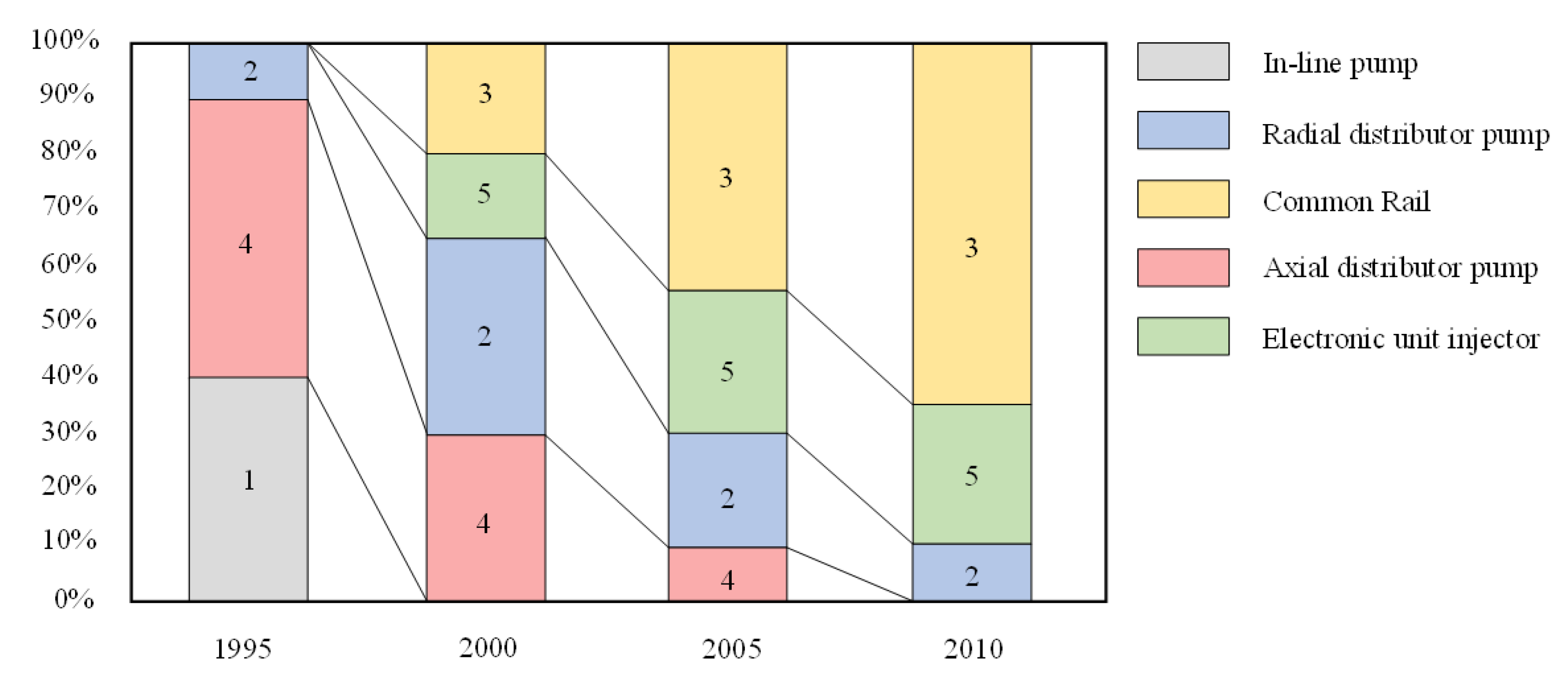
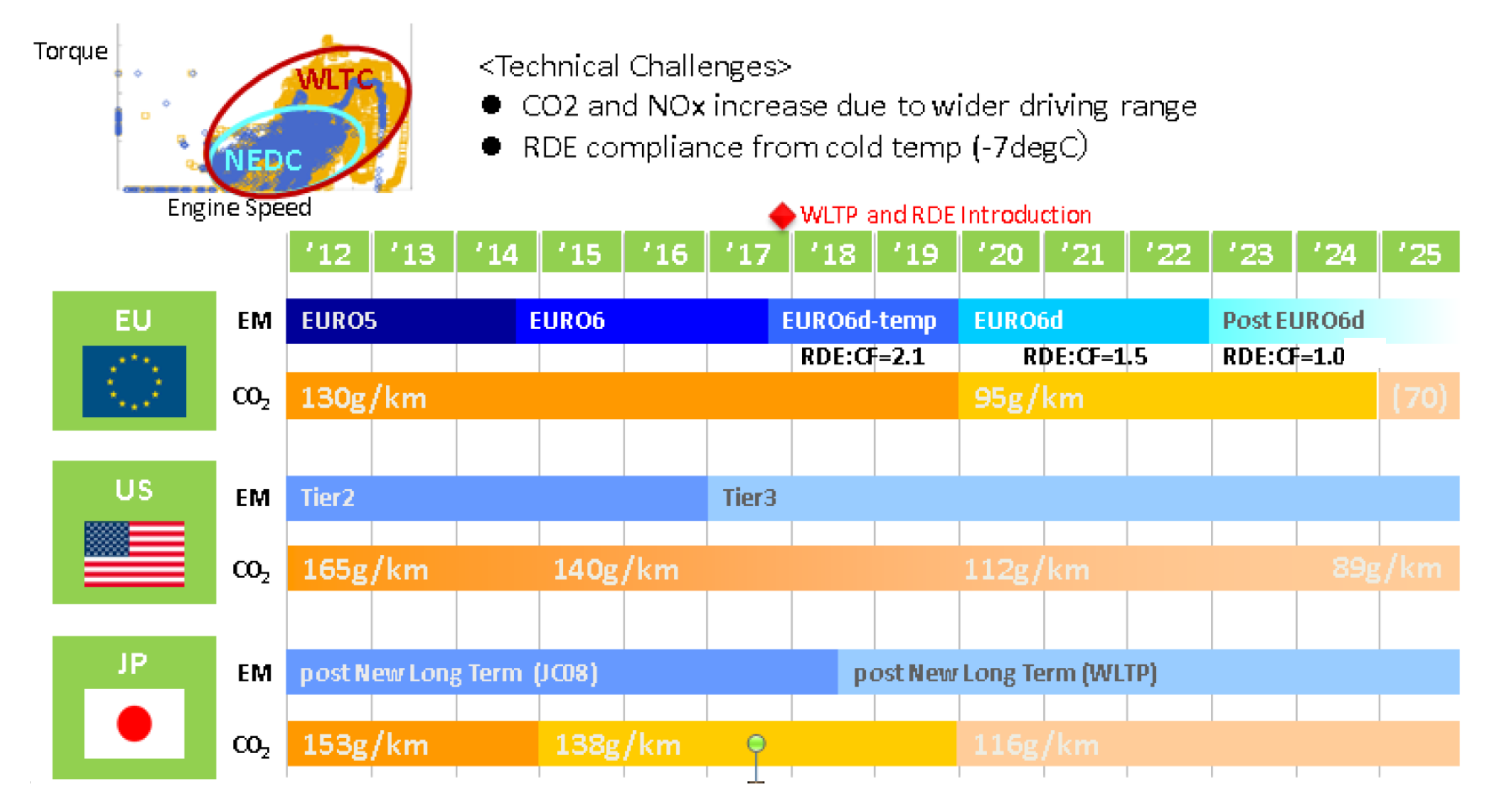
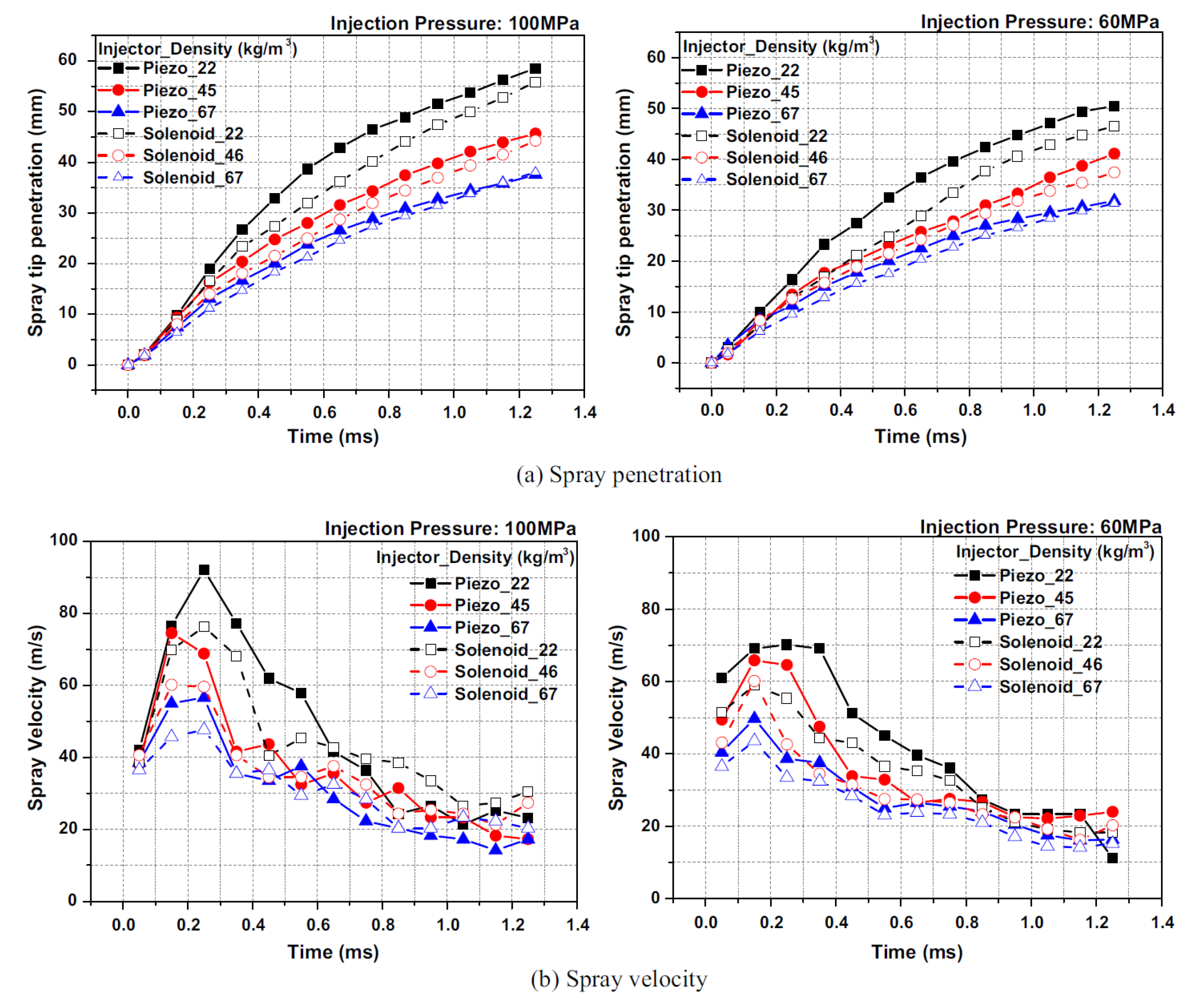
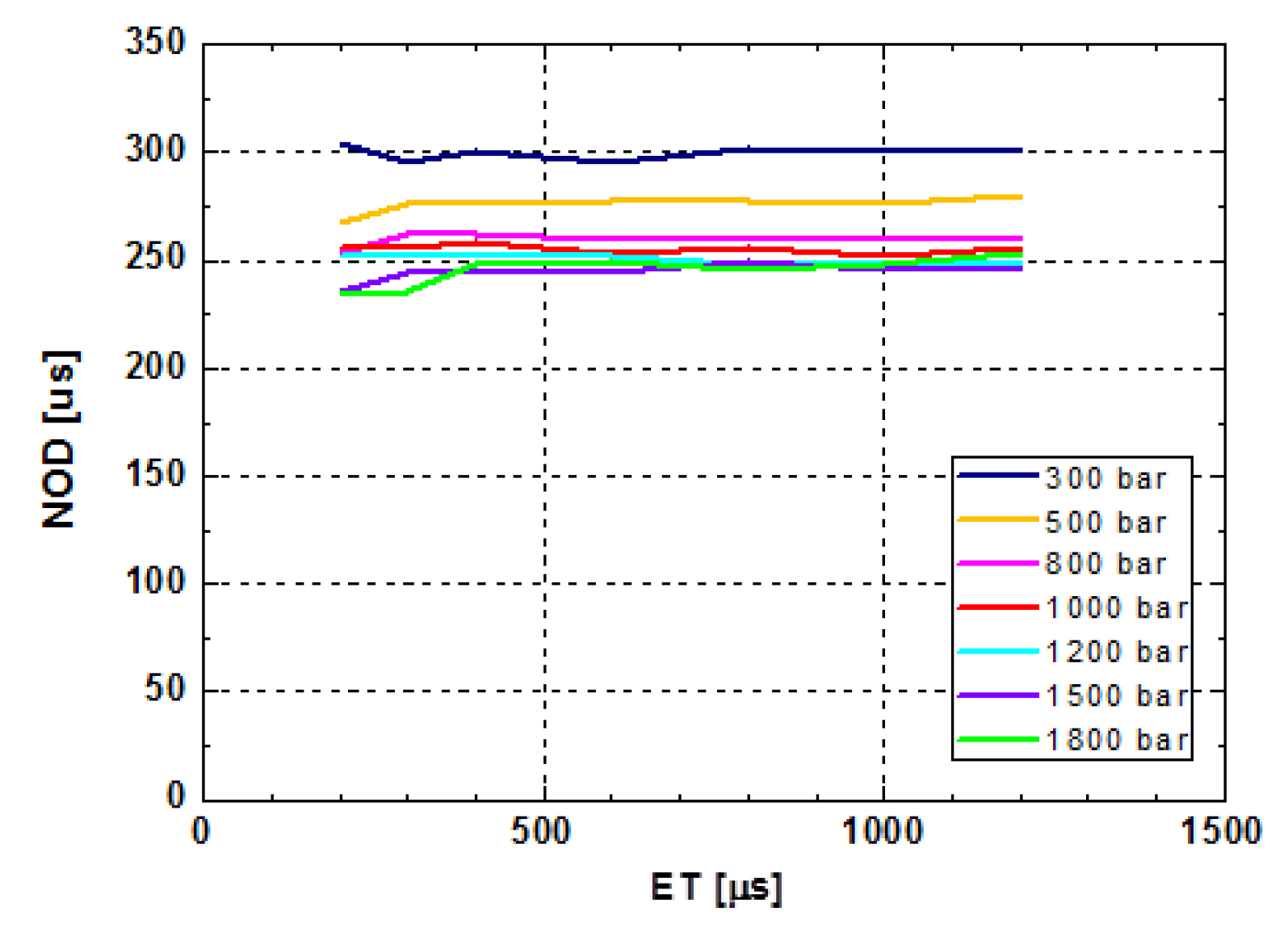
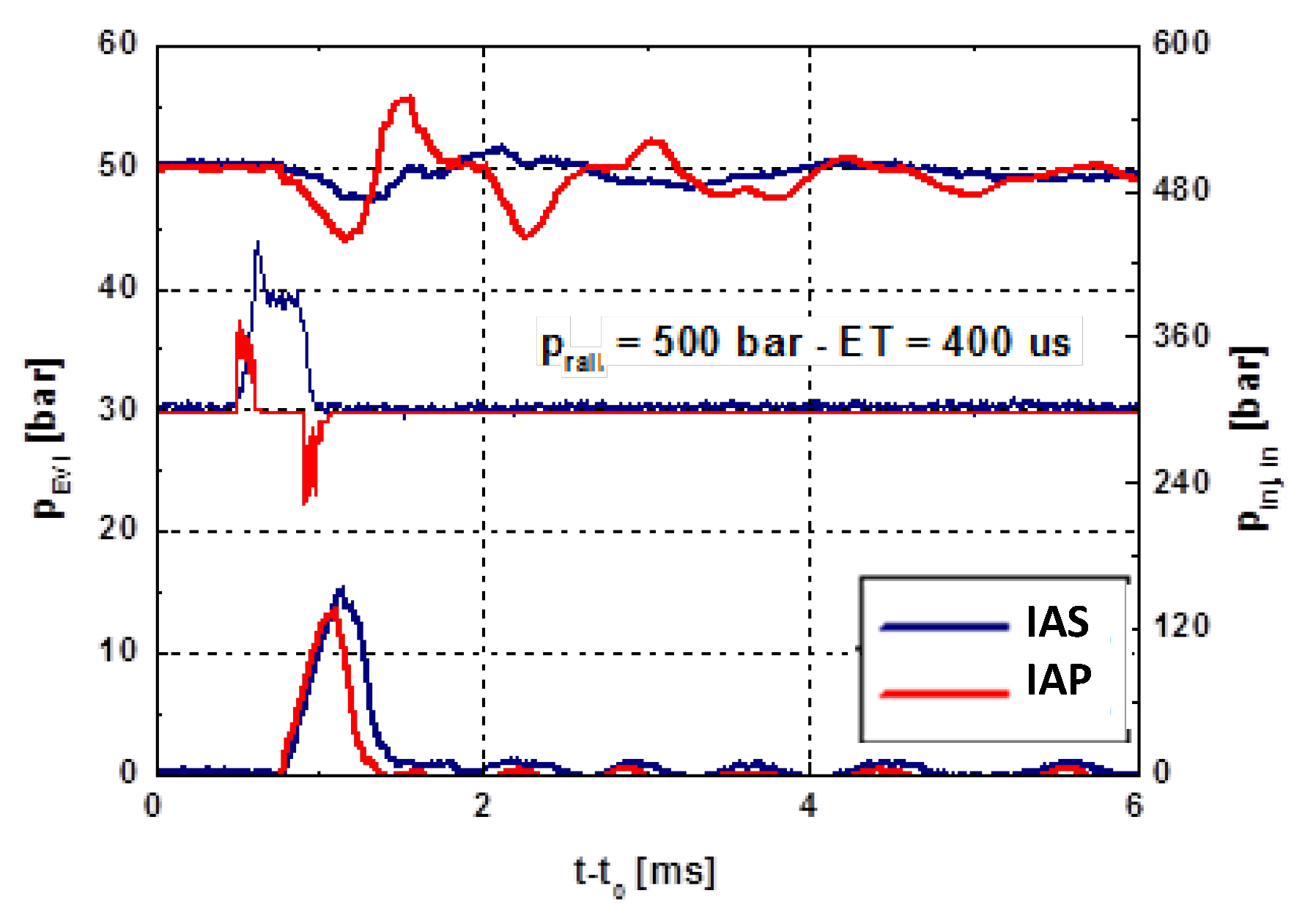
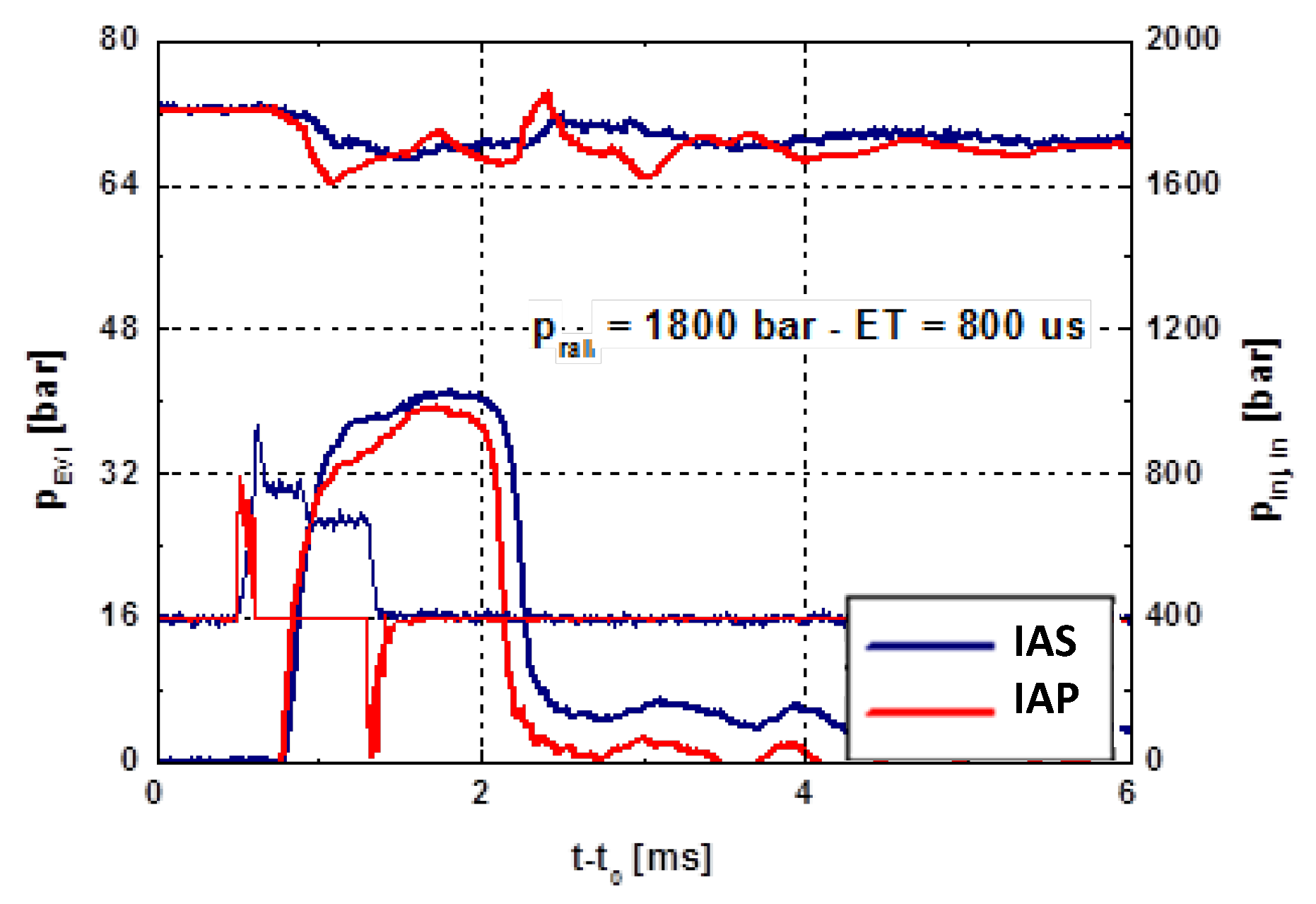
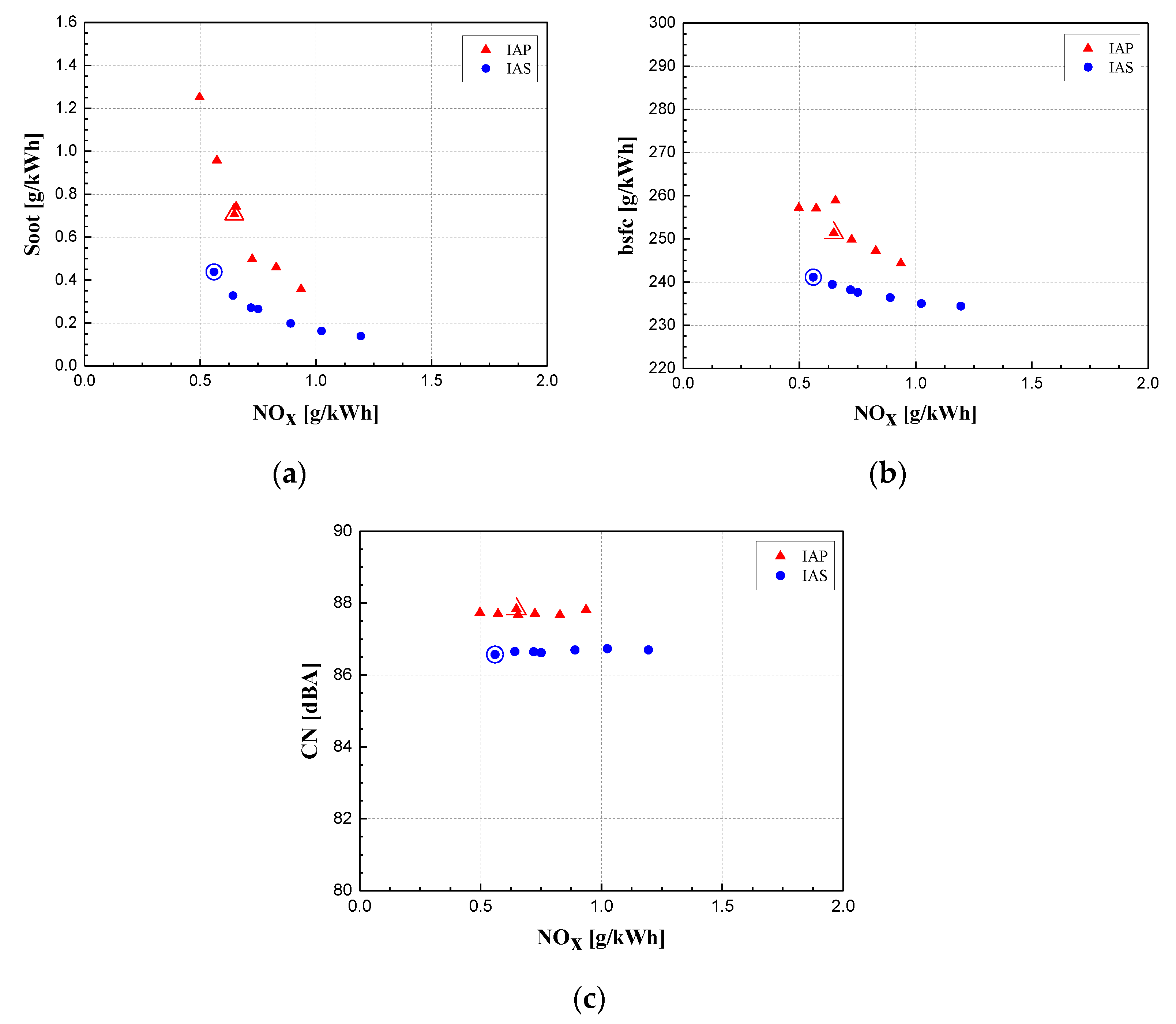
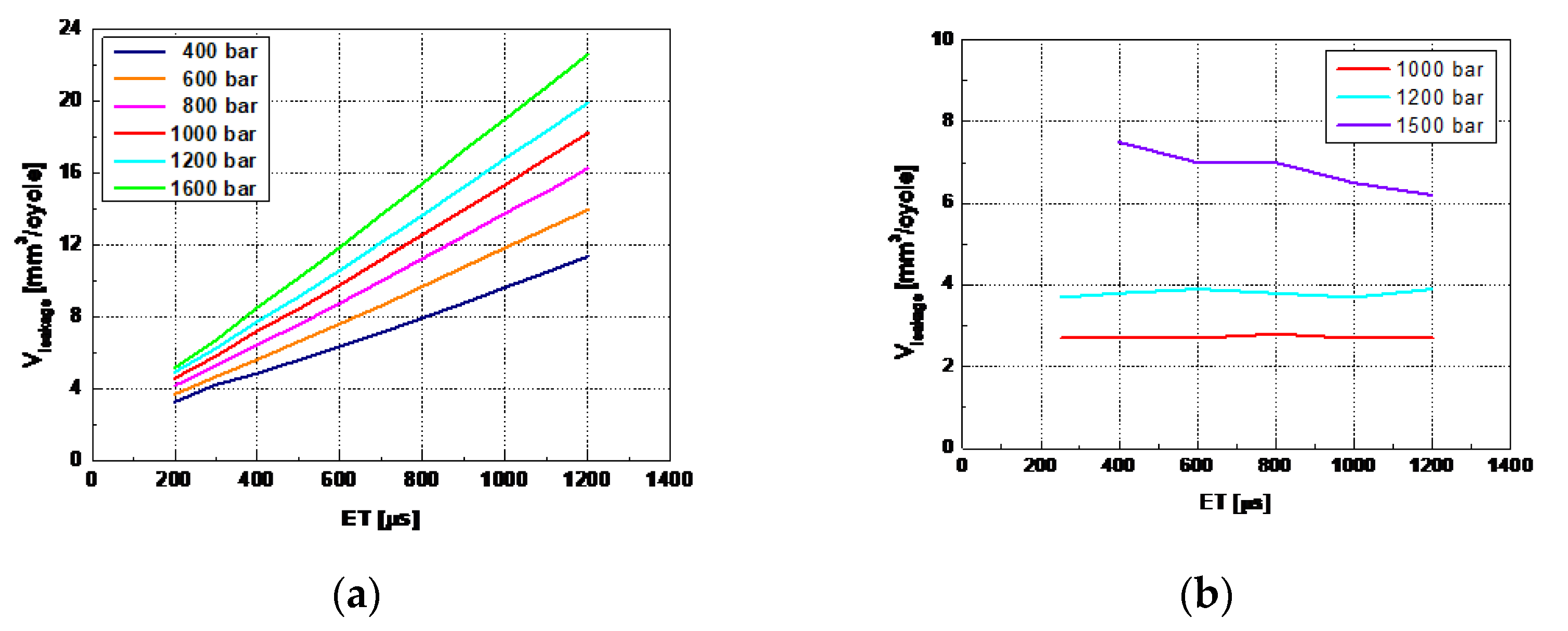
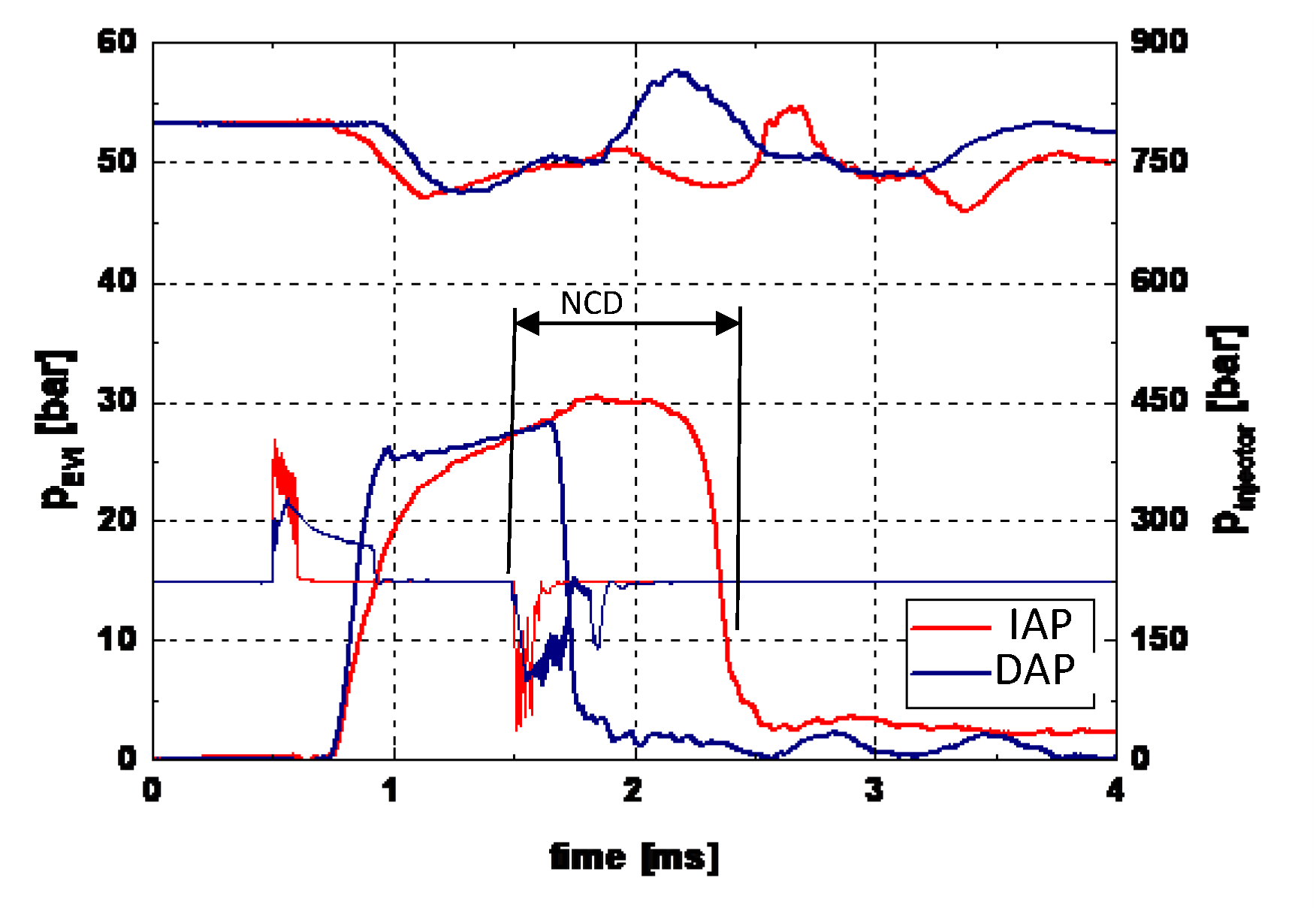
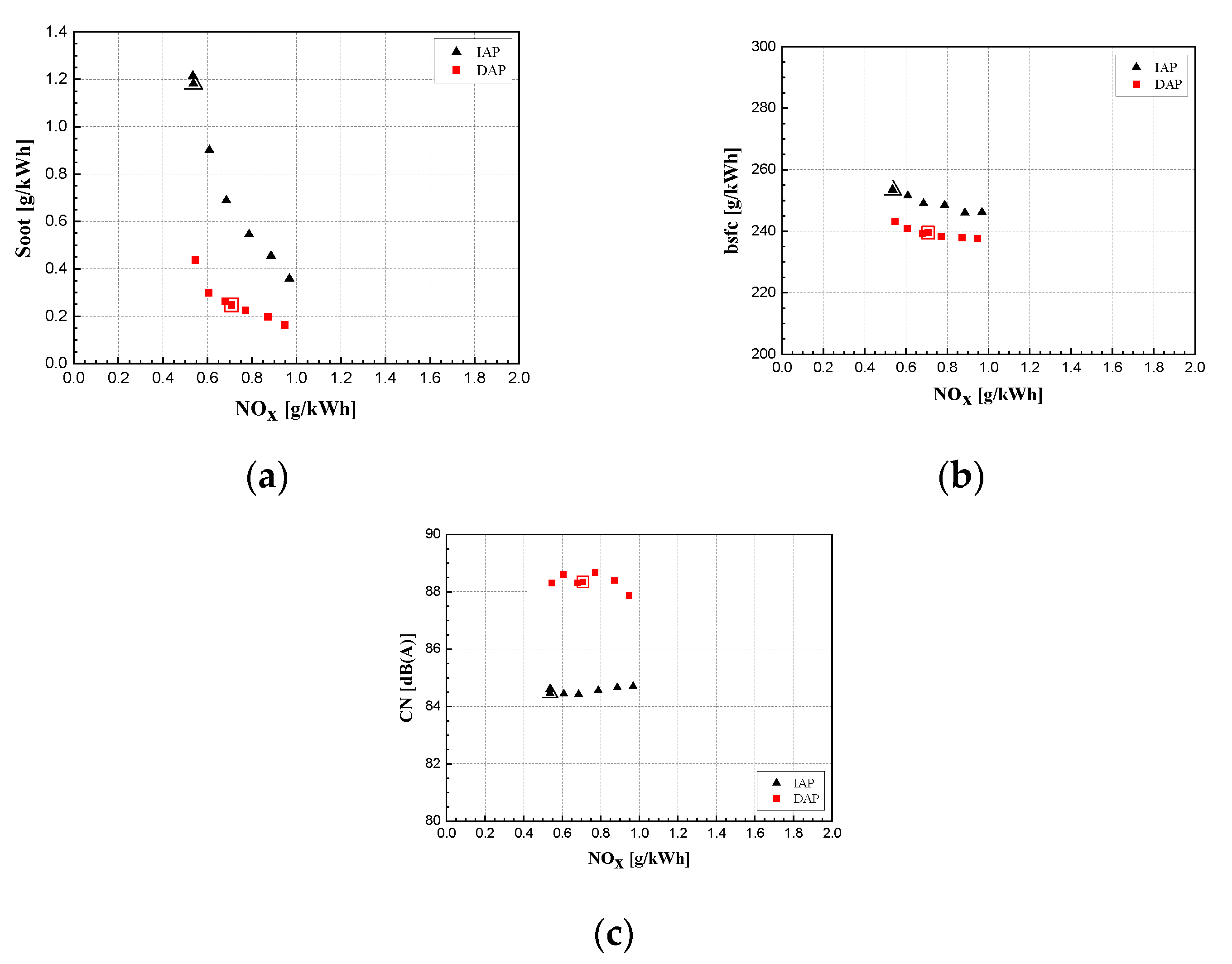
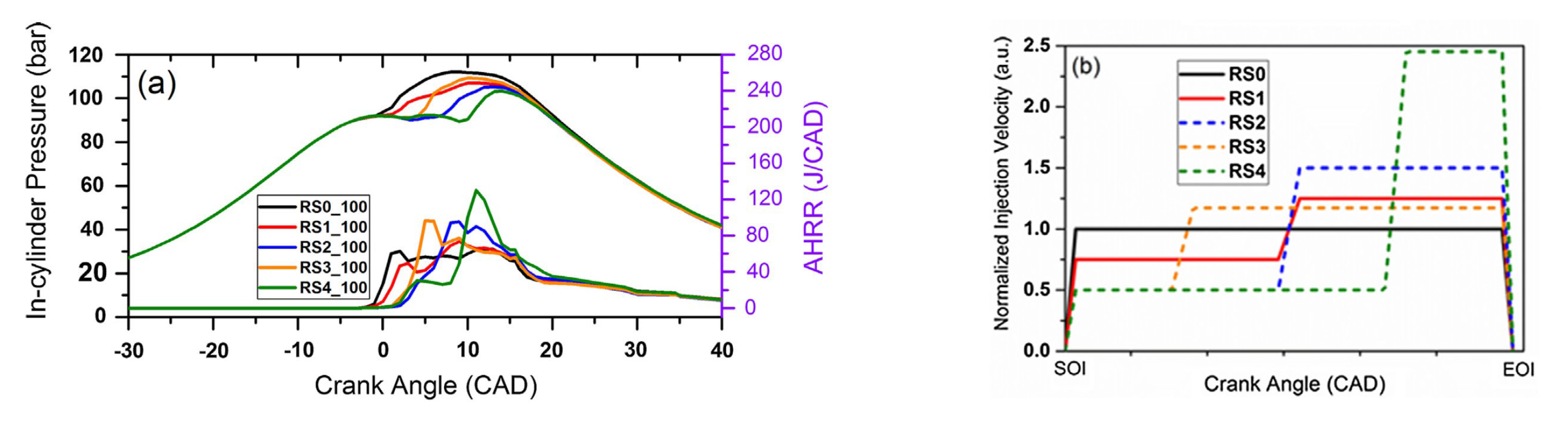
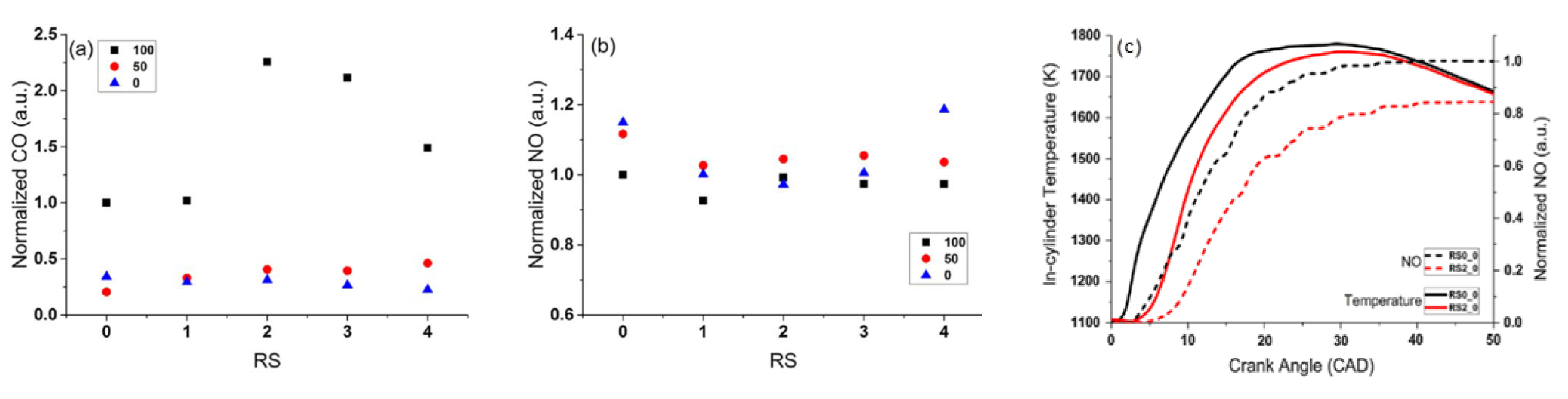
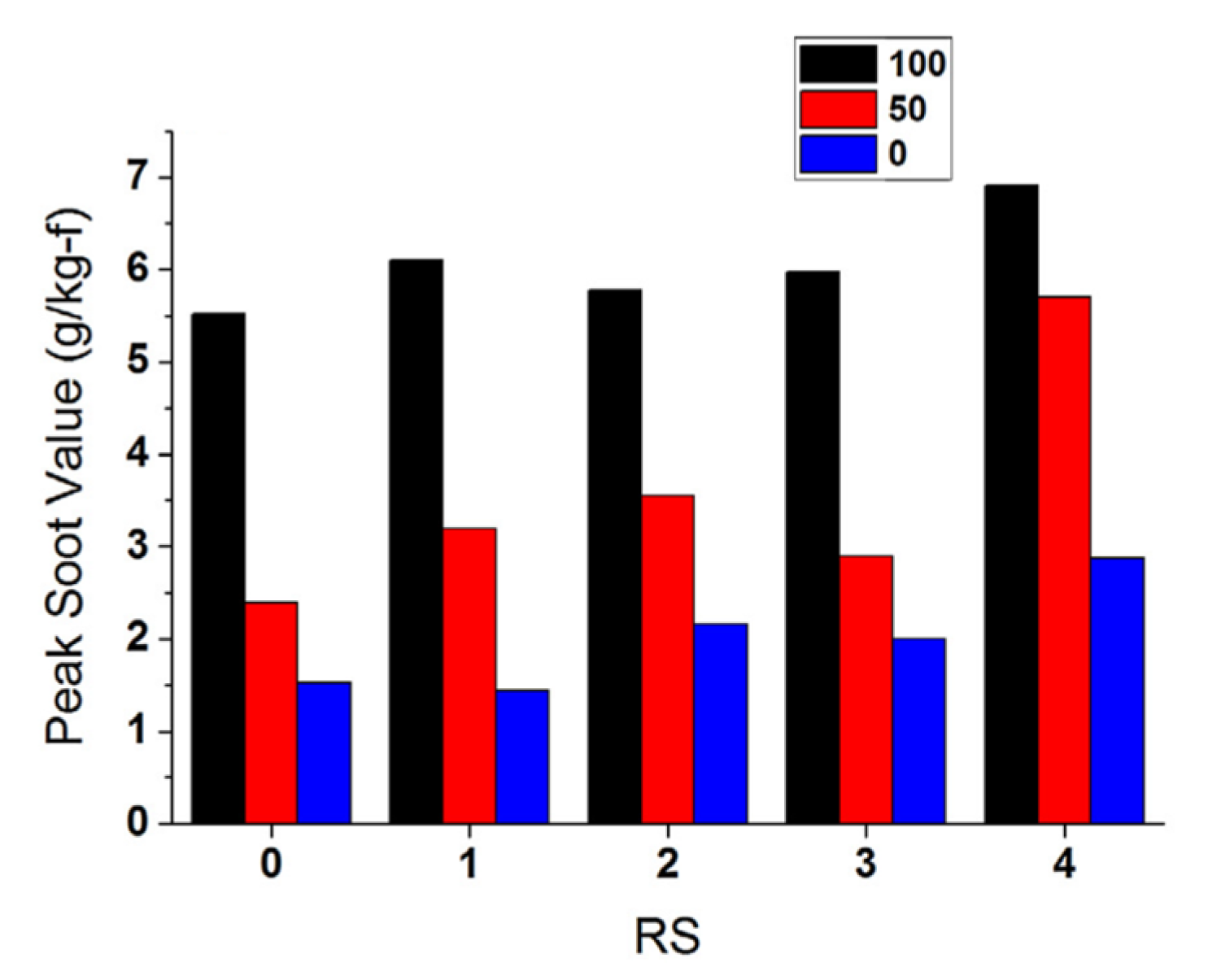
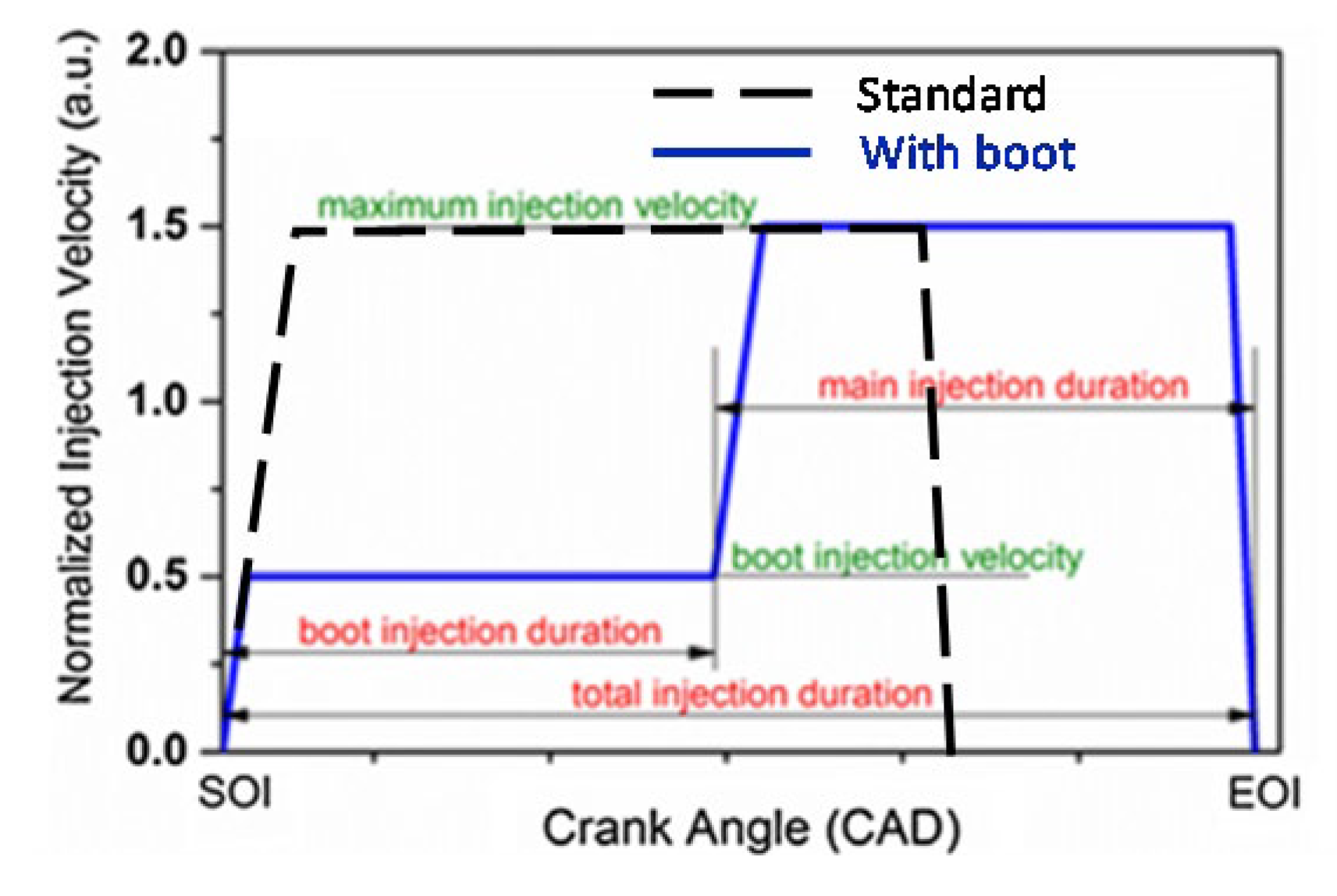
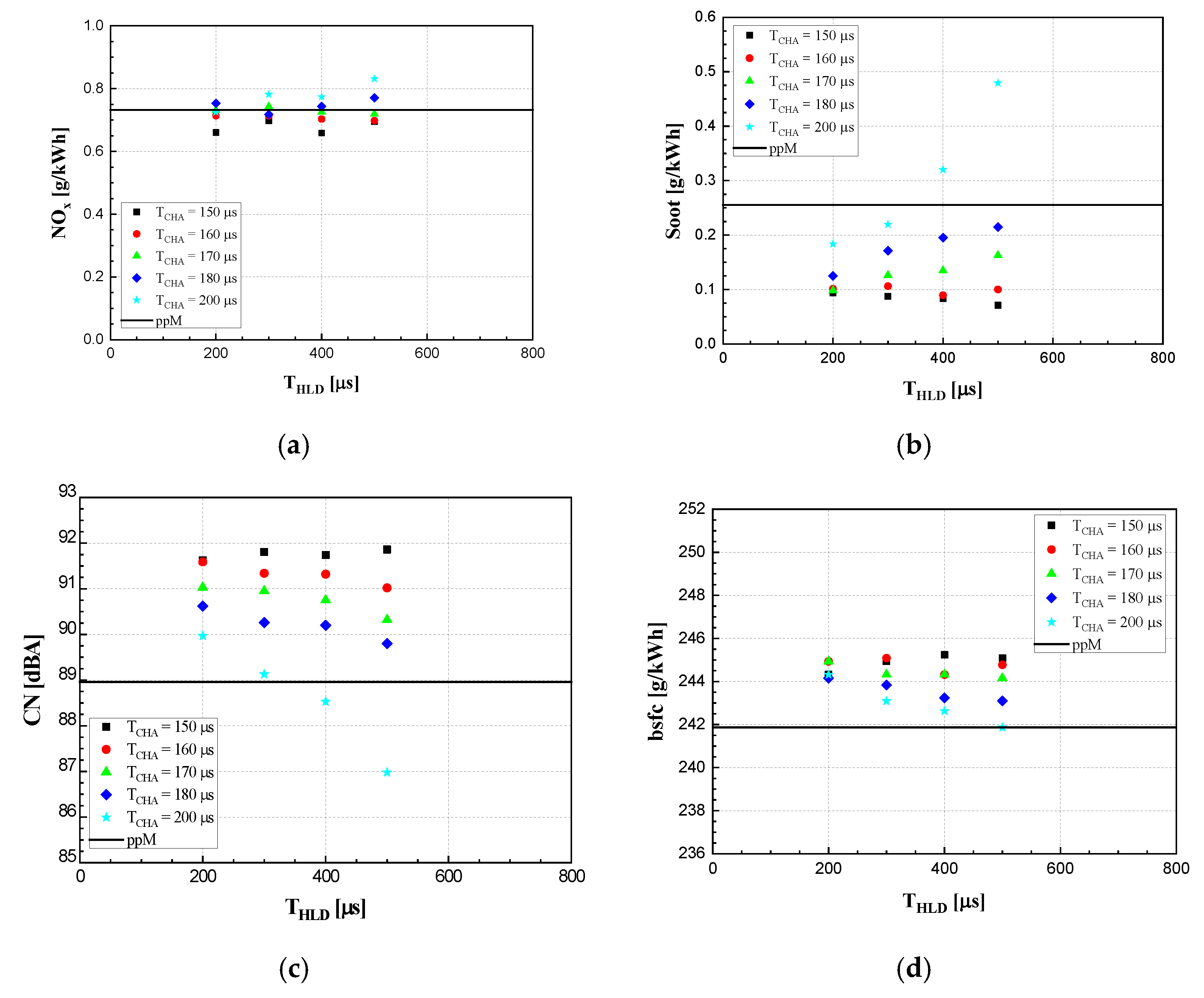
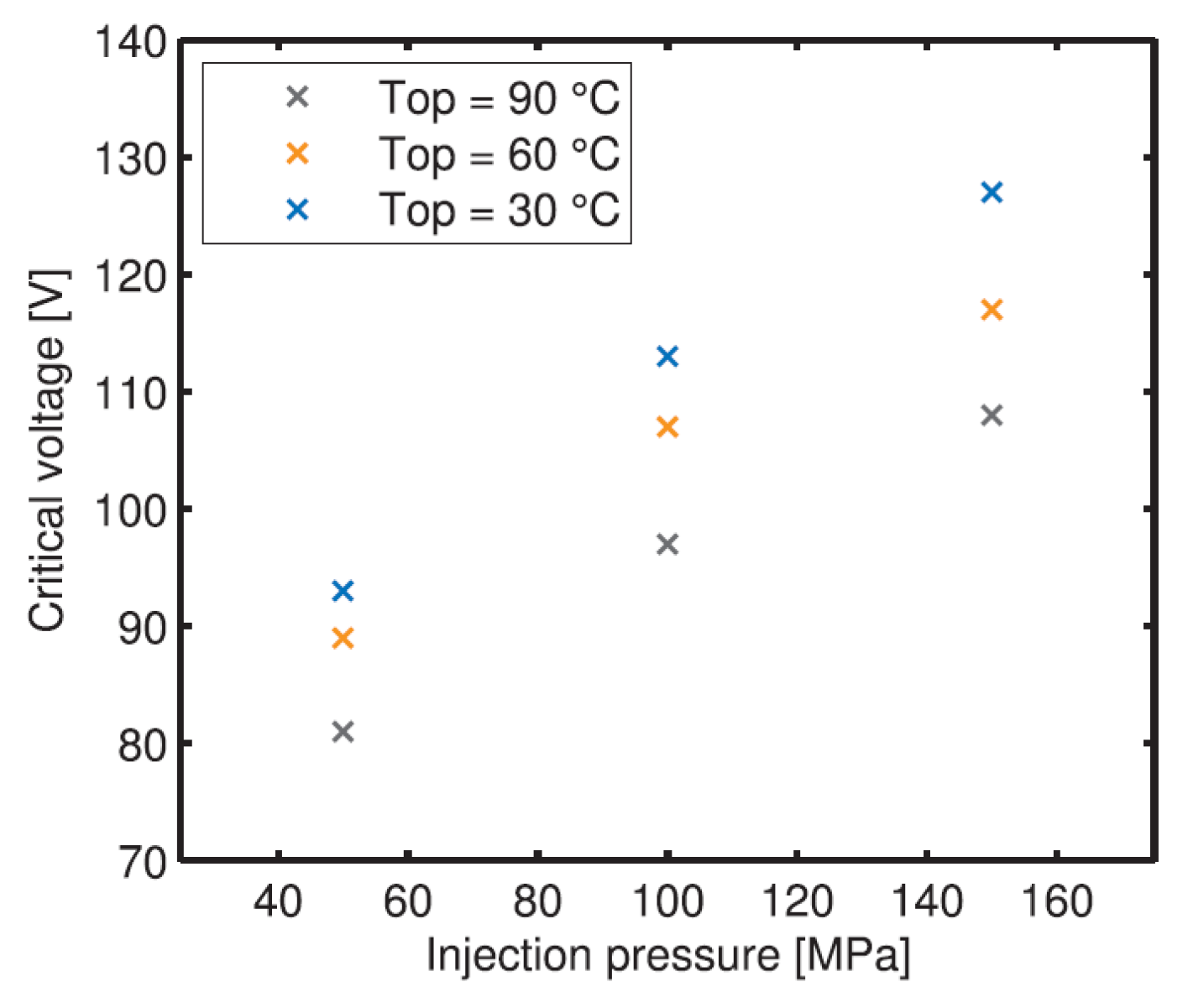
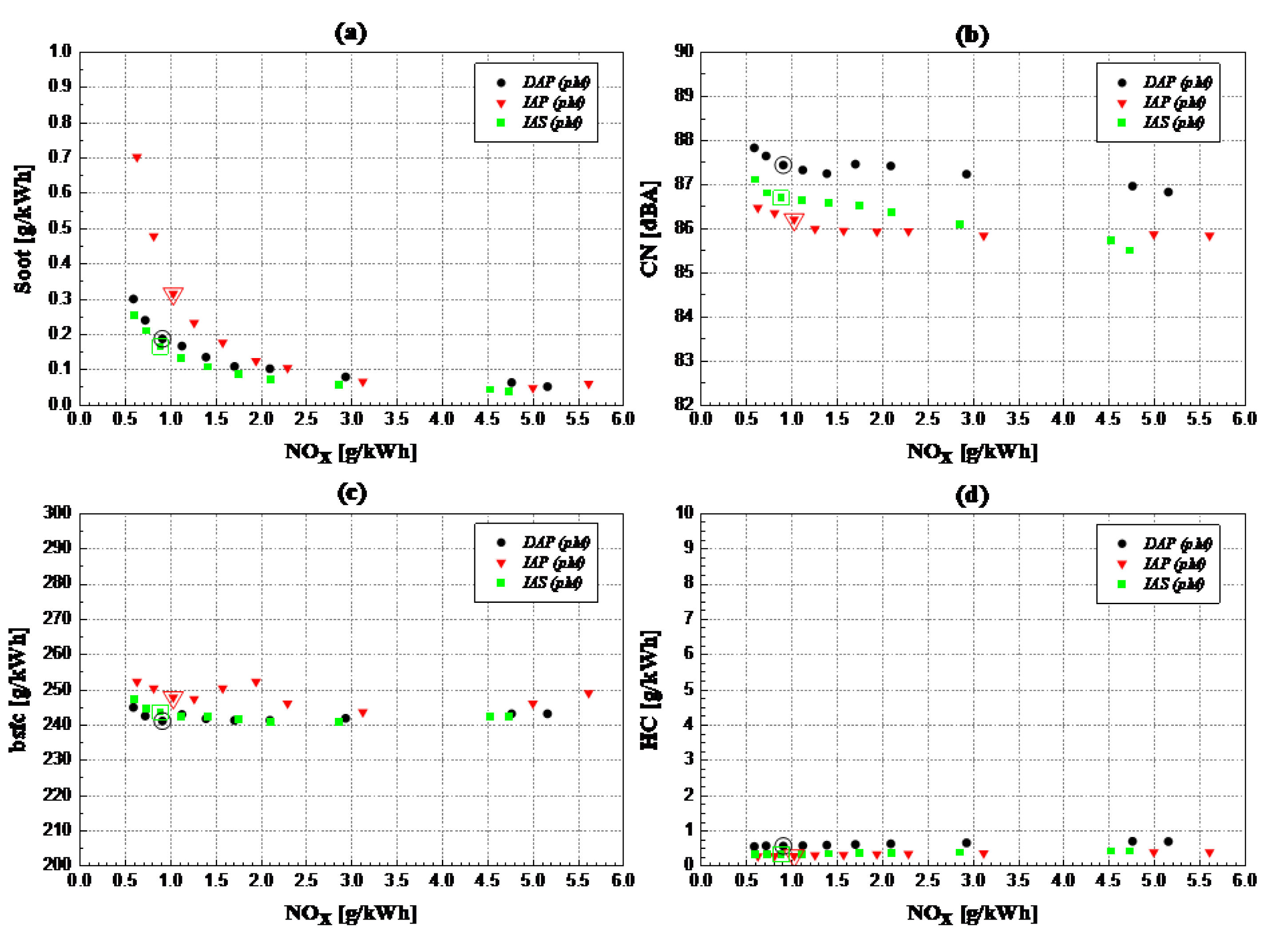
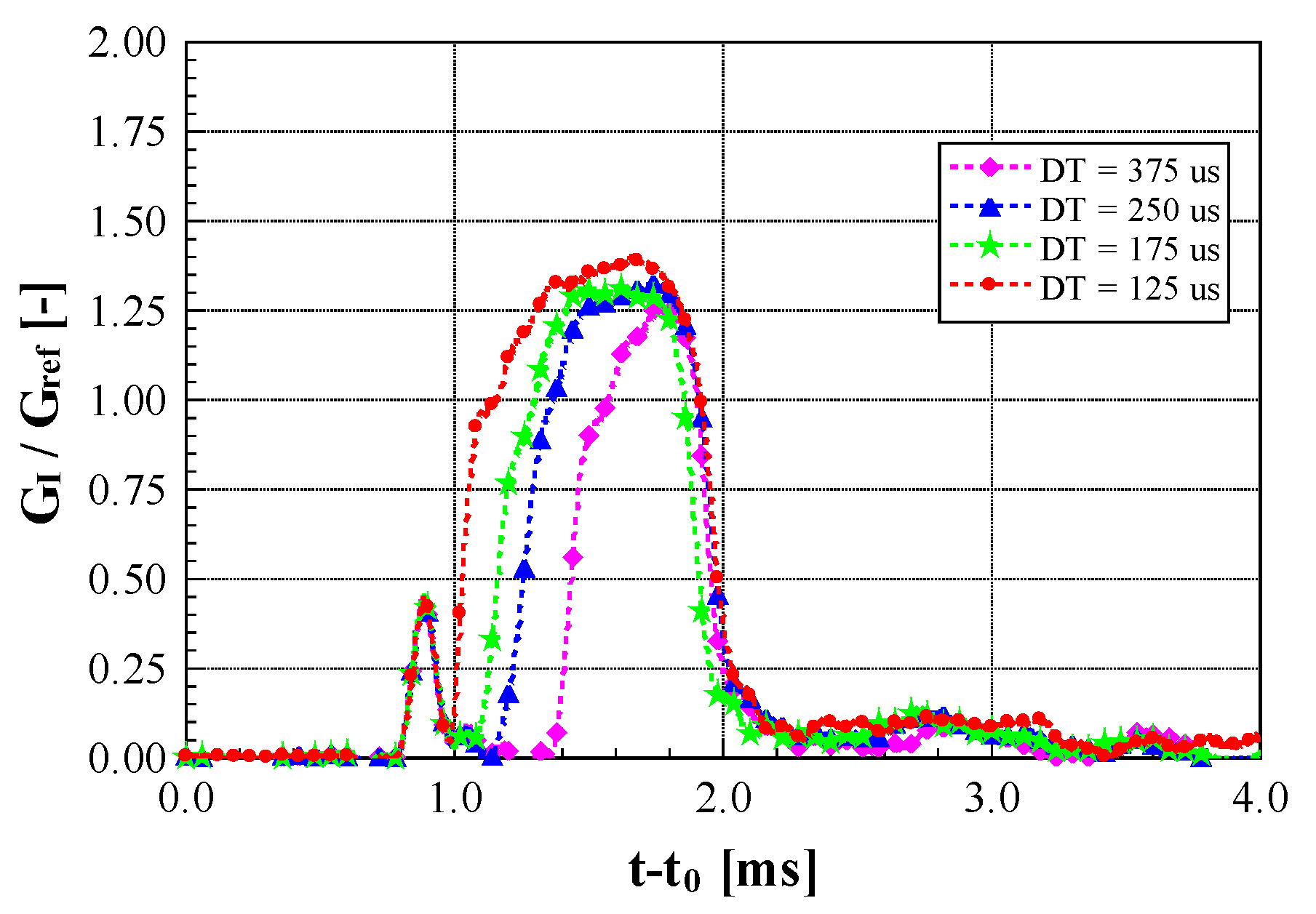
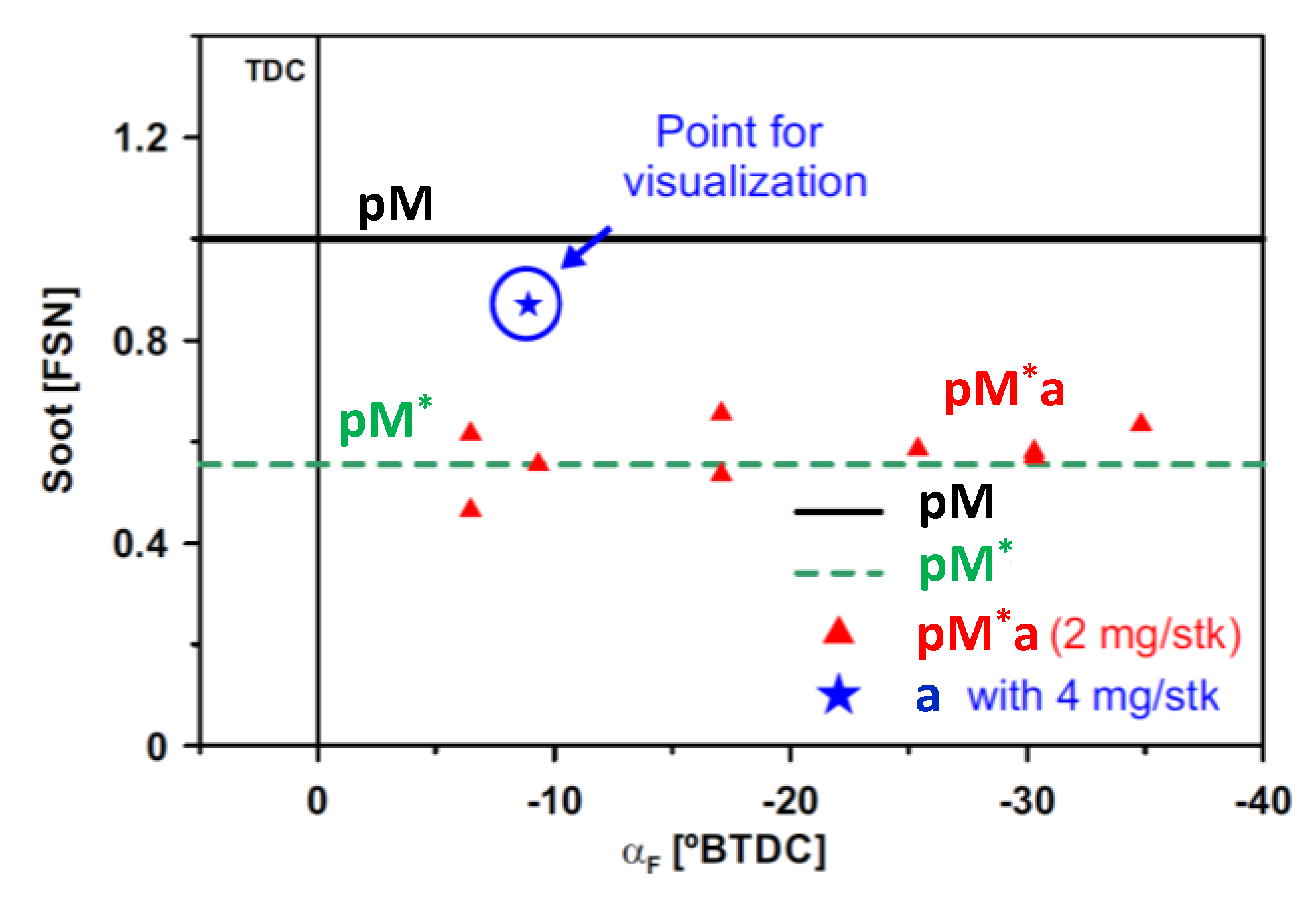
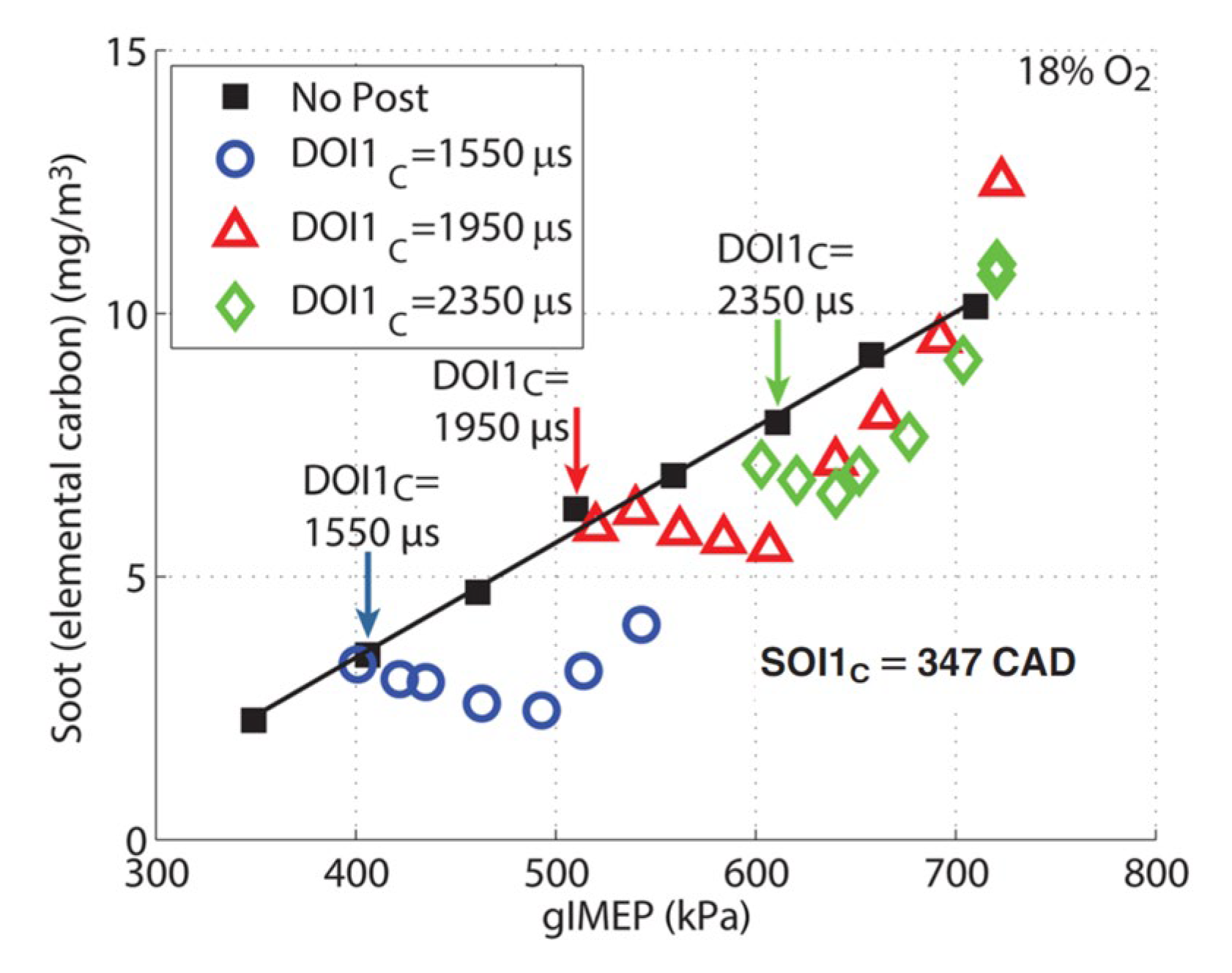
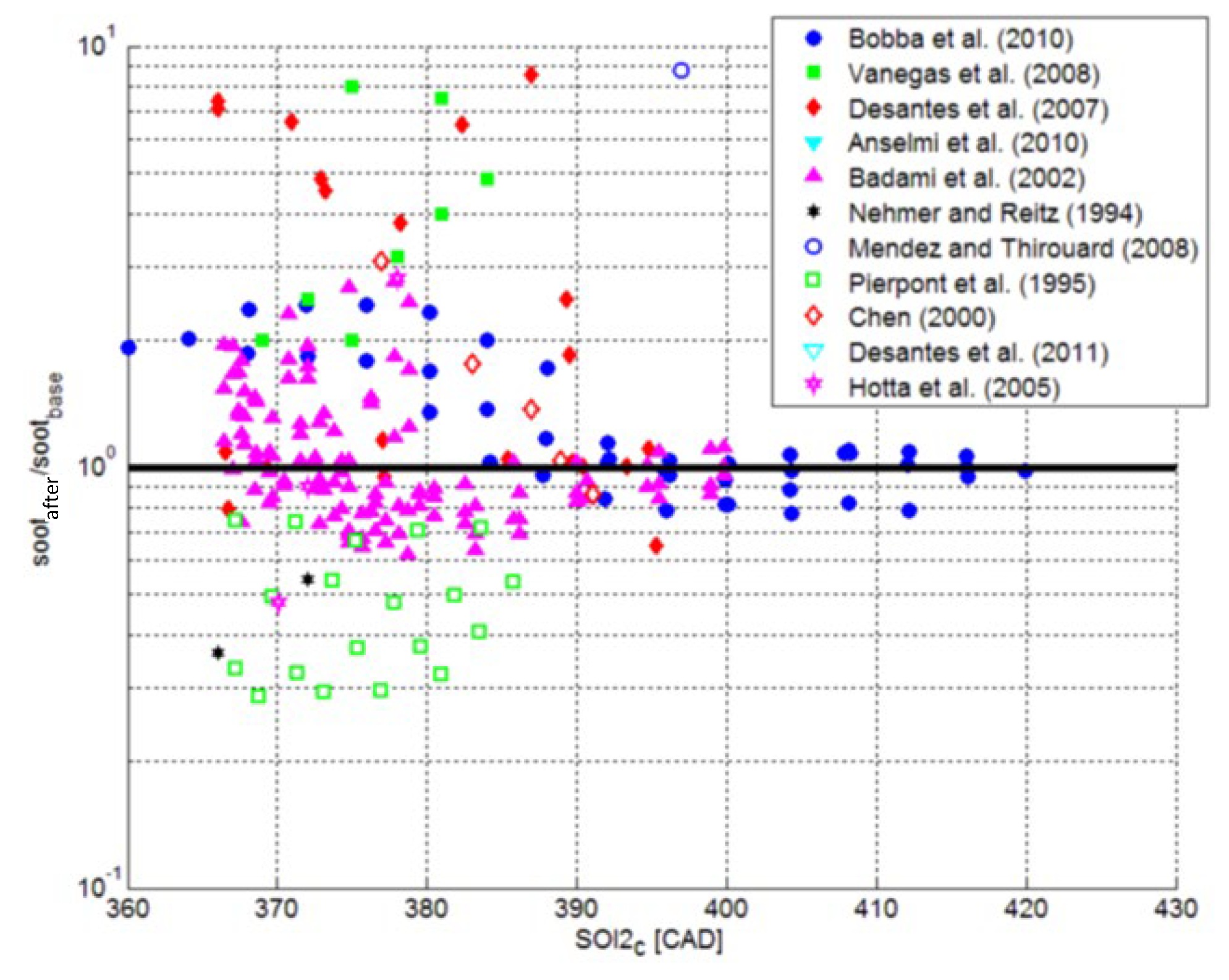
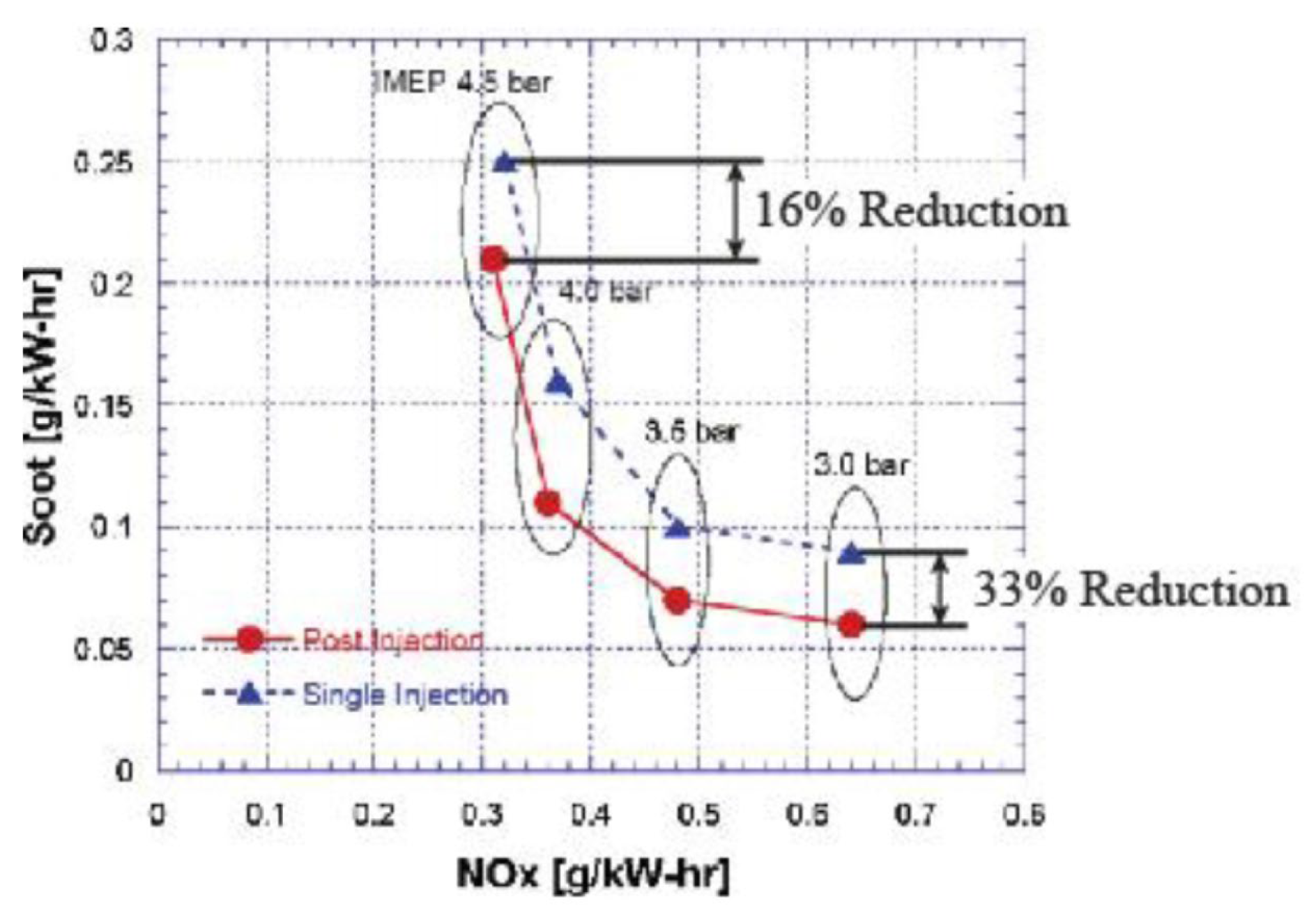
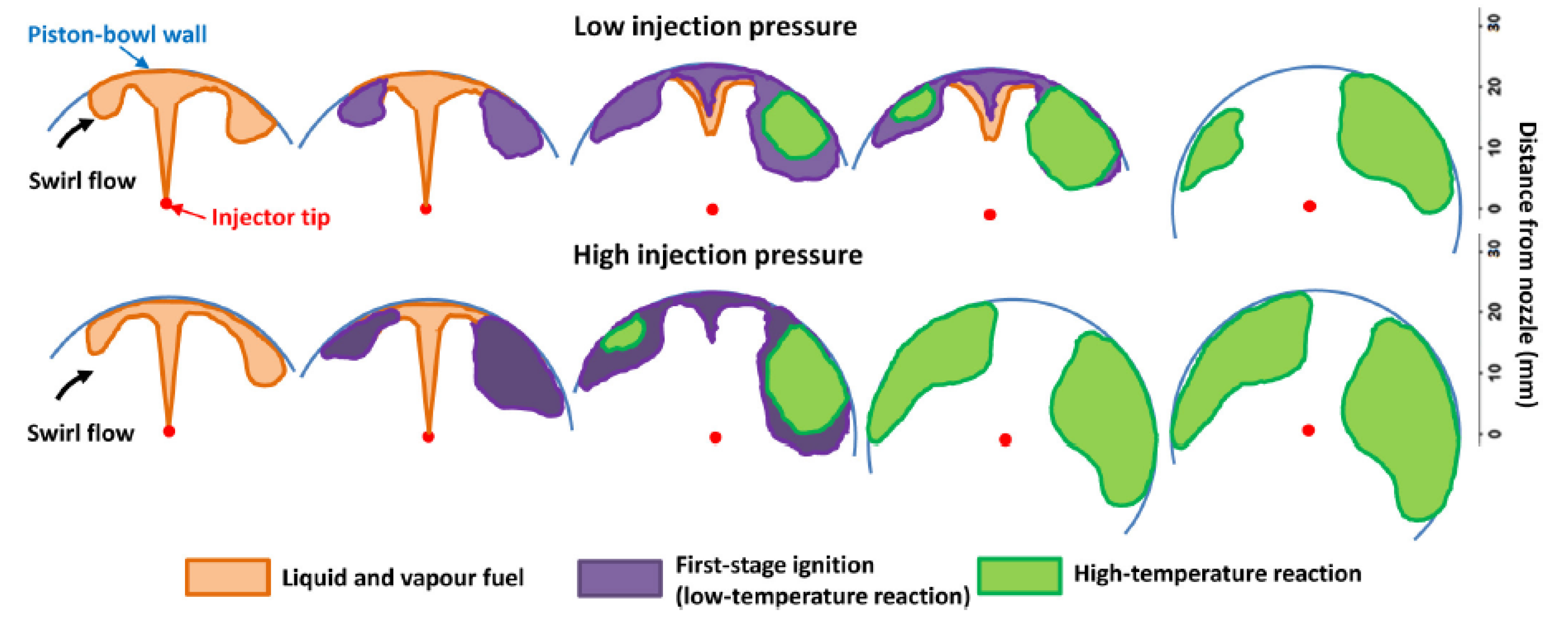
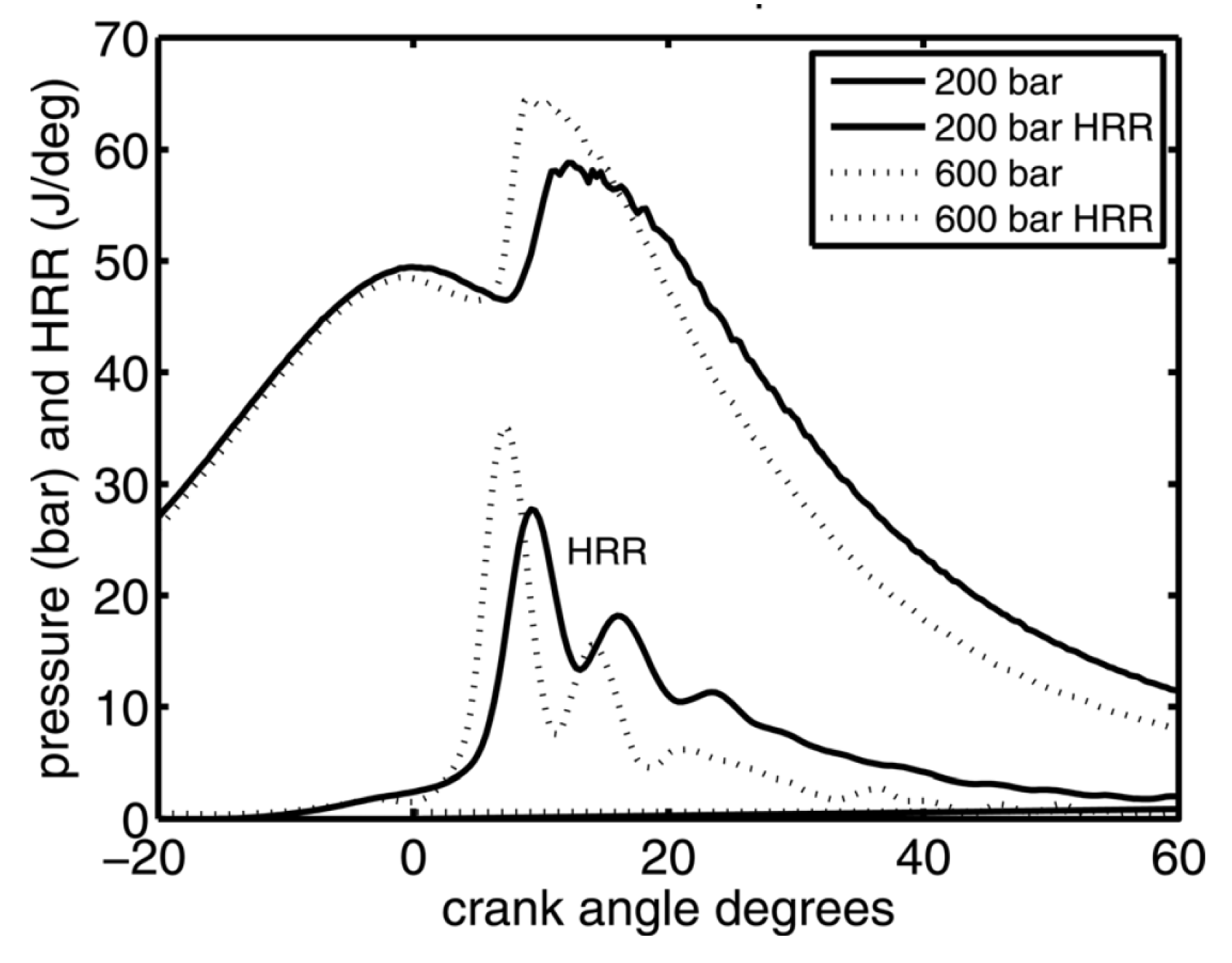
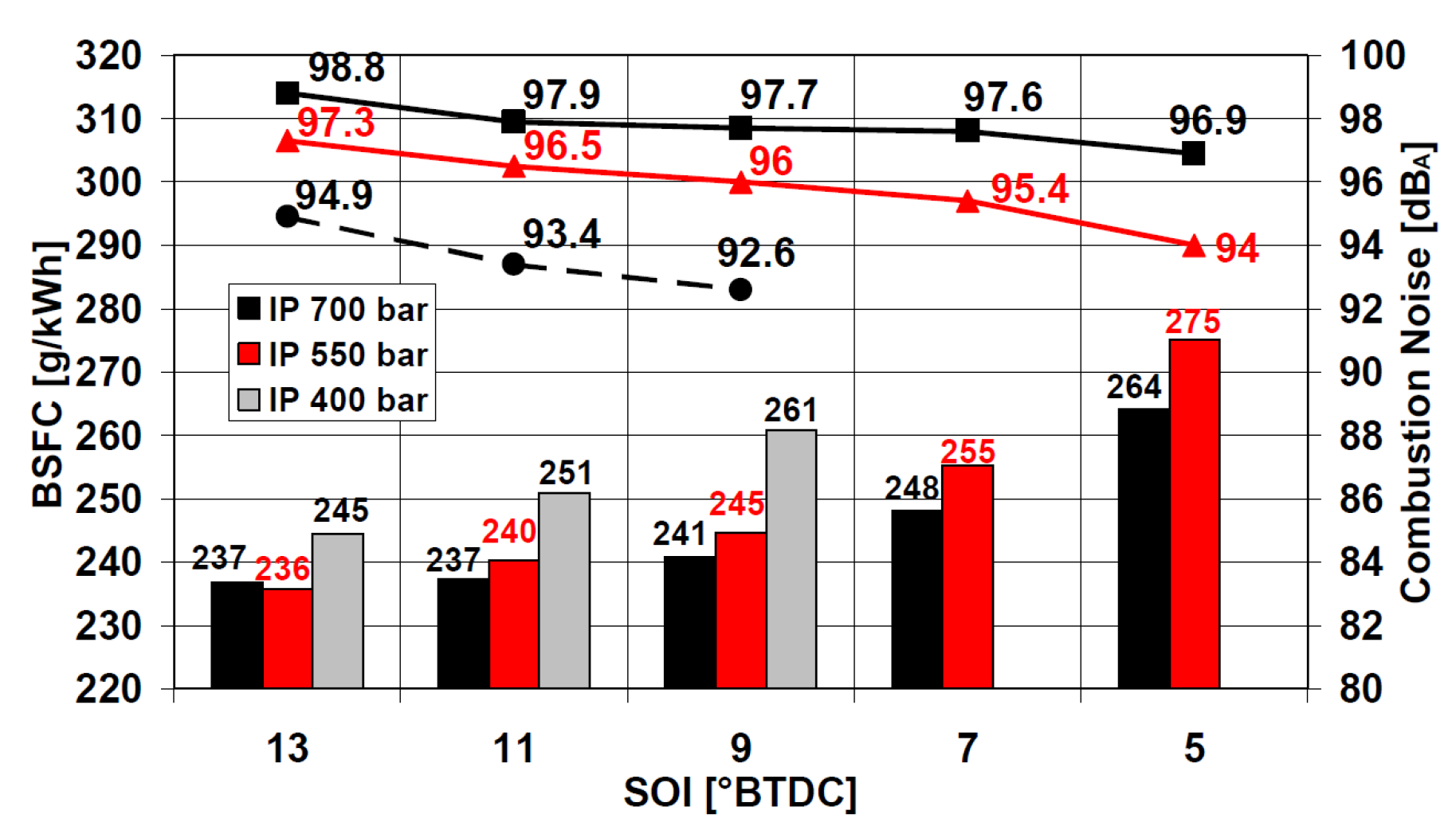
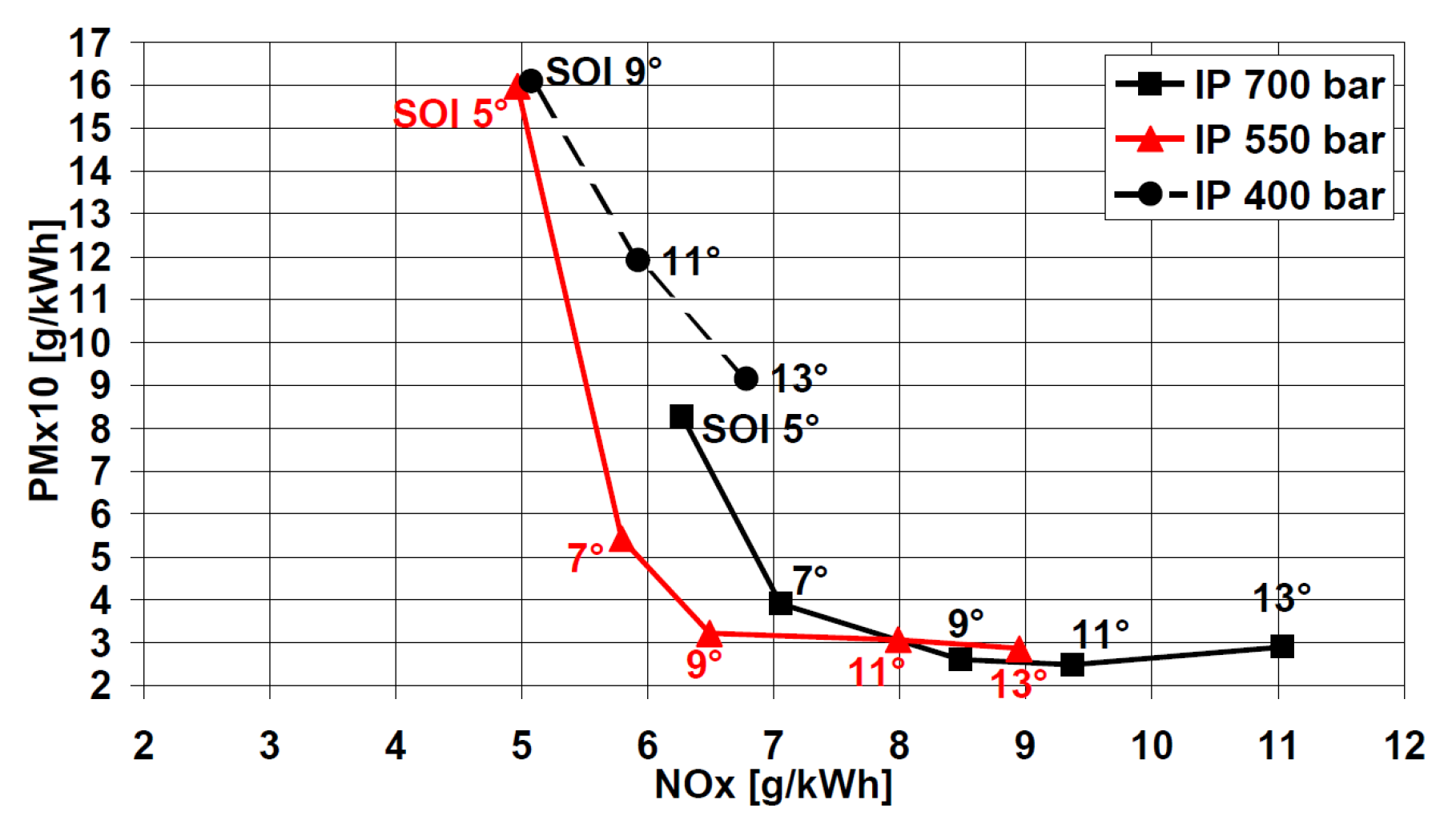
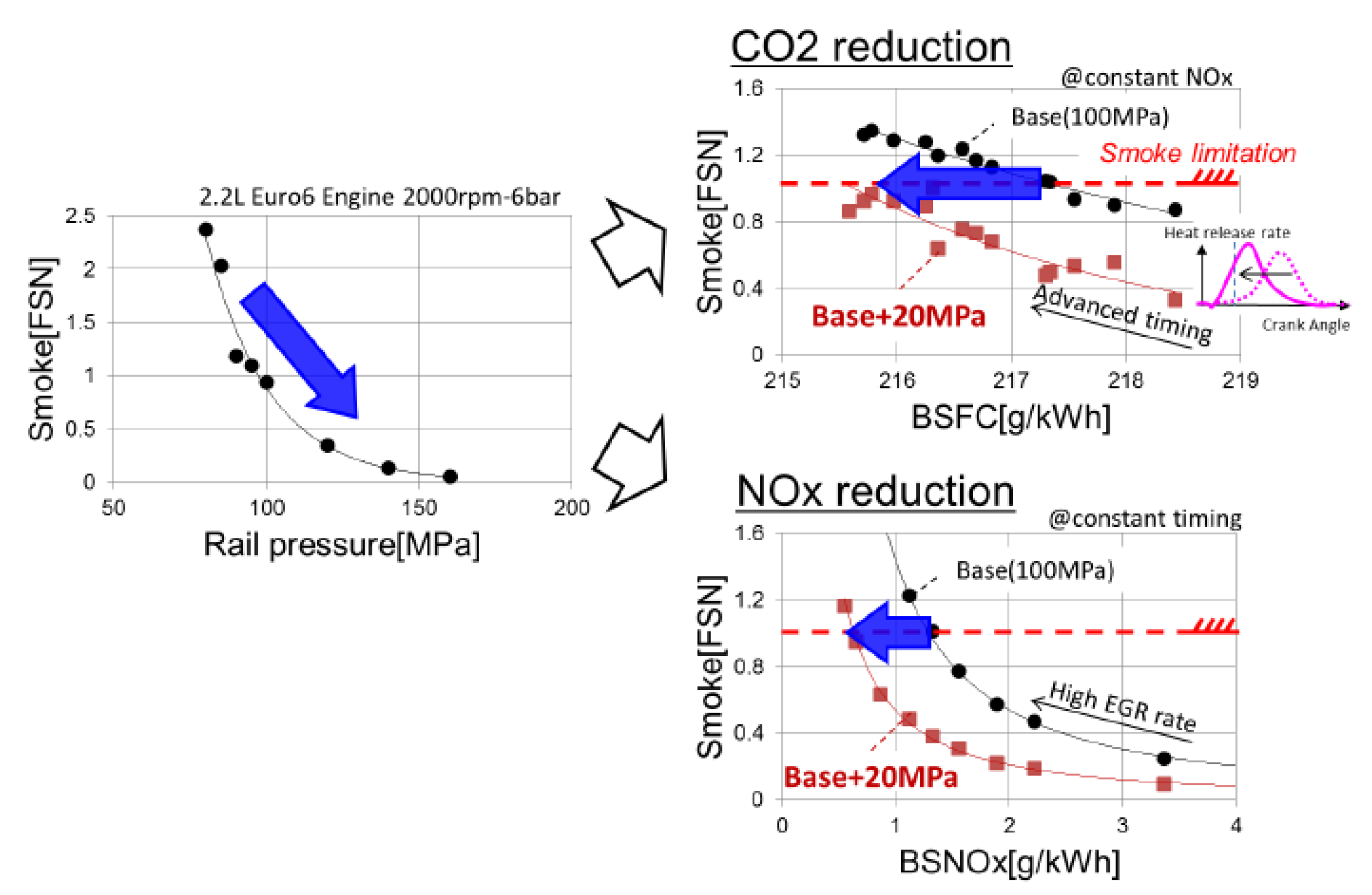
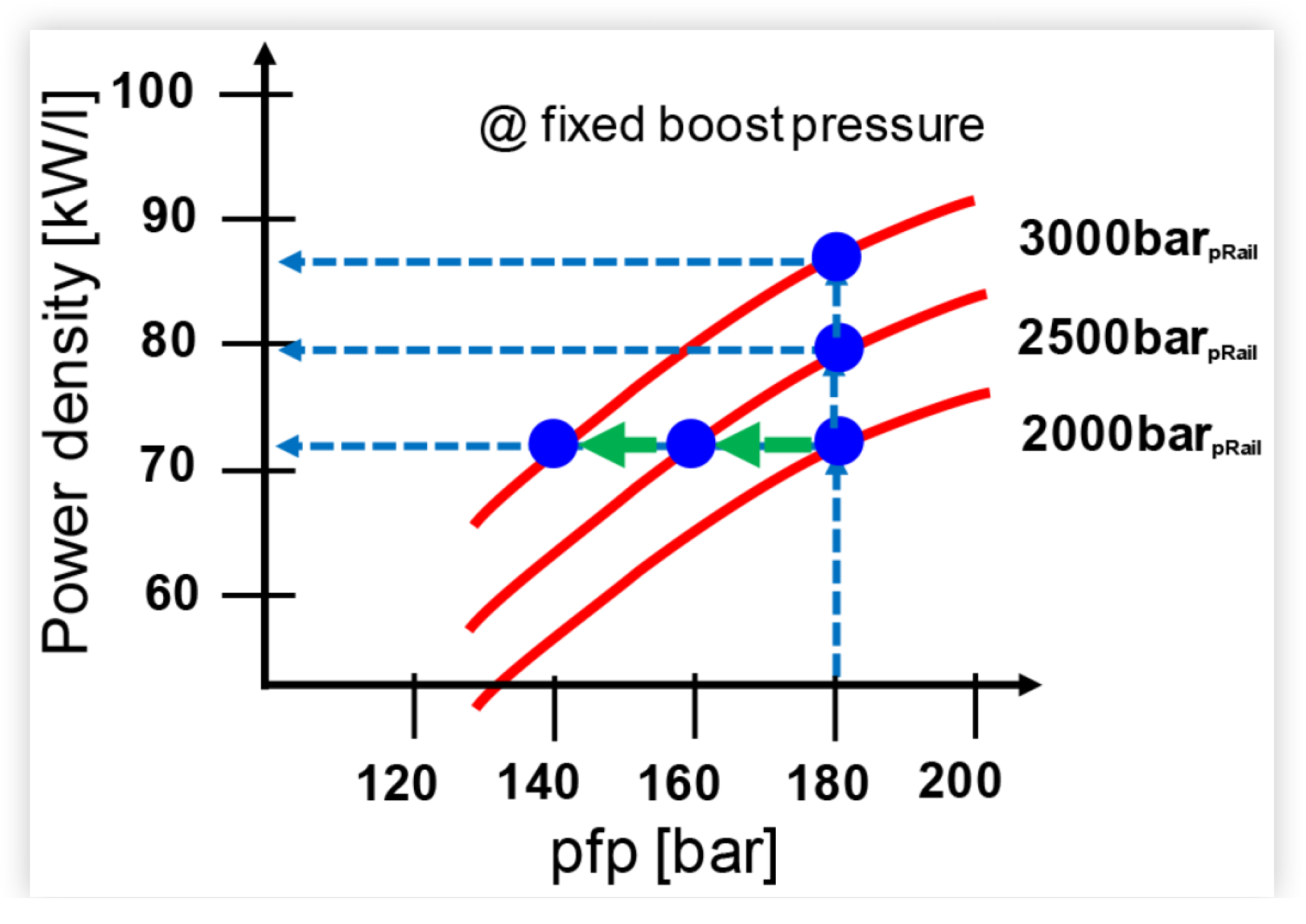
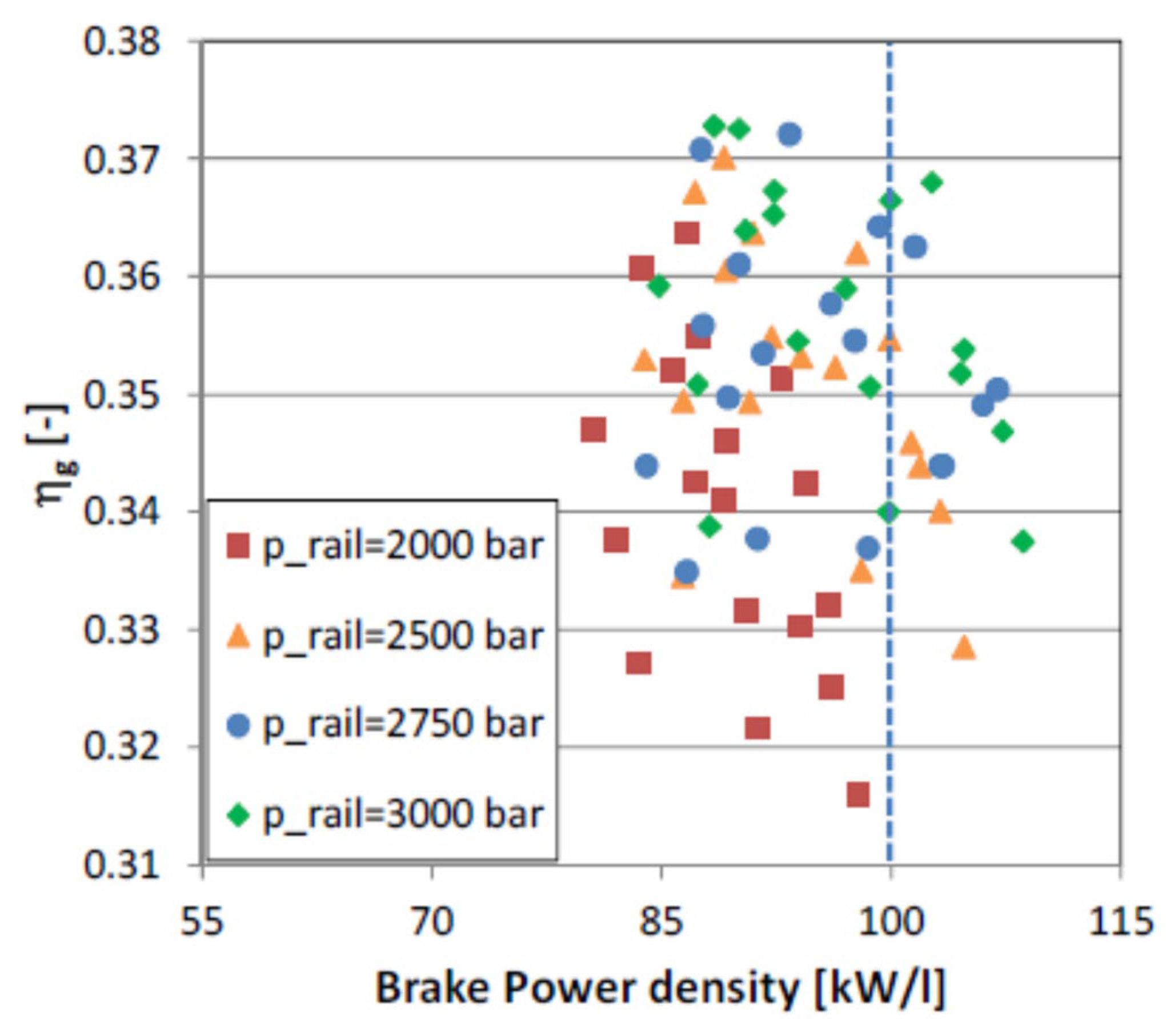
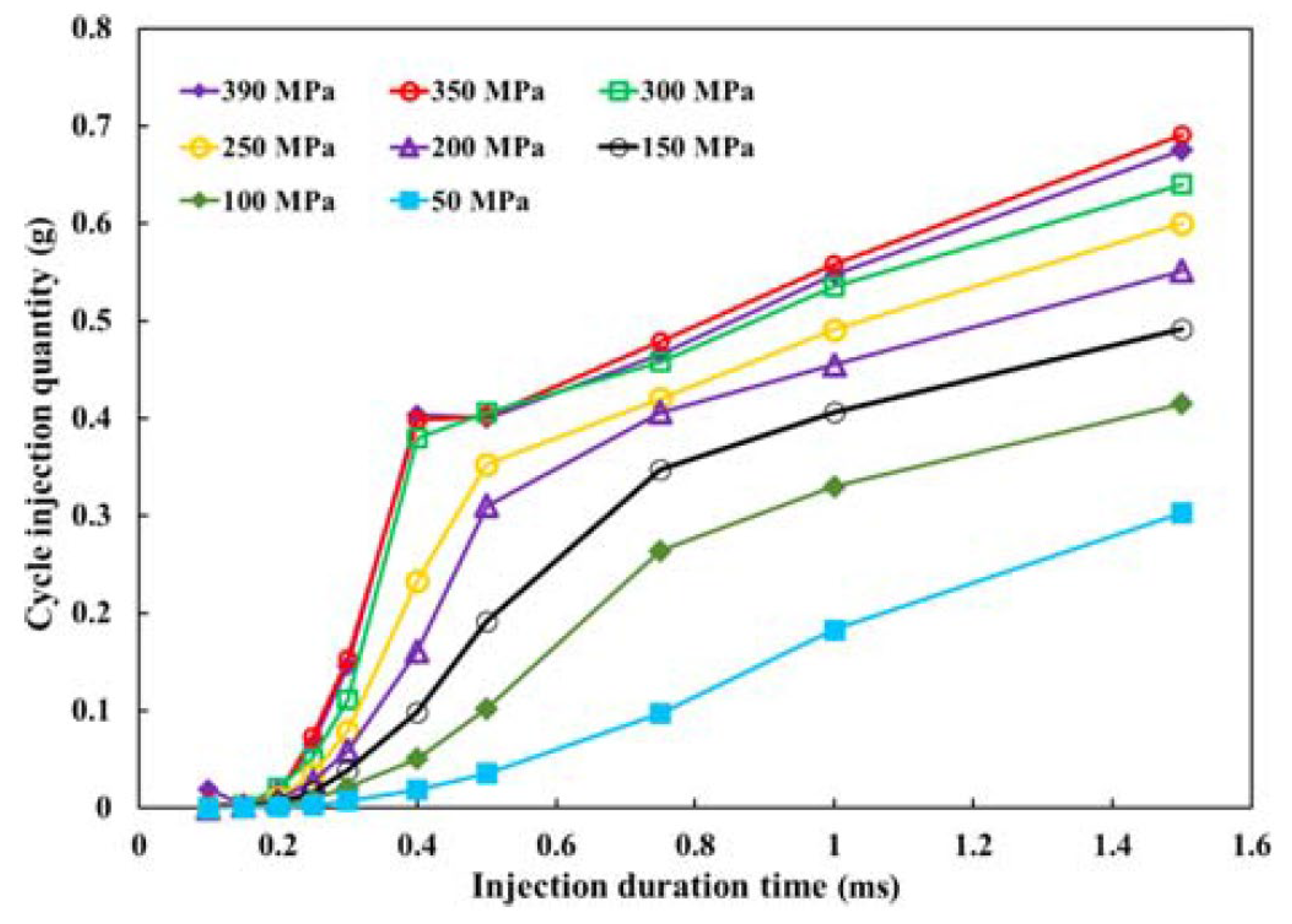
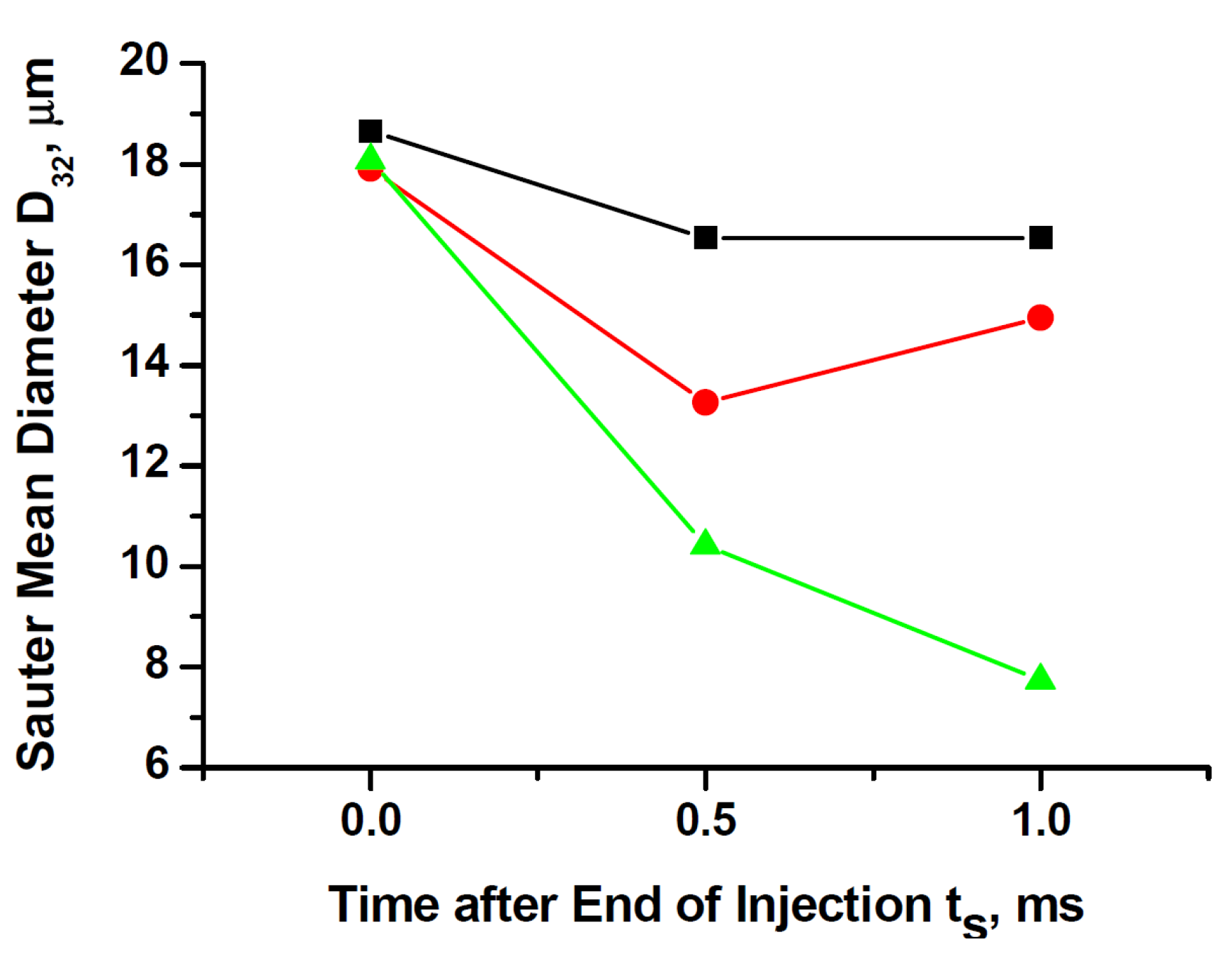
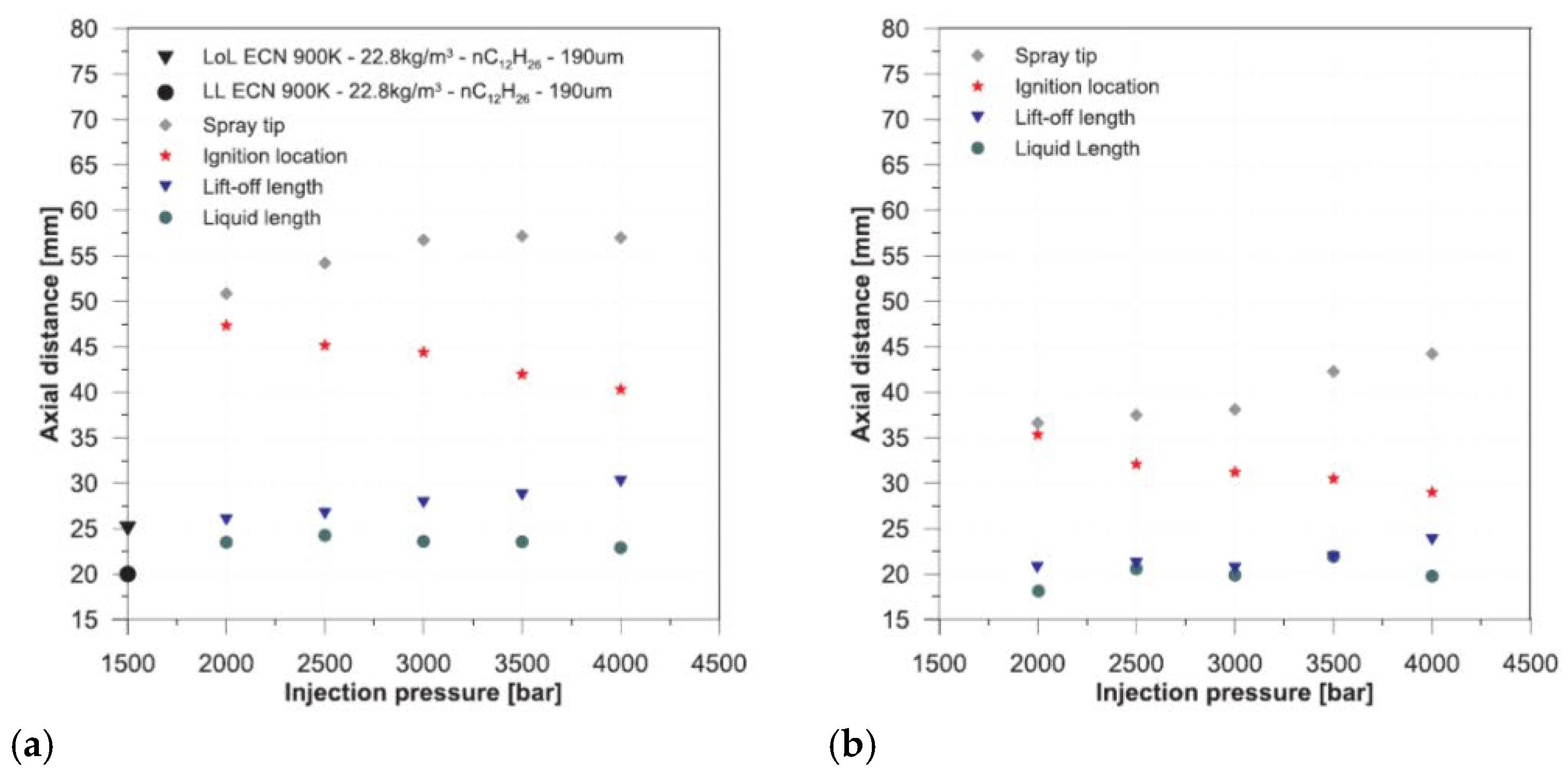
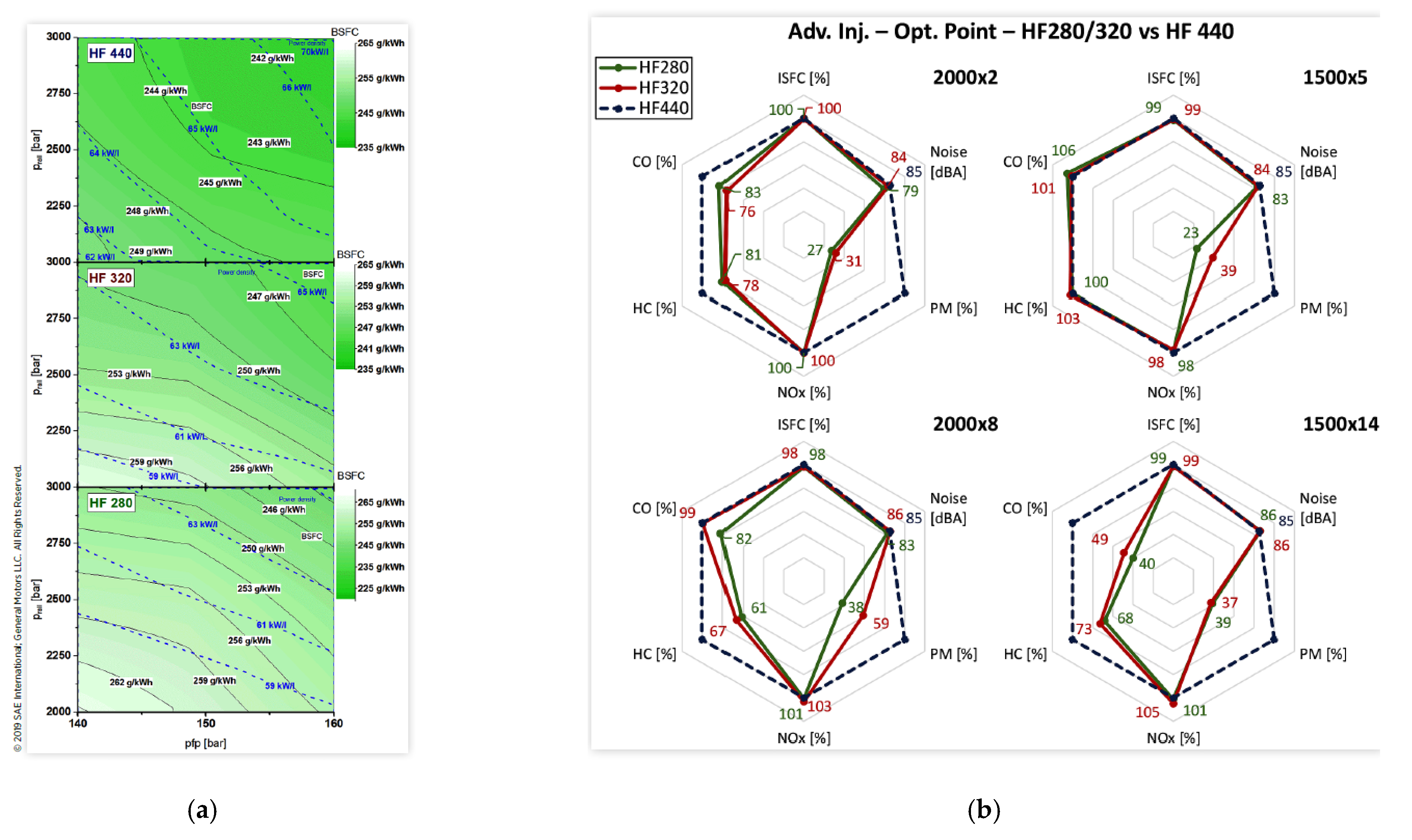
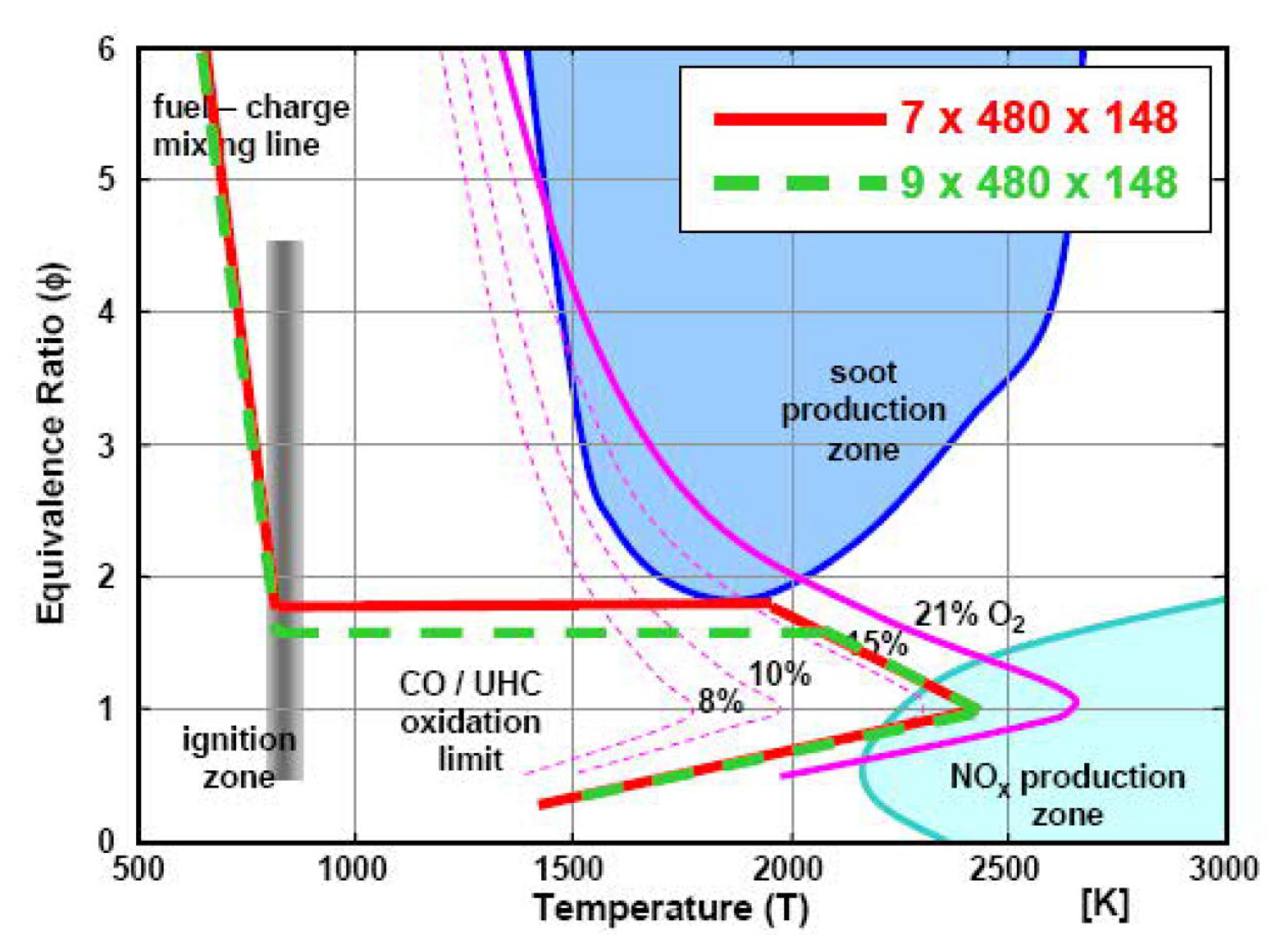
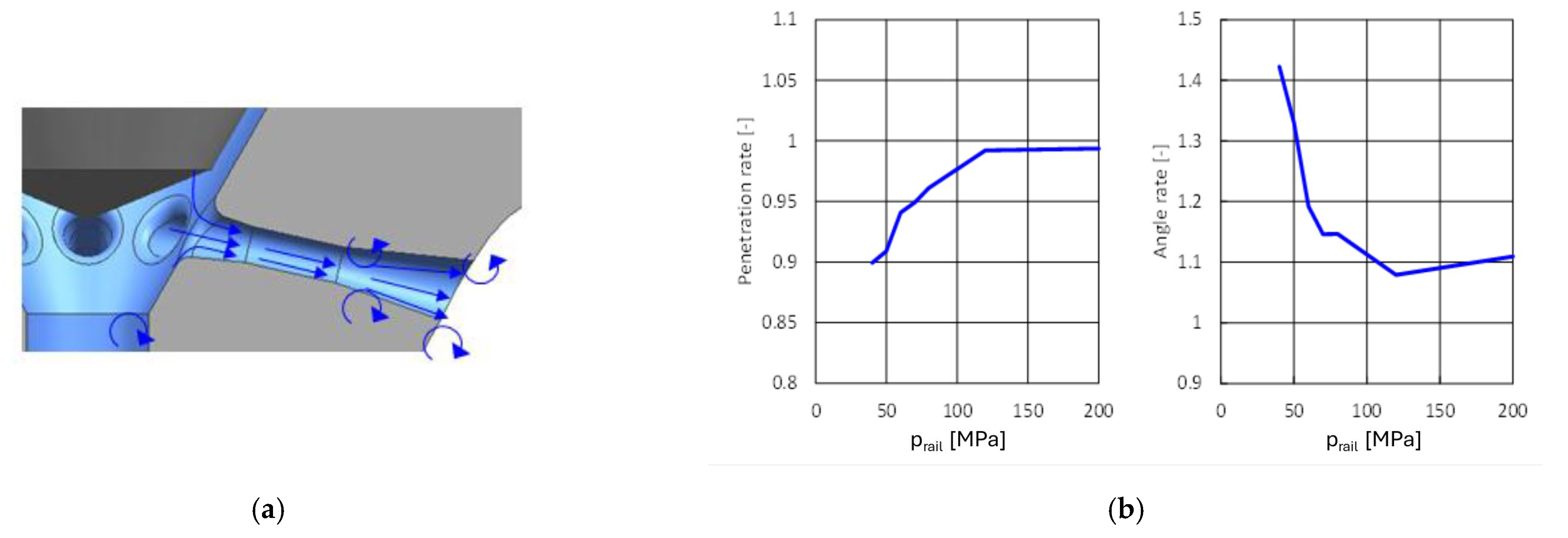
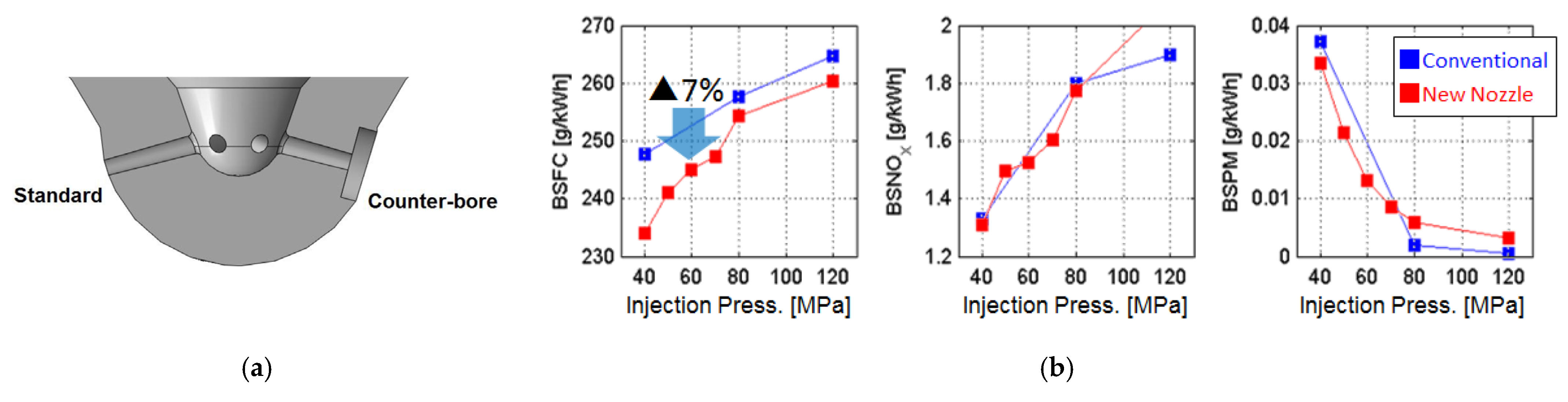
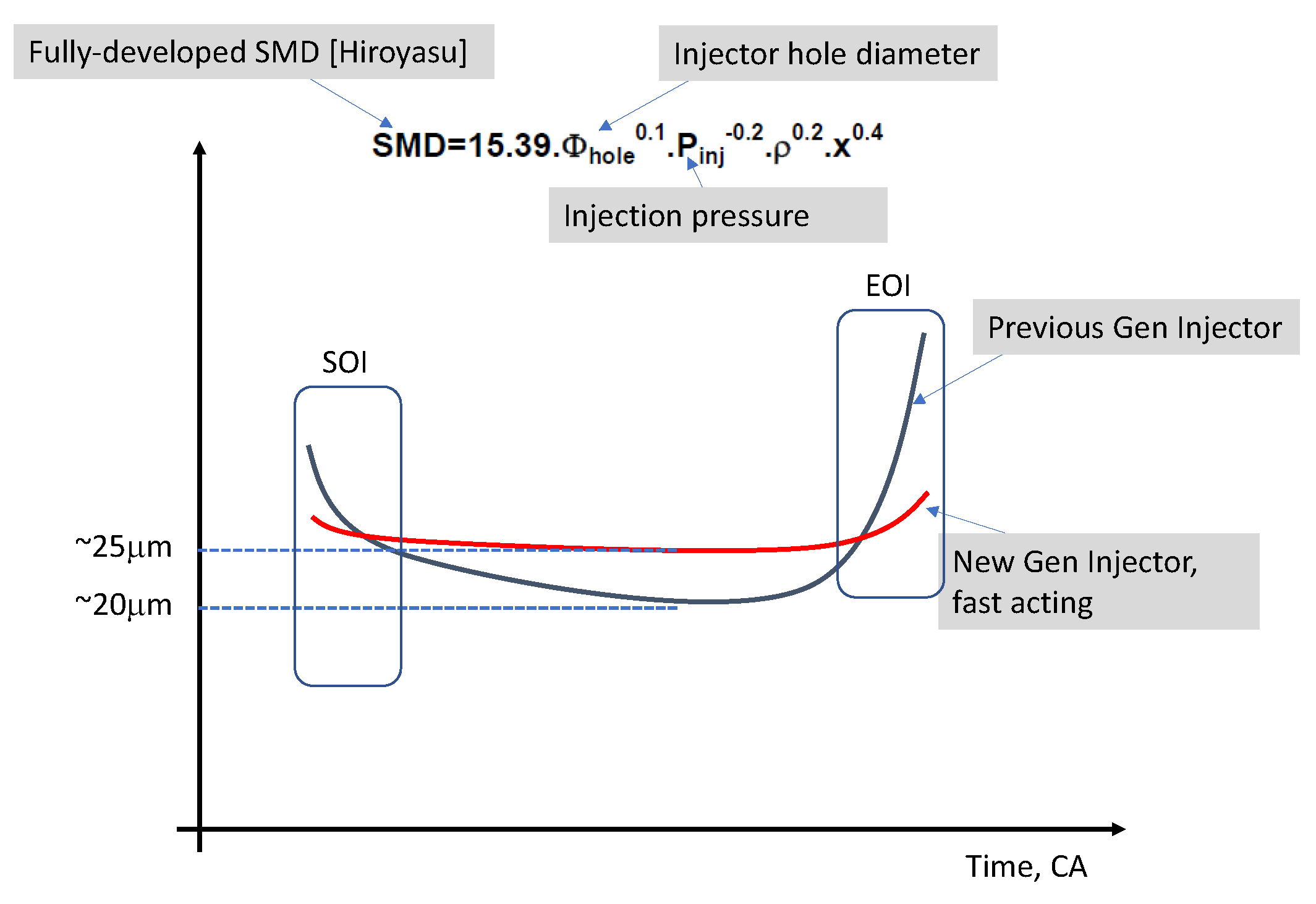
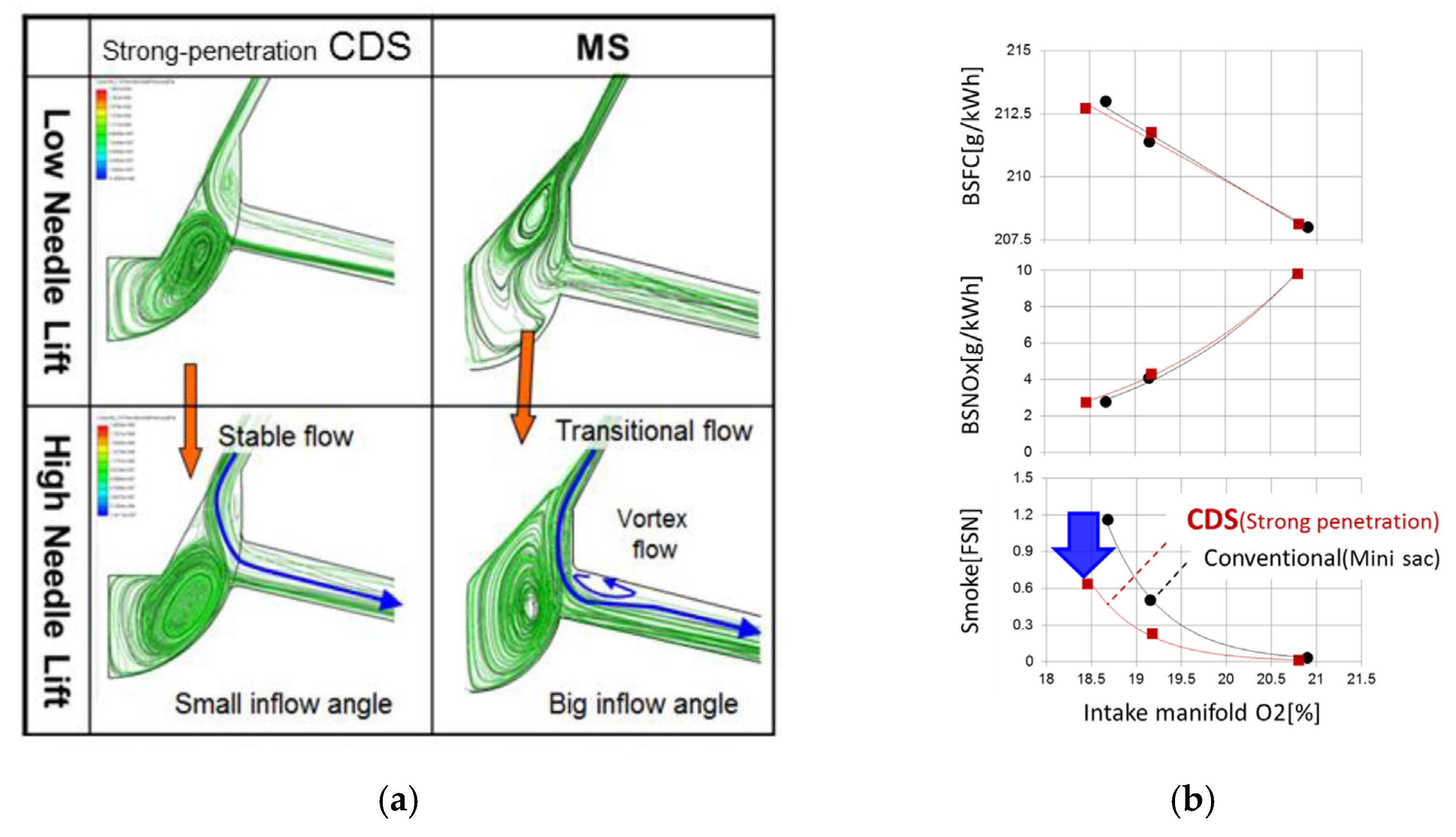
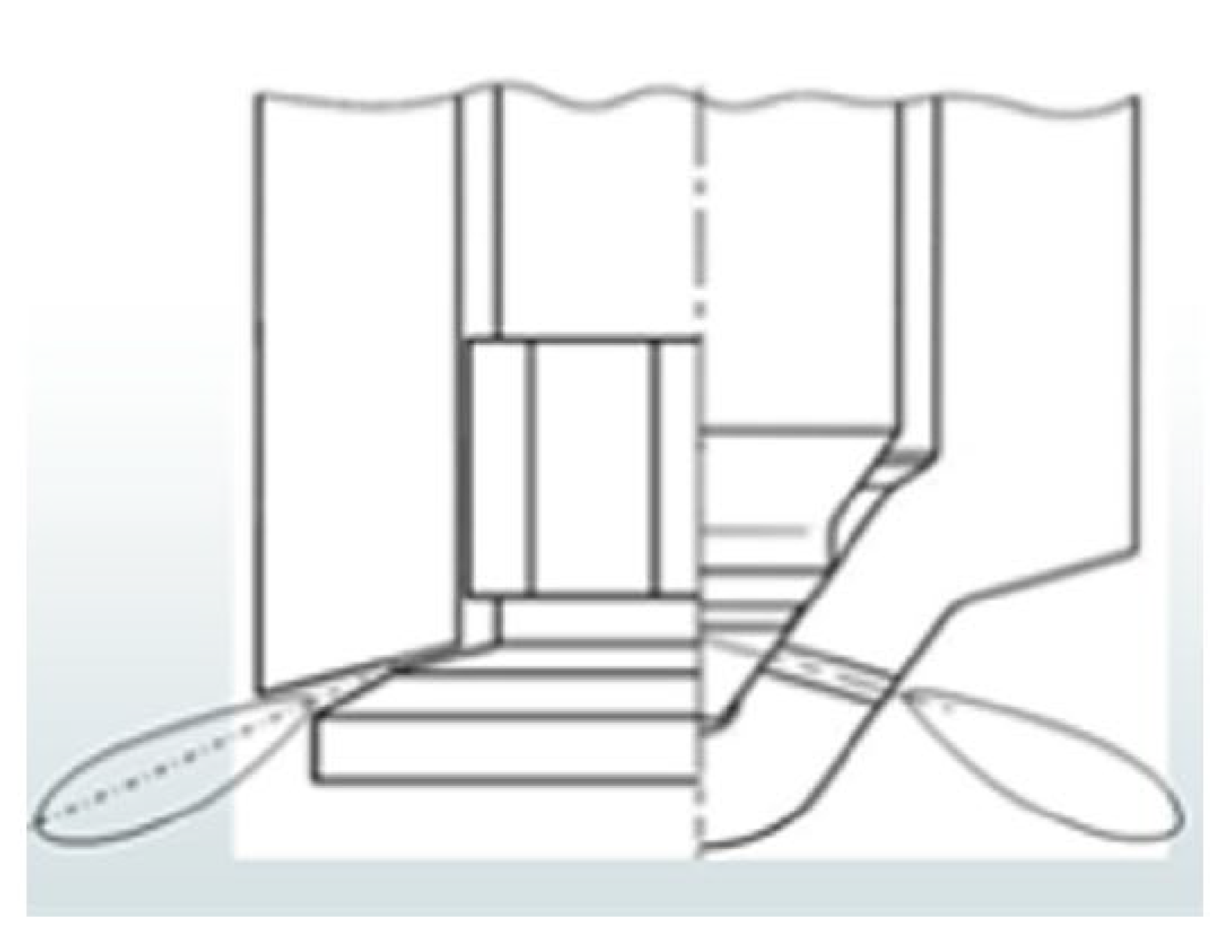
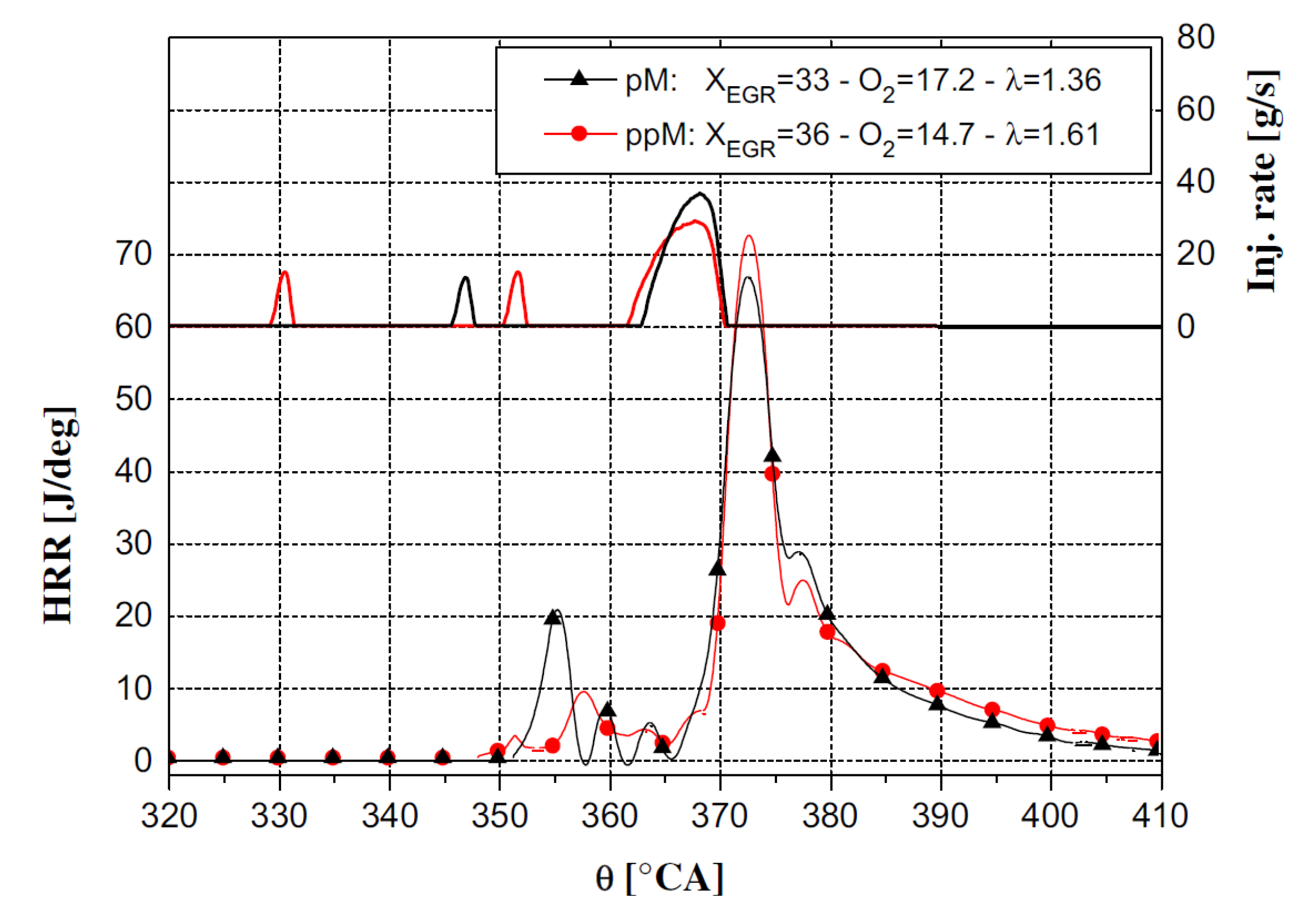
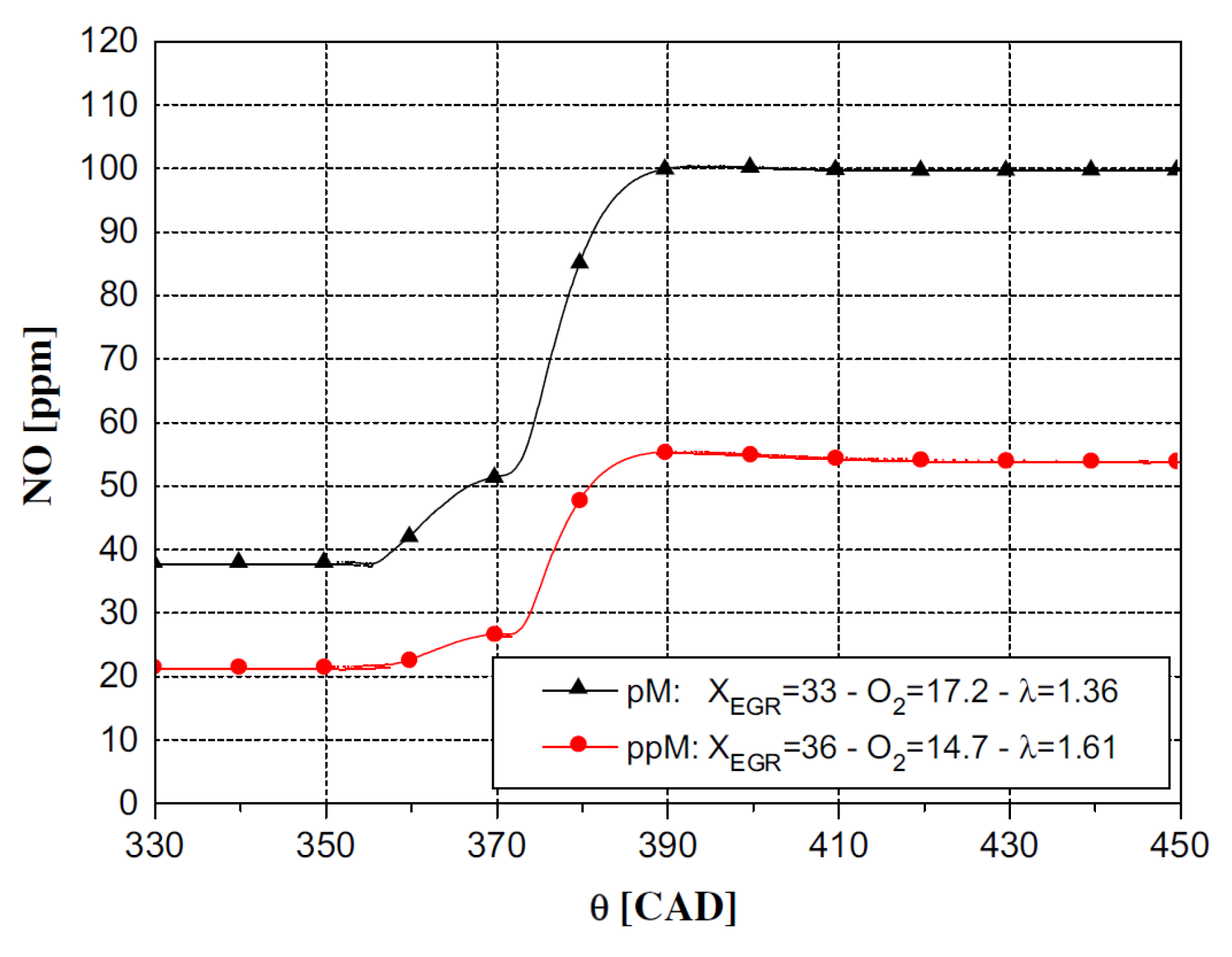
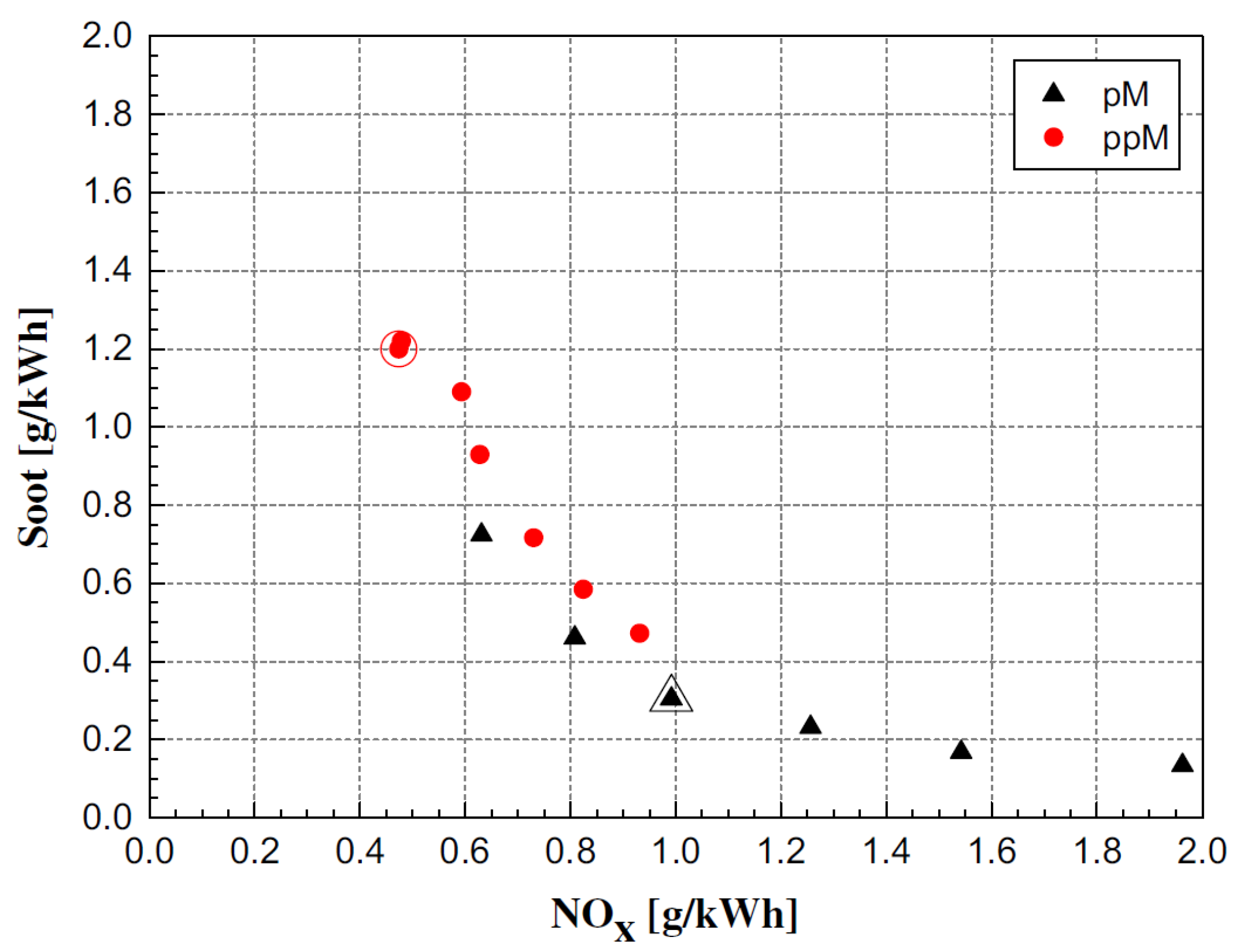
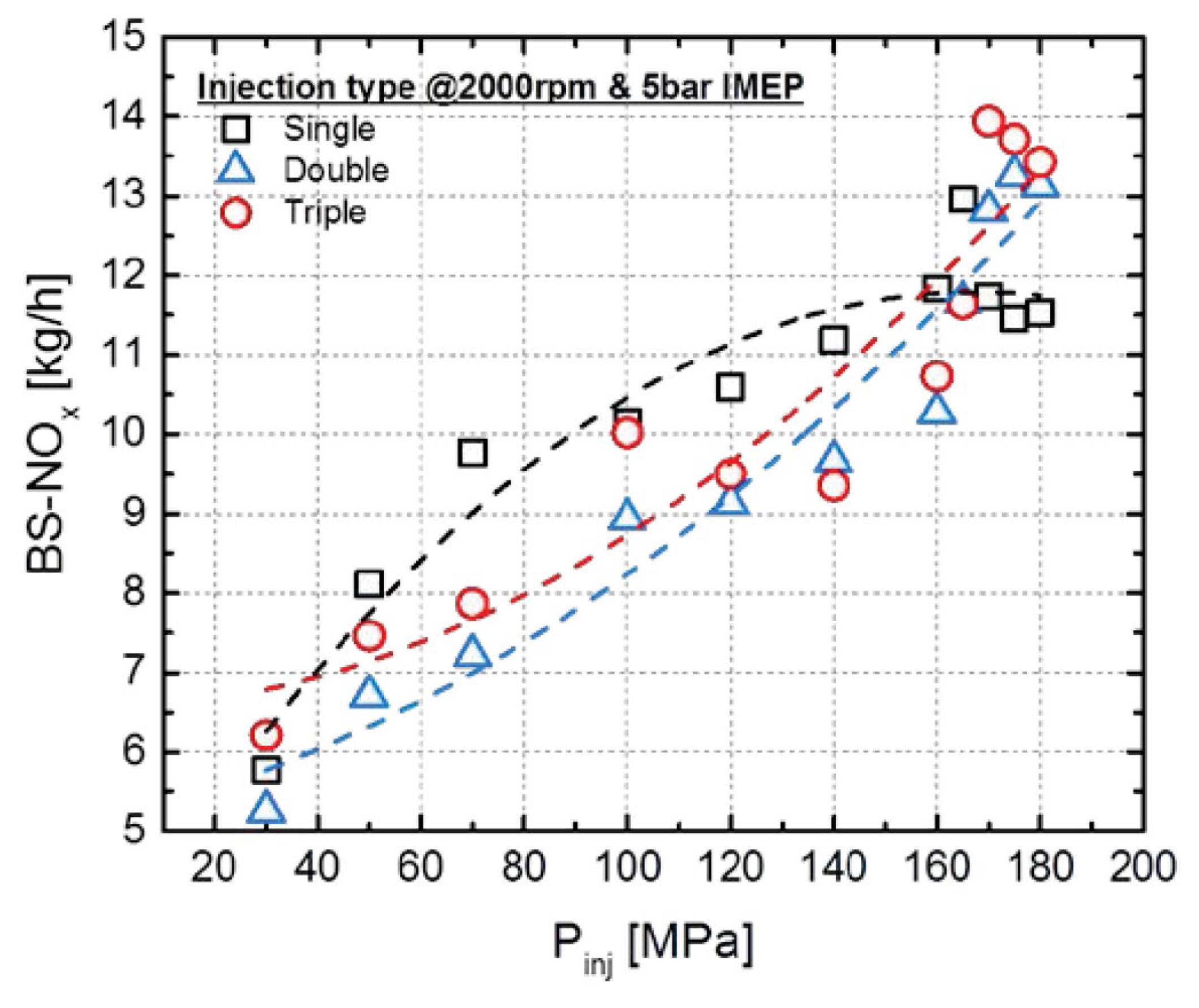
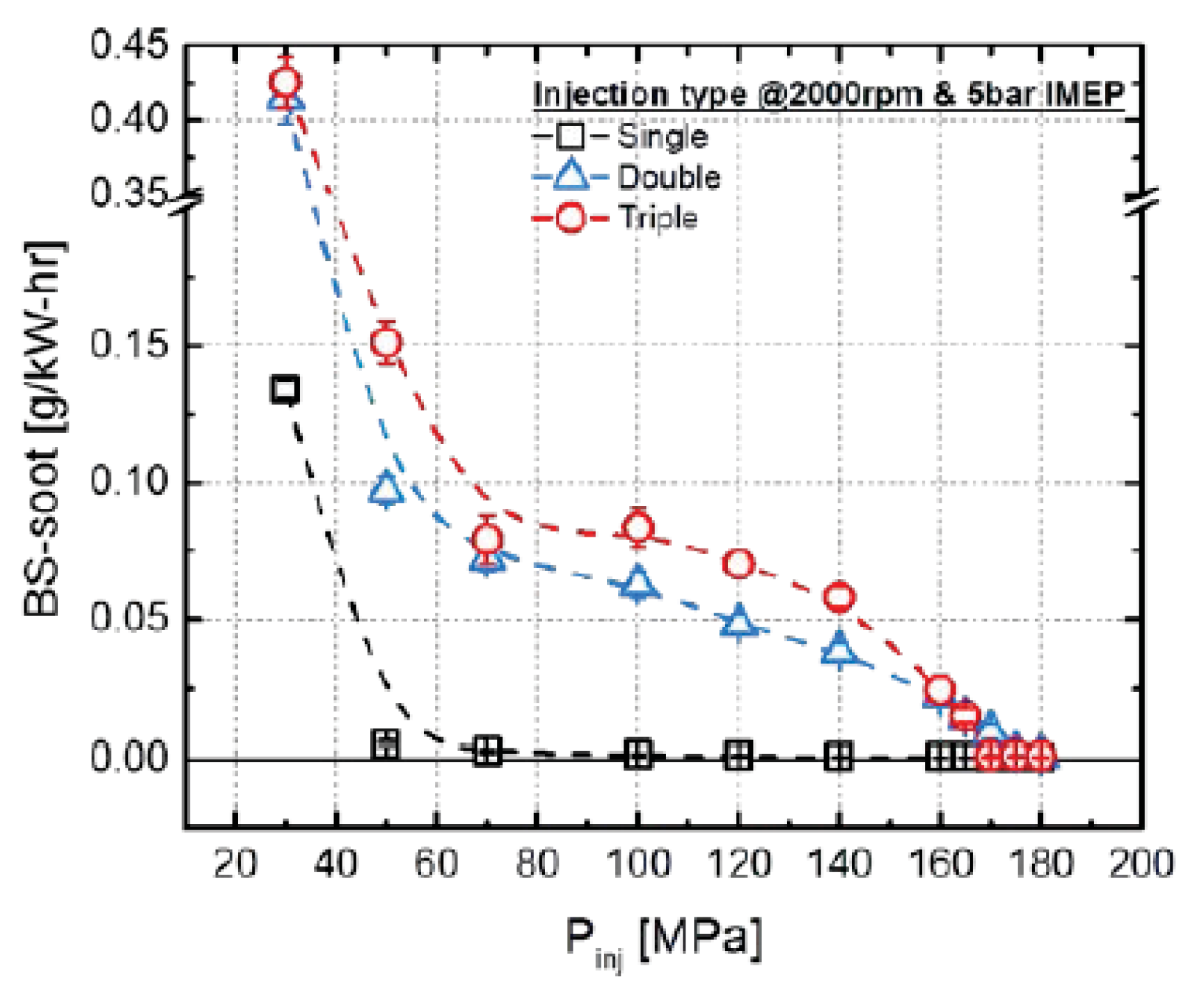
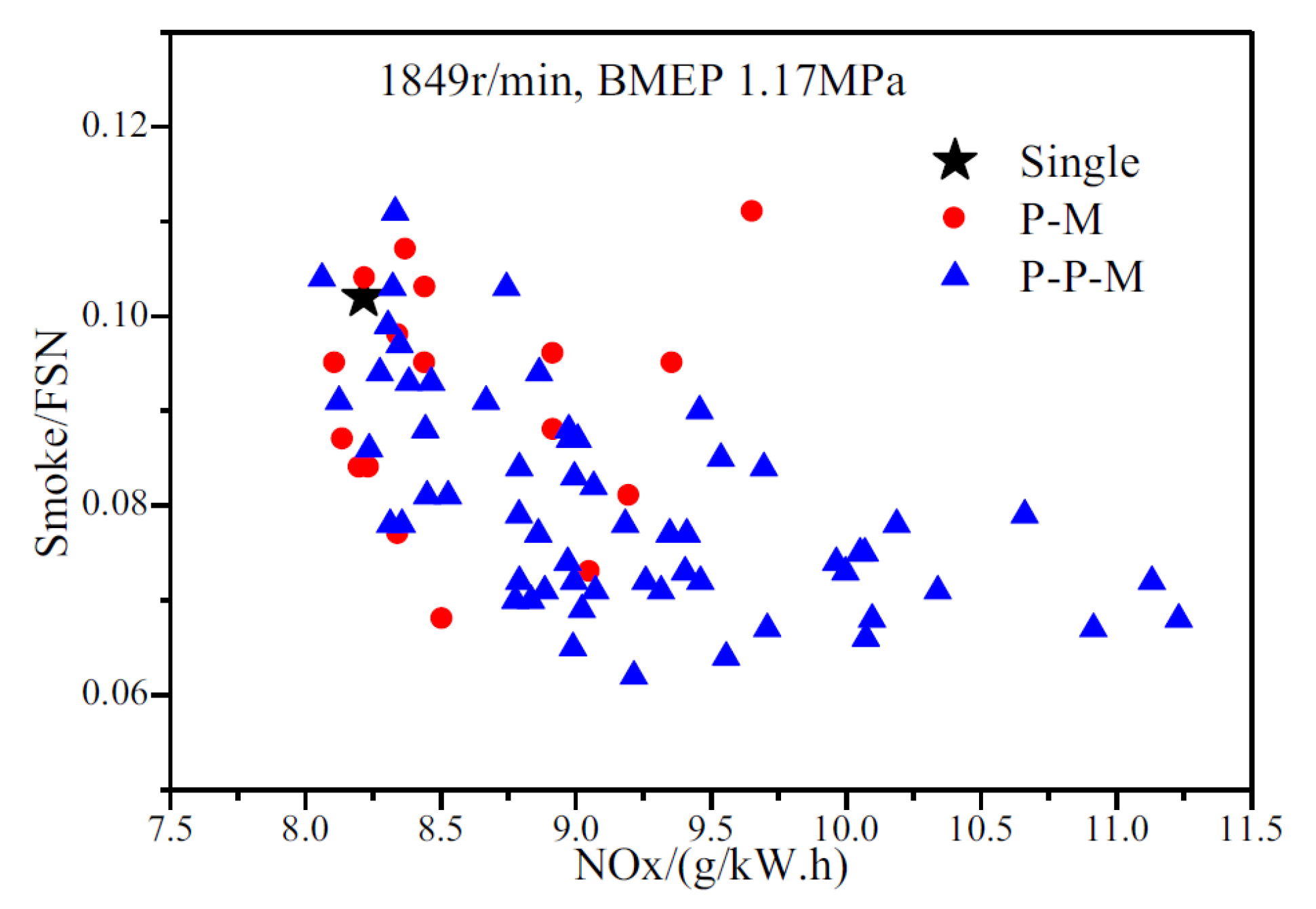
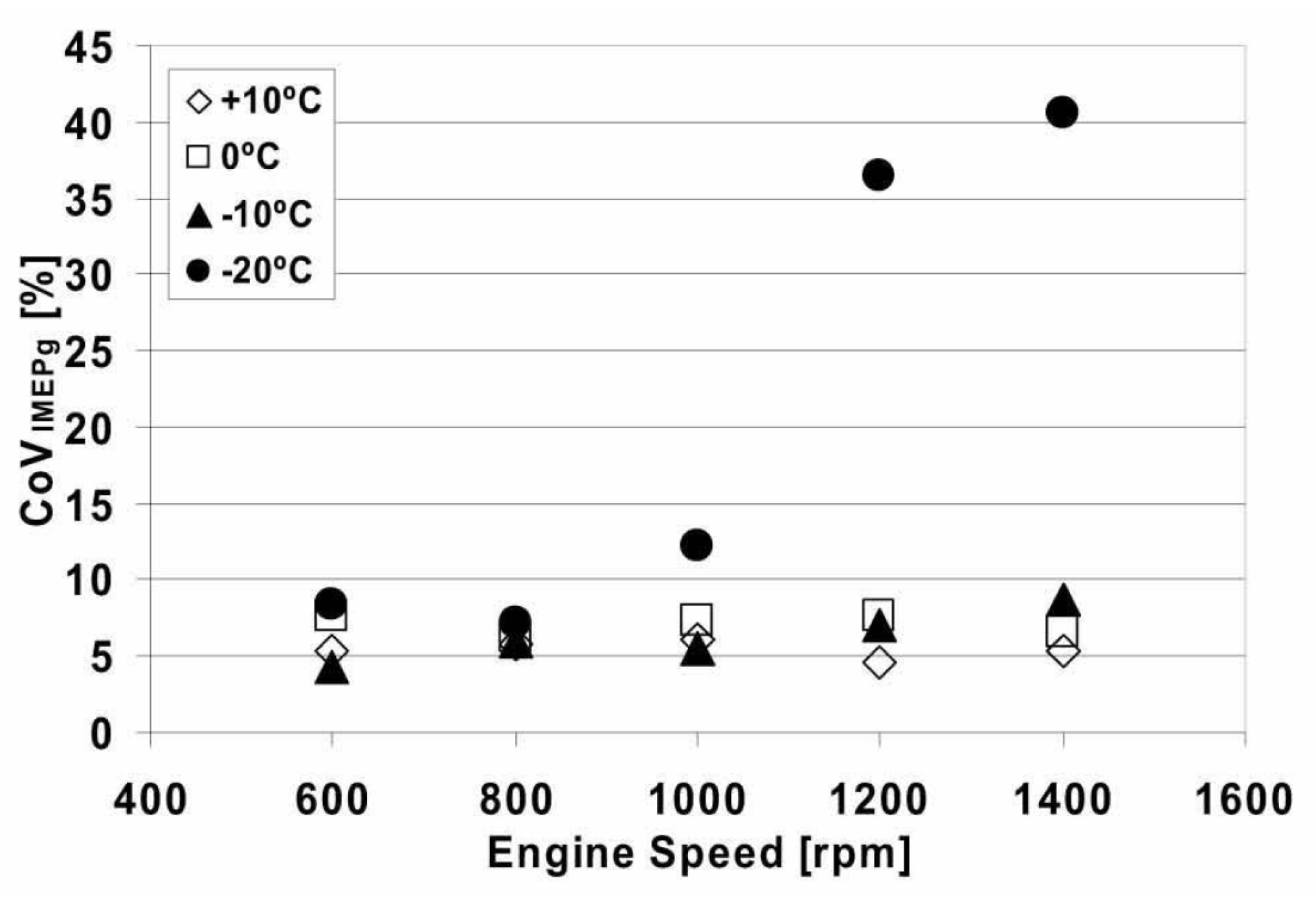
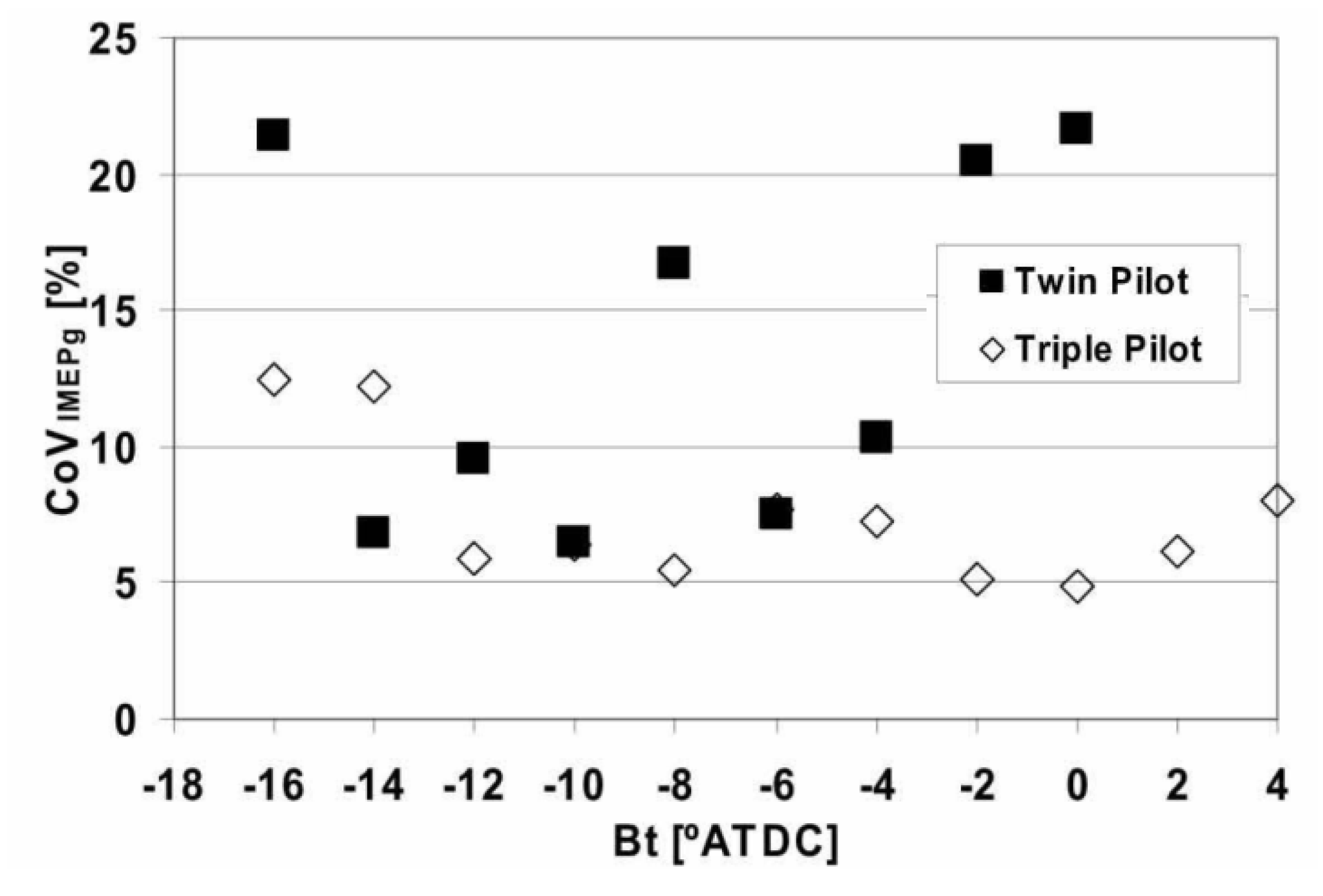
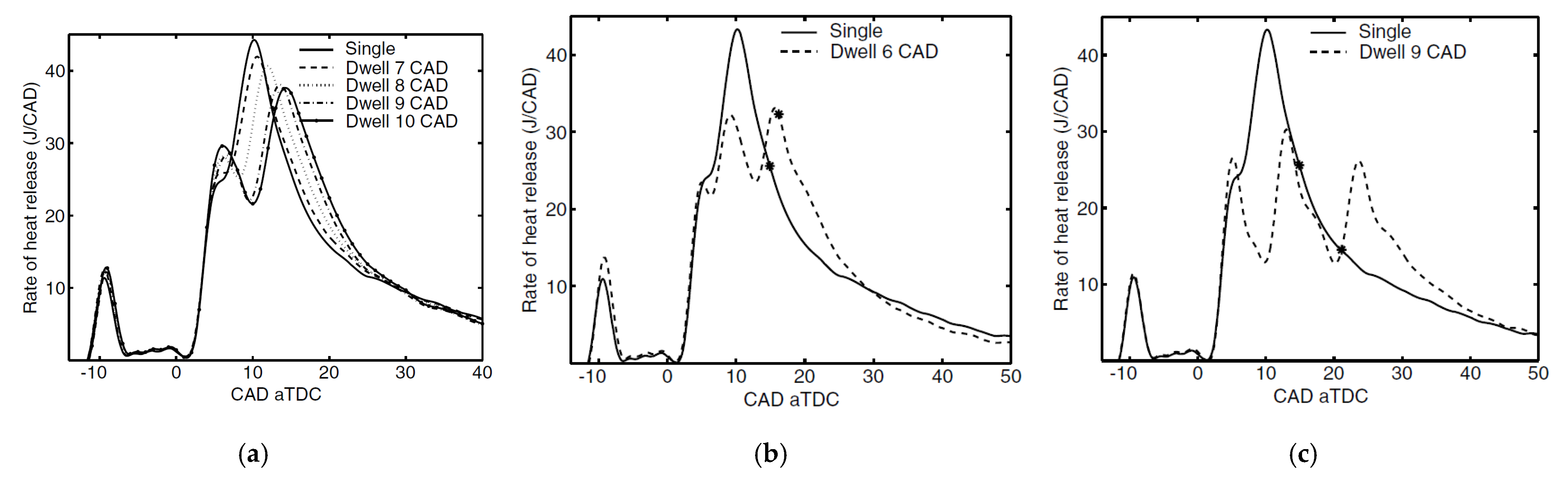


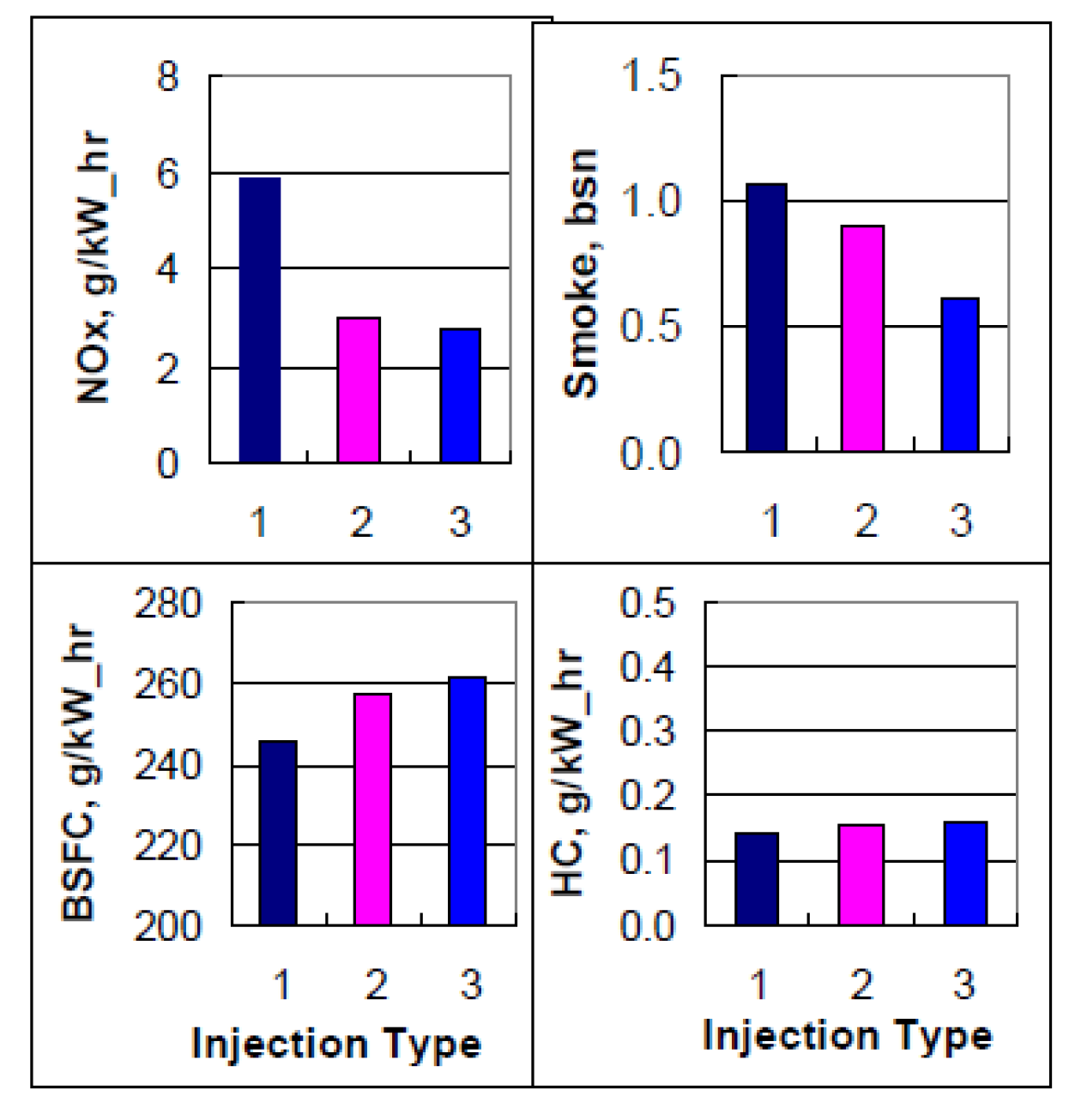
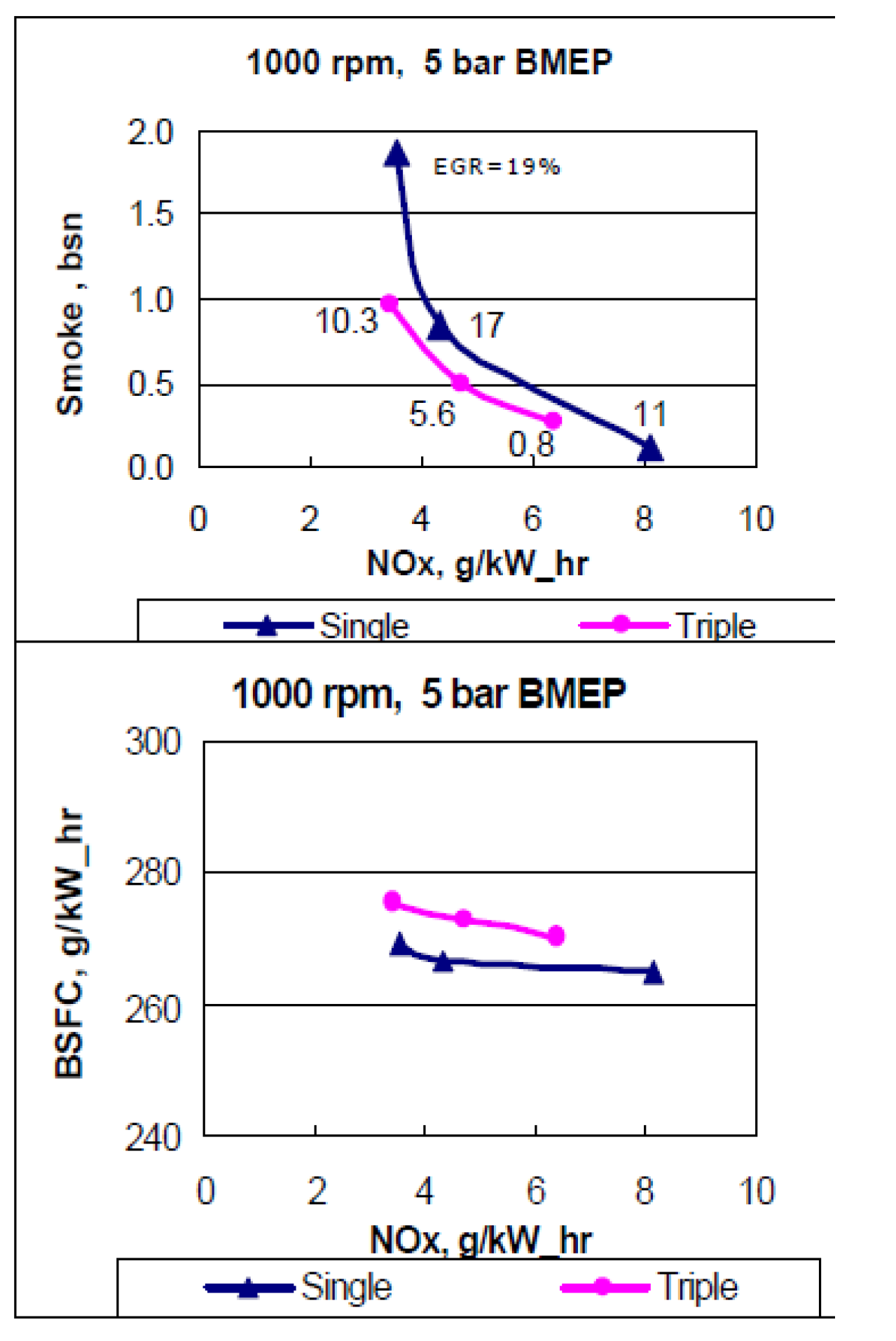
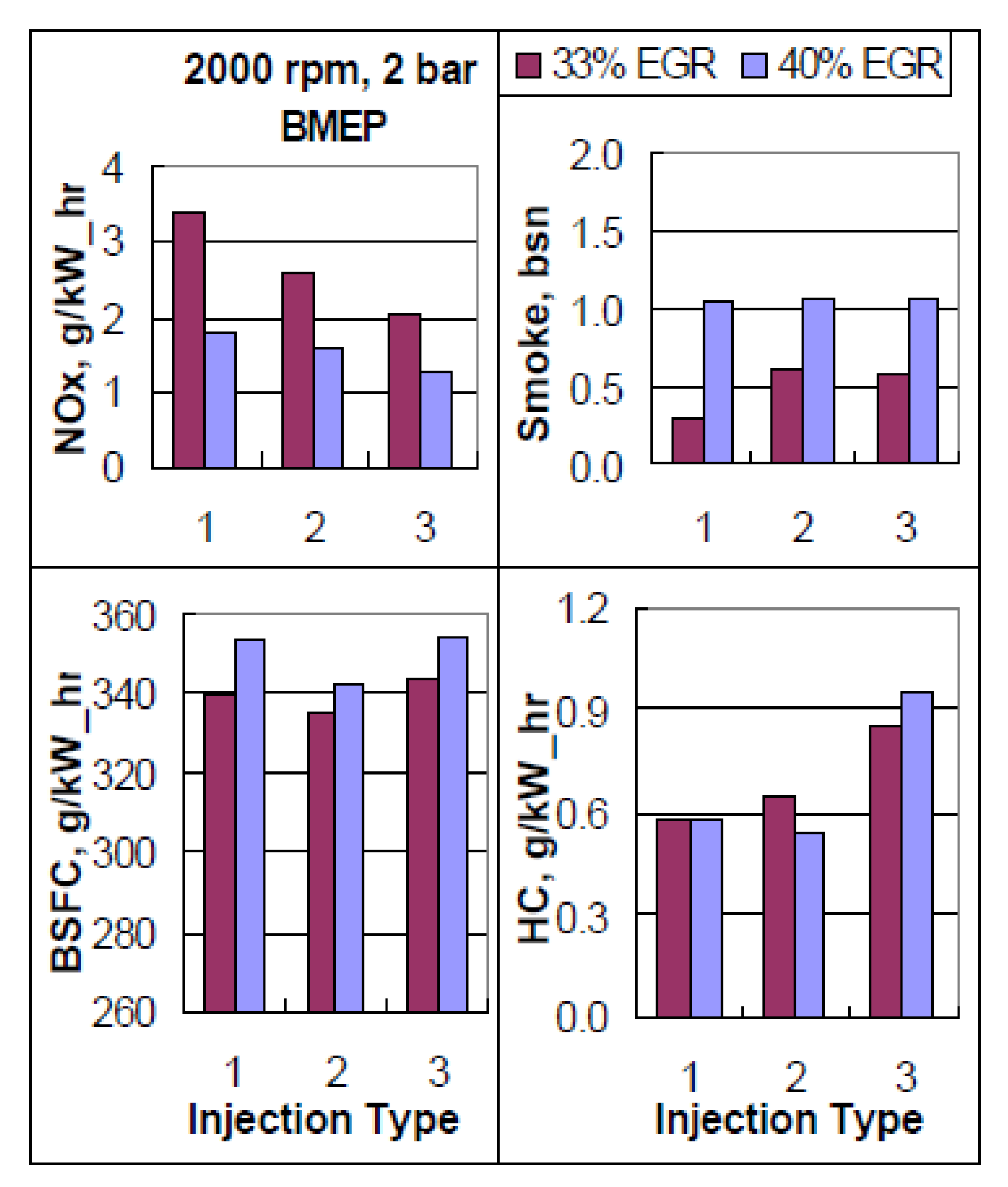
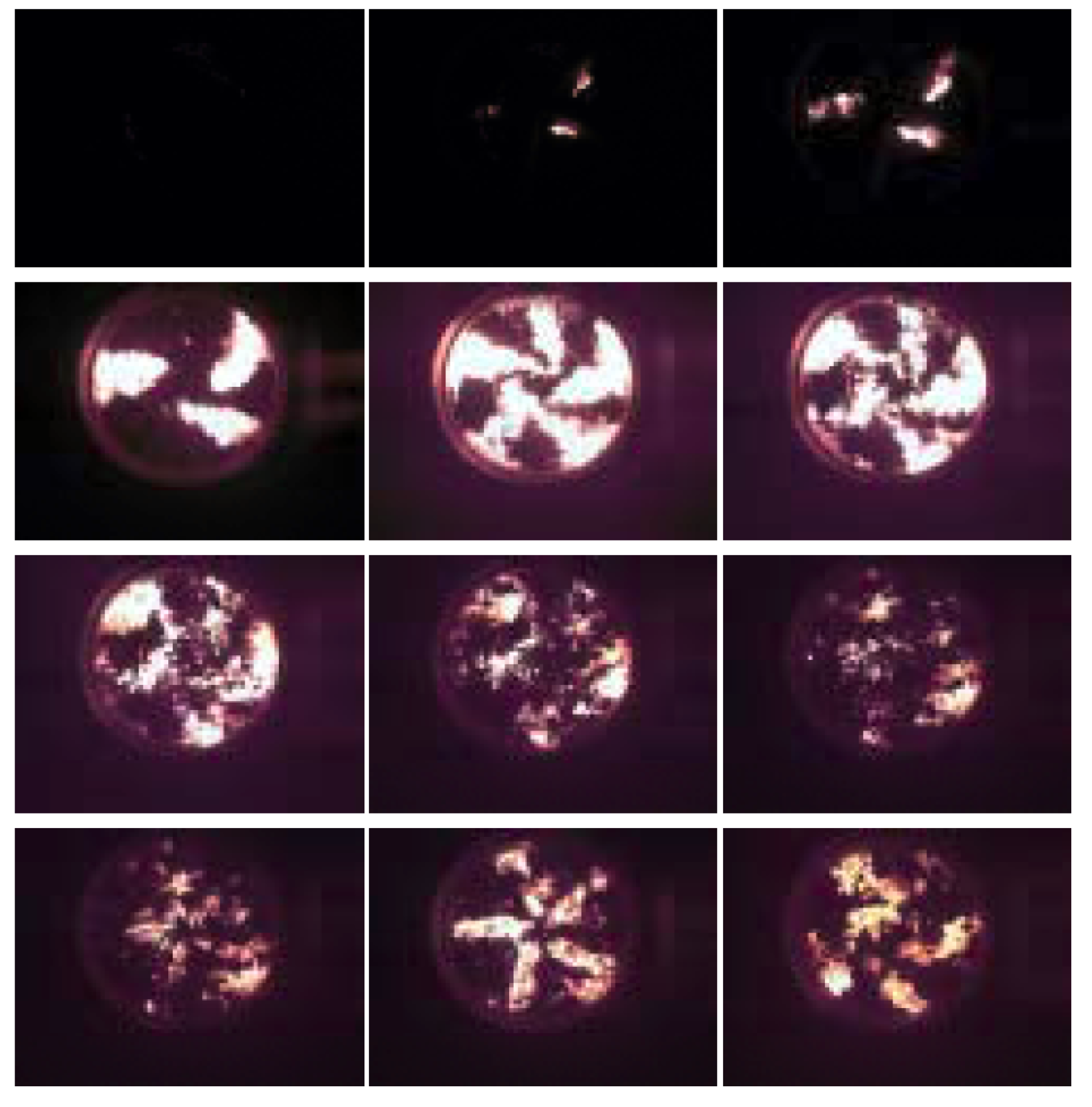
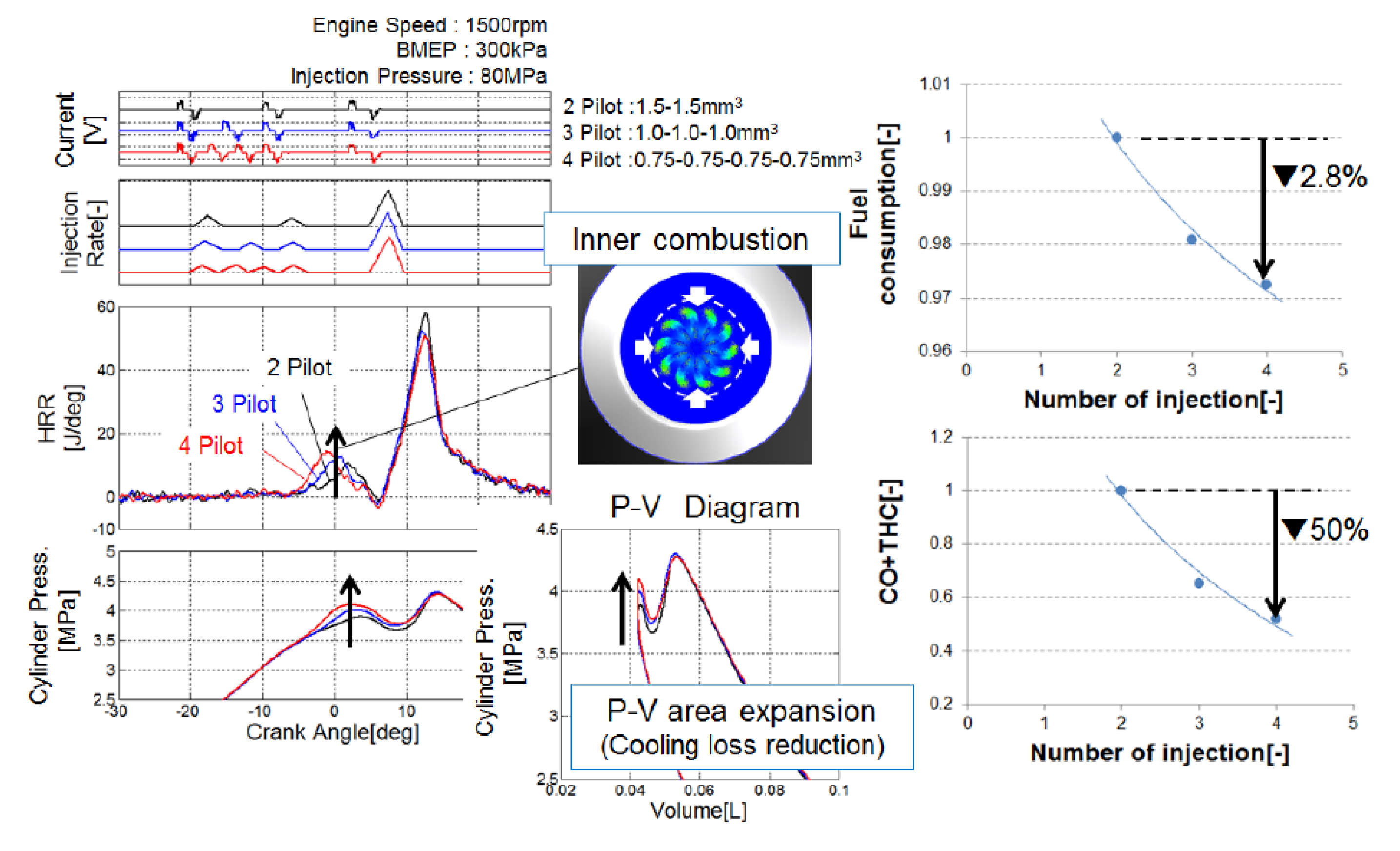
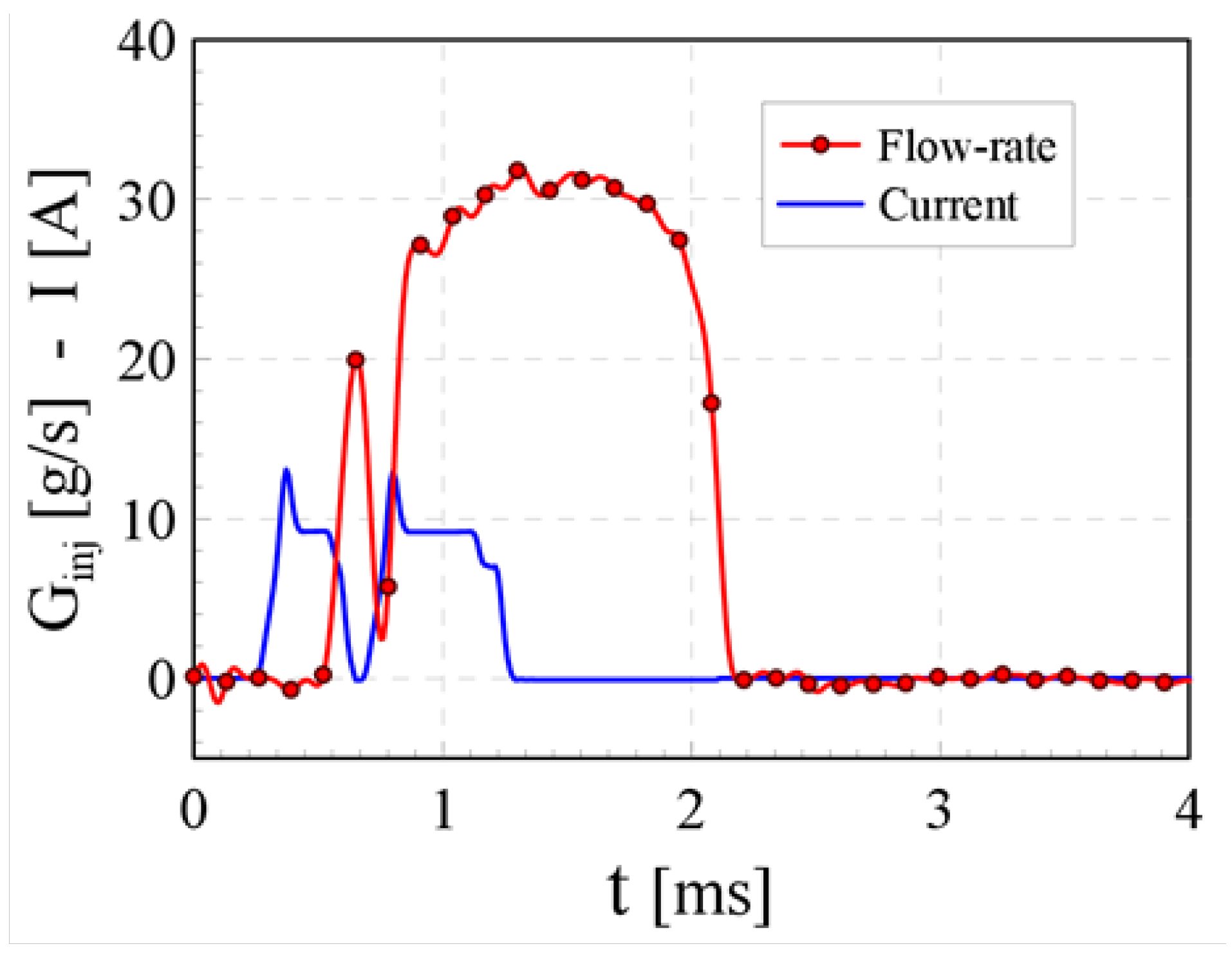
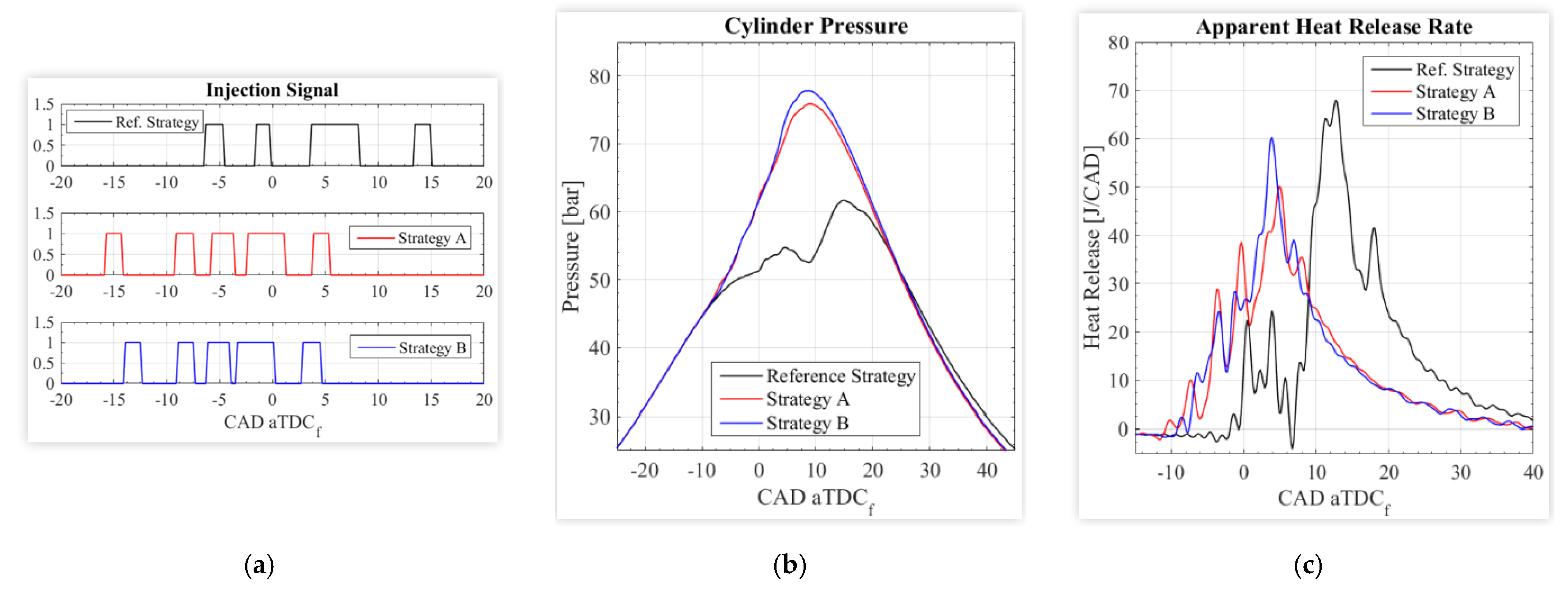
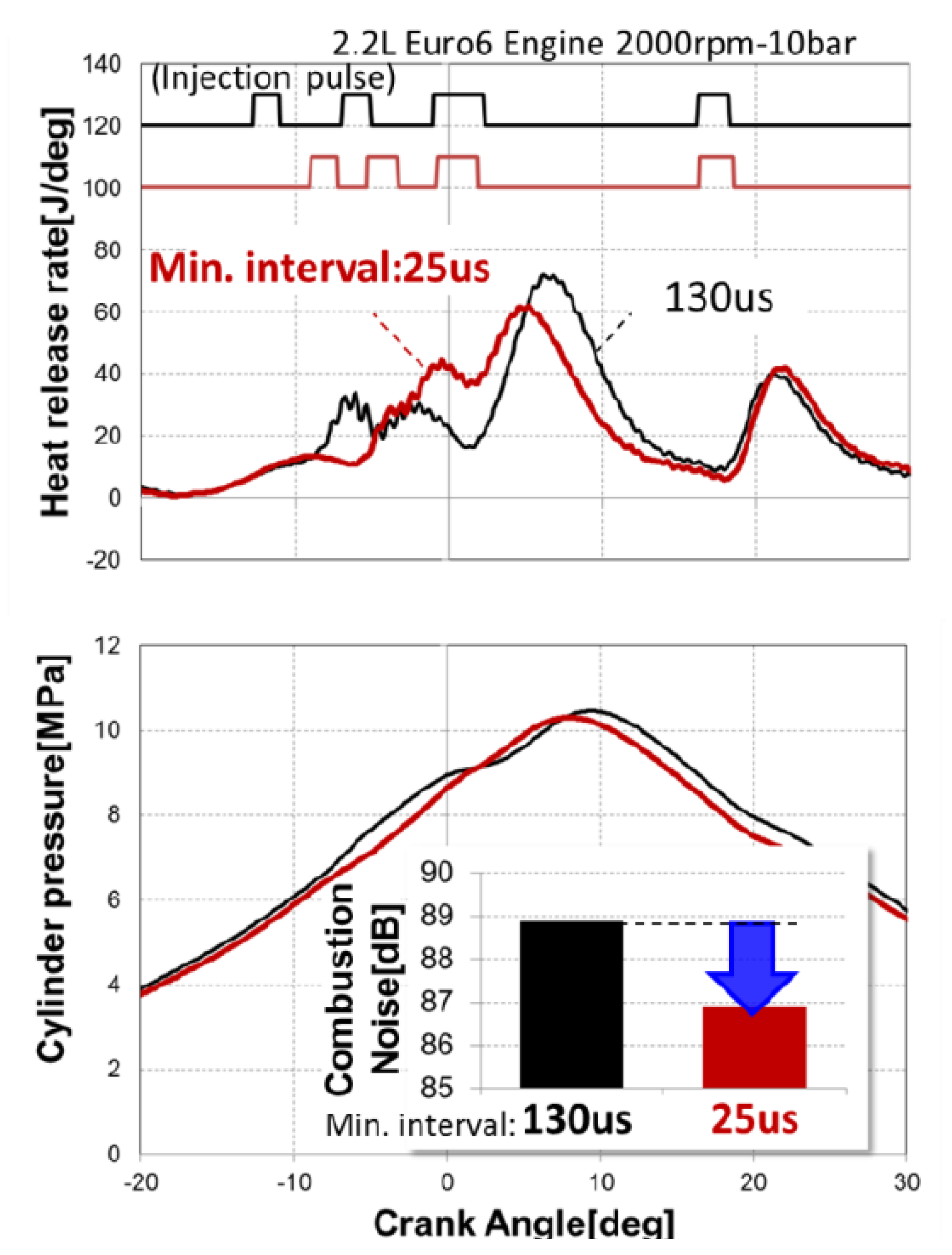
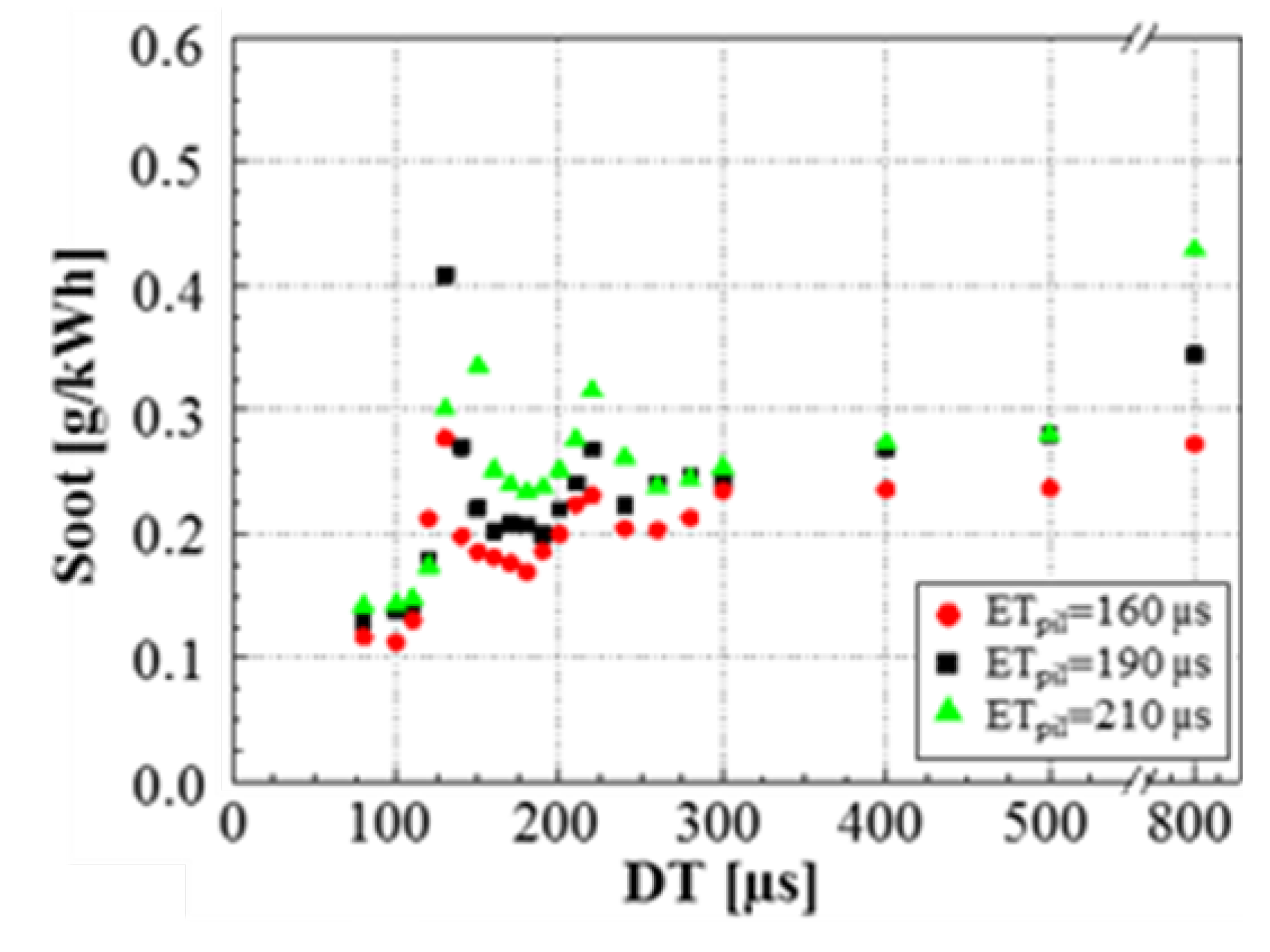
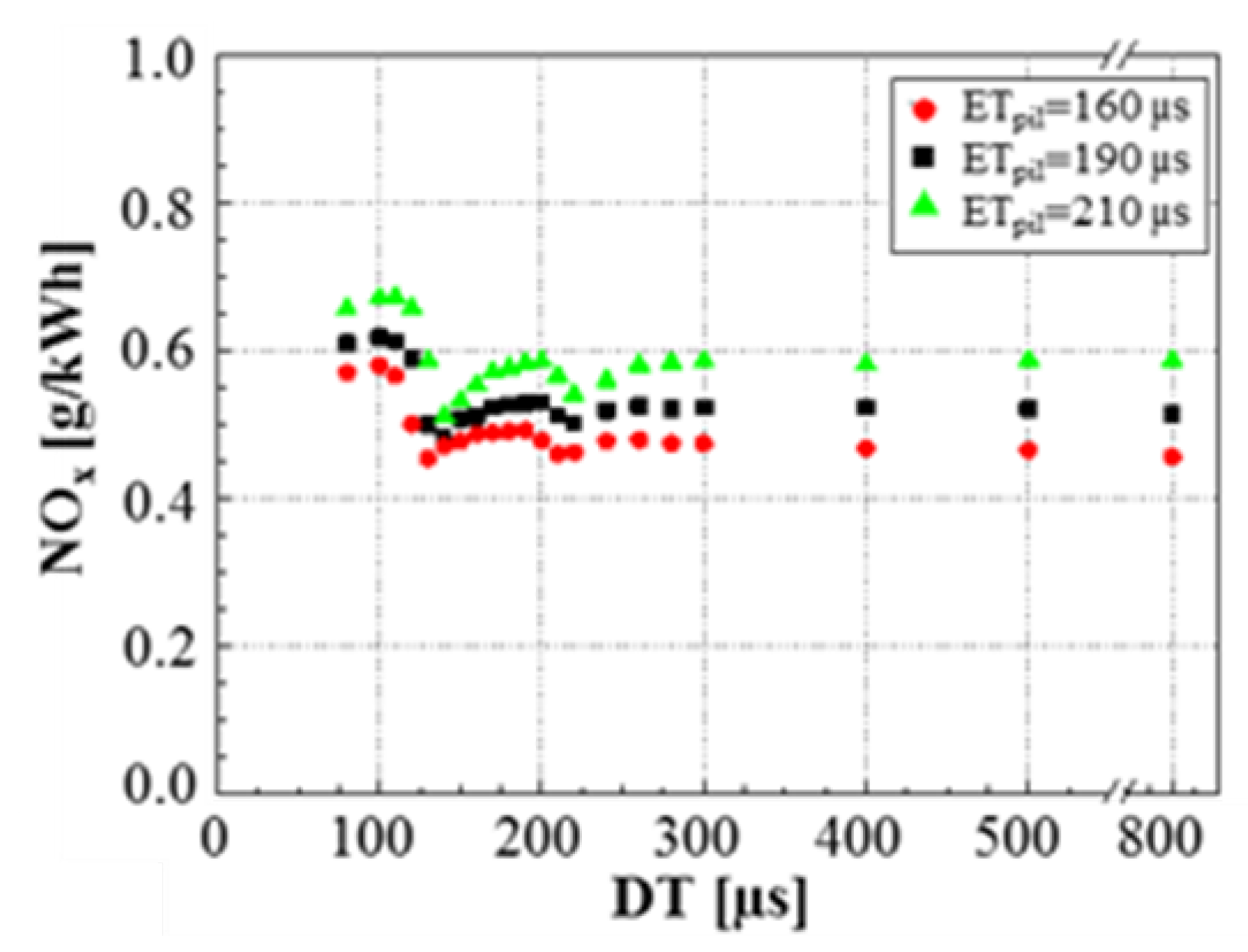
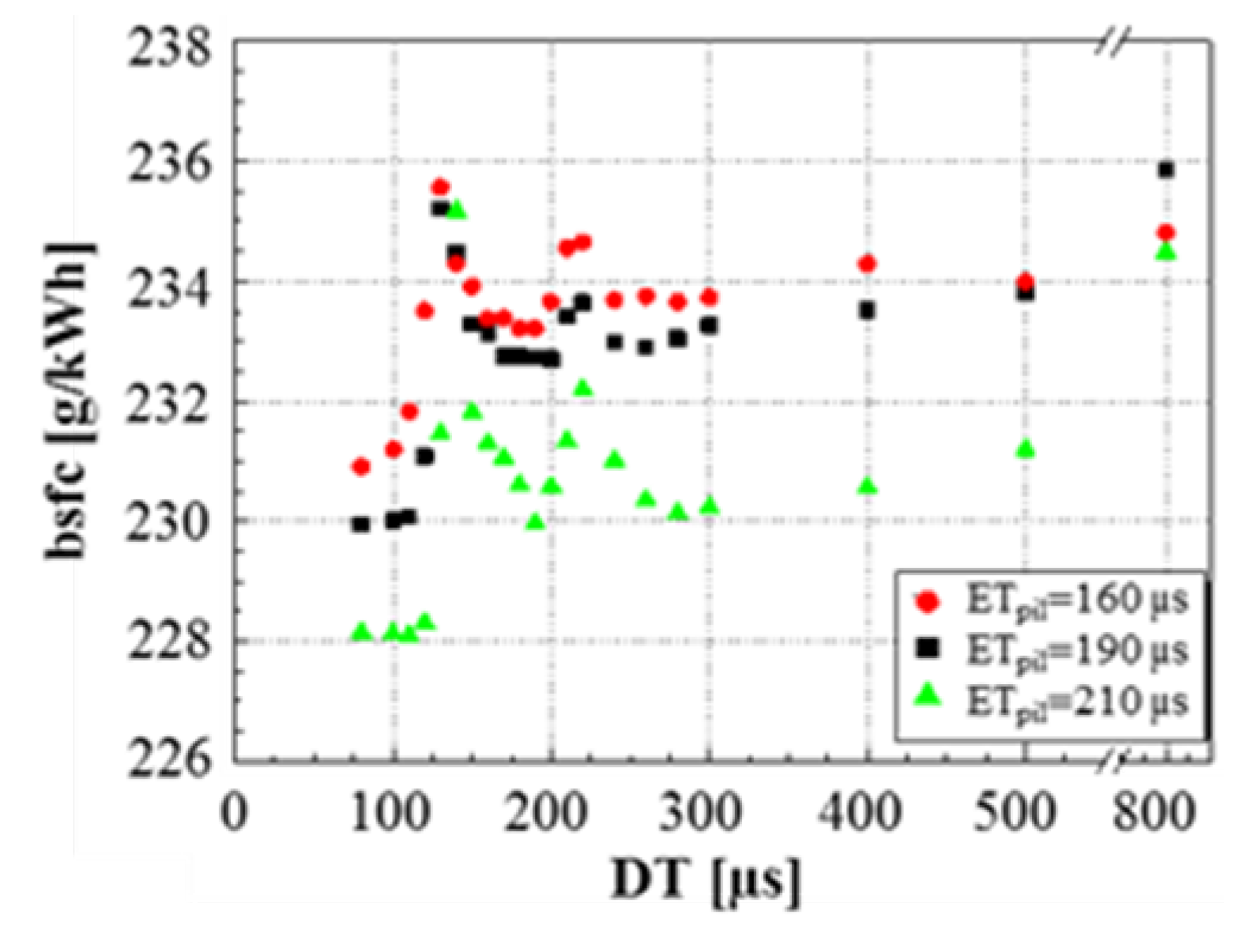
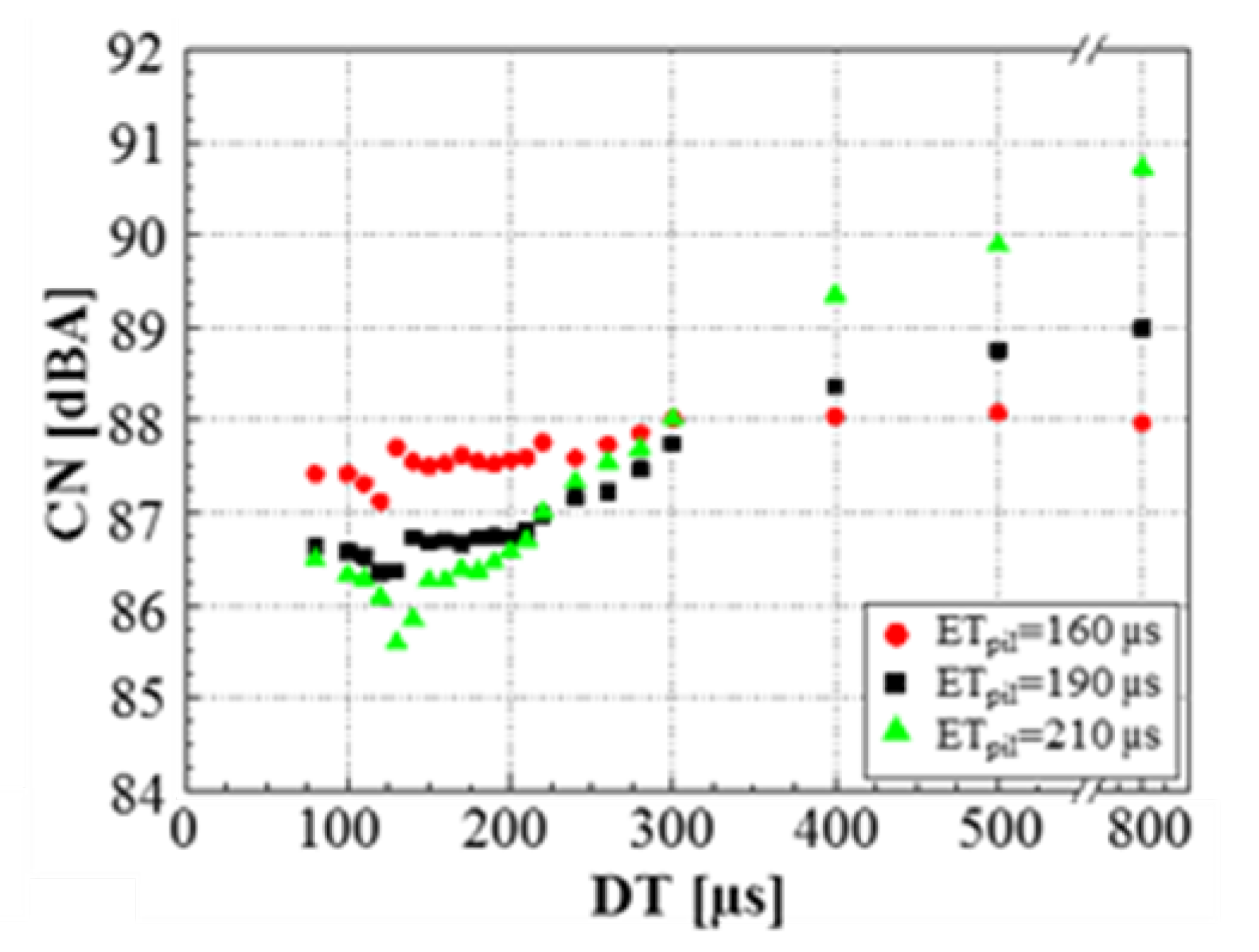
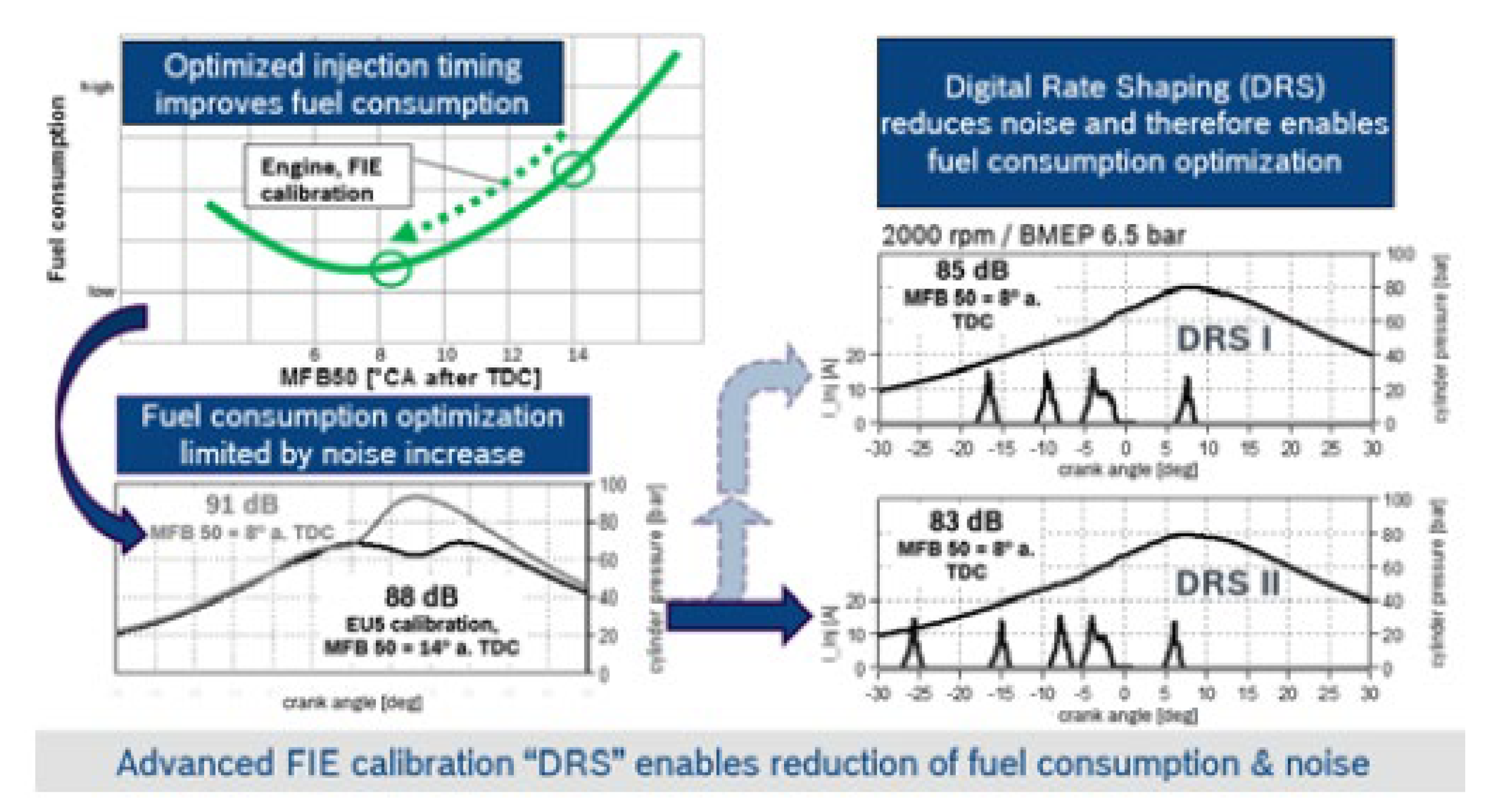
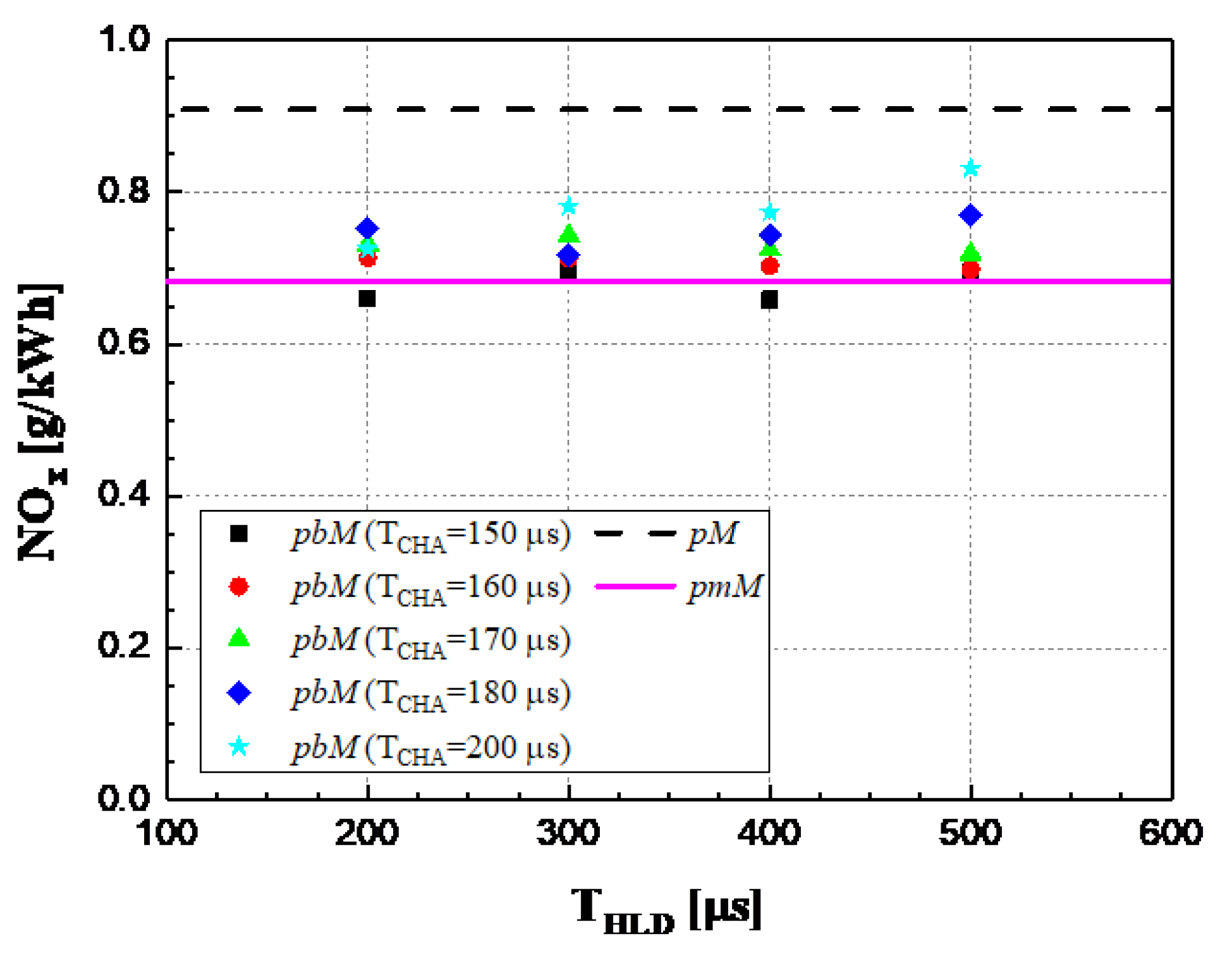
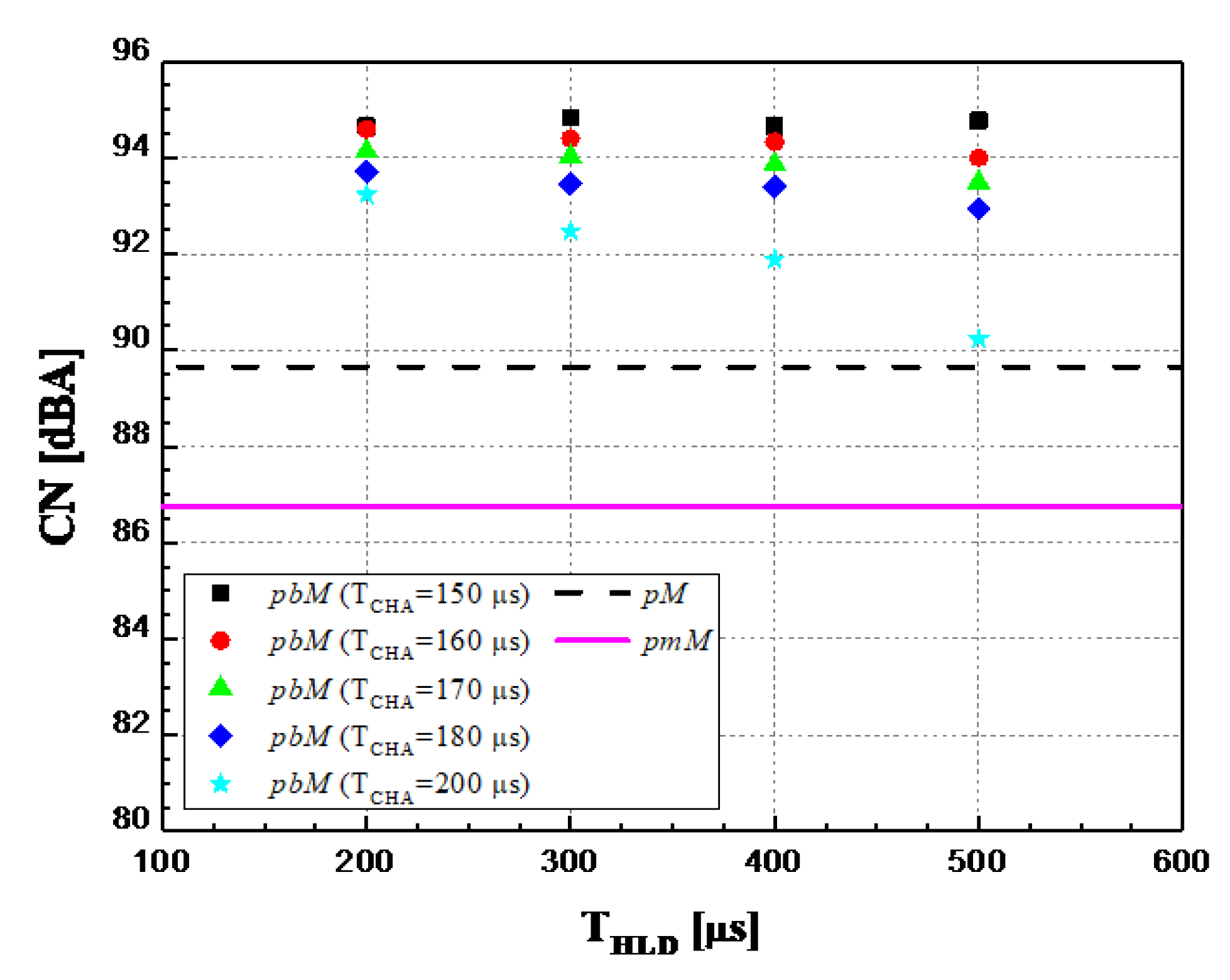
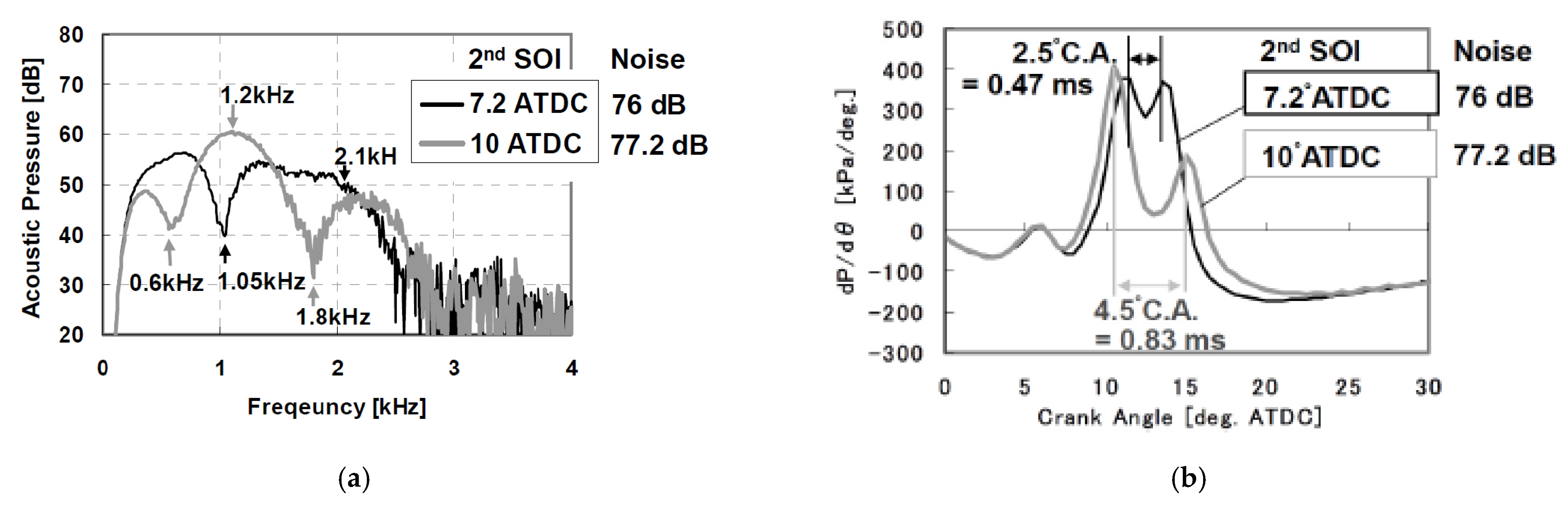
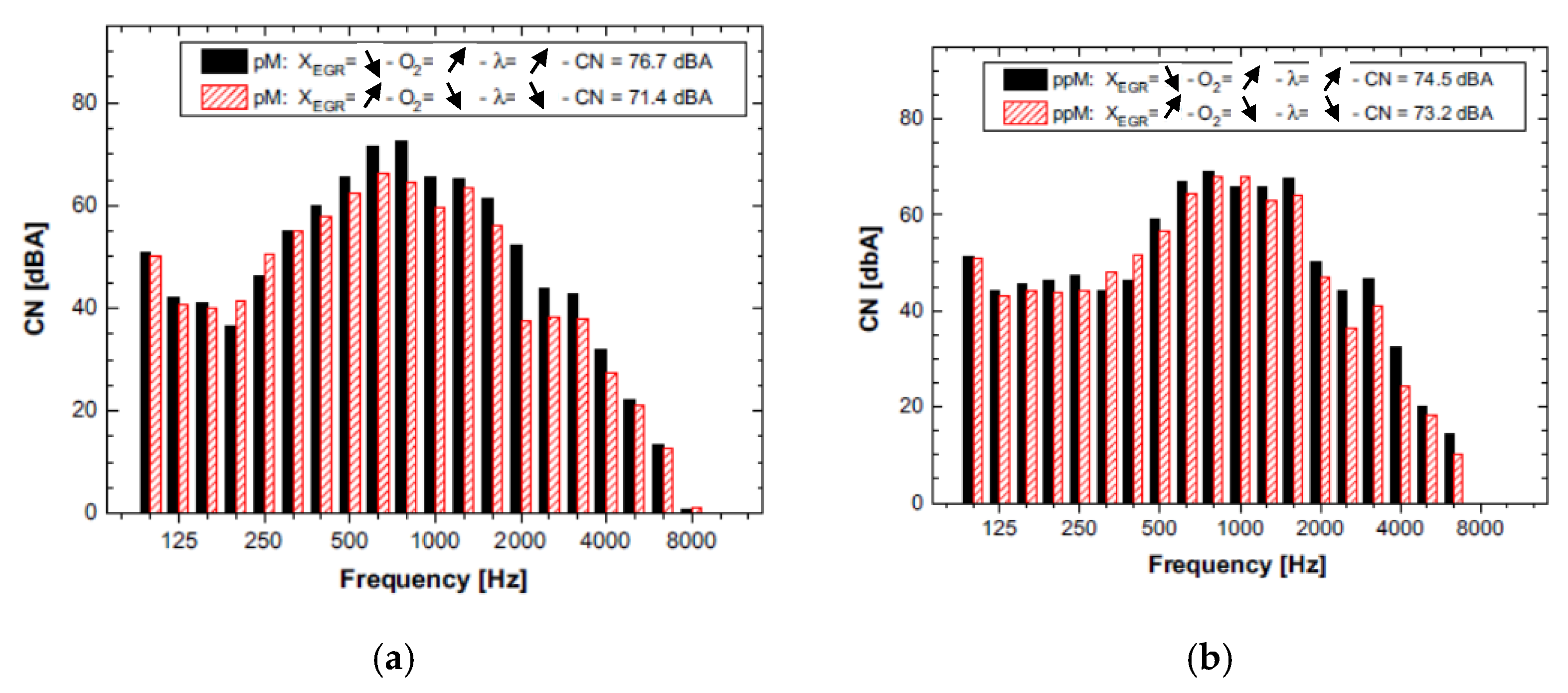
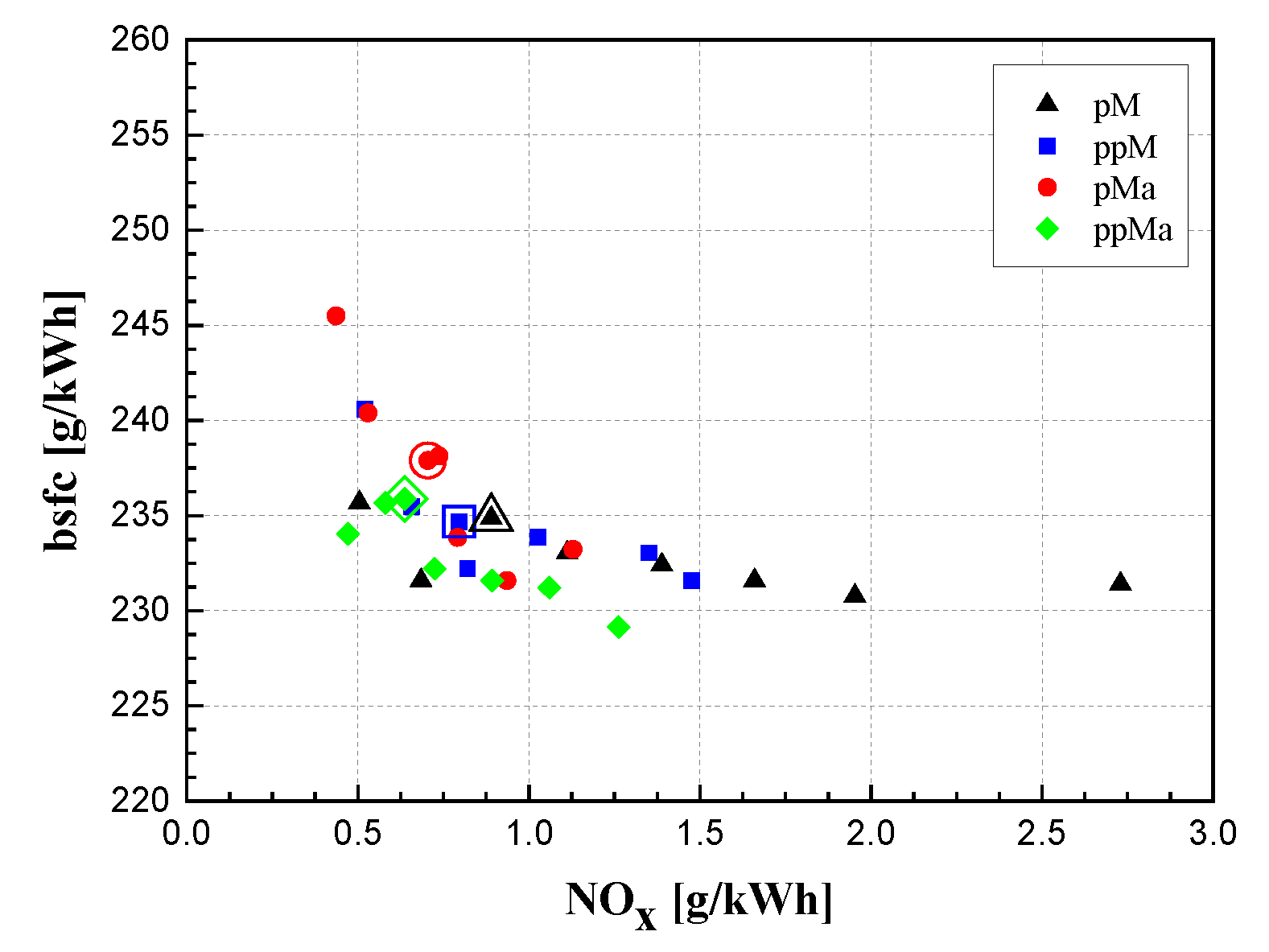
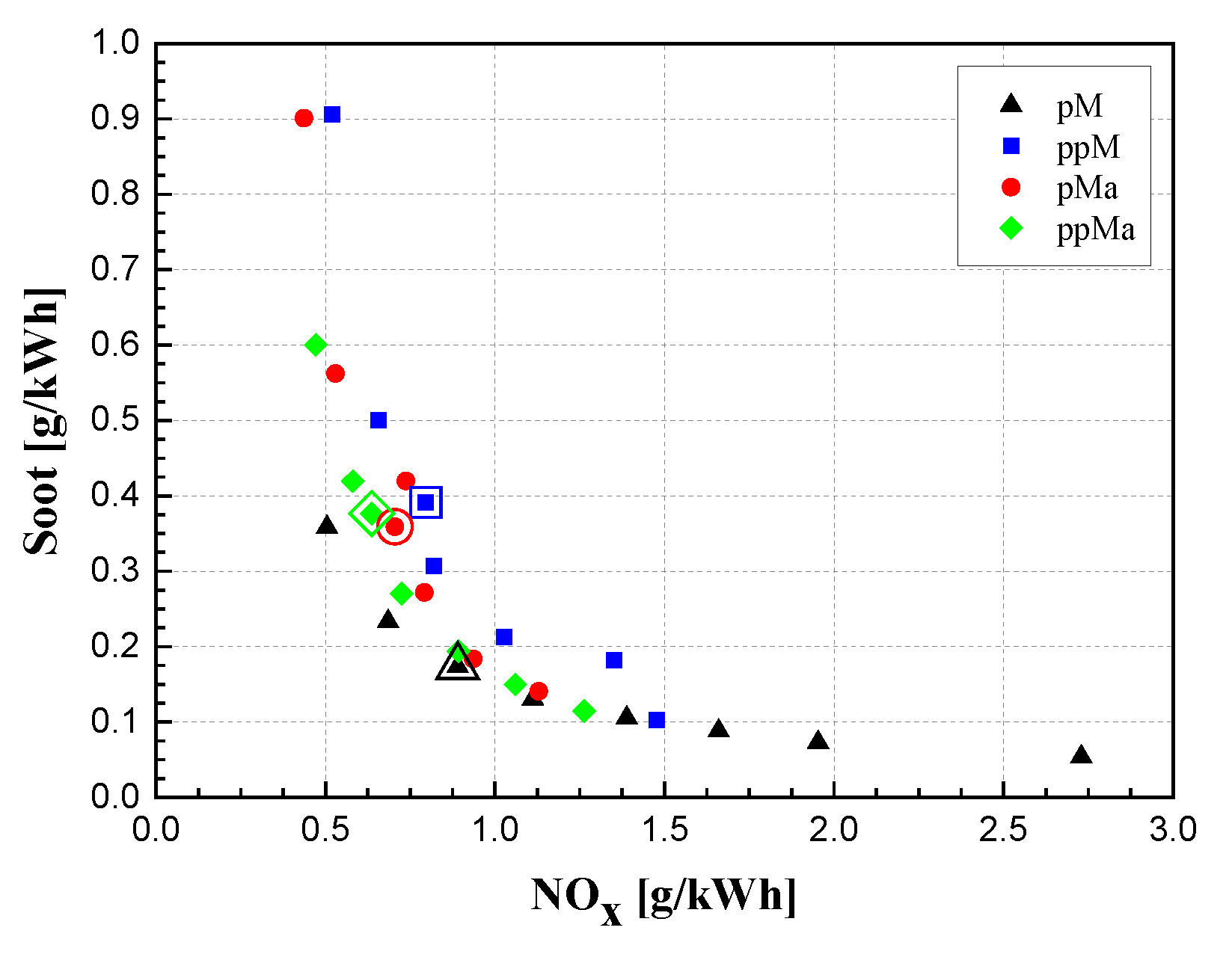
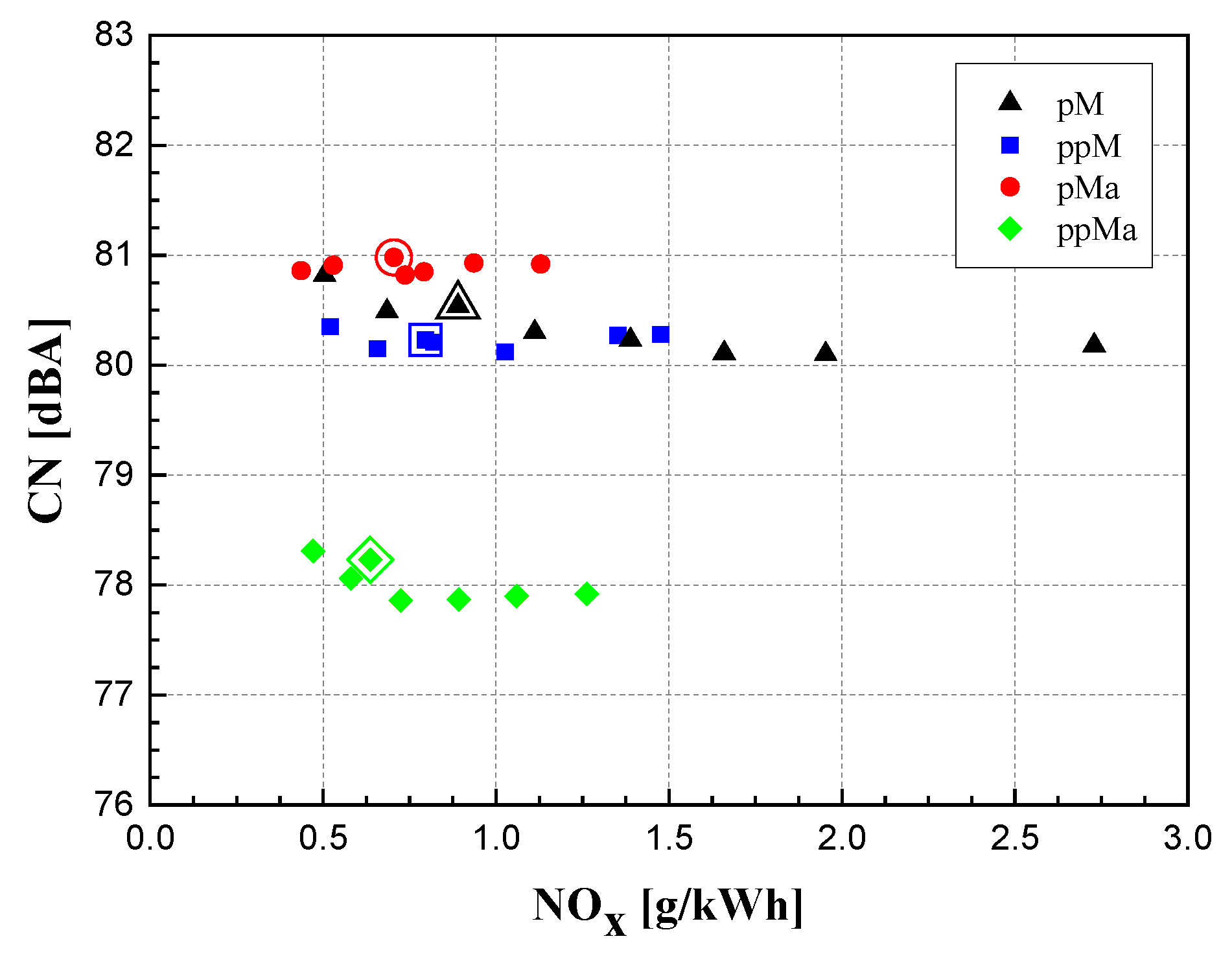
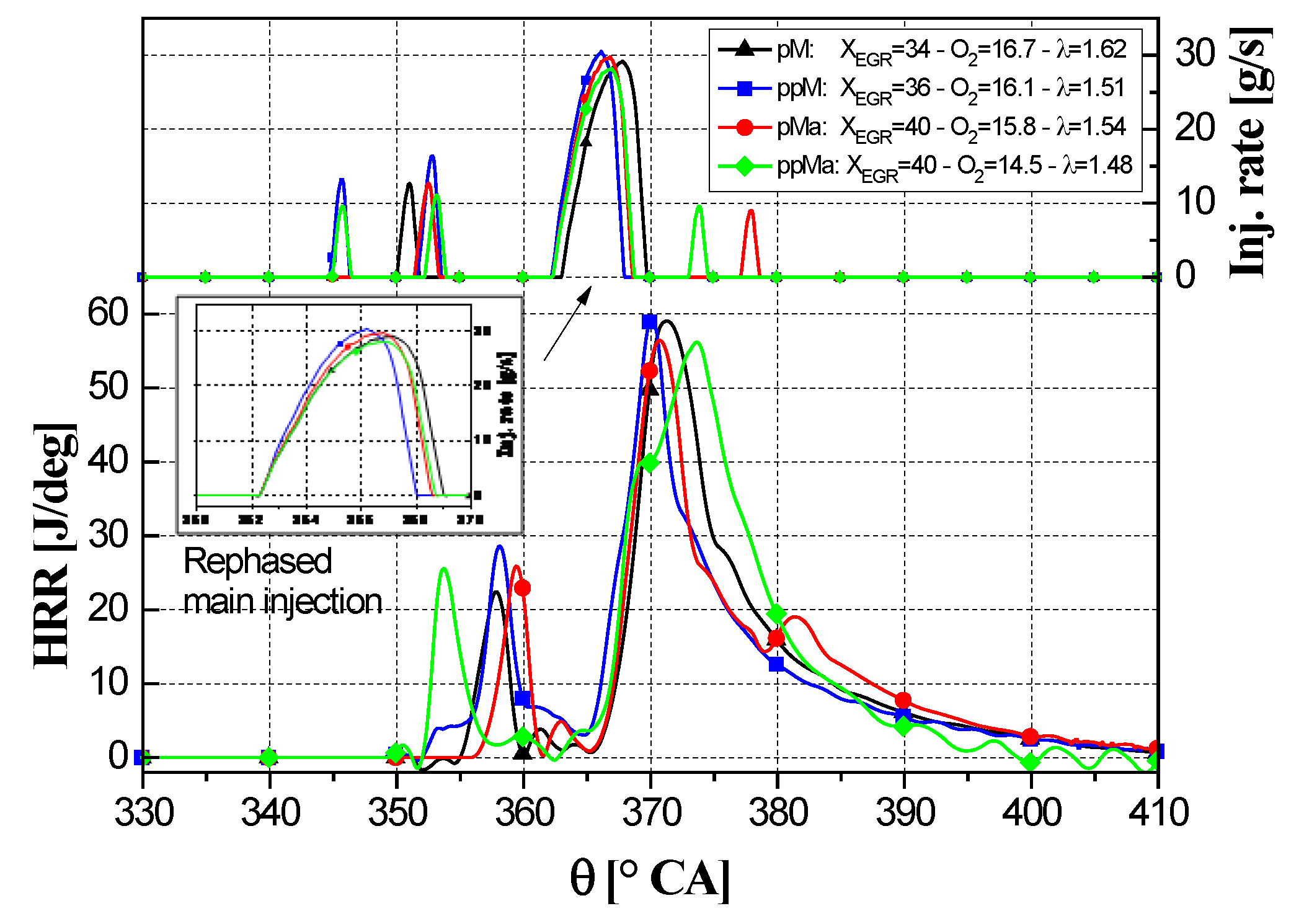
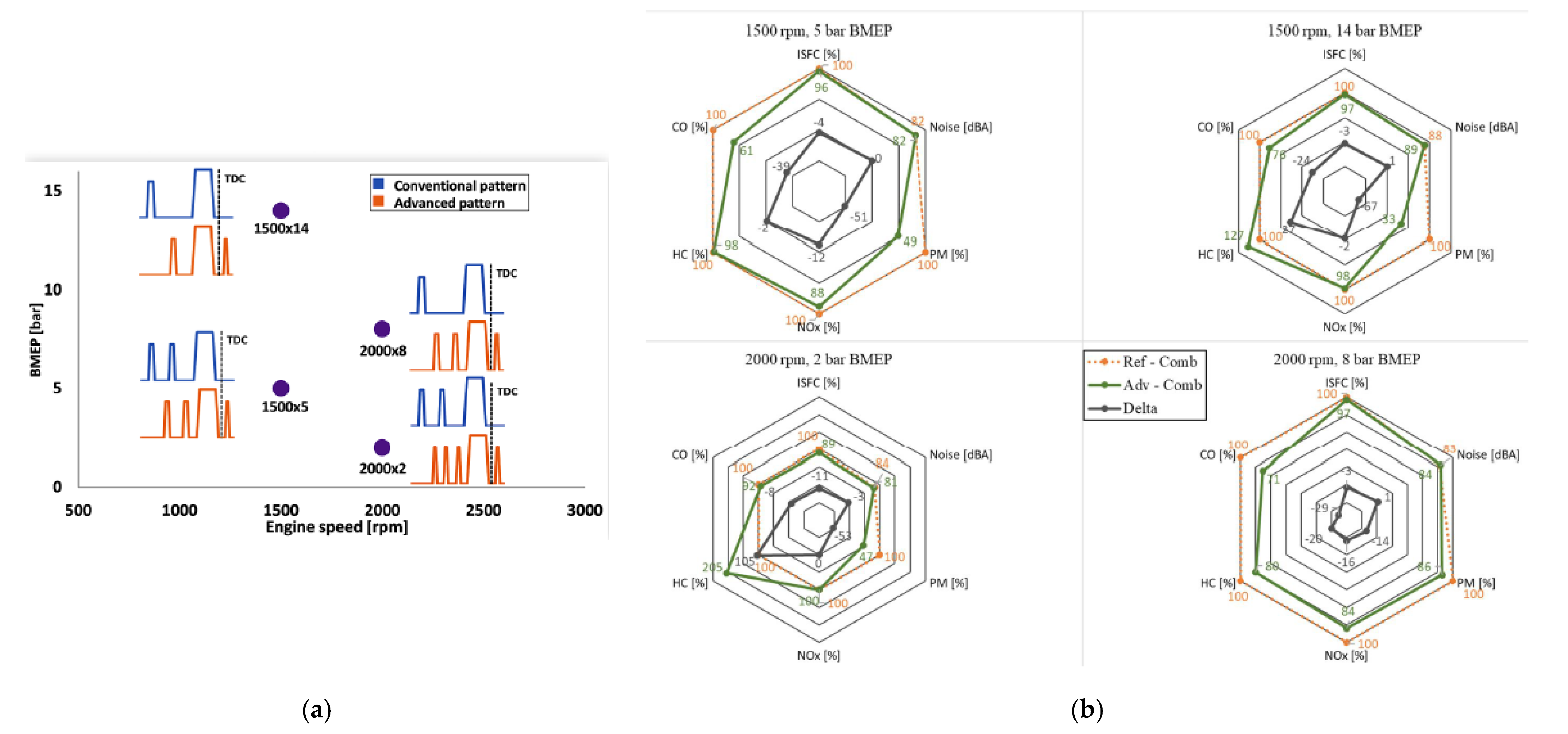
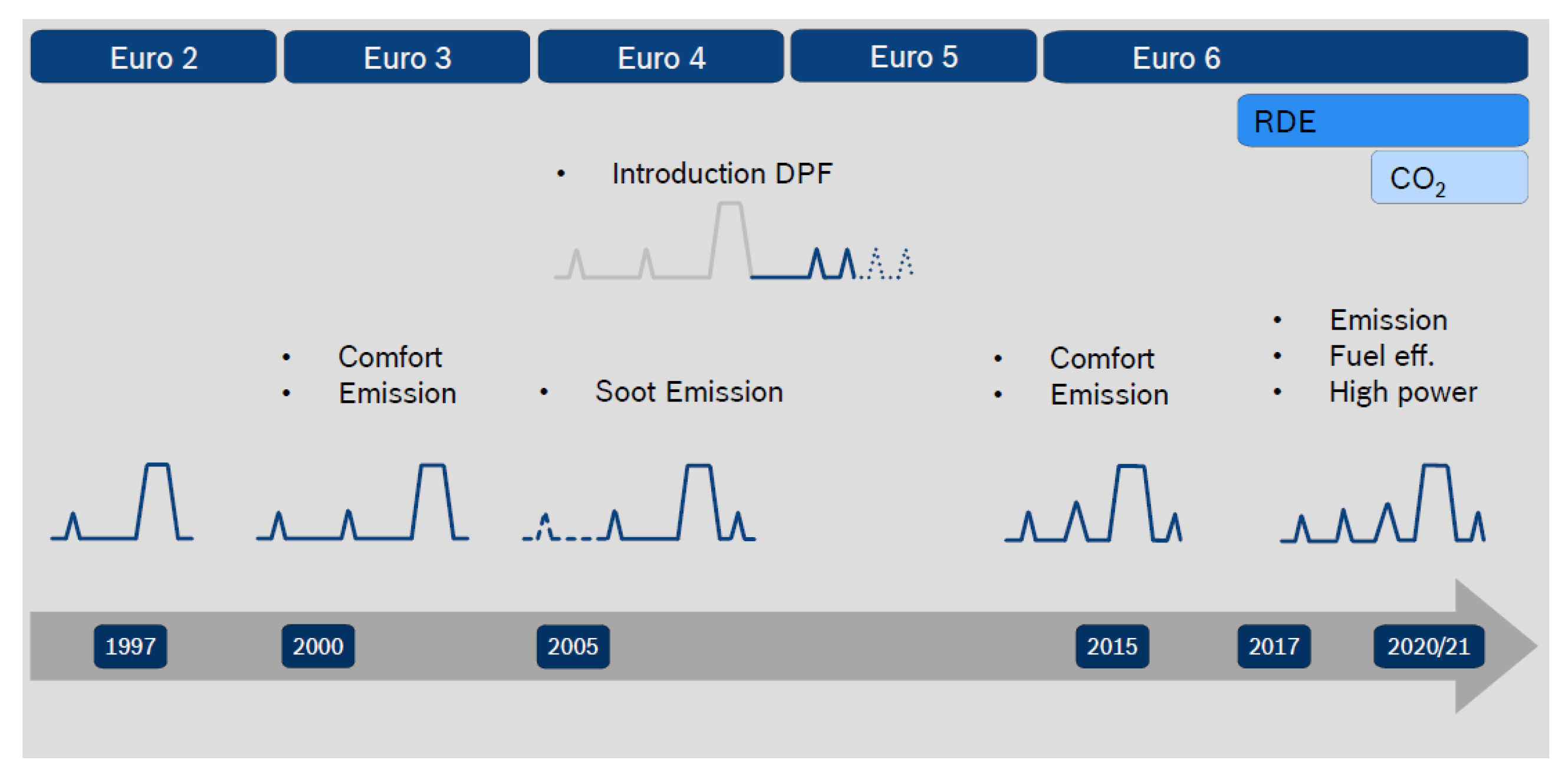
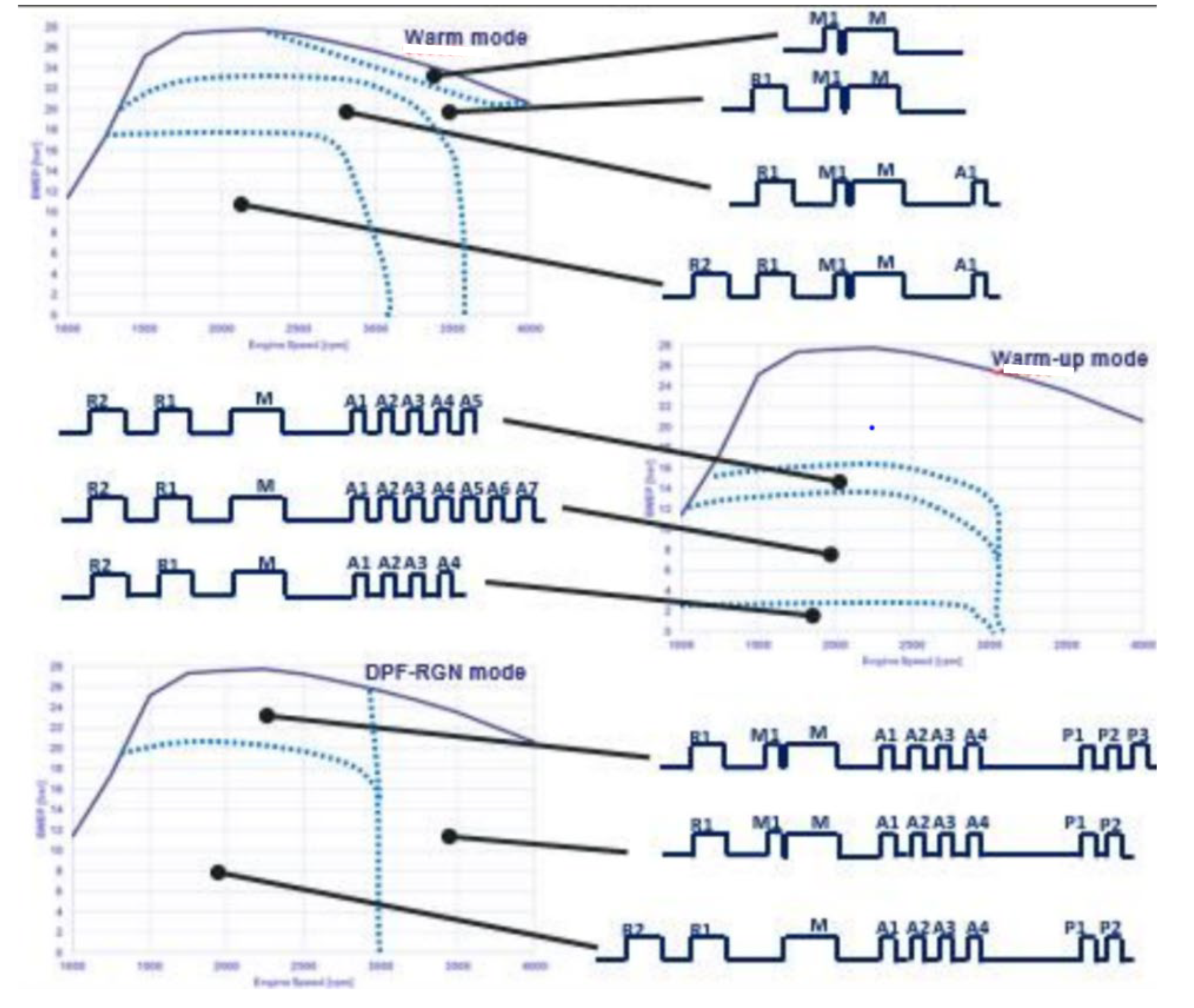
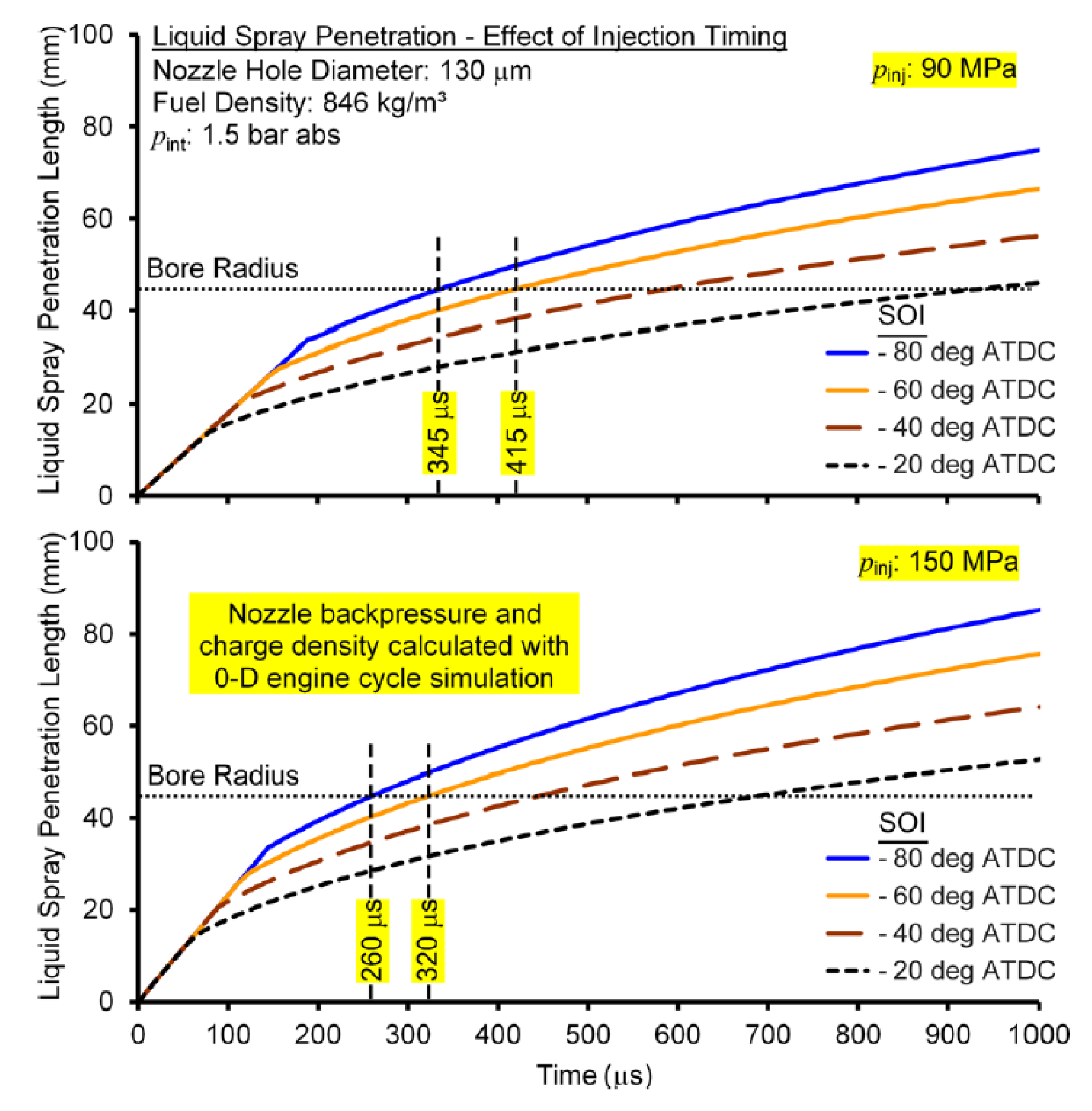
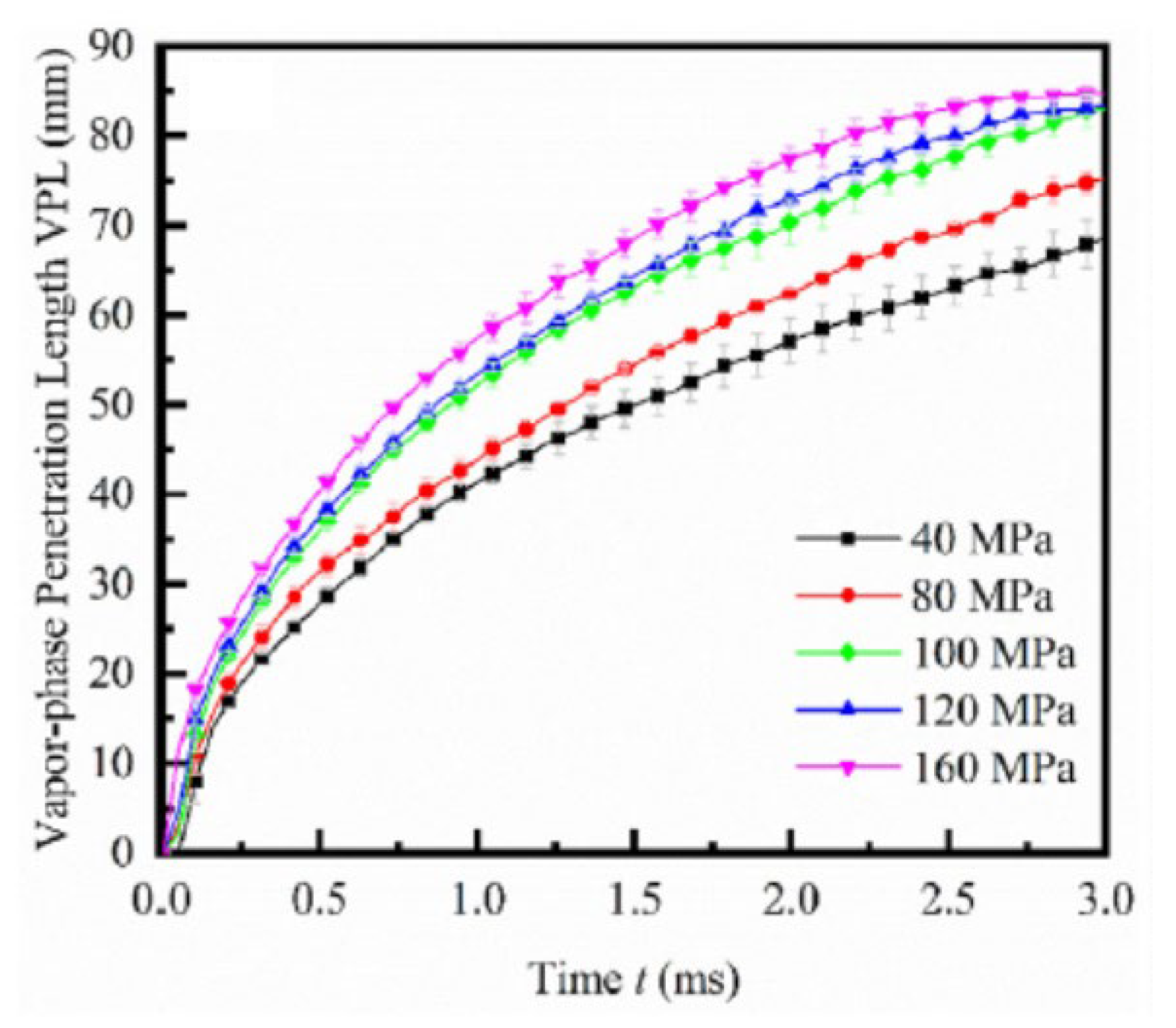
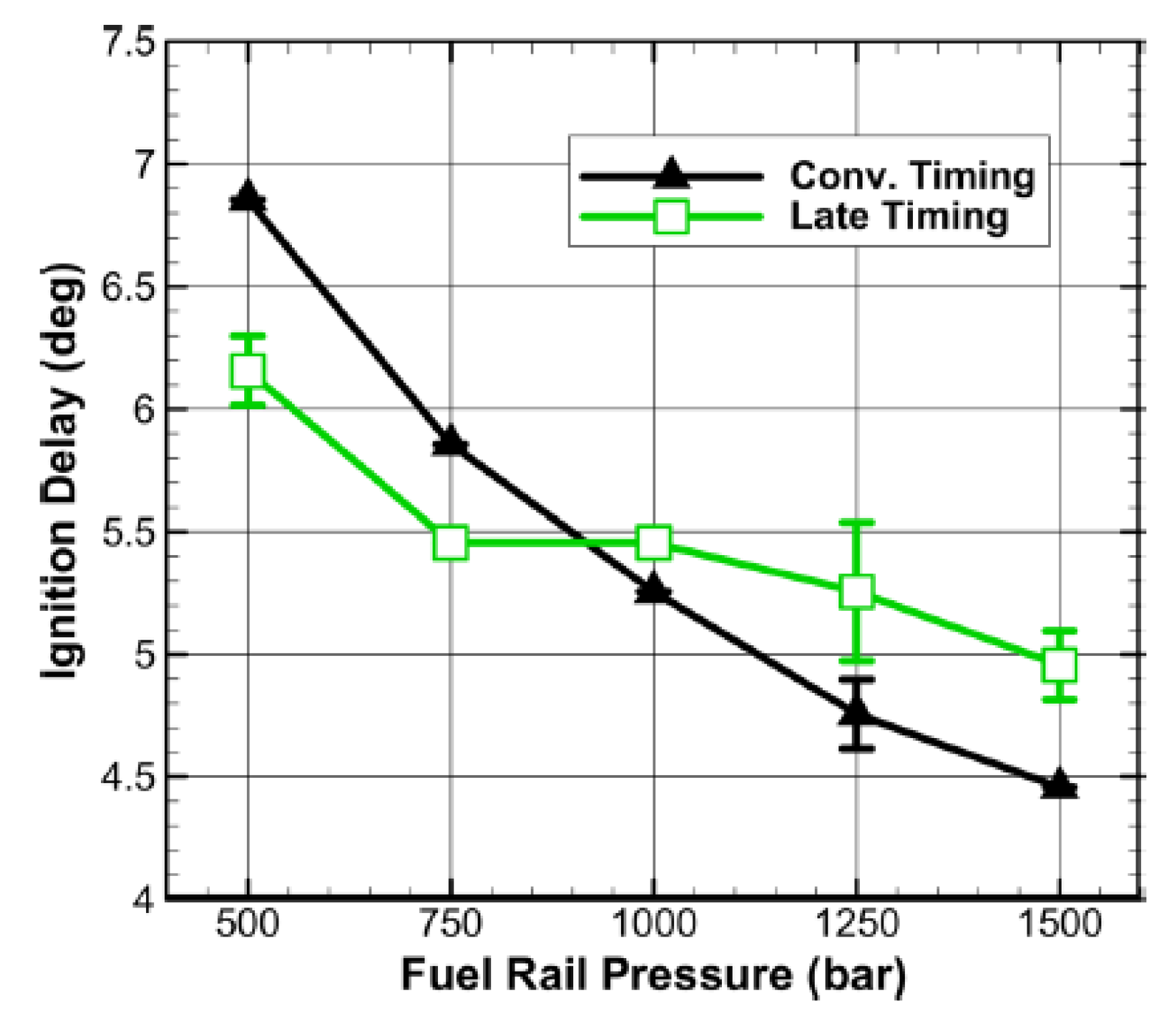
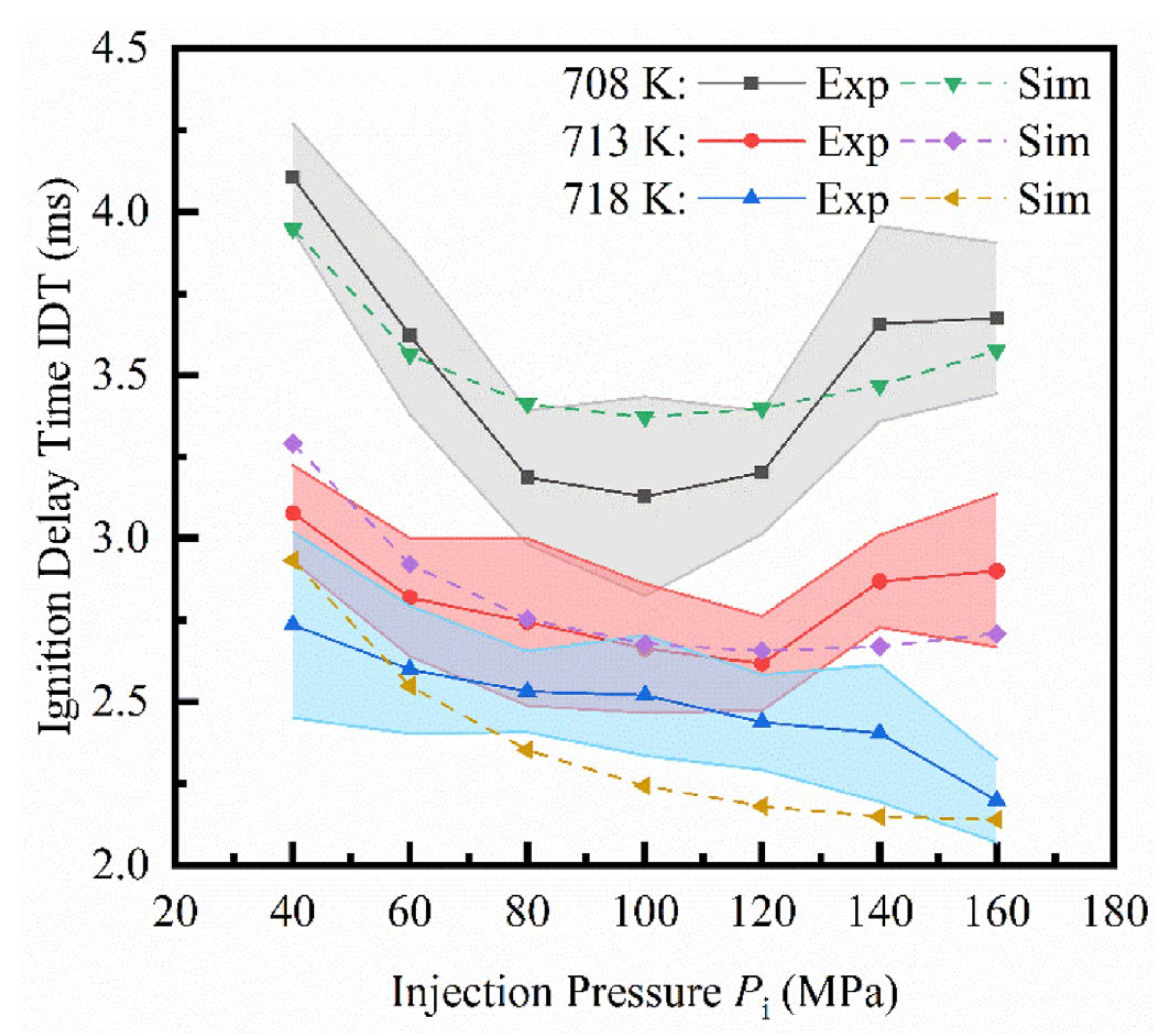
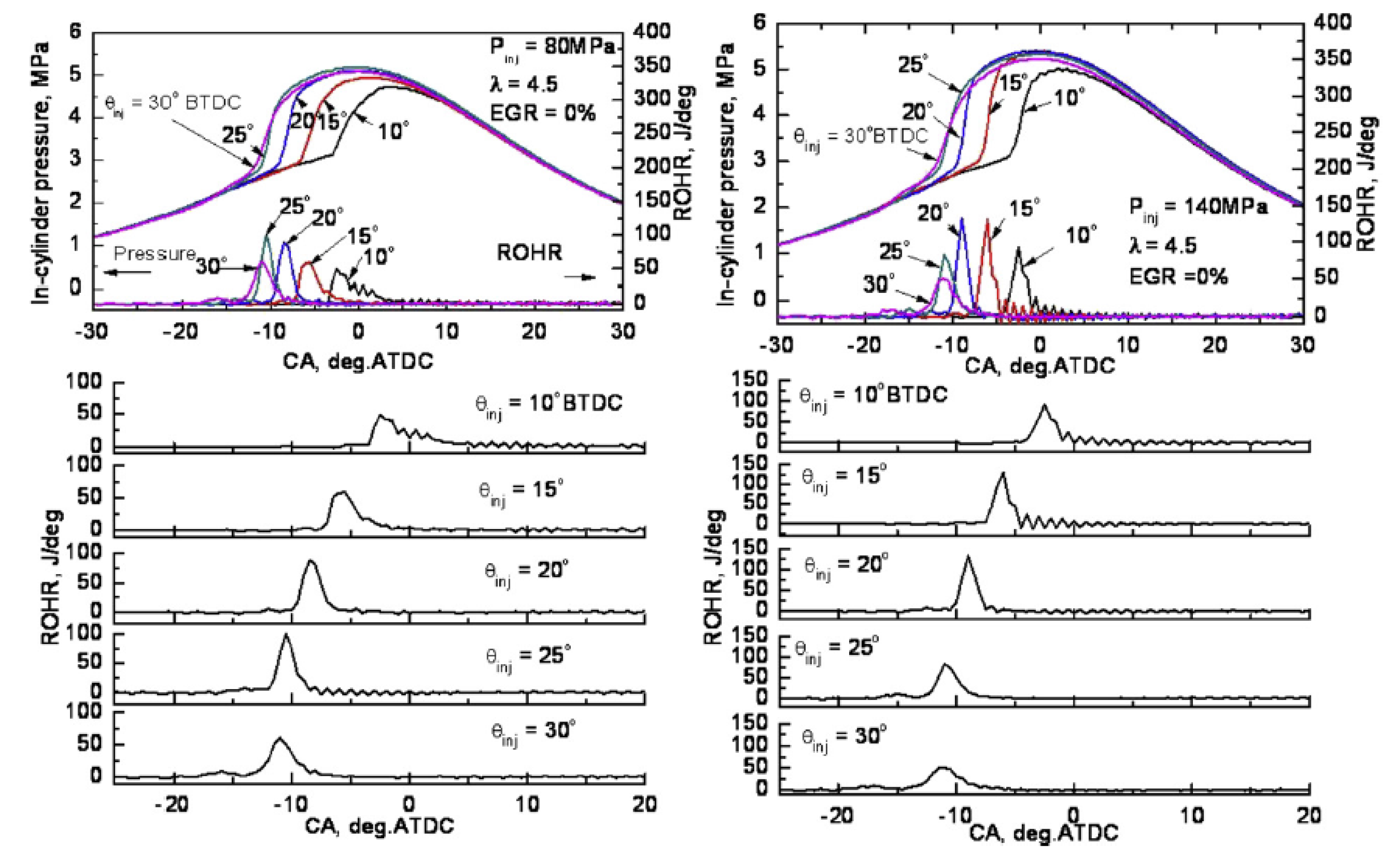
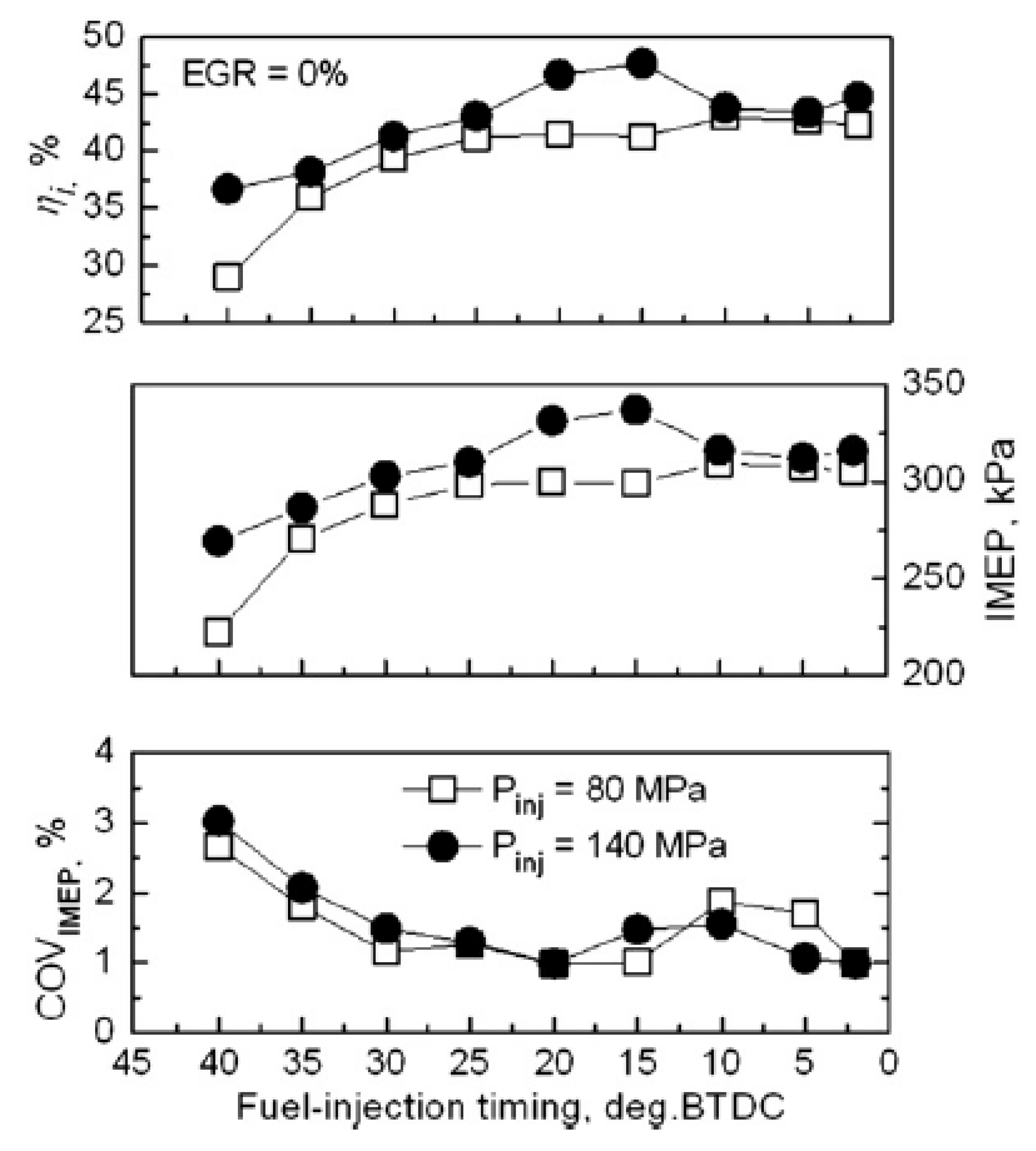
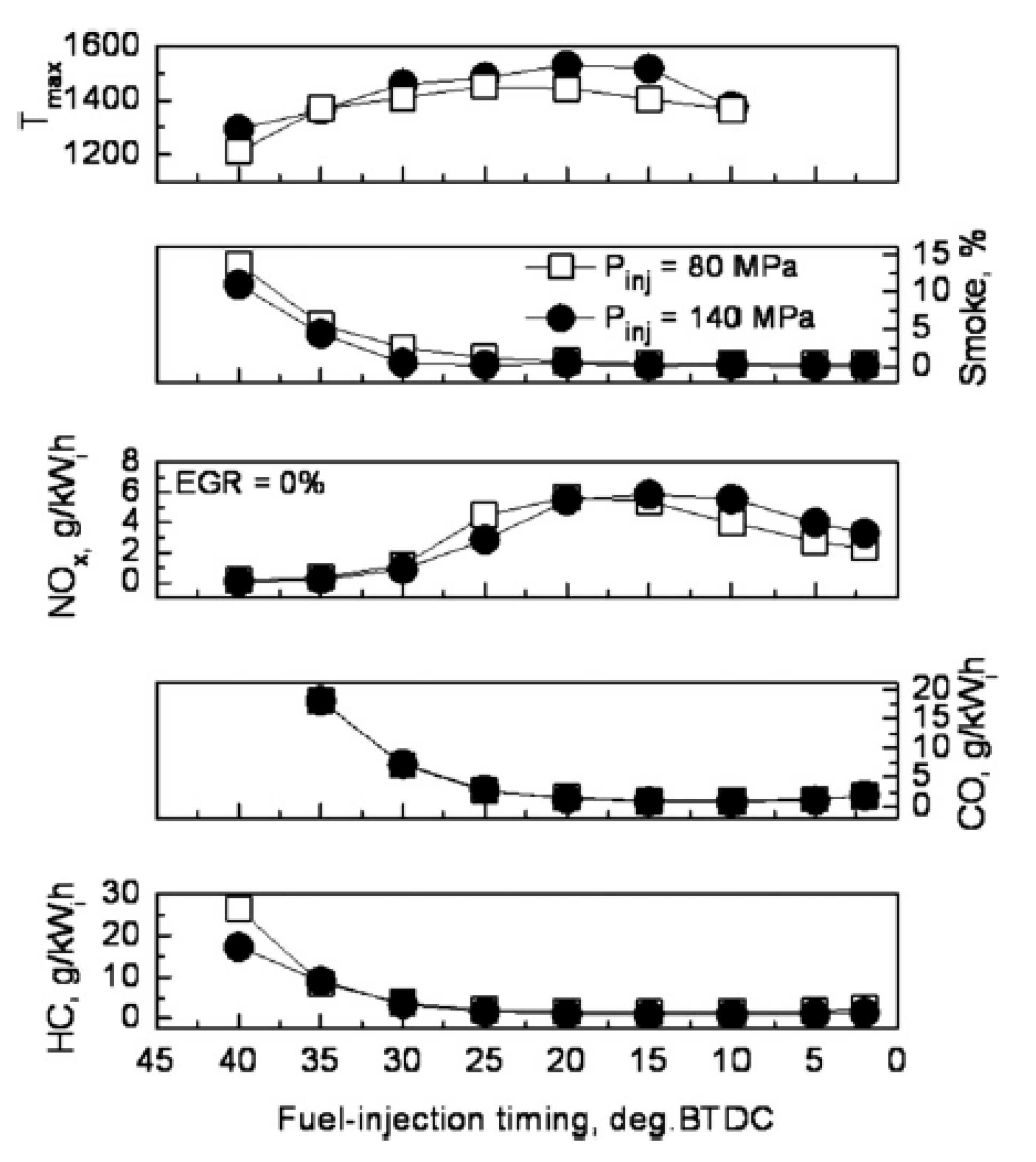
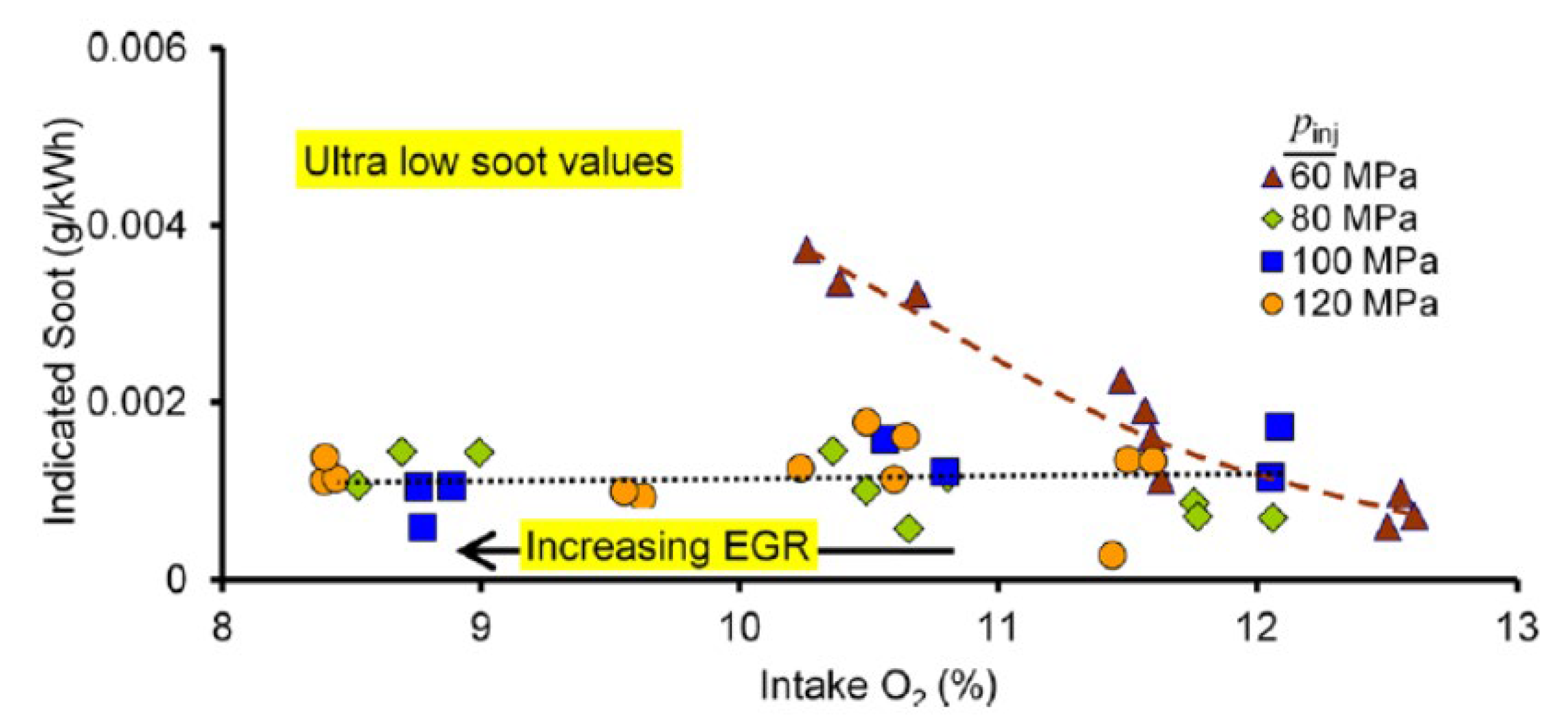
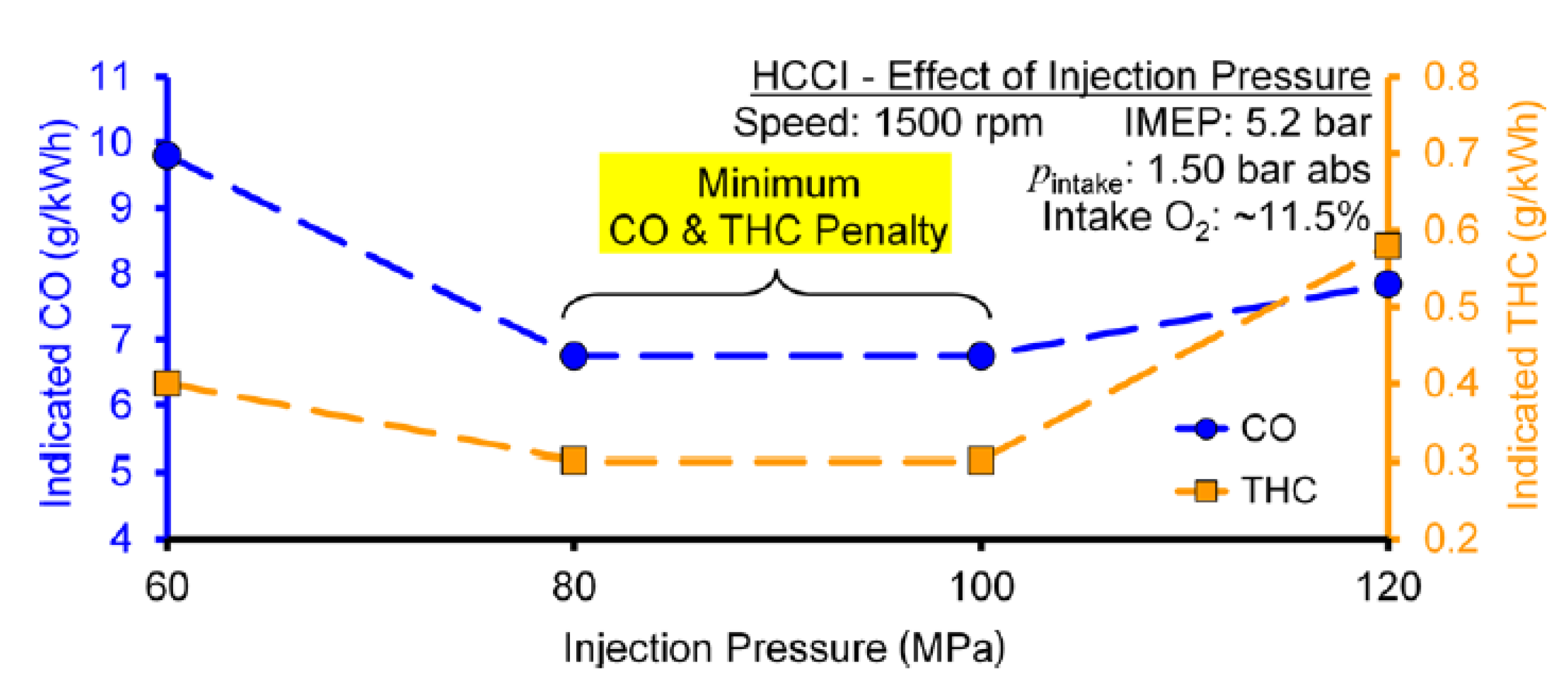
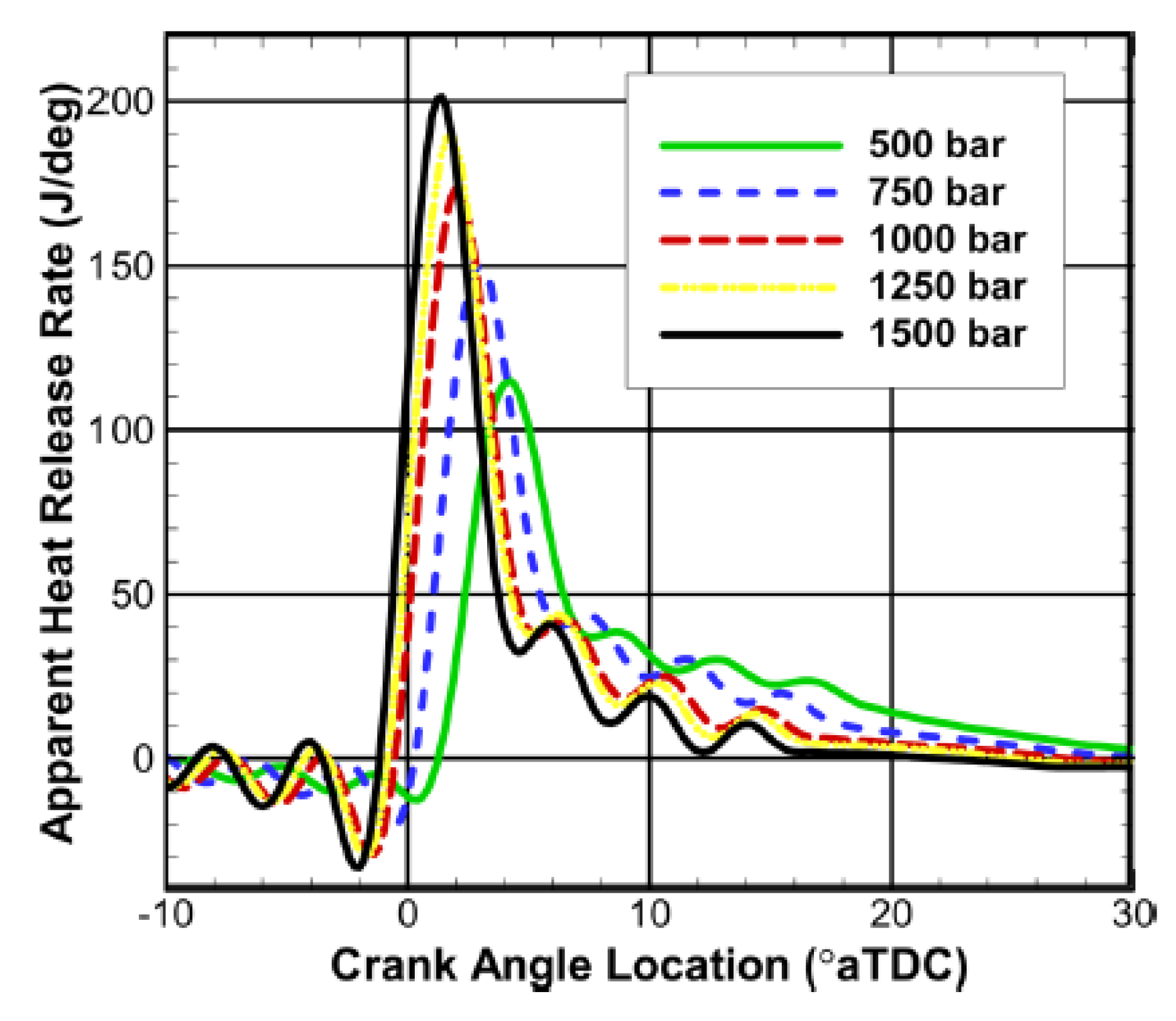
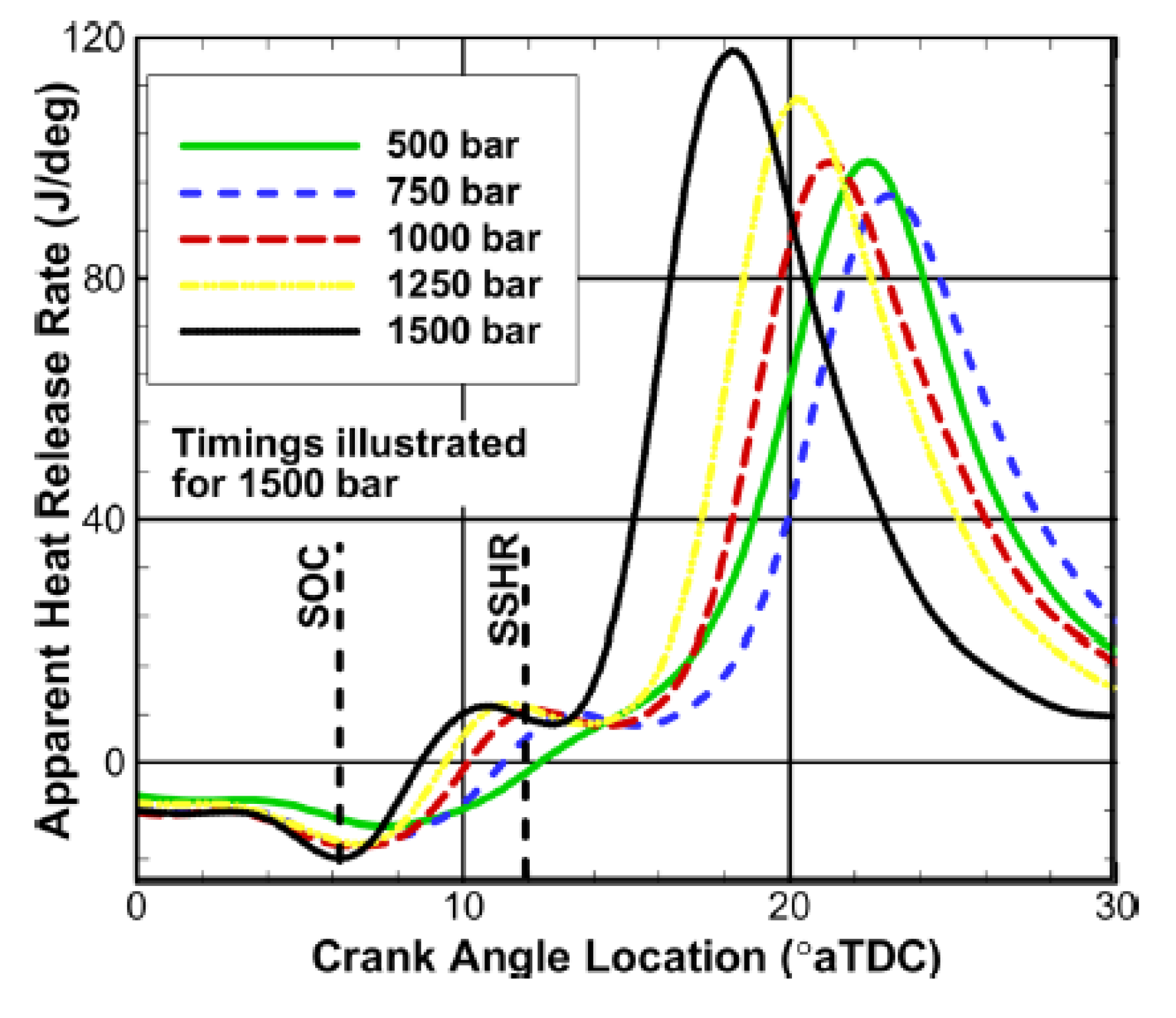
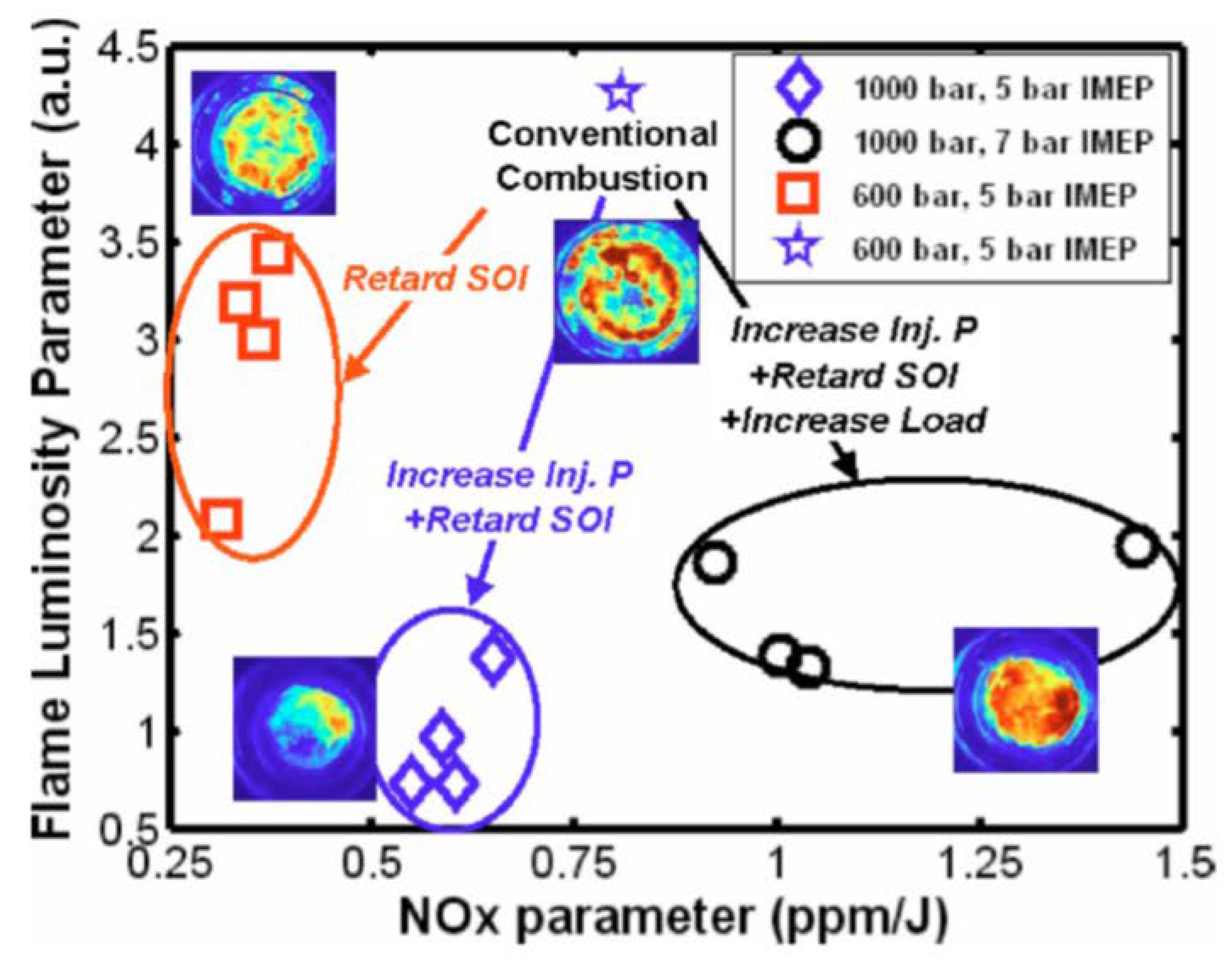
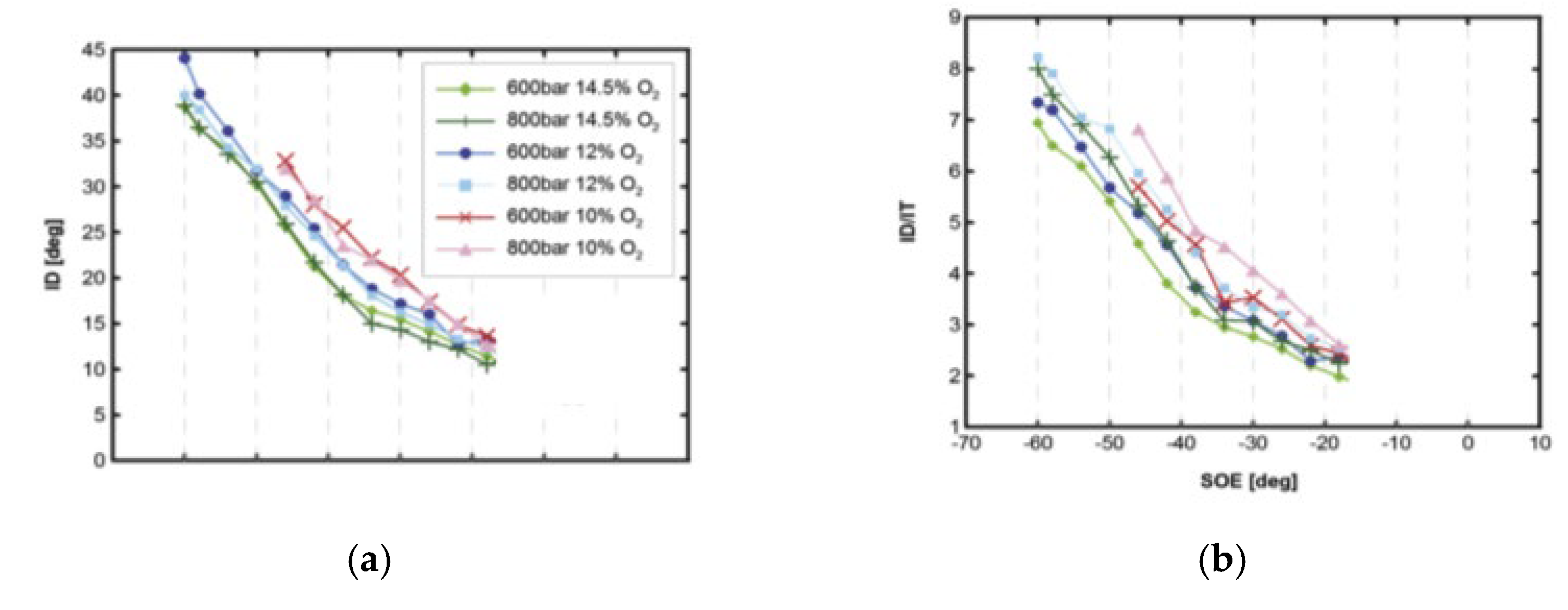
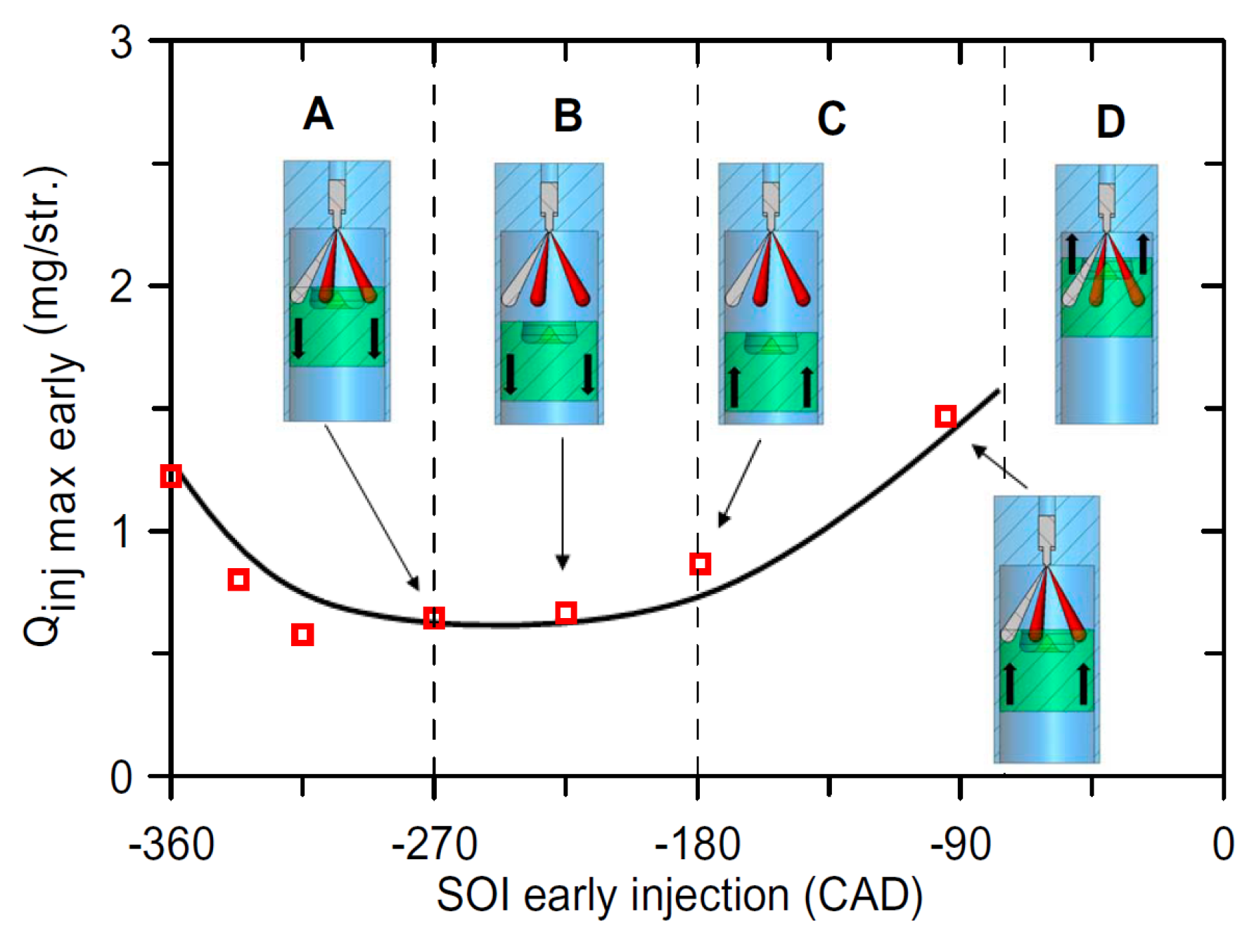
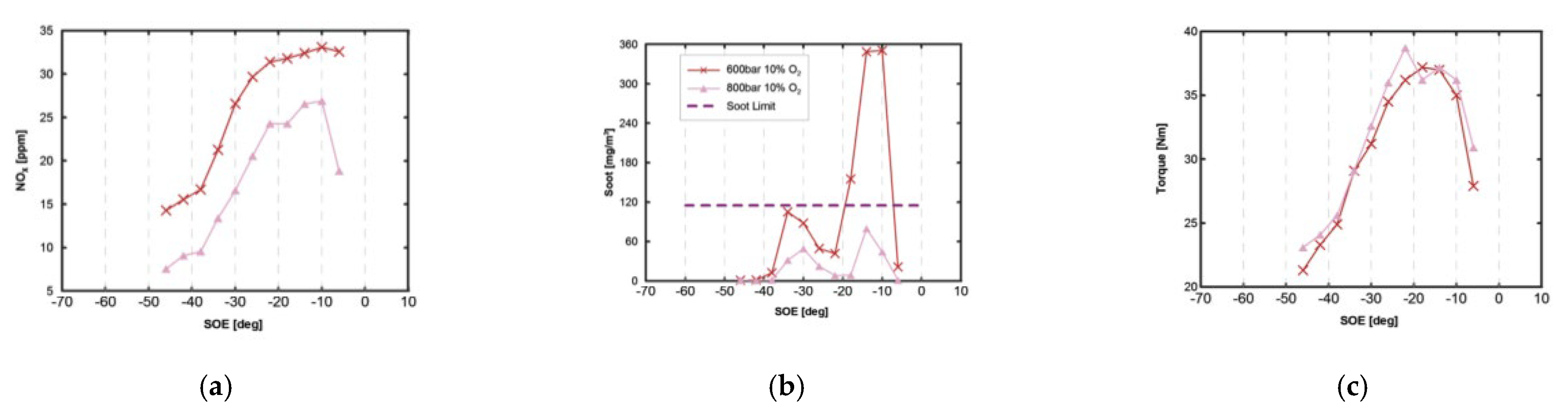
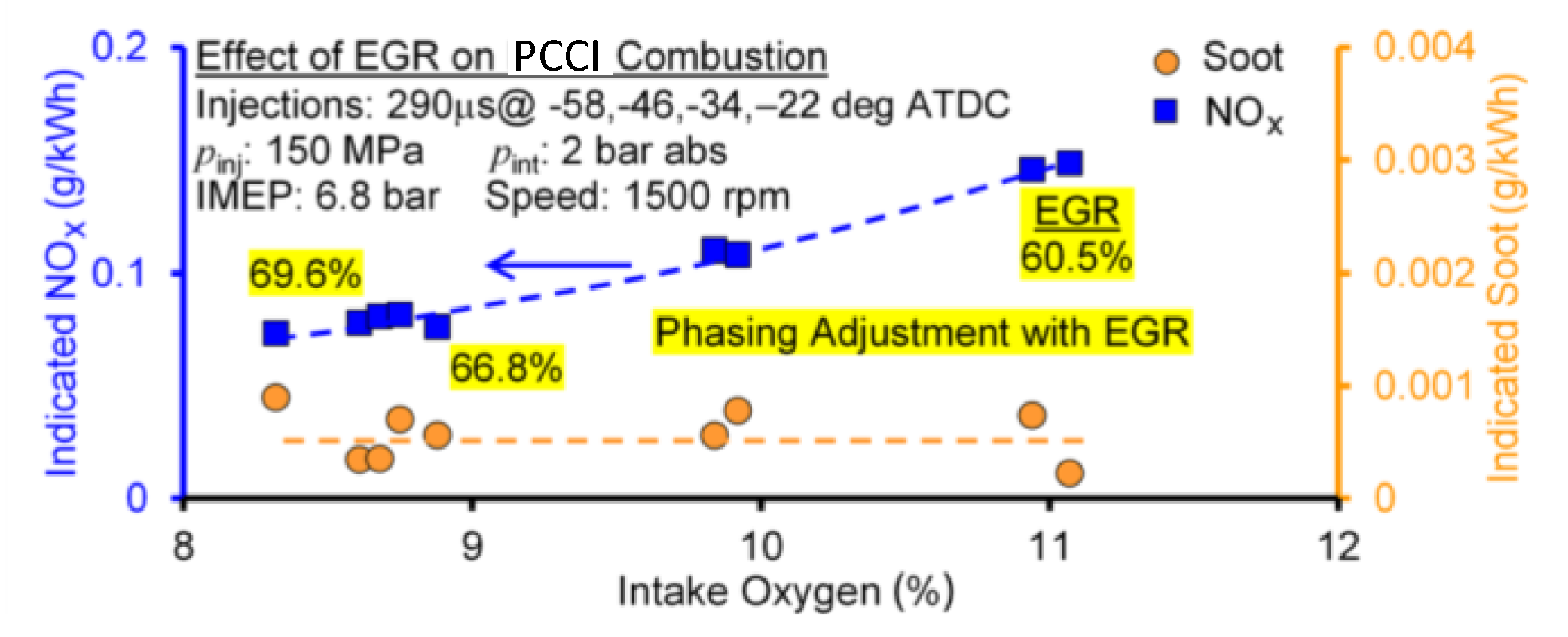
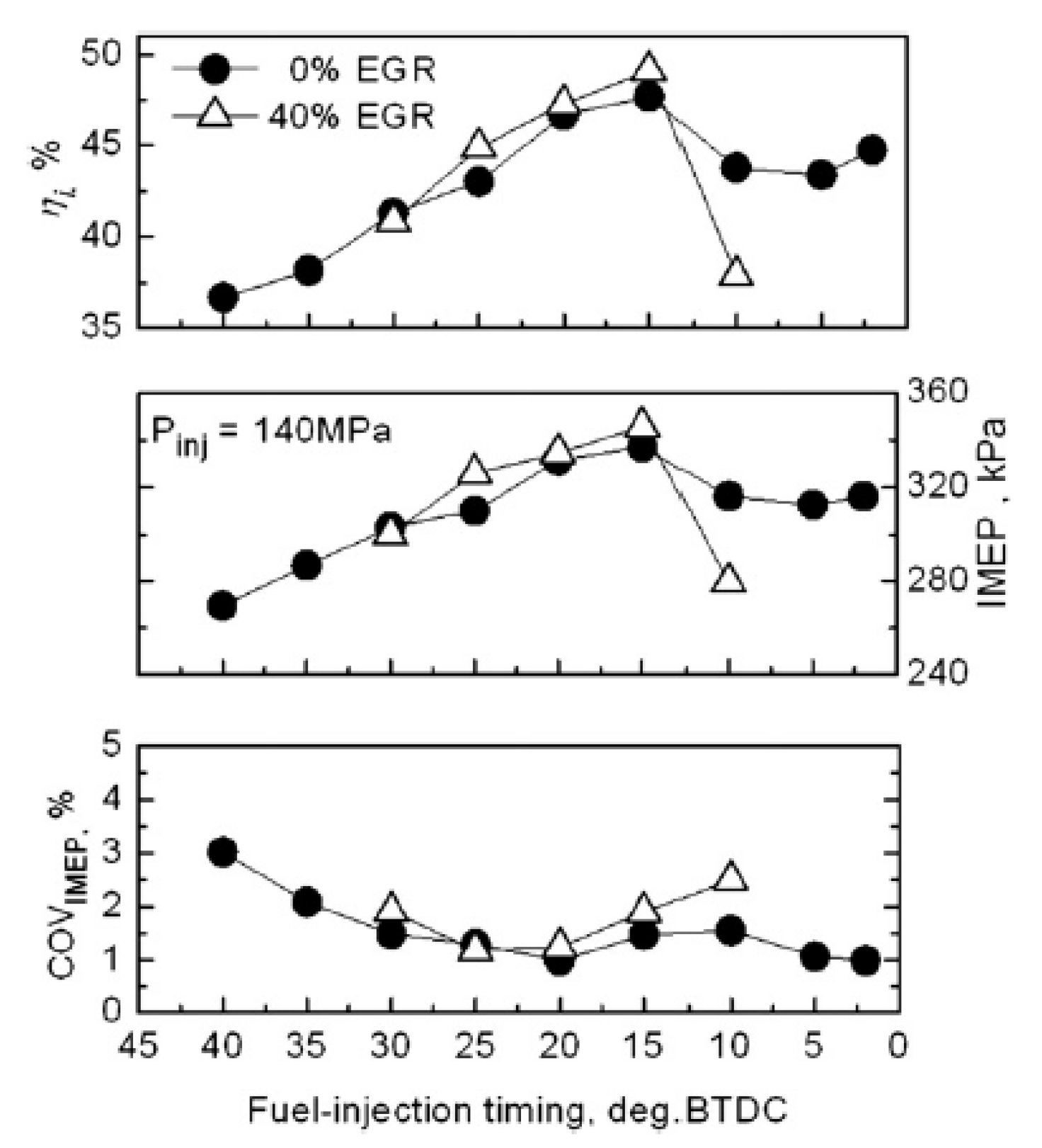
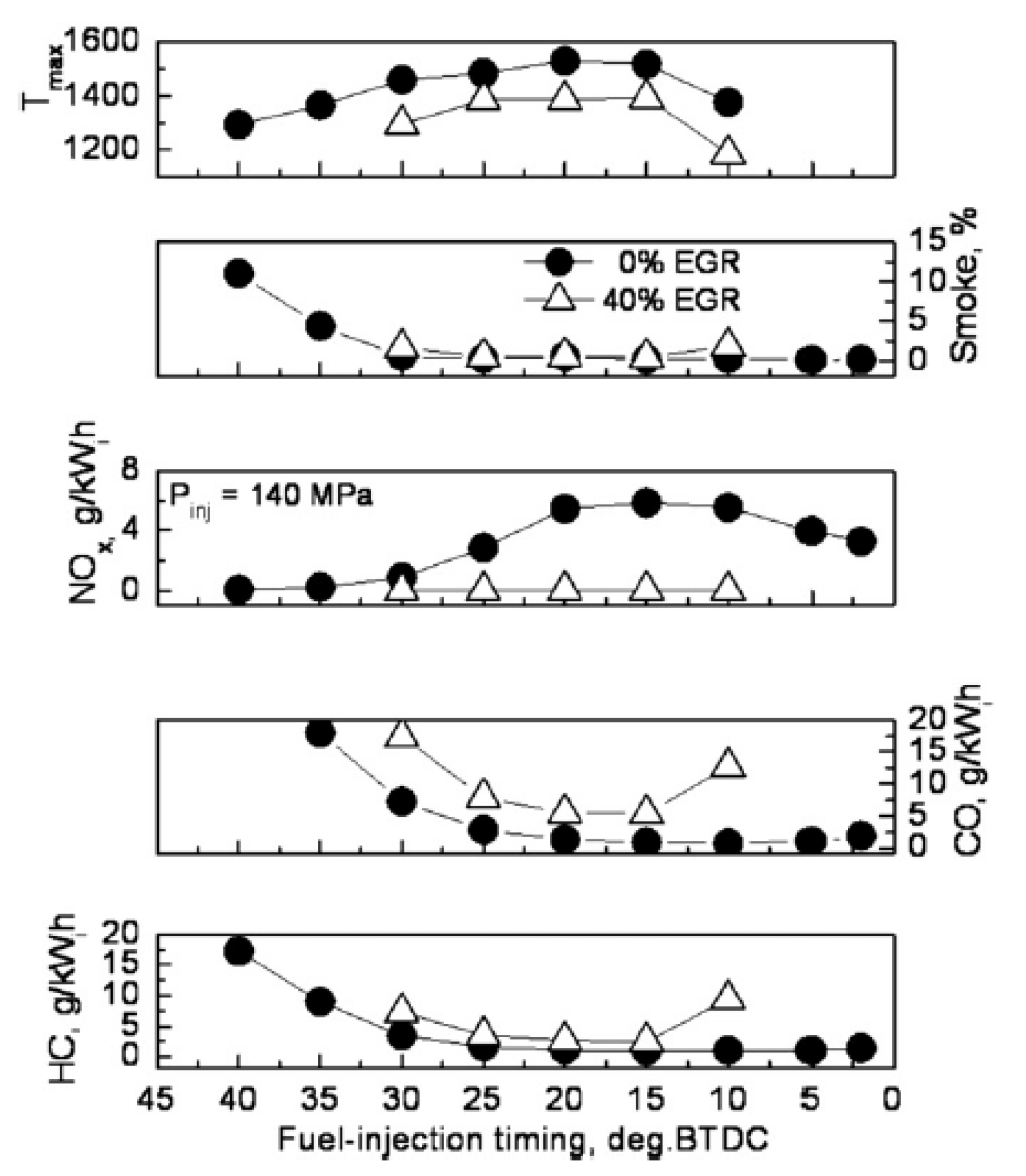
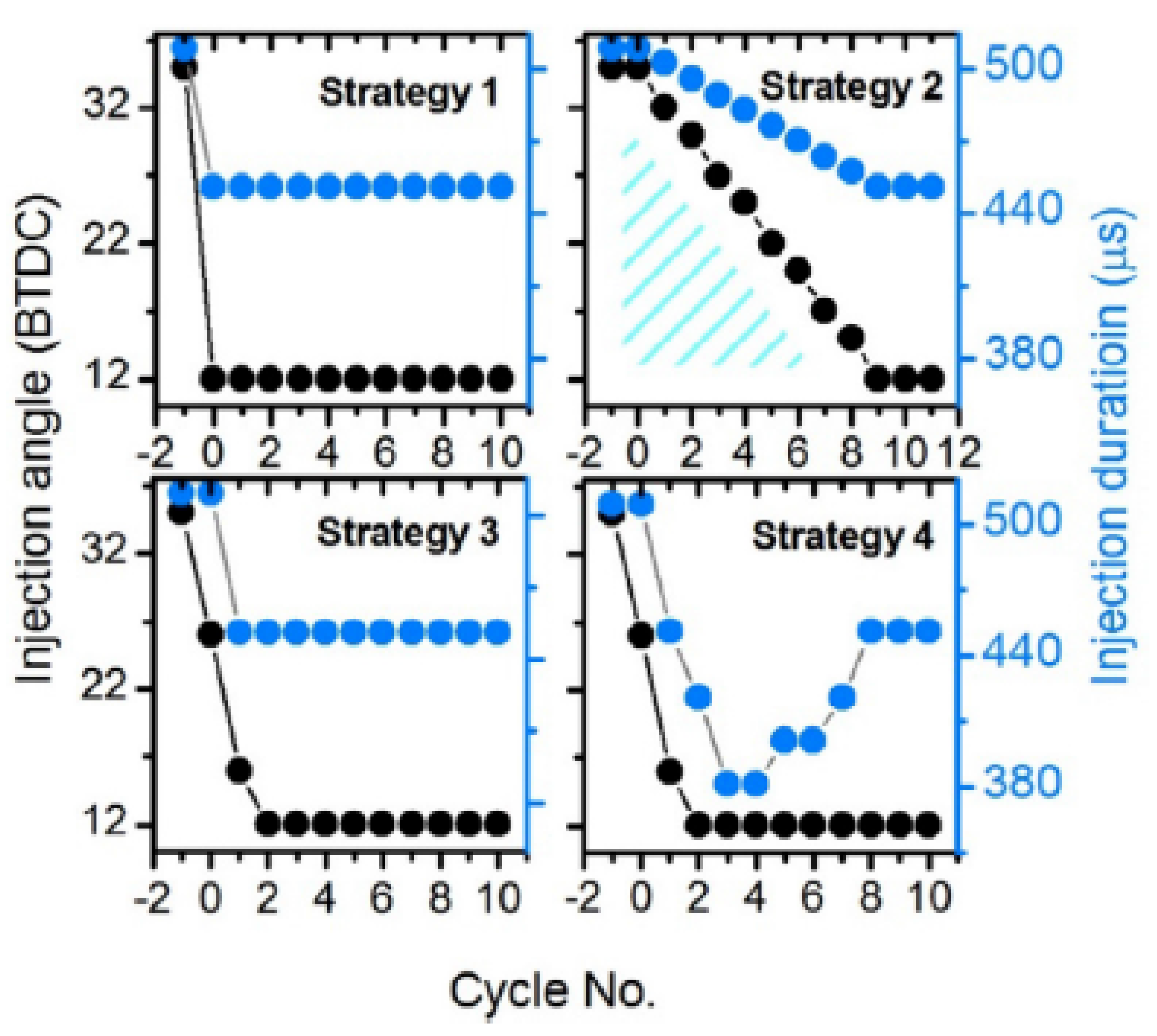
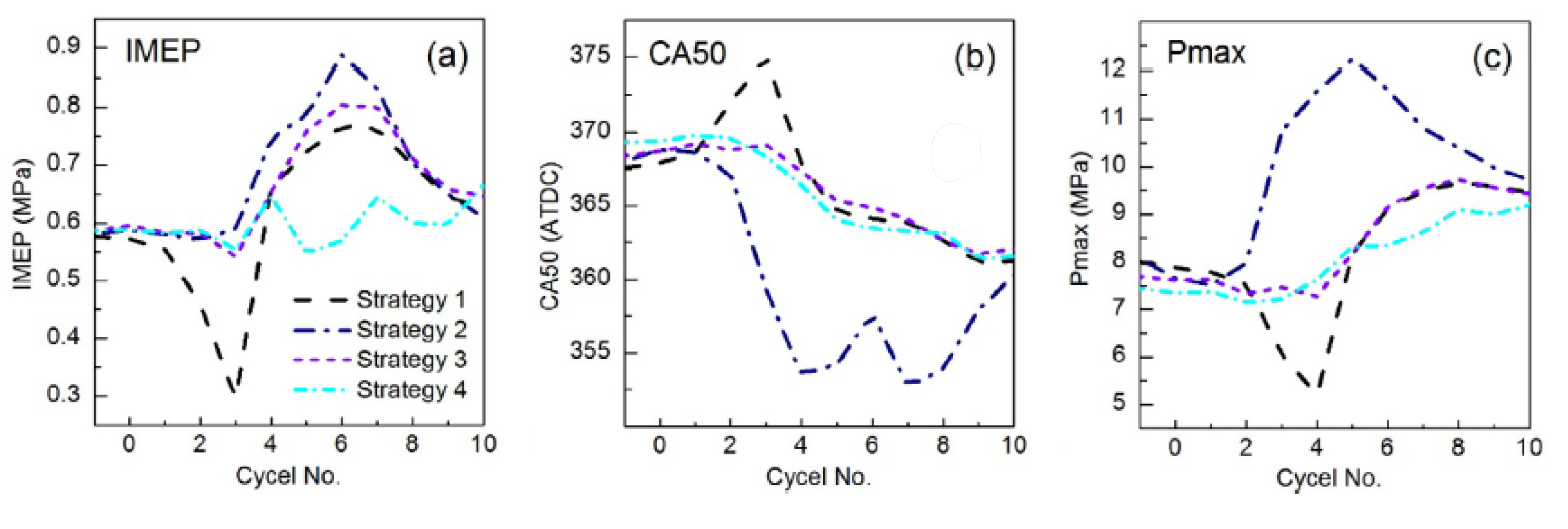
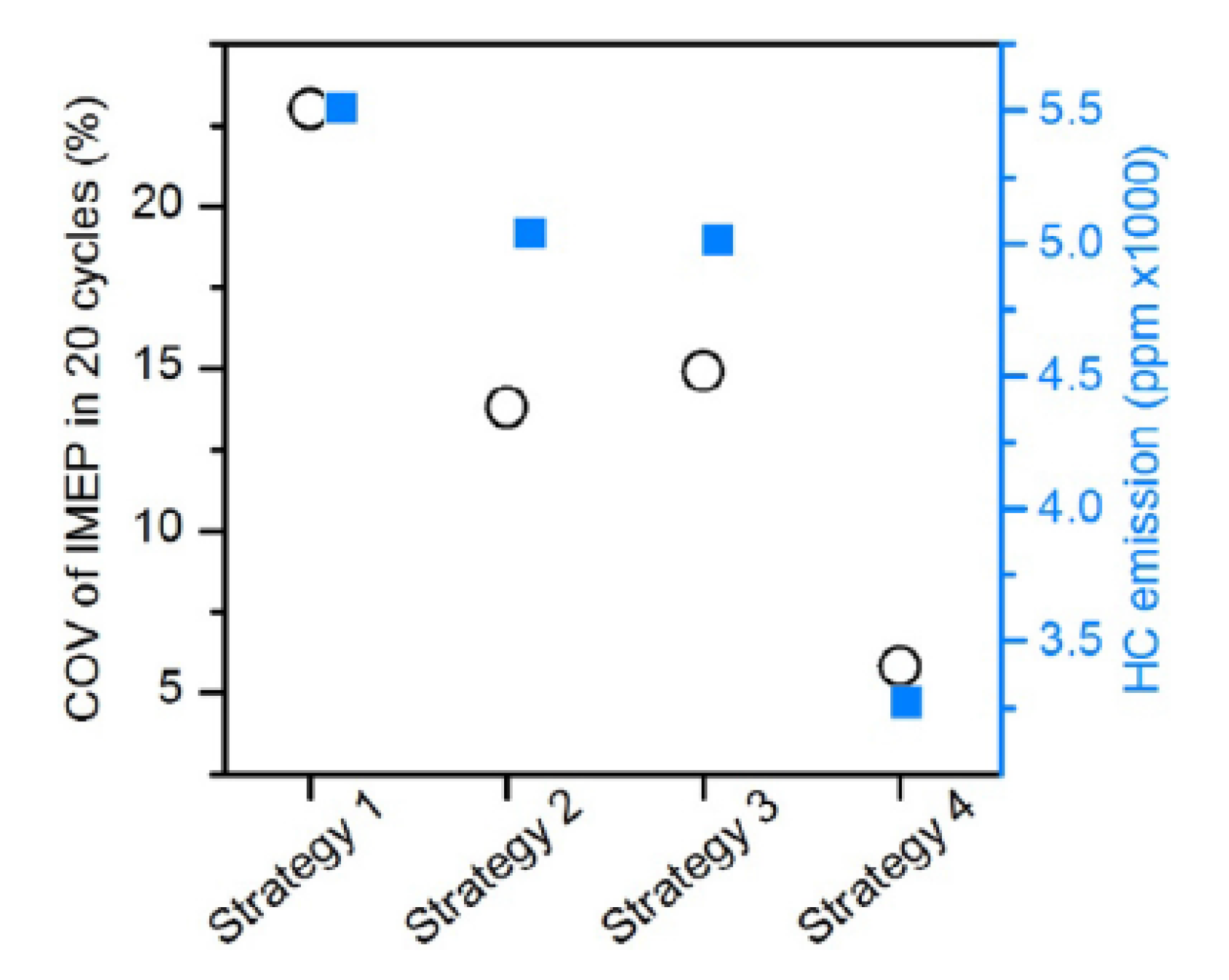
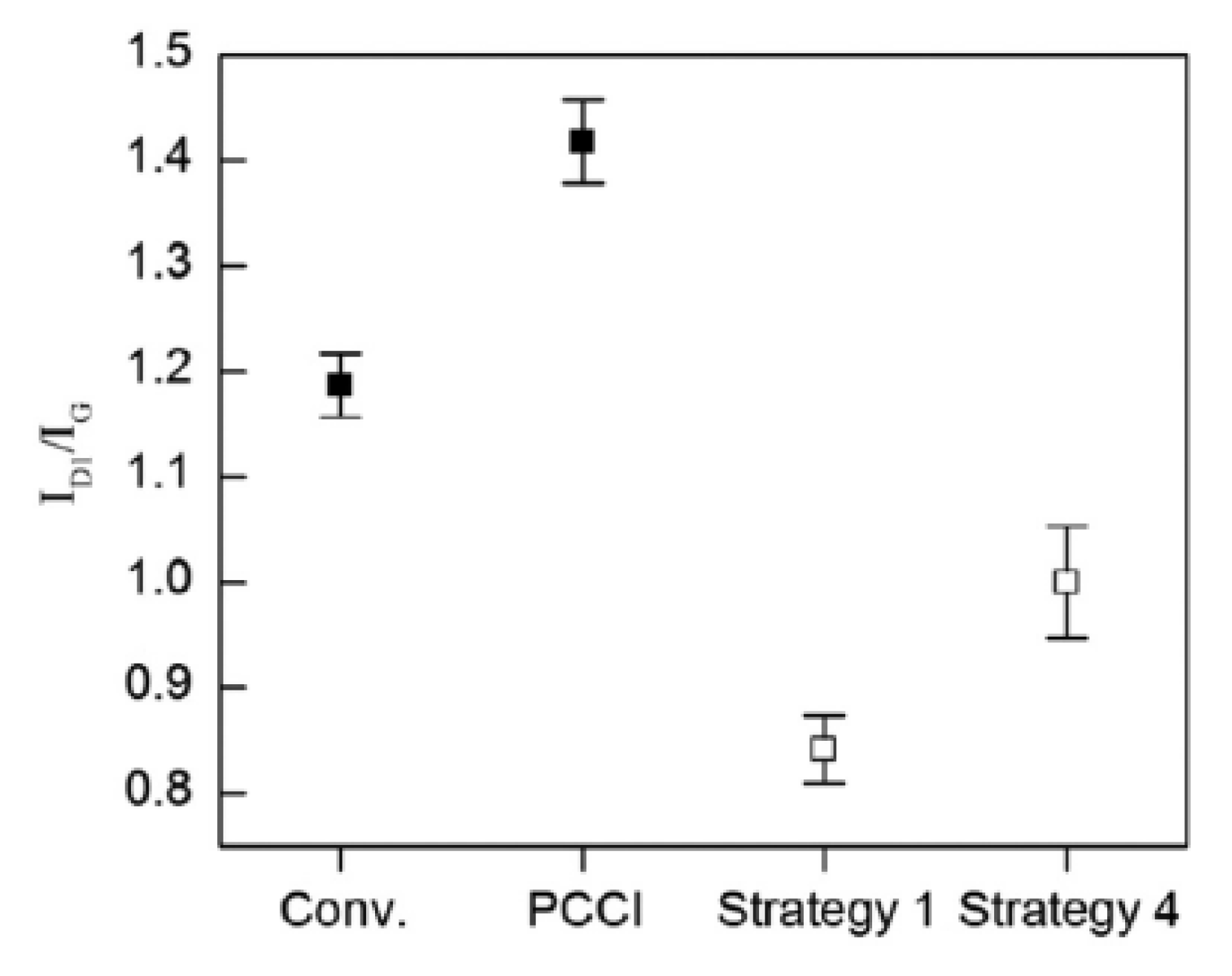
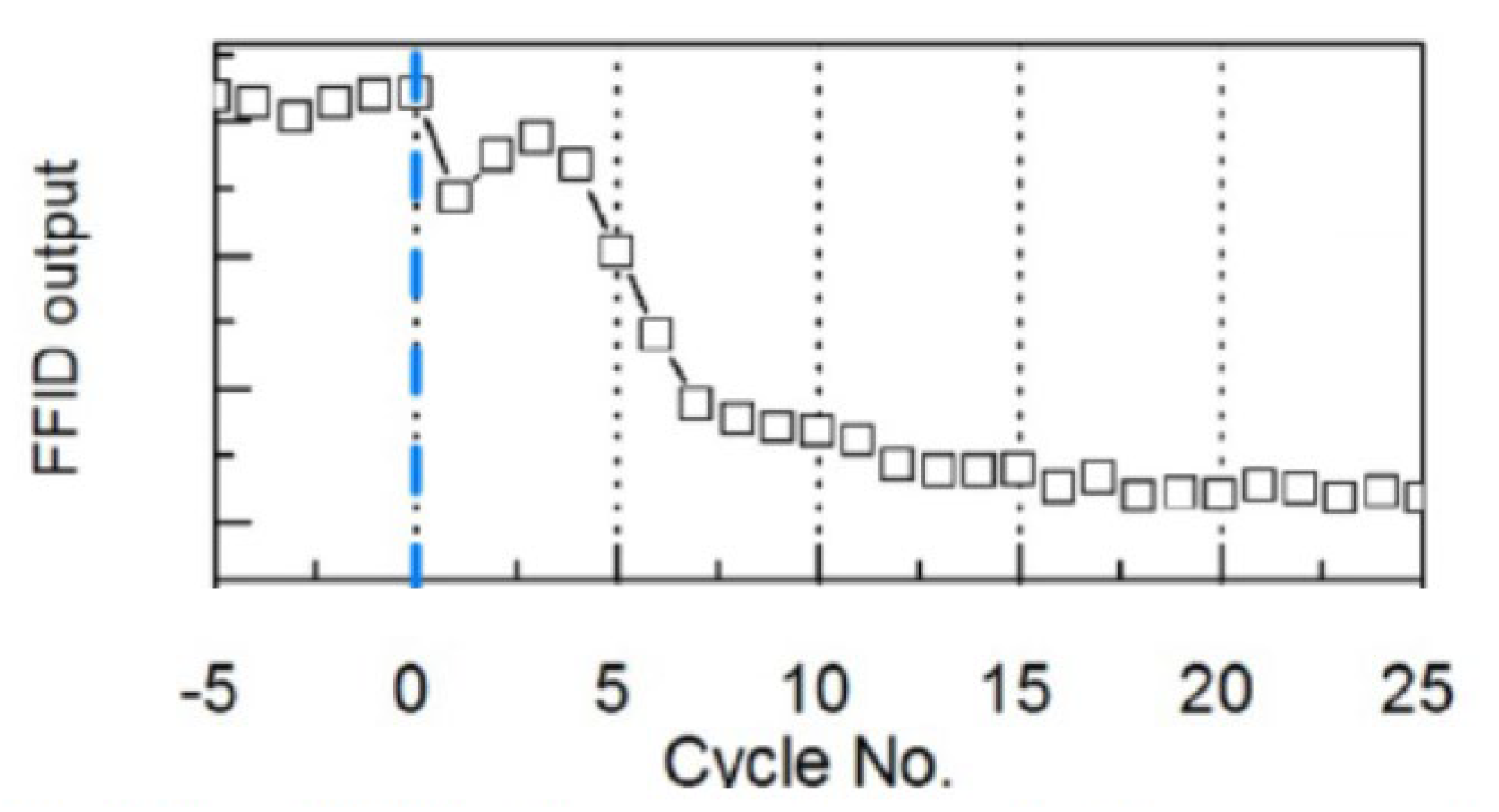
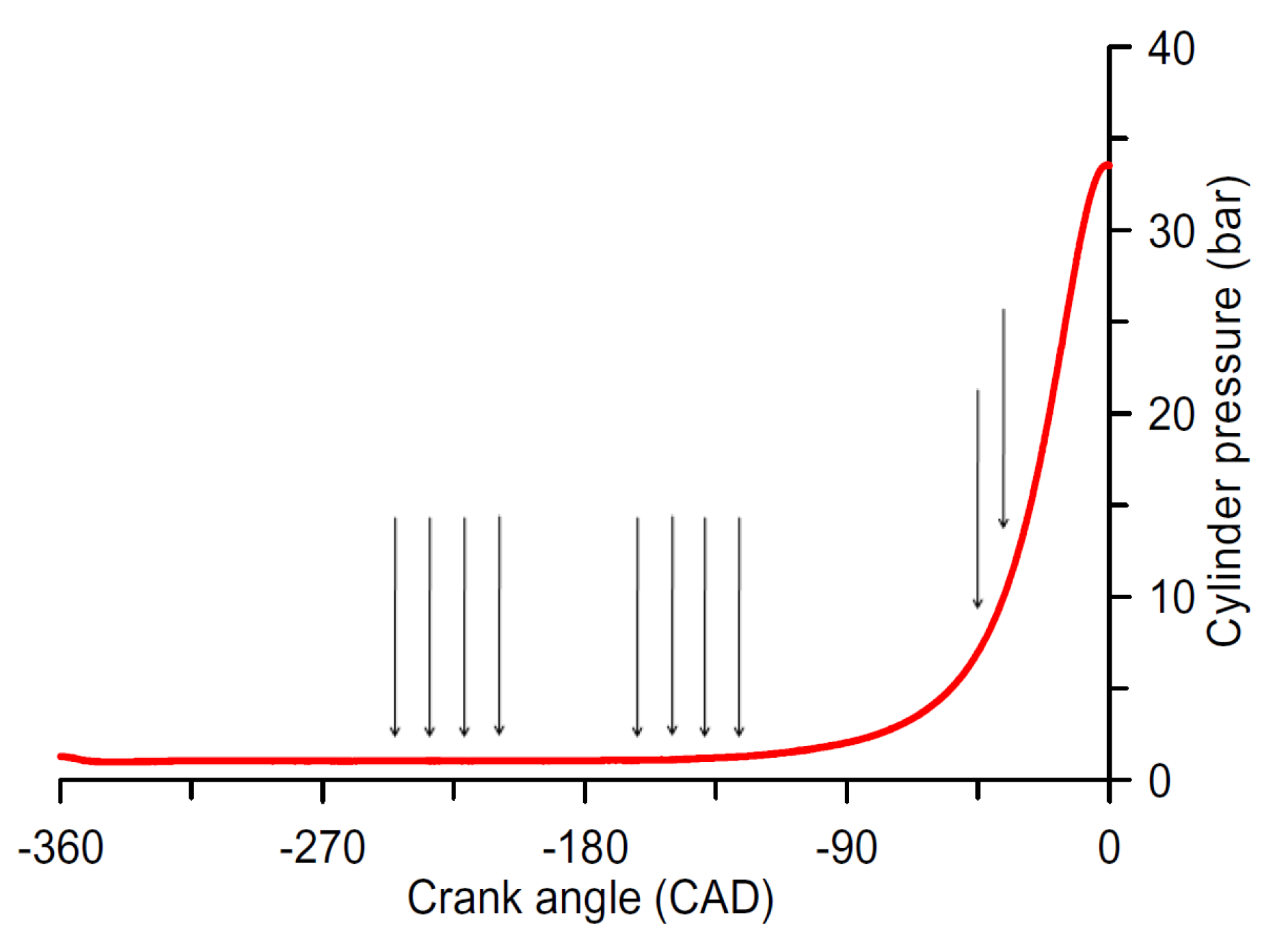
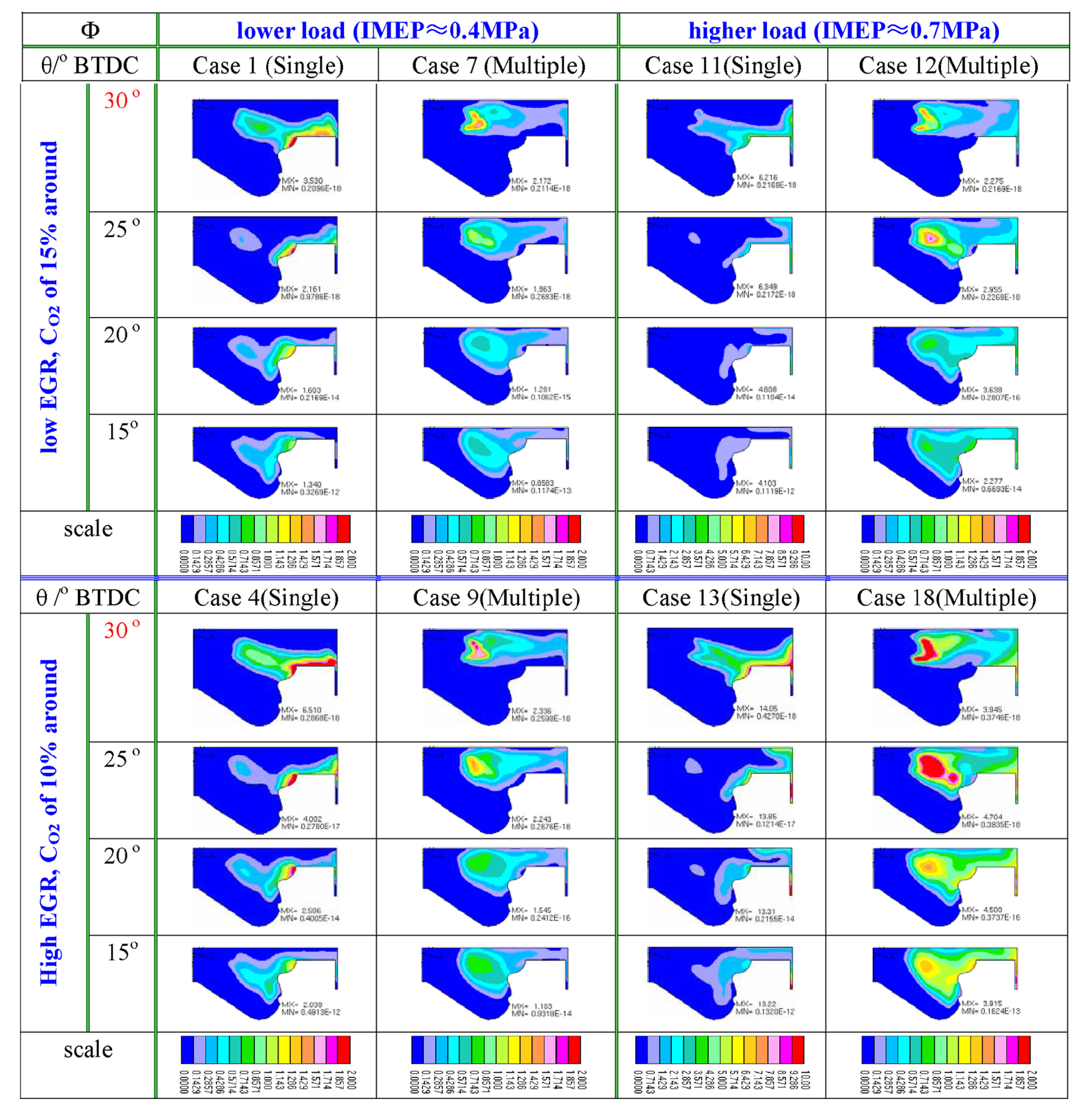
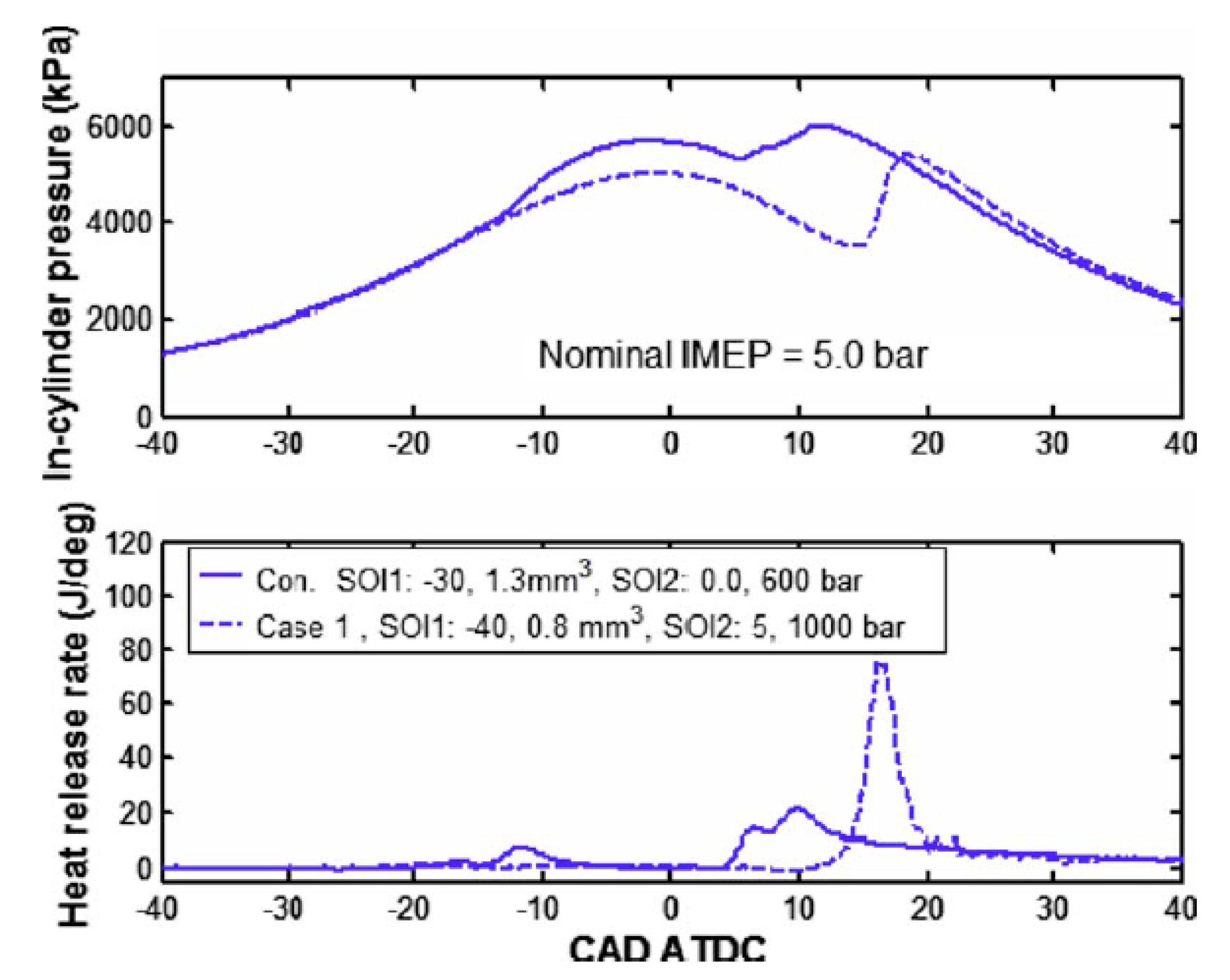
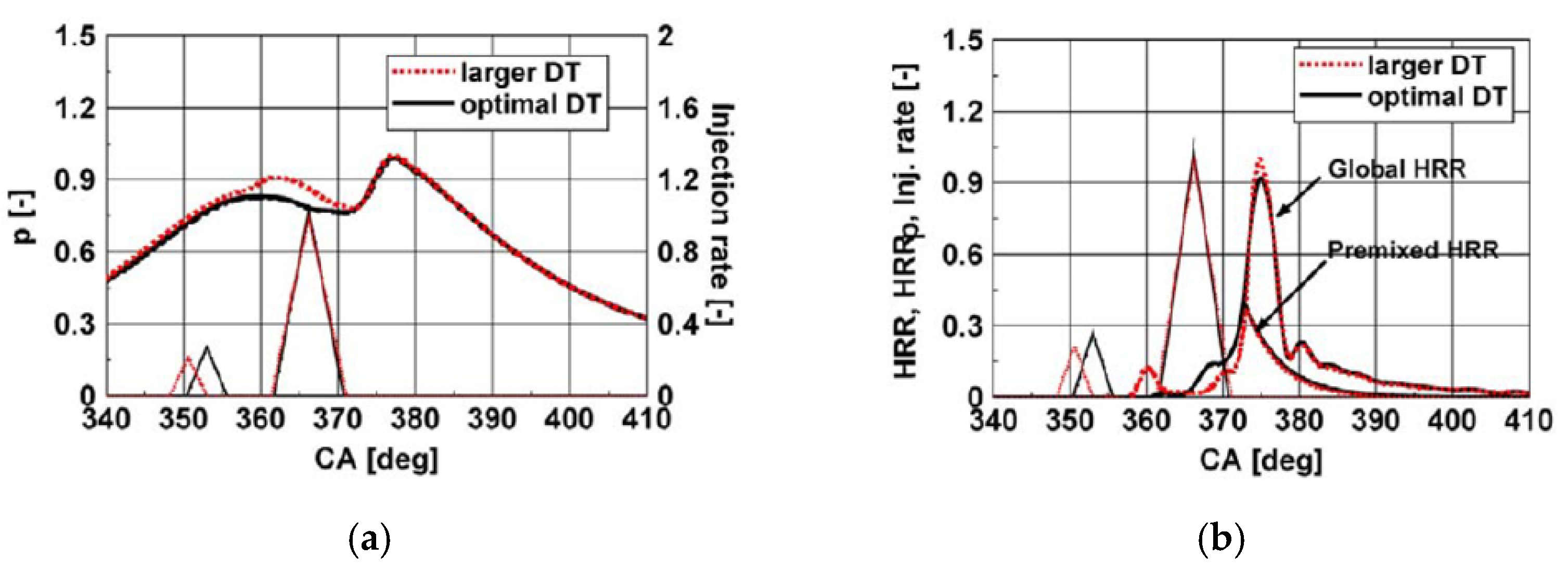
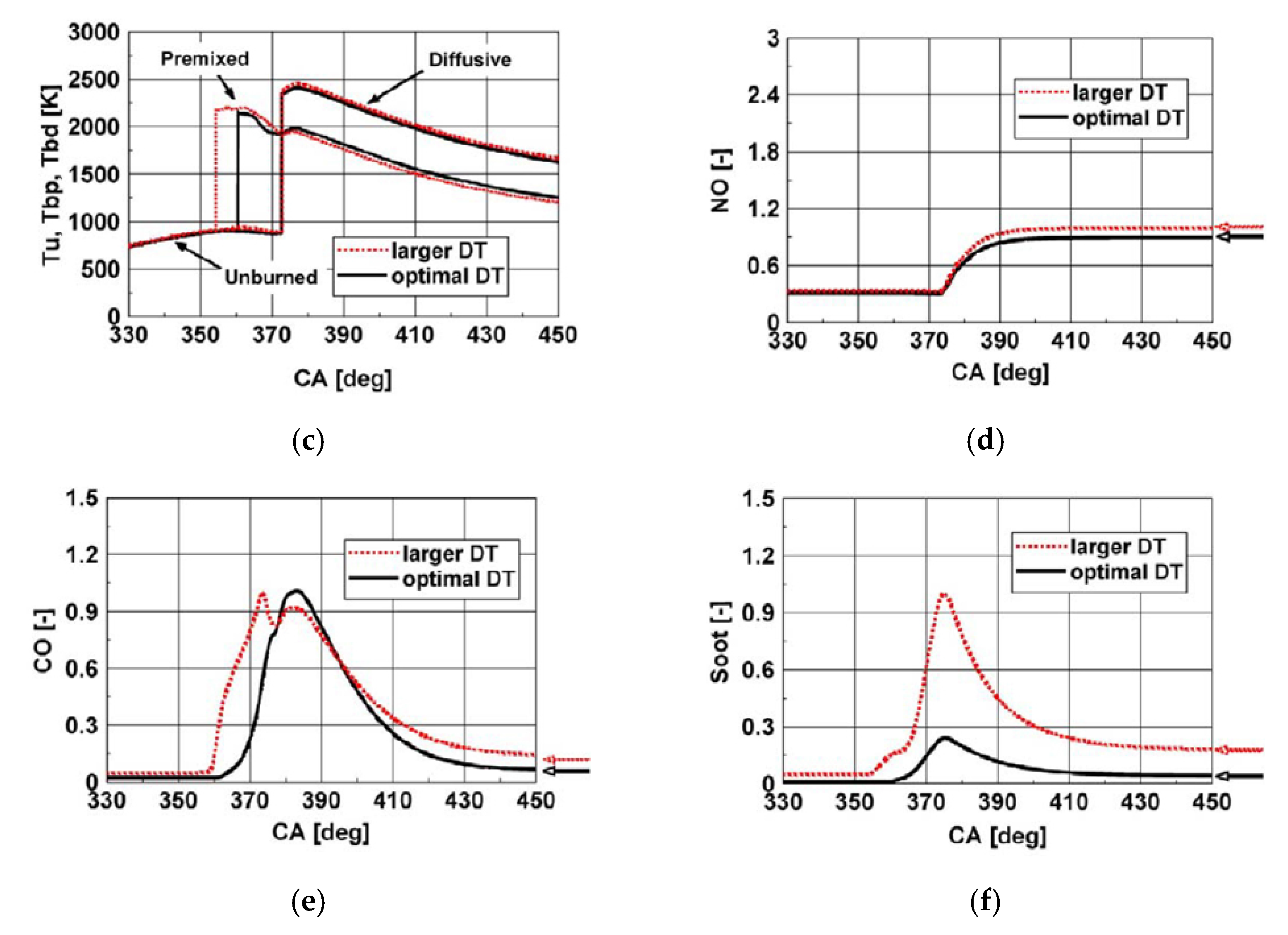
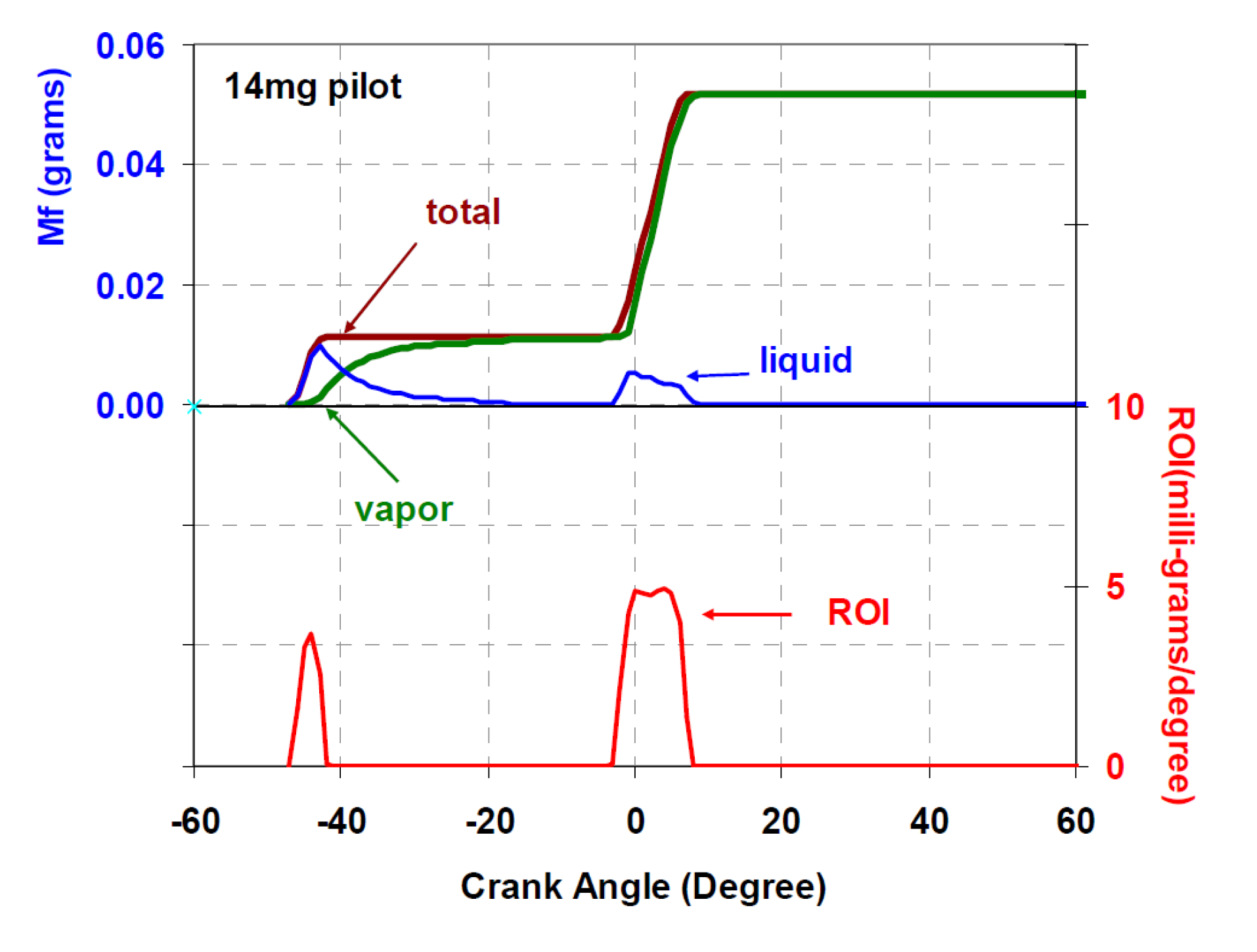
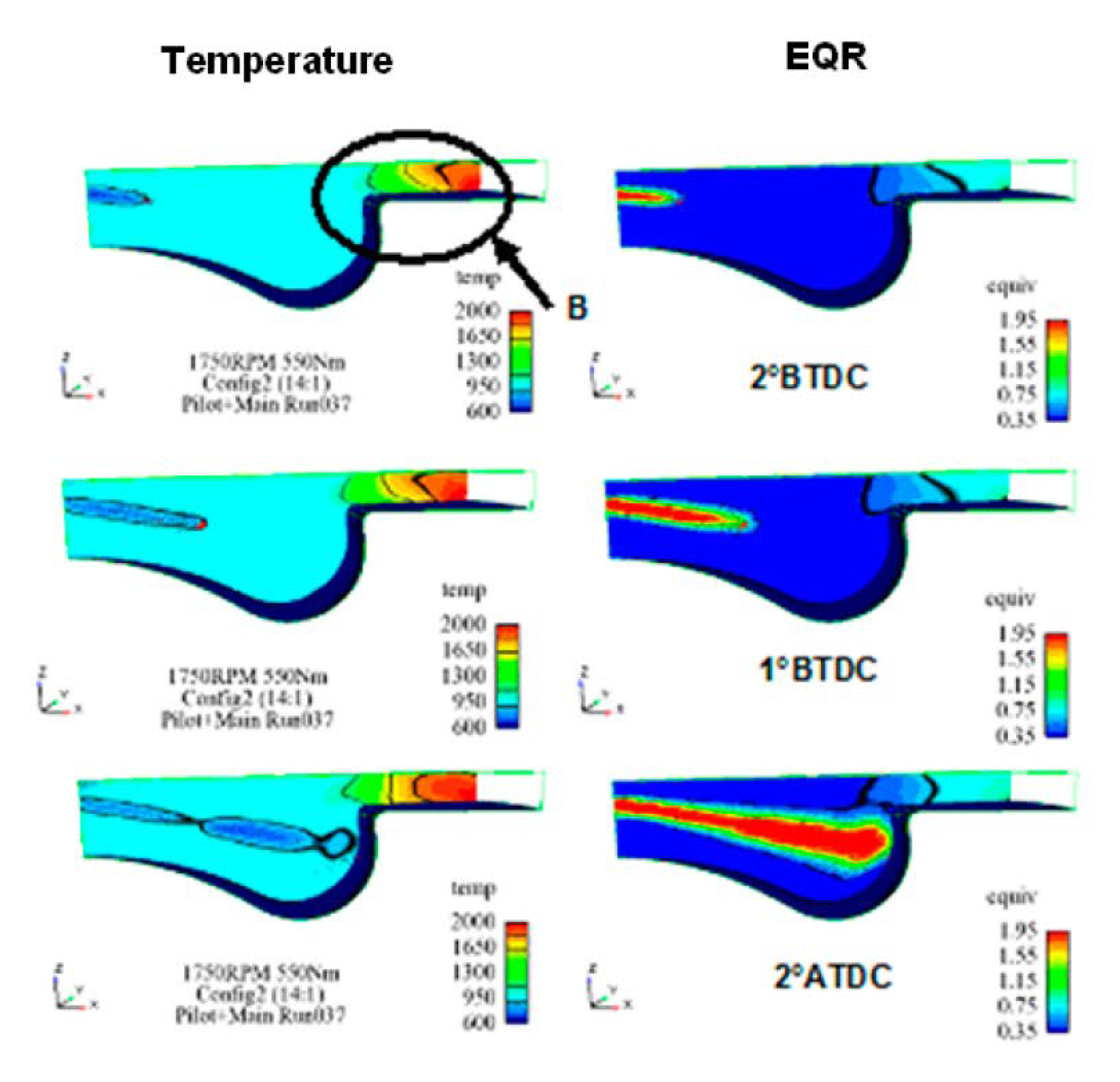
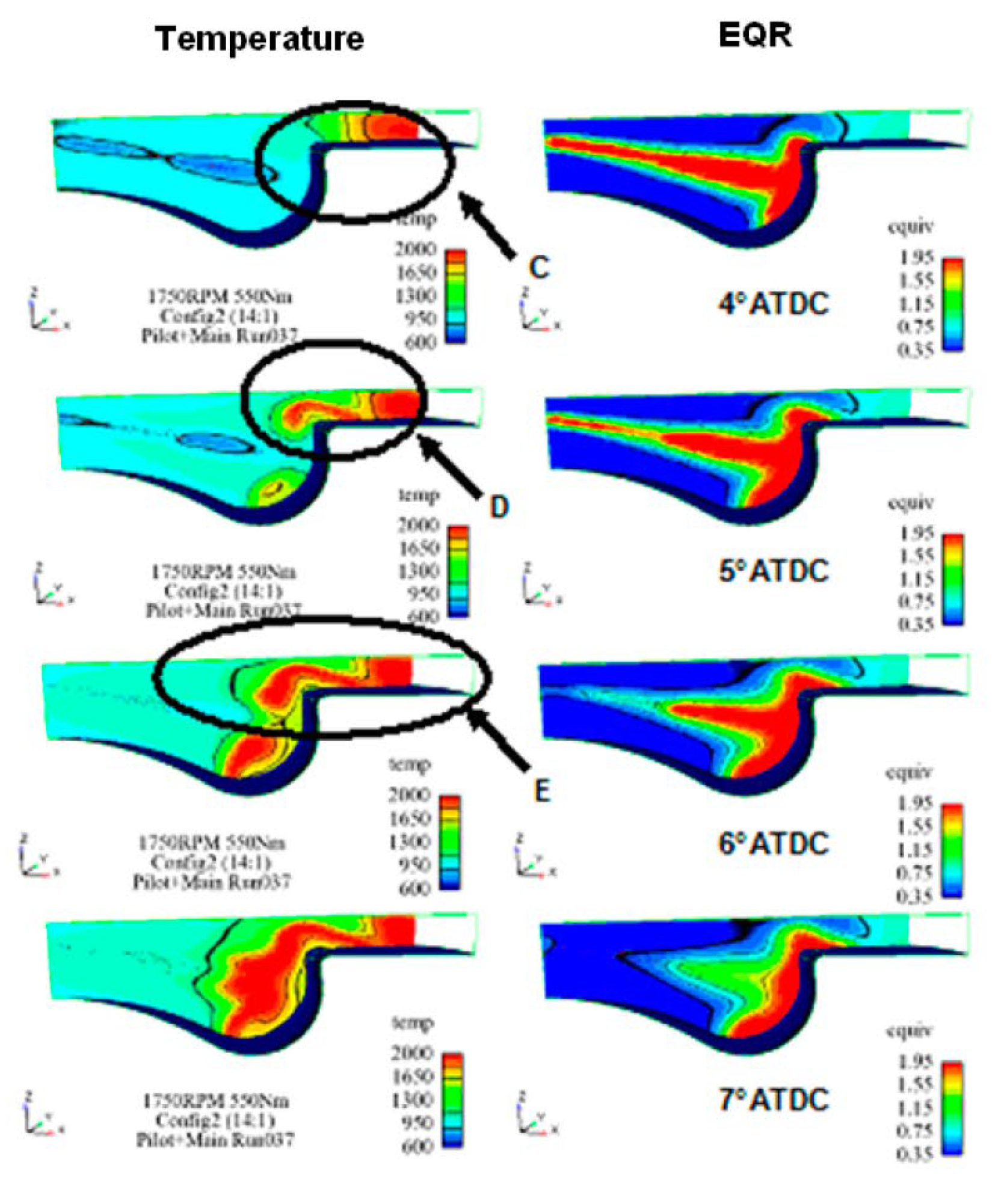
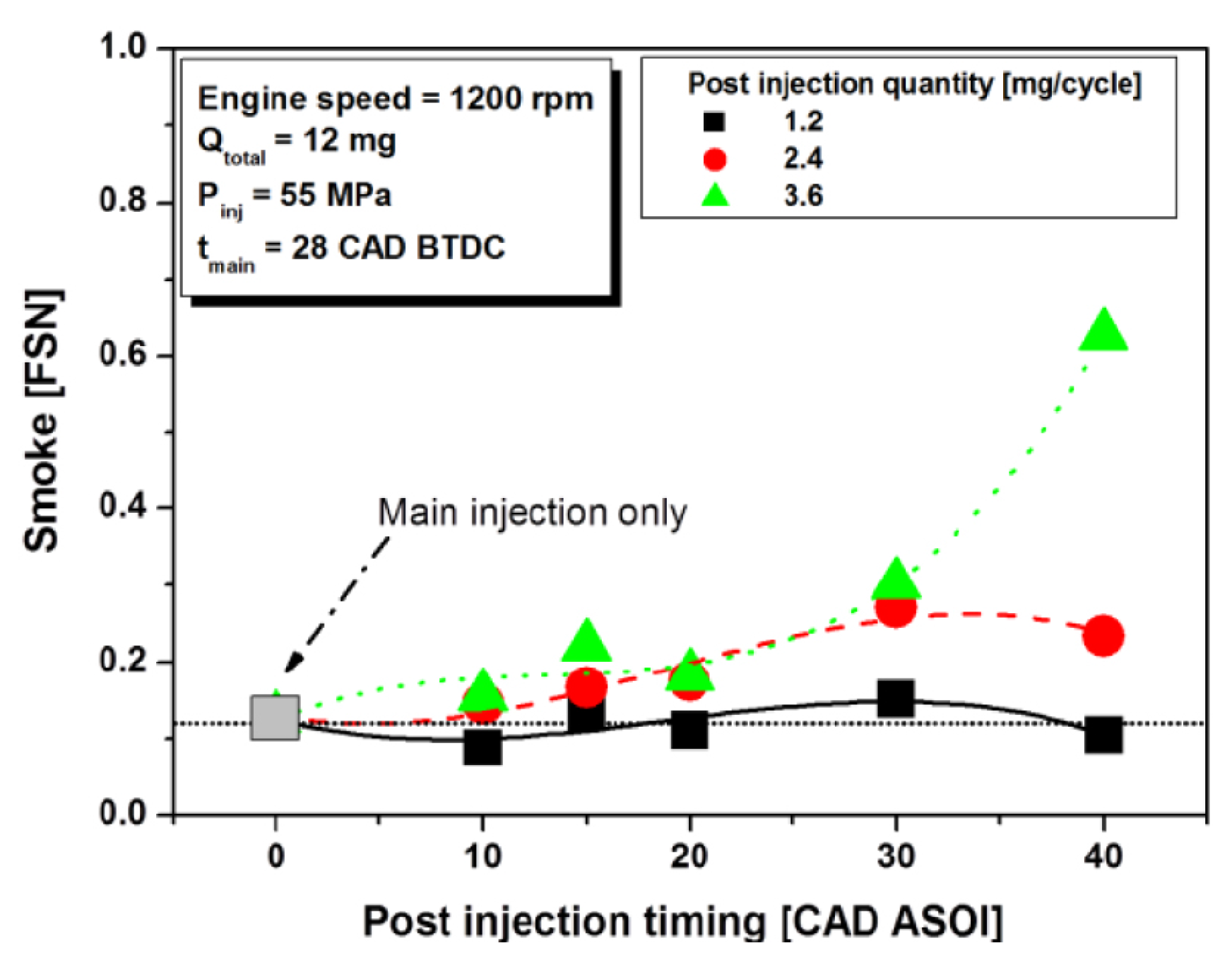
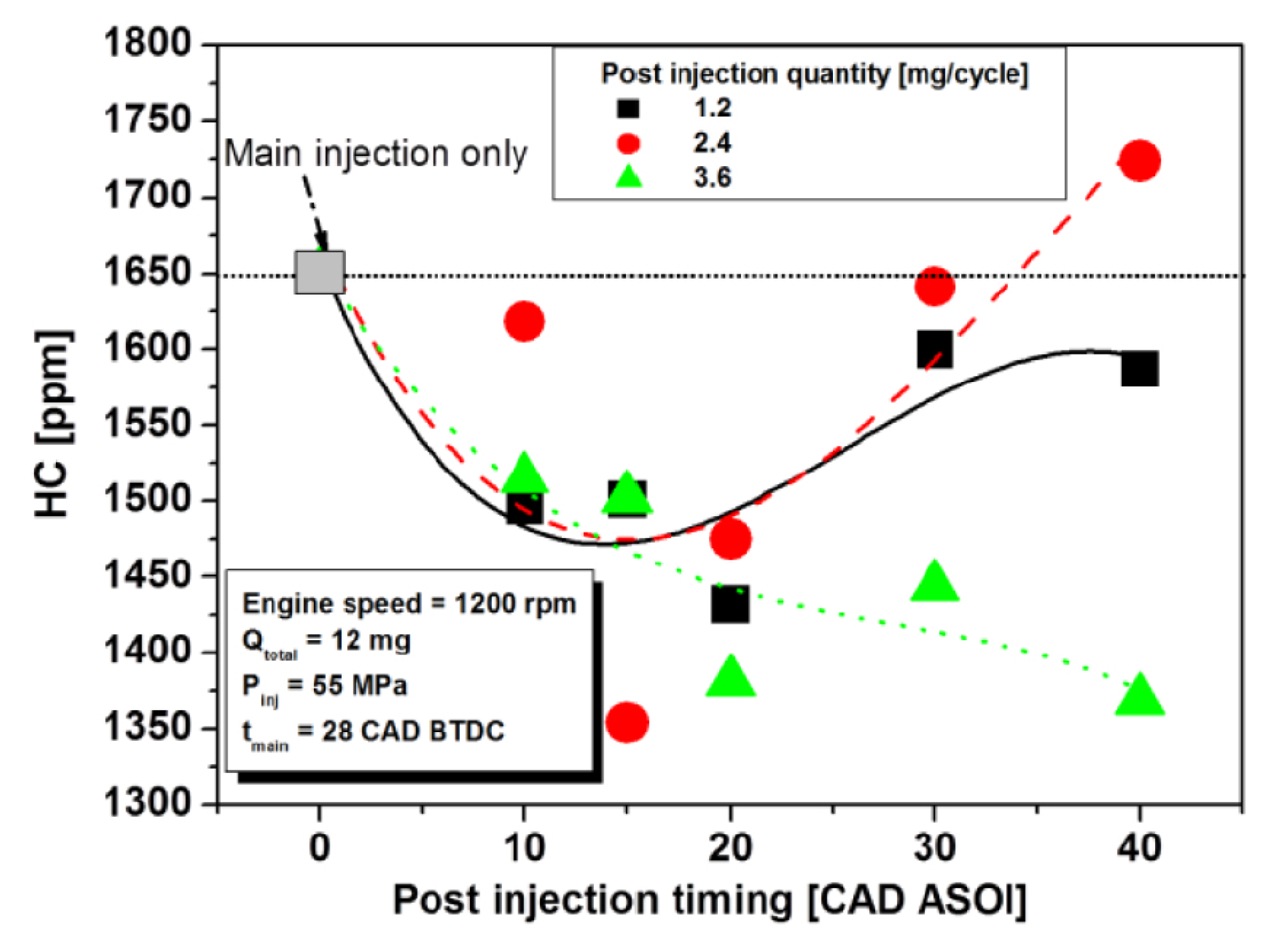
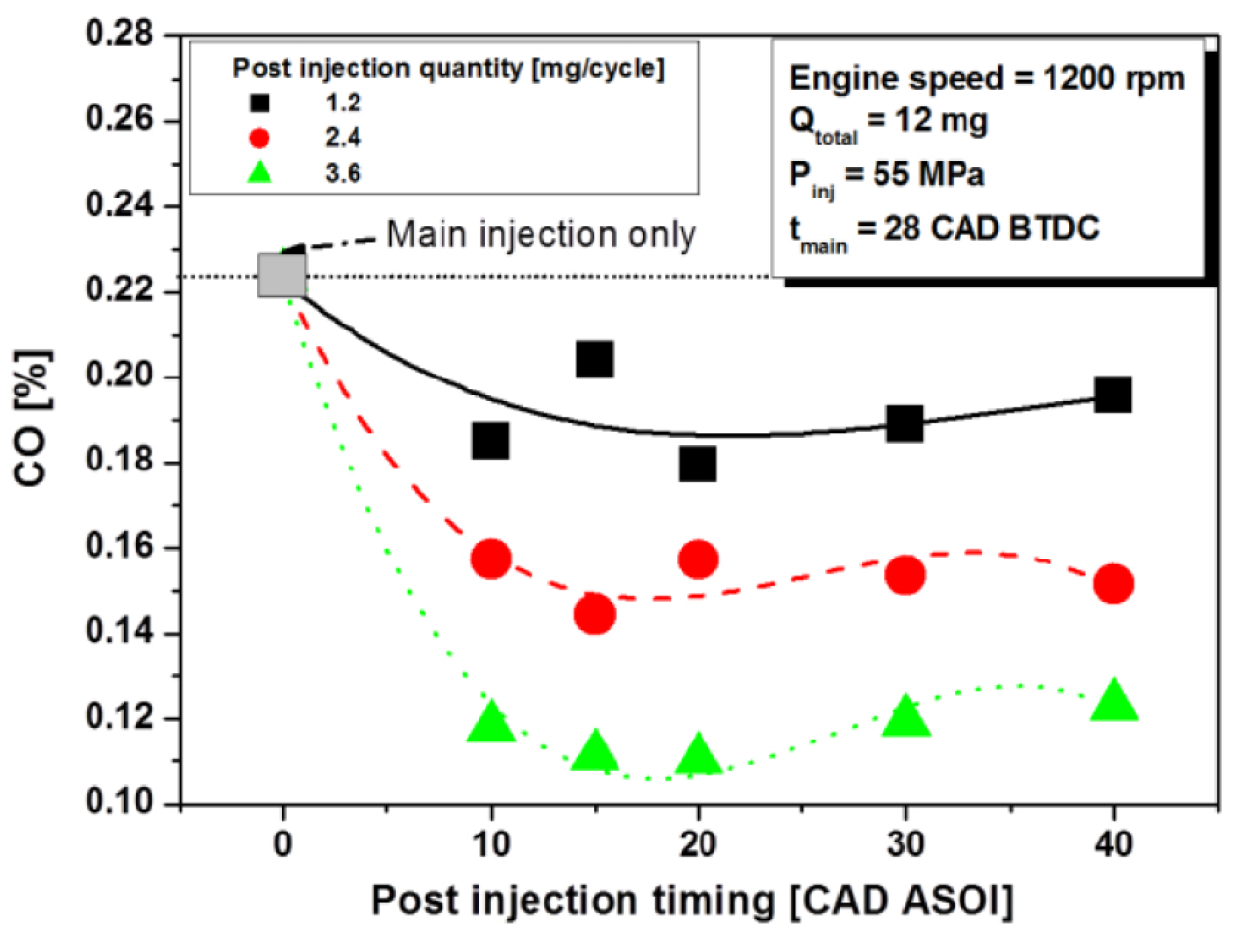
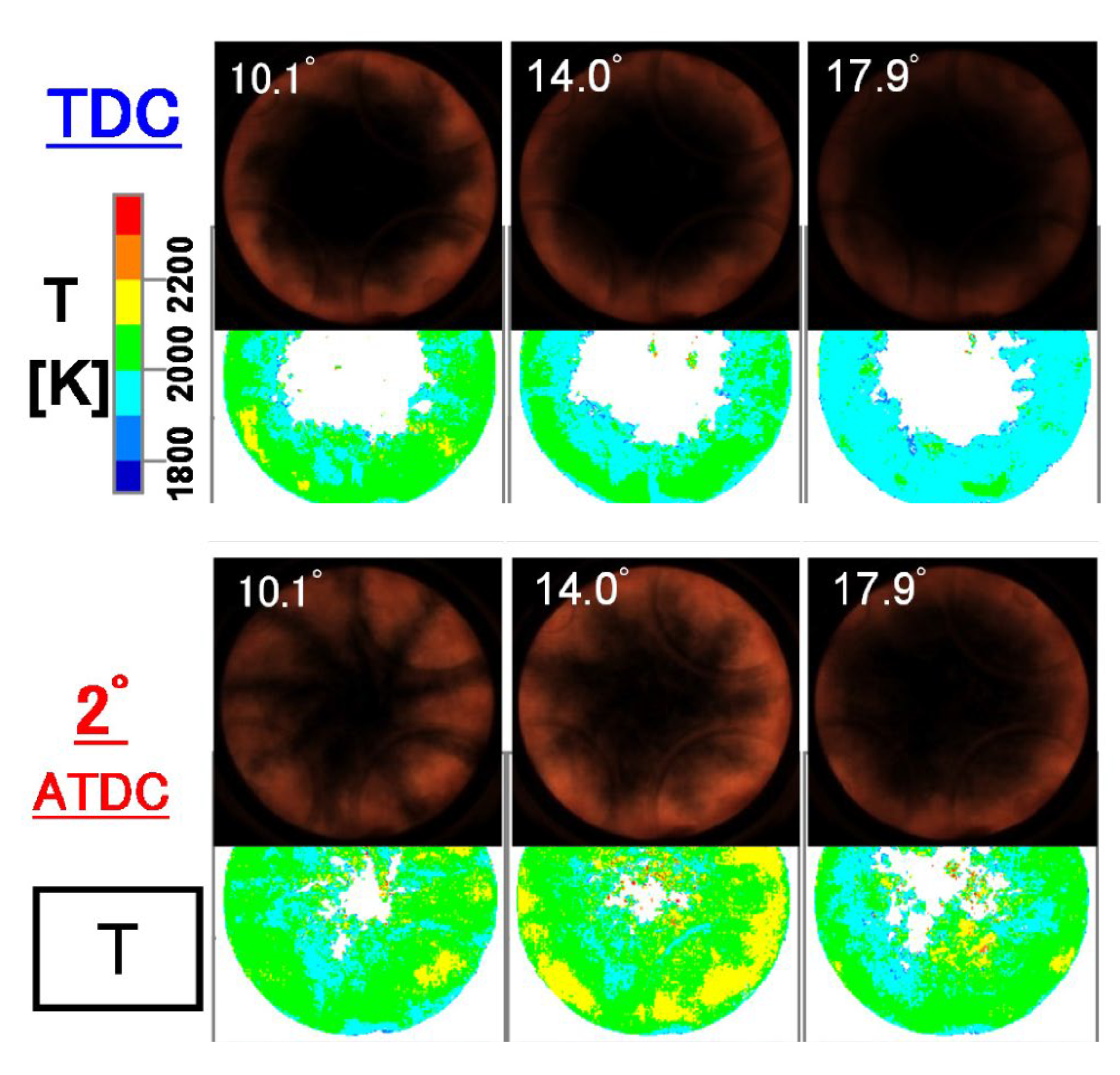
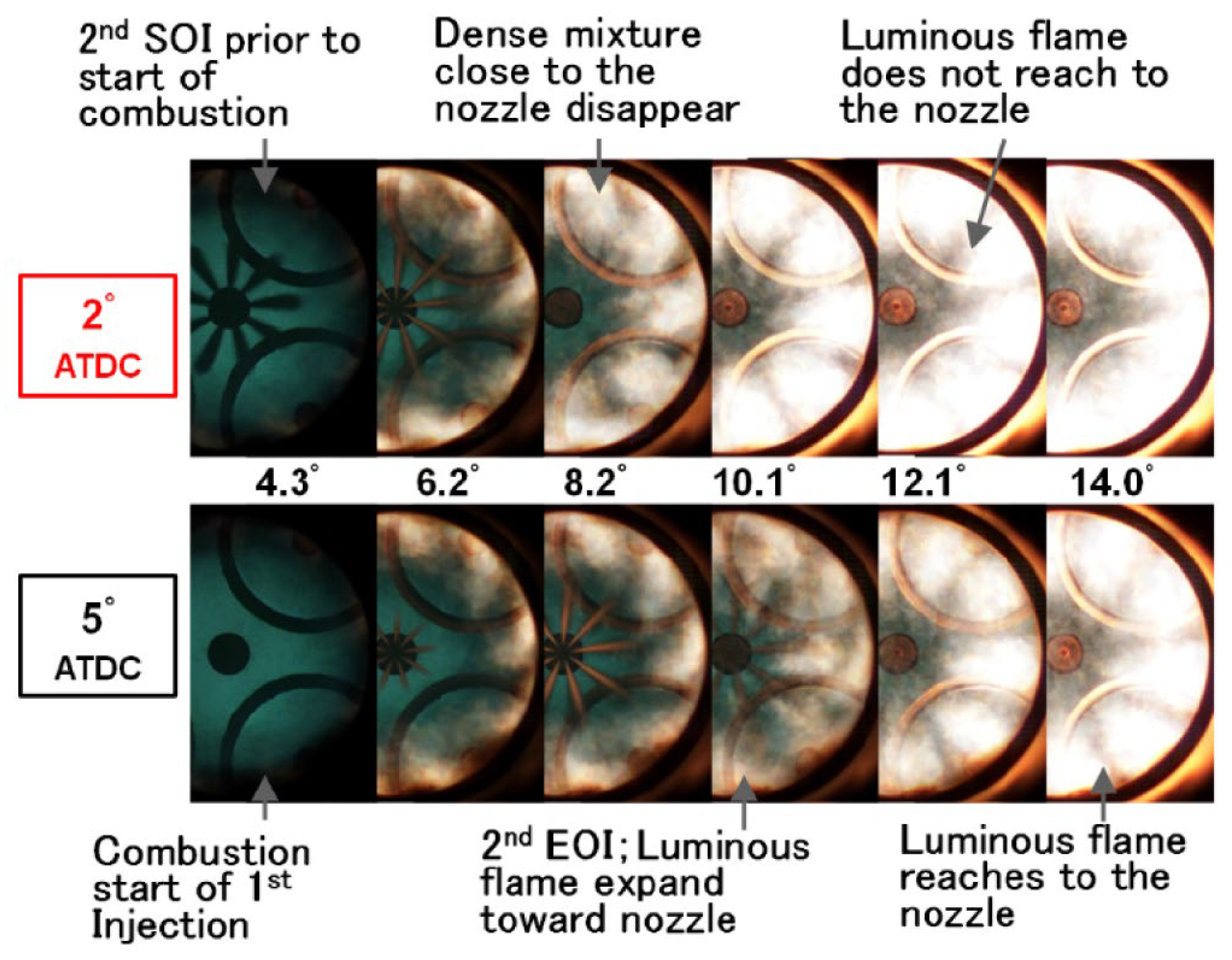
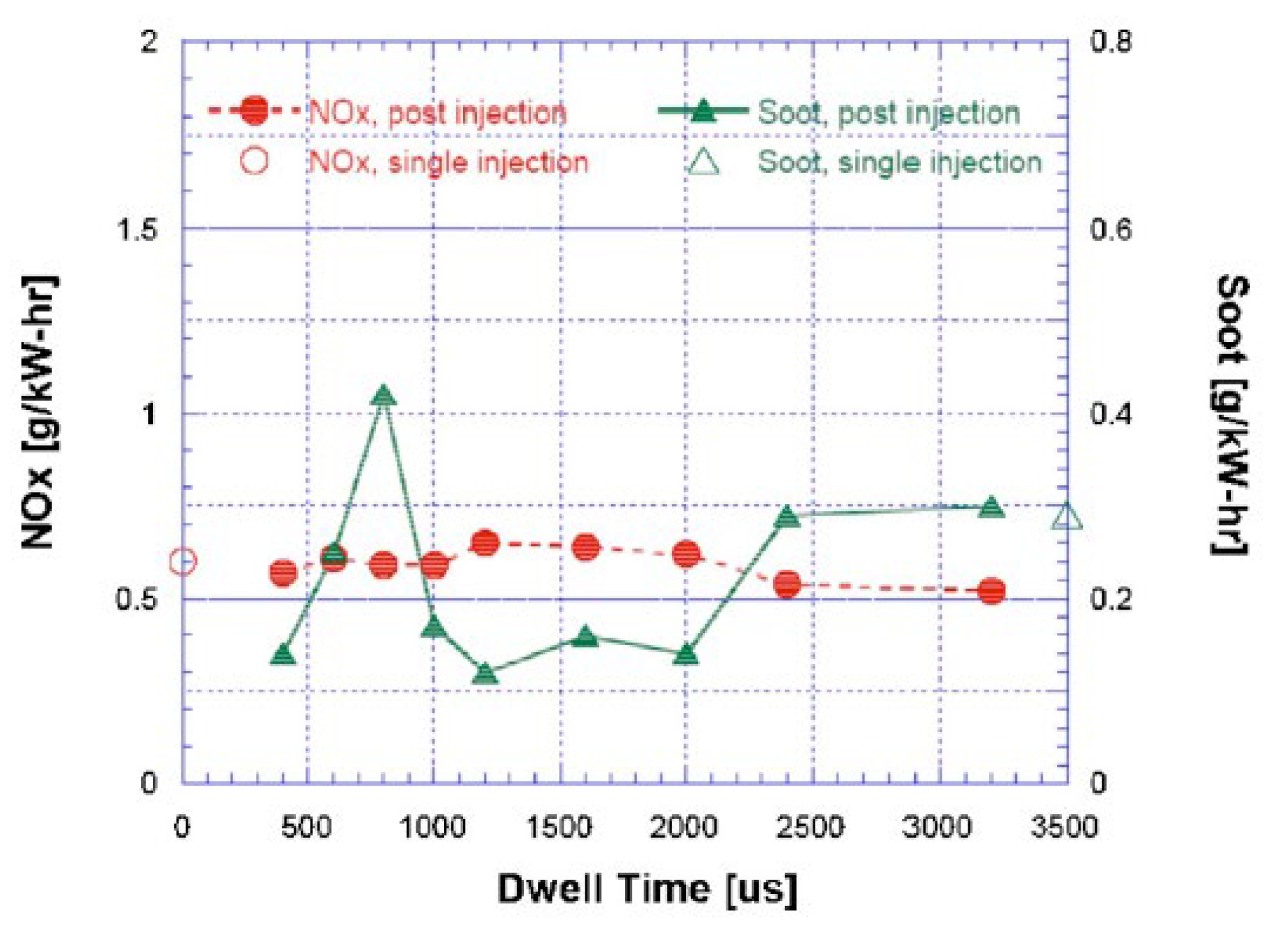
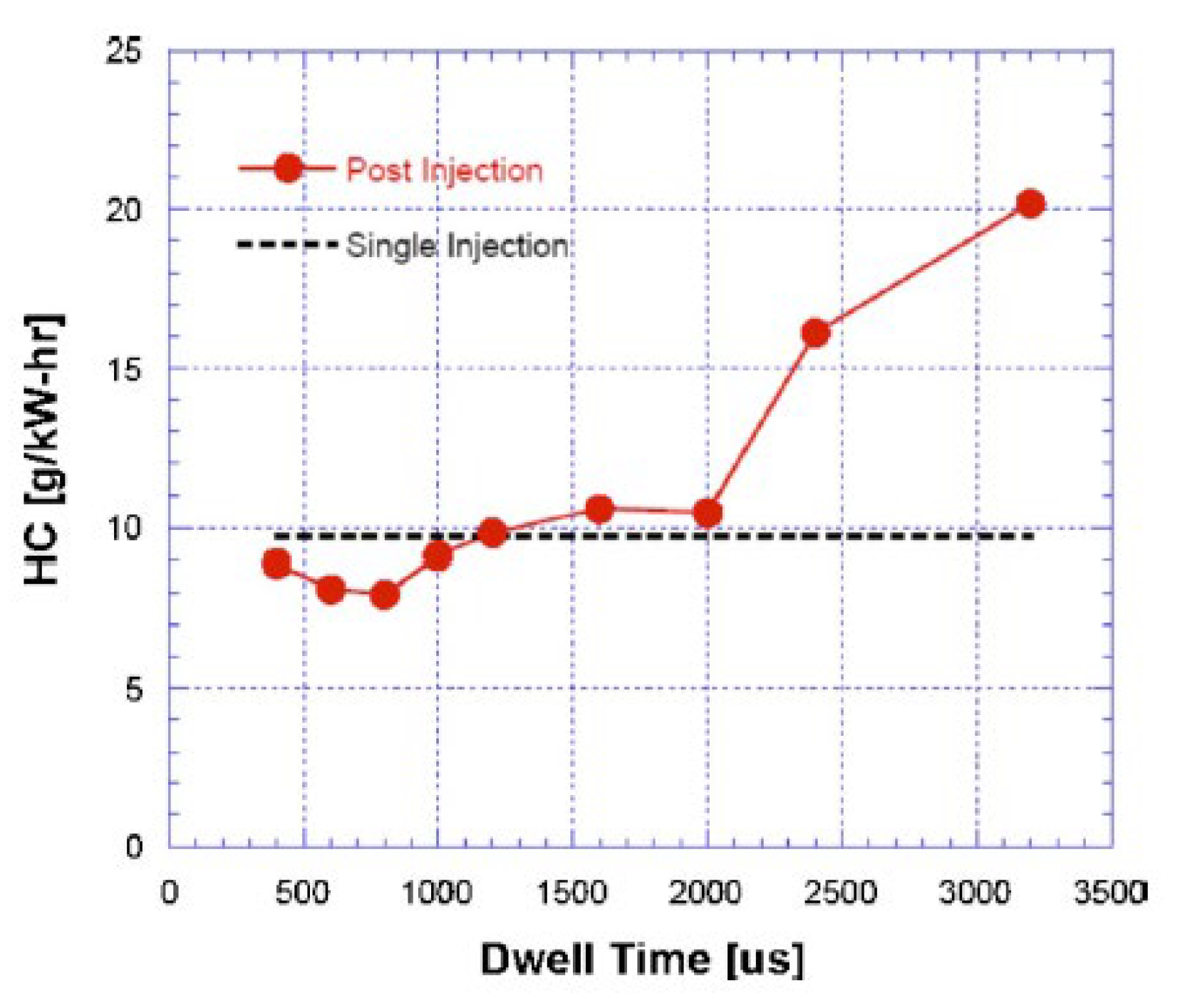
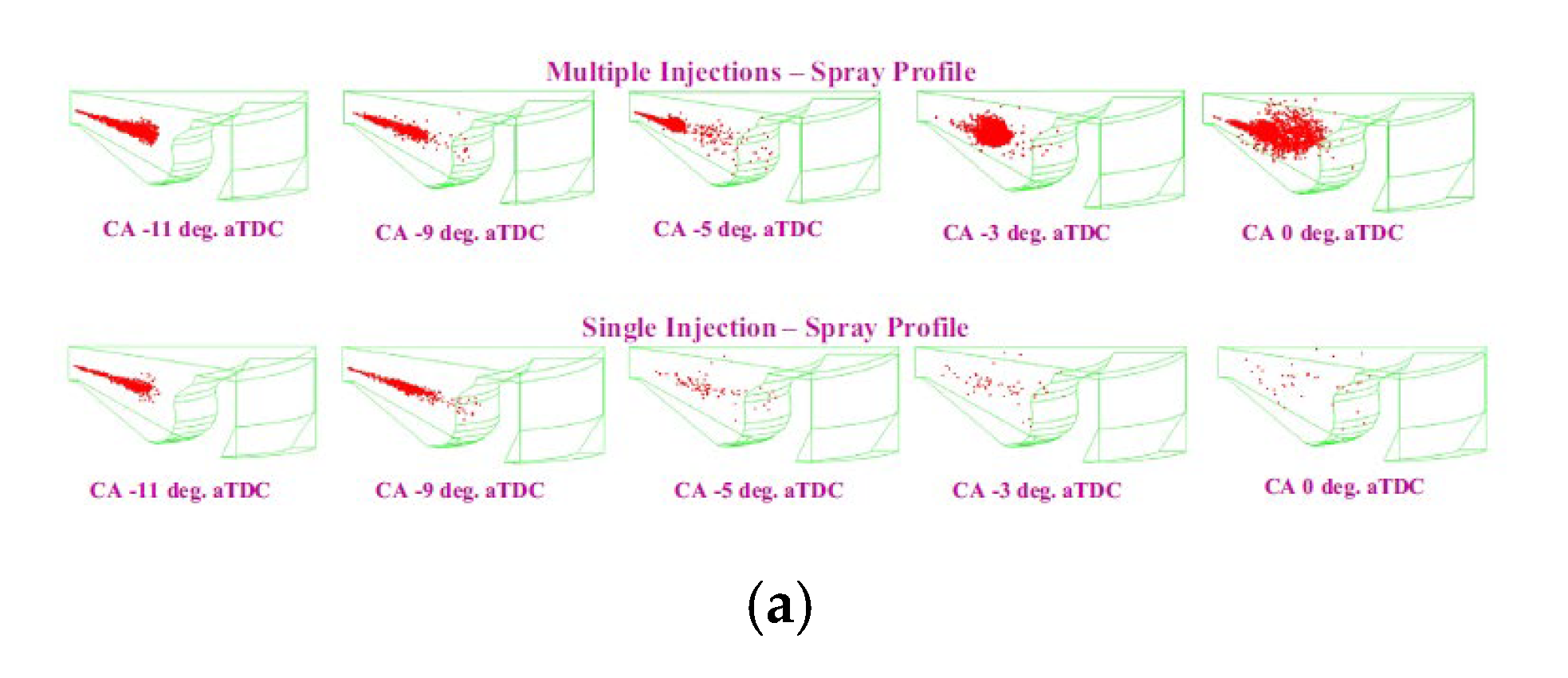
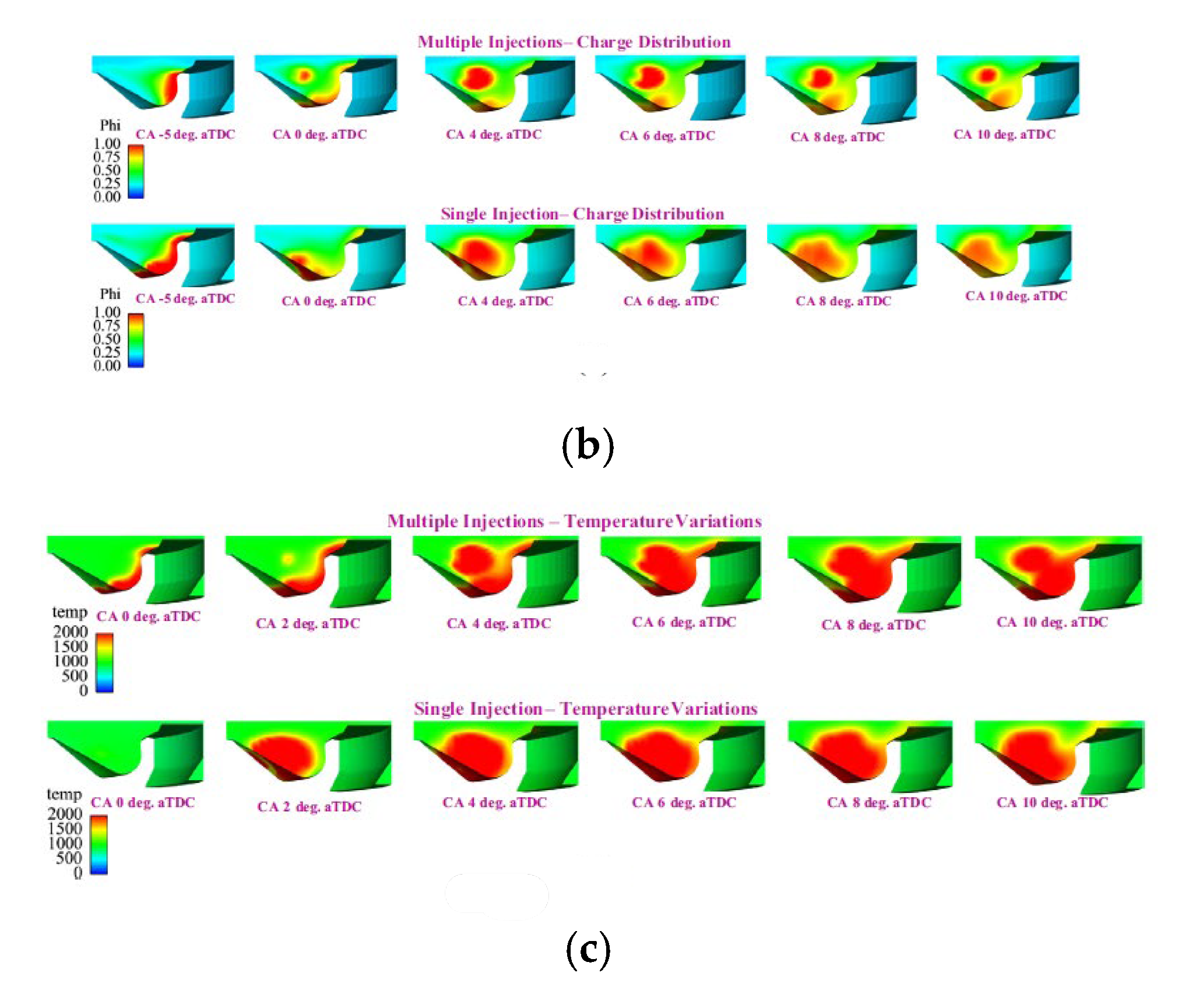
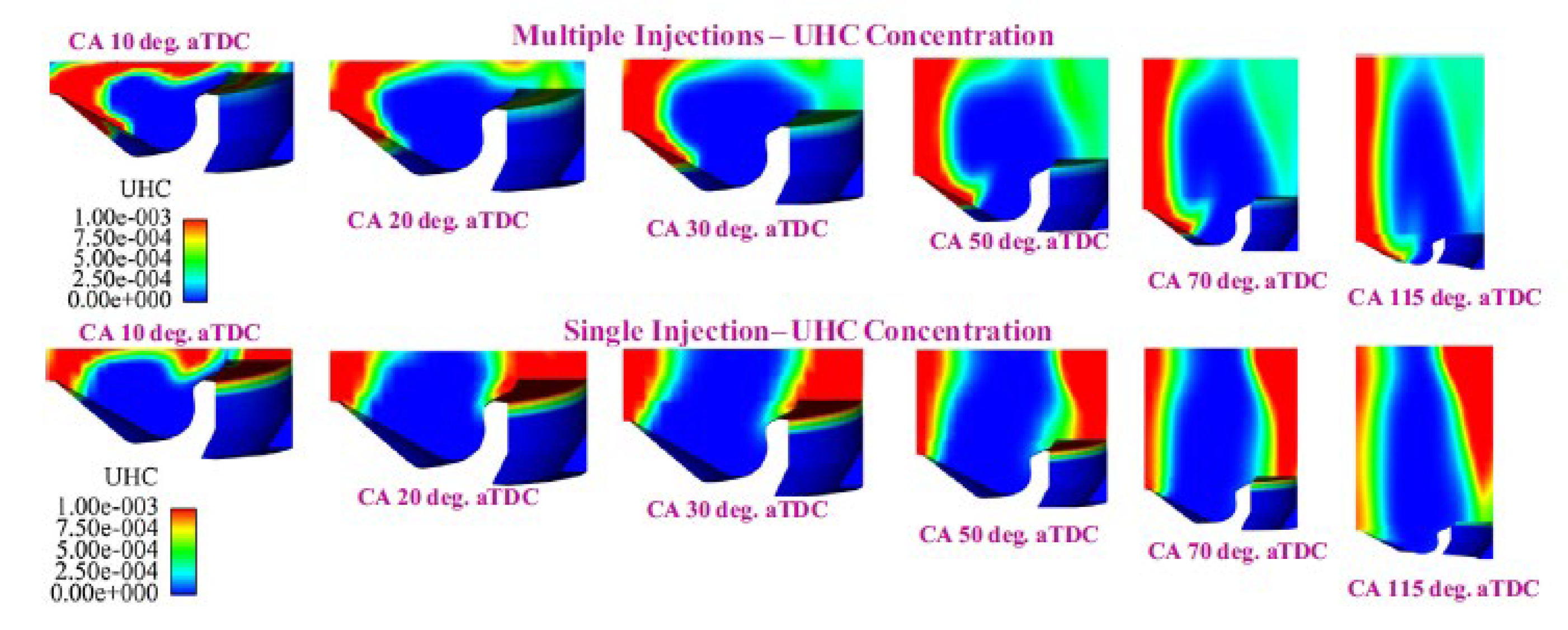
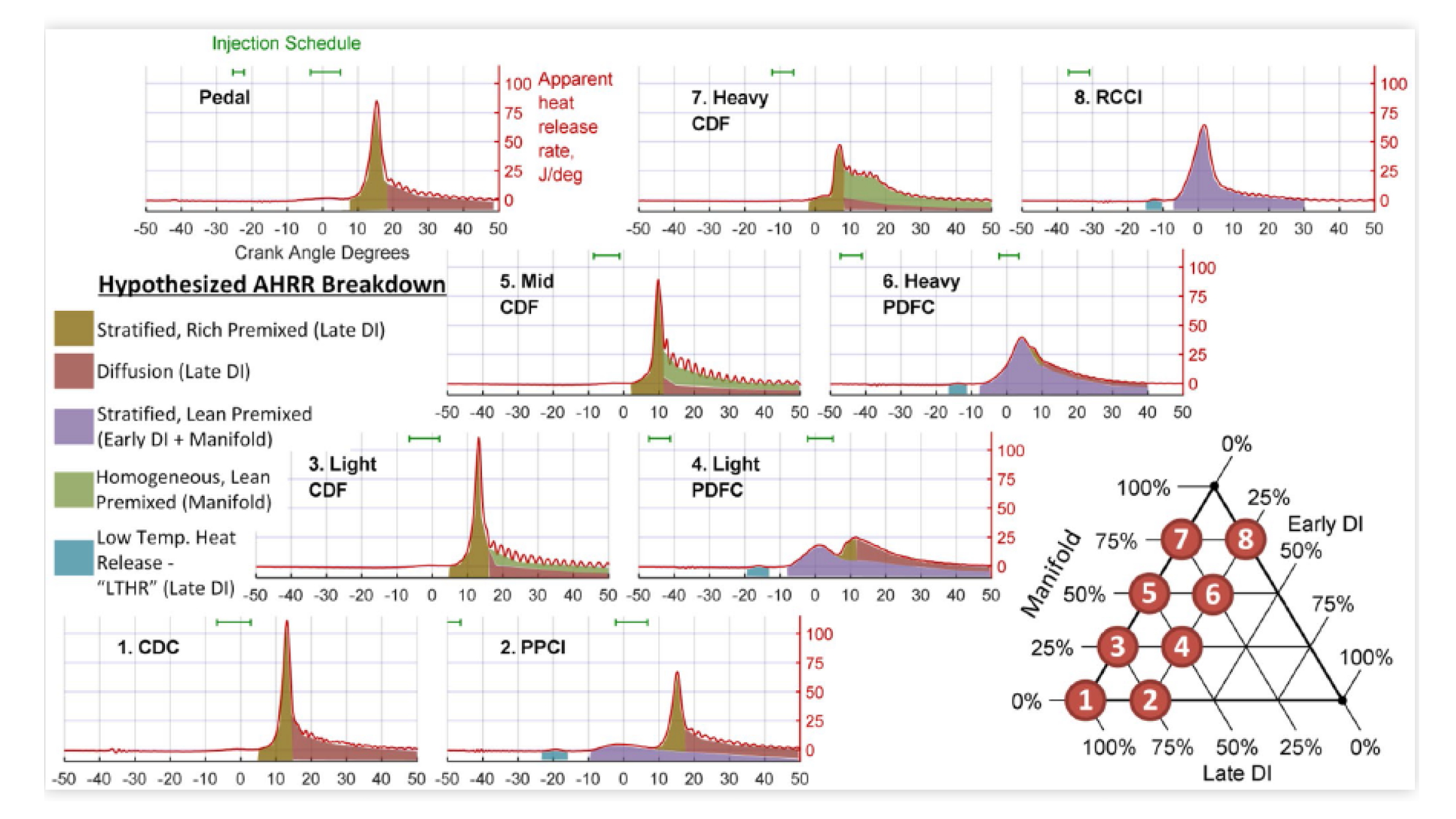
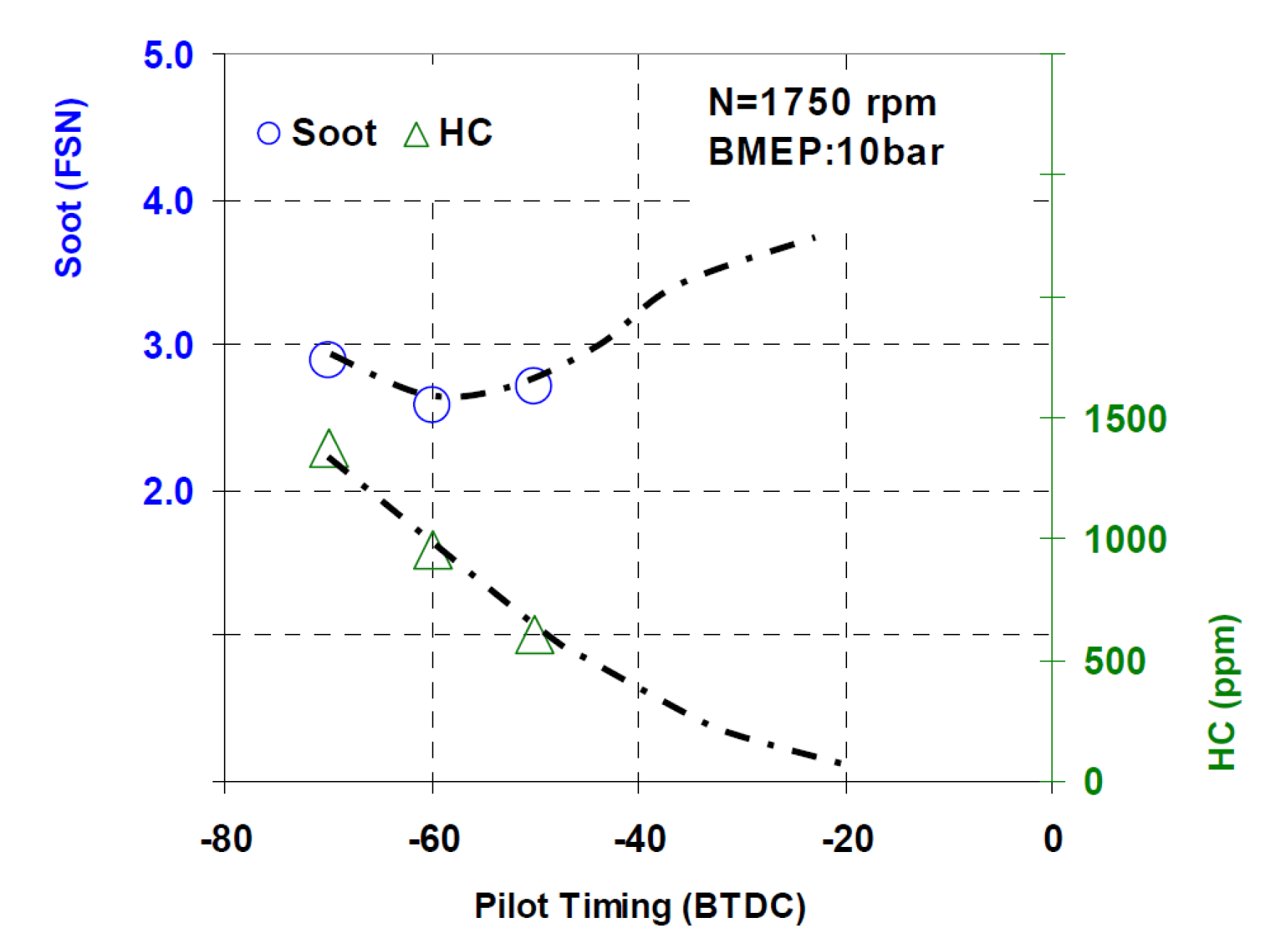
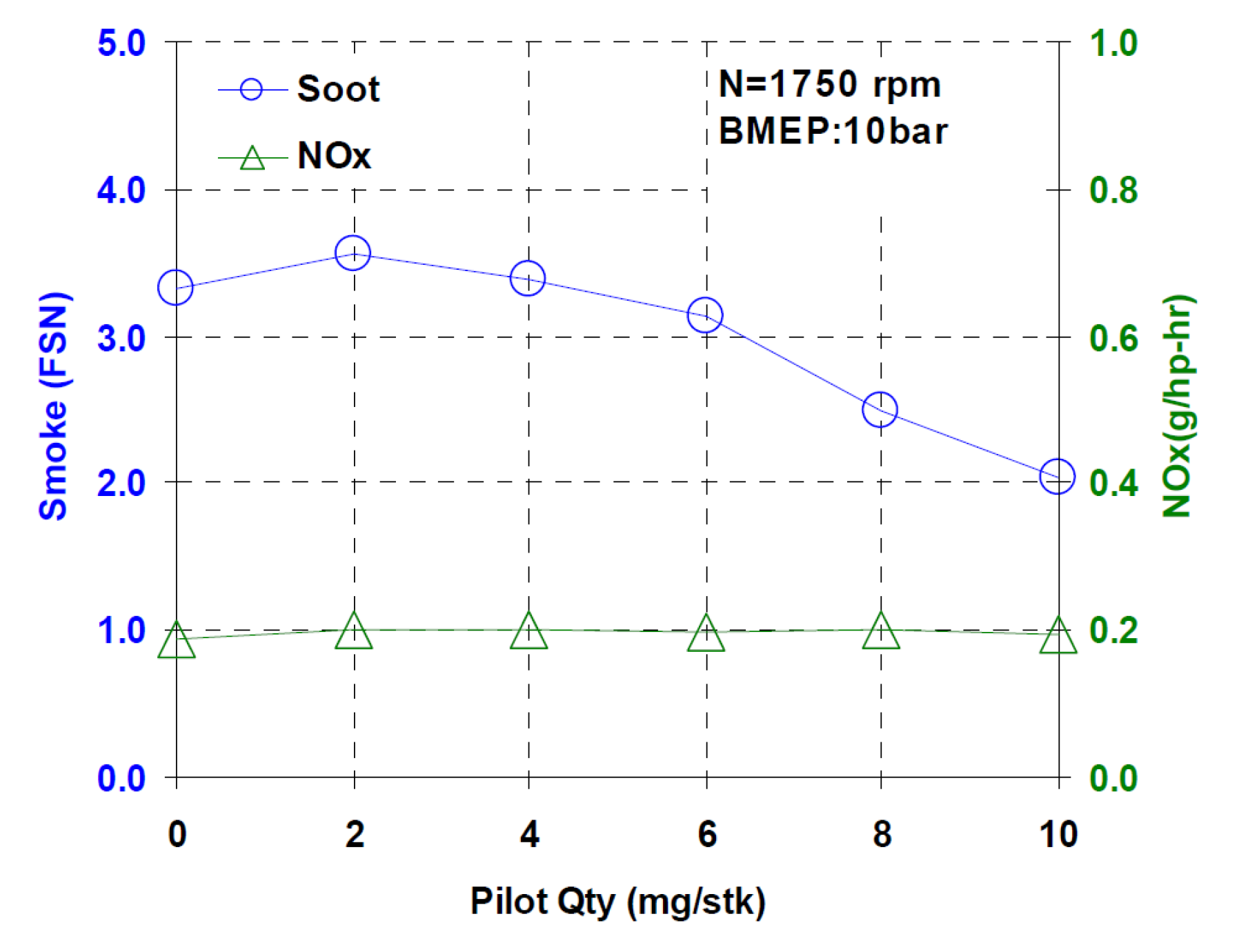
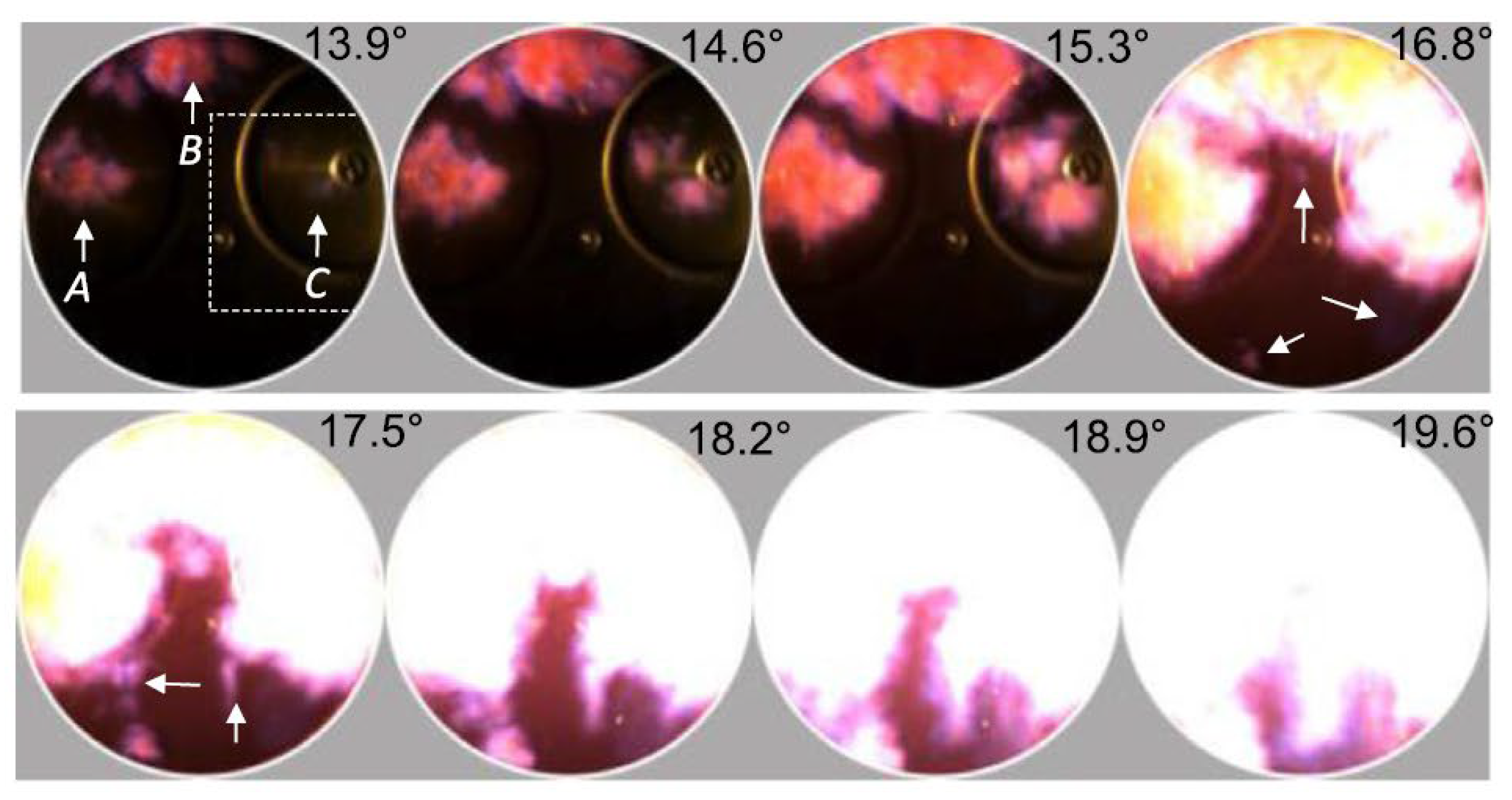
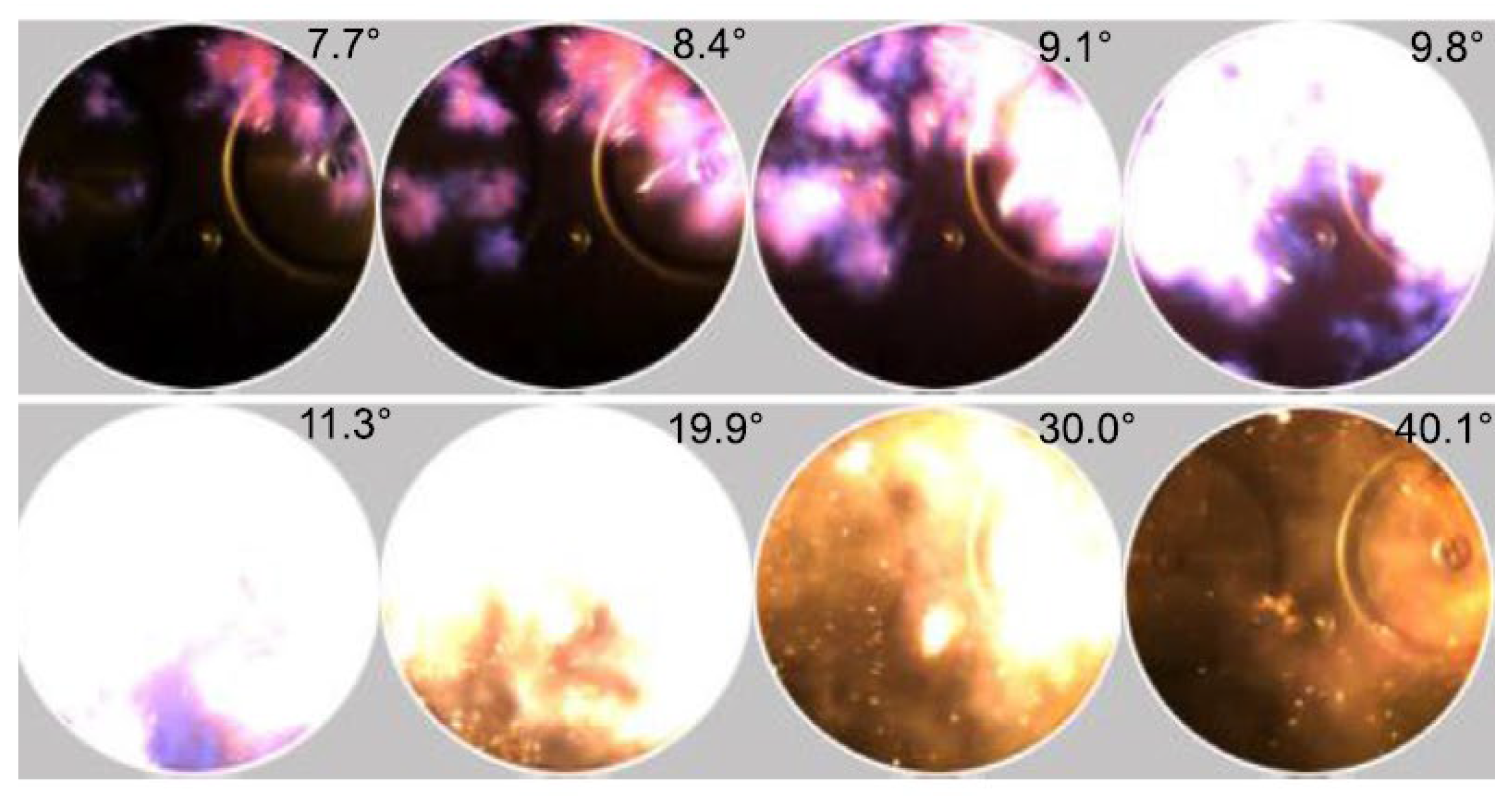
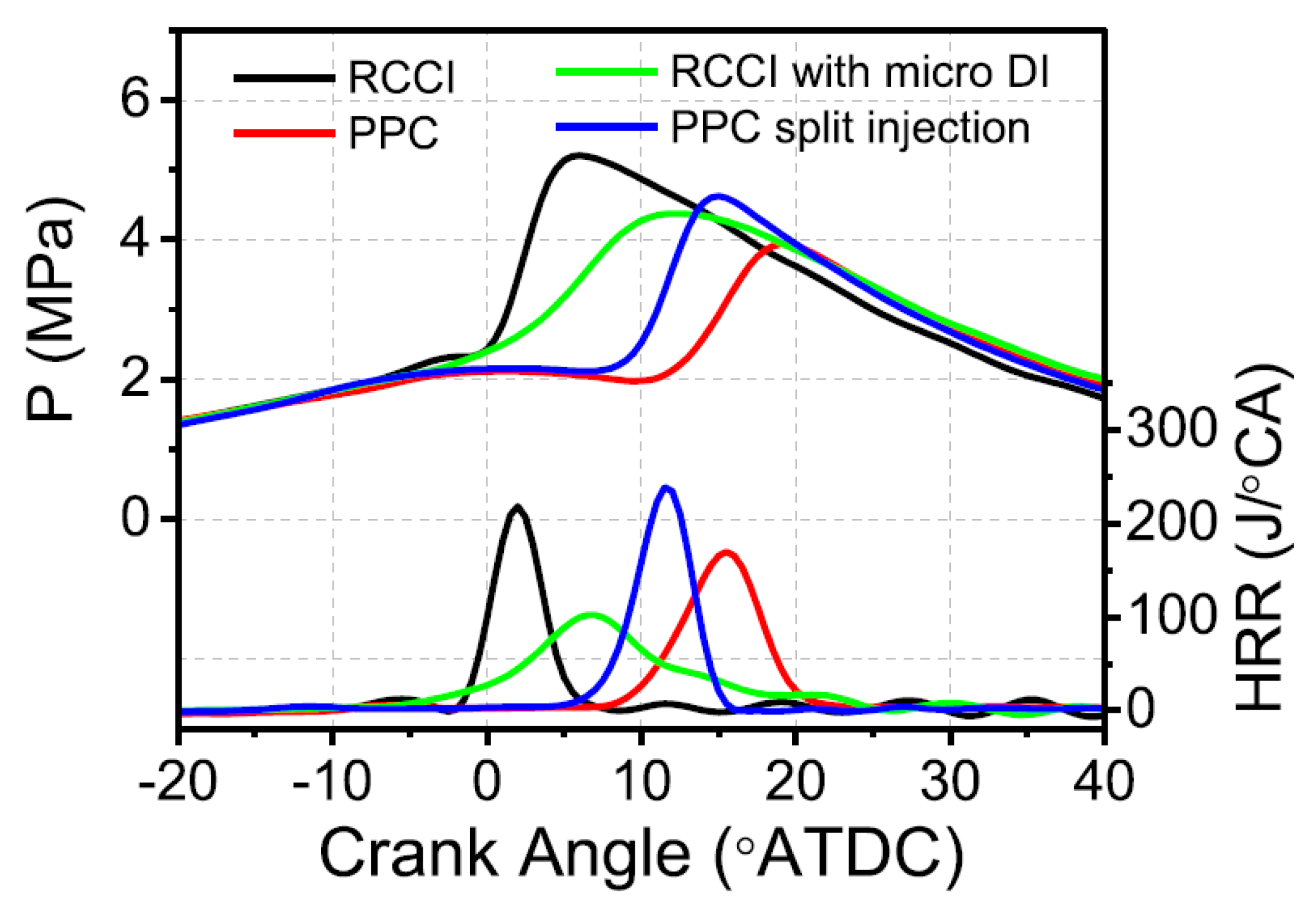
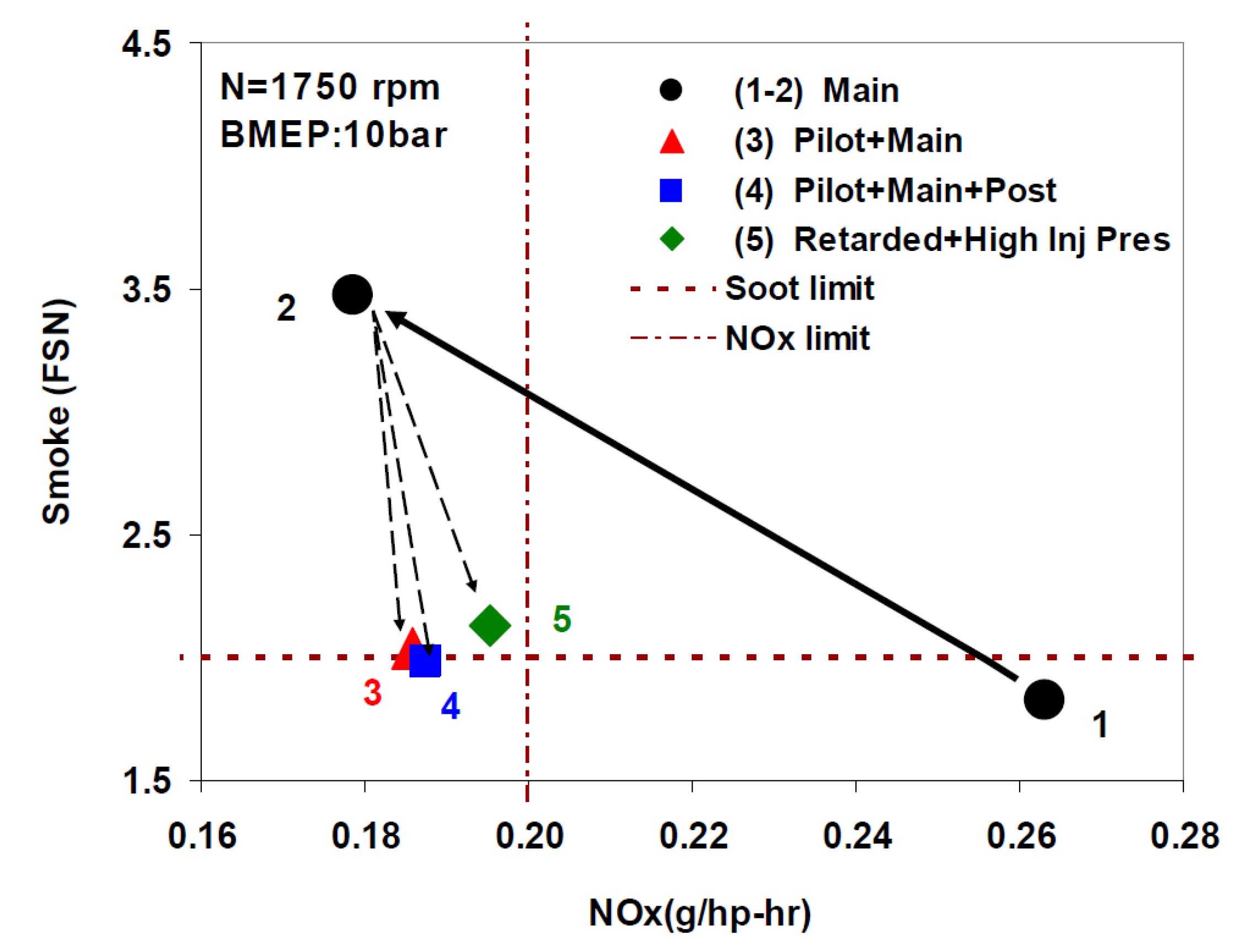
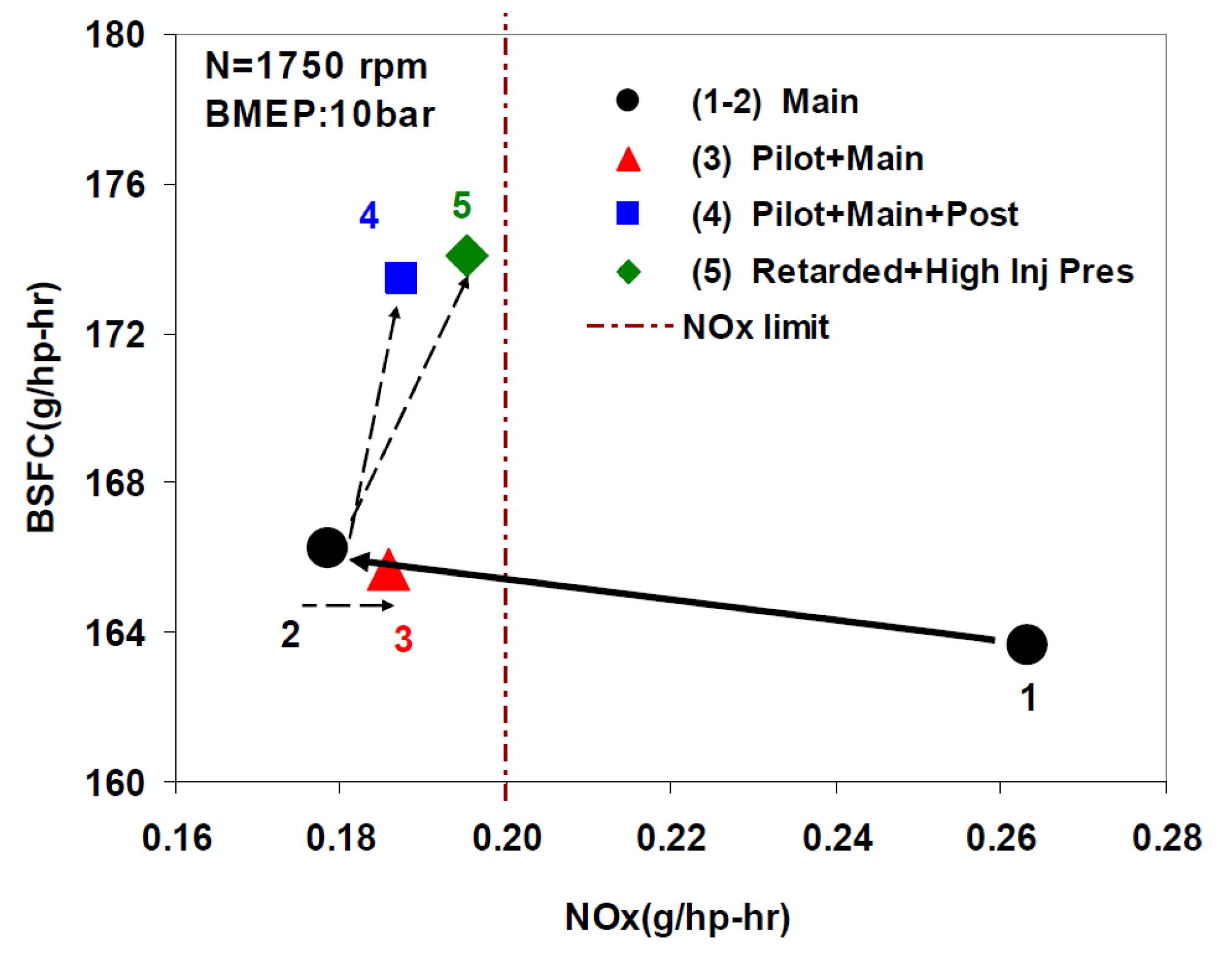
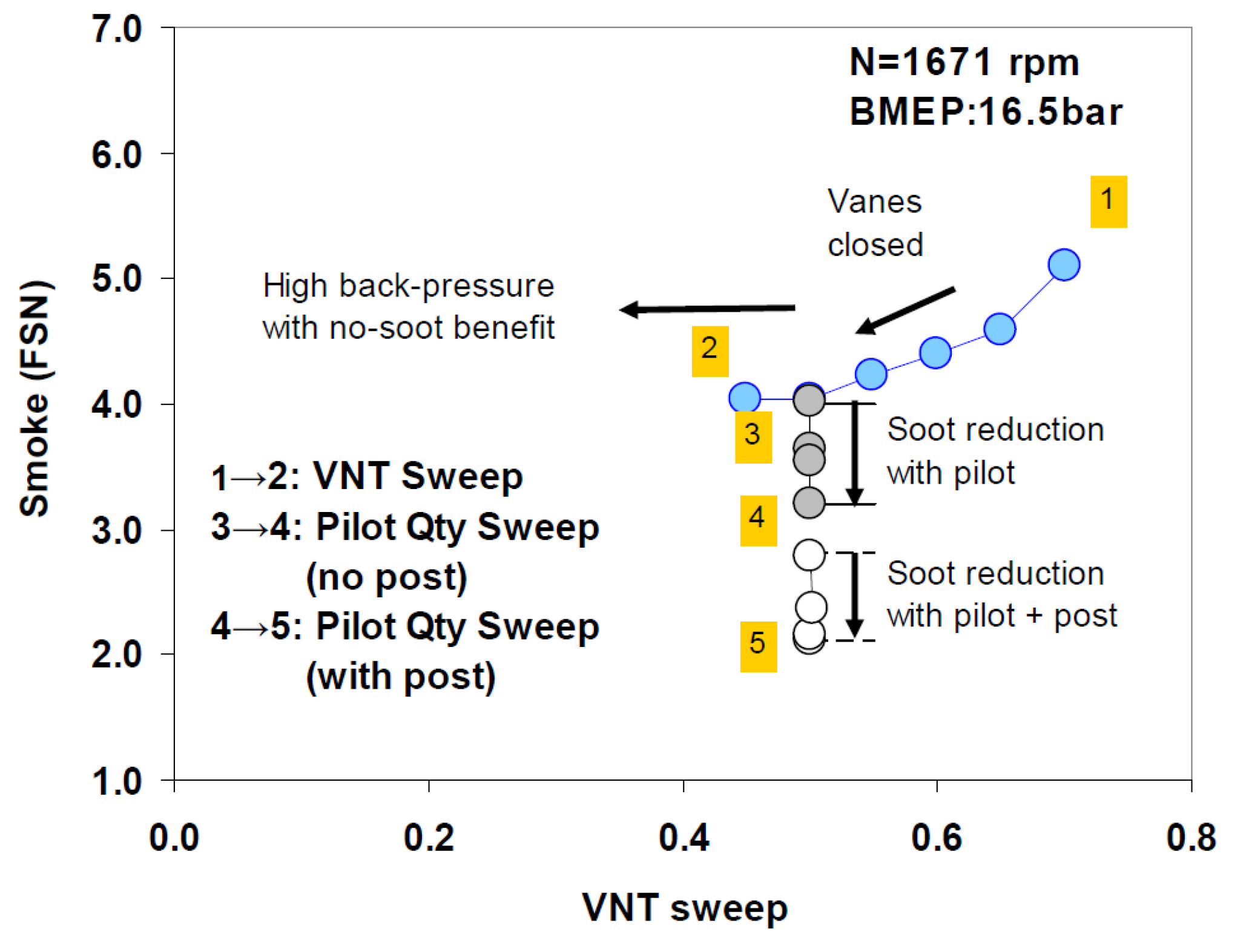
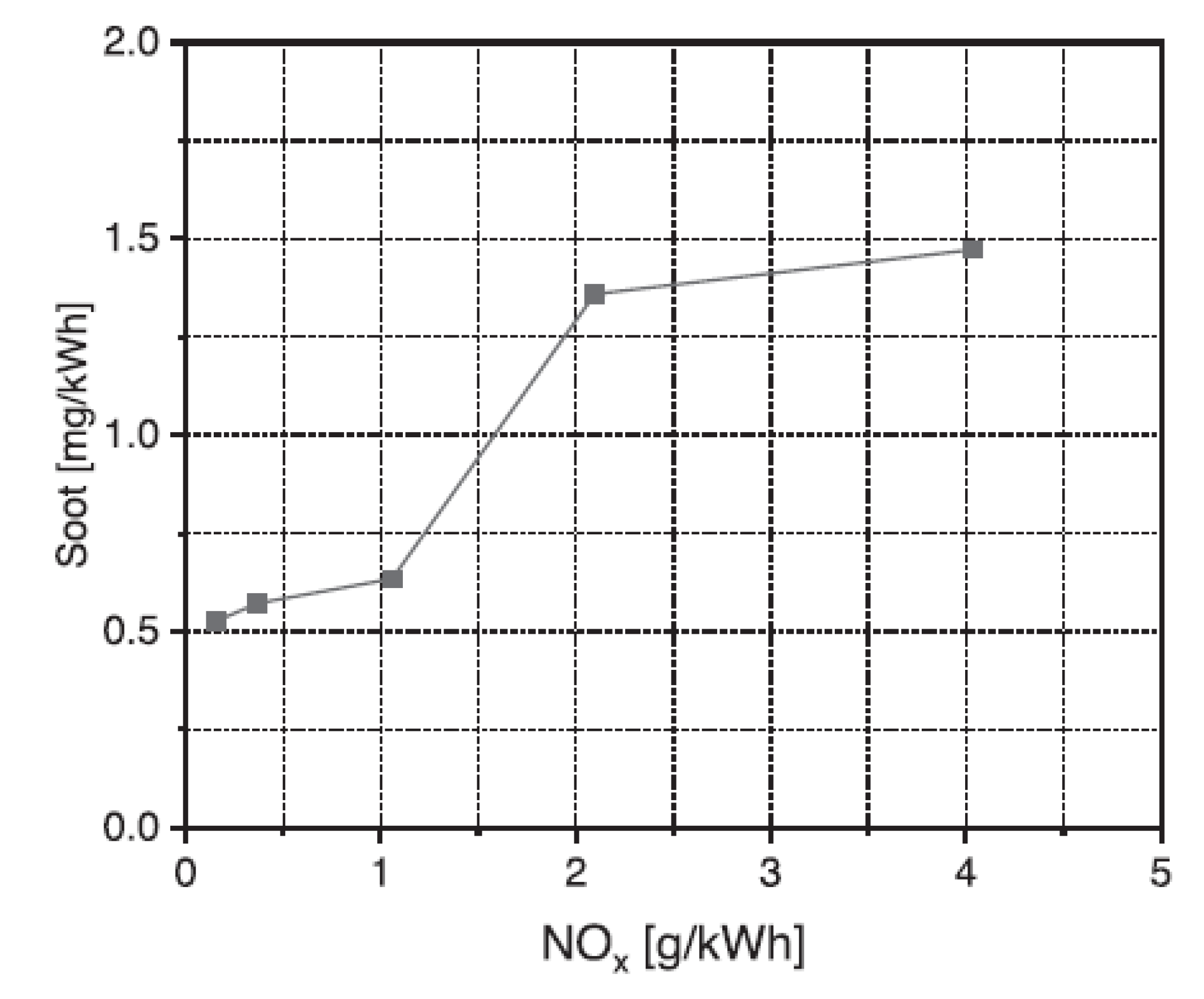
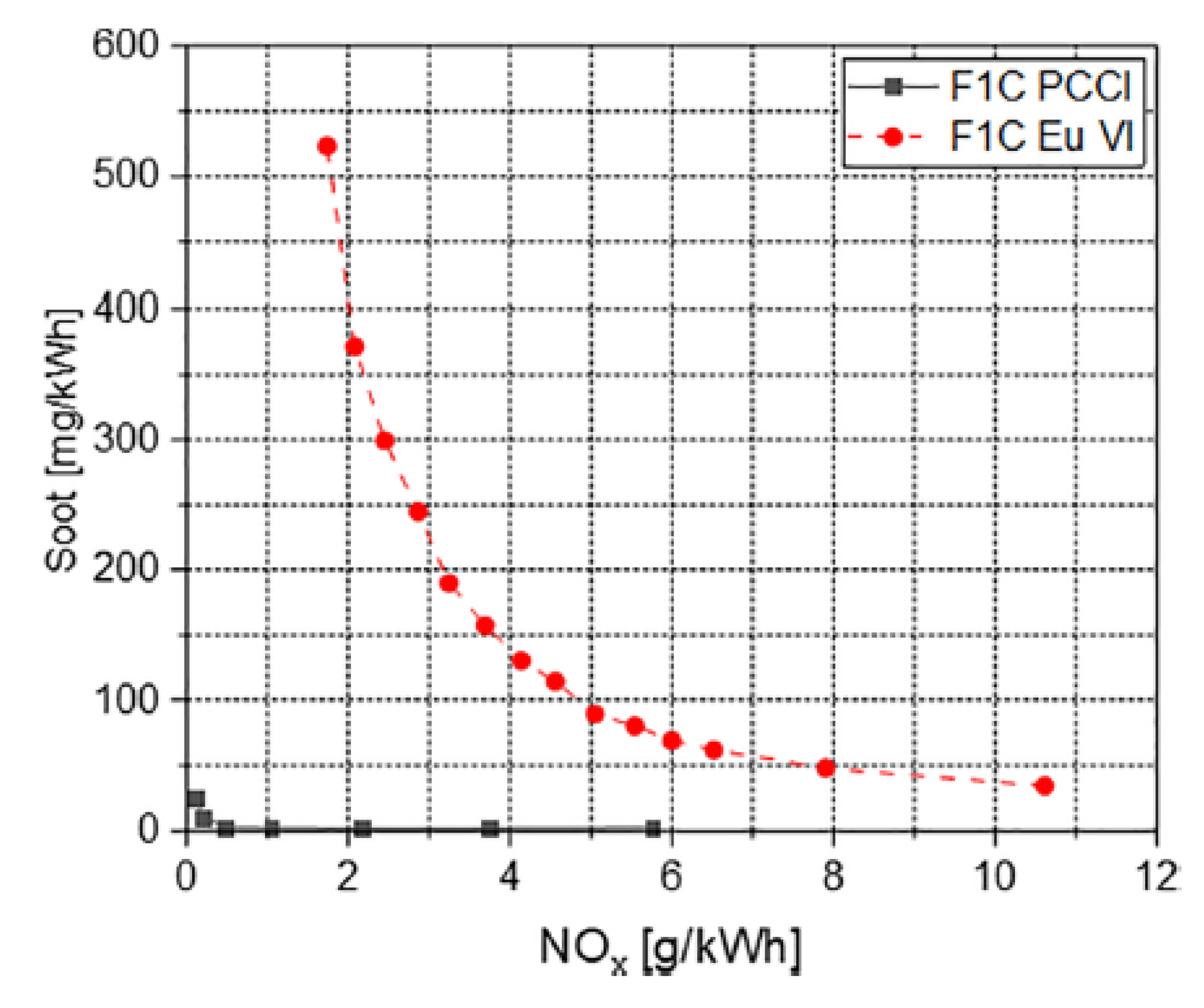
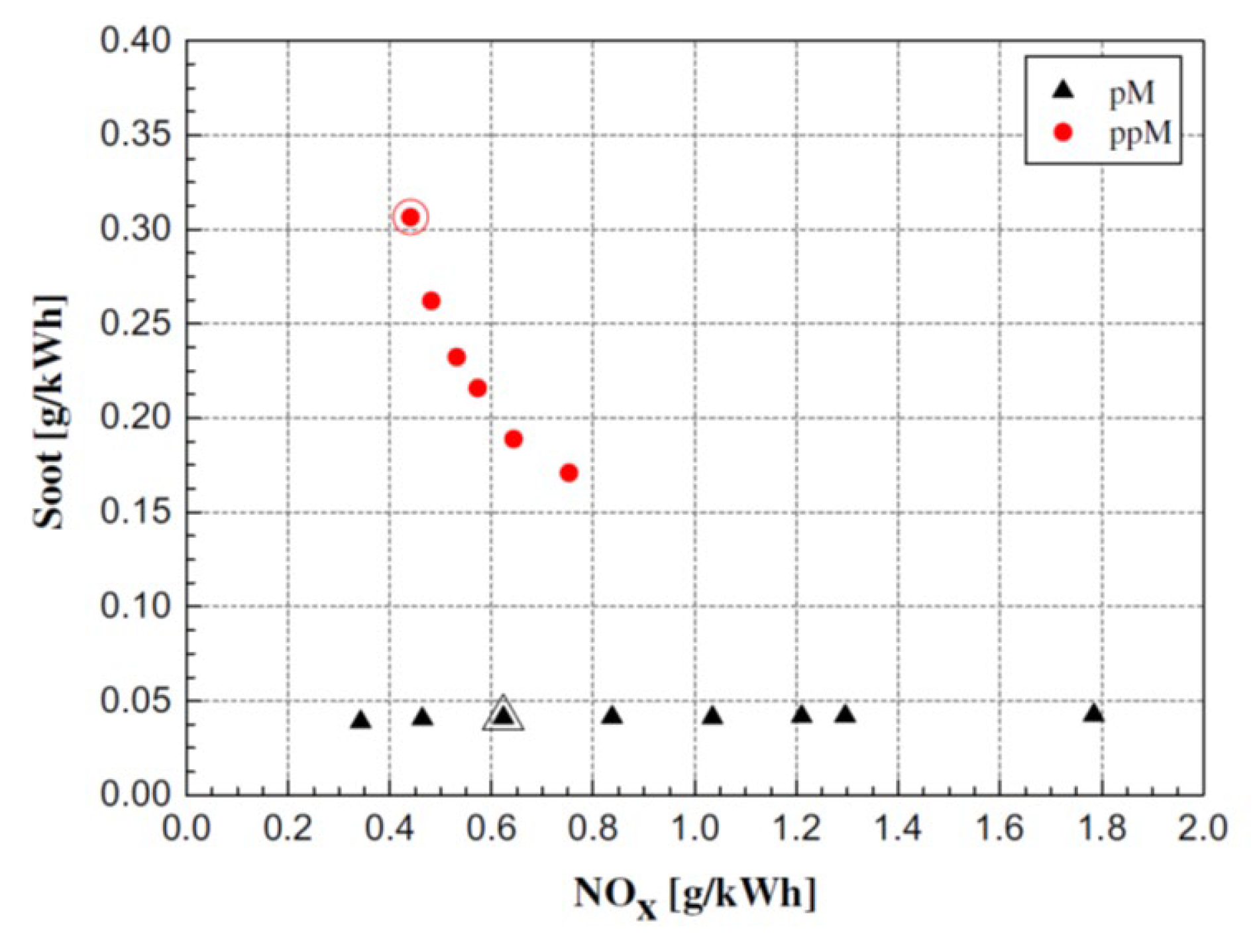
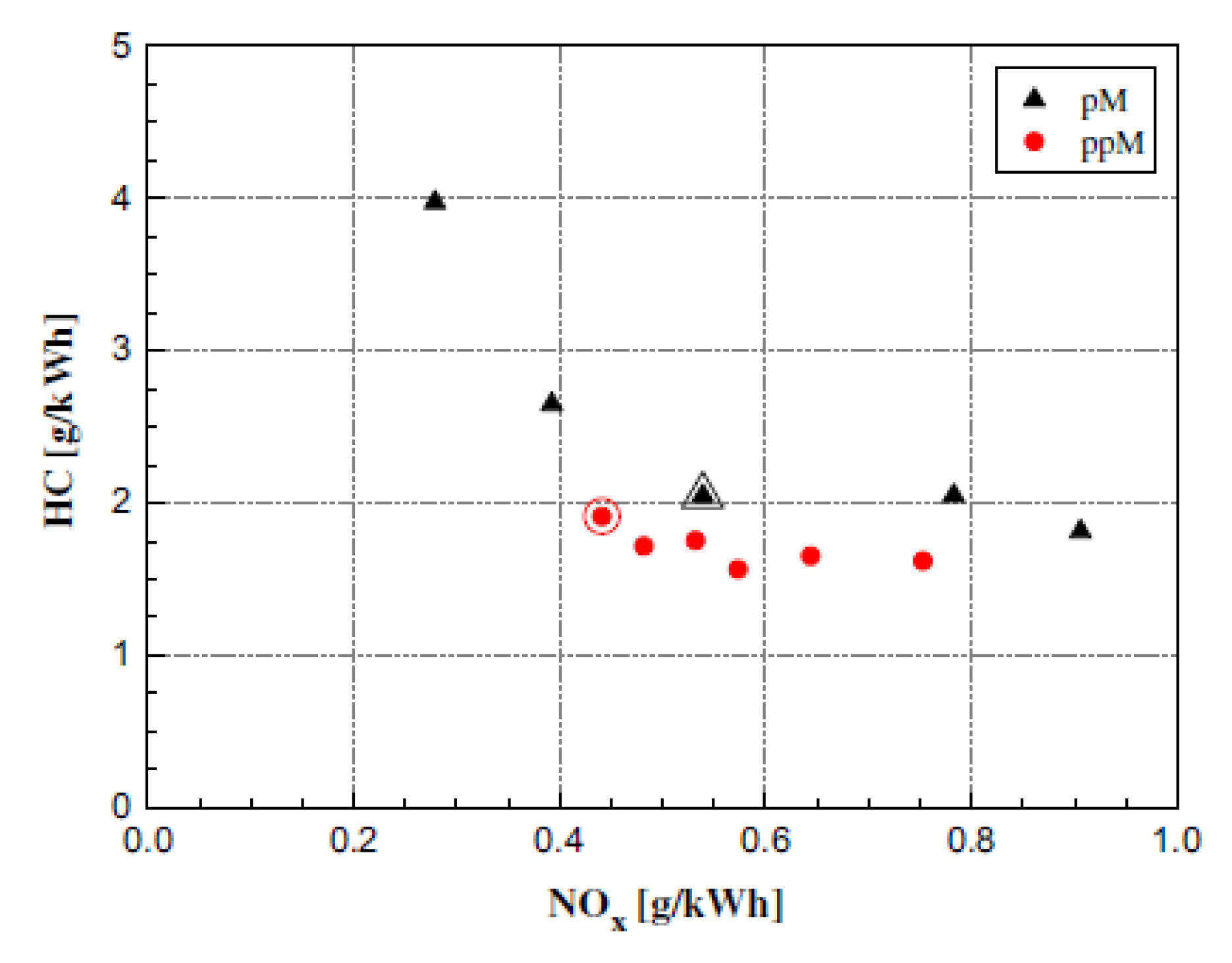
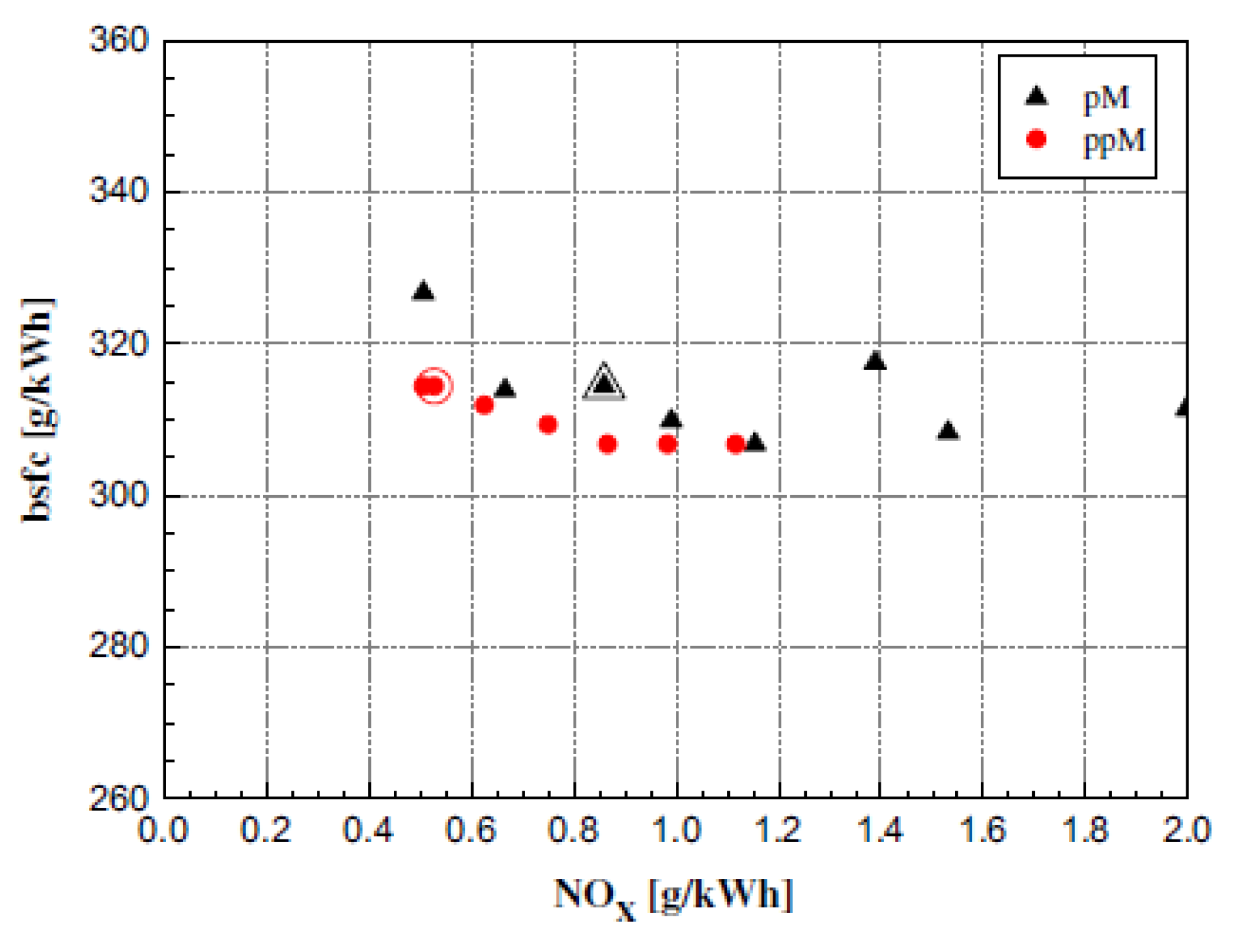
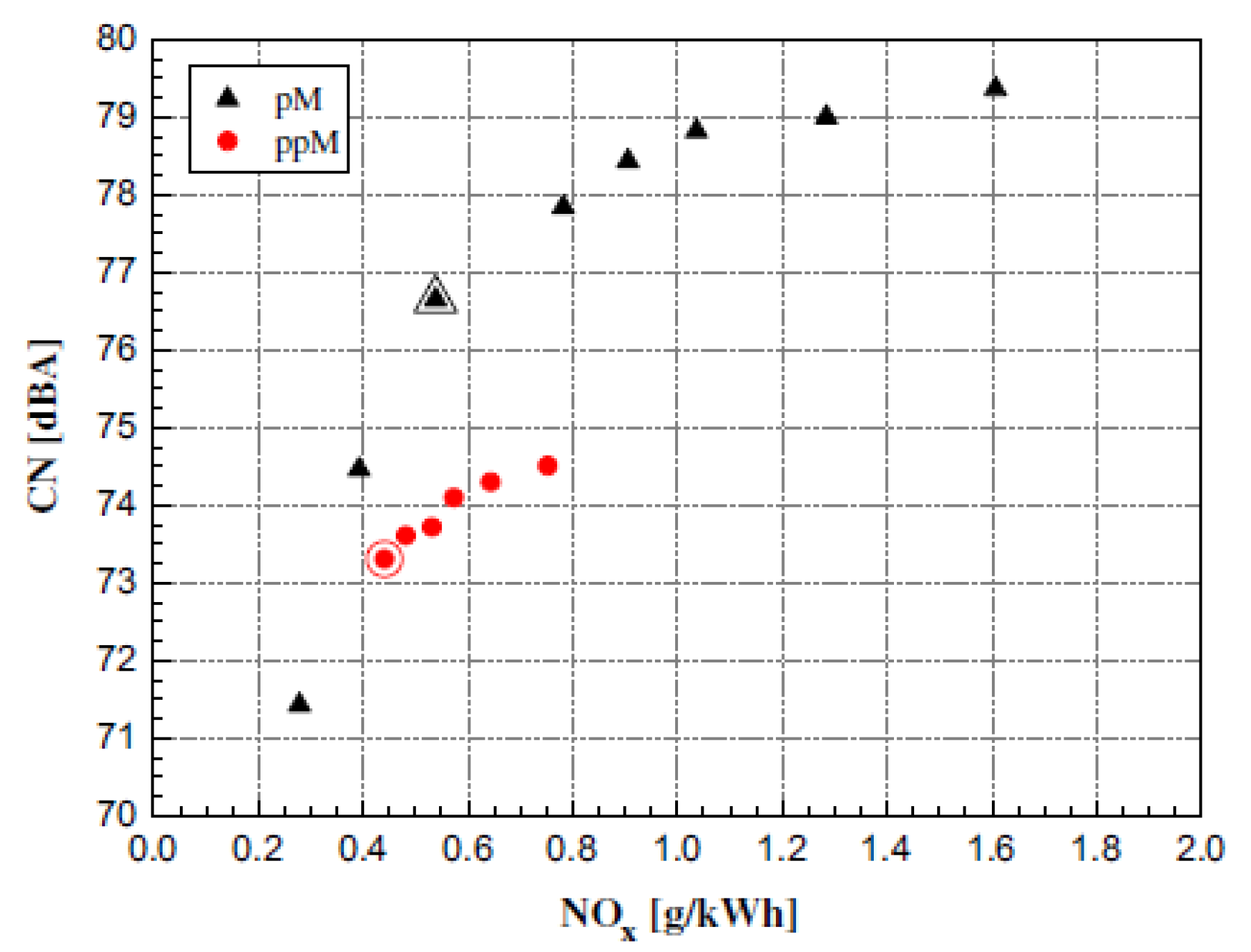
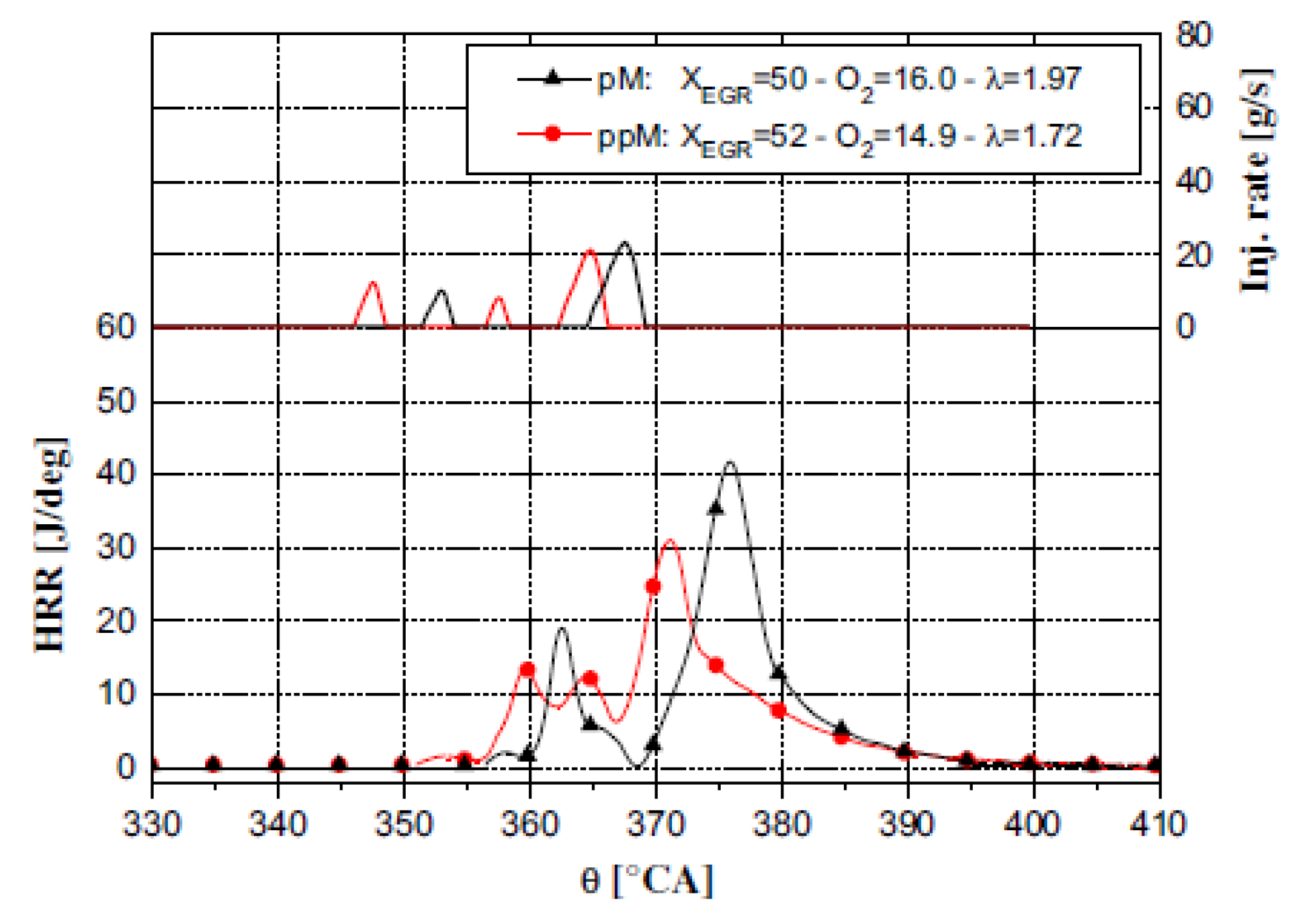
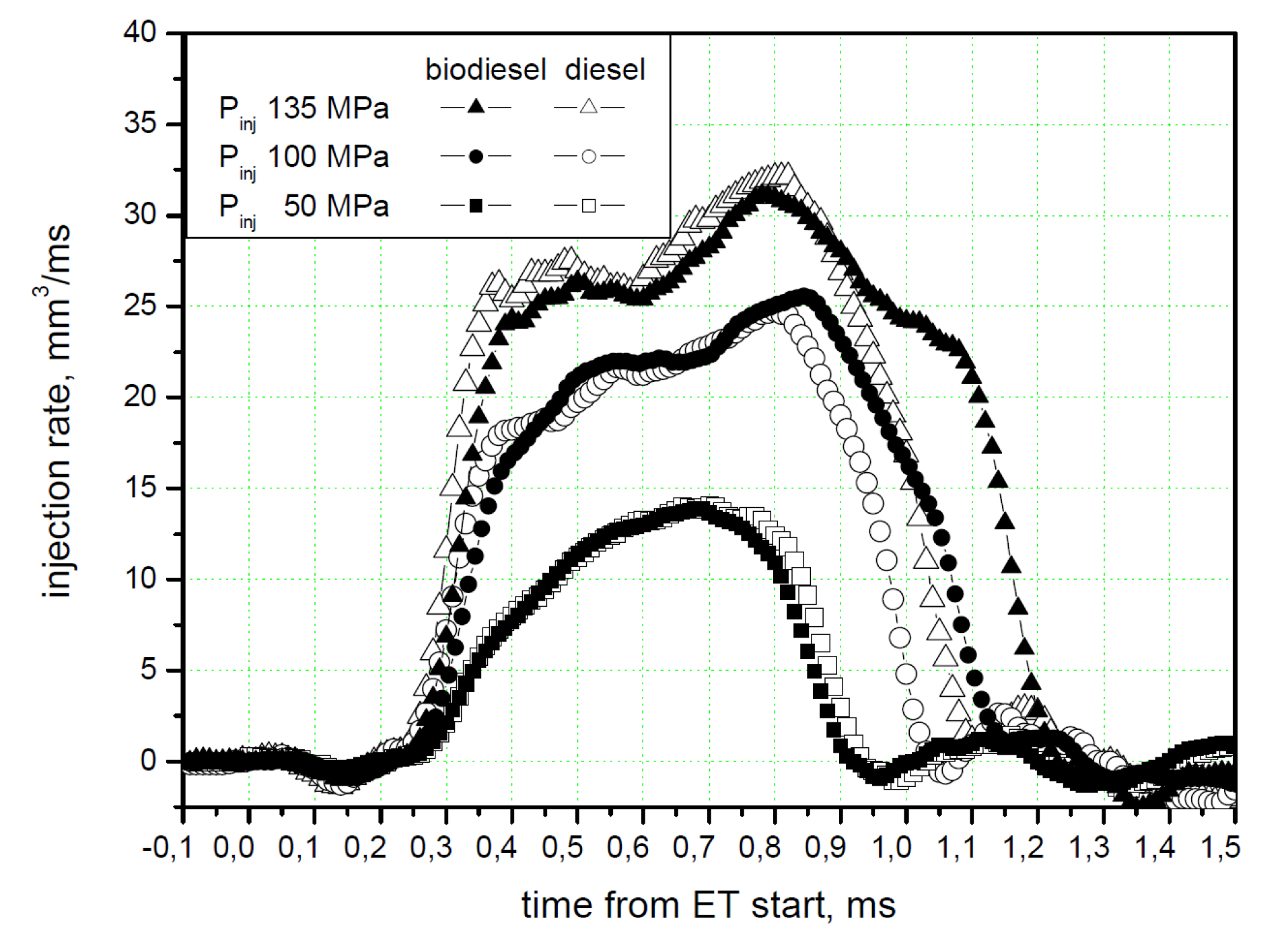
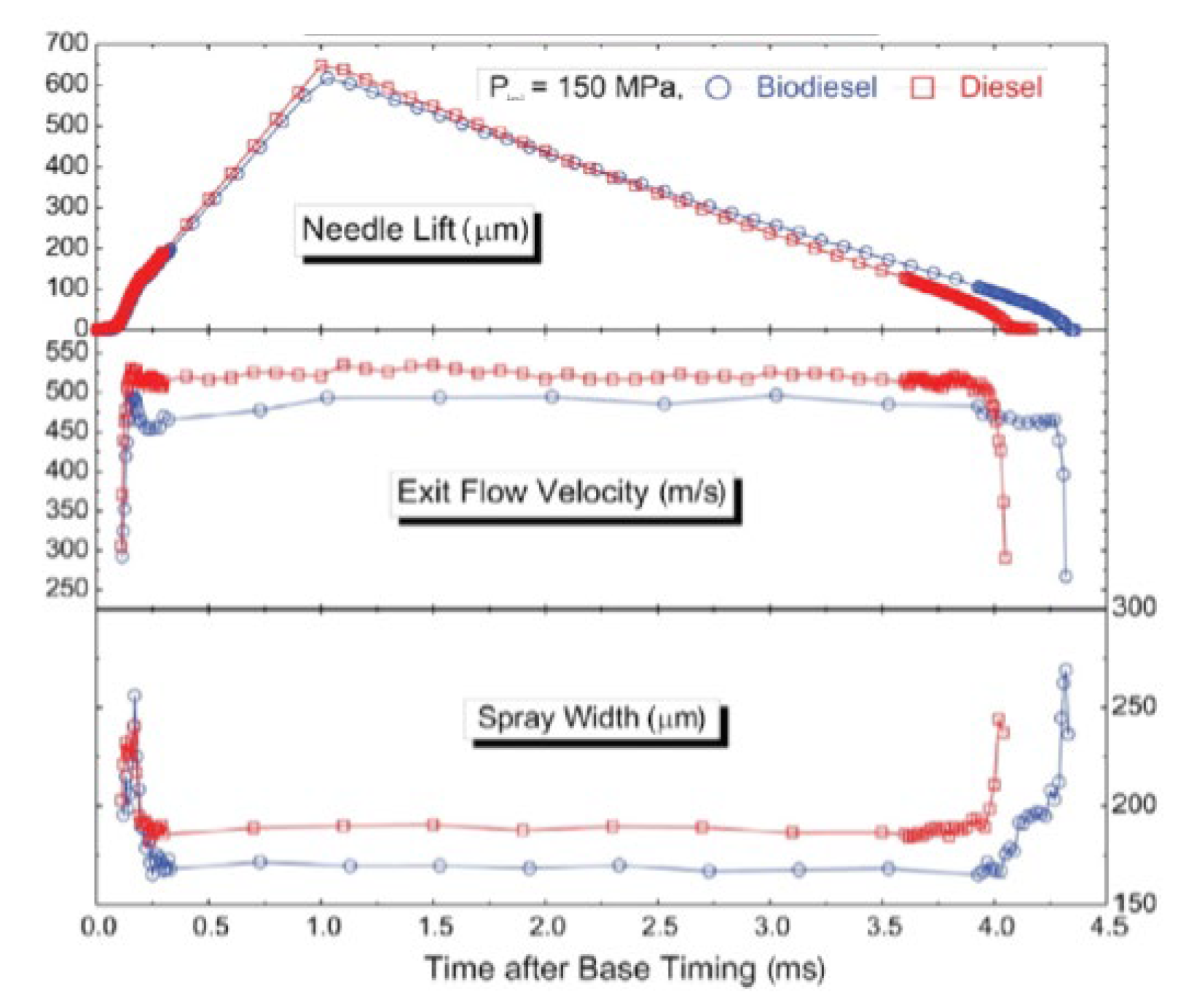
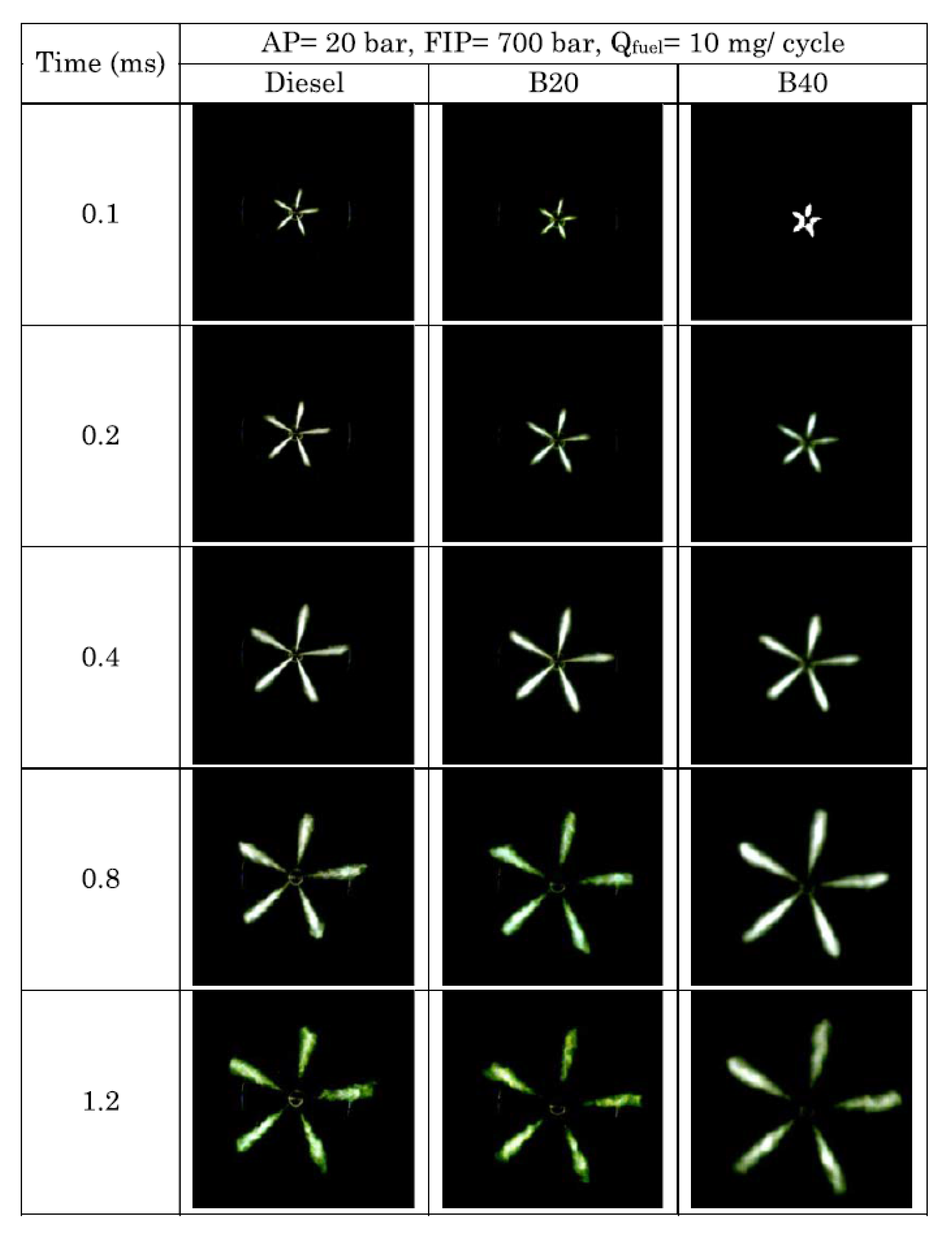
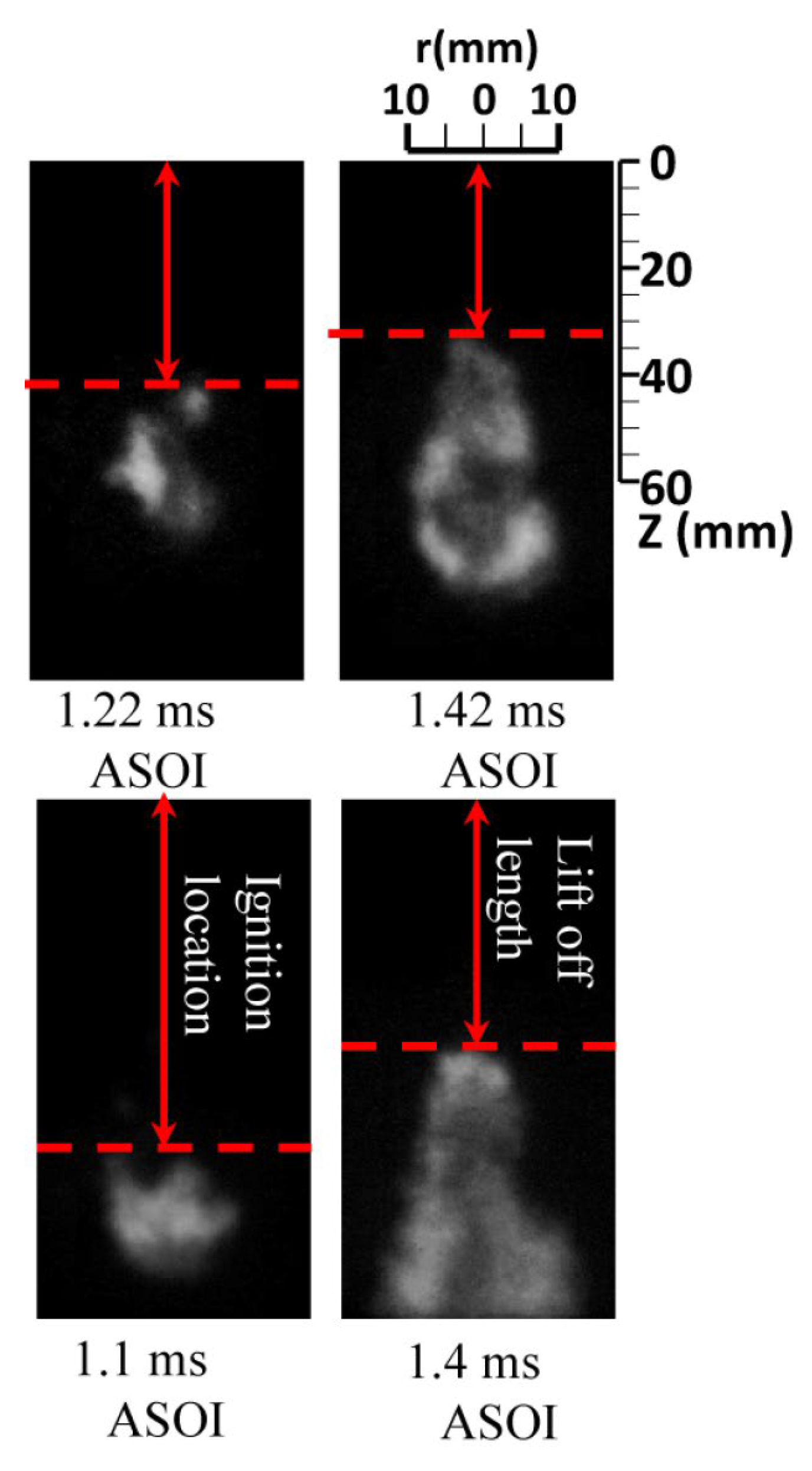
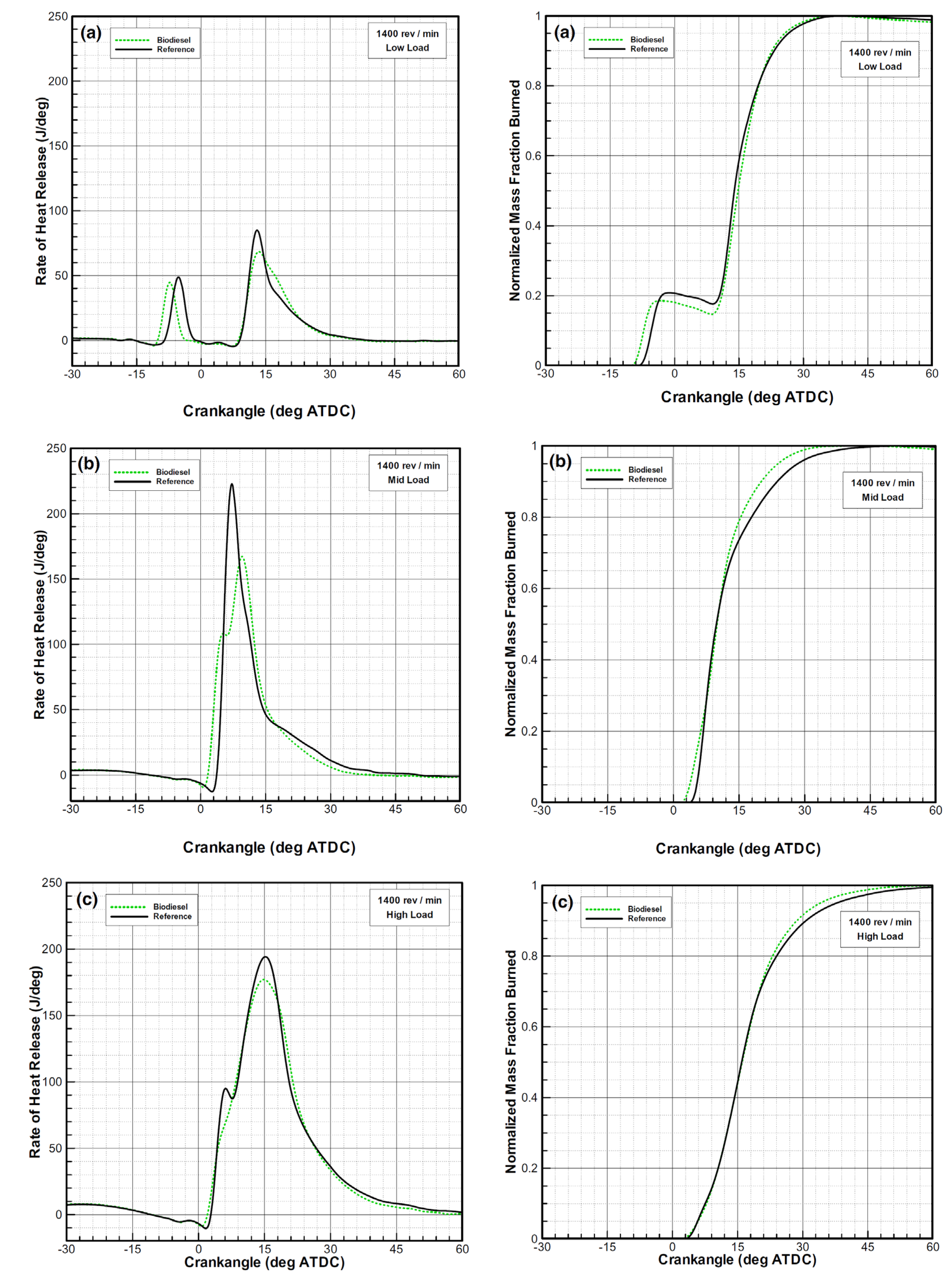
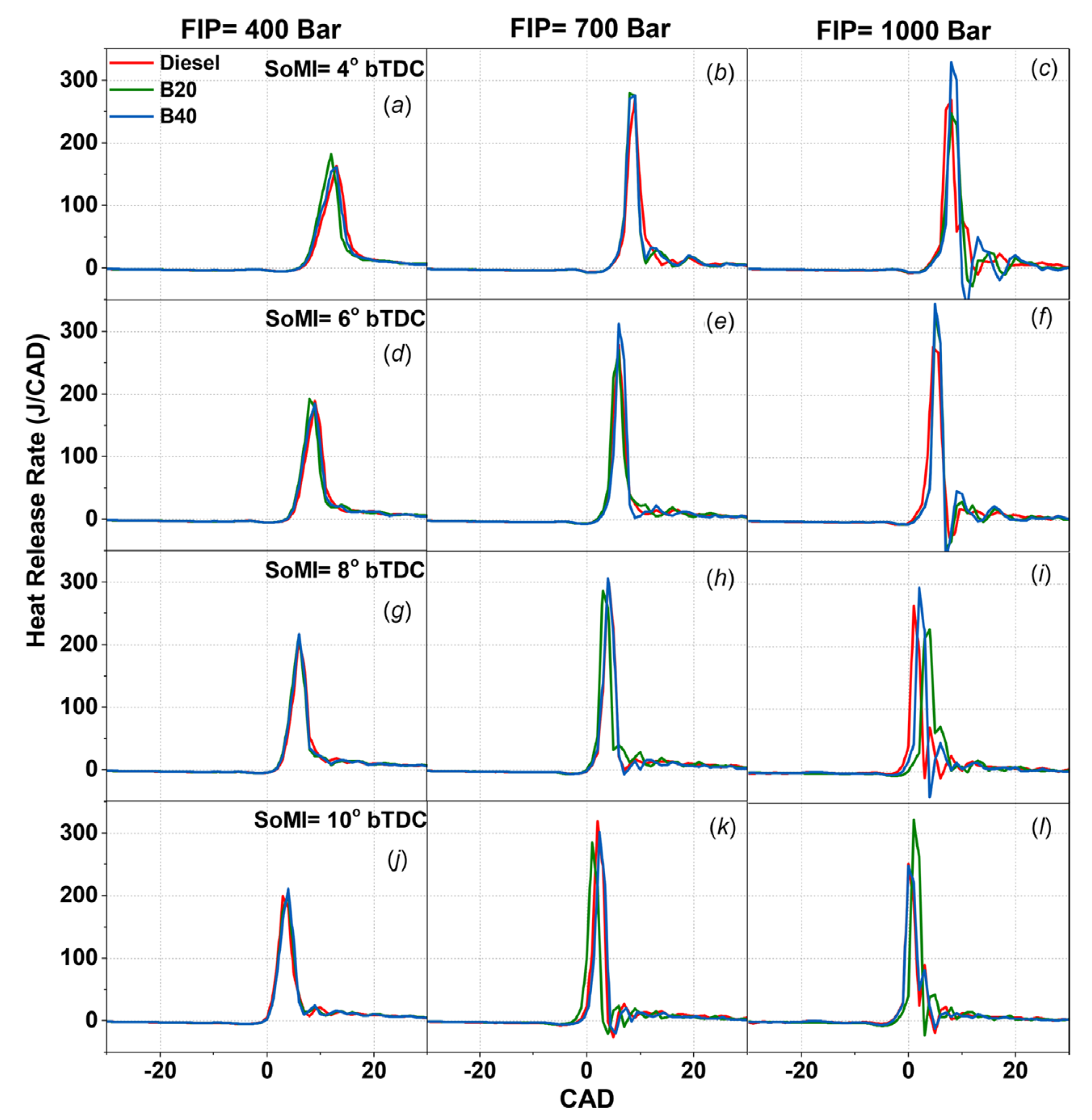
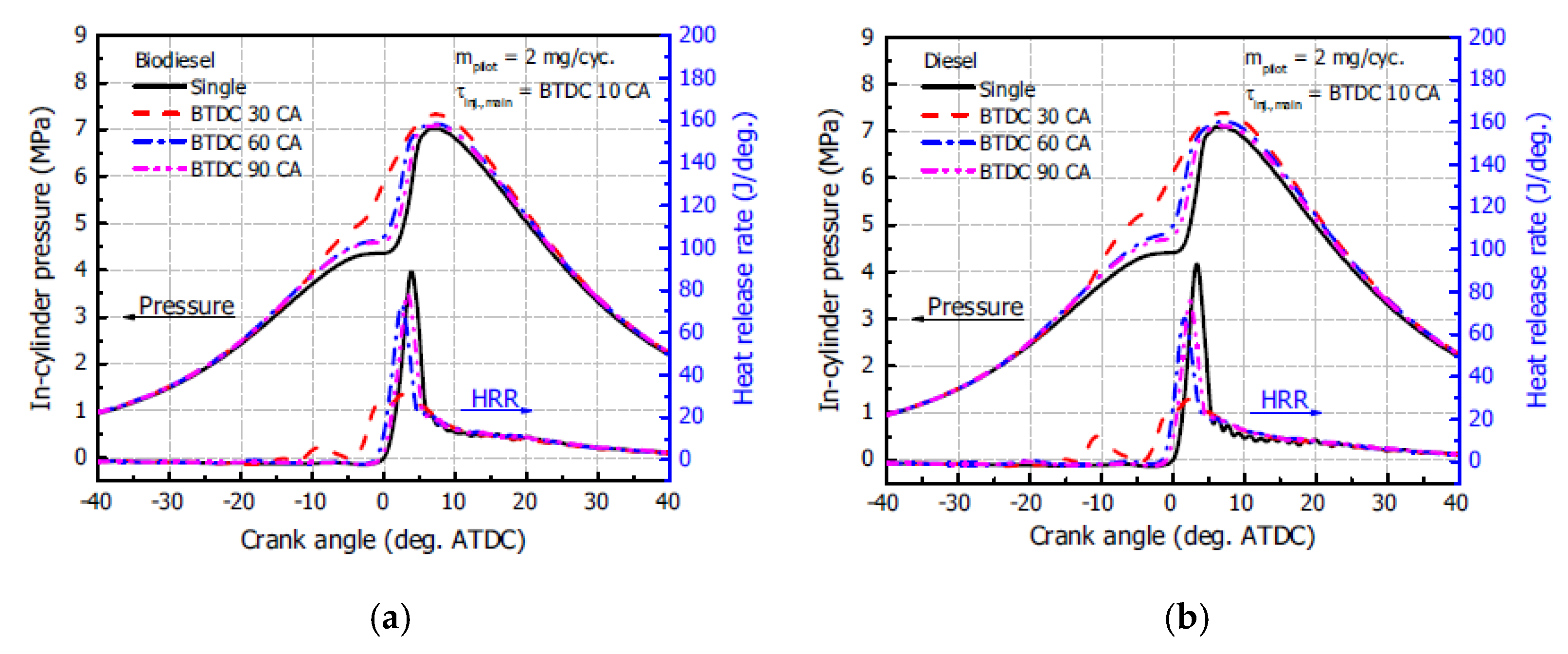
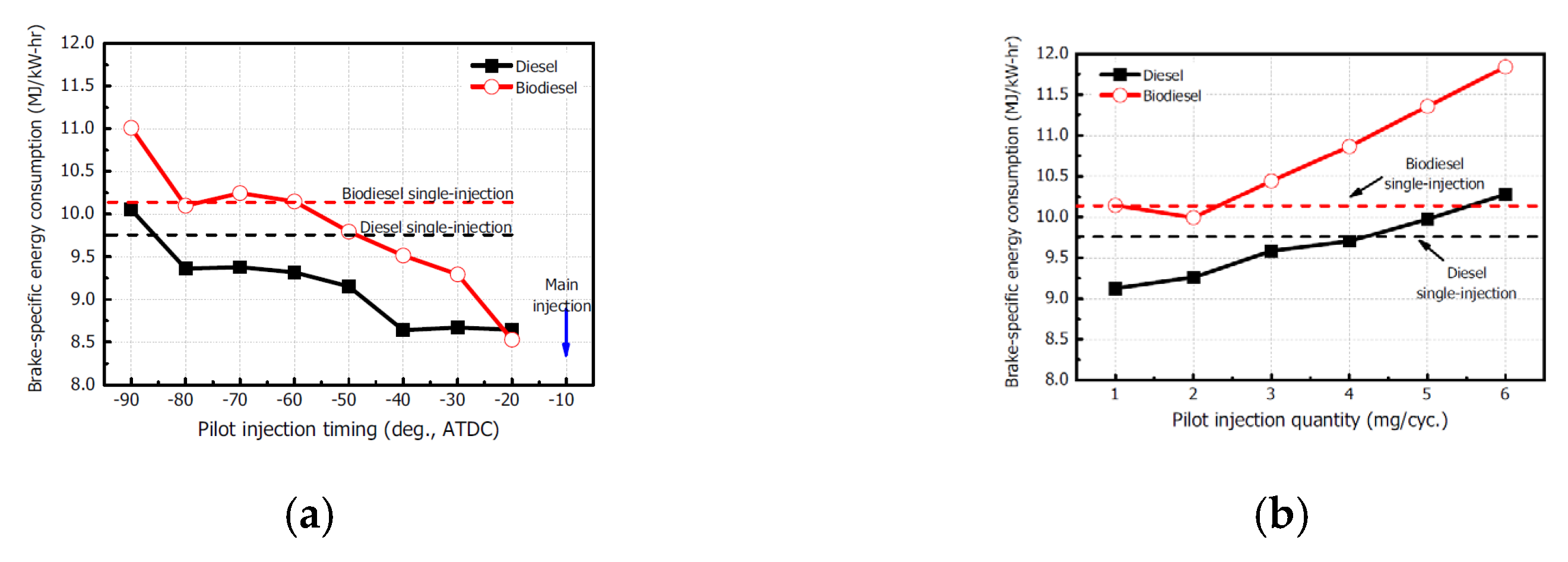
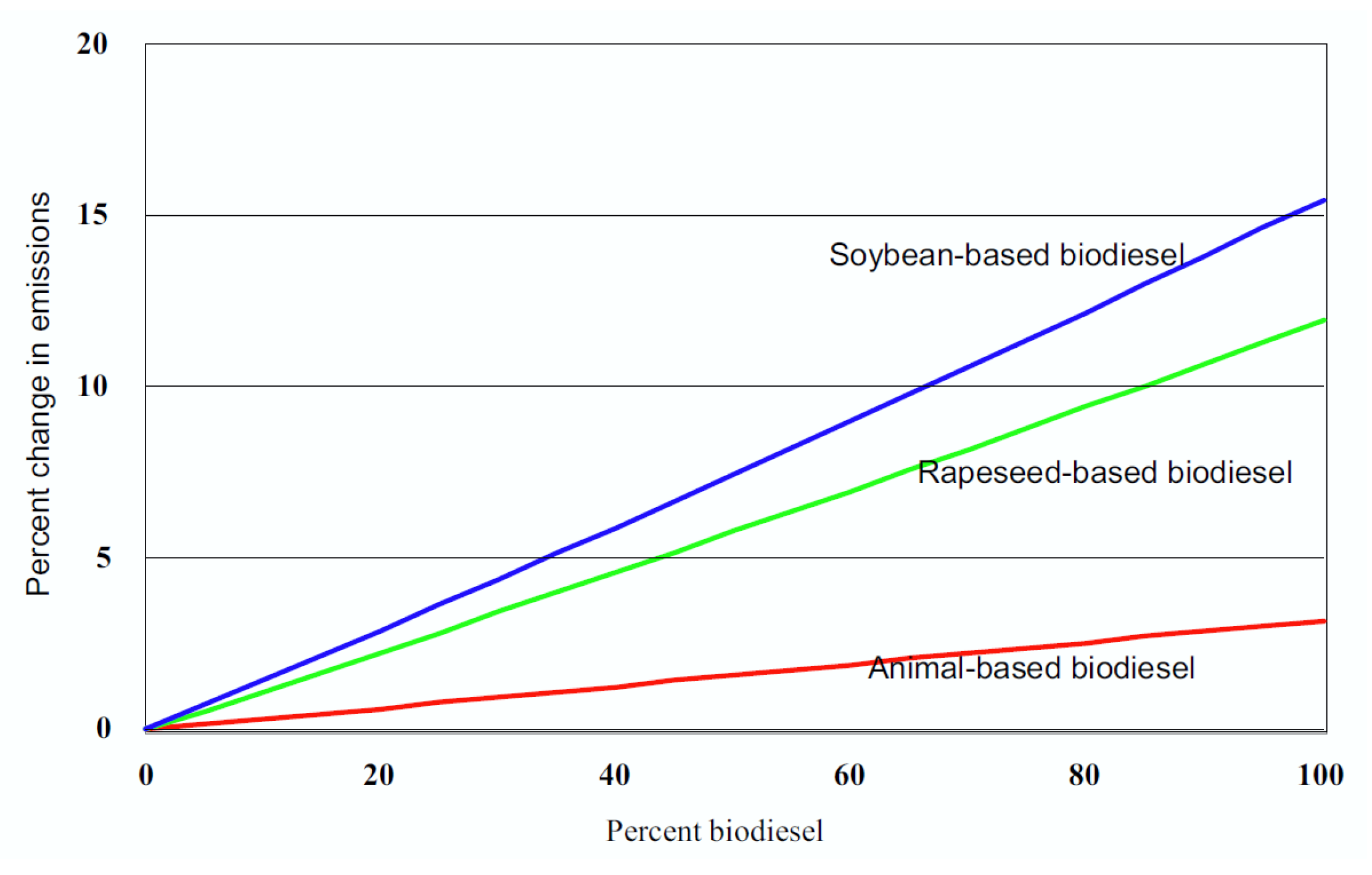
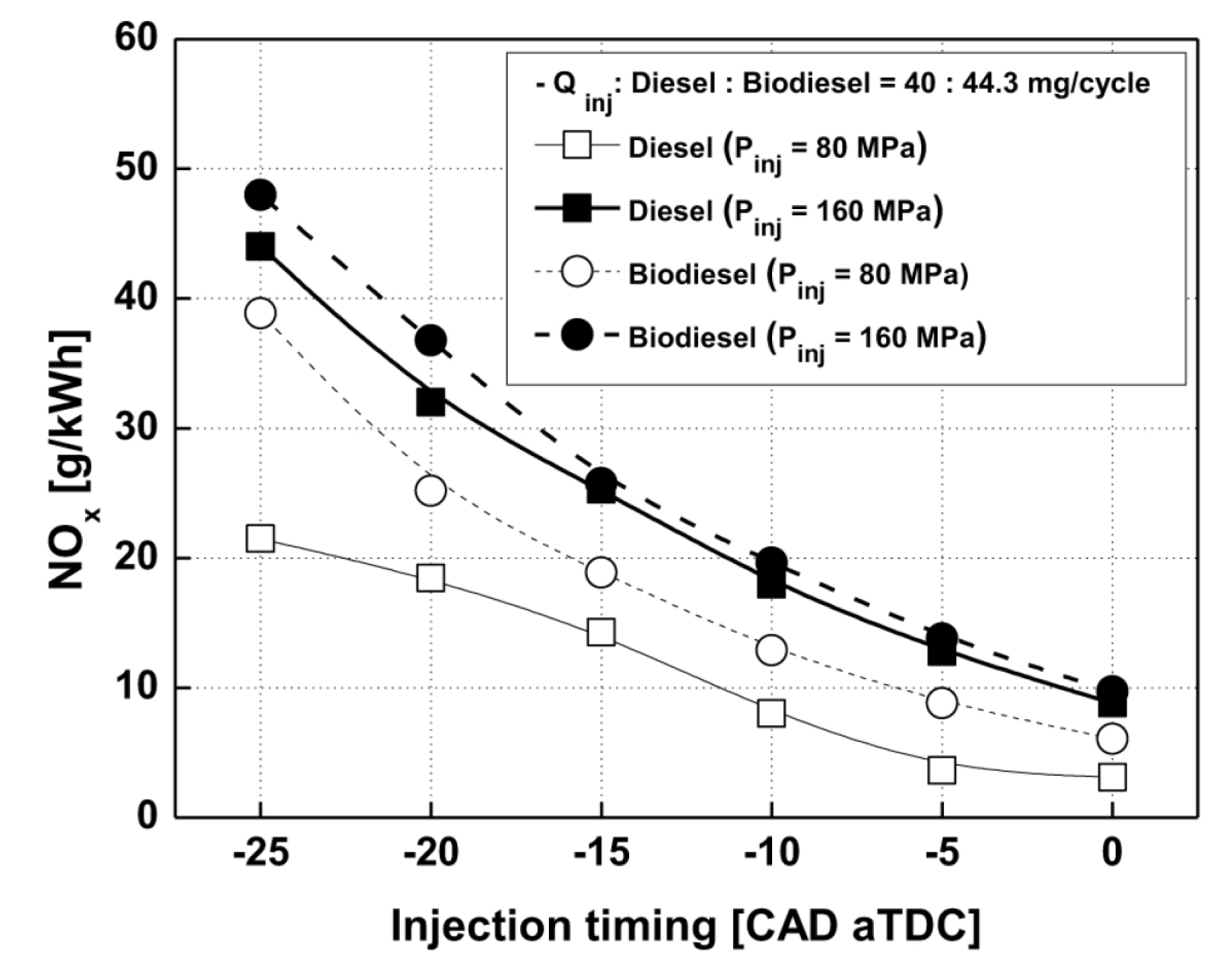
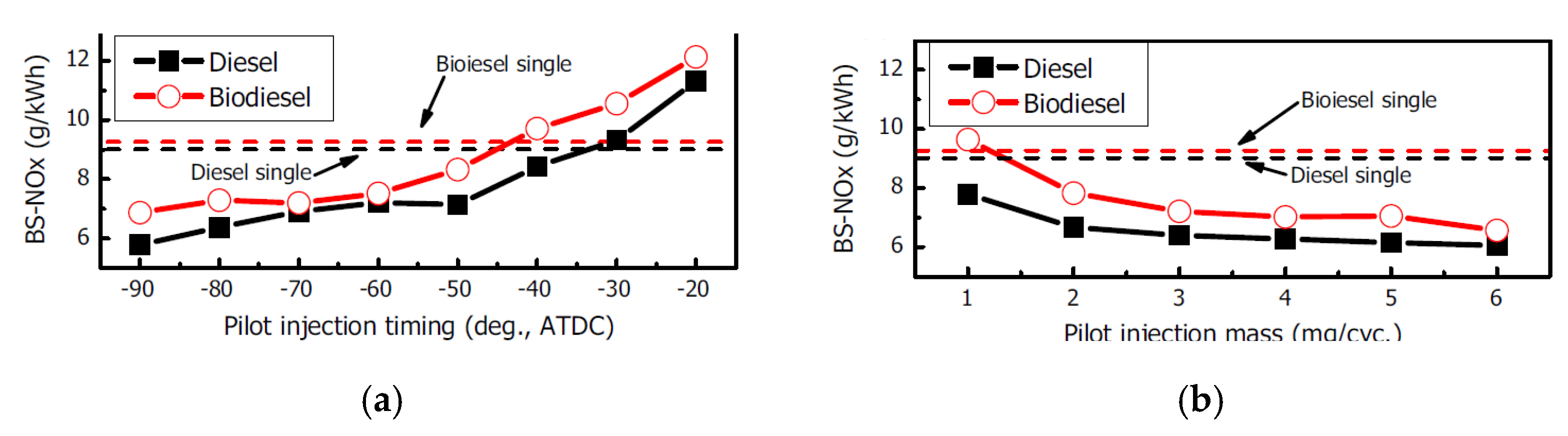
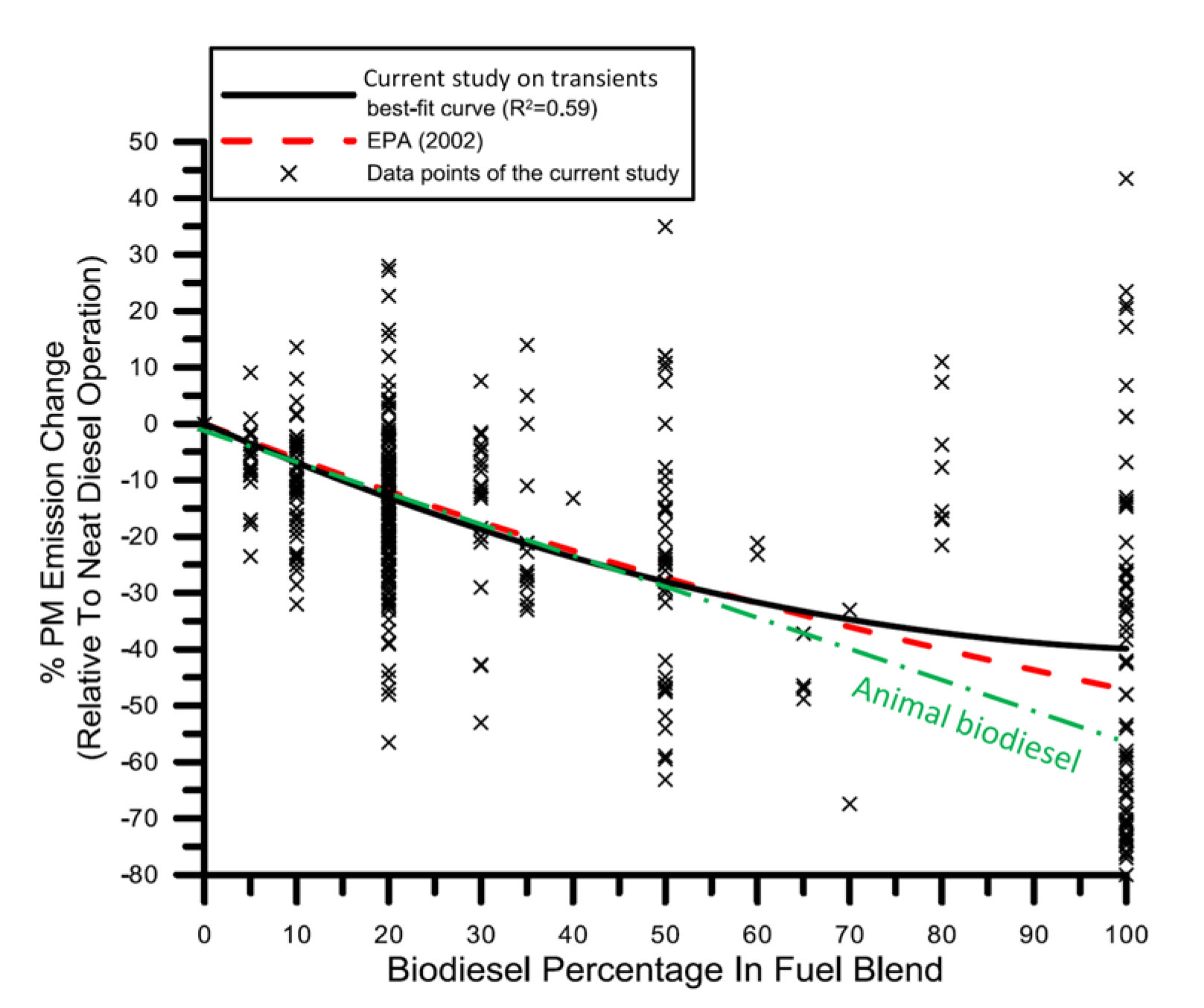
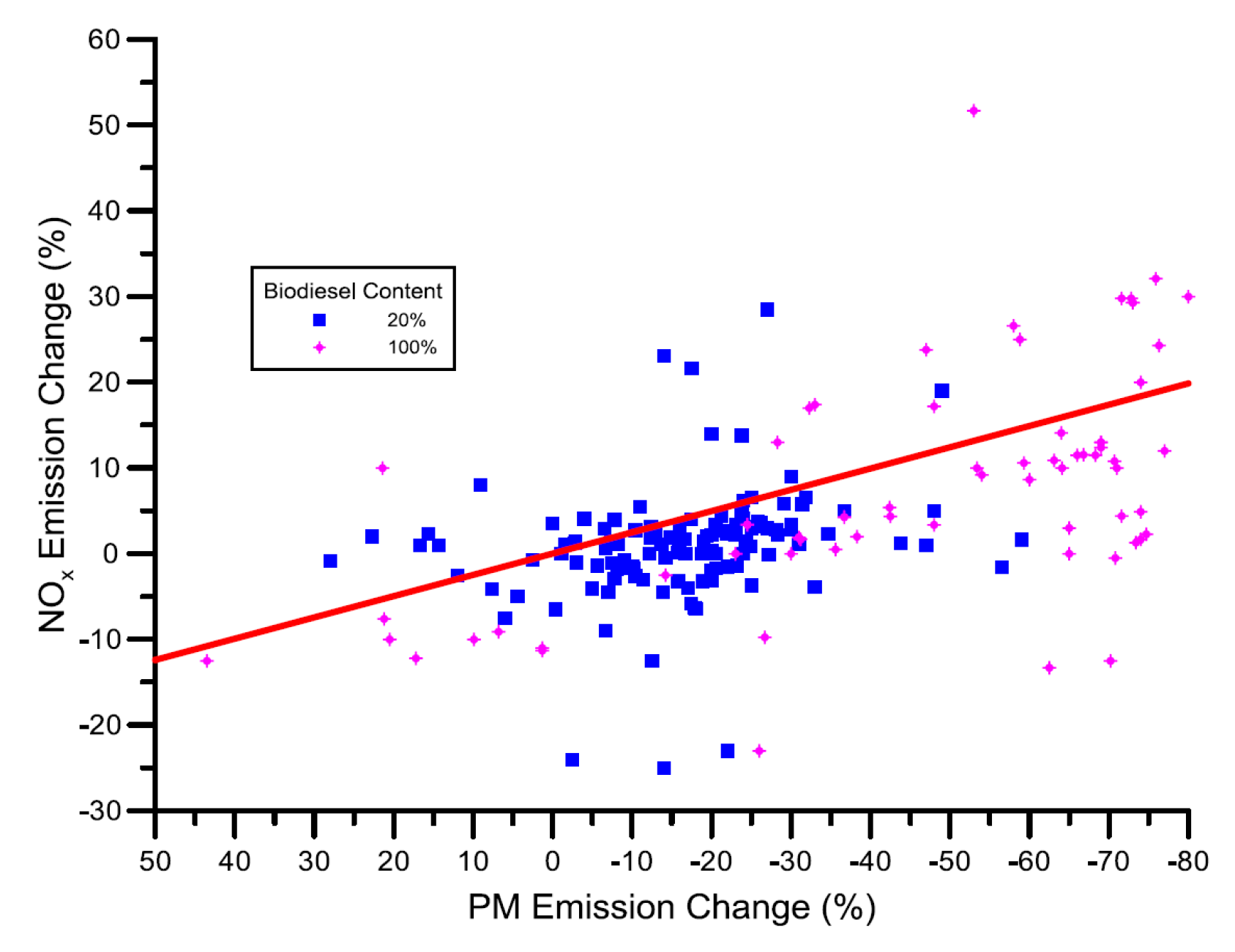
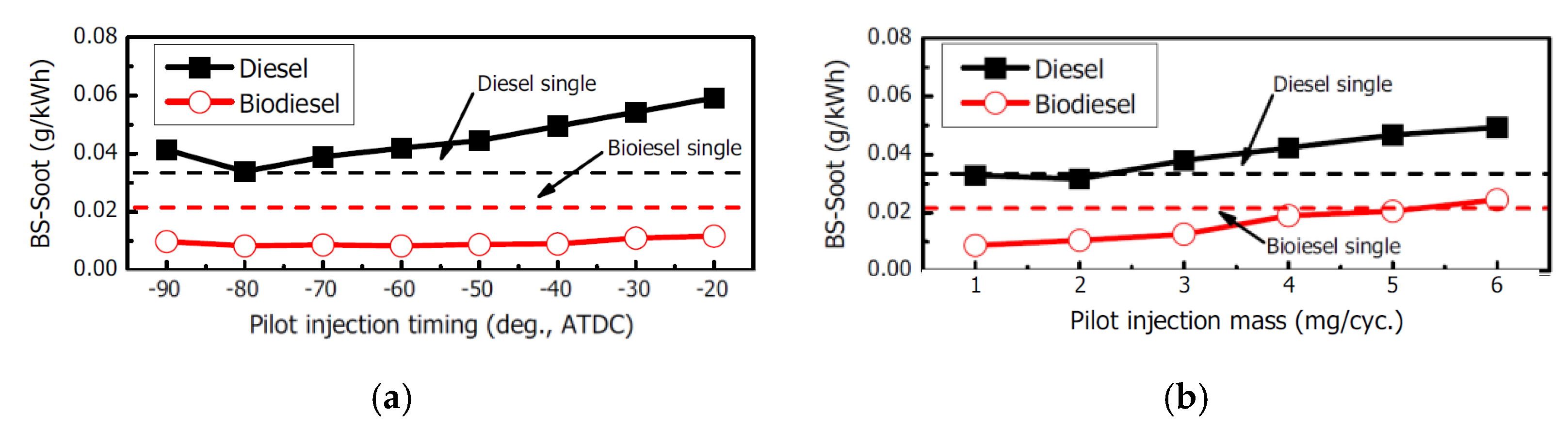
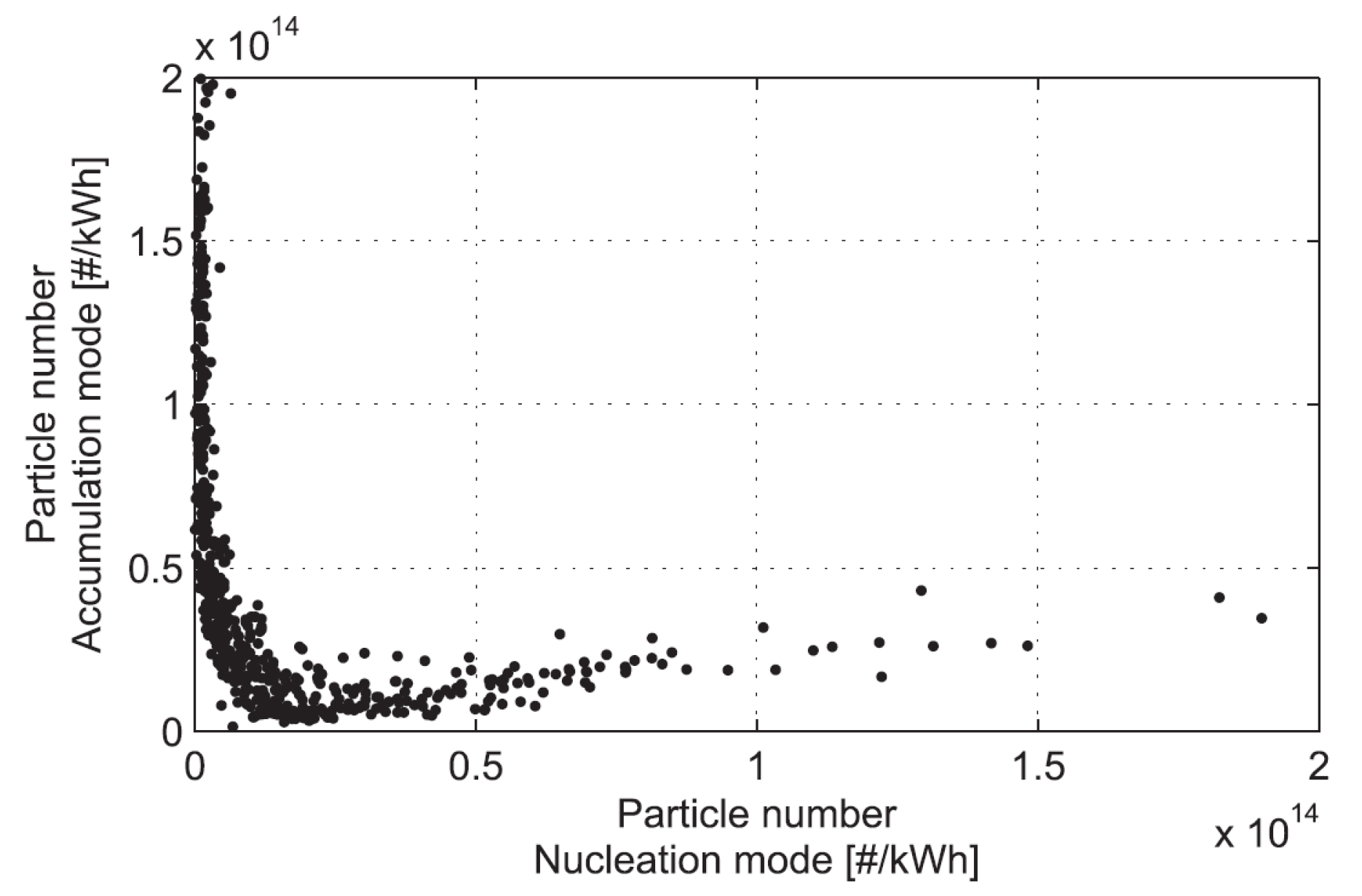
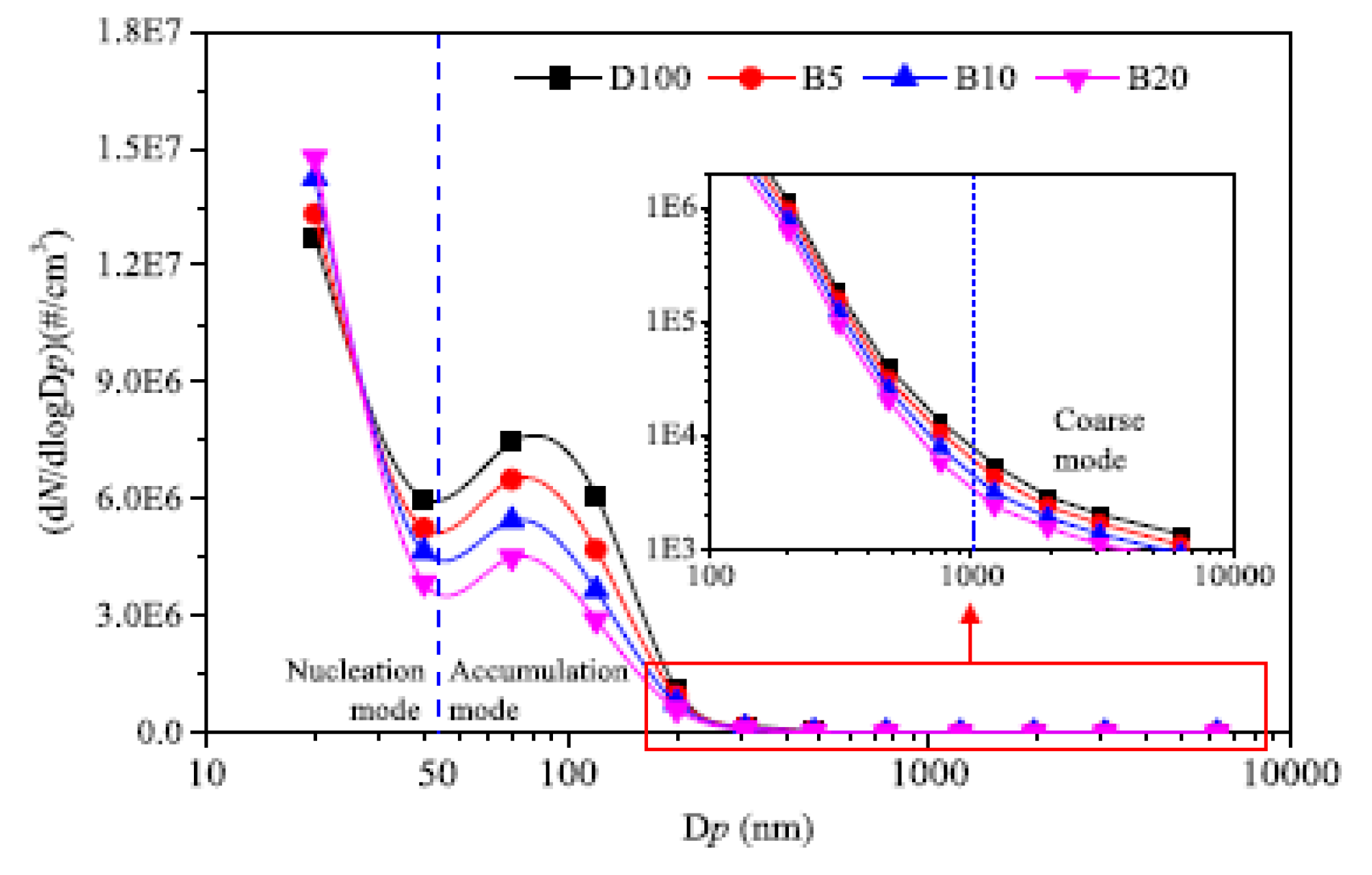
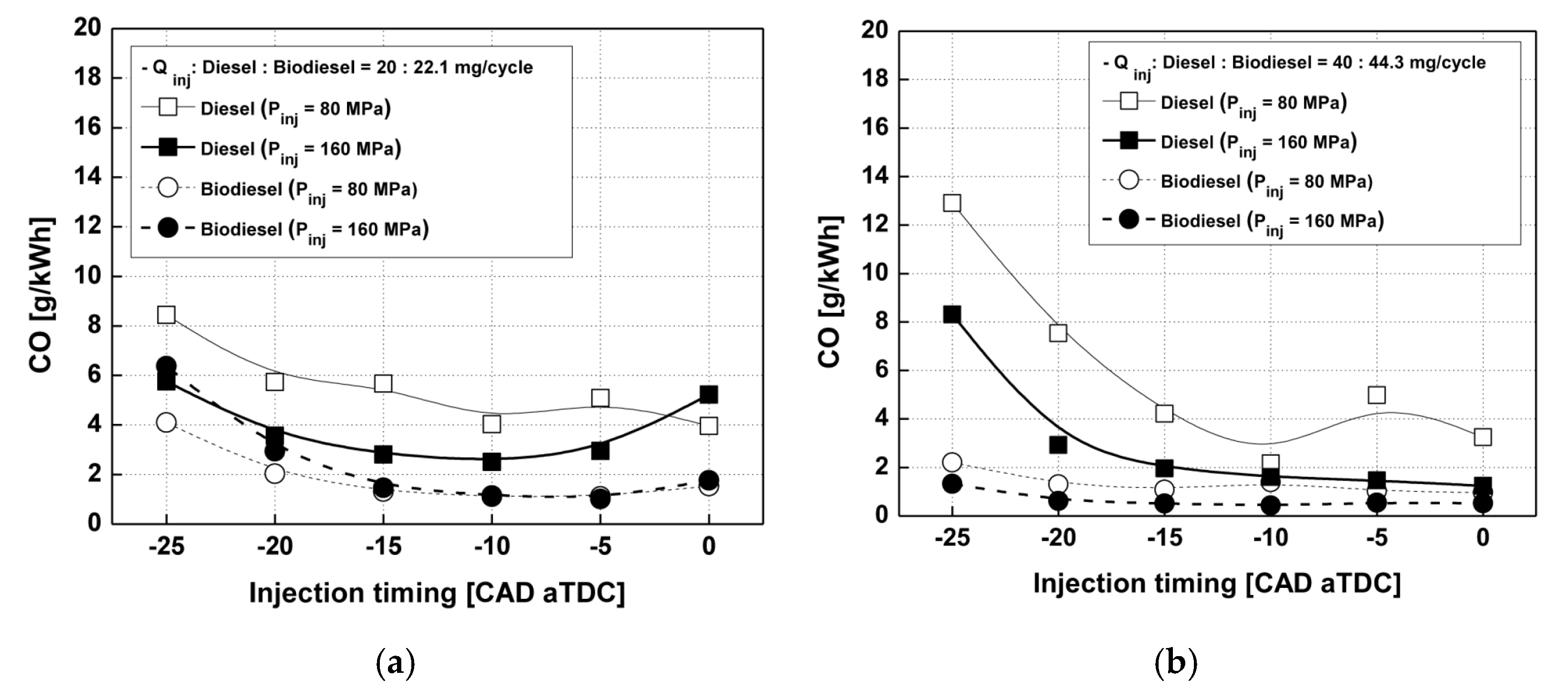
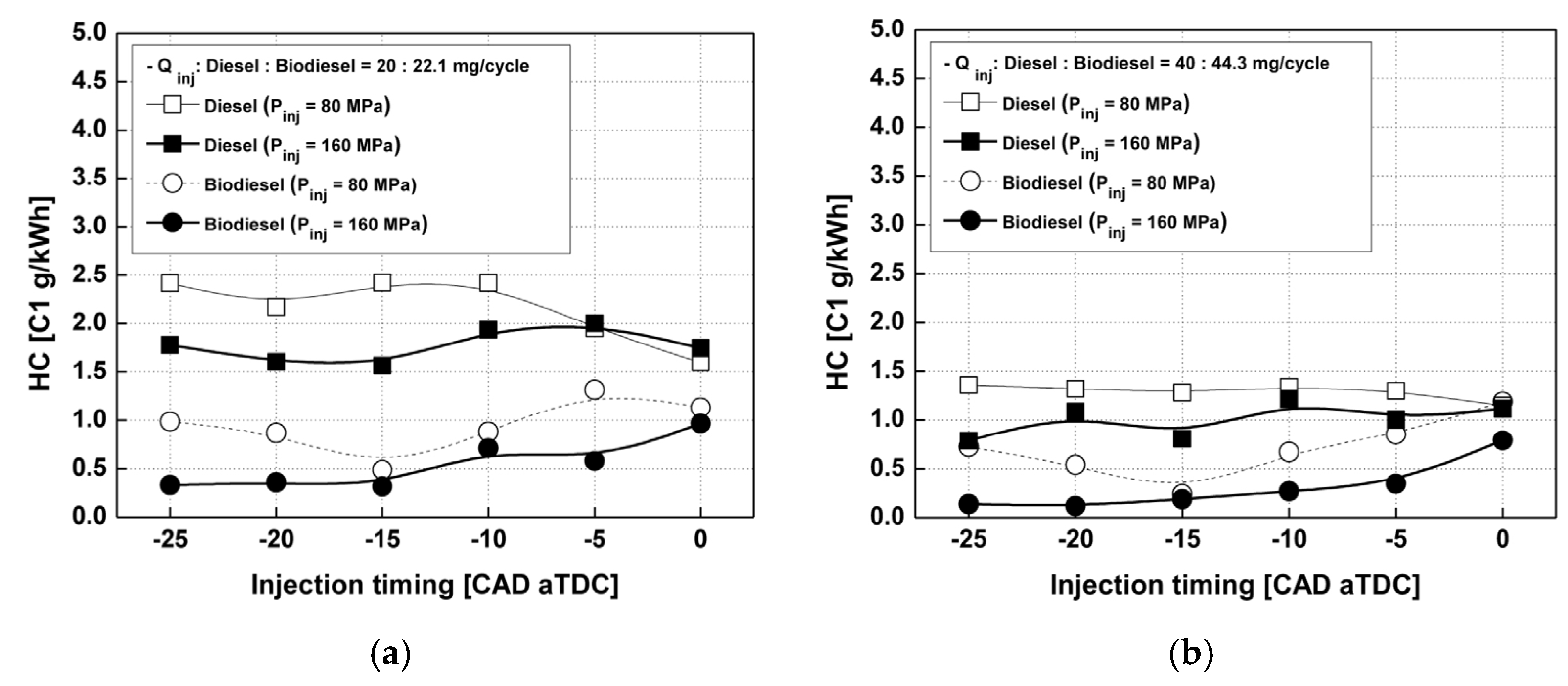
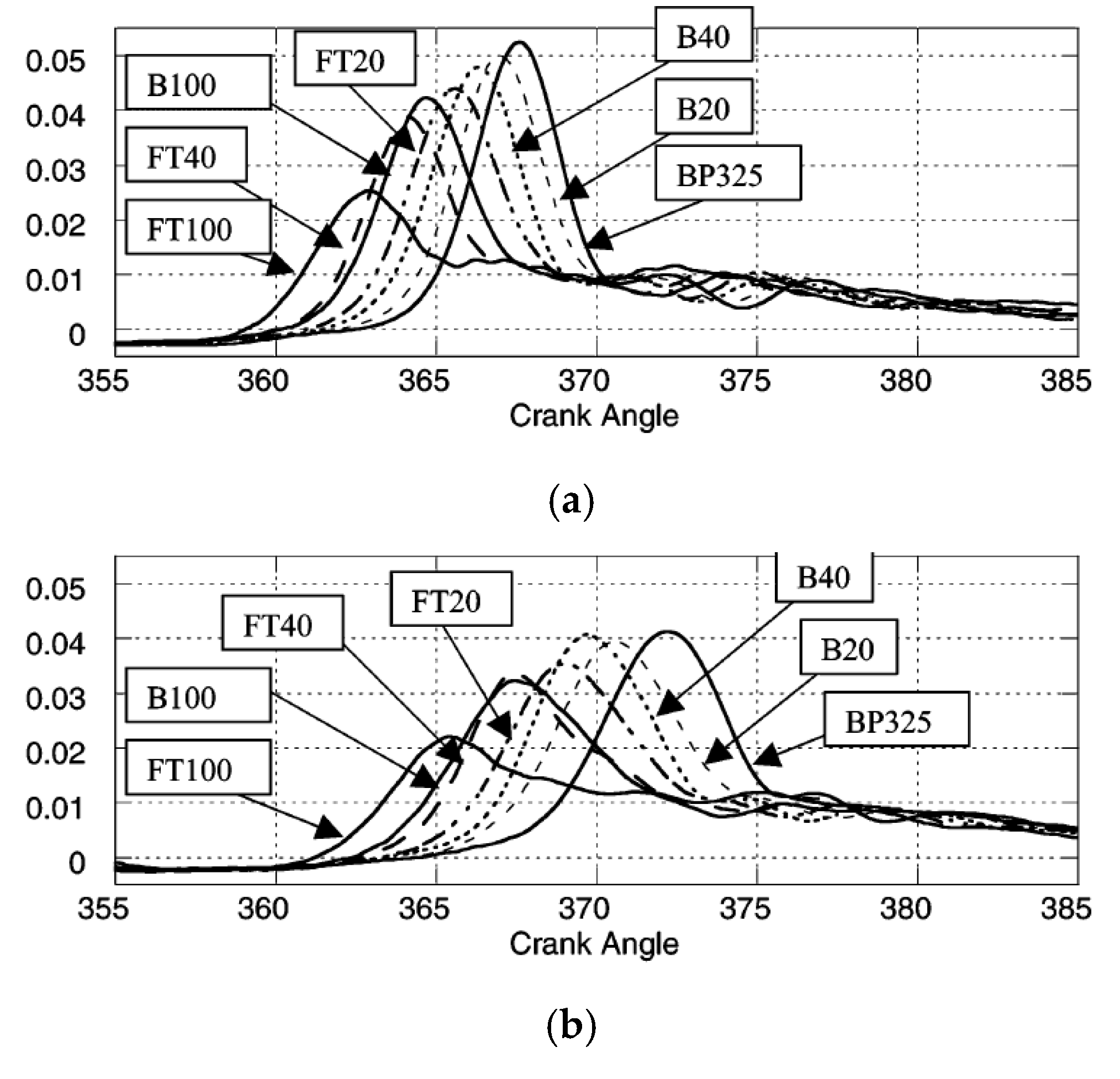
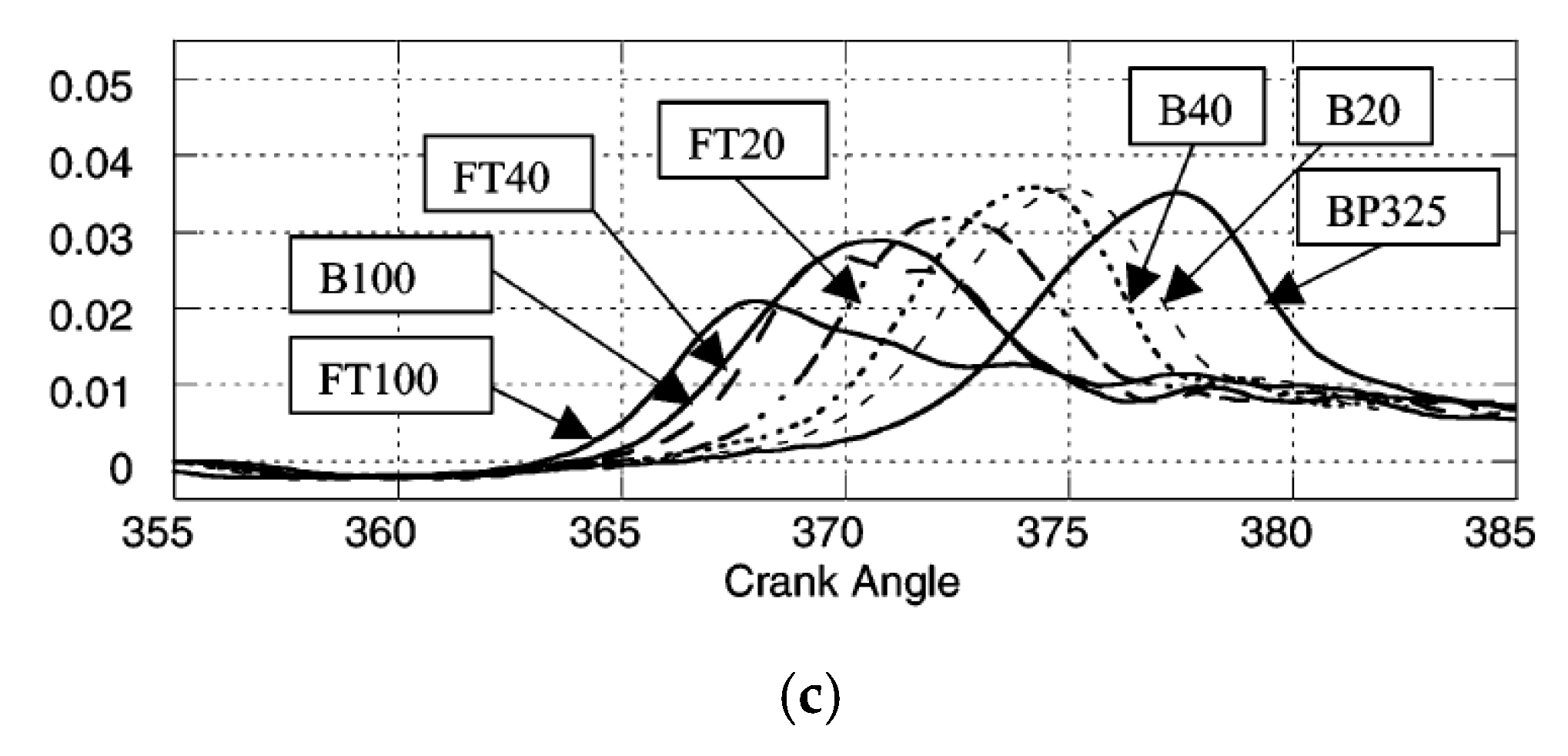
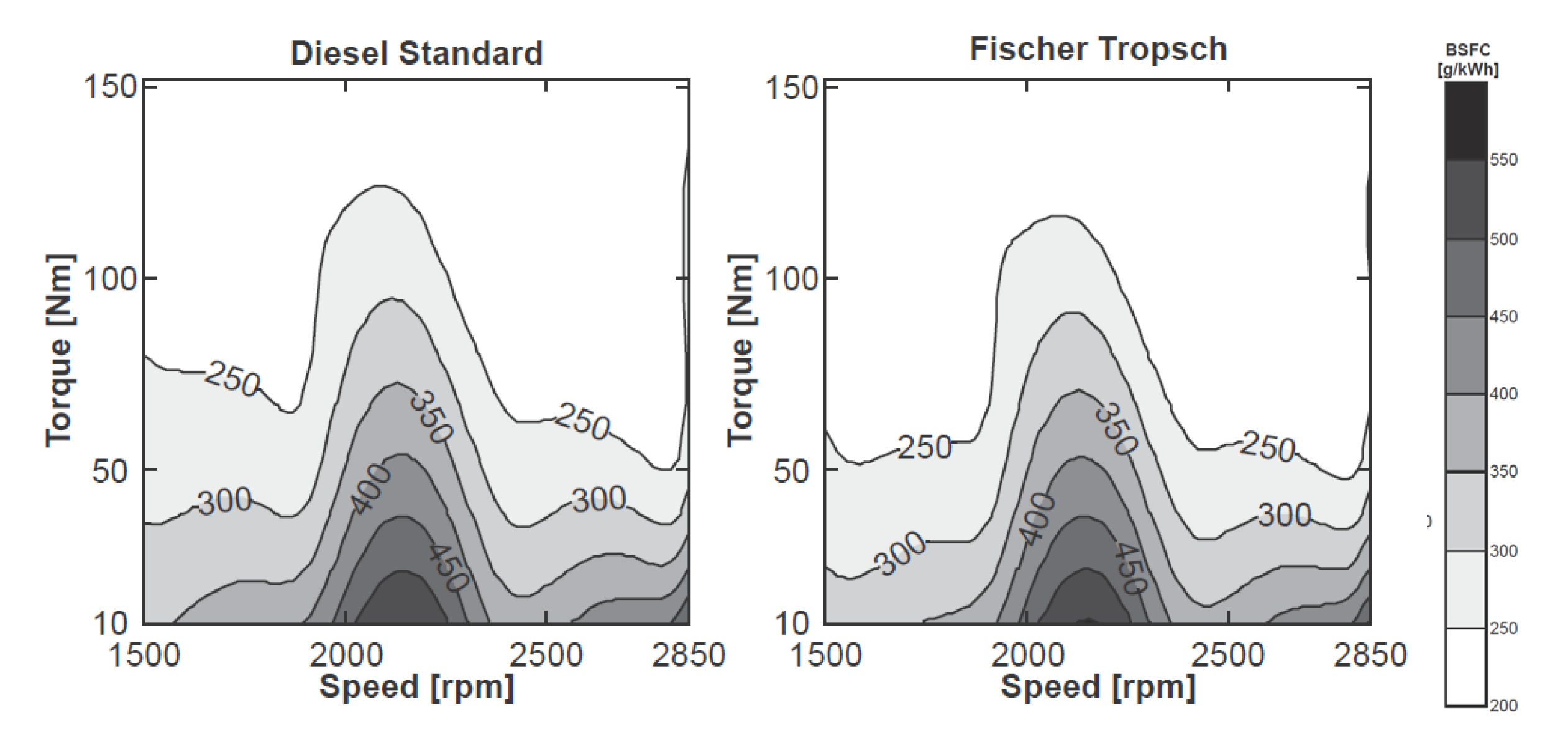
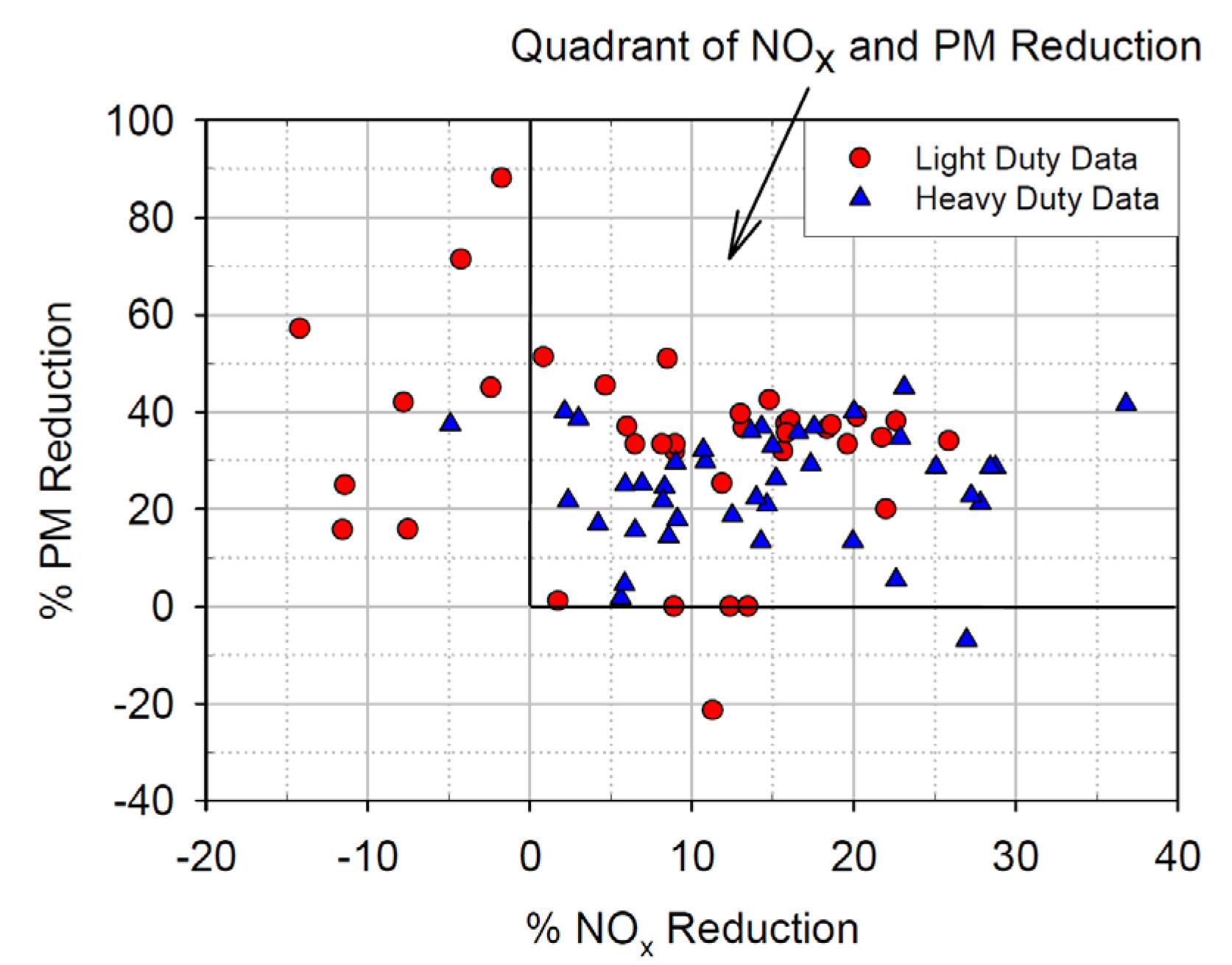
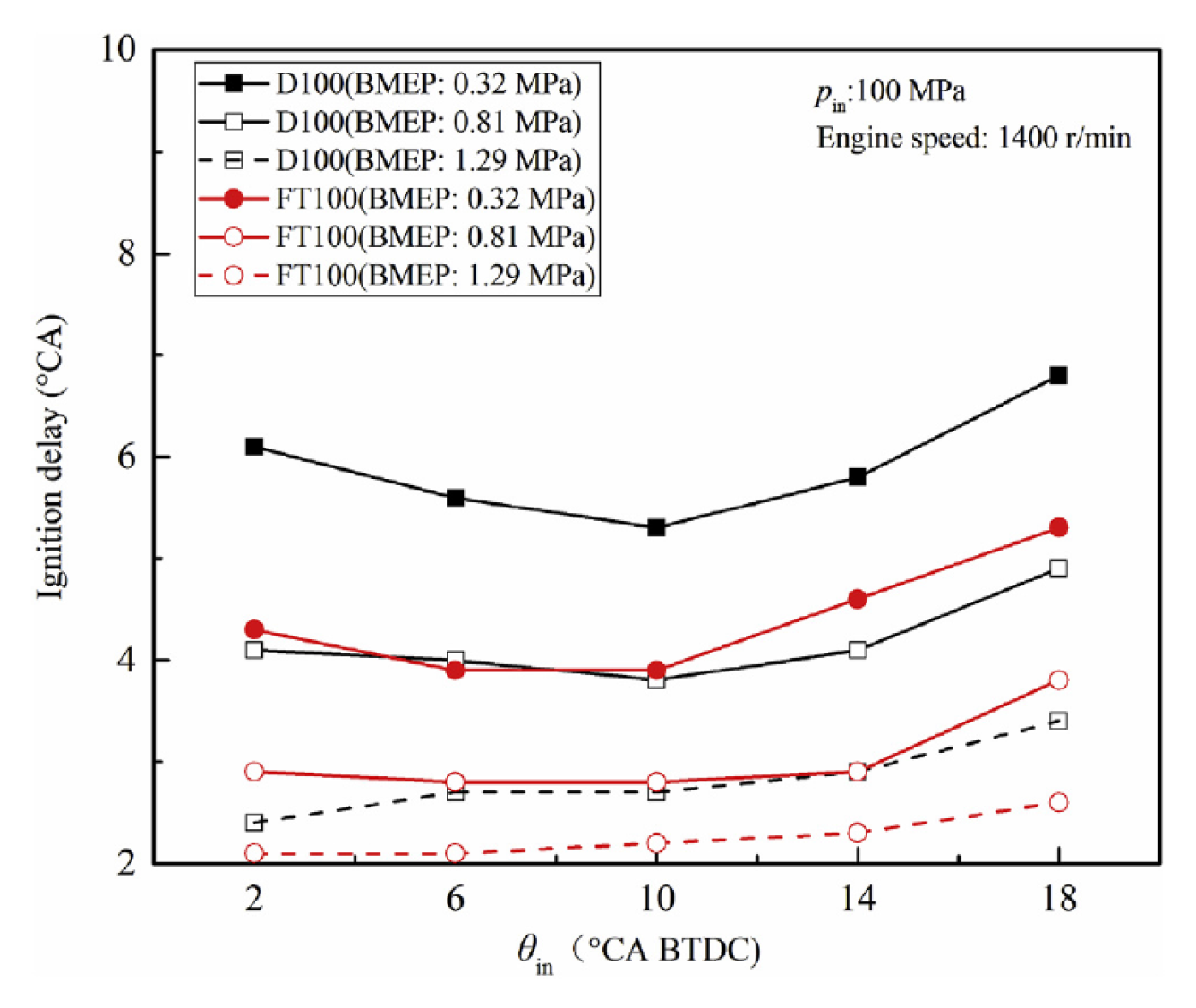
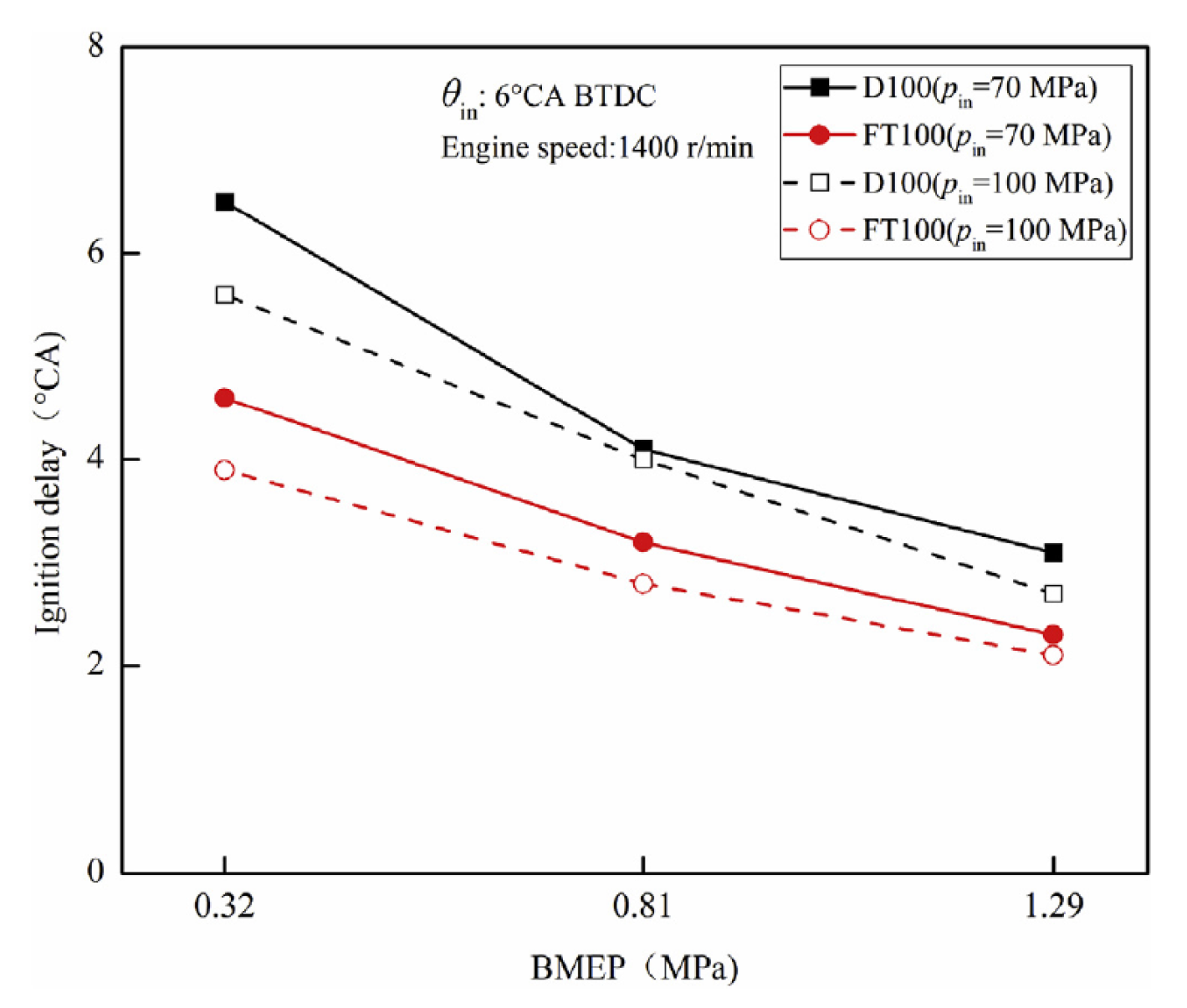
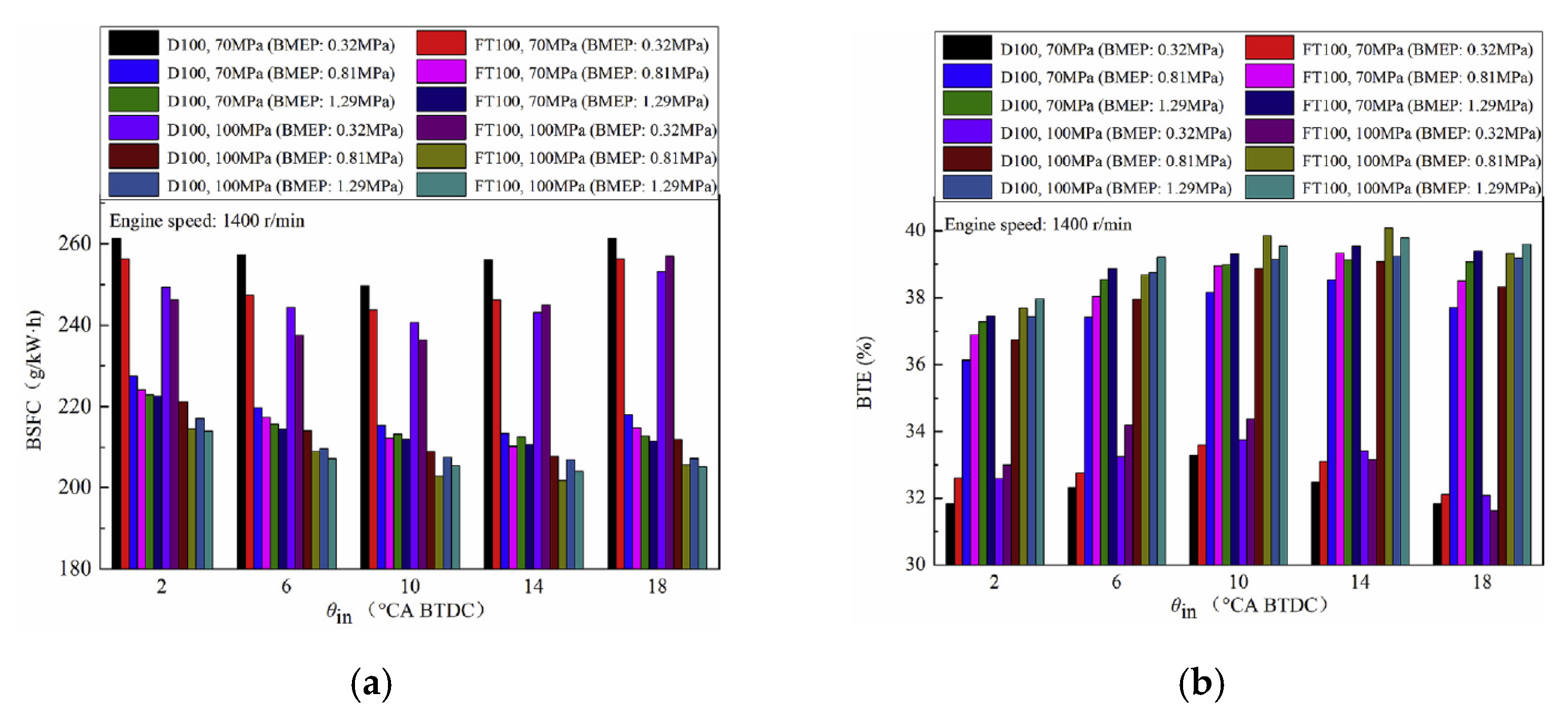
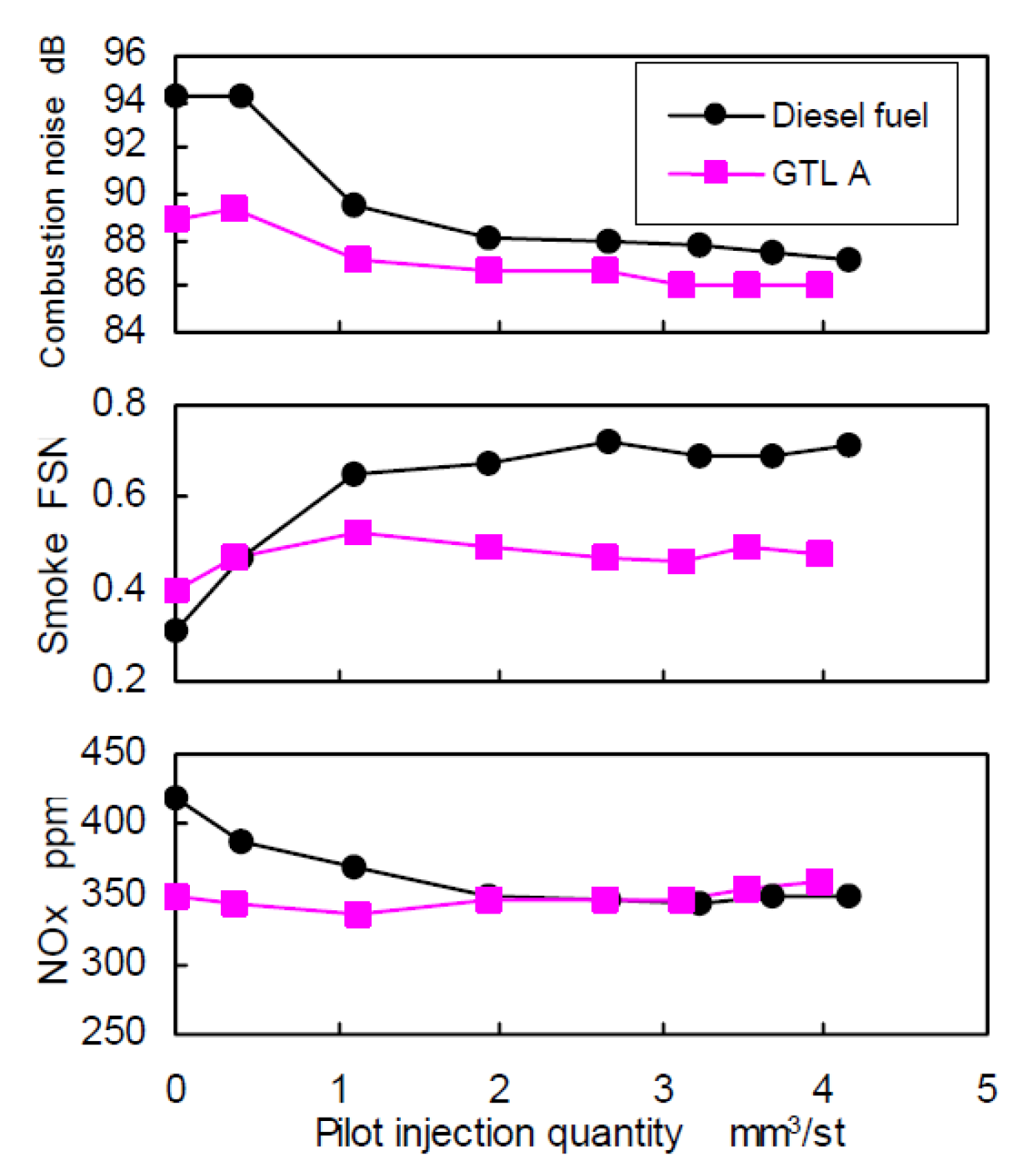
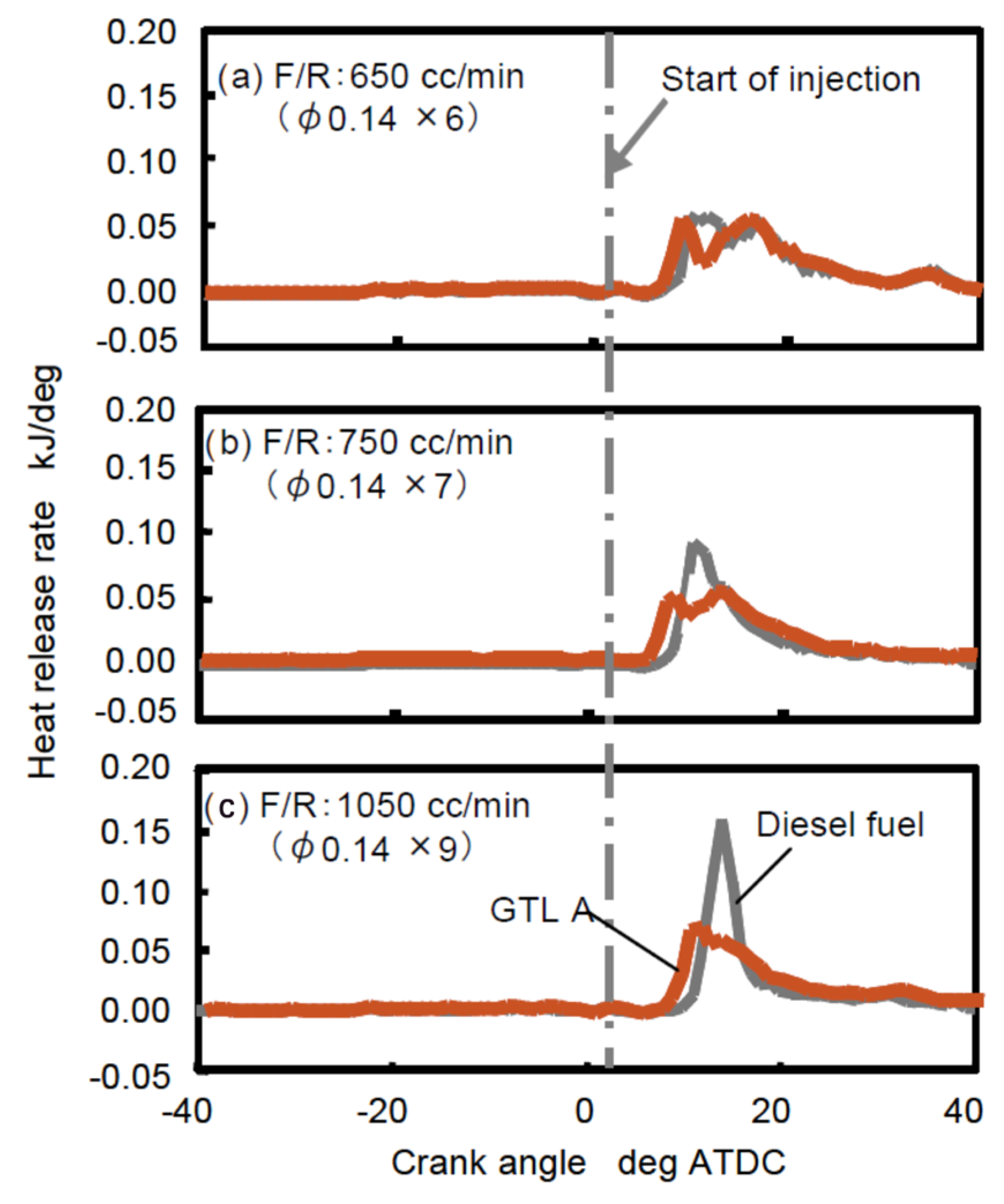
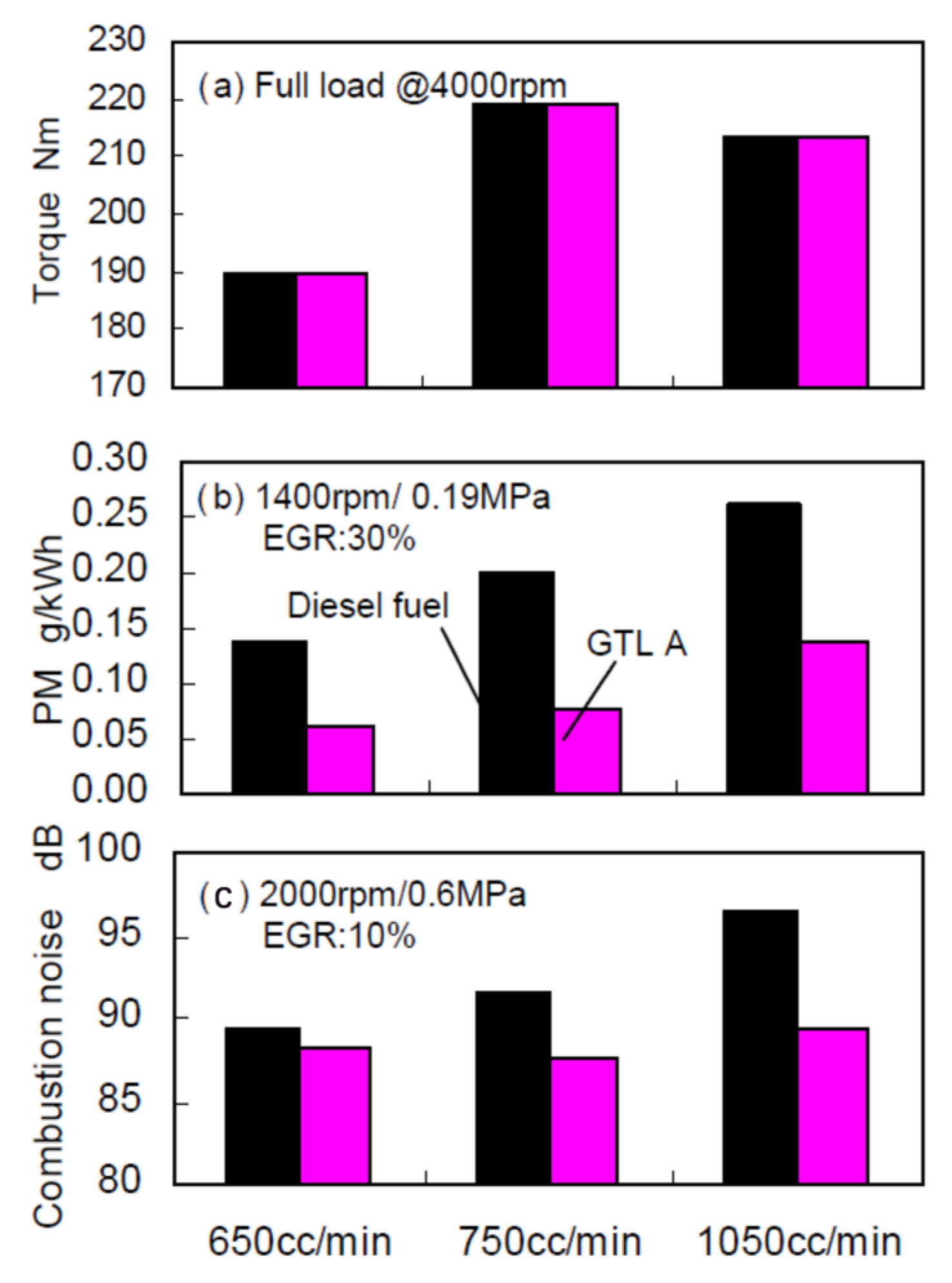
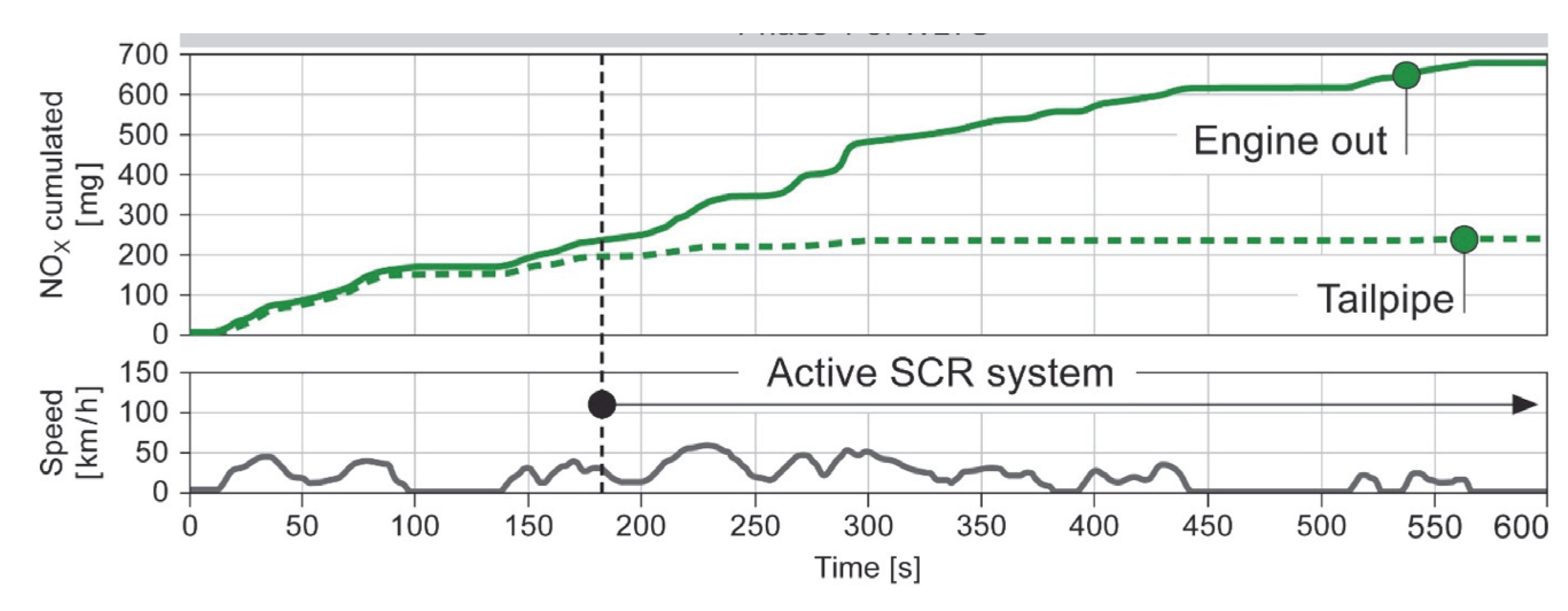
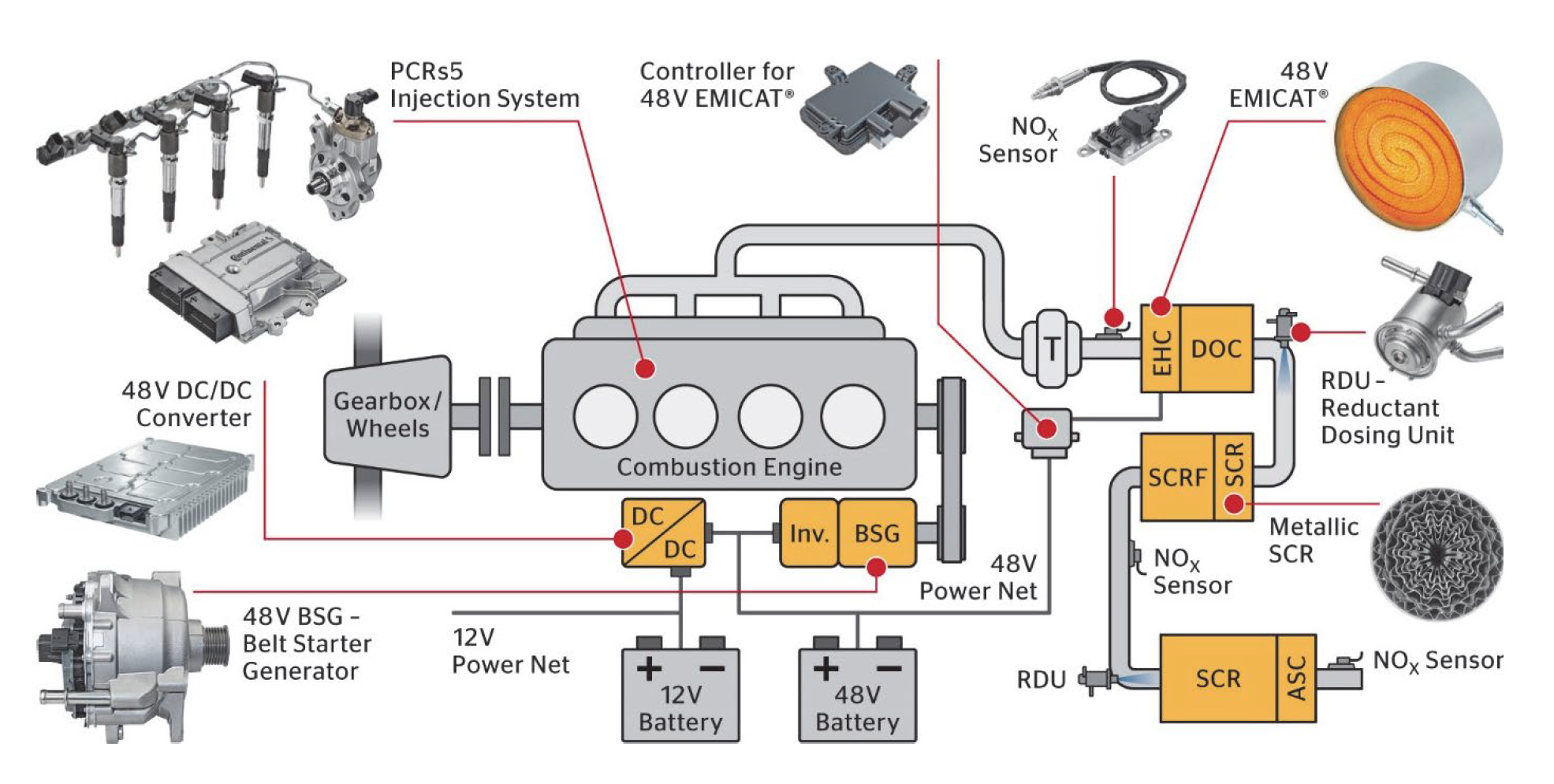
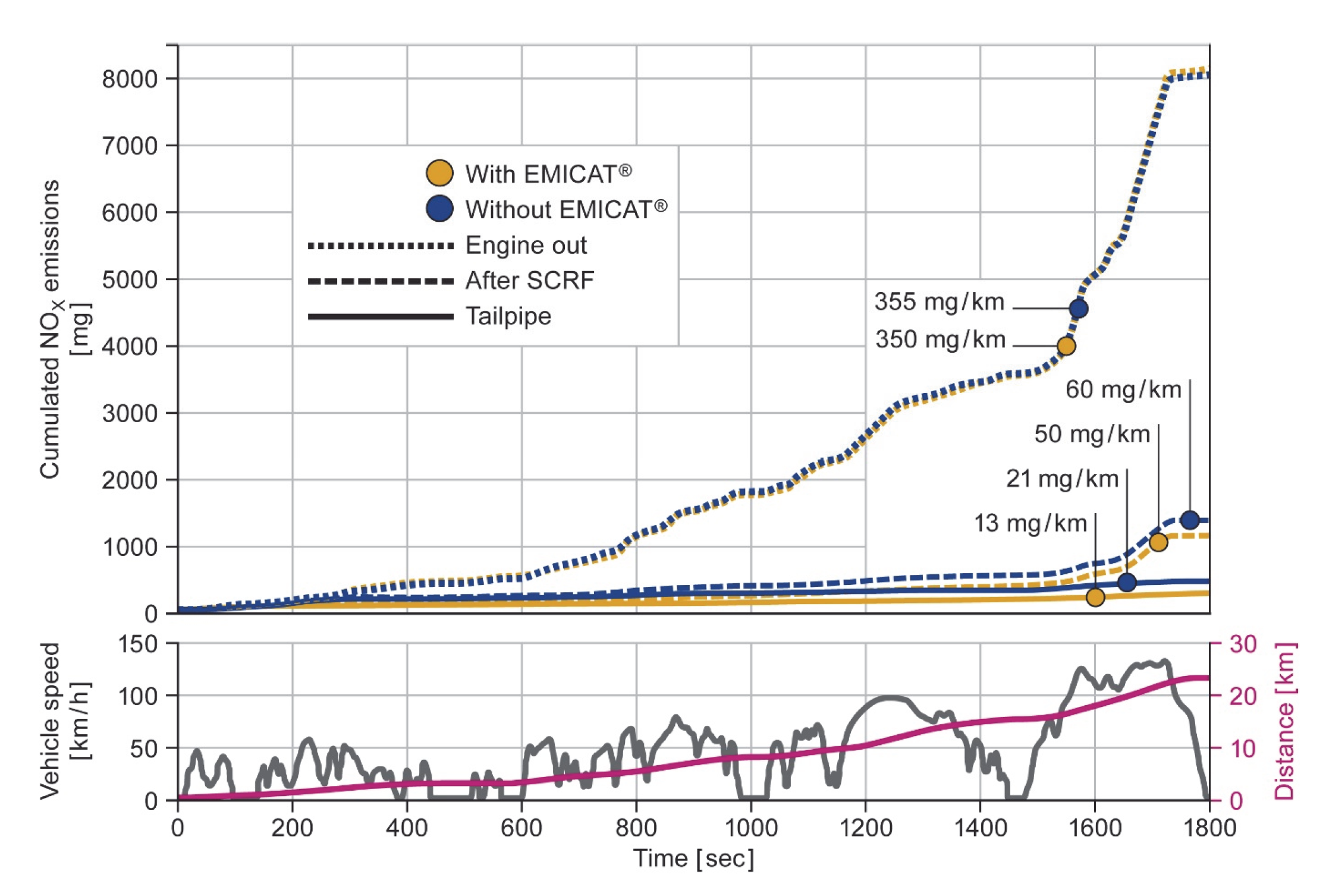
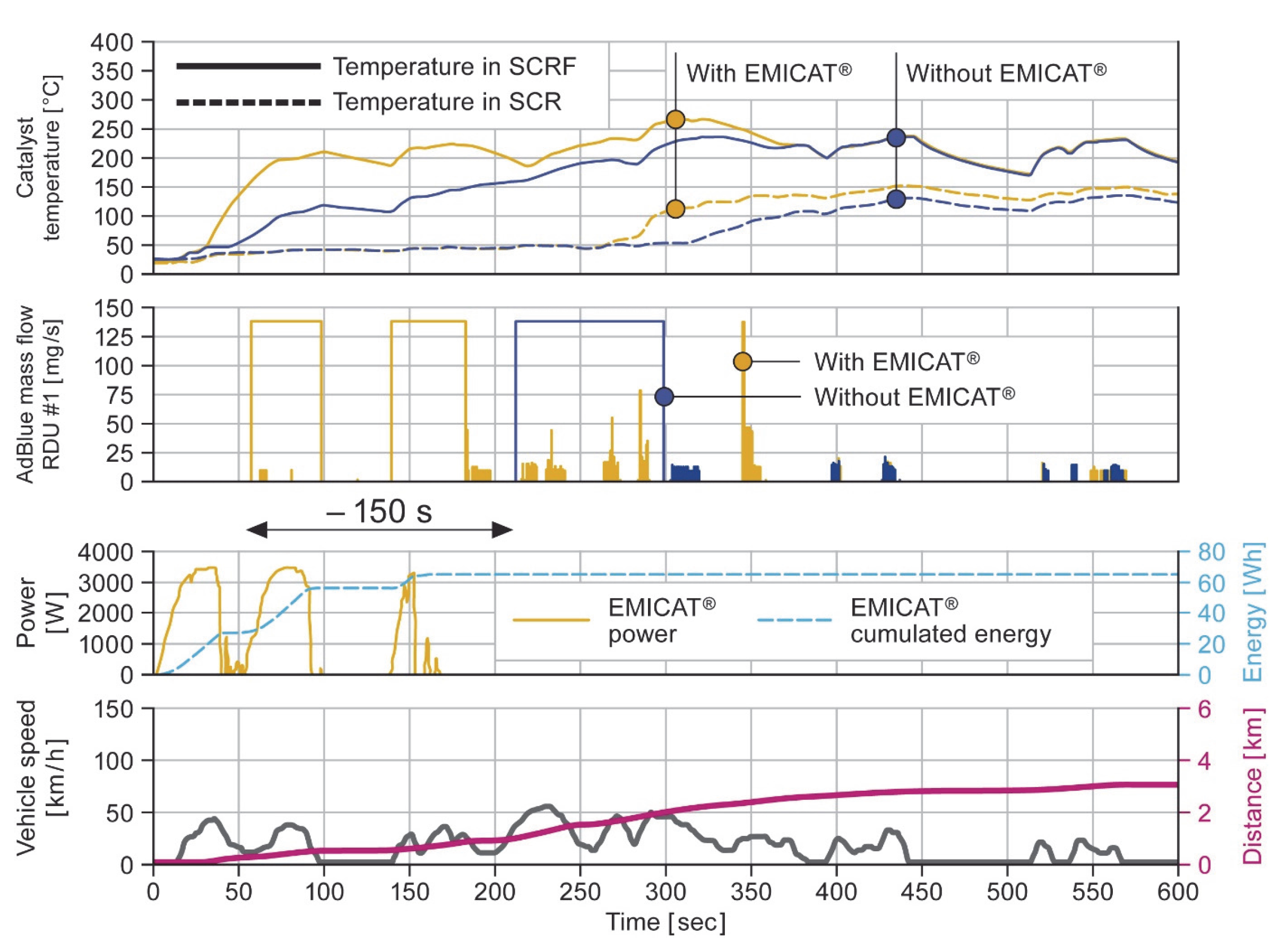
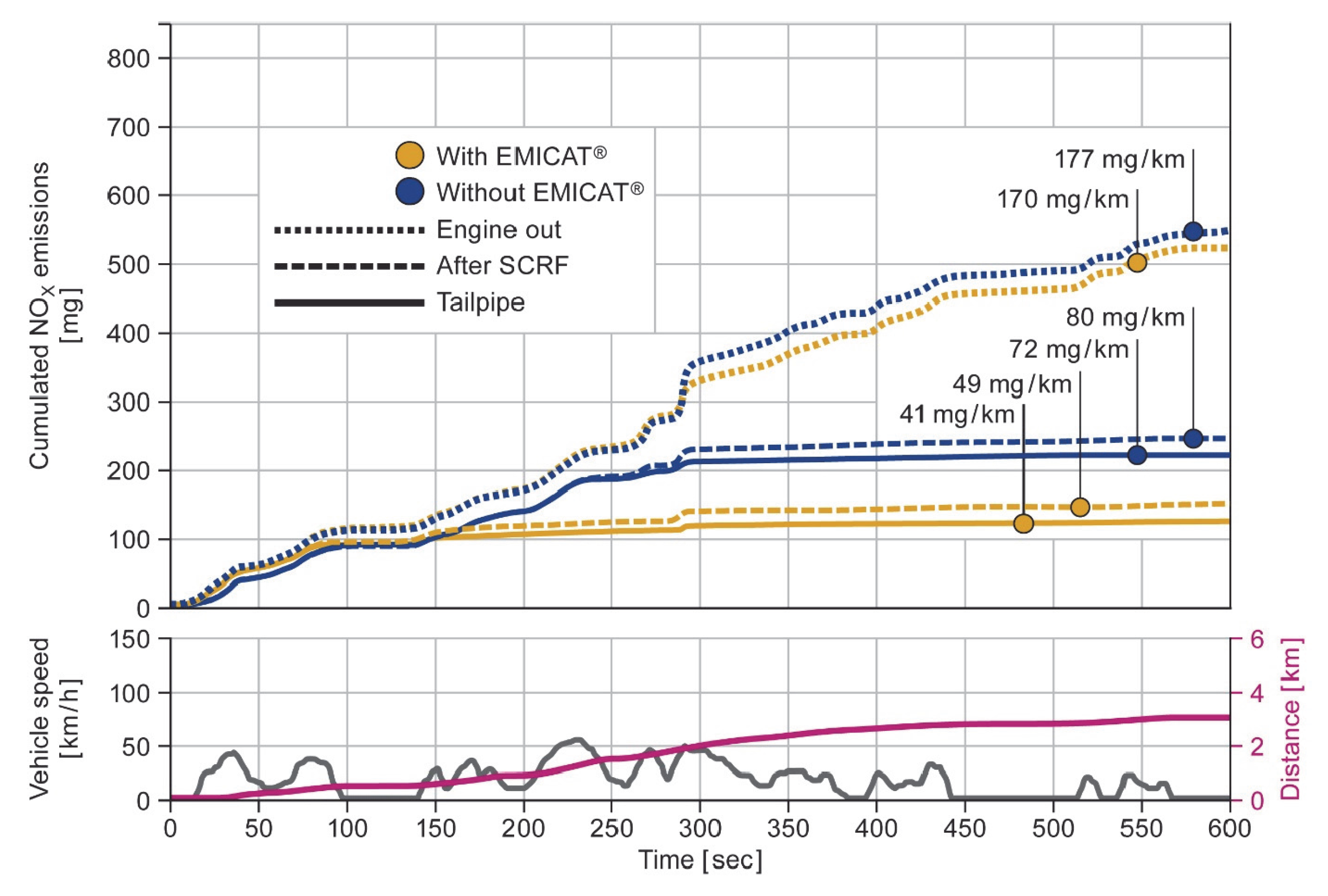
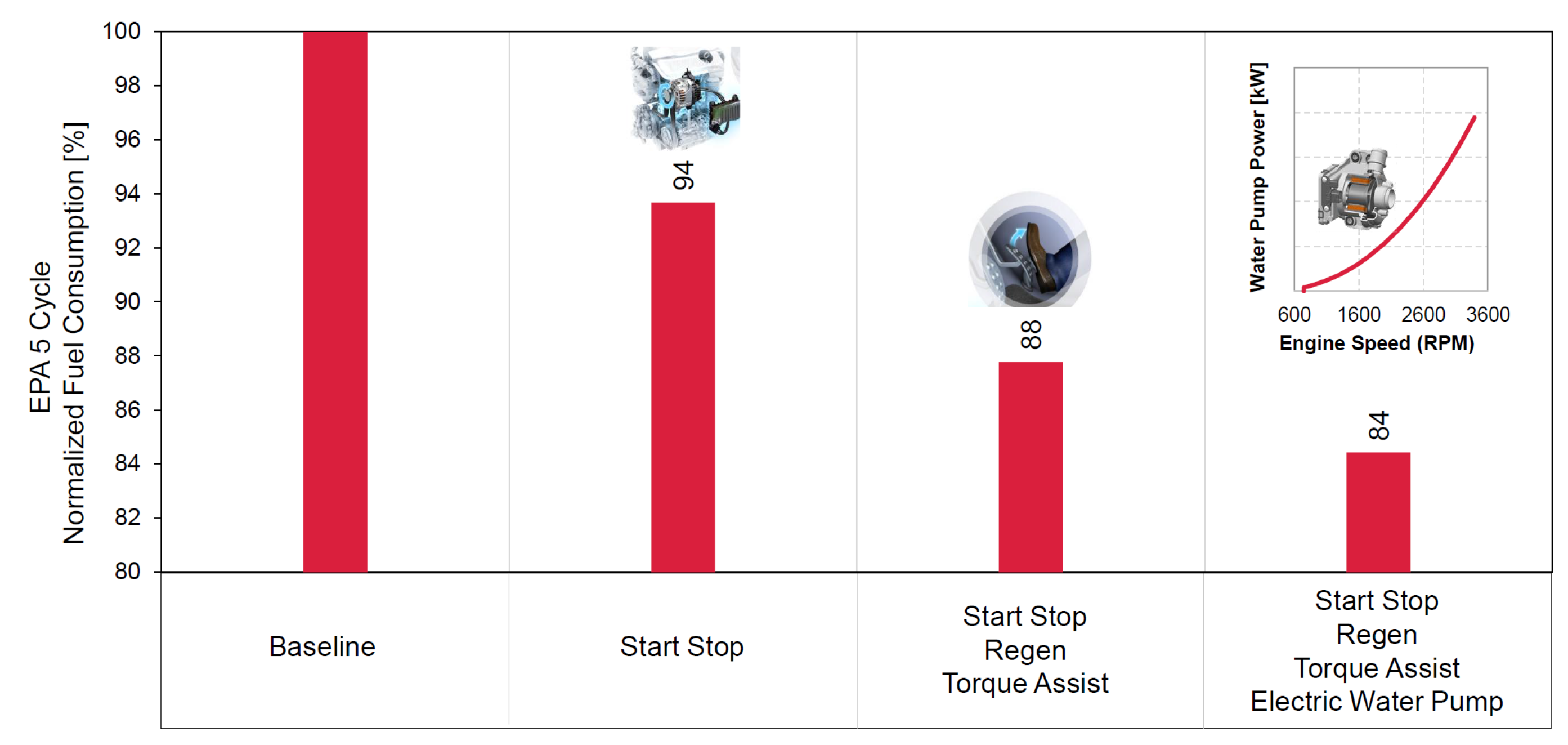
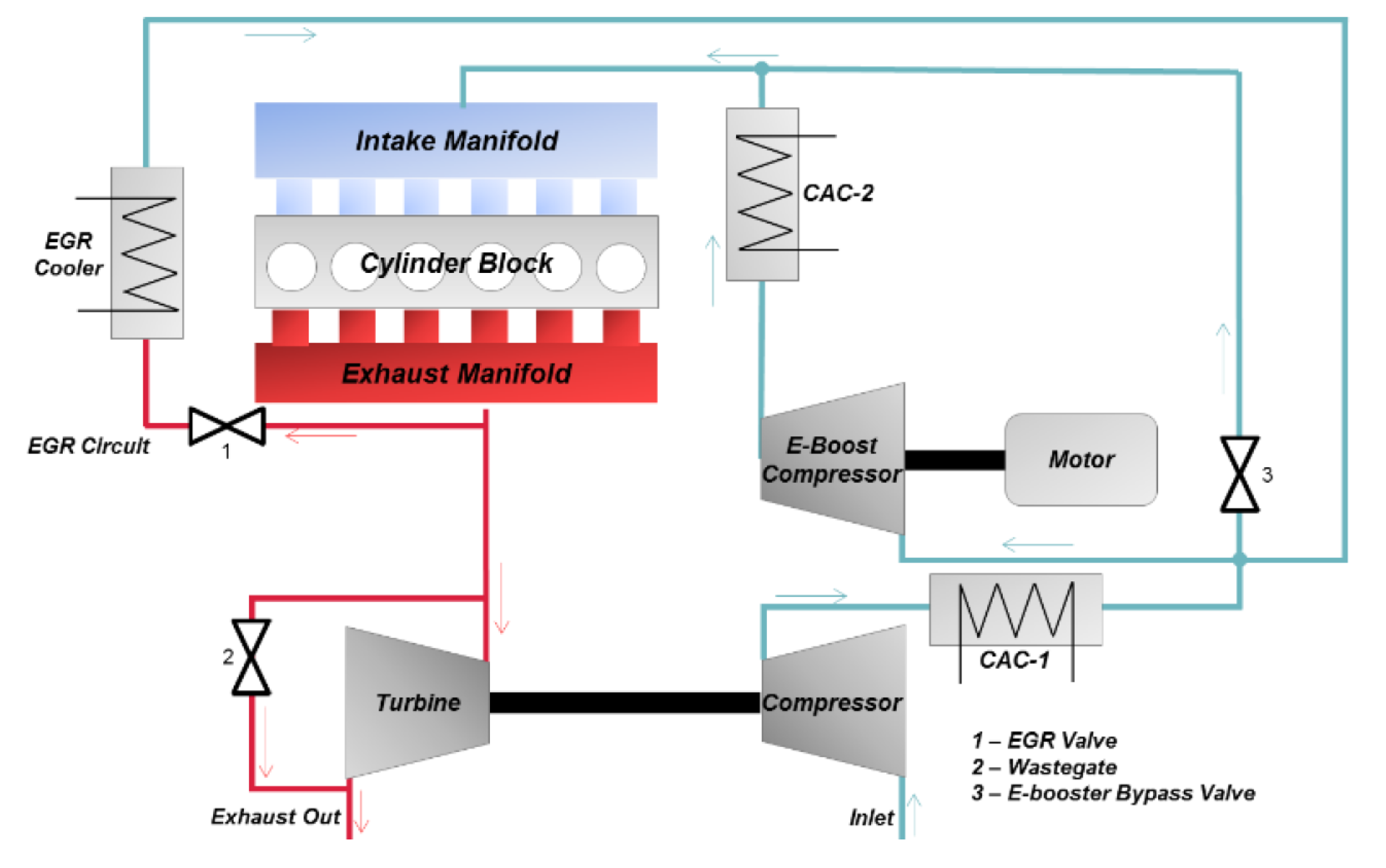
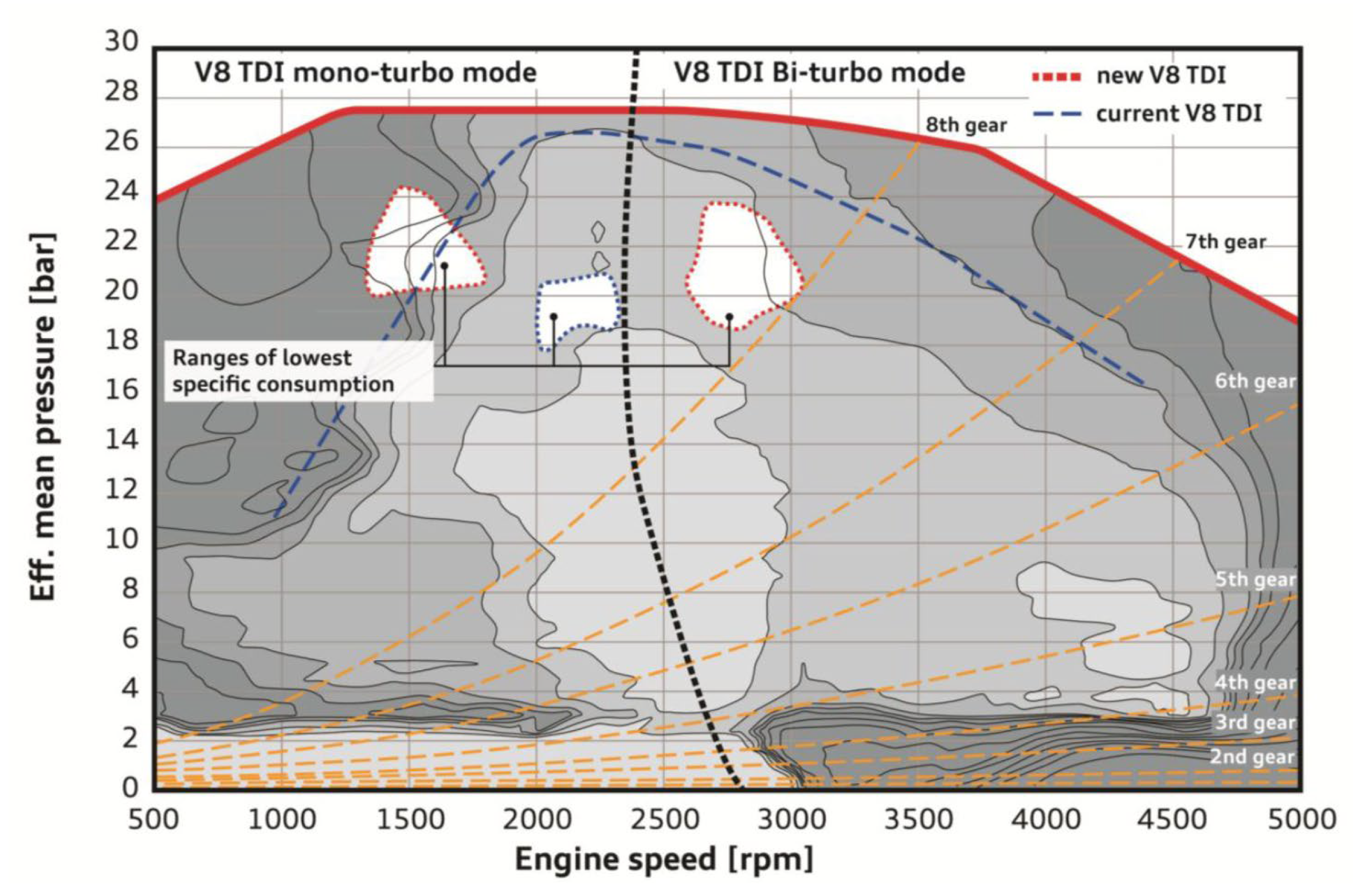
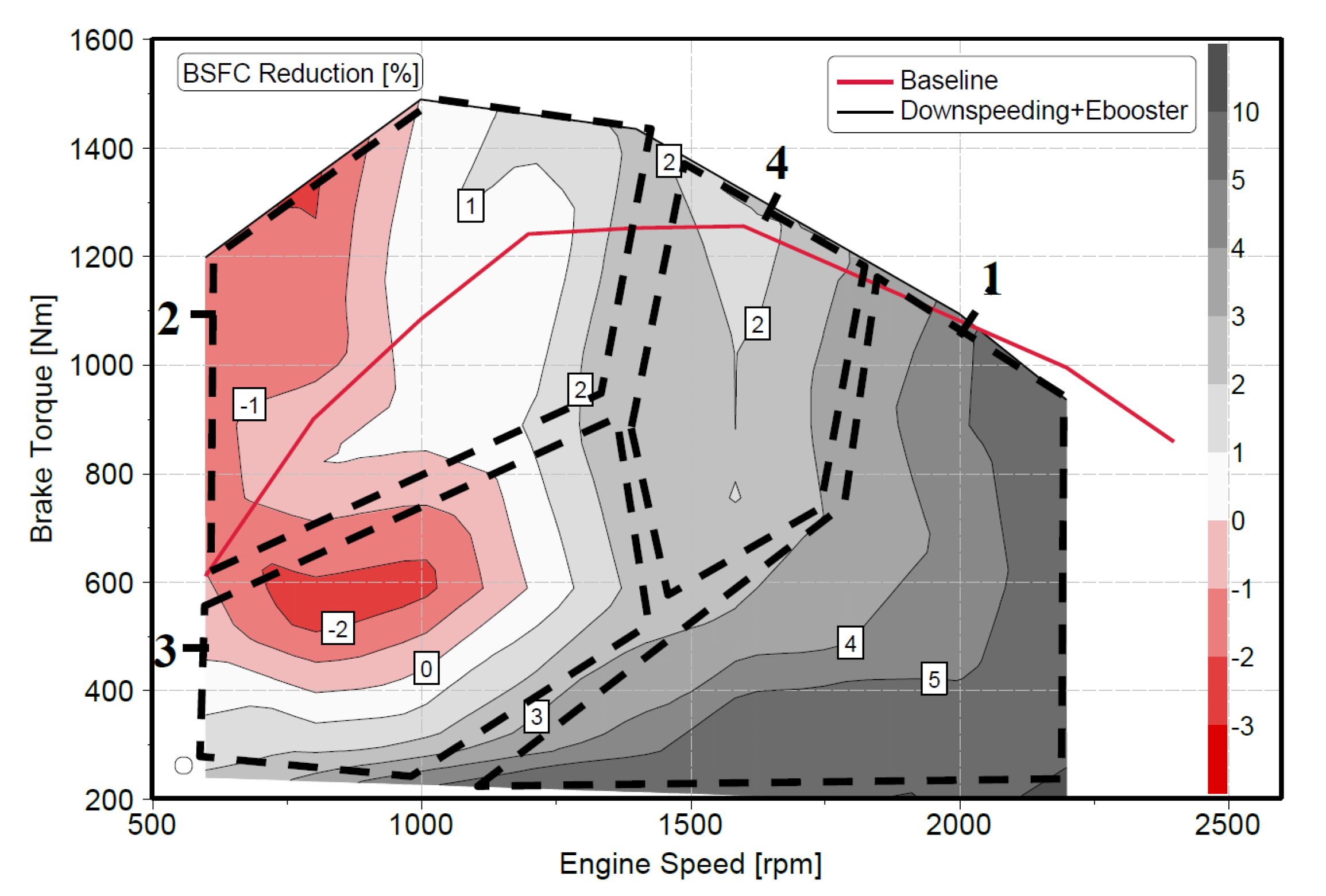
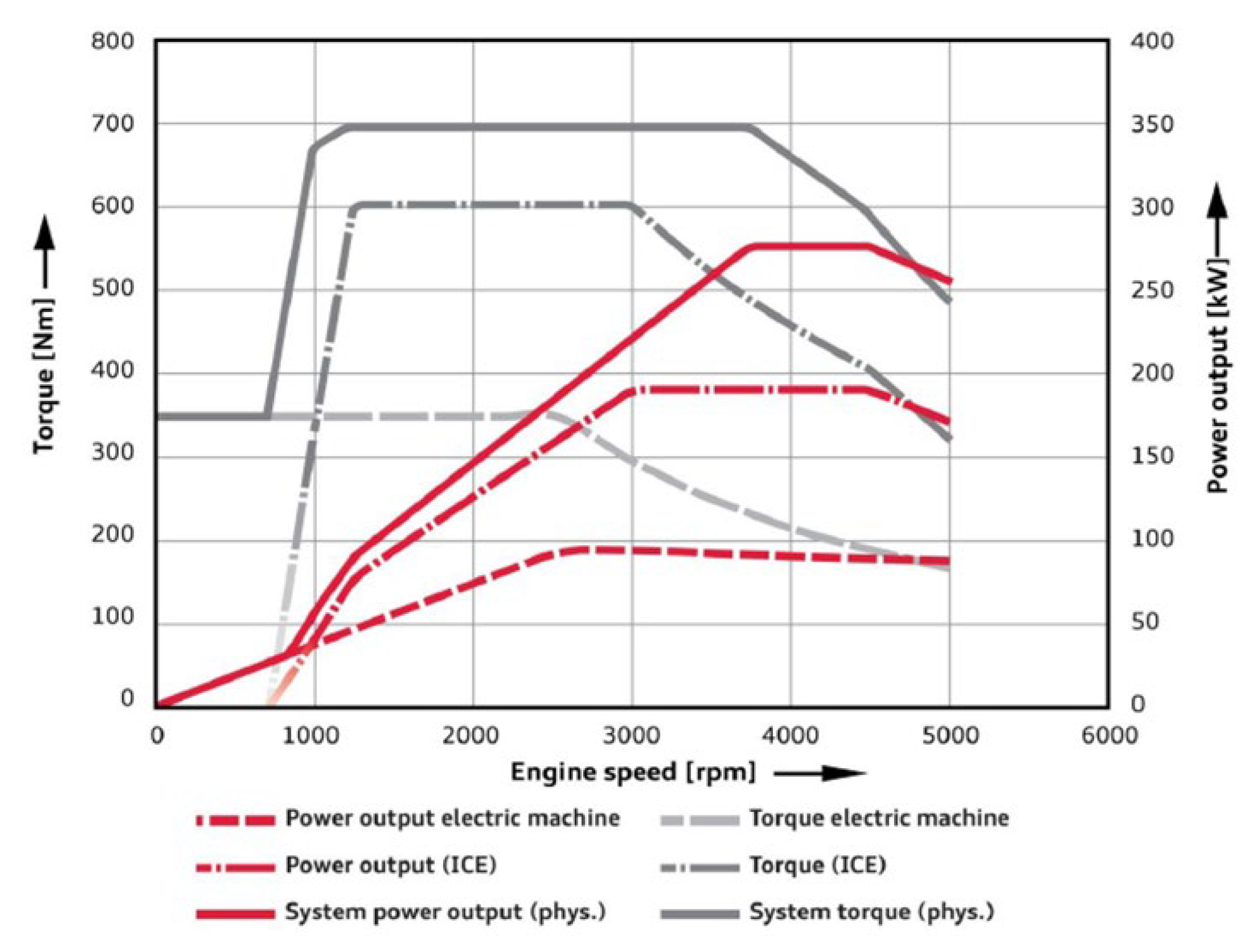
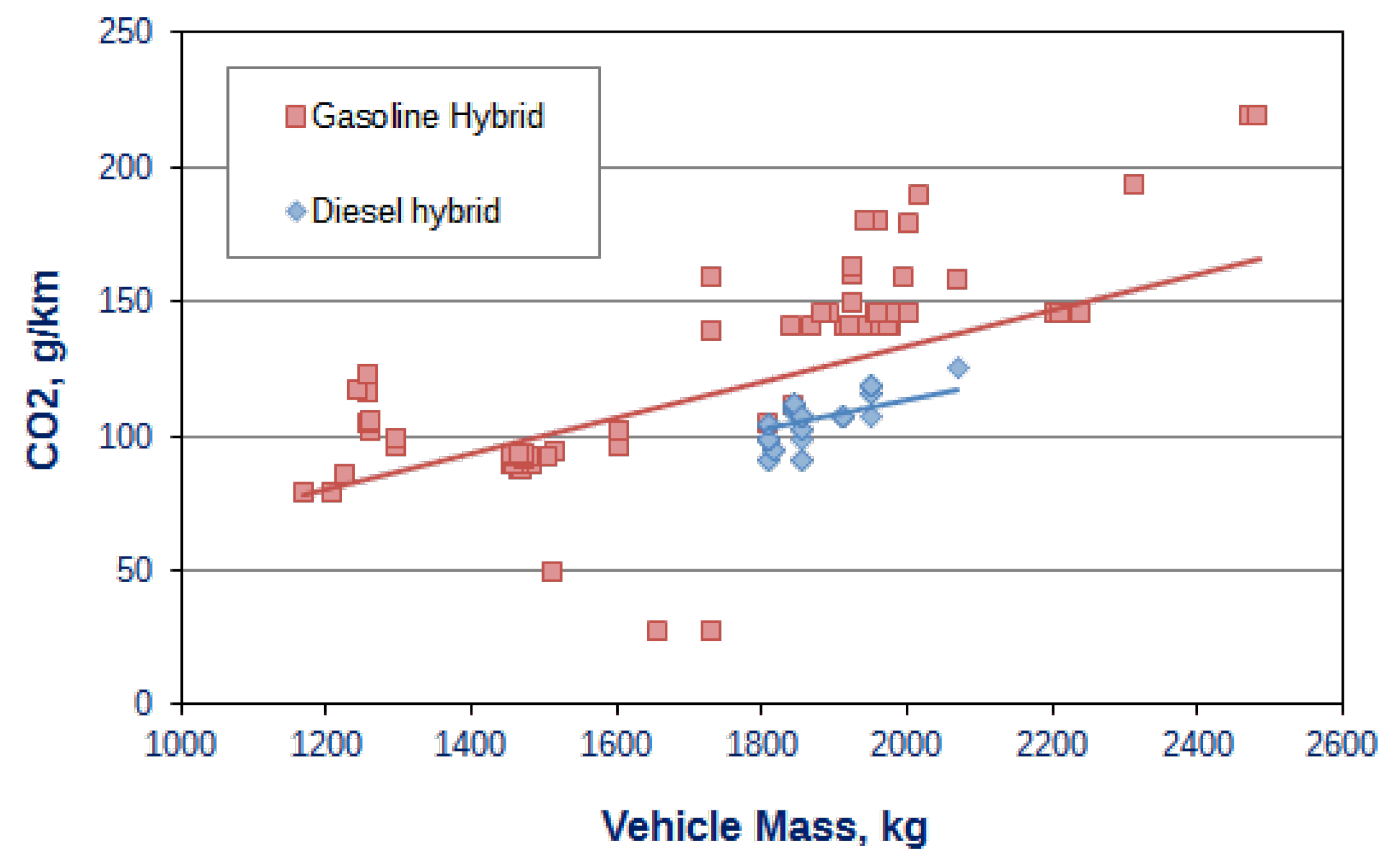
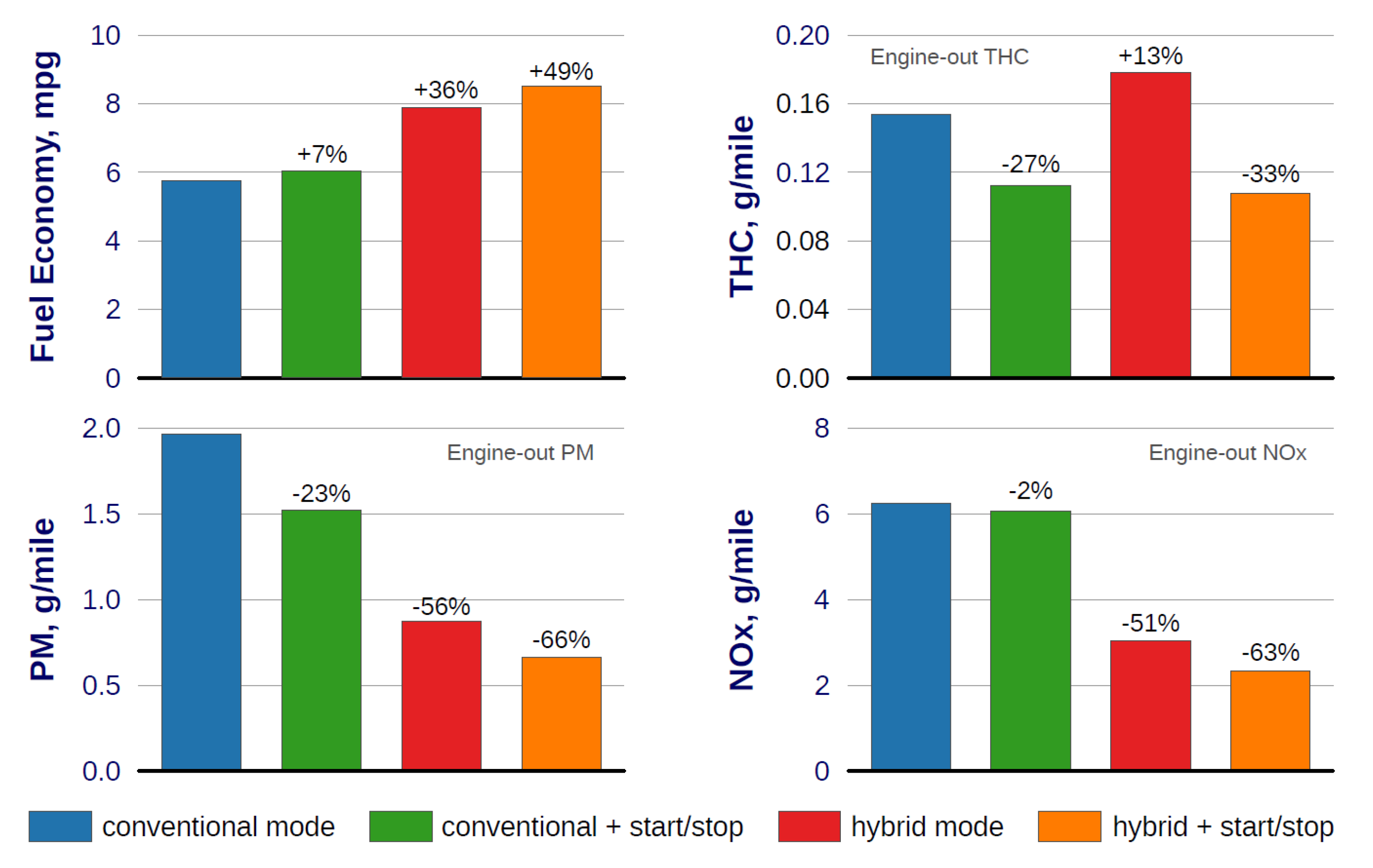
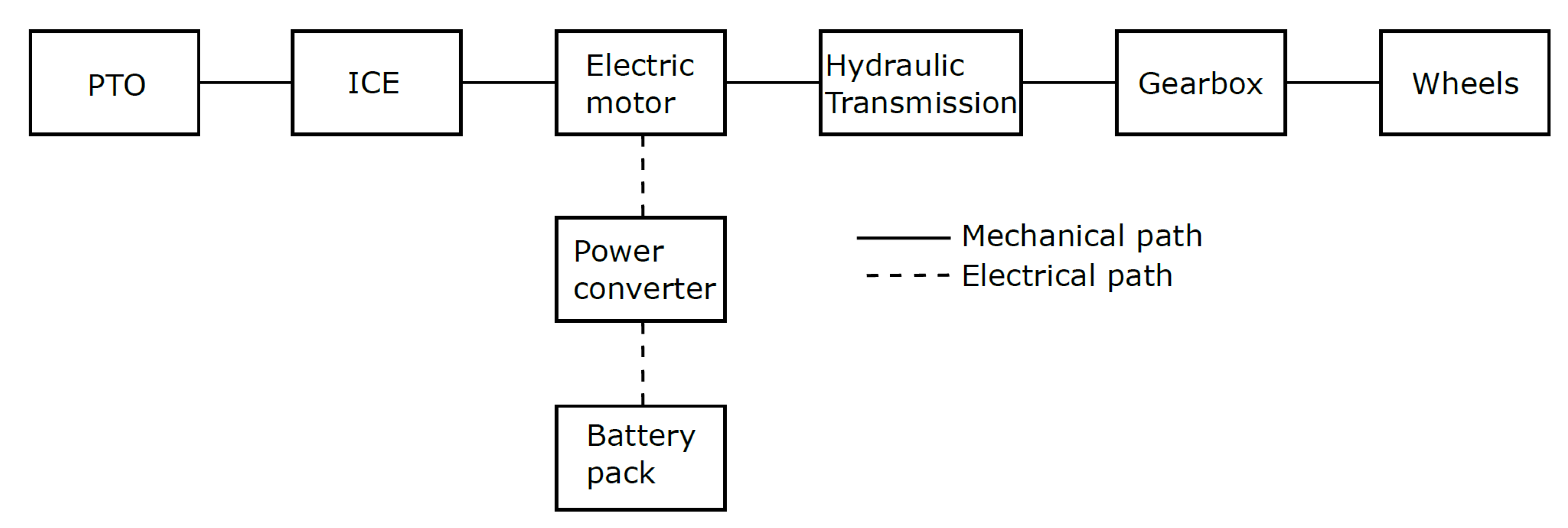
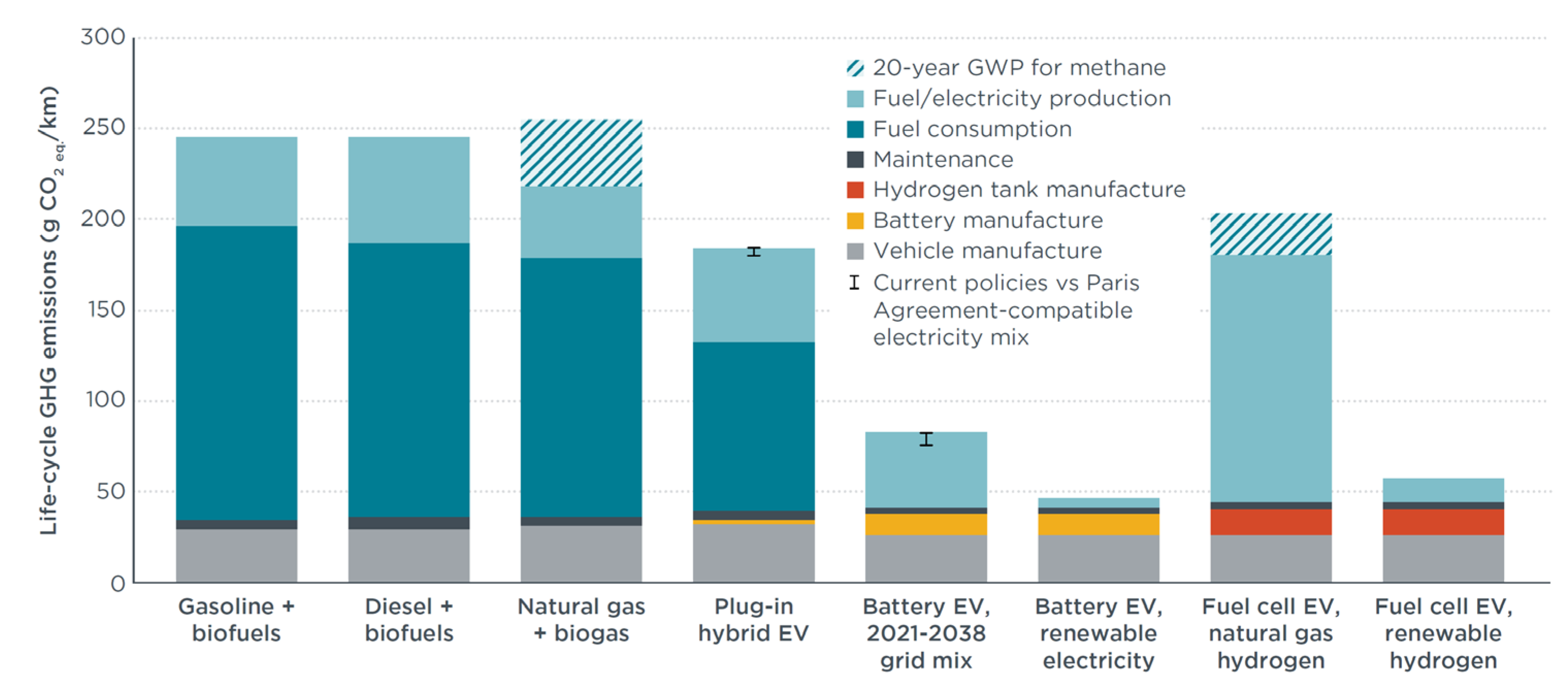
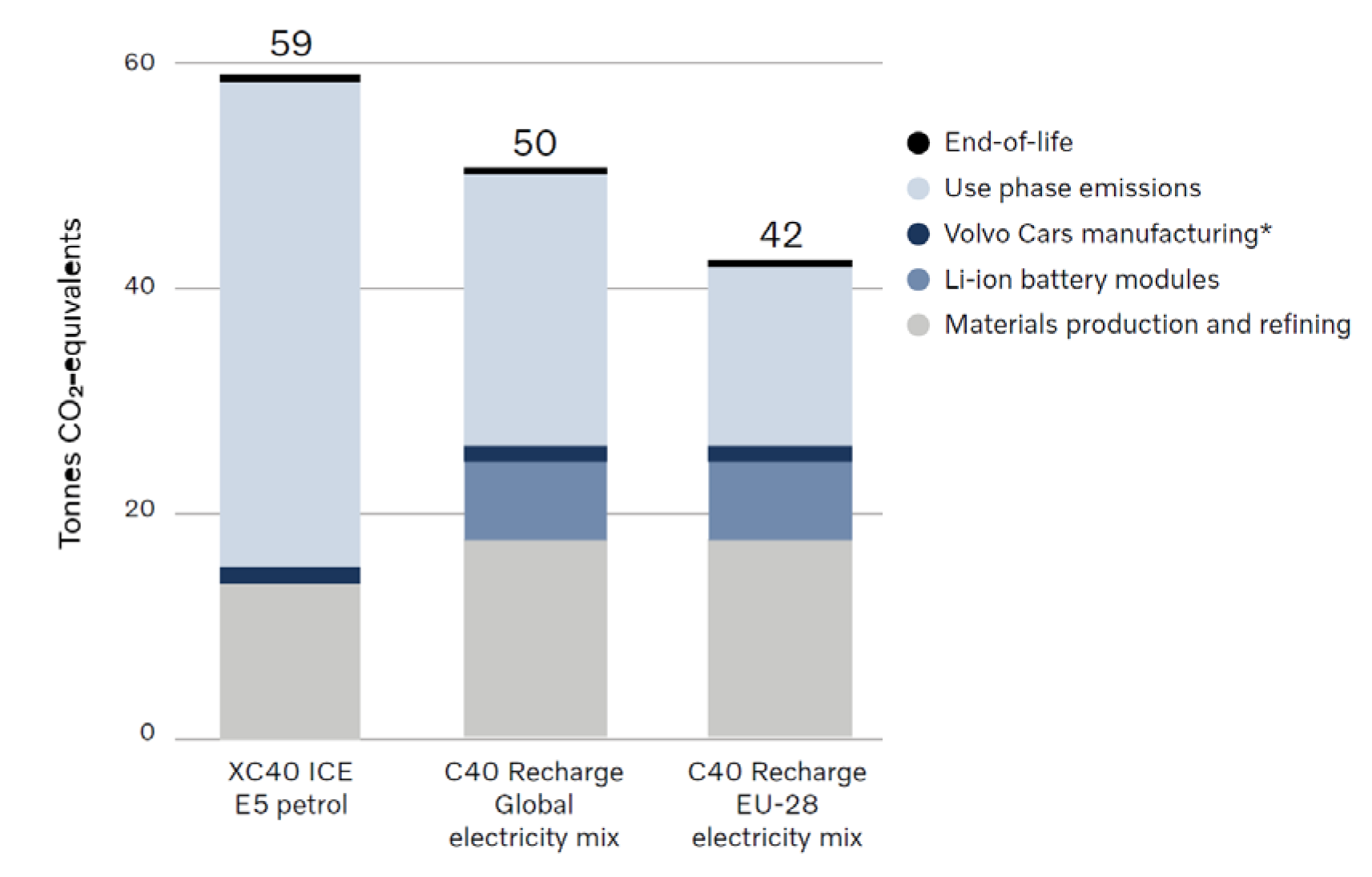
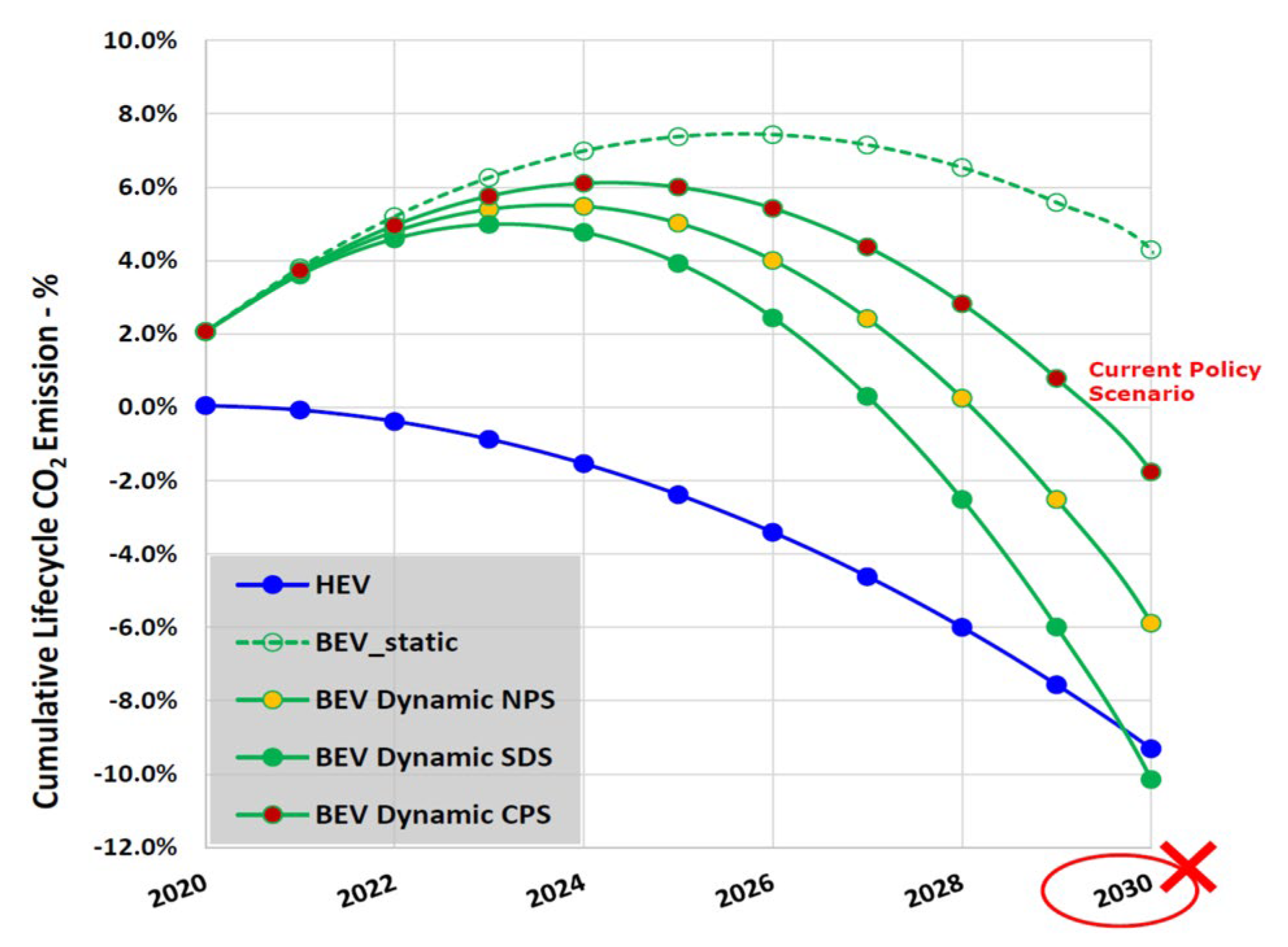
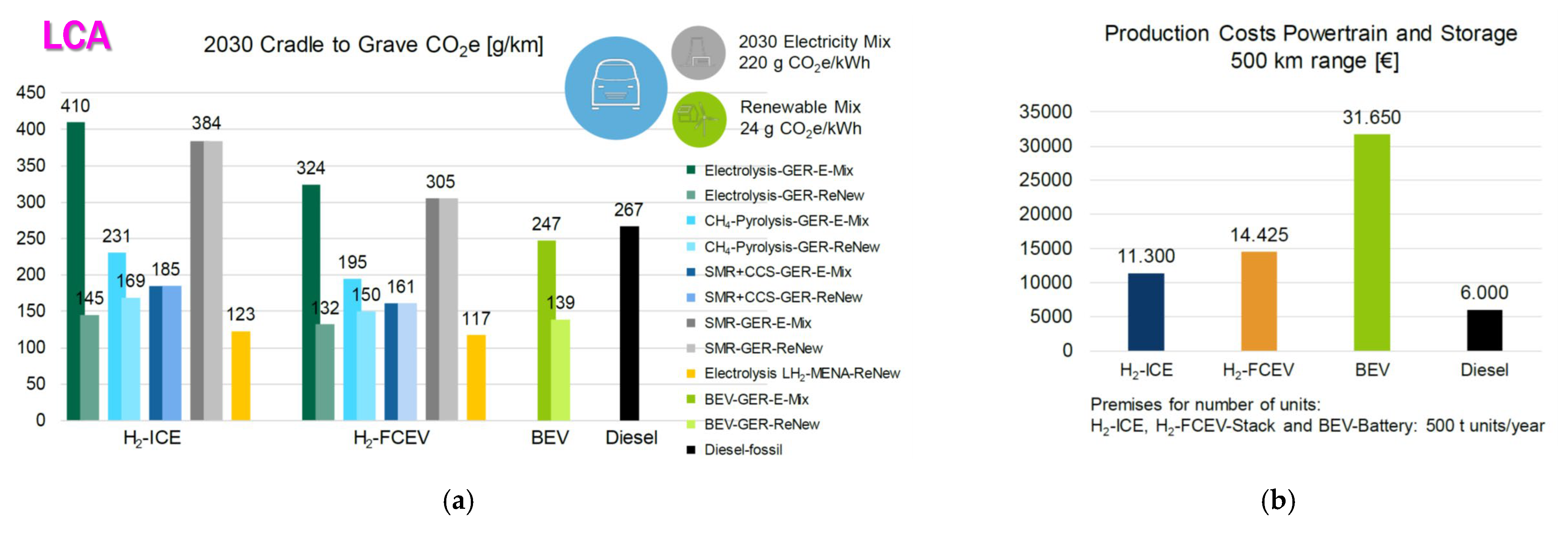
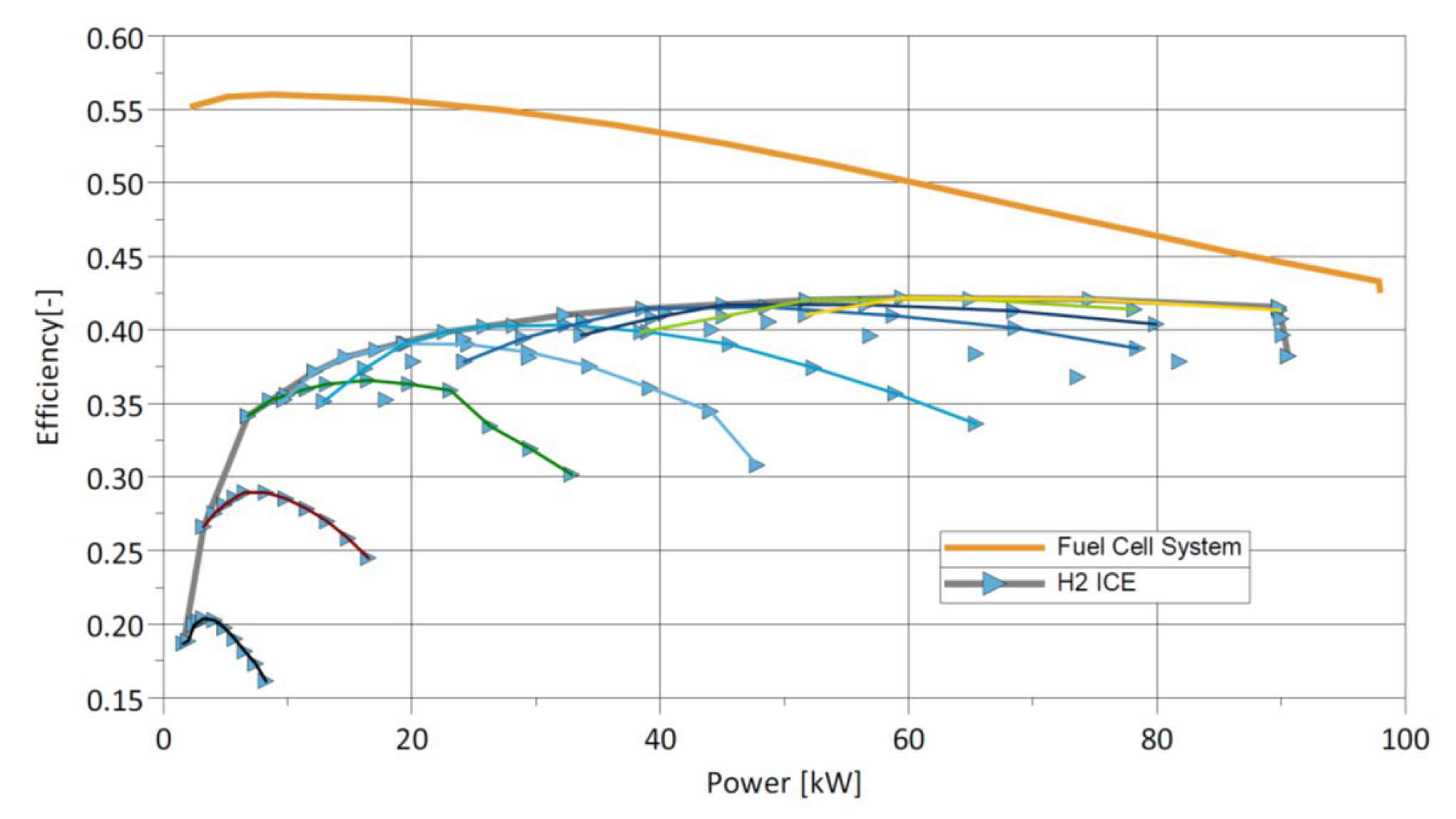
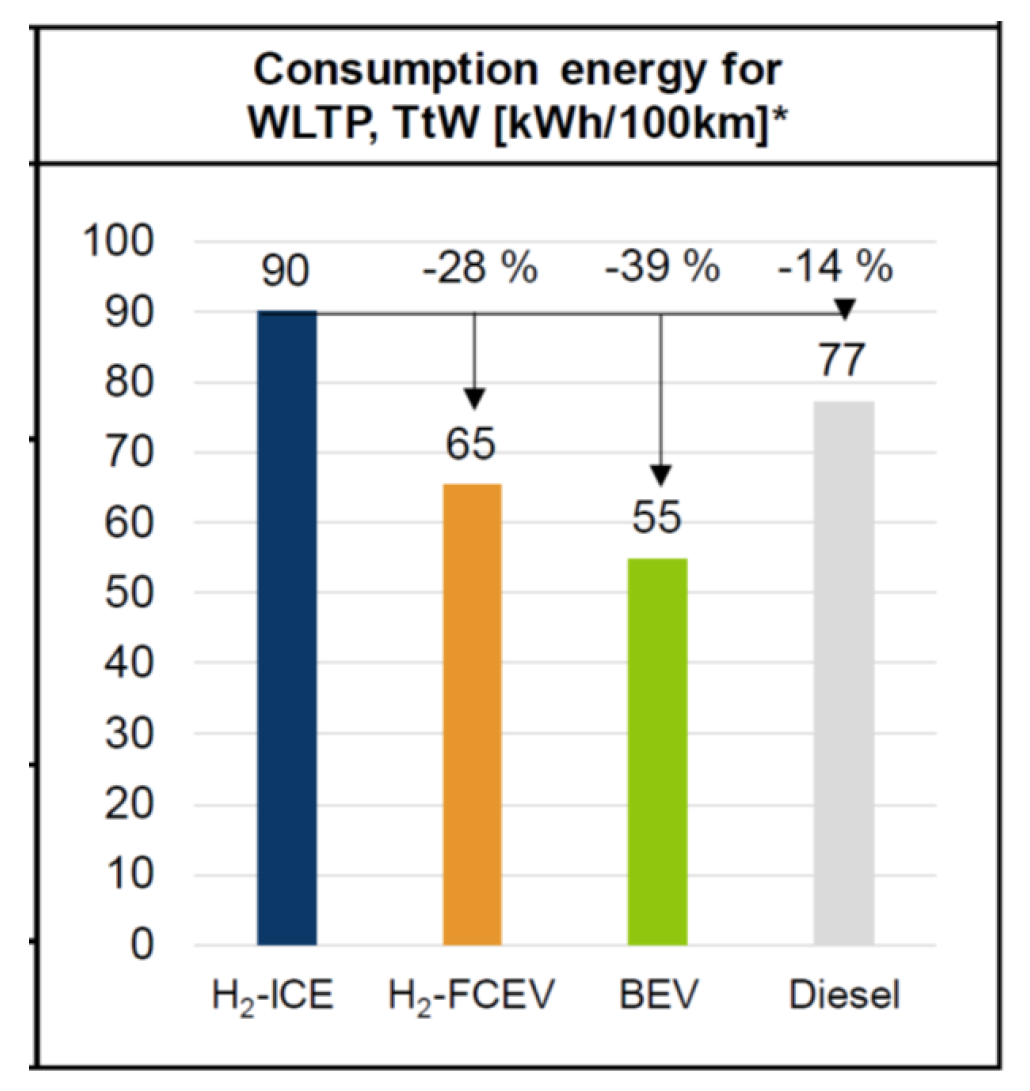
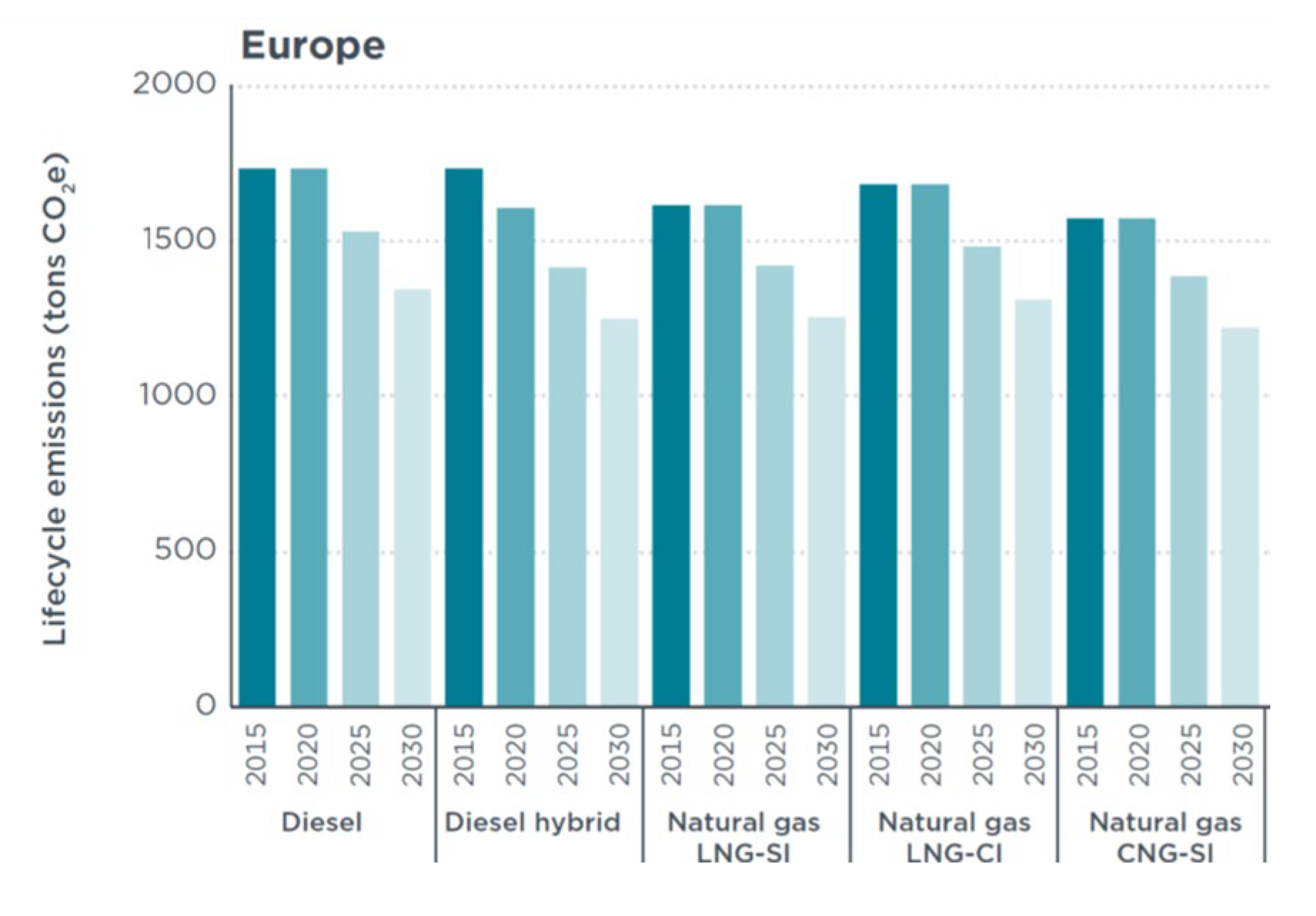
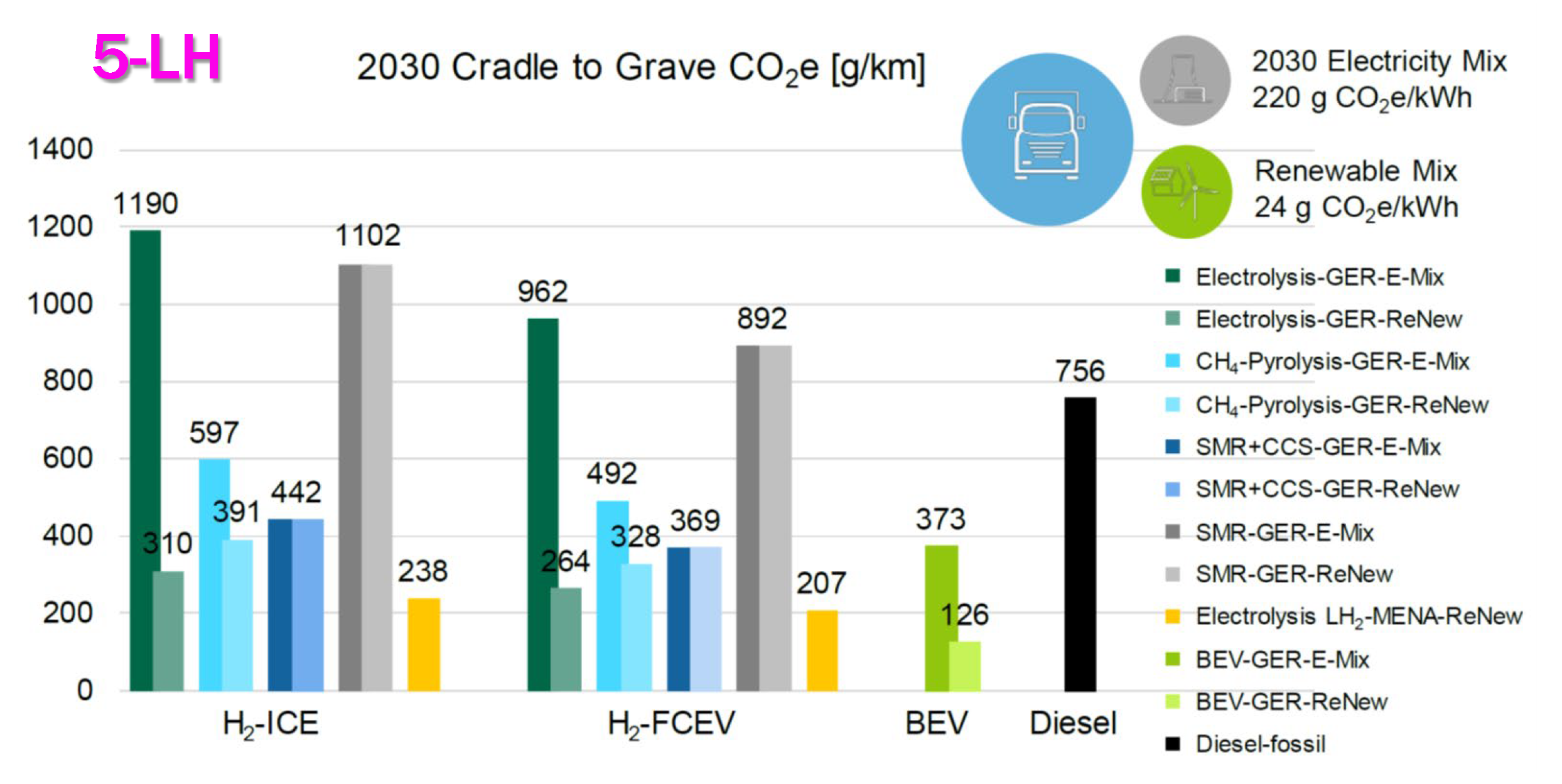
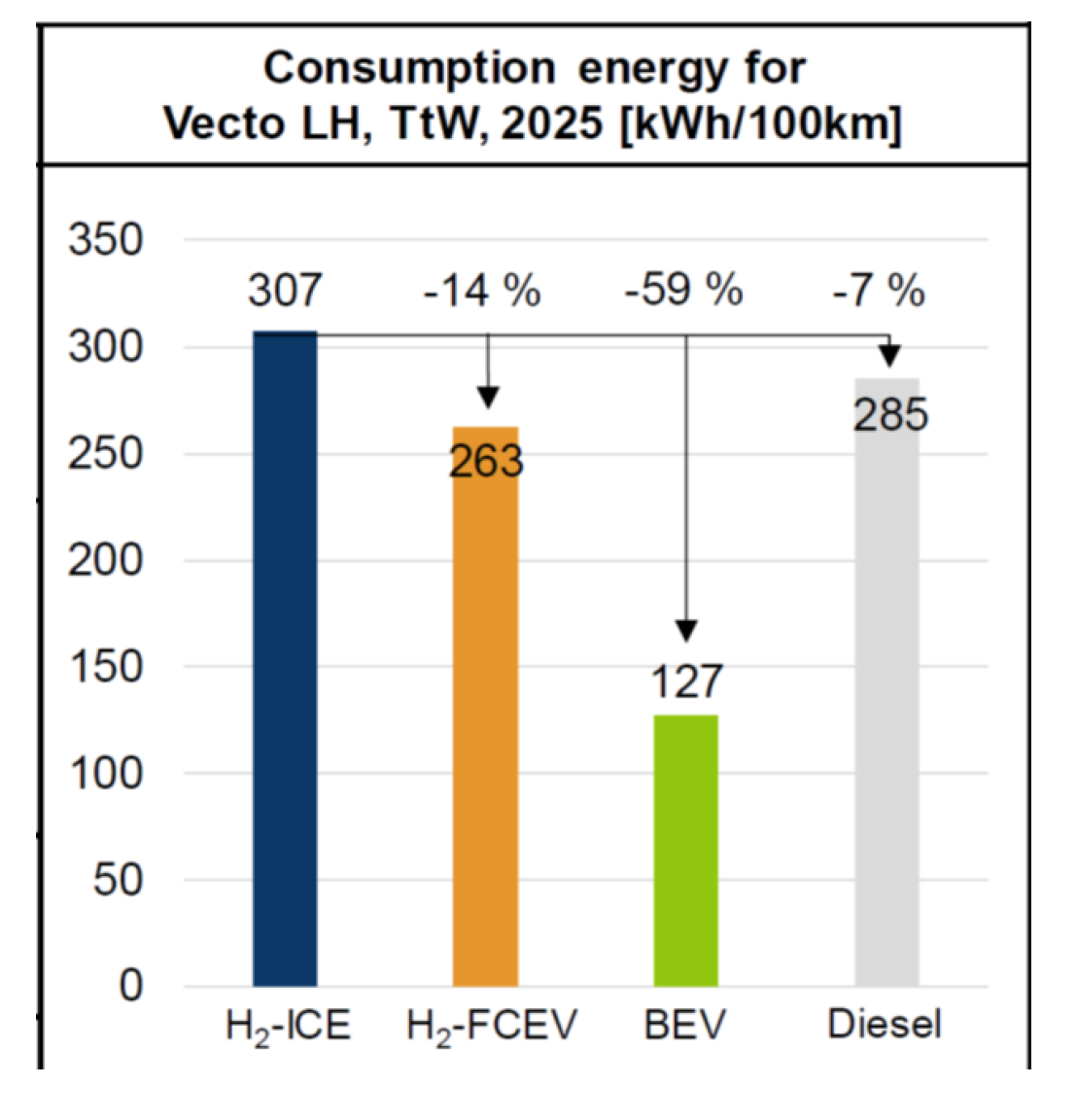
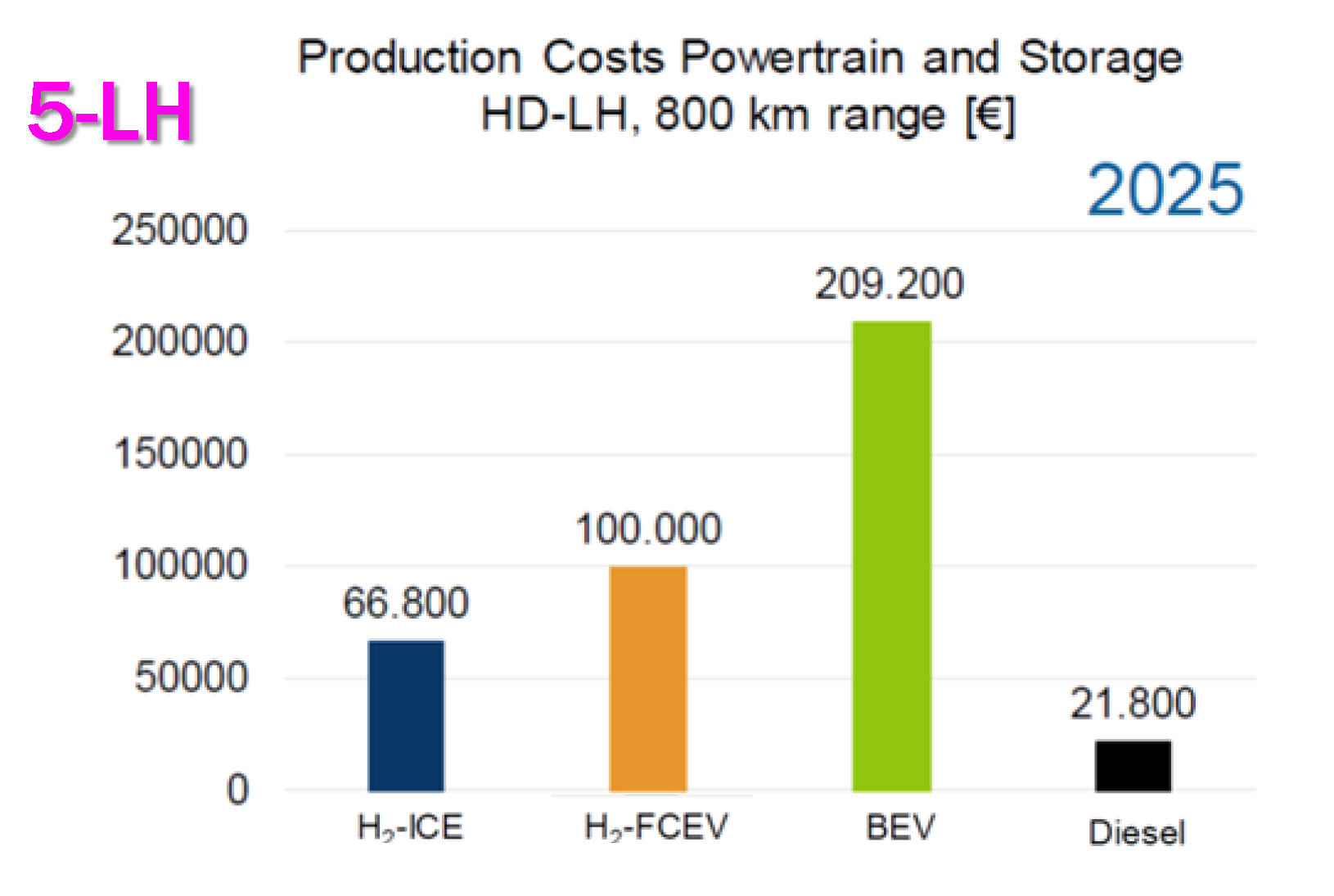

| Study | Injection Pressure | Authors |
|---|---|---|
| Experimental, numerical and engine characterization of 3000 bar diesel injection | up to 3000 bar | Whoka [128] |
| Characteristics of 3000 bar diesel spray injection under non-vaporizing and vaporizing conditions | up to 3000 bar | Johnson et al. [129] |
| Influence of high-pressure injection and nozzle flow rate on the emission behavior of a small commercial-vehicle diesel engine | up to 3000 bar | Rollbusch [130] |
| Diesel spray combustion rate enhancement by increasing injection pressure | up to 3200 bar | Riva et al. [131] |
| Effect of 4500 bar injection pressure and super-critical phase change of surrogate and real-world fuels enriched with additives and powering engines on soot emission reduction | up to 4500 bar | EU Horizon 2020 project [132] |
| General method for prediction of thermal conductivity for well-characterized hydrocarbon mixtures and fuels up to extreme conditions using entropy scale | up to 4500 bar | Rokni et al. [133] |
| Modelling of diesel fuel properties through its surrogates using perturbed-chain, statistical associating fuel theory | up to 5000 bar | Vidal et al. [134] |
| Purely predictive method for density, compressibility, and expansivity for hydrocarbon mixtures and diesel and jets fuels up to high temperatures and pressures | up to 4000 bar | Rokni et al. [135] |
| EOP | A | B | C | D |
|---|---|---|---|---|
| Speed (rpm) | 2000 | 2000 | 2000 | 2000 |
| IMEP (bar) | ~6.5 | ~6.5 | ~6.5 | ~9.5 |
| Rail pressure (bar) | 640 | 640 | 960 | 873 |
| EGR (%) | 16.3 | 24.5 | 16.3 | 13.8 |
| Pin (kPa) | 135 | 135 | 135 | 162 |
| Pex (kPA) | 148 | 148 | 148 | 186 |
| Pilot injection timing (CAD aTDC) | −20 | −20 | −20 | −46 |
| Main injection timing (CAD aRDC) | −4 | −4 | −4 | −3 |
| Operating Mode | PCCI | Conv. |
|---|---|---|
| Injection timing (CAD bTDC) | 35 | 12 |
| Injection quantity (mg) | 30 | 24 |
| Injection duration (µs) | 509 | 451 |
| EGR level | 60% | 0% |
| Injection pressure (MPa) | 160 | 160 |
| IMEP (MPa) | 0.59 | 0.59 |
| Engine speed (r/min) | 1400 | 1400 |
| PCCI | Conventional Diesel Combustion | |
|---|---|---|
| Qinj | 19.6 mg/cycle | 17 mg/cycle |
| IMEP | 5.92 bar | 5.9 bar |
| ISFC | 236 g/kWhi | 208 g/kWhi |
| Noise | 86 dB | 84 dB |
| Smoke | 0.54 FSN | 1.3 FSN |
| HC | 2320 ppmC | 410 ppmC |
| CO | 3700 ppm | 215 ppm |
| NOx | Under the sensitivity of the analyzer | 663 ppm |
| Main Injection Only | Single Post Injection | Double Post Injection | |
|---|---|---|---|
| Post injection quantity [mg/cycle] | - | 3.6 | 1.8/1.8 |
| T1st post inj. [CAS 1ASOI] | - | 20 | 30 |
| T2nd post inj. [CAS 1ASOI] | - | - | 20 |
| NOx [ppm] | 179 | 155 | 168 |
| EGR rate [%] | 54.6 | 49.1 | 41.94 |
| IMEP [kPa] | 364 | 441 | 450 |
| ISFC [g/kWh] | 238.3 | 196.7 | 192.8 |
| HC [ppm] | 1992 | 1814 | 1480 |
| CO [%] | 0.5669 | 0.2705 | 0.2416 |
| MPRR [MPa/degree] | 1.57 | 0.78 | 0.92 |
| Increase ↑ | Same a ↕ | Decrease ↓ | |
|---|---|---|---|
| Effective power | - | 75 | 25 |
| Brake-specific fuel consumption | 17 | - | 83 |
| Thermal efficiency | 58 | 33 | 8 |
| NOx emissions | - | 21 | 79 |
| PM emissions | 5 | 16 | 79 |
| THC emissions | - | - | 100 |
| CO emissions | - | 6 | 94 |
| CO2 emissions | 11 | 22 | 67 |
Disclaimer/Publisher’s Note: The statements, opinions and data contained in all publications are solely those of the individual author(s) and contributor(s) and not of MDPI and/or the editor(s). MDPI and/or the editor(s) disclaim responsibility for any injury to people or property resulting from any ideas, methods, instructions or products referred to in the content. |
© 2025 by the authors. Licensee MDPI, Basel, Switzerland. This article is an open access article distributed under the terms and conditions of the Creative Commons Attribution (CC BY) license (https://creativecommons.org/licenses/by/4.0/).
Share and Cite
Ferrari, A.; Vassallo, A. The Impact of the Common Rail Fuel Injection System on Performance and Emissions of Modern and Future Compression Ignition Engines. Energies 2025, 18, 5259. https://doi.org/10.3390/en18195259
Ferrari A, Vassallo A. The Impact of the Common Rail Fuel Injection System on Performance and Emissions of Modern and Future Compression Ignition Engines. Energies. 2025; 18(19):5259. https://doi.org/10.3390/en18195259
Chicago/Turabian StyleFerrari, Alessandro, and Alberto Vassallo. 2025. "The Impact of the Common Rail Fuel Injection System on Performance and Emissions of Modern and Future Compression Ignition Engines" Energies 18, no. 19: 5259. https://doi.org/10.3390/en18195259
APA StyleFerrari, A., & Vassallo, A. (2025). The Impact of the Common Rail Fuel Injection System on Performance and Emissions of Modern and Future Compression Ignition Engines. Energies, 18(19), 5259. https://doi.org/10.3390/en18195259