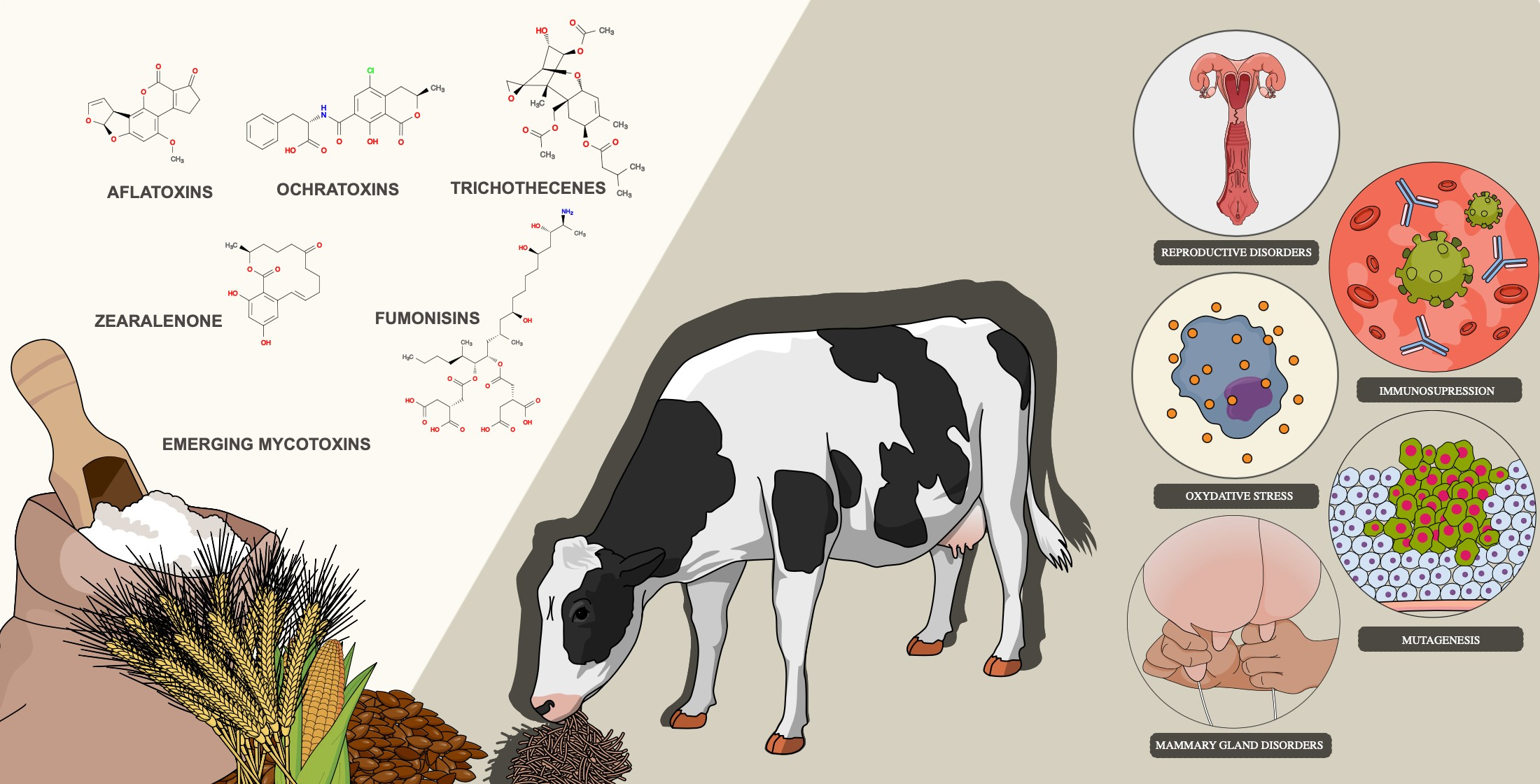
Health Problems with Mycotoxins in Cattle—A Review

 ,
,  ,
, 
 and
and
Abstract
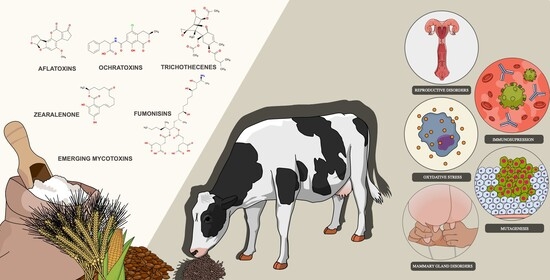
1. Introduction
2. Literature Review Method
2.1. Search Strategy and Data Sources
2.2. Inclusion/Exclusion Criteria
2.3. Study Selection and Data Extraction
3. Impact of Mycotoxins on Cattle
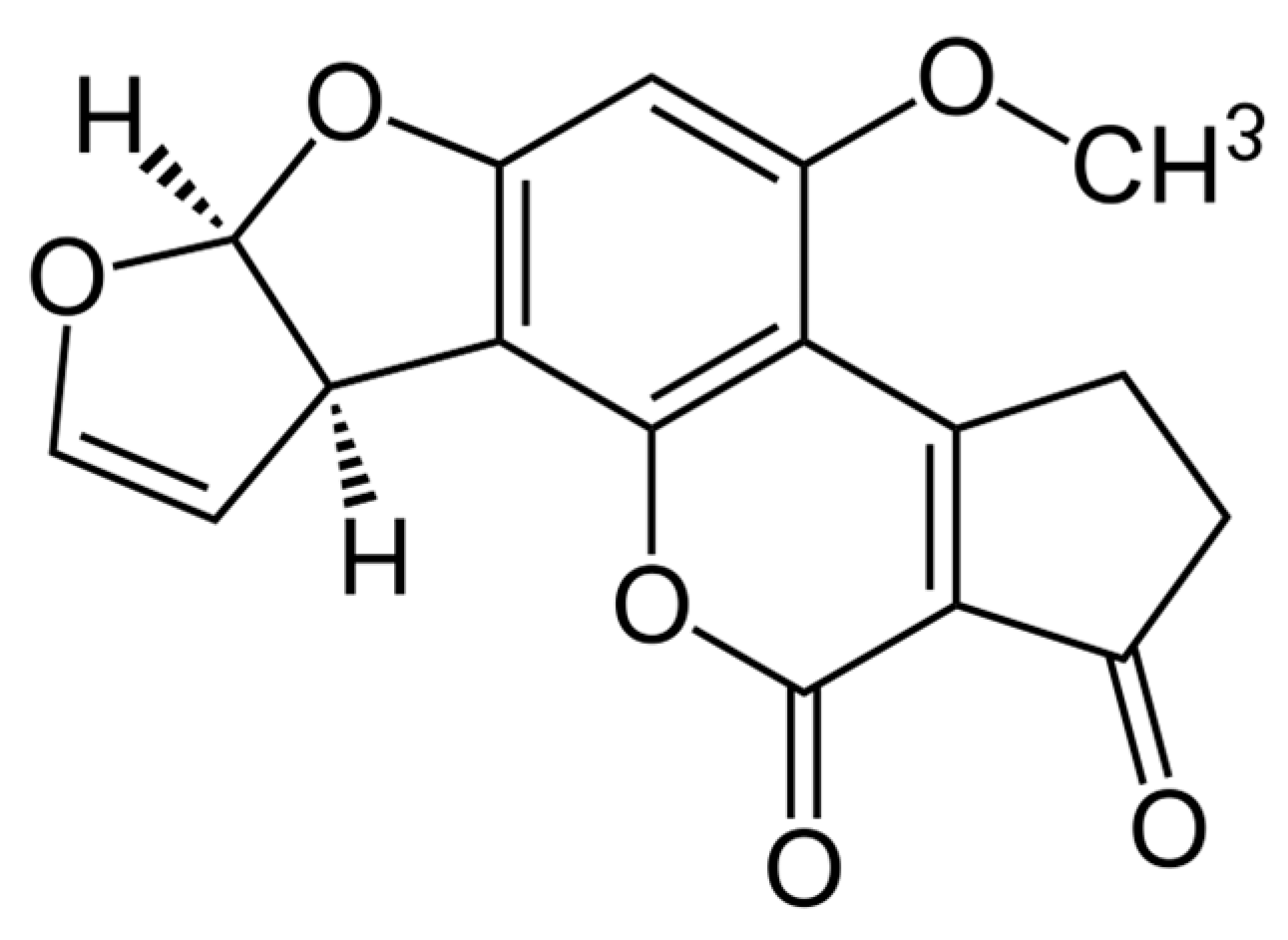
3.1. The Effect of Aflatoxins on Cattle
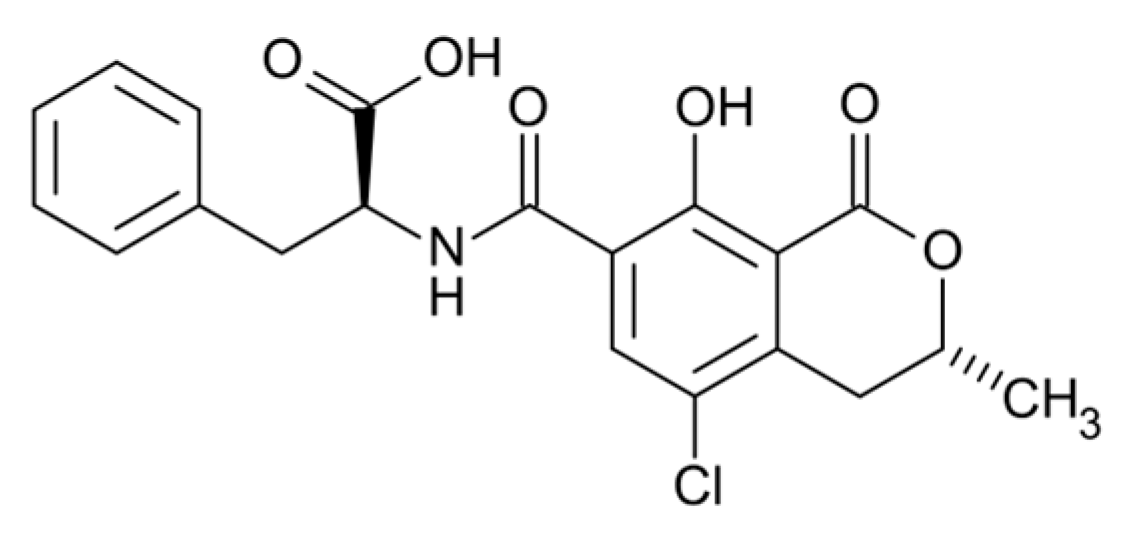
3.2. The Effect of Ochratoxins on Cattle
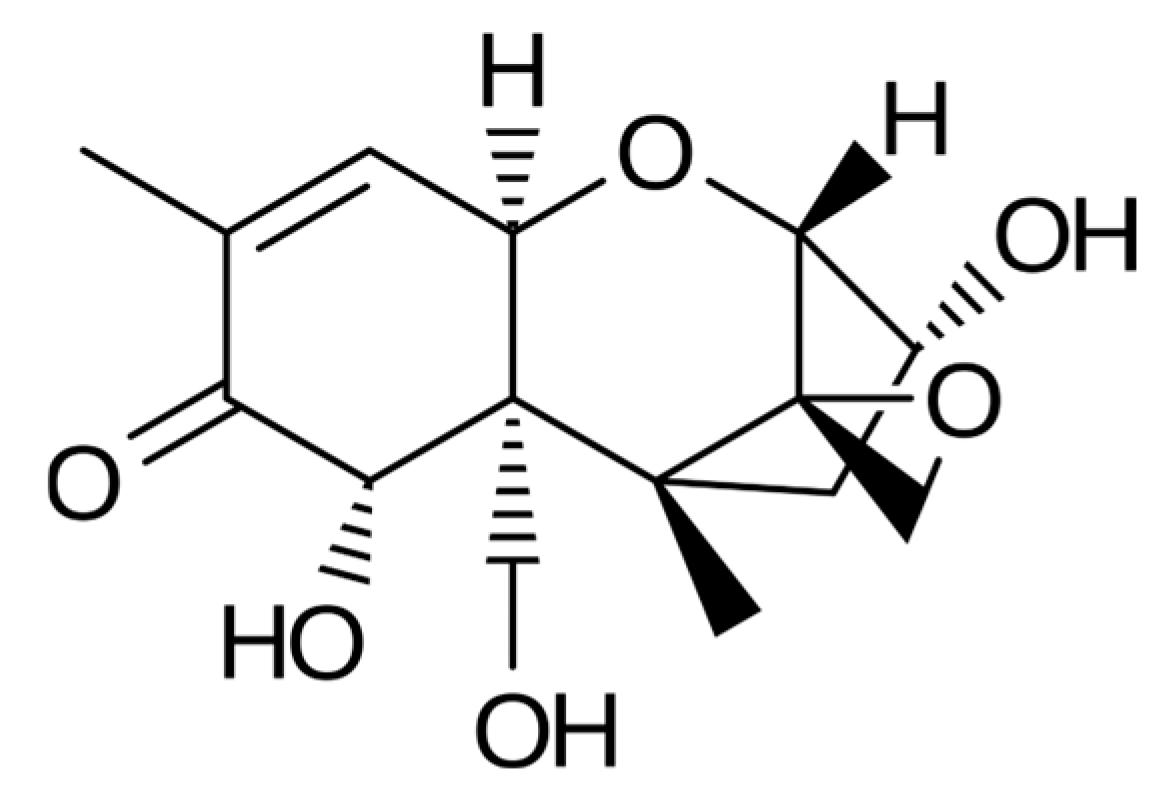
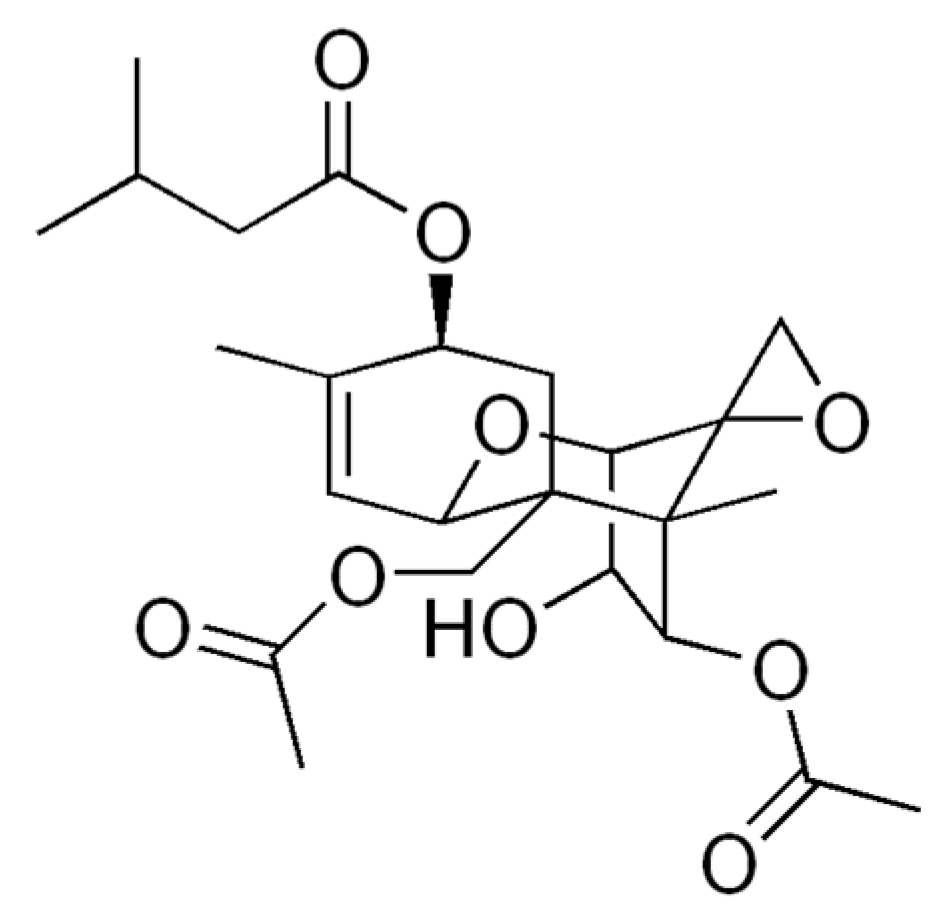
3.3. The Effect of Trichothecenes on Cattle
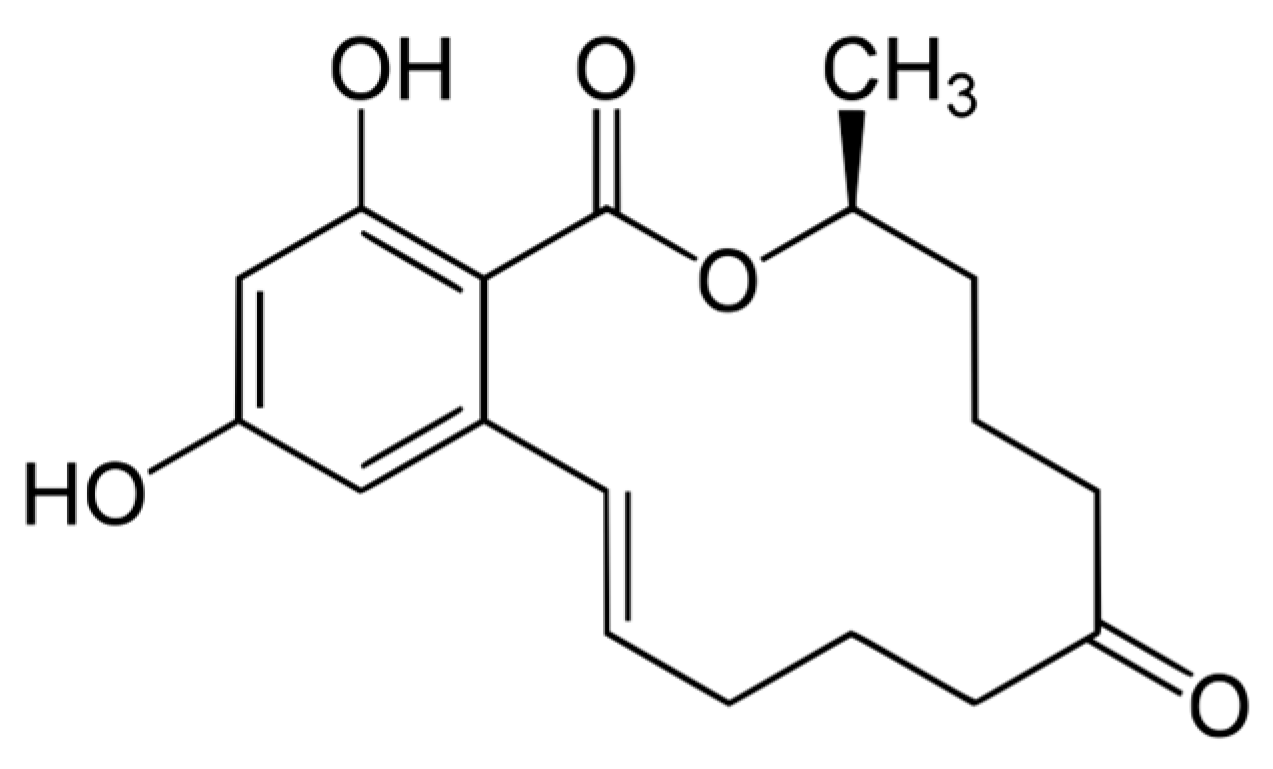
3.4. The Effect of Zearalenone on Cattle
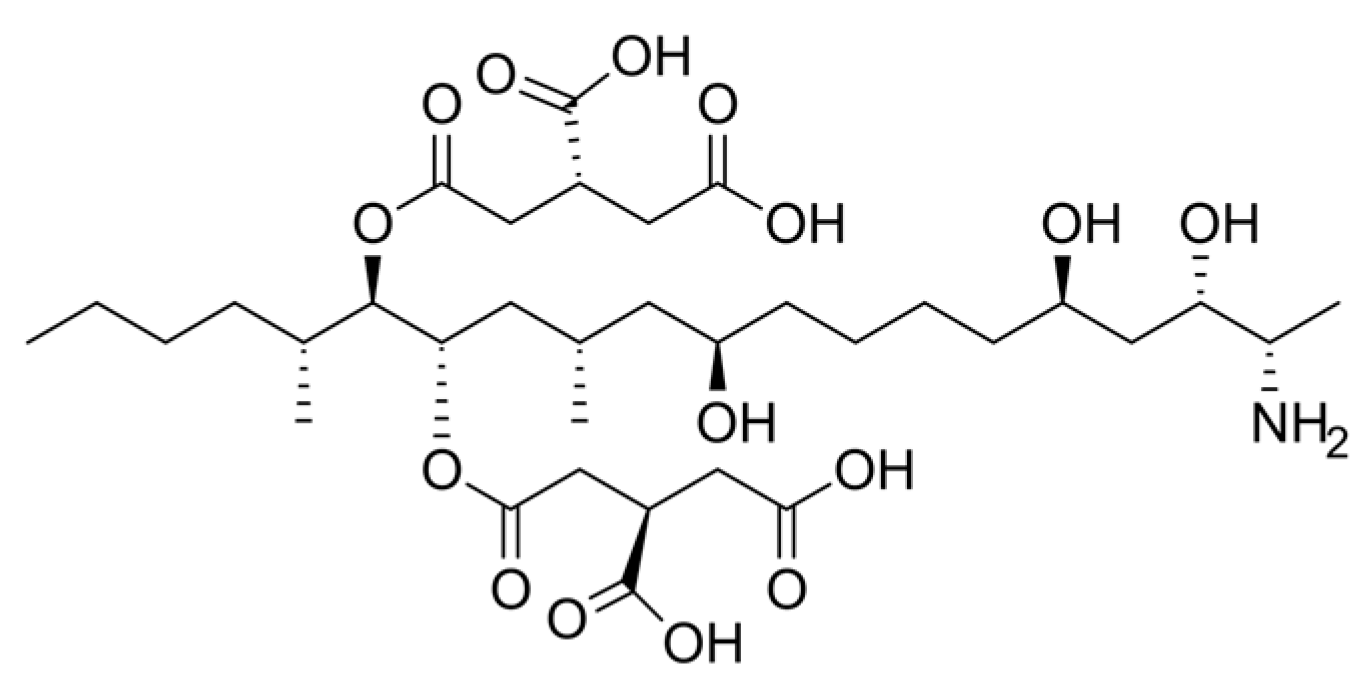
3.5. The Effect of Fumonisin on Cattle
3.6. The Effect of Emerging Mycotoxins on Cattle
4. The Effects of Mycotoxins on Cattle Immunity
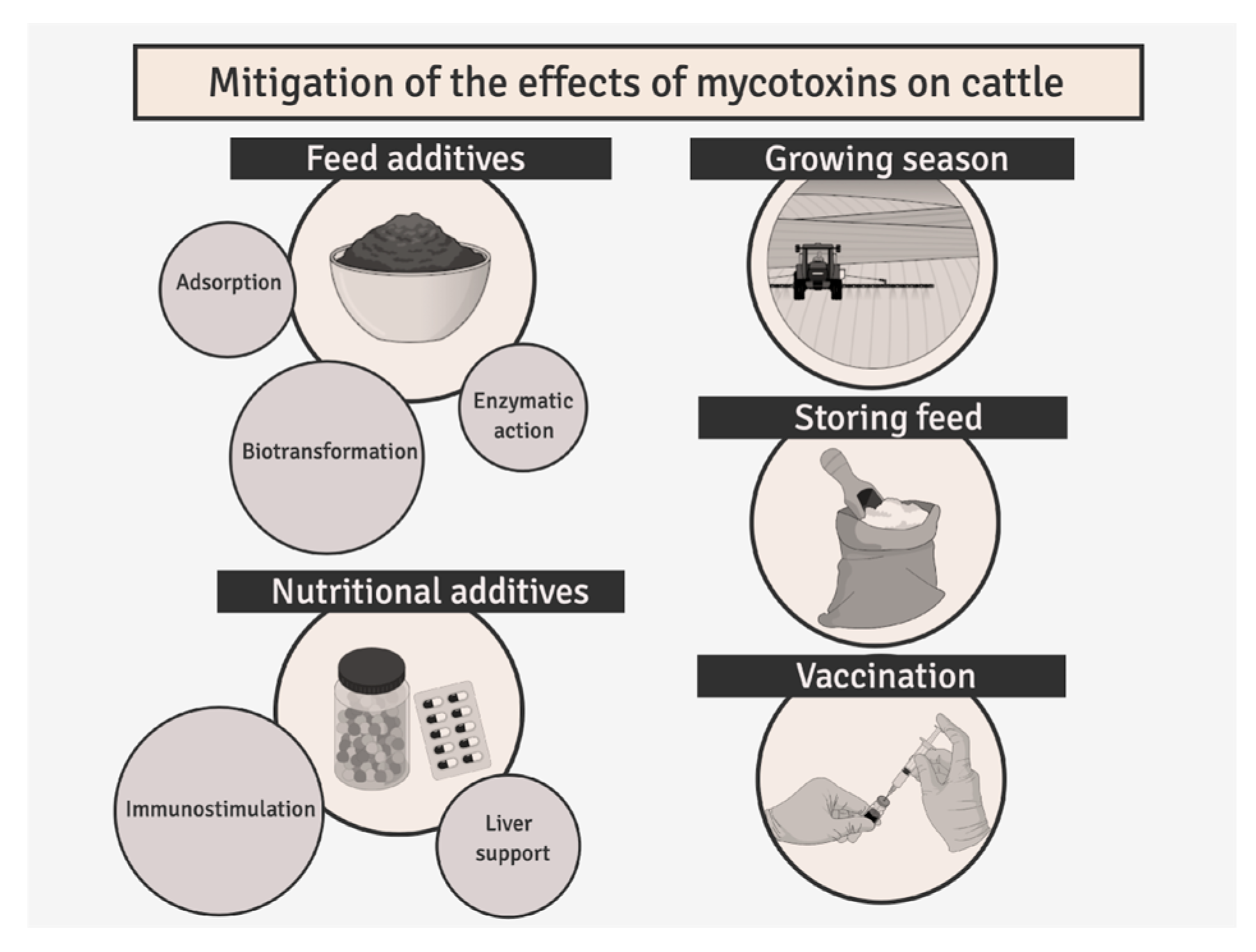
5. Mitigation of the Effects of Mycotoxins on Cattle
6. Conclusions
Author Contributions
Funding
Institutional: Review Board Statement
Informed Consent Statement
Data Availability Statement
Conflicts of Interest
Abbreviations
| AFB1 | aflatoxin B1 |
| ZEA | zearalenone |
| EU | European Union |
| IgA | immunoglobulin A |
| DON | deoxynivalenol |
| OTA | ochratoxin A |
| FB | fumonisin |
| IARC | International Agency for Research on Cancer |
| CYP | cytochrome P450 |
| DNA | deoxyribonucleic acid |
| RNA | ribonucleic acid |
| FDA | Food and Drug Administration |
| DDGs | dried distillers grains |
| NK | natural killer cells |
| DAS | diacetoxyscirpenol |
| MAS | monoacetoxyscirpenol |
| NEO | neosolaniol |
| NIV | nivalenol |
| 3-Ac-DON | 3-acetyldeoxynivalenol |
| 15-Ac-DON | 15-acetyldeoxynivalenol |
| ENN | enniatins |
| BEA | beauvericin |
| FP | fusaproliferin |
| MON | moniliformin |
| AUR | aurofusarin |
| MPA | mycophenolic acid |
| EMO | emodin |
| TNF-α | tumor necrosis factor α |
| IL-6 | interleukin 6 |
| TGF-β | transforming growth factor beta |
| TJ | tight junction proteins |
| TLRs | Toll-like receptors |
| ROS | reactive oxygen species |
| KLH | keyhole limpet hemocyanin |
References
- Muñoz-Solano, B.; Lizarraga Pérez, E.; González-Peñas, E. Monitoring Mycotoxin Exposure in Food-Producing Animals (Cattle, Pig, Poultry, and Sheep). Toxins 2024, 16, 218. [Google Scholar] [CrossRef]
- Patyal, A.; Gill, J.P.S.; Bedi, J.S.; Aulakh, R.S. Assessment of Aflatoxin Contamination in Dairy Animal Concentrate Feed from Punjab, India. Environ. Sci. Pollut. Res. 2021, 28, 37705–37715. [Google Scholar] [CrossRef]
- Bani Ismail, Z.; Al-Nabulsi, F.; Abu-Basha, E.; Hananeh, W. Occurrence of On-Farm Risk Factors and Health Effects of Mycotoxins in Dairy Farms in Jordan. Trop. Anim. Health Prod. 2020, 52, 2371–2377. [Google Scholar] [CrossRef]
- Juan, C.; Oueslati, S.; Mañes, J.; Berrada, H. Multimycotoxin Determination in Tunisian Farm Animal Feed. J. Food Sci. 2019, 84, 3885–3893. [Google Scholar] [CrossRef]
- Borowsky, A.M.; Rosim, R.E.; Tonin, F.G.; de Oliveira, C.A.F.; Corassin, C.H. Co-Occurrence of Mycotoxins in the Diet and in the Milk of Dairy Cows from the Southeast Region of Brazil. Toxins 2024, 16, 492. [Google Scholar] [CrossRef]
- Pires, R.D.; Alves e Silva, T.; Borowsky, A.M.; Cortinhas, C.S.; Carvalho, V.V.d.; Corassin, C.H. Evaluation of the Occurrence of Multi-Mycotoxins in the Diet of Beef Cattle Feedlots in Brazil. Ruminants 2025, 5, 12. [Google Scholar] [CrossRef]
- Biscoto, G.L.; Salvato, L.A.; Alvarenga, É.R.; Dias, R.R.S.; Pinheiro, G.R.G.; Rodrigues, M.P.; Pinto, P.N.; Freitas, R.P.; Keller, K.M. Mycotoxins in Cattle Feed and Feed Ingredients in Brazil: A Five-Year Survey. Toxins 2022, 14, 552. [Google Scholar] [CrossRef] [PubMed]
- Berthiller, F.; Schuhmacher, R.; Adam, G. Formation, determination and significance of masked and other conjugated mycotoxins. Anal. Bioanal. Chem. 2009, 395, 1243–1252. [Google Scholar] [CrossRef]
- Jones, F.T.; Genter, M.B.; Hagler, W.M.; Hansen, J.A.; Mowrey, B.A.; Poore, M.H.; Whitlow, L.W. Understanding and Coping with Effects of Mycotoxins in Livestock Feed and Forage; North Carolina Cooperative Extension Service: Raleigh, NC, USA, 1994. [Google Scholar]
- Verheecke, C.; Liboz, T.; Mathieu, F. Microbial degradation of aflatoxin B1: Current status and future advances. Int. J. Food Microbiol. 2016, 237, 1–9. [Google Scholar] [CrossRef] [PubMed]
- Mobashar, M.; Hummel, J.; Blank, R.; Südekum, K.-H. Ochratoxin A in ruminants—A review on its degradation by gut microbes and effects on animals. Toxins 2010, 2, 809. [Google Scholar] [CrossRef]
- Zada, S.; Alam, S.; Ayoubi, S.A.; Shakeela, Q.; Nisa, S.; Niaz, Z.; Khan, I.; Ahmed, W.; Bibi, Y.; Ahmed, S.; et al. Biological Transformation of Zearalenone by Some Bacterial Isolates Associated with Ruminant and Food Samples. Toxins 2021, 13, 712. [Google Scholar] [CrossRef]
- Dong, T.; Liang, Y.; Shao, T.; Wang, W.; Ma, P.; Wang, W.; Li, J.; Yuan, X. Detoxifying mycotoxins and anti-fungal properties of two rumen-derived Enterococcus species in artificially contaminated corn silages. J. Sci. Food Agric. 2023, 103, 5981–5991. [Google Scholar] [CrossRef]
- Yao, Y.; Luo, J.; Zhang, P.; Wang, Y.; Lu, B.; Wu, G.; Zhang, J.; Luo, X.; Wang, L. Screening, Identification and Application of Lactic Acid Bacteria for Degrading Mycotoxin Isolated from the Rumen of Yaks. Microorganisms 2024, 12, 2260. [Google Scholar] [CrossRef]
- Mostrom, M.S.; Jacobsen, B.J. Ruminant Mycotoxicosis. Vet.-Clin. N. Am. Food Anim. Pract. 2011, 27, 315–344. [Google Scholar] [CrossRef] [PubMed]
- Gallo, A.; Giuberti, G.; Frisvad, J.C.; Bertuzzi, T.; Nielsen, K.F. Review on mycotoxin issues in ruminants: Occurrence in forages, effects of mycotoxin ingestion on health status and animal performance and practical strategies to counteract their negative effects. Toxins 2015, 7, 3057–3111. [Google Scholar] [CrossRef] [PubMed]
- Penagos-Tabares, F.; Khiaosa-Ard, R.; Faas, J.; Steininger, F.; Papst, F.; Egger-Danner, C.; Zebeli, Q. A 2-year study reveals implications of feeding management and exposure to mycotoxins on udder health, performance, and fertility in dairy herds. J. Dairy Sci. 2024, 107, 1124–1142. [Google Scholar] [CrossRef] [PubMed]
- Martins, D.; Lemos, A.; Silva, J.; Rodrigues, M.; Simões, J. Mycotoxins evaluation of total mixed ration (TMR) in bovine dairy farms: An update. Heliyon 2024, 10, e25693. [Google Scholar] [CrossRef]
- Obremski, K.; Zielonka, Ł.; Gajęcka, M.; Jakimiuk, E.; Gajęcki, M. Mycotoxins—Dairy cattle breeding problem. A case report. Bull. Vet. Inst. Pulawy 2009, 53, 221–224. [Google Scholar]
- Kuć-Szymanek, A.; Kubik-Machura, D.; Kościelecka, K.; Męcik-Kronenberg, T.; Radko, L. Neurotoxicological Effects of Some Mycotoxins on Humans Health and Methods of Neuroprotection. Toxins 2025, 17, 24. [Google Scholar] [CrossRef]
- Kościelecka, K.; Kuć, A.; Kubik-Machura, D.; Męcik-Kronenberg, T.; Włodarek, J.; Radko, L. Endocrine Effect of Some Mycotoxins on Humans: A Clinical Review of the Ways to Mitigate the Action of Mycotoxins. Toxins 2023, 15, 515. [Google Scholar] [CrossRef]
- Kemboi, D.C.; Ochieng, P.E.; Antonissen, G.; Croubels, S.; Scippo, M.-L.; Okoth, S.; Kangethe, E.K.; Faas, J.; Doupovec, B.; Lindahl, J.F.; et al. Multi-Mycotoxin Occurrence in Dairy Cattle and Poultry Feeds and Feed Ingredients from Machakos Town, Kenya. Toxins 2020, 12, 762. [Google Scholar] [CrossRef]
- Hof, H. Mycotoxins in milk for human nutrition: Cow, sheep and human breast milk. GMS Infect. Dis. 2016, 4, Doc03. [Google Scholar]
- Jouany, J.P.; Yiannikouris, A.; Bertin, G. Risk assessment of mycotoxins in ruminants and ruminant products. Options Mediterr. A 2009, 85, 205–224. [Google Scholar]
- European Commission Consolidated Text: Commission Regulation (EC) No 1881/2006 of 19 December 2006 Setting Maximum Levels for Certain Contaminants in Foodstuffs. Off. J. Eur. Union 2020, 364, 5–24.
- Grajewski, J.; Jarzemski, P.; Twarużek, M.; Kuźminska, K.; Trępała, M. The level of ochratoxin a in patients after nephrectomy. Mycotoxin Res. 2007, 23, 22–26. [Google Scholar] [CrossRef]
- Chhaya, R.S.; Nag, R.; Cummins, E. Human health risk from co-occurring mycotoxins in dairy: A feed-to-fork approach. Food Control 2025, 168, 110954. [Google Scholar] [CrossRef]
- Battilani, P.; Palumbo, R.; Giorni, P.; Dall’Asta, C.; Dellafiora, L.; Gkrillas, A.; Toscano, P.; Crisci, A.; Brera, C.; De Santis, B.; et al. Mycotoxin mixtures in food and feed: Holistic, innovative, flexible risk assessment modelling approach: MYCHIF. EFSA Support. Publ. 2020, 17, 161. [Google Scholar] [CrossRef]
- Focker, M.; van der Fels-Klerx, H.J.; Oude Lansink, A.G.J.M. Financial losses for Dutch stakeholders during the 2013 aflatoxin incident in Maize in Europe. Mycotoxin Res. 2021, 37, 193–204. [Google Scholar] [CrossRef]
- Available online: https://www.fda.gov/media/121202/download (accessed on 28 July 2025).
- IARC Monographs on the Evaluation of Carcinogenic Risks to Humans. Available online: https://www.ncbi.nlm.nih.gov/books/NBK419324/ (accessed on 28 July 2025).
- Gallo, A.; Moschini, M.; Masoero, F. Aflatoxins absorption in the gastro-intestinal tract and in the vaginal mucosa in lactating dairy cows. Ital. J. Anim. Sci. 2008, 7, 53–63. [Google Scholar] [CrossRef]
- Kiessling, K.H.; Pettersson, H.; Sandholm, K. Metabolism of aflatoxin, ochratoxin, zearalenone and three trichothecenes by intact rumen fluid, rumen protozoa and rumen bacteria. Appl. Environ. Microbiol. 1984, 47, 1070–1073. [Google Scholar] [CrossRef]
- Westlake, K.; Mackie, R.I.; Dutton, M.F. In vitro metabolism of mycotoxins by bacterial, protozoal and ovine ruminal fluid preparations. Anim. Feed Sci. Tech. 1989, 25, 169–178. [Google Scholar] [CrossRef]
- Upadhaya, S.D.; Sung, H.G.; Lee, C.H.; Lee, S.Y.; Kim, S.W.; Cho, K.J.; Ha, J.K. Comparative study on the aflatoxin B1 degradation ability of rumen fluid from Holstein steers and Korean native goats. J. Vet. Sci. 2009, 10, 29–34. [Google Scholar] [CrossRef]
- Carvajal, M.; Rojo, F.; Méndez, I. Aflatoxin B1 and its interconverting metabolite aflatoxicol in milk: The situation in Mexico. Food Addit. Contam. 2003, 20, 1077–1086. [Google Scholar] [CrossRef]
- Mazzette, A.; Decandia, M.; Acciaro, M. Excretion of aflatoxin M1 in milk of goats fed diets contaminated by aflatoxin B1. Ital. J. Anim. Sci. 2009, 8, 631–633. [Google Scholar] [CrossRef][Green Version]
- European Commission. Commission Regulation (EC) No 1126/2007 of 28 September 2007 amending Regulation (EC) No 1881/2006 setting maximum levels for certain contaminants in foodstuffs as regards Fusarium toxins in maize and maize products. Off. J. Eur. Union 2007, L 255, 14–17. [Google Scholar]
- An Overview of Mycotoxin Contamination of Animal Feeds. Available online: https://www.researchgate.net/publication/340022887_An_overview_of_Mycotoxin_contamination_of_animal_feeds (accessed on 29 March 2025).
- Newberne, P.M. Chronic aflatoxicosis. J. Am. Vet. Med. Assoc. 1973, 163, 1262–1267. [Google Scholar] [CrossRef] [PubMed]
- Raisbeck, M.F.; Rottinghaus, G.E.; Kendall, J.D. Effects of naturally occurring mycotoxins on ruminants. In Mycotoxins and Animal Foods; Smith, J.E., Henderson, R.S., Eds.; CRC Press: Boca Raton, FL, USA, 1991; pp. 647–677. [Google Scholar]
- de Luna-López, M.C.; Valdivia-Flores, A.G.; Rangel-Muñoz, E.J.; Hernández-Valdivia, E.; Quezada-Tristán, T.; Jaramillo-Juárez, F.; Ortiz-Martínez, R. Time-Dependent Changes in Performance, Biochemistry, and Histology in Dairy Calves with Acute Aflatoxicosis. Vet. Sci. 2025, 12, 273. [Google Scholar] [CrossRef]
- Hall, R.F.; Harrison, L.R.; Colvin, B.M. Aflatoxicosis in cattle pastured in a field of sweet corn. J. Am. Vet. Med. Assoc. 1989, 194, 938. [Google Scholar] [CrossRef]
- Khatoon, A.; Abidin, Z. Mycotoxicosis—Diagnosis, prevention and control: Past practices and future perspectives. Toxin Rev. 2018, 39, 99–114. [Google Scholar] [CrossRef]
- Smith, E.E.; Phillips, T.D.; Ellis, J.A. Dietary hydrated sodium calcium aluminosilicate reduction of aflatoxin M1 residue in dairy goat milk and effects on milk production and components. J. Anim. Sci. 1994, 72, 677–682. [Google Scholar] [CrossRef]
- Diaz, D.E.; Hagler, W.M.; Blackwelder, J.T.; Eve, J.A.; Hopkins, B.A.; Anderson, K.L.; Jones, F.T.; Whitlow, L.W. Aflatoxin binders II: Reduction of aflatoxin M1 in milk by sequestering agents of cows consuming aflatoxin in feed. Mycopathologia 2004, 157, 233–241. [Google Scholar] [CrossRef]
- Kutz, R.E.; Sampson, J.D.; Pompeu, L.B.; Ledoux, D.R.; Spain, J.N.; Vázquez-Añón, M.; Rottinghaus, G.E. Efficacy of Solis, NovasilPlus and MTB-100 to reduce aflatoxin M1 levels in milk of early to mid lactation dairy cows fed aflatoxin B1. J. Dairy Sci. 2009, 92, 3959–3963. [Google Scholar] [CrossRef] [PubMed]
- Fink-Gremmels, J.; van der Merwe, D. Mycotoxins in the food chain: Contamination of foods of animal origin. In Chemical Hazards in Food of Animal Origin; Smulders, F.J.M., Rietjens, I.M.C.M., Rose, M., Eds.; Wageningen Academic Publishers: Wageningen, The Netherlands, 2019; pp. 241–261. [Google Scholar]
- Schrenk, D.; Bignami, M.; Bodin, L.; Chipman, J.K.; Del Mazo, J.; Grasl-Kraupp, B.; Hogstrand, C.; Hoogenboom, L.R.; Leblanc, J.C.; Nielsen, E.; et al. Risks for animal health related to the presence of ochratoxin A (OTA) in feed. EFSA J. 2023, 21, e08375. [Google Scholar] [CrossRef]
- Heussner, A.H.; Bingle, L.E. Comparative Ochratoxin Toxicity: A Review of the Available Data. Toxins 2015, 7, 4253–4282. [Google Scholar] [CrossRef]
- Khatoon, A.; Nawaz, M.Y.; Mehboob, G.; Saleemi, M.K.; Gul, S.T.; Abbas, R.Z.; Ijaz, M.U.; Murtaza, B.; Bhatti, S.A.; ul Abidin, Z.; et al. Unraveling the combined deleterious effects of ochratoxin a and atrazine upon broiler’s health: Toxicopathological, serum biochemical and immunological perspectives. Toxicon 2023, 236, 107327. [Google Scholar] [CrossRef]
- Kuhn, M.; Hassan, R.; González, D.; Myllys, M.; Hobloss, Z.; Degen, G.H.; Humpf, H.U.; Hengstler, J.G.; Cramer, B.; Ghallab, A. Role of albumin in the metabolism and excretion of ochratoxin A. Mycotoxin Res. 2024, 40, 433–445. [Google Scholar] [CrossRef]
- Zhang, Z.; Fan, Z.; Nie, D.; Zhao, Z.; Han, Z. Analysis of the Carry-Over of Ochratoxin A from Feed to Milk, Blood, Urine, and Different Tissues of Dairy Cows Based on the Establishment of a Reliable LC-MS/MS Method. Molecules 2019, 24, 2823. [Google Scholar] [CrossRef] [PubMed]
- Pattono, D.; Gallo, P.F.; Civera, T. Detection and quantification of Ochratoxin A in milk produced in organic farms. Food Chem. 2011, 127, 374–377. [Google Scholar] [CrossRef]
- Hashimoto, Y.; Katsunuma, Y.; Nunokawa, M.; Minato, H.; Yonemochi, C. Influence of repeated ochratoxin A ingestion on milk production and its carry-over into the milk, blood and tissues of lactating cows. Anim. Sci. J. 2016, 87, 541–546. [Google Scholar] [CrossRef]
- Meerdink, G.L. Citrinin and ochratoxin. In Clinical Veterinary Toxicology; Plumlee, K.H., Ed.; Mosby: St. Louis, MO, USA, 2004; pp. 235–239. [Google Scholar]
- Lloyd, W.E.; Stahr, H.M. Ochratoxin toxicosis in cattle. In Proceedings of the Twenty-Second Annual Meeting of the American Association of Veterinary Laboratory Diagnosticians, San Diego, CA, USA, 27–30 October 1979; AAVLD: Visalia, CA, USA, 1979; pp. 223–228. [Google Scholar]
- Alizadeh, A.; Braber, S.; Akbari, P.; Kraneveld, A.; Garssen, J.; Fink-Gremmels, J. Deoxynivalenol and its modified forms: Are there major differences? Toxins 2016, 8, 334. [Google Scholar] [CrossRef]
- Wang, W.; Zhu, Y.; Abraham, N.; Li, X.Z.; Kimber, M.; Zhou, T. The Ribosome-Binding Mode of Trichothecene Mycotoxins Rationalizes Their Structure-Activity Relationships. Int. J. Mol. Sci. 2021, 22, 1604. [Google Scholar] [CrossRef] [PubMed]
- Gallo, A.; Mosconi, M.; Trevisi, E.; Santos, R.R. Adverse Effects of Fusarium Toxins in Ruminants: A Review of In Vivo and In Vitro Studies. Dairy 2022, 3, 474–499. [Google Scholar] [CrossRef]
- Aupanun, S.; Poapolathep, S.; Giorgi, M.; Imsilp, K.; Poapolathep, A. An overview of the toxicology and toxicokinetics of fusarenon-X, a type B trichothecene mycotoxin. J. Vet. Med. Sci. 2017, 79, 6–13. [Google Scholar] [CrossRef]
- Alassane-Kpembi, I.; Puel, O.; Oswald, I.P. Toxicological interactions between the mycotoxins deoxynivalenol, nivalenol and their acetylated derivatives in intestinal epithelial cells. Arch. Toxicol. 2015, 89, 1337–1346. [Google Scholar] [CrossRef]
- Lee, J.Y.; Lim, W.; Park, S.; Kim, J.; You, S.; Song, G. Deoxynivalenol induces apoptosis and disrupts cellular homeostasis through MAPK signaling pathways in bovine mammary epithelial cells. Environ. Pollut. 2019, 252, 879–887. [Google Scholar] [CrossRef]
- Zhao, X.; Sun, P.; Liu, M.; Liu, S.; Huo, L.; Ding, Z.; Liu, M.; Wang, S.; Lv, C.; Wu, H. Deoxynivalenol exposure inhibits biosynthesis of milk fat and protein by impairing tight junction in bovine mammary epithelial cells. Ecotoxicol. Environ. Saf. 2022, 237, 113504. [Google Scholar] [CrossRef]
- Eriksen, G.S. Metabolism and Toxicity of Trichothecenes: Studies in Pigs and a Risk Assessment of Trichothecenes in Feed for Farm Animals; VDM Verlag: Saarbrücken, Germany, 2009. [Google Scholar]
- Wang, X.C.; Zhang, Y.F.; Cao, L.; Zhu, L.; Huang, Y.Y.; Chen, X.F.; Chu, X.Y.; Zhu, D.F.; Ur Rahman, S.; Feng, S.B.; et al. Deoxynivalenol Induces Intestinal Damage and Inflammatory Response through the Nuclear Factor-κB Signaling Pathway in Piglets. Toxins 2019, 11, 663. [Google Scholar] [CrossRef]
- Korosteleva, S.N.; Smith, T.K.; Boermans, H.J. Effect of feed naturalny contaminated with Fusarium mycotoxins on metabolism and immunity of dairy cows. J. Dairy Sci. 2009, 92, 1585–1595. [Google Scholar] [CrossRef]
- Seeling, K.; Lebzien, P.; Danicke, S.; Spilke, J.; Sudekum, K.H.; Flachowsky, G. Effects of level of feed intake and Fusarium tox-in-contaminated wheat on rumen fermentation as well as blond and milk parameters in cows. J. Anim. Physiol. Anim. Nutr. 2006, 90, 103–115. [Google Scholar] [CrossRef]
- Li, P.; Su, R.; Yin, R.; Lai, D.; Wang, M.; Liu, Y.; Zhou, L. Detoxification of Mycotoxins through Biotransformation. Toxins 2020, 12, 121. [Google Scholar] [CrossRef] [PubMed]
- Valgaeren, B.; Theron, L.; Croubels, S.; Devreese, M.; De Baere, S.; Van Pamel, E.; Daeseleire, E.; De Boevre, M.; De Saeger, S.; Vidal, A.; et al. The role of roughage provision on the absorption and disposition of the mycotoxin deoxynivalenol and its acetylated derivatives in calves: From field observations to toxicokinetics. Arch. Toxicol. 2019, 93, 293–310. [Google Scholar] [CrossRef]
- Machado, M.; Nora, L.; Zanin, T.B.N.; Bissacotti, B.F.; Morsch, V.M.; Vedovatto, M.; Pelisser, G.; Mendes, R.E.; Galvão, A.C.; Speroni, C.S.; et al. Impacts of intake of trichothecenes (Fusarium sporotrichioides) for dairy calves: Effects on animal growth, oxidative and inflammatory response. Microb. Pathog. 2024, 190, 106605. [Google Scholar] [CrossRef]
- Jouany, J.-P.; Diaz, D.E. Effects of mycotoxins in ruminants. In The Mycotoxin Blue Book; Nottingham University Press: Nottingham, UK, 2005; pp. 295–321. [Google Scholar]
- Charmley, E.; Trenholm, H.L.; Thompson, B.K.; Vudathala, D.; Nicholson, J.W.; Prelusky, D.B.; Charmley, L.L. Influence of level of deoxynivalenol in the diet of dairy cows on feed intake, milk production, and its composition. J. Dairy Sci. 1993, 76, 3580–3587. [Google Scholar] [CrossRef]
- Becker-Algeri, T.A.; Castagnaro, D.; de Bortoli, K.; de Souza, C.; Drunkler, D.A.; Badiale-Furlong, E. Mycotoxins in Bovine Milk and Dairy Products: A Review. J. Food Sci. 2016, 81, R544–R552. [Google Scholar] [CrossRef]
- Schrenk, D.; Bignami, M.; Bodin, L.; Chipman, J.K.; Del Mazo, J.; Grasl-Kraupp, B.; Hogstrand, C.; Leblanc, J.C.; Nielsen, E.; Ntzani, E.; et al. Assessment of information as regards the toxicity of T-2 and HT-2 toxin for ruminants. EFSA J. 2022, 20, e07564. [Google Scholar] [PubMed]
- Whitlow, L.W.; Hagler, W.M. Mycotoxins in dairy cattle: Occurrence, toxicity, prevention and treatment. In Proceedings of the Southwest Nutrition Conference, Chandler, AZ, USA, 29–30 January 2005; Animal Sciences. University of Arizona: Tucson, AZ, USA, 2005; pp. 133–152. [Google Scholar]
- Hsu, I.C.; Smalley, E.B.; Strong, F.M.; Ribelin, W.E. Identification of T-2 toxin in moldy corn associated with a lethal toxicosis in dairy cattle. Appl. Microbiol. 1972, 24, 684–690. [Google Scholar] [CrossRef] [PubMed]
- Vila-Donat, P.; Martin, S.; Sanchis, V. A review of the mycotoxin absorbing agents, with an emphasis on their multi-binding capacity, for animal feed decontamination. Food Chem. Toxicol. 2018, 114, 246–259. [Google Scholar] [CrossRef]
- Dänicke, S.; Pahlow, G.; Beyer, M. Investigations on the kinetics of the concentration of deoxynivalenol (DON) and on spoilage by moulds and yeasts of wheat grain preserved with sodium metabisulfite (Na2S2O5, SBS) and propionic acid at various moisture contents. Arch. Anim. Nutr. 2010, 64, 190–203. [Google Scholar] [CrossRef] [PubMed]
- Marczuk, J.; Obremski, K.; Lutnicki, K.; Gajecka, M.; Gajecki, M. Zearalenone and deoxynivalenol mycotoxicosis in dairy cattle herds. Pol. J. Vet. Sci. 2012, 15, 365–372. [Google Scholar] [CrossRef]
- Barański, W.; Gajęcka, M.; Zielonka, Ł.; Mróz, M.; Onyszek, E.; Przybyłowicz, K.E.; Nowicki, A.; Babuchowski, A.; Gajęcki, M.T. Occurrence of Zearalenone and Its Metabolites in the Blood of High-Yielding Dairy Cows at Selected Collection Sites in Various Disease States. Toxins 2021, 13, 446. [Google Scholar] [CrossRef]
- Gruber-Dorninger, C.; Faas, J.; Doupovec, B.; Aleschko, M.; Stoiber, C.; Höbartner-Gußl, A.; Schöndorfer, K.; Killinger, M.; Zebeli, Q.; Schatzmayr, D. Metabolism of Zearalenone in the Rumen of Dairy Cows with and without Application of a Zearalenone-Degrading Enzyme. Toxins 2021, 13, 84. [Google Scholar] [CrossRef]
- Cai, G.; Guerrero-Netro, H.M.; Bian, J.; Oswald, I.P.; Price, C.; Alassane-Kpembi, I. Real-life exposure to Fusarium toxins deoxynivalenol and zearalenone triggers apoptosis and activates NLRP3 inflammasome in bovine primary theca cells. Mycotoxin. Res. 2023, 39, 367–377. [Google Scholar] [CrossRef]
- Knutsen, H.K.; Alexander, J.; Barregård, L.; Bignami, M.; Brüschweiler, B.; Ceccatelli, S.; Cottrill, B.; Dinovi, M.; Edler, L.; Grasl-Kraupp, B.; et al. Risks for animal health related to the presence of zearalenone and its modified forms in feed. EFSA J. 2017, 15, e04851. [Google Scholar] [CrossRef]
- Chekan, O.M. Prevalence of subclinical abortions in cows due to mycotoxicosis. Ukr. J. Vet. Agric. Sci. 2023, 6, 3–7. [Google Scholar] [CrossRef]
- Elweza, A.E.; Marey, M.A.; Elesh, I.F.; Zinnah, M.A.; Akthar, I.; Kanno, C.; Takagi, M.; Miyamoto, A. Zearalenone interferes with the sperm-triggered inflammation in the bovine uterus in vitro: Negative impact on sperm motility and survival. Reprod. Toxicol. 2022, 107, 81–89. [Google Scholar] [CrossRef] [PubMed]
- Meucci, V.; Soldani, G.; Razzuoli, E.; Saggese, G.; Massart, F. Mycoestrogen pollution of Italian infant food. J. Pediatr. 2011, 159, 278–283.e1. [Google Scholar] [CrossRef]
- European Commission. Commission Recommendation of 17 August 2006 on the presence of deoxynivalenol, zearalenone, ochratoxin A, T-2 and HT-2 and fumonisins in products intended for animal feeding (2006/576/EC). Off. J. Eur. Union 2006, L 229, 7–9. [Google Scholar]
- Knutsen, H.K.; Alexander, J.; Barregård, L.; Bignami, M.; Brüschweiler, B.; Ceccatelli, S.; Cottrill, B.; Dinovi, M.; Edler, L.; Grasl-Kraupp, B.; et al. Risks for animal health related to the presence of fumonisins, their modified forms and hidden forms in feed. EFSA J. 2018, 16, e05242. [Google Scholar] [CrossRef]
- Mogensen, J.P.; Frisvad, J.C.; Thrane, U. Production of fumonisin B2 and B4 by Aspergillus niger on grapes and raisins. J. Agric. Food Chem. 2010, 58, 954–958. [Google Scholar] [CrossRef] [PubMed]
- Obafemi, B.A.; Adedara, I.A.; Delgado, C.P.; Obafemi, O.T.; Aschner, M.; Rocha, J.B.T. Fumonisin B1 neurotoxicity: Preclinical evidence, biochemical mechanisms and therapeutic strategies. Toxicol. Rep. 2025, 27, 101931. [Google Scholar] [CrossRef] [PubMed]
- Yalçın, R.; Kart, A.; Özmen, Ö.; Zeybek, E. Protective effects of resveratrol against fumonisin B1-induced liver toxicity in mice. Arh. Hig. Rada Toksikol. 2023, 74, 115–119. [Google Scholar] [CrossRef]
- Jennings, J.S.; Ensley, S.M.; Smith, W.N.; Husz, T.C.; Lawrence, T.E. Impact of increasing levels of fumonisin on performance, liver toxicity, and tissue histopathology of finishing beef steers. J. Anim. Sci. 2020, 98, skaa390. [Google Scholar] [CrossRef]
- Gallo, A.; Minuti, A.; Bani, P.; Bertuzzi, T.; Cappelli, F.P.; Doupovec, B.; Faas, J.; Schatzmayr, D.; Trevisi, E. A mycotoxin-deactivating feed additive counteracts the adverse effects of regular levels of Fusarium mycotoxins in dairy cows. J. Dairy Sci. 2020, 103, 11314–11331. [Google Scholar] [CrossRef]
- Custódio, L.; Prados, L.F.; Yiannikouris, A.; Holder, V.; Pettigrew, J.; Kuritza, L.; Siqueira, G.R. Mycotoxin contamination of diets for beef cattle finishing in feedlot. Rev. Bras. Zootec. 2019, 48, 56–59. [Google Scholar] [CrossRef]
- Diaz, D.E.; Hopkins, B.A.; Leonard, L.M.; Hagler, W.M., Jr.; Whitlow, L.W. Effect of Fumonisin on lactating dairy cattle. J. Dairy Sci. 2000, 83, 1171. [Google Scholar]
- Penagos-Tabares, F.; Khiaosa-Ard, R.; Schmidt, M.; Bartl, E.M.; Kehrer, J.; Nagl, V.; Faas, J.; Sulyok, M.; Krska, R.; Zebeli, Q. Cocktails of Mycotoxins, Phytoestrogens, and Other Secondary Metabolites in Diets of Dairy Cows in Austria: Inferences from Diet Composition and Geo-Climatic Factors. Toxins 2022, 14, 493. [Google Scholar] [CrossRef] [PubMed]
- Prosperini, A.; Berrada, H.; Ruiz, M.J.; Caloni, F.; Coccini, T.; Spicer, L.J.; Perego, M.C.; Lafranconi, A. A Review of the Mycotoxin Enniatin B. Front. Public Health 2017, 16, 304. [Google Scholar]
- Gallo, A.; Catellani, A.; Ghilardelli, F.; Lapris, M.; Mastroeni, C. Strategies and technologies in preventing regulated and emerging mycotoxin co-contamination in forage for safeguarding ruminant health. Animal 2024, 18, 101280. [Google Scholar] [CrossRef]
- Reisinger, N.; Schürer-Waldheim, S.; Mayer, E.; Debevere, S.; Antonissen, G.; Sulyok, M.; Nagl, V. Mycotoxin Occurrence in Maize Silage—A Neglected Risk for Bovine Gut Health? Toxins 2019, 11, 577. [Google Scholar] [CrossRef]
- Dagnac, T.; Latorre, A.; Fernández Lorenzo, B.; Llompart, M. Validation and application of a liquid chromatography-tandem mass spectrometry based method for the assessment of the co-occurrence of mycotoxins in maize silages from dairy farms in NW Spain. Food Addit. Contam. Part A Chem. Anal. Control Expo. Risk Assess 2016, 33, 1850–1863. [Google Scholar] [CrossRef] [PubMed]
- Svingen, T.; Lund Hansen, N.; Taxvig, C.; Vinggaard, A.M.; Jensen, U.; Have Rasmussen, P. Enniatin B and beauvericin are common in Danish cereals and show high hepatotoxicity on a high-content imaging platform. Environ. Toxicol. 2017, 32, 1658–1664. [Google Scholar] [CrossRef]
- Uhlig, S.; Jestoi, M.; Parikka, P. Fusarium avenaceum—The North European situation. Int. J. Food Microbiol. 2007, 119, 17–24. [Google Scholar] [CrossRef]
- Prosperini, A.; Juan-García, A.; Font, G.; Ruiz, M.J. Reactive oxygen species involvement in apoptosis and mitochondrial damage in Caco-2 cells induced by enniatins A, A1, B and B1. Toxicol. Lett. 2013, 222, 36–44. [Google Scholar] [CrossRef]
- Tomoda, H.; Huang, X.H.; Cao, J.; Nishida, H.; Nagao, R.; Okuda, S.; Tanaka, H.; Omura, S.; Arai, H.; Inoue, K. Inhibition of acyl-CoA: Cholesterol acyltransferase activity by cyclodepsipeptide antibiotics. J. Antibiot. 1992, 45, 1626–1632. [Google Scholar] [CrossRef]
- Chiminelli, I.; Spicer, L.J.; Maylem, E.R.S.; Caloni, F. In Vitro Effects of Enniatin A on Steroidogenesis and Proliferation of Bovine Granulosa Cells. Toxins 2022, 14, 714. [Google Scholar] [CrossRef]
- Bertero, A.; Moretti, A.; Spicer, L.J.; Caloni, F. Fusarium Molds and Mycotoxins: Potential Species-Specific Effects. Toxins 2018, 10, 244. [Google Scholar] [CrossRef]
- Albonico, M.; Schutz, L.F.; Caloni, F.; Cortinovis, C.; Spicer, L.J. In vitro effects of the Fusarium mycotoxins fumonisin B1 and beauvericin on bovine granulosa cell proliferation and steroid production. Toxicon 2017, 128, 38–45. [Google Scholar] [CrossRef]
- Xu, R.; Shandilya, U.K.; Yiannikouris, A.; Karrow, N.A. Traditional and emerging Fusarium mycotoxins disrupt homeostasis of bovine mammary cells by altering cell permeability and innate immune function. Anim. Nutr. 2022, 12, 388–397. [Google Scholar] [CrossRef] [PubMed]
- Pietruszka, K.; Panasiuk, Ł.; Jedziniak, P. Survey of the enniatins and beauvericin in raw and UHT cow’s milk in Poland. J. Vet. Res. 2023, 67, 259–266. [Google Scholar] [CrossRef]
- González-Jartín, J.M.; Rodríguez-Cañás, I.; Alfonso, A.; Sainz, M.J.; Vieytes, M.R.; Gomes, A.; Ramos, I.; Botana, L.M. Multianalyte method for the determination of regulated, emerging and modified mycotoxins in milk: QuEChERS extraction followed by UHPLC–MS/MS analysis. Food Chem. 2021, 356, 129647. [Google Scholar] [CrossRef] [PubMed]
- Sandrini, S.; Salvi, G.; Ravanelli, D.; Perricone, V.; De Matos, L.G.; Ceciliani, F.; Lecchi, C.; Agazzi, A. Enniatin B alters bovine polymorphonuclear leukocytes phagocytosis and extracellular reactive oxygen species production in vitro. Res. Vet. Sci. 2025, 185, 105540. [Google Scholar] [CrossRef] [PubMed]
- Chase, C.C.L. The essentials: The who, what, and where of the bovine immune system. In Bovine Immunity: Making Immunology and Vaccinology Come Alive, 1st ed.; Chase, C.C.L., Walsh, C., Casademunt, S., Viejo, J., Angás, P., Hernández, A., Gragera, J., Izaguerri, M., the team at Grupo Asís, Eds.; HIPRA, S.A.: Amer (Girona), Spain, 2022; pp. 2–29. [Google Scholar]
- Bannerman, D.D.; Paape, M.J.; Chockalingam, A. Staphylococcus aureus intramammary infection elicits increased production of transforming growth factor-alpha, beta1, and beta2. Vet. Immunol. Immunopathol. 2006, 112, 309–315. [Google Scholar] [CrossRef]
- Markov, A.G.; Aschenbach, J.R.; Amasheh, S. The epithelial barrier and beyond: Claudins as amplifiers of physiological organ functions. IUBMB Life 2017, 69, 290–296. [Google Scholar] [CrossRef]
- Lima, S.F.; Bicalho, M.L.S.; Bicalho, R.C. Evaluation of milk sample fractions for characterization of milk microbiota from healthy and clinical mastitis cows. PLoS ONE 2018, 13, e0193671. [Google Scholar] [CrossRef]
- Brennan, K.M.; Oh, S.-Y.; Yiannikouris, A.; Graugnard, D.E.; Karrow, N.A. Differential Gene Expression Analysis of Bovine Macrophages after Exposure to the Penicillium Mycotoxins Citrinin and/or Ochratoxin A. Toxins 2017, 9, 366. [Google Scholar] [CrossRef] [PubMed]
- Sugiyama, K.; Muroi, M.; Kinoshita, M.; Hamada, O.; Minai, Y.; Sugita-Konishi, Y.; Kamata, Y.; Tanamoto, K. NF-κB activation via MyD88-dependent Toll-like receptor signaling is inhibited by trichothecene mycotoxin deoxynivalenol. J. Toxicol. Sci. 2016, 41, 273–279. [Google Scholar] [CrossRef]
- Jovaišienė, J.; Bakutis, B.; Baliukonienė, V.; Gerulis, G. Fusarium and Aspergillus mycotoxins effects on dairy cow health, performance and the efficacy of Anti-Mycotoxin Additive. Pol. J. Vet. Sci. 2016, 19, 79–87. [Google Scholar] [CrossRef]
- Korosteleva, S.N.; Smith, T.K.; Boermans, H.J. Effects of feedborne Fusarium mycotoxins on the performance, metabolism, and immunity of dairy cows. J. Dairy Sci. 2007, 90, 3867–3873. [Google Scholar] [CrossRef]
- Queiroz, O.C.; Han, J.H.; Staples, C.R.; Adesogan, A.T. Effect of adding a mycotoxin-sequestering agent on milk aflatoxin M1 concentration and the performance and immune response of dairy cattle fed an aflatoxin B1-contaminated diet. J. Dairy Sci. 2012, 95, 5901–5908. [Google Scholar] [CrossRef]
- Eckersall, P.D.; Bell, R. Acute phase proteins: Biomarkers of infection and inflammation in veterinary medicine. Vet. J. 2010, 185, 23–27. [Google Scholar] [CrossRef] [PubMed]
- Mehrzad, J.; Klein, G.; Kamphues, J.; Wolf, P.; Grabowski, N.; Schuberth, H.J. In vitro effects of very low levels of aflatoxin B1 on free radicals production and bactericidal activity of bovine blood neutrophils. Vet. Immunol. Immunopathol. 2011, 141, 16–25. [Google Scholar] [CrossRef]
- Goliński, P.; Golińska, B.; Golińska, B.T.; Goliński, P.K. Factors determining the sward utilisation of winter pasture in cattle feeding. Pol. J. Vet. Sci. 2008, 11, 257–262. [Google Scholar] [PubMed]
- Khan, M.A.; Khan, I.A.; Tahir, A.H.; Shahid, M.A.; Nazish, N.; Zafar, M.A.; Bhatti, S.A.; Pasha, R.H.; Abbas, Y.; Sadiq, S.; et al. Isolation and identification of deleterious fungi associated with stored grains and cattle feedstuff of Potohar region of Pakistan. Pak. Vet. J. 2024, 44, 861–867. [Google Scholar]
- Roshdy, S.; Omar, L.; Sayed, R.; Hassan, H.; Hanafy, M.; Soliman, R. Reduction of milk contamination with aflatoxin-M1 through vaccination of dairy cattle with aflatox-in-B1 vaccine. Int. J. Vet. Sci. 2020, 9, 528–533. [Google Scholar]
- Giovati, L.; Gallo, A.; Masoero, F.; Cerioli, C.; Ciociola, T.; Conti, S. Vaccination of Heifers with Anaflatoxin Improves the Reduction of Aflatoxin B1 Carry Over in Milk of Lactating Dairy Cows. PLoS ONE 2014, 9, e94440. [Google Scholar] [CrossRef]



| Intended Use | Feed | Action Level |
|---|---|---|
| Finishing beef cattle | corn and peanut products | 300 ppb |
| Beef cattle | cottonseed meal | 300 ppb |
| Breeding beef cattle | corn and peanut products | 100 ppb |
| Immature animals (sheep and goats less than 4 months of age, cattle less than 6 months of age) | corn, peanut products and other animal food and food ingredients but excluding cottonseed meal | 20 ppb |
| Mycotoxins | Feedstuff | Maximum Level (µg /kg) |
|---|---|---|
| Aflatoxin | All feed materials | 20 |
| Complete feedstuffs for beef cattle | 20 | |
| Complete feedstuffs for dairy cattle | 5 | |
| Complete feedstuffs for calves | 10 | |
| Deoxynivalenol | Feed materials—Cereals and cereal products | 8 |
| Feed materials—Maize co-products | 12 | |
| Complete feedstuffs for beef and dairy cattle | 5 | |
| Complete feedstuffs for calves | 2 | |
| Ochratoxin A | Feed materials—Cereals and cereal products | 250 |
| Zearalenone | Feed materials—Cereals and cereal products | 2000 |
| Feed materials—maize co-products | 3000 | |
| Complete feedstuffs | 500 | |
| Fumonisins (sum of B1 and B2) | Feed materials—Cereals and cereal products | 60,000 |
| Complete feedstuffs for dairy and beef cattle | 50,000 | |
| Complete feedstuffs for calves | 20,000 |
| Effects | Mycotoxins | Mechanisms of Action | References |
|---|---|---|---|
| Hepatotoxicity | aflatoxins, ochratoxins, DON, T-2, HT-2, FB1 | activation of cytochrome P450, covalent binding of toxin metabolites to DNA, RNA and proteins, formation of tissue adducts that interfere with DNA, RNA and protein synthesis, fatty changes, coagulopathy, inhibition of cell growth and differentiation, inhibition of enzyme activity | [30,36,69,74,91] |
| Enterotoxicity | trichothecenes (DON, 15-AcDON), T-2, HT-2, ENNB | disturbances in the integration of the intestinal barrier and intestinal structure, enhanced capacity for activate mitogen activated protein kinase, alteration of membrane structure and mitochondrial function, stimulation of lipid peroxidation, hypoxia, oxidative stress, induction of cell death, activation of cytokines and chemokines, morphological and functional damage to the mucous membrane of the intestines, hemorrhagic enteritis, reduction the amount of digestible protein reaching the duodenum, cellular necrosis of intestinal mucosa | [61,62,63,64,74,112] |
| Nephrotoxicity | ochratoxins, FB1 | renal fibrosis, presence of hyaline casts, proximal tubule damage, tubular dilatation, inhibition of cell growth and differentiation, inhibition of enzyme activity | [31,91] |
| Immunosuppression | aflatoxins, ochratoxins, DON, T-2, HT-2, FB1, FB2, ENNB, BEA | influence on the production of cytokines, non-specific humoral immunity factors such as interferon, complement and certain bectericidal components of blood serum, inhibition of protein, RNA and DNA synthesis, reduction in NK cell activity, induction of oxidative stress, binding to lipids and proteins such as plasma albumin, cellular necrosis, reducing the ability to recognize pathogens and changing the cytokine profile, inhibition of phagocythosis, increased production of extracellular ROS, modulation of innate epithelial immunity by influencing gene expression of some cytokines, proteins and receptors | [17,30,31,47,51,61,62,63,74,93,110] |
| Carcinogenicity | aflatoxins, ochratoxins, fumonisins | [30,31,36] | |
| Loss of appetite | aflatoxins, DON, T-2, HT-2, fumonisins | [39,74,75,94,95] | |
| Poor weight gain | aflatoxins | altered protein and lipid metabolism in the liver and disturbances in hormonal metabolism | [30,39,40] |
| Reduced feed convertion | aflatoxins, FB1, FB2 | [30,39] | |
| Reduced milk production | aflatoxins, ochratoxins, DON, FB1, FB2, ENNB, BEA | altered protein and lipid metabolism in the liver and disturbances in hormonal metabolism, increased somatic cell count in milk, loss of milk-secreting cells | [17,39,40,56,67,93,94,95,109] |
| Jaundice | aflatoxins | [39] | |
| Diarrhea | ochratoxins, DON, T-2, HT-2, | impaired intestinal absorption and impaired permeability of nutrients caused by morphological and functional damage to the mucous membrane of the intestines | [55,64,74] |
| Dehydration | ochratoxins | [56] | |
| Anorexia | aflatoxins, ochratoxins, T-2, HT-2 | [40,55] | |
| Coordination disorders | ochratoxins | [55] | |
| Symptoms of uremia | ochratoxins | [58] | |
| Hemorrhages | T-2, HT-2 | [74] | |
| Necrosis of mitotically active tissues | T-2, HT-2 | e.g., skin, intestinal mucosa, spleen, bone marrow, ovaries, testes | [74] |
| Increased body temperature | T-2 | ||
| Reproductive disorders | aflatoxins, ZEA, ENNB, BEA | necrosis of ovarian and testicular cells, inhibition of steroid hormones production | [36,74,105,107] |
| Teratogenicity | aflatoxins | [36] | |
| Abortions | T-2, ZEA | [76] | |
| Increased neonatal mortality | T-2 | ||
| Fertility disorders | ZEA | ||
| Symptoms of hyperestrogenism | ZEA | interaction with the cytoplasmic receptor that binds to 17b-estradiol and translocation of the receptor site to the nucleus | [82] |
| Sex hormone disorders | ZEA, ENNB, BEA | ||
| Udder diseases | OTA, ZEA, ENNB, BEA | immunomodulatory effect within mammary epithelium, modulation of innate epithelial immunity by influencing gene expression of some cytokines, proteins and receptors mammary hypertrophy, changing the cytokine profile in the mammary gland microenvironment | [17,108] |
Disclaimer/Publisher’s Note: The statements, opinions and data contained in all publications are solely those of the individual author(s) and contributor(s) and not of MDPI and/or the editor(s). MDPI and/or the editor(s) disclaim responsibility for any injury to people or property resulting from any ideas, methods, instructions or products referred to in the content. |
© 2025 by the authors. Licensee MDPI, Basel, Switzerland. This article is an open access article distributed under the terms and conditions of the Creative Commons Attribution (CC BY) license.
Share and Cite
Radko, L.; Dudek, K.; Żakowicz, P.; Smulski, S.; Kozdrowski, R. Health Problems with Mycotoxins in Cattle—A Review. Molecules 2026, 31, 43. https://doi.org/10.3390/molecules31010043
Radko L, Dudek K, Żakowicz P, Smulski S, Kozdrowski R. Health Problems with Mycotoxins in Cattle—A Review. Molecules. 2026; 31(1):43. https://doi.org/10.3390/molecules31010043
Chicago/Turabian StyleRadko, Lidia, Katarzyna Dudek, Paula Żakowicz, Sebastian Smulski, and Roland Kozdrowski. 2026. "Health Problems with Mycotoxins in Cattle—A Review" Molecules 31, no. 1: 43. https://doi.org/10.3390/molecules31010043
APA StyleRadko, L., Dudek, K., Żakowicz, P., Smulski, S., & Kozdrowski, R. (2026). Health Problems with Mycotoxins in Cattle—A Review. Molecules, 31(1), 43. https://doi.org/10.3390/molecules31010043