




Special Issue "Marine Polysaccharides"
QuicklinksA special issue of Marine Drugs (ISSN 1660-3397).
Deadline for manuscript submissions: 30 April 2010
Special Issue Editor
Guest Editor
Dr. Paola Laurienzo
Istituto di Chimica e Tecnologia dei Polimeri, C.N.R.-Via Campi Flegrei, 34-80078 Pozzuoli (Naples), Italy
Website: http://www.ictp.cnr.it/laurienzo.html
E-Mail:
Published Papers
Special Issue Information
Dear Colleagues,
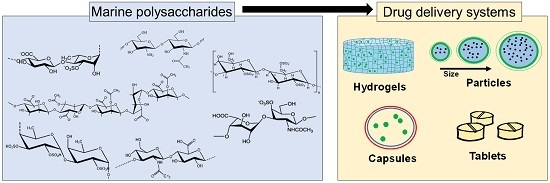
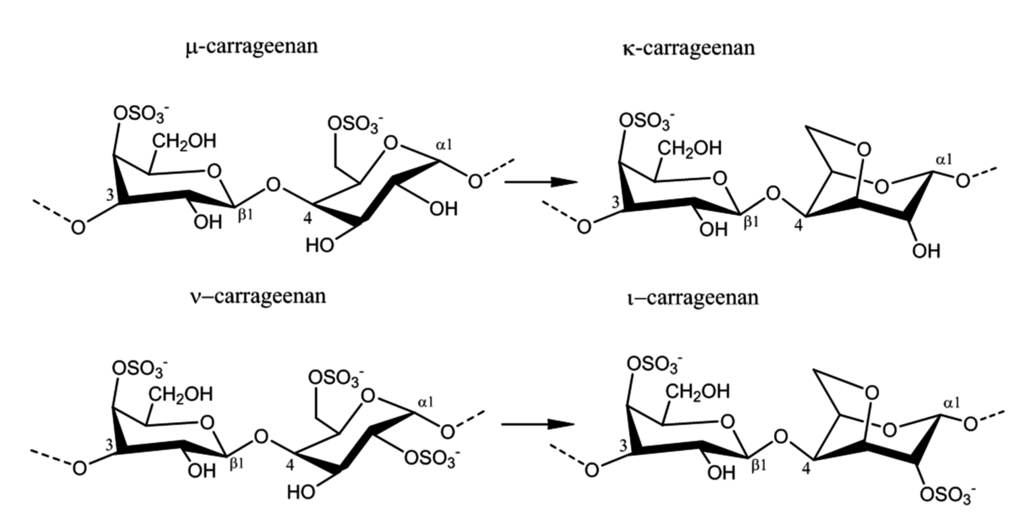
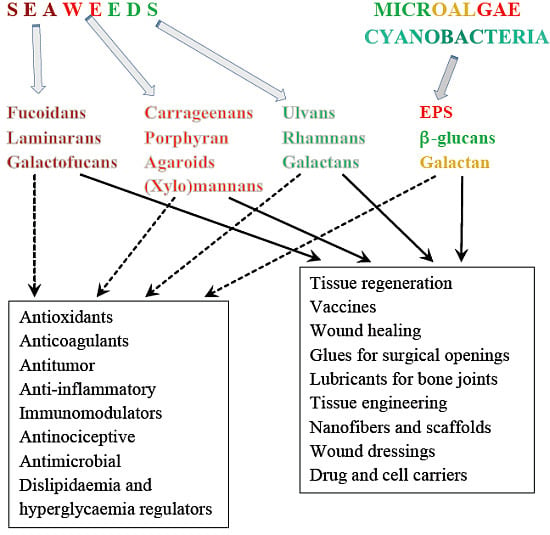
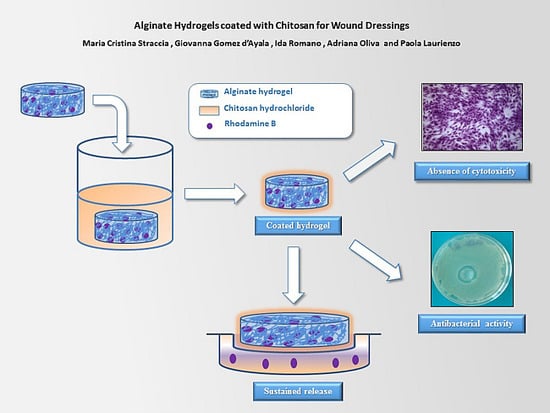
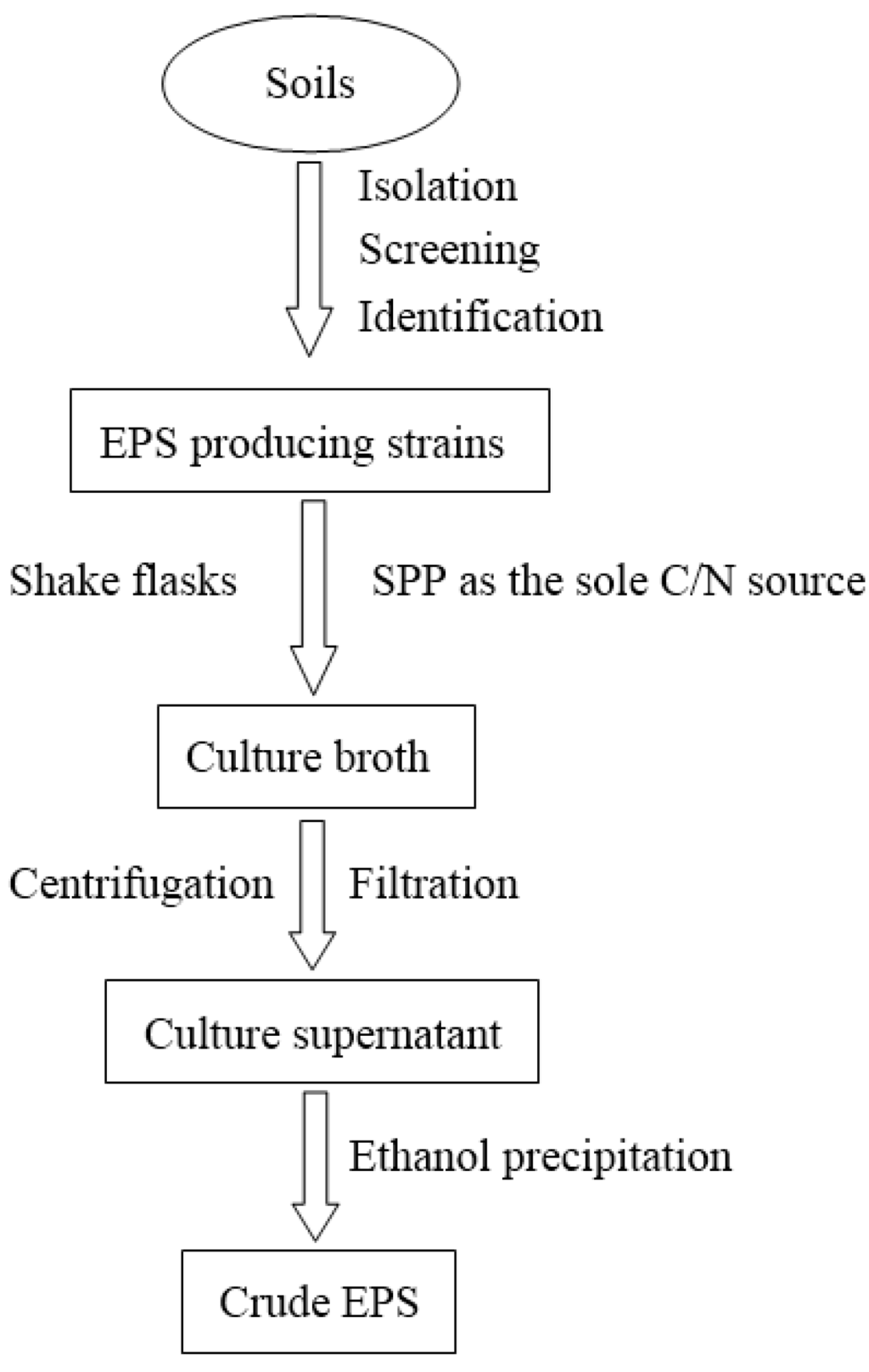
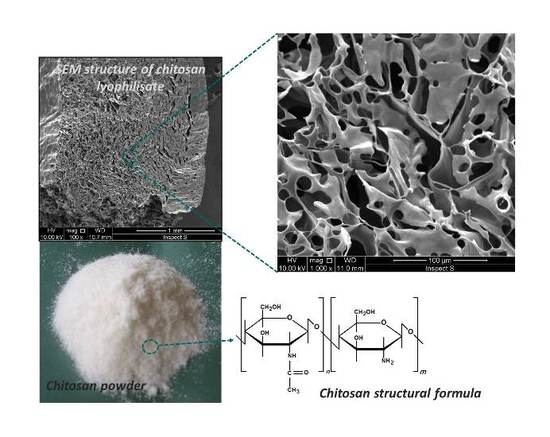
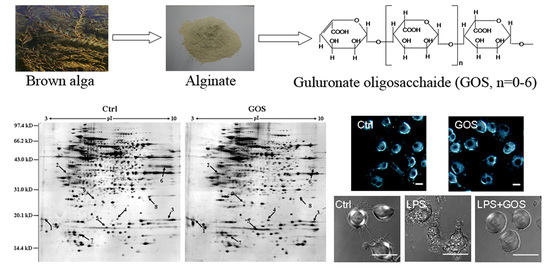
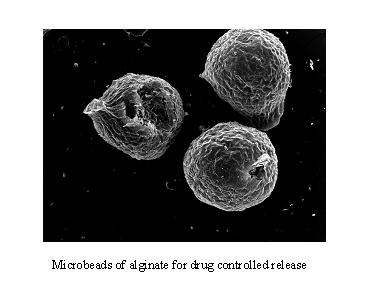
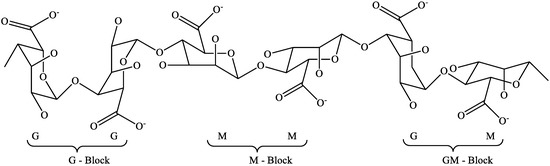
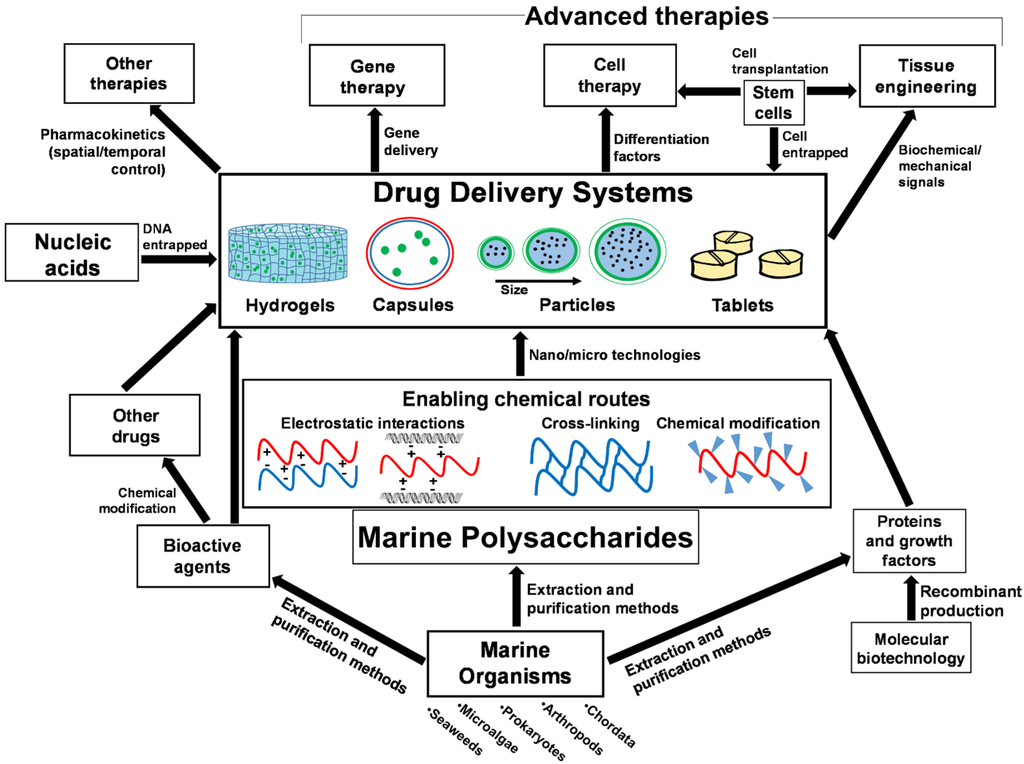
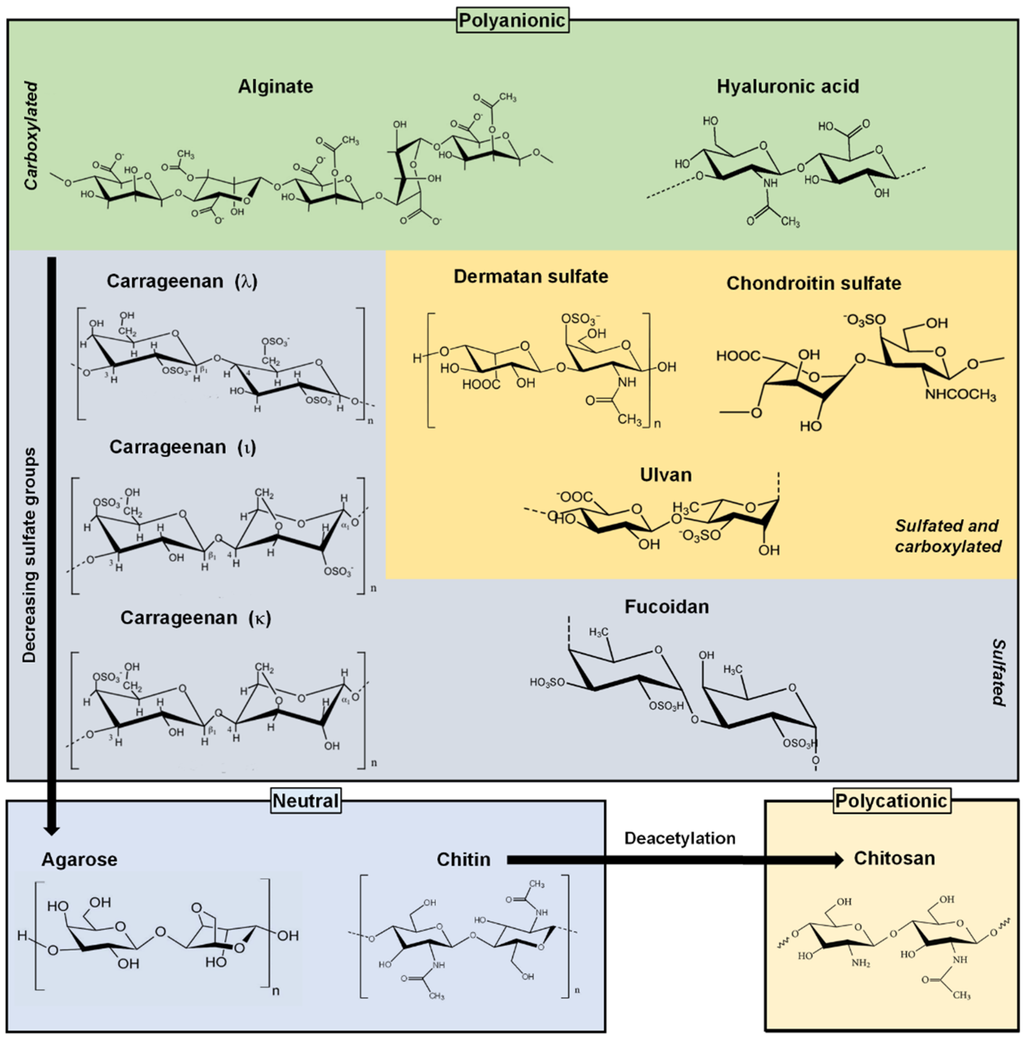
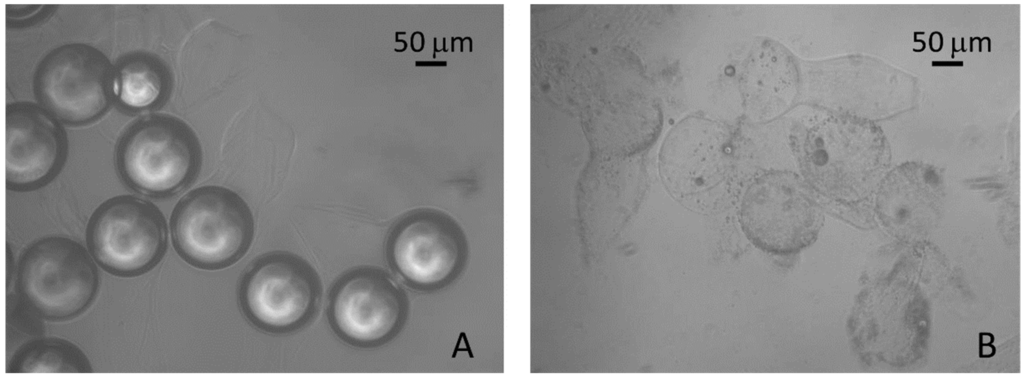
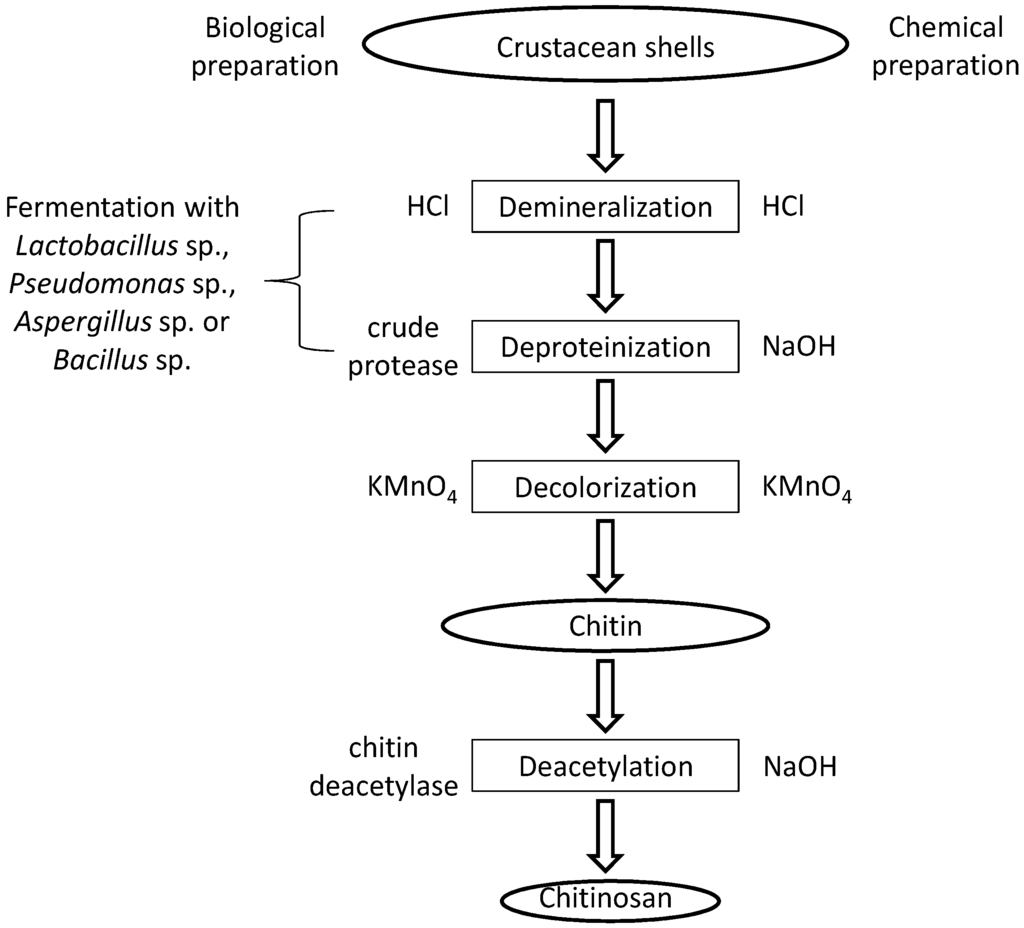
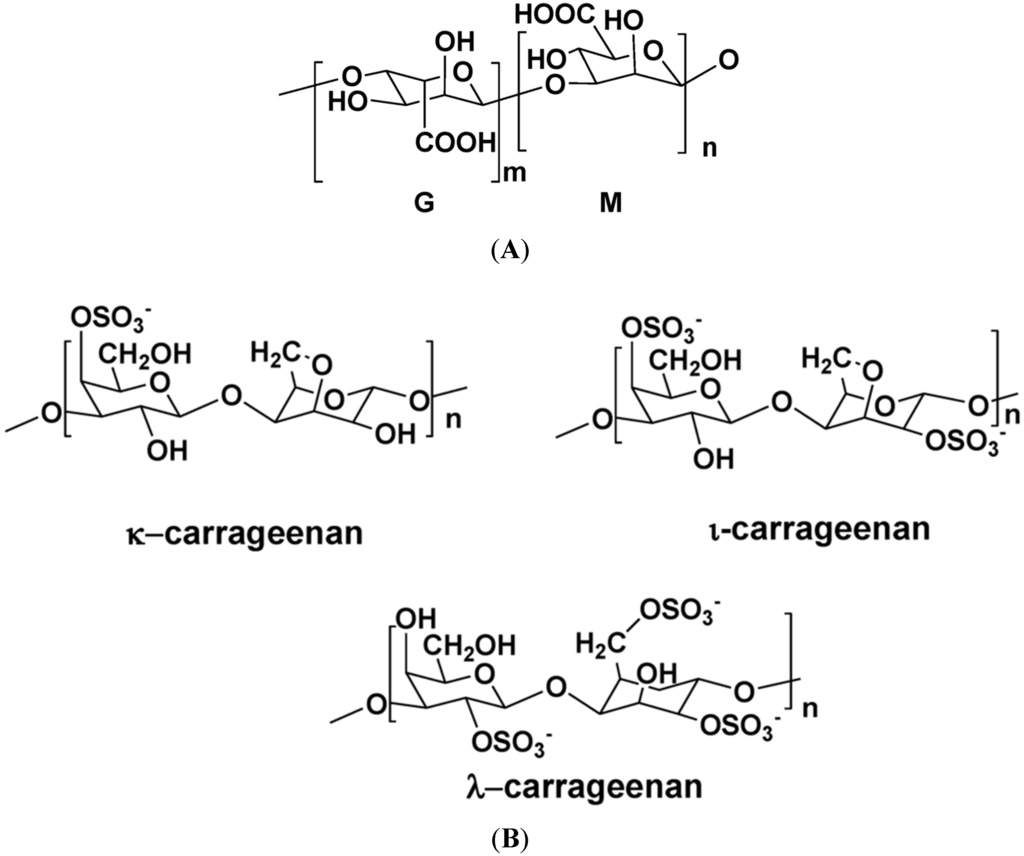
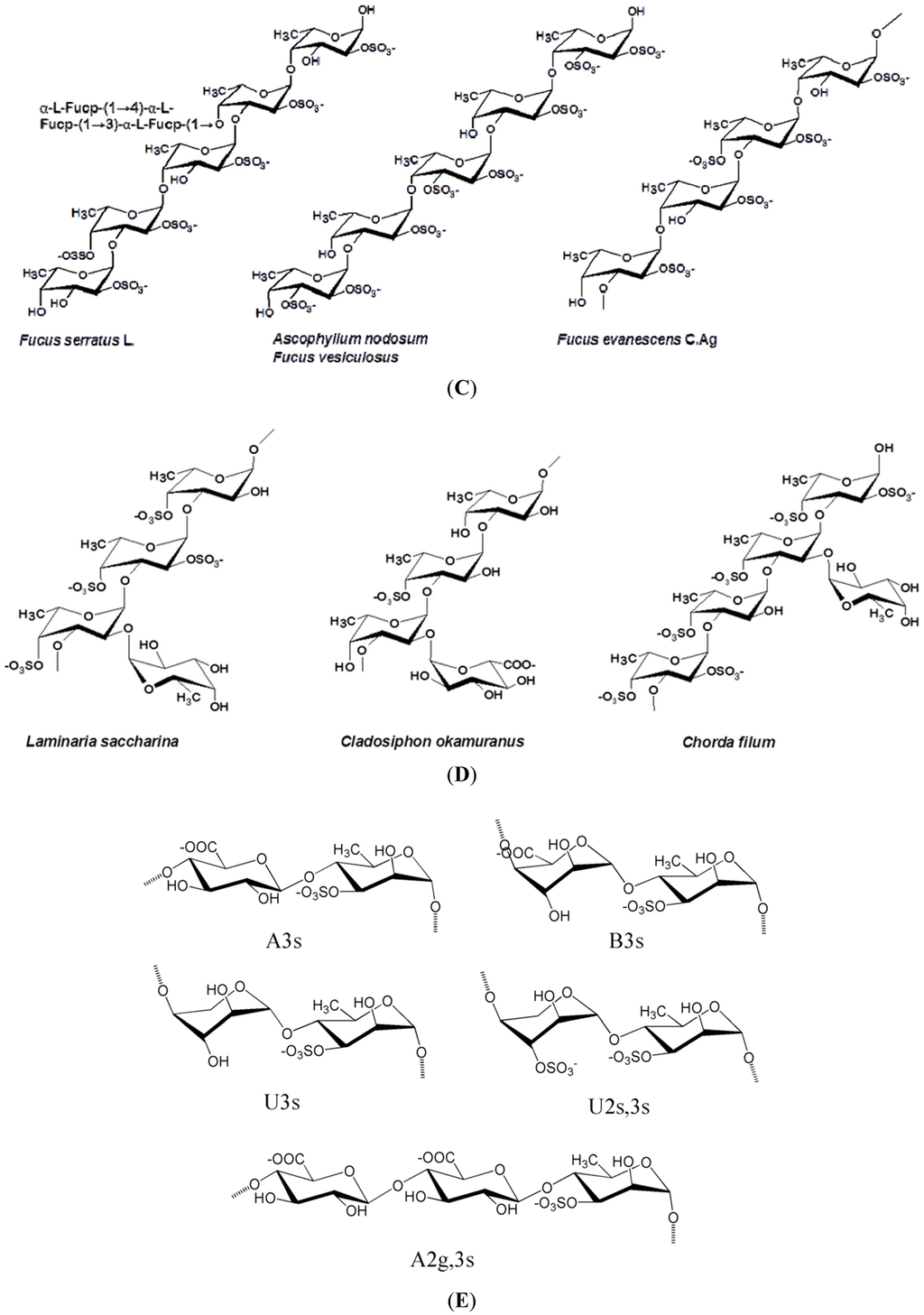
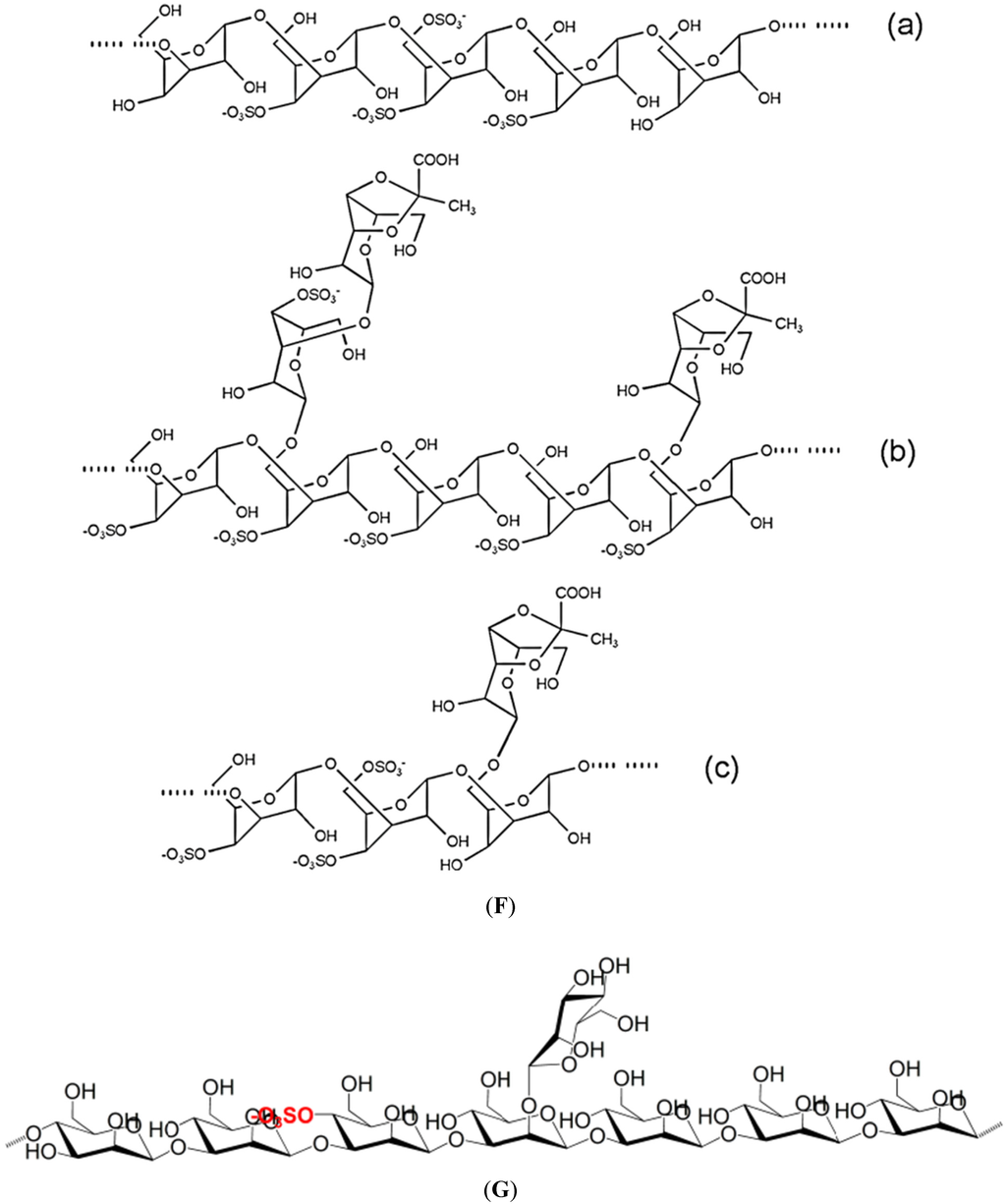
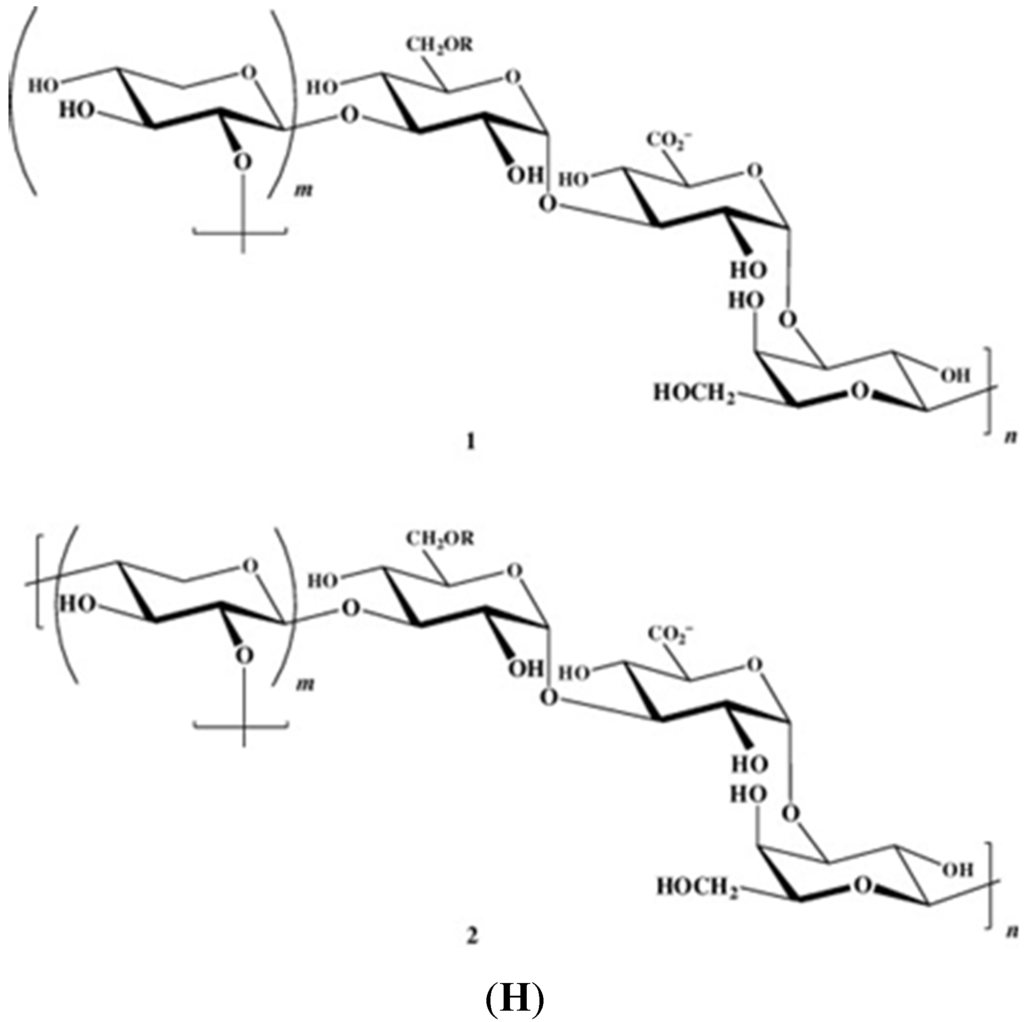
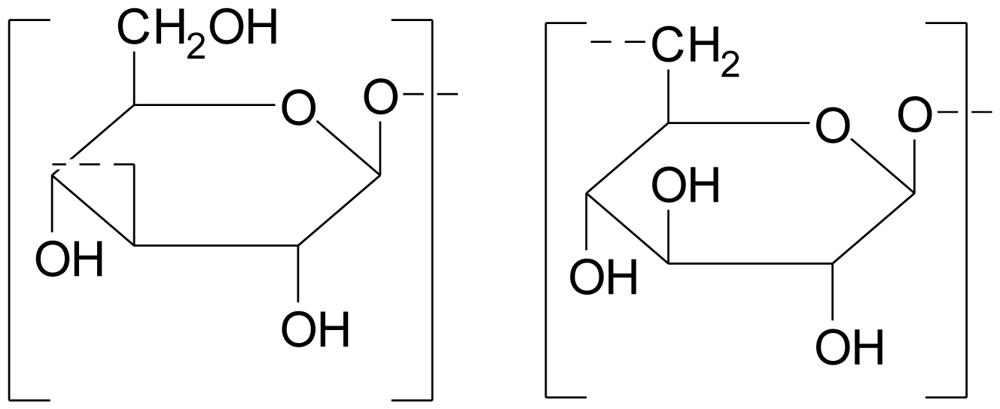
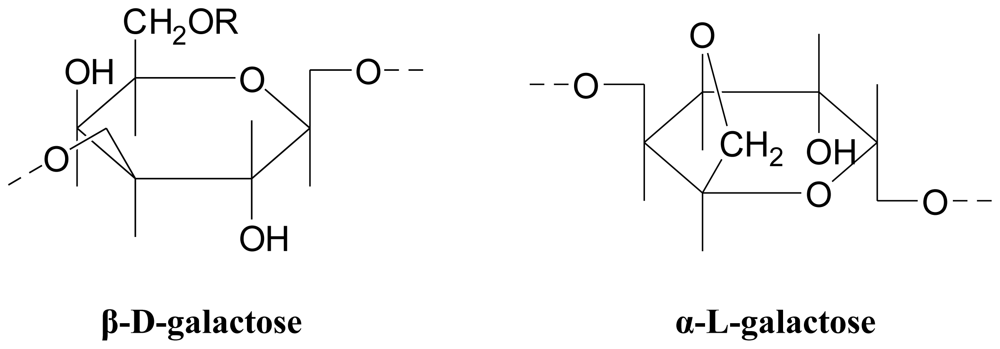
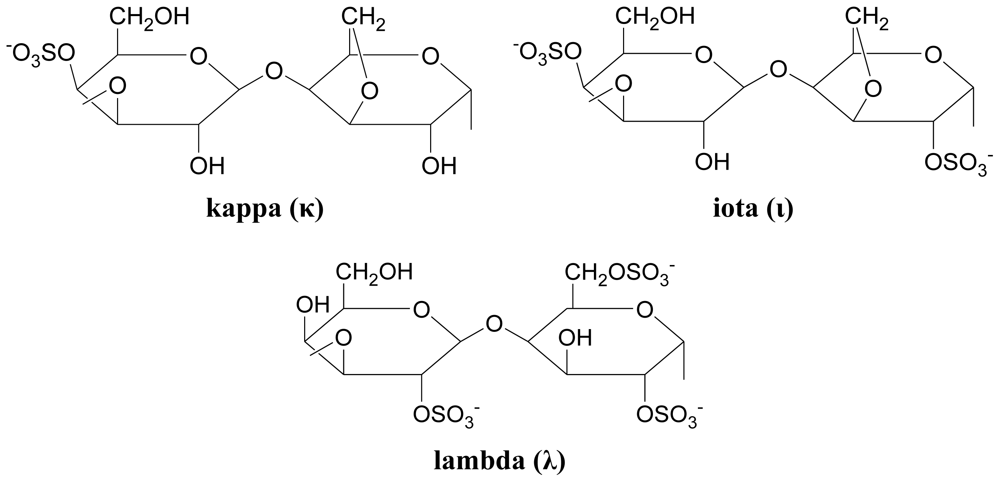
Biopolymers, as natural polysaccharides, are considered benign polymers for what concerns the environment. This is not a new invention, but at best a renaissance: the first type of polymers used by human kind were animal hides, cellulose, silk, wool. Among benefits of natural occurring biopolymers there are potential biocompatibility, renewable resources, low processing costs, tailoring of structure by genetic manipulation, and, as said, environmentally compatibility. Limits are, sometimes, premature degradation and high production costs due to the very high purity required for medical uses. Polysaccharides are not drugs by themselves, but their use in pharmaceutical field, for example as drug carriers or antimicrobial, anti-inflammatory or anticoagulant agents, is increasingly promising. Marine polysaccharides include chitin, chitosan, alginate, agar and carrageenans. Chitosan is a cationic carbohydrate biopolymer derived from chitin, the second most abundant polysaccharides present in nature after cellulose. The main sources of chitin are the shell wastes of shrimps, lobsters and crabs. For its characteristics, chitosan founds particular application as non viral vector in gene delivery. Films from chitosan are very tough and long lasting. Alginates derive from seaweed extraction (pheophyceae), and are mainly used in drug delivery and as hydrogels for immobilizing cells and enzymes, due to the mild conditions of cross-linking through bivalent cations (Ca2+). Agar (or agar-agar) and carrageenans are linear polysaccharides from red seaweeds. They are highly reactive chemically and are peculiar for thermoreversible gel formation. Exopolysaccharides (EPS), substantial components of the extracellular matrix of many cells of marine origin, also have to be mentioned for their potential interest in pharmaceuticals, and new EPS producing bacteria, particularly from extreme marine environments, are being isolated.
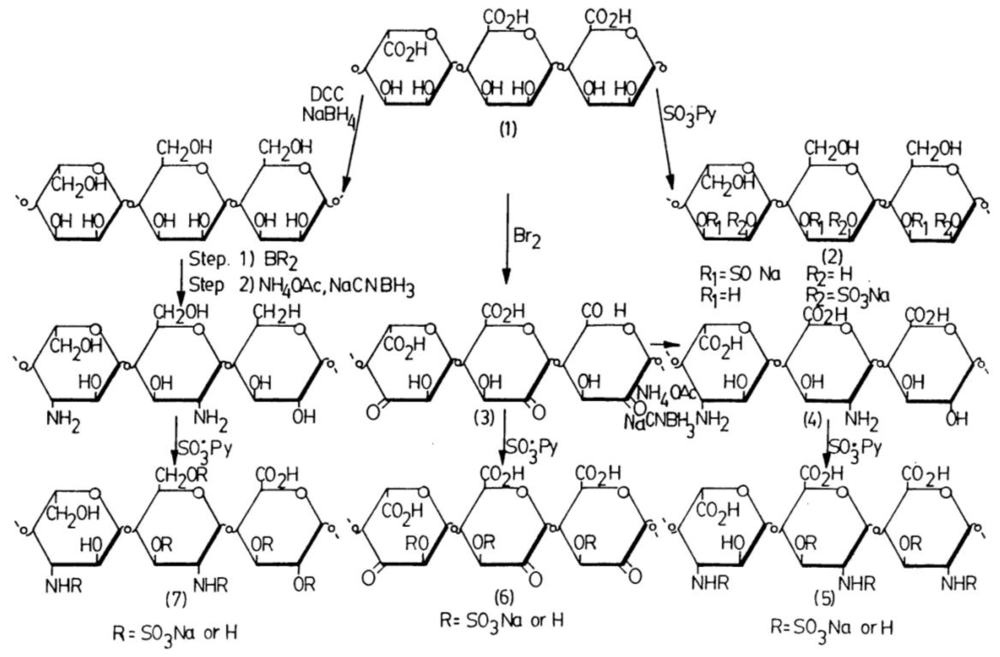
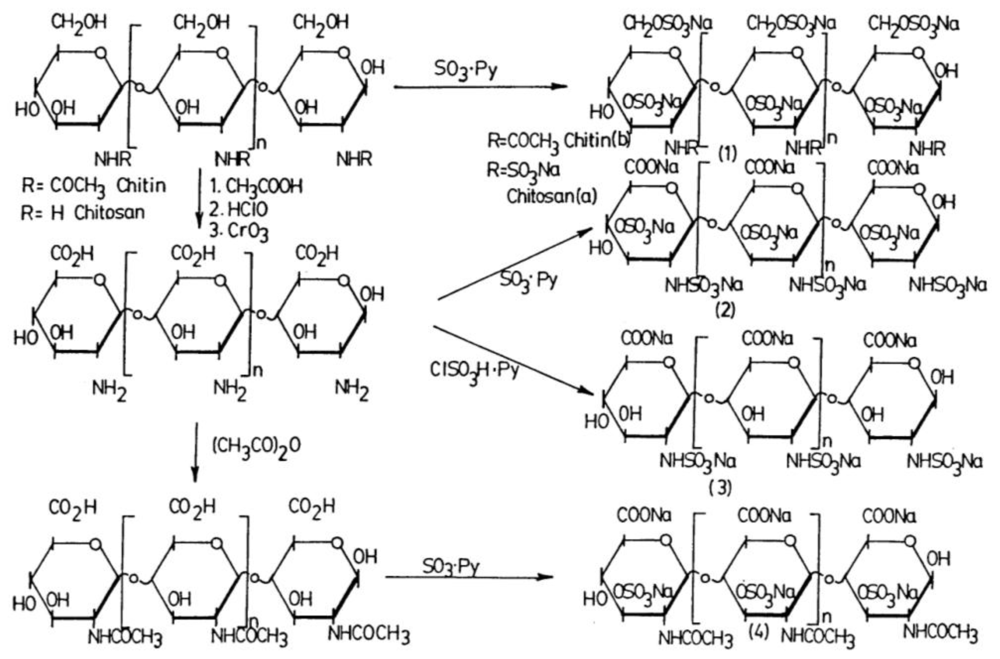
The possibility of chemical modification, blending and addition of biodegradable additives allows to tailor the final properties of polysaccharides and opens the doors to wider applications, particularly in pharmaceutical area. This issue is intended to explore any new potentiality of marine polysaccharides, as those above mentioned, deriving from chemical or chemical-physical modifications, and the scaling-up of their pharmaceutical applications.
Dr. Paola Laurienzo
Guest Editor
Submission
All manuscripts should be submitted to marinedrugs@mdpi.org with a copy to the Guest Editor. Manuscripts can be submitted until the deadline. Papers will be published continuously (as soon as accepted) and will be listed together on the special issue website. Research articles, review articles as well as communications are invited. For planned papers, a title and short abstract (about 100 words) can be sent to the Editorial Office for announcement on this website.
Submitted manuscripts should not have been published previously, nor be under consideration for publication elsewhere (except conference proceedings papers). All manuscripts are refereed through a peer-review process. A guide for authors and other relevant information for submission of manuscripts is available on the Instructions for Authors page. Marine Drugs is an international peer-reviewed Open Access monthly journal published by MDPI.
Please visit the Instructions for Authors page before submitting a manuscript. The Article Processing Charge (APC) for publication in this Open Access journal is 1400 CHF per accepted paper.
Keywords
- chitosan
- alginate
- agar
- carrageenans
- exopolysaccharides
- chemical modification
- drug delivery
- gene delivery
Planned Papers
Type of Paper: Review
Title: Marine Polysaccharides in Pharmaceutical Applications: An Overview
Authors: Paola Laurienzo
Affiliation: Institute of Polymers Chemistry and Technology, C.N.R. Via Campi Flegrei, 34 – 80078 Pozzuoli (Naples), Italy; E-Mail: paola.laurienzo@ictp.cnr.it
Abstract: The enormous variety of polysaccharides that can be extracted from marine plants and animal organisms or produced by marine bacteria makes the field of marine polysaccharides continuous evolving. Recent advances in biological techniques allow to realize in vitro high levels of production of polysaccharides of interest. Biotechnology is a powerful tool to obtain polysaccharides from a variety of micro-organisms, by controlling the growth conditions in a bioreactor while tailoring the production of biologically active compounds.
The aim of this review is to give an overlook of current knowledge on marine origin polysaccharides, with special attention to potential pharmaceutical applications. After an overlook of more recent progress on the discovering of new polysaccharides of marine origin with biological appealing characteristics, the present review will focus on the possible strategies for chemical or physical modification aimed to tailor the final properties of interest.
Keywords: chitosan; alginate; agar; carrageenans; exopolysaccharides; chemical modification; drug delivery; gene delivery
Type of Paper: Review
Title: From Extreme Marine Habitats to Bacterial Exopolysaccharides: Production, Characterization and Biological Activities
Authors: Annarita Poli, Gianluca Anzelmo, Barbara Nicolaus
Affiliation: Institute of Biomolecular Chemistry, C.N.R., Via Campi Flegrei 34, 80078 Pozzuoli, Naples, Italy; E-Mail: apoli@icmib.na.cnr.it (A.P.)
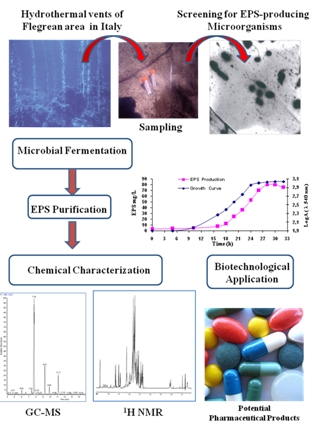
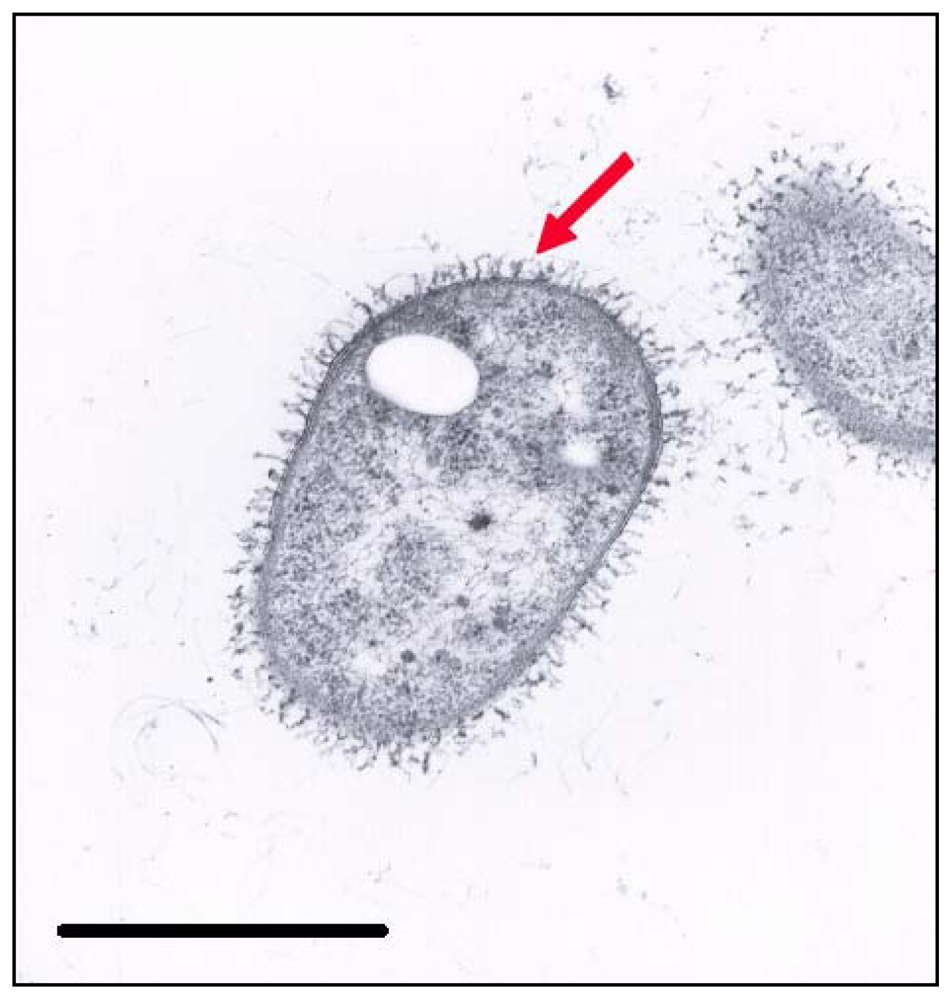
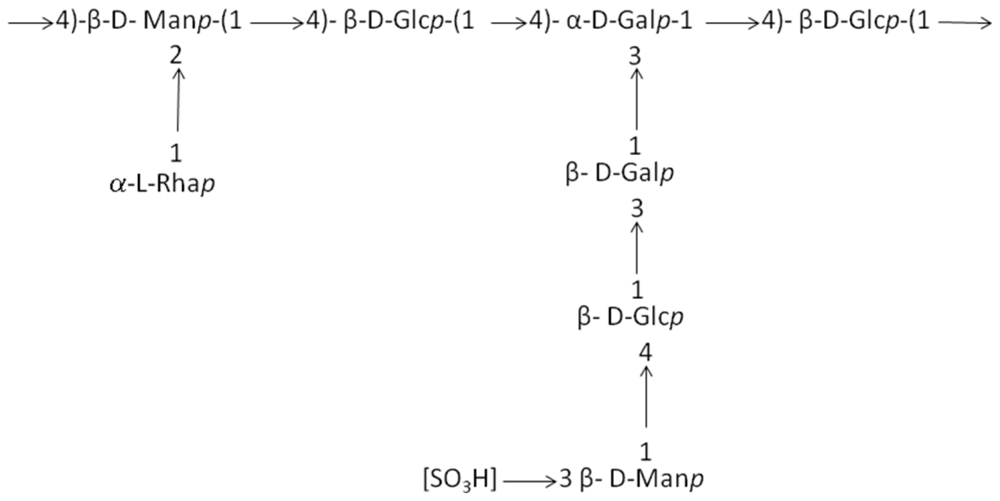
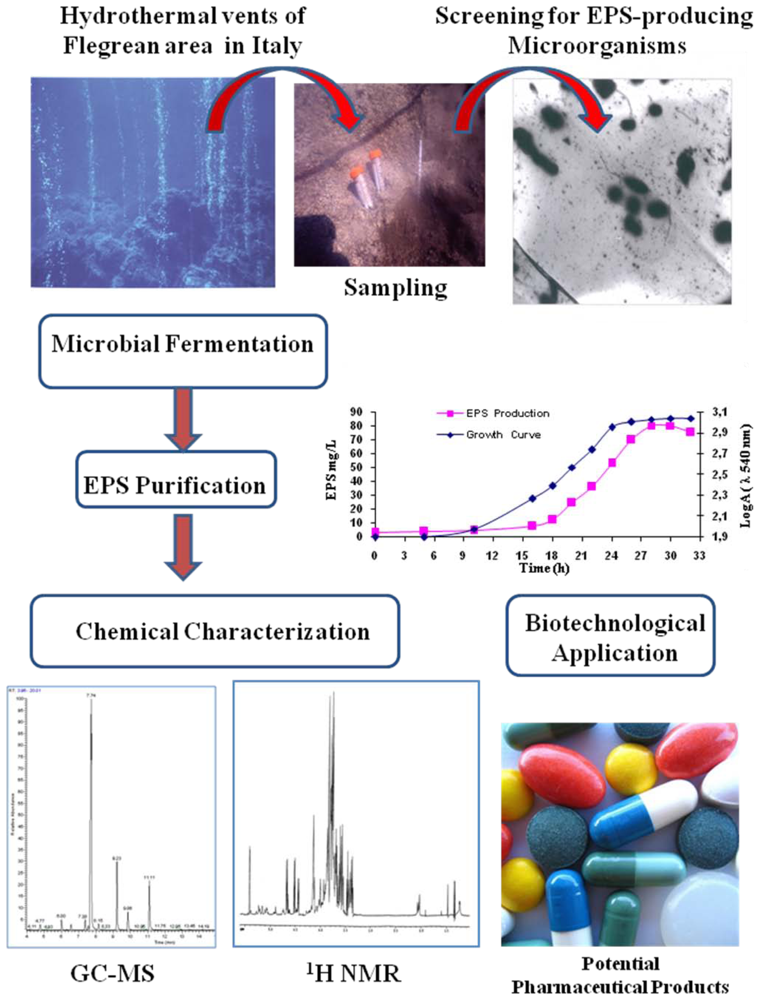
Abstract: Exopolysaccharides (EPSs) are high molecular weight carbohydrate polymers that make up a substantial component of the extracellular polymers surrounding most microbial cells in the marine environment. EPSs constitute a large fraction of the reduced carbon reservoir in the ocean and enhance the survival of marine bacteria influencing the physicochemical environment around the bacterial cell. Moreover, they assist the microbial communities to endure extremes of temperature, salinity, and nutrient availability. Many marine bacteria produce exopolysaccharides as a strategy for growth, adhering to solid surfaces, and to survive to adverse conditions. There is growing interest in isolating new exopolysaccharide producing bacteria from marine environments, particularly from extreme marine environments (deep-sea hydrothermal vents) characterised by high pressure and temperature and heavy metal presence.
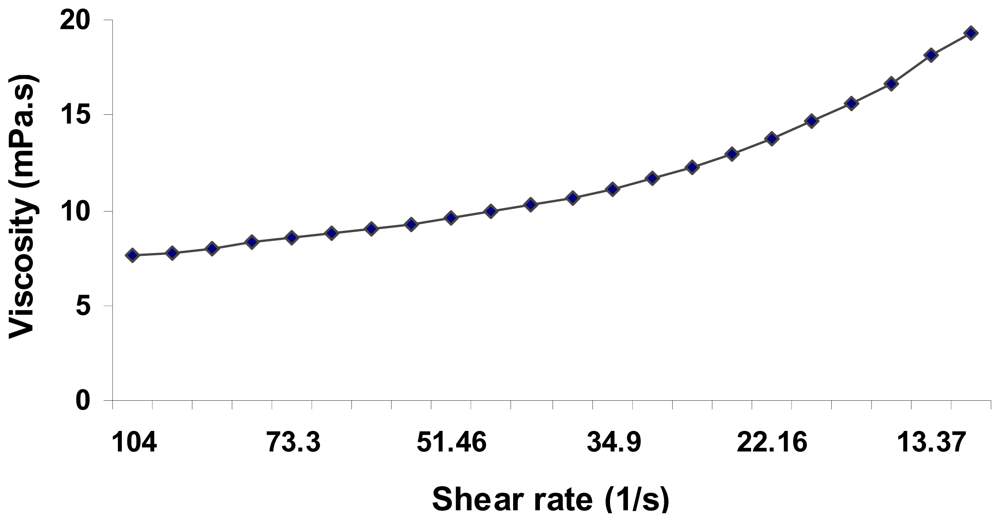
The production of EPSs produced by an halophilic thermotolerant Bacillus strain isolated from a marine hot spring at Vulcano Island (Eolian Islands, Italy), by thermophilic strains isolated from shallow hydrothermal vents and marine hot springs in Pozzuoli and in Ischia Island (Flegrean Region, Italy) and by a novel Halomonas species isolated from a salt lake in Antarctica are the subjects of present review. Their specific rheological properties, biological activities and chemical compositions are also reported.
Keywords: exopolysaccharides; extremophiles; NMR; biological activity; fermentation
Last update: 23 February 2010