


Effects of Arnica Phytotherapeutic and Homeopathic Formulations on Traumatic Injuries and Inflammatory Conditions: A Systematic Review


 ,
,  and
and
Abstract
1. Introduction
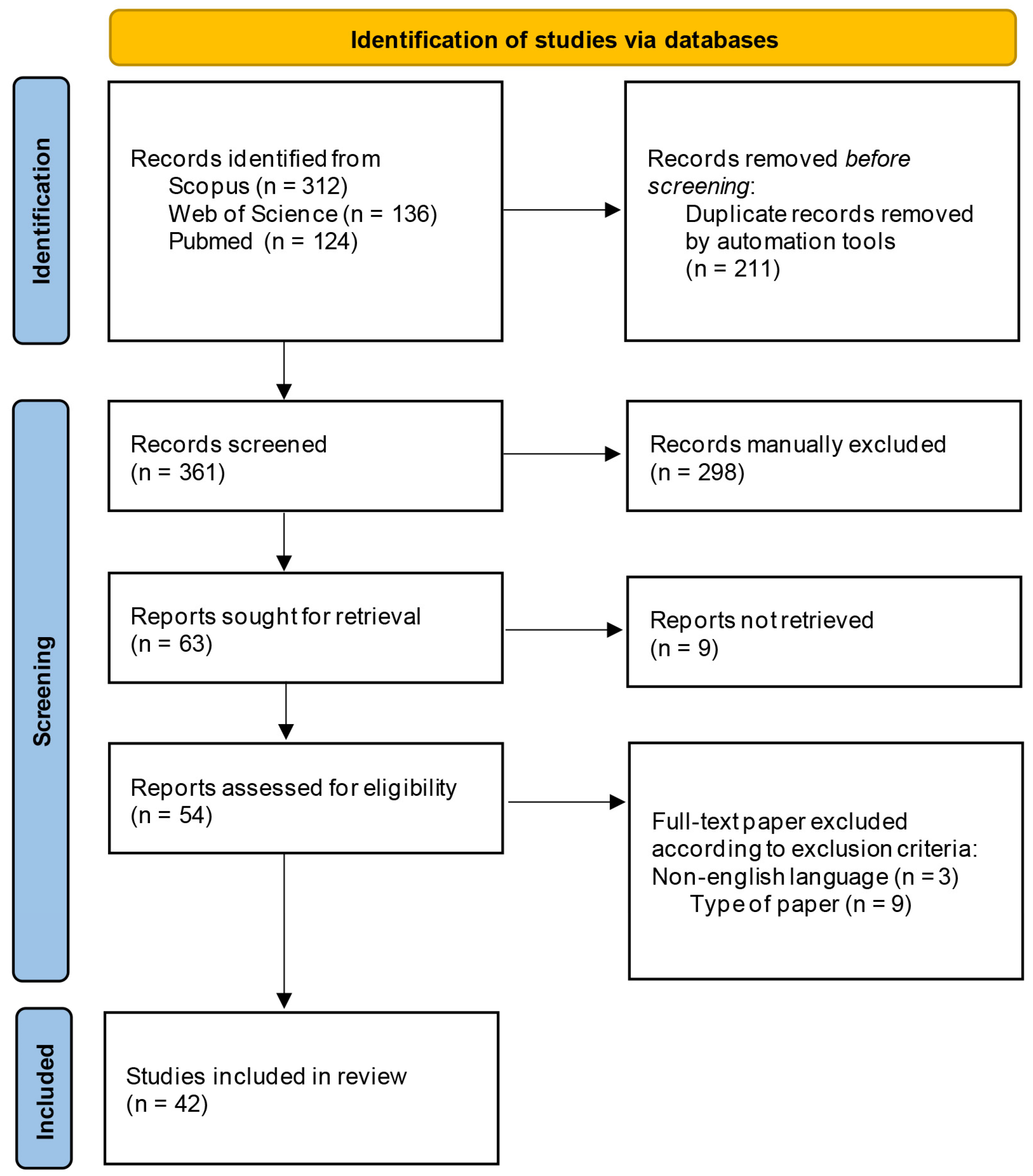
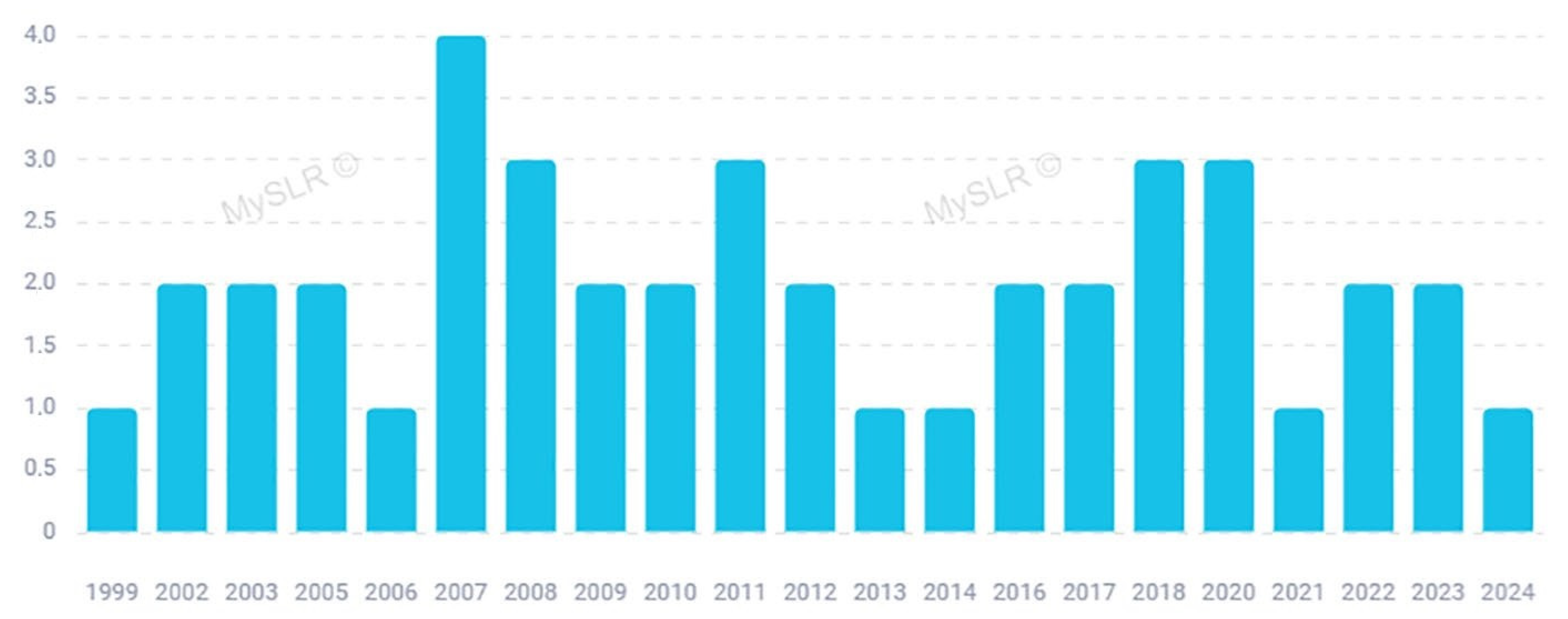
2. Methodology
3. Commonly Used Routes of Administration and Arnica montana Phytochemical Content
4. In Vitro and In Vivo Studies Concerning Arnica montana L. Formulations
5. Clinical Trials Evaluating the Efficacy of Arnica montana L. Formulations
5.1. Muscle Pain and Bruising
5.2. Postoperative Pain, Edema, and Wound Healing
5.3. Trauma-Induced Pain
5.4. Osteoarthritis
6. Case Reports
7. Clinical Studies on Formulations Containing Arnica and Other Plant Species
8. Other Arnica Species
9. In Vivo Studies and Clinical Trials with Negative Outcomes
10. Arnica Absorption and Side Effects
11. Future Perspectives
12. Concluding Remarks
Author Contributions
Funding
Data Availability Statement
Conflicts of Interest
Abbreviations
| Adm. | route of administration |
| AP-1 | activator protein-1 transcription factor |
| CAT | catalase |
| COX-2 | cyclooxygenase-2 |
| DOMS | delayed onset muscle soreness |
| Form. | formulation |
| GSH | glutathione |
| H | homeopathic |
| ICAM-1 | intercellular adhesion molecule |
| IFN-γ | interferon gamma |
| IL-12 | interleukin-12 |
| IL-1β | interleukin -1-beta |
| IL-6 | interleukin-6 |
| MCP-1 | monocyte chemoattractant protein-1 |
| MMP1 | collagenase-1 |
| MMP13 | interstitial collagenase-3 |
| NF-kB | transcription factor nuclear factor kappa B |
| O | oral |
| OT | oral transmucosal |
| P | phytotherapeutic |
| ROS | reactive oxygen species |
| SC | subcutaneous |
| SOD | superoxide dismutase |
| STLs | sesquiterpene lactones |
| T | topical |
| TNFα | tumor necrosis factor alpha |
| UHPLC-HRMS | ultra-high-performance liquid chromatography with high-resolution mass spectrometry |
| UV | ultraviolet |
References
- WFO. Available online: https://www.worldfloraonline.org/ (accessed on 19 August 2024).
- Plants of the World Online. Kew Science. Available online: https://powo.science.kew.org/ (accessed on 19 August 2024).
- Brito, N.; Knipschild, P.; Doreste-Alonso, J. Systematic Review on the Efficacy of Topical Arnica montana for the Treatment of Pain, Swelling and Bruises. J. Musculoskelet. Pain 2014, 22, 216–223. [Google Scholar] [CrossRef]
- Adkison, J.D.; Bauer, D.W.; Chang, T. The Effect of Topical Arnica on Muscle Pain. Ann. Pharmacother. 2010, 44, 1579–1584. [Google Scholar] [CrossRef] [PubMed]
- Dimitrova, D.; Balabanova, V. Antioxidant and Acetylcholinesterase Inhibitory Potential of Arnica montana Cultivated in Bulgaria. Turk. J. Biol. 2012, 36, 732–737. [Google Scholar] [CrossRef]
- Craciunescu, O.; Constantin, D.; Gaspar, A.; Toma, L.; Utoiu, E.; Moldovan, L. Evaluation of Antioxidant and Cytoprotective Activities of Arnica montana L. and Artemisia absinthium L. Ethanolic Extracts. Chem. Cent. J. 2012, 6, 97. [Google Scholar] [CrossRef] [PubMed]
- Klaas, C.A.; Wagner, G.; Laufer, S.; Sosa, S.; Loggia, R.D.; Bomme, U.; Pahl, H.L.; Merfort, I. Studies on the Anti-Inflammatory Activity of Phytopharmaceuticals Prepared from Arnica Flowers. Planta Med. 2002, 68, 385–391. [Google Scholar] [CrossRef]
- da Silva Prade, J.; Costeira Bálsamo, E.; Romero Machado, F.; Rósula Poetini, M.; Cardoso Bortolotto, V.; Machado Araújo, S.; Londero, L.; Peterini Boeira, S.; Sehn, C.P.; de Gomes, M.G.; et al. Anti-Inflammatory Effect of Arnica montana in a UVB Radiation-Induced Skin-Burn Model in Mice. Cutan. Ocul. Toxicol. 2020, 39, 126–133. [Google Scholar] [CrossRef]
- Yalgi, V.S.; Bhat, K.G. Evaluation of Anti-Inflammatory Properties of Homoeopathic Gel Prearations of Calendula Officinalis, Arnica montana, Echinacea Angustifolia and Hypericum Perforatum by Zymography—An in Vitro Study. Int. J. Homoeopath. Sci. 2020, 4, 38–42. [Google Scholar] [CrossRef]
- Koo, H.; Gomes, B.P.F.A.; Rosalen, P.L.; Ambrosano, G.M.B.; Park, Y.K.; Cury, J.A. In Vitro Antimicrobial Activity of Propolis and Arnica montana against Oral Pathogens. Arch. Oral Biol. 2000, 45, 141–148. [Google Scholar] [CrossRef]
- Nieto-Trujillo, A.; Cruz-Sosa, F.; Luria-Pérez, R.; Gutiérrez-Rebolledo, G.A.; Román-Guerrero, A.; Burrola-Aguilar, C.; Zepeda-Gómez, C.; Estrada-Zúñiga, M.E. Arnica montana Cell Culture Establishment, and Assessment of Its Cytotoxic, Antibacterial, α-Amylase Inhibitor, and Antioxidant In Vitro Bioactivities. Plants 2021, 10, 2300. [Google Scholar] [CrossRef]
- Hiraoka, J.M.; de Oliveira, F.F.; Baldo, E.C.F.; Baldo, M.A.; Fernandes, F.F.; Gullo-Luzente, F.P. Antifungal Effect of Arnica montana and Hamamelis Virginiana against Candida Species. J. Health Sci. Inst. 2023, 41, 153–157. [Google Scholar]
- Žitek, T.; Postružnik, V.; Knez, Ž.; Golle, A.; Dariš, B.; Knez Marevci, M. Arnica montana L. Supercritical Extraction Optimization for Antibiotic and Anticancer Activity. Front. Bioeng. Biotechnol. 2022, 10, 897185. [Google Scholar] [CrossRef] [PubMed]
- Kriplani, P.; Guarve, K.; Baghael, U.S. Arnica montana L.—A Plant of Healing: Review. J. Pharm. Pharmacol. 2017, 69, 925–945. [Google Scholar] [CrossRef] [PubMed]
- Smith, A.G.; Miles, V.N.; Holmes, D.T.; Chen, X.; Lei, W. Clinical Trials, Potential Mechanisms, and Adverse Effects of Arnica as an Adjunct Medication for Pain Management. Medicines 2021, 8, 58. [Google Scholar] [CrossRef] [PubMed]
- Charlton, F. Let’s Set the Record Straight! Traumatic Tissue Injury Treated with Homeopathic Arnica montana—A Injury Therapists Perspective. Int. J. Complement. Altern. Med. 2015, 1, 00032. [Google Scholar] [CrossRef][Green Version]
- Jeffrey, S.L.A.; Belcher, H.J.C.R. Use of Arnica to Relieve Pain after Carpal-Tunnel Release Surgery. Altern. Ther. Health Med. 2002, 8, 66–68. [Google Scholar]
- Pannek, J.; Pannek-Rademacher, S. Time to Say Good-Bye? Homeopathy, Skeptics and Thoughts on How to Proceed. J. Complement. Integr. Med. 2023, 20, 289–291. [Google Scholar] [CrossRef]
- Page, M.J.; McKenzie, J.E.; Bossuyt, P.M.; Boutron, I.; Hoffmann, T.C.; Mulrow, C.D.; Shamseer, L.; Tetzlaff, J.M.; Akl, E.A.; Brennan, S.E.; et al. The PRISMA 2020 Statement: An Updated Guideline for Reporting Systematic Reviews. BMJ 2021, 372, n71. [Google Scholar] [CrossRef]
- Ammirato, S.; Felicetti, A.M.; Rogano, D.; Linzalone, R.; Corvello, V. Digitalising the Systematic Literature Review Process: The MySLR Platform. Knowl. Manag. Res. Pract. 2023, 21, 777–794. [Google Scholar] [CrossRef]
- Thakur, J.H.; Katre, A.N. Comparison of the Efficacy of Homeopathic Drug Arnica and Ibuprofen on Postextraction Pain in Children: A Triple-Blind Randomized Controlled Trial. Int. J. Clin. Pediatr. Dent. 2022, 15, 332–337. [Google Scholar] [CrossRef]
- Buchholzer, M.-L.; Werner, C.; Knoess, W. Current Concepts on Integrative Safety Assessment of Active Substances of Botanical, Mineral or Chemical Origin in Homeopathic Medicinal Products within the European Regulatory Framework. Regul. Toxicol. Pharmacol. RTP 2014, 68, 193–200. [Google Scholar] [CrossRef]
- Kouzi, S.A.; Nuzum, D.S. Arnica for Bruising and Swelling. Am. J. Health. Syst. Pharm. 2007, 64, 2434–2443. [Google Scholar] [CrossRef] [PubMed]
- Tuten, C.; McClung, J. Reducing Muscle Soreness with Arnica montana: Is It Effective? Altern. Complement. Ther. 1999, 5, 369–372. [Google Scholar] [CrossRef]
- Schmidt, T.J. Arnica montana L.: Doesn’t Origin Matter? Plants 2023, 12, 3532. [Google Scholar] [CrossRef]
- Duthen, S.; Gadéa, A.; Trempat, P.; Boujedaini, N.; Fabre, N. Comparison of the Phytochemical Variation of Non-Volatile Metabolites within Mother Tinctures of Arnica montana Prepared from Fresh and Dried Whole Plant Using UHPLC-HRMS Fingerprinting and Chemometric Analysis. Molecules 2022, 27, 2737. [Google Scholar] [CrossRef]
- Ganzera, M.; Egger, C.; Zidorn, C.; Stuppner, H. Quantitative Analysis of Flavonoids and Phenolic Acids in Arnica montana L. by Micellar Electrokinetic Capillary Chromatography. Anal. Chim. Acta 2008, 614, 196–200. [Google Scholar] [CrossRef]
- Pljevljakušić, D.; Rančić, D.; Ristić, M.; Vujisić, L.; Radanović, D.; Dajić-Stevanović, Z. Rhizome and Root Yield of the Cultivated Arnica montana L., Chemical Composition and Histochemical Localization of Essential Oil. Ind. Crops Prod. 2012, 39, 177–189. [Google Scholar] [CrossRef]
- Douglas, J.A.; Smallfield, B.M.; Burgess, E.J.; Perry, N.B.; Anderson, R.E.; Douglas, M.H.; leAnne Glennie, V. Sesquiterpene Lactones in Arnica montana: A Rapid Analytical Method and the Effects of Flower Maturity and Simulated Mechanical Harvesting on Quality and Yield. Planta Med. 2004, 70, 166–170. [Google Scholar] [CrossRef]
- Spitaler, R.; Schlorhaufer, P.D.; Ellmerer, E.P.; Merfort, I.; Bortenschlager, S.; Stuppner, H.; Zidorn, C. Altitudinal Variation of Secondary Metabolite Profiles in Flowering Heads of Arnica montana Cv. ARBO. Phytochemistry 2006, 67, 409–417. [Google Scholar] [CrossRef]
- Schmidt, T.J.; Stausberg, S.; Raison, J.V.; Berner, M.; Willuhn, G. Lignans from Arnica Species. Nat. Prod. Res. 2006, 20, 443–453. [Google Scholar] [CrossRef]
- Sugier, P.; Jakubowicz-Gil, J.; Sugier, D.; Kowalski, R.; Gawlik-Dziki, U.; Kołodziej, B.; Dziki, D. Chemical Characteristics and Anticancer Activity of Essential Oil from Arnica montana L. Rhizomes and Roots. Molecules 2020, 25, 1284. [Google Scholar] [CrossRef]
- Verre, J.; Boisson, M.; Paumier, A.; Tribolo, S.; Boujedaini, N. Anti-Inflammatory Effects of Arnica montana (Mother Tincture and Homeopathic Dilutions) in Various Cell Models. J. Ethnopharmacol. 2024, 318, 117064. [Google Scholar] [CrossRef] [PubMed]
- Jäger, C.; Hrenn, A.; Zwingmann, J.; Suter, A.; Merfort, I. Phytomedicines Prepared from Arnica Flowers Inhibit the Transcription Factors AP-1 and NF-κB and Modulate the Activity of MMP1 and MMP13 in Human and Bovine Chondrocytes. Planta Med. 2009, 75, 1319–1325. [Google Scholar] [CrossRef] [PubMed]
- Das, S.; Saha, S.K.; De, A.; Das, D.; Khuda-Bukhsh, A.R. Potential of the Homeopathic Remedy, Arnica montana 30C, to Reduce DNA Damage in Escherichia Coli Exposed to Ultraviolet Irradiation through up-Regulation of Nucleotide Excision Repair Genes. Zhong Xi Yi Jie He Xue Bao 2012, 10, 337–346. [Google Scholar] [CrossRef] [PubMed]
- Gawlik-Dziki, U.; Świeca, M.; Sugier, D.; Cichocka, J. Comparison of in vitro lipoxygenase, xanthine oxidase inhibitory and antioxidant activity of Arnica montana and Arnica chamissonis tinctures. Acta Sci. Pol. Hortorum Cultus 2011, 10, 15–27. [Google Scholar]
- Otterness, I.G.; Bliven, M.L.; Eskra, J.D.; te Koppele, J.M.; Stukenbrok, H.A.; Milici, A.-J. Cartilage Damage after Intraarticular Exposure to Collagenase 3. Osteoarthr. Cartil. 2000, 8, 366–373. [Google Scholar] [CrossRef][Green Version]
- Martel-Pelletier, J. Pathophysiology of Osteoarthritis. Osteoarthritis Cartilage 2004, 12 (Suppl. A), S31–S33. [Google Scholar] [CrossRef]
- Lunec, J.; Blake, D. Oxidative Damage and Its Relevance to Inflammatory Joint Disease. In Cellular Antioxidant Defense Mechanisms, 1st ed.; Chow, C.K., Ed.; CRC Press: Boca Raton, FL, USA, 1988; ISBN 978-0-429-28932-3. [Google Scholar]
- Gelderman, K.A.; Hultqvist, M.; Olsson, L.M.; Bauer, K.; Pizzolla, A.; Olofsson, P.; Holmdahl, R. Rheumatoid Arthritis: The Role of Reactive Oxygen Species in Disease Development and Therapeutic Strategies. Antioxid. Redox Signal. 2007, 9, 1541–1567. [Google Scholar] [CrossRef]
- Rodríguez-Rodríguez, A.; Egea-Guerrero, J.J.; Murillo-Cabezas, F.; Carrillo-Vico, A. Oxidative Stress in Traumatic Brain Injury. Curr. Med. Chem. 2014, 21, 1201–1211. [Google Scholar] [CrossRef]
- Alfredo, P.P.; Anaruma, C.A.; Pião, A.C.S.; João, S.M.A.; Casarotto, R.A. Effects of Phonophoresis with Arnica montana onto Acute Inflammatory Process in Rat Skeletal Muscles: An Experimental Study. Ultrasonics 2009, 49, 466–471. [Google Scholar] [CrossRef]
- Sharma, S.; Arif, M.; Nirala, R.K.; Gupta, R.; Thakur, S.C. Cumulative Therapeutic Effects of Phytochemicals in Arnica montana Flower Extract Alleviated Collagen-Induced Arthritis: Inhibition of Both pro-Inflammatory Mediators and Oxidative Stress. J. Sci. Food Agric. 2016, 96, 1500–1510. [Google Scholar] [CrossRef]
- Pumpa, K.L.; Fallon, K.E.; Bensoussan, A.; Papalia, S. The Effects of Topical Arnica on Performance, Pain and Muscle Damage after Intense Eccentric Exercise. Eur. J. Sport Sci. 2014, 14, 294–300. [Google Scholar] [CrossRef] [PubMed]
- Leu, S.; Havey, J.; White, L.E.; Martin, N.; Yoo, S.S.; Rademaker, A.W.; Alam, M. Accelerated Resolution of Laser-Induced Bruising with Topical 20% Arnica: A Rater-Blinded Randomized Controlled Trial. Br. J. Dermatol. 2010, 163, 557–563. [Google Scholar] [CrossRef] [PubMed]
- Brinkhaus, B.; Wilkens, J.M.; Lüdtke, R.; Hunger, J.; Witt, C.M.; Willich, S.N. Homeopathic Arnica Therapy in Patients Receiving Knee Surgery: Results of Three Randomised Double-Blind Trials. Complement. Ther. Med. 2006, 14, 237–246. [Google Scholar] [CrossRef]
- Robertson, A.; Suryanarayanan, R.; Banerjee, A. Homeopathic Arnica montana for Post-Tonsillectomy Analgesia: A Randomised Placebo Control Trial. Homeopathy 2007, 96, 17–21. [Google Scholar] [CrossRef]
- Macedo, S.; Carvalho, J.C.; Luciano, F.; Santos-Pinto, R. Effect of Arnica montana 6 cH on Edema, Mouth Opening and Pain in Patients Submitted to Extraction of Impacted Third Molars. Arztez. Naturheilverfahren Regul. 2005, 46, 381–387. [Google Scholar]
- Mawardi, H.; Ghazalh, S.; Shehatah, A.; Abdelwahid, A.; Aljohani, A.; Felemban, O.; Almazrooa, S.; Elbadawi, L.; Shawky, H. Systemic Use of Arnica montana for the Reduction of Postsurgical Sequels Following Extraction of Impacted Mandibular 3 Molars: A Pilot Study. Evid. Based Complement. Alternat. Med. 2020, 2020, 6725175. [Google Scholar] [CrossRef]
- Totonchi, A.; Guyuron, B. A Randomized, Controlled Comparison between Arnica and Steroids in the Management of Postrhinoplasty Ecchymosis and Edema. Plast. Reconstr. Surg. 2007, 120, 271–274. [Google Scholar] [CrossRef]
- Karow, J.-H.; Abt, H.-P.; Fröhling, M.; Ackermann, H. Efficacy of Arnica montana D4 for Healing of Wounds After Hallux Valgus Surgery Compared to Diclofenac. J. Altern. Complement. Med. N. Y. N 2008, 14, 17–25. [Google Scholar] [CrossRef]
- Mendes, A.M.; Hasse Vilela, D.C.; Jung, M.T.; KawakamOkuyama, S.S.; Naval Machado, M.A.; Soares de Lima, A.A.; de Azevedo, L.R.; Trindade Grégio, A.M. Therapeutic Effect of Arnica Ointment on Cicatrization Process of Aphthas and Lesions in Human Oral Mucosa. Pharmacologyonline 2008, 3, 273–280. [Google Scholar]
- Nejadbagheri, S.; Hosseini, H.S.; Kazemi, M. The Effects of Arnigol Cream on Pain Associated with Arteriovenous Fistula Puncture in Patients Receiving Hemodialysis: A Randomized Double-Blind Clinical Trial Study. Nurs. Midwifery Stud. 2018, 7, 100. [Google Scholar] [CrossRef]
- Alekar, A.; Aphale, P.; Sharma, D.; Palekar, T.; Basu, S. Efficacy of High Dilution Medicines in Combination with Physiotherapy in Trauma Induced Low Back Pain- A Randomized Control Clinical Trial. Int. J. Ayurvedic Med. 2023, 14, 71–75. [Google Scholar] [CrossRef]
- Knuesel, O.; Weber, M.; Suter, A. Arnica montana Gel in Osteoarthritis of the Knee: An Open, Multicenter Clinical Trial. Adv. Ther. 2002, 19, 209–218. [Google Scholar] [CrossRef] [PubMed]
- Widrig, R.; Suter, A.; Saller, R.; Melzer, J. Choosing between NSAID and Arnica for Topical Treatment of Hand Osteoarthritis in a Randomised, Double-Blind Study. Rheumatol. Int. 2007, 27, 585–591. [Google Scholar] [CrossRef] [PubMed]
- Barlow, T.; Downham, C.; Barlow, D. The Effect of Complementary Therapies on Post-Operative Pain Control in Ambulatory Knee Surgery: A Systematic Review. Complement. Ther. Med. 2013, 21, 529–534. [Google Scholar] [CrossRef]
- Urits, I.; Burshtein, A.; Sharma, M.; Testa, L.; Gold, P.A.; Orhurhu, V.; Viswanath, O.; Jones, M.R.; Sidransky, M.A.; Spektor, B.; et al. Low Back Pain, a Comprehensive Review: Pathophysiology, Diagnosis, and Treatment. Curr. Pain Headache Rep. 2019, 23, 23. [Google Scholar] [CrossRef]
- Dragos, D.; Gilca, M.; Gaman, L.; Vlad, A.; Iosif, L.; Stoian, I.; Lupescu, O. Phytomedicine in Joint Disorders. Nutrients 2017, 9, 70. [Google Scholar] [CrossRef]
- Barkey, E.; Kaszkin-Bettag, M. A Homeopathic Arnica Patch for the Relief of Cellulitis-Derived Pain and Numbness in the Hand. Glob. Adv. Health Med. 2012, 1, 18. [Google Scholar] [CrossRef]
- Jackson, M.; Tummon Simmons, L. Challenging Case in Clinical Practice: Improvement in Chronic Osteoarthritis Pain with Use of Arnica Oil Massage, Therapeutic Ultrasound, and Acupuncture—A Case Report. Altern. Complement. Ther. 2018, 24, 60–62. [Google Scholar] [CrossRef]
- Bartolomei, S.; Nigro, F.; D’Amico, A.; Cortesi, M.; Di Michele, R. Mud Pack With Menthol and Arnica montana Accelerates Recovery Following a High-Volume Resistance Training Session for Lower Body in Trained Men. J. Strength Cond. Res. 2022, 36, 1909–1915. [Google Scholar] [CrossRef]
- Zanella, S.; Buccelletti, F.; Franceschi, F.; Ramponi, C.; Spagnolli, F.; Sacchetti, G.; Oliva, G.; Lumachi, F. Arnica Compositum, Hekla Lava and Acidum Nitricum Together Are Superior to Arnica Compositum Alone in the Local Treatment of Symptomatic Calcific Periarthritis of the Shoulder: A Pilot Study. Rev. Recent Clin. Trials 2018, 13, 150–155. [Google Scholar] [CrossRef]
- de Souza, G.M.d.; Fernandes, I.A.; Pinheiro, M.L.P.; Falci, S.G.M. Comparative Effectiveness of the Homeopathic Preparation Traumeel S in Third Molar Extraction Surgery: A Preliminary Triple-Blind Clinical Trial. Homeopath. J. Fac. Homeopath. 2021, 110, 229–235. [Google Scholar] [CrossRef] [PubMed]
- Singer, S.R.; Amit-Kohn, M.; Weiss, S.; Rosenblum, J.; Lukasiewicz, E.; Itzchaki, M.; Oberbaum, M. Efficacy of a Homeopathic Preparation in Control of Post-Operative Pain—A Pilot Clinical Trial. Acute Pain 2007, 9, 7–12. [Google Scholar] [CrossRef]
- Maisel Lotan, A.; Gronovich, Y.; Lysy, I.; Binenboym, R.; Eizenman, N.; Stuchiner, B.; Goldstein, O.; Babai, P.; Oberbaum, M. Arnica montana and Bellis Perennis for Seroma Reduction Following Mastectomy and Immediate Breast Reconstruction: Randomized, Double-Blind, Placebo- Controlled Trial. Eur. J. Plast. Surg. 2020, 43, 285–294. [Google Scholar] [CrossRef]
- Schneider, C.; Klein, P.; Stolt, P.; Oberbaum, M. A Homeopathic Ointment Preparation Compared With 1% Diclofenac Gel for Acute Symptomatic Treatment of Tendinopathy. Explore 2005, 1, 446–452. [Google Scholar] [CrossRef]
- Janczewska, K.; Koszela, K.; Klimkiewicz, R.; Kubsik-Gidlewska, A.; Jankowska, A.; Klimkiewicz, P.; Woldańska-Okońska, M. Analgesic Effectiveness of Physical Therapy Combining the Use of Electromagnetic Fields with Light Radiation Emitted by LEDs along with the Use of Topical Herbal Ointment in Patients with Gonarthrosis. Int. J. Environ. Res. Public Health 2023, 20, 3696. [Google Scholar] [CrossRef]
- Kučera, M.; Kolar, P.; Barna, M.; Kučera, A.; Hladiková, M. Arnica/Hydroxyethyl Salicylate Combination Spray for Ankle Distortion: A Four-Arm Randomised Double-Blind Study. Pain Res. Treat. 2011, 2011, 365625. [Google Scholar] [CrossRef][Green Version]
- Kucera, M.; Horácek, O.; Kálal, J.; Kolár, P.; Korbelar, P.; Polesná, Z. Synergetic Analgesic Effect of the Combination of Arnica and Hydroxyethyl Salicylate in Ethanolic Solution Following Cutaneous Application by Transcutaneous Electrostimulation. Arzneimittelforschung 2003, 53, 850–856. [Google Scholar] [CrossRef]
- Madisetti, M.; Kelechi, T.J.; Mueller, M.; Amella, E.J.; Prentice, M.A. Feasibility, Acceptability, and Tolerability of RGN107 in the Palliative Wound Care Management of Chronic Wound Symptoms. J. Wound Care 2017, 26, S25–S34. [Google Scholar] [CrossRef]
- Kelechi, T.; Prentice, M.; Madisetti, M.; Brunette, G.; Mueller, M. Palliative Care in the Management of Pain, Odor, and Exudate in Chronic Wounds at the End of Life: A Cohort Study. J. Hosp. Palliat. Nurs. 2017, 19, 17–25. [Google Scholar] [CrossRef]
- Huber, R.; Bross, F.; Schempp, C.; Gründemann, C. Arnica and Stinging Nettle for Treating Burns—A Self-Experiment. Complement. Ther. Med. 2011, 19, 276–280. [Google Scholar] [CrossRef]
- Volpi, P.; Bisciotti, G.N. The Conservative Treatment of Muscle Injuries: General Principles. In Muscle Injury in the Athlete: The Italian Consensus Conference Guidelines; Volpi, P., Bisciotti, G.N., Eds.; Springer International Publishing: Cham, Switzerland, 2019; pp. 161–192. ISBN 978-3-030-16158-3. [Google Scholar]
- Vanden Bossche, L.; Vanderstraeten, G. A Multi-Center, Double-Blind, Randomized, Placebo-Controlled Trial Protocol to Assess Traumeel Injection vs Dexamethasone Injection in Rotator Cuff Syndrome: The TRAumeel in ROtator Cuff Syndrome (TRARO) Study Protocol. BMC Musculoskelet. Disord. 2015, 16, 8. [Google Scholar] [CrossRef] [PubMed]
- Kijak, K.; Cieślar, G.; Kowacka, M.; Skomro, P.; Gronwald, H.; Garstka, A.; Lietz-Kijak, D. Cone Beam Computed Tomography in the Assessment of the Effectiveness of Physical Therapy with the Use of the Electromagnetic Field Combined with Light Radiation Emitted by LEDs in the Treatment of Inflammation of the Paranasal Sinuses—A Case Study. Int. J. Environ. Res. Public Health 2022, 19, 13570. [Google Scholar] [CrossRef]
- Fanelli, D. Negative Results Are Disappearing from Most Disciplines and Countries. Scientometrics 2011, 90, 891–904. [Google Scholar] [CrossRef]
- Matosin, N.; Frank, E.; Engel, M.; Lum, J.S.; Newell, K.A. Negativity towards Negative Results: A Discussion of the Disconnect between Scientific Worth and Scientific Culture. Dis. Model. Mech. 2014, 7, 171–173. [Google Scholar] [CrossRef]
- Rodrigues, D.d.F.; Luna, S.P.L.; Brondani, J.T.; Minto, B.W. Comparison of Morphine, Ketoprofen and Arnica montana 6x and 30x per Oral Transmucosal or Subcutaneous Route for Control of Postoperative Pain in Cats Subjected to Hysterectomy with Bilateral Salpingo-Oophorectomy. Ciênc. Rural 2016, 46, 330–335. [Google Scholar] [CrossRef]
- Stevinson, C.; Devaraj, V.S.; Fountain-Barber, A.; Hawkins, S.; Ernst, E. Homeopathic Arnica for Prevention of Pain and Bruising: Randomized Placebo-Controlled Trial in Hand Surgery. J. R. Soc. Med. 2003, 96, 60–65. [Google Scholar] [CrossRef]
- Paris, A.; Gonnet, N.; Chaussard, C.; Belon, P.; Rocourt, F.; Saragaglia, D.; Cracowski, J.L. Effect of Homeopathy on Analgesic Intake Following Knee Ligament Reconstruction: A Phase III Monocentre Randomized Placebo Controlled Study. Br. J. Clin. Pharmacol. 2008, 65, 180–187. [Google Scholar] [CrossRef]
- Lauche, R.; Materdey, S.; Cramer, H.; Haller, H.; Stange, R.; Dobos, G.; Rampp, T. Effectiveness of Home-Based Cupping Massage Compared to Progressive Muscle Relaxation in Patients with Chronic Neck Pain—A Randomized Controlled Trial. PLoS ONE 2013, 8, e65378. [Google Scholar] [CrossRef]
- Hausen, B.M. Arnica allergy. Hautarzt Z. Dermatol. Venerol. Verwandte Geb. 1980, 31, 10–17. [Google Scholar]
- Hörmann, H.P.; Korting, H.C. Allergie Acute Contact Dermatitis Due to Arnica Tincture Self-Medication. Phytomedicine 1995, 1, 315–317. [Google Scholar] [CrossRef]
- Jürgens, F.M.; Robledo, S.M.; Schmidt, T.J. Evaluation of Pharmacokinetic and Toxicological Parameters of Arnica Tincture after Dermal Application In Vivo. Pharmaceutics 2022, 14, 2379. [Google Scholar] [CrossRef] [PubMed]
- Jürgens, F.; Herrmann, F.; Robledo, S.; Schmidt, T. Dermal Absorption of Sesquiterpene Lactones from Arnica Tincture. Pharmaceutics 2022, 14, 742. [Google Scholar] [CrossRef] [PubMed]
- Vieira da Silva, B.; Barreira, J.C.M.; Oliveira, M.B.P.P. Natural Phytochemicals and Probiotics as Bioactive Ingredients for Functional Foods: Extraction, Biochemistry and Protected-Delivery Technologies. Trends Food Sci. Technol. 2016, 50, 144–158. [Google Scholar] [CrossRef]
- Bezerra, M.A.; Santelli, R.E.; Oliveira, E.P.; Villar, L.S.; Escaleira, L.A. Response Surface Methodology (RSM) as a Tool for Optimization in Analytical Chemistry. Talanta 2008, 76, 965–977. [Google Scholar] [CrossRef]
- Ilaiyaraja, N.; Likhith, K.R.; Sharath Babu, G.R.; Khanum, F. Optimisation of Extraction of Bioactive Compounds from Feronia Limonia (Wood Apple) Fruit Using Response Surface Methodology (RSM). Food Chem. 2015, 173, 348–354. [Google Scholar] [CrossRef]
- Garcia-Oliveira, P.; Chamorro, F.; Simal-Gandara, J.; Prieto, M.A.; Cassani, L. Improving Phenolic Compound Extraction from Arnica montana Flowers through Multivariate Optimization of Heat and Ultrasound-Assisted Methods. Sustain. Chem. Pharm. 2024, 41, 101722. [Google Scholar] [CrossRef]
- Ernst, E.; Pittler, M.H. Efficacy of Homeopathic Arnica: A Systematic Review of Placebo-Controlled Clinical Trials. Arch. Surg. 1998, 133, 1187–1190. [Google Scholar] [CrossRef]
- Iannitti, T.; Morales-Medina, J.C.; Bellavite, P.; Rottigni, V.; Palmieri, B. Effectiveness and Safety of Arnica montana in Post-Surgical Setting, Pain and Inflammation. Am. J. Ther. 2016, 23, e184–e197. [Google Scholar] [CrossRef]

| Use | Form. | Sample/ Extract | In Vitro Model | Treatment | Results | Ref. |
|---|---|---|---|---|---|---|
| Inflammation | P, H | A. montana tincture (45% ethanol at a ratio of 1/10); 1C, 3C, 5C, and 9C homeopathic dilutions | Human and murine cell culture models | Cells treated with sample | Mother tincture and 1C dilution of A. montana showed anti-inflammatory effects reducing pro-inflammatory cytokines, adhesion molecules, and ROS in cell models | [33] |
| Arthritis | P | A. montana tincture (flower heads extracted with ethanol 70% v/v) | Bovine and human articular chondrocytes | Cells treated with sample | Suppression of collagenases MMP1 and MMP13 mRNA levels | [34] |
| DNA damage | H | A. montana 30C | Bacteria (E. coli) | UV-exposed bacteria treated with UV light at 25 and 50 J/m2 | Reduced DNA damage and oxidative stress. Repair genes’ up-regulation | [35] |
| Oxidative stress | P | A. montana ethanolic extract | In vitro assays | Treatments with flower heads and rhizome extracts | Chelating power ability, lipid peroxidation inhibitory potential, lipoxygenase inhibitory activity | [36] |
| Use | Form. | Sample/ Extract | Adm. | Animal Model | Treated Condition/Disease | Treatment | Results | Ref. |
|---|---|---|---|---|---|---|---|---|
| Inflammatory muscle lesions | P | Arnica gel (200 mg of tincture per g) with and without phonophoresis | T | 40 Wistar male rats | Tibialis anterior muscle was surgically lesioned | (1) Arnica gel + phonophoresis for 3 min once a day, for 3 days; (2) massage with Arnica gel for 3 min once a day, for 3 days | The massage with Arnica gel proved to be an effective anti-inflammatory on acute muscle lesion in topic use | [42] |
| Arthritis | P | A. montana flower methanolic extract | O | Female Wistar rats | Collagen-induced arthritis | Rats received a dosage of 75 mg/kg body weight administered orally for 20 days | Lower expression of TNFα, IL-1β, IL-6, IL-12, NO, and anti-type II collagen antibody titer | [43] |
| Skin burns | P | A. montana tincture (250 mg/g) | T | 25 male Swiss mice | UVB radiation-induced skin–burn model | After UVB radiation exposure, mice were treated with a topical application of ointment (250 mg/g) in the ear | Reduced inflammatory response with decrease in ear edema and proinflammatory cytokine levels; ameliorated UVB-induced oxidative damage | [8] |
| Use | Form. | Sample/ Extract | Adm. | Treated Condition/ Disease | Study Design | Part. | Treatment | Results | Ref. |
|---|---|---|---|---|---|---|---|---|---|
| Muscle pain and bruising | P | Arnica gel (tincture equiv. to dry flower herb 10 mg per g) | T | Delayed onset muscle soreness | Double-blind, randomized placebo-controlled trial | 20 well-trained males | Arnica was applied to the skin superficial to the quadriceps and gastrocnemius muscles immediately after a downhill running protocol and reapplied every 4 waking hours | Topical Arnica provided pain relief 3 days post-eccentric exercise | [44] |
| P | 20% Arnica ointment | T | Four bruises of 7 mm diameter each created on the bilateral upper inner arms, using a 595 nm pulsed-dye laser | Rater-blinded randomized controlled trial | Healthy volunteers aged between 21 and 65 | Arnica ointment was compared to two vitamin K formulations and the placebo on the resolution of skin bruising | The improvement associated with 20% Arnica was greater than the placebo, the mixture of 1% vitamin K, and 0.3% retinol, but not greater than 5% vitamin K cream | [45] | |
| Postoperative swelling and pain | H | Arnica 30X | O | Swelling and pain following knee arthroscopy | Randomized, double-blind | 227 patients | Arnica 30X administered orally with sucrose globules. Five globules three times a day (from 2 h before surgery to the last follow-up examination) | Trend towards less postoperative swelling | [46] |
| H | Arnica 30X | O | Postoperative swelling and pain after artificial knee joint implantation | Randomized, double-blind | 35 patients | Arnica 30X administered orally with sucrose globules. Five globules three times a day (from 2 h before surgery to the last follow-up examination) | Trend towards less postoperative swelling | [46] | |
| H | Arnica 30X | O | Swelling and pain after cruciate ligament reconstruction | Randomized, double-blind | 57 patients | Arnica 30X administered orally with sucrose globules. Five globules three times a day (from 2 h before surgery to the last follow-up examination) | Significant reduction in swelling compared to the placebo | [46] | |
| H + P | Arnica D6 tablet and 10% w/v A. montana ethanolic extract ointment | O + T | Pain following carpal tunnel release surgery | Randomized, double-blind | 40 patients | D6 tablets from the day of surgery for two weeks and massage with ointment three times daily | Significant pain reduction | [17] | |
| H | Arnica 30C tablets | O | Pain following tonsillectomy | Randomized, double-blind, placebo-controlled trial | 190 patients | Two tablets six times on the first postoperative day and then two twice a day for seven days | Small, but statistically significant, decrease in pain scores | [47] | |
| H | Arnica 6 CH | SL | Edema, mouth opening, and pain in patients submitted to extraction of impacted third molars | Crossover and double-blind | 32 patients | Five drops sublingually three times a day before surgery. Five drops were administered two times a day at the day of surgery, and three times daily the first day after surgery | Significant edema reduction but no effect on mouth opening and pain compared to the control group | [48] | |
| H | Tablets 30X | SL | Pain, edema, and maximum mouth opening following the extraction of impacted mandibular third molars | Case–control pilot study | 23 patients | Four tablets 1 h before the procedure and four tablets × 4 times/day starting 1 h following extraction, and four tablets × 4 times/day for the three following days | Significant reduction in pain, bleeding, bruising, edema, and a decrease in maximum mouth opening compared to the control group | [49] | |
| H | Arnica 200C | n.s. | Post-extraction pain management in children | Triple-blind randomized controlled trial | 44 healthy children (8–12 years old) | Children requiring two clinical sessions of tooth extraction in two different quadrants of the oral cavity received both arnica and ibuprofen with a washout of 10 days | No differences were observed between arnica and ibuprofen | [21] | |
| H | Arnica capsules | O | Edema and bruising associated with rhinoplasty | Randomized placebo-controlled trial | 48 patients | Arnica three times a day for 4 days | Arnica was similar to corticosteroids in reducing edema within 2 days after surgery, with its resolution within 8 days | [50] | |
| Wound healing | H | Arnica 4D | O | Healing of wounds after hallux valgus surgery | Randomized double-blinded, parallel-group study | 88 patients | 10 pills of arnica D4, three times per day | Effectiveness on wound irritation and patient mobility equivalent to diclofenac | [51] |
| P | Arnica tincture ointment | T | Cicatrization process of aphtha and lesions in human oral mucosa | n.s. | 31 patients | Arnica-based ointment applied three times per day | Observed anti-inflammatory and wound healing activity on the repair process of lesions in oral mucosa | [52] | |
| P | Cream containing 5 mg/100 mg A. montana extract | T | Reduction in pain associated with arteriovenous fistula puncture | Double-blind single-group randomized clinical trial | 71 hemodialysis patients | Before needle insertion, the site was treated for 10 min with 5 mL of cream | Effectiveness in reducing the pain due to arteriovenous fistula puncture | [53] | |
| Trauma-induced backache | H | Arnica 200 | O | Lower back pain induced by trauma | Three-arm randomized controlled trial | 30 patients | Arnica 200 twice in a day for 15 days and physiotherapy | Significant improvement in pain scores was observed | [54] |
| Osteoarthritis | P | A. montana tincture gel | T | Mild-to-moderate osteoarthritis of the knee | 6-week multicenter trial | 79 patients | Thin layer of A. montana gel applied two times per day | Arnica gel was effective and safe | [55] |
| P | A. montana tincture 50 g/100 g gel (drug-to-extract ratio 1:20) | T | Osteoarthritis of interphalangeal joints of hands | Randomized, double-blind study | 204 patients | Arnica gel (4 cm strip) was rubbed over the joints thrice daily for 3 weeks | Arnica gel was not inferior to ibuprofen when treating osteoarthritis of hands | [56] |
| Use | Form. | Sample/ Extract | Adm. | Treated Condition/ Disease | Study Design | Part. | Treatment | Results | Ref. |
|---|---|---|---|---|---|---|---|---|---|
| Pain and numbness in the hand | H | Arnica patch (3X) | T | Cellulitis-derived pain and numbness in the hand | Case report | 55-year-old female patient | Patches applied on painful areas of the hand at night for 3 days | Decrease in pain symptoms | [60] |
| Osteoarthritis | P | 200 mg/mL A. montana flowering tops in 1:5 herb-to-olive oil ratio | T | Extreme shoulder deterioration due to osteoarthritis | Case report | 82-year-old Caucasian female | Arnica oil massage followed by acupuncture and therapeutic ultrasound | Decreased pain and partially regained functionality | [61] |
| Use | Form. | Sample/ Extract | Adm. | Treated Condition/ Disease | Study Design | Part. | Results | Refs. |
|---|---|---|---|---|---|---|---|---|
| Exercise-induced muscle pain | n.s. | Mud with A. montana EO (3%) and menthol (5%) | T | Recovery following a training session | Randomized counterbalanced crossover design | 10 resistance-trained men | Enhanced recovery rate of strength and reduced muscle soreness after high-volume exercise | [62] |
| Arthritis | H | Arnica Comp. -Heel® (“Arnica compositum” ointment, AC, a combined homeopathic ointment containing different plants) + Acidum nitricum (AN) + Hekla lava (HL) | T | Local treatment of symptomatic calcific periarthritis of the shoulder | Pilot study | 41 patients | The topical administration of the AC + AN + HL ointment mixture was superior to AC alone | [63] |
| Postoperative pain | H | Traumeel® S | I | Pain, edema, and trismus associated with the surgical removal of mandibular third molar teeth | Randomized triple-blind clinical trial | 17 patients | Obtained results were not different from those of dexamethasone | [64] |
| H | Traumeel® S | I, O | Postoperative pain following elective Hallux valgus surgery | Triple-arm, quasi-randomized pilot study | 30 patients | The tested homeopathic formulation demonstrated efficacy in minimizing postoperative pain | [65] | |
| Seroma reduction | H | A. montana C30 and Bellis perennis C30 | O | Seroma following mastectomy and immediate breast reconstruction | Randomized, double-blind, placebo- controlled trial | 55 patients | Reduced seroma formation and opioid intake following mastectomy and reconstruction | [66] |
| Tendinopathy | H | Traumeel® S | T | Tendinopathies of varying etiology | Nonrandomized, observational study | 357 patients | Homeopathic therapy was not inferior to diclofenac as regards pain and motility | [67] |
| Gonarthrosis | H | Traumeel® S + magnetic field LED therapy | T | Analgesic effect in patients with gonarthrosis | n.s. | 90 patients | The combined therapy gave positive results, even if the strongest analgesic factor seemed to be magnetic and LED therapies | [68] |
| Ankle distortion | P | Combination spray of Arnica tincture and hydroxyethyl salicylate | T | Ankle distortion | Randomized double-blind study | 570 patients | Significant pain improvement compared to Arnica and hydroxyethyl salicylate groups | [69] |
| Pain related to sports injuries and diseases of the locomotor apparatus | P | Combination spray of Arnica tincture and hydroxyethyl salicylate | T | Analgesic effects after the application of electrical pulses for pain production | Randomized, single-blind trial | 40 healthy volunteers | The combination preparation was more effective than both the placebo and the individual active agents | [70] |
| Chronic wounds | P | A. montana 0.01% v/w, C. officinalis L., M. arvensis, S. album powder blend | T | Pain, odor, and exudate in chronic wounds at the end of life | Observational study | 50 subjects | Wound care powder for hospice patients with chronic wounds at the end of their life was well tolerated. Significant reduction in pain, odor, and exudate. | [71,72] |
| Burns | P | Combudoron ® (ethanolic extract of Urtica urens and A. montana) | T | Efficacy in partial thickness burns | Case report | 2 individuals | Beneficial effects on healing of grade 2 laser-induced burns | [73] |
| Sample/ Extract | Use | Form. | Animal/ In Vitro Model | Treatment | Results | Ref. |
|---|---|---|---|---|---|---|
| A. chamissonis ethanolic extract | Oxidative stress | P | In vitro assays | Extracts from flower heads and rhizomes | Chelating power ability, lipid peroxidation, and lipoxygenase inhibitory activity | [36] |
| Use | Form. | Sample/ Extract | Adm. | Study Design | Treated Condition/ Disease | Treatment | Results | Ref. |
|---|---|---|---|---|---|---|---|---|
| Muscle pain and bruising | H | Cream 1X HPUS-7% | T | Randomized, double-blind, placebo-controlled | Bruising and muscle pain | Cream administered to the legs after calf exercise, and 24 and 48 h later | Arnica cream was found to increase leg pain 24 h after calf exercises and any significant results were observed after 48 h | [4] |
| Postoperative pain and bruising | H | A. montana 6X and 30X | OT/ SC | In vivo study | Postoperative pain in cats subjected to a hysterectomy | 30 min before surgery and over 72 h 1 mL of Arnica 30X per SC route; Arnica 30X per OT; Arnica 6X OT | Arnica showed less efficacy than ketoprofen and morphine and no differences among Arnica formulations and routes of administration were observed | [79] |
| H | Arnica tablets 30C or 6C | OT | Double-blind, placebo-controlled, randomized trial | Pain and bruising in 64 adults undergoing surgery for carpal tunnel syndrome | Three tablets daily of arnica 30C or 6C or the placebo for 7 days before and 14 days after surgery | No significant effects were observed in reducing postoperative pain, bruising, and swelling compared to the placebo | [80] | |
| Knee ligament reconstruction | H | Complex containing A. montana 5 CH, B. alba 5 CH, H. perforatum 5 CH, and R. graveolens 3 DH | O | Phase III randomized placebo-controlled study | Ability to reduce morphine consumption after knee ligament reconstruction | Five granules were assumed from days 0 to 4 and added to other analgesic treatments | The activity was not superior to the placebo | [81] |
| Chronic neck pain | P | A. montana massage oil | T | Randomized controlled trial | Chronic pain | 12 weeks of a partner-delivered home-based cupping massage using A. montana massage oil, compared to the same period of progressive muscle relaxation | Cupping massage was not more effective than progressive muscle relaxation in reducing chronic non-specific neck pain | [82] |
| Muscle soreness | H | Arnica 6X pellets | SL | Double-blind, randomized study | Delayed onset muscle soreness | 23 participants aged between 18 and 25 were instructed to take three pellets sublingually before the bench stepping | Arnica 6X was not an efficacious agent for moderating DOMS | [24] |
Disclaimer/Publisher’s Note: The statements, opinions and data contained in all publications are solely those of the individual author(s) and contributor(s) and not of MDPI and/or the editor(s). MDPI and/or the editor(s) disclaim responsibility for any injury to people or property resulting from any ideas, methods, instructions or products referred to in the content. |
© 2024 by the authors. Licensee MDPI, Basel, Switzerland. This article is an open access article distributed under the terms and conditions of the Creative Commons Attribution (CC BY) license (https://creativecommons.org/licenses/by/4.0/).
Share and Cite
Toma, C.-C.; Marrelli, M.; Puticiu, M.; Conforti, F.; Statti, G. Effects of Arnica Phytotherapeutic and Homeopathic Formulations on Traumatic Injuries and Inflammatory Conditions: A Systematic Review. Plants 2024, 13, 3112. https://doi.org/10.3390/plants13213112
Toma C-C, Marrelli M, Puticiu M, Conforti F, Statti G. Effects of Arnica Phytotherapeutic and Homeopathic Formulations on Traumatic Injuries and Inflammatory Conditions: A Systematic Review. Plants. 2024; 13(21):3112. https://doi.org/10.3390/plants13213112
Chicago/Turabian StyleToma, Claudia-Crina, Mariangela Marrelli, Monica Puticiu, Filomena Conforti, and Giancarlo Statti. 2024. "Effects of Arnica Phytotherapeutic and Homeopathic Formulations on Traumatic Injuries and Inflammatory Conditions: A Systematic Review" Plants 13, no. 21: 3112. https://doi.org/10.3390/plants13213112
APA StyleToma, C.-C., Marrelli, M., Puticiu, M., Conforti, F., & Statti, G. (2024). Effects of Arnica Phytotherapeutic and Homeopathic Formulations on Traumatic Injuries and Inflammatory Conditions: A Systematic Review. Plants, 13(21), 3112. https://doi.org/10.3390/plants13213112

