



Special Issue "Sustainable Soil Management in a Changing Climate"

A special issue of Sustainability (ISSN 2071-1050). This special issue belongs to the section "Air, Climate Change and Sustainability".

Deadline for manuscript submissions: 31 December 2021.

Special Issue Editors

Dr. Georgios Koubouris
E-Mail Website
Guest Editor
Olive Cultivation Lab, Institute of Olive Tree, Subtropical Crops & Viticulture, Hellenic Agricultural Organization DEMETER, (NAGREF), Chania, Greece
Interests: climate change; agricultural sustainability; circular economy; soil, water and biodiversity conservation; remote sensing; plant breeding; ecosystem services; olive growing
Dr. José Alfonso Gómez
E-Mail Website
Guest Editor
Institute for Sustainable Agriculture, CSIC, Córdoba, Spain
Interests: soil management; cover crops; modeling; erosion; water; landscape; desertification; GIS
Special Issues and Collections in MDPI journals
Dr. Luuk Fleskens
E-Mail Website
Guest Editor
Soil Physics and Land Management Group, Wageningen University and Research, 6708 PB Wageningen, The Netherlands
Interests: unlocking spatial soil management information; assessing viability and sustainability of land management; appreciating land management decisions
Prof. Giuseppe Montanaro
E-Mail Website
Guest Editor
Department of European and Mediterranean Cultures: Architecture, Environment, and Cultural Heritage (DICEM), University of Basilicata, Potenza, Italy
Interests: soil management; carbon cycle; plant physiology; photosynthesis; ecosystem services

Special Issue Information

Dear Colleagues,

Agriculture plays a vital role in sustaining food security, fostering economic growth, and protecting the environment. Following a period of intensification of production systems during the second half of the twentieth century, we currently face the consequences manifesting through degradation of soil and water, decline in biodiversity, and anthropogenic climate changes. Incidents of extreme drought, flood, eutrophication, salinization, nitrification, and species extinction are in the daily agenda at a global level.

Adopting sustainable crop and forest management is suggested as the only way to mitigate the impacts of past over-intensive land use schemes and adaptation to changing climatic conditions. This Special Issue will present the latest research findings related to good practices in crop and forest management and provide insights about human–agroecosystem interaction, ecosystem services, climate change mitigation and adaptation, soil microorganisms, and water cycle towards the establishment of a long-term balanced and resilient coexistence of humanity, plants, animals, and our environment.

Original research papers as well as review articles are welcome. Works recently presented in relevant conferences but not published elsewhere will be considered for inclusion in this ambitious initiative.

Dr. Georgios Koubouris
Dr. José Alfonso Gómez
Dr. Luuk Fleskens
Prof. Giuseppe Montanaro
Guest Editors

Manuscript Submission Information

Manuscripts should be submitted online at www.mdpi.com by registering and logging in to this website. Once you are registered, click here to go to the submission form. Manuscripts can be submitted until the deadline. All papers will be peer-reviewed. Accepted papers will be published continuously in the journal (as soon as accepted) and will be listed together on the special issue website. Research articles, review articles as well as short communications are invited. For planned papers, a title and short abstract (about 100 words) can be sent to the Editorial Office for announcement on this website.

Submitted manuscripts should not have been published previously, nor be under consideration for publication elsewhere (except conference proceedings papers). All manuscripts are thoroughly refereed through a single-blind peer-review process. A guide for authors and other relevant information for submission of manuscripts is available on the Instructions for Authors page. Sustainability is an international peer-reviewed open access semimonthly journal published by MDPI.

Please visit the Instructions for Authors page before submitting a manuscript. The Article Processing Charge (APC) for publication in this open access journal is 1900 CHF (Swiss Francs). Submitted papers should be well formatted and use good English. Authors may use MDPI's English editing service prior to publication or during author revisions.

Keywords

  • climate change
  • circular economy
  • soil
  • water
  • biodiversity
  • remote sensing
  • ecosystem services
  • GIS
  • remote sensing

Published Papers (4 papers)

Order results
Result details
Select all
Export citation of selected articles as:

Research

Jump to: Review

Article
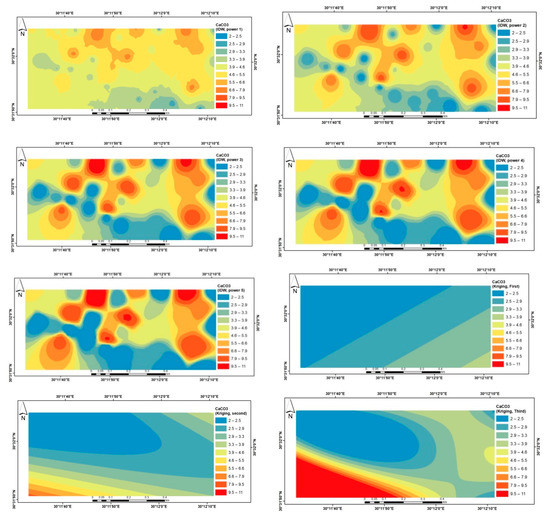
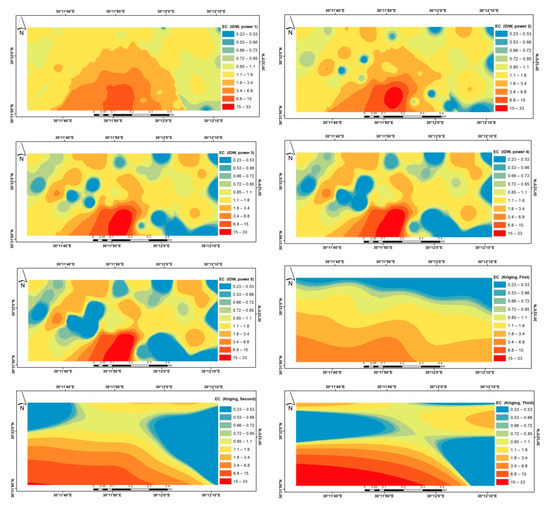
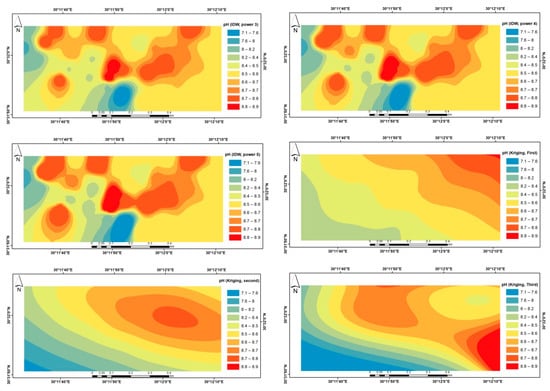
Deciphering Soil Spatial Variability through Geostatistics and Interpolation Techniques
Sustainability 2021, 13(1), 194; https://doi.org/10.3390/su13010194 - 28 Dec 2020
Cited by 3 | Viewed by 673
Abstract
Detailed knowledge of soil properties is fundamentally important for optimizing agriculture practices and management. Meanwhile, the spatial distribution of soil physicochemical properties is considered a fundamental input of any sustainable agricultural planning. In the present study, ordinary kriging, regression kriging and IDW were [...] Read more.
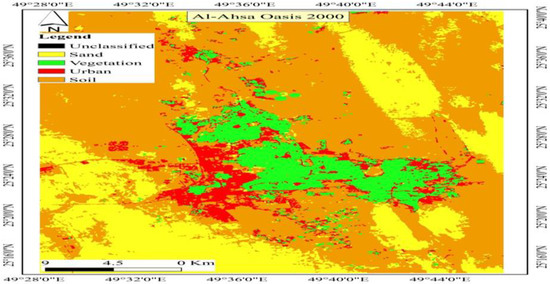
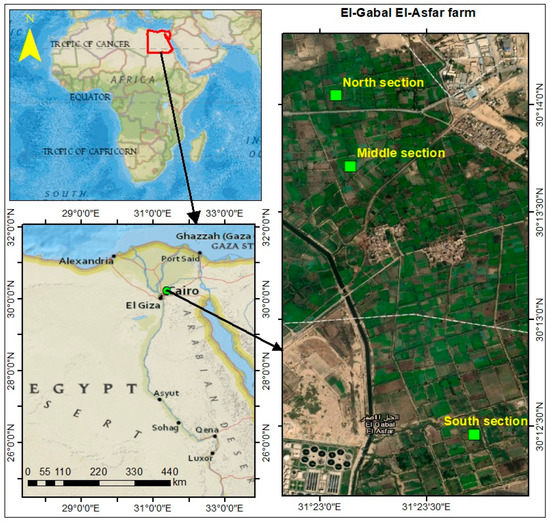
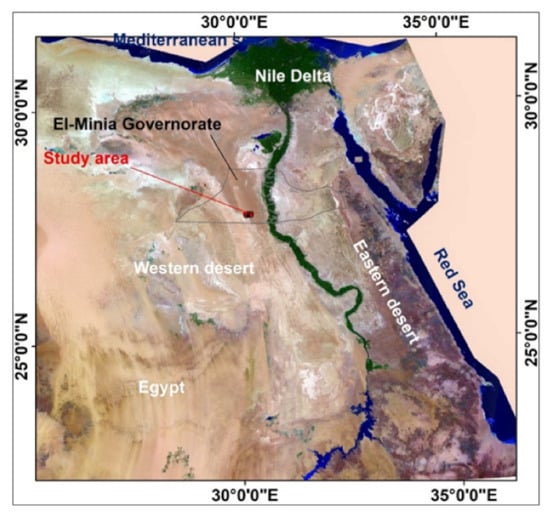
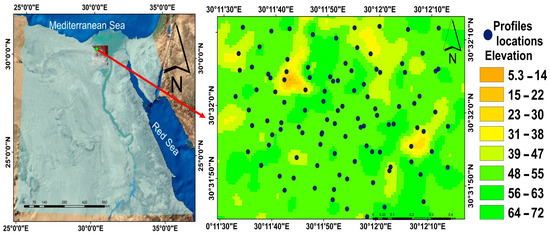
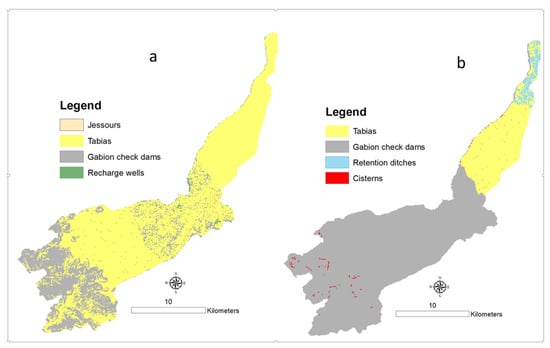
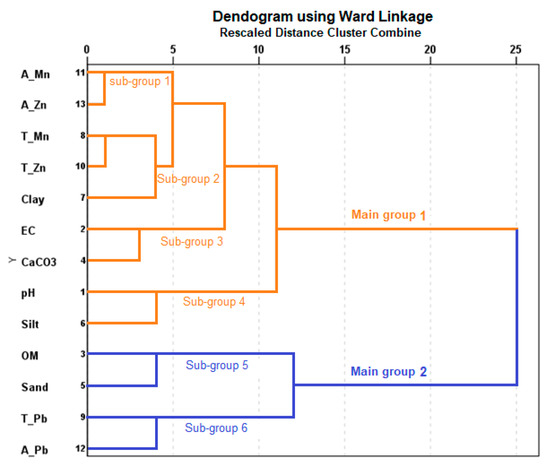
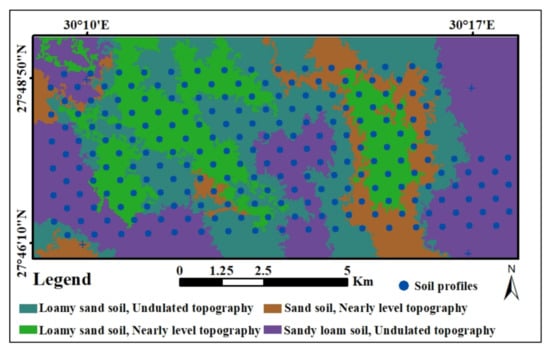
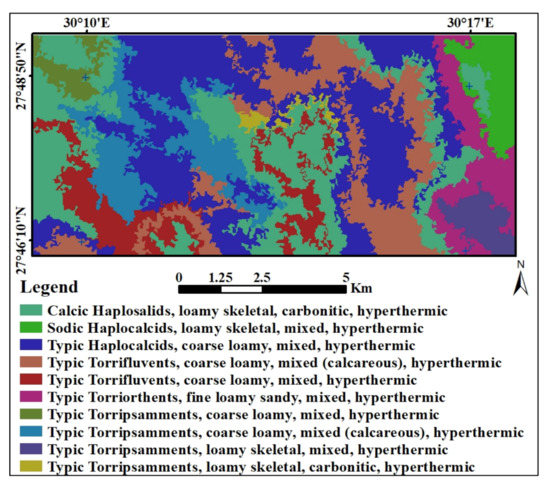
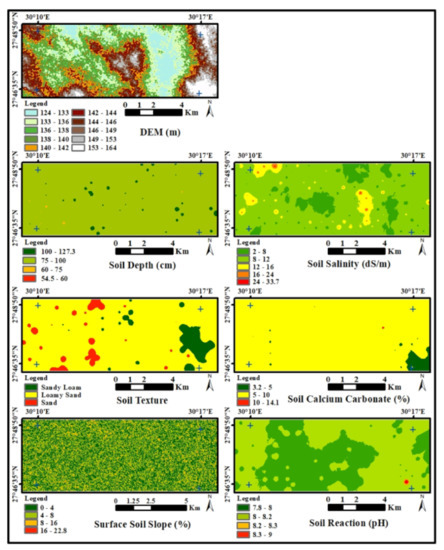
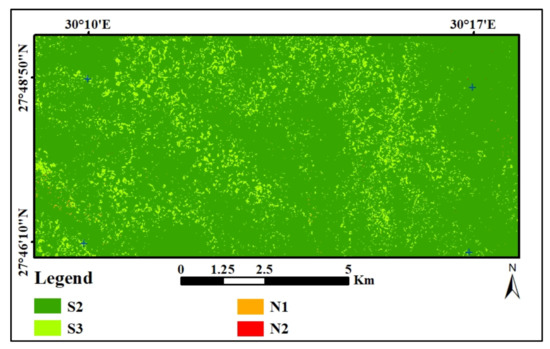
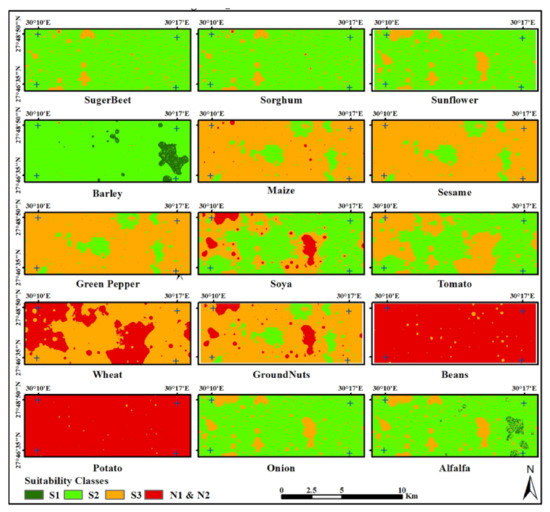
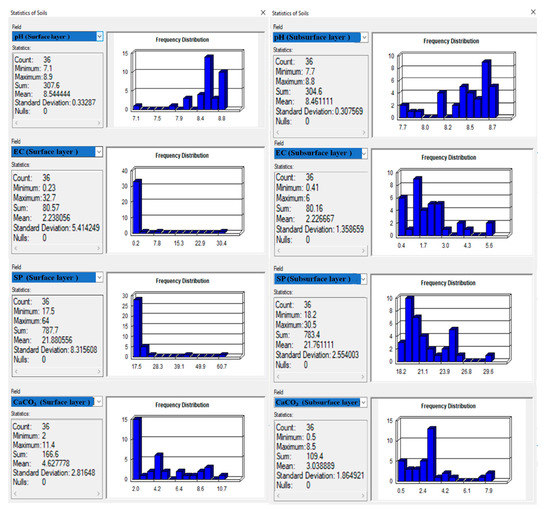
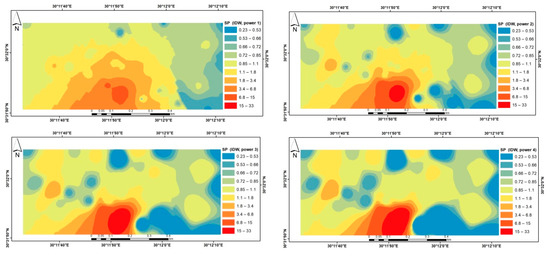
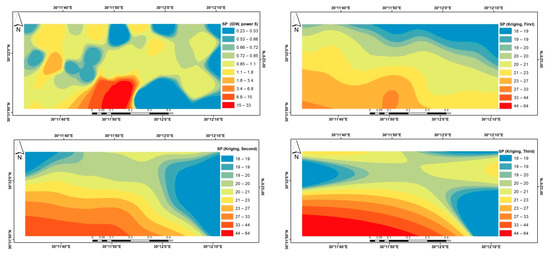
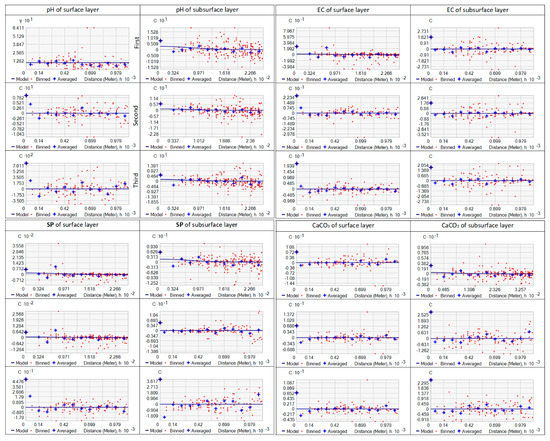
Detailed knowledge of soil properties is fundamentally important for optimizing agriculture practices and management. Meanwhile, the spatial distribution of soil physicochemical properties is considered a fundamental input of any sustainable agricultural planning. In the present study, ordinary kriging, regression kriging and IDW were chosen for deciphering soil spatial variability and mapping soil properties in a reclaimed area of the Behera Governorate of Egypt where soil arose from two different types, one sandstone and the other limestone. Geostatistics were used to show the interrelationships and conditions of soil properties (available phosphorus, potassium and nitrogen, EC, pH, Sp, ESP, CEC, OC, SAR, and CaCO3). The results of mapping spatial soil variability by Geostatistics could be used for precision agriculture applications. Based on the soil test results, nutrient management recommendations should be applied regarding variable rates of fertilizers. The performance of the maps was evaluated using Mean square error (MSE). Inverse distance weight (IDW) showed higher efficiency than Kriging as a prediction method for mapping the studied soil properties in the study area. The results of the present study suggest that the application of the selected fit model worldwide in any relevant study of soil properties of different geological sources is feasible. Full article
(This article belongs to the Special Issue Sustainable Soil Management in a Changing Climate)
Show Figures

Figure 1
Article
Eco-Friendly Yield and Greenhouse Gas Emissions as Affected by Fertilization Type in a Tropical Smallholder Rice System, Ghana
Sustainability 2020, 12(24), 10239; https://doi.org/10.3390/su122410239 - 08 Dec 2020
Viewed by 484
Abstract
Data on greenhouse gas emission levels associated with fertilization applied in smallholder paddy rice farms in Ghana are scanty. The current study investigated fertilization types to determine their eco-friendliness on yield, Global Warming Potential (GWP) and Greenhouse Gas Intensity (GHGI) in a major [...] Read more.
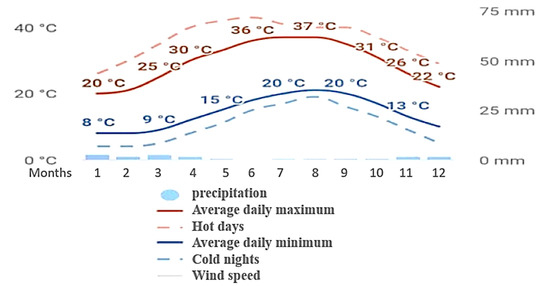
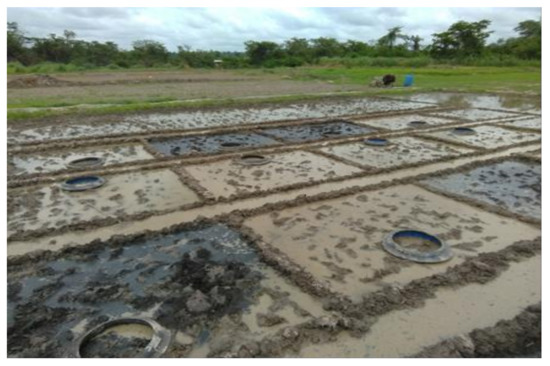
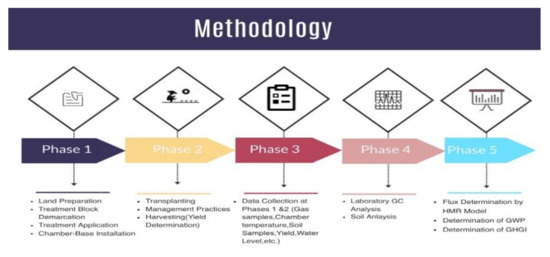
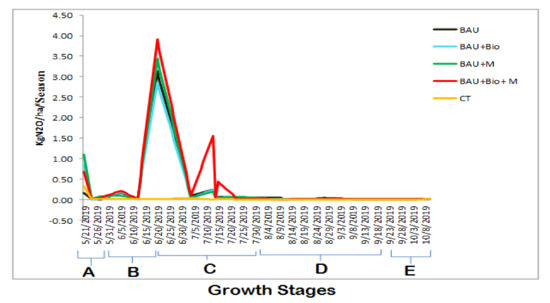
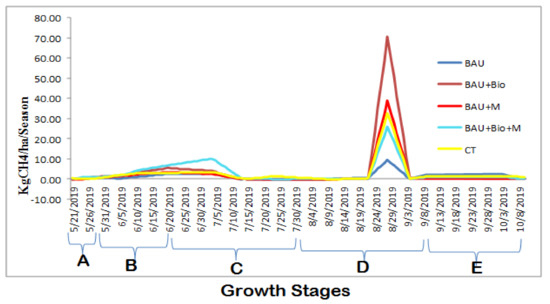
Data on greenhouse gas emission levels associated with fertilization applied in smallholder paddy rice farms in Ghana are scanty. The current study investigated fertilization types to determine their eco-friendliness on yield, Global Warming Potential (GWP) and Greenhouse Gas Intensity (GHGI) in a major rice season in the forest zone of Ghana. In total, five treatments were studied viz Farmer Practice (BAU); Biochar + Farmer Practice (BAU + BIO); Poultry Manure + Farmer Practice (BAU + M); Biochar + Poultry Manure + Farmer Practice (BAU + BIO + M); and Control (CT). Fluxes of methane (CH4) and nitrous oxide (N2O) were measured using a static chamber-gas chromatography method. N2O emissions at the end of the growing season were significantly different across treatments. BAU + BIO + M had highest N2O flux mean of 0.38 kgNha−1day−1 (±0.18). BAU + M had the second highest N2O flux of 0.27 kgNha−1day−1 (±0.08), but was not significantly different from BAU at p > 0.05. BAU+BIO recorded 0.20 kgNha−1day−1 (±0.12), lower and significantly different from BAU, BAU + M and BAU + BIO + M. CH4 emissions across treatments were not significantly different. However, highest CH4 flux was recorded in BAU+BIO at 4.76 kgCH4ha−1day−1 (±4.87). GWP based on seasonal cumulative GHG emissions among treatments ranged from 5099.16 (±6878.43) to 20894.58 (±19645.04) for CH4 and 756.28 (±763.44) to 27201.54 (±9223.51) kgCO2eqha−1Season−1 for N2O. The treatment with significantly higher yield and low emissions was BAU + M with a GHGI of 4.38 (±1.90) kgCO2eqkg−1. Full article
(This article belongs to the Special Issue Sustainable Soil Management in a Changing Climate)
Show Figures

Figure 1
Article
The Effect of Low Temperature on Physiological, Biochemical and Flowering Functions of Olive Tree in Relation to Genotype
Sustainability 2020, 12(23), 10065; https://doi.org/10.3390/su122310065 - 02 Dec 2020
Viewed by 665
Abstract
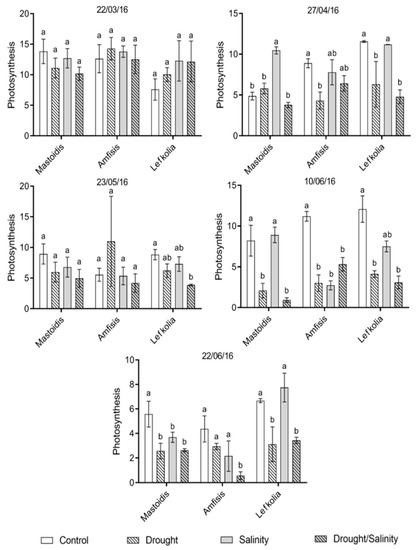
Olive tree growth and reproduction are severely affected by temperature extremes, compromising fruit yield. In that aspect, the olive varieties “Koroneiki” and “Mastoidis” were employed in a mild cold stress experiment, imitating night frost incidents to assess their biochemical, physiological and reproductive functions [...] Read more.
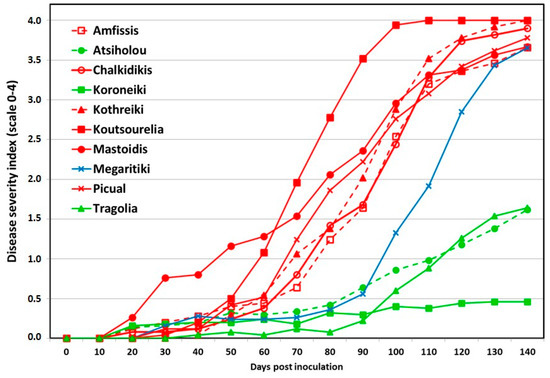
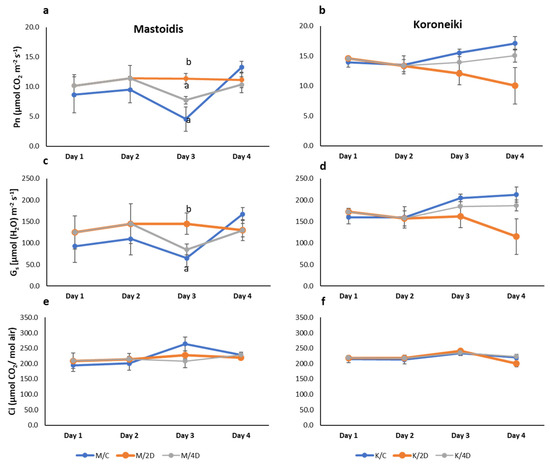
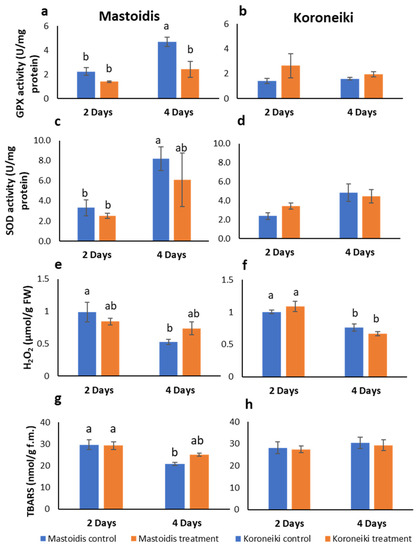
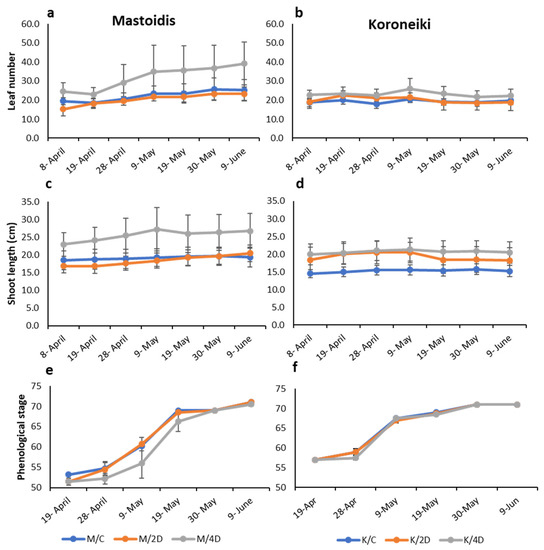
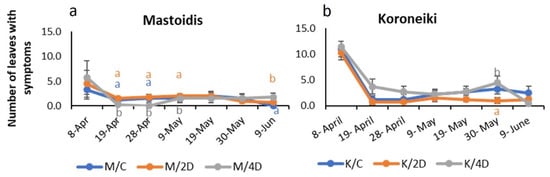
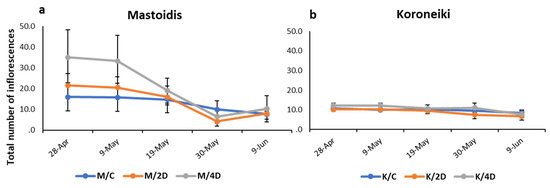
Olive tree growth and reproduction are severely affected by temperature extremes, compromising fruit yield. In that aspect, the olive varieties “Koroneiki” and “Mastoidis” were employed in a mild cold stress experiment, imitating night frost incidents to assess their biochemical, physiological and reproductive functions in relation to genotype. The physiological performance of the stressed plants was not significantly altered, suggesting that both cultivars were well adapted to mild cold night stress. The biochemical response of the plants, regarding antioxidant enzymes, H2O2 and TBARS accumulation, confirmed that both cultivars could cope with the stress applied. The mRNA levels of the PPO gene, which participates in hydroxytyrosol biosynthesis and plant defense, were elevated after 24-h stress at 0 °C, in both cultivars with “Mastoidis” plants exhibiting higher levels for a longer period. Three more genes involved in hydroxytyrosol biosynthesis upregulated their expression levels as a response to cold stress. The numerous plant phenology aspects measured reinforced the conclusion that both cultivars responded to the stress applied. The results of the present study may contribute to better understanding olive tree adaptive responses to low temperature events, an abiotic stress condition that is often present in an open plantation, thus assisting farmers on breeding and cultivar selection. Full article
(This article belongs to the Special Issue Sustainable Soil Management in a Changing Climate)
Show Figures

Graphical abstract

Review

Jump to: Research

Review
Carbon Fluxes in Sustainable Tree Crops: Field, Ecosystem and Global Dimension
Sustainability 2021, 13(16), 8750; https://doi.org/10.3390/su13168750 - 06 Aug 2021
Viewed by 351
Abstract
Carbon (C) budget at cropping systems has not only agronomic but also environmental relevance because of their contribution to both emissions and removals of greenhouse gases (GHGs). Ideally, sustainable orchards are expected to remove atmospheric CO2 at a rate greater than that [...] Read more.
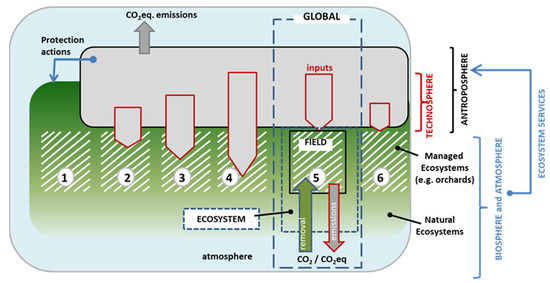
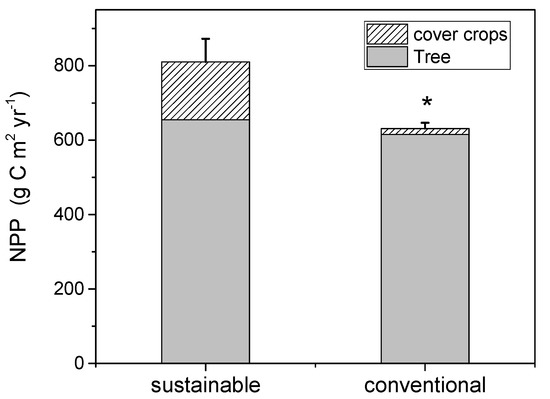
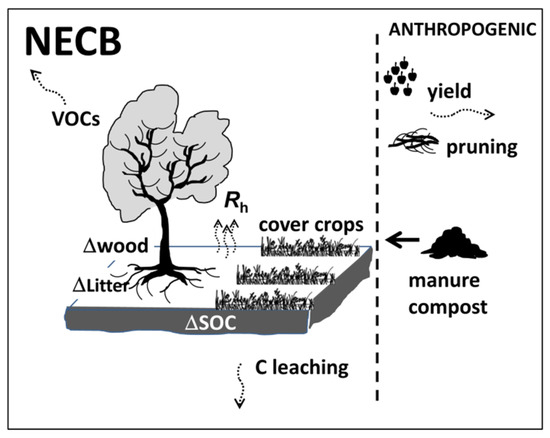
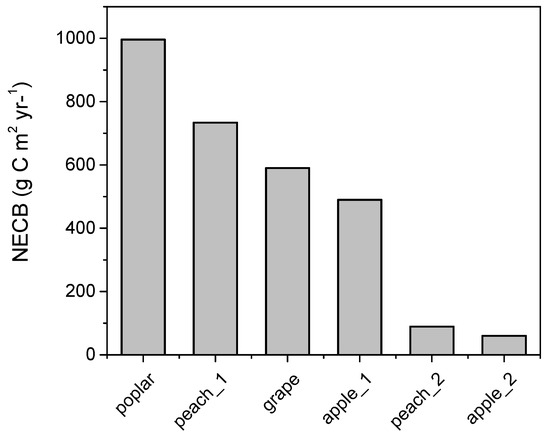
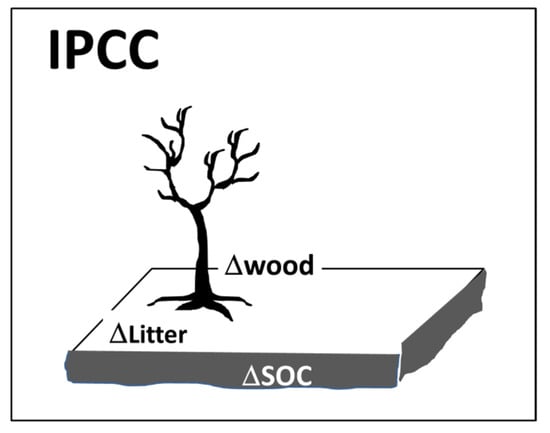
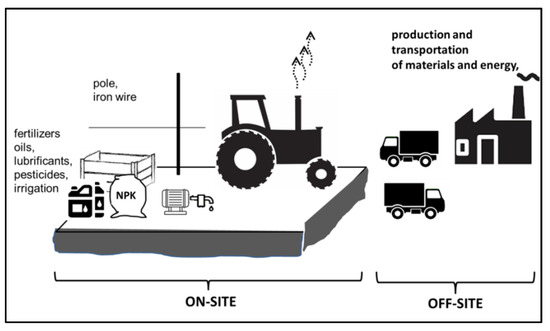
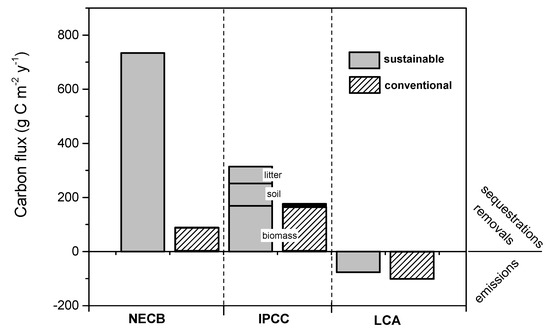
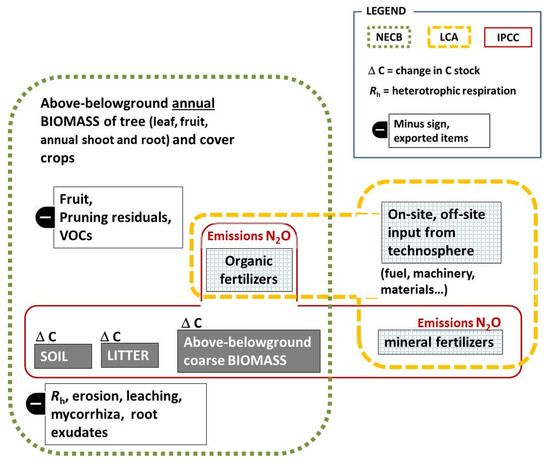
Carbon (C) budget at cropping systems has not only agronomic but also environmental relevance because of their contribution to both emissions and removals of greenhouse gases (GHGs). Ideally, sustainable orchards are expected to remove atmospheric CO2 at a rate greater than that of the emissions because of (i) optimized biology of the system and (ii) reduced on-site/offsite inputs sourced by the technosphere. However, such a computation might produce inconsistent results and in turn biased communication on sustainability of the cropping systems because C accounting framework(s) are used under unclear context. This study examined the sustainability of orchards in terms of impact on GHGs focusing its significance at the field, ecosystem and global dimension analyzing some operational aspects and limitations of existing frameworks (e.g., net ecosystem carbon balance (NECB), life cycle assessment (LCA)). Global relevance of sustainable orchard was also discussed considering the C sequestration at cropland as instructed by Intergovernmental Panel on Climate Change (IPCC). The uniqueness of olive tree lifespan duration and C sequestration is discussed within the Product Environmental Footprint of agrifood product. The paper also highlighted overlapping components among the NECB, LCA and IPCC frameworks and the need for an integrated C accounting scheme for a more comprehensive and detailed mapping of sustainability in agriculture. Full article
(This article belongs to the Special Issue Sustainable Soil Management in a Changing Climate)
Show Figures

Figure 1
Back to TopTop