Ensuring Quality Education and Good Learning Environments for Students
Printed Edition Available!
A printed edition of this Topical Collection is available
here.
Share This Topical Collection
Editors
 Dr. Ana B. Bernardo
Dr. Ana B. Bernardo
E-Mail
Website
Collection Editor
Department of Psychology, University of Oviedo, 33003 Oviedo, Spain
Interests: university dropout; academic performance; quality in higher education; virtual campus in higher education
Dr. Adrián Castro-López
Dr. Adrián Castro-López
E-Mail
Website
Collection Editor
Department of Business Administration, University of Oviedo, 33003 Oviedo, Spain
Interests: marketing; application of artificial intelligence techniques; multi-criteria group decision techniques in different management areas and higher education
 Prof. Dr. Leandro Silva Almeida
Prof. Dr. Leandro Silva Almeida
E-Mail
Website
Collection Editor
Institute of Education, University of Minho, 4710-057 Braga, Portugal
Interests: university dropout; learning and cognition; academic achievement; quality in higher education; educational psychology
 Prof. Dr. Sílvia F. Rivas
Prof. Dr. Sílvia F. Rivas
E-Mail
Website
Collection Editor
Department of Basic Psychology, Psychobiology and Methodology of Behavioural Sciences, University of Salamanca, Salamanca, Spain
Interests: critical thinking; decision making; problem solving; instruction; evaluation
Special Issues, Collections and Topics in MDPI journals
Topical Collection Information
Dear Colleagues,
Today, new technologies bring a changing panorama that forces us to constantly update our knowledge. For this reason, quality education is necessary in all areas of knowledge and at all educational levels. The quality of our educational systems and the questions raised by the review of whether our educational institutions offer quality education or not are some of the main reasons why quality education is a topic that, in recent years, has captured the interest of governments, researchers and lecturers, among others. This collection brings together different socioeducational actors in their concerns and commitments to higher education, in order to achieve the aim of providing people with the competencies to adapt to a changing and competitive world in which the individual needs to be in lifelong learning and education must assure sustainable development goals, such as democracy, justice and equality. All of this provides us with a scenario for reflection and research on fundamental questions such as, how to prevent school absenteeism, how to deal with early school leaving, how to prevent or alleviate the phenomenon of dropping out in higher education, etc. In other words, can we assume that student failure is partly due to the failure of our educational systems? Are we educating self-regulated, critical, learning-motivated, competent students? These and other questions lead us to work in search of measures to improve the quality of our educational systems by proposing strategies and developing tools to improve the lecturing–learning processes in our classrooms. Likewise, new technologies—as tools to support learning—and methodologies based on artificial intelligence are increasingly used to achieve quality in higher education.
Dr. Ana B. Bernardo
Dr. Adrián Castro-López
Prof. Dr. Leandro Almeida
Prof. Dr. Sílvia F. Rivas
Collection Editors
Manuscript Submission Information
Manuscripts should be submitted online at www.mdpi.com by registering and logging in to this website. Once you are registered, click here to go to the submission form. All submissions that pass pre-check are peer-reviewed. Accepted papers will be published continuously in the journal (as soon as accepted) and will be listed together on the collection website. Research articles, review articles as well as short communications are invited. For planned papers, a title and short abstract (about 250 words) can be sent to the Editorial Office for assessment.
Submitted manuscripts should not have been published previously, nor be under consideration for publication elsewhere (except conference proceedings papers). All manuscripts are thoroughly refereed through a single-blind peer-review process. A guide for authors and other relevant information for submission of manuscripts is available on the Instructions for Authors page. Sustainability is an international peer-reviewed open access semimonthly journal published by MDPI.
Please visit the Instructions for Authors page before submitting a manuscript.
The Article Processing Charge (APC) for publication in this open access journal is 2400 CHF (Swiss Francs).
Submitted papers should be well formatted and use good English. Authors may use MDPI's
English editing service prior to publication or during author revisions.
Keywords
- higher education
- education quality
- lecturing–learning processes
- artificial intelligence tools
Published Papers (28 papers)
Open AccessEditorial
Challenges of Higher Education in Turbulent Environments
by
Ana B. Bernardo, Adrian Castro-Lopez, Leandro S. Almeida and Silvia Fernandez-Rivas
Cited by 1 | Viewed by 1958
Abstract
New technologies will change personal and social life as we know it today [...]
Full article
Open AccessArticle
Lessons Learned from the Educational Experience during COVID-19 from the Perspective of Latin American University Students
by
Karla Lobos, Rubia Cobo-Rendón, Diego García-Álvarez, Jorge Maldonado-Mahauad and Carola Bruna
Cited by 16 | Viewed by 5468
Abstract
The COVID-19 pandemic impacted the educational context. University students were exposed to an educational transition from a face-to-face context to emergency remote teaching (ERT). This change affected the educational experience of students and teachers in general, and impacted their educational performance, as well
[...] Read more.
The COVID-19 pandemic impacted the educational context. University students were exposed to an educational transition from a face-to-face context to emergency remote teaching (ERT). This change affected the educational experience of students and teachers in general, and impacted their educational performance, as well as their emotional and mental health, among other aspects. However, learning from the successes during the ERT and reflecting on good and bad practices will allow us to configure effective learning scenarios that respond to the new normal. The objective of this paper is to describe and present the lessons learned during ERT from the experience of university students in Latin America who have already returned to face-to-face instruction. The study used a qualitative inductive approach and a phenomenographic design. The sample consisted of 640 undergraduate students (63% women) of higher education who experienced online education during the year 2021 and a face-to-face modality during the first semester of 2022, belonging to universities in Chile, Venezuela, and Ecuador. The results suggest that new learning scenarios should consider specific pedagogical practices, including active, collaborative, meaningful, and problem-based strategies, together with a diversity of feedback practices. It is concluded that the ERT brought good practices that should guide university educational policies.
Full article
Open AccessArticle
The Role of Critical Thinking in Predicting and Improving Academic Performance
by
Silvia F. Rivas, Carlos Saiz and Leandro S. Almeida
Cited by 23 | Viewed by 10943
Abstract
Today’s world demands new ways of dealing with problems and different ways of preparing for them. Some studies argue that these new demands also require new skills. Critical thinking (CT) involves a set of skills that are entirely relevant to today’s adaptive needs.
[...] Read more.
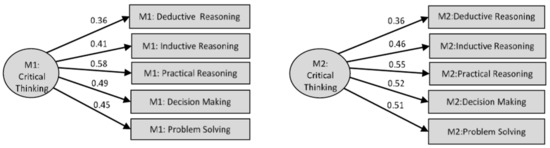
Today’s world demands new ways of dealing with problems and different ways of preparing for them. Some studies argue that these new demands also require new skills. Critical thinking (CT) involves a set of skills that are entirely relevant to today’s adaptive needs. In this study, we explore the extent to which CT serves to both account for and improve academic performance. To do this, we measured the CT skills of a number of undergraduate students, along with their university admission grades and average course grades. We successfully established the structural validity of the general construct of CT, along with a strong relationship between CT measurements at two different timepoints (at the beginning and end of studying a critical thinking subject area) and the admission grade and average grade variables. These data lead us to reflect on using CT level as a suitable assessment of academic performance. We also consider the limits of our findings and their implications.
Full article
►▼
Show Figures
Open AccessArticle
Teaching Marketing Research at the University Level—From Academic and Professional Perspectives
by
Javier de la Ballina and Silvia Cachero
Cited by 1 | Viewed by 2843
Abstract
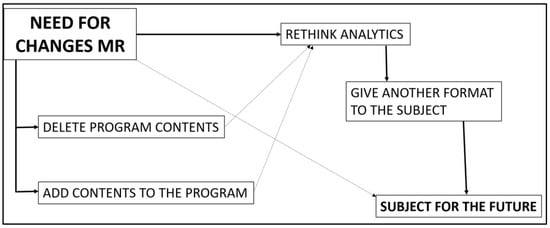
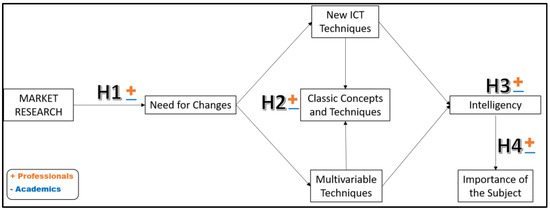
The evolution of marketing research (MR) has run parallel to marketing; however, nowadays, statistical techniques and data technologies are gaining more importance. The need for alignment regarding MR training between professors, students, and professionals is becoming increasingly urgent. This work continues on a
[...] Read more.
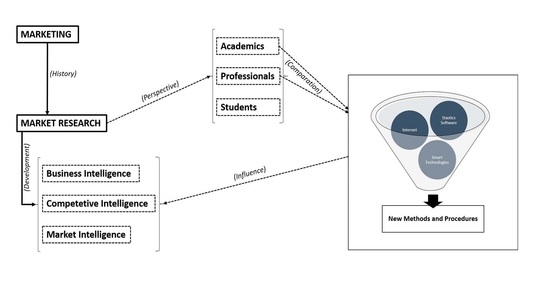
The evolution of marketing research (MR) has run parallel to marketing; however, nowadays, statistical techniques and data technologies are gaining more importance. The need for alignment regarding MR training between professors, students, and professionals is becoming increasingly urgent. This work continues on a double survey administered to professors and MR professionals in Spain to determine their proposals for adapting MR courses’ format and content to the companies’ current information needs. The results show that not only do professionals lead in terms of wanting changes to training, but also that these professionals are by no means extreme in their demands regarding university professors. The findings also show that, although there are significant differences in priorities at both the statistical and technical levels, the solution may be to combine and slightly adjust the current mandatory MR courses in business administration degrees. In addition, an elective course that develops training in new data and intelligent technologies for MR should be implemented.
Full article
►▼
Show Figures
Open AccessArticle
The Dropout of First-Year STEM Students: Is It Worth Looking beyond Academic Achievement?
by
Joana R. Casanova, Adrián Castro-López, Ana B. Bernardo and Leandro S. Almeida
Cited by 30 | Viewed by 7502
Abstract
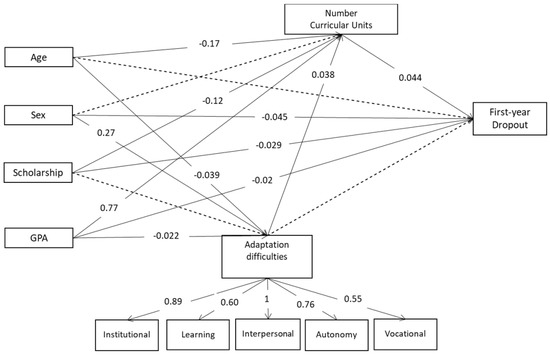
The expansion of Higher Education increased the diversity of students, with heterogenous characteristics, needs, and values. Institutions, intending to preserve the mission and the transformative potential of the tertiary level of education, are facing and implementing policies and practices that enhance success conditions,
[...] Read more.
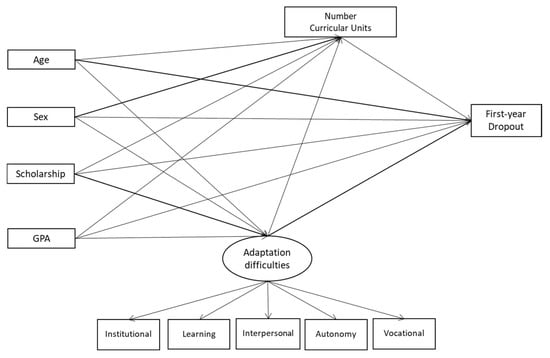
The expansion of Higher Education increased the diversity of students, with heterogenous characteristics, needs, and values. Institutions, intending to preserve the mission and the transformative potential of the tertiary level of education, are facing and implementing policies and practices that enhance success conditions, persistence, and avoid student dropout, in order to meet the goals for sustainable development of people and societies. The present study aims to analyze the impact of personal and academic variables on students’ academic difficulties in adaption to HE, academic achievement, and dropout among first-year STEM students. From a cohort of STEM first-year students at a Portuguese public university, the participants numbered 1376. Applying the structural equation modelling, the results highlight the effect of the variables age, gender, scholarship, and grade point average on access to higher education, difficulties in adapting to higher education, and dropout decision. Understanding STEM students who have already dropped out can contribute to better identification of institutional actions to prevent and reduce its occurrence, especially in first-year students.
Full article
►▼
Show Figures
Open AccessArticle
Do Virtual Campuses Provide Quality Education? A Study on the Perception of Higher Education
by
Ellián Tuero, Lucía Álvarez-Blanco, Isabel C. Ayala-Galavis, Celia Galve-González and Ana B. Bernardo
Cited by 2 | Viewed by 3067
Abstract
In recent years, there has been an increase in the use of technologies in all aspects of daily life, especially in educational contexts. Indeed, in most universities, using a virtual campus as a support for teaching is now a general practice, even in
[...] Read more.
In recent years, there has been an increase in the use of technologies in all aspects of daily life, especially in educational contexts. Indeed, in most universities, using a virtual campus as a support for teaching is now a general practice, even in face-to-face teaching. However, although there are multiple studies on the quality of education and services provided by virtual campus platforms, as well as statistics on the use of the various tools and forums, very few studies have considered students’ perceptions of the quality perceived by students concerning the pedagogical use that teachers make of virtual campuses. Even fewer studies have examined this as a function of what year the students are in. In order to examine this more thoroughly, an ad hoc questionnaire was applied to 783 students enrolled in the first three years at various universities in Spain, covering all knowledge areas. The results show that first-year students had more positive opinions of the quality of their teachers’ virtual-campus practices than students in subsequent years. More specifically, those first-year students perceived greater encouragement and motivation from the teaching staff and more communication between teachers and students. These findings suggest the need for good teaching practices that consider motivation, communication and collaborative groups, not only during the first year, but also throughout university courses in order to ensure quality education.
Full article
Open AccessArticle
Perceived Social Support and Engagement in First-Year Students: The Mediating Role of Belonging during COVID-19
by
Jorge Maluenda-Albornoz, José Berríos-Riquelme, Valeria Infante-Villagrán and Karla Lobos-Peña
Cited by 25 | Viewed by 7958
Abstract
Academic engagement and the conditions that favor it have become relevant in recent decades due to their relationship with academic performance, well-being, and university permanence. Variables such as perceived social support and sense of belonging are relevant aspects of social integration to promote
[...] Read more.
Academic engagement and the conditions that favor it have become relevant in recent decades due to their relationship with academic performance, well-being, and university permanence. Variables such as perceived social support and sense of belonging are relevant aspects of social integration to promote engagement. Evidence shows both variables predicting engagement. In addition, the available evidence suggests this possible mediating role, which requires further analysis in freshmen in the emergency teaching context due to the COVID-19. The present study aims to evaluate the mediating role of sense of belonging in the relationship between perceived social support and engagement in university students. Results showed significant predictive relationships between social integration variables and engagement and showed the mediating role of sense of belonging in the relation between perceived social support and the three types of engagement. These results suggest the relevance for degree programs to consider these social integration variables as a key element for university freshmen.
Full article
Open AccessArticle
Teacher Self-Regulation and Its Relationship with Student Self-Regulation in Secondary Education
by
Fabiola Sáez-Delgado, Yaranay López-Angulo, Javier Mella-Norambuena, Catherine Baeza-Sepúlveda, Carolina Contreras-Saavedra and Gisela Lozano-Peña
Cited by 26 | Viewed by 9748
Abstract
Self-regulation is relevant to understanding the teaching–learning process; however, few studies have focused on teachers’ self-regulatory processes. The aim of this study was to characterize and analyze the relationship between teachers’ and students’ self-regulation. The design was cross-sectional and correlational. The sample consisted
[...] Read more.
Self-regulation is relevant to understanding the teaching–learning process; however, few studies have focused on teachers’ self-regulatory processes. The aim of this study was to characterize and analyze the relationship between teachers’ and students’ self-regulation. The design was cross-sectional and correlational. The sample consisted of 1481 participants (students
n = 1123 and teachers
n = 358) from 25 secondary schools in 17 cities of the Biobío region of Chile. In students, self-regulatory strategies were found to be deployed only half of the time; women were more self-regulated, and there was no difference in the levels of self-regulation according to grade. Teachers, it was found, almost always self-regulate their teaching, and the variables that influence their self-regulation are motivation, gender, and age, explaining between 25% and 28% of the variance. Positive and small correlations were evidenced between teacher role disposition with learning performance (
rho = 0.10,
p < 0.05) and teacher role self-evaluation with both learning performance and self-evaluation of learning in their students (
rho = 0.12,
p < 0.05). This study provides relevant evidence and proposes changes that could have a positive impact on teacher training and improve current teaching–learning practices in Chile, which would contribute to the quality of education.
Full article
Open AccessArticle
One Step Back or One Step Forward? Effects of Grade Retention and School Retention Composition on Portuguese Students’ Psychosocial Outcomes Using PISA 2018 Data
by
Joana Pipa and Francisco Peixoto
Cited by 7 | Viewed by 3143
Abstract
Grade retention is a common practice applied to academically struggling students within the Portuguese context. Studies investigating the psychological experiences of grade-retained students are still scarce. In addition, most studies tend to neglect the multilevel nature of the school context. This study examines
[...] Read more.
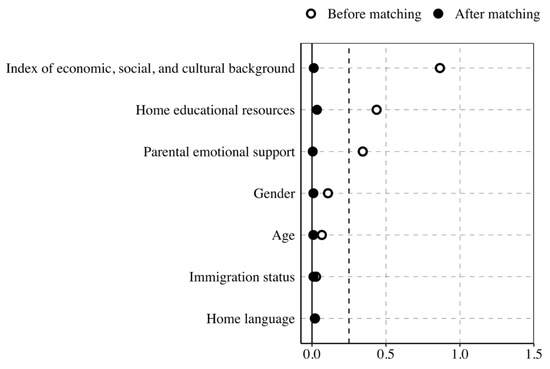
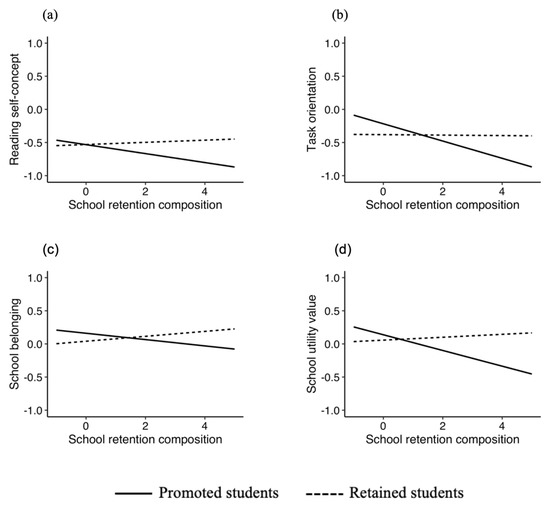
Grade retention is a common practice applied to academically struggling students within the Portuguese context. Studies investigating the psychological experiences of grade-retained students are still scarce. In addition, most studies tend to neglect the multilevel nature of the school context. This study examines the effects of grade retention in grades 1–9 on Portuguese students’ psychosocial outcomes by the age of 15, using PISA 2018 data. Using a quasi-experimental design through full matching, we reduced the bias between 1362 retained and 4189 promoted students in relevant background variables. Results from the multilevel models showed that retained students, by the age of 15, present lower task orientation and school belonging. In addition, we found that the high retention rates negatively relate to students’ reading self-concept, task orientation, and school valuing and that school retention rates moderate the relationship between students’ retention and the psychosocial variables considered. Overall, these findings suggest detrimental effects of grade retention and that grade retention also affects the promoted peers of retained students.
Full article
►▼
Show Figures
Open AccessArticle
User Preference Analysis of a Sustainable Workstation Design for Online Classes: A Conjoint Analysis Approach
by
Ma. Janice J. Gumasing, Ardvin Kester S. Ong and Maria Angelica D. Bare
Cited by 17 | Viewed by 5370
Abstract
The impact of the COVID-19 pandemic has caused the sudden shift of the interactions between students and teachers from the four corners of the classroom to fully online learning through the workstations. By using a conjoint analysis approach, this study aimed to evaluate
[...] Read more.
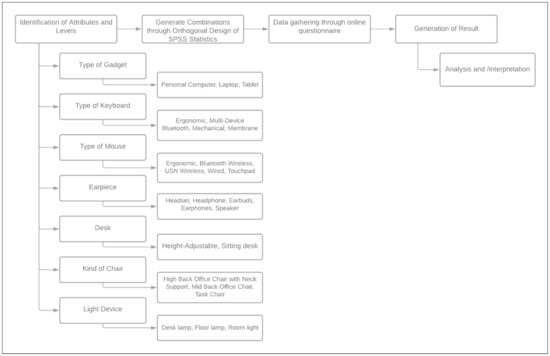
The impact of the COVID-19 pandemic has caused the sudden shift of the interactions between students and teachers from the four corners of the classroom to fully online learning through the workstations. By using a conjoint analysis approach, this study aimed to evaluate the preference of undergraduate students from the Philippines on the workstation design attributes during the pandemic. Seven attributes were examined through orthogonal design: the type of gadget, keyboard, mouse, earpiece, desk, kind of chair, and light device. Through a purposive sampling approach, a total of 315 undergraduate students from the Philippines were gathered. Through an online survey with two holdouts, the respondents voluntarily responded to 51 stimuli produced by IBM SPSS using a 7-point Likert scale. Type of gadget (37.925%) was found to be the most significant attribute preferred by the students, followed by the type of mouse (28.345%), kind of chair (14.840%), type of keyboard (7.548%), earpiece (7.177%), light device (2.109%), and desk (2.056%). It is worth noting that the preferred workstation design combination is the personal computer, mechanical keyboard, wired mouse, headset, height-adjustable table, high-back office chair with neck support, and floor lamp. This study is the first to use a conjoint technique to examine undergraduate students’ preferences for workstation design attributes during the COVID-19 pandemic. Finally, by applying the attributes and design developed in this study, the conjoint method can be used and expanded to evaluate the workstation design attributes of other courses and even employees worldwide.
Full article
►▼
Show Figures
Open AccessArticle
A Different Approach to Evaluation in Early Childhood Curriculum: Learning Stories
by
Gülüzar Şule Tepetaş Cengiz and Ahmet Altındağ
Cited by 2 | Viewed by 8066
Abstract
Many tools are used in child assessment during early childhood to support the development of children and plan the educational process. Originating in New Zealand, “learning stories” is a technique of observation that enables the assessment of children during early childhood. A learning
[...] Read more.
Many tools are used in child assessment during early childhood to support the development of children and plan the educational process. Originating in New Zealand, “learning stories” is a technique of observation that enables the assessment of children during early childhood. A learning story is the documentation by a teacher (or parent) of what a child (or group of children) is observed doing in an early childhood program. The adult must know the child well to properly assess a child’s learning. Learning stories are narratives constructed from structured observations designed to provide a collective perspective on a child’s learning. Observations obtained using this method are reinterpreted as stories, then analyzed and used as a basis for planning. Teachers collect ‘critical events’ or moments that seem important to a child. By analyzing a few of them through a narrative, they try to reveal the child’s learning path and the pattern of their learning tendencies in the form of stories. The “learning stories” method, used in many countries across the world in early childhood, is not used in early childhood education in Turkey. In this context, this study was carried out to introduce the method to educators, families and researchers working in the field of early childhood, and to present the important points that should be considered during practice in the preschool period. This study was planned as a case study, which is a qualitative research method. The study group consisted of a teacher working in the preschool period (48–60 months) and a child in the classroom. The study included observations of the preschool teacher and examples of the learning stories created using these observations, followed by the analysis of the interview conducted with the teacher. It can be argued that the learning stories method is an alternative assessment method that can be used to evaluate the curriculum in early childhood education in Turkey, as is the case in many countries.
Full article
Open AccessArticle
Comparative Analysis of Dropout and Student Permanence in Rural Higher Education
by
Alfredo Guzmán, Sandra Barragán and Favio Cala-Vitery
Cited by 14 | Viewed by 5648
Abstract
The growing dropout and low permanence of rural students in higher education has become a central problem in the education system, both affecting the quality conditions of training programmes and preventing the materialisation of the benefits that achieving this educational level entails for
[...] Read more.
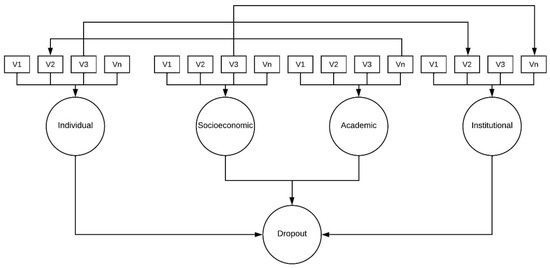
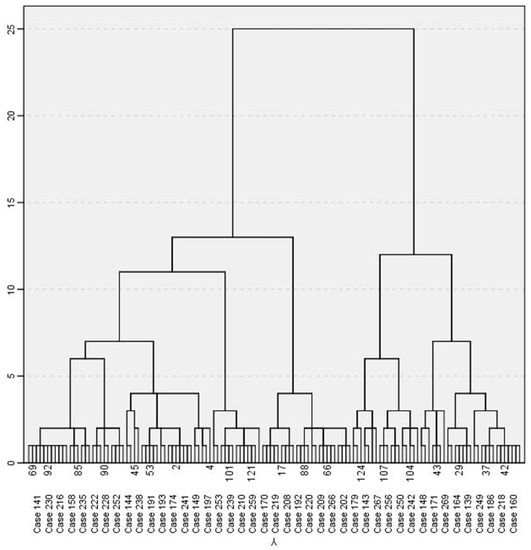
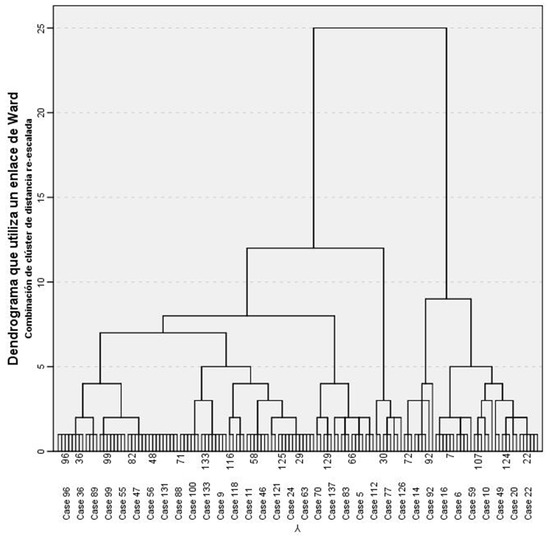
The growing dropout and low permanence of rural students in higher education has become a central problem in the education system, both affecting the quality conditions of training programmes and preventing the materialisation of the benefits that achieving this educational level entails for society. However, the study of these events in rural populations is scarce, resulting in an inadequate treatment of dropout and, consequently, the impossibility of consolidating student permanence. Thus, the aim of this article is to identify which individual, academic, socio-economic, and institutional variables influence the dropout and the retention of the rural student population in higher education. To achieve this purpose, a cross-sectional study was defined. The sample used was a non-probabilistic sample with an n of 269 rural Colombian students who were administered a self-report questionnaire that assessed 59 variables. Data analysis was based on means comparison and cluster modelling. The results show that dropout and permanence in rural students is related to the educational level of the father, family and work obligations, the need to move from their place of residence, the academic average in higher education, satisfaction with the choice of programme, communication with the institution, and the attention of teachers, among other things.
Full article
►▼
Show Figures
Open AccessArticle
Students’ Perceptions of Active Learning Classrooms from an Informal Learning Perspective: Building a Full-Time Sustainable Learning Environment in Higher Education
by
Lei Peng, Shitao Jin, Yuan Deng and Yichen Gong
Cited by 16 | Viewed by 7919
Abstract
Under the influence of education for sustainable development, active learning classrooms, as the new learning environment in higher education, have become increasingly diversified and flexible, with a greater emphasis on student experience and engagement. Most research on these learning environments is centered on
[...] Read more.
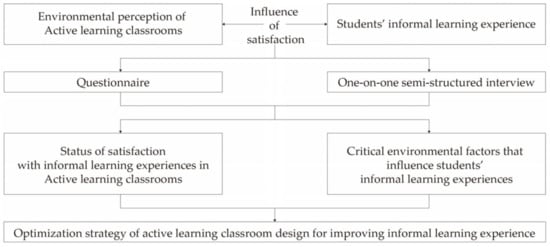
Under the influence of education for sustainable development, active learning classrooms, as the new learning environment in higher education, have become increasingly diversified and flexible, with a greater emphasis on student experience and engagement. Most research on these learning environments is centered on formal learning analysis and discussion, whereas empirical research on the perception of informal learning in active learning classrooms outside of class time is lacking. Based on informal learning perceptions, this study explored the strengths and weaknesses of active learning classroom spatial environments using a mixed quantitative and qualitative research approach. Through a questionnaire survey of 154 students and one-on-one semi-structured interviews with 15 students, this study found that most students were satisfied with the informal learning experience in active learning classrooms, comfortable and flexible space perception and humanized learning support facilities in active learning classrooms were critical spatial factors influencing students’ informal learning, the private environment and positive learning atmosphere in active learning classrooms could promote students’ informal learning behaviors, and for active learning classrooms, better resource management could help them develop a better quality full-time learning environment. Based on these findings, this study makes recommendations for optimizing the environment design and management of active learning classrooms.
Full article
►▼
Show Figures
Open AccessBrief Report
Enhancing Final-Year Medical Students’ Clinical Examinations Performance via a Transdiagnostic ACT-Based Intervention
by
Nicholas Tze Ping Pang, Eugene Koh, Mohd Amiruddin Mohd Kassim, Wendy Diana Shoesmith, Assis Kamu, Chong Mun Ho, Jun Rong Ng and Walton Wider
Cited by 6 | Viewed by 3092
Abstract
Introduction: Performance anxiety is a transdiagnostic construct similar in both sports and clinical medical examinations. Given that acceptance and commitment therapy (ACT) and other similar therapies have transdiagnostic evidence in improving the performance of athletes, the same approach can be adopted for
[...] Read more.
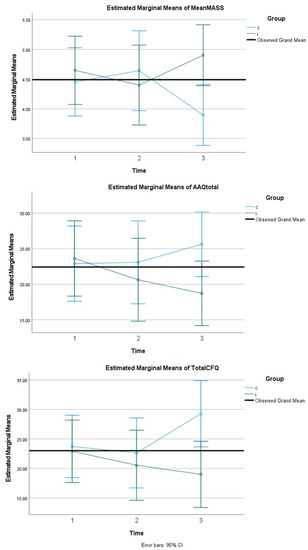
Introduction: Performance anxiety is a transdiagnostic construct similar in both sports and clinical medical examinations. Given that acceptance and commitment therapy (ACT) and other similar therapies have transdiagnostic evidence in improving the performance of athletes, the same approach can be adopted for medical students in improving their performance during clinical examinations. This pilot study aimed to assess the efficacy of a brief ACT-based intervention in improving transdiagnostic performance anxiety in clinical medical students through assessing changes in psychopathology scores (depression, anxiety, and stress) and psychological process variables (psychological flexibility, cognitive fusion, and mindfulness).
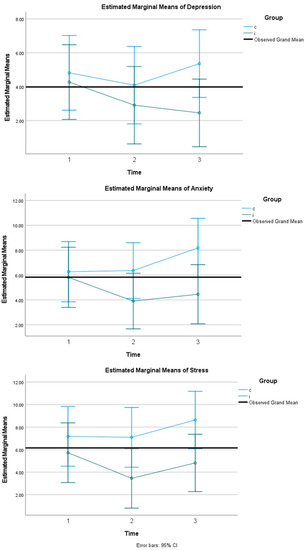
Methods: Final-year medical students were randomized into intervention and control groups. A one-day ACT-based intervention was delivered to an intervention group, with the control group crossing over one month post intervention. Both groups filled in sociodemographic questionnaires and questionnaires measuring psychological flexibility, cognitive fusion, mindfulness, depression, anxiety, and stress at three time points: T1 (before intervention), T2 (immediately after intervention), and T3 (one month post intervention). Repeated measures ANOVA was employed to assess the change between the intervention and control groups over time.
Results and Conclusions: There was a significant change in anxiety scores from T1 to T3. In addition, there were significant improvements in mindfulness, cognitive fusion, and psychological flexibility scores over time in the intervention group compared with the control group. This pilot study builds on small single-sample evidence bases for the efficacy of an ACT-based intervention in non-sports performance enhancement, suggesting that larger-scale randomized trials of similar interventions in clinical medical students may prove equally efficacious.
Full article
►▼
Show Figures
Open AccessArticle
Effect of Positive Parenting Styles as Perceived by Middle School Students on Academic Achievement and the Mediation Effect of Self-Esteem and Academic Engagement
by
Jhong Yun (Joy) Kim and Eunbee Kim
Cited by 12 | Viewed by 11352
Abstract
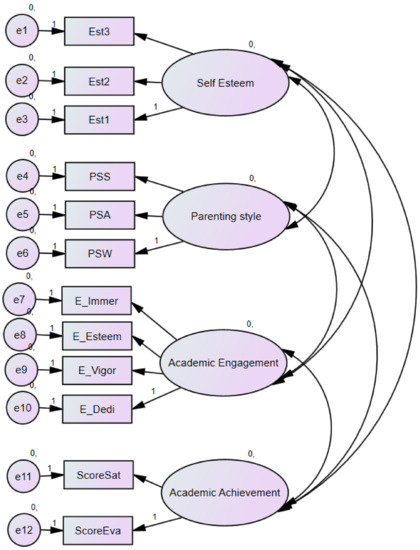
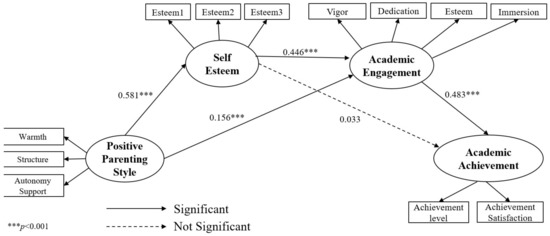
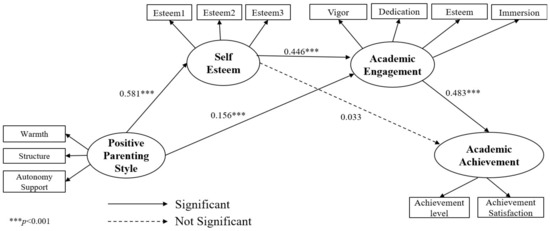
This study aimed to identify how positive parenting styles as perceived by middle school students affect their academic achievement and to assess the mediation effect of self-esteem and academic engagement. Data concerning 2590 middle school first graders were obtained from the South Korea
[...] Read more.
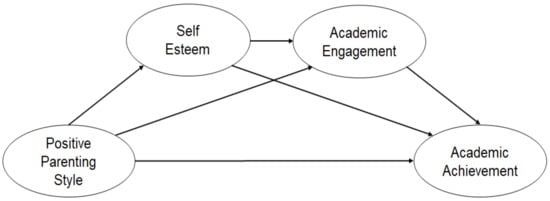
This study aimed to identify how positive parenting styles as perceived by middle school students affect their academic achievement and to assess the mediation effect of self-esteem and academic engagement. Data concerning 2590 middle school first graders were obtained from the South Korea Children and Youth Panel Survey 2018, and data analysis was undertaken using the SPSS21.0, AMOS22.0, and PROCESS macro programs. This study identified significantly positive effects of positive parenting styles and academic engagement on self-esteem, and of academic engagement on academic achievement. Furthermore, self-esteem and academic engagement had a mediating effect on the relation between positive parenting styles and academic achievement. Therefore, educators should develop programs that improve positive parenting styles, and specific programs for middle school students to enhance their academic engagement and self-esteem.
Full article
►▼
Show Figures
Open AccessArticle
Longitudinal Analysis of Teacher Technology Acceptance and Its Relationship to Resource Viewing and Academic Performance of College Students during the COVID-19 Pandemic
by
Rubia Cobo-Rendon, Karla Lobos Peña, Javier Mella-Norambuena, Nataly Cisternas San Martin and Fernando Peña
Cited by 14 | Viewed by 5415
Abstract
Due to COVID-19, teachers quickly changed their courses from traditional face-to-face modality to emergency remote teaching (ERT), relying on learning management systems (LMS). In this simple prospective design study, we analyzed the relation of the level of teachers’ technological acceptance at the beginning
[...] Read more.
Due to COVID-19, teachers quickly changed their courses from traditional face-to-face modality to emergency remote teaching (ERT), relying on learning management systems (LMS). In this simple prospective design study, we analyzed the relation of the level of teachers’ technological acceptance at the beginning of ERT (March 2020) considering three variables: the time spent by teachers in the LMS during that semester, the percentage of LMS’s resources their students viewed during the semester, and the final academic performance of the same students at the end of that semester (September 2020). This study included 251 teachers (57% male) and 12,185 students (45% male). We measured the teachers’ level of acceptance with the Spanish version of the Questionnaire Technology Acceptance Model (TAM). We found that the relation between the teacher’s acceptance and their time spent on the LMS was significant and positive (rho = 0.24,
p < 0.001). In addition, teachers’ perception of LMS’s easiness is related to the percentage of educational resources their students utilized (rho = 0.26,
p < 0.001). Finally, we found a relation between the usefulness dimension of the TAM to the academic performance of the students at the end of that semester (rho = 0.18,
p < 0.01). Considering these results, we discuss practices for implementing quality education.
Full article
Open AccessReview
Teachers’ Social–Emotional Competence: History, Concept, Models, Instruments, and Recommendations for Educational Quality
by
Gissela Lozano-Peña, Fabiola Sáez-Delgado, Yaranay López-Angulo and Javier Mella-Norambuena
Cited by 62 | Viewed by 22990
Abstract
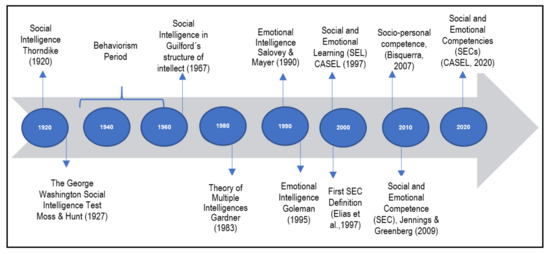
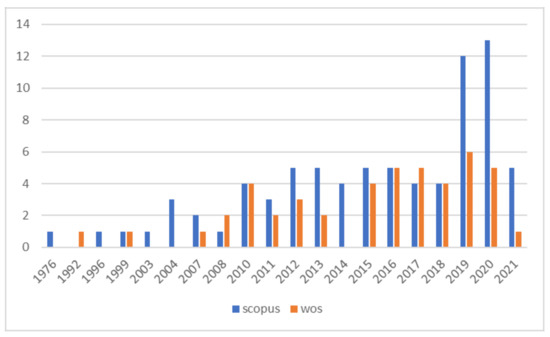
Teachers’ social–emotional competencies are essential to educational quality. This study aimed to describe the theoretical background and relevance of teachers’ social–emotional competencies. We conducted a systematic review with a critical, theoretical review approach. The results showed that the concept has an increasingly complex
[...] Read more.
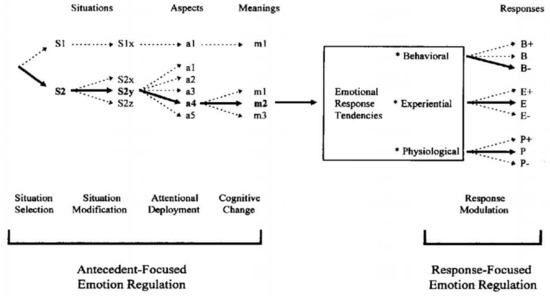
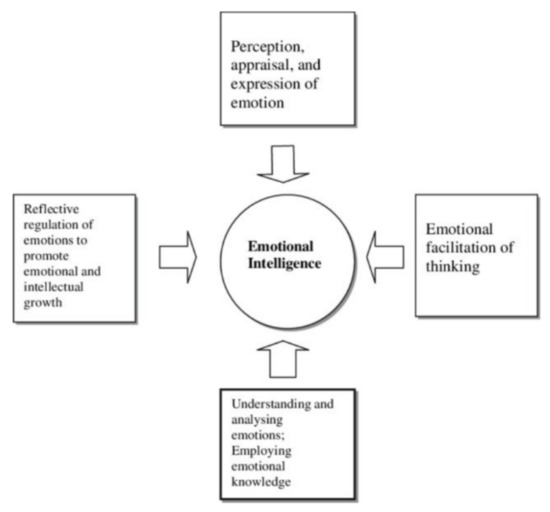
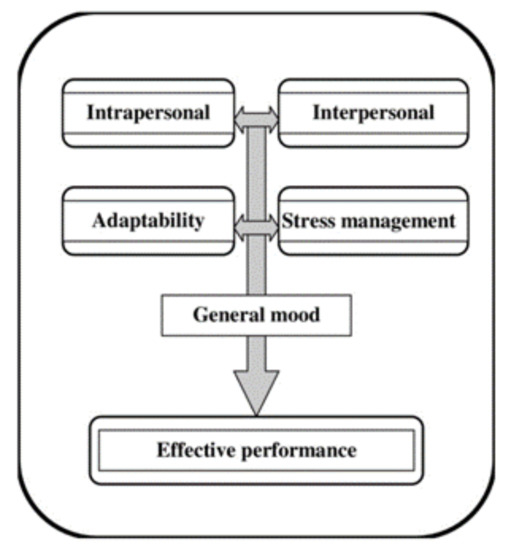
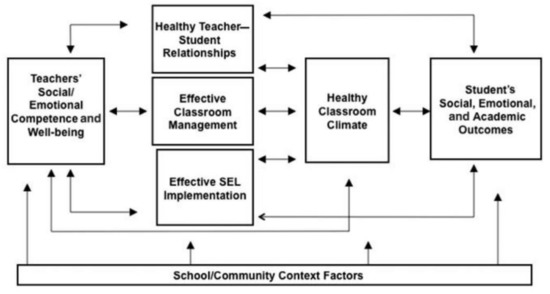
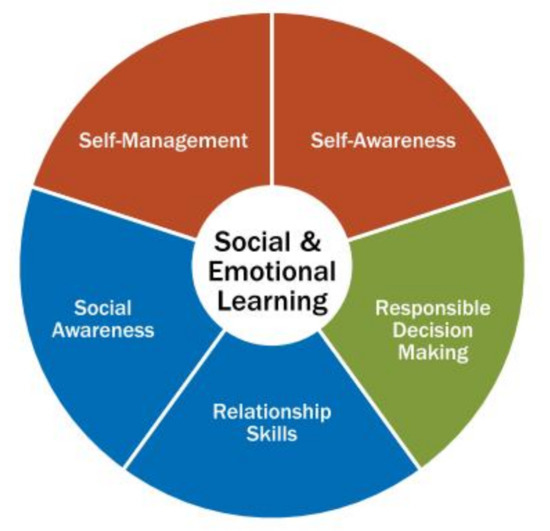
Teachers’ social–emotional competencies are essential to educational quality. This study aimed to describe the theoretical background and relevance of teachers’ social–emotional competencies. We conducted a systematic review with a critical, theoretical review approach. The results showed that the concept has an increasingly complex history and followed a structured course from 1920 to present. Five main models have been identified: emotional regulation, prosocial classroom, Collaborative Association of Social Emotional Learning, Bar-On emotional intelligence, and emotional intelligence. There are measurement instruments consistent with four of the identified models; however, the model that does not have its own instrument uses different available scales. Specific recommendations are proposed to develop social and emotional competencies in educational public policies, which include school leadership, assessment, and teacher professional training. In conclusion, it is relevant to have clear guidelines that conceive and conceptualize social–emotional competence univocally. These guidelines would allow the design of instruments with a comprehensive and sufficient theoretical base that reflect the multidimensionality of the concept, provide a precise measure to assess the effectiveness of intervention programs, and enlist teachers who seek the development of the different skills that involve social–emotional competencies.
Full article
►▼
Show Figures
Open AccessReview
Higher Education Students’ Online Instruction Perceptions: A Quality Virtual Learning Environment
by
Kim Hua Tan, Poh Phui Chan and Nur-Ehsan Mohd Said
Cited by 53 | Viewed by 15275
Abstract
Online instruction has been one of the key delivery methods in the midst of the COVID-19 pandemic due to school closures around the globe. In accordance with the Malaysia Education Blueprint (2013–2025), maximizing the use of information/communication technology has been emphasized to scale
[...] Read more.
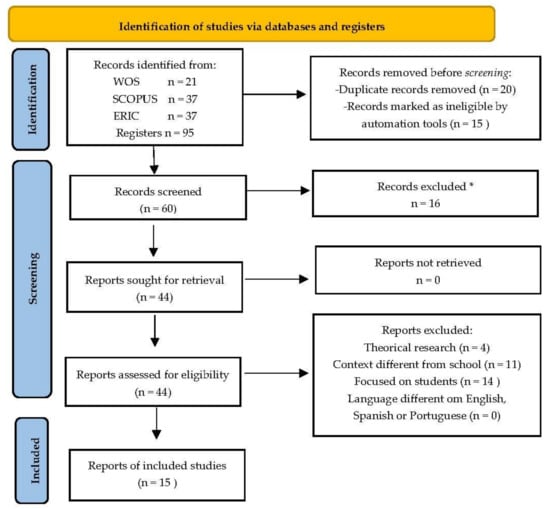
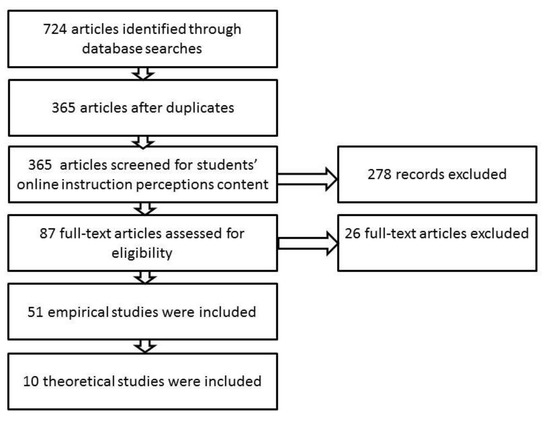
Online instruction has been one of the key delivery methods in the midst of the COVID-19 pandemic due to school closures around the globe. In accordance with the Malaysia Education Blueprint (2013–2025), maximizing the use of information/communication technology has been emphasized to scale up learning quality across Malaysia, including distance and self-paced learning. However, online learning in the country is at its infancy stage with raised issues, causing dropping-out and school leaving in higher education. To improve teaching and learning quality, this scoping review aimed to explore higher education students’ online instruction perceptions into two main components: research on online instruction perceptions followed by factors influencing online instruction perceptions. Using Arksey and O’Malley (2005)’s methodological framework, 61 articles related to students’ online instruction perceptions were identified from Google Scholar, ERIC, and Research Gate databases. In terms of theoretical articles, the results showed that cognitivism, connectivism, and constructivism were the most used theories of online instruction. On the basis of the empirical articles gathered, quantitative research design was the most utilized to collect students’ perspectives toward online instruction. As a whole, the findings revealed that motivation and satisfaction were mostly positively perceived by students, whereas, a lack of interaction was highly categorized as an unfavorable online instruction perception. Three main factors were identified: quality instruction, online interaction, and instructional and technical support. Future studies can focus on investigating teachers’ online instruction perceptions to achieve quality in higher education.
Full article
►▼
Show Figures
Open AccessArticle
Cross-Cultural Pragmatic Competence in an EFL Context for a Sustainable Learning Environment: A Case of Northern Cyprus
by
Ben Bardis, Fatoş Silman and Behbood Mohammadzadeh
Cited by 10 | Viewed by 6906
Abstract
A review of literature on pragmatic competence reveals that less attention is given to the enrichment of cross-cultural pragmatic awareness in the classroom. The study focuses on the need to survey and discuss communicative dynamics in classroom situations and the importance of enhancing
[...] Read more.
A review of literature on pragmatic competence reveals that less attention is given to the enrichment of cross-cultural pragmatic awareness in the classroom. The study focuses on the need to survey and discuss communicative dynamics in classroom situations and the importance of enhancing cross-cultural pragmatic competence in the English as a foreign language (EFL) context. We believe that enhancing students’ cross-cultural pragmatic competence will provide students with a sustainable learning environment, which is crucial for the quality of education. The investigation involves a mixed approach of quantitative and qualitative methods by using a questionnaire for EFL students and interview guide questions for both EFL students and teachers. For quantitative analysis, the participants involved in this research include 200 EFL students of different nationalities, and for the qualitative analysis, the participants include 10 teachers and 20 EFL students in a university in North Cyprus. The study’s findings indicate that students lack cross-cultural pragmatic knowledge and must be provided with classroom activities for social interaction and to develop explicit and implicit communicative competencies in EFL as a target language. Findings further reveal that EFL students are not endowed with cross-cultural pragmatic competence by the EFL teachers who provide little attention to pragmatic knowledge and classroom activities in the EFL context.
Full article
Open AccessArticle
Pandemic-Induced Qualitative Changes in the Process of University Studies from the Perspective of University Authorities
by
Vida Navickiene, Valentina Dagiene, Egle Jasute, Rita Butkiene and Daina Gudoniene
Cited by 8 | Viewed by 3121
Abstract
The pandemic COVID-19 period in education has brought many challenges to all organizations. The activities of the higher educational institutions are being affected and the situation may last for a long time. Under the current circumstances, it is important to shift to distance
[...] Read more.
The pandemic COVID-19 period in education has brought many challenges to all organizations. The activities of the higher educational institutions are being affected and the situation may last for a long time. Under the current circumstances, it is important to shift to distance learning through online processes and improve educational processes at all organizational levels. Institutions have to ensure successful distance or remote learning process by identifying their opportunities, meeting challenges, and establishing the sustainable quality factors for remote or distance learning. This study aimed at identifying the pandemic-induced qualitative changes in studies that have occurred at the levels of university authorities, lecturers, and students. Universities of Lithuania were taken as a case study. The novelty of the research lies in the fact that the focus of analysis is not on the negative effects of the pandemic observed in higher education studies but on finding positive qualitative changes that are also of importance to future studies. Phenomenographic qualitative research strategy was chosen in the research and 15 in-depth semi-structured interviews with experts in university studies were conducted. Seven categories were distinguished during the research representing qualitative changes in studies at three levels—authorities, lecturers, and students. The discussed levels seemed to have a mutual effect on each other. The external motivation of leaders and the support and establishment of work and online study conditions encouraged both external and internal qualitative changes in studies from the perspective of lecturers as well as students.
Full article
Open AccessArticle
Replacing Work with Study: A Sustainable Development Strategy for Economically or Culturally Disadvantaged Students
by
Yi-Chih Lee
Cited by 4 | Viewed by 3766
Abstract
Education is one of the most effective ways to eradicate and reduce poverty, helping to eliminate it as well as to promote social mobility. Although universities have been extensively established in Taiwan, the country still faces the problem of a large difference in
[...] Read more.
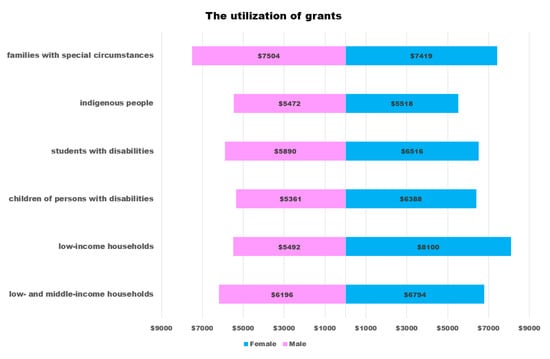
Education is one of the most effective ways to eradicate and reduce poverty, helping to eliminate it as well as to promote social mobility. Although universities have been extensively established in Taiwan, the country still faces the problem of a large difference in students’ academic ability and a widening gap in educational resources among families. This study mainly explored whether the strategy of encouraging learning instead of working for disadvantaged students is helpful to their learning effectiveness. The research samples were collected from the data of college students who participated in the higher education SPROUT project of Taiwan’s Ministry of Education. This study enrolled a total of 752 students categorized as disadvantaged. The results found that those students who participated in the project usually devoted more time to study and schoolwork, and so they passed more subjects in the schoolwork with better overall performance in learning. They also obtained the required licenses for employment and more student subsidies to improve their lives. Therefore, the conclusion of this study is that by participating in multiple counseling mechanisms such as schoolwork counseling, license counseling, or career counseling arranged by universities, disadvantaged students can increase their study time, which not only improves their schoolwork learning effects but also enhances their employability.
Full article
►▼
Show Figures
Open AccessArticle
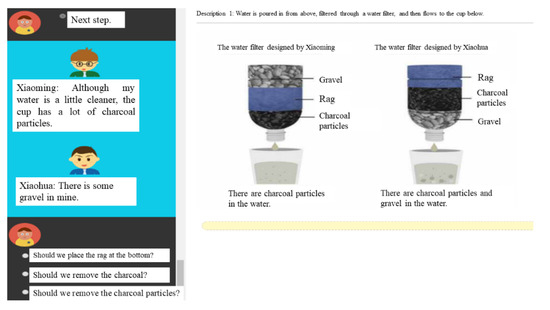
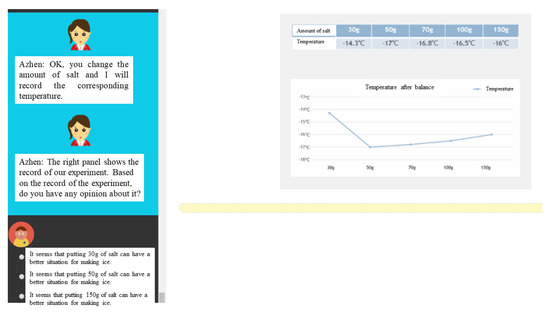
Exploring Collaborative Problem Solving Behavioral Transition Patterns in Science of Taiwanese Students at Age 15 According to Mastering Levels
by
Cheng-Hsuan Li, Pei-Ling Tsai, Zhi-Yong Liu, Wen-Chieh Huang and Pei-Jyun Hsieh
Cited by 4 | Viewed by 3470
Abstract
This study analyzed the collaborative problem solving (CPS) behavioral transition patterns of 53,859 Taiwanese students in science at age 15 by using an online Taiwanese CPS assessment that was designed according to the Programme for International Student Assessment 2015 CPS framework. Because of
[...] Read more.
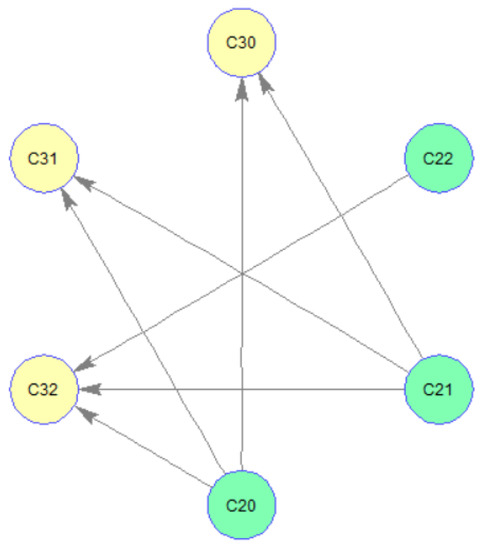
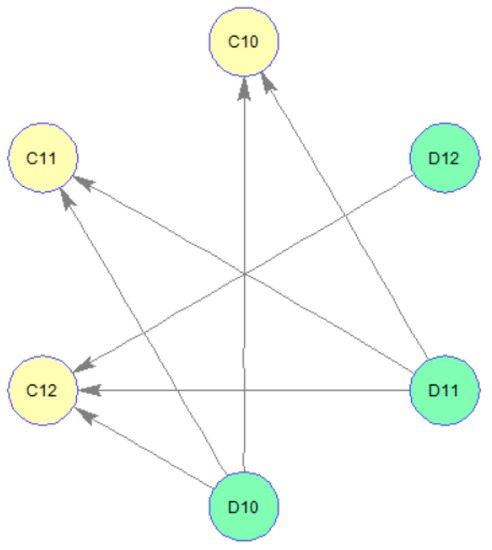
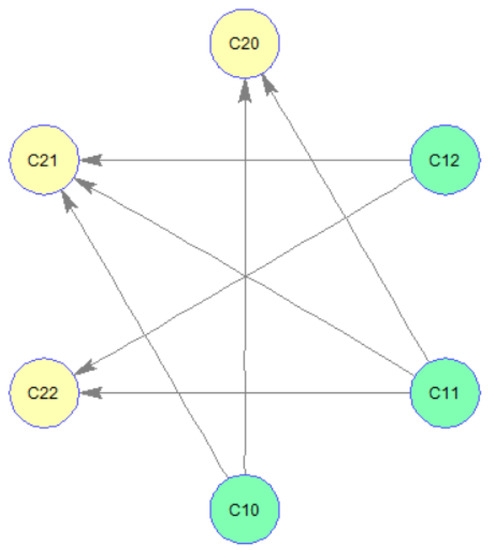
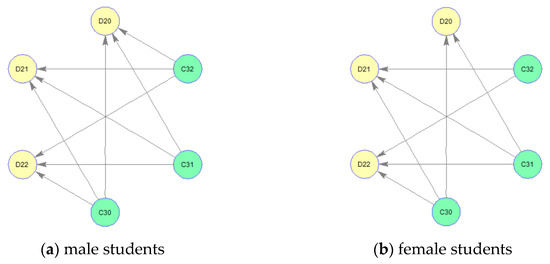
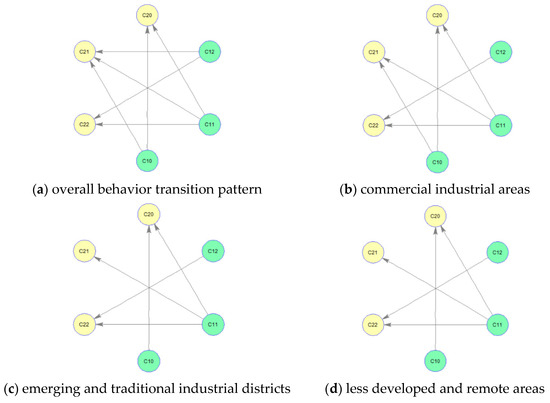
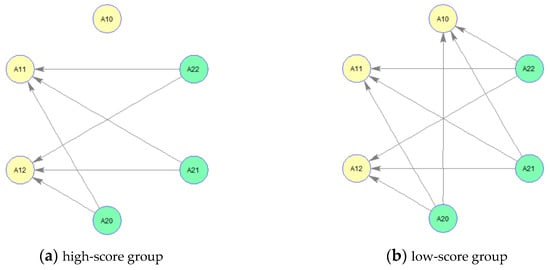
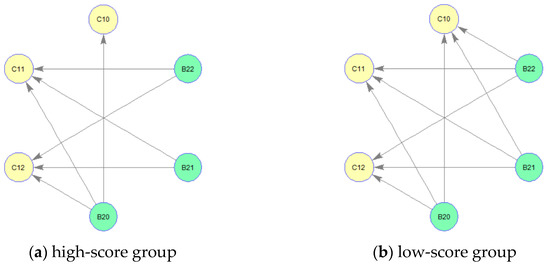
This study analyzed the collaborative problem solving (CPS) behavioral transition patterns of 53,859 Taiwanese students in science at age 15 by using an online Taiwanese CPS assessment that was designed according to the Programme for International Student Assessment 2015 CPS framework. Because of behavioral changes over the testing period, the CPS target skills that corresponded to the assessment items can be viewed as a CPS behavioral sequence. Hence, a lag sequential analysis was applied to explore the significance of the interactions among the CPS skills. The behavioral sequence is coded according to the level of mastery (0, 1, or 2) of items. The CPS transition patterns were analyzed in three gaps, namely the gender gap, the urban–rural gap, and the achievement gap. The findings showed that “Monitoring and repairing the shared understanding” was a crucial CPS skill in science. Moreover, the female students who would follow rules of engagement effectively exhibited higher scores than male students did in monitoring the results of their actions and evaluating their success in solving the problem. No obvious differences were observed in the urban–rural gap, whereas differences were observed in the achievement gap.
Full article
►▼
Show Figures
Open AccessArticle
Sustained Use of Virtual Meeting Platforms for Classes in the Post-Coronavirus Era: The Mediating Effects of Technology Readiness and Social Presence
by
Yumi Yi and Rosemary Hyejin Moon
Cited by 9 | Viewed by 4341
Abstract
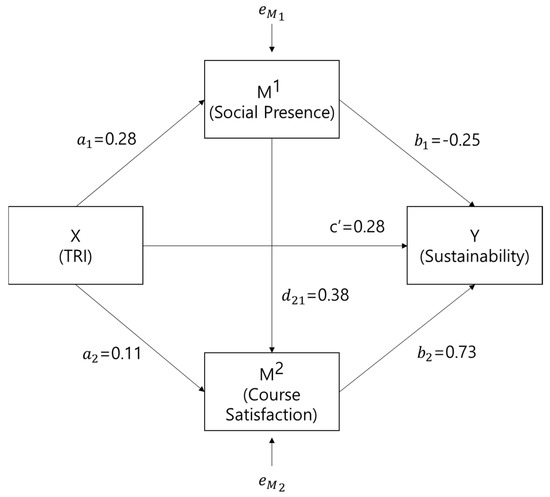
In response to the COVID-19 pandemic, educational institutions were forced to turn to online classes that are either recorded or taught live on virtual meeting platforms. Students could, therefore, attend classes from virtually any location using their mobile devices and Internet access. Despite
[...] Read more.
In response to the COVID-19 pandemic, educational institutions were forced to turn to online classes that are either recorded or taught live on virtual meeting platforms. Students could, therefore, attend classes from virtually any location using their mobile devices and Internet access. Despite the prolonged pandemic, little attention has been paid to whether offering courses on a virtual meeting platform is sustainable. This study, therefore, explores the antecedents of students’ intentions regarding the sustained use of virtual meeting platforms for academic courses. We investigated the relationship between technology readiness (TR) and perceived social presence (SP) within a virtual communication setting with course satisfaction and sustained use intention. Data were collected via a survey from 525 college students in South Korea who had attended classes using a virtual meeting platform. Serial mediation analysis revealed a pathway in which SP and course satisfaction in series fully mediate the positive relationship between technology readiness and sustainability. This study discusses the implications in relation to the sustainability of virtual technology-based courses as a replacement of live classroom-based courses from a user perspective. Further research is needed to understand users’ negative experiences of attending courses on virtual meeting platforms.
Full article
►▼
Show Figures
Open AccessFeature PaperArticle
The Effects of European Recommendations on the Validation of Lifelong Learning: A Quality Assurance Model for VET in Spain
by
Alfonso Redondo, Salvador Castillo, Luis Carro and Paulino Martín
Cited by 2 | Viewed by 3231
Abstract
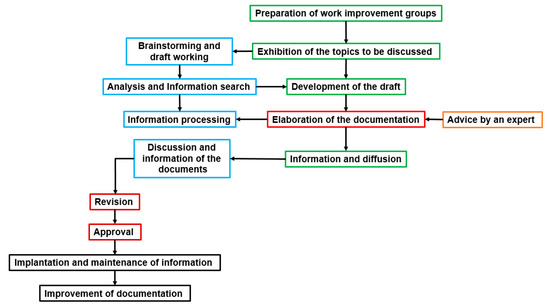
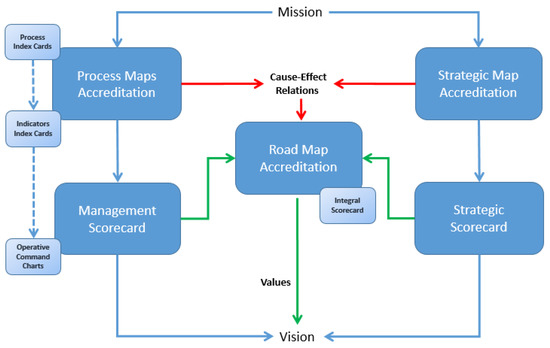
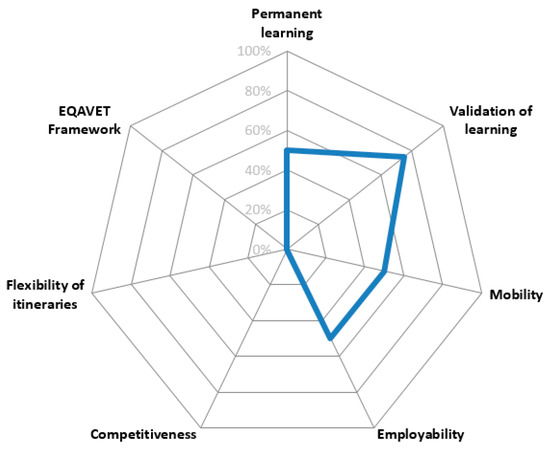
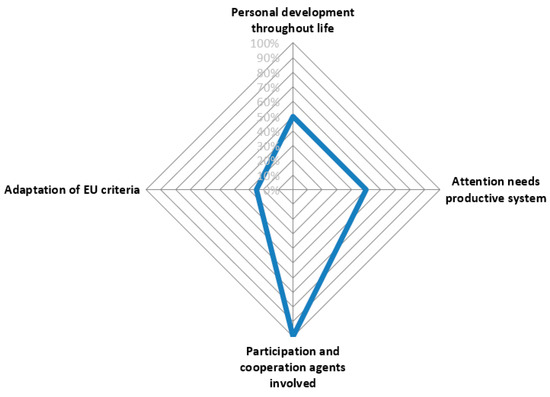
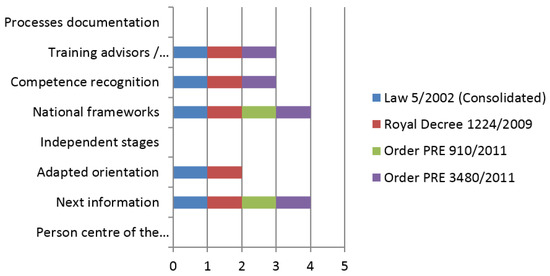
Validation is an effective procedure for recognising the skills and knowledge acquired by individuals. However, the validation mechanisms in each country are not always easy to understand, especially due to a lack of information/data. The aim of this paper is to design a
[...] Read more.
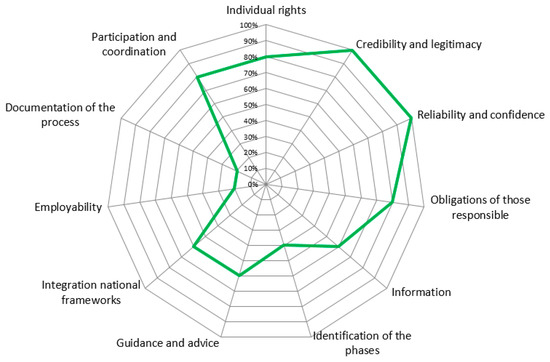
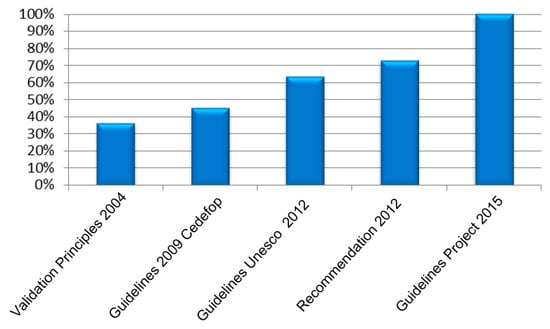
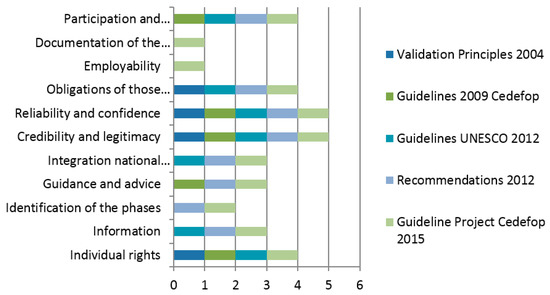
Validation is an effective procedure for recognising the skills and knowledge acquired by individuals. However, the validation mechanisms in each country are not always easy to understand, especially due to a lack of information/data. The aim of this paper is to design a management system based on processes for the accreditation of professional competences acquired by work experience in Spain, considering European regulations. This is carried out through a contextualization of both regulatory frameworks through a bibliographic review, as well as the analysis of the quantitative and qualitative outcomes of the surveys that groups of experts involved in these tasks/procedures completed in Spain. All this has made it possible to design a model for the validation of learning acquired through professional experience as well as non-formal and informal channels in Europe and Spain, which facilitates the process of accreditation of competences.
Full article
►▼
Show Figures
Open AccessSystematic Review
Sustainable Learning Environment by Mobile-Assisted Language Learning Methods on the Improvement of Productive and Receptive Foreign Language Skills: A Comparative Study for Asian Universities
by
Mohsen Mortazavi, Mahyuddin K. M. Nasution, Foad Abdolahzadeh, Mojtaba Behroozi and Afshin Davarpanah
Cited by 39 | Viewed by 10819
Abstract
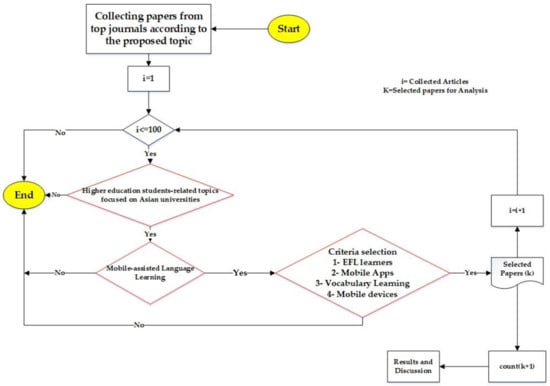
In this comparative study, we investigated different influential factors of mobile-assisted language learning (MALL) for improving productive and receptive language learning skills. To do this, 100 scientific research papers were selected from the top and high-quality journals based on the implications of MALL
[...] Read more.
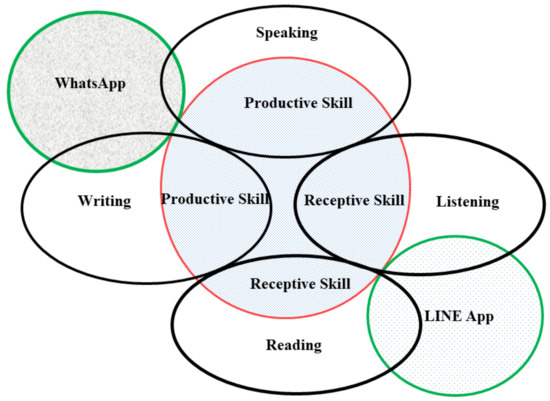
In this comparative study, we investigated different influential factors of mobile-assisted language learning (MALL) for improving productive and receptive language learning skills. To do this, 100 scientific research papers were selected from the top and high-quality journals based on the implications of MALL in higher education language learning. Eight papers were selected according to the specific criteria to categorize the results based on language skills interpretation and technological concepts. Therefore, after thoroughly understanding proposed methodologies and comparing them properly, underlying assumptions about this phenomenon are elaborated, and holistic and sustainable solutions are provided to address this idea. The results of this analysis indicated that Mobile devices are being utilized extensively in developing countries, with vocabulary being the primary language learning area assisted by technology and yielding satisfactory results. According to the findings of this comparative study, LINE and WhatsApp would be of interest among university students to improve receptively (listening and reading) and productivity (writing and speaking), respectively. Moreover, the technology acceptance model (TAM) would be a prominent option for teachers to adapt their current and future educational programs instead of only in-person teaching to improve students’ learning quality.
Full article
►▼
Show Figures
Open AccessArticle
Active Learning as a Beyond-the-Classroom Strategy to Improve University Students’ Career Adaptability
by
Tracy Hui, Sam S. S. Lau and Mantak Yuen
Cited by 16 | Viewed by 5025
Abstract
Geopolitical changes worldwide, together with rapid advances in technology, have created a situation where an individual’s working life can present many new challenges. Helping students develop the attitudes and skills necessary to adapt to constant change along a career path has become a
[...] Read more.
Geopolitical changes worldwide, together with rapid advances in technology, have created a situation where an individual’s working life can present many new challenges. Helping students develop the attitudes and skills necessary to adapt to constant change along a career path has become a priority in education. Developing this career adaptability is becoming increasingly important to the sustainability of democracy, the economy, justice, human values, and equality. The authors of this paper argue that to improve the quality of our education system in universities, active learning should play a more important role to enrich the typical lecturing–learning processes. The aim of the study reported here was to examine the impact from implementing a 3-month active learning program that took university students beyond the classroom to increase their career adaptability and self-esteem and to strengthen their meaning in life. A mixed-method approach was adopted and conducted in two phases with 119 undergraduate students in human resources management at a university in Hong Kong. Findings suggested a significant improvement in career adaptability of the students after participating in the program when compared to a control group. However, data did not indicate any significant change in self-esteem and meaning in life in the training group. The findings support the valuable role of active learning as a strategy to enhance students’ career adaptability in a changing but sustainable world of employment.
Full article
Open AccessArticle
Unveiling the International Students’ Perspective of Service Quality in Chinese Higher Education Institutions
by
Fakhra Yasmin, Shengbing Li, Yan Zhang, Petra Poulova and Ahsan Akbar
Cited by 23 | Viewed by 5898
Abstract
Foreign students’ satisfaction with the service quality of Chinese universities is essential for the sustainable internationalization of China’s higher education system. The present study employs a survey research method to bring in the foreign students’ perspective of the various aspects of service quality
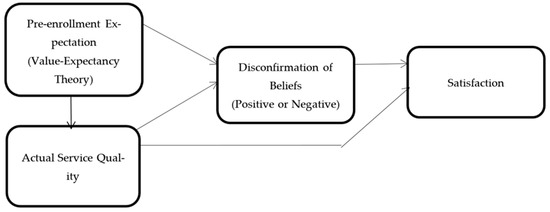
[...] Read more.
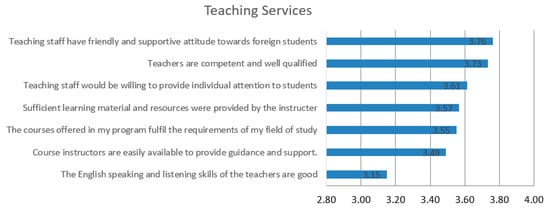
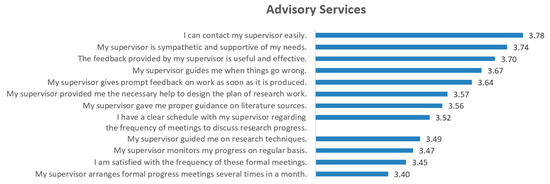
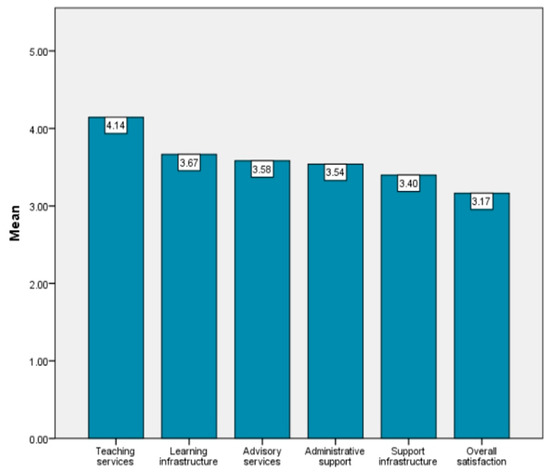
Foreign students’ satisfaction with the service quality of Chinese universities is essential for the sustainable internationalization of China’s higher education system. The present study employs a survey research method to bring in the foreign students’ perspective of the various aspects of service quality in seven key Chinese universities. Accordingly, 618 valid questionnaires were analyzed using descriptive statistics, principal component analysis (PCA), and analysis of variance (ANOVA). The study findings posit that, although foreign students affirm that teachers are supportive and well qualified, they have concerns about the English proficiency of instructors. Likewise, foreign students were not satisfied with the frequency of formal research meetings with their advisers and the assistance with research techniques and relevant literature sources. Overall, female foreign students were less satisfied than their male counterparts. Moreover, foreign students reported higher satisfaction from teaching services and learning resources, moderate satisfaction from advisory services, and meager satisfaction from the administrative and support services of their respective Chinese institutions. Besides, we found significant differences between sample Chinese universities on various constructs of service quality. Likewise, arts and social sciences students were less satisfied with the service quality of the institution as compared to their natural sciences and engineering counterparts. The policy implications of this research for various stakeholders are discussed.
Full article
►▼
Show Figures
Open AccessArticle
Technological Platforms for Inclusive Practice at University: A Qualitative Analysis from the Perspective of Spanish Faculty Members
by
Víctor H. Perera, Anabel Moriña, Nieves Sánchez-Díaz and Yolanda Spinola-Elias
Cited by 21 | Viewed by 3433
Abstract
Currently, the development of new virtual environments as a complementary tool to face-to-face teaching and the increased presence of students with disabilities at university classrooms are changing the landscape of university teaching. This article analyses the actions of faculty members who carry out
[...] Read more.
Currently, the development of new virtual environments as a complementary tool to face-to-face teaching and the increased presence of students with disabilities at university classrooms are changing the landscape of university teaching. This article analyses the actions of faculty members who carry out inclusive practices in the context of technological platforms. The research was based on the assumptions of the qualitative paradigm, using individual semi-structured interviews with 119 faculty members from 10 Spanish public universities. The results show the reasons for inclusive learning with technological platforms, the use that faculty members make of these platforms in their inclusive educational practices, and the influence of these on the learning of students, especially students with disabilities. The conclusions give a good account of the conditions that determine the pedagogical use that faculty members make of virtual environments to facilitate the inclusion of students.
Full article