Food Choice and Consumer Preferences
Share This Topical Collection
Editor
 Dr. Djin Gie Liem
Dr. Djin Gie Liem
E-Mail
Website
Collection Editor
School of Exercise & Nut. Sci., Faculty of Health, Melbourne Burwood Campus, Deakin University, 221 Burwood Highway, Burwood, VIC 3125, Australia
Interests: food choice; consumer preference; sensory marketing; children; nutrition
Special Issues, Collections and Topics in MDPI journals
Topical Collection Information
Dear Colleagues,
Consumers play a vital role in the success of sustainable food products and the health and sustainability of the food system. Although the availability of sustainable foods has increased over the past decade, it remains mostly unclear how to steer consumers towards making sustainable food choices and how to establish eating patterns consistent with a sustainable way of living. Food choice is determined by a wide variety of factors, such as availability, accessibility, beliefs, perceived barriers, perceived benefits and taste preferences. Understanding of these determinants in relation to sustainable foods and eating patterns is instrumental for marketers, product developers and those working in public health to increase the uptake of sustainable foods and sustainable eating patterns by a significant part of consumers.
The studies of this Topical Collection are expected to address:
- Identification of key belief structures which guide consumers’ sustainable food choice and behaviours;
- Sensory aspects of sustainable foods;
- Consumer segmentation;
- Consumer interventions aiming to increased consumers’ preference and buying behaviour towards sustainable food products.
Dr. Djin Gie Liem
Collection Editor
Manuscript Submission Information
Manuscripts should be submitted online at www.mdpi.com by registering and logging in to this website. Once you are registered, click here to go to the submission form. All submissions that pass pre-check are peer-reviewed. Accepted papers will be published continuously in the journal (as soon as accepted) and will be listed together on the collection website. Research articles, review articles as well as short communications are invited. For planned papers, a title and short abstract (about 250 words) can be sent to the Editorial Office for assessment.
Submitted manuscripts should not have been published previously, nor be under consideration for publication elsewhere (except conference proceedings papers). All manuscripts are thoroughly refereed through a single-blind peer-review process. A guide for authors and other relevant information for submission of manuscripts is available on the Instructions for Authors page. Sustainability is an international peer-reviewed open access semimonthly journal published by MDPI.
Please visit the Instructions for Authors page before submitting a manuscript.
The Article Processing Charge (APC) for publication in this open access journal is 2400 CHF (Swiss Francs).
Submitted papers should be well formatted and use good English. Authors may use MDPI's
English editing service prior to publication or during author revisions.
Keywords
- consumers
- marketing
- sensory
- behaviour
- sustainability
- eating patterns
Published Papers (10 papers)
Open AccessArticle
Conjoint Analysis Study to Examine Consumer’s Preferences for Hybrid Yogurt
by
Likhitha Marlapati, Amanda J. Kinchla and Alissa A. Nolden
Cited by 6 | Viewed by 5765
Abstract
Plant-based alternatives have a lower environmental impact than animal-derived proteins, but many consumers hesitate to try them. An alternative strategy is partially substituting animal proteins with plant proteins, creating hybrid products with improved characteristics. This study investigates consumer perception of hybrid yogurt using
[...] Read more.
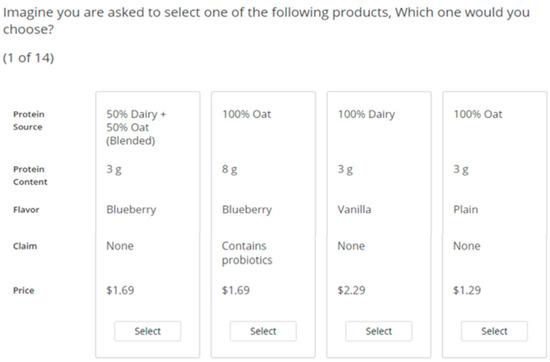
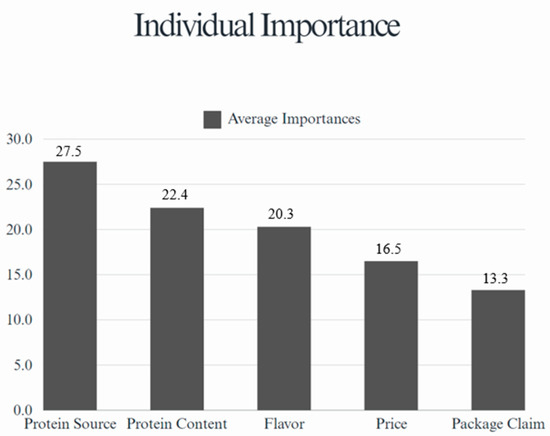
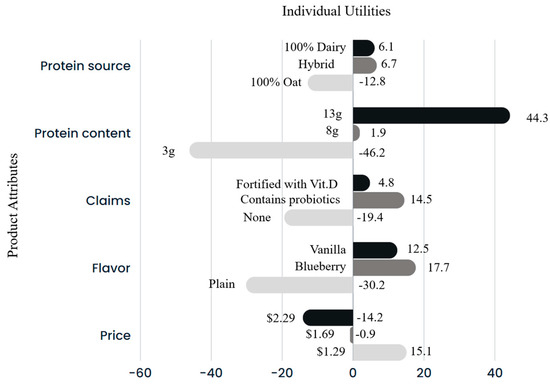
Plant-based alternatives have a lower environmental impact than animal-derived proteins, but many consumers hesitate to try them. An alternative strategy is partially substituting animal proteins with plant proteins, creating hybrid products with improved characteristics. This study investigates consumer perception of hybrid yogurt using choice-based conjoint analysis (CBC) with five attributes: protein source, protein content, flavor, price, and claims. Results showed protein source was the most significant factor (27.5%), followed by protein content (22.4%), flavor (20.3%), price (16.5%), and claims (13.3%). Dairy and hybrid yogurts had positive utility scores, while plant-based yogurt had a negative score, indicating a preference for dairy and hybrid options.
Full article
►▼
Show Figures
Open AccessArticle
The Effect of Information Provision and Color Coding in Product Labeling on the Preference for Meat Substitutes
by
Samson Yaekob Assele, Michel Meulders, Helena Michiels, Nanou Flamant and Martina Vandebroek
Cited by 3 | Viewed by 2423
Abstract
For health, environmental, and animal welfare reasons, an increase in the consumption of meat in our diet is of great concern in today’s society. Meat substitutes have been advocated for a long time as a solution to these problems and are evolving continuously
[...] Read more.
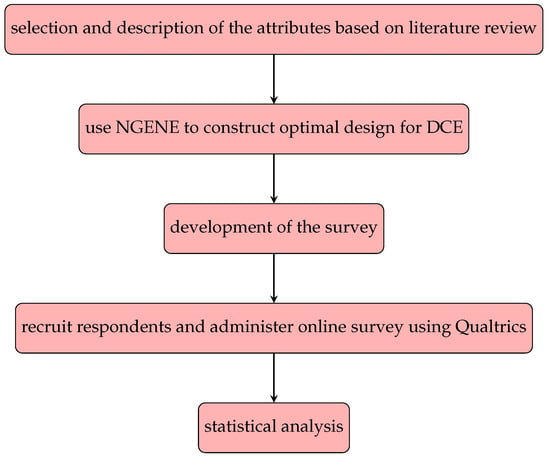
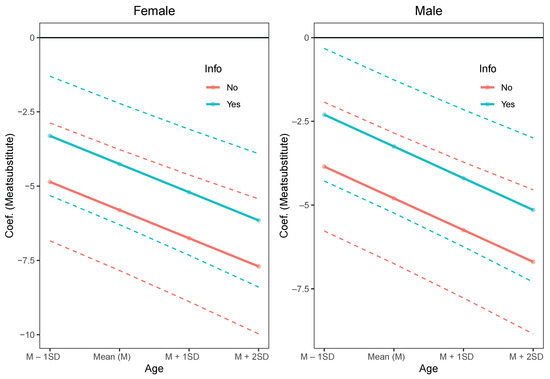
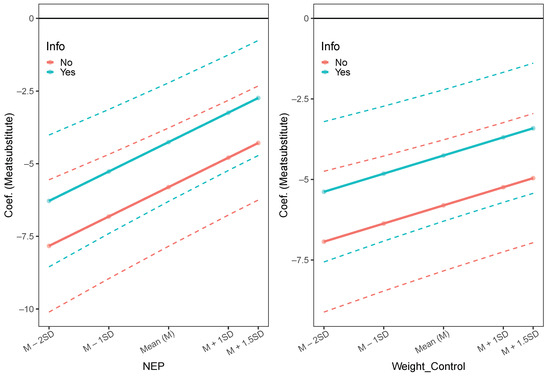
For health, environmental, and animal welfare reasons, an increase in the consumption of meat in our diet is of great concern in today’s society. Meat substitutes have been advocated for a long time as a solution to these problems and are evolving continuously with technological advancements. Despite these efforts, it is remarkable that meat alternatives only account for a small portion of the global meat market. As a result, we examined the factors that affect Flemish consumers’ preferences for meat substitutes in Belgium using a discrete choice experiment. We also examined consumers’ preferences after providing additional information, as well as the impact of color-coding certain attribute levels on their preferences. The study was conducted using a sample size of 162 participants selected via convenience sampling. The findings show that it is important to keep the sensory properties of meat substitutes similar to those of actual meat. The results also indicate that additional information regarding the environmental and health impact of meat consumption can help to promote meat substitutes. The traffic light color coding of the levels of saturated fat and ecofootprint attributes increases the preference for healthy and environmentally friendly alternatives. Finally, we observed that individual-level variations in the utility attributed to meat substitutes are explained significantly by age, gender, education, current diet group, and attitudinal factors. Overall, we can conclude that the promotion of meat substitutes can be achieved via a combined strategy that focuses on improving the taste, appearance, and nutritional profile of meat substitutes, as well as raising consumers’ awareness of the environmental and health impact of meat consumption.
Full article
►▼
Show Figures
Open AccessArticle
Factors Affecting Consumers’ Cultivated Meat Purchase Intentions
by
Filipe Quevedo-Silva and Jéssica Beatriz Pereira
Cited by 19 | Viewed by 6024
Abstract
Cultivated meat is an innovative product that promises to provide a consumption experience and nutritional value equivalent to conventional meat, with significantly lower negative impacts. The aim of this study is to analyze the factors that influence the purchase intention of cultivated meat.
[...] Read more.
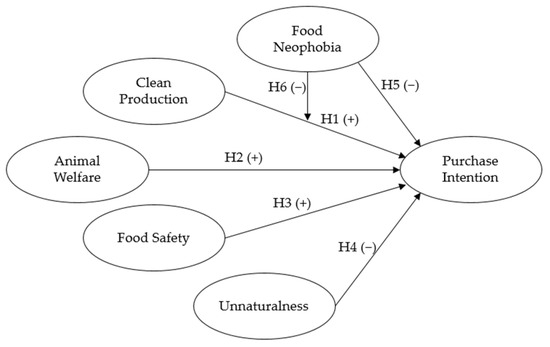
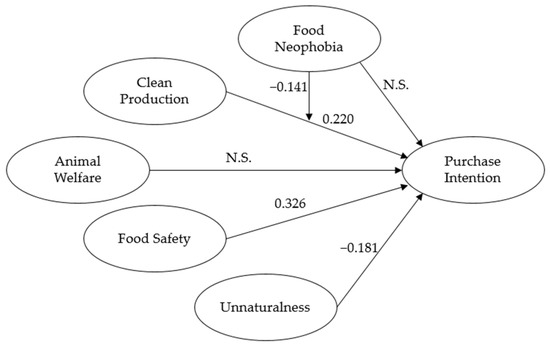
Cultivated meat is an innovative product that promises to provide a consumption experience and nutritional value equivalent to conventional meat, with significantly lower negative impacts. The aim of this study is to analyze the factors that influence the purchase intention of cultivated meat. A quantitative study was conducted with 304 Brazilian consumers. The data were analyzed using structural equation modeling. The study proposed a purchase intention model with aspects related to clean production, animal welfare, food safety, naturalness and the moderating effect of food neophobia. The results showed that clean production and food safety had a positive relationship with the intention to purchase cultivated meat. The naturalness of food, on the other hand, had a negative relationship with purchase intent. Furthermore, the higher the level of food neophobia, the less important the influence of clean production became with regard to cultivated meat purchase intentions.
Full article
►▼
Show Figures
Open AccessArticle
Food Recommendations for Reducing Water Footprint
by
Ignazio Gallo, Nicola Landro, Riccardo La Grassa and Andrea Turconi
Cited by 20 | Viewed by 5687
Abstract
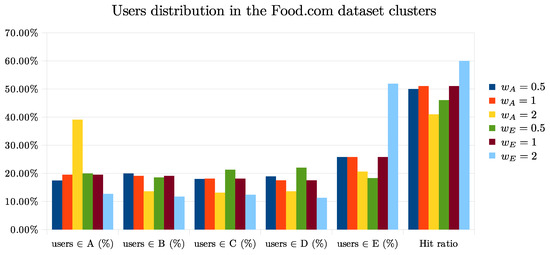
Most existing food-related research efforts focus on recipe retrieval, user preference-based food recommendation, kitchen assistance, or nutritional and caloric estimation of dishes, ignoring personalized and conscious food recommendations resources of the planet. Therefore, in this work, we present a personalized food recommendation scheme,
[...] Read more.
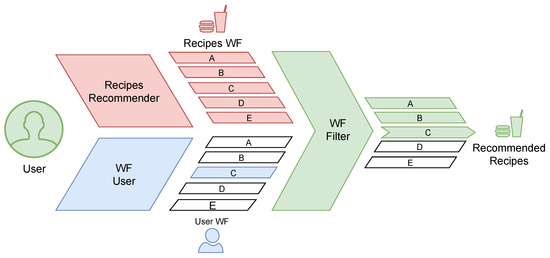
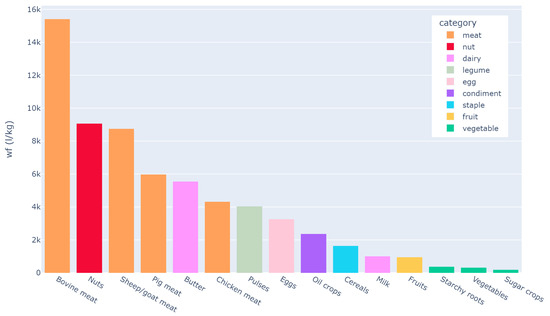
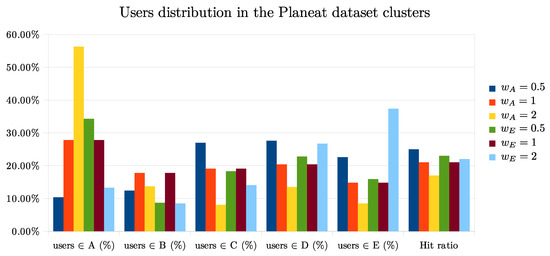
Most existing food-related research efforts focus on recipe retrieval, user preference-based food recommendation, kitchen assistance, or nutritional and caloric estimation of dishes, ignoring personalized and conscious food recommendations resources of the planet. Therefore, in this work, we present a personalized food recommendation scheme, mapping the ingredients to the most resource-friendly dishes on the planet and in particular, selecting recipes that contain ingredients that consume as little water as possible for their production. The system proposed here is able to understand the user’s behavior and to suggest tailor-made recipes with lower water quantity used in production. By continuously using the system, the user can gradually reduce their water footprint and benefit from a healthier diet. The proposed recommendation system was compared with the results of two papers available in the literature that represent the state of the art, obtaining similar results. Therefore, the results of the presented recommendation system can be considered reliable.
Full article
►▼
Show Figures
Open AccessReview
A Review of Antecedents and Effects of Loyalty on Food Retailers toward Sustainability
by
Yating Tian and Qeis Kamran
Cited by 15 | Viewed by 8506
Abstract
With the increase in consumer awareness of sustainability and diversified retailer brands, the conceptualizations and dimensions of brand loyalty are changing. Existing research studies have focused on traditional constructs and measurements to explain new phenomena in the food retail sector but ignored the
[...] Read more.
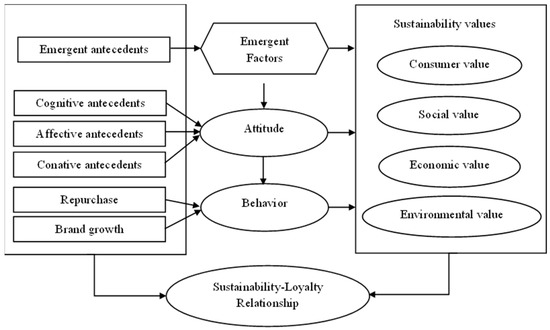
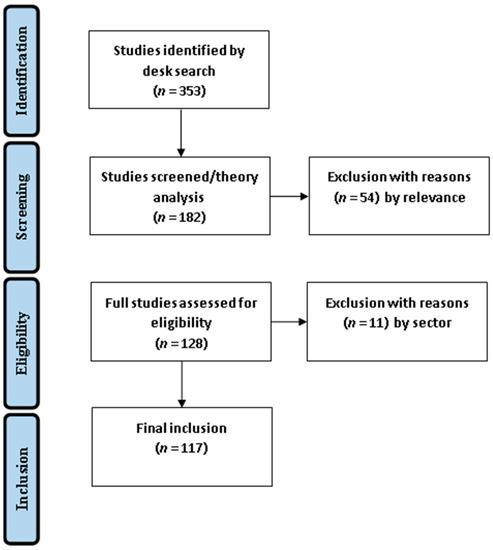
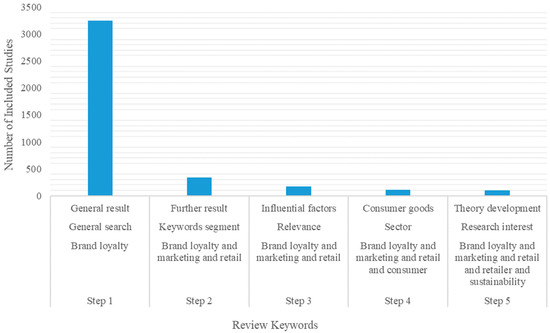
With the increase in consumer awareness of sustainability and diversified retailer brands, the conceptualizations and dimensions of brand loyalty are changing. Existing research studies have focused on traditional constructs and measurements to explain new phenomena in the food retail sector but ignored the environmental and social effects on consumers’ attitudinal and behavioral loyalty. This study entails an extensive and structured review of definitions, taxonomy, dimensions, and measurements of loyalty within a food marketing context. With an additional emphasis on the notion of sustainability, it provides a perspective theory synthesis that integrates all testified antecedents of all types of loyalty to emphasize a trend of sustainability beyond brand scope, whereby sustainability values create loyalty. A systematic literature review and qualitative analysis methods were used to identify the relevant literature. The studies that qualified for inclusion were those that reported (1) research methods, (2) dimensions of brand loyalty, (3) knowledge of sustainability factors, and (4) organic marketing. This paper summarizes and compares the key constructs and measurements of loyalty to retailers. The results show inconsistencies in relation to two important attitudinal dimensions, namely, brand satisfaction and brand value. Although loyalty towards product brands, loyalty toward service organizations, store loyalty, and retailer loyalty have been studied in recent decades by marketing academics, little attention has been paid to clarifying their role in food retailing, especially regarding whether the established dimensions are relevant in conceptualizing consumer loyalty in sustainability based on organic food marketing. The theoretical implications are discussed in association with the research gap between loyalty dimensions and sustainability values, as well as multidimensional measurements development. The practical implications of this review are important for food retailers and organic food marketers that can meet the satisfaction and retain consumers’ loyalty by providing organic and sustainable products and improving related service quality involving environmental consequences and social well-being.
Full article
►▼
Show Figures
Open AccessArticle
Consumers’ Attitude and Intention towards Organic Fruits and Vegetables: Empirical Study on Romanian Consumers
by
Violeta Radulescu, Iuliana Cetina, Anca Francisca Cruceru and Dumitru Goldbach
Cited by 28 | Viewed by 6116
Abstract
Organic farming is one of the fastest growing sectors, both in developed and developing countries. Although Romania is in sixth place at the level of the European Union in terms of agricultural area, the share of ecologically certified areas is low. The fruits
[...] Read more.
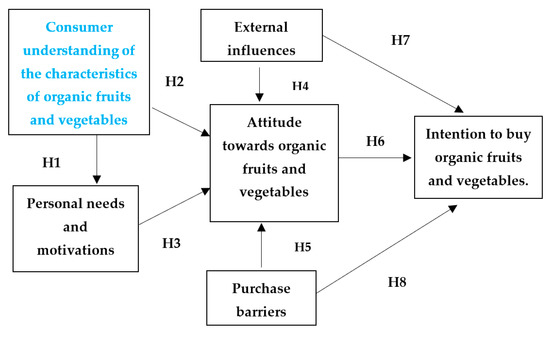
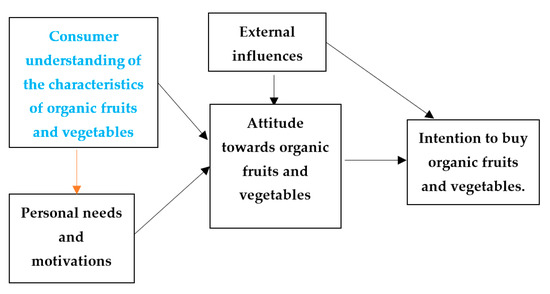
Organic farming is one of the fastest growing sectors, both in developed and developing countries. Although Romania is in sixth place at the level of the European Union in terms of agricultural area, the share of ecologically certified areas is low. The fruits and vegetables sector is the most important for the agri-food production in Romania, accounting for 58% of the total cultivated area. In recent years, there is a tendency for consumers to focus on healthy diets with safe, high quality foods and high nutritional compounds from unpolluted areas. However, the Romanian market of organic fruits and vegetables is still underdeveloped due to the small number of consumers of organic products. The future of organic farming is largely dependent on attitude and consumer demand. The purpose of this paper is to study the attitudes and intentions of Romanian consumers towards the consumption of organic fruits and vegetables through direct research among 268 individuals. The results show that the attitudes of individuals towards the consumption of organic fruits and vegetables is directly and positively influenced by the information that individuals have about the characteristics of organic products, their personal needs and motivations, but also by external influences, and the purchase barriers do not represent elements with a strong enough influence on the attitude and intention.
Full article
►▼
Show Figures
Open AccessArticle
The Virtual Online Supermarket: An Open-Source Research Platform for Experimental Consumer Research
by
Nils Engelbrecht, Tim-Benjamin Lembcke, Alfred Benedikt Brendel, Kilian Bizer and Lutz M. Kolbe
Cited by 4 | Viewed by 10294
Abstract
It is controversially discussed if and which interventions policymakers should implement to promote healthier, more sustainable, and more ethical food choices. Often, policy measures suffer from a lack of data. This is especially true for the growing field of online grocery shopping. Yet,
[...] Read more.
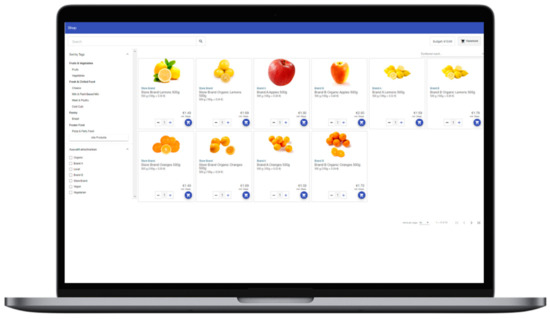
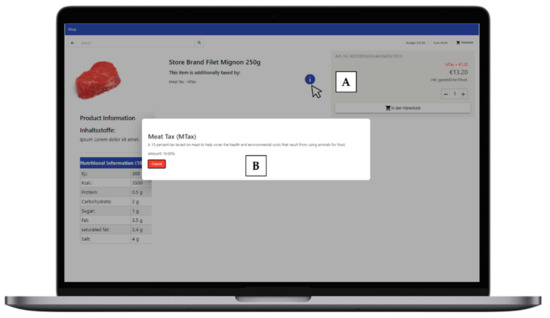
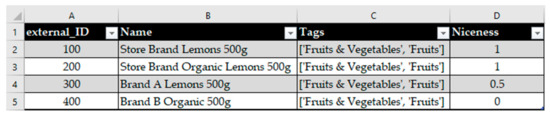
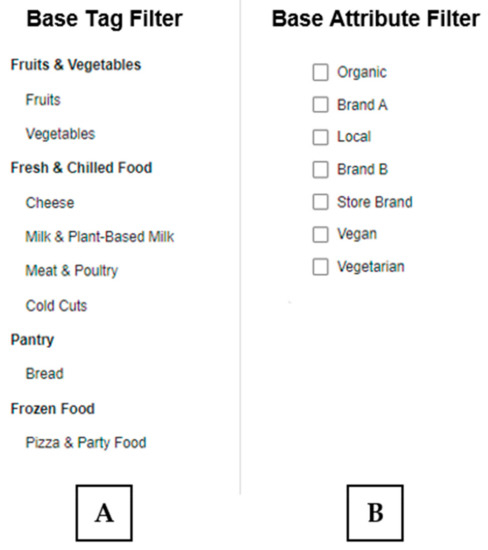
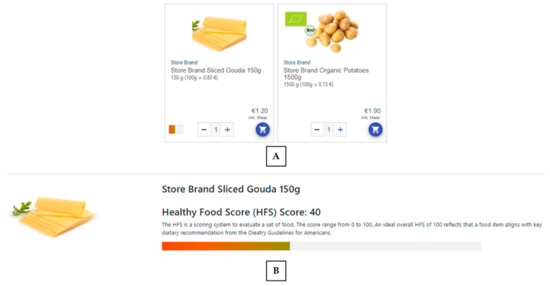
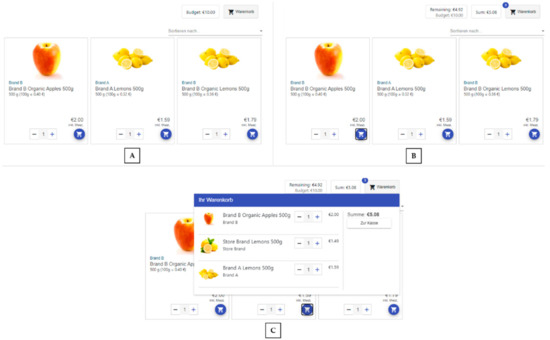
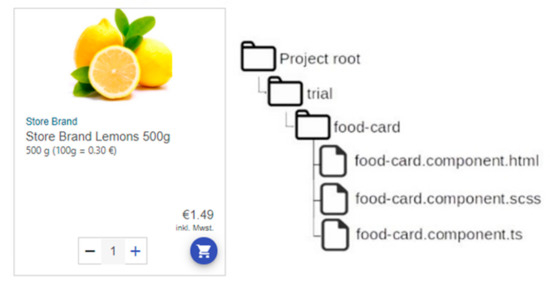
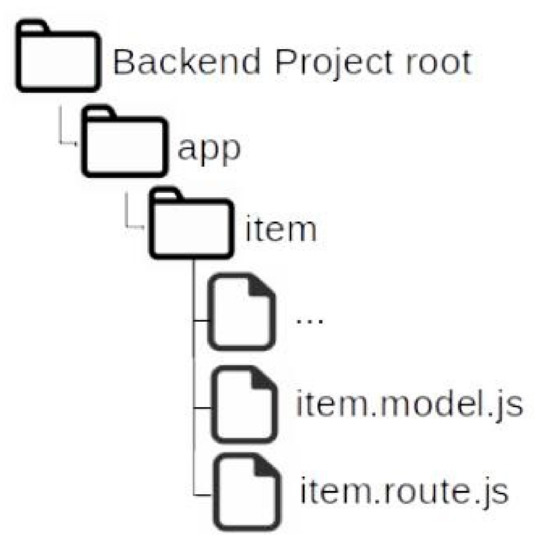
It is controversially discussed if and which interventions policymakers should implement to promote healthier, more sustainable, and more ethical food choices. Often, policy measures suffer from a lack of data. This is especially true for the growing field of online grocery shopping. Yet, it not always feasible to test the impact of each possible policy intervention in the field. Here, computer-simulated shopping experiments offer a complementary approach. Recent evidence suggests that they heighten the realism of consumer experiments and collect valid data at a relatively low cost. In this paper, we introduce an open-source toolset that offers multiple avenues to develop and run experiments in the context of online grocery shopping. Hence, it supports researchers and policy makers in evaluating instore-intervention aiming to support more sustainable food choices.
Full article
►▼
Show Figures
Open AccessArticle
Certification Labels in Shaping Perception of Food Quality—Insights from Polish and Belgian Urban Consumers
by
Joanna Kaczorowska, Aleksandra Prandota, Krystyna Rejman, Ewa Halicka and Agnieszka Tul-Krzyszczuk
Cited by 37 | Viewed by 10386
Abstract
Food quality is considered to be one of the most important determinants of food choice. Given the variety of food products and the overflow of information in the market, certification labels are intended to encourage consumers to select healthier and more sustainable product
[...] Read more.
Food quality is considered to be one of the most important determinants of food choice. Given the variety of food products and the overflow of information in the market, certification labels are intended to encourage consumers to select healthier and more sustainable product options. This study focuses on how urban consumers from Poland and Belgium perceive food quality and whether certification labels shape their views on it. Research material was collected using quantitative (Paper and Pencil Interviews (PAPI)) and qualitative (focus groups (FGs)) methods. The survey was conducted among people visiting sustainable food fairs, on a sample of 701 adults in the cities of Warsaw, Brussels and Ghent. This study confirms that consumers are interested in food quality when choosing food, but their perception varies depending on the place of residence and other socio-demographic characteristics (age, income, education, household structure). Certificates were important for consumers if their message clearly signals exceptional quality and is consistent with awareness of sustainability challenges. Consumers from Belgium (a country with a long-established market economy) reveal deeper knowledge and a more favourable approach to certification labels than Poles. The role of labelling in shaping consumers’ perceptions of food quality depends on their awareness, experience and understanding of sustainability issues. This, in turn, is determined by the cultural environment of consumers, which in the case of our study was the country of residence.
Full article
Open AccessTechnical Note
A Question-Based Method to Calculate the Human Appropriation of Land for Food (HALF) Index
by
Marije Hoff and Hugo Jan de Boer
Cited by 2 | Viewed by 5349
Abstract
Global dietary consumption strongly determines agricultural land requirements. Yet, it is currently difficult for individual consumers to quantify the environmental impact of their individual diet. One relatively easy to understand metric is the Human Appropriation of Land for Food (HALF) index. The HALF
[...] Read more.
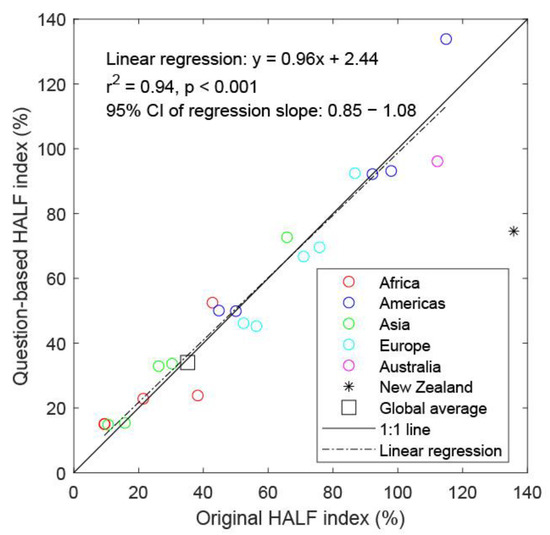
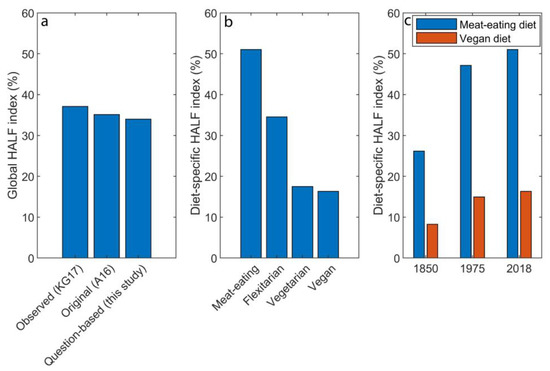
Global dietary consumption strongly determines agricultural land requirements. Yet, it is currently difficult for individual consumers to quantify the environmental impact of their individual diet. One relatively easy to understand metric is the Human Appropriation of Land for Food (HALF) index. The HALF index expresses the global land area percentage required for food production were the global population to consume one specific diet. Calculation of the HALF index is not trivial, making the index not suitable for individual consumers to assess their personal diet. The aim of this research is to develop and test a new method to calculate a personalized HALF index based on a limited set of multiple-choice questions that can be answered by a typical consumer. Considering the sensitivity of the original HALF index, we developed a set of ten multiple-choice questions that focus on the type and quantity of consumed animal products in addition to staple foods and overall consumption quantity. To illustrate a potential implementation, we present our question-based HALF index calculator in the form of an online graphical user interface. Across a sample of 23 country-specific diets, the question-based HALF index closely matches the original HALF index with a regression slope of near unity (r
2 = 0.94,
p < 0.001). Our results indicate that the question-based HALF index can be used by individual consumers to quantify the consequences of their dietary choices on land use for agriculture.
Full article
►▼
Show Figures
Open AccessArticle
German Consumers’ Perceptions of Organic Wine—A Qualitative Approach
by
Katharina Hauck and Gergely Szolnoki
Cited by 6 | Viewed by 5192
Abstract
This study aims to examine what German wine consumers know and think about organic wine. It also investigates the effects that knowledge and attitudes have on wine purchasing decisions. Data for this survey were collected using a qualitative approach, with 12 focus group
[...] Read more.
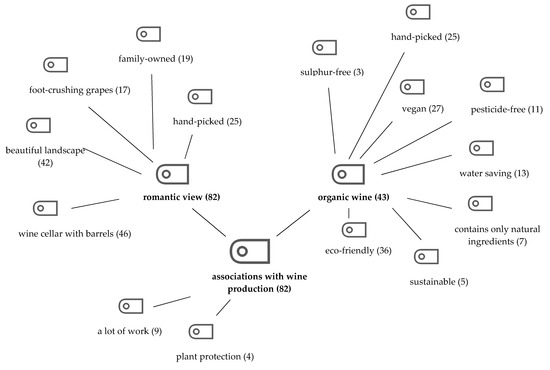
This study aims to examine what German wine consumers know and think about organic wine. It also investigates the effects that knowledge and attitudes have on wine purchasing decisions. Data for this survey were collected using a qualitative approach, with 12 focus group discussions at three different locations in Germany, observations of wine choices and an acceptance test to assess consumers’ knowledge of and reactions to organic wine. Most wine consumers are unaware if a wine is organic when they purchase it. A general skepticism and lack of knowledge about organic wines undermine any active demand for these products. Information and comparisons between the production of organic and conventional wines can improve awareness and consideration of the organic variety and increase consumers’ willingness to buy organic wine. To increase the active demand for organic wine, its attributes need to be communicated to consumers. This can be achieved by improving the visibility of organic certification, conducting information campaigns to inform consumers about wine and organic wine production and collaborating with organic wine associations to advance the public image of organic wines.
Full article
►▼
Show Figures