



Biomass Pyrolysis Characterization and Energy Utilization

A special issue of Processes (ISSN 2227-9717). This special issue belongs to the section "Energy Systems".

Deadline for manuscript submissions: 25 July 2026 | Viewed by 1817
Special Issue Editors


E-Mail Website
Guest Editor
AMBER, Advanced Materials and BioEngineering Research Centre, D02 CP49 Dublin, Ireland
Interests: polymer science; pyrolysis mechanisms; physical chemistry; algorithm development; kinetic modeling; machine learning applications; topology; catastrophe theory; rheology

E-Mail Website
Guest Editor
Facultad de Ingeniería, Universidad de San Sebastián, Santiago 8420524, Chile
Interests: organic synthesis; physical chemistry; thermal-induced reactions; chemical reactivity; organic chemistry; density functional theory; algorithm development; topology

Special Issue Information

Dear Colleagues,

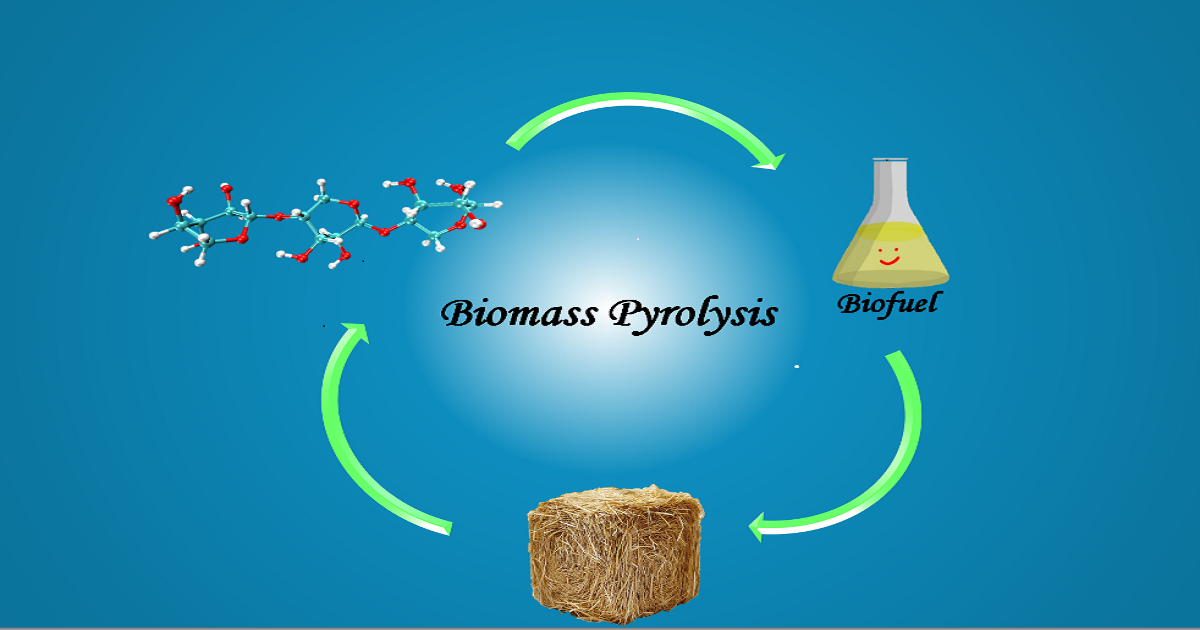
Biomass pyrolysis is a rapidly advancing field attracting growing attention from both academia and industry because this thermal process converts organic residues into valuable chemicals and fuels. This highlights the potential of biomass as an abundant and renewable source of carbon and hydrogen; it is estimated to provide up to 147 exajoules by 2030, which is equivalent to approximately 36% of current global energy consumption.

Despite the significant progress made, the commercial deployment of sustainable bioproducts, such as advanced biofuels, remains limited. Key challenges include multi-scale complexities, the absence of unified kinetic models, limitations in experimental tools for product detection and identification, and a fundamental lack of understanding regarding catalytic effects and interactions among the primary biomass components (cellulose, hemicellulose, and lignin).

This Special Issue aims to consolidate recent breakthroughs in biomass pyrolysis and energy utilization, advancing the current state-of-the-art by compiling pioneering theoretical insights and engineering applications. We warmly invite original research articles and reviews that explore advances across a wide range of disciplines, including but not limited to the following topics:

  • Quantum and molecular mechanics approaches.
  • Thermogravimetric analysis and pyrolysis kinetics.
  • Mass spectrometry and product characterization.
  • Machine learning frameworks for reaction prediction and modeling.

Through this initiative, we seek to foster interdisciplinary collaboration and accelerate innovation in the development of sustainable, bio-based energy solutions.  

Dr. Leandro Ayarde-Henríquez
Prof. Dr. Eduardo Chamorro
Guest Editors

Manuscript Submission Information

Manuscripts should be submitted online at www.mdpi.com by registering and logging in to this website. Once you are registered, click here to go to the submission form. Manuscripts can be submitted until the deadline. All submissions that pass pre-check are peer-reviewed. Accepted papers will be published continuously in the journal (as soon as accepted) and will be listed together on the special issue website. Research articles, review articles as well as short communications are invited. For planned papers, a title and short abstract (about 250 words) can be sent to the Editorial Office for assessment.

Submitted manuscripts should not have been published previously, nor be under consideration for publication elsewhere (except conference proceedings papers). All manuscripts are thoroughly refereed through a single-blind peer-review process. A guide for authors and other relevant information for submission of manuscripts is available on the Instructions for Authors page. Processes is an international peer-reviewed open access monthly journal published by MDPI.

Please visit the Instructions for Authors page before submitting a manuscript. The Article Processing Charge (APC) for publication in this open access journal is 2400 CHF (Swiss Francs). Submitted papers should be well formatted and use good English. Authors may use MDPI's English editing service prior to publication or during author revisions.

Keywords

  • biomaterials
  • polymer science
  • clean energy production
  • pyrolysis mechanisms
  • low-carbon technologies
  • circular bio-economies
  • physical chemistry
  • algorithm development
  • kinetic modeling
  • machine learning applications

Benefits of Publishing in a Special Issue

  • Ease of navigation: Grouping papers by topic helps scholars navigate broad scope journals more efficiently.
  • Greater discoverability: Special Issues support the reach and impact of scientific research. Articles in Special Issues are more discoverable and cited more frequently.
  • Expansion of research network: Special Issues facilitate connections among authors, fostering scientific collaborations.
  • External promotion: Articles in Special Issues are often promoted through the journal's social media, increasing their visibility.
  • Reprint: MDPI Books provides the opportunity to republish successful Special Issues in book format, both online and in print.

Further information on MDPI's Special Issue policies can be found here.

Published Papers (2 papers)

Order results
Result details
Select all
Export citation of selected articles as:

Research

13 pages, 2094 KB  
Article
Thermochemical Characteristics of Anaerobic Dairy Digestate and Its Pyrolysis Conversion for Producing Porous Carbon Materials
by Chi-Hung Tsai, Hervan Marion Morgan, Jr. and Wen-Tien Tsai
Processes 2025, 13(11), 3380; https://doi.org/10.3390/pr13113380 - 22 Oct 2025
Viewed by 393
Abstract
In the present study, slurry digestate from a centralized anaerobic digestion (AD) plant, designed for dairy manure treatment and biogas-to-power generation, was utilized as a precursor for the preparation of porous biochars at elevated temperatures ranging from 550 to 850 °C. Proximate analysis [...] Read more.
In the present study, slurry digestate from a centralized anaerobic digestion (AD) plant, designed for dairy manure treatment and biogas-to-power generation, was utilized as a precursor for the preparation of porous biochars at elevated temperatures ranging from 550 to 850 °C. Proximate analysis and thermogravimetric analysis (TGA) were conducted to determine the thermochemical characteristics of the dried digestate and to explain its complex nature in relation to the physicochemical properties of the resulting biochars. Despite the substantial ash content of the precursor biowaste (approximately 30 wt%), primarily composed of inorganic compounds from calcium, the pore properties of the digestate-derived biochars had an overall increasing trend with regard to rising pyrolysis temperature. Nevertheless, some inconsistencies were observed between the samples produced at 550 °C and 850 °C, which highlighted the heterogeneous and complex nature of the precursor digestate. These observations can be attributed to active pyrolysis and the charring of the lignocellulosic components. The maximum Brunauer–Emmett–Teller (BET) surface area exceeded 200 m2/g when pyrolysis was performed at 850 °C. Nitrogen (N2) adsorption–desorption isotherms and scanning electron microscopy (SEM) confirmed that the porous digestate-based biochars predominantly exhibited both type I (microporous) and type IV (mesoporous) characteristics. Furthermore, the analytical results of energy-dispersive X-ray spectroscopy (EDS) and Fourier transform infrared spectroscopy (FTIR) indicated that oxygen-containing surface functional groups on the resulting biochars were retained after pyrolysis. The surface of the digestate-based biochar was also confirmed to be negatively charged at pH > 3.2. Full article
(This article belongs to the Special Issue Biomass Pyrolysis Characterization and Energy Utilization)
Show Figures

Figure 1

25 pages, 9472 KB  
Article
Kinetic and Thermodynamic Study of Vacuum Residue Cracking over Cerium-Modified Metakaolinite Catalyst
by Osamah Basil Al-Ameri, Mohammed Alzuhairi, Zaidoon Shakor, Esther Bailón-García, Francisco Carrasco-Marín and Juan Amaro-Gahete
Processes 2025, 13(10), 3126; https://doi.org/10.3390/pr13103126 - 29 Sep 2025
Viewed by 609
Abstract
Catalytic upgrading of vacuum residue (VR) is critical for enhancing fuel yield and reducing waste in petroleum refining. This study explores VR cracking over a novel cerium-loaded acidified metakaolinite catalyst (MKA800–20%Ce) prepared via calcination at 800 °C, acid leaching, and wet impregnation with [...] Read more.
Catalytic upgrading of vacuum residue (VR) is critical for enhancing fuel yield and reducing waste in petroleum refining. This study explores VR cracking over a novel cerium-loaded acidified metakaolinite catalyst (MKA800–20%Ce) prepared via calcination at 800 °C, acid leaching, and wet impregnation with 20 wt.% Ce. The catalyst was characterized using FTIR, BET, XRD, TGA, and GC–MS to assess structural, textural, and thermal properties. Catalytic cracking was carried out in a fixed-bed batch reactor at 350 °C, 400 °C, and 450 °C. The MKA800@Ce20% catalyst showed excellent thermal stability and surface activity, especially at higher temperatures. At 450 °C, the catalyst yielded approximately 11.72 g of total liquid product per 20 g of VR (representing a ~61% yield), with ~3.81 g of coke (~19.1%) and the rest as gaseous products (~19.2%). GC-MS analysis revealed enhanced production of light naphtha (LN), heavy naphtha (HN), and kerosene in the 400–450 °C range, with a clear temperature-dependent shift in product distribution. Structural analysis confirmed that cerium incorporation enhanced surface acidity, redox activity, and thermal stability, promoting deeper cracking and better product selectivity. Kinetics were investigated using an eight-lump first-order model comprising 28 reactions, with kinetic parameters optimized through a genetic algorithm implemented in MATLAB. The model demonstrated strong predictive accuracy taking into account the mean relative error (MRE = 9.64%) and the mean absolute error (MAE = 0.015) [MAE: It is the absolute difference between experimental and predicted values; MAE is dimensionless (reported simply as a number, not %). MRE is relative to the experimental value; it is usually expressed as a percentage (%)] across multiple operating conditions. The above findings highlight the potential of Ce-modified kaolinite-based catalysts for efficient atmospheric pressure VR upgrading and provide validated kinetic parameters for process optimization. Full article
(This article belongs to the Special Issue Biomass Pyrolysis Characterization and Energy Utilization)
Show Figures

Figure 1

Back to TopTop