Advances in Microplastics
Share This Topical Collection
Editor
 Dr. Maria da Conceição Paiva
Dr. Maria da Conceição Paiva
E-Mail
Website
Collection Editor
Department of Polymers Engineering, University of Minho, Campus of Azurém, 4804-533 Guimarães, Portugal
Interests: carbon nanomaterials—surfaces and interfaces; polymer nanocomposites—preparation and characterization; nanostructured composites; few-layer graphene production; plastics waste—recycling and microplastics analysis
Special Issues, Collections and Topics in MDPI journals
Topical Collection Information
Dear Colleagues,
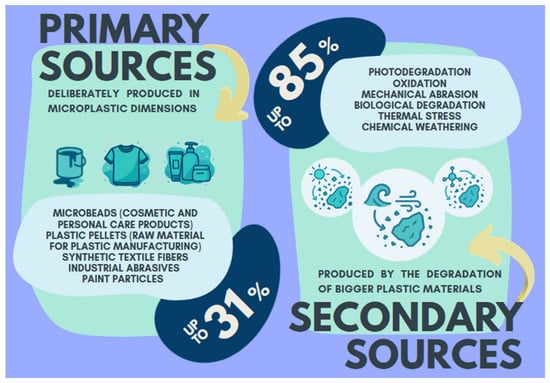
We define microplastics as plastic particles smaller than 5 mm. Microplastics have been found in all ecosystems on Earth (including the most remote ones), in food, beverages, and in human and animal tissues. Various studies on microplastics have been going on for more than a decade, and microplastic research has moved from pollution characterization to mechanism analysis and intervention applications: probiotic removal and nanocellulose repair technology provide solutions to health risks; fiber/fragmented microplastics have been confirmed as carriers of drug-resistant genes; mangrove carbon sink damage and pollutant synergy reveal ecological cascade risks. In the future, it will be necessary to combine source control (such as the new EU regulations) with bioremediation technology to build an integrated "monitoring-intervention-policy" governance system.
This topic collection covers the isolation of microplastics from different ecosystems and species, including analytical methods for quantifying and identifying them, and studying the migration mechanism and governance methods of microplastics.
This Topical Collection will publish innovative research related to the development of microplastics. Articles and reviews submissions are welcome.
Dr. Maria da Conceição Paiva
Collection Editor
Manuscript Submission Information
Manuscripts should be submitted online at www.mdpi.com by registering and logging in to this website. Once you are registered, click here to go to the submission form. All submissions that pass pre-check are peer-reviewed. Accepted papers will be published continuously in the journal (as soon as accepted) and will be listed together on the collection website. Research articles, review articles as well as short communications are invited. For planned papers, a title and short abstract (about 250 words) can be sent to the Editorial Office for assessment.
Submitted manuscripts should not have been published previously, nor be under consideration for publication elsewhere (except conference proceedings papers). All manuscripts are thoroughly refereed through a single-anonymized peer-review process. A guide for authors and other relevant information for submission of manuscripts is available on the Instructions for Authors page. Polymers is an international peer-reviewed open access semimonthly journal published by MDPI.
Please visit the Instructions for Authors page before submitting a manuscript.
The Article Processing Charge (APC) for publication in this open access journal is 2700 CHF (Swiss Francs).
Submitted papers should be well formatted and use good English. Authors may use MDPI's
English editing service prior to publication or during author revisions.
Keywords
- microplastics
- separation of microplastics
- degradation of microplastics
- migration mechanism of microplastics
- microplastics management
Published Papers (1 paper)
2026
Open AccessReview
Microplastic Identification Methods for Microfluidic Applications: Towards Rapid Detection in Aquatic Environments
by
Camila Maria Penso, Maria C. Paiva, José Viana-Gomes and Luís M. Gonçalves
Abstract
The escalating accumulation of microplastics (MPs) in marine ecosystems presents a critical environmental crisis. However, current monitoring efforts rely heavily on labor-intensive, contamination-prone, and time-consuming laboratory analyses. While these conventional off-chip methods provide high accuracy, they inherently lack the throughput and autonomy required
[...] Read more.
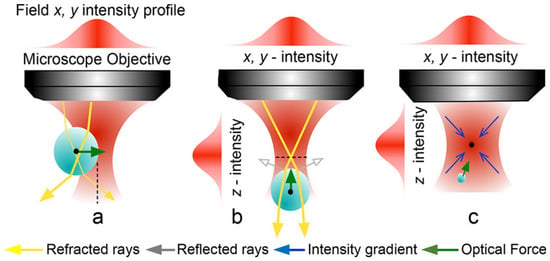
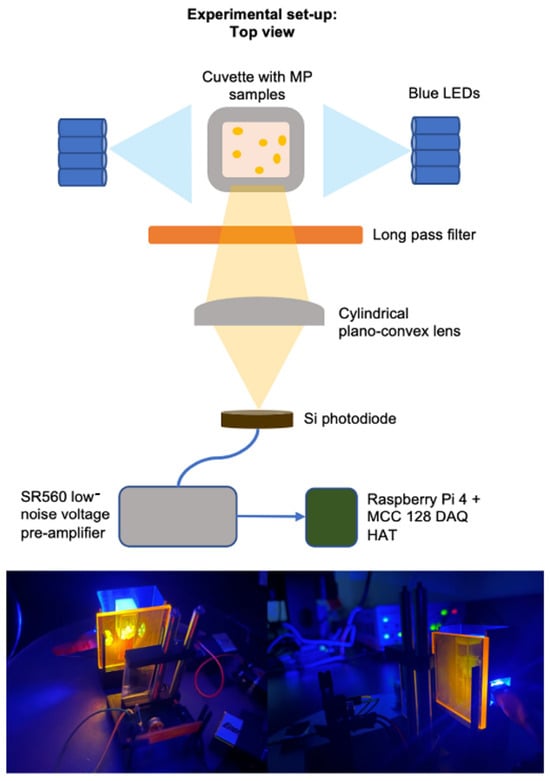
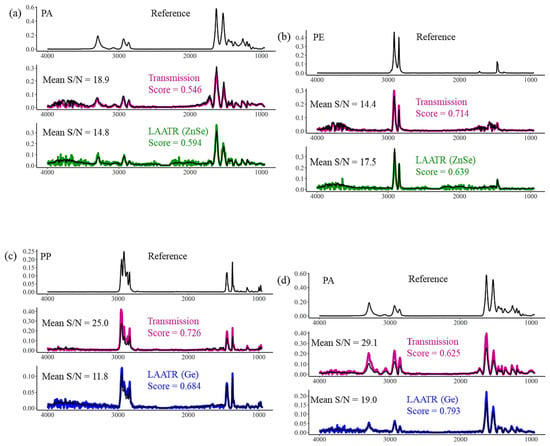
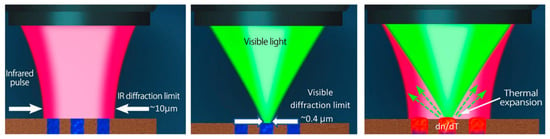
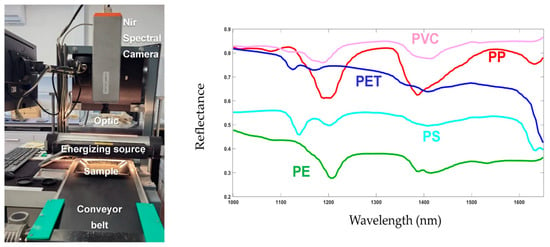
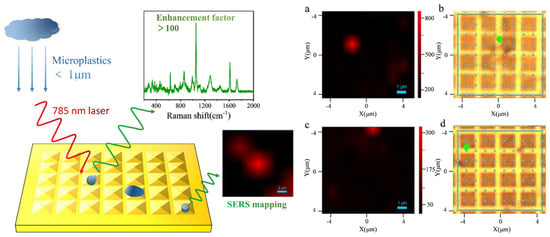
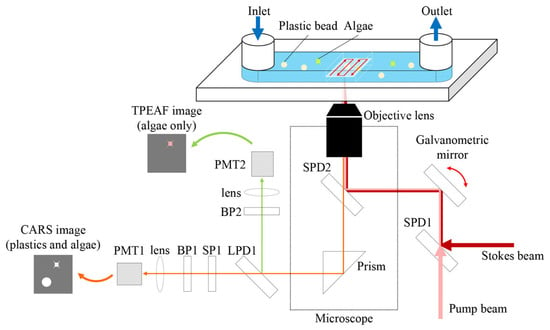
The escalating accumulation of microplastics (MPs) in marine ecosystems presents a critical environmental crisis. However, current monitoring efforts rely heavily on labor-intensive, contamination-prone, and time-consuming laboratory analyses. While these conventional off-chip methods provide high accuracy, they inherently lack the throughput and autonomy required for continuous, real-time oceanic surveillance. To bridge this technological gap, microfluidic technologies (Lab-on-a-Chip) provide a viable route towards miniaturized, reagent-free in situ detection with reduced sample volumes and continuous operation capability. This review examines the transition from benchtop to field-deployable platforms and organizes the available microfluidic approaches for MP analysis into a structured overview. We examine on-chip sample manipulation and complementary separation techniques, such as acoustophoresis, dielectrophoresis, and optical tweezers, which are essential for isolating target particles from complex environmental matrices and overcoming intrinsic microfluidic challenges. Following sample preparation, we provide a comprehensive evaluation of state-of-the-art optical and spectroscopic identification methods optimized for continuous flow detection. Finally, we address current analytical limitations and discuss how the integration of machine learning with dynamic spectral libraries could enable autonomous, field-deployed monitoring networks for long-term MP surveillance.
Full article
►▼
Show Figures