Journal Description
Muscles
Muscles
is an international, peer-reviewed, open access journal on muscle biology and physiology published quarterly online by MDPI. The Korean Society of Physical Medicine (KSPM) is affiliated with Muscles and its members receive discounts on the article processing charges.
- Open Access— free for readers, with article processing charges (APC) paid by authors or their institutions.
- High Visibility: indexed within ESCI (Web of Science), Scopus and other databases.
- Rapid Publication: manuscripts are peer-reviewed and a first decision is provided to authors approximately 23.5 days after submission; acceptance to publication is undertaken in 5.2 days (median values for papers published in this journal in the second half of 2025).
- Recognition of Reviewers: APC discount vouchers, optional signed peer review, and reviewer names published annually in the journal.
Latest Articles
From Injury to Impact: Optimizing Return-to-Play Outcomes and Reinjury Prevention via Four-Pillar Rehabilitation Strategy in Elite Football—A Clinical Study in a Sports Scenario
Muscles 2026, 5(1), 11; https://doi.org/10.3390/muscles5010011 - 2 Feb 2026
Abstract
Objectives: This clinical commentary presents a four-pillar rehabilitation framework implemented in the elite football setting of OFI Crete FC and designed to facilitate the return of football players to training and competitive play. The framework is structured around five core components: (a) effective
[...] Read more.
Objectives: This clinical commentary presents a four-pillar rehabilitation framework implemented in the elite football setting of OFI Crete FC and designed to facilitate the return of football players to training and competitive play. The framework is structured around five core components: (a) effective load management during training and matches, (b) individualized rehabilitation programs and injury prevention strategies integrated within the recovery phase, (c) a novel on-field rehabilitation framework, and (d) an extended secondary prevention plan. Methods: This comprehensive approach was implemented over a three-year period with the OFI Crete FC football team and involved 87 elite professional players between the ages of 17 and 35. Throughout this time, 180 injuries were documented, ranging from mild to severe injuries. Results: The outcome illustrated that only 40% of these injuries led to players missing official matches, while the recurrence or follow-up injury rate was limited to just 10%. Over the course of the three years, a steady 60% decline in injury rates was observed. Conclusions: These findings emphasize the crucial importance of training load management, the integration of injury prevention strategies throughout the rehabilitation process, and the early initiation of on-field rehabilitation. Within the clinical setting of OFI Crete FC, the implementation of this integrated rehabilitation framework was associated with favorable observations in injury incidence, player absence days, and return-to-play timelines, which may reflect that the approach has potential benefits while remaining observational in nature.
Full article
Open AccessArticle
The Acute Physiological Effects of Multiple Muscle Stimulation
by
Rishabh Rege, Kristin M. Mendez, Riya Patel, Sydnie Keane and Kevin K. McCully
Muscles 2026, 5(1), 10; https://doi.org/10.3390/muscles5010010 - 30 Jan 2026
Abstract
►▼
Show Figures
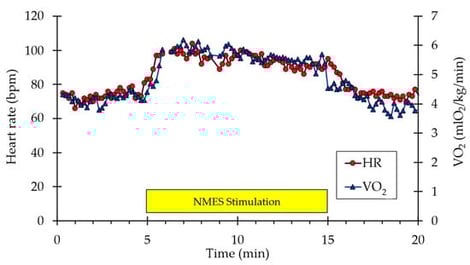
Neuromuscular electrical stimulation (NMES) has been shown to provide health benefits similar to those of exercise. The aim of this study was to quantify the acute physiological effects of multiple muscle stimulation on the whole body and individual muscles. Nine healthy young adults
[...] Read more.
Neuromuscular electrical stimulation (NMES) has been shown to provide health benefits similar to those of exercise. The aim of this study was to quantify the acute physiological effects of multiple muscle stimulation on the whole body and individual muscles. Nine healthy young adults were tested. NMES of eight muscle groups was performed with NMES stimulators. The vastus lateralis, biceps femoris, medial gastrocnemius, and tibialis anterior muscles of both legs were stimulated for ten minutes with twitch stimulations at the highest comfortable stimulation current. Whole-body metabolism was measured using a metabolic cart. A finger pulse oximeter and a tri-axial accelerometer were used to measure heart rate and muscle fatigue, respectively. Muscle metabolism (mVO2) was measured using near-infrared spectroscopy (NIRS) during short periods of ischemia. Femoral artery blood flow was measured using Doppler ultrasound. Whole-body VO2 and heart rate increased moderately by 36% and 22%, respectively, after 10 min of NMES. NMES increased mVO2 by 12-fold higher than resting on average, with the gastrocnemius having the smallest increase and the vastus lateralis having the greatest increase. Peak diastolic blood flow velocity was significantly reduced by 50% after 10 min of NMES. Simultaneous lower-body NMES moderately improved whole-body metabolism, muscle metabolism, and blood flow, increasing our understanding of the beneficial effects of NMES.
Full article

Figure 1
Open AccessSystematic Review
Muscle, Neuromuscular, and Cardiac Damage in Trail Running: A Systematic Review
by
Isabel García-Valiente, Francisco Pradas, Miguel Ángel Ortega-Zayas, Carlos Castellar-Otín, Alejandro García-Giménez and Miguel Lecina
Muscles 2026, 5(1), 9; https://doi.org/10.3390/muscles5010009 - 29 Jan 2026
Abstract
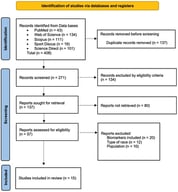
Background: Trail running (TR) is an endurance discipline characterized by prolonged exercise, irregular terrain, and marked elevation changes, which increase eccentric muscular load and may induce muscular, neuromuscular, and cardiac damage. Objective: This study aimed to systematically review the evidence on
[...] Read more.
Background: Trail running (TR) is an endurance discipline characterized by prolonged exercise, irregular terrain, and marked elevation changes, which increase eccentric muscular load and may induce muscular, neuromuscular, and cardiac damage. Objective: This study aimed to systematically review the evidence on muscular, neuromuscular, and cardiac damage associated with TR participation. Methods: This systematic review followed PRISMA 2020 guidelines and was registered in PROSPERO (CRD420251135043). Five databases (PubMed, Web of Science, Scopus, SportDiscus, and ScienceDirect) were searched up to 31 August 2025. Observational, longitudinal, prospective, and case studies involving healthy adolescent or adult trail runners were included. Outcomes comprised muscle damage biomarkers (e.g., creatine kinase, alanine aminotransferase), neuromuscular function (e.g., squat jump performance, maximal voluntary isometric contraction), and cardiac biomarkers (e.g., CK-MB, cardiac troponins, NT-proBNP). Methodological quality was assessed using the National Heart, Lung, and Blood Institute Study Quality Assessment Tool. Results were synthesized qualitatively. Results: Fifteen studies met the inclusion criteria, including a total of 247 participants. Post-race analyses consistently showed marked increases in muscle damage biomarkers and significant reductions in neuromuscular performance. Transient elevations in cardiac biomarkers were also observed, suggesting acute but reversible cardiac stress following TR events. Limitations: Evidence was limited by methodological heterogeneity, small sample sizes, and underrepresentation of female athletes. Conclusions: It was found that trail running induces substantial acute muscular, neuromuscular, and cardiac stress, particularly in events with high eccentric loading. Monitoring biochemical and neuromuscular markers may support training load optimization, recovery strategies, and injury prevention.
Full article
(This article belongs to the Topic Endurance and Ultra-Endurance: Implications of Training, Recovery, Nutrition, and Technology on Performance and Health)
►▼
Show Figures

Figure 1
Open AccessArticle
Early-Phase and Cross-Education Adaptations Following Very Short-Term Unilateral Isokinetic Forearm Extension and Flexion Training in Untrained Women
by
Justin S. Pioske, Jocelyn E. Arnett, Dolores G. Ortega, Trevor D. Roberts, Robert W. Smith, Tyler J. Neltner, Richard J. Schmidt and Terry J. Housh
Muscles 2026, 5(1), 8; https://doi.org/10.3390/muscles5010008 - 28 Jan 2026
Abstract
►▼
Show Figures
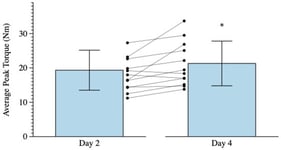
This study: (1) Determined the time course of early-phase adaptations in average peak torque (APT), the rate of velocity development (RVD), and average power (AP) following very short-term unilateral, reciprocal, concentric isokinetic forearm extension and flexion training in untrained women; and (2) determine
[...] Read more.
This study: (1) Determined the time course of early-phase adaptations in average peak torque (APT), the rate of velocity development (RVD), and average power (AP) following very short-term unilateral, reciprocal, concentric isokinetic forearm extension and flexion training in untrained women; and (2) determine whether training the non-dominant arm induced cross-education adaptations in the dominant, non-trained arm. Twelve untrained women (age: 21.7 ± 1.2 yrs) completed four testing and four training visits (pre-test and following 2, 3, and 4 days of training). The testing consisted of three maximal repetitions of the dominant and non-dominant arms at 60°, 180°, and 300°·s−1, with APT and AP calculated as the average of the 3 repetitions and RVD as the fastest repetition. The training consisted of 6 sets of 10 maximal repetitions at 180°·s−1 with the non-dominant arm. The differences in mean values across testing visits for APT, AP, and RVD were determined by separate 2 (Arm) × 2 (Muscle Action) × 3 (Velocity) × 4 (Time [across all testing visits]) repeated measures ANOVA (α ≤ 0.05) with Bonferroni-corrected post hoc comparisons. For the trained arm, there were increases in APT (p < 0.001) following four training visits and AP following three (p = 0.006) and four (p = 0.004) training visits. Furthermore, following four training visits, RVD (collapsed across Arms and Muscle Action) decreased at 180°·s−1 (p = 0.002) and 300°·s−1 (p = 0.005) following four training visits. There were no changes in APT or AP (p = 0.155–1.000) in the non-trained arm, which indicated no cross-education adaptations. These findings suggested that 3–4 days of moderate-velocity, unilateral, reciprocal, isokinetic training elicited early-phase adaptations for APT, RVD, and AP in untrained women, while cross-education adaptations for APT and AP were not observed within this timeframe.
Full article

Figure 1
Open AccessSystematic Review
Towards a Unified Terminology for Implant-Influenced Fractures: Implications for Musculoskeletal and Muscle–Implant Interaction Research
by
Giacomo Papotto, Ignazio Prestianni, Enrica Rosalia Cuffaro, Alessio Ferrara, Marco Ganci, Calogero Cicio, Alessandro Pietropaolo, Marco Montemagno, Saverio Comitini, Antonio Kory and Rocco Ortuso
Muscles 2026, 5(1), 7; https://doi.org/10.3390/muscles5010007 - 15 Jan 2026
Abstract
►▼
Show Figures
Background: The global increase in orthopedic implant use—both for trauma fixation and arthroplasty—has profoundly transformed musculoskeletal surgery. As a consequence, fractures occurring in the presence of implants have become more frequent and clinically relevant. Yet, these injuries are currently described using highly heterogeneous
[...] Read more.
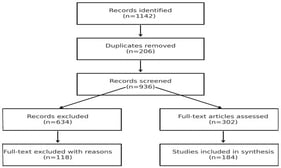
Background: The global increase in orthopedic implant use—both for trauma fixation and arthroplasty—has profoundly transformed musculoskeletal surgery. As a consequence, fractures occurring in the presence of implants have become more frequent and clinically relevant. Yet, these injuries are currently described using highly heterogeneous terminology, including periprosthetic (fracture occurring in the presence of a prosthetic joint replacement) peri-implant (fracture occurring around an osteosynthesis or fixation device), implant-related, and hardware-related fractures (umbrella terms encompassing both prosthetic and fixation devices, used descriptively rather than classificatorily). This coexistence of multiple, context-specific terminologies hinders clinical communication, complicates registry documentation, and limits research comparability across orthopedic subspecialties. Because fractures occurring in the presence of orthopedic implants significantly alter load transfer, muscle force distribution, and musculoskeletal biomechanics, a clear and unified terminology is also relevant for muscle-focused research addressing implant–tissue interaction and functional recovery. Objective: This systematic review aimed to critically analyze the terminology used to describe fractures influenced by orthopedic implants, quantify the heterogeneity of current usage across anatomical regions and publication periods, and explore the rationale for adopting a unified umbrella term—“artificial fracture.” Methods: A systematic search was performed in PubMed, Scopus, and Web of Science from January 2000 to December 2024, following PRISMA guidelines. Eligible studies included clinical investigations, reviews, registry analyses, and consensus statements explicitly employing or discussing terminology related to implant-associated fractures. Data were extracted on publication characteristics, anatomical site, terminology employed, and classification systems used. Quantitative bibliometric and qualitative thematic analyses were conducted to assess frequency patterns and conceptual trends. Results: Of 1142 records identified, 184 studies met the inclusion criteria. The most frequent descriptor in the literature was periprosthetic fracture (68%), reflecting its predominance in arthroplasty-focused studies, whereas broader and more practical terms such as implant-related and peri-implant fracture were more commonly used in musculoskeletal and fixation-related research. Terminological preferences varied according to anatomical site and implant type, and no universally accepted, cross-anatomical terminology was identified despite multiple consensus efforts. Discussion and Conclusions: The findings highlight persistent heterogeneity in terminology describing fractures influenced by orthopedic implants. A transversal, descriptive framework may facilitate communication across subspecialties and support registry-level harmonization. Beyond orthopedic traumatology, this approach may also benefit muscle and musculoskeletal research by enabling more consistent interpretation of data related to muscle–bone–implant interactions, rehabilitation strategies, and biomechanical adaptation.
Full article

Figure 1
Open AccessArticle
Hypoxia Increases Cardiac Proteasomal Activity and Differentially Modulates Cullin-RING E3 Ligases in the Naked Mole-Rat Heterocephalus glaber
by
W. Aline Ingelson-Filpula, Karen L. Kadamani, Mohammad Ojaghi, Matthew E. Pamenter and Kenneth B. Storey
Muscles 2026, 5(1), 6; https://doi.org/10.3390/muscles5010006 - 14 Jan 2026
Abstract
►▼
Show Figures
(1) Background: The naked mole-rat (Heterocephalus glaber) survives hypoxia–reoxygenation stresses by utilizing metabolic rate depression, achieved in part by downregulating nonessential genes and processes to conserve endogenous cellular resources and prevent buildup of toxic waste byproducts. Tight molecular control of protein
[...] Read more.
(1) Background: The naked mole-rat (Heterocephalus glaber) survives hypoxia–reoxygenation stresses by utilizing metabolic rate depression, achieved in part by downregulating nonessential genes and processes to conserve endogenous cellular resources and prevent buildup of toxic waste byproducts. Tight molecular control of protein degradation (specifically the ubiquitin–proteasome system) is a potent regulatory tool for maintaining muscle integrity during hypoxia, but how this system is regulated in the heart of hypoxia-tolerant species is poorly understood. (2) Methods: The protein expression levels of cullin-RING E3 ligases (specifically CRL4 architecture), deubiquitinating enzymes, and proteasomal activity were assayed in cardiac tissues from H. glaber exposed to 24 h of normoxia or hypoxia in vivo. (3) Results: Overall, the protein expression of E3 ligases decreased, whereas expression of deubiquitinating enzymes increased during hypoxia, all of which play roles in themes of oxidative stress, heightened DNA damage repair, and the HIF-1-VHL-NFκB axis. Proteasomal activity was elevated during hypoxia, which conceivably links to the oxidative stress theory of aging and longevity of H. glaber. (4) Conclusions: Taken together, our results expand current research into protein degradation and extreme environmental stress responses, with a specific focus on cardiac mechanisms related to oxidative stress resistance along the hypoxia-longevity axis.
Full article

Figure 1
Open AccessArticle
Impact of Perceived Dorsiflexion and Plantarflexion in the Squat and Countermovement Jumps
by
Flávio Ventura, Filipe Maia, Ricardo Maia Ferreira, Nuno Pimenta and Ricardo Pimenta
Muscles 2026, 5(1), 5; https://doi.org/10.3390/muscles5010005 - 12 Jan 2026
Abstract
►▼
Show Figures
Muscular strength plays a crucial role in sports performance and is often evaluated using vertical jump tests such as the Squat Jump (SJ) and Countermovement Jump (CMJ). Measurements based on flight time (FT) assume that takeoff and landing postures are identical, yet differences
[...] Read more.
Muscular strength plays a crucial role in sports performance and is often evaluated using vertical jump tests such as the Squat Jump (SJ) and Countermovement Jump (CMJ). Measurements based on flight time (FT) assume that takeoff and landing postures are identical, yet differences in ankle position can introduce systematic errors. This study examined whether dorsiflexion (DF) or plantarflexion (PF) of the ankle during the flight phase affects jump height. Forty-three active university students completed four repetitions each of SJ and CMJ under DF and PF across two sessions. Jump heights were recorded using a Chronojump-Boscosystem platform. No significant difference was observed in SJ between DF and PF, while CMJ heights were consistently higher under DF (DF: 28.29 cm ± 7.7 cm vs. PF: 27.08 cm ± 7.03 cm, p = 0.001; d = 0.16). Notably, the effect of DF appeared more pronounced in CMJ, suggesting that higher jumps are more sensitive to postural variations. These findings could suggest that DF can artificially increase jump heights as measured on a jump platform, without reflecting true improvements in force production. Coaches and practitioners should interpret FT-derived data with caution, particularly for higher jumps. Future research combining precise motion capture with force platforms could directly track center-of-mass changes and validate this mechanism.
Full article

Figure 1
Open AccessArticle
Sex Differences in Force, Velocity, and Power Percent Changes During Countermovement Jump Performance Following a Dynamic Warm-Up
by
Gabriel J. Sanders, Maura Bennett, Roger O. Kollock and Corey A. Peacock
Muscles 2026, 5(1), 4; https://doi.org/10.3390/muscles5010004 - 9 Jan 2026
Abstract
Background: The study examined sex differences in countermovement jump (CMJ) force plate metrics and neuromuscular responses to a standardized dynamic warm-up in physically active college students. Methods: Forty-one participants (21 males, 20 females) completed pre- and post-warm-up assessments of CMJ performance
[...] Read more.
Background: The study examined sex differences in countermovement jump (CMJ) force plate metrics and neuromuscular responses to a standardized dynamic warm-up in physically active college students. Methods: Forty-one participants (21 males, 20 females) completed pre- and post-warm-up assessments of CMJ performance using a dual force plate system. Body composition was measured via bioelectrical impedance analysis, and performance metrics included force, velocity, power, and other jump metrics. Percent change scores were calculated for all metrics. Results: Males demonstrated significantly greater improvements in braking force metrics compared to females, including force at minimum displacement (11.4% Δ male vs. 5.7% Δ female, p = 0.043), average braking force (10.6% Δ male vs. 5.0% Δ female, p = 0.043), and peak braking force (11.5% Δ male vs. 5.7% Δ female, p = 0.043). No significant sex differences were found in velocity, power, propulsive force, or other general CMJ performance variables. Hierarchical regression analyses revealed that sex was a significant (p ≤ 0.043 for all) predictor of changes in braking force metrics, while lean body mass did not enhance model fit or independently predict force changes. The addition of lean body mass slightly attenuated the sex effect but did not contribute meaningfully to the models. Conclusions: Findings suggest males may experience greater braking force adaptation to a dynamic warm-up, while other performance outcomes appear similar between sexes. These results may inform sex-specific warm-up strategies targeting neuromuscular readiness and braking force development.
Full article
Open AccessArticle
The Myokine FGF-21 Responds in a Time-Dependent Manner to Three Different Types of Acute Exercise
by
Mikal Thrones, Thomas Rawliuk, Dean M. Cordingley and Stephen M. Cornish
Muscles 2026, 5(1), 3; https://doi.org/10.3390/muscles5010003 - 4 Jan 2026
Abstract
►▼
Show Figures
Background: The myokine response to various types of exercise may differ and influence the adaptations to various physiological systems in response to training. This study aimed to compare systemic myokines’ (apelin, interleukin-6 [IL-6], interleu-kin-15 [IL-15], fibroblast-growth factor-21 [FGF-21], and irisin) responses to
[...] Read more.
Background: The myokine response to various types of exercise may differ and influence the adaptations to various physiological systems in response to training. This study aimed to compare systemic myokines’ (apelin, interleukin-6 [IL-6], interleu-kin-15 [IL-15], fibroblast-growth factor-21 [FGF-21], and irisin) responses to acute moderate-intensity cardiovascular exercise (MICE), high-intensity interval exercise (HIIE), or resistance exercise (RE). Methods: Six healthy, recreationally active adults (n = 4 males, n = 2 females) completed this crossover pilot study. After baseline testing, in a balanced randomized order, participants completed all three exercise sessions with one week between each of the exercise sessions. Blood samples were obtained at rest, immediately post-exercise, and 1 and 3 h post-exercise. Myokine response was analyzed using a 3 (exercise condition: MICE, HIIE, RE) × 4 (time: baseline, post-exercise, 1 and 3 h post-exercise) repeated-measures ANOVA. Results: Our results showed no significant interaction of time × exercise type in any of the analyzed myokines (all p > 0.05). A significant main effect of time was found for FGF-21, where concentrations at baseline (188.96 ± 127.34 pg/mL; p = 0.038) and immediately post-exercise (206.27 ± 135.95 pg/mL; p = 0.006) were higher than 3 h post-exercise (111.08 ± 127.65 pg/mL). No other main effects for time or exercise type were identified (all p > 0.05). Conclusions: The three exercise types, when analyzed together in this study, demonstrated a reduction in FGF-21 3 h post-exercise, suggesting this myokine was removed from the systemic circulation following exercise. The negative results of this study are inconclusive given the lower statistical power observed in this research. These preliminary results indicate the need for a larger trial to evaluate the effects of different types of exercise on the specificity of myokine responses and how acute exercise responses may translate into long-term exercise training adaptations.
Full article

Figure 1
Open AccessReview
Mechanisms, Economy, and Performance of Advanced Footwear Technology in Endurance Running—A Review
by
Daido Dagne Bruvere and Edgars Bernans
Muscles 2026, 5(1), 2; https://doi.org/10.3390/muscles5010002 - 24 Dec 2025
Abstract
►▼
Show Figures
Since the introduction of advanced footwear technology (AFT) in 2017, numerous world records from 5 km to the marathon have been broken. Among these innovations, carbon-plated shoes have received particular attention. Previous research indicates improvements of 2–4% in running economy (RE), which translates
[...] Read more.
Since the introduction of advanced footwear technology (AFT) in 2017, numerous world records from 5 km to the marathon have been broken. Among these innovations, carbon-plated shoes have received particular attention. Previous research indicates improvements of 2–4% in running economy (RE), which translates into an approximate 1–2% improvement in running performance when running in these shoes. The rapid progression of performance has generated significant scientific interest; however, a clear understanding of the mechanisms driving the effectiveness of AFT remains limited. Despite widespread adoption and remarkable results, the mechanisms underlying the effectiveness of AFT are still not fully understood, which is why optimising its potential benefits continues to be an ongoing challenge. This review summarises current knowledge on AFT and critically evaluates the biomechanical and physiological mechanisms underlying their effects on RE and performance. It also highlights the interaction between shoe design features and individual biomechanics, supporting evidence-based approaches to footwear selection and training strategies tailored to athletes’ needs. A clearer understanding of these mechanisms may provide valuable insights for researchers, coaches, and athletes and help maximise the potential benefits of AFT.
Full article

Figure 1
Open AccessSystematic Review
Impact of Exercise Modalities on Pentraxin-3 (PTX3) Levels: A Systematic Review and Meta-Analysis
by
Mohammad Rahman Rahimi, Hassan Faraji, Chenour Sadeghi, George John, Ildus I. Ahmetov and Hadi Golpasandi
Muscles 2026, 5(1), 1; https://doi.org/10.3390/muscles5010001 - 23 Dec 2025
Abstract
►▼
Show Figures
Background: Pentraxin 3 (PTX3) is a key biomarker of innate immunity and inflammation, associated with muscle mass, metabolic syndrome, and obesity-related indicators. However, its role in training adaptations remains unclear, with studies reporting inconsistent PTX3 responses to acute and chronic exercise. This study
[...] Read more.
Background: Pentraxin 3 (PTX3) is a key biomarker of innate immunity and inflammation, associated with muscle mass, metabolic syndrome, and obesity-related indicators. However, its role in training adaptations remains unclear, with studies reporting inconsistent PTX3 responses to acute and chronic exercise. This study aimed to compare the effects of aerobic exercise, resistance training, high-intensity interval training (HIIT), and acute exercise on PTX3 levels. Methods: A systematic search using Boolean logic was conducted in Web of Science, PubMed, and Google Scholar to identify randomized controlled trials examining the effects of exercise training and acute exercise on PTX3 levels. Results: Out of 3434 records published from 1992 to July 2025, 19 studies met the eligibility criteria. Meta-analysis revealed that aerobic training significantly increased PTX3 levels (SMD = 0.71; 95% CI, 0.173 to 1.252; p = 0.01; I2 = 83.14%), whereas resistance training significantly reduced them (SMD = −0.69; 95% CI, −1.025 to −0.370; p = 0.0001; I2 = 17.52%). HIIT did not elicit a significant change (SMD = 0.086; 95% CI, −0.364 to 0.535; p = 0.70; I2 = 0.00%). Notably, exercise training significantly elevated PTX3 in individuals over 50 years old (SMD = 1.124; 95% CI, 0.231 to 2.017; p = 0.014; I2 = 87.97%) but not in younger participants (SMD = −0.156; 95% CI, −0.640 to 0.327; p = 0.526; I2 = 78.80%). Conclusion: Aerobic and resistance exercise exert opposing effects on PTX3, suggesting distinct mechanisms through which different training modalities modulate inflammatory pathways relevant to muscle metabolism and repair. Acute exercise may also transiently elevate PTX3 to manage exercise-induced inflammation.
Full article

Figure 1
Open AccessArticle
Comparing the Force–Time Characteristics Between Countermovement and Assisted Countermovement Jump with Different Landing Strategies
by
Regine Y. S. Zhou, Lachlan P. James and Danny Lum
Muscles 2025, 4(4), 62; https://doi.org/10.3390/muscles4040062 - 17 Dec 2025
Abstract
►▼
Show Figures
Researchers comparing countermovement (CMJ) and assisted countermovement (ACMJ) jumps reported conflicting findings on the landing impact force (LIF). This was likely due to differences in the landing strategies used. As the magnitude of LIF may have implications on neuromuscular adaptations, the purpose of
[...] Read more.
Researchers comparing countermovement (CMJ) and assisted countermovement (ACMJ) jumps reported conflicting findings on the landing impact force (LIF). This was likely due to differences in the landing strategies used. As the magnitude of LIF may have implications on neuromuscular adaptations, the purpose of this study was to compare the LIF between CMJ and ACMJ while adopting soft and stiff landing strategies. Thirteen resistance-trained athletes (sex: female = 5, male = 8, 26.4 ± 3.7 years, 68.4 ± 13.6 kg, 167 ± 5.1 cm) performed three CMJ and ACMJ each at 60%, 70%, 80% and 90% of bodyweight with instructions to either land soft or stiff on a force plate. Repetitions were separated by 30 s and conditions by 3 min. Resistance bands were used to induce the required weight during ACMJ. Data obtained regarding the average of the two closest trials based on jump height was analysed. Jump height significantly increased with increasing assistance during ACMJ for both landing conditions (p < 0.001). Propulsion duration (PD) was significantly shorter with increasing assistance during ACMJ for both landing conditions (p < 0.001). Peak and mean propulsion force significantly decreased with increasing assistance during ACMJ for both landing conditions (p < 0.001 and p < 0.001, respectively). The LIF was significantly greater with increasing assistance during ACMJ in the stiff-landing condition only (p < 0.001). Greater assistance allowed participants to jump higher while reducing PD. The higher LIF observed during stiff landing with greater assistance during ACMJ could be attributed to greater jump height and downward velocity during landing.
Full article

Figure 1
Open AccessEditor’s ChoiceSystematic Review
Effectiveness of Hyperbaric Oxygen Therapy for Musculoskeletal Pain Syndromes: A Systematic Review
by
Sebastián Eustaquio Martín Pérez, Eduardo Iboleón Laynez, José Antonio Acevedo Rodríguez, María Isabel Maggioni Torres, Roberto Pérez Betancort, Antón Díaz Rodríguez, Diego Cabezos Alonso, Carlos García Camacho and Isidro Miguel Martín Pérez
Muscles 2025, 4(4), 63; https://doi.org/10.3390/muscles4040063 - 16 Dec 2025
Abstract
►▼
Show Figures
Background: Musculoskeletal pain syndromes (MPSs) represent a major cause of disability and reduced quality of life, and conventional therapeutic approaches often provide only partial or temporary relief. Hyperbaric oxygen therapy (HBOT) delivered as 100% oxygen at 1.3–2.5 ATA, has been proposed to modulate
[...] Read more.
Background: Musculoskeletal pain syndromes (MPSs) represent a major cause of disability and reduced quality of life, and conventional therapeutic approaches often provide only partial or temporary relief. Hyperbaric oxygen therapy (HBOT) delivered as 100% oxygen at 1.3–2.5 ATA, has been proposed to modulate inflammatory processes and enhance tissue repair. This review evaluated the effectiveness of HBOT on pain, function, quality of life, and physiological outcomes in individuals with MPS. Methods: This systematic review was conducted in different databases between June 30 and 30 September 2025, following PRISMA guidelines and was previously registered in PROSPERO (CRD420251073730). Studies published in English, Spanish, or Portuguese evaluating HBOT as a standalone or adjunctive intervention were included. Methodological quality and risk of bias were assessed using PEDro, NIH, and RoB 2.0 tools, and certainty of evidence was graded with GRADE. Results: Eighteen studies (17 RCTs and 1 case series; n = 671) were included. HBOT protocols ranged from 3 to 60 sessions, lasting 60–90 min, at approximately 1.3–2.5 ATA. Consistent reductions in pain and modest functional improvements were observed in fibromyalgia and postoperative conditions such as knee arthroplasty and peripheral nerve repair, with associated improvements in quality of life and inflammatory markers. Results for delayed-onset muscle soreness and acute ligament injuries were inconsistent. Conclusions: HBOT may provide adjunctive benefits in musculoskeletal pain syndromes, yet the current evidence remains limited. Standardized treatment protocols and high-quality trials are needed to better define its clinical applicability.
Full article

Figure 1
Open AccessEditor’s ChoiceArticle
Acute Effects of Multi-Joint Eccentric Exercise on Lower-Extremity Muscle Activation Measured During Land and Water Walking
by
Brayden Worley, Brennan J. Thompson, Jon Carey and Talin Louder
Muscles 2025, 4(4), 61; https://doi.org/10.3390/muscles4040061 - 10 Dec 2025
Abstract
►▼
Show Figures
Falls are a leading cause of injury and loss of independence in older adults, often linked to deficits in lower-limb muscle function and gait mechanics. Eccentric exercise can improve muscular resilience, while aquatic walking offers a safe, supportive environment to retrain gait; however,
[...] Read more.
Falls are a leading cause of injury and loss of independence in older adults, often linked to deficits in lower-limb muscle function and gait mechanics. Eccentric exercise can improve muscular resilience, while aquatic walking offers a safe, supportive environment to retrain gait; however, little is known about how these modalities interact at the neuromuscular level. This study compared lower-limb muscle activation during gait on land and in water, before and after an acute bout of eccentric exercise, in healthy young adults. Surface electromyography was collected from the tibialis anterior (TA), gastrocnemius medialis (GM), vastus lateralis (VL), and biceps femoris (BF) during treadmill walking on land and at equivalent speeds in chest-deep water. Results showed that aquatic walking consistently altered activation patterns relative to land walking, with increased TA activity (28%, Cohen’s d = 0.69) and reduced GM activity (−27%, Cohen’s d = −0.48) during swing, reduced VL activity during stance (−20%, Cohen’s d = −0.43), increased VL activity during swing (46%, Cohen’s d = 0.72), and increased BF activity during stance (51%, Cohen’s d = 0.63). These changes produced distinct co-activation patterns between the shank and thigh. Eccentric exercise had limited effects overall but increased thigh co-activation during swing in land walking. Findings suggest that eccentric exercise can be safely combined with aquatic walking and highlight the potential of this multimodal approach for enhancing gait mechanics relevant to fall prevention.
Full article

Figure 1
Open AccessArticle
Effects of Acute Red Spinach Powder (VitaSpinach®) Ingestion on Muscular Endurance and Resistance Exercise Performance
by
Haley M. Nguyen, Sophia L. Porrill, Rebecca R. Rogers, Josselyn Jose-Gomez, Rachel E. Wright, Phoebe N. Spears and Christopher G. Ballmann
Muscles 2025, 4(4), 60; https://doi.org/10.3390/muscles4040060 - 3 Dec 2025
Abstract
►▼
Show Figures
Introduction: Red spinach powder (RSP) contains high amounts of inorganic nitrate/nitrite (NO3/NO2), which has been suggested to alter vascular activity, cognitive processing, and sprint exercise performance. There have been few investigations as to whether RSP serves as an ergogenic
[...] Read more.
Introduction: Red spinach powder (RSP) contains high amounts of inorganic nitrate/nitrite (NO3/NO2), which has been suggested to alter vascular activity, cognitive processing, and sprint exercise performance. There have been few investigations as to whether RSP serves as an ergogenic aid to improve resistance exercise performance, particularly muscular endurance. Purpose: The purpose of this study was to investigate acute RSP (VitaSpinach®) supplementation on muscular endurance and velocity during bench press exercise. Methods: In a double-blind, counterbalanced crossover manner, resistance-trained males (n = 14) were subjected to two supplement conditions as follows: (1) placebo (PL; purple sweet potato) or (2) red spinach powder (RSP; 400 mg NO3). Supplements were consumed 2 h prior to exercise and blood was collected immediately pre-exercise to determine NO3/NO2 levels. To determine barbell velocity, participants completed two sets × two repetitions with maximal effort, while a rotary encoder measured mean barbell velocity. Following this, participants performed three sets × repetitions to exhaustion (RTE) at 60% of 1-Repetition Maximum (1-RM), separated by 2 min of rest, to determine muscular endurance. Local (lRPE) and global (gRPE) ratings of perceived exertion were measured after exercise. Blood NO3/NO2, RTE, mean velocity, lRPE, and gRPE were compared between supplement conditions. Results: RSP resulted in significantly higher blood levels of total NO3/NO2 (p < 0.001) compared to PL. RSP did not result in superior total RTE (p = 0.935) but increased mean velocity (p = 0.035) compared to PL. Both lRPE (p = 0.027) and gRPE (p = 0.028) were significantly reduced with RSP supplementation. Conclusions: Findings suggest acute RSP ingestion increased NO3/NO2 and bench press velocity. While muscular endurance remained unchanged, RSP resulted in lower perceptions of exertion.
Full article

Figure 1
Open AccessEditor’s ChoiceReview
The Psychological Burden of Neuromuscular Diseases: A Narrative Review of Anxiety, Depression, Coping, and Quality of Life
by
Valentina Baldini, Giorgia Varallo, Andi Nuredini, Rossella Tupler, Giuseppe Plazzi, Diana De Ronchi, Maria Carmela Pera, Rocco Liguori, Sandro Rubichi and Maristella Scorza
Muscles 2025, 4(4), 59; https://doi.org/10.3390/muscles4040059 - 1 Dec 2025
Abstract
Neuromuscular diseases (NMDs) include a heterogeneous group of progressive chronic conditions that frequently lead to substantial physical disability and loss of autonomy. Although motor and functional impairments of NMDs are well documented, the psychological burden remains underexplored. This narrative review synthesizes current literature
[...] Read more.
Neuromuscular diseases (NMDs) include a heterogeneous group of progressive chronic conditions that frequently lead to substantial physical disability and loss of autonomy. Although motor and functional impairments of NMDs are well documented, the psychological burden remains underexplored. This narrative review synthesizes current literature regarding four psychological domains in individuals with NMDs: (i) anxiety, (ii) depression, (iii) coping strategies, and (iv) quality of life. Evidence indicates that anxiety and depressive symptoms are highly prevalent in the spectrum of NMDs, influenced by factors such as disease severity, onset age, and perceived social support. Maladaptive coping strategies, including avoidance and denial, are associated with poorer mental health outcomes and reduced involvement in rehabilitation. In contrast, adaptive strategies, such as acceptance and problem-focused coping, may help buffer psychological distress. Quality of life is consistently reported to be lower in people with NMDs compared to the general population, with psychosocial factors such as social support playing a role. Despite these findings, psychological care remains inconsistently integrated in NMD management.
Full article
Open AccessReview
An Update on Dermatomyositis and Related Inflammatory Myopathies: Cutaneous Clues, Skeletal Muscle Involvement, and Advances in Pathogenesis and Treatment
by
Andres Parga, Dhruv Ratra and Dana Luu
Muscles 2025, 4(4), 58; https://doi.org/10.3390/muscles4040058 - 1 Dec 2025
Abstract
Dermatomyositis (DM) is a prototypic idiopathic inflammatory myopathy in which characteristic skin disease frequently precedes or parallels muscle involvement and signals risks such as interstitial lung disease (ILD) and malignancy. This literature review integrates recent advances across dermatology, neuromuscular medicine, and immunology to
[...] Read more.
Dermatomyositis (DM) is a prototypic idiopathic inflammatory myopathy in which characteristic skin disease frequently precedes or parallels muscle involvement and signals risks such as interstitial lung disease (ILD) and malignancy. This literature review integrates recent advances across dermatology, neuromuscular medicine, and immunology to refine diagnosis and management. We surveyed the literature from 2000 to 2025, prioritizing randomized trials, large cohorts, and translational studies that spanned classic and juvenile DM, amyopathic/hypomyopathic variants, and overlap phenotypes. Key insights include the diagnostic weight of pathognomonic cutaneous lesions with nailfold microangiopathy; the utility of myositis-specific autoantibodies for endotyping and risk (e.g., anti-TIF1-γ/anti-NXP2 and cancer, anti-MDA5 and rapidly progressive ILD); and the value of myxovirus-resistance protein A (MxA) immunohistochemistry and muscle MRI patterning (including distinctions from immune-mediated necrotizing myopathy) when enzymes are normal, or biopsies are treatment-modified. Management is anchored in early steroid-sparing immunosuppression tailored to phenotype, with evidence for IVIG in active DM and growing support for JAK inhibition, particularly in interferon-high or anti-MDA5 ILD, alongside selective use of calcineurin inhibitors and rituximab, with plasma exchange considered for refractory, rapidly progressive ILD. We highlight risk-stratified malignancy screening (IMACS 2023) and complications, including calcinosis, lipodystrophy, and chronic cutaneous damage. Skin-led recognition coupled with antibody-guided, phenotype-directed therapy and interdisciplinary care offers a pragmatic precision framework to improve outcomes and reduce long-term disability.
Full article
Open AccessArticle
Establishing Ultrasound Thresholds for Sarcopenia Diagnosis in Older Brazilian Adults
by
Sérgio Zabotto Dantas, Danielli Candido Munhoz Evangelista, Bruna Zampieri Nogueira Cozza, Marcelo Dib Bechara, Sandra Maria Barbalho, Eduardo Federighi Baisi Chagas, Adriano Cressoni Araújo, Elen Landgraf Guiguer, Camila Maria de Arruda, Juliana da Silva Soares de Souza, Karina Quesada and Cláudia Rucco Penteado Detregiachi
Muscles 2025, 4(4), 57; https://doi.org/10.3390/muscles4040057 - 20 Nov 2025
Abstract
►▼
Show Figures
Background/Objectives: Despite the increasing use of ultrasound (US) as a tool for assessing muscle mass and diagnosing sarcopenia, its application remains limited because few studies have validated cut-off points for specific populations. This study aimed to propose US cut-off points for diagnosing
[...] Read more.
Background/Objectives: Despite the increasing use of ultrasound (US) as a tool for assessing muscle mass and diagnosing sarcopenia, its application remains limited because few studies have validated cut-off points for specific populations. This study aimed to propose US cut-off points for diagnosing sarcopenia in Brazilian individuals aged 60 years and older. Methods: Patients schedule for elective abdominal computed tomography (CT) were also evaluated with musculoskeletal US of the thigh. CT images were obtained at the level of the third lumbar vertebra. US measurements included the thickness of the rectus femoris (RF) muscle and the rectus femoris combined with the vastus intermedius (RF + VI). Receiver Operating Characteristic (ROC) curves determine the sensitivity and specificity of the US cut-off points. The area under the curve (AUC) and 95% confidence intervals (CI) were calculated. Results: The study sample (n = 88) had a mean age of 71.8 ± 8.7 years, and 64% were women. The proposed cut-off points for diagnosing sarcopenia using US, based on the mean ± SD, were ≤19.1 mm and ≤15.9 mm for RF thickness and ≤31.9 mm and ≤29.2 mm for RF + VI thickness in men and women, respectively. These cut-off points demonstrated good accuracy and significant AUC values. Conclusions: This study proposes US-based cut-off points with good accuracy for suggesting sarcopenia diagnosis, particularly when assessing RF thickness.
Full article

Figure 1
Open AccessEditor’s ChoiceArticle
Effects of Blackcurrant Extract During High-Intensity Intermittent Running: An Exploratory Study of Possible Muscle Fibre-Type Dependence
by
Mark E. T. Willems, Sam D. Blacker and Ian C. Perkins
Muscles 2025, 4(4), 56; https://doi.org/10.3390/muscles4040056 - 14 Nov 2025
Abstract
►▼
Show Figures
Intake of anthocyanin-rich blackcurrant extract showed muscle fibre-type specific force responses during fatigue development from combined use of voluntary maximal isometric contractions and electrically evoked twitch contractions of the m. quadriceps femoris. In the present exploratory study, we examined the fibre-type specific
[...] Read more.
Intake of anthocyanin-rich blackcurrant extract showed muscle fibre-type specific force responses during fatigue development from combined use of voluntary maximal isometric contractions and electrically evoked twitch contractions of the m. quadriceps femoris. In the present exploratory study, we examined the fibre-type specific effects by blackcurrant extract on high-intensity intermittent treadmill running performance to exhaustion. Active males (n = 16, age: 23 ± 3 years, height: 179 ± 5 cm, body mass: 79 ± 3 kg, O2max: 55.3 ± 5.0 mL·kg−1·min−1) completed a fatiguing protocol with 16 voluntary maximal isometric contractions to predict muscle fibre typology. The high-intensity intermittent running protocol was completed twice following a 7-day intake of blackcurrant extract (210 mg anthocyanins per day) and twice following a placebo (PL) in a randomized, double blind, crossover design. Heart rate and lactate were recorded at exhaustion. Data were averaged for each condition. There were no significant correlations between the percentage force decline by the repeated isometric contractions (mean ± SD: 29.3 ± 12.4%) and total and high-intensity running distance. Participants were categorized into a predominant muscle fibre type I (slow-twitch, n = 3 with the lowest isometric force decline: 12 ± 9%) and type II typology (fast-twitch, n = 3 with the highest isometric force decline: 46 ± 10%). Only the individuals with a predominant type I fibre typology improved the total running and high-intensity running distance by 17 ± 12% and 15 ± 11%. At exhaustion, there were no differences between individuals with a type I or II fibre typology for heart rate and lactate. These exploratory results suggest that the ergogenic potential of anthocyanin-rich blackcurrant extract on high-intensity intermittent exercise may depend on muscle fibre type, though larger and more robust studies are needed to confirm this observation. Future work will establish whether our exploratory results contributed to our understanding of the underpinning of inter-individual responses to the intake of anthocyanin-rich nutritional ergogenic aids.
Full article

Figure 1
Open AccessEditor’s ChoiceReview
Sarcopenia in Interventional Radiology: An Opportunistic Imaging Biomarker for Patient Outcomes and Procedural Planning
by
Hyeon Yu
Muscles 2025, 4(4), 55; https://doi.org/10.3390/muscles4040055 - 13 Nov 2025
Abstract
►▼
Show Figures
Sarcopenia, the loss of skeletal muscle mass and function, is a common and critical comorbidity in patients with conditions frequently managed by interventional radiologists, such as liver cirrhosis and hepatocellular carcinoma (HCC). Interventional radiologists are well positioned to incorporate opportunistic screening for this
[...] Read more.
Sarcopenia, the loss of skeletal muscle mass and function, is a common and critical comorbidity in patients with conditions frequently managed by interventional radiologists, such as liver cirrhosis and hepatocellular carcinoma (HCC). Interventional radiologists are well positioned to incorporate opportunistic screening for this condition during routine preprocedural cross-sectional imaging. This review summarizes the current evidence on how sarcopenia influences patient outcomes and informs procedural planning across a spectrum of interventional radiology (IR) procedures. In transarterial embolizations for HCC, sarcopenia is a robust independent predictor of increased mortality, with meta-analyses suggesting it may also predict a lower tumor response rate. Even earlier stages of muscle loss (pre-sarcopenia) are associated with worse survival, and dynamic changes in muscle mass post-treatment can serve as a biomarker for tumor progression. For patients undergoing transjugular intrahepatic portosystemic shunt, pre-procedural sarcopenia and myosteatosis are strong, independent predictors of both mortality and the development of post-procedural hepatic encephalopathy, with the presence of both conferring the highest risk. In the context of pre-surgical portal vein embolization, sarcopenia is consistently associated with impaired volumetric liver growth, although this does not always translate to worse short-term surgical outcomes, as functional liver regeneration may be preserved. Following percutaneous liver tumor ablation, sarcopenia is a powerful predictor of overall mortality, while its role in predicting tumor recurrence remains an area of active investigation. Finally, in non-oncologic interventions for peripheral arterial disease, sarcopenia is highly prevalent and is associated with worse functional status, higher mortality, and a significantly increased risk of major amputation after endovascular therapy. In conclusion, sarcopenia is a powerful and readily available biomarker that provides crucial prognostic information—often independent of standard clinical scores—across a wide spectrum of IR procedures. The consistent evidence supports integrating sarcopenia evaluation into routine practice to enhance risk stratification, improve patient counseling, and guide multidisciplinary treatment planning.
Full article

Figure 1
Journal Menu
► ▼ Journal Menu-
- Muscles Home
- Aims & Scope
- Editorial Board
- Reviewer Board
- Instructions for Authors
- Special Issues
- Topics
- Topical Collections
- Article Processing Charge
- Indexing & Archiving
- Editor’s Choice Articles
- Most Cited & Viewed
- Journal Statistics
- Journal History
- Journal Awards
- Society Collaborations
- Conferences
- Editorial Office
Journal Browser
► ▼ Journal BrowserHighly Accessed Articles
Latest Books
E-Mail Alert
News
Topics
Topic in
Medical Sciences, JCM, Muscles
Integrative Clinical and Translational Advances in Rehabilitation Medicine: From Mechanisms to Population Health
Topic Editors: Myoung-Kwon Kim, Deok-Hoon JunDeadline: 30 December 2026
Conferences
Special Issues
Special Issue in
Muscles
Clinical, Genetic and Therapeutic Aspects in Congenital Myasthenic Syndromes
Guest Editors: Wladimir Bocca Vieira De Rezende Pinto, Paulo Victor Sgobbi de SouzaDeadline: 30 April 2026
Special Issue in
Muscles
Signaling Dysfunctions During Muscle Repair
Guest Editors: Susan T. Arthur, Joseph MarinoDeadline: 30 June 2026
Special Issue in
Muscles
Muscle Function and Neuromuscular Disorders: AI and Biomechanics in Diagnosis and Rehabilitation
Guest Editors: Ka-Chun (Joseph) Siu, Saiteja MalisettyDeadline: 31 July 2026
Topical Collections
Topical Collection in
Muscles
Clinical Advances in Neuromuscular Diseases: Neurometabolic Disorders
Collection Editors: Corrado Angelini, Daniela Tavian