
Journal Description
Kidney and Dialysis
Kidney and Dialysis
is an international, peer-reviewed, open access journal on nephrology and dialysis published quarterly online by MDPI. The Osaka Society for Dialysis Therapy (OSDT) is affiliated with Kidney and Dialysis and its members receive discounts on the article processing charges.
- Open Access— free for readers, with article processing charges (APC) paid by authors or their institutions.
- High Visibility: indexed within ESCI (Web of Science), Scopus and other databases.
- Journal Rank: JCR - Q2 (Urology and Nephrology) / CiteScore - Q2 (Medicine (miscellaneous))
- Rapid Publication: manuscripts are peer-reviewed and a first decision is provided to authors approximately 34.4 days after submission; acceptance to publication is undertaken in 6.3 days (median values for papers published in this journal in the second half of 2025).
- Recognition of Reviewers: APC discount vouchers, optional signed peer review, and reviewer names published annually in the journal.
Impact Factor:
2.2 (2024);
5-Year Impact Factor:
1.8 (2024)
Latest Articles
Risk Factors and Outcome in Living Kidney Donors: A Narrative Review
Kidney Dial. 2026, 6(2), 28; https://doi.org/10.3390/kidneydial6020028 - 22 Apr 2026
Abstract
Background/Objectives: Candidates with cardiometabolic risk are considered for living kidney donation more frequently because of the global organ shortage. The 2017 Kidney Disease: Improving Global Outcomes (KDIGO) guidelines introduced individualized risk assessment based on composite donor profiles rather than categorical exclusion, but the
[...] Read more.
Background/Objectives: Candidates with cardiometabolic risk are considered for living kidney donation more frequently because of the global organ shortage. The 2017 Kidney Disease: Improving Global Outcomes (KDIGO) guidelines introduced individualized risk assessment based on composite donor profiles rather than categorical exclusion, but the long-term implications of accepting donors with potential risk factors require careful evaluation. This review synthesizes current evidence on outcomes of living kidney donors with obesity, prediabetes, hypertension, and smoking. Methods: A literature search was conducted in PubMed/MEDLINE for studies published between 1 January 2000 and 28 February 2026, including cohort studies, registry analyses, meta-analyses, and clinical guidelines evaluating living kidney donors with obesity, smoking, prediabetes, or hypertension. Priority was given to large cohorts with long-term follow-up. Over 70 publications were included in the final synthesis. Findings were synthesized narratively by risk factors and outcomes. Results: Obesity was associated with an 86% increased end-stage kidney disease (ESKD) risk and 32% increased 20-year mortality. Central adiposity measures outperformed body mass index (BMI) for predicting estimated glomerular filtration rate (eGFR) decline. Post-donation weight gain increased the risk for developing hypertension and diabetes. Smoking conferred a 7.5-fold chronic kidney disease (CKD) risk, with impaired compensatory renal adaptation after donation. Prediabetic donors showed comparable outcomes to normoglycemic donors, with 57.8% reverting to normoglycemia at 10 years. Pre-donation hypertension increased 15-year ESKD risk 3-fold, but absolute risk remained low. At 15 years post-donation, over 50% of the donors developed hypertension. Glucagon-like peptide-1 (GLP-1) receptor agonists reduce diabetes progression by 73–94% in at-risk populations, but prospective studies in donors are lacking. Conclusions: Each risk factor carries quantifiable risks for individualized stratification. These risk factors usually coexist and interact. Refinement of risk prediction models, strategies for metabolic optimization and prospective evaluation of emerging pharmacologic therapies are key priorities.
Full article
Open AccessEditorial
Beyond Relative Risk: A Methodological Framework for Interpreting Measures of Effect and Improving Data Presentation in Randomized Controlled Trials (RCTs)
by
Giovanni Tripepi, Jolanta Malyszko, Michel Jadoul and Francesco Locatelli
Kidney Dial. 2026, 6(2), 27; https://doi.org/10.3390/kidneydial6020027 - 20 Apr 2026
Abstract
Randomized controlled trials (RCTs) are the gold standard for evaluating the efficacy and safety of medical interventions. However, the interpretation of their results is often obscured by an overreliance on relative measures of effect, such as relative risk reduction (RRR) and hazard ratios
[...] Read more.
Randomized controlled trials (RCTs) are the gold standard for evaluating the efficacy and safety of medical interventions. However, the interpretation of their results is often obscured by an overreliance on relative measures of effect, such as relative risk reduction (RRR) and hazard ratios (HRs). While statistically robust, these measures may mislead clinicians and patients when used in isolation. This article provides a methodological framework for the comprehensive interpretation of treatment effects in RCTs, emphasizing the importance of integrating absolute measures such as absolute risk reduction (ARR), number needed to treat (NNT), annualized NNT (aNNT), and number needed to harm (NNH). Additionally, we explore the conceptual differences between risk-based and rate-based measures, the clinical implications of time-to-event analyses, and the utility of composite metrics such as the likelihood of being helped or harmed (LHH). By adopting a multidimensional approach to effect estimation, researchers and clinicians can enhance the translation of statistical findings into meaningful clinical decisions. This approach also facilitates communication with patients.
Full article
Open AccessReview
Gender Medicine in Nephrology: From Biological Mechanisms to Clinical Inequities
by
Pietro Dattolo, Linda Vignozzi and Aris Tsalouchos
Kidney Dial. 2026, 6(2), 26; https://doi.org/10.3390/kidneydial6020026 - 14 Apr 2026
Abstract
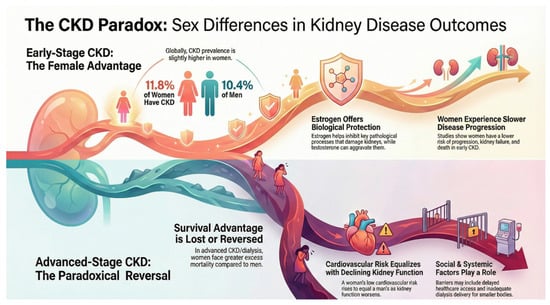
Gender medicine represents a key paradigm for advancing equitable and effective healthcare by systematically integrating sex- and gender-related differences into medical research and clinical practice. Despite regulatory efforts and international guidelines, significant gaps persist in the consideration of sex and gender across medical
[...] Read more.
Gender medicine represents a key paradigm for advancing equitable and effective healthcare by systematically integrating sex- and gender-related differences into medical research and clinical practice. Despite regulatory efforts and international guidelines, significant gaps persist in the consideration of sex and gender across medical disciplines, including nephrology. Biological factors—including genetic, hormonal, and metabolic differences—interact with social, cultural, and environmental determinants to influence chronic kidney disease (CKD) susceptibility, clinical presentation, progression, and response to therapy. Insufficient consideration of sex and gender contributes to persistent disparities in CKD progression, cardiovascular outcomes, access to kidney transplantation, adverse drug reactions, dialysis outcomes, and pregnancy-related kidney complications. This narrative review outlines the historical development of gender medicine and critically appraises its relevance and unresolved challenges in kidney disease, with a focus on sex-specific differences in selected conditions, including autosomal dominant polycystic kidney disease, glomerular diseases, acute kidney injury, and pregnancy-associated kidney disorders. Integrating sex- and gender-informed approaches into nephrology is not merely an ethical requirement but a scientific necessity to improve risk stratification, personalize therapeutic strategies, and promote truly equitable and effective kidney care.
Full article
(This article belongs to the Special Issue Gender Medicine in Kidney Diseases)
►▼
Show Figures

Figure 1
Open AccessReview
Socioeconomic Status and Kidney Disease
by
Raul Mancini, Emanuele Di Simone, Alessio Di Maria, Laura Maria Scichilone, Elisa Gavazzoli, Fina Tedros and Fabio Fabbian
Kidney Dial. 2026, 6(2), 25; https://doi.org/10.3390/kidneydial6020025 - 10 Apr 2026
Abstract
►▼
Show Figures
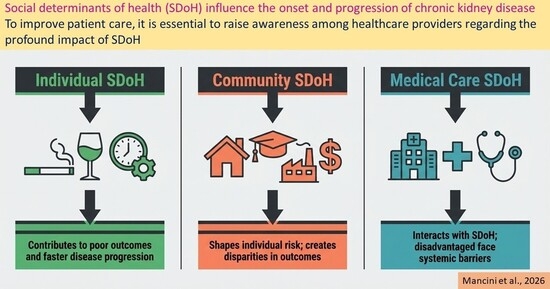
Social determinants of health (SDoH) are non-medical factors shaped by the socioeconomic status of individuals or communities that influence the onset and progression of diseases and affect their outcomes. We have narratively analyzed the most important findings relating chronic kidney disease (CKD) and
[...] Read more.
Social determinants of health (SDoH) are non-medical factors shaped by the socioeconomic status of individuals or communities that influence the onset and progression of diseases and affect their outcomes. We have narratively analyzed the most important findings relating chronic kidney disease (CKD) and SDoH, evaluating the following items: (i) medical care and social determinants of health, (ii) socioeconomic risk for kidney disease at the individual level and (iii) socioeconomic risk for kidney disease at the population level. SDoH can be categorized by how they influence a person’s daily life. Individual factors include personal lifestyle choices such as smoking habits, alcohol consumption, and how a patient spends their non-working time. Community factors include structural elements such as average household income, educational attainment, employment rates, and the quality of the surrounding physical environment. Research consistently shows that a low socioeconomic status is a primary driver of poor clinical outcomes. While healthcare systems vary globally, the negative impact of socioeconomic deprivation on CKD patients remains a constant. Disadvantaged patients experience a faster loss of renal function, and there is a significantly higher incidence of cardiovascular events and mortality compared to those with financial stability. Financial hardship often leads to a “double burden,” where the struggle to afford care triggers a decline in both physical health and mental well-being. To improve patient care, it is essential to raise awareness among healthcare providers regarding the profound impact of these social factors. More precise data and thorough research are needed to fully understand these associations and develop targeted interventions.
Full article

Graphical abstract
Open AccessReview
A Multidimensional Nursing Framework for Managing Chronic Kidney Disease-Associated Pruritus (CKD-aP): A Comprehensive Narrative Review
by
Stefano Mancin, Gaetano Ferrara, Diego Lopane, Vittorio Di Maso, Alessandro Pizzo, Giovanni Cangelosi, Gabriele Caggianelli, Alessandro Stievano, Adriano Friganović, Ilaria de Barbieri, Sara Morales Palomares, Marco Sguanci and on behalf of the Italian Society of Nephrology Nurse (SIAN) Research Group
Kidney Dial. 2026, 6(2), 24; https://doi.org/10.3390/kidneydial6020024 - 8 Apr 2026
Abstract
►▼
Show Figures
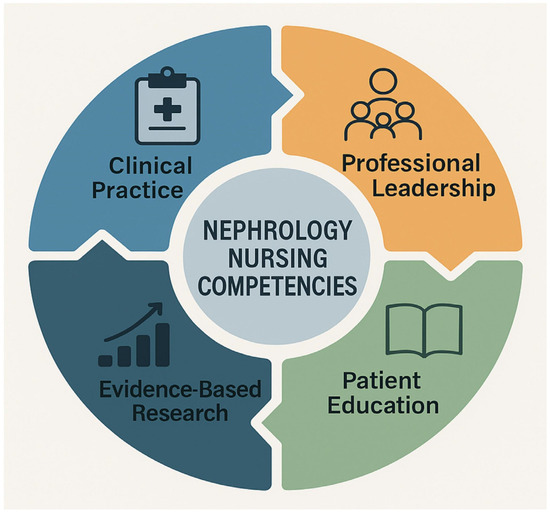
Background: Chronic Kidney Disease-associated Pruritus (CKD-aP) is a frequent, debilitating, and often underestimated symptom in clinical practice, with significant impacts on quality of life, sleep, mental health, and therapeutic adherence. This study aimed to develop a structured, person-centered nursing care overview for the
[...] Read more.
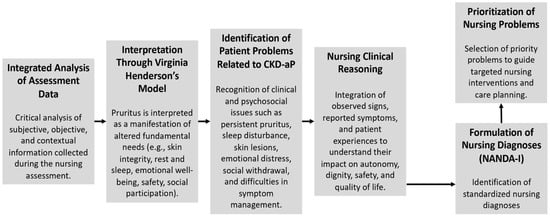
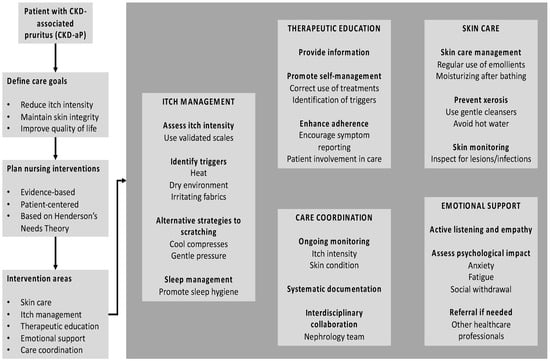
Background: Chronic Kidney Disease-associated Pruritus (CKD-aP) is a frequent, debilitating, and often underestimated symptom in clinical practice, with significant impacts on quality of life, sleep, mental health, and therapeutic adherence. This study aimed to develop a structured, person-centered nursing care overview for the management of CKD-aP. Methods: A comprehensive narrative review of the recent scientific literature on CKD-aP was conducted, adapting the conceptual domains of the European Specialist Nurses Organisation (ESNO) Common Training Framework (CTF) to nephrology nursing practice. The theoretical model guiding the work was Virginia Henderson’s paradigm, selected for its consistency with care models focused on promoting independence and meeting fundamental human needs. The study would answer the main research question “Which nursing evidence, tools, and strategies can support integrated, patient-centered management of CKD-aP?”. Results: A structured nursing care process was developed, articulated in sequential phases (assessment, problem definition, planning, intervention, and re-evaluation), visually represented in an operational flowchart and supported by validated clinical tools. The model emphasizes the nurse’s role in the multidimensional management of the symptom, incorporating educational, relational, therapeutic, and coordination-focused interventions. Conclusions: This proposal contributes to nephrology nursing practice by providing a theoretical and practical framework to standardize the management of CKD-aP. It promotes a holistic, evidence-based approach tailored to individual care needs, establishing a foundation for future clinical, educational, and research developments.
Full article

Figure 1
Open AccessArticle
Influence of Hypothermic Machine Perfusion on Markers of Oxidative Stress and Early Tubular Injury in Rat Donor Kidneys Before Transplantation
by
Caleb LeGrand, Dinesh Bhattarai, Amod Sharma, Madison K McGraw, Neriman Gokden, Lee Ann MacMillan-Crow and Nirmala Parajuli
Kidney Dial. 2026, 6(2), 23; https://doi.org/10.3390/kidneydial6020023 - 7 Apr 2026
Abstract
►▼
Show Figures
Background: Hypothermic machine perfusion (HMP) has been associated with reduced delayed graft function compared with static cold storage (SCS). However, the molecular mechanisms underlying these differences during cold preservation remain incompletely understood. This study compared cold-storage-related biochemical and histological changes in kidneys preserved
[...] Read more.
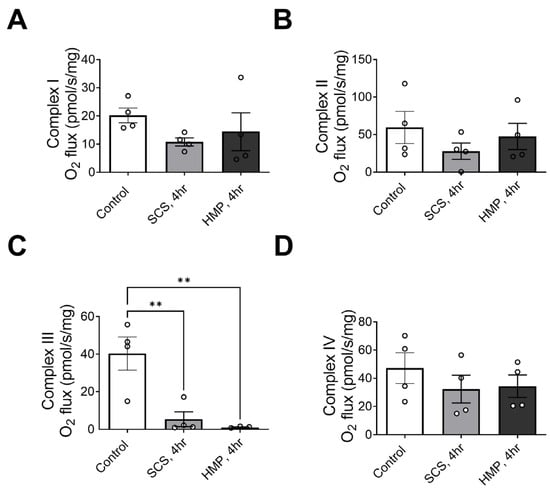
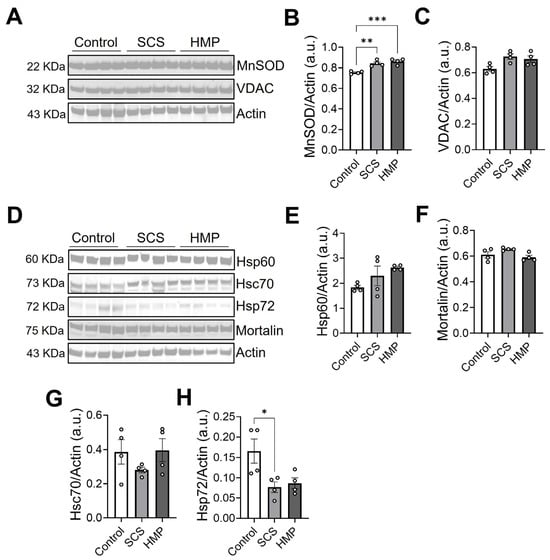
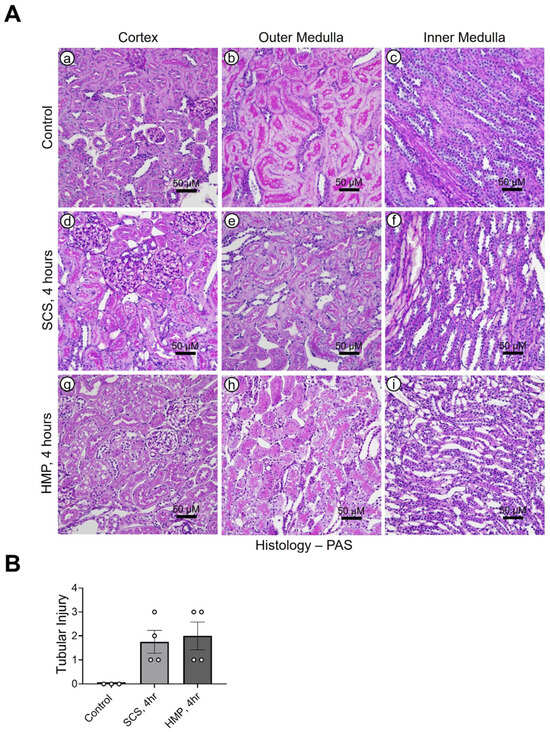
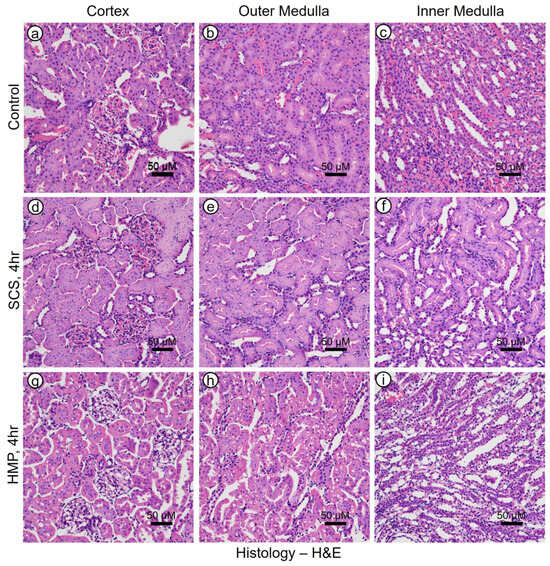
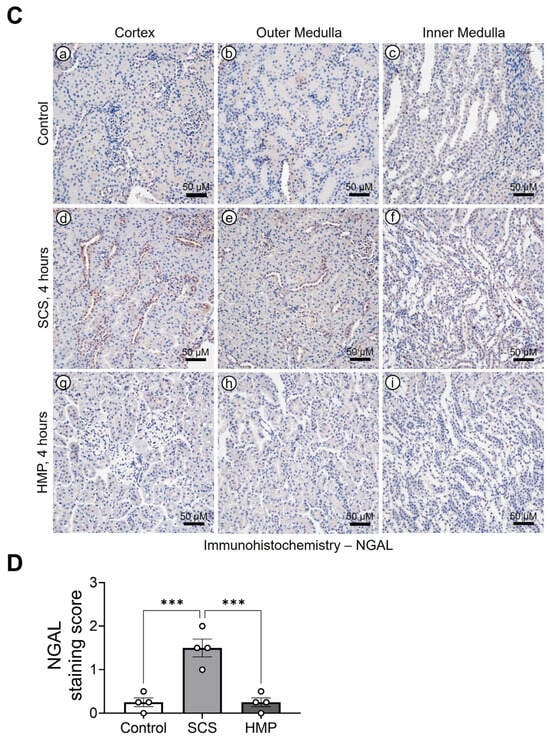
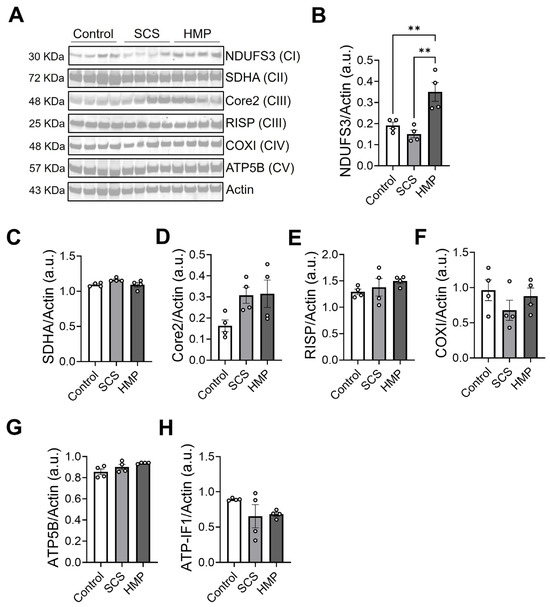
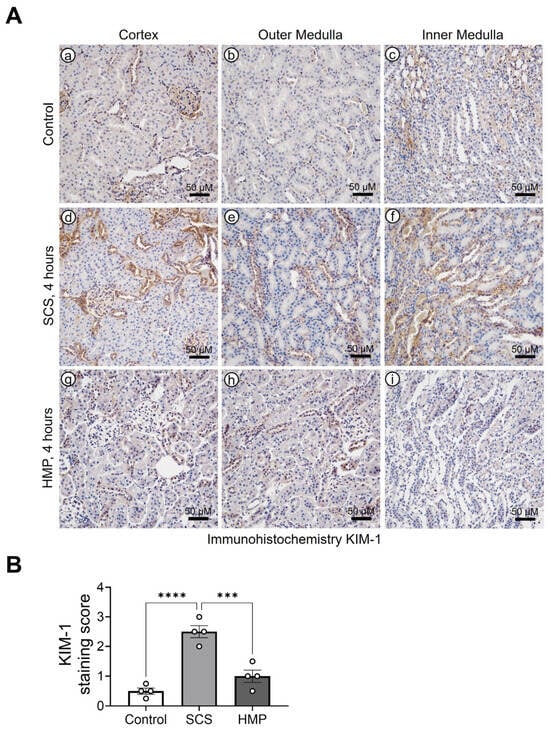
Background: Hypothermic machine perfusion (HMP) has been associated with reduced delayed graft function compared with static cold storage (SCS). However, the molecular mechanisms underlying these differences during cold preservation remain incompletely understood. This study compared cold-storage-related biochemical and histological changes in kidneys preserved by HMP versus SCS using a Lewis rat model prior to transplantation. Methods: Following isolation, rat kidneys were flushed with cold saline (4 °C). Left kidneys were preserved by HMP at constant flow using Belzer’s machine perfusion solution (MPS) at 4 °C, while right kidneys were stored using SCS in University of Wisconsin solution at 4 °C. After four hours of preservation, kidneys were processed for biochemical and histological analysis. Fresh biopsies were evaluated for mitochondrial complex respiration. Western blotting was performed to assess expression of NDUFS3, a complex I subunit. Histological staining for nitrotyrosine and kidney injury markers was compared across groups. Results: Mitochondrial complex respiration did not differ significantly between the SCS and HMP groups. Western blot analysis demonstrated significantly increased NDUFS3 expression in HMP-preserved kidneys compared with SCS and control kidneys. Histological evaluation revealed elevated tubular staining of nitrotyrosine and kidney injury markers in SCS kidneys relative to controls, whereas HMP preservation markedly attenuated these increases. Conclusions: HMP mitigates cold-storage-induced oxidative stress and reduces expression of kidney injury markers after four hours of preservation. These molecular findings suggest a protective effect of HMP during cold preservation. Future studies with longer preservation times and transplantation models are needed to determine whether these improvements translate into enhanced post-transplant kidney function.
Full article

Figure 1
Open AccessReview
Role of Bioimpedance Spectroscopy, Lung Ultrasound, and Inferior Vena Cava Diameter in Assessing Dry Weight in Hemodialysis Patients: A Narrative Review
by
Ajith M. Nayak, Attur Ravindra Prabhu, Indu Ramachandra Rao, Mohan V. Bhojaraja, Dharshan Rangaswamy, Srinivas Vinayak Shenoy, Shwetha Prabhu, Bharathi Naik and Shankar Prasad Nagaraju
Kidney Dial. 2026, 6(2), 22; https://doi.org/10.3390/kidneydial6020022 - 1 Apr 2026
Abstract
Accurate dry weight assessment is crucial for hemodialysis (HD) fluid management, yet traditional clinical methods often lack precision. A significant scientific gap exists in the availability of a standardized multimodal framework for integrating objective tools, leaving clinicians without clear guidance on combining results
[...] Read more.
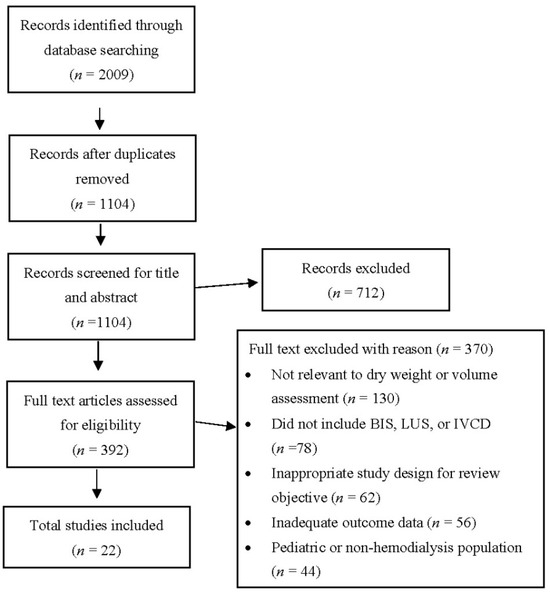
Accurate dry weight assessment is crucial for hemodialysis (HD) fluid management, yet traditional clinical methods often lack precision. A significant scientific gap exists in the availability of a standardized multimodal framework for integrating objective tools, leaving clinicians without clear guidance on combining results from multiple devices. To address this gap, this narrative review provides a qualitative clinical synthesis of bioimpedance spectroscopy (BIS), lung ultrasound (LUS), and inferior vena cava diameter (IVCD). A structured literature search was conducted across PubMed, Scopus, and CINAHL for English-language studies published between 2012 and 2024. Studies focusing on dry weight assessment using these tools in adult HD patients were included, and findings from 22 core studies were synthesized narratively. BIS and LUS are valuable tools for identifying fluid overload. BIS assesses systemic fluid distribution across compartments, whereas LUS allows non-invasive detection of extravascular lung water. In contrast, IVCD primarily reflects intravascular volume status. While the integrated use of these tools shows potential clinical utility, individual methods, particularly IVCD, require further validation owing to interpatient variability. A multimodal approach that integrates these objective methods with clinical judgment offers a comprehensive evaluation of dry weight. Integrating these assessment strategies may improve outcomes and decision-making in nephrology care.
Full article
(This article belongs to the Special Issue Research Advances in Blood Purification: New Techniques, Drugs and Indications)
►▼
Show Figures

Figure 1
Open AccessCase Report
Familial Mediterranean Fever Associated with Anti-PLA2R-Positive Membranous Nephropathy: A Case-Based Review
by
Gabriel Ștefan, Nicoleta Petre and Simona Stancu
Kidney Dial. 2026, 6(1), 21; https://doi.org/10.3390/kidneydial6010021 - 18 Mar 2026
Abstract
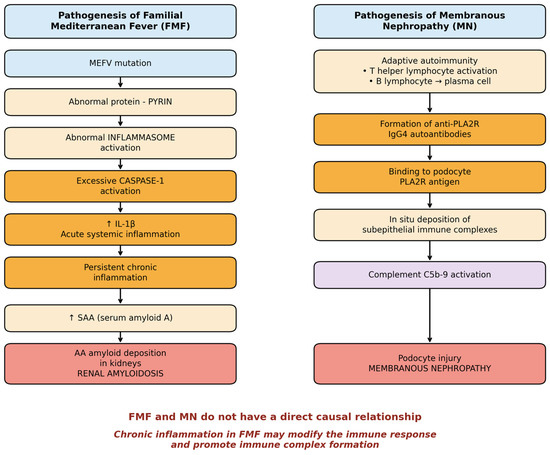
Familial Mediterranean fever (FMF) is a monogenic autoinflammatory disease in which renal involvement is a major determinant of prognosis and is classically dominated by amyloid A (AA) amyloidosis. Non-amyloid renal manifestations are uncommon and poorly characterized. We report a case of clinically overt
[...] Read more.
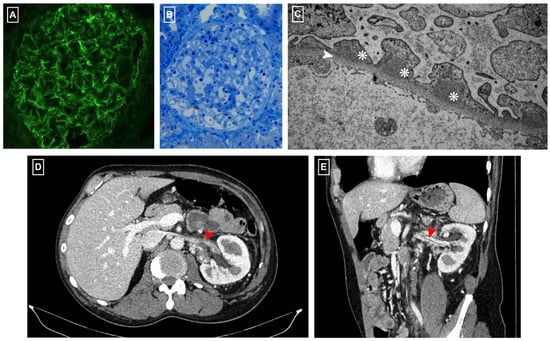
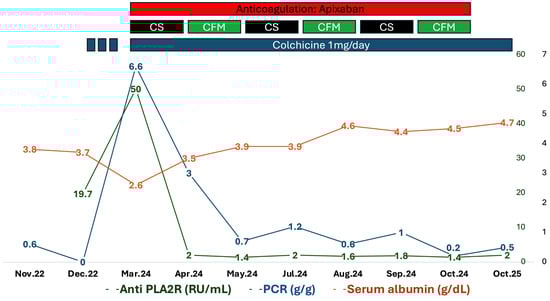
Familial Mediterranean fever (FMF) is a monogenic autoinflammatory disease in which renal involvement is a major determinant of prognosis and is classically dominated by amyloid A (AA) amyloidosis. Non-amyloid renal manifestations are uncommon and poorly characterized. We report a case of clinically overt FMF associated with anti-phospholipase A2 receptor (PLA2R) antibody-positive membranous nephropathy (MN). A 46-year-old man with recurrent febrile episodes fulfilling Tel Hashomer criteria for FMF developed progressive proteinuria with detectable anti-PLA2R antibodies. Genetic testing identified a heterozygous missense MEFV variant in exon 10 (p.Lys695Arg), a mutation with variable penetrance and conflicting pathogenic classification. Kidney biopsy demonstrated PLA2R-positive MN, excluding amyloidosis. After initial conservative management, the patient progressed to nephrotic syndrome complicated by renal vein thrombosis, requiring immunosuppressive therapy according to the Ponticelli regimen in addition to colchicine and anticoagulation, resulting in clinical and immunological remission. In parallel, we performed a systematic review of the literature, identifying only isolated reports of biopsy-proven MN in FMF patients. This case highlights the diagnostic importance of kidney biopsy in FMF patients with proteinuria and illustrates that immune-mediated glomerular disease may occur even in association with non-founder or variably penetrant MEFV mutations, requiring disease-specific management beyond standard autoinflammatory control.
Full article
(This article belongs to the Collection Teaching Cases in Nephrology, Dialysis and Transplantation)
►▼
Show Figures

Figure 1
Open AccessArticle
Glucocorticoid-Related Adverse Events in ANCA-Associated Vasculitis
by
David Plappert, Nico Schmid, Severin Schricker, Leonie Kraft, Markus Ketteler, Jörg Latus and Moritz Schanz
Kidney Dial. 2026, 6(1), 20; https://doi.org/10.3390/kidneydial6010020 - 18 Mar 2026
Abstract
►▼
Show Figures
Introduction: Glucocorticoid (GC)-sparing treatment strategies, such as the C5a receptor antagonist avacopan, could potentially replace the need for long-term GC therapy in ANCA-associated vasculitis (AAV). Therefore, an assessment of GC-related morbidity is required to provide justification for such therapies. The aim of this
[...] Read more.
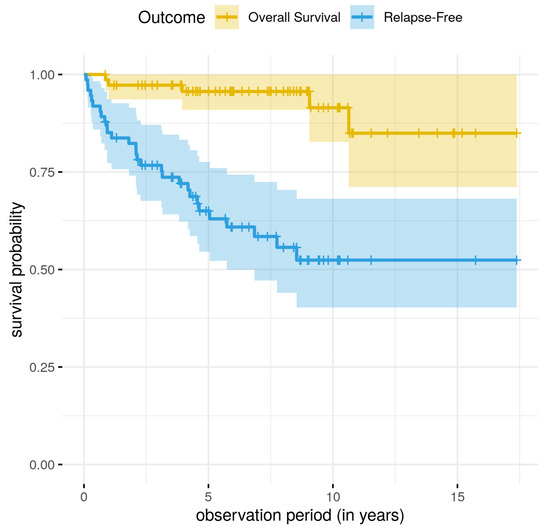
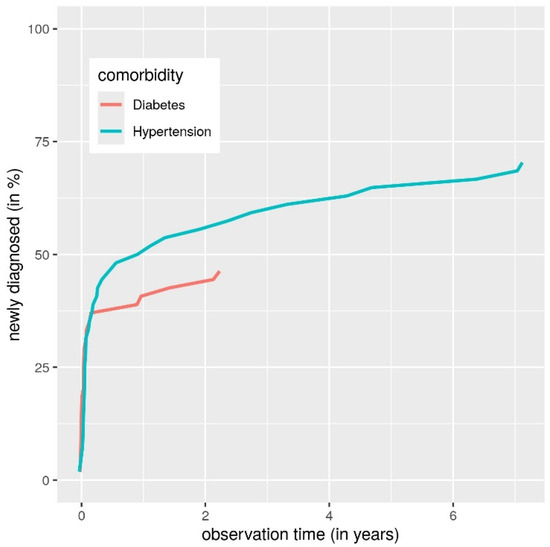
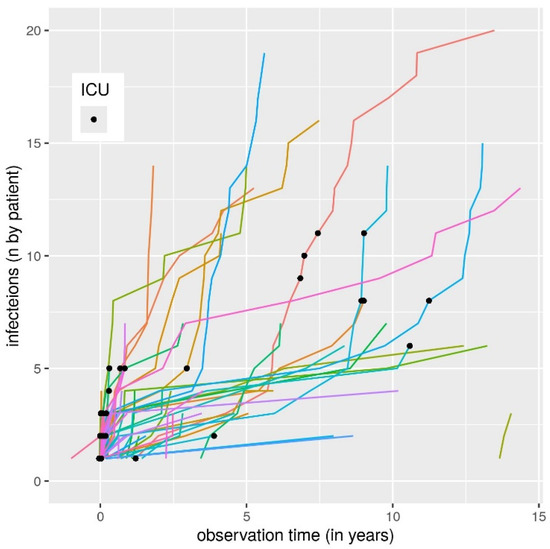
Introduction: Glucocorticoid (GC)-sparing treatment strategies, such as the C5a receptor antagonist avacopan, could potentially replace the need for long-term GC therapy in ANCA-associated vasculitis (AAV). Therefore, an assessment of GC-related morbidity is required to provide justification for such therapies. The aim of this study was to assess the incidence and management of common GC-related adverse events. Methods: In this single-center cohort study, medical records were screened for patients with a diagnosis of AAV admitted to the Robert Bosch Hospital (RBK) in Stuttgart, Germany. A total of 74 patients admitted for treatment of AAV between 2004 and 2023 were included. We assessed the dosage and duration of GC therapy used to treat AAV, as well as the incidence of new-onset and worsening arterial hypertension and diabetes mellitus, using over 150,000 individual medication time points for calculation of GC therapy. Additionally, incidence of infections and fractures was recorded. Results: Including relapses, 127 vasculitis events were observed during a median follow-up time of 8.3 years (IQR 5.3–10.6). Median duration of glucocorticoid therapy was 2.9 years (IQR 1.3–5.8). Regarding adverse events, 15 patients (20%) developed new-onset diabetes mellitus and a significantly higher cumulative GC dose was observed in patients requiring insulin therapy compared with those on oral antidiabetics (p = 0.02). Furthermore, 38 (51%) patients were diagnosed with new-onset arterial hypertension. Patients requiring escalation of antihypertensive therapy had significantly higher cumulative GC dose after a vasculitis event (p = 0.0001). A total of 325 infectious events occurred across 69 patients (93%) during follow-up, mostly requiring (85%; n = 277) hospital admission. Cumulative GC dose was significantly higher in patients with documented infections (p = 0.002). Conclusions: GC-related adverse events are common in patients with AAV. This study provides evidence on the incidence of presumably treatment-related harms in AAV and further promotes the importance of reduced-dose or even GC-free treatment approaches.
Full article
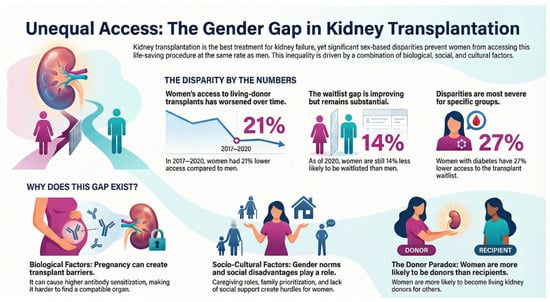
Figure 1
Open AccessSystematic Review
Sodium Zirconium Cyclosilicate in the Therapeutic Management of Hyperkalemia: A Systematic Review of Efficacy and Safety
by
Esteban Zavaleta-Monestel, José Andrés Castro-Gamboa, Luis Guillermo Herrera-Jiménez, Sebastián Arguedas-Chacón, Jeaustin Mora-Jiménez, Kevin Cruz-Mora, Sofía Granados-Romero and José Miguel Chaverri-Fernandez
Kidney Dial. 2026, 6(1), 19; https://doi.org/10.3390/kidneydial6010019 - 13 Mar 2026
Abstract
►▼
Show Figures
Objective: The objective of this study is to evaluate the efficacy and safety of sodium zirconium cyclosilicate in the treatment of hyperkalemia in adult patients based on the available scientific evidence. Methods: A systematic review of randomized controlled trials evaluating SZC
[...] Read more.
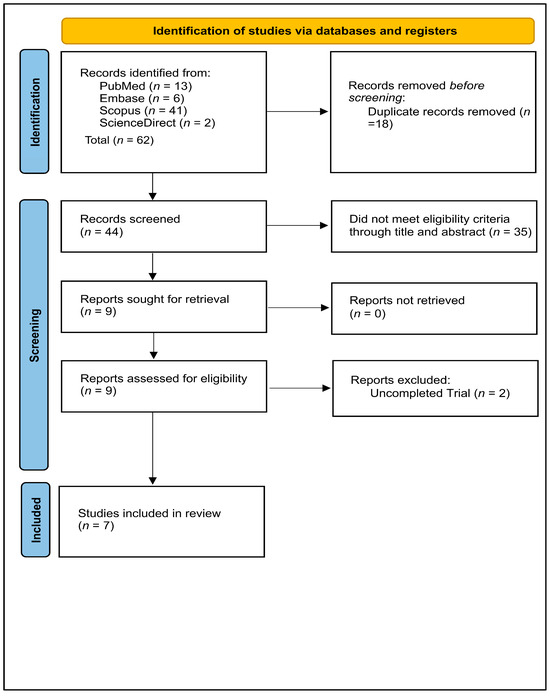
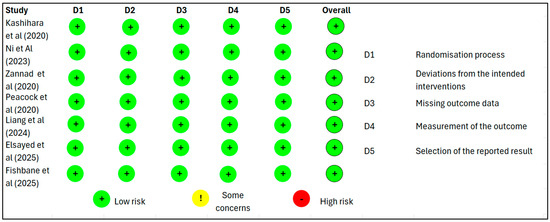
Objective: The objective of this study is to evaluate the efficacy and safety of sodium zirconium cyclosilicate in the treatment of hyperkalemia in adult patients based on the available scientific evidence. Methods: A systematic review of randomized controlled trials evaluating SZC in adult patients with hyperkalemia was conducted, including populations with chronic kidney disease and heart failure and patients undergoing hemodialysis. Outcomes assessed included serum potassium reduction, achievement and maintenance of normokalaemia, and adverse events. Results: Seven randomized controlled trials were included. SZC produced a rapid and significant reduction in serum potassium, with reductions of up to 1.28 mmol/L within 48 h and onset of action observed as early as 1–4 h. Across studies, 63–92% of patients achieved normokalaemia within 24–48 h, and maintenance therapy sustained normokalaemia for up to 28 days and longer in selected populations. The most frequently reported adverse events were mild-to-moderate edema and constipation, while hypokalemia was infrequent (<5% in most studies). Conclusions: Sodium zirconium cyclosilicate is an effective and generally well-tolerated option for the management of hyperkalemia, providing rapid potassium reduction and sustained normokalaemia. However, no randomized controlled trial included in this review demonstrated a significant benefit of SZC over comparators in major clinical outcomes—hospitalizations, cardiovascular events, or mortality; the evidence of clinical benefit is therefore absent from the current randomized trial literature.
Full article

Figure 1
Open AccessReview
Clinical Outcomes and Pathogen-Based Prognostic Stratification in Rare Peritoneal Dialysis-Related Infections: A Pooled Narrative Synthesis of Author-Derived Literature
by
John Dotis, Charalampos Antachopoulos, Athina Papadopoulou and Nikoleta Printza
Kidney Dial. 2026, 6(1), 18; https://doi.org/10.3390/kidneydial6010018 - 12 Mar 2026
Abstract
►▼
Show Figures
Peritoneal dialysis (PD)-related infections caused by rare pathogens are heterogeneous and clinically challenging, and available evidence is largely limited to isolated reports that hinder comparative interpretation. We conducted a controlled pooled narrative synthesis with exploratory comparative analyses of previously published, author-derived literature, designed
[...] Read more.
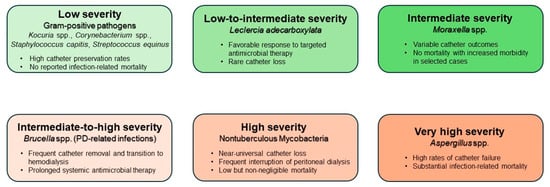
Peritoneal dialysis (PD)-related infections caused by rare pathogens are heterogeneous and clinically challenging, and available evidence is largely limited to isolated reports that hinder comparative interpretation. We conducted a controlled pooled narrative synthesis with exploratory comparative analyses of previously published, author-derived literature, designed to compare clinical outcomes across rare pathogen groups using a consistent analytical framework rather than a systematic review or meta-analysis. Infectious episodes were categorized into four groups: Gram-positive bacteria, Gram-negative bacteria, nontuberculous Mycobacteria (NTM) and fungal pathogens (Aspergillus spp.). Primary outcomes were catheter removal and infection-related mortality, while secondary outcomes were analyzed descriptively. In total, 135 infectious episodes were included (17 Gram-positive, 39 Gram-negative, 25 NTM and 55 Aspergillus). Catheter removal occurred in 11.8% of Gram-positive, 12.8% of Gram-negative, 95.8% of NTM and 85.5% of Aspergillus infections, while infection-related mortality was observed only in NTM (4.0%) and Aspergillus infections (38.2%). Exploratory comparisons suggested a gradient of severity across pathogen categories. In conclusion, rare PD pathogens show distinct, pathogen-specific outcome patterns. Rather than a validated prognostic model, we propose descriptive, hypothesis-generating pathogen-based severity tiers that may support early risk appraisal, guide timely decisions regarding catheter salvage versus early removal, and facilitate more tailored, pathogen-informed management in high-risk infections.
Full article
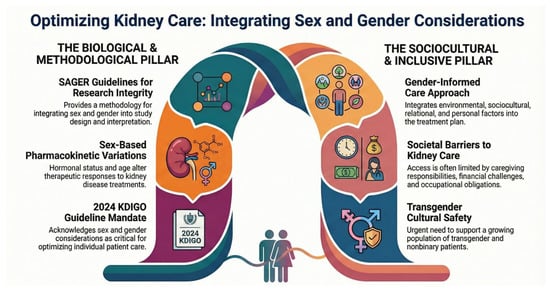
Figure 1
Open AccessArticle
The Impact of Body Mass Index on Treatment Outcomes in Patients on Peritoneal Dialysis: A 48-Month Follow-Up Study
by
Tatjana Damjanović, Nada Dimković, Aleksandar Jankovic, Ana Bulatović, Jelena Bjedov, Bojan Stopic and Radomir Naumović
Kidney Dial. 2026, 6(1), 17; https://doi.org/10.3390/kidneydial6010017 - 10 Mar 2026
Abstract
►▼
Show Figures
Background: Obesity has reached epidemic proportions and represents a challenge in selecting the optimal renal replacement therapy for patients with end-stage renal disease (ESRD). This study aimed to evaluate the outcomes of peritoneal dialysis (PD) patients according to baseline body mass index (BMI)
[...] Read more.
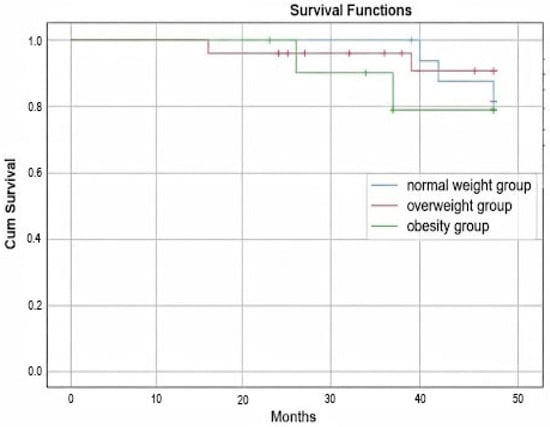
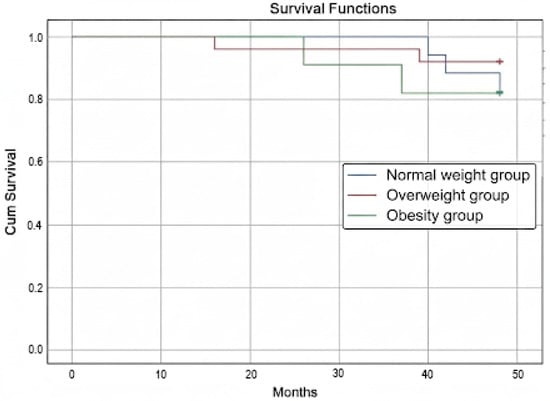
Background: Obesity has reached epidemic proportions and represents a challenge in selecting the optimal renal replacement therapy for patients with end-stage renal disease (ESRD). This study aimed to evaluate the outcomes of peritoneal dialysis (PD) patients according to baseline body mass index (BMI) and to assess the impact of BMI changes during follow-up on PD-related complications and patient outcomes. Methods: This retrospective, single-center study included 53 incident PD patients treated between June 2006 and August 2015. Based on baseline BMI, patients were classified as normal weight (18.5–24.9 kg/m2; n = 17), overweight (25.0–29.9 kg/m2; n = 25), or obese (≥30.0 kg/m2; n = 11). PD adequacy, mechanical and infectious complications, technique survival, and patient survival were assessed over a 48-month follow-up. The effect of BMI changes during follow-up was also analyzed. Results: At PD initiation, total weekly Kt/V was significantly lower in the obese compared with the normal-weight patients (2.0 ± 0.4 vs. 2.3 ± 0.5; p = 0.038), although values remained within the ISPD targets. The normal-weight patients had lower urine output compared with the overweight patients (p = 0.038). Exit-site infections were the most frequent, whereas peritonitis incidence was the lowest in the obese patients, without statistically significant differences. The obese patients demonstrated poorer technique survival and overall survival, again without statistical significance. Mean BMI change after one year was 1.65 ± 2.08 kg/m2, and after 4 years, it was 2.07 ± 3.18 kg/m2. The BMI change was not associated with complications or survival. Conclusions: No significant association during the 48-month follow-up period was observed between baseline nutritional status or weight gain assessed by body mass index and adverse peritoneal dialysis outcomes; therefore, overweight and obese patients can achieve adequate PD performance and may defer or avoid transition to hemodialysis.
Full article
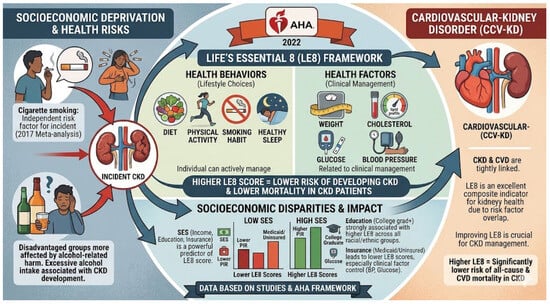
Figure 1
Open AccessReview
Assessment of Muscle Mass and Diagnosis of Sarcopenia in Peritoneal Dialysis Patients
by
Lixing Xu, Jack Kit-Chung Ng, Winston Wing-Shing Fung, Gordon Chun-Kau Chan, Kai-Ming Chow and Cheuk-Chun Szeto
Kidney Dial. 2026, 6(1), 16; https://doi.org/10.3390/kidneydial6010016 - 6 Mar 2026
Abstract
►▼
Show Figures
Sarcopenia is characterized by the progressive loss of muscle mass and function, and it represents a significant and prevalent condition in patients undergoing peritoneal dialysis (PD). However, limited research has been conducted to document techniques for the early detection of sarcopenia in adult
[...] Read more.
Sarcopenia is characterized by the progressive loss of muscle mass and function, and it represents a significant and prevalent condition in patients undergoing peritoneal dialysis (PD). However, limited research has been conducted to document techniques for the early detection of sarcopenia in adult PD patients. This review addresses the pathophysiology, prognostic implications, and various assessment techniques for sarcopenia, including creatinine kinetics, anthropometry, imaging techniques (computed tomography, magnetic resonance imaging, and ultrasound sonography), bioimpedance spectrometry, and the modified creatinine index. Each of these techniques presents unique strengths and limitations, necessitating careful consideration of the most appropriate assessment method based on specific clinical conditions. By synthesizing current knowledge, this review aims to evaluate the strengths and limitations of available muscle-assessment techniques and assist in the development of improved diagnostic strategies for sarcopenic adult PD patients.
Full article
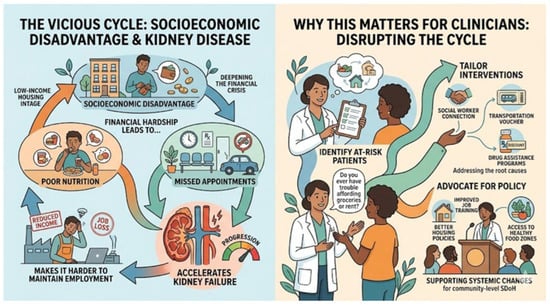
Figure 1
Open AccessArticle
Renal Ultrasound Findings and Estimated Glomerular Filtration Rate (eGFR): A Cross-Sectional Observational Study
by
Iacopo Daturi, Ciro Esposito, Emanuela Efficace, Giuseppe Sileno, Marta Arazzi, Marco Colucci, Gabriella Adamo, Luca Semeraro, Paola Baiardi, Federico Fassio, Fabrizio Grosjean and Vittoria Esposito
Kidney Dial. 2026, 6(1), 15; https://doi.org/10.3390/kidneydial6010015 - 5 Mar 2026
Abstract
►▼
Show Figures
Background: Ultrasound (US) imaging is widely used in Nephrology for the non-invasive assessment of renal morphology and perfusion. This study investigates correlations between sonographic parameters and renal function measured as estimated glomerular filtration rate (eGFR). Methods: This single-center prospective cross-sectional study enrolled 130
[...] Read more.
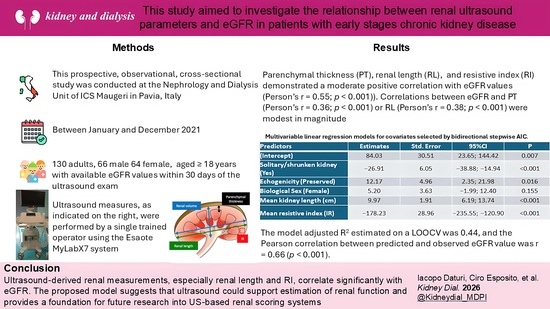
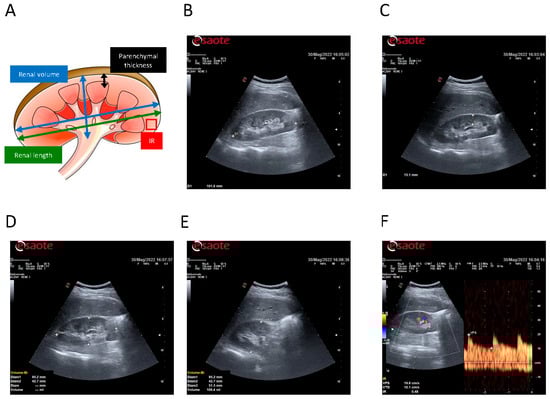
Background: Ultrasound (US) imaging is widely used in Nephrology for the non-invasive assessment of renal morphology and perfusion. This study investigates correlations between sonographic parameters and renal function measured as estimated glomerular filtration rate (eGFR). Methods: This single-center prospective cross-sectional study enrolled 130 patients undergoing renal ultrasound. Parameters included renal length, parenchymal thickness, cortical–medullary differentiation, renal volume, and intrarenal resistive index (IR). eGFR was calculated using the CKD-EPI formula. Statistical analysis assessed correlations and developed a multivariable predictive model. Results: Renal length and parenchymal thickness correlated positively with eGFR (r = 0.381 and 0.364, p < 0.001), while IR correlated negatively (r = −0.549, p < 0.001). Multivariate regression identified sex, renal length, IR, cortical–medullary differentiation, and solitary/shrunken kidney as significant predictors of eGFR. The final model showed a predictive correlation coefficient of r = 0.6632. Specific ultrasound parameters, particularly renal length and IR, show significant correlation with eGFR. Conclusions: A predictive model incorporating these factors may assist in estimating renal function non-invasively.
Full article

Graphical abstract
Open AccessArticle
Neutrophil Gelatinase-Associated Lipocalin as a Useful Modality in Early Acute Kidney Injury Detection Amongst Low-Birth-Weight Neonates
by
Tetty Yuniati, Fiva Aprilia Kadi, Aris Primadi, Dwi Oktari Erfanti, Johanes Edy Siswanto and Ahmedz Widiasta
Kidney Dial. 2026, 6(1), 14; https://doi.org/10.3390/kidneydial6010014 - 25 Feb 2026
Abstract
►▼
Show Figures
Background: Chronic kidney disease (CKD) and hypertension in adolescence and young adulthood are predisposing factors for cardiovascular and neurological diseases later in life. Serum creatinine levels have been routinely used as a daily practice modality for detecting acute kidney injury (AKI) in patients
[...] Read more.
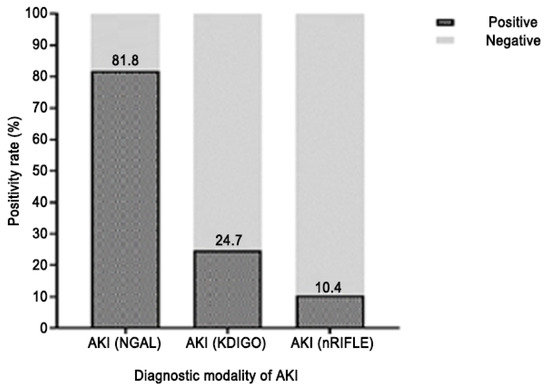
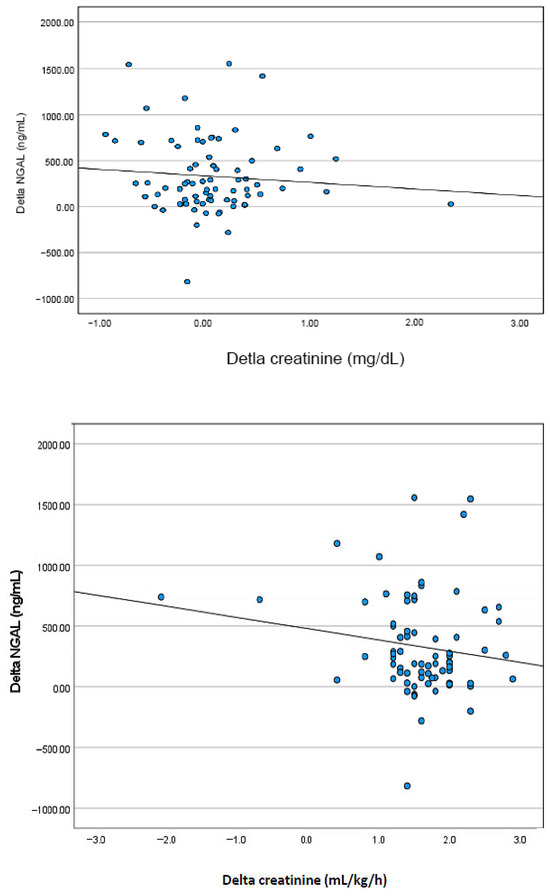
Background: Chronic kidney disease (CKD) and hypertension in adolescence and young adulthood are predisposing factors for cardiovascular and neurological diseases later in life. Serum creatinine levels have been routinely used as a daily practice modality for detecting acute kidney injury (AKI) in patients of all ages, but unfortunately have some limitations, such as their delayed increase during AKI events. An earlier biomarker is needed to detect AKI, notably in the neonatal period. In the present study, we aimed to determine whether neutrophil gelatinase-associated lipocalin (NGAL) could be used as a modality in detecting AKI, not only in children and adults, but also in neonates. Methods: We conducted a prospective-cohort study on preterm neonates with a gestational age of 28–34 weeks at Hasan Sadikin General Hospital, Bandung, and performed serum NGAL and creatinine measurements. Spearman’s rank correlation was used to determine the association between serum NGAL levels and AKI during the first 48 h in these neonates. Serum NGAL was measured using the Elabscience® Human NGAL ELISA kit; NGAL positivity was defined as serum NGAL > 150 ng/mL for exploratory classification. Results: Serum NGAL measurement showed a better positivity rate in detecting early AKI in neonates than creatinine (KDIGO and nRIFLE), with values of 81.8, 24.7, and 10.4, respectively. Conclusions: NGAL can be used as a modality for detecting AKI earlier in neonates.
Full article
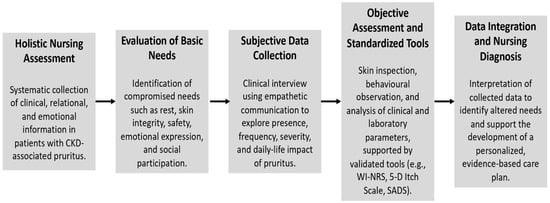
Figure 1
Open AccessReview
Intracranial Aneurysms in Autosomal Dominant Polycystic Kidney Disease: Current State of Practice
by
Sonja Golubović, Vladimir Veselinov, Vladimir Đurović, Nikola Glogonjac, Marko Despotović and Jagoš Golubović
Kidney Dial. 2026, 6(1), 13; https://doi.org/10.3390/kidneydial6010013 - 21 Feb 2026
Abstract
►▼
Show Figures
Autosomal dominant polycystic kidney disease (ADPKD) is a genetic disorder primarily known for progressive kidney cysts, and it is the most common hereditary syndrome linked to intracranial aneurysms (IAs). Approximately 5–20% of ADPKD patients have IAs (versus ~3% in the general population). Key
[...] Read more.
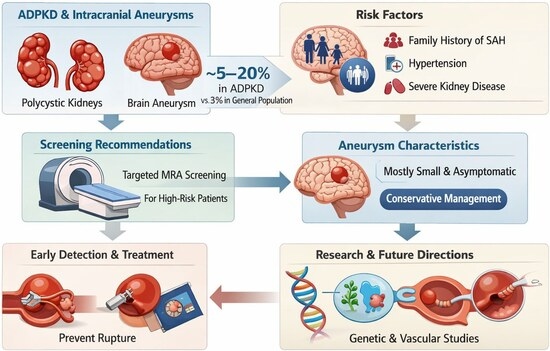
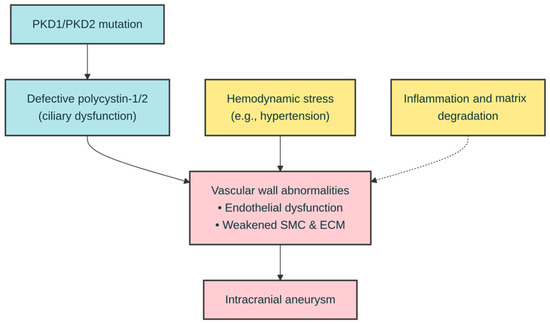
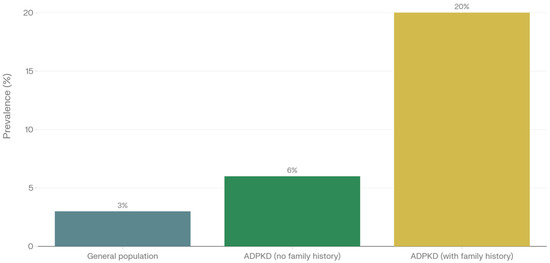
Autosomal dominant polycystic kidney disease (ADPKD) is a genetic disorder primarily known for progressive kidney cysts, and it is the most common hereditary syndrome linked to intracranial aneurysms (IAs). Approximately 5–20% of ADPKD patients have IAs (versus ~3% in the general population). Key risk factors for IAs in ADPKD include a family history of aneurysmal subarachnoid hemorrhage (SAH), early-onset or poorly controlled hypertension, and possibly more severe kidney disease (e.g., large total kidney volume and reduced kidney function). The PKD1 and PKD2 mutations in ADPKD lead to polycystin-1/-2 dysfunction in vascular cells, causing intrinsic vessel wall weakness. This weakness—compounded by chronic hemodynamic stress and inflammation—predisposes ADPKD patients to aneurysm formation. Clinically, most aneurysms in ADPKD are small (<7 mm), asymptomatic, and located in the anterior cerebral circulation. Their growth and rupture risk appears similar to aneurysms in non-ADPKD patients; however, ruptures in ADPKD occur at younger ages, underscoring the need for vigilant management. This narrative review provides a nephrology-oriented overview of intracranial aneurysms in ADPKD, including pathophysiology, epidemiology, and clinical management. Key Messages: -ADPKD carries a higher prevalence of intracranial aneurysms (≈5–20%) than the general population (≈3%). Key risk factors include a family history of aneurysm/SAH, early or poorly controlled hypertension, and possibly advanced renal disease. -Guidelines support targeted rather than universal screening, mainly in patients with family history or prior SAH. -Non-contrast MRA is the preferred modality, usually initiated around age 30 in at-risk individuals. -Most aneurysms are small and asymptomatic; small lesions are monitored with BP control and imaging, while larger or high-risk aneurysms are treated prophylactically. -Broader screening remains debated. Future genetic insights may improve risk stratification, but current practice requires balancing rupture prevention against over screening.
Full article
Graphical abstract
Open AccessArticle
The Increase in Kidney Biopsies in Germany—Potential Risks and Reasons
by
Ludwig Matrisch and Yannick Rau
Kidney Dial. 2026, 6(1), 12; https://doi.org/10.3390/kidneydial6010012 - 17 Feb 2026
Abstract
►▼
Show Figures
Background: Kidney biopsy is the diagnostic gold standard for characterizing glomerular disease and other intrarenal pathologies. Despite its clinical importance, epidemiological trends in kidney biopsy incidence remain poorly understood in many developed healthcare systems. This study characterizes temporal and demographic trends in
[...] Read more.
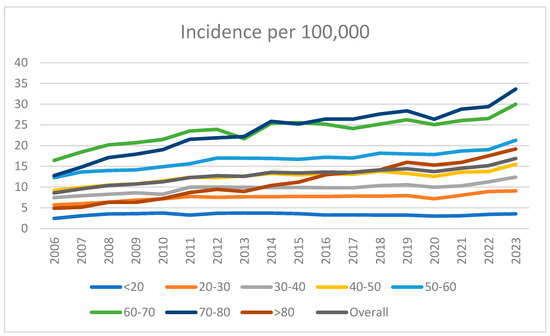
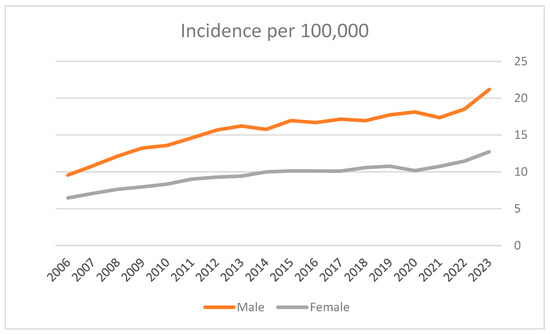
Background: Kidney biopsy is the diagnostic gold standard for characterizing glomerular disease and other intrarenal pathologies. Despite its clinical importance, epidemiological trends in kidney biopsy incidence remain poorly understood in many developed healthcare systems. This study characterizes temporal and demographic trends in kidney biopsy utilization in Germany between 2006 and 2023, providing crucial data for resource allocation in renal pathology services. Methods: Data on all kidney biopsies (OPS code 1-465.0) performed in German hospitals were extracted from the Federal Statistical Office database and stratified by age and sex. Population denominators were obtained from national census data. Incidence rates per 100,000 inhabitants per year were calculated, and temporal trends were analyzed using Poisson regression with year as a continuous predictor variable. Separate models were fitted for overall population incidence, age-stratified incidence, and sex-stratified incidence. Results: The incidence of kidney biopsies increased 96.6% over 18 years, from 8.59 per 100,000 inhabitants in 2006 to 16.89 per 100,000 in 2023 (IRR: 1.0296 per year, 95% CI: 1.0287–1.0305; p < 0.0001). Age-stratified analysis revealed pronounced heterogeneity, with the oldest patients (>80 years) experiencing the steepest increase of 7.74% annually, while the youngest age group (<20 years) showed no significant temporal change. Sex-stratified analysis demonstrated similar increases in both males and females (3.36% and 3.04% annually, respectively). Conclusion: The substantial increase in kidney biopsy utilization in Germany over nearly two decades mirrors international patterns and suggests a global shift toward more liberal biopsy utilization in aging populations. Multiple factors likely contributed to this increase, including demographic aging, improved procedural safety and accessibility, evolving diagnostic guidelines, and expanding therapeutic options for glomerular disease. These findings underscore the need for national registry systems to optimize resource allocation for renal pathology and ensure equitable diagnostic access across healthcare systems.
Full article
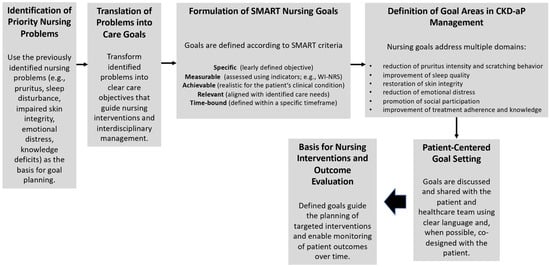
Figure 1
Open AccessOpinion
Dietary Therapy for CKD: Salt Intake Reduction
by
Kunitoshi Iseki
Kidney Dial. 2026, 6(1), 11; https://doi.org/10.3390/kidneydial6010011 - 11 Feb 2026
Abstract
Salt restriction continues to be suggested in current clinical practice guidelines. While it is useful for the management of hypertension, restriction may be too severe and hazardous for chronic kidney disease (CKD) patients, particularly older patients. Habitual salt intake is different in individuals
[...] Read more.
Salt restriction continues to be suggested in current clinical practice guidelines. While it is useful for the management of hypertension, restriction may be too severe and hazardous for chronic kidney disease (CKD) patients, particularly older patients. Habitual salt intake is different in individuals and influenced by socio-economic conditions, CKD stage, primary renal disease, and co-morbid conditions. Currently, team-based care is recommended with adjustments for individuals. Kaizen, i.e., to begin with one small step, is the best strategy to improve the quality of life of CKD patients. Managing salt intake plays an important role in maintaining adequate nutritional status.
Full article
Open AccessArticle
Comparison of Molecule Clearance and Pro-Inflammatory Markers Between High-Flux and Medium Cut-Off Dialyzers (ELISIO™ 21): A Crossover Pilot Study
by
María Paloma Flores-Paloma, Javier Ramírez-Santos, Llenalia Gordillo-García, Paula López-Sánchez, Manuel David Sánchez-Martos, María Eugenia Palacios-Gómez and Francisco Javier González-Martínez
Kidney Dial. 2026, 6(1), 10; https://doi.org/10.3390/kidneydial6010010 - 10 Feb 2026
Abstract
►▼
Show Figures
Background: Chronic kidney disease (CKD) is increasingly prevalent, leading to more patients requiring hemodialysis. Medium cut-off (MCO) membranes, such as the ELISIO™ HX dialyzer, may enhance middle-to-large molecule removal and reduce inflammation compared with conventional high-flux membranes. This study evaluated the efficacy and
[...] Read more.
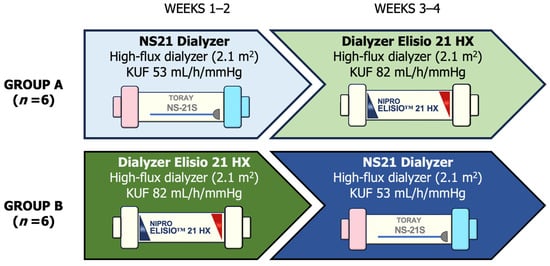
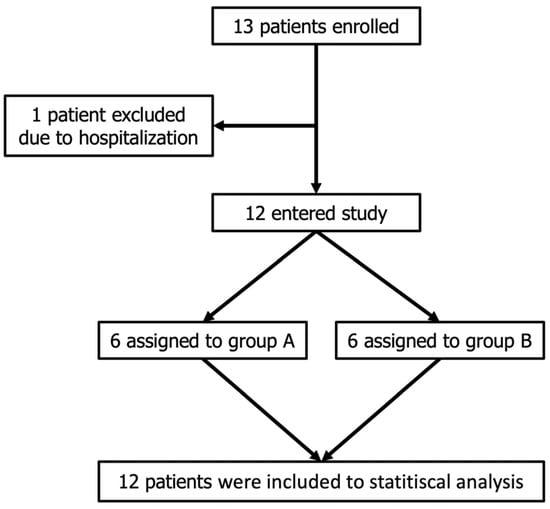
Background: Chronic kidney disease (CKD) is increasingly prevalent, leading to more patients requiring hemodialysis. Medium cut-off (MCO) membranes, such as the ELISIO™ HX dialyzer, may enhance middle-to-large molecule removal and reduce inflammation compared with conventional high-flux membranes. This study evaluated the efficacy and safety of ELISIO™ HX versus a standard high-flux dialyzer (Toraylight NS-21S) in terms of molecular reduction rate and inflammation. Methods: We performed a single-center, prospective, randomized crossover study with 12 hemodialysis patients, each treated with Toraylight NS-21S and ELISIO™ HX over four weeks. Pre- and post-dialysis levels of urea, creatinine, albumin, creatine kinase, phosphorus, parathyroid hormone, C-reactive protein (CRP), procalcitonin, interleukin 6 (IL-6), and β2-microglobulin were measured. Pre–post differences were assessed using dialyzer analysis, period-effect and carryover analysis, and non-inferiority analysis. Results: ELISIO™ HX was non-inferior to Toraylight NS-21S for creatinine, urea, phosphorus, procalcitonin, and β2-microglobulin. No significant serum albumin changes were observed with either dialyzer. Adverse events were infrequent and comparable between the dialyzers. Conclusions: ELISIO™ HX appears non-inferior to Toraylight NS-21S and suggests good safety and tolerability. These findings should be interpreted with caution given the study’s limited power.
Full article
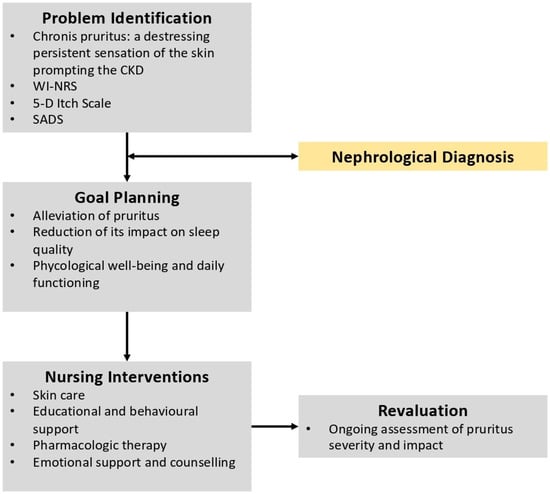
Figure 1
Open AccessArticle
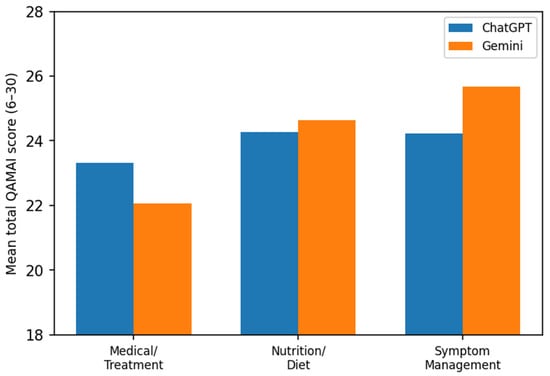
Comparative Analysis of ChatGPT and Gemini in Addressing Questions from Chronic Kidney Disease Patients
by
Yasemin Bati Sutcu, Seyda Gul Ozcan, Mevlut Tamer Dincer, Zeynep Atli, Sinan Trabulus and Nurhan Seyahi
Kidney Dial. 2026, 6(1), 9; https://doi.org/10.3390/kidneydial6010009 - 3 Feb 2026
Abstract
►▼
Show Figures
Background: Chronic kidney disease (CKD) is a major global health burden. Patient education is a crucial part of CKD management. Large language models (LLMs) such as ChatGPT and Gemini may help patients access medical information, but their reliability in CKD-related contexts is
[...] Read more.
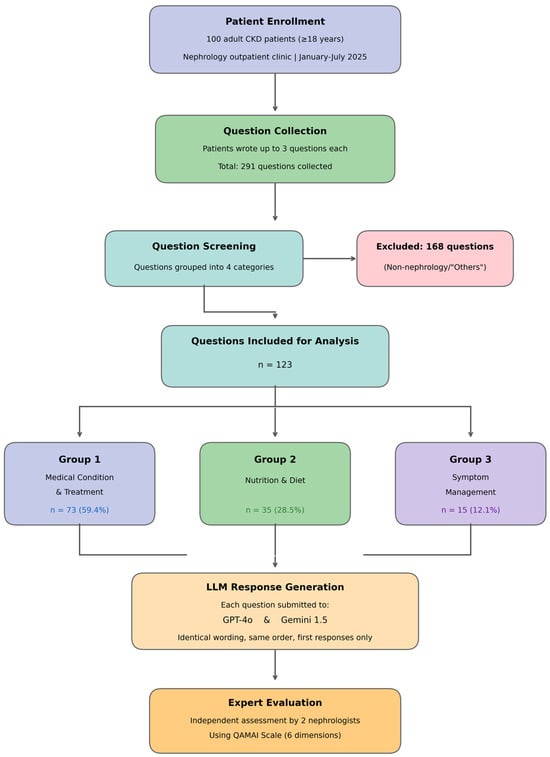
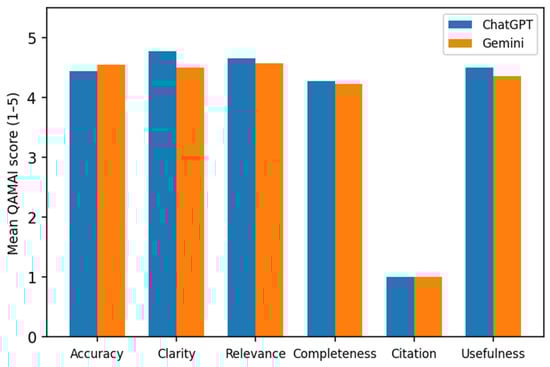
Background: Chronic kidney disease (CKD) is a major global health burden. Patient education is a crucial part of CKD management. Large language models (LLMs) such as ChatGPT and Gemini may help patients access medical information, but their reliability in CKD-related contexts is uncertain. Methods: We collected 291 questions from 100 CKD patients and selected and analyzed 123 of them across three categories: medical condition and treatment, nutrition and diet, and symptom management. Responses from ChatGPT and Gemini were assessed by two nephrology specialists using the Quality Assessment of Medical Artificial Intelligence (QAMAI) scale. Results: When all 123 questions were evaluated together, ChatGPT outperformed Gemini in terms of clarity and usefulness. However, when the questions were analyzed by category, Gemini demonstrated relatively stronger performance in the nutrition and symptom management domains. Accuracy and relevance were comparable between the two models. Neither consistently provided adequate citations. Conclusion: ChatGPT and Gemini demonstrate potential as supplementary tools for CKD patient education, with complementary strengths across different domains. Although they cannot replace clinical expertise, their supervised use could enhance information access and reduce clinician burden.
Full article
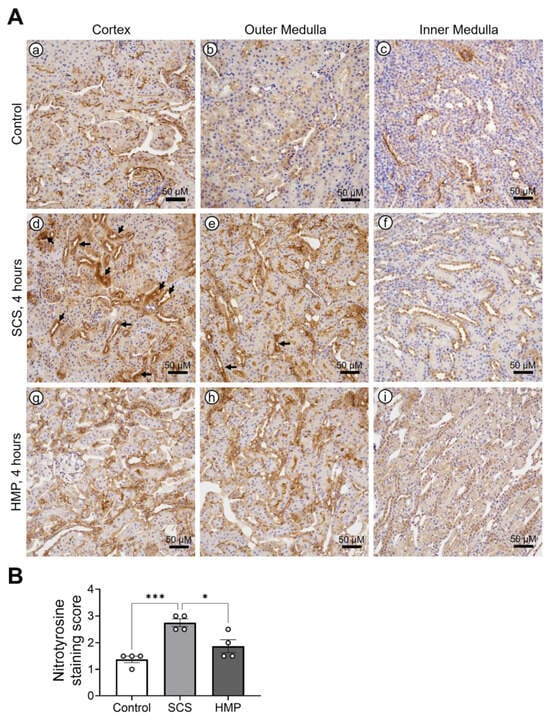
Figure 1
Highly Accessed Articles
Latest Books
E-Mail Alert
News
Topics
Special Issues
Topical Collections
Topical Collection in
Kidney and Dialysis
Teaching Cases in Nephrology, Dialysis and Transplantation
Collection Editors: Giorgina Barbara Piccoli, Elena Zakharova