
Journal Description
Journal of the American Podiatric Medical Association
(JAPMA) is an international, peer-reviewed, open access journal in the profession of foot and ankle medicine. It is the official journal of the American Podiatric Medical Association (APMA) and is published bimonthly online by MDPI (since Volume 116, Issue 1 - 2026). Association members receive discounts on the article processing charges.
- Open Access— free for readers, with article processing charges (APC) paid by authors or their institutions.
- High Visibility: indexed within Scopus, SCIE (Web of Science), PubMed, MEDLINE, and other databases.
- Rapid Publication: first decisions in 19 days; acceptance to publication in 8 days (median values for MDPI journals in the second half of 2025).
- Recognition of Reviewers: APC discount vouchers, optional signed peer review, and reviewer names published annually in the journal.
Impact Factor:
0.6 (2024)
subject
Imprint Information
Open Access
ISSN: 1930-8264
Latest Articles
Social Isolation and Limb Preservation: The Case for the Podiatric Connection Model (PCM)
J. Am. Podiatr. Med. Assoc. 2026, 116(3), 31; https://doi.org/10.3390/japma116030031 - 14 May 2026
Abstract
►
Show Figures
Loneliness and social isolation are increasingly recognized as major determinants of health, with physiologic and behavioral effects that rival traditional biomedical risk factors. Populations commonly treated in podiatric practice, including older adults, patients with diabetes, rural residents, and veterans, are disproportionately affected by
[...] Read more.
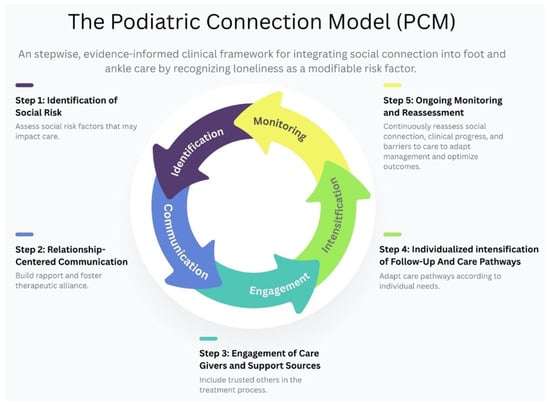
Loneliness and social isolation are increasingly recognized as major determinants of health, with physiologic and behavioral effects that rival traditional biomedical risk factors. Populations commonly treated in podiatric practice, including older adults, patients with diabetes, rural residents, and veterans, are disproportionately affected by social isolation, yet its impact on foot and ankle outcomes remains underrecognized. Emerging evidence demonstrates that loneliness alters immune regulation, inflammatory signaling, pain perception, adherence behaviors, and healthcare utilization, all of which directly influence wound healing, postoperative recovery, and limb preservation. This paper introduces the Podiatric Connection Model (PCM), a clinically actionable framework designed to integrate social connection into podiatric care. The PCM provides a structured approach for identifying social risk factors, strengthening therapeutic relationships, engaging caregivers, tailoring follow-up intensity, and monitoring evolving psychosocial needs throughout the course of treatment. By reframing loneliness as a modifiable comorbidity rather than a background social issue, the PCM offers a practical strategy for improving adherence, reducing complications, and strengthening healing trajectories in high-risk foot and ankle populations.
Full article
Open AccessArticle
Responsible AI for Personalized Patient Education and Engagement Across Medical Conditions: Leveraging Multi-Agent LLMs, Ambient Technology, and NotebookLM—A Case Study in Diabetes Education and Limb Preservation
by
Shayan Mashatian, Shu-Fen Wung, Aaron Ritter, Jessica Fishman, Jeffrey Robbins, Shereen Aziz, Michelle Huo and David G. Armstrong
J. Am. Podiatr. Med. Assoc. 2026, 116(3), 30; https://doi.org/10.3390/japma116030030 - 8 May 2026
Abstract
►▼
Show Figures
Background: Effective communication with patients is vital for improving health outcomes in chronic disease management. In this study, we investigated WoundScribeAI’s Scribe AI, also known as Ambient Technology, and its patient education and engagement app, Pingoo.AI. It employed a multi-agent AI model
[...] Read more.
Background: Effective communication with patients is vital for improving health outcomes in chronic disease management. In this study, we investigated WoundScribeAI’s Scribe AI, also known as Ambient Technology, and its patient education and engagement app, Pingoo.AI. It employed a multi-agent AI model that leveraged Large Language Models (LLMs) and NotebookLM to enhance patient communication in clinical settings. Methods: The system comprised specialized agents that transcribed healthcare provider–patient conversations through ambient dictation. This transcription generated medical notes that followed the Subjective, Objective, Assessment, and Plan (SOAP) format—a structured document used by healthcare providers to record and communicate information about patient encounters. Simultaneously, comprehensive visit summaries were also created. In the next step, these visit summaries were used to produce conversational and educational content by leveraging NotebookLM, an AI model introduced by Google that can generate podcast-style conversations from provided information. Integrating these agents allows clinicians to deliver engaging, empathetic, and actionable information to patients. Medical experts conducted a two-phase evaluation of the system’s performance based on multiple criteria, with a particular focus on diabetes education and diabetic foot care. The first phase used pre-recorded training videos, while the second phase involved simulated consultations by clinicians using the system. To validate the AI-generated educational content, we used several established frameworks in health communication that closely align with our enhancement goals. Results: The results showed that the AI model generated accurate clinical documentation and met the criteria for accurate SOAP Notes, visit summaries, and engaging educational content for patients. Given that hallucination is a significant concern related to large language models, especially in critical fields like healthcare, we meticulously analyzed the generated outputs to identify any signs of hallucinated information. Three outcomes successfully passed the validation criteria, including accuracy, completeness, comprehensiveness, absence of potential harm, and no hallucination. Additionally, the Conversational Education content was confirmed against established patient education frameworks and met criteria such as the use of metaphors, empathetic tone, and appropriate language, providing additional detail to help manage the condition. Conclusions: By providing specific instructions and prompts to NotebookLM to transform visit summaries into educational conversations, we significantly enhanced the comprehensiveness and engagement of the content for patients. In contrast to a traditional summary of the clinical visit, the podcast-style conversation enriched the content with background information, encouraging language, an empathetic tone, and helpful metaphors. Our analysis confirmed that the system did not exhibit any hallucinations, highlighting the effectiveness of our approach in mitigating this risk. These findings support the use of multi-agent AI models, combined with ambient dictation and tools like NotebookLM, to improve patient communication that surpasses traditional paper-based brochures, which are often impersonal, minimal, and do not always adhere to recommended factors for health literacy.
Full article

Figure 1
Open AccessArticle
The Association Between Footwear Choices, Foot Problems, and Lower Extremity Pain Attributes in Individuals Engaged in Prolonged Standing
by
Meltem Koç, Elif Kulet, Merve Samur, İkra Akyürek and Kılıçhan Bayar
J. Am. Podiatr. Med. Assoc. 2026, 116(3), 29; https://doi.org/10.3390/japma116030029 - 8 May 2026
Abstract
►▼
Show Figures
Background: Prolonged standing can lead to musculoskeletal disorders, especially in the lower extremities, when appropriate footwear is not used. The aim of this study is to investigate the relationship between footwear styles, foot problems, and pain characteristics related to lower extremities in individuals
[...] Read more.
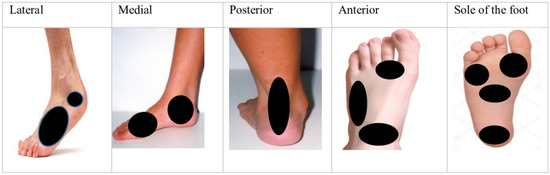
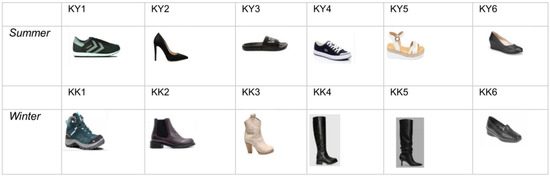
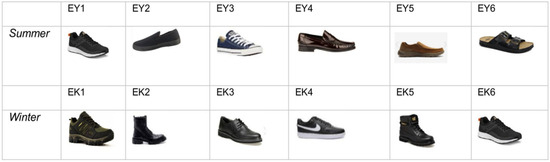
Background: Prolonged standing can lead to musculoskeletal disorders, especially in the lower extremities, when appropriate footwear is not used. The aim of this study is to investigate the relationship between footwear styles, foot problems, and pain characteristics related to lower extremities in individuals with prolonged standing. Methods: A descriptive, cross-sectional study design was employed, using a random sample of individuals with prolonged standing (n = 159). Participants were asked questions about their footwear choices. They were asked to mark the lower extremity pain localization on the McGill Pain Map. In addition, foot deformities were evaluated by physical examination. Results: The findings revealed that most females (n = 88) and males (n = 71) preferred flat/sports footwear styles in both summer and winter. There was no significant difference between footwear styles and foot pain duration, intensity, and localization in both genders (p > 0.05). However, a statistically significant difference was observed among males between their summer footwear styles and pain related to lower extremities (low back pain and knee pain), and among females between their summer footwear styles and foot problems (bone deformities, skin pathologies and soft tissue issues) (p < 0.05). Conclusions: The results of this study show that the preferred footwear style was associated with lower extremity pain and foot problems, which emphasized the importance of footwear selection and footwear evaluation in the musculoskeletal evaluation of the lower extremities.
Full article

Figure 1
Open AccessArticle
Measuring the Forefoot-to-Rearfoot Relationship in the Sagittal Plane—A Novel Measurement for Evaluating Pseudoequinus in the Lower Extremity
by
Joseph C. D’Amico and Samantha Landau
J. Am. Podiatr. Med. Assoc. 2026, 116(3), 28; https://doi.org/10.3390/japma116030028 - 25 Apr 2026
Abstract
►▼
Show Figures
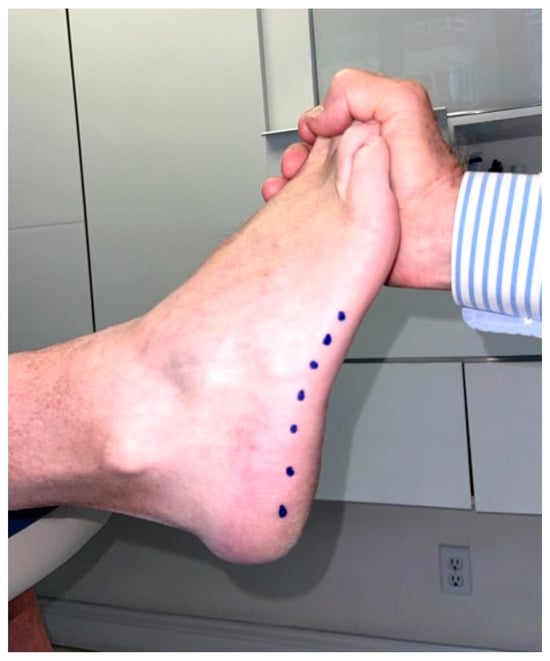
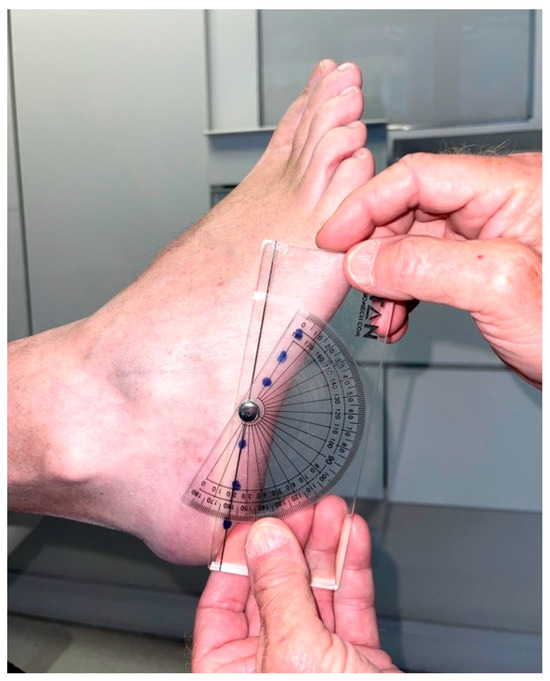
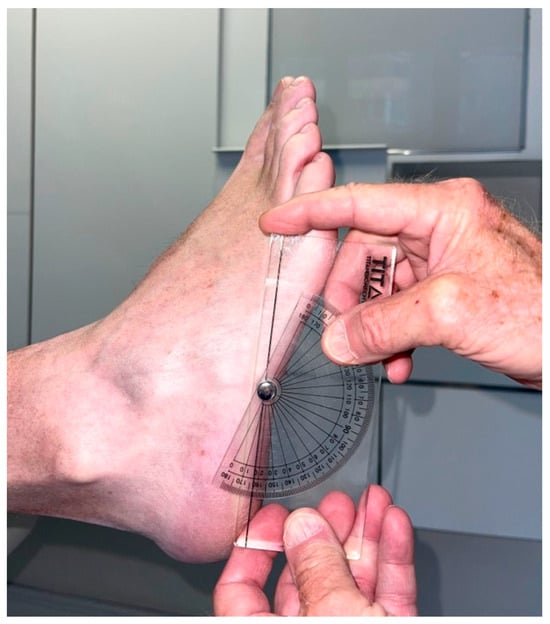
Evaluation of the static angle of the forefoot-to-rearfoot relationship in the sagittal plane is essential in determining the degree of pseudoequinus in the lower extremity. The concept of an increased sagittal plane forefoot-to-rearfoot relationship is generally referred to as anterior equinus, which may
[...] Read more.
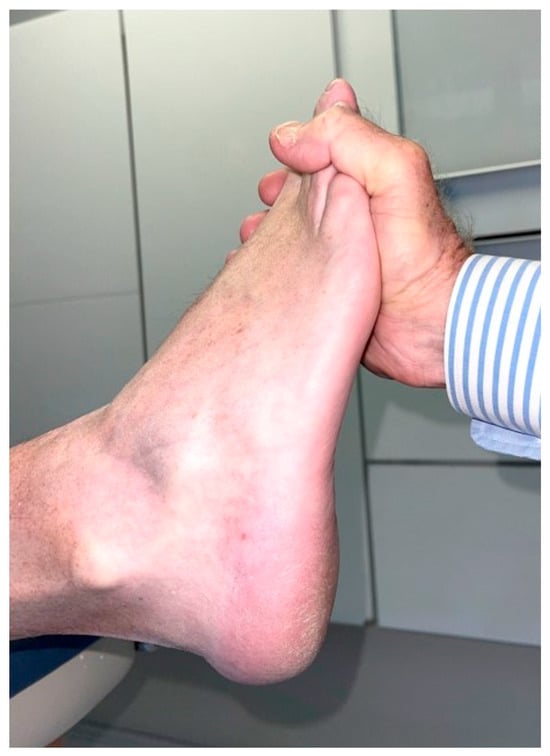
Evaluation of the static angle of the forefoot-to-rearfoot relationship in the sagittal plane is essential in determining the degree of pseudoequinus in the lower extremity. The concept of an increased sagittal plane forefoot-to-rearfoot relationship is generally referred to as anterior equinus, which may result in a pseudoequinus syndrome. As its name implies, pseudoequinus is not a true lack of ankle joint dorsiflexion but rather a condition wherein the ankle joint functions as if it were restricted. Currently, the literature lacks specifications on how to obtain this measurement. Qualitative methods exist to identify an increased sagittal plane forefoot-to-rearfoot relationship whereby the clinician observes whether the patient has an anterior equinus or pseudoequinus present. However, no method has been reported that is suitable for structured evaluation determining the degree of pseudoequinus present. Evaluation of this measurement is important in understanding the overall magnitude of equinus influence present and its concomitant effects on the superstructure. This article describes a new method for measuring the static angle for the sagittal plane forefoot-to-rearfoot relationship using an orthopedic evaluation device. The results of this study indicated that this measurement yielded high interrater and intrarater reliabilities. In effect, this is a simple-to-perform analytics assessment that, as part of comprehensive biomechanical examination, will provide the astute clinician with additional insights into the cause and effect of pathomechanical foot and limb function.
Full article

Figure 1
Open AccessCase Report
Structured Multi-Modal Rehabilitation Program for FHL Tendinitis and Os Trigonum Excision: A Case Report
by
Başar Öztürk and Beyza Başer Öztürk
J. Am. Podiatr. Med. Assoc. 2026, 116(3), 27; https://doi.org/10.3390/japma116030027 - 24 Apr 2026
Abstract
►▼
Show Figures
Flexor hallucis longus (FHL) tendon injuries, although rare, severely affect foot stability and mobility, particularly in individuals engaging in repetitive push-off actions. This case study examines a 27-year-old male who underwent surgical repair for FHL tendon rupture, followed by a structured, multi-modal rehabilitation
[...] Read more.
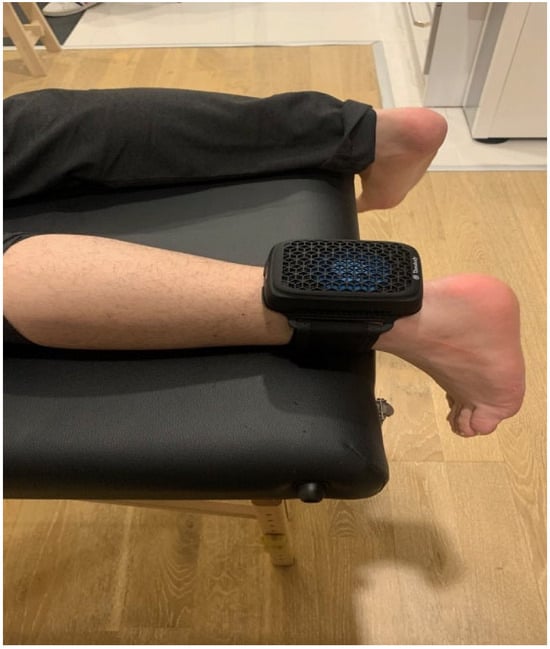
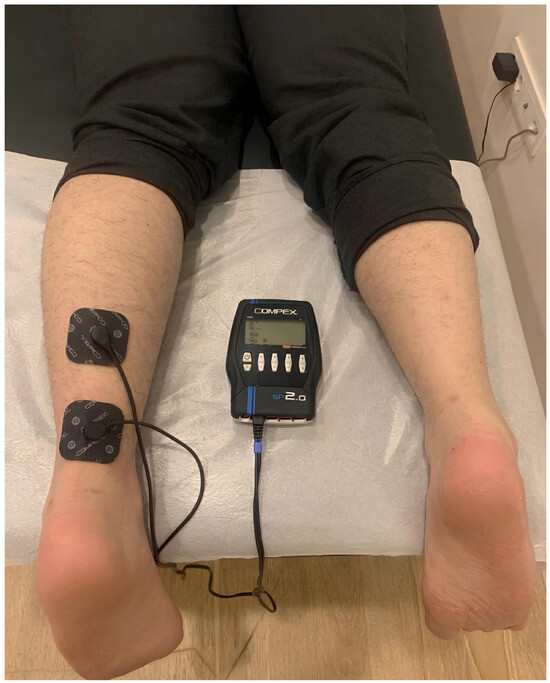
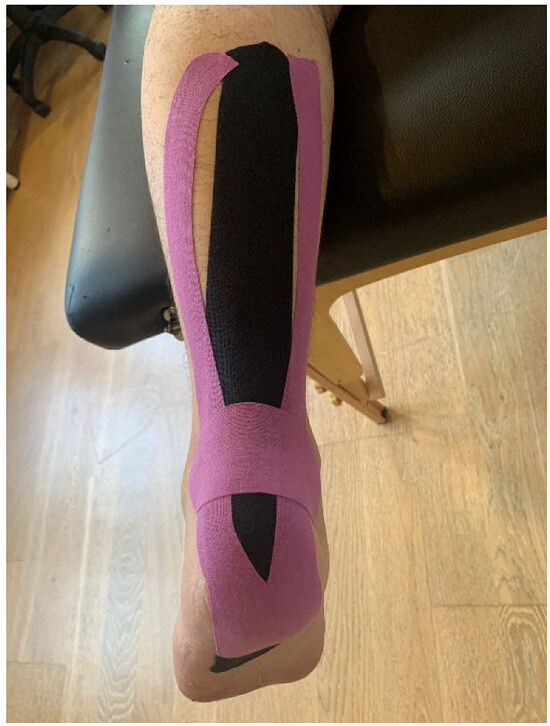
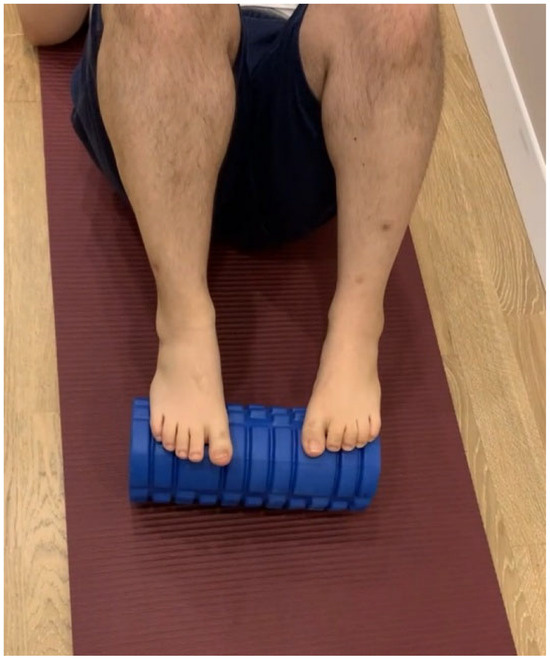
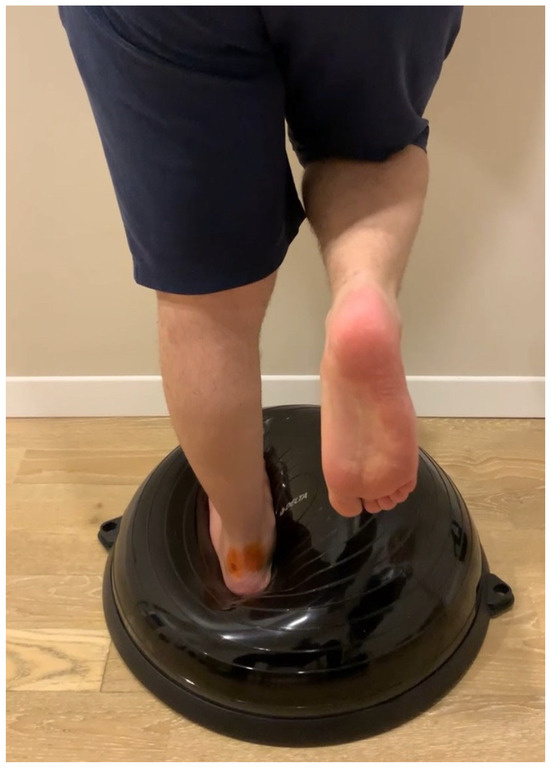
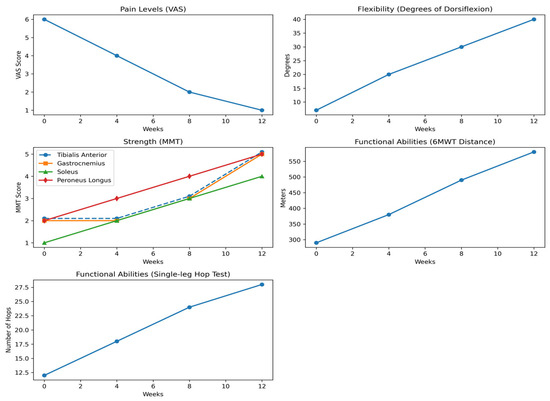
Flexor hallucis longus (FHL) tendon injuries, although rare, severely affect foot stability and mobility, particularly in individuals engaging in repetitive push-off actions. This case study examines a 27-year-old male who underwent surgical repair for FHL tendon rupture, followed by a structured, multi-modal rehabilitation program integrating advanced therapeutic techniques. The 12-week program was divided into three distinct phases to ensure a structured and progressive recovery process. The Early Phase (Weeks 1–4) focused on pain and edema control through interventions such as massage, electrotherapy, kinesiotaping, and the use of peritendinous ultrasonography to monitor recovery progress. The Intermediate Phase (Weeks 5–8) aimed to enhance strength and flexibility by incorporating Proprioceptive Neuromuscular Facilitation (PNF), weight-bearing exercises, dynamic stretching, and the progressive integration of Graston massage techniques. Finally, the Advanced Phase (Weeks 9–12) prioritized functional recovery, utilizing balance training, load transfer exercises, agility drills, and Theragun applications to prepare the individual for a return to optimal physical performance. Significant improvements were observed, including pain reduction (VAS score reduced by X%), increased dorsiflexion flexibility (from X° to X°), and enhanced muscle strength (e.g., tibialis anterior strength increased by X%). Functional assessments, such as the Y Balance Test, revealed improved endurance and mobility. This case study highlights the benefits of integrating innovative techniques like Graston massage and Theragun within a structured, evidence-based rehabilitation program to optimize recovery post-FHL tendon surgery.
Full article

Figure 1
Open AccessArticle
From Pain to Search: Mapping USA and Global Interest in Plantar Fasciitis
by
Bülent Alyanak and Fatih Bağcıer
J. Am. Podiatr. Med. Assoc. 2026, 116(3), 26; https://doi.org/10.3390/japma116030026 - 24 Apr 2026
Abstract
►▼
Show Figures
Background: Plantar fasciitis is a leading cause of heel pain, affecting approximately 10% of the population. Despite its prevalence, treatments may result in symptom recurrence and chronicity, which can significantly increase patient dissatisfaction. Google Trends provides insights into public interest through search volume
[...] Read more.
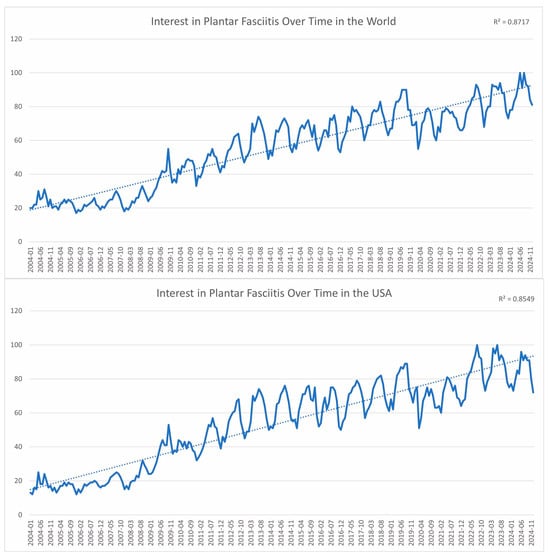
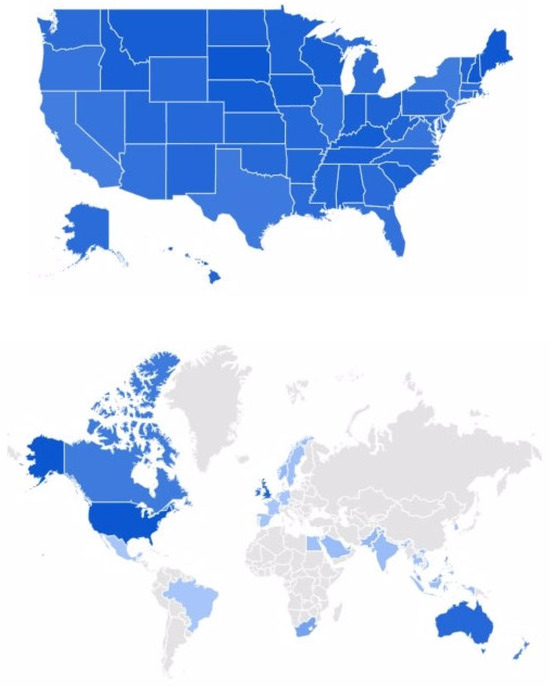
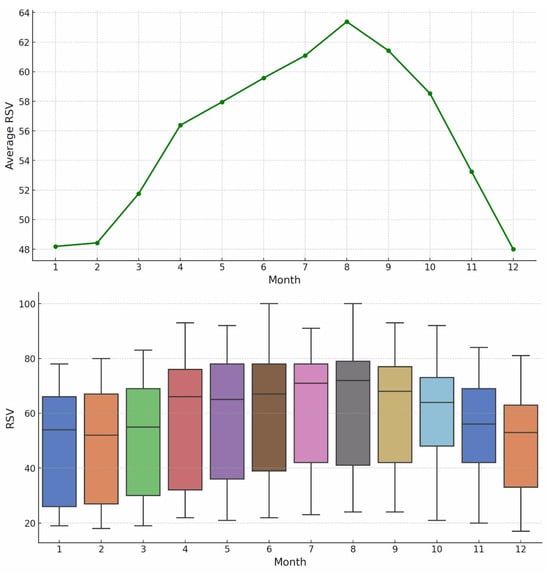
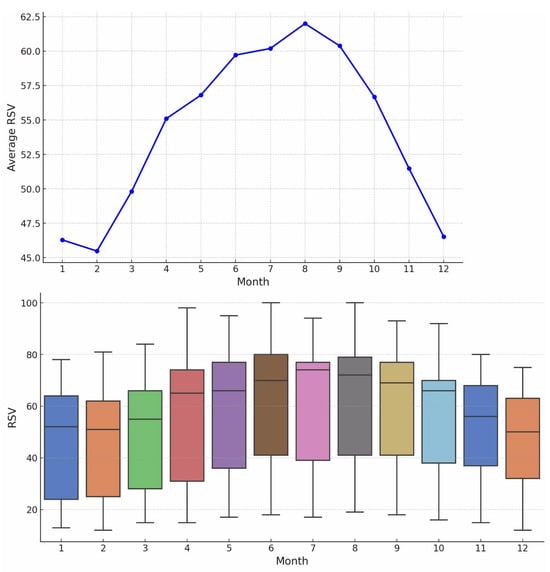
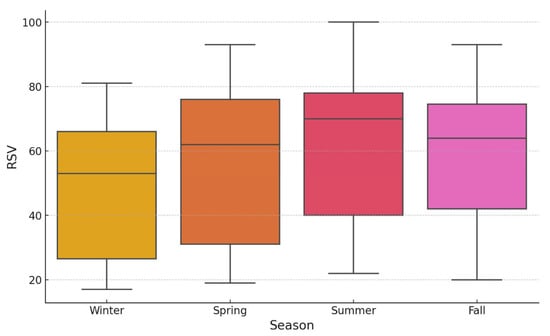
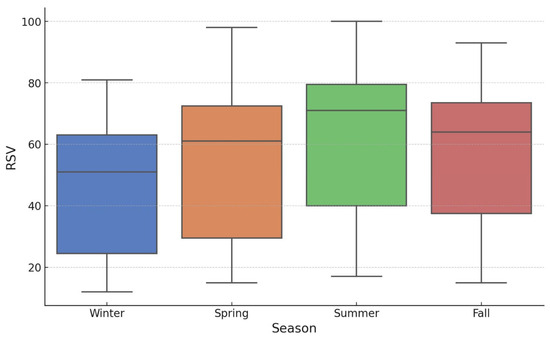
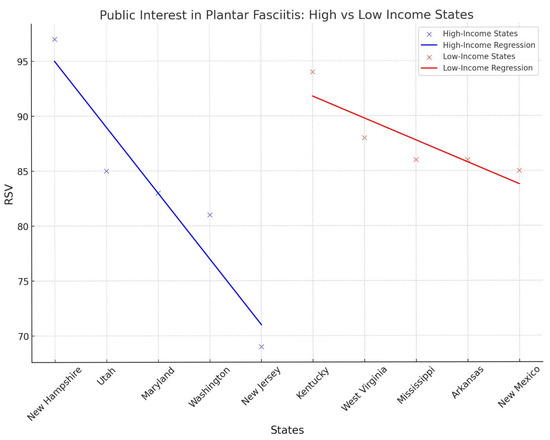
Background: Plantar fasciitis is a leading cause of heel pain, affecting approximately 10% of the population. Despite its prevalence, treatments may result in symptom recurrence and chronicity, which can significantly increase patient dissatisfaction. Google Trends provides insights into public interest through search volume analysis. This study examines global and USA trends in plantar fasciitis, focusing on temporal, seasonal, and income-based variations. Methods: Google Trends data for “Plantar Fasciitis” (2004–2024) were analyzed for both global and USA search trends. Monthly and seasonal search volumes were grouped by time and location. Regression and post hoc tests were conducted to identify significant patterns. Comparisons were made between high- and low-income states in the USA. Results: Public interest in plantar fasciitis increased significantly over time, both globally (R2 = 0.871, p < 0.001) and in the USA (R2 = 0.854, p < 0.001). Interest peaked in summer and declined in winter, with seasonal differences significant worldwide (p < 0.05). Monthly variations were significant only in the USA. No significant difference was found between high- and low-income states (p > 0.05). Conclusions: Interest in plantar fasciitis has grown steadily, reflecting its prevalence and impact. The findings emphasize the need for accessible, high-quality information to address public demand. These insights can guide healthcare professionals and policymakers in developing targeted resources.
Full article

Figure 1
Open AccessArticle
Impact of Chronic Ankle Instability Following Ankle Sprain on Ankle Dorsiflexion, Heel Lift Function, and Quality of Life
by
Jia Wang, Haomin Li, Xiantie Zeng and Guijun Xu
J. Am. Podiatr. Med. Assoc. 2026, 116(3), 25; https://doi.org/10.3390/japma116030025 - 24 Apr 2026
Abstract
►▼
Show Figures
Background: Chronic ankle instability (CAI) post-sprain leads to persistent functional deficits. This study evaluated CAI’s specific impact on ankle dorsiflexion, heel lift function, stability, broader functional impairments, and quality of life. Methods: A case–control study enrolled 100 CAI patients (post-ankle sprain)
[...] Read more.
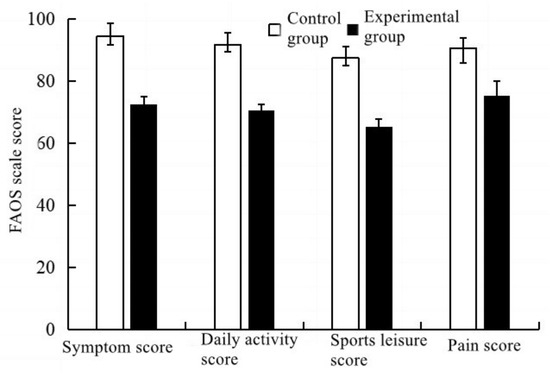
Background: Chronic ankle instability (CAI) post-sprain leads to persistent functional deficits. This study evaluated CAI’s specific impact on ankle dorsiflexion, heel lift function, stability, broader functional impairments, and quality of life. Methods: A case–control study enrolled 100 CAI patients (post-ankle sprain) and 100 healthy controls. Ankle strength (isokinetic dynamometer), stability (pressure plate), maximum dorsiflexion/plantar flexion ROM (mobility meter), functional limitations (0–10 activity scale), pain (VAS), coordination (Agility T-test, figure-of-eight test), and quality of life (FAOS) were compared. ANOVA and Mann–Whitney U tests were used. Results: Compared to controls, the CAI group showed significantly reduced ankle dorsiflexion strength (114.53 ± 10.47 N vs. 156.34 ± 13.26 N), heel lift strength (78.69 ± 5.44 N vs. 105.45 ± 8.28 N), stability scores (4.73 ± 0.52 vs. 8.65 ± 0.71 points), and ROM (dorsiflexion: 16.49° ± 1.23° vs. 22.35° ± 1.65°; plantar flexion: 27.58° ± 6.51° vs. 43.27° ± 5.45°). CAI patients reported higher activity limitation (6.34 ± 1.25 vs. 2.16 ± 0.55) and pain (5.37 ± 1.02 vs. 0.23 ± 0.01) and prolonged Agility T-test (11.24 ± 1.37 s vs. 7.51 ± 1.16 s) and figure-of-eight (16.35 ± 1.67 s vs. 12.43 ± 1.39 s) times. FAOS subscale scores (symptoms, daily activities, sports, pain) were significantly lower in the CAI group. All p < 0.05. Conclusions: CAI significantly compromises ankle dorsiflexion, heel lift strength, stability, and functional mobility, correlating with increased pain, activity restriction, and diminished quality of life. Rehabilitation should prioritize neuromuscular re-education, strength restoration, and dynamic stability training to improve outcomes.
Full article

Figure 1
Open AccessArticle
There Is No Role for Extracorporeal Shock Wave Therapy in Chronic Insertional Achilles Tendinopathy: A Comparative Study with Conservative Treatment
by
İbrahim Ulusoy, Mehmet Yılmaz, Mehmet Fırat Tantekin, İsmail Güzel and Aybars Kıvrak
J. Am. Podiatr. Med. Assoc. 2026, 116(3), 24; https://doi.org/10.3390/japma116030024 - 24 Apr 2026
Abstract
Background: Chronic insertional Achilles tendinopathy (CIAT) is a type of tendinopathy resistant to conventional conservative treatments. The efficacy of extracorporeal shock wave therapy (ESWT) remains controversial. This study aims to evaluate the effects of ESWT on pain management and functional improvement in CIAT
[...] Read more.
Background: Chronic insertional Achilles tendinopathy (CIAT) is a type of tendinopathy resistant to conventional conservative treatments. The efficacy of extracorporeal shock wave therapy (ESWT) remains controversial. This study aims to evaluate the effects of ESWT on pain management and functional improvement in CIAT patients and compare it with physical and medical treatments Methods: In this retrospective study, 372 patients diagnosed with CIAT between 2019 and 2023 were evaluated. The patients were divided into two groups: those who received only physical/medical therapy (Group 1) and those who underwent a combination of ESWT and physical/medical therapy (Group 2). Clinical outcomes were assessed using the American Orthopedic Foot and Ankle Society (AOFAS) score and the Visual Analog Scale (VAS) scores. The severity of the disease was determined through magnetic resonance imaging (MRI). Group comparisons were conducted using the independent samples t-test and Fisher’s exact test, while changes over time were assessed with repeated measures ANOVA. Correlation analyses were evaluated using Pearson and Spearman correlation coefficients. Results: Significant improvement in AOFAS and VAS scores was observed in both groups by the third month (p < 0.01). However, at 6 and 12 months, ESWT did not demonstrate superiority over physical/medical treatment. Correlation analysis showed a positive relationship between baseline AOFAS scores and functional improvement, while higher initial VAS scores correlated with greater post-treatment pain reduction. Cardiovascular risk factors negatively impacted both functional recovery and pain reduction (p < 0.05). Although patient satisfaction was higher in the ESWT group, the difference was not statistically significant. Conclusions: ESWT may provide short-term pain relief and functional improvement in CIAT but does not offer a long-term advantage over physical/medical treatment. The placebo effect may contribute to early positive outcomes. These findings do not support ESWT as a routine treatment for CIAT.
Full article
Open AccessCase Report
Osteochondroma of the Sesamoid Bone: A Case Report
by
Mustafa Karahan, Damla Unal Zilcioglu and Huseyin Karahan
J. Am. Podiatr. Med. Assoc. 2026, 116(3), 23; https://doi.org/10.3390/japma116030023 - 24 Apr 2026
Abstract
►▼
Show Figures
Osteochondromas are the most common benign bone tumors; however, they are rarely found in the foot. To date, only three cases involving the sesamoid bone have been reported in the literature. We report the case of a 14-year-old female who presented with a
[...] Read more.
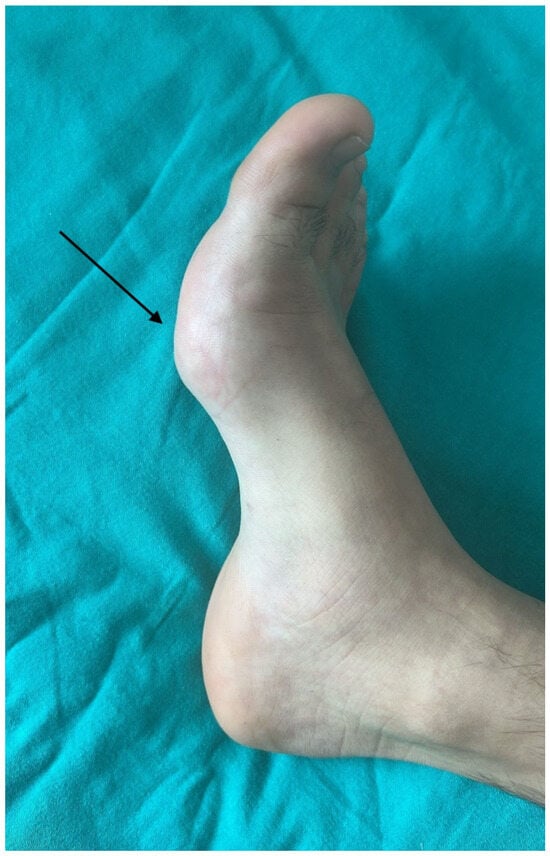
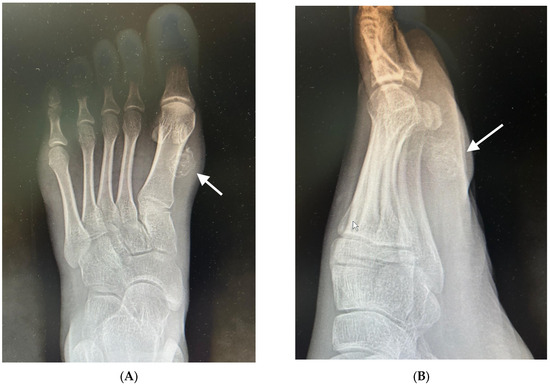
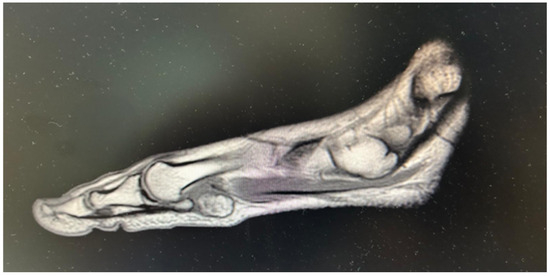
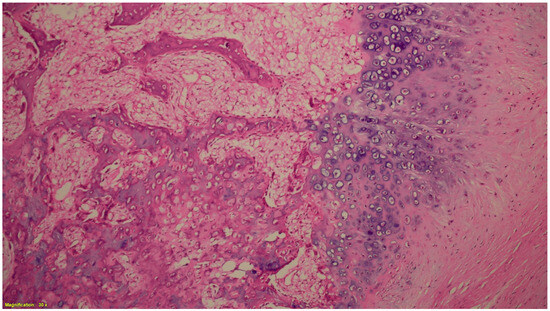
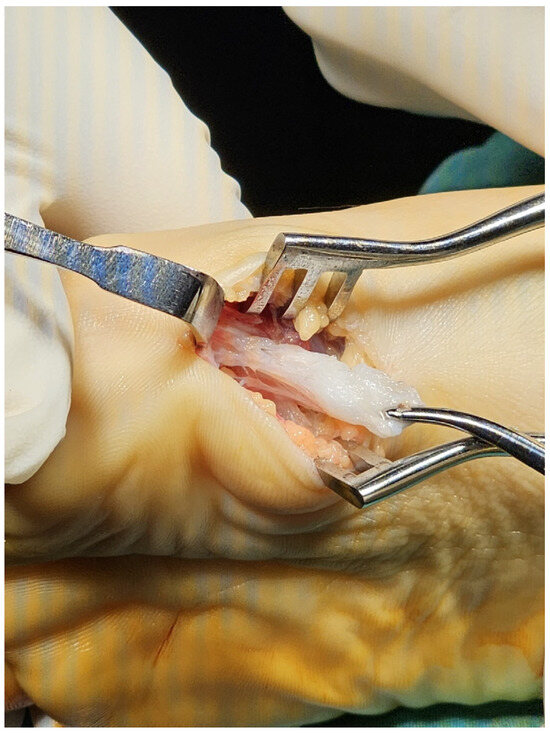
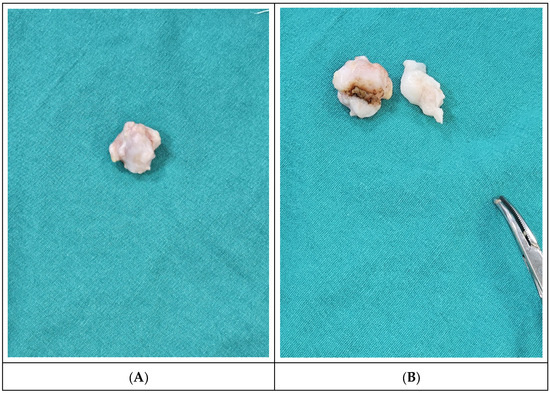
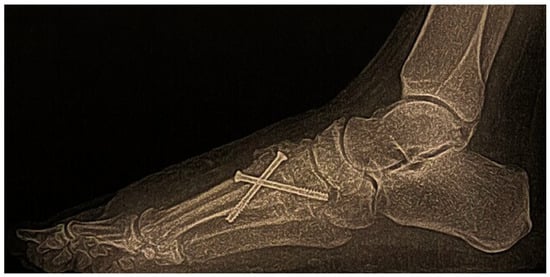
Osteochondromas are the most common benign bone tumors; however, they are rarely found in the foot. To date, only three cases involving the sesamoid bone have been reported in the literature. We report the case of a 14-year-old female who presented with a 1.5-year history of foot pain and impaired gait. Clinical evaluation and imaging—including plain radiography and magnetic resonance imaging—identified a lesion in the medial sesamoid bone. The diagnosis of osteochondroma was confirmed histologically, and the lesion was excised with preservation of the sesamoid bone. Postoperatively, the patient’s pain resolved completely, and her gait returned to normal within two months. We recommend surgical excision of symptomatic osteochondromas of the sesamoid bone to alleviate pain and restore functional gait.
Full article

Figure 1
Open AccessArticle
Outcomes of Lapidus Procedure Without Focused Frontal Plane Rotation of the First Metatarsal
by
Alan Banks, Chandler Ligas, Donald Scot Malay and Shayla Robinson
J. Am. Podiatr. Med. Assoc. 2026, 116(3), 22; https://doi.org/10.3390/japma116030022 - 23 Apr 2026
Abstract
►▼
Show Figures
Background: We present a retrospective radiographic analysis showcasing the ability to correct hallux valgus using the Lapidus arthrodesis without focused frontal plane rotation of the first metatarsal. Methods: A total of 33 feet in 30 patients who had undergone Lapidus arthrodesis
[...] Read more.
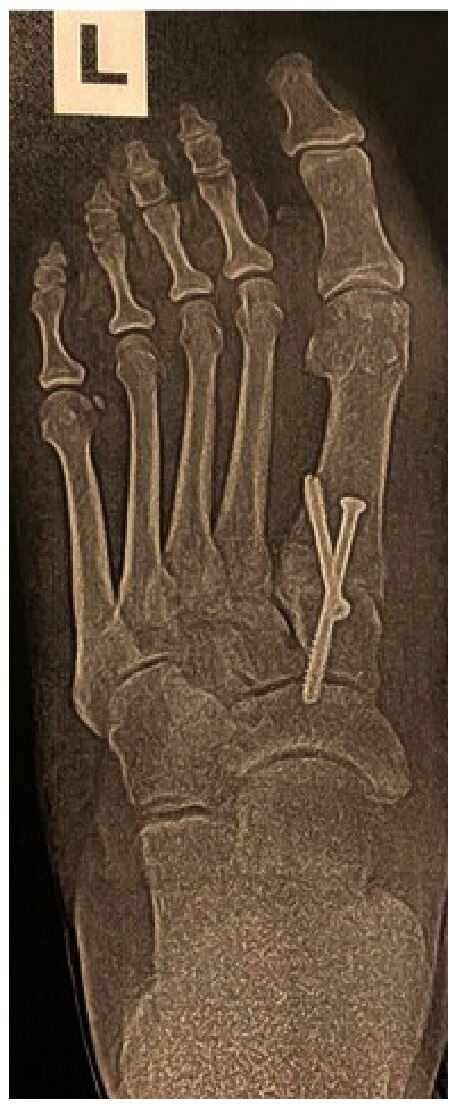
Background: We present a retrospective radiographic analysis showcasing the ability to correct hallux valgus using the Lapidus arthrodesis without focused frontal plane rotation of the first metatarsal. Methods: A total of 33 feet in 30 patients who had undergone Lapidus arthrodesis for the treatment of hallux abducto valgus deformity from 1 August 2015 to 31 December 2020 were identified. The median age of the cohort was 55.4 years (range, 33–78 years), 23 were female (76.7%), three (10%) underwent bilateral Lapidus arthrodesis, and the median duration of follow-up was 15.9 months (range, 5–72 months). Results: The median (minimum, maximum) preoperative first intermetatarsal angle was 16° (13°, 28°), and at final follow-up it was 5° (0°, 6°) (p < 0.001). The median (minimum, maximum) preoperative hallux abductus angle was 37° (26°, 51°), and at final follow-up it was 8.5° (0°, 22.5°) (p < 0.001). The median (minimum, maximum) preoperative tibial sesamoid position was 6 (4, 7), and at final follow-up it was 3 (2, 5) (p = 0.001). Conclusions: We found the radiographic first metatarsal lateral round sign to be ambiguous. Qualitative comparison of the results of this investigation with prior studies describing outcomes following Lapidus arthrodesis with focused frontal plane rotation of the first metatarsal suggests that similar outcomes can be achieved without employment of a decisive frontal plane rotation of the first metatarsal. Our findings lead us to believe that correction of substantial hallux abducto valgus deformities can be accomplished using the Lapidus procedure combined with lateral release of the first metatarsophalangeal joint without focused derotation of the first metatarsal.
Full article

Figure 1
Open AccessArticle
A Novel Diabetic Limb Preservation Initiative Using Symptom-Focused Education and Coordinated Podiatric Care
by
Paul Han
J. Am. Podiatr. Med. Assoc. 2026, 116(2), 25108; https://doi.org/10.7547/25-108 - 21 Apr 2026
Abstract
►▼
Show Figures
Background: Diabetic foot ulcers (DFUs) and lower extremity amputations are major contributors to morbidity and mortality in individuals with diabetes. Among patients undergoing active cancer treatment, the risks are compounded by immunosuppression, peripheral neuropathy, and vascular complications. Even minor foot infections or
[...] Read more.
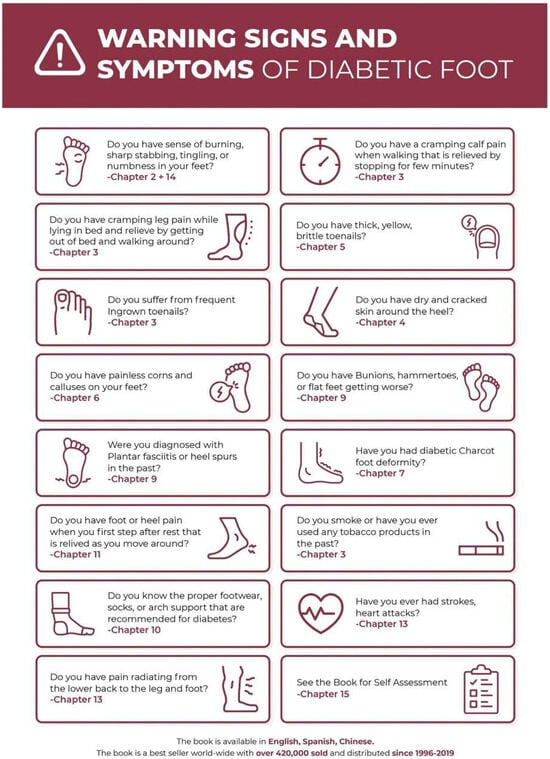
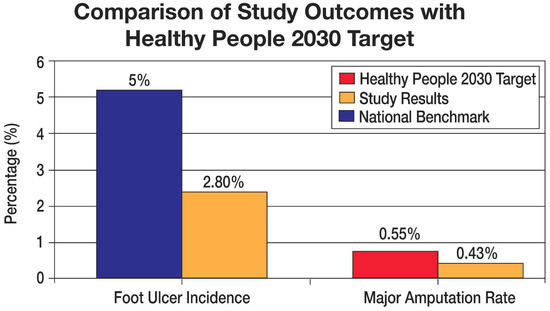
Background: Diabetic foot ulcers (DFUs) and lower extremity amputations are major contributors to morbidity and mortality in individuals with diabetes. Among patients undergoing active cancer treatment, the risks are compounded by immunosuppression, peripheral neuropathy, and vascular complications. Even minor foot infections or wounds in these patients can necessitate the suspension of cancer therapy, with potentially lifethreatening consequences. This study evaluated the impaqt of integrating symptom-focused patient education with coordinated podiatric care to reduce DFUs and amputations in this highrisk population with concurrent cancer and diabetes. Methods: A five-year retrospective review was conducted at a National Cancer Institute (NCl)designated comprehensive cancer center as part of the Novel Limb Preservation Initiative. The cohort included patients with Type II diabetes undergoing treatment for prostate, breast, colorectal, lymphoma, leukemia, thyroid, or lung cancers. Patients were assigned targeted educational modules based on self-reported diabetic foot symptoms. Podiatric care was individualized according to each patient's signs and symptoms, including routine diabetic foot examinations and close, timely monitoring when indicated. Results: The intervention yielded a DFU incidence of 2. 8% and an amputation rate of 0. 43%, both lower than national benchmarks. Enhanced patient engagement through diabetic foot symptom-focused education and earlier detection of foot complications-including diabetic foot ssues that may appear minor to laypersons-contributed to these improved outcomes. Conclusion: Integrating diabetic foot symptom-focused education with proactive podiatric monitoring significantly reduced DFUs and amputations in this high-risk population. This model, developed under the Novel Limb Preservation Initiative, offers a scalable strategy for broader implementation, particularly in high-risk communities, including Hispanic, African American, low socioeconomic, and rural populations across the United States.
Full article

Figure 1
Open AccessArticle
Early Versus Delayed Plate Fixation in Pilon Fractures—Which Is More Advantageous?
by
İsmail Güzel, İbrahim Ulusoy, Mehmet Yılmaz, Mehmet Fırat Tantekin and Aybars Kıvrak
J. Am. Podiatr. Med. Assoc. 2026, 116(2), 25087; https://doi.org/10.7547/25-087 - 21 Apr 2026
Cited by 1
Abstract
►▼
Show Figures
Background: Pilon fractures refer to distal tibial fractures that may involve extra-articular, partial articular, or complete intra-articular components, most commonly caused by high-energy trauma. The choice between early (<72 hours) and delayed (>7 days) surgical fixation significantly impacts clinical outcomes. This study
[...] Read more.
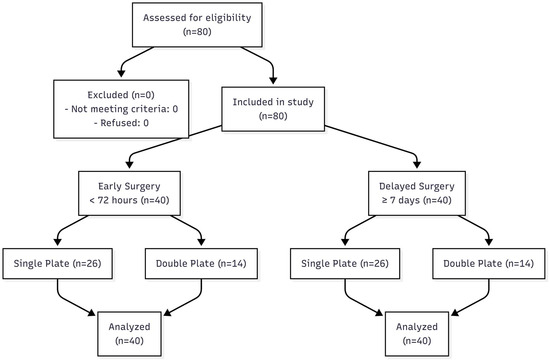
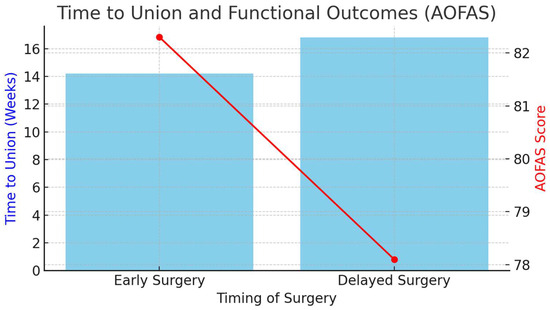
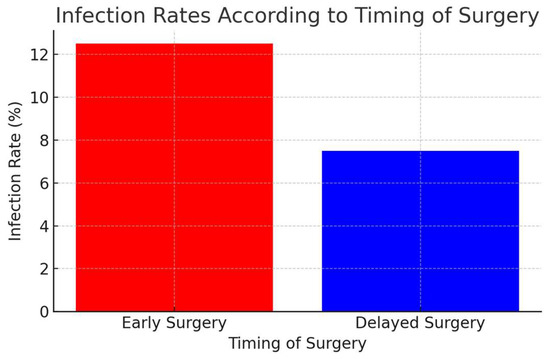
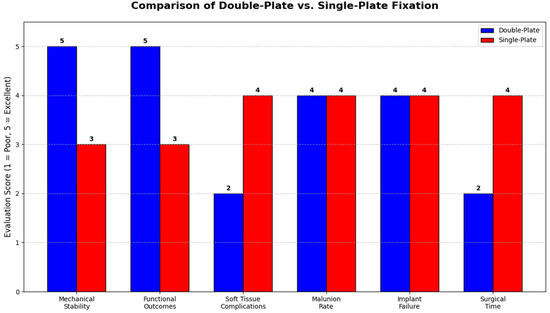
Background: Pilon fractures refer to distal tibial fractures that may involve extra-articular, partial articular, or complete intra-articular components, most commonly caused by high-energy trauma. The choice between early (<72 hours) and delayed (>7 days) surgical fixation significantly impacts clinical outcomes. This study aimed to compare the effects of early vs. delayed plate fixation on fracture healing time, functional outcomes, and complication rates. Materials and Methods: This retrospective study analyzed 80 patients who underwent surgical treatment for pilon fractures between 2018 and 2023. Patients were divided into two groups: Early surgery (<72 hours, n=40); Delayed surgery (>7 days, n=40). Additionally, patients were categorized based on the fixation method: Single plate fixation (n=40); Double plate fixation (n=40). Outcome Measures: Fracture healing time (weeks) - Defined as cortical continuity on radiographs; Functional outcomes (AOFAS score); Complication rates (infection, malunion, implant failure). Results: Shorter healing time was observed in the early surgery group (14.2 vs. 16.8 weeks, p<0.05). Better functional outcomes were recorded in the early surgery group (AOFAS score: 82.3±6.5 vs. 78.1±7.2, p<0.05). Lower infection rates were noted in the delayed surgery group (7.5% vs. 12.5%, p<0.05). Double plate fixation provided better mechanical stability but resulted in higher soft tissue complication rates. Single plate fixation preserved soft tissue integrity but had higher malunion and implant failure rates. Conclusion: Early surgery is associated with shorter healing time and better functional outcomes, but increased soft tissue complications require careful management. Delayed surgery offers a safer approach for soft tissue healing but may prolong functional recovery. While double plate fixation ensures greater stability, it may increase soft tissue morbidity, whereas single plate fixation reduces soft tissue complications but may compromise stability. A personalized surgical approach is recommended for optimal outcomes in pilon fracture management.
Full article

Figure 1
Open AccessArticle
Reliability of Radiologic Measurements in Children with Flexible Flat Feet
by
Mert Gündoğdu, Ziya Shammadli, Özgür Baysal, Emrecan Akgün, Hayati Kart and Hasan Hilmi Muratlı
J. Am. Podiatr. Med. Assoc. 2026, 116(2), 25014; https://doi.org/10.7547/25-014 - 21 Apr 2026
Abstract
►▼
Show Figures
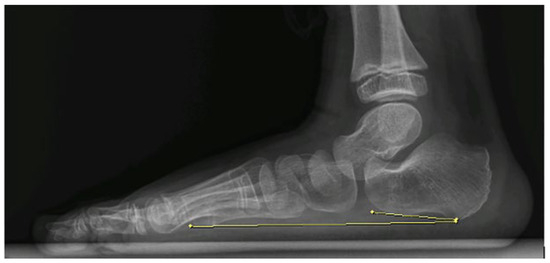
Objectives: Flat feet is a very common deformity in children. Often, radiologic evaluation for children with flat feet is made. Although the measurement reliability of some angles in flat feet has been evaluated in the literature, none of them have been performed
[...] Read more.
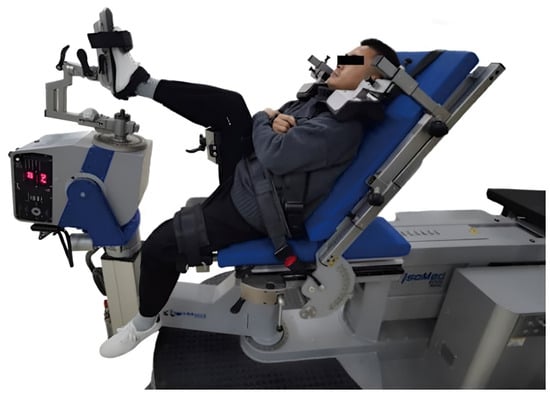
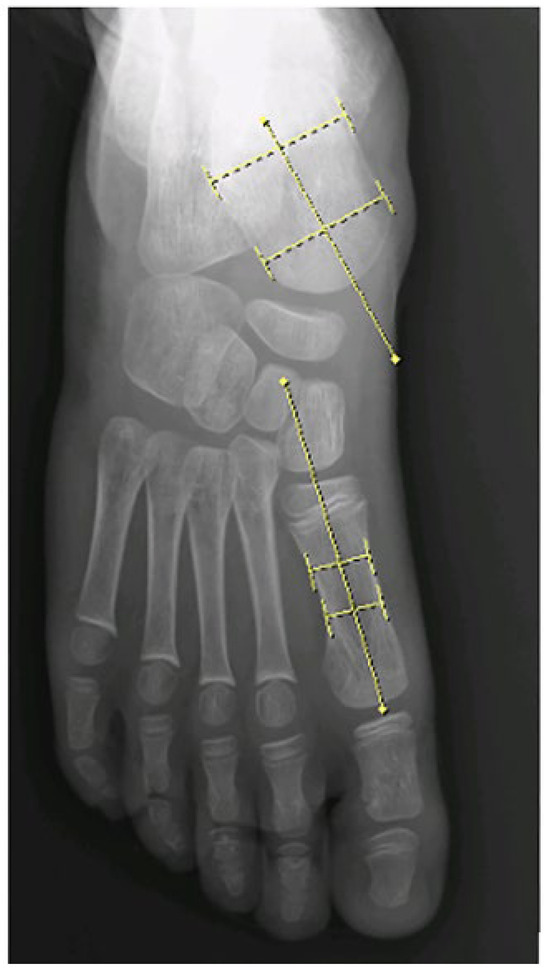
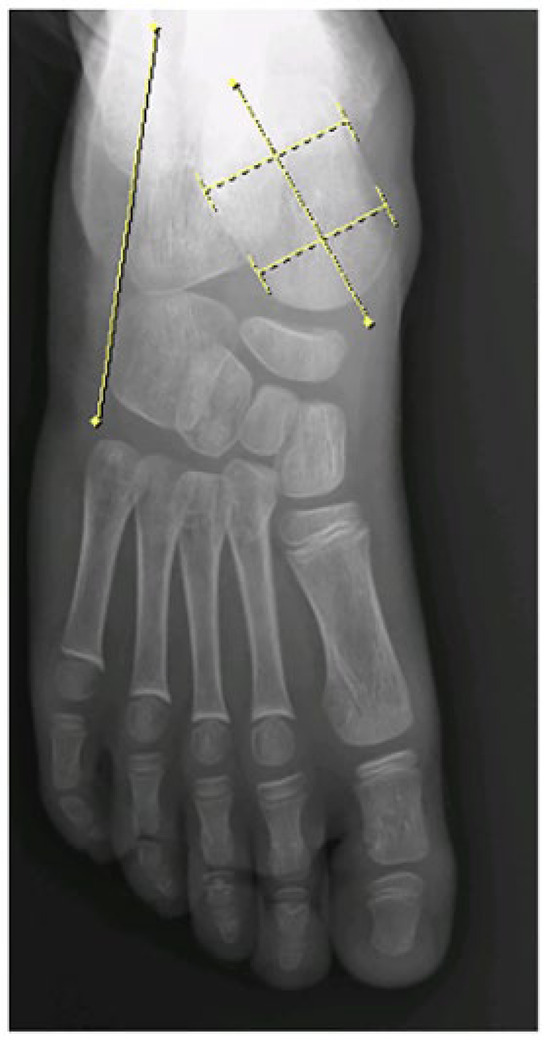
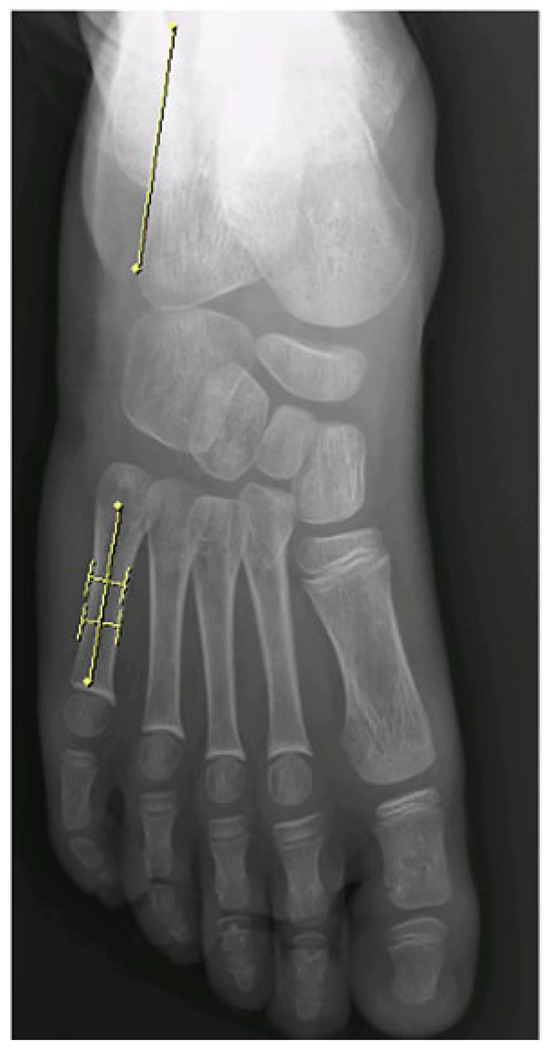
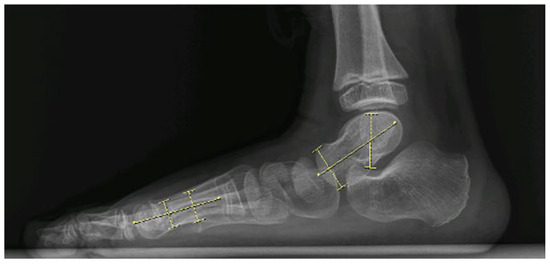
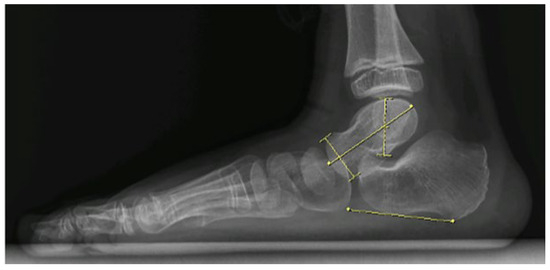
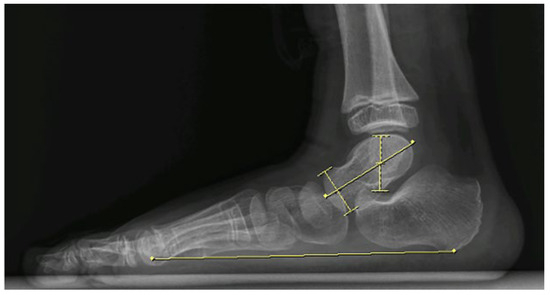
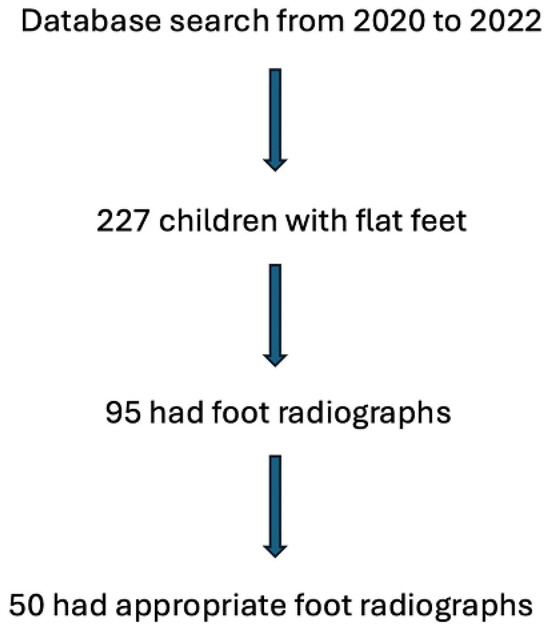
Objectives: Flat feet is a very common deformity in children. Often, radiologic evaluation for children with flat feet is made. Although the measurement reliability of some angles in flat feet has been evaluated in the literature, none of them have been performed in the age range of 3-7 years, when the deformity is most common. Our aim is to evaluate the interobserver and intraobserver reliability of the 7 angles that are used for assessing flat feet. Methods: Radiologic angles were measured by four independent observers (two specialists and two residents) in two separate sessions on the foot radiographs of 50 children aged 3-7 years with clinically diagnosed flat feet in the appropriate position and intra-class correlation coefficient was evaluated. Thus, interobserver and intraobserver reliability was measured. Results: High reliability values were found in the AP talus - 1st metatarsal (APT1MT) angle and calcaneus inclination (Cl) angle, while the reliability was moderate in the other angles. Intraobserver reliability values tended to be higher than interobserver values, which is consistent with other studies. Conclusions: It is useful to keep in mind that the measurement reliability is moderate except for APT1MT and CI when angles are measured in this specific age group. No positive effect of experience on measurement reliability was found in our study.
Full article

Figure 1
Open AccessArticle
Investigating the Impact of Patient Lateness on the Podiatry Profession: An International Survey
by
Thasvhinni Nasendran, Alexis Y. F. Lai, Luke M. Davies and Malia Ho
J. Am. Podiatr. Med. Assoc. 2026, 116(2), 24198; https://doi.org/10.7547/24-198 - 21 Apr 2026
Abstract
Background: Podiatrists are crucial for managing lower limb pathologies, and effective appointment scheduling is vital for allocating adequate consultation time based on patient conditions. While occasional late patient arrivals may not significantly impact services, frequent lateness can disrupt patient flow and quality
[...] Read more.
Background: Podiatrists are crucial for managing lower limb pathologies, and effective appointment scheduling is vital for allocating adequate consultation time based on patient conditions. While occasional late patient arrivals may not significantly impact services, frequent lateness can disrupt patient flow and quality of care. This study explored the impact of patient lateness on podiatry practices worldwide, where no countries of origin were excluded. This study assessed current strategies to manage patient lateness, evaluated their effectiveness and reported recommendations for improvement. Methods: An international cross-sectional online survey was conducted between January and March 2024. Results: The survey, which garnered 201 responses from podiatrists, revealed that over 90% of podiatrists experienced disruptions in their clinic workflow due to late patients. Common reasons for lateness included traffic issues and difficulties with parking. SMS reminders emerged as the most effective tool for reducing tardiness. Over half (59.3%) of podiatrists implemented a 10-minute grace period before rescheduling late appointments, which effectively reduced lateness by 50%. However, some podiatrists refrained from rescheduling to avoid worsening patients' conditions or dealing with complaints. Additionally, many podiatrists reported a lack of managerial support in handling late patients. Conclusion: The frequency of late arrivals in podiatry is similar to other health professions and negatively impacts clinic workflow and staff morale. Enhanced managerial support is needed to better manage late patients, allowing podiatrists to concentrate on their clinical responsibilities.
Full article
Open AccessArticle
Balance, Gait and Foot Pressure Distribution in Neuropathic Pain Associated with Lumbar Disc Degeneration
by
Suleyman Korkusuz, Büşra Seckinogullari Korkusuz, Zeliha Ozlem Yuruk, Sibel Kibar and Ferdi Yavuz
J. Am. Podiatr. Med. Assoc. 2026, 116(2), 24138; https://doi.org/10.7547/24-138 - 21 Apr 2026
Cited by 1
Abstract
►▼
Show Figures
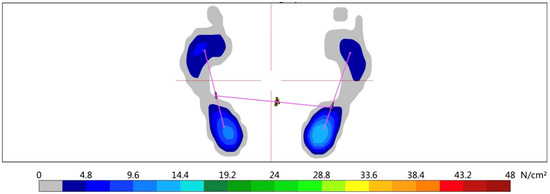
Background: This study aimed to evaluate the effects of NP associated with LDD on balance, gait and foot pressure distribution. Methods: This prospective controlled study was conducted on 42 individuals aged between 40-70 years. There were 3 groups in the study:
[...] Read more.
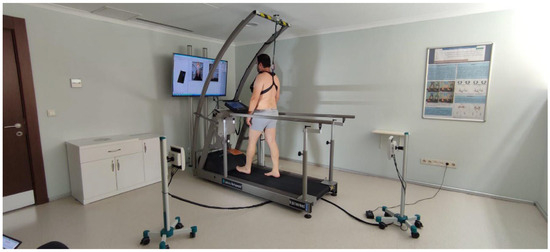
Background: This study aimed to evaluate the effects of NP associated with LDD on balance, gait and foot pressure distribution. Methods: This prospective controlled study was conducted on 42 individuals aged between 40-70 years. There were 3 groups in the study: individuals diagnosed with NP associated with LDD (n=14), individuals with LDD without NP(n=14), and the control group (n=14). The Force Plate system and Core Balance System measured static and dynamic postural balance and stability limits. Gait and dynamic plantar pressure distribution analyses were performed with a computerized gait evaluation system. Results: The Leeds Assessment of Neuropathic Signs and Symptoms (LANSS), VAS during gait, and Oswestry Disability Index (ODI)scores were higher in LDD with NP group than in LDD without NP group (p<0. 05). It was found that LDD with NP group had backward dynamic balance control (p<0. 05). There was no significant difference in balance control, dynamic plantar pressure distribution, and spatiotemporal gait parameters between the groups (p>0. 05). Conclusion: Although participants with NP had higher levels of pain severity in gait and disability, there was no difference in postural balance, dynamic plantar pressure distribution, and spatiotemporal gait parameters compared to participants with LDD without NP and healthy individuals. All participants with LDD were unilaterally affected. Therefore, postural balance and gait tasks would be able to compensate for the unaffected limb.
Full article

Figure 1
Open AccessArticle
Feasibility for Utilization of Assessment for Lack of Protective Sensation as Part of Foot Screening for Persons with Intellectual Disabilities
by
Montana Von Musser, Hannah McCulley and David Jenkins
J. Am. Podiatr. Med. Assoc. 2026, 116(2), 24112; https://doi.org/10.7547/24-112 - 21 Apr 2026
Abstract
Background: Persons with intellectual disability have a significantly higher prevalence of diabetes than the general population. Special Olympics Fit Feet, a major screening process for evaluating foot health in persons with intellectual disability, has not included an assessment for the risk of
[...] Read more.
Background: Persons with intellectual disability have a significantly higher prevalence of diabetes than the general population. Special Olympics Fit Feet, a major screening process for evaluating foot health in persons with intellectual disability, has not included an assessment for the risk of diabetic foot ulcers thus far. A probable reason for this may be that clinicians in the past have felt that persons with intellectual disability were not capable of understanding how to complete the Semmes-Weinstein test for lack of protective sensation. A study was designed to assess whether the Special Olympics athletes could complete the Semmes-Weinstein test for lack of protective sensation. Methods: 31 Special Olympics athletes with intellectual disability participating in a Fit Feet foot screening underwent a Semmes-Weinstein test for lack of protective sensation (LOPS). An assessment was completed using predetermined criteria to establish whether the subject understood what was required and could satisfactorily complete the test. Likewise, it was also determined if the Special Olympics athletes believed they understood the test. Results: Study findings determined that approximately 67% of the athletes in the study were able to successfully complete the test and 90% of the Special Olympics athletes reported they completely understood the test. These results do not apply to the intellectual disability population at large. Conclusion: A significant percentage of the test population appeared able to successfully undergo the Semmes-Weinstein test for lack of protective sensation (LOPS). Therefore, it is recommended that any foot screening process for Special Olympics athletes should include an assessment for loss of protective sensation including use of monofilament testing.
Full article
Open AccessSystematic Review
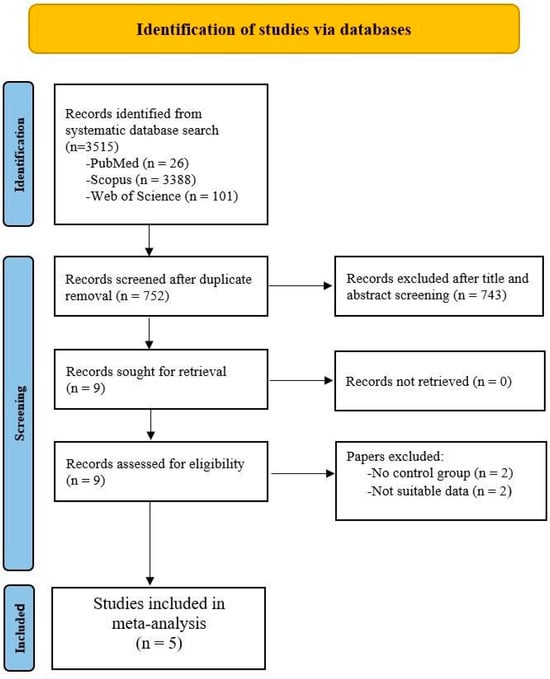
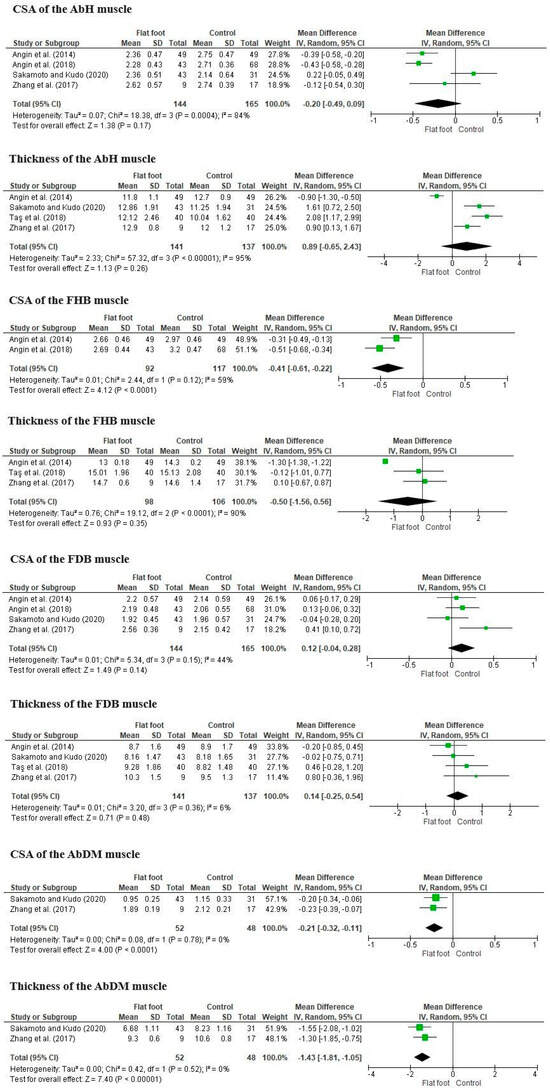
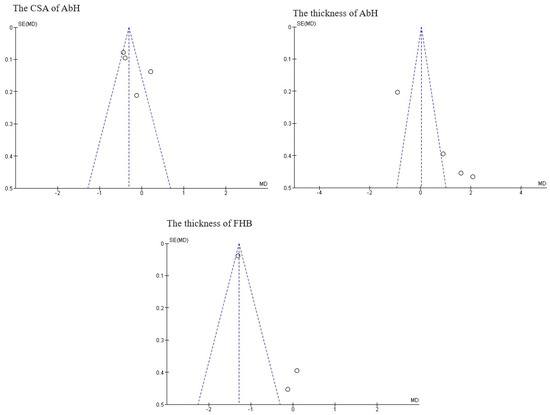
Morphological Characteristics of the Intrinsic Foot Muscles in Individuals with Flat Foot: A Systematic Review and Meta-Analysis
by
Serkan Taş, Ece Ekici, Ümit Yüzbaşıoğlu and Asena Ayça Özdemir
J. Am. Podiatr. Med. Assoc. 2026, 116(2), 24094; https://doi.org/10.7547/24-094 - 21 Apr 2026
Cited by 2
►▼
Show Figures

Figure 1
Open AccessSystematic Review
Foot and Ankle Ability Measure (FAAM) Questionnaire: A Systematic Review
by
Ana Belen Ortega-Avila, Sandra Sanchez-Morilla, Maria Hermas Galan-Hurtado, Pablo Cervera-Garvi, Jorge Garcia-Medina and Ana Marchena-Rodriguez
J. Am. Podiatr. Med. Assoc. 2026, 116(2), 24070; https://doi.org/10.7547/24-070 - 21 Apr 2026
Cited by 3
Abstract
►▼
Show Figures
Background. The Foot and Ankle Ability Measure is frequently used by clinicians and researchers to assess the effectiveness of therapeutic interventions for patients with foot and ankle pathologies. To review different versions of the FAAM and to evaluate the methodological quality of
[...] Read more.
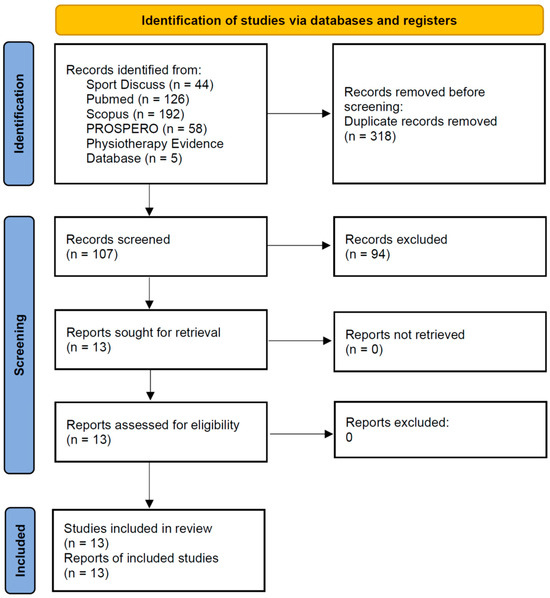
Background. The Foot and Ankle Ability Measure is frequently used by clinicians and researchers to assess the effectiveness of therapeutic interventions for patients with foot and ankle pathologies. To review different versions of the FAAM and to evaluate the methodological quality of studies published in this respect. Methods. Systematic review. Setting. A search was conducted in the PubMed, SCOPUS, PEDro, PROSPERO and SPORTDiscus databases, applying the following inclusion criteria: validation studies of the Foot and Ankle Ability Measure, in different languages, with no time limit, in a population aged ≥18 years. Two of the present authors independently assessed the quality of the studies located and extracted the relevant data. The COSMIN checklist was employed to assess methodological quality. Results. Thirteen instruments met the inclusion criteria for this review. In many cases, significant methodological flaws were detected, mostly regarding criterion validity and measurement error. Conclusion. Only the Spanish-language cultural adaptation of the FAAM presents adequate methodological quality. Further studies, with greater methodological rigour, are required of the cultural adaptations of this measurement instrument.
Full article

Figure 1
Open AccessArticle
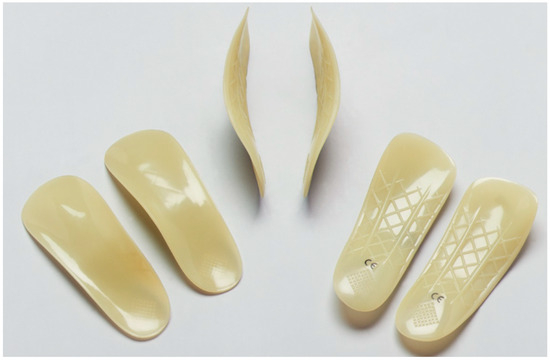
Influence of the Hardness of Insoles on the Abductor Hallucis Muscle in Baxter’s Entrapment: A Cross-Over Randomized Study
by
Vanesa Pinto-Franco, Marta Elena Losa Iglesias, Israel Casado-Hernández, Emmanuel María Navarro-Flores, Daniel López-López, Eva María Martínez-Jiménez, Eduardo Pérez-Boal, José Luis Muñoz-Sánchez and Ricardo Becerro-de-Bengoa-Vallejo
J. Am. Podiatr. Med. Assoc. 2026, 116(2), 23241; https://doi.org/10.7547/23-241 - 21 Apr 2026
Abstract
►▼
Show Figures
Background: The etiology and diagnosis of heel pain are complex and multifactorial, and it has been reported that Baxter’s entrapment is responsible for up to 20% of foot disorders. The most conservative treatment of Baxter’s entrapment has been the use of custom
[...] Read more.
Background: The etiology and diagnosis of heel pain are complex and multifactorial, and it has been reported that Baxter’s entrapment is responsible for up to 20% of foot disorders. The most conservative treatment of Baxter’s entrapment has been the use of custom insoles. Electromyography was considered an effective test to assess muscle activity. The aim of this study was to test the use of insoles of different hardness on muscle activity of the abductor hallucis muscle in subjects with entrapment of the lateral branch of the external plantar nerve. Methods: 18 subjects (7 women and 11 men) diagnosed with nerve entrapment of the first branch of the lateral plantar nerve were recruited. Muscle activity of the adductor hallucis muscle was analyzed with insoles of different hardness in static and dynamic situations using electromyographic evaluation. Results: The statistical analysis did not show statistically significant differences in the muscle activity of the abductor hallucis muscle in the static position, with and without plantar orthoses (p>0.05), in contrast, in dynamic situations statistically significant differences were found between groups (p<0.01). Conclusions: The use of a hard insole decreases the maximum peak muscular activity of the abductor hallucis muscle in subjects with Baxter’s nerve entrapment in walking conditions.
Full article

Figure 1
Open AccessArticle
Good Clinical Outcomes Following Minor Foot Amputations in People with Diabetes: A Retrospective Clinical Audit of Associated Factors
by
Clare Linton, Angela Searle and Vivienne Chuter
J. Am. Podiatr. Med. Assoc. 2026, 116(2), 21117; https://doi.org/10.7547/21-117 - 21 Apr 2026
Abstract
►▼
Show Figures
Background: The purpose of this retrospective audit was to compare patient based clinical outcomes to amputation healing outcomes twelve months after a minor foot amputation in people with diabetes. Methods: Hospital admission and community outpatient data were extracted for all minor
[...] Read more.
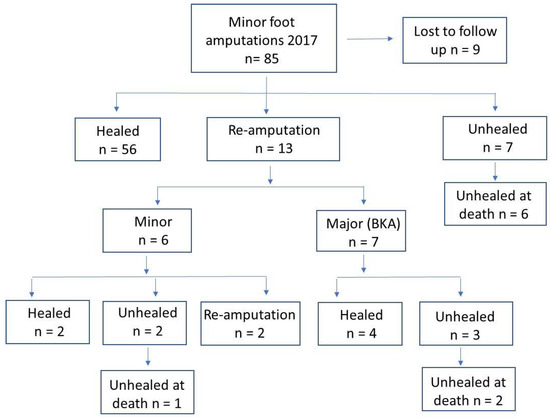
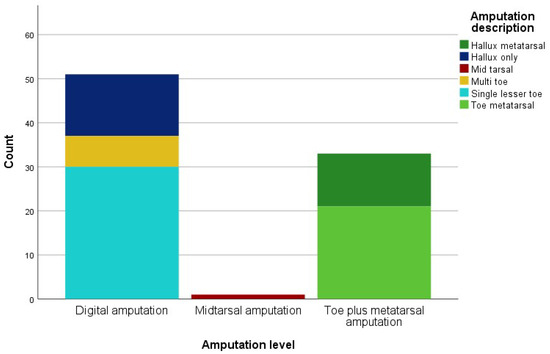
Background: The purpose of this retrospective audit was to compare patient based clinical outcomes to amputation healing outcomes twelve months after a minor foot amputation in people with diabetes. Methods: Hospital admission and community outpatient data were extracted for all minor foot amputations in people with diabetes in 2017 in the Central Coast Local Health District. Results: A total 85 minor foot amputations involving 74 people were identified. At the twelve-month follow-up 74% (n=56) of the minor foot amputations healed, 63% (n=41) of the participants achieved a good clinical outcome (healed, no more proximal amputations, or death within the 12 month follow up period), and the mortality rate was 18%. Poor clinical outcomes were associated with those aged greater than 60 (RR 5.75, 95% CI: 0.85 to 38.7, p=0.013), those undergoing a further surgical debridement procedure during their hospital stay (RR 2.42, 95% CI: 1.3 to 4.4, p=0.005) and those who did not attend CCLHD Podiatry clinics post-amputation (RR 2.3, 95% CI: 1.2 to 4.1, p=0.010). Conclusions: To improve patient based clinical outcomes post-minor foot amputation, targeted follow-up in a high-risk foot clinic, and tailored discharge treatment plans for people aged over 60 or those undergoing a debridement procedure may be considered.
Full article

Figure 1
Journal Menu
► ▼ Journal MenuJournal Browser
► ▼ Journal Browser-
arrow_forward_ios
Forthcoming issue
arrow_forward_ios Current issue - Volumes not published by MDPI
- Vol. 115 (2025)
- Vol. 114 (2024)
- Vol. 113 (2023)
- Vol. 112 (2022)
- Vol. 111 (2021)
- Vol. 110 (2020)
- Vol. 109 (2019)
- Vol. 108 (2018)
- Vol. 107 (2017)
- Vol. 106 (2016)
- Vol. 105 (2015)
- Vol. 104 (2014)
- Vol. 103 (2013)
- Vol. 102 (2012)
- Vol. 101 (2011)
- Vol. 100 (2010)
- Vol. 99 (2009)
- Vol. 98 (2008)
- Vol. 97 (2007)
- Vol. 96 (2006)
- Vol. 95 (2005)
- Vol. 94 (2004)
- Vol. 93 (2003)
- Vol. 92 (2002)
- Vol. 91 (2001)
- Vol. 90 (2000)
- Vol. 89 (1999)
- Vol. 88 (1998)
- Vol. 87 (1997)
- Vol. 86 (1996)
Highly Accessed Articles
Latest Books
E-Mail Alert
News
Topics
Topic in
Antibiotics, Diabetology, JAPMA, JCM, Medicina
Diabetic Foot Disease: Current Challenges, Emerging Concepts and Future Directions
Topic Editors: José Luis Lázaro-Martínez, Marco Meloni, Prashanth VasDeadline: 31 March 2028