Latest Review Papers in Biochemistry
Share This Topical Collection
Editors
 Prof. Dr. Cheng-Yang Huang
Prof. Dr. Cheng-Yang Huang
E-Mail
Website
Collection Editor
1. Department of Biomedical Sciences, Chung Shan Medical University, Taichung City 402, Taiwan
2. Department of Medical Research, Chung Shan Medical University Hospital, Taichung City 402, Taiwan
Interests: plant extracts; natural products; enzyme inhibitors; molecular mechanisms
Special Issues, Collections and Topics in MDPI journals
 Prof. Dr. Athanasios Salifoglou
Prof. Dr. Athanasios Salifoglou
E-Mail
Website
Collection Editor
School of Chemical Engineering, Faculty of Engineering, Aristotle University of Thessaloniki, Thessaloniki 54124, Greece
Interests: bioinorganic chemistry; molecular engineering; hybrid materials; metallodrugs; cell (patho)physiologies; neurodegeneration; neoplastic process
Special Issues, Collections and Topics in MDPI journals
Topical Collection Information
Dear Colleagues,
This Topical Collection aims to collect high-quality review papers across all fields of biochemistry. Biochemistry remains a cornerstone of the life sciences, bridging the fields of molecular biology, structural biology, enzymology, metabolism, and drug development. As experimental and computational technologies continue to advance rapidly, there is an increasing demand for timely and comprehensive review articles that synthesize recent discoveries and emerging concepts from diverse areas of biochemistry. We welcome review articles that summarize cutting-edge progress, explore unresolved questions, highlight new techniques or methodologies, and offer forward-looking perspectives in the field. Topics of interest of this Special Issue include but are not limited to the following: enzyme structure, function, and regulation; protein–protein and protein–ligand interactions; metabolic and signaling pathways; nucleic acid chemistry and RNA biology; biochemical mechanisms of disease; redox biology and oxidative stress; molecular docking and computational modeling; biochemical approaches in drug discovery; synthetic and systems biochemistry; emerging biotechnological applications of biochemistry. We also strongly encourage contributions reviewing the biological activities of bioactive constituents derived from plant extracts.
Prof. Dr. Cheng-Yang Huang
Prof. Dr. Athanasios Salifoglou
Collection Editors
Manuscript Submission Information
Manuscripts should be submitted online at www.mdpi.com by registering and logging in to this website. Once you are registered, click here to go to the submission form. All submissions that pass pre-check are peer-reviewed. Accepted papers will be published continuously in the journal (as soon as accepted) and will be listed together on the collection website. Research articles, review articles as well as short communications are invited. For planned papers, a title and short abstract (about 250 words) can be sent to the Editorial Office for assessment.
Submitted manuscripts should not have been published previously, nor be under consideration for publication elsewhere (except conference proceedings papers). All manuscripts are thoroughly refereed through a single-anonymized peer-review process. A guide for authors and other relevant information for submission of manuscripts is available on the Instructions for Authors page. International Journal of Molecular Sciences is an international peer-reviewed open access semimonthly journal published by MDPI.
Please visit the Instructions for Authors page before submitting a manuscript.
There is an Article Processing Charge (APC) for publication in this
open access journal. For details about the APC please see here.
Submitted papers should be well formatted and use good English. Authors may use MDPI's
English editing service prior to publication or during author revisions.
Keywords
- enzyme function
- protein-ligand interaction
- structure
- mechanism
- biomolecule
- signaling pathway
- nucleic acid chemistry
- redox biology
- drug discovery
- natural product
Published Papers (4 papers)
Open AccessReview
Impact of Angiosperm Tree-Derived Allelochemicals on Physiological Responses of Acceptor Plants—A Systematic Review
by
Maja Paterska and Konrad Osowski
Viewed by 738
Abstract
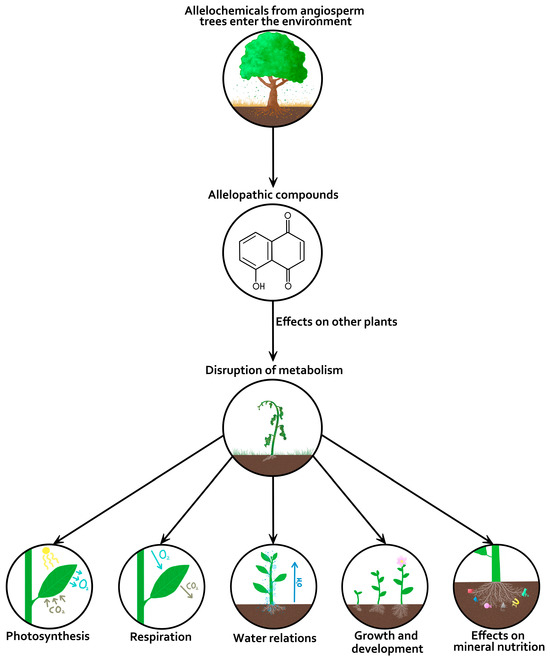
Allelopathy—the release of biologically active secondary metabolites by plants—is a key mechanism regulating plant community dynamics in forest and agro-forestry ecosystems, yet the physiological basis of allelochemical effects of angiosperm trees on acceptor plants remains insufficiently understood. This systematic review synthesises knowledge on
[...] Read more.
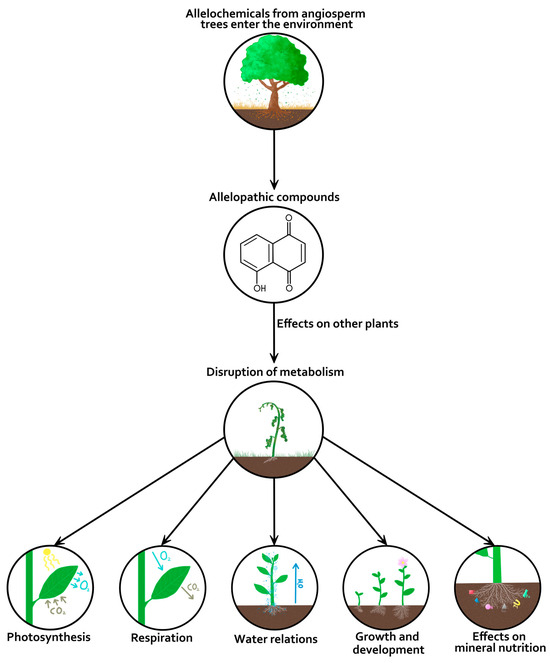
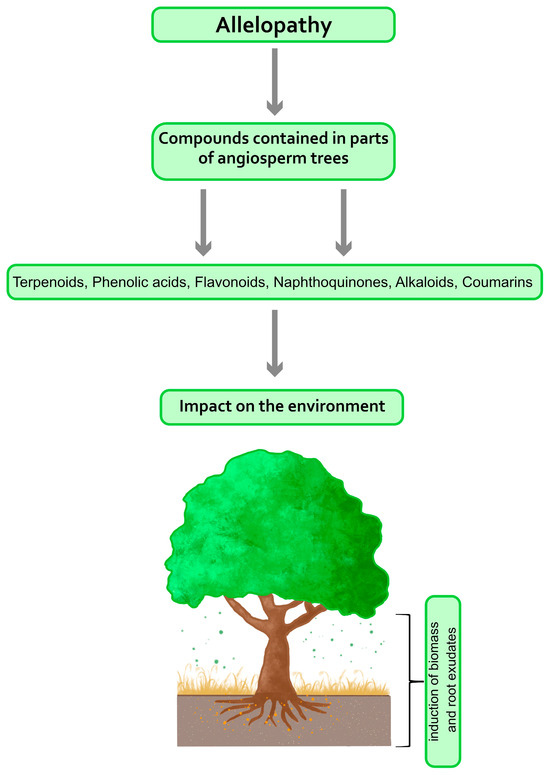
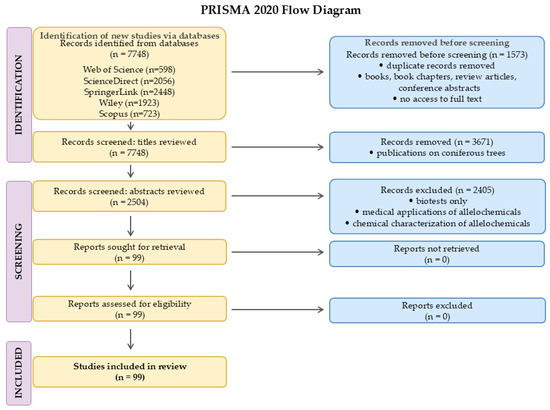
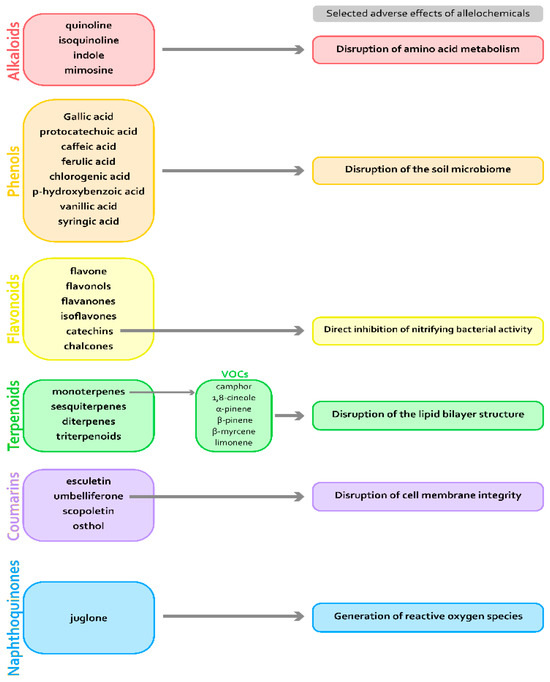
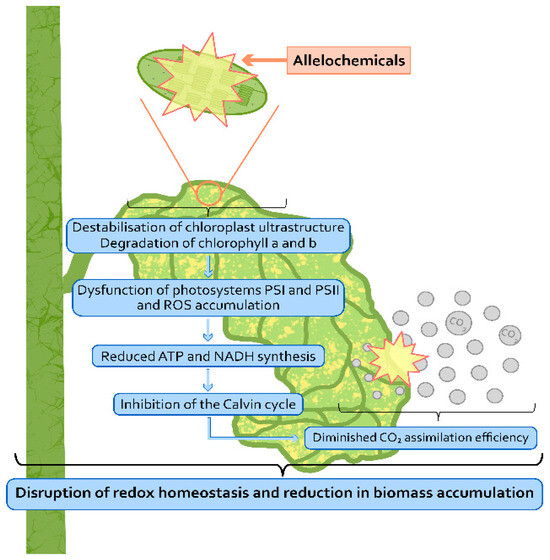
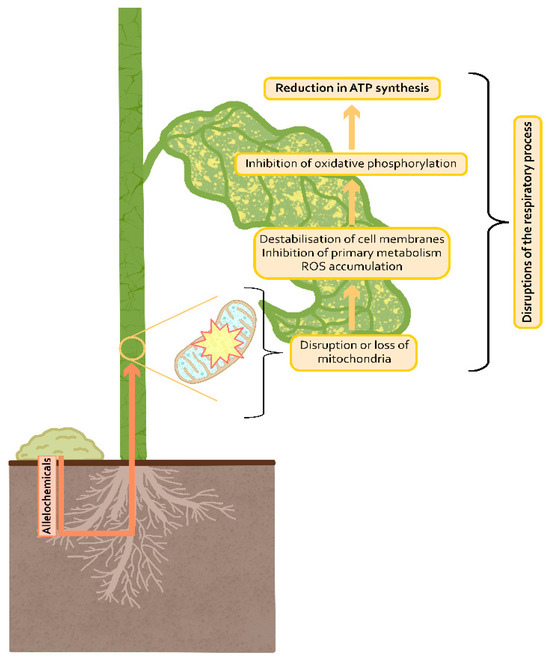
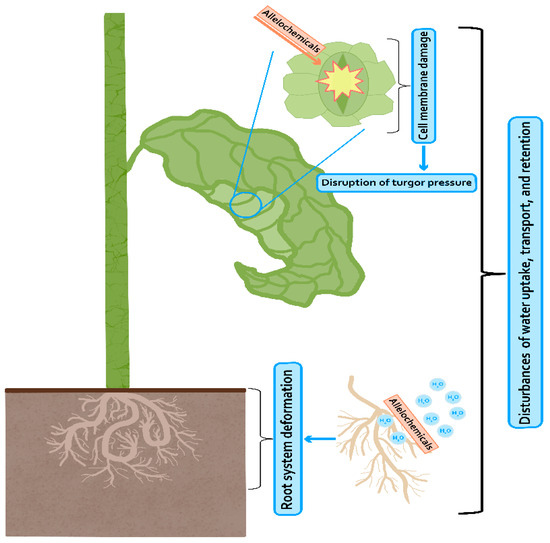
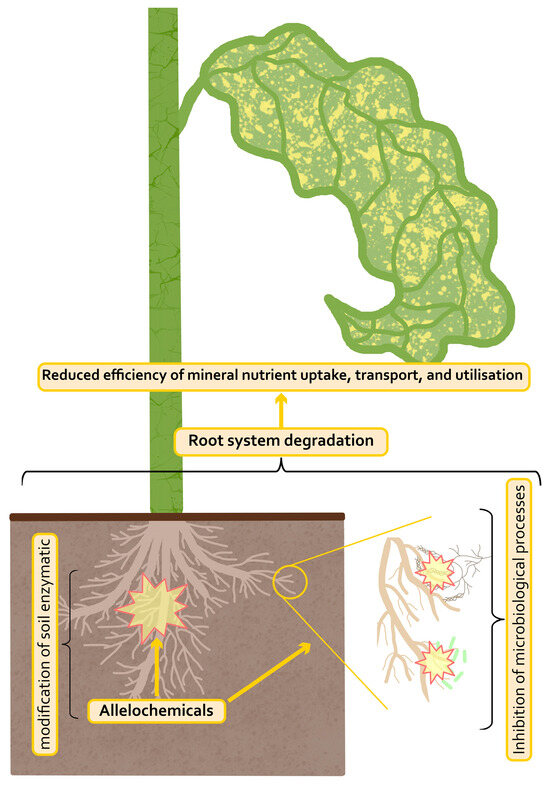
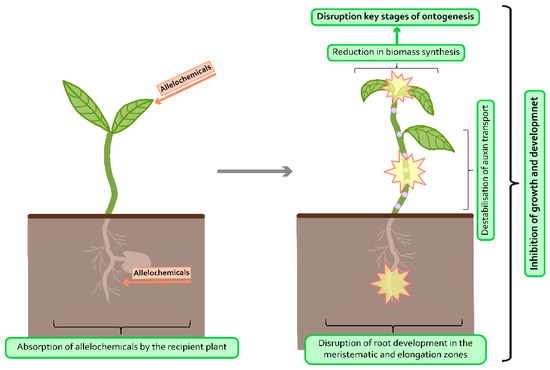
Allelopathy—the release of biologically active secondary metabolites by plants—is a key mechanism regulating plant community dynamics in forest and agro-forestry ecosystems, yet the physiological basis of allelochemical effects of angiosperm trees on acceptor plants remains insufficiently understood. This systematic review synthesises knowledge on the physiological effects of angiosperm tree allelochemicals, focusing on photosynthesis, respiration, water relations, mineral nutrition, and growth and development. Following PRISMA 2020 guidelines, five databases (Web of Science, ScienceDirect, SpringerLink, Wiley Online Library, and Scopus) were searched between October 2025 and June 2026 for English-language peer-reviewed articles on allelopathic effects on plant physiological processes; risk of bias was assessed via methodological transparency, and, given design heterogeneity, a qualitative narrative synthesis was performed. Of 7748 records identified, 99 met the eligibility criteria. Allelochemicals, including phenolic acids, flavonoids, naphthoquinones, terpenoids, alkaloids, and coumarins, were associated with disrupted photosynthetic efficiency, impaired mitochondrial electron transport, altered stomatal functioning, reduced nutrient uptake, and suppressed cell division, with oxidative stress—often linked to reactive oxygen species accumulation—recurring as a shared mechanism; effects were concentration-dependent, with synergistic interactions noted between allelochemicals. These findings advance mechanistic understanding of angiosperm tree allelopathy and highlight its relevance for sustainable agriculture and biological weed management.
Full article
►▼
Show Figures
Open AccessReview
The SIRT Family: Subcellular Localization and Main Functions
by
Ping Quan, Christoph Schatz, Daria Maria Filippini and Johannes Haybaeck
Cited by 1 | Viewed by 429
Abstract
The mammalian sirtuins (SIRTs), consisting of seven members (SIRT 1–7), are NAD
+-dependent histone deacetylases (HDACs). Similar to other classical NAD
+-independent HDACs, SIRTs regulate a wide range of key biological processes by deacetylating both histone and non-histone proteins. By linking
[...] Read more.
The mammalian sirtuins (SIRTs), consisting of seven members (SIRT 1–7), are NAD
+-dependent histone deacetylases (HDACs). Similar to other classical NAD
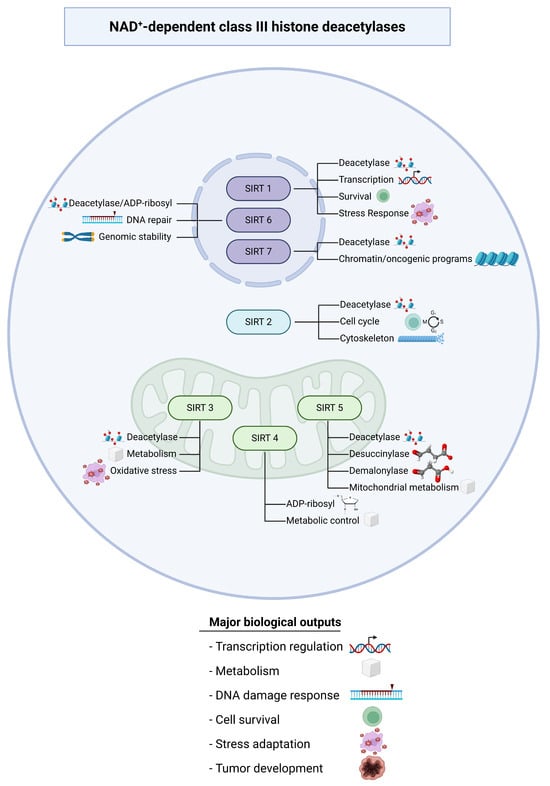
+-independent HDACs, SIRTs regulate a wide range of key biological processes by deacetylating both histone and non-histone proteins. By linking cellular metabolism to tissue homeostasis, SIRTs play important roles in physiological regulation and are often deregulated in many human diseases including diabetes, neurodegeneration and cancer, particularly sarcomas. Here, we reviewed the expression and roles of SIRTs, especially the most studied family member SIRT 1, across several types of human sarcomas, including both bone and soft tissues sarcomas. We also discussed the clinical relevance of SIRTs and the potential of their modulation as a therapeutic strategy in sarcomas.
Full article
►▼
Show Figures
Open AccessReview
Glial Cells as Key Mediators in the Pathophysiology of Neurodegenerative Diseases
by
Katarzyna Bogus, Nicoletta Marchesi, Lucrezia Irene Maria Campagnoli, Alessia Pascale and Artur Pałasz
Cited by 6 | Viewed by 2565
Abstract
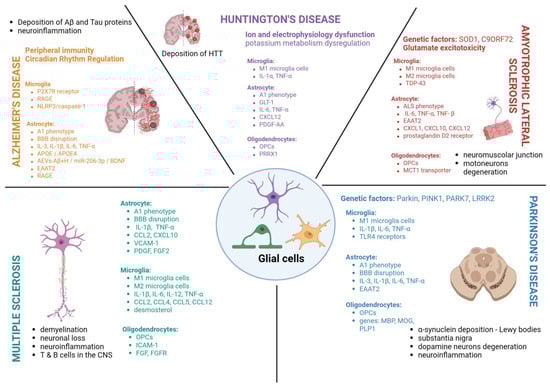
Neurodegenerative disorders are characterized by progressive neuronal loss and dysfunction, yet increasing evidence indicates that glial cells are central mediators of both disease initiation and progression. Astrocytes, microglia, and oligodendrocyte lineage cells modulate neuronal survival by regulating neuroinflammation, metabolic support, synaptic maintenance, and
[...] Read more.
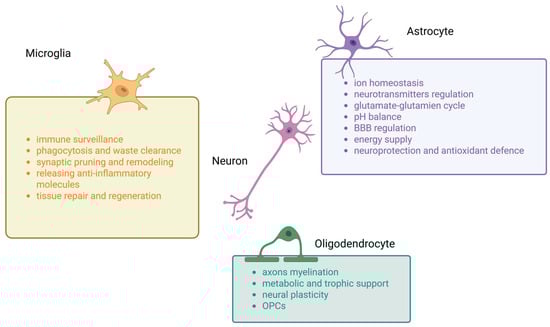
Neurodegenerative disorders are characterized by progressive neuronal loss and dysfunction, yet increasing evidence indicates that glial cells are central mediators of both disease initiation and progression. Astrocytes, microglia, and oligodendrocyte lineage cells modulate neuronal survival by regulating neuroinflammation, metabolic support, synaptic maintenance, and proteostasis. However, dysregulated glial responses, including chronic microglial activation, impaired phagocytosis, altered cytokine production, and mitochondrial dysfunction, contribute to persistent inflammation and structural degeneration observed across Alzheimer’s disease, Parkinson’s disease, amyotrophic lateral sclerosis, Huntington’s disease and multiple sclerosis. Recent advances in single-cell and spatial omics have revealed extensive glial heterogeneity and dynamic shifts between neuroprotective and neurotoxic phenotypes, emphasizing the context-dependent nature of glial activity. This review summarizes current knowledge regarding the multifaceted involvement of glial cells in neurodegenerative disorders.
Full article
►▼
Show Figures
Open AccessReview
The Involvement of Ceramide, Sphingosine-1-Phosphate and Ganglioside GM1 in Regulating Some Nervous System Functions
by
Paola Giussani, Laura Mauri and Sandro Sonnino
Cited by 3 | Viewed by 2197
Abstract
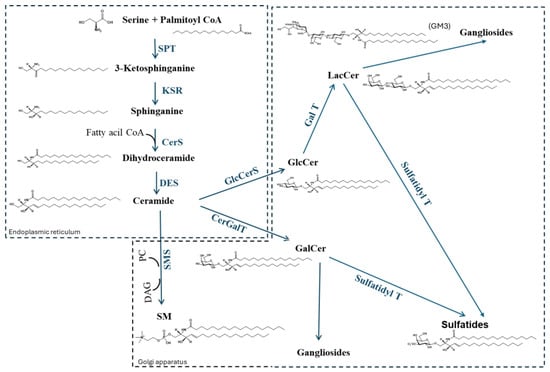
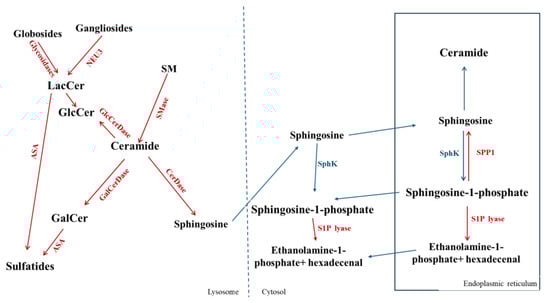
Sphingolipids are a large group of molecules, crucial components of all mammalian cells, that are particularly abundant in the central and peripheral nervous system and associated with important human brain functions. Sphingolipids are necessary for membrane organization and driving functions. Ceramide, sphingosine-1-phosphate and
[...] Read more.
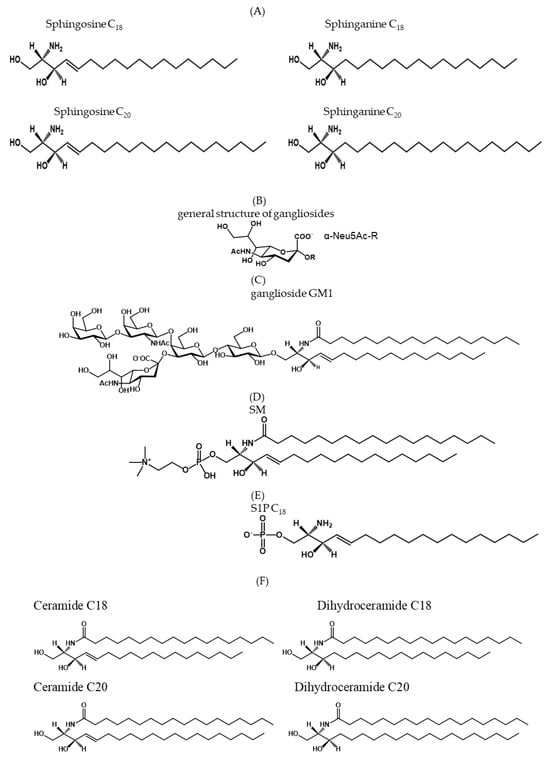
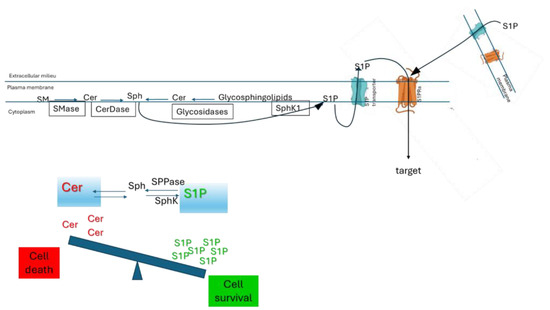
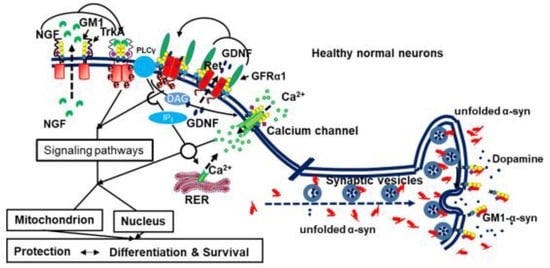
Sphingolipids are a large group of molecules, crucial components of all mammalian cells, that are particularly abundant in the central and peripheral nervous system and associated with important human brain functions. Sphingolipids are necessary for membrane organization and driving functions. Ceramide, sphingosine-1-phosphate and GM1, show bioactive properties. Ceramide and sphingosine-1-phosphate play a crucial role in the regulation of physio-pathological conditions. Small changes in their levels, in the ratio sphingosine-1-phosphate/ceramide as well as in chain length profiles of sphingolipids contribute to alter signaling pathways in neurons and glia, contributing to various neurological disorders. GM1 is considered a neurotrophic and neuroprotective compound and seems to be necessary for the correct functioning of neuronal membrane receptors, suggesting that a reduction in its level in the brain can be involved in neurodegenerative diseases. In this review, we give an overview of sphingolipid metabolism, summarizing the role of ceramide, sphingosine-1-phosphate, and GM1 in maintaining human health.
Full article
►▼
Show Figures