-
Wildfires as Emerging Dominant Arctic and Subarctic Extremes -
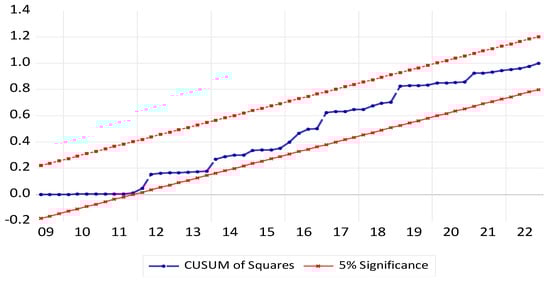
Declining Rainfall in Southern Coastal Australia Signals a Return to Drought, Low Dam Levels, Declining Stream Flows, and Catastrophic Bushfires -
Wind Energy Potential over the Eastern Mediterranean During the Summer Season: Evaluation and Future Projections from CMIP6
Journal Description
Climate
Climate
is a scientific, peer-reviewed, open access journal of climate science published online monthly by MDPI. The American Society of Adaptation Professionals (ASAP) is affiliated with Climate and its members receive discounts on the article processing charges.
- Open Access— free for readers, with article processing charges (APC) paid by authors or their institutions.
- High Visibility: indexed within Scopus, ESCI (Web of Science), GEOBASE, GeoRef, AGRIS, and other databases.
- Journal Rank: JCR - Q2 (Meteorology and Atmospheric Sciences) / CiteScore - Q2 (Atmospheric Science)
- Rapid Publication: manuscripts are peer-reviewed and a first decision is provided to authors approximately 20.8 days after submission; acceptance to publication is undertaken in 3.8 days (median values for papers published in this journal in the second half of 2025).
- Recognition of Reviewers: reviewers who provide timely, thorough peer-review reports receive vouchers entitling them to a discount on the APC of their next publication in any MDPI journal, in appreciation of the work done.
Impact Factor:
3.2 (2024);
5-Year Impact Factor:
3.5 (2024)
Latest Articles
Extreme Precipitation in China (1960–2020): Spatiotemporal Evolution and Atmosphere–Ocean Circulation Drivers
Climate 2026, 14(6), 112; https://doi.org/10.3390/cli14060112 (registering DOI) - 23 May 2026
Abstract
Amid the ongoing acceleration of climate change over recent decades, extreme precipitation events have become more frequent and intense on a global scale, triggering severe natural hazards and considerable socioeconomic damage. Nevertheless, how extreme precipitation has evolved at the national level over long
[...] Read more.
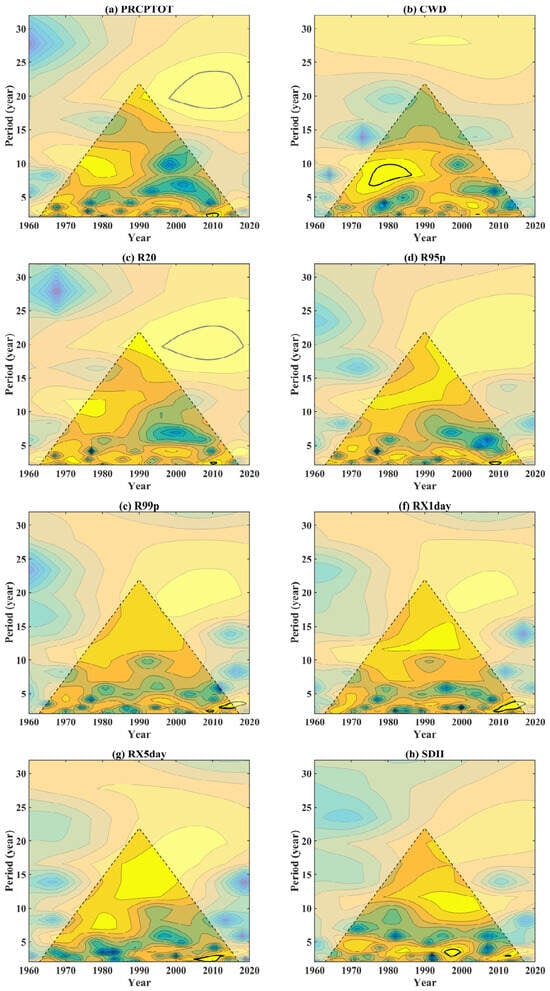
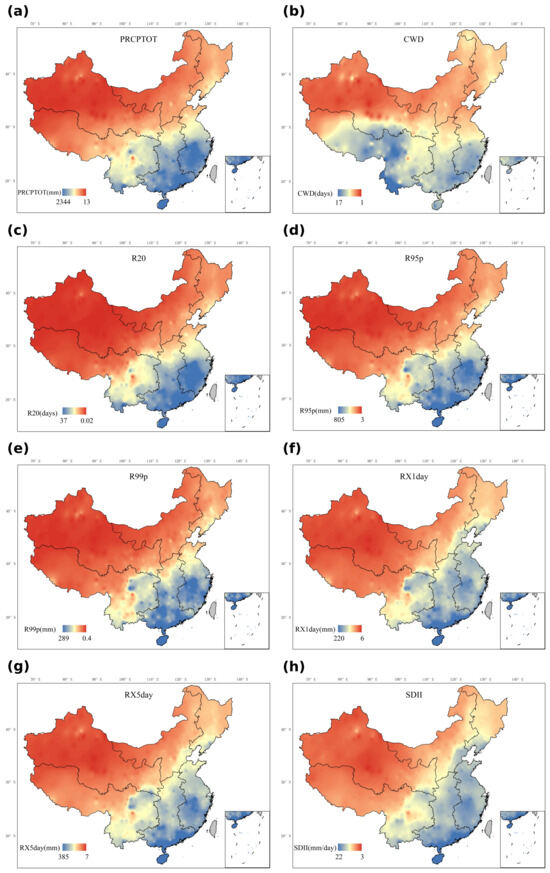
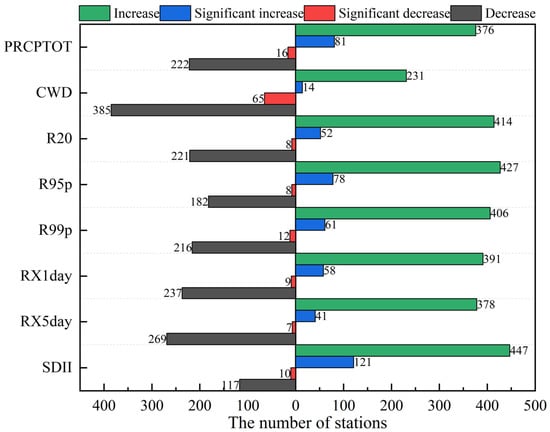
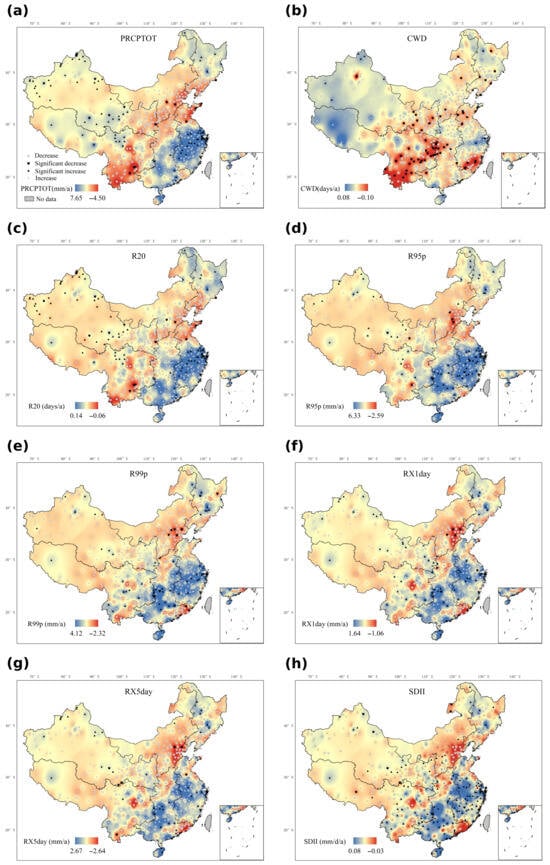
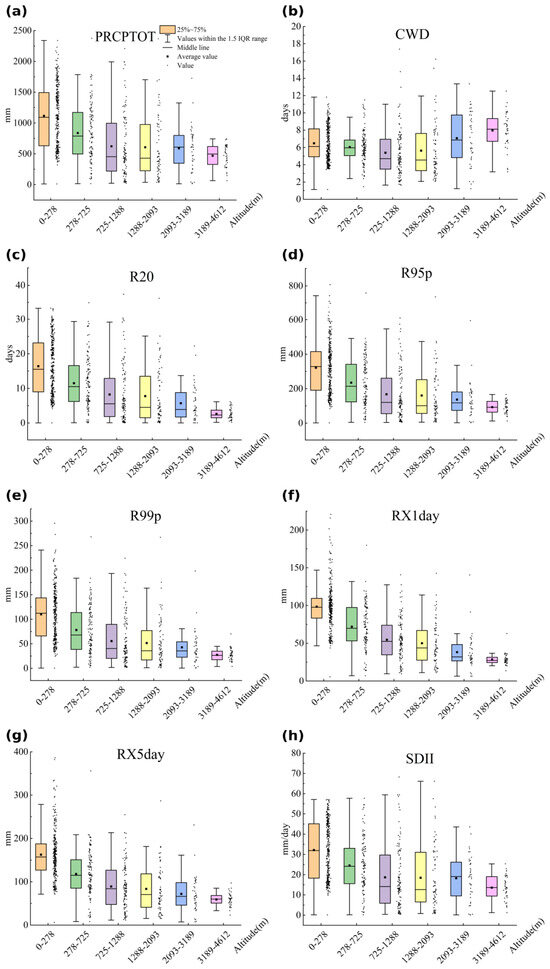
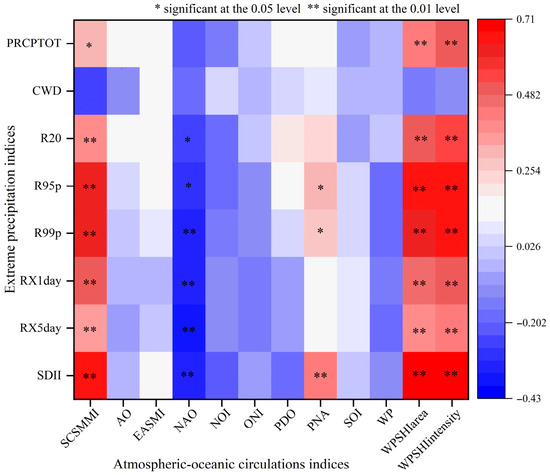
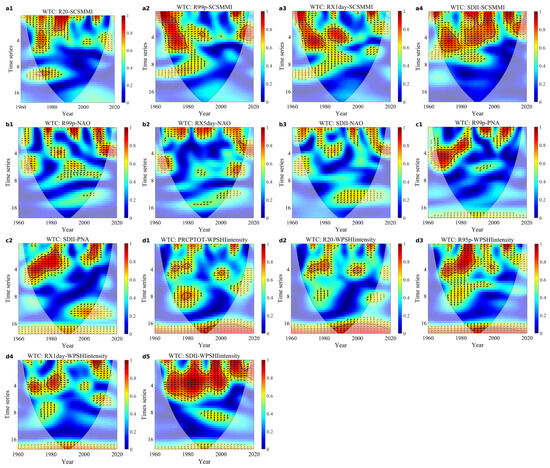
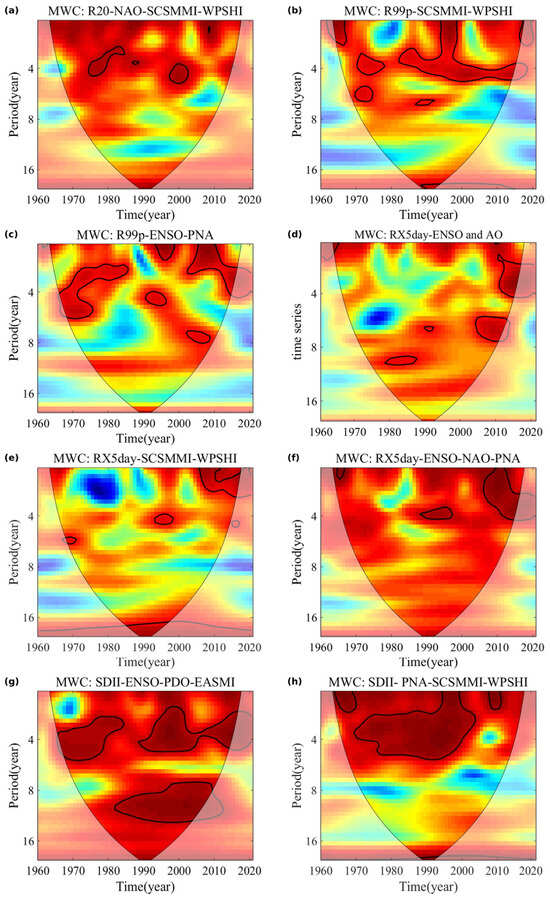
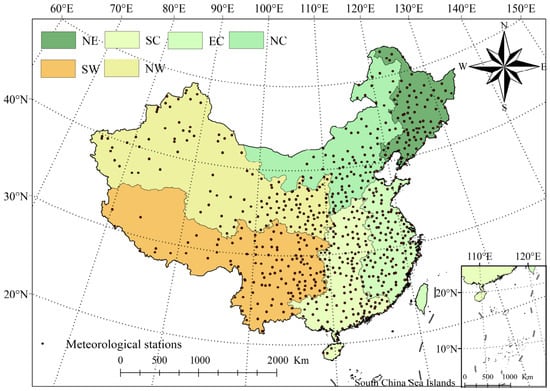
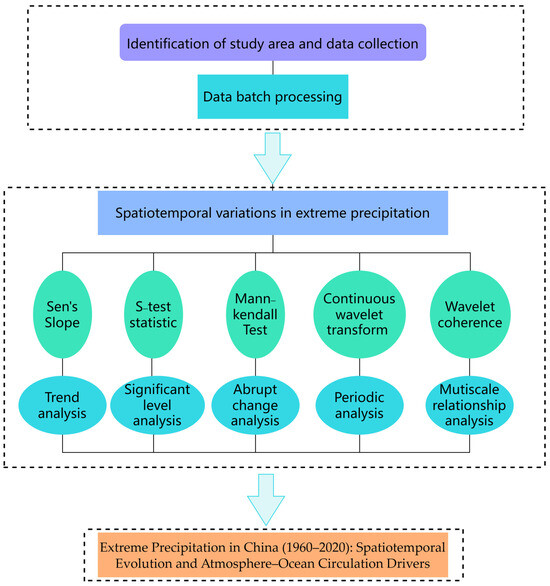
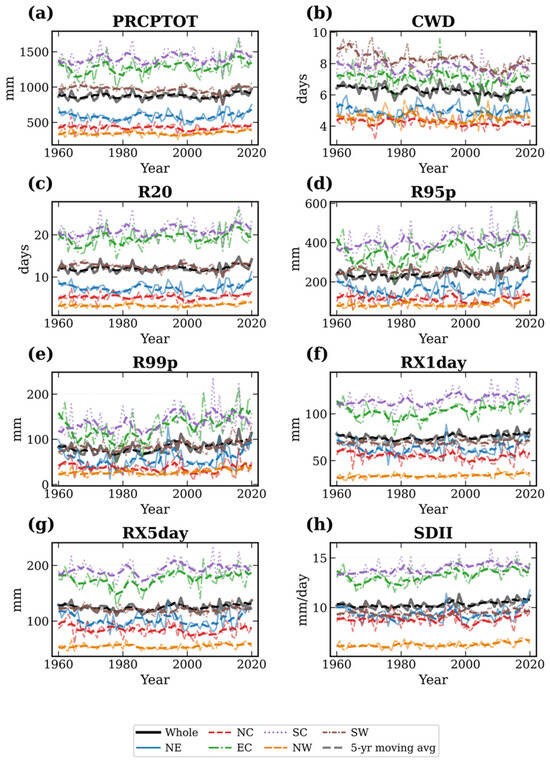
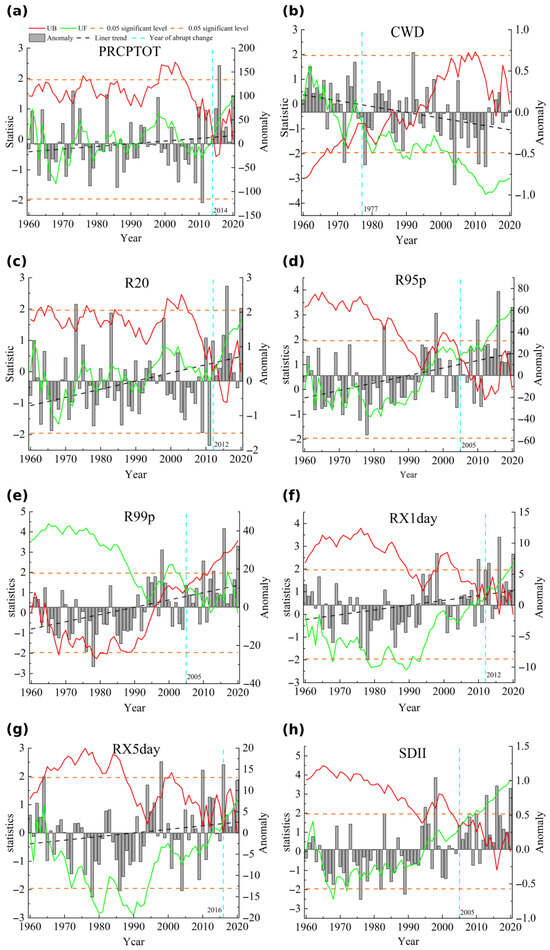
Amid the ongoing acceleration of climate change over recent decades, extreme precipitation events have become more frequent and intense on a global scale, triggering severe natural hazards and considerable socioeconomic damage. Nevertheless, how extreme precipitation has evolved at the national level over long time spans, and what role atmosphere–ocean teleconnections play in driving regional differences, remains insufficiently explored. This study addresses that knowledge gap by conducting a comprehensive assessment of eight ETCCDI-based extreme precipitation indices (PRCPTOT, CWD, R20, R95p, R99p, RX1day, RX5day, and SDII) across six climatic sub-regions of China (Northeast, North, East, Central South, Northwest, and Southwest) over 1960–2020, drawing on daily records from 695 quality-controlled meteorological stations. Key atmospheric and oceanic circulation drivers were further diagnosed and their joint influence was quantified via multiple wavelet coherence (MWC). The analysis shows that five of the eight indices (CWD, R95p, R99p, RX1day, and RX5day) underwent statistically significant fluctuating changes (p < 0.05) throughout the 61-year record. Seven indices, all except CWD, demonstrated upward tendencies, with mutation points clustering after 2010, most notably between 2011 and 2016. Wavelet power spectra indicates elevated energy concentrations at multiple time scales, although only CWD exhibited a statistically significant periodicity of approximately 8–10 a (p < 0.05 against red noise). In terms of spatial patterns, index magnitudes generally increased along a northwest-to-southeast gradient. Stations registering significant upward shifts were concentrated in East and Central South China, whereas significant downward shifts appeared mainly in North China and the northern portion of East China. An altitude-dependent pattern was also detected: CWD rose with elevation, while the remaining indices declined sharply below 1288 m, fluctuated in the 1288–2090 m band, and dropped again above 2090 m. Wavelet coherence analysis uncovered significant resonance between extreme precipitation and four circulation indices—SCSMMI, WPSHI, PNA, and NAO. MWC further identified three driver combinations—ENSO-PNA, SCSMMI-WPSHI, and ENSO-NAO-EASMI—as the most influential, acting both individually and synergistically. These results furnish an empirical basis for forecasting, preventing, and managing precipitation-related disasters across China under future climate scenarios.
Full article
(This article belongs to the Section Weather, Events and Impacts)
►
Show Figures
Open AccessArticle
Rainfall Erosivity Dynamics in a Tropical Basin: Integration of Rain Gauge Data and Satellite-Based Precipitation
by
Guilherme d. S. Rios, Joaquim E. B. Ayer, Derielsen B. Santana, Victor H. F. d. Silva, Marcelo A. R. Pires, Talyson d. M. Bolleli, Fellipe S. Gomes, Mariana Raniero, Pedro F. R. Grande, Velibor Spalevic, Felipe G. Rubira and Ronaldo L. Mincato
Climate 2026, 14(6), 111; https://doi.org/10.3390/cli14060111 - 22 May 2026
Abstract
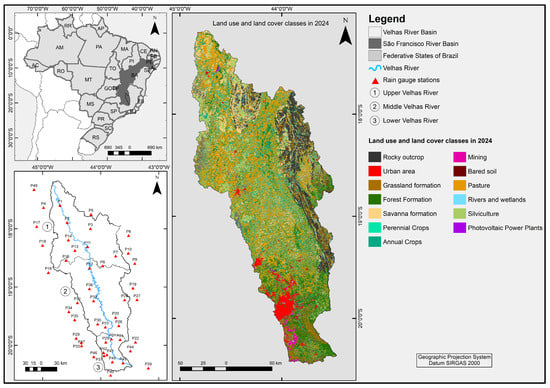
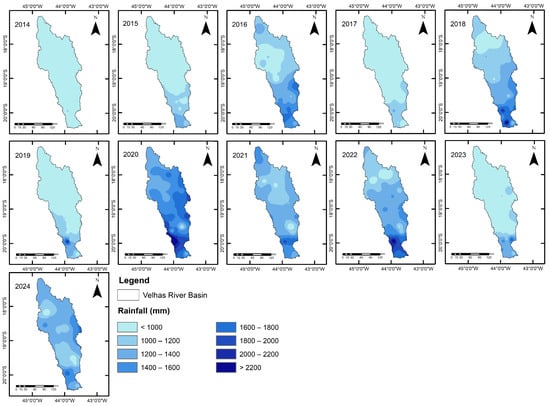
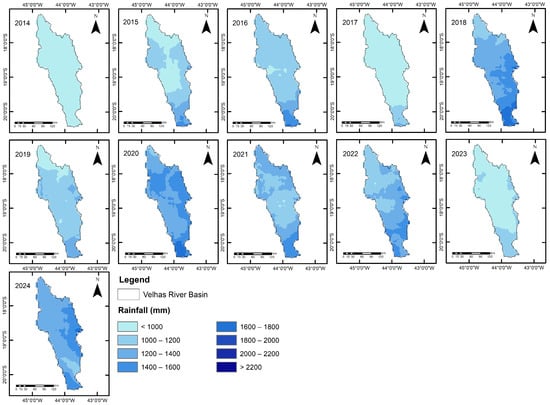
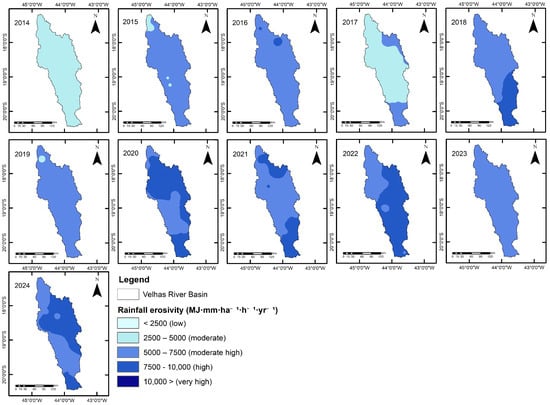
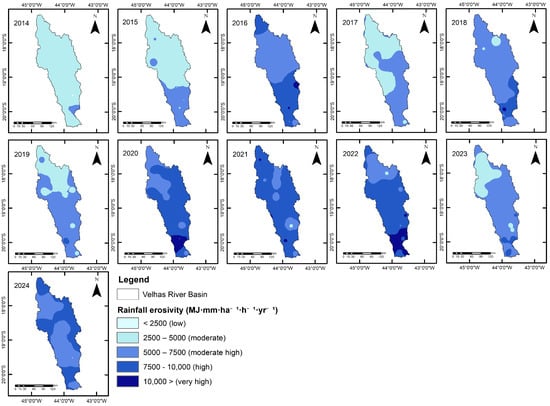
This study evaluated the spatial and temporal variability of rainfall erosivity (R factor) and its implications for soil loss in the Velhas River Basin, Minas Gerais, Brazil. Rainfall erosivity was estimated from 49 rain gauge stations and CHIRPS precipitation data using empirical equations-based
[...] Read more.
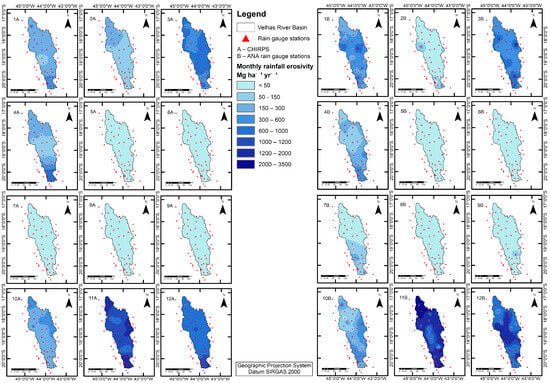
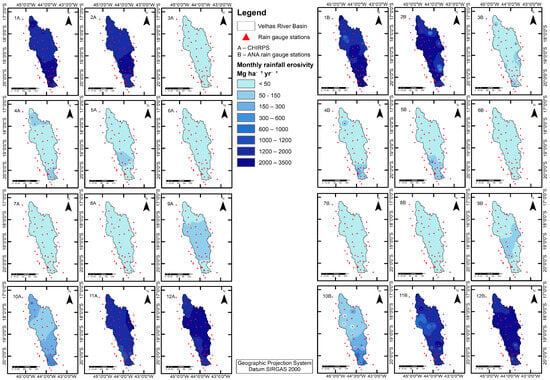
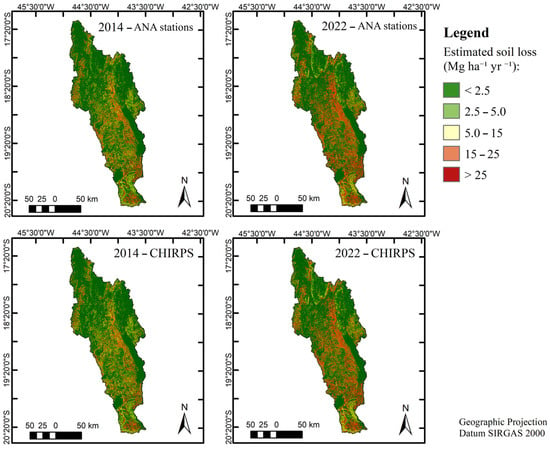
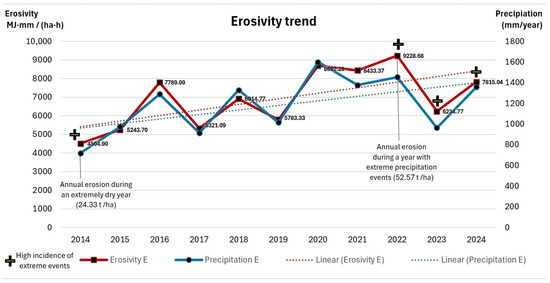
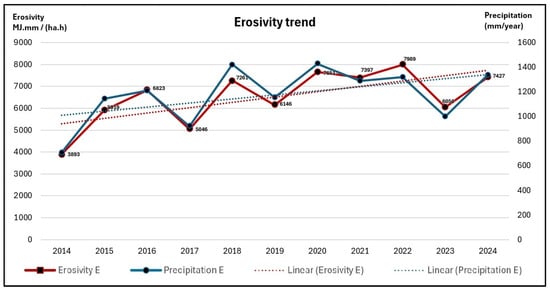
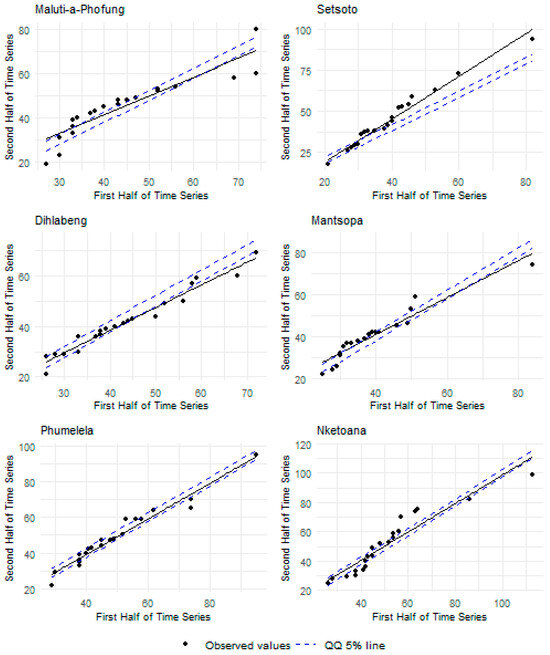
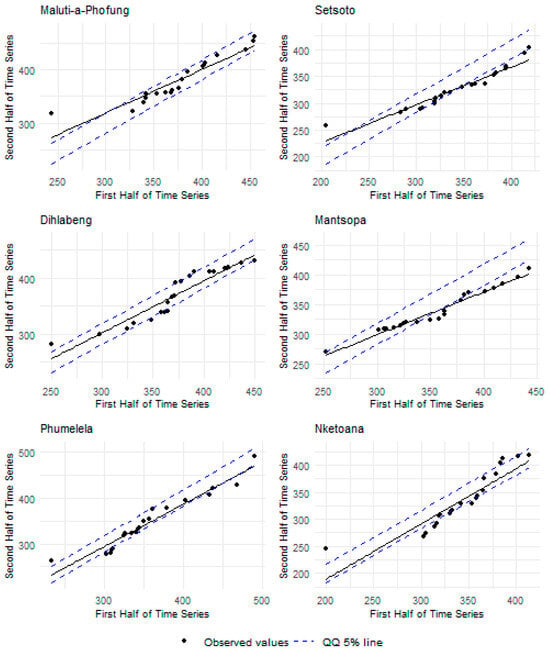
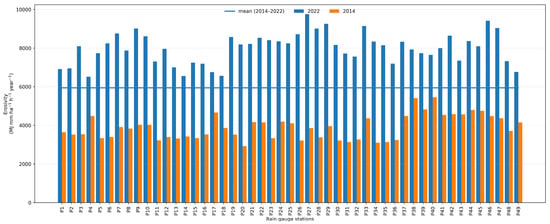
This study evaluated the spatial and temporal variability of rainfall erosivity (R factor) and its implications for soil loss in the Velhas River Basin, Minas Gerais, Brazil. Rainfall erosivity was estimated from 49 rain gauge stations and CHIRPS precipitation data using empirical equations-based on monthly and annual precipitation totals. Soil loss was estimated using the RUSLE model for the years of minimum and maximum erosivity. Between 2014 and 2024, annual R values ranged from approximately 3900 to more than 9000 MJ mm ha−1 h−1 yr−1, with the lowest values recorded in 2014 and the highest in 2022. Although 2020 had the highest annual rainfall, 2022 showed the highest erosivity, indicating that rainfall intensity and temporal concentration were more important than total rainfall volume. Furthermore, the comparison of erosivity was estimated from ANA stations and derived from CHIRPS agreement for paired station-year observations (r = 0.7196), although CHIRPS slightly underestimated erosivity values (mean bias −5.74%). Estimated soil loss ranged from 0.60 to 274.17 Mg ha−1 yr−1, with the highest values occurring mainly in exposed soil and agricultural areas. These findings highlight the importance of rainfall temporal distribution in erosion risk and support the use of satellite-derived precipitation products for regional-scale erosion assessments in data-scarce tropical basins.
Full article
(This article belongs to the Section Weather, Events and Impacts)
►▼
Show Figures

Figure 1
Open AccessArticle
Feasibility of Reducing Land Surface Temperature by Greening in Ouagadougou, Burkina Faso
by
Elena Corona, Elena Belcore, Youmanli Enok Ferdinand Combary, Fabio Giulio Tonolo and Maurizio Tiepolo
Climate 2026, 14(5), 110; https://doi.org/10.3390/cli14050110 - 21 May 2026
Abstract
In hot, semi-arid zones, cities are experiencing longer and more intense warm spells. Although the literature offers strategies to mitigate this threat, studies verifying their feasibility are limited. In this study, we aim to ascertain the feasibility of reducing land surface temperature (LST)
[...] Read more.
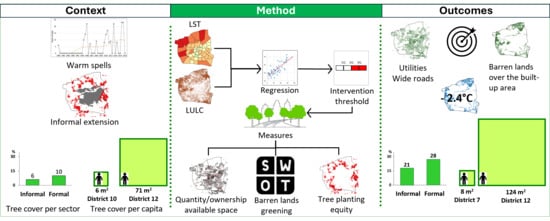
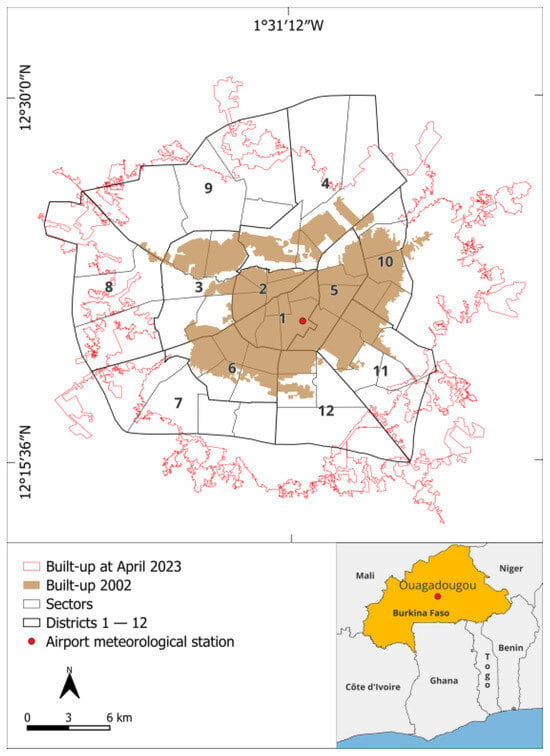
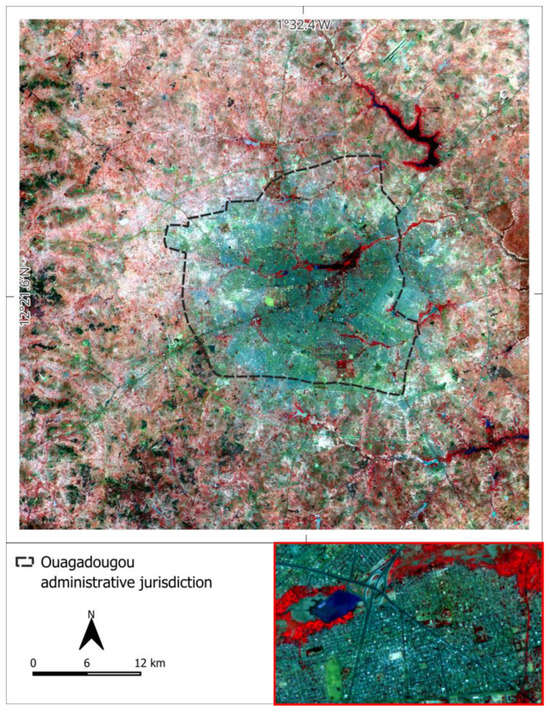
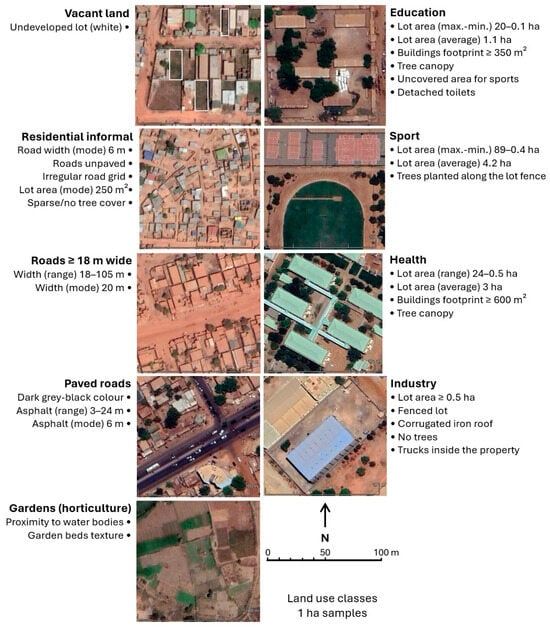
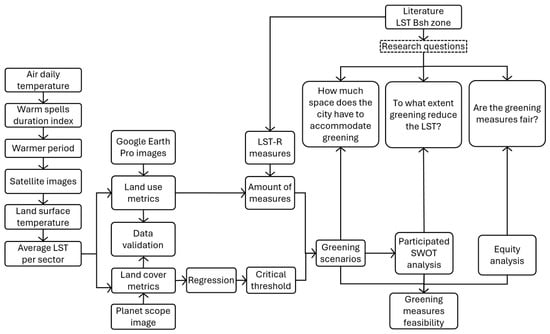
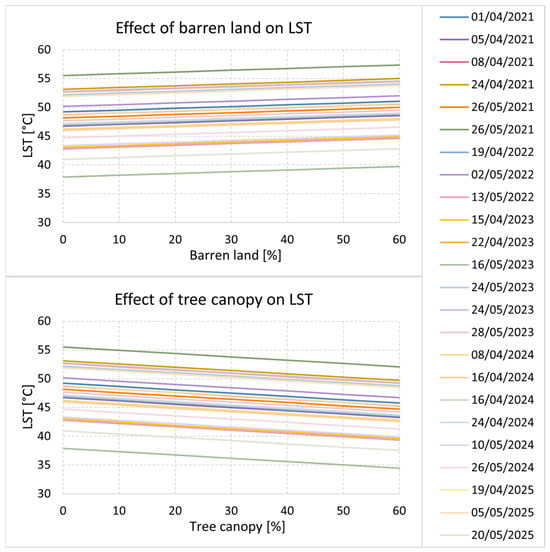
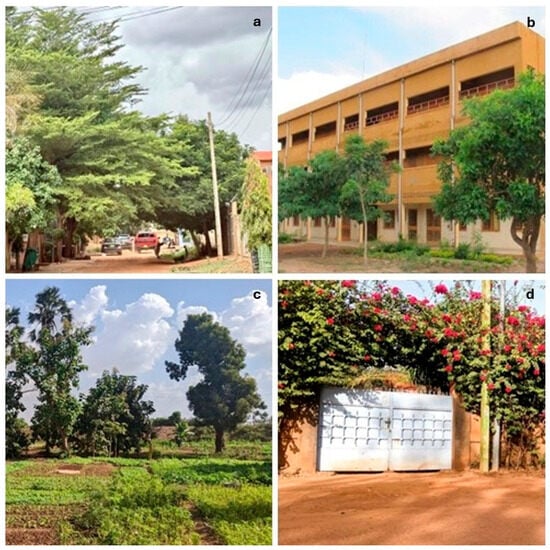
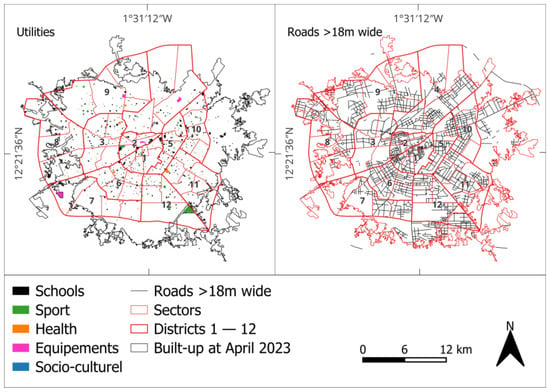
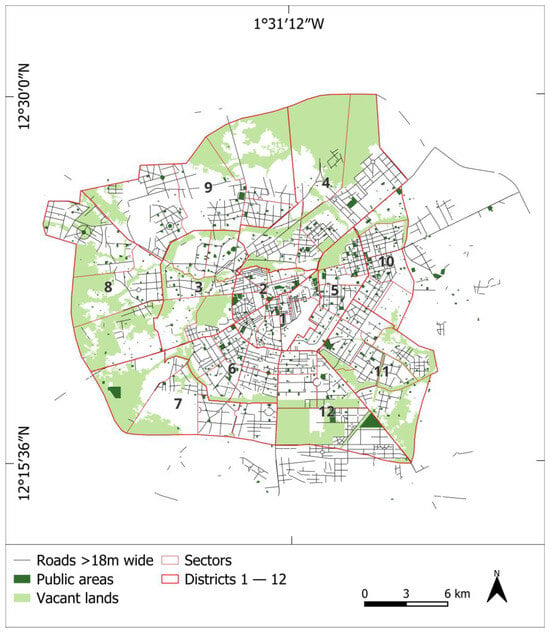
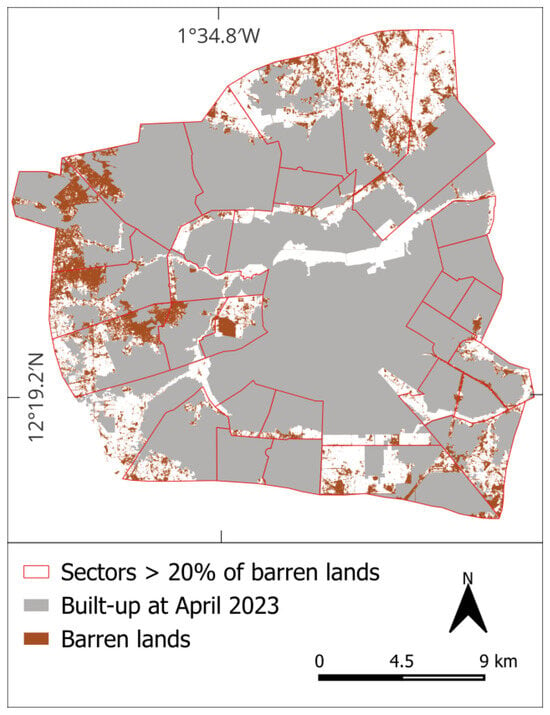
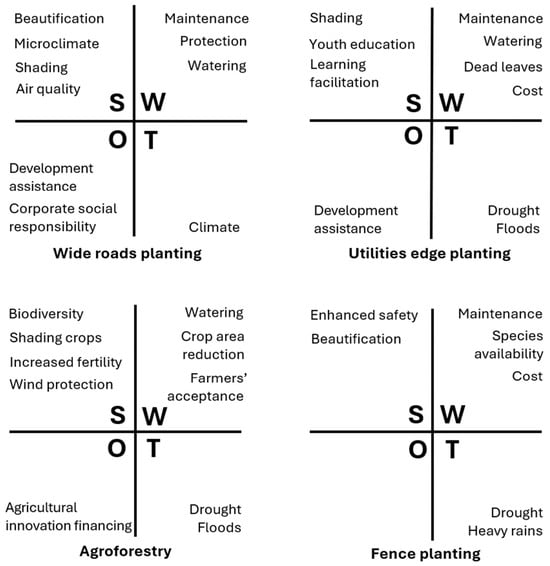
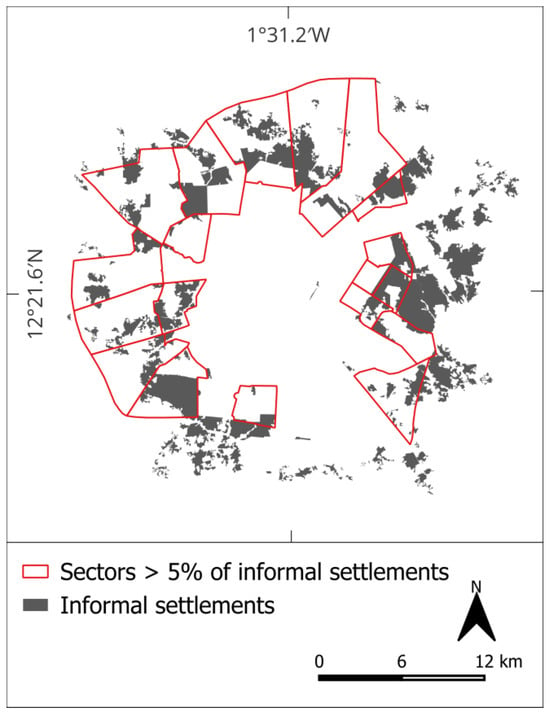
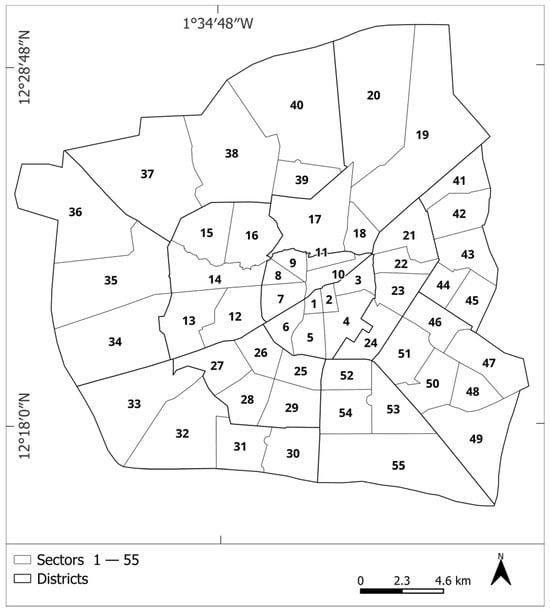
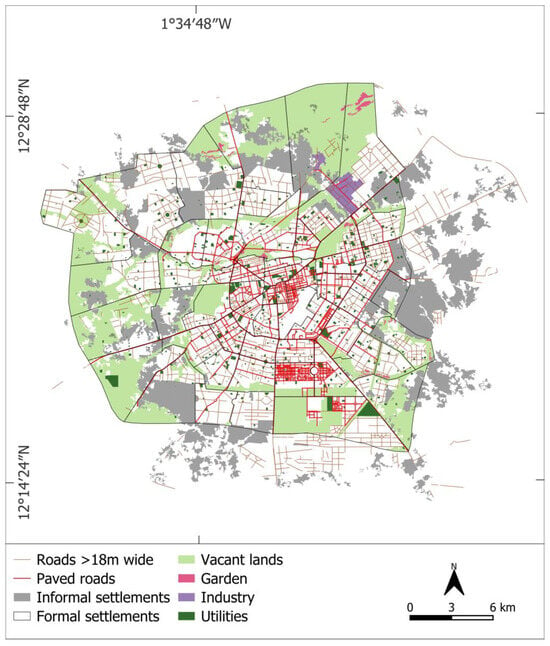
In hot, semi-arid zones, cities are experiencing longer and more intense warm spells. Although the literature offers strategies to mitigate this threat, studies verifying their feasibility are limited. In this study, we aim to ascertain the feasibility of reducing land surface temperature (LST) through greening. We combine LST analysis with a feasibility assessment of cooling measures and consider physical and ownership dimensions alongside environmental and social factors, with Ouagadougou (Burkina Faso) serving as a case study. The average LST during the hottest period (April–May) was calculated from ECOSTRESS and Landsat remotely sensed data, and multiple regression models were used to analyse the relationship between LST and land cover/land use across the city’s districts and sectors. Our assessment incorporates greening scenarios, SWOT analyses, and equity assessments, and our results indicate that barren land is the primary determinant of diurnal LST. Planting 0.45 million trees could reduce LST by up to 2.4 °C in peripheral sectors if large roads, utilities, and vacant lands are targeted. This may reduce disparities in tree cover between sectors but could widen the gap between districts. Recommendations include a more hierarchical street network, enhancing utility provision, and reducing barren land in the peripheral sectors.
Full article
(This article belongs to the Special Issue Urban Heat Adaptation: Potential, Feasibility, Equity)
►▼
Show Figures

Graphical abstract
Open AccessArticle
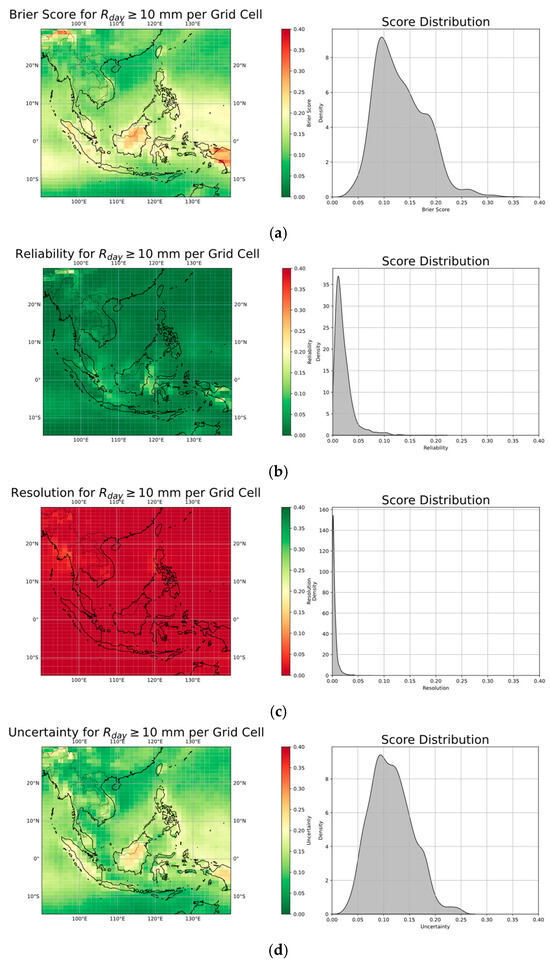
Evaluating the Reliability of GLENS Stratospheric Aerosol Injection Ensemble Simulations over Southeast Asia
by
Heri Kuswanto, Hakan Ahmad Fatahillah, Candra R. W. S. W. Utomo, Tintrim Dwi Ary Widhianingsih and Kartika Fithriasari
Climate 2026, 14(5), 109; https://doi.org/10.3390/cli14050109 - 21 May 2026
Abstract
Stratospheric Aerosol Injection (SAI) has been investigated as a climate intervention strategy to offset global warming, and regional impacts studies rely on simulations from the Geoengineering Large Ensemble (GLENS). The probabilistic behavior of the GLENS ensemble has not been systematically characterized for Southeast
[...] Read more.
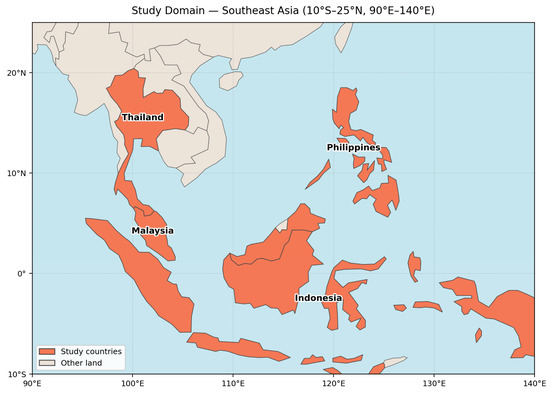
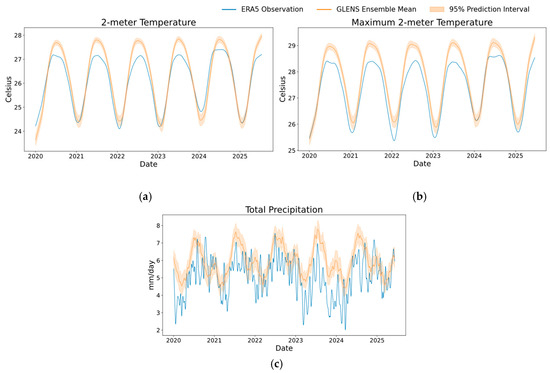
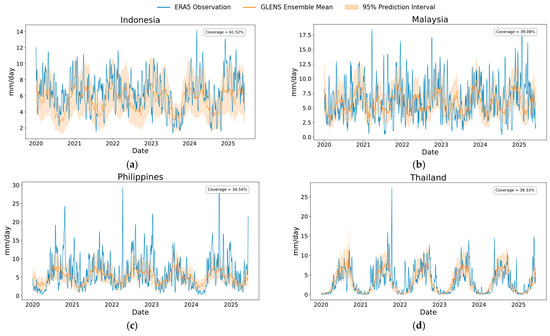
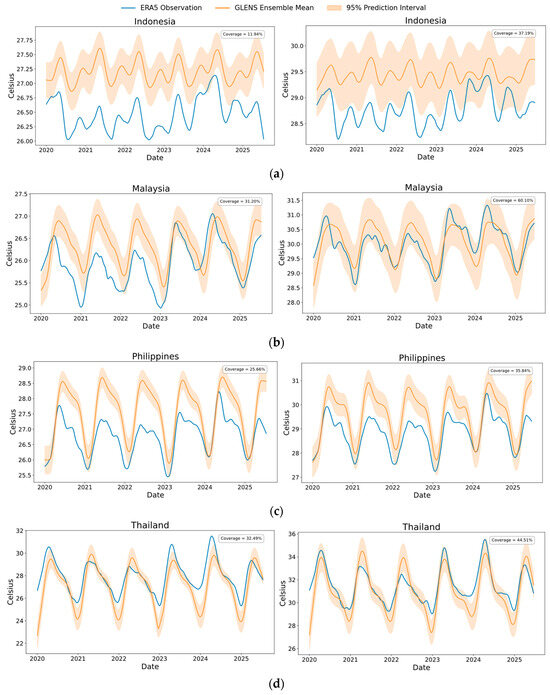
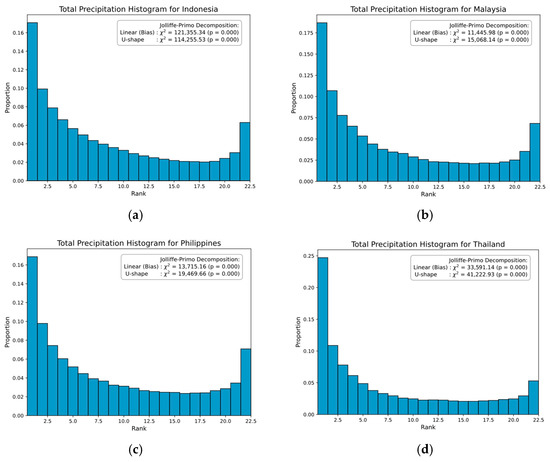
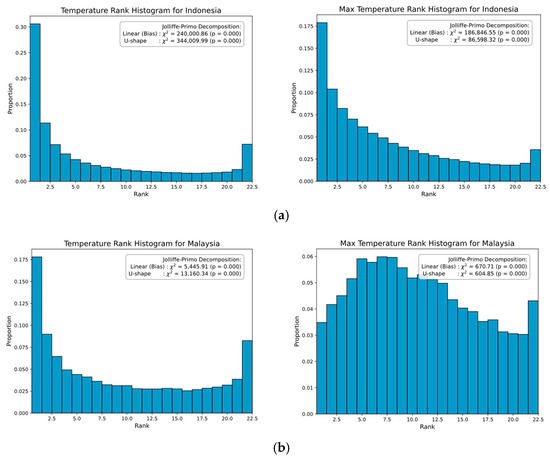
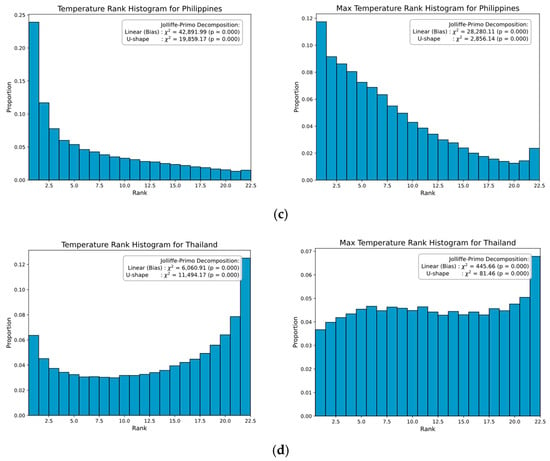
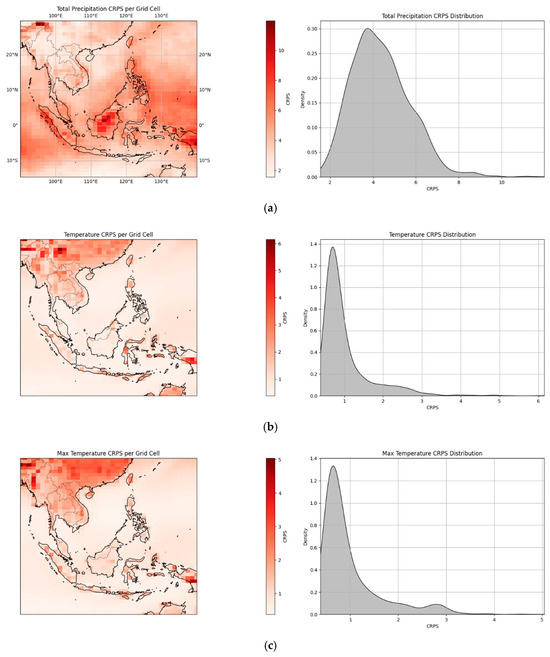
Stratospheric Aerosol Injection (SAI) has been investigated as a climate intervention strategy to offset global warming, and regional impacts studies rely on simulations from the Geoengineering Large Ensemble (GLENS). The probabilistic behavior of the GLENS ensemble has not been systematically characterized for Southeast Asia. Because GLENS is a counterfactual experiment combining the Representative Concentration Pathway 8.5 (RCP8.5) forcing with active SAI, comparison with observations cannot validate the SAI response itself. In the early protocol years, the SAI forcing is small, so the early window provides a diagnostic of statistical consistency between the ensemble and the observed climate and of ensemble spread reliability. We compare the 21-member GLENS ensemble for 2020–2025 with ERA5 for daily precipitation and mean and maximum temperature using empirical coverage of the 95% prediction interval, rank histograms with the Jolliffe–Primo decomposition, the Continuous Ranked Probability Score, and the Brier Score for rainfall occurrence. Coverage is well below nominal for all variables, and rank histograms show pronounced U-shapes dominated by the dispersion error component, indicating systematic underdispersion. Because the underlying mechanisms are properties of the ensemble system rather than of the SAI forcing, this underdispersion is expected to persist in the future record, motivating statistical post-processing of GLENS before its use in SAI impact assessments.
Full article
(This article belongs to the Section Climate Dynamics and Modelling)
►▼
Show Figures

Figure 1
Open AccessArticle
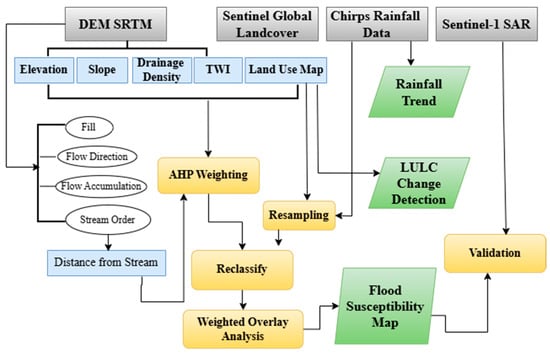
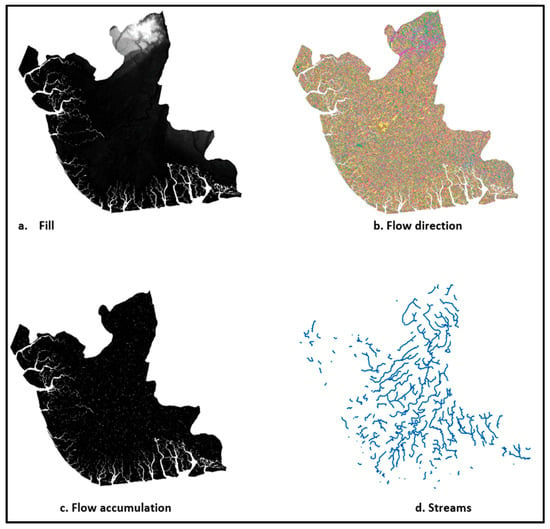
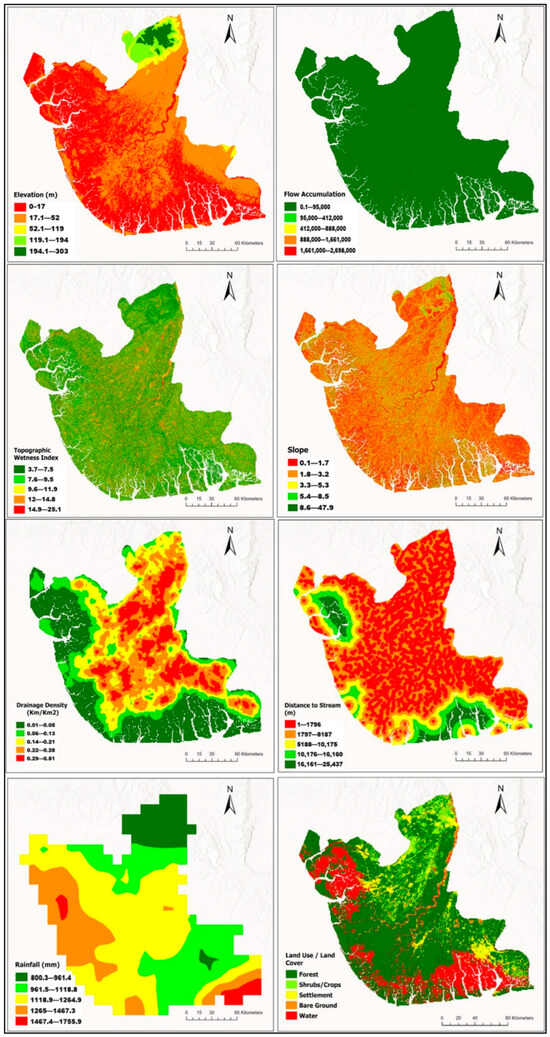
Land Use/Land Cover Change Detection and Assessment of Flood Susceptibility in the Niger Delta Region
by
Abiodun Tosin-Orimolade, Munshi Khaledur Rahman and Oluwaseun Ipede
Climate 2026, 14(5), 108; https://doi.org/10.3390/cli14050108 - 20 May 2026
Abstract
►▼
Show Figures
The Niger Delta region of Nigeria experiences multiple environmental stresses due to intensive oil exploration and pervasive gas flaring, both of which contribute to local and regional climate changes, extreme weather events, and excessive and erratic rainfall. Consequently, flooding remains a recurrent natural
[...] Read more.
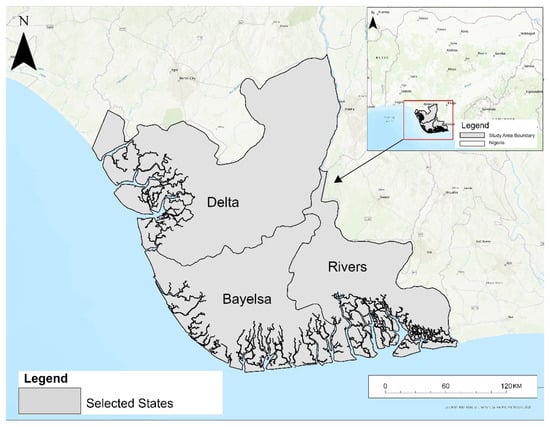
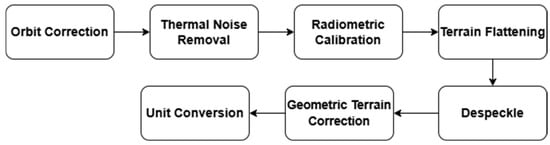
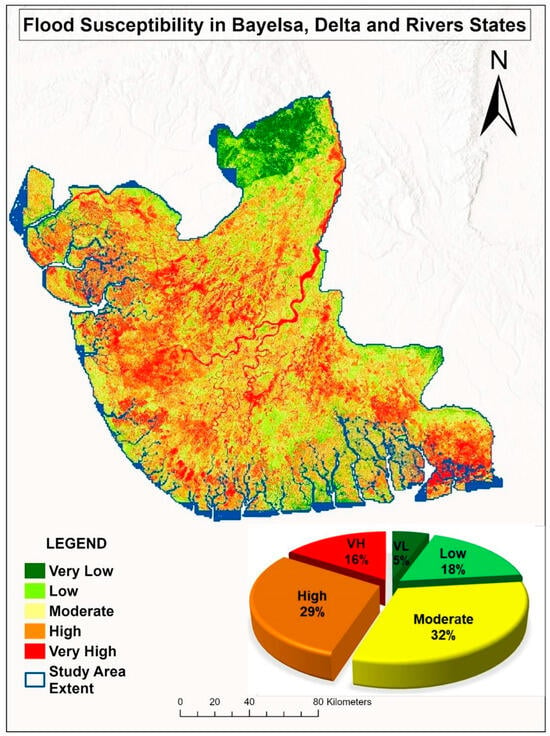
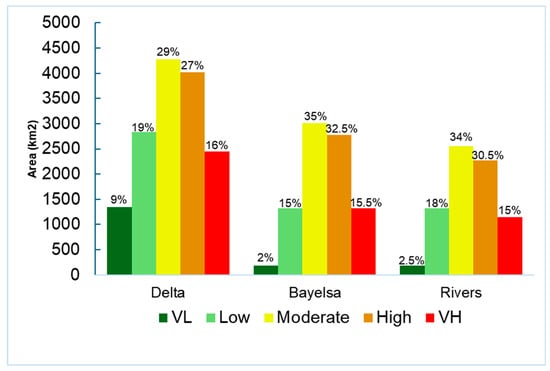
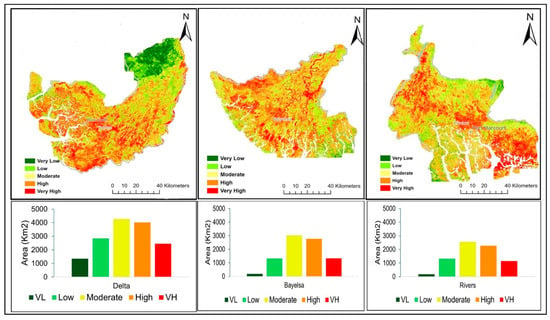
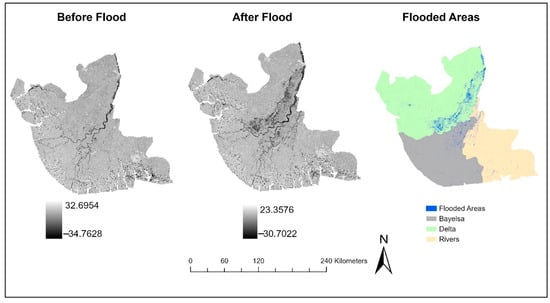
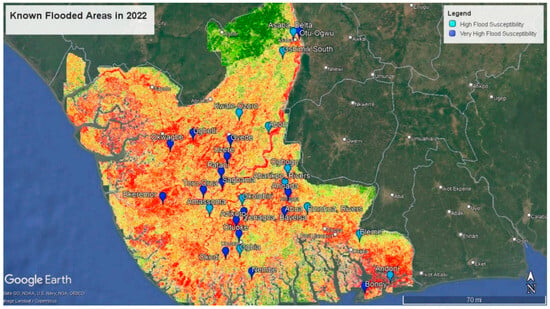
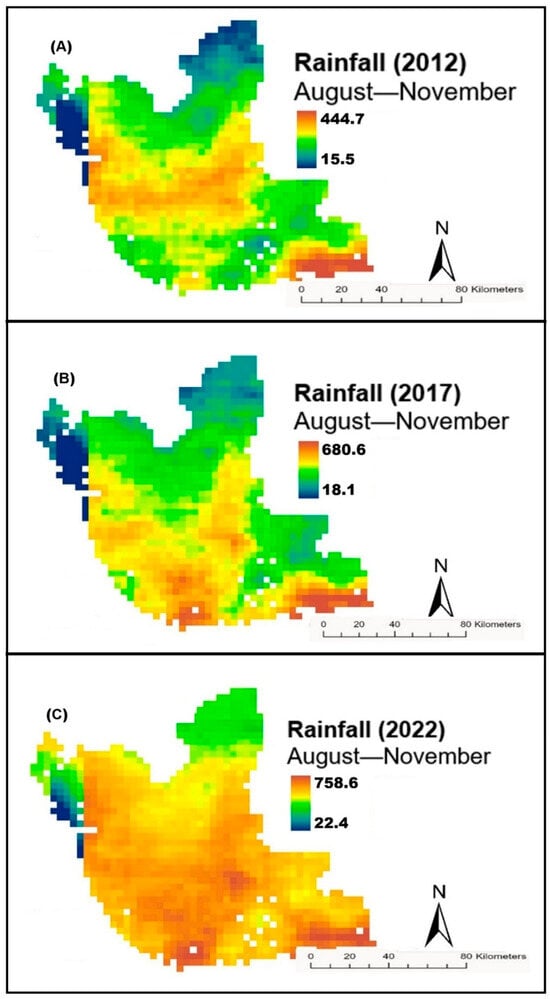
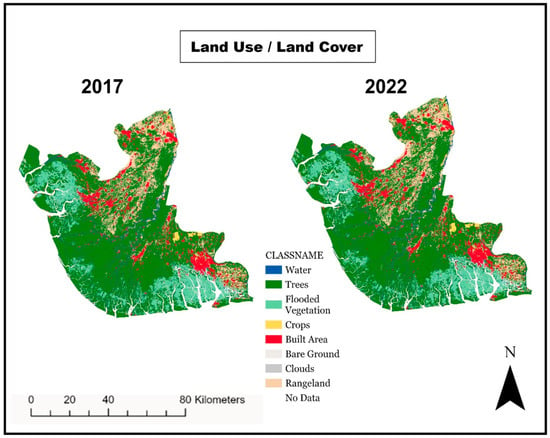
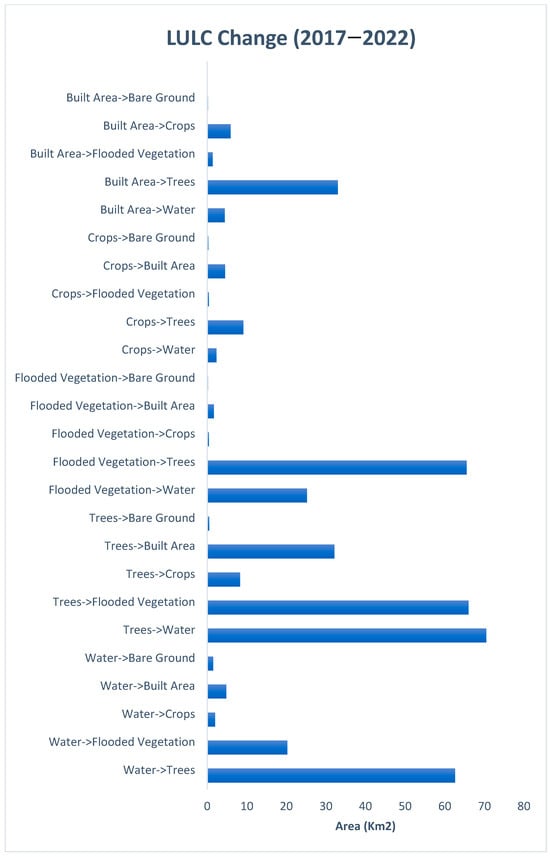
The Niger Delta region of Nigeria experiences multiple environmental stresses due to intensive oil exploration and pervasive gas flaring, both of which contribute to local and regional climate changes, extreme weather events, and excessive and erratic rainfall. Consequently, flooding remains a recurrent natural disaster, disproportionately impacting the low-lying states of Delta, Bayelsa, and Rivers. This study employs remotely sensed geospatial data and a GIS-based weighted overlay analysis to delineate flood-prone areas on a regional scale in the central Niger Delta states. Flood susceptibility was determined through a weighted overlay of digital elevation model (DEM), slope, proximity to streams, rainfall, and LULC data, among others. Weights of criteria were derived through an analytical hierarchy process (AHP) with a very good consistency ratio of 2.5%. Land use and land cover (LULC) and rainfall data were further analyzed to detect trends of changes between 2012 and 2022. The results show that relatively 77% of the study region is prone to flooding. Areas prone to very high flooding are about 16%, high is 29%, moderate is 32%, while low and very low flood-prone areas cover 18% and 5% of the study region, respectively. There is also a notable increase in average annual rainfall and land cover changes. Average rainfall increased by 58.1% between 2012 and 2017, and by 11.5% between 2017 and 2022. Land cover change analysis further indicates that approximately 1.3% of the study area was converted predominantly to flooded zones and water bodies from 2017 to 2022. The results of this study could be useful for urban regional planning, flood mitigation, and resettlement policies aimed at reducing flood vulnerability and enhancing resilience in the central Niger Delta, as well as other places where similar challenges exist.
Full article

Figure 1
Open AccessArticle
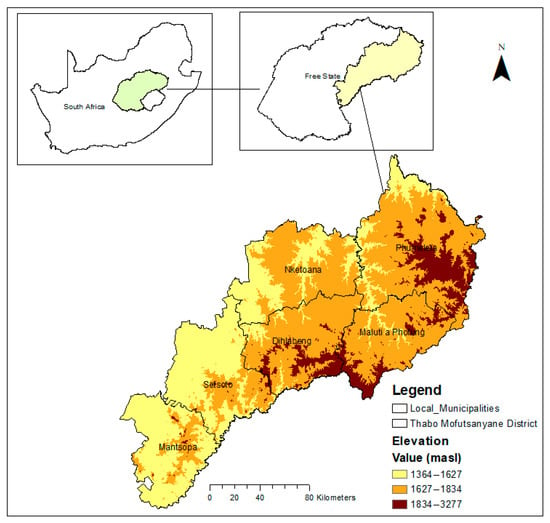
Patterns of Extreme Precipitation Indices in the Eastern Free State Region, South Africa (1981–2023)
by
Lokuthula Msimanga, Sonwabo Perez Mazinyo and Onalenna Gwate
Climate 2026, 14(5), 107; https://doi.org/10.3390/cli14050107 - 19 May 2026
Abstract
South Africa is highly susceptible to climate variability and long-term climatic shifts, necessitating a comprehensive understanding of changing extreme precipitation patterns to guide effective mitigation and adaptation responses. This study examined variations in extreme precipitation indices from 1981 to 2023 across the eastern
[...] Read more.
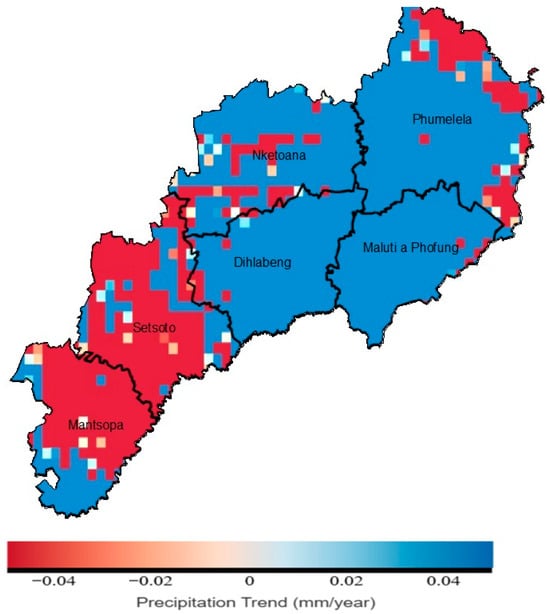
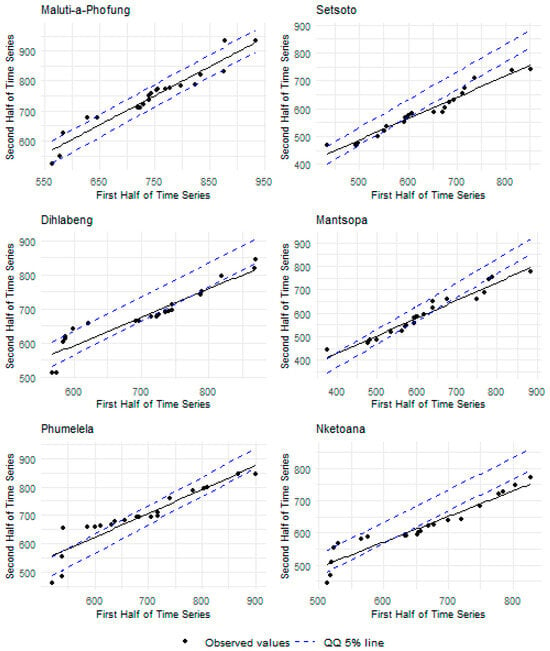
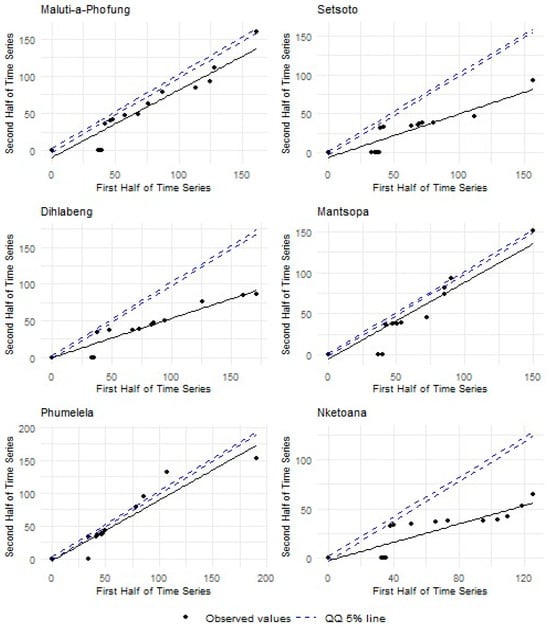
South Africa is highly susceptible to climate variability and long-term climatic shifts, necessitating a comprehensive understanding of changing extreme precipitation patterns to guide effective mitigation and adaptation responses. This study examined variations in extreme precipitation indices from 1981 to 2023 across the eastern Free State Province using daily rainfall records derived from the Climate Hazards Group InfraRed Precipitation with Station data (CHIRPS). Ten extreme precipitation indices were evaluated, with trend detection conducted through the Innovative Trend Analysis (ITA) technique. Findings indicate that the majority of municipalities exhibited statistically significant declining trends (p < 0.05) in total wet-day precipitation (PRCPTOT), R99P, R95P, the Simple Daily Intensity Index (SDII), CDD, RX5day, R20mm, and R10mm, suggesting an overall reduction in both heavy and moderate rainfall occurrences. In contrast, significant upward trends (p < 0.05) were identified in CWD, and RX1day, reflecting a shift toward prolonged wet periods and more intense short-duration rainfall events. Taken together, these divergent patterns point to the simultaneous emergence of heightened drought vulnerability driven by reduced cumulative rainfall and increased flood risk linked to intensified precipitation extremes. These results underscore the importance of forward-looking, climate-resilient water resource management and context-specific adaptation strategies suited to the eastern Free State’s complex mountainous terrain.
Full article
(This article belongs to the Special Issue Hydroclimatic Extremes: Modeling, Forecasting, and Assessment)
►▼
Show Figures

Figure 1

Open AccessReview
What’s New in Heat-Related Illnesses of Travel: Narrative Critical Appraisal and Summary of the Updated Guidelines from the Wilderness Medical Society
by
Arghavan Omidi, Farah Jazuli, Gregory D. Hawley, Milca Meconnen, Dylan Kain, Mark Polemidiotis, Nam Phuong Do, Olamide Egbewumi and Andrea K. Boggild
Climate 2026, 14(5), 106; https://doi.org/10.3390/cli14050106 - 16 May 2026
Abstract
Rising planetary temperatures and extreme heat events have led to an increased incidence of heat-related illnesses, such as heat stroke, globally. Widespread adoption of measures to prevent and treat heat-related illnesses is an increasingly urgent issue given the rising global temperatures; promotion of
[...] Read more.
Rising planetary temperatures and extreme heat events have led to an increased incidence of heat-related illnesses, such as heat stroke, globally. Widespread adoption of measures to prevent and treat heat-related illnesses is an increasingly urgent issue given the rising global temperatures; promotion of such evidence-based strategies is needed to reduce heat-related morbidity and mortality globally. Such heat-related environmental illnesses are differentially experienced by those without access to ambient cooling and those engaged in outdoor work and recreation. Moreover, the adverse impacts of heat-related illness experienced by residents of the Global South necessitates the inclusion of high-quality recommendations around prevention and treatment into clinical and public health practice in order to address health equity and human rights considerations. The current guidance on prevention strategies and therapeutic interventions for heat-related illness has been iterated and published by the Wilderness Medical Society (WMS). In this critical appraisal, we have summarized the evidence-based guidelines and highlighted the updated recommendations that reflect evolving issues in heat illness research. Application of the Appraisal of Guidelines for Research and Evaluation (AGREE) II framework has enabled a quality assessment of the guidelines to be performed, which we present herein. The adoption of evidence-based practices around heat-related illness has the potential to reduce morbidity and mortality and improve global population-level health in light of the warming climate.
Full article
(This article belongs to the Special Issue Global Health in a Changing Climate: Interdisciplinary Perspectives on Human Well-Being)
Open AccessArticle
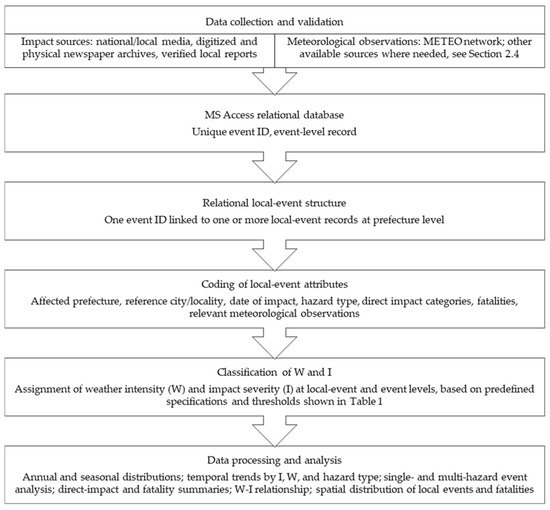
Impact-Based Analysis of Weather-Related Hazards in Greece (2000–2025): Insights from the High-Impact Weather Events Database (HIWE-DB)
by
Katerina Papagiannaki, Vassiliki Kotroni and Konstantinos Lagouvardos
Climate 2026, 14(5), 105; https://doi.org/10.3390/cli14050105 - 13 May 2026
Abstract
Weather-related hazards cause significant societal impacts, yet systematic long-term analyses linking these events to all levels of impact severity remain limited. This study investigates weather-related events and their associated impacts in Greece (2000–2025) using the High-Impact Weather Events Database (HIWE-DB). The HIWE-DB records
[...] Read more.
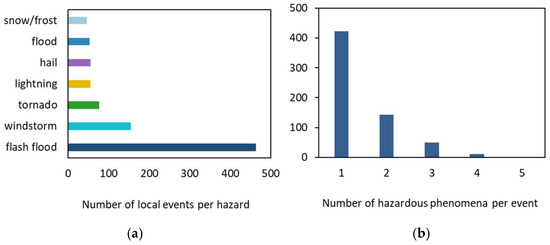
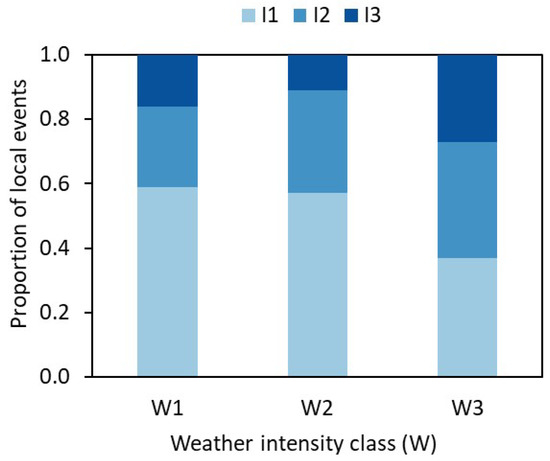
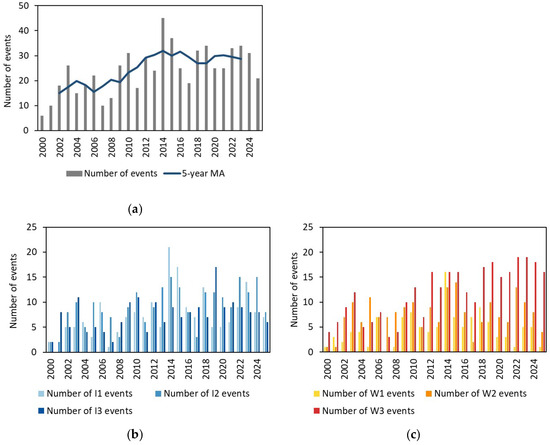
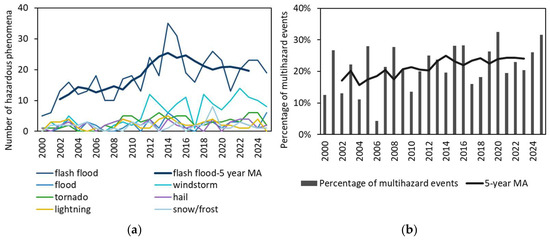
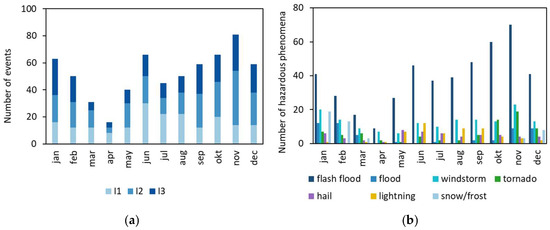
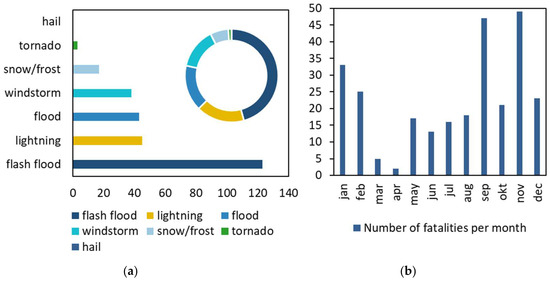
Weather-related hazards cause significant societal impacts, yet systematic long-term analyses linking these events to all levels of impact severity remain limited. This study investigates weather-related events and their associated impacts in Greece (2000–2025) using the High-Impact Weather Events Database (HIWE-DB). The HIWE-DB records 626 events, corresponding to 1871 localized records and includes 269 confirmed fatalities. Flood-related hazards are dominant, followed by windstorms, while one-third of all events involve multiple hazardous phenomena. A multilevel analysis, independently assessing weather intensity (W) and impact severity (I), reveals a statistically significant annual increase in the total number of events, driven mainly by low- to moderate-impact events (I1-I2), alongside an increase in high-intensity events (W3). While the most severe events (I3) show high annual variability, they exhibit a 38% increase in the second half of the study period compared to the first. Spatially, societal impacts are predominantly concentrated in major metropolitan areas, whereas the highest per capita fatality rates occur in specific regions, such as West Attica. The findings demonstrate how the independent indicators of intensity and severity contribute to understanding the link between weather hazards and societal exposure, providing an empirical basis for evidence-based risk assessment and impact-based early warnings.
Full article
(This article belongs to the Section Weather, Events and Impacts)
►▼
Show Figures

Figure 1
Open AccessArticle
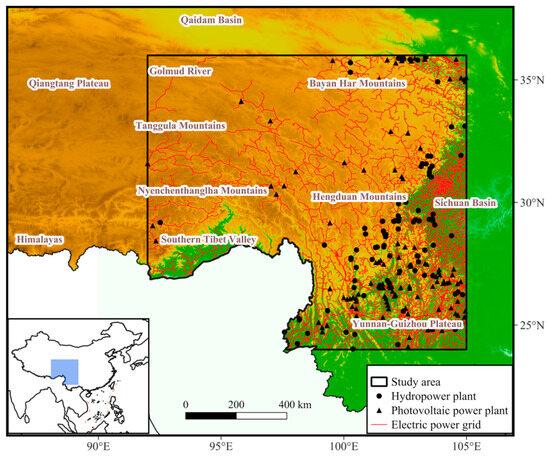
Projected Wind and Baseline Ice Hazards for Transmission Lines in Southwestern China Under SSP2-4.5
by
Jiyong Zhang, Hao Chen, Rui Mao and Xuezhen Zhang
Climate 2026, 14(5), 104; https://doi.org/10.3390/cli14050104 - 13 May 2026
Abstract
►▼
Show Figures
Transmission lines in Southwestern China are highly exposed to compound hazards induced by extreme winds and ice and snow conditions. This study assesses future changes in extreme wind hazards and their spatial overlap with baseline ice susceptibility under the SSP2-4.5 emission scenario, using
[...] Read more.
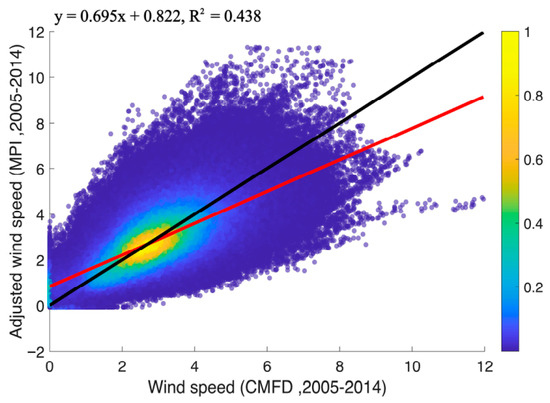
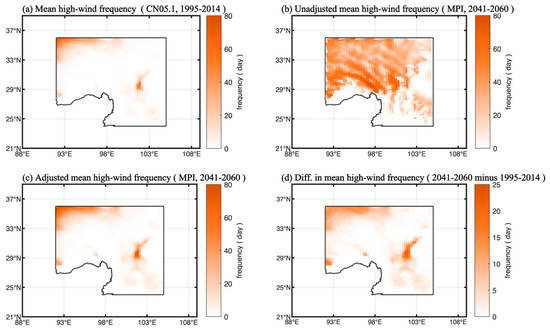
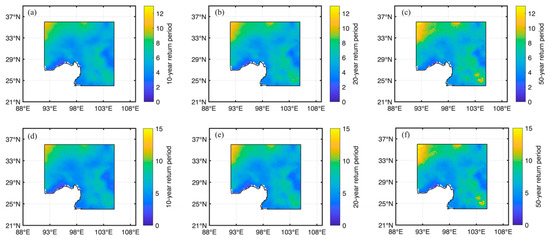
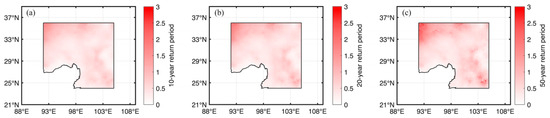
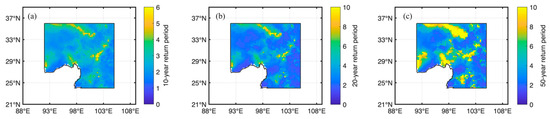
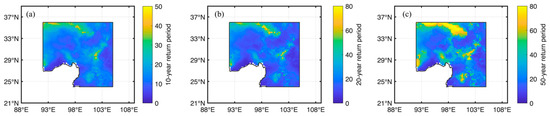
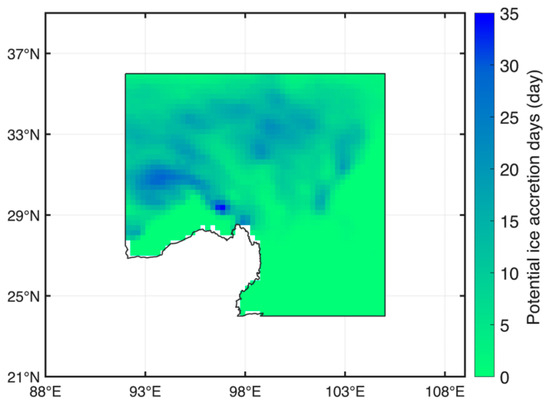
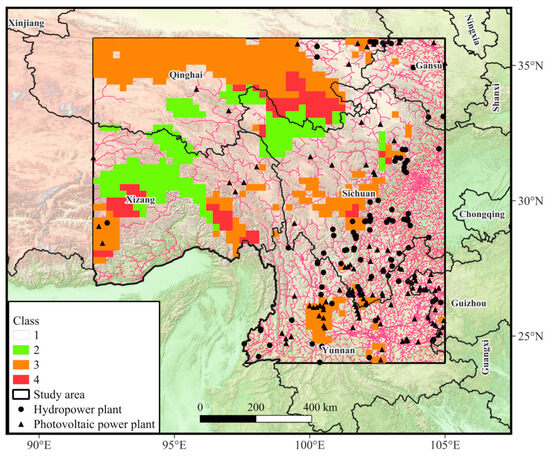
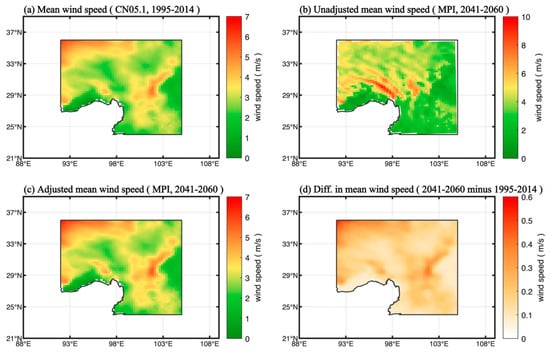
Transmission lines in Southwestern China are highly exposed to compound hazards induced by extreme winds and ice and snow conditions. This study assesses future changes in extreme wind hazards and their spatial overlap with baseline ice susceptibility under the SSP2-4.5 emission scenario, using high-resolution dynamically downscaled climate projections. Compared to the historical period (1995–2014), the results indicate a marked intensification of extreme spring wind events over northwestern Southwestern China and the transitional zone between the Sichuan Basin and the Hengduan Mountains during 2041–2060. The occurrence frequency of wind speeds exceeding historical 50-year return levels is projected to increase by 5–10 times in complex terrain, particularly along the Golmud–Qaidam belt. The Comprehensive Extreme Wind Index (CEWI) identifies the Golmud–Wulanwusu–Qaidam river basin belt as the region of highest wind hazard amplification. Meanwhile, analysis of historical observations reveals that icing-prone conditions occur on more than 25 days each spring in the Nyenchentanglha Mountains and southeastern Tibetan Plateau valleys, establishing a baseline map of ice susceptibility. Due to methodological limitations in projecting future icing, this susceptibility map is used as a static indicator of ice-prone areas. By superimposing projected wind intensification onto the baseline ice susceptibility map, four relative hazard exposure categories are delineated. Regions of highest potential exposure are concentrated in the Bayan Har Mountains and portions of the western Hengduan Mountains, whereas northwestern basins are dominated by high wind risk alone. These results reveal pronounced spatial heterogeneity in the relative amplification of compound hazards under future warming and provide a scenario-informed scientific basis for prioritizing regions in disaster risk reduction and resilient planning of transmission infrastructure in mountainous regions.
Full article

Figure 1
Open AccessArticle
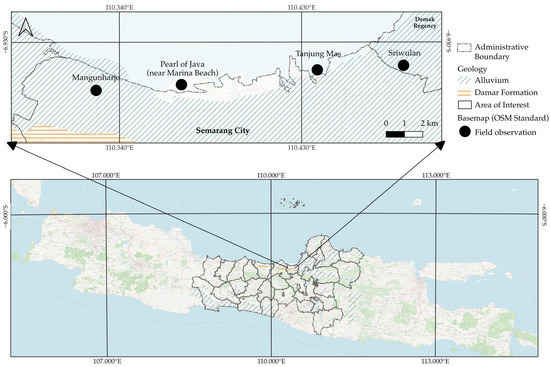
The (Un)Disrupted Place: Investigating Urban Coastal Transformation Through a Place-Attachment Lens for Resilience
by
Rizkiana Sidqiyatul Hamdani, Sudharto Prawata Hadi, Iwan Rudiarto, Alfrida Ista Anindya and Afrizal Maarif
Climate 2026, 14(5), 103; https://doi.org/10.3390/cli14050103 - 13 May 2026
Abstract
Slow-onset hazards are intensifying coastal land transformation, yet their socio-environmental implications remain insufficiently understood. The coastal area of Semarang-Demak, Indonesia, represents a critical case due to long-term land subsidence, recurrent tidal flooding, and extensive coastal development interventions. In response to this gap, this
[...] Read more.
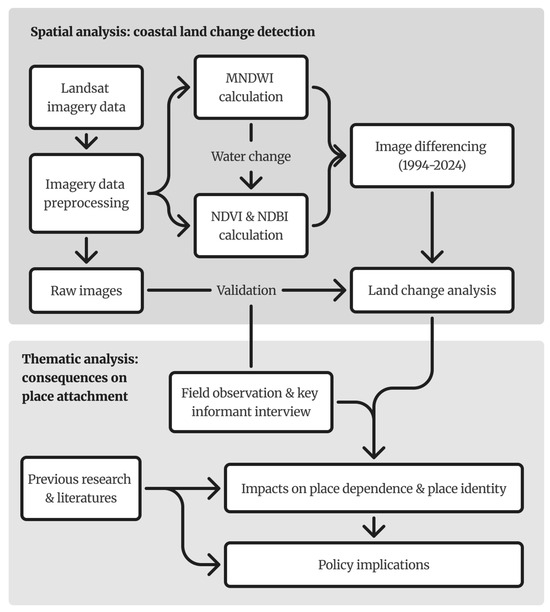
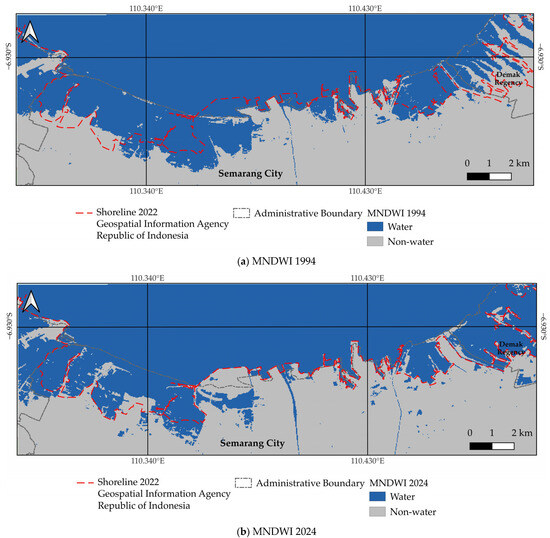
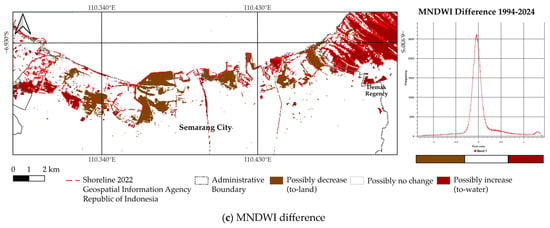
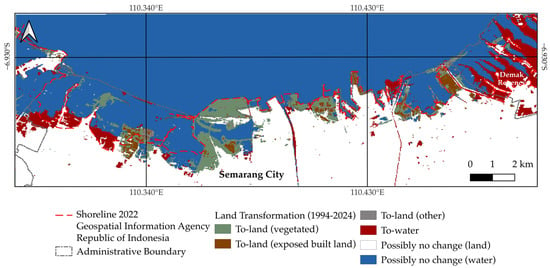
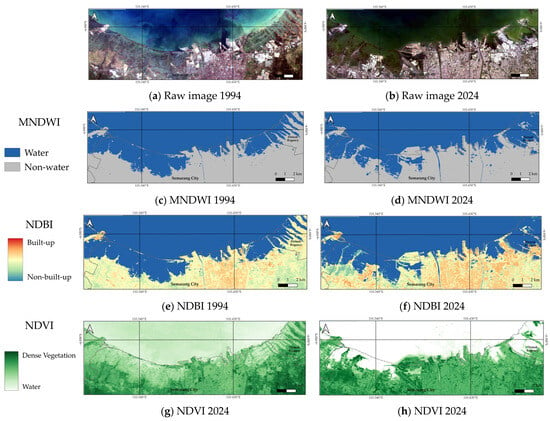
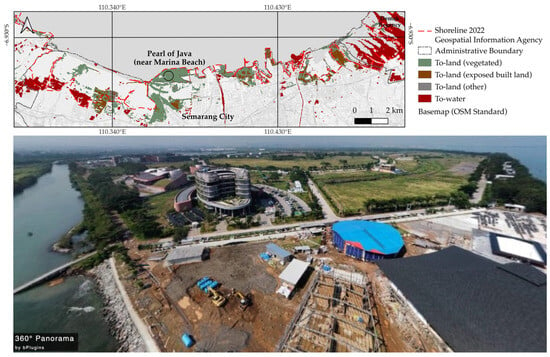
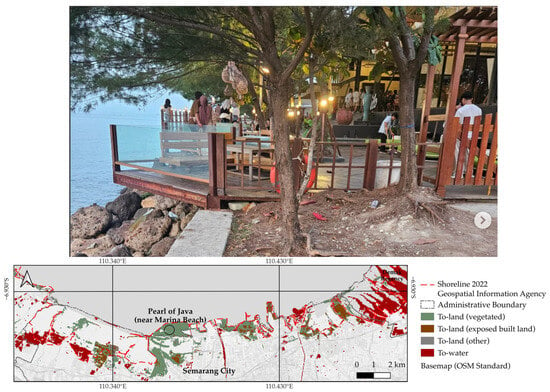
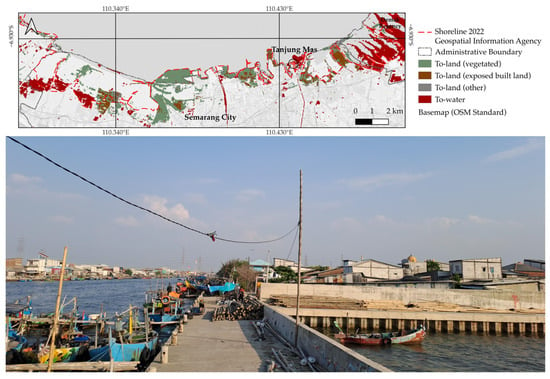
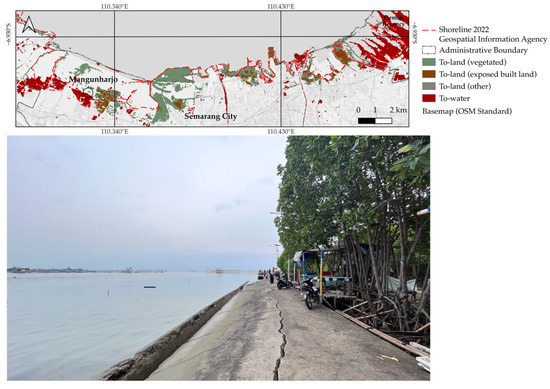
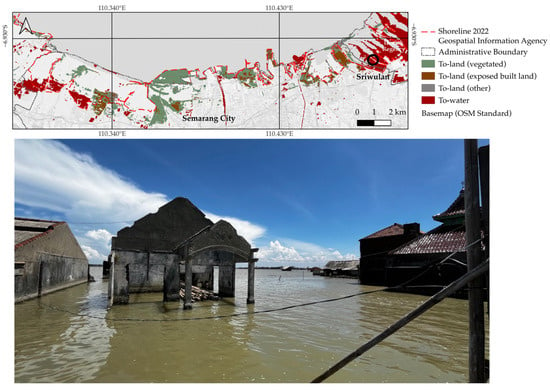
Slow-onset hazards are intensifying coastal land transformation, yet their socio-environmental implications remain insufficiently understood. The coastal area of Semarang-Demak, Indonesia, represents a critical case due to long-term land subsidence, recurrent tidal flooding, and extensive coastal development interventions. In response to this gap, this study integrates open-access Earth observation with place-attachment perspectives to investigate how urban coastal transformation is materially produced and socially experienced. Multi-temporal Landsat imagery from 1994 to 2024 was processed in Google Earth Engine using the Modified Normalized Difference Water Index (MNDWI), complemented by the Normalized Difference Vegetation Index (NDVI) and the Normalized Difference Built-up Index (NDBI). The results show spatially uneven coastal land transformation, with 13.02 km2 of the study area indicating increased MNDWI values (to-water transformation), while 11.75 km2 experienced to-land transformation associated with declining MNDWI values. Further analysis using NDVI and NDBI suggests that part of the to-land transformation reflects anthropogenic built-area expansion, as indicated by areas where NDBI differences exceed NDVI differences. Empirical field observations and interview data contextualize these spatial findings by revealing contrasting yet persistent place attachment across reclamation-influenced areas and communities exposed to erosion and flooding. Building on these findings, the study proposes the notion of the (un)disrupted place to explain how disruption, efforts for resilience and continuity coexist unevenly across coastal space. This study advances a socio-environmental understanding of coastal land transformation and highlights the need for more equitable and multidisciplinary approaches to coastal governance and resilience planning.
Full article
(This article belongs to the Special Issue Climate Adaptation and Mitigation in the Urban Environment)
►▼
Show Figures

Figure 1

Open AccessArticle
Saharan Dust Across the Wider Mediterranean Region, Part B: NAO and ENSO Modulation of Dust-Transport Variability
by
Harry D. Kambezidis
Climate 2026, 14(5), 102; https://doi.org/10.3390/cli14050102 - 12 May 2026
Abstract
►▼
Show Figures
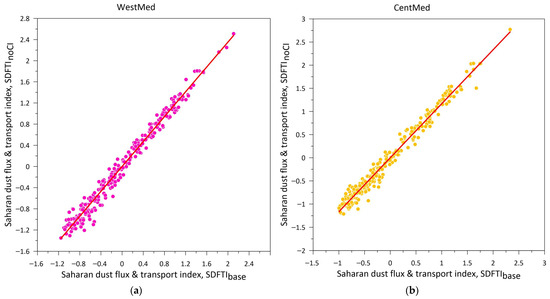
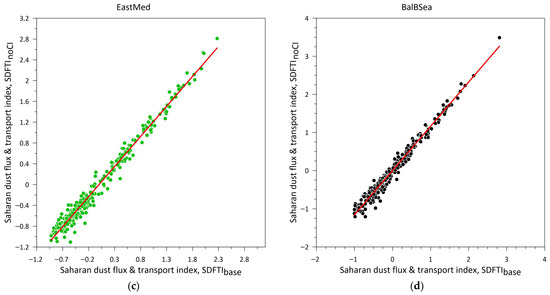
This study investigates the influence of large-scale climate modes on Mediterranean dust-transport variability using a newly developed Saharan Dust Flux Transport Index (SDFTIbase) for 2003–2024. Monthly and seasonal correlations show that NAO–SDFTIbase associations reach r = 0.35–0.55 across sub-regions, whereas
[...] Read more.
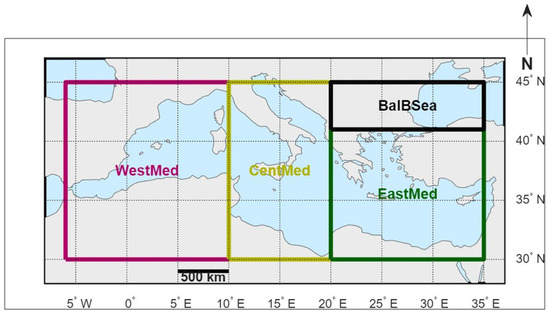
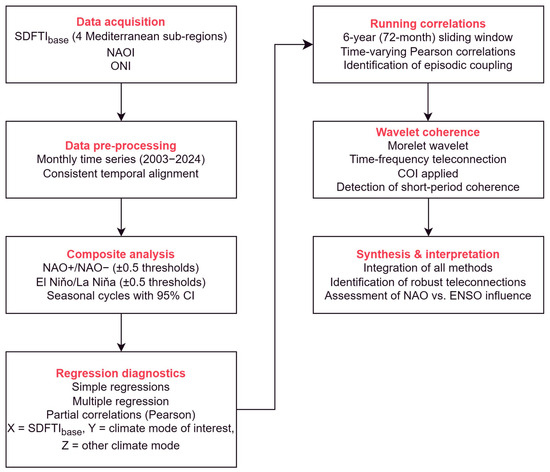
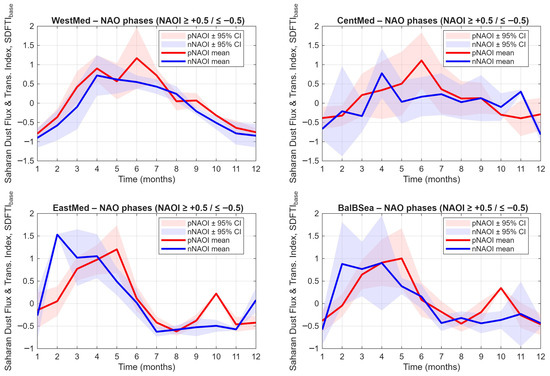
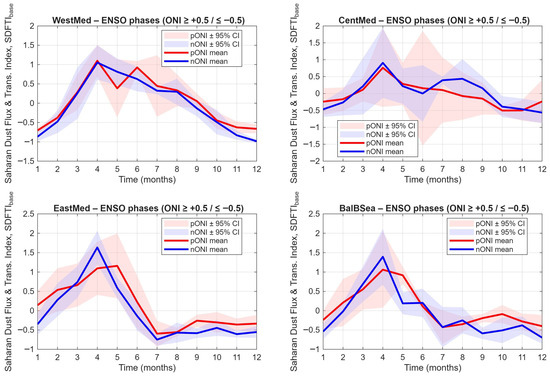
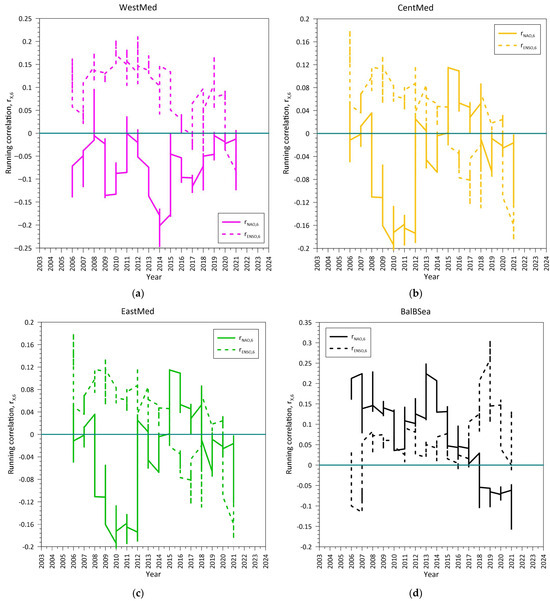
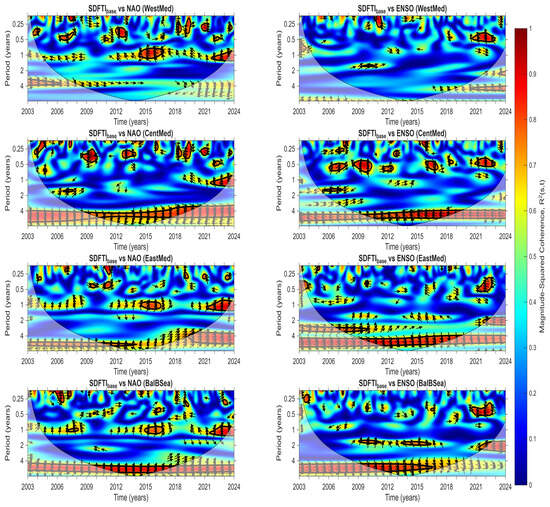
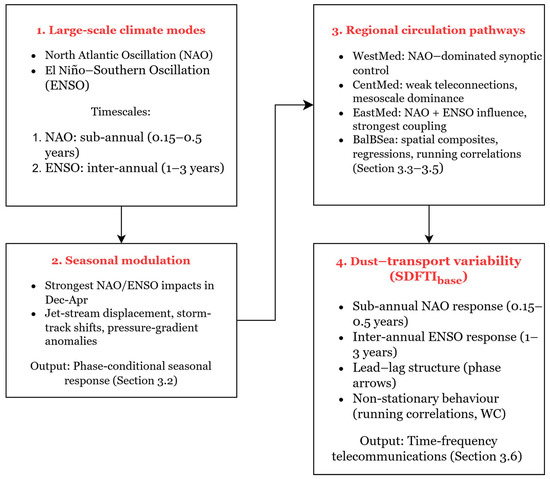
This study investigates the influence of large-scale climate modes on Mediterranean dust-transport variability using a newly developed Saharan Dust Flux Transport Index (SDFTIbase) for 2003–2024. Monthly and seasonal correlations show that NAO–SDFTIbase associations reach r = 0.35–0.55 across sub-regions, whereas ENSO–SDFTIbase correlations remain weaker (r = 0.10–0.25). Running correlations reveal pronounced non-stationarity, fluctuating between −0.4 and +0.6, while wavelet coherence exceeds 0.5 at 2–4-year periods during episodic teleconnection events. NAO exerts its strongest influence at sub-annual scales (0.15–0.5 years), whereas ENSO modulates dust transport primarily at interannual scales (1–3 years). Teleconnection strength is regionally heterogeneous: WestMed and EastMed exhibit the most persistent coupling, CentMed shows weak sensitivity, and BalBSea displays intermediate behaviour. NAO produces near-immediate dust-transport responses, while ENSO often leads dust-transport variability. These results provide a multi-scale dynamical framework linking Atlantic and Indo-Pacific climate variability to Mediterranean dust-transport pathways and highlight the importance of teleconnection-based diagnostics for regional climate assessment.
Full article

Figure 1
Open AccessArticle
ENSO Phase-Dependent Modulation of the Interannual Relationship Between Summer Rainfall and Intraseasonal Oscillation Intensity over the Yangtze River Basin in China
by
Jiani Li, Yanjun Qi, Zhihua Zhang, Shuangyan Yang and Yu Ouyang
Climate 2026, 14(5), 101; https://doi.org/10.3390/cli14050101 - 8 May 2026
Abstract
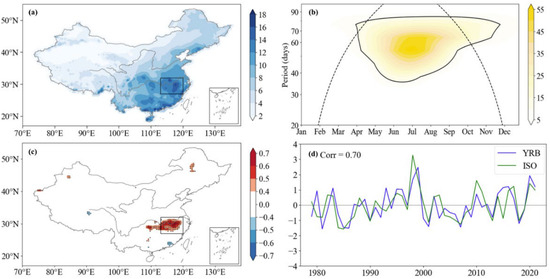
Based on gridded rainfall data and reanalysis datasets during the period 1979–2021, this study investigates the phase-dependent modulation of ENSO (El Niño–Southern Oscillation) on the interannual relationship between summer rainfall and intraseasonal oscillation (ISO) intensity over the middle-lower reaches of the Yangtze River
[...] Read more.
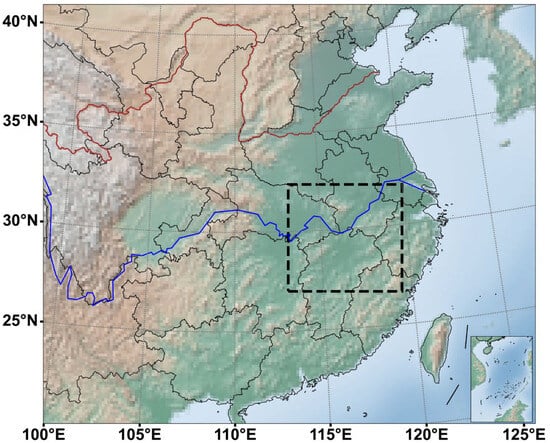
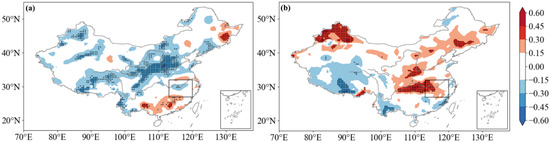
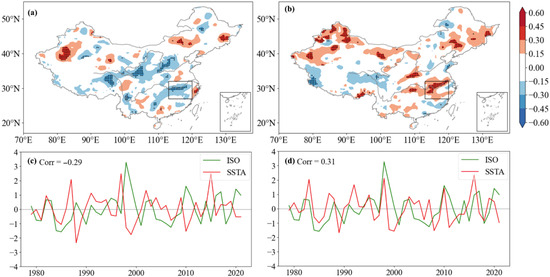
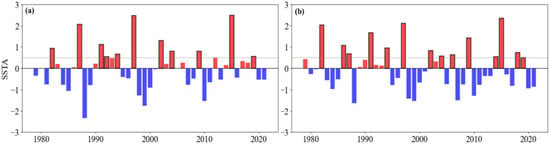
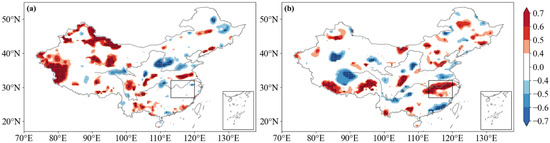
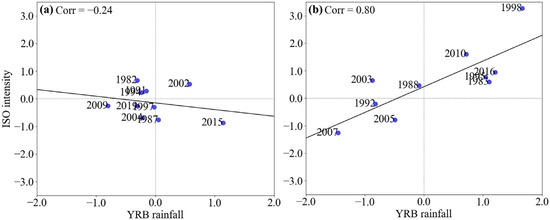
Based on gridded rainfall data and reanalysis datasets during the period 1979–2021, this study investigates the phase-dependent modulation of ENSO (El Niño–Southern Oscillation) on the interannual relationship between summer rainfall and intraseasonal oscillation (ISO) intensity over the middle-lower reaches of the Yangtze River Basin (YRB), together with the associated physical mechanisms. The results show that summer rainfall over the YRB exhibits prominent intraseasonal variability and is significantly positively correlated with ISO intensity at the interannual timescale. This interannual correlation is strongly dependent on the phase of ENSO. During the developing phase of El Niño summers, both summer rainfall and ISO intensity over the YRB are significantly suppressed, and their interannual relationship becomes statistically insignificant. In contrast, during the decaying phase of El Niño summers, both rainfall and ISO intensity are remarkably enhanced, with their positive interannual correlation being substantially strengthened compared to the climatological mean. Further analysis indicates that ENSO influences YRB summer rainfall and ISO intensity primarily by modulating the structure and amplitude of the East Asia–Pacific (EAP) teleconnection pattern. These EAP-related circulation anomalies alter the large-scale atmospheric circulation and moisture transport conditions over the YRB, leading to adjustments in both summer mean rainfall and its intraseasonal variability. Such adjustments not only modify the magnitudes of rainfall and ISO anomalies but also reshape their interannual covariability, resulting in the distinct characteristics of their relationship observed between the developing and decaying phases of El Niño. Therefore, ENSO acts as a key regulator of summer rainfall, ISO intensity, and their interannual relationship in the YRB through its phase-dependent modulation effects.
Full article
(This article belongs to the Special Issue ENSO, Interannual to Intraseasonal Variability and Climatic Extreme Events)
►▼
Show Figures

Figure 1

Open AccessReview
Rainfall Extremes Analysis in Arid Regions Under Climate Change: A Structured Review of Methods and Approaches
by
Amr Mohamed Abdelkhalek, Ayman Georges Awadallah and Nabil Ahmed Awadallah
Climate 2026, 14(5), 100; https://doi.org/10.3390/cli14050100 - 3 May 2026
Abstract
The impact of climate change on rainfall extremes has become increasingly obvious in many climatic regions including arid regions where extreme precipitation events are thought to have augmented or at least intensified. Driven by global factors such as greenhouse gas emissions, deforestation, and
[...] Read more.
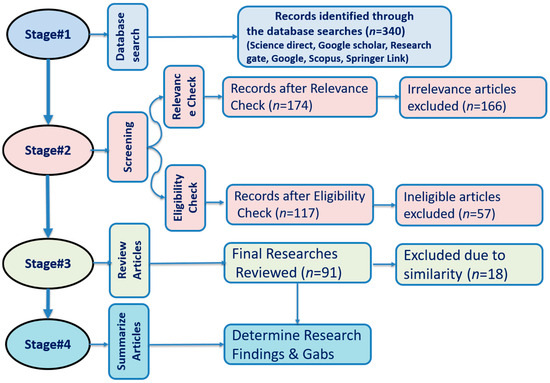
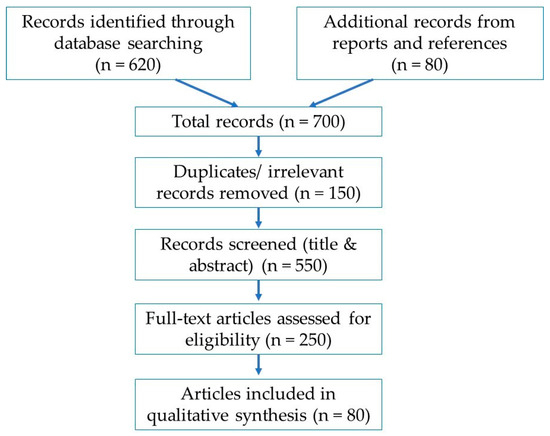
The impact of climate change on rainfall extremes has become increasingly obvious in many climatic regions including arid regions where extreme precipitation events are thought to have augmented or at least intensified. Driven by global factors such as greenhouse gas emissions, deforestation, and industrialization, climate change has augmented hydrological variability, thus making traditional stationary models inadequate for the estimation of extreme rainfall at various return periods. Extreme value analyses, which were traditionally derived under the assumption of stationarity (i.e., constant statistical properties over time) and typically do not account for temporal variability or external climatic drivers (e.g., temperature or large-scale climate indices), may lead to inaccurate estimation of rainfall quantiles under changing climate conditions. This paper presents a structured review of applied methodologies for quantifying the influence of climate change on extreme rainfall events, with special attention to how non-stationarity is addressed in arid regions applications, which was not a major focus in previous review papers. Relevant statistical techniques, extreme value theory, machine learning models, and high-resolution climate simulations are reviewed. From an initial pool of over 340 studies, 91 were selected based on their relevance to quantify rainfall extremes induced by climate change in arid regions. Based on the reviewed studies, the analysis revealed a strong reliance on trend analysis of downscaled Global Climate Models (GCMs) and Regional Climate Models (RCMs) within a stationary framework, with limited integration of covariates, other than time, in non-stationary frequency analysis to estimate the climate change-related value. This review identifies the research gaps in the scientific literature related to climate change impact assessment on extreme rainfall in arid regions. It emphasizes the necessity for adopting more robust hybrid approaches, adopting statistical distributions more suitable to arid conditions, careful treatment of outliers, conducting regional analyses to better understand the overall climate behavior of the region, addressing the impact on short-duration rainfall, integrating key climatic drivers through the incorporation of additional climate covariates and the impact of climate change on sub-daily rainfall patterns.
Full article
(This article belongs to the Section Climate Dynamics and Modelling)
►▼
Show Figures

Figure 1
Open AccessArticle
Resilience of the North Atlantic Circulation on Decadal Timescales
by
Dan Seidov, Alexey Mishonov and James Reagan
Climate 2026, 14(5), 99; https://doi.org/10.3390/cli14050099 - 2 May 2026
Abstract
The circulation of the North Atlantic Ocean plays a vital role in the Earth’s climate system. Numerous studies, primarily through computer simulations, have examined the stability of the Atlantic Meridional Overturning Circulation (AMOC) in a warming climate. Some of these studies predict a
[...] Read more.
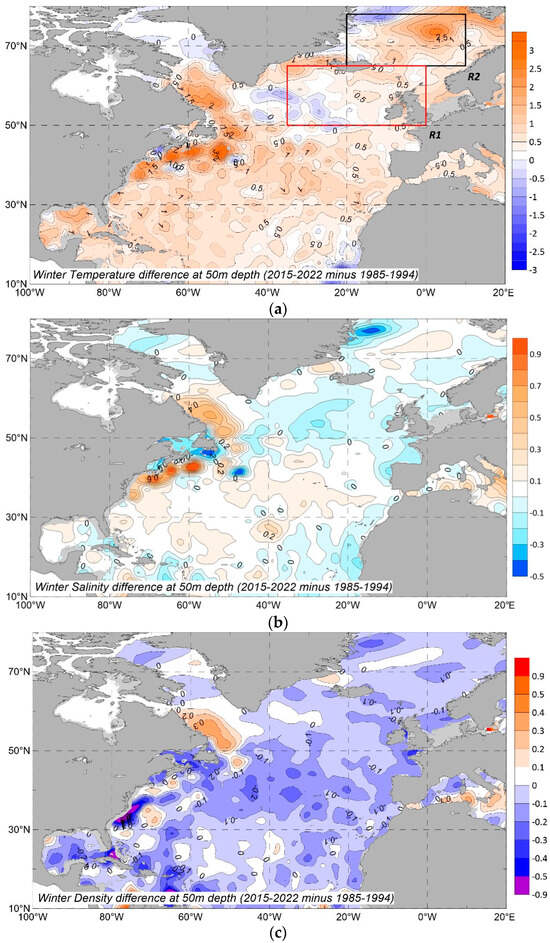
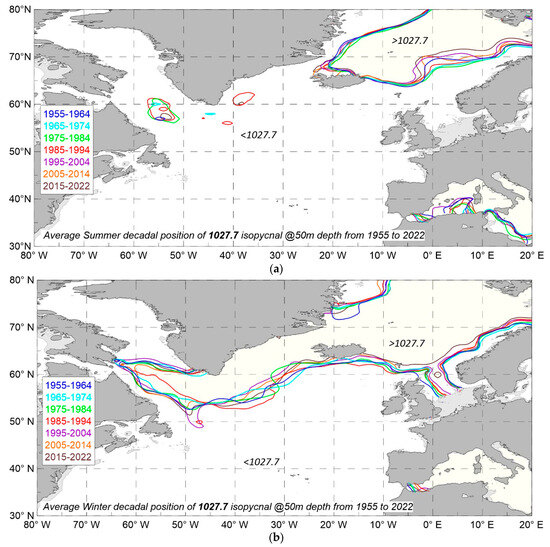
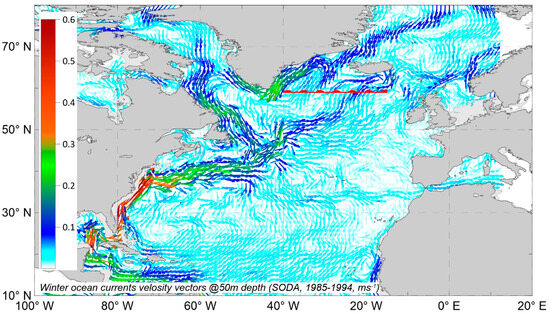
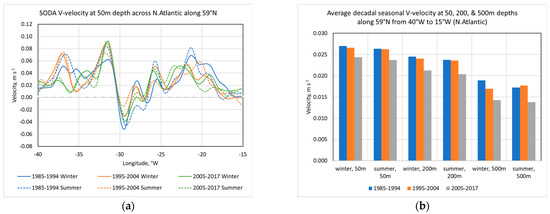
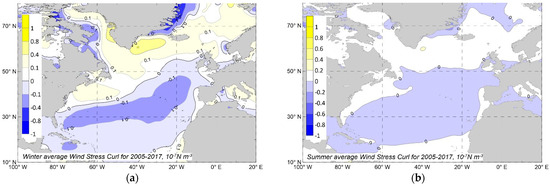
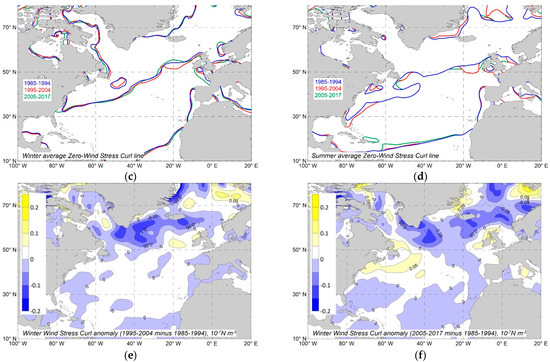
The circulation of the North Atlantic Ocean plays a vital role in the Earth’s climate system. Numerous studies, primarily through computer simulations, have examined the stability of the Atlantic Meridional Overturning Circulation (AMOC) in a warming climate. Some of these studies predict a potential collapse of the AMOC in the foreseeable future, which would require a significant influx of freshwater into the subpolar North Atlantic (NA) and Nordic Seas. Paleoreconstructions of NA circulation indicate a major shift in the position of the subpolar cold front, which either precedes or coincides with substantial changes in AMOC dynamics. These changes in the front position imply a significant alteration in circulation patterns, beginning with the noticeable restructuring of the subtropical and subpolar gyres. This would lead to modifications in the Gulf Stream system and the North Atlantic Current (NAC), affecting the thermohaline fields and the position and strength of these two current systems. Although some models predict a significant slowdown or even collapse of the AMOC, recent observational studies have offered a more cautious perspective. For instance, the Gulf Stream system exhibits high resilience to perturbations caused by ongoing sea surface warming. In this study, we analyzed the decadal variability of temperature and salinity from in situ observations, along with upper-ocean currents in the subpolar NA (SPNA). We found that the thermohaline pattern of the upper ocean layers in the SPNA and Nordic Seas has remained resilient for over 70 years. The deceleration of the AMOC is evident but relatively modest, with average velocities in the upper layers decreasing by less than 10–15% over 30 years. This deceleration was also inconsistent throughout the NAC region. Furthermore, the subpolar front migration over 70 years, as manifested in isotherm spatial variability, reached a maximum of 3° of latitude, with spatial variability of the yearly 10 °C isotherms being lower. Overall, the conclusion regarding the resilience of the NAC aligns well with that of the Gulf Stream, with no substantial changes in the position or intensity of the subpolar gyre. We conclude that while the AMOC is susceptible to some deceleration due to ongoing surface warming and/or high-latitude freshening, it may also be sufficiently resilient to withstand these changes. Although it cannot be entirely ruled out that the AMOC may reach its tipping point within this century, an analysis of data on decadal variability in the upper arm of the AMOC suggests that such a collapse is unlikely to occur.
Full article
(This article belongs to the Special Issue The Dynamics and Impacts of Ocean-Atmosphere Coupling on Regional and Global Climate)
►▼
Show Figures

Figure 1
Open AccessArticle
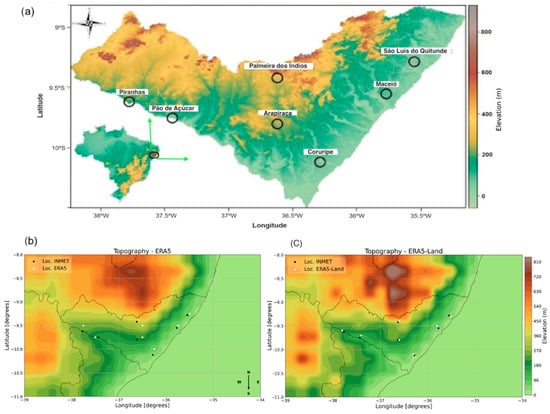
Validation of ERA5 and ERA5-Land ECMWF Reanalysis on the Mountainous Coast of Northeastern Brazil
by
Kécia M. R. Silva, Helber B. Gomes, Robson B. dos Passos, Ismael G. F. de Freitas, Fabrício D. dos S. Silva, Maria C. L. da Silva, Dirceu L. Herdies and Henrique M. J. Barbosa
Climate 2026, 14(5), 98; https://doi.org/10.3390/cli14050098 (registering DOI) - 1 May 2026
Abstract
►▼
Show Figures
Reanalysis datasets provide gridded, high-frequency estimates of atmospheric variables that are essential for studying weather and climate, particularly in regions with sparse observational networks. Despite their widespread use, the quality of reanalysis products remains insufficiently validated in tropical regions, particularly in areas with
[...] Read more.
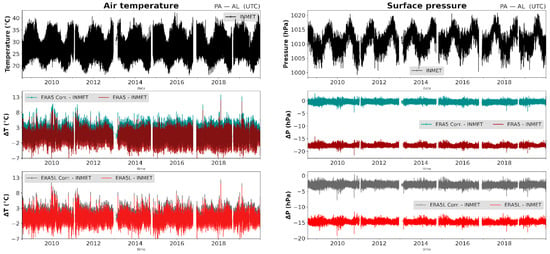
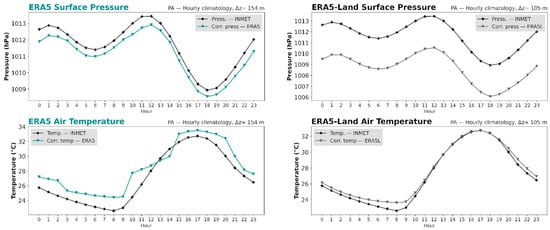
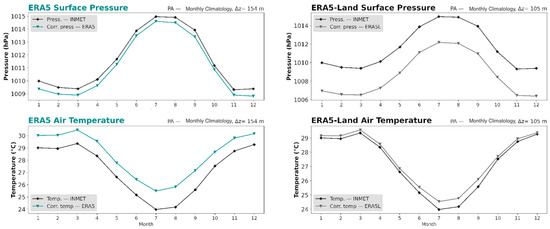
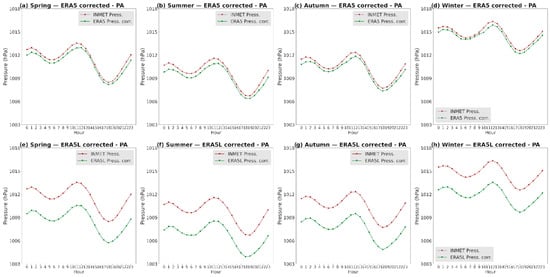
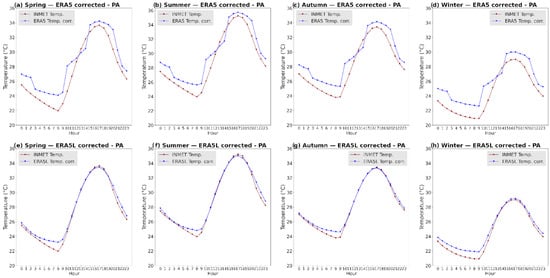
Reanalysis datasets provide gridded, high-frequency estimates of atmospheric variables that are essential for studying weather and climate, particularly in regions with sparse observational networks. Despite their widespread use, the quality of reanalysis products remains insufficiently validated in tropical regions, particularly in areas with complex terrain. In this study, we evaluate the performance of surface-level temperature and atmospheric pressure fields from ERA5 and ERA5-Land in the state of Alagoas, northeastern Brazil. The analysis is based on a 12-year comparison (2008–2019) with observational data from the National Institute of Meteorology (INMET). Prior to validation, altitude corrections were applied to minimize elevation-induced biases in the reanalysis fields. Performance was assessed using statistical metrics. Both reanalyses showed strong agreement with observations, with average correlations exceeding 0.91 for temperature and pressure. ERA5 temperature biases ranged from −0.2 °C to 0.3 °C, and those for ERA5-Land from −0.6 °C to −0.3 °C, with RMSE around 1.6 °C. Pressure biases were initially larger (−20 hPa to +6 hPa in ERA5), but were reduced to below 0.5 hPa at key reference stations after correction. Diurnal and seasonal cycle analyses confirmed the datasets’ ability to reproduce temporal variability, though both reanalyses tended to overestimate minimum temperatures and underestimate maximum temperatures. Further investigation is needed to identify the origin of anomalous temperature jumps in ERA5’s diurnal cycle, which seem unrelated to the assimilation cycles. Overall, the results highlight the robust performance of ERA5 and ERA5-Land in representing surface atmospheric conditions in tropical coastal regions, while also emphasizing the continued need for regional validation and preprocessing before application in high-resolution or short-term studies.
Full article

Figure 1
Open AccessReview
Pathways to Carbon Neutrality in Agriculture: Emission Sources, Mitigation Strategies, and Policy Frameworks
by
Joairia Hossain Faria, Sabina Yeasmin, Sanjana Hossain Nijhum, A. K. M. Mominul Islam and Md. Parvez Anwar
Climate 2026, 14(5), 97; https://doi.org/10.3390/cli14050097 - 29 Apr 2026
Abstract
Globally, greenhouse gas (GHG) emissions have risen dramatically due to accelerated industrialization, excessive fossil fuel extraction, and agricultural activities, leading to global warming and ecosystem collapse. Achieving net-zero carbon emissions has therefore become a crucial global priority. Despite substantial international efforts, only a
[...] Read more.
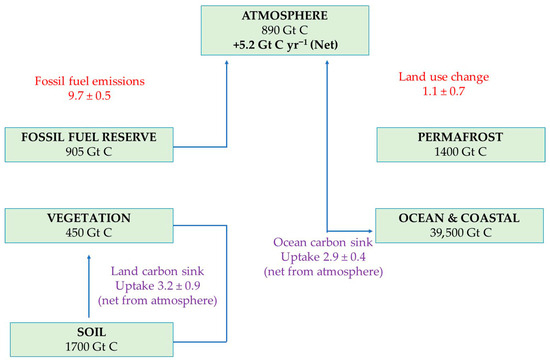
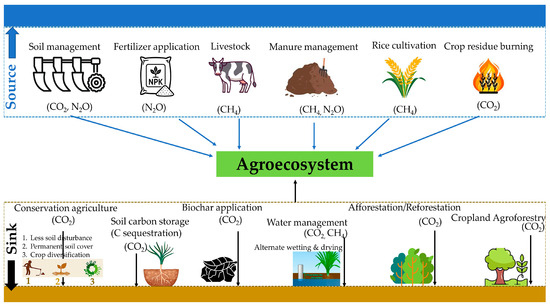
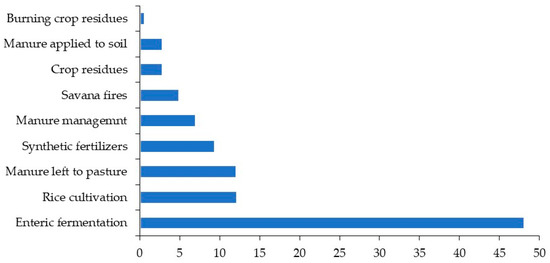
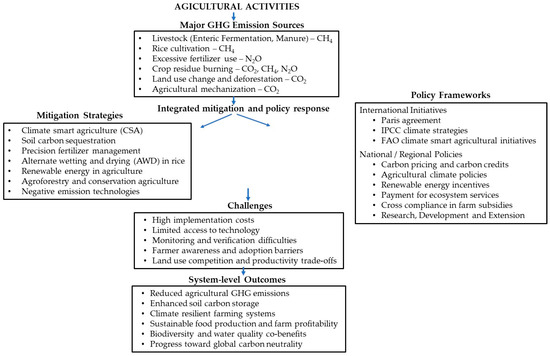
Globally, greenhouse gas (GHG) emissions have risen dramatically due to accelerated industrialization, excessive fossil fuel extraction, and agricultural activities, leading to global warming and ecosystem collapse. Achieving net-zero carbon emissions has therefore become a crucial global priority. Despite substantial international efforts, only a small number of countries have achieved carbon neutrality so far, with the majority aiming to do so by 2050 or 2060. Progress remains hindered by fragmented international coordination and inadequate integration of mitigation and adaptation co-benefits. However, agriculture is a major carbon emitter with significant mitigation potential. Attaining local carbon neutrality in agricultural landscapes is highly costly and strongly impacted by the spatial heterogeneity of GHG emissions and the diversity of available mitigation possibilities. This sector remains a major contributor to methane (CH4) and nitrous oxide (N2O) emissions, mainly through enteric fermentation and fertilizer use, and thus must be prioritized in global carbon neutrality strategies. Tactics such as improved livestock management, reduced use of synthetic fertilizers, conservation agriculture, afforestation, and renewable energy adoption can reduce emissions. These technical approaches should be supported by effective policy instruments, like carbon taxes, cap-and-trade schemes, low-carbon practice subsidies, and regulatory frameworks. Together, these measures can enable a transition toward long-term sustainability in agriculture by balancing emissions with removals through enhanced carbon sinks and credible offset mechanisms.
Full article
(This article belongs to the Special Issue Climate Change and Crop Response)
►▼
Show Figures

Figure 1

Open AccessArticle
Impact of Climate Change on Agriculture and Adaptive Responses: Evidence from Doti District of Nepal
by
Jitendra Bikram Shahi, Bed Mani Dahal, Nani Raut, Sunil Kumar Pariyar and Nabin Aryal
Climate 2026, 14(5), 96; https://doi.org/10.3390/cli14050096 - 29 Apr 2026
Abstract
The agriculture sector in Nepal is highly vulnerable to climate change due to its traditional practices, limited technological intervention, and low adaptive capacity. Owing to the country’s complex topography, the impacts of climate change are spatially heterogeneous, making local-level climate change assessments highly
[...] Read more.
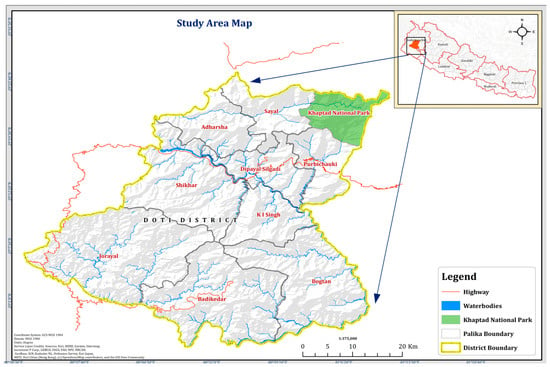
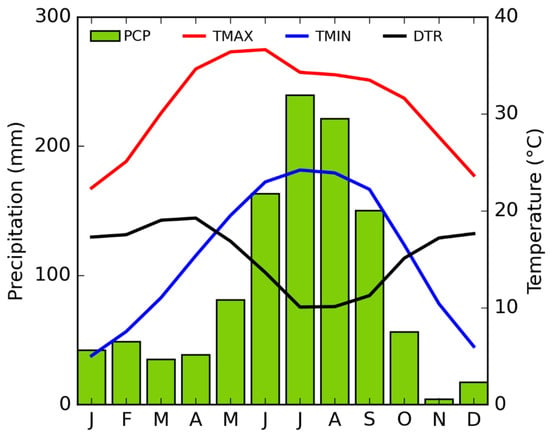
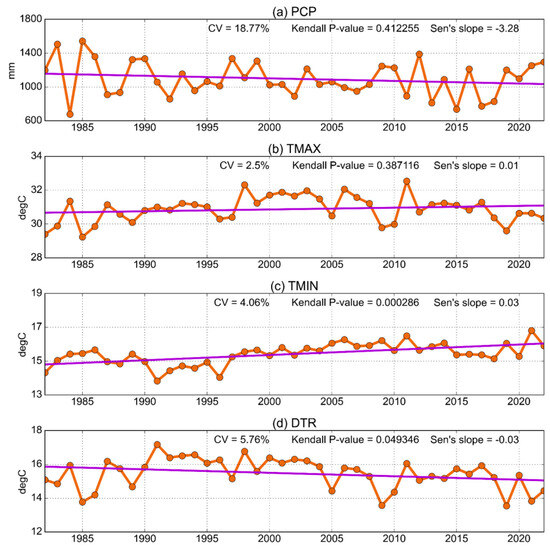
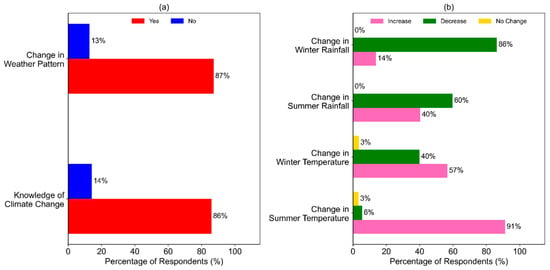
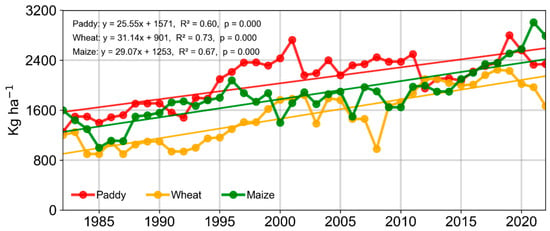
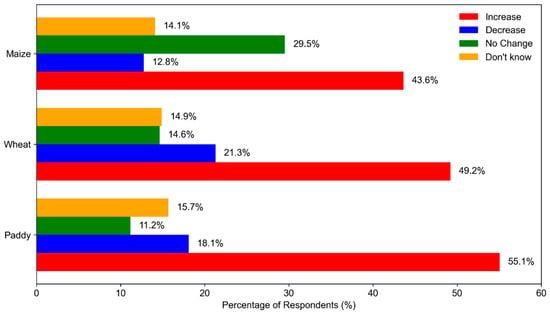
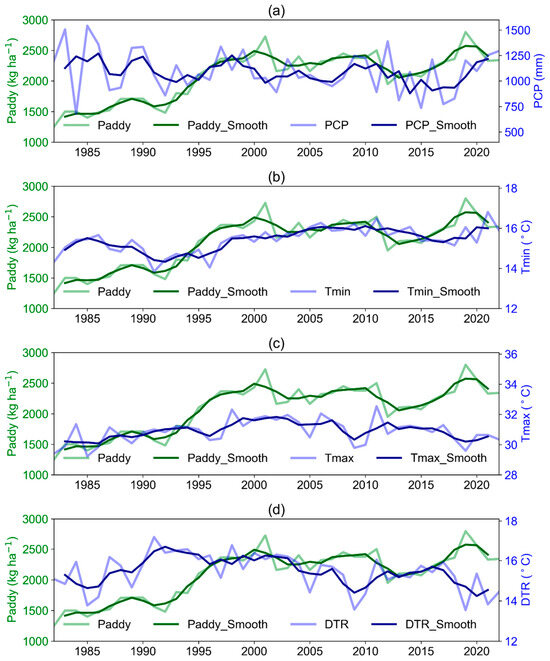
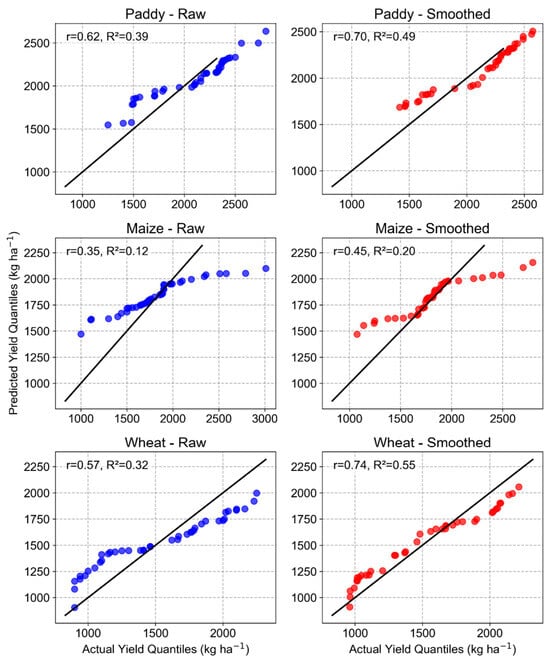
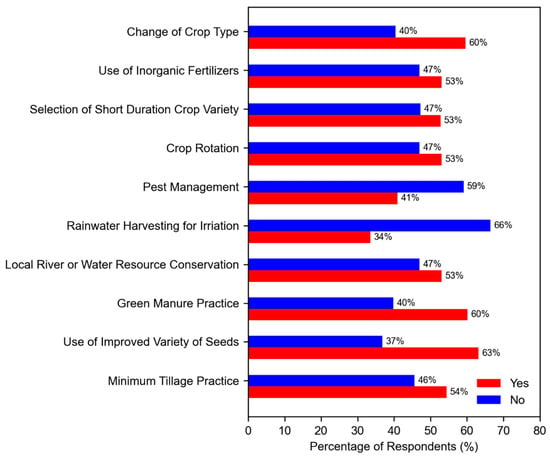
The agriculture sector in Nepal is highly vulnerable to climate change due to its traditional practices, limited technological intervention, and low adaptive capacity. Owing to the country’s complex topography, the impacts of climate change are spatially heterogeneous, making local-level climate change assessments highly relevant. This study focuses on the impact of climate change on three major crops (rice, wheat, and maize), in the Doti district of Nepal, based on meteorological records, crop yield data, questionnaire surveys, and focus group discussions. Climate records from 1982 to 2022 show a trend in annual rainfall at a rate of −3.28 mm per year, with a particularly pronounced decline during the monsoon season. Both maximum and minimum temperatures exhibit statistically significant increasing trends of 0.01 °C and 0.03 °C per year, respectively. The most significant warming for maximum temperature occurs during the monsoon season, while minimum temperature shows the highest increase during the pre-monsoon season. During the same period, annual yields of paddy, maize, and wheat show statistically significant increasing trends. These trends in climate variables and crop yields align with the perceptions of local communities. Linear correlation analysis indicates that maximum and minimum temperatures have a positive influence on crop yields, whereas precipitation and diurnal temperature range have negative effects. Among these, minimum temperature has the greatest impact on crop yields, followed by maximum temperature and rainfall. Multiple linear regression analysis reveals that climate variables better explain long-term trends in crop yields rather than year-to-year variability. The impact of climate is most pronounced in wheat where climate variables account for approximately 55% of the yield variability, followed by paddy (R2~49%) and maize (R2~20%). Despite the overall increase in crop yields, interannual variability has grown, consistent with increased variability in climate parameters. To cope with this uncertainty, local communities have adopted various adaptation strategies, including the use of improved seed varieties, green manure, and changes in crop types. Other key practices include the use of inorganic fertilizers, selection of short-duration crops, crop rotation, minimum tillage farming, and river conservation.
Full article
(This article belongs to the Section Climate and Environment)
►▼
Show Figures

Figure 1
Open AccessArticle
Daily Snow-Water-Equivalent Trends over the Great Lakes Basin: A Computer Vision and Deep Learning-Based Approach
by
Karim Malik, Isteyak Isteyak, Kristen Kys, Yusriyah Rahman, Hala Al Daker and Karanveer Sidhu
Climate 2026, 14(5), 95; https://doi.org/10.3390/cli14050095 - 28 Apr 2026
Abstract
►▼
Show Figures
Snow water equivalent (SWE), the amount of water that will be liberated when a given snowpack melts, is considered an essential climate variable. Snowmelt drives annual run-off in snow-dominant basins. However, detecting daily SWE changes in lake-effect snowfall regions such as the Great
[...] Read more.
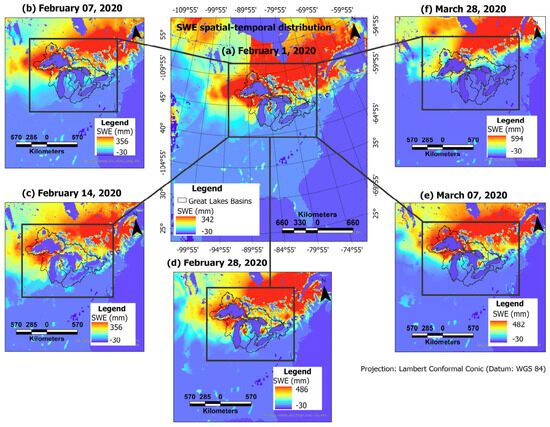
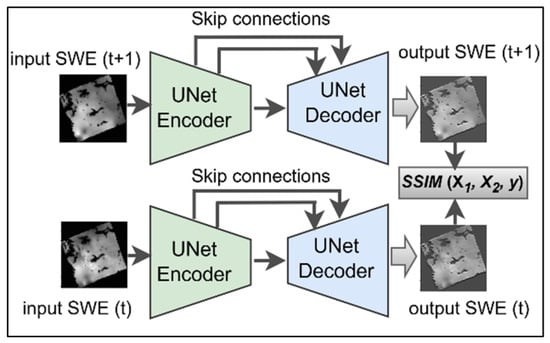
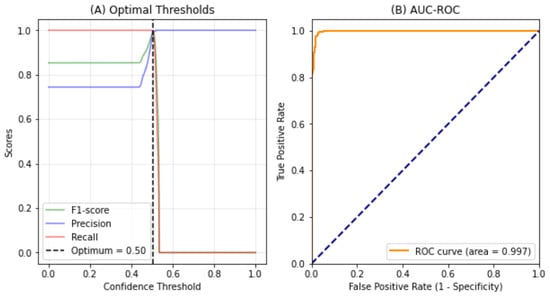
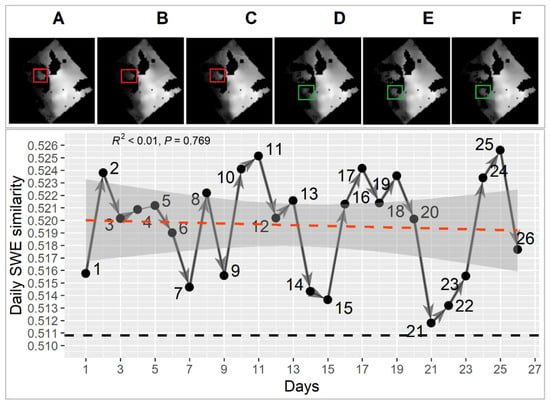
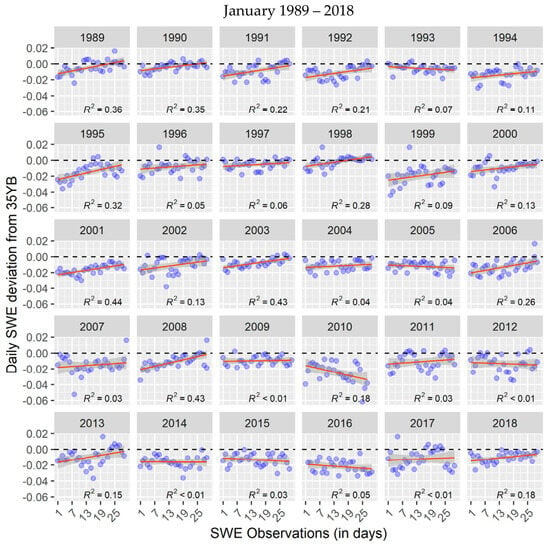
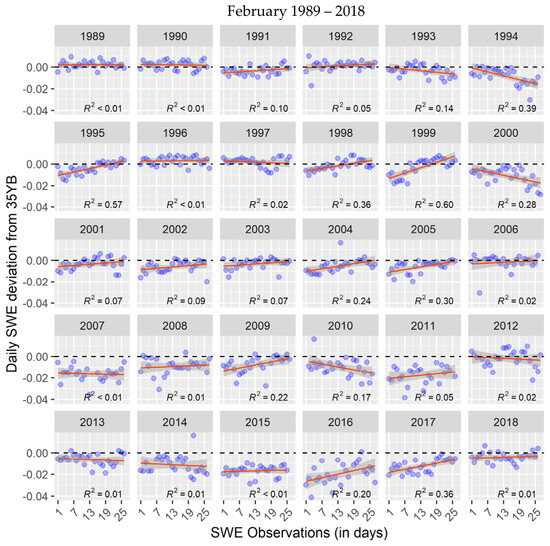
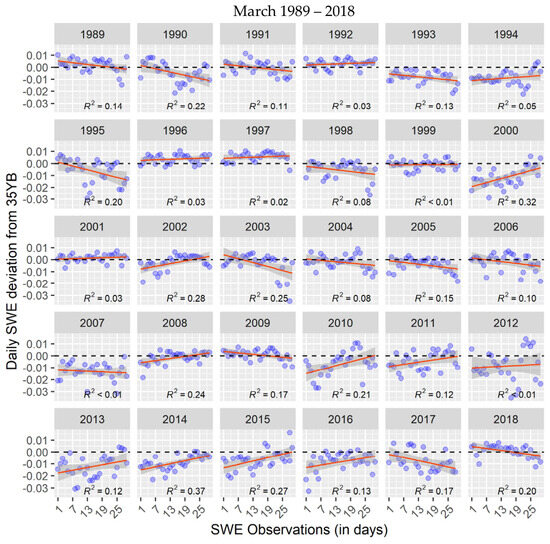
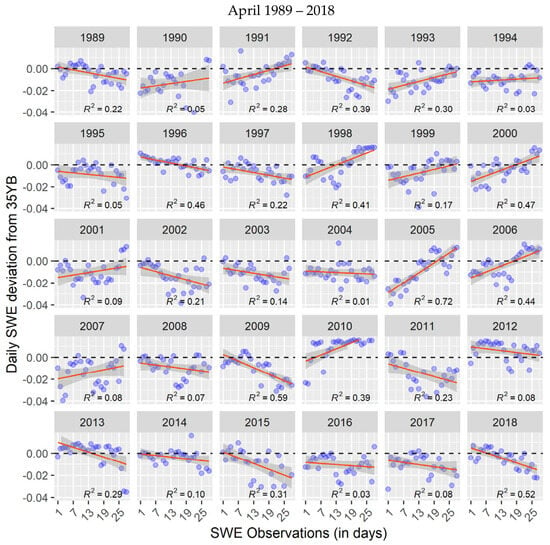
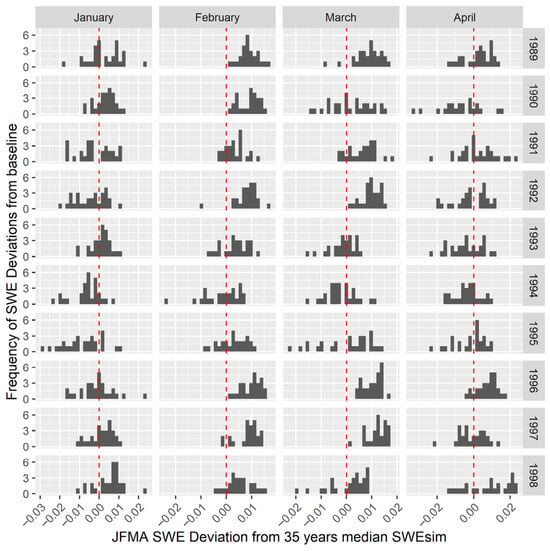
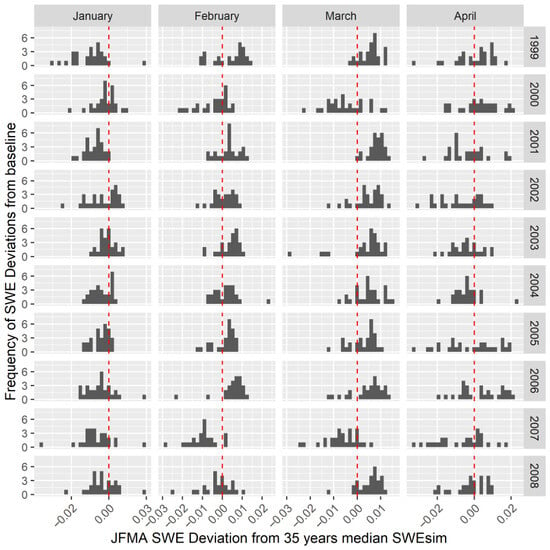
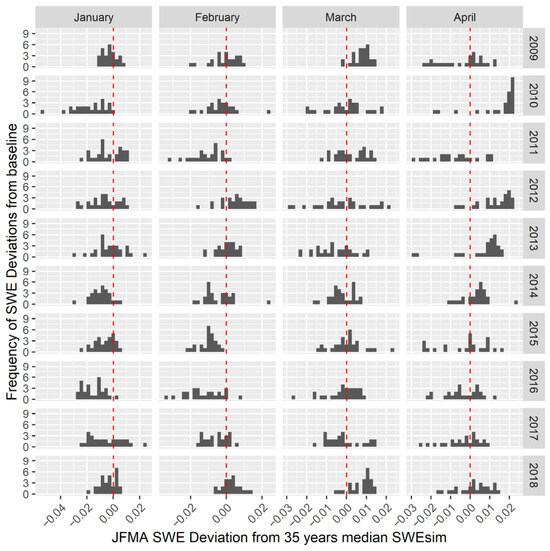
Snow water equivalent (SWE), the amount of water that will be liberated when a given snowpack melts, is considered an essential climate variable. Snowmelt drives annual run-off in snow-dominant basins. However, detecting daily SWE changes in lake-effect snowfall regions such as the Great Lakes Basin (GLB) is challenging with classical methods. We developed a Siamese U-Net (Si-UNet) model to detect and characterize daily changes and trends in SWE. Our Si-UNet detected daily changes in SWE over the GLB with an F1-score of 98.73%. To characterize the basin-wide extent of anomalies in SWE distribution, we compared SWE trends to a 35-year median (35YB) baseline and identified decadal trends in SWE. We found that the period from 1989 to 2008 was the temporal window with minimal anomalies, compared to the 35YB of ~0.5108. Positive deviations from the 35YB were prevalent over these 20 years, indicating less significant daily changes. A significant shift to daily SWE similarity below the 35YB occurred after 2009, especially in January and February. Daily changes in SWE were high in April, beginning in the second week. The strongest positive trend, likely associated with lake-effect snowfall, was observed in April 2000 (R2 = 0.47).
Full article

Figure 1
Open AccessArticle
The Impact of Climatic Variables on Food Production in Afghanistan: The Role of Green Energy
by
Sayed Alim Samim, Abdul Qadir Nabizada, Miraqa Hussain Khail, Zhiquan Hu and Sebastian Stepien
Climate 2026, 14(5), 94; https://doi.org/10.3390/cli14050094 - 28 Apr 2026
Abstract
Afghanistan is highly vulnerable to the effects of climate change, which poses significant challenges to food security and environmental systems. To mitigate these challenges and promote sustainable development, it is important to adopt an integrated method that promotes food production and climate resilience
[...] Read more.
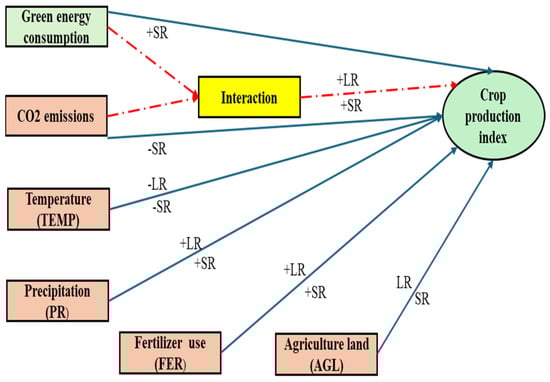
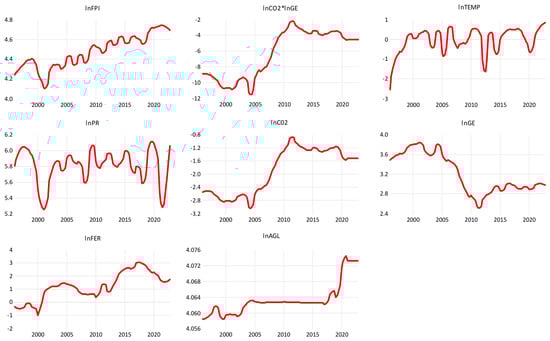
Afghanistan is highly vulnerable to the effects of climate change, which poses significant challenges to food security and environmental systems. To mitigate these challenges and promote sustainable development, it is important to adopt an integrated method that promotes food production and climate resilience for environmental sustainability. This manuscript aims to estimate the decoupling impact of green energy on CO2 emissions and food crop production in Afghanistan, with a focus on promoting Sustainable food production. In this research article, the Nonlinear Auto Regressive Distributed Lag (NARDL) model was used to estimate data from 1996 to 2021 in Afghanistan. The NARDL bounds test confirms a stable long-run equilibrium relationship between climatic factors and food crop production. The long-run results reveal an asymmetric decoupling impact of green energy on CO2 emission and food crop production. Specifically, a 1% positive or negative shock in the interaction between green energy and CO2 emissions produces different outcomes for food crop production. Increasing temperature tends to decrease food production, while precipitation increases food production over the long term. Furthermore, raising CO2 emissions negatively affects long-term food production, while greater use of green energy contributes to food production in the future. These findings underscore the need to adopt climate-resilient technologies, including climate-smart agriculture, to help farmers withstand the adverse effects of climate change. In addition, to ensure long-term stability in food production, Afghanistan should prioritize the development of green technologies. This approach would reduce agriculture’s dependence on fossil fuels and foster the growth of sustainable agricultural industries.
Full article
(This article belongs to the Special Issue Climate Change and Food Sustainability: A Critical Nexus)
►▼
Show Figures

Figure 1
Open AccessArticle
Summertime Increase in the Frequency of Low-Pressure Systems in the Mediterranean Region from 1940 to 2024
by
Muhammad Attiq Khan and Ulrich Foelsche
Climate 2026, 14(5), 93; https://doi.org/10.3390/cli14050093 - 27 Apr 2026
Abstract
Mediterranean low-pressure systems or cyclones are responsible for many extreme events affecting the region. This study presents a comprehensive analysis of Mediterranean cyclones from 1940 to 2024 using high-resolution ERA5 reanalysis data. This study implements a detection algorithm based on geopotential height minima
[...] Read more.
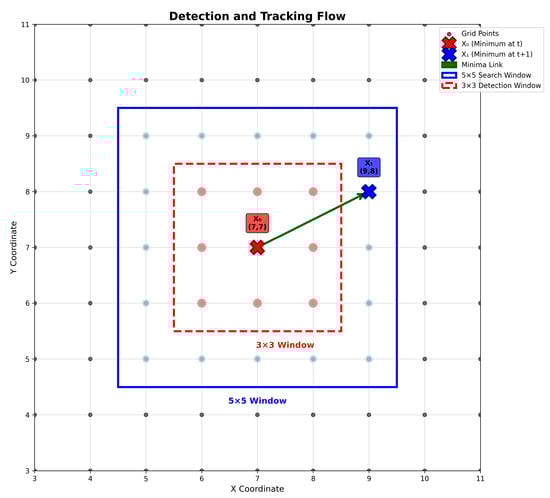
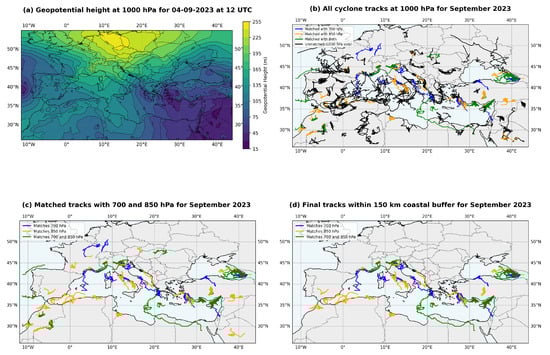
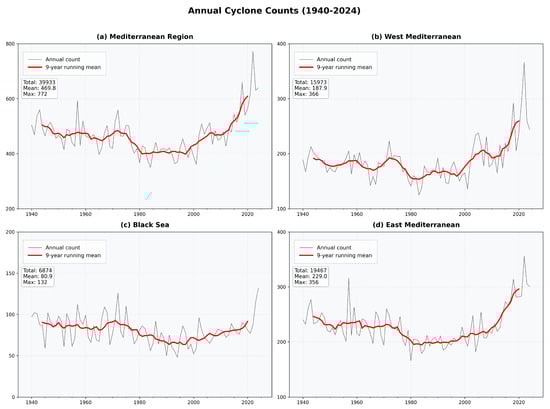
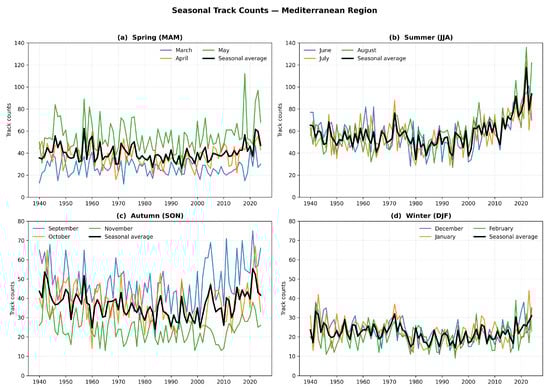
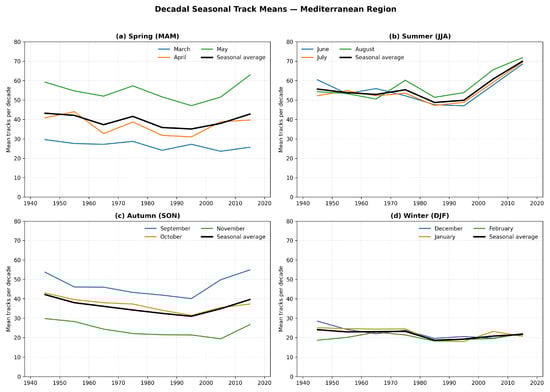
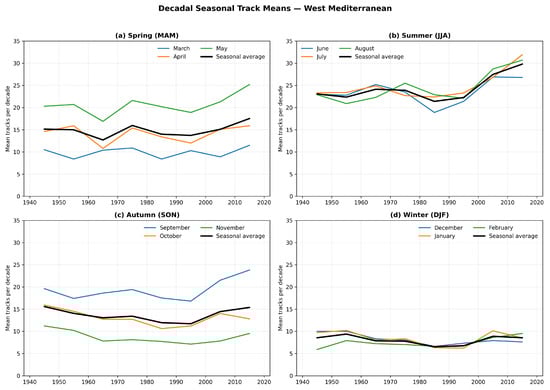
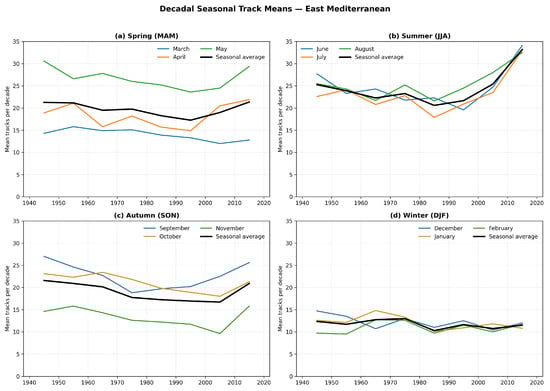
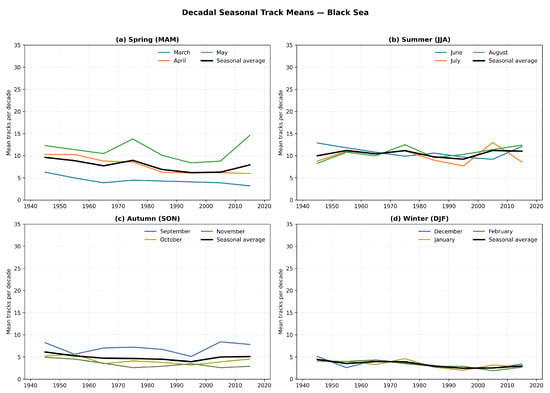
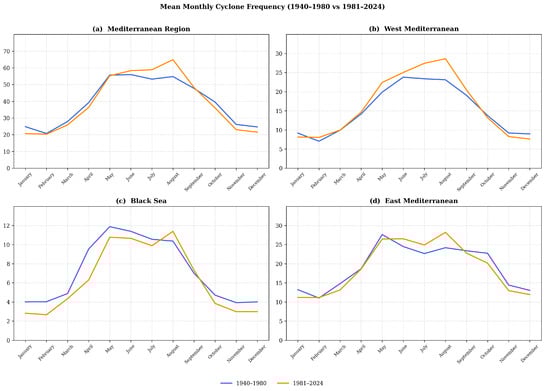
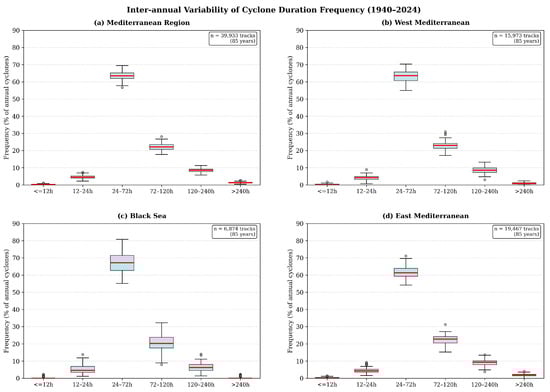
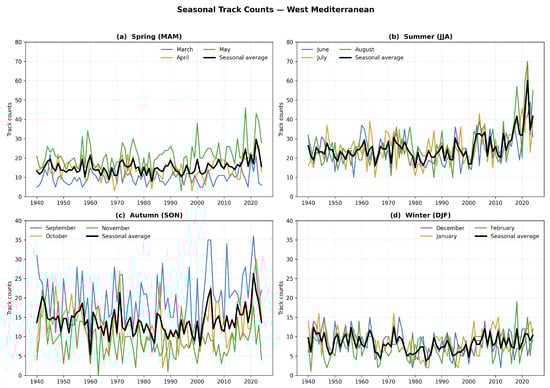
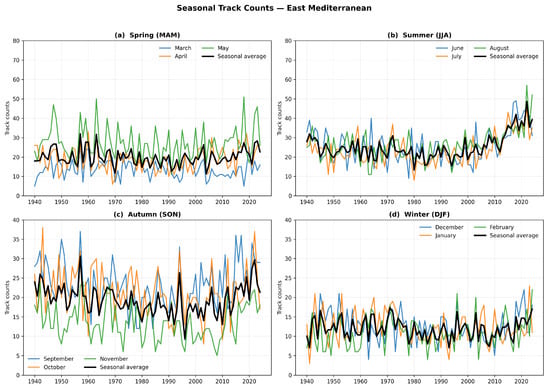
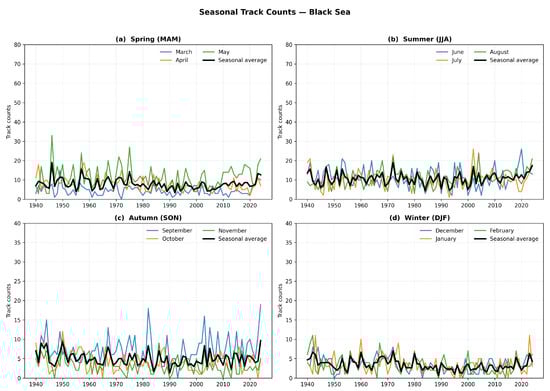
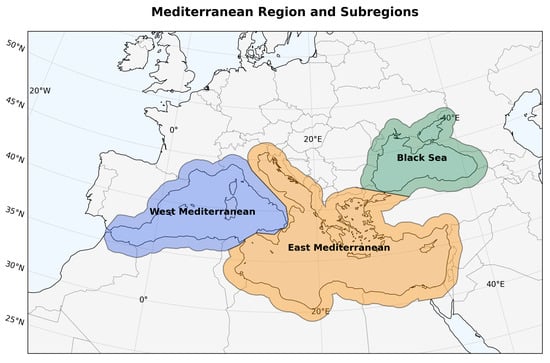
Mediterranean low-pressure systems or cyclones are responsible for many extreme events affecting the region. This study presents a comprehensive analysis of Mediterranean cyclones from 1940 to 2024 using high-resolution ERA5 reanalysis data. This study implements a detection algorithm based on geopotential height minima on three different pressure levels (1000 hPa, 850 hPa and 700 hPa). Cyclone tracks in this study are constructed by linking identified low-pressure centers at successive time steps using a nearest neighbor tracking algorithm. The number of cyclones at 1000 hPa is filtered by matching them with upper levels and restricting them within 150 km from the coast, covering the entire Mediterranean region, which we divided into three subregions: the western Mediterranean, the eastern Mediterranean, and the Black Sea. Seasonal analysis was performed for winter (December–February), spring (March–May), summer (June–August), and autumn (September–November). Our results have recorded 39,933 individual cyclone tracks, where the majority (25,265 cyclones; 63.3%) are short-lived (24–72 h). Regionally, the western Mediterranean has the highest cyclone density, followed by the Black Sea and the eastern Mediterranean. While there is only a small increase in total numbers, a notable increase in cyclone activity is observed during the summer months, particularly in August, with a statistically significant rise of 18.4% since 1980 across the whole Mediterranean region. In the western Mediterranean, this August intensification was even 23.8%. As a result of this, the annual peak of cyclone activity has shifted from May/June to August.
Full article
(This article belongs to the Special Issue The Importance of Long Climate Records (Second Edition))
►▼
Show Figures

Figure 1
Journal Menu
► ▼ Journal Menu-
- Climate Home
- Aims & Scope
- Editorial Board
- Reviewer Board
- Topical Advisory Panel
- Instructions for Authors
- Special Issues
- Topics
- Sections & Collections
- Article Processing Charge
- Indexing & Archiving
- Editor’s Choice Articles
- Most Cited & Viewed
- Journal Statistics
- Journal History
- Journal Awards
- Society Collaborations
- Conferences
- Editorial Office
Journal Browser
► ▼ Journal BrowserHighly Accessed Articles
Latest Books
E-Mail Alert
News
Topics
Topic in
Atmosphere, Buildings, Climate, Environments, Sustainability, Earth
Climate, Health and Cities: Building Aspects for a Resilient Future
Topic Editors: Ferdinando Salata, Virgilio Ciancio, Simona MannucciDeadline: 25 May 2026
Topic in
Agronomy, Applied Sciences, Climate, Forests, IJGI, Sustainability, Plants
Climate Change Impacts and Adaptation: Interdisciplinary Perspectives, 2nd Edition
Topic Editors: Cheng Li, Fei Zhang, Mou Leong Tan, Kwok Pan ChunDeadline: 30 June 2026
Topic in
Buildings, Climate, Fire, Sustainability, Water, Infrastructures
Disaster Risk Management and Resilience
Topic Editors: M. Amin Hariri-Ardebili, Sissy NikolaouDeadline: 31 July 2026
Topic in
Agronomy, Climate, Crops, Grasses, Horticulturae, Land, Plants
Reframing Strategies for a Low Carbon Future in Agricultural Systems
Topic Editors: M. Ibrahim Khalil, Bruce OsborneDeadline: 8 October 2026
Conferences
Special Issues
Special Issue in
Climate
Advances in Climate and Water Resources Management and Drought Assessment
Guest Editors: Katarzyna Kubiak-Wójcicka, Hany F. Abd-ElhamidDeadline: 30 May 2026
Special Issue in
Climate
Effects of Climate Change on Ecosystem Behavior Across Varied Environments
Guest Editors: Tao Bao, Wanying Zhang, Ning ChenDeadline: 31 May 2026
Special Issue in
Climate
Clean Energy Technologies for Climate Change Mitigation
Guest Editors: Mulualem Gebreslassie, Augustine IkpehaiDeadline: 31 May 2026
Special Issue in
Climate
Climate Change and Crop Response
Guest Editor: Xiaodong JiangDeadline: 31 May 2026
Topical Collections
Topical Collection in
Climate
Adaptation and Mitigation Practices and Frameworks
Collection Editor: Rajib Shaw